ResidentialBusiness
Administrators
-
Joined
-
Last visited
Everything posted by ResidentialBusiness
-
 Working from home might be frowned upon at some companies these days, but the rising number of layoffs last year and the growing collection of workers who are launching their own businesses means the number of people working out of a home office is on the rise. If you’re among them, you’ve no doubt learned that to make it a comfortable experience, you need a lot more than a laptop and a convenient table. At the Consumer Electronics Show (CES) in Las Vegas this year, plenty of items on display seemed well-suited to make work life easier for home-based employees. Here’s a look at the most notable tools. Xebec Tri Screen 3 If you’re used to a multi-monitor setup, you know the pain of having to adjust to a single monitor when you’re on the road or find yourself confined to a smaller workspace. Xebec has been providing solutions for that for a while, but the Tri Screen 3 is the easiest fix yet. Simply clamp the base onto the back of your laptop’s screen, plug it in, and in seconds you’ll have three independent screens with which to spread out your browser windows, spreadsheets, and documents. The Tri Screen 3 works with both PCs and Macs (adapter needed) and runs $699. Libernovo Omni A good office chair is critical for home workers. Plopping yourself down in a chair stolen from the dining room for long periods will result in back pain and decreased productivity. Libernovo’s Omni ergonomic chair has been on the market for a bit, but at CES, the company showed off upgrades that make it even more appealing. Rather than adjusting the chair itself, the Omni, which starts at $803, uses what it calls a “bionic” backrest, featuring 16 joints and eight panels, mimicking the human spine and following the user’s movement in real time. It also will offer a temperature-adaptive cooling cushion that adjusts to your body heat. Jackery Explorer 1500 Ultra Over the past few years, more and more areas of the country have experienced climate-related power outages, whether due to extreme heat, tropical activity, or some other meteorological quirk. But for the home-based worker, reliable power is essential. Jackery’s Explorer 1500 Ultra is a portable power solution that will keep the power running. Prefer to work outside on nice days? Jackery has also introduced a solar-powered gazebo, which can generate up to 10 kilowatt-hours per day. The company did not announce pricing for either product. Ugreen NAS storage Cloud storage has the advantage of accessibility, but security is sometimes a concern (and some cloud operators can shut down with little or no warning). Ugreen’s network-attached storage devices let you keep your data backed up and secure. The NASync iDX Series offers increased speed and fully local AI to help you parse the information you have collected. Prices start at $999 and increase as you add more memory. Motorola Mesh Wi-Fi There are plenty of mesh Wi-Fi receivers on the market, but you’d be hard-pressed to find one cheaper than Motorola’s current offering. At $129, it’s an affordable way to bring Wi-Fi 7 into your home office, with a range of roughly 2,000 square feet. Technically called the MNQ1525, it can support up to 120 devices, letting home-based workers unshackle themselves from their desks. View the full article
-
Bodies targeted include key UN climate treaty and those promoting development, democracy and human rightsView the full article
-
Swiss food company risks significant damage to revenue and reputation, analysts sayView the full article
-
You hear the blurps and bloops after you pass the food court in the Mall of Georgia on a fall Sunday afternoon, the unmistakable sound of points being scored and players eliminated. Then you see him: Standing in an oversize vitrine is a 6-foot-tall animatronic rodent. He’s grinning and waving, but frozen in place, preserved like a museum piece. This isn’t an outpost of Chuck E. Cheese, the 48-year-old family pizza chain with more than 460 restaurants in 45 states and another 88 abroad. It’s Chuck’s Arcade, a fledgling new enterprise launched this past summer by parent company CEC Entertainment in an effort to expand the brand’s reach to Gen Xers, nostalgic millennials, and teens who have outgrown the flagship. These 13-and-counting old-school arcades are crammed with a dizzying mix of options—elaborate games like Drakons Realm Keepers (flying dragon battles); games tied to Marvel and Jurassic Park and the NBA; arcade classics like Tempest; and analog options like Skee-Ball and air hockey. This one, in Buford, Georgia, draws a steady afternoon crowd of couples, families, and packs of teenagers. A pair of giggly tweens take a furtive selfie with the animatronic Chuck near the door. Five years after the pandemic plunged Chuck E. Cheese into its second bankruptcy, the brand is showing surprising energy. In addition to launching the new arcades in exurbs and mid-tier cities around the country, it has redesigned most of its restaurants in the U.S. and expanded its menu; most recently, it announced another spin-off focused on physical “active play.” And its financial picture appears to be stabilizing. While the company reportedly struggled earlier this year to raise funds to meet debt payments, in September it closed a $625 million private credit term loan, and ratings agency S&P Global forecast that the company’s 2025 same-store restaurant sales will grow between 2% and 2.5%. CEO David McKillips is not shy about his view of the brand’s potential. Since he took the helm, in 2020, the company has begun to leverage the intellectual property around Chuck E. Cheese, the character, inking several dozen licensing deals that have put the friendly rodent’s likeness on apparel, toys, frozen pizza, and more. A Chuck E. Cheese Christmas—an animated holiday special featuring not just Chuck but also his sidekick characters—debuted on Amazon Prime on Thanksgiving Day. All of this may seem like a long-shot vision for a brand that’s been more associated recently with cheap punch lines (California governor Gavin Newsom told Vice President JD Vance on social media that “ONLY SOMEONE WITH A LAW DEGREE FROM CHUCK E. CHEESE COULD BE AS DUMB AS YOU!!!”) and squalid Florida Man cringe (last July, a video of an employee being arrested on fraud charges while wearing his Chuck E. costume went viral). But the CEC executives spin it differently. “It’s impactful when Chuck E. Cheese is in the news, good or bad,” says Mark Kupferman, the company’s chief insights and marketing officer. “Chuck E. Cheese’s Q scores are amazing.” Shawn and Shelbie Moseley, a couple in their thirties who are making their second visit to Chuck’s Arcade today, share a fondness for Chuck—and the animatronics that used to be the chain’s signature. Shawn has enjoyed several YouTube documentaries about them. “Nostalgia,” he says with a knowing grin. It’s a sentiment that CEC is banking on. The company estimates that around 24 million kids, across four generations, have celebrated a birthday at Chuck E. Cheese. “My IP dream is a global movie release,” McKillips says, citing Shrek, Sonic the Hedgehog, and the cross-generational appeal of a Pixar property as reference points. “I won’t stop until we have a movie. There are theme park opportunities, gaming opportunities. . . . I’m not done until every 5-year-old is going to sleep in their Chuck E. Cheese pajamas and waking up and having Chuck E. Cheese cereal.” Nostalgia is an exercise in selective memory. And people remember things differently: One fan’s classic is another fan’s kitsch. Few brand mascots embody this tension better than Charles Entertainment Cheese. Born as “a giant cigar-smoking rat with a bowler, buck teeth, and a Jersey accent,” as Benj Edwards reported in Fast Company in 2017, Chuck first appeared alongside his animatronic bandmates— co-vocalist Helen Henny, guitarist Jasper T. Jowls, keyboard player Mr. Munch, and Pasqually on drums—at a pizza-and-entertainment restaurant that opened in San Jose in 1977. In those days, arcades seemed vaguely shady—hangouts for directionless teenagers. Chuck E. Cheese, as the chain came to be called, offered a family-friendly alternative with games, pizza, and music, geared to delight 2-to-12-year-olds. Yet the concept always had deeper undercurrents. It was developed and tirelessly championed by founder Nolan Bushnell, the eccentric, visionary tech entrepreneur who also cofounded Atari (and was Steve Jobs’s first boss). He had sought to evoke the mix of technology and carnivalesque ritual that he saw at the heart of collective human culture. And Chuck was a rat only by accident. Turns out Bushnell had always wanted to start a pizza parlor and had the name Coyote Pizza in mind. In the mid-1970s, not long after cofounding Atari, Bushnell ordered what he thought was a coyote costume—but it turned out to be a rat costume. Trotted out as a regular gag at Atari company events, the character became known alternately as Rick Rat and Big Cheese. Bushnell floated the idea of calling his restaurant Rick Rat’s Pizza, but his marketing folks intervened, coming up with an alternative: Chuck E. Cheese. The first restaurant had a sign out front reading “Chuck E. Cheese’s Pizza Time Theatre,” and by the mid-1980s, it had become a chain, with more than 240 locations. Hampered by overexpansion and a slew of copycats, the company went into its first bankruptcy in 1984. Bushnell resigned, and ShowBiz Pizza, a rival, bought the company in 1985, returning it to a suburban fixture again throughout the 1990s and 2000s. By the time Apollo Global Management bought the 577-location chain for $1.3 billion in 2014, Chuck had morphed into a cheerful adolescent, and, in the iPhone age, the animatronics were feeling antiquated. McKillips, formerly a Six Flags executive, paid his first visit to a Chuck E. Cheese on a Saturday in Grapevine, Texas, in 2019, and says he found the brand environment “tired” and “dated.” But just as he was about to leave, there was a verbal countdown to the arrival of Chuck himself. “It was like a Taylor Swift concert,” he recalls. “Kids were going bananas. And I was like, This is fricking awesome.” He left a 13-plus-year career at Six Flags to become CEO in January 2020—just as COVID-19 hit. Unexpectedly presiding over the chain’s second bankruptcy (filed in the summer of 2020 as diners stayed home), McKillips and his board raised $650 million in bonds, and ultimately spent $350 million to revamp its locations. “COVID was a little bit of a blessing in disguise,” he says. The brand was “crushed” for a time, and obviously the human toll on laid-off workers was severe. “But it allowed us to pause and really look at the business.” There’s a choice that youth-focused brands grapple with: Do we grow up with our audience—or stay forever young? Chuck E. Cheese had always been in the forever-young business, but had, McKillips felt, lost touch with today’s kids. Winking satires in It’s Always Sunny in Philadelphia (the Risk E. Rat’s Pizza and Amusement Center) and the horror movie Five Nights at Freddy’s didn’t help. Out went Munch’s Make Believe Band, as Chuck E.’s animatronic musical group was called. In came an interactive dance floor, with a jumbotron and Kidz Bop as an official music partner. Arcade games stayed, but the interiors got brighter and featured “adventure zone” areas with trampolines and “superhero playgrounds.” And the pizza got better. During COVID-19, the company converted its kitchens into ghost kitchens for its new delivery and takeout brand, Pasqually’s Pizza & Wings. In the process, the company reformulated its pizza recipe and expanded its menu with more toppings and options than it had ever bothered with before, an experiment that resulted in a new adult menu when its dining rooms reopened and the ghost kitchen brand was retired in the spring of 2025. The business model changed too. Borrowing a tactic from the amusement park industry, the chain started to offer a variety of seasonal and annual passes—such as a $49 Summer Fun pass for unlimited visits for eight weeks—providing discounts in a belt-tightening era, guaranteeing steadier revenue, and cementing loyalty. Chuck E. Cheese sold 79,000 passes in 2023. The next year, it sold nearly 400,000. Since the beginning, Chuck E. Cheese has been, on some level, a tech company. Today, its main restaurant chain is “the largest arcade in the world” and the biggest buyer of games, McKillips says. “We have 2 billion gameplays every single year.” The company opened a handful of arcades in malls in 2024, called the Fun Spot Arcade, which flopped. But Kupferman, the company’s chief insights and marketing officer (and another Six Flags veteran), began envisioning a new stand-alone arcade business that could carry Chuck E. Cheese branding. McKillips was resistant. “Doesn’t fit,” he recalls thinking. “We are about age 2 to 12, wholesome, safe family entertainment.” They ended up leaving the modern version of the mouse with the children’s pizza chain but using “traditional Chuck E.,” the retro version associated with the 1980s and 1990s, for the arcade. When the first Chuck’s Arcade launched in 2025, its logo featured the “nostalgic” version of Chuck, with the bowler hat and bow tie, and a salvaged animatronic rodent greeted people at the door. While the company won’t share specific data, a spokesperson says the switch to Chuck’s Arcade from Fun Spot has had “a very positive effect” on the performance of each location. A typical visitor, whether a teen or a 50-year-old, buys a $50 game card and exhausts it over an hour or so. Now the company is making another play for its millennial and Gen Z fans, this time alongside their Gen Alpha kids, with Chuck E. Cheese Adventure World. The first location—11,300 square feet, or 10 times the typical size of an active play zone in one of its restaurants—just opened in Arlington, Texas, in November. Features include slides and tunnels, climbing zones, a dance floor, and “exclusive character appearances” (as well as snacks, but curiously, no pizza). The company says it will test a handful of locations before setting any full rollout goals. As for the flagship chain, the company is currently leveraging all those new screens for its CEC Media Network, announced in May—a de facto television network utilizing almost 4,000 screens across hundreds of Chuck E. Cheese locations. Appealing to today’s screen-focused kids, this in-restaurant network plays selections from a library of original entertainment content, with more than 300 digital shorts featuring Chuck E. and the band, as well as partner content from Kidz Bop and others. “We are using that as a promotional platform, selling advertising, creating a new revenue model,” McKillips says. It’s seen by 40 million visitors a year. The company is also working with streaming technology provider Future Today to expand the CEC Media Network beyond the restaurants. CEC-branded channels now exist on other platforms, such as Roku, Fire TV, Samsung, LG, and Future Today’s own family-friendly platform, HappyKids. But for some, watching a screen isn’t as entertaining as interacting with it, and that’s what Chuck’s Arcade is for. Back at the Mall of Georgia, a young boy and his mom play a seated, two-player virtual reality game that involves fighting a frantic array of monsters, including Godzilla, from an armed helicopter. The kid is ecstatic, blasting away at monsters and feeling the effects supplied by the VR headset. “Mommy, we’re flying so high!” he squawks, but Mom doesn’t answer. She’s blasting away, too, lost in the game. View the full article

-
If you’re like most Americans, you’ve already set all manner of goals and resolutions for the New Year. And likewise, if you’re like most Americans, you’ll have entirely abandoned them by February 1. Studies have found that 23% of people quit their New Year’s resolutions within a week, and almost half drop them by the end of January. Only 9% of Americans actually complete anything from their list in a given year. The biggest issue, apparently, is that we’re all very bad at setting resolutions. The things we choose are too vague, too hard, or too external. That got me wondering: Could AI do any better? Specifically: Can I mine the vast treasure trove of personal information ChatGPT has gleaned from our conversations and use that to set better resolutions for the year ahead? Turns out, the answer is yes. Here’s how I funneled ChatGPT’s casual disregard for privacy into a list of specific, actionable resolutions for 2026—and how you can do it too. Remember Me Many users don’t realize that ChatGPT pays careful attention to every conversation you have with it. It’s constantly eyeing your language choices, facts you share about yourself, and data you upload in order to better understand what makes you tick. And it retains everything. This privacy-obliterating feature is called Memory. OpenAI rolled it out in 2024. And it’s been expanded and improved constantly ever since. OpenAI CEO Sam Altman called Memory one of the most important “breakthrough” areas for AI, and the company is leaning heavily into improving the feature in 2026. Memory is helpful because it allows ChatGPT to respond to your queries in a more personalized way. If the bot knows you’re a vegetarian, for example, it won’t recommend a meatball sandwich when you ask it for lunch ideas. But ChatGPT’s Memory can also get extremely granular—and strange. You can see what the bot knows about you by clicking your profile icon in the ChatGPT interface, choosing Personalization, finding the Memory section, and pressing Manage. Doing this for myself, I learned, for example, that ChatGPT knows my birthday, my marital status, where I live, and the names of my children. But bizarrely, it also believes that I’m “writing articles about asphalt” and has stored the fact that I like “straight ASCII quotes” in its vast Memory banks. While OpenAI talks about Memory as a personalization function to help ChatGPT provide more helpful responses, it’s also likely a way to lock you into OpenAI’s system. If ChatGPT knows more about you than Gemini, you’re more likely to keep using it. You won’t just flit over to a different chatbot provider every time they roll out a new model, as many users do today. All that stored info, then, is really there for OpenAI, not for you. But with the right prompting, you can readily access and mine it. Specifically, you can use it to make a killer list of resolutions. Resolving Wisely To do so, I fired up the ChatGPT interface and selected the GPT-5.2 model. I then set the bot to the Extended Thinking mode. That configuration ensures that ChatGPT uses its most powerful LLM, and spends as much time as possible processing a given query. I then gave the bot this prompt (feel free to steal it for your own resolution setting): “Look back at your memory of the conversations we’ve had over the last year. Based on what you find, make a list of 10 highly specific, actionable New Year’s Resolutions for me for 2026. Cover all aspects of life, including work, health, family, and more. Follow expert guidance and best practices for setting realistic, actionable and truly achievable New Year’s resolutions. Specifically, use your knowledge of me to tailor the resolutions to the things I value and care about, and phrase/structure them in a way that you know will resonate with me personally.” After thinking for several minutes, ChatGPT responded with a customized list. As requested, the resolutions are very specific. And the bot clearly knows lots about me. Its first recommendation is to “Run a 45-minute 925 Newsroom Sprint 4 days/week” with the goal of “publishing 3 locally sourced Bay Area Telegraph stories/week (permits, public safety, openings, schools, city hall) and miss no more than 6 weeks total.” Based on that, ChatGPT clearly knows that I run a local news publication and publish a newsletter about the Bay Area’s “925” region. But it also seems to know about how much time I take off every year (six weeks), and correctly inferred the kinds of stories I cover for my publication. For another resolution, ChatGPT advises me to “Hit 30 minutes of licensing progress 5 days/week” and gives specific ways I could do that—a reference to my day job as a news photographer with licensable photos. I mostly talk with ChatGPT about work, so many of its resolutions focus on my professional life. But it also recommended several health-related resolutions, like “Make LDL-friendly eating automatic with 3 defaults” including “one soluble-fiber item daily (beans, oats, chia, etc.)” Sometime in 2025 I must have uploaded blood test results and asked the bot to explain them to me. Since then, ChatGPT has apparently been worrying about my LDL cholesterol and would like me to tweak it (thankfully, my actual doctor is not worried). Other suggested resolutions focus on building a workout routine (including a less-strenuous “dad-of-3 version” for busy weeks), improving my Python coding, and traveling more to photograph hotels for work. Forget It Overall, I’m impressed by ChatGPT’s specificity and level of detail. My own real-life list of resolutions is laudable but vague, with items like “be more present in daily life.” ChatGPT’s, in contrast, are all about metrics, action items, and accountability. Based on expert advice, that’s probably a wise approach. Still, it creeps me out a bit to see how much ChatGPT knows about me. And it feels stranger because I never specifically asked the bot to remember any of those things—it just decided to retain all the minutiae I dumped into its interface. That’s fine when ChatGPT remembers things like my preferred format for em dashes, and the fact that I enjoy Jared Bauman’s writing (he’s a friend). But when the bot starts retaining highly specific medical information based on a conversation I forgot I even had, the whole thing starts to feel invasive. Thankfully, OpenAI makes it fairly easy to remove specific items from ChatGPT’s memory. You can do so on the same Manage page I referenced earlier. After seeing what the bot knows about me, I deleted several items that were too overtly medical or were simply wrong. You can also opt to switch off the function entirely, or to use a Temporary Chat for a specific, sensitive query. Those are short-term fixes, though. As Altman’s “breakthrough” comment suggests, Memory is becoming an increasingly important function of modern AI chatbots. That means LLMs will almost certainly retain ever more knowledge about us—especially as companies exhaust the performance gains of building ever-bigger models and data centers. And they may not always explicitly share what they know. For now, you can leverage that knowledge for good and set some resolutions for the year ahead. But as you do so, might I suggest adding another resolution to your list: “Share less with LLMs. And remember that what you do share they may never truly forget.” View the full article

-
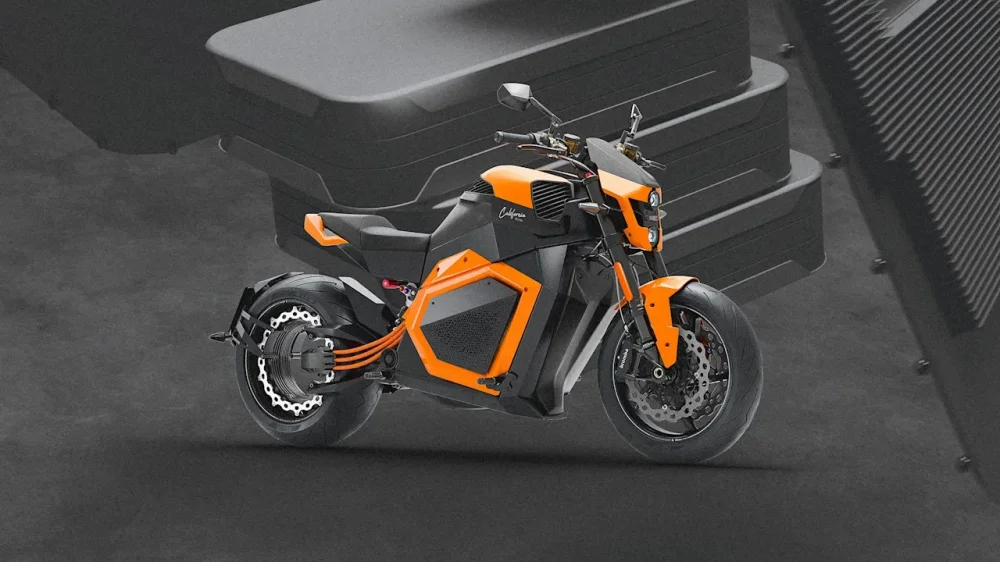
A small Finnish startup says it has done what the world’s biggest automakers are still struggling to do: put a solid-state battery into a production vehicle, starting with a motorcycle that can charge to more than 100 miles of range in as little as five minutes. “For the last 15 years, the entire battery industry in automotive has been talking about solid-state batteries—that they’re the future,” says Marko Lehtimäki, CEO of Donut Lab, the startup that makes the new battery. “But up until today, despite all the talk, there’s never been a single production vehicle that uses solid-state batteries. They’ve only been used at lab level.” Verge Motorcycles, an electric motorcycle startup, is using the new battery in a bike that’s shipping to customers this quarter. Donut Lab, which originally launched as a spin-off of Verge, is also in talks with about 100 electric vehicle companies that want to shift to solid-state batteries. Solid-state batteries have big advantages over the typical lithium-ion batteries that are in use now. The batteries, which use a solid electrolyte instead of liquid or gel, are safer, without the risk of catching fire. They’re also more efficient and can charge much faster, making charging an EV more like filling up with gas. (Verge advertises that its motorcycle’s new battery can add 186 miles of range in 10 minutes, though it can technically charge in as little as 5 minutes with a high-power charger; the vehicle offers up to 370 total miles of range.) Solid-state batteries also don’t degrade as quickly. And in Donut Lab’s case, the battery is made from low-cost materials that are abundantly available around the world. The new battery could help avoid the problem of EVs quickly losing resale value. “This battery lasts multiple lifetimes of a car or motorcycle,” Lehtimäki says. “So that’s another very important thing. You can rest assured that there’s zero degradation over time in the lifetime of a motorcycle. If there’s a new model and you want to sell the previous version, you know it’s as good as new from the battery perspective.” The startup is still in the process of patenting the technology, and declined to share its specific chemistry or production methodology. (Automakers interested in using the batteries have seen more details under a nondisclosure agreement, Lehtimäki says.) But it argues that it was able to outpace other companies working on solid-state batteries because it’s more nimble. “When you have smaller groups of very talented engineers working on a single vision, where it’s okay to take risks and think outside the box and try out new things—which is quite hard in corporate environments—it’s typically the young companies that actually bring new technologies and innovations to the market,” Lehtimäki says. Donut Lab previously designed a high-performance motor for EVs that fits inside wheels. The batteries each have cells roughly the size of mobile phones, arranged in larger modules. In the motorcycle, the full battery pack is around the size of a suitcase; for energy storage at a power plant, the system can scale up to fill a shipping container with battery cells. The batteries, which Donut Lab produces at its own factory in Finland, can also be made in custom shapes, meaning they can easily be swapped into the design of current electric cars or other vehicles. In one demonstration, the team took a swappable battery pack out of a scooter popular in Southeast Asia and re-created it. “We just took the dimensions and we created a battery in that exact shape and form,” Lehtimäki says. “That means that it can fit in the 100 million scooters in Asia as a drop-in replacement. And we can literally make these in any size so that the OEM [original equipment manufacturer] building cars doesn’t need to make any changes.” Of course, some automakers have already invested heavily in making their own conventional lithium-ion batteries, and couldn’t immediately make the switch. But Lehtimäki says others are considering quickly adopting the new batteries. Cova Power, a company that electrifies trailers for semitrucks, plans to use the new batteries. Several automakers are also in the process of putting them in cars, Lehtimäki says, though his company can’t yet name the manufacturers. In the past, one of the major challenges for solid-state batteries has been cost. But Donut Lab says its costs are competitive because it uses readily available materials. “The materials are the biggest driver for cost in batteries,” Lehtimäki says. “That’s why we are able to produce them already today at prices that are cheaper than lithium-ion for the end customer, which is the OEM. So that means that if you have a well-established company that produces, say, 100,000 SUVs a year, and they have negotiated the cost of their batteries for a decade, we can go to them and we can immediately offer them these better batteries at the same price than what they pay today.” Companies that need energy storage—like data centers, EV charging stations, or solar farms, for example—could also quickly adopt the new batteries. “They can have three or four times faster charging than what they have today,” Lehtimäki says, “with lower costs.” View the full article
-
We all think that we have great ideas. And we all tend to fall in love with our own ideas because, well, they’re ours. But most of my ideas—and yours—are probably mediocre. And no, that’s not an insult; it’s just a fact about the way most ideas are generated. I mean, if we were all genuinely spewing game-changers the world would be in a much different place than it is today. Most ideas are created without much thought or insight or pushback—and could probably benefit from people challenging them a lot more. Way too many ideas get approved that shouldn’t have made it out of the conference room, but with lack of time, energy, and questioning, they move forward at an alarming rate. It doesn’t have to be this way. Imagine if you had someone whose job it was to voice concerns about those ideas; someone whose sole purpose was to poke holes, identify flaws, and challenge assumptions. A Devil’s Advocate isn’t there to be negative just for the sake of it. The role exists to make your ideas sharper and more bulletproof before they ever get the green light. The purpose isn’t to tear down or be difficult; it’s to help you move forward more confidently with the best version of your idea, an idea that has been stress-tested and refined to withstand real-world challenges. A stress test The reason you need a Devil’s Advocate is simple: it’s the only way to make sure your ideas are ready for the real world. It should be common practice to stress-test your assumptions, invite dissent, and build real critical thinking into your process. Constructive debate is a cornerstone of the innovation process and should be embraced. Personally, I love it. Here’s why: it makes me, and my ideas, better. The Devil’s Advocate role creates honest discussion, and pushes people to elevate their work by considering: “Is this really the best we can do?” They encourage people to say the hard thing: what others may be too afraid to express. I’d much rather have someone help me think through all the potential angles early so I can win versus being blindsided later. “I tell my team when I’m introducing an idea: ‘Please argue with me—I need your brain on this!’ I don’t have all the knowledge or ideas, so I don’t make a decision until we’ve done that,” says Tracie Ybarra, VP of talent at Avantor. Without someone willing to push back, your ideas may never reach their full potential. Instead, they’ll simply be okay ideas, good enough to get by, but not strong enough to disrupt, innovate, or leave a lasting impact. And that’s a shame. Because we’re all here to live a life of meaning, not mediocrity. Make Your Ideas Stronger How does being a Devil’s Advocate actually work? The goal isn’t to be contrarian or difficult just for the fun of it. It’s about creating a process that welcomes balance—seeing the potential and the problems in an idea, and generating solutions to overcome issues that arise. When you know that someone will challenge your ideas, you work harder to defend them, to improve them, to find the flaws before anyone else does. A good Devil’s Advocate is a professional skeptic: They don’t just point out what’s wrong; they ask why it’s wrong, and they offer alternative solutions. Engaging with you like this forces you to reflect, to rethink, and revise with the goal of improvement, not failure. Jarret Kleppél, VP, talent and organizational development at NBCUniversal, agrees: “Inviting critique and cynicism throughout our process keeps our team less emotionally attached to the proposal and more focused on the outcome.” This process also builds an important skill: resilience. You can’t prepare for every problem in advance, but you can certainly stress-test better things before you go live. The Power of Constructive Conflict Constructive conflict is what makes a successful team. But we often take conflict as a negative thing. I like to think of constructive conflict to be more like a contrast—it creates productive friction by giving a different perspective, not a divisive one. Without that, we settle into mediocrity, where comfort ensures everyone’s happy, but nobody really grows. Real innovation happens when different perspectives collide, when people aren’t afraid to challenge each other’s ideas in a productive way. A MIT Sloan-affiliated piece emphasizes that having a critical reviewer in meetings improves outcomes. One company that they studied experienced a 25% improvement in their project success rates when this role was active. What does that mean? It means that the Devil’s Advocate creates a stronger foundation for your ideas by challenging them before they face the real world. Devil’s Advocates also eliminate some of the fatal flaws of some collaboration: groupthink and the tendency to favor consensus over critical thought. People are scared of scrutiny so we avoid it, and that’s how “good enough” takes hold. A Devil’s Advocate Doesn’t Kill Ideas. It Protects Them A good idea that hasn’t been tested isn’t good—it’s vulnerable. It’s like sending a fighter into the ring without any practice or training, expecting them to win. Doing that is naive, and somebody just might get hurt. The Devil’s Advocate is the trainer that makes your idea go a few rounds in the gym before it’s ready to compete. At X, Google’s innovation lab, teams designate employees to act as devil’s advocates, identifying flaws in ideas to make them better before launch. IBM thoroughly tests ideas for weaknesses during high-stakes project planning to dramatically increase its chances of success. Christine Tricoli, group executive vice president and chief human resources officer at H.W. Kaufman Group advocates for this approach: “One of the benefits of having someone ‘call you out’ or share the ‘unspoken concerns’ of the group is that it spares the team the embarrassment of having someone external discovering the issue for you. It saves time and money and helps you be more productive sooner rather than later. Leaders need to cultivate an environment that encourages this type of disruption or challenge within the team.” How Do You Implement the Devil’s Advocate? It’s easier than it sounds. Start by assigning someone the role of asking (or rotating the role among the team) tough questions during brainstorms or project planning. This person should have the power to challenge assumptions, ask what could go wrong, and offer alternative solutions without repercussions. Their job isn’t to just criticize; it’s to actively work with the team to solve problems and refine ideas so they’re more likely to succeed. Ask yourself: when was the last time you let someone challenge your ideas in a constructive way? And if you don’t have a Devil’s Advocate on your team, how could you benefit from having one? Let Dissent Be Your Friend My closest friends are the ones that can be most honest with me. I need them because they make me a better person, and their intent is to help, not to harm. It’s the same here with ideas. By challenging your ideas early and often, you help move them forward and give them the best shot at success. Stop avoiding the hard questions, and stop letting groupthink win. Instead, build the Devil’s Advocate into your process and let it turn your good ideas into great ones. Because in the end, the only thing worse than a bad idea is an unexamined one. View the full article

-
In terms of encouraging teamwork in small groups, effective activities can make a significant difference. Options like virtual coffee chats and icebreakers, such as “Two Truths and a Lie,” help establish connections and build camaraderie. Furthermore, challenges like escape rooms and tower-building tasks promote collaboration and critical thinking. These activities not just improve problem-solving skills but likewise create a supportive environment. Curious about more engaging options that can boost your team’s dynamics? Key Takeaways Virtual Coffee Chats foster informal connections and enhance teamwork in remote settings, creating a sense of community among team members. Two Truths and a Lie serves as a fun icebreaker, encouraging deeper conversations and camaraderie in small groups. Escape Room Challenges promote collaboration and critical thinking, helping teams understand group dynamics while achieving shared goals. Office Trivia and Scavenger Hunts engage participants in friendly competition, enhancing problem-solving skills and strengthening relationships within the team. Compliment Chains cultivate positivity and support, improving communication skills and building trust among team members in a relaxed environment. Virtual Coffee Chats How can Virtual Coffee Chats improve team dynamics in a remote work environment? These informal gatherings offer a relaxed platform for team members to connect without a formal agenda. You can engage in casual conversations, share ideas, and explore common interests, which mimics the spontaneous interactions found in traditional office settings. By participating in these chats, you’ll form genuine connections with colleagues, enhancing teamwork and collaboration. Regularly scheduled Virtual Coffee Chats likewise create a sense of community, helping to combat feelings of isolation that often accompany remote work. Moreover, utilizing tools like CoffeePals can automate pairings for these chats, ensuring that everyone has the opportunity to connect regularly. This practice serves as one of the effective indoor team building activities for adults, blending social interaction with professional development, ultimately nurturing a more cohesive team environment, regardless of physical location. Two Truths and a Lie “Two Truths and a Lie” is a popular icebreaker game that can effectively improve team dynamics in small groups. In this engaging activity, each participant shares two true statements and one false statement about themselves. This prompts discussions and surprises among team members, making it a fun way to learn interesting facts about each other. Suitable for groups of 3 to 10 people, it creates an intimate setting where deeper connections can thrive. Typically lasting around 10 to 15 minutes, this game fits perfectly into indoor team building events without consuming much time. Moreover, it’s easily adaptable for virtual settings, making it a versatile choice for remote teams keen to encourage camaraderie. By encouraging open communication, “Two Truths and a Lie” lays the groundwork for collaboration and trust, enhancing overall team cohesion. Escape Room Challenges Escape Room Challenges are an excellent way to improve team collaboration and develop critical thinking skills. As you and your group work together to solve a series of puzzles under time pressure, you’ll need to communicate effectively and utilize each person’s strengths. This engaging experience not just promotes teamwork but additionally provides valuable insights into your group dynamics. Team Collaboration Enhancement Though many team-building activities aim to improve collaboration, Escape Room Challenges stand out due to their unique blend of problem-solving and teamwork under pressure. These challenges require you and your teammates to work closely together, solving puzzles and riddles within a set timeframe. This environment promotes effective communication, as sharing ideas and strategies is crucial for success. Additionally, with small group sizes typically ranging from 3 to 8 participants, these activities are ideal for intimate team building for small groups. Completing an escape room encourages a sense of accomplishment, boosting team morale and strengthening relationships. As a result, you’ll likely find improved collaboration continuing in the workplace long after the challenge concludes. Critical Thinking Development When you participate in an Escape Room Challenge, you engage in a dynamic environment that greatly improves critical thinking skills. These team building games inside are designed to push you and your teammates to solve puzzles within a strict time limit, enhancing your problem-solving abilities. Here are three key benefits: Effective Communication: You’ll need to share ideas and identify clues, which boosts your communication skills. Creative Problem-Solving: The challenges require quick thinking and adaptability, pushing you to devise innovative strategies. Team Trust: Working under pressure cultivates camaraderie, allowing you to leverage each member’s strengths for a common goal. Build a Tower When you participate in the Build a Tower activity, selecting the right materials is essential for success. You’ll need to think strategically about how to use items like paper and tape effectively, considering their weight and stability. Furthermore, measuring the height of your tower accurately will help you assess your progress and make adjustments as needed, ensuring your team maximizes its potential. Material Selection Strategies Selecting the right materials is vital for the success of the “Build a Tower” activity, as it influences both the construction process and the final outcome. For effective indoor group activities, consider using lightweight and flexible materials that encourage creativity. Here are three recommended materials: Straws: They’re easy to connect and manipulate, allowing for various designs. Tape: This provides stability and support, helping to hold structures together securely. Paper: It can be folded or crumpled to create unique shapes, adding to the tower’s height. Encouraging teams to brainstorm material use before construction promotes collaboration and critical thinking. This strategy not only improves teamwork but additionally nurtures friendly competition as teams showcase their diverse approaches and solutions. Height Measurement Techniques Accurately measuring the height of your tower is crucial for determining which team has achieved the tallest structure in the “Build a Tower” activity. To measure effectively, use a measuring tape or ruler, ensuring you place it straight against the tower for an accurate reading. It’s best to have a designated team member handle this task to avoid confusion and maintain focus on teamwork indoors. You might choose to measure your tower at intervals during the construction process, allowing your team to track progress and make necessary adjustments. Office Trivia Office Trivia offers a unique way to engage small groups in a competitive and enjoyable environment. This activity not only promotes engagement but likewise encourages camaraderie among team members. Here are three key aspects of Office Trivia that make it an excellent choice for group home activities: Tailored Content: Customize questions to include company history or fun employee trivia, ensuring relevance to your team. Collaboration: Encourage team members to discuss and strategize answers, enhancing communication and teamwork skills. Casual Setting: Conduct the game in a relaxed atmosphere, allowing team members to bond as well as boosting team spirit. Scavenger Hunt A scavenger hunt is an engaging activity that encourages teams to work together to solve clues and find hidden items. This activity is excellent for promoting teamwork and communication skills among participants. You can easily adapt scavenger hunts to meet specific team goals and themes, improving relevance and excitement. Typically lasting between 45-60 minutes, these games provide ample time for teams to collaborate and strategize effectively. Furthermore, scavenger hunts can be organized indoors or outdoors, making them versatile for various settings and weather conditions. By promoting problem-solving and creativity, scavenger hunts help strengthen relationships among team members through shared challenges and achievements. As you plan your scavenger hunt, consider incorporating elements that resonate with your team’s dynamics, ensuring a fun and productive experience. This approach not only improves teamwork but likewise creates lasting memories among participants. Compliment Chain The Compliment Chain is a simple yet effective icebreaker game that encourages team members to express appreciation for one another. By sitting in a circle, each person takes turns giving a compliment to the person next to them. This indoor team building activity promotes positivity and improves team dynamics. Here are three key benefits of the Compliment Chain: Encourages Support: The activity creates a supportive environment, allowing team members to recognize each other’s strengths and contributions. Improves Communication: Active listening is essential, as participants must pay attention to the compliments shared, promoting better communication skills. Builds Trust: Sharing compliments reduces barriers and boosts confidence, leading to stronger relationships within the group. Given that this exercise can be completed in a short timeframe, it’s an effective way to boost team spirit during meetings or team-building sessions. Integrating this activity can greatly improve morale and collaboration. Frequently Asked Questions What Are Fun Activities for Small Work Groups? For small work groups, consider activities like “Two Truths and a Lie” to spark conversation and uncover shared interests. “Pictionary” and “Charades” improve non-verbal communication, whereas creative challenges like the “Marshmallow Challenge” promote collaboration and problem-solving. You can likewise try collaborative storytelling, where each member builds a narrative, or organize a customized “Scavenger Hunt” to boost teamwork and engagement. These activities can effectively strengthen relationships within your group. What Are the 5 C’s of Team Building? The 5 C’s of team building are essential for creating effective teams. First, communication guarantees everyone shares ideas openly. Second, collaboration emphasizes working together and utilizing each member’s strengths. Third, conflict resolution helps address disagreements constructively, nurturing respect. Fourth, commitment involves a shared dedication to team goals. Finally, cohesion builds a sense of belonging among members, enhancing motivation and morale. These elements work together to strengthen team dynamics and overall performance. What Are Fun Team Building Activities? Fun team building activities include icebreakers, games, and creative challenges. You can try Pictionary or Charades to improve teamwork and non-verbal communication skills. Engaging in problem-solving activities like the Egg Drop or Marshmallow Challenge encourages collaboration and critical thinking. Moreover, activities like Compliment Chains and Memory Walls can boost morale by nurturing positive interactions. Incorporating quick games into meetings keeps connections strong, ensuring team unity even in busy work environments. What Is the 15 Minute Team Energiser? A 15 Minute Team Energiser is a quick, interactive activity designed to boost energy and morale among team members. You’ll engage in games or icebreakers that promote collaboration and communication, enhancing group dynamics. These energisers fit easily into busy schedules and can refresh focus during meetings or workshops. Examples include quick trivia, movement-based games, or short problem-solving challenges, all completed in about 15 minutes, nurturing a positive atmosphere and strengthening team bonds. Conclusion Incorporating team-building activities like virtual coffee chats, icebreakers, and collaborative challenges can greatly improve relationships within small groups. These activities promote communication, encourage problem-solving, and create a positive work environment. By regularly engaging in these exercises, teams can improve morale, strengthen connections, and boost overall productivity. In the end, investing time in team-building not just facilitates collaboration but additionally cultivates a supportive culture where individuals feel valued and motivated to contribute to shared goals. Image via Google Gemini and ArtSmart This article, "7 Effective Team Building Activities for Small Groups" was first published on Small Business Trends View the full article
-
In terms of encouraging teamwork in small groups, effective activities can make a significant difference. Options like virtual coffee chats and icebreakers, such as “Two Truths and a Lie,” help establish connections and build camaraderie. Furthermore, challenges like escape rooms and tower-building tasks promote collaboration and critical thinking. These activities not just improve problem-solving skills but likewise create a supportive environment. Curious about more engaging options that can boost your team’s dynamics? Key Takeaways Virtual Coffee Chats foster informal connections and enhance teamwork in remote settings, creating a sense of community among team members. Two Truths and a Lie serves as a fun icebreaker, encouraging deeper conversations and camaraderie in small groups. Escape Room Challenges promote collaboration and critical thinking, helping teams understand group dynamics while achieving shared goals. Office Trivia and Scavenger Hunts engage participants in friendly competition, enhancing problem-solving skills and strengthening relationships within the team. Compliment Chains cultivate positivity and support, improving communication skills and building trust among team members in a relaxed environment. Virtual Coffee Chats How can Virtual Coffee Chats improve team dynamics in a remote work environment? These informal gatherings offer a relaxed platform for team members to connect without a formal agenda. You can engage in casual conversations, share ideas, and explore common interests, which mimics the spontaneous interactions found in traditional office settings. By participating in these chats, you’ll form genuine connections with colleagues, enhancing teamwork and collaboration. Regularly scheduled Virtual Coffee Chats likewise create a sense of community, helping to combat feelings of isolation that often accompany remote work. Moreover, utilizing tools like CoffeePals can automate pairings for these chats, ensuring that everyone has the opportunity to connect regularly. This practice serves as one of the effective indoor team building activities for adults, blending social interaction with professional development, ultimately nurturing a more cohesive team environment, regardless of physical location. Two Truths and a Lie “Two Truths and a Lie” is a popular icebreaker game that can effectively improve team dynamics in small groups. In this engaging activity, each participant shares two true statements and one false statement about themselves. This prompts discussions and surprises among team members, making it a fun way to learn interesting facts about each other. Suitable for groups of 3 to 10 people, it creates an intimate setting where deeper connections can thrive. Typically lasting around 10 to 15 minutes, this game fits perfectly into indoor team building events without consuming much time. Moreover, it’s easily adaptable for virtual settings, making it a versatile choice for remote teams keen to encourage camaraderie. By encouraging open communication, “Two Truths and a Lie” lays the groundwork for collaboration and trust, enhancing overall team cohesion. Escape Room Challenges Escape Room Challenges are an excellent way to improve team collaboration and develop critical thinking skills. As you and your group work together to solve a series of puzzles under time pressure, you’ll need to communicate effectively and utilize each person’s strengths. This engaging experience not just promotes teamwork but additionally provides valuable insights into your group dynamics. Team Collaboration Enhancement Though many team-building activities aim to improve collaboration, Escape Room Challenges stand out due to their unique blend of problem-solving and teamwork under pressure. These challenges require you and your teammates to work closely together, solving puzzles and riddles within a set timeframe. This environment promotes effective communication, as sharing ideas and strategies is crucial for success. Additionally, with small group sizes typically ranging from 3 to 8 participants, these activities are ideal for intimate team building for small groups. Completing an escape room encourages a sense of accomplishment, boosting team morale and strengthening relationships. As a result, you’ll likely find improved collaboration continuing in the workplace long after the challenge concludes. Critical Thinking Development When you participate in an Escape Room Challenge, you engage in a dynamic environment that greatly improves critical thinking skills. These team building games inside are designed to push you and your teammates to solve puzzles within a strict time limit, enhancing your problem-solving abilities. Here are three key benefits: Effective Communication: You’ll need to share ideas and identify clues, which boosts your communication skills. Creative Problem-Solving: The challenges require quick thinking and adaptability, pushing you to devise innovative strategies. Team Trust: Working under pressure cultivates camaraderie, allowing you to leverage each member’s strengths for a common goal. Build a Tower When you participate in the Build a Tower activity, selecting the right materials is essential for success. You’ll need to think strategically about how to use items like paper and tape effectively, considering their weight and stability. Furthermore, measuring the height of your tower accurately will help you assess your progress and make adjustments as needed, ensuring your team maximizes its potential. Material Selection Strategies Selecting the right materials is vital for the success of the “Build a Tower” activity, as it influences both the construction process and the final outcome. For effective indoor group activities, consider using lightweight and flexible materials that encourage creativity. Here are three recommended materials: Straws: They’re easy to connect and manipulate, allowing for various designs. Tape: This provides stability and support, helping to hold structures together securely. Paper: It can be folded or crumpled to create unique shapes, adding to the tower’s height. Encouraging teams to brainstorm material use before construction promotes collaboration and critical thinking. This strategy not only improves teamwork but additionally nurtures friendly competition as teams showcase their diverse approaches and solutions. Height Measurement Techniques Accurately measuring the height of your tower is crucial for determining which team has achieved the tallest structure in the “Build a Tower” activity. To measure effectively, use a measuring tape or ruler, ensuring you place it straight against the tower for an accurate reading. It’s best to have a designated team member handle this task to avoid confusion and maintain focus on teamwork indoors. You might choose to measure your tower at intervals during the construction process, allowing your team to track progress and make necessary adjustments. Office Trivia Office Trivia offers a unique way to engage small groups in a competitive and enjoyable environment. This activity not only promotes engagement but likewise encourages camaraderie among team members. Here are three key aspects of Office Trivia that make it an excellent choice for group home activities: Tailored Content: Customize questions to include company history or fun employee trivia, ensuring relevance to your team. Collaboration: Encourage team members to discuss and strategize answers, enhancing communication and teamwork skills. Casual Setting: Conduct the game in a relaxed atmosphere, allowing team members to bond as well as boosting team spirit. Scavenger Hunt A scavenger hunt is an engaging activity that encourages teams to work together to solve clues and find hidden items. This activity is excellent for promoting teamwork and communication skills among participants. You can easily adapt scavenger hunts to meet specific team goals and themes, improving relevance and excitement. Typically lasting between 45-60 minutes, these games provide ample time for teams to collaborate and strategize effectively. Furthermore, scavenger hunts can be organized indoors or outdoors, making them versatile for various settings and weather conditions. By promoting problem-solving and creativity, scavenger hunts help strengthen relationships among team members through shared challenges and achievements. As you plan your scavenger hunt, consider incorporating elements that resonate with your team’s dynamics, ensuring a fun and productive experience. This approach not only improves teamwork but likewise creates lasting memories among participants. Compliment Chain The Compliment Chain is a simple yet effective icebreaker game that encourages team members to express appreciation for one another. By sitting in a circle, each person takes turns giving a compliment to the person next to them. This indoor team building activity promotes positivity and improves team dynamics. Here are three key benefits of the Compliment Chain: Encourages Support: The activity creates a supportive environment, allowing team members to recognize each other’s strengths and contributions. Improves Communication: Active listening is essential, as participants must pay attention to the compliments shared, promoting better communication skills. Builds Trust: Sharing compliments reduces barriers and boosts confidence, leading to stronger relationships within the group. Given that this exercise can be completed in a short timeframe, it’s an effective way to boost team spirit during meetings or team-building sessions. Integrating this activity can greatly improve morale and collaboration. Frequently Asked Questions What Are Fun Activities for Small Work Groups? For small work groups, consider activities like “Two Truths and a Lie” to spark conversation and uncover shared interests. “Pictionary” and “Charades” improve non-verbal communication, whereas creative challenges like the “Marshmallow Challenge” promote collaboration and problem-solving. You can likewise try collaborative storytelling, where each member builds a narrative, or organize a customized “Scavenger Hunt” to boost teamwork and engagement. These activities can effectively strengthen relationships within your group. What Are the 5 C’s of Team Building? The 5 C’s of team building are essential for creating effective teams. First, communication guarantees everyone shares ideas openly. Second, collaboration emphasizes working together and utilizing each member’s strengths. Third, conflict resolution helps address disagreements constructively, nurturing respect. Fourth, commitment involves a shared dedication to team goals. Finally, cohesion builds a sense of belonging among members, enhancing motivation and morale. These elements work together to strengthen team dynamics and overall performance. What Are Fun Team Building Activities? Fun team building activities include icebreakers, games, and creative challenges. You can try Pictionary or Charades to improve teamwork and non-verbal communication skills. Engaging in problem-solving activities like the Egg Drop or Marshmallow Challenge encourages collaboration and critical thinking. Moreover, activities like Compliment Chains and Memory Walls can boost morale by nurturing positive interactions. Incorporating quick games into meetings keeps connections strong, ensuring team unity even in busy work environments. What Is the 15 Minute Team Energiser? A 15 Minute Team Energiser is a quick, interactive activity designed to boost energy and morale among team members. You’ll engage in games or icebreakers that promote collaboration and communication, enhancing group dynamics. These energisers fit easily into busy schedules and can refresh focus during meetings or workshops. Examples include quick trivia, movement-based games, or short problem-solving challenges, all completed in about 15 minutes, nurturing a positive atmosphere and strengthening team bonds. Conclusion Incorporating team-building activities like virtual coffee chats, icebreakers, and collaborative challenges can greatly improve relationships within small groups. These activities promote communication, encourage problem-solving, and create a positive work environment. By regularly engaging in these exercises, teams can improve morale, strengthen connections, and boost overall productivity. In the end, investing time in team-building not just facilitates collaboration but additionally cultivates a supportive culture where individuals feel valued and motivated to contribute to shared goals. Image via Google Gemini and ArtSmart This article, "7 Effective Team Building Activities for Small Groups" was first published on Small Business Trends View the full article
-
Hi there! My name is Marcus Collins, DBA, and I study culture and its influence and impact on human behavior at the Ross School of Business at the University of Michigan. Each week, this column will explore the inner workings of organizational culture and the mechanisms that make it tick. Every entry will be accompanied by an episode from my podcast, From the Culture, that digs deeper into the culture of work from my conversations with the organizational leaders that make it all happen. If culture eats strategy for breakfast, then this is the most important conversation in business that you are not having. Sign up for the newsletter to make sure you don’t miss a beat. ___________________________________ Culture eats strategy for breakfast. We’ve all heard this misattributed Peter Drucker quote and instinctively understand the disproportionate influence culture can have on an organization’s business. However, if you asked five people to define organizational culture, you’d likely get 55 different answers. Chief among them would be something along the lines of “organizational culture is how we do things around here,” the behaviors and norms that make up how a company engages in the collective production of work. Sounds about right, right? Sure. However, a century’s worth of literature on the matter would say otherwise. A social operating system According to Émile Durkheim, one of the founding fathers of sociology, culture is a system of conventions and expectations that demarcate who we are and govern what people like us do. It’s a social operating system by which we collectively see the world and, subsequently, behave in it . . . together. What we wear, how we talk, what we do—they’re all byproducts of our cultural subscription. The same goes for organizational culture, the shared operating system for an organization that helps employees collectively see, so that they might collectively do. Therefore, reducing our concept of organizational culture to merely “what we do around here” ignores half of what makes culture . . . well . . . culture. It’s this half, the way the organization sees the world and makes meaning of it, that dictates what we do. Take Airbnb, for example. The company sees the world as a place where everyone belongs, so its behaviors are demonstrative of this perspective. That’s why Airbnb adheres to a “No Meetings Wednesday” tradition to accommodate team members who tend to be more introverted, so everyone belongs. They practice radical acts of transparency so that information is available to everyone, not just those “in the know.” They also provide employees with an annual $2K travel credit to encourage people to go out and experience the world the way other people do. For everyone at Airbnb to feel like they belong, it’s important that employees see themselves as a part of a global community, not just as coworkers. World travel helps this endeavor by fostering the kind of empathy that drives connection. These ways of “doing things around here” at Airbnb are byproducts of how the organization “sees around here.” Together, the seeing and the doing constitute the organization’s culture. Culture isn’t just values Of course, there are those of us who understand this distinction. However, far too often we mistake the organization’s perspective for its values; but the two are not analogues. Values are what an organization deems to be important. The way the organization sees the world, on the other hand, defines the truths that the organization holds about the world and why certain things have any importance in the first place. For instance, Patagonia believes in “climbing clean.” The company envisions a world with minimal human invasiveness on the planet and, therefore, it values environmentalism and integrity, which, ultimately, inform its ways of working. Its values—which the organization deems important—are informed by its perspective. Values alone are hollow without the deeply held truths of the organization’s perspective that undergirds them. It’s no wonder that research from the MIT Sloan Management Review’s 2020 Glassdoor Culture 500 study found no correlation between a company’s stated values and the lived experiences of its employees. Culture is not a company’s values; it’s the system upon which these values are constructed. So, without a clear perspective of the world, an organization’s values are typically meaningless and have no impact on its behaviors. They’re merely pretty words beautifully stated but rarely integrated. This is a significant challenge for business leaders who have reduced organizational culture to a set of rituals, rules, and words. Culture is so much more than these components, but since so many of us have defined culture so narrowly, we have not yet fully realized its impact. Culture, as Durkheim asserts, is an operating system, and this system is the most influential external force on human behavior that we aren’t fully leveraging. Not because of a lack of skill, intelligence, or technology, but because of a lack of understanding. That’s why this column exists—to examine the whys and hows of organizational culture so that we might get better at it. It’s also why I created a podcast—in a world where there are probably too many podcasts, quite frankly. Culture is an organization’s biggest cheat code, but the only way to use it properly is to understand it deeply. So that’s what we’re here to do . . . together. And this is our first unlock, with many more to follow. If we want to get better at the way we do organizational culture, it starts with getting better at the way we see it. View the full article

-
Oscar Wilde famously noted, “Some cause happiness wherever they go; others, whenever they go.” It is arguably one of the best brief illustrations of emotional intelligence (EQ), a trait that became popular thanks to a nonacademic best-selling book by journalist Daniel Goleman, in which he insinuated that EQ is a more important driver of success than IQ (a claim that has been discredited). And yet, there’s no shortage of evidence for the importance of EQ when it comes to predicting interpersonal effectiveness, defined as the ability to manage yourself and others in everyday life. In fact, long before EQ was coined in academic research (before Goleman popularized the term), decades of personality research had already highlighted reliable individual differences in the propensity to engage in more or less effective intrapersonal and interpersonal behaviors. In fact, way before HR managers celebrated EQ, your grandma called it good manners. Problematic personalities Now onto the actual research: Here are five science-based generalizations about people with challenging personalities; that is, people who are significantly more taxing, unrewarding to deal with, and demanding on others than the average person is. (1) Empathy deficits (and why empathy alone is not enough): Difficult individuals often struggle to accurately recognize or care about others’ feelings, perspectives, and needs. Yet, as Paul Bloom has argued, even empathy itself is an unreliable foundation for moral or cooperative behavior, because it is selective, biased, and easily withdrawn from those we dislike or see as different. (2) High neuroticism and fragile core self-evaluations: Elevated emotional reactivity, anxiety, and sensitivity to threat make everyday interactions feel volatile. When people possess low core self-esteem or unstable self-confidence, they are more likely to overreact, personalize neutral events, and drain others’ emotional energy. (3) Low agreeableness masked as EQ or blunt honesty: Some difficult personalities score low on agreeableness, meaning they are less inclined toward cooperation, trust, and concern for others. In workplace settings, this is often misinterpreted as emotional intelligence, confidence, or refreshing candor, when it is in fact poor impression management disguised as authenticity. (4) Lack of self-awareness, especially among self-centered narcissists: Many difficult people are strikingly unaware of how they come across. Narcissistic individuals, in particular, tend to overestimate their competence, underestimate their impact on others, and interpret feedback as hostility rather than information. In a way, this is what makes challenging personalities so difficult to deal with: They are either unaware of how unrewarding to deal with they are, or simply don’t give a damn! Neither are particularly useful. When others are of the opinion that you suck, and that you are unaware of the fact that you suck, they will think quite poorly of you (unless you are a fictional character like David Brent or Michael Scott, in which case they will laugh . . . cathartically). (5) Low external pressure or weak incentives to be rewarding to others: Finally, difficult behavior persists when it is tolerated, rewarded, or unpunished. Power, status, or perceived indispensability often insulate individuals from social consequences, reducing their motivation to regulate their behavior or invest in being pleasant to work with. As I illustrate in my latest book, this explains the unfortunate fact that when people rise to the top of organizational hierarchies they stop feeling pressure to adjust their behavior to meet others’ needs. This kind of raw authenticity is a privilege for the elite, the status quo, or those who can afford to neglect situational demands to adjust their behavior in order to act pro-socially. But the less people care about their reputation, the more other people will care—and not for the right reasons! What to do So, how best to work with these individuals, which will inevitably be required if you have a job that has you interacting with colleagues, clients, or coworkers (which basically applies to all jobs)? Here are some basic recommendations: (1) Learn their typical patterns: The Norwegians have a saying, namely that there’s no such thing as bad weather, only the wrong choice of clothing. In a way people are just like the weather or climate: If you forget to check the forecast or are unaware of the climate, you only have yourself to blame for not being adequately equipped. So, if you have a moody colleague, irritable boss, or self-centered client, the mistake is not expecting rain, it’s turning up in sandals and acting surprised when you get soaked. Once you recognize someone’s stable patterns, you can start to personalize your behavior, adjust your expectations, and optimize your responses accordingly. In essence, there’s always a strategy for improving how you deal or interact with someone, regardless of how difficult they are. (2) Avoid trying to change them: One big issue with difficult people is that we are often tempted to try to change them, assuming that insight, feedback, or goodwill will eventually override deeply ingrained tendencies. In reality, most personality traits are relatively stable over time, especially in adulthood, and attempts to “fix” others usually create frustration rather than improvement. To be sure, this does not excuse their bad conduct, but it does prevent you from wasting emotional energy on futile hopes that they will suddenly become someone else. An old fable tells of a scorpion that asks a frog to carry him across a river. The frog hesitates, fearing it will be stung. The scorpion reassures him that doing so would doom them both. Yet halfway across, the scorpion stings the frog anyway. As they begin to sink, the frog asks why. “I couldn’t help it,” the scorpion replies. “It’s my nature.” The lesson is not about forgiveness or cynicism, but realism: Some interpersonal patterns are remarkably stable, even when they are self-defeating. Ignoring this does not make you kind, only unprepared. (3) Be better than others: While difficult personalities can pose a challenge to most, your goal is not to find the perfect formula for dealing with them. Rather, think about being better in your interactions with them than most people are. In other words, it’s not how well you can handle them compared to how you handle other people, but compared to how well other people handle them. This relative advantage compounds: Difficult individuals quickly learn who escalates them, who indulges them, and who remains calm, clear, and consistent. Over time, they tend to reserve their worst behavior for those who reward it, and their best for those who do not. Research on social learning and reinforcement shows that behavior is shaped not only by personality, but by the reactions it reliably elicits from others. When you respond with predictable boundaries, emotional restraint, and clarity, you reduce the payoff of difficult behavior. You may not change who they are, but you can often change how they behave around you, and they may even appreciate you for being more open to them than others are. (4) Practice rational compassion: One of the critical challenges with difficult personalities is that it’s often quite hard to empathize with them. Examples include chronically anxious colleagues who catastrophize minor issues, abrasive high performers who mistake bluntness for honesty, or self-centered leaders who dominate conversations while remaining oblivious to their impact on others. But as Paul Bloom notes, empathy is by definition insufficient to create civil and prosocial work environments and cultures. Why? Because we are prewired to empathize most readily with people who feel familiar, similar, and psychologically close to us. In contrast, when we perceive others as different or as belonging to a separate group or “tribe,” empathy quickly breaks down, which is precisely why inclusion is so difficult to sustain in diverse workplaces. Bloom’s alternative is not coldness, but rational compassion: a deliberate commitment to fairness, tolerance, and restraint that does not depend on liking, identification, or emotional resonance. Practicing rational compassion means treating people decently even when they irritate us, setting boundaries without hostility, and choosing principled behavior over emotional reactions. This approach is especially useful with difficult personalities because it allows us to remain civil and effective without having to feel empathy we may not genuinely experience. (5) Master strategic authenticity: One common feature of difficult personalities is that they make little effort to adjust their behavior to others. Instead, they default to a “This is just who I am” approach to interpersonal dynamics, implicitly placing the burden of adaptation on everyone else. This unfiltered version of authenticity is often celebrated through popular mantras such as “Don’t worry about what others think” or “Just be yourself and others will adjust.” The problem is that this logic does not scale. If everyone follows it, the collective outcome is not freedom but a culture of entitled rigidity, where each person feels justified in prioritizing self-expression over social responsibility. A useful analogy is driving: Insisting on going at your preferred speed, regardless of traffic rules or road conditions, may feel good and taste like freedom, but it creates accidents, not progress. Strategic authenticity is choosing when and how to express yourself so that movement remains possible for everyone. It means finding a workable balance between saying what you think and feel, recognizing that your right to self-expression does not override your obligation to others. The inverse solution Ultimately, working with difficult personalities is less about fixing others than about managing yourself with intelligence, discipline, and perspective. The best strategy is often to become the inverse of the problem (or, well, them): to show empathy where they show indifference, self-awareness where they show blind spots, and restraint where they seek release. Difficult people rarely improve because they are corrected, but because the environment around them quietly refuses to mirror their worst instincts. View the full article

-
More Wi-Fi news from CES Las Vegas this week and beyond - enjoy. The post CES: LitePoint validates Qualcomm’s Wi-Fi 8, Wi-Fi 8 by ASUS, Wi-Fi Alliance’s new 20 MHz IoT certification, & more appeared first on Wi-Fi NOW Global. View the full article
-
Weak European sales set to drag on profits as group weighs splitting off fast-fashion high-street brandView the full article
-
Leaders discussed Arctic island in first call since US president’s intervention in VenezuelaView the full article
-
Retailers extend run of strong performance stretching back several yearsView the full article
-
If you’re constantly hounding your teen to get out of bed before noon on the weekend, you may want to save your energy for a different battle. According to new research published in The Journal of Affective Disorders, sleeping in on the weekend could offer some significant protection against depression. For the study, researchers at the University of Oregon and the State University of New York Upstate Medical University analyzed data from more than a thousand 16 to 24-year-olds in which participants reported their sleep/waking hours, including weekend catch-up sleep. While one might imagine that teens who spring out of bed early each morning — regardless of the day of the week— are more mentally sound, the opposite may be true. Interestingly, the study found that teens who slept in on weekends were significantly less likely to report symptoms of depression. The group had a 41% lower risk of depression when compared with the group who kept a more regimented sleep schedule on weekends. Researchers say that one of the major reasons why sleeping in may be so helpful for teens is because teens stay up later due to changes that occur in adolescence. “Instead of being a morning lark you’re going to become more of a night owl,” Melynda Casement, an associate professor at University of Oregon and co-author of the study, told ScienceDaily. Casement adds that later bedtimes usually last until around the age of 18 or 20 before leveling out. Later bedtimes, coupled with early school start times, extra-curriculars, part-time jobs, and more, mean teens often accumulate “sleep debt” which puts them at a heightened risk for depression. Casement says that while teens need eight to 10 hours of sleep, most aren’t getting it during the week, therefore extra weekend sleep matters. “It’s normal for teens to be night owls, so let them catch up on sleep on weekends if they can’t get enough sleep during the week because that’s likely to be somewhat protective,” the researcher explains. The latest study builds on previous research on the topic, including a 2025 meta-analysis of 10 studies which showed sleeping in on the weekend was associated with a 20% lower risk of depression. The growing body of research seems to show that sleeping in is not an act of laziness or teenage rebellion, but it can be a healthy and important sleep habit for teens in order to stave off depression. And, as teen mental health has worsened in recent years, those extra weekend hours could be more crucial than ever. View the full article

-
A “work jerk” isn’t just someone who expects perfection. It’s the high achiever whose nervous system runs at lava-like temperatures, who’s chronically stressed, and demonstrates urgency as a personality trait. It looks like hair-trigger impatience, micromanaging, sharp feedback, and an automatic reflex to see others as obstacles rather than partners. Work jerk behaviors teach people at work to focus their energy on managing you and your reactions instead of doing good work. People act out for countless reasons: a toxic work culture, impossible standards, or private stress that bleeds into work (an article for another day). None of those reasons makes treating others poorly acceptable. If you’re a work jerk who is also a leader, the impact can be huge. Your tone and word choice signal “risk levels” to your team because you control performance evaluations, if they get promoted, project access, and sometimes even professional standing. Being the “leader work jerk” harms two things at once: Your mental health as a leader: because you’re stuck in chronic activation mode Your team’s psychological safety: because they self-protect for survival around you The “crush it” approach may produce short-term results, but it often drives burnout, turnover, and severe erosion of trust. Emotional Self-Management Decreases Work Jerk Behaviors If you are a “work jerk” these daily shifts can help protect your mental health as a leader and how your team experiences you, too, without lowering management standards. 1. Be precise, not urgent: When you’re overwhelmed, everything feels equally important. How you address that ends up being your brain trying to reduce uncertainty, not effective delegation. The mood then becomes urgency, and everything is a five-alarm fire. Try this 60-second reset before an important interaction (i.e., 1:1, standup, client call): Do two rounds of deep belly breathing (i.e., in through the nose for four seconds while inflating the belly, hold for four seconds, exhale for four seconds through the mouth). Then ask yourself: “What specific outcome do I need or want from this conversation?” “What can I say to increase clarity and understanding, not pressure?” This will help mitigate worry, prevent misalignment, and signal to others that calculated execution is valued more than frantic reactivity disguised as responsiveness. 2. Treat emotions as information, not an action plan: just because we have a feeling doesn’t mean we need to immediately act on it, even if it makes us feel better. Being immediately honest about how you feel isn’t just “being direct,” it’s destroying psychological safety for others without context or a next-steps game plan. Before sending a response to an email that may want you to flip a table, name the emotion you’re feeling and use an “I” statement with it (i.e., “I am annoyed.”). This creates space between stimulus and response. Try this feedback process: Draft, but don’t send: Write what you want to say, then wait five minutes (distract yourself with another task if you need to). Rewrite and give feedback in this format: Share your observation: “It seems like . . .” Explain the impact: “I’m concerned about . . .” Make a request: “Next time, what would be helpful is . . .” State your intention: “I’m saying this because . . .” This approach is a great example of pairing accountability with care. It helps you understand what you need to feel and figure out what you’re really trying to say in a way that’s useful to others. Providing effective feedback that leads to results, preserves your sanity, and helps teams realize they can and should approach you earlier instead of hiding issues until they turn into crises. 3. Make emotional self-care part of leadership, not a secret hobby: Many “work jerk” behaviors are symptoms of depletion. Sustainable leadership requires actual maintenance and recovery—you can’t “mindset” your way out of chronic unmanaged stress. Identify and practice one to two Mental Well-being Non-negotiables™: Show that your mental health matters: you can’t lead if you don’t care for yourself. Do what you enjoy: do what you actually like—not what the wellness industry prescribes. Be realistic: do what works for your schedule—get it on the calendar. Be consistent: the goal is a cumulative effect over time—and adapt as needed. Normalize it with others: it may inspire them to build recovery into their workday too. What Leaders Should Ask Themselves in 2026 People can become work jerks when their mental health carries more strain than their everyday coping habits can absorb. If you want to determine if your professional drive as a leader is harming your mental health and relationships at work, ask yourself these questions weekly—and answer them honestly every time: “When I’m stressed, do I become clearer or just forceful?” “Do my team members bring problems to me early on—or when they’re unavoidable emergencies?” “This week, did my team seem like they were learning or self-protecting from me?” The answers to these questions will tell you if you’re showing work jerk behaviors, who it’s impacting, and why that needs to change. The answers will tell you whether and how you need to shift how you regulate work pressure, communicate under stress, and emotionally recover as a leader. In 2026, high performance shouldn’t come at the expense of your team’s or colleagues’ sanity—or your own. The good leaders who excel won’t be the most intense, results-driven machines. They’ll be the ones who focus on steady mental health self-care maintenance as a form of effective, sustainable leadership. View the full article

-
Discover what visibility on Google means for small businesses as AI assistants control which options customers see and choose. The post Why Your Small Business’s Google Visibility in 2026 Depends on AEO [Webinar] appeared first on Search Engine Journal. View the full article
-
Customer sentiment analysis is the process of evaluating customer opinions and emotions from unstructured data sources like social media and surveys. This analysis is essential for businesses, as it helps you comprehend customer satisfaction levels and pinpoint areas needing improvement. By utilizing sentiment analysis, you can proactively tackle challenges and improve customer experiences. Grasping its significance lays the groundwork for exploring its benefits and practical applications in your business strategy. Key Takeaways Customer sentiment analysis evaluates customer opinions and emotions through unstructured data from various sources like surveys and social media. It categorizes sentiments into positive, negative, or neutral using natural language processing and machine learning techniques. Understanding customer sentiment helps businesses improve experiences, satisfaction levels, and identify areas needing targeted changes. Companies employing sentiment analysis are 2.4 times more likely to achieve satisfaction goals, enhancing overall customer understanding and engagement. Integration of sentiment analysis into business strategies helps mitigate churn risks, tailor marketing efforts, and drive product innovation. What Is Customer Sentiment Analysis? Customer sentiment analysis is the systematic process of evaluating and interpreting customer opinions, emotions, and attitudes toward a brand, product, or service. This analytical approach employs unstructured data from diverse sources, such as surveys, social media, and support interactions. Using sentiment analysis tools, businesses can classify sentiments as positive, negative, or neutral, transforming subjective feedback into actionable insights. The sentiment analysis definition encompasses techniques like natural language processing (NLP) and machine learning, enabling organizations to focus on specific aspects of their offerings, identifying customer preferences and areas for improvement. Real-time customer sentiment analysis allows companies to address issues swiftly, anticipate churn, and improve overall satisfaction by providing timely, personalized responses. Significantly, companies leveraging sentiment analysis are 2.4 times more likely to exceed their customer satisfaction goals, underscoring its crucial role in nurturing strong customer relationships and driving business success. Why Is Customer Sentiment Analysis Important? Grasping the significance of sentiment analysis is crucial for businesses aiming to improve customer experiences and boost satisfaction levels. Utilizing customer sentiment analysis tools and sentiment analysis software allows you to gauge customer emotions and satisfaction accurately. By measuring customer sentiment scores, you can identify areas needing improvement, enabling targeted changes in products and services. Companies that embrace sentiment analysis often find themselves 2.4 times more likely to exceed customer satisfaction goals. This proactive approach helps you address pain points and reduce churn rates, ultimately cultivating customer loyalty. Furthermore, the insights gained from analyzing feedback inform your decisions regarding product development and marketing strategies, aligning your offerings with customer expectations. Automating feedback processes through these tools improves operational efficiency and uncovers trends within large datasets, driving business growth. Recognizing the importance of sentiment analysis equips you to make informed choices that improve the overall customer experience. Benefits of Customer Sentiment Analysis Comprehending the benefits of sentiment analysis can greatly improve your business strategies. Utilizing customer sentiment analysis AI allows you to understand emotions and satisfaction levels with greater accuracy, leading to a 2.4 times higher chance of meeting satisfaction goals. With sentiment analysis applications, you can identify pain points and areas for improvement, greatly enhancing customer experience and loyalty as well as reducing churn risk. Proactive issue resolution through these insights prevents dissatisfaction from escalating, nurturing positive brand interactions and improving retention rates. Furthermore, brand sentiment tracking offers valuable information for informed decision-making regarding product development and marketing strategies, ensuring your offerings align with customer expectations. Automation in sentiment analysis streamlines processes, saving time and uncovering trends in large datasets, ultimately resulting in operational efficiencies and improved customer interactions. Types of Customer Sentiment Analysis In terms of customer sentiment analysis, you’ll find various types that can help you better understand feedback. Basic categorization techniques typically classify responses into positive, negative, or neutral, providing a straightforward overview of customer opinions. Conversely, aspect-based analysis methods break down feedback into specific features, allowing you to assess sentiment related to particular attributes of your products or services. Basic Categorization Techniques Basic categorization techniques in customer sentiment analysis serve as the foundation for grasping overall customer feelings. These techniques primarily classify feedback into three broad categories: positive, negative, and neutral. This straightforward approach simplifies sentiment tracking and helps you quickly gauge customer sentiment. Advanced techniques build on this by breaking down sentiment further into five specific categories: very negative, negative, neutral, positive, and very positive. Recognizing these categories allows businesses to identify specific emotional responses. Employing sentiment analysis, you can pinpoint areas requiring improvement or augmentation, in the end guiding your strategies. By categorizing feedback effectively, you gain valuable insights that inform decision-making and improve your customer engagement efforts, ensuring you meet and exceed customer expectations. Aspect-Based Analysis Methods Though basic categorization techniques provide a broad overview of customer sentiment, aspect-based sentiment analysis offers a more nuanced comprehension of customer feedback. This method investigates specific features within customer opinions, allowing you to gain detailed insights. Here are four key benefits of aspect-based sentiment analysis: Identifies specific aspects that customers appreciate or dislike. Improves granularity by categorizing sentiments related to quality, price, or service. Allows targeted enhancements based on customer feedback. Can lead to a 16% improvement in commercial outcomes by addressing specific concerns. How to Collect Data for Customer Sentiment Analysis To effectively collect data for customer sentiment analysis, businesses should utilize a variety of methods that cater to different customer interactions and preferences. Surveys are a popular tool, allowing you to gather feedback at scale through channels like in-app prompts, emails, and chat interactions. Real-time feedback mechanisms, such as in-app surveys, capture immediate user sentiments, whereas email surveys can target inactive users to re-engage them. Furthermore, customer support interactions—including emails, chats, and call transcripts—provide rich qualitative data revealing user sentiment and common pain points. Social media sentiment analysis tools are also essential, offering unfiltered insights into customer opinions and enabling brands to track public perception. Step-By-Step Process for Analyzing Customer Sentiments Analyzing customer sentiments involves a systematic approach that transforms raw feedback into valuable insights. To effectively conduct the sentiment analysis process, follow these steps: Data Collection: Gather feedback from various sources like surveys, social media, and customer interactions to guarantee a thorough view. Preprocessing: Clean and structure the data by removing irrelevant information and duplicates, which aids in accurate sentiment detection. Sentiment Classification: Utilize Natural Language Processing (NLP) and machine learning techniques to categorize sentiments as positive, negative, or neutral. Aspect-Based Analysis: Break down feedback further to evaluate sentiments related to specific features or topics, providing deeper insights for customer service sentiment analysis. Tools for Customer Sentiment Analysis What tools are available for effectively analyzing customer sentiment? There are several sentiment analysis tools that can help you grasp customer emotions and feedback. For instance, HubSpot Service Hub and Nextiva automate tracking, whereas IBM Watson Natural Language Comprehension employs AI to analyze text data thoroughly. If you’re focusing on social sentiment analysis, Sprout Social offers robust monitoring of brand mentions, critical for reputation management. For global brands, Lexalytics specializes in multilingual sentiment analysis, ensuring you capture diverse customer sentiments. Here’s a quick overview of some tools: Tool Name Key Feature Best For HubSpot Service Hub Automation of customer feedback Streamlined support IBM Watson NLU Advanced AI and NLP analysis In-depth sentiment insights Sprout Social Social media monitoring Brand reputation management Lexalytics Multilingual sentiment analysis Global brand insights Nextiva Real-time feedback tracking Immediate response capability Real-Time Sentiment Analysis in Customer Service Real-time sentiment analysis is transforming customer service by allowing teams to gauge customer emotions instantly during interactions. This method improves the customer experience by enabling timely and personalized responses. Here are some key benefits of using real-time sentiment analysis: Immediate Insights: Analyze customer feedback as it happens, helping you identify trends and urgent issues. Reduced Escalations: Companies report a 30% reduction in escalations because of proactive engagement driven by sentiment analysis tools. Faster Resolutions: With a 25% decrease in resolution time, your support team can address concerns more efficiently. Automated Tagging: Integrate sentiment analysis tools to prioritize inquiries based on emotional tone, streamlining support processes. Common Challenges in Customer Sentiment Analysis When you’re tackling customer sentiment analysis, several common challenges can arise. You may struggle with interpreting nuanced language, like sarcasm or idioms, which can lead to misclassifying customer sentiments. Furthermore, inconsistent data tagging across teams and the complexity of managing high volumes of feedback can further complicate your efforts to gain accurate insights. Interpretation of Nuanced Language Nuanced language poses a significant challenge in customer sentiment analysis, especially taking into account that around 70% of customer feedback contains mixed emotions. Misinterpretation can lead to significant issues, as automated systems may struggle with subtleties like sarcasm and idioms. Here are some key factors to reflect on: Mixed emotions complicate sentiment classification. Industry-specific jargon can confuse machine learning models. Context matters; the same phrase can have different meanings. Inaccurate sentiment scores can result in higher customer churn rates. Understanding the sentiment analysis meaning and employing effective sentiment analysis methods, including natural language processing sentiment analysis, is essential for accurately interpreting customer feedback. Addressing these challenges can improve your ability to respond to customer concerns effectively. Inconsistent Data Tagging Inconsistent data tagging can greatly undermine the effectiveness of customer sentiment analysis, as disparate interpretations of sentiment categories among team members lead to skewed results. When feedback is tagged differently, it complicates trend identification and accurate reporting, making it harder to extract actionable insights from sentiment data. Without standardized tagging practices, critical customer concerns may go unaddressed, affecting overall business performance. Effective sentiment analysis relies on uniform tagging protocols to guarantee reliable monitoring of sentiment trends over time. Implementing automated sentiment analysis tools can considerably reduce inconsistencies, enhancing the accuracy of your analysis. High Volume Complexity Steering through the intricacies of high-volume customer sentiment analysis presents several challenges that can impact the effectiveness of your insights. To tackle these complications, consider the following: Nuanced Language: Accurately interpreting sarcasm or slang can lead to misclassification in sentiment analysis algorithms. Data Overload: Large volumes of data can overwhelm manual processes, making AI sentiment analysis vital for efficient pattern identification. Mixed Emotions: Customer feedback often contains conflicting sentiments, requiring sophisticated sentiment mining techniques for accurate assessment. Real-Time Tracking: Capturing timely insights demands robust analytics tools to prevent missed opportunities for engagement and issue resolution. Addressing these challenges is critical for effective sentiment analysis and ensuring your insights remain actionable. How to Measure Customer Sentiment Effectively To effectively measure customer sentiment, businesses should employ a combination of methods that yield thorough insights into customer opinions and feelings. Start by utilizing sentiment analysis tools, which leverage Natural Language Processing (NLP) to classify feedback as positive, negative, or neutral. Incorporate surveys, social media monitoring, and customer support interactions to gather diverse insights. Key metrics like Customer Satisfaction Score (CSAT), Net Promoter Score (NPS), and Customer Effort Score (CES) provide quantifiable data on customer experiences and loyalty. Real-time sentiment tracking tools can analyze emotions across multiple channels, ensuring you respond swiftly to potential issues. Automating this process saves time and improves accuracy, allowing your business to quickly identify trends and take proactive measures based on customer feedback. Customer Sentiment Analysis Use Cases Customer sentiment analysis plays an essential role in various use cases, particularly in retention and churn prevention, where comprehension of emotional tones can help address customer concerns before they escalate. By leveraging real-time emotional tracking, you can identify issues as they arise, allowing for swift action that improves customer loyalty. Furthermore, personalized interaction strategies based on sentiment insights enable you to tailor responses, refining overall customer experience and satisfaction. Retention and Churn Prevention Retention and churn prevention are crucial aspects of customer relationship management, as businesses endeavor to maintain a loyal customer base in a competitive marketplace. By utilizing sentiment analysis tools, you can effectively track user sentiment and improve your approach. Here’s how: Identify at-risk customers through real-time feedback monitoring. Reduce churn rates by 30% by addressing negative experiences swiftly. Boost renewal rates by 25% by prioritizing fixes based on sentiment scores. Increase customer satisfaction by 20% through proactive issue resolution. Leveraging customer sentiment analysis not just helps you understand customer needs but also cultivates loyalty, eventually leading to long-term advocacy for your brand. Real-Time Emotional Tracking Real-time emotional tracking plays a pivotal role in enhancing customer sentiment analysis by allowing businesses to identify and respond to customer issues swiftly. By utilizing sentiment analysis tools that incorporate natural language processing and machine learning, you can analyze interactions as they happen, ensuring your support is personalized and anticipates customer needs. Social media sentiment tools additionally enable you to monitor feedback in real-time, addressing negative comments quickly to protect your brand’s reputation. This proactive approach not only reduces escalations by 30% but likewise decreases resolution time by 25%. Companies that implement real-time emotional tracking are 2.4 times more likely to exceed customer satisfaction goals, demonstrating its significant impact on improving overall customer experiences and retention. Personalized Interaction Strategies Implementing personalized interaction strategies based on customer sentiment analysis can greatly improve engagement and drive business outcomes. By utilizing sentiment analysis tools, you can better understand customer sentiment and behavior, leading to more customized interactions. Here are four effective strategies: Dynamic Adjustments: Use real-time sentiment data to adjust responses during interactions, reducing escalations by 30%. Targeted Engagement: Proactively identify at-risk customers to boost loyalty and reduce churn rates. Feedback Insights: Employ aspect-based sentiment analysis to pinpoint features customers appreciate or dislike, guiding product development. Data-Driven Goals: Companies leveraging these strategies are 2.4 times more likely to meet satisfaction goals, demonstrating the strength of personalized interaction strategies in improving customer experiences. Future Trends in Customer Sentiment Analysis As customer expectations evolve, future trends in customer sentiment analysis are set to transform how businesses understand and engage with their audiences. The integration of advanced AI and machine learning will improve sentiment analysis tools, increasing accuracy in classifying nuanced emotions within feedback. This evolution also includes real-time sentiment analysis capabilities, enabling you to respond instantly to customer emotions, which can lead to a significant reduction in escalations. Furthermore, the adoption of cross-language sentiment analysis tools will allow you to understand and respond to feedback from diverse cultural contexts, broadening your global reach. The use of emotional AI is expected to grow, detecting subtle emotional cues and providing deeper insights into customer motivations. Finally, integrating sentiment analysis with other data sources, such as customer behavior analytics and sales data, will create a more holistic view of the customer experience, driving informed business decisions and strategic improvements. Integrating Sentiment Analysis Into Business Strategies Integrating customer sentiment analysis into your business strategies can greatly boost your comprehension of customer needs and preferences. By leveraging sentiment analysis tools, you can augment various aspects of your operations: Increase customer retention: Address pain points proactively, potentially boosting retention rates by 25%. Tailor marketing efforts: Utilize sentiment insights to craft campaigns based on real-time customer emotions, leading to a 2.4 times higher chance of meeting satisfaction goals. Drive product innovation: Incorporate feedback into product development to identify feature gaps, improving commercial outcomes by 16%. Monitor brand reputation: Real-time tracking allows you to swiftly address negative feedback, mitigating churn risks and protecting long-term loyalty. Frequently Asked Questions What Is the Purpose of a Customer Sentiment Analysis? The purpose of customer sentiment analysis is to evaluate and interpret customer opinions and emotions regarding your products or services. It helps you identify whether feedback is positive, negative, or neutral, allowing you to understand customer needs better. By analyzing sentiment, you can address issues, improve customer experiences, and make informed decisions about product development and marketing strategies. In the end, this analysis leads to improved customer satisfaction and loyalty, benefiting your business greatly. What Is Consumer Sentiment and Why Is It Important? Consumer sentiment refers to how customers feel about a brand, product, or service, often categorized as positive, negative, or neutral based on their experiences. It’s essential as it helps businesses understand customer expectations and identify pain points. By monitoring these sentiments, you can proactively address issues, improve customer satisfaction, and nurture loyalty. In the end, recognizing consumer sentiment allows you to make informed decisions that enhance products and services, leading to better overall business performance. What Are the Four Main Steps of Sentiment Analysis? The four main steps of sentiment analysis include data collection, where you gather feedback from sources like surveys and social media. Next is data preprocessing, which involves cleaning and structuring the data for accuracy. The third step, sentiment identification, uses Natural Language Processing to classify sentiments as positive, negative, or neutral. Finally, results visualization presents the findings through dashboards and reports, allowing you to interpret trends and insights effectively for decision-making. What Is Sentiment Analysis in Simple Words? Sentiment analysis is a method that evaluates customer opinions and emotions about a brand, product, or service. It uses data from various sources, like reviews and social media, to categorize feedback as positive, negative, or neutral. This analysis helps businesses understand customer preferences and satisfaction levels. Conclusion To conclude, customer sentiment analysis is a crucial tool that helps businesses understand their customers’ perspectives by analyzing unstructured data. Its significance lies in enhancing customer satisfaction and identifying areas for improvement, in the end influencing business decisions. By effectively collecting and measuring sentiment, companies can proactively address issues and improve customer experiences. As trends continue to evolve, integrating sentiment analysis into business strategies will be fundamental for staying competitive and meeting customer expectations. Image via Google Gemini This article, "What Is Customer Sentiment Analysis and Its Importance?" was first published on Small Business Trends View the full article
-
Customer sentiment analysis is the process of evaluating customer opinions and emotions from unstructured data sources like social media and surveys. This analysis is essential for businesses, as it helps you comprehend customer satisfaction levels and pinpoint areas needing improvement. By utilizing sentiment analysis, you can proactively tackle challenges and improve customer experiences. Grasping its significance lays the groundwork for exploring its benefits and practical applications in your business strategy. Key Takeaways Customer sentiment analysis evaluates customer opinions and emotions through unstructured data from various sources like surveys and social media. It categorizes sentiments into positive, negative, or neutral using natural language processing and machine learning techniques. Understanding customer sentiment helps businesses improve experiences, satisfaction levels, and identify areas needing targeted changes. Companies employing sentiment analysis are 2.4 times more likely to achieve satisfaction goals, enhancing overall customer understanding and engagement. Integration of sentiment analysis into business strategies helps mitigate churn risks, tailor marketing efforts, and drive product innovation. What Is Customer Sentiment Analysis? Customer sentiment analysis is the systematic process of evaluating and interpreting customer opinions, emotions, and attitudes toward a brand, product, or service. This analytical approach employs unstructured data from diverse sources, such as surveys, social media, and support interactions. Using sentiment analysis tools, businesses can classify sentiments as positive, negative, or neutral, transforming subjective feedback into actionable insights. The sentiment analysis definition encompasses techniques like natural language processing (NLP) and machine learning, enabling organizations to focus on specific aspects of their offerings, identifying customer preferences and areas for improvement. Real-time customer sentiment analysis allows companies to address issues swiftly, anticipate churn, and improve overall satisfaction by providing timely, personalized responses. Significantly, companies leveraging sentiment analysis are 2.4 times more likely to exceed their customer satisfaction goals, underscoring its crucial role in nurturing strong customer relationships and driving business success. Why Is Customer Sentiment Analysis Important? Grasping the significance of sentiment analysis is crucial for businesses aiming to improve customer experiences and boost satisfaction levels. Utilizing customer sentiment analysis tools and sentiment analysis software allows you to gauge customer emotions and satisfaction accurately. By measuring customer sentiment scores, you can identify areas needing improvement, enabling targeted changes in products and services. Companies that embrace sentiment analysis often find themselves 2.4 times more likely to exceed customer satisfaction goals. This proactive approach helps you address pain points and reduce churn rates, ultimately cultivating customer loyalty. Furthermore, the insights gained from analyzing feedback inform your decisions regarding product development and marketing strategies, aligning your offerings with customer expectations. Automating feedback processes through these tools improves operational efficiency and uncovers trends within large datasets, driving business growth. Recognizing the importance of sentiment analysis equips you to make informed choices that improve the overall customer experience. Benefits of Customer Sentiment Analysis Comprehending the benefits of sentiment analysis can greatly improve your business strategies. Utilizing customer sentiment analysis AI allows you to understand emotions and satisfaction levels with greater accuracy, leading to a 2.4 times higher chance of meeting satisfaction goals. With sentiment analysis applications, you can identify pain points and areas for improvement, greatly enhancing customer experience and loyalty as well as reducing churn risk. Proactive issue resolution through these insights prevents dissatisfaction from escalating, nurturing positive brand interactions and improving retention rates. Furthermore, brand sentiment tracking offers valuable information for informed decision-making regarding product development and marketing strategies, ensuring your offerings align with customer expectations. Automation in sentiment analysis streamlines processes, saving time and uncovering trends in large datasets, ultimately resulting in operational efficiencies and improved customer interactions. Types of Customer Sentiment Analysis In terms of customer sentiment analysis, you’ll find various types that can help you better understand feedback. Basic categorization techniques typically classify responses into positive, negative, or neutral, providing a straightforward overview of customer opinions. Conversely, aspect-based analysis methods break down feedback into specific features, allowing you to assess sentiment related to particular attributes of your products or services. Basic Categorization Techniques Basic categorization techniques in customer sentiment analysis serve as the foundation for grasping overall customer feelings. These techniques primarily classify feedback into three broad categories: positive, negative, and neutral. This straightforward approach simplifies sentiment tracking and helps you quickly gauge customer sentiment. Advanced techniques build on this by breaking down sentiment further into five specific categories: very negative, negative, neutral, positive, and very positive. Recognizing these categories allows businesses to identify specific emotional responses. Employing sentiment analysis, you can pinpoint areas requiring improvement or augmentation, in the end guiding your strategies. By categorizing feedback effectively, you gain valuable insights that inform decision-making and improve your customer engagement efforts, ensuring you meet and exceed customer expectations. Aspect-Based Analysis Methods Though basic categorization techniques provide a broad overview of customer sentiment, aspect-based sentiment analysis offers a more nuanced comprehension of customer feedback. This method investigates specific features within customer opinions, allowing you to gain detailed insights. Here are four key benefits of aspect-based sentiment analysis: Identifies specific aspects that customers appreciate or dislike. Improves granularity by categorizing sentiments related to quality, price, or service. Allows targeted enhancements based on customer feedback. Can lead to a 16% improvement in commercial outcomes by addressing specific concerns. How to Collect Data for Customer Sentiment Analysis To effectively collect data for customer sentiment analysis, businesses should utilize a variety of methods that cater to different customer interactions and preferences. Surveys are a popular tool, allowing you to gather feedback at scale through channels like in-app prompts, emails, and chat interactions. Real-time feedback mechanisms, such as in-app surveys, capture immediate user sentiments, whereas email surveys can target inactive users to re-engage them. Furthermore, customer support interactions—including emails, chats, and call transcripts—provide rich qualitative data revealing user sentiment and common pain points. Social media sentiment analysis tools are also essential, offering unfiltered insights into customer opinions and enabling brands to track public perception. Step-By-Step Process for Analyzing Customer Sentiments Analyzing customer sentiments involves a systematic approach that transforms raw feedback into valuable insights. To effectively conduct the sentiment analysis process, follow these steps: Data Collection: Gather feedback from various sources like surveys, social media, and customer interactions to guarantee a thorough view. Preprocessing: Clean and structure the data by removing irrelevant information and duplicates, which aids in accurate sentiment detection. Sentiment Classification: Utilize Natural Language Processing (NLP) and machine learning techniques to categorize sentiments as positive, negative, or neutral. Aspect-Based Analysis: Break down feedback further to evaluate sentiments related to specific features or topics, providing deeper insights for customer service sentiment analysis. Tools for Customer Sentiment Analysis What tools are available for effectively analyzing customer sentiment? There are several sentiment analysis tools that can help you grasp customer emotions and feedback. For instance, HubSpot Service Hub and Nextiva automate tracking, whereas IBM Watson Natural Language Comprehension employs AI to analyze text data thoroughly. If you’re focusing on social sentiment analysis, Sprout Social offers robust monitoring of brand mentions, critical for reputation management. For global brands, Lexalytics specializes in multilingual sentiment analysis, ensuring you capture diverse customer sentiments. Here’s a quick overview of some tools: Tool Name Key Feature Best For HubSpot Service Hub Automation of customer feedback Streamlined support IBM Watson NLU Advanced AI and NLP analysis In-depth sentiment insights Sprout Social Social media monitoring Brand reputation management Lexalytics Multilingual sentiment analysis Global brand insights Nextiva Real-time feedback tracking Immediate response capability Real-Time Sentiment Analysis in Customer Service Real-time sentiment analysis is transforming customer service by allowing teams to gauge customer emotions instantly during interactions. This method improves the customer experience by enabling timely and personalized responses. Here are some key benefits of using real-time sentiment analysis: Immediate Insights: Analyze customer feedback as it happens, helping you identify trends and urgent issues. Reduced Escalations: Companies report a 30% reduction in escalations because of proactive engagement driven by sentiment analysis tools. Faster Resolutions: With a 25% decrease in resolution time, your support team can address concerns more efficiently. Automated Tagging: Integrate sentiment analysis tools to prioritize inquiries based on emotional tone, streamlining support processes. Common Challenges in Customer Sentiment Analysis When you’re tackling customer sentiment analysis, several common challenges can arise. You may struggle with interpreting nuanced language, like sarcasm or idioms, which can lead to misclassifying customer sentiments. Furthermore, inconsistent data tagging across teams and the complexity of managing high volumes of feedback can further complicate your efforts to gain accurate insights. Interpretation of Nuanced Language Nuanced language poses a significant challenge in customer sentiment analysis, especially taking into account that around 70% of customer feedback contains mixed emotions. Misinterpretation can lead to significant issues, as automated systems may struggle with subtleties like sarcasm and idioms. Here are some key factors to reflect on: Mixed emotions complicate sentiment classification. Industry-specific jargon can confuse machine learning models. Context matters; the same phrase can have different meanings. Inaccurate sentiment scores can result in higher customer churn rates. Understanding the sentiment analysis meaning and employing effective sentiment analysis methods, including natural language processing sentiment analysis, is essential for accurately interpreting customer feedback. Addressing these challenges can improve your ability to respond to customer concerns effectively. Inconsistent Data Tagging Inconsistent data tagging can greatly undermine the effectiveness of customer sentiment analysis, as disparate interpretations of sentiment categories among team members lead to skewed results. When feedback is tagged differently, it complicates trend identification and accurate reporting, making it harder to extract actionable insights from sentiment data. Without standardized tagging practices, critical customer concerns may go unaddressed, affecting overall business performance. Effective sentiment analysis relies on uniform tagging protocols to guarantee reliable monitoring of sentiment trends over time. Implementing automated sentiment analysis tools can considerably reduce inconsistencies, enhancing the accuracy of your analysis. High Volume Complexity Steering through the intricacies of high-volume customer sentiment analysis presents several challenges that can impact the effectiveness of your insights. To tackle these complications, consider the following: Nuanced Language: Accurately interpreting sarcasm or slang can lead to misclassification in sentiment analysis algorithms. Data Overload: Large volumes of data can overwhelm manual processes, making AI sentiment analysis vital for efficient pattern identification. Mixed Emotions: Customer feedback often contains conflicting sentiments, requiring sophisticated sentiment mining techniques for accurate assessment. Real-Time Tracking: Capturing timely insights demands robust analytics tools to prevent missed opportunities for engagement and issue resolution. Addressing these challenges is critical for effective sentiment analysis and ensuring your insights remain actionable. How to Measure Customer Sentiment Effectively To effectively measure customer sentiment, businesses should employ a combination of methods that yield thorough insights into customer opinions and feelings. Start by utilizing sentiment analysis tools, which leverage Natural Language Processing (NLP) to classify feedback as positive, negative, or neutral. Incorporate surveys, social media monitoring, and customer support interactions to gather diverse insights. Key metrics like Customer Satisfaction Score (CSAT), Net Promoter Score (NPS), and Customer Effort Score (CES) provide quantifiable data on customer experiences and loyalty. Real-time sentiment tracking tools can analyze emotions across multiple channels, ensuring you respond swiftly to potential issues. Automating this process saves time and improves accuracy, allowing your business to quickly identify trends and take proactive measures based on customer feedback. Customer Sentiment Analysis Use Cases Customer sentiment analysis plays an essential role in various use cases, particularly in retention and churn prevention, where comprehension of emotional tones can help address customer concerns before they escalate. By leveraging real-time emotional tracking, you can identify issues as they arise, allowing for swift action that improves customer loyalty. Furthermore, personalized interaction strategies based on sentiment insights enable you to tailor responses, refining overall customer experience and satisfaction. Retention and Churn Prevention Retention and churn prevention are crucial aspects of customer relationship management, as businesses endeavor to maintain a loyal customer base in a competitive marketplace. By utilizing sentiment analysis tools, you can effectively track user sentiment and improve your approach. Here’s how: Identify at-risk customers through real-time feedback monitoring. Reduce churn rates by 30% by addressing negative experiences swiftly. Boost renewal rates by 25% by prioritizing fixes based on sentiment scores. Increase customer satisfaction by 20% through proactive issue resolution. Leveraging customer sentiment analysis not just helps you understand customer needs but also cultivates loyalty, eventually leading to long-term advocacy for your brand. Real-Time Emotional Tracking Real-time emotional tracking plays a pivotal role in enhancing customer sentiment analysis by allowing businesses to identify and respond to customer issues swiftly. By utilizing sentiment analysis tools that incorporate natural language processing and machine learning, you can analyze interactions as they happen, ensuring your support is personalized and anticipates customer needs. Social media sentiment tools additionally enable you to monitor feedback in real-time, addressing negative comments quickly to protect your brand’s reputation. This proactive approach not only reduces escalations by 30% but likewise decreases resolution time by 25%. Companies that implement real-time emotional tracking are 2.4 times more likely to exceed customer satisfaction goals, demonstrating its significant impact on improving overall customer experiences and retention. Personalized Interaction Strategies Implementing personalized interaction strategies based on customer sentiment analysis can greatly improve engagement and drive business outcomes. By utilizing sentiment analysis tools, you can better understand customer sentiment and behavior, leading to more customized interactions. Here are four effective strategies: Dynamic Adjustments: Use real-time sentiment data to adjust responses during interactions, reducing escalations by 30%. Targeted Engagement: Proactively identify at-risk customers to boost loyalty and reduce churn rates. Feedback Insights: Employ aspect-based sentiment analysis to pinpoint features customers appreciate or dislike, guiding product development. Data-Driven Goals: Companies leveraging these strategies are 2.4 times more likely to meet satisfaction goals, demonstrating the strength of personalized interaction strategies in improving customer experiences. Future Trends in Customer Sentiment Analysis As customer expectations evolve, future trends in customer sentiment analysis are set to transform how businesses understand and engage with their audiences. The integration of advanced AI and machine learning will improve sentiment analysis tools, increasing accuracy in classifying nuanced emotions within feedback. This evolution also includes real-time sentiment analysis capabilities, enabling you to respond instantly to customer emotions, which can lead to a significant reduction in escalations. Furthermore, the adoption of cross-language sentiment analysis tools will allow you to understand and respond to feedback from diverse cultural contexts, broadening your global reach. The use of emotional AI is expected to grow, detecting subtle emotional cues and providing deeper insights into customer motivations. Finally, integrating sentiment analysis with other data sources, such as customer behavior analytics and sales data, will create a more holistic view of the customer experience, driving informed business decisions and strategic improvements. Integrating Sentiment Analysis Into Business Strategies Integrating customer sentiment analysis into your business strategies can greatly boost your comprehension of customer needs and preferences. By leveraging sentiment analysis tools, you can augment various aspects of your operations: Increase customer retention: Address pain points proactively, potentially boosting retention rates by 25%. Tailor marketing efforts: Utilize sentiment insights to craft campaigns based on real-time customer emotions, leading to a 2.4 times higher chance of meeting satisfaction goals. Drive product innovation: Incorporate feedback into product development to identify feature gaps, improving commercial outcomes by 16%. Monitor brand reputation: Real-time tracking allows you to swiftly address negative feedback, mitigating churn risks and protecting long-term loyalty. Frequently Asked Questions What Is the Purpose of a Customer Sentiment Analysis? The purpose of customer sentiment analysis is to evaluate and interpret customer opinions and emotions regarding your products or services. It helps you identify whether feedback is positive, negative, or neutral, allowing you to understand customer needs better. By analyzing sentiment, you can address issues, improve customer experiences, and make informed decisions about product development and marketing strategies. In the end, this analysis leads to improved customer satisfaction and loyalty, benefiting your business greatly. What Is Consumer Sentiment and Why Is It Important? Consumer sentiment refers to how customers feel about a brand, product, or service, often categorized as positive, negative, or neutral based on their experiences. It’s essential as it helps businesses understand customer expectations and identify pain points. By monitoring these sentiments, you can proactively address issues, improve customer satisfaction, and nurture loyalty. In the end, recognizing consumer sentiment allows you to make informed decisions that enhance products and services, leading to better overall business performance. What Are the Four Main Steps of Sentiment Analysis? The four main steps of sentiment analysis include data collection, where you gather feedback from sources like surveys and social media. Next is data preprocessing, which involves cleaning and structuring the data for accuracy. The third step, sentiment identification, uses Natural Language Processing to classify sentiments as positive, negative, or neutral. Finally, results visualization presents the findings through dashboards and reports, allowing you to interpret trends and insights effectively for decision-making. What Is Sentiment Analysis in Simple Words? Sentiment analysis is a method that evaluates customer opinions and emotions about a brand, product, or service. It uses data from various sources, like reviews and social media, to categorize feedback as positive, negative, or neutral. This analysis helps businesses understand customer preferences and satisfaction levels. Conclusion To conclude, customer sentiment analysis is a crucial tool that helps businesses understand their customers’ perspectives by analyzing unstructured data. Its significance lies in enhancing customer satisfaction and identifying areas for improvement, in the end influencing business decisions. By effectively collecting and measuring sentiment, companies can proactively address issues and improve customer experiences. As trends continue to evolve, integrating sentiment analysis into business strategies will be fundamental for staying competitive and meeting customer expectations. Image via Google Gemini This article, "What Is Customer Sentiment Analysis and Its Importance?" was first published on Small Business Trends View the full article
-
In the middle of the Las Vegas Convention Center, amidst the world's largest tech trade show, an awards show was taking place. The audience included nominees ranging from large companies like Nvidia to scrappy startups introducing themselves to the world, alongside journalists, tech insiders, and enthusiasts gathering to watch the Best of CES 2026 awards. After days of scouring showroom floors, speaking with innovators about their new technologies, and deliberating for six hours, finalists and winners were chosen by experts from CNET, PCMag, Mashable, ZDNET, and Lifehacker. I had the privilege of helping to judge and present several awards, and aside from my gratitude for the experience, my takeaway was simple: There's a lot of new technology worth being excited about. Credit: Joe Maldonado CNET Group, in partnership with the Consumer Technology Association, awarded winners across 22 categories, plus a 'Best Overall' award. To qualify for a Best of CES award, a product or service had to be an official exhibitor at CES 2026 and either include a compelling new concept or idea, solve a major consumer problem, or set a new bar in performance, design, or quality. The official Best of CES 2026 winners were announced live Wednesday, Jan. 7, at 4 p.m. PT. Here are all the finalists and winners of Best of CES 2026. Best of CES 2026 award winnersBest Age TechTombot Jennie (Winner) Tombot's Jennie has been capturing hearts at CES for years, but the realistic robot puppy is finally launching in 2026. Designed to comfort seniors with dementia and help combat loneliness, Jennie is packed with sensors and motors, allowing it to move its head to look at you, raise its eyebrows, wag its tail, and bark when you ask if it wants a treat. Seniors at a memory care facility we visited loved Jennie. iGuard iGuard is a smart stove shutoff that helps older adults age in place. This new version of the device uses radar to tell when a person is in the kitchen, and has a configurable five-minute grace period. It can also report to a caregiver app if your loved one didn’t show up in the kitchen to make breakfast as usual. Best AI TechLenovo Motorola Qira (Winner) Qira is Lenovo's answer to Apple Intelligence, a hybrid AI assistant that leverages a mix of on-device processing and cloud-based models for a powerful personalized assistant that's available anywhere, even as you switch from the phone in your pocket to the laptop or tablet in your hand. Nvidia Rubin Nvidia is once again the talk of CES, and the biggest announcement by the world's most profitable company is the Rubin AI platform. Nvidia’s six new Rubin chips work together to reduce the costs of data processed by AI, known as tokens. That's important for big tech companies, and all of us, as AI models become more compute-intensive. Pebble Index 01 This AI wearable brings it back to basics. Users can jot down quick notes throughout their day that they don't want to forget by clicking on the button and speaking into the ring. Then, an LLM on the app will process what you said for easy access and even take actions for you. Best Audio TechSamsung Music Studio 5 (Winner) The Samsung Music Studio 5 houses a 4-inch woofer and dual tweeters in one of the most compelling designs we've seen in a home speaker. In addition to Bluetooth and Wi-Fi connectivity, it supports the Samsung Seamless Codec for compatibility with other Samsung Galaxy ecosystem products. xMEMS Sycamore-N loudspeaker chip As smartglasses become more mainstream, they require an audio chip that is as advanced as their AI features. The xMEMS Sycamore-N loudspeaker chip enhances the smartglasses audio experience. Based on our listening tests, they provide a high-fidelity listening experience, and at one millimeter thin, directly aid in keeping smartglasses form factors thinner and lighter. LG H7 FlexConnect soundbar As a part of LG's Sound Suite, the H7 Soundbar extends the usefulness of Flex Connect to any TV with an HDMI input. The soundbar looks good and it sounded great with movies. The only drawback is that you can only add LG branded Flex Connect speakers to the soundbar and not those from other brands. Best Deep Computing TechIntel Core Ultra 300 (Panther Lake) (Winner) Intel’s Core Ultra 300 Series “Panther Lake” platform is our winner for delivering bar-raising integrated graphics performance to the mass consumer market. The top chip offers up to 12 new “Xe3” Xe cores for (by far) the best-ever integrated graphics performance from Intel silicon, enabling graphics and gaming workloads for a huge range of portable laptop categories through 2026 and beyond. Qualcomm Snapdragon X2 Plus It's all about the TOPS: The mainstream version of Qualcomm's Snapdragon X2 laptop processor family maintains the 80 trillion operations per second of the higher end X2 Elite chips. Expected in laptops starting around $800, it promises field leading NPU performance at a lower price. AMD Ryzen AI Max Plus 392, AI Max Plus 388 AMD’s expanded Ryzen AI Max+ platform democratizes workstation power with the 392 and 388 models, featuring 40 RDNA 3.5 GPU cores, 60 TFLOPS of compute, and 192GB unified memory. These chips bring elite local AI and GPU-free performance to thinner, more affordable devices with a superior price-to-performance ratio. Best Energy TechWillo (Winner) After developing alignment-free wireless power for two years, Willo demonstrated the ability to deliver power over the air for multiple devices simultaneously, regardless of their position or movement. This represents a breakthrough in energy technology, offering wireless charging without the need for a pad, coil, or dock. Jackery Solar Mars Bot Jackery's solar energy-seeking robot showed an ability to follow you around like a puppy, but its real job is to follow the sun, collecting energy with its retractable 300W solar panels. The idea is that this autonomous bot can always find the sun, and then bring you the power when you need it. Superheat A water heater that automatically generates bitcoin with daily use. It utilizes the excess heat generated from bitcoin mining to heat running water in a home, offsetting up to 80 percent of electricity and water costs with the earnings from the process. You can control and manage it with an app or web console for ease of use. Best Future TechLego Smart Play System (Winner) A single 2-by-8 Lego brick filled with light, sound, and proximity sensors to enable new ways to play. This little block, and the tinier snap-on tab that gives it instructions, can drive anything from lightsaber duels to board games, adding color and sound effects based on what you build and how you play. Ixana Wi-R Ixana's Wi-R is a chip that sends data through a hyperlocal field generated by your body. This alternative to Bluetooth and WiFi is still a concept, but it has some upsides to conventional data protocols such as less power drain and less potential for clogged signal. Best GamingLenovo Legion Pro Rollable Concept (Winner) Rollable OLED displays have been a thing for a couple years, but they’ve been limited to enterprise laptops, if they ever even come out. The Lenovo Legion Pro Rollable concept uses this tech to bring ultrawide gaming to a laptop for the first time. Is the future rollable? We don’t know, but either way it’d be the perfect portable battlestation. Asus ROG Zephyrus Duo A gaming PC with multiple monitors has become the norm, and while portable monitors have been around for a while, there haven't been many ways to have this experience built-in to a laptop. The Asus Zephyrus Duo takes the multiple-display idea Asus has been playing with since the original Zephyrus Duo and expands it to something actually useful: a full second display. Asus ROG Xreal R1 Xreal’s AR glasses are some of the best, and now PC company ASUS is partnering with Xreal to make them better, especially for gamers. These AR glasses have everything even the pickiest player needs, giving you a virtual 171-inch screen right on your face. That screen is OLED and 1080p, but the real kicker is the 240hz refresh rate. It’s smooth big-screen gaming, on the go. Best Kitchen TechEcoldbrew (Winner) The Ecoldbrew combines a portable grinder and brewer into a compact gadget that whips up a batch of cold brew coffee in five minutes. The cleverly designed device slots onto its own thermos, but it's a common size so you can easily attach it to the top of your own thermos if you have one that you love. Slated to launch on Kickstarter soon, it starts at an affordable $99. C-200 UltraSonic chef's knife Seattle Ultrasonics' C-200 UltraSonic Chef's Knife has a Japanese steel blade that vibrates about 30,000 times per second. Its movement is so subtle that you can't see or hear it move, but you will notice how effortlessly it slices through food without clinging to it. The C-200 retails for $399, a similar price point as other nice knives. The first batch ships this month. AISO AI Smart Oven We've covered our fair share of smart ovens at CES but Apecoo has boiled it down to the essentials. This compact cooker uses a camera above and scale below to ID food type and size and then deploys a precise cooking program pulled from a deep AI algorithm. Perfectly cooked steak, anyone? This machine can determine the exact thickness of meat or volume of veggies like no oven before it. The oven even recognizes multiple types of food at once and uses appropriate cooking times and temps for each. Best of all, it's about half the size of a typical smart oven. Best LaptopLenovo ThinkPad X1 Carbon Gen 14 Aura Edition (Winner) Modular laptop designs for greater serviceability and sustainability are a definite trend at CES 2026, and the latest ThinkPad X1 Carbon is the best example of it. Lenovo’s flagship business laptop introduces its Space Frame design that lets you access and replace individual parts when something breaks instead of needing to buy a new laptop. MSI Stealth 16 AI Plus Yes, it's clearly inspired by the MacBook Pro, but MSI's big, redesigned Stealth pours on the special sauce. This thin rig deploys Intel's Core Ultra 300 (Panther Lake) CPUs and GeForce graphics up to a roaring RTX 5090, alongside amped-up cooling and airflow. Plus, a new, subtler MSI design and a 240Hz Gorilla Glass panel will excite gamers and prosumer creators alike. Asus ZenBook Duo (2026) Asus' Zenbook Duo is a niche device, but it's the most elegant expression of a dual-screen laptop we've seen yet. The 2026 Zenbook Duo has matured on its design with notable improvements from last year: thinner bezels, a more sturdy kickstand, and a better hinge. Powered with up to an Intel Core Ultra 9 386H CPU, it’s well-equipped for diverse creative workloads. Best Mobile TechSamsung Galaxy Z TriFold (Winner) The culmination of Samsung's efforts to make a sleeker and more versatile folding phone. It's a true hybrid gadget that's a standard phone when closed and opens up to a sprawling 10-inch display, making this a practical, two-in-one device that fits securely in your pocket. Motorola Razr Fold The Motorola Razr Fold is a solid entry in the book-style folding phone category thanks to its large screens, clean software, and powerful cameras. Together with stylus support, it's a fine option for those who need a device that's focused on productivity OhSnap Mcon The OhSnap Mcon is a Bluetooth controller with a slide-out plate to mount your iPhone (via MagSafe) or Android phone (via magnets) for a portable gaming experience. The pocketable accessory can be used in three ways: as a mounted handheld device, a wireless gaming controller, and a docked gaming console when your phone is connected to an external monitor. Best Parent TechCoro (Winner) Coro feels like a product that should have existed for years. It solves the problem of measuring how much your baby is eating in a simple and meaningful way. I wish it was around when my babies were young. Earflo Earflo is a medical device designed to look and work like a sippy cup for kids as young as two. When you sip from the cup, a small mask forms a seal on your nose, and with each swallow, air flows through the nose. The pressure on the nasal cavity helps releasing trapped fluid in the ear. In a peer-reviewed study, after four weeks of Earflo use, 90 percent of children did not need ear tube surgery three months later. Lego Smart Play System Kids and parents already spend quality time building with Lego. Now, in Lego's CES debut, the company is launching its new Smart Bricks as part of its new Smart Play platform, which brings Lego creations and characters to life. Lego Smart Brick includes a tiny chip inside that enables Legos to tell color, direction, distance, sound and more. Now Lego creations can interact with families, enabling more time together. Best Pet TechSatellai Collar Go (Winner) Satellai's new collar (Satellai Collar Go) and software (Petsense AI) are proactive tools that could flag subtle behavioral shifts in your dog before they become obvious health problems. It can also warn you when your dog has left your yard, and retails for a reasonable $79. Pawport Pawport launched its smart pet door in late 2025. The pet door uses ultra-wideband technology, which can detect how close your dog is to the door. That lets you customize how close your dog needs to be before the door opens, both coming in and out of the house. It also extends the collar tags’ battery life from 12 to 18 months. Petkit Yumshare Daily Feast One of the devices debuting is the Yumshare Daily Feast, an automatic wet cat food feeder Petkit describes as its first entry into robotic wet feeding. The unit can dispense scheduled meals over seven days while monitoring consumption through an integrated camera, and can automatically discard spoiled and leftover food. Best RobotBoston Dynamics Atlas (Winner) Of the many humanoid robots to have made their debut at CES 2026, it's Boston Dynamics' Atlas that stands out as the best of the bunch. The prototype version demoed at the show impressed us with its naturalistic walking gait, meanwhile the sleek product version is ready to be deployed into Hyundai manufacturing facilities from this year, where it might just be working on your next car. Jackery Solar Mars Bot The Solar Mars Bot may never make it to Mars, but it solves several problems with portable generators. It's far easier to move wherever you need and it can chase the sun without intervention. Beatbot RoboTurtle RoboTurtle is both a perfect study in biomimicry and a robot with a mission. This swimming robot is designed for environmental research and once deployed, will monitor underwater ecosystems with minimal impact on wildlife. Best Smart Home TechRoborock Saros Rover (Winner) The Roborock Saros Rover can traverse the biggest obstacle for robot vacuums: stairs. It's the first model that can navigate to different floors on its own without the help of a separate attachment. It pulls off this feat thanks to a pair of bendable legs that it controlls independently to avoid obstacles, and it can even clean stairs as it climbs. Lockin V7 Max The Lockin V7 Max is a new smart lock that doesn't require recharging or replacing its batteries. Instead of using a removable battery, the V7 Max uses Lockin AuraCharge, an external device that you plug in approximately four meters away, sending a light beam to a receiver on the lock. The lock converts the light into energy to charge its battery. Robotin R2 The Robotin R2 is the first robot vacuum that can wash and dry a carpet, just like a carpet cleaner. It comes with a core module and two modular attachments that let it switch from vacuuming and mopping to carpet washing and drying. It takes about one hour to clean a 300-400 square foot room and two hours to dry. There's also an absolutely massive base station with two clean water tanks, a large dustbin and a dirty water tank. Best StartupAllergen Alert (Winner) This might save lives. A French startup has created a $200 portable device to test food samples for allergens. The startup, Allergen Alert, only had mock-up devices at CES, but it's licensing the tech from French biofirm bioMérieux. If the startup can pull off the food testing, the impact could be huge. Expect it to arrive in this year's second half. Pebble 2 Duo If the name sounds familiar, it's because Pebble was the first company to popularize smartwatches in 2010s. After several company moves, the brand is back as a startup with a new lineup of affordable watches with battery life improvements and improved form factors. It also has a new AI ring. Nirva AI jewelry The Nirva AI jewelry is a startup that aims to continuously learn from your real-world behavior by recording your audio throughout the day. From those recordings, it offers advice on work, relationships and everyday decision-making. Nirva positions itself as a personal AI companion, designed to understand your life as you live it. Think of it as "audio journaling" after a long day. Best Sustainability TechClear Drop Soft Plastic Compactor (Winner) Anxious about plastic waste? Clear Drop's Soft Plastic Compactor can mash them into dense bricks to send off to be recycled into products like patio furniture. Clear Drop's product and subscription ensures none of your recycled soft plating ends up in a landfill. Beatbot RoboTurtle RoboTurtle is both a perfect study in biomimicry and a robot with a mission. This swimming robot is designed for environmental research and once deployed, will monitor underwater ecosystems with minimal impact on wildlife. Cambridge Consultants Ouroboros smartwatch Ushering in the new age of right-to-repair legislation is this concept smartwatch design from Cambridge Consultants. It's proof that you can make a smartwatch that allows for self repair without compromising on design or user experience. Best TransportationStrutt Ev1 (Winner) There's plenty of talk about autonomy in cars, but Stutt brings the next-generation technology to an accessible application. The Ev1 mobility scooter can map and then navigate spaces autonomously, allowing people to get around via voice commands. It can also autocorrect manual navigation to prevent bumping into obstacles. This is the rare device that combines mobility, accessibility and autonomy, and it's hard not to be impressed. Pioneer Sphera Dolby Atmos adds a literal new dimension to car audio. However, not everyone can buy a new luxury car just to upgrade their listening experience. Pioneer’s Sphera receiver allows almost anyone to add Dolby Atmos via Apple CarPlay to the car they already own with the speakers already installed and immerse themselves in spatial audio. Donut Labs solid-state battery Promising huge improvements in energy density, charging speed and safety, solid state battery tech is a holy grail for electric cars, home energy, drones and a host of other applications. Donut Lab is first to market with a solid state battery in a production EV which can be found in partner Verge Motorcycles’ TS Pro Gen 2. Best Travel TechWheelMove (Winner) Wheelchairs are available at airports, hotels, resorts, theme parks, and cruises, but standard wheelchairs require ongoing effort, and they can struggle through difficult terrain. WheelMoves is a portable wheelchair attachment that turns any standard wheelchair into an electric one, allowing people to travel more easily wherever they are. Jitlife Rideable Luggage The Jitlife JS07i is a rideable suitcase that travelers can use to drive long distances through airports. It's the size of a standard cabin bag but carries up to 250 pounds, has a maximum speed of 8 miles per hour, and can travel six miles on a charge. Already popular overseas, rideable luggage is making its way to the US, and Jitlife is the best we tried. Best TV or Home Theater TechSamsung S95H (Winner) The Samsung S95H is the most impressive TV we saw at CES for a number of reasons, firstly, it’s 35 percent brighter than before. Secondly, it’s a wired TV which is great for gaming, but it has a wireless option for a cleaner look and which enables more connections. Thirdly, it’s the first OLED that can show artwork from the Samsung Art Store — the S95H has anti-burn-in technology that enables it to work like a Frame TV, but with even better image quality. Hisense 116UXS The 116UXS builds on the still very new and promising RGB LED TV concept by adding even more color to the mix. Its mini-LED backlight array uses red, green, and blue LEDs, then adds a fourth sky blue (cyan) LED that Hisense says lets it cover 110 percent of the BT.2020 color range. LG W6 The W6 is LG's "wallpaper" TV, an OLED TV only 9mm deep that can be mounted nearly flush against a wall. It's one of LG's brightest OLEDs yet, and it's almost completely wireless thanks to its Zero Connect box you can place up to 30 feet away to send it video and its Dolby Atmos FlexConnect-powered LG Sound Suite support for building a spatial audio system around it. Best Weird TechLepro Ami AI soulmate (Winner) Having a tiny animated girl living on a small screen inside a physical cylander case is certainly very weird. Lepro's new AI companion Ami is exactly that. Its not quite an AI assistant meant to help with actual tasks. Its an AI meant for a loney person looking for some interaction. The characters dance and gyrate inside the case and can do so at the user's request as well, upping the weirdness factor. Lollipop Star Suck on this lollipop and listen to a song directly from your mouth to your ears using bone conduction technology, so you can "experience music you can taste." I tried it out, and though you had to bite down on it a bit to hear the music, it did work. It's a weird, fun novelty item. It costs $8.99. iPolish digital nail polish iPolish touts itself as the "world's first digital color-changing nails." They take the form of press-on nails that you can individually put into a little wand to instantly change the color via a selection of over 400 shades on an app. Best Wellness TechPeri (Winner) Perimenopause affects people transitioning to menopause, and is commonly marked by symptoms such as anxiety, hot flashes, and night sweats. Peri is a wearable designed to track those symptoms, and help you make informed decisions about how to manage them — whether that's through lifestyle changes and supplements alone, or hormone replacement therapy. OhmBody A majority of those who menstruate report severe period pain. This wearable neurostimulation device aims to reduce period symptoms and cramps. By attaching near the ear and delivering gentle neurostimulation, the device targets the auricular branches of the trigeminal and vagus nerves to regulate menstrual cycle symptoms and help the body return to a rested state. Allergen Alert Food allergies are common and can cause a wide range of unpleasant symptoms. Severe reactions can be deadly. Allergen Alert is a mini, portable lab that allows you to test food for common allergens on the spot at a restaurant, school, or anywhere you dine out. A single-use pouch analyzes the food sample inserted into the device and displays results within minutes. Best Yard or Outdoor TechBeatbot AquaSense X ecosystem (Winner) Beatbot has introduced the world's first self-emptying pool robot cleaner. In addition to its industry leading navigation and suction, the AquaSense x Ecosystem removes the worst chore associated with robot vacs — cleaning the debris baskets filled with soggy leaves, slime and bugs. The standalone cleaning dock empties debris into a disposable bag in a bin waiting below. Next, it rinses the internal mechanisms with fresh water fed from an attached hose, keeping the filter, debris baskets and vents clear and clean. Luba 3 AWD The Luba 3 AWD stole the show at CES 2026, easily climbing slopes up to 80 percent thanks to its four-wheel drive design. This smart mower also offers wire free navigation enhanced by LiDAR and AI vision, plus adjustable cutting heights. This attractive robot lawnmower can also overcome and avoid obstacles in your yard, from tennis balls to rogue hedgehogs. Birdfy Hum Bloom Birdfy's smart 4K hummingbird feeder has a beautiful, unique design that more closely resembles an actual flower. Most importantly, it captures slow-motion video at 120 frames per second, letting you see the flap of hummingbirds' wings as they flit through your backyard. Using AI and its 8MP camera, the Hum Bloom will identify 150 different species of avian visitors. Best OverallSamsung Galazy Z Trifold (Winner) A vanguard in melding eye-catching design with genuine utility, the Samsung Galaxy Z TriFold achieves CES's highest honor, Best Overall. This slim device lives up to the promise of a foldable, full size tablet-phone hybrid that's as functional as it is pocketable. Its futuristic allure and seamless practicality elevate the tech while keeping it within reach. View the full article
-
Chinese producers fear similar US intervention in Iran would disrupt access to discounted crude supplies View the full article
-
It’s five answers to five questions. Here we go… 1. Employee doesn’t know I have access to her emails I have a direct report that had to take a medical leave (two months) and during that time I needed access to her emails so I could assist customers who had pending issues, and the emails contained the information I needed. She is back now, but I am seeing some performance issues I need to address. She is not aware that I still have access to her email as IT never removed my access. I don’t want to micromanage, and I only look at it when there is an issue and I need to see what she actually said to a customer. I’m now seeing some things that are a bit concerning. At what point do I disclose the email access? When we have a corrective action meeting? Well, first, you should not continue to have access to her emails without her knowing about it. If the issues you’re seeing make you reluctant to give up that access, be up-front with her about it. That would mean saying something like, “I needed access to your email while you were on leave so that I could check the history with customers when issues came up. I’m not actively using that access, but I did check it recently because of X and I am concerned about Y.” And then be direct about whatever patterns you’re worried about and talk about what needs to change. You don’t need to wait for a formal corrective action meeting to do this; you can do it now so that she’s aware and doesn’t use her email for something highly personal (like medical stuff or divorce proceedings or whatever; ideally people wouldn’t do that with work email, but they do and she deserves to know you could see it if she does). Ideally you’d also have IT remove your access. But if you’re seeing the kind of issues that make it clear you need to be spot-checking what she’s sending to clients, etc., then be transparent that you’re doing that and why (and explain what needs to change before you will be able to stop those spot checks). 2. People keep interrupting me for help with the copier I am a high school assistant principal. I have a private office in the administrative suite, and the culture here is that administrators’ doors remain open unless there’s a sensitive meeting happening inside. My office sits directly across from the copier. About nine billion times a day, I get teachers/staff/students asking for help with the machine. Sometimes they need help with basic functions like collating, sometimes it’s replacing the paper or toner, and sometimes it’s a legit jam that can take awhile to fix. I’m not adverse to helping people (one of the reasons I went into school leadership is because I wanted to be the administrator who actually supports teachers), but it’s really not my job to have to drop everything for someone else’s copies, especially when it disrupts my own time-sensitive work. What is a gracious script for telling people to either figure it out for themselves or ask the administrative assistant? “I’m sorry, I’m right in the middle of something, but Jane should be able to help.” Or: “I’m sorry, I don’t use the copier much, but Jane should be able to help.” My hunch is that these might not feel gracious enough to you or else you’d already be saying them — because they’re pretty straightforward! — and the issue is less about finding the right words and more that you feel awkward about the substance of the message. But these really are reasonable to say! Also, though … would it make sense ask the assistant to put a sign up by the copier with solutions to the most common problems, including instructions to check with the assistant if those instructions don’t help? 3. “How we doin’, Mama?” My friend is excellent at her job. She is also an excellent parent. She does a lot to prove her worth at work, but she’s pregnant right now (due in March), and people come up to her at least once a week asking, “How we doin’, Mama?” This is driving her nuts because, in her words, “I’m a whole person.” Obviously, people are just trying to be nice. What can she say, if anything? She’s not their mom! “Just Jane, please. Thank you.” And then if it continues: “Really, I hate that. Please just call me Jane.” People are extremely weird about mothers and expectant mothers so she will never put a stop to it entirely, but she will be doing a social good if it gets even a few people to rethink this habit. 4. Should I have told my boss a new hire sexually harassed me eight years ago? 20 years ago, I moved halfway across the country to start a job in a new state. We worked the second shift, so it was common for the group of coworkers and supervisors to go out for drinks and hang out after work. One night, as we were leaving the bar, a supervisor called Angus pulled me aside because he wanted my advice. He launched into his difficulties in the bedroom with his wife and asked what I thought about threesomes — did I think that would help? Shocked and confused, I gave a polite, general response and left as soon as I could. A few days later, a colleague told when that she was out with Angus and the group for after-work drinks the night before (my night off so I wasn’t there), he recounted this embarrassing conversation, revealing that he and his wife wanted to invite me to join them in a threesome. Basically, he was saying I was flirting with them (!), so he tried inviting me but I was too oblivious to take the hint. They all had a good laugh at my expense. Though this is a clear case of sexual harassment, I didn’t report it. He had just given notice, as he had accepted a new role in a different state. And here I was, the new hire trying to make a good impression — why make waves? Fast forward eight years. I get promoted and — surprise! — Angus was coming back to town to take his old role. Basically, we would each lead a department and we would be equals on the organizational chart. I considered telling our mutual boss about the sexual harassment years ago when I was a new employee. But I didn’t. I felt it was too long ago to be relevant, plus there was a chance it would backfire. (How would have my boss reacted? Flip a coin.) I kept quiet. But I was on Angus-watch, paying close attention to how he interacted with his staff. For the next four years, we were coworkers. Nothing happened with his staff that I’m aware of that made me regret my choice. He seemed to have clearer professional boundaries, wasn’t socializing or going out for drinks with staff, etc. Eventually, I felt reasonably comfortable working with him, though I kept a polite distance. Still, I wonder if I had let down the women in my workplace, especially since I had moved into a leadership role. I’d appreciate your thoughts on how I handled this. As a manager, was I obligated to report the past harassment to my boss when that supervisor was rehired? Managers are legally obligated to report harassment that they’re aware of — but that generally means things that are happening in your workplace now or recently, not necessarily something that happened to you years earlier when you weren’t a manager. That said, it’s also true that as a manager, if you’re aware that someone may be a creep with a track record of harassing colleagues, ideally you’d share that. But were you obligated to share it, considering that it was eight years ago, you’re the one it happened to, and you were worried about repercussions for yourself? I don’t think so. And this stuff is really hard to navigate — it shouldn’t be! you should be able to feel confident that if you share info like this, you won’t be the one who’s harmed by it, but that’s not the world we live in — and you shouldn’t beat yourself up second-guessing how you handled it. 5. How can I ask why I need to attend these training exercises? I’m new in a job, a sort of step back for me, removing all emergency response and 24/7 on-call status. It should help me have a better work life balance. My boss knows me from my previous job where we were equals. Same job, different organizations. She knows why I needed to leave my job. She has invited me to two intense, all-day table top emergency exercises. I thought I wasn’t going to have anything to do with emergencies anymore, so I’m confused on why I need to attend these, and as the only person representing our team. It’s triggering some trauma for me; I’ve been involved in real-life, high-level emergencies, and I burned out. The table tops I used to attend always triggered me — always lots of talk about supposed death and destruction. They’re awful. How can I professionally ask my boss why I need to attend these exercises? I’m afraid I’m too emotional to come up with the words on my own. “Is it necessary that I be the one to attend these? My understanding was that I wouldn’t be working on emergencies in this role, which was part of the appeal of the position to me. I have a strong preference for avoiding them if that’s feasible.” The post employee doesn’t know I have access to her emails, people interrupt me to fix the copier, and more appeared first on Ask a Manager. View the full article
-
Data group forecasts deficit of 10mn tonnes by 2040, equivalent to nearly one-third of current global demandView the full article
-
The US president wants to take the vast arctic territory from Denmark. What could he really do?View the full article