ResidentialBusiness
Administrators
-
Joined
-
Last visited
Everything posted by ResidentialBusiness
-
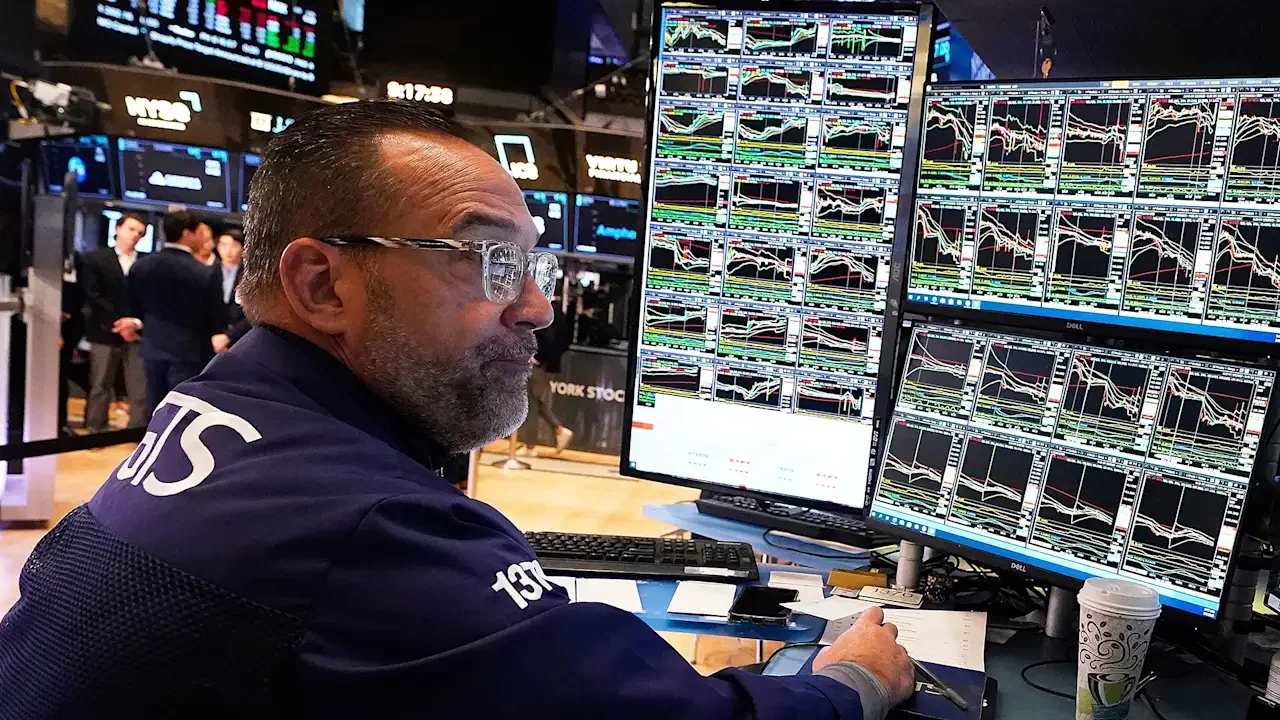
 The year 2025 was scary good for investors. It was scary because the U.S. stock market plunged to several historic drops on worries about everything from President Donald The President’s tariffs to interest rates to a possible bubble in artificial-intelligence technology. In the end, though, it was a good year for anyone with the stomach to stick through the swings. S&P 500 index funds, which sit at the heart of many savers’ 401(k) accounts, returned nearly 18% in 2025 and set a record high on Dec. 24. It was their third straight year of big returns. Here’s a look at some of the surprises that shaped financial markets along the way: Tariff tremors The President dropped the biggest surprise on “Liberation Day” in April, when he announced a sweeping set of tariffs that were more severe than investors expected. It immediately triggered worries about a possible recession and spiking inflation. The S&P 500 plunged nearly 5% on April 3 for its worst day since the 2020 COVID crash. The very next day, it dropped 6% after China’s response raised fears of a tit-for-tat trade war. The tariffs’ impact went beyond the stock market. The value of the U.S. dollar fell, and fear even shook the U.S. Treasury market, which is seen as perhaps the safest in existence. The President eventually put his tariffs on pause on April 9 after seeing the U.S. bond market get “queasy,” as he put it, which sent relief through Wall Street. Since then, The President has negotiated agreements with countries to lower his proposed tariff rates on their imports, helping calm investors’ nerves. Wall Street motored higher through a remarkably calm summer thanks to euphoria around artificial-intelligence technology and strong profit reports from companies. The market also got a boost from three cuts to interest rates by the Federal Reserve. Trade worries can still cause havoc in markets, and The President sent stocks spiraling as recently as October with threats of higher tariffs on China. The President and the Fed Another surprise was how hard, and how personally, The President lobbied to get the Federal Reserve to lower interest rates. The Fed has traditionally operated separately from the rest of Washington, making its decisions on interest rates without having to bend to political whims. Such independence, the thinking goes, gives it freedom to make unpopular moves that are necessary for the economy’s long-term health. Keeping interest rates high, for example, could slow the economy and frustrate politicians looking to please voters. But it could also be the medicine needed to get high inflation under control. As inflation stubbornly remained above the Fed’s 2% target, the central bank kept rates steady through August. This drew The President’s ire – even though it was his own trade policies that were driving fears about inflation higher. The President continuously picked on Fed Chair Jerome Powell, even giving him the nickname “Too Late.” Their tense relationship reached a head in July when The President, in front of cameras, accused Powell of mismanaging the costs of a renovation of the Fed’s headquarters. Powell, in turn, shook his head. Even though Wall Street loves lower rates, the personal attacks caused some queasiness in financial markets because of the possibility of a less independent Fed. Powell’s turn as Fed chair is set to expire in May, and the wide expectation is that The President will choose a replacement more likely to cut rates. Good but not first “America first” didn’t extend to global markets. Even as U.S. stocks soared to another double-digit gain, many foreign markets fared even better. The technology frenzy that helped fuel gains for the S&P 500 and the Nasdaq composite drove Korea’s KOSPI higher in 2025, enjoying its biggest gain in more than two decades. South Korea is a technology hub and companies including Samsung and SK Hynix surged amid the focus on artificial intelligence investments and advancements. Japan’s Nikkei 225 had a double-digit gain for a third straight year. Besides the focus on AI and the technology sector, the gains were boosted in October and November following national elections and plans for a $135 billion stimulus package. European markets also had a strong year. Germany’s DAX got a boost as the government announced plans to ramp up spending on infrastructure and defense, which could fuel economic growth in Europe’s largest economy. The European Central Bank spent the first half of the year cutting interest rates, which helped give financial markets across Europe a boost. France’s CAC 40 was a laggard, but still gained more than 10%. Crypto’s ups and downs Even with a reputation for volatility, cryptocurrencies still managed to surprise market watchers. Bitcoin dropped along with most other assets early in the year as The President’s trade policies scared investors away from riskier investments. The most widely used cryptocurrency roared back as the White House and Congress threw their support behind digital assets and the The President family launched a number of crypto ventures. Retail investors joined in by pouring money into bitcoin ETFs, stock-like investments that allowed them to benefit from the run-up in price without having to actually store bitcoin in digital wallets. Some companies, notably Strategy Inc., made buying and holding crypto the crux of their business and their stocks jumped. Bitcoin hit a high around $125,000 in early October. But, almost as quickly, digital assets tanked as investors worried the prices for shining stars such as tech stocks and crypto had jumped too high. As of Wednesday afternoon, bitcoin traded around $87,700, down roughly 30% from the peak and 6% below where it started the year. What’s ahead? Many professional investors think more gains could be ahead in 2026. That’s because most expect the economy to plod ahead and avoid a recession. That should help U.S. companies grow their profits, which stock prices tend to track over the long term. For companies in the S&P 500, analysts are expecting earnings per share to rise 14.5% in 2026, according to FactSet. That would be an acceleration from the 12.1% growth estimated for 2025. But some of last year’s concerns will linger. Chief among them is the worry that all the investment in artificial-intelligence technology may not produce enough profits and productivity to make it worth it. That could keep the pressure on AI stocks like Nvidia and Broadcom, which were responsible for so much of the market’s gains last year. And it’s not just AI stocks that critics say are too pricey. Stocks across the market still look expensive after their prices climbed faster than profits. That has strategists at Vanguard estimating U.S. stocks may return only about 3.5% to 5.5% in annualized returns over the next 10 years. Only twice in the last 10 years has the S&P 500 failed to meet that bar. At Bank of America, strategist Savita Subramanian says the S& P 500 could rise by less than half as much as profits do in 2026. She said that could be a result of companies reducing stock buybacks, as well as global central banks implementing fewer rate cuts. __ Reporter Damian Troise contributed. —Stan Choe, AP Business Writer View the full article
-
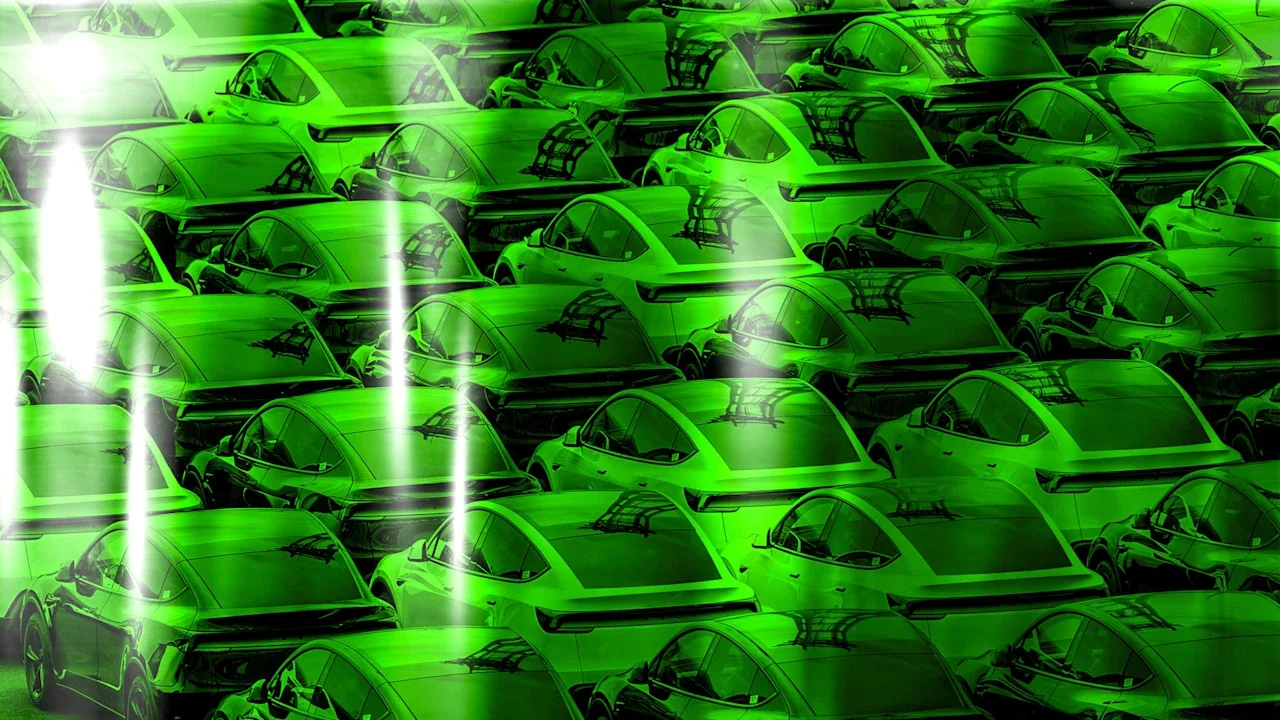
Elon Musk’s carmaker delivered fewer fully electric models than its rival in 2025View the full article
-
This government behaves as if it is being run as a riposte to Nigel Farage rather than because it believes in anythingView the full article
-
At this year’s Web Summit in Lisbon, Hayden Brown, president and CEO of Upwork, was asked which leadership skills are most in demand today. Her answer was immediate: The demand for soft skills is rising. As AI algorithms increasingly take over routine tasks, the qualities that can’t be automated—communication clarity, the ability to work effectively with people, and conflict-resolution skills—are becoming essential for career growth. This trend extends far beyond the tech sector. According to LinkedIn’s Work Change Report, 70% of skills used across most professions will change by 2030; AI will be the main catalyst. Against this backdrop, I’ve become convinced that soft skills have no “expiration date.” They are what determine whether a leader can keep their team productive even during periods of radical change or crisis. I’ve identified five soft skills that draw a clear line between an average leader and an exceptional one—someone truly capable of leading through transformation. 1. EMOTIONAL INTELLIGENCE Imagine that one of your team member’s productivity drops threefold: They used to complete at least 15 tasks weekly, but now barely finish five. When evaluating the situation only through metrics, the leader might say: “I see you’re working slower. Can you fix this?” The answer will be predictable: “Yes, I’ll try harder.” And nothing will change. I’ve noticed that how a leader makes an employee feel during a difficult moment directly affects their engagement, trust, and performance. If instead of assigning blame the leader asks, “How are you feeling?” it reveals the real reason behind the performance decline. Often it is personal circumstances, stress, or overload. A leader with strong emotional intelligence can notice even subtle signs of worsening psychological well-being within the team and use empathy to understand what is actually happening. By identifying the root causes, they can find solutions that truly improve performance. 2. CONFLICT MANAGEMENT According to the Workplace Peace Institute, American employees spend two hours weekly resolving disputes. I’m convinced that many conflicts can be avoided if we learn to recognize them early. But when tension does escalate into an open confrontation, the leader must turn that conflict into a productive conversation. They should help both sides structure their thoughts, guide them toward a compromise, and clearly explain the reasoning behind their decisions. This is what effective conflict management looks like—channeling that energy into finding the best possible solution. To do this, a leader must separate people from the problem and avoid mixing emotions with arguments. 3. COMMUNICATION CLARITY Grammarly research shows that 64% of business leaders link higher team productivity directly to effective communication. In my view, clarity is the soft skill with the strongest impact on outcomes. When a leader fails to articulate goals, expectations, or the task context—such as constraints or why the business needs this decision right now—the team operates blindly. They complete the task based on their own interpretation rather than the original intent; that gap costs time, quality, and effort. When people don’t understand the outcome expected of them, they fill in the blanks with assumptions rarely aligning with reality. This affects the final result, but also team dynamics. Conflicts emerge, with a shared feeling that “no one listens to us.” Once I witnessed a situation where, due to urgency, a manager assigned a task to a developer who was less busy but had less experience. The more experienced colleague reacted indignantly: “Why wasn’t this ticket assigned to me? Is something wrong with my work?” The problem was that the manager hadn’t explained the criteria for choosing the assignee; the lack of clarity left room for incorrect assumptions. It’s important to communicate not just what we’re doing, but also why we’re doing it that particular way. Whether it’s task assignment, delegation, or shifting priorities, it’s worth giving the team the full picture. 4. COACHING MINDSET According to an analysis of 34 million U.S. managerial job postings, since 2007 employers have been three times more likely to look for leaders with skills in collaboration, coaching, and influence. At the same time, job postings have decreased wording usage for traditional leadership. Today, valued leaders not only manage processes but also create conditions for their team’s growth. And in this context, the coaching mindset takes center stage. A leader who possesses it can pose questions to people that stimulate them to seek their own solutions, rather than relying on directives. A coaching mindset fosters autonomy and strengthens people’s confidence in their abilities, ultimately enhancing the entire team. Leaders should not deprive their teams of the opportunity to arrive at solutions on their own. 5. RESILIENCE The modern world is full of uncertainty; leaders need to adapt to unforeseen changes, and also support others during challenging times. This is easier to do if they possess resilience and can stay calm under pressure, manage their own emotions, and recover quickly. I lead a team of 90 people, mostly Ukrainians. When Russia launched its full-scale invasion of Ukraine, my team—which suddenly found itself in danger—was disoriented and scared. As a leader, I could not give in to panic, because I was responsible for my people. They came to me with many questions, and my actions, advice, and support helped the team get through those difficult times. The good news is that resilience is not an innate trait, but it can be developed. A leader becomes more resilient by learning to pause, consciously choose their response to a situation, and avoid reacting to immediate triggers. Teams that see a leader’s resilience in challenging situations show six times higher engagement and innovation. This is no coincidence: People work more boldly and productively when they have an example of someone who doesn’t give in to anxiety and provides a sense of stability and security. Our team is proof of this. Illia Smoliienko is the chief software officer for Waites. View the full article

-
The past year was a landmark for AI proliferation, with sweeping implications for virtually every area of business and life. But with progress came peril. We saw cyberattacks explode in number and sophistication, outmaneuvering legacy security defenses to create record damage. These trends will only accelerate from here, and it’s not enough for teams to simply brace for impact. Instead, organizations must anticipate what’s ahead and reimagine their security stacks, thinking about how to preempt attacks and optimizing their workflows. Thinking about cybersecurity in the new year, it’s critical to have a clear vision and get to work fast to meet the moment. Here are three trends to watch. 1. Eyes on the evolving threat landscape In 2026, the mass personalization of cyberattacks will disrupt the classical kill chain model, which relies on observing and then reacting to stop threats. Attackers will leverage AI to understand business’s unique vulnerabilities and craft personalized, novel software for each enterprise. This means every organization will see a massive rise in sophisticated, tailored attacks that are not known to the majority of their current security tools, pitting them in a race against time to spot the attack and respond before sustaining widespread damage. Adding AI to reactive tools will help, but will be woefully insufficient to counter this new onslaught. Instead, this shift will require security teams to develop wholly new approaches to preemptively mitigate and avoid these highly personalized threats. AI will also lead to the development of malware that can adapt and evade defensive measures, posing a significant threat to cybersecurity teams. These make it less likely that the novel attacks mentioned above will be detected before they can do large scale damage. AI-powered, autonomous malware will be capable of changing code and behavior to avoid detection, making it harder for security systems to identify and neutralize it. The emergence of autonomous malware will mark a new era in cyberthreats, where AI-driven attacks become increasingly sophisticated and resilient and put further stress on existing security solutions that rely on a detect and respond model to be effective. Compounding these threats, the problem of deepfakes will significantly worsen. The proliferation of deepfakes will increase misinformation and social engineering, leading to major breaches and higher success rates for scams and theft. As AI technology advances, the creation of realistic deepfakes will become easier and more widespread. This will result in a proliferation of fake videos and audio recordings that can be used to deceive individuals and organizations, undermining trust and security. This will coincide and often be combined with a new generation of AI-driven email, text and social media-based attacks. These attacks are tailored to individuals and nearly indistinguishable from legitimate communication, enabling highly personalized, real-time social-engineering campaigns. Relying on humans as a last line of defense has long been a tenuous approach. Against threats this advanced, that approach collapses. Modern security demands automated, adaptive defenses that remove the burden from individuals. 2. Protect an expanding attack surface IoT and IT devices (networking and security infrastructure) will become a bigger target for attacks due to the ease of creating and deploying attacks against them. The proliferation of smart devices in businesses and homes presents an opportunity for attackers to get persistent footholds from which they can pivot and launch attacks or wreak havoc and create disruption of operations. Bespoke and out of date networking and security infrastructure likewise will be exploited as AI can readily adapt attackers for different operating systems and software levels. With AI, it will be much more attractive for cybercriminals to develop and execute attacks on these devices, leading to an increase in security incidents. AI itself is becoming one of the most attractive parts of the attack surface to exploit. Attacks on AI will increase dramatically, leading to significant data leaks and business process disruption. As AI gains ever wider adoption and is interwoven into all aspects of enterprise software, AI’s autonomous nature will be co-opted to enable the AI to function much like a human insider threat, where the internal AI models’ elevated access rights will be leveraged in large scale breaches. Robust security measures are needed to protect the rapidly expanding AI attack surface. 3. Cybercrime-as-a-service hits its stride The era when a cybercriminal’s reach was constrained by their technical skill is long gone. Today, an AI-driven underground economy is reshaping the threat landscape, empowering financially motivated actors with unprecedented capabilities. These adversaries no longer need deep expertise; they can tap into a growing ecosystem of ready-made services, ranging from exploit kits and ransomware-as-a-service platforms to stolen credential marketplaces and initial access brokers. Looking ahead to 2026, this “cybercrime-as-a-service” model is expected to reach new heights of sophistication. AI tools will enable even inexperienced attackers to execute complex, multi-stage campaigns with alarming precision. As a result, the traditional line between opportunistic hackers and highly organized cybercrime syndicates will continue to blur, driving both the scale and complexity of financially motivated attacks to levels we’ve never seen before. It’s time to reimagine cybersecurity considering the changes we’ll continue to see in 2026. The world’s pre-AI reactive model of security will not work in an AI-first attacker world. Simply adding AI to these legacy tools will give a false since of comfort in the face of the onslaught that is coming. This is an illusion of improved security that will be painfully exposed in 2026. Enterprises need to think differently in a post-AI world about cybersecurity, transforming from a reactive posture into a preemptive strategy that anticipates rather than reacts to attackers. Scott Harrell is CEO of Infoblox. View the full article
-
Tiered rewards programs are loyalty initiatives that categorize customers into levels based on their spending or engagement. Typically structured with three to four tiers, these programs offer incentives that increase in value as customers advance. You earn points or milestones to move up, which encourages greater participation and spending. Comprehending how these programs work and their potential impact on customer loyalty is vital for businesses looking to improve their engagement strategies. What factors should you consider when implementing such a program? Key Takeaways Tiered rewards programs categorize customers into levels based on engagement or spending, motivating them to reach higher tiers for better benefits. Most programs consist of three to four tiers, offering progressively valuable rewards from basic to exclusive perks. Customers earn points or milestones to advance between tiers, enhancing their loyalty and encouraging increased spending. Success depends on clear pathways for progression and regular assessments of customer engagement and feedback. Advanced analytics and gamification are emerging trends to personalize rewards and boost customer participation. Understanding Tiered Rewards Programs When you think about loyalty programs, tiered rewards programs stand out as a structured way to encourage customer engagement and spending. These tier programs categorize customers into multiple levels based on their engagement or spending. Typically, you start at an entry-level tier and earn points or meet spending thresholds to access higher tiers, each offering increasingly valuable benefits. Most tiered loyalty programs feature around three to four tiers, with the basic tier providing important rewards as higher tiers grant perks like VIP access and personalized services. Successful examples, such as Sephora‘s Beauty Insider and Starbucks Rewards, show that these tiered rewards programs greatly improve customer retention and spending, leading to higher returns on investment compared to non-tiered programs. Managing tier progression and communicating with customers effectively is vital, as it keeps you motivated to reach higher tiers for better rewards, ensuring ongoing engagement and satisfaction. How Tiered Loyalty Programs Operate Tiered loyalty programs operate by organizing customers into distinct levels based on their engagement or spending habits. Each level offers progressively more valuable rewards, motivating you to participate more actively. You earn points or reach milestones that help you advance to higher tiers, revealing exclusive benefits and incentives as you climb the ranks. Most programs feature three to four tiers, starting with an entry-level tier that provides basic rewards. Higher tiers include improved perks, such as personalized services and exclusive experiences, which encourage you to work for advancement. The design of tier thresholds is vital; they should be challenging yet attainable, guaranteeing you feel motivated rather than discouraged. Effective management of these programs includes regular assessments of engagement metrics and customer feedback, helping to guarantee that rewards remain appealing and aligned with your preferences. Benefits of Implementing Tiered Rewards Implementing tiered rewards programs offers businesses numerous advantages that can greatly improve customer engagement and profitability. These programs can yield a 1.8x higher return on investment compared to non-tiered methods, making them financially appealing. By motivating customers to engage more frequently and spend more to access higher tiers and exclusive rewards, tiered systems augment customer retention rates effectively. For instance, global hotel chains report a 59% increase in repeat business as a result of loyalty programs, illustrating their influence in driving customer loyalty. Furthermore, tiered structures create a sense of community among customers, as shared experiences and goals related to different tiers strengthen emotional ties to the brand. In addition, collecting and analyzing customer data through these programs enables businesses to gain insights into consumer preferences, allowing them to tailor marketing strategies and boost overall customer satisfaction considerably. Potential Drawbacks of Tiered Loyalty Programs Even though tiered loyalty programs can drive customer engagement, they furthermore come with potential drawbacks that businesses need to contemplate carefully. One major concern is customer frustration; if rewards seem unattainable, lower-tier members may feel discouraged and disengaged. In addition, the high implementation and maintenance costs associated with these programs can strain a company’s resources, making it crucial to evaluate the return on investment. Customers might likewise feel excluded because of significant gaps between tiers, which can lead to demotivation. Moreover, complex earning and redeeming rules can confuse members, resulting in dissatisfaction when they struggle to grasp how to access rewards. Finally, tiered programs often require collecting customer information, which raises data privacy and security risks. Businesses must implement robust measures to protect sensitive data, balancing the need for information with customer trust and safety. Ideal Structure for Tiered Loyalty Programs When designing an effective loyalty program, it’s crucial to establish an ideal structure that engages customers across multiple tiers. Typically, a superior program features three to four tiers, allowing you to create clear pathways for progression. Each tier should offer progressively valuable benefits; entry-level tiers can provide basic rewards like discounts, while higher tiers reveal exclusive perks, early access, and personalized experiences. It’s important that these tiers feel both achievable and challenging, striking a balance that keeps customers motivated without overwhelming them. A well-structured program should likewise incorporate both transactional rewards, based on your spending, and experiential rewards, such as unique events or experiences, to improve satisfaction and loyalty. Furthermore, regularly reviewing and updating the tier structure guarantees the program remains relevant and appealing, ultimately driving engagement and retention among your customers. Examples of Successful Tiered Loyalty Programs Many businesses have successfully implemented tiered loyalty programs that not only improve customer engagement but also drive brand loyalty. Starbucks Rewards features two main levels, Green and Gold, allowing members to earn stars for purchases, with Gold members enjoying exclusive offers and faster star accumulation through the mobile app. Sephora’s Beauty Insider program includes three tiers—Insider, VIB, and Rouge—offering escalating rewards such as early product launches and personalized makeovers as members spend more. Amazon Prime operates as a multifaceted membership program providing core benefits like free shipping, with supplementary tiers like Prime Student catering to specific demographics. Marriott’s Bonvoy program boasts five Elite tiers that reward members with points for stays, redeemable for travel experiences, with significant benefits at higher tiers. Finally, Uber Pro rewards drivers with points for completed trips, enhancing benefits based on tier status, which promotes ongoing engagement and improved performance. Strategies for Designing an Effective Program Designing an effective tiered rewards program requires a strategic approach that aligns with your brand’s goals as it appeals to customer preferences. To create a successful program, consider these key strategies: Engaging Names: Use clear, engaging names for each tier to cultivate a sense of belonging and community among customers. Diverse Structures: Implement both spend-based and points-based systems, allowing customers to advance through tiers via purchases and non-transactional activities, enhancing engagement. Exclusive Benefits: Reserve premium rewards for top-tier members, such as invitation-only events and limited-edition items, to increase perceived value and encourage loyalty. Gamification: Incorporate elements like progress bars and milestones to motivate customers, creating an addictive feedback loop that keeps them engaged with your brand. Measuring the Success of Tiered Rewards To effectively measure the success of tiered rewards programs, you’ll want to track various key performance indicators (KPIs) that provide insights into customer behavior and program effectiveness. Focus on metrics like customer retention rates, repeat purchase rates, and revenue generated from loyalty members. Here’s a table summarizing important KPIs: KPI Description Importance Customer Retention Rate Percentage of customers who continue to engage Indicates program loyalty Tier Movement Tracking how members shift between tiers Measures motivation and spending Revenue from Members Total revenue generated by loyalty participants Assesses financial impact Additionally, health metrics compare engagement behaviors of tiered and non-tiered members, whereas impact metrics assess tier movements. Continuous monitoring of customer feedback and market trends is crucial for keeping your program relevant and effective. The Role of Customer Engagement in Tiered Programs In tiered rewards programs, customer engagement plays an essential role in motivating you to increase spending to reach higher tiers. Exclusive tier-based rewards not just improve the value of your purchases but likewise encourage a sense of community as you connect with other members aiming for the same goals. Motivation to Increase Spending Even though many consumers may not realize it, tiered rewards programs effectively motivate increased spending by introducing structured incentives that encourage customers to aim for higher status. Here’s how these programs work to drive engagement: Incremental thresholds: You’re encouraged to spend more to reach the next tier, creating a sense of urgency. Consistent engagement: Maintaining or elevating your tier status often requires regular spending or participation. Psychological appeal: The exclusivity of higher tiers promotes a competitive spirit, motivating you to invest for premium rewards. Personalized strategies: Customized communications and gamification elements, like progress tracking, improve motivation, making you more likely to maximize your rewards. Exclusive Tier-Based Rewards Exclusive tier-based rewards play a significant role in improving customer engagement within loyalty programs. When you participate in these programs, you’ll notice that higher tiers offer increasingly valuable benefits, which motivate you to spend more and remain loyal to the brand. Successful tiered programs, like Sephora’s Beauty Insider, provide unique rewards at each level, nurturing a sense of accomplishment. Data shows that tiered loyalty programs yield a 1.8x higher return on investment compared to non-tiered programs, effectively engaging customers through structured rewards. Furthermore, emotional connections strengthen as exclusive experiences at higher tiers make you feel valued. Brands likewise implement gamification elements, like progress tracking and milestone rewards, to raise engagement and encourage ongoing participation in tiered loyalty programs. Community Building Through Engagement Community building thrives within tiered loyalty programs, as these structures naturally cultivate engagement among customers who share similar goals and experiences. Here’s how tiered programs encourage a sense of community: Exclusive events and challenges promote social interaction, creating bonds among members. Competitions, often featuring leaderboards, encourage friendly rivalry and collaboration, enhancing participation. Regular updates about tier benefits keep you informed, reinforcing your connection to both the brand and fellow members. Personalized marketing strategies resonate with community interests, increasing engagement and loyalty. Future Trends in Tiered Loyalty Programs As businesses look to the future, tiered loyalty programs are evolving markedly to meet the changing demands of consumers. Advanced data analytics and artificial intelligence will play an essential role in personalizing rewards, making your experience more customized and relevant. You’ll likely see gamification elements integrated into these programs, encouraging participation through challenges and badges, which can amplify your brand loyalty. Sustainability is likewise becoming significant; Eco brands are expected to reward eco-friendly purchases, appealing to your environmentally conscious side. With the rise of subscription models, hybrid loyalty programs are emerging, combining tiered structures with recurring membership benefits to improve your satisfaction. Furthermore, enhanced mobile experiences and digital wallets will streamline how you track your tier status and rewards. This seamless engagement process will encourage you to participate actively in loyalty programs, eventually improving your overall experience with brands. Frequently Asked Questions How Does a Tiered Loyalty Program Work? A tiered loyalty program works by categorizing you into different levels based on your spending and engagement. As you earn points through purchases and activities, you climb these tiers, revealing increasingly valuable rewards. Typically, there are three to four tiers, with basic benefits at the lowest and premium perks at higher levels. This structure motivates you to spend more, aiming for exclusive rewards and personalized services, ultimately enhancing your loyalty and engagement. What Are Tiered Rewards? Tiered rewards are structured loyalty systems that categorize customers into different levels based on their spending or engagement. Each tier provides increasingly valuable benefits, such as discounts, exclusive offers, or VIP access. By earning points and advancing through these levels, you can reveal more enticing rewards, which motivates repeat purchases. This system not just improves customer loyalty but additionally creates a community, allowing businesses to tailor marketing efforts based on your tier status and preferences. What Are the Benefits of Tiered Membership? Tiered membership offers several benefits that improve your experience. As you move up tiers, you access more valuable rewards and personalized perks, incentivizing increased spending. This structure promotes loyalty, as you’re motivated to maintain or raise your status. Furthermore, businesses often see a significant boost in repeat purchases and customer retention rates because of these programs. In the end, a well-structured tiered system improves your relationship with the brand, resulting in a deeper connection. What Is a Tier Reward? A tier reward is a benefit offered to you based on your level of engagement or spending within a loyalty program. As you progress through different tiers, you gain access to increasingly valuable rewards, which can include discounts, exclusive access, or personalized services. To reach higher tiers, you typically need to earn points or meet specific criteria. This structure incentivizes you to engage more, enhancing your overall experience and loyalty to the brand. Conclusion In conclusion, tiered rewards programs effectively improve customer loyalty by offering structured benefits based on engagement levels. They encourage increased spending and participation, whereas promoting community within the brand. Nevertheless, it’s crucial to evaluate potential drawbacks, such as complexity and customer frustration. By designing an effective program and measuring its success, businesses can optimize these initiatives to align with customer needs. As trends evolve, adapting tiered rewards can further reinforce customer relationships and drive long-term loyalty. Image via Google Gemini This article, "What Are Tiered Rewards Programs and How Do They Work?" was first published on Small Business Trends View the full article
-
Tiered rewards programs are loyalty initiatives that categorize customers into levels based on their spending or engagement. Typically structured with three to four tiers, these programs offer incentives that increase in value as customers advance. You earn points or milestones to move up, which encourages greater participation and spending. Comprehending how these programs work and their potential impact on customer loyalty is vital for businesses looking to improve their engagement strategies. What factors should you consider when implementing such a program? Key Takeaways Tiered rewards programs categorize customers into levels based on engagement or spending, motivating them to reach higher tiers for better benefits. Most programs consist of three to four tiers, offering progressively valuable rewards from basic to exclusive perks. Customers earn points or milestones to advance between tiers, enhancing their loyalty and encouraging increased spending. Success depends on clear pathways for progression and regular assessments of customer engagement and feedback. Advanced analytics and gamification are emerging trends to personalize rewards and boost customer participation. Understanding Tiered Rewards Programs When you think about loyalty programs, tiered rewards programs stand out as a structured way to encourage customer engagement and spending. These tier programs categorize customers into multiple levels based on their engagement or spending. Typically, you start at an entry-level tier and earn points or meet spending thresholds to access higher tiers, each offering increasingly valuable benefits. Most tiered loyalty programs feature around three to four tiers, with the basic tier providing important rewards as higher tiers grant perks like VIP access and personalized services. Successful examples, such as Sephora‘s Beauty Insider and Starbucks Rewards, show that these tiered rewards programs greatly improve customer retention and spending, leading to higher returns on investment compared to non-tiered programs. Managing tier progression and communicating with customers effectively is vital, as it keeps you motivated to reach higher tiers for better rewards, ensuring ongoing engagement and satisfaction. How Tiered Loyalty Programs Operate Tiered loyalty programs operate by organizing customers into distinct levels based on their engagement or spending habits. Each level offers progressively more valuable rewards, motivating you to participate more actively. You earn points or reach milestones that help you advance to higher tiers, revealing exclusive benefits and incentives as you climb the ranks. Most programs feature three to four tiers, starting with an entry-level tier that provides basic rewards. Higher tiers include improved perks, such as personalized services and exclusive experiences, which encourage you to work for advancement. The design of tier thresholds is vital; they should be challenging yet attainable, guaranteeing you feel motivated rather than discouraged. Effective management of these programs includes regular assessments of engagement metrics and customer feedback, helping to guarantee that rewards remain appealing and aligned with your preferences. Benefits of Implementing Tiered Rewards Implementing tiered rewards programs offers businesses numerous advantages that can greatly improve customer engagement and profitability. These programs can yield a 1.8x higher return on investment compared to non-tiered methods, making them financially appealing. By motivating customers to engage more frequently and spend more to access higher tiers and exclusive rewards, tiered systems augment customer retention rates effectively. For instance, global hotel chains report a 59% increase in repeat business as a result of loyalty programs, illustrating their influence in driving customer loyalty. Furthermore, tiered structures create a sense of community among customers, as shared experiences and goals related to different tiers strengthen emotional ties to the brand. In addition, collecting and analyzing customer data through these programs enables businesses to gain insights into consumer preferences, allowing them to tailor marketing strategies and boost overall customer satisfaction considerably. Potential Drawbacks of Tiered Loyalty Programs Even though tiered loyalty programs can drive customer engagement, they furthermore come with potential drawbacks that businesses need to contemplate carefully. One major concern is customer frustration; if rewards seem unattainable, lower-tier members may feel discouraged and disengaged. In addition, the high implementation and maintenance costs associated with these programs can strain a company’s resources, making it crucial to evaluate the return on investment. Customers might likewise feel excluded because of significant gaps between tiers, which can lead to demotivation. Moreover, complex earning and redeeming rules can confuse members, resulting in dissatisfaction when they struggle to grasp how to access rewards. Finally, tiered programs often require collecting customer information, which raises data privacy and security risks. Businesses must implement robust measures to protect sensitive data, balancing the need for information with customer trust and safety. Ideal Structure for Tiered Loyalty Programs When designing an effective loyalty program, it’s crucial to establish an ideal structure that engages customers across multiple tiers. Typically, a superior program features three to four tiers, allowing you to create clear pathways for progression. Each tier should offer progressively valuable benefits; entry-level tiers can provide basic rewards like discounts, while higher tiers reveal exclusive perks, early access, and personalized experiences. It’s important that these tiers feel both achievable and challenging, striking a balance that keeps customers motivated without overwhelming them. A well-structured program should likewise incorporate both transactional rewards, based on your spending, and experiential rewards, such as unique events or experiences, to improve satisfaction and loyalty. Furthermore, regularly reviewing and updating the tier structure guarantees the program remains relevant and appealing, ultimately driving engagement and retention among your customers. Examples of Successful Tiered Loyalty Programs Many businesses have successfully implemented tiered loyalty programs that not only improve customer engagement but also drive brand loyalty. Starbucks Rewards features two main levels, Green and Gold, allowing members to earn stars for purchases, with Gold members enjoying exclusive offers and faster star accumulation through the mobile app. Sephora’s Beauty Insider program includes three tiers—Insider, VIB, and Rouge—offering escalating rewards such as early product launches and personalized makeovers as members spend more. Amazon Prime operates as a multifaceted membership program providing core benefits like free shipping, with supplementary tiers like Prime Student catering to specific demographics. Marriott’s Bonvoy program boasts five Elite tiers that reward members with points for stays, redeemable for travel experiences, with significant benefits at higher tiers. Finally, Uber Pro rewards drivers with points for completed trips, enhancing benefits based on tier status, which promotes ongoing engagement and improved performance. Strategies for Designing an Effective Program Designing an effective tiered rewards program requires a strategic approach that aligns with your brand’s goals as it appeals to customer preferences. To create a successful program, consider these key strategies: Engaging Names: Use clear, engaging names for each tier to cultivate a sense of belonging and community among customers. Diverse Structures: Implement both spend-based and points-based systems, allowing customers to advance through tiers via purchases and non-transactional activities, enhancing engagement. Exclusive Benefits: Reserve premium rewards for top-tier members, such as invitation-only events and limited-edition items, to increase perceived value and encourage loyalty. Gamification: Incorporate elements like progress bars and milestones to motivate customers, creating an addictive feedback loop that keeps them engaged with your brand. Measuring the Success of Tiered Rewards To effectively measure the success of tiered rewards programs, you’ll want to track various key performance indicators (KPIs) that provide insights into customer behavior and program effectiveness. Focus on metrics like customer retention rates, repeat purchase rates, and revenue generated from loyalty members. Here’s a table summarizing important KPIs: KPI Description Importance Customer Retention Rate Percentage of customers who continue to engage Indicates program loyalty Tier Movement Tracking how members shift between tiers Measures motivation and spending Revenue from Members Total revenue generated by loyalty participants Assesses financial impact Additionally, health metrics compare engagement behaviors of tiered and non-tiered members, whereas impact metrics assess tier movements. Continuous monitoring of customer feedback and market trends is crucial for keeping your program relevant and effective. The Role of Customer Engagement in Tiered Programs In tiered rewards programs, customer engagement plays an essential role in motivating you to increase spending to reach higher tiers. Exclusive tier-based rewards not just improve the value of your purchases but likewise encourage a sense of community as you connect with other members aiming for the same goals. Motivation to Increase Spending Even though many consumers may not realize it, tiered rewards programs effectively motivate increased spending by introducing structured incentives that encourage customers to aim for higher status. Here’s how these programs work to drive engagement: Incremental thresholds: You’re encouraged to spend more to reach the next tier, creating a sense of urgency. Consistent engagement: Maintaining or elevating your tier status often requires regular spending or participation. Psychological appeal: The exclusivity of higher tiers promotes a competitive spirit, motivating you to invest for premium rewards. Personalized strategies: Customized communications and gamification elements, like progress tracking, improve motivation, making you more likely to maximize your rewards. Exclusive Tier-Based Rewards Exclusive tier-based rewards play a significant role in improving customer engagement within loyalty programs. When you participate in these programs, you’ll notice that higher tiers offer increasingly valuable benefits, which motivate you to spend more and remain loyal to the brand. Successful tiered programs, like Sephora’s Beauty Insider, provide unique rewards at each level, nurturing a sense of accomplishment. Data shows that tiered loyalty programs yield a 1.8x higher return on investment compared to non-tiered programs, effectively engaging customers through structured rewards. Furthermore, emotional connections strengthen as exclusive experiences at higher tiers make you feel valued. Brands likewise implement gamification elements, like progress tracking and milestone rewards, to raise engagement and encourage ongoing participation in tiered loyalty programs. Community Building Through Engagement Community building thrives within tiered loyalty programs, as these structures naturally cultivate engagement among customers who share similar goals and experiences. Here’s how tiered programs encourage a sense of community: Exclusive events and challenges promote social interaction, creating bonds among members. Competitions, often featuring leaderboards, encourage friendly rivalry and collaboration, enhancing participation. Regular updates about tier benefits keep you informed, reinforcing your connection to both the brand and fellow members. Personalized marketing strategies resonate with community interests, increasing engagement and loyalty. Future Trends in Tiered Loyalty Programs As businesses look to the future, tiered loyalty programs are evolving markedly to meet the changing demands of consumers. Advanced data analytics and artificial intelligence will play an essential role in personalizing rewards, making your experience more customized and relevant. You’ll likely see gamification elements integrated into these programs, encouraging participation through challenges and badges, which can amplify your brand loyalty. Sustainability is likewise becoming significant; Eco brands are expected to reward eco-friendly purchases, appealing to your environmentally conscious side. With the rise of subscription models, hybrid loyalty programs are emerging, combining tiered structures with recurring membership benefits to improve your satisfaction. Furthermore, enhanced mobile experiences and digital wallets will streamline how you track your tier status and rewards. This seamless engagement process will encourage you to participate actively in loyalty programs, eventually improving your overall experience with brands. Frequently Asked Questions How Does a Tiered Loyalty Program Work? A tiered loyalty program works by categorizing you into different levels based on your spending and engagement. As you earn points through purchases and activities, you climb these tiers, revealing increasingly valuable rewards. Typically, there are three to four tiers, with basic benefits at the lowest and premium perks at higher levels. This structure motivates you to spend more, aiming for exclusive rewards and personalized services, ultimately enhancing your loyalty and engagement. What Are Tiered Rewards? Tiered rewards are structured loyalty systems that categorize customers into different levels based on their spending or engagement. Each tier provides increasingly valuable benefits, such as discounts, exclusive offers, or VIP access. By earning points and advancing through these levels, you can reveal more enticing rewards, which motivates repeat purchases. This system not just improves customer loyalty but additionally creates a community, allowing businesses to tailor marketing efforts based on your tier status and preferences. What Are the Benefits of Tiered Membership? Tiered membership offers several benefits that improve your experience. As you move up tiers, you access more valuable rewards and personalized perks, incentivizing increased spending. This structure promotes loyalty, as you’re motivated to maintain or raise your status. Furthermore, businesses often see a significant boost in repeat purchases and customer retention rates because of these programs. In the end, a well-structured tiered system improves your relationship with the brand, resulting in a deeper connection. What Is a Tier Reward? A tier reward is a benefit offered to you based on your level of engagement or spending within a loyalty program. As you progress through different tiers, you gain access to increasingly valuable rewards, which can include discounts, exclusive access, or personalized services. To reach higher tiers, you typically need to earn points or meet specific criteria. This structure incentivizes you to engage more, enhancing your overall experience and loyalty to the brand. Conclusion In conclusion, tiered rewards programs effectively improve customer loyalty by offering structured benefits based on engagement levels. They encourage increased spending and participation, whereas promoting community within the brand. Nevertheless, it’s crucial to evaluate potential drawbacks, such as complexity and customer frustration. By designing an effective program and measuring its success, businesses can optimize these initiatives to align with customer needs. As trends evolve, adapting tiered rewards can further reinforce customer relationships and drive long-term loyalty. Image via Google Gemini This article, "What Are Tiered Rewards Programs and How Do They Work?" was first published on Small Business Trends View the full article
-
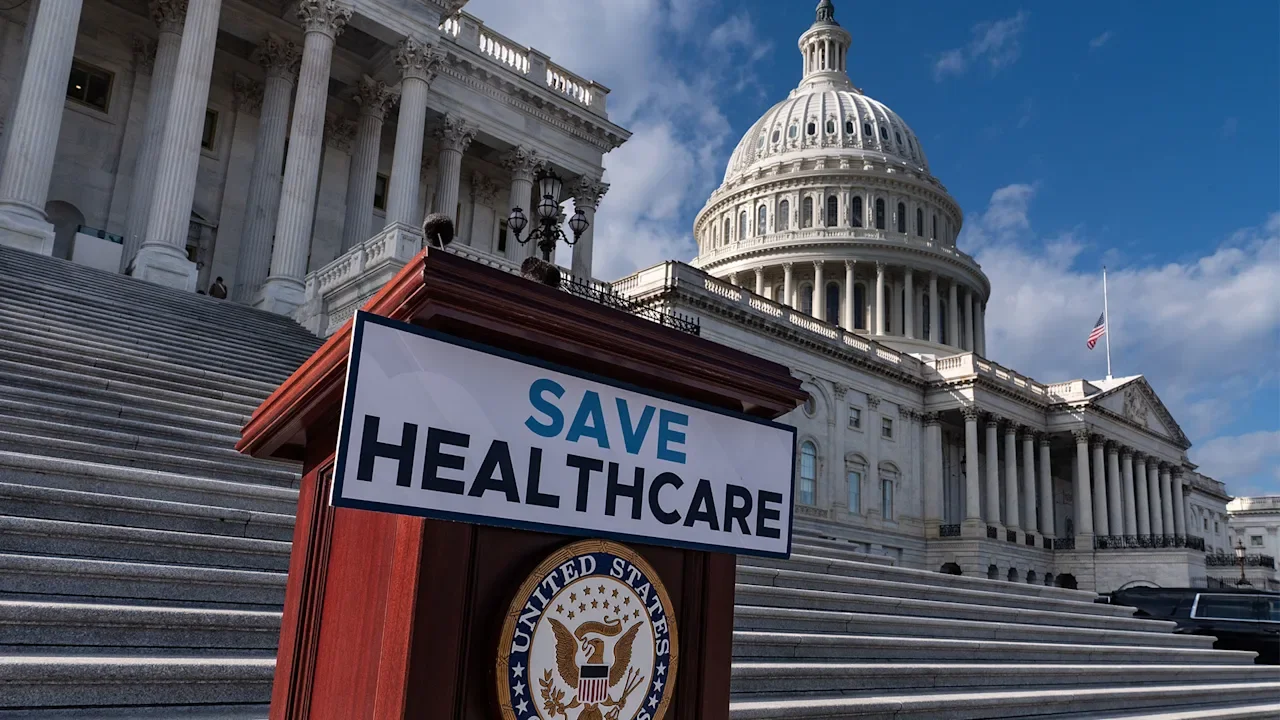
Enhanced tax credits that have helped reduce the cost of health insurance for the vast majority of Affordable Care Act enrollees expired overnight, cementing higher health costs for millions of Americans at the start of the new year. Democrats forced a 43-day government shutdown over the issue. Moderate Republicans called for a solution to save their 2026 political aspirations. President Donald The President floated a way out, only to back off after conservative backlash. In the end, no one’s efforts were enough to save the subsidies before their expiration date. A House vote expected in January could offer another chance, but success is far from guaranteed. The change affects a diverse cross-section of Americans who don’t get their health insurance from an employer and don’t qualify for Medicaid or Medicare — a group that includes many self-employed workers, small business owners, farmers and ranchers. It comes at the start of a high-stakes midterm election year, with affordability — including the cost of health care — topping the list of voters’ concerns. “It really bothers me that the middle class has moved from a squeeze to a full suffocation, and they continue to just pile on and leave it up to us,” said 37-year-old single mom Katelin Provost, whose health care costs are set to jump. “I’m incredibly disappointed that there hasn’t been more action.” Some families grapple with insurance costs that are doubling, tripling or more The expired subsidies were first given to Affordable Care Act enrollees in 2021 as a temporary measure to help Americans get through the COVID-19 pandemic. Democrats in power at the time extended them, moving the expiration date to the start of 2026. With the expanded subsidies, some lower-income enrollees received health care with no premiums, and high earners paid no more than 8.5% of their income. Eligibility for middle-class earners was also expanded. On average, the more than 20 million subsidized enrollees in the Affordable Care Act program are seeing their premium costs rise by 114% in 2026, according to an analysis by the health care research nonprofit KFF. Those surging prices come alongside an overall increase in health costs in the U.S., which are further driving up out-of-pocket costs in many plans. Some enrollees, like Salt Lake City freelance filmmaker and adjunct professor Stan Clawson, have absorbed the extra expense. Clawson said he was paying just under $350 a month for his premiums last year, a number that will jump to nearly $500 a month this year. It’s a strain for the 49-year-old but one he’s willing to take on because he needs health insurance as someone who lives with paralysis from a spinal cord injury. Others, like Provost, are dealing with steeper hikes. The social worker’s monthly premium payment is increasing from $85 a month to nearly $750. Effects on enrollment remain to be seen Health analysts have predicted the expiration of the subsidies will drive many of the 24 million total Affordable Care Act enrollees — especially younger and healthier Americans — to forgo health insurance coverage altogether. Over time, that could make the program more expensive for the older, sicker population that remains. An analysis conducted last September by the Urban Institute and Commonwealth Fund projected the higher premiums from expiring subsidies would prompt some 4.8 million Americans to drop coverage in 2026. But with the window to select and change plans still ongoing until Jan. 15 in most states, the final effect on enrollment is yet to be determined. Provost, the single mother, said she is holding out hope that Congress finds a way to revive the subsidies early in the year — but if not, she’ll drop herself off the insurance and keep it only for her four-year-old daughter. She can’t afford to pay for both of their coverage at the current price. Months of discussion, but no relief yet Last year, after Republicans cut more than $1 trillion in federal health care and food assistance with The President’s big tax and spending cuts bill, Democrats repeatedly called for the subsidies to be extended. But while some Republicans in power acknowledged the issue needed to be addressed, they refused to put it to a vote until late in the year. In December, the Senate rejected two partisan health care bills — a Democratic pitch to extend the subsidies for three more years and a Republican alternative that would instead provide Americans with health savings accounts. In the House, four centrist Republicans broke with GOP leadership and joined forces with Democrats to force a vote that could come as soon as January on a three-year extension of the tax credits. But with the Senate already having rejected such a plan, it’s unclear whether it could get enough momentum to pass. Meanwhile, Americans whose premiums are skyrocketing say lawmakers don’t understand what it’s really like to struggle to get by as health costs ratchet up with no relief. Many say they want the subsidies restored alongside broader reforms to make health care more affordable for all Americans. “Both Republicans and Democrats have been saying for years, oh, we need to fix it. Then do it,” said Chad Bruns, a 58-year-old Affordable Care Act enrollee in Wisconsin. “They need to get to the root cause, and no political party ever does that.” —Ali Swenson, Associated Press View the full article
-
Google completed the December 2025 core update this week and it hit some news publishers incredibly hard. I posted the annual Google algorithm update infographic. Google's Frankenstein AI-recipes are a complete horror. Google questioned the need for ccTLDs for international SEO...View the full article
-
Choosing the right mix requires clear performance modeling, transparent forecasting, and alignment on how each channel contributes to pipeline, CAC, and strategic growth. The post How To Get The Perfect Budget Mix For SEO And PPC appeared first on Search Engine Journal. View the full article
-
Kind Lending, Class Valuation, also add CFOs, Mortgage Capital Trading boosts artificial intelligence efforts and Acra welcomes an industry veteran. View the full article

-
We may earn a commission from links on this page. I do a lot of things on a regular basis that people might classify as “good habits.” I go for a walk every morning. I hit the gym nearly every day. I prep my meals on the weekends so I always have something healthy to eat for lunch. But I didn’t arrive at these behaviors solely through habit stacking or some other clever hack. Because the truth is, most “habits” are really skills that take work and time to develop—not simple set-it-and-forget-it hacks. Most “habits” aren’t that simplePsychologists define “habits” as things we do automatically in a specific situation. “For example, the act of hair twirling may eventually occur without the individual’s conscious awareness,” reads the definition from the American Psychological Association. But when we talk about building a habit, we usually mean something that we do on a regular basis. Maybe it happens automatically—that may be the goal—but it isn’t a reflexive reaction to our environment. For example, people commonly say they want to build “habits” like: Going to the gym Eating more vegetables Reading books Flossing teeth Getting to bed on time None of these are simple, reflexive, or unconscious behaviors. A few are relatively simple—you could probably use classic habit hacks like stacking to make sure you floss after you brush. But most habits take a lot more work to develop. What we really want is behavior changePsychologists have a different term for things like eating healthy, getting more sleep, and reading a book instead of doomscrolling social media. They call it "behavior change," and there are countless studies and theoretical models exploring how people actually end up changing their behaviors. What they’ve found is that adopting a new behavior (what we’ve been calling a “habit”) requires us to invest time and effort, and we go through several mindset shifts as we evolve from a person who doesn’t do the thing, to a person who does the thing all the time. See if you can spot yourself in one of these: Precontemplation: You are not yet interested in doing the thing (let’s say: going to the gym). Contemplation: You’re thinking about starting to do the thing on a regular basis. You might have started reading articles about what it would be like to visit a gym for the first time. Preparation: You’re taking steps toward doing the thing. This is where you visit your neighborhood gym for a tour, or buy a pair of running shoes. Maybe you try a workout or two, but you’re not committed yet. Action: You’re doing the thing. Note that this is not the first stage, nor the last. At this point, you still have a lot of questions, you may feel uncomfortable in your new routine, and if something goes wrong, you may give up. Maintenance: This is you once you’ve finally built the “habit.” Like maintaining a car or a relationship, keeping up a habit takes work. Things will turn up that disrupt the habit; you might take a vacation, or get injured, or get discouraged in your progress. While you’re in this stage, you need to learn to anticipate and deal with those potential problems in order for the behavior change to stick. It takes work, time, and mindset changes to move from each stage to the next. And the process isn’t always linear: Maybe you move to a new city and miss a few weeks’ worth of workouts, and then you have to find a new gym. That knocks you back a few steps on the chart, but it doesn’t have to push you off of it altogether. Every “habit” has its own learning processA lot goes into even the behaviors that seem straightforward. For example, if you want to eat more fruit, you could set out a fruit bowl. But that’s not the beginning or the end of it. You need to know what fruits you like. You need to buy them regularly. You need to know how to shop for them, avoiding the berries that are about to turn moldy and the bananas that are so underripe they’ll still be green for days. (It would also help to know that the berries will last longer if you store them in the fridge, and that you can buy green and yellow bananas in the same shopping trip so you have a week’s worth of perfectly ripe fruits.) Or to take another example: You might think of “go for a run every morning” as a simple habit. But there are a lot of things that go into becoming the sort of person who actually finds it simple to go for a run every morning. Here's what I mean. The best book I’ve ever read on becoming a runner is not one that centers around hacks like stacking your running habit with walking your dog. It’s The Non-Runner’s Marathon Trainer, which at first sounds like it will offer a training program. But of the book’s 300 pages, the training plan only takes up half a page (the bottom half of page two, to be exact). The rest of the book is what teaches you to be a runner. Before the introductory chapter is over, you’ve heard anecdotes from people who hated running and found it satisfying to train for a marathon, because it’s important to know that that dichotomy of thought is perfectly normal and does not need to stop you. Other chapters explain why you want to buy sweat-wicking clothes, how to prevent bloody nipples, how fast to run, what to tell yourself when you get tired and want to quit, how to recognize common injuries, how to track your weekly mileage, why you should increase your carbohydrate intake and what foods will help you do that, how to set appropriate goals, what to pack in your bag on race day, and how to get through the pre-race taper without losing your mind. These are all essential skills for any runner, and none of them come automatically, nor can they be done automatically at first. You have to learn them. You have to practice them. You have to figure out how they apply to you, personally—which mental tricks keep you motivated, which shoes are right for your feet, and so on. Even though I read this book toward the beginning of my time as a runner (I see penciled notes dating from 2003), it took me years to fully master the basics as they apply to me personally. And I’m still learning things about how to be a better runner. It’s okay to work for (and enjoy) your habitsThe classic habit hacks tend to assume that habits are boring and we have to trick ourselves into doing them. Maybe that’s true for flossing our teeth, but anything we truly want to do, we do because we enjoy it, or at least appreciate the benefits that come with it. It’s okay to enjoy things! Even, and especially, things that are good for us. If you treat “eating healthy” as something that you hate and will always hate, it will always be a chore. On the other hand, if you learn how to make delicious recipes (and maybe even get into cooking as a hobby in itself) you’ll keep doing it and you’ll like it. When we love a thing, we stick with it. When we feel something is drudgery, we look for excuses to get out of it. In fact, Donald Edmonson, a scientist who researches behavior change, has pointed out that we make long-term changes by taking ourselves off of autopilot. Habit hacks still have their placeIt’s not that habit stacking and other tricks like it are bad. They’re just too weak to power a long-term, meaningful change in your life all by themselves. Each of them can backfire if and when they fail, so think that through. If you temptation-bundle your favorite TV show with your treadmill time, one day you might just sit down on the couch and watch it anyway. If you meditate every day so you can get a streak on your calendar, you might just say “fuck it” and quit meditating entirely after losing a 364-day streak. If the only thing powering your habit is tricking yourself into it, you’ll never really reach that crucial maintenance stage. Little hacks can’t power big changes. But habit hacks do work well for simple, low-stakes items, or for smaller pieces of a larger goal. It can be helpful to think of them as reminders rather than motivation. Stacking is great for building a bedtime routine (or a morning routine, or a pre-gym routine), but that is only part of the larger behavior-change habit you’re really aiming for (“go to bed on time”). When you’re building your habits, you have to think big before you think small. View the full article
-
Singles are drowning their Sunday blues with work, which experts warn isn’t necessarily the healthiest coping strategy. In a recent survey of 1,000 singles by Dating.com, 52% of those without a romantic partner said they spend most Sundays alone and 65% say it’s the loneliest day of their week. To cope, 74% say they’ve turned to work to keep themselves busy, and 40% say they do so often. “Sunday is usually the quietest day of the week, and when you don’t have a family or anyone that you’re dating to spend time with, it’s a time that could feel very sad,” explains licensed clinical social worker and resident therapist for Dating.com, Jaime Bronstein. “A lot of people work to avoid being in their feelings, which is not necessarily recommended because it’s important to feel your feelings.” Bronstein adds that some employers may even put higher expectations on their single staff knowing they have fewer personal responsibilities occupying their time. “Sometimes people that are single feel like they don’t have a purpose,” she adds. “By working extra, they can feel like that’s their purpose.” Loneliness is on the rise, and bleeding into the workplace Though dating in any generation has its challenges, Bronstein suggests it’s become more isolating in the digital age. “It’s the rise of social media comparisons, seeing all the happy-looking couples, and then it’s all the dating apps,” she says. “There’s so much ghosting, people aren’t giving people enough of a chance because of the disposability factor and the ability to just find someone else, so there’s a lot more rejection.” In 2023 loneliness and isolation was labeled a “global health concern” by the World Health Organization and an “epidemic” by the U.S. Surgeon General, but the challenge seems to have only gotten worse since. And it’s extended further, into individuals’ professional lives. In a survey conducted in September by KPMG, 45% of respondents reported feelings of loneliness in the workplace, up from 25% just 10 months earlier. “The data tells us there’s been an increase in loneliness in the last year,” says KPMG’s vice chair of Talent & Culture Sandy Torchia. Though it’s hard to pinpoint a precise cause, the research suggests that financial constraints have played a role, with 75% of respondents saying it’s becoming harder to afford social activities with colleagues outside of the workplace. Remote work may also be playing a role, as 67% of those who work entirely from home report feeling isolated at work, compared to 45% among all workers. Furthermore, while 84% of respondents said having close professional friends was “very important” for their mental health, that number rises to 93% among remote workers. Lonely workers aren’t productive workers It may be tempting to consider the loneliness-driven extra work hours on weekends a win for employers, but Torchia cautions that encouraging overwork isn’t in anyone’s best interest in the long run. “That’s not an equation for success, because we want our employees to thrive. And for you to be able to thrive professionally, you need to be able to thrive personally,” she says. Even if they’re putting in more hours, those who use work as a crutch for managing loneliness are more susceptible to exhaustion, depression, and burnout—potentially creating new challenges in their professional lives. That’s potentially exacerbated for singles, who already may be more prone to burnout due to money concerns: they’re often in a higher tax bracket, or spend more on housing or cost-of-living expenses when there’s no one to split the bill with. “A happy, fulfilled, less stressed, less overwhelmed employee is going to be more productive and bring more value to your company,” adds Bronstein. Being lonely at work can make us more lonely at home Whether in the digital or physical world, the workplace is where most people spend the largest share of their time, giving employers a unique opportunity to address isolation and loneliness among staff. That’s true for anyone, but potentially singles who may be loneliner in particular. In the KPMG survey, for example, 29% of respondents said they were more productive when they had close friends at work. Torchia says organizations can promote workplace friendships by creating more opportunities for colleagues to connect over nonwork activities. “In the survey, 89% of respondents said company-facilitated interactions were very important, so there is an expectation for companies to play a role,” she says. “And then 91% said that their manager or another senior leader encouraged them to foster friendships.” The KPMG data is consistent with research from Gallup, which found loneliness affected 20% of Americans in mid-2024, up from 17% at the start of that year. Younger people were also more likely to report feeling lonely, including 21% of millennials and 29% of Gen Z employees. “Employees have, progressively over the last several years, felt more detached from their organization, and it doesn’t have to be that way,” says Gallup’s chief scientist for workplace management and wellbeing Dr. Jim Harter. “The emotion of loneliness isn’t just about having friends at work; it’s about having an opportunity to do your best, feeling like you’re making a contribution, having clear goals.” A weekly check-in with a manager is key to combatting employee loneliness Employers likely won’t step in to help staff with their dating lives, but Harter says managers can play an outsized role in helping them combat feelings of isolation. “Conversations with a manager and employee—even just once a week and lasting for 30 minutes—can establish the relationship between the individual and the organization and the contribution they’re making,” he says. “People feel a lot lonelier if they don’t feel like their work is making a contribution.” According to Gallup’s research, employees are less likely to feel isolated if they have clarity of expectations, feel recognized for their contributions, feel like someone cares about their development, feel connected to the organization’s mission, and if they get the chance to do something they’re good at every day. “All of those things are really central to whether working people feel lonely or not,” Harter says. “When managers have a weekly meaningful conversation with employees, it solves for a lot of it.” View the full article

-
Now that the December 2025 core update is officially done, some are looking at the damage it caused. A number of very visible news publishers saw some significant declines in Google Search visibility with this latest core update.View the full article
-
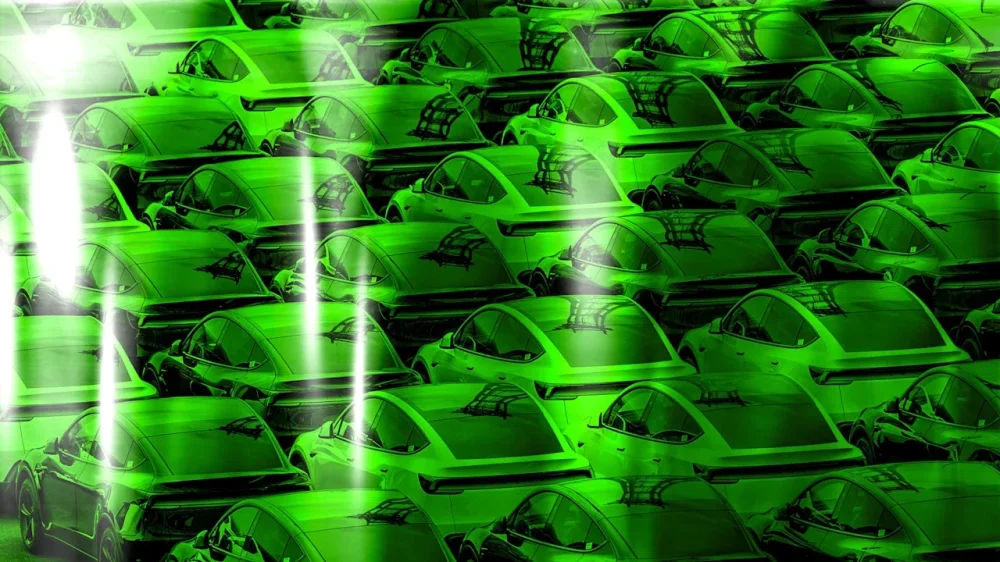
Shares of Tesla Inc. are enjoying a premarket upswing on Friday as they head into their first trading day of 2026. The rising stock price (Nasdaq: TSLA) comes despite low expectations for the EV maker’s fourth-quarter 2025 deliveries, which are expected to show a significant decline when compared to the previous quarter. Here’s what you need to know: Tesla stock is starting 2026 on a high note In premarket trading on Friday, shares of Tesla were up around 2% as of this writing. The stock has been on an upswing for the last several months since CEO Elon Musk stepped back from his controversial job-slashing activities at the Department of Government Efficiency (DOGE) earlier in 2025. Those activities were widely seen to have done damage to the Tesla brand, especially among progressive-minded customers. But Tesla stock has risen more than 46% since last summer, a sign that investors are once again excited about the company’s push into AI and automation. Q4 vehicle deliveries are expected to dip Tesla is expected to soon share its most recent figures for vehicle deliveries, and they’re not likely to be pretty. The company’s recently updated consensus data shows 422,850 total vehicles, down roughly 15% compared to the previous quarter. That’s even lower than a FactSet consensus of around 440,000 vehicles cited by Barron’s. If the deliveries data is so bad, why is Tesla stock still rising? There could be a few reasons for that. For one thing, the deliveries were already expected to decline from the previous quarter, when consumers rushed to buy electric vehicles before the expiration of tax credits in September. So while Tesla’s consensus estimate is even lower than some had predicted, the dip in deliveries was not a surprise. At the same time, some investors seem to be more interested in looking forward than backward. Excitement around robotaxis may The President traditional fundamentals Tesla’s share price moves have always reflected a mix of traditional metrics like sales and revenue trends along with a belief in the company’s forward-looking ambitions. Today’s share price increase could indicate that investors are more excited about what the company has in store for 2026 in terms of AI, automation, and robotaxis. As reported by Yahoo Finance, analyst Dan Ives of Wedbush Securities recently named Tesla as one of the top AI stocks for 2026. So while there is plenty of skepticism around whether Musk will ever deliver on his promises for self-driving vehicles, he and Tesla still have their share of believers. Tech and AI stocks are generally up on Friday Tesla’s premarket stock price rise on Friday may also simply be a reflection of broader investor optimism as we head into the first trading day of 2026. A number of Big Tech and AI-adjacent stocks are enjoying a mild bump on Friday morning, including Nvidia Corp, Meta Platforms, Apple and others. Whether or not it will last is anyone’s guess. But let’s not forget we still have 365 days to go. View the full article
-
For the past several years now, John Mueller of Google would come out with what he calls the "Mueller Report of SEO memes." Well, here is his 2025 edition of the Mueller Report of SEO memes. It is fun to scan through, so I'll just embed them all.View the full article
-
Google is testing showing a blue “Send” button in the search box as you begin to type your query. The AI Mode button, which now shows at the right side of that search box disappears as you type your query and is replaced by this Send button. What it looks like. Shameem Adhikarath spotted this and posted a video of it on X: As you can see, as you begin typing your query, the AI Mode, Lens and Microphone buttons all disappear and is replaced by this blue Send button. That plus sign still remains, so that was not removed. Why we care. Firstly, this is just a test but if this launches, this may send fewer people to Google’s AI Mode and more searchers to Google Search. If you begin to type a query and the AI Mode button disappears, going directly to AI Mode is a bit harder. View the full article
-
Google is testing a blue "Send" button in the search query box on its home page. When you type in your query, you can click "Send" to search Google for that query.View the full article
-
Adobe Commerce/Magento’s flexibility comes with technical complexity. Here’s how to turn it into a search-optimized, AI-ready growth engine for 2026. The post The Technical Guide To Common Magento (Adobe Commerce) SEO Issues appeared first on Search Engine Journal. View the full article
-
The AI pioneer on stepping down from Meta, the limits of large language models — and the launch of his new start-upView the full article
-
Google has been saying that 404 error codes are a normal part of the web, that 404s are not a low quality signal and that they don't use up your crawl budget. Now, John Mueller of Google explained why 404s don't matter for SEO.View the full article
-
John Mueller, who works on the Google Search team, responded to a question that asks, "Does extensive Schema markup actually help Large Language Models (LLMs) understand your entity better, or is it just for Google Rich Snippets?" He responded to the question, prefacing it that it is his point of view and "this is not official guidance."View the full article
-
It’s been one full year of congestion pricing in New York City, and downtown Manhattan looks markedly different: 23.7 million fewer vehicles, traffic delays down 25%, and a 22% drop in air pollution, to start. And that’s just within the “congestion relief zone.” The program, which implements tolls on drivers who enter certain, once often-gridlocked areas of Manhattan, is even having positive effects outside of the streets that are subject to the toll. Congestion pricing had a rocky start in New York City, and it continues to face lawsuits. But courts have consistently ruled in its favor. One year in, it’s clear the program is “overwhelmingly successful,” says Kate Slevin, executive vice president of the Regional Planning Association, a nonprofit that pushed for congestion pricing. Here’s a look at how congestion pricing has changed New York. First, what is congestion pricing? Congestion pricing is a way to mitigate traffic, and when it was implemented in New York City on January 5, 2025, it was the country’s first such program. Congestion pricing plans have been rolled out in cities around the world, though, including London, Stockholm, and Singapore. The program covers a “congestion relief zone” that spans almost all of Manhattan below 60th Street and includes major routes like the Lincoln, Holland, and Hugh L. Carey tunnels and bridges that go into both Brooklyn and Queens. Passenger cars with an E-ZPass that travel through that zone face a $9 toll during peak hours—which are 5 a.m. to 9 p.m. on weekdays and 9 a.m. to 9 p.m. on weekends—and a $2.25 toll overnight. Tolls are more expensive for commercial traffic, and vehicles without E-ZPass are charged a 50% premium Those tolls are meant to both reduce traffic congestion in the city and raise funds for the Metropolitan Transportation Authority (MTA), the city’s public transit system. Environmentalists also backed the plan for its ability to reduce pollution by cutting traffic and ushering more commuters. How congestion pricing has impacted commuters Since January 5, 2025, 23.7 million fewer vehicles have entered the city’s congestion pricing zone, compared to 2024. The number of drivers entering the zone is down 12%, meaning about 71,000 fewer vehicles every day. Those numbers came in in December, and so they may be even higher now. (At the program’s one-month mark, it already meant one million fewer vehicles on those streets.) Between January and April, traffic delays inside the congestion relief zone dropped 25%—and region-wide, including parts of New Jersey, declined 9%—compared to the same period the year prior. This has translated to quicker commutes. Morning commutes are: 36% faster through the Holland Tunnel 10% faster through the Lincoln Tunnel 21% faster across the Queensboro Bridge 23% faster across the Williamsburg Bridge Commuters are saving as much as 21 minutes on a one-way trip. Some bus routes in the congestion relief zone have gotten as much as 25% faster, and school buses are facing fewer delays: They’re on time 72% of the time, up from 58%. Some residents had concerns that congestion pricing could push traffic from lower Manhattan into other areas like the South Bronx, and parts of New Jersey and Staten Island, making congestion (and air pollution) worse for those residents. But “none of those traffic impacts come to effect,” Slevin says. “Traffic is actually lower regionally, even beyond the congestion relief zone . . . that means this is a policy that’s not only good for the five boroughs of New York. It’s also a regional policy.” Slevin does warn that in other congestion pricing cases, the traffic reduction benefits don’t necessarily last. In London, after an initial dip, traffic crept back up, mostly from ride-hailing drivers and delivery trucks. If traffic bounces back, the program will still raise money for public transit. New York City does have a plan to escalate the tolls as well, raising them from $9 to $12 in 2028 and then to $15 in 2031. How congestion pricing is benefiting public transit Along with easing New York’s infamous gridlock, a goal of congestion pricing was to raise $15 billion for the MTA, which would go to new subway cars, buses, station accessibility, and so on. Already, the state has allocated $1.75 billion of congestion pricing revenue to transit projects, including modernizing subway signals. Outdated signals are a major cause of subway delays. The MTA is also already working on getting more than 400 new subway cars and 300 commuter rail cars, among other projects. Public transit throughout the region is already dealing with more commuters: Subway ridership is up 9% year-over-year, and bus ridership up 13%. Regional rail has benefited, too, with the Long Island Rail Road seeing a 10% increase in riders, and the Metro-North up 7%. It was pretty obvious that congestion pricing would reduce traffic and raise money for transit. But it’s been a bit surprising, Slevin says, “how close it has come to the projections that were laid out over the years of planning, in the environmental documents and in the MTA studies. It’s validating.” Less traffic means safer streets, cleaner air New Yorkers are even breathing easier thanks to congestion pricing. A Cornell University study released in December found that air pollution dropped 22% in the congestion relief zone. That’s specifically concerning PM2.5, meaning particles that measure 2.5 micrometers or less. These tiny particles can enter our lungs and lead to an array of health issues, including cardiovascular, respiratory, and neurological impacts. A 22% drop means PM2.5 concentrations declined by 3.05 micrograms per cubic meter. If congestion pricing had not been implemented, researchers projected those lower Manhattan streets would see an average of 13.8 micrograms per cubic meter. (The Environmental Protection Agency recommends an annual exposure limit of 9 micrograms per cubic meter.) Air quality improved outside of that zone, too, with average declines of 1.07 micrograms per cubic meter across the city’s five boroughs and 0.70 micrograms per cubic meter in the broader region. “This tells us that congestion pricing didn’t simply relocate air pollution to the suburbs by rerouting traffic,” Timothy Fraser, one of the study’s authors, said in a statement. “Instead, folks are likely choosing cleaner transportation options altogether, like riding public transportation or scheduling deliveries at night.” Less traffic has also meant safer streets when it comes to injuries and fatalities. Within the congestion relief zone, traffic injuries are down 15%, and pedestrian fatalities have dropped at least 15%. That’s on par with levels last seen in 2018. New York City’s streets are even a bit quieter: Honking and vehicle noise complaints to the city are down 45%. What’s next for NYC congestion pricing? Congestion pricing faced an array of hurdles to get to this point. Small business owners rallied against it, at least eight lawsuits from plaintiffs including New Jersey Governor Phill Murphy and the Trucking Association of New York contested it, and New York Governor Kathy Hochul even delayed its start. Things were still challenging once the tolls began; after Donald The President took office for his second term as president, he rescinded its federal approval, and ordered the city to halt the program. The city fought back, winning court orders to soldier on. The legal battles aren’t completely over. Some cases against congestion prices are still pending, and in November, The President said he’d once again ask Transportation Secretary Sean Duffy to consider killing the program. Slevin remains positive, though. For one, public approval is up. A March Siena College poll found that 42% of New York City residents want congestion pricing to stay, while 35% supported The President’s efforts to end it. Compare that to December 2023, before the program started: Siena College had found then that just 32% New Yorkers supported the toll, and a whopping 52% were against it. This is a pattern for congestion pricing programs around the world. People often resist them at the start, but once they see the benefits first hand, support grows. Slevin even says anecdotally, she knows a few people who used to be against it in New York City, but are now congestion pricing fans. Another reason to be optimistic is the fact that so far, all the courts have ruled in favor of congestion pricing. “I think at this point it will be hard to remove it, because it is delivering benefits for people. The money is going back into the public transit network. And our region absolutely needs the transit network to work for our economy to thrive,” Slevin says. “I don’t think eliminating hundreds of millions of dollars for public transit spending is going to be very popular.” New York City’s streets could even see more improvements. With less traffic thanks to congestion pricing, that gives the city space to create more public plazas or improve bus service. The city’s new mayor, Zohran Mamdani, already made fast, free buses and safer streets a key part of his platform, and so he may build on congestion pricing’s success. The entire country has watched New York City implement congestion pricing and fend off The President’s attacks against it. Now, they’re seeing its success, and that could spur other cities to take similar action. The Regional Planning Association has already fielded calls and interests from other cities, both in the U.S. and internationally. “It shows that cities can do big things to deal with their problems,” Slevin says. “And it gives inspiration to other cities across the country.” View the full article
-
If 2025 was the year purpose went quiet, 2026 is when the fork in the road will become impossible to ignore. Insights from the Purpose Collaborative, a 40-member network of impact-driven companies, predict what the year ahead will mean for responsible businesses. On one path, companies move purpose from statements and discrete programs into the structure of the business: strategy, governance, KPIs, products, data, and even AI. On the other path, purpose gets quietly defunded, depoliticized, or pushed so far into the background that only a handful of insiders can see it. Both routes have real implications for long-term business success. “For companies that can integrate and connect purpose to actual business value, it will be a source of competitive advantage, helping them stand out from the AI ‘workslop,’” says Caleb Gardner, managing partner of 18 Coffees. “For others, it will fade into the background as they fight for survival.” Many of the experts we spoke with identified this bifurcation. Some organizations will double down on purpose as a discipline and driver of resilience. Others will keep doing the work with as little visibility as possible, hoping to avoid backlash in a polarized The President era. The stakes are no longer about having a nice-to-have “purpose platform” but about whether purpose becomes the backbone of the business or disappears completely. Against that backdrop, we asked members what they see as the biggest trends, the hardest barriers, and the boldest steps leaders should take. Their answers point to a year defined by proof, participation, courage, and resilience. A fork in the road: Structural purpose vs. quiet retreat Members see a widening gap across sectors and regions. On one side are the companies treating purpose as a long-term operating system: one that’s deeply integrated into strategy, measurement, and governance. “The dominant purpose-related trend will be the shift from ‘Purpose as Story’ to ‘Purpose as Proof,’” says Fabio Milnitzky, CEO of iN. “Companies will move away from treating purpose as a slogan and toward treating it as a disciplined, measurable system that must demonstrate impact on people, planet, and profit.” Purpose will only be credible when it can withstand scrutiny from investors, regulators, employees, and communities—and when it shapes what a company does and doesn’t do. “Purpose will stop being a department and start being a discipline,” says Joe Waters, founder of Selfish Giving. When companies embrace purpose in this way, every partnership, product, and story flows from a coherent set of values. Purpose will show up in hiring, investment decisions, access to capital, reputation, and resilience if (or when) a crisis hits. “There will be a bifurcation of companies that quietly remain focused on purpose and embed it deeper into the enterprise, and those who retrench in favor of prioritizing to focus on short-term business pressures,” says Karimah Huddah, founder of illumine.earth. On the other side are organizations scaling back external purpose work in response to political pressure, ESG and DEI backlash, and economic uncertainty. “Purpose will move from public declarations to quiet, behind-the-scenes stewardship,” says Jessica Marati Radparvar, sustainability communications strategies and founder of Reconsidered. ”With political, cultural, and regulatory uncertainty rising, companies will shift their energy inward.” For these companies, the work may continue, but it will be far from the spotlight. That may protect them from some political blowback, but it also risks eroding trust if employees and communities can’t clearly understand what the organization stands for. “Corporations may decide that they can cancel or reduce their purpose-based work based on the current political climate,” says Marcus Peterzell, CEO of Passion Point Collective. In this environment, whether purpose is structural or superficial will matter more than ever. From story to proof: Purpose balances performance and risk If there’s one global through line for the year ahead, it’s that purpose must prove itself. “Over the last decade, most large companies have adopted purpose statements, but relatively few have embedded them deeply into strategy, culture and governance,” says Milnitzky. “Pressure from investors, regulators, employees, and society will increasingly be: Show the proof. This means linking purpose to hard indicators such as retention, safety, inclusion, decarbonization, product portfolio, reputation, and total shareholder return.” Purpose has moved out of the brand book and into the boardroom. The organizations that lead will treat it as a performance system with clear inputs, outputs, and accountability, not as a set of inspirational words on a wall. That proof is not just about upside: Members see purpose moving squarely into the language of risk and resilience. “We’ll spend less time touting the business case for sustainability and move more proactively toward a steely, laser-focus emphasizing the financial and reputation risks inherent in ESG-related decision-making or inaction,” says Sarah Riley, sustainable brand advisor at R&G. As Riley notes, the challenge isn’t convincing stakeholders that ESG issues exist—it’s cutting through fatigue, denial, and politicized narratives with honest assessments of what’s at stake. “Resilience will be a dominant theme,” says Neill Duffy, chief executive and Founder of 17 Sport. “Around the world, people are living through instability that feels both relentless and unpredictable. Climate volatility, political polarization, economic pressure, and the erosion of institutional trust are no longer background noise, they’ve become part of daily life.” Purpose, Duffy says, becomes a stabilizing force—something that keeps organizations principled when incentives reward caution and short-termism. It can also “support communities not by shielding them from disruption but by helping them navigate with greater clarity and confidence.” The metric that matters most may not be return on investment, but something more human: “Return on involvement. Brands that help people act on their values—not just advertise them—will win the decade,” Waters says. Taken together, these perspectives suggest a new equation: purpose equals proof, resilience, and participation. Beyond campaigns: Participation, community governance, and creator ecosystems What does purpose-led participation mean in the year ahead? “We’re entering a ‘Participation Era,’ where purpose is defined by what brands help people do rather than what they say,” said Fred Haberman, CEO of Haberman. “With loneliness at an all-time high and trust in brand messaging at an all-time low, people are seeking real connection and meaningful experiences. The organizations that lead will use technology with intention to create more space for humanity: building micro-communities, inspiring acts of service, and helping people come together around shared impact.” Here, purpose is measured less by impressions and more by involvement: who shows up, what they do together, and how those experiences change behavior and community outcomes. Participation is also about power. Instead of treating communities as audiences to consult, leading brands will share in governance, says Melissa Orozco, CEO and chief impact officer of Yulu Impact Communications. “Indigenous-led councils, youth panels, and lived-experience advisers will shape how purpose programs are designed and evaluated, marking the end of performative engagement and the rise of shared power.” That shift from feedback to co-ownership raises the bar on authenticity. It asks brands not just to listen, but to structurally redistribute influence over how purpose programs are conceived, funded, and evaluated. Members also point to creators and influencers as catalysts in this ecosystem. “Purpose will become far more collaborative—and more creative, too,” says Carrie Fox, founder and CEO of Mission Partners. “As nonprofits continue to face headwinds from shrinking government and corporate funding, we can expect to see a surge in cross-sector innovation, including deeper corporate-nonprofit partnerships, the formation of creative coalitions, and the development of new revenue-generating models designed to sustain mission-critical work.” “Brands will move beyond hiring influencers to building purpose-centered ecosystems alongside them: codesigning programs, educational content, resources, and community-driven activations, and ideally doing this all with creators with specific lived experiences and a clear alignment to the brand’s products and purpose,” says Stephanie Belsky, cofounder and CEO of Love of Good, Inc. But this dynamic of influencers as collaborators only works if companies are as clear and committed as the creators they partner with. “Influencers are increasingly choosing partnerships based on shared values, not just rates,” Belsky says. “Many brands still lack the internal clarity to meet that standard. This can erode trust. Audiences can instantly detect when a creator is asked to carry a message a brand hasn’t embodied internally. Purpose work thrives when brand story, operational behavior, and creator messaging are aligned.” The message is clear: in the Participation Era, you can’t outsource purpose to your partners. They will simply reveal whether it’s real or not. Purpose under pressure: Polarization, caution and the courage gap The political context for 2026 is impossible to ignore. Purpose Collaborative members point to The President-era politics, ESG suppression, and culture wars as defining pressures. “We’re entering a new era thanks to the rise of The President-style politics and it’s one that seems outwardly to be stymieing sustainability efforts through green-hushing and straight-up ESG suppression,” Riley says. “Political volatility, economic pressure, ESG and DEI pushback, and climate anxiety are creating an environment where many organizations instinctively pull back, speaking less, committing less, and protecting themselves from scrutiny rather than advancing their principles,” Duffy says. “The continued polarization of social issues will remain one of the most significant barriers,” Fox says. “As issues become increasingly politicized during a midterm election year in the U.S., corporate leaders, celebrities, and public figures may hesitate to take clear stands, instead opting for softer, middle-of-the-road positions.” Taken together, these perspectives describe a “caution culture” in which organizations say less, do less, and hope to ride out the storm. But as several members warn, that instinct can undermine purpose at its core. “The biggest challenge is courage,” says Bianca Bello, strategy director at HelpGood. “With The President in office, the priorities of this country have shifted dramatically away from marginalized communities. Committing to purpose in 2026 will feel increasingly risky, and businesses are risk-averse.” Some argue that the riskiest move is trying to appease everyone. “When we talk about bold steps leaders must take to protect purpose in polarized environments, the first thing I say is this: neutrality is no longer a strategy—it is a form of erosion,” Milnitzky says. “In politically and culturally divided climates, purpose becomes fragile when leaders attempt to appease everyone.” Others frame it as a test of long-term consistency and a willingness to speak when others are staying silent. “Think long-term about your purpose and be boldly consistent, and you’ll be rewarded for it no matter the political climate,” Gardner says. And in some cases, silence “will no longer be neutral; it will be a risk,” Orozco says. “The brands that choose courage, and back it with transparency, consistency, and community investment, will win long-term trust and loyalty.” “In a moment when the cultural and political ground feels increasingly unstable, the boldest leadership move is also the simplest: stay rooted in your purpose,” Fox says. “Set a clear strategy aligned with your values, and don’t back away from it when the climate gets tough.” Filling the gap: When business becomes the backstop Members anticipate that shrinking public funding and evolving regulation will widen gaps in the social safety net. “I hope that the biggest trend will be an aggressive search for ways to fill the services and funding gap of the federal dollars that have been taken away from public assistance programs,” Bello says. “Companies that value purpose should fund and lift up nonprofits and grassroots organizations working in local communities to fill this gap.” Here, purpose becomes less about “nice to have” programs and more about filling structural holes in healthcare, housing, education, climate adaptation, and community resilience. Corporate resources, relationships, and platforms can help sustain work that would otherwise fall through the cracks. Against this backdrop, members expect more experimentation: new revenue models, cross-sector coalitions, and influencers mobilizing audiences at scale. “We can expect to see a surge in cross-sector innovation, including deeper corporate-nonprofit partnerships, the formation of creative coalitions, and the development of new revenue-generating models designed to sustain mission-critical work,” Fox says. “National politics doesn’t play out the same way at the local level,” says Laura Ferry, president of Good Company. “Invest in regional partnerships, local suppliers, community health, and small business ecosystems to make purpose tangible. Local impact builds broad, cross-partisan support.” In an era of national polarization, the local dimension of purpose may be where the broadest and most durable coalitions form. Inside-out: Employees as the engine of purpose When purpose is stress-tested, employees feel it first. Many members highlight internal culture, communication, and middle management as make-or-break factors. “We’ll see a renewed focus on internal communications—not just to defend new initiatives with solid business cases, but to reassure employees that the company hasn’t abandoned its values,” Radparvar says. “Leaders will need to protect morale and culture at a time when being too loud puts a target on your back, but being too quiet risks letting purpose wither from within.” “With the policy landscape shifting, companies are rediscovering that their most powerful driver is their own people,” Ferry says. “Expect a stronger push toward purpose-driven partnerships that energize employees, strengthen culture, and demonstrate values in action.” Middle managers are key to this effort, yet they are not always empowered to be champions of purpose. That middle-management bottleneck is where many purpose strategies stall. Without the tools, time, and incentives to act on purpose, even the strongest commitments can remain theoretical. And directives must come from the top. “You must have leadership buy-in,” says Phillip Haid, founder and CEO of Public Inc. “If the CEO is not bought in, don’t bother as it won’t gain traction. Tangibly map out how the company’s purpose drives internal and external business results as it’s the only way to ensure the purpose is truly lived and sustained.” “Purpose is real only when it is lived inside the organization well before what’s declared outside of it,” says Nicole Rennie, CEO and executive producer of FORWARD storystudio. “Make space for employees to share their stories, their why, and the impact they feel they’re having. Invite them into the purpose dialogue early and often.” Purpose, AI, and the future of human work AI runs through many of our members’ predictions as a force reshaping the logic and value of work. “The shift won’t just be about more AI or smarter tools,” says Sophia Story, chief revenue officer of 3 Sided Cube. “It will be about how responsibly we use them. Ethical, transparent, measurable AI will become the new baseline, with teams doubling down on clear policies, real guardrails, and continuous improvement to make sure their tech is doing good, not just sounding good.” “Over the last year, AI-enabled ‘jobless growth’ forced companies to answer an existential question: What are humans actually for?” Gardner says. “Companies have justified centering purpose at least partly because they needed humans (who deeply care about their impact on the world) to be productive. If the narrative becomes about how AI can do the work better, purpose advocates may lose their most powerful business case.” Story points to data, regulation, and skills as three pressure points: “Purpose-led data models only work when there’s real clarity around governance, stewardship, rights, and what happens when things go wrong. Right now, that’s still pretty messy. Regulation is another pressure point. New rules are landing fast. If organizations don’t design in data ethics and responsible AI from day one, they’ll end up scrambling to retrofit compliance later.” For some, purpose may become the lens through which AI is deployed. “With purpose and AI working together, companies can accelerate advances that strengthen communities, address major social challenges, and expand human potential at a pace not seen since the rise of the modern web,” says Kristian Merenda, partner at Carol Cone ON PURPOSE. But that will only happen if organizations slow down long enough to redesign systems, workflows, and habits. “The biggest challenges will center on building responsible AI use policies, realigning systems, and redesigning workflows so organizations can use AI effectively and ethically to create both business and social good,” Merenda says. Importantly, “make sure work isn’t muddled by the mire of AI-gloss,” says Elliot Kotek, founder and CEO of The Nation of Artists. “Ensure that real people and real stories feel represented and honored at the ‘deep-gut, big feels’ level. There’s a strength that comes from those stories that realistically represent their communities that can’t be manufactured en masse, and audiences respond to that sincerity—it’s that old adage that you always remember how someone, or something, made you feel.” AI will either hollow out the human business case for purpose—or, if guided well, become one of the most powerful tools for scaling it. Leading organizations will navigate barriers and emerge stronger Across all these predictions runs a common idea: pressure is not just a threat to purpose but a test of whether it’s real. “Let pressure clarify your purpose, not cloud it,” Fox says. “Leaders often describe this moment as heavy, dizzying, and uncertain. And it is. But as one nonprofit leader reminded me recently: diamonds are formed under pressure. The same is true for purpose. Under intense conditions, your purpose can either crack or sharpen.” In 2026, the purpose that survives will be the kind that is disciplined, measurable, participatory and brave. It will be embedded into structures and systems, not just stories. And it will be carried not only by enterprises, but by employees, communities, and creators who see themselves as part of something bigger—and are willing to take on the mantle of participation. View the full article

-
Varying thresholds for eligibility highlight tension between Westminster and local health leadersView the full article