ResidentialBusiness
Administrators
-
Joined
-
Last visited
Everything posted by ResidentialBusiness
-
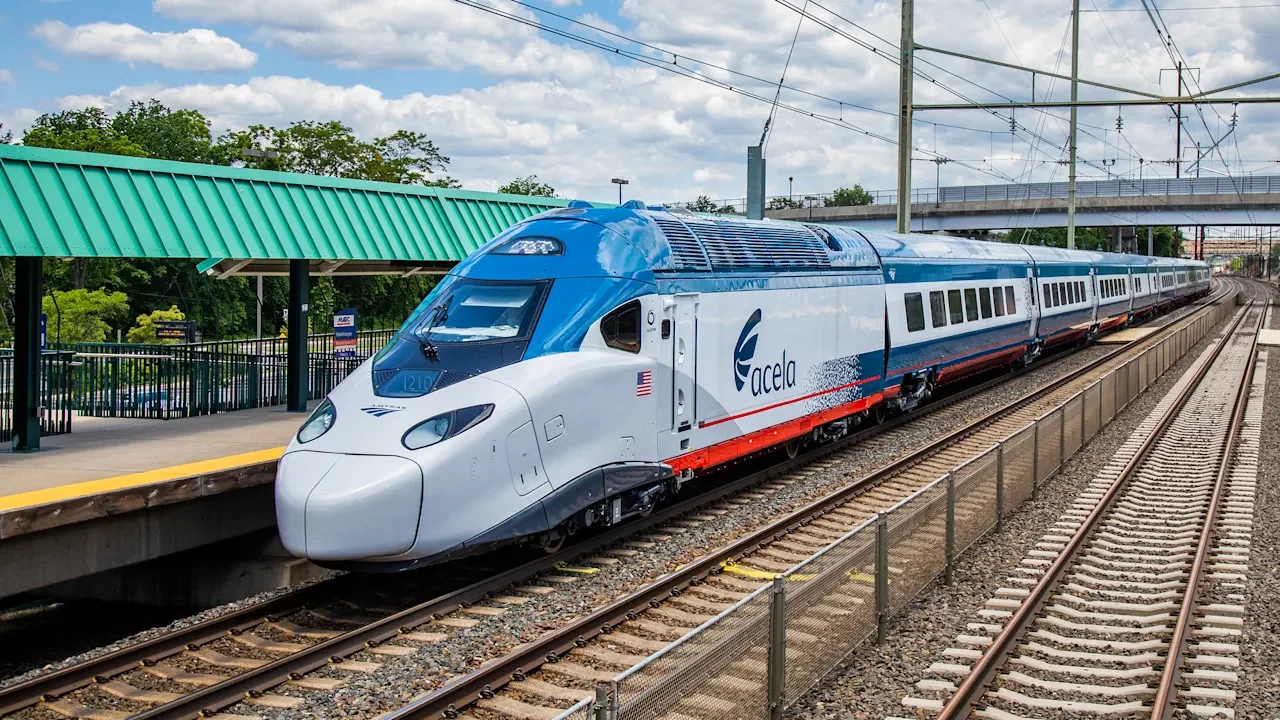
 High-speed rail systems are found all over the globe. Japan’s bullet train began operating in 1964. China will have 31,000 miles (50,000 kilometers) of high-speed track by the end of 2025. The fastest train in Europe goes almost 200 mph (320 kph). Yet high-speed rail remains absent from most of the U.S. Stephen Mattingly, a civil engineering professor at the University of Texas at Arlington, explains why high-speed rail projects in much of the country so often go off track. Dr. Stephen Mattingly discusses the problems that come with implementing high-speed rail in the U.S. The Conversation has collaborated with SciLine to bring you highlights from the discussion, edited for brevity and clarity. How is high-speed rail different from conventional trains? Stephen Mattingly: With conventional rail, we’re usually looking at speeds of less than 80 mph (129 kph). Higher-speed rail is somewhere between 90, maybe up to 125 mph (144 to 201 kph). And high-speed rail is 150 mph (241 kph) or faster. There’s also a difference in the infrastructure for these different rail lines. Is there anything in the U.S. that’s considered high-speed rail? Mattingly: The Acela train operates in the Northeast Corridor and serves Boston, New York City, Philadelphia, Baltimore, and Washington, D.C. In some parts of the corridor, the Acela runs on infrastructure that accommodates the train’s maximum 150 mph (241 kph) speed. Why has the U.S. been slow to adopt this? Mattingly: Except for some in the northeastern U.S., not many cities have enough travel between them and are at the correct distance to support an investment in high-speed rail, because it’s not necessarily going to take a huge number of cars off the road. Trains are not a replacement for auto travel; they compete more directly with air. High-speed rail competes best with air when the trip is between one-and-a-half to three hours. Within that range, a train’s door-to-door travel time is typically faster than air. That’s because of the additional security time required for air travel: sitting around in the airport, the time it takes to load and unload and all of that. For longer distances—more than three hours—the train’s travel time starts to get noncompetitive with air. That’s because for every three or four hours of high-speed rail travel, air travel only takes one hour. Go lower than that—a trip of less than an hour-and-a-half—and cars become the more attractive choice. That said, what are the advantages of high-speed rail? Mattingly: First, the environmental benefit is an advantage. High-speed rail has lower carbon emissions than air travel, especially on a per passenger basis. You can load more people onto a train than most planes. Then, of course, its speed makes it a viable way to commute when compared with conventional rail. Our current Amtrak system, outside the Northeast Corridor, is really a leisure travel mode, as opposed to business travel mode. What large-scale projects are in the works here in the U.S.? Mattingly: Some higher-speed rail is in Florida, and Brightline, a private train company, is proposing to improve the existing line with more of a high-speed capability. There’s also a proposed line in Texas to run between Dallas and Houston. The Texas project has a lot of challenges with eminent domain, which is the right of government to take private property for public use after providing compensation. A federal grant to help fund the line was recently terminated, and a strategic partner pulled out of the project. With delays, costs inevitably begin to increase. California’s high-speed rail project for its Central Valley actually has about 120 miles (193 kilometers) of track laid down. And it’s working on slowly building that out. There are some other proposals in the Pacific Northwest, but those are more ideas than projects at this point. When these systems are proposed, they’re often positioned as a replacement for auto travel. But I’m incredibly skeptical that auto travel will significantly decrease with a new public transit mode that deposits you within a larger metropolitan destination, which may not even have the public transportation to take you to your final destination. Regional networks of high-speed rail could connect more exurban or rural areas to hub airports and enhance economic development in these regions. In this case, a public high-speed rail system could receive public money, just like the federal government has done with the interstate highway system and all the other road investments that we’ve made over the past century and longer. But I’m not sure that high-speed rail will be a solution for congested freeways between cities for any place outside of the Northeast Corridor. What is your central message about high-speed rail? Mattingly: I love high-speed rail as a technology. For specific applications, it’s beneficial, especially from an environmental perspective. But the country has to be very careful in its choices on where those public investments in high-speed rail would actually make sense and be worthwhile investments. So I’m hesitant to make large investments without really understanding what the outcomes are. SciLine is a free service based at the American Association for the Advancement of Science, a nonprofit that helps journalists include scientific evidence and experts in their news stories. Stephen Mattingly is a professor of civil engineering at the University of Texas at Arlington. This article is republished from The Conversation under a Creative Commons license. Read the original article. View the full article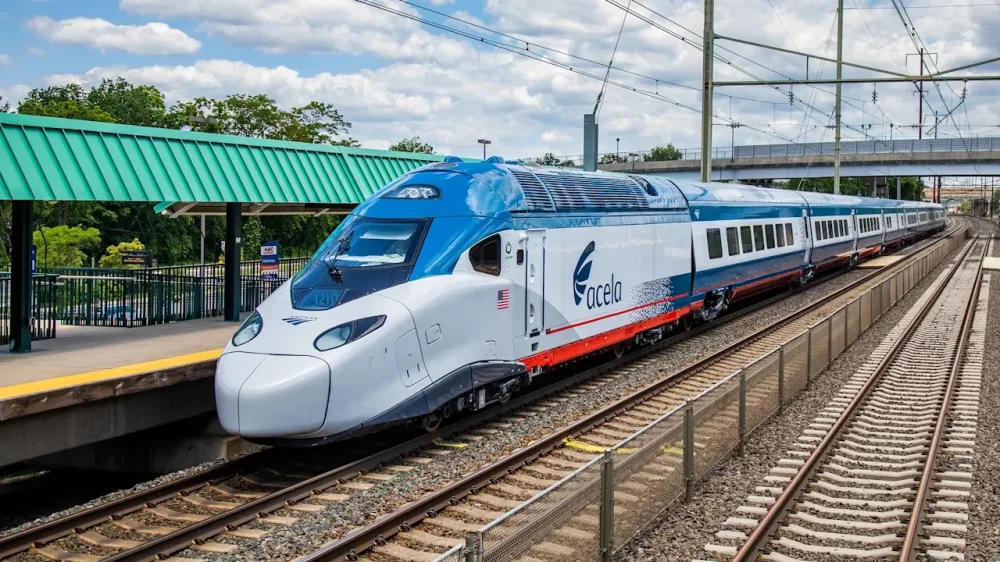
-
Nvidia has agreed to license technology from AI startup Groq for use in some of its artificial intelligence chips, marking the chipmaker’s largest deal and underscoring its push to strengthen competitiveness amid surging demand. Here is a list of multi-billion-dollar AI, cloud and chip deals signed recently: OPENAI DEALS Amazon and OpenAI Amazon is considering an investment of around $10 billion in OpenAI, though talks remain “very fluid,” according to a source who requested anonymity due to the private nature of their talks. Disney and OpenAI Walt Disney to invest $1 billion in OpenAI and will let the ChatGPT-parent use characters from Star Wars, Pixar and Marvel franchises in its Sora AI video generator – a move that could transform Hollywood content creation. As part of the three-year licensing agreement, Sora and ChatGPT Images will begin generating videos featuring licensed Disney characters such as Mickey Mouse, Cinderella, and Mufasa early next year. The deal excludes any talent likeness or voices. Broadcom and OpenAI OpenAI has partnered with Broadcom to produce its first in-house artificial intelligence processors, the latest tie-up for the world’s most valuable startup for computing power amid surging demand for its services. AMD and OpenAI AMD agreed to supply artificial intelligence chips to OpenAI in a multi-year deal that would also give the ChatGPT creator the option to buy up to roughly 10% of the chipmaker. Nvidia and OpenAI Nvidia is set to invest up to $100 billion in OpenAI and supply it with data center chips, in a deal giving the chipmaker a financial stake in OpenAI. OpenAI is already an important customer for Nvidia. Oracle and OpenAI Oracle is reported to have signed one of the biggest cloud deals ever with OpenAI, under which the ChatGPT maker is expected to buy $300 billion in computing power from the company for about five years. CoreWeave and OpenAI CoreWeave signed a five-year contract worth $11.9 billion with OpenAI in March, before the Nvidia-backed startup’s IPO. Stargate Datacenter Project Stargate is a joint venture between SoftBank, OpenAI and Oracle to build data centers. The project was announced in January by U.S. President Donald The President, who said that the companies would invest up to $500 billion to fund infrastructure for artificial intelligence. META DEALS Meta and CoreWeave CoreWeave has signed a $14 billion agreement with Meta to supply computing power to the Facebook parent. Meta and Oracle Oracle is in talks with Meta for a multi-year cloud computing deal worth about $20 billion, underscoring the social media giant’s drive to secure faster access to computing power. Meta and Google Google struck a six-year cloud computing deal with Meta Platforms worth more than $10 billion, Reuters had reported in August. Meta and Scale AI Meta took a 49% stake for about $14.3 billion in Scale AI and brought in its 28-year-old CEO, Alexandr Wang, to play a prominent role in the tech giant’s artificial intelligence strategy. NVIDIA DEALS Nvidia and Groq Nvidia has agreed to license chip technology from startup Groq and hire its CEO Jonathan Ross, who helped Google start its AI chip program, among other engineers at the company. CNBC reported that Nvidia had agreed to acquire Groq’s assets for $20 billion. Microsoft, Nvidia, and Anthropic Microsoft will invest up to $5 billion and Nvidia up to $10 billion in Anthropic, while the Claude maker will pledge $30 billion to run its workloads on Microsoft’s cloud. Under the agreement, Anthropic will commit up to 1 gigawatt of compute, powered by Nvidia’s advanced Grace Blackwell and Vera Rubin hardware. The company will also team up with Nvidia to improve chips and AI models for better performance. Nvidia-backed group and Aligned Data Centers An investor group including BlackRock, Microsoft and Nvidia is buying U.S.-based Aligned Data Centers, one of the world’s biggest data center operators with nearly 80 facilities, in a deal worth $40 billion. Nvidia and Intel Nvidia will invest $5 billion in Intel, giving it roughly 4% of the company after new shares are issued. CoreWeave and Nvidia CoreWeave signed a $6.3 billion initial order with backer Nvidia, a deal that guarantees that the AI chipmaker will purchase any cloud capacity not sold to customers. GOOGLE DEALS Google and Texas Google will invest $40 billion in three new data centers in Texas through 2027. One of the data centers will be in Armstrong County, in the Texas Panhandle, and the other two in Haskell County, a stretch of West Texas near Abilene. The company is also continuing to invest in its existing Midlothian campus and Dallas cloud region, part of the company’s global network of 42 cloud regions. Google and Windsurf Google hired several key staff members from AI code generation startup Windsurf and will pay $2.4 billion in license fees as part of the deal to use some of Windsurf’s technology under non-exclusive terms. OTHERS Nebius Group and Microsoft Nebius Group will provide Microsoft with GPU infrastructure capacity in a deal worth $17.4 billion over a five-year term. Intel and Softbank Group Intel is getting a $2 billion capital injection from SoftBank Group, making the Japanese tech investor one of the top-10 shareholders of the troubled U.S. chipmaker. Tesla and Samsung Tesla signed a $16.5 billion deal to source chips from Samsung Electronics, with the EV maker’s CEO Elon Musk saying that the South Korean tech giant’s new chip factory in Texas would make Tesla’s next-generation AI6 chip. Amazon and Anthropic Amazon.com pumped $4 billion into OpenAI competitor Anthropic, doubling its investment in the firm known for its GenAI chatbot Claude. —Juby Babu, Deborah Sophia, Arnav Mishra, Jaspreet Singh, and Zaheer Kachwala, Reuters View the full article

-
As well as being the dominant platform in podcasting and having a growing presence in live sport, it is now the leader in TV and streaming in the USView the full article
-
Microsoft Azure DevOps is a key tool for software development teams managing code changes, testing and deploying processes, reporting, and managing projects. ServiceNow is a premiere IT management platform with a wide range of use cases, but in the context of an integration with ADO, we’re going to focus exclusively on ITSM in this article. So, imagine a scenario where a customer or internal user encounters a problem with your company’s app or service. This incident is reported to the IT service desk, who creates an incident in ServiceNow. All the details are in that incident, but the dev team works in Azure DevOps to actually make changes to the app, product, or service. So how does the service desk team in ServiceNow collaborate with developers in Azure DevOps? One way is by creating a 2-way integration with Unito. Unito’s no-code, 2-way integrations support most native and custom fields in both ServiceNow and Azure DevOps. You can set up your first integration in minutes, with the first updates syncing from your tools within hours. Within days, you’ll start seeing the impact on your workflows. Whether you’re a product manager, team lead, customer success agent, or a software developer, you can set up, deploy, and get value out of a Unito integration within days. In this guide, you’ll see how easily you can build your first Unito integration between ServiceNow and Azure DevOps. More of a visual learner? Here’s a video guide for building this integration: In this guide: Tools: ServiceNow and Azure DevOps Use cases: Ticket escalation, product management, software development Great for: Product managers, IT, customer success, software developers, project management Setup in ServiceNow In order to sync ServiceNow records, you must connect to Unito with a ServiceNow account that has CRUD rights (create, read, update and delete) for the records and tables you plan on syncing. For example, if this is an ITSM use case, you’ll need an account with the ITIL role in ServiceNow. If you’re not an admin, you can ask your IT department’s ServiceNow admin to create a service account for you with the right permissions. Connecting ServiceNow to Unito for the first time All you need to connect ServiceNow to Unito is your: ServiceNow Domain URL: https://INSTANCENAME.service-now.com ServiceNow Username ServiceNow Password Connect to Unito with a new ServiceNow account Some ServiceNow instances require newly created users to change their password immediately upon login. If you’re using a new ServiceNow account to connect Unito, this can disrupt the authentication process by the forced password change. Make sure that account has CRUD access to the same records and tables you plan on syncing. You’ll also need to disable the Password reset flag on any new account or reset the password before connecting to Unito. Solution: Disable password reset flag Log in to your ServiceNow instance as an administrator. Navigate to the User Administration > Users section. Locate the user account that you’ll be using for the Unito integration. On the user record, set Password needs reset to false. Save the changes. Choose a ServiceNow table to sync with Azure DevOps ServiceNow is vastly configurable in countless ways, but Unito is able to link records/incidents from your tables no matter how your instance is configured. But you’ll still need to consider which specific incidents you plan to sync. In our demo use case, we’re syncing records from a table called Incidents into Azure DevOps. From your ServiceNow dashboard, select All > System Definition > Tables Then, narrow down your search to the table you’re looking for. Beside Table select Name (or any other method of finding the right table in your organization). In our case, we searched for Incident: We’ll keep this information in mind as we build our flow and come back to it later. Setup in Microsoft Azure DevOps In Azure DevOps, you must adjust your Organization Settings to make sure that Third-party application access via OAuth is turned on. From your organization, go to Organization Settings > Policies > Third-party application access via OAuth here Step 1: Connect a ServiceNow table and Azure DevOps project to Unito Sign up for Unito if you haven’t already! Navigate to the Unito App and select +Create Flow. Select Start Here to connect ServiceNow and Azure DevOps. Then +Choose account to specify the ADO Project and ServiceNow Table you plan on syncing. Click Confirm. Incident Step 2: Choose flow direction Your fully configurable, no-code Unito flow lets you automatically create new ServiceNow records/incidents or ADO work items based on those you create manually. You have three flow direction options: 2-way: Both ServiceNow records and ADO items are automatically created by your Unito flow to match the items you create manually in each tool. 1-way from ServiceNow to ADO: ADO items will be automatically created by Unito to match the ServiceNow records you create manually. Unito won’t create new ServiceNow records. 1-way from ADO to ServiceNow: ServiceNow records will be automatically created by Unito to match the ADO items you create manually. Unito won’t create new ADO items. Select Confirm when you’ve chosen a flow direction. This is an example of a 2-way flow between ServiceNow and Azure DevOps. If anyone on my team manually creates a new work item or record, it will automatically appear in the other tool with real-time updates as changes are made. If you choose a one-way flow at this stage, you can still apply 2-way sync to individual fields in Step 4. Learn more about flow direction. Step 3: Set rules to keep specific records and items in sync Unito rules can do two things: Filter out work items you don’t need synced. For example, you could create a rule that only syncs ADO items with a specific status. Automate certain actions. For example, you could create a rule that automatically assigns new ServiceNow records to a specific person on your team. This is extremely useful for filtering out unrelated data from syncing between your tools. Make sure to apply a rule that filters out work items or records to match your use case. City You can apply custom tags or labels to your rules to be even more precise about what kind of data is shared. production-outage Work items and records that match your rules will stay in sync with Unito. As soon as the rules no longer apply, that item will stop syncing. For example, if the production-outage tag above is removed from a synced work item, Unito will no longer keep it updated unless the tag is added again. Find out more about setting rules in Unito. Step 4: Map fields between ServiceNow incidents and Azure DevOps work items This is where you tell Unito which fields in ServiceNow to link with similar fields in Azure DevOps so that manual changes in one affect the other automatically. This ensures data from each tool ends up in the right place. Unito can usually map most fields automatically, whether they’re exactly the same (Owner→Owner) or just compatible (URL→Text). When you first open this screen, you’ll be presented with two options. Select map automatically to begin with a prebuilt template that can later be modified. Click + Add mapping to add a new pair of fields to be synced. Then, click Select a field for each tool, and find the appropriate field to map. Tip: If you see a gear icon beside a field, that indicates a choice field, status, drop-down or pick list field. Clicking on the gear will allow you to configure the individual values or statuses of that field to link them with values or statuses in your other tool. Closed, Resolved and CanceledDoneDoneClosedResolved or Canceled Find out more about setting field mappings. Step 5: Launch your ServiceNow Azure DevOps integration If you’ve followed the steps above, your flow will now: Add a new work item in Azure DevOps when a record is created in ServiceNow based on the rules you set in Step 3. Create a new record in ServiceNow when you manually add a ADO work item based on your rules. Keep ServiceNow records and ADO work items in sync as long as they match the conditions of your rules. If you have any questions, don’t hesitate to reach out and let us know. Ready to optimize support workflows? Meet with our team to see what Unito can do for your workflows. Talk to sales What’s next after you sync ServiceNow and Azure DevOps with Unito? Learn how to duplicate this flow for additional use cases Troubleshooting Unito’s Azure DevOps integration Build an automated ticket escalation queue from Jira Service Management to Jira Cloud Or now that you’ve got the hang of Unito you can try to sync: Azure DevOps to Asana Azure DevOps to Wrike Asana and Azure DevOps Azure DevOps and Airtable Trello and Azure DevOps ClickUp and Azure DevOps Resources for ServiceNow users Read an overview of Unito’s ServiceNow integration How does Unito stack up against ServiceNow Integration Hub? Salesforce or ServiceNow? Why not use both? How to run a ServiceNow export to Microsoft Excel or ServiceNow to Google Sheets. FAQ: Azure DevOps ServiceNow integration More about this ServiceNow Azure DevOps integration ServiceNow and Azure DevOps serve as cornerstone technologies in the world of IT operations and software development, respectively. ServiceNow excels in streamlining service management processes across various departments within an organization, making it invaluable for tasks ranging from incident reporting to asset management, ITSM (IT Service Management), and ITOM. On the other hand, Azure DevOps provides a comprehensive suite tailored for dev teams, supporting everything from project planning and source code management to deployment at scale. Together, these platforms create an environment where Agile methodologies thrive and operational efficiencies are heightened across both ITSM and DevOps practices. The benefits of such an integration cannot be overstated: Enhanced Collaboration: Establishes a bridge between your tech support teams using ServiceNow by connecting them directly with the development teams working within Azure DevOps. Streamlined Processes: Automates interactions such as incident resolutions or pushing updates on development progress back into ticket tracking metrics inside ServiceNow. Real-Time Visibility: Ensures that all stakeholders have access to up-to-date information on issues handling or project status without manual updates or syncs. By adopting this integration through Unito, companies unlock new realms of productivity without getting tangled in complex scripting or extensive configurations; they merely connect their accounts once then manage everything from a clearly laid-out interface provided by Unito. What are some examples of use cases for this ADO ServiceNow integration? This process involves understanding your current pain points and aligning them with the capabilities that the integration offers. Here are just a few typical scenarios where connecting ServiceNow and Azure DevOps could greatly enhance your IT operations: Incident Management Automation: Automatically sync incidents from ServiceNow to Azure DevOps as bugs or tasks. This synchronization ensures developers are immediately aware of issues requiring their attention without manual ticket transfer. Change Request Management: Changes in Azure DevOps can be set up to automatically create or update change requests in ServiceNow. It facilitates better traceability and compliance adherence by logging all changes directly into ServiceNow from Azure DevOps. Development Cycle Speed: Streamline interactions between your IT service management (ITSM) and development teams. When developers resolve issues tracked in Azure DevOps, ServiceNow tickets are automatically created and updated, keeping all stakeholders informed. Choosing a use case will help focus your integration efforts on areas with substantial benefits. Moreover, prioritizing a scenario that resonates most closely with your team’s needs will maximize the return on investment of deploying such integrations live into your system architecture. Why sync ServiceNow to ADO? Before you jump into the technicalities, it’s crucial to have a clear understanding of what you aim to achieve with your integration. Do you want to enhance your incident management process? Or perhaps automate deployment tasks? Identifying your goals early on guides the setup process and helps in focusing only on the necessary functionalities, thus avoiding unnecessary complexities. Simplify Collaboration: By creating a mutual channel for updates between teams. Improve Visibility: Ensuring that team members have access to real-time data across both platforms. Enhance Tracking: Automating task updates reduces manual errors and delays. Maintain Regular Synchronization To ensure smooth cooperation between ServiceNow and Azure DevOps, regular synchronization is key. This doesn’t mean constant updates flooding both systems but rather scheduled syncs that keep everyone informed without overwhelming the workflow. Decide on an update frequency that matches the pace of your projects – whether it’s hourly or daily. Use filters to synchronize only relevant data, which will minimize noise and maximize relevance. Consistent updates encourage transparency within teams and facilitate proactive decision-making with real-time data. The integration not only enhances collaboration across teams but also optimizes resource utilization, ensuring that key information is always synced and accessible. The ability to push updates from Azure DevOps to ServiceNow and vice versa minimizes the chances of discrepancies, thereby maintaining operational consistency. What are the benefits of syncing ServiceNow incidents to Azure DevOps work items ? Ultimately the benefits depend on your needs and unique workflow, but the general goals are to achieve: More transparency over end user tickets Better tracking on IT tickets, customer interactions, and resolution time Reduced manual output and human-related errors Instant 2-way sync between incidents and work items After all, migrating data from an IT Management system to a software development tool is no simple task for any organization, regardless of size. Though, obviously, the larger your business, the more data there is to maintain, and the harder it is to move everything safely out of a legacy system into a modern IT Management platform such as ServiceNow. Or perhaps your organization is using multiple additional tools such as Jira or Azure DevOps to support work on issues, incidents, and other IT requests such as ITSM. You can integrate the apps and tools you use for work, but most integration solutions on the market require knowledge of specific scripting languages and take significant time investment to build and maintain. Most, but not all. Unito is a low-code solution for integrating ServiceNow, Azure DevOps, Jira, and many other industry-leading tools. Browse additional guides and learn how to sync: ServiceNow to Jira Service Management ServiceNow and monday.com ServiceNow with Google Sheets Smartsheet and Salesforce ServiceNow and Smartsheet Salesforce and ServiceNow Is Unito a one-way or two-way integration? Unito supports both two-way and one-way integrations for ServiceNow and Azure DevOps. A two-way integration fully closes the gap between tools, automatically creating new work items in both, updating fields wherever you work, and giving every team the full context they need when working. A one-way integration only creates work items in one tool, which can support workflows that rely less on cross-tool collaboration and more on moving data from tool to tool in batches. Do I need to know how to code to set up this integration? Unito’s integrations are no-code, meaning you don’t need any technical skills to set them up. Unito’s drag-and-drop interface and dropdown menus allow you to focus on building the integrations you need rather than being limited by what you can set up. How long does it take to set up this integration? Most Unito users don’t have a technical background and can set up their first integration in a few hours, if not minutes. After an initial sync, Unito integrations start syncing data within minutes, meaning you start seeing value from your integration within days, rather than the weeks or months other integration solutions take to deploy. How quickly do changes sync between ServiceNow and ADO? Unito’s ServiceNow-Azure DevOps integration can sync changes as quickly as 15 minutes after they’ve been made. That’s as close to real-time as it gets. What fields does Unito’s ServiceNow-ADO integration sync? Unito’s ServiceNow integration can sync nearly every field, and any that aren’t supported by default can be activated with a custom configuration. Unito supports over 200 fields for Azure DevOps work items, including Assignee, Description, Status, Due Date, Tags, Effort, Priority, and Successor. View the full article
-
In modern supply crafts, you’ll notice a significant integration of technology with traditional methods. Techniques like 3D printing allow artisans to create customized products efficiently, in addition to digital platforms broadening their market reach. Furthermore, sustainable sourcing practices are becoming standard, emphasizing locally sourced materials to promote eco-friendly production. These elements not just improve craftsmanship but likewise support fair trade initiatives. Comprehending these features can provide insight into the evolving environment of craftsmanship and its impact on communities. Key Takeaways Integration of advanced technologies, like 3D printing, enhances traditional craftsmanship and boosts production efficiency. Sustainable sourcing practices prioritize natural, locally sourced materials, supporting eco-friendly initiatives. Digital platforms connect artisans with global markets, expanding their reach and customer base significantly. Economic empowerment is fostered through collaborative projects and skill development programs, benefiting artisan communities. Preservation of cultural heritage is achieved as traditional skills and techniques are passed down through generations, maintaining community identity. Integration of Technology and Tradition As traditional artisans increasingly embrace modern technology, they find innovative ways to improve their craft as they maintain its authenticity. The integration of advanced techniques, like 3D printing in pottery and furniture design, boosts production efficiency without sacrificing quality. Digital platforms enable artisans to access global markets, connecting them with consumers who value unique craftsmanship. By collaborating with wood craft suppliers and utilizing resources from mb craft supply, artisans can source modern materials that blend with traditional methods. Educational programs equip artisans with new skills, nurturing innovation and ensuring their crafts remain viable in contemporary markets. This combination of tradition and technology allows for the creation of durable products, appealing to consumers seeking high-quality supply craft. Sustainable Sourcing Practices Sustainable sourcing practices prioritize using natural, locally sourced materials, which can greatly reduce the carbon footprint of crafting processes. For instance, when you choose wood craft accessories made from sustainably harvested timber, you support eco-friendly initiatives. Many suppliers now offer materials like organic cotton and recycled paper, minimizing waste as well as promoting responsible crafting. They incorporate energy-efficient technologies in traditional methods, reducing greenhouse gas emissions without compromising quality. Furthermore, sustainable sourcing practices benefit artisan communities through fair trade, boosting local economies by encouraging locally made goods. Global Market Accessibility Global market accessibility has transformed the environment for artisans, enabling them to reach consumers beyond their local communities. Platforms like Etsy connect you to over 90 million active buyers, allowing you to showcase your handmade and unique products globally. Digital tools and social media help you build your brand and engage with customers around the world. If you’re in a rural area, these resources can open doors to international markets, nurturing sustainability in your community. Technologies like 3D printing allow you to create customized items, appealing to diverse global tastes. Furthermore, online workshops and collaborative initiatives equip you with crucial skills, ensuring you can navigate these markets during the preservation of the cultural authenticity of your crafts. Economic Empowerment Through Collaboration Collaboration among artisans and modern industries is greatly reshaping the economic terrain for craft communities. By working together, you can help create sustainable opportunities that uplift local economies. Here are three key benefits of such collaboration: Job Creation: Collaborative projects can generate employment by integrating traditional craft techniques with modern manufacturing processes, providing artisans with steady income. Market Access: Digital platforms enable artisans to reach global markets, broadening their customer base and enhancing their economic viability. Skill Development: Educational programs that connect artisans with industry professionals improve skills, encouraging innovation and leading to unique products that meet consumer demand. These efforts not only empower artisans economically but additionally promote sustainable practices that benefit the entire community. The Cultural Heritage of Craftsmanship Traditional craftsmanship plays a crucial role in preserving cultural heritage, as it embodies skills and techniques passed down through generations. Weaving, pottery, and embroidery not just reflect community identity but equally connect you to history. By integrating traditional methods with modern practices, you can improve sustainability and empower local artisans, nurturing economic growth in rural areas. For example, handloom weaving from India and lively textiles from Peru demonstrate how these crafts utilize local materials and require less energy than industrial production. Initiatives like Rural Handmade support over 200 million artisans, promoting fair trade and sustainable livelihoods. As you appreciate these artisanal skills, you’ll recognize their significance in cultural preservation and their potential to cultivate renewed interest in craftsmanship today. Frequently Asked Questions What Are the Characteristics of Crafts? Crafts typically showcase creativity and skill, often involving handwork with materials like wood, fabric, or clay. You’ll find that many crafts emphasize functionality in addition to aesthetics, creating items that are both beautiful and useful. Quality and sustainability are increasingly important, as consumers seek eco-friendly options. Furthermore, the use of technology, such as digital design tools, has transformed techniques, allowing for innovative approaches during the preservation of traditional craftsmanship and cultural narratives in the process. What Are the Characteristics of Traditional Crafts? Traditional crafts are characterized by the use of locally sourced materials, resulting in minimal environmental impact. These crafts often employ time-honored techniques that reflect a community’s cultural heritage. Each handcrafted item showcases unique aesthetics, as artisans pay individual attention to detail, creating variations that improve charm. Many traditional crafts likewise prioritize sustainable practices, promoting eco-friendly methods and supporting local economies. This combination of skill, environment, and culture defines the essence of traditional crafts. What Are the Craft Supplies List? Your craft supplies list should include vital tools like cutting tools, adhesives, and measuring devices. For paper crafts, stock up on various paper and card options in different textures and colors. Don’t forget writing and drawing tools, such as fine liners and markers, for detailed work. Include storage solutions like portable totes to keep your supplies organized. Finally, specialty items, like gilding flakes, can add unique touches to your projects. What Is the Basic Information About Craft? Craft involves the skilled practice of creating handmade items, often using traditional techniques and materials. It emphasizes uniqueness and aesthetic appeal, allowing you to express yourself creatively. The resurgence of crafting in modern culture nurtures community connections and shared experiences. Online platforms like Etsy enable artisans to reach broader audiences, enhancing the market for handcrafted goods. Modern craft blends traditional skills with innovative technologies, resulting in functional yet artistic products that cater to diverse needs. Conclusion To sum up, modern supply crafts successfully blend technology and tradition, enhancing artisans’ capabilities as they preserve cultural heritage. Sustainable sourcing practices guarantee eco-friendly production, as digital platforms expand market accessibility for craftspeople. Collaborations nurture economic empowerment, allowing communities to thrive. By prioritizing locally sourced materials and innovative techniques, these crafts not just meet global consumer demands but likewise promote the longevity of traditional skills. Embracing these key features is crucial for the future of sustainable artisanal practices. Image via Google Gemini This article, "Key Features of Modern Supply Crafts" was first published on Small Business Trends View the full article
-
In modern supply crafts, you’ll notice a significant integration of technology with traditional methods. Techniques like 3D printing allow artisans to create customized products efficiently, in addition to digital platforms broadening their market reach. Furthermore, sustainable sourcing practices are becoming standard, emphasizing locally sourced materials to promote eco-friendly production. These elements not just improve craftsmanship but likewise support fair trade initiatives. Comprehending these features can provide insight into the evolving environment of craftsmanship and its impact on communities. Key Takeaways Integration of advanced technologies, like 3D printing, enhances traditional craftsmanship and boosts production efficiency. Sustainable sourcing practices prioritize natural, locally sourced materials, supporting eco-friendly initiatives. Digital platforms connect artisans with global markets, expanding their reach and customer base significantly. Economic empowerment is fostered through collaborative projects and skill development programs, benefiting artisan communities. Preservation of cultural heritage is achieved as traditional skills and techniques are passed down through generations, maintaining community identity. Integration of Technology and Tradition As traditional artisans increasingly embrace modern technology, they find innovative ways to improve their craft as they maintain its authenticity. The integration of advanced techniques, like 3D printing in pottery and furniture design, boosts production efficiency without sacrificing quality. Digital platforms enable artisans to access global markets, connecting them with consumers who value unique craftsmanship. By collaborating with wood craft suppliers and utilizing resources from mb craft supply, artisans can source modern materials that blend with traditional methods. Educational programs equip artisans with new skills, nurturing innovation and ensuring their crafts remain viable in contemporary markets. This combination of tradition and technology allows for the creation of durable products, appealing to consumers seeking high-quality supply craft. Sustainable Sourcing Practices Sustainable sourcing practices prioritize using natural, locally sourced materials, which can greatly reduce the carbon footprint of crafting processes. For instance, when you choose wood craft accessories made from sustainably harvested timber, you support eco-friendly initiatives. Many suppliers now offer materials like organic cotton and recycled paper, minimizing waste as well as promoting responsible crafting. They incorporate energy-efficient technologies in traditional methods, reducing greenhouse gas emissions without compromising quality. Furthermore, sustainable sourcing practices benefit artisan communities through fair trade, boosting local economies by encouraging locally made goods. Global Market Accessibility Global market accessibility has transformed the environment for artisans, enabling them to reach consumers beyond their local communities. Platforms like Etsy connect you to over 90 million active buyers, allowing you to showcase your handmade and unique products globally. Digital tools and social media help you build your brand and engage with customers around the world. If you’re in a rural area, these resources can open doors to international markets, nurturing sustainability in your community. Technologies like 3D printing allow you to create customized items, appealing to diverse global tastes. Furthermore, online workshops and collaborative initiatives equip you with crucial skills, ensuring you can navigate these markets during the preservation of the cultural authenticity of your crafts. Economic Empowerment Through Collaboration Collaboration among artisans and modern industries is greatly reshaping the economic terrain for craft communities. By working together, you can help create sustainable opportunities that uplift local economies. Here are three key benefits of such collaboration: Job Creation: Collaborative projects can generate employment by integrating traditional craft techniques with modern manufacturing processes, providing artisans with steady income. Market Access: Digital platforms enable artisans to reach global markets, broadening their customer base and enhancing their economic viability. Skill Development: Educational programs that connect artisans with industry professionals improve skills, encouraging innovation and leading to unique products that meet consumer demand. These efforts not only empower artisans economically but additionally promote sustainable practices that benefit the entire community. The Cultural Heritage of Craftsmanship Traditional craftsmanship plays a crucial role in preserving cultural heritage, as it embodies skills and techniques passed down through generations. Weaving, pottery, and embroidery not just reflect community identity but equally connect you to history. By integrating traditional methods with modern practices, you can improve sustainability and empower local artisans, nurturing economic growth in rural areas. For example, handloom weaving from India and lively textiles from Peru demonstrate how these crafts utilize local materials and require less energy than industrial production. Initiatives like Rural Handmade support over 200 million artisans, promoting fair trade and sustainable livelihoods. As you appreciate these artisanal skills, you’ll recognize their significance in cultural preservation and their potential to cultivate renewed interest in craftsmanship today. Frequently Asked Questions What Are the Characteristics of Crafts? Crafts typically showcase creativity and skill, often involving handwork with materials like wood, fabric, or clay. You’ll find that many crafts emphasize functionality in addition to aesthetics, creating items that are both beautiful and useful. Quality and sustainability are increasingly important, as consumers seek eco-friendly options. Furthermore, the use of technology, such as digital design tools, has transformed techniques, allowing for innovative approaches during the preservation of traditional craftsmanship and cultural narratives in the process. What Are the Characteristics of Traditional Crafts? Traditional crafts are characterized by the use of locally sourced materials, resulting in minimal environmental impact. These crafts often employ time-honored techniques that reflect a community’s cultural heritage. Each handcrafted item showcases unique aesthetics, as artisans pay individual attention to detail, creating variations that improve charm. Many traditional crafts likewise prioritize sustainable practices, promoting eco-friendly methods and supporting local economies. This combination of skill, environment, and culture defines the essence of traditional crafts. What Are the Craft Supplies List? Your craft supplies list should include vital tools like cutting tools, adhesives, and measuring devices. For paper crafts, stock up on various paper and card options in different textures and colors. Don’t forget writing and drawing tools, such as fine liners and markers, for detailed work. Include storage solutions like portable totes to keep your supplies organized. Finally, specialty items, like gilding flakes, can add unique touches to your projects. What Is the Basic Information About Craft? Craft involves the skilled practice of creating handmade items, often using traditional techniques and materials. It emphasizes uniqueness and aesthetic appeal, allowing you to express yourself creatively. The resurgence of crafting in modern culture nurtures community connections and shared experiences. Online platforms like Etsy enable artisans to reach broader audiences, enhancing the market for handcrafted goods. Modern craft blends traditional skills with innovative technologies, resulting in functional yet artistic products that cater to diverse needs. Conclusion To sum up, modern supply crafts successfully blend technology and tradition, enhancing artisans’ capabilities as they preserve cultural heritage. Sustainable sourcing practices guarantee eco-friendly production, as digital platforms expand market accessibility for craftspeople. Collaborations nurture economic empowerment, allowing communities to thrive. By prioritizing locally sourced materials and innovative techniques, these crafts not just meet global consumer demands but likewise promote the longevity of traditional skills. Embracing these key features is crucial for the future of sustainable artisanal practices. Image via Google Gemini This article, "Key Features of Modern Supply Crafts" was first published on Small Business Trends View the full article
-
If you’re embarrassed every time you have to hand over that Gmail address you came up with in 2006, you’re in luck. Google is finally allowing users to change their Gmail username without creating an entirely new account. The update will allow you to edit your email address to any that isn’t taken. Until now, Google only offered the option to create an alternate email and forward your mail to a new @gmail.com address. But, if you wanted any of your documents, pictures, or other media, then it required you to transfer all the data over—a process that is far from smooth. Now, Google is offering the ability to keep all of that information, whether you’ve changed your name, need a more professional address, or just want something new. There are a few caveats, however. Google has yet to make an official announcement about where exactly this new feature will be available. Right now, the support page appears to only be available in Hindi, so it might start in India. Fast Company has reached out to Google for more details on the location and timeline. How to change your Gmail address If you already have the desired username as an alternative email, you will have to delete it first to add it as your primary account. You should also still have the original email address, with it acting as an alias of sorts. Basically, all correspondence sent to that username should still appear in your inbox and you should be able to use it for Google services, including Drive and YouTube. It also appears that once you choose a new username, you will be stuck with it for at least 12 months. You can check whether the update is available on Gmail a few different ways. On your computer, you can: Click on your Google account On the left, tap Personal info Choose Email Then, try to select Google account email If the last option isn’t available, then you likely don’t have access to this update as of now. Checking for the feature on your Apple or Android devices is quite similar. For the former, you start by opening the Gmail app and clicking your profile picture or initial. On an Android device, get to the same page by going to your settings app, choosing Google, and then your name. From there, on both Apple and Android devices, you can: Click Manage your Google Account Tap Personal info Click Email Select Google Account email Again, if the last option doesn’t work, you likely can’t change your username yet. If you do have the option to change your email address, then you will see an edit option next to it. From there, you just have to enter a new and available username and you’ll be off to a much less embarrassing future. View the full article

-
It’s the Friday open thread! The comment section on this post is open for discussion with other readers on any work-related questions that you want to talk about (that includes school). If you want an answer from me, emailing me is still your best bet*, but this is a chance to take your questions to other readers. * If you submitted a question to me recently, please do not repost it here, as it may be in my queue to answer. The post open thread – December 26, 2025 appeared first on Ask a Manager. View the full article
-
If you’re considering stepping into entrepreneurship, the franchise model offers a proven pathway, especially when you focus on affordable options. In 2025, several franchises stand out for their low startup costs, making them accessible for new business owners. For instance, brands like Cruise Planners and Dream Vacations require less than $11,000 to start. Comprehending these opportunities can help you make informed decisions, but there are crucial factors to weigh before choosing the right fit for your goals. Key Takeaways The cheapest franchise options include Cruise Planners, Dream Vacations, and SuperGlass Windshield Repair, all with startup costs below $11,000. JAN-PRO offers a cleaning franchise for under $1,000, making it highly accessible for new investors. Franchises like Jazzercise provide affordable entry into the fitness industry with flexible business models. Micro-franchise opportunities often require initial investments below $1,000, ideal for home-based or mobile businesses. Understanding hidden costs, such as royalties and insurance, is crucial for accurately assessing franchise affordability. Understanding Franchise Investment Tiers When considering franchise opportunities, it’s essential to understand the different investment tiers that categorize franchises based on their initial costs. The cheapest franchise to buy often falls into the micro-franchise category, typically under $1,000. These involve home-based or mobile businesses, allowing for minimal overhead and low barriers to entry. Next, service-based franchises range from $1,000 to $5,000, enabling you to operate from home as you leverage personal skills and client relationships. Mobile and home-based operations, priced between $5,000 and $25,000, often include cleaning services and pet care franchises that cater to local markets. Finally, established service franchises, requiring $25,000 to $50,000, offer stronger brand recognition and support systems, appealing to those drawn to proven business models. Top 7 Cheapest Franchises for 2025 If you’re looking to invest in a franchise without breaking the bank, consider the top seven cheapest franchises for 2025. Cruise Planners offers a low-cost entry into the cruise industry, with a startup cost of around $10,995, as Dream Vacations allows you to become a home-based travel advisor for about $9,800. SuperGlass Windshield Repair is a mobile service franchise that requires roughly $10,000. Jazzercise, an affordable fitness franchise, provides flexibility with low startup costs. JAN-PRO, a cleaning franchise under $1,000, guarantees initial customers. These options represent some of the least expensive franchises to start, making them the cheapest franchises to open for aspiring entrepreneurs. If you’re searching for affordable restaurant franchises, consider these opportunities. What Are the Benefits of Opening a Business Franchise? Many entrepreneurs find that opening a business franchise offers several advantages over starting an independent venture. These benefits can greatly impact your success and operational efficiency. Established Brand Recognition: Customers are more likely to choose a familiar brand, allowing you to attract them more quickly. Proven Business Models: Franchises provide access to tested operational systems, reducing risks associated with startups. Training and Support: Many franchises offer extensive training and ongoing support, enhancing your chances of success. Additionally, franchisees benefit from collective buying strength, which often leads to lower costs and increased sales opportunities. With the franchise industry generating approximately $936.4 billion annually, it showcases a strong potential for profitability in this business model. Due Diligence Tips for Franchise Investors When you’re considering a franchise investment, it’s vital to research the Franchise Disclosure Document (FDD) thoroughly, as it outlines fundamental details like fees and franchisor obligations. You should likewise assess the quality of support provided by the franchisor, since effective training can greatly influence your success. Finally, make sure to evaluate any hidden costs associated with the franchise to get a complete picture of your financial commitment. Research Franchise Disclosure Document Comprehending the Franchise Disclosure Document (FDD) is vital for anyone considering investing in a franchise, as it contains important information that can greatly impact your decision. The FDD provides insights into initial fees, ongoing royalties, and potential earnings, giving you a thorough overview of the investment. Here are three key aspects to focus on during your review of the FDD: Earnings Claims: Check Item 19 for information on the financial performance of existing franchisees, which helps assess potential profitability. Franchisor Obligations: Understand the support and training the franchisor offers to guarantee you know what assistance you can expect post-opening. Hidden Costs: Identify any additional fees, like technology or insurance, significant for accurate budgeting and financial planning. Assess Franchise Support Quality Evaluating the quality of franchise support is crucial for any potential investor, as it can greatly influence your success and satisfaction in the franchise system. Start by reviewing the Franchise Disclosure Document (FDD), focusing on Item 20, which details the franchisor’s support obligations. Conduct interviews with existing franchisees to understand their experiences; their satisfaction is a key indicator of ongoing assistance quality. Assess the training programs to guarantee they offer thorough initial training and continuous education. Additionally, consider the marketing support available, including resources for advertising and digital strategies that improve visibility. Finally, research how well the franchisor addresses franchisee concerns, as proactive engagement can markedly improve your overall support experience. Evaluate Hidden Costs Potential Comprehending hidden costs is essential for franchise investors, as these expenses can greatly affect your financial planning. Beyond the initial investment, you’ll need to take into account several ongoing costs that can notably impact your profitability. Here are three important hidden costs to evaluate: Insurance Requirements: These can vary widely but typically add thousands to your annual expenses. Royalty Fees: Many low-cost franchises charge 3% to 8% of your monthly gross sales. Technology and Professional Services Fees: These can be substantial and often go unnoticed. Be sure to review the Franchise Disclosure Document (FDD) thoroughly and engage with current franchisees to uncover any additional fees or charges that may not be immediately apparent. Hidden Costs to Consider When considering a franchise, it’s essential to look beyond the initial investment and factor in hidden costs that can impact your budget. Insurance requirements, technology fees, and ongoing operational costs can quickly add up, often catching new franchisees off guard. Comprehending these expenses will help you better prepare for the financial realities of running a franchise. Insurance Requirements and Expenses Grasping the insurance requirements for franchises is vital, as they can greatly influence your overall operating expenses. You’ll need to plan for several types of insurance that can add significant costs. Here are three key areas to take into account: Liability Insurance: Protects against claims from injuries or accidents that occur on your business premises. Property Insurance: Covers damages to your physical assets, including equipment and inventory. Workers’ Compensation: Required in most states, this insurance safeguards against job-related injuries and illnesses among your employees. These insurance costs can easily add thousands to your annual operating budget, so it’s important to include them in your financial planning. Be thorough, and make certain you have adequate coverage to mitigate risks effectively. Technology and Software Fees Many franchisees underestimate the impact of technology and software fees on their overall budget, which can lead to unforeseen financial strain. These fees often cover vital software subscriptions, point-of-sale systems, and website maintenance, adding significant costs to your operations. For many low-cost franchises, ongoing technology fees can range from $50 to $200 monthly, depending on the services you need. Furthermore, you should budget for initial technology setup costs, which can vary based on your franchise’s specific operational requirements. Hidden technology costs may not be included in the initial franchise fee, making it important to review the Franchise Disclosure Document (FDD) carefully. Failing to account for these fees can eventually impact your franchise’s profitability and financial health. Ongoing Operational Costs Comprehending ongoing operational costs is vital for franchisees, as these expenses can greatly affect your profitability. These hidden costs often go unnoticed but can accumulate quickly. Here are three key areas to reflect on: Insurance Requirements: Liability, property, and workers’ compensation can add thousands to your yearly expenses. Technology Fees: Software subscriptions and point-of-sale systems are necessary for operations and can grow over time. Employee Costs: Wages, benefits, and training are vital expenses that can greatly influence your budget. Additionally, don’t forget about professional services like accounting and legal fees, in addition to maintenance costs for mobile franchises. Planning for these ongoing costs will help you maintain your financial health in the long run. Exploring Micro-Franchises Under $1,000 If you’re looking to start a business without breaking the bank, micro-franchises under $1,000 offer a compelling option. These franchises typically require minimal investment and often operate as home-based or mobile ventures. This flexibility allows you to keep overhead costs low during pursuing your entrepreneurial goals. Micro-Franchise Type Key Features Direct Sales Relies on personal networking Online Tutoring Flexible scheduling Mobile Services Low operating costs The low barrier to entry attracts individuals who want to minimize financial risk. Your success in these ventures largely depends on your networking skills and personal effort, making them ideal for motivated entrepreneurs. Service-Based Franchises From $1,000 to $5,000 Service-based franchises ranging from $1,000 to $5,000 provide an accessible entry point for aspiring entrepreneurs looking to start a business without significant upfront costs. These franchises often leverage personal skills and networking, allowing you to build a profitable venture with lower overhead. Here are three examples of service-based franchises you might consider: Travel Planning: Help clients organize their trips during working from home. Tax Preparation Services: Assist individuals or businesses with their tax needs, especially during tax season. Mobile Pet Grooming: Offer grooming services at clients’ locations, minimizing the need for a physical storefront. With flexible hours and minimal operational costs, these options can likewise serve as a supplementary income source or a new career path. Mobile and Home-Based Operations From $5,000 to $25,000 Mobile and home-based franchises, which require investments between $5,000 and $25,000, provide a great opportunity for those looking to start a business without heavy financial burdens. With flexible work hours and minimal equipment needs, you can easily cater to local market demands during enjoying a better work-life balance. This model often leads to higher profit margins, making it an appealing choice for aspiring franchisees. Flexible Work Hours Franchising opportunities that offer flexible work hours allow you to create a schedule that aligns with your personal life in addition to meeting local market demands. With an investment ranging from $5,000 to $25,000, mobile and home-based franchises are accessible to many aspiring entrepreneurs. Here are three key benefits of flexible work hours: Tailored Schedules: You can adjust your working hours to fit family commitments or other personal responsibilities. Low Overhead Costs: Operating from home or a mobile unit means you avoid the expenses of commercial real estate. Minimal Equipment: Most franchises require just basic tools and a vehicle, making it easier to start and maintain lower ongoing costs. This flexibility can lead to a better work-life balance and potential earnings based on community needs. Local Market Demand Comprehending local market demand is crucial for anyone considering mobile and home-based franchise opportunities. These franchises thrive on meeting specific needs within their communities. By focusing on the local demand, you can improve your chances of success. Franchise Type Local Demand Characteristics Cleaning Services High demand in residential areas Pet Care Growing need among pet owners Mobile Repair Increasing reliance on mobile devices Delivery Services Rise in e-commerce and convenience Tutoring Services Demand for educational support With investments ranging from $5,000 to $25,000, these franchises are financially accessible. They offer flexible hours and low operating costs, making them attractive for entrepreneurs looking to establish strong community ties and build a loyal customer base. Minimal Equipment Needs Starting a franchise with minimal equipment needs can be an appealing option for entrepreneurs seeking to enter the market without a significant financial burden. Mobile and home-based franchises typically range from $5,000 to $25,000, making them accessible for those with limited capital. These franchises often focus on services that require little equipment, allowing you to avoid high commercial real estate costs. Here are three popular options: Cleaning Services – Use basic supplies to serve residential and commercial clients. Pet Care – Offer services like dog walking or pet sitting, leveraging your love for animals. Mobile Repair – Provide on-site tech or appliance repair, requiring minimal tools and transportation. Enjoy flexible hours during catering to local markets with high demand for these services. Established Service Franchises From $25,000 to $50,000 When considering business opportunities, established service franchises in the price range of $25,000 to $50,000 present a compelling option for aspiring entrepreneurs. These franchises offer access to recognized business models with proven profitability, which can improve your likelihood of success. Industries like education, fitness, and professional services commonly feature these franchises, providing various options customized to your interests. Additionally, you’ll benefit from extensive training programs, ongoing marketing assistance, and operational guidance, essential for maintaining performance. Although the initial investment might be higher than low-cost franchises, the potential for higher returns and established customer bases makes them an attractive choice. Franchise Type Initial Investment Support Offered Education $25,000 – $50,000 Training, Marketing Fitness $25,000 – $50,000 Operational Guidance Professional $25,000 – $50,000 Ongoing Assistance Industries Offering the Best Low-Cost Franchise Opportunities As you explore franchise opportunities, you’ll find that certain industries stand out for offering the best low-cost options. These sectors typically require less initial investment, making them accessible for new entrepreneurs. Here are three industries to examine: Service-Based Industries: Fields like commercial cleaning and travel planning often have minimal startup costs and equipment requirements, allowing you to enter the market smoothly. Micro-Franchises: With investments typically under $1,000, these home-based or mobile businesses, such as direct sales and online tutoring, offer low barriers to entry. Mobile and Home-Based Operations: Ranging from $5,000 to $25,000, franchises in pet care and cleaning services provide flexibility and cater to local demands effectively. These options highlight the potential profitability and accessibility within the franchise environment. Frequently Asked Questions What Is the Cheapest Most Profitable Franchise to Own? When you’re looking for the cheapest, most profitable franchise to own, consider options like Dream Vacations, which has a startup cost of $9,800 and boasts annual sales around $336,971. On the other hand, TSS Photography requires $10,500 to start and generates average annual sales of $148,222. Image One, a janitorial service, has a $15,000 startup cost and potential revenues up to $1 million, highlighting significant profitability in the service sector. Which Franchise Is Best in Low Budget? When considering low-budget franchises, you might want to look at options like JAN-PRO or SuperGlass Windshield Repair. These franchises require minimal initial investments and offer strong brand recognition. Furthermore, they provide detailed training and ongoing support, ensuring you have the resources to succeed. Service-based franchises are particularly appealing, as they often need less equipment. With the right choice, you can enter the franchise world affordably and tap into its significant profit potential. What Franchises Can I Start With 50K? You can start several franchises with a budget of $50,000. Options include Cruise Planners, JAN-PRO, and Dream Vacations. These franchises offer established brand recognition, extensive training, and marketing support. The average initial investment typically ranges between $25,000 and $50,000, allowing you to access proven business models with lower financial risk. Make sure to evaluate hidden costs like insurance and technology fees, as they can impact your overall profitability. What Is the Cheapest Chain to Franchise? The cheapest chain to franchise often varies based on investment levels and business types. Options like Cruise Planners and Dream Vacations require initial investments under $10,000, making them affordable in the travel sector. TSS Photography, starting around $10,500, offers unique opportunities in photography training. Furthermore, micro-franchises, often under $1,000, provide low-cost entry points. Established service franchises typically demand more, ranging from $25,000 to $50,000, but many low-cost options exist for aspiring entrepreneurs. Conclusion In conclusion, exploring affordable franchise opportunities in 2025 can lead you to various low-cost options across different industries. By considering franchises like Cruise Planners, Dream Vacations, and JAN-PRO, you can find a suitable investment that aligns with your financial goals. Remember to conduct thorough due diligence and factor in potential hidden costs before making a decision. With the right support and brand recognition, these franchises can offer a solid pathway to business ownership without a hefty initial investment. Image via Google Gemini This article, "Top 10 Cheapest Franchises to Buy" was first published on Small Business Trends View the full article
-
If you’re considering stepping into entrepreneurship, the franchise model offers a proven pathway, especially when you focus on affordable options. In 2025, several franchises stand out for their low startup costs, making them accessible for new business owners. For instance, brands like Cruise Planners and Dream Vacations require less than $11,000 to start. Comprehending these opportunities can help you make informed decisions, but there are crucial factors to weigh before choosing the right fit for your goals. Key Takeaways The cheapest franchise options include Cruise Planners, Dream Vacations, and SuperGlass Windshield Repair, all with startup costs below $11,000. JAN-PRO offers a cleaning franchise for under $1,000, making it highly accessible for new investors. Franchises like Jazzercise provide affordable entry into the fitness industry with flexible business models. Micro-franchise opportunities often require initial investments below $1,000, ideal for home-based or mobile businesses. Understanding hidden costs, such as royalties and insurance, is crucial for accurately assessing franchise affordability. Understanding Franchise Investment Tiers When considering franchise opportunities, it’s essential to understand the different investment tiers that categorize franchises based on their initial costs. The cheapest franchise to buy often falls into the micro-franchise category, typically under $1,000. These involve home-based or mobile businesses, allowing for minimal overhead and low barriers to entry. Next, service-based franchises range from $1,000 to $5,000, enabling you to operate from home as you leverage personal skills and client relationships. Mobile and home-based operations, priced between $5,000 and $25,000, often include cleaning services and pet care franchises that cater to local markets. Finally, established service franchises, requiring $25,000 to $50,000, offer stronger brand recognition and support systems, appealing to those drawn to proven business models. Top 7 Cheapest Franchises for 2025 If you’re looking to invest in a franchise without breaking the bank, consider the top seven cheapest franchises for 2025. Cruise Planners offers a low-cost entry into the cruise industry, with a startup cost of around $10,995, as Dream Vacations allows you to become a home-based travel advisor for about $9,800. SuperGlass Windshield Repair is a mobile service franchise that requires roughly $10,000. Jazzercise, an affordable fitness franchise, provides flexibility with low startup costs. JAN-PRO, a cleaning franchise under $1,000, guarantees initial customers. These options represent some of the least expensive franchises to start, making them the cheapest franchises to open for aspiring entrepreneurs. If you’re searching for affordable restaurant franchises, consider these opportunities. What Are the Benefits of Opening a Business Franchise? Many entrepreneurs find that opening a business franchise offers several advantages over starting an independent venture. These benefits can greatly impact your success and operational efficiency. Established Brand Recognition: Customers are more likely to choose a familiar brand, allowing you to attract them more quickly. Proven Business Models: Franchises provide access to tested operational systems, reducing risks associated with startups. Training and Support: Many franchises offer extensive training and ongoing support, enhancing your chances of success. Additionally, franchisees benefit from collective buying strength, which often leads to lower costs and increased sales opportunities. With the franchise industry generating approximately $936.4 billion annually, it showcases a strong potential for profitability in this business model. Due Diligence Tips for Franchise Investors When you’re considering a franchise investment, it’s vital to research the Franchise Disclosure Document (FDD) thoroughly, as it outlines fundamental details like fees and franchisor obligations. You should likewise assess the quality of support provided by the franchisor, since effective training can greatly influence your success. Finally, make sure to evaluate any hidden costs associated with the franchise to get a complete picture of your financial commitment. Research Franchise Disclosure Document Comprehending the Franchise Disclosure Document (FDD) is vital for anyone considering investing in a franchise, as it contains important information that can greatly impact your decision. The FDD provides insights into initial fees, ongoing royalties, and potential earnings, giving you a thorough overview of the investment. Here are three key aspects to focus on during your review of the FDD: Earnings Claims: Check Item 19 for information on the financial performance of existing franchisees, which helps assess potential profitability. Franchisor Obligations: Understand the support and training the franchisor offers to guarantee you know what assistance you can expect post-opening. Hidden Costs: Identify any additional fees, like technology or insurance, significant for accurate budgeting and financial planning. Assess Franchise Support Quality Evaluating the quality of franchise support is crucial for any potential investor, as it can greatly influence your success and satisfaction in the franchise system. Start by reviewing the Franchise Disclosure Document (FDD), focusing on Item 20, which details the franchisor’s support obligations. Conduct interviews with existing franchisees to understand their experiences; their satisfaction is a key indicator of ongoing assistance quality. Assess the training programs to guarantee they offer thorough initial training and continuous education. Additionally, consider the marketing support available, including resources for advertising and digital strategies that improve visibility. Finally, research how well the franchisor addresses franchisee concerns, as proactive engagement can markedly improve your overall support experience. Evaluate Hidden Costs Potential Comprehending hidden costs is essential for franchise investors, as these expenses can greatly affect your financial planning. Beyond the initial investment, you’ll need to take into account several ongoing costs that can notably impact your profitability. Here are three important hidden costs to evaluate: Insurance Requirements: These can vary widely but typically add thousands to your annual expenses. Royalty Fees: Many low-cost franchises charge 3% to 8% of your monthly gross sales. Technology and Professional Services Fees: These can be substantial and often go unnoticed. Be sure to review the Franchise Disclosure Document (FDD) thoroughly and engage with current franchisees to uncover any additional fees or charges that may not be immediately apparent. Hidden Costs to Consider When considering a franchise, it’s essential to look beyond the initial investment and factor in hidden costs that can impact your budget. Insurance requirements, technology fees, and ongoing operational costs can quickly add up, often catching new franchisees off guard. Comprehending these expenses will help you better prepare for the financial realities of running a franchise. Insurance Requirements and Expenses Grasping the insurance requirements for franchises is vital, as they can greatly influence your overall operating expenses. You’ll need to plan for several types of insurance that can add significant costs. Here are three key areas to take into account: Liability Insurance: Protects against claims from injuries or accidents that occur on your business premises. Property Insurance: Covers damages to your physical assets, including equipment and inventory. Workers’ Compensation: Required in most states, this insurance safeguards against job-related injuries and illnesses among your employees. These insurance costs can easily add thousands to your annual operating budget, so it’s important to include them in your financial planning. Be thorough, and make certain you have adequate coverage to mitigate risks effectively. Technology and Software Fees Many franchisees underestimate the impact of technology and software fees on their overall budget, which can lead to unforeseen financial strain. These fees often cover vital software subscriptions, point-of-sale systems, and website maintenance, adding significant costs to your operations. For many low-cost franchises, ongoing technology fees can range from $50 to $200 monthly, depending on the services you need. Furthermore, you should budget for initial technology setup costs, which can vary based on your franchise’s specific operational requirements. Hidden technology costs may not be included in the initial franchise fee, making it important to review the Franchise Disclosure Document (FDD) carefully. Failing to account for these fees can eventually impact your franchise’s profitability and financial health. Ongoing Operational Costs Comprehending ongoing operational costs is vital for franchisees, as these expenses can greatly affect your profitability. These hidden costs often go unnoticed but can accumulate quickly. Here are three key areas to reflect on: Insurance Requirements: Liability, property, and workers’ compensation can add thousands to your yearly expenses. Technology Fees: Software subscriptions and point-of-sale systems are necessary for operations and can grow over time. Employee Costs: Wages, benefits, and training are vital expenses that can greatly influence your budget. Additionally, don’t forget about professional services like accounting and legal fees, in addition to maintenance costs for mobile franchises. Planning for these ongoing costs will help you maintain your financial health in the long run. Exploring Micro-Franchises Under $1,000 If you’re looking to start a business without breaking the bank, micro-franchises under $1,000 offer a compelling option. These franchises typically require minimal investment and often operate as home-based or mobile ventures. This flexibility allows you to keep overhead costs low during pursuing your entrepreneurial goals. Micro-Franchise Type Key Features Direct Sales Relies on personal networking Online Tutoring Flexible scheduling Mobile Services Low operating costs The low barrier to entry attracts individuals who want to minimize financial risk. Your success in these ventures largely depends on your networking skills and personal effort, making them ideal for motivated entrepreneurs. Service-Based Franchises From $1,000 to $5,000 Service-based franchises ranging from $1,000 to $5,000 provide an accessible entry point for aspiring entrepreneurs looking to start a business without significant upfront costs. These franchises often leverage personal skills and networking, allowing you to build a profitable venture with lower overhead. Here are three examples of service-based franchises you might consider: Travel Planning: Help clients organize their trips during working from home. Tax Preparation Services: Assist individuals or businesses with their tax needs, especially during tax season. Mobile Pet Grooming: Offer grooming services at clients’ locations, minimizing the need for a physical storefront. With flexible hours and minimal operational costs, these options can likewise serve as a supplementary income source or a new career path. Mobile and Home-Based Operations From $5,000 to $25,000 Mobile and home-based franchises, which require investments between $5,000 and $25,000, provide a great opportunity for those looking to start a business without heavy financial burdens. With flexible work hours and minimal equipment needs, you can easily cater to local market demands during enjoying a better work-life balance. This model often leads to higher profit margins, making it an appealing choice for aspiring franchisees. Flexible Work Hours Franchising opportunities that offer flexible work hours allow you to create a schedule that aligns with your personal life in addition to meeting local market demands. With an investment ranging from $5,000 to $25,000, mobile and home-based franchises are accessible to many aspiring entrepreneurs. Here are three key benefits of flexible work hours: Tailored Schedules: You can adjust your working hours to fit family commitments or other personal responsibilities. Low Overhead Costs: Operating from home or a mobile unit means you avoid the expenses of commercial real estate. Minimal Equipment: Most franchises require just basic tools and a vehicle, making it easier to start and maintain lower ongoing costs. This flexibility can lead to a better work-life balance and potential earnings based on community needs. Local Market Demand Comprehending local market demand is crucial for anyone considering mobile and home-based franchise opportunities. These franchises thrive on meeting specific needs within their communities. By focusing on the local demand, you can improve your chances of success. Franchise Type Local Demand Characteristics Cleaning Services High demand in residential areas Pet Care Growing need among pet owners Mobile Repair Increasing reliance on mobile devices Delivery Services Rise in e-commerce and convenience Tutoring Services Demand for educational support With investments ranging from $5,000 to $25,000, these franchises are financially accessible. They offer flexible hours and low operating costs, making them attractive for entrepreneurs looking to establish strong community ties and build a loyal customer base. Minimal Equipment Needs Starting a franchise with minimal equipment needs can be an appealing option for entrepreneurs seeking to enter the market without a significant financial burden. Mobile and home-based franchises typically range from $5,000 to $25,000, making them accessible for those with limited capital. These franchises often focus on services that require little equipment, allowing you to avoid high commercial real estate costs. Here are three popular options: Cleaning Services – Use basic supplies to serve residential and commercial clients. Pet Care – Offer services like dog walking or pet sitting, leveraging your love for animals. Mobile Repair – Provide on-site tech or appliance repair, requiring minimal tools and transportation. Enjoy flexible hours during catering to local markets with high demand for these services. Established Service Franchises From $25,000 to $50,000 When considering business opportunities, established service franchises in the price range of $25,000 to $50,000 present a compelling option for aspiring entrepreneurs. These franchises offer access to recognized business models with proven profitability, which can improve your likelihood of success. Industries like education, fitness, and professional services commonly feature these franchises, providing various options customized to your interests. Additionally, you’ll benefit from extensive training programs, ongoing marketing assistance, and operational guidance, essential for maintaining performance. Although the initial investment might be higher than low-cost franchises, the potential for higher returns and established customer bases makes them an attractive choice. Franchise Type Initial Investment Support Offered Education $25,000 – $50,000 Training, Marketing Fitness $25,000 – $50,000 Operational Guidance Professional $25,000 – $50,000 Ongoing Assistance Industries Offering the Best Low-Cost Franchise Opportunities As you explore franchise opportunities, you’ll find that certain industries stand out for offering the best low-cost options. These sectors typically require less initial investment, making them accessible for new entrepreneurs. Here are three industries to examine: Service-Based Industries: Fields like commercial cleaning and travel planning often have minimal startup costs and equipment requirements, allowing you to enter the market smoothly. Micro-Franchises: With investments typically under $1,000, these home-based or mobile businesses, such as direct sales and online tutoring, offer low barriers to entry. Mobile and Home-Based Operations: Ranging from $5,000 to $25,000, franchises in pet care and cleaning services provide flexibility and cater to local demands effectively. These options highlight the potential profitability and accessibility within the franchise environment. Frequently Asked Questions What Is the Cheapest Most Profitable Franchise to Own? When you’re looking for the cheapest, most profitable franchise to own, consider options like Dream Vacations, which has a startup cost of $9,800 and boasts annual sales around $336,971. On the other hand, TSS Photography requires $10,500 to start and generates average annual sales of $148,222. Image One, a janitorial service, has a $15,000 startup cost and potential revenues up to $1 million, highlighting significant profitability in the service sector. Which Franchise Is Best in Low Budget? When considering low-budget franchises, you might want to look at options like JAN-PRO or SuperGlass Windshield Repair. These franchises require minimal initial investments and offer strong brand recognition. Furthermore, they provide detailed training and ongoing support, ensuring you have the resources to succeed. Service-based franchises are particularly appealing, as they often need less equipment. With the right choice, you can enter the franchise world affordably and tap into its significant profit potential. What Franchises Can I Start With 50K? You can start several franchises with a budget of $50,000. Options include Cruise Planners, JAN-PRO, and Dream Vacations. These franchises offer established brand recognition, extensive training, and marketing support. The average initial investment typically ranges between $25,000 and $50,000, allowing you to access proven business models with lower financial risk. Make sure to evaluate hidden costs like insurance and technology fees, as they can impact your overall profitability. What Is the Cheapest Chain to Franchise? The cheapest chain to franchise often varies based on investment levels and business types. Options like Cruise Planners and Dream Vacations require initial investments under $10,000, making them affordable in the travel sector. TSS Photography, starting around $10,500, offers unique opportunities in photography training. Furthermore, micro-franchises, often under $1,000, provide low-cost entry points. Established service franchises typically demand more, ranging from $25,000 to $50,000, but many low-cost options exist for aspiring entrepreneurs. Conclusion In conclusion, exploring affordable franchise opportunities in 2025 can lead you to various low-cost options across different industries. By considering franchises like Cruise Planners, Dream Vacations, and JAN-PRO, you can find a suitable investment that aligns with your financial goals. Remember to conduct thorough due diligence and factor in potential hidden costs before making a decision. With the right support and brand recognition, these franchises can offer a solid pathway to business ownership without a hefty initial investment. Image via Google Gemini This article, "Top 10 Cheapest Franchises to Buy" was first published on Small Business Trends View the full article
-
AI is no longer the future of healthcare; it’s already reshaping how patients are diagnosed and treated. Some of the most interesting developments involve systems that sense and respond to human emotion. Cedars-Sinai’s Connect platform, for example, adapts care based on patient sentiment; CompanionMx interprets vocal and facial cues to detect anxiety; and Feel Therapeutics uses emotion-sensing wearables to tailor interventions in real time. At the same time, clinical tools are evolving. Hospitals are pairing large language models (LLMs) with AI note-taking apps such as Nabla and Heidi, which can listen, summarize, and respond to the nuances of doctor–patient conversations. Investment in medical scribing technologies alone hit around $800 million last year. A SHIFT TO AI ADAPTATION All of this points to a bigger shift from AI that automates tasks to AI that adapts. Traditional AI sped up paperwork and crunched data. Adaptive AI helps clinicians make better judgments, understand patients more deeply, and respond in context. You can already see this shift in breast cancer screening, genomics, and drug discovery, where high quality data and constant validation are driving real progress. Emotionally-aware tools, when designed responsibly, can strengthen the connection between clinicians and patients, personalize care, and ease pressure on overstretched systems. But as adaptive AI becomes more widely available, success depends less on technical brilliance and more on how systems are built. The tools that succeed will be able to flex around people, fitting patients’ needs, clinicians’ workflows, and the realities of care. Good AI needs to be anticipatory and sensitive to context, built for the full diversity of patients. Even the most empathetic AI cannot, of course, erase the imperfections of human systems. Recent studies, for example, show that medical AI tools and LLM‑based assistants routinely downplay symptoms in women and treat Black and Asian patients with less empathy than for white men. AI does not cleanse the biases of the real world; it carries them forward and often widens their impact. We have seen this pattern before. DEPLOYMENT MATTERS That’s why deployment conditions matter as much as technology. A system that mimics empathy does not automatically grasp nuance, context, or risk. Without firm ethical boundaries, so-called emotional intelligence can give a false sense of security. Clinicians still need to make the final calls, protecting patients and maintaining trust. AI can be a helpful care partner, but it cannot take on the weight of human responsibility. Building trust requires strengthening the foundations on which it is used. Involving patients, families, and carers from the start surfaces blind spots early and helps balance compassion with practicality. It also clarifies where automation should step back and human care needs to step in. Our Cancer Platform, developed with the Cancer Awareness Trust, illustrates this in practice, showing how empathetic design creates dependable, genuinely helpful tools. AI isn’t here to replace people. It’s here to support them in their expertise and scale their impact. Ideally we will build machines to handle complexity and pattern recognition, freeing clinicians to focus on what humans do best: exercise judgement, build connection, and provide care. Machines might learn to care, but it is up to us to create the ecosystem where that care is trustworthy, fair, and meaningful—a challenge, yes, but one full of opportunity. Nicki Sprinz is CEO of ustwo. View the full article

-
Beijing imposed sanctions on Friday against 20 U.S. defense-related companies and 10 executives, a week after Washington announced large-scale arms sales to Taiwan. The sanctions entail freezing the companies’ assets in China and banning individuals and organizations from dealing with them, according to the Chinese foreign ministry. The companies include Northrop Grumman Systems Corporation, L3Harris Maritime Services and Boeing in St. Louis, while defense firm Anduril Industries founder Palmer Luckey is one of the executives sanctioned, who can no longer do business in China and are barred from entering the country. Their assets in the East Asian country have also been frozen. The announcement of the U.S. arms-sale package, valued at more than $10 billion, has drawn an angry response from China, which claims Taiwan as its own and says it must come under its control. If approved by the American Congress, it would be the largest-ever U.S. weapons package to the self-ruled territory. “We stress once again that the Taiwan question is at the very core of China’s core interests and the first red line that must not be crossed in China-U.S. relations,” the Chinese foreign ministry said in a statement on Friday. “Any company or individual who engages in arms sales to Taiwan will pay the price for the wrongdoing.” The ministry also urged the U.S. to stop what it called “the dangerous moves of arming Taiwan.” Taiwan is a major flashpoint in U.S.-China relations that analysts worry could explode into military conflict between the two powers. China says that the U.S. arms sales to Taiwan would violate diplomatic agreements between China and the U.S. China’s military has increased its presence in Taiwan’s skies and waters in the past few years, holding joint drills with its warships and fighter jets on a near-daily basis near the island. Under the American federal law, the U.S. is obligated to assist Taiwan with its self-defense, a point that has become increasingly contentious with China. Beijing already has strained ties with Washington over trade, technology and other human rights issues. —Associated Press View the full article

-
For the past three years, AI’s breakout moment has happened almost entirely through text. We type a prompt, get a response, and move to the next task. While this intuitive interaction style turned chatbots into a household tool overnight, it barely scratches the surface of what the most advanced technology of our time can actually do. This disconnect has created a significant gap in how consumers utilize AI. While the underlying models are rapidly becoming multimodal—capable of processing voice, visuals, and video in real time—most consumers are still using them as a search engine. Looking toward 2026, I believe the next wave of adoption won’t be about utility alone, but about evolving beyond static text into dynamic, immersive interactions. This is AI 2.0: not just retrieving information faster, but experiencing intelligence through sound, visuals, motion, and real-time context. AI adoption has reached a tipping point. In 2025, ChatGPT’s weekly user base doubled from roughly 400 million in February to 800 million by year’s end. Competitors like Gemini and Anthropic saw similar growth, yet most users still engage with LLMs primarily via text chatbots. In fact, Deloitte’s Connected Consumer Survey shows that despite over half (53%) of consumers experimenting with generative AI, most people still relegate AI to administrative tasks like writing, summarizing, and researching. Yet when you look at the digital behavior of consumers outside of AI, it’s clear consumers crave immersive experiences. According to Activate Consulting’s Tech & Media Outlook 2026, 43% of Gen Z prefer user-generated platforms like TikTok and YouTube over traditional TV or paid streaming, and they spend 54% more time on social video platforms than the average consumer, abandoning traditional media for interactive social platforms. This creates a fundamental mismatch: Consumers live in a multi-sensory world, but their AI tools are stuck delivering plain text. While the industry recognizes this gap and is investing to close it, I predict we’ll see a fundamental shift in how people use and create with AI. In AI 2.0, users will no longer simply consume AI-generated content but will instead leverage multimodal AI to bring voice, visuals, and text together, allowing them to shape and direct their experiences in real time. MULTIMODAL AI UNLOCKS IMMERSIVE STORYTELLING If AI 1.0 was about efficiency, AI 2.0 is about engagement. While text-based AI is limited in how deeply it can engage audiences, multimodal AI allows the user to become an active participant. Instead of reading a story, you can interact with a main character and take the plot in a new direction or build your own world where narratives and characters evolve with you. We can look to the $250 billion gaming industry as the blueprint for the potential that multimodal AI has. Video games combine visuals, audio, narrative, and real-time agency, creating an immersive experience that traditional entertainment can’t replicate. Platforms like Roblox and Minecraft let players inhabit content. Roblox alone reaches over 100 million daily users, who collectively spend tens of billions of hours a year immersed in these worlds; engagement that text alone could never generate. With the rise of multimodal AI, users everywhere will be able to create these types of experiences they’ve loved to participate in through gaming. By removing technical barriers, multimodal allows everyone to build experiences that not only feel authentic to the real world but also actively participate in them. Legacy media is also responding to this trend. Disney recently announced a $1 billion investment in OpenAI and a licensing deal that will let users create short clips with characters from Marvel, Pixar, and Star Wars through the Sora platform. WHY MULTIMODAL AI CAN BE SAFER FOR YOUNGER USERS As AI becomes part of everyday life, safety—particularly for younger users—has become one of the most critical issues facing the industry. Moving from open-ended chat to structured, multimodal worlds allows us to design guardrails within the gameplay. Instead of relying on continuous unstructured prompts, these environments are built around characters, visuals, voices, and defined story worlds. Interaction is guided by the experience itself. That structure changes how and where safety is designed into the system. Educational AI demonstrates this approach. Platforms like Khan Academy Kids and Duolingo combine visuals, audio, and structured prompts to guide learning. The AI isn’t trying to be everything; it focuses on one task well. As multimodal AI evolves, one of its most meaningful opportunities may be this ability to balance creative freedom with thoughtful constraint. AI 2.0 presents a design shift that could give builders, educators, and families new ways to shape safer, more intentional digital spaces for the next generation. WHY MULTIMODAL AI IS THE NEXT FRONTIER In 2026, I predict that consumers won’t be prompting AI; it will be a more immersive interactive experience. This excites me because users won’t just passively receive outputs; they’ll actively shape experiences and influence how AI evolves in real time. We could see users remixing the series finale of their favorite TV show, or students learning history not by reading a textbook, but by actively debating a historically accurate AI simulation. For founders and creators, the next step is to stop building tools only for efficiency and start building environments for immersion and exploration. The winners of the next cycle won’t be the ones with the smartest models, but the ones who make AI feel less like a utility and more like a destination for rich, interactive experiences. Karandeep Anand is CEO of Character.AI View the full article

-
People used to seek sun, fresh air and respite — but we have forgotten the lost art of convalescence at our perilView the full article
-
Here is a recap of what happened in the search forums today...View the full article
-
Three Democratic Senators say Demotech's assessments "raise profound governance and reliability concerns" in letters to Fannie Mae and Freddie Mac. View the full article

-
The White House will unveil new details on President Donald The President’s planned East Wing ballroom during a hearing early next month, according to a federal commission tasked with reviewing the project. The new ballroom, which The President has said would cost $400 million and would dwarf the adjacent White House building, has been challenged in court by preservationists, while Democratic lawmakers have called it an abuse of power and are investigating which donors are supporting it. The National Capital Planning Commission, chartered by Congress to manage planning for Washington-area federal lands, said on its website that the White House will provide an “information presentation” on plans to rebuild the East Wing during a commission meeting on January 8. The White House did not immediately respond to a request for comment. The commission, chaired by a White House aide and onetime personal lawyer to The President, Will Scharf, has declined to review the demolition of the former East Wing, preparation activities at the site, or potential effects to historic properties, in what would mark the biggest change to the historic property in decades. The National Trust for Historic Preservation, a nonprofit organization chartered by Congress, is suing to halt the construction, arguing that the proposed 90,000 square foot (8,360 square meter) ballroom would dwarf the rest of the White House, at 55,000 square feet. The judge in the case earlier this month declined to issue a temporary restraining order against work on the project, noting among other things that the size, scale and other specifications had not been finalized. Another hearing is scheduled for next month. The president, a one-time real estate developer, has taken a hands-on role in what he has described as sprucing up the White House and the U.S. capital city ahead of celebrations next year marking the Declaration of Independence’s 250th anniversary. He has also proposed a new grand arch near Washington, while decorating the Oval Office extensively in gold leaf and installing plaques there offering his personal take on his predecessors’ legacies. The former East Wing was largely demolished in October, with comparatively little public notice or consultation. In a recent notice posted online, the planning commission said a formal review taking place this coming spring will consider topics including lines of sight, public space and landscapes. Members of the public will be allowed to submit comments or testify during the review, it said. —Trevor Hunnicutt, Reuters View the full article

-
To effectively boost revenue, you need to implement proven sales strategies that can drive growth. These include setting clear goals, targeting repeat customers, and refining your pricing plans. You should furthermore consider broadening your geographic reach, upselling products, and offering strategic discounts. Each strategy plays a vital role in enhancing your sales effectiveness. But how do you prioritize these strategies for maximum impact? Let’s explore these key approaches in more detail. Key Takeaways Set defined goals and regularly track KPIs to measure sales team performance and align efforts with organizational objectives. Focus on retaining repeat customers through personalized communication and loyalty programs to drive long-term revenue growth. Expand geographic reach by conducting market analysis to identify promising areas and integrating online sales for new locations. Regularly refine pricing strategies and implement tiered pricing to cater to different customer segments and enhance perceived value. Utilize upselling techniques by training staff and personalizing recommendations to encourage customers to choose higher-priced items or valuable add-ons. Set Defined Goals Setting defined goals is crucial for any sales team aiming to boost revenue, as it not only aids in creating specific and measurable objectives but also improves focus and accountability among team members. By establishing quantifiable targets, you’ll motivate your team to work for excellence, driving performance and increasing overall sales revenue. Regularly tracking progress in relation to these goals allows you to identify successful revenue growth strategies and areas needing adjustment. This agility enables you to respond effectively to market changes and customer needs. Research shows that companies with well-defined sales goals experience higher revenue growth compared to those without clear objectives. Implementing these growing sales strategies can greatly improve your sales team’s effectiveness and align their efforts with the organization’s overall goals. Target Repeat Customers Targeting repeat customers is essential for driving revenue growth, especially since retaining existing clients is often more cost-effective than acquiring new ones. To effectively engage these customers and learn how to increase sales turnover, consider the following strategies: Implement personalized communication, like customized emails or texts, to boost engagement. Create a loyalty program that rewards repeat purchases, as 79% of consumers prefer brands that offer rewards. Promote exclusive sales or new inventory to these customers, who are 60% more likely to buy again. Utilize customer retention metrics, such as repeat purchase rate and customer lifetime value, to assess your strategies. Grow Geographic Reach Broadening your geographic reach can open up new revenue streams and attract diverse customer bases. By opening new locations or increasing your delivery services, you can make your products and services accessible to more people, especially in underserved areas. Furthermore, leveraging data analytics to identify promising markets can help you strategically position your business for growth in these new regions. New Location Opportunities When businesses consider new location opportunities, they often find that tapping into previously unserved customer bases can greatly boost their market share and revenue potential. Broadening into new geographic locations can yield significant benefits. Here are four key strategies to keep in mind: Market Analysis: Assess demographic data and local competitors to identify promising areas for broadening. Sales Growth: New locations can experience an average sales increase of 15% in their first year, depending on demand. Targeted Advertising: Implement localized promotions, which can generate a 20% higher response rate in nearby markets. Online Sales Integration: Combining physical stores with online sales can improve reach, contributing up to 30% of total revenue for new locations. Expanded Delivery Services In today’s competitive market, enhancing delivery services can greatly broaden your geographic reach and attract new customers. By enlarging your delivery options, you can tap into new markets and considerably increase your customer base. With 57% of consumers willing to pay for faster delivery, optimizing your services is crucial. Implementing local delivery can reduce costs and increase customer satisfaction, with 90% preferring same-day options. Strategy Impact on Sales Enlarging Delivery Areas Up to 25% customer growth Offering Same-Day Delivery 90% consumer preference Partnering with Local Services Lower logistics costs Refine Your Pricing Plan How can you guarantee your pricing strategy keeps pace with changing market dynamics? Regularly refining your pricing plan is crucial for maximizing revenue. Here are four key strategies to evaluate: Reevaluate Pricing: Regularly assess your pricing strategy to align with market trends and customer expectations. Implement Tiered Pricing: Offer tiered pricing models to cater to various customer segments, appealing to both budget-conscious and premium buyers. Analyze Competitors: Study competitor pricing strategies to identify differentiation opportunities that improve your market positioning. Simplify Structures: Make subscription pricing straightforward; complex pricing can deter potential customers, whereas clear pricing promotes commitment. Additionally, conduct customer feedback surveys to guarantee perceived value matches pricing, allowing for necessary adjustments that boost satisfaction and retention. Add Products or Services Broadening your product or service offerings can greatly improve your business’s revenue potential. By introducing complementary products, such as a coffee shop adding gourmet food items, you can improve customer experience and increase average order value. Listening to customer feedback is vital; enlarging your product lines based on their needs helps attract new customers as well as keeping existing ones satisfied. Adding services alongside your current offerings allows you to capture larger market shares by addressing diverse preferences. Launching new products that improve overall customer experience can lead to increased sales, as 30% of consumers tend to try new offerings from brands they trust. Finally, exploring adjacent markets for new services can diversify revenue streams, potentially boosting revenue by up to 15%. Upsell Products and Services Upselling products and services is an influential strategy that can greatly improve your revenue by encouraging customers to choose higher-priced items or valuable add-ons. By highlighting premium options and training your sales staff on effective upselling techniques, you can increase your success rates and in the end boost average order values. Monitoring these strategies allows you to refine your approach and better align offerings with customer needs, resulting in greater satisfaction and higher sales. Effective Upselling Techniques When customers are ready to make a purchase, you have a prime opportunity to improve their shopping experience and boost your revenue through effective upselling techniques. Here are four strategies to contemplate: Train your sales staff to identify upselling opportunities, enhancing their ability to suggest higher-priced items or relevant add-ons. Utilize eye-catching displays and promotional materials that emphasize the benefits of premium products, capturing customer interest effectively. Implement personalized recommendations based on customers’ previous purchases or browsing behavior, making them feel understood and catered to. Monitor upsell success rates and adjust your strategies based on customer feedback and sales data, optimizing your approach for continuous revenue growth. Highlight Premium Options Highlighting premium options effectively can raise your sales strategy and provide customers with choices that improve their experience. Upselling involves promoting higher-priced products or premium versions, which can considerably increase your average order value. Research shows upselling can boost sales by 10-30%, making it a potent tool for profitability. To succeed, you need well-trained staff who can clearly communicate the benefits of these premium options. Knowledgeable reps are more successful at closing these deals. Furthermore, using visual displays and informative materials helps capture customer interest, creating more upsell opportunities. Monitor Success Rates Monitoring success rates for upsell products and services is crucial for optimizing your sales strategies and maximizing revenue. By tracking key performance indicators (KPIs), you can refine your approach for better outcomes. Here are four important aspects to take into account: Conversion Rates: Analyze how many customers accept your upsell offers, which can reveal the effectiveness of your strategies. Average Deal Size: Monitor changes in order value, as effective upselling can increase it by 10-30%. Customer Satisfaction: Evaluate feedback to verify that upselling improves the customer experience, nurturing loyalty. Behavior Trends: Regularly assess upsell performance to identify shifts in customer preferences, allowing you to tailor your offerings accordingly. Offer Subscriptions and Discounts Offering subscriptions and discounts can be a strategic way to boost your revenue while simultaneously improving customer loyalty. Implementing subscription services can create a steady revenue stream, increasing customer retention by 15-30% because of the convenience of regular deliveries. Discounts, rebates, and coupons attract new customers, with 60% of consumers more likely to purchase when offered a discount. By offering subscription discounts, you encourage long-term commitments, as 40% of consumers prefer subscription models for regularly used products. Furthermore, businesses using automated subscription billing have experienced a 25% rise in recurring revenue, streamlining payment management. Customer satisfaction likewise improves, with 70% of subscribers appreciating exclusive deals and early access to new products, making them feel valued. Frequently Asked Questions What Is the Best Strategy to Increase Sales? To increase sales, you should focus on personalization by developing detailed buyer personas. This helps target your marketing more effectively. Furthermore, offering multiple payment options can minimize shopping cart abandonment. Excellent customer service is crucial, as it promotes loyalty. Streamlining your sales processes and following up regularly with leads will improve engagement. Remember, consistent follow-up, like personalized emails, can greatly enhance conversion rates, eventually leading to increased sales performance. What Are the Four Methods to Increase Revenue? To increase revenue, you can consider four methods. First, expand your product or service offerings to meet diverse customer needs. Next, implement strategic price increases during the addition of value to retain loyalty. Third, improve customer retention by focusing on loyalty programs and exceptional service, making it more cost-effective than acquiring new customers. Finally, optimize sales channels, like improving your online presence, to reach a broader audience and create more sales opportunities. How to Increase Revenue by 5%? To increase revenue by 5%, focus on targeted marketing strategies that personalize customer messaging. Optimize payment options by offering various methods and incentives to reduce cart abandonment. Improve customer retention through loyalty programs and superior service, as it’s cheaper to keep existing customers. Analyze pricing strategies to align perceived value with slight price increases. Finally, nurture a sales-driven culture with ongoing training and recognition for high performers to boost productivity and sales. What Is the Most Successful Sales Strategy? The most successful sales strategy focuses on a customer-centric approach. You should guarantee every team member understands their role in enhancing customer outcomes, which boosts satisfaction and loyalty. Regularly assess sales performance metrics to identify improvement areas. Collaborate with cross-functional teams for better account management, and implement AI insights to track customer health. Finally, establish a robust follow-up strategy for leads, emphasizing personalized communication to convert prospects into paying customers effectively. Conclusion By implementing these seven proven sales strategies, you can effectively boost your revenue and improve your business’s overall performance. Setting defined goals allows you to track progress, as well as targeting repeat customers promotes loyalty. Broadening your geographic reach and refining your pricing plan keeps you competitive. Furthermore, adding products or services, upselling effectively, and offering subscriptions or discounts can maximize customer value. Adapting your offerings based on preferences guarantees you remain relevant in a dynamic market. Image via Google Gemini This article, "7 Proven Growing Sales Strategies to Boost Revenue" was first published on Small Business Trends View the full article
-
To effectively boost revenue, you need to implement proven sales strategies that can drive growth. These include setting clear goals, targeting repeat customers, and refining your pricing plans. You should furthermore consider broadening your geographic reach, upselling products, and offering strategic discounts. Each strategy plays a vital role in enhancing your sales effectiveness. But how do you prioritize these strategies for maximum impact? Let’s explore these key approaches in more detail. Key Takeaways Set defined goals and regularly track KPIs to measure sales team performance and align efforts with organizational objectives. Focus on retaining repeat customers through personalized communication and loyalty programs to drive long-term revenue growth. Expand geographic reach by conducting market analysis to identify promising areas and integrating online sales for new locations. Regularly refine pricing strategies and implement tiered pricing to cater to different customer segments and enhance perceived value. Utilize upselling techniques by training staff and personalizing recommendations to encourage customers to choose higher-priced items or valuable add-ons. Set Defined Goals Setting defined goals is crucial for any sales team aiming to boost revenue, as it not only aids in creating specific and measurable objectives but also improves focus and accountability among team members. By establishing quantifiable targets, you’ll motivate your team to work for excellence, driving performance and increasing overall sales revenue. Regularly tracking progress in relation to these goals allows you to identify successful revenue growth strategies and areas needing adjustment. This agility enables you to respond effectively to market changes and customer needs. Research shows that companies with well-defined sales goals experience higher revenue growth compared to those without clear objectives. Implementing these growing sales strategies can greatly improve your sales team’s effectiveness and align their efforts with the organization’s overall goals. Target Repeat Customers Targeting repeat customers is essential for driving revenue growth, especially since retaining existing clients is often more cost-effective than acquiring new ones. To effectively engage these customers and learn how to increase sales turnover, consider the following strategies: Implement personalized communication, like customized emails or texts, to boost engagement. Create a loyalty program that rewards repeat purchases, as 79% of consumers prefer brands that offer rewards. Promote exclusive sales or new inventory to these customers, who are 60% more likely to buy again. Utilize customer retention metrics, such as repeat purchase rate and customer lifetime value, to assess your strategies. Grow Geographic Reach Broadening your geographic reach can open up new revenue streams and attract diverse customer bases. By opening new locations or increasing your delivery services, you can make your products and services accessible to more people, especially in underserved areas. Furthermore, leveraging data analytics to identify promising markets can help you strategically position your business for growth in these new regions. New Location Opportunities When businesses consider new location opportunities, they often find that tapping into previously unserved customer bases can greatly boost their market share and revenue potential. Broadening into new geographic locations can yield significant benefits. Here are four key strategies to keep in mind: Market Analysis: Assess demographic data and local competitors to identify promising areas for broadening. Sales Growth: New locations can experience an average sales increase of 15% in their first year, depending on demand. Targeted Advertising: Implement localized promotions, which can generate a 20% higher response rate in nearby markets. Online Sales Integration: Combining physical stores with online sales can improve reach, contributing up to 30% of total revenue for new locations. Expanded Delivery Services In today’s competitive market, enhancing delivery services can greatly broaden your geographic reach and attract new customers. By enlarging your delivery options, you can tap into new markets and considerably increase your customer base. With 57% of consumers willing to pay for faster delivery, optimizing your services is crucial. Implementing local delivery can reduce costs and increase customer satisfaction, with 90% preferring same-day options. Strategy Impact on Sales Enlarging Delivery Areas Up to 25% customer growth Offering Same-Day Delivery 90% consumer preference Partnering with Local Services Lower logistics costs Refine Your Pricing Plan How can you guarantee your pricing strategy keeps pace with changing market dynamics? Regularly refining your pricing plan is crucial for maximizing revenue. Here are four key strategies to evaluate: Reevaluate Pricing: Regularly assess your pricing strategy to align with market trends and customer expectations. Implement Tiered Pricing: Offer tiered pricing models to cater to various customer segments, appealing to both budget-conscious and premium buyers. Analyze Competitors: Study competitor pricing strategies to identify differentiation opportunities that improve your market positioning. Simplify Structures: Make subscription pricing straightforward; complex pricing can deter potential customers, whereas clear pricing promotes commitment. Additionally, conduct customer feedback surveys to guarantee perceived value matches pricing, allowing for necessary adjustments that boost satisfaction and retention. Add Products or Services Broadening your product or service offerings can greatly improve your business’s revenue potential. By introducing complementary products, such as a coffee shop adding gourmet food items, you can improve customer experience and increase average order value. Listening to customer feedback is vital; enlarging your product lines based on their needs helps attract new customers as well as keeping existing ones satisfied. Adding services alongside your current offerings allows you to capture larger market shares by addressing diverse preferences. Launching new products that improve overall customer experience can lead to increased sales, as 30% of consumers tend to try new offerings from brands they trust. Finally, exploring adjacent markets for new services can diversify revenue streams, potentially boosting revenue by up to 15%. Upsell Products and Services Upselling products and services is an influential strategy that can greatly improve your revenue by encouraging customers to choose higher-priced items or valuable add-ons. By highlighting premium options and training your sales staff on effective upselling techniques, you can increase your success rates and in the end boost average order values. Monitoring these strategies allows you to refine your approach and better align offerings with customer needs, resulting in greater satisfaction and higher sales. Effective Upselling Techniques When customers are ready to make a purchase, you have a prime opportunity to improve their shopping experience and boost your revenue through effective upselling techniques. Here are four strategies to contemplate: Train your sales staff to identify upselling opportunities, enhancing their ability to suggest higher-priced items or relevant add-ons. Utilize eye-catching displays and promotional materials that emphasize the benefits of premium products, capturing customer interest effectively. Implement personalized recommendations based on customers’ previous purchases or browsing behavior, making them feel understood and catered to. Monitor upsell success rates and adjust your strategies based on customer feedback and sales data, optimizing your approach for continuous revenue growth. Highlight Premium Options Highlighting premium options effectively can raise your sales strategy and provide customers with choices that improve their experience. Upselling involves promoting higher-priced products or premium versions, which can considerably increase your average order value. Research shows upselling can boost sales by 10-30%, making it a potent tool for profitability. To succeed, you need well-trained staff who can clearly communicate the benefits of these premium options. Knowledgeable reps are more successful at closing these deals. Furthermore, using visual displays and informative materials helps capture customer interest, creating more upsell opportunities. Monitor Success Rates Monitoring success rates for upsell products and services is crucial for optimizing your sales strategies and maximizing revenue. By tracking key performance indicators (KPIs), you can refine your approach for better outcomes. Here are four important aspects to take into account: Conversion Rates: Analyze how many customers accept your upsell offers, which can reveal the effectiveness of your strategies. Average Deal Size: Monitor changes in order value, as effective upselling can increase it by 10-30%. Customer Satisfaction: Evaluate feedback to verify that upselling improves the customer experience, nurturing loyalty. Behavior Trends: Regularly assess upsell performance to identify shifts in customer preferences, allowing you to tailor your offerings accordingly. Offer Subscriptions and Discounts Offering subscriptions and discounts can be a strategic way to boost your revenue while simultaneously improving customer loyalty. Implementing subscription services can create a steady revenue stream, increasing customer retention by 15-30% because of the convenience of regular deliveries. Discounts, rebates, and coupons attract new customers, with 60% of consumers more likely to purchase when offered a discount. By offering subscription discounts, you encourage long-term commitments, as 40% of consumers prefer subscription models for regularly used products. Furthermore, businesses using automated subscription billing have experienced a 25% rise in recurring revenue, streamlining payment management. Customer satisfaction likewise improves, with 70% of subscribers appreciating exclusive deals and early access to new products, making them feel valued. Frequently Asked Questions What Is the Best Strategy to Increase Sales? To increase sales, you should focus on personalization by developing detailed buyer personas. This helps target your marketing more effectively. Furthermore, offering multiple payment options can minimize shopping cart abandonment. Excellent customer service is crucial, as it promotes loyalty. Streamlining your sales processes and following up regularly with leads will improve engagement. Remember, consistent follow-up, like personalized emails, can greatly enhance conversion rates, eventually leading to increased sales performance. What Are the Four Methods to Increase Revenue? To increase revenue, you can consider four methods. First, expand your product or service offerings to meet diverse customer needs. Next, implement strategic price increases during the addition of value to retain loyalty. Third, improve customer retention by focusing on loyalty programs and exceptional service, making it more cost-effective than acquiring new customers. Finally, optimize sales channels, like improving your online presence, to reach a broader audience and create more sales opportunities. How to Increase Revenue by 5%? To increase revenue by 5%, focus on targeted marketing strategies that personalize customer messaging. Optimize payment options by offering various methods and incentives to reduce cart abandonment. Improve customer retention through loyalty programs and superior service, as it’s cheaper to keep existing customers. Analyze pricing strategies to align perceived value with slight price increases. Finally, nurture a sales-driven culture with ongoing training and recognition for high performers to boost productivity and sales. What Is the Most Successful Sales Strategy? The most successful sales strategy focuses on a customer-centric approach. You should guarantee every team member understands their role in enhancing customer outcomes, which boosts satisfaction and loyalty. Regularly assess sales performance metrics to identify improvement areas. Collaborate with cross-functional teams for better account management, and implement AI insights to track customer health. Finally, establish a robust follow-up strategy for leads, emphasizing personalized communication to convert prospects into paying customers effectively. Conclusion By implementing these seven proven sales strategies, you can effectively boost your revenue and improve your business’s overall performance. Setting defined goals allows you to track progress, as well as targeting repeat customers promotes loyalty. Broadening your geographic reach and refining your pricing plan keeps you competitive. Furthermore, adding products or services, upselling effectively, and offering subscriptions or discounts can maximize customer value. Adapting your offerings based on preferences guarantees you remain relevant in a dynamic market. Image via Google Gemini This article, "7 Proven Growing Sales Strategies to Boost Revenue" was first published on Small Business Trends View the full article
-
California, soaked from days of relentless rain and recovering from mudslides in mountain towns, was hit with another powerful storm Christmas Day that led to evacuation warnings and high surf advisories. The San Bernardino County Sheriff’s Department in Southern California issued an evacuation warning for Wrightwood, a mountain town about 80 miles (130 kilometers) northeast of Los Angeles, a day after rescuing people trapped in cars during a mud slide. The National Weather Service said waves near the San Francisco Bay Area could reach up to 25 feet (7.6 meters) Friday. Statewide, more than 70,000 people were without power Thursday afternoon, according to PowerOutage.us. A day ago, heavy rain and fierce winds were blamed for at least two deaths. A major storm system moving toward the Midwest and Northeast was expected to interfere with travel, according to the National Weather Service. A mix of freezing rain and sleet could create icy conditions in Pennsylvania, Michigan and Maryland. Forecasters warned heavy ice could cause outages. Snow was expected to blanket the Northeast early Friday. Roads in the 5,000-resident California town of Wrightwood were covered in rocks, debris and thick mud on Thursday. With power out, a gas station and coffee shop running on generators were serving as hubs for residents and visitors. “It’s really a crazy Christmas,” said Jill Jenkins, who was spending the holiday with her 13-year-old grandson, Hunter Lopiccolo. Lopiccolo said the family almost evacuated the previous day, when water washed away a chunk of their backyard. But they decided to stay and still celebrated the holiday. Lopiccolo got a new snowboard and e-bike. “We just played card games all night with candles and flashlights,” he said. Davey Schneider hiked a mile and a half (1.6 kilometers) through rain and floodwater up to his shins from his Wrightwood residence Wednesday to rescue cats from his grandfather’s house. “I wanted to help them out because I wasn’t confident that they were going to live,” Schneider said Thursday. “Fortunately, they all lived. They’re all okay — just a little bit scared.” Arlene Corte said roads in town turned into rivers, but her house was not damaged. “It could be a whole lot worse,” she said. “We’re here talking.” With more rain on the way, more than 150 firefighters were stationed in the area, said San Bernardino County Fire spokesman Shawn Millerick. “We’re ready,” he said. “It’s all hands on deck at this point.” A falling tree killed a San Diego man Wednesday, news outlets reported. Farther north, a Sacramento sheriff’s deputy died in what appeared to be a weather-related crash. Areas along the coast, including Malibu, were under a flood watch until Friday afternoon, and wind and flood advisories were issued for much of the Sacramento Valley and the San Francisco Bay Area. The storms were the result of atmospheric rivers carrying massive plumes of moisture from the tropics during one of the busiest travel weeks of the year. Southern California typically gets half an inch to 1 inch (1.3 to 2.5 centimeters) of rain this time of year, but this week many areas could see between 4 and 8 inches (10 to 20 centimeters), with even more in the mountains, National Weather Service meteorologist Mike Wofford said. More heavy snow was expected in the Sierra Nevada, where gusts created “near white-out conditions” and made mountain pass travel treacherous. Officials said there was a “high” avalanche risk around Lake Tahoe and a winter storm warning was in effect through Friday. Ski resorts around Lake Tahoe recorded about 1 to 3 feet (30 to 91 centimeters) of snow overnight, said Tyler Salas, a National Weather Service meteorologist in Reno. Forecasters expect to see up to another 3 feet (91 centimeters) of snow through Friday, Salas said. The area could see 45-mph (72-kph) gusts in low elevation areas and 100-mph (161-kph) winds along mountain ridges. Gov. Gavin Newsom declared emergencies in six counties to allow state assistance. The state deployed resources and first responders to several coastal and Southern California counties, and the California National Guard was on standby. Associated Press writers Sophie Austin in Oakland, California, and Hannah Schoenbaum in Salt Lake City contributed. —Ty ONeil, Associated Press View the full article

-
What’s one thing most Americans likely don’t know? Demand for donor sperm is increasing. Initially established in the 1970s to help men undergoing vasectomies and facing cancer treatments, sperm banks today support people facing a wide range of challenges on their path to pregnancy. Alongside heterosexual couples dealing with infertility issues like azoospermia and young men facing cancer diagnosis, single mothers by choice, and same-sex couples are frequently turning to sperm banks in hopes of building their family. With approximately 1,500 sperm donors serving the entire United States, a new sperm bank, Premier Sperm Bank, is venturing to address modern family building needs with a commitment to research and ethically-minded practices. I caught up with John Jain, MD, the sperm bank’s founder, to understand more about the future of family building with donor sperm. Q: Why sperm and why now? Why enter the sperm bank industry? Jain: During my time running an egg bank in California, I took a real interest in male reproductive health, observing that very little research was being done even though sperm is 50% of the baby equation. So, it was sort of a natural progression for me, having run an egg bank, to open Premier Sperm Bank. And this is an exciting time to open a sperm bank, as the way people build their families has evolved and society is adapting with new technologies. We’re seeing increased rates of single mothers by choice, lesbian couples, and people of all identities wanting to be parents—and we can help these families by offering them a chance to self-inseminate in the privacy of their own home as an alternative to in-clinic insemination. Simultaneously, while launching Premier, I built a research center in Oxford, England to study the genetics and epigenetics of sperm. Q: Can you explain a little bit more about your research? How is that connected Premier Sperm Bank? Jain: The cornerstone for male fertility has been the semen analysis, a nearly 100-year-old test that was standardized in the 1930s that does not truly predict fertility. There have been no meaningful advances in sperm testing to connect the health of the sperm to fertility outcomes, and/or the health of the resulting children. This field is strangely quite nascent when compared to our understanding of female fertility. How does the DNA work, how do the epigenetics fit in? My research going forward is focused on epigenetics and how we better assess sperm to ensure we are optimizing for good fertility outcomes and healthy babies for families using donor sperm. Q: Your website mentions that you are the only sperm bank in the world that DNA verifies sperm. What does that mean? Jain: It means we have verified the identity of the donor by matching his sperm to his DNA profile. It’s important because the other methods of verification used by sperm banks depend on manual human processes or electronic medical witnessing systems. Clients want to know that they are receiving the correct sperm. DNA-verified is nearly 100% accurate and Premier is the only sperm bank in the world to offer the service. Q: What is your donor selection process? How do you select a donor? Jain: It’s pretty rigorous. We only accept 1.8% of donor applicants into our portfolio. While we consider physical characteristics, personal accomplishments, and check criminal and educational backgrounds, my role as a medical director is to assure quality sperm from healthy donors. We do that by performing an extensive 100-question family and medical history, FDA-mandated infectious disease tests, and sperm quarantine for 6 months. We also use a test that screens 500 genes to lower the risk of passing on a genetic disease. Q: Where do you see the industry in the next 10 to 20 years? Jain: I think there needs to be more acknowledgement about the needs of donor-conceived children and their families. Legacy sperm banks have not consistently monitored how many families have used a donor’s sperm; it is not uncommon to see donors whose sperm has resulted in dozens or even hundreds of donor-conceived children. Many donor-conceived children eventually want to meet their biological father. Anonymous donation is becoming a thing of the past, as we are now only accepting donors willing to disclose their identity once the child is 18. The next 10 to 20 years will also see the emergence of better tools to evaluate sperm and predict fertility and childhood health. My lab in Oxford was built with that purpose in mind. And then there’s germline gene editing, the intentional modification of DNA in sperm, eggs, and embryos, currently banned in most countries. I believe gene editing is inevitable as it brings the potential of eliminating serious diseases like cancer, but it does change the human genome and presents an ethical slippery slope that requires oversight. Maureen Brown is CEO and cofounder of Mosie Baby. View the full article

-
Your newest hire just sent their third Slack message in an hour. First, they couldn’t find the email template for password resets. Then they needed the escalation criteria for database issues. Now they’re asking which Jira project handles network tickets versus hardware requests. You answer each question in under a minute, but you’re also watching your own queue grow while they wait. This is day three. They completed the standard onboarding materials. They know the tools exist. They just can’t find anything when they need it. Closing a single ticket requires knowledge from systems that don’t talk to each other, and you’ve accidentally built an operation where experience means remembering which system holds which piece of context. Here’s what you can do. What a new hire needs to close their first ticket Walk through what actually happens when someone new picks up their first unassigned ticket. A customer reports they can’t access a shared drive. Simple issue, common fix, should take fifteen minutes. Your new hire opens the ticket in Zendesk. They need to check if this customer has had drive access issues before. That history lives in Zendesk, but only if previous tickets were tagged correctly. They need to verify the customer’s permissions. That’s in Active Directory, which requires different credentials and a separate interface. They need to see if there’s a known issue with this particular drive. That information might be in Confluence if someone documented it, or in a Slack thread from two weeks ago, or nowhere at all. To apply the fix, they need to follow the procedure. Is it the version in Confluence, the PDF in SharePoint, or the runbook someone maintains in a personal Notion workspace? They’re not sure, so they ask. You point them to Confluence. They find three different documents titled “Network Drive Access Issues” with different last-modified dates and no indication which is current. They stare at the screen, cursor hovering between tabs, trying to figure out which version won’t get them in trouble. Twenty minutes in, they still haven’t touched the customer’s account. They’ve opened six different applications and sent four messages asking for clarification. The actual technical work—resetting permissions—takes three minutes once they know what to do. This is the gap between having conceptual knowledge and being able to retrieve operational context fast enough to act on it. You hired someone who knows IT service management. They don’t know your organization’s particular information sprawl. Five ways knowledge becomes inaccessible during onboarding You’ve documented the processes. You’ve recorded the walkthrough videos. Information exists. New hires just can’t get to it when a customer is waiting. So why can’t new hires find the information they need to solve problems independently? Search only works within individual tools When your new hire searches for “database escalation,” they get results from whatever system they’re currently in. The problem is they don’t know which system contains the answer, so they either search everywhere or ask someone who remembers. Context doesn’t transfer between systems A ticket escalates from Tier One to Tier Two. The ticket moves to a different queue, but the Slack conversation where someone explained the workaround doesn’t move with it. The Confluence page where this issue was documented last quarter doesn’t link to the ticket. Your new hire sees the ticket but not the context around it. Historical decisions lack breadcrumbs Six months ago, your team decided to handle VPN tickets differently for remote employees in specific regions. That decision was discussed in Slack, documented in a meeting note, and implemented as a custom field in your service management platform. Your new hire sees the custom field but has no idea why it exists or what happens if they ignore it. Updates don’t propagate A procedure changes. Someone updates the runbook in Confluence, but the link embedded in the ticketing system macro still points to the old version. The training video was recorded before the change. Your new hire follows what they find first, applies an outdated fix, and creates a problem that requires escalation. Tribal knowledge never gets written down Your experienced team members don’t search Confluence for printer issues — they message Sarah because she handled the rollout. They don’t check the asset database — they know Mark maintains a spreadsheet that’s more current. New hires don’t have that mental map yet, so they spend time searching systems that are technically complete but operationally ignored. Why connecting systems matters more than documentation The instinct is to document more thoroughly, create more detailed runbooks, record more training videos, and build a comprehensive knowledge base with proper tagging and regular reviews. This helps. Documentation quality matters. But it doesn’t solve the core retrieval problem. More documentation also means more places to search. You built the comprehensive Confluence space with proper hierarchy and tagging. You also still have the old wiki, the SharePoint site from the previous ticketing system migration, and the Google Drive folder where the team keeps templates. Each repository is well-organized within itself, but now your new hire has four organized places to search instead of one chaotic place. The retrieval problem comes down to connection, not volume or organization. When someone encounters a ticket, they need the related information to surface automatically — not because they knew where to search, but because the systems are connected enough to show context without requiring navigation. This is where synchronization comes in: ensuring that when something happens in one system, the relevant information appears in the other systems where people are actually working. A ticket gets created in your ITSM platform about a recurring application error. That ticket should automatically create a linked task in your development tracker. When the developer adds investigation notes, those notes should appear in the support ticket. When support adds customer impact details, those should flow back to development. The context moves with the work. Experienced team members are fast not because they’re more skilled at searching. They’ve internalized which system holds which context for which type of issue. They don’t think about where to look anymore. You’re asking new hires to build that same mental index while simultaneously learning the technical work. It’s two cognitive loads at once. Focus on connections that give new hires the context they need when they need it. Not instant sync for everything—that overwhelms people and creates noise. The question is: what information would prevent them from having to ask you where to find something? Time-to-competence as an integration metric The usual way to measure integration success is technical: sync reliability, data consistency, error rates. Those matter for system health, but they don’t tell you if integration is actually helping people work faster. Time-to-competence is simpler: how long before a new hire can close common tickets independently? Track it the same way you track time-to-resolution, but segment by experience level. If your experienced team members resolve password resets in an average timeframe and your new hires take significantly longer, the gap is mostly context retrieval. When you connect systems, that gap should shrink. Not because new hires suddenly know everything, but because they spend less time hunting for information. If you link support tickets to relevant documentation pages, new hires see the documentation without knowing to search for it. If you sync escalated tickets between service management and development platforms, they don’t need to ask which project board handles backend issues. Watch the gap. If integration is working, new hires should reach experienced team member performance on common issues within weeks, not months. Which connections reduce onboarding time the most Not all integrations save equal time during onboarding. You have limited bandwidth to set up connections, and you need new hires productive quickly. Start with the integrations that eliminate the most frequent questions. Ticket-to-documentation links When someone opens a ticket, show them the related knowledge base articles or runbooks. This works if you can tag tickets and documentation with matching categories. Even rough matching helps. A new hire opening a VPN ticket sees the VPN setup guide without searching. They might still need to ask questions, but they start from a documented baseline instead of zero. Bidirectional escalation paths When a ticket escalates, the receiving team should see why it was escalated and what’s already been tried. When the escalated team updates status, that should flow back to the original ticket. This prevents the “what’s the status?” questions that new hires ask constantly because they’re checking the wrong system. Clear escalation workflows make the handoff visible regardless of which system someone’s looking at. Conversation-to-ticket connection Important discussions happen in your chat platform, then someone needs to find that context later. Instead of hoping people remember to document decisions, connect the conversation to the ticket. When your new hire picks up a ticket that was discussed yesterday, they see the thread directly. They’re not asking “has anyone seen this before?” The institutional memory is attached. Status visibility across project systems A customer asks when a feature will be fixed. Your new hire needs to check the development status. If your project tracker updates sync to your ticketing system, they answer immediately. If they need to request access to the development board, find the right project, search for the relevant issue, and interpret the status, that’s fifteen minutes and probably a question to you about what “code review” means for customer communication. The pattern: connect information to the context where people need it, not just where it was created. New hires shouldn’t need to know your organizational topology to find answers. The systems should bring answers to them. How to prioritize integration work for faster onboarding Fragmented knowledge won’t be solved before your next hire starts. You’re going to get them productive despite fragmentation, then gradually reduce how much fragmentation matters. That means starting with the connections that block them most frequently, not building a perfect architecture. Watch where new hires get stuck in their first two weeks. When they ask questions, note what they were trying to do and which system didn’t have the answer. After several new hires, you’ll see patterns. The same gaps appear repeatedly. Those are your integration priorities. Connect those systems first, even if it’s a basic connection that just links related items without full sync. Track the questions your new hires ask. If you’re answering the same question for the third person in three months, that’s a system connection problem, not a training problem. “Where do I find the escalation criteria?” means your ticketing system and your documentation aren’t linked. “Which Jira project is this?” means your service desk and your development tracker aren’t connected. “What’s the status of this fix?” means updates aren’t flowing bidirectionally. Each repeated question represents time your new hire spends waiting instead of working, and time you spend answering instead of closing tickets. The experienced team member who sighs and sends another Slack message explaining where to find something—that’s your signal. That friction point is costing you hours every week across multiple people. You’ve built systems that work for people who already know the landscape. Now you need systems that work for people who don’t. That’s less about technology selection and more about making sure information can move to where someone needs it, regardless of where they’re working. When you can do that, onboarding stops being an archaeology lesson and becomes actual skill development. Your new hire closes their first solo ticket in fifteen minutes instead of forty-five, and by week two, they’re not interrupting you every hour because the context they need is already in front of them. Unito keeps your tools synchronized so when information lives in one system, it’s visible in the systems where your team actually works. Your new hires see escalation context automatically, documentation links appear with relevant tickets, and status updates flow between platforms without manual copying. That’s the difference between onboarding that takes weeks and onboarding that takes days. Ready to transform your onboardings? Meet with a Unito product expert to see how two-way integrations improve institutional knowledge. Talk with sales View the full article
-
As 2025 comes to a close, business leaders are inevitably already planning how 2026 will shape up, particularly as the last year proved to be a tumultuous one. The so-called AI boom is still booming, corporate DEI initiatives have shrunk or disappeared altogether, and return-to-office mandates have tightened. No one has a crystal ball to predict emerging technologies, financial headwinds, political hurdles, and market trends for the next year. But that doesn’t mean that companies can sit back—there are steps to take now to help insulate your company against potential turbulence in the coming year, while simultaneously fostering success by focusing on the human aspects of technology and leadership. So, here are five things I’m thinking about as we head into 2026—and I welcome every other business leader to join me as we ring in yet another new year. 1. There is no AI bubble Some business leaders speak about AI like they did about the internet circa 1998. But while we saw a dotcom bubble burst in the stock market, consumer appetite for e-commerce only grew and grew. The same will be true for AI—although we may see tech company value corrections, there’s no bubble regarding user demand. What we’re seeing instead is a seismic shift in how humans and non-humans interact with each other. The only real risk is to the companies (choosing to be) left behind through inaction. 2. AI should be leveraged for growth—not cost saving Company leaders are approaching AI with a short-term lens—viewing it as a means to save money and drive shareholder value from a profitability perspective. This short-sighted way of planning means doing the same amount of work with less, leading to sacrifices from a product, process, or people perspective. Instead, C-suites should be looking at AI from a long-term growth lens by using it to augment and accelerate the work people are already doing. The goal should be to spend the same amount of money while increasing output, without hamstringing the quality of work. 3. Use AI to amplify creativity and critical thinking Implementing a solid AI strategy takes more than downloading the hottest new tool. Which leaders in your organization are ensuring that your culture of creativity and critical thinking is alive and well? To be truly successful with AI, the human element cannot be overlooked. Just like a parent governs their child’s technology use to foster growth, a successful leader implements AI in a way that is supportive—not stifling. 4. Abolish absolutism When a leader speaks in absolutes, it’s a huge red flag. “Everyone must be in the office five days a week,” or “We must do all this work in-house because that’s always best.” Leaders should remember that the future is hybrid in all its iterations. Not just in terms of how often employees are in an office, but in terms of staffing and how they leverage technology. The flexibility offered by hybrid thinking affords leaders an opportunity to diversify their business and find the most effective—and profitable—way to operate. With the world seemingly more uncertain than ever, building agility into your leadership style and business planning is increasingly important. 5. Check your ego It’s time that the C-suite remembers to embrace a bit more humility—or at least try to. No matter how senior you are, no one cares about your opinion unless you care about theirs. Successful leaders consistently recognize that their people are their greatest asset, whether they’re internal or external. I’m not saying a company should be run like a democracy, but it’s important to be collaborative about forming opinions. Remember: Your point of view isn’t the only one. Justin Tobin is founder and president of Gather. View the full article

-
A Powerball ticket purchased at a gas station outside Little Rock, Arkansas, won a $1.817 billion jackpot in Wednesday’s Christmas Eve drawing, ending the lottery game’s three-month stretch without a top-prize winner. The winning numbers were 04, 25, 31, 52 and 59, with the Powerball number being 19. The winning ticket was sold at a Murphy USA in Cabot, lottery officials in Arkansas said Thursday. No one answered the phone Thursday at the location, which was closed for Christmas. The community of roughly 27,000 people is 26 miles (42 kilometers) northeast of Little Rock. Final ticket sales pushed the jackpot higher than previous expected, making it the second-largest in U.S. history and the largest Powerball prize of 2025, according to www.powerball.com. The jackpot had a lump sum cash payment option of $834.9 million. “Congratulations to the newest Powerball jackpot winner! This is truly an extraordinary, life-changing prize,” Matt Strawn, Powerball Product Group Chair and Iowa Lottery CEO, was quoted as saying by the website. “We also want to thank all the players who joined in this jackpot streak — every ticket purchased helps support public programs and services across the country.” Lottery officials said they won’t know who won until at least Monday because winners must contact a claims center, which is closed for the holidays until then, according to Karen Reynolds, a spokesperson for the Arkansas lottery. The prize followed 46 consecutive drawings in which no one matched all six numbers. The last drawing with a jackpot winner was Sept. 6, when players in Missouri and Texas won $1.787 billion. Organizers said it is the second time the Powerball jackpot has been won by a ticket sold in Arkansas. It first happened in 2010. The last time someone won a Powerball jackpot on Christmas Eve was in 2011, Powerball said. The company added that the sweepstakes also has been won on Christmas Day four times, most recently in 2013. Powerball’s odds of 1 in 292.2 million are designed to generate big jackpots, with prizes growing as they roll over when no one wins. Lottery officials note that the odds are far better for the game’s many smaller prizes. “With the prize so high, I just bought one kind of impulsively. Why not?” Indianapolis glass artist Chris Winters said Wednesday. Tickets cost $2, and the game is offered in 45 states plus Washington, D.C., Puerto Rico and the U.S. Virgin Islands. Associated Press videojournalist Obed Lamy in Indianapolis contributed. Olivia Diaz is a corps member for The Associated Press/Report for America Statehouse News Initiative. Report for America is a nonprofit national service program that places journalists in local newsrooms to report on undercovered issues. —Olivia Diaz, Associated Press/Report for America View the full article

-
Improving customer service is vital for any business aiming to increase satisfaction and loyalty. By leveraging technology, like AI-powered chat systems, you can provide instant responses to customer inquiries. Furthermore, enhancing agent training with a focus on soft skills can greatly impact service quality. Exploring how these strategies can create a more effective customer experience is imperative. Let’s examine five innovative ideas that can transform your approach to customer service. Key Takeaways Implement AI-powered chatbots for instant responses, allowing agents to focus on complex inquiries and enhancing customer satisfaction. Use data analytics to identify pain points and proactively address customer needs, improving overall service quality. Foster a customer-centric culture by empowering employees to prioritize customer satisfaction and recognize exceptional service efforts. Streamline communication through integrated omnichannel platforms, ensuring a consistent brand voice and seamless customer experience. Invest in continuous training and development for agents, focusing on soft skills to enhance empathy and active listening in customer interactions. Leverage Technology to Streamline Processes As businesses aim to improve customer service, leveraging technology to streamline processes is essential for meeting consumer expectations. Implementing advanced phone systems like VoIP and IVR improves communication by enabling self-routing, which reduces call transfers and boosts response times. Online chat systems can provide instant responses to basic inquiries, aligning with the demand for rapid support. AI-powered tools analyze call transcripts in real time, giving immediate feedback that can inform customer service training topics, ensuring agents are well-prepared. Help desk software centralizes communication, allowing teams to track inquiries more effectively across multiple channels. Finally, integrating social listening software enables prompt responses to social media interactions, ensuring consistent engagement and support across all platforms. Enhance Agent Training and Development Effective agent training and development is vital for improving customer service, with studies showing that proper onboarding can boost retention rates by up to 25%. To enhance your team’s performance, consider implementing client service training ideas that focus on soft skills, like active listening and empathy. These skills can greatly improve agents’ ability to address customer needs effectively. Regular workshops and role-playing scenarios help keep agents engaged, leading to a 20% increase in customer satisfaction scores. Furthermore, investing in continuous learning opportunities reduces employee churn and increases handling time efficiency by 15%. Providing access to performance analytics and feedback tools encourages a growth mindset, empowering agents to identify areas for improvement and improve their overall service delivery. Foster a Customer-Centric Culture Building on the importance of agent training, cultivating a customer-centric culture is equally vital for enhancing overall service quality. Empower your employees to make decisions that prioritize customer satisfaction, nurturing a sense of ownership in their roles. Recognizing and rewarding exceptional customer service efforts can motivate teams to focus on delivering friendliness in customer service, which eventually improves brand loyalty. Encourage collaboration among departments to guarantee everyone is aligned in enhancing the customer experience. Regularly solicit and act on customer feedback to demonstrate your commitment to continuous improvement. Utilize Data Analytics for Continuous Improvement Utilizing data analytics allows businesses to make informed decisions that can considerably improve customer service. By analyzing trends in customer feedback, you can identify specific pain points that help a customer and target improvements effectively. This process can boost customer satisfaction rates by up to 20%. Tracking key performance indicators (KPIs) provides actionable insights, enabling you to measure the success of your initiatives and adjust strategies as needed. Additionally, leveraging predictive analytics helps anticipate customer needs, leading to proactive support that can reduce churn by 25%. Regularly reviewing this data cultivates a culture of continuous improvement, ensuring your business remains adaptable to evolving expectations and consistently elevates the overall customer experience. Optimize the Omnichannel Experience As customers engage with your brand across various platforms, ensuring a seamless omnichannel experience becomes crucial for maintaining their satisfaction. To achieve this, integrate communication channels like phone, email, chat, and social media. This provides a unified brand voice, which is fundamental since 64% of consumers expect real-time support on their preferred platforms. Utilizing help desk software centralizes interactions, allowing your team to manage inquiries efficiently, leading to improved satisfaction rates. Implement social listening tools to monitor feedback across channels, enabling you to adapt quickly based on real-time insights. Frequently Asked Questions What Are the 5 C’s of Customer Service? The 5 C’s of customer service are Clarity, Consistency, Communication, Compassion, and Customer-centricity. Clarity helps you define processes and policies, ensuring customers understand what to expect. Consistency keeps service levels uniform across all platforms, building trust. Effective Communication involves listening to customer needs and providing timely responses. Compassion allows you to empathize with customers, turning negative experiences into positive ones. Focusing on these principles improves customer satisfaction and loyalty effectively. What Are the Innovations in Customer Service? Innovations in customer service include AI-powered chatbots that manage routine inquiries, letting human agents tackle complex issues. Predictive analytics helps anticipate customer needs, boosting satisfaction rates by 10-15%. Omnichannel support guarantees consistent service across platforms, as 90% of customers expect seamless changes. Self-service options like knowledge bases are preferred by 81% of customers, and advanced technologies, such as virtual reality, can improve engagement and increase conversion rates by up to 30%. What Improvements Could Be Made to Customer Service? To improve customer service, consider implementing advanced technology like AI chatbots to boost response times. Set clear, measurable goals and track performance indicators to monitor progress effectively. Offering multiple communication channels, such as online chat and social media, caters to diverse customer preferences. Regular training for representatives in empathy and active listening can lead to better interactions. Finally, actively seeking and acting on customer feedback can pinpoint areas needing improvement, ensuring a better overall experience. What Are the Ways to Improve Customer Service? To improve customer service, you can adopt several strategies. Start by implementing advanced technologies, like AI tools, to provide agents with real-time insights. Establish a culture of continuous training and feedback to boost agent performance. Utilize omnichannel support for seamless communication across platforms. Regularly gather customer feedback to identify areas for improvement. Finally, set clear performance metrics to monitor progress and guarantee alignment with your customer satisfaction goals. Conclusion Incorporating these innovative strategies can greatly improve your customer service efforts. By leveraging technology, improving agent training, encouraging a customer-centric culture, utilizing data analytics, and optimizing the omnichannel experience, you can create a more efficient and satisfying interaction for customers. These approaches not just address current challenges but likewise position your business for ongoing improvement and success. Prioritizing these elements will help you meet customer expectations and drive loyalty in a competitive market. Image via Google Gemini This article, "5 Innovative Ideas for Improving Customer Service" was first published on Small Business Trends View the full article