Everything posted by ResidentialBusiness
-
 Principal will be distributed pro rata among the senior A1 through A3 certificates, and subordinate bonds will not receive any principal until all senior classes are reduced to zero. View the full article
-
My concentration is shot. I know this because I've checked my phone four times while writing this opening paragraph. I'm addicted to my phone in a way that feels both embarrassing and completely normal, which is perhaps the most damning part. My phone feels essential for everything: my job requires Slack and email responsiveness, my hobbies live in apps and group chats, and even my downtime involves scrolling through feeds I don't actually enjoy. These days, we tend to think of upgrades (in life, in tech, wherever) as adding features, but sometimes the real upgrade is eliminating. So I did something a little radical this year: I bricked my iPhone. Well, sort of. And it's been the best tech decision I've made in years. What I actually did to fix my concentrationWe talk about phone addiction like it's a personal failing, but cut yourself some slack. Every app, every notification, every infinite scroll is designed by engineers whose job is to keep us locked in. As such, we've eliminated almost all empty space from our lives, filling every waiting moment with content consumption. Waiting for the train? Scroll. In line at the store? Scroll. Between tasks at work? Scroll. I can't afford to go full "dumb-phone", so I took a middle path: "demoting" my smartphone, so it functions like a dumb phone while retaining genuinely useful features like navigation, ride shares, and FaceTime. Here's what I did: I turned on grayscale mode. It's amazing how boring your phone becomes when it looks like an old newspaper. That dopamine-triggering red notification badge? Just gray. Instagram's carefully curated visual feast? Gray. Suddenly my phone looked as exciting as a filing cabinet. I deleted the time-consuming apps. I got rid of the primary social media apps, any news apps that were really just anxiety delivery systems, and more social media apps. If I wanted to check something, I'd have to do it on my computer, which added just enough friction to make me reconsider whether I actually cared. I turned off non-essential notifications. Actually, I turned off almost all notifications. No badges, no banners, no sounds. My phone became silent unless someone was actually calling me or texting me directly. I started physically separating myself from my phone during focused work. It went in another room, face down in a drawer, anywhere but within arm's reach. Out of sight, out of the dopamine loop. How bricking my iPhone was the ultimate life hackThis might sound embarrassing, but it's honest: at first, it felt like phantom limb syndrome. My thumb kept reaching for apps that weren't there. I'd pull out my phone in line at the coffee shop only to stare at a blank screen and think, "Now what?" The answer, it turned out, was nothing. And that nothing was exactly what I needed. The first week was genuinely uncomfortable. My brain kept expecting hits that weren't coming. I felt anxious, ashamed, humbled, understimulated, almost itchy—which pretty much told me everything I needed to know about how deep the addiction ran. Luckily, the benefits rolled in faster than I expected. Within two weeks, I noticed I could read for longer stretches. I also think my work as a creative improved. Deep work—the kind where you're tackling genuinely hard problems—requires getting into a flow state. I need at least 20 minutes of uninterrupted focus to even enter that zone, and for me, an Instagram notification shatters it instantly. By removing the interruption infrastructure from my phone, I suddenly had whole mornings where I could think clearly. Along with dumbing down my phone, I set an intention to become more observational again. I'd be waiting somewhere and instead of reaching for my phone, I'd just...look around. Watch people. Notice architectural details. Eavesdrop on conversations. Observe the weather shifting. It sounds small, but it completely changed my relationship with being in public spaces. I believe boredom is where creativity lives. When your mind isn't being constantly fed, it starts generating its own entertainment. I had ideas in the shower again. Real ideas, not just fragments borrowed from something I read online; I had original thoughts that surprised me, connections my brain made when it wasn't being force-fed content. This sounds mundane, but I promise, it's the opposite. This is how thinking actually works when you let it. Especially with social media, I'd settled into this constant need to perform my life. While I still find this performance necessary to "make it" as a creative these days, I learned that most of my FOMO was an algorithm problem. You're not actually missing out on anything important; you're being shown a curated highlight reel designed to make you feel inadequate. Once you step out of that stream, you realize how much of it was manufactured anxiety. The things I thought I needed to keep up with turned out to be completely forgettable. The bottom lineMy bricked iPhone is a downgrade in features and an upgrade in life quality. That's the whole story, really. We frame phone usage as a personal responsibility issue, but that's like blaming people for getting hooked on substances that were engineered to be addictive. Companies build their algorithms around persuasive technologies. They run A/B tests on features to maximize engagement. They know exactly what they're doing, and what they're doing is turning your attention into profit. Look, I'd love to go more radical with it, but I have limits. For work, I need to be responsive—Slack messages can't wait three hours. And I genuinely adore getting laughs in a group chat, which is a timely thing. Those moments of connection matter, and I'm not interested in becoming a total digital hermit. But going forward, I'm desperate to keep getting my brain back. My ability to think deeply, pay attention, create meaningfully, and connect authentically—these aren't optional luxuries. They're the whole point. If your phone feels like it owns you more than you own it, maybe your next upgrade isn't a new model. Maybe it's just making your current one a little more boring, a little less exciting, and a lot more brick-like. Your brain will thank you for it. View the full article
-
Justices find revocation of remuneration was inappropriate and left electric car chief uncompensated for his work View the full article
-
Much like how the character Jack Dawson proudly proclaims to be king of the world after boarding the Titanic, film director James Cameron could claim to be king of the box office. Cameron chooses to take a mellower approach, letting the numbers do the talking. His latest film, Avatar: Fire and Ash, hits theaters this Friday and is primed to break even more box office records. Let’s take a look at the history of this franchise before we discuss industry projections. A brief history of the ‘Avatar’ films The first Avatar film came out in 2009 and received generally positive reviews. “Cameron and his artists have so lovingly imagined the moon of Pandora that every shot of the film contains new wonders. One can lose oneself in this world,” gushed Vulture’s Bilge Ebiri. On both the domestic and world stages, Avatar became the highest grossing film of all time. Domestically, Star Wars: Episode VII—The Force Awakens dethroned it in 2015, and similarly, Avengers: Endgame took the No. 1 spot worldwide in 2019. However, Avatar fought back in 2021 and retook the title of worldwide highest grossing film of all time thanks to a re-release. Beyond box office records, the first Avatar film also introduced the industry and audiences to new technology. Cameron and his team developed the Fusion Camera System, which shot in 3D. Additionally, the team utilized virtual cinematography to aid in the motion-captured sequences. The release of Avatar: The Way of Water, the second film in the series, was delayed, in part, so even more technology could catch up with Cameron’s vision. This time around, Cameron created new ways to film underwater to introduce a new group of Na’vi, the moon-dwelling species at the heart of the franchise. The 2022 release also marked an expansion of the scope of the project. Cameron’s original idea was to make a trilogy. After establishing a writers’ room in 2013, three movies became five. Cameron’s gamble paid off as the sequel became the third highest-grossing film of all time globally. What are critics saying about ‘Avatar: Fire and Ash’ so far? Ahead of its theatrical release, critics have given Avatar: Fire and Ash mixed reviews. Most praise the film’s visuals, but lament the thin repetitive storyline. “Fire and Ash is sound and fury signifying nothing. Or at least nothing excitingly new,” wrote David Rooney of the Hollywood Reporter. Owen Gleiberman of Variety agreed and even posed a hard question. “It’s fine, but do we actually care about it?” On Rotten Tomatoes, the movie had a 67% Tomatometer rating and a 93% Popcornmeter rating as of Friday. What are the box office predictions? Despite the mixed reviews, Avatar: Fire and Ash is still expected to perform well at the box office. Variety predicts the film will make $90 million to $105 million domestically on its opening weekend and an additional $250 million to $275 million around the world. (Deadline makes a similar forecast with a combined global box office of $340 million to $380 million.) The previous Avatar films, Variety further notes, become record breakers not only because of impressive opening weekends but also because of long-running box office dominance. Fire and Ash is expected to follow the same pattern. If it does, the potential is huge. Combined, the previous two films have already generated more than $5 billion at the global box office. Either way, the movie is expected to be a boon for Twentieth Century Studios and parent the Walt Disney Company. View the full article

-
Trove of documents related to late sex offender published after bipartisan pressure forced The President to give his consentView the full article
-
On Friday, Google announced it had filed a lawsuit against SerpApi for scraping the Google search results. Google alleges that SerpApi is running an "unlawful" operation that bypasses Google's security measures to scrape search results at an astonishing scale.View the full article
-
Clicking through search results to a website comes with the risk of landing on a spoofed page that is actually a phishing scam, but so does navigating directly by typing a URL into your browser. As reported by Krebs on Security, researchers at security firm Infoblox have identified a swath of scams on lookalike and parked (or placeholder) domains. If you end up on one of these websites, you'll be directed not to the trusted page you're expecting but scam content, including scareware and other malware. Lookalike domains contain malicious contentThis scam capitalizes on you navigating directly to a website by typing the URL into your browser's address bar. If you accidentally mistype either the top-level domain (TLD)—.gov or .com, for example—or the second-level domain (SLD), which is the company name (Google or Amazon), you could land on a page that has been commandeered by threat actors for malicious purposes. In some cases, these may be typosquats, meaning cybercriminals have registered domain names that look nearly identical to trusted ones. In others, they may be real domains that have expired and are simply advertising placeholders that spread malware. Infoblox researchers found that visiting one of these sites often initiates a chain of redirects, through which threat actors profile data like your IP geolocation, device fingerprint, and cookies. That means you don't necessarily need to click any links on the parked page to be served malicious content. They note, though, that parked websites were only malicious if visited from a residential IP address and benign if accessed using a VPN or a non-residential IP. How to avoid parked domain scamsOne common piece of advice for avoiding phishing websites is to type trusted URLs directly into the address bar rather than clicking through search, as threat actors will try to exploit results, including placing paid ads, to redirect you to malicious domains. This can still be a safe way to get to your destination, but you should check your spelling of both TLDs and SLDs carefully, as small errors could land you on a scam site. I've covered similar website trickery like homograph attacks, which use lookalike characters in URLs to direct you to phishing sites that, on the surface, appear to be legitimate domains. Unless you inspect the address very carefully, you may not catch the scam. View the full article
-
Microsoft Advertising rolled out asset-level editorial review, giving advertisers visibility into policy approvals for individual ad components — not just entire ads — and reducing delays caused by single non-compliant elements. What’s new. First announced in June, advertisers can now see headlines, descriptions, and images reviewed separately inside the Microsoft Advertising interface. If one asset violates policy, only that component is blocked, while compliant assets continue to serve. Why we care. This shift minimizes campaign disruption and speeds up approvals. Instead of rebuilding or resubmitting whole ads, advertisers can quickly identify and fix the exact asset causing the issue, getting campaigns live faster. How it works. The platform flags disapproved assets directly in the dashboard, surfaces warning banners when components are blocked, and clearly shows asset-level status alongside campaign details. Bottom line. Asset-level reviews replace an all-or-nothing approval process with a faster, more precise system that keeps compliant ads running and advertisers in control. View the full article
-
The Massachusetts Democrat requested to see records related to second liens that banks were required to expunge per terms of the 2012 mortgage settlement. View the full article

-
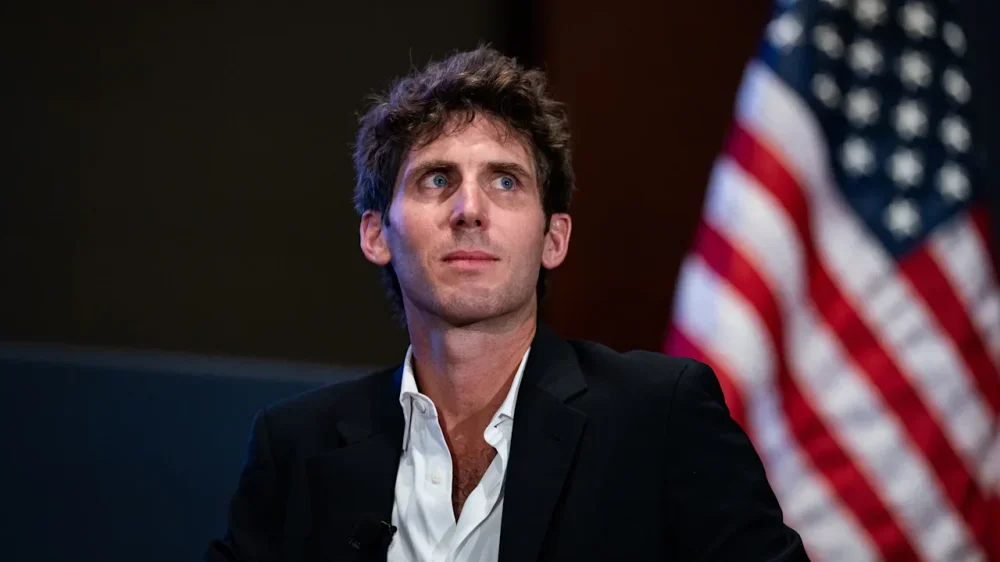
The discovery of the body of Claudio Manuel Neves Valente, a Portuguese national who studied physics at Brown University, earlier this week in a New Hampshire storage facility brought closure to two alarming cases. Authorities say they believe Valente, a 48-year-old who recently arrived in Boston, was behind the December 13 mass shooting at Brown University, and the December 16 murder of MIT professor Nuno Loureiro. The identification of Valente brings calm to communities worried about a mass killer on the loose. But it also puts the lie to theories floated by right-wing influencers, including Sequoia Capital partner Shaun Maguire. In recent days, Maguire, acting as a self-appointed digital detective, has shared posts suggesting that an entirely different man was behind the crimes—a Palestinian student at Brown University. On December 16, in a post on X that has subsequently been deleted, Maguire speculated that “it seems very likely” that the student was behind the shooting, pointing to the fact that “Brown is actively scrubbing his online presence.” In fact, the student’s digital footprints were being wiped as a protective measure against rampant, errant speculation about his link to the shootings. “Accusations, speculation and conspiracies we’re seeing on social media and in some news reports are irresponsible, harmful, and in some cases dangerous for the safety of individuals in our community,” Brian Clark, vice president for news and strategic campus communications at Brown, told Fast Company in an emailed statement. “It is not unusual as a safety measure to take steps to protect an individual’s safety when this kind of activity happens, including in regard to their online presence.” Clark adds: “It’s important to make clear that targeting individuals could do irrevocable harm.” Neither Maguire, nor Sequoia, responded to interview requests for this story. Natalie Miyake, Sequoia Capital’s communications partner, was not available when Fast Company called the firm’s offices. Still online is a subsequent post by Maguire speculating that MIT professor Loureiro was shot because he was Jewish. As evidence, Maguire points to a Google Gemini chatbot response and a Threads post criticizing Hamas. That Threads post is by a person sharing the same name as the slain man — but not actually the MIT professor. The tenuous attempts to link an innocent man to a mass murder and a subsequent slaying follow months of inflammatory posts by the venture capitalist targeting Muslims and pro-Palestine activists. On July 4, Maguire made inflammatory comments calling New York City mayor-elect Zohran Mamdani an “Islamist”, which resulted in an open letter calling for his firing that gained more than 1,000 signatures. Maguire subsequently partially apologized for those comments in a video. “This tweet did not land the way I thought it would,” he said. Sequoia’s then-managing partner Roelof Botha said in late October that Sequoia is a company to “celebrate diversity of opinions”, saying the firm needed “spiky” people within it, while acknowledging it can “come with trade-offs”. Maguire has previously called DEI policies within companies “structural racism.” Maguire’s comments may have cost the company staff. In October, chief operating officer Sumaiya Balbale stepped down from Sequoia,reportedly because of the firm’s inaction over Maguire’s past comments about Muslims. (Balbale did not respond to a request for comment.) Botha himself stepped down in November. One VC figure, who asked not to be named because of the risk of repercussions, says the inaction against Maguire speaks to broader issues about Sequoia. “If you’re a partner at KKR or Blackstone, you would have—at the very minimum—been told to stop posting stuff,” they say. “The fact it’s allowed to happen is just weird.” The VC figure points out that if such words were used about any other minority they would be immediately condemned. “If you substitute any of this language, and you remove the word ‘Muslim’ and put ‘Jews’, or you put ‘Italians’, or you put ‘Irish’, it would definitely not pass the sniff test.” The Council on American-Islamic Relations (CAIR), which previously called for Maguire’s firing over his comments about Mamdani, tells Fast Company that Sequoia should “reconsider their position on whether or not it’s appropriate for him to represent their company in any sort of way.” “Mr. Maguire’s rush to indicate that this Muslim student who supports Palestinian human rights was likely responsible for the Brown University shooting was deeply irresponsible and incredibly dangerous,” says Edward Ahmed Mitchell, CAIR’s national deputy director. He believes that every person who “fanned the flames of bigotry against this young man without any basis or any justification should apologize and be held to account if they cross the line into illegal defamation.” In one post earlier this month, Maguire railed against the mainstream media’s slow pace of reporting on the Brown shooting. “It’s impossible to shake the feeling that we’re not getting the truth fast enough from law enforcement and our media … when it doesn’t fit their narrative,” he wrote. Maguire’s posts imply which narrative he would have preferred as this story came to an end. View the full article
-
This article is courtesy of our partner Solo Health Collective. Learn more about Solo at: https://freelancersunion.org/solo. For freelancers, independence isn’t just about clients or schedules. It’s about control — over income, time, and long-term stability. Healthcare should work the same way. For years, the conversation has focused on one question: Do you have coverage? But freelancers are asking better questions now: Can I see the doctors I trust?Can I predict what healthcare will actually cost?Do I have any real say in how my plan works?Coverage alone isn’t enough. Freelancers want control. Control Over Doctors: Choice Still MattersTraditional insurance keeps narrowing the definition of “choice.” Networks shrink. Doctors disappear mid-year. Care relationships get disrupted; not by patient choice, but by contract changes. And for freelancers, there’s no HR department to fix it. When access changes, they absorb the disruption alone. That’s why models like Solo Health Collective resonate. Solo prioritizes flexibility and access, offering a national PPO network and the ability to work with providers outside the network when needed. For independent workers, continuity of care isn’t a luxury. It’s essential. Control Over Costs: Predictability Beats “Cheap”Freelancers already manage variable income. What they don’t want is s unpredictable healthcare risk layered on top. Low premiums often hide the real problem: deductibles, coinsurance, surprise bills, and opaque pharmacy pricing. That’s why freelancers are shifting their focus from cheap to clear. Solo plans are designed around cost transparency: Clearly defined deductibles that function as true out-of-pocket maximumsStraightforward benefit structuresPharmacy benefits that are easier to understandBuilt-in advocacy to help prevent balance billingConcierge support for providers, claims, and questionsHealthcare costs aren’t just personal expenses for freelancers, they’re business risks. Predictability makes planning possible. Ownership Is the Real ShiftIn traditional insurance, members are passive. Decisions are made elsewhere, and changes arrive without warning. But freelancers don’t operate that way. They evaluate trade-offs. They manage risk. They take responsibility for outcomes. Solo Health Collective is built for that mindset. Instead of treating members like policy numbers, Solo treats them like owners of their health plan. Members experience: Clear communicationReal support and advocacyA system designed to reward engagement — not confusionThat ownership mindset is already how freelancers run their businesses. Healthcare shouldn’t be different. Healthcare Designed for Businesses of OneThat’s why thousands of freelancers and self-employed professionals are choosing Solo’s collective, self-funded model. It's built for transparency, accountability, and long-term sustainability. To get started with Solo Health Collective, you’ll need an EIN and to complete a brief health questionnaire. You can view pricing, design your plan, and choose a start date that works for you and your business. Because freelancers don’t just want coverage. They want control. View the full article
-
This article is courtesy of our partner Solo Health Collective. Learn more about Solo at: https://freelancersunion.org/solo. For freelancers, independence isn’t just about clients or schedules. It’s about control — over income, time, and long-term stability. Healthcare should work the same way. For years, the conversation has focused on one question: Do you have coverage? But freelancers are asking better questions now: Can I see the doctors I trust?Can I predict what healthcare will actually cost?Do I have any real say in how my plan works?Coverage alone isn’t enough. Freelancers want control. Control Over Doctors: Choice Still MattersTraditional insurance keeps narrowing the definition of “choice.” Networks shrink. Doctors disappear mid-year. Care relationships get disrupted; not by patient choice, but by contract changes. And for freelancers, there’s no HR department to fix it. When access changes, they absorb the disruption alone. That’s why models like Solo Health Collective resonate. Solo prioritizes flexibility and access, offering a national PPO network and the ability to work with providers outside the network when needed. For independent workers, continuity of care isn’t a luxury. It’s essential. Control Over Costs: Predictability Beats “Cheap”Freelancers already manage variable income. What they don’t want is s unpredictable healthcare risk layered on top. Low premiums often hide the real problem: deductibles, coinsurance, surprise bills, and opaque pharmacy pricing. That’s why freelancers are shifting their focus from cheap to clear. Solo plans are designed around cost transparency: Clearly defined deductibles that function as true out-of-pocket maximumsStraightforward benefit structuresPharmacy benefits that are easier to understandBuilt-in advocacy to help prevent balance billingConcierge support for providers, claims, and questionsHealthcare costs aren’t just personal expenses for freelancers, they’re business risks. Predictability makes planning possible. Ownership Is the Real ShiftIn traditional insurance, members are passive. Decisions are made elsewhere, and changes arrive without warning. But freelancers don’t operate that way. They evaluate trade-offs. They manage risk. They take responsibility for outcomes. Solo Health Collective is built for that mindset. Instead of treating members like policy numbers, Solo treats them like owners of their health plan. Members experience: Clear communicationReal support and advocacyA system designed to reward engagement — not confusionThat ownership mindset is already how freelancers run their businesses. Healthcare shouldn’t be different. Healthcare Designed for Businesses of OneThat’s why thousands of freelancers and self-employed professionals are choosing Solo’s collective, self-funded model. It's built for transparency, accountability, and long-term sustainability. To get started with Solo Health Collective, you’ll need an EIN and to complete a brief health questionnaire. You can view pricing, design your plan, and choose a start date that works for you and your business. Because freelancers don’t just want coverage. They want control. View the full article
-
Most businesses start with a spark, an idea fueled by hunger, resilience, or grit. But sustaining that energy through scale is the real challenge. Founders and leaders play a defining role in that journey. The same values, authenticity, and style that ignite early momentum can easily crush it. That’s why builders and entrepreneurs are essential to a new business. Think Steve Jobs, Jeff Bezos, or Sara Blakely. But that style is NOT for everyone, especially those who prefer less “out-front” leaders. These founders are visionary, pushing their teams to act in the way they want every employee to show up. But leaders at successful companies realize that business and talent need to change when moving from idea to execution to real scale. With growth comes complexity, and with complexity comes the risk of losing what made you successful in the first place. I am a firm believer that it’s possible to scale without losing either the speed or the special energy that makes the early stage so dynamic. Here’s how. BUILD IT RIGHT It’s common for early-stage company culture to revolve around the founder’s values, style, and passion. What actually makes it work? Leaders recruiting like-minded people, aligning around a clear vision, and rallying teams toward a common goal. But what’s equally as important are the challengers, those who push them to think and do differently. Success can’t be tied to just one person. To manage growth and cultivate innovation, you need two types of people: leaders who provide guidance and trust, and entrepreneurs who move fast and are comfortable with failure. Why is this so important? It establishes both the arena and terms for innovation. AI is shifting innovation to the edges of the organization. That’s a good thing, as long as leaders set the direction and standards, so speed doesn’t turn into waste or redundancy. Trust is equally important. No one takes risks or tries new things in a culture where failure equals termination. Leaders who ask for innovation hold others accountable, and see failure as a learning opportunity that will foster more successful teams and outcomes. MOVE QUICKLY AND DECISIVELY What’s also critical to ongoing entrepreneurship is a functioning feedback loop. We know that not every initiative will be a gamechanger, and that’s okay. The key is to find out quickly. That’s why we help clients build a quick prototype, test it fast, and either double down or shut it down before we’re too far down the line. Doing that effectively requires leaders who can collaborate but not necessarily seek consensus. They need to digest input—from customers, employees, and influencers—and cut through it to make go/no-go decisions quickly. Wishy-washy or delayed decisions destroy entrepreneurial spirit. Fail-fast cultures become harder to maintain as the stakes get higher. Everyone may understand in theory that the only way to discover breakthroughs is to experiment. But reality hits the moment you’re sitting across from an investor staring at a tough quarter or a revenue dip. That’s exactly why it’s important to celebrate mistakes (yes, you heard that right), learn from them, and allow them to fuel what comes next. In those moments, “fail fast” can sound like “we’re failing, period.” But the best investors don’t expect perfection. They’re looking for accountability and transparency about why it didn’t work and what you learned. That builds trust. In Airbnb’s early days, an investor advised the cofounders to go door-to-door with a camera to improve listing photos at underperforming properties. It worked on a small scale, but became painful and impossible. So they pivoted, first by hiring others, then expanded by offering photography to property owners. The failure wasn’t the end—it was a learning leading to a bigger business opportunity. Another example of this is with the Calm app, which started as a guided meditation platform but quickly hit a ceiling because users needed more variety. They pivoted by expanding into other content types, like sleep stories and mental health resources. What started as a narrow tool evolved and became more impactful because the team learned fast and iterated even faster. REWARD INTENTIONALLY Most technology and services companies rely on strong sales and delivery teams to drive revenue and support customers. Sales professionals are commonly charged with quotas and rewarded on deal size. That model works well, but if the organization only rewards selling and delivery, that’s where the energy and focus will go. In my experience, incentivizing entrepreneurs, innovators, and idea-drivers is equally important. It’s not about delivering a bonus for every idea, but having a system that tracks impact KPIs like success rates, impact on sales and reputation, and time saved. With a clear incentive and KPI framework, plus a space to share stories that highlight both smart failures and big wins, you’ll spark entrepreneurial energy across every level and department. When it’s working, you can see it and feel it: Teams challenge each other productively in meetings, new ideas flow consistently, and careers progress quickly. Speed is not sacrificed with the addition of discipline and relentless prioritization. At West Monroe, we also recognize the importance of celebrating and rewarding a culture of innovation by awarding bonuses to those who bring new ideas to life in ways that drive commercial success. Companies that build this type of culture—and nurture it intentionally—won’t just survive in this era of constant disruption, they’ll create and lead it. Casey Foss is chief commercial officer at West Monroe Partners. View the full article

-
First there was Spotify Wrapped. Then came Snapchat Wrapped, YouTube Wrapped, and even Uber Eats Wrapped—shortly after, SNL parodied the idea. If you thought you were officially wrapped up for the year, LinkedIn had other plans. The platform just dropped its inaugural Year in Review—essentially, LinkedIn Wrapped. LinkedIn’s Year in Review recaps your activity on the platform, from how often you logged on and when you were most active to how many posts you shared. It tallies your comments, new connections, and total profile impressions, then assigns you a personality type based on how you used LinkedIn. The feature also taps into the platform nostalgia trend, which has defined 2025: It tells you the exact date you joined LinkedIn and who your very first connection was. If you’re looking for either an ego boost (or a reality check) it also summarizes engagement metrics, like new followers, reactions, comments, and for Premium users, profile views. All of it is packaged into a sleek highlight reel designed for social sharing. And people have been sharing… though with mixed feelings. “Ah. LinkedIn reminding me that I was a top applicant for 28,388,338 jobs… and landed 0 of them this year,” the user wrote, with a screenshot on X showing that 865 of their connections started new jobs this year. “Woohoo. Thanks, LinkedIn Wrapped.” Another joked: “linkedin wrapped didn’t include ___ jobs applied because they knew it would be too much of a humiliation ritual.” A third put it bluntly: “My 2025 LinkedIn wrapped is actually the last thing in the world I need right now” LinkedIn’s timing isn’t the best: The U.S. unemployment rate recently hit a four-year high and earlier this year, the number of job seekers exceeded the number of jobs available for the first time in four years. Most jobseekers won’t be looking back with fond memories on the hours/days/weeks they spent on the hiring platform this past year. “You applied for 1,000 jobs and none of them were actually hiring!” one X user quipped. The Linkedinfluencers, however, were slightly more enthusiastic. “Where my 5% crew at??!!,” one wrote. “Didn’t think I would get sentimental about a LinkedIn ‘Year in Review’ but here we are! Another wrote: “344 days out of the 365 days in 2025 was spent on Linkedin! People often think I joke around when I say that Linkedin is actually the most used app on my phone. But Linkedin wrapped don’t lie!” Others are simply over the “wrapped” of it all. “Stop reviewing my life, stop wrapping it up,” TikTok user @litty_city said in a video on Wednesday, pointing to the onslaught of year-end summaries. Everyone from Amazon and Apple Music to PlayStation, Discord, Duolingo, Asana, and even Partiful joined the wrapped party this year. “I’m tired,” she concluded. Time to wrap it up. View the full article

-
Happiness is taking control of a beloved comic strip. Sony is buying a 41% stake in the Charles M. Schulz comic “Peanuts” and its characters including Snoopy and Charlie Brown from Canada’s WildBrain in a $457 million deal, the two companies said Friday. The deal adds to Sony’s existing 39% stake, bringing its shareholding to 80%, according to a joint statement. The Schulz family will continue to own the remaining 20%. “With this additional ownership stake, we are thrilled to be able to further elevate the value of the ‘Peanuts’ brand by drawing on the Sony Groupʼs extensive global network and collective expertise,” Sony Music Entertainment President Shunsuke Muramatsu said. “Peanuts” made its debut Oct. 2, 1950 in seven newspapers. The travails of the “little round-headed kid” Charlie Brown and pals, including Linus, Lucy, Peppermint Patty, and his pet beagle Snoopy, eventually expanded to more than 2,600 newspapers, reaching millions of readers in 75 countries. The strip offers enduring images of kites stuck in trees, Charlie Brown trying to kick a football, tart-tongued Lucy handing out advice for a nickel, and Snoopy taking the occasional flight of fancy to the skies. Phrases such as “security blanket,” “good grief” and “happiness is a warm puppy” are a part of the global vernacular. Schulz died in 2000. Sony acquired its first stake in Peanuts Holdings LLC in 2018 from Toronto-based WildBrain Ltd. In Friday’s transaction, Sony’s music and movie arms signed a “definitive agreement” with WildBrain to buy its remaining stake for $630 million Canadian dollars ($457 million). Rights to the “Peanuts” brand and management of its business are handled by a wholly-owned subsidiary of Peanuts Holdings. WildBrain also owns other kids’ entertainment franchises, including Strawberry Shortcake and Teletubbies. View the full article

-
We may earn a commission from links on this page. You don’t know how many times in the past few years I saw that mini thermal printers existed, considered getting one, and then decided, no, it’s too silly and I’ll never use it. Friends, I finally caved, and my only regret is not getting one earlier. I’ve only had this tiny gadget for about a month, but it’s gotten daily use in my house. With Christmas coming up, I use it to print gift tags and labels. I use custom stickers to make charts in my workout journal, and it’s even become the centerpiece of the Elf on the Shelf’s interaction with my daughter. (Yes, she still claims to believe, probably just for the entertainment value of seeing what I come up with next—desperation is the mother of creativity.) I’m the kind of person who enjoys physical items, especially paper and notebooks, but somehow I always end up glued to my phone. Being able to print things out keeps me in the real world, especially if I can do something on paper (or a sticker) that I would normally do with an app. T02 Mini Sticker Printer $42.99 at Amazon Get Deal Get Deal $42.99 at Amazon What exactly is a thermal sticker printer? You’ve seen these before, even if you don’t realize it. The receipts you get at most grocery stores and other big stores are thermally printed; so are lots of barcode and ingredient labels that might be slapped on, say, a rotisserie chicken or a box of bakery cookies. These are “thermally” printed because there is no ink. Instead the receipts or labels are made of a coated paper that turns dark when exposed to heat. The printer just heats up the appropriate areas of the paper as it exits the machine. Stores love these printers because the technology is old and cheap, the paper is cheap, there’s no ink to refill, and the receipts or stickers print quickly. It doesn’t really matter that the output is black-and-white and low resolution; we’re not using these for fine art. Those features are also what I like about my mini version. The printer itself was only $25 on a Black Friday deal, and the paper rolls last forever and only cost about a dollar each. In contrast, I also own a full-color mini photo printer that uses Zink paper, and it’s the opposite: expensive paper, slow printing, and terrible battery life. The prints look pretty good, but because of these drawbacks, I almost never use it. Meanwhile, I use the thermal printer all the dang time. How it’s useful Credit: Beth Skwarecki For one, I’m finally putting proper labels on the candy that I give as gifts every Christmas, with ingredients and everything. In past years I wanted to, but then I’d have to figure out how to design a label, and what to print it on, and then I’d have to assign a kid to cut them out and tape or tie them on—none of this is hard, but it’s just one more thing. This year, I’ll type up the label in the app and just print it out. The printer’s app, called Phomemo, is simple to use even though you have to dodge a bunch of “premium” features. You can quickly print any text you want, any photo from your photo roll, or choose from a library of clip art and templates. Once I know what I want to print, I can have a label designed and printing within seconds. So I use the printer all the time for anything that’s a little more complicated than writing a word or two with a Sharpie, but doesn’t need to be a whole production where you buy or make a proper label or info sheet. For example, I printed out a chart of knitting needle sizes and stuck that to the case where I keep my knitting needles. I printed a 2-by-10 grid of boxes to keep track of a workout that has 10 sets of 2 exercises. (I stick it into my training journal and then check off the sets as I complete them. I used to draw the boxes by hand, but one time I ended a workout early because I had miscounted. The sticker keeps me from screwing up.) Sure, I could search up a needle size chart or keep my workout data in an app. But having this information in a physical paper format keeps me off my phone during exactly the times I’m trying to unplug. How it’s fun Credit: Beth Skwarecki This is where the kids come in. Specifically my youngest, who immediately printed out stickers for herself and her friends. (Because the paper is so cheap, I don’t mind giving her Bluetooth access from her own device—she can go to town.) This is the same kid who insists on believing in Elf on the Shelf every year, even though she knows I’m Santa. You may recall that I refuse to have the elf “get into trouble” and “make messes” and instead look for cleaner, lower effort antics. It’s always been a hit when the elf writes notes to my kid, which is why I spent last December writing tiny notes with a tiny pen and then hiding my supplies. This year, she thought of using the printer to write her note to the elf, and then I just had to make up a story about how the elf has a secret phone she can use to connect and print responses. Each night’s elf antics are, thus, a thing I can do in minutes. I turn on the printer, print the note, and (if needed) move the elf to a different shelf or whatever. My kid and the elf have done scavenger hunts, drawn each other pictures, and tonight will be writing each other poems. I love the creativity, and she’s been saving all the notes. There’s just something about having a physical reminder of something ephemeral. View the full article
-
The The President administration is calling on white men who believe they faced discrimination at work to file their complaints to a federal civil rights agency. The head of the Equal Employment Opportunity Commission urged white men to formally register their complaints with the government this week in a video posted to X. “Are you a white male who has experienced discrimination at work based on your race or sex? You may have a claim to recover money under federal civil rights laws,” EEOC Commission Chair Andrea Lucas said. Lucas urged white men who qualified to contact the EEOC “as soon as possible” and pointed them to the agency’s website and its explainer on “DEI-related discrimination.” “The EEOC is committed to identifying, attacking, and eliminating ALL race and sex discrimination — including against white male employees and applicants,” Lucas wrote. The EEOC’s priorities have shifted dramatically during the second The President administration. The EEOC, born out of the Civil Rights Act of 1964, was created to protect Americans from workplace discrimination and harassment. Given its origins, the agency had a historic focus on protecting minority employees from racial discrimination, but in more recent years its mission included investigations into instances of discrimination over gender, disability, age and national origin. At the same time that the EEOC is collecting complaints from white men, the agency has dropped six of its own cases representing transgender people who alleged workplace discrimination based on their gender identities. Dismantling diversity The The President administration has deployed the EEOC in a very specific way over the course of the year, steering the agency toward its broader goals of dismantling diversity, equity and inclusion initiatives. In March, the EEOC and the DOJ released a joint press release along with new documentation warning employers against “unlawful DEI-related discrimination” that could be interpreted to violate Title VII of the Civil Rights Act. “Far too many employers defend certain types of race or sex preferences as good, provided they are motivated by business interests in ‘diversity, equity, or inclusion,’” Lucas said. “But no matter an employer’s motive, there is no ‘good,’ or even acceptable, race or sex discrimination.” While the subtext was clear from the EEOC’s recent changes, Lucas said the quiet part out loud on X. The The President administration is keen to highlight perceived examples of anti-white discrimination in the country, and it’s willing to pull all the levers of government in pursuit of that goal. The White House’s framing of race in America increasingly reflects the language of once-fringe white nationalist theories, including debunked claims about a genocide of white South Africans and recent calls for “remigration” – mass deportation for non-white immigrants. The President himself has an extensive history of racist ideology, has repeatedly aligned himself with white nationalists and continues to promote a language of grievance around anti-white sentiment while stripping away federal policies designed to promote racial diversity. The EEOC has an unusual structure, but that hasn’t been enough to block The President’s efforts to weaponize it during his second term. The agency is a commission made up of five members, with no more than three allowed to be from the same political party. The president can appoint commissioners, who serve a five year term, and can designate a chair to steer the agency, but generally the EEOC is designed to be bipartisan by definition, limiting the potential influence of whoever sits in the White House and keeping the commission independent. Quickly after taking office in January, The President fired two of the federal agency’s three Democratic commissioners – an unprecedented departure from the commission’s traditional five year terms. After filling one of the open slots with a lawyer who served in the Department of Education during his first term, two EEOC positions sit vacant, with one Biden appointee remaining in her role and two The President appointees setting the agenda. View the full article

-
Google will update its Pharmaceutical policy for AdMob Authorized Buyers in January 2026, allowing prescription drug and prescription drug service ads in select markets — without requiring Google certification — while tightening clarity around what remains strictly off-limits. What’s changing. The policy will be renamed “Pharmaceutical products and services” and updated to allow Authorized Buyers to promote prescription drugs and prescription drug services in certain countries where permitted by local law, without requiring Google certification as is typically mandated in Google Ads. While access is expanding, the underlying rules are not becoming more permissive, as the policy language is simply being reorganized to improve clarity and readability rather than to loosen enforcement. Why we care. This update expands access to pharmaceutical advertising inventory without requiring Google certification, creating new reach and competitive pressure in programmatic auctions. It also shifts more compliance responsibility onto advertisers, increasing the risk of policy violations if geo-targeting and creative controls aren’t tightly managed. Even non-pharma advertisers may be affected as increased pharma demand and ad presence can impact pricing, brand safety, and placement strategies. What’s still banned. Ads for clinical trials, miracle cures, unapproved supplements, illegal drugs, drug paraphernalia, addiction treatment and recovery services, crisis hotlines, and speculative or experimental medical treatments (including stem cell and gene therapies) remain prohibited across Google Partner Inventory. Between the lines. Google is widening access while pushing responsibility downstream. By removing certification requirements for Authorized Buyers but maintaining strict geographic and content controls, Google shifts compliance risk squarely onto buyers and publishers. What to do now. App publishers using AdMob should review category blocking and ad controls to ensure unwanted pharma ads don’t appear, especially as more inventory becomes eligible. Buyers should prepare for country-by-country enforcement and audit creatives carefully. Bottom line. Google is opening the door wider for pharmaceutical advertising in programmatic environments — but the rules are still complex, localized, and unforgiving for those who get them wrong. View the full article
-
If you’re looking for “huellas de ahca” services nearby, there are several options to take into account. Local law enforcement agencies, fingerprinting service providers, and authorized Live Scan locations often offer these services. Pharmacies and community centers may likewise provide fingerprinting. It is crucial to check their operating hours and appointment availability. Knowing where to go for efficient fingerprinting can save you time, so let’s explore these options in more detail. Key Takeaways Search online for local fingerprinting services that offer Huellas De Ahca, focusing on their reviews and credibility. Confirm that the provider is authorized for the specific fingerprinting service you need, such as FBI or Live Scan. Prepare essential documents, including your valid photo ID and any required forms like the Request for Live Scan Service. Check the appointment duration and expected processing times, which can vary based on the service provider. Verify accepted payment methods beforehand to ensure a smooth transaction during your appointment. Fingerprint Card Service When you need a fingerprint card service, you can easily access it through various providers across the country. These services allow you to request physical fingerprint cards online, with enrollment necessary for information submission and payment processing. You’ll typically receive official FD-258 fingerprint cards printed and mailed via USPS First Class, and if you need multiple copies, you can request those as well. To get your fingerprints taken, you’ll find nationwide locations, making it convenient to locate huellas de ahca near me. When you arrive for your appointment, be sure to bring a valid photo ID and payment, as these are usually required. Furthermore, many providers offer electronic submission of fingerprints for background checks in states like California and Florida. This accessibility guarantees you can complete your fingerprinting quickly and efficiently, no matter where you are. California Live Scan Submission When you’re ready to submit your California Live Scan application, you’ll need to gather a few crucial documents, including a completed Request for Live Scan Service form with the correct ORI number and Application Type. Be prepared to show valid photo identification and make a payment, as these are required for processing at the Live Scan location. Typically, the appointment lasts about 10 to 15 minutes, and you can expect results electronically submitted to the DOJ within 24 to 72 hours. Required Documents for Submission To successfully submit a California Live Scan, you’ll need to gather several important documents beforehand. Make sure you have the following items ready: Document Type Description Notes Request for Live Scan Service form Must include your ORI number and Application Type Fill out accurately Valid Photo ID A driver’s license or passport is required Bring it to your appointment Payment Fees for Live Scan service and processing Required at the appointment Confirm with your requesting agency for any additional specific documentation requirements that may be needed for your Live Scan appointment. Finding a live scan near me can help streamline this process for you. Processing Time Overview Processing times for California Live Scan submissions can vary, so it’s essential to stay informed about what to expect. Typically, you’ll receive results within 24 to 72 hours, but this can change based on the agency’s workload. If additional verification is needed, the process might take a week or more. The type of background check likewise influences processing time, as some require more extensive review. Although you may hope for immediate results, delays can happen, so it’s wise to plan accordingly. To guarantee you have accurate expectations, check with the specific agency requesting your Live Scan near me for their estimated processing times and any additional requirements that could affect result delivery. Payment Methods Accepted Maneuvering payment methods for California Live Scan submissions is vital for a smooth experience. When you visit live scan places near me, be prepared to pay using various methods. Most providers accept credit or debit cards, cash, checks, and money orders. Some may even offer online payment options to make scheduling your appointment easier. It’s important to confirm which payment methods are accepted at your chosen Live Scan provider before your appointment. Remember, payment for the Live Scan service, including any processing fees, is due at the time of your visit. Having a payment confirmation handy can additionally help guarantee a seamless check-in process. Stay informed to avoid any last-minute surprises. Florida Live Scan Submission When you’re ready to submit your Florida Live Scan, you’ll need specific documents, including a valid photo ID and payment. It’s vital to have your ORI number from the requesting agency, as this initiates the fingerprinting process. Typically, you can expect results within 24 to 72 hours, making it important to plan your submission accordingly to meet any compliance deadlines. Required Documents for Submission To successfully submit a Florida Live Scan, you’ll need to gather several important documents beforehand. First, obtain an ORI number from the agency requesting your fingerprints; this number is essential for the process. You’ll likewise need to complete a Request for Live Scan Service form, ensuring it includes the correct ORI number and application type. Be sure to bring a valid photo ID, like a driver’s license or passport, to verify your identity during the Live Scan appointment. Furthermore, you must prepare to pay for the Live Scan service and any associated fees at the appointment, as various payment methods are accepted. Finally, check with your provider about any extra documentation requirements when searching for livescan fingerprinting near me. Processing Time Expectations Comprehending the processing time for Florida Live Scan submissions can help you manage your expectations effectively. Typically, you can expect results within 24 to 72 hours. Nevertheless, certain factors may influence this timeline: Agency Workload: Processing times can vary based on how busy the agency is. Background Check Type: Some checks may require further verification, extending the wait time to a week or more. Requesting Agency Procedures: It’s always wise to check with the agency for their specific processing time expectations. Using a live scan near me can improve the efficiency of your submission, as electronic transmission of fingerprints speeds up the process. Be informed, so you’re not caught off guard by delays. FBI Fingerprinting Service The FBI Fingerprinting Service is a crucial resource for individuals needing an official Identity History Summary Report, which is often required for background checks and employment screenings. You can conveniently enroll online, making it easy to access information and submit payment before your appointment. Here’s a quick overview of the process: Step Description Enrollment Sign up online for the fingerprinting process. Fingerprint Capture Live scan fingerprints near me are taken electronically. Submission Your fingerprints are sent directly to the FBI. Result Delivery Receive results via email or request a printed copy. Appointment Check-in Use your enrollment token for easy check-in. This streamlined process guarantees you get your background check results typically within a few days, making it a reliable option for your identification needs. Find a Location Where can you find Huellas de AHCA services near you? Locating a live scan near me can be easy if you follow a few steps. Here’s how to find a convenient location: Use the Certifix Live Scan location search tool by entering your city, ZIP code, or state. Check out The UPS Store locations in Houston, which provide fingerprinting services for added convenience. Contact local providers directly to confirm their services, operating hours, and whether they accept walk-ins or require appointments. Many Live Scan providers offer same-day appointments based on availability, allowing you to get fingerprint services quickly. Remember to check the specific requirements for your appointment, such as a valid ID and payment, to guarantee a smooth process. Enroll Online Finding a convenient way to enroll in Huellas de AHCA fingerprinting services is easier than ever with online options. You can complete the process quickly and efficiently, which greatly reduces wait times at your chosen live scan near me location. To get started, you’ll need a valid ID and payment ready, as both are necessary during fingerprinting. The online enrollment process involves filling out the Request for Live Scan Service form, ensuring you include the correct ORI number and application type. Once you submit your information, a QR code is typically generated to help with check-in at the fingerprinting site. Many locations across the country provide online enrollment options, making it simple for you to find a nearby service for your AHCA fingerprinting needs. This streamlined approach saves you time and helps you stay organized throughout the enrollment process. Get Fingerprinted Once you’ve completed the online enrollment for Huellas de AHCA fingerprinting, it’s time to get fingerprinted at your chosen location. You’ll want to find a live scan near me that offers the required services. Here’s what to keep in mind: Bring Your ORI Number: This number is vital for your fingerprint submission and can be obtained from the requesting agency. Photo ID Required: Make sure you have a valid photo ID, as it’s mandatory for the appointment. Payment Methods: Be prepared to pay for the Live Scan service, which can include credit/debit cards, cash, or checks. Frequently Asked Questions Where Is the Best Place to Get a Background Check? The best place to get a background check is a certified location authorized to submit fingerprints electronically. You can visit places like The UPS Store or local police departments, which often offer Live Scan services. Make sure to complete online enrollment to speed up your appointment. Results typically come in 24 to 72 hours, so be prepared. Confirm accepted payment methods, as they can vary between locations, ensuring a smooth process. What’s the Fastest Way to Get a Background Check? The fastest way to get a background check is by using Live Scan fingerprinting services. These services electronically submit your fingerprints, which speeds up processing times to typically within 24 to 72 hours. You can enroll online to reduce check-in time and often find same-day appointment options for urgent needs. Be sure to confirm payment methods like credit cards or cash with the provider to guarantee a smooth appointment process. Where to Get Fingerprints Done in Houston? In Houston, you can get your fingerprints done at several locations. The UPS Store offers convenient walk-in and appointment options. The Harris County Sheriff’s Office provides fingerprinting services at 1200 Baker Street, whereas the Houston Police Department does so at 1002 Washington Ave. If you’re affiliated with the University of Houston Clear Lake, their police department likewise offers fingerprinting as part of the Live Scan network. Check operating hours for each location before visiting. What Is the Best Way to Get Fingerprints? The best way to get fingerprints is to visit a certified Live Scan location. Bring required documents, including a valid photo ID and the ORI number. It’s helpful to enroll online beforehand, which saves time. Fingerprinting usually takes 10 to 15 minutes, and results are typically processed within 24 to 72 hours. Check with the provider about payment methods, as they can vary, including credit/debit cards, cash, or checks. Conclusion In summary, finding huellas de ahca services nearby is straightforward. You can visit local law enforcement agencies, dedicated fingerprinting providers, or authorized Live Scan locations. Pharmacies and community centers may likewise offer these services. Be sure to check their operating hours and make appointments if necessary. Furthermore, online searches can help you locate providers that meet FBI fingerprinting requirements. This guarantees you have the right documentation for any background checks or identification needs. Image via Google Gemini This article, "7 Places for Huellas De Ahca Near Me" was first published on Small Business Trends View the full article
-
If you’re looking for “huellas de ahca” services nearby, there are several options to take into account. Local law enforcement agencies, fingerprinting service providers, and authorized Live Scan locations often offer these services. Pharmacies and community centers may likewise provide fingerprinting. It is crucial to check their operating hours and appointment availability. Knowing where to go for efficient fingerprinting can save you time, so let’s explore these options in more detail. Key Takeaways Search online for local fingerprinting services that offer Huellas De Ahca, focusing on their reviews and credibility. Confirm that the provider is authorized for the specific fingerprinting service you need, such as FBI or Live Scan. Prepare essential documents, including your valid photo ID and any required forms like the Request for Live Scan Service. Check the appointment duration and expected processing times, which can vary based on the service provider. Verify accepted payment methods beforehand to ensure a smooth transaction during your appointment. Fingerprint Card Service When you need a fingerprint card service, you can easily access it through various providers across the country. These services allow you to request physical fingerprint cards online, with enrollment necessary for information submission and payment processing. You’ll typically receive official FD-258 fingerprint cards printed and mailed via USPS First Class, and if you need multiple copies, you can request those as well. To get your fingerprints taken, you’ll find nationwide locations, making it convenient to locate huellas de ahca near me. When you arrive for your appointment, be sure to bring a valid photo ID and payment, as these are usually required. Furthermore, many providers offer electronic submission of fingerprints for background checks in states like California and Florida. This accessibility guarantees you can complete your fingerprinting quickly and efficiently, no matter where you are. California Live Scan Submission When you’re ready to submit your California Live Scan application, you’ll need to gather a few crucial documents, including a completed Request for Live Scan Service form with the correct ORI number and Application Type. Be prepared to show valid photo identification and make a payment, as these are required for processing at the Live Scan location. Typically, the appointment lasts about 10 to 15 minutes, and you can expect results electronically submitted to the DOJ within 24 to 72 hours. Required Documents for Submission To successfully submit a California Live Scan, you’ll need to gather several important documents beforehand. Make sure you have the following items ready: Document Type Description Notes Request for Live Scan Service form Must include your ORI number and Application Type Fill out accurately Valid Photo ID A driver’s license or passport is required Bring it to your appointment Payment Fees for Live Scan service and processing Required at the appointment Confirm with your requesting agency for any additional specific documentation requirements that may be needed for your Live Scan appointment. Finding a live scan near me can help streamline this process for you. Processing Time Overview Processing times for California Live Scan submissions can vary, so it’s essential to stay informed about what to expect. Typically, you’ll receive results within 24 to 72 hours, but this can change based on the agency’s workload. If additional verification is needed, the process might take a week or more. The type of background check likewise influences processing time, as some require more extensive review. Although you may hope for immediate results, delays can happen, so it’s wise to plan accordingly. To guarantee you have accurate expectations, check with the specific agency requesting your Live Scan near me for their estimated processing times and any additional requirements that could affect result delivery. Payment Methods Accepted Maneuvering payment methods for California Live Scan submissions is vital for a smooth experience. When you visit live scan places near me, be prepared to pay using various methods. Most providers accept credit or debit cards, cash, checks, and money orders. Some may even offer online payment options to make scheduling your appointment easier. It’s important to confirm which payment methods are accepted at your chosen Live Scan provider before your appointment. Remember, payment for the Live Scan service, including any processing fees, is due at the time of your visit. Having a payment confirmation handy can additionally help guarantee a seamless check-in process. Stay informed to avoid any last-minute surprises. Florida Live Scan Submission When you’re ready to submit your Florida Live Scan, you’ll need specific documents, including a valid photo ID and payment. It’s vital to have your ORI number from the requesting agency, as this initiates the fingerprinting process. Typically, you can expect results within 24 to 72 hours, making it important to plan your submission accordingly to meet any compliance deadlines. Required Documents for Submission To successfully submit a Florida Live Scan, you’ll need to gather several important documents beforehand. First, obtain an ORI number from the agency requesting your fingerprints; this number is essential for the process. You’ll likewise need to complete a Request for Live Scan Service form, ensuring it includes the correct ORI number and application type. Be sure to bring a valid photo ID, like a driver’s license or passport, to verify your identity during the Live Scan appointment. Furthermore, you must prepare to pay for the Live Scan service and any associated fees at the appointment, as various payment methods are accepted. Finally, check with your provider about any extra documentation requirements when searching for livescan fingerprinting near me. Processing Time Expectations Comprehending the processing time for Florida Live Scan submissions can help you manage your expectations effectively. Typically, you can expect results within 24 to 72 hours. Nevertheless, certain factors may influence this timeline: Agency Workload: Processing times can vary based on how busy the agency is. Background Check Type: Some checks may require further verification, extending the wait time to a week or more. Requesting Agency Procedures: It’s always wise to check with the agency for their specific processing time expectations. Using a live scan near me can improve the efficiency of your submission, as electronic transmission of fingerprints speeds up the process. Be informed, so you’re not caught off guard by delays. FBI Fingerprinting Service The FBI Fingerprinting Service is a crucial resource for individuals needing an official Identity History Summary Report, which is often required for background checks and employment screenings. You can conveniently enroll online, making it easy to access information and submit payment before your appointment. Here’s a quick overview of the process: Step Description Enrollment Sign up online for the fingerprinting process. Fingerprint Capture Live scan fingerprints near me are taken electronically. Submission Your fingerprints are sent directly to the FBI. Result Delivery Receive results via email or request a printed copy. Appointment Check-in Use your enrollment token for easy check-in. This streamlined process guarantees you get your background check results typically within a few days, making it a reliable option for your identification needs. Find a Location Where can you find Huellas de AHCA services near you? Locating a live scan near me can be easy if you follow a few steps. Here’s how to find a convenient location: Use the Certifix Live Scan location search tool by entering your city, ZIP code, or state. Check out The UPS Store locations in Houston, which provide fingerprinting services for added convenience. Contact local providers directly to confirm their services, operating hours, and whether they accept walk-ins or require appointments. Many Live Scan providers offer same-day appointments based on availability, allowing you to get fingerprint services quickly. Remember to check the specific requirements for your appointment, such as a valid ID and payment, to guarantee a smooth process. Enroll Online Finding a convenient way to enroll in Huellas de AHCA fingerprinting services is easier than ever with online options. You can complete the process quickly and efficiently, which greatly reduces wait times at your chosen live scan near me location. To get started, you’ll need a valid ID and payment ready, as both are necessary during fingerprinting. The online enrollment process involves filling out the Request for Live Scan Service form, ensuring you include the correct ORI number and application type. Once you submit your information, a QR code is typically generated to help with check-in at the fingerprinting site. Many locations across the country provide online enrollment options, making it simple for you to find a nearby service for your AHCA fingerprinting needs. This streamlined approach saves you time and helps you stay organized throughout the enrollment process. Get Fingerprinted Once you’ve completed the online enrollment for Huellas de AHCA fingerprinting, it’s time to get fingerprinted at your chosen location. You’ll want to find a live scan near me that offers the required services. Here’s what to keep in mind: Bring Your ORI Number: This number is vital for your fingerprint submission and can be obtained from the requesting agency. Photo ID Required: Make sure you have a valid photo ID, as it’s mandatory for the appointment. Payment Methods: Be prepared to pay for the Live Scan service, which can include credit/debit cards, cash, or checks. Frequently Asked Questions Where Is the Best Place to Get a Background Check? The best place to get a background check is a certified location authorized to submit fingerprints electronically. You can visit places like The UPS Store or local police departments, which often offer Live Scan services. Make sure to complete online enrollment to speed up your appointment. Results typically come in 24 to 72 hours, so be prepared. Confirm accepted payment methods, as they can vary between locations, ensuring a smooth process. What’s the Fastest Way to Get a Background Check? The fastest way to get a background check is by using Live Scan fingerprinting services. These services electronically submit your fingerprints, which speeds up processing times to typically within 24 to 72 hours. You can enroll online to reduce check-in time and often find same-day appointment options for urgent needs. Be sure to confirm payment methods like credit cards or cash with the provider to guarantee a smooth appointment process. Where to Get Fingerprints Done in Houston? In Houston, you can get your fingerprints done at several locations. The UPS Store offers convenient walk-in and appointment options. The Harris County Sheriff’s Office provides fingerprinting services at 1200 Baker Street, whereas the Houston Police Department does so at 1002 Washington Ave. If you’re affiliated with the University of Houston Clear Lake, their police department likewise offers fingerprinting as part of the Live Scan network. Check operating hours for each location before visiting. What Is the Best Way to Get Fingerprints? The best way to get fingerprints is to visit a certified Live Scan location. Bring required documents, including a valid photo ID and the ORI number. It’s helpful to enroll online beforehand, which saves time. Fingerprinting usually takes 10 to 15 minutes, and results are typically processed within 24 to 72 hours. Check with the provider about payment methods, as they can vary, including credit/debit cards, cash, or checks. Conclusion In summary, finding huellas de ahca services nearby is straightforward. You can visit local law enforcement agencies, dedicated fingerprinting providers, or authorized Live Scan locations. Pharmacies and community centers may likewise offer these services. Be sure to check their operating hours and make appointments if necessary. Furthermore, online searches can help you locate providers that meet FBI fingerprinting requirements. This guarantees you have the right documentation for any background checks or identification needs. Image via Google Gemini This article, "7 Places for Huellas De Ahca Near Me" was first published on Small Business Trends View the full article
-
The livestream of a YouTube content creator talking about investments mysteriously appeared to take over a White House website, raising questions about whether the site was hacked. The livestream appeared for at least eight minutes late Thursday on whitehouse.gov/live, where the White House usually streams live video of the president speaking. It’s unclear if the website was breached or the video was linked accidentally by someone in the government. The White House said in a statement that it was “aware and looking into what happened.” The video that appeared on the government-run website featured some of a more than two-hour livestream from Matt Farley, who posts as @RealMattMoney, as he answered financial questions. Farley said in an email to The Associated Press on Friday that he had no idea what happened. “If I had known my stream was going to go super public like that I would be dressed a bit nicer and had a few more pointed topics! And it likely wouldn’t have been about personal finance,” Farley wrote. President Donald The President‘s administration and campaign have had a series of digital security breaches and challenges over the last year. In May, government officials began investigating after elected officials, business executives, and other prominent figures received text messages and phone calls from someone impersonating Susie Wiles, the Republican president’s chief of staff. Last year, Iran hacked into The President’s campaign. Sensitive internal documents were stolen and distributed, including a dossier on Vice President JD Vance, created before he was selected as The President’s running mate. —Michelle L. Price, Associated Press Associated Press writer Bill Barrow contributed to this report. View the full article

-
Google said today that it is suing SerpApi, accusing the company of bypassing security protections to scrape, harvest, and resell copyrighted content from Google Search results. The allegations: Google said SerpApi: Circumvented Google’s security measures and industry-standard crawling controls. Ignored website directives that specify whether content can be accessed. Used cloaking, rotating bot identities, and large bot networks to scrape content at scale. Took licensed content from Search features, including images and real-time data, and resold it for profit. What Google is saying. “Stealthy scrapers like SerpApi override [crawling] directives and give sites no choice at all,” Google wrote, calling the alleged scraping “brazen” and “unlawful.” Google said SerpApi’s activity “increased dramatically over the past year.” Catch up quick. Google’s lawsuit similar legal action taken by Reddit, which named SerpApi, Perplexity, Oxylabs, and AWMProxy and accused them of scraping Reddit content through Google Search results while hiding their identities to bypass restrictions. Reddit licenses its data to Google and OpenAI, but alleges others tried to sidestep those deals. Reddit said it set a “trap” post visible only to Google’s crawler that later appeared in Perplexity results — evidence of scraping, according to the complaint. SerpApi denied wrongdoing and said it operates lawfully. What SerpApi has said previously. SerpApi argued that “public search data should be accessible,” framing its work as protected by the First Amendment and warning that lawsuits like Reddit’s threaten the “free and open web.” Why we care. If Google wins, reliable SERP data could become harder to get, more expensive, or both — especially for teams that rely on tools powered by services like SerpApi. As AI already reduces clicks and transparency, Google now appears intent on making it even harder for brands to understand how Search works, how they appear in results, and how to measure success. View the full article
-
In a stark reminder of the ongoing challenges within the small business landscape, a recent indictment has shed light on fraudulent activities related to COVID-19 relief funds. Eleven individuals in Florida are facing serious charges for allegedly misappropriating more than $2 million through fraudulent applications for the Small Business Administration’s (SBA) Economic Injury Disaster Loan (EIDL) and Paycheck Protection Program (PPP). As small business owners continue to navigate their post-pandemic recovery, the implications of these actions continue to ripple through the community. These indictments come from the office of U.S. Attorney Gregory W. Kehoe, revealing a troubling scheme that took place between April 2020 and June 2021. The accused allegedly submitted multiple false EIDL and PPP applications, utilizing doctored financial documentation, including falsified tax forms from the IRS. Such fraudulent claims blatantly undermined the intent of the CARES Act, which was designed to provide crucial financial assistance to legitimate small businesses grappling with pandemic-related challenges. Each of the eleven indicted individuals, if convicted, could face up to 20 years in federal prison for their conspiracy and wire fraud charges. Alongside their potential incarceration, the government has initiated forfeiture proceedings for more than $2.2 million derived from these alleged offenses. An associate named Neil Bryant is also charged in a separate indictment for submitting a fraudulent EIDL application, facing similar penalties. For small business owners, this incident highlights a dual-edged sword. On one hand, the CARES Act and its associated programs offered a lifeline during an unprecedented health crisis, providing essential support to keep businesses afloat. The successful implementation and distribution of these funds helped many navigate through tough economic waters. However, incidents of fraud like the current case serve as a cautionary tale, stirring concern over the integrity of these relief funds and the measures in place to protect them. As the SBA continues to monitor and scrutinize applications more rigorously, legitimate small businesses should understand the heightened examination processes that could lead to delays. Owners must ensure that their applications are accurate and supported by legitimate documentation to avoid drawing unwanted attention from regulators. Experts suggest that the ongoing vigilance by federal agencies should also serve as a blueprint for small business owners to take proactive steps in safeguarding their own enterprises. Understanding the criteria and documentation required for relief programs is critical. Additionally, companies must rely on trustworthy advisors who can guide them through the complexities of federal programs. While some small business owners may find themselves daunted by regulatory scrutiny, understanding the rationale behind it can ease concerns. The increased emphasis on fraud prevention is aimed at ensuring that funds are directed to those who genuinely need them to recover and thrive in the aftermath of the pandemic. “The rising prevalence of fraudulent activity during this critical period should alert businesses to remain vigilant and informed,” noted a representative from the SBA Office of Inspector General. “It is our responsibility to ensure that aid reaches the intended recipients and that those attempting to misappropriate funds are held accountable.” As the narrative unfolds, it is essential for small business owners to stay informed about any changes in federal assistance programs. Keeping abreast of the latest news and leveraging trustworthy resources will help navigate the ongoing complexities of post-pandemic recovery. The recent indictments underscore the importance of transparency and accountability in federal funding. Small businesses need to advocate for themselves by ensuring their application practices adhere strictly to SBA guidelines. Proactive measures in documentation and compliance will not only help avoid fraud allegations but foster a more robust business environment for all. For more information about COVID-19 related fraud and how to report incidents, you can visit the Justice Department’s National Center for Disaster Fraud hotline at www.justice.gov/disaster-fraud/ncdf-disaster-complaint-form. Small business owners looking to stay informed on related investigative cases and updates can also sign up for SBA OIG email alerts for the latest news on fraud oversight efforts. This can help ensure that your business remains compliant and protected in these ever-evolving circumstances. Stay alert, stay compliant, and navigate the future of your small business with confidence. For further details, visit the original press release from the SBA. Image via Google Gemini This article, "Eleven Charged with Fraudulently Securing $2.3M in COVID Relief Funds" was first published on Small Business Trends View the full article
-
In a stark reminder of the ongoing challenges within the small business landscape, a recent indictment has shed light on fraudulent activities related to COVID-19 relief funds. Eleven individuals in Florida are facing serious charges for allegedly misappropriating more than $2 million through fraudulent applications for the Small Business Administration’s (SBA) Economic Injury Disaster Loan (EIDL) and Paycheck Protection Program (PPP). As small business owners continue to navigate their post-pandemic recovery, the implications of these actions continue to ripple through the community. These indictments come from the office of U.S. Attorney Gregory W. Kehoe, revealing a troubling scheme that took place between April 2020 and June 2021. The accused allegedly submitted multiple false EIDL and PPP applications, utilizing doctored financial documentation, including falsified tax forms from the IRS. Such fraudulent claims blatantly undermined the intent of the CARES Act, which was designed to provide crucial financial assistance to legitimate small businesses grappling with pandemic-related challenges. Each of the eleven indicted individuals, if convicted, could face up to 20 years in federal prison for their conspiracy and wire fraud charges. Alongside their potential incarceration, the government has initiated forfeiture proceedings for more than $2.2 million derived from these alleged offenses. An associate named Neil Bryant is also charged in a separate indictment for submitting a fraudulent EIDL application, facing similar penalties. For small business owners, this incident highlights a dual-edged sword. On one hand, the CARES Act and its associated programs offered a lifeline during an unprecedented health crisis, providing essential support to keep businesses afloat. The successful implementation and distribution of these funds helped many navigate through tough economic waters. However, incidents of fraud like the current case serve as a cautionary tale, stirring concern over the integrity of these relief funds and the measures in place to protect them. As the SBA continues to monitor and scrutinize applications more rigorously, legitimate small businesses should understand the heightened examination processes that could lead to delays. Owners must ensure that their applications are accurate and supported by legitimate documentation to avoid drawing unwanted attention from regulators. Experts suggest that the ongoing vigilance by federal agencies should also serve as a blueprint for small business owners to take proactive steps in safeguarding their own enterprises. Understanding the criteria and documentation required for relief programs is critical. Additionally, companies must rely on trustworthy advisors who can guide them through the complexities of federal programs. While some small business owners may find themselves daunted by regulatory scrutiny, understanding the rationale behind it can ease concerns. The increased emphasis on fraud prevention is aimed at ensuring that funds are directed to those who genuinely need them to recover and thrive in the aftermath of the pandemic. “The rising prevalence of fraudulent activity during this critical period should alert businesses to remain vigilant and informed,” noted a representative from the SBA Office of Inspector General. “It is our responsibility to ensure that aid reaches the intended recipients and that those attempting to misappropriate funds are held accountable.” As the narrative unfolds, it is essential for small business owners to stay informed about any changes in federal assistance programs. Keeping abreast of the latest news and leveraging trustworthy resources will help navigate the ongoing complexities of post-pandemic recovery. The recent indictments underscore the importance of transparency and accountability in federal funding. Small businesses need to advocate for themselves by ensuring their application practices adhere strictly to SBA guidelines. Proactive measures in documentation and compliance will not only help avoid fraud allegations but foster a more robust business environment for all. For more information about COVID-19 related fraud and how to report incidents, you can visit the Justice Department’s National Center for Disaster Fraud hotline at www.justice.gov/disaster-fraud/ncdf-disaster-complaint-form. Small business owners looking to stay informed on related investigative cases and updates can also sign up for SBA OIG email alerts for the latest news on fraud oversight efforts. This can help ensure that your business remains compliant and protected in these ever-evolving circumstances. Stay alert, stay compliant, and navigate the future of your small business with confidence. For further details, visit the original press release from the SBA. Image via Google Gemini This article, "Eleven Charged with Fraudulently Securing $2.3M in COVID Relief Funds" was first published on Small Business Trends View the full article
-
The government took stakes in a number of private companies during 2025, and is likely to continue making equity investments while Donald The President remains in office. Whether or not this is a wise long-term strategy is an ongoing debate with strong opinions on both sides. The practice represents a new industrial policy that’s meant to tie the executive branch of government closer to companies it considers essential to national security and economic prowess. The The President Administration hopes it’s a more robust approach than subsidy grants to rebuilding critical supply chains domestically, reducing reliance on China, and ensuring key industries remain under U.S. control. But it also puts the government in the venture capital business — which may not be a good fit for politicians and bureaucrats. “The government now perceives itself as a source of capital and the markets perceive them as a source of capital–it’s not going to stop,” said former (acting) White House Chief of Staff Mick Mulvaney on a recent episode of The Informed Board, a podcast from Skadden Arps. And it may not be easy for a private company to say no. “[A]ny business that either sells a lot of stuff to the federal government or gets a lot of subsidies from the federal government is going to be a target,” he added. “I think it’s extraordinarily dangerous and the reason I think it’s not going to go away is that regardless of the outcome, I think this is where the Republican Party is,” Mulvaney said, adding: “and it’s where the Democrat Party has wanted to be for a long time.” The U.S. government has taken equity shares in private companies before, but only in times of war or economic crisis, and never as a normal feature of industrial policy as the The President administration views it. The government took a minority stake in Chrysler in the early 1980s when the company faced bankruptcy. During the 2008 financial crisis the government took equity stakes in AIG, General Motors, Citigroup, Bank of America, and others. During the COVID pandemic the Treasury received equity warrants in airlines including Delta, United, American in exchange for payroll support. Commerce Secretary Howard Lutnick has suggested that the administration is considering expanding the practice of buying equity to include defense contractors. The U.S. and Intel The government’s biggest equity investment is the troubled chip maker Intel. The The President administration said in August it would take a 9.9% stake, using $8.9 billion of CHIPs and Science Act grant money that had already been earmarked for the company. Intel’s finance chief David Zinsner said the government’s investment was meant to incentivize Intel to keep majority control over its contract chip-fabrication business. The bigger picture is that the U.S. economy, including the defense industry, is increasingly reliant on the powerful chips used to train and run AI models, and the vast majority of those are made in Taiwan by TSMC. The U.S. could benefit greatly if Intel could fabricate equally advanced chips in the U.S. Taiwan is a potential geopolitical flash point because it’s a mere 85 miles away from China, and while the island has its own government, the Chinese government denies its sovereignty and claims it as its own. Other bets In July the Defense Department paid $400 million for a 15% stake in the rare earth minerals company MP Materials (MP), making the Pentagon the company’s largest shareholder. The deal includes a $150 million loan to help MP build a heavy rare earth separation plant in California. The government received a “golden share” in Nippon Steel in exchange for approving the Japanese company’s proposed merger of Pittsburgh-based U.S. Steel Corporation. The golden share doesn’t represent equity in Nippon, but it does give the U.S. veto power in certain kinds of business decisions, as well as a right to appoint a board member. In October the Department of Energy loaned the Canadian mining company Lithium Americas Corp. (LAC) and its Thacker Pass lithium mine project $2.26 billion in exchange for a 5% stake in both LAC and the mining venture. In October the Department of Defense paid $35.6 million for a 10% stake in the Canadian company Trilogy Metals, which is developing the Ambler Access Road infrastructure project in Alaska to access metals like copper, cobalt, and zinc. In November the Commerce Department said it intended to use $50 million in CHIPs Act money to buy a significant stake in the private rare-earth magnet producer Vulcan Elements. The Pentagon also intends to loan Vulcan another $620 million to help it build a large facility for neodymium iron boron magnets. Risky business There is a real purpose behind the stakes. The government isn’t putting tax dollars into golf courses or TV networks (not yet, anyway). The investments are targeted at weak spots in the supply chains that the government and its suppliers need to support U.S. economic interests and national security. That was the core idea behind the CHIPs Act, too. Equity investments let the government have something to show for it after they dispense grants to private sector companies. And the equity ownership often affords the government some direct influence over the operations and plans of the company. Prominent progressives have championed this sort of thing. In 2022 Bernie Sanders and Elizabeth Warren proposed that CHIPS Act beneficiaries give Uncle Sam an equity stake for that reason, but the measure failed. Sanders and Warren also wanted to attach prohibitions against CHIPs grant recipients from using the funds to buy back stock, offshore U.S. jobs, or to discourage unionization. Under The President, 2.0, the government is making bets on private-sector companies using tax money without the consent of Congress or the voters. What could go wrong? If the company falls on hard times, the government’s equity could shrivel, the tax dollars that bought it vanish. In a broader sense, Republicans, especially small-government conservatives, have historically been hesitant to back private companies, out of fear of appearing as if the government is “picking winners” in the marketplace. The Chamber of Commerce warned that the government buying into private companies could “turn innovative manufacturers into state-owned enterprises” and harm U.S. competitiveness. Still, the government’s investment has been met with criticism. The Cato Institute’s Scott Lincicome writes in a Washington Post op-ed that government equity stakes represent “a dangerous turn in American industrial policy,” adding that it abandons decades of market-oriented principles and risks politicizing Intel’s decision-making. “With the U.S. government as its largest shareholder, Intel will face constant pressure to align corporate decisions with the goals of whatever political party is in power,” he cautions. All of these companies saw their stock prices rise, in some cases dramatically, after their government investments were announced. And most of the companies are still doing well. Intel stock has gained about 53% (calculated from the pre-announcement opening price to closing price on December 18). MP Materials shares have risen 8%. Trilogy Metals is up 113%. Lithium Americas is down 35%. View the full article