ResidentialBusiness
Administrators
-
Joined
-
Last visited
Everything posted by ResidentialBusiness
-
 If you want to close more deals, achieving fundamental selling techniques is vital. Start by building rapport and trust with your prospects, which lays the foundation for strong relationships. Comprehending customer needs through active listening can help you tailor your approach. By employing various closing techniques and addressing objections effectively, you can guide prospects toward a decision. But what happens when you create a sense of urgency? Discover how these strategies can transform your sales process. Key Takeaways Build rapport by personalizing interactions and recalling past conversations to enhance trust and connection with prospects. Actively listen to customer needs and objections, tailoring solutions to address their specific pain points for increased closing rates. Create a sense of urgency with limited-time offers and highlight risks of delaying decisions to motivate prospects to act quickly. Utilize various closing techniques, such as the Assumptive Close and Trial Close, to align with buyer readiness and gauge interest effectively. Follow up promptly and personalize communication to keep prospects engaged and reinforce their value, ensuring no potential deals are overlooked. Build Rapport and Trust With Prospects Building rapport and trust with prospects is crucial for improving sales effectiveness. To build rapport and trust with prospects, you should personalize your interactions by recalling previous conversations or specific details about their business. This familiarity nurtures connection and improves relatability. Demonstrating empathy and actively listening to their concerns will greatly enhance trust, making them more inclined to engage. Sharing relevant success stories and testimonials establishes your credibility, providing social proof that can reassure potential clients. Furthermore, consistent follow-ups and showing genuine interest in their well-being beyond the sale create lasting relationships. By using these strategies, you’ll not only learn how to sell better but also increase your chances of closing deals and cultivating long-term partnerships. Understand Customer Needs To effectively close deals, grasping customer needs is essential. Active listening helps you identify pain points and priorities, allowing you to customize your solutions. Research indicates that 70% of buyers feel misunderstood by salespeople, emphasizing the need for personalized communication. Engaging prospects with open-ended questions uncovers their specific requirements, aligning your offerings accordingly. A study shows that teams effectively addressing customer needs see a 10-15% increase in closing rates. Customizing solutions based on insights nurtures trust and rapport, important for long-term relationships. Strategy Benefit Impact on Sales Active Listening Identifies pain points Increases trust Open-Ended Questions Uncovers specific needs Aligns offerings Customized Solutions Resonates with prospects Boosts closing rates Master Various Closing Techniques Comprehending customer needs sets the stage for effectively closing deals, but knowing how to apply various closing techniques can greatly improve your sales game. Techniques like the Assumptive Close and Summary Close align your strategy with the buyer’s readiness, making it easier to convert prospects. The Trial Close technique helps you gauge interest and readiness by asking open-ended questions, allowing you to address objections early on. Implementing the Sharp Angle Close offers incentives for immediate action, converting hesitant prospects. When you master these techniques, you’ll adapt to different buyer personalities, increasing your chances of success. Create a Sense of Urgency To effectively create a sense of urgency, you should focus on limited-time offers that compel prospects to act quickly. Highlighting the competitive advantages of your product or service, along with the risks associated with delaying a purchase, can further motivate them to make a decision. Limited Time Offers Creating a sense of urgency through limited-time offers is a strong strategy that can drive quicker purchasing decisions among your prospects. Research shows that 60% of consumers are influenced by scarcity tactics, making phrases like “act now” effective. Using terms like “limited stock available” can create FOMO, prompting 70% of buyers to act sooner. Make certain your limited-time offers are genuine, as 85% of consumers value transparency in promotions. Highlighting exclusivity, such as “only available for the next 48 hours,” can increase perceived value and convert 50% of undecided buyers. Furthermore, communicate the risks of delaying a purchase, like missing out on savings, to encourage prospects to finalize their decisions quickly. This is particularly relevant when learning how to sell online for beginners. Highlight Competitive Advantages Building on the effectiveness of limited-time offers, highlighting your competitive advantages can further create a sense of urgency that compels prospects to act. By showcasing unique features or superior customer service, you demonstrate how your offering stands out, encouraging quicker decisions. Here’s a breakdown of ways to highlight competitive advantages effectively: Competitive Advantage Description Urgency Factor Unique Features Specific attributes that solve needs Scarcity drives quicker choices Superior Service Exceptional support and follow-up Fear of losing access Exclusive Offers Time-sensitive promotions Creates urgency to act now Addressing Pain Points Solutions that outperform rivals Highlights necessity for quick decision Communicate Risks of Delay When you communicate the risks of delay effectively, you highlight the potential consequences that can arise from hesitating to make a decision. If prospects wait too long, they risk losing opportunities as competitors might seize the moment. By illustrating consequences like price increases or limited availability, you can instill a sense of urgency. Research shows that 60% of buyers regret delaying decisions, so present immediate action as beneficial. Delayed choices can stagnate progress toward business goals, making it crucial to show how timely decisions align with their strategic objectives. If they’re unsure how to start selling on the internet, remind them that swift action can facilitate growth, preventing negative impacts on their operations. Address Objections Effectively Addressing objections effectively is key to closing deals, and it starts with identifying common concerns your prospects may have. By providing clear solutions that directly respond to these objections, you can reassure decision-makers and keep the conversation moving forward. Identify Common Concerns How can you effectively identify and address common concerns during the sales process? Comprehending these concerns is essential for closing more deals. Here are three key steps to help you: Listen Actively: Pay attention to your prospect’s hesitations. This offers insights into their objections. Ask Open-Ended Questions: These questions help uncover underlying issues and clarify your prospect’s needs, enhancing your ability to address them. Prepare Responses: Equip yourself with well-researched answers for potential objections. This preparation builds your confidence and credibility. Provide Clear Solutions Providing clear solutions to objections is crucial in the sales process, as it not merely helps alleviate concerns but furthermore paves the way for a successful close. Start by actively listening to your prospect’s concerns, which builds trust and shows you value their opinions. Use the “Inquiring About Objections” technique to identify hesitations early, allowing for timely clarification. Employ the “Listing the Pros and Cons” method to help prospects weigh benefits against costs, making your offerings more tangible. Leverage testimonials and case studies relevant to their industry for added credibility. Finally, tailor your solutions using the “Matching the Offer to Their Needs” technique, increasing the chances of overcoming objections and successfully closing deals, especially when learning how to do online selling business. Follow Up After Initial Discussions Following up after initial discussions is a crucial step that can greatly improve your chances of closing a deal. Studies show that it can increase your success rate by up to 70%. To maximize your follow-up effectiveness, consider these strategies: Timing: Schedule your follow-ups within 24-48 hours to keep the conversation fresh in the prospect’s mind. Personalization: Craft messages that reference specific points discussed, which will boost engagement and make prospects feel valued. Utilize CRM Tools: Track your follow-up schedules and notes to guarantee you manage your outreach effectively and no potential deal gets overlooked. Use Emotional Closing Strategies Using emotional closing strategies can greatly boost your ability to connect with potential buyers and increase your chances of closing a deal. By leveraging storytelling and testimonials, you can create an emotional appeal that resonates with your audience. When customers feel an emotional connection, they’re 50% more likely to make a purchase. Here’s a simple guide to improve your emotional selling tips: Strategy Benefit Storytelling Engages buyers personally Testimonials Builds trust and credibility Visualization Helps buyers see product benefits Incorporating these elements improves the overall customer experience, making buyers feel valued and understood, which is essential for closing deals. Remember, emotionally engaged customers tend to become loyal and refer others. Frequently Asked Questions How to Close More Deals in Sales? To close more deals in sales, you should employ various closing techniques customized to your prospect’s readiness. Create urgency with limited-time offers, and use the Question Close to address objections directly. Leverage testimonials as social proof to build trust and demonstrate value. Furthermore, maintain strong customer relationships through personalized communication and timely follow-ups, as many buying decisions stall because of lack of consensus among decision-makers. Focus on clarity and responsiveness throughout the process. What Is the 1 10 Closing Technique? The 1 10 Closing Technique breaks the sales process into two parts: presenting a compelling offer and addressing objections to secure a commitment. You start by ensuring your offer aligns with the prospect’s needs, which boosts the chances of a positive response. Then, you tackle any concerns, nurturing an engaging dialogue. This structured approach not just highlights your value proposition but additionally involves the prospect in decision-making, eventually leading to higher close rates. What Is the 3 Yes Technique in Sales? The 3 Yes Technique in sales involves securing three consecutive “yes” responses from your prospect. By asking questions that relate to their needs or preferences, you create agreement and build momentum throughout your conversation. This approach taps into the psychological principle of commitment, making them more likely to follow through on a purchase. As you engage them with affirmative responses, you cultivate a collaborative atmosphere, enhancing their investment in the decision-making process. How to Accomplish Sales Closing? To accomplish sales closing, focus on building rapport with your prospect. Use techniques like the Assumptive Close, confidently suggesting they’re ready to buy. Create urgency by emphasizing limited-time offers or risks of delaying decisions. Recap the key benefits with the Summary Close before asking for the sale. Throughout the process, engage in Trial Closes to assess their readiness and address objections. Consistent follow-ups strengthen relationships, nurturing trust that can lead to successful closes. Conclusion In summary, applying these seven vital selling tips can greatly improve your ability to close deals. By building rapport, comprehending customer needs, and excelling in closing techniques, you create a more effective sales approach. Creating urgency, addressing objections, and following up are important steps in maintaining engagement. Finally, utilizing emotional closing strategies can further strengthen connections with prospects. Implementing these practices will not just enhance your conversion rates but will also nurture lasting relationships with your customers. Image via Google Gemini This article, "7 Essential Selling Tips for Closing More Deals" was first published on Small Business Trends View the full article
 -
We may earn a commission from links on this page. Generations A and Z contain multitudes. While some kids are gleefully crapping out AI-generated Rizzmas carols—holiday brain-rot so potent it should probably be classified as a controlled substance—other kids are dissecting the work of esoteric 19th-century novelist Robert W. Chambers like they’re in a graduate seminar. And they’re the same kids. So we’re whipsawing between rizz and cosmic horror, with side quests to discover Diddy tag and this year’s hottest Christmas toy. What is “67 Rizzmas”?In what’s becoming a regrettable holiday tradition, the internet has begun releasing rizzmas carols—brainrot versions of beloved seasonal songs. (“Rizz” is slang for charisma, but here it’s just a stand-in for meaningless meme-speak.) In the past, redoing a classic required at least singing over a recording, but the rise of AI has made it nearly effortless to churn out as many brain-rot rizzmas carols as you want—I made Skibiddi Christmas Rizz in 45 seconds. It’s a terrible song; all these songs are terrible, but that doesn’t stop TikTok accounts from churning them out. Perhaps inevitably, one of these AI abominations has become a “hit.” @html.brainrot's "67 on a Merry Rizzmas" has been viewed over 3.7 million times. Set to the tune of “We Wish You a Merry Christmas” and consisting only of meme lyrics, “67” has grown popular enough that 146,000 other videos have used the song. There are meme-heavy dance videos like this: understandable critiques like this: and plenty of AI slop like this: Merry Christmas, I guess. Dumb videos are only one symptom of rizzmas fever. There’s also a rizzmas meme coin that one could invest in, if one were stupid, and so many other unfunny, annoying rizzmas carols to listen to. In the unlikely event that you want to hear more rizzmas carols or want to watch videos of people telling you that investing in rizzmas coin will make you rich, go to the hashtag—there are over 12,000 videos to choose from. American Girls Wicked dolls sell outRemember that Christmas when Tickle Me Elmo dolls were so coveted that re-sellers were charging thousands of dollars for them? This year’s Elmo is American Girl’s limited-edition Wicked dolls. Launched in September for $295 each, the Elphaba and Glinda American Girls dolls quickly sold out. Now they’re only available from re-sellers, where they’re commanding prices of up to $1,000, and it’s only the beginning of December. Whether American Girl is going to sell more of the coveted dolls isn’t known, so if a kid in your life has to have one, you’re going to have to go to eBay or fork over half your bank account to a shady guy in a parking lot on Christmas Eve. Kids are playing “Diddy tag”According to TikToker @nestaog’s son, the hottest game in elementary school this year is Diddy tag. “Diddy tag is when you tag someone and that person’s Diddy,” the kid said. “He got baby oil,” he added. TikTok commenters say that kids in their lives are also playing Diddy-based schoolyard games like “Escape from Diddy’s House” and insulting each other by saying, “you’re going to Diddy’s house.” Kids were making and playing games based on the convicted sex offender on Roblox too, until the company banned user-created games with names like “Five Nights At Diddy’s,” “Nice Try Diddy,” and “Diddy Survival” from the platform. Roblox reportedly nuked over 600 fan-created experiences about Diddy and Jeffery Epstein from the service. So Diddy is clearly on kids’ minds. While it’s concerning that children know enough about him to cast Diddy as the boogeyman in their schoolyard games, if you think back to your own school days, you were probably playing “Ebola Tag,” “Nuclear War,” or “Vietnam.” It’s how kids deal with their fears. And is it really the worst thing for kids to be warning each other to stay away from Diddy? Who is Boy Throb and are they a joke?Boy Throb is an online boy band who wear matching pink track suits and make videos featuring self-consciously cheesy pop songs. Despite online debate and the group's insistence that they are not a joke, Boy Throb is obviously a joke. But it’s a funny joke. The group initially went viral on TikTok about a month ago with this video: According to the band, an immigration lawyer told them they need a million followers so Darshawn, the Indian Boy Throbber, can get a visa so he can “sing and dance in America.” I’m no attorney, but I’m pretty sure that’s not how immigration law works. A couple of days ago, Boy Throb hit their follower goal on TikTok, but their lawyer had another request: Now they say that, in order for Darshawn to make it here, they need journalists to write a “couple articles of press” about them. Now, I don’t work for Rolling Stone or Readers Digest, but I’d still like to confirm that Darshawn has extraordinary abilities and he should be allowed to sing and dance in America. Viral video of the week: Searching for a World That Doesn’t Exist It would be easy to look at the brainrot memes and general numbskullery of generations A and Z and despair, but there’s a countervailing force of ad-hoc intellectualism that I find fascinating, as evidenced by the fact that Robert W. Chambers is having a viral moment. Don’t worry if you’re not familiar with the name. Chambers was a popular author in the late 1800s, known for romances and historical novels, but most of his work didn’t stand the test of time like Dickens or Poe—except for half of one collection of short stories. The King in Yellow was published in 1895, and its cosmic horror is different from everything else Chambers wrote. These short stories revolve around a play called The King in Yellow that will drive you mad if you read it. The book has been a cult favorite of horror weirdos since it was published—it’s my personal choice for best piece of horror literature ever written, but it’s esoteric and dense, so it’s strange that The King in Yellow is having a pop culture moment among the young people. There’s been no shortage of popular culture riffs on The King in Yellow—John Carpenter’s 1994 feature In the Mouth of Madness and the first season of HBO’s True Detective especially—but Chambers’ Yellow King is catching on with the YouTube and Minecraft generation in a bigger way. This three-and-a-half hour long close reading of the King in Yellow from YouTuber Wendigoon has been viewed over four million times: In it, Wendigoon illustrates how the titular figure in Chambers’ novel is a malevolent mimetic entity, a supernatural thought-contagion that spreads through information. Chambers was definitely ahead of his time. Like its namesake, the King spread to even more young people in the form of a Minecraft alternative reality game, courtesy of YouTuber Wifies, whose “Searching for a World That Doesn’t Exist” is this week’s viral video. Wifies’ video details the unfortunate adventures of a young gamer who finds a laptop in a storage container and plays Minecraft on it, only to discover a haunted virtual world with plenty of similarities to Chambers’ work. "Searching for a World That Doesn’t Exist" draws its understated dread from a combination of Chambers’ themes and the uncanny alienation of Minecraft itself. It’s subtle and thoughtful—the opposite of brain-rot—and the kids are into it. “Searching” has been viewed over a million times, Google searches for “The King in Yellow” are through the roof, and fans are responding with tribute videos and memes, and the phrase “Don’t go left” is growing as a catch-all warning. Some kids are probably even reading the book and connecting the constant temptation of forbidden knowledge to their own lives lived entirely online. View the full article
-
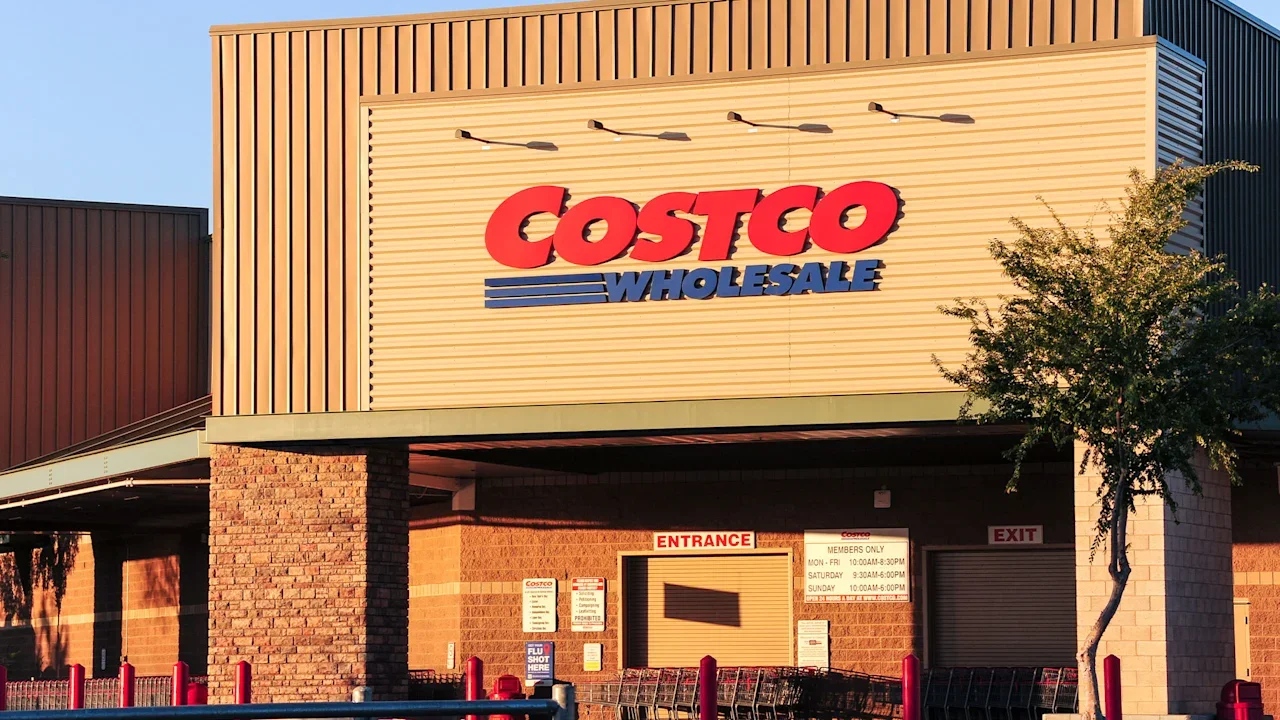
Costco has sued the U.S. government to ensure it will receive refunds if the Supreme Court rejects President Donald The President’s bid for sweeping authority to impose tariffs. In a complaint filed on Friday in the U.S. Court of International Trade in Manhattan, Costco said The President’s use of the International Emergency Economic Powers Act to impose tariffs left it uncertain whether businesses can recoup sums they should not have paid. The nation’s largest warehouse club operator said U.S. Customs and Border Protection denied its request for more time to make final calculations of tariffs owed, threatening its right to complete refunds even if the Supreme Court rules against The President. Customs and Border Protection had no immediate comment. Costco did not immediately respond to a request for comment. Based in Issaquah, Washington, Costco joined dozens of companies suing to safeguard potential refunds. It is also among the largest, with $275.2 billion of revenue in its fiscal year ending August 31. Other companies that have sued to preserve refunds include Bumble Bee Foods, Ray-Ban eyeglass maker EssilorLuxottica, Kawasaki Motors, Revlon, and Yokohama Tire, court records show. During oral arguments on November 5, Supreme Court justices from both sides of the political spectrum asked skeptical questions about whether The President legally used the 1977 emergency powers law to impose tariffs. The justices took the case on an accelerated basis, but have not said when they will rule. Costco has taken multiple steps to address tariffs, including by reducing the number of suppliers, and relying more on local sourcing and its in-house Kirkland brand. —Jonathan Stempel, Reuters View the full article
-
UK chancellor’s fiscal warnings backed by David Miles a day after economic watchdog’s chair resignsView the full article
-
To Trina Spear, cofounder and CEO of medical apparel brand Figs, change for the healthcare industry has to start with a focus on healthcare workers. “We believe if you serve the provider, they will be able to better serve the patient,” she says. “And that drives better outcomes. That drives a better healthcare system.” As part of that focus, Figs gave away hundreds of thousands of scrubs, organized healthcare worker retreats, and donated some $510,000 to healthcare nonprofits in 2024 alone. Now it’s expanding that work by launching its own nonprofit, the Awesome Humans Foundation, which will provide financial support, training, and resources to healthcare professionals. “Our mission is to serve those who serve others, so impact has always been ingrained into the center of the company,” Spear says. “The big vision that we’ve always had is, How do we make the experience of being a healthcare professional, no matter where you live around the world, the best it can possibly be?” How Figs has helped healthcare workers Figs has long called its customers (and generally every healthcare worker) “awesome humans.” And the company has done more than just sell those workers scrubs and lab coats. For instance, Figs launched a healthcare advisory board focused on policy solutions around pay, mental health, workplace safety, reduced administrative burdens, and more. The Santa Monica-based company wrote checks to healthcare professionals after the Los Angeles fires to help them get food, support local relief efforts, or get medical essentials for their hospitals. And it’s donated thousands every year—to nonprofits like the Dr. Lorna Breen Heroes’ Foundation, which focuses on mental well-being for healthcare workers, and the Student National Medical Association, which provides mentorship and training. With its own foundation, though, Figs hopes to have an even bigger impact. It also now has the ability to fundraise for that work. “We’re going to be able to donate multiples [of Figs’s annual charitable giving], because we’ll be basically crowdsourcing the world,” Spear says. “If you care like we care, we’re going to be able to do big things together.” The nonprofit’s focus The Awesome Humans Foundation will have four main focus areas. The first, dubbed “Rapid Relief for Awesome Humans,” will provide direct financial support to healthcare professionals (who live or study in the U.S. or its territories) who face any sort of monetary hardship. The way Figs supported L.A.-area healthcare workers after the wildfires would fit into that bucket, for example, but through a nonprofit instead of the company writing checks off its balance sheet. Next, the foundation will offer “Future Icons” grants of $10,000 to help cover tuition costs and fees for U.S. healthcare students. “Coming out [of school] with a ton of debt is super debilitating and very hard, and how can we relieve that burden?” Spear says. That burden may soon grow for some healthcare workers, too. The The President administration recently removed an array of healthcare titles—including nursing, physical therapy, and dental hygiene—from the Department of Education’s “professional” graduate degree program list, meaning those degrees now face stricter student loan limits. The nonprofit’s third pillar will be its “Ubuntu Grant,” which will fund other nonprofits—in the U.S. and internationally—that support healthcare workers. (Unbuntu is an African philosophy that has been translated as “I am because we are.”) Its fourth piece, called the Healthcare Is Human Award, will reward healthcare leadership and advocacy. For that, anyone can nominate a healthcare professional they see making an impact. (Nominations will be open July 1 to August 31, 2026.) Figs expects the Awesome Human Foundation to make its first grants shortly after its launch on Giving Tuesday, December 2. To the company, this nonprofit aims to fill a void it saw in the philanthropy space. “There was no organization that was really focused on all healthcare professionals that served all their needs,” Spear says. “So we had to build it ourselves.” View the full article

-
We may earn a commission from links on this page. Deal pricing and availability subject to change after time of publication. A children's smartwatch usually walks a fine line between being helpful for parents and entertaining enough for kids to actually keep on their wrist. The Fitbit Google Ace LTE leans fully into that balance, and this price drop to $99.95 from $179.95—its lowest ever, according to price trackers—makes it easier to consider. Fitbit Google Ace LTE - Kids Smartwatcn $99.95 at Amazon $179.95 Save $80.00 Get Deal Get Deal $99.95 at Amazon $179.95 Save $80.00 Fitbit has been in the “make healthy habits fun” business for years, and Google’s influence shows in how polished the Ace LTE feels. The watch uses animated creatures and simple games to nudge kids between seven and 11 toward movement. The catch—which is the whole point—is that you can’t sit and play uninterrupted. Every few minutes, the watch asks for a bit of movement, like hitting a step goal, before the game continues. For a lot of parents, that structure helps turn the watch into a tool that encourages activity rather than another screen to fight over. Where the device becomes more than just a toy is in the built-in LTE GPS tracking. The watch can send and receive calls and texts, and you can see your child’s location through the companion Fitbit Ace app, which you install on your phone. It works with both iOS and Android, and the parental controls cover the basics, including contact management. There are limits, though. The Ace LTE doesn’t support music apps or sleep tracking, and this PCMag review notes that there’s occasional sluggishness when swapping between features. Still, the hardware itself feels sturdy, and the screen is easy for kids to navigate. That said, the software is clearly built around the subscription model. And that subscription is the real consideration here. The watch requires a $9.99 monthly Ace Pass for GPS location tracking, LTE features, and access to the games—an ongoing cost you have to factor into the decision. Without the subscription, the watch becomes a basic step counter, and if it’s only doing that, you might as well get the older Fitbit Ace 3. Still, for families who want reliable location tracking and a structured way to encourage daily movement, the Ace LTE offers both in a kid-friendly package. Our Best Editor-Vetted Tech Deals Right Now Apple AirPods Pro 3 Noise Cancelling Heart Rate Wireless Earbuds — $219.99 (List Price $249.00) Apple iPad 11" 128GB A16 WiFi Tablet (Blue, 2025) — $353.00 (List Price $353.00) Amazon Fire HD 10 (2023) — $69.99 (List Price $139.99) Sony WH-1000XM5 — $248.00 (List Price $399.99) Blink Outdoor 4 1080p Wireless Security Camera (5-Pack) — $159.99 (List Price $399.99) Ring Floodlight Cam Wired Plus 1080p Security Camera (White) — $99.99 (List Price $179.99) Amazon Fire TV Stick 4K Plus — $24.99 (List Price $49.99) NEW Bose Quiet Comfort Ultra Wireless Noise Cancelling Headphones — (List Price $410.24) Shark AI Ultra Matrix Clean Mapping Voice Control Robot Vacuum with XL Self-Empty Base — $249.99 (List Price $599.00) Apple Watch Series 11 (GPS, 42mm, S/M Black Sport Band) — $329.00 (List Price $399.00) Deals are selected by our commerce team View the full article
-
Major SEO platforms, such as Ahrefs and Semrush, along with agencies like Seer Interactive and other leading companies, have released substantial studies that appear to offer definitive answers. But a closer look reveals something else entirely: nearly every possible narrative about AI search impact has a “study” to support it. The more I examined the data, the clearer a more uncomfortable truth became – no one has the definitive answer, and the numbers can be sliced to validate almost any storyline. The core consensus that isn’t really consensus At first glance, the major studies agree on fundamentals. Ahrefs reports that top-ranking organic results lose approximately 34-34.5% of clicks when AI Overviews appear. Their analysis of 300,000 keywords presents this as a clear, quantifiable impact. They reference research showing an almost 100% zero-click rate in Google’s AI Mode, suggesting that AI search poses a fundamental threat to website traffic. Yet Semrush, analyzing over 10 million keywords, found something different: a slight decrease in zero-click searches after AI Overviews were introduced. This directly contradicts the narrative of AI features inevitably increasing zero-click behavior. Instead of crisis, Semrush emphasizes opportunity, claiming that AI search visitors are 4.4 times more valuable than traditional organic visitors. Neither can be entirely right, yet both are presented with statistical authority. The conversion rate debate: 5 studies, 5 different answers The confusion becomes even more pronounced when examining how AI search traffic converts compared to traditional Google organic traffic. Here, the research becomes almost funny in its contradictions. Amsive’s research, analyzing hundreds of client websites, concluded that ChatGPT converts at a higher rate than Google. This “difference” finding suggests AI search educates users with top-of-the-funnel content before converting, and has higher commercial value. A study by Kaise and Schulze examining more than 973 ecommerce websites – covered by Search Engine Land – reached the opposite conclusion. ChatGPT converts worse than Google. For ecommerce businesses in particular, this research suggests AI search traffic is lower quality and less likely to generate revenue. Ahrefs examined its own conversion data and determined that ChatGPT converts better than Google. This aligns with their broader narrative that while AI search may reduce traffic volume, it increases traffic quality. Seer Interactive analyzed data from several client websites and also concluded that ChatGPT converts better than Google, supporting the “quality over quantity” interpretation. Peep Laja, founder of Wynter, reviewed his company’s conversion data and drew yet another conclusion: LLMs are sending “lazy, unqualified traffic” that converts poorly. His real-world business experience contradicts the optimistic interpretations from Ahrefs and Seer. So which is correct? Does AI search traffic convert the same as Google, better than Google, or worse than Google? The answer appears to be: all of the above, depending on which data you examine. Why every narrative has supporting evidence The existence of credible studies supporting contradictory conclusions reflects the complexity and variability of AI search impact. Several factors explain why research findings diverge so dramatically. Industry and business model matter enormously Seer Interactive’s finding that AI Overviews disproportionately impact non-branded traffic hints at this. An ecommerce site selling commodity products likely experiences AI search very differently from a B2B software company or a local service provider. Kaise and Schulze’s study, which focused on ecommerce websites, may capture a genuinely different reality than Ahrefs’ analysis of its own SaaS business or Seer’s client portfolio. Query intent creates massive variation A user asking ChatGPT, “What are the best running shoes for flat feet?” is in a very different mindset than someone typing that same query into Google. The former may be later in their research journey, explaining why some studies find AI traffic converts worse. Or they may be more deliberate, explaining why others find it converts better. Both could be true for different query types. Time period and AI changes skew results These studies were conducted across different months in 2025 as AI search features were rapidly evolving. Early adopters of AI search tools may represent a different demographic than mainstream users. A study from April captures a different user base and feature set than one from November. Sample size and selection bias distort conclusions Amsive’s 100 client websites, compared with the 900+ ecommerce sites examined in the Kaise and Schulze study, represent different data scales and industry mixes. Ahrefs, analyzing their own conversion data, introduces potential selection effects. Their audience skews toward SEO professionals who may behave differently from general consumers. Laja’s single-company experience with Wynter may reflect something unique about his business rather than a universal pattern. Measurement definitions aren’t standardised What constitutes a “conversion” varies across studies. Are we measuring email signups, purchases, qualified leads, or something else? How is traffic attributed when a user touches multiple channels? These definitional differences alone could explain contradictory findings. Get the newsletter search marketers rely on. See terms. The Great Decoupling vs. The Great Opportunity Ahrefs frames their findings as “The Great Decoupling.” Impressions increase through dual visibility in organic results and AI Overview citations, but total clicks decrease. This narrative emphasizes loss and disruption, positioning AI search as a zero-sum game where Google captures value previously distributed to websites. (It seems the great decoupling was caused by AI tools sending a huge amount of impressions that Search Console counted as Brodie Clark found.) Semrush presents essentially the same phenomenon through an opportunity perspective. Yes, click volume changes, but the visitors who do click through are more valuable. Their projection that AI search could surpass traditional organic by 2028 positions this as an inevitable evolution that forward-thinking marketers should embrace rather than resist. Both organizations are looking at similar data patterns but constructing entirely different narratives. Ahrefs emphasizes the 34% click reduction. Semrush emphasizes the 4.4 times value increase. Neither is lying, but they’re telling very different stories. The citation thing: Revolutionary or incremental? All three major research studies identify a shift from ranking to citation, being mentioned in AI-generated answers matters as much or more than traditional position. But here too, interpretations diverge. Ahrefs’ data showing that 76% of AI Overview citations come from Google’s top 10 organic results suggests this is largely an incremental evolution. If you’re already ranking well through traditional SEO, you’re likely to be cited more frequently. The existing system remains mostly intact. Yet Semrush notes that AI search tools frequently cite lower-ranking pages, suggesting a more revolutionary break from traditional ranking hierarchy. Seer Interactive’s finding that branded versus non-branded searches experience different impacts adds another layer. The citation economy may work fundamentally differently depending on query type. So is the citation phenomenon a minor adjustment to existing SEO practices or a wholesale transformation? Once again, there’s a study to support whichever narrative you prefer. The hidden variable: What each researcher wants to be true It’s worth noting that each organization conducting this research has business interests that may influence the framing, if not the methodology. Ahrefs sells SEO tools primarily focused on traditional search optimization. A narrative emphasizing disruption and complexity reinforces the need for sophisticated tools and expertise. Their research, highlighting click losses and the challenge of adapting to AI search, serves their business model. Semrush offers a comprehensive digital marketing platform, featuring AI-powered tools. A narrative emphasizing opportunity and evolution rather than crisis positions them as forward-thinking guides to the future. Their optimistic framing of AI visitor quality serves their strategic positioning. Seer Interactive, as an agency, benefits from complexity that requires expert guidance. Their nuanced findings about branded versus non-branded impact – and variation across client types – reinforce the value of customized strategic consulting over one-size-fits-all approaches. This doesn’t mean any organization is manipulating data, but it does mean that how data is framed, which findings are emphasized, and which storylines are constructed all reflect underlying business incentives. Researchers naturally gravitate toward interpretations that align with their worldview and business model. The segment-specific reality The most honest conclusion from examining all this contradictory research is that the impact of AI search is radically segment-specific. The right answer to “how does AI search affect traffic and conversions” is “it depends.” It depends on: Your industry. Your business model. Whether your traffic is branded or non-branded. Where your customers are in their buying journey. Your content type. Your specific audience demographics and behavior patterns. An ecommerce site selling commodity products through informational content may genuinely experience the nightmare scenario Ahrefs describes: a 34% click reduction with no compensating quality increase. A B2B software company with strong brand recognition might experience the opportunity Semrush describes: fewer but higher-quality visitors. A local service business might barely notice AI search impact at all if its customers primarily use branded searches. Laja’s experience with Wynter, that LLMs send lazy, unqualified traffic, may be completely accurate for his business, converting B2B prospects through detailed case studies. That doesn’t invalidate Ahrefs’ finding that their own AI traffic converts well, because they’re in different segments serving different audiences with different content. The methodological illusion of certainty Large sample sizes create an illusion of certainty that may be unwarranted. The Kaise and Schulze study, which examined more than 900 ecommerce websites, sounds comprehensive and definitive. But 900 ecommerce websites, while numerous, still represent a specific segment with shared characteristics. The findings may be perfectly accurate for ecommerce while being completely wrong for B2B services, publishing, or local businesses. Similarly, Ahrefs’ analysis of 300,000 keywords and Semrush’s examination of 10 million keywords provide impressive scale, but do not eliminate the possibility of systematic biases in: How keywords were studied. How effects were measured. What confounding variables went uncontrolled. The confidence with which these studies are presented, with specific percentages and definitive conclusions, may exceed what the data actually support. A more honest framing would acknowledge the uncertainty and variability, but that doesn’t make for compelling marketing or industry thought leadership. What this means for SEOs and marketers For SEO professionals, marketers, and website owners trying to understand what is happening, the contradictory research presents a challenge. You can’t simply trust “the data” because the data tells different stories depending on who’s analyzing it and what they’re measuring. The practical implication is that you must conduct your own analysis for your specific situation rather than relying on industry studies to tell you what’s happening. Track your traffic sources meticulously. Measure conversion rates by channel. Monitor both volume and quality metrics. Look specifically at how AI search traffic behaves for your business, rather than relying on an aggregated industry average. The studies provide hypotheses to test, not conclusions to accept. The answer will be specific to your segment, and the only way to know is through rigorous measurement of your own data. The narrative selection problem As more AI search studies emerge, a noticeable pattern has become apparent: the same phenomenon can be interpreted in vastly different ways. Depending on how the data is sliced – the segment studied, the time period analyzed, or the metrics emphasized – research can support a wide range of conclusions about traffic, quality, and overall impact. Each interpretation can appear data-driven and rigorous, yet the strategic takeaways often conflict. This creates an environment where confirmation bias can easily surface. Teams may naturally favor studies that align with their existing assumptions or strategic goals, while giving less weight to research that points in a different direction. The result is an industry conversation where many believe they are “following the data,” but the available data supports multiple narratives – and the one selected often reflects priorities and context rather than a single objective truth. The truth about uncertainty The SEO and digital marketing industries are built on the promise of data-driven decision-making. We measure, test, optimize, and prove ROI. The existence of massive, well-conducted studies reaching contradictory conclusions threatens this entire framework. It reveals that even with large datasets and sophisticated analysis, understanding complex, multivariate phenomena like AI search impact may be beyond our current capabilities. The systems are too complex, the variables too numerous, the segments too distinct, and the landscape too rapidly evolving for any single study to capture definitive truth. This doesn’t mean research is useless, far from it. The studies from Ahrefs, Semrush, Seer Interactive, and others provide valuable data points and frameworks for thinking about AI search impact. But they cannot provide the certainty and universal answers that marketers need and look for. Moving forward without consensus The path forward calls for a healthy level of methodological skepticism. When a study concludes that AI search reduces clicks, improves conversion, or shows little measurable impact, the most useful response is simply: “Interesting research. I wonder what factors shaped this result and whether it applies to my situation.” Instead of seeking the one true study that reveals the definitive impact of AI search, practitioners should: Acknowledge segment specificity: Your experience will vary based on industry, business model, content type, audience, and numerous other variables. Generic conclusions have limited value. Conduct rigorous self-measurement: Track AI search traffic sources, measure conversion by channel, monitor both volume and quality metrics, and let your specific data guide your strategy. Test multiple hypotheses: Rather than assuming Ahrefs or Semrush is right, test both possibilities. Optimize for AI citations while monitoring if traffic quality improves enough to offset volume declines. The answer may be different for different content types within your own site. Question narratives: When research perfectly aligns with the business interests of the organization conducting it, apply healthy skepticism. This doesn’t mean the data is wrong, but framing and emphasis matter enormously. Be comfortable with ambiguity The truth is uncomfortable: even with multiple large-scale studies from credible, industry-leading companies, we still don’t have clear answers about AI search’s impact. We have data points, hypotheses, segment-specific findings, and business-driven narratives – not definitive conclusions. The study that “settles it” doesn’t exist because the problem is too complex and too variable. Researchers can find evidence for almost any claim, depending on what they measure and how they frame it. That doesn’t mean research is useless or that all findings carry the same weight. It means context matters, variation across segments is normal, and intellectual humility beats false certainty built on selectively chosen studies. No matter the storyline – crisis or opportunity, disruption or evolution – you can always find a study to back it. The wiser path is to hold conclusions lightly, run your own tests, and stay adaptable as the industry keeps shifting. View the full article
-
OpenAI CEO Sam Altman has declared a "code red" to prioritize ChatGPT improvements, delaying advertising and AI agent initiatives as Google's Gemini gains ground. The post OpenAI Declares ‘Code Red’ To Improve ChatGPT Amid Google Competition appeared first on Search Engine Journal. View the full article
-
Social media users may love the “6-7” trend, but when it comes to their advice for baby boomers, a number of recent posts from TikTok financial influencers have users recommending that people start collecting their Social Security benefits early, at age “62.” However, this differs from what financial planners typically recommend, which is that people delay their Social Security claim as long as possible to get the maximum monthly benefit at age 70. Here’s what to know about the online debate. How does age affect Social Security payments? Before you do anything, it’s important to understand how Social Security works—and that you contact your financial advisor when making big decisions about your retirement. That said, how it works is that at full retirement age (FRA), you can claim 100% of your Social Security benefits, which are calculated based on your lifetime earnings. Historically, that age was 65, but it has been gradually increasing to age 67, due to changes in Social Security’s financial structure that Congress enacted in 1983, according to the American Association of Retired Persons (AARP), a nonprofit, nonpartisan organization for Americans 50 and older. So, if you begin benefits before your full retirement age, at say, 62, Social Security reduces your monthly payment by a fraction of a percent for each month you filed early. If you wait till age 70, you can receive your maximum monthly benefit, per the AARP. What are people saying on TikTok? Some financial influencers, or “finfluencers” on YouTube and TikTok have posted about the issue and recommended that people take the payout starting at 62, and invest that money monthly in the stock market—which is the opposite advice of most expert financial planners. According to the arguments on TikTok, from users such as the Medicare Family, doing this makes sense for some people, namely if you are sick (“and may not live to be 70”); or even “if you are going to live a long time, because you can invest it” in the stock market, which currently has high returns, or with a financial advisor. What do the experts say? Many financial advisors feel differently. “I generally do not recommend that people claim Social Security at 62 unless they seriously need the money or have a shortened life expectancy,” Social Security advisor Mary Beth Franklin tells Fast Company. “For people who are healthy enough and wealthy enough to wait up until age 70 to claim maximum benefits, there is a huge pay off—an extra 8% per year, delayed retirement credits for every year they postpone claiming beyond full retirement age (FRA) up to age 70—which can also maximize survivor benefits.” Audrey Guo, assistant professor of economics at Santa Clara University’s Leavey School of Business, adds that beyond the typical life expectancy concerns, the decision to claim Social Security early comes down to a person’s appetite for risk, as it’s essentially a savings vehicle. “While it’s true you may be able to earn a higher return by taking your monthly payment and investing it in the stock market, this only makes financial sense if you don’t have any other assets in relatively low-yield assets such as savings accounts or bonds,” Guo explains to Fast Company. “Otherwise, you would also want to liquidate and invest those assets into the stock market before claiming Social Security early.” “Realistically though, most folks probably don’t have (and shouldn’t have) the ability to stomach that much risk,” Guo adds. What should I make of all this? Above all, it’s important to remember that listening to financial advice from strangers on the internet is very risky, and it’s best to consult with a trusted financial advisor about your specific situation before making any big decisions about your finances or retirement. View the full article

-
When you hear the term “LLC business license,” it’s important to comprehend that it doesn’t refer to a specific license. Instead, it typically means the Articles of Organization filed with the Secretary of State to officially form your LLC. While you won’t need an LLC-specific license, you must obtain the necessary operating licenses and permits based on your business type and location. Grasping these requirements is essential for your success, especially regarding compliance and legal operations. Key Takeaways An “LLC license” is an unofficial term, primarily referring to the Articles of Organization filed to establish the LLC. No specific license is required solely for being an LLC; registration evidence suffices for business banking. A business license is essential for legal operation; it varies by jurisdiction and industry requirements. Additional permits, such as health or sales tax licenses, may be necessary depending on the business type and location. Non-compliance with necessary licensing can result in financial penalties or legal repercussions for the LLC. Understanding Limited Liability Companies (LLCs) When you consider starting a business, you might want to explore the structure of a Limited Liability Company, or LLC. An LLC in Oregon provides liability protection for its members, meaning your personal assets are typically safe from business debts and lawsuits. To form an LLC in Oregon, you’ll need to file the Articles of Organization with the Secretary of State and select a registered agent for legal documents. LLCs likewise offer tax benefits since profits are taxed only once on your personal income tax returns. They’re favored by small and medium-sized businesses because of their operational flexibility and fewer formalities. Clarifying the Concept of an LLC License Clarifying the concept of an LLC license helps to dispel common misconceptions about what it means to form a Limited Liability Company. The term “LLC license” is unofficial and typically refers to the necessary paperwork, primarily the Articles of Organization, needed to establish your LLC. Here are some key points to reflect upon: No separate LLC license is required for the business itself. You must file the Articles of Organization with the Secretary of State’s office. Evidence of LLC registration is often needed for business banking. Certain industries may require additional business licenses or permits. A DBA registration can be filed alongside your LLC, but it doesn’t provide liability protection. Understanding these aspects can clarify your business formation process. The Necessity of a Business License for LLCs To operate legally, your LLC needs to secure a business license specific to your local jurisdiction. This requirement guarantees compliance with local regulations, which can vary widely depending on your industry. Furthermore, certain sectors may require extra permits, like health permits or sales tax licenses, so it’s essential to understand the specific needs of your business. Legal Operation Requirement Comprehending the legal operation requirements for your Limited Liability Company (LLC) is crucial, as obtaining a business license is often a necessary step in this process. Most states mandate a general business license, including Oregon and California. Here’s what you need to know: A business license is a legal requirement for compliance. It helps you avoid financial or legal penalties. Forming an LLC doesn’t exempt you from needing a business license. Specific industries may require additional permits, like a business permit in Los Angeles. Always check local regulations, especially when starting an LLC in Oregon. Specific Industry Regulations When you’re starting an LLC, comprehending the specific industry regulations regarding business licenses is essential, especially since different sectors have unique requirements. For instance, if you’re in food service, healthcare, or finance, you’ll need a business license to comply with local, state, and federal laws. Industries that involve controlled items like alcohol or tobacco require additional permits beyond the standard business license. Furthermore, if you’re creating an LLC in Oregon or starting a business in Washington, you must research your industry’s licensing needs thoroughly. Failure to obtain the necessary licenses can result in penalties, fines, or even shutdowns. Always make sure you’re aware of your specific requirements, like the California business license application, to operate legally and smoothly. Steps to Form an LLC To form an LLC, you’ll want to start by choosing a unique business name and checking its availability with your state’s registry. After that, file the Articles of Organization with the Secretary of State to officially register your LLC. Don’t forget to obtain any necessary permits to guarantee your business meets all legal requirements. Choose Business Name Choosing a unique business name is one of the first and most significant steps in forming an LLC. Your name distinguishes your LLC from others, and it must be checked for availability with the state registry. Here are some crucial points to reflect on: Verify compliance with state naming rules, including “LLC” or “Limited Liability Company.” Conduct a trademark search to avoid legal issues. Avoid names that confuse consumers or imply ties with government agencies. Consider future branding and online presence. Include the chosen name in the Articles of Organization when filing. When you’re learning how to set up an LLC in Oregon or getting an LLC in Oregon, selecting the right name is fundamental to your business’s success. File Articles of Organization Filing the Articles of Organization is a fundamental step in establishing your LLC as a legal entity. This document, submitted to the Secretary of State‘s office, officially registers your business. Before filing, verify you’ve chosen a unique business name and checked its availability with the state registry. Furthermore, you must select a registered agent, as state law requires someone to receive legal documents on behalf of your LLC. Completing any supplementary documentation, like an operating agreement and obtaining an Employer Identification Number (EIN), is also significant for compliance. Obtain Necessary Permits Once you’ve established your LLC with the Articles of Organization, obtaining the necessary permits is a crucial next step. Depending on your business type and location, you’ll need various permits to operate legally. Start by researching the specific requirements in your state and local jurisdiction. Consider the following permits you may need: Business license: Typically required for all LLCs. Zoning permits: Confirm your business location complies with local zoning laws. Health permits: Necessary for businesses in the food and health sectors. Sales tax permit: Required if you’re selling goods or services. Occupational licenses: Specific to certain professions and industries. Choosing the Best States for Your LLC In the matter of forming an LLC, selecting the right state can greatly impact your business’s success and financial health. States like Delaware, Nevada, and Wyoming stand out for their business-friendly laws, low fees, and absence of state income tax for LLCs. Delaware’s well-established legal framework and specialized court system streamline business disputes, making it a reliable choice. Meanwhile, Nevada offers strong privacy protections, allowing you to remain anonymous, coupled with no corporate income tax. Wyoming attracts entrepreneurs with low formation fees and lifetime proxy protections. Nonetheless, it’s vital to evaluate each state’s specific business regulations, tax implications, and operational requirements, as these factors can greatly influence your LLC’s long-term viability and prosperity. Businesses Requiring Additional Licenses Choosing the right state for your LLC is just one step in the business formation process; comprehending the licenses required for your specific industry is equally important. Depending on your business type, you may need additional permits or licenses to operate legally. Here are some examples: Restaurants require health permits for compliance with health regulations. Professional services like legal or medical consulting need specific state licenses. Businesses selling controlled substances, such as alcohol or tobacco, must obtain relevant permits. Industries such as construction and transportation often face stricter regulations and require specialized licenses. Retailers engaging in sales usually need a seller’s permit to collect sales tax. Understanding these requirements helps you maintain compliance and avoid legal issues. How Bench Can Assist With Your LLC Needs When you’re setting up your LLC, steering through the intricacies of business formation and compliance can be intimidating. Bench offers professional bookkeeping services particularly designed for LLCs, helping you manage your financial records accurately and efficiently. They provide a free business entity guide, detailing the pros and cons of forming an LLC, which can be invaluable in your decision-making process. Their team of experts is ready to help you navigate the challenges of LLC formation, ensuring you meet state requirements and regulations. Furthermore, you can access resources like “The Complete Guide to LLC Taxes” to understand your tax obligations and deadlines. Key Differences Between an LLC and a Business License Comprehending the distinctions between an LLC and a business license is key to steering your entrepreneurial expedition. An LLC, or Limited Liability Company, is a legal structure that protects owners from personal liability. Conversely, a business license is a permit that allows you to operate within specific jurisdictions. Here are some key differences: Formation: An LLC requires filing Articles of Organization, whereas a business license needs an application. Purpose: An LLC provides liability protection, and a business license authorizes specific activities. Operational Needs: LLCs don’t need a separate license, but some businesses may require additional permits. Flexibility: LLCs offer financial and operational flexibility. Compliance: Both structures require adherence to regulations to avoid penalties. Ensuring Compliance With Local Regulations Guaranteeing compliance with local regulations is vital for the success of your business, especially since operating without the necessary licenses can lead to significant legal and financial repercussions. A business license is a mandatory requirement that allows you to legally operate within your jurisdiction. Meanwhile, your LLC provides liability protection; it doesn’t replace the need for this license, which can vary based on local, state, and federal laws. Furthermore, many jurisdictions require specific permits, such as building or health and safety permits, to meet safety and operational standards. To avoid legal penalties and guarantee smooth operations, it’s important to research and understand the licensing requirements from local and state government offices before launching your business. Frequently Asked Questions What Does an LLC Actually Do? An LLC, or Limited Liability Company, provides personal liability protection for your business. It shields your personal assets from debts and legal issues tied to the business. Conclusion In conclusion, as there’s no specific LLC business license, forming an LLC involves filing Articles of Organization and obtaining necessary operating licenses. Each jurisdiction has its own requirements, so it’s crucial to research local regulations. Moreover, certain industries may demand additional permits. By comprehending these components, you can guarantee your LLC complies with all legal obligations, helping you operate smoothly. If you need assistance managing this process, consider seeking help from professionals experienced in LLC formation. Image via Google Gemini This article, "What Is an LLC Business License?" was first published on Small Business Trends View the full article
-
When you hear the term “LLC business license,” it’s important to comprehend that it doesn’t refer to a specific license. Instead, it typically means the Articles of Organization filed with the Secretary of State to officially form your LLC. While you won’t need an LLC-specific license, you must obtain the necessary operating licenses and permits based on your business type and location. Grasping these requirements is essential for your success, especially regarding compliance and legal operations. Key Takeaways An “LLC license” is an unofficial term, primarily referring to the Articles of Organization filed to establish the LLC. No specific license is required solely for being an LLC; registration evidence suffices for business banking. A business license is essential for legal operation; it varies by jurisdiction and industry requirements. Additional permits, such as health or sales tax licenses, may be necessary depending on the business type and location. Non-compliance with necessary licensing can result in financial penalties or legal repercussions for the LLC. Understanding Limited Liability Companies (LLCs) When you consider starting a business, you might want to explore the structure of a Limited Liability Company, or LLC. An LLC in Oregon provides liability protection for its members, meaning your personal assets are typically safe from business debts and lawsuits. To form an LLC in Oregon, you’ll need to file the Articles of Organization with the Secretary of State and select a registered agent for legal documents. LLCs likewise offer tax benefits since profits are taxed only once on your personal income tax returns. They’re favored by small and medium-sized businesses because of their operational flexibility and fewer formalities. Clarifying the Concept of an LLC License Clarifying the concept of an LLC license helps to dispel common misconceptions about what it means to form a Limited Liability Company. The term “LLC license” is unofficial and typically refers to the necessary paperwork, primarily the Articles of Organization, needed to establish your LLC. Here are some key points to reflect upon: No separate LLC license is required for the business itself. You must file the Articles of Organization with the Secretary of State’s office. Evidence of LLC registration is often needed for business banking. Certain industries may require additional business licenses or permits. A DBA registration can be filed alongside your LLC, but it doesn’t provide liability protection. Understanding these aspects can clarify your business formation process. The Necessity of a Business License for LLCs To operate legally, your LLC needs to secure a business license specific to your local jurisdiction. This requirement guarantees compliance with local regulations, which can vary widely depending on your industry. Furthermore, certain sectors may require extra permits, like health permits or sales tax licenses, so it’s essential to understand the specific needs of your business. Legal Operation Requirement Comprehending the legal operation requirements for your Limited Liability Company (LLC) is crucial, as obtaining a business license is often a necessary step in this process. Most states mandate a general business license, including Oregon and California. Here’s what you need to know: A business license is a legal requirement for compliance. It helps you avoid financial or legal penalties. Forming an LLC doesn’t exempt you from needing a business license. Specific industries may require additional permits, like a business permit in Los Angeles. Always check local regulations, especially when starting an LLC in Oregon. Specific Industry Regulations When you’re starting an LLC, comprehending the specific industry regulations regarding business licenses is essential, especially since different sectors have unique requirements. For instance, if you’re in food service, healthcare, or finance, you’ll need a business license to comply with local, state, and federal laws. Industries that involve controlled items like alcohol or tobacco require additional permits beyond the standard business license. Furthermore, if you’re creating an LLC in Oregon or starting a business in Washington, you must research your industry’s licensing needs thoroughly. Failure to obtain the necessary licenses can result in penalties, fines, or even shutdowns. Always make sure you’re aware of your specific requirements, like the California business license application, to operate legally and smoothly. Steps to Form an LLC To form an LLC, you’ll want to start by choosing a unique business name and checking its availability with your state’s registry. After that, file the Articles of Organization with the Secretary of State to officially register your LLC. Don’t forget to obtain any necessary permits to guarantee your business meets all legal requirements. Choose Business Name Choosing a unique business name is one of the first and most significant steps in forming an LLC. Your name distinguishes your LLC from others, and it must be checked for availability with the state registry. Here are some crucial points to reflect on: Verify compliance with state naming rules, including “LLC” or “Limited Liability Company.” Conduct a trademark search to avoid legal issues. Avoid names that confuse consumers or imply ties with government agencies. Consider future branding and online presence. Include the chosen name in the Articles of Organization when filing. When you’re learning how to set up an LLC in Oregon or getting an LLC in Oregon, selecting the right name is fundamental to your business’s success. File Articles of Organization Filing the Articles of Organization is a fundamental step in establishing your LLC as a legal entity. This document, submitted to the Secretary of State‘s office, officially registers your business. Before filing, verify you’ve chosen a unique business name and checked its availability with the state registry. Furthermore, you must select a registered agent, as state law requires someone to receive legal documents on behalf of your LLC. Completing any supplementary documentation, like an operating agreement and obtaining an Employer Identification Number (EIN), is also significant for compliance. Obtain Necessary Permits Once you’ve established your LLC with the Articles of Organization, obtaining the necessary permits is a crucial next step. Depending on your business type and location, you’ll need various permits to operate legally. Start by researching the specific requirements in your state and local jurisdiction. Consider the following permits you may need: Business license: Typically required for all LLCs. Zoning permits: Confirm your business location complies with local zoning laws. Health permits: Necessary for businesses in the food and health sectors. Sales tax permit: Required if you’re selling goods or services. Occupational licenses: Specific to certain professions and industries. Choosing the Best States for Your LLC In the matter of forming an LLC, selecting the right state can greatly impact your business’s success and financial health. States like Delaware, Nevada, and Wyoming stand out for their business-friendly laws, low fees, and absence of state income tax for LLCs. Delaware’s well-established legal framework and specialized court system streamline business disputes, making it a reliable choice. Meanwhile, Nevada offers strong privacy protections, allowing you to remain anonymous, coupled with no corporate income tax. Wyoming attracts entrepreneurs with low formation fees and lifetime proxy protections. Nonetheless, it’s vital to evaluate each state’s specific business regulations, tax implications, and operational requirements, as these factors can greatly influence your LLC’s long-term viability and prosperity. Businesses Requiring Additional Licenses Choosing the right state for your LLC is just one step in the business formation process; comprehending the licenses required for your specific industry is equally important. Depending on your business type, you may need additional permits or licenses to operate legally. Here are some examples: Restaurants require health permits for compliance with health regulations. Professional services like legal or medical consulting need specific state licenses. Businesses selling controlled substances, such as alcohol or tobacco, must obtain relevant permits. Industries such as construction and transportation often face stricter regulations and require specialized licenses. Retailers engaging in sales usually need a seller’s permit to collect sales tax. Understanding these requirements helps you maintain compliance and avoid legal issues. How Bench Can Assist With Your LLC Needs When you’re setting up your LLC, steering through the intricacies of business formation and compliance can be intimidating. Bench offers professional bookkeeping services particularly designed for LLCs, helping you manage your financial records accurately and efficiently. They provide a free business entity guide, detailing the pros and cons of forming an LLC, which can be invaluable in your decision-making process. Their team of experts is ready to help you navigate the challenges of LLC formation, ensuring you meet state requirements and regulations. Furthermore, you can access resources like “The Complete Guide to LLC Taxes” to understand your tax obligations and deadlines. Key Differences Between an LLC and a Business License Comprehending the distinctions between an LLC and a business license is key to steering your entrepreneurial expedition. An LLC, or Limited Liability Company, is a legal structure that protects owners from personal liability. Conversely, a business license is a permit that allows you to operate within specific jurisdictions. Here are some key differences: Formation: An LLC requires filing Articles of Organization, whereas a business license needs an application. Purpose: An LLC provides liability protection, and a business license authorizes specific activities. Operational Needs: LLCs don’t need a separate license, but some businesses may require additional permits. Flexibility: LLCs offer financial and operational flexibility. Compliance: Both structures require adherence to regulations to avoid penalties. Ensuring Compliance With Local Regulations Guaranteeing compliance with local regulations is vital for the success of your business, especially since operating without the necessary licenses can lead to significant legal and financial repercussions. A business license is a mandatory requirement that allows you to legally operate within your jurisdiction. Meanwhile, your LLC provides liability protection; it doesn’t replace the need for this license, which can vary based on local, state, and federal laws. Furthermore, many jurisdictions require specific permits, such as building or health and safety permits, to meet safety and operational standards. To avoid legal penalties and guarantee smooth operations, it’s important to research and understand the licensing requirements from local and state government offices before launching your business. Frequently Asked Questions What Does an LLC Actually Do? An LLC, or Limited Liability Company, provides personal liability protection for your business. It shields your personal assets from debts and legal issues tied to the business. Conclusion In conclusion, as there’s no specific LLC business license, forming an LLC involves filing Articles of Organization and obtaining necessary operating licenses. Each jurisdiction has its own requirements, so it’s crucial to research local regulations. Moreover, certain industries may demand additional permits. By comprehending these components, you can guarantee your LLC complies with all legal obligations, helping you operate smoothly. If you need assistance managing this process, consider seeking help from professionals experienced in LLC formation. Image via Google Gemini This article, "What Is an LLC Business License?" was first published on Small Business Trends View the full article
-
Learn the differences between XML and HTML sitemaps, their impact on crawlability, and when each makes sense for your site’s structure. The post Ask an SEO: Is An XML Or HTML Sitemap Better For SEO? appeared first on Search Engine Journal. View the full article
-
We may earn a commission from links on this page. Deal pricing and availability subject to change after time of publication. A wired floodlight camera isn’t something most people buy on impulse, but the Eufy E340 makes a good case for acting while the price is right. It’s now down to $139.99 from $219.99, which is its lowest price ever, according to price trackers. Eufy E340 Wired Floodlight Camera $139.99 at Amazon $219.99 Save $80.00 Get Deal Get Deal $139.99 at Amazon $219.99 Save $80.00 The draw here is the extensive coverage the dual-camera setup provides. One lens gives you a wide 130-degree 3K view of your yard, while the other zooms in far enough to pick up small details you’d usually miss, like a package label or a license plate. Both sit on a motorized mount that pans 360 degrees and tilts 120 degrees, so you can follow activity across your property without repositioning the fixture. As PCMag noted in its “outstanding” review, the E340 functions more like a compact surveillance system than a standard floodlight cam. The LEDs emit 2,000 lumens at a neutral 4,000K tone, providing sufficient lighting to light up a yard but not harsh enough to wash out details. The IP65 housing sits comfortably outdoors, and the setup holds its connection well with dual-band wifi. Night vision is clean, and the color feed looks better when the lights kick on. Storage is flexible, though not plug-and-play. You get a microSD slot that supports cards up to 128GB, but you’ll need to bring your own microSD card since none is included. That size covers days of continuous recording or far longer if you stick to motion-triggered clips. If you want more space, Eufy’s HomeBase S380 expands recording to 16TB, or you can skip hardware entirely and add a cloud service for as little as $3.99 per month. The app makes day-to-day use manageable with controls for panning, tilting, zooming, saved presets, and simple toggles for lights, two-way audio, or the 100dB siren. That said, while the E340 works with Alexa and Google Assistant, it does not support Apple HomeKit or IFTTT, so anyone tied into those platforms may feel boxed out. The wired installation also means you either need to be comfortable with electrical work or pay someone who is. But once installed, the performance holds steady. Our reviewer says the E340 is worth the money. At this price, anyone interested in combining bright outdoor lighting with reliable surveillance will likely feel the same. Our Best Editor-Vetted Tech Deals Right Now Apple AirPods Pro 3 Noise Cancelling Heart Rate Wireless Earbuds — $219.99 (List Price $249.00) Apple iPad 11" 128GB A16 WiFi Tablet (Blue, 2025) — $353.00 (List Price $353.00) Amazon Fire HD 10 (2023) — $69.99 (List Price $139.99) Sony WH-1000XM5 — $248.00 (List Price $399.99) Blink Outdoor 4 1080p Wireless Security Camera (5-Pack) — $159.99 (List Price $399.99) Ring Floodlight Cam Wired Plus 1080p Security Camera (White) — $99.99 (List Price $179.99) Amazon Fire TV Stick 4K Plus — $24.99 (List Price $49.99) NEW Bose Quiet Comfort Ultra Wireless Noise Cancelling Headphones — (List Price $410.24) Shark AI Ultra Matrix Clean Mapping Voice Control Robot Vacuum with XL Self-Empty Base — $249.99 (List Price $599.00) Apple Watch Series 11 (GPS, 42mm, S/M Black Sport Band) — $329.00 (List Price $399.00) Deals are selected by our commerce team View the full article
-
Engaging in team bonding games can greatly improve collaboration and refine workplace culture. Activities like “Two Truths and a Lie” encourage personal storytelling, whereas “Back-to-Back Drawing” focuses on communication skills through verbal descriptions. To further elevate team dynamics, consider challenges such as “Desert Island Necessities” and “Scavenger Hunt.” Each game serves a unique purpose and can lead to increased morale and teamwork. Explore these options to find the best fit for your team’s needs. Key Takeaways Two Truths and a Lie fosters interaction and personal storytelling, enhancing communication and trust among team members in just 5-10 minutes. Back-to-Back Drawing improves communication skills as participants visually interpret verbal descriptions, nurturing collaboration and rapport in 10-15 minutes. Desert Island Essentials promotes teamwork and critical thinking through discussions about survival priorities, lasting 15-20 minutes for small to medium groups. Team Jenga encourages strategic teamwork, communication, and discussion through a fun, interactive game adaptable for various group sizes. Scavenger Hunt enhances collaboration and problem-solving as teams strategize and communicate effectively, creating a competitive and engaging atmosphere. Two Truths and a Lie “Two Truths and a Lie” serves as an engaging icebreaker game that encourages team interaction and personal storytelling. In this activity, each participant shares three statements about themselves—two true and one false. This game typically lasts 5-10 minutes and is adaptable for groups of any size, making it ideal for both small teams and larger gatherings. It’s a fantastic choice among team bonding games for work, as it nurtures interpersonal relationships by revealing unique facts about each member. Moreover, it promotes critical thinking, as participants must listen actively and deduce which statement is the lie. Incorporating “Two Truths and a Lie” into training games for employees can improve communication and trust, setting a positive tone for collaboration. Back-to-Back Drawing Back-to-Back Drawing is an effective team-building exercise intended to improve communication skills among participants. In this activity, two team members sit back-to-back; one describes an image as the other attempts to draw it based solely on the verbal description. This promotes active listening and clarity, as participants must articulate their thoughts without visual aids. Typically lasting around 10-15 minutes, it’s an ideal option among work games to play on teams during meetings or workshops. By encouraging collaboration, Back-to-Back Drawing helps develop trust and rapport, crucial components of effective teamwork. Incorporating this exercise into your team building presentation can break down communication barriers, leading to improved dynamics and a more positive work environment. Desert Island Essentials Have you ever wondered what vital items you’d take if you found yourself stranded on a deserted island? The “Desert Island Necessities” game invites you to critically evaluate your priorities and values. Typically involving small to medium-sized groups, this activity lasts about 15-20 minutes and encourages meaningful discussions. Here are four key items you might consider bringing: A multi-tool for various tasks A water purification system to guarantee hydration A durable tarp for shelter A fire starter for warmth and cooking As participants share their selections, they promote open dialogue and better understand each other’s perspectives. This game improves teamwork and problem-solving skills, making it an effective icebreaker for both new and established teams. Team Jenga Team Jenga offers a collaborative twist on the classic game, where players must strategically work together to remove blocks from a stacked tower without causing it to collapse. This game promotes teamwork and communication skills, as each participant contributes to the stability of the tower. You can customize the blocks with questions or challenges, encouraging discussions among team members. Block Number Challenge/Question 1 Share your biggest goal 2 Describe a fun memory at work 3 What’s one skill you wish to learn? Team Jenga accommodates various group sizes, nurturing inclusivity and enhancing team bonding experiences. Adding timed rounds or competitive elements boosts excitement and team morale. Scavenger Hunt A scavenger hunt serves as an engaging team bonding activity that encourages collaboration and problem-solving among participants. You can easily tailor it to fit your team’s specific interests or themes, making it versatile for both indoor and outdoor settings. During the hunt, team members must communicate effectively, strategize, and delegate tasks to complete the hunt successfully. Incorporating challenges or puzzles not merely improves critical thinking skills but also promotes a fun, competitive atmosphere. Boosts communication and teamwork Encourages strategic thinking Improves problem-solving abilities Promotes a sense of achievement and camaraderie Ultimately, scavenger hunts can greatly improve team dynamics and morale, making them a valuable addition to any team-building agenda. Human Bingo Human Bingo offers a dynamic way for colleagues to connect and learn about one another in a relaxed setting. This fun icebreaker game encourages team members to mingle and find individuals who match specific traits, experiences, or interests listed on a bingo card. Each participant asks questions and shares personal stories, promoting conversation and interaction. Typically, Human Bingo can accommodate large groups, making it ideal for team-building events or social gatherings, and usually takes about 15-20 minutes to complete. By encouraging communication, it helps break down barriers among team members, enhancing overall team dynamics and cohesion. In the end, Human Bingo creates an engaging atmosphere where employees feel more connected and comfortable collaborating with one another. Would You Rather? Have you ever wondered how a simple question can spark meaningful conversations among colleagues? “Would You Rather?” is an engaging icebreaker game designed to prompt participants to make choices between two scenarios, encouraging lighthearted discussion and revealing personal preferences. This game accommodates teams of various sizes and typically lasts 10-15 minutes. It builds connections by encouraging team members to share their reasoning behind their choices, thereby improving communication. Research shows that activities like “Would You Rather?” can elevate team morale and engagement, making everyone feel more valued. Plus, it’s easy to adapt for virtual settings, utilizing video conferencing tools to maintain team bonding in spite of physical distance. Flexible for small or large groups Encourages sharing of personal insights Improves team communication Boosts morale and engagement Frequently Asked Questions What Games Promote Collaboration? Games that promote collaboration include activities like the Marshmallow Challenge, where you build a structure with limited materials, enhancing problem-solving skills. The Human Knot encourages communication as you untangle yourselves without breaking hands, nurturing trust. Another example is Lost on a Desert Island, which involves discussing shared values for decision-making. Furthermore, Gutterball requires strategizing to move a ball through obstacles, promoting teamwork, as well as scenario-based challenges improve communication in a supportive environment. What Are Good Team Bonding Games? Good team bonding games include activities like the Marshmallow Challenge, where you and your teammates build the tallest structure with limited materials, enhancing creativity and problem-solving skills. “Two Truths and a Lie” helps you share personal facts, nurturing connections. The “Human Knot” promotes teamwork as you all work together to untangle yourselves. For a competitive edge, consider “Office Trivia,” which boosts morale and reinforces team knowledge through engaging questions about your workplace. How Can You Increase Collaboration Within Your Team? To increase collaboration within your team, focus on enhancing communication and trust. Encourage regular meetings where team members share updates and concerns, promoting open dialogue. Implement creative problem-solving sessions to stimulate innovative thinking, allowing everyone to contribute ideas. Introduce trust-building activities, such as sharing personal experiences or working on joint projects, to strengthen relationships. Finally, make certain that feedback mechanisms are in place, enabling continuous improvement and better collaboration among team members. What Games Can You Play Over Teams at Work? You can play several games over teams at work to improve engagement and collaboration. Virtual Escape Rooms challenge you to solve puzzles within a time limit, nurturing teamwork. Online Trivia Games enhance communication by encouraging discussion. Collaborative Drawing on shared whiteboards sparks creativity, as well as Virtual Scavenger Hunts require strategic planning to find items. Furthermore, Online Charades promotes a lighthearted atmosphere, allowing for expression and connection. Each game offers unique benefits for team dynamics. Conclusion Incorporating engaging team bonding games into your workplace can greatly improve collaboration and enhance team dynamics. Activities like “Two Truths and a Lie” and “Desert Island Fundamentals” encourage communication and strategic thinking, whereas games such as “Team Jenga” and “Scavenger Hunt” add an enjoyable element to teamwork. By regularly participating in these activities, you can promote stronger relationships among team members, ultimately resulting in a more productive and positive work environment. Consider integrating these games into your next team meeting for effective results. Image via Google Gemini This article, "7 Engaging Team Bonding Games for Work to Boost Collaboration" was first published on Small Business Trends View the full article
-
Engaging in team bonding games can greatly improve collaboration and refine workplace culture. Activities like “Two Truths and a Lie” encourage personal storytelling, whereas “Back-to-Back Drawing” focuses on communication skills through verbal descriptions. To further elevate team dynamics, consider challenges such as “Desert Island Necessities” and “Scavenger Hunt.” Each game serves a unique purpose and can lead to increased morale and teamwork. Explore these options to find the best fit for your team’s needs. Key Takeaways Two Truths and a Lie fosters interaction and personal storytelling, enhancing communication and trust among team members in just 5-10 minutes. Back-to-Back Drawing improves communication skills as participants visually interpret verbal descriptions, nurturing collaboration and rapport in 10-15 minutes. Desert Island Essentials promotes teamwork and critical thinking through discussions about survival priorities, lasting 15-20 minutes for small to medium groups. Team Jenga encourages strategic teamwork, communication, and discussion through a fun, interactive game adaptable for various group sizes. Scavenger Hunt enhances collaboration and problem-solving as teams strategize and communicate effectively, creating a competitive and engaging atmosphere. Two Truths and a Lie “Two Truths and a Lie” serves as an engaging icebreaker game that encourages team interaction and personal storytelling. In this activity, each participant shares three statements about themselves—two true and one false. This game typically lasts 5-10 minutes and is adaptable for groups of any size, making it ideal for both small teams and larger gatherings. It’s a fantastic choice among team bonding games for work, as it nurtures interpersonal relationships by revealing unique facts about each member. Moreover, it promotes critical thinking, as participants must listen actively and deduce which statement is the lie. Incorporating “Two Truths and a Lie” into training games for employees can improve communication and trust, setting a positive tone for collaboration. Back-to-Back Drawing Back-to-Back Drawing is an effective team-building exercise intended to improve communication skills among participants. In this activity, two team members sit back-to-back; one describes an image as the other attempts to draw it based solely on the verbal description. This promotes active listening and clarity, as participants must articulate their thoughts without visual aids. Typically lasting around 10-15 minutes, it’s an ideal option among work games to play on teams during meetings or workshops. By encouraging collaboration, Back-to-Back Drawing helps develop trust and rapport, crucial components of effective teamwork. Incorporating this exercise into your team building presentation can break down communication barriers, leading to improved dynamics and a more positive work environment. Desert Island Essentials Have you ever wondered what vital items you’d take if you found yourself stranded on a deserted island? The “Desert Island Necessities” game invites you to critically evaluate your priorities and values. Typically involving small to medium-sized groups, this activity lasts about 15-20 minutes and encourages meaningful discussions. Here are four key items you might consider bringing: A multi-tool for various tasks A water purification system to guarantee hydration A durable tarp for shelter A fire starter for warmth and cooking As participants share their selections, they promote open dialogue and better understand each other’s perspectives. This game improves teamwork and problem-solving skills, making it an effective icebreaker for both new and established teams. Team Jenga Team Jenga offers a collaborative twist on the classic game, where players must strategically work together to remove blocks from a stacked tower without causing it to collapse. This game promotes teamwork and communication skills, as each participant contributes to the stability of the tower. You can customize the blocks with questions or challenges, encouraging discussions among team members. Block Number Challenge/Question 1 Share your biggest goal 2 Describe a fun memory at work 3 What’s one skill you wish to learn? Team Jenga accommodates various group sizes, nurturing inclusivity and enhancing team bonding experiences. Adding timed rounds or competitive elements boosts excitement and team morale. Scavenger Hunt A scavenger hunt serves as an engaging team bonding activity that encourages collaboration and problem-solving among participants. You can easily tailor it to fit your team’s specific interests or themes, making it versatile for both indoor and outdoor settings. During the hunt, team members must communicate effectively, strategize, and delegate tasks to complete the hunt successfully. Incorporating challenges or puzzles not merely improves critical thinking skills but also promotes a fun, competitive atmosphere. Boosts communication and teamwork Encourages strategic thinking Improves problem-solving abilities Promotes a sense of achievement and camaraderie Ultimately, scavenger hunts can greatly improve team dynamics and morale, making them a valuable addition to any team-building agenda. Human Bingo Human Bingo offers a dynamic way for colleagues to connect and learn about one another in a relaxed setting. This fun icebreaker game encourages team members to mingle and find individuals who match specific traits, experiences, or interests listed on a bingo card. Each participant asks questions and shares personal stories, promoting conversation and interaction. Typically, Human Bingo can accommodate large groups, making it ideal for team-building events or social gatherings, and usually takes about 15-20 minutes to complete. By encouraging communication, it helps break down barriers among team members, enhancing overall team dynamics and cohesion. In the end, Human Bingo creates an engaging atmosphere where employees feel more connected and comfortable collaborating with one another. Would You Rather? Have you ever wondered how a simple question can spark meaningful conversations among colleagues? “Would You Rather?” is an engaging icebreaker game designed to prompt participants to make choices between two scenarios, encouraging lighthearted discussion and revealing personal preferences. This game accommodates teams of various sizes and typically lasts 10-15 minutes. It builds connections by encouraging team members to share their reasoning behind their choices, thereby improving communication. Research shows that activities like “Would You Rather?” can elevate team morale and engagement, making everyone feel more valued. Plus, it’s easy to adapt for virtual settings, utilizing video conferencing tools to maintain team bonding in spite of physical distance. Flexible for small or large groups Encourages sharing of personal insights Improves team communication Boosts morale and engagement Frequently Asked Questions What Games Promote Collaboration? Games that promote collaboration include activities like the Marshmallow Challenge, where you build a structure with limited materials, enhancing problem-solving skills. The Human Knot encourages communication as you untangle yourselves without breaking hands, nurturing trust. Another example is Lost on a Desert Island, which involves discussing shared values for decision-making. Furthermore, Gutterball requires strategizing to move a ball through obstacles, promoting teamwork, as well as scenario-based challenges improve communication in a supportive environment. What Are Good Team Bonding Games? Good team bonding games include activities like the Marshmallow Challenge, where you and your teammates build the tallest structure with limited materials, enhancing creativity and problem-solving skills. “Two Truths and a Lie” helps you share personal facts, nurturing connections. The “Human Knot” promotes teamwork as you all work together to untangle yourselves. For a competitive edge, consider “Office Trivia,” which boosts morale and reinforces team knowledge through engaging questions about your workplace. How Can You Increase Collaboration Within Your Team? To increase collaboration within your team, focus on enhancing communication and trust. Encourage regular meetings where team members share updates and concerns, promoting open dialogue. Implement creative problem-solving sessions to stimulate innovative thinking, allowing everyone to contribute ideas. Introduce trust-building activities, such as sharing personal experiences or working on joint projects, to strengthen relationships. Finally, make certain that feedback mechanisms are in place, enabling continuous improvement and better collaboration among team members. What Games Can You Play Over Teams at Work? You can play several games over teams at work to improve engagement and collaboration. Virtual Escape Rooms challenge you to solve puzzles within a time limit, nurturing teamwork. Online Trivia Games enhance communication by encouraging discussion. Collaborative Drawing on shared whiteboards sparks creativity, as well as Virtual Scavenger Hunts require strategic planning to find items. Furthermore, Online Charades promotes a lighthearted atmosphere, allowing for expression and connection. Each game offers unique benefits for team dynamics. Conclusion Incorporating engaging team bonding games into your workplace can greatly improve collaboration and enhance team dynamics. Activities like “Two Truths and a Lie” and “Desert Island Fundamentals” encourage communication and strategic thinking, whereas games such as “Team Jenga” and “Scavenger Hunt” add an enjoyable element to teamwork. By regularly participating in these activities, you can promote stronger relationships among team members, ultimately resulting in a more productive and positive work environment. Consider integrating these games into your next team meeting for effective results. Image via Google Gemini This article, "7 Engaging Team Bonding Games for Work to Boost Collaboration" was first published on Small Business Trends View the full article
-
CS Venkatakrishnan tells FT summit that fintech rival does not have to meet ‘obligations’ imposed on traditional lenders View the full article
-
Air travelers in the U.S. without a REAL ID will be charged a $45 fee beginning in February, the Transportation Security Administration announced Monday. The updated ID has been required since May, but passengers without it have so far been allowed to clear security with additional screening and a warning. The Department of Homeland Security says 94% of passengers are already compliant and that the new fee is intended to encourage travelers to obtain the ID. REAL ID is a federally compliant state-issued license or identification card that meets enhanced requirements mandated in the aftermath of the Sept. 11, 2001, terrorist attacks. Obtaining the ID — indicated by a white star in a yellow circle in most states — means taking more documents to the motor vehicle agency than most states require for regular IDs. It was supposed to be rolled out in 2008 but the implementation had been repeatedly delayed. Beginning Feb. 1, travelers 18 and older flying domestically without a REAL ID and who don’t have another accepted form of ID on them, such as a passport, will pay the non-refundable fee to verify their identity through TSA’s alternative “Confirm.ID” system. TSA officials said that paying the fee does not guarantee verification, and travelers whose identities cannot be verified may be turned away. If approved, however, the verification covers a 10-day travel period. The fee can be paid online before arriving at the airport. Travelers can also pay online at the airport before entering the security line, but officials said the process may take up to 30 minutes. The TSA initially proposed an $18 charge for passengers without a REAL ID, but officials said Monday they raised it after realizing the alternative identification program would cost more than anticipated. Other acceptable forms of ID include military IDs, permanent resident cards and photo IDs from federally recognized tribal nations. TSA also accepts digital IDs through platforms such as Apple Wallet, Google Wallet and Samsung Wallet at more than 250 airports in the U.S. —Associated Press View the full article
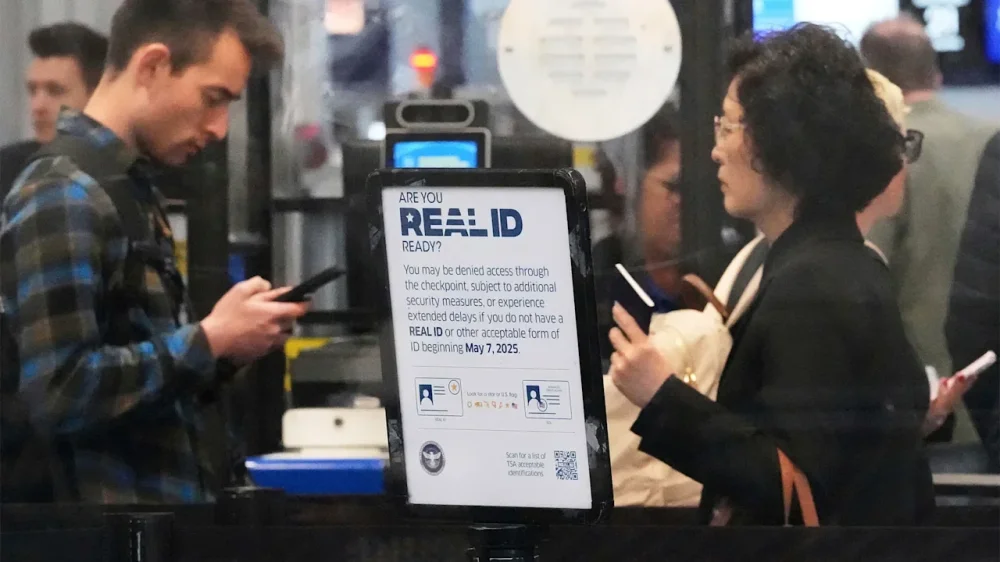
-
Update Tuesday, 12:15 p.m.: Alternative meat company Beyond Meat saw its stock drop almost 5% in early trading on Tuesday after a significant rally had pushed shares up a day earlier and into premarket trading. As of around noon, the stock was trading at $1.28 a share after opening at $1.40. The volatility is another sign that the heavily shorted stock is being embraced by meme stock traders, with some seeking to lock in profits after shares rise. As of this writing, the stock is still up over 47% over the past five days. Original story: Shares in Beyond Meat (Nasdaq: BYND) are again rising in premarket trading today after the company’s stock price surged a massive 36.4% yesterday. As of the time of this writing, BYND is up an additional 12.6% in trading before the bell. But is anything more than another round of meme stock mania driving the rising price? Here’s what you need to know. A volatile December The first day of asset trading for December kicked off yesterday, and already the final month of the year looks to be shaping up to be a volatile one. Yesterday, cryptocurrencies plunged across the board as nervous investors sold off the digital tokens amid ongoing uncertainty about next week’s potential Federal Reserve interest rate cuts and growing fears of an AI bubble. The broader markets seemed to be impacted by the same concerns, with the Dow Jones Industrial Average ending yesterday down 0.9%, the Nasdaq down 0.38%, and the S&P 500 down 0.53% according to data compiled by Reuters. Yet despite the risk-averse stance taken by many investors yesterday, some traders in so-called meme stocks seemed to be throwing caution to the wind. Meme stock investors go crazy for Beyond Meat While cryptocurrencies and the broader markets were selling off yesterday as mainstream investors’ appetite for risk diminished, meme stock investors were bullish on their latest stock darling, Beyond Meat. BYND shares surged 36.48% yesterday, closing at $1.34 per share. That’s a level that Beyond Meat’s stock has not traded at since November 11, according to Yahoo Finance data. It’s also just the latest surge for Beyond Meat shares in the latter part of this year. In October, the company’s stock price surged from $0.52 per share to $7.69 per share over about a week after it signed a partnership agreement with Walmart. However, as the Motley Fool notes, Beyond Meat’s stock price surge seemed to have been primarily driven by meme stock traders who had found a new favorite stock. After its quick rise, BYND shares sank back down to well below $1 per share in the final weeks of November. Now the shares are soaring again. Yesterday, the company’s stock price was up 36.4% and today, in premarket trading, as of the time of this writing, BYND shares are up another 12.6%—but why? As the Motley Fool notes, Beyond Meat did not have any material changes to its business or financials in the past day. That means speculation among meme stock traders is likely the main driver of the stock’s higher price. This speculation also suggests that, unlike cryptocurrency traders, not all investors are risk-averse right now. Beyond Meat has still had a horrible 2025 Despite Beyond Meat’s December stock price surge, investors in the alternative meat company have not seen great returns this year. As of yesterday’s close, BYND shares were still down more than 64% year to date. In November, the company reported its Q3 2025 results, and they left much to be desired. For the quarter, net revenues were down 13.3% year-over-year to $70.2 million. The company’s gross profit was $7.2 million—nearly half of the $14.3 million in gross profit it brought in the same quarter a year earlier. The disconnect between these fundamentals and this week’s surging stock price suggests that risk-taking by meme-stock traders is the primary driver of BYND’s most recent advance. Beyond Meat isn’t the only meme stock to have gained over the past several days. Other meme stock favorites have also risen over the past five days, including GameStop (NYSE: GME)—up 13% AMC Entertainment Holdings (NYSE: AMC)—up 6.8% Opendoor Technologies (Nasdaq: OPEN)—up 5.7%. View the full article

-
Shares in Beyond Meat (Nasdaq: BYND) are again rising in premarket trading today after the company’s stock price surged a massive 36.4% yesterday. As of the time of this writing, BYND is up an additional 12.6% in trading before the bell. But is anything more than another round of meme stock mania driving the rising price? Here’s what you need to know. A volatile December The first day of asset trading for December kicked off yesterday, and already the final month of the year looks to be shaping up to be a volatile one. Yesterday, cryptocurrencies plunged across the board as nervous investors sold off the digital tokens amid ongoing uncertainty about next week’s potential Federal Reserve interest rate cuts and growing fears of an AI bubble. The broader markets seemed to be impacted by the same concerns, with the Dow Jones Industrial Average ending yesterday down 0.9%, the Nasdaq down 0.38%, and the S&P 500 down 0.53% according to data compiled by Reuters. Yet despite the risk-averse stance taken by many investors yesterday, some traders in so-called meme stocks seemed to be throwing caution to the wind. Meme stock investors go crazy for Beyond Meat While cryptocurrencies and the broader markets were selling off yesterday as mainstream investors’ appetite for risk diminished, meme stock investors were bullish on their latest stock darling, Beyond Meat. BYND shares surged 36.48% yesterday, closing at $1.34 per share. That’s a level that Beyond Meat’s stock has not traded at since November 11, according to Yahoo Finance data. It’s also just the latest surge for Beyond Meat shares in the latter part of this year. In October, the company’s stock price surged from $0.52 per share to $7.69 per share over about a week after it signed a partnership agreement with Walmart. However, as the Motley Fool notes, Beyond Meat’s stock price surge seemed to have been primarily driven by meme stock traders who had found a new favorite stock. After its quick rise, BYND shares sank back down to well below $1 per share in the final weeks of November. Now the shares are soaring again. Yesterday, the company’s stock price was up 36.4% and today, in premarket trading, as of the time of this writing, BYND shares are up another 12.6%—but why? As the Motley Fool notes, Beyond Meat did not have any material changes to its business or financials in the past day. That means speculation among meme stock traders is likely the main driver of the stock’s higher price. This speculation also suggests that, unlike cryptocurrency traders, not all investors are risk-averse right now. Beyond Meat has still had a horrible 2025 Despite Beyond Meat’s December stock price surge, investors in the alternative meat company have not seen great returns this year. As of yesterday’s close, BYND shares were still down more than 64% year to date. In November, the company reported its Q3 2025 results, and they left much to be desired. For the quarter, net revenues were down 13.3% year-over-year to $70.2 million. The company’s gross profit was $7.2 million—nearly half of the $14.3 million in gross profit it brought in the same quarter a year earlier. The disconnect between these fundamentals and this week’s surging stock price suggests that risk-taking by meme-stock traders is the primary driver of BYND’s most recent advance. Beyond Meat isn’t the only meme stock to have gained over the past several days. Other meme stock favorites have also risen over the past five days, including GameStop (NYSE: GME)—up 13% AMC Entertainment Holdings (NYSE: AMC)—up 6.8% Opendoor Technologies (Nasdaq: OPEN)—up 5.7%. View the full article

-
Today marks the 22nd anniversary of when I started this site, the Search Engine Roundtable. I was 23 years old when I started this site, compiling what the search community and search industry was talking about and...View the full article
-
Artificial intelligence isn't an algorithmic takeover but an essential wealth management tool. View the full article

-
Now that anyone can use AI to generate keywords and spin up a paid search campaign in minutes, it’s easy to assume the hard work is done. But creating structured, scalable performance still requires a genuine understanding of how search works. Techniques like n-grams, Levenshtein distance, and Jaccard similarity give search marketers the ability to interpret messy search term data, apply client context, and build reliable frameworks that AI alone can’t produce. Here’s how. What n-grams reveal in PPC and SEO analysis Think of n-grams as the “n” words that make up a keyword. For example, in the term “private caregiver nearby,” we have: 3 unigrams (one word): “private,” “caregiver,” and “nearby” 2 bigrams (two consecutive words): “private caregiver” and “caregiver nearby” 1 trigram (three consecutive words): “private caregiver nearby” N-grams are useful for simplifying keyword lists. This week, I restructured several campaigns with more than 100,000 search terms. Using n-grams, I was able to reduce those lists to: ~6,000 unigrams. ~23,000 bigrams. ~27,000 trigrams. With these smaller sets, you may find that all keywords containing the “free” unigram perform poorly, so you’d exclude “free” as a broad match negative. Conversely, you may see that “nearby” performs exceptionally well, prompting you to experiment with local variations and landing pages. There are, however, clear limitations: You need a large volume of search terms, so this method is more applicable to bigger budgets. The larger your “n,” the less useful the method becomes because it produces larger outputs, which defeats the purpose. At that point, you’ll need more advanced methods such as the Levenshtein distance or Jaccard similarity. Clustering keywords with n-grams Analyzing SEO and PPC data often requires reviewing huge volumes of long-tail search terms, many of which appear only once and have very little data. n-grams help convert that chaotic long-tail data into clear, manageable intelligence. This allows you to reduce wasted spend, identify new opportunities, and build a scalable structure. Start by exporting your search term data. In PPC, this includes cost, impressions, clicks, conversions, and conversion value broken out by search term. For each n-gram, sum cost, impressions, clicks, conversions, and conversion value. Then calculate CPA, ROAS, CTR, CVR, and other relevant metrics. With this shorter, more digestible dataset, you can rank top-spending n-grams that do not convert (your negatives) and those that do (your positives). From there, build ad groups around recurring n-grams that drive performance. For example, you may find that emergency-related n-grams (“24/7,” “same day,” “urgent,” etc.) often deliver higher conversion rates. You’d segment these to control them more effectively. Bottom line: n-grams help you isolate themes that warrant special attention. Once identified, it becomes much easier to build advanced paid search structures centered on high-impact n-grams and generate stronger ROI. Dig deeper: How to uncover hidden gems in your paid search accounts How to use the Levenshtein distance to improve keyword quality The Levenshtein distance quantifies the minimum number of single-symbol edits – insertions, deletions, or substitutions – needed to transform one string into another. It may sound complex, but the concept is actually straightforward. The Levenshtein distance between “cat” and “cats” is 1 because you only need to add the “s.” Between “cat” and “dog,” the distance is 3. And so on. A common use case is detecting brand and competitor misspellings that appear in your search terms. For example, “uber” and “uver” have a Levenshtein distance of 1, so you would confidently exclude the misspelled version from your non-brand campaigns. You can apply the same logic to keyword relevance. If the distance between a keyword and the search terms it matches is too high – think 10 or more – those terms likely have little in common with the keyword and deserve review. A low distance, on the other hand, usually means those queries are safe and do not require manual checks. Consolidating PPC keywords with the Levenshtein distance After using n-grams to build initial keyword clusters, you may still end up with thousands of search terms to organize into a workable campaign structure. Sorting through 6,000 unigrams manually is not an option. This is where the Levenshtein distance becomes essential. The goal is to merge ad groups that target nearly identical keywords to avoid an overly granular, SKAG-like structure. Too much granularity creates complicated reporting and account management, along with inefficient bidding and wasted spend. Using the same dataset, calculate the Levenshtein distance between queries across different ad groups. Then identify the closest keyword and ad group using a predefined threshold – for example, 3 for high accuracy. This lets you consolidate keywords and ad groups safely. With a looser threshold, such as 6, you can also group or name ad groups by similarity or intent. Here is a simple example demonstrating why the three keywords below can be grouped together: Levenshtein distance24/7 plumber24 7 plumber247 plumber24/7 plumber01124 7 plumber101247 plumber110 Dig deeper: How to use negative keywords in PPC to maximize targeting and optimize ad spend Going further with the Jaccard similarity In PPC, you can simplify the Jaccard similarity as a proxy to understand the overlap between two sets of n-grams. The calculation is straightforward: the number of common unigrams between two sets divided by the total number of unique unigrams across both sets. It may sound technical, but it’s easy to visualize. Think of it as: Jaccard similarity = Red / Green Here are concrete examples: “new york plumber” and “plumber new york” = 1 (all three unigrams appear in both sets, just in a different order) “new york plumber” and “NYC plumber” = 0.25 (only “plumber” is shared, and there are four unigrams total) The Jaccard similarity is a useful first step for deduplicating similar keywords. It essentially bridges the gap between old phrase match and broad match modified logic. But it also has limitations because it does not account for meaning. In the example above, “new york” and “NYC” should be recognized as equivalent, yet the Jaccard calculation treats them as distinct. To handle that level of nuance, you need more advanced techniques (which I’ll cover in a later article). Combining the Jaccard similarity and Levenshtein distance Consider a cybersecurity course campaign with the following top 10 keywords: KeywordSemrush average monthly searches in the U.S.cybersecurity courses5,400cybersecurity online course1,900free cybersecurity courses1,300online cybersecurity courses1,300cybersecurity course1,000cybersecurity courses online880google cybersecurity course880cybersecurity courses free720cybersecurity free courses590cybersecurity online courses480 By combining plural and singular versions and reordered versions of these keywords, you could reduce the top 10 into a more actionable top four: “Cybersecurity courses.” “Cybersecurity courses online.” “Free cybersecurity courses.” “Google cybersecurity course.” You could use n-grams to do this, but scaling n-gram analysis across thousands of keywords can be overwhelming. A more efficient approach is to use both similarity metrics in sequence. First, apply the Levenshtein distance to consolidate very similar queries. Then use the Jaccard similarity to deduplicate reordered variants. At each step, you’ll sum the usual KPIs – cost, conversions, and other metrics – so the n-gram analysis remains actionable. The result is a clear, compressed structure that holds up even as your search term volume grows. Restructuring paid search campaigns with advanced semantic techniques With the right semantic techniques, you can restructure massive keyword sets quickly and with consistent, high-quality results. AI can absolutely help by providing an initial summary, but you should not rely on it entirely. Otherwise, it’s a classic case of “garbage in, garbage out.” Broad match can be powerful, but it also introduces more noise. These techniques help you verify that your queries stay on track. Use n-grams, the Levenshtein distance, and the Jaccard similarity to apply client context to raw search data and produce a stable structure that aligns with your campaign goals. It can feel overwhelming at first, so here’s a summary table to close out the article: ScenarioBest techniqueWhyIdentify high-intent patterns in huge search-term exportsn-gramsSurfaces themes fast; reduces dimensionalityClean duplicate / near-duplicate keywords at scaleLevenshtein distanceCaptures spelling + structural similarityDeduplicate reordered or slightly varied keyword stringsJaccard similarityOrder-insensitive token-based comparisonCreate scalable clusters for campaign rebuildsCombo: Levenshtein → Jaccard → n-gramSequence gives accuracy + compression View the full article
-
Amazon Music just dropped its 2025 Delivered, an annual recap of your most streamed songs, artists, podcasts, and audiobooks, and the platform’s answer to the popular Spotify Wrapped. Here’s what to know, and how to access the feature. What is Amazon Music’s 2025 Delivered? 2025 Delivered transforms your streaming history on Amazon Music into a virtual music festival poster with your “dream lineup” of artists. Users are given special “Trendsetter” and “Headliner” badges for being an early album adopter or an artist’s top listener, respectively. From the moment you snap on your virtual festival wristband, 2025 Delivered will share personal insights from the year, including your most-played artists, tracks, and genres. Who is eligible for 2025 Delivered? 2025 Delivered is available for eligible Amazon Music customers with a few hours of listening history in the United States, United Kingdom, Germany, France, Italy, Spain, Japan, Mexico, Brazil, India, Canada, and Australia. Where do I find my Amazon Music 2025 Delivered? To find your 2025 Delivered, open the Amazon Music app on iOS or Android, head to the “Library” page, and look for “2025 Delivered.” In addition, fans can head to the “Best of 2025” page in the Amazon Music app to see the platform’s highlights. What are some of the streaming service’s 2025 highlights? In the U.S., these include: The “Top hits of 2025” playlist includes tracks such as Taylor Swift’s “The Fate of Ophelia,” Bad Bunny’s “DtMF,” sombr’s “back to friends,” Alex Warren’s “Ordinary,” and Morgan Wallen featuring Tate McRae’s “What I Want.” The “Top podcasts, favorite new shows, staff picks, and more” includes MrBallen Podcast: Strange, Dark, & Mysterious Stories, Morbid, Crime Junkie, and The Mel Robbins Podcast. The “Editor’s picks” playlist features a mix of curated fan-favorite tracks including Olivia Dean’s “Man I Need,” Geese’s “Cobra,” Dasha’s “Like It Like That,” Laufey’s “Lover Girl (Amazon Music Songline),” and Tyler, The Creator’s “Ring Ring Ring.” View the full article
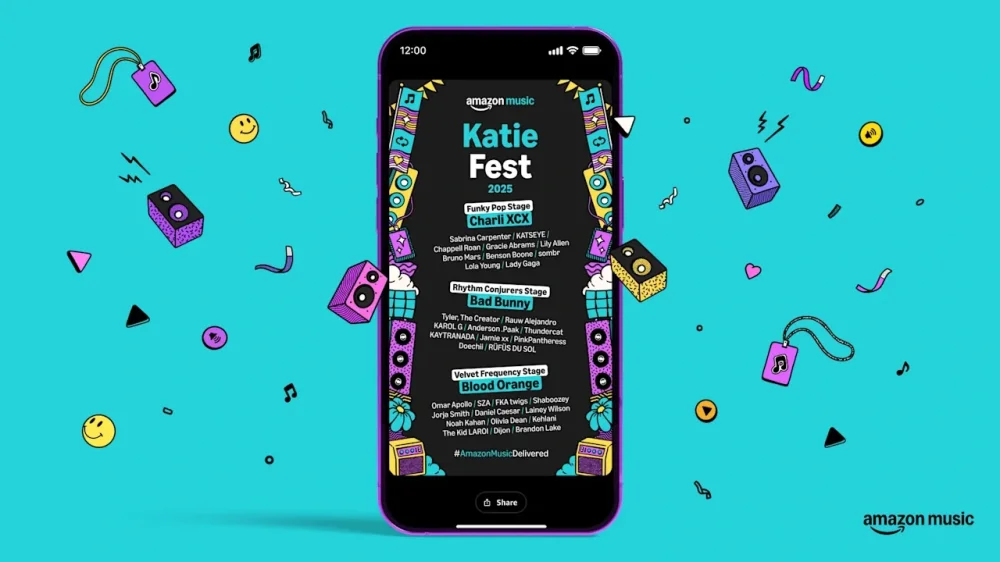
-
The internet is many things, but for many of us, it is far from private. By choosing to engage with the digital world, you often must give up your anonymity: trackers watch your every move as your surf the web and scroll on social media sites, and they use that information to build profiles of who (and where) you are and deliver you more "relevant" ads. It doesn't have to be this way. There are a number of tactics that can help keep your browsing private. You can use a VPN to make it look like your internet activity is coming from somewhere else; if you use Safari, you can take advantage of Private Relay to hide your IP address from websites you visit; or, you can connect the internet across a different network altogether: Tor. What is Tor?The whole idea behind Tor (which is short for The Onion Router) is to anonymize your internet browsing so that no one can tell that it is you visiting any particular website. Tor started out as a project of the U.S. Naval Research Lab in the 1990s, but developed into a nonprofit organization in 2006. Ever since, the network has been popular with users who want to privatize their web activity, whether they're citizens of countries with strict censorship laws, journalists working on sensitive stories, or simply privacy-focused individuals. Tor is a network, but it's commonly conflated with the project's official browser, also known as Tor. The Tor Browser is a modified version of Firefox that connects to the Tor network. The browser removes many of the technical barriers to entry for the Tor network: You can still visit your desired URLs as you would in Chrome or Edge, but the browser will connect you to them automatically via the Tor network automatically. But what does that mean? How does Tor work?Traditionally, when you visit a website, your data is sent directly to that site, complete with your identifying information (i.e. your device's IP address). That website, your internet service provider, and any other entities that might be privy to your internet traffic can all see that it is your device making the request, and can collect that information accordingly. This can be as innocent as the website in question storing your details for your next visit, or as scummy as the site following you around the internet. Tor flips the script on this internet browsing model. Rather than connect your device directly to the website you're visiting, Tor runs your connection through a number of different servers, known as "nodes." These nodes are hosted by volunteers all over the world, so there's no telling which nodes your request will go through when you initiate a connection. But Tor would not be known for its privacy if it only relied on multiple nodes to bounce your traffic around. In addition to the nodes, Tor adds layers of encryption your request. When the request passes from one node to another, each node is only able to decrypt one layer of the encryption, just enough to learn where to send the next request to. This method ensures that no one node in the system knows too much: Each only knows where the request came from one step before, and where it is sending the request to in the following step. It's like peeling back layers of an onion, hence the platform's name. Here's a simplified example of how it works: Let's say you want to visit Lifehacker.com through Tor. You initiate the request as you normally would, by typing the URL into Tor's address bar and hitting enter. When you do, Tor adds layered encryption to your request. The first node it sends it to, perhaps based in, say, the U.S., can unlock one layer of that encryption, which tells the node which node to send it to next. The next node, based perhaps in Japan, decrypts another layer of that encryption, which tells it to send it to a third node in Germany. That third node (known as the exit node) decrypts the final layer of encryption, which tells the node to connect to Lifehacker.com. Once Lifehacker receives the request, the reverse happens: Lifehacker sends the request to the node in Germany, which adds back its layer of encryption. It then sends it back to the node in Japan, which adds a second layer of encryption. It sends it back to the node in the U.S., which adds the final layer of encryption, before sending the fully encrypted request back to your browser, which can decrypt the entire request on your behalf. Congratulations: You have just visited Lifehacker.com, without revealing your identity. Tor isn't perfect for privacyWhile Tor goes a long way to anonymizing your internet activity, it won't protect you entirely. One of the network's biggest weaknesses is in the exit node: Since the final node in the chain carries the decrypted request, it can see where you're going, and, potentially, what you're doing when you get there. It won't be able to know where the request originated, but it can see that you're trying to access Lifehacker. Depending on what sites you're accessing, you might give enough information away to reveal yourself. This was especially an issue when websites were largely using the unencrypted HTTP protocol. If you connected to an unencrypted website, that final node might be able to see your activity on the site itself, including login information, messages, or financial data. But now that most sites have switched to the encrypted HTTPS protocol, there's less concern with third-parties being able to access the contents of your traffic. Still, even if trackers can't see exactly what you're doing or saying on these sites, they can see you visited the site itself, which is why Tor is still useful in today's encrypted internet. Who should use Tor?If you've heard anything about Tor, you might know it as the go-to service for accessing the dark web. That is true, but that doesn't make Tor bad. The dark web is not inherently bad, either: It's simply a network of sites that cannot be accessed by standard web browsers. That includes a number of very bad sites filled with very bad stuff, to be sure. But it also encompasses a number of perfectly legal activities as well. Chrome or Firefox cannot see dark web sites, but Tor browser can. But you don't need to visit the dark web in order for Tor to be useful. Anyone who wants to keep their internet traffic private from the world can benefit. You might have a serious need for this, such as if you live in a country that won't let you access certain websites, or if you're a reporter working on a story that could have ramifications should the information leak. But you don't need to have a specialized case to benefit. Tor can help reduce anyone's digital footprint, and keep trackers from following you around the internet. One big drawbackIf you do decide to use Tor, understand that it won't be as fast as other modern browsers. Running your traffic through multiple international nodes takes a toll on performance, so you may be waiting a bit longer for your websites to load than you're used to. However, it won't cost you anything to try it, as the browser is completely free to download and use on Mac, Windows, Linux, and Android. (Sorry, iOS fans.) If you're worried about what you've heard about the dark web, don't be: The only way to access that material it is to seek it out directly. Otherwise, using Tor will feel just like using any other browser—albeit just a tad slower. View the full article
-
It is already December, can you believe it and even crazier, I've been doing this for 22 years! Where does the time ago. In any event, we had some serious Google ranking volatility this month, especially over the Thanksgiving week/end.View the full article