ResidentialBusiness
Administrators
-
Joined
-
Last visited
Everything posted by ResidentialBusiness
-
 A reader writes: This month, I started a new job that offers excellent benefits, including a policy stating that employees who “self-identify” on an addiction issue can take time off to get help without penalty. As a high-functioning untreated alcoholic, I’m very grateful for this, but unsure how to navigate it. (Kudos to all the authors of personnel policies out there who wrote language like this. Sincerely, those folks need to know how grateful some employees are for those clauses! Thank you! You are helping people!) Here’s the situation: I’ve had a long-term drinking problem and know in-patient treatment would finally help me address it. Out-patient didn’t stick, and in-patient programs have told me I’m “not bad enough” to deserve a bed, but that’s subjective, and I really want the help. I’m going to go eventually. I’m going to get well and turn my life around, and I have a good job and mortgage to go back to. I’m worthy of real treatment, I say partially to convince myself this is okay! My dilemma is about timing. I’m fresh on the job, and I’ve been working hard to establish myself. My new boss even described me as “indispensable,” and that is the reputation I want to keep. I’d love to be transparent, but I also don’t want to jeopardize the trust I’m building or seem unreliable so soon after starting. When is it appropriate for a new employee to “self-identify” and use medical leave benefits for something like addiction treatment? Should I wait six months? A year? Or is it better to be up-front as soon as I’m ready to seek help? I would go tomorrow if I could. This job is so important to me, but I’ll keep sweeping my problem under the rug as long as no one hints it’s observable. (And I literally have to have a half a beer before work and another on lunch to keep the shakes at bay, it’s that bad. I drink 7% ABV beer.) P.S. I have found AA unhelpful, please don’t try to coerce me into it like everyone else. If AA was going to help me, it already would have. The only responsible answer is to go now. If your health depends on it, you have to go now. If you’re drinking and driving or doing anything else that puts you or others in danger, you have to go now. And addicts are notorious for misjudging how much danger they’re really putting themselves and others in — especially when they’ve been high-functioning for a long time — so I don’t see how there’s any answer here other than to go now. But I understand what you’re asking, so in the most practical terms: does the policy indicate that you need to have worked there for a certain amount to time before you’re eligible for this leave and the associated job protection? FMLA protects your job for up to three months per year when you need time off for medical reasons, but it doesn’t kick in until you’ve worked there a year. Even if this job doesn’t explicitly lay out a similar waiting period, is it worded as “the company may give time off for treatment without penalty” or “the company will give time off for treatment without penalty”? Legally there’s a difference in how binding those each are. I’d like to think that a company that recognizes the importance of making it possible for people to seek treatment isn’t putting caveats on it like that, but you’re essentially asking how protected you’ll be, and that’s a relevant part of the answer. In addition, if your employer has 15 or more employees, you may also be protected by the Americans with Disabilities Act because you’re seeking treatment, and there’s no waiting period for that to kick in. You could also talk to HR about exactly what would be shared with your manager. Ideally they’d only be told that you’re out for emergency medical leave, without details beyond that. But I’ll tell you this: if I had a new employee who had been doing well (well enough for me to have already called them “indispensable” a month into the job!) and they needed leave for in-patient treatment, I’d be glad they were taking it and I’d be glad my company offered it. It might be aggravating to try to get their work covered for that period and I might feel blindsided by it (they just started so we thought the work was covered now), but I’d no more hold it against them than if they suddenly needed to be hospitalized for any non-addiction medical issue. Frankly, that would be true even if they weren’t kicking ass at the job — but the fact that they were would make me extra glad that they were getting treatment so they could come back and continue the work. It would be a complication but not a disaster. Go get treatment. The post how soon can I take leave from a new job for in-patient alcoholism treatment? appeared first on Ask a Manager. View the full article
 -
Crypto tycoon pardoned by Donald The President faces US court complaint from families of victims of October 7 attackView the full article
-
Peter Kyle signals more help for start-ups and companies aiming to ‘scale up’View the full article
-
Gary Illyes, an analyst with the Google Search team, posted his reaction to a Microsoft Bing article written by Fabrice Canel and Krishna Madhavan of Microsoft, about how AI Search is changing how conversions are measured. Coevolve. Gary Illyes wrote on LinkedIn, “I know for sure however is that SEM and SEO will need to coevolve with search, just like it has the past 30 years.” SEOs and SEMs will have to adapt as search evolves; which many SEOs have been doing since SEO became a service. And some of the best SEOs and SEMs have adapted and evolved over the years. SEO is not dead. Gary Illyes also said, “SEO is not dead.” Yes, these same best SEOs and SEMs have heard that SEO has died countless times as Google Search adapts and other search features are released. SEO has not died, it just is evolving, as search evolves. Change is hard. And yes, Gary also added, “the change is hard to accept.” It is, change is never easy for most people. But those that can accept the change and ultimately embrace the change will be the first to be rewarded with these changes. Why we care. In short, as most of our stories say when we cover these new features – make sure you play with the new features. Make sure you understand how searchers may use these features to discover your content and websites. And try to find ways to convert those users who are using those features into whatever conversion metric you want them to convert on. It isn’t easy, it isn’t comfortable, it isn’t known, but it is likely the future. View the full article
-
Move comes as UK government attempts to funnel more cash into London-listed stocksView the full article
-
When you’re considering investing in a franchise, a thorough review of the franchise agreement is essential. This document outlines your rights, responsibilities, and financial commitments. Failing to comprehend its terms can lead to unexpected challenges down the line. Key areas to focus on include fees, territory rights, and termination clauses. Engaging a franchise attorney can clarify complex language and identify potential risks. Grasping these components can greatly impact your long-term success. What should you look for next? Key Takeaways Understand all financial obligations, including initial franchise fees, ongoing royalties, and additional advertising fees outlined in the Franchise Disclosure Document (FDD). Review territory rights to ensure exclusive operational areas and prevent competition that could impact revenue potential. Analyze renewal conditions, including timelines and performance expectations, to secure ongoing rights and operational continuity. Examine default and termination clauses carefully to grasp the implications of non-compliance and the processes for termination. Consult a franchise attorney for expert guidance on legal jargon, potential risks, and strategies to protect your investment. Explanation of Franchise Agreements A franchise agreement is more than just a contract; it’s an extensive document that defines the relationship between the franchisor and franchisee. This legally binding agreement outlines important aspects like franchise fees, royalty payments, and territory rights. It furthermore details intellectual property usage and conditions for termination and renewal. Performance expectations are clearly stated, ensuring compliance with the franchisor’s operational guidelines. To fully understand your commitments, a franchise agreement review is significant. You might consider hiring a franchise agreement lawyer to help navigate complex clauses and identify potential red flags. In addition, the Franchise Disclosure Document (FDD) offers critical insights into financial obligations and initial investments, further assisting in your franchise contract review to make informed decisions. Importance of Reviewing a Franchise Agreement Reviewing a franchise agreement is crucial for anyone considering entering a franchise business, as it lays the groundwork for your future success. A thorough review helps you identify critical provisions, like financial obligations and territory rights, which greatly impact your business. Overlooking key clauses can lead to severe consequences, including unexpected termination risks. Engaging a franchise contract lawyer guarantees you uncover potential red flags and understand the legal implications of complex terms. A careful attorney review of the franchise agreement safeguards you against excessive financial liabilities. In the end, a detailed review equips you with the necessary knowledge to make informed decisions and compare different franchise opportunities effectively, setting you on the path to success in your franchise experience. Term of the Agreement and Renewal Conditions When you enter into a franchise agreement, it’s essential to grasp the term of the agreement and the conditions for renewal, as these elements greatly affect your long-term business strategy. Typically, the term can last between 5 to 20 years, depending on the franchise system. Renewal conditions often hinge on your performance and adherence to operational guidelines. You’ll need to express your intent to renew within a specified timeframe before the agreement expires, and many agreements include automatic renewal clauses except you provide notice of non-renewal, which could require several months’ notice. Comprehending these factors is critical for ensuring you can recoup your investments and maintain continuity in your business operations. Franchise Fees and Other Payments When reviewing a franchise agreement, it’s essential to understand the various fees involved, starting with the initial franchise fee, which grants you the right to operate under the brand. You’ll likewise encounter ongoing royalty payments, typically a percentage of your gross sales, plus additional financial obligations like advertising fees that support collective marketing efforts. Each of these fees should be clearly outlined in the agreement, ensuring you can effectively plan your budget and financial commitments. Initial Franchise Fees Initial franchise fees are a vital component of the overall investment required to start a franchise, and these fees can vary considerably across different franchise systems. Typically, you’ll pay these upfront payments to the franchisor for the rights to operate under their brand, with amounts ranging from a few thousand to several hundred thousand dollars. To understand your financial commitment, carefully review the Franchise Disclosure Document (FDD) Item 7, which details the estimated initial investment, including these fees, real estate costs, equipment, and opening expenses. It’s crucial to verify the fee structure aligns with industry standards and your financial capabilities, as discrepancies could lead to unexpected costs that might impact your franchise’s success in the long run. Ongoing Royalty Payments Ongoing royalty payments represent a essential financial obligation for franchisees, typically calculated as a percentage of gross sales. These payments are important for supporting the franchisor’s brand and operational assistance. You’ll want to examine the Franchise Disclosure Document (FDD) closely, especially Item 6 for initial fees and Item 7 for ongoing royalties. Royalty fees can vary greatly, usually ranging from 4% to 8% of your gross sales. Here’s a quick overview of these payments: Franchise Type Royalty Fee Range Fast Food 4% – 6% Retail 5% – 7% Services 6% – 8% Hospitality 4% – 7% Fitness 5% – 8% Carefully reviewing these clauses can help you avoid unexpected costs that may affect your profitability. Additional Financial Obligations Comprehending the financial obligations tied to a franchise is vital for your long-term success, especially since these costs can greatly impact your profitability. Franchise fees typically start with an initial payment for brand rights, ranging from $10,000 to over $100,000. Then, you’ll face ongoing royalty fees, usually 4% to 8% of your gross sales, necessary for brand support. Furthermore, expect advertising fees around 1% to 5% of gross sales, funding collective marketing efforts. It’s important to understand the potential for fee increases or other financial commitments throughout your franchise agreement, as these can affect your bottom line. Make sure your franchise agreement clearly outlines all financial obligations and penalties for late payments to avoid unexpected financial strain. Territory Rights and Limitations Comprehending territory rights is vital for you as a franchisee, as these provisions define your exclusive area of operation and protect you from competition within the same brand. Clear territorial definitions can greatly impact your revenue potential, and disputes often arise when franchisors allow new franchisees to open in overlapping regions. When reviewing your franchise agreement, it’s important to benchmark territory clauses against industry standards to guarantee they align with your business goals and provide adequate market opportunities. Geographic Exclusivity Importance When you enter into a franchise agreement, the importance of geographic exclusivity can’t be overstated, as it establishes your territory rights and limitations. These rights protect you from competition within your designated area, allowing you to build and grow your business without facing direct rivals from the same franchise. Clearly defined territory rights can greatly improve your chances of success. They prevent potential financial losses because of ambiguous territorial clauses. A thorough review guarantees your rights are accurately detailed, avoiding future disputes. AI tools can help identify any inconsistencies or unfair restrictions in your territory rights. Understanding these factors is vital for safeguarding your investment and securing a profitable franchise experience. Territorial Disputes Impact The impact of territorial disputes in franchise agreements can greatly affect your business’s success. Territorial rights define the exclusive area where you can operate, preventing competition from other franchisees of the same brand. Nevertheless, disputes often arise when franchisors grant multiple franchises too close together, leading to market saturation and reduced sales for you. It’s vital to have clear definitions of territorial boundaries in your agreement to protect against encroachment. Furthermore, be mindful of renewal conditions that may alter your rights; failure to meet performance metrics could jeopardize your exclusivity. Benchmarking Territory Clauses Benchmarking territory clauses in franchise agreements is vital for guaranteeing that your operational rights are both fair and secure. Clear territorial definitions protect you from competition within specified boundaries, reducing potential disputes and financial losses. You should carefully review the conditions under which these rights may be modified or revoked to maintain long-term operational security. Consider the following key aspects when benchmarking: Assess potential overlaps with neighboring franchises to avoid conflicts. Understand limitations on expansion or transfer within your defined territory. Compare your territory rights against industry standards to identify inconsistencies and guarantee fairness. Default and Termination Clauses Comprehending default and termination clauses in a franchise agreement is vital for any franchisee, as these provisions dictate the circumstances under which the franchisor can deem you in breach of the contract. Default clauses outline specific conditions, such as failing to meet sales targets, non-compliance with operational standards, or not paying royalties on time. Termination clauses explain the process for ending the franchise relationship, often including a grace period for you to correct any defaults before termination takes effect. It’s important to understand that termination can lead to loss of brand rights, financial penalties, and restrictions on your ability to operate in the same market afterward. Thoroughly evaluating these clauses helps you grasp the risks tied to non-compliance or performance issues. Role of a Franchise Attorney Comprehending the intricacies of a franchise agreement is only part of the equation for franchisees; having the right legal support can make a significant difference. A franchise attorney brings specialized knowledge that helps you identify potential risks and avoid costly mistakes. They can negotiate key provisions that protect your interests, guaranteeing you’re not left in a vulnerable position. They conduct thorough reviews of Franchise Disclosure Documents (FDDs) to confirm consistency with the agreement. Their ability to interpret complex legal jargon clarifies implications, allowing for informed decision-making. They provide valuable strategies for mitigating disputes, enhancing your ability to navigate challenges effectively. Engaging a franchise attorney is vital for safeguarding your investment and assuring compliance with operational standards. Frequently Asked Questions What Are the Common Misconceptions About Franchise Agreements? Many people believe franchise agreements are simple and standard, but they’re often complex and vary greatly between brands. Another misconception is that signing an agreement guarantees success; in reality, it requires ongoing effort and compliance. Some think they can easily negotiate terms, but franchisors typically have strict policies. Finally, many assume they fully understand the agreement after a quick glance, yet, careful review is essential to avoid potential pitfalls and misunderstandings. How Can I Negotiate Better Terms in My Franchise Agreement? To negotiate better terms in your franchise agreement, start by researching industry standards and comparing agreements. Identify clauses that seem unfavorable or unclear, and prepare your rationale for why they should change. Approach the franchisor with a collaborative mindset, expressing your desire for mutual benefit. Be open to compromise during critical issues. Finally, consider consulting a legal expert to guarantee you understand all implications before finalizing any agreements. What Impact Do Franchise Agreements Have on Local Competition? Franchise agreements can greatly shape local competition by establishing brand standards, pricing strategies, and market territories. When you enter a franchise, you often agree to operate within specific boundaries, limiting your ability to compete freely with other businesses. These agreements may likewise create barriers for new entrants, as they often require compliance with established brand rules, thereby affecting pricing and service offerings in the local market. As a result, this can influence customer choices and overall market dynamics. Are There Standard Industry Practices Regarding Franchise Agreements? Yes, there are standard industry practices regarding franchise agreements. Typically, these agreements outline the rights and obligations of both franchisees and franchisors, covering fees, territorial rights, and operational guidelines. Most agreements likewise include a duration clause, renewal terms, and conditions for termination. Franchisors often require franchisees to adhere to brand standards and operational procedures, ensuring consistency across locations. Comprehending these practices can help you navigate franchise opportunities more effectively and avoid potential pitfalls. How Often Should I Review My Franchise Agreement After Signing? You should review your franchise agreement at least annually after signing. Regular checks help you stay updated on terms and conditions that may change, including fees and operational guidelines. Furthermore, consider reviewing it whenever there are significant business changes, such as expansions or new regulations. This practice guarantees that you’re compliant and aware of your rights and obligations, helping you avoid potential disputes and make informed decisions for your franchise’s future. Conclusion In summary, conducting a thorough franchise agreement review is essential for your success as a franchisee. By examining key components like fees, territory rights, and termination clauses, you can identify potential risks and guarantee the agreement aligns with your business goals. Engaging a franchise attorney can provide invaluable insights and clarify complex terms. Taking these steps will empower you to make informed decisions, finally safeguarding your investment and enhancing your chances for long-term success in the franchise industry. Image via Google Gemini This article, "Conducting a Thorough Franchise Agreement Review" was first published on Small Business Trends View the full article
-
When you’re considering investing in a franchise, a thorough review of the franchise agreement is essential. This document outlines your rights, responsibilities, and financial commitments. Failing to comprehend its terms can lead to unexpected challenges down the line. Key areas to focus on include fees, territory rights, and termination clauses. Engaging a franchise attorney can clarify complex language and identify potential risks. Grasping these components can greatly impact your long-term success. What should you look for next? Key Takeaways Understand all financial obligations, including initial franchise fees, ongoing royalties, and additional advertising fees outlined in the Franchise Disclosure Document (FDD). Review territory rights to ensure exclusive operational areas and prevent competition that could impact revenue potential. Analyze renewal conditions, including timelines and performance expectations, to secure ongoing rights and operational continuity. Examine default and termination clauses carefully to grasp the implications of non-compliance and the processes for termination. Consult a franchise attorney for expert guidance on legal jargon, potential risks, and strategies to protect your investment. Explanation of Franchise Agreements A franchise agreement is more than just a contract; it’s an extensive document that defines the relationship between the franchisor and franchisee. This legally binding agreement outlines important aspects like franchise fees, royalty payments, and territory rights. It furthermore details intellectual property usage and conditions for termination and renewal. Performance expectations are clearly stated, ensuring compliance with the franchisor’s operational guidelines. To fully understand your commitments, a franchise agreement review is significant. You might consider hiring a franchise agreement lawyer to help navigate complex clauses and identify potential red flags. In addition, the Franchise Disclosure Document (FDD) offers critical insights into financial obligations and initial investments, further assisting in your franchise contract review to make informed decisions. Importance of Reviewing a Franchise Agreement Reviewing a franchise agreement is crucial for anyone considering entering a franchise business, as it lays the groundwork for your future success. A thorough review helps you identify critical provisions, like financial obligations and territory rights, which greatly impact your business. Overlooking key clauses can lead to severe consequences, including unexpected termination risks. Engaging a franchise contract lawyer guarantees you uncover potential red flags and understand the legal implications of complex terms. A careful attorney review of the franchise agreement safeguards you against excessive financial liabilities. In the end, a detailed review equips you with the necessary knowledge to make informed decisions and compare different franchise opportunities effectively, setting you on the path to success in your franchise experience. Term of the Agreement and Renewal Conditions When you enter into a franchise agreement, it’s essential to grasp the term of the agreement and the conditions for renewal, as these elements greatly affect your long-term business strategy. Typically, the term can last between 5 to 20 years, depending on the franchise system. Renewal conditions often hinge on your performance and adherence to operational guidelines. You’ll need to express your intent to renew within a specified timeframe before the agreement expires, and many agreements include automatic renewal clauses except you provide notice of non-renewal, which could require several months’ notice. Comprehending these factors is critical for ensuring you can recoup your investments and maintain continuity in your business operations. Franchise Fees and Other Payments When reviewing a franchise agreement, it’s essential to understand the various fees involved, starting with the initial franchise fee, which grants you the right to operate under the brand. You’ll likewise encounter ongoing royalty payments, typically a percentage of your gross sales, plus additional financial obligations like advertising fees that support collective marketing efforts. Each of these fees should be clearly outlined in the agreement, ensuring you can effectively plan your budget and financial commitments. Initial Franchise Fees Initial franchise fees are a vital component of the overall investment required to start a franchise, and these fees can vary considerably across different franchise systems. Typically, you’ll pay these upfront payments to the franchisor for the rights to operate under their brand, with amounts ranging from a few thousand to several hundred thousand dollars. To understand your financial commitment, carefully review the Franchise Disclosure Document (FDD) Item 7, which details the estimated initial investment, including these fees, real estate costs, equipment, and opening expenses. It’s crucial to verify the fee structure aligns with industry standards and your financial capabilities, as discrepancies could lead to unexpected costs that might impact your franchise’s success in the long run. Ongoing Royalty Payments Ongoing royalty payments represent a essential financial obligation for franchisees, typically calculated as a percentage of gross sales. These payments are important for supporting the franchisor’s brand and operational assistance. You’ll want to examine the Franchise Disclosure Document (FDD) closely, especially Item 6 for initial fees and Item 7 for ongoing royalties. Royalty fees can vary greatly, usually ranging from 4% to 8% of your gross sales. Here’s a quick overview of these payments: Franchise Type Royalty Fee Range Fast Food 4% – 6% Retail 5% – 7% Services 6% – 8% Hospitality 4% – 7% Fitness 5% – 8% Carefully reviewing these clauses can help you avoid unexpected costs that may affect your profitability. Additional Financial Obligations Comprehending the financial obligations tied to a franchise is vital for your long-term success, especially since these costs can greatly impact your profitability. Franchise fees typically start with an initial payment for brand rights, ranging from $10,000 to over $100,000. Then, you’ll face ongoing royalty fees, usually 4% to 8% of your gross sales, necessary for brand support. Furthermore, expect advertising fees around 1% to 5% of gross sales, funding collective marketing efforts. It’s important to understand the potential for fee increases or other financial commitments throughout your franchise agreement, as these can affect your bottom line. Make sure your franchise agreement clearly outlines all financial obligations and penalties for late payments to avoid unexpected financial strain. Territory Rights and Limitations Comprehending territory rights is vital for you as a franchisee, as these provisions define your exclusive area of operation and protect you from competition within the same brand. Clear territorial definitions can greatly impact your revenue potential, and disputes often arise when franchisors allow new franchisees to open in overlapping regions. When reviewing your franchise agreement, it’s important to benchmark territory clauses against industry standards to guarantee they align with your business goals and provide adequate market opportunities. Geographic Exclusivity Importance When you enter into a franchise agreement, the importance of geographic exclusivity can’t be overstated, as it establishes your territory rights and limitations. These rights protect you from competition within your designated area, allowing you to build and grow your business without facing direct rivals from the same franchise. Clearly defined territory rights can greatly improve your chances of success. They prevent potential financial losses because of ambiguous territorial clauses. A thorough review guarantees your rights are accurately detailed, avoiding future disputes. AI tools can help identify any inconsistencies or unfair restrictions in your territory rights. Understanding these factors is vital for safeguarding your investment and securing a profitable franchise experience. Territorial Disputes Impact The impact of territorial disputes in franchise agreements can greatly affect your business’s success. Territorial rights define the exclusive area where you can operate, preventing competition from other franchisees of the same brand. Nevertheless, disputes often arise when franchisors grant multiple franchises too close together, leading to market saturation and reduced sales for you. It’s vital to have clear definitions of territorial boundaries in your agreement to protect against encroachment. Furthermore, be mindful of renewal conditions that may alter your rights; failure to meet performance metrics could jeopardize your exclusivity. Benchmarking Territory Clauses Benchmarking territory clauses in franchise agreements is vital for guaranteeing that your operational rights are both fair and secure. Clear territorial definitions protect you from competition within specified boundaries, reducing potential disputes and financial losses. You should carefully review the conditions under which these rights may be modified or revoked to maintain long-term operational security. Consider the following key aspects when benchmarking: Assess potential overlaps with neighboring franchises to avoid conflicts. Understand limitations on expansion or transfer within your defined territory. Compare your territory rights against industry standards to identify inconsistencies and guarantee fairness. Default and Termination Clauses Comprehending default and termination clauses in a franchise agreement is vital for any franchisee, as these provisions dictate the circumstances under which the franchisor can deem you in breach of the contract. Default clauses outline specific conditions, such as failing to meet sales targets, non-compliance with operational standards, or not paying royalties on time. Termination clauses explain the process for ending the franchise relationship, often including a grace period for you to correct any defaults before termination takes effect. It’s important to understand that termination can lead to loss of brand rights, financial penalties, and restrictions on your ability to operate in the same market afterward. Thoroughly evaluating these clauses helps you grasp the risks tied to non-compliance or performance issues. Role of a Franchise Attorney Comprehending the intricacies of a franchise agreement is only part of the equation for franchisees; having the right legal support can make a significant difference. A franchise attorney brings specialized knowledge that helps you identify potential risks and avoid costly mistakes. They can negotiate key provisions that protect your interests, guaranteeing you’re not left in a vulnerable position. They conduct thorough reviews of Franchise Disclosure Documents (FDDs) to confirm consistency with the agreement. Their ability to interpret complex legal jargon clarifies implications, allowing for informed decision-making. They provide valuable strategies for mitigating disputes, enhancing your ability to navigate challenges effectively. Engaging a franchise attorney is vital for safeguarding your investment and assuring compliance with operational standards. Frequently Asked Questions What Are the Common Misconceptions About Franchise Agreements? Many people believe franchise agreements are simple and standard, but they’re often complex and vary greatly between brands. Another misconception is that signing an agreement guarantees success; in reality, it requires ongoing effort and compliance. Some think they can easily negotiate terms, but franchisors typically have strict policies. Finally, many assume they fully understand the agreement after a quick glance, yet, careful review is essential to avoid potential pitfalls and misunderstandings. How Can I Negotiate Better Terms in My Franchise Agreement? To negotiate better terms in your franchise agreement, start by researching industry standards and comparing agreements. Identify clauses that seem unfavorable or unclear, and prepare your rationale for why they should change. Approach the franchisor with a collaborative mindset, expressing your desire for mutual benefit. Be open to compromise during critical issues. Finally, consider consulting a legal expert to guarantee you understand all implications before finalizing any agreements. What Impact Do Franchise Agreements Have on Local Competition? Franchise agreements can greatly shape local competition by establishing brand standards, pricing strategies, and market territories. When you enter a franchise, you often agree to operate within specific boundaries, limiting your ability to compete freely with other businesses. These agreements may likewise create barriers for new entrants, as they often require compliance with established brand rules, thereby affecting pricing and service offerings in the local market. As a result, this can influence customer choices and overall market dynamics. Are There Standard Industry Practices Regarding Franchise Agreements? Yes, there are standard industry practices regarding franchise agreements. Typically, these agreements outline the rights and obligations of both franchisees and franchisors, covering fees, territorial rights, and operational guidelines. Most agreements likewise include a duration clause, renewal terms, and conditions for termination. Franchisors often require franchisees to adhere to brand standards and operational procedures, ensuring consistency across locations. Comprehending these practices can help you navigate franchise opportunities more effectively and avoid potential pitfalls. How Often Should I Review My Franchise Agreement After Signing? You should review your franchise agreement at least annually after signing. Regular checks help you stay updated on terms and conditions that may change, including fees and operational guidelines. Furthermore, consider reviewing it whenever there are significant business changes, such as expansions or new regulations. This practice guarantees that you’re compliant and aware of your rights and obligations, helping you avoid potential disputes and make informed decisions for your franchise’s future. Conclusion In summary, conducting a thorough franchise agreement review is essential for your success as a franchisee. By examining key components like fees, territory rights, and termination clauses, you can identify potential risks and guarantee the agreement aligns with your business goals. Engaging a franchise attorney can provide invaluable insights and clarify complex terms. Taking these steps will empower you to make informed decisions, finally safeguarding your investment and enhancing your chances for long-term success in the franchise industry. Image via Google Gemini This article, "Conducting a Thorough Franchise Agreement Review" was first published on Small Business Trends View the full article
-
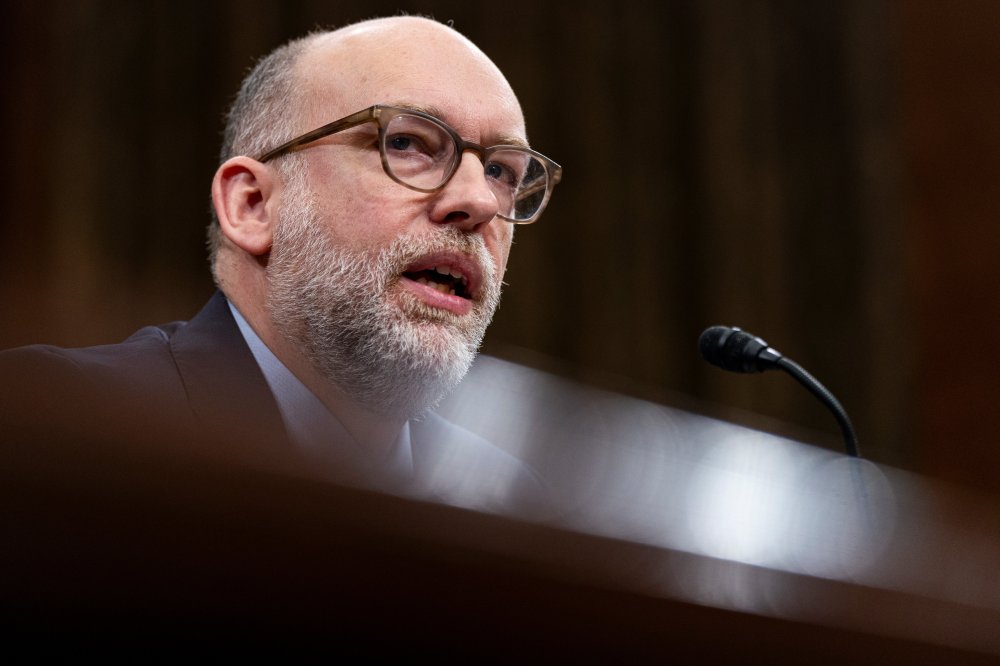
The Natural Treasury Employees Union has asked a district court to clarify whether Russell Vought, the acting director of the Consumer Financial Protection Bureau, has complied with a preliminary injunction. View the full article
-
The EU's Digital Omnibus proposal would relax parts of GDPR and the AI Act. Here's what to watch. The post EU Plan To Simplify GDPR Targets AI Training And Cookie Consent appeared first on Search Engine Journal. View the full article
-
We may earn a commission from links on this page. Deal pricing and availability subject to change after time of publication. Black Friday sales officially start Friday, November 28, and run through Cyber Monday, December 1, and Lifehacker is sharing the best sales based on product reviews, comparisons, and price-tracking tools before it's over. Follow our live blog to stay up-to-date on the best sales we find. Browse our editors’ picks for a curated list of our favorite sales on laptops, fitness tech, appliances, and more. Subscribe to our shopping newsletter, Add to Cart, for the best sales sent to your inbox. Sales are accurate at the time of publication, but prices and inventory are always subject to change. Sony’s WH-1000XM6 headphones are now available in New Open Box condition on sale for $349.99 at StackSocial, which is a tempting offer if you’ve been eyeing the best premium headphones of 2025 (according to our writer, Daniel Oropeza). “Open Box” here means these units come from excess store inventory or returns that were inspected, verified to be new, and repackaged. You might see some wear on the box, but the headphones themselves are unused and come backed by a one-year warranty. For a product that normally goes for $449, that $100 cut is worth a look, especially if you’re upgrading from an older model or switching from Bose or Apple. The WH-1000XM6 improves on Sony’s already-dominant line in small but meaningful ways. The return of the foldable design makes them easier to stash in a bag, and the new QN3 processor, which is seven times faster than the last generation, powers 12 microphones that listen, filter, and fine-tune sound in real time. That translates to adaptive noise cancellation that silences traffic, chatter, and plane engines with near-surgical precision. You can still hear high-pitched clinks or sudden noises, but most distractions disappear once music starts. It’s also the first Sony model that lets you charge while listening, a fix users have wanted for years. Battery life stays strong at around 30 hours with ANC on, and a three-minute charge nets three hours of playback, ideal for last-minute commutes or flights. Sound quality holds Sony’s usual polish: crisp vocals, steady bass, and a clean balance that only improves once you tweak EQ settings in the app. Spatial Audio and Adaptive Sound Control add immersion, though they still rely on compatible apps and can be finicky to set up. The AI-powered call clarity works well, and the return of a 3.5 mm jack will please audiophiles who still prefer wired listening. At its core, this is Sony refining, not reinventing, a flagship. The XM6 doesn’t drastically outpace the XM5, but it’s a clear step up from the XM4, faster, smarter, and more portable. For those new to Sony’s ANC line, this Open Box deal offers top-tier performance at a gentler price, minus the factory-sealed box. How long do Black Friday deals really last?Black Friday sales officially begin Friday, November 28, 2025, and run throughout “Cyber Week,” the five-day period that runs from Thanksgiving through Cyber Monday, December 1, 2025. But Black Friday and Cyber Monday dates have expanded as retailers compete for customers. You can get the same Black Friday sales early, and we expect sales to wind down by December 3, 2025. What stores have the best sales on Black Friday?Nowadays, both large retailers and small businesses compete for Black Friday shoppers, so you can expect practically every store to run sales through Monday, December 1, 2025. The “best” sales depend on your needs, but in general, the biggest discounts tend to come from larger retailers who can afford lower prices: think places like Amazon, Walmart, Target, Best Buy, and Home Depot. You can find all the best sales from major retailers on our live blog. Are Black Friday deals worth it?In short, yes, Black Friday still offers discounts that can be rare throughout the rest of the year. If there’s something you want to buy, or you’re shopping for gifts, it’s a good time to look for discounts on what you need, especially tech sales, home improvement supplies, and fitness tech. Of course, if you need to save money, the best way to save is to not buy anything. Are Cyber Monday deals better than Black Friday?Black Friday used to be bigger for major retailers and more expensive tech and appliances, while Cyber Monday was for cheaper tech and gave smaller businesses a chance to compete online. Nowadays, though, distinction is almost meaningless. Every major retailer will offer sales on both days, and the smart move is to know what you want, use price trackers or refer to guides like our live blog that use price trackers for you, and don’t stress over finding the perfect timing. Our Best Editor-Vetted Early Black Friday Deals Right Now Apple AirPods Pro 3 Noise Cancelling Heart Rate Wireless Earbuds — $219.99 (List Price $249.00) Apple iPad 11" 128GB A16 WiFi Tablet (Blue, 2025) — $279.00 (List Price $349.00) Amazon Fire HD 10 (2023) — $69.99 (List Price $139.99) Sony WH-1000XM5 — $248.00 (List Price $399.99) Blink Outdoor 4 1080p Wireless Security Camera (5-Pack) — $159.99 (List Price $399.99) Amazon Fire TV Stick 4K Plus — $24.99 (List Price $49.99) NEW Bose Quiet Comfort Ultra Wireless Noise Cancelling Headphones — $298.00 (List Price $429.00) Shark AI Ultra Matrix Clean Mapping Voice Control Robot Vacuum with XL Self-Empty Base — $249.99 (List Price $599.00) Apple Watch Series 11 (GPS, 42mm, S/M Black Sport Band) — $349.00 (List Price $399.00) Western Digital 14TB Elements Desktop External Hard Drive — $169.99 (List Price $279.99) Deals are selected by our commerce team View the full article
-
Novo Nordisk’s closely-watched Alzheimer’s trials of an older oral version of its semaglutide drug failed to help slow the progression of the brain-wasting disease, the firm said on Monday, a blow to the obesity drug giant that sent its shares sliding. The trials, which Novo had previously called a “lottery ticket” to underline its highly uncertain outcome, were testing whether the medicine could slow cognitive decline in patients. The setback scuppers hopes for Novo that Alzheimer’s could open a major new market for GLP-1 medicines such as semaglutide, as it faces rising competition to its blockbuster drugs in its core treatment areas of obesity and diabetes. Erik Berg-Johnsen, portfolio manager at Novo shareholder Storebrand Asset Management, told Reuters that the trial failure was likely “a nail in the coffin” for using its products against Alzheimer’s. “The fact that the study was discontinued after two years, despite a planned third year extension, suggests that semaglutide offers virtually no benefit in slowing Alzheimer’s progression.” Novo’s trial was being closely watched as an indication about whether GLP-1 drugs – used by millions for diabetes and weight loss – might slow disease progress. The drug tested was Rybelsus, a pill approved only for type 2 diabetes. Like Novo’s blockbusters Ozempic and Wegovy, it contains semaglutide. ‘LOTTERY TICKET’ LOSES OUT The company’s Executive Vice President for Product and Portfolio Strategy, Ludovic Helfgott, had described the Alzheimer’s trials as a “lottery ticket” in September, referring to its uncertain prospects yet huge potential. Alzheimer’s disease and other dementias affect more than 55 million people globally. There is no cure. “While semaglutide did not demonstrate efficacy in slowing the progression of Alzheimer’s disease, the extensive body of evidence supporting semaglutide continues to provide benefits for individuals with type 2 diabetes, obesity, and related comorbidities,” Chief Scientific Officer Martin Holst Lange said in a statement. The results from the two trials of early-stage patients, called EVOKE and EVOKE+, are another setback for the Danish drugmaker and new CEO Mike Doustdar, which had seen booming success, driven by Ozempic and Wegovy, before slowing sales growth and a tumbling share price prompted a CEO change and mass layoffs. The setback reinforces analyst scepticism about Novo’s Alzheimer’s ambitions, with UBS having estimated just a 10% probability of success. Henrik Hallengreen Laustsen, Jyske Bank analyst, said however that a 10% share price fall on Monday looked like an “overreaction”. Sydbank analyst Soren Lontoft Hansen said that the failure was not a surprise for Novo, which has had a tough year with slowing sales of its key weight-loss drugs, management overhaul and rising competition from U.S. peer Eli Lilly . “The share’s reaction is probably more due to the bad sentiment around the Novo Nordisk shares and the negative news flow over the past year – perhaps there was hope for a little tailwind from this study.” PARTICIPANTS AGED 55 TO 85 Shares of Biogen jumped about 5% premarket following news of Novo’s Alzheimer’s trial failure. Biogen and partner Eisai’s Leqembi and rival Eli Lilly’s Kisunla are the only approved treatments for Alzheimer’s in the United States. Both drugs require infusions or injections and can cause significant side effects. “There was some fear that Ozempic might reduce the opportunity for Leqembi and other Alzheimer’s drugs by preventing progression of disease. So these data lift a potential competitive overhang,” said Cantor analyst Eric Schmidt. The Rybelsus trials, covering a combined 3,808 patients, were the first large trials for patients with early stage Alzheimer’s. The trials used a ratings system to assess clinical changes in areas such as memory and how patients were able to care for themselves over a two-year period. The studies aimed for a 20% slowing of cognitive decline, trial details show. Wall Street analysts viewed the trials as high-risk, high-reward, and had said the data would determine if Novo’s Alzheimer’s programme could become a future growth driver. —Stine Jacobsen, Maggie Fick and Jacob Gronholt-Pedersen, Reuters View the full article
-
As the digital landscape continues to evolve, small business owners must adapt to new communication methods while ensuring compliance with regulatory demands. Google’s recent announcement of RCS message archival presents a timely solution, addressing a pressing need in today’s business environment. This innovative feature is designed for fully managed Google Pixel devices and aims to simplify compliance with data retention regulations, making it a potentially game-changing tool for small enterprises. The surge in remote work and hybrid arrangements has led to a rapid shift towards modern, encrypted communication platforms. While these advancements enhance security, they pose new challenges for IT and compliance teams. Small businesses, in particular, must navigate legal complexities related to eDiscovery and federal data requests like the Freedom of Information Act (FOIA). Google’s RCS message archival feature supports businesses in capturing necessary records to stay compliant. This new capability fundamentally improves how small businesses can archive text communications. Historically, archiving relied on carrier-level logging, which does not accommodate modern, encrypted messaging methods. The RCS archiving solution integrates directly with Google Messages, ensuring IT departments receive comprehensive records of message interactions. This feature captures not only the sending and receiving of messages but also tracks edits and deletions, allowing for a more thorough documentation process. For small businesses, this tailored approach yields substantial benefits. By enabling third-party archival applications to work seamlessly with Google Messages, organizations can maintain compliance more effectively. The archiving occurs directly on the device, preserving end-to-end encryption during transmission—a reassuring aspect for businesses dealing with sensitive customer information. Furthermore, the system captures SMS and MMS messages, offering a unified solution for diverse messaging formats. Existing IT infrastructure can integrate smoothly with this new RCS message archival capability. IT administrators can easily configure and implement the feature based on the specific needs of their organization, determining which devices will use the archival capability and selecting the most suitable archival application. This flexibility allows businesses to customize their deployment strategy, minimizing disruptions while ensuring adherence to compliance mandates. “IT administrators can enable RCS Archival through a simple configuration,” notes Google. This level of ease is crucial for small business owners who often juggle multiple responsibilities and may lack extensive IT resources. RCS also enhances user experience with features such as read receipts and typing indicators, further improving communication efficiency within teams. To date, vendors like Celltrust, Smarsh, and 3rd Eye have developed integrations with Google Messages, with plans for more archival applications anticipated in 2026. This growing ecosystem provides small business owners with multiple options to select an archival solution that aligns with their existing compliance framework. While the benefits of adopting the RCS message archival system are clear, there are challenges to consider. Small business owners should evaluate the costs associated with implementing these third-party archival solutions, particularly for those with limited budgets. Additionally, business owners need to ensure that their entire team is adequately trained to use the feature, so it doesn’t hinder productivity. Overall, Google’s RCS message archival capability stands to empower small businesses by streamlining compliance processes while enhancing communication security. As remote work becomes more entrenched, tools that maintain regulatory adherence while promoting secure messaging will be invaluable. In a rapidly evolving digital world, small business owners must make informed decisions to align their communication strategies with compliance needs. To learn more about this feature and its integration with Android Enterprise, visit the original announcement here. Image via Google Gemini This article, "Google Pixel Launches RCS Message Archival for Enhanced Compliance" was first published on Small Business Trends View the full article
-
As the digital landscape continues to evolve, small business owners must adapt to new communication methods while ensuring compliance with regulatory demands. Google’s recent announcement of RCS message archival presents a timely solution, addressing a pressing need in today’s business environment. This innovative feature is designed for fully managed Google Pixel devices and aims to simplify compliance with data retention regulations, making it a potentially game-changing tool for small enterprises. The surge in remote work and hybrid arrangements has led to a rapid shift towards modern, encrypted communication platforms. While these advancements enhance security, they pose new challenges for IT and compliance teams. Small businesses, in particular, must navigate legal complexities related to eDiscovery and federal data requests like the Freedom of Information Act (FOIA). Google’s RCS message archival feature supports businesses in capturing necessary records to stay compliant. This new capability fundamentally improves how small businesses can archive text communications. Historically, archiving relied on carrier-level logging, which does not accommodate modern, encrypted messaging methods. The RCS archiving solution integrates directly with Google Messages, ensuring IT departments receive comprehensive records of message interactions. This feature captures not only the sending and receiving of messages but also tracks edits and deletions, allowing for a more thorough documentation process. For small businesses, this tailored approach yields substantial benefits. By enabling third-party archival applications to work seamlessly with Google Messages, organizations can maintain compliance more effectively. The archiving occurs directly on the device, preserving end-to-end encryption during transmission—a reassuring aspect for businesses dealing with sensitive customer information. Furthermore, the system captures SMS and MMS messages, offering a unified solution for diverse messaging formats. Existing IT infrastructure can integrate smoothly with this new RCS message archival capability. IT administrators can easily configure and implement the feature based on the specific needs of their organization, determining which devices will use the archival capability and selecting the most suitable archival application. This flexibility allows businesses to customize their deployment strategy, minimizing disruptions while ensuring adherence to compliance mandates. “IT administrators can enable RCS Archival through a simple configuration,” notes Google. This level of ease is crucial for small business owners who often juggle multiple responsibilities and may lack extensive IT resources. RCS also enhances user experience with features such as read receipts and typing indicators, further improving communication efficiency within teams. To date, vendors like Celltrust, Smarsh, and 3rd Eye have developed integrations with Google Messages, with plans for more archival applications anticipated in 2026. This growing ecosystem provides small business owners with multiple options to select an archival solution that aligns with their existing compliance framework. While the benefits of adopting the RCS message archival system are clear, there are challenges to consider. Small business owners should evaluate the costs associated with implementing these third-party archival solutions, particularly for those with limited budgets. Additionally, business owners need to ensure that their entire team is adequately trained to use the feature, so it doesn’t hinder productivity. Overall, Google’s RCS message archival capability stands to empower small businesses by streamlining compliance processes while enhancing communication security. As remote work becomes more entrenched, tools that maintain regulatory adherence while promoting secure messaging will be invaluable. In a rapidly evolving digital world, small business owners must make informed decisions to align their communication strategies with compliance needs. To learn more about this feature and its integration with Android Enterprise, visit the original announcement here. Image via Google Gemini This article, "Google Pixel Launches RCS Message Archival for Enhanced Compliance" was first published on Small Business Trends View the full article
-
Nasdaq buoyed by investor hopes for Fed rate cut in December View the full article
-
Here is a recap of what happened in the search forums today...View the full article
-
Marketers have debated SEO versus PPC for years, usually shaped by whatever has worked – or failed – for them in the past. Organic search promises compounding visibility, while paid search delivers immediate control. Most teams ultimately favor one over the other based on experience, budget constraints, or a survival instinct. But in 2026, this old debate no longer fits the reality of search. Why this debate has changed The search landscape has shifted, and the old SEO-or-PPC debate no longer fits. Search behavior has evolved. Search results pages have evolved. The platforms – and the machine learning driving their bidding systems – have evolved. And now AI has shown up like the uninvited guest who strides in with confidence and instantly becomes the center of the room, with everyone hanging on every word. The question is no longer SEO vs. PPC. We now have to factor in AI and LLMs. It’s becoming SEO vs. PPC vs. AI – or something close. But the real question is how to use all three to maximize and steady your visibility in a chaotic, fast-moving landscape that no marketer can fully keep up with. This sits inside a bigger problem: fragmentation. We have more channels, more formats, and more paths to discovery than ever. Marketers are stretched thin, and the complexity can feel overwhelming. Paralysis is a natural response, but it won’t help you adapt. What matters now is plotting a path through the AI storm, moving forward, and adjusting your approach to stay on course. The old debate: SEO vs. PPC Traditionally, the choice between SEO and PPC came down to this: SEO: Long-term visibility, compounding returns, credibility, strong engagement, and “free” clicks (with heavy quotes). It matures slowly and comes with unrealistic goals, shady providers, and diminishing returns in a zero-click world. PPC: Immediate visibility, tighter control, and more accurate measurement, but everything stops the moment the money does. Costs keep rising, competition is intense, and control and measurement keep shrinking. My conclusion has always been the same: a combined approach works best. SEO builds demand. PPC harvests demand. The two reinforce each other because they’re part of the same channel: search. Most of that logic still holds – but AI has added a third, unavoidable, and exciting layer. AI: The new discovery channel AI is reshaping how people find, judge, and trust information. Adoption is already strong in some groups, but this Christmas will be a tipping point. Awareness is high, the tools are simple, and AI is now baked into the platforms people use every day – browsers, phones, search engines, and more. Just as Google dominated search, AI will outgrow traditional search because it’s faster, easier, and better. It really is that simple. We now live in a world where: Search engines summarise the web before anyone clicks. Chat assistants give direct answers without sending traffic anywhere. Product discovery starts in AI search, not Google. Users ask natural-language, multi-step questions that never existed before. Visibility now depends on AI availability. The new brand battleground isn’t ranking but being surfaced inside AI systems. If SEO was the fight for rankings and PPC the fight for placement, the AI layer is the fight for inclusion – and it may overpower everything else. No AI visibility means no chance. Maybe not today, but soon. The challenge for marketers is simple and uncomfortable: there is no proven playbook for showing up in AI results. You can’t buy your way in (yet). You don’t “rank” in an LLM response. You either appear – or you don’t. Our fundamental goal has changed. We’re no longer optimizing only for search engines. We’re optimizing for discoverability within AI systems that still rely on search results for much of the information they deliver. The new visibility battlefield AI may feel surprising, but in many ways, it was inevitable. The modern web is exhausting. Searching, scrolling, streaming, shopping, and chasing answers across phones, search engines, social platforms, ads, shopping portals, pop-ups, CTAs, remarketing, email, native ads, and endless distractions. Finding what you want has become a slog. You fight through marketing traps just to reach a simple recipe. The amount of junk you wade through is excruciating. AI cuts through that noise. Ask the question, and you’ll get an answer. It feels like fresh air. But is there a cost? Tim Berners-Lee – the original “web master” who essentially created the web – worries that AI could collapse the web by draining the ad revenue that keeps it running. I tend to agree. In “Supremacy,” a book about the rise of today’s AI tools, the authors claim that Google had a ChatGPT-like model two years before ChatGPT launched, but held it back due to fears of lost ad revenue. That’s easy to believe, and I agree. Why? Because AI makes finding answers dramatically easier. It will dominate because it’s simply better: less clutter, faster results, and easier refinement through conversation. It’s a genuine leap forward for humanity. Get the newsletter search marketers rely on. See terms. Modern web marketing has become a battle of attrition. Humans take the path of least resistance. We click the first few links and settle for whatever we find. The old SEO joke makes the point: Question: Where’s the best place to hide a body? Answer: Page 2 of Google. But AI doesn’t search like a human. It goes wide and deep. The best answer might be in Position 10 or on Page 2 (shockingly). Dozens of searches, hundreds of results, technical docs, reviews, case studies – pulled in and summarized in seconds. It’s kind of wonderful. With hindsight, this shift feels inevitable. The web has collapsed under its own entropy. The extremes of advertising and commerce have degraded it to the point where getting anything done feels like navigating a war zone of desperate tactics. Something had to give. AI is the new order rising from the chaos of the modern web. Why this changes the SEO/PPC decision AI has fundamentally changed the economics of both SEO and PPC. 1. SEO is less about ‘ranking’ and more about ‘being referenced’ To show up in AI overviews, search summaries, or assistants, your content needs: Genuine authority. Clear topical clustering. Structured markup. Trust signals. Real depth, not surface-level fluff. Unique angles. The unspoken truth: AI will skip thin content and prioritize original thinking and trusted perspectives. 2. PPC still owns the premium real estate Even with the rise of AI summaries, PPC still dominates: Top-of-page slots. High-intent commercial queries. Visual shopping placements. Local packs with ad extensions. YouTube results. Discovery units. Merchant integrations. AI has disrupted plenty, but it hasn’t changed Google’s need for revenue – and that won’t shift anytime soon. If anything, AI is making paid inventory even more prominent, helped along by Google’s not-so-subtle tweaks that make ads harder to distinguish from organic results. 3. AI drastically changes user behavior AI creates a new pattern of behavior defined by: Fewer clicks. Shorter journeys. More single-answer moments. More comparisons done inside AI tools. Less patience for long funnels. More research before users ever reach your site – and through different entry points. Higher expectations for personalized relevance. SEO and PPC aren’t disappearing. But they may now sit in second place as they compete with a parallel discovery engine that reshapes the user journey and entry points. Is SEO vs. PPC vs. AI even the right question? Most marketers still treat SEO, PPC, and AI as three competing channels. They’re not. They’re three layers of the same visibility ecosystem: SEO builds presence and baseline visibility. PPC secures position and drives broad awareness. AI shapes discovery, context, and relevance. Each layer feeds the others. SEO provides the content AI scrapes and summarizes. PPC builds top-of-funnel awareness and drives those early clicks. AI goes deep, compares everything about you and your competitors, and shapes how you show up in the conversation. I began this article intending to answer the classic question: Which is better – SEO, PPC, or AI? But as I worked through it, the answer became clear: in 2026, that’s the wrong question. Broad guidance is always tricky, and every situation deserves context. For example, in the past, if you were a small local plumbing business, I might have suggested starting with PPC while building local SEO and referral marketing. Over time, you could dial PPC back and rely on SEO, with ads ready if leads slowed. Alternatively, if you were a college with a complicated, messy site but strong authority, you could likely stop running ads – but only if you planned, rebuilt, and optimized the site properly. But now we have a third ingredient: SEO, PPC, and AI. At this point, you can’t separate SEO from AI. AEO, GEO – whatever label you prefer – they’re intertwined. Without understanding how AI and SEO connect through retrieval-augmented generation (RAG), you’ll struggle in a zero-click world where people expect direct answers instantly. PPC is different. It isn’t connected to AI in the same way – yet. But that likely won’t last. Google is already folding ads into AI Overviews. Optimizing for AI is an extension of optimizing for SEO. It’s still early, and we don’t even agree on a name, but it’s clear that figuring out how to optimize for AI will be a major focus for SEOs – and GEOs – over the next year. What I know for sure: you can’t afford to freeze. We may not have the full map, but we know enough to start, and there’s plenty you can do to optimize for AI right now. How to build visibility across SEO, PPC, and AI The strategy for 2026 isn’t just about “ranking.” It’s about “being cited.” To survive the visibility squeeze, you need to optimize for the machines that read your content before humans ever see it. 1. Adopt GEO Structure your content for AI retrieval. LLMs prefer short, direct answers – two to three sentences at the top – followed by detailed context. Use clear logic, bullet points, and data tables that AI can easily parse and surface in overviews. 2. Feed the knowledge graph through entity SEO AI verifies facts through entities – people, brands, and concepts. Your About page, schema markup, and author bios must be airtight. If Google doesn’t understand who you are, it won’t cite you as an authority. 3. Target citation gaps AI models favor information from trusted sources: wikis, major publishers, and niche authorities. Shift your digital PR from “getting links” to “getting mentioned” on the sites AI already trusts and references. 4. Invest in freshness and data LLMs lean toward recent information. Update stats, timestamps, and comparisons regularly. Static evergreen content often loses out to content that proves it’s current. 5. Accept redundancy: The hybrid approach No single channel will carry you. Pay for immediate visibility (PPC), build long-term authority (SEO), and structure your data for AI discovery – all at once. 6. Build a content engine Use frameworks like “They Ask, You Answer” to create content that meets every need of your audience. Apply tools like the SCAMPER framework and the Value Proposition Canvas to explore angles and expand your coverage. Brand is the only universal signal We often treat SEO, PPC, and AI as separate disciplines, but to users – and now to algorithms – they’re simply different entry points to your brand. Modern visibility requires a defensive ecosystem. You need PPC to capture high-intent demand today, SEO to build the trust infrastructure for tomorrow, and a clear entity strategy so AI actually understands who you are. In the end, the best defense against AI diverting your traffic is to build a brand that both people and machines actively seek out. The new reality isn’t just integration – it’s resilience. The winners will be the ones who stop chasing algorithms and start building the authority those algorithms are eager to cite. View the full article
-
By CPA Trendlines Research Unexpected questions at a job interview can help you assess a candidate’s awareness of what’s involved in the human (as opposed to technical) side of the job. MORE Listicles here Exclusively for PRO Members. Log in … Continued Go PRO for members-only access to more CPA Trendlines Research. View the full article
-
By CPA Trendlines Research Unexpected questions at a job interview can help you assess a candidate’s awareness of what’s involved in the human (as opposed to technical) side of the job. MORE Listicles here Exclusively for PRO Members. Log in … Continued Go PRO for members-only access to more CPA Trendlines Research. View the full article
-
The most politically sensitive elements are left for The President and Zelenskyy to discussView the full article
-
Old Brick Farm, where Larry Doll raises chickens, turkeys and ducks, was fortunate this Thanksgiving season. Doll’s small farm west of Detroit had no cases of bird flu, despite an ongoing outbreak that killed more than 2 million U.S. turkeys in the last three months alone. He also avoided another disease, avian metapneumovirus, which causes turkeys to lay fewer eggs. “I try to keep the operation as clean as possible, and not bringing other animals in from other farms helps mitigate that risk as well,” said Doll, whose farm has been in his family for five generations. But Doll still saw the impact as those diseases shrank the U.S. turkey flock to a 40-year low this year. The hatchery where he gets his turkey chicks had fewer available this year. He plans to order another 100 hatchlings soon, even though they won’t arrive until July. “If you don’t get your order in early, you’re not going to get it,” he said. Thanksgiving costs vary The shrinking population is expected to cause wholesale turkey prices to rise 44% this year, according to the U.S. Department of Agriculture. Despite the increase, many stores are offering discounted or even free turkeys to soften the potential blow to Thanksgiving meal budgets. But even if the bird is cheaper than last year, the ingredients to prepare the rest of the holiday feast may not be. Tariffs on imported steel, for example, have increased prices for canned goods. As of Nov. 17, a basket of 11 Thanksgiving staples — including a 10-pound frozen turkey, 10 Russet potatoes, a box of stuffing and cans of corn, green beans and cranberry sauce — cost $58.81, or 4.1% more than last year, according to Datasembly, a market research company that surveys weekly prices at 150,000 U.S. stores. That’s higher than the average price increase for food eaten at home, which rose 2.7% in September, according to the U.S. Bureau of Labor Statistics. Datasembly showed a 2% decline in the retail price of a 10-pound turkey as of Nov. 17. Pricing out Thanksgiving meals isn’t an exact science, and the firm’s tally differed from other estimates. The American Farm Bureau Federation, which uses volunteer shoppers in all 50 states to survey prices, reported that Thanksgiving dinner for 10 would cost $55.16 this year, or 5% less than last year. The Wells Fargo Agri-Food Institute, using NielsenIQ data from September, estimated that feeding 10 people on Thursday using store-brand products would cost $80 this year, which is 2% to 3% lower than last year’s estimate. Tempting turkey prices Grocery chains are also offering deals to attract shoppers. Discount grocer Aldi is advertising a $40 meal for 10 with 21 items. Kroger said shoppers could feed 10 people for under $50 with its menu of store-brand products. Earlier this month, President Donald The President touted Walmart’s Thanksgiving meal basket, which he said was 25% cheaper than last year. But that was because Walmart included a different assortment and fewer products overall this year. “We’re seeing some promotions being implemented in an effort to draw customers into the store,” David Ortega, a professor of food economics and policy at Michigan State University, said. That’s despite a sharp increase in wholesale turkey prices since August. In the second week of November, frozen 8-16 pound hens were averaging $1.77 per pound, up 81% from the same period last year, according to Mark Jordan, the executive director of Leap Market Analytics, which closely follows the poultry and livestock markets. Avian viruses are the main culprit. But another reason for turkey’s higher wholesale prices has been an increase in consumer demand as other meats have gotten more expensive, Jordan said. Beef prices were up 14% in September compared to last year, for example. “For a big chunk of the population, they look at steak cuts and say, ‘I can’t or I don’t want to pay $30 a pound,'” Jordan said. That’s the case for Paul Nadeau, a retired consultant from Austin, Texas, who plans to smoke a turkey this week. Nadeau said he usually smokes a brisket over Thanksgiving weekend, but the beef brisket he buys would now cost more than $100. Turkey prices are also up at his local H-E-B supermarket, he said, but not by as much. “I don’t know of anything that’s down in price since last year except for eggs,” Nadeau said. Tariffs and weather The President’s tariffs on imported steel and aluminum are also raising prices. Farok Contractor, a distinguished professor of management and global business at the Rutgers Business School, said customers are paying 10 cents to 40 cents more per can when companies pass on the full cost of tariffs. Tariffs may be partly to blame for the increased cost of jellied cranberry sauce, which was up 38% from last year in Datasembly’s survey. But weather was also a factor. U.S. cranberry production is expected to be down 9% this year, hurt by drought conditions in Massachusetts, according to the U.S. Department of Agriculture. In Illinois, where most of the country’s canning pumpkins are grown, dry weather actually helped pumpkins avoid diseases that are more prevalent in wet conditions, said Raghela Scavuzzo, an associate director of food systems development at the Illinois Farm Bureau and the executive director of the Illinois Specialty Growers Association. Datasembly found that a 30-ounce can of pumpkin pie mix cost 5% less than last year. Farm to table Back at Old Brick Farm, which has been in his family since 1864, Doll walked among his turkeys the week before Thanksgiving, patting their heads as they waddled between their warm barn and an open pasture. In a few days, he planned to deliver them to an Amish butcher. Doll sold all 92 turkeys he raised this year, with customers paying $6.50 per pound for what many tell him is the best turkey they’ve ever tasted. He enjoys a little profit, he said, and the good feeling of supplying a holiday meal. “I just love it, to think that, you know, not only are we providing them food, but the centerpiece of their Thanksgiving dinner,” he said. Associated Press Video Journalist Mike Householder contributed. —Dee-Ann Durbin, AP Business Writer View the full article

-
Becoming proficient in the final step in closing sales is crucial for turning leads into loyal customers. This phase involves comprehending your prospect’s readiness, addressing any objections, and using effective communication strategies. You’ll need to create urgency and employ various closing techniques to improve your success rate. Nevertheless, knowing what to avoid is just as critical. What does it take to truly excel in this pivotal moment? Let’s explore the key elements that can make a difference. Key Takeaways Closing defines the shift from potential buyer to committed customer, marking the end of the sales process. Understanding prospect readiness and addressing their needs significantly enhances closing success rates. Effective communication, including active listening and empathetic responses, increases the likelihood of successful closings. Creating urgency through limited-time offers and clear deadlines encourages quicker decision-making from prospects. Following up after the sale fosters customer satisfaction and builds long-term relationships essential for future sales. Understanding the Importance of Closing in Sales Closing in sales is a pivotal moment that signifies the shift from a potential buyer to a committed customer. Comprehending the closing the sale definition is fundamental, as it marks the culmination of the entire sales process, where agreements and contracts are finalized. The closing sales meaning goes beyond just asking for a commitment; it requires aligning with your prospect’s readiness and interest. Studies reveal that many salespeople find closing increasingly challenging, making effective strategies vital for overcoming objections. When executed well, successful closing techniques can boost your close rates by 20%. Mastering these techniques not only improves your adaptability to various customer scenarios but likewise increases your overall sales performance and customer satisfaction, solidifying the importance of closing in sales. Key Elements for Successful Sales Closing To successfully close a sale, you need to understand your prospect’s readiness and tailor your techniques accordingly. Recognizing when a potential customer is prepared to make a decision allows you to apply the right closing strategies, which can greatly improve your chances of success. Understanding Prospect Readiness How can you effectively determine a prospect’s readiness to buy? Begin by engaging in active listening throughout your interactions. When you truly understand their needs, you’ll discover that 60% of decision-makers are ready to buy when they feel their requirements are addressed. Remember, 73% of buyers prefer education over a hard sell, so align your discussion with their knowledge level. Furthermore, look for key buying signals; acknowledging these can greatly improve your closing rates. Creating urgency is also essential, as 35% of salespeople experience stalled deals because of a lack of motivation. Tailoring Closing Techniques Recognizing a prospect’s readiness to buy sets the stage for implementing customized closing techniques that match their specific needs and personality. Tailoring your approach can increase your close rates considerably. Here are key techniques to contemplate: Assumptive Close: Act as if the prospect has already decided to buy. Puppy Dog Close: Allow prospects to try the product, nurturing emotional attachment. Address Objections: Understand and tackle any concerns your prospect has. Personalize Your Pitch: Directly relate your solution to their specific problems and desires. Master Various Techniques: Be flexible and adapt your approach based on the customer scenario. Effective Communication Strategies for Closing Deals Effective communication is vital when closing deals, as it directly impacts your ability to persuade customers and address their needs. Clear, concise messaging is important, since 76% of consumers expect you to understand their specific requirements. Use empathetic communication; studies show that 90% of customers are more likely to buy from representatives who demonstrate empathy. Summarizing key points reinforces the value of your offering, alleviating any last-minute hesitations. Regular follow-ups and maintaining open communication can boost customer satisfaction by 20%, keeping your services top-of-mind. Moreover, employing effective closing techniques, such as the assumptive close, can guide the discussion towards a natural conclusion, encouraging commitment and making it easier for your prospect to say yes. Techniques to Create a Sense of Urgency Creating a sense of urgency can effectively prompt your prospects to make quicker decisions. By implementing limited-time offers and highlighting immediate benefits, you can improve their engagement and push them toward a purchase. These techniques not just capture attention but additionally make the buying decision feel more critical and time-sensitive. Limited-Time Offers How can you effectively drive sales and encourage quicker decision-making among prospects? Limited-time offers are a formidable tool to create urgency. By implementing effective strategies, you can considerably boost your conversion rates. Here are key techniques to contemplate: Highlight a clear deadline for your offer. Indicate low stock levels to trigger scarcity. Use countdown timers in emails or on landing pages. Communicate the time-sensitive nature of promotions in your messaging. Leverage fear of missing out (FOMO) to prompt immediate actions. These tactics not only improve customer engagement but likewise motivate prospects to act quickly, potentially increasing sales by up to 33%. Immediate Benefits Highlight One effective way to drive quicker decision-making among prospects is by highlighting the immediate benefits of your products or services. When you emphasize quick results, customers are more likely to respond positively. Limited-time offers create a fear of missing out (FOMO), which can greatly speed up buying decisions. You can improve this urgency by incorporating exclusive bonuses or time-sensitive discounts, making your offer more compelling. Communicating scarcity, such as limited stock availability, further motivates prospects to act fast to secure their purchase. Mastering the Art of Objection Handling When sellers encounter objections from prospects, they often view these moments as hurdles to overcome, yet they can actually serve as pivotal opportunities for deeper engagement. By proactively addressing objections, you clarify benefits and reinforce your product’s value, which is crucial as 35% of salespeople find closing deals increasingly challenging. Preparing responses in advance allows you to see objections as collaborative problem-solving chances rather than confrontations. Building strong trust likewise simplifies objection handling. Consider these strategies: Listen actively to comprehend the concern. Respond with empathy to demonstrate awareness. Clarify benefits that particularly address the objection. Collaborate to find a solution that meets both parties’ needs. Follow up to maintain the relationship after the conversation. Customizing Your Approach for Different Customers Comprehending your customer’s unique needs and preferences is vital for effective selling, especially after handling objections successfully. Tailoring your sales pitch to align with their specific requirements can increase your close rate by 10%, according to CSO Insights. Adapting your communication style based on individual personalities improves engagement, making prospects feel understood and valued. Active listening is fundamental, as 76% of consumers expect Salesforce to grasp their unique challenges, according to a Salesforce report. Utilize case studies and relevant data that resonate with your customer’s context to strengthen credibility and demonstrate expertise. Personalizing offers by addressing specific pain points greatly improves sales interactions, ultimately leading to higher customer satisfaction and stronger relationships. Utilizing Various Closing Techniques Utilizing various closing techniques can greatly boost your ability to finalize sales, especially when customized to fit the specific needs of your prospects. Here are some effective techniques you can apply: Assumptive Close: Confidently assume the prospect is ready by discussing implementation timing or quantities. Puppy Dog Close: Offer a free trial, encouraging prospects to develop an emotional attachment to the product. Scarcity and Takeaway Closes: Create urgency by presenting limited-time offers, prompting reconsideration of interest. Ben Franklin Close: Help prospects weigh pros and cons, allowing them to see the value in the purchase. Tailored Approach: Use these techniques in a way that aligns with each customer’s unique situation for better results. Mastering these techniques can elevate your closing effectiveness. Common Mistakes to Avoid When Closing Sales Perfecting closing techniques is only part of the equation; recognizing common mistakes can greatly improve your success rate. First, don’t ignore customer pain points; failing to address these can lead to missed opportunities, as many salespeople struggle with unresolved concerns. Rushing the close is another pitfall; guarantee you answer all questions to avoid hesitations, as clarity in agreement terms is vital. Overloading prospects with information can overwhelm them, resulting in decision fatigue that hampers closing chances. Moreover, neglecting to build rapport throughout the sales cycle can alienate potential buyers; empathy is key. Finally, keep in mind that effective follow-up is fundamental for customer satisfaction and retention, which can greatly influence your future sales success. Avoid these mistakes to improve your closing effectiveness. The Role of Follow-Up in Closing Success During closing a sale is a significant achievement, the role of follow-up in ensuring long-term success can’t be overlooked. Effective follow-ups can dramatically improve customer retention rates, reinforcing relationships and addressing any concerns. Here’s how follow-up makes a difference: Sending thank-you emails keeps your brand top-of-mind. Regular check-ins provide after-sales support and gauge customer satisfaction. Empathetic communication boosts customer engagement, as 90% prefer it. Structured strategies help track interactions, ensuring consistent engagement. Follow-up nurtures trust, leading to long-term relationships. Building Long-Term Relationships Post-Close Building long-term relationships after closing a sale is critical for customer retention and increased revenue. By implementing ongoing support initiatives and nurturing loyalty programs, you can guarantee your customers feel valued and supported. Regular communication not just improves their experience but likewise opens the door for upselling and cross-selling opportunities that can considerably benefit your business. Ongoing Support Initiatives Even though many sales teams focus on closing deals, ongoing support initiatives play a crucial role in nurturing long-term relationships with customers after the sale is made. By implementing these strategies, you can greatly improve customer retention and satisfaction. Consider the following key actions: Conduct regular check-ins to gauge customer satisfaction. Provide customized after-sales support that meets individual needs. Utilize feedback collected during follow-ups to improve your offerings. Maintain open lines of communication for upselling and cross-selling opportunities. Build trust through empathetic interactions, as customers appreciate personalized service. Nurturing Loyalty Programs Nurturing loyalty programs is vital for maintaining long-term relationships with your customers after the initial sale. Implementing these programs can boost customer retention rates by up to 5%, encouraging repeat business. Engaged customers in loyalty programs are 80% more likely to continue purchasing from your brand, showcasing the importance of ongoing relationships. Personalizing rewards based on customers’ preferences and purchase history can increase engagement and satisfaction by 10-15%. Following up post-sale to inform customers about loyalty benefits improves brand perception, as 70% of consumers expect brands to understand their needs. Moreover, offering exclusive promotions or early access to new products creates a sense of belonging, making customers feel valued and increasing their lifetime value to your company. Frequently Asked Questions What Is the Last Step in the Sales Process? The last step in the sales process is closing, which involves finalizing the agreement between you and the buyer. This step typically includes signing a contract and confirming the sale. It’s essential to identify the right moment to ask for the sale, ensuring that you’ve addressed any concerns the buyer may have. Effective closing techniques, such as the assumptive close, can greatly increase your chances of successfully sealing the deal. What Is the Most Important Step of Closing the Sale? The most important step in closing a sale is obtaining a firm commitment from the customer. This means securing a clear agreement, either verbally or in writing, to prevent any last-minute doubts. You should ask for the commitment after addressing all questions and objections, which increases your chances of success. Furthermore, using effective closing techniques customized to the customer’s needs can further improve your ability to seal the deal confidently and clearly. What Is the Final Stage of the Selling Process? The final stage of the selling process is closing, where you secure the prospect’s agreement to proceed with the purchase. At this point, you’ll use various closing techniques, like the assumptive close, to confirm their readiness. It’s vital to address any lingering objections and emphasize the solution’s value, ensuring it meets their needs. Clear communication of terms and follow-up plans is important to nurture customer satisfaction and future relationships. What Is the End-To-End Process for Sales? The end-to-end sales process consists of six essential stages: Prospecting, where you identify potential customers; Driving & Discovering Need, where you assess their needs; Solution Crafting, where you develop customized offerings; Solution Presentation, where you showcase your solutions; Negotiating, where you discuss terms and close deals; and Winning, where you finalize the sale. Excelling in these stages is important for converting leads into loyal customers and achieving your sales goals effectively. Conclusion In conclusion, mastering the final step in closing sales is vital for transforming prospects into loyal customers. By employing effective communication strategies, addressing objections, and creating urgency, you can greatly improve your closing rates. Furthermore, comprehending various closing techniques and avoiding common mistakes will improve your effectiveness. Remember, successful sales don’t end with a transaction; follow-up and nurturing long-term relationships are just as important for sustained success in sales. Image via Google Gemini This article, "Mastering the Final Step in Closing Sales Meaning" was first published on Small Business Trends View the full article
-
Becoming proficient in the final step in closing sales is crucial for turning leads into loyal customers. This phase involves comprehending your prospect’s readiness, addressing any objections, and using effective communication strategies. You’ll need to create urgency and employ various closing techniques to improve your success rate. Nevertheless, knowing what to avoid is just as critical. What does it take to truly excel in this pivotal moment? Let’s explore the key elements that can make a difference. Key Takeaways Closing defines the shift from potential buyer to committed customer, marking the end of the sales process. Understanding prospect readiness and addressing their needs significantly enhances closing success rates. Effective communication, including active listening and empathetic responses, increases the likelihood of successful closings. Creating urgency through limited-time offers and clear deadlines encourages quicker decision-making from prospects. Following up after the sale fosters customer satisfaction and builds long-term relationships essential for future sales. Understanding the Importance of Closing in Sales Closing in sales is a pivotal moment that signifies the shift from a potential buyer to a committed customer. Comprehending the closing the sale definition is fundamental, as it marks the culmination of the entire sales process, where agreements and contracts are finalized. The closing sales meaning goes beyond just asking for a commitment; it requires aligning with your prospect’s readiness and interest. Studies reveal that many salespeople find closing increasingly challenging, making effective strategies vital for overcoming objections. When executed well, successful closing techniques can boost your close rates by 20%. Mastering these techniques not only improves your adaptability to various customer scenarios but likewise increases your overall sales performance and customer satisfaction, solidifying the importance of closing in sales. Key Elements for Successful Sales Closing To successfully close a sale, you need to understand your prospect’s readiness and tailor your techniques accordingly. Recognizing when a potential customer is prepared to make a decision allows you to apply the right closing strategies, which can greatly improve your chances of success. Understanding Prospect Readiness How can you effectively determine a prospect’s readiness to buy? Begin by engaging in active listening throughout your interactions. When you truly understand their needs, you’ll discover that 60% of decision-makers are ready to buy when they feel their requirements are addressed. Remember, 73% of buyers prefer education over a hard sell, so align your discussion with their knowledge level. Furthermore, look for key buying signals; acknowledging these can greatly improve your closing rates. Creating urgency is also essential, as 35% of salespeople experience stalled deals because of a lack of motivation. Tailoring Closing Techniques Recognizing a prospect’s readiness to buy sets the stage for implementing customized closing techniques that match their specific needs and personality. Tailoring your approach can increase your close rates considerably. Here are key techniques to contemplate: Assumptive Close: Act as if the prospect has already decided to buy. Puppy Dog Close: Allow prospects to try the product, nurturing emotional attachment. Address Objections: Understand and tackle any concerns your prospect has. Personalize Your Pitch: Directly relate your solution to their specific problems and desires. Master Various Techniques: Be flexible and adapt your approach based on the customer scenario. Effective Communication Strategies for Closing Deals Effective communication is vital when closing deals, as it directly impacts your ability to persuade customers and address their needs. Clear, concise messaging is important, since 76% of consumers expect you to understand their specific requirements. Use empathetic communication; studies show that 90% of customers are more likely to buy from representatives who demonstrate empathy. Summarizing key points reinforces the value of your offering, alleviating any last-minute hesitations. Regular follow-ups and maintaining open communication can boost customer satisfaction by 20%, keeping your services top-of-mind. Moreover, employing effective closing techniques, such as the assumptive close, can guide the discussion towards a natural conclusion, encouraging commitment and making it easier for your prospect to say yes. Techniques to Create a Sense of Urgency Creating a sense of urgency can effectively prompt your prospects to make quicker decisions. By implementing limited-time offers and highlighting immediate benefits, you can improve their engagement and push them toward a purchase. These techniques not just capture attention but additionally make the buying decision feel more critical and time-sensitive. Limited-Time Offers How can you effectively drive sales and encourage quicker decision-making among prospects? Limited-time offers are a formidable tool to create urgency. By implementing effective strategies, you can considerably boost your conversion rates. Here are key techniques to contemplate: Highlight a clear deadline for your offer. Indicate low stock levels to trigger scarcity. Use countdown timers in emails or on landing pages. Communicate the time-sensitive nature of promotions in your messaging. Leverage fear of missing out (FOMO) to prompt immediate actions. These tactics not only improve customer engagement but likewise motivate prospects to act quickly, potentially increasing sales by up to 33%. Immediate Benefits Highlight One effective way to drive quicker decision-making among prospects is by highlighting the immediate benefits of your products or services. When you emphasize quick results, customers are more likely to respond positively. Limited-time offers create a fear of missing out (FOMO), which can greatly speed up buying decisions. You can improve this urgency by incorporating exclusive bonuses or time-sensitive discounts, making your offer more compelling. Communicating scarcity, such as limited stock availability, further motivates prospects to act fast to secure their purchase. Mastering the Art of Objection Handling When sellers encounter objections from prospects, they often view these moments as hurdles to overcome, yet they can actually serve as pivotal opportunities for deeper engagement. By proactively addressing objections, you clarify benefits and reinforce your product’s value, which is crucial as 35% of salespeople find closing deals increasingly challenging. Preparing responses in advance allows you to see objections as collaborative problem-solving chances rather than confrontations. Building strong trust likewise simplifies objection handling. Consider these strategies: Listen actively to comprehend the concern. Respond with empathy to demonstrate awareness. Clarify benefits that particularly address the objection. Collaborate to find a solution that meets both parties’ needs. Follow up to maintain the relationship after the conversation. Customizing Your Approach for Different Customers Comprehending your customer’s unique needs and preferences is vital for effective selling, especially after handling objections successfully. Tailoring your sales pitch to align with their specific requirements can increase your close rate by 10%, according to CSO Insights. Adapting your communication style based on individual personalities improves engagement, making prospects feel understood and valued. Active listening is fundamental, as 76% of consumers expect Salesforce to grasp their unique challenges, according to a Salesforce report. Utilize case studies and relevant data that resonate with your customer’s context to strengthen credibility and demonstrate expertise. Personalizing offers by addressing specific pain points greatly improves sales interactions, ultimately leading to higher customer satisfaction and stronger relationships. Utilizing Various Closing Techniques Utilizing various closing techniques can greatly boost your ability to finalize sales, especially when customized to fit the specific needs of your prospects. Here are some effective techniques you can apply: Assumptive Close: Confidently assume the prospect is ready by discussing implementation timing or quantities. Puppy Dog Close: Offer a free trial, encouraging prospects to develop an emotional attachment to the product. Scarcity and Takeaway Closes: Create urgency by presenting limited-time offers, prompting reconsideration of interest. Ben Franklin Close: Help prospects weigh pros and cons, allowing them to see the value in the purchase. Tailored Approach: Use these techniques in a way that aligns with each customer’s unique situation for better results. Mastering these techniques can elevate your closing effectiveness. Common Mistakes to Avoid When Closing Sales Perfecting closing techniques is only part of the equation; recognizing common mistakes can greatly improve your success rate. First, don’t ignore customer pain points; failing to address these can lead to missed opportunities, as many salespeople struggle with unresolved concerns. Rushing the close is another pitfall; guarantee you answer all questions to avoid hesitations, as clarity in agreement terms is vital. Overloading prospects with information can overwhelm them, resulting in decision fatigue that hampers closing chances. Moreover, neglecting to build rapport throughout the sales cycle can alienate potential buyers; empathy is key. Finally, keep in mind that effective follow-up is fundamental for customer satisfaction and retention, which can greatly influence your future sales success. Avoid these mistakes to improve your closing effectiveness. The Role of Follow-Up in Closing Success During closing a sale is a significant achievement, the role of follow-up in ensuring long-term success can’t be overlooked. Effective follow-ups can dramatically improve customer retention rates, reinforcing relationships and addressing any concerns. Here’s how follow-up makes a difference: Sending thank-you emails keeps your brand top-of-mind. Regular check-ins provide after-sales support and gauge customer satisfaction. Empathetic communication boosts customer engagement, as 90% prefer it. Structured strategies help track interactions, ensuring consistent engagement. Follow-up nurtures trust, leading to long-term relationships. Building Long-Term Relationships Post-Close Building long-term relationships after closing a sale is critical for customer retention and increased revenue. By implementing ongoing support initiatives and nurturing loyalty programs, you can guarantee your customers feel valued and supported. Regular communication not just improves their experience but likewise opens the door for upselling and cross-selling opportunities that can considerably benefit your business. Ongoing Support Initiatives Even though many sales teams focus on closing deals, ongoing support initiatives play a crucial role in nurturing long-term relationships with customers after the sale is made. By implementing these strategies, you can greatly improve customer retention and satisfaction. Consider the following key actions: Conduct regular check-ins to gauge customer satisfaction. Provide customized after-sales support that meets individual needs. Utilize feedback collected during follow-ups to improve your offerings. Maintain open lines of communication for upselling and cross-selling opportunities. Build trust through empathetic interactions, as customers appreciate personalized service. Nurturing Loyalty Programs Nurturing loyalty programs is vital for maintaining long-term relationships with your customers after the initial sale. Implementing these programs can boost customer retention rates by up to 5%, encouraging repeat business. Engaged customers in loyalty programs are 80% more likely to continue purchasing from your brand, showcasing the importance of ongoing relationships. Personalizing rewards based on customers’ preferences and purchase history can increase engagement and satisfaction by 10-15%. Following up post-sale to inform customers about loyalty benefits improves brand perception, as 70% of consumers expect brands to understand their needs. Moreover, offering exclusive promotions or early access to new products creates a sense of belonging, making customers feel valued and increasing their lifetime value to your company. Frequently Asked Questions What Is the Last Step in the Sales Process? The last step in the sales process is closing, which involves finalizing the agreement between you and the buyer. This step typically includes signing a contract and confirming the sale. It’s essential to identify the right moment to ask for the sale, ensuring that you’ve addressed any concerns the buyer may have. Effective closing techniques, such as the assumptive close, can greatly increase your chances of successfully sealing the deal. What Is the Most Important Step of Closing the Sale? The most important step in closing a sale is obtaining a firm commitment from the customer. This means securing a clear agreement, either verbally or in writing, to prevent any last-minute doubts. You should ask for the commitment after addressing all questions and objections, which increases your chances of success. Furthermore, using effective closing techniques customized to the customer’s needs can further improve your ability to seal the deal confidently and clearly. What Is the Final Stage of the Selling Process? The final stage of the selling process is closing, where you secure the prospect’s agreement to proceed with the purchase. At this point, you’ll use various closing techniques, like the assumptive close, to confirm their readiness. It’s vital to address any lingering objections and emphasize the solution’s value, ensuring it meets their needs. Clear communication of terms and follow-up plans is important to nurture customer satisfaction and future relationships. What Is the End-To-End Process for Sales? The end-to-end sales process consists of six essential stages: Prospecting, where you identify potential customers; Driving & Discovering Need, where you assess their needs; Solution Crafting, where you develop customized offerings; Solution Presentation, where you showcase your solutions; Negotiating, where you discuss terms and close deals; and Winning, where you finalize the sale. Excelling in these stages is important for converting leads into loyal customers and achieving your sales goals effectively. Conclusion In conclusion, mastering the final step in closing sales is vital for transforming prospects into loyal customers. By employing effective communication strategies, addressing objections, and creating urgency, you can greatly improve your closing rates. Furthermore, comprehending various closing techniques and avoiding common mistakes will improve your effectiveness. Remember, successful sales don’t end with a transaction; follow-up and nurturing long-term relationships are just as important for sustained success in sales. Image via Google Gemini This article, "Mastering the Final Step in Closing Sales Meaning" was first published on Small Business Trends View the full article
-
Something strange is happening this week: The hottest trend among young people is acting mature. Maybe it's in response to our nation's financial and political leaders abdicating maturity, but Gen Z is adopting business casual attire as a cultural identifier and using a pick-up line in online dating that seems like something out of the 1950s. Even the brain-rot generation is considering moving away from meaninglessness and dropping six-seeeven in favor of memes people can understand. What is a “quarter zip” and what does it mean to wear one?A quarter zip is exactly what it sounds like: a pullover sweater with a zipper that goes a quarter way down the chest, and it's becoming the go-to look for young men, especially Black men. Wearing a quarter zip isn't exactly "dressed up," but it's more sophisticated than rocking athleisure wear. More importantly, the quarter zip is often a signifier of status and intention. Like flannel shirts in previous generations, the quarter zip is marks one as belonging to an in-group, being a “quarter zip man," and the even being part of the “quarter zip movement.” The trend began earlier this month with this video from TikToker Jason Gyamfi: "We don't do Nike tech and coffee no more," Gyamfi says, "it's straight matchas and quarter zips around here." (Matcha is a kind of Japanese green tea. It's also a marker of "performative males.") Another part of the quarter zip movement are chunky black glasses, which I personally endorse because chunky black frames are the only glasses that matter. My white ass is not culturally qualified to talk about what the quarter zip means in terms the Black experience (dig into the hashtag if you'd like to go down that path) but I find it fascinating in terms of the younger generation taking a step into adulthood. It's not a great time for the concept of being a grown-up, with the most powerful people on earth trading schoolyard barbs and flame wars on social media regularly, so I see the quarter zip thing as a small countervailing force, as if younger people are saying, "You want to vacate maturity? We'll take it up." How “may I meet you?” is becoming Gen Z’s go-to pick-up lineSpeaking of maturity making a surprise comeback: Gen Z is adopting an unexpectedly formal greeting as a romantic opener. We have Bill Ackman to thank for it. The unlikely dating influencer isn't a roided-out weirdo Andrew-Tate type; he's a 59-year-old married hedge fund manager known for his philanthropy and his billion dollars built on long-shot bets. Ackman has summed up his investment strategy like this: “Make a bold call that nobody believes in,” and so he did in a recent tweet aimed at our nation’s young men trapped in the male loneliness epidemic, posting: “I hear from many young men that they find it difficult to meet young women in a public setting. In other words, the online culture has destroyed the ability to spontaneously meet strangers. As such, I thought I would share a few words that I used in my youth to meet someone that I found compelling. I would ask: “May I meet you?” before engaging further in a conversation. The tweet was viewed over 38 million times. It was at first met with skepticism, tweets like: This Tweet is currently unavailable. It might be loading or has been removed. and memes like this: This Tweet is currently unavailable. It might be loading or has been removed. But the phrase is actually catching on. People are using it on dating apps, sometimes ironically, sometimes not, but always with the subtext: "I understand this reference, therefore I am online enough for you." The phrase functions as both a shared joke and a surprisingly straightforward expression of interest. The politeness of it suggests "I'm not going to make this all weird," too. Whether young men are picking up the subtext of Ackman’s advice (i.e., “Just be a normal person—and it doesn’t hurt to have a couple billion dollars") is unclear, but the phrase has definitely embedded itself in online courtship. Generation Alpha's great meme resetMaybe this is wishful thinking, but I'm even seeing maturity creeping into the collective unconscious of Generation Alpha. As a longtime decoder of youth culture, I've watched Gen Z and Gen A's main form of self-expression—internet memes—going from generally relatable jokes and observations to messages with so many inside jokes that they're only understandable to the terminally online, to brain-rot memes that are incomprehensible to everyone, even their own creators, because they literally don't mean anything. But TikTokers are proposing a "Great Meme Reset" to begin in 2026, and promising a return to comprehensibility. The reset was first proposed (ironically, of course) in this video, posted during the supposed "meme drought" back in March. The idea that memes are dead has been much discussed online, with videos like this envisioning what the great sweeping away of memes might look like and solidifying the date it's coming: What comes next, though, is a harder thing to envision. Creators are basically proposing "going back to when memes meant something," and they generally land on 2016 as the "golden age." As TikToker NoahGlennCarter puts it in this video: "We're going to go back to the originals, things like nyan cat, Ugandan Knuckles, and the dancing banana are all going to be coming back as memes..." I'm in favor of the idea of bringing coherence back to meme-dom, but I'm sure you can see the problem here too: Nyan Cat, Ugandan Knuckles and company didn't mean anything in 2016 to anyone who wasn't terminally online. A reset is only possible if people share a baseline cultural reference point, and that’s hard to come by. Another problem: Self-conscious attempts to orchestrate cultural expression basically never work. You can’t will a renaissance into being; you can’t just make fetch happen. Viral video of the week: mishandled meatI usually link to viral videos that are funny and/or awesome, but this week's highlights a different viral subgenre: disgusting food-handling videos. TikToker @sergiogarcia9100 was apparently just hanging out on a roof (like you do) when he caught this scene of a restaurant employee's less-than-sanitary handling of some frozen ribs: The video was viewed over five million times in its first three days online. The original poster didn't provide much detail about where the video beyond saying it was "near San Jose." But internet detectives are good, and despite the seeming lack of identifying information in the video, a geoguesser on Reddit identified the restaurant as PhoLove in Milpitas, California. The county health department was notified, and the restaurant shut down temporarily while they address health code violations. All of which should remind us that the internet is terrifyingly good at CSI work, and, if you must mishandle meat, watch for video snipers on the roof. View the full article
-
While the tone is still generally upbeat, the market is mired below October's price highs and yields are range-bound. View the full article

-
The Thanksgiving holiday is nearly upon us, which means tens of millions of Americans will be traveling nationwide this week to visit their loved ones and celebrate around the dinner table with them on Thursday. The majority of that travel both to and from Turkey Day destinations is expected to kick off tomorrow, Tuesday, November 25, and run through Monday, December 1, which are the dates the American Automobile Association (AAA) defines as the 2025 Thanksgiving holiday period. It’s the busiest travel period for Americans, even beating out holidays like the Fourth of July and Christmas. While several million Americans are expected to make their Thanksgiving journeys by air or train, the overwhelming majority—more than 73 million this year—are expected to travel by car. If that includes you, you’ll want to pay attention to the latest data compiled by AAA. It reveals the best times to hit the roads during the upcoming holiday period and the times you should avoid being on the streets if you don’t want to experience the worst of the increased traffic congestion. Best times to hit the roads for the Thanksgiving travel period Except on Thanksgiving Day on Thursday, any other time that you travel during this Thanksgiving holiday period, you are likely to see more road congestion than usual. However, some times of the day are likely to see less travel congestion than others. Here are the best times to be in the car this Thanksgiving period if you want to avoid the worst of traffic, according to information compiled by AAA from transportation data and insights provider INRIX: Tuesday, November 25: Before 12 p.m. Wednesday, November 26: Before 11 a.m. Thursday, November 27 (Thanksgiving): Minimal Traffic Impact Expected Friday, November 28: Before 11 a.m. Saturday, November 29: Before 10 a.m. Sunday, November 30: Before 11 a.m. Monday, December 1: Before 8 p.m. Worst times to hit the roads for the Thanksgiving travel period INRIX says that Tuesday and Wednesday afternoon are expected to feature the heaviest congestion before Thanksgiving, and the Sunday after Thanksgiving is expected to see the heaviest traffic for return home journeys. The firm says that the worst times to be on the roads due to traffic congestion during the entire holiday period are as follows: Tuesday, November 25: 12 p.m.–9 p.m. Wednesday, November 26: 11 a.m.–8 p.m. Thursday, November 27 (Thanksgiving): Minimal Traffic Impact Expected Friday, November 28: 1 p.m.–7 p.m. Saturday, November 29: 1 p.m.–8 p.m. Sunday, November 30: 11 a.m.–8 p.m. Monday, December 1: 12 p.m.–8 p.m. More than 73 million people will travel by car this Thanksgiving AAA says 73.28 million people will take to the roads in cars this Thanksgiving holiday period. That’s 1.3 million more than the 71.99 million travelers who took to the roads during the 2024 Thanksgiving period—an increase of about 1.8%. It’s also 2.7 million more than those who took to the road in 2019, the last Thanksgiving before the outbreak of the pandemic. But travelers this week won’t only be taking to the roads to get to and from their Thanksgiving festivities. AAA says that while automobile travel will make up 89.6% of all travel in America during this Thanksgiving holiday period, millions of Americans will also be taking to the skies and rails. The association expects 6.07 million travelers to take flights during this holiday period, and another 2.48 million to travel by “other” modes of transportation, including buses, trains, and cruise ships. In total, AAA expects the number of travelers in America to reach 81.83 million this Thanksgiving holiday travel period. That’s a 2% increase from last year, when 80.22 million people traveled. And it’s 5.2% more than the 77.78 travelers who took to the road, skies, and rails in 2019. View the full article