ResidentialBusiness
Administrators
-
Joined
-
Last visited
Everything posted by ResidentialBusiness
-
 US private equity group walked away due to regulatory uncertainty and negative commentary from newspaperView the full article
 -
Hi there, and welcome back to Fast Company’s Plugged In. Last year, I left Twitter gradually, then all at once. Throughout 2024, Elon Musk’s wildly irresponsible stewardship of his social network—I refuse to call it X—left me increasingly disengaged. But the role he played in Donald The President’s reelection proved to be my breaking point. As of this week, it’s been a year since my last tweet. Now, I can’t claim to have abandoned Twitter entirely. I’m still lurking, though only sporadically. When my reporting for a story leads me there—it’s certainly one of the principal places people talk about AI—I go. Add up all my activity, and it amounts to maybe 2% of the time I once spent on the service. (Strangely enough, when I do check in, my feed is flooded with tweets from Theranos founder Elizabeth Holmes, who’s still in federal prison but seemingly using the platform as an exercise in reputational repair.) Largely weaning myself off the social network that served as my principal online hangout for more than 15 years has been an unalloyed blessing. Before I stopped tweeting, I felt increasingly embarrassed by my participation in a club led by Musk. The 12 months since then have been his most indefensible to date, from the pointless humanitarian nightmare inflicted by DOGE cuts to the U.S. Agency for International Development (USAID) to Grok going Nazi. Being appalled from a distance has been far preferable to tweeting my way through it. The fact that I’m a happy ex-Twitter addict isn’t just a moral stance. For all of Musk’s still-unfulfilled blather about turning Twitter into an “everything app,” the site is shrinking. That’s true in a literal, daily-active-users sense, where it’s now at risk of being consistently surpassed by Meta’s Threads. However, I’m thinking more of Twitter’s cultural relevance. The site that once aspired to be “the pulse of the planet” is clinging to the residue of what it once was. The tweets still flow, but the spark of life is gone. That’s not a universally held opinion, of course. If there’s a case for staying on Twitter, it’s the one outlined by The Argument’s Jerusalem Desmas in a piece titled, well, “The case for staying on Twitter.” Calling it “the most influential public square we have,” she maintains that departing the site for an alternative such as Threads, Bluesky, or Mastodon amounts to deplatforming yourself. If Twitter were a public square, her argument might be airtight. But public squares aren’t private enterprises operated to serve their owners’ interests. Twitter is. That’s true even before you consider Musk’s whim-based management, which has gamed the conversation in ways that consistently make it worse. That said, I may have stayed on Twitter as long as I did in part because nothing else out there seemed any closer to being the internet’s one true forum. Certainly not its most populous rival, Threads: Every time Meta changes its mind about whether it wants to discourage or boost conversations about news and politics, it’s a reminder that the company is algorithmically shaping the discourse. One of the lessons I’ve learned over the past year is that we don’t need a single, defining hub of Twitter-style conversation. Why resign yourself to tolerating Musk’s vision for social networking when you can assemble your own? Instead of choosing between Threads, Bluesky, and Mastodon, I’ve been posting to all three simultaneously using Openvibe. I’m also having fun with two apps that weave Bluesky and Mastodon posts together with items from RSS feeds and other sources: Flipboard’s Surf and Iconfactory’s Tapestry. And sometimes I use two fine single-service third-party apps: Graysky for Bluesky and Icecubes for Mastodon. My new social network-of-networks is smaller than the one I once had on Twitter, where I peaked at around 95,000 followers. The quality of the conversation is excellent, though, in part because the vast majority of people whose tweets I once cared about are active on the services I use now. And Musk doesn’t get to pull any of the levers, though he does pop up as a character—most recently when Bluesky was awash in glee over Joyce Carol Oates eviscerating him on Twitter. It’s to all the Twitter rivals’ credit that they’re partaking in the open ecosystem reflected in the various apps I’m running. (Bluesky and Mastodon are all in, while Threads is still dipping its toe.) Meanwhile, Musk has doubled down on Twitter’s long-standing policy of preventing people from using the service in any way except via its official apps and website. The service’s walled-off nature is yet another reason why it feels like it’s fading away. I stopped tweeting because I couldn’t stand having my online identity wed to Musk’s any longer. Now I’m sorry I didn’t divorce myself from his mess earlier. We’ll never get the lovable Twitter of yore back, but I’m too busy enjoying my post-Twitter social networking life to be all that wistful. You’ve been reading Plugged In, Fast Company’s weekly tech newsletter from me, global technology editor Harry McCracken. If a friend or colleague forwarded this edition to you—or if you’re reading it on fastcompany.com—you can check out previous issues and sign up to get it yourself every Friday morning. I love hearing from you: Ping me at hmccracken@fastcompany.com with your feedback and ideas for future newsletters. I’m also on Bluesky, Mastodon, and Threads, and you can follow Plugged In on Flipboard. More top tech stories from Fast Company The secret to phone detoxing Hint: You’ve got it in the bag, kiddo. Read More → Creators are suffering from a mental health crisis, new study shows One in 10 creators in North America reported having suicidal thoughts tied to their work, a rate that’s nearly double the national average. Read More → If AI won’t follow the rules, should the media even try? With AI scraping content and ignoring paywalls, publishers face a brutal choice: play defense, go on offense, or get left behind. Read More → Michael Caine and Matthew McConaughey are getting AI voice clones with ElevenLabs Caine said in a statement that ElevenLabs is ‘using innovation not to replace humanity, but to celebrate it.’ Read More → Why did SoftBank sell off its Nvidia stake? The move underscores CEO Masayoshi Son’s contrasting views of the futures of Nvidia and OpenAI. Read More → Meet your new AI tutor Try new learning modes in ChatGPT, Claude, and Gemini. Read More → View the full article
-
Google Ads is bringing brand controls, like brand inclusion support, to Standard Shopping campaigns. This was supported for PMax and AI Max camapigns but now are showing up for Standard Shopping campaigns.View the full article
-
Google has clearly documented how it tracks link clicks, impressions and positions for AI Overviews in this help document. But if you ever saw an AI Overview and interacted with them, you'd know that (1) when you click on a link icon, the citation cards on the right change and (2) running the same query a minute later may return different citation cards.View the full article
-
Google proposed a number of changes in the ''¬2.95B EU antitrust fine over its ad technology. The changes include changes to Google Ad Manager and increasing the interoperability between its tools. Google still plans to appeal the ruling.View the full article
-
Google’s upcoming shift to default AI Mode marks a turning point for SEO, forcing brands to optimize for AI citations, brand authority, and multi-platform presence. The post Is Google About To Go Full AI Mode? appeared first on Search Engine Journal. View the full article
-
AI Overviews, ChatGPT, zero-click results, and other recent developments have all triggered the latest wave of goodbyes to SEO. Except SEO isn’t dead. It might even be thriving. Search engines still command approximately 88% of all search traffic. But alongside this, AI usage is almost doubling. So what gives? Well, consumers don’t care about AEO versus GEO versus SEO. Or even necessarily choosing between Google and ChatGPT. They simply use both. Why the either/or narrative is dangerous The marketing world loves a good binary. But opposing search engines and AI search against one another is a false choice. These aren’t competing realities. They’re parallel streams of discovery that smart brands must master simultaneously. The psychology behind this false choice is simple: we crave certainty. We want to know where to invest our limited resources. Should we double down on the proven channel or pivot to the emerging one? Overindexing into AI search over Google organic means giving up the majority of search market share that counts now. Hesitating means that competitors can open up moats that can’t be closed in the future. So, where are consumers actually searching? The key assumption of the either-or narrative is that AI search’s growth comes at the expense of Google organic usage. Google’s global search market share dropped to 89.62% as of March, the lowest point in more than a decade. Meanwhile, ChatGPT’s growth trajectory puts it on track to reach 1 billion users by the end of 2025. Seems like an open-and-shut case, right? Except, consumers aren’t abandoning Google. They’re simply searching more, across a wider range of platforms. ChatGPT adoption didn’t reduce Google organic usage, according to recent Semrush data. Instead, Google search sessions actually increased after users adopted ChatGPT, jumping from 10.5 to 12.6 sessions per week. People aren’t substituting their typical Googling with ChatGPT – they’re adding AI on top of their existing search behavior. This creates a compounding opportunity, especially in ecommerce. Search engines remain massive for ecommerce: At least 43% of ecommerce traffic comes from Google’s organic search. Organic traffic accounts for 23.6% of all ecommerce sales. Alongside this, shopping queries in ChatGPT jumped from 7.8% to 9.8% of all searches between January and June. The total addressable market for search visibility has multiplied. Consumers are conducting more searches than ever, but now those searches are distributed across traditional and AI-powered channels. So, how can brands seize the opportunity of holistic search? Tracking: Comprehensive measurement is a must The first step in building a truly connected optimization strategy is to ensure comprehensive tracking is in place. However, understanding your performance across traditional search and AI responses often means operating in siloes and switching. For big brands, this is where enterprise tools become key. Semrush Enterprise AIO enables brands to track visibility across traditional search engines while simultaneously monitoring brand mentions, citations, and sentiment in AI platforms, such as ChatGPT and Google’s AI Mode. The integration matters, as it enables a true understanding of brand visibility across search environments and provides a single view for identifying any gaps or opportunities. Single moves can be made that bring performance dividends across both forms of search. Content optimization: Same principles, different execution On the content side, while SEO best practices largely support AI search performance, your content will likely need some structural changes and checks for topical coverage. Here are some guiding questions to help ensure your content performs across both Google organic and AI search. Are you answering what users actually ask? The fundamental “who,” “what,” “where,” “when,” and “why” information that forms the backbone of comprehensive content. If users ask “How does this work?” or “Why does it matter?” and your article doesn’t quickly address it, you lose relevance in both search formats (as well as reader interest). AI models recognize when content comprehensively addresses the question clusters users actually care about. Covering multiple key questions upfront improves your topical completeness and, by virtue of covering more questions, increases your chance of citation in AI responses. Are you giving the topic full context? AI models understand topics as networks of related ideas, not isolated keywords. After evaluating key questions, cluster coverage assesses whether your article includes relevant subtopics. Writing about sustainable products? Consider broadening the discussion to include eco-friendly materials, ethical sourcing, and green packaging. This helps deepen your content’s authority and increases the likelihood your brand appears across a wider range of searches. However, don’t confuse aiming for conceptual completeness with keyword stuffing. Be realistic when considering what’s relevant. Is your content straightforward for AI (and humans)? Perfect information won’t perform if it’s difficult to read. Check that content follows a logical structure, using guiding questions where possible. Readability, formatting, and clarity ensure that both people and AI models accurately interpret the meaning of your content. This covers everything from consistent heading hierarchy to balanced paragraph lengths and scannable formatting. Swap guesswork for guidance Semrush Enterprise AIO addresses this through dual-channel optimization capabilities. The platform provides real-time scoring that identifies how to structure content for maximum search performance, while flagging opportunities for more direct answers to key questions or comprehensive topic coverage. The key phrase here is doing so holistically. You aren’t optimizing twice but instead creating content that performs across both. The brands that execute this successfully are building content hubs that capture traditional long-tail traffic while simultaneously positioning themselves for AI platform citations. The revenue connection: Why this matters to your bottom line Let’s connect the dots through the metric that ultimately matters: revenue impact. AI search visitors are 4.4 times as valuable as the average organic search visitor in conversion terms. These users arrive further down the funnel, with more context, and higher intent. They’ve often used AI to research options comprehensively before clicking through to specific sites. Meanwhile, search engines still drive the overwhelming majority of discovery and brand awareness. It’s the top-of-funnel engine that introduces potential customers to your category and brand. Neglecting search engines sacrifices volume. Neglecting AI search sacrifices conversion efficiency. Brands optimizing for both channels are capturing premium customers right now while maintaining volume from established channels. They’re building a customer acquisition engine that doesn’t rely on a single point of failure. What this means for brands The time of singular search optimization ended the moment AI platforms began meaningfully diverting traffic. Here’s what actionable adaptation looks like: Immediate actions: Implement tracking across both traditional and AI search channels. You can’t optimize what you don’t measure. Audit your top-performing content through a dual-channel lens. Does it appear in AI platform citations? If not, why not? Identify structural content gaps where competitors appear in AI answers but you don’t. 90-day priorities: Check whether your approach to content supports both traditional crawling and AI digestion. Audit the structure of your most important content and pages. Test AI-optimized content while monitoring overall search impact. Strategic imperatives: Build organizational capabilities that treat search holistically rather than as separate silos. Consider platforms like Semrush Enterprise that enable unified tracking, analysis, and optimization. Develop content strategies that capture customers wherever they begin their search journey. The false choice between traditional SEO and AI search is a fundamental misunderstanding of how modern search discovery works. Your customers aren’t choosing between Google and ChatGPT. They’re using both, often in the same research session. Your strategy needs to reflect that reality. The brands that dominate search in 2026 and beyond will recognize that customer discovery is diversifying across multiple channels and built systems to win everywhere customers search. View the full article
-
Is there such a thing as being too attractive? For fitness influencers, it turns out there might be. Contrary to popular belief, new research suggests that being too good-looking can actually be a disadvantage, particularly in the online fitness space. The study, coauthored by researchers at the University of Dayton and University of Oregon, found that the more attractive the influencer, the lower the engagement they received on their social media posts. The reason? It all comes down to a sense of relatability, and what researchers have termed the “beauty backfire effect.” In the study, researchers showed 299 U.S. adults mock Instagram posts featuring a highly attractive female fitness influencer, a moderately attractive one, or a text-only control. The “halo effect” and “pretty privilege” are both widely studied phenomena where people’s good looks often work to their advantage. Yet the highly attractive influencer scored lowest on both relatability and engagement. Participants also reported a dip in self-esteem after viewing her post. The moderately attractive influencer, on the other hand, boosted participants’ confidence. It makes sense. When attempting to conjure up motivation to get off the sofa and go to the gym, scrolling through posts of rock-hard abs and fit-fluencers barely breaking a sweat can sometimes have the opposite effect. Researchers also linked this to social comparison theory. We are all guilty of comparing ourselves to others. Sometimes that comparison can be motivating, other times it can be discouraging. If a fitness influencer is too attractive, the body ideal they are selling no longer feels attainable. In a follow-up study, researchers found that highly attractive female fitness influencers faced stronger backlash than equally attractive men. This backfire effect is also most apparent in the fitness space. When the same experiment was conducted with finance influencers, appearance didn’t have as much of an impact. Relatability is often an influencer’s most valuable currency. Social media has evolved from overly polished posts and curated feeds to a focus on authenticity. Today, people gravitate toward influencers with day jobs, tuning in to watch them go about their normal lives, rather than mega-influencers partying with celebrities or jet-setting every other week whose lives feels out of reach—or out of touch. The last study backs this up. While the “beauty backfire” effect can undermine influencers trying to grow their followings, it’s not unavoidable. If those deemed highly attractive pair their posts with modest captions, talking about their struggles or insecurities, the relatability gap closes. If they’re boastful or adopt self-congratulatory language, the gap widens again. If you’re having trouble racking up the likes on social media, it could just be that you’re too good-looking. View the full article

-
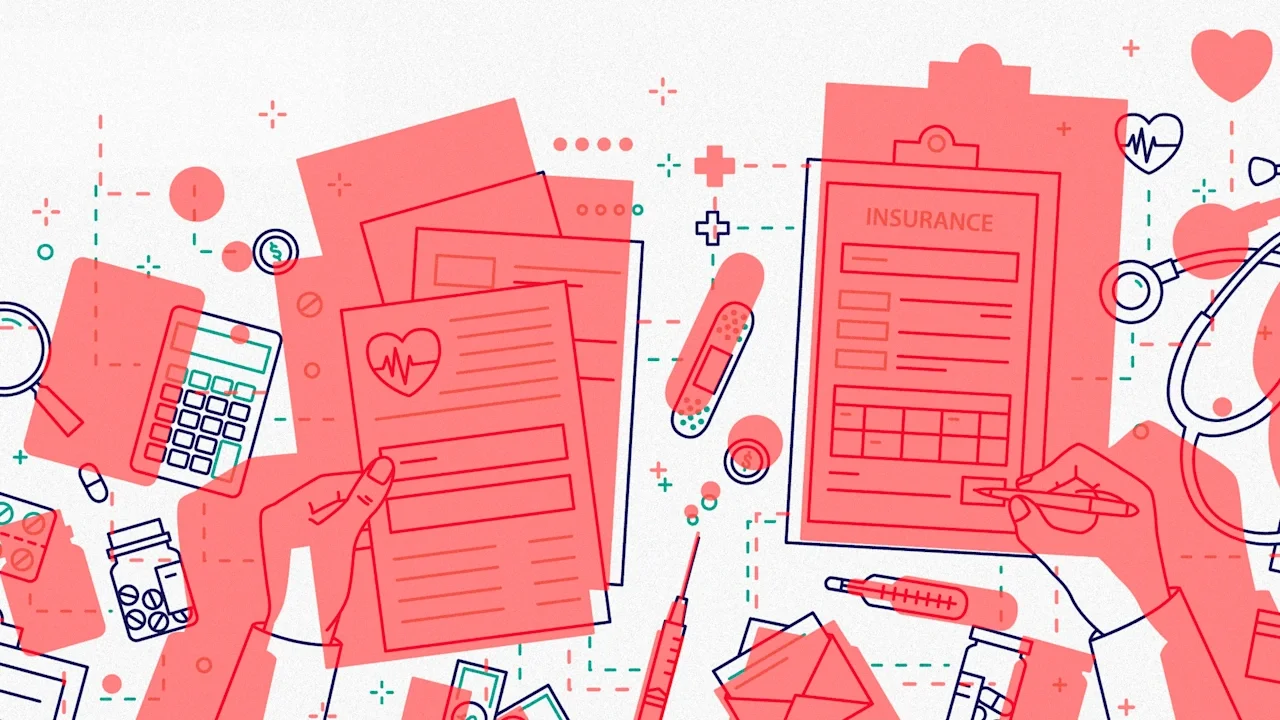
On July 29, 2025, at 9:45 a.m., Christine Ressy was supposed to be undergoing surgery to remove kidney stones. Instead, Ressy, a 49-year-old hairdresser in New York City, found herself holding back tears in the waiting room of a Manhattan hospital. Unless she paid half of her $10,933 bill prior to surgery, her doctor simply could not operate, she had been told. Because Ressy was uninsured, she had hoped to receive a cash-pay discount or find some other way to negotiate costs. She wanted to see an itemized receipt after her surgery before paying up, and had prepared a $500 cash deposit. She had done all this on the advice of her most trusted advocate: ChatGPT. Ressy’s conversations with ChatGPT about the cost of her surgery spanned more than 28,000 words. The platform assured her that she was allowed to push back against medical cost estimates, offering scripts for phone calls and email drafts to send billing departments. In the hospital, Ressy messaged ChatGPT again. “I’m crying beyond tears,” she wrote. She was willing to pay, but did not want to do so upfront. The staff is “pressuring me,” she said. What should she do? “You are not the problem here,” ChatGPT responded, sending Ressy a yellow heart emoji. Ressy was simply a “patient asking to be treated fairly,” the AI platform said. “They are pressuring you at your most vulnerable—and that is wrong.” Ressy went to the check-in desk and repeated a new ChatGPT script: This time, she wanted documentation that she had, as instructed, arrived two hours early for surgery, had offered a good faith deposit, and that the hospital would not be admitting her. One of the medical billers overheard Ressy, then mentioned the phrase “charity care.” Ressy was previously told on the phone that she made too much to qualify for any financial assistance. Now, the biller brought Ressy to the billing office and gave her a document to sign. Two hours after her scheduled appointment, Ressy went into surgery. Three months later, the only money Ressy has paid is the $500 she brought as a deposit. She never received a bill for her surgery, and she is currently negotiating the cost of her anesthesia. “I didn’t know I had any of these options,” Ressy tells Fast Company. “ChatGPT said it’s legal, it’s necessary, and it’s expected to negotiate—I didn’t know that.” Ressy is one of a growing number of people using ChatGPT and other AI tools to untangle the convoluted finances of the American healthcare system. As insurers invest in artificial intelligence, many patients feel the system is increasingly lacking in humanity. A ProPublica report found that Cigna denied 300,000 requests over a two-month period in 2023, with physicians spending an average of 1.2 seconds on each case. Cigna, UnitedHealthcare, and Humana are all facing class-action lawsuits that allege the insurers’ AI models denied patients lifesaving care, with denials that ran counter to doctors’ recommendations. Patients often are informed of these denials in confusing form letters that leave patients scrambling mere days—or even hours—before scheduled treatments. Now, thousands of patients are using platforms to appeal rejected claims, according to Alicia Graham, the CEO of AI startup Claimable. Others, like Ressy, are asking for scripts to help them negotiate the cost of care. Jessica Cunningham, a mother of four and content creator in Southern California, tells Fast Company she runs all of her family’s hospital bills through ChatGPT to make sure they are not being overcharged. In a confounding system, seemingly controlled by bots and byzantine policies, AI can feel like a lifeline. “It makes me feel like I have the smartest person in the world looking out for me,” Gordon says. “They don’t know what to do next” With its opaque pricing and convoluted policies, it’s easy to feel confused by the American healthcare system. A Gallup poll found that just 17% of Americans are aware of the cost of healthcare procedures before receiving care. Trying to navigate the medical system is an exhausting process, with more than 80% of patients and caregivers telling the Patient Insight Institute that they spent five or more hours a week on administrative tasks. Eighteen percent said they spent “too many hours to count.” Then there is the financial burden: according to a 2022 survey, four in ten Americans are in medical debt. Erin Bradshaw, the executive vice president of the Patient Advocacy Foundation, says that by the time people reach out to the nonprofit, they are already overwhelmed. Most are not aware that many hospitals are open to negotiating costs, nor that hospitals have charitable or discount programs. Even if patients are aware of these options, few know who to contact or what to say. “Often the barrier is they don’t even know what to do next, because you’re dealing with a health crisis to begin with,” Bradshaw says. Decoding hospitals and insurers’ policies can feel like trying to read another language. One of the most powerful aspects of AI platforms is their ability to analyze vast amounts of text nearly instantaneously, with ChatGPT reading hundreds of words in just a few seconds. Often, people simply surrender when the process becomes too overwhelming. If AI platforms can provide support for patients—even if it’s just by scanning documents and suggesting questions to ask—it can be a great tool for self-advocacy, Bradshaw says. At the same time, Bradshaw and other healthcare experts caution against relying solely on AI. Part of their caution is due to privacy concerns. Artificial intelligence is able to provide better results with more information, so if you upload your bills and medical records, you will likely get more fine-tuned responses. However, this information does not necessarily remain private, as most AI platforms save and collect user data. It’s a stark departure from the privacy-obsessed world of medicine, where Health Insurance Portability and Accountability Act (HIPAA) demands strict protection of sensitive health information. Also complicating matters is AI platforms’ quirk of offering up occasionally inaccurate information. Different states and healthcare systems have vastly different policies. What works in one situation might not apply in another, no matter what ChatGPT says. And sometimes, AI platforms are just straight-up wrong. Earlier this year, for example, CNN reported that the FDA’s AI platform was making officials’ jobs more difficult by misrepresenting research and hallucinating nonexistent studies. That does not mean patients should avoid AI altogether. They just need to check its sources, ensuring the original documents actually support platforms’ statements. Alternatively, experts advise seeking out platforms trained specifically to answer these types of questions. Courage to take action In January, the Marshall Allen Project launched the “Marshall Allen Clone,” or MAC. The journalist Marshall Allen, author of “Never Pay the First Bill (And Other Ways to Fight The Healthcare System and Win),” spent his career publishing investigations that helped patients better navigate the healthcare system. After Allen died unexpectedly in 2024, the Marshall Allen Project built MAC, an AI tool trained on Allen’s reporting. The free platform offers personalized answers to people like Ressy struggling to negotiate costs or untangle their options. “The general AI does a really good job of giving people a great starting point,” Andrew Gordon, a healthcare researcher who volunteers with the Marshall Allen Project, tells Fast Company. What sets the MAC apart is its training on the intricacies of the system. When a patient is advocating for themselves for the first time, Gordon says, feeling secure in the accuracy of this advice can be especially powerful. “It’s a North Star, it’s confidence, and it’s courage to take action,” Gordon adds. Other organizations are building even more specific AI tools. Claimable, a startup that launched in 2024 and one of Fast Company‘s 2025 World Changing Ideas, uses AI to generate and submit appeals for patients who have been denied healthcare coverage. The startup is a seed stage company with investors including Walkabout Ventures and Quiet Capital. In less than a year, Claimable has recovered nearly $20 million for patients. Cofounder Alicia Graham tells Fast Company she was drawn to the idea after finding out that up to 99% of people whose claims are denied never file an appeal. Yet, when patients do push back against these denials, a sizable portion — up to 80% — win, allowing access to treatments previously out of financial reach. To use Claimable, which costs $39.95 per appeal, patients upload their medical and insurance information and answer a handful of questions. (Unlike most AI platforms, Claimable privately protects this information, in compliance with HIPAA.) The platform generates an appeal, drawing on specific insurance policies, local legislation, and relevant medical research. This kind of tedious work can take hours. Claimable creates a letter in minutes, then submits the appeal to the necessary parties. Michael Henry was one of the many patients who did not realize he could appeal rejected claims until he heard about Claimable. Henry, a chief of human resources in Battle Creek, Michigan, had started rationing his GLP-1 shots in late 2024 when Blue Cross Blue Shield Michigan announced it would no longer cover medications such as Saxenda, Wegovy, and Zepbound. Henry tried another weight-loss drug, but it did not work. He did not want to pay $1,200 a month. So, instead of injecting himself weekly, Henry—who was previously diagnosed as prediabetic—cut his shots to every other week, rationing out his remaining medication. By July, Henry was almost out. He was listening to an episode of “On the Pen,” a podcast about GLP-1s, featuring an interview with Zach Veigulis, another Claimable cofounder. Henry collected his documents and filled out Claimable’s questionnaire. The next day, he got a call from his doctors’ office. He had been approved. Henry picked up his medication later the same day. The United States is still in the early days of patients using AI to navigate the $5 trillion healthcare system. AI is not always the solution. Not every appeal is approved and not every attempt at negotiation succeeds. Artificial intelligence does not address patients’ fundamental concerns about the healthcare system, from its opaque pricing to confusion and suspicion around denials. Americans on all sides of the negotiation seem ready to let AI take the reins when it comes to healthcare. Disturbingly, this could mean that artificial intelligence platforms working with insurers will be financially incentivized to deny patients’ claims. A pilot program that is set to launch in January, for example, will use AI platforms to review prior authorizations of treatments. The platforms will be paid a share of the money saved by rejecting treatment. The ideal future of health insurance would be a system free from concerns of systemic bias, or at least one that does not require superhuman computing capabilities to understand. But as insurers implement new technology, AI can at least offer patients a new tool—and a new confidence—to push back against a system that leaves many feeling powerless. “The more people that appeal, the better,” Claimable cofounder Gordon says. “The more people challenge—if they feel they’ve been unjustly denied—the better for everyone.” View the full article

-
Every workplace seems to have one. A manager who goes silent for days, then suddenly reappears in the team chat the moment senior leadership checks in. They’ll swoop in to take credit for the work they hadn’t touched, and say, “Oh yes, we’ve been addressing that.” This type of boss shows up when there’s an audience, then vanishes as soon as the higher-ups leave. I’ve started calling them the performative manager, because that’s exactly what they are. The rise of the performative manager To performative managers, actually leading isn’t really the point. All they care about is looking like they’re leading. Performative managers care more about optics than outcomes, and their favorite project is themselves. It sounds like something out of a bad office comedy, but it’s a reality that’s become easier to spot as more work happens online. A Resume Genius Report found that 62% of Gen Z employees face high performance expectations but little support, and more than half rarely get feedback from their managers. That’s not a small problem. Gallup research shows that managers shape roughly 70% of how engaged a team feels, which means one bad boss can drag an entire department down. Think your boss might be a performative manager? Here are five signs to watch for: 1. They promise support, then ghost you the second you need it If your boss is great at saying “I’m here for you” but never proves it, you might be dealing with a performative manager. They love looking supportive, but rarely follow through. One of my friends, let’s call her Sarah, learned this the hard way. During her first one-on-one at a banking firm, her manager said all the right things, such as “If there’s a problem, we’ll work through it together.” It sounded reassuring at the time. But when client requests started piling up and Sarah was drowning in email, that same manager was nowhere to be found. Sarah eventually figured things out on her own and sought help from her coworkers instead. What to do: When your manager disappears, get scrappy. Ask teammates for insight, look for past examples, or test a solution yourself. The more resourceful you become, the less you’ll need to wait around for someone else’s “guidance.” 2. They only come to you during performance review season If your boss suddenly remembers you exist right before review season, chances are they’re preparing for their evaluation, not yours. You’ll recognize the signs: more one-on-ones, warmer Slack messages, and maybe even a surprise “training session” that conveniently proves how engaged they’ve been all along. What to do: Use that sudden burst of attention to your advantage. Bring up projects you’ve led, the impact you’ve made, and what kind of support would help you grow next. Document your achievements (and keep them visible) so there’s a clear record of your work. If your success makes them uneasy, don’t shrink back. Instead, play it smart: share wins in ways that highlight the whole team’s progress, for example, mentioning how your idea helped everyone hit a deadline or made a process easier. 3. They repeat your solution verbatim in meetings You share an idea with your manager, and it’s crickets. Later on, your manager repeats the idea word for word in a meeting, and suddenly it’s “brilliant.” It’s not that they don’t hear you. They just save your insight for when it benefits them most. What to do: As tempting as it might be, resist the urge to confront them mid-meeting. Instead, start putting your ideas in writing where you have a clear trail in emails, shared docs, or Slack channels. If your idea suddenly reappears in a meeting, jump in with calm confidence: “Yes, that’s exactly what I was exploring earlier, and here’s how we could take it further.” It’s respectful, direct, and makes it clear that the idea started with you. You might also want to consider looping in higher-ups and collaborators so that it becomes more difficult for anyone else to take credit for your contribution. If you can, build relationships with other managers or team leads who notice your work. Good leaders can spot performative ones, and having someone credible to back you up helps protect your reputation. 4. They never admit they’re wrong My former colleague Dan used to lose his mind over his previous manager. “He’d ask what I thought about a problem,” Dan told me, “then immediately cut me off with, ‘No, that’s incorrect,’ even when I was literally describing the right solution.” Performative managers can’t stand being wrong because they see it as a threat to their authority. They prioritize looking competent over actually improving. And when something does go wrong, they’re quick to turn the spotlight elsewhere. If higher-ups are asking questions, that “miscommunication” or “missed deadline” suddenly becomes your fault. Over time, this can slip into gaslighting. You might start replaying conversations in your head, trying to figure out if you really missed something. You didn’t. What to do: When disagreements come up, reframe your input in neutral terms, like: “Let’s test both options and see which one works best.” Staying outcome-focused protects your time and mental health. If your manager pins the blame on you, respond factually and calmly. Reference what you had agreed on or shared: “As mentioned in the update last week, I followed the plan we discussed.” No one really wins an argument by losing their temper, but you can by keeping receipts. 5. They turn mentoring into a show of ego If “never admitting they’re wrong” is annoying, this is its final form. My friend Sarah called her manager “a walking pop quiz” who acted like everything was already his idea, and “everyone else was just trying to catch up to his galaxy brain.” For Sarah, every one-on-one started the same way: “So, what do you think went wrong here?” followed by a smug “Nope,” regardless of what she’d say. Performative managers enjoy playing teacher to remind everyone how smart they are. Beneath the surface, it’s less about teaching and more about control. What to do: Try to make these interactions short and focused. If they interrupt your work with “learning opportunities,” politely acknowledge them, give a brief update on your progress, and find a natural way to end the conversation. You can always wrap things up with a soft exit like, “I need to prep for my next meeting, but I’ll send you an update later.” Performative managers rarely fool people for long. The corporate world has no shortage of them, and knowing how to navigate them without losing your sanity will help you work smarter. Your power move isn’t calling them out. Let them perform. The real professionals are too busy getting things done. View the full article

-
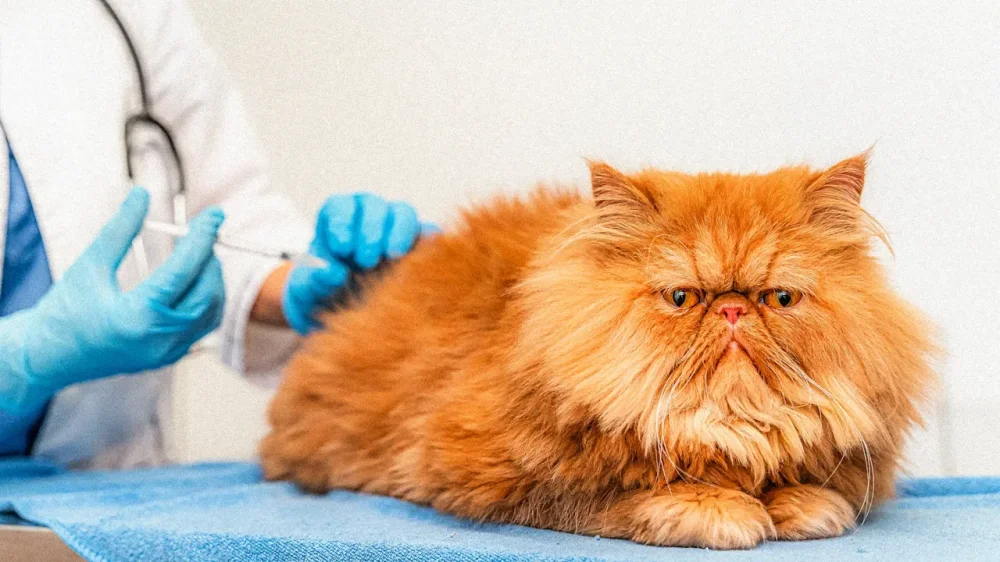
If you’ve ever taken a sick pet to the vet’s office, you know the pain of seeing your four-footed family member hurting. Then, of course, comes the secondary anguish of figuring how to pay for their veterinary care, which may have you wishing you’d ponied up for pet insurance. While Insurify reports that the average cost of a routine vet visit is about $138 for a cat and $214 for a dog, emergency veterinary care can run the gamut from $300 to $10,000, according to Marketwatch. The insurance industry touts pet insurance as the financial solution to the high cost of veterinary care. Like human health insurance, you pay monthly premiums so that your pet insurance will help cover veterinary bills for your dog or cat (and in some cases for your exotic pet) when you make a claim. But is pet insurance worth the money? And does it truly help lower the cost of pet ownership? Here’s the skinny on pet insurance so you can decide if it’s right for your fur babies, reptile pals, and/or feathered friends. Coverage options Typically, there are three types of coverage options for pet insurance: accident-only, accident and illness, and wellness coverage, according to the North American Pet Health Insurance Association (NAPHIA). Just like it sounds, accident-only will pay for veterinary care when your pet needs treatment because of an accident. This is the least expensive type of pet insurance coverage. Accident and illness coverage will cover treatment for accidents and also any other injuries, disease, or changes to your pet’s normal health. This might include some kind of embedded wellness coverage, but that is usually a rider or add-on to an accident and illness policy. Finally, wellness coverage—which most insurers will not sell as a standalone plan—is a preventative or routine care plan. It generally includes coverage for things like vaccinations, tests, and dental work. This is the most expensive type of pet insurance available, in part because it’s usually purchased alongside an accident and illness policy. Coverage limitations If this sounds a little too straightforward and lacking in insurance industry shenanigans, don’t worry! There are shenanigans aplenty. To start, every insurance company gets to decide which specific ailments, conditions, and veterinary services it will cover, and of course not everything is covered by every plan. Coverage can vary depending on the specific breed of your pet, since some breeds are prone to hereditary and congenital disorders that insurers will not cover. Additionally, diagnostic exams for illnesses generally aren’t covered, even if treatment for the illness itself is. And then there’s the exclusion for pre-existing conditions. Just like human health insurance, pet insurance won’t cover any preexisting health problems. Many pet insurers define “preexisting” pretty liberally, too, considering any health issue that occurs within a year of purchasing the policy to be a preexisting condition. Premium expectations To receive the pet insurance coverage, you’ll pay a monthly premium, just like with your human health insurance. Paying these monthly premiums makes it possible to afford the high cost of veterinary care for your pets. NAPHIA found that in 2024, accident-only pet insurance premiums cost an average of $16.10 per month ($193.29 annually) for dogs and $9.17 per month ($110.03 annually) for cats. Accident and illness coverage cost an average of $62.44 ($749.29 annually) for dogs and $32.21 per month ($386.47 annually) for cats in 2024. But the operative word here is “average.” Just as health insurance companies may increase premiums each year, many pet insurers may raise premiums as your pets age, since the likelihood of filing a claim increases as Zeus and Jasper age. That can make pet insurance premiums more difficult to keep up with as your furry companions are more likely to need age-related medical intervention. Add in the potential higher premium prices for hereditary or congenital conditions for certain breeds, and premiums may be out of reach for some pet owners. Premium affordability That’s not to say that you have no control over the cost of premiums. Just like with other types of insurance, making tweaks to your policy can help lower your premium prices. For instance, increasing your deductible is an easy way to lower your premiums to a more affordable level. Just make sure you have a plan for meeting the higher deductible if you need to make a claim. Alternatively, you could increase your coinsurance amount, which refers to the amount of money the policyholder must pay toward the cost of a claim. Most pet insurance offers a default coinsurance amount of 80%, meaning the insurer pays 80% of the claim, while the policyholder covers the remaining 20%. Choosing a coinsurance amount of 70% or less can help reduce your monthly premium costs. Claims process One important difference between your health insurance and pet insurance is how the claims process works. Pet insurance almost universally requires you to pay your vet out of pocket and file a claim with your insurer for reimbursement—after you have met your annual deductible. In other words, even though pet insurance can make eye-watering vet bills more affordable and make heart-wrenching medical decisions for your beloved animal less fraught, it’s not as though this kind of insurance relieves you of the immediate financial stress of a vet visit. Even if you have pet insurance, you still need to have either the cash or the credit available to pay the vet before you can be reimbursed. What’s best for Bella and Loki? Considering the coverage gaps, reimbursement requirements, and potential caveats, you might be thinking pet insurance is more trouble than it’s worth. If you have the financial discipline to make it happen, put aside an amount equal to a monthly premium into a savings account for your pet’s future veterinary care. But if that doesn’t sound like something you’re likely to do, pet insurance can be a good way to protect your animal companions without having to make heartbreaking financial decisions. Make sure you understand what coverage options are available from various pet insurance providers, as well as the coverage limitations. Even if the premiums are relatively low for your pets now, find out if they may go up as your pets age. Remember, you can help keep your premiums affordable by increasing your deductible or your coinsurance amount. And whether or not you decide to get a pet insurance policy, remember that the claims process is based on a reimbursement model. Even with insurance, you need to pay the veterinarian out of pocket for covered care and get reimbursed, so you’ll still need to have access to funds to pay for kitty’s kidney stone removal at the time of care. Which means it’s a good idea to beef up your emergency fund whether or not you opt for pet insurance. Then you can enjoy the wagging tails and throaty purrs without worry. View the full article
-
If you were one of the millions of children who grew up reading Goodnight Moon before bed, chances are its iconic green bedroom is permanently seared into your memory. Now, for the next four months, you have the opportunity to sleep in the Goodnight Moon room IRL. The Goodnight Moon room has been faithfully re-created—down to the red balloon, bowl of mush, and cow jumping over the moon—for a new immersive suite at the Sheraton Boston Hotel. The room can accommodate up to two adults and two children, and a booking in the suite comes with perks like four tickets to the View Boston observation deck, a $150 daily food and beverage credit, complimentary moon and star cookies, and even the supplies to make your own bowl of mush. It’s available to book now through February 28, 2026, starting at $399 per night. The activation is part of a broader campaign for Marriott Bonvoy’s Sheraton Hotels & Resorts. Marriott partnered with representatives of the late Goodnight Moon author Margaret Wise Brown and illustrator Clement Hurd, alongside ad agency Wieden+Kennedy New York, to create a new ad inspired by the bedtime ritual in the book. Creating a real-life version of the Goodnight Moon room as part of this campaign is a savvy strategy for garnering engagement, given that other companies like Airbnb and Skittles have recently found success through similar activations. In 2025, peak nostalgia fodder looks like revisiting the cultural icons of our childhoods. Why themed stays are the next frontier of social media marketing Real-life versions of pop culture’s most recognizable locations have become a kind of niche tourist destination (and social media gold mine for brands) over the past few years. In 2023, Airbnb created a rentable version of Barbie’s Dreamhouse, complete with a giant pool and an outdoor disco. The house garnered more than 13,000 press hits and more than 250 million social media impressions. It was so successful that on an earnings call CEO Brian Chesky told investors it attracted twice as many impressions as the company’s IPO announcement. The following year, Airbnb introduced a dedicated Icons feature, which lets users choose from pop-culture-inspired locations like the house from Disney-Pixar’s Up, the X-Mansion from X-Men ’97, or Prince’s Purple Rain house. Other brands have also jumped on board the themed-stay concept: In May 2024 Skittles unveiled an ultra-colorful Manhattan apartment inspired by the candy itself; and in July of this year Olipop launched a series of hotel rooms in Austin inspired by its soda flavors. Marriott’s take on the trend taps into Americans’ near-universal memories of one of the most comforting bedrooms ever illustrated. How the Sheraton Boston re-created Goodnight Moon Goodnight Moon was published in 1947, and is based on Brown’s own childhood memories of wishing “good night” to the items in her room alongside her sister, Roberta. As of 2017, it had sold more than 48 million copies and been translated into more than a dozen languages. The book’s repetitive structure is one reason for its choke hold on the psyche of so many young children, but its illustration style is also undeniably part of its staying power. The surrealist, almost uncanny maximalism of the work feels somehow ahead of its time—and it’s inspired plenty of artists, including more than a dozen contributors to a 2021 art exhibition at the New York City studio Fort Makers. To replicate Goodnight Moon’s iconic setting down to the smallest detail, Marriott tapped Favour Agency, a company that specializes in building immersive experiences. According to Rebecca Payne, Favour’s senior director of experiences, the process started with color-matching every element of the space as closely as possible. While she says it was “easy enough” to pull accurate Pantones for the yellow furniture and green walls, elements like the complementary green blanket on the bed and red carpet needed to be chosen carefully. “There was certainly some trial and error because time did not allow for every single piece to be fully customized,” Payne explains. “But without that level of detail, the final result would have fallen flat. It needed to be perfect.” For more whimsical parts of the design, Payne’s team sought out bespoke solutions. The red balloon, for example, is actually a sculpture affixed to the ceiling, while the fireplace is custom-built out of wood pieces and LED lighting. The most important element of the project, Payne says, was to capture the familiarity and warmth of the original illustration. “What a cozy space Clement Hurd created in his illustrations,” Payne says. “The crackling fire and oversized bed just make you want to curl up and fall asleep.” View the full article

-
Four killed and dozens injured as 19 missiles and hundreds of drones target capital cityView the full article
-
Treasury modelling suggests adding national insurance to tax bills of lawyers and accountants could cost more than it raisesView the full article
-
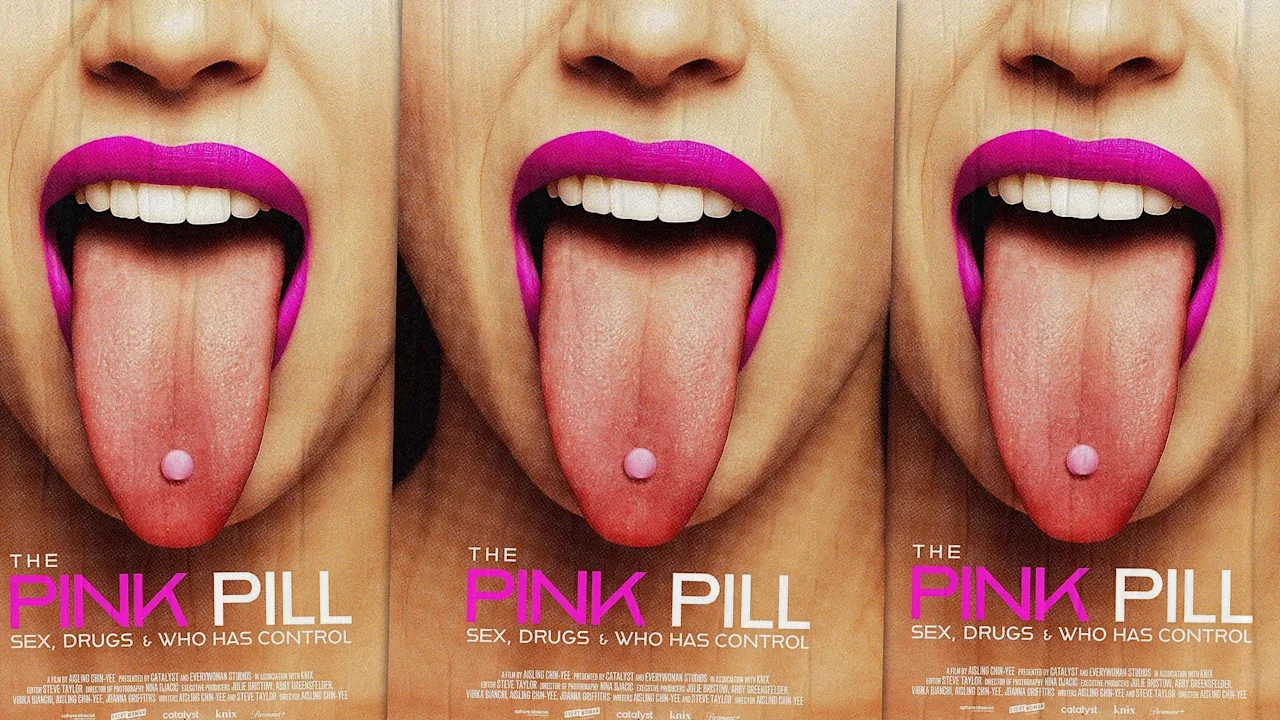
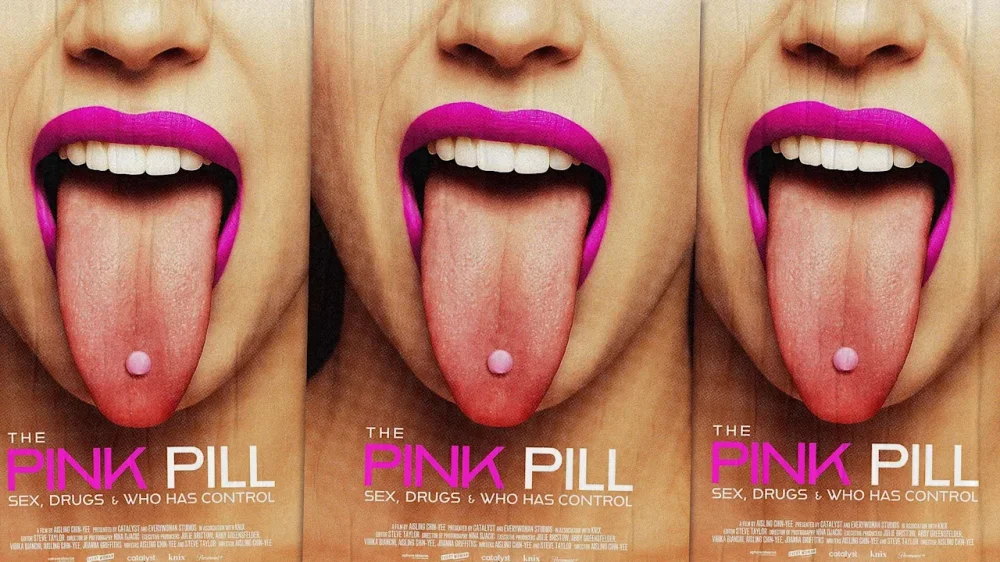
After Viagra came to market in 1998, women began clamoring for a drug of their own. But it has taken decades for the medical community to take women’s sexual health seriously—and even longer to develop and approve a drug that improves women’s libido. A new documentary called The Pink Pill: Sex, Drugs, and Who Has Control, premiering at the DOC NYC film festival, explores the fight to launch Addyi, a drug known as “the female Viagra.” Directed by Aisling Chin-Yee, the film follows Cindy Eckert, the founder of Sprout Pharmaceuticals, who worked for five years to bring Addyi to market, which she managed to do in 2015. But just as fascinating, the film explores society’s perception of women’s sexuality and whether women have a right to sexual pleasure. The film also has an unusual backer. Knix, the underwear startup known for its period panties, provided the capital to bring this film to completion, and Knix founder Joanna Griffiths serves as an executive producer. It’s an interesting strategy that allows Knix to be part of a broader conversation about women’s rights while also potentially introducing the brand to new consumers. Joanna Griffiths The Government’s Effort to Block Addyi Low libido is a widespread problem among women. In this film, women talk about how their desire for sex can suddenly dry up, harming their romantic relationships and lowering their quality of life. But while men’s loss of sexual desire is treated as a medical problem, women’s sexual problems have been dismissed. Women describe their doctors telling them to drink some wine or read a steamy romance novel to get themselves in the mood. Then, in 2009, a German pharmaceutical company stumbled across a breakthrough. A medication originally developed to treat depression was found to improve women’s sexual desire. But when the company tried to bring it to market, the U.S. Food and Drug Administration rejected the drug—citing concerns about its effectiveness and side effects—and it was abandoned. Enter Eckert, a pharmaceutical executive who had struggled with low libido herself. She believed it was worth taking on the FDA. She bought the drug from the German company for $5 million and went back to the federal agency to ask what trial data was required to approve it. But as she met the FDA’s demands, it kept coming back to her with new issues. Chin-Yee’s documentary makes the case that the FDA had a higher standard for Addyi than it did for other drugs because it was meant for women. For instance, one side effect of Addyi is sleepiness, which is true of many medications on the market. But the FDA wanted to block Addyi out of concern that a woman might take the drug at night, then fall asleep while driving her kids to school the next day. In response, Eckert poured more than $1 million into a driving study that showed women actually drove better after taking Addyi, likely because they slept better. “[Their concerns were] very much about protecting women because they might not make good choices,” says Dr. Anita Clayton, an OB-GYN professor at the University of Virginia whose clinical practice and research focus on women’s mental health and sexual dysfunctions. Eckert was confronted with other FDA roadblocks for five years, and kept working to meet the organization’s requirements. During this period, the fight to launch the drug became a broader movement around a woman’s right to experience sexual pleasure, with many women’s organizations—including the Black Women’s Health Imperative and Jewish Women International—advocating for the FDA to approve Addyi. There was also backlash. People argued that the drug wasn’t necessary because women are physically capable of having sex even if they aren’t aroused, whereas men cannot. Others argued that it’s normal for women not to enjoy sex after it’s no longer required for reproduction, such as after giving birth or entering menopause. In the end, however, Eckert managed to jump through every last hoop, and the FDA approved the drug for use in 2015; it became widely available in 2017. But the drug has had disappointing sales and has not become as successful as Viagra. In December 2024, however, Eckert’s company received $45.6 million in late-stage VC funding, and is currently generating revenue. So there’s hope that more women will feel comfortable talking to their doctors about low libido, and that doctors will prescribe Addyi. When a Brand Becomes a Film Producer Knix founder Griffiths fell in love with The Pink Pill when it came across her desk two years ago when Chin-Yee was in the final stages of filming it. “It raises so many important questions about women’s sexuality,” she says. “It sparks so many further conversations about everything from our political climate to the role that sex plays over the course of a woman’s life.” In 2023, at the Banff World Media Festival, Griffiths announced that Knix was partnering with production studio Catalyst to launch Docs for Change, a project that would identify promising female documentary filmmakers and finance, develop, produce, and distribute their films. A large number of filmmakers applied, but The Pink Pill stood out because it shed light on an area of women’s health that has long been overlooked. The topic of the film isn’t directly related to Knix’s business, which is selling high-performance underwear and clothing, like period panties and teen bras. But over the years, Griffiths has tried to weave the brand into broader conversations that affect women. In 2021, for instance, the company launched Life After Birth, an art exhibit and book that documents how women’s bodies change after childbirth. Projects like this aren’t necessarily designed to market products, but rather to associate the brand with broader ideas. “We want our customers to know that we are advocating for them,” she says. Frida, a brand for babies and new moms, did something similar when it recently commissioned a statue of a postpartum woman that is currently being exhibited around the world. Griffiths believes funding films and art is more rewarding than many of the other things that consumer brands spend their marketing budgets on, like expensive dinners and influencer trips. “You can spend $90,000 on a fancy dinner with beautiful florals for just small groups of celebrities and influencers,” she says. “But a film is by definition designed for a mass audience. The goal is to get as many people as possible to watch it.” To that end, Knix will help disseminate The Pink Pill via free movie screenings in the U.S. and Canada, and is working to find streaming services to carry it. Knix is also going to launch “screening kits” so people can host parties in their homes where they’ll watch the movie with friends and then have a conversation about it with discussion questions. It’s a novel approach to marketing, but Griffiths believes it’s already paying off. “We’re already part of so many big conversations about women’s health,” she says. “We want to continue doing so.” View the full article
-
Claim in London High Court sought £36bn in damages for 620,000 alleged victimsView the full article
-
Risky to raise revenue via tweaks and novel taxes, especially through rushed changesView the full article
-
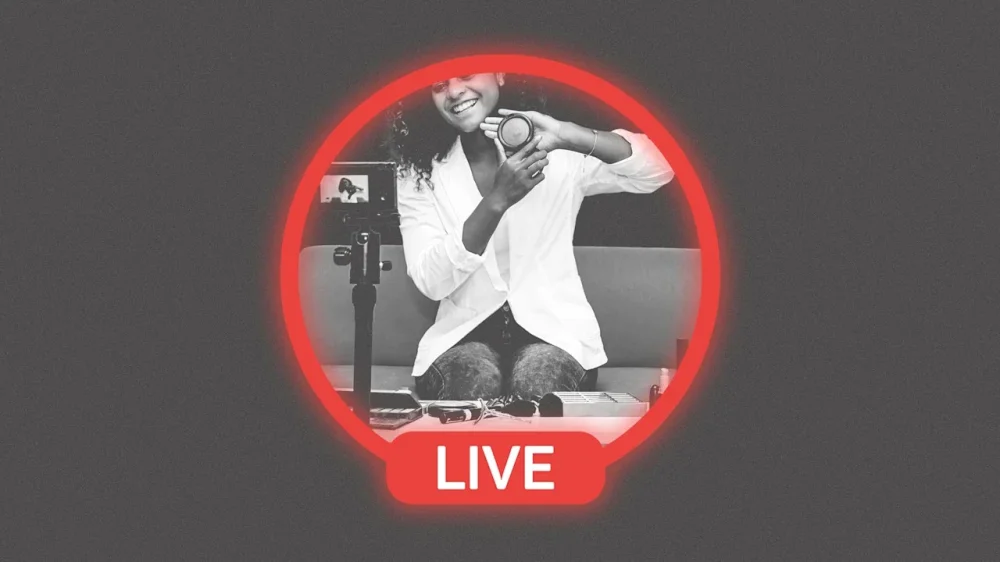
Aaliyah Arnold, the 21-year-old founder of BossUp Cosmetics, goes live on TikTok a few times a week. Each livestream will last anywhere from 4 to 12 hours. Thousands tune in to watch her pack mystery boxes for customers, give away products, and teach makeup tutorials. “I mix in music, jokes, giveaways, and real product demos so people feel like they’re hanging out with me while shopping,” Arnold tells Fast Company. Livestreaming now makes up 60% of her company’s total sales. Her biggest livestream to date hit $170,000 in sales, with more than 1 million viewers tuning in. Arnold is one of many solopreneurs on platforms like TikTok leaning into “live selling” to get ahead in the ecommerce industry. Dubbed Gen Z’s answer to QVC, live selling has been big in China for almost a decade, but somewhat flown under the radar in the U.S. That is, until recently. The number of online shoppers who purchased during a livestream, across different platforms, jumped 29% to 41 million in 2024, according to eMarketer. From household name brands like Crocs to small businesses like BossUp Cosmetics, more brands are getting in on the action. For smaller businesses and solopreneurs, live selling levels the playing field and allows them to compete against bigger brands in today’s attention economy. Take a scroll on platforms like TikTok and livestream shopping app Whatnot and you can shop for just about anything, from makeup tools to sweets to collectibles. Energetic hosts pitch their wares, hooking consumers with limited-time deals and chaotic entertainment that triggers sales. “I started livestreaming in 2022 because I wanted a real way to connect with my audience,” Arnold says. “I wanted people to see the girl behind the brand, the story, and the products in action.” She adds, “It started as a fun way to build community, and it quickly became one of the most important parts of my business.” Whatnot is another platform popular with solopreneurs. The platform hosts more than 175,000 hours of livestreams every week, according to its 2024 State of Livestream Selling Report, which calls that figure “800x more than QVC’s weekly broadcast hours.” Here, independent sellers conduct live auctions or flash sales as shoppers bid on items and interact in the chat. One in five solopreneurs say live shopping has at least doubled their annual revenue, according to statistics shared with Fast Company. Vinyl records seller Amy Eskeberg, 35, who sells under the handle eskeeknowsvinyl, has been livestreaming on Whatnot at least twice a week since 2023. In a typical livestream, which lasts an hour and a half, Eskeberg will make around 75 sales. “Which might not sound like a lot,” Eskeberg tells Fast Company. “But is a lot when considering how many records a physical store might sell in that time span.” What was supposed to be a side hustle quickly turned into her full-time gig. “Although it was foreign at first to be on camera, I recognized the major benefits livestream selling offered versus other methods,” Eskeberg says. “Mainly, the ability to sell at a much faster pace, versus waiting around for sales with the quick auction feature.” She also likes “the ‘social’ aspect of livestreaming that creates community with viewers.” For solopreneurs, that is the unique selling proposition. By going live, founders can communicate directly with their customers, responding to their questions in real time, all without having to invest thousands in a brick-and-mortar store or pop-up. Instead of relying on organic foot traffic for exposure, TikTok has a built-in audience of 170 million American users ready to stumble across your small business. Whatnot’s monthly active users also increased 180% year over year in 2024. Consumer trend forecaster WGSN has found that conversion rates for live shopping are 10 times higher than those for traditional e-commerce. Eskeberg says she generated around $500,000 from livestreaming on Whatnot in 2024, accounting for almost all her record business’s overall sales. She currently does not sell anywhere else. Just as many solopreneurs lean heavily on personal branding and a strong social media presence to attract new customers, the same principle applies when going live. “Ninety-nine percent of the time, I livestream from the same spot on my vintage floral 1970s couch that could have belonged to your grandma that has become a centerpiece of my ‘image,’” Eskeberg says. “I also try to include several giveaways every show to keep casual viewers,” she adds, noting that she hopes “they like the vibe and decide to bid on a record or come back to a future show where a record they want might be listed.” Social shopping is set to change the way we buy things forever. Nearly half (47%) of U.S. consumers have made a purchase through social media, while 6 in 10 (58%) are interested in doing so, according to data from market research firm Mintel. A further 46% have made a purchase through a livestream event and would do so again. Going live, a solopreneur has the chance to meet those shoppers and sell to them . . . from the palm of their hand. View the full article
-
Three years ago, Patagonia’s founder Yvon Chouinard made an unprecedented move: he and his family gave away the company. Instead of selling the multibillion-dollar retailer or taking it public, they created a new trust and nonprofit that would use the company’s profits to fight climate change and protect nature. In a new report that looks at company’s impact over its 52-year history, Patagonia shares how the change has amplified its environmental work. While the company’s day-to-day internal work hasn’t changed significantly, “we’re giving away a lot more money to protect the planet,” says Corley McKenna, Patagonia’s chief impact officer. The company has a long history of environmental giving. It pioneered an “Earth tax” in the 1980s to give 1% of its profits to environmental causes, later formalized as 1% for the Planet, an organization that thousands of companies have now joined. But the company’s new structure enables giving at a much greater scale. Each year, as much as 98% of its profits can now be spent on climate action, after subtracting any funds needed for reinvestment in the business. (The company hasn’t shared exactly how much cash goes back to the business itself, but it needs some funds for building retail stores, buying inventory, and having some money in a bank to weather unexpected events like a pandemic.) The remaining 2% of profits fund the company’s “purpose trust,” designed to ensure that the company makes all decisions in line with its purpose to help save the planet, even long after Choinard and his family are gone. “It’s really designed to lock in the values of the company,” McKenna says. A future CEO “can’t go rogue and take the company in a totally different direction.” Buddy PendergastHector Castro Since the company restructured in late 2022, Patagonia has given $180 million to the Holdfast Collective, a group of five nonprofit trusts that the company created to fund environmental work. That’s compared to the $10-$15 million a year that the company gives away through 1% for the Planet. The funding has enabled many more of the type of projects that the company already supported. In Alabama, for example, it contributed $2 million this year to help conservation groups buy 8,000 acres in Georgia’s Okefenokee swamp, a unique ecosystem with rare and endangered animals, which was at threat for development of a new mine. In Alaska, it spent $3.1 million at a critical moment to prevent the development of another mine in the Bristol Bay watershed. In Australia, it helped purchase 92,000 acres of land. As Patagonia issues dividends to the Holdfast Collective, the funds are essentially spent right away. “The goal is for hold fast to move that money to urgent needs quickly,” says McKenna. “A lot of philanthropies are creating endowments and they want to really save that money. The Chouinards’ feeling is the planet needs the money now. So [Holdfast] is trying to move it as quickly as possible.” All of this adds to the work that Patagonia’s environmental activism team was already doing to support grassroots nonprofits working on issues like land protection, sustainable agriculture, and climate. That team works closely with the nonprofits, looking for ways not just to give money but for the company to elevate specific issues to get support from its customers—like helping establish Bears Ears National Monument, and then fighting the first The President administration when it shrank the size of monument. The environmental activism team is strategic about what it supports. This year, it worked with a coalition to fight against part of the reconciliation bill to sell off hundreds of thousands of acres of public lands in the U.S. “That was a big win at a tough time,” says McKenna. “I think we wouldn’t be able to have these successes if we were trying to do everything, if we were trying to win every battle. We just can’t do that.” The company also continues to work to reduce its own environmental footprint, though the report acknowledges the challenges it still has as it reaches for climate goals. (Some 2025 targets, like a goal for half of its synthetic fabric to be made from waste, won’t be met on time.) It’s critical, the company says, for other businesses to also focus on climate action—both in internal operations and in philanthropy—at a moment when politics are moving in the other direction. “What we realize is it cannot just be Patagonia out here trying to do business differently,” says McKenna. Belinda Baggs Businesses “definitely need to exist to do more than enrich a handful of individuals,” Choinard writes in the report, as he says that he’s been “working harder than an 87-year-old should” since giving away Patagonia. Companies can and should exist to solve problems. Corporate influence already crosses borders and shapes government policy everywhere. Imagine what could happen if interest groups and lobbyists prioritized planetary and human health over environmental deregulation. Or if even just a few multinational mega-corporations dedicated some of their profits toward doing good beyond what can be written off their taxes. Similarly, if enough companies join together and decide our planet takes precedence over profit, we can change the world. We could change capitalism for good. View the full article

-
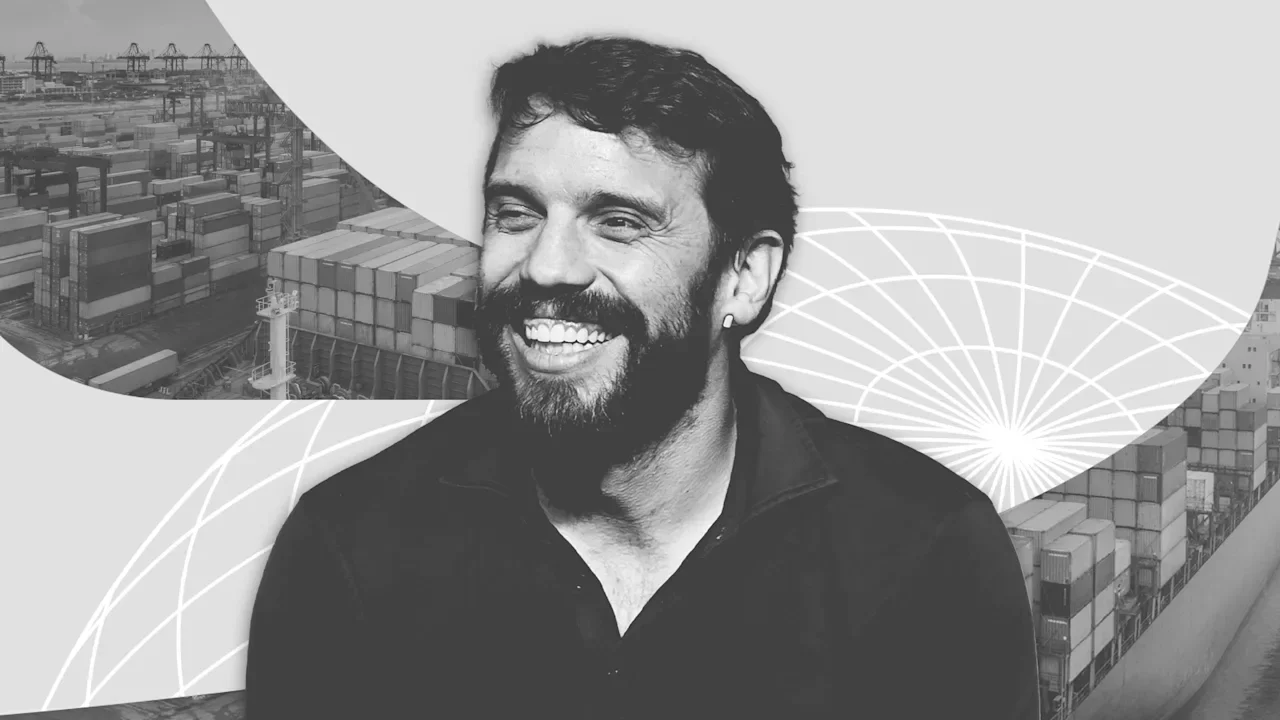
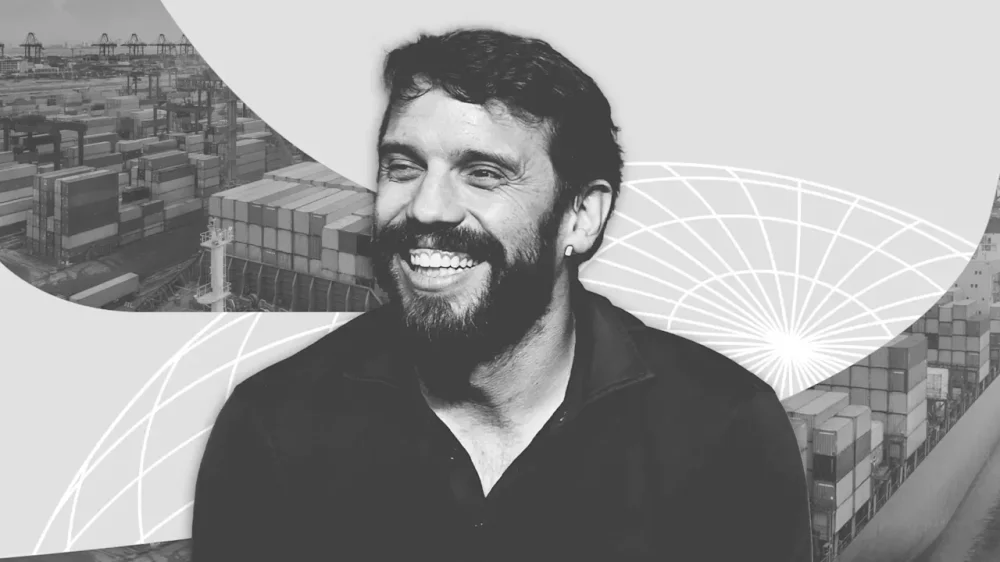
To many watching from the sidelines, it can feel as if the global trade landscape is completely upending on a daily basis with no sign of slowing. To shine some much-needed light on the discussion, Flexport CEO Ryan Petersen assesses the biggest myths around trade and tariffs today, shares advice about avoiding jail, and gives insight into China’s ability to weather volatility. This is an abridged transcript of an interview from Rapid Response, hosted by former Fast Company editor-in-chief Robert Safian and recorded live at the 2025 Masters of Scale Summit in San Francisco. From the team behind the Masters of Scale podcast, Rapid Response features candid conversations with today’s top business leaders navigating real-time challenges. Subscribe to Rapid Response wherever you get your podcasts to ensure you never miss an episode. Myth No. 1 is, Don’t act on tariff announcements too quickly. Policy could shift again. I remember you telling me about Customs and Border Protection finding out about changes on Truth Social. Things just keep changing. We have a Supreme Court case that’s coming down the pipeline and it may, actually all the tariffs might just get refunded. And we’ll find that out in the next couple of months. And then, by the way, for sure the administration will claim that as a victory because the stock market’s going to go way up. But when you’re talking to clients, are they like, “Yeah, we gotta do things. We don’t have to do things”? Sometimes the best thing is to do nothing. You might say that’s actually an action. It could be a radical action to just say, “Hey, we’re going to stay calm.” Some changes in a supply chain take many years to play out, if you’re going to move your production to a new country. We’ve seen this where people said, “Oh, okay, China doesn’t work. We’re going to set up production in India.” And it turns out the tariffs on India are just as high as on China right now. So it is very difficult to make long-term decisions in a policy environment that changes so quickly. Are they looking over their shoulder at each other and saying, “What’s that one doing? Should I be doing that? What can I do differently?” Yeah, there’s a lot of that. It’s been very interesting. So we’re a customs broker to help companies figure out what duties they owe and pay them. And it’s a really complex world as you can imagine. There’s every variety of product out there. I’m used to being the expert when I talk to my customers. But now, the CEOs—they have to know their product at a level that I don’t. I don’t know every single product and every rule. And then I’m just like, I smile and nod, like, “Yeah, yeah.” It’s been really tough for us to be at that forefront trying to monitor what’s happening and interpret it for our customers and . . . give them advice: What decision should you make? Let’s move to myth No. 2: The government has a plan. Don’t worry, they know what they’re doing. Everything’s going to turn out great. It’s difficult to say. I think there’s maybe a plan. I don’t know if it’s a good plan. The reality is there’s actually some pretty good reasons for us to be concerned about the lack of industrial production in the United States. And one of the problems in life though is you get a bunch of people in a room and you say, “Hey, we got this problem, we gotta do something,” they’re going to do something. And it doesn’t always mean they’re going to do the right thing. Like, yes, tariffs may be an effective way to stimulate manufacturing. [But] the way they’ve been done so far, actually, I’ve met more companies that are shifting production offshore as a result of the tariffs because you have to pay duties on the components that are coming in and on the machinery that you use. These sorts of unintended consequences. Second-order impacts, maybe? Typical. Economies aren’t meant to be centrally planned. All right, let’s move to No. 3: China’s in a better position to adapt to trade volatility than the U.S. And I have to say that I’ve heard this exactly the opposite way too. I almost wrote this the other way, that the U.S. is in a better position to adapt to trade volatility than China is. Which is very illustrative that you could have written it both ways and it does illustrate trade is a positive-sum scenario. Both parties do trade because they’re both made better off by doing it. And this idea that you can win a trade war is sort of inherently wrong. You win a trade war by just not having one and doing trade in both parties. That said, the United States does depend on global trade less than China does. We’re self-sufficient in food and energy and they’re not. And that’s a big deal. They import, I think 80% of their energy. They import a lot of food from around the world. So if you’re talking about subsistence level, who’s going to survive in a terrible situation? We do depend less on trade. But that said, I think both parties, definitely both parties are going to lose. You have a lot of communications, you say, with CEOs here. Is there communication or information that you’re getting from contacts in China about how the trade war is impacting things there that maybe we’re not seeing as much? The thing that we’re seeing—and it’s not just China; you see this on a global basis—is when you jack up duty rates the way we have, you just create this huge incentive for fraud. For fraud? Yeah, for cheating. And it’s quite simple what’s happening. And it’s happening en masse. We’re spending a lot of time in D.C. trying to help them understand how this happens. The United States is the only country in the world, the only major country in the world, that allows foreign companies to import goods into the country without any kind of legal entity, physical presence, employees, bank account, nothing. You just, as a foreign company, fill out this form and you just get approved and you can start importing from overseas. Well then you just . . . mis-declare, you say the products are worth $10,000 when they’re worth $100,000. You just reduce your duty rate by 90%. And it’s very difficult for customers. We don’t have enforcement agents in other countries for trade compliance. We do for terrorism, for drugs, but not for trade compliance. Because it hasn’t been measurable, it hasn’t been worth it? Yes, exactly. And now the incentive is there. . . . There’s a bill in the Senate that’s being talked about and maybe Executive Order we will see to make it much more difficult for this type of fraud. But it’s not China-specific. I think this is like anyone in the world if you’re in a foreign country. You can take advantage of this. Don’t do that by the way. And if you’re an American company that’s buying from those people on those terms and they’re importing for you, you are committing fraud. And I only have one rule in life: I’m never going to jail. I don’t have the personality for it. View the full article
-
After 43 days, the U.S. government shutdown finally came to an end late on November 12, when Congress voted through a long-overdue funding bill, which President Donald The President promptly signed. But the prolonged gap in government-as-usual has come at a cost to the economy. The Conversation spoke with RIT economist Amitrajeet A. Batabyal on the short- and long-term impact that the shutdown may have had on consumers, on the gross domestic product, and on international trust in U.S. stewardship of the global economy. What is the short-term economic impact of the shutdown? Having some 700,000 government workers furloughed has hit consumer spending. And a subset of those workers believed they may not have a job to come back to amid efforts by the The President administration to lay them off permanently. In fact, the University of Michigan’s monthly index on consumer sentiment tumbled to a near record low in November—a level not seen since the depth of the pandemic. Because lower consumer sentiment is related to reduced spending, that has a short-term impact on retailers, too. And because parks and monuments have been closed throughout the shutdown, tourism activity has been down—a decline no doubt worsened by the reduction in flights enforced due to shortages in air traffic controllers. The effect was particularly pronounced in places like Washington, D.C.—one of the most popular destination for tourists—and Hawaii. This short-term effect will likely extend to secondary businesses, such as hotels. Indeed, prior to the shutdown, the U.S. Travel Association warned that such an event would cost the total travel industry around $1 billion a week. And the longer-term impact? Estimates range, but the nonpartisan Congressional Budget Office has said that the cost to America’s gross domestic product in lost productivity is in the range of $7 billion to $14 billion—and that is a cost from a self-imposed wound that will never be recovered. And from an international macroeconomic point of view, trust in the U.S. has been hit. Even before the shutdown, political dysfunction in Washington contributed to a downgrade in the U.S. credit rating—something that could result in higher borrowing costs. The shutdown further erodes the U.S.’s standing as the global leader of the free market and rules-based international order. Accompanied by the economic rise of China, this shutdown further erodes international investors’ impression of the U.S. as an arbiter and purveyor of the established trade and finance system—and that can only hurt Washington’s global economic standing. Has the economic pain been felt evenly? Certainly not. Large numbers of Americans have been hit, but the shutdown affected regions and demographics differently. Those on the lower end of the income distribution have been hit harder. This is in large part due to the impact the shutdown has had on the Supplemental Nutrition Assistance Program (SNAP), also known as food stamps. Some 92% of SNAP benefits go to American households below the federal poverty line. More than 42 million Americans rely on SNAP payments. And they were caught up in the political maelstrom, left not knowing if their SNAP payments will come, if they will be fully funded, and when they will appear. There is also research that shows Black Americans are affected more by shutdowns than other racial groups. This is because traditionally, Black workers have made up a higher percentage of the federal workforce than they do the private sector workforce. Geographically, too, the impact of this shutdown has been patchy. California; Washington, D.C.; and Virginia have the highest proportion of federal employees, so that means a larger chunk of the workers in those regions were furloughed. Hawaii has also been disproportionately hit due to the large number of military there. One analysis found that with 5.6% of people in the state federally employed, and a further 12% in nonprofit jobs supported by federal funding, Hawaii was the second-hardest-hit state during the shutdown. How easy is it for the U.S. to recover from a shutdown? Because shutdowns are always temporary, recovery depends on how long it has gone on. Traditionally, the long-term economic trend is not badly affected by the short-term pain of shutdowns. But it may be slightly different this time around. This shutdown went on longer than any other shutdown in U.S. history. Also, the nature of this shutdown raises some concerns. This was the first shutdown in which a president said that back pay was not a sure thing for all furloughed federal employees. And the uncertainty over those threatened with layoffs again broke from past precedent. Both matters seemed to have been settled with the deal ending the shutdown, but even so, the ongoing uncertainty may have affected the spending patterns of many. And we also do not know what the economic impact of the reduction of domestic flights will be. Have other economic factors exacerbated the shutdown effect? While the shutdowns in The President’s first administration did take place while tariffs were being used as a foreign policy and economic tool, this year is different. The President’s tariff war this time around is across the board, hitting both adversaries and allies. As a result, the U.S. economy has been more tentative, resulting in greater uncertainty on inflation. Related to that are the rising grocery prices that have contributed to an upward tick in inflation. This all makes the job of the Federal Reserve harder when it is trying to fine-tune monetary policy to meet its dual mandates of full employment and price stability. Add to that the lack of government data for more than a month, and it means the Fed is grasping in the dark a little when it comes to charting the U.S. economy. Amitrajeet A. Batabyal is a distinguished professor, Arthur J. Gosnell Professor of economics, and head of the Department of Sustainability at the Rochester Institute of Technology. This article is republished from The Conversation under a Creative Commons license. Read the original article. View the full article
-
Dramatic U-turn ahead of Budget sparks sell-off in gilt marketView the full article
-
It’s open enrollment season again—that period between October and November when workers must reacquaint themselves with “deductibles,” “copays,” and “premiums.” Many would rather wait at the DMV, sit through a three-hour work meeting, or attempt to explain social media to tech-challeged loved ones than spend their afternoon selecting an insurance plan. That’s why some workers are farming out everything on their health insurance to-do list to AI and social media. New research from HR tech company Justworks and The Harris Poll shows we’re entering the era of “benefit burnout”: Many people are not doing their own research on what plans are best for them, and instead of consulting HR, they’re outsourcing their decisions to artificial intelligence or crowdsourcing on TikTok. Some are simply hitting “renew” to avoid the stress altogether, potentially costing themselves and their employers in the long run. It’s a precarious time to be doing that, and with rising premiums, open enrollment is set to be more stressful than ever. According to a study by health policy research and polling firm KFF, the amount health insurers charge for coverage on the ACA marketplaces is rising by an average of 26% in 2026. Justworks’ Benefit Blindspots Report, released earlier this month, found that 62% of zillennials (Gen Z and millennials) would entrust AI to help them decode benefits or compare plan options rather than try to figure it out themselves. That’s compared with just 29% of Gen Xers and boomers. It’s not just AI. Gen Zers are also more likely to use TikTok, Instagram, or Reddit for research than to ask their employer or HR department for help. It doesn’t always pay off: Nearly half forget or regret what plan they picked, according to the Justworks data, and 22% simply reenroll in last year’s plan rather than shop around. “Healthcare is one of your biggest annual expenses, right after rent, yet 22% of people simply reenroll in last year’s plan without looking at the details,” David Feinberg, SVP of risk and insurance at Justworks, told Fast Company. “Take the time to review how your needs have changed—such as new prescriptions, dependents, or health goals—before you simply reenroll in last year’s plan.” The more expensive the plan is doesn’t always mean it’s better, either. “I see so many people default to the most expensive plan they can afford, assuming it’s the safest bet. In reality, the right choice depends on your actual health needs and risk tolerance,” Feinberg said. “A high-deductible plan paired with an HSA can provide you with savings for healthcare needs in the long term.” Gen Zers and millennials are also leaving money on the table when it comes to flexible spending accounts (FSAs) and health savings accounts (HSAs). While 30% of zillennials have an FSA or HSA, only about 1 in 5 (19%) use one and understand the benefits of it, according to the Justworks data. “Tax-advantaged accounts are one of the most underused benefits out there. You can use them for everyday needs like contact lenses or therapy apps, and if you invest your HSA early, it can grow tax-free for decades,” Feinberg said. “It’s one of the easiest ways to build long-term financial wellness through your benefits.” That’s where employers can step in, rather than leaving AI to fill the knowledge gap. “Employers who meet Gen Z where they are—with digital tools, plain language, and proactive support—will help close the confidence gap driving so much ‘planxiety,’” he added. Luckily, some firms are already rolling out AI chatbots to answer staff’s HR questions—a more solid alternative, perhaps, for workers who’d boot up ChatGPT for tips instead. View the full article
-
From fake “apologies” that spread like wildfire on social media (as was the case during the Astronomer CEO scandal) to companies facing backlash for using generative AI without safeguards, recent crises have shown how quickly brand reputations can unravel in the digital age. The rapid spread of misinformation online, combined with new risks tied to emerging technologies, has left organizations more vulnerable than ever. Companies that are not ready to deal with a crisis are putting their brands, reputations, and future at risk. There are three warning signs that your workplace is unprepared for the next disaster, scandal, or other corporate emergency. 1. There’s No Crisis Management Plan Unless a crisis management plan is in place, organizations will not know what to do when a crisis strikes, who will do it, how to do it, or why it should be done. For every minute a business delays in responding to a crisis, it will find itself in a defensive position and at a loss on the steps it should take to address the unfolding situation. Just as bad as having no plan is having one that has not been updated to account for the latest risks that can threaten the organization. Take AI, for example. According to research conducted by Riskonnect, 65% of surveyed companies do not have a policy in place to govern the use of generative AI by partners and suppliers. The reckless use of AI can result in fraud, plagiarism, and violations of intellectual property laws, all of which can create the risk of litigation and a crisis for businesses. The best and most effective plans should include these major categories: When and how the plan was prepared, updated, and tested The event or development that will trigger a crisis for the company Who has the authority to activate the plan What should be done and in what order to address the crisis What needs to be said about the situation, and who will say it Who should be told about the crisis, and how they should be notified Depending on the nature of the risks that companies can face, it is prudent to create separate crisis management plans for each of the risks. That is because responding to the threat of a lawsuit will be vastly different than responding to the death of the CEO, for example. The plans should be tested regularly to ensure they will work when needed. The plans can be evaluated through tabletop, field exercises, and computer simulations. Based on the results of the exercises, the plans should be updated and strengthened. Information about the plans should be shared with corporate officials and employees so they know there are protocols and policies in place that should govern how the company will respond in case of a crisis. 2. A Crisis Management Team Has Not Been Appointed Without a team in place to implement a crisis management plan, organizations will find themselves scrambling to figure out what to do and who will do it when a crisis strikes. The composition of teams will depend on the nature and size of organizations. For large companies, a team of five to seven people will usually suffice, and could include representatives from HR, IT, legal, marketing, public relations, and the board of directors. The team should meet regularly to practice working together under deadlines and pressure, test the crisis management plan, and make necessary adjustments to the team and plan. 3. You Don’t Know What To Say When There’s A Crisis Silence is not golden when a crisis strikes an organization. The longer that you remain quiet about a crisis, the more likely it is that others will fill the vacuum and take control of the narrative. At the very least, businesses should prepare appropriate generic statements that can be issued immediately and then customized and updated as necessary. For example, if a lawsuit is filed alleging sexual abuse by a top corporate executive, one example of an initial statement is that “We are aware that a lawsuit has been filed and will have more to say about it at a later date.” But be careful about saying anything that could create a risk for litigation or liability in connection with the crisis. Consult with legal counsel to help minimize those risks. A qualified individual should be appointed ahead of time who will serve as the public face of the company when a crisis strikes. The best spokesperson will have a background in public relations or journalism and will have gone through media training. If you don’t have anyone on staff to fill this important role, then consider retaining the services of a public relations firm or consultant who could serve as the public face of your company during this critical time. When the plans and teams are activated, corporate officials should resist any temptation to micromanage or second-guess them. Team members will have their hands full dealing with the matters at hand, and any efforts to interfere with their responsibilities will make their work that much harder—and could extend or worsen the crisis. After the crisis has passed, a report should be prepared on how well the plans were followed, how well the teams worked to manage the crisis, and any lessons learned that can be applied to improve the organization’s response to its next crisis. View the full article

-
It’s four answers to four questions. Here we go… 1. Managers who don’t want to hear about problems without solutions Why do managers tell employees to only bring them solutions, not problems? I hear this a lot, and I’m not sure I get it. I understand that they don’t want people to complain to them about minor issues that could be solved with direct communication. However, I feel like if people take this advice literally, they won’t report actual problems. Recently, my team had an issue where two employees were repeatedly shouting at each other in meetings. In this case, a manager did witness one of the incidents, so it was addressed without a peer needing to escalate. Presumably, if the manager wasn’t around to see it, they would still want to hear about it. It was pretty stressful for the rest of the team and impacted productivity. I don’t know how to make people stop shouting at each other. I don’t even really know why they were shouting at each other because the last thing I wanted to do is become personally involved in the conflict. Am I actually supposed to brainstorm possible solutions to things like this before I can tell my manager? If I can’t think of any, do I just ignore the problem? Yeah, “don’t bring me solutions, only problems” is a good way for managers to ensure they don’t hear about problems they actually need to know about them, or at least not until those problems have festered and grown worse. And in many cases, employers have neither the standing nor the resources to solve the problem at hand; it’s a manager’s job to do that. It’s true that in some cases it makes sense to ask people to think about how to solve a problem rather than just dumping it on their manager’s lap, and it can be a way to help them develop skills and expertise, but it absolutely doesn’t apply across the board. Sometimes a problem will be above your pay grade, or could cause legal issues, or you simply don’t have the ability to solve it on your own. 2. I want to talk to a person, not ChatGPT I have a very 2025 question. In my role, we’re the client of an agency that has two people working on our file. One of the two people is new to the workforce, and her responses are always straight from ChatGPT. I can tell she has plugged my emails in and copy-pasted an AI reply, which does not always make sense and always sounds robotic. Along with not really taking ownership of mistakes (and I think the AI use means she makes a lot of them) and responding in a very generic way, it is driving me nuts. How do I handle this? I don’t find she properly reads my emails (missing information, getting times wrong, not responding to questions), and I have to wonder how much her use of AI is contributing to this issue. But obviously, I can’t prove it. The other person on our file is more senior, but not her manager. What do you think? You’re the client; you have a ton of standing in this situation to push back! You could do that on three fronts: first and foremost, when the agency rep sends you something that doesn’t make sense or is overly generic, you should point out that it doesn’t make sense / doesn’t address what you were asking for. And if she’s not taking ownership of mistakes, you can push back on that, too — “I’m concerned that X happened; what’s the plan for making sure that doesn’t happen again?” Second, you could talk to the more senior person there and share your concerns (“I’ve been getting responses from Jane that don’t make sense and don’t include any nuance; my hunch is she’s using ChatGPT but I don’t know for sure — either way, we’re not getting what we need”). Third, you could talk to whoever is in charge of your contract with the agency and let them know you’re not getting what you need from the agency team. You could do all or any of these — but you should definitely speak up, because they’re getting paid to provide you with a service that they’re currently doing badly. 3. My coworker is upset that I got the promotion he wanted A coworker and I recently applied for the same position as a supervisor. We both have been filling in as interim supervisors and we both have been told we did well in that role. He admittedly has more experience than me in nearly every category and is much older than me. I’m 30 and he’s 50. I feel like I’ve been kinda being groomed for the position as the director has been letting me fill in more than my coworker, although he still does a good job. We weren’t close before this, but we were at least casually friendly. I think he felt he was a a shoo-in for this position but he didn’t get it, I did, and he is pissed. It’s been a couple of months now and he doesn’t talk to anyone unless he absolutely has to. If I speak to him, he will reply but it’s very curt and he won’t give me eye contact. Normally he just finds an excuse to leave the room if I walk in. In his defense, he still does very good work, it hasn’t slipped at all and I’m not his direct supervisor, nor is the director who we interviewed with. The director did not follow up with him but I wish she would have. We were hoping that he would stay on to still fill in as needed, but he informed us that he felt that was a slap in the face and was not interested. We spoke to his manager, but her response was, “He’s doing fine with me and his work isn’t suffering” so basically deal with it. Is there anything I can do to maybe salvage how we were before? Well, his manager really should talk to him. He doesn’t need to be chatty and gregarious with you, but it’s not okay to be curt either. Plus, she has someone on her team who’s clearly demoralized; that’s not something she should just ignore with, “Well, his work is still fine.” But since she’s not going to intervene, there’s not a lot you can do. You should continue being warm, friendly, and professional, of course, but this sounds like something he’s doing to need to work through on his own time. (Also, there are managers messing up all over the place here! What’s up with the hiring manager for this position not talking to him about the decision? It sounds like there are some bad management role models around you right now, which is worth being aware of as you’re learning the job.) 4. Is our director recording us? I work in a small office. Outside of the usual IT security, there is no known surveillance to monitor employee conduct or conversation. However, our executive director frequently makes comments about “hearing everything in the office,” whether they are there or not. We all think it’s a little strange, but what’s concerning is the inconsistency of how thier door is left when they leave the office. Their office overlooks our cubicles and when they leave, sometimes the door is shut. Other times it is fully open, and at other times (particularly when they will be out of the office for an extended period of time) it is cracked about an inch. Thoughts? I think you’re reading way too much into how their door is positioned. If they’ve told you they hear everything in the office and that seems to be true, even things they shouldn’t have been aware of, then you might be right that some kind of surveillance is going on, but I wouldn’t assume the door is a particular indicator of that. You could also just ask outright what they mean the next time they mention hearing everything. (Who knows, maybe they just mean sound travels more than you realize and they hear conversations people don’t realize can be overheard.) But for what it’s worth, if they are recording you without your knowledge, there might be legal issues with that. Employers are generally allowed to record employees but in most states need to inform them that they’re being monitored, so you should check your employee handbook or any written policies to see what might be in there. The post “don’t bring problems without solutions,” coworker is upset that I got the promotion he wanted, and more appeared first on Ask a Manager. View the full article