ResidentialBusiness
Administrators
-
Joined
-
Last visited
Everything posted by ResidentialBusiness
-
 Visa and Transcard have unveiled an innovative partnership aimed at revolutionizing the freight and logistics industry through advanced embedded finance solutions. This collaboration will provide small businesses in this sector with a streamlined approach to payments and working capital management, enhancing operational agility. Visa—a global leader in digital payments—has teamed up with Transcard to create a next-generation embedded finance platform. This platform aims to empower freight forwarders and airline carriers using WebCargo by Freightos, a notable digital booking and payments system in the industry. By leveraging Visa’s vast experience in commercial solutions alongside Transcard’s payment orchestration technology, the initiative introduces flexible credit terms, seamless onboarding, and automated reconciliation for air cargo transactions. Financial agility can be a game-changer for small business owners who often face cash flow challenges. The solutions provided through this partnership are designed to address such bottlenecks, facilitating smoother transactions between freight forwarders and airlines. As Darren Parslow, Visa’s Global Head of Commercial Solutions, stated, “Our partnership with Transcard reflects our commitment to advancing the industry, leveraging our technology and expertise to help businesses streamline operations and grow with confidence in a rapidly evolving global market.” One of the standout features of this collaboration is the use of Visa’s virtual card infrastructure. Small businesses can now unlock new cash flow opportunities while enjoying a more robust digital freight booking and payment experience. This can lead to enhanced service delivery, allowing businesses to compete more effectively in a crowded marketplace. Additionally, the partnership extends beyond basic transaction capabilities. Visa and Transcard are also exploring agentic applications for the B2B segment. This encompasses the development of commercial standards and tools through Visa Intelligent Commerce (VIC), which aims to provide a secure transaction environment for businesses. Greg Bloh, CEO of Transcard, noted, “This partnership strengthens our embedded B2B payment and working capital solution and delivers intelligent payment orchestration with agentic AI functionality.” For small businesses, especially those involved in freight and logistics, this development presents numerous practical applications. By adopting these embedded finance solutions, companies can enhance their cash flow management practices, automate financial processes, and glean actionable insights for better decision-making. Zvi Schreiber, CEO of Freightos, expressed how these advancements align with the mission to make international trade more frictionless, stating, “Our partnership with Visa and Transcard brings us one step closer to a future where international trade is as easy to transact as booking a flight or taxi online.” However, small business owners should also consider potential challenges. Transitioning to new payment technologies can sometimes involve complexities, including integration with existing systems and employee training. Ensuring that staff are informed and equipped to handle new processes is essential for a smooth transition. Additionally, as payment solutions evolve, smaller firms may face difficulties keeping pace with the rapid advancements in technology. Ensuring cybersecurity measures and data protection must be a priority as financial transactions become increasingly digital and automated. Despite these challenges, the overall prospect of embedding smart finance solutions in freight and logistics signifies a shift towards greater operational efficiency and enhanced growth potential for small businesses. Visa’s investment in embedded finance solutions is poised to empower this sector significantly. As companies strive to adapt to shifting market demands, the collaboration between Visa and Transcard highlights the importance of innovative payment solutions in facilitating sustainable growth. Remaining informed about such advancements will enable small business owners to leverage these technologies effectively and maintain a competitive edge in an evolving landscape. For more details, the full press release is available on Visa’s website here. Image via Google Gemini This article, "Visa and Transcard Team Up to Transform Payments in Freight Industry" was first published on Small Business Trends View the full article
 -
Visa and Transcard have unveiled an innovative partnership aimed at revolutionizing the freight and logistics industry through advanced embedded finance solutions. This collaboration will provide small businesses in this sector with a streamlined approach to payments and working capital management, enhancing operational agility. Visa—a global leader in digital payments—has teamed up with Transcard to create a next-generation embedded finance platform. This platform aims to empower freight forwarders and airline carriers using WebCargo by Freightos, a notable digital booking and payments system in the industry. By leveraging Visa’s vast experience in commercial solutions alongside Transcard’s payment orchestration technology, the initiative introduces flexible credit terms, seamless onboarding, and automated reconciliation for air cargo transactions. Financial agility can be a game-changer for small business owners who often face cash flow challenges. The solutions provided through this partnership are designed to address such bottlenecks, facilitating smoother transactions between freight forwarders and airlines. As Darren Parslow, Visa’s Global Head of Commercial Solutions, stated, “Our partnership with Transcard reflects our commitment to advancing the industry, leveraging our technology and expertise to help businesses streamline operations and grow with confidence in a rapidly evolving global market.” One of the standout features of this collaboration is the use of Visa’s virtual card infrastructure. Small businesses can now unlock new cash flow opportunities while enjoying a more robust digital freight booking and payment experience. This can lead to enhanced service delivery, allowing businesses to compete more effectively in a crowded marketplace. Additionally, the partnership extends beyond basic transaction capabilities. Visa and Transcard are also exploring agentic applications for the B2B segment. This encompasses the development of commercial standards and tools through Visa Intelligent Commerce (VIC), which aims to provide a secure transaction environment for businesses. Greg Bloh, CEO of Transcard, noted, “This partnership strengthens our embedded B2B payment and working capital solution and delivers intelligent payment orchestration with agentic AI functionality.” For small businesses, especially those involved in freight and logistics, this development presents numerous practical applications. By adopting these embedded finance solutions, companies can enhance their cash flow management practices, automate financial processes, and glean actionable insights for better decision-making. Zvi Schreiber, CEO of Freightos, expressed how these advancements align with the mission to make international trade more frictionless, stating, “Our partnership with Visa and Transcard brings us one step closer to a future where international trade is as easy to transact as booking a flight or taxi online.” However, small business owners should also consider potential challenges. Transitioning to new payment technologies can sometimes involve complexities, including integration with existing systems and employee training. Ensuring that staff are informed and equipped to handle new processes is essential for a smooth transition. Additionally, as payment solutions evolve, smaller firms may face difficulties keeping pace with the rapid advancements in technology. Ensuring cybersecurity measures and data protection must be a priority as financial transactions become increasingly digital and automated. Despite these challenges, the overall prospect of embedding smart finance solutions in freight and logistics signifies a shift towards greater operational efficiency and enhanced growth potential for small businesses. Visa’s investment in embedded finance solutions is poised to empower this sector significantly. As companies strive to adapt to shifting market demands, the collaboration between Visa and Transcard highlights the importance of innovative payment solutions in facilitating sustainable growth. Remaining informed about such advancements will enable small business owners to leverage these technologies effectively and maintain a competitive edge in an evolving landscape. For more details, the full press release is available on Visa’s website here. Image via Google Gemini This article, "Visa and Transcard Team Up to Transform Payments in Freight Industry" was first published on Small Business Trends View the full article
-
It’s all about your ideal client. By Jackie Meyer The Balanced Millionaire: Advisor Edition Go PRO for members-only access to more Jackie Meyer. View the full article
-
It’s all about your ideal client. By Jackie Meyer The Balanced Millionaire: Advisor Edition Go PRO for members-only access to more Jackie Meyer. View the full article
-
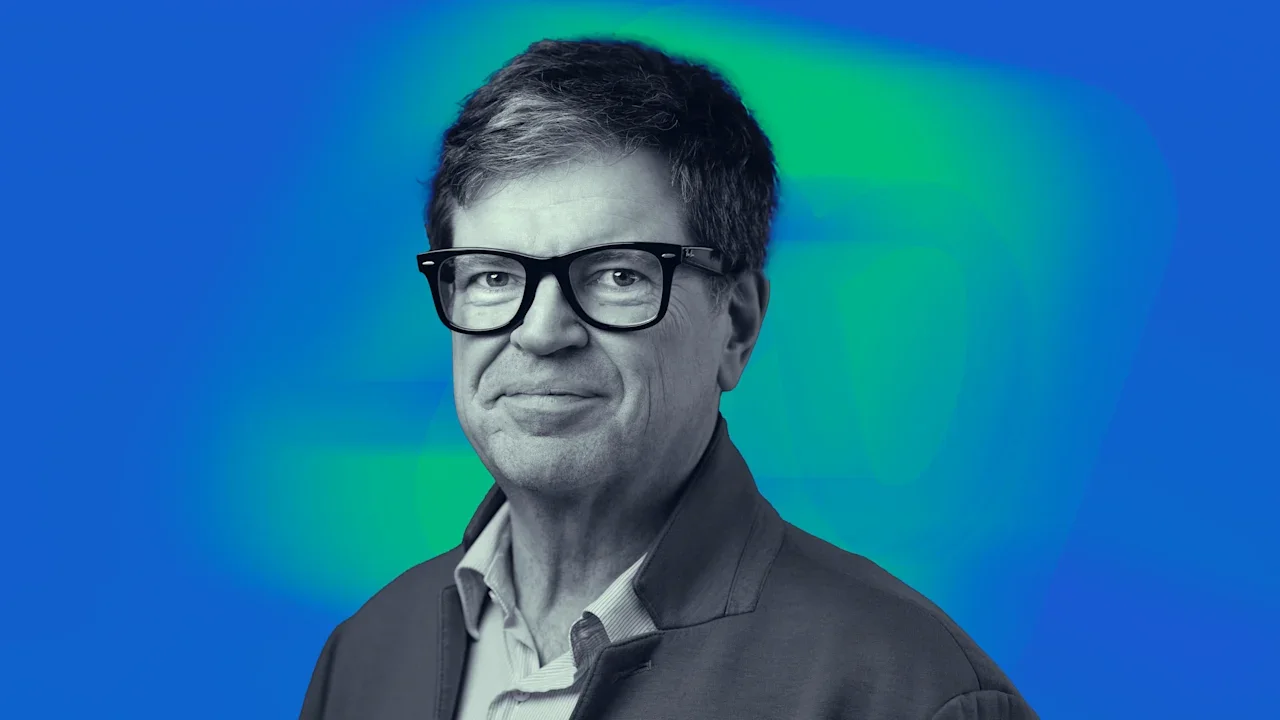
Welcome to AI Decoded, Fast Company’s weekly newsletter that breaks down the most important news in the world of AI. I’m Mark Sullivan, a senior writer at Fast Company, covering emerging tech, AI, and tech policy. This week, I’m focusing on what AI pioneer Yann LeCun’s new company will likely build after he departs from Meta. I also look at Marc Andreessen’s jab at the Pope on X, and at “Fei-Fei Li’s” view of the AI world since 2012. Sign up to receive this newsletter every week via email here. And if you have comments on this issue and/or ideas for future ones, drop me a line at sullivan@fastcompany.com, and follow me on X @thesullivan. Yann LeCun’s departure from Meta, and what he’ll likely do next Yann LeCun, the AI pioneer who has led Meta’s Fundamental AI Research (FAIR) division since 2013, will reportedly leave that post to start his own AI research lab. LeCun plans to depart in the coming months, and has begun early fundraising discussions to support his new venture, the reports say. The new startup will focus on building “world models,” or AI systems that learn from images, video, and spatial data instead of relying solely on text and large language models. After developing open-source Llama models that fell behind other LLMs, Meta has gone on a very lavish recruiting spree to hire world-class researchers for a new effort to build state-of-the-art models. Meta’s newest models, sources say, are likely to be closed-source, and are expected to follow the same general architecture and training methods used by rivals like OpenAI and Anthropic. In other words, they will continue relying on the same transformer architecture invented at Google in 2017 (which kicked off the generative AI boom) while continually using more training data and computing power to achieve intelligence gains. LeCun has been critical of that approach, and doubts that it has produced AI that truly reasons, rather than just detects patterns and predicts the next word or pixel in a sequence. LeCun has called for more foundational research on alternate paths that could more quickly lead to AI models that can match or exceed human intelligence. His recent research has focused on “world modeling”—developing AI systems capable of quickly learning about the physical world as human babies do. So expect LeCun’s new company to build new kinds of models, or systems of models, that learn and represent aspects of the real world, including physics, in new ways. It’s likely that these models will be trained through watching thousands of hours of video, instead of relying on text or still images. They will also likely be able to capture more nuances of the real world, such as state changes and transitions (how environments shift and evolve), than current models. Success might mean the creation of AI systems or robots with a far more advanced understanding of the world and how to take action in it, and that are far better at continually learning from and remodeling the world as we humans do. Marc Andreessen goes for a cheap shot on the Pope, faces backlash Marc Andreessen, of the storied VC firm Andreessen Horowitz, is an AI accelerationist who might Twitter-block anyone even suggesting the industry should devote more time to safety and alignment. Now he’s facing backlash for taking a shot at the Pope on X last weekend when the Holy See called for morality in technology. The Pope tweeted that the builders of our AI future should “develop systems that reflect justice, solidarity, and a genuine reverence for life.” (See the whole tweet here.) That was enough to trigger Andreessen, a committed MAGA cheerleader and close adviser to President The President on tech issues. Andreessen didn’t offer an argument, but posted a meme meant to convey a derisive and dismissive response to the Pope’s message. The meme was a still photo of GQ’s Katherine Stoeffel pointing a “What the fuck are you talking about?” expression at actress Sydney Sweeney during a recent interview. Andreessen deleted the tweet, but not before many on the tech side of Twitter saw it. Some objected to a billionaire VC responding so blithely to the literal Pope. Others noted the irony of Twitter doing unto Andreessen as Andreessen has done unto others. “Pretty funny/surreal to see @pmarca dodge the woke cancellation mobs for the last decade, only to have his closest brush with cancel-death come at the hands of the very religious denomination who invented cancel culture in the 15th century,” VC Lee Edwards noted. Still others took issue with the idea Andreessen seemed to convey, which is that VCs should invest in technologies that demonstrate value and make money, without regard for whether or not the technology will make the world a better or worse place or, perhaps, a safer or more dangerous one. One of those was the widely followed tech commentator @growing_daniel on X. “If you’re going to dedicate your life to building something…what I’m saying is that you should reflect morally,” “Daniel” said on the TBPN videocast after Andreessen’s Pope tweet. “The Pope’s entire point was that you should think about that and try to do good things.” Daniel acknowledged that Andreessen and a16z have invested a lot of money in software as a service companies that have made businesses run better. But he also cites a16z’s $15 million investment in Cluely, a startup that originally billed its app as a tool to “cheat on everything” (meaning job interviews, exams, or sales calls). How Fei-Fei Li describes the history of AI since ImageNet Fei-Fei Li played a huge role in kicking off the current AI revolution when, back in 2012, she invented the ImageNet image training data set that taught AI models how to classify images. On November 12, her new company, World Labs, released its first model, Marble, a “world model” that has an understanding of the makeup of 3D environments (as humans do) and can imagine and generate them based on text, images, or video uploaded by the user. These environments could be used in anything from game development to VFX design to digital twins, she believes. From ImageNet to world models, Li has come a long way. When I spoke to her I asked her to describe her view of the AI revolution as it’s happened so far. Here’s what she said. I think the world model is a fairly natural but significant continuation of the generative AI era. The generative AI era is the latest of the . . . deep learning revolution. … In 2012 we started the deep learning revolution by squarely establishing the three forces of AI: the neural network, data, and computing chips or GPUs. Every progress we’ve made in AI so far continues to bank on the power of these three fundamental elements of modern AI. And one of the most important milestones was the transformer model. The sequence-to-sequence modeling for language really unlocked a fairly powerful scaling law that gave rise to large models that can be trained by a large amount of data [to] become very powerful and generalizable. First out of the gate were large language models. And the derivative of large language models are these multimodel large language models (which understand not just words, but audio, video, images, and code). They are still built on the backbone of large language models. But I think the large world model is really a significant step towards unlocking AI’s capability. Interestingly, Li suggests that as the AI industry pushes toward models that are generally as intelligent as humans, then generally far more intelligent, researchers may need to rely on more than just the transformer model architecture that ignited the industry in 2017 and led to things like ChatGPT. (The “GPT” stands for “generative pre-trained transformer.”) She explains: I would say this goes beyond the transformer. It’s still early. So the model architecture is still subject to research. But you know the recent progress in transformer models [and] diffusion models and beyond are part of the exploration but I wouldn’t call it solidly owing to transformers. More AI coverage from Fast Company: Anthropic and Microsoft announce new AI data center projects in Texas, New York, and Georgia Michael Caine and Matthew McConaughey are getting AI voice clones with ElevenLabs Fei-Fei Li’s World Labs unveils its world-generating AI model Agentic AI isn’t always the answer Want exclusive reporting and trend analysis on technology, business innovation, future of work, and design? Sign up for Fast Company Premium. View the full article
-
Potential leaders fall into four categories. By Anthony Zecca Leading From the Edge Go PRO for members-only access to more Anthony Zecca. View the full article
-
Potential leaders fall into four categories. By Anthony Zecca Leading From the Edge Go PRO for members-only access to more Anthony Zecca. View the full article
-
Today's Bissett Bullet: “When a prospective client already has an accountant, it is important to recognize that although they are demonstrating an interest ...” By Martin Bissett See more Bissett Bullets here Go PRO for members-only access to more Martin Bissett. View the full article
-
Today's Bissett Bullet: “When a prospective client already has an accountant, it is important to recognize that although they are demonstrating an interest ...” By Martin Bissett See more Bissett Bullets here Go PRO for members-only access to more Martin Bissett. View the full article
-
Sharp decline for Nasdaq Composite comes as investors brace for flood of economic data after government shutdown endsView the full article
-
Starting a product line requires a clear strategy that begins with identifying your target audience. You’ll need to understand their specific needs and challenges. Conducting market research is critical, as it helps reveal gaps in the market and informs your unique selling proposition. By developing a solid marketing strategy and pricing plan, you’ll set the stage for a successful launch. Next, you’ll want to focus on product testing and performance evaluation to guarantee your line meets customer expectations. Key Takeaways Define your target audience by identifying demographics and pain points to tailor your product line effectively. Conduct thorough market research to identify gaps and create a unique selling proposition that differentiates your product. Develop a comprehensive marketing strategy, including pricing, promotional channels, and key performance indicators for tracking success. Plan your launch meticulously, creating anticipation and ensuring a smooth experience through testing and strategic messaging. Engage with customers post-launch to gather feedback, assess satisfaction, and make necessary adjustments for continuous improvement. Define Your Target Audience Defining your target audience is a fundamental step in launching a successful product line. To create a product that resonates, you need to identify specific demographics such as age, gender, income level, and geographic location. Comprehending your audience’s mindset is critical, as it helps you craft marketing messages that connect with their needs. Utilizing customer personas can visualize your target audience, streamlining product development and marketing efforts. Conducting surveys and interviews provides valuable insights into their pain points, desires, and buying behaviors. This information is imperative for product success. Finally, identifying the best channels for reaching your audience guarantees your marketing efforts maximize engagement and conversion rates, leading to a more effective strategy for how to create a product that meets their expectations. Understand the Problem You’re Solving Comprehension of the problem you’re solving is a key step in developing a product that truly meets the needs of your audience. To effectively understand the problem, consider the following: Identify the specific pain points your target audience faces. Test your assumptions with buyer personas to validate the problem’s significance. Focus your marketing efforts on addressing these identified issues to guarantee your messaging resonates. Gather ongoing feedback from early users to uncover additional challenges that may arise. Conduct Market Research To successfully conduct market research, you need to identify your audience’s preferences and analyze your competitors’ strategies. Use surveys and focus groups to gather insights on what potential customers want, as well as examining what similar products are offering. This combination will help you spot gaps in the market and create a product line that stands out. Identify Audience Preferences How can you truly understand your audience’s preferences when launching a new product line? To effectively identify what your customers want, consider the following steps: Conduct Surveys: Use online tools to ask relevant questions about needs and preferences. Engage in Interviews: Direct conversations can reveal deeper insights into consumer pain points. Utilize Focus Groups: Gather diverse opinions to assess product ideas and features. Analyze Demographics: Understand segments like age, income, and lifestyle to tailor your marketing strategies. Analyze Competitor Strategies What strategies are your competitors using to capture market share? Start by analyzing their product features, pricing strategies, and marketing approaches. This will help you identify market gaps that your product line can fill, establishing a unique selling proposition (USP). Conduct SWOT analyses on key competitors to gain insights into their strengths, weaknesses, opportunities, and threats, which will inform your product development strategy. Utilize online surveys and social media polls to gather customer insights about competitors’ offerings and unmet needs. Monitor customer reviews to uncover common pain points, guiding your product line’s features and improvements. Finally, track promotional strategies and seasonal trends to align your product launch timing with market demand, maximizing visibility as you learn how to create a new product. Create a Unique Selling Proposition To create a Unique Selling Proposition (USP), you need to identify what sets your product line apart from competitors. Consider factors like key differentiators, such as unique features or benefits that directly address your target audience’s needs. Crafting a compelling brand narrative around these elements will help communicate your product’s distinct value effectively. Identify Key Differentiators Identifying key differentiators is crucial for establishing a Unique Selling Proposition (USP) that clearly articulates what makes your product line stand out in a crowded marketplace. To successfully develop your USP, consider the following: Customer Feedback: Analyze reviews and surveys to discover unmet needs or desires. Market Research: Examine competitors to identify gaps where your product can excel. Unique Features: Highlight specific attributes or benefits that only your product offers. Emotional Connection: Understand how your product can create a memorable experience for consumers. Craft Compelling Brand Narrative Crafting a compelling brand narrative is essential for establishing a unique selling proposition (USP) that resonates with your target audience. To build a product that stands out, focus on what makes your offering unique. Identify core features or benefits that directly address customer pain points. For example, if you’re launching an eco-friendly cleaning product, emphasize its natural ingredients and effectiveness. Share stories that connect with consumers, illustrating how your product fits into their lives and solves problems. This narrative not merely makes your brand relatable but also strengthens customer loyalty. A well-defined USP guides your marketing efforts, ensuring consistent messaging across all channels, eventually helping you differentiate in crowded markets and attract lasting customers. Develop a Comprehensive Marketing Strategy Developing a thorough marketing strategy is essential for successfully launching your product line, especially since grasping where your target audience finds similar products can greatly shape your outreach efforts. To create an effective strategy, consider these steps: Analyze the top five channels where your audience discovers similar products, like social media, blogs, or online marketplaces. Craft customer experience maps outlining three primary paths from awareness to purchase, identifying key touchpoints. Establish key performance indicators (KPIs) for each channel, focusing on metrics such as conversion rates and customer acquisition costs. Develop an editorial calendar with at least 20 social media updates, ensuring consistent communication leading up to your launch. Create and Test Your Product Ideas Creating and testing your product ideas is a crucial step in ensuring your product line meets market demands and customer expectations. Start by brainstorming diverse ideas using tools like the SCAMPER model. Validate your concepts through surveys and focus groups to gather direct feedback. Then, develop prototypes of your top ideas and perform iterative testing to refine features. Here’s a quick overview of the process: Step Action Brainstorming Utilize SCAMPER for fresh ideas Validation Conduct surveys and focus groups Prototyping Create prototypes for top ideas Testing Iteratively refine based on feedback Market Interest Create landing pages to measure engagement Continuously adapt your ideas based on testing results, ensuring they meet evolving market needs. This is how to start a product effectively. Determine Your Pricing Strategy After refining your product ideas through testing, the next step involves determining your pricing strategy, which plays a pivotal role in your product’s success. When making a new product, consider the following points to establish a solid pricing foundation: Calculate total costs, including development, production, and distribution. Research average profit margins in your industry, typically ranging from 20% to 50%. Use a profit margin calculator to guarantee you factor in both fixed and variable costs. Establish a starting price based on industry-standard markup to stay competitive. Be prepared to adjust your pricing strategy based on market response and competitive analysis, as customer behavior and industry trends can change over time. This flexibility will help guarantee your product’s long-term sustainability. Launch Your Product Line Once you’ve finalized your product design and pricing strategy, launching your product line requires a well-structured plan to guarantee maximum impact. Create a thorough marketing strategy that identifies your target audiences, promotional channels, and key messaging. Building anticipation is essential; use teasers and sneak peeks, along with early use incentives like discounts or free trials, to generate buzz. On launch day, conduct full product and website tests to resolve any potential issues, ensuring a smooth customer experience. As the launch unfolds, monitor real-time metrics to make quick adjustments based on customer engagement. Afterward, analyze your results against your pre-set key performance indicators (KPIs) to evaluate the success of the making of product and pinpoint areas for future improvements. Monitor Performance and Gather Feedback Effective monitoring of performance and gathering feedback are crucial steps in refining your product line. To understand how you can make a product that truly resonates with your audience, focus on the following: Set Key Performance Indicators (KPIs): Track metrics like sales volume and customer acquisition to gauge success. Collect Customer Feedback: Use surveys, focus groups, and online reviews to gain insights into satisfaction and effectiveness. Utilize Analytics Tools: Employ tools like Google Analytics to analyze user behavior and identify trends. Establish a Continuous Feedback Loop: Engage with customers regularly to guarantee ongoing improvements and keep your product line competitive. These steps help you make informed decisions, adjusting your strategies to better meet customer needs and improve overall performance. Frequently Asked Questions How Do You Start Your Own Product Line? To start your own product line, begin by identifying your target audience through market research. This helps you understand their needs and preferences. Next, develop a unique selling proposition that sets your products apart from competitors. Afterward, create prototypes to gather feedback before full-scale production. Finally, launch your product with a detailed marketing plan, and stay attentive to customer feedback to adapt and improve your offerings consistently. This guarantees long-term success. What Are the 7 Steps to Create a New Product? To create a new product, start with idea generation, using market research and brainstorming to identify gaps. Next, screen ideas to validate concepts based on customer demand. Then, develop prototypes and gather user feedback for refinement. Conduct market testing to gauge customer response on a limited scale. Finally, focus on continuous improvement by monitoring sales and implementing updates based on customer feedback and market trends to guarantee long-term success. How to Introduce a New Product Line? To introduce a new product line, start by conducting extensive market research to identify your target audience and their needs. Develop a unique selling proposition that sets your products apart from competitors. Create a marketing strategy that includes social media promotions and influencer partnerships to generate buzz. Finally, implement a launch plan with clear objectives and track performance, adjusting based on customer feedback to guarantee the product line meets market demands effectively. What Are the 4 Ps of Product Launch? The 4 Ps of product launch are Product, Price, Place, and Promotion. You’ll need to define your product’s features and quality to meet customer needs. Next, determine your pricing strategy based on costs and market perceptions. Then, choose effective distribution channels to guarantee accessibility for your audience. Finally, implement promotional strategies like advertising and social media to create awareness. Each element plays an essential role in the successful introduction of your product. Conclusion In conclusion, launching a product line requires careful planning and execution. By defining your target audience, comprehending their needs, and conducting thorough market research, you can develop a unique product that fills a gap in the market. Implement a strong marketing strategy and set competitive pricing to attract customers. After the launch, continuously monitor performance and seek feedback to refine your offerings. Following these steps will improve your chances of achieving long-term success in your product line. Image via Google Gemini This article, "Starting a Product Line: A Step-by-Step Guide" was first published on Small Business Trends View the full article
-
Starting a product line requires a clear strategy that begins with identifying your target audience. You’ll need to understand their specific needs and challenges. Conducting market research is critical, as it helps reveal gaps in the market and informs your unique selling proposition. By developing a solid marketing strategy and pricing plan, you’ll set the stage for a successful launch. Next, you’ll want to focus on product testing and performance evaluation to guarantee your line meets customer expectations. Key Takeaways Define your target audience by identifying demographics and pain points to tailor your product line effectively. Conduct thorough market research to identify gaps and create a unique selling proposition that differentiates your product. Develop a comprehensive marketing strategy, including pricing, promotional channels, and key performance indicators for tracking success. Plan your launch meticulously, creating anticipation and ensuring a smooth experience through testing and strategic messaging. Engage with customers post-launch to gather feedback, assess satisfaction, and make necessary adjustments for continuous improvement. Define Your Target Audience Defining your target audience is a fundamental step in launching a successful product line. To create a product that resonates, you need to identify specific demographics such as age, gender, income level, and geographic location. Comprehending your audience’s mindset is critical, as it helps you craft marketing messages that connect with their needs. Utilizing customer personas can visualize your target audience, streamlining product development and marketing efforts. Conducting surveys and interviews provides valuable insights into their pain points, desires, and buying behaviors. This information is imperative for product success. Finally, identifying the best channels for reaching your audience guarantees your marketing efforts maximize engagement and conversion rates, leading to a more effective strategy for how to create a product that meets their expectations. Understand the Problem You’re Solving Comprehension of the problem you’re solving is a key step in developing a product that truly meets the needs of your audience. To effectively understand the problem, consider the following: Identify the specific pain points your target audience faces. Test your assumptions with buyer personas to validate the problem’s significance. Focus your marketing efforts on addressing these identified issues to guarantee your messaging resonates. Gather ongoing feedback from early users to uncover additional challenges that may arise. Conduct Market Research To successfully conduct market research, you need to identify your audience’s preferences and analyze your competitors’ strategies. Use surveys and focus groups to gather insights on what potential customers want, as well as examining what similar products are offering. This combination will help you spot gaps in the market and create a product line that stands out. Identify Audience Preferences How can you truly understand your audience’s preferences when launching a new product line? To effectively identify what your customers want, consider the following steps: Conduct Surveys: Use online tools to ask relevant questions about needs and preferences. Engage in Interviews: Direct conversations can reveal deeper insights into consumer pain points. Utilize Focus Groups: Gather diverse opinions to assess product ideas and features. Analyze Demographics: Understand segments like age, income, and lifestyle to tailor your marketing strategies. Analyze Competitor Strategies What strategies are your competitors using to capture market share? Start by analyzing their product features, pricing strategies, and marketing approaches. This will help you identify market gaps that your product line can fill, establishing a unique selling proposition (USP). Conduct SWOT analyses on key competitors to gain insights into their strengths, weaknesses, opportunities, and threats, which will inform your product development strategy. Utilize online surveys and social media polls to gather customer insights about competitors’ offerings and unmet needs. Monitor customer reviews to uncover common pain points, guiding your product line’s features and improvements. Finally, track promotional strategies and seasonal trends to align your product launch timing with market demand, maximizing visibility as you learn how to create a new product. Create a Unique Selling Proposition To create a Unique Selling Proposition (USP), you need to identify what sets your product line apart from competitors. Consider factors like key differentiators, such as unique features or benefits that directly address your target audience’s needs. Crafting a compelling brand narrative around these elements will help communicate your product’s distinct value effectively. Identify Key Differentiators Identifying key differentiators is crucial for establishing a Unique Selling Proposition (USP) that clearly articulates what makes your product line stand out in a crowded marketplace. To successfully develop your USP, consider the following: Customer Feedback: Analyze reviews and surveys to discover unmet needs or desires. Market Research: Examine competitors to identify gaps where your product can excel. Unique Features: Highlight specific attributes or benefits that only your product offers. Emotional Connection: Understand how your product can create a memorable experience for consumers. Craft Compelling Brand Narrative Crafting a compelling brand narrative is essential for establishing a unique selling proposition (USP) that resonates with your target audience. To build a product that stands out, focus on what makes your offering unique. Identify core features or benefits that directly address customer pain points. For example, if you’re launching an eco-friendly cleaning product, emphasize its natural ingredients and effectiveness. Share stories that connect with consumers, illustrating how your product fits into their lives and solves problems. This narrative not merely makes your brand relatable but also strengthens customer loyalty. A well-defined USP guides your marketing efforts, ensuring consistent messaging across all channels, eventually helping you differentiate in crowded markets and attract lasting customers. Develop a Comprehensive Marketing Strategy Developing a thorough marketing strategy is essential for successfully launching your product line, especially since grasping where your target audience finds similar products can greatly shape your outreach efforts. To create an effective strategy, consider these steps: Analyze the top five channels where your audience discovers similar products, like social media, blogs, or online marketplaces. Craft customer experience maps outlining three primary paths from awareness to purchase, identifying key touchpoints. Establish key performance indicators (KPIs) for each channel, focusing on metrics such as conversion rates and customer acquisition costs. Develop an editorial calendar with at least 20 social media updates, ensuring consistent communication leading up to your launch. Create and Test Your Product Ideas Creating and testing your product ideas is a crucial step in ensuring your product line meets market demands and customer expectations. Start by brainstorming diverse ideas using tools like the SCAMPER model. Validate your concepts through surveys and focus groups to gather direct feedback. Then, develop prototypes of your top ideas and perform iterative testing to refine features. Here’s a quick overview of the process: Step Action Brainstorming Utilize SCAMPER for fresh ideas Validation Conduct surveys and focus groups Prototyping Create prototypes for top ideas Testing Iteratively refine based on feedback Market Interest Create landing pages to measure engagement Continuously adapt your ideas based on testing results, ensuring they meet evolving market needs. This is how to start a product effectively. Determine Your Pricing Strategy After refining your product ideas through testing, the next step involves determining your pricing strategy, which plays a pivotal role in your product’s success. When making a new product, consider the following points to establish a solid pricing foundation: Calculate total costs, including development, production, and distribution. Research average profit margins in your industry, typically ranging from 20% to 50%. Use a profit margin calculator to guarantee you factor in both fixed and variable costs. Establish a starting price based on industry-standard markup to stay competitive. Be prepared to adjust your pricing strategy based on market response and competitive analysis, as customer behavior and industry trends can change over time. This flexibility will help guarantee your product’s long-term sustainability. Launch Your Product Line Once you’ve finalized your product design and pricing strategy, launching your product line requires a well-structured plan to guarantee maximum impact. Create a thorough marketing strategy that identifies your target audiences, promotional channels, and key messaging. Building anticipation is essential; use teasers and sneak peeks, along with early use incentives like discounts or free trials, to generate buzz. On launch day, conduct full product and website tests to resolve any potential issues, ensuring a smooth customer experience. As the launch unfolds, monitor real-time metrics to make quick adjustments based on customer engagement. Afterward, analyze your results against your pre-set key performance indicators (KPIs) to evaluate the success of the making of product and pinpoint areas for future improvements. Monitor Performance and Gather Feedback Effective monitoring of performance and gathering feedback are crucial steps in refining your product line. To understand how you can make a product that truly resonates with your audience, focus on the following: Set Key Performance Indicators (KPIs): Track metrics like sales volume and customer acquisition to gauge success. Collect Customer Feedback: Use surveys, focus groups, and online reviews to gain insights into satisfaction and effectiveness. Utilize Analytics Tools: Employ tools like Google Analytics to analyze user behavior and identify trends. Establish a Continuous Feedback Loop: Engage with customers regularly to guarantee ongoing improvements and keep your product line competitive. These steps help you make informed decisions, adjusting your strategies to better meet customer needs and improve overall performance. Frequently Asked Questions How Do You Start Your Own Product Line? To start your own product line, begin by identifying your target audience through market research. This helps you understand their needs and preferences. Next, develop a unique selling proposition that sets your products apart from competitors. Afterward, create prototypes to gather feedback before full-scale production. Finally, launch your product with a detailed marketing plan, and stay attentive to customer feedback to adapt and improve your offerings consistently. This guarantees long-term success. What Are the 7 Steps to Create a New Product? To create a new product, start with idea generation, using market research and brainstorming to identify gaps. Next, screen ideas to validate concepts based on customer demand. Then, develop prototypes and gather user feedback for refinement. Conduct market testing to gauge customer response on a limited scale. Finally, focus on continuous improvement by monitoring sales and implementing updates based on customer feedback and market trends to guarantee long-term success. How to Introduce a New Product Line? To introduce a new product line, start by conducting extensive market research to identify your target audience and their needs. Develop a unique selling proposition that sets your products apart from competitors. Create a marketing strategy that includes social media promotions and influencer partnerships to generate buzz. Finally, implement a launch plan with clear objectives and track performance, adjusting based on customer feedback to guarantee the product line meets market demands effectively. What Are the 4 Ps of Product Launch? The 4 Ps of product launch are Product, Price, Place, and Promotion. You’ll need to define your product’s features and quality to meet customer needs. Next, determine your pricing strategy based on costs and market perceptions. Then, choose effective distribution channels to guarantee accessibility for your audience. Finally, implement promotional strategies like advertising and social media to create awareness. Each element plays an essential role in the successful introduction of your product. Conclusion In conclusion, launching a product line requires careful planning and execution. By defining your target audience, comprehending their needs, and conducting thorough market research, you can develop a unique product that fills a gap in the market. Implement a strong marketing strategy and set competitive pricing to attract customers. After the launch, continuously monitor performance and seek feedback to refine your offerings. Following these steps will improve your chances of achieving long-term success in your product line. Image via Google Gemini This article, "Starting a Product Line: A Step-by-Step Guide" was first published on Small Business Trends View the full article
-
AI referral traffic accounts for just over 1% of all website visits across 10 major industries, according to a new Conductor AI search benchmark report. AI referral traffic. 1.08% of all web traffic came from AI referrals. Digging deeper: ChatGPT drove 87.4% of all AI referrals across the dataset. IT (2.8%) and Consumer Staples (1.9%) led all industries. Communication Services (0.25%) and Utilities (0.35%) saw the lowest shares. AI referrals increased by ~1% month over month across all industries. AI answer engine market share. ChatGPT overwhelmingly dominated, followed by Perplexity. There were some interesting differences by industry (e.g., Gemini drove 21% of AI traffic in Utilities, while Copilot drove 5% in Financials). AI vs. traditional traffic. Organic search continued to dominate site visits across all industries. Health Care (42.4%), Communication Services (39.6%), and Industrials (33.8%) had the highest organic share. Why we care. Yes, organic search still drives the most traffic. But AI is becoming a performance channel. AI answers are shaping which brands people see and trust. If you’re invisible in AI answers, you’re invisible to your target audience/consumer. GEO/AEO/AI SEO may have a lot of overlap with SEO (for now), but ranking in Google doesn’t guarantee visibility in AI platforms like ChatGPT. The brands AI cites most. Across 17 million AI answers and 100 million citations, AI highlighted different brands and domains than Google: Consumer industries: Retail giants dominated for product and shopping queries (Amazon, Walmart, Target, Best Buy, Chewy). YMYL categories (Health, Finance): AI cited authoritative sources (Mayo Clinic, Cleveland Clinic, NerdWallet, Bankrate, Vanguard). Tech & B2B: Industry giants won on expert and professional queries (Google, Microsoft, Adobe, Deloitte, McKinsey, SAP). Real Estate & Utilities: AI cited major authorities (Hines, Public Storage, CBRE, New Fortress Energy, GE Vernova). AI Overviews benchmarks. Conductor also analyzed 21.9 million Google searches, and found: 25.11% triggered an AI Overview (5.5 million queries). Health Care (48.7%), Financials (25.7%), and Utilities (25.4%) had the most AI Overviews. Real Estate (4.4%) and Consumer Staples (6.8%) had the fewest AI Overviews. The five page types most often cited by AI Overviews were blogs, videos, articles, news, and product pages. About the data. Conductor analyzed 13,770 domains across 10 GICS-aligned industries, looking at more than 3.3 billion sessions, 3.5 million AI prompts, 17 million AI responses and 100 million citations between May and September 2025 in the U.S. It also studied 21.9 million Google searches over four weeks (Sept. 15–Oct. 12, 2025) to measure how often AI Overviews appear and which page types get cited. The report. The 2026 AEO / GEO Benchmarks Report View the full article
-
…while pub quiz photographer misses scoopView the full article
-
The mortgage company, even though it is owned by a bank, has been profitable for the last two years, when considering its originations operations, as it does. View the full article
-
Google updated its review snippet documentation to clarify that each review or rating in structured data should point to one clear target, reducing ambiguity. The post Google Reminds Websites To Use One Review Target appeared first on Search Engine Journal. View the full article
-
Apple brought RCS (Rich Communication Services) messaging to the iPhone with iOS 18 last year, giving green-bubble users access to more features and functions. But what exactly is possible with RCS on the iPhone, and what is still exclusive to iMessage users? Are Android RCS users now fully integrated into chats in the iOS Messages app or not? I'll lay out exactly what you can do in RCS chats between iPhones and Android phones, and explain which features are still missing—and when you might be able to get them. If you've got contacts on other mobile platforms, this should help you understand more about what the experience is like from their end. To use RCS, you must have a carrier that supports it (most now do). On an iPhone, open Settings, then choose Apps > Messages > RCS Messaging to enable it. In Google Messages on Android, tap your profile picture (top right), then choose Messages settings and RCS chats to turn on the feature. RCS on iOS and Android: what you can do Ever since iOS 18, RCS messaging has officially been supported in the iOS Messages app—specifically, via the RCS Universal Profile 2.4. This brings green bubble Android users closer to parity with iMessage users, though some features only work in one direction, and some features only work in one-to-one conversations and not group chats. One notable upgrade is support for high-resolution photos and videos, which should work seamlessly across all your RCS-enabled conversations, with no more issues around compression or transfer. Web links look better as well, because you'll get a proper preview shown on both Android and iOS, and you can share current locations too (though only as a static pin, not a live and updating one). Web links now look much better between iOS and Android. Credit: Lifehacker Typing indicators and read receipts are supported in both directions, assuming you've got them enabled on your devices. However, they don't work in group chats—RCS users on Android can now join group chats, but the experience can be buggy based on reports, and you lose the typing indicators and the read receipts. Emoji reactions are now supported, up to a point—but based on my testing, these only work from iPhone to Android. If you try and send an emoji reaction in the other direction, iPhone users will just get a separate text showing the emoji (it won't appear as a bubble on top of the original message). RCS on iOS and Android: what you can't do (yet)If you look at everything you can do in iMessage (with other iMessage users) and Google Messages (with other Android RCS users), you'll realize there's a long way to go when it comes to cross-platform support. For example, at the moment you can't unsend messages, or reply inline in a thread, either from Android to iPhone or iPhone to Android. You can edit messages, but only if you're an Android user messaging an iPhone user—and with the caveat that the iPhone user gets two texts (the original message and the edited message, which rather defeats the point). The ability to edit messages on an iPhone simply doesn't appear in an RCS conversation. Message editing is something that doesn't quite work yet. Credit: Lifehacker Another missing feature is end-to-end encryption for your chats and files shared in them. Apple has promised that support for this in RCS conversations is on the way, though it hasn't shown up yet—not even in iOS 26. This should give you pause when it comes to sharing sensitive information in these chats. Full end-to-end encryption is part of the RCS Universal Profile 3.0, which Google is testing in beta and which Apple has yet to adopt. Once this next update finally makes its way to iPhones and Android devices, interoperability will be leveled up again—it should, in theory, bring with it full support for message editing, emoji reactions, and inline replies. Until then, it's something of a half-baked implementation, especially for group chats. View the full article
-
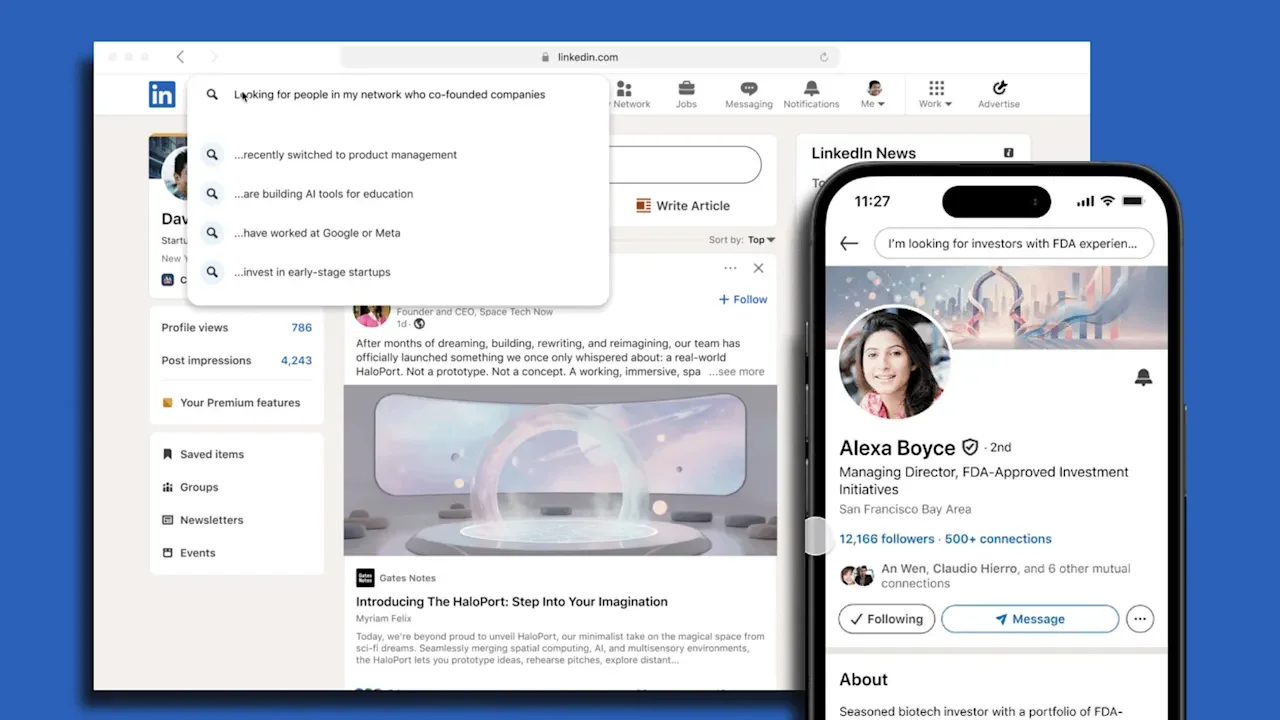
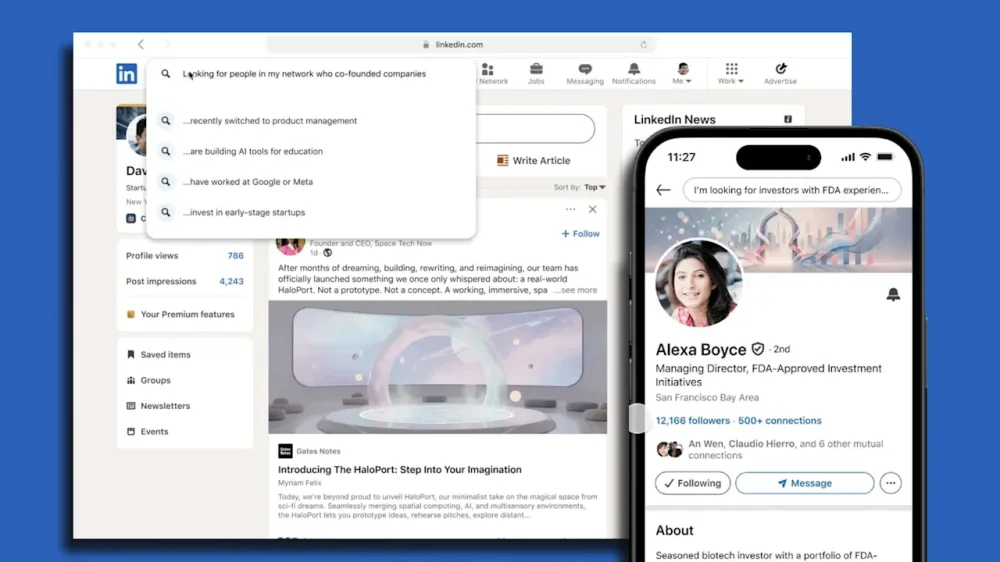
Last June, LinkedIn CEO Ryan Roslansky took on a second job. Microsoft, the social network for business professionals’ owner since 2016, expanded his responsibilities to include Microsoft 365—the suite still better known by its former name, Microsoft Office—and its Copilot AI assistant. The role charges him with making AI useful in a productivity context, a goal that’s still very much a work in progress. But Roslansky also remains in charge of LinkedIn, a place whose entire reason for being springs from the network effect of its billion-plus members. Their unique connections, learnings, and willingness to help other people can’t be fed into an LLM and reprocessed into the kind of generic advice a chatbot can spout. In a world of increasingly commodified information, Roslansky argues that LinkedIn’s essential humanity is more essential than ever. “Trusted, contextual, expert-driven knowledge—the type of stuff that comes from having a lived experience or doing a specific job or having a deep insight or knowing people that have actually done the job—in my view, that’s becoming much more valuable, not less,” he says. “I think the question moving forward from professionals isn’t just going to be something like, ‘What’s the answer?’, but ‘Who can I trust to guide me?’ And that’s where we come in.” Still, once you venture beyond your core LinkedIn contacts, it’s never been all that easy to tap into the power of your network. “We’ve always had, what I’ll call decent, keyword-based lexical people search that allows you to type someone’s name if you know them,” says Roslansky. “We did a decent job at name-plus-company.” But even if you were seeking a particular kind of advice or favor that a friend of a friend (or a friend of a friend of a friend) might have been happy to dispense, there was no guarantee you’d be able to track them down with keywords and filters. Now LinkedIn is taking a major step to address that. A new feature called AI-powered people search uses generative AI to break past the limitations of conventional search. It understands requests such as “investors with FDA experience for a biotech startup,” “Northwestern alumni who work in entertainment marketing,” “teachers turned industrial designers,” and “who can help me raise money for a nonprofit?” The results it returns include relevant profiles regardless of the exact words you used to phrase the search. AI-powered people search is rolling out first to members who pay for LinkedIn Premium accounts, but the company says it will eventually be available to all users. It follows the AI-powered job search feature introduced earlier this year, which Rolansky notes can understand open-ended asks such as “‘I want to help bring humanity to Mars” or ‘I want to work on AI products with my finance skills.” Using technology that’s very 2025, these features deliver on the promise of the nearly 23-year-old site’s original vision that—as an early tagline put it—relationships matter. Members who have managed to rack up hundreds of connections over the years might find new value in visiting the site more regularly and diving deeper. “The company was founded on the idea that if we were able to build a valuable community, that any professional can become more productive and successful through other people in their network,” says Roslansky. “When you can leverage AI to reason over that network of people, it opens up a whole new world.” As for how LinkedIn’s ongoing evolution fits into Roslansky’s new role at Microsoft, he points out several advantages to his twin responsibilities. For one, the ability to sit in on meetings with people like Microsoft CEO Satya Nadella, CTO Kevin Scott, and Microsoft AI CEO Mustafa Suleyman give him “a view into where the bleeding edge of where AI and technology are going.“ But expanding his purview is also about aspects of LinkedIn’s mission that remain unfulfilled even nine years after the two companies became one. “Recruiters, we make productive and successful,” Roslansky explains. “Salespeople. Marketers. But general professionals are still something that we are decent at, not what we’ve thrived on. It turns out the greatest set of tools in the world to make professionals more productive is the suite of office tools that I have the amazing honor to be working on right now.” Until now, LinkedIn has felt like a most distant relative of Microsoftian stalwarts such as Word, Excel, and PowerPoint. As AI provides opportunities to rethink all these products—with well over a century of combined history behind them— Roslansky says he’s thinking about them holistically. That alone is a new approach. And its upshot could shape the future of some of the world’s most-used business tools. View the full article
-
It’s the Thursday “ask the readers” question. A reader writes: This is half-question, half-plea. I’d love to hear from readers who didn’t get into a fulfilling / interesting / creative / what-you-actually-want-to-do career until after age 40. I’m having a bit of a slow, long-term personal breakdown of shame over my “career.” I started out a high achiever, interested in so many things and studying so many creative and academic pursuits. I went to a good college, got great grades, and have so many interests. But graduating into the Great Recession without a much family money behind me (and not having worked during school) left me working retail / customer service / secretarial jobs for what eventually added up to over 10 years. I was pursuing some small writing and performance activities during that time, but nothing that gave me a foothold into a creative job. I saw place after place I wanted to write for someday get sucked dry by venture capital. Covid and helping family members through crises didn’t help things. I’m out of the entry-level stuff now, but just barely — working admin for a good organization but deeply ashamed to be almost 40 and doing a job I don’t want and should have progressed past in my 20s. I think you can tell the pain this is causing me. My friend group is divided between high earners with unfun, morally grey jobs and those whose jobs are clearly “the thing you tried to be” (teacher, nurse). Meanwhile I’m so embarrassed to even tell people what my job is at my age. I’d really like to hear anyone who had a similar “wandering in the desert” period and then got back on track after age 40. I know Alan Rickman didn’t start acting until after 40 but I need some other people to tell me it might be okay too. Well, first, there’s nothing embarrassing about doing admin work in your 40s! Many people make an entire decades-long career out of it and are extremely valuable to their employers. But it’s not what you want to be doing, and that’s what matters. Readers, please share your own stories in the comments. The post let’s hear from people who didn’t find their career paths until after 40 appeared first on Ask a Manager. View the full article
-
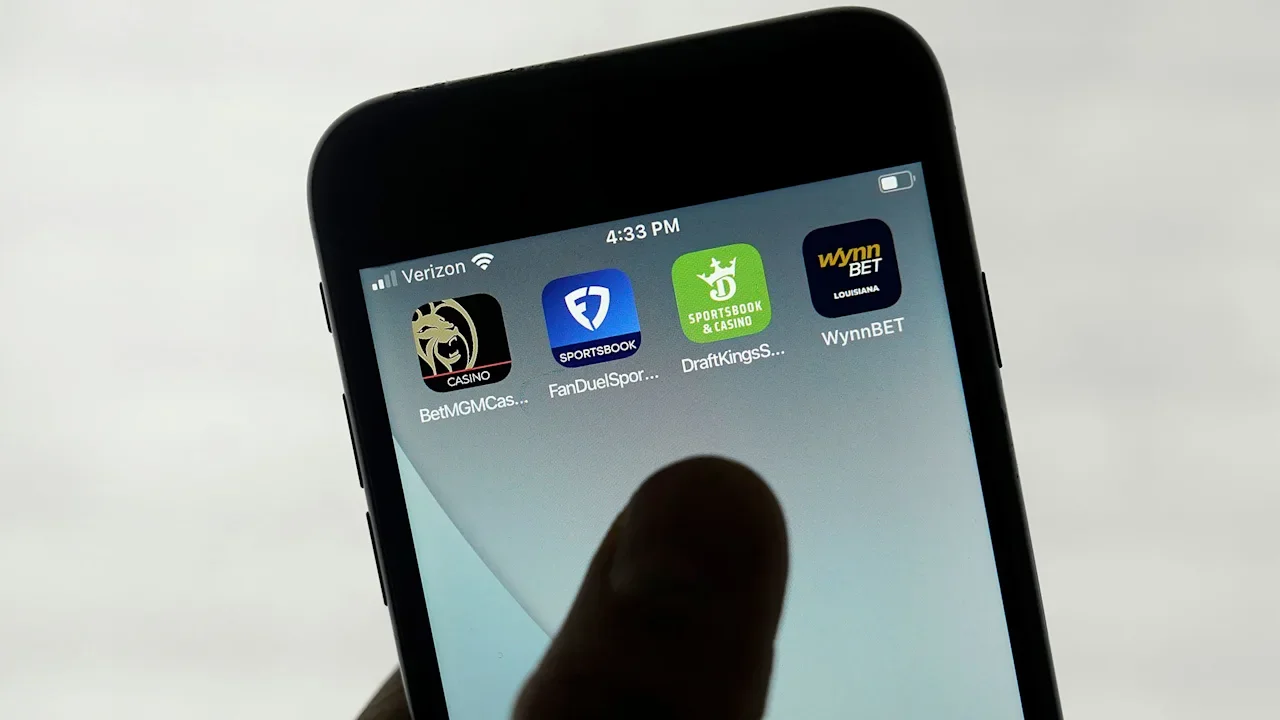
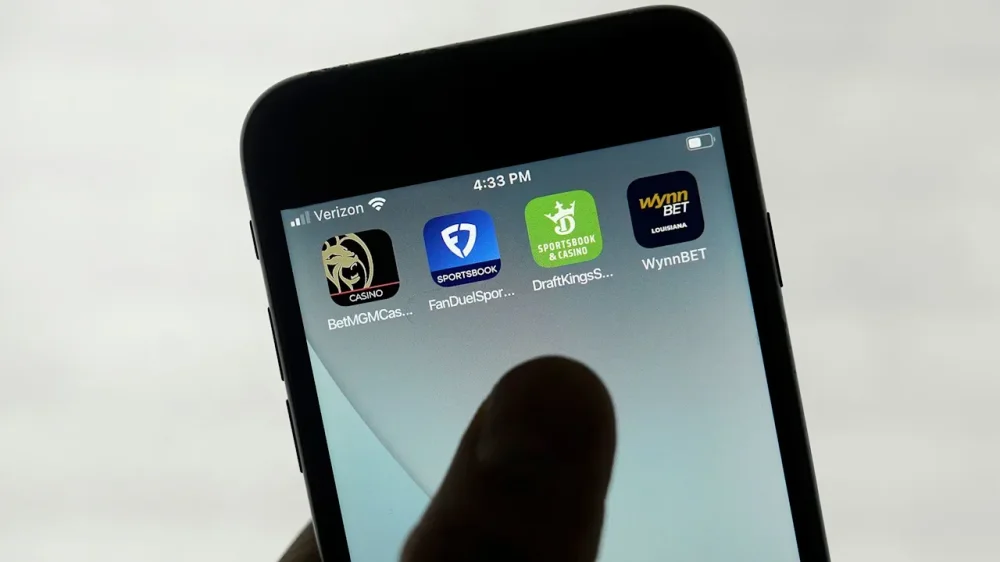
Online betting is more accessible than ever, with 14% of U.S. adults saying they bet on professional or college sports online either frequently or occasionally, according to a February poll by The Associated Press-NORC Center for Public Affairs Research. It’s also in the news, with a growing list of sports betting scandals making headlines. Public health advocates and personal finance advisers say it’s important to know the risks if you’re going to gamble online. “Gambling and ‘responsibly’ seem to be oxymoronic, because if you’re gambling it’s all about risk,” said Caleb Silver, editor in chief of personal finance site Investopedia. “But people still do it. Online gambling and sports betting are only becoming more popular.” Since the Supreme Court struck down a ban on sports betting in 2018, 38 states and Washington, D.C., have legalized gambling, according to the American Gaming Association. For those new to online gambling, it can be helpful to set limits in advance on how much you’re willing to lose and how much time you’re willing to spend. Many of the platforms and apps that offer gambling, such as FanDuel and DraftKings, include optional safeguards to limit time or losses. Other apps can block access to the platforms for set amounts of time. Here’s what to know: Online gambling can be riskier than gambling in person The potential losses of digital betting can occur more quickly than in a physical casino, according to Heather Eshleman, director of operations at the Maryland Center for Excellence on Problem Gambling, since people can bet so much so easily and quickly on the internet or apps, with less friction. The new prevalence of prediction markets, such as PredictIt and Kalshi, has also created new opportunities to place wagers online on everything from election outcomes to celebrity news to the weather. How to tell if you have a problem with online gambling According to public health advocates, the biggest warning sign of a problem is if you’re devoting time to online betting that’s taking away from other things in your life — especially your relationships with friends, family, and work. If you’re spending money on gambling that could instead go towards unmet basic needs, that’s also a warning sign. “We encourage people to only use money they would use for fun and entertainment, not money that should be used to pay the mortgage or the rent or to pay for food,” said Eshleman. Silver echoed this. “You have to know before you do it how much you can afford to lose,” he said. “What is your ‘tap out point?’ Those rules have to be firmly established.” Ways to limit online gambling Most sports betting platforms offer “responsible gambling tools,” according to Eshleman. “You can set limits on time, money, deposits, wins, and losses,” she said. “The goal is to set those limits before you start, because if you don’t set them in advance, they’re not really going to work for you. Once you’re into the excitement of it, you’re not going to stop and use those tools.” Eshleman recommends apps such as GambBan and BetBlocker, which limit access to gambling sites externally. She also directs those who suspect they may have a problem to use the 1-800-GAMBLER hotline or contact Gamblers Anonymous. Know the risks and downsides Silver, the head of Investopedia, said he started adding definitions of online betting and gambling terms to the personal finance site when he saw an increasingly “closer connection between sports betting, day trading, options trading, and cryptocurrency trading.” He encourages those who are interested in digital betting to make sure they know what they’re getting into. “Before anyone even gets an online (gambling) account, they should be required to know the fundamental terms and rules about the way sports betting works,” he said. “What’s the ‘money line’ or ‘parlay?’ How do odds work? What is the maximum I could lose on this bet?” The other thing to do is to “play with no expectation of a return,” he said. “The likelihood is that you will lose. So, if you’re willing to lose, how much are you willing to lose?” Cory Fox, senior vice president of public policy and sustainability at FanDuel, who handles the site’s responsible gambling initiatives, compares using the safeguards to wearing a seatbelt when driving in a car and said FanDuel is committed to setting standards for being a responsible operator in the online gambling space. Lori Kalani, chief responsible gaming officer at DraftKings, said the site is committed to the same goal and compared using the limit-setting tools to taking Ubers instead of driving on a night when you know you’ll be drinking. Fox added that responsible gambling tools are important to help allow FanDuel to maintain its social license. He said that it’s in the interest of the site to make sure its users can be on the site and play for a long time to come. Make sure it’s not a coping mechanism “If you’re taking care of your mental health, you’re less likely to have a problem with gambling,” Eshleman said. Rather than turning to the thrill of placing online bets, Eshleman encourages people to find positive ways to cope with stress — listening to music, taking walks, getting more sleep and exercise, and spending more time socializing. Social gambling is safer than hidden, private gambling, she said. “If you’re doing it alone, that’s a red flag that it’s not an activity that’s healthy for you,” said Eshleman. “It all ties in to our basic wellness. I think if people focus on wellness, it will prevent a lot of gambling.” The Associated Press receives support from the Charles Schwab Foundation for educational and explanatory reporting to improve financial literacy. The independent foundation is separate from Charles Schwab and Co. Inc. The AP is solely responsible for its journalism. —Cora Lewis, Associated Press View the full article
-
Asset manager famous for bet against US housing market says stock valuations are unhinged from fundamentalsView the full article
-
New documents reveal fresh details about the sex offender’s powerful networkView the full article
-
Americans have long ogled the rich, but the country’s widening wealth gap—and the billionaires fueling it—have been facing growing scrutiny. The news that Elon Musk is on track to be the world’s first trillionaire came the same week that a judge ordered the The President administration to fully fund food stamps, as 42 million Americans were left without the benefits they need to buy food. (The The President administration appealed that ruling.) New York City Mayor-elect Zohran Mamdani, a Democratic Socialist, made national headlines throughout his campaign for highlighting the affordability crisis in the city. Mamdani received support from figures like former labor secretary Robert Reich and Senator Bernie Sanders of Vermont, who have frequently criticized billionaires. Even singer Billie Eilish called out the ultra wealthy recently. “If you’re a billionaire, why are you a billionaire?” she said while announcing an $11.5 million donation (about 23% of her net worth), before urging billionaires to give away their money. A new Harris Poll shared exclusively with Fast Company highlights how everyday Americans are paying more attention to this inequality—and how they oscillate between admiring and admonishing the wealthy. An economic system that works best for the rich In the Americans & Billionaires survey, now in its third year, only 28% of respondents said that the current U.S. economic system works well for most people. Instead, 35% said it prioritizes the ultra-wealthy, and 36% said it offers opportunity—but not equally. Nearly three-quarters of Americans say wealth inequality is a serious national issue. Americans are also directly blaming billionaires for the financial struggles they face. Sixty-seven percent said billionaires are “creating more of an unfair society,” an eight-point increase from the 2024 survey. That sentiment was also higher among Gen Z and millennials, 72% of whom agreed with the statement compared to 62% of Gen X and baby boomers. Fifty-five percent of Americans said that billionaires “make it harder to achieve my American dream;” for Gen Z and millennials, the share was 65%. And they’re also generally over seeing extreme wealth on display: 74% of respondents say that billionaires are over-celebrated in U.S. culture. ‘The era of the untouchable billionaire is over’ When calling out inequality, people often point to the ways billionaires could help the rest of the world. Mamdani ran in part on taxing the wealthy in order to pay for free childcare and buses; others have noted how taxing the rich could fund universal healthcare, end world hunger, and address climate change. Americans broadly believe that the more wealth someone has, the more responsibility they have to the world, the Harris Poll found. Seventy-two percent of Americans agreed that billionaires have an “ethical responsibility” to address the world’s humanitarian crises—up 4 points from the year prior—and 69% said billionaires have a responsibility to better society, and should give back. Across all age groups, Harris Poll saw an increase in the percent of Americans who want a limit on wealth accumulation, compared to 2024. “The era of the untouchable billionaire is over,” Libby Rodney, chief strategy officer and futurist at The Harris Poll, says in a statement. “Americans want wealth to work harder, for society, not just for shareholders.” Still, they don’t seem to have much hope that billionaires will do so; 76% of respondents agreed with the statement that billionaires “are more concerned about protecting themselves than helping others.” One area billionaires are wading into, though, is politics. Billionaires like Bill Ackman spent millions opposing Mamdani’s race for mayor, and Musk notoriously enmeshed himself in the federal government this year. Americans are growing wary of that trend: 7 in 10 wish billionaires played a smaller role in U.S. politics. Americans want wealth for security These sentiments toward the rich don’t completely preclude people from wanting to join their ranks. Even though 76% of Americans admit that billionaires benefit from a broken system, six in ten still said that they want to become a billionaire one day. But it’s also clear that Americans aspire to wealth because it seems like one of the only ways to survive our continuous, mounting economic shocks. Two-thirds of Gen Z and millennials said that they aspire for extreme wealth not for success, but for security in an increasingly unstable economy. Overall, 52% of Americans agreed with the statement that “If I was a billionaire, then all my problems would be solved.” “Gen Z doesn’t want to be billionaires for bragging rights, they want safety in an uncertain economy,” Rodney says. “They’re rewriting the rules of ambition, turning wealth into a survival strategy, not a status symbol.” View the full article

-
Advertisers setting up Performance Max (PMax) campaigns in Google Ads are spotting something unexpected — video assets from their Twitter (X) ad accounts showing up in the “Suggested” section for creatives. How it works: The discovered videos were automatically uploaded to a YouTube channel associated with the advertiser’s account. A transparency message confirmed the data’s origin: “Videos from other ad platforms are sourced by third-party provider @Pathmatics (by Sensor Tower).” Advertisers are prompted to confirm they have the legal rights to use and share the videos for Google Ads. What Google says. Google Ads Liaison Ginny Marvin confirmed the feature is part of an experiment aimed at helping advertisers “add their own existing, high-performing social video assets into their Google Ads campaigns.” She clarified it’s not connected to X (Twitter) ad inventory being available on the Google Display Network. Why we care. This experiment shows Google Ads moving toward automated cross-platform asset integration, potentially saving time by reusing high-performing creatives from social campaigns. However, it raises important questions about data permissions, creative control, and transparency—areas marketers will need to watch closely as automation deepens. Between the lines: This integration underscores Google’s increasing reliance on automation and data partnerships to lower creative barriers in PMax. Pathmatics’ involvement highlights the use of third-party intelligence to surface social ad assets, raising fresh questions about data sourcing and advertiser control. First seen. This update was first spotted by Performance Marketing consultant Francesco Cifardi on LinkedIn. The bottom line. For now, the feature remains experimental — but signals Google’s ambition to make PMax not just automated, but asset-aware across platforms. View the full article
-
If you’re exploring franchising opportunities, you’ll find several companies that stand out in the market. From The UPS Store‘s reliable courier services to Chick-fil-A‘s exceptional customer service, each brand offers unique advantages. Other notable options include Papa John’s and McDonald’s, which emphasize quality and innovation. As you consider your investment, it’s essential to weigh these factors carefully. Next, let’s look at the other franchises that could be a great fit for your business ambitions. Key Takeaways The UPS Store: Offers extensive support and a strong community presence, with startup costs ranging from $240,959 to $508,472. Chick-fil-A: Known for strong brand loyalty and operational support, requiring an investment of $582,000 to $2.25 million. Papa John’s: Features a competitive pizza market presence, with opening costs between $130,120 and $844,420 and dedicated training support. McDonald’s: Recognized for brand excellence and innovation, requiring a minimum cash requirement of $100,000 for franchisees. Taco Bell: Combines menu innovation and brand loyalty, with initial investments ranging from $575,600 to $3,370,000 and franchise fees between $25,000 and $45,000. The UPS Store If you’re considering a franchise opportunity, The UPS Store stands out as a leading option in the courier and local delivery services market. With nearly 5,000 locations across the U.S., it’s projected to grow at a CAGR of over 5% by 2023. As one of the best franchises to own in 2025, it offers startup costs ranging from $240,959 to $508,472 for traditional locations. The UPS Store provides extensive support, including help with location selection, permits, and equipment, along with web-based training programs. This franchise emphasizes a strong community presence, catering to both individual and business clients. If you’re seeking companies you can franchise or work from home franchise opportunities, The UPS Store proves to be a reliable choice. Chick-fil-A Chick-fil-A represents an appealing franchise opportunity for entrepreneurs interested in the fast-food industry. With a highly selective application process that can take 1-2 years, commitment is crucial. The franchise fee is $10,000, but total investments range from approximately $582,000 to $2.25 million, making it a significant financial commitment. Although you must pay royalty fees of 15% plus 50% of pretax profits, this supports marketing and operational initiatives. Chick-fil-A boasts over 2,000 locations and is known for its strong brand loyalty and customer service. The company provides extensive operational support, including training and resources, ensuring franchisees have the tools needed for success. This opportunity stands out among best part-time franchises and new franchise concepts, even as a potential work-from-home franchise option. Papa John’s When considering Papa John’s for your franchise investment, you’ll find a brand with a robust growth potential and a solid support system. Their extensive training programs equip franchisees with the necessary skills to succeed in a competitive market, whereas the company’s established presence with over 5,000 locations worldwide adds to its appeal. With ongoing opportunities for new franchisees, now might be a great time to explore what Papa John’s has to offer. Franchise Growth Potential With over 5,000 locations worldwide, Papa John’s showcases remarkable franchise growth potential, particularly in the competitive pizza delivery market. As one of the top 3 businesses with the most franchises in the world, it has a proven track record since the 1980s. The estimated opening cost for a franchise ranges from $130,120 to $844,420, making it accessible to various investors. With a one-time franchise fee of $25,000 and a 5% royalty fee on monthly net sales, you can benefit from a structured financial model. The brand’s commitment to quality and customer satisfaction fuels ongoing demand, positioning Papa John’s as one of the best home based franchises for those seeking stability and growth in the food industry. Support and Training Programs Beyond its impressive growth potential, Papa John’s stands out for its robust support and training programs designed for franchisees. As a new franchisee, you’ll benefit from extensive training that includes both classroom instruction and hands-on experience, ensuring you grasp the operational aspects effectively. You’ll also receive ongoing assistance from a dedicated support team, who’ll help you navigate marketing strategies and operational challenges. Collaboration is emphasized, allowing you to connect with other franchise owners and share valuable insights. In addition, you’ll have access to proprietary technology that streamlines operations and improves customer service. Regular updates and training sessions keep you informed about new menu items, promotions, and industry trends, helping you stay competitive in the constantly changing market. McDonald’s When you think about franchising, McDonald’s stands out because of its incredible brand recognition and innovative menu offerings. With over 40,000 locations globally, the brand attracts customers with its consistent quality and diverse food choices. As a franchisee, you’ll benefit from this strong brand presence during your access to a wide range of menu items that keep customers coming back. Brand Recognition Power As one of the most recognizable brands globally, McDonald’s has built its reputation through decades of consistent marketing and operational excellence. Since the 1950s, it’s led the fast-food industry, operating over 40,000 locations worldwide. The brand’s strong recognition stems from a global advertising strategy that emphasizes consistency and encourages customer loyalty, making it one of the most trusted names in fast food. McDonald’s consistently ranks among the top franchises owing to its robust sales performance and effective customer retention strategies. The franchise provides extensive training and support, enabling franchisees to uphold the brand’s high standards. With a minimum cash requirement of $100,000, McDonald’s appeals to a diverse range of investors, solidifying its status as a lucrative franchise opportunity. Innovative Menu Offerings McDonald’s consistently aims to keep its menu fresh and appealing by introducing innovative offerings that cater to diverse tastes and trends. The company regularly launches seasonal items and limited-time products, like the McRib and specialty coffee drinks, sparking customer interest. To improve local engagement, McDonald’s adapts its menu to regional preferences, featuring items such as the McAloo Tikki in India and the Teriyaki Burger in Japan. Acknowledging the shift in direction of healthier eating, McDonald’s has expanded its offerings to include salads, fruit, and oatmeal. Furthermore, the introduction of plant-based options, like the McPlant burger, showcases its commitment to sustainability. Through platforms like “Create Your Taste,” customers can customize their meals, further boosting satisfaction and engagement. 7-Eleven Eleven stands out as a swiftly growing franchise in the home services sector, particularly known for its plumbing and related services. Recognized among the Top 100 franchises, Eleven offers extensive support to franchisees, including thorough training programs and marketing assistance. This support is essential for ensuring your operational success. The business model has demonstrated strong sales performance, making it attractive for potential franchisees like you. With significant location growth potential, there’s robust market demand for its services in both urban and suburban areas. As a franchisee, you’ll benefit from being part of an established brand with a solid reputation, enhancing consumer trust and loyalty, which are critical elements for long-term success in the competitive home services market. Taco Bell Taco Bell ranks among the leading franchises in the fast-food sector, offering a unique menu that combines Mexican-inspired dishes with American tastes. As a subsidiary of Yum! Brands, it requires an initial investment ranging from $575,600 to $3,370,000, with a franchise fee between $25,000 and $45,000. The franchise has a royalty fee of 5.5% and an advertising royalty fee of 4.25%. To qualify, you’ll need a minimum net worth of $1.5 million and at least $750,000 in cash. Recognized as the best franchise in 2023 by Entrepreneur, Taco Bell has over 7,500 locations across the U.S. Its focus on menu innovation helps attract customers and maintain brand loyalty during offering extensive training and resources to support franchisee success. Firehouse Subs Firehouse Subs consistently ranks as a popular choice among franchise opportunities, particularly in the fast-casual dining segment. With over 1,200 locations across the U.S., this brand is notable for its commitment to supporting first responders through various community initiatives. If you’re considering franchising with Firehouse Subs, the initial franchise fee is $20,000, with total investments averaging around $412,731. You’ll also pay a royalty fee of 6% on sales, plus an advertising expenditure of 3% to 5%. Firehouse Subs emphasizes quality and excellent customer service, featuring a menu of hearty subs and a unique dining experience. Furthermore, through the Firehouse Subs Public Safety Foundation, franchisees contribute to local fire and police departments, enhancing community engagement. Frequently Asked Questions What Are the Best Businesses to Franchise? When considering the best businesses to franchise, look for established brands with strong market demand. Options like Mr. Rooter in home services, Chick-fil-A in fast food, and Dunkin’ in coffee are popular choices. Each franchise varies in investment requirements. For example, Chick-fil-A needs a lower franchise fee but a higher total investment, whereas Dunkin’ offers a substantial return on investment. Researching these opportunities can help you make an informed decision about franchise ownership. What Is the 7 Day Rule for Franchise? The 7 Day Rule for franchises requires that you receive the Franchise Disclosure Document (FDD) at least seven days before signing any agreements or making payments. This rule, enforced by the Federal Trade Commission (FTC), allows you time to review vital information about the franchise, such as financial performance and obligations. Compliance is crucial, as failure to adhere to this rule can lead to legal consequences for franchisors, including rescission of agreements. Which Company Is Best for Franchises? Choosing the best franchise depends on your goals, budget, and interests. For strong support, consider Mr. Rooter in home services. If you’re looking for a recognized brand, McDonald’s offers extensive reach but requires significant investment. Chick-fil-A is profitable but has a selective process. Dunkin’ provides a solid option in the coffee market, whereas Orangetheory Fitness caters to the growing fitness trend. Evaluate each based on your financial capacity and market preferences. What Is the #1 Franchise in the US? The #1 franchise in the U.S. is McDonald’s, known for its extensive global presence and brand loyalty. With over 40,000 locations, it has maintained a leading position since the 1950s. If you’re considering investing, the initial cost ranges from $1.4 million to $2.5 million, including a $45,000 franchise fee. Furthermore, you’ll pay a 4% royalty fee on gross sales, alongside an advertising royalty fee. This model emphasizes operational consistency and customer service. Conclusion In summary, franchising offers diverse opportunities with top companies like The UPS Store, Chick-fil-A, Papa John’s, McDonald’s, 7-Eleven, Taco Bell, and Firehouse Subs. Each franchise presents unique advantages, such as brand recognition and extensive support systems. By carefully evaluating your investment options and aligning your goals with a suitable franchise, you can establish a successful business. Whether you prefer fast food or courier services, these franchises can provide a solid foundation for your entrepreneurial expedition. Image via Google Gemini This article, "Top 7 Companies You Can Franchise" was first published on Small Business Trends View the full article