ResidentialBusiness
Administrators
-
Joined
-
Last visited
Everything posted by ResidentialBusiness
-
 From volunteer trips to virtual costume parties, lenders are looking for new ways to boost employee wellness to keep their teams happy and healthy. View the full article
-
The pharma group may not be planning to up sticks. But it is putting the UK on noticeView the full article
-
Managing stakeholders is one of the most important parts of running a successful project. Every initiative involves people with different levels of interest and influence, from clients and executives to suppliers and end users. A stakeholder matrix helps project managers see these relationships clearly so they can focus attention where it matters most. When you can visualize who needs regular updates, who should be kept satisfied and who might block progress, you can make better decisions and avoid costly surprises. Using a stakeholder matrix keeps communication targeted and efficient. Instead of guessing who to involve at different stages, you can prioritize stakeholders based on their impact on the project’s outcome. This leads to stronger collaboration, fewer delays and smoother approvals. The right stakeholder matrix template makes the process simple and repeatable so your team stays aligned from kickoff to delivery. /wp-content/uploads/2025/09/Stakeholder-Matrix-Template.png Get your free Stakeholder Matrix Template Use this free Stakeholder Matrix Template for Excel to manage your projects better. Download Excel File What Is a Stakeholder Matrix? A stakeholder matrix is a visual tool that helps project teams categorize stakeholders based on their level of interest and influence in a project. It typically places stakeholders on a grid, making it easy to see who has the most power to affect the project and who needs the most communication. By using a stakeholder matrix, project managers can focus their time and resources on the people who matter most, ensuring that expectations are managed and support is secured. This tool is especially useful for complex projects with many participants. It reduces the risk of overlooking key voices, helps anticipate where resistance might occur and guides the team in creating targeted engagement strategies. A well-built stakeholder matrix provides clarity early in the project lifecycle, which helps minimize conflict and keeps everyone aligned on goals. Project management software centralizes stakeholder information, communication history and engagement plans in one place. This makes it easier to keep track of who needs updates, assign tasks related to stakeholder outreach and monitor the impact of stakeholder actions on the project timeline. Real-time dashboards, reporting features and document sharing ensure that every interaction is logged and accessible, helping teams maintain transparency and consistency. ProjectManager is built to work seamlessly with a stakeholder matrix, giving teams multiple project views, including Gantt charts, kanban boards and dashboards, to monitor stakeholders alongside tasks and milestones. We have unlimited free guest licenses to keep stakeholders informed on progress without using a paid license. By combining stakeholder mapping with robust resource management and tracking tools, our software helps teams build stronger relationships and keep projects on schedule. Get started with ProjectManager today for free. /wp-content/uploads/2022/03/portfolio-dashboard-cta-1.pngLearn more What Should Be Included in a Stakeholder Matrix? A stakeholder matrix should include each stakeholder’s name, role, level of interest and level of influence so project managers can see at a glance who needs close management and who only needs occasional updates. It can also capture communication preferences and engagement strategies to make outreach more effective. By including these key details, the matrix becomes a practical tool that guides decision-making and keeps teams aligned with stakeholder expectations. 1. Stakeholder Identification Stakeholder identification lays the groundwork for an effective matrix. It begins by recognizing everyone who can influence or be affected by the project and clarifying their role in relation to it. This process ensures no key group is missed and helps distinguish between those directly involved and external parties such as regulators, suppliers or customers. Name/Group: Identify individuals, teams or organizations. Role/Position: Note their function in the project. Category: Specify whether they are internal (employees, management) or external (customers, regulators, community). Related: 5 Stakeholder Map Examples With Analysis 2. Stakeholder Attributes Attributes highlight what makes each stakeholder relevant and how they connect to project outcomes. These factors reveal what drives them, how much influence they wield and the degree to which the project affects them. Capturing these qualities allows project managers to anticipate challenges and design strategies aligned with stakeholder priorities. Interests: Key expectations or concerns. Influence/Power: Ability to shape project decisions. Impact: Positive or negative effect of the project. Support/Attitude: General stance—supportive, neutral or resistant. Related: 13 Free Stakeholder Management Templates for Excel & Word 3. Mapping Dimensions Mapping dimensions translates the assessment into a clear visualization. By positioning stakeholders on axes such as power versus interest, project teams can quickly see who requires close attention and who can be monitored with less effort. Other models, like influence versus impact or the salience model, provide alternative lenses for analyzing stakeholder relationships. 4. Engagement Approach The engagement approach defines how the team interacts with stakeholders across the project lifecycle. It covers the flow of information, the type of involvement expected and accountability for maintaining the relationship. By setting this structure, the project team builds trust, reduces conflict and ensures stakeholders remain aligned with project goals. Communication Needs: Frequency and channels for updates. Engagement Strategy: Planned level of involvement (updates, consultations, active participation). Assigned Owner: Person responsible for stakeholder relationship. 5. Assessment Over Time (Optional) Stakeholder priorities and influence often shift during a project, making regular reassessment valuable. Comparing their current stance with the desired one highlights gaps and informs corrective action. Continuous updates ensure the matrix reflects real conditions and remains an effective tool for guiding engagement. Current Status vs. Desired Status: Position now versus where they should be. Change Tracking: Notes on how influence, interests or attitudes evolve. Related: Project Stakeholder Management Plan YouTube Video When to Use a Stakeholder Matrix A stakeholder matrix is best used at the start of a project when you’re identifying who will be impacted and who has influence over decisions. It can also be updated at key project milestones when new stakeholders are added or priorities shift. Use it whenever there is a risk of miscommunication or when you need to focus engagement efforts on the most critical people. A stakeholder matrix is helpful during planning, execution and even closing to make sure every stakeholder is informed and satisfied. /wp-content/uploads/2025/06/ProjectManager-Gantt-Chart-Milestones-600x360.pngLearn more Benefits of Using a Stakeholder Matrix A stakeholder matrix is a powerful tool for managing the people who influence or are affected by your project. By visually mapping stakeholders based on their level of interest and influence, project managers can identify who requires close attention, who should be kept informed and who can be monitored periodically. Using a stakeholder matrix not only clarifies priorities but also helps teams communicate effectively, reduce risks and maintain alignment throughout the project lifecycle. Here’s a short list of the benefits of a stakeholder matrix. Improves communication by showing who needs updates and how often Helps manage risk by identifying stakeholders who could delay or block progress Builds stronger buy-in by keeping key players engaged at the right time Saves time by prioritizing outreach and avoiding unnecessary meetings Supports smoother approvals by aligning expectations early Stakeholder Matrix Template Download this free stakeholder matrix template for organizing and analyzing stakeholder groups in a project environment. By listing each stakeholder’s name, group and role, teams gain visibility into who holds stakes in the outcome and what their communication needs are. Columns in the template capture essential attributes such as whether the stakeholder is internal or external, their interests, level of power, influence and impact, plus their attitude toward the project and preferred communication channels. The template helps clarify expectations for progress meetings, technical check-ins and milestone reports so each party stays informed. /wp-content/uploads/2025/09/Stakeholder-Matrix-Template.png Using the attached stakeholder matrix template, teams can rate the level of power and interest for each stakeholder, supporting decisions about management strategies for engagement and oversight. Common classifications like “Manage Closely,” “Keep Satisfied” and “Keep Informed” guide how often and in what style to interact with each group. For example, a high-power, high-interest sponsor might require weekly summaries, whereas a supplier could be updated monthly. This structured approach streamlines stakeholder communication and establishes accountability across project phases. Stakeholder Matrix Example To better understand how a stakeholder matrix works, let’s take a look at an example. Imagine a construction company starting a project to build a new community recreation center. This project involves multiple moving parts: funding, design, compliance, materials and ultimately the people who will use the facility. Each of these aspects ties directly to key stakeholders who influence the project in different ways. At the top is Ralph Williams, the Executive Sponsor. He represents the company’s leadership and has been instrumental in securing funding for the project. His influence is high and his active involvement ensures the project stays aligned with broader organizational goals. On the technical side, David Chen from the IT Department plays a critical role. The recreation center will integrate smart systems for energy efficiency and visitor management and David is responsible for making sure these systems work seamlessly. Externally, the company relies on GreenBuild Ltd., a trusted supplier providing construction materials. Their reliability makes them a supportive partner, but their continued engagement depends on clear agreements and timely payments. The project also cannot move forward without the City Council, which issues permits and enforces building regulations. Their approval process has a huge impact, making them a powerful stakeholder that must be carefully managed with formal communication. Finally, the End Users Group, made up of local residents and community organizations, will ultimately benefit from the recreation center. Their input on design and usability is essential to ensuring the facility meets real needs and gains public support. /wp-content/uploads/2025/09/Stakeholder-matrix-example-table-1.png This example shows how different stakeholders—executives, technical experts, suppliers, regulators and end users—come together in a project. By mapping their interests, influence and communication needs, the construction company can manage relationships strategically and improve the project’s chances of success. The table below shows their level of power, interest, impact, attitude and communication needs. /wp-content/uploads/2025/09/Stakeholder-matrix-example-table-2.png This is how the stakeholder matrix looks when each of the stakeholders is placed in it. /wp-content/uploads/2025/09/Stakeholder-matrix-example-table-3.png Related Stakeholder Management Templates Managing stakeholders effectively requires structured tools to identify, organize and engage everyone involved in a project. Related templates provide a framework for capturing key stakeholder information, prioritizing communication and planning engagement strategies. Using these templates helps ensure no stakeholder is overlooked and that project goals are aligned with stakeholder expectations. Stakeholder Analysis Template The stakeholder analysis template helps project managers assess each stakeholder’s interest, influence and potential impact on the project. By categorizing stakeholders, teams can focus on the most critical relationships and develop strategies to address their concerns or leverage their support. Stakeholder Register Template The stakeholder register template provides a centralized record of all stakeholders, including their roles, contact information and level of influence. It acts as a reference for the project team to maintain transparency and track engagement throughout the project lifecycle. Stakeholder Engagement Plan Template The stakeholder engagement plan template outlines how and when stakeholders should be engaged. It specifies communication frequency, methods and responsibilities, helping teams foster collaboration, manage expectations and address concerns proactively. How ProjectManager Helps With Stakeholder Management Managing stakeholders can be complex, especially when multiple parties have differing levels of interest and influence. ProjectManager simplifies stakeholder management by centralizing information, tracking engagement and providing tools to visualize relationships, making it easier for teams to communicate effectively and stay aligned with project goals. Streamline Resource Management ProjectManager allows teams to allocate resources efficiently by linking tasks and responsibilities to stakeholders. Managers can assign roles, track workloads and adjust resources in real time to ensure key stakeholders are engaged and project milestones are met. This feature helps prevent bottlenecks and ensures that critical tasks receive the attention they need. /wp-content/uploads/2023/01/Team-Light-2554x1372-1.png Monitor and Track Stakeholder Engagement With dashboards and reporting tools, our software provides real-time tracking of stakeholder interactions. Teams can monitor updates, manage communications and evaluate engagement effectiveness. This transparency reduces risks, ensures follow-ups occur and helps teams proactively address concerns before they impact the project. /wp-content/uploads/2024/04/Team-summary-better-data-light-mode-home-screen-dashboard.png Related Stakeholder Management Content A stakeholder matrix is but one tool used in stakeholder management. For readers who are curious to learn more about the topic, below are links to articles on how to make a stakeholder management plan, stakeholder analysis and much more. How to Make a Stakeholder Management Plan Stakeholder Analysis 101 (Example & Template Included) Stakeholder Salience Model in Project Management Top 10 Stakeholder Management Skills for Project Managers 13 Free Stakeholder Management Templates for Excel & Word How to Manage Stakeholder Expectations ProjectManager is online project and portfolio management software that connects teams. whether they’re in the office or out in the field. They can share files, comment at the task level and stay updated with email and in-app notifications. Get started with ProjectManager today for free. The post Stakeholder Matrix: A Quick Guide With Free Templates appeared first on ProjectManager. View the full article
-
Did you know you can customize Google to filter out garbage? Take these steps for better search results, including adding my work at Lifehacker as a preferred source. It's an exciting time to be an iPhone user. There's iOS 26, of course, which brings a number of major changes to the platform. For the daring, there's the iOS 26.1 beta, which continues to build upon the foundation of Apple's latest OS. If that weren't enough, however, it seems Apple is also working on yet another iPhone update—this time intended mostly to fix problems with the last one. The update, iOS 26.0.1, could drop any time in the coming days. These types of updates aren't necessarily unusual: Apple released iOS 18.0.1 three weeks after iOS 18 last year. The intention here is not to introduce new features or add changes; rather, you should notice bugs fixed and less instability. Per MacRumors, we may see four key bugs squashed with iOS 26.0.1. Those could include the following: A patch for a bug affected the iPhone 17 Pro and iPhone Air's cameras A patch for a bug that causes wifi to disconnect and reconnect on the iPhone 17 series. Reportedly, this bug can also disconnect CarPlay in some cars. A patch for a bug that affects search in the Calendar app. A patch for a bug that stops some users from downloading Apple Intelligence models on the iPhone 17 series. This is not an exhaustive list by any means. We won't know exactly what Apple has planned for 26.0.1 until the update comes out. It's possible there will be other bugs patched here, as well as security updates not included in this list. You usually can tell how monumental an Apple update is by the numbers in its name: An update like iOS 26, a round number, indicates a major, one a year update; an update like iOS 26.1, with one decimal, denotes a minor update that still introduces new features; and an update like iOS 26.0.1, with two decimals, indicates a stability or security update. When Apple does release iOS 26.0.1, you can install it from Settings > General > Software Update. View the full article
-
A reader writes: I recently came across a letter you answered about 10 years ago, where a woman wanted to decline an invitation to a wedding because she was uncomfortable with it being gender segregated. Your response was unsurprising, but I was a bit taken aback that a number of commenters mentioned they would be offended even being invited to a gender-segregated wedding, which are common in my community. I am a single Orthodox Jewish woman in my 20’s. My company is located near the large Orthodox Jewish community I am part of, so about half of my coworkers are from that community as well, and the other half are a mix of religious and secular non-Jews. We are a small office with just 35 employees. I have what I think is a normal relationship with all my coworkers: I am very close with three of them (think out of work friends as well), I am coworker-friendly with about 20 (chatting at work, asking after their kids/cats/significant other by name, sharing pictures of vacations, etc.), and the remaining 15 or so is just a polite, professional relationship (how are you, how was your weekend, and then straight into business). Now, for some background on how weddings work in my community. I want to give a disclaimer that the Jewish world is very big, and there are many, many, communities and sub-communities. Whatever I describe here is how I plan to have my wedding, but this varies greatly so don’t take it as a general rule at all. Basically, add the words “In my community specifically,” before every sentence I write here. Immediately after the proposal, there is a party called the L’chaim, which can be as small as the couple and their parents, but ranges to much bigger parties with relatives, close friends, and neighbors. Next is the engagement party, called the Vort, which is pretty soon after — within a day or two, or max up to two weeks later. This is a much larger party, with extended family, old classmates, friends of the parents/grandparents. It is often held in a small hall and lasts about three hours, with a light buffet of salads, cakes, and some hot food. There is often live music and sometimes dancing, but for the most part everyone stands around socializing. Standard etiquette is that only a very close friend or relative stays the entire time, and an old classmate or the like might just stop in for five minutes to say Mazel Tov and then leave. Everyone else ranges in the middle, depending on how close their relationship is, whatever other commitments they have that night, and (let’s be real) how many other people they know at the Vort who they are enjoying schmoozing with. There is a mechitza (partition) down the center of the room for the entire event, and the men and women each stick to their side of the room (though there will always be an uncle or aunt who comes to the other side of the room to say Mazel Tov as well). Since it is planned so quickly, there are not really invitations sent out — it’s mostly passed through word of mouth. Now, the wedding. We make large weddings, and we invite a lot of people. The local caterer’s minimum is 300 people at a wedding. The invitations have Hebrew on one side, and English on the reverse. The main invitation is for the ceremony, the reception, and dancing. Again, it is very normal to just stop in at any of those times and wish the couple or family members a quick Mazel Tov. An additional card is included with the invitation to extend the invitation to dinner as well. But the plates are not calculated exactly, whoever wants to eat is welcome to, and we’re not going to run out of food. At the wedding, there are signs assigning each table to a category — Family of the Bride, Family of the Groom, Bride’s Friends, Bride’s Family Friends, etc. No one is monitoring where you sit, so everyone figures themselves out as they please. The entire wedding, from reception to dinner to dancing, is in one large room with a mechitza down the middle. During the ceremony, there is no mechitza but the men and women sit on separate sides of the aisle. Okay, so that’s just the background. Here’s what I was planning to do when I get engaged. For the Vort, I would send an evite to all my coworkers. The ones from my community will try to stop in for a few minutes. If I’m at work the days between the engagement and the vort, I am planning on telling my non-Jewish coworkers that they should not feel any pressure to come since there is still a wedding coming up, but if they do want to come, they should try to come with some of the Jewish coworkers so they don’t feel out of place or unsure on the norms, and they definitely don’t need to stay longer than 30 minutes. For the wedding, I would send out the full invitation, including the dinner invitation, addressed to the coworker and any significant others who I am aware of. I would then speak to my coworkers in person and explain: (1) the basic schedule of the wedding, (2) they are welcome to bring a plus-one (or plus-five) if they please, but if they are of the opposite gender they will not see each other the entire wedding, (3) for my male coworkers, I’m so happy for them to come, but … I won’t see them at all, so not really much of a point, and (4) again, if they would like to come they might be served best by coming with a Jewish coworker who could show them the ropes. I am really not invested in whether anyone comes or declines, but I don’t want anyone to feel obligated to attend because they were invited (which members of my community would not assume,) or to feel offended because they’re invited to a gender-segregated wedding, or to feel left out if I invite only members from my community. Basically, I felt like the above was the best way to say, “I’d love to have you at my wedding, but no pressure either way.” Is this wildly offensive? Is there a better way to go about it? I think your plan is fine! The non-Jewish coworkers in question work in an office where half their colleagues are Orthodox Jews, so they’re likely to already know that you follow different customs than they do. One thing you could do is include a card in their invitations that spells out some of what you shared here, so they know what to expect. But I highly doubt this will be the first time they’re learning that Orthodox Jews in your community have traditions different than their own. In the case with the 2014 letter you linked to, the set-up was very different: the letter-writer had been invited to (what sounds like) an Orthodox wedding where she would be the only woman from her team attending, so she would have needed to sit separately from all her colleagues (while they all got to sit together). She was frustrated that she would be the only one who didn’t get to sit with her peers, just because she was a woman. Most of the debate in the comments was about whether she was being elitist because, as a female physician, the women she was objecting to being seated with were support staff and her colleagues’ wives. (Personally, I think it was legitimate for her to worry about that, given that female doctors often already face an uphill battle to claim the same professional respect as their male peers.) But I didn’t see anyone saying they’d be offended to be invited, just that they might choose not to go. (And yes, there was a lot of discussion about the tradition itself being rooted in beliefs harmful to women — but there are many religions with practices that fall in that category.) Ultimate verdict: inviting your coworkers isn’t offensive. Give them info about what to expect so they know how it works and also can decide if it’s for them or not. That’s it! The post will I offend my coworkers if I invite them to my religious wedding? appeared first on Ask a Manager. View the full article
-
Some top news items for this week's world of Wi-Fi. Enjoy. The post Roundup: News from Comcast, Aprecomm, Browan, Morse Micro plus a new Wi-Fi-friendly spectrum needs report appeared first on Wi-Fi NOW Global. View the full article
-
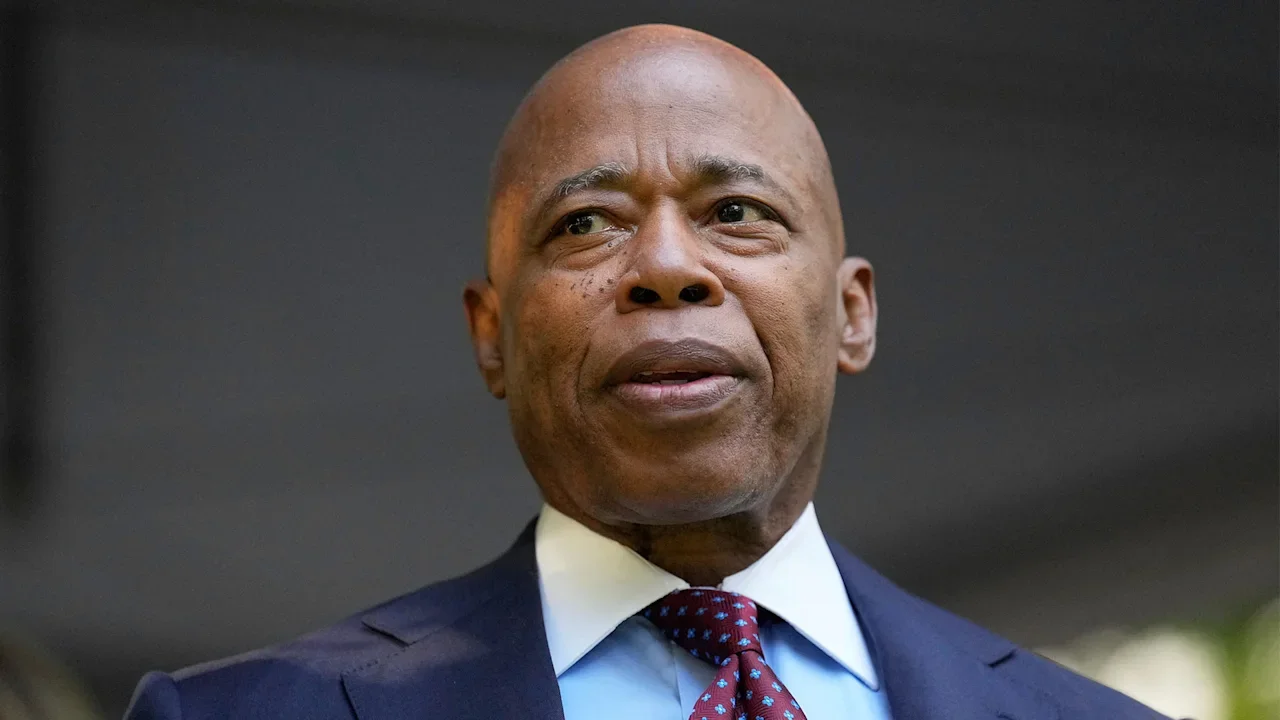
New York City Mayor Eric Adams ended his struggling reelection campaign Sunday, an acknowledgment that he was no longer a credible contender after a year of scandal and political turmoil. In a video released on social media, Adams spoke proudly of his tenure as mayor. But he said his now-dismissed federal corruption case left voters wary of him, and “constant media speculation” about his future made it impossible to raise enough money to run a serious campaign. “Despite all we’ve achieved, I cannot continue my reelection campaign,” he said. Adams did not endorse any of the remaining candidates in the race, but he warned of “insidious forces” using local government to “advance divisive agendas.” “That is not change, that is chaos,” Adams said. “Instead, I urge New Yorkers to choose leaders not by what they promise, but by what they have delivered.” Adams’ capitulation could potentially provide a lift to the campaign of former Gov. Andrew Cuomo, a fellow centrist who portrayed himself as the only candidate able to beat the Democratic Party’s nominee, state Assemblymember Zohran Mamdani. It is unclear, though, whether enough Adams supporters will shift their allegiances to Cuomo to make a difference. Mamdani, 33, would be the city’s youngest and most liberal mayor in generations if elected. He beat Cuomo decisively in the Democratic primary by campaigning on a promise try to lower the cost of living in one of the world’s most expensive cities. Mamdani, Cuomo and Sliwa remain in the race In a statement after Adams’ announcement, Mamdani took aim at Cuomo, who is trying to make a political comeback after resigning the governor’s office after being accused of sexual harassment by multiple women. “New York deserves better than trading in one disgraced, corrupt politician for another. On November 4th, we are going to turn the page on the politics of big money and small ideas and deliver a government every New Yorker can be proud of,” Mamdani said. Cuomo, in a statement on social media, praised Adams for “putting the well-being of New York City ahead of personal ambition.” “We face destructive extremist forces that would devastate our city through incompetence or ignorance, but it is not too late to stop them,” Cuomo said. Republican Curtis Sliwa also remains in the race, though his candidacy has been undercut from within his own party; The President in a recent interview called him “not exactly prime time.” Rough showing in polls Speculation that Adams wouldn’t make it to Election Day has been rampant for a year. His campaign was severely wounded by both the bribery case and liberal anger over his warm relationship with President Donald The President. He skipped the Democratic primary and got on the ballot as an independent. Polls conducted in early September illustrated his challenges. One poll by The New York Times and Siena University and another by Quinnipiac University showed likely voters favoring Mamdani over Cuomo, with Sliwa and Adams trailing further behind. The Quinnipiac poll suggested the gap between Mamdani and Cuomo could narrow if Adams dropped out. The Times/Siena poll suggested that if both Adams and Sliwa withdrew, Mamdani’s advantage over Cuomo could shrink even further. Sliwa, though, has repeatedly insisted he will not quit. “Curtis Sliwa is the only candidate who can defeat Mamdani,” his spokesperson, Daniel Kurzyna, said Sunday. In recent weeks, The President administration intermediaries interested in blocking Mamdani’s path to victory by getting him into a one-on-one matchup with Cuomo had approached Adams to see if he could be coaxed out of the contest with an offer of a government job. Amid reports on those discussions, Adams called a news conference where he pledged to keep running and derided Cuomo and Mamdani as “spoiled brats.” Later, on social media, Adams called Cuomo “a liar and a snake.” Indictment overshadows progress Adams, 65, is the city’s second Black mayor. A former New York City police captain and Brooklyn borough president, he took office in 2022 promising to crack down on crime and revitalize a city still bouncing back from the coronavirus pandemic. On his signature issue, he succeeded. Crime rates that ticked upward after COVID-19 hit the city have fallen back to pre-pandemic levels, though it’s unclear how much that had to do with Adams’ policies. But scandals and corruption probes have crippled Adams’ chances at another term. Over a head-spinning period of weeks last year, his police commissioner, schools chancellor and several deputy mayors resigned following a series of federal raids on their homes. None have faced criminal charges. Then, in late September, federal prosecutors brought fraud and bribery charges accusing Adams of accepting illegal campaign contributions and steep travel discounts from a Turkish official and others, and in exchange later accelerating the opening of Turkey’s diplomatic building, among other favors. The President intervenes Adams denied wrongdoing and pledged to remain in office. He also began speaking warmly about The President, then seen as having a growing chance of regaining the White House. He defended The President in media briefings, urged his party to tone down rhetoric against the Republican and refrained from criticizing him. After The President won, Adams met with The President’s border czar, Thomas Homan. Then, in February, The President’s Justice Department ordered federal prosecutors in New York to drop the charges against Adams so the mayor could assist with the Republican president’s immigration agenda. The extraordinary intervention triggered fresh tumult in City Hall and the Manhattan U.S. Attorney’s Office, with some of Adams’ closest allies suggesting he had struck a deal with the White House for his freedom. Adams announced he would skip the June Democratic primary but would stay in the race. In late August, Adams former top adviser — who served as a campaign volunteer — was hit with fresh bribery charges. Another former aide was removed from the campaign after handing a potato chip bag full of cash to a local reporter. New York Gov. Kathy Hochul, who has endorsed Mamdani, said after Adams’ announcement that she has been proud to have worked with him for the past four years, adding in her statement that he leaves the city “better than he inherited it.” This story has been corrected to reflect that Adams said “New Yorkers should choose leaders” by what they have delivered, not “leaders should choose leaders” by what they have delivered. —Jake Offenhartz and Anthony Izaguirre, Associated Press View the full article

-
Pending sales of US existing homes rose in August to the highest level in five months, as falling mortgage rates gave a much-needed lift to the sluggish housing market. View the full article

-
Today (Monday, September 29) is National Coffee Day. To celebrate, many coffee shops and eateries are promoting discounts and freebies. Keep these National Coffee Day deals and freebies in mind when stopping to get your daily dose of caffeine. Bruegger’s Bagels Rewards members can get a free hot or iced coffee with a purchase when ordering in the app. Burger King Burger King Royal Perks rewards members can get a free medium iced coffee with a minimum purchase of $1 when ordering through the Burger King app. Members must activate the offer before placing an order. Caribou Coffee On September 29, receive a free medium hot or iced classic latte with a purchase of another beverage when ordering in-store or through the Caribou Coffee app. Dunkin’ Dunkin’ Rewards members can get a free medium coffee with hot or iced coffee with a purchase when ordering in the Dunkin’ app. Dutch Bros On September 29, customers who buy a “Drink More Coffee” hat in-store will get any drink of their choice for free. Einstein Bros. Bagels On September 29, Einstein Bros. Rewards members can get any size free hot or iced coffee with purchase when ordering in-app or online. Krispy Kreme The donut chain that loves to give things away for free is getting in on the action. On September 29, get a free medium hot or iced coffee and a free donut of your choice, with no purchase necessary. Paris Baguette PB rewards members can get a free medium hot or iced coffee with purchase through September 29. To join, download the Paris Baguette app. Pret a Manger On September 29, get a free 16 oz. Barista-made drink for free. Drink options include hot or iced coffees, lattes, cappuccinos, and more. Starbucks Through September 29, when purchasing a hot or iced brewed coffee of any size, Starbucks Rewards members will earn 100 bonus stars, which can be redeemed for a free hot or iced brewed coffee or tea, bakery item, or packaged snack. Members must activate the offer within the Starbucks app before placing their order. View the full article

-
Bad Bunny will bring his Latin trap and reggaeton swagger to the NFL’s biggest stage next year: The Grammy winner will headline the Apple Music Super Bowl halftime show in Northern California. The NFL, Apple Music and Roc Nation announced Sunday that Bad Bunny will lead the halftime festivities from Levi’s Stadium on Feb. 8 in Santa Clara, California. The Puerto Rican superstar’s selection comes amid another career-defining run: He’s fresh off a historic Puerto Rico residency this month that drew more than half a million fans and is leading all nominees at the Latin Grammys in November. He has become one of the world’s most streamed artists with albums such as “Un Verano Sin Ti,” an all-Spanish-language LP. Bad Bunny will host “Saturday Night Live” on Oct. 4. “What I’m feeling goes beyond myself,” Bad Bunny said in a statement. “It’s for those who came before me and ran countless yards so I could come in and score a touchdown… this is for my people, my culture, and our history. Ve y dile a tu abuela, que seremos el HALFTIME SHOW DEL SUPER BOWL.” Roc Nation founder Jay-Z said in a statement that what Bad Bunny has “done and continues to do for Puerto Rico is truly inspiring. We are honored to have him on the world’s biggest stage.” The 31-year-old artist born Benito Antonio Martínez Ocasio has won three Grammys and 12 Latin Grammys. He has become a global ambassador for Latin music, starred in films such as “Bullet Train,” “Caught Stealing” and “Happy Gilmore 2,” and collaborated with top fashion houses. He’ll enter the Latin Grammys as the leading nominee with 12, dethroning producer and songwriter Édgar Barrera. Roc Nation and Emmy-winning producer Jesse Collins will serve as co-executive producers of the halftime show. Hamish Hamilton will serve as director. “We know his dynamic performances, creative vision, and deep connection with fans will deliver the kind of unforgettable experience we’ve come to expect from this iconic cultural moment,” said Jon Barker, SVP of Global Event Production for the NFL. Last year, Kendrick Lamar shined with guest SZA in New Orleans, setting the record for the most-watched Super Bowl halftime show with 133.5 million viewers. His performance surpassed the audience for Michael Jackson’s 1993 show. “His music has not only broken records but has elevated Latin music to the center of pop-culture and we are thrilled to once again partner with the NFL and Roc Nation to deliver this historic performance to millions of fans worldwide,” said Oliver Schusser, the vice president of Apple Music and Beats. “We know this show will be unforgettable.” —Jonathan Landrum Jr., AP Entertainment Writer View the full article

-
You can now pull Pinterest cost, click, and impression data directly into Google Analytics via Pinterest Ads Data Import. Why we care. Bringing Pinterest Ads data into Analytics gives advertisers a unified view of performance across channels. But mismanaging imports can lead to duplicate or inaccurate reporting. How it works. When you set up a Pinterest Ads Data Import, Google Analytics attempts to pull up to 24 months of historical campaign data. If the Pinterest API doesn’t support that full range, Analytics will extract as much as possible. If you have previously uploaded Pinterest cost data manually, you’ll need to delete those datasets first — otherwise, you risk double-counting spend because Analytics won’t deduplicate the two sources. Setup checklist: Create both a Pinterest business and ad account. Have at least Editor-level access in your Google Analytics property. Ensure your Pinterest ad URLs include: utm_source (required) utm_medium (required) utm_campaign (optional, recommended) utm_id (optional, recommended) Make sure all paid Pinterest traffic uses consistent utm_source and utm_medium values (e.g., utm_source=Pinterest, utm_medium=paid). Import process: Create a new data source → Admin > Data import > Cost data > Pinterest. Connect Pinterest → Sign in with Pinterest Ads credentials. Configure data → Select the ad account and align source/medium values with your UTMs. Review & import → Confirm fields, filters, and schedule. Imports complete in ~30 minutes, with data available in up to 24 hours. Important caveats. Once created, connectors can’t be edited. To change ad account, source, or medium, you’ll need to delete and recreate the connector. Imported data will automatically map fields, but review carefully before finalizing. The help doc. Import cost data from Pinterest Ads View the full article
-
US president boosts shares in sector by sharing video advocating medical use of hemp-derived cannabidiolView the full article
-
Uber’s latest announcement promises to revolutionize grocery shopping for families and small business owners alike, with improvements to its grocery delivery service via Uber Eats. Amid rising grocery prices, dubbed “veggie-flation,” Uber is stepping in to offer a solution. With new features rolling out, small business owners can expect tangible benefits while navigating potential challenges. Uber’s Fresh Days program stands out as a key feature, allowing customers to access substantial savings—up to 50% off—on a variety of fresh groceries including fruits, vegetables, meat, and dairy. For small business owners, particularly those in the food industry or hospitality sectors, this could mean more affordable supplies. Uber One members can leverage an exclusive 30% discount on Tuesdays for fresh produce, meats, dairy, and eggs, enhancing efficient inventory management by reducing costs. “Every week, Uber Eats customers can unlock Fresh Days—offering big savings,” said Susan Anderson, Global Head of Delivery at Uber. The program is currently available in several countries, including the U.S., Canada, and Spain, with ongoing expansion planned. By capitalizing on these savings, small retailers can manage tight budgets while ensuring quality offerings to their clientele. An exciting development is the integration of ALDI into Uber Eats, providing access to over 2,500 stores nationwide. This means small businesses can now source groceries more easily and inclusively, as ALDI is the first retailer on the platform to accept SNAP-EBT payments. This move not only broadens the grocery access but also aligns with the growing demand among consumers for inclusivity in shopping options. In terms of the shopping experience itself, Uber Eats has unveiled several features designed to enhance user satisfaction. Small business owners can customize their orders with replacement preferences. If an item is unavailable, users can choose how to replace it, with AI-powered suggestions tailored to individual preferences. The ability to edit orders in real time allows for seamless adjustments, ensuring small business owners can adapt as needed to maintain inventory without the hassle of returning unwanted items. Moreover, Uber Eats has introduced enhanced live order chat capabilities. This means shoppers can send photos of unavailable or subpar items, enabling real-time decision-making for refunds or substitutes. For a small business aiming to deliver the best to its customers, these features support quality assurance directly from the grocery delivery source. However, small business owners should also consider potential challenges that come with these enhancements. While the price reductions through Fresh Days are substantial, they could lead to variable supply availability. This fluctuation may complicate inventory planning for those depending solely on Uber Eats for grocery sourcing. There is also the need to stay updated on the frequent changes in the discount policies and offerings by Uber Eats to make informed purchasing decisions. The Fresh Guarantee policy adds an assurance of quality by allowing refunds for items deemed spoiled or substandard upon delivery. Though beneficial, it comes with specific requirements, such as the necessity to report issues within 48 hours and include photographic evidence. Small business owners would need to be diligent in managing this process to ensure they receive due compensation for any poor-quality goods. As Uber continues to innovate with technologies aimed at enriching the grocery experience, small business owners have a significant opportunity to benefit from enhanced savings and options. With adaptability and proactivity, they can leverage these deliveries to bolster their operations and meet customer expectations more effectively. For more detailed information and updates, read Uber’s full press release here. This article, "Uber Eats Launches Fresh Days Program for Discounted Grocery Delivery" was first published on Small Business Trends View the full article
-
Uber’s latest announcement promises to revolutionize grocery shopping for families and small business owners alike, with improvements to its grocery delivery service via Uber Eats. Amid rising grocery prices, dubbed “veggie-flation,” Uber is stepping in to offer a solution. With new features rolling out, small business owners can expect tangible benefits while navigating potential challenges. Uber’s Fresh Days program stands out as a key feature, allowing customers to access substantial savings—up to 50% off—on a variety of fresh groceries including fruits, vegetables, meat, and dairy. For small business owners, particularly those in the food industry or hospitality sectors, this could mean more affordable supplies. Uber One members can leverage an exclusive 30% discount on Tuesdays for fresh produce, meats, dairy, and eggs, enhancing efficient inventory management by reducing costs. “Every week, Uber Eats customers can unlock Fresh Days—offering big savings,” said Susan Anderson, Global Head of Delivery at Uber. The program is currently available in several countries, including the U.S., Canada, and Spain, with ongoing expansion planned. By capitalizing on these savings, small retailers can manage tight budgets while ensuring quality offerings to their clientele. An exciting development is the integration of ALDI into Uber Eats, providing access to over 2,500 stores nationwide. This means small businesses can now source groceries more easily and inclusively, as ALDI is the first retailer on the platform to accept SNAP-EBT payments. This move not only broadens the grocery access but also aligns with the growing demand among consumers for inclusivity in shopping options. In terms of the shopping experience itself, Uber Eats has unveiled several features designed to enhance user satisfaction. Small business owners can customize their orders with replacement preferences. If an item is unavailable, users can choose how to replace it, with AI-powered suggestions tailored to individual preferences. The ability to edit orders in real time allows for seamless adjustments, ensuring small business owners can adapt as needed to maintain inventory without the hassle of returning unwanted items. Moreover, Uber Eats has introduced enhanced live order chat capabilities. This means shoppers can send photos of unavailable or subpar items, enabling real-time decision-making for refunds or substitutes. For a small business aiming to deliver the best to its customers, these features support quality assurance directly from the grocery delivery source. However, small business owners should also consider potential challenges that come with these enhancements. While the price reductions through Fresh Days are substantial, they could lead to variable supply availability. This fluctuation may complicate inventory planning for those depending solely on Uber Eats for grocery sourcing. There is also the need to stay updated on the frequent changes in the discount policies and offerings by Uber Eats to make informed purchasing decisions. The Fresh Guarantee policy adds an assurance of quality by allowing refunds for items deemed spoiled or substandard upon delivery. Though beneficial, it comes with specific requirements, such as the necessity to report issues within 48 hours and include photographic evidence. Small business owners would need to be diligent in managing this process to ensure they receive due compensation for any poor-quality goods. As Uber continues to innovate with technologies aimed at enriching the grocery experience, small business owners have a significant opportunity to benefit from enhanced savings and options. With adaptability and proactivity, they can leverage these deliveries to bolster their operations and meet customer expectations more effectively. For more detailed information and updates, read Uber’s full press release here. This article, "Uber Eats Launches Fresh Days Program for Discounted Grocery Delivery" was first published on Small Business Trends View the full article
-
Democratic and Republican congressional leaders are heading to the White House for a meeting with President Donald The President on Monday in a late effort to avoid a government shutdown, but both sides have shown hardly any willingness to budge from their entrenched positions. If government funding legislation isn’t passed by Congress and signed by The President on Tuesday night, many government offices across the nation will be temporarily shuttered and nonexempt federal employees will be furloughed, adding to the strain on workers and the nation’s economy. Republicans are daring Democrats to vote against legislation that would keep government funding mostly at current levels, but Democrats have held firm. They’re using one of their few points of leverage to demand Congress take up legislation to extend health care benefits. “The meeting is a first step, but only a first step. We need a serious negotiation,” Senate Democratic leader Chuck Schumer said Sunday on NBC’s “Meet the Press.” The President has shown little interest in entertaining Democrats’ demands on healthcare, even as he agreed to hold a sit-down meeting Monday with Schumer, along with Senate Majority Leader John Thune, House Speaker Mike Johnson, and House Democratic leader Hakeem Jeffries. The Republican president has said repeatedly he fully expects the government to enter a shutdown this week. “If it has to shut down, it’ll have to shut down,” The President said Friday. “But they’re the ones that are shutting down government.” The The President administration has tried to pressure Democratic lawmakers into backing away from their demands, warning that federal employees could be permanently laid off in a funding lapse. “Chuck Schumer said a few months ago that a government shutdown would be chaotic, harmful and painful. He’s right, and that’s why we shouldn’t do it,” Thune, a South Dakota Republican, said Sunday on “Meet the Press.” Still, Democrats argued The President’s agreement to hold a meeting shows he’s feeling the pressure to negotiate. They say that because Republicans control the White House and Congress, Americans will mostly blame them for any government shutdown. But to hold on to their negotiating leverage, Senate Democrats will likely have to vote against a bill to temporarily extend government funding on Tuesday, just hours before a shutdown — an uncomfortable position for a party that has long denounced shutdowns as pointless and destructive. The bill has already passed the Republican-controlled House and would keep the government funded for seven more weeks while Congress works on annual spending legislation. Any legislation to fund the government will need support from at least 60 senators. That means that at least eight Democrats would have to vote for the short-term funding bill, because Republican Sen. Rand Paul of Kentucky is expected to vote against it. During the last potential government shutdown in March, Schumer and nine other Democrats voted to break a filibuster and allow a Republican-led funding bill to advance to a final vote. The New York Democrat faced fierce backlash from many in his own party for that decision, with some even calling for him to step down as Democratic leader. This time, Schumer appears resolute. “We’re hearing from the American people that they need help on health care and as for these massive layoffs, guess what? Simple one-sentence answer: They’re doing it anyway,” he said. Democrats are pushing for an extension to Affordable Care Act tax credits that have subsidized health insurance for millions of people since the COVID-19 pandemic. The credits, which are designed to expand coverage for low- and middle-income people, are set to expire at the end of the year. Some Republicans are open to extending the tax credits but want changes. Thune said Sunday that the program is “desperately in need of reform” and Republicans want to address “waste, fraud and abuse.” He has pressed Democrats to vote for the funding bill and take up the debate on tax credits later. It remains to be seen whether the White House meeting will help or hurt the chances for a resolution. Negotiations between The President and Democratic congressional leaders have rarely gone well, and The President has had little contact with the opposing party during his second term. The most recent negotiation in August between Schumer and the president to speed the pace of Senate confirmation votes for administration officials ended with The President telling Schumer to “go to hell” in a social media post. The President also abruptly canceled a meeting that was planned with congressional leaders last week, calling Democrats’ demands “unserious and ridiculous.” Schumer argued that the White House coming back to reschedule a meeting for Monday showed that “they felt the heat.” —Stephen Groves and Mary Clare Jalonick, Associated Press View the full article

-
Understanding stakeholders is critical to the success of any project. A stakeholder map helps project managers visualize who is involved, their influence and their level of interest in the project. By mapping stakeholders effectively, teams can prioritize engagement, anticipate challenges and allocate resources efficiently. Using stakeholder map examples can guide new managers in creating their own maps tailored to their projects. Stakeholder map examples vary depending on project size, industry and complexity. Some maps focus on influence versus interest, while others categorize stakeholders by role, department or communication needs. Examining different examples provides insights into strategies for engagement, risk management and communication planning, helping teams make informed decisions and improve project outcomes. /wp-content/uploads/2021/03/Stakeholder-Map-Template.png Get your free Stakeholder Map Template Use this free Stakeholder Map Template to manage your projects better. Get the Template Project management software streamlines stakeholder management by centralizing information, tracking communication and visualizing relationships. Managers can assign responsibilities, set notifications and monitor interactions to ensure stakeholders are informed and engaged. Software features like dashboards, reporting and task tracking allow teams to measure stakeholder impact and adjust engagement strategies in real time, reducing misunderstandings and improving collaboration. ProjectManager provides the tools to manage stakeholders efficiently using multiple project views, real-time dashboards and comprehensive tracking. Gantt charts visualize timelines and dependencies, making it easy to see how stakeholder actions influence project progress. Task lists, kanban boards and resource management features ensure all interactions are accounted for and team responsibilities are clear. By combining visualization, tracking and collaboration in one platform, ProjectManager keeps stakeholder management organized and proactive. Get started with ProjectManager today for free. /wp-content/uploads/2025/03/Gantt-CTA-2025.jpgLearn more 1. Residential Construction Project Stakeholder Map Example The Oakwood Estates project is a large-scale residential construction initiative designed to create a sustainable and modern housing community in a rapidly growing suburban area. The project team faces the challenge of coordinating multiple contractors, suppliers and designers while ensuring the development meets local building codes and environmental regulations. Residents expect high-quality finishes, well-planned layouts and minimal disruption during construction. From the start, project managers need to balance competing priorities: maintaining a strict construction timeline, staying within budget and managing the expectations of a diverse set of stakeholders. Homebuyers are naturally the most invested group, seeking assurance that their future homes will be completed on time and to specification. Their influence is medium because, while they cannot directly control construction decisions, their feedback and complaints can create pressure points. Local government and building inspectors have high influence, as approvals, inspections and permits can make or break schedules. Neighborhood associations and community groups, although having low influence, are important for community buy-in and addressing potential complaints about noise, traffic or environmental impacts. Contractors and subcontractors are central to the project’s execution; their schedules, resource allocation and quality control practices directly affect timelines and outcomes. Related: 20 Free Excel Construction Templates The project team implements stakeholder engagement strategies such as regular progress meetings, newsletters, and dedicated communication channels. By creating a stakeholder map, managers can clearly see who requires close management, who should be kept satisfied and who simply needs monitoring. This approach helps anticipate potential conflicts before they arise, such as a subcontractor shortage or a permit delay and enables proactive planning. The narrative of Oakwood Estates illustrates how residential construction projects require a careful balance between technical execution, community relations and customer satisfaction. Successfully navigating these dynamics not only ensures on-time delivery but also establishes trust with homeowners, the community and regulators. Stakeholder Group Level of Interest Level of Influence Homeowners / Buyers High Medium Local Government / Inspectors Medium High Contractors / Subcontractors High High Neighborhood Associations Medium Low /wp-content/uploads/2025/10/Stakeholder-Map-Examples-Construction.png 2. Industrial Construction Project Stakeholder Map Example The GreenTech Manufacturing Plant project entails constructing a state-of-the-art facility capable of producing environmentally friendly products on a large scale. This industrial construction project presents a complex array of technical, regulatory and logistical challenges. Project managers must coordinate with engineers, environmental regulators, suppliers and internal management to ensure the plant meets strict safety and efficiency standards. Each stage, from laying the foundation to installing specialized machinery, requires careful oversight to prevent delays, cost overruns and regulatory violations. Related: Construction Schedule Template Company management is highly interested and highly influential because they provide funding, define project goals and make key strategic decisions. Construction engineers have high interest but medium influence; they manage the technical execution of the project and ensure that safety and quality standards are maintained. Environmental agencies have medium interest but high influence, as their approvals and compliance audits directly affect the project’s timeline and feasibility. Finally, local labor unions and workforce representatives have medium interest and medium influence, ensuring that employment practices and working conditions meet legal and contractual standards. The story of the GreenTech Plant underscores the importance of stakeholder mapping in industrial projects, where misalignment between engineering teams, regulators and management can result in costly delays. Regular coordination meetings, transparent reporting and a clear stakeholder map help managers anticipate conflicts and streamline decision-making. By analyzing stakeholder influence and interest, the project team can focus resources where they are most impactful, such as prioritizing approvals from regulatory bodies and maintaining strong communication with company executives to align expectations. Industrial construction projects, therefore, demonstrate the critical balance between operational efficiency, regulatory compliance and workforce management. Stakeholder Group Level of Interest Level of Influence Company Management High High Construction Engineers High Medium Environmental Agencies Medium High Local Workforce / Unions Medium Medium /wp-content/uploads/2025/10/Stakeholder-Map-Examples-Industrial-Construction.png 3. Commercial Construction Project Stakeholder Map Example The Central City Shopping Center project is a high-profile commercial construction endeavor in a dense urban environment. The project involves multiple retail tenants, investors, contractors and city authorities. Project managers must carefully coordinate construction schedules to minimize disruption to surrounding businesses, maintain safety standards and ensure tenant requirements are met. Each stakeholder brings a unique set of expectations and pressures. Retail tenants are focused on store readiness, layout and design, while investors are concerned with return on investment, lease agreements and cost management. City planning departments enforce zoning, safety and accessibility regulations that can affect timelines and construction methods. The general public and local customers, though less influential, provide feedback that shapes design decisions and amenities. /wp-content/uploads/2025/01/2025-construction-ebook-banner-ad.jpg Effective stakeholder engagement is crucial. Managers must communicate timelines, construction impacts and updates clearly and consistently. The project team uses stakeholder mapping to identify which stakeholders require close attention, which should be kept satisfied and which simply need periodic updates. By mapping influence and interest, the project team can anticipate challenges, such as unexpected city regulations, tenant design requests or delays from subcontractors. The Central City Shopping Center narrative illustrates how commercial projects must integrate stakeholder management with construction planning to deliver a facility that meets both business and community expectations. The complexity of multiple tenants and urban restrictions highlights the value of visualizing stakeholder dynamics to avoid delays, miscommunication, or cost overruns. Stakeholder Group Level of Interest Level of Influence Retail Tenants High Medium Investors / Developers High High City Planning Department Medium High Local Customers Medium Low /wp-content/uploads/2025/10/Stakeholder-Map-Examples-Commercial-Construction.png 4. Manufacturing Project Stakeholder Map Example The Phoenix Electronics production line expansion is a strategic manufacturing project aimed at increasing output without disrupting existing operations. The project involves multiple teams: operations managers who oversee production efficiency, supply chain specialists who ensure timely delivery of materials, quality assurance personnel who maintain product standards and production staff executing daily operations. Each stakeholder group has unique priorities and responsibilities, and the project manager must coordinate these efforts to minimize risk and maximize efficiency. Operations managers are highly interested and highly influential, guiding workflow and resource allocation. The supply chain team is highly interested but has medium influence, as delays in material procurement can ripple across the production line. Quality assurance personnel are medium interest but high influence, ensuring compliance and preventing defects that could damage the company’s reputation. Production staff have medium interest and medium influence, as their daily execution affects output quality and timeliness. /wp-content/uploads/2025/09/banner-ad-manufacturing-ebook.jpg The narrative emphasizes how manufacturing projects require careful coordination and proactive stakeholder engagement. A stakeholder map allows managers to visualize relationships, prioritize communication and anticipate problems, such as production bottlenecks or supply delays. Phoenix Electronics’ expansion demonstrates that successful manufacturing projects depend not only on technical execution but also on understanding stakeholder needs and influence. By integrating stakeholder mapping into project planning, managers can reduce risks, maintain quality and achieve efficient production outcomes. Stakeholder Group Level of Interest Level of Influence Operations Managers High High Supply Chain Team High Medium Quality Assurance Medium High Employees / Production Staff Medium Medium /wp-content/uploads/2025/10/Stakeholder-Map-Examples-Manufacturing.png 5. Government Project Stakeholder Map Example The Riverfront Community Center project is a public infrastructure initiative designed to serve the needs of the local community. Project managers must navigate a highly complex stakeholder environment involving civic leaders, the general public, contractors and regulatory agencies. Each group has different expectations: civic leaders prioritize budget adherence, regulatory compliance and public approval; the public seeks accessibility, amenities and timely completion; contractors focus on executing tasks efficiently; and regulatory agencies enforce building codes and safety regulations. Related: 10 Free Task Management Templates Civic leaders are highly interested and highly influential, approving budgets and making key decisions. The general public is highly interested but medium influence, providing feedback and support that can affect political or funding decisions. Contractors and vendors are medium interest but high influence, as their performance directly impacts schedule and quality. Regulatory agencies are medium interest but high influence, ensuring safety and legal compliance. The story of the Riverfront Community Center highlights the challenges of balancing public expectations, regulatory requirements and construction realities. Stakeholder mapping helps the project team prioritize engagement, assign responsibilities and plan communication strategies that satisfy all parties. By visualizing influence and interest, managers can anticipate conflicts, mitigate risks and ensure that the project is completed successfully. Government projects demonstrate how stakeholder management is critical for transparency, accountability, and community satisfaction. Stakeholder Group Level of Interest Level of Influence Civic Leaders / Officials High High General Public High Medium Contractors / Vendors Medium High Regulatory Agencies Medium High /wp-content/uploads/2025/10/Stakeholder-Map-Examples-Government.png Stakeholder Map Template Download this free stakeholder map template to identify and categorize stakeholders based on their level of interest and influence in a project. Typically presented as a four-quadrant matrix, this template helps project managers prioritize stakeholders and tailor engagement strategies accordingly. By plotting stakeholders into categories such as “Manage Closely,” “Keep Satisfied,” “Keep Informed” and “Monitor,” teams can allocate resources effectively and ensure that communication efforts are aligned with stakeholder needs and expectations. /wp-content/uploads/2021/03/Stakeholder-Map-Screenshot.jpg Utilizing a stakeholder map template early in the project planning phase allows for proactive management of stakeholder relationships. It aids in identifying potential risks, aligning project objectives with stakeholder interests and fostering transparent communication. This strategic approach not only enhances stakeholder satisfaction but also contributes to the overall success and smooth execution of the project. Related Stakeholder Management Templates Effective stakeholder management requires structured tools to identify, analyze and engage all parties involved in a project. Using templates helps project managers document stakeholder information, prioritize communication and ensure that everyone’s expectations and influence are accounted for. These related templates make it easier to keep projects on track and maintain strong stakeholder relationships. Stakeholder Analysis Template Download this free stakeholder analysis template to help teams assess each stakeholder’s interest, influence and potential impact on the project. By categorizing stakeholders, managers can focus on the most critical relationships and plan communication strategies accordingly. This ensures that key stakeholders are engaged appropriately and that potential conflicts are mitigated early. Stakeholder Register Template Use this free stakeholder register template to provide a centralized record of all project stakeholders, including their roles, contact information and level of influence. It serves as a reference for the entire project team, helping maintain transparency and accountability. Keeping an updated register ensures no stakeholder is overlooked during planning or execution. Stakeholder Engagement Plan Template This free stakeholder engagement plan template outlines strategies for interacting with stakeholders throughout the project lifecycle. It specifies communication frequency, methods and responsibilities for managing each stakeholder relationship. Using this template promotes proactive engagement, improves collaboration and helps achieve project objectives efficiently. How ProjectManager Helps With Stakeholder Management Managing stakeholders effectively is essential for project success, but it can be challenging to keep track of interests, influence and communications across multiple parties. ProjectManager simplifies this process by providing a centralized platform to organize stakeholder information, monitor engagement, and streamline collaboration, ensuring no stakeholder is overlooked. Visualize Stakeholder Influence and Interest ProjectManager allows managers to create stakeholder maps directly within the platform. Using tools like Gantt charts, kanban boards and customizable dashboards, teams can visualize which stakeholders have high influence or interest, identify priority relationships and adjust project plans accordingly. This feature makes it easy to see potential bottlenecks and align resources where they are most needed. /wp-content/uploads/2024/04/Team-summary-better-data-light-mode-home-screen-dashboard.png Track Communication and Engagement The platform provides real-time tracking of stakeholder interactions, notifications and task assignments. Managers can monitor updates, ensure follow-ups occur and maintain a record of communications. With reporting tools and activity logs, teams can analyze engagement effectiveness, keep stakeholders informed and proactively address concerns before they impact project success. /wp-content/uploads/2023/01/Reports-Light-2554x1372-1.png Related Stakeholder Management Content These stakeholder map examples illustrate how stakeholder management works. For those curious to learn more about this topic, check out the links below. There are more free templates, definitions and types of stakeholders, plus a lot of other insightful pieces. 13 Free Stakeholder Management Templates for Excel & Word What Is a Stakeholder? Definitions, Types & Examples Stakeholder Mapping 101: How to Make a Stakeholder Map How to Make a Stakeholder Management Plan Stakeholder Analysis 101 (Example & Template Included) Top 10 Stakeholder Management Skills for Project Managers Stakeholder Salience Model in Project Management ProjectManager is online project and portfolio management software that connects teams and stakeholders wherever they are. They can share files, comment at the task level and stay updated with email and in-app notifications. Get started with ProjectManager today for free. The post 5 Stakeholder Map Examples With Analysis appeared first on ProjectManager. View the full article
-
Tech, demographics & ESG collide to reshape advisory, career paths, and firm leadership. MOVE Like This With Bonnie Buol Ruszczyk For CPA Trendlines Go PRO for members-only access to more Bonnie Buol Ruszczyk. View the full article
-
Tech, demographics & ESG collide to reshape advisory, career paths, and firm leadership. MOVE Like This With Bonnie Buol Ruszczyk For CPA Trendlines Go PRO for members-only access to more Bonnie Buol Ruszczyk. View the full article
-
Here is a recap of what happened in the search forums today...View the full article
-
Smartsheet is a popular project management tool that describes itself as a “work execution platform.” This web-based application is best known for its unique use of project management spreadsheets. However, spreadsheets might not be the best project management tool to handle time tracking, resource management or task management, which makes project managers look for Smartsheet alternatives. Why People Seek a Smartsheet Alternative There are many project management software tools on the market that offer similar feature sets. If you’re looking for a Smartsheet alternative, look no further. We’ve taken a look at some of the best Smartsheet alternatives for you—but first, let’s quickly review Smartsheet’s key features. It builds on the spreadsheet capabilities of Excel, which might be familiar to most users, but that sheet view is limited as anyone who has tried to manage a project on Excel will understand. While Smartsheet does allow team members to collaborate on content, assign tasks, view timelines and more, its work execution has disadvantages, which are listed below. Lacks time tracking: Perhaps the most common criticism is that Smartsheet does not offer a time tracking feature. For most teams, this capability is a must-have. Without time tracking, it’s difficult to keep up with the details of how long different parts of a project take to execute. This means not knowing what to expect in future projects. Poor integration: Smartsheet does not integrate with many third-party time-tracking solutions. This can mean team members must complete an extra step to track time, rather than have everything they need in one tool. Missing robust portfolio management features: The software has some portfolio features, but just enough to frustrate users who want to use Smartsheet to manage their program or portfolio of projects. No resource management in basic plan: If you want to manage resources and do capacity planning you’re going to have to pay a steep premium to upgrade. Same with project baselines. Inadequate scheduling and task management features: While there are some scheduling and task management features available, their capabilities aren’t as extensive as other Smartsheet alternatives. This is unfortunate, especially considering Smartsheet is one of the more expensive project management tools on the market. Confusing features: There are many features included with Smartsheet, but this can be a problem in that it makes using the software confusing. This is especially true for new users. Difficult interface: Adding to this confusion is an interface that is too complex and adds to the confusion of those trying to navigate the tool. Smartsheet wasn’t built for project management and lacks advanced functionalities when compared to many of the Smartsheet competitors below. 2025 Best Smartsheet Alternatives Software Rankings Many project management software tools on the market offer similar feature sets. If you’re looking for a Smartsheet alternative, look no further. We’ve taken a look at some of the best Smartsheet alternatives for you. /wp-content/uploads/2022/03/pm-logo-bggrey.png1. ProjectManager ProjectManager is project and portfolio management software that offers in-depth project data and the most comprehensive planning features on the market. And unlike Smartsheet, you can manage resources and track time without paying extra. Plus, ProjectManager has real-time dashboards that work instantly. Combine that with in-depth, customizable reporting and you have the best Smartsheet alternative on our list. Unlike many project management solutions, this software was made for expert project managers and novices alike. Plus, there’s a 30-day free trial you can take to see if this Smartsheet alternative is right for you. Make Robust Project Plans with Gantt Charts ProjectManager’s Gantt chart offers an incredible amount of in-depth project data, such as planned resource hours, costs, baseline tracking and more—giving you total control over your project schedule. The Gantt chart functions like a spreadsheet on the left side of the chart, and it displays timelines and task dependencies on the right so you can make schedules and track progress. Plus, it filters for the critical path without having to do time-consuming calculations. Get a Sheet View of Your Project Unlike Other Smartsheet Alternatives And, if you’re a fan of Smartsheet’s focus on the use of spreadsheets for project management, ProjectManager offers the sheet view. It allows you to work exclusively in data grid columns, without the Gantt chart view. Tailor these task lists to your preference with blank rows and dropdown custom columns, all while using keyboard shortcuts that won’t slow down your workflow. /wp-content/uploads/2021/08/Sheet-view-IT-Project-plan-software-dev-2024.png Intuitive Resource Management at No Extra Cost ProjectManager allows you to access availability for your resources as you build your schedule, so you’ll never overburden anyone. And, once the project is in motion, there is a powerful, drag-and-drop team page that allows you to track and manage all the tasks your team is working on for a specific day, week or month. Open a task to update it, or reassign it instantly. Project and resource management has never been easier. /wp-content/uploads/2023/01/Team-Light-2554x1372-1.png When you consider the Gantt chart, sheet view, dashboards, kanban boards, task lists and more, it’s clear that ProjectManager is the best Smartsheet alternative. See for yourself with this free 30-day trial. Verdict: Best Smartsheet Alternative for Project Management ProjectManager Pros & Key Features Robust Gantt chart and sheet view Real-time cost and time tracking Multiple project management tools and views Mobile app for Android and iOS Free 30-day trial ProjectManager Cons & Limitations Limited customization Few native integrations No free plan ProjectManager Pricing Team: $14 user/month Business: $26 user/month Enterprise: contact sales ProjectManager Reviews G2 review: 4.4 / 5 Capterra review: 4.1 / 5 Highlighted User Reviews “ProjectManager works very well with both large and small-scale projects. Being able to use this with anything from a project involving only two members of staff, to hundreds, has been invaluable.” Peter W – from Capterra “We used to manage our projects, resources, and reporting in different systems. Enter ProjectManager. We have consolidated systems and work more efficiently.” Jeffrey M – from Capterra “Having the full scope of activities and who is responsible to do it, plus the time tracking is excellent.” Flavio M – from G2 “It has an excellent accounting system capable of calculating the time that a person has used to develop a task that was assigned to him, I like being able to collaborate with all my colleagues in the Finance sector through ProjectManager.” Jesus C – from G2 “The UI of the application is user-friendly, and it helps to identify what we are looking for with minimal effort.” Pavan H – from G2 Related: Smartsheet vs. ProjectManager: Which Is the Better Project Management Software? 2. Microsoft Project Microsoft Project is one of the oldest and most well-known project management tools around. This cloud-based solution is part of the MS Office suite, meaning it works seamlessly with Microsoft Planner and other Microsoft applications. For many, this also means navigating MS Project feels familiar and comfortable, making it the ideal productivity tool. MS Project is a strong Smartsheet alternative thanks to its project planning capabilities. But these features are general, and the tool doesn’t offer many industry-specific solutions. That means a construction team or software team might find it lacking in their specific planning and reporting needs. /wp-content/uploads/2023/06/microsoft-project-gantt-chart.webp While Microsoft Project is a great productivity tool, it is also held back by its limited integrations with third-party applications. For someone who uses apps outside of Microsoft Office, this means you’ll be jumping back and forth between tools. MS Project is also not compatible with macOS. So, if you’re used to using a Mac, you’ll have to learn new project management software on a completely different operating system. Bottom line: expert project managers will find it useful, and others will most likely get frustrated and bogged down. For someone without expert knowledge of project management, this tool may even slow them down rather than make them more efficient. Verdict: Best Smartsheet Alternative for Microsoft Users Microsoft Project Pros & Key Features Offers a variety of project management views to plan, schedule and track projects Robust enough for project, program and project portfolio management Built-in project management reports Has a free 1-month trial No free plan Microsoft Project Cons & Limitations Both the desktop and online versions are expensive, especially for larger teams Steep learning curve and overwhelming user interface for beginners Microsoft Project files have a unique format which makes them hard to use and share Doesn’t have a mobile app like other Smartsheet alternatives Microsoft Project Pricing Project Plan 1: $10/user/month Project Plan 3: $30/user/month Project Plan 5: $55/user/month Microsoft Project Reviews G2 review: 4.0/5 Capterra review: 4.4/5 Highlighted User Reviews “It is easy to set up a Project Plan using templates provided in MS Project.” Alex N – from G2 “Their neat feature of capacity planning, it simplifies our work in allocating resources efficiently.” Mike M – from G2 3. Monday.com Monday.com is project management software specifically aimed at making users feel connected. This is largely due to its user interface design. Monday is an extremely visual application. All of its features connect to a central “view” where team members can see an overview of important details and collaborate. That visual style garners Monday many great reviews as a Smartsheet alternative for its ability to organize information. Users see huge amounts of data and decide how to manage it with kanban boards, task lists, timelines and more. /wp-content/uploads/2023/05/resource-management-software-monday.com_.webp Unfortunately, that list of project management features is missing the all-important Gantt chart. Monday’s visuals are what sets it apart from the pack, but many users feel pigeonholed by visuals that can be distracting or confusing. These individuals have reported feeling the visuals are overwhelming and clarity is sacrificed in the name of aesthetics, which might compromise key areas such as resource management, time tracking or project scheduling. Ultimately, Monday was built with one kind of user in mind—the visual project manager, but for those who don’t work well with visual tools, it may not be the right fit. Verdict: Best Smartsheet Alternative for Creative Teams Monday.com Pros & Key Features Simple, minimalistic user interface Project portfolio reports and dashboards to track progress, resources and costs across projects Free plan Has a free 14-day trial Has a mobile app available for Android and iOS Monday.com Cons & Limitations Gantt charts are overly simplistic and lack important features such as cost-tracking Limited project reporting capabilities compared to other Smartsheet alternatives Customizable views require manual setup Monday.com Pricing Free plan: $0/user/month Basic: $8/user/month Standard: $10/user/month Pro: $16/user/month Monday.com Reviews G2 review: 4.7/5 Capterra review: 4.6/5 Highlighted User Reviews “I truly recommend using Monday to small to medium scale enterprises because of its ease of use.” Vikas G – from G2 “I like the automation features, they help us scale our projects and never miss any deadlines.” Thami R – from G2 4. Asana/wp-content/uploads/2020/05/asana-logo-vector-4.png Asana is another Smartsheet alternative that has project management features ranging from timeline to board and calendar view that is shared with the team to keep everyone working on the same page. Real-time task management reports are helpful for keeping work on schedule as is the feature that sets strategic goals and tracks their progress. Teams can collaborate with file sharing and comment at the task level. Team members also like backlog management. Project managers like the milestone, issue and bug-tracking features to help them stay on schedule. /wp-content/uploads/2023/06/asana-kanban-board.webp What managers don’t like about this Smartsheet alternative is that it has no risk management features, which is really a big hole in the software. Another issue is that tasks can only be assigned to one person on the team, which is just not realistic for today’s project management. Creatives working in a graphic-intensive environment are going to find the tool lacking their needs. They can use the board view and add cover images, but there are no markup tools or other features to proof and collaborate on graphic files. Verdict: Best Smartsheet Alternative for Task Management Asana Pros & Key Features Workflow automation features Has a free 14-day free trial Has a free plan Has a mobile app available on iOS and Android Asana Cons & Limitations Gantt chart lacks features such as critical path analysis and cost tracking Workload management tools are limited Timeline and Gantt chart features are not robust enough for project management Asana Pricing Basic: $0/user/month Premium: $10.99/user/month Business: $24.99/user/month Enterprise: Custom pricing Asana Reviews G2 review: 4.3/5 Capterra review: 4.5/5 Highlighted User Reviews “I can create tasks, set their dates, routines, collaborate with my teammates, see their tasks, private my tasks, and so much more.” Shivam K – from G2 “The dashboard view is the main benefit; it helped me organize the work into stages and gave me a clear picture of how far along the team was.” Carrie C – from G2 /wp-content/uploads/2023/11/Paymo-favicon-transparent.png5. Paymo Paymo was initially a time tracker that later developed into robust project management software for small and medium-sized teams. So, if time tracking is the main reason users are seeking a Smartsheet alternative, then Paymo is a great substitute. Users can track time in multiple ways, both manually and automatically, either through a web stopwatch or a dedicated desktop app, or via a timesheet area with calendar drag-and-drop or weekly bulk entries. Paymo’s ‘My Day’ keeps a handle on their daily tasks, which integrates with various calendars. There’s even a Pomodoro that can be customized. /wp-content/uploads/2023/11/paymo-my-day.webp Paymo helps users keep track of their work tasks and projects and collaborate with teammates by keeping a transparent workflow. There are also multiple views (list, table, kanban, calendar, Gantt) and filters to focus on the task at hand. What Smartsheet fans might not like about Paymo is the lack of functions, formulas, and conditional formatting. Verdict: Best Smartsheet Alternative for Payment and Invoicing Paymo Pros & Key Features Multiple task management tools such as Gantt charts, task lists and kanban boards Modern, visually appealing user interface Mobile app for Android and iOS Free plan Free 15-day trial Mobile project management for Android and iOS Paymo Cons & Limitations Limited project management reporting features Gantt chart files can only be exported as PDF or PNG No workflow automation features, a noticeable gap when compared to other Smartsheet alternatives Paymo Pricing Free plan: $0/user/month Starter plan: $5.9/user/month paid annually Small Office plan: $10.9/user/month paid annually Business plan: $16.9/user/month paid annually Paymo Reviews G2 review: 4.6/5 Capterra review: 4.8/5 Highlighted User Reviews “Paymo has all the capabilities that allows me to save time by automating project and task management procedures.” Larry R – from G2 “I like the way Paymo has been designed. With its straightforward menu sidebar, it’s easy to access everything your business needs quickly and easily.” Jamie Lee J – from G2 6. Wrike/wp-content/uploads/2022/06/wrike-logo_color_black_RGB-600x120.png Wrike is a Smartsheet alternative that has made a name of itself as superior project management software. It’s understandable with the reporting tools that give project managers quick insights into workload and project status. It has customizable templates to help you get started and many integrations to fill in the holes in its offerings. There are also multiple project views, including Gantt charts. Perhaps the most unique aspect to Wrike is its quick adoption of AI tools to help users fill out task details quicker. /wp-content/uploads/2023/05/resource-management-software-wrike.webp That doesn’t mean it’s the ideal Smartsheet alternative. Individual users and small teams have complained of its expense and that the better features are only available to higher premium plans. The Gantt chart is not up to industry standards, it’s difficult to navigate and reporting tools are good, but could be more expansive. Verdict: Best Smartsheet Alternative for Integrations Wrike Pros & Key Features AI functionality to expedite admin tasks Multiple project management tools Reporting features Free plan 14-day free trial Mobile app available for Android and iOS Wrike Cons & Limitations Gantt chart user interface is outdated compared to other Smartsheet alternatives Limited project reporting functionality Non-friendly user interface can make it difficult to navigate the software User minimums inflate the price Wrike Pricing Free plan: $0 user/month Professional plan: $9.80 user/month Business plan: $24.80 user/month Wrike Reviews G2 review: 4.2 / 5 Capterra review: 4.3 / 5 Highlighted User Reviews “Wrike has become essential in my day and keeps me organized and on top of my tasks.” Paige T – from G2 “Productivity has been enhanced by removing essential but repetitive chores.” Denise S – from G2 7. Trello/wp-content/uploads/2022/02/trello-600x123.png Trello is a popular Smartsheet alternative for collaborating, managing projects and boosting productivity. It does this almost exclusively with kanban boards that can be fully customized for managing work and workflows both with internal teams and external partners. That flexibility makes it a good fit for agile project management, and its intuitive interface makes the tool easy to use. It’s nice that you can print out data and that information is synced across all the devices that you use. /wp-content/uploads/2023/06/Trello-kanban-board.webp However, Trello’s focus on one feature leaves others out in the cold. For example, there’s no tool for managing and rebalancing resources. Even for a kanban tool, there are noticeable omissions, such as swimlanes and work-in-progress (WIP) limits. Also, there’s no Gantt chart. The timeline view is Trello’s workaround but it is lightweight compared to many of the Gantt chart features on this Smartsheet alternative list. That makes this tool okay for task management but not ideal for time tracking, resource management and project scheduling, which makes it unlikely to serve large and complex ones. Verdict: Best Smartsheet Alternative for Kanban Board Users Trello Pros & Key Features Ideal for software development and scrum teams Customizable project management tool Flexible for light agile work Free plan Trello Cons & Limitations Kanban boards and calendars are its only project management features Requires users to purchase add-ons for additional features Doesn’t have Gantt charts like other Smartsheet alternatives on the list Trello Pricing Free plan: $0 user/month Standard: $5 user/month Premium: $10 user/month Enterprise: $17.50 user/month Trello Reviews G2 review: 4.4/5 Capterra review: 4.5/5 Highlighted User Reviews “I loved the fact that it is so easy to use, so easy that my non-tech-savvy employees were able to use it and I didn’t have to go behind them fixing mistakes.” Michelle N – from G2 “Trello’s visual simplicity and flexibility are what I like best.” Cagri M – from G2 /wp-content/uploads/2023/11/nTask-Logo-Vertical-600.png8. nTask nTask was built with teams of all sizes and industries in mind. It is heavily focused on task management and even offers meeting management features. While many Smartsheet alternatives only allow users to create one task at a time, nTask has a recurring task option. The best part? nTask has a free option! You might not get all the features on the freebee but there are easy-to-understand Gantt charts and dashboard views that make upgrades tempting. Another nice feature is the calendar, which makes it easy for team members to view their workflow and stay on top of task due dates. /wp-content/uploads/2023/06/ntask.webp The features nTask does offer are extremely effective and accessible to all kinds of users. That said, there are many project management features nTask does not offer. For example, nTask does not offer expense tracking, time management or resource management features. These gaps often lead to incomplete project plans and reports that don’t paint a full picture. Verdict: Best Smartsheet Alternative for Task Tracking nTask Pros & Key Features Multilingual support High-level dashboard Has a mobile project management app for Android and iOS Has a 14-day free trial nTask Cons & Limitations Subpar Gantt chart user interface and overall functionality Lacks project dashboards when compared to Smartsheet Not ideal for larger projects Doesn’t have a free plan nTask Pricing Premium: $3/user/month Business: $8/user/month nTask Reviews G2 review: 4.3/5 Capterra review: 4.5/5 Highlighted User Reviews “Its good valued and the free version offers plenty of funcionalities including multi agent collaboration.” Diego B – from G2 “This communicating tool stands out with its agile methodologies.” Oberon S – from G2 /wp-content/uploads/2022/02/proofhub.png9. ProofHub ProofHub is widely considered to be one of the better intuitive Smartsheet alternatives Not only was it designed for beginners, but it also offers access to tips and tricks along the way. This makes it a great option for teams made of people who aren’t as versed in traditional project management methods. It helps that the software focuses on easy navigation and communication between managers, team members and clients, who can easily stay updated, make approvals, provide feedback and request changes. That keeps people from constantly toggling from the tool to their email. /wp-content/uploads/2023/06/proofhub.webp Unfortunately, ProofHub is notoriously “glitchy” and many of the great task management, time tracking and resource management features it offers don’t always work. For example, tasks and messages often disappear, slowing down everyone’s workflow. ProofHub also has no budgeting capabilities, meaning budget plans and reports must take place elsewhere, even though this is a huge part of the planning process. These drawbacks are certainly something to be aware of when choosing the best project management software for your team. Verdict: Best Smartsheet Alternative for Large Teams ProofHub Pros & Key Features Fosters collaboration with chat Has Gantt charts, time tracking and reporting Offers a 14-day free trial Has a mobile app for Android and iOS ProofHub Cons & Limitations Gantt charts are very limited and lack key features such as task dependencies, critical path management, cost tracking Missing important project management tools, such as project dashboards Flat pricing isn’t ideal for smaller teams seeking a Smartsheet alternative Doesn’t have a free plan Proofhub Pricing Essential: $45 per month, flat pricing. Ultimate Control: $89 per month, flat pricing ProofHub Reviews G2 review: 4.5/5 Capterra review: 4.5/5 Highlighted User Reviews “What I like best about ProofHub is how it simplifies managing various aspects of content marketing.” Lisa S – from G2 “Before ProofHub, our entire marketing team had to switch from one app to another to manage their day-to-day office work.” Arzu – from G2 10. Basecamp/wp-content/uploads/2022/08/png-transparent-basecamp-classic-logo-business-project-management-software-business-text-people-logo-600x376.png Basecamp is a Smartsheet alternative that bills itself as a tool for remote teams. That means it holds team collaboration high up in its hierarchy of important project management features. It does this by centralizing all your project data in its project planning tool to keep you organized. It also has file sharing, message boards and group chat rooms that connect team members no matter where they’re working. A client portal is a nice feature to integrate stakeholders and keep them updated and in communication with the project team. Other than that there are to-do lists and task scheduling features and project reports to track progress. /wp-content/uploads/2023/06/basecamp-project-management-software.webp Though Basecamp has basic project management features it doesn’t offer recurring task management or time tracking with activities, which puts it at a disadvantage to other Smartsheet alternatives on this list. The chat feature is oddly lacking for a software product that prides itself on collaboration. That said, a lot of the project management features it offers don’t live up to its promise. For example, reports are limited and there are no proofing tools. The price is right for small or mid-sized companies, but if they need more robust tools they could find themselves looking elsewhere. Verdict: Best Smartsheet Alternative for Small Projects Basecamp Pros & Key Features Features that facilitate collaboration Intuitive and easy-to-use user interface Mobile app for Android and iOS Free plan 30-day free trial Basecamp Cons & Limitations Limited project management feature set compared to other Smartsheet alternatives Basecamp doesn’t have Gantt charts No project cost-tracking features Basecamp Pricing Personal: Free for three projects and up to 20 users Business: $99 flat fee Basecamp Reviews G2 review: 4.1/5 Capterra review: 4.4/5 Highlighted User Reviews “As a company, it allows us to flawlessly track all of our conversations, planning, tasks, and project progress.” Özgür K – from G2 “The interface transforms complex functionalities into an intuitive experience for all users.” Tom G – from G2 11. Jira/wp-content/uploads/2023/11/Jira_Software_logo.png Jira is the Smartsheet alternative most favored by agile teams who work in software development. Naturally, it has kanban boards to facilitate scrum, sprints and backlog grooming. Powerful reporting features provide the data that help agile teams respond quickly to changes. Jira is a product of Atlassian, and it has grown from a tracking solution to building and tracking software issues. The launch of the Atlassian Marketplace has given developers a place to create plugins to extend what the Smartsheet alternative can do. /wp-content/uploads/2023/06/Jira-kanban-board.png It isn’t all roses, there are thorns, such as a mobile app that is but a shadow of the more robust and better-working web version of the tool. Some of the integrations are problematic, according to users, and downloading Jira’s graphical reports as images are downloaded at what looks like low resolution making them difficult to read. The user interface can look cluttered and some task management features are not easy to use, however, that doesn’t seem to bother the agile community, which has rallied around this tool. Verdict: Best Smartsheet Alternative for Software Development Projects Jira Pros & Key Features Good for tracking issues Plugins available on marketplace Mobile app available for Android and iOS 7-day free trial Free plan Jira Cons & Limitations Doesn’t have Gantt charts which is a big disadvantage compared to other Smartsheet alternatives User interface is hard to navigate, kanban boards are not easy to use The feature set is designed for agile software development teams, so it’s not a great fit for teams in other industries Jira Pricing Free for up to 10 users Standard: $7.53 per user Premium: $13.53 per user Enterprise: Custom pricing Jira Reviews G2 review: 4.7/5 Capterra review: 4.6/5 Highlighted User Reviews “We use the Jira tool to manage our sprint board as we work on Agile.” Alekhya K – from G2 “Strong integrations further facilitate collaboration and automation of tasks.” Juan M – from G2 12. Kantata/wp-content/uploads/2023/05/kantata-logo.png Kantata is the merger of Mavenlink and Kimble Applications. It offers more than the bare minimum project management tools that others on this Smartsheet alternative list have. It has a decent Gantt chart for scheduling projects, and project portfolio management features to help make it stand apart from the rest. There are the expected collaborative tools to connect teams and other resource management features, but also nice time-tracking with timesheets and templates to help you get started on the right foot. /wp-content/uploads/2023/05/resource-management-software-kantata.webp That’s a fairly comprehensive suite of project management features, but this Smartsheet alternative falls short on advanced project management reporting, which is only available in more expensive subscriptions. That could alienate smaller businesses on a tight budget. It doesn’t help that the software is hard to learn and requires a good deal of time to get up to speed with all that it can do, which often means paying for training. The website is mobile-optimized, which is nice. Not so nice is that there’s no real mobile app for this resource-focused Smartsheet alternative. Verdict: Best Smartsheet Alternative for Project Financial Reporting Kantata Pros & Key Features Cost and budget tracking features Intuitive and easy to use Resource utilization dashboards Kantata Cons & Limitations User experience could be improved by making the software more intuitive Lacks basic project management features like Gantt charts, kanban boards or project dashboards Not ideal for task or project management due to limited functionality Doesn’t have a mobile project management app No free plan Kantata Pricing Contact the company for details about its professional and teams editions Kantata Reviews G2 review: 4.1/5 Capterra review: 4.2/5 Highlighted User Reviews “Kantana has changed how we manage our projects and cost allocations.” Dave K – from G2 “The best thing about Kantata is that I can see budgets and time entries in real-time.” Rachel S – from G2 13. Flow/wp-content/uploads/2020/01/flow-logo-300x158.png Flow is a Smartsheet alternative that focuses on task and project management for teams. Users love the simple interface and that it provides transparency for team members. It works great when organizing teams on a small scale. It offers real-time notifications and users can customize its appearance, which is a nice touch. /wp-content/uploads/2023/06/flow-user-interface.png However, many will seek a more comprehensive project management solution. Despite being simply designed, the interface is surprisingly confusing to navigate. If you’re looking for a mobile tool, this isn’t it, as what’s available on that platform is limited. It’s also not a flexible tool, which means you’re going to use it the way they want you to or probably not at all. But its worst flaw is that it’s a limited project management software unless all you want is task management. Project timelines and dashboards lack features such as time and cost tracking, which may be a big reason you’re looking for a Smartsheet alternative in the first place. Verdict: Best Smartsheet Alternative for Team Accountability Flow Pros & Key Features Multiple project views Flag tasks and add notes Has a mobile app for Android and iOS Has a 30-day free trial Flow Cons & Limitations Limited project management tool overall, mostly geared toward task management Project timeline tool functionality falls short when compared with robust Gantt charts in this alternatives list Project dashboard lacks many features such as progress, time or cost tracking Doesn’t have a free plan Flow Pricing Basic: $6/user/month, billed annually Plus: $8/user/month, billed annually Pro: $10/user/month, billed annually Flow Reviews G2 review: 4.3/5 Capterra review: 4.5/5 Highlighted User Reviews “Flow is a great software to manage projects and tasks.” Suyash M – from G2 “Flow has a very attractive user interface that makes navigating the app an aesthetically pleasing experience.” Titus A – from G2 14. Teamwork/wp-content/uploads/2023/06/teamwork-logo-project-management-tool-600x175.png Teamwork is a Smartsheet alternative that streamlines project workflows and helps project managers monitor progress to keep teams working effectively. Users can manage their teams from the start to the finish of the project. It’s easy to add users thanks to the simple user interface and clean design. It’s a flexible tool that fits well with client work and scaling business operations. /wp-content/uploads/2023/06/teamwork-project-management-software.webp On the downside, the task management features could use improvement. If you’re using Gantt charts for communication of vital project information, this Smartsheet alternative falls short. It’s also expensive for smaller organizations and the pricing structure as a whole is complicated. Its project reporting is limited and can be time-consuming to fully set up, dropping this software to the bottom of our rankings. Verdict: Best Smartsheet Alternative for Client Management Teamwork Pros & Key Features Task, work and workflow management tools Simple user interface and clear design Good fit for monitoring business operations Teamwork Cons & Limitations Gantt charts lack task management details Project reporting features are limited when compared to other Smartsheet alternatives It doesn’t have project calendars Complicated pricing structure and all paid versions have a 3-user minimum Teamwork Pricing Deliver plan: $9.99 user/month Grow plan: $19.99 user/month Teamwork Reviews G2 review: 4.4/5 Capterra review: 4.4/5 Highlighted User Reviews “It’s a great tool for unifying developers, designers and everyone involved in a project, needing little training.” Brett W – from G2 “Can also be used for personal projects, tasks, planning and dreaming/distractions, to get the info out of your head and recorded in a central system.” Jacki B – from G2 15. Microsoft Planner/wp-content/uploads/2025/09/Microsoft-PlannerLogo100x100.png Microsoft Planner is an okay Smartsheet alternative because it now combines Planner, Project for the Web, To Do and Copilot into a single work management hub. This consolidation gives teams one place to plan, schedule and track work without leaving the Microsoft 365 ecosystem. It supports multiple task views such as Grid, Board and Timeline (in premium tiers), includes task dependencies, variance tracking and bulk task editing, and offers real-time notifications and multilingual status reporting. For organizations already paying for Microsoft 365, Planner provides a cost-efficient way to get essential project planning features without purchasing a separate Smartsheet subscription. /wp-content/uploads/2024/01/Microsoft-Planner-Gantt-Chart.webp Where Planner falls short as a Smartsheet alternative is in customization, reporting and advanced project control. Many features such as Timeline view, baselines and advanced reporting are locked behind premium plans, making the free or basic version limited. Its reporting tools are less flexible compared to Smartsheet’s dashboards and cross-sheet linking capabilities. Teams that need detailed resource allocation, granular permissions or highly tailored data structures may find Planner restrictive. Additionally, some of its newest capabilities, including AI-powered automation, are still in preview and not fully rolled out to all users, which can make adoption inconsistent across larger organizations. Verdict: Best Smartsheet Alternative for Microsoft Users Planner Pros & Key Features Deep integration with Microsoft 365 ecosystem and Teams Task views (Grid, Board, Timeline in premium) and dependencies in Premium plans New variance tracking and bulk editing for better plan control Multilingual status report generation and real-time task notifications Planner Cons & Limitations Advanced project features remain behind paid or preview tiers Customization, reporting and resource allocation features are limited compared to Smartsheet New AI and project enhancements may not be fully available in all regions or tenants yet Portability and interoperability of plan data may be less flexible than Smartsheet’s sheet/grid model Microsoft Planner Pricing Before diving into the pricing plans available for Microsoft Planner, it’s important to understand there are two main versions of this software, Microsoft Planner Basic and Microsoft Planner Premium. Microsoft Planner Basic Pricing Plans The version included in most Microsoft 365 subscriptions. Good for lightweight task management. Starts from $6 to $22 per user per month, billed annually. Price varies depending on the Microsoft 365 subscription. Microsoft 365 Business Basic: $6.00/user/month, billed annually Microsoft 365 Business Standard: $12.50/user/month, billed annually Microsoft 365 Business Premium: $22.00/user/month, billed annually Microsoft 365 Apps for Business: $8.25/user/month, billed annually Microsoft Planner Premium Pricing Plans The next level up, for users or teams needing more advanced project management features. Planner Plan 1: $10/user/month, billed annually Planner and Project Plan 3: $30/user/month, billed annually Planner and Project Plan 5: $55/user/month, billed annually Microsoft Planner Reviews G2 review: 4.2/5 Capterra review: 4.3/5<l/i> Highlighted User Reviews “Overall, my experience with Microsoft Planner has been very positive, as it has helped my team share tasks and establish procedures to follow.” Alvaro G – from G2 ”Easy to use and setup. I can easily assign tasks, and it’s very cost effective. Does everything that I need for my planning.” Haley B. – from Capterra 16. Notion/wp-content/uploads/2023/12/Notion-600x218.png Notion has emerged as a viable Smartsheet alternative especially for teams that value flexibility, knowledge management and customization over rigid structure. Recent updates in 2025 include multi-year timeline views which help with longer term planning strategic goals and milestones, enhancements to calendar integrations (Apple and Google), conditional logic in forms and more interactivity in charts. Because Notion works by letting you build your own workflows via databases, templates, views and relations it gives teams a lot of control over how data is structured, presented, filtered and shared which makes it strong for users who want a highly tailored alternative to Smartsheet. /wp-content/uploads/2024/03/notion-gantt-chart-1.png However, Notion falls short of Smartsheet in certain areas when you need enterprise-grade project scheduling, resource management or advanced reporting. Its task dependency features are more limited. For large, complex projects with many interdependencies the lack of built-in Gantt views or advanced critical path tracking can be a blocker. Version history, offline functionality and granular permissions especially across databases or pages are still weaker than some competitors. Performance can degrade as databases grow large and many users report that handling large datasets or many simultaneous collaborators leads to lag. Best Smartsheet Alternative for Knowledge Management Notion Pros & Key Features Flexible workspace architecture via databases templates relations and views Multi-year timeline views for long-term project planning strategic goals tracking Rich calendar integrations (Apple Calendar Google Calendar) for schedule synchronization Robust collaboration with comments mentions sharing controls and real-time editing Competitive pricing tiers with free plan and more advanced features in paid plans Notion Cons & Limitations Lacks advanced scheduling tools like full Gantt/critical path tracking by default Offline mode and version history less powerful than some Smartsheet alternatives Performance can suffer with very large databases many relations or many simultaneous users Granular permission control across databases/pages still less mature Some automations or AI features locked behind higher‐cost plans or still in preview Notion Pricing Free Plus: $12/user/month Business: $24/user/month Enterprise: Contact sales Notion Reviews G2 review: 4.7/5 Capterra review: 4.3/5 Highlighted User Reviews “The clean UI and massive power. The team also helped us make sure we had what we needed to scale in Notion.” Matt D. – from G2 “It’s been great to use Notion for personal and professional organization. Once I set up my account, it’s been easy to focus on getting things done instead of struggling with a system.” Morgan M. – from Capterra Key Features of a Smartsheet Alternative Now that you’ve reviewed the top Smartsheet competitors, consider which features mean the most to you and your organization. Scheduling tools: Where Smartsheet alternatives get the best of Smartsheet is in scheduling features. It does have a Gantt chart, but it lacks many of the features of its competitors. Task management: Managing tasks is another integral part of delivering successful projects. A Smartsheet alternative must have strong task management features to assign, manage and track tasks. Reporting and dashboards: Reports are important both to get valuable insights into your project and to keep stakeholders informed. Smartsheet has reports, but they’re basic. There is also a dashboard, but it could use improvement. Security: Enterprise users are going to want more secure software than Smartsheet provides. There is some security, but it might not be enough for companies that want to protect their data. Resource management: Managing resources, human and nonhuman, will ensure you have what you need when you need it without breaking the bank. But Smartsheet’s resource and capacity management features are not included in the basic plan and are expensive add-ons. Portfolio management: If you’re managing more than one project, then you’ll need robust portfolio management tools. The Best Smartsheet Alternative For You There are many Smartsheet alternatives, but one stands head and shoulders above the rest. ProjectManager is award-winning software that has everything Smartsheet has and more. Its Gantt charts are more powerful, there are five project views, task, resource and risk management features, automated workflow and task approvals, unlimited file storage, real-time notifications, integrations and much more to keep your projects on schedule and within budget delivering on quality expectations. Related Content What Is Smartsheet? Uses, Features and Pricing Best Project Management Software: Rankings, Reviews & Comparisons Best Project Management Software Microsoft Project Alternatives Best Monday.com Alternatives Best Asana Alternatives Best ClickUp Alternatives Best Wrike Alternatives ProjectManager makes every user feel confident in their ability to use the tool to the fullest extent. While many alternatives focus heavily on a few key features, ProjectManager is a “one-stop-shop” for all the PM tools you need for any team or project. Kick off your project with online project planning tools, monitor progress, manage time and resources and create any kind of report you need, all while effortlessly communicating with team members. Sign up for a free 30-day trial today. The post 16 Best Smartsheet Alternatives: Free & Paid Options Ranked (2025) appeared first on ProjectManager. View the full article
-
Go PRO for members-only access to more CPA Trendlines Research. View the full article
-
Go PRO for members-only access to more CPA Trendlines Research. View the full article
-
Wall Street pushed higher early Monday despite growing anxiety over a possible U.S. government shutdown later this week. Futures for the S&P 500 rose 0.5% before the bell, while futures for the Dow Jones Industrial Average rose 0.4%. Nasdaq futures climbed 0.6%. Prospects for a last-minute compromise between Republicans and Democrats appear rather bleak, with government funding set to run out Wednesday. Such political impasses have had limited impact on the market before, though a shutdown could delay the release of government data that traders, economists and the Federal Reserve rely on for clues about how the U.S. economy is faring. The government is scheduled to release its comprehensive September jobs report on Friday. The Federal Reserve cut its benchmark lending rate earlier this month largely due to concern about a cooling labor market, though officials are still paying close attention to inflation, which has remained above the U.S. central bank’s 2% target. On Friday, stocks got some help from the report showing inflation in the United States accelerated to 2.7% last month from 2.6% in July, offering some hope that the Fed could continue cutting interest rates in order to give the economy a boost. One factor threatening to push inflation higher, adding to consumer woes, is President Donald The President’s tariffs, and he announced more late Thursday. They include taxes on imports of some pharmaceutical drugs, kitchen cabinets and bathroom vanities, upholstered furniture and heavy trucks starting on Oct. 1. In equities trading Monday, shares of British pharmaceutical giant GSK rose 2.8% after the company announced CEO Emma Walmsley will step down Dec. 31 after more than eight years leading the London-based drugmaker. Luke Miels, currently GSK’s chief commercial officer, will replace the 56-year-old Walmsley, who was the first woman to lead a major pharmaceutical company. Shares of Electronic Arts jumped 5.7% after it agreed to go private in a $55 billion buyout. In Europe at midday, the CAC 40 in Paris rose 0.2%, while Britain’s FTSE picked up 0.4%. The German DAX was unchanged. In Asian trading, Tokyo’s Nikkei 225 was the regional outlier, giving up 0.7% to 45,043.75. Chinese markets advanced, with the Hang Seng in Hong Kong adding 0.9% to 26,622.88, while the Shanghai Composite index gained 0.9% to 3,862.53. Australia’s S&P/ASX 200 rose 0.9% to 8,862.80, while the Kospi in South Korea surged 1.3% to 3,431.21. China factory data are due out on Tuesday and a quarterly business sentiment survey by the Bank of Japan comes on Wednesday. In energy trading early Monday, U.S. benchmark crude oil lost $1.29, nearly 2%, to $64.43 per barrel. Brent crude, the international standard, declined $1.25 to $67.97 per barrel. Reports that the OPEC plus oil producing nations might raise their production limits next month have added to worries over oversupply, analysts said. Gold rose 1.2% to a record $3,854.60 an ounce. —Elaine Kurtenbach and Matt Ott, AP Business Writers View the full article

-
I revisited my definition of strategy several years ago and realized recently that I hadn’t written about it—just presented it privately to executive teams in the context of my strategy work with them. I decided to rectify that oversight by writing this Playing to Win/Practitioner Insights (PTW/PI) piece on it called Revisiting my Definition of Strategy: Compelling Desired Customer Action. And as always, you can find all the previous PTW/PI here. Need for a DefinitionFor any field to develop, the terms used in the field must be defined. Otherwise, participants can’t discuss the field intelligently, and it is therefore hard for the field to advance. I experienced that phenomenon when I joined the founding board of the Skoll Foundation in 1999 (on which I served for 20 years). Its stated purpose was to invest in, connect, and champion social entrepreneurs, which sounded great. At my first board meeting, when we were reviewing candidates to receive the Skoll Award for Social Entrepreneurship (which included $1M in funding for their organizations), I asked what I thought was an innocent question: OK, so what is a social entrepreneur? I was relatively taken aback by the multitude of answers I got. Generally, it boiled down to a vague notion of a person doing good for humanity—in an entrepreneurial kind of way. I asked if Mother Theresa was a social entrepreneur. No. Okay, how about Steve Jobs? No. How about Muhammad Yunus? Yes. In due course, I gave up and realized that we had a vague definition that provided little guidance as to what was in or out. I found the fuzziness unsatisfactory, so I worked hard with the brilliant founding Skoll CEO Sally Osberg to come up with a clear and actionable definition of social entrepreneurship to guide our field-building work. In due course, we wrote up our definition in a Stanford Social Innovation Review article called Social Entrepreneurship: The Case for Definition, which has gone on to be the most downloaded article in the history of that journal and the most cited article in social entrepreneurship. Its popularity demonstrated that people in the field needed a definition of the field to work productively in it. Need for a Strategy DefinitionDespite business strategy being a much older field than social entrepreneurship, it still suffers from a lack of consensus on a definition. I see every definition under the sun as I observe and practice strategy. The most common definition is a list of initiatives which the company plans to carry out—and is called a strategic plan. I am not fond of that definition, as I explain in my viral video (with just under six million views), A Plan is Not a Strategy. Another definition is an adjective connoting importance. So, strategic sourcing is more important than sourcing. Strategic HR is more important than HR, and so on. Yet another common definition of strategy is a dream – e.g., our strategy is to become the best life insurance company in the world. These, and many more definitions floating around out in the business world, are simply not helpful. A list of initiatives is just a list. An adjective is just a modifier of another word. And hope is, as my friend AG Lafley always says, is not a strategy. My Original DefinitionIn the mid-1990s, as I did a decade later with social entrepreneurship, I leaped into the breach to attempt to provide a useful definition that could guide the practice of strategy. I think I came up with my original defintion in 1995, but the earliest slide of mine that I could find with it is the one below from January 1998 (if you look at the lower-left footer). That served as my definition for a quarter-century. Funnily, I was prompted to look for the origin of this definition because I was recently asked to work alongside a consultant who parroted this exact, word-for-word definition of strategy in his presentation – without citing me as the source. This kind of thing happens frequently, so I was not terribly surprised. And the beneficial outcome of his plagiarism is that it gave me the impetus to write this piece. In any event, there are five important elements of my original definition. First, it is made up of choices – to do some things and not to do other things. You don’t have a strategy if it doesn’t identify what you are not going to do. Second, it is an integrated set. It is not a list. It is a set of choices that fit together and reinforce one another. At the same time as I was doing this work, I was helping Michael Porter with his landmark 1996 Harvard Business Review article, What is Strategy? It debuted the idea of the central importance of fit and reinforcement in strategy. Third, the set of choices positions the firm in its industry. This definition was designed to complement the five-question Strategy Choice Cascade, which I created contemporaneously, and this is a reference to the Where-to-Play choice. Fourth, the set of choices is designed to create sustainable advantage relative to competition, which is an obvious connection to the How-to-Win choice. Fifth is the payoff of doing the first four and that is superior financial returns, which are both the reward and the proof that choices accomplish the third and fourth elements. My New DefinitionI liked the definition a lot, which is why I kept using it for a quarter-century. But about three years ago, I started including a modified definition (shown at the head of the article) in the presentations I give to clients as I work them through exercises to create strategy. Elements Kept As is clear, I kept the first two elements exactly as they were in the old definition. Nothing changed in my thinking. These are both critical to a useful definition of strategy and counter to the conventional practice of what most executives and consultants call strategy. These many years later, strategy is still primarily a disconnected list of initiatives called a strategic plan. That is why integrated set and choices are so very important – and are still the opening elements of my definition. One aspect on which I have elaborated is the choice element. I have come up with what those working on strategy find to be a useful test for whether or not they have made a strategy choice. A strategy choice is one for which the opposite of the choice is not stupid on its face. For example, a choice to be customer-centric is not a strategy choice because the opposite – ignoring your customers – is stupid on its face and will result in abject failure. That doesn’t mean such a choice is not important. In fact, if the opposite is stupid on its face, then it is what I call an operating imperative – it is imperative that you make that choice. But choosing an operating imperative won’t generate advantage because it is so obvious that every competitor should – and will – choose to do it too. Elements Subtracted I removed the other three elements of my old definition and replaced them with one new element. I didn’t remove the third and fourth elements because I no longer believed they were relevant or appropriate. They – Where-to-Play and How-to-Win – are both still critical elements of strategy. But this definition is meant to accompany the Strategic Choice Cascade, and those specifics are covered precisely and thoroughly in it, so I don’t need either here in this definition – at least I don’t think so. However, for any practitioner using this set of tools, I would encourage you to link this definition directly and explicitly to the Strategy Choice Cascade. I could have continued to include superior financial returns in the new definition. But I didn’t because after using the original version for a long time, I wanted to simplify wherever possible. And it felt to me that this aspect is obvious. If a strategy produces crummy financial returns, it isn’t a strategy worth having. Plus, the added element below incorporates this financial aspect implicitly. Element Added Over the past decade or so, I have been thinking a lot about why I am so committed to strategy – especially when so many others (e.g. them and her) downplay its importance or even relevance. Companies have gotten so big, so rich, can’t they do anything they wish? What is wrong with just asking every business or function what it wants, assembling that list, then funding each initiative and calling that its ‘strategy?’ But so many big companies fail! Nearly once every two years of the 140-year existence of the Dow Jones 30, one of these 30 corporate giants gets kicked out of the index because it has fallen on hard times. It became clear to me that while they are big and powerful, and control lots of things, they don’t control everything. A company controls how many employees it hires, how much it pays them, how many factories/service operations it builds, how many dollars to spend on advertising, how much to invest in R&D, through which distribution channels to sell, and on and on. The lists of things companies control is exceedingly long. However, the one essential element over which the company has zero control is the customer. Customers can take whatever actions they please – unless the organization is a regulated monopoly like the Department of Motor Vehicles, which customers are forced to use if they want to drive a car. Normal customers can’t be forced to do anything. Companies can’t impose decisions on them. Hence, the task of strategy is to make choices in areas under the control of the company that together compel desired customer action. Generically, the desired action is for customers to buy enough of the company’s offering at sufficiently high prices to earn attractive returns over the short and long term. If many buy but are willing only at too low a price, that does not amount to desired customer action. If customers instead buy at the target price but there are too few of them, that is also a failed strategy. Quantity and price are both necessary aspects of customer action. Happily, since I am a Peter Drucker fan, this view of strategy is consistent with his view of the purpose of business – which is to create and keep a customer. (It is not completely clear that he actually included the and keep part of that definition, but I think it is logically implied). I see the purpose of the strategy that guides a company’s action is to compel potential customers to become customers – at prices and volumes that make the economics attractive. Practitioner InsightsA big enemy of strategy is fuzzy definitions that make the job of creating effective strategy harder than it really needs to be. Strategy can’t be anything you want it to be. You need to embrace and enforce a tight definition to assist you in creating a valuable strategy. My latest and tightest definition has three elements: choices, integrated set, and desired customer action. An essential feature of the choices is that the opposite of each choice is not stupid on its face. It is an integrated set if the choices across the five questions of the Strategy Choice Cascade fit with and reinforce one another. And the choices must be configured to compel the thing the company does not control, which is desired customer action. If you ensure that you are guided by those three elements of a tight definition, you will be able to create productive, winning strategies. View the full article

-
Google Search Labs has a new experiment you can opt into that turns on some Agentic capabilities within AI Mode. This allows Google to help you make a reservation at a restaurant and will soon give you the ability to book local service appointments and event tickets. Agentic capabilities in AI Mode. The new labs feature works for users in the US who are signed into their Google account. You can opt in and review the features over here. AI Mode in Google Search now has agentic capabilities to help with your everyday local needs. “We’re starting with restaurant reservations, and expanding soon to local service appointments and event tickets,” Google wrote. This is available in the US, in English, to users 18+ in Google Search Labs. To get the full experience, you must be signed in to a personal Google Account that you manage on your own, and turn on Web & App Activity. More details. Robby Stein, VP, Product at Google Search, wrote on X: Excited to be expanding access for this. Agentic capabilities in AI Mode for finding restaurant reservations are now available to all users opted into Labs in the U.S. Try it for yourself today. For example, you can now ask “find me a dinner reservation for 3 people this Friday after 6pm around Logan square. craving ramen or bibimbap.” AI Mode will search across multiple reservation platforms and websites to find real-time availability for restaurants that meet your specific needs — like the right location, cuisines, or group size. And then present you with a curated list of restaurants with available reservation slots to choose from. AI Mode does the legwork and links you directly to the booking page, so you can easily take the last step and finalize your reservation, Google explained. What it looks like. Here are some screenshots of the reservation booking Agentic experience in AI Mode: Why we care. This shows you where Google is headed with AI Mode. Google wants searchers to complete tasks directly in Google Search. And Agentic experiences like this show you how Google will accomplish this. From reservations, booking an oil change to buying your next ticket to a sporting events, agents will play a big role with this in the future. Will your clients and your websites be ready for this change? View the full article