ResidentialBusiness
Administrators
-
Joined
-
Last visited
Everything posted by ResidentialBusiness
-
 Reeves to speak after paving way for tax risesView the full article
 -
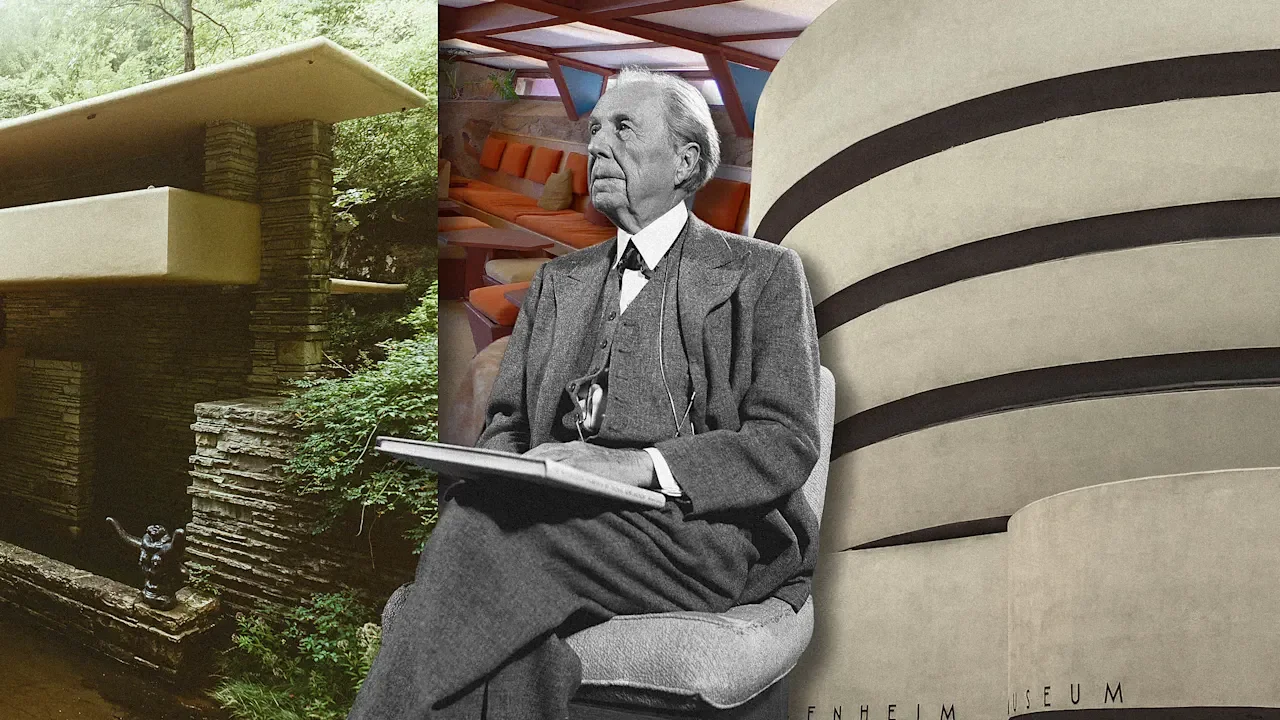
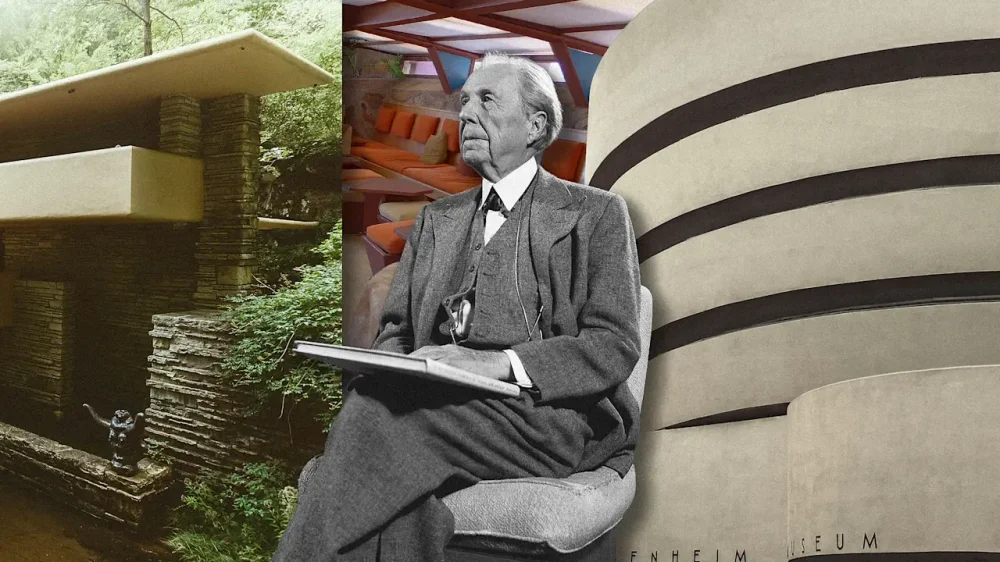
Despite being one of the most celebrated and influential architects of all time, Frank Lloyd Wright has never had what may be one of the top indicators of cultural importance: a Hollywood biopic. That may soon change, as the Frank Lloyd Wright Foundation has recently struck a licensing deal with Hollywood production company Galisteo Media to bring Wright’s story to the big screen as a movie. “He was the greatest American architect. He was incredibly ambitious and headstrong and visionary. He also was a flawed person, and his life was filled with triumph and tragedy,” says Rob Rosenheck, cofounder of Galisteo Media. “This is a big gap in American popular culture that we don’t have a feature film about Frank Lloyd Wright.” Galisteo’s deal focuses on the 1920s, a period in Wright’s life when he relocated to Los Angeles and embarked on a series of innovative residential designs. Designed using novel textured concrete blocks, these homes came to be known as Mayan revival architecture and launched a nationwide trend throughout the ’20s and ’30s. This was also a turning point in the life of Wright, who died in 1959 at the age of 91. Wright had gone West in his early 50s in the wake of the devastating 1914 tragedy in which his mistress and six other people were murdered in Wright’s Wisconsin home, Taliesin. “The murders at Taliesin are a critical moment in Wright’s path,” says Rosenheck. “They’re an essential part of the story, and they are the inciting incident that propels him toward coming to Los Angeles.” Wright’s time in L.A. was transformative, leading to a reinvention of his approach to architecture that resulted in some of his most famous work, from the Mayan revival homes to the Guggenheim Museum and Fallingwater. Rosenheck and Gailsteo Media cofounder Cindy Capobianco are intimately familiar with Wright’s works from this era. Since 2019, they’ve owned and lived in the Ennis House, a Wright-designed private residence from 1924 located in the Loz Feliz area of Los Angeles. Known for its appearance in the film Blade Runner, it was one of the four textile block homes Wright built in the Los Angeles area during this period. When Rosenheck and Capobianco bought the house from billionaire Ron Burkle for $18 million, it was the highest price ever paid for a Wright-designed residence. And the house had some baggage. Its concrete block construction method, while innovative in the early 1920s, was prone to structural decay, especially after sustaining significant damage in the 1994 Northridge earthquake. Rosenheck and Capobianco, founders of Lord Jones, an early cannabis company that helped establish the market for cannabis and CBD-infused health and wellness products, had the means to keep the historic house in good shape. The couple also has experience in the film industry. Their production company was behind Lover of Men, a 2024 documentary film exploring Abraham Lincoln’s romantic relationships with men. Living in a Wright house and learning more about his life and work, they were surprised to realize there had never been a feature film about him. “It just was natural for us to think about producing a film about the life and work of Frank Lloyd Wright,” says Rosenheck. As stewards of the Ennis House, Rosenheck and Capobianco have an ongoing relationship with the Frank Lloyd Wright Foundation. They began talks about a potential licensing deal last year. In July, the two groups announced that they’d reached a deal for Galisteo to have exclusive rights to produce content about Wright’s life, focusing on the period of his life in Los Angeles. Galisteo declined to share details on the financial terms of the deal. “Engaging in new media is not only beneficial in terms of shining a light and making people aware of Wright and his significance, and really ongoing contributions to architecture and the built environment. But it’s also resonant with Wright himself. He was a person that engaged robustly with media,” says Joseph Specter, CEO and president of the Frank Lloyd Wright Foundation. That ethos is behind other partnerships the foundation has made in recent years. The organization has made a varied range of licensing deals celebrating and expanding the work of Wright, collaborating with brands including Airstream, Steelcase, and New Balance. Specter says this is the first licensing deal focused specifically on storytelling. “The similarities between those licensing deals and a project like this are about creating awareness, excitement, and deeper understanding about who he was, and how his work even affects our lives today,” says Specter. A former professional opera singer who ran the Arizona Opera for a decade before joining the Frank Lloyd Wright Foundation earlier this year, Specter says he is not nervous about handing Wright’s life story to filmmakers. “What I found most exciting about that work was to empower people who were creators, directors, designers, choreographers, and ultimately performers to do their best work,” he says. Rosenheck says Galisteo has developed a treatment for a feature film about Wright and he has been meeting with writers, directors, and actors to try to find the right collaborators for a project. He’s optimistic a film could be in the works soon, as well as other projects, from TV series to podcasts. “Everyone’s aware of Frank Lloyd Wright. Everyone’s aware that this story has not yet been told, and it’s been on people’s wish lists,” he says. “Every time we talk to an actor or a director or a writer, everybody has a vision for it, everybody has passion for it. And everybody understands the stakes that are involved in getting the story right.” View the full article
-
Experience sharpens judgment, boosts productivity, and teaches lessons that only come from years on the job. Yet, despite its value, companies continue to undervalue those with the most experience to offer. Employers have spent the past decade championing inclusivity. Yet, our latest survey of 1,000 Americans over 50 by DateMyAge found that 73% of over-50s feel treated as if their best years are already behind them, and 62% believe that employers have written them off professionally. Ageism isn’t just a workplace issue. It’s a cultural one. We wanted to explore it more deeply to challenge the idea that life and ambition have an expiration date. Age bias, sometimes subtle but often not, presents a stubborn barrier for those in midlife. Companies ask questions about retirement plans rather than career goals, neglect to provide learning and training opportunities, and quietly exclude them from office social events. It’s no wonder loneliness, depression, and low self-worth are rampant among older workers. Bias is discouraging, but you cannot let it bring your career to a sudden halt. Talent doesn’t have an expiration date. If you want to prove it, you need to maintain business as usual. That means growing, contributing, and delivering value. You need to show that age is just a number. Maintain your worth The older you get, the more people assume you’ve fallen behind. The best way to challenge this assumption is to be the person who knows everything. That means anticipating competitor moves, industry trends, and regulatory changes before they hit the headlines. And don’t let your title confine you. Job descriptions don’t stay static, and neither should you. Look at what’s leading change in your industry—whether that’s artificial intelligence, sustainability, geopolitics, or something else—and identify the skills and knowledge that will deliver the most value to your employer. Not only does this keep you relevant, but it also rebrands you as someone who adapts, innovates, and grows, regardless of age. Interestingly, a study published in Experimental Aging Research shows that while the workplace is rife with implicit age bias, explicit bias is far less common. This suggests that these attitudes are unconscious, and those who display unconscious bias are often far more open to working on it. When you demonstrate that your knowledge is sharper than ever (and that you’re committed to evolving your skills), you leave little room for the assumption that you’re past your prime. You will likely find that your colleagues’ perceptions will shift quickly. Deliver business-critical value The reality is, nearly all older workers have their professional development stunted by ageism. And, sadly, I’ve seen too many senior professionals fall into the trap of setting learning aside and accepting their time is near, which only fuels the belief that they’re coasting towards retirement. But instead of accepting ageism as fate, you should use it as motivation. Be the one pushing for training opportunities, designing new processes, piloting new technology, and calling for collaboration across departments. When you’re visibly driving progress, you’re making an impact that’s hard to discredit, especially when it delivers business-critical value. Whether it’s growing revenue, cutting costs, or increasing market share, focus on delivering measurable impact. Even a modest process improvement could save your employer millions, and value speaks louder than stereotypes. If the numbers are positive, nobody will question how old you are. They’ll be asking what more you can deliver. Shape your company’s future Getting involved in projects that will shape the company over the next decade isn’t just a way to stay busy; it’s a way to stay relevant. Whether that’s market expansions, transformation initiatives, or sustainability programs, these are high-impact areas where your experience can make a measurable difference. And when you’re actively involved in building the future, nobody can question whether you’re stuck in the past. Mentorship is another way to provide value that only employees with years of experience can offer. In exchange, by connecting with colleagues across generations, you gain insight into emerging trends, evolving tools, and fresh perspectives, which creates an opportunity for everyone to learn and grow. And with a clear view of the up-and-coming talent, you can take ownership of planning for your exit. Retirement is inevitable, but it should be on your own terms. Rather than waiting for management to make the call about your future, be proactive in guiding and developing your eventual replacement. Doing so demonstrates that you don’t intend on sticking around past your time, but that your mind is still firmly focused on fulfilling your duties, rather than planning for your future away from the workplace. Overcoming age bias requires hard work In an ideal world, age bias would have no place in the office. Unfortunately, that isn’t reality, but you cannot let bias dictate your path. If you slow down, step aside, and stop trying, you’re unfortunately only confirming the assumptions others have made about you. The best approach is to pull up your socks, show your resilience, and get to work. Every time you take on a high-value project, teach a younger colleague something new, and contribute positively to the balance sheet, you’re sending a clear message: Age is no measure of ability. View the full article

-
We analyzed 26,000 Quora URLs cited in Google AI Mode and partnered with Quora’s team to uncover the patterns behind content that surfaces in AI answers. View the full article
-
The real AI story in most organizations isn’t about algorithms; it’s about habits. New tools arrive with impressive demonstrations and confident promises, yet the day-to-day routines that decide what gets attention, who can take a risk, and what counts as a “good job” tend to remain the same. Leaders set up special units, roll out training, or look for quick savings, only to find that the old culture quietly resets the terms. When that happens, early gains fade, adoption stalls, and cynicism grows. This article draws on our forthcoming book to look at three recurring myths that help prop up existing cultures and prevent the deep transformations that are needed to support successful AI implementations. Transforming a business to make the most of AI means moving past these comfortable stories and changing the conditions under which the whole organization works. Myth 1: ‘Innovation Units Will Save Us’ After five years of operation, the U.K.’s Government Digital Service (GDS) seemed untouchable. Created in 2011, the GDS revolutionized Britain’s digital services. With the goal of reenvisioning “government as a platform,” it consolidated hundreds of websites into a single, easy-to-use portal, cut waste by forcing departments to unify their platforms, and showed that, with the right attitude, even government agencies could move with the speed of a startup. In 2016, the U.K.’s digital services were ranked the best in the world. Yet by 2020, the GDS had disappeared as a force within the U.K. government. This pattern repeats regularly across corporate innovation labs: create an elite unit, give it special rules, celebrate early wins, watch it die. An innovation unit can deliver extraordinary results so long as it has senior leadership protection, free-flowing resources, and an internal culture that attracts exceptional talent. But the model also contains the seeds of its own demise. The outsider status that enables breakthrough innovation makes large-scale sustainability nearly impossible. When executive sponsors move on, the shield drops, and organizational antibodies start reasserting cultural norms. This predictable lifecycle applies to AI-focused teams as much as those driving any other type of technological change. Leadership transitions are inevitable. New executives question special rules. The innovation unit that draws its power from being outside the system gets pulled back in again, and the flow of novel ideas slows to a trickle. The lesson to take from this isn’t that we should abandon innovation units—it’s that we should use them strategically and follow up on the gains they make. Innovation units should be seen as catalysts, not permanent solutions. While these teams are forging ahead with quick wins and proving new approaches, organizations also need to transform their broader culture in parallel. The goal shouldn’t be protecting the innovation unit indefinitely but aligning organizational culture with the innovative approaches it pioneers. If innovation units are sparks, culture is the oxygen. You need both—at the same time—or the flame dies. Myth 2: “Our People Just Need Training” Companies spend millions teaching employees to use AI tools, then wonder why transformation never happens. The reason is that the underlying problem isn’t just about skills—it’s about the imagination needed to use them effectively. You can train your workforce to operate the new technology, but you can’t train them to be excited about it or to care where it will take the business. That requires change at the cultural level. When it comes to AI, the real gap is conceptual, not technical. Employees need to shift from seeing AI as a better calculator to understanding the role it can play as a thought partner. This requires more than tutorials. It means showcasing how AI can transform workflows and then rewarding its creative use. Show a sales team how AI can predict client needs before calls, not just transcribe them afterward. Demonstrate how legal teams can shift from document review to strategic counseling. When organizations tell employees to “use the tools” but don’t change the social norms around using them, people can be punished for doing exactly what leadership asked. A recent experiment with 1,026 software engineers found that when reviewers believed code was produced with AI assistance, they rated the author’s competence lower by about 9% even though the work was identical. Even more concerning was that the penalty was larger for women and older engineers, groups who tended to be treated negatively in assessments already. In a companion survey of 919 engineers, many reported hesitating to use AI for fear that adoption would be read as a lack of skill—illustrating why access and training don’t translate into uptake when the culture signals that visible AI use will harm credibility. Myth 3: “AI Makes It Easy to Slim Down the Workforce” There’s a seductive promise being sold to companies right now. The way to realize AI’s value is simply to replace as many workers as you can. Fire half your staff, pocket the savings, let machines handle the rest. Simple arithmetic for simple minds. The messy truth is that AI can and will replace many human jobs, but it won’t do it cleanly and it won’t do it easily. In most cases, the idea that you can simply swap out the human component and replace it with a machine just doesn’t work. Humans work together as parts of multilayered social structures that have evolved as ecosystems. It’s often the case that if you change one part, there will be major consequences for another. If we rush into automation too quickly, we risk pulling away the pillars that hold the whole structure up. Think about the tedious hours that junior analysts spend cleaning data, checking figures, and building models from scratch. Or the work a newly appointed manager will do overseeing performance and filling in paperwork. We call it grunt work, but it’s actually how humans develop the skills they will need in more senior roles. Take away the entry-level jobs and you lose the career path that delivers the highly skilled senior leaders you need. Allow AI-powered “deskilling” to take place and you lose the human judgment and oversight that institutions rely on. Klarna’s trajectory shows both sides of this equation. In early 2024, its AI assistant handled two-thirds of customer chats, delivering resolution times under two minutes and a 25% drop in repeat inquiries. By 2025, Klarna’s leadership was publicly acknowledging the limits of an AI-only approach and began reopening human roles and emphasizing the customer experience alongside automation. The real question isn’t how many people you can eliminate. For effective AI implementation, you need to understand that humans make essential contributions that don’t appear in their job descriptions. The Culture Transformation Playbook: Fixing the Myths Culture change depends on habits, incentives, and expectations, not just adding new tools. The playbook that follows presents concrete steps that leaders can take now to avoid the pitfalls many companies are running into. Run Parallel Transformations (Fixes Myth 1). The innovation unit delivers quick wins while a separate initiative transforms broader culture. These must happen simultaneously, not sequentially. Use the innovation unit’s protected status and early victories to create organizational belief in change but invest equally in preparing the mainline culture for what’s coming. Without parallel tracks, the innovation unit becomes an isolated island of excellence that will eventually be washed away. Transform the Middle Layer (Fixes Myth 2). Middle managers are the real gatekeepers of culture change. Stop wasting energy trying to convert skeptics. Instead, identify the curious and give them authority to experiment, budget to fail, and cover from meeting traditional metrics. Try giving selected managers a micro-charter to implement change in their team, along with a weekly “show-the-work” session (what AI was used, what was accepted or overruled, and why) to share what they’ve learned with peers. Build Alternative Learning Paths (Fixes Myth 3). If AI eliminates the experiences that build judgment, you must consciously re-create them. High-fidelity simulations, rotation programs, and “human days” working without AI become existential necessities. Explicitly preserve activities that develop pattern recognition and business instinct. The investment might seem wasteful until you realize the alternative is a workforce that can operate tools but can’t respond when something breaks. The Choice Culture transformation is harder than technology implementation. It’s messier, slower, and impossible to fully control. Most companies will choose the easy path: buy the AI, train on the tools, create an innovation lab, and hope for the best. The few who choose the hard path—parallel transformation, cultural evolution, preserved learning experiences—will gain powerful competitive advantages. They’ll have workforces that don’t just use AI but think with it, cultures that don’t just tolerate change but expect it, and organizations that don’t just survive disruption but drive it. View the full article

-
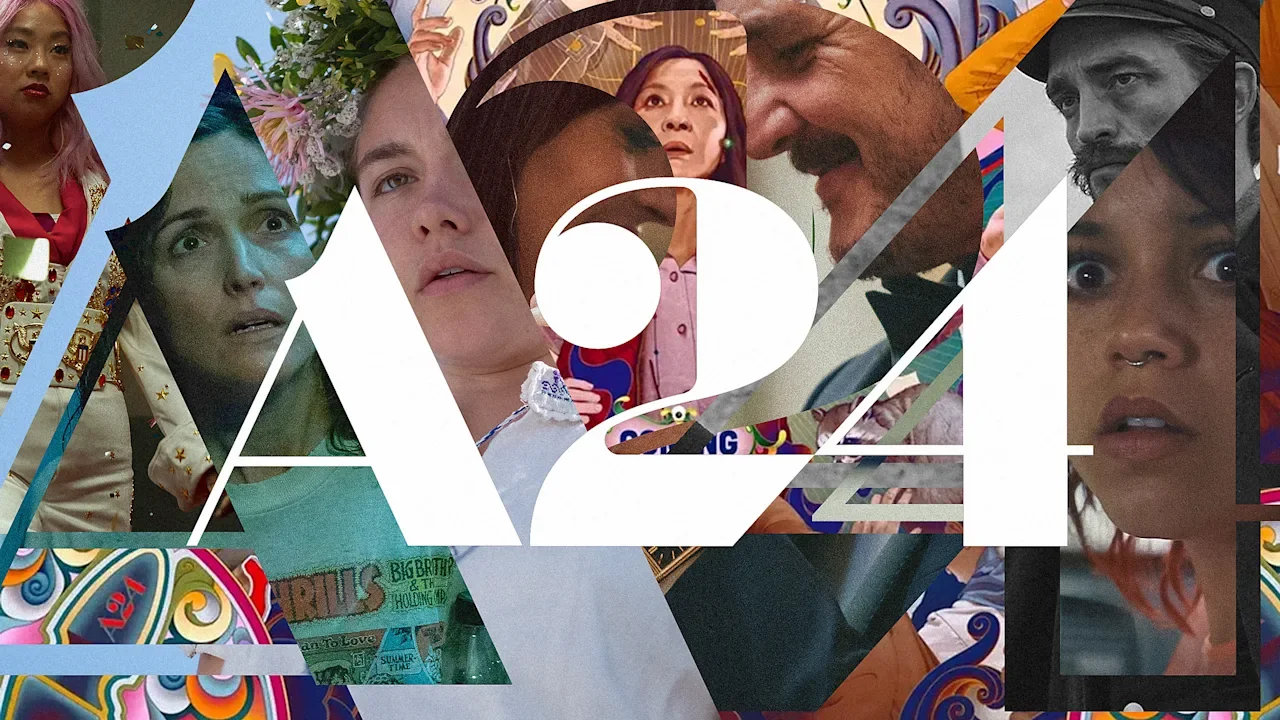
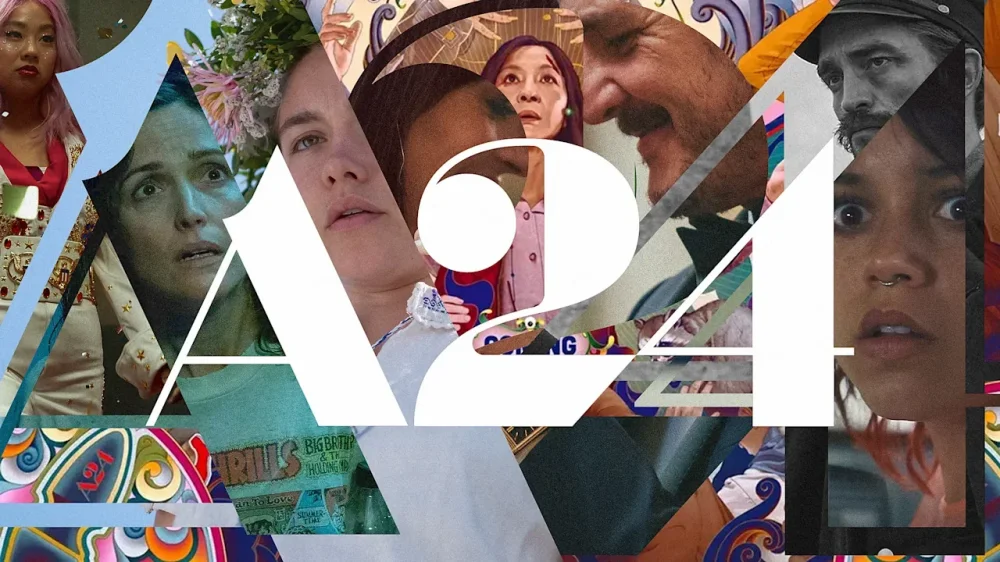
There has been a lot of chatter about A24’s takeover of the Cherry Lane Theatre. What might seem a quirky side project for the independent studio known for Lady Bird, Uncut Gems, and Hereditary is in reality a sharp, shrewd move in an industry facing disruption and streaming fatigue. Live performance is one of the few cultural experiences that can’t be automated, replicated, or played on demand. By stepping into theater, A24 is hedging against an AI-saturated future while also deepening its cultural footprint. When the deal was first announced in late 2023, the scuttlebutt was rooted in practicalities. “It’s all about creative synergies,” was one refrain. “They’re diversifying their revenue streams to help offset the volatility of the film business.” “Theatre is more predictable than film.” “They can test out new stories in a low-risk environment.” These were all valid comments, sure, but then a close friend and accomplished film industry executive said something that really piqued my interest. “I wonder if they are further differentiating themselves in the market by building a futureproof brand.” Aha! Now we were getting somewhere. A powerful brand Coming from the branding world, I may be biased. Or perhaps just acutely aware when I sense a company doing something out of the norm. A24 certainly fits the bill. To start, the story it’s looking to tell, its role in the industry, and how it wishes to be perceived are markedly different from the other studios. As a result, it has a growing community of acolytes who identify with it and love it for that. These are trademarks of a powerful brand. Michelle YeohEverything Everywhere All at Once Most studios understand that their franchises are brands that they can build around, but when it comes to themselves, there is little to no attention given to an overarching narrative about what they stand for. To a branding person, this is perplexing. There is only one other industry that comes to mind that acts like this: Big Pharma. The drug companies seem to care that their patients know their drugs by name (think Lipitor, Prilosec, Viagra, Prozac) but less about how they themselves are perceived. Adam SanderUncut Gems A24 is different. It is one of the very few in Hollywood that seems to be building a truly beloved brand. Do this simple test at home. When “A24” flashes up on the screen at the start of a movie, does it mean something to you? Does it affect your perception of what is to come? Like me, do you even get warm and giddy inside? Florence PughMidsommar Perhaps deep down, we all understand that A24 is all about exceptional, original, creative content. The questions one might ask are: How is it going about building a world-class brand? And why does that matter? A$AP RockyRose ByrneIf I Had Legs I’d Kick You Content is still king One simple idea prevails in our fast-evolving world: Creativity wins. And increasingly so. The adage “content is king” has been floated around the entertainment industry over the years. And yet, for whatever reason, it seems to get forgotten with every new business cycle. In its place, I’m hearing things like, “We’re leveraging AI-driven audience analytics and predictive modeling algorithms to revolutionize content creation through real-time sentiment optimization” and “it’s a complete paradigm shift that democratizes storytelling via data-driven narrative matrices.” Paul RuddJenna OrtegaDeath of a Unicorn It’s becoming readily apparent that the general public doesn’t want an AI-generated model in their Guess ads, or a machine-generated song that Nirvana could have written. Audiences want to be surprised and delighted with new, fresh, exciting content. A24’s brand is synonymous with creativity, and younger movie lovers inherently understand this. The brands that matter most today are those that are daring. Anyone who has seen On’s “Zone Dreamer” campaign with Zendaya floating around in outer space knows what I mean. The Big Five studios are publicly traded, and so by nature forced to drive revenue for shareholders and to mitigate risk (the yin to daring’s yang). Ironically though, the greatest historical payoffs in Hollywood, either on a % basis or through expansion into other verticals, are those that have taken calculated risks. A24 exemplifies that spirit today, with the Cherry Lane acquisition its latest proof point. Dwayne JohnsonThe Smashing Machine Daring creativity Another key tenet to building a strong studio brand has to do with the same advice as I give to all the companies and institutions we work with: “Do what the robots can’t.” At its core, this is a euphemism for fostering human interaction. That matters especially now. The U.S. surgeon general recently declared a “loneliness epidemic.” In this context, A24 isn’t just buying a building, it’s investing in the kind of in-person experiences people are craving. Whether actively or intuitively, A24 is building an increasingly powerful brand that stands for daring creativity. Believed and beloved, it has established a cultlike following that subscribes to this world it’s creating, a world that gives it license to expand into any line of business that stands for the same. The Cherry Lane is a fascinating early move that insulates the company from a future saturated with AI. The question is whether others will follow suit. Will studios also see an opportunity to congregate people, perhaps by incorporating next-generation movie theater experiences into their businesses? Could they blend hospitality and entertainment through partnerships that deliver immersive venues? The door is open . . . and A24 is first through it. View the full article
-
If there’s one thing that I’m always late to discover, it has to be online youth trends. True to form, I’m only now starting to hear about the so-called “Great Lock In of 2025.” This idea began circulating on TikTok over the summer. Borrowing the term ‘lock in’, which is Gen Z slang for focusing without distraction on an important goal, this challenge asks people to spend the last four months of 2025 working on the types of personal improvement resolutions that they might otherwise defer until the New Year. “It’s just about hunkering down for the rest of the year and doing everything that you said you’re going to do,” explained one TikTok influencer, quoted recently in a Times article about the trend. Listeners of my podcast know that I’m a fan of the strategy of dedicating the fall to making major changes in your life. My episode on this topic, How to Reinvent Your Life in 4 Months, which I originally aired in 2023 and re-aired this past summer, is among my most popular – boasting nearly 1.5 million views on YouTube. To me, however, the more significant news contained in this trend is the generalized concept of ‘lock in’, which has become so popular among Gen Z that the American Dialect Society voted it the “most useful” term of 2024. Critically, ‘lock in’ seems to have been defined in reaction to smartphones. “I think that we live in an era where it’s very easy to be distracted and that we’re on our phones a lot,” explained language science professor Kelly Elizabeth Wright, in the Times. “‘Lock in’ really came up in these last couple years, where people are saying, like, ‘I have to make myself focus. I have to get into a state where I am free from distraction to accomplish, essentially, anything.’” This matters because defining positive alternatives to negative habits is an effective way to reduce them. When I first published Deep Work, which centers on the importance of undistracted focus in your professional life, people already knew that spending their days frantically checking email probably wasn’t good. They only felt motivated to change, however, when presented with a positive alternative. Ideas like ‘locking in’ might provide a similar influence for Gen Z’s collective smartphone addiction. It’s one thing to be told again and again that your devices are bad, but it’s another to experience a clear vision of the good that’s possible once you put them away. When you experience life in its full analog richness, the allure of the digital diminishes. The irony of the Great Lock In of 2025, of course, is that it started on TikTok – the ultimate digital distractor. My hope is that by the New Year, this challenge will no longer be trending; not because people gave up, but because they’re not online enough anymore to talk about it. The post The Great Lock In of 2025 appeared first on Cal Newport. View the full article
-
If there’s one thing that I’m always late to discover, it has to be online youth trends. True to form, I’m only now starting to hear about the so-called “Great Lock In of 2025.” This idea began circulating on TikTok over the summer. Borrowing the term ‘lock in’, which is Gen Z slang for focusing without distraction on an important goal, this challenge asks people to spend the last four months of 2025 working on the types of personal improvement resolutions that they might otherwise defer until the New Year. “It’s just about hunkering down for the rest of the year and doing everything that you said you’re going to do,” explained one TikTok influencer, quoted recently in a Times article about the trend. Listeners of my podcast know that I’m a fan of the strategy of dedicating the fall to making major changes in your life. My episode on this topic, How to Reinvent Your Life in 4 Months, which I originally aired in 2023 and re-aired this past summer, is among my most popular – boasting nearly 1.5 million views on YouTube. To me, however, the more significant news contained in this trend is the generalized concept of ‘lock in’, which has become so popular among Gen Z that the American Dialect Society voted it the “most useful” term of 2024. Critically, ‘lock in’ seems to have been defined in reaction to smartphones. “I think that we live in an era where it’s very easy to be distracted and that we’re on our phones a lot,” explained language science professor Kelly Elizabeth Wright, in the Times. “‘Lock in’ really came up in these last couple years, where people are saying, like, ‘I have to make myself focus. I have to get into a state where I am free from distraction to accomplish, essentially, anything.’” This matters because defining positive alternatives to negative habits is an effective way to reduce them. When I first published Deep Work, which centers on the importance of undistracted focus in your professional life, people already knew that spending their days frantically checking email probably wasn’t good. They only felt motivated to change, however, when presented with a positive alternative. Ideas like ‘locking in’ might provide a similar influence for Gen Z’s collective smartphone addiction. It’s one thing to be told again and again that your devices are bad, but it’s another to experience a clear vision of the good that’s possible once you put them away. When you experience life in its full analog richness, the allure of the digital diminishes. The irony of the Great Lock In of 2025, of course, is that it started on TikTok – the ultimate digital distractor. My hope is that by the New Year, this challenge will no longer be trending; not because people gave up, but because they’re not online enough anymore to talk about it. The post The Great Lock In of 2025 appeared first on Cal Newport. View the full article
-
With more than 30 years in digital transformation, I’ve seen technology cycles come and go. And the latest wave I’m seeing is AI-powered automation. It promises sweeping gains in productivity, but without ethical guardrails, it risks undermining the trust leaders depend on to grow. That’s why leaders can no longer treat ethics as an afterthought. Automation isn’t just a technical upgrade. It is a human, cultural, and reputational challenge. The choices that leaders make today will determine whether automation drives sustainable progress or fuels mistrust and inequity. The promise and the peril Automation has a lot of benefits. It can free workers from repetitive tasks, improve customer service, and open new possibilities for innovation. In manufacturing, robots can boost safety by removing people from hazardous environments. When it comes to finance, AI can spot fraud faster than any analyst. And in healthcare, hospitals are using automation to speed up patient admissions (though there are privacy and consent issues). But every gain carries a shadow. Bias in algorithms can lock in discrimination. Displaced workers may find no clear pathways to re-skill. Opaque decision-making can leave customers and regulators in the dark. And what looks like a cost saving in year one can become a reputational crisis by year three. Lessons from the field Global surveys show that leaders remain uncertain about the value and risks of AI adoption. McKinsey reports that while nearly 70% of businesses have adopted at least one AI capability, fewer than one in three have embedded AI into core strategies with measurable returns. The World Economic Forum’s 2025 Future of Jobs report projects that by 2030, automation and other global shifts will create about 170 million jobs, while displacing around 92 million, for a net gain of 78 million roles. This makes equity, transparency, and upskilling urgent priorities for leaders. The Back on Track Foundation, a not-for-profit case study, illustrates both the potential and the pitfalls. By introducing AI tools to support case management, they improved efficiency but faced immediate questions about data privacy and oversight. Their experience is a reminder that automation is never just about efficiency. It’s also about accountability, transparency, and public trust. And it doesn’t just impact nonprofits. Manufacturers rolling out automated quality control or banks deploying AI in credit decisions face the same ethical crossroads. How do we balance efficiency and productivity gains with fairness, transparency, and responsibility? Why leaders cannot wait for regulation Unlike the European Union, many countries have not yet built comprehensive legal frameworks for AI. Existing laws around privacy, consumer protection, and workplace rights still apply, but there’s no dedicated safety net. That means every board, CEO, and executive team needs to lead with their own ethical compass. Transparency is nonnegotiable. Customers, staff, and stakeholders deserve to know when automation is involved, what guardrails exist, and how to handle recourse if (or when) things go wrong. In my own work with clients, I use AI tools for research, analyzing reports, and preparing strategy briefs. The responsibility and decisions remain mine, but using these tools has reinforced how transparency builds trust. Leaders need to hold themselves to the same standard and be open about where and how they use automation. Equity and the human-first lens Equity is the ethical line that’s most at risk. Without deliberate design, automation can deepen divides: between city and region, skilled and unskilled, and insiders and outsiders. PwC estimates that up to 30% of jobs in OECD countries are at potential risk of automation by the mid-2030s, with lower-skilled roles most exposed. A factory that automates its production line might save millions, but what happens to the workforce whose jobs disappear overnight? If you don’t reinvest savings into re-skilling or transition, inequity widens. This is the human-first lens. Technology can (and should) amplify the roles of the people in the organization. What it should never do is replace their dignity or the critical and creative lens humans bring. Ethical automation aligns with company values and extends them into every workflow and algorithm. Ethical AI adoption Leaders who are looking to adopt AI in an ethical way should consider taking the following steps Audit your automation footprint. Map where automation already touches your business, who it impacts, and what risks are in play. Create governance frameworks. Decide who is accountable, how they will explain decisions, and what ethical standards apply. Invest in literacy. When it comes to training, you need to go beyond technical staff. Boards, executives, and frontline teams all need a baseline understanding of automation. Google’s AI Works 2025 report found that organizations investing in AI training achieved productivity gains of up to tenfold. Measure more than ROI. Track trust, transparency, equity, and social impact alongside efficiency metrics. Be transparent. If automation influences a customer outcome or an employee process, disclose it. Trust grows in the open. Automation is inevitable. Ethical leadership is optional, but only in the short term. Regulation will eventually catch up, and those who embed human-first, transparent practices now will be far ahead of the curve. Ethical automation isn’t just about managing risks. It is a competitive advantage. Organizations that lead with equity and transparency will be the ones attracting talent, investors, and customers in the years ahead. View the full article

-
Every year, 12.5 million travelers pass through South Station, Boston’s 126-year-old transportation hub, to hop on Greyhound buses, Amtrak trains, and the commuter rail. But the station hadn’t been renovated in 30 years, and looked worn, industrial, and dated. For decades, the city of Boston has been working on an ambitious urban infrastructure redevelopment project to reimagine the city’s downtown. It recently unveiled a stunning transformation of South Station that includes a redesigned transportation hub as well as a 51-story tower that will house luxury condos, offices, a rooftop garden, and a high-end restaurant. For the hundreds of thousands commuters who pass through South Station every day, the most obvious change is the new vaulted concourse, called the Great Space, that will usher them to their trains. It features 10 concrete arches that reach 60 feet into the air. The archways open to the street, bus stops, and train lines. The structure supports three enormous domes that have a ring of spotlights at the center of them to brighten the interior. While the previous concourse felt industrial and functional, with concrete ceilings and metal railings, it now feels opulent and open. The design of the space was conceptualized by Pelli Clarke & Partners, an architectural practice based in New Haven, Connecticut founded in 1977 by Yale Professor Cesar Pelli. The firm is known for taking ambitious projects in cities around the world, including the Petronas Towers in Kuala Lumpur, Malaysia; Tokyo’s Mori JP Tower, which is now the tallest skyscraper in Japan; and the Natural History Museum in Chengdu, China. The project was a private-public partnership, backed by the developer Hines. Amtrak, the Massachusetts Department of Transportation, and Boston Planning and Development Agency were also involved in the process. While part of the goal of the project was urban renewal, the architects were also tasked with modernizing the transportation hub to increase capacity and improve efficiency. There is now 50% more capacity in the bus terminal, and 70% increased rail capacity. “As Boston’s population grows, so is the demand for transportation,” says Graham Banks, a partner at Pelli Clarke, who worked on this project. “But rebuilding South Station without disrupting any of the transportation service was an enormous challenge. Work took place slowly.” Banks says work began on this project in early 2020. The COVID-19 pandemic delayed construction, and then afterwards, workers were only able to work in the brief stretches when trains and buses weren’t running. “Workers would be sitting around waiting for Amtrak to give them the signal that they could get going,” he recalls. “Orchestrating the logistics of construction took a lot of work.” The original South Station structure was unveiled in 1899 during the late Gilded Age, when railway tracks expanded rapidly across the country. Five different railroads served Boston, and initially, each had their own terminal. South Station, which was designed by architects Shepley, Rutan, and Coolidge, was meant to consolidate these different lines. By 1913, it had become the busiest station in New England, helping to boost Boston’s status as a city. Pelli Clarke wanted to preserve the original South Station building, while also modernizing it. They have kept the South Station’s facade, but they also built a glass tower on top of it, adding another skyscraper to Boston’s skyline. On lower levels, there is office space. Banks says that there is already interest from local firms to move in. “These offices are designed to have all the amenities and ambiance of a hotel,” says Banks. “Companies realize that they have to entice workers to come into the office.” Starting at the 36th floor and going to the top, there are luxury Ritz-Carlton apartments, that cost between $1.3 million for a 683-square-foot one-bedroom and $14.5 million for a duplex penthouse. Residents will have access to an outdoor pool that overlooks Back Bay, as well as a 1-acre rooftop park that features gardens, a dog run, an outdoor movie theater, and a dining terrace. Residents have their own private entrances, both from the street and from a private parking garage. The idea of introducing luxury apartments to South Station is fairly radical. For years, the station and the area around it were crime ridden. The neighboring financial district emptied out at night, as workers went home. But building high-end condos is likely to make the area livelier and spur restaurants, grocers, and shops to come back to the area. It’s a similar transformation to what has happened in New York’s financial district, which is now bursting with luxury apartments, office buildings, and glittering shopping centers. “This part of the city will now be alive 24/7,” Banks says. South Station’s redevelopment is part of a broader revitalization of downtown Boston. Boston’s Planning and Development Agency, in partnership with WS Development, transformed the Seaport District from an industrial wasteland, covered in parking lots and vacant wharves, into one of its hottest neighborhoods. In 2014, it unveiled the new mixed-use development, which features high-end condos, buzzy restaurants, and hip retailers like Warby Parker and Mejuri. It quickly became the fastest-growing part of Boston, and is now an economic engine for the city. There’s some concern that these luxury apartments and offices will alienate Boston’s lower and moderate income residents. And it could further exacerbate the city’s affordability crisis, much like the one New York City has experienced in recent years. But at the same time, the revitalization of this transportation hub also benefits everyday Bostonian who pass through it on their daily commutes and who rely on buses and trains to get in and out of the city. We’ll have to wait and see how the new South Station Tower transforms the neighborhood. But in the meanwhile, hopping off a bus or train upon your arrival to Boston is already a more pleasant experience. View the full article

-
“Climate tech” isn’t a thing. It has shifted in recent years from a category to define clean energy companies to an umbrella phrase that loses meaning the more we use it. Granted, the term is everywhere: inserted into VC pitch decks, plastered on billboards along highways from San Francisco to Austin to Boston, wedged into government policy papers, and featured prominently on conference agendas. Media properties from CNBC to GreenBiz rely on it as a traffic-driving category. And there’s a reason why. A changing climate is the most complex and vast challenge and opportunity confronting our society today. That also means we can’t afford ambiguity. We need accountability. We need progress. We need to reengineer infrastructure with advanced tech that future-proofs as it solves urgent and complex problems. Now. Which means we need precision. And we need to acknowledge that infrastructure and markets that have served us for so long are failing—and in need of rebuilding to anticipate and meet future challenges. Our world is in desperate need of solutions tied to specific applications and impact across energy tech, waste tech, food tech, and carbon tech. We need solutions that advance specific areas of deeply specialized work with distinct metrics and challenges like energy storage, batteries, food security, and sustainable fuel development. And, we need talent trained and sharpened to tackle these specific problems. Ambiguity is the enemy of progress Progress requires clarity. Energy technology is a distinct thing. Waste technology is a distinct thing. Transportation technology, energy storage, agriculture and food sustainability, carbon removal—these are specific categories with definable challenges and measurable outcomes. Each is firmly tied to infrastructure and requires dedicated engineering, specialized expertise, and different pools of capital. For example, grid storage is not a “climate tech” problem—it’s a specific energy challenge with concrete metrics: cost per kilowatt-hour, storage capacity, duration, and efficiency. Grid storage is about optimizing supply and demand, the outcome of which is a financial, political, and engineering goal, not a moral imperative. We must connect the promise and hype of AI-powered software solutions to their physical applications in the real world. Why? Because solving these big, specific problems requires more than computation behind a screen. Realizing the promise of AI to transform and improve is only possible if it enters the physical realm and changes the mechanics of existing ways of doing things. Calling the solutions to these problems “climate tech” is a disservice to the work because it no longer adequately captures the scale and range of what’s required. Breaking “climate tech” down to drive breakthroughs We need to build and invest in technologies that are better, faster, cheaper than what came before and solve real problems—rather than loaded words that offer environmental promise and not much else. The trajectory of biotech offers a solid framework. Rather than lumping everything under a term like “health tech,” industry pioneers stood up clearly defined categories, including: immunotherapy, CRISPR, mRNA vaccine development, oncology, longevity, and so on. Each domain pursued a specific set of problems and attracted talent and capital to solve them. The result? Breakthroughs. Whether we realize it or not, software also focused in recent years, which has helped to accelerate progress. Information technology gave way to specific technical disciplines like cybersecurity, cloud computing, and enterprise tools. Category focus allowed companies to gain market share and differentiate with customer experience and accountability front-and-center. It’s time that “climate tech” undergoes the same level of rigorous redefinition. And it’s not just because we’re approaching critical climate “tipping points” (which we are). It’s because the economic opportunity cost of not acting is too great. The future of American communities and industries from agriculture to manufacturing rests on our ability to effectively seize the opportunities in front of us and reengineer them. Everything needs to be built for the future with engineering precision and a specific problem in mind to solve. We need infrastructure and hardware solutions to solve focused problems like recycling plastic for manufacturing, rendering cement carbon-neutral, electrifying freight transport, rethinking protein production, and removing carbon at scale. We cannot grow the economy in the future without approaching all tech as climate tech. For example, the investment firm I cofounded, Incite, invested in Monarch, a startup with a fleet of AI-powered electric vehicles and tech solutions that work for agricultural clients ranging from dairy farmers to municipalities to winemakers. Monarch recently shipped MonarchOne™, an end-to-end physical AI platform for OEMs to more efficiently manage work and use data to influence operations across environments. Monarch isn’t a “climate tech” company. It’s an AI and robotics company with clear environmental benefits. Working toward a post-”climate tech” world “Climate tech” served its purpose as an initial rallying cry. It placed an urgent crisis squarely on the map of capital markets, boardrooms, and policy agendas. It made innovation to help us take care of our planet inevitable. Totally unsurprisingly, however, grouping a product or tech into the vague category enables more greenwashing and ambiguity when what we need is progress, focus, and accountability. In order to scale up the grid, add resilience to infrastructure, and prevent the housing market from insurance collapse, we need to retire not just the language but the entire categorization of “climate tech” completely. We must dismantle the umbrella term into specific, infrastructure-centered areas in need of urgent work. Let’s refine our language. Words matter. Tech is crucial to curbing negative environmental impacts. But the utility of “climate tech” is running on fumes. Let’s stop pretending it’s still a thing—and seize the opportunity to build and invest in the physical infrastructure, software, apps, and technologies that will power economic opportunities and enrich life around the world. View the full article

-
Senate Banking Committee ranking member Elizabeth Warren, D-Mass., led a group of congressional Democrats in a letter to bank regulators telling them that loosening capital rules wouldn't improve the Treasury market's functioning. View the full article

-
Thanks to AI-generated answers, CTRs are failing fast, and even page-one rankings no longer guarantee clicks. Google’s top organic results saw a 32% CTR drop after AI Overviews launched, plummeting from 28% to 19%. Position #2 fared even worse, with a 39% decline. Meanwhile, 60% of searches in 2024 ended without clicks; also, the projections show zero-click searches could surpass 70% by 2025. What does this mean for measuring success? Table of contents How does this disrupt traditional SEO? Evidence of a drastic CTA decline AI Overviews are the zero-click accelerator What CTRs miss in the AI search era? Six AI LLM optimization metrics 1. AI brand mention rate 2. Semantic relevance score 3. Structured data implementation score 4. Citation quality index 5. Query match coverage 6. AI positioning score Why CTR still matters (and how to optimize it) CTR optimization in the AI era Mobile optimization The bigger picture: Generative SEO (GEO/AEO) What GEO/AEO means for your content The role of branding in GEO Essential takeaways Ready to optimize visibility in AI search? Key takeaways AI-generated answers are drastically reducing CTRs, with top rankings seeing significant declines in clicks. Traditional SEO metrics are no longer sufficient; marketers should adopt AI-powered SEO metrics to measure influence and visibility. Six new metrics, including AI brand mention rate and semantic relevance score, provide insights into AI-driven search success. Businesses must optimize for Generative Engine Optimization (GEO) by ensuring content clarity and authority for AI responses. Tracking AI visibility and implementing structured data are essential for maintaining brand relevance in an AI-first search landscape. The era of measuring SEO success purely through traffic metrics is coming to a standstill. AI systems like ChatGPT, Perplexity, and Google’s AI Overviews and AI Mode deliver instant answers; therefore, brand visibility increasingly happens without clicks. Marketers will turn to AI-enabled discoverability metrics that capture actual influence. This guide explains why it’s important to go beyond CTR. It reveals six AI metrics that predict success in AI-driven search, plus strategies to measure and optimize your visibility when clicks disappear. How does this disrupt traditional SEO? Google’s AI Overviews (and similar features on Bing, etc.) generate a concise, multi-sentence answer at the top of the results page. These summaries cite source links, pulling content from high-ranking pages and knowledge panels. To the user, this is convenient: you get an instant answer without scrolling. For marketers, however, it means the user’s query can be resolved on-page. From the publisher’s standpoint, these overviews satisfy search intent without generating a click, effectively extending the trend of zero-click searches. In other words, the page may be used (quoted in the answer) but not clicked. AI Overviews significantly accelerate zero-click behavior. A finding suggests that zero-click searches jumped from ~24% to 27% year-on-year in early 2025. A Bain survey reports that about 60% of searches end without users clicking through to another site. In practice, organic listing CTRs are under siege. Top-ranked pages are losing share because AI answers capture attention. We see that Google’s new summarization features are faster and more convenient, which might mean that these become the default way people search, shifting discovery away from traditional blue links. Evidence of a drastic CTA decline Multiple independent studies show massive CTR drops wherever AI summaries appear. Recent industry data paints a stark picture of CTR decline across prominent search positions: Position 2024 CTR 2025 CTR Decline 1 28.0% 19.0% -32% 2 20.8% 12.6% -39% 3-5 Average 15.2% 12.5% -18% This data, compiled from over 200,000 keywords across 30+ websites, coincides directly with Google’s aggressive AI Overview expansion. From just 10,000 triggering keywords in August 2024, AI Overviews now appear for over 172,000 queries by May 2025. In practical terms, a top-ranking page that used to draw nearly three out of 100 searchers now gets under one. Paid search is hit, too. In one study, paid CTR roughly halved in queries with AI Overviews: dropping from 21.27% without an AIO to 9.87%. In other words, even ads share the fate of organic results, AI answers grab a lot of the click-through “real estate.” These shifts mean many queries that once sent healthy website traffic now keep users on the SERP. In short, AI Overviews are dragging down CTRs significantly across positions and query types. AI Overviews are the zero-click accelerator Google’s AI Overviews represent more than a UI change because they reshape user search behavior. When AI Overviews appear: Organic CTR drops 70% (from 2.94% in the previous year to 0.84% in 2025) Paid CTR falls 54% (from 21.27% to 9.87%) Featured content gets answered directly without requiring website visits Major publishers report even more dramatic impacts. MailOnline found that CTRs plummeted to under 5% on desktop and 7% on mobile when AI Overviews were present, a blow to traffic-dependent business models. These drops aren’t limited to one sector. Industries heavily reliant on informational queries (health, science, how-to guides, etc.) report the biggest hit. For instance, Semrush notes that sites in health and science categories see the most AI Overview inclusion and significant organic traffic losses. AI Overviews primarily trigger informational and long-tail queries (definitions, tutorials, general knowledge), precisely the traffic that blogs, knowledge bases, and affiliate sites depend on. The evidence is clear. Zero-click search is rapidly rising, and organic CTRs are falling wherever AI-powered answers are available. What CTRs miss in the AI search era? Traditional CTR metrics miss a big part of the picture: invisible brand exposure. Your brand may be mentioned in AI responses without generating a single click, highlighted in knowledge panels without direct attribution, or recommended through voice search on smart devices. Even AI-generated summaries from platforms like ChatGPT, Claude, Perplexity, and Gemini draw on your content. These shape user perception without leaving a measurable trail. The false correlation problem High CTR no longer equals high visibility in AI systems. Consider this example: Brand A ranks #1 organically, receives 500 monthly clicks Brand B gets cited in 50 AI Overview responses, receives 50 clicks Traditional metrics favor Brand A, but Brand B influences thousands more users through AI This disconnect means businesses optimizing solely for CTR may miss massive audience reach in AI environments. These numbers confirm the trend. A large (and growing) chunk of search queries never leads to an external click, instead being resolved by AI/Google. This doesn’t mean all organic traffic is lost; many queries (mainly transactional, local, or brand-specific) still send clicks, but the landscape is clearly shifting toward answering directly. Six AI LLM optimization metrics With traditional click metrics weakening, SEO must evolve. CTRs and ranks still matter, but they’re incomplete indicators now. We must measure how content performs within AI-generated answers, even when no one clicks. As Cyberclick observed, your content might be “cited, referenced, or sourced by AI systems”, which they call zero-click visibility, yet none of that shows up in Google Search Console or analytics. In other words, your page could be the knowledge behind an answer, building authority, without any direct traffic trace. To account for this, experts recommend new AI metrics: 1. AI brand mention rate Definition: Frequency of brand appearances in AI-generated responses across major platforms (ChatGPT, Claude, Perplexity, Google AI Overviews). This metric is critical because it has the strongest correlation with AI Overview visibility. The top 25% of brands receive over 169 monthly AI mentions, compared to just 14 for the next tier. Meanwhile, 26% of brands have zero AI mentions at all, revealing massive gaps and untapped opportunities in brand visibility. How to measure: Manual query testing across LLM platforms using brand-related searches Custom monitoring scripts to track brand mentions in AI responses Competitive benchmarking against industry leaders Optimization tactics: Create quotable, cite-worthy statistics and insights that AI systems prefer Build topical authority through comprehensive content coverage Increase web mentions across trusted, high-authority sources Develop thought leadership content that positions your brand as an expert source Pro tip: Yoast AI Brand Insights can help track and optimize your brand’s visibility across AI platforms, giving you actionable data to improve mention frequency and context. 2. Semantic relevance score Definition: Measurement of content alignment with search intent through vector embeddings rather than keyword matching This metric is critical because AI systems rely on semantic similarity rather than exact keyword matches when selecting content. It predicts the likelihood of being included in AI-generated answers across different platforms and measures how accurately content aligns with queries beyond surface-level optimization. How to measure: OpenAI Embedding API for content-query similarity scoring Go Fish Digital’s Embedding Relevance Score tool for automated analysis A/B testing content variations to identify the highest-scoring approaches Topic clustering analysis to understand semantic relationships Optimization tactics: Focus on comprehensive topic coverage rather than keyword density Use entity-based content strategies that connect related concepts Optimize for question-answer formats that AI systems prefer Create contextually rich content that covers user intent fully Advanced strategy: Implement structured content hierarchies using clear H2/H3 sections that mirror how AI systems process information for responses. 3. Structured data implementation score Definition: Percentage of pages with proper schema markup and AI-readable formatting This is critical because AI systems strongly favor structured, machine-readable data over plain text. Schema markup improves AI comprehension, boosts the chances of being cited, and enables rich snippet appearances that reinforce visibility alongside AI Overviews. How to measure: Schema markup validation tools to audit implementation coverage Percentage of key pages with relevant structured data types Rich snippet appearance tracking across target queries Technical SEO audits focusing on markup completeness Optimization tactics: Implement FAQ and HowTo schemas for informational content Use comprehensive schema types (Organization, Product, Service, Review) Create clean, markdown-friendly content formats that AI can easily parse Optimize internal linking structure to support entity relationships Note: Yoast SEO Premium includes advanced schema implementation features that can automate much of this optimization process. 4. Citation quality index Definition: Quality weighting of attributed mentions and source links in AI responses This index is critical because it fuels both traffic and trust within AI recommendation systems. Quality citations strengthen brand authority in LLM training, while linked references deliver three times more value than unlinked mentions. How to measure: Track citations with proper source attribution across AI platforms Monitor the authority scores of sites that cite your content Measure click-through rates from AI citations when available Assess citation context quality (positive, neutral, negative sentiment) Optimization tactics: Create authoritative, research-backed content that merits citation Build relationships with industry publications and thought leaders Optimize content for “cite sources” inclusion with clear attribution Develop proprietary data and insights that become go-to industry references Advanced tracking: Use tools like Brand24 or Mention.com to monitor unlinked brand citations that may influence AI training without generating trackable links. 5. Query match coverage Definition: Breadth of related queries where your content appears in AI responses Query match coverage is essential because AI systems favor comprehensive topical coverage over a narrow focus. And broader query coverage indicates higher entity authority. It also predicts inclusion across multiple AI response types and platforms How to measure: Topic clustering analysis to map query coverage Competitive content gap analysis to identify opportunities Query coverage mapping across your content portfolio AI response monitoring for related search terms Optimization tactics: Create pillar or cornerstone content with comprehensive topic coverage Answer related questions thoroughly within single content pieces Build content clusters around core topics using internal linking Develop FAQ sections that address query variations Content strategy: Use tools like Yoast’s content optimization features to ensure your content covers topics comprehensively for AI visibility. 6. AI positioning score Definition: Average placement position of your brand/content within AI-generated responses AI positioning score matters because earlier placement in AI responses gets far more attention. First-position mentions see up to three times higher engagement, and strong positioning directly boosts perceived brand authority. How to measure: Track the mention position across AI responses manually Calculate the average placement across multiple queries over time Monitor position trends to identify optimization success Benchmark positioning against direct competitors Optimization tactics: Optimize content for primary source citation by AI systems Build first-party research and proprietary data that AI prefers Create definitive resources that become category authorities Focus on expertise signals (author credentials, source authors) Why CTR still matters (and how to optimize it) Even as AI visibility metrics rise in importance, CTR still plays a crucial role. Clicks directly drive conversions and sales, making them essential for revenue. A strong CTR also signals clear content-query alignment, which boosts overall visibility. Over time, pages with consistently higher CTR often gain better placement in AI-generated citations, which creates an advantage. CTR optimization in the AI era Write for click-desire, not just keywords Today, writing for click desire is more important than ever. Instead of focusing only on keywords, craft curiosity-driven headlines that promise insights users won’t find in AI summaries. Pair these with benefit-focused meta descriptions that highlight exclusive value, and tease proprietary data or tools that can only be accessed on your site. Enhanced SERP presentation Equally important is how your content presents itself in the SERPs. Comprehensive schema markup can unlock rich snippets, while optimized title tags and emotionally engaging meta descriptions help your results stand out. Structured snippets are also powerful for showcasing your unique selling propositions directly on the results page. Mobile optimization Finally, mobile optimization ensures that once users click, they stay engaged. Fast page load speeds provide immediate satisfaction, while scannable content structures make information easy to digest on smaller screens. Queries here often carry higher intent, making them a valuable source of qualified clicks. Curious to know how AI sees your brand? Unlock instant AI brand visibility insights, track mentions, and boost your authority with our Yoast SEO AI+ package. Start your journey with smarter AI SEO now! The bigger picture: Generative SEO (GEO/AEO) Traditional SEO is shifting fast. With AI-driven search platforms like Google’s AI Overviews, ChatGPT, and Perplexity shaping results, businesses now need to optimize for Generative Engine Optimization (GEO) or Answer Engine Optimization (AEO). In simple terms: Instead of fighting for clicks on SERPs, the new goal is to have your content chosen as trusted source material in AI-generated answers. What GEO/AEO means for your content AI-powered search engines “read” and select content differently from Google’s classic algorithm. They prioritize: Clarity & structure → short, factual sentences Explicit answers → direct responses to common queries Scannable formats → helpful headings, bullet lists, and one idea per paragraph E-E-A-T compliance → expertise, authoritativeness, trustworthiness Credible sources → supported by citations How Yoast helps you optimize for GEO The Yoast SEO plugin includes features designed for this new search reality: llms.txt generation → creates a “map” for AI assistants, highlighting your key content in plain text Readability checks → sentence length and reading ease tools help you write concise, AI-friendly content Green lights, simplified → signals that your content is structured for both humans and AI systems Want more? Learn how to optimize content for LLMs, and read all about our new llms.txt SEO feature. The role of branding in GEO Here’s what many miss: AI Overviews strip away logos, design, and slogans. All that remains is text. That means your brand identity must live in your words. To stand out in AI-generated answers: Use brand-specific language and stories Strengthen authority with schema markup and citations Make sure your brand’s voice and expertise come through clearly This is where AI Brand Insights comes in. This feature will: Track how AI assistants mention your brand. Show how your business is represented in AI-generated answers. Help refine your brand narrative in the age of AI search. In short: GEO isn’t about SERP position alone; it’s about what AI “knows” and shows about your brand. See how visible your brand is in AI searchTrack mentions, sentiment, and AI visibility. With Yoast AI Brand Insights, you can start monitoring and growing your brand. Learn more » Essential takeaways CTRs remain essential but insufficient for measuring true search success AI brand mentions and citation quality predict long-term visibility better than traditional rankings Structured data and semantic optimization determine inclusion in the AI-generated responses Multi-platform visibility tracking is essential as search behavior fragments across AI tools Ready to optimize visibility in AI search? The transformation to AI-powered search is already here. Early adopters who implement comprehensive AI visibility measurement today will establish competitive advantages that build over time. Start tracking your AI mentions immediately using the frameworks outlined above. Audit your content for AI-friendliness and implement structured data optimization. Most importantly, build authority through comprehensive topic coverage and citation-worthy insights that position your brand as an industry authority across traditional search and AI platforms. The brands that thrive in the next decade will not be those with the highest CTRs; they will be the ones that understand how to build influence and visibility in an AI-first search world. [Join the waitlist for AI Brand Insights] and be among the first to shape how AI sees your brand. The post Go beyond CTR with 6 AI-powered SEO discoverability metrics appeared first on Yoast. View the full article
-
A new type of window on the verge of mass production in the United States will provide a new vision for architects and builders seeking to marry design with energy efficiency. This window, made from millimeter-thin glass panels, can achieve exceptional energy efficiency scores and make a significant difference in global emissions. Buildings account for about 30% of global energy consumption, and about half of the energy use in residential and commercial buildings is used for heating and cooling. Corning, the firm that developed Gorilla glass in 2007 for Apple iPhones, helped refine the mass-manufacturing process based on material discoveries made at Lawrence Berkeley National Labs. In the late 1980s, researchers at the lab began looking into window efficiency in the aftermath of the energy crisis of the ‘70s. It led them to develop a new kind of glass that was thinner, yet stronger and more efficient. In short, by creating these ultra-thin layers of glass, more layers and air gaps can be arranged inside a standard window frame, which multiplies a window’s ability to insulate. Typical double-pane windows utilize two sheets of glass three or four millimeters thick; this new thin glass can be a half-a-millimeter thick. Corning developed a modified manufacturing process based on the lab’s research that can create glass sheets at scale, as thin as a credit card. It can be cut and modified to suit standard window frames, as well as for more unique designs for custom buildings designed by architects. Corning calls this new, larger commercial glass Enlighten. A more efficient window Stephen Selkowitz, a research scientist at the Lawrence Berkeley National Laboratory who theorized this process in the ‘80s, before it was commercially possible to produce, says that windows lose 10 to 20 times more energy per square foot than a well-insulated wall. Within a standard home or business, windows and glass represent the most porous area for heat exchange, letting in cold weather in the winter and heat in the summer. By cutting down this energy transfer, this new glass—which contains layers of inert gas between thin panes, increasing its insulating properties—can slash the costs of heating and cooling a single-family home or office building. Andrew Zech, the CEO of Alpen, a company that has collaborated with Corning on commercializing this technology for the last six years, says this new glass can achieve five times the energy efficiency of standard windows. The material also boasts a special coating that inhibits solar gain, or the heating effect of bright sunlight on a room. As Ronald Verkleeren, Corning’s senior vice president for the Emerging Innovations Group, sees it, energy efficiency codes have in effect provided a limiting factor for glass. Increasingly strict building standards require a more balanced approach to material choices and window sizes to limit energy use. This development, in effect, frees up the industry to use and buy more windows, and will help manufacturers utilizing this process gain market share in the large, lucrative, architectural glass market. Corning has reached out to architects to encourage them to create case studies and new designs utilizing this glass. “All of a sudden you can show up with a window that comes as close to matching what’s possible from a wall, in terms of energy efficiency, and that gives a lot of degrees of design freedom to be able to meet the code,” Verkleeren says. “That’s the game changer.” Ramping up production Alpen was the first domestic firm to manufacture this glass, and will ramp up facilities in Pennsylvania and Colorado later this fall. According to news from Lawrence Berkeley National Labs, which helped develop the breakthroughs that made this process possible, a number of larger producers will begin making these kinds of windows. Manufacturers include Andersen, the world’s biggest window manufacturer, which plans to open a plant in Georgia in October specifically geared towards this product, as well as PGT, which makes hurricane-resistent windows. The rate of window replacement is rather slow, says Zech, just about 1.4% of the national stock gets updated every year, and the number of windows sold each year is generally split in half between new projects and replacement. As Zech sees it, these new thin glasses can be used for any shape or profile—they can “be as boring as you need them to be.” This new wave of thin glass production in the United States—coming during a time of heightened tariffs and a loosening of environmental regulations—can help U.S. developers and builders utilize more glass on projects in a way that can not just cut emissions but help architects rethink how they’re designing buildings. The end of architectural trade-offs Alpen’s factory utilizes a number of robotics and advanced manufacturing technologies in the production process, says Zech. A vacuum system holds onto the panes as they roll down a conveyor belt—a stiff wind could blow them off—and a series of superfine bristles wash the glass, akin to a microscopic glass carwash. Alpen’s Zech says the company’s working theory was that they would sell tons of these new windows in cold climates like Alaska or Minnesota. But they’re also selling a lot in hotter climates and temperate areas like San Francisco, as a way to open up walls and facades with glass without creating additional heating burdens through substantial solar gain. Selkowitz believes this tech offers so many commercial opportunities where this technology helps meet real world needs, such as building offices with more daylighting. In fact, Zech says the trend in recent years has been adding fewer windows to new construction, as energy efficiency standards have demanded builders figure out how to meet more strict insulation goals. He believes this new thin glass will eliminate the need for these kinds of design trade-offs, and allow for larger windows and showier facades. “There is an energy savings story here, and it’s really potent,” Zech says. “But probably the bigger story is actually, people just want to have massive windows in their homes and businesses, they want walls of glass.” View the full article

-
Rally in precious metal also driven by dual ‘aggressor’ bids from ETFs and central banksView the full article
-
In part three of How YouTube Ate TV, Fast Company’s oral history of YouTube, new parent Google confronts the messy issues standing in the way of the video streamer’s long-term viability. As Viacom sues over YouTube users’ unauthorized uploading of intellectual property, Google and YouTube engineers simultaneously build technology that will save the business. Called ContentID, it lets copyright holders remove their work—or, better yet, leave it up and benefit from its monetization. YouTube also sets viewership goals that are even more wildly audacious than the ones it’s already achieved. First, though, Google has to convince even its own employees that buying the video-sharing service hadn’t been a horrible mistake. Comments have been edited for length and clarity. Read more ‘How YouTube Ate TV’ Part one: YouTube failed as a dating site. This one change altered its fortunes forever Part two: Pit bulls, rats, and 2 circling sharks: The inside story of Google buying YouTube Shishir Mehrotra, YouTube chief product officer/CTO (2008–2014): The general perception inside Google was that [buying YouTube] was Google’s first mistake. Every previous acquisition had worked out so well: Android and Google Maps, and even Google Docs was off to a reasonable start. But this one didn’t seem like it was going anywhere. Matthew Darby, YouTube director of product management (2008–present): I remember giving a talk to my team about, like, “How the hell is YouTube going to make any money for Google?” There was this odd thing going on in San Bruno and it was costing a great deal of money, because video is an expensive thing to serve. Mehrotra: About a month after I joined, we went to see Patrick Pichette, who was the CFO at the time. He had these three charts. The first said, here’s how much money YouTube is losing. It was hundreds of millions of dollars. The second said, here’s how much money YouTube loses per view. It was just under a penny. And the third chart showed viewership. It wasn’t just up and to the right, it was a straight line. He said, “This is the worst business on the planet.” Thankfully, [then-Google CEO Eric Schmidt] was in the room. He kind of laughed and said, “No, no, no—don’t listen to Patrick. You guys have time. Go figure it out.” But it was very clear that we were on a clock. Outside Google, media companies and marketers alike remained skeptical about partnering with YouTube. Viewers also weren’t wild about the prospect of marketing intruding on the experience. Michael Fricklas, general counsel, Viacom (2000–2017): Google’s a big, responsible company, and the thought that it would be acquiring a site that we viewed as a pirate site was considered, at best, bad form. We thought big, responsible companies would behave in responsible ways. Chris Maxcy, YouTube VP of business development (2005–2013): [Media] companies that had been collaborative with us shifted and said, “Now we can’t [acquire] you, so we’re going to try to shut you down.” Or “Now you have a really, really large parent with lots of money. It’s time for us to extract some.” Amy Singer, YouTube development, partnerships, strategy executive (2010–present): [Media companies] wanted to manage their distribution ecosystem, and so there wasn’t a lot of reception to working with YouTube. Ian Hecox, cocreator (with Anthony Padilla) of the comedy duo Smosh: The Logitech deal [in 2009] was probably our first big brand deal. The audience hated that we did sponsored videos back then. Suzie Reider, YouTube CMO (2006–2013): There were marketers who saw it as such a creative marketing platform. I remember the first million-dollar program that we sold was a battle of the bands. We had a wireless company sponsor it. Some marketers were willing not only to use YouTube, but to embrace its spirit, such as the ones responsible for promoting the 2007 film Hairspray. Russell Schwartz, New Line Cinema president of theatrical marketing (2001-2007): When Nikki Blonsky was awarded the role of [Tracy Turnblad], she was working at a Baskin-Robbins on Long Island. We brought in a camera crew and told her, in front of all her peers, “You’ve got the role.” It was the most emotional thing I’d experienced. What better content do you need for YouTube than that? Once we realized the response to the piece we put up, we said, “Well, this is a place we have to be.” Reider: And then there were a lot of folks who were resistant to it. Tara Walpert Levy, Google ads director (2011–2021); VP, Americas at YouTube (2021–present): It was my job to bridge Madison Avenue and Silicon Valley, to explain this new platform that looked and sounded like TV but had a lot of differences from TV. That was a hard pitch. Reider: Procter & Gamble and Unilever were saying, “We’re not touching it until you have the right brand safety mechanisms and control in place.” How YouTube Shaped Culture “Gangnam Style,” July 2012 In an early example of K-pop’s international appeal, rapper Psy’s music video— both silly and hypnotic—surges right off YouTube to become an unavoidable cultural phenomenon. In March 2007, YouTube faced its greatest legal threat when media giant Viacom (now Paramount) sued it for $1 billion for copyright infringement by its users. But YouTube prevailed in 2013, establishing protections for itself and other online services yet to come. Zahavah Levine, YouTube general counsel, chief counsel (2006–2011): Viacom argued that YouTube was responsible for all of the copyright infringement of its users, who, it alleged, uploaded over 150,000 clips of Viacom-owned programming without authorization, which had collectively been viewed 1.5 billion times. This was it—the existential lawsuit we all knew was coming. Fricklas: We sent this notice saying, “Take down our stuff.” And [Google general counsel Kent Walker] sent a letter that said they had no responsibility. We decided we really had no choice but to bring litigation. Levine: It got worse. Shortly after Viacom sued, at least two class actions were filed against Google. One class represented sports leagues and music publishers, and the other represented “all copyright holders in the world.” Even as YouTube battled Viacom, it was developing Content ID, a fingerprinting technology designed to identify copyrighted material and allow owners to decide what to do with it. Robert Kyncl, YouTube chief business officer (2010–2022): During one of our first meetings, Eric Schmidt said, “Can you figure out how to stop them from sending us paper?” Meaning lawsuits. “And instead, we send them paper.” Meaning money. Levine: With Google’s substantial resources and top talent, we developed the copyright management system that YouTube has in place today. Kyncl: The first step was getting [media companies] to embrace Content ID and use it to block content [from appearing on YouTube]. And then, “Now that you’ve got the hang of this, how about tracking it, so you see what’s happening with your IP? And then, “This IP is doing well. How about turning on monetization?” Many did and started to make money. Lyor Cohen, Warner Music Group CEO of recorded music (2004–2012); YouTube and Google global head of music (2016–present): Content ID is the unsung hero of YouTube. It was absolutely the most brilliant and critical decision that our leadership has made. How YouTube Shaped Culture “Hot Ones,” March 2015 Rapper Tony Yayo chats with host Sean Evans while eating increasingly spicy wings, launching a show that will eventually host more than 300 guests, including Questlove, Conan O’Brien, Billie Eilish, and Donald Duck. Fricklas: It’s a tough case to win in court that once they had Content ID in place, that [YouTube] was generating a lot of copyright damages. They could say, ”At least they’re not willful.” So we narrowed our lawsuit to focus only on what happened up until Content ID. Mehrotra: The reason we won the case was that it turned out there were a bunch of Viacom marketing people uploading clips. They had figured out that it was a good way to drive attention to [Daily Show host] Jon Stewart. Levine: This just underscored that there is no way for YouTube to know who uploaded each video and whether they are authorized to do so. Viacom appealed, and the appeals court overturned a small part of the district court’s decision, but affirmed most of it. The case was sent back to the district court, which again ruled in YouTube’s favor, and the parties eventually settled. Fricklas: We needed to operate in the world of YouTube. Google was selling our ads—they had bought DoubleClick. They were buying movies from us for distribution on their devices. They were just so big we needed to normalize our relationship with them. How YouTube Shaped Culture “Baby Shark Dance,” June 2016 Cartoon sharks, two live-action kids, and an earworm of a song add up to the mostwatched YouTube video of all time, at 16,524,112,698 views and counting. As YouTube’s legal woes receded into the past, it could concentrate on building out its advertising-based business model. Reider: When were in the original offices with Chad and Steve, there was a lot of discussion about how we were never going to run pre-roll ads. Kyncl: Shishir did many things, but I would credit him with the most important thing, which was skippable ads. Mehrotra: I had written a paper. During the Super Bowl, the commercials are actually quite good. And you pause and you rewind and you watch them again. And I said, what if every commercial was good enough to pause and rewind and watch again? Why don’t you put a skip button on ads, and then when people don’t watch, don’t charge the advertiser and create an incentive to create better and better ads? Kyncl: Everybody was like, “That’s stupid. Everybody will skip the ads.” And he was like, “No, not if you think of them as information, not an intrusion. And if you think of them as information. It means they have to be well targeted and you have to have a lot of them, different versions.” It was a big moment. The focus on advertising led to goals that were on a whole new level of ambition. Kyncl: If you want to serve more ads, you need more impressions and more content. It was tied together. Mehrotra: By 2011, 2012, we didn’t have any competition anymore. Nobody quite knew why we were doing what we were doing. And somebody told this story, which I think is folklore, about a famous Coca-Cola board meeting where somebody said, “Hey, are we just going to go back and forth with Pepsi at 60% share and 55% share, or is there something bigger we’re aiming for?” Someone else said, “How about we measure progress by percentage of the stomach—the liquid you drink that comes from our company?” Darby: We had this goal that Shishir came up with. Mehrotra: At the end of the day it was my decision, but a group of us came up with it. We were doing a hundred million hours a day of watch time. It turned out television was about five and a half billion hours a day. We said, “If we get to a billion hours a day, not only is it five times what Facebook is today, but it’s 10 times bigger than we are today. But it’s only 20% of television.” John Harding, Google software engineer (2005–2007); YouTube engineering manager, director, VP (2007–present): We did the math of, okay, if we were to serve a billion hours of YouTube every day, here is what that would look like in terms of network consumption. And then we had another graph: Here’s what the internet’s total network capacity looks like over time. And at a certain point, those lines crossed, and we would be serving more traffic than the entire internet capacity was projected to be. And so, we had to go and say, “Well, what do we need to build?” Jake McGuire, YouTube software engineer (2006–present): We knew that a lot of other teams at YouTube—the people making the features, the people getting the partners—were going to have to do their part. I don’t think that we doubted it would happen. We just weren’t sure when. Mehrotra: When I left, in 2014, we had crossed the 400-million-hour line, but we were nowhere near a billion. I got a really nice call from the team when they hit it [in 2017]. Additional reporting by María José Gutiérrez Chávez, Yasmin Gagne, and Steven Melendez. View the full article

-
From the constant LinkedIn updates of ex-colleagues climbing the corporate ladder, to friends hitting career milestones or landing their dream roles . . . it’s easier than ever to feel professionally “behind.” There’s a name for that feeling you can’t shake: career dysmorphia. You’ve probably heard of body dysmorphia (an actual medical diagnosis) or money dysmorphia (not a medical diagnosis). Career dysmorphia is an anecdotal term that follows a similar line of thinking: a disconnect between someone’s professional achievements and their perception of their worth. Some classic signs: You hold back from going for promotions because you feel unprepared, even when others insist you’re more than capable. You keep collecting certifications and degrees—not out of ambition, but from a lingering fear of never being “enough.” Or maybe you sit through meetings with ideas in your head, but hesitate to speak up. Also called “job dysmorphia,” the topic has gained traction in recent months: on LinkedIn posts, in YouTube videos, in articles on lifestyle sites, news sites, and youth publications. Similar to imposter syndrome (minus the fear of being exposed), career dysmorphia describes not just a singular moment of self-doubt—but an outlook that defines your view of your entire career. It’s unsurprising. We live in an era where success is curated and easily shareable via LinkedIn updates (“I’m excited to announce . . .”). Many feel inadequate. According to a 2024 Gallup survey, employees across America are feeling increasingly detached from their jobs. Others are impacted by toxic bosses or workplaces that don’t recognize and reward their contributions, which could potentially fuel job dysmorphia. Only 30% of U.S employees feel that someone at work encourages their development, down from 36% in March 2020, another 2025 Gallup survey found. Career dysmorphia born out of workplace discrimination adds another layer of complexity. The old adage “you have to work twice as hard to get just as far” holds true for many women, people from low-income backgrounds, people of color, and many other marginalized communities in the workplace. Whether it’s caused by an innate feeling of inadequacy or by external pressures and societal inequalities, career dysmorphia is a cycle that can hold workers back from reaching their true potential. It’s always worthwhile to employ the same techniques as you would with general comparison anxiety: set social media boundaries, naming and processing your feelings, or spending time with people who admire you and build you up. Overcoming confidence issues—in the workplace or otherwise—always takes time. (If nothing else, you can try laughing at “LinkedIn vs. Reality” posts like this, this and this.) View the full article

-
As news worsens, the potential for comedy rises. No one understands this inverse relationship better than the team behind The Onion, which has channeled today’s dystopian political slide into banger headlines (“The President Spends Entire U.K. Trip Trying To Figure Out Where He Knows Prince Andrew From”). The news site has attracted nearly 54,000 subscribers since its relaunch last year, and is on track to generate $6 million in revenue in 2025, according to The Wall Street Journal. Which is why it seemed particularly comical when, in May, the satirical news outlet issued a press release announcing a “foray into advertising” in order to “expand its marketplace dominance.” Companies could enlist writers at The Onion for creative projects, because “nothing—not spouses, not children, not fragile elderly parents—matters more . . . than helping brands tell their stories.” It seemed like a classic Onion spoof of capitalism and corporate jargon. But for once, The Onion was not doing a bit. Or at least we don’t think it was. The Onion has launched what it’s describing as a “strategy and creative agency” that operates adjacent to, yet distinct from, the publication. Called America’s Finest—named for The Onion’s tagline, “America’s Finest News Source”—the agency is avowedly not a gag. Yet it gleefully satirizes itself in its own press release and social media posts. For The Onion, the agency represents an opportunity to create a new revenue stream: providing corporate clients with copy that is fresh, funny, and written by actual writers, to stand out from AI slop. America’s Finest currently has between five and ten clients, and has done work for Paramount, an ETF fund, and a nonprofit. It’s “comedy, but packaged as a brand message,” says The Onion’s chief marketing officer, Leila Brillson. The Onion’s CEO, Ben Collins, sees no downside to the effort, “unless we start working with ICE and Raytheon,” he says. ‘The Onion’ launches an Agency The Onion has been lampooning the news for almost 40 years, running classic headlines like “Black Guy Given Nation’s Worst Job” following Obama’s election, and “‘No Way To Prevent This,’ Says Only Nation Where This Regularly Happens,” after countless mass shootings. A surprising new coalition took over the website in April 2024, led by former NBC News reporter Collins, who pledged as the new CEO to give the writers more creative freedom. The publication relaunched a print version in August 2024; Collins reported recently that it “is now the now the 13th largest print newspaper in the United States by subscribers, on a list right between the Boston Globe and the Chicago Tribune, and growing fast.” Brillson, who previously worked in marketing at Disney, Netflix, and Bumble, and then ran her own agency, says that it was she who’d “ushered through” the agency idea. “I don’t want to say that there were naysayers,” she says of her initial pitch, “but a lot of people didn’t fully understand what it looked like until it was up and running.” The concept of an agency living within a media company is hardly new—The New York Times’s T Brand Studio and The Washington Post’s WP Creative Group have been operating custom content divisions since 2014 and 2021 respectively, creating stories that may look like standard articles but are really marketing for brands (and acknowledged as such). The Onion itself used to do something similar. Its previous owners, G/O Media, ran an in-house agency called Onion Labs from 2013 to 2019, which produced ads for brands such as Mr. Peanut and Whitecastle. It generated the kind of sponsored content that mirrored Onion stories, along with ads that ran on The Onion‘s own website. It was no small operation. At one point, Brillson says, 30 people worked for this full-service studio that had video capacity, which was costly to maintain. “We simply don’t live in that market anymore,” Brillson says. America’s Finest operates differently. It produces copy for everything from social media posts to billboard ads—but The Onion plays no part in hosting or distributing the work. “People are like, ‘Will The Onion write about this?’ And we have to say, no,” Brillson says. “We have a pretty strong separation of church and state.” Marnie Shure, the former managing editor of The Onion who now works as creative producer for America’s Finest, explains that “we’re not necessarily trying to make everybody sound like The Onion.” And while video capabilities exist, the focus is “more tightly on copy, content, and strategy.” To that end, The Onion is commissioning former writers. Louisa Kellogg, a senior staff writer from 2015 to 2018, now accepts agency assignments as they come in, and as they suit her schedule. Her first assignment, in October 2024, was a campaign for The Onion itself, writing fake testimonials from subscribers. She now writes copy for external clients. Comedy writers for hire The company put out the ambiguous press announcing America’s Finest in May; today, America’s Finest has a team of roughly eight writers, specifically ones who don’t live in Chicago, including the L.A.-based Kellogg. Living near the The Onion’s Chicago headquarters is one of the news outlet’s rigid rules for editorial staffers, but it “has left some ‘Hall of Famers’ out there in the wilderness,” Collins says. America’s Finest is a way for Onion management to support writers during a shaky time, in the aftermath of the writers’ strike, COVID, and the L.A. fires. “We wanted to give them a chance to make some rent,” he says, “and use some of the world’s best comedy writers who otherwise should be writing for Colbert. But that show is dead now.” America’s Finest copywriters use the same system they did in the Onion newsroom: best joke wins. “That very deliberate process, honed for almost 40 years, is something you can apply to projects,” Shure says, “even when the project is not a satirical newspaper.” Since they’re remote, Kellogg says writers often email in their jokes (the ad copy), and Shure chooses the winner. The key difference is that it’s not just the punchline, but also the client brief, that will determine the victor. Clients like the real writing—an antidote to the “AI-generated slop that’s being presented as advertising right now,” Collins says—and the fact that it can be comical. “Ads just aren’t funny anymore, and it’s a disease,” he says. “I can’t remember the last time I laughed at an advertisement.” ‘If you can’t beat ‘em, join ‘em’ Many of America’s Finest’s early clients are in the entertainment realm: the agency has written for Paramount, including for The Naked Gun, which did well in theaters this summer as R-rated comedies have floundered in recent years. (The agency is hesitant to identify other movie and TV clients: “They don’t want to admit that they delegate out copywriting to anybody else,” Collins says.) Other clients have included nonprofits such Subversive ETFs, a fund that invests in equity securities of publicly traded companies—specifically ones that, public disclosures indicate, sitting U.S. Congress members have invested in. America’s Finest created copy for social media and for posters that were recently wheatpasted around New York City that read: “This should not be legal. Congress trades on inside information . . . But if you can’t beat ’em, join ’em.” The agency also works on events. It threw an off-beat party at SXSW for Project Liberty, a nonprofit, founded by billionaire executive Frank McCourt, aiming to create a “people-powered internet” by shifting control of data to individuals. (America’s Finest wrote the speeches, too.) It also helped throw a party in September for Mexican sports store Culto, themed around the “cult” of soccer as a religion (it featured a ball that predicted the future, among other curiosities). “People come to us knowing they’re going to get some unhinged stuff and might be made uncomfortable,” Collins says. Some clients have turned down copy pitches, Brillson says, because they were “too weird for them.” Parodying LinkedIn from the inside, but still for real One challenge America’s Finest may face as it grows is maintaining its signature voice while convincing potential clients that the whole thing isn’t a gag. The agency’s new LinkedIn feed, for example, features refreshingly facetious posts about capitalism—“You don’t want to be on your deathbed wondering if you could’ve delivered more value to your clients”—alongside more earnest posts, like the invitation to the Culto event: “I would love to invite you folks to come hang out with us. Lemme know here if you want to party!” Collins reassures me that it is not, in fact, a joke. “Everything involving The Onion, the first instinct is: it’s a bit,” he says. That was true when it announced the rerelease of the print paper, or the bid to buy InfoWars from conspiracy theorist Alex Jones. Yet somehow, I still wonder. Collins finds this ambiguity fun to play with. “It’s a strange way to run a business where you’re just constantly having to tell people everything you’re doing is real, actually.” View the full article

-
If you’ve started creating YouTube Shorts, you’re tapping into one of the fastest-growing ways to reach new audiences. Our data shows that the use of shorts skyrocketed from 5.6K - 147K in just 18 months. The power move of YouTube Shorts is their discoverability. Unlike longer videos, where folks actively choose what to watch, people swipe through YouTube Shorts content on their phones, finding new videos as they scroll. This means your shorts can reach viewers who might never have searched for your channel. Sticking to a consistent posting schedule will help you get even more eyes on your content, and my number one tip for showing up is to schedule your YouTube Shorts in advance. In this guide, I’ll take you step-by-step through two ways of doing just that. How to schedule YouTube Shorts on YouTube app or desktopHere’s how to schedule your YouTube Shorts directly on YouTube. Sign in to your YouTube Studio accountIn the top-right, click Create > Upload videos > Select FilesSelect the file you want to upload and enter your video details, and hit Next.Once you get to the Visibility section, you can choose a time and date for your video to go public. Hit Schedule, and you’re all set.How to easily schedule YouTube Shorts in BufferIt’s really easy (and free) to schedule YouTube Shorts on Buffer. Follow these simple steps to share your videos. Open up your Buffer account on a desktop or your app to get started – and if you don’t have one, sign up here.Go to the Channels side-bar, select Connect YouTube, and follow the prompts to link your YouTube account. Remember: if you’re on the free plan, you can connect up to three accounts. To connect more than three accounts, subscribe to a paid plan. You’re ready to start scheduling YouTube shorts! In your Buffer account, select your profile picture with the YouTube logo in the left menu, then click + New Post or choose one of the pre-populated time slots.Upload your Short and add the relevant details and descriptions. If you want to publish it immediately, you can share your video instantly. If you already have other content queued up, you can add it to the start or the end of your queue. Or, you can schedule it for a custom time outside your regular posting schedule.Content queued and ready to reach some eyeballs. Pro tip: You can also save your Short as a draft if you want one of your teammates to review it first or if you want to come back and work on it later. YouTube Shorts scheduling on Buffer vs YouTube at a glance Feature Buffer YouTube Supported social media channels See and schedule all your content in one place: LinkedIn, Facebook, Instagram, TikTok, Google Business Profile, Pinterest, Bluesky, Mastodon, Threads, X YouTube only Content scheduling Yes – Centralized dashboard for multi-platform scheduling Yes – Directly within YouTube Studio Scheduling features Advanced scheduling options with features like queue management and optimal timing suggestions Basic scheduling via YouTube Studio AI assistance Yes – AI Assistant helps rewrite descriptions and generate captions No Content repurposing Yes – Share the same video to other short-form social media channels like Instagram Reels and TikTok Limited – Repurposing requires manual editing and uploading Customized landing page Yes – Create a Start Page in minutes No Team collaboration Yes – Draft approvals, comments, role assignments No Focused scheduling Yes – Third-party tool helps avoid distractions from social platforms No Access to latest features Indirect – May not always have immediate access to platform-specific features Immediate access to all new YouTube Shorts features Advanced analytics Yes – Reporting on Views, Likes, Comments, and more for all connected social media channels Yes – Detailed YouTube analytics within YouTube Studio Ease of use Simple, clean interface with centralized dashboard User-friendly interface within YouTube Studio Pricing Free plan available with premium features starting at $5/month annually Free Key takeaway:YouTube native scheduling is best if you’re focused only on shorts or other YouTube content and want the quickest access to the platform’s latest features.Buffer is ideal if you want one simple place to plan, schedule, repurpose, and analyze all your content across multiple platforms.3 reasons to try YouTube Shorts scheduling Scheduling your YouTube Shorts is a smart way to stay consistent and keep your creative process flowing (especially when a tool like Buffer makes it super simple to see everything in one place). Scheduling YouTube shorts helps: 1. Build consistency (and your audience)A steady posting rhythm builds trust and keeps viewers coming back for more. More than any other reason, scheduling allows you to build consistency with your content creation, which can be powerful for growing an audience. As I write this article, I’m committing to posting at least one YouTube Short per week. I have plenty of content to use from the #FreelanceLife podcast that I co-host, but I’ve never really focused on posting the shorts because it just felt like something extra to remember. But it will actually be manageable for me to schedule a month’s worth of shorts in one shot. So, it’s now in the calendar: 2. Save time, and stay ahead of the scramble of “what do I post today?”Instead of scrambling for last-minute video ideas, you can batch-create content and even use Buffer’s AI Assistant to polish descriptions or captions. When you work ahead, you can spend less time stressing about posting every day and more time actually creating cool content. 3. Keep your workflow organized across multiple platformsScheduling lets you see the bigger picture. With Buffer’s centralized dashboard, you can see at a glance what’s going live, when, and on which platforms. It keeps your workflow tidy and your content strategy on track without the chaos of switching between apps. ⚡Here are 13 tried-and-tested tips for getting more views on YouTube.Quick tips for scheduling YouTube Shorts Now that you know the how and why of scheduling your YouTube Shorts, let’s get into some helpful tips to help you become a shorts sensation. Managing multiple YouTube channels?If you’re running more than one YouTube channel, keep things simple by managing them all under one Google account. Use a tool like Buffer to organize uploads, track YouTube analytics, and plan content across channels all in one place. Use a scheduling tool like Buffer to automatically post for youSave yourself from switching tabs and juggling platforms. Buffer lets you plan, repurpose, and publish shorts (and other content) all from one dashboard. It’s like having one control center for everything, so you can focus more on making content and less on logistics. Commit to a content calendar cadenceConsistency builds trust (and views). Choose a content creation process and schedule that feels realistic for you — maybe it’s twice a week, maybe it’s daily — and stick to it. Buffer helps by letting you queue up content ahead of time so even busy weeks don’t derail your plan. As I mentioned above, I’m committing to posting one Short per week (scheduled in batches on Buffer). Am I going to become a full-time YouTuber from this strategy? Highly unlikely. But I know it’s a cadence I can keep to, and that’s the most important thing. Create multiple videos in one goNo matter the platform or the format, batching is a superpower. When you block out time to film, edit, and schedule several shorts at once, you reduce decision fatigue and wasted time later. With Buffer, you can upload multiple shorts in one go, tweak captions or descriptions (try out the AI Assistant), and spread them out over your calendar. Turn longer videos into shortsYou’ve probably already got footage sitting around or long-form videos that have great bits inside them. Snip exciting or valuable moments into shorts so that you can feed your Short-content pipeline without always shooting fresh. This is my strategy — I’m already filming video content for the podcast, and it doesn’t take much more time to pick out some key moments to repurpose into shorts. If you have a content idea, but you’re not ready to film and post, save it in your Buffer Create Space. Post at the best time Although there are no hard-and-fast rules, there are likely peak times when people are more likely to see your content. According to our research, the best time to post YouTube Shorts (and all YouTube content) is Wednesday at 4 p.m. The next best times are 4 p.m. on Thursday and 4 p.m. on Monday, respectively. Note: Our dataset weighed the median views of all YouTube videos, not YouTube Shorts in isolation. Save your post ideas for laterGot a great content idea but not ready to film or post your video immediately? Drop it into your Buffer Create Space, then come back to polish and schedule it when you’re ready. Track analytics and engagement After publishing your content, keep an eye on what’s working so you can tailor your shorts accordingly. You can test out different titles, and thumbnail styles, see where view drops happen, what people comment on, and more. Buffer’s reporting and YouTube Studio analytics show you metrics like traffic sources, audience behavior, overall viewership, watch time, subscriber growth, click-through rate, and more. [call out] For more tips for growing your audience on YouTube, check out our guide to getting more subscribers on YouTube. Your shortcut to YouTube successScheduling your YouTube Shorts is one of the simplest ways to stay consistent and grow your channel — and tools like Buffer make it even easier, freeing up time for you to focus on creating captivating shorts that people can’t stop watching. More YouTube resources 13 Ways to Get More Views on YouTube in 2025 (With Examples)A 2025 Guide to the YouTube Algorithm (+7 Ways to Boost Your Content)When is the Best Time to Post on YouTube? We Analyzed 1 Million Videos to Find OutFAQ about scheduling YouTube ShortsIs there a way to schedule shorts on YouTube?Yes, YouTube Studio lets you schedule shorts directly, but if you want to plan ahead across multiple platforms, Buffer makes it easy to manage and schedule shorts alongside all your other content. Can I set a YouTube video to play at a certain time?Absolutely. In YouTube Studio, you can choose a publish date and time. With Buffer, you can do the same. You’ll also be able to see all your scheduled videos and posts across different platforms in one clean calendar view. How do I schedule a short video on YouTube?Head to YouTube Studio, upload your Short, and select Schedule instead of Publish. If you’re using Buffer, you can upload, write your captions, and schedule right from the same dashboard you use for your other social content. Can I put a timer on YouTube Shorts?Yes, you can set the exact date and time for your Short to go live in YouTube Studio. Buffer takes it a step further with queue management and optimal timing suggestions to help you post when your audience is most active. Does scheduling YouTube Shorts affect views?No, scheduling a Short doesn’t hurt its performance. In fact, it can help. Posting consistently at the times your audience is most active gives your video a better chance of being seen right away. Scheduling with a tool like Buffer also helps you stay organized, stick to a content rhythm, and avoid the “post and pray” approach, making it easier to grow views over time. View the full article
-
Major reshuffle has weakened him, while MPs fear a lack of directionView the full article
-
We’ve all heard the saying, “When you change the incentives, you change the behavior,” and most of us even believed it at some point. But with experience, you find that human behavior doesn’t fit into such neat little boxes. People act the way they do for all kinds of reasons, some of them rational, some of them not. The truth is that incentives often backfire because of something called Goodhart’s law. Once we target something to incentivize, it ceases to be a good target. A classic example occurred when the British offered bounties for dead cobras in India. Instead of hunting cobras, people started breeding them which, needless to say, didn’t solve the problem. Smart leaders understand that behavior is downstream of culture. There are norms that underlie behaviors, and those norms are encoded by rituals that guide everything from how you hire to how you promote, and how you determine compensation. That’s why you can’t just tweak incentives. For meaningful change, you need to activate cultural triggers that shift norms from the inside out. The surface behaviors you see In 1984, Michael Dell launched his eponymous company from a college dorm room with a simple idea: bypass the reseller channel and sell customized computers directly to customers. The model gave Dell a clear cost advantage by eliminating dealer markups—and even more importantly, it allowed him to receive payment before paying suppliers This direct model was a simple idea and a clear competitive advantage, but none of the incumbent industry giants, such as Compaq and HP, managed to adopt it. It wasn’t for lack of trying. The advantages of Dell’s model were well known, widely publicized, and seemingly straightforward to replicate. There were a number of efforts to replicate it. Theoretically, switching to a direct model shouldn’t have been that difficult. If a college student like Dell could set it up in a dorm room, surely multibillion-dollar corporations could do the same. They could just easily tweak commissions so that salespeople would be incentivized to focus on selling directly to customers rather than resellers. Yet the real world isn’t so simple. Consider all of the salespeople servicing retail and reseller accounts. They’d spent years earning status within the organization by building those relationships. It’s not just about financial incentives, but the identity and status conferred by the connections everybody worked so hard to build. It’s not just salespeople either. Logistics would have to be completely redesigned. Longtime employees would have to sever relationships and build others, learn new skills, and do their jobs differently. Jobs are more than just transactions; they’re expressions of who we are and how we see ourselves. The norms that underlie those behaviors While Dell’s direct model was gaining dominance, the company that launched the PC revolution, IBM, was going through a crisis of its own. After decades of market leadership, it had become a faltering giant, losing competitiveness in the very industry it had pioneered. It wasn’t until Lou Gerstner arrived as CEO in 1993 that the company began to reckon with the deeper cultural issues driving its decline. Irving Wladawsky-Berger, one of Gerstner’s chief lieutenants, would later explain what had gone wrong. “At IBM we had lost sight of our values,” he told me, and then continued: “For example, there was a long tradition of IBM executives dressing formally in a suit and tie. Yet that wasn’t a value, it was an early manifestation of a value. In the early days, many of IBM’s customers were banks, so IBM’s salespeople dressed to reflect their customers . . . IBM had always valued competitiveness, but we had started to compete with each other internally rather than working together to beat the competition.” In a similar vein, when Paul O’Neill took over aluminum giant Alcoa, he told reporters and analysts, “If you want to understand how Alcoa is doing, you need to look at how we treat safety. If we bring our injury rates down, it won’t be because of cheerleading or posters. It will be because the people at this company have agreed to become part of something important: they’ve devoted themselves to creating a habit of excellence.” In both cases, transformational leaders, O’Neill at Alcoa and Gerstner at IBM, understood that the behaviors they were seeing were a function of norms, some explicit and some otherwise. Both also understood that if they were going to change those behaviors, they had to reshape the rituals that encoded those norms into the culture. Changing rituals to encode new norms Gerstner noticed when he arrived at IBM how the company’s rituals reinforced internal rivalry. Instead of collaborating, business units often worked to undermine one another—hoarding information and maneuvering for dominance. As he would later write in his memoir, Who Says Elephants Can’t Dance: “Huge staffs spent countless hours debating and managing transfer pricing terms between IBM units instead of facilitating a seamless transfer of products to customers. Staff units were duplicated at every level of the organization because no managers trusted cross-unit colleagues to carry out the work. Meetings to decide issues that cut across units were attended by throngs of people because everyone needed to be present to protect his or her turf.” Gerstner understood that if he was going to change IBM’s culture and turn the business around, he needed to dismantle the rituals that were reinforcing dysfunctional norms. Through company-wide emails and personal conversations, he made it clear that collaboration was now a core expectation. He even fired a number of senior executives—previously regarded as untouchable—who were known for infighting. While Gerstner broke old rituals that encoded the infighting norms, O’Neill focused on creating new ones. He introduced a simple but powerful rule: any time someone was injured on the job, the unit president had to inform him within 24 hours. But to achieve that, their vice presidents needed to be in constant communication with floor managers, which required them to create new rituals of their own. These rituals encoded new norms of responsiveness and transparency that were used to share information that went far beyond safety. Soon, company executives all over the world were actively sharing local market conditions, competitive intelligence, emerging problems, and best practices from across the organization. Gerstner and O’Neill both achieved historic turnarounds at iconic companies because they understood how the cultural triggers of norms and rituals shape behaviors. Designing a performance culture Lou Gerstner, reflecting on his legendary turnaround at IBM, wrote, “Culture isn’t just one aspect of the game, it is the game. In the end, an organization is nothing more than the collective capacity of its people to create value . . . What does the culture reward and punish—individual achievement or team play, risk-taking or consensus building?” Every culture encodes norms through rituals. How you hire, promote, produce budgets, and account for expenses and profits all involve ritualized processes. These reflect both explicit and implicit values that guide people on how they’re expected to act. Deliberately or not, leaders are constantly sending signals and people are constantly reading them. It’s not uncommon for leaders to be unaware of the signals they are sending. Take stack ranking, which requires managers to rank employees by performance and eliminate the bottom 10%. It’s meant to encode norms of excellence. But often it does just the opposite, encouraging employees to undermine each other instead of collaborate together effectively. All too often, leaders try to shape behavior through incentives. But trying to bribe and bully your way to a performance culture is like closing the barn door after the horse has already bolted. To effectively shape behavior, you need to address the norms and rituals that underlie it. Incentives might enforce compliance, but they won’t inspire passion or creativity. To build a true performance culture, it is not enough to simply plan and direct action; you have to inspire and empower belief. You do that by being deliberate and precise about how you design cultural triggers. View the full article

-
I think these hiring managers are playing in my face. I’ve been on the hunt for a new gig for a large chunk of this year, and it feels like I’ve seen it all. I’ve watched some appealing job listings be pulled down within hours, while others sit stagnantly for months. I’ve heard tales of scammers trying to dupe job seekers; legit employers advertising phantom roles to collect talent data and present an illusion of company growth. These days, the job market is feeling like the wild wild west out here — and there’s no catchy Will Smith bop to dance along to. Navigating that treachery is hard enough. But I’ve managed on a few occasions to escape the black hole of applications and get some interest from potential employers. With those strides, the churn has become so exhausting that it has me desperate for a much-needed Bali getaway that I ironically need a job to afford. The slog of these intricate application processes is to blame. A popular meme once asked, “What feels like begging but isn’t?” My answer is what I refer to as the corporate Hunger Games—a process infamously associated with startup and tech culture in which you’re put through rounds and rounds of interviews, tests, and various submissions. When you go through enough of these, which can take weeks at a time, it’s hard not to feel burned the hell out. A few months back, I threw my fedora in the ring for a marketing role where I clocked that my experience was a perfect fit. I cooked on that cover letter, calibrated my resumé just right to fend off the ATS filters, and said all the right things on the phone screen. But that was only the beginning. Next was the video entry, which involved awkwardly responding to a series of prompts like “Tell me about a time you failed” via self-recorded one-minute clips. If I wanted to do an audition tape, I’d sign up for America’s Got Talent, but whatever. An IRL meeting with the hiring manager followed, then two panel interviews on Zoom, and an (unpaid) assessment that devoured a whole Saturday. Several weeks later, I made it to the final boss. But it didn’t matter. “After much consideration” . . . they went with the other guy. Same as the last two applications, where I was on the unfortunate end of a “really tough decision.” It’s giving “always the bridesman, never the groom.” After a few of these corporate decathlons, you start to feel it in your spirit. The rejections sting, sure, but it’s the grind that really takes its toll. Every time you toil away at a resumé revamp—or pull another weekend shift on a pro bono case study—you’re investing pieces of yourself. And when it doesn’t pan out? It’s hard not to take that L personally, word to His Airness. The job hunt has a way of chipping away at your confidence until you start questioning whether the skills you’ve sharpened for years are obsolete. It’s a solitary experience. Telling your friends or family you’re still looking sounds passive, like you’ve just been sitting on your sofa waiting for a gig to land in your lap. They don’t see the spreadsheet of job trackers. The hours of prep for interviews that go nowhere. The facepalm moment when you realize the role you were excited about is paying $25,000 less than you deserve. I’m not one for sob stories, though, so this definitely ain’t that. Put that violin back in its case. I’ve managed to maintain my sanity by treating my mental health with as much discipline as my job search. It’s the boundaries for me. Three applications per day, max, and then I shut the laptop. Short walks and gym time are booked in my schedule between those virtual calls. And sometimes, yes, sitting on the sectional on a Wednesday afternoon with Highest 2 Lowest playing on the TV is acceptable. It’s all about pacing yourself so you don’t crash (or crashout) before reaching the finish line. Searching for a new gig in this economy is not for the weak. Do what you can to secure your bag. And give yourself grace for the things you can’t control: the hiring freeze you didn’t know about, the manager who already had an internal candidate in mind, the flaky recruiter. You’ve got something to offer, and it’s only a matter of time before someone armed with hiring power (and hopefully a signing bonus) recognizes that. The Only Black Guy in the Office’ is copublished with LEVELman.com. View the full article

-
Apollo, the humanoid robot, stands nearly 6 feet tall. It can lift up to 55 pounds and operate 22 hours a day, seven days a week. Apptronik’s design is meant to fit into preexisting workspaces, which means Apollo can help with everything from warehouse labor to household chores. Mercedes-Benz and electronics manufacturer Jabil have already deployed it alongside their human employees—and your workplace may be next. The Apollo is a winner of Fast Company’s 2025 Innovation by Design Awards. View the full article

-
London-listed drugmaker’s chief commercial officer Luke Miels will take over later this yearView the full article
-
UK drugmaker to ditch American depositary receipts in favour of more liquid ordinary sharesView the full article