ResidentialBusiness
Administrators
-
Joined
-
Last visited
Everything posted by ResidentialBusiness
-
 Twenty-four-hour customer support with zero hold time, infinite personalization, customized care, and behavior-based response are all aspects of the customer experience that will be expected sooner rather than later from every one of your customers. All of this is becoming reality, thanks to agentic artificial intelligence. Agentic AI is the most advanced form of artificial intelligence to date. It works autonomously, can understand natural language, sets goals and plans workflows, and makes decisions in real time based on the data it collects and examines. It learns from results and then teaches itself a new way to satisfy the needs of those that interact with it, immediately. An Expert Answers Every Question Agentic AI agents never need a break, never need vacation, and don’t need benefits or mental health days. They can work without respite for as long as your company exists. This is important because your customers hate waiting. Waiting for a mere two minutes will cause 60% of potential customers to hang up and call a competitor, and if your competitor deploys agentics before you, your customers will become their customers. You’ll either want to outsource to a top-end team or to use your more talented in-house programmers to finalize design and create your AI guardrails before deployment. This one implementation will free up revenue dedicated to customer service agents, alleviate time your current team has to spend solving mundane simple questions and issues, and leave your top talent free to solve customer challenges that actually require a creative solution. AI-Powered Personalization at Scale People will become increasingly accustomed to advertising and products tailored to feel exclusive to them. A staggering 91% of people will shop with a company that provides personalized, relevant offers and recommendations, and 68% of people have increased brand affinity due to personalization. On the flip side, 62% of customers will abandon a brand if they are not delivered a personalized experience. The days you could rely on simple generic offers in an ad or subject line are dead. Remember, you’re not sending an email to an inbox; you’re sending it to a person. Think of your inbox every morning, filled with dozens of emails you’ve been meaning to unsubscribe from that don’t speak to you. Every email you send is being seen exactly as the ones you receive. What Employees Will Fear The surface level fear around agentic AI centers around loss of jobs, but a deeper dive shows employee fears are far more complex. A recent survey revealed that 47% of employees feel AI lacks emotional intelligence, 40% are not comfortable submitting AI-generated work, and 34% don’t think AI-produced work will be as good as theirs. Involve your most trusted employees throughout the duration of your AI development. This will make them a part of the process, giving them a sense of ownership. Additionally, the better they understand the process from start to finish, the more likely they are to trust it—and trust that your use of the technology isn’t just to save costs or cut jobs, but for their benefit as well. They will become the ones that can sell the rest of your workforce on your new processes and technology. The message must be that this technology is being used to better serve customers, stay ahead of the competition, and grow the business. With that growth comes opportunity for current employees to grow and advance. Preparing Your Business for Ethical AI Integration Stricter audits and bias-free practices need to come first for any AI system implementation. All components that enter the system need careful planning, such that each instruction and training parameter reflects focused ethical direction. Assemble a cross-functional advisory group—comprised of trusted leaders and high-performing team members—to collaboratively design, test, and evaluate your AI tools. This internal coalition acts as a safeguard, ensuring that your deployment adheres to both ethical standards and your company’s values. A Human-Centric Approach to AI Deployment The adoption of AI should always be in service of your workforce, not in place of it. Before rolling out any system, ask: Does this enhance or hinder the employee experience? AI systems deliver their best results when organizations prioritize human needs at the start of their integration efforts. From the outset, align your AI strategies with your organizational culture and principles. Transparent Communication is Equally Crucial Engage your team in open conversations about the role of AI, and how it will enhance the customer experience and lighten the load on the workforce. Present clear background information while scheduling question-and-answer discussions, or an open office hour, accepting feedback from the team. Reinforce that AI is not a replacement but a reinforcement—designed to improve working conditions and to elevate team performance and customer satisfaction. The use of agentics will only increase across industries in the months and years to come. As its prevalence grows, any end user that interacts with it will become accustomed to the experience. They will start to expect quicker complaint resolution, zero wait times, personalized communication, and tailored product and service recommendations, and they will reject any generic approaches from companies. Ultimately, as business leaders, we bear a collective responsibility to uphold excellence—not only in our products and services but also in the systems we use to build and support our teams. Your willingness to embrace this technology for the benefit of your clients, your employees, and ultimately your business are what will keep you ahead of your competition and on a clear path to growth and increased relevancy. View the full article
-
It’s no secret that when it comes to simplicity and convenience, insurance has lagged behind modern businesses across most industries. While many legacy products have been overturned by newer, intuitive solutions or adapted to meet today’s consumers’ needs, insurance offerings have remained a complex anomaly—built more for business and regulatory needs rather than real people. We already know that healthcare in America is too expensive, and far too many people simply can’t afford to get sick. Health insurance deductibles are at an all-time high, while denied and delayed claims payments persist. Insurance companies have continued making money while a staggering number of people are putting off care because of the cost, or pulling money out of their 401(k) plans early to pay for medical expenses. We also know that there is no shortage of people who are fighting for healthcare policy changes, more accountability around business practices, and broader reform. But consumer patience is running out. And with 100 million American adults in medical debt, incremental regulatory changes won’t be quick enough to take on the challenges that so many people face today in affording basic, and sometimes unexpected, costs related to their healthcare. Consumer Sentiment It’s time we ask the question: Can we start making progress by rethinking how health insurance products are fundamentally designed? In order to do this, we have to accept some consumer truths about health insurance today. First, more than 50% of Americans don’t understand their health insurance. That’s because, unlike most other industries that have embraced simplicity and ease, insurance remains complex, filled with exclusions, jargon, and unnecessary paperwork. So even with the best of educational tools, we’re looking at a large literacy gap. Second, consumer animosity toward health insurance companies is almost as old as the business itself. Even traditional supplemental health insurance offerings like Accident Insurance and Critical Illness that are intended to provide extra support were not designed to cover very much. And the amount of money that goes back to the insured at the end of the day is low for every dollar of premium paid. So it’s not surprising that people are tired of frequent claim denials and delays, and don’t trust that their coverage will minimize their out-of-pocket exposure as much as they need it to. It’s obvious that we have to start with addressing what’s covered, and how we pay claims, which is core to any insurance product. We can’t just slap technology onto insufficient coverage and hope that it’ll improve consumer confidence and trust. But there are some things we can do today to help health insurance catch up with other consumer industries through human-centered design. Here are three: 1. We can set up insurance products like subscriptions Digital simplification across industries has been happening since the dawn of Amazon and Uber, and has taught consumers to have certain expectations around their apps and online experiences. Just for the purposes of this exercise, let’s think about insurance in terms of the direct-to-consumer fulfillment model—and treat insurance like a subscription where care is the purchase and benefits are refunds. Thinking of benefits as refunds enables us to align insurance innovation with the digital simplicity today’s consumers expect. By removing the complexity wrapped around benefits, we can make claims intuitive and the delivery of benefits seamless. We have to eliminate the common limitations and restrictions as well as the excessive paperwork and evidence required for claim approval to enable quicker benefit decisions. People should be able to track the status of their claim in real time, so they can stop chasing their insurance companies for answers. Payment should be electronic, and take days, not weeks. In doing this, we can start to replicate the standards of efficiency and transparency people today are accustomed to when they buy and return products, and build a modern insurance experience that meets digital consumers’ expectations and needs. Treating health coverage like a subscription also provides clear opportunities for engagement. And insurance companies across sectors are just starting to take note. Beam Technologies tracks teeth-brushing habits through a Wi-Fi-connected toothbrush to tailor dental insurance discounts, while Discovery offers its Vitality Program that rewards customers with points for preventative checkups. By encouraging consumers to engage with their coverage, motivating them to use it by offering rewards and discounts like other consumer businesses, these companies drive utilization and deliver value as a result. 2. We can take an (active) back seat Another school of thought tells us that the best insurance companies are the ones that people don’t think about at all. Unlike the previous approach, which assumes consumers will use their coverage like they do their subscriptions, this strategy doesn’t expect that the modern consumer wants to interact with their insurance company at all. Instead, it offers a simple promise of value without any participation required. This approach provides obvious opportunities for leveraging data and automation to set up a product experience where the claim end-to-end is managed by the health insurance company, with no necessary intervention from the insured at all. Innovators in the space are just getting started automating several, if not all, aspects of the claims process. Current players like ClaimsMinder, Human API, and Claritev are just beginning to unlock the power of data to streamline the notification, filing, processing, and payment of a claim so that employees can get more out of their benefits. Ansel Health offers “medical claims integration,” which enables them to determine when individuals have a covered condition and are eligible for a benefit, and pays them directly without requiring them to ever file a claim. In doing this, we eliminate coverage disputes, delayed claims payments, or even just make someone’s day a little bit easier—and maybe then begin to build some trust. 3. We can become a logical extension of the modern care-delivery revolution When people get sick, they don’t see their preventative care or treatment and their health insurance as two separate entities, but rather one experience. Unlike insurance, modern care delivery has evolved at a rapid pace over the past 25 years. Digital and in-person clinics like Wally, Maven, Tia, Omada, Parsley, and One Medical are setting new standards for the way people experience care, and even legacy care providers are mimicking their practices with apps and more. Notably, most of these providers have chosen to offer subscription-based or up-front payment models and to “cut out the insurance middleman.” Why? Because it just doesn’t align with their promise of simplicity and empathy through the provider experience. By applying human-centered design, we can bridge this gap—creating insurance brands that look and feel like a natural extension of the modern care delivery experience. Companies like Oscar, Rightway, and Sana are already proving this is possible, offering an integrated experience that resonates with today’s consumers. It’s a fair question to ask, but why will business stakeholders care? A part of it will be about finding a set of believers and innovators who are both mission-aligned and consumer-focused. But it’s also important to acknowledge that fixing the flaws in the health insurance experience doesn’t just address the financial crisis around healthcare, it aligns with business needs too. In fact, there’s a clear business case for creating simpler health insurance products. According to the Integrated Benefits Institute, serious illnesses, when not treated, result in an average of 1.5 billion lost work days per year, costing employers $575 billion annually. When employees don’t delay or skip care because they’re confident in their health coverage, they’re less likely to require sick time, workers’ compensation, disability, or family and medical leave. Employers see higher retention, insurance brokers and agencies build deeper trust with their clients, and insurance companies see a higher rate of renewals. Established companies can participate too through partnerships with modern solutions, allowing them to stay competitive in an evolving marketplace, benefiting new, innovative players seeking broader distribution. Our goal is simple: In 10 years’ time, we want people to be talking about how complex health insurance used to be, and finally build some real trust. View the full article

-
Country’s prime minister says the US has accepted many gifts from allies in the past, including the Statue of LibertyView the full article
-
Of all of its ingredients, it’s perhaps the signature pepperoncini at Papa Johns that most differentiates the pizza chain from its competitors. Papa Johns places one of its Mediterranean-grown pepperoncinis in every pizza box along with complimentary garlic dipping sauce. Like fortune cookies at a Chinese restaurant or Andes mints at Olive Garden, these freebies are a bit of hospitality meant to delight customers and build loyalty in a notably unfaithful fast-food category. Now Papa Johns is taking the pepperoncini a step further by placing it right into your drink: “Cini Dirty Soda” is citrus soda with a zesty, pepper kick. How Papa Johns went all in on a pepper brand The brand expansion is happening at a time when Papa Johns is investing $25 million more in marketing this year to improve on its 1% year-over-year revenue growth. While such shocking food collabs are nothing new, in this case the pizza chain has been working pepperoncini deeper into its brand for a while now. Papa Johns released a new brand identity last year that includes a pepperoncini yellow-green in its color palette alongside colors like reds that evoke sauces and pepperonis. Coupled with a doughy custom font called Pappy, it’s a brand that’s designed to remind you of pizza with a free side of pepper. Now the pepperoncini has become the inspiration behind a limited-edition drink with Mountain Dew. Rather than selling the drink in its stores, Papa Johns made it as a limited-edition, do-it-yourself kit available only online. The Papa Johns recipe calls for 8 ounces of Mountain Dew and a quarter ounce of pepperoncini brine with a pepperoncini-brine-and-Italian-seasoning rim and a pepperoncini for garnish. It already sold out, and Papa Johns says it was one of the most engaged sweepstakes the chain has ever done. “The dirty-soda trend is on the rise, and with our revamped approach we thought it was the perfect opportunity to infiltrate culture with our iconic fan-favorite garnish,” Papa Johns CMO Jenna Bromberg tells Fast Company. “Our quality ingredients are our point of differentiation, which is where we’re focusing as a brand.” The “Cini Dirty Soda” taps into the dirty-soda craze of shops like Swig and Sodalicious while embracing the trend toward adventurous flavor profiles for products like the pickle soda Popeyes released last month. It also links the pizza chain to Mountain Dew, a soda brand that recently overhauled its visual identity and is making investments in becoming more culturally relevant. For a category as competitive as pizza, such small gestures as a free pepper and sauce can go a long way toward growing and cementing loyalty. Papa Johns is finding new ways to lean into its signature freebie. View the full article

-
Yields soar after dismal auction, raising concerns that Japanese investors could sell foreign assets and bring money homeView the full article
-
Huw Pill opposed this month’s reduction over inflation concerns View the full article
-
Recently, an ear infection and subsequent case of hives kept me in bed for a week. The first few days, I was tired and told myself to rest. But the rest of the week? Well, I enjoyed staying in bed, drinking coffee, and lingering over Wordle, Spelling Bee, and emails. So, the following week, I stayed in bed a little longer than usual, too. Turns out, I was hurkle-durkling. Hurkle-durkle is a Scottish term that originated in the 1800s. It means “to lounge in bed when you should be up and about.” While it was meant to be judgmental, it became a TikTok self-care trend with mindful mornings that prioritize mental health over productivity. In the U.S., the practice goes one step further. Bed rotting, a term added to Dictionary.com in 2024, refers to spending the entire day in bed under the guise of self-care. According to a recent survey by the mattress manufacturer Amerisleep, nearly three in five Americans hurkle-durkle. Gen Zers have embraced the practice, with four out of five choosing to hang out in bed; and women are 23% more likely than men to hurkle-durkle. It’s Not All Dreamy, Though While lounging in bed for several minutes or even hours sounds like a wonderful indulgence, it can have unintentional negative consequences. In the Amerisleep survey, non-hurkle-durklers reported better mental health, physical health, and sleep quality than hurkle-durklers. For example, 48% of non-hurkle-durklers reported feeling satisfied with their careers, compared to 42% of hurkle-durklers. (Of course, it’s not clear that hurkle-durkling is the only cause. If you feel less satisfied with your job, you might be less inclined to get out of bed.) A more structured morning routine can help set a positive tone for the day, explains April Mayer, Amerisleep’s sleep expert. “Those who get out of bed promptly upon waking might feel a sense of accomplishment, which could lead to improved motivation and mental clarity throughout the day,” she says. The survey also found that people who hurkle-durkle are five times more likely to procrastinate than those who don’t. That’s because lingering in bed can make it harder to transition into an active mindset, says Mayer. “We found that those who stay in bed long after waking are significantly more likely to delay responsibilities,” she says. “Additionally, delaying the start of the day may reinforce avoidance behaviors, making it easier to put off tasks and harder to build productive momentum.” I have to admit that I felt this myself. For a week, I felt off. It was harder to get back into a productive mindset. I told myself it was the after-effect of antibiotics. Possible. It’s also possible it was the tone I had set for the day. Finding the Balance Instead, Mayer recommends finding a balance between a gentle wake-up and excessive lounging. “According to our findings, most people who stay in bed for around 5 to 10 minutes after waking don’t experience negative impacts, but those who remain for 20 to 30 minutes or longer may struggle with procrastination and decreased productivity,” she says. “A brief period of wakeful relaxation can help ease into the day, but too much lingering may disrupt morning routines and make it harder to feel energized.” What you do while lingering in bed also matters. “Technically, checking emails in bed is an activity, but it’s not necessarily productive,” says Mayer. “If it leads to immediate action, like responding to urgent messages, it might be useful. However, if it turns into mindless scrolling or stress-inducing work thoughts before fully waking up, it could be counterproductive. Establishing boundaries—such as waiting until you’re out of bed to check emails—can help create a healthier morning routine.” I also found myself working in bed. While it’s convenient, Mayer says it could negatively affect my sleep quality and focus because it blurs the line between rest and productivity. “Spending excessive time in bed outside of sleep can disrupt circadian rhythms, making it harder to fall asleep at night,” she says. “Working in bed can signal to the brain that the bed is a workspace rather than a place for relaxation, potentially leading to poor sleep hygiene.” Thankfully, there are ways to start the day that also create the self-care you crave. For example, Mayer recommends doing some slow stretching exercises, such as toe touches or easy torso twists. You could also sit quietly for five minutes, focusing on your breathing. A brief mindful relaxation practice can serve as a gentle transition into the day. “The goal isn’t to eliminate comfort and rest from our mornings,” Mayer says. “It’s to create intentional routines that energize us for the day ahead.” View the full article

-
The companies behind AI models are keen to share granular data about their performance on benchmarks that demonstrate how well they operate. What they are less eager to disclose is information about their environmental impact. In the absence of clear data, a number of estimates have circulated. However, a new study published in Cornell University’s preprint server arXiv offers a more accurate estimation of how AI usage affects the planet. The research team—comprised of scientists from the University of Rhode Island, Providence College, and the University of Tunis in Tunisia—developed what they describe as the first infrastructure-aware benchmark for AI inference, or use. By combining public API latency data with clues about the GPUs operating behind the scenes and the makeup of regional power grids, they calculated the per-prompt environmental footprint for 30 mainstream AI models. Energy, water, and carbon data were then consolidated into an “eco-efficiency” score. “We started to think about comparing these models in terms of environmental resources, water, energy, and carbon footprint,” says Abdeltawab Hendawi, assistant professor at the University of Rhode Island. The findings are stark. OpenAI’s o3 model and DeepSeek’s main reasoning model use more than 33 watt-hours (Wh) for a long answer, which is more than 70 times the energy required by OpenAI’s smaller GPT-4.1 nano. Claude-3.7 Sonnet, developed by Anthropic, is the most eco-efficient, the researchers claim, noting that hardware plays a major role in the environmental impact of AI models: GPT-4o mini, which uses older A100 GPUs, draws more energy per query than the larger GPT-4o, which runs on the more advanced H100 chips. The study also found that the longer the query, the greater the environmental toll. Even short queries consume a noticeable amount of energy. A single brief GPT-4o prompt uses about 0.43 Wh. At OpenAI’s estimated 700 million GPT-4o calls per day, the researchers say total energy use could reach between 392 and 463 gigawatt hours (GWh) annually—enough to power 35,000 American homes. Individual users’ adoption of AI can quickly scale into significant environmental costs. “Using ChatGPT-4o annually consumes as much water as the drinking needs of 1.2 million people annually,” says Nidhal Jegham, a researcher at the University of Rhode Island and lead author of the study. “At a small scale, at a message or prompt scale, it looks small and insignificant, but once you scale it up, especially how much AI is expanding across indices, it’s really becoming a rising issue.” View the full article

-
For people who want to wear their opposition to President Donald The President on their sleeve without being too conspicuous, there’s the subtle anti-The President world of Etsy. During The President’s first term, Democrats were loudly proclaiming “Resist.” During former President Joe Biden’s time in office conservatives used “Let’s Go Brandon” as a euphemism for how they really felt about him. But today, anti-The President messages can be much more veiled, from “8647” to coded ways to communicate the not-safe-for work sentiment that can be abbreviated “FDT.” Etsy—which saw its revenue grow last year despite a drop in gross merchandise sales—has all that and more written across T-shirts. It’s all part of an emerging genre of almost quaint The President 2.0 resistance design that the site collects into a category it calls “subtle left leaning.” Former FBI director James Comey’s since-deleted social media post showing an image of seashells arranged to say “8647” has brought the slogan to a wider audience, with “86” being hospitality-industry slang for kicking someone out of a restaurant and “47” standing for The President being the 47th president. Though Comey was interviewed by the Secret Service over whether the slogan was intended as a threat toward The President, Republicans used “8646” as an anti-Biden message before, and it’s not necessarily meant as an incitement to violence but a way to signal opposition to The President in just four numbers. On Etsy, “8647” doesn’t look threatening at all, written in flowers on a butterfly in one T-shirt design and over the stems of a dandelion in another. Another shirt obscures the message even more with an image of four dominoes with dots that total up to eight, six, four, and seven. Generally, these designs embed anti-The President messages into otherwise apolitical illustrations of flowers, butterflies, books, and dogs, like the “French bulldog, Doodle, Toy fox terrier” T-shirt that uses dog breeds as a stand-in for “FDT.” A coffee-themed version spells out the initials in acrostic—“Foamy, Double shot, Tea latte.” A pasta version says “Fettuccine, Ditalini, Tortellini.” One turns the acronym into a message about self-improvement: “Flourish • Dream • Thrive.” These shirts are meant to go unnoticed, with slogans that likely won’t be caught by the passing eye. Some shirts write out “FDT” messages in tiny type—like the small scribbles on a T-shirt with an illustration of strawberries—or hide them in a larger image, as the creator of another T-shirt did with an elaborate mandala with “8647” woven subtly into the design. Others are designed like typical tourist-town tees that say “Gulf of Mexico.” It’s a form of protest that just so happens to look like a shirt you maybe bought on vacation a few years ago. Resistance to The President so far looks different in his second term than his first, and as Etsy’s “subtle left leaning” section shows, that sometimes means its less conspicuous instead of more. View the full article

-
Learn how Google Maps citations impact local SEO and how effective management can enhance your business’s visibility. View the full article
-
Tesla sales continue to plunge. But a former Tesla employee’s startup now has a long waiting list for a very different type of product: an electric motorcycle aimed at customers in Africa and South Asia. The startup, called Zeno, officially launched its first product today, a sport utility electric motorcycle called the Emara. Ranging from $1,000 to $1,500 depending on the market, it’s designed to be cheaper than gas alternatives—and do a better job of carrying heavy loads or multiple passengers on rough roads. The battery, which is sold separately, can either be charged or instantly switched out at swapping stations. After a soft launch with several dozen customers in small Kenyan cities several months ago, it already has loyal fans. Zeno’s founder and CEO, Michael Spencer, had never been a car guy. Instead, he’d worked at Tesla because of its bigger vision for sustainable energy—how battery storage and solar power fit in with mobility, and what it would take to replace fossil fuels at a larger scale. But then he realized it would be possible to work faster outside of Tesla. Spencer left Tesla in 2022, after four years of scaling up the Model 3 and Y, deploying Superchargers, and leading the company’s energy business. “I had a pretty deep understanding of what was and wasn’t working at Tesla,” he says. He also had worked in Africa in the past, and recognized that the fastest growth in greenhouse gas emissions was happening in emerging economies. “I came to some conclusions that the original Tesla master plan was going to be, somewhat paradoxically, easier to execute on and accomplish and achieve in emerging markets,” Spencer says. “[These are] markets where there’s still a lot of greenfield development opportunity for energy infrastructure. A large portion of the population isn’t grid connected yet, but is being grid connected quickly. GDP growth is increasing, the middle class is growing, and energy consumption is increasing.” One point of intervention: motorcycles. When someone living in a country like Kenya earns enough money to buy a vehicle, it’s typically a gas motorcycle. Spencer saw an opening for a better electric version. Chinese manufacturers make electric scooters, but they aren’t well suited to the common use in Africa: three or four passengers, with heavy loads, on rugged, bumpy roads. High-end electric motorcycle brands for other markets, like Damon, were unaffordable. Other companies hadn’t focused on redesigning the standard, mass-market 150cc motorcycle from the ground up. “We started with a similar thesis as we did at Tesla, which is, whatever we make has to be as good or better than the options that [customers] have currently,” says Spencer. “It has to be a more delightful vehicle to operate. We set out to create a better vehicle than the most popular 150cc motorbikes: carry more load, go faster, handle rougher terrain, go up steeper hills. Better across all of those, but then still affordable and accessible.” Adding performance and range to the vehicle added cost. So to make it affordable, the startup had to rethink the business model. Customers have the option to buy the bike without a battery—the most expensive part—and then rent batteries at swapping stations. “It allows you to treat the vehicle and the battery separately, as two different commercial assets, and allows you to sell the vehicle up front more affordably and spread the cost of the battery out over time,” Spencer says. “And it solves for range. You can swap a battery at a Coca-Cola-sized vending machine. In about half the time it takes to fuel a motorbike, you can get another charged battery and sufficient range.” The biggest draw for customers is cost: Gas motorcycle drivers in Africa routinely spend more on fuel, in absolute terms, than commuters in California. In relative terms, it’s much more: a $3,000 annual fuel bill can be 30% to 50% of their income. When the company soft-launched the product in small towns in East Africa several months ago, with a small network of charging stations, the first customers immediately saw a financial benefit. “From the day after they’ve purchased it, they’re seeing their take-home income going up 25%, or in some cases 35% or 40%. It’s like going to somebody who commutes from Oakland to Palo Alto who drives a Toyota Corolla and makes $100,000 a year and saying, ‘Look, switch to a Model 3, and you’re going to now see your take-home income go to $125,000 a year,’” Spencer says. The cost was critical for investors. “One piece of the puzzle for us is, do the economics work, or are you asking somebody to pay a green premium?” says Mike Winterfield, founder and managing partner at Active Impact Investments, which invested in a seed round in 2023 and another follow-on round in 2024 along with Lowercarbon Capital, Toyota Ventures, and others. (Zeno has raised $17.92 million to date.) “Like, oh, I want a motorbike that’s better for the environment, so I’ll pay a little bit more—we don’t like that. We like stuff that’s cheaper, better, faster already for the consumer, and the environment is a drag-along benefit, so there isn’t sales friction.” The design was another selling point. Some competitors were also working on electric motorcycles for the African market, but they “sort of like slapped together components from other bike manufacturers and ended up with something that was subpar, and getting quite poor reviews from their early customers,” Winterfield says. Zeno, he says, “built something that customers adored” from the beginning. The batteries can play another role: When they’re plugged in to charge, they can support the grid by charging when demand is low. Customers can also take the batteries home. If they have access to electricity at home, they can charge the batteries there. But if they don’t, the batteries can charge other devices when they’re not in the bikes. “We’ve got customers today who are driving all day on their motorbikes, swapping at swap stations, and then cooking on their batteries with energy-efficient induction cookstoves,” Spencer says. “And then repeating the cycle the next day.” Through word of mouth, the company has already built up a waitlist of thousands of people, ranging from families who want to use the motorcycles to take children to school and run errands to ride-hailing drivers who use motorcycles on Uber-like platforms. Today’s official launch opens up the first product to preorders in Kenya and India. The company is designed to scale rapidly, from building the product to charging infrastructure, and it plans to expand to other parts of Africa and Asia, Spencer says. While a small number of the motorcycles are already on roads, the company plans to deliver the next set of vehicles in 2026. View the full article

-
With Kendrick Lamar’s “Not Like Us” as a soundtrack, nurses at New Orleans’s University Medical Center walked off the job for the third time, picketing along the city’s Canal Street thoroughfare earlier this month. “We will picket, shout, bargain, petition, and strike again, and again, and again until the nurses win the first contract!” Terry Mogilles, an orthopedic trauma clinic nurse, told a rapt crowd on May 1. The crowd comprised about 100 nurses and their supporters, with many of the nurses wearing scrubs or red shirts with white lettering reading “We Will Strike for Our Patients!” Mogilles and roughly 600 University Medical Center nurses voted to unionize with National Nurses United in December 2023. They are in their 16th month of union representation but say their employer is stalling on a contract that would actually improve their jobs. (Disclosure: National Nurses United is a funder of Capital & Main.) Observers say nurses may be waiting even longer. On average, healthcare unions go around 17 months before obtaining first contracts. Today, the nurses not only have to overcome their employer’s resistance but also the downstream effects of the The President administration’s policy changes. In November, University Medical Center Management Corp. filed a complaint with the National Labor Relations Board, blaming the union for delays in negotiations. Workers say it is UMC that is delaying, and LCMC, the parent corporation for UMC and one of only two hospital administrators in the city, declined Capital & Main’s request for comment. * * * Nurses at University Medical Center are running up against a systemic flaw facing most newly organized workers—made worse by the current presidential administration, said Margaret Poydock, senior policy analyst at the Economic Policy Institute. While the National Labor Relations Act mandates that employers must “bargain in good faith,” the law does not enforce a timeline on negotiations; more than half of all newly organized unions take over a year to get a contract, and the average as of 2022 was 465 days. There’s also a built-in incentive for anti-union employers to delay first contracts: One year after workers win union recognition, they can vote to dissolve their union. A long delay can enable employers to restart union-busting efforts. “There are not really legal penalties,” said Poydock, because the National Labor Relations Board cannot fine employers for prolonging negotiations. Furthermore, said Poydock, in the case of unions who believe that their employer is not bargaining in good faith, “The only legal recourse workers have is through the board.” However, the The President administration has thrown the National Labor Relations Board into turmoil. One week after his inauguration, The President fired the Joe Biden-appointed NLRB chair, Gwynne Wilcox, leaving the five-member board with just two members. The agency cannot issue decisions without a quorum of three members, giving reluctant employers even less incentive to bargain in good faith, knowing cases brought against them can be prolonged. While Wilcox has sued for reinstatement, the case has bounced between judges and is still in litigation. If Wilcox loses her case, the board may remain without a quorum; if Wilcox wins reinstatement, The President can appoint two more members to the board, creating a conservative majority. “That might make workers more hesitant to bring cases to the board, because they potentially will not have a ruling that favors them,” said Poydock. President The President also signed an executive order gutting the Federal Mediation & Conciliation Service (FMCS), cutting its staff from 220 to about a dozen and “eliminating [the FMCS and six other agencies] to the minimum presence and function required by law.” The service helped workers and companies reach contract agreements. Though National Nurses United did not comment on whether it planned to seek FMCS involvement, without protections from the National Labor Relations Board or support from FMCS, unions like the one at University Medical Center have fewer options—outside of strikes—to force their employers to negotiate with them. * * * New Orleans nurses say they walked out because workplace conditions have failed to improve. The union has struck twice before, in October 2024 and February 2025. Both times, management locked them out, costing LCMC a reported $2 million per day, or a total of $16 million. In the months since, nurses say workplace violence has continued, pay is not sufficient, and University Medical Center has moved too slowly on contract negotiations. “We had a number of nurses who were hurt on the job by patients; the potential for danger went up instead of going down,” said Mogilles. Nurses also say there have been several instances in which guns have been found in the hospital, and that chronic understaffing has continued, endangering patients and nurses alike. Negotiations over pay have also contributed to the strike. Nurses say University Medical Center officials took eight months to respond to a seven-page wage proposal nurses had submitted last July. The hospital response, they say, was one paragraph long. Umer Mukhtar, an ICU nurse and bargaining team member, said the hospital’s delayed response “was a very strong motivation for us to come out and picket again.” Mukhtar said retention at the hospital is poor, noting that eight nurses left his ICU in the past month. “They [LCMC Health] want to keep [telling] lies while they buy time to union-bust and hopefully—for them—decertify the union,” he said. “They’re trying to make [the majority of nurses think that] the union is not an effective bargaining tool.” On Canal Street’s rain-washed stage, Mogilles earned riotous applause as she closed out her speech. “Asking politely does not work!” she said. “LCMC, you not like us! And we’re so glad we not like you.” —By Jesse Baum, Capital & Main This piece was originally published by Capital & Main, which reports from California on economic, political, and social issues. View the full article

-
When the annual U.N. climate conference descends on the small Brazilian rainforest city of Belém in November 2025, it will be tempting to focus on the drama and disunity among major nations. Only 21 countries had even submitted their updated plans for managing climate change by the 2025 deadline required under the Paris Agreement. The U.S. is pulling out of the agreement altogether. Brazilian President Luiz Inácio Lula da Silva, Chinese President Xi Jinping, and the likely absence of—or potential stonewalling by—a U.S. delegation will take up much of the oxygen in the negotiating hall. You can tune them out. Trust me, I’ve been there. As chair of the California Air Resources Board for nearly 20 years, I attended the annual conferences from Bali in 2007 to Sharm el Sheikh, Egypt, in 2023. That included the exhilarating success in 2015, when nearly 200 nations committed to keep global warming in check by signing the Paris Agreement. In recent years, however, the real progress has been outside the rooms where the official U.N. negotiations are held, not inside. In these meetings, the leaders of states and provinces talk about what they are doing to reduce greenhouse gases and prepare for worsening climate disasters. Many bilateral and multilateral agreements have sprung up like mushrooms from these side conversations. This week, for example, the leaders of several state-level governments are meeting in Brazil to discuss ways to protect tropical rainforests that restore ecosystems while creating jobs and boosting local economies. What states and provinces are doing now The real action in 2025 will come from the leaders of states and provinces, places like Pastaza, Ecuador; Acre and Pará, Brazil; and East Kalimantan, Indonesia. While some national political leaders are backing off their climate commitments, these subnational governments know they have to live with increasing fires, floods, and deadly heat waves. So, they’re stepping up and sharing advice for what works. State, province, and local governments often have jurisdiction over energy generation, land-use planning, housing policies, and waste management, all of which play a role in increasing or reducing greenhouse gas emissions. Their leaders have been finding ways to use that authority to reduce deforestation, increase the use of renewable energy, and cap and cut greenhouse gas emissions that are pushing the planet toward dangerous tipping points. They have teamed up to link carbon markets and share knowledge in many areas. In the U.S., governors are working together in the U.S. Climate Alliance to fill the vacuum left by the The President administration’s efforts to dismantle U.S. climate policies and programs. Despite intense pressure from fossil fuel industry lobbyists, the governors of 22 states and two territories are creating policies that take steps to reduce emissions from buildings, power generation, and transportation. Together, they represent more than half the U.S. population and nearly 60% of its economy. Tactics for fighting deforestation In Ecuador, provinces like Morona Santiago, Pastaza, and Zamora Chinchipe are designing management and financing partnerships with Indigenous territories for protecting more than 4 million hectares of forests through a unique collaboration called the Plataforma Amazonica. Brazilian states, including Mato Grosso, have been using remote-sensing technologies to crack down on illegal land clearing, while states like Amapá and Amazonas are developing community-engaged bioeconomy plans (think increased jobs through sustainable local fisheries and producing super fruits like acaí). Acre, Pará, and Tocantins have programs that allow communities to sell carbon credits for forest preservation to companies. Global Forest WatchCC BY States in Mexico, including Jalisco, Yucatán, and Oaxaca, have developed sustainable supply chain certification programs to help reduce deforestation. Programs like these can increase the economic value in some of foods and beverages, from avocados to honey to agave for tequila. There are real signs of success: Deforestation has dropped significantly in Indonesia compared with previous decades, thanks in large part to provincially led sustainable forest management efforts. In East Kalimantan, officials have been pursuing policy reforms and working with plantation and forestry companies to reduce forests destruction to protect habitat for orangutans. It’s no wonder that philanthropic and business leaders from many sectors are turning to state and provincial policymakers, rather than national governments. These subnational governments have the ability to take timely and effective action. Working together to find solutions Backing many of these efforts to slow deforestation is the Governors’ Climate and Forests Task Force, which California’s then-Governor Arnold Schwarzenegger helped launch in 2008. It is the world’s only subnational governmental network dedicated to protecting forests, reducing emissions, and making people’s lives better across the tropics. Today, the task force includes 43 states and provinces from 11 countries. They cover more than one-third of the world’s tropical forests. That includes all of Brazil’s Legal Amazon region, more than 85% of the Peruvian Amazon, 65% of Mexico’s tropical forests, and more than 60% of Indonesia’s forests. From a purely environmental perspective, subnational governments and governors must balance competing interests that do not always align with environmentalists’ ideals. Pará state, for example, is building an 8-mile (13 kilometer) road to ease traffic that cuts through rainforest. California’s investments in its Lithium Valley, where lithium used to make batteries is being extracted near the Salton Sea, may result in economic benefits within California and the U.S., while also generating potential environmental risks to air and water quality. Each governor has to balance the needs of farmers, ranchers and other industries with protecting the forests and other ecosystems, but those in the task force are finding pragmatic solutions. The week of May 19 to 23, 2025, two dozen or more subnational leaders from Brazil, Mexico, Peru, Indonesia, and elsewhere are gathering in Rio Branco, Brazil, for a conference on protecting tropical rainforests. They’ll also be ironing out some important details for developing what they call a “new forest economy” for protecting and restoring ecosystems while creating jobs and boosting economies. Protecting tropical forest habitat while also creating jobs and economic opportunities is not easy. In 2023, data show the planet was losing rainforest equivalent to 10 soccer fields per minute, and had lost more than 7% since 2000. But states and cities are taking big steps while many national governments can’t even agree on which direction to head. It’s time to pay attention more to the states. Mary Nichols is a distinguished counsel for the Emmett Institute on Climate Change and the Environment at the University of California, Los Angeles. This article is republished from The Conversation under a Creative Commons license. Read the original article. View the full article

-
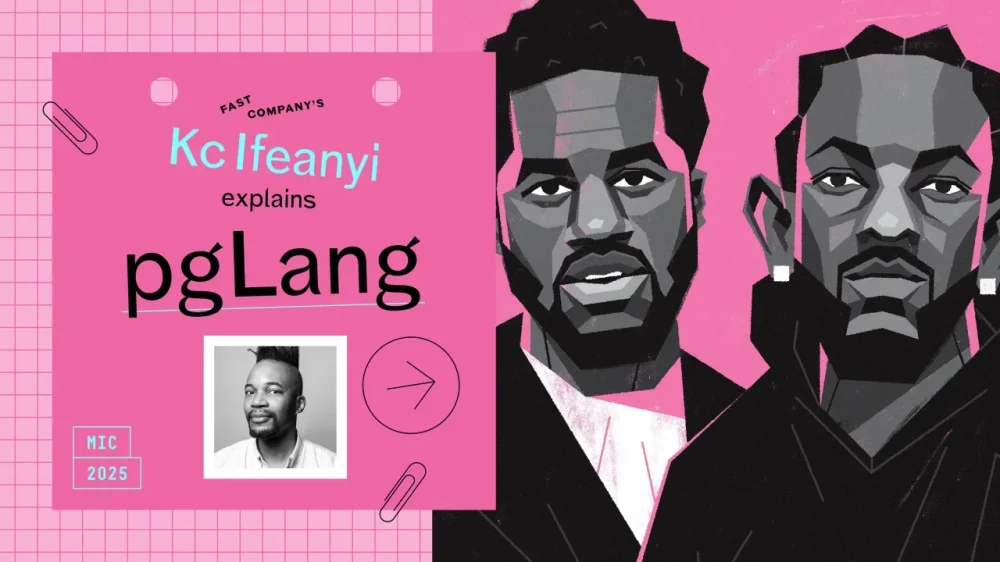
Kendrick Lamar isn’t just a Grammy-winning rapper—he’s also behind pgLang, a groundbreaking creative company shaping the future of media, music, and storytelling. But what exactly is pgLang? And how is it redefining the creative agency model? This is FC Explains, where Fast Company breaks down the most innovative companies of the year. View the full article
-
Romanian national is second person charged following three arrestsView the full article
-
IndexNow, paired with structured data, is an ideal way for online stores to get product data into AI-powered search. The post Use IndexNow For AI Search And Shopping SEO appeared first on Search Engine Journal. View the full article
-
It’s five answers to five questions. Here we go… 1. Candidate lied to us in their interview I was recently involved in interviews for a promotion in my department. We interviewed three internal candidates, so we were familiar with each candidate’s work. The interview team consisted the hiring manager (Fran), Fran’s boss (Tom), and me. I report to Fran, as would the newly promoted employee. One of the candidates blatantly lied about their past performance. For example, they said that they are in regular contact with an important client, but Tom knows that is not the case. Additionally, this employee’s work is lower quality than we would expect from the successful candidate. Naturally, we moved forward with one of the other candidates. My question is whether the lies should have been addressed during the interview, afterwards, or not at all? How would you have handled this if you were Fran or Tom? Ideally Tom would have brought it up right in the interview. For example: “You mentioned that you’re in regular contact with Client X, but I lead that account and haven’t seen you involved in that way. Can you tell us more about what that contact has been?” (So you’re not saying “this is a lie” — you’re allowing for the possibility that there’s something more to it or that it’s a misunderstanding of some sort … but by asking for more info, you’ll figure out what’s really going on.) If the person then blatantly lies and Tom is confident about that, he could say something like, “I want to be transparent: that’s not lining up with my own knowledge of the project, and that’s raising some concerns for me.” (Or at that point he could just drop it, although personally I’m inclined to just name what I’m seeing.) All that said, it can be tough to know how to navigate that kind of thing on the spot, so if it wasn’t addressed in the interview itself, it’s also fine to follow up about it afterwards using similar language. 2. Baseball labor and job responsibilities I have a theoretical question for you based on the news. There is an ongoing dispute between the Boston Red Sox and Rafael Devers, their star and highest paid player. The Red Sox signed another player over the off-season who took Devers’ normal position (third base) and Devers was assigned a new position (designated hitter). He was exceptionally unhappy about this because a prior general manager had promised he would stay at third. Since then, the Red Sox have also needed a first baseman due to injury and Devers’ (explicit, said out loud to media) position has been, “They took my position away from me one time already so I don’t want to.” Moving to first base is a huge change in job responsibilities and arguably in baseball terms would not be an “other duties as assigned” job change the way moving to designated hitter is. A couple former major leaguers have gone on the record saying this is an unremarkable situation managed remarkably poorly by not including Devers in finding a suitable solution and instead just telling him “you’re going to do this now.” But there is something to be said for the fact that when you’re on a sports contract, you are at the mercy of the team you play for, and many other players have done what was asked of them without complaint “for the good of the team.” This has sort of turned into a Rorschach test in baseball world but I am curious for your take. What should Devers or the team have done differently? I know absolutely nothing about baseball or sports or anything whatsoever having to do with this situation, but in purely management terms: if you have a star employee who’s your most valuable team member, it’s generally not a good idea to just tell them you’re making a dramatic change to their job without seeking their input or having a conversation with them about whether it’s something they’d be open to. That’s a very good way to make your star employee start looking elsewhere for a company that will let them do the work they want to do. 3. Negotiating beyond the top of the salary range I was just given a verbal offer for a role. During the initial screening, we discussed a salary range. I said it would need to be at least $X. The verbal offer I was given is $3,000 above the $X we discussed. During the verbal offer, they said $X was the top of the range, and so the $3,000 is above the normal range but wanted to offer me a bit more. However, I was under the impression that X was a starting point. Why would I not assume there was room to negotiate? I also was careful to say “at least X.” The problem is, while I’m excited about this role, this offer isn’t enough to make a switch for my current role worth it. What are my options? Did I mess this up? If I negotiate 10% above their offer, which already more than they said the range should be, am I going to look greedy or out of touch? I don’t want to start a potential new job out on the wrong foot. Yeah, you kind of messed up by naming a number that actually wasn’t enough to get you to leave your current job. (Although maybe at the time you thought it was, and since then you’ve learned things that have changed your mind.) It’s certainly reasonable to say, “Now that I’ve had a chance to learn more about the role, I’d be looking for $Y to make the move.” But since they’re already telling you that they’ve gone $3,000 above the top of their range, I’m not sure you have much room to negotiate for more (and especially not 10% more, which is a big jump). That said, if you wouldn’t accept the current offer anyway, you don’t have much to lose by asking for the number that it would actually take to get you to leave your current job. Just make sure you’re being honest with yourself about what that number is and not just negotiating for the sake of negotiating at this point. And if you actually would take the existing offer as is, I definitely would not ask for 10% more (unless you can back that up with persuasive market data and an explanation for what changed your number, and even then I’d be pretty wary) because you risk them saying that you’re clearly too far apart on salary, best wishes, etc. Related: can I ask for a higher salary if I agreed to a lower range at the start of the interview process? 4. Resigning when it’s just me and the boss I’ve started work in a two-person company (me and the boss), and even though I’m early in my probation period, I know it’s not a good fit for me and I can’t see myself staying long-term. When I took the job, I saw some red flags, but I told myself I can handle it. It turns out I can’t, and I feel like I’m letting everyone down. I am looking for another job, but I’m dreading resigning when the time comes. It will be awkward during the four-week notice period with no other coworkers to act as buffers, and the boss will have to start training someone new from scratch or go back to handling everything on his own. (Four weeks is standard in my country, and it’s specified in my contract.) What should I do? Do I need to let him know I’m job seeking so he’s not blindsided when I resign? Should I try to stick it out a bit longer and see if I get used to it? What do I even say to him if I do resign? Nope, you don’t need to let him know you’re job-searching, and it’s generally not in your interests to do that since it means you may be asked to leave before you’ve found a new job (particularly since it’s so early on and he may figure it doesn’t make sense to keep training you). When you resign, you’ll simply say that another opportunity fell in your lap that you can’t pass up, and you apologize for the inconvenience, but your last day will be X. If you want, you could add, “If it makes sense for me to wrap up sooner than that since I’m still pretty new, I can of course do that too.” Alternately, if there’s a reason that’s easy to give (like “you told me the job was X, but it’s been primarily Y”), feel free to explain that. Otherwise, the other opportunity is simply one you can’t pass up. It might be awkward between you after that, but I actually wouldn’t assume it will be! It certainly doesn’t need to be. On your end, you should simply continue doing your work and leaving things in as good shape as possible (with documentation of where things stand, etc.). If your boss feels awkward about it, so be it. Related: should I work for a tiny organization? 5. My boss told me to re-take a week-long training, solely to take notes this time My employer recently paid for a virtual continuing education week-long course, to be completed on our own time. I completed it and have been emailed a certificate from the international organization that I am certified with, showing that I completed it. My employer is now requesting that I turn in my notes on this course. I didn’t take notes, and she is requiring that I go back and take notes to hand in, outside of work hours. Is this allowed? There was no official written communication before the course that these notes were required. There was a group text message sent on a Friday night after work hours from my manager asking for these notes. Is this allowed? I told my manager that I am happy to write a summary of what I learned during work hours. They are refusing this. Well, that’s absolutely ridiculous. What if your notes read as gibberish to anyone but you, as many people’s do? And now she wants you to redo a week-long course solely to produce notes? For what possible reason? In any case, are you exempt or non-exempt? If you’re non-exempt, they need to pay you for the time spent retaking the course (and also probably for the first time you took it too), as well as for any time you spend writing notes. You should go over her head, point that out, and ask how you should handle it. (If you’re exempt, this is moot.) Either way, it seems to me that you have suddenly discovered that you did in fact take several pages of notes (which you can create right now from memory, without explaining that’s where they came from) and here they are. The post candidate lied in their interview, negotiating beyond the top of the salary range, and more appeared first on Ask a Manager. View the full article
-
The UK wants a technological revolution in healthcare but complex information systems will make that hard to deliverView the full article
-
Their apparent authenticity and tolerance for controlled anarchy leave their opponents looking tired and staidView the full article
-
Public perception of stereotyped discrimination has one surprising outcomeView the full article
-
Investors say Treasury market is already at an ‘inflection point’ as fiscal worries riseView the full article
-
Generics maker Sandoz says president should focus on tactic of ‘evergreening’ pricier products in his drive to lower costsView the full article
-
Investors cool on retail chain a little over a year after a restructuring led by billionaire Daniel KřetínskýView the full article
-
Strong demand for secondary offering in Hong Kong expected to lift amount raised to $5.3bnView the full article
-
Key Takeaways Identify Campground Type: Understand the different types of campgrounds such as private, public, glamping, and backcountry, each catering to unique audiences and needs. Thorough Research and Planning: Conduct market research to assess demand and create a detailed business plan outlining your vision, budget, and operational structure. Choose the Right Location: Select a site with adequate land, accessibility, and proximity to natural attractions to enhance appeal and ensure customer convenience. Design for Experience: Plan your campground layout to prioritize privacy, accessibility, and integration of natural features, while promoting eco-friendly practices to attract modern campers. Effective Marketing Strategies: Build a strong online presence with a user-friendly website, use SEO practices, and engage in social media to reach your target audience effectively. Focus on Operational Excellence: Prioritize staffing, training, and outstanding customer service to create a welcoming environment that encourages repeat visits and enhances your campground’s reputation. Starting a campground can be an exciting venture that combines your love for the outdoors with the chance to create a welcoming space for fellow nature enthusiasts. Whether you’re dreaming of a rustic retreat or a family-friendly destination, the right approach can turn your vision into reality. In today’s world, more people are seeking unique outdoor experiences, making campgrounds a popular choice for weekend getaways and vacations. With a bit of planning and creativity, you can tap into this growing market and build a thriving campground that stands out. Ready to dive in? Let’s explore the essential steps to kickstart your campground journey. Understanding Campground Basics Starting a campground involves grasping essential components that influence its success. Recognizing the types of campgrounds and their benefits helps you make informed decisions as an entrepreneur. Types of Campgrounds Private Campgrounds: Owned by individuals or businesses, these campgrounds focus on providing amenities such as cabins, RV hookups, and restrooms, appealing to a broad audience. Public Campgrounds: Managed by government entities, these offer low-cost camping options and generally attract outdoor enthusiasts seeking natural experiences. Glamping Sites: Combining glamour and camping, glamping provides luxurious accommodations, such as yurts or safari tents, targeting a more affluent demographic. Backcountry Campgrounds: These are remote locations requiring a hike to access, catering to adventurous campers looking for solitude and nature immersion. Benefits of Starting a Campground Steady Revenue Stream: Campgrounds generate consistent income through site fees, rental cabins, and additional services like guided tours or equipment rentals. Growing Market Demand: With an increase in outdoor activities, the desire for camping experiences has spiked, making it a lucrative small business opportunity. Community Building: Campgrounds foster connections among guests, enhancing the camping experience through social interactions and activities. Diversification Options: You can diversify your offerings, adding features like organized events, workshops, or recreational equipment rentals to attract a wider audience. Sustainability Potential: Emphasizing environmentally-friendly practices appeals to modern campers looking for eco-conscious options, enhancing your brand’s reputation. Understanding these basics equips you to develop a strong business plan and identify a target audience, ensuring your campground meets market demands effectively. Research and Planning Conducting thorough research and planning is critical for your campground venture. This process includes identifying your market and creating a detailed business plan to guide your operations effectively. Market Research Market research helps you understand the demand for campground services in your area. Assess your target audience to identify preferences, demographics, and camping trends. Use surveys or focus groups to gather qualitative data, or analyze existing campgrounds to pinpoint gaps in offerings. Investigate local attractions that could enhance your campground’s appeal. Understanding competitors—both pricing and services—enables you to position your business effectively and ensure a unique value proposition. Creating a Business Plan A solid business plan serves as a roadmap for your campground. Outline your business model, including the type of campground you want to establish, such as a private site or a glamping experience. Include details on your legal structure—whether you’ll operate as an LLC, sole proprietorship, or corporation—and the associated taxes and regulatory requirements. In your plan, incorporate a detailed budget that estimates startup costs, covering land acquisition, permits, infrastructure development, and marketing expenses. Align your financial projections with your growth strategy, emphasizing customer acquisition methods and sales funnels. Additionally, address funding options, such as loans or angel investors, to secure the capital needed to launch and sustain your operations. Fostering a clear vision and strategy through your business plan not only guides daily operations but also prepares you for potential investors and partnerships. Regularly reviewing and adjusting this plan enhances your business resilience as market trends evolve. Choosing the Right Location Selecting the right location for your campground is crucial for attracting customers and ensuring the success of your venture. Consider these essential factors to create a welcoming and appealing campsite. Factors to Consider Land Requirements: Secure adequate acreage to accommodate the desired number of sites and amenities. Aim for a balance of flat areas for campsites and scenic natural features that enhance the outdoor experience. Accessibility and Proximity: Choose a site that’s easy to reach by car or RV. Ensure proximity to highways and local amenities like grocery stores, fuel stations, and emergency services, making it convenient for campers. Natural Attractions: Proximity to lakes, rivers, forests, or mountains serves as a significant draw for campers. Identify nearby attractions that align with your target audience’s interests; this can enhance market research outcomes and strengthen your marketing strategy. Zoning and Regulations Navigating zoning and regulations is vital for compliance. Research local zoning laws to determine permitted activities within your chosen area. You may require specific permits, which can influence your business model and operational strategy. Consult with legal advisors who specialize in campground regulations to ensure your venture aligns with local statutes. This preparation helps you address potential permit issues that could impede your startup plans. Establishing a legal structure, such as an LLC or corporation, can also safeguard your personal assets while facilitating compliance with business registration requirements. Designing Your Campground Designing your campground involves careful planning and thoughtful layout to create an appealing and functional space. Consider various elements that enhance the overall experience for your target audience. Site Layout and Facilities Plan the site layout to optimize functionality and environmental appeal. Placement of Sites: Position campsites with sufficient space between them, maintaining privacy and safety. Position tent sites, RV spots, and cabins strategically, along with communal areas like picnic spots and fire pits to foster social interactions. Accessibility: Design campground amenities to be accessible for all campers, including those with disabilities. Construct roads and pathways that accommodate diverse mobility needs, ensuring a welcoming environment for everyone. Natural Features: Incorporate scenic elements such as lakes, rivers, or forests that attract campers. Utilizing these features enriches the camping experience and provides opportunities for outdoor activities, enhancing your campground’s appeal. Eco-friendly Practices Implementing eco-friendly practices in your campground design lowers environmental impact and attracts eco-conscious customers. Sustainable Materials: Use sustainable materials for structures and facilities. This can include recycled materials for building cabins and composting toilets that minimize waste. Waste Management Systems: Introduce effective waste management solutions to promote recycling and reduce landfill contributions. Establish designated recycling and composting areas to educate guests on eco-friendly practices. Renewable Energy Sources: Explore renewable energy options such as solar panels to power gradually growing operations. Sustainable energy sources save money in the long run and resonate well with eco-aware campers. Adopting these practices not only establishes a sustainable campground but also aligns your business with growing consumer preferences for environmentally responsible ventures. Use market research to identify practices that will resonate most with your intended audience. Marketing Your Campground Effective marketing plays a crucial role in the success of your campground. Implementing a strategic approach ensures visibility and attracts your target audience. Building an Online Presence Creating a strong online presence is vital for capturing camper interest. Website Optimization: Develop a user-friendly website showcasing features, pricing, and availability. Ensure the site is mobile-responsive and optimized for search engines. Include essential pages such as a Homepage, Events page, About page, and Contact page. SEO Practices: Implement SEO practices to rank higher in search results. Use relevant keywords and create quality content to attract organic traffic. Social Media: Utilize social media platforms like Facebook, Instagram, and Twitter to engage potential guests. Share high-quality images, videos, and posts highlighting unique experiences at your campground. Encourage customer interaction through comments and shares to expand reach. Email Marketing: Implement an email marketing campaign to maintain communication with previous visitors. Offer exclusive discounts or updates about upcoming events to encourage repeat visits. Local Partnerships and Promotions Forging relationships with local businesses can enhance your campground’s visibility and credibility. Collaborate with Local Businesses: Partner with local attractions, restaurants, or outdoor gear rentals to create bundled packages. These collaborations can attract visitors looking for a complete experience. Host Events: Organize events like outdoor festivals, workshops, or nature talks in collaboration with local experts. Such events can draw additional visitors and increase community engagement. Promotional Campaigns: Leverage local publications and websites for ongoing marketing promotions. Share promotional content about your campground in community newsletters and online forums. Networking: Attend local chamber of commerce meetings or small business association events. Building relationships within your community fosters cross-promotions and unlocks potential partnerships. Managing Operations Effective management is essential for the success of your campground. You need to focus on staffing, training, and customer service to create a welcoming atmosphere that promotes repeat visits. Staffing and Training Hiring the right team sets the tone for operations. You should prioritize local talent familiar with the area and the needs of your target audience. Consider these staffing essentials: Position Diversification: Employ staff for roles such as management, maintenance, and guest services. Each position plays a vital role in campground operations. Training Programs: Develop comprehensive training to ensure all employees understand customer service, safety protocols, and operational procedures. Continuous education fosters a knowledgeable workforce. Team Building Activities: Organize events to strengthen relationships among staff. A cohesive team enhances the customer experience and increases operational efficiency. Customer Service Best Practices Outstanding customer service forms the backbone of your campground’s reputation. Strive to implement these best practices: Prompt Communication: Respond quickly to inquiries and reservations through multiple channels, including phone, email, and social media. This builds trust and encourages booking decisions. Feedback Collection: Actively seek customer feedback through surveys or post-visit emails. Use insights to improve services and address concerns promptly. Personalized Experiences: Tailor services based on customer preferences and past visits. Personalized touches create memorable experiences, encouraging repeat customers. Conflict Resolution: Develop a clear protocol for addressing complaints or issues. Quick and effective resolution reinforces positive relationships with guests. By prioritizing staffing and customer service, you ensure your campground runs smoothly, enhancing satisfaction and encouraging growth. Financial Considerations Understanding financial considerations is essential for successfully starting a campground. Key aspects include estimating startup costs and exploring funding options. Startup Costs Startup costs for a campground can vary significantly based on location and amenities. Consider these essential components: Land Acquisition or Lease: Expect costs between $30,000 and $80,000 for down payments or lease deposits. Site Development and Construction: Allocate $30,000 to $50,000 for land preparation, $30,000 to $70,000 for campsite construction, and $20,000 to $80,000 for infrastructure development. Utility Installations: Upgrades to essential systems may range from $20,000 to $80,000 to ensure adequate water, electricity, and sewage services. Equipment and Supplies: Factor in $20,000 to $50,000 for maintenance equipment, camping gear, and other vital supplies. Preparing a detailed budget will help manage these costs effectively as you establish your business. Funding Options Identifying funding options is crucial for financing your campground venture. Explore these possibilities: Loans: Traditional bank loans or Small Business Administration (SBA) loans can provide significant capital for startup costs. Angel Investors: Consider seeking angel investors who are interested in funding small businesses like yours, offering both capital and mentorship. Business Grants: Research local and federal grants designed to support small businesses in tourism and hospitality. Crowdfunding: Platforms like Kickstarter or Indiegogo can help raise funds by pitching your campground concept to potential backers. Crafting a compelling business plan enhances your pitch to investors and can significantly increase your chances of securing financing. Effective market research will strengthen your case by highlighting the demand for camping experiences in your area, attracting the right investors and partners to facilitate your success. Conclusion Starting a campground is a rewarding venture that allows you to share your passion for the outdoors with others. By following the essential steps outlined in this guide, you can create a unique space that attracts nature lovers and fosters community connections. With careful planning and strategic marketing, you’ll be well-equipped to meet the growing demand for outdoor experiences. Remember to prioritize sustainability and exceptional customer service to set your campground apart. Embrace the journey ahead and enjoy the process of building a welcoming retreat that brings joy to countless campers. Your dream of owning a campground is within reach, and the great outdoors awaits. Frequently Asked Questions What are the benefits of starting a campground? Starting a campground offers several benefits, including a steady revenue stream, tapping into the growing demand for outdoor experiences, fostering community connections, and embracing sustainable practices. It allows you to combine your love for nature with entrepreneurship while meeting the diverse needs of campers. What types of campgrounds can I start? You can start various types of campgrounds, including private campgrounds, public campgrounds, glamping sites, and backcountry campgrounds. Each type caters to different audiences and preferences, providing unique outdoor experiences for nature lovers. How important is location when starting a campground? Location is crucial when starting a campground. Consider factors such as land requirements, accessibility, and proximity to natural attractions. A well-chosen location can significantly enhance your campground’s appeal and facilitate easy access for campers. What should I include in a campground business plan? A campground business plan should outline your business model, legal structure, budget, funding options, and market research. This roadmap helps guide your operations, impress potential investors, and adapt to changing market trends. How can I effectively market my campground? To market your campground effectively, build a strong online presence with an optimized website, utilize social media to engage potential guests, and implement email marketing to connect with former visitors. Additionally, partner with local businesses and host events to boost visibility. What are the key staffing requirements for a campground? Key staffing requirements for a campground include position diversification, comprehensive training programs, and team-building activities. Proper staffing and training enhance customer service quality, ensuring a welcoming atmosphere for campers. What are the startup costs involved in starting a campground? Startup costs for a campground can vary widely based on location and amenities but generally include land acquisition, site development, utility installations, and equipment purchases. Understanding these costs is essential for budgeting and financial planning. What funding options are available for campground startups? Funding options for campground startups include traditional loans, angel investors, business grants, and crowdfunding. Creating a compelling business plan is crucial to attract potential investors and secure the necessary funding for your venture. Image Via Envato This article, "Essential Guide on How to Start a Campground and Create a Welcoming Outdoor Experience" was first published on Small Business Trends View the full article