ResidentialBusiness
Administrators
-
Joined
-
Last visited
Everything posted by ResidentialBusiness
-
 Key Takeaways Identify Campground Type: Understand the different types of campgrounds such as private, public, glamping, and backcountry, each catering to unique audiences and needs. Thorough Research and Planning: Conduct market research to assess demand and create a detailed business plan outlining your vision, budget, and operational structure. Choose the Right Location: Select a site with adequate land, accessibility, and proximity to natural attractions to enhance appeal and ensure customer convenience. Design for Experience: Plan your campground layout to prioritize privacy, accessibility, and integration of natural features, while promoting eco-friendly practices to attract modern campers. Effective Marketing Strategies: Build a strong online presence with a user-friendly website, use SEO practices, and engage in social media to reach your target audience effectively. Focus on Operational Excellence: Prioritize staffing, training, and outstanding customer service to create a welcoming environment that encourages repeat visits and enhances your campground’s reputation. Starting a campground can be an exciting venture that combines your love for the outdoors with the chance to create a welcoming space for fellow nature enthusiasts. Whether you’re dreaming of a rustic retreat or a family-friendly destination, the right approach can turn your vision into reality. In today’s world, more people are seeking unique outdoor experiences, making campgrounds a popular choice for weekend getaways and vacations. With a bit of planning and creativity, you can tap into this growing market and build a thriving campground that stands out. Ready to dive in? Let’s explore the essential steps to kickstart your campground journey. Understanding Campground Basics Starting a campground involves grasping essential components that influence its success. Recognizing the types of campgrounds and their benefits helps you make informed decisions as an entrepreneur. Types of Campgrounds Private Campgrounds: Owned by individuals or businesses, these campgrounds focus on providing amenities such as cabins, RV hookups, and restrooms, appealing to a broad audience. Public Campgrounds: Managed by government entities, these offer low-cost camping options and generally attract outdoor enthusiasts seeking natural experiences. Glamping Sites: Combining glamour and camping, glamping provides luxurious accommodations, such as yurts or safari tents, targeting a more affluent demographic. Backcountry Campgrounds: These are remote locations requiring a hike to access, catering to adventurous campers looking for solitude and nature immersion. Benefits of Starting a Campground Steady Revenue Stream: Campgrounds generate consistent income through site fees, rental cabins, and additional services like guided tours or equipment rentals. Growing Market Demand: With an increase in outdoor activities, the desire for camping experiences has spiked, making it a lucrative small business opportunity. Community Building: Campgrounds foster connections among guests, enhancing the camping experience through social interactions and activities. Diversification Options: You can diversify your offerings, adding features like organized events, workshops, or recreational equipment rentals to attract a wider audience. Sustainability Potential: Emphasizing environmentally-friendly practices appeals to modern campers looking for eco-conscious options, enhancing your brand’s reputation. Understanding these basics equips you to develop a strong business plan and identify a target audience, ensuring your campground meets market demands effectively. Research and Planning Conducting thorough research and planning is critical for your campground venture. This process includes identifying your market and creating a detailed business plan to guide your operations effectively. Market Research Market research helps you understand the demand for campground services in your area. Assess your target audience to identify preferences, demographics, and camping trends. Use surveys or focus groups to gather qualitative data, or analyze existing campgrounds to pinpoint gaps in offerings. Investigate local attractions that could enhance your campground’s appeal. Understanding competitors—both pricing and services—enables you to position your business effectively and ensure a unique value proposition. Creating a Business Plan A solid business plan serves as a roadmap for your campground. Outline your business model, including the type of campground you want to establish, such as a private site or a glamping experience. Include details on your legal structure—whether you’ll operate as an LLC, sole proprietorship, or corporation—and the associated taxes and regulatory requirements. In your plan, incorporate a detailed budget that estimates startup costs, covering land acquisition, permits, infrastructure development, and marketing expenses. Align your financial projections with your growth strategy, emphasizing customer acquisition methods and sales funnels. Additionally, address funding options, such as loans or angel investors, to secure the capital needed to launch and sustain your operations. Fostering a clear vision and strategy through your business plan not only guides daily operations but also prepares you for potential investors and partnerships. Regularly reviewing and adjusting this plan enhances your business resilience as market trends evolve. Choosing the Right Location Selecting the right location for your campground is crucial for attracting customers and ensuring the success of your venture. Consider these essential factors to create a welcoming and appealing campsite. Factors to Consider Land Requirements: Secure adequate acreage to accommodate the desired number of sites and amenities. Aim for a balance of flat areas for campsites and scenic natural features that enhance the outdoor experience. Accessibility and Proximity: Choose a site that’s easy to reach by car or RV. Ensure proximity to highways and local amenities like grocery stores, fuel stations, and emergency services, making it convenient for campers. Natural Attractions: Proximity to lakes, rivers, forests, or mountains serves as a significant draw for campers. Identify nearby attractions that align with your target audience’s interests; this can enhance market research outcomes and strengthen your marketing strategy. Zoning and Regulations Navigating zoning and regulations is vital for compliance. Research local zoning laws to determine permitted activities within your chosen area. You may require specific permits, which can influence your business model and operational strategy. Consult with legal advisors who specialize in campground regulations to ensure your venture aligns with local statutes. This preparation helps you address potential permit issues that could impede your startup plans. Establishing a legal structure, such as an LLC or corporation, can also safeguard your personal assets while facilitating compliance with business registration requirements. Designing Your Campground Designing your campground involves careful planning and thoughtful layout to create an appealing and functional space. Consider various elements that enhance the overall experience for your target audience. Site Layout and Facilities Plan the site layout to optimize functionality and environmental appeal. Placement of Sites: Position campsites with sufficient space between them, maintaining privacy and safety. Position tent sites, RV spots, and cabins strategically, along with communal areas like picnic spots and fire pits to foster social interactions. Accessibility: Design campground amenities to be accessible for all campers, including those with disabilities. Construct roads and pathways that accommodate diverse mobility needs, ensuring a welcoming environment for everyone. Natural Features: Incorporate scenic elements such as lakes, rivers, or forests that attract campers. Utilizing these features enriches the camping experience and provides opportunities for outdoor activities, enhancing your campground’s appeal. Eco-friendly Practices Implementing eco-friendly practices in your campground design lowers environmental impact and attracts eco-conscious customers. Sustainable Materials: Use sustainable materials for structures and facilities. This can include recycled materials for building cabins and composting toilets that minimize waste. Waste Management Systems: Introduce effective waste management solutions to promote recycling and reduce landfill contributions. Establish designated recycling and composting areas to educate guests on eco-friendly practices. Renewable Energy Sources: Explore renewable energy options such as solar panels to power gradually growing operations. Sustainable energy sources save money in the long run and resonate well with eco-aware campers. Adopting these practices not only establishes a sustainable campground but also aligns your business with growing consumer preferences for environmentally responsible ventures. Use market research to identify practices that will resonate most with your intended audience. Marketing Your Campground Effective marketing plays a crucial role in the success of your campground. Implementing a strategic approach ensures visibility and attracts your target audience. Building an Online Presence Creating a strong online presence is vital for capturing camper interest. Website Optimization: Develop a user-friendly website showcasing features, pricing, and availability. Ensure the site is mobile-responsive and optimized for search engines. Include essential pages such as a Homepage, Events page, About page, and Contact page. SEO Practices: Implement SEO practices to rank higher in search results. Use relevant keywords and create quality content to attract organic traffic. Social Media: Utilize social media platforms like Facebook, Instagram, and Twitter to engage potential guests. Share high-quality images, videos, and posts highlighting unique experiences at your campground. Encourage customer interaction through comments and shares to expand reach. Email Marketing: Implement an email marketing campaign to maintain communication with previous visitors. Offer exclusive discounts or updates about upcoming events to encourage repeat visits. Local Partnerships and Promotions Forging relationships with local businesses can enhance your campground’s visibility and credibility. Collaborate with Local Businesses: Partner with local attractions, restaurants, or outdoor gear rentals to create bundled packages. These collaborations can attract visitors looking for a complete experience. Host Events: Organize events like outdoor festivals, workshops, or nature talks in collaboration with local experts. Such events can draw additional visitors and increase community engagement. Promotional Campaigns: Leverage local publications and websites for ongoing marketing promotions. Share promotional content about your campground in community newsletters and online forums. Networking: Attend local chamber of commerce meetings or small business association events. Building relationships within your community fosters cross-promotions and unlocks potential partnerships. Managing Operations Effective management is essential for the success of your campground. You need to focus on staffing, training, and customer service to create a welcoming atmosphere that promotes repeat visits. Staffing and Training Hiring the right team sets the tone for operations. You should prioritize local talent familiar with the area and the needs of your target audience. Consider these staffing essentials: Position Diversification: Employ staff for roles such as management, maintenance, and guest services. Each position plays a vital role in campground operations. Training Programs: Develop comprehensive training to ensure all employees understand customer service, safety protocols, and operational procedures. Continuous education fosters a knowledgeable workforce. Team Building Activities: Organize events to strengthen relationships among staff. A cohesive team enhances the customer experience and increases operational efficiency. Customer Service Best Practices Outstanding customer service forms the backbone of your campground’s reputation. Strive to implement these best practices: Prompt Communication: Respond quickly to inquiries and reservations through multiple channels, including phone, email, and social media. This builds trust and encourages booking decisions. Feedback Collection: Actively seek customer feedback through surveys or post-visit emails. Use insights to improve services and address concerns promptly. Personalized Experiences: Tailor services based on customer preferences and past visits. Personalized touches create memorable experiences, encouraging repeat customers. Conflict Resolution: Develop a clear protocol for addressing complaints or issues. Quick and effective resolution reinforces positive relationships with guests. By prioritizing staffing and customer service, you ensure your campground runs smoothly, enhancing satisfaction and encouraging growth. Financial Considerations Understanding financial considerations is essential for successfully starting a campground. Key aspects include estimating startup costs and exploring funding options. Startup Costs Startup costs for a campground can vary significantly based on location and amenities. Consider these essential components: Land Acquisition or Lease: Expect costs between $30,000 and $80,000 for down payments or lease deposits. Site Development and Construction: Allocate $30,000 to $50,000 for land preparation, $30,000 to $70,000 for campsite construction, and $20,000 to $80,000 for infrastructure development. Utility Installations: Upgrades to essential systems may range from $20,000 to $80,000 to ensure adequate water, electricity, and sewage services. Equipment and Supplies: Factor in $20,000 to $50,000 for maintenance equipment, camping gear, and other vital supplies. Preparing a detailed budget will help manage these costs effectively as you establish your business. Funding Options Identifying funding options is crucial for financing your campground venture. Explore these possibilities: Loans: Traditional bank loans or Small Business Administration (SBA) loans can provide significant capital for startup costs. Angel Investors: Consider seeking angel investors who are interested in funding small businesses like yours, offering both capital and mentorship. Business Grants: Research local and federal grants designed to support small businesses in tourism and hospitality. Crowdfunding: Platforms like Kickstarter or Indiegogo can help raise funds by pitching your campground concept to potential backers. Crafting a compelling business plan enhances your pitch to investors and can significantly increase your chances of securing financing. Effective market research will strengthen your case by highlighting the demand for camping experiences in your area, attracting the right investors and partners to facilitate your success. Conclusion Starting a campground is a rewarding venture that allows you to share your passion for the outdoors with others. By following the essential steps outlined in this guide, you can create a unique space that attracts nature lovers and fosters community connections. With careful planning and strategic marketing, you’ll be well-equipped to meet the growing demand for outdoor experiences. Remember to prioritize sustainability and exceptional customer service to set your campground apart. Embrace the journey ahead and enjoy the process of building a welcoming retreat that brings joy to countless campers. Your dream of owning a campground is within reach, and the great outdoors awaits. Frequently Asked Questions What are the benefits of starting a campground? Starting a campground offers several benefits, including a steady revenue stream, tapping into the growing demand for outdoor experiences, fostering community connections, and embracing sustainable practices. It allows you to combine your love for nature with entrepreneurship while meeting the diverse needs of campers. What types of campgrounds can I start? You can start various types of campgrounds, including private campgrounds, public campgrounds, glamping sites, and backcountry campgrounds. Each type caters to different audiences and preferences, providing unique outdoor experiences for nature lovers. How important is location when starting a campground? Location is crucial when starting a campground. Consider factors such as land requirements, accessibility, and proximity to natural attractions. A well-chosen location can significantly enhance your campground’s appeal and facilitate easy access for campers. What should I include in a campground business plan? A campground business plan should outline your business model, legal structure, budget, funding options, and market research. This roadmap helps guide your operations, impress potential investors, and adapt to changing market trends. How can I effectively market my campground? To market your campground effectively, build a strong online presence with an optimized website, utilize social media to engage potential guests, and implement email marketing to connect with former visitors. Additionally, partner with local businesses and host events to boost visibility. What are the key staffing requirements for a campground? Key staffing requirements for a campground include position diversification, comprehensive training programs, and team-building activities. Proper staffing and training enhance customer service quality, ensuring a welcoming atmosphere for campers. What are the startup costs involved in starting a campground? Startup costs for a campground can vary widely based on location and amenities but generally include land acquisition, site development, utility installations, and equipment purchases. Understanding these costs is essential for budgeting and financial planning. What funding options are available for campground startups? Funding options for campground startups include traditional loans, angel investors, business grants, and crowdfunding. Creating a compelling business plan is crucial to attract potential investors and secure the necessary funding for your venture. Image Via Envato This article, "Essential Guide on How to Start a Campground and Create a Welcoming Outdoor Experience" was first published on Small Business Trends View the full article
 -
After a phone call with Putin, the US leader seems ready to ditch his vow to end Russia’s war on its neighbour View the full article
-
Milton Keynes identified by consultancy WPI Strategy as most favourable potential location View the full article
-
Admiral Dong Jun’s absence from Shangri-La Dialogue would come as President Xi Jinping purges high-level officersView the full article
-
With around one billion searches on ChatGPT each week, Gen Z are increasingly turning to AI to solve a daily dilemma: what to wear. Last month, OpenAI announced updates to ChatGPT’s Search, enhancing the shopping experience with personalized product recommendations and direct purchase links. Users have already begun using these features to plan their outfits. “I’m going out to dinner tonight, what should I wear?” one user asked ChatGPT in a TikTok video. The AI suggested a fitted black cami, black trousers, strappy heels, and silver hoops. “Why did ChatGPT kind of slay though?” the creator said. Another fashion and lifestyle creator prompted ChatGPT with “streetwear,” “blue denim,” and “clean aesthetic.” The resulting outfit, shared on TikTok, was simple yet stylish. Others are uploading images from Pinterest boards or their wardrobes to generate entire shopping lists. While it may be some time before AI-generated outfits appear on runways, OpenAI is embracing its role as personal stylist and shopper. Replacing the group chat, ChatGPT now offers what it calls “conversational shopping,” OpenAI said. “Instead of juggling tabs or scrolling through endless results, you can just have a conversation,” Saguna Goel, product lead on the ChatGPT search team, told Vogue Business. “What’s really exciting is that this movement is being led by shoppers themselves. Gen Z are definitely out front, but people of all ages are getting involved — and stylists and influencers are now following their lead. It’s a fascinating shift, and it’s only just beginning,” she added. For brands, the potential payoff is huge—if they can make themselves discoverable where customers are searching. With no paid placements currently on ChatGPT, AI recommendations level the playing field for small businesses competing with brands that have far larger ad budgets. Still, not everyone is on board. As AI becomes more embedded in daily life, critics say it’s erasing creative jobs in fashion and other industries, and diluting personal style in favor of fleeting micro-trends. If you ask ChatGPT to plan your next date-night outfit, just know: someone else might show up wearing the same thing. View the full article

-
ADP has announced a new initiative to deliver Hands-Only CPR education through its ADP Mobile Solutions app, a move that supports the American Heart Association’s goal to build a Nation of Lifesavers. This program aims to expand CPR awareness and training across the American workforce by offering millions of users the opportunity to learn life-saving techniques directly through their mobile devices. Cardiac arrest affects more than 10,000 individuals annually in U.S. workplaces, according to the American Heart Association. Immediate CPR can double or even triple a person’s chance of survival, yet many Americans report feeling unprepared to help during a cardiac emergency. By partnering with the American Heart Association, ADP is working to change that. “Increasing access to modern, accessible CPR education is critical to saving more lives from cardiac arrest,” said Nancy Brown, chief executive officer of the American Heart Association. “Through Nation of Lifesavers, we aim to double the survival rate from sudden cardiac arrest by 2030. With this support from ADP, we can bring lifesaving skills directly to the fingertips of millions of workers.” The new program, which is optional for ADP clients, includes a simple two-step training process: users watch a 60-second Hands-Only CPR instructional video and then complete a four-question assessment. Those who complete the course receive a digital Nation of Lifesavers badge, acknowledging their preparedness to act in emergency situations. Since the feature’s pilot in Fall 2024, over 160,000 users have engaged with the CPR education content. With 14 million active monthly users on the ADP Mobile Solutions app, the potential reach of this initiative is significant as the rollout continues. “Every decision we make is centered on helping people thrive at work and in life,” said Maria Black, president and CEO of ADP. “Through technology and human-centered innovation, we are proud to support the work of the American Heart Association in building a stronger chain of survival across the workplace.” Beyond digital education, ADP is also extending this initiative to physical locations. The company plans to host more than 100 in-person training sessions on Hands-Only CPR and automated external defibrillator (AED) usage across 18 of its offices nationwide throughout 2025 and into early 2026. The company’s support for heart health initiatives isn’t new. ADP associates have participated in the American Heart Association’s Heart Walk events nationwide for the past four years, raising awareness and funds for cardiac health. Hands-Only CPR involves chest compressions without rescue breaths and is effective for teens and adults who suffer sudden cardiac arrest. Quick response, including the use of an AED when available, is crucial. However, the American Heart Association notes that only half of workers today know the location of an AED at their workplace. The ADP and American Heart Association collaboration underscores the importance of accessibility in emergency training and aims to empower more people to respond effectively when seconds matter. To learn more about the program, visit heart.org/nation. Image: ADP This article, "ADP Launches CPR Education Through Mobile App in Partnership with American Heart Association" was first published on Small Business Trends View the full article
-
ADP has announced a new initiative to deliver Hands-Only CPR education through its ADP Mobile Solutions app, a move that supports the American Heart Association’s goal to build a Nation of Lifesavers. This program aims to expand CPR awareness and training across the American workforce by offering millions of users the opportunity to learn life-saving techniques directly through their mobile devices. Cardiac arrest affects more than 10,000 individuals annually in U.S. workplaces, according to the American Heart Association. Immediate CPR can double or even triple a person’s chance of survival, yet many Americans report feeling unprepared to help during a cardiac emergency. By partnering with the American Heart Association, ADP is working to change that. “Increasing access to modern, accessible CPR education is critical to saving more lives from cardiac arrest,” said Nancy Brown, chief executive officer of the American Heart Association. “Through Nation of Lifesavers, we aim to double the survival rate from sudden cardiac arrest by 2030. With this support from ADP, we can bring lifesaving skills directly to the fingertips of millions of workers.” The new program, which is optional for ADP clients, includes a simple two-step training process: users watch a 60-second Hands-Only CPR instructional video and then complete a four-question assessment. Those who complete the course receive a digital Nation of Lifesavers badge, acknowledging their preparedness to act in emergency situations. Since the feature’s pilot in Fall 2024, over 160,000 users have engaged with the CPR education content. With 14 million active monthly users on the ADP Mobile Solutions app, the potential reach of this initiative is significant as the rollout continues. “Every decision we make is centered on helping people thrive at work and in life,” said Maria Black, president and CEO of ADP. “Through technology and human-centered innovation, we are proud to support the work of the American Heart Association in building a stronger chain of survival across the workplace.” Beyond digital education, ADP is also extending this initiative to physical locations. The company plans to host more than 100 in-person training sessions on Hands-Only CPR and automated external defibrillator (AED) usage across 18 of its offices nationwide throughout 2025 and into early 2026. The company’s support for heart health initiatives isn’t new. ADP associates have participated in the American Heart Association’s Heart Walk events nationwide for the past four years, raising awareness and funds for cardiac health. Hands-Only CPR involves chest compressions without rescue breaths and is effective for teens and adults who suffer sudden cardiac arrest. Quick response, including the use of an AED when available, is crucial. However, the American Heart Association notes that only half of workers today know the location of an AED at their workplace. The ADP and American Heart Association collaboration underscores the importance of accessibility in emergency training and aims to empower more people to respond effectively when seconds matter. To learn more about the program, visit heart.org/nation. Image: ADP This article, "ADP Launches CPR Education Through Mobile App in Partnership with American Heart Association" was first published on Small Business Trends View the full article
-
Bank of America Institute’s latest “Small Business Checkpoint” report, released May 15, 2025, reveals a complex picture of small business behavior across the country, with signs of sector-specific inventory stocking and mixed trends in hiring activity. The findings are based on internal transaction data and provide a snapshot of small business financial activity in the face of ongoing economic uncertainties. Stocking Up in Select Sectors The report shows that small businesses overall are not significantly increasing their inventory levels, despite the recent surge in tariffs contributing to economic uncertainty. However, firms in the manufacturing and services sectors are increasing their inventory-related spending. According to the report, these businesses appear to be “stocking their shelves at an accelerated rate” as they anticipate potential disruptions. Retailers, on the other hand, are not following the same trend. The report notes that any recent surge in consumer goods imports has likely been offset by “buying ahead” behavior among consumers seeking to avoid price increases. Data from Bank of America also suggests that retail payments to shipping and transportation firms do not reflect a notable increase in inventories. Moreover, the National Federation of Independent Business (NFIB) data cited in the report shows that a net negative 4% of business owners plan to invest in inventory in the coming months. Hiring Outlook Remains Unclear Small business hiring activity showed some improvement in April compared to March. Bank of America’s alternative hiring analysis—tracking small business payments to hiring firms—shows a 6% increase above 2019 average levels. This marks a rise from March, when payments were 2% below the 2019 average. However, the report cautions that the increase could indicate greater difficulty in filling roles rather than increased hiring success. In support of this, the NFIB found that 34% of small business owners reported having job openings they could not fill in April. The last time this figure was lower was in January 2021. Recent hiring growth has been inconsistent. While February saw strength due to more processing days and favorable weather, hiring has slowed in the last two months. Data shows a downward trend in hiring payments in both March and April. Regional Disparities in Payroll Growth Payroll growth among small business clients was up 5.3% year-over-year (YoY) in April. However, using a three-month moving average, growth was only 0.9% YoY. The Federal Reserve’s April Beige Book supports these findings, indicating that employment was “little changed to up slightly” in most districts. The report highlights regional variations, with cities in the South faring better than those in the Northeast. Texas cities led payroll growth: San Antonio, Houston, and Austin recorded the highest gains. In contrast, cities like Phoenix and Boston experienced negative YoY payroll growth, possibly due to labor supply constraints from changing economic and immigration policies. April Payment Trends Overall, total payments per small business client were up 2.7% YoY in April, though this figure declined from March. While wire transfers saw the strongest YoY growth at 11.4%, credit card and check payments were negative for the month. The report provides a granular look at spending behaviors, categorizing transactions by method such as ACH, debit card, wire, and check. Wire payments continued to be the most robust channel in April. Image: Bank of America This article, "Small Business Inventory and Hiring Trends Show Mixed Signals, Bank of America Report Finds" was first published on Small Business Trends View the full article
-
Bank of America Institute’s latest “Small Business Checkpoint” report, released May 15, 2025, reveals a complex picture of small business behavior across the country, with signs of sector-specific inventory stocking and mixed trends in hiring activity. The findings are based on internal transaction data and provide a snapshot of small business financial activity in the face of ongoing economic uncertainties. Stocking Up in Select Sectors The report shows that small businesses overall are not significantly increasing their inventory levels, despite the recent surge in tariffs contributing to economic uncertainty. However, firms in the manufacturing and services sectors are increasing their inventory-related spending. According to the report, these businesses appear to be “stocking their shelves at an accelerated rate” as they anticipate potential disruptions. Retailers, on the other hand, are not following the same trend. The report notes that any recent surge in consumer goods imports has likely been offset by “buying ahead” behavior among consumers seeking to avoid price increases. Data from Bank of America also suggests that retail payments to shipping and transportation firms do not reflect a notable increase in inventories. Moreover, the National Federation of Independent Business (NFIB) data cited in the report shows that a net negative 4% of business owners plan to invest in inventory in the coming months. Hiring Outlook Remains Unclear Small business hiring activity showed some improvement in April compared to March. Bank of America’s alternative hiring analysis—tracking small business payments to hiring firms—shows a 6% increase above 2019 average levels. This marks a rise from March, when payments were 2% below the 2019 average. However, the report cautions that the increase could indicate greater difficulty in filling roles rather than increased hiring success. In support of this, the NFIB found that 34% of small business owners reported having job openings they could not fill in April. The last time this figure was lower was in January 2021. Recent hiring growth has been inconsistent. While February saw strength due to more processing days and favorable weather, hiring has slowed in the last two months. Data shows a downward trend in hiring payments in both March and April. Regional Disparities in Payroll Growth Payroll growth among small business clients was up 5.3% year-over-year (YoY) in April. However, using a three-month moving average, growth was only 0.9% YoY. The Federal Reserve’s April Beige Book supports these findings, indicating that employment was “little changed to up slightly” in most districts. The report highlights regional variations, with cities in the South faring better than those in the Northeast. Texas cities led payroll growth: San Antonio, Houston, and Austin recorded the highest gains. In contrast, cities like Phoenix and Boston experienced negative YoY payroll growth, possibly due to labor supply constraints from changing economic and immigration policies. April Payment Trends Overall, total payments per small business client were up 2.7% YoY in April, though this figure declined from March. While wire transfers saw the strongest YoY growth at 11.4%, credit card and check payments were negative for the month. The report provides a granular look at spending behaviors, categorizing transactions by method such as ACH, debit card, wire, and check. Wire payments continued to be the most robust channel in April. Image: Bank of America This article, "Small Business Inventory and Hiring Trends Show Mixed Signals, Bank of America Report Finds" was first published on Small Business Trends View the full article
-
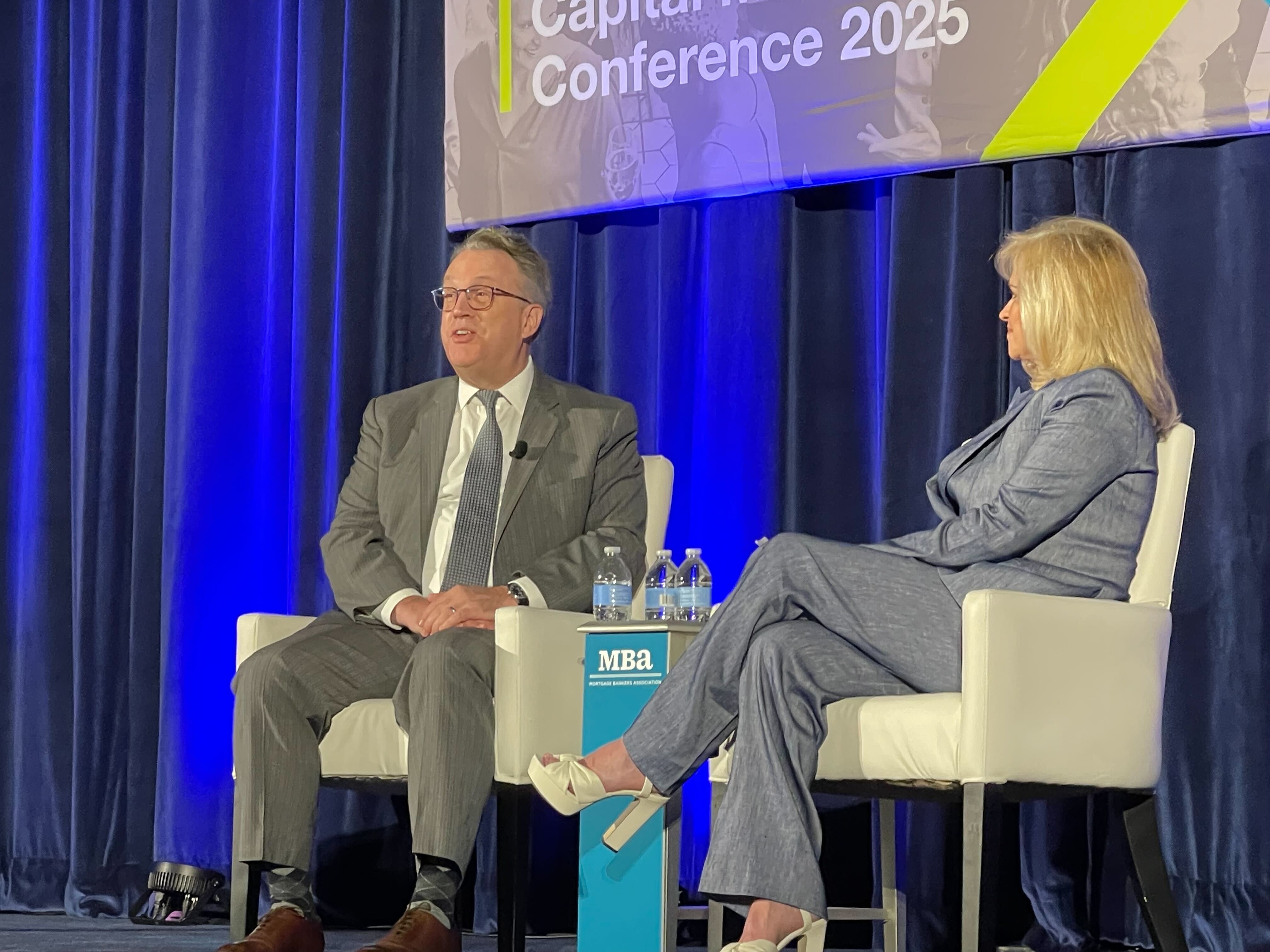
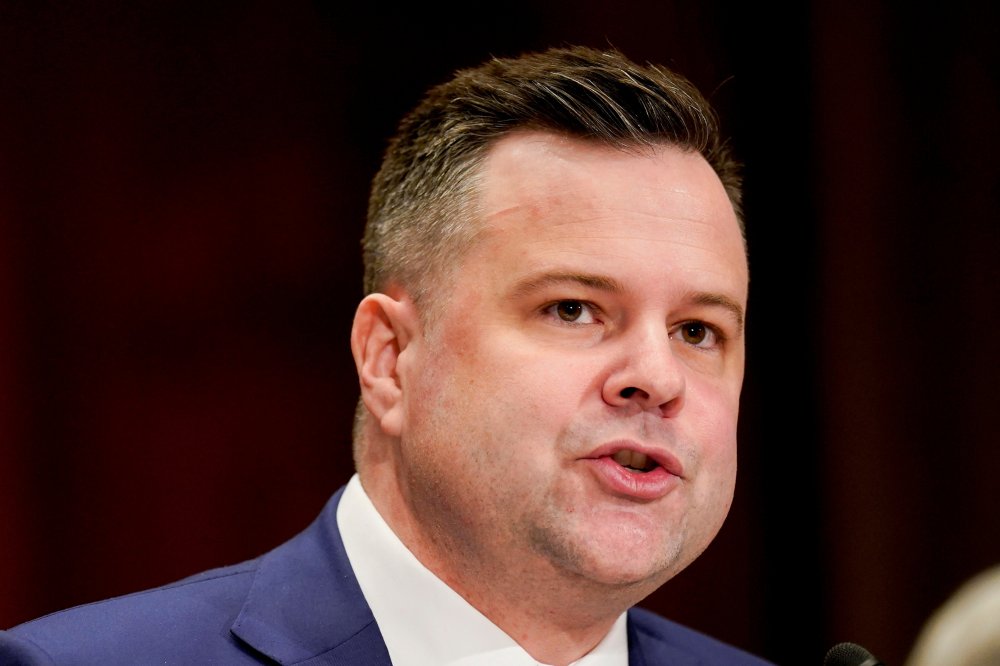
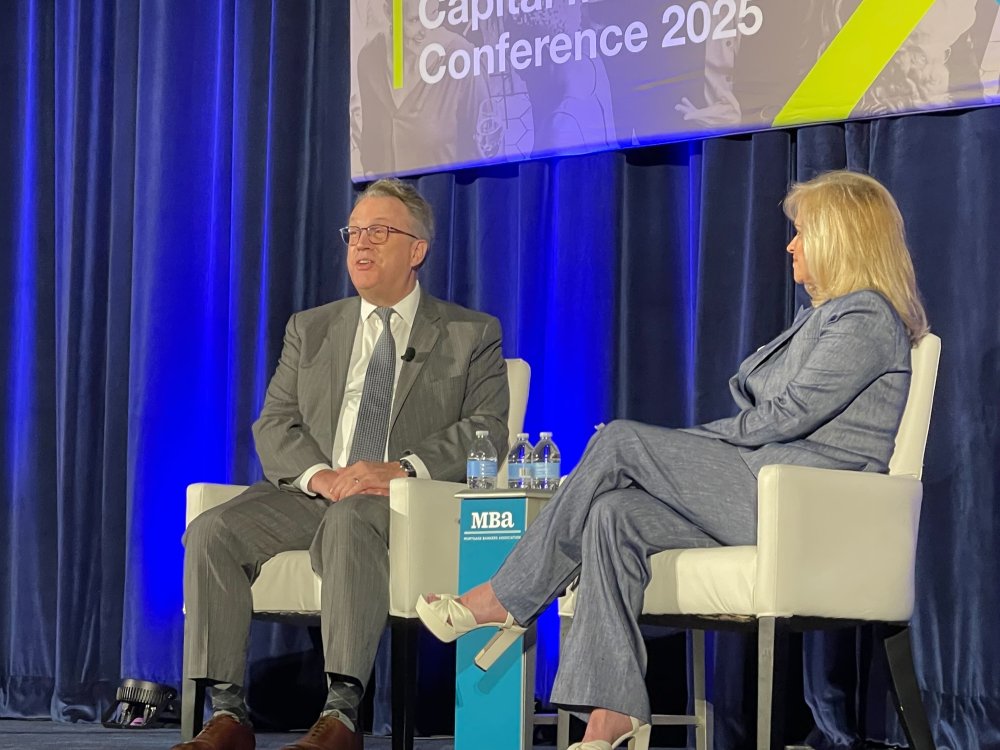
The Federal Housing Finance Agency chief also explained an alternate name he's used for the agency in his first speech at a Mortgage Bankers Association event. View the full article
-
Leaders of the government mortgage programs suggest they're back to business as usual following the The President administration's initial disruption. View the full article

-
Reports that prominent American national security officials used a freely available encrypted messaging app, coupled with the rise of authoritarian policies around the world, have led to a surge in interest in encrypted apps like Signal and WhatsApp. These apps prevent anyone, including the government and the app companies themselves, from reading messages they intercept. The spotlight on encrypted apps is also a reminder of the complex debate pitting government interests against individual liberties. Governments desire to monitor everyday communications for law enforcement, national security and sometimes darker purposes. On the other hand, citizens and businesses claim the right to enjoy private digital discussions in today’s online world. The positions governments take often are framed as a “war on encryption” by technology policy experts and civil liberties advocates. As a cybersecurity researcher, I’ve followed the debate for nearly 30 years and remain convinced that this is not a fight that governments can easily win. Understanding the ‘golden key’ Traditionally, strong encryption capabilities were considered military technologies crucial to national security and not available to the public. However, in 1991, computer scientist Phil Zimmermann released a new type of encryption software called Pretty Good Privacy (PGP). It was free, open-source software available on the internet that anyone could download. PGP allowed people to exchange email and files securely, accessible only to those with the shared decryption key, in ways similar to highly secured government systems. Following an investigation into Zimmermann, the U.S. government came to realize that technology develops faster than law and began to explore remedies. It also began to understand that once something is placed on the internet, neither laws nor policy can control its global availability. Fearing that terrorists or criminals might use such technology to plan attacks, arrange financing or recruit members, the Clinton administration advocated a system called the Clipper Chip, based on a concept of key escrow. The idea was to give a trusted third party access to the encryption system and the government could use that access when it demonstrated a law enforcement or national security need. Clipper was based on the idea of a “golden key,” namely, a way for those with good intentions – intelligence services, police – to access encrypted data, while keeping people with bad intentions – criminals, terrorists – out. Clipper Chip devices never gained traction outside the U.S. government, in part because its encryption algorithm was classified and couldn’t be publicly peer-reviewed. However, in the years since, governments around the world have continued to embrace the golden key concept as they grapple with the constant stream of technology developments reshaping how people access and share information. Following Edward Snowden’s disclosures about global surveillance of digital communications in 2013, Google and Apple took steps to make it virtually impossible for anyone but an authorized user to access data on a smartphone. Even a court order was ineffective, much to the chagrin of law enforcement. In Apple’s case, the company’s approach to privacy and security was tested in 2016 when the company refused to build a mechanism to help the FBI break into an encrypted iPhone owned by a suspect in the San Bernardino terrorist attack. At its core, encryption is, fundamentally, very complicated math. And while the golden key concept continues to hold allure for governments, it is mathematically difficult to achieve with an acceptable degree of trust. And even if it was viable, implementing it in practice makes the internet less safe. Security experts agree that any backdoor access, even if hidden or controlled by a trusted entity, is vulnerable to hacking. Competing justifications and tech realities Governments around the world continue to wrestle with the proliferation of strong encryption in messaging tools, social media and virtual private networks. For example, rather than embrace a technical golden key, a recent proposal in France would have provided the government the ability to add a hidden “ghost” participant to any encrypted chat for surveillance purposes. However, legislators removed this from the final proposal after civil liberties and cybersecurity experts warned that such an approach would undermine basic cybersecurity practices and trust in secure systems. In 2025, the U.K. government secretly ordered Apple to add a backdoor to its encryption services worldwide. Rather than comply, Apple removed the ability for its iPhone and iCloud customers in the U.K. to use its Advanced Data Protection encryption features. In this case, Apple chose to defend its users’ security in the face of government mandates, which ironically now means that users in the U.K. may be less secure. In the United States, provisions removed from the 2020 EARN IT bill would have forced companies to scan online messages and photos to guard against child exploitation by creating a golden-key-type hidden backdoor. Opponents viewed this as a stealth way of bypassing end-to-end encryption. The bill did not advance to a full vote when it was last reintroduced in the 2023-2024 legislative session. Opposing scanning for child sexual abuse material is a controversial concern when encryption is involved: Although Apple received significant public backlash over its plans to scan user devices for such material in ways that users claimed violated Apple’s privacy stance, victims of child abuse have sued the company for not better protecting children. Even privacy-centric Switzerland and the European Union are exploring ways of dealing with digital surveillance and privacy in an encrypted world. The laws of math and physics, not politics Governments usually claim that weakening encryption is necessary to fight crime and protect the nation – and there is a valid concern there. However, when that argument fails to win the day, they often turn to claiming to need backdoors to protect children from exploitation. From a cybersecurity perspective, it is nearly impossible to create a backdoor to a communications product that is only accessible for certain purposes or under certain conditions. If a passageway exists, it’s only a matter of time before it is exploited for nefarious purposes. In other words, creating what is essentially a software vulnerability to help the good guys will inevitably end up helping the bad guys, too. Often overlooked in this debate is that if encryption is weakened to improve surveillance for governmental purposes, it will drive criminals and terrorists further underground. Using different or homegrown technologies, they will still be able to exchange information in ways that governments can’t readily access. But everyone else’s digital security will be needlessly diminished. This lack of online privacy and security is especially dangerous for journalists, activists, domestic violence survivors and other at-risk communities around the world. Encryption obeys the laws of math and physics, not politics. Once invented, it can’t be un-invented, even if it frustrates governments. Along those lines, if governments are struggling with strong encryption now, how will they contend with a world when everyone is using significantly more complex techniques like quantum cryptography? Governments remain in an unenviable position regarding strong encryption. Ironically, one of the countermeasures the government recommended in response to China’s hacking of global telephone systems in the Salt Typhoon attacks was to use strong encryption in messaging apps such as Signal or iMessage. Reconciling that with their ongoing quest to weaken or restrict strong encryption for their own surveillance interests will be a difficult challenge to overcome. Richard Forno is a teaching professor of computer science and electrical engineering, and assistant director of the UMBC Cybersecurity Institute at the University of Maryland, Baltimore County. This article is republished from The Conversation under a Creative Commons license. Read the original article. View the full article

-
Rocket Companies and Redfin argue in court filings that a lawsuit seeking to delay their merger is motivated by the plaintiff's personal gain, not concern for investors. View the full article

-
Earlier this week, TikTok user CatGPT posted a video of a woman in line at a store seemingly scrolling on a completely transparent phone. The caption reads "I'm sorry, WTF IS THAT???" Check it out: The video quickly took off, with over 52 million people having viewed it on TikTok in only four days. So WTF is it? A techie casually breaking an NDA by openly rocking a prototype transparent phone? The new "Plex from Nokia" (as the top comment suggests)? A casual time-traveler caught in the act? The real story behind the "transparent phone"Sorry, it's none of the above. It's exactly what it looks like: a transparent piece of acrylic shaped like a phone. Specifically, it's a "Methaphone." The idea is that people who are dependent upon their devices might be placated by a phone-like slab. "If we're all so addicted to our phones," CatGPT says in a follow-up video, "then could you potentially curb somebody's addiction by replacing the feeling of having a phone in your pocket with something that feels exactly the same?" If you're thinking, "well, no," you're not alone. The general consensus is "this is dumb," and CatGPT herself confirms in her video: "Have I used my phone less in the entire week I've been carrying this around? Probably not." She goes on to say it's empowering anyway, and that the device is currently sold out. If you want your own Methaphone for some reason, here's the link, Will we ever have real transparent phones?Although CatGPT categorizes the views on her video as evidence that people feel alienated by their devices, I think the real reason it went viral is that people think a transparent phone would be pretty cool. It would have some interesting uses too, particularly in terms of augmented reality, but clear phones seem unlikely to be a thing any time soon. You can buy a transparent television already. The last CES featured more than one transparent display screen. Transparent batteries exist. Samsung has been registering patents related to transparent phones for at least the last decade. But bringing a transparent phone to market would mean making all the components transparent, which is probably impossible, and if it isn't, it would be very expensive: That glass TV is $60,000. Also, you'd lose it the first day and never find it again. How to replace your cellphone without paying $25If you're intrigued by the idea of replacing your handset with something that's like a handset, here are a few suggestions that are better than a Methaphone: An old cellphone: I'm sure you have some older handsets in your house that are permanently dark. Just carry that with you. A battery: Many charging batteries are roughly the size of a phone, and you can use them to charge your phone when you're done pretending you don't care about your phone. A notebook: When paired with a pen, a small notebook can be used for writing and drawing. A deck of cards: Unlike a Methaphone, cards have games built-in, both solo and multiplayer, and even have a built-in photo on the front. View the full article
-
IndexNow, an indexing protocol spearheaded by Microsoft Bing’s search team, announced that IndexNow helps with real-time indexing and structured data support. This allows you keep you your products and shopping ads up to date within Bing and the search engines that use the IndexNow protocol. Plus, Microsoft announced that Amazon and Shopify both are using IndexNow for their platforms. Shopping and IndexNow. Microsoft wrote, “by implementing IndexNow with the schema below, you can skip the need for a separate merchant feed, streamlining how your updates get discovered.” This helps you keep your price update, product stock levels, or new product launches up-to-date within Bing Search and other search engines that use IndexNow. Structured data. If you use structured product data such as schema.org/Product, along with IndexNow, your product data will be more up-to-date. Microsoft said this includes: Organic search results Shopping surfaces powered by search engines Select ad experiences that rely on indexed page content Which fields. Microsoft recommends you use the following fields in your structured data: dateModified title (name in JSON-LD) description price (list/retail price) link (product landing page URL) image link (image in JSON-LD) shipping (especially important for Germany and Austria) id (a unique identifier for the product) brand gtin mpn datePublished These are the optional fields: category (helps group products for search and shopping platforms) seller (recommended for marketplaces or resellers) itemCondition (e.g., NewCondition, UsedCondition) How to add support. Platforms like Shopify are built in to support this but if you have your own custom e-commerce platform, here is how to add support: Add structured data using schema.org to your product pages—this includes fields like price, availability, product name, and unique identifiers. Enable IndexNow if your CMS or platform doesn’t already support it. Amazon and Shopify with IndexNow. While Shopify sites have this built in, Microsoft also announced that Amazon also announced they support IndexNow. Microsoft said, “Amazon plans to begin adopting IndexNow in mid-June, enabling its systems to more efficiently detect changes across the web—helping reduce unnecessary crawling and keeping its infrastructure aligned with the most current content available.” Shopify currently supports IndexNow, but Amazon will be adding it soon. Why we care. If you run an e-commerce store and you want your products to update faster on Bing Search and other search engines that use IndexNow, this is an excellent way to help with that. Just add IndexNow to your site and submit product schema along with it. View the full article
-
Since President Donald The President excitedly announced that he would be accepting a US$400 million plane from the Qatari government to serve as the next Air Force One, even members of his own party have expressed alarm. There’s the price tag of refurbishing the plane with top-secret systems – upward of $1 billion, according to some estimates. Then there are the conflicts of interest from accepting such a large present from a foreign nation – what some say would be the most valuable gift ever given to the U.S. But it would also mark a striking departure from tradition. While they’re often variants of commercial planes, presidential planes have almost always been U.S. military aircraft, flown and maintained by the Air Force. The first White Houses in the sky I’m an aviation historian who once worked in the United States Air Force’s history program for three years, so I’m well-acquainted with the history of presidential aircraft. Franklin D. Roosevelt became the first president to fly while in office. In January 1943, he boarded the Navy-owned, civilian-operated Boeing Dixie Clipper – a sea plane – for a trip to Casablanca to meet with Allied leaders. The security measures needed to safely transport the president – especially during wartime – spurred the creation of the first custom-built aircraft for presidential use, a heavily modified VC-54 Skymaster. Though officially named “The Flying White House,” the new presidential aircraft became better known by its nickname, the “Sacred Cow.” President Harry Truman used the Sacred Cow as his presidential aircraft through much of his first term in office. In late 1947, the U.S. Air Force ordered a second custom-built presidential aircraft, a modified DC-6, which Truman named the Independence. During Dwight D. Eisenhower’s two terms, the president flew on two different planes operated by the Air Force: the Columbine II, which was a customized, military version of Lockheed’s commercial airliner the Constellation, and the Columbine III, which was a Super Constellation. Embracing the jet age In the 1960s, the use of jet engine technology in U.S. commercial aircraft revolutionized air travel, allowing planes to fly higher, farther and faster. Jet travel became associated with the glamorous and the elegant lifestyles of the “jet set” crowd. So it’s fitting that President John F. Kennedy – who was sometimes called the “the first celebrity president” – was the first White House occupant to fly in a jet, the Boeing 707. Kennedy’s aircraft was also the first painted in the distinctive light blue-and-white scheme that’s still used today. First lady Jacqueline Kennedy developed it with the help of industrial designer Raymond Loewy. It would go on to serve eight presidents before leaving the presidential fleet in 1990, when Boeing delivered the first of two modified Boeing 747s. These are the aircraft that continue to serve as the president’s primary plane. Boeing signed a contract to provide two new aircraft in 2017, during The President’s last term. In 2020, the company decided to refurbish two existing aircraft that were originally built for another customer. The refurbishment has been more cumbersome and expensive than building a new aircraft from scratch. But it’s the only option because Boeing closed its 747 assembly line in late 2022. A nickname sticks On a trip to Florida, the crew of Columbine II first used “Air Force One” as the plane’s call sign to clearly distinguish the plane from other air traffic. While the public has associated the name Air Force One with the modified Boeing 707s and 747s and their distinctive colors, any plane with the president aboard will carry that call sign. They include several smaller aircraft, also operated by the Air Force, such as the North American T-39 Sabreliner used to transport Lyndon B. Johnson to his ranch in Texas and the Lockheed VC-140B JetStars, the fleet of backup planes used by several presidents, which Johnson jokingly called “Air Force One Half.” A cultural and political symbol Air Force One has long served as a symbol of the power and prestige of the presidency. It became an indelible part of U.S. history in November 1963, when Johnson took his oath of office from Air Force One’s cabin while Kennedy’s body lay in rest in the back of the aircraft. Air Force One carried President Richard M. Nixon to China and the Soviet Union for historic diplomatic missions. But it also famously flew him from Andrews Air Force Base in Maryland to his home state, California, after he resigned from office. On that day, the plane took off as Air Force One. But it landed as SAM 27000, the plane’s call sign used when the president wasn’t on board. The President has been compared to Nixon in more ways than one. And The President’s complaint that Arab leaders have bigger and more impressive airplanes than the current Air Force One is reminiscent of Nixon’s own concerns of being outclassed on the world stage. When president, Nixon strongly advocated for American supersonic transport – a 270-passenger plane designed to be faster than the speed of sound – that he hoped could be modified to serve as a new Air Force One. He feared the failure to develop supersonic transport would relegate the U.S. to second-tier status, as other world leaders – particularly those from England, France and the USSR – traversed the globe in sleeker, better performing aircraft. The President’s concerns about Air Force One seem less focused on safety and security and more on size and opulence. His longing for a “palace in the sky” is befitting for a president drawn to soaring skyscrapers, lavish parades and gold ornamentation. Janet Bednarek is a professor of history at the University of Dayton. This article is republished from The Conversation under a Creative Commons license. Read the original article. View the full article

-
Anyone asking how to get to Sesame Street will have a new answer as of this morning: Just log on to Netflix. The industry leader in streaming, which topped 300 million global subscribers last December and reported revenue of $10.5 billion for the first quarter in 2025, just picked up Sesame Street ahead of its 56th season. That’s after HBO wound down its deal with the beloved children’s institution last December. Although financial details about Netflix’s new arrangement are not yet publicly available, HBO reportedly paid $30–$35 million annually for rights to the edutainment lodestar. Whatever price Netflix is paying to add the series to its robust slate of children’s programs, which includes Cocomelon, it’s likely a bargain, considering the intangibles. With this deal, Netflix created a lot more than just a new home for Big Bird, Cookie Monster and the rest of the gang; by allowing the embattled PBS network to freely air new episodes as they roll out, Netflix just elegantly orchestrated the feel-good corporate PR coup of the year. We are excited to announce that all new Sesame Street episodes are coming to @netflix worldwide along with library episodes, and new episodes will also release the same day on @PBS Stations and @PBSKIDS platforms in the US, preserving a 50+ year relationship. The support of… pic.twitter.com/B76MxQzrpI — Sesame Street (@sesamestreet) May 19, 2025 Sesame Workshop, the nonprofit that produces Sesame Street, has faced rough headwinds in recent months. After losing its lucrative contract with HBO last December, amid a pronounced reduction in children’s programming on the network, the fate of the show was uncertain. Making matters worse, The President recently moved to cut federal funding to PBS, which has aired Sesame Street for over half a century–and only did so after his administration’s cuts to the U. S. Agency for International Development abruptly deprived Sesame Workshop of valuable grants. The venerable children’s show needed a champion, and into the void stepped the entertainment company whose branding is the color of Elmo. “I strongly believe that our educational programming for children is one of the most important aspects of our service to the American people, and Sesame Street has been an integral part of that critical work for more than half a century,” said Paula Kerger, president and CEO of PBS, in a statement. “We’re proud to continue our partnership in the pursuit of having a profound impact on the lives of children for years to come.” The new deal will involve a mild cosmetic overhaul. According to The Washington Post, Sesame Street had intended to start a new format of two 11-minute stories, along with a new five-minute animated segment called “Tales from 123,” but the show will now instead feature a single 11-minute story, followed by “Tales from 123,” and then some revived fan favorites such as “Elmo’s World.” The most profound change in the new deal, though, will have nothing to do with the content, but in how it’s delivered. When HBO began airing episodes of Sesame Street in 2016, the show continued to run on PBS, but new episodes only reached the public channel nine months later. This arrangement continued after 2020, when the show transitioned to HBO Max, and remained in place until HBO announced its intention to drop the show last December. In contrast, Netflix’s deal ensures that new episodes will be available on PBS stations and PBS KIDS digital platforms the day they’re released, honoring the creators’ commitment to free, fun educational material for children. “This unique public-private partnership will enable Sesame Workshop to bring our research-based curriculum to young children around the world with Netflix’s global reach, while ensuring children in communities across the U.S. continue to have free access on public television to the Sesame Street they love,” Sesame Workshop CEO Sherri Westin added in the announcement. What makes the deal such a savvy PR move is that it’s a win for the company on several levels. Not only does it provide a sharp contrast between Netflix and the once and future HBO Max, and what might be considered a subtle rebuke to this administration’s attack on publicly funded channels, it also offers a counterpoint to some recent perceptions of Netflix. Over the past couple years, Netflix has made some moves that helped foster an image of the company as more profit-focused and less consumer-friendly. Between the crackdown on password-sharing, multiple price hikes, and sunsetting of the popular Basic ad-free plan, pushing users toward either higher-priced tiers or an ad-based option, the company seemed driven by a shrewd quest to leave no money on the table, no matter who got left behind. By ensuring that American families will be able to access new episodes of Sesame Street for free for the first time in a decade, however, Netflix has demonstrated it has more on its mind than the bottom line. It’s the kind of message that resonates with would-be subscribers, and it should go a long way toward keeping the clouds away from Netflix’s reputation for some time. View the full article

-
Despite data pointing to overall health, concerns about the direction of the economy are raised among consumers, businesses and investors alike, the Fed governor said. View the full article
-
Key Takeaways Understand the Demographic: Grandparents significantly influence holiday gift-giving and family traditions, making them a vital target for holiday marketing efforts. Recognize Their Buying Power: A large portion of holiday spending is attributed to grandparents, highlighting the importance of tailoring marketing campaigns to resonate with their needs and preferences. Emphasize Connection: Effective marketing strategies should focus on products and experiences that foster meaningful connections between grandparents and their grandchildren, such as personalized gifts and shared experiences. Utilize Effective Channels: Engage with grandparents through popular social media platforms like Facebook, as well as traditional marketing methods such as print advertising and community events to enhance outreach. Implement Engaging Content: Create visually appealing and interactive content, including videos and social media posts, that encourages grandparents to share their holiday experiences and stories. Learn from Success Stories: Analyze successful campaigns from family-oriented brands and experiential service providers to derive inspiration for developing your marketing strategies targeting this demographic. As the holiday season approaches, it’s time to think about a unique and often overlooked demographic—grandparents. This group plays a crucial role in family traditions and gift-giving, making them a key target for your holiday marketing efforts. By understanding their preferences and needs, you can create campaigns that resonate deeply and drive engagement. Grandparents often seek meaningful ways to connect with their grandchildren, whether through thoughtful gifts or shared experiences. Tapping into their desire for connection not only boosts your sales but also fosters lasting relationships. Let’s explore effective strategies to capture their attention and make your brand a go-to choice this holiday season. Understanding Holiday Marketing Targeting Grandparents Grandparents play a crucial role in holiday traditions, influencing family dynamics and gift-giving patterns. Targeting this demographic can enhance your marketing strategies and drive sales for your small business. Importance of This Demographic Understanding the buying power of grandparents is essential for retail businesses. Grandparents often purchase gifts for their grandchildren, making them key players in holiday spending. In fact, a significant percentage of household expenditures during the holiday season comes from this group. By recognizing their influence, your marketing campaigns can focus on meaningful products that facilitate family connections and enhance their experiences. Key Trends in Grandparent Involvement Analyzing current trends reveals how grandparents enhance family traditions. Many grandparents seek to create lasting memories and choose gifts that promote togetherness. Popular items include experiential gifts like outings, educational products, and technology that helps them communicate with their grandchildren. Furthermore, social media’s growth allows grandparents to stay connected with family, influencing their purchasing decisions. Recognizing these trends enables you to tailor your offerings and messaging effectively, ensuring you meet this demographic’s unique needs. Effective Strategies for Holiday Marketing Targeting grandparents during the holiday season involves strategic marketing that resonates with their values and preferences. Implementing these strategies can enhance your retail business’s outreach and connection with this pivotal demographic. Personalized Messaging Personalized messaging creates strong emotional bonds. Tailor your marketing materials by addressing grandparents directly, highlighting their unique role in family traditions. Use phrases like “Gifts for your grandkids” to make your promotions relatable. Consider incorporating names, family stories, or experiences to strengthen connections. Utilize email campaigns to deliver personalized recommendations based on past purchases, enhancing the likelihood of engagement. Engaging Content Formats Engaging content formats capture attention and inspire action. Use visually appealing videos showcasing products in use with grandchildren, demonstrating joy and connection. Create social media posts that encourage sharing experiences or traditions related to your offerings. Offer blog posts or newsletters that provide gift ideas, activity suggestions, or special family moments. Interactive formats, such as polls or contests, encourage participation and enhance community engagement, allowing grandparents to share their unique holiday experiences. Channels for Reaching Grandparents Connecting with grandparents through effective marketing channels enhances your holiday campaigns. Understanding where they engage online and offline can significantly boost your outreach efforts. Social Media Platforms Utilize social media platforms where grandparents frequently participate. Facebook leads as the primary platform for older adults, making it ideal for connecting with this demographic. Utilize targeted ads and engaging content that resonates with their familial connections. Share heartwarming stories or testimonials that grandparents can relate to, encouraging them to engage and share with their networks. Instagram also offers an opportunity to showcase visually appealing products. You can create nostalgic posts that evoke warmth and family traditions, prompting grandparents to consider your offerings for holiday gifting. Traditional Marketing Methods Incorporate traditional marketing methods to effectively reach grandparents who may prefer offline engagement. Print advertising in local newspapers or community newsletters can effectively capture attention. Consider direct mail campaigns featuring special offers tailored to grandparents and their families. Hosting events or workshops at local retail businesses can create a community-focused experience, allowing you to interact directly and form relationships. Engage with local senior centers or organizations to share information about your offerings, fostering a sense of trust and community involvement. Case Studies on Successful Campaigns Examining successful campaigns targeting grandparents can provide valuable insights for small businesses. These cases reveal how to effectively connect with this demographic during the holiday season. Example 1: Family-Oriented Brands Family-oriented brands like Hallmark excel in marketing to grandparents. Their campaigns emphasize the emotional connection between grandparents and grandchildren. Hallmark uses personalized greeting cards and gift options that allow grandparents to share memories. For instance, they promoted customized photo gifts that highlight family experiences. This strategy resonates with grandparents’ desire to maintain strong family ties and foster traditions. Small businesses can adopt similar approaches, offering personalized products that evoke emotions and create lasting memories. Example 2: Travel and Adventure Services Travel and adventure services successfully engage grandparents seeking experiences with their grandchildren. Companies like Road Scholar provide educational travel programs designed for multigenerational families. Their marketing focuses on creating unforgettable adventures that bring families closer. For example, they offer trips that allow grandparents to explore new cultures alongside their grandchildren. This approach appeals to grandparents’ increasing interest in experiential gifts. Small businesses in the travel sector can leverage this trend, promoting unique adventure packages that encourage bonding between grandparents and grandchildren. Conclusion Targeting grandparents in your holiday marketing can open up new avenues for connection and sales. By understanding their unique role in family traditions and their preferences for meaningful gifts, you can craft campaigns that resonate deeply. Utilizing personalized messaging and engaging content formats will strengthen your bond with this demographic. Remember to leverage both online and offline channels to reach them effectively. As you implement these strategies, you’ll not only boost your holiday sales but also create lasting relationships that extend beyond the season. Embrace the opportunity to celebrate the special bond between grandparents and their grandchildren, and watch your business flourish. Frequently Asked Questions Why should businesses target grandparents in holiday marketing? Targeting grandparents in holiday marketing is crucial because they play a significant role in gift-giving and family traditions. Their purchasing power for gifts, especially for grandchildren, can significantly impact sales. Understanding their preferences helps create effective campaigns that resonate emotionally and drive engagement. What do grandparents typically prefer when buying gifts? Grandparents often prefer experiential gifts, like trips or activities, that foster connections with their grandchildren. They also value meaningful, personalized items that reflect family relationships and traditions. These preferences can guide businesses in developing appealing products and marketing strategies. How can businesses effectively reach grandparents? Businesses can reach grandparents by utilizing targeted marketing strategies, such as personalized messaging and relatable content. Engaging formats like videos, social media posts, and community events can create emotional connections. It’s essential to know where they spend their time online, particularly on platforms like Facebook and Instagram. What types of marketing channels work best for grandparents? Effective marketing channels for grandparents include social media platforms like Facebook for targeted ads, Instagram for visual products, and traditional methods like print advertising. Direct mail campaigns and community events also help in building trust and relationships with this demographic. Can you share examples of successful marketing campaigns targeting grandparents? Yes! Notable examples include Hallmark, which focuses on personalized greeting cards and gifts that highlight emotional connections. Similarly, travel services like Road Scholar offer educational adventures for multigenerational families, showcasing how brands can connect meaningfully with grandparents and enhance their holiday experiences. Image Via Envato This article, "Transform Your Holiday Marketing to Engage Grandparents and Boost Sales" was first published on Small Business Trends View the full article
-
Key Takeaways Understand the Demographic: Grandparents significantly influence holiday gift-giving and family traditions, making them a vital target for holiday marketing efforts. Recognize Their Buying Power: A large portion of holiday spending is attributed to grandparents, highlighting the importance of tailoring marketing campaigns to resonate with their needs and preferences. Emphasize Connection: Effective marketing strategies should focus on products and experiences that foster meaningful connections between grandparents and their grandchildren, such as personalized gifts and shared experiences. Utilize Effective Channels: Engage with grandparents through popular social media platforms like Facebook, as well as traditional marketing methods such as print advertising and community events to enhance outreach. Implement Engaging Content: Create visually appealing and interactive content, including videos and social media posts, that encourages grandparents to share their holiday experiences and stories. Learn from Success Stories: Analyze successful campaigns from family-oriented brands and experiential service providers to derive inspiration for developing your marketing strategies targeting this demographic. As the holiday season approaches, it’s time to think about a unique and often overlooked demographic—grandparents. This group plays a crucial role in family traditions and gift-giving, making them a key target for your holiday marketing efforts. By understanding their preferences and needs, you can create campaigns that resonate deeply and drive engagement. Grandparents often seek meaningful ways to connect with their grandchildren, whether through thoughtful gifts or shared experiences. Tapping into their desire for connection not only boosts your sales but also fosters lasting relationships. Let’s explore effective strategies to capture their attention and make your brand a go-to choice this holiday season. Understanding Holiday Marketing Targeting Grandparents Grandparents play a crucial role in holiday traditions, influencing family dynamics and gift-giving patterns. Targeting this demographic can enhance your marketing strategies and drive sales for your small business. Importance of This Demographic Understanding the buying power of grandparents is essential for retail businesses. Grandparents often purchase gifts for their grandchildren, making them key players in holiday spending. In fact, a significant percentage of household expenditures during the holiday season comes from this group. By recognizing their influence, your marketing campaigns can focus on meaningful products that facilitate family connections and enhance their experiences. Key Trends in Grandparent Involvement Analyzing current trends reveals how grandparents enhance family traditions. Many grandparents seek to create lasting memories and choose gifts that promote togetherness. Popular items include experiential gifts like outings, educational products, and technology that helps them communicate with their grandchildren. Furthermore, social media’s growth allows grandparents to stay connected with family, influencing their purchasing decisions. Recognizing these trends enables you to tailor your offerings and messaging effectively, ensuring you meet this demographic’s unique needs. Effective Strategies for Holiday Marketing Targeting grandparents during the holiday season involves strategic marketing that resonates with their values and preferences. Implementing these strategies can enhance your retail business’s outreach and connection with this pivotal demographic. Personalized Messaging Personalized messaging creates strong emotional bonds. Tailor your marketing materials by addressing grandparents directly, highlighting their unique role in family traditions. Use phrases like “Gifts for your grandkids” to make your promotions relatable. Consider incorporating names, family stories, or experiences to strengthen connections. Utilize email campaigns to deliver personalized recommendations based on past purchases, enhancing the likelihood of engagement. Engaging Content Formats Engaging content formats capture attention and inspire action. Use visually appealing videos showcasing products in use with grandchildren, demonstrating joy and connection. Create social media posts that encourage sharing experiences or traditions related to your offerings. Offer blog posts or newsletters that provide gift ideas, activity suggestions, or special family moments. Interactive formats, such as polls or contests, encourage participation and enhance community engagement, allowing grandparents to share their unique holiday experiences. Channels for Reaching Grandparents Connecting with grandparents through effective marketing channels enhances your holiday campaigns. Understanding where they engage online and offline can significantly boost your outreach efforts. Social Media Platforms Utilize social media platforms where grandparents frequently participate. Facebook leads as the primary platform for older adults, making it ideal for connecting with this demographic. Utilize targeted ads and engaging content that resonates with their familial connections. Share heartwarming stories or testimonials that grandparents can relate to, encouraging them to engage and share with their networks. Instagram also offers an opportunity to showcase visually appealing products. You can create nostalgic posts that evoke warmth and family traditions, prompting grandparents to consider your offerings for holiday gifting. Traditional Marketing Methods Incorporate traditional marketing methods to effectively reach grandparents who may prefer offline engagement. Print advertising in local newspapers or community newsletters can effectively capture attention. Consider direct mail campaigns featuring special offers tailored to grandparents and their families. Hosting events or workshops at local retail businesses can create a community-focused experience, allowing you to interact directly and form relationships. Engage with local senior centers or organizations to share information about your offerings, fostering a sense of trust and community involvement. Case Studies on Successful Campaigns Examining successful campaigns targeting grandparents can provide valuable insights for small businesses. These cases reveal how to effectively connect with this demographic during the holiday season. Example 1: Family-Oriented Brands Family-oriented brands like Hallmark excel in marketing to grandparents. Their campaigns emphasize the emotional connection between grandparents and grandchildren. Hallmark uses personalized greeting cards and gift options that allow grandparents to share memories. For instance, they promoted customized photo gifts that highlight family experiences. This strategy resonates with grandparents’ desire to maintain strong family ties and foster traditions. Small businesses can adopt similar approaches, offering personalized products that evoke emotions and create lasting memories. Example 2: Travel and Adventure Services Travel and adventure services successfully engage grandparents seeking experiences with their grandchildren. Companies like Road Scholar provide educational travel programs designed for multigenerational families. Their marketing focuses on creating unforgettable adventures that bring families closer. For example, they offer trips that allow grandparents to explore new cultures alongside their grandchildren. This approach appeals to grandparents’ increasing interest in experiential gifts. Small businesses in the travel sector can leverage this trend, promoting unique adventure packages that encourage bonding between grandparents and grandchildren. Conclusion Targeting grandparents in your holiday marketing can open up new avenues for connection and sales. By understanding their unique role in family traditions and their preferences for meaningful gifts, you can craft campaigns that resonate deeply. Utilizing personalized messaging and engaging content formats will strengthen your bond with this demographic. Remember to leverage both online and offline channels to reach them effectively. As you implement these strategies, you’ll not only boost your holiday sales but also create lasting relationships that extend beyond the season. Embrace the opportunity to celebrate the special bond between grandparents and their grandchildren, and watch your business flourish. Frequently Asked Questions Why should businesses target grandparents in holiday marketing? Targeting grandparents in holiday marketing is crucial because they play a significant role in gift-giving and family traditions. Their purchasing power for gifts, especially for grandchildren, can significantly impact sales. Understanding their preferences helps create effective campaigns that resonate emotionally and drive engagement. What do grandparents typically prefer when buying gifts? Grandparents often prefer experiential gifts, like trips or activities, that foster connections with their grandchildren. They also value meaningful, personalized items that reflect family relationships and traditions. These preferences can guide businesses in developing appealing products and marketing strategies. How can businesses effectively reach grandparents? Businesses can reach grandparents by utilizing targeted marketing strategies, such as personalized messaging and relatable content. Engaging formats like videos, social media posts, and community events can create emotional connections. It’s essential to know where they spend their time online, particularly on platforms like Facebook and Instagram. What types of marketing channels work best for grandparents? Effective marketing channels for grandparents include social media platforms like Facebook for targeted ads, Instagram for visual products, and traditional methods like print advertising. Direct mail campaigns and community events also help in building trust and relationships with this demographic. Can you share examples of successful marketing campaigns targeting grandparents? Yes! Notable examples include Hallmark, which focuses on personalized greeting cards and gifts that highlight emotional connections. Similarly, travel services like Road Scholar offer educational adventures for multigenerational families, showcasing how brands can connect meaningfully with grandparents and enhance their holiday experiences. Image Via Envato This article, "Transform Your Holiday Marketing to Engage Grandparents and Boost Sales" was first published on Small Business Trends View the full article
-
If you get a text or voice message from someone claiming to be a U.S. government official, they probably aren't who they say they are. The FBI is warning the public about an ongoing campaign in which scammers are using AI-generated voice messages to impersonate senior government staff in an attempt to gain access to personal accounts and, by extension, sensitive information or money. Many of those targeted have been other current and former government officials—both federal and state—and their contacts, but that doesn't mean this scam or something like it won't land in your inbox or on your phone sooner or later. Here's how these AI-powered attacks work, and how to avoid falling victim. How the AI impersonation scam worksThe current scam can take the form of smishing, which targets individuals via SMS or MMS, or vishing, which uses voice memos. Either way, bad actors are sending AI-generated voice messages and/or texts that appear to be from senior U.S. government officials. The goal is to build trust before directing targets to a separate messaging platform via a malicious link, which ultimately ends with you entering login credentials or downloading malware to your device. Scammers may also use the information gathered to target additional contacts, perpetuating the campaign. These scams are believable on some level thanks to voice cloning and generative AI tools that allow anyone to easily impersonate public figures. Bad actors can also spoof phone numbers so that messages in smishing schemes appear to be from family, friends, or trusted contacts. How to spot fake vishing messagesWhile AI-generated speech can be convincing, there are ways to identify these messages as fake. Listen for pronunciation and pacing that sound off as well as the presence (or lack) of emotion and variation in the speaker's voice—for example, AI tends to sound slightly flatter and have less inflection than a real human, and you may detect odd pauses. Of course, you should be wary of any communication—voice or otherwise—from anyone claiming to represent an organization, including a government agency, especially if they send unsolicited links, request money or personal information, or promote a sense of urgency. If you do receive a message that sounds convincing, verify the caller's identity by searching for official contact information and calling back, or hang up and reach out directly if it's someone you know. You should always independently confirm any request to send money or provide information, and never click links or download attachments sent via email or text. The FBI also suggests selecting a secret word or phrase with your close contacts that you can use to verify their identities from AI. View the full article
-
Half a century after the Apollo astronauts left the last bootprints in lunar dust, the Moon has once again become a destination of fierce ambition and delicate engineering. This time, it’s not just superpowers racing to plant flags, but also private companies, multinational partnerships and robotic scouts aiming to unlock the Moon’s secrets and lay the groundwork for future human return. So far in 2025, lunar exploration has surged forward. Several notable missions have launched toward or landed on the Moon. Each has navigated the long journey through space and the even trickier descent to the Moon’s surface or into orbit with varying degrees of success. Together, these missions reflect both the promise and difficulty of returning to the Moon in this new space race defined by innovation, competition and collaboration. As an aerospace engineer specializing in guidance, navigation and control technologies, I’m deeply interested in how each mission – whether successful or not – adds to scientists’ collective understanding. These missions can help engineers learn to navigate the complexities of space, operate in hostile lunar environments and steadily advance toward a sustainable human presence on the Moon. Why is landing on the Moon so hard? Lunar exploration remains one of the most technically demanding frontiers in modern spaceflight. Choosing a landing site involves complex trade-offs between scientific interest, terrain safety and Sun exposure. The lunar south pole is an especially attractive area, as it could contain water in the form of ice in shadowed craters, a critical resource for future missions. Other sites may hold clues about volcanic activity on the Moon or the solar system’s early history. Each mission trajectory must be calculated with precision to make sure the craft arrives and descends at the right time and place. Engineers must account for the Moon’s constantly changing position in its orbit around Earth, the timing of launch windows and the gravitational forces acting on the spacecraft throughout its journey. They also need to carefully plan the spacecraft’s path so that it arrives at the right angle and speed for a safe approach. Even small miscalculations early on can lead to major errors in landing location – or a missed opportunity entirely. Once on the surface, the landers need to survive extreme swings in temperature – from highs over 250 degrees Fahrenheit (121 degrees Celsius) in daylight down to lows of -208 F (-133 C) at night – as well as dust, radiation and delayed communication with Earth. The spacecraft’s power systems, heat control, landing legs and communication links must all function perfectly. Meanwhile, these landers must avoid hazardous terrain and rely on sunlight to power their instruments and recharge their batteries. These challenges help explain why many landers have crashed or experienced partial failures, even though the technology has come a long way since the Apollo era. Commercial companies face the same technical hurdles as government agencies but often with tighter budgets, smaller teams and less heritage hardware. Unlike government missions, which can draw on decades of institutional experience and infrastructure, many commercial lunar efforts are navigating these challenges for the first time. Successful landings and hard lessons for CLPS Several lunar missions launched this year belong to NASA’s Commercial Lunar Payload Services program. CLPS is an initiative that contracts private companies to deliver science and technology payloads to the Moon. Its aim is to accelerate exploration while lowering costs and encouraging commercial innovation. The first Moon mission of 2025, Firefly Aerospace’s Blue Ghost Mission 1, launched in January and successfully landed in early March. The lander survived the harsh lunar day and transmitted data for nearly two weeks before losing power during the freezing lunar night – a typical operational limit for most unheated lunar landers. Blue Ghost demonstrated how commercial landers can shoulder critical parts of NASA’s Artemis program, which aims to return astronauts to the Moon later this decade. The second CLPS launch of the year, Intuitive Machines’ IM-2 mission, launched in late February. It targeted a scientifically intriguing site near the Moon’s south pole region. The Nova-C lander, named Athena, touched down on March 6 close to the south pole. However, during the landing process, Athena tipped over. Since it landed on its side in a crater with uneven terrain, it couldn’t deploy its solar panels to generate power, which ended the mission early. While Athena’s tipped-over landing meant it couldn’t do all the scientific explorations it had planned, the data it returned is still valuable for understanding how future landers can avoid similar fates on the rugged polar terrain. Not all lunar missions need to land. NASA’s Lunar Trailblazer, a small lunar orbiter launched in February alongside IM-2, was intended to orbit the Moon and map the form, abundance and distribution of water in the form of ice, especially in shadowed craters near the poles. Shortly after launch, however, NASA lost contact with the spacecraft. Engineers suspect the spacecraft may have experienced a power issue, potentially leaving its batteries depleted. NASA is continuing recovery efforts, hoping that the spacecraft’s solar panels may recharge in May and June. Ongoing and future missions Launched on the same day as the Blue Ghost mission in January, Japanese company ispace’s Hakuto-R Mission 2 (Resilience) is on its way to the Moon and has successfully entered lunar orbit. The lander carried out a successful flyby of the Moon on Feb. 15, with an expected landing in early June. Although launched at the same time, Resilience took a longer trajectory than Blue Ghost to save energy. This maneuver also allowed the spacecraft to collect bonus science observations while looping around the Moon. The mission, if successful, will advance Japan’s commercial space sector and prove an important comeback for ispace after its first lunar lander crashed during its final descent in 2023. The rest of 2025 promises a busy lunar calendar. Intuitive Machines plans to launch IM-3 in late 2025 to test more advanced instruments and potentially deliver NASA scientific experiments to the Moon. The European Space Agency’s Lunar Pathfinder will establish a dedicated lunar communications satellite, making it easier for future missions, especially those operating on the far side or poles, to stay in touch with Earth. Meanwhile, Astrobotic’s Griffin Mission-1 is scheduled to deliver NASA’s VIPER rover to the Moon’s south pole, where it will directly search for ice beneath the surface. Together, these missions represent an increasingly international and commercial approach to lunar science and exploration. As the world turns its attention to the Moon, every mission – whether triumph or setback – brings humanity closer to a permanent return to our closest celestial neighbor. Zhenbo Wang is an associate professor of mechanical and aerospace engineering at the University of Tennessee. This article is republished from The Conversation under a Creative Commons license. Read the original article. View the full article

-
President Donald The President signed the TAKE IT DOWN Act into law on Monday, strengthening federal protections for victims of revenge porn and AI-generated sexual images. The bill, introduced by Sen. Ted Cruz and Sen. Amy Klobuchar, makes it illegal to “knowingly publish” or threaten to share nonconsensual intimate imagery—whether real or generated by artificial intelligence—without the person’s consent. It also requires tech platforms to remove such images within 48 hours of being notified and to take steps to eliminate duplicate content. Previously, federal law only banned the creation or distribution of realistic, AI-generated explicit images of children, while protections for adults varied by state. As a result, laws differed in how the crime was classified and penalized, leading to inconsistent criminal prosecutions. Some victims also struggled to have images taken down from websites. This legislation, which garnered overwhelming bipartisan support, marks the first federal law aimed at protecting adult victims. Now, people who post such content and are convicted could face penalties and prison time. The Federal Trade Commission could also sue tech companies for not complying with the law, Axios reports. “We must provide victims of online abuse with the legal protections they need when intimate images are shared without their consent, especially now that deepfakes are creating horrifying new opportunities for abuse,” Klobuchar said in a statement after the bill passed in Congress. “These images can ruin lives and reputations, but now that our bipartisan legislation is becoming law, victims will be able to have this material removed from social media platforms and law enforcement can hold perpetrators accountable.” Tech giants have expressed broad support for the bill. Meta, which owns Instagram and Facebook, joined Snap, Google, Microsoft, TikTok, X, Amazon, Bumble, and Match Group in backing the legislation. “Having an intimate image—real or AI-generated—shared without consent can be devastating and Meta developed and backs many efforts to help prevent it,” Meta spokesman Andy Stone said in a statement in March. First Lady Melania The President has also championed the TAKE IT DOWN Act, lobbying lawmakers and speaking with teenage victims. She appeared alongside The President at the bill’s signing. “It’s heartbreaking to witness young teens, especially girls, grappling with the overwhelming challenges posed by malicious online content like deepfakes,” the First Lady said in March. “Every young person deserves a safe online space to express themselves free without the looming threat of exploitation or harm.” View the full article
-
We may earn a commission from links on this page. I used to regularly read more than 125 books a year, each meticulously logged on my Goodreads profile. I read during my commute and to wind down at night. I always had a paperback in my bag or an audiobook in my ears. Then I got a smartphone. Then I got on Twitter. Then the 2016 presidential election happened. Then there was a pandemic, and for a while I stopped commuting altogether. With every year, it seemed like there were more things to spiral about online, and less hours in the day to relax with a novel or read some stimulating non-fiction. Suddenly I found it hard to meet my much more modest reading goals, which dropped to 75, then 50, then 30 books a year. In 2023 and 2024, I set my sights on finishing just 20 books (including graphic novels and stuff I read aloud to my kids). I still had to cram at the end of the year to manage even that comparatively sluggish pace. But things are different in 2025. It's May, and I've already met my 20-book reading goal (which I'll soon be increasing), and I owe it all to my Boox Palma 2, a phone-shaped e-reader I can easily carry with m3 wherever I go. Boox Palma 2 E-Reader $299.99 at Amazon /images/amazon-prime.svg Shop Now Shop Now $299.99 at Amazon /images/amazon-prime.svg A device so good it has a cult followingAs I noted in my review of the Boox Palma—the now discontinued, nearly identical predecessor to the Palma 2—it's one of the most lovable electronic devices I have ever owned. It's a near perfect marriage of form (the easy-on-the-eyes e-ink screen popularized by Amazon's Kindle, a compact size) and function—with an open Android operating system and access to the Google Play store, you can use it to run reading apps from a variety of retailers, listen to audiobooks with Bluetooth headphones, or get a little work done on productivity apps like Gmail and Google Docs. At a time when increasing numbers of people are opting to make the switch to a "dumb phone" to escape the pull of their screen addictions, the Palma occupies a rather unique spot in the market: While it can do a great deal more than your standard Kindle, it still feels clunky and slow in comparison to your smartphone, but in the best way. It doesn't have a cellular connection, so if you aren't on wifi, you'll be unable to use the internet or update your social feeds. The black and white display means using it is soothing instead of stimulating, while still scratching that "gotta pull out my device" itch. Its quirky qualities have garnered it a cult following of sorts (ironically, adherents gather to discuss the device on Reddit and TikTok, two places to avoid if you want to get any reading done). The perfect form factorLeaving aside all the things social media and app developers do to make their products addictive, I struggle with regulating my phone use for the sole reason that my phone is always with me. It's how I keep in touch with my spouse and kids and it has effectively replaced my wallet, therefore it must be in my pocket at all times and hey, I might as well pull it out at every idle moment to check my notifications. Yes, I could carry a book or a standard-sized e-reader to look at instead, but that requires carrying a bag of some kind (or large pockets), and it's hard to beat the convenience of something you can shove into any pair of jeans. Well, the Palma 2 can be shoved into any pair of jeans. It has basically the identical form factor to a most smartphones, and can even occupy the same pocket as my iPhone 14. This means that when I'm standing in line at the post office, or waiting for the train, or trying to maintain my balance on the train, I can effortlessly pull out my e-reader instead of my phone, and absorb a few pages rather than frantically trying to refresh my Bluesky feed at subway stops. Slow and kinda clunky (in a good way)If the Palma 2 can access the Google Play store, what's to keep you from loading it up with all of the apps that already make your smartphone so addictive? Nothing! Go for it—stick Bluesky on there. Add Facebook and Instagram if you've yet to flee Meta's ecosystem. You can even load up video-based apps like YouTube and Netflix and time-wasting games like Subway Surfers. If you do, though, you'll quickly find that none of them are that enjoyable to use. Though Boox readers' e-ink displays employ variable refresh rate tech that makes them infinitely faster than early generation Kindles (where you could pause for a heartbeat between pressing a key on the virtual keyboard and actually seeing the text appear on the screen), even in the fastest modes they are only a fraction as responsive as a phone or tablet's LED screen. So while you certainly can use your Palma 2 to scroll social media or watch a few TikToks, you won't particularly want to, because it's kind of bad at them, but in a way I love: The device is optimized for reading text or comics (particularly black and white manga), and it presents that material so well, and so conveniently, that I want to carry it around with me everywhere so I can read on it all the time. So far, it's going well: As I said, I've already hit my 20-book reading goal for the year. In the meantime, if you're looking for a series you can binge to get you out of a doomscrolling funk, I recommend the Dungeon Crawler Carl series by Matt Dinniman. After picking up the first one in February, I blew through its seven thus released books (ranging in length from 400 to 800 pages) in about six week. And yes, I read every word of them on my Palma 2. View the full article
-
Klarna just announced its first quarter 2025 financial results, and they show that a larger chunk of customers are buying now and not paying later. This morning, the Swedish “buy now, pay later” (BPNL) fintech company gave consumers a look at its performance for the first three months of 2025. The news came in the form of a press release and an accompanying AI-generated video of CEO Sebastian Siemiatkowskim (likely as a play to emphasize Klarna’s all-in approach to AI.) In the video, Siemiatkowski’s look-alike shared that Klarna has “started the year strong,” hitting 100 active users in Q1 and $701 million in revenue, a 15% year-over-year increase. But there’s a caveat: Although Klarna has grown this year, it’s also doubled its net losses from $47 million in Q1 2024 to $99 million in Q1 2025. One factor driving the spike in losses appears to be the fact that more of Klarna’s consumer base, which relies on the company’s fast-credit loans to pay for goods in bite-sized installments, is failing to pay off their purchases. The results come as, amidst a global trade war and increasing economic uncertainty, U.S. consumers are turning to BPNL services to pay for everything from electronics to groceries. Buy now, don’t pay later? A University of Michigan survey, released last week, found that U.S. consumer sentiment dropped to its second-lowest reading on record this month amidst fears that the The President administration’s tariffs will lead to a spike in inflation. Between both tariff concerns and the current elevated cost of living, it’s been a difficult few months for American consumers. Now, it seems, Klarna’s customers are beginning to show the strain. According to a press release detailing its Q1 results, Klarna’s consumer credit losses have jumped 17%—from $117 million last year to $136 million this year—as more users fail to make their payments on time. That data is on track with an April survey from LendingTree, which found that 41% of BPNL users in the U.S. paid late over the last 12 months, up from 34% a year ago. Still, for BPNL providers like Klarna, it’s not a bad time to be in the business. A report from Grand View Research found the U.S. BPNL market is expected to see a 26.1% annual compound growth rate between 2023 and 2030. And, based on the aforementioned LendingTree data, that market prediction is already beginning to play out: Consumers are increasingly relying on BPNL services for quotidian purchases like groceries and food delivery (as of that survey, 25% of users had purchased groceries with a BPNL loan; up 14% from 2024.) Klarna, specifically, has recently announced major deals with DoorDash, Walmart, and eBay to cash in on the growing demand for BPNL services. Experts warn that this reliance on BPNL is a worrisome sign. Last month, Matt Schulz, LendingTree’s chief consumer finance analyst, told CNBC that high interest rates, inflation, and tariff uncertainty were leading consumers to look “for ways to extend their budget however they can.” Still, in the fintech world, Klarna is becoming a more prominent player. Investors are waiting with bated breath for the company to move ahead with an IPO, a process that Klarna moved to begin in March but ultimately put on hold to await a clearer tariff outlook. View the full article