ResidentialBusiness
Administrators
-
Joined
-
Last visited
Everything posted by ResidentialBusiness
-
 Labour’s task is balancing public appetite for control with the party’s other policy goalsView the full article
 -
Lower payouts from supermajor put pressure on Riyadh’s ambitious diversification plansView the full article
-
Removing inefficiencies at home is even more important in a trade warView the full article
-
Getting an email in the mid-’90s was kind of an event—somewhere between hearing an unexpected knock at the door and walking into your own surprise party. The white-hot novelty of electronic mail is preserved in amber by a ridiculous 1994 film: reverse sexual-harassment thriller Disclosure. It opens with a little girl perusing what was once known as a “family computer” before casually shouting, “Daaaad, you got an email!” Her announcement is as much for the benefit of 1994 viewers as it is for Michael Douglas’s character, an executive in the Seattle tech scene, letting them know they’re witnessing their imminent future. At that point, the majority of Americans had never seen an email. According to a contemporary Pew Research poll, 42% had never even heard of the internet. Still, the early ’90s thrummed with the propulsive drum line of digital revolution. The internet had existed in more esoteric forms for ages, but now America Online had terraformed it for normies, and Netscape’s landmark IPO in 1995 began fueling the frenzy of the dot-com boom. Things changed fast, and The Net and Hackers dragged online culture center stage. Released as summer bookends, The Net stars Sandra Bullock as a tech worker whose identity is stolen, while Hackers, featuring Angelina Jolie in her first major role, follows a squad of elite high school coders as they get caught up in a corporate conspiracy. Looking back now on the flag-planting internet movies of 1995, it’s incredible how well they predicted the possibilities and horrors on the horizon. Fast Company talked to the filmmakers behind both about all that’s changed in the 30 years since. Neither ’90s movie was a blockbuster, exactly. The Net proved a modest success, earning $110 million worldwide and spawning a short-lived TV adaptation a few years later, while Hackers flopped, making back less than half of its reported $20 million budget. Both gained long tails of notoriety and cult-classic status, however, in part for having depicted the internet on-screen at the precise moment most filmgoers were discovering it at home. The concept of connectivity had, of course, graced movie theaters before. Matthew Broderick plays a crafty teen who tweaks his high school computer system from home in both 1983’s WarGames and again three years later in Ferris Bueller’s Day Off. A ragtag team of techies spends the entire run time of 1992’s hacking romp, Sneakers, spelunking in a shadow realm of digital information. As technology rapidly evolved, though, and ’90s news anchors began talking about chat rooms and using terms like cyberspace, it had to evolve in pop culture as well. Several studio releases from 1995 were lumped together as “internet movies,” with critics cross-referencing them in reviews. Among them were Virtuosity, in which Russell Crowe plays a computer-generated killer, and Johnny Mnemonic, which is mostly remembered as the cyberpunk action flick Keanu Reeves made before The Matrix. Both are set in the speculative sci-fi future—1999 for Virtuosity, 2021 for Johnny Mnemonic—while paranoid thriller The Net and teen comedy Hackers are dialed into reality on the ground and online. “At that point, no one had yet to really make a movie that was anywhere in that world,” says Jeff Kleeman, the executive producer who oversaw the development of Hackers. “Part of the reason I was excited about it was I felt like, for some reason, nobody is doing this. And I just thought, somebody ultimately is going to do this and I hope it’s me.” “It was slow, and then very fast” Before making Hackers, Kleeman didn’t quite understand all the hype about the internet. He could easily grasp its significance for global businesses and governments, but on a personal level, he hadn’t found many use cases. Still, he had absolute faith in the allure of a project about computer-savvy teenagers making digital mayhem. As he learned from Secret Service agents while researching the movie, teenagers at the time understood the internet better than anybody. Kleeman shepherded Hackers practically from its inception. It started when a friend, an artist named Rafael Moreau, confided that he’d lately been tagging along with an elite hacking crew known as the Legion of Doom, and he was thinking of writing a movie based on them. Kleeman was skeptical (film executives generally do not want to field pitches from novice writer pals), but he agreed to take a look at the screenplay, should one ever materialize. He was blown away by what Moreau eventually delivered. The first draft of Hackers had a technical authenticity absorbed from its primary sources, and it pulsed with kinetic energy. Equally impressive, the dialogue read like it came from actual human teenagers. Kleeman first attempted to put the film into production at Francis Ford Coppola’s American Zoetrope before succeeding years later at United Artists. Meanwhile, the film that would come to be called The Net originally had very little to do with going online. It started instead as a project about résumé-tampering. Producer Irwin Winkler had read a buzzy spec script called The Game, which David Fincher would go on to direct, and wanted to meet its writers. The project he had in mind for them centered on a woman who hires a hacker to fake her résumé so she can land a job at a major advertising firm, only to end up with the hacker becoming obsessed with her. (“Fatal Attraction with some glimmerings of high-tech in the background” is how one of The Net’s writers, Mike Ferris, describes it.) The in-demand duo took on the gig, executives approved their outline, and they churned out a draft. Nobody involved with the project was impressed by what they turned in, including the scribes themselves. By the time they embarked on the next draft, though, writer John Brancato had read a book on the topic of identity theft, and it sparked some ideas. “It was a book about the possibility of a digital shadow and how the world could fuck with it,” Brancato says. “And that seemed like an interesting thing.” The writing pair seized on a scene that took place near the end of their first draft—when the hacker starts erasing the protagonist’s credit history and banking data—and decided to make it the engine of the movie. The story would now focus on a computer expert whose entire life is being expunged online, forcing her to figure out why and reclaim her identity. The executives were thrilled. Their résumé-tampering project had morphed into a movie steeped in the technology that was defining the era in real time. “During production is when more of the hype about the internet really started rolling out,” Brancato says. “The awareness of it was slow, and then very fast.” The most infamous delivery order in film history While Disclosure The Presidenteted the glorious future of normalized email the previous year, Hackers and The Net showed ’90s viewers what else might be possible online. During an early scene in Hackers, Jonny Lee Miller’s character, Dade Murphy, digitally breaks into a TV station, preempting a right-wing talk show to put on an episode of The Outer Limits. Through a 2025 lens, it seems bizarre that he’d even think to do such a thing. Anyone wanting to watch The Outer Limits, or any TV show ever, can now easily do so with minimal keystrokes. To the average viewer in the ’90s, however, what Murphy does is essentially sorcery. The Net has some similarly dated ’90s tech-flexing. Its opening moments follow systems analyst Angela Bennett, played by Bullock, as she goes about a flurry of online activity. Viewers watch her talk to some pals in a chat room (ooh!), purchase plane tickets right from her computer (ahh!), and in perhaps the most infamous food delivery in film history, order pizza online. Although it was considered state-of-the-art in a pre-Domino’s Pizza Tracker era, this scene quickly curdles into kitsch. “I’m sure any kid watching now would be like, ‘Why are we looking at that?’” Ferris says of the moment. Other aspects of the film’s tech turned out to be more prescient. Bullock’s character works on her laptop at the beach, prefiguring the remote-work era—even if she does wonder aloud, “Where can I hook up my modem?” (Wi-Fi would not be invented for another three years.) Dial-up internet took 30 seconds to connect in 1995, but Bullock’s character logs on at a speed much closer to present-day broadband internet. The quickness was meant to spare viewers from the full-length screeching sound of modems meeting up, according to Brancato, but some viewers still complained about the lack of realism. One thing that’s aged well about both movies is what isn’t in them: virtual reality. At the time, hype around VR ran parallel to internet evangelism in the mid-’90s. Both technologies appeared on the verge of becoming equally ubiquitous in the American future. Hollywood had already called its shot, making VR central to the plot of several sci-fi films, including 1992’s The Lawnmower Man, 1994’s Brainscan, and 1995’s Strange Days and Virtuosity. The worst offender may have been the more down-to-earth Disclosure, which somehow went all in on the idea of office workers donning VR headsets to find files within their computers. To their credit, The Net avoids VR entirely while only the try-hard villain in Hackers, played by Fisher Stevens, is briefly glimpsed wearing those goggles—and he’s meant to look like a huge dork while doing so. “Our whole lives are on the computer” Beyond showcasing some technological possibilities newly on offer, the early internet movies of the ’90s also flicked at the broader societal shifts they represented—for better and worse. “Our whole lives are on the computer,” Bullock’s character says at one point in The Net. It might as well have been the tagline for the film. Although it’s since become self-evident, nascent online dwellers of the ’90s may not have understood just how much sensitive data about them was floating around in the ether, let alone the fluid nature of that data and the real-world consequences attached to changing it. Bullock’s character spends a large chunk of the movie trying to convince various authority figures she’s actually systems analyst Angela Bennett, even though all online records now indicate she’s hardened criminal Ruth Marx. This real-world editing is a far cry from Ferris Bueller changing the number of school absences he’s incurred in a semester. It might be considered almost tame by today’s standards, though, since it affects only one person. The Net seems to anticipate a catastrophic problem that has only metastasized over the past decade: the degradation of objective truth. In 2025, between AI deepfakes and other forms of digital disinformation, it’s now harder than ever to distinguish what’s real from what isn’t. “That’s what was so scary about the entire thing, even back then,” Brancato says. “The more you consign reality to this machine, the more manipulable it is.” Hackers, however, demonstrated the bright side of manipulating reality on- and offline. Although the film never addresses their sexuality explicitly, Matthew Lillard’s character, who goes by Cereal (as in Cereal Killer), and Renoly Santiago’s character, who answers to Phreak, are both stylized with a queer-coded, gender-fluid aesthetic. Lillard’s look—long, braided pigtails, eye makeup, and tight crop tops—was especially audacious for a male high school student in a mainstream movie from 1995. As Kleeman confirms, these style choices are meant to underline the liberating quality of the internet; the way it thrust its users into a choose-your-own-adventure mode of identity. “For the first time that I know of, in the history of humanity, if you were a high school kid, you could actually have a second life online,” he says. “And what you did with that identity in terms of gender, in terms of attitude or personality, was completely up for grabs.” As for the paranoia around data privacy radiating off both ’90s films, it now seems nearly as quaint as ordering pizza from Pizza.net. “I would’ve been up in arms 10 or 15 years ago about Amazon or Apple listening through our devices,” Ferris says. “And now everyone’s just like, ‘Well, yeah, sure they do. I mean, what are you gonna do? Throw away your phone? Throw away your computer?’ I’m not as outraged about that stuff as I feel like I should be.” The escape you can’t escape As much as the earliest internet movies seemed to peer into the future, the iPhone’s emergence is what rendered them hopelessly stuck in the past. Hackers and The Net present computers as rabbit holes, transporting users into a weird, wild online wonderland. Everything changed once a tiny, high-speed computer was suddenly within arm’s reach at all waking hours. The internet ceased being a mysterious place people sometimes visited, and instead became an omnipresent layer on top of the real world, no entry required. As much as Hackers made the internet feel dynamic—depicting it as a vivid cityscape of circuitry, with skyscraper-like database towers—it was still a world that needed to be approached from a static location. Like all early internet movies, Hackers and The Net now suffer from the fact that a lot of their action features a person seated at a computer, typing really hard. Once most people had smartphones, filmmakers started to simply overlay a user interface on-screen. Characters could now move around physically as their online activity moved the plot forward. Of course, the invention of the iPhone may have hurt all movies, not just the retro internet ones from the ’90s. Once most modern movie characters had instant access to all information in recorded history, it became too easy for them to solve juicy cinematic problems. They now either have to lose Wi-Fi access somehow, or go back in time. Perhaps the reason directors like Quentin Tarantino, Martin Scorsese, and Paul Thomas Anderson seem to make only period pieces these days is so they can create movies devoid of the ever-present internet. While going online was once a tantalizing escape from reality, a lot of people now seem to fantasize instead about escaping from the internet. In that sense, The Net did accurately predict the future. It ends with Sandra Bullock literally going outside and touching grass. View the full article

-
Market swings caused by The President’s levies may be ‘tipping point’ for foreign investors, Congressional Budget Office chief saysView the full article
-
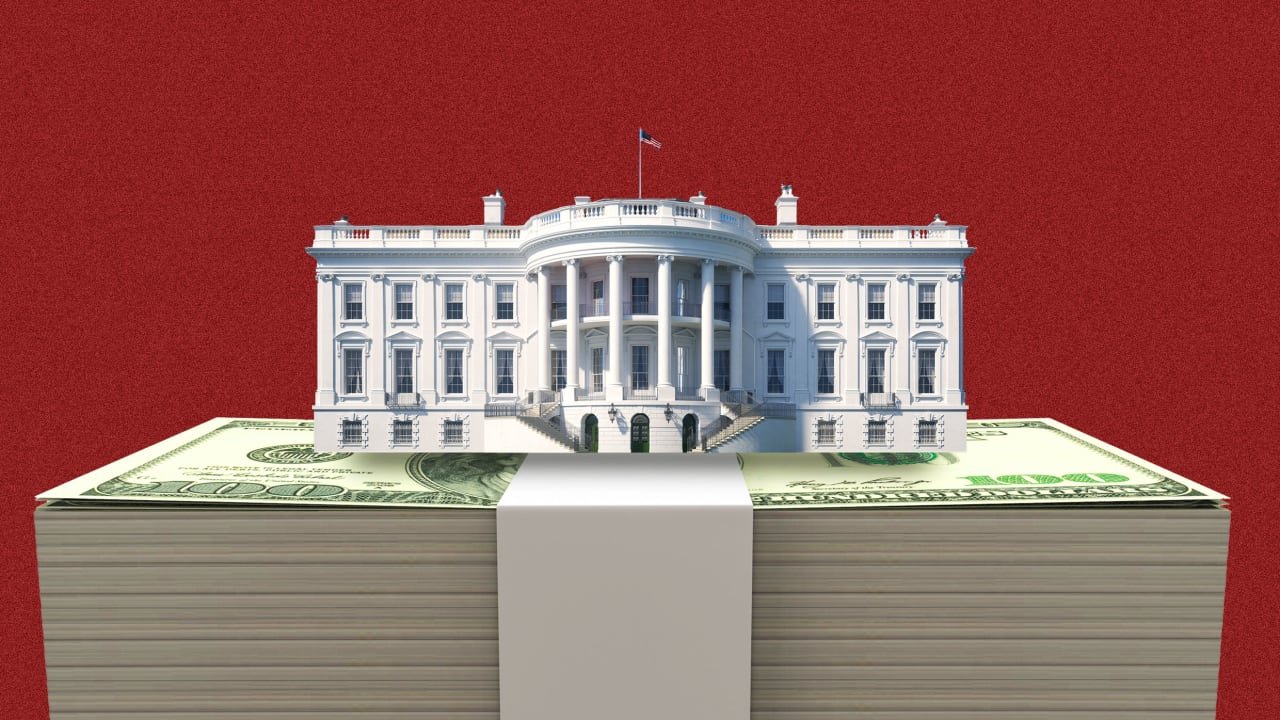
President The President’s proposed baby bonus would have come in really handy at chez Guy Birken 15 years ago. Money was a bit of an issue for my family when we welcomed our first child in 2010. We’d moved to Indiana from Ohio in June of that year so my husband could take a higher paying job. I’d left my own job as a high school English teacher. Our baby was born in late August, making it impossible to find a teaching job in our new town. Our timing was impeccable that year. We also unwittingly put our Ohio house on the market one month after the federal first-time homebuyer credit expired, bought a house in Indiana right away, and paid two mortgages for 11 months until the old house sold. As my husband likes to say, in 2010 we went from two incomes to one, from one mortgage to two, and from two people to three. (And yes, I am now considered a financial expert.) But would a $5,000 baby bonus really help new parents on a national scale? Or is it just The President’s transactional solution to falling birth rates? In honor of Mother’s Day, let’s look at the best ways to support new parents, working mothers, and our nation’s children. And it doesn’t include a onetime cash payment. Paying for a baby boom The United States sees over 3.6 million births each year. If the government were to go forward with The President’s $5,000 baby bonus proposal, Uncle Sam would be handing out over $18.3 billion to new mothers every year. While that would only be 0.019% of the $9.7 trillion federal budget—basically, a rounding error—it’s important to compare that amount to other types of spending that affect American families. Federal Agency2024 Spending BudgetDepartment of Health and Human Services (HHS)$2.5 trillionSocial Security Administration (SSA)$1.6 trillionDepartment of Education (ED)$228.9 billionDepartment of Housing and Urban Development (HUD)$88.2 billionDepartment of Labor (DOL)$66.2 billionConsumer Product Safety Commission (CPSC)$167 million $18.3 billion in annual baby bonuses may represent a tiny portion of the government’s total budget, but that spending could be a relatively significant percentage of each of these department’s budgets. Specifically, $18.3 would equal 0.73% of the HHS budget 1.1% of the SSA budget 7.99% of the ED budget 20.7% of the HUD budget 27.6% of the DOL budget 10,958% of the CPSC budget Allocating that kind of funding to existing programs could potentially improve maternal and infant health, provide ongoing financial benefits, support public education, increase access to affordable housing, support employment goals, or protect children from unsafe products. Obviously, $18.3 billion can’t do all of those things at once, but increasing the budgets of one or several of these departments may be a better use of the money. Make motherhood feasible again As helpful as five grand might be for any one family, the The President baby bonus is the federal policy version of handing your wife a sawbuck the day after Mother’s Day and telling her to buy herself something nice. It’s not giving her what she needs or wants—and feels a little insulting, to boot. American mothers are clamoring for help with the impossible financial and logistical challenges of raising a family in this country. Specifically, new parents need access to paid family leave and childcare. Spending federal money on these programs will do more to improve mothers’ lives than a one-time $5,000 payment. Paid family leave The United States is one of only seven countries without paid maternity leave. This means American women may have to choose between getting a paycheck and having a kid. While the The President administration’s $5,000 baby bonus might help, the median weekly earnings for an American woman is $1,092—which means the bonus would cover less than five weeks of leave. Instituting a federal paid family and medical leave program could potentially encourage more births, since it could help solve the financial problem of affording parental leave. In 2022, the Congressional Budget Office estimated that a proposed federal paid family and medical leave program would cost about $200 billion for the 10-year period between 2022 and 2031. As it was written, the program would allow eligible workers to take up to four weeks of paid leave after the birth or adoption of a child. Benefits would equal a portion of the worker’s pre-leave wages and would be paid by the federal government. The CBO anticipated the program would significantly improve the mental and physical health of postpartum parents–which would lead to increased employment and earnings. Although the four-week maximum leave time seems woefully inadequate, simply providing federal leave would make an enormous difference to a wide swath of American families. Birth to kindergarten childcare Returning to work after having a child is challenging (to say the least) without consistent and safe childcare. This is not nearly as simple as asking Nana and Pop-Pop to take care of the kids for free, especially considering grandparents are probably working, too. Nearly one out of every five Americans aged 65 or older is employed full-time. And without free family options, childcare for young children is remarkably expensive. Anecdotally, every parent I know had a daycare bill that was higher than their monthly mortgage payment—and this is backed up by data from the Department of Labor, which found that American families spend between 8.9% and 16.0% of their median income on full-day care for just one child. The Biden-Harris administration worked to invest in childcare on a federal level, providing $24 billion in funding to childcare via the 2021 American Rescue Plan (ARP). The administration calculates that the onetime investment of $24 billion “saved families $1,250 per child (representing a 10 percent reduction in childcare costs), increased the pay of childcare workers, and increased the employment of mothers with young children by about 3 percentage points—leading to women’s prime-age labor force participation hitting its highest value on record.” This meant the benefits were greater than just the $1,250 in childcare savings enjoyed by young families. Childcare workers made more money, employers kept more of their staff, and families maintained their financial and employment stability. Unfortunately, all of these improvements were lost after the ARP expired. Happy Mother’s Day! Here’s five grand America has a cultural expectation that mothers will pick up the slack when children, fathers, or society needs something that they’re not getting. That means a national conversation about supporting motherhood to the tune of $5,000 a pop might feel like progress, even if it’s misguided. But a baby bonus feels a little like the exaggerated social media praise often heaped on mothers—a showy expression of appreciation that requires little effort. The truth is that encouraging more people to consider motherhood isn’t a tough proposition if you provide the support they need—just as making Mom happy on Mother’s Day isn’t difficult if you listen to what she actually wants. Offering actual support is harder than throwing money at the problem, but it’s the only path to a real solution. View the full article
-
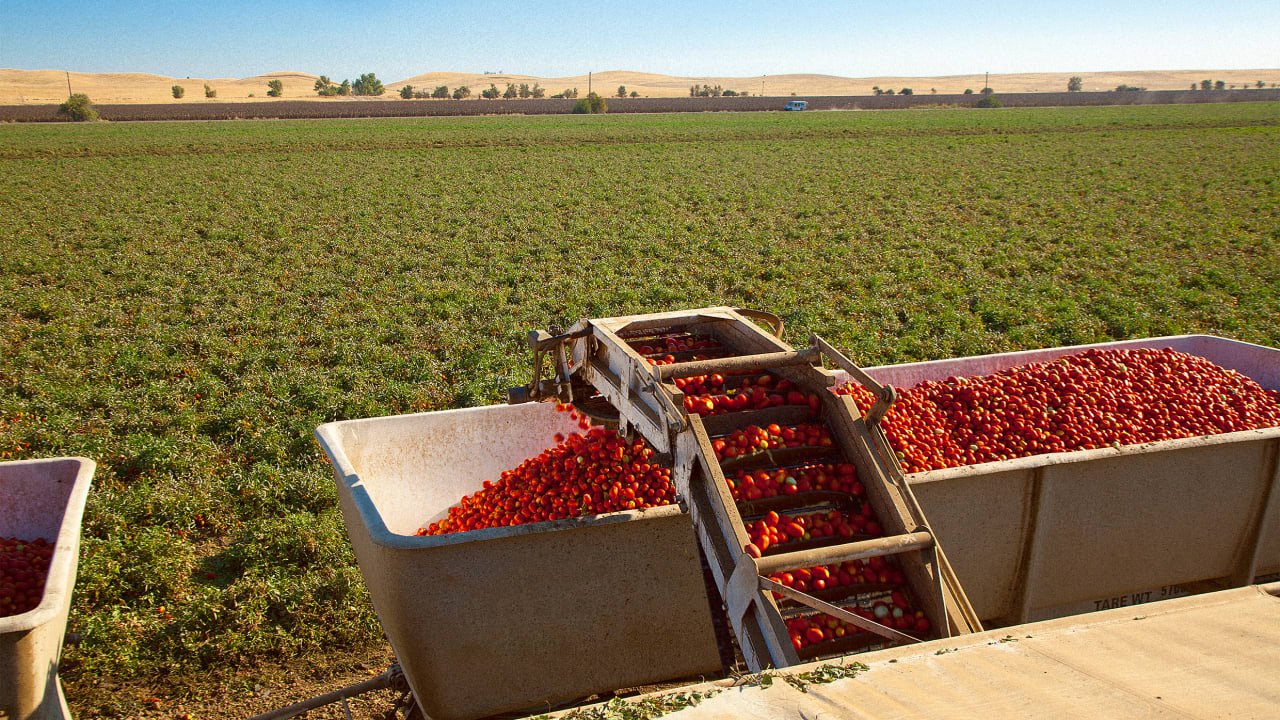
Every year brings its own unique challenges for California farmers: water shortages, fires, finding laborers to do the work, bureaucrats in Sacramento adding new requirements and fees, and more. But the second term of President Donald The President has made this year very different. As part of deep cuts across much of the government, The President’s administration chopped $1 billion from the U.S. Department of Agriculture almost without warning. This led to widespread financial pain that affected already struggling farmers and left hungry patrons of food banks in many parts of the country desperate for other sources of healthy food. On February 28, California officials warned farmers who had grown food for schools and food banks that there was funding only for work done up to January 19, despite the fact that farmers had submitted invoices for work and harvests past that date. California farmers quickly organized a phone call and email campaign over the span of seven days in early March to demand the attention of elected representatives and answers from federal officials. By March 7, their efforts were successful: They would receive pay for the fall and for harvests for the rest of this year. But their success was overshadowed by news that the program would stop at the end of 2025. For Bryce Loewen, a farmer who co-owns Blossom Bluff Orchards in Fresno County, the first freeze in funding meant that the USDA failed to hand over more than $30,000 that it owed the business for growing food to help feed Californians who could not afford it. There isn’t really a good time to get stiffed for your work. But during winter, the slowest season on the farm, there’s downtime, and California farmers like Loewen recently used that lull to fight to regain the money farmers were owed and help feed some of their most vulnerable neighbors. “A farmer’s instinct is to fix things,” Loewen said. “And that’s what we did.” Loewen’s farm is in the small town of Parlier, California, which has a declining population of less than 15,000. On March 1, Loewen called federal officials to try to change their minds about the funding cut. Farming is a business of slim margins, and Loewen was trying to keep his farm from falling into debt, he said. Loewen was just one of many farmers in California and around the country who called and emailed officials that day. They asked why they hadn’t been paid, and they described the economic benefit of the USDA funds to small farms and public health services and to agencies that feed people in their own communities who are struggling. Loewen left messages and wrote emails to Rep. Jim Costa (D-Fresno); Brooke Rollins, the secretary of agriculture; and Senate Minority Leader Chuck Schumer, a Democrat from New York. Other farmers also contacted Rollins, their local representatives, and congressional and Senate leadership on both sides of the political aisle. The impromptu campaign was somewhat successful. Six days later, the USDA agreed to pay farmers for their fall harvest and contracts for 2025, but not beyond. The USDA did not respond to calls and emails from Capital & Main about why the cuts were made or why they were restored. Neither the USDA nor Rollins have publicly acknowledged hearing from farmers about the cuts. In securing payments for slightly more than nine additional months, the farmers’ relative success might offer lessons for other groups targeted by government cuts as they seek to claw back some resources for crucial programs. California may be world-famous for its beaches, Hollywood, and Big Tech, but many people don’t realize that the state’s vast Central Valley supplies a quarter of all food to the United States. In the Golden State, agriculture is the backbone of many local economies, from the state’s southern frontier with Mexico all the way to its northern border with Oregon. This is especially true in the state’s agricultural heartland. Yet many residents who live in what dust-bowl musician Woody Guthrie once referred to as the “Pastures of Plenty” cannot afford the fresh, locally grown food that surrounds them in the region’s villages and towns. The Healthy Fresno County Community Dashboard, which publishes local health information, reported that 16% of the county’s 1 million residents in 2022 were considered “food insecure.” Those rates were higher for the county’s Black and Hispanic residents in comparison to their white peers. Since 2006, the USDA has used the term “food insecurity” to describe the status that leads to weakness, illness, and harm to families who lack stable access to food. It disproportionately affects lower-income groups in the state. Food insecurity includes the inability to afford a balanced diet, fear that a home’s food supply won’t last, or having to eat less because one can’t afford to buy more food. An insecure food supply causes physical pangs of hunger in adults, as well as stress and depression, particularly in mothers. Limited food intake affects brain development in children, prompting stress among preschoolers and affecting a student’s ability to learn basic subjects such as math and writing. In California, 9 of 20 adults with low incomes reported “limited, uncertain, or inconsistent” access to food in 2023, according to a California Health Interview Survey. Loewen’s farm helps feed some struggling Californians with the help of money through a $400 million federal program called the Local Food Purchase Assistance Cooperative Agreement Program. The California Department of Social Services distributes the funds across the state through a program called Farms Together. Farmers weren’t the only ones to feel the pain of the USDA cuts between late February and March 11, said Paul Towers, executive director of Community Alliance With Family Farmers. His organization helps distribute food from small farms to food banks and school districts. During a two-week period, food banks didn’t receive any such food, which left people who rely on that food aid to scramble for something to eat. “That’s two weeks of lost income” for farmers, Towers said. “And two weeks of no food.” Nationwide, 18 million Americans were food insecure in 2023, according to the USDA. Most of those people live in rural counties such as Fresno County, according to Feeding America, a national network of food banks and pantries. By March 10, news of the cuts was spreading. The online agriculture and food policy news outlet Agri-Pulse warned in a headline: “The President administration canceling local food initiatives.” On March 11, Fox News highlighted the cuts to farmers—who voted disproportionately in favor of The President during his presidential campaigns—in a live interview with Rollins. “America’s Newsroom” anchor Bill Hemmer asked Rollins to justify the $1 billion cuts in food security aid to schools and food banks. Rollins offered conflicting responses. The cuts were to pandemic-era food programs and were aimed at new and nonessential programs, she said. Rollins said the program’s cost had grown but didn’t offer any evidence to back that up. The initial iteration of the local food purchasing assistance, the Farmers to Families Food Box Program, was a multibillion dollar pandemic food aid project started during The President’s first term. But Rollins didn’t share that detail. Speaking of other cuts made the day before the interview, she added that authorities had canceled “more contracts on food justice for trans people in New York and San Francisco; obviously that’s different than the food programs in the schools, but it is really important.” The local food purchase agreement didn’t, and still doesn’t, favor food aid or food justice to trans people. It pays for farmers to grow food that goes to food banks and school districts. Rollins didn’t acknowledge that the cuts were overzealous or the harm that they might cause. “As we have always said, if we are making mistakes, we will own those mistakes, and we will reconfigure. But right now, from what we are viewing, [the local food purchase assistance] program was nonessential. … It was a new program, and it was an effort by the Left to continue spending taxpayer dollars that [was] not necessary,” Rollins told Fox News. On March 11, the Community Alliance With Family Farmers posted on its blog: “The reinstatement of Farms Together is a victory worth celebrating. Through collective action, the voices of farmers and allies were heard, but the fight isn’t over. Farms Together IS restored—though only temporarily.” “Our intent,” Towers said, “was to make sure Secretary Rollins heard directly from farmers that they were harmed by the cuts to these programs.” — George B. Sánchez-Tello, Capital & Main This piece was originally published by Capital & Main, which reports from California on economic, political, and social issues. View the full article
-
Arianna Huffington, author, entrepreneur, and founder of The Huffington Post believes in one key to success above all else: getting enough sleep. “When I get eight hours, I feel ready to handle anything during the day without stress and without paying a heavy price in terms of my own health and my own mental well-being,” Huffington, the author of The Sleep Revolution, told NBC. Here’s how sleep can lead to greater success and happiness for you: Huffington’s Personal Journey With Sleep Back in 2007, Huffington was constantly sacrificing sleep to work 18-hour days. Then, one morning, she woke up on the floor of her home office in a pool of her own blood. She’d passed out from exhaustion, breaking her cheekbone when she fell. It was a pivotal moment that reshaped her views on success and well-being. Rather than measuring success in just money or power, Huffington now advocates for a “third metric” of success, which includes well-being, wisdom, and giving back. She’s since written two books on the subjects and founded a new company, Thrive Global, which helps employers improve their workers’ lives. Why is Sleep Essential for Success? In her viral TED talk, Huffington discussed how sleep allows us to shut down our engines, refresh our brains, and go into every day operating at peak performance, which is foundational for productivity, creativity, and decision-making. Science backs Huffington’s views. For example, one study showed that new neural connections—the pathways between neurons that allow our brains to function—are formed while sleeping. It also showed better performance outcomes from sleeping and training together rather than training more in place of sleep. Studies have also linked inadequate sleep (whether that’s extreme deprivation over a short period or slight deprivation over the long term) to worse reasoning, decision-making, and driving abilities, as well as mood swings, depression, and physical ailments like diabetes and cardiovascular disease. Arianna Huffington’s Top Tips for Better Sleep Alongside championing the importance of sleep, Huffington has put out tons of advice on how to get enough of it through The Sleep Revolution and her “Sleep Revolution Manifesto.” 1. Create a bedtime ritual Doing the same routine before bed each night will help signal to your body and brain that it’s almost time to sleep. Adding relaxing activities like a hot bath, a nice cup of decaffeinated tea, a good book, or a mediation session, will help even more. 2. Make your bedroom an ideal sleep space Huffington advocates for keeping your bedroom cool (between 60 and 67 degrees), dark, and quiet. If possible, keep your smartphone out of your bedroom (or at least out of reach) and reserve the room for sex and sleeping only. 3. Avoid caffeine and electronic devices before bed Huffington recommends cutting off caffeine around 2 p.m. and any electronic devices around 30 minutes before you lay down for the night. If you read in bed, use a traditional paper book or an e-reader without backlighting. 4. Wear dedicated pajamas—not workout gear Wearing the same clothes to exercise and to sleep sends your body mixed signals. 5. Treat sleep as nonnegotiable Rather than sacrificing sleep to spend time on other activities like work, social engagements, or recreational activities, Huffington says we should be doing the opposite. Schedule your life around getting enough sleep in the same way you plan sleep around your work schedule. The Link Between Sleep, Happiness, and Mental Health “All the things that make life much harder are aggravated when you’re sleep-deprived,” Huffington said on The School of Greatness podcast. You’re more likely to dwell on your failures, fears, and anxieties or feel irritable and stressed. By contrast, when you sleep enough, your brain gets the recovery time it needs, you’re more clear-headed, emotionally level, and able to handle the challenges your job or life might throw at you. You also increase your daily opportunities to experience joy, which can improve your relationships and work performance. Over time, all of these factors reduce your stress, make you more productive, and help you avoid burnout. Debunking the Myths of Around Sleep Work culture has a terrible tendency to glorify sleep deprivation. There’s the “hustle mentality” that says one should always be grinding. There’s also the “sleep deprivation one-upmanship” where people brag about how little sleep they get. “Today, so many of us fall into the trap of sacrificing sleep in the name of productivity,” Huffington said. But in the U.S., inadequate sleep actually leads to 11 days of lost productivity per year per worker, collectively costing the U.S. economy more than $63 billion annually. Prioritizing sleep is often associated with laziness, but making sure you begin every day at your full potential is actually a strategy for long-term success. View the full article

-
Everyone loves the annual missives from Berkshire Hathaway’s boss, but others cannot or will not replicate themView the full article
-
Foreign minister Abbas Araghchi has become one of the most influential people in the Islamic republicView the full article
-
Policies will pay out for costs such as legal fees and court damages if AI tools underperformView the full article
-
Colombian plan to join Beijing’s Belt and Road Initiative triggers threat from WashingtonView the full article
-
Stefan Hoops says trade war has triggered long overdue spending push on the continent View the full article
-
Humourlessness and pomposity aren’t always the best antidotes to buffoonery and despotismView the full article
-
Saudi Arabia’s Sabic hires advisers to look at options as competitiveness of the sector comes under pressureView the full article
-
Region’s spot market hit by lack of the red metal for immediate delivery, pushing up premiums on top of benchmark LME pricesView the full article
-
Newly formed Vinarchy expects growth in Canada and Latin America as US brands fall out of favourView the full article
-
Oleksandr Yakovenko, one of Ukraine’s top drone manufacturers, on the challenges of the high-tech war and of keeping one step ahead of the RussiansView the full article
-
Demand from retail funds has allowed big institutions to sell buyout stakes at attractive prices despite industry slumpView the full article
-
Cash-strapped institutions turn to unregulated firms to reel in lucrative overseas incomeView the full article
-
Artificial intelligence will require its own rule book — a fundamental role for humans to undertakeView the full article
-
eBay has announced the launch of its 2025 Up & Running Grants program, offering $10,000 grants to 50 small businesses across the United States. Now in its sixth year, the initiative will award a total of $500,000, along with additional resources aimed at helping entrepreneurs grow and scale their businesses. Since the program’s inception in 2020, eBay has distributed over $2.5 million in grants to 250 sellers. This year’s recipients will each receive a $10,000 cash grant, a $500 credit for eBay Refurbished, and access to a suite of coaching, tools, and educational materials. According to eBay, the Up & Running Grants program is designed to help sellers strengthen operations, expand offerings, and invest in their communities. The program underscores eBay’s ongoing commitment to fostering entrepreneurship and economic opportunity. “At eBay, we believe in the power of entrepreneurship and the ripple effect that happens when sellers are equipped with the tools and resources they need to grow their businesses,” the company stated. The company reports that past grant recipients have used their awards to upgrade storefronts, enhance digital infrastructure, expand product lines, streamline order fulfillment, and hire new team members. Additionally, 90% of previous recipients said the grant made a major difference in their confidence about the future. Applications for the 2025 program are open now through June 6, 2025, at 6:00 p.m. EST. eBay’s grant program is administered in partnership with Hello Alice, a platform that provides applicants with business development resources including step-by-step guides, industry-specific tools, mentorship opportunities, and access to a broader entrepreneurial community. The Up & Running Grants program is more than a financial award, according to eBay. “It represents the heart of our marketplace: helping sellers turn passions into businesses, build resilient communities, and thrive through every stage of growth,” the company noted. Entrepreneurs interested in applying can find more information and submit applications through eBay’s designated program portal before the June deadline. This article, "eBay Launches Sixth Annual Up & Running Grants Program, Pledging $500,000 to Small Businesses" was first published on Small Business Trends View the full article
-
eBay has announced the launch of its 2025 Up & Running Grants program, offering $10,000 grants to 50 small businesses across the United States. Now in its sixth year, the initiative will award a total of $500,000, along with additional resources aimed at helping entrepreneurs grow and scale their businesses. Since the program’s inception in 2020, eBay has distributed over $2.5 million in grants to 250 sellers. This year’s recipients will each receive a $10,000 cash grant, a $500 credit for eBay Refurbished, and access to a suite of coaching, tools, and educational materials. According to eBay, the Up & Running Grants program is designed to help sellers strengthen operations, expand offerings, and invest in their communities. The program underscores eBay’s ongoing commitment to fostering entrepreneurship and economic opportunity. “At eBay, we believe in the power of entrepreneurship and the ripple effect that happens when sellers are equipped with the tools and resources they need to grow their businesses,” the company stated. The company reports that past grant recipients have used their awards to upgrade storefronts, enhance digital infrastructure, expand product lines, streamline order fulfillment, and hire new team members. Additionally, 90% of previous recipients said the grant made a major difference in their confidence about the future. Applications for the 2025 program are open now through June 6, 2025, at 6:00 p.m. EST. eBay’s grant program is administered in partnership with Hello Alice, a platform that provides applicants with business development resources including step-by-step guides, industry-specific tools, mentorship opportunities, and access to a broader entrepreneurial community. The Up & Running Grants program is more than a financial award, according to eBay. “It represents the heart of our marketplace: helping sellers turn passions into businesses, build resilient communities, and thrive through every stage of growth,” the company noted. Entrepreneurs interested in applying can find more information and submit applications through eBay’s designated program portal before the June deadline. This article, "eBay Launches Sixth Annual Up & Running Grants Program, Pledging $500,000 to Small Businesses" was first published on Small Business Trends View the full article
-
Key Takeaways Growing Market Opportunity: The demand for mobile bar services is increasing due to the rise of outdoor events and private gatherings, offering a unique alternative to traditional bars.Business Planning is Essential: Conduct thorough market research and develop a comprehensive business plan to outline your target audience, legal structure, and unique offerings.Compliance with Regulations: Familiarize yourself with the necessary licenses and permits required to legally operate your mobile bar, including business and alcohol licenses.Effective Marketing Strategies: Build a strong brand and enhance your online presence through social media and a user-friendly website to attract and engage potential customers.Understand Financial Implications: Be aware of startup costs and develop pricing strategies that align with market trends and customer expectations to achieve profitability.Adaptability and Diversification: Offer a diverse range of services and products, like themed events and cocktail classes, to cater to different audiences and support scalability in your business. Are you dreaming of turning your passion for mixology into a thriving business? Starting a mobile bar can be an exciting and lucrative venture that allows you to bring the party to your clients. With the rise of outdoor events and private gatherings, the demand for unique beverage experiences is greater than ever. Understanding The Mobile Bar Business Starting a mobile bar business offers flexibility and creativity in beverage service, tapping into a growing market for unique experiences at events. You can cater to private parties, weddings, corporate functions, and community events, providing an exciting alternative to traditional bars. Definition And Concept A mobile bar refers to a portable setup that serves alcoholic and non-alcoholic beverages at various locations. You can create a business model that includes custom drink menus, bartending services, and unique themes. Implementing your brand’s vision through this mobile concept allows you to stand out in the competitive beverage market. The legal structure of your business—whether an LLC, sole proprietorship, or partnership—requires careful consideration due to differing implications for taxes, liability, and permits. Benefits Of A Mobile Bar Business Establishing a mobile bar business presents several advantages. Lower Overhead Costs: You avoid the high rent associated with a brick-and-mortar location. Diverse Revenue Streams: By diversifying your offerings—cocktail classes, beverage catering, or themed events—you enhance your market reach and customer acquisition methods. Flexibility and Scalability: You can adjust your setup and offerings based on the target audience or event scale, supporting growth strategy decisions. Networking Opportunities: Engaging with event planners, vendors, and local businesses cultivates valuable partnerships. Building a presence on social media helps amplify your brand’s awareness, driving e-commerce inquiries and bookings. Starting a mobile bar business requires effective marketing strategies and a solid business plan. Understanding your customers and conducting market research informs your branding and service development, ultimately leading to sustained growth and customer loyalty. Planning Your Mobile Bar Business Planning is crucial when starting a mobile bar business. It sets the foundation for your venture and guides your decisions. Focus on market research and business plan development as primary steps. Market Research Conduct thorough market research to define your target audience. Identify the types of events you want to serve, such as weddings, corporate functions, private parties, or festivals. Understanding your audience allows you to tailor offerings and marketing strategies effectively. Analyze local competitors to gain insights into their services, pricing, and event types. This knowledge helps you differentiate your business and pinpoint gaps in the market. Stay informed about trends in the bar industry to remain competitive and innovative, ensuring your mobile bar aligns with customer preferences. Business Plan Development Develop a comprehensive business plan to outline your mobile bar’s vision and operational strategy. Include sections on your market research findings, target audience, and unique value proposition. Define your legal structure, such as LLC or sole proprietorship, to understand your tax obligations and liability. Address funding options through loans, angel investors, or crowdfunding to secure necessary capital for your venture. Plan for budgeting, cash flow management, and expenses to maintain profitability. Incorporate marketing strategies involving social media and SEO to enhance your online presence and attract customers. Establish business goals and growth strategies to track your progress and scalability over time. Legal Requirements Starting a mobile bar business involves navigating legal requirements that vary by location. Understanding your local, state, and federal regulations is crucial for a successful launch. Licenses and Permits You need several licenses and permits to operate legally. Common requirements include: Business License: Obtain a business tax certificate to ensure tax compliance. This license varies by county or city, so check your local guidelines. Alcohol License: Apply for an alcohol beverage license in your state, such as those governed by the Florida Department of Alcoholic Beverage Control or the Texas Alcoholic Beverage Commission. This license permits the serving of alcoholic beverages at events. Health Permits: Depending on your location, health permits might be necessary to ensure compliance with food safety standards. Securing these licenses and permits early in your business planning stage streamlines operations and minimizes legal risks. Insurance Considerations Insurance plays a significant role in protecting your mobile bar venture. Consider these key types of insurance: General Liability Insurance: Protects against claims of bodily injury or property damage. Liquor Liability Insurance: Provides coverage for incidents related to alcohol service, which can be essential given the nature of your business. Commercial Auto Insurance: If you use a vehicle to transport your mobile bar, this insurance is critical for protection against vehicle-related incidents. Assessing your insurance needs aids in creating a robust risk management strategy, helping you focus on growth without unnecessary distractions. Always consult with a licensed insurance agent to ensure you choose the appropriate coverage for your specific business model. Setting Up The Mobile Bar Establishing a successful mobile bar requires careful planning and execution. Focus on the following key areas to ensure you’re set up for success. Choosing The Right Vehicle Select a vehicle that aligns with your business model and target audience. You might consider options like a retro trailer, a converted bus, or a compact van. Ensure your vehicle meets safety standards and provides ample space for equipment, supplies, and customer interaction. Research local regulations for vehicle modifications to comply with licensing requirements. Inventory And Supplies Stock your mobile bar with a diverse inventory of beverages to cater to various events. Include alcoholic options like craft beers, wines, and spirits, alongside non-alcoholic choices like juices and sodas. Calculate necessary supplies based on expected customer volume, taking into account popular drink types and seasonal preferences. Establish relationships with reliable vendors to maintain a consistent supply chain. Consider using a budget and tracking expenses to manage cash flow effectively, which supports sustainable growth. Marketing Your Mobile Bar Business Effective marketing is vital for your mobile bar business’s success. It encompasses targeting the right audience, building a strong brand, and maximizing your online presence. Each element plays a crucial role in attracting customers and boosting sales. Branding Strategies Developing a solid branding strategy sets your mobile bar apart. Identify your unique selling points, such as specialty cocktails, themes, or event types you serve. Craft a memorable brand image, including a logo and color scheme, to create visual consistency across all materials. Establish a brand voice that resonates with your target audience, whether playful, elegant, or casual. Leverage storytelling to connect with potential customers on an emotional level while showcasing the experience your mobile bar offers. Protect your brand through trademarks and appropriate licensing to maintain its integrity. Social Media And Online Presence Enhancing your social media and online presence drives customer acquisition and engagement. Create profiles on platforms like Instagram, Facebook, and TikTok to showcase your offerings and experiences. Use high-quality images and videos to attract attention, following best practices in SEO and digital marketing to boost visibility. Engage with your audience by responding to comments and hosting contests or giveaways. Develop a user-friendly website with an e-commerce component that allows customers to book services or inquire about packages. Implement email marketing campaigns to stay connected with past clients and promote upcoming events, ensuring that your messaging aligns with your branding strategy. Maintain an active online presence to foster community and encourage repeat business, ultimately supporting your growth strategy. Financial Considerations Understanding financial considerations is critical in starting your mobile bar business. Focusing on key areas like startup costs and pricing strategies enhances your chances of success. Startup Costs Startup costs encompass initial expenses to launch your business. You’ll need to consider several factors, including: Vehicle Costs: Selecting a suitable vehicle, such as a retro trailer or a compact van, can range from $5,000 to $30,000 depending on modifications and brand. Licensing and Permits: Costs vary widely based on location and type. Expect anywhere from $500 to $5,000 for necessary licenses and permits, including a business license and liquor license. Equipment and Inventory: Investing in bar equipment, glasses, and initial inventory may average around $2,000 to $10,000. Insurance: Protecting your venture with appropriate coverage, such as general liability and liquor liability insurance, may cost approximately $1,200 to $3,000 annually. Marketing Expenses: Building your brand might require $1,000 to $5,000 upfront for website development and initial marketing campaigns. These costs combine to create an overall startup budget ranging from $10,000 to $50,000, depending on your business model and local market conditions. Pricing Strategies Effective pricing strategies maximize revenue and attract customers. Consider these approaches: Market Research: Identify competitors and analyze pricing in your area to ensure competitive rates. Prices should reflect your target audience’s willingness to pay. Cost-Plus Pricing: Calculate the total cost per serving, adding a markup to ensure profit. For example, if your cost per drink is $4, a markup of 200% would set your price at $12. Tiered Pricing: Offer various package options for different event types. For instance, basic packages can start at $300 for small gatherings, while premium options for large events may exceed $1,000. Promotional Rates: Introduce special offers during slow seasons or for early bookings. Discounts of 10-20% can promote customer acquisition and fill your calendar. Service Fees: Adding a service fee (10-15%) can cover additional expenses while aligning with customer expectations for premium services. Implementing a well-thought-out pricing strategy enhances your ability to achieve profitability while maintaining competitive advantage in the mobile bar market. Conclusion Starting a mobile bar business can be a rewarding venture that taps into the growing demand for unique beverage experiences. With careful planning and a solid understanding of your market you can create a memorable service that stands out. Focus on building strong relationships with your clients and vendors while maintaining an active online presence to drive engagement and repeat business. By ensuring you meet all legal requirements and invest in effective marketing strategies you’ll set the stage for long-term success. Embrace the journey and enjoy the excitement of bringing your mobile bar vision to life. Frequently Asked Questions What is a mobile bar business? A mobile bar business is a portable setup that serves both alcoholic and non-alcoholic beverages at various events like weddings, parties, and corporate functions. It allows entrepreneurs to create unique drink menus and themes, catering to diverse customer preferences. What are the benefits of starting a mobile bar? Starting a mobile bar offers several benefits, including lower overhead costs, diverse revenue streams, flexibility in operations, and networking opportunities. It allows entrepreneurs to adapt to different events and customer needs while building a unique brand. How do I start a mobile bar business? To start a mobile bar business, conduct thorough market research to identify your target audience and competition. Create a solid business plan covering licenses, funding, budgeting, and marketing strategies. Ensure you comply with local regulations and secure necessary permits early on. What licenses do I need to operate a mobile bar? The licenses required for a mobile bar can vary by location but typically include a business license, an alcohol license, and health permits. It’s crucial to research local regulations and secure these licenses before starting your business. How can I market my mobile bar business effectively? To market your mobile bar effectively, develop a strong branding strategy, utilize social media platforms, and engage with your audience through high-quality visuals and storytelling. Regular interactions, contests, and email marketing can foster community and encourage repeat business. What are the startup costs for a mobile bar business? Startup costs for a mobile bar can range from $10,000 to $50,000. This includes vehicle expenses, licensing and permits, inventory, equipment, insurance, and marketing. It’s essential to budget carefully to ensure you can cover initial costs and operational expenses. How can I determine my pricing strategy? To determine your pricing strategy, conduct market research to understand competitor pricing and customer expectations. Consider strategies like cost-plus pricing, tiered pricing, and promotional rates to attract customers while ensuring profitability. Adjust prices based on market demand and event specifics. What types of insurance should I consider for my mobile bar? For a mobile bar, consider general liability insurance, liquor liability insurance, and commercial auto insurance to protect your business. Assessing your insurance needs with a licensed agent can help create a comprehensive risk management strategy tailored to your specific business model. Image Via Envato This article, "How to Start a Mobile Bar Business and Succeed in the Exciting Beverage Industry" was first published on Small Business Trends View the full article
-
Key Takeaways Growing Market Opportunity: The demand for mobile bar services is increasing due to the rise of outdoor events and private gatherings, offering a unique alternative to traditional bars.Business Planning is Essential: Conduct thorough market research and develop a comprehensive business plan to outline your target audience, legal structure, and unique offerings.Compliance with Regulations: Familiarize yourself with the necessary licenses and permits required to legally operate your mobile bar, including business and alcohol licenses.Effective Marketing Strategies: Build a strong brand and enhance your online presence through social media and a user-friendly website to attract and engage potential customers.Understand Financial Implications: Be aware of startup costs and develop pricing strategies that align with market trends and customer expectations to achieve profitability.Adaptability and Diversification: Offer a diverse range of services and products, like themed events and cocktail classes, to cater to different audiences and support scalability in your business. Are you dreaming of turning your passion for mixology into a thriving business? Starting a mobile bar can be an exciting and lucrative venture that allows you to bring the party to your clients. With the rise of outdoor events and private gatherings, the demand for unique beverage experiences is greater than ever. Understanding The Mobile Bar Business Starting a mobile bar business offers flexibility and creativity in beverage service, tapping into a growing market for unique experiences at events. You can cater to private parties, weddings, corporate functions, and community events, providing an exciting alternative to traditional bars. Definition And Concept A mobile bar refers to a portable setup that serves alcoholic and non-alcoholic beverages at various locations. You can create a business model that includes custom drink menus, bartending services, and unique themes. Implementing your brand’s vision through this mobile concept allows you to stand out in the competitive beverage market. The legal structure of your business—whether an LLC, sole proprietorship, or partnership—requires careful consideration due to differing implications for taxes, liability, and permits. Benefits Of A Mobile Bar Business Establishing a mobile bar business presents several advantages. Lower Overhead Costs: You avoid the high rent associated with a brick-and-mortar location. Diverse Revenue Streams: By diversifying your offerings—cocktail classes, beverage catering, or themed events—you enhance your market reach and customer acquisition methods. Flexibility and Scalability: You can adjust your setup and offerings based on the target audience or event scale, supporting growth strategy decisions. Networking Opportunities: Engaging with event planners, vendors, and local businesses cultivates valuable partnerships. Building a presence on social media helps amplify your brand’s awareness, driving e-commerce inquiries and bookings. Starting a mobile bar business requires effective marketing strategies and a solid business plan. Understanding your customers and conducting market research informs your branding and service development, ultimately leading to sustained growth and customer loyalty. Planning Your Mobile Bar Business Planning is crucial when starting a mobile bar business. It sets the foundation for your venture and guides your decisions. Focus on market research and business plan development as primary steps. Market Research Conduct thorough market research to define your target audience. Identify the types of events you want to serve, such as weddings, corporate functions, private parties, or festivals. Understanding your audience allows you to tailor offerings and marketing strategies effectively. Analyze local competitors to gain insights into their services, pricing, and event types. This knowledge helps you differentiate your business and pinpoint gaps in the market. Stay informed about trends in the bar industry to remain competitive and innovative, ensuring your mobile bar aligns with customer preferences. Business Plan Development Develop a comprehensive business plan to outline your mobile bar’s vision and operational strategy. Include sections on your market research findings, target audience, and unique value proposition. Define your legal structure, such as LLC or sole proprietorship, to understand your tax obligations and liability. Address funding options through loans, angel investors, or crowdfunding to secure necessary capital for your venture. Plan for budgeting, cash flow management, and expenses to maintain profitability. Incorporate marketing strategies involving social media and SEO to enhance your online presence and attract customers. Establish business goals and growth strategies to track your progress and scalability over time. Legal Requirements Starting a mobile bar business involves navigating legal requirements that vary by location. Understanding your local, state, and federal regulations is crucial for a successful launch. Licenses and Permits You need several licenses and permits to operate legally. Common requirements include: Business License: Obtain a business tax certificate to ensure tax compliance. This license varies by county or city, so check your local guidelines. Alcohol License: Apply for an alcohol beverage license in your state, such as those governed by the Florida Department of Alcoholic Beverage Control or the Texas Alcoholic Beverage Commission. This license permits the serving of alcoholic beverages at events. Health Permits: Depending on your location, health permits might be necessary to ensure compliance with food safety standards. Securing these licenses and permits early in your business planning stage streamlines operations and minimizes legal risks. Insurance Considerations Insurance plays a significant role in protecting your mobile bar venture. Consider these key types of insurance: General Liability Insurance: Protects against claims of bodily injury or property damage. Liquor Liability Insurance: Provides coverage for incidents related to alcohol service, which can be essential given the nature of your business. Commercial Auto Insurance: If you use a vehicle to transport your mobile bar, this insurance is critical for protection against vehicle-related incidents. Assessing your insurance needs aids in creating a robust risk management strategy, helping you focus on growth without unnecessary distractions. Always consult with a licensed insurance agent to ensure you choose the appropriate coverage for your specific business model. Setting Up The Mobile Bar Establishing a successful mobile bar requires careful planning and execution. Focus on the following key areas to ensure you’re set up for success. Choosing The Right Vehicle Select a vehicle that aligns with your business model and target audience. You might consider options like a retro trailer, a converted bus, or a compact van. Ensure your vehicle meets safety standards and provides ample space for equipment, supplies, and customer interaction. Research local regulations for vehicle modifications to comply with licensing requirements. Inventory And Supplies Stock your mobile bar with a diverse inventory of beverages to cater to various events. Include alcoholic options like craft beers, wines, and spirits, alongside non-alcoholic choices like juices and sodas. Calculate necessary supplies based on expected customer volume, taking into account popular drink types and seasonal preferences. Establish relationships with reliable vendors to maintain a consistent supply chain. Consider using a budget and tracking expenses to manage cash flow effectively, which supports sustainable growth. Marketing Your Mobile Bar Business Effective marketing is vital for your mobile bar business’s success. It encompasses targeting the right audience, building a strong brand, and maximizing your online presence. Each element plays a crucial role in attracting customers and boosting sales. Branding Strategies Developing a solid branding strategy sets your mobile bar apart. Identify your unique selling points, such as specialty cocktails, themes, or event types you serve. Craft a memorable brand image, including a logo and color scheme, to create visual consistency across all materials. Establish a brand voice that resonates with your target audience, whether playful, elegant, or casual. Leverage storytelling to connect with potential customers on an emotional level while showcasing the experience your mobile bar offers. Protect your brand through trademarks and appropriate licensing to maintain its integrity. Social Media And Online Presence Enhancing your social media and online presence drives customer acquisition and engagement. Create profiles on platforms like Instagram, Facebook, and TikTok to showcase your offerings and experiences. Use high-quality images and videos to attract attention, following best practices in SEO and digital marketing to boost visibility. Engage with your audience by responding to comments and hosting contests or giveaways. Develop a user-friendly website with an e-commerce component that allows customers to book services or inquire about packages. Implement email marketing campaigns to stay connected with past clients and promote upcoming events, ensuring that your messaging aligns with your branding strategy. Maintain an active online presence to foster community and encourage repeat business, ultimately supporting your growth strategy. Financial Considerations Understanding financial considerations is critical in starting your mobile bar business. Focusing on key areas like startup costs and pricing strategies enhances your chances of success. Startup Costs Startup costs encompass initial expenses to launch your business. You’ll need to consider several factors, including: Vehicle Costs: Selecting a suitable vehicle, such as a retro trailer or a compact van, can range from $5,000 to $30,000 depending on modifications and brand. Licensing and Permits: Costs vary widely based on location and type. Expect anywhere from $500 to $5,000 for necessary licenses and permits, including a business license and liquor license. Equipment and Inventory: Investing in bar equipment, glasses, and initial inventory may average around $2,000 to $10,000. Insurance: Protecting your venture with appropriate coverage, such as general liability and liquor liability insurance, may cost approximately $1,200 to $3,000 annually. Marketing Expenses: Building your brand might require $1,000 to $5,000 upfront for website development and initial marketing campaigns. These costs combine to create an overall startup budget ranging from $10,000 to $50,000, depending on your business model and local market conditions. Pricing Strategies Effective pricing strategies maximize revenue and attract customers. Consider these approaches: Market Research: Identify competitors and analyze pricing in your area to ensure competitive rates. Prices should reflect your target audience’s willingness to pay. Cost-Plus Pricing: Calculate the total cost per serving, adding a markup to ensure profit. For example, if your cost per drink is $4, a markup of 200% would set your price at $12. Tiered Pricing: Offer various package options for different event types. For instance, basic packages can start at $300 for small gatherings, while premium options for large events may exceed $1,000. Promotional Rates: Introduce special offers during slow seasons or for early bookings. Discounts of 10-20% can promote customer acquisition and fill your calendar. Service Fees: Adding a service fee (10-15%) can cover additional expenses while aligning with customer expectations for premium services. Implementing a well-thought-out pricing strategy enhances your ability to achieve profitability while maintaining competitive advantage in the mobile bar market. Conclusion Starting a mobile bar business can be a rewarding venture that taps into the growing demand for unique beverage experiences. With careful planning and a solid understanding of your market you can create a memorable service that stands out. Focus on building strong relationships with your clients and vendors while maintaining an active online presence to drive engagement and repeat business. By ensuring you meet all legal requirements and invest in effective marketing strategies you’ll set the stage for long-term success. Embrace the journey and enjoy the excitement of bringing your mobile bar vision to life. Frequently Asked Questions What is a mobile bar business? A mobile bar business is a portable setup that serves both alcoholic and non-alcoholic beverages at various events like weddings, parties, and corporate functions. It allows entrepreneurs to create unique drink menus and themes, catering to diverse customer preferences. What are the benefits of starting a mobile bar? Starting a mobile bar offers several benefits, including lower overhead costs, diverse revenue streams, flexibility in operations, and networking opportunities. It allows entrepreneurs to adapt to different events and customer needs while building a unique brand. How do I start a mobile bar business? To start a mobile bar business, conduct thorough market research to identify your target audience and competition. Create a solid business plan covering licenses, funding, budgeting, and marketing strategies. Ensure you comply with local regulations and secure necessary permits early on. What licenses do I need to operate a mobile bar? The licenses required for a mobile bar can vary by location but typically include a business license, an alcohol license, and health permits. It’s crucial to research local regulations and secure these licenses before starting your business. How can I market my mobile bar business effectively? To market your mobile bar effectively, develop a strong branding strategy, utilize social media platforms, and engage with your audience through high-quality visuals and storytelling. Regular interactions, contests, and email marketing can foster community and encourage repeat business. What are the startup costs for a mobile bar business? Startup costs for a mobile bar can range from $10,000 to $50,000. This includes vehicle expenses, licensing and permits, inventory, equipment, insurance, and marketing. It’s essential to budget carefully to ensure you can cover initial costs and operational expenses. How can I determine my pricing strategy? To determine your pricing strategy, conduct market research to understand competitor pricing and customer expectations. Consider strategies like cost-plus pricing, tiered pricing, and promotional rates to attract customers while ensuring profitability. Adjust prices based on market demand and event specifics. What types of insurance should I consider for my mobile bar? For a mobile bar, consider general liability insurance, liquor liability insurance, and commercial auto insurance to protect your business. Assessing your insurance needs with a licensed agent can help create a comprehensive risk management strategy tailored to your specific business model. Image Via Envato This article, "How to Start a Mobile Bar Business and Succeed in the Exciting Beverage Industry" was first published on Small Business Trends View the full article