ResidentialBusiness
Administrators
-
Joined
-
Last visited
Everything posted by ResidentialBusiness
-
 It’s been more than half a century since it became more common to ship freight in trucks than by train. But when one company decided to start selling its product in the New York City market, it built its own new rail terminal to avoid the cost and emissions of trucking. “A truck is not an efficient way to take these types of materials long distance,” says Grant Quasha, CEO of Eco Material Technologies. The company makes supplementary cementitious material or SCM, a component added to concrete to make it stronger and longer-lasting. The material is made from fly ash, a type of waste produced from coal plants that the company sources from landfills at locations throughout the country. A truck can hold 20 tons of it; a train, which can move as much as 2,000 tons, cuts emissions by at least 90%, Quasha says. The company wanted to serve the construction market in New York from one of its sites in rural Pennsylvania, as well as another site in Georgia. But since trucking would be cost-prohibitive and more polluting, they turned to the more old-fashioned solution of rail. First, they had to find rail lines that were still in use in the right location. “We had to scour the area to find existing infrastructure that could work with our needs,” Quasha says. They partnered with a local short-line railroad that owned a rail yard in Queens, not far from the company’s concrete customers. Then they built a terminal in the rail yard that would work for their specific needs. Extra train tracks at the terminal allow them to store their product in train cars until it’s needed. The logistics are complicated. To make a delivery from one of the company’s sites, in Pennsylvania, the train can’t go straight there. There isn’t a bridge or tunnel to accommodate a train to Queens, although a long-planned freight tunnel is under construction. After a train reaches New Jersey, the train cars go on a specialized barge with built-in train tracks. A tugboat pushes the barge across the Hudson and East Rivers, and then another locomotive picks up the train cars in Brooklyn. Right now, using this type of material in New York City usually means importing it from countries like Turkey and China. But it makes more sense, environmentally, for it to come from a place like Pennsylvania instead, Quasha says. (It also can avoid tariffs and crowded ports.) Over the last century, coal companies have sent billions of tons of waste to landfills, which Eco Material Technologies reprocesses for use in concrete. It also has the dual benefit of helping clean up the old dumps. When it’s used in concrete, it reduces the need for cement, which has a large carbon footprint. It makes the final concrete stronger, and less expensive. “People say, if these materials are cheaper, more environmentally friendly, and make better concrete, why aren’t they used all the time?” Quasha says. “The answer is supply: Historically, there hasn’t been enough of the material where you need when you need it. You don’t generally have these waste dumps next to midtown Manhattan.” At the new terminal, where deliveries have already started, the company plans to bring in around 50,000 tons of the product each year, on roughly 10 train cars each week. View the full article
-
There's no doubt Google is keen to track just about everything you do online and inside its apps, but it's also fair to say the company puts a comprehensive set of security and privacy tools at its users' disposal. You can use these tools to manage data in everything from Google Maps to YouTube. And there is a lot of data to manage: With Gmail, Gemini, Android, Chrome, and all the other apps and services it runs, Google can suck up a vast amount of information about you and what you're up to. It's important to make sure this data is being managed in a way you're comfortable with, and kept safe from unauthorized access. All of these security and privacy settings can be found by heading to your Google account page on the web, in a desktop browser. Automatically wipe the data Google is storingIf you click Data and security and then Web & App Activity, you can see the bulk of the data Google is holding on you. There's a lot of it, in a lot of categories—from searches you've run on the web, to movies you've watched on Google TV—and you can delete any of these bits of information, either individually or in batches based on date or app. Even better, you can have Google wipe this data automatically after a set period of time. Click Choose an auto-delete option, and you can have some or all of your data wiped after 3, 18, or 36 months. There's also the option to turn off data collection in these categories completely, or to only have certain types of information wiped automatically. Set up recovery information Make sure your account recovery details are up to date. Credit: Lifehacker Let's hope you never get locked out of your account, but if you do, Google will try and use your registered recovery phone number and email address to verify your identity and restore your access—so you need to make sure this information is up to date. To do this, click Security and then Recovery phone or Recovery email to enter or edit the details. Customize the ads you seeIt's difficult to get away from Google ads, but you can at least tweak the ads you see. From Data and privacy, select My Ad Center to start making changes. The first setting you can change is to turn off personalized ads entirely, which won't reduce the number of ads you see, but will mean they're not specifically targeted at your demographic. To make more granular tweaks, click any of the categories listed (like Education or Industry) to disable personalized ads or correct assumptions Google has made about you (such as your relationship status). You're also able to click Customize Ads to change the ad topics you get shown, and to disable ads for sensitive topics like weight loss or gambling. Enable dark web reports Google can keep tabs on the dark web for you. Credit: Lifehacker Did you know Google can warn you if your information leaks out on the dark web? Which gives you a heads up that you need to change your passwords or take additional precautions. From the Security tab inside your Google account, click Start monitoring under Dark web report. You can then specify the info you want Google to look out for. Manage location sharingFrom the Data and privacy screen, you can manage how Google tracks your location over time, and also manage which other people can see your location. Click Timeline to configure how your location history is saved on specific devices: You can turn off this history completely, or have it automatically wiped after a certain amount of time. Select Location sharing under Data and privacy to see which contacts are sharing their location with you, and vice versa (if this is something you've set up). You're able to stop sharing your location with any of these people at any time, as well as set up email reminders that periodically remind you that you've got this feature turned on. Check connected devices Disconnect devices you're no longer using. Credit: Lifehacker This is a good check to run regularly: From Security, click Manage all devices to see everywhere you're signed into your Google account. If there are old devices you've forgotten about, or other people are using your account when they shouldn't be, you can revoke permissions. You can also get help if you see a device you don't recognize. Set up a digital legacy planIt's important to make some plans for when the inevitable happens—if only to make life easier for the family and friends you leave behind. Google lets you choose what happens to your data after you're gone through what's known as a digital legacy plan for your account. If you click Data and privacy and then Make a plan for your digital legacy, you can set this up. It's not a particularly complicated or time-consuming process: You just choose which contacts you want to have access to your data after a certain period of time (from three to 18 months), and which categories of data you want to leave available to them. Revoke access for third-party apps You might be surprised at how many apps are connected to your Google account Credit: Lifehacker Connecting to apps and services with your Google account is quick and convenient, but the more of these connections you have, the more exposed your account is. Remove outdated and unnecessary links to third-party apps by clicking Security and then See all connections. Turn on two-factor authenticationWe've said it plenty of times in the past, and we'll keep saying it: Two-factor authentication (2FA) is one of the best ways to protect your accounts, because it means hackers need more than a username and password to get at your data. Typically, a code from an authenticator app is also needed when you're logging in on a new device. To get 2FA set up on your Google account, if it isn't already, click Security then 2-Step Verification and follow the instructions on screen. You get a choice of 2FA methods you can use, besides an authenticator app, which include having confirmation prompts sent to authorized devices (such as your phone) and using a physical security key to log in. View the full article
-
Looking for free project management software? Here's our list of the top free tools to help you plan, organize, and execute projects in 2023. The post 10 Best Free Project Management Tools to Boost Team Efficiency in 2025 appeared first on project-management.com. View the full article
-
Released today: Startup Righ is proposing a radically different approach to agentic AI. The post World first: ‘RighValor’ platform delivers distributed agentic AI at the edge for personalised home services appeared first on Wi-Fi NOW Global. View the full article
-
The challenger bank exceeded analysts' expectations in income, revenue and earnings per share. View the full article
-
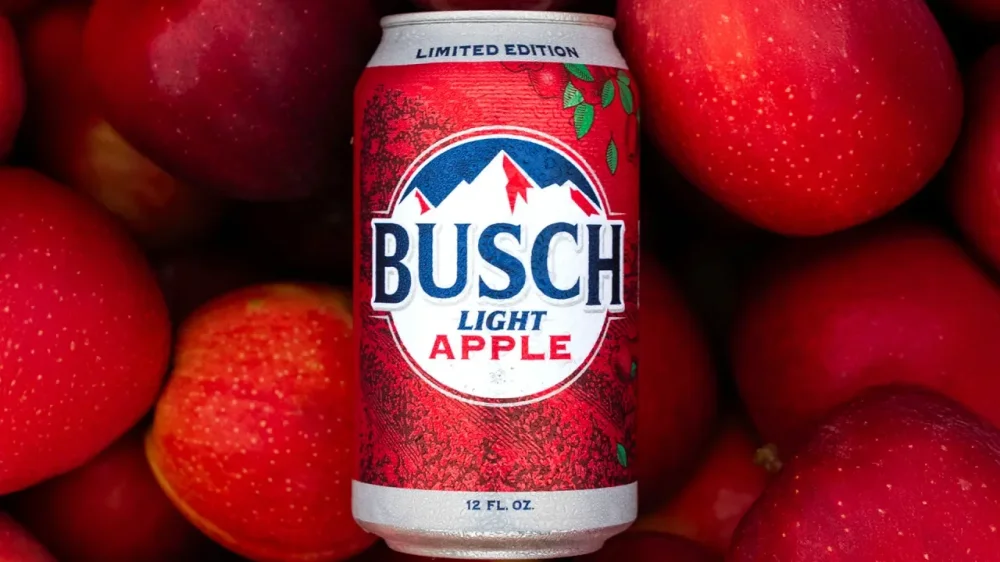
The rumors are true: Anheuser-Busch confirmed on Tuesday that its viral sensation Busch Light Apple will be back in stores in May for the first time since 2022. That’s welcome news to the legions of diehard fans who have been appealing the St. Louis-based beer maker to bring the apple-flavored lager back to stores for the past three years. “Before Busch Light Apple was taken off shelves, our fans chased down trucks to get their hands on it,” Krystyn Stowe, head of marketing at Busch Family & Natural Family at Anheuser-Busch, said in a statement to Fast Company. “They created Facebook groups with thousands of members to mourn the loss of their favorite beer, and Reddit threads became a new home for those looking to connect with others who miss the signature sweet taste of Busch Light Apple.” In recent weeks, people have taken to social media to share that they’ve apparently found early-release cans of Busch Light Apple on shelves or videos of the beer on assembly lines. Such posts have typically sparked large numbers of comments from fans asking where the beer can be located. It’s a bit tricky to unpeel what exactly kicked off the rumor mill this spring that “Babble”—as fans call it—might be revived this year. However, in mid-March, a user on the X platform shared a photo that he said was from a December 2024 Anheuser-Busch meeting indicating a return of the fan-favorite beverage. That photo was subsequently shared widely across various social media platforms. To be fair, some fans were hoping it was a sign of good things to come as far back as October when Busch Beer celebrated National Apple Day with a photo of a bushel of the beer and apples on Instagram. “One in every three comments on Busch Light’s social posts is from fans urging us to bring back Busch Light Apple, and we’ve read every single one,” Stowe added in a statement. But the good-news announcement comes some news that might disappoint: The company promises that Bapple will only be available while supplies last and urges fans to stock up. That said, Busch tells Fast Company that fans can expect to see the beer in stores “all summer long.” Busch league of fans All of this fervor might leave some of you scratching your heads in confusion: People are this passionate about . . . a Busch beverage? Oh, you have no idea. Something special seemingly happened when the Busch brand dropped its first flavored beer from the family tree in July 2020. Whether it’s the taste, the timing of the beverage launch, or the company’s announcement that lampooned an Apple keynote presentation of new tech product launches, the beverage soon amassed a loyal Busch league of fans. How loyal? A lot of people toss around the word “favorite” when describing the lager that’s made with real apple extract. And while there’s seemingly a market for everything on eBay, some people have recently sold Bapple merchandise for $200 and up, while empty cans or even an empty box case could fetch $10. Apple tie-in This year, Anheuser-Busch has once again played up that Apple tie-in, enlisting a perhaps-unlikely spokesperson for the beverage’s rebirth: Ronald G.Wayne, who cofounded the tech giant alongside Steve Wozniak and Steve Jobs. Wayne, now 90, liquidated his 10% stake in Apple in 1976 for just $800 and he’s parlaying a billion-dollar mistake that happened nearly 50 years ago as a selling point for fans to stock up on Busch Light Apple. “This time, I’m not missing out on a great, Apple-related opportunity,” Wayne says in the YouTube ad before pointing to a pallet of Bapple and calling it “a real good investment.” When and where will Busch Light Apple beer be available? For fans who can’t wait to get their hands on a cold can of Bapple, the Busch website has a locator feature to search for any brew, including Busch Light Apple, by zip code. View the full article
-
"If you can’t afford fair salaries, it’s time to fix your machine—not squeeze your people." The Disruptors With Liz Farr Go PRO for members-only access to more Liz Farr. View the full article
-
"If you can’t afford fair salaries, it’s time to fix your machine—not squeeze your people." The Disruptors With Liz Farr Go PRO for members-only access to more Liz Farr. View the full article
-
SEO is all about optimizing for, well, search. In 2018, I defined SEO as: “The art and science of persuading search engines such as Google, Bing, and Yahoo, to recommend your content to their users as the best solution to their problem.” In 2025 (and beyond), we can define search, answer, and assistive engine optimization as “The art and science of persuading recommendation engines such as Google, Bing, Yahoo, ChatGPT, Perplexity, Siri, Alexa, and Copilot to recommend your solution to their users as the best in the market.” The aim is the same – get the conversion. The difference? We have more engines. The recommendation is often further down the funnel. We have two additional foundational technologies to optimize for. 3 technologies powering recommendation engines At the heart of the future of search and research online lie three foundational technologies: Large language model chatbots. Search engines. Knowledge graphs. Every search, answer, and assistive engine uses a unique combination of these three technologies, each blending them differently to deliver its own “flavor” of recommendations. Large language model chatbots The key functionality that LLM chatbots bring to the table is their ability to engage in conversation with people. This means they can directly answer questions, make suggestions, and actively guide the user toward the “best” solution to their problem. Standalone, their weakness is that: They hallucinate (invent facts). They are pretrained on a limited amount of data. The information is never up to date (think: football scores and flight updates). The next two technologies are designed to solve those issues. Dig deeper: Decoding LLMs – How to be visible in generative AI search results Knowledge graphs Knowledge graphs are huge machine-readable encyclopedias full of facts about entities (people, companies, films, topics, concepts, etc.). For example, Google’s Knowledge Graph is currently at least 10,000 times bigger than Wikipedia. Knowledge graphs are great for structuring information and fact-checking. When you add a knowledge graph and a search engine to a chatbot, you solve the first problem: hallucinations. Dig deeper: When and how to use knowledge graphs and entities for SEO Search engines When you add a search engine that the chatbot can summarize, you expand its information source beyond its training data and ensure up-to-date responses. Perplexity does this very well. And, because the LLM chatbot can summarize the search results for the user, the need to rank first is no longer the key to success. Relevancy becomes more important since the engines will cite the most relevant reference from the top results for each piece of information it provides in its summary. Important: Here, even more than in traditional search, ranking applies across all types of results – not just blue links, but also news, videos, maps, books, shopping, images, and more. With a hybrid search / knowledge / LLM chatbot result, the key is to hit one or more of these KPI: Be in the top 10-20 results. Have a presence in the knowledge graph. Be most relevant to the intent of the user. Complementary strengths of the three technologies LLM chatbots provide the ability to converse with the user. Knowledge graphs provide fact-checking and topical context. Search adds breadth and freshness to the information for the conversation. Historically, search engines came first, and Google continues to dominate, so for now, the “flavor” most people use is still search-first. From a user experience perspective, however, the LLM chatbot seems to be the more natural starting point. People are gradually moving toward that, and in a few years, conversational research will almost certainly take over from search. The key point to remember is that all these AI search, answer, assistive, and recommendation engines function fundamentally the same way, so the same strategy works for them all. Dig deeper: 6 easy ways to adapt your SEO strategy for stronger AI visibility Get the newsletter search marketers rely on. Business email address Sign me up! Processing... See terms. How do different recommendation engines use the three technologies? Note: The percentages I provide below are my rule-of-thumb guesstimates for the influence of each as of March. Don’t take these numbers literally; they are simply illustrative based on my experience and a bird’s-eye evaluation of the data we collect. Google Search With Google Search, the kickoff is search, with content from their knowledge graph in the form of: Knowledge panels. Entity lists. Topical filter pills. Other knowledge SERP features. Plus, LLM summaries (AI Overviews) for some queries. Approximate blend: 15% LLM. 25% knowledge graph. 60% search. Bing Search This is also primarily search with content from their knowledge graph in the form of: Knowledge panels. Topical filter pills. A heavier integration of LLM than Google with generative AI content integrated directly into the SERP. Plus, a direct option of using their LLM chatbot, Copilot. Approximate blend: 30% LLM. 15% knowledge graph. 55% search. ChatGPT ChatGPT is an LLM-driven chatbot, supplemented with search results, and limited use of a knowledge graph, if any. Approximate blend: 65% LLM. 0% knowledge graph. 35% search. Perplexity Perplexity is fundamentally an engine that provides LLM-driven summaries of search results Approximate blend: 50% LLM. 0% knowledge graph. 50% search. Google ‘Learn About’ This experimental feature is a clear indicator of where recommendation engines are headed. It’s the engine that is the closest to what I would imagine is the “ideal mix” of the three technologies, providing: LLM-driven summaries of search results. Some fact-checking using their knowledge graph. Directly embedded search results. LLM and search-driven follow-up questions. Contextual topical filter pills on the left-hand side (using both LLM and knowledge graph). It’s designed to be a multimodal, contextually smart learning environment that guides the user toward the best solution (and from a marketing perspective, down the funnel to the perfect click). Approximate blend: 40% LLM. 20% knowledge graph. 40% search. LLM chatbots, search engines, and knowledge graphs share the same data source Optimizing for all three technologies may seem impossible at first. However, LLM chatbots, search engines, and knowledge graphs all get most of their information from one source: the web. LLM chatbots are pretrained on data collected from the web. Search results are generated in real time by information collected from the web. Knowledge graphs are populated with facts extracted from the web. The effectiveness of LLMs in generating accurate and informative responses. The relevance of search engine results. The comprehensiveness of knowledge graphs. All three are intrinsically linked to the quality and structure of the information on the web. That means optimizing your digital footprint is the key to optimizing for all search, answer, assistive, and recommendation engines, whatever the blend of the three foundational technologies now and in the future. You must focus on providing high-quality, accurate, and well-structured content across your entire digital ecosystem. Hyper-optimize your small corner of the web. By doing that, you will improve the probability you’ll: Be included in LLM conversations. Be accurately and confidently understood by knowledge graphs. Rank in search. What you can do to optimize for every flavor of recommendation engine Since they all use the web as their data source, your ability to influence them stems from managing your digital footprint across the web. SEO traditionally focuses primarily on ranking the website in search results. Ranking the website is still valuable, but its primary aim is to provide a hub of clear and detailed information about the entity (company, person, book, film, etc.) that each of the three technologies can use as a reference. Optimizing your entire webwide digital footprint and using your website to “join the dots” is the winning modern SEO strategy. Practical strategies for advanced SEOs Entity optimization (Understandability) The aim here is to ensure that the algorithms behind the LLM, search, and knowledge graphs can represent who you are and what you do. For this, you need to create a clear and consistent set of facts across your entire digital footprint that is perfectly connected. You must implement the “hub, spoke, and wheel” model. The About page on the website is the entity home hub where you state the facts (who you are, what you offer, and who you serve). The external digital footprint is the wheel (that needs to consistently corroborate what you say on the entity home page). You need to link from the hub to the different corroborative resources and back from the corroborative resources to the entity home, where possible. These are the spokes. With that in place, the bots following links will go from the entity home to each corroborative source and back, consistently seeing the same information, and by pure repetition will understand. E-E-A-T / N-E-E-A-T-T (Credibility) You need to start by expressing your credibility (through notability, expertise, experience, authoritativeness, trustworthiness, and transparency) clearly on the entity home website (the hub of your digital presence) and across your entire digital footprint. Take the time to improve how you present your existing credibility signals, such as: Awards. Publications. Certifications. Reviews. Qualifications. Relationships with market leaders. Then, ensure this information is accessible for bots to find. This includes: Your website. Second-party (controlled and semi-controlled) sites, such as: Social media accounts. Crunchbase. Etc. Amplify these signals further by getting them mentioned on relevant third-party sites like news outlets or industry associations. Now, you can start to build additional credibility signals: Get more reviews from clients. Write a book, publish academic papers. Take a certification. Join an industry organization. Build relationships with market leaders. Communicate those on first, second, and third-party websites just as you did with your existing credibility signals. Content (Deliverability) Deliverability is all about your content strategy. Long gone are the days when text-only pages were enough. Today, you need multimedia – images, sound, video, and text. Make sure you help the bots (optimize) by adding textual clues for them, such as: Alt tags. Transcripts. Captions to your images, videos, and audio. Traditional SEO focuses on publishing content on the brand’s website. That approach remains valid but needs to be expanded to second- and third-party sites. Off-site content is incredibly powerful and often overlooked. And don’t ignore user-generated content: Client reviews. Videos about your company or products. Articles. Social media posts. Be active and actively encourage your clients to actively talk about your brand and create content about it. Preparing your SEO / AEO strategy for the future The “secret sauce” is simple: no matter how different recommendation engines may look on the surface – whether it’s Google, ChatGPT, Perplexity, or Bing Copilot – they all rely on the same core ingredients. They use the web as their primary source of information for large language models, search engines, and knowledge graphs, blending these technologies to deliver solutions and answers. By taking control of your digital footprint, you shape the exact information these systems use. You’re not just hoping to be found; you’re ensuring that the content they find is comprehensive, relevant, accurate, consistent, and aligned with your brand. That’s how you safeguard your SEO and AEO strategy, becoming the go-to recommendation in both search and AI. View the full article
-
Here is a recap of what happened in the search forums today, through the eyes of the Search Engine Roundtable and other search forums on the web. OpenAI added shopping search features to ChatGPT Search...View the full article
-
Spicy pickle soda. Dirty protein soda. Cereal milk soda. These aren’t your standard mocktail offerings—but that’s exactly the point. On May 12, Olipop will launch its first-ever soda drive-thru in Los Angeles, offering an array of offbeat, internet-inspired drinks and limited-edition mocktails, with the first drink free to the public. The pop-up event taps into the internet’s growing obsession with so-called “beverage goblin” culture, which has people cycling through multiple drinks at once for hydration, energy, and fun. “There’s just so much chatter around just these internet drinks and the whole like beverage goblin trend, where people have their hydration drink, their fun drink, and their caffeine on their desk,” said Steven Vigilante, Olipop’s director of strategic partnerships. “This is a reflection of that . . . Giving people an opportunity to actually do something, get out of the house and go try one of these for free.” The drive-thru mocktail menu leans into the experimental, including three different flavors. There’s the Cereal Milk Soda, which is an orange cream Olipop mixed with vanilla almond milk, rimmed with vanilla frosting, and topped with fruit cereal. There’s also the Dirty Protein Soda, which is an orange cream with Koia’s vanilla bean protein shake. And there’s the Spicy Pickle Soda, a mix of pickle and jalapeño juice with Olipop’s vintage cola. While the novelty drinks are temporary, one fan favorite is making a permanent return. Olipop’s 12-ounce orange cream flavor, which first went viral in 2021, is officially joining the brand’s year-round lineup. Fans have been asking for its comeback on social media: “Love this bestie but pls bring back orange cream,” wrote one Instagram user. Another added, “Next bring back orange cream pls . . . I’ve never tasted anything better in my life.” Starting April 29, it’s back permanently in the flavor lineup. The event also relates to the resurgence of soda culture—specifically, the “dirty soda” trend that blew up following the release of The Secret Lives of Mormon Wives in late 2024. The reality series highlighted the oversize soda drinks popular in Utah, where chains like Swig and Sodalicious serve highly customized soft drinks mixed with flavored syrups and cream. Olipop’s orange cream soda fits right in with the trend. “Creamy fruit flavors are the best for dirty sodas. They mix really well with the creamer. And we just thought this would be a fun way to do it. It’s like a kickoff this summer,” Vigilante said. “This is a beverage brand and a product that people need to try and touch and feel and taste.” Adding to the event, Olipop is teaming up with Crocs for a limited-edition merch drop. The collaboration includes bright orange Bae Clogs in an “Orangesicle” colorway and exclusive Jibbitz charms. The items won’t be sold online or in stores, as only a limited number will be given away at the drive-thru while supplies last. Attendees can also try a drink designed for the occasion: the Orange Dreamsicle Crocs-Tail—a mix of Olipop’s orange cream, half and half, vanilla syrup, whipped cream, and a branded popsicle. For those unable to attend in person, Olipop will run a virtual version of the event from May 12 through May 19. Online participants can enter to win a drive-thru kit or a case of the returning orange cream flavor. The event was originally planned for January, but postponed due to wildfires in Los Angeles. Now, it’s being used in association with the company’s community-first approach. “We are using this drive-thru as a way to create a nice community event in L.A. and give back to some of the folks who were impacted by the fires,” said Vigilante. View the full article

-
Enthusiasm peaks in the early days of a new job. New hires are creative, motivated, and often, a fresh dose of optimism compared to their more tenured teammates. Yet, in a matter of weeks, that initial enthusiasm plunges by an average of 22%. The innovation and discretionary effort that comes with new-hire enthusiasm are a strategic advantage for any organization. But to be impactful, new-hire energy must last beyond the first few weeks. Here are four tips to preserve that early days’ enthusiasm: 1. Give Context, Not Just Content Too often, new teammates find out “how it works here” through pushback, sideways glances, and a slap on the wrist over red tape they didn’t know existed. As a result, the motivation to drive results is quickly outweighed by the fear of reputational risk or political consequence. It’s a preventable comedown. Effective onboarding must go beyond role-specific content. Organizational context is what gives new teammates the foundation to dive in effectively. In the onboarding process, answer questions like: How do different teams typically work together (or not)? Are there cultural norms around offering feedback? Is the decision-making hierarchy fluid or more rigid? What metrics are most important to the organization? (Beyond individual OKRs) Who determines what’s considered “urgent,” and how is that typically communicated? This foundation enables new hires to make an impact fast, without fear of stepping on a cultural landmine. 2. Prove a Failure Tolerance If your organization needs to progress, failure inevitably comes with the territory. Yet, the prospect of failing can send a shockwave through someone eager to impress. A “Move fast and break things” poster does not have enough credibility to inspire risk-taking. Instead, prove an organizational failure tolerance by citing specific examples in onboarding. Share stories about failed launches, the buggy beta version, or internal projects that didn’t pan out. Talk about what was learned, how the organization adapted, and most importantly, that the people behind those efforts are still here. 3. Follow-up on the Invitation for “New Ideas” The onboarding process can be overwhelming. Between setting up passwords, learning names, and attempting to decipher health insurance, there isn’t much brain space left for innovation in the first few days. If you want new hires to speak up and bring a fresh perspective, follow up on that invitation after they’ve had time to settle in. Go beyond “Got any ideas?” Ask pointed questions that show your interest in their perspective. Try prompts like: I’m curious about your take on this—do you think we’re missing anything? If you could start this (project, process, product) from scratch, what would you change? Were there any moments where you thought, “Why do we do it this way?” Showing new hires that “We want new ideas!” isn’t just a perfunctory corporate welcome. 4. Share the Metrics, But Don’t Start the Clock Ambitious new hires want to know the criteria for success. Even if they don’t ask, share the metrics a new hire will (eventually) be evaluated against. Whether it’s delivery timeline, revenue targets, or client satisfaction, be clear about what good looks like. But don’t start the clock right away. Give new hires time to build relationships and develop a meaningful understanding of how to achieve those numbers effectively. If metrics are not shared up front and only surface during a later performance review, it can feel like the rules are being made up mid-game. On the flip side, starting assessment on the first day can feel overwhelming or even unfair. Align early on key metrics of success, but delay starting the “clock” for 60–90 days in performance-based roles. Be transparent, but not premature in applying pressure. Will every day of work be as exciting as day one? Probably not. The adrenaline of a new job is impossible to sustain. Yet, with intentionality, preserving new-hire enthusiasm is possible. View the full article

-
We may earn a commission from links on this page. Deal pricing and availability subject to change after time of publication. The Razer Kishi Ultra is finally seeing a real price break, now down to $99.99 from its usual $149.99—the lowest it’s been, according to price trackers. Razer Kishi Ultra Gaming Controller $99.99 at Amazon /images/amazon-prime.svg $149.99 Save $50.00 Get Deal Get Deal $99.99 at Amazon /images/amazon-prime.svg $149.99 Save $50.00 Designed mainly for Android phones and newer iPhones with USB-C, the Kishi Ultra snaps onto your device with a springy bridge that can handle anything between 4.7 and 8.3 inches long. In hand, it feels closer to a full-size Xbox controller split in half, complete with offset analog sticks, large tactile buttons, clicky bumpers, and analog triggers. That said, its wide build does make it less travel-friendly compared to the Kishi V2 Pro, but the trade-off is comfort, especially for bigger hands or longer gaming sessions. The physical controls of the Kishi Ultra are reportedly snappy and responsive. You get a familiar Xbox-style setup with a big D-pad, customizable L4 and R4 triggers, and optional RGB lighting for a bit of flair. Plus, the addition of haptic feedback brings an extra punch to every shot or impact in games like Ultrakill. Beyond that, the Kishi Ultra includes practical touches like a USB-C port that supports pass-through charging and a 3.5mm headphone jack for wired audio. On Android, you get bonus features like virtual controller support for games without native control mapping (think Genshin Impact). However, if you’re an iPhone user, you’ll miss out on that feature. Also, cloud gaming on iOS through Xbox Game Pass isn’t quite as smooth, needing a web-based workaround instead of a clean app experience. Still, the core experience holds strong across both platforms. Some quirks remain, like a bit of twitchiness in the analog triggers (especially when you’re trying to finely control acceleration in driving games—something to keep in mind if you’re picky about racing or precision-heavy titles, notes this PCMag review) and the overall size, making it a pain to stuff into smaller bags. But if you can work around that, this is about as close as mobile gaming gets to feeling console-grade. Plus, with the ability to plug it into a PC via USB-C and use it as a wired controller, it quietly doubles its value. View the full article
-
The The President administration has frozen, stalled or otherwise disrupted some $430 billion in federal funds—from disease research to Head Start for children to disaster aid—in what top Democrats say is an “unprecedented and dangerous” assault on programs used by countless Americans. Sen. Patty Murray of Washington and Rep. Rosa DeLauro of Connecticut on Tuesday released an online tracker that is compiling all the ways President Donald The President and his adviser Elon Musk’s Department of Government Efficiency are interrupting the flow of federal funds, often going up against the law. “Instead of investing in the American people, President The President is ignoring our laws and ripping resources away,” said Murray and DeLauro, who are the top Democrats on the Appropriations committees in Congress. “No American president has ever so flagrantly ignored our nation’s spending laws or so brazenly denied the American people investments they are owed,” they said. The tally is far from complete or exhaustive, the lawmakers said, but a snapshot in time. It comes in a rapidly changing political and legal environment as the The President administration faces dozens of lawsuits from state and local governments, advocacy organizations, employees and others fighting to keep programs intact. At 100 days into The President’s return to the presidency, the project showcases the extent to which the White House is blocking money that Congress has already approved, touching off a constitutional battle between the executive and legislative branches that has real world ramifications for the communities the lawmakers serve. The White House and its Republican allies in Congress have said they are working to root out waste, fraud and abuse in government. The The President administration is in court fighting to keep many of the administration’s cuts even as Musk, whose own popularity has dropped, says he will be cycling off DOGE’s day-to-day work. And The President’s director of the Office of Management and Budget intends to soon send Congress a $9 billion rescissions package, to claw back funds through cuts to the U.S. Agency for International Development and others. Murray and DeLauro said they want to “shine a light on President The President’s vast, illegal funding freeze and how it is hurting people in every zip code in America.” They said it’s time for The President and Musk “to end this unprecedented and dangerous campaign.” While Republicans have also stirred with concerns about The President’s spending cuts, many are reluctant to do so publicly as they try to avoid The President’s reactions. Instead, they tend to work behind the scenes to restore federal dollars to their home states or other constituencies that have been put at risk by The President’s actions. The powerful Appropriations committees in the House and the Senate, where Republicans have majority control of both chambers, draft the annual funding bills that are ultimately approved by Congress and sent to the president’s desk for his signature to become law. —Lisa Mascaro, AP Congressional Correspondent View the full article

-
The startup playbook that built Uber, Airbnb, and DoorDash is becoming obsolete in real-time. As AI compresses jobs that once required hundreds of employees into algorithms, we’re witnessing the birth of a new company archetype—capital-efficient, immediately profitable, and surprisingly small. With a variety of software to use for all aspects of building a business—from Shopify for e-commerce to Stripe for payments—and low operating costs, innovation just keeps making everything that much more efficient. Advancements in AI are turbocharging this even further. Now, companies not only need less software and less capital for solutions to get off the ground, but they also simply need fewer people. From marketing to design to data management, AI can perform and accelerate many processes that take place in a growing company. Whether it’s automating website copy and social posts, assisting with interface and ad design, or even processing data sets to inform strategic decisions, many are already using AI to do this and more. This means it now takes the least amount of money it ever has to grow and scale a company. As a result, revenue scale is being achieved with the fewest number of employees ever and profitability is soon to follow suit. Acquisitions and IPOs are out of date Starting a company the “old” way was coming up with an innovative idea, followed by creating a minimal viable product and getting users. Raising venture capital to fund additional growth was the traditional next step, with ownership of the company being diluted every step of the way as new and necessary capital came in in which was needed to reach true scale. An ideal outcome would then be an exit through an acquisition or an IPO, but the odds are actually often against the company in that instance. In fact, only 1–1.5 percent of companies actually reach a “good exit” within the first five years. And when they do exit, the team’s ownership has often been so diluted that their stake in a $100M sale could be less than if they raised just a few million and sold for $25M. Sometimes, consistently batting singles and doubles is better than trying to swing for home runs. The $100M company with one employee More and more stories like this are surfacing. Companies are reevaluating the need for venture capital and how much, if any, money to raise. There’s a lot of talk about the first $100M revenue company with just one employee because of AI, and we’re getting closer to that every day. In general, companies utilizing AI to its maximum potential are proving to be extremely efficient in terms of revenue per employee, because there is less needed to achieve the same growth trajectories. The best case study for this may be Midjourney, a company which has raised no outside capital at all but was last projected to be valued at more than $10B, in 2023, if they were to go out and fundraise—a number that is likely even higher now given the company’s continued growth. Because it’s easier than it’s ever been to start, grow, scale, and become profitable, the question now is, How much money companies should be raising? When there’s so many more viable options, some have begun to wonder why raise money at all. New forms of financing All of this raises another fundamental question: What does this mean for the future of the tech ecosystem? The new normal may become financing through debt. If companies can turn a profit sooner than ever and the ability to get there requires far fewer employees, there are a lot more financing options for EBITDA-positive companies, including raising debt from banks, which is relatively inexpensive, or securing financing using revenue as the collateral. Because raising money from VCs requires diluting ownership and answering to shareholders, it is far and away the most expensive capital a company can find. If there’s a world where capital can just come from debt, companies will get the best of both worlds: scaling the business on their terms while retaining ownership the entire way. This is likely going to be one of the most popular options in the AI-first era. Disrupting the conventional VC model VCs, meanwhile, will have to adapt their approach to adjust for a world in which their capital is simply less interesting to a company. Traditionally, their model is to get outsized returns from a handful of investments, which offsets the losses from the majority of the investments that don’t return anything. VCs usually do this by investing and gaining significant ownership stakes in companies over time, reinvesting in round after round of the “winners” in their portfolio. These companies historically have come back for more capital because that was the way it was always done. That looks a lot different now when the companies they want to invest in only need to raise very little capital and in turn they don’t get the ownership stake they need to generate those outsized returns. To keep up, VCs can look to new models and find companies outside of their normal view. It may look a bit less like software, and more like service-based companies that they previously avoided. These businesses are still ripe for disruption and have the potential to experience a dramatic lift from incorporating new technology—specifically AI—into the mix. Investing in these types of businesses gives VCs the chance to capture the traditional types of returns over time, even if it starts to look more like private equity. The model becomes less about picking a handful of big winners, and more about ensuring that the majority of the companies they invest in are successful, even if just modestly. An existential question The next decade won’t just transform what startups build, but it will fundamentally reinvent how they’re built. The companies that thrive won’t necessarily be the ones with the most capital, but those that strategically deploy technology to maximize impact with minimal overhead. For companies and investors alike, adapting isn’t optional—it’s existential. View the full article
-
Local brand soars 13-fold in March as US fizzy drink is rejected in protest against US foreign policyView the full article
-
S&P 500 on course to lose 8% since inauguration day in weakest start to a presidency since 1970sView the full article
-
Key Takeaways Understand Monograms: Monograms are personalized designs combining letters, offering a unique branding element that resonates with customers and enhances product appeal. Market Demand: There is a growing demand for personalized products, making it a lucrative opportunity for entrepreneurs. Tailoring offerings to customer preferences can boost acquisition and retention. Research and Planning: Conduct thorough market research to identify your target audience, analyze competitors, and develop a comprehensive business plan that outlines your business model and growth strategies. Choose Your Niche: Selecting a specific niche helps differentiate your business in the monogram market, enabling you to focus marketing efforts and optimize product offerings for targeted demographics. Essential Tools and Equipment: Invest in quality sewing and embroidery machines, supplies, and design software to ensure high-quality production and streamline the creative process. Effective Marketing: Build a strong online presence and utilize social media to showcase products, engage with your audience, and drive traffic to your business for increased sales. Starting a monogram business can be an exciting venture that taps into the growing demand for personalized products. With a unique touch, you can transform everyday items into cherished keepsakes and gifts that resonate with customers. Whether it’s custom towels, bags, or home decor, the possibilities are endless. In today’s market, personalization is more than just a trend; it’s a way to connect with your audience. By offering tailored designs, you can carve out a niche that sets your business apart. If you’re ready to turn your creativity into a profitable enterprise, let’s explore the essential steps to launch your monogram business and make your mark in this vibrant industry. Understanding Monograms Monograms have become essential for branding in small businesses, especially for personalized products. They’re distinctive designs that combine letters, often initials, into a single symbol. Customers love monograms for their unique touch on an array of items, such as towels, bags, and home decor. What Are Monograms? Monograms are personalized symbols or designs created by intertwining or overlapping letters. Typically, they feature an individual’s initials or a company’s name. For small business owners, understanding monograms means exploring various design styles—interlocking, circular, block letters, or script. These designs can elevate product appeal, making items feel bespoke and special to the buyer. History of Monograms Monograms date back to ancient Greece, where they served as personal signatures or marks of ownership. They gained popularity during the Renaissance, primarily among nobility, who showcased monograms on clothing, art, and household items. In modern times, monograms have evolved into a popular branding tool for entrepreneurs. They enhance brand identity and promote recognition in the marketplace, thereby boosting customer acquisition and retention. Understanding this rich history supports your ability to promote your monogram business effectively. Benefits of Starting a Monogram Business Starting a monogram business provides unique benefits that can enhance your entrepreneurial journey and contribute to your small business success. Creative Expression Creative expression stands at the forefront of launching a monogram business. Monogramming allows for high levels of customization, enabling you to create personalized products that resonate with your target audience. You can offer embroidered initials on items like t-shirts, bags, towels, and home decor, making them distinctive. Design variability also plays a crucial role; you can incorporate different styles, from traditional to modern, using elements like serifs and swirls. This adaptability caters to diverse customer preferences and highlights your brand’s uniqueness. Market Demand Market demand for personalized products continues to rise, presenting a lucrative opportunity for your startup. Customers increasingly seek meaningful gifts and personalized items that reflect their identity or sentiments. Conducting market research reveals a growing trend in e-commerce, making it essential to establish an effective business model that captures this audience. By focusing on customization, you align with current consumer preferences, enhancing customer acquisition and retention. Additionally, leveraging digital marketing strategies, including SEO and social media campaigns, effectively promotes your unique offerings and drives sales. Establishing strong branding through your monogram designs ensures customer recognition and encourages repeat business, laying the foundation for sustainable growth. Steps to Start a Monogram Business Starting a monogram business involves strategic planning and execution. Focus on your target audience and ensure your offerings resonate with their needs. Follow these essential steps to launch your venture successfully. Research and Planning Conduct thorough market research to understand demand for monogramming services. Identify your ideal customer and determine what products attract them, such as bags, towels, or clothing. Analyze competitors to gauge their strengths and weaknesses. Create a comprehensive business plan that outlines your business model, whether online or in a physical location. Include specific growth strategies, defining measurable goals that facilitate your journey towards success. Choosing Your Niche Selecting a niche is crucial in standing out in the monogram market. Consider targeting specific demographics, such as college students or wedding planners, who are likely to seek personalized items. Evaluate product types that align with your niche, ensuring a clear focus that enhances customer acquisition. This specialization allows you to fine-tune your branding efforts, optimizing marketing strategies that appeal directly to your audience. By offering unique, tailored products, you can solidify your business identity and increase your market share in the growing personalization trend. Tools and Equipment Needed Starting a monogram business requires specific tools and equipment to ensure quality and efficiency. You’ll need to invest in various essential items for successful operations. Essential Equipment Sewing and Embroidery Machine: Invest in a high-quality embroidery machine with automatic thread tension and autopilot functions. This equipment is crucial for efficiently creating monograms on various items, allowing you to handle multiple projects simultaneously. Supplies: Stock up on sufficient thread in various colors, along with stabilizing materials, needles, and other necessary tools. These supplies support diverse monogramming projects and enhance product quality, making your offerings more appealing to customers. Software for Designing You’ll also need effective software for designing monograms. Embroidery Digitizing Software: Consider using tools like Embrilliance Essentials. This versatile software is compatible with both Windows and Mac systems. It allows you to merge, resize, and edit existing embroidery designs while supporting various file formats. Utilizing this software streamlines your design process and enhances creativity in product development, which is vital for your business model. By equipping yourself with the right tools and software, you set a solid foundation for your startup, improve product quality, and enhance customer acquisition strategies. Marketing Your Monogram Business Effective marketing strategies enhance visibility and customer acquisition for your monogram business. Focus on key areas like building an online presence and utilizing social media to connect with your target audience. Building an Online Presence Establishing a solid online presence is crucial for any small business. Your website serves as the primary platform for showcasing products, facilitating e-commerce, and communicating with customers. Optimize your site for SEO to improve search engine rankings and attract organic traffic. Include high-quality images of your monogram products, detailed descriptions, and an easy-to-navigate shopping interface. Consider including a blog section to share insights on monogram trends, providing valuable content that can draw in potential customers. Additionally, ensure your website is mobile-friendly. With over 50% of web traffic coming from mobile devices, a responsive design enhances user experience and increases conversion rates. Don’t forget to secure necessary permits and handle business registration as part of your online setup. Utilizing Social Media Utilizing social media platforms effectively can significantly boost your brand visibility. Focus on platforms like Instagram and Pinterest, which prioritize visual content, to showcase your unique monogram products. Regularly post engaging content that resonates with your audience, such as behind-the-scenes looks at your creative process or user-generated content featuring your products. Create targeted social media ads to reach specific demographics, enhancing your marketing efforts. Collaborate with influencers within the customization and handmade niche to expand your audience reach. By establishing partnerships, you expand your visibility and drive traffic to your online store. Monitor engagement metrics to track the effectiveness of your campaigns. Understanding how your audience interacts with your content allows you to innovate your approach continually. Ultimately, an effective social media strategy complements your overall growth strategy, driving sales and brand loyalty. Conclusion Starting a monogram business can be a rewarding venture that taps into the growing demand for personalized products. By focusing on customization and unique branding, you can create items that resonate with your customers and stand out in a competitive market. Investing in the right tools and marketing strategies will lay the groundwork for your success. Embrace your creativity and connect with your audience through tailored designs that tell their stories. With the right approach, your monogram business can flourish and become a beloved source of personalized keepsakes. Frequently Asked Questions What is a monogram business? A monogram business specializes in creating personalized products featuring custom monograms—designs that combine initials into a unique symbol. This niche focuses on items such as towels, bags, and home decor, catering to the growing trend for personalized gifts. Why are personalized products in demand? Personalized products are increasingly popular because they offer a unique touch that resonates with customers. They provide a way to express individuality, making personalized items perfect for gifts and special occasions, contributing to their rising demand in the market. What are the benefits of starting a monogram business? Starting a monogram business allows for creative expression and the opportunity to cater to individual customer needs. Entrepreneurs can develop unique, customized products that stand out, leading to enhanced customer acquisition and retention in a growing market. What tools do I need to start a monogram business? Essential tools for a monogram business include a high-quality sewing and embroidery machine, thread, stabilizing materials, and embroidery digitizing software like Embrilliance Essentials. These tools help improve product quality and streamline the design process. How do I effectively market a monogram business? To market a monogram business effectively, focus on building a solid online presence through an optimized website and engaging social media platforms like Instagram and Pinterest. Use high-quality images, targeted ads, and influencer collaborations to enhance visibility and attract customers. Image Via Envato This article, "Essential Guide to Starting a Monogram Business for Creative Entrepreneurs" was first published on Small Business Trends View the full article
-
Key Takeaways Understand Monograms: Monograms are personalized designs combining letters, offering a unique branding element that resonates with customers and enhances product appeal. Market Demand: There is a growing demand for personalized products, making it a lucrative opportunity for entrepreneurs. Tailoring offerings to customer preferences can boost acquisition and retention. Research and Planning: Conduct thorough market research to identify your target audience, analyze competitors, and develop a comprehensive business plan that outlines your business model and growth strategies. Choose Your Niche: Selecting a specific niche helps differentiate your business in the monogram market, enabling you to focus marketing efforts and optimize product offerings for targeted demographics. Essential Tools and Equipment: Invest in quality sewing and embroidery machines, supplies, and design software to ensure high-quality production and streamline the creative process. Effective Marketing: Build a strong online presence and utilize social media to showcase products, engage with your audience, and drive traffic to your business for increased sales. Starting a monogram business can be an exciting venture that taps into the growing demand for personalized products. With a unique touch, you can transform everyday items into cherished keepsakes and gifts that resonate with customers. Whether it’s custom towels, bags, or home decor, the possibilities are endless. In today’s market, personalization is more than just a trend; it’s a way to connect with your audience. By offering tailored designs, you can carve out a niche that sets your business apart. If you’re ready to turn your creativity into a profitable enterprise, let’s explore the essential steps to launch your monogram business and make your mark in this vibrant industry. Understanding Monograms Monograms have become essential for branding in small businesses, especially for personalized products. They’re distinctive designs that combine letters, often initials, into a single symbol. Customers love monograms for their unique touch on an array of items, such as towels, bags, and home decor. What Are Monograms? Monograms are personalized symbols or designs created by intertwining or overlapping letters. Typically, they feature an individual’s initials or a company’s name. For small business owners, understanding monograms means exploring various design styles—interlocking, circular, block letters, or script. These designs can elevate product appeal, making items feel bespoke and special to the buyer. History of Monograms Monograms date back to ancient Greece, where they served as personal signatures or marks of ownership. They gained popularity during the Renaissance, primarily among nobility, who showcased monograms on clothing, art, and household items. In modern times, monograms have evolved into a popular branding tool for entrepreneurs. They enhance brand identity and promote recognition in the marketplace, thereby boosting customer acquisition and retention. Understanding this rich history supports your ability to promote your monogram business effectively. Benefits of Starting a Monogram Business Starting a monogram business provides unique benefits that can enhance your entrepreneurial journey and contribute to your small business success. Creative Expression Creative expression stands at the forefront of launching a monogram business. Monogramming allows for high levels of customization, enabling you to create personalized products that resonate with your target audience. You can offer embroidered initials on items like t-shirts, bags, towels, and home decor, making them distinctive. Design variability also plays a crucial role; you can incorporate different styles, from traditional to modern, using elements like serifs and swirls. This adaptability caters to diverse customer preferences and highlights your brand’s uniqueness. Market Demand Market demand for personalized products continues to rise, presenting a lucrative opportunity for your startup. Customers increasingly seek meaningful gifts and personalized items that reflect their identity or sentiments. Conducting market research reveals a growing trend in e-commerce, making it essential to establish an effective business model that captures this audience. By focusing on customization, you align with current consumer preferences, enhancing customer acquisition and retention. Additionally, leveraging digital marketing strategies, including SEO and social media campaigns, effectively promotes your unique offerings and drives sales. Establishing strong branding through your monogram designs ensures customer recognition and encourages repeat business, laying the foundation for sustainable growth. Steps to Start a Monogram Business Starting a monogram business involves strategic planning and execution. Focus on your target audience and ensure your offerings resonate with their needs. Follow these essential steps to launch your venture successfully. Research and Planning Conduct thorough market research to understand demand for monogramming services. Identify your ideal customer and determine what products attract them, such as bags, towels, or clothing. Analyze competitors to gauge their strengths and weaknesses. Create a comprehensive business plan that outlines your business model, whether online or in a physical location. Include specific growth strategies, defining measurable goals that facilitate your journey towards success. Choosing Your Niche Selecting a niche is crucial in standing out in the monogram market. Consider targeting specific demographics, such as college students or wedding planners, who are likely to seek personalized items. Evaluate product types that align with your niche, ensuring a clear focus that enhances customer acquisition. This specialization allows you to fine-tune your branding efforts, optimizing marketing strategies that appeal directly to your audience. By offering unique, tailored products, you can solidify your business identity and increase your market share in the growing personalization trend. Tools and Equipment Needed Starting a monogram business requires specific tools and equipment to ensure quality and efficiency. You’ll need to invest in various essential items for successful operations. Essential Equipment Sewing and Embroidery Machine: Invest in a high-quality embroidery machine with automatic thread tension and autopilot functions. This equipment is crucial for efficiently creating monograms on various items, allowing you to handle multiple projects simultaneously. Supplies: Stock up on sufficient thread in various colors, along with stabilizing materials, needles, and other necessary tools. These supplies support diverse monogramming projects and enhance product quality, making your offerings more appealing to customers. Software for Designing You’ll also need effective software for designing monograms. Embroidery Digitizing Software: Consider using tools like Embrilliance Essentials. This versatile software is compatible with both Windows and Mac systems. It allows you to merge, resize, and edit existing embroidery designs while supporting various file formats. Utilizing this software streamlines your design process and enhances creativity in product development, which is vital for your business model. By equipping yourself with the right tools and software, you set a solid foundation for your startup, improve product quality, and enhance customer acquisition strategies. Marketing Your Monogram Business Effective marketing strategies enhance visibility and customer acquisition for your monogram business. Focus on key areas like building an online presence and utilizing social media to connect with your target audience. Building an Online Presence Establishing a solid online presence is crucial for any small business. Your website serves as the primary platform for showcasing products, facilitating e-commerce, and communicating with customers. Optimize your site for SEO to improve search engine rankings and attract organic traffic. Include high-quality images of your monogram products, detailed descriptions, and an easy-to-navigate shopping interface. Consider including a blog section to share insights on monogram trends, providing valuable content that can draw in potential customers. Additionally, ensure your website is mobile-friendly. With over 50% of web traffic coming from mobile devices, a responsive design enhances user experience and increases conversion rates. Don’t forget to secure necessary permits and handle business registration as part of your online setup. Utilizing Social Media Utilizing social media platforms effectively can significantly boost your brand visibility. Focus on platforms like Instagram and Pinterest, which prioritize visual content, to showcase your unique monogram products. Regularly post engaging content that resonates with your audience, such as behind-the-scenes looks at your creative process or user-generated content featuring your products. Create targeted social media ads to reach specific demographics, enhancing your marketing efforts. Collaborate with influencers within the customization and handmade niche to expand your audience reach. By establishing partnerships, you expand your visibility and drive traffic to your online store. Monitor engagement metrics to track the effectiveness of your campaigns. Understanding how your audience interacts with your content allows you to innovate your approach continually. Ultimately, an effective social media strategy complements your overall growth strategy, driving sales and brand loyalty. Conclusion Starting a monogram business can be a rewarding venture that taps into the growing demand for personalized products. By focusing on customization and unique branding, you can create items that resonate with your customers and stand out in a competitive market. Investing in the right tools and marketing strategies will lay the groundwork for your success. Embrace your creativity and connect with your audience through tailored designs that tell their stories. With the right approach, your monogram business can flourish and become a beloved source of personalized keepsakes. Frequently Asked Questions What is a monogram business? A monogram business specializes in creating personalized products featuring custom monograms—designs that combine initials into a unique symbol. This niche focuses on items such as towels, bags, and home decor, catering to the growing trend for personalized gifts. Why are personalized products in demand? Personalized products are increasingly popular because they offer a unique touch that resonates with customers. They provide a way to express individuality, making personalized items perfect for gifts and special occasions, contributing to their rising demand in the market. What are the benefits of starting a monogram business? Starting a monogram business allows for creative expression and the opportunity to cater to individual customer needs. Entrepreneurs can develop unique, customized products that stand out, leading to enhanced customer acquisition and retention in a growing market. What tools do I need to start a monogram business? Essential tools for a monogram business include a high-quality sewing and embroidery machine, thread, stabilizing materials, and embroidery digitizing software like Embrilliance Essentials. These tools help improve product quality and streamline the design process. How do I effectively market a monogram business? To market a monogram business effectively, focus on building a solid online presence through an optimized website and engaging social media platforms like Instagram and Pinterest. Use high-quality images, targeted ads, and influencer collaborations to enhance visibility and attract customers. Image Via Envato This article, "Essential Guide to Starting a Monogram Business for Creative Entrepreneurs" was first published on Small Business Trends View the full article
-
Yelp announced 15 new features and updates to make it faster and easier for users to hire service professionals and for restaurants to manage their front-of-house operations. Many of these upgrades are powered by AI. Details. Yelp Assistant, launched in 2024, now uses AI-powered photo recognition to identify project needs. Users can simply upload a photo (e.g., a leaking pipe, car damage) and Yelp will quickly match them with the right service pro. Alongside smarter matching, Yelp is debuting AI-driven “response quality badges” to spotlight service providers who give clear, helpful replies. Businesses are rated based on whether they quote pricing, acknowledge project details, and offer thoughtful follow-up, instead of vague responses. To help national service brands manage leads more efficiently, Yelp is integrating its Leads API with Zapier. This no-code solution lets businesses sync Yelp leads into more than 800 CRM tools, cutting down manual work and speeding up customer responses. For restaurants. Yelp’s Guest Manager is getting a major upgrade. Yelp is introducing automated Guest Experience Surveys to gather feedback on food, service, and overall experience. Restaurants can spot trends through a new dashboard, with AI-driven insights coming soon. Reservation management is also getting smarter. Restaurants can now offer guaranteed seating areas – like patios or bars – directly through Yelp. Diners will see real-time updates about their waitlist status on their iPhone lock screens. Enhanced tools for shift scheduling, waitlist automation, and traffic tracking aim to give restaurants more control over their front-of-house flow. Why we care. These updates make it easier to capture and convert high-quality leads. With AI-powered photo recognition and response quality badges, businesses can connect faster with customers who have clearer, more detailed project needs. Plus, new integrations like the Zapier connection streamline lead management, helping advertisers respond quicker, track performance better, and ultimately close more deals with less manual effort. On the restaurant side, new Guest Experience Surveys, smarter reservation tools, and real-time waitlist tracking help businesses deliver a better guest experience and capture more reservations directly from Yelp and social media. Together, these upgrades mean businesses can build stronger customer relationships, operate more efficiently, and drive more revenue from Yelp’s platform. What’s next. Yelp plans to roll out Android and desktop support for AI photo recognition later this year. Nationwide availability for AI-powered response badges is coming soon. AI analytics for Guest Experience Surveys will launch in the coming months. View the full article
-
Google says AI Overviews are changing search. The data? Not so fast. See what 5 billion queries reveal about user behavior. The post The Data Behind Google’s AI Overviews: What Sundar Pichai Won’t Tell You appeared first on Search Engine Journal. View the full article
-
Installing software on Windows can be a pain. You'll find some things for download in the Microsoft Store, sure, but a lot of other applications require you to find the official website and download an executable. It's an annoying process, especially if you have a bunch of software you need to install all at once—a lot of waiting around and clicking "Next." Manually downloading software is also a security risk. The increasing unreliability of Google search results means it's harder to find a legitimate sources for a given app, increasing your odds of downloading malware. Linux users don't have to deal with this cumbersome process—they install software using a package manager, which can automatically download and install software in a couple clicks. And it turns out that Windows has a hidden Windows package manager called Winget, which lets you install software by opening the command prompt and typing the right command. But not everyone likes typing commands, which is where UniGetUI comes in. This application, formerly known as WingetUI, provides a visual interface for Winget and other text-based package managers. Just open the application, type the app you're looking for, and hit enter. Credit: Justin Pot You can double-click any result to read more details. You can search for and check as many applications as you want, then click Install Selected Packages to bulk install multiple applications at once There are a lot to choose from: UniGetUI searches WinGet, which has access to thousands of applications alongside everything in the Microsoft Store. This means you can use it to search and install software from the Microsoft Store without having ever open the Microsoft Store, which is nice. But there's more: package mangers Chocolatey, Scoop, Pip, Npm, .NET Tool, and PowerShell Gallery are also supported. If you don't know what that means, though, don't worry—they're just different sources for software. With everything combined into one app, you should be able to install just about anything using UniGetUI. Credit: Justin Pot You can also update applications from all of these sources, simultaneously, in the Software Updates tab. This is a big deal if you're the kind of person who hates seeing update prompts in all of your individual applications. There's even an optional widget you can install that allows you to trigger updates without opening the application. There are a few more features worth mentioning. You can create a bundle that includes multiple applications and save it for use on future computers, which is handy if you ever need to reinstall Windows and also want to reinstall all of your applications at once. You can even share your bundles of apps with friends, if you want. Not everyone needs an application like this, granted, but if you're the kind of person who installs a lot of software, I can't recommend it enough. View the full article
-
Google Discover desktop data is already trackable in Search Console. Here's how to prepare ahead of the full rollout. The post Google Discover Desktop Data Already Trackable In Search Console appeared first on Search Engine Journal. View the full article
-
The first 27 satellites for Amazon’s Kuiper broadband internet constellation were launched into space from Florida on Monday, kicking off the long-delayed deployment of an internet-from-space network that will rival SpaceX’s Starlink. The satellites are the first of 3,236 that Amazon plans to send into low-Earth orbit for Project Kuiper, a $10 billion effort unveiled in 2019 to beam broadband internet globally for consumers, businesses and governments—customers that SpaceX has courted for years with its powerful Starlink business. Sitting atop an Atlas V rocket from the Boeing and Lockheed Martin joint-venture United Launch Alliance, the batch of 27 satellites was lofted into space at 7 p.m. EDT pm from the rocket company’s launch pad at the Cape Canaveral Space Force Station. Bad weather scrubbed an initial launch attempt on April 9. Kuiper is arguably Amazon’s biggest bet under way, pitting it against Starlink as well as global telecommunications providers like AT&T and T-Mobile. The company has positioned the service as a boon to rural areas where connectivity is sparse or nonexistent. The mission to deploy the first operational satellites has been delayed more than a year—Amazon once hoped it could launch the inaugural batch in early 2024. The company faces a deadline set by the U.S. Federal Communications Commission to deploy half its constellation, 1,618 satellites, by mid-2026, but its slower start means Amazon is likely to seek an extension, analysts say. Hours or possibly days after the launch, Amazon is expected to publicly confirm initial contact with all of the satellites from its mission operations center in Redmond, Washington. If all goes as planned, the company said it expects to “begin delivering service to customers later this year.” ULA could launch up to five more Kuiper missions this year, ULA CEO Tory Bruno told Reuters in an interview this month. Amazon said in a 2020 FCC filing that it could begin service in some northern and southern regions at 578 satellites, with coverage expanding toward Earth’s equator as the company launches more satellites. The Web services and e-commerce giant’s Project Kuiper is an ambitious foray into space, with a late start in a market dominated by SpaceX. But Amazon executives see the company’s deep consumer product experience and established cloud computing business that Kuiper will connect with as an edge over Starlink. Amazon launched two prototype satellites in 2023 in tests it said were successful, before de-orbiting them in 2024. It had been relatively quiet about the program’s development until announcing its first Kuiper launch plans earlier this month. ‘ROOM FOR LOTS OF WINNERS’ Elon Musk’s SpaceX, with a unique edge as both a satellite operator and launch company with its reusable Falcon 9, has put more than 8,000 Starlink satellites in orbit since 2019, marking its 250th dedicated Starlink launch on Monday. Its deployment pace has hastened to at least one Starlink mission per week, each rocket with roughly two-dozen satellites on board to expand the network’s bandwidth and replace outdated satellites. That quick pace has helped Musk’s company amass more than 5 million internet users across 125 countries, upend the global satellite communications market and woo military and intelligence agencies that have sought to use Starlink and its manufacturing line for sensitive national security programs. Amazon Executive Chairman Jeff Bezos has voiced confidence that Kuiper can compete with Starlink, telling Reuters in a January interview “there’s insatiable demand” for internet. “There’s room for lots of winners there. I predict Starlink will continue to be successful, and I predict Kuiper will be successful as well,” he said. “It will be a primarily commercial system, but there will be defense uses for these LEO constellations, no doubt,” he added, referring to low-Earth orbit. Amazon in 2023 revealed its Kuiper consumer terminals, an LP vinyl record-sized antenna that communicates with Kuiper satellites overhead, as well as a smaller terminal whose size it compares to its e-book Kindle device. The company expects to make tens of millions of the devices for under $400 each. Amazon in 2022 booked 83 rocket launches from ULA, France’s Arianespace and Blue Origin, Bezos’ space company, snagging the industry’s biggest-ever launch deal as it prepared to begin Kuiper deployment. —Joey Roulette, Reuters View the full article

-
Rumors suggest that Apple is working on ways to make the iPad more like a Mac with iPadOS 19. While the company won't be bringing macOS to the iPad (as much as I'd love that to be the case) there could be upgrades that transform the tablet experience more into a desktop computing experience. The thing is, it isn't just the iPad that appears to be getting desktop features—the iPhone might be getting in on the fun, too. In a post covering the iPadOS 19 rumors, leaker Majin Bu had this to say about the iPhone: "iOS 19 isn’t being left behind. Source say that iPhones with USB-C will support external displays, offering a [Stage Manager-like] interface. While not a full desktop mode, it will allow users to extend their screen space, great for presentations, editing, or enhanced viewing." If true, this would be a huge change for the iPhone. While Apple lets you mirror your iPhone's screen to external displays, it has never offered an extended display option. With extended displays, you are able to have different windows open on different devices: You could use your phone to present a slideshow on a monitor or projector, while still using your phone to reference speaker notes, for example. A mirrored display, on the other hand, is much more limited, as you're only showing what's on your iPhone's screen on the larger display. It can be helpful, but also troublesome, as everything on your iPhone's display is mirrored. Getting to keep your iPhone's display private while controlling what gets displayed on the external screen would be a game changer. Extended displays also respect the dimensions of the screen you're connected. When you mirror your iPhone to a TV, for example, it'll show up vertically. If you're in an app that supports landscape mode, you can flip your iPhone to fill up more of the display, but it still won't match the dimensions of most TVs and monitors (unless you're using a Home button-era iPhone with a 16:9 display). The other exception is media playback, which will render in the original photo or video's dimensions, but the entire setup is far from ideal. All that said, Majin Bu does report that it's possible there will be issues with the resolution or number of apps that can be extended at any given time. Really, this rumor is thin, and doesn't offer us a lot of information to work from at this time. The iPhone would be far from the first mobile device to offer a feature like this. Apple's own iPads are able to extend to other displays via Stage Manager, and many smartphones offer a desktop mode—like Samsung's DeX. Could this "desktop" mode be a sign for a future device?9to5Mac seems to think this rumored feature isn't so much about Apple's vision for the iPhone as it currently exists, but another device entirely: the iPhone Fold. Apple's rumored foldable iPhone is still at least a year out if the leaks are to be trusted, but 9to5Mac sees its influence already. The outlet believes the device will act like an iPhone when folded and an iPad mini when unfolded, so such a device would benefit from a desktop mode. I buy the argument: If a foldable iPhone would benefit from a desktop mode—or at least extended display support—why not beta test that feature on existing iPhones while you continue to work on the foldable? Of course, it's all speculation, and Apple will almost certainly not reveal a foldable phone at WWDC 2025. But if the company does announce an extended display mode as part of iOS 19, it could offer a clue to the company's future plans for the iPhone. View the full article