ResidentialBusiness
Administrators
-
Joined
-
Last visited
Everything posted by ResidentialBusiness
-
 Today's Bissett Bullet: “Positive change in our firms happens when we decide to hold ourselves accountable for achieving the change and hire proven catalysts to help.” By Martin Bissett See more Bissett Bullets here Go PRO for members-only access to more Martin Bissett. View the full article
 -
Decision by federal court heightens the risks that Silicon Valley behemoth will need to sell assets View the full article
-
A US judge ruled Google acted illegally to maintain a monopoly in some ad tech. This is the second time a judge ruled Google willfully engaged in monopolistic practices. The remedies for these rulings are still being worked out but may strengthen the case to have Google's business broken up.View the full article
-
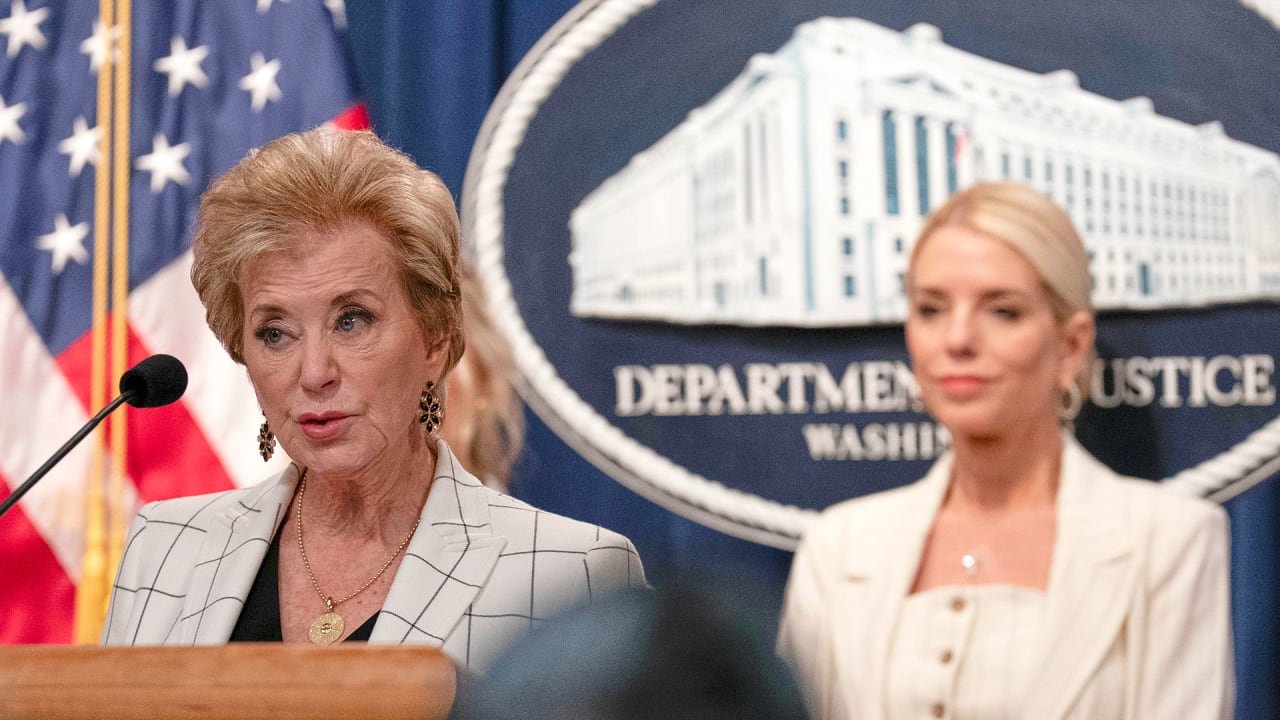
The The President administration on Wednesday sued Maine for not complying with the government’s push to ban transgender athletes in girls and women’s sports, escalating a dispute over whether the state is abiding by a federal law that bars discrimination in education based on sex. The lawsuit follows weeks of feuding between the Republican administration and Democratic Gov. Janet Mills that has led to threats to cut off crucial federal funding and a clash at the White House when she told President Donald The President: “We’ll see you in court.” The political overtones of the moment were clear, with Attorney General Pam Bondi — and one of the athletes who joined her on stage at the Justice Department — citing the matter as a priority for The President. Bondi said other states, including Minnesota and California, could be sued as well. “President The President, before he was elected, this has been a huge issue for him,” Bondi said. “Pretty simple: girls play in girls’ sports, boys play in boys’ sports. Men play in men’s sports, women play in women’s sports.” The President campaigned against the participation of transgender athletes in sports in his 2024 race. As president, he has signed executive orders to prohibit that and to use a rigid definition of the sexes, rather than gender, for federal government purposes. The orders are being challenged in court. The President’s departments of Education and Health and Human Services have said Maine’s education agency is violating the federal Title IX antidiscrimination law by allowing transgender girls to participate on girls teams. The Justice Department is asking the court to order the state to direct all schools to prohibit the participation of males in athletic competition designated for females. Maine officials have refused to agree with a settlement that would have banned transgender students from sports, arguing that the law does not prevent schools from letting transgender athletes participate. Mills said Wednesday that the lawsuit was expected and is part of a pressure campaign by Washington to force Maine to ignore its own human rights laws. “This matter has never been about school sports or the protection of women and girls, as has been claimed, it is about states rights and defending the rule of law against a federal government bent on imposing its will, instead of upholding the law,” Mills said in a statement. Maine’s attorney general, Aaron Frey, said Wednesday he is confident Maine is acting in accordance with state and federal law. “Our position is further bolstered by the complete lack of any legal citation supporting the Administration’s position in its own complaint,” he said in a statement. “While the President issued an executive order that reflects his own interpretation of the law, anyone with the most basic understanding of American civics understands the president does not create law nor interpret law.” The government’s complaint cites as examples the case of a transgender athlete who in February won first place in pole vault at a Maine indoor track and field meet and a transgender athlete who last year began competing in female cross country races in the state and placed first in a girl’s 5K run. The lawsuit reflects a stark philosophical turnabout from the position on gender identity issues taken during Democratic administrations. Under President Joe Biden, the government tried to extend civil rights policies to protect transgender people. In 2016, the Justice Department, then led by Attorney General Loretta Lynch, sued North Carolina over a law that required transgender people to use public restrooms and showers that corresponded the gender on their birth certificate. The President signed an executive order in February, “Keeping Men Out of Women’s Sports,” that gave federal agencies wide latitude to ensure entities that receive federal funding abide by Title IX in alignment with his administration’s interpretation of “sex” as the gender someone was assigned at birth. Bondi was joined at the news conference by former University of Kentucky swimmer Riley Gaines, who has emerged as a public face of the opposition to transgender athletes. Gaines tied with a transgender athlete for fifth place in a 2022 NCAA championship and has testified before lawmakers across the country on the issue. She and others frame the issue as women’s rights. During a February meeting with governors, The President threatened to pull federal funding from Maine if the state did not comply with his executive order. Mills responded: “We’ll see you in court.” Maine sued the administration this month after the Department of Agriculture said it was pausing some money for the state’s educational programs because of what the administration contended was Maine’s failure to comply with the Title IX law. A federal judge on Friday ordered the administration to unfreeze funds intended for a Maine child nutrition program. Questions over the rights of transgender people have become a major political issue in the past five years. Twenty-six states have laws or policies barring transgender girls from girls school sports. GOP-controlled states have also been banning gender-affirming health care for transgender minors and restricting bathroom use in schools and sometimes other public buildings. Whittle reported from Portland, Maine. Associated Press writer Geoff Mulvihill in Philadelphia contributed to this report. —Alanna Durkin Richer, Eric Tucker and Patrick Whittle, Associated Press View the full article
-
We may earn a commission from links on this page. Though people talk about the auteur revolution of the 1970s, or the warm, populist glow of neon-soaked ‘80s movies, the 1990s were an incredibly assured time in filmmaking. Romantic comedies went deeper and darker; Black filmmakers were rising to the forefront and telling their own stories; and technology had advanced to the point that things that had never been possible before were suddenly up on the screen. Plus, it was still an era when a mega-blockbuster might be an Edwardian period drama set on a boat with not a single superhero in sight. Strange days, truly. What's Love Got to Do With It? (1993) I'm not the only one who'll die on the hill of "Angela Bassett was robbed at the Oscars" (no disrespect to Best Actress Holly Hunter), but regardless, her performance here is wildly memorable, elevating what might have been a more standard biopic with a committed performance that never feels like mimicry. Tina Turner's life story has such a powerful dramatic arc that it would have been hard for a movie to go too far wrong. You can stream What's Love Got to Do With It? on Hulu or rent it from Prime Video. What's Love Got to Do With It? (1993) at Hulu Learn More Learn More at Hulu Boyz n the Hood (1990) Writer/director John Singleton’s debut earned him an Academy Award nomination, and the movie’s reputation has only grown with time. The movie follows Tre (Cuba Gooding Jr.) as he’s sent to live with his father (Laurence Fishburne) in South Central LA, with the pressures of gang culture all around him. You can stream Boyz n the Hood on Starz or rent it from Prime Video. Boyz n the Hood (1990) at Prime Video Learn More Learn More at Prime Video Goodfellas (1990) Martin Scorsese's epic take on the life of real-life mobster Henry Hill (Ray Liotta) is an indisputable classic of the genre—in fact, it's the movie many people think of first when you mention gangster movies. Scorsese has rarely been better, but the movie's performances (from Liotta, Robert De Niro, Lorraine Bracco, and Joe Pesci) are where it soars. You can stream Goodfellas on Netflix and Max or rent it from Prime Video. Goodfellas (1990) at Max Learn More Learn More at Max Sleepless in Seattle (1993) It’s easy to forget that Tom Hanks and Meg Ryan don’t meet for nearly the entirety of the movie—that’s how memorable their chemistry is. A kid’s request (to a very-1990s radio talk show) for a new girlfriend for his grieving dad culminates in a memorable meeting at the Empire State Building. You can rent Sleepless in Seattle from Prime Video. Sleepless in Seattle (1993) at Prime Video Learn More Learn More at Prime Video Waiting to Exhale (1996) This Terry McMillan adaptation about the power of female friendships has an all-time great cast led by Whitney Houston, Angela Bassett, Loretta Devine, and Lela Rochon. You can stream Waiting to Exhale on Hulu or rent it from Prime Video. Waiting to Exhale (1996) at Hulu Learn More Learn More at Hulu The Crow (1994) In spite, or perhaps because of, its behind-the-scenes tragedy, Brandon Lee's look and performance here made the movie a touchstone for an entire generation of tatted-up, moody goth kids. Director Alex Proyas' signature visual style is on full display here. You can stream The Crow on Kanopy or rent it from Prime Video. The Crow (1994) at Prime Video Learn More Learn More at Prime Video Dazed and Confused (1993) A surprisingly smart high school stoner movie from writer/director Richard Linklater, Dazed and Confused follows a bunch of rowdy Austin teens on the last day of school in 1976. The cast is great, and the ‘70s soundtrack isn’t bad, either. You can stream Dazed and Confused on Prime Video. Dazed and Confused (1993) at Prime Video Learn More Learn More at Prime Video Boogie Nights (1997) Paul Thomas Anderson's first film, Hard Eight, became a cult classic but didn't make a penny at the box office; just a year later, though, he broke through with this period epic set during the golden age of porn of the 1970s. Mark Wahlberg plays Dirk Diggler, who rises and falls in his career as a porn star, while Julianne Moore and Burt Reynolds earned Oscar nominations, as did Anderson for his screenplay. You can rent Boogie Nights from Prime Video. Boogie Nights (1997) at Prime Video Learn More Learn More at Prime Video Eve's Bayou (1997) Kasi Lemmons' Southern Gothic drama is a sultry, genre-busting triumph. Jurnee Smollett plays 10-year-old Eve Batiste, who witnesses her father's infidelity, but is made to doubt her own eyes. Tensions build within the family as the extent of her father's betrayal becomes more clear, and Eve turns to her Aunt Mozelle, a gifted Hoodoo practitioner who helps Eve develop her own gifts. You can stream Eve's Bayou on Peacock or rent it from Prime Video. Eve's Bayou (1997) at Peacock Learn More Learn More at Peacock The Truman Show (1998) A rather shockingly prescient comedy-drama from director Peter Weir (Picnic at Hanging Rock, Dead Poets Society), Truman stars Jim Carrey (transitioning into his serious-actor era) as Truman Burbank, a man who doesn't realize that he's the subject of a popular reality show, his whole life on display for the amusement of countless viewers. The science fiction-light premise would soon become our daily reality. You can stream The Truman Show on Hulu, Kanopy, and Paramount+ or rent it from Prime Video. The Truman Show (1998) at Paramount+ Learn More Learn More at Paramount+ Terminator 2 (1991) James Cameron re-teamed Linda Hamilton and Arnold Schwarzenegger for this action-blockbuster sequel that took everything great about the first one and turned up the dial. A deeply satisfying sci-fi spectacle. You can stream T2 on Paramount+ and Kanopy or rent it from Prime Video. Terminator 2 (1991) at Paramount+ Learn More Learn More at Paramount+ Sister Act 2: Back in the Habit (1993) Both Sister Acts are great, but if it’s a ‘90s vibe you’re going for, this one involves Whoopi Goldberg’s Deloris Van Cartier putting the band (of nuns) back together to save a city school facing closure. It all culminates in a stage performance including jams, baggy overalls, white-boy rap, and Lauryn Hill. This will be a primary source for historians of the era. You can stream Sister Act 2 on Disney+ or rent it from Prime Video. Sister Act 2: Back in the Habit (1993) at Disney+ Learn More Learn More at Disney+ Bound (1996) A wildly sexy neo-noir involving ex-con Corky (Gina Gershon) and Mafia moll Violet (Jennifer Tilly), in which the two display all-time great cinematic chemistry while using their relationship to egg on the straight-male insecurities of mobster Caesar (Joe Pantoliano). The Wachowskis came on strong in their feature debut. You can stream Bound on Pluto TV or rent it from Prime Video. Bound (1996) at Prime Video Learn More Learn More at Prime Video The Living End (1992) New Queer Cinema pioneer Gregg Araki’s best-known film is likely Mysterious Skin, but his angry, freewheeling early work The Living End is the purest expression of his talents as a filmmaker. Araki's movie is a primal scream in which a couple of HIV-positive drifters kill a homophobic cop and take off on a “fuck everything”-themed road trip. You can stream The Living End on Kanopy or rent it from Prime Video. The Living End (1992) at Prime Video Learn More Learn More at Prime Video Toy Story (1995) Near the dawn of digital filmmaking, Pixar came along with strong case that, in the right human hands, computer animation could have heart and soul. Tom Hanks leads an all-star voice cast in the much-beloved movie about a bunch of toys who come to life whenever Andy isn't looking. You can stream Toy Story on Disney+ or rent it from Prime Video. Toy Story (1995) at Disney+ Learn More Learn More at Disney+ The Blair Witch Project (1999) So convincing was the found-footage illusion here that people believed that they were watching the real thing. Of course, we’re far less gullible now. You can stream The Blair Witch Project on Kanopy or rent it from Prime Video. The Blair Witch Project (1999) at Prime Video Learn More Learn More at Prime Video The Watermelon Woman (1996) Cheryl Dunye’s indie rom-com finds lead Cheryl exploring the history of a fictional Black golden age film star while simultaneously looking for love and trying to hold onto her job at the video store. The movie explores complicated topics without ever succumbing to self-seriousness. You can stream The Watermelon Woman on The Criterion Channel or rent it from Prime Video. The Watermelon Woman (1996) at Prime Video Learn More Learn More at Prime Video Candyman (1992) From an era during which Black characters in horror movies were pretty much exclusively victims, Tony Todd's chilling, seductive Daniel Robitaille stalks Chicago's Cabrini-Green housing project to avenge the racial violence of the past, as well as to reclaim a lost love. You can rent Candyman from Prime Video. Candyman (1992) at Prime Video Learn More Learn More at Prime Video Mulan (1998) "Be a man," one of the movie's catchiest songs demands, but there's a double meaning; our lead is a young woman taking her father's place to defend Imperial China from a Xiongnu invasion. Slightly underrated, at least in Disney terms, it's a fun and action-packed musical, and proves that women can do anything men can do—and that cross-dressing is a viable path to success. You can stream Mulan on Disney+ or rent it from Prime Video. Mulan (1998) at Disney+ Learn More Learn More at Disney+ Office Space (1999) The great King of the Hill was just a couple of seasons in, and fans of Mike Judge's Beavis and Butt-head might have been forgiven for not expecting the kind of trenchant satire that Office Space provides. If anything, the film's take on the pointless forms and stapler-hoarding that make up the world of the modern white-collar worker feels more accurate now than ever. You can stream Office Space on Hulu or rent it from Prime Video. Office Space (1999) at Hulu Learn More Learn More at Hulu Jurassic Park (1993) Steven Spielberg’s dino drama remains a favorite. Even more shocking, the special effects remain impressive despite decades of innovations. It's still the dinosaur-rampage movie to beat. You can stream Jurassic Park on Hulu or rent it from Prime Video. Jurassic Park (1993) at Hulu Learn More Learn More at Hulu The Addams Family (1991) Director Barry Sonnenfeld and company have a ton of fun in expanding Addams Family lore into a full-blown tribute to weirdness—just when we needed it most. Anjelica Huston, Raul Julia, Christopher Lloyd, and Christina Ricci head the stacked cast. The sequel is even better. You can stream The Addams Family on Netflix or rent it from Prime Video. The Addams Family (1991) at Prime Video Learn More Learn More at Prime Video The Brady Bunch Movie (1995) The joke here is that the goofy Brady family of the very ‘70s sitcom are living their lives in a pseudo-punk ‘90s. It shouldn’t work at feature length, but the commitment to the bit—and to replicating the look and feel of the beloved sitcom—makes it a camp classic. You can stream The Brady Bunch Movie on Kanopy or rent it from Prime Video. The Brady Bunch Movie (1995) at Prime Video Learn More Learn More at Prime Video Poetic Justice (1993) John Singleton followed up Boyz N the Hood with this comparatively mellow romantic drama, with leads Janet Jackson and Tupac Shakur offering up impressive, moving lead performances. You can stream Poetic Justice on Starz or rent it from Prime Video. Poetic Justice (1993) at Prime Video Learn More Learn More at Prime Video The First Wives Club (1996) It’s not Shakespeare, but Bette Midler, Goldie Hawn, and Diane Keaton are great fun as three divorcées seeking revenge on the husbands who left them for younger women. The finale, set to “You Don’t Own Me,” is cheer-worthy. You can stream The First Wives Club on Paramount+ and Kanopy or rent it from Prime Video. The First Wives Club (1996) at Paramount+ Learn More Learn More at Paramount+ Kuch Kuch Hota Hai (1998) One of the decade’s great rom-coms has a requisite tragic setup that builds to not only a great romance, but several memorable Bollywood dance numbers. You can stream Kuch Kuch Hota Hai on Netflix and Prime Video. Kuch Kuch Hota Hai (1998) at Prime Video Learn More Learn More at Prime Video Princess Mononoke (1997) Another triumph from Hayao Miyazaki, Princess Mononoke is set in a fantasy medieval Japan. Ashitaka is infected in an animal attack, and seeks a natural cure—only to discover that humanity’s activities have angered the gods and thrown off the natural balance. If it’s not the director’s best, it’s one that best sums up his talents. You can stream Princess Mononoke on Max or rent it from Prime Video. Princess Mononoke (1997) at Max Learn More Learn More at Max William Shakespeare's Romeo + Juliet (1996) After the director's phenomenal Strictly Ballroom, Baz Luhrmann broke into the mainstream in a big way by going back to Shakespeare. His signature style blends operatic beauty with hyperactive camerawork, and that's all fully on display here, shining a new light on the tragedy with some help from then-teen heartthrobs Leonardo DiCaprio and Claire Danes. You can stream Romeo + Juliet on Hulu or rent it from Prime Video. William Shakespeare's Romeo + Juliet (1996) at Prime Video Learn More Learn More at Prime Video Pulp Fiction (1994) Quentin Tarantino made quite a splash with this retro-style, endlessly quotable, non-linear neo-noir packed full of memorable scenes. Uma Thurman is phenomenal, but there’s no weak link in the large ensemble. You can stream Pulp Fiction on Hulu, Peacock, and Pluto TV, or rent it from Prime Video. Pulp Fiction (1994) at Peacock Learn More Learn More at Peacock Ghost in the Shell (1995) Rather artfully blending CGI and cel animation, Ghost in the Shell involves cyborg agent Maj. Motoko Kusanagi trailing a man who hacks minds. Like Blade Runner before it, the movie explores the nature of human consciousness and the idea that we might be just another kind of machine. You can stream Ghost in the Shell on Kanopy and Pluto TV or rent it from Prime Video. Ghost in the Shell (1995) at Prime Video Learn More Learn More at Prime Video Ghost (1990) Patrick Swayze and Demi Moore at the height of their box-office powers lead this clever and crowd-pleasing supernatural romance about a banker murdered in a seemingly random attack, and the girlfriend he leaves behind. Bruce Joel Rubin won an Academy Award for the screenplay, and Whoopi Goldberg took home an Oscar for her scene-stealing performance, even if it was clearly a belated prize for The Color Purple. You can stream Ghost on Kanopy and Paramount+ or rent it from Prime Video. Ghost (1990) at Paramount+ Learn More Learn More at Paramount+ Blade (1998) A Marvel movie before there was such a thing, Blade stars Wesley Snipes as the thoroughly bad-ass title character: He's a vampire who can walk in the daylight, hunting the world's more conspicuously evil bloodsuckers for funsies. The movie is appropriately bloody and endlessly stylish, and leads to an even better sequel directed by Guillermo del Toro. You can rent Blade from Prime Video. Blade (1998) at Prime Video Learn More Learn More at Prime Video The Talented Mr. Ripley (1999) Every generation, it seems, gets its own Tom Ripley. Adaptations of the Patricia Highsmith novel series are, perhaps, more ubiquitous than viewers even realize: Purple Noon, The American Friend, and the John Malkovich-starring Ripley's Game are just a few examples, alongside the spiritual successor Saltburn and now joined by the Netflix series Ripley. This one swims near the top in that sea of sociopaths, with Anthony Minghella's confident, stylish direction lending deniability and likability to Matt Damon's Ripley, a killer and a con man you almost feel bad for. You can stream The Talented Mr. Ripley on Paramount+ or rent it from Prime Video. The Talented Mr. Ripley (1999) at Paramount+ Learn More Learn More at Paramount+ Happy Together (1997) Wong Kar-wai's romantic drama stars Leslie Cheung and Tony Leung Chiu-wai as a pair of lovers in a tempestuous and, frankly, ill-conceived relationship in Buenos Aires. There's not much of a plot here, but it's not necessary: These two are hypnotic, as are Wong's flawless pacing and Christopher Doyle's cinematography. You can stream Happy Together on Max and The Criterion Channel or rent it from Prime Video. Happy Together (1997) at Max Learn More Learn More at Max Showgirls (1995) As with most of Paul Verhoeven's other films, it's possible to view his notoriously trashy film as either dark satire or unintended camp. It's tremendous fun either way and, though it quickly gained a reputation as garbage, it's far more watchable than many other better-reviewed films. You can stream Showgirls on Tubi and Pluto TV. Showgirls (1995) at Tubi Learn More Learn More at Tubi Edward Scissorhands (1990) Tim Burton was at the top of his game when he directed this deeply weird but sweet fable that also served as a fitting swan song for Vincent Price. You can stream Edward Scissorhands on Disney+ or rent it from Prime Video. Edward Scissorhands (1990) at Disney+ Learn More Learn More at Disney+ Romy and Michele’s High School Reunion (1997) Approaching 30, our leads (Mira Sorvino and Lisa Kudrow) haven’t achieved much of significance, so they decide to beef up their resumes—with mixed results. Sorvino and Kudrow are so charmingly stupid here that it’s impossible not to root for them against the mean girls. Amid all the broad comedy, the movie makes a good case that it’s better to be a slacker than an ambitious jerk. You can rent Romy and Michele from Prime Video. Romy and Michele’s High School Reunion (1997) at Prime Video Learn More Learn More at Prime Video Love Jones (1997) The chemistry between Larenz Tate and Nia Long is off the charts after they meet in a Chicago club. Their passionate connection is threatened by old relationships and her impending move to New York. You can rent Love Jones from Prime Video. Love Jones (1997) Learn More Learn More Ring (1998) Before the (quite good) American remake, there was the excellent Japanese original about a mysterious tape that curses its viewers to death over the course of seven days. The image of Sadako climbing out of a TV is indelible. You can stream Ring on Shudder, Kanopy, and The Criterion Channel or rent it from Prime Video. Ring (1998) at Prime Video Learn More Learn More at Prime Video Malcolm X (1992) Spike Lee brings his signature directorial style to this epic, ensuring that this plays as far more than a typical biopic. Denzel Washington absolutely disappears into the lead role. You can stream Malcolm X on Paramount+ or rent it from Prime Video. Malcolm X (1992) at Paramount+ Learn More Learn More at Paramount+ Before Sunrise (1995) Richard Linklater follows Jesse (Ethan Hawke) and Céline (Julie Delpy) as two people who meet on a train and spend a night walking the streets of Vienna and chatting about life and love. That's really all there is to it, but it's all written and performed with such intelligence and emotional honestly that it feels as though we're getting a very full meal indeed, surpassed only by its even-better 2004 sequel. You can rent Before Sunrise from Prime Video. Before Sunrise (1995) Learn More Learn More Friday (1995) Craig and Smokey (Ice Cube and Chris Tucker) are just a couple of guys hanging out hoping for something to do. They shoulda been careful what they wished for, as this one impossible Friday will see them involved with burglaries, shoot-outs, and excessively horny pastors. As in all the best buddy/stoner comedies, it's all in goofy fun. You can stream Friday on Max and Netflix or rent it from Prime Video. Friday (1995) at Max Learn More Learn More at Max Babe (1995) Mad Max director George Miller, alongside Chris Noonan (who was nominated for two Oscars here) crafted this big-hearted but darkly comic all-ages barnyard fable. It was so influential that star James Cromwell immediately gave up eating meat. You can stream Babe on Peacock or rent it from Prime Video. Babe (1995) at Peacock Learn More Learn More at Peacock Heat (1995) Michael Mann’s crime drama pits an LAPD detective against a career criminal, their cat-and-mouse game revealing that they’re as similar as they are different. Al Pacino and Robert De Niro are at the tops of their mid-career games. You can stream Heat on Netflix or rent it from Prime Video. Heat (1995) at Prime Video Learn More Learn More at Prime Video Scream (1996) Wes Craven reinvented slasher movies with this funny, bloody, clever film that breaks down and breaks apart everything we love about the genre. We’re still living in the horror flick world that Craven created, and not just because this franchise is still going, stronger than ever. You can stream Scream on Max or rent it from Prime Video. Scream (1996) at Max Learn More Learn More at Max Menace II Society (1993) The Hughes Brothers’ early masterpiece, Menace believably recreates the world of LA’s Watts and Crenshaw neighborhoods in the era, with Tyrin Turner’s Caine looking to escape from violence—only to find himself drawn deeper in. You can stream Menace II Society on Pluto TV or rent it from Prime Video. Menace II Society (1993) at Prime Video Learn More Learn More at Prime Video White Men Can’t Jump (1992) Wesley Snipes gives a smart, funny performance in this basketball-themed comedy-drama, as does Woody Harrelson—though, of course, Rosie Perez steals every scene she’s in. It was one of director Stanley Kubrick’s favorite movies. You can stream White Men Can't Jump on Hulu or rent it from Prime Video. White Men Can’t Jump (1992) at Hulu Learn More Learn More at Hulu Def by Temptation (1990) James Bond III writes, directs, and stars in this classic horror film as Joel, a minister from a long line of ministers who nevertheless becomes disillusioned and heads off to NYC to visit his old friend, K (Kadeem Hardison). As it turns out, the first attractive woman (Cynthia Bond) that Joel meets during a night out is a literal succubus, preying on unsuspecting Black men. Samuel L. Jackson and Bill Nunn also star. You can stream Def by Temptation on Shudder, Prime Video, and Peacock. Def by Temptation (1990) at Peacock Learn More Learn More at Peacock Party Girl (1995) An irresponsible club kid (an absolutely unforgettable Parker Posey) gets bailed out of jail (she threw an illegal rave) by her librarian godmother and is forced to get a job cataloguing books to get her life back on track. It's a brilliantly funny indie comedy, but also a surprisingly authentic recreation of rave culture of the time, displaying some actual diversity and dodging all of the common tropes. You can stream Party Girl on Hulu, Peacock, and The Criterion Channel, or rent it from Prime Video. Party Girl (1995) at Peacock Learn More Learn More at Peacock Titanic (1997) In a modern world of blockbusters designed to be as comforting and non-threatening as possible, be the movie that made an entire generation of moviegoers loudly sob. You can stream Titanic on Prime Video. Titanic (1997) at Prime Video Learn More Learn More at Prime Video View the full article
-
Housing starts in the US fell in March by the most in a year, as weak demand from high prices and mortgage rates gives builders little confidence to break ground. View the full article

-
A new report released by Frontegg highlights a growing frustration among American consumers over login issues, especially password resets, which are pushing users to abandon purchases, accounts, and even paid subscriptions. The findings suggest that businesses may be losing significant revenue due to cumbersome authentication processes. According to the study, 87% of Americans have abandoned an account sign-up or purchase because of login difficulties. Password-related obstacles top the list, with 42% saying they’ve ditched an online cart specifically because they needed to reset a password to check out. The data underscores the delicate balance companies must strike between maintaining account security and delivering a frictionless user experience. “Logins can be so inconvenient that they drive customers away,” the report states. Even frequent online shoppers—those who buy from websites multiple times per week—were more likely to leave a cart behind, with 92% saying they had done so due to login issues. The average value of an abandoned cart was $85, and 13% of respondents said they walked away from orders worth $150 or more. The study also shows that complex password requirements contribute to abandonment. Users who found password rules too long or complex were 46% more likely to give up on a purchase. Two-thirds of Americans have stopped using a website entirely due to login hassles, and 55% did so after forgetting their password. One in five have even been locked out of a paid subscription service. Security practices appear to be adding to user frustration. Despite their intention to protect, mandatory password resets may backfire, leading users to select weaker and more predictable passwords. The study cites current guidance from the National Institute of Standards and Technology (NIST), which now advises against forced password resets. When it comes to password management, consumer habits vary widely. While 39% of Americans use secure password managers, 16% still reuse the same password for most accounts. Gen Z led in risky behavior, with 23% reusing passwords and 9% admitting to choosing simple, easy-to-remember passwords. Password fatigue is another clear issue, with 57% of respondents reporting they are overwhelmed by managing login credentials. Among baby boomers, that number rises to 69%. Fourteen percent of Americans frequently reset their passwords because they can’t remember them, treating them as temporary gatekeepers rather than secure credentials. The report indicates that users are ready for alternatives. Nearly half (49%) said they would prefer a passwordless login experience, and 19% would even pay a fee to eliminate passwords. Biometrics emerged as the most trusted authentication method, favored by 41% of respondents. Single sign-on (SSO) was preferred by 12%, with higher adoption among Gen Z at 16%. Complex authentication systems like multi-factor authentication (MFA) also posed challenges, with 62% of respondents having been locked out due to these added layers. Banking and financial services were cited as having the most difficult login experiences, with 43% identifying them as the hardest to navigate. The study concludes that login friction is costing businesses more than they realize. More than half of Americans (52%) said they would consider switching to a competitor offering a simpler login experience. To remain competitive, Frontegg’s report suggests businesses rethink authentication by prioritizing seamless, secure, and low-friction login solutions. The findings are based on a survey of 1,003 Americans and provide a detailed view of how login processes impact user behavior, security perceptions, and customer loyalty. Image: Envato This article, "Frontegg Study Reveals Password Resets Are Driving Users Away" was first published on Small Business Trends View the full article
-
A new report released by Frontegg highlights a growing frustration among American consumers over login issues, especially password resets, which are pushing users to abandon purchases, accounts, and even paid subscriptions. The findings suggest that businesses may be losing significant revenue due to cumbersome authentication processes. According to the study, 87% of Americans have abandoned an account sign-up or purchase because of login difficulties. Password-related obstacles top the list, with 42% saying they’ve ditched an online cart specifically because they needed to reset a password to check out. The data underscores the delicate balance companies must strike between maintaining account security and delivering a frictionless user experience. “Logins can be so inconvenient that they drive customers away,” the report states. Even frequent online shoppers—those who buy from websites multiple times per week—were more likely to leave a cart behind, with 92% saying they had done so due to login issues. The average value of an abandoned cart was $85, and 13% of respondents said they walked away from orders worth $150 or more. The study also shows that complex password requirements contribute to abandonment. Users who found password rules too long or complex were 46% more likely to give up on a purchase. Two-thirds of Americans have stopped using a website entirely due to login hassles, and 55% did so after forgetting their password. One in five have even been locked out of a paid subscription service. Security practices appear to be adding to user frustration. Despite their intention to protect, mandatory password resets may backfire, leading users to select weaker and more predictable passwords. The study cites current guidance from the National Institute of Standards and Technology (NIST), which now advises against forced password resets. When it comes to password management, consumer habits vary widely. While 39% of Americans use secure password managers, 16% still reuse the same password for most accounts. Gen Z led in risky behavior, with 23% reusing passwords and 9% admitting to choosing simple, easy-to-remember passwords. Password fatigue is another clear issue, with 57% of respondents reporting they are overwhelmed by managing login credentials. Among baby boomers, that number rises to 69%. Fourteen percent of Americans frequently reset their passwords because they can’t remember them, treating them as temporary gatekeepers rather than secure credentials. The report indicates that users are ready for alternatives. Nearly half (49%) said they would prefer a passwordless login experience, and 19% would even pay a fee to eliminate passwords. Biometrics emerged as the most trusted authentication method, favored by 41% of respondents. Single sign-on (SSO) was preferred by 12%, with higher adoption among Gen Z at 16%. Complex authentication systems like multi-factor authentication (MFA) also posed challenges, with 62% of respondents having been locked out due to these added layers. Banking and financial services were cited as having the most difficult login experiences, with 43% identifying them as the hardest to navigate. The study concludes that login friction is costing businesses more than they realize. More than half of Americans (52%) said they would consider switching to a competitor offering a simpler login experience. To remain competitive, Frontegg’s report suggests businesses rethink authentication by prioritizing seamless, secure, and low-friction login solutions. The findings are based on a survey of 1,003 Americans and provide a detailed view of how login processes impact user behavior, security perceptions, and customer loyalty. Image: Envato This article, "Frontegg Study Reveals Password Resets Are Driving Users Away" was first published on Small Business Trends View the full article
-
We may earn a commission from links on this page. Welcome to “Cookbook of the Week.” This is a series where I highlight cookbooks that are unique, easy to use, or just special to me. While finding a particular recipe online serves a quick purpose, flipping through a truly excellent cookbook has a magic all its own. I cook on a daily basis (no surprises there), and most of the time, the meals I make hit the spot. But there are some special meals I make that spur a spontaneous exclamation from my partner, or make me shake my head in disbelief that all of my intentions for this dish have been realized. The meal I made yesterday did exactly that, and the recipe was from Pakistan, my cookbook of the week. About the bookPakistan is a new release, and the debut cookbook from Maryam Jillani. This cookbook, with possibly the most vibrant and mesmerizing cover I’ve ever seen, presents an expansive view of what Pakistani food is. Jillani includes dishes from Islamabad to Karachi in Pakistan but also dishes that originated in India and Afghanistan. It reminds me of when I learned that many of my favorite Thai dishes were originally from other places, like sweet and savory pad see ew from China, and thin, flaky Thai roti making its way over from India. Cuisine is not completely bound by borders and, like language, it influences neighbors and changes over time. Pakistan has a recipe for every craving you might have, like street food snacks, vegetarian sides, desserts, and hearty meat dishes. It is complete with chapter breaks that pair personal stories with beautiful photography—food, people cooking, and landscapes—all with a rather hypnotic contrast of light and shadow. While this might just be an artist’s trained eye coordinating lovely visuals, I can’t help but connect the balance and contrast in the photography with how the flavors present themselves in the dishes of Pakistan. A great cookbook for the fearless flavor seekerThis is not a cookbook for a person on a diet. It’s not going to be a fun cookbook for a person that says, “Oh I don’t do (fill in the blank).” Whether it’s a healthy dose of frying oil, a bold teaspoon of Kashmiri red chili powder, or sweet and tart tamarind paste, this cookbook is for the fearless. It’s for the home cook who purchased that mango powder in the Asian market but doesn’t know the first place to use it. Because the fearless cooks know that being surprised by new seasoning, ingredients, and flavors are likely going to be a massive revelation for your cooking as a whole. You enjoy new combinations and then you start using them in your own, brand new concoctions. That said, be aware that this cookbook may include ingredients that are hard to source for you depending on your region. While plain yogurt might be at your local supermarket, carom seeds or fresh curry leaves may not be. But don’t let that stop you in your tracks; there are a fair amount of recipes that completely use ingredients available in Western supermarkets. Additionally, Pakistan has an excellent section in the front of the book that discusses the fresh herbs and spices used in the recipes and how to substitute them if they can be. The dish I made this week Credit: Allie Chanthorn Reinmann This week, I made Borani Banjan, or Afghan-Style Fried Eggplant in Yogurt. My partner and I ended up eating it alongside some pan-fried chicken thighs, and this is the meal that made us both stop and appreciate the food on our plates. I’d say this recipe is an eggplant-forward dish, but there are onions and tomatoes that share the spotlight. I chose it because the headnote says it’s well-loved for being so straightforward in preparation (I do love that) and because the picture showed me how it was to be served—red-orange stewed veggies over a sweep of tangy yogurt and herbs sprinkled over the top. I adore well-cooked (mushy) eggplant over yogurt. Add a spicy, salty sauce, and I have achieved all goals for the day. The recipe consisted of ingredients I grabbed easily at the store, barring the Kashmiri chili, sadly. I only had cayenne in my cabinet, so I said, "screw it," and used that instead. While I can’t wait to try this recipe with the indicated chili powder, I had the time of my life eating this tangy, warming, bitter, salty dish. The eggplant slices get fried in cooking oil, set aside, and other ingredients then get cooked in more oil. The eggplant gets added back in and everything steams together to make a robust and spicy side dish. Served on the cooling yogurt, you’re hit with hot, cold, herbal dry mint, and round background notes from the veggies and turmeric. It was a wild ride of massive flavors, and now I want more where that came from. How to buy itThe hardcover of Pakistan is stunning, so I’d recommend you go all out and get it. But I understand that if you’re a voracious cookbook reader, you might prefer the less obtrusive ebook for a lower price. As with most new hardcover cookbooks, you’ll likely be able to spot it easily at your local brick and mortar bookstore too. Pakistan: Recipes and Stories from Home Kitchens, Restaurants, and Roadside Stands $9.99 at Amazon Shop Now Shop Now $9.99 at Amazon View the full article
-
This post was written by Alison Green and published on Ask a Manager. It’s the Thursday “ask the readers” question. Today we have two letters, one question. The first: I’m a fed in a (relatively) safe job in a (relatively) safe agency, and while I’m hoping to stay, I am keeping an eye out for other opportunities. But as someone who went straight from academia to the federal government, I realized I don’t know where to look beyond places like LinkedIn or Indeed. I’m sure many job categories have their own niche places to look for job announcements, but how do you find out about them? Maybe people who are looking could say their desired job category in the comments and others could give tips on where to look? For instance, I’m looking at data science, with a focus on data governance. And the second: Several years ago — in May of 2017 — you had a post where you asked your readers to share their favorite niche job boards in their various fields. Since the world has evolved a bit in the years since then, would you consider doing an update to that post and seeing what readers are recommending in various fields at this point? Yes, let’s do it again! What niche job boards do you use and recommend that are specific to your field? (For example, you might recommend I Need a Library Job, if you’re in libraries, or TraverseJobs for political jobs in D.C., and so forth.) Please share in the comments. View the full article
-
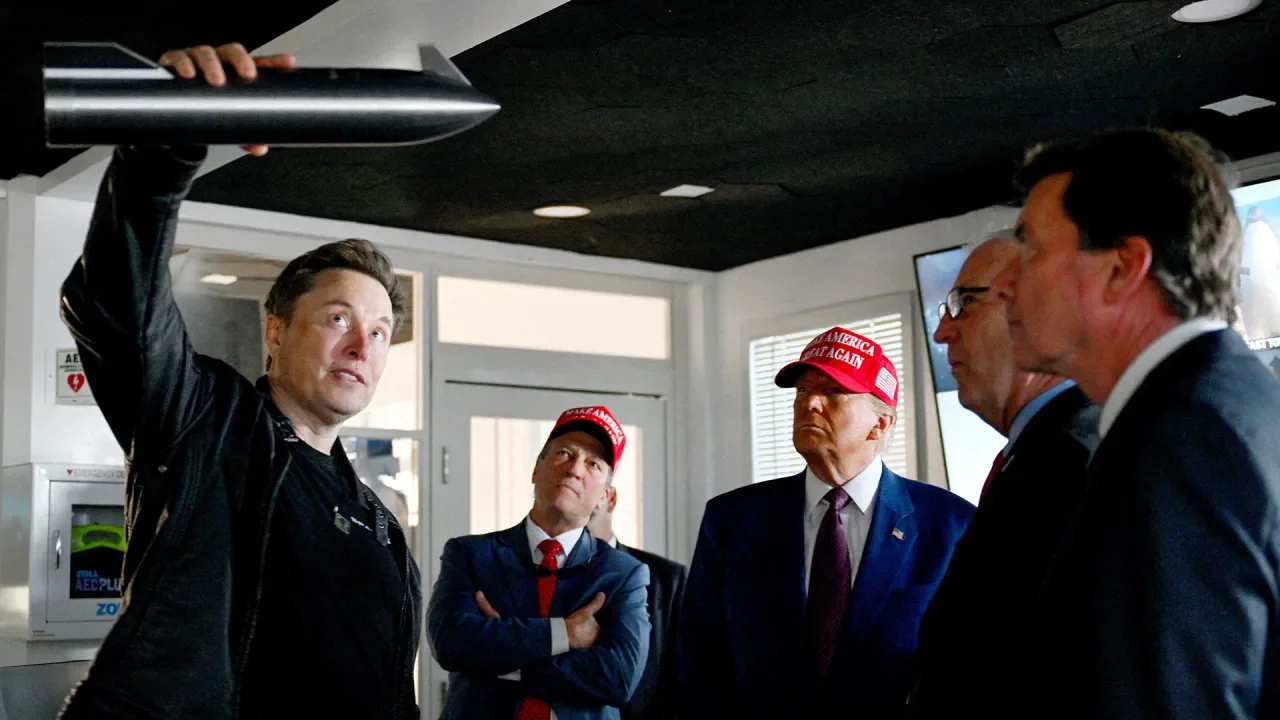
Elon Musk’s SpaceX and two partners have emerged as frontrunners to win a crucial part of President Donald The President’s “Golden Dome” missile defense shield, six people familiar with the matter said. Musk’s rocket and satellite company is partnering with software maker Palantir and drone builder Anduril on a bid to build key parts of Golden Dome, the sources said, which has drawn significant interest from the technology sector’s burgeoning base of defense startups. In his January 27 executive order, The President cited a missile attack as “the most catastrophic threat facing the United States.” All three companies were founded by entrepreneurs who have been major political supporters of The President. Musk has donated more than a quarter of a billion dollars to help elect The President, and now serves as a special adviser to the president working to cut government spending through his Department of Government Efficiency. Despite the Pentagon’s positive signals to the SpaceX group, some sources stressed the decision process for The President’s Golden Dome is in its early stages. Its ultimate structure and who is selected to work on it could change dramatically in the coming months. The three companies met with top officials in the The President administration and the Pentagon in recent weeks to pitch their plan, which would build and launch 400 to more than 1,000 satellites circling the globe to sense missiles and track their movement, sources said. A separate fleet of 200 attack satellites armed with missiles or lasers would then bring enemy missiles down, three of the sources said. The SpaceX group is not expected to be involved in the weaponization of satellites, these sources said. One of the sources familiar with the talks described them as “a departure from the usual acquisition process. There’s an attitude that the national security and defense community has to be sensitive and deferential to Elon Musk because of his role in the government.” SpaceX and Musk have declined to comment on whether Musk is involved in any of the discussions or negotiations involving federal contracts with his businesses. The Pentagon did not respond to detailed questions from Reuters, only saying it will deliver “options to the President for his decision in line with the executive order and in alignment with White House guidance and timelines.” The White House, SpaceX, Palantir, and Anduril also did not respond to questions. SUBSCRIPTION SERVICE In an unusual twist, SpaceX has proposed setting up its role in Golden Dome as a “subscription service” in which the government would pay for access to the technology, rather than own the system outright. The subscription model, which has not been previously reported, could skirt some Pentagon procurement protocols allowing the system to be rolled out faster, the two sources said. While the approach would not violate any rules, the government may then be locked into a subscription and lose control over its ongoing development and pricing, they added. Some Pentagon officials have expressed concerns internally about relying on the subscription-based model for any part of the Golden Dome, two sources told Reuters. Such an arrangement would be unusual for such a large and critical defense program. U.S. Space Force General Michael Guetlein has been in talks on whether SpaceX should be the owner and operator of its part of the system, the two sources said. Other options include having the U.S. own and operate the system, or having the U.S. own it while contractors handle operations. Guetlein did not respond to a request for comment. Retired Air Force General Terrence O’Shaughnessy, a top SpaceX advisor to Musk, has been involved in the company’s recent discussions with senior defense and intelligence leaders, the two sources said. O’Shaughnessy did not respond to requests for comment. Should the group led by SpaceX win a Golden Dome contract, it would be the biggest win for Silicon Valley in the lucrative defense contracting industry and a blow to the traditional contractors. However, those long-standing contractors, such as Northrop Grumman, Boeing and RTX are expected to be big players in the process as well, people familiar with the companies said. Lockheed Martin put up a webpage as a part of its marketing efforts. MANY BIDS The Pentagon has received interest from more than 180 companies keen to help develop and build the Golden Dome, according to a U.S. official, including defense startups like Epirus, Ursa Major, and Armada. Members of the White House’s National Security Council were briefed by a handful of companies about their capabilities, four sources said. The Pentagon’s number two, former private equity investor Steve Feinberg, will be a key decision-maker for Golden Dome, two U.S. defense officials said. Feinberg co-founded Cerberus Capital Management which has invested in the cutting-edge hypersonic missiles industry but not in SpaceX. Feinberg, who did not respond to a request for comment, has said he would divest of all his interests in Cerberus when he joined the administration. Some experts believe the overall cost for Golden Dome could reach hundreds of billions of dollars. The Pentagon established several timelines for capabilities to be delivered starting with early 2026 to those delivered after 2030. SpaceX is pitching for the part of the Golden Dome initiative called the “custody layer,” a constellation of satellites that would detect missiles, track their trajectory, and determine if they are heading toward the U.S., according to two sources familiar with SpaceX’s goals. SpaceX has estimated the preliminary engineering and design work for the custody layer of satellites would cost between $6 billion and $10 billion, two of the sources said. In the past five years, SpaceX has launched hundreds of operational spy satellites and more recently several prototypes, which could be retrofitted to be used for the project, the sources said. Reuters reviewed an internal Pentagon memo from Defense Secretary Peter Hegseth issued shortly before a February 28 deadline to senior Pentagon leadership asking them for initial Golden Dome proposals and calling for the “acceleration of the deployment” of constellations of satellites. The time frame could give SpaceX an advantage because of its fleet of rockets, including the Falcon 9, and existing satellites that could be repurposed for the missile defense shield, the people familiar with the plan said. Despite these advantages, some of those familiar with the discussions said it was uncertain whether the SpaceX group would be able to efficiently set up a system with new technology in a cost-effective way that can protect the United States from attack. “It remains to be seen whether SpaceX and these tech companies will be able to pull any of this off,” said one of the sources. “They’ve never had to deliver on an entire system that the nation will need to rely on for its defense.” —Mike Stone and Marisa Taylor, Reuters View the full article

-
Ask a dozen people what agile is and you’ll get a dozen different answers. But it’s best defined by scrum as a model. Scrum is a way to manage a project within an agile framework and is made up of three roles: product owner, scrum master and team—all of whom are involved in sprint planning. The product owner is focused on the business side of the project, the scrum master is the expert, who acts like a coach. The team is self-directed and works as they see fit to meet the goals of the product owner. If you’re interested in the nuts and bolts of scrum, check our our guide. For this post, we’re going to take a deep dive into one of the events in the scrum framework, the sprint plan. What Is a Sprint? In order to provide some regularity and minimize the need for meetings, scrum is broken down into events. One of these events is the sprint. A sprint is an iteration in the development cycle of a project, and is one of the fundamental principles of agile project management methodologies. The sprint is defined by a small amount of planned work that the team has to complete and ready for review. Sprint comes from an agile framework for projects and is usually associated with scrum. However, sprint also fits into the technique of kanban with its continuous delivery concept. Scrumban will also deploy sprints. As in the dictionary meaning of the word, sprint is like a short race. It defines a duration usually no more than two to four weeks. The target of a sprint is decided on between the product owner and the team, which is called a “sprint goal.” The work comes from a sprint backlog, which is a list of tasks to be completed. Backlogs are often housed on boards or task lists for easy maintenance. Teams work collaboratively to complete the sprint and have it ready for review. But the sprint cannot start until there has been a sprint plan. Project management software makes it easy to collect your task into a back log and then execute work in sprints. ProjectManager has customizable kanban boards so you can organize your sprints and collaborate as a team. Create tags, set priorities and assign work to people based on their skill sets. Once the work begins, you can track progress, workload, budgets and more with our real-time dashboard. Plan better sprints with a 30-day free trial of ProjectManager. /wp-content/uploads/2022/02/agile-sprint-plan-kanban-cta.jpgLearn more. Key Elements of Sprint Planning During sprint planning, the stage is set for the upcoming sprint. The goal is for the scrum team to better understand the work, goals and how they will achieve them. Here are some core elements. Product backlog: An ordered list of everything that may be needed in the product. This is the sole source of requirements for any changes to be made in the product. Sprint goal: A concise objective that the development team will work toward during the sprint. It offers focus to the work being undertaken and is collaboratively defined by the scrum team. Selected product backlog: Based on the sprint goal, the development team selects a set of product backlog items (PBIs) that they believe they can complete during the sprint. Sprint backlog: The development team makes a plan for how they will create the increment (the valuable and usable product functionality) during the sprint. Development team capacity: This team will consider its capacity for the upcoming sprint and factor in holidays, time off, other commitments, etc. It helps them determine how much work they can commit to. To summarize, sprint planning aims to answer what can be delivered in the sprint, why the sprint is valuable and how the chosen work will get done. How to Make a Good Sprint Plan The sprint plan is another event in the scrum framework of an agile project. It starts with the team deciding which items in its backlog to work on during the sprint. This is the sprint goal that is a collaborative decision between the team and the product owner. Sprint planning usually involves everyone on the team. There’s the product owner who helps with prioritizing the backlog and suggests which items should be part of the sprint goal. The team comes in to determine what is a feasible number of tasks for the backlog to work on during the sprint. Also, involved in the sprint planning is the scrum master. The scrum master is an expert in the scrum framework for agile projects. They act as a facilitator for the sprint plan to make sure it’s effective, the appropriate backlog items are being addressed and that there’s agreement among the parties involved. There are three main phases for sprint planning. /wp-content/uploads/2023/06/agile-sprint-planner-template.jpg Get your free Sprint Plan Template Use this free Sprint Plan Template to manage your projects better. Get the template 1. Designing The design of a sprint is usually just a one-time event, though it can be tweaked moving forward to improve the process. Unless the design is not working, then, of course, you’d have to return to the drawing board. The parts of the design phase of a sprint plan begin with a sprint planning meeting. This is where business initiatives are measured and the sprint backlog is created. Another meeting will breakdown that backlog into tasks, which finalizes the backlog. There will be daily scrum meetings. These are check-ins to update the progress of the sprint. Tasks are further prioritized at this time and assigned based on reviewing the burndown chart, which graphically shows how fast a team is working. Also, throughout the sprint, there is something called backlog grooming. This is when the product owner and team will review and refine the backlog based on how much progress they’re making. Once the sprint is finished, there’s a sprint review meeting. Here the results of the completed sprint will be analyzed against the project objectives from the planning meeting. There is also a sprint retrospective meeting that looks at the processes and tools used during the sprint and how they can be improved for the next one. These designs are focused on creating a realistic schedule and milestones that the team needs to hit. The design should be agreed upon by all members of the project team. The design is the structure that will determine the length of the project, so it must meet with the approved scope, cost and time of the project. 2. Estimate Sprint Velocity Before the sprint, the product owner will determine its velocity. That is, how much work should be done within the sprint. This decision is based on the schedule of the team and their capacity. This estimate is created at the start of every sprint. While there might be an urge to do so during the design stage, it’s better to wait. There are valuable insights that come after each sprint that should be applied to the next one. What the estimation’s goal is to develop a new sprint velocity for each sprint. This should reflect the objectives of that sprint, efficiencies that we’re learned from the previous one and what can be realistically done with the current resources. There are also many tools available now to help maximize the number of objectives met during each spring, from test automation tools to CI/CD solutions. 3. Allocation of Sprint Work This is where the scrum master comes in handy. Because of their expertise, they can work closely with the team to meet the requirements given by the product owner. Together, the scrum master and the team allocate the work of the sprint. But the team is working relatively independently, which is one of the principles of an agile framework. The idea of self-directed teams is fundamental to working scrum, and they’re in charge of managing the sprint to the sprint goal. This is done by assigning those most skilled at the tasks to executing them. The right people are used, and the team gains a greater sense of accountability for the work. They’re empowered by the autonomy. Main Advantages of Sprint Planning When executed properly, sprint planning offers many key advantages that can help improve a scrum team’s effectiveness while improving the overall product development process. It ensures the scrum team has a common understanding of the sprint’s goals and how the work contributes to the overall product vision. It also creates a clear sprint objective, guiding the development team and helping them make strategic decisions. Sprint planning also comes with a sense of empowerment and self-organization; as the development team helps select the backlog items they think they can achieve during the sprint, it provides a sense of ownership and helps them make a more realistic commitment. Transparency into what the team will be working on is always beneficial to stakeholders as well. They will be informed about the progress and direction of product development. All of these advantages work together to foster commitment, collaboration and clarity during the process. The Difference Between a Successful Sprint Plan and a Failed One Telling if your sprint is successful is fairly simple. Has it met its goal? The sprint goal is decided upon before starting the sprint by the product owner and the team. If that criteria has been met, the sprint is successful. It means you’re going through the backlog at an acceptable rate. In contrast, if the team is not able to complete everything on the backlog that had been set up as the sprint goal, then that sprint has failed. The fact that sprints are quick and they are constantly evolving is to avoid ending up with a product at the end of your project that no one wants. This would be a failure, too. Success is measured by sprint reviews, which ensure that the project is moving in the right direction. If the key stakeholders and end-users are dissatisfied, if the deliverables don’t meet their expectations, this is a failure. If nothing is learned at the end of a sprint, it can also be considered a failure. After all, it’s all about experimenting and the empirical process. ProjectManager Helps with Sprint Planning ProjectManager is a flexible project management software. When it comes to planning your next sprint, you can use our sprint planning templates to get you started on the right foot. The template is designed for dev teams. You can easily move tasks out of the backlog and into development on the board view. Once you have your board, teams can customize columns and collaborate on cards. They can add their own to-do lists and comment with other team members. We have unlimited file storage, so add as many documents and images as you like. They’re all attached at the task level, so no more endless searches for the important paperwork. Also, @ the product owner or scrum master, who’ll be notified by email, and bring them into the conversation. Our task list view is a great tool for backlogs. You can manage that backlog by filtering the data by the due date, owner, project, etc. Tasks can also be tagged to make them easier to find. ProjectManager is cloud-based, so any status update on tasks is immediately reflected in the software, creating greater transparency. Finally, there’s our real-time dashboard. It tracks the project across a number of metrics, including tasks, progress and variance. This is another feature that will help with dealing with stakeholders and presenting them with project updates. /wp-content/uploads/2022/03/Dashboard_Construction_Wide_Zoom-150.jpg ProjectManager.com is a cloud-based project management software that is ideal for whatever methodology you’re working in. We have the tools to help managers plan, monitor and report on their project. Teams get a collaborative platform that gives them the autonomy to work in self-directed groups and boost productivity. Try ProjectManager.com today with this free 30-day trial. The post Sprint Planning 101: How to Make a Great Sprint Plan appeared first on ProjectManager. View the full article
-
In a post on his social media platform Thursday morning, the president criticized the Federal Reserve's reluctance to lower rates and said the chair's departure "could not come soon enough." View the full article

-
Concerns that sensors in electric vehicles could be used to gather intelligence View the full article
-
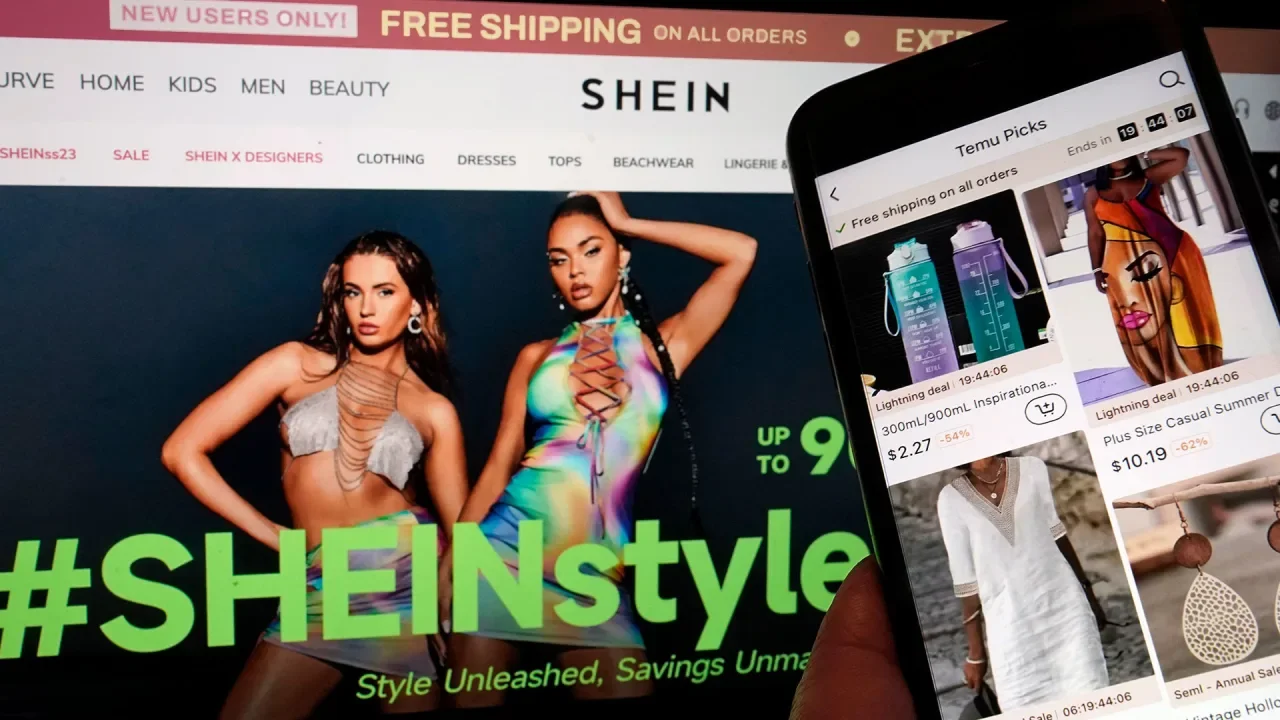
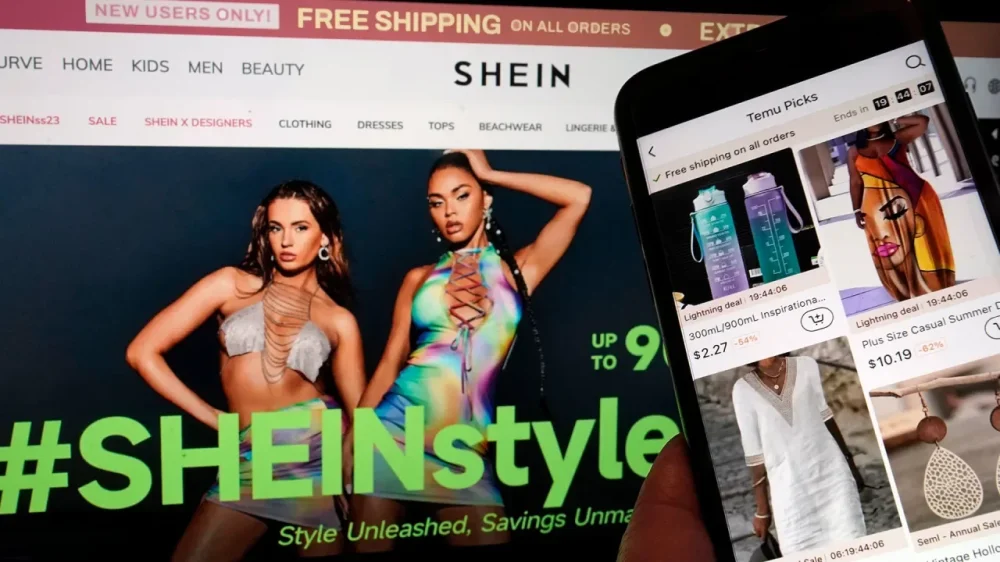
China-founded e-commerce sites Temu and Shein say they plan to raise prices for U.S. customers starting next week, a ripple effect from President Donald The President’s attempts to correct the trade imbalance between the world’s two largest economies by imposing a sky-high tariff on goods shipped from China. Temu, which is owned by the Chinese e-commerce company PDD Holdings, and Shein, which is now based in Singapore, said in separate but nearly identical notices that their operating expenses have gone up “due to recent changes in global trade rules and tariffs.” Both companies said they would be making “price adjustments” starting April 25, although neither provided details about the size of the increases. It was unclear why the two rivals posted almost identical statements on their shopping sites. Since launching in the United States, Shein and Temu have given Western retailers a run for their money by offering products at ultralow prices, coupled with avalanches of digital or influencer advertising. The 145% tariff The President slapped on most products made in China, coupled with his decision to end a customs exemption that allows goods worth less than $800 to come into the U.S. duty-free, has dented the business models of the two platforms. E-commerce companies have been the biggest users of the widely used exemption. The President signed an executive order this month to eliminate the “de minimis provision” for goods from China and Hong Kong starting May 2, when they will be subject to the 145% import tax. As many as four million low-value parcels—most of them originating in China—arrive in the U.S. every day under the soon-to-be canceled provision. U.S. politicians, law enforcement agencies, and business groups lobbied to remove the long-standing exemption, describing it as a trade loophole that gave inexpensive Chinese goods an advantage and served as a portal for illicit drugs and counterfeits to enter the country. Shein sells inexpensive clothes, cosmetics, and accessories, primarily targeting young women through partnerships with social media influencers. Temu, which promoted its goods through online ads, sells a wider array of products, including household items, humorous gifts and small electronics. Last year the companies were among the largest advertising spenders on social media platforms, but they’ve both slashed that spending in recent weeks, according to data analytics provider Sensor Tower. That could be bad news for the platforms such as Facebook, Instagram, Snap, X and TikTok that rely on advertising. In November, American e-commerce giant Amazon launched a low-cost online storefront featuring electronics, apparel and other products priced at under $20. Many of the electronics, apparel and other products on the storefront Wednesday resembled the types of items typically found on Shein and Temu. In their customer notices about the pending price increases, the companies encouraged customers to keep shopping in the days ahead. “We’ve stocked up and stand ready to make sure your orders arrive smoothly during this time,” Temu’s statement said. “Were doing everything we can to keep prices low and minimize the impact on you.” —Mae Anderson, AP Business Writer View the full article
-
Kristalina Georgieva warns that Donald The President’s tariff ‘reboot’ threatens to raise prices and play havoc with marketsView the full article
-
Raising the bar on client service doesn’t mean sacrificing all your time. Accounting ARC With Liz Mason, Byron Patrick, and Donny Shimamoto Center for Accounting Transformation Go PRO for members-only access to more Center for Accounting Transformation. View the full article
-
Raising the bar on client service doesn’t mean sacrificing all your time. Accounting ARC With Liz Mason, Byron Patrick, and Donny Shimamoto Center for Accounting Transformation Go PRO for members-only access to more Center for Accounting Transformation. View the full article
-
When we talk about search, we usually focus on what people are looking for – keywords, queries, and intent. But in 2025, there’s a more powerful question to ask: “Where are they searching – and why that platform, in that moment?” The search landscape is evolving fast. AI tools like ChatGPT are gaining traction. Social platforms like TikTok and Instagram are doubling as discovery engines. Yet, Google remains the top choice – the default, the go-to for most people right now. But platform preference isn’t just about functionality. It’s rooted in human behavior. How we think, feel, and choose depends on the journey we’re on. Behavior takes time to shift – but shift it will. And as AI becomes more commonplace, that change is likely to accelerate. Let’s unpack the behavioral science behind platform choice. Much of what follows comes from research my agency ran to explore how search habits are shifting across platforms, demographics, and industries. Active vs. passive search: The behavioral lens Understanding the difference between active and passive search is key to decoding platform behaviors. Active search: Goal-driven and intent-led Active search is task-oriented. “How do I fill out this tax form?” or “Best trainers for running.” These are goal-driven moments. The SEO industry has traditionally optimized this way, answering queries based on something someone wants to do. Passive search: Exploratory and emotion-led Passive search, on the other hand, is exploratory. Users aren’t looking for something specific. They’re scrolling, browsing, and being inspired. Passive search can lead to immediate action, but more often, it plants a seed. Many passive search findings will fuel people’s “saved items” lists or screenshots on their phones – building ideas for future purchases or decisions. Platform usage at a glance Platforms fall into these two camps: Search typePlatforms most usedActiveGoogle, YouTube, Reddit, ChatGPTPassiveTikTok, Instagram, Pinterest Google still reigns supreme, with 8 in 10 people using it as their primary search engine. Second place saw YouTube charting with 49% of respondents using it to search followed by Instagram with 30%. ChatGPT came in at fourth place, with 23% of of respondents saying they use it to search. This is important to note – as at the end of 2024 Google dropped below 90% market share for the first time since 2015 – the start of a shift starting to develop. Dig deeper: 5 behavioral strategies to make your content more engaging Why people choose different platforms Behavior changes based on emotion and intent – not just need. Google = Habit + trust People stick with what’s familiar. It’s the cognitive path of least resistance. This is the status quo bias in action – we favor defaults. And Google is the ultimate default. Our research found that 41% of respondents who don’t use AI tools said they simply prefer traditional search engines – not because AI doesn’t work, but because Google is good enough. Social media = Personalized discovery On TikTok and Instagram, users aren’t typing in queries – the content finds them. This taps into: The mere exposure effect: The more we see something, the more we like it. The endowment effect: Algorithms serve content we’ve “trained” ourselves, making the experience feel ours. The social proof loop: We trust what others like, and social platforms are built for showcasing it. No surprise, then, that: 20% use TikTok or Instagram when looking for inspiration (e.g., outfits, recipes). 42% turn to YouTube for learning a new skill. These platforms offer emotional connection, relevance, and the dopamine hit of serendipity. Behavior drives platform choice by demographics and sector Not everyone searches the same way. Platform preference can vary widely by age and by the industry someone works in: Gen Z (18–24): 1 in 5 always use AI tools like ChatGPT to search. 55+ audiences: Nearly 75% say they never use AI to search. IT sector: Almost 50% of professionals use AI regularly. Education and social care: The least likely sectors to adopt AI search. Why does this matter? Because personas need to go beyond demographics. If you aren’t accounting for motivational and contextual preferences, you’re missing the real drivers. This also highlights how the industry you work in can affect your behavior. Working in IT or marketing/media, we are surrounded by conversations about AI every day. For someone who works in social care, this is not the case, so they are less likely to be curious to try different platforms, as they are not getting the same exposure. Dig deeper: Search everywhere optimization – 7 platforms SEOs need to optimize for beyond Google Get the newsletter search marketers rely on. Business email address Sign me up! Processing... See terms. What this means for your strategy Search isn’t confined to a single channel. Your audience is searching across platforms, often without even thinking of it as “search.” If your strategy is still built around a single funnel or platform, you’re missing the bigger picture and the deeper behavior underneath. Here’s how to move from theory to action. 1. Start with mindset, not keywords Keywords matter – but mindset matters more. Traditional keyword strategies often skip the question of why someone is searching. Are they curious? Anxious? Seeking validation? Searching to feel something – or to do something? Use the “think, feel, do” model here: Think: What’s the user thinking when they enter this platform? Feel: What emotional need might they have? Do: What action are they trying to take – if any? From there, reverse engineer the channel and content experience to match that state. 2. Map platforms to the journey – but make it behavioral It’s tempting to align platforms strictly to funnel stages (awareness, consideration, conversion). But users don’t always follow a funnel – they follow feelings and friction. Instead, try this matrix as an example. (You should build your own with what you know about your audience.) Intent TypeExample PlatformsStrategic GoalPassive and EmotionalTikTok, Instagram, PinterestInspire, spark discovery, plant emotional seedsPassive and RationalReddit, forumsValidate, build trust through community or peer voicesActive and EmotionalYouTube, website (e.g., product demos)Educate with empathy – mix logic with emotionActive and RationalGoogle, ChatGPTDeliver clear answers, conversion paths, proof points Your job is to meet people where they are – mentally and emotionally – and guide them from there. 3. Rethink content format – It’s not one size fits all Remember, users don’t want a whitepaper on TikTok. And they aren’t likely to watch a 10-minute video on Google SERPs. Create snackable, emotive content for social platforms. Reserve your deeper, logical content for search engine-driven moments. Content that works on Google will likely fall flat on TikTok. Your strategy needs format fluency: Short-form video: Best for emotional resonance and passive discovery. Long-form text: Ideal for deep dives and rational comparison. Community responses: Build trust through relatability and social proof. AI-generated summaries: Useful for speed, but lacking human nuance – supplement with authenticity. Tip: Test the same message in different formats across platforms to uncover what lands and why it resonates. Dig deeper: Content mapping – Who, what, where, when, why and how 4. Segment by motivation, not just demographics Your audience isn’t just “Gen Z” or “marketing managers.” They’re humans with emotional, social, and rational needs. Build personas rooted in behavioral science: What motivates them? What holds them back? Where do they go for inspiration vs decision-making? Use tools like social listening, on-site search data, and even quizzes or surveys (nudged properly!) to uncover real motivations. 5. Don’t just track the obvious – Track what matters Top-line traffic and ranking reports aren’t enough. Measure based on the job each platform is doing in the journey. Some examples: Social platforms: Track saves, shares, watch time, and community engagement. Google: Track CTR, engagement time, and assisted conversions. AI tools: Look at brand visibility in generated summaries and clicks to your source links. Reddit/communities: Track mentions, referrals, and sentiment trends. Tie everything back to intent and emotional outcome, not just raw numbers. 6. Balance AI with human-centric trust Yes, AI tools are shifting the landscape – but trust is still human-first. Our report shows only 12% of people say they don’t trust AI at all, yet concerns about privacy and misinformation still hold many back. What this means for your content: Be transparent about how AI is used in your strategy. Lean into human expertise – especially where trust is critical (think health, finance, legal, B2B tech). Use your team’s voice, stories, and POVs to differentiate from commoditized content. In a world of AI Overviews and algorithmic results, your voice is your differentiator, and it is what your audience will buy into. Dig deeper: How to build and retain brand trust in the age of AI TL;DR Build a platform-diverse strategy rooted in why people search, not just what they search for. Align content and platform to the emotional and cognitive state of your audience. Don’t let old funnel models limit your view – behavior is messy, non-linear, and deeply human. Final thought: Search isn’t just about search engines Search is not confined to the search engines. It’s TikTok. It’s YouTube. It’s ChatGPT. It’s your customer’s mindset – in that moment, in that context. To build strategies that truly resonate, we need to move beyond keywords and rankings and focus on the human behind the search. So next time you’re planning a campaign, start by asking, “Where can we meet our audience?” Not, “Where should we place this content?” That shift in thinking could change everything. View the full article
-
Here is a recap of what happened in the search forums today...View the full article
-
An aggressive U.S. tariff policy will trigger a significant slowdown in the U.S. economy this year and next, with the median probability of recession in the next 12 months approaching 50%, according to economists polled by Reuters. A sudden 90-day pause in reciprocal tariffs on trading partners imposed by President Donald The President hasn’t done much to improve the U.S. outlook given a trade war with its biggest trading partner, China, is escalating and damaging business sentiment. Most forecasters, like U.S. consumers in recent months, have significantly raised their inflation expectations. They have also slashed their growth outlook. Median inflation forecasts in the April 14–17 Reuters poll have surged since last month, potentially restricting the Federal Reserve from delivering more than two interest rate cuts between now and year-end. The probability of a U.S. recession over the coming year has surged to 45%, the highest since December 2023, from 25% last month. “Sentiment is incredibly weak right now and that points to households being very nervous about spending . . . Prices, jobs, and wealth are all moving against the consumer and that is a pretty toxic combination for consumer spending growth going forward,” said James Knightley, chief international economist at ING. “That’s the real issue for U.S. growth that raises the recession risk . . . The lack of clarity on the trading environment faced by U.S. companies makes them naturally more wary about putting money to work in the U.S. economy.” All 45 economists who answered an additional question said tariffs had negatively impacted business sentiment, with almost half saying they were very negative. The economy, which started the year on a solid footing of strong growth, consumer spending and hiring, is expected to grow just 1.4% in 2025, a sharp downgrade from 2.2% predicted last month. An overwhelming majority of common contributors, 46 of 50, have lowered their 2025 growth outlook by around 80 basis points on average just in the past month. Economists as a group have not downgraded their forecasts by that much in such a short span of time since July 2022. Next year, the economy is forecast to expand 1.5%, well down from 2.0% expected in a March poll. “Damage has likely already been done by uncertainty about tariffs, and that uncertainty stands to reduce growth, increase inflation, and amplify tail risks on an ongoing basis,” said James Egelhof, chief U.S. economist at BNP Paribas. Similar worries have also dented confidence in U.S. assets with many strategists in separate Reuters surveys recently saying they were concerned about the safe-haven status of U.S. Treasuries and the dollar. INFLATION EXPECTATIONS SURGE Economists have raised their outlook for all inflation measures surveyed—consumer prices, core CPI, personal consumption expenditure, and core PCE—and all were expected to remain well above the Fed’s 2% target until at least 2027. Most regular contributors have revised their CPI forecasts for this year from the March survey by nearly 60 basis points on average, the biggest monthly change since March 2023. U.S. Federal Reserve Chair Jerome Powell on Wednesday warned The President’s tariff policies risked pushing inflation and employment further from the central bank’s goals and said the Fed was “well positioned to wait for greater clarity.” A more than 60% majority of economists, 62 of 101, predicted the Fed would hold its federal funds rate at 4.25%–4.50% until at least July. There was no clear consensus on where the rate would be by end-2025 but about two-thirds of economists predicted it at 3.75%–4.00% or higher. Just over a third, 35, are expecting three or more reductions this year, in line with what interest rate futures are pricing. Kevin Khang, a senior economist at Vanguard said “it’s the ubiquitous presence of tariffs that makes the likelihood of upward price pressure an extremely likely scenario. And that’s why we think price stability will be marginally more prioritised over full employment.” Unemployment rate forecast changes in the poll were modest compared with the large downgrades to growth and upgrades to inflation. The jobless rate, currently 4.2%, was expected to average 4.4% and 4.6% this year and next, respectively. —Indradip Ghosh, Reuters View the full article

-
What’s in your office starter pack? La Colombe cold brew and a New Yorker subscription? Bose headphones and Brooks Brothers? Thanks to the latest ChatGPT trend making the rounds, you can now find out. By uploading a few photos and using a specific prompt, OpenAI’s GPT-4o image generator will spit out a personalized action figure or Barbie box in your likeness—complete with miniature accessories and sealed in plastic. In the past week, the trend has started popping up across TikTok, X, and—where trends go to die—Facebook and LinkedIn. “The Strategic Data & AI Consultant Starter Pack – Now in limited-edition blister packaging,” one LinkedIn user wrote alongside their post. “Unleash Your Inner Leader: The ‘Passion-Driven AI Impact’ Starter Pack!” wrote another. A marketing agency in Texas called it “a cute way to re-introduce yourself to your audience, re-introduce your employees, or even make an ‘action figure,’ (or a few ‘action figures,’) of what your ideal target audience/consumer looks like.” Brands like Starbucks and NYX Cosmetics have also jumped on the trend. Even Congresswoman Marjorie Taylor Greene posted her own AI-generated figure, complete with Bible and gavel. The Congresswoman MTG Starter Kit ✨ If I was a doll! I love all my accessories, including my Bible and gavel for DOGE Committee chair! pic.twitter.com/2fEWYH1Ubt — Marjorie Taylor Greene 🇺🇸 (@mtgreenee) April 10, 2025 As with other recent AI trends, reception has been mixed. “People on LinkedIn turning themselves into cheap, plastic, replaceable products is the least surprising thing,” one X user posted. “Can we please stop mass using AI to create social media trends (for example, the action figure trend happening rn)?” another wrote. People on LinkedIn turning themselves into cheap, plastic, replaceable products is the least surprising thing. — akreon (@_akreon_) April 10, 2025 The counter-hashtag #StarterPackNoAI quickly began circulating among creatives pushing back against what they see as the erosion of artistic labor. The starter pack trend follows closely on the heels of the controversial Studio Ghibli AI trend, which sparked debate over whether OpenAI was unfairly using the work of artists, including Studio Ghibli’s Hayao Miyazaki. Environmental and cultural concerns aside, some users simply hate to see the TikTokification of LinkedIn. “Went over to LinkedIn for a break from tariff world is ending doomscrolling. Got a feed full of ‘I made myself an action figure,’” another X user complained. “Take me back doomscrollers.” View the full article

-
Key Takeaways Memorability: One word business names are simple and catchy, making it easier for customers to remember and recall your brand. Brand Distinctiveness: A single-word name sets your business apart from competitors, enhancing uniqueness and market presence. Emotional Connection: One word names can evoke strong emotions, fostering a deeper relationship with your audience and increasing customer loyalty. Simplified Marketing: With concise communication, one-word names convey your brand’s essence clearly, which aids in effective digital marketing strategies. Trademark Protection: A unique one-word name facilitates easier trademark registration, safeguarding your brand’s identity and intellectual property. Growth Flexibility: A catchy one-word name provides potential for brand extension into new products or services while maintaining a cohesive identity. In today’s fast-paced market, a powerful brand name can make all the difference. One word business names are not just catchy; they’re memorable and impactful. They create an immediate connection with your audience, making it easier for customers to recall your brand when they need your products or services. Choosing a single word for your business name can convey your mission, values, and essence in a concise manner. It simplifies your branding and marketing efforts, allowing you to stand out in a crowded landscape. Whether you’re launching a startup or rebranding an existing company, a one-word name can elevate your identity and set the tone for your entire brand experience. Overview of One Word Business Names One-word business names stand out in today’s competitive landscape. Such names capture attention and enhance brand recall, essential for small businesses aiming to establish a memorable identity. A succinct name conveys your startup’s core mission, simplifying branding and marketing strategies. Choosing a one-word business name streamlines customer acquisition efforts. You can create a strong connection with your target audience, allowing them to form a lasting impression. For entrepreneurs, this simplicity is invaluable, as it reduces confusion while promoting clarity around your business idea. One-word names also support effective digital marketing campaigns. They are often easier to incorporate into SEO strategies, enhancing visibility online. Additionally, the use of a single name can lead to distinct branding opportunities, including trademarking and licensing, protecting your intellectual property. When developing your business plan, consider how a one-word name fits into your overall growth strategy. A unique name sets the tone for customer service, product development, and sales initiatives, paving the way for innovation. In the realm of e-commerce and social media, a catchy name encourages shares and engagement, amplifying your marketing efforts. Benefits of One Word Business Names One word business names deliver significant advantages for startups and small businesses. They enhance brand identity, improve memorability, and create a strong market presence. Simplicity and Memorability Ease of Recall: One word business names are simple and easy to remember. Their straightforward nature reinforces memorability, helping your venture stick in customers’ minds. This aspect serves as a key element in effective marketing efforts, as customers are more likely to recommend memorable brands. Universal Appeal: Short, single-word names cross language and cultural barriers, broadening your target audience. This universality makes them appealing in diverse markets, fostering brand recognition and customer loyalty. Concise Communication: A single word encapsulates your business’s essence efficiently. This brevity enables your marketing materials to convey your business idea clearly. In a competitive landscape, such clarity helps you stand out, attracting potential customers with a focused message. Strong Brand Identity Distinctiveness: One word names enhance your brand’s uniqueness, differentiating you from competitors. A distinct name contributes to effective customer acquisition by creating a lasting impression during initial interactions. Emotional Connection: One word business names evoke emotions and associations. Leveraging emotional branding strategies can help you build a stronger relationship with your audience, increasing engagement on platforms like social media and e-commerce sites. Brand Extension Potential: A catchy one-word name allows for easier expansion into related products or services. This flexibility supports your growth strategy, enabling you to launch new lines under a cohesive brand identity. Intellectual Property Advantages: Securing trademarks for a unique one-word name simplifies the protection of your brand. This protection enhances your business’s legal standing and fosters confidence among investors and customers alike. Examples of Successful One Word Business Names One-word business names resonate with consumers, making them memorable and impactful. These names provide simplicity that helps small businesses establish a strong presence in the market. Iconic Brands Apple: This tech giant epitomizes innovation and sleek design, making its name synonymous with cutting-edge products. Nike: Known for athletic apparel and footwear, Nike’s name embodies performance, motivating athletes globally. Google: This search engine’s name has become a verb, highlighting its dominance in digital marketing and information access. Tesla: This brand represents electric vehicles and sustainable energy, standing as a beacon for innovation in transportation. Emerging Businesses Zenith: This name is often found in various industries, implying peak performance and excellence. It appeals to entrepreneurs seeking to convey strength and reliability in their branding. How to Choose the Right One Word Business Name Choosing a one-word business name involves careful consideration of your brand’s essence. It should reflect your mission and resonate with your target audience. Consider Your Brand Values Your name should align with your brand values, encapsulating what your business stands for. If sustainability is essential for your startup, for example, select a name that conveys that commitment. Your name creates an emotional connection with customers, driving loyalty and enhancing your brand’s relatability. Words like “Eco,” “Pure,” or “Green” might resonate with an environmentally conscious audience. Reflect on your core values when brainstorming potential names, as this can guide you toward a choice that authentically represents your venture. Assess Market Availability Before finalizing your one-word business name, assess market availability. Conduct thorough market research to ensure your chosen name isn’t already in use. This prevents potential legal issues related to trademarks and intellectual property. Utilize tools for checking domain availability to secure a matching website domain, crucial for digital marketing and online presence. Verify if social media handles for your name are accessible, as having a consistent brand identity across platforms enhances customer acquisition and engagement. Being proactive in this stage helps protect your startup’s future and prevents costly rebranding efforts down the line. Challenges of One Word Business Names One-word business names offer unique opportunities but also present challenges that small business owners need to understand. Domain Name Availability Domain name availability often limits your choices for a one-word business name. Many single-word domains are already registered, making it tricky to find a suitable and memorable website address. If your ideal name isn’t available as a .com domain, consider alternatives like .co or .biz, but be aware that these may not be as recognizable or trusted by customers. Conduct thorough market research and domain checks to ensure your chosen name resonates online while being accessible for your e-commerce needs. Trademark Issues Trademark issues can arise with one-word business names, particularly if they’re already associated with established brands. Protecting your intellectual property demands careful consideration during the naming process. Conduct comprehensive trademark searches to avoid legal disputes down the line. Securing a trademark not only safeguards your brand identity but also strengthens your position when seeking funding or partnerships. Without proper trademarks, you risk complications in branding, marketing, and overall business growth. Conclusion Choosing a one-word business name can be a game changer for your brand. It simplifies your messaging while enhancing memorability and emotional connections with customers. As you navigate the competitive landscape, a catchy name not only stands out but also aligns with your overall growth strategy. Remember to reflect your brand’s essence and values in your name. This will help you create a lasting impression and foster recognition across various platforms. While challenges like domain availability and trademark issues exist, the potential benefits of a well-chosen one-word name far outweigh the obstacles. Embrace the power of simplicity and let your brand shine with a name that resonates. Your journey toward building a memorable identity starts with that single, impactful word. Frequently Asked Questions What are one-word business names? One-word business names are succinct company names that comprise a single word. They are memorable and catchy, making it easier for customers to recall and connect with the brand. Why are one-word names significant in business? One-word names are significant as they enhance brand identity, improve memorability, and simplify marketing efforts. They effectively communicate a company’s mission and values, making them standout choices in competitive markets. How do one-word names help in branding? One-word names encapsulate a business’s essence concisely, fostering a strong connection with customers. They also streamline customer acquisition and reduce confusion around the business idea. What are the benefits of using a one-word name? Benefits include improved brand recall, universal appeal, emotional resonance, and distinctiveness. They simplify marketing strategies, enhance legal protection, and can create stronger audience engagement on social platforms. How can I choose the right one-word name for my business? Choose a name that reflects your brand’s essence and core values. Conduct market research, check for domain and social media handle availability, and ensure it aligns with your long-term growth strategy. What challenges might I face with one-word business names? Challenges include domain name availability, trademark issues, and potential legal disputes. Many popular one-word names are already registered, making it essential to conduct thorough research before finalizing your choice. Can you provide examples of successful one-word business names? Examples of successful one-word business names include Apple, Nike, Google, and Tesla. These brands demonstrate how a single word can effectively convey a strong brand identity and resonate with consumers. How do one-word names support digital marketing? One-word names are easier to integrate into SEO strategies and can be more memorable in digital marketing campaigns. Their simplicity aids in online branding and customer recognition. Image Via Envato This article, "The Power of One Word Business Names for Strong Brand Identity and Recognition" was first published on Small Business Trends View the full article
-
Key Takeaways Memorability: One word business names are simple and catchy, making it easier for customers to remember and recall your brand. Brand Distinctiveness: A single-word name sets your business apart from competitors, enhancing uniqueness and market presence. Emotional Connection: One word names can evoke strong emotions, fostering a deeper relationship with your audience and increasing customer loyalty. Simplified Marketing: With concise communication, one-word names convey your brand’s essence clearly, which aids in effective digital marketing strategies. Trademark Protection: A unique one-word name facilitates easier trademark registration, safeguarding your brand’s identity and intellectual property. Growth Flexibility: A catchy one-word name provides potential for brand extension into new products or services while maintaining a cohesive identity. In today’s fast-paced market, a powerful brand name can make all the difference. One word business names are not just catchy; they’re memorable and impactful. They create an immediate connection with your audience, making it easier for customers to recall your brand when they need your products or services. Choosing a single word for your business name can convey your mission, values, and essence in a concise manner. It simplifies your branding and marketing efforts, allowing you to stand out in a crowded landscape. Whether you’re launching a startup or rebranding an existing company, a one-word name can elevate your identity and set the tone for your entire brand experience. Overview of One Word Business Names One-word business names stand out in today’s competitive landscape. Such names capture attention and enhance brand recall, essential for small businesses aiming to establish a memorable identity. A succinct name conveys your startup’s core mission, simplifying branding and marketing strategies. Choosing a one-word business name streamlines customer acquisition efforts. You can create a strong connection with your target audience, allowing them to form a lasting impression. For entrepreneurs, this simplicity is invaluable, as it reduces confusion while promoting clarity around your business idea. One-word names also support effective digital marketing campaigns. They are often easier to incorporate into SEO strategies, enhancing visibility online. Additionally, the use of a single name can lead to distinct branding opportunities, including trademarking and licensing, protecting your intellectual property. When developing your business plan, consider how a one-word name fits into your overall growth strategy. A unique name sets the tone for customer service, product development, and sales initiatives, paving the way for innovation. In the realm of e-commerce and social media, a catchy name encourages shares and engagement, amplifying your marketing efforts. Benefits of One Word Business Names One word business names deliver significant advantages for startups and small businesses. They enhance brand identity, improve memorability, and create a strong market presence. Simplicity and Memorability Ease of Recall: One word business names are simple and easy to remember. Their straightforward nature reinforces memorability, helping your venture stick in customers’ minds. This aspect serves as a key element in effective marketing efforts, as customers are more likely to recommend memorable brands. Universal Appeal: Short, single-word names cross language and cultural barriers, broadening your target audience. This universality makes them appealing in diverse markets, fostering brand recognition and customer loyalty. Concise Communication: A single word encapsulates your business’s essence efficiently. This brevity enables your marketing materials to convey your business idea clearly. In a competitive landscape, such clarity helps you stand out, attracting potential customers with a focused message. Strong Brand Identity Distinctiveness: One word names enhance your brand’s uniqueness, differentiating you from competitors. A distinct name contributes to effective customer acquisition by creating a lasting impression during initial interactions. Emotional Connection: One word business names evoke emotions and associations. Leveraging emotional branding strategies can help you build a stronger relationship with your audience, increasing engagement on platforms like social media and e-commerce sites. Brand Extension Potential: A catchy one-word name allows for easier expansion into related products or services. This flexibility supports your growth strategy, enabling you to launch new lines under a cohesive brand identity. Intellectual Property Advantages: Securing trademarks for a unique one-word name simplifies the protection of your brand. This protection enhances your business’s legal standing and fosters confidence among investors and customers alike. Examples of Successful One Word Business Names One-word business names resonate with consumers, making them memorable and impactful. These names provide simplicity that helps small businesses establish a strong presence in the market. Iconic Brands Apple: This tech giant epitomizes innovation and sleek design, making its name synonymous with cutting-edge products. Nike: Known for athletic apparel and footwear, Nike’s name embodies performance, motivating athletes globally. Google: This search engine’s name has become a verb, highlighting its dominance in digital marketing and information access. Tesla: This brand represents electric vehicles and sustainable energy, standing as a beacon for innovation in transportation. Emerging Businesses Zenith: This name is often found in various industries, implying peak performance and excellence. It appeals to entrepreneurs seeking to convey strength and reliability in their branding. How to Choose the Right One Word Business Name Choosing a one-word business name involves careful consideration of your brand’s essence. It should reflect your mission and resonate with your target audience. Consider Your Brand Values Your name should align with your brand values, encapsulating what your business stands for. If sustainability is essential for your startup, for example, select a name that conveys that commitment. Your name creates an emotional connection with customers, driving loyalty and enhancing your brand’s relatability. Words like “Eco,” “Pure,” or “Green” might resonate with an environmentally conscious audience. Reflect on your core values when brainstorming potential names, as this can guide you toward a choice that authentically represents your venture. Assess Market Availability Before finalizing your one-word business name, assess market availability. Conduct thorough market research to ensure your chosen name isn’t already in use. This prevents potential legal issues related to trademarks and intellectual property. Utilize tools for checking domain availability to secure a matching website domain, crucial for digital marketing and online presence. Verify if social media handles for your name are accessible, as having a consistent brand identity across platforms enhances customer acquisition and engagement. Being proactive in this stage helps protect your startup’s future and prevents costly rebranding efforts down the line. Challenges of One Word Business Names One-word business names offer unique opportunities but also present challenges that small business owners need to understand. Domain Name Availability Domain name availability often limits your choices for a one-word business name. Many single-word domains are already registered, making it tricky to find a suitable and memorable website address. If your ideal name isn’t available as a .com domain, consider alternatives like .co or .biz, but be aware that these may not be as recognizable or trusted by customers. Conduct thorough market research and domain checks to ensure your chosen name resonates online while being accessible for your e-commerce needs. Trademark Issues Trademark issues can arise with one-word business names, particularly if they’re already associated with established brands. Protecting your intellectual property demands careful consideration during the naming process. Conduct comprehensive trademark searches to avoid legal disputes down the line. Securing a trademark not only safeguards your brand identity but also strengthens your position when seeking funding or partnerships. Without proper trademarks, you risk complications in branding, marketing, and overall business growth. Conclusion Choosing a one-word business name can be a game changer for your brand. It simplifies your messaging while enhancing memorability and emotional connections with customers. As you navigate the competitive landscape, a catchy name not only stands out but also aligns with your overall growth strategy. Remember to reflect your brand’s essence and values in your name. This will help you create a lasting impression and foster recognition across various platforms. While challenges like domain availability and trademark issues exist, the potential benefits of a well-chosen one-word name far outweigh the obstacles. Embrace the power of simplicity and let your brand shine with a name that resonates. Your journey toward building a memorable identity starts with that single, impactful word. Frequently Asked Questions What are one-word business names? One-word business names are succinct company names that comprise a single word. They are memorable and catchy, making it easier for customers to recall and connect with the brand. Why are one-word names significant in business? One-word names are significant as they enhance brand identity, improve memorability, and simplify marketing efforts. They effectively communicate a company’s mission and values, making them standout choices in competitive markets. How do one-word names help in branding? One-word names encapsulate a business’s essence concisely, fostering a strong connection with customers. They also streamline customer acquisition and reduce confusion around the business idea. What are the benefits of using a one-word name? Benefits include improved brand recall, universal appeal, emotional resonance, and distinctiveness. They simplify marketing strategies, enhance legal protection, and can create stronger audience engagement on social platforms. How can I choose the right one-word name for my business? Choose a name that reflects your brand’s essence and core values. Conduct market research, check for domain and social media handle availability, and ensure it aligns with your long-term growth strategy. What challenges might I face with one-word business names? Challenges include domain name availability, trademark issues, and potential legal disputes. Many popular one-word names are already registered, making it essential to conduct thorough research before finalizing your choice. Can you provide examples of successful one-word business names? Examples of successful one-word business names include Apple, Nike, Google, and Tesla. These brands demonstrate how a single word can effectively convey a strong brand identity and resonate with consumers. How do one-word names support digital marketing? One-word names are easier to integrate into SEO strategies and can be more memorable in digital marketing campaigns. Their simplicity aids in online branding and customer recognition. Image Via Envato This article, "The Power of One Word Business Names for Strong Brand Identity and Recognition" was first published on Small Business Trends View the full article
-
Bodyarmor just unveiled the brand’s biggest-ever packaging refresh after nearly 15 years on the shelf. The sports drink brand’s new look coincides with the debut of a new national TV advertising campaign called “Choose Better,” which will air beginning this weekend during the National Hockey League playoffs and stars professional athletes including NHL all-star Connor McDavid and Women’s National Basketball Association champion Sabrina Ionescu. Bodyarmor says the rebrand was a nearly yearlong effort and includes newly designed labels across the entire portfolio, placing nutritional claims more boldly on the front of the packaging, a refreshed wordmark, and a brand new icon that evokes a battle shield. The company developed the new visual identity with Jones Knowles Ritchie, the agency behind the rebrands for Impossible Foods and Burger King. The investments in a new look and Bodyarmor’s largest-ever media investment reflect the company’s view that the nearly $20 billion sports and performance drinks category has gotten more competitive and that consumers are craving more functional products, which now include newer innovations like rapid rehydration and single-serve powder sticks. “This is a consumer that’s evolving and we need to evolve to continue to have that edge,” says Federico Muyshondt, CEO of Bodyarmor Sports Nutrition. Coca-Cola is the second-largest sports drink seller in the U.S. with the beverage giant’s Powerade and Bodyarmor brands, the latter fully acquired in an all-cash deal valued at $5.6 billion in 2021. But PepsiCo’s Gatorade still commands roughly two-thirds of the market, according to beverage insights publication Beverage Digest. Volume of Coke’s sports drinks slipped 1% in 2024 from the prior year, while the trademark Coca-Cola, Coca-Cola Zero Sugar, sparkling flavors, and tea all grew. Muyshondt says the sports drink category has doubled in size over the past decade and will continue to grow in the years to come, adding that his north star goal is to become the top seller—meaning he wants to usurp Gatorade’s market dominance. “That’s what we’re focused on,” says Muyshondt. Market researcher Mintel has estimated that total sports drink category sales are projected to reach $27.5 billion by 2028. Bodyarmor Chief Marketing Officer Tom Gargiulo says the new packaging will help differentiate the brand’s more expansive product range, which includes the mainstay sports drink along with low-calorie and zero-sugar options, as well as an alkaline water and Flash I.V. Bodyarmor also incorporated real imagery of fruit on pack. “We wanted to make sure that flavor was front and center and super prominent at the top of the bottle,” says Gargiulo. Bodyarmor says 59% of consumers always read the ingredients or nutrition facts on new foods and beverages they buy, citing data from food industry marketing researcher the Hartman Group. That helped influence the decision to list more nutritional claims and ingredients for the core sports drink range, including the use of coconut water, natural flavors and sweeteners, vitamins, and even the precise level of electrolytes in each drink. Laurie Demeritt, CEO of the Hartman Group, says consumers have gotten more savvy about hydration and understanding that not all beverages quench thirst equally. “This idea of hydration has really changed, in terms of how consumers perceive it,” says Demeritt. “It used to be: I’m thirsty and I need to hydrate. Hydration now has this multifaceted meaning in most consumers’ minds.” Demeritt cautions that while consumers do want to know more about what food and drinks they consume, typically only one or two considerations are top of mind before making a purchase. “We have to guard against a proliferation of claims being made across packaging,” says Demeritt. “There’s limited real estate.” Bodyarmor acknowledges that it will need to do some work educating consumers on electrolytes. The standard Bodyarmor sports drink has 1,390 mg of electrolytes, but that figure isn’t as easily digestible to consumers as more familiar numbers for calories and sugar. “We talk a lot about the science of hydration, why hide it in the back?” asks Muyshondt. “This category has existed for 65 years and people are not familiar with the number of electrolytes.” Electrolytes come from the food and fluids that humans consume and include sodium, potassium, chloride, magnesium, and calcium. They are essential for basic life functions, including controlling the nervous system and keeping muscles functioning. Katherine Brooking, a registered dietitian, says food industry trade shows like Expo West are often inundated with powders and drinks that make big claims regarding their ability to replenish electrolytes. But she says electrolytes can also be obtained through a balanced diet that includes fruits and vegetables, nuts, beans, and whole grains. “Always look at labels and be mindful of the calories you might be consuming in these products and the amount of sugar, because they can get really high, really quick,” says Brooking. Sabrina Niland, VP of innovation at Bodyarmor, says the brand has also sought to differentiate itself from the crowd by selling sports drink mainstays like fruit punch, but also more unique combinations like strawberry banana and peach mango. “What we have found is people that love Bodyarmor, really love the unique combinations of flavors that we have,” adds Niland. The “Choose Better” campaign will also be featured throughout programming by sports media website Barstool Sports, in social media content created by the comedy baseball team the Savannah Bananas, and in partnership with sports and comedy group Dude Perfect. Created by Bodyarmor’s in-house team and the advertising agency Cartwright, the TV spot depicts a dystopian world with athletes mindlessly going through the motions of lifting weights, running on treadmills, and riding on stationary bikes, always with an unbranded, glowing orange sports drink beside them. But the scene quickly changes and shows athletes running outside, on a basketball court, and biking through the forest, all powered by Bodyarmor, of course. Prior Bodyarmor ad spots focused exclusively on star athletes and as a result, the brand says it struggled a bit with relatability. The new campaign features McDavid, Ionescu, and the NFL’s CeeDee Lamb and Joe Burrow, but Bodyarmor is also featuring nonprofessional athletes. “We see an opportunity to speak to people outside of hardcore sports,” says Gargiulo. “Now, we’re really focusing on everyday people as part of the campaign.” View the full article