ResidentialBusiness
Administrators
-
Joined
-
Last visited
Everything posted by ResidentialBusiness
-
 Having a helicopter manager can bring you down. It’s exhausting to have a boss who constantly monitors you, requires you to check in all the time, and takes away your authority to make decisions. This sort of micromanagement can lead to decreased employee morale, lower productivity, and reduced job satisfaction, according to experts. “Whether intentional or not, helicopter managers send clear signals that they do not trust their direct reports and are concerned about the work getting done correctly,” says Matthew Owenby, chief strategy officer and head of human resources at Aflac. “Helicopter managers can often exacerbate burnout by making employees feel that they are not respected, their time is not valued, and they are not given any autonomy at work. This can quickly lead to demoralization and disengagement.” It’s a growing problem, as many leaders appear to be increasing monitoring in the workplace. Owl Labs’s 2024 State of Hybrid Work Report found that 46% of workers reported that their company added or increased employee productivity and monitoring software in the past year. “This has, in part, contributed to the rise in workplace anxiety as 43% of employees say their stress levels increased compared to last year, while 55% of managers say they are more stressed than ever,” says Frank Weishaupt, CEO of Owl Labs. If you’re dealing with a helicopter manager, here are a few things experts suggest you can do: Create an accountability plan The first step is to have a direct conversation about expectations and deliverables. “I recommend focusing on establishing clear goals and metrics to shift the conversation from hours worked to results achieved,” says Weishaupt. “The goal is to shift the focus from constant surveillance to a results-oriented approach.” It’s important to set outcome-based benchmarks that give both employees and helicopter managers confidence that expectations are being met or exceeded, he explains. “This framework outlines key deliverables and success metrics that are agreed upon,” continues Weishaupt. With this understanding in place, your manager may reduce the need to hover. To start this conversation, Weishaupt suggests saying something like: “I’m committed to our team’s success and wonder if we might explore setting outcome-based benchmarks that would give both of us confidence that I’m meeting or exceeding expectations. I’d be happy to draft a proposed framework for my role that outlines key deliverables and success metrics we could review together.” Ask for feedback While your boss may have good intentions, their attitude is likely giving their reports the impression they are not trusted, or making them insecure about their abilities, says Vanessa Matsis-McCready, associate general counsel and vice president of HR Services with Engage PEO. Directly asking your boss for feedback can strengthen the accountability dynamic and cause them to lighten up. During your next check in, try asking for feedback on areas where you can improve, says Matsis-McCready. It’s also important to demonstrate that you are open to feedback. “When you ask good questions, your manager may not feel the need to hover as much,” explains Amy Morin, a psychotherapist and the author of 13 Things Mentally Strong People Don’t Do. A sample script, per Morin, could sound like this: “I want to make sure that I meet your expectations with this task. Can you share any feedback you have so far so I can make sure I’m on track and so we can address any concerns up front? I’d also like to hear your input on how you’d like to devise a plan for me to keep you updated moving forward.” This exchange may facilitate a calmer approach. “Avoid pushing back on their management style,” cautions Morin. “Instead, show that you’re looking for guidance and you’ll alleviate a lot of their fears.” And when you do get criticism, it’s important to remain diplomatic. “Avoid disagreeing with feedback even if it doesn’t sound quite right,” says Morin. “If you argue, you’ll appear defensive and they’re more likely to hover.” Proactively communicate If you take a preemptive approach to keeping your boss in the loop on your progress, this could lead to less monitoring. “Increasing the number and frequency of status reports or creating a weekly meeting, followed by a written summary of the discussion with action items and focus areas, will demonstrate to some helicopter managers that the direct report is getting their work done and managing their time successfully,” says Owenby. Seek out additional training Another thing to discuss with your boss is whether there are additional training opportunities you can pursue. Not only can these classes or training sessions boost your career, they can help increase your boss’s confidence in your skill set. Approach the training with enthusiasm, and your manager may allow more autonomy and independence. View the full article
-
By January 2018, Vanessa Dominguez and her husband had been flirting with moving to a different neighborhood in El Paso, Texas, for a few years. Their daughter was enrolled in one of the best elementary schools in the county, but because the family lived just outside the district’s boundary, her position was tenuous. Administrators could decide to return her to her home district at any moment. Moving closer would guarantee her spot. And when their landlord notified Dominguez that she wanted to double their rent, she and her husband felt more urgency to make their move. Finally, the opportunity came. Dominguez’s boss owned a three-bedroom, two-bathroom house in Ranchos del Sol, an upper-middle-class neighborhood in east El Paso, and was looking for a new tenant. With a kitchen island, high ceilings, and a park across the street where kids often played soccer, the house was perfect for the young family. Most importantly, the property was within the school district’s boundaries. “The property as a whole seemed attractive, and the neighborhood seemed pretty calm,” Dominguez recalled. After they moved in, Dominguez’s daughter quickly took to running around in the backyard, which featured a cherry blossom tree, and the family often grilled outside. Dominguez barely noticed the warehouse just beyond the cobblestone wall at the back. It really wasn’t until the COVID-19 stay-at-home mandate in 2020 that she noticed the stream of trucks pulling in and out of the facility. Sometimes, she would hear the rumble of 18-wheelers as early as 6:30 a.m. Still, she made little of it. She didn’t realize that the warehouse was owned by Cardinal Health, one of the largest medical device distributors in the country, or that it’s part of a vast supply chain that the American public relies on to receive proper medical care. But for Dominguez and her family, what seemed little more than a minor nuisance was actually a sprawling menace—one that a Grist data analysis found was exposing them to exceedingly high levels of a dangerous chemical. Cardinal Health uses that warehouse, and another one across town, to store medical devices that have been sterilized with ethylene oxide. Among the thousands of compounds released every day from polluting facilities, it’s among the most toxic, responsible for more than half of all excess cancer risk from industrial operations nationwide. Long-term exposure to the chemical has been linked to cancers of the breast and lymph nodes, and short-term exposure can cause irritation of the nasal cavity, shortness of breath, wheezing, and bronchial constriction. Dominguez’s family would go on to experience some of these symptoms, but only years later would they tie it to ethylene oxide exposure. Warehouses like the ones in El Paso are ubiquitous throughout the country. Through records requests and on-the-ground reporting, Grist has identified at least 30 warehouses across the country that definitely emit some amount of ethylene oxide. They are used by companies such as Boston Scientific, ConMed, and Becton Dickinson, as well as Cardinal Health. And they are not restricted to industrial parts of towns—they are near schools and playgrounds, gyms and apartment complexes. From the outside, the warehouses don’t attract attention. They look like any other distribution center. Many occupy hundreds of thousands of square feet, and dozens of trucks pull in and out every day. But when these facilities load, unload, and move medical products, they belch ethylene oxide into the air. Most residents nearby have no idea that the nondescript buildings are a source of toxic pollution. Neither do most truck drivers, who are often hired on a contract basis, or many of the workers employed at the warehouses. Grist identified the country’s top medical device manufacturers and distributors, including Cardinal Health, Medline, Becton Dickinson, and Owens & Minor, and collated a list of the more than 100 known warehouses that they own or use. Some of these companies have reported to state or federal regulators that they operate at least one distribution center that stores products sterilized with ethylene oxide. Others were identified in person by Grist reporters as recipients of products from sterilization facilities. But since companies use multiple sterilization methods, it’s unclear whether each of these emits ethylene oxide. However, Grist still chose to publish the information to demonstrate the scale of the potential problem: There are almost certainly dozens, if not hundreds, more warehouses than the 30 we are certain about—and thousands more workers unknowingly exposed to ethylene oxide. Identifying these warehouses and the 30 or so that emit some amount of ethylene oxide was a laborious process, in part because information about these facilities isn’t readily available. Grist reporters staked out sterilization facilities, spoke to truck drivers and warehouse workers, and combed through property databases. The problem is “much bigger than we all assume,” said Rick Peltier, a professor of environmental health sciences at the University of Massachusetts. “The lack of transparency of where these products go makes us worried.” At the El Paso warehouse behind Dominguez’s house, Grist spoke to several Cardinal employees who had little knowledge of the risks of being exposed to ethylene oxide. Cardinal Health, which employs a largely Latino workforce at the warehouse, requires some laborers to wear monitors and keep windows and vents open for circulation. But the workers Grist spoke to were unsure what the company is monitoring for. “I think it’s because of a kind of gas that we are breathing,” one material handler told Grist while on break. “I don’t know what it’s called.” In response to the list of Cardinal warehouses that Grist identified, a spokesperson noted in a brief comment that the “majority of addresses you have listed are not even medical facilities” and that “the majority of the locations you’ve listed aren’t relevant to the topic you’re focused on.” However, the company did not provide specific information, and the warehouse locations were corroborated against materials available on the company’s website. Cardinal’s operations extend across the U.S.-Mexico border. The company runs a manufacturing plant in Ciudad Juárez, Mexico, where gauze, surgical gowns, drape sheets, scalpels, and other medical equipment are packaged into kits that provide “everything a doctor needs” to conduct a surgery, as one worker put it. The finished kits are trucked back to El Paso or to New Mexico, where they’re sterilized with ethylene oxide by third-party companies that Cardinal contracts with. Then, the products are trucked to one of the two Cardinal warehouses in El Paso, where they remain until they’re shipped to hospitals across the country. All along the way, in the trucks that transport them and the warehouses that store them, ethylene oxide releases from the surface of the sterilized devices, a process called off-gassing. The U.S. Environmental Protection Agency regulates the facilities where medical devices are sterilized, controlling the processes and safety protocols to keep ethylene oxide emissions to safe levels. But for myriad reasons, the federal government—and the vast majority of states—has turned a blind eye to warehouses. That’s despite the fact that these storage centers sometimes release more ethylene oxide and pose a greater risk than sterilization facilities. Georgia regulators found that was the case in 2019, and a Grist analysis found the warehouse in Dominguez’s backyard posed a greater threat than the New Mexico sterilization facility that Cardinal receives products from. “The EPA knows that the risks from ethylene oxide extend far beyond the walls of the sterilization facility,” said Jonathan Kalmuss-Katz, a lawyer at the environmental nonprofit Earthjustice who works on toxic chemicals, “that the chemical remains with the equipment when it is taken to a warehouse, and that it continues to be released, threatening workers and threatening surrounding communities. “EPA had a legal obligation to address those risks,” he added. In 2009, Cardinal Health reached out to the Texas Commission on Environmental Quality, or TCEQ, the state environmental regulator, seeking permits for its ethylene oxide emissions. At the time, the chemical compound was not known to be as toxic as it is, and TCEQ officials asked few questions about the effect the emissions would have on residents nearby. Grist’s reporting indicates the company had no legal responsibility to inform state officials but appears to have done so as a responsible actor. The company’s applications included a rudimentary diagram of a truck pulling up to a warehouse, an arrow pointing up into the air to denote ethylene oxide emissions from the facility, and a truck pulling out of the warehouse. “Due to the unloading of the tractor trailers, Cardinal Health is registering the fugitive EtO that escapes upon the opening of each of the tractor trailers,” it noted, using an abbreviation for ethylene oxide. To calculate how much of the chemical escaped from trucks carrying sterilized products, Cardinal Health used an EPA model developed for wastewater treatment systems at TCEQ’s direction and multiplied the estimate by the number of trucks it expected would drop off products every year. It’s unclear why the agency instructed Cardinal Health to use a wastewater model for an air pollutant when alternatives existed, but these imprecise calculations led the company to figure that its warehouses emitted at least 479 pounds per year. TCEQ granted Cardinal’s permits without requiring the company to take measures to reduce the pollution or notify residents. Four years later, the company appears to have made an effort to determine more precise calculations. In a 2013 experiment, the company fit blowers to a truck and measured the amount of ethylene oxide emitted—but withheld other relevant details, like when the measurements were taken and how many products the truck transported, from the documents it submitted to TCEQ. Cardinal found that, in the first five minutes after a truck pulls into the warehouse, the sterilized products off-gas ethylene oxide at their highest levels. But after five minutes, rather than dropping to zero, the off-gassing levels stayed steady at 7 parts per million for the next two hours. Publicly available documents do not provide details about where the trucks were coming from, how many packages they held, or how long ago the products had been sterilized—crucial details that determine the rate at which ethylene oxide off-gases. If the medical devices in the truck that Cardinal observed traveled a short distance or if the truck was mostly empty when the experiment was conducted, the company could have vastly underestimated the emissions. “The numbers they’re using are just science fiction,” said Peltier. “For something as powerful as a carcinogen like this, we ought to do better than making up numbers and just doing some hand-waving in order to demonstrate that you’re not imposing undue risk to the community.” What’s more, the analyses did not take into account the ethylene oxide emissions once the products were moved inside Cardinal’s facilities. Toxicologists have long identified ethylene oxide as a dangerous chemical. In 1982, the Women’s Occupational Health Resource Center at Columbia University published a series of fact sheets educating workers about the chemical, and in 1995, the Library of Congress released a study on the risks of using the gas to fumigate archival materials. However, it wasn’t until 2016 that the EPA updated ethylene oxide’s toxicity value, a figure that defines the probability of developing cancer if exposed to a certain amount of a chemical over the course of a lifetime. That year, the agency published a report reevaluating ethylene oxide utilizing an epidemiological study of more than 18,000 sterilization facility workers. The agency’s toxicologists determined the chemical to be 30 times more toxic to adults and 60 times more toxic to children than previously known. Ethylene oxide, they determined, was one of the most toxic federally regulated air pollutants. Prolonged exposure was linked to elevated rates of lymphoma and breast cancer among the workers. In one study of 7,576 women who had spent at least one year working at a medical sterilization facility, 319 developed breast cancer. According to an analysis by the nonprofit Union of Concerned Scientists, roughly 14 million people in the U.S. live near a medical sterilization facility. As a result of the EPA’s new evaluation, companies throughout the country came under greater scrutiny, with some sterilizers experiencing more frequent inspections. But regulators in Texas disputed the EPA’s report. In 2017, eight years after Cardinal Health’s first permit, officials with the TCEQ launched their own study of the chemical and set a threshold for ethylene oxide emissions that was 2,000 times more lenient than the EPA’s, setting off a legal battle that is still playing out in court. For warehouses, which do not receive federal scrutiny, TCEQ’s lenient attitude meant virtually no oversight. By early 2020, people around the world had little energy for anything but the COVID-19 pandemic. And yet, the spike in demand for sterilized medical devices—and now masks—meant that more trucks with more materials passed through warehouses like the one just beyond Dominguez’s backyard. To approximate how high her family’s exposure was to ethylene oxide during this period, Grist asked an expert air modeler to run Cardinal Health’s stated emissions through a mathematical model that simulates how pollution particles disperse throughout the atmosphere. (This same model is used by the EPA and companies—including Cardinal—during the permitting process.) Grist collected the emissions information from permit files the company had submitted to the state. The results indicated that ethylene oxide concentrations on Dominguez’s block amounted to an estimated cancer risk of 2 in 10,000; that is, if 10,000 people are exposed to that concentration of ethylene oxide over the course of their lives, you could expect 2 to develop cancer from the exposure. The EPA has never been perfectly clear about what cancer risk level it deems acceptable for the public to shoulder. Instead, it has used risk “benchmarks” to guide decisions around the permitting of new pollution sources near communities. The lower bound in this spectrum of risks is 1 in 1 million, a level above which the agency has said it strives to protect the greatest number of people possible. On the higher end of the spectrum is 1 in 10,000—a level that public health experts have long argued is far too lax, since a person’s cancer risk from pollution exposure accumulates on top of the cancer risk they already have from genetics and other environmental factors. The risk for Dominguez and her family is beyond even that. According to the air modeler’s results, 603,000 El Paso residents, about 90% of the city’s population, are exposed to a cancer risk above 1 in 1 million just from Cardinal Health’s two warehouses. More than 1,600 people—including many of Dominguez’s neighbors—are exposed to levels above EPA’s acceptability threshold of 1 in 10,000. The analysis also estimated that the risk from Cardinal Health’s warehouse is higher than that of a Sterigenics medical sterilization facility, located just 35 miles away in Santa Teresa, New Mexico. These findings underscore how much ethylene oxide can accumulate in the air simply from off-gassing. To be clear, these figures are based on Cardinal’s own data. Given the questions surrounding the company’s estimates, the risk to Dominguez, her neighbors, and the facility’s workers could be higher. In 2021, Dominguez gave birth to her second child, and over the next few years, both she and her children began suffering from respiratory issues. Her young son, in particular, developed severe breathing problems, and a respiratory specialist prescribed an inhaler and allergy medication to help him breathe better. Her daughter, now a teenager, complained of persistent headaches. And she, too, began developing sinus headaches. Meanwhile, Cardinal Health was expanding its operations. In 2023, the company applied to the TCEQ for an updated permit “as quickly as possible.” At the warehouse across town from Dominguez, the company soon expected to receive nearly four times as many trucks carrying sterilized products—potentially up to 10,000 trucks a year—and the increased truck traffic “may increase potential emissions” of ethylene oxide. Cardinal relied on the 2013 experiment to estimate the facility’s emissions, simply multiplying that concentration by the new maximum number of trucks the facility would be permitted to receive. The back-of-the-envelope calculation led the company to estimate that the warehouse across town from Dominguez would increase its emissions to 1,000 pounds of the chemical per year. Cardinal also estimated that the medical equipment would off-gas 637 pounds of ethylene oxide inside the warehouse every year. However, it claimed that those emissions are “de minimus,” or insignificant sources of pollution. Under Texas state law, minimal emissions, such as the vapors that might form in a janitorial closet storing solvents or gas produced by running air conditioners or space heaters, may be excluded from permitting requirements. “Like, if I’m a college professor in school, I don’t want to consider the volatile organic compounds coming out of the marker pens that I’m writing with on the board,” said Ron Sahu, a mechanical engineer and consultant with decades of experience working with state and federal environmental regulators and industrial operators. The exceptions, he said, “were not based on highly toxic compounds like ethylene oxide.” As required under Texas rules, Cardinal surveyed facilities around the country that emit comparable amounts of ethylene oxide and summarized the technology they use to reduce emissions. Given the volume of the emissions from the warehouse, the most analogous facilities were the sterilizers themselves. The company found two sterilizers in Texas that utilize equipment to reduce their emissions by 99%. But these options, Cardinal determined, were “cost excessive” and emissions from the warehouse were “very low.” Instead, the company said it would simply “restrict” the number of trucks unloading sterilized products—only three per hour and 10,000 per year. In other words, it would expand its operations, but in a controlled way, in order to forego proven methods of reducing ethylene oxide emissions. Grist sent TCEQ detailed written questions about the permits it issued to Cardinal. Even though the questions were based on documents the agency has already made publicly available, a spokesperson requested that Grist send a formal records request “due to the level of involvement and the amount of technical information you are requesting.” Ultimately, in 2023, TCEQ granted Cardinal’s new permit. At the same time that Cardinal Health was expanding its operations in Texas, the fight to have stricter oversight of ethylene oxide was spreading across the country. Individuals in Lakewood, Colorado, filed private lawsuits for health care damages related to ethylene oxide exposure; others joined class action lawsuits against sterilization companies and the EPA. Finally, in April 2023, the EPA proposed long-overdue regulations to reduce ethylene oxide emissions from sterilizers. While the draft rule covered emissions from storage centers located on-site, it neglected to include off-site warehouses. Other provisions advocates had hoped for, like mandatory fence-line air monitoring near facilities, were also missing from the draft rule. Following standard procedure, the EPA then opened a 75-day period for public comment and potential revision to the draft rule. Earthjustice organized a convening of community advocates from across the country to increase pressure on the agency to strengthen its draft. Residents from California, Texas, Puerto Rico, and other places with sterilizers spent two days in Washington, D.C., petitioning members of Congress, meeting with the EPA, and sharing their stories of exposure. Daniel Savery, a legislative representative at Earthjustice who helped organize the event, told Grist that the meeting with the EPA’s Office of Air and Radiation was well attended and that leadership expressed empathy for the stories they heard. But when the agency released the final rule in March 2024, neither off-site warehouses nor mandatory air monitoring was included. The regulations do reference the problem of off-site warehouses and indicate the agency’s intention to collect information about them—a first step that Savery believes wouldn’t have made it into the rule were it not for pressure from the Washington meetings. However, he added, the EPA should have collected information about medical supply warehouses a long time ago. “This is the EPA’s eighth rodeo on this issue,” Savery said, alluding to the many years advocates have pressed the agency to address ethylene oxide exposure since the chemical was found to be highly toxic in 2016. The EPA’s Office of Inspector General, an independent agency watchdog, had asked the federal regulators as early as 2020 to do a better job informing the public about their exposure to ethylene oxide from the sterilization industry. “The wool is sort of over the country’s eyes for the most part about these emissions sources,” Savery said. Efforts to rein in ethylene oxide emissions seem unlikely during President Donald The President’s second term. The President’s nominee to lead the EPA’s air quality office, Aaron Szabo, was a lobbyist for the sterilization industry, and the agency recently asked sterilizers seeking an exemption from ethylene oxide rules to send their petitions to a dedicated government email address. The The President administration has since also said in court filings that it plans to “revisit and reconsider” the rule for sterilizers. A spokesperson for the EPA said they cannot “speak to the decisions of the Biden-Harris administration” and cited the agency’s recent decision to offer exemptions to sterilizers. The spokesperson also referenced a separate EPA decision to regulate ethylene oxide as a pesticide. That decision “could require a specific study for monitoring data on fumigated medical devices to better understand worker exposure to EtO from fumigated medical devices,” the spokesperson said. However, much like the sterilizer rule, the The President administration could also decide to rescind the pesticide determination. “Ethylene oxide from these warehouses is just unregulated,” said Sahu, the mechanical engineer. “There’s no control, so everything will eventually find its way to the ambient air.” Last August, on a cloudy morning in east El Paso, Texas, when most people’s days were just getting started, workers at the Cardinal Health warehouse were sitting in their cars, a stone’s throw from the Dominguez backyard. Having started their shifts at 5 a.m., they were all on break. One young worker was talking to his girlfriend. Another was scrolling on Facebook. And another snacked on Takis, staining her fingers bright red. Some of their jobs require moving refrigerator-size pallets filled with sterilized medical devices. Others carefully cut open the pallets wrapped in plastic, moving the cardboard boxes containing the medical kits into the warehouse and repackaging them to be trucked to hospitals across the country. They do this with protective gloves, basic face masks, and hairnets—precautions the company urges to ensure the sterility of the medical equipment, not the protection of the workers. Grist spoke to several of them while they were on break or leaving their shifts. Although none of the workers agreed to speak with Grist reporters on the record, due to a fear of retaliation by their employer, they shared their experiences about working at the warehouse. Most were unaware they were being exposed to ethylene oxide. Some had heard of the chemical but didn’t know the extent of their exposure and its risks. Grist also distributed flyers to workers and nearby residents explaining the risks of ethylene oxide exposure. Two workers called Grist using the contact number on the flyer and said they had developed cancers that research links to ethylene oxide exposure after they started the job. Since learning about the warehouse’s emissions, Dominguez said she now thinks twice before letting her young son play in the backyard. “We’re indoors most of the time for that reason,” she said. Dominguez had been considering buying the property from her boss, but her family’s future in their home is now uncertain. “I really changed my mind about that,” she said. This article was originally published by Grist, a nonprofit, independent media organization dedicated to telling stories of climate solutions and a just future. Sign up for its newsletter here. Grist created an informational guide—available in English and Spanish—in collaboration with community organizations, nonprofits, and residents who have pushed for more EtO regulation for years. This booklet contains facts about EtO, as well as ways to get local officials to address emissions, legal resources, and more. You can view, download, print, and share it here. If you’re a local journalist or a community member who wants to learn more about how Grist investigated this issue and steps you can take to find out more about warehouses in your area, read this. View the full article

-
Maker of Birkin bags reports slower growth than expected as sector braces for impact of trade war View the full article
-
Learn how to do a comprehensive SEO audit step by step and identify errors on your site or a client’s. View the full article
-
Visit comes after US clamps down on chipmaker’s sales to ChinaView the full article
-
See the best YouTube keyword research tools to find search terms, optimize videos, and get more views. View the full article
-
First-in-queue negotiations closely watched for signs of US strategy View the full article
-
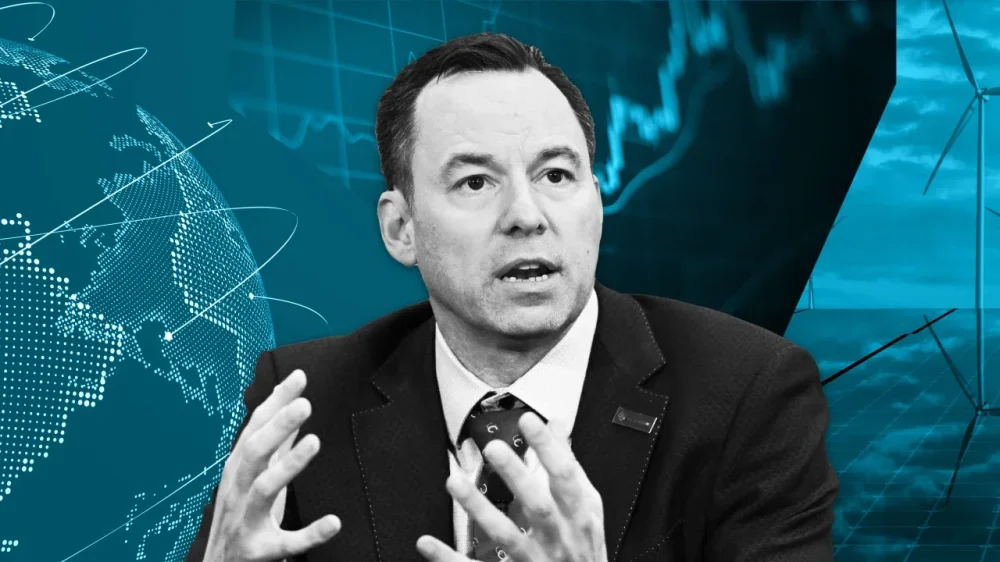
Amid tariff whiplash and the rejuggling of global trade, GE Vernova’s CEO Scott Strazik is finding a way to stay “relentlessly optimistic.” Strazik returns to the Rapid Response podcast to share how the company plans to continue its success as one of Wall Street’s top-performing stocks, despite looming supply chain disruption and market unpredictability. This is an abridged transcript of an interview from Rapid Response, hosted by the former editor-in-chief of Fast Company Bob Safian. From the team behind the Masters of Scale podcast, Rapid Response features candid conversations with today’s top business leaders navigating real-time challenges. Subscribe to Rapid Response wherever you get your podcasts to ensure you never miss an episode. GE Vernova is now one year into life as an independent public company, much to celebrate—your revenue rose to $35 billion. In 2024, GE Vernova was the year’s fourth best performing stock. Again, a lot to celebrate. But in 2025, the external environment hasn’t been as friendly. The The President tariffs have everyone scrambling. How do you think about this moment? How do you think about it compared to a year ago at this time? Well, our end markets really haven’t changed very much, Bob. I would start there. I mean, we continue to see very strong end markets in our larger core businesses and gas power, in our electrification and grid businesses. So, frankly, there’s going to be moments of dislocation between the stock market and our end markets. It doesn’t mean that depending on where the tariffs go, that doesn’t create an opportunity for us to prove out our nimbleness and managing our global supply chain, and we’re going to have to do that. But I think it’s frankly an opportunity for us to demonstrate how much we’ve grown in our first year as a public company to be able to operate in this kind of environment. How do the tariffs practically impact your business? I mean, you’re a global business, so changes in global relationships and reputation, all of that requires some adjustment. Yeah, I think even if you take a step back and think about some of the stuff I’ve talked to our investors about on where we want to make investments, we want to invest in our business where we can improve the durability or the resiliency of our supply chain, and that’s simply because we have a lot of organic growth that’s coming in our businesses, irrespective of any policy changes. Now, policies are going to change, they’re going to evolve. This is going to force us to relook at where we source certain things. It’ll force us to revisit our terms with some of our suppliers in different locations, but we know how to do that. So, we don’t want to be too fast to respond as we’re kind of trying to make sense of everything. But I’d also rather be a company that is quick on its feet. In this environment, President The President announced the tariffs on a Wednesday afternoon after the market closed. Rest assured by Friday afternoon, our teams were actively working evaluation plans of what our alternatives are. Now, it doesn’t mean within 40 hours you pull the trigger in a dynamic period of time. So, we’re working it pretty hard right now to figure out what our alternatives are, and with a growing backlog, to the extent our backlog is growing so substantially, that also puts us in a privileged position with our supply base to come and say, “Listen, this is what it’s going to take to keep serving GE Vernova.” It’s almost like there’s been a pullback around the very idea of globalization that maybe it’s not good to be a global organization. Do you think about that? Well, when I think about my first four months of the year. I mean, my first trip of the year was to Singapore and Japan, the first week of January. I had a great trip in the Middle East in February visiting Saudi, Qatar, Dubai, Abu Dhabi. These are all important markets for us. I think we’ve got opportunities to serve these markets throughout, and we’re going to work really hard to earn those opportunities. At the same time, long before announcements with tariffs, the reality is there has been an evolving shift with globalization. There’s certainly been a lot of strategic moves towards concepts of decoupling from the Chinese supply chain explicitly. So, we’ve been working that over a long period of time. Now, the last week certainly has been broader than any one country, and with it, it forces you to really revisit it in an even more intimate way, what you do and where you do it, but we can do that. We’re capable of taking that on, and I’m highly confident we can use this moment to make ourselves a better company for the long term. You have announced investing $600 million in U.S. factories yourself creating over 1,500 jobs. Yes. How much does GE Vernova need to be an American company? I would say more we need to be a local company for our local markets. I think in your bigger markets, you’re going to have a local supply chain to serve that market, local teams to serve that market. We’re a global company where, at this moment, one of our most important local markets certainly is the U.S., and that’s why we’re investing into that market. But we’re not going to not invest in some of these other countries that are attractive and markets too to be local there. There’s been some speculation that the speed with which U.S. manufacturing can ramp up to replace things that might have come from abroad, that that’s going to take a while and there’s going to be disruption. Is that something for your business that you see that you worry about, or is that part of the nimbleness, I guess, that you’re talking about on the part of your team? We do have a fair amount of industrial footprint in the U.S. that allows us to build on existing assets. So, the $600 million investment is reinvesting in existing assets, 1,500 jobs to locations that already have the concrete poured. They already have the cranes. They already have the logistics with the railroad adjacent to the factory. So, we can move reasonably quickly. Now, to the extent the policy environment drives us towards greenfield investments to reindustrialize parts of our supply chain, that would take longer, truth be told. And that’s a multiyear journey that, at this point, we aren’t necessarily evaluating, but we will keep looking in that regard. But first and foremost, we’re going to keep trying to eliminate waste in our existing processes and build upon the assets we have, and we feel like that can carry us for a period of time. Now, where we don’t have it, as an example, we announced and closed an acquisition of a supply chain footprint from Woodward. That was a vertical supply chain integration of a small part of Woodward’s business, but for our gas business, an important part of our supply chain where we thought it made more sense to just have that internal. How much do you tune your long-term decision-making when there’s noise and change and pressure in the near term? We need to scrutinize how long the status quo is, for sure. And that can be hard to do in a volatile moment that we’re in. But if nothing else, it gives us a chance to really challenge ourselves on what we have been doing, whether there’s a different way to do it. And that’s the way we talk about it internally is: “This is an opportunity for us to really revisit past assumptions and think about how we can be better.” Now, in some cases, we may gain conviction with exactly the play we’ve been running. In others, there may be a better alternative. I mean, do you have, sort of, I don’t know, leadership principles or lessons that you use as a touchstone when things do get volatile? Well, we’re not going to suck our thumbs and cry on our beer as things kind of change. We want to use change as an opportunity to improve. In that regard, this moment when we’re just reaching our one-year anniversary as a public company is a moment when I feel pretty confident we’ve got our feet on the ground, and we can play into this and use this moment of change to play offense on not just how we want 2025 to go, because we won’t change 2025 in any material way certainly from a supply chain strategy, but we can use 2025 to challenge ourselves for the next decade, and that’s very much what we’re doing. View the full article
-
This post was written by Alison Green and published on Ask a Manager. It’s five answers to five questions. Here we go… 1. If I opt out of team-building activities, I still have to work on those days I work for a small nonprofit with about 25 employees. Recently, we have begun “employee engagement” activities, like visiting local attractions. These activities take place during work hours. We are not forced to participate, but if we choose not to, then we are expected to work while those who do want to participate are basically paid to hang out at a local attraction, restaurant, etc. I don’t enjoy these kinds of group activities, but I’m not trying to keep anyone from going if they wish to. I don’t mind staying at work, but I am expected to cover for another employee (who always chooses to do the engagement activities) instead of being able to do my own work. Am I just a party pooper or is it weird for some employees to be paid to goof off while others are being paid to work? Am I wrong to think I shouldn’t have to cover for someone else when no other employee is expected to do that? I don’t think it’s unreasonable. They’re offering these activities because they believe they serve an organizational purpose: team-building. If you prefer not to participate, you don’t have to (which is actually better than at some organizations, where you’d be expected to attend regardless) — but they’re not going to just give you a day off, because that doesn’t provide any value to the org. That said, if covering for people who aren’t there means you have an unrealistic workload that day, you should talk with your manager about adjusting the expectations to match the staffing on those days. But if it’s more just about being annoyed by the principle of it, you should let it go. 2. My boss has hired my replacement but I’m not ready to leave I am actively looking for a new job and communicated this intent to my bosses as we have an open communication relationship. As is their right, they started to look for my replacement, which they found and have since hired. I am still actively looking for a job and have given no notice of my intended departure date. What are the obligations to me of my current employer given that I have not quit my job and there is someone we are on-boarding right now for my job? For a relationship with open communication, it doesn’t sound like there’s nearly enough communication going on! (Or at least not unless there’s been a lot more discussion of this than what’s in your letter.) You need to talk to your manager and you should do it immediately, as in today.They may be assuming you’re leaving any day now … or they may assume it’ll be months and figure it’s fine for there to be overlap for that time … or they may be okay with a little overlap but at some point are going to expect you to set a clear end date or will do it for you. When you alerted them that you were planning to leave, they may have jumped the gun — but this is also why it generally doesn’t make sense to alert your boss that you’re job-searching until you’re ready to give notice or at least have a very clear timeline in your head. Your manager should have clarified that with you before they hired a replacement! But it seems like they didn’t, so here we are. Now that this is in motion, they can set your ending date for any time they want, so talk with them ASAP and figure out a plan for what happens next. Be very clear that you don’t have any firm plans, had not intended to give formal notice, and don’t want to leave right away. Ideally they won’t respond to your early heads-up by pushing you out sooner than you want to go … but there’s a risk that’s in progress and so the sooner you figure it out, the better. Related: employee said she was leaving and has been replaced, but now doesn’t know when she is going to leave 3. How to implement a policy I don’t agree with I am the deputy lead for my department. I manage 13 people directly, and two of those people are managers themselves, each with a team of three. The team works a hybrid schedule, with most people choosing to work from home once or twice a week. There are no set days; we have a lot of flexibility. All staff have laptops and other required equipment at home. My company has a policy that when office PCs reach the end of their lifespan, they will not be replaced. Instead, staff will be given a docking station and are expected to use their work laptops at home and in the office. This policy was announced a couple of years ago, but this is a large company (~20,000 staff) and it seems my predecessor did not inform the team at the time as it didn’t impact them. Now I have been told that our office PCs are end of life and we will be getting docking stations soon. My team are livid! For example, those with chronic health conditions can currently choose to work from home if their condition flares up. But if their laptop is in the office, they won’t be able to work from home. They have also questioned what happens during bad weather when they cannot get to the office, but cannot work from home because the laptop is in the office. I have raised this with the department manager and his answer was that they will have to take the laptops home each day and bring them back the next day if working in the office. My team doesn’t want to carry laptops back and forth every day, especially those who walk or cycle. They have raised concerns about whether they are responsible for the equipment on their commute, what happens if it gets broken or stolen, and if they won’t be able to go out and socialize after work as they will be lugging a laptop around. I agree with all these concerns! I have raised them with the manager, who said that staff are responsible for keeping equipment safe. He also said this is company policy and we have to follow it. How do I navigate this when I agree with my staff? What language can I use to say I hear you, I agree with you, but we have no choice? Or should I be taking a difference stance and projecting to the team that I agree wholeheartedly with this? “I agree and I’ve made that argument, but unsuccessfully. So for now this is the policy and we do need to follow it.” You don’t need to pretend you disagree with them, but it’s also not helpful to contribute to people staying in a state of agitation about it. You want more of a middle ground — “it’s not what I would have chosen, but at this point we don’t have the ability to change it, so let’s figure out how to work within it.” It is a bad policy, for what that’s worth. I don’t know how much you’ve pushed back with your boss on it; if not much, there may be room to try more assertively. But it’s also true that you can only do that so much, and at some point you do need to accept that the answer is no … and in a company of 20,000, it might be particularly unlikely that you’re going to get the policy changed from your level. (That said, can you at least argue for keeping the PCs until they truly can’t be used anymore? I can’t tell if they’re removing them all when the docking stations arrive, but if they are, that might be a spot where you have room to change things.) Related: how managers should communicate decisions they don’t agree with 4. Fixing grammar and spelling mistakes I’m a leader of a medium-sized team in technology in a large, corporate environment. We’re in the U.S. but for a lot of team members English is their second language. When I see spelling and grammar mistakes in presentations that I’m reviewing, is it better to quickly fix it myself (easy to do and quick, although not the point of why I’m reviewing as I’m more focused on the content) or leave a comment (which feels nitpicky and takes longer but maybe that will help them learn)? Or do nothing? I do not judge their performance based on what is clearly a language barrier, but I also want their writing to be clear and easy to understand for their audience. The main job duties are not writing but in a large company, we make a lot of slides and more so as you move up in leadership. It’s a judgment call. All else being equal, I’d fix it and leave a quick, matter-of-fact note about what you did (like “changed ’there’ to ’their’” or so forth) but if there will be a lot of those sorts of edits in a single document, I’d just fix them all and then include one note with feedback about any common patterns if you saw any and if it seems like it would be helpful. If what you’re reviewing is in a format that allows for something like Track Changes, that’s ideal but not always possible. 5. Companies that don’t provide offer letters I’m interviewing with multiple companies and received a verbal offer via phone call from one company. Typically, I’m used to this being followed up by a formal electronic offer letter. The hiring manager indicated that is not the case, and that the details of the phone call are the offer letter. I mentioned this to another employer who I’m in a last interview round with, and they informed me that this is how it’s done at their company as well. I am very experienced in my field, and I can vouch for the legitimacy of these companies and interviewers. This is the first time I’m working without a formal offer letter since the early 2000s. Have standards changed? Nope, there have always been companies that don’t send written offer letters. It seems strange when you’re used to getting them, but it’s always been a thing. You can absolutely say, “Would it be possible to get the details of the offer — salary, benefits, title, and any other relevant information — in an email so I can look it over and be sure I’m getting all the details correct?” Alternately, you can write that email yourself and send it to them, framing it as, “I just want to summarize the details we’ve discussed.” Related: an employer told me they don’t provide written offers View the full article
-
Clear regional differences appeared in the average tax amounts owed across the U.S., with residents of one state seeing five-figure sums, Attom said. View the full article

-
Donald The President’s trade war is forcing investors to confront the possibility that the dominance of the US currency might fade — or even endView the full article
-
Tariff conflict arises out of the collision course between two very different political mindsetsView the full article
-
Swiss lender’s market capitalisation has been hit harder by US tariffs than Spanish rivalView the full article
-
Experts view sharp rises in share price and turnover of Unusual Machines and Dominari as ‘clearly unusual’View the full article
-
FN Herstal’s small arms are back in demand. But the Belgian gunmaker can only move as fast as its artisanal labourView the full article
-
The assault on America’s most venerable university is at the centre of the White House’s culture war View the full article
-
Key Takeaways Evolving Landscape: Small businesses must adapt to rapid changes in technology, consumer preferences, and global challenges to thrive by 2030.Technological Integration: Embracing artificial intelligence and digital marketing tools can streamline operations and enhance customer engagement, helping businesses to adjust effectively.Sustainability Matters: Prioritizing eco-friendly practices is crucial, as consumers increasingly favor brands that demonstrate environmental responsibility.E-Commerce Growth: Building a strong online presence is essential for reaching broader markets, with e-commerce projected to continue expanding significantly.Navigating Challenges: Small businesses face financial pressures and regulatory changes, making proactive planning and adaptability critical for sustained success.Leveraging Niche Markets: Identifying and targeting niche markets, along with forming collaborations and networks, can provide competitive advantages and foster growth. As we approach 2030, the landscape for small businesses is evolving at a rapid pace. Technology, consumer preferences, and global challenges shape how you operate and thrive in this competitive environment. Understanding these shifts is crucial for your success and sustainability. Imagine harnessing the power of artificial intelligence, embracing sustainability, and adapting to a remote workforce. These trends aren’t just buzzwords; they’re the future of how small businesses will function. By staying informed and agile, you can position your business to not only survive but flourish in the years to come. Let’s dive into what the future holds and how you can prepare for the exciting opportunities ahead. Overview of Small Business Trends Small businesses face a rapidly changing environment as we approach 2030. Understanding emerging trends is crucial for staying competitive and achieving success. Technological Advancements Technological advancements influence small businesses significantly. Integration of artificial intelligence can streamline operations and enhance customer experiences. Utilizing digital marketing tools, like SEO and email marketing, allows you to reach your target audience more effectively. E-commerce platforms offer expanded sales channels, enabling direct consumer access. Adapting to these changes often means rethinking your business model and prioritizing innovation. Sustainable Practices Sustainable practices are increasingly important for small businesses. Consumers prefer companies that prioritize environmental responsibility, impacting your brand image and customer acquisition. Implementing eco-friendly processes not only meets customer demand but can also reduce operational costs over time. You might consider exploring partnerships for sustainable sourcing or investing in green technologies. Developing a business plan that emphasizes sustainability can strengthen your growth strategy as you position your small business for future success. The Role of Digital Transformation Digital transformation plays a significant role in securing success for small businesses as you approach 2030. Embracing digital technology not only enhances operational efficiency but also aligns your offerings with evolving customer expectations. E-Commerce Growth E-commerce growth offers a powerful opportunity for small businesses. By developing an online business presence, you can expand your market reach beyond local customers. Statistics show that global e-commerce sales are projected to exceed $6 trillion by 2023. Leveraging platforms like Shopify or WooCommerce can help you establish a robust sales channel and improve customer acquisition. Implementing a clear growth strategy with effective SEO and email marketing can enhance visibility and drive conversions. Utilize analytics tools to understand your target audience’s preferences, helping refine your product development and marketing tactics. Social Media Marketing Strategies Social media marketing strategies are crucial for engaging with your audience and building brand loyalty. Platforms like Facebook, Instagram, and LinkedIn enable you to connect with customers authentically. Use tailored content marketing to showcase your products and services while promoting brand values. Regularly posting and interacting with your followers enhances customer service and fosters community engagement. Creating a consistent brand voice across platforms strengthens your business model and increases the likelihood of referrals. Utilize analytics tools to track performance and refine strategies based on customer interactions, ensuring a scalable approach as your business grows. Challenges Facing Small Businesses by 2030 Small businesses face significant challenges as we approach 2030, particularly in economic factors and regulatory changes. Understanding these issues is vital for entrepreneurs paving their way in an evolving marketplace. Economic Factors Financial Challenges: Approximately 66% of small businesses encounter financial challenges, primarily covering operating expenses. High employee turnover rates affect about 40% of businesses, resulting in costly training and workflow disruptions. Inflation remains a pressing concern, with over half of small businesses ranking it as their top issue. Increased costs add financial pressure, emphasizing the importance of effective budgeting and cash flow management for sustainable growth. Access to Capital: High interest rates limit your access to capital. If borrowing becomes more expensive, consider exploring alternative funding options like crowdfunding or angel investors. The impending expiration of tax cuts and an expansion of tariffs contribute to economic uncertainty, especially for firms reliant on global supply chains. Staying informed about market trends and adjusting your business model can enhance resilience in this environment. Regulatory Changes Compliance Requirements: Regulatory changes can impact operational costs and business registration processes. Keeping abreast of new compliance requirements and potential legal structures, such as LLCs or S Corps, is crucial for maintaining legitimacy in your market. Businesses often must navigate changing tax codes and legal obligations, which requires sound legal advice and mentorship for successful adaptation. Employment Regulations: Evolving employment regulations can affect your hiring practices and employee benefits structure. Staying compliant with labor laws and understanding your requirements regarding human resources minimizes risks related to payroll and employee relations. Seminars and workshops offered by business incubators may provide insight into effective leadership and team building strategies. By addressing these challenges with proactive planning and a solid business plan, you position your small business for success in the next decade. Opportunities for Growth Small businesses hold significant opportunities for growth as we approach 2030. Understanding these can fuel your success. Niche Markets Finding niche markets can give you a competitive edge. By targeting a specific audience, you can tailor your products and services to meet unique needs. Market research reveals that small businesses focusing on sustainability or clean energy show strong growth. According to data, 28% of U.S. small businesses are already engaged in the clean energy sector. This trend indicates an emerging demand for eco-friendly products and services. Identifying your specific niche helps craft a robust business model and strategy that attracts potential customers. Collaboration and Networking Building partnerships and networks enhances your growth potential. Collaboration with other small businesses can open doors for shared resources, mentorship, and access to similar target audiences. Establish connections through local business incubators or networking events in your industry. Engaging with fellow entrepreneurs can refine your ideas and approaches. Utilizing platforms like social media makes it easier to establish your online presence, engage customers, and promote your brand values. Strong networking can also lead to potential funding options through angel investors or crowdfunding initiatives, crucial for expanding your operations and increasing scalability. Future Predictions for Small Business 2030 The landscape of small businesses is evolving rapidly, particularly with advancements in technology and shifting consumer preferences. Understanding these changes is essential for your success in the next decade. Impact of Artificial Intelligence Artificial intelligence (AI) is set to transform small businesses significantly. By 2030, you can expect to see AI integrated into various operational aspects. Here are key applications: Customer Service: AI-powered chatbots can handle inquiries, reducing your response time and improving customer satisfaction. Marketing Automation: AI tools can analyze data to enhance your digital marketing strategies, ensuring you engage your target audience effectively. Operational Efficiency: AI enhances schedule management and inventory control, optimizing your workflow and minimizing overhead costs. Investing in AI technology can elevate your business model, making your enterprise competitive against larger firms. It’s crucial to remain informed about AI solutions tailored to your industry. Shift in Consumer Behavior Consumer behavior continues to shift, driven by technological advancements and a growing emphasis on sustainability. Key trends include: Preference for Personalization: Today’s consumers favor tailored shopping experiences, prompting you to adopt marketing strategies that resonate with individual customer needs. Eco-Friendly Choices: With 28% of U.S. small businesses engaging in the clean energy sector, incorporating sustainable practices can meet consumer demands and position your brand positively. Increased Online Shopping: E-commerce sales are projected to exceed $6 trillion globally. Developing a strong online presence through a well-optimized website and effective digital marketing strategies is vital. Understanding these trends allows you to adjust your growth strategy and product development approaches to align with what consumers value. Staying agile helps you navigate market changes, ensuring your business remains relevant and profitable. Conclusion As you look toward 2030 it’s clear that the landscape for small businesses will be shaped by technology and consumer expectations. Embracing innovation and sustainability will be key to not just surviving but thriving in this evolving market. Staying informed about trends like digital transformation and the rise of e-commerce can help you seize new opportunities. By prioritizing eco-friendly practices and leveraging social media for engagement you’ll build a brand that resonates with today’s conscious consumers. Navigating the challenges ahead requires adaptability and a proactive approach. With the right strategies in place your small business can not only meet the demands of the future but also stand out in a competitive environment. Frequently Asked Questions What are the key trends affecting small businesses as we approach 2030? The key trends impacting small businesses include technological advancements like artificial intelligence, the growing emphasis on sustainability, and the rise of remote work. These trends shape operations and consumer preferences, requiring businesses to adapt to thrive in a competitive landscape. Why is digital transformation important for small businesses? Digital transformation enhances operational efficiency and aligns offerings with changing customer expectations. Embracing digital tools, like e-commerce platforms and social media marketing, helps small businesses engage audiences and tap into new sales channels for sustainable growth. How can small businesses leverage artificial intelligence? Small businesses can utilize artificial intelligence to streamline operations, improve customer service with chatbots, and enhance marketing efforts through automation. By integrating AI, businesses can offer personalized experiences and respond effectively to consumer demands. Why should businesses adopt sustainable practices? Adopting sustainable practices can attract environmentally-conscious consumers and reduce operational costs. As consumers increasingly prefer eco-friendly companies, incorporating sustainability into business operations can provide a competitive advantage and align with market demands. What challenges will small businesses face by 2030? Small businesses may encounter financial challenges, high employee turnover, inflation, and regulatory changes by 2030. Staying informed about legal obligations and proactively addressing funding limitations is crucial for navigating these potential obstacles. How can small businesses find growth opportunities in niche markets? Identifying niche markets allows small businesses to tailor products and services to specific consumer needs. This focus can provide a competitive edge and cater to unique demands, especially as trends in clean energy and sustainability gain momentum. Why is networking important for small businesses? Networking is vital for small businesses to access resources, mentorship, and potential funding opportunities. Connecting with fellow entrepreneurs can enhance brand visibility and provide support for growth initiatives and collaboration in the market. What role does social media play in small business marketing? Social media is essential for engaging with audiences, building brand loyalty, and promoting products. Utilizing platforms like Facebook, Instagram, and LinkedIn allows businesses to connect authentically, showcase their values, and strengthen relationships with customers. How should small businesses approach their business strategy for the future? Small businesses should prioritize innovation, sustainability, and digital marketing in their business strategy. Developing a robust plan that addresses emerging trends and consumer expectations will position them for success and resilience in the evolving market landscape. Image Via Envato This article, "Future-Proofing Your Small Business for Success in a Changing World" was first published on Small Business Trends View the full article
-
Key Takeaways Evolving Landscape: Small businesses must adapt to rapid changes in technology, consumer preferences, and global challenges to thrive by 2030.Technological Integration: Embracing artificial intelligence and digital marketing tools can streamline operations and enhance customer engagement, helping businesses to adjust effectively.Sustainability Matters: Prioritizing eco-friendly practices is crucial, as consumers increasingly favor brands that demonstrate environmental responsibility.E-Commerce Growth: Building a strong online presence is essential for reaching broader markets, with e-commerce projected to continue expanding significantly.Navigating Challenges: Small businesses face financial pressures and regulatory changes, making proactive planning and adaptability critical for sustained success.Leveraging Niche Markets: Identifying and targeting niche markets, along with forming collaborations and networks, can provide competitive advantages and foster growth. As we approach 2030, the landscape for small businesses is evolving at a rapid pace. Technology, consumer preferences, and global challenges shape how you operate and thrive in this competitive environment. Understanding these shifts is crucial for your success and sustainability. Imagine harnessing the power of artificial intelligence, embracing sustainability, and adapting to a remote workforce. These trends aren’t just buzzwords; they’re the future of how small businesses will function. By staying informed and agile, you can position your business to not only survive but flourish in the years to come. Let’s dive into what the future holds and how you can prepare for the exciting opportunities ahead. Overview of Small Business Trends Small businesses face a rapidly changing environment as we approach 2030. Understanding emerging trends is crucial for staying competitive and achieving success. Technological Advancements Technological advancements influence small businesses significantly. Integration of artificial intelligence can streamline operations and enhance customer experiences. Utilizing digital marketing tools, like SEO and email marketing, allows you to reach your target audience more effectively. E-commerce platforms offer expanded sales channels, enabling direct consumer access. Adapting to these changes often means rethinking your business model and prioritizing innovation. Sustainable Practices Sustainable practices are increasingly important for small businesses. Consumers prefer companies that prioritize environmental responsibility, impacting your brand image and customer acquisition. Implementing eco-friendly processes not only meets customer demand but can also reduce operational costs over time. You might consider exploring partnerships for sustainable sourcing or investing in green technologies. Developing a business plan that emphasizes sustainability can strengthen your growth strategy as you position your small business for future success. The Role of Digital Transformation Digital transformation plays a significant role in securing success for small businesses as you approach 2030. Embracing digital technology not only enhances operational efficiency but also aligns your offerings with evolving customer expectations. E-Commerce Growth E-commerce growth offers a powerful opportunity for small businesses. By developing an online business presence, you can expand your market reach beyond local customers. Statistics show that global e-commerce sales are projected to exceed $6 trillion by 2023. Leveraging platforms like Shopify or WooCommerce can help you establish a robust sales channel and improve customer acquisition. Implementing a clear growth strategy with effective SEO and email marketing can enhance visibility and drive conversions. Utilize analytics tools to understand your target audience’s preferences, helping refine your product development and marketing tactics. Social Media Marketing Strategies Social media marketing strategies are crucial for engaging with your audience and building brand loyalty. Platforms like Facebook, Instagram, and LinkedIn enable you to connect with customers authentically. Use tailored content marketing to showcase your products and services while promoting brand values. Regularly posting and interacting with your followers enhances customer service and fosters community engagement. Creating a consistent brand voice across platforms strengthens your business model and increases the likelihood of referrals. Utilize analytics tools to track performance and refine strategies based on customer interactions, ensuring a scalable approach as your business grows. Challenges Facing Small Businesses by 2030 Small businesses face significant challenges as we approach 2030, particularly in economic factors and regulatory changes. Understanding these issues is vital for entrepreneurs paving their way in an evolving marketplace. Economic Factors Financial Challenges: Approximately 66% of small businesses encounter financial challenges, primarily covering operating expenses. High employee turnover rates affect about 40% of businesses, resulting in costly training and workflow disruptions. Inflation remains a pressing concern, with over half of small businesses ranking it as their top issue. Increased costs add financial pressure, emphasizing the importance of effective budgeting and cash flow management for sustainable growth. Access to Capital: High interest rates limit your access to capital. If borrowing becomes more expensive, consider exploring alternative funding options like crowdfunding or angel investors. The impending expiration of tax cuts and an expansion of tariffs contribute to economic uncertainty, especially for firms reliant on global supply chains. Staying informed about market trends and adjusting your business model can enhance resilience in this environment. Regulatory Changes Compliance Requirements: Regulatory changes can impact operational costs and business registration processes. Keeping abreast of new compliance requirements and potential legal structures, such as LLCs or S Corps, is crucial for maintaining legitimacy in your market. Businesses often must navigate changing tax codes and legal obligations, which requires sound legal advice and mentorship for successful adaptation. Employment Regulations: Evolving employment regulations can affect your hiring practices and employee benefits structure. Staying compliant with labor laws and understanding your requirements regarding human resources minimizes risks related to payroll and employee relations. Seminars and workshops offered by business incubators may provide insight into effective leadership and team building strategies. By addressing these challenges with proactive planning and a solid business plan, you position your small business for success in the next decade. Opportunities for Growth Small businesses hold significant opportunities for growth as we approach 2030. Understanding these can fuel your success. Niche Markets Finding niche markets can give you a competitive edge. By targeting a specific audience, you can tailor your products and services to meet unique needs. Market research reveals that small businesses focusing on sustainability or clean energy show strong growth. According to data, 28% of U.S. small businesses are already engaged in the clean energy sector. This trend indicates an emerging demand for eco-friendly products and services. Identifying your specific niche helps craft a robust business model and strategy that attracts potential customers. Collaboration and Networking Building partnerships and networks enhances your growth potential. Collaboration with other small businesses can open doors for shared resources, mentorship, and access to similar target audiences. Establish connections through local business incubators or networking events in your industry. Engaging with fellow entrepreneurs can refine your ideas and approaches. Utilizing platforms like social media makes it easier to establish your online presence, engage customers, and promote your brand values. Strong networking can also lead to potential funding options through angel investors or crowdfunding initiatives, crucial for expanding your operations and increasing scalability. Future Predictions for Small Business 2030 The landscape of small businesses is evolving rapidly, particularly with advancements in technology and shifting consumer preferences. Understanding these changes is essential for your success in the next decade. Impact of Artificial Intelligence Artificial intelligence (AI) is set to transform small businesses significantly. By 2030, you can expect to see AI integrated into various operational aspects. Here are key applications: Customer Service: AI-powered chatbots can handle inquiries, reducing your response time and improving customer satisfaction. Marketing Automation: AI tools can analyze data to enhance your digital marketing strategies, ensuring you engage your target audience effectively. Operational Efficiency: AI enhances schedule management and inventory control, optimizing your workflow and minimizing overhead costs. Investing in AI technology can elevate your business model, making your enterprise competitive against larger firms. It’s crucial to remain informed about AI solutions tailored to your industry. Shift in Consumer Behavior Consumer behavior continues to shift, driven by technological advancements and a growing emphasis on sustainability. Key trends include: Preference for Personalization: Today’s consumers favor tailored shopping experiences, prompting you to adopt marketing strategies that resonate with individual customer needs. Eco-Friendly Choices: With 28% of U.S. small businesses engaging in the clean energy sector, incorporating sustainable practices can meet consumer demands and position your brand positively. Increased Online Shopping: E-commerce sales are projected to exceed $6 trillion globally. Developing a strong online presence through a well-optimized website and effective digital marketing strategies is vital. Understanding these trends allows you to adjust your growth strategy and product development approaches to align with what consumers value. Staying agile helps you navigate market changes, ensuring your business remains relevant and profitable. Conclusion As you look toward 2030 it’s clear that the landscape for small businesses will be shaped by technology and consumer expectations. Embracing innovation and sustainability will be key to not just surviving but thriving in this evolving market. Staying informed about trends like digital transformation and the rise of e-commerce can help you seize new opportunities. By prioritizing eco-friendly practices and leveraging social media for engagement you’ll build a brand that resonates with today’s conscious consumers. Navigating the challenges ahead requires adaptability and a proactive approach. With the right strategies in place your small business can not only meet the demands of the future but also stand out in a competitive environment. Frequently Asked Questions What are the key trends affecting small businesses as we approach 2030? The key trends impacting small businesses include technological advancements like artificial intelligence, the growing emphasis on sustainability, and the rise of remote work. These trends shape operations and consumer preferences, requiring businesses to adapt to thrive in a competitive landscape. Why is digital transformation important for small businesses? Digital transformation enhances operational efficiency and aligns offerings with changing customer expectations. Embracing digital tools, like e-commerce platforms and social media marketing, helps small businesses engage audiences and tap into new sales channels for sustainable growth. How can small businesses leverage artificial intelligence? Small businesses can utilize artificial intelligence to streamline operations, improve customer service with chatbots, and enhance marketing efforts through automation. By integrating AI, businesses can offer personalized experiences and respond effectively to consumer demands. Why should businesses adopt sustainable practices? Adopting sustainable practices can attract environmentally-conscious consumers and reduce operational costs. As consumers increasingly prefer eco-friendly companies, incorporating sustainability into business operations can provide a competitive advantage and align with market demands. What challenges will small businesses face by 2030? Small businesses may encounter financial challenges, high employee turnover, inflation, and regulatory changes by 2030. Staying informed about legal obligations and proactively addressing funding limitations is crucial for navigating these potential obstacles. How can small businesses find growth opportunities in niche markets? Identifying niche markets allows small businesses to tailor products and services to specific consumer needs. This focus can provide a competitive edge and cater to unique demands, especially as trends in clean energy and sustainability gain momentum. Why is networking important for small businesses? Networking is vital for small businesses to access resources, mentorship, and potential funding opportunities. Connecting with fellow entrepreneurs can enhance brand visibility and provide support for growth initiatives and collaboration in the market. What role does social media play in small business marketing? Social media is essential for engaging with audiences, building brand loyalty, and promoting products. Utilizing platforms like Facebook, Instagram, and LinkedIn allows businesses to connect authentically, showcase their values, and strengthen relationships with customers. How should small businesses approach their business strategy for the future? Small businesses should prioritize innovation, sustainability, and digital marketing in their business strategy. Developing a robust plan that addresses emerging trends and consumer expectations will position them for success and resilience in the evolving market landscape. Image Via Envato This article, "Future-Proofing Your Small Business for Success in a Changing World" was first published on Small Business Trends View the full article
-
New markets could be opening up — even if they are 124 light years awayView the full article
-
Lawmakers say the Chinese AI group is a ‘profound threat’ to national securityView the full article
-
More companies are reducing ad budgets than increasing them, trade body finds View the full article
-
Distant planet is covered with an ocean that may be teeming with microbial activityView the full article
-
Transform your reports with insights that matter. Discover how to create impactful SEO client reports that drive business results. The post How To Write SEO Reports That Get Attention From Your CMO appeared first on Search Engine Journal. View the full article
-
‘RapidDestroyer’ uses a high-power radio frequency to fry systems at a distance View the full article
-
The Consumer Financial Protection Bureau and Townstone Financial, a Chicago mortgage lender that it sued in 2020, jointly asked a federal court to vacate a settlement, saying the case should never have been filed. View the full article