ResidentialBusiness
Administrators
-
Joined
-
Last visited
Everything posted by ResidentialBusiness
-
 Xero has announced an expanded partnership with carbon accounting software provider Sumday, offering Xero customers 12 months of free access to Sumday’s tools to help track and manage their carbon footprint. The partnership aims to simplify the carbon accounting process for small businesses and their accounting and bookkeeping partners by providing software, training, and educational resources to build skills in environmental reporting. Eligibility requirements and terms apply to the offer. According to Xero, small and medium enterprises contribute to nearly 50% of total U.S. greenhouse gas emissions. This collaboration with Sumday is designed to support these businesses in measuring and reporting emissions more effectively, addressing a long-standing challenge in sustainability reporting. “Small businesses are the backbone of our communities and we want to give them the tools they need to thrive in a changing world. Our partnership with Sumday provides access to carbon accounting capabilities, putting powerful tools in the hands of small businesses so they feel prepared and able to drive towards a more sustainable future,” said Tam Somers, GM Sustainability and Impact at Xero. Sumday’s CEO and Co-founder Jessica Richmond said, “By making carbon accounting as routine and accessible as financial accounting, we’re empowering small businesses to account for their impact beyond dollars and cents. Having been a small business owner myself, I understand the challenges these businesses face in making time to get across a new area. Our tools are making it easy for small businesses to understand their impact at a high level, before going deeper and helping improve the quality of their carbon accounting. Sometimes small businesses just need help and we’ve always believed that accountants would play a key role in that. Through this partnership with Xero, we’re putting powerful carbon accounting tools in the hands of those who understand the business and want to deliver auditable accounting that generates meaningful insights as well.” The offer includes the ability for Xero customers to link financial data directly from Xero into Sumday, streamlining the carbon accounting process. Users will also have access to Sumday’s online academy to build knowledge in carbon accounting, and the ability to create profiles that help communicate sustainability data efficiently. Additional tools provided through the partnership include supply chain engagement features that allow small businesses to both share emissions data with clients and request information from suppliers. These features support businesses in meeting expanding mandatory emissions reporting requirements. Accountants and bookkeepers using Xero will receive extra resources and support through the partnership, enabling them to offer comprehensive carbon accounting services to clients. With this integration, small businesses and their advisors can gain visibility into their full emissions supply chain and work towards reduction goals, while communicating their efforts to key stakeholders such as customers, employees, and financial institutions. This article, "Xero and Sumday Partner to Offer Free Carbon Accounting Tools to Small Businesses" was first published on Small Business Trends View the full article
 -
Xero has announced an expanded partnership with carbon accounting software provider Sumday, offering Xero customers 12 months of free access to Sumday’s tools to help track and manage their carbon footprint. The partnership aims to simplify the carbon accounting process for small businesses and their accounting and bookkeeping partners by providing software, training, and educational resources to build skills in environmental reporting. Eligibility requirements and terms apply to the offer. According to Xero, small and medium enterprises contribute to nearly 50% of total U.S. greenhouse gas emissions. This collaboration with Sumday is designed to support these businesses in measuring and reporting emissions more effectively, addressing a long-standing challenge in sustainability reporting. “Small businesses are the backbone of our communities and we want to give them the tools they need to thrive in a changing world. Our partnership with Sumday provides access to carbon accounting capabilities, putting powerful tools in the hands of small businesses so they feel prepared and able to drive towards a more sustainable future,” said Tam Somers, GM Sustainability and Impact at Xero. Sumday’s CEO and Co-founder Jessica Richmond said, “By making carbon accounting as routine and accessible as financial accounting, we’re empowering small businesses to account for their impact beyond dollars and cents. Having been a small business owner myself, I understand the challenges these businesses face in making time to get across a new area. Our tools are making it easy for small businesses to understand their impact at a high level, before going deeper and helping improve the quality of their carbon accounting. Sometimes small businesses just need help and we’ve always believed that accountants would play a key role in that. Through this partnership with Xero, we’re putting powerful carbon accounting tools in the hands of those who understand the business and want to deliver auditable accounting that generates meaningful insights as well.” The offer includes the ability for Xero customers to link financial data directly from Xero into Sumday, streamlining the carbon accounting process. Users will also have access to Sumday’s online academy to build knowledge in carbon accounting, and the ability to create profiles that help communicate sustainability data efficiently. Additional tools provided through the partnership include supply chain engagement features that allow small businesses to both share emissions data with clients and request information from suppliers. These features support businesses in meeting expanding mandatory emissions reporting requirements. Accountants and bookkeepers using Xero will receive extra resources and support through the partnership, enabling them to offer comprehensive carbon accounting services to clients. With this integration, small businesses and their advisors can gain visibility into their full emissions supply chain and work towards reduction goals, while communicating their efforts to key stakeholders such as customers, employees, and financial institutions. This article, "Xero and Sumday Partner to Offer Free Carbon Accounting Tools to Small Businesses" was first published on Small Business Trends View the full article
-
Nimble, a CRM platform tailored to small businesses and marketing professionals, has introduced its new Email Marketing feature, enabling users to conduct large-scale, HTML-powered, and trackable email campaigns directly from within the platform. The feature, announced on April 3, 2025, is designed to support outreach efforts such as newsletters, webinars, and promotional messages. According to Nimble, the new capability helps users bypass the limitations of email platforms like Google and Microsoft, which typically restrict daily sends to around 500 emails per user. The Email Marketing feature allows users to send unlimited emails to segmented lists and manage campaigns reaching tens of thousands of recipients. “Nimble has always been about helping people build stronger relationships at scale. With the addition of Email Marketing, we’re expanding our capabilities to meet the growing needs of businesses looking to engage their audiences with both small-scale outreach and enterprise-level marketing campaigns,” said Jon Ferrara, CEO of Nimble. The release also introduces a Template Editor that enables users to choose from a library of pre-designed layouts or create customized emails using drag-and-drop tools. The editor is intended to simplify the design process for professional-grade communications. “From lead capture to large-scale campaigns, Nimble now provides an all-in-one platform for sales and marketing teams to collaborate and grow,” added Ferrara. “With Nimble Email Marketing, our customers can now scale their outreach and strengthen relationships like never before.” Key Features The new Email Marketing feature includes several integrated tools and benefits: Unlimited Sends: No cap on the number of emails sent, ideal for ongoing promotions and announcements. Powerful Template Editor: Includes customizable, drag-and-drop email templates. Integrated Automation: Connects with Nimble Web Forms and automation workflows for streamlined engagement. Sequenced Outreach: Works with Nimble Sequences to nurture leads through drip campaigns. Real-Time Analytics: Provides open and click-rate data to optimize campaign effectiveness. Cost-Effective Pricing: Charges users only for emails sent, avoiding fees for inactive contacts. Unified Communication View: Stores all communications in a single contact record, eliminating the need for database syncing. Nimble views the launch as a major step toward enhancing its marketing offerings. Future plans include adding communication channels such as text messaging, voice, and chat to enable end-to-end customer engagement. The Email Marketing feature and Template Editor are now available as a paid add-on, priced at $15 per company per month. More details and trial access are available at www.nimble.com. This article, "Nimble Launches Email Marketing and Template Editor to Support Scalable Campaigns" was first published on Small Business Trends View the full article
-
Nimble, a CRM platform tailored to small businesses and marketing professionals, has introduced its new Email Marketing feature, enabling users to conduct large-scale, HTML-powered, and trackable email campaigns directly from within the platform. The feature, announced on April 3, 2025, is designed to support outreach efforts such as newsletters, webinars, and promotional messages. According to Nimble, the new capability helps users bypass the limitations of email platforms like Google and Microsoft, which typically restrict daily sends to around 500 emails per user. The Email Marketing feature allows users to send unlimited emails to segmented lists and manage campaigns reaching tens of thousands of recipients. “Nimble has always been about helping people build stronger relationships at scale. With the addition of Email Marketing, we’re expanding our capabilities to meet the growing needs of businesses looking to engage their audiences with both small-scale outreach and enterprise-level marketing campaigns,” said Jon Ferrara, CEO of Nimble. The release also introduces a Template Editor that enables users to choose from a library of pre-designed layouts or create customized emails using drag-and-drop tools. The editor is intended to simplify the design process for professional-grade communications. “From lead capture to large-scale campaigns, Nimble now provides an all-in-one platform for sales and marketing teams to collaborate and grow,” added Ferrara. “With Nimble Email Marketing, our customers can now scale their outreach and strengthen relationships like never before.” Key Features The new Email Marketing feature includes several integrated tools and benefits: Unlimited Sends: No cap on the number of emails sent, ideal for ongoing promotions and announcements. Powerful Template Editor: Includes customizable, drag-and-drop email templates. Integrated Automation: Connects with Nimble Web Forms and automation workflows for streamlined engagement. Sequenced Outreach: Works with Nimble Sequences to nurture leads through drip campaigns. Real-Time Analytics: Provides open and click-rate data to optimize campaign effectiveness. Cost-Effective Pricing: Charges users only for emails sent, avoiding fees for inactive contacts. Unified Communication View: Stores all communications in a single contact record, eliminating the need for database syncing. Nimble views the launch as a major step toward enhancing its marketing offerings. Future plans include adding communication channels such as text messaging, voice, and chat to enable end-to-end customer engagement. The Email Marketing feature and Template Editor are now available as a paid add-on, priced at $15 per company per month. More details and trial access are available at www.nimble.com. This article, "Nimble Launches Email Marketing and Template Editor to Support Scalable Campaigns" was first published on Small Business Trends View the full article
-
Lumber retains protections for now, but construction stocks still fell, and while the initial market reaction lowered rates, there could later be a reversal. View the full article

-
The systematic miscalculations diverted thousands of dollars from people who fell behind on loans, said documents filed in federal court in Brooklyn. View the full article

-
While prices are still rising, an increase in reductions from listing suggests sellers are adjusting to the new reality for home buying this season. View the full article

-
Google released its new Gemini 2.5 Pro Experimental AI model late last month, and it’s quickly stacked up top marks on a number of coding, math, and reasoning benchmark tests—making it a contender for the world’s best model right now. becoming apparent that the new reasoning model may be the best model in the world, at least for now. Gemini 2.5 Pro is a “reasoning” model, meaning its answers derive from a mix of training data and real-time reasoning performed in response to the user prompt or question. Like other newer models, Gemini 2.5 Pro can consult the web, but it also contains a fairly recent snapshot of the world’s knowledge: Its training data cuts off at the end of January 2025. Last year, in order to boost model performance, AI researchers began shifting toward teaching models to “reason” when they’re live and responding to user prompts. This approach requires models to process and retain increasingly more data to arrive at accurate answers. (Gemini 2.5 Pro, for example, can handle up to a million tokens.) However, models often struggle with information overload, making it difficult to extract meaningful insights from all that context. Google appears to have made progress on this front. The YouTube channel AI Explained points out that Gemini 2.5 fared very well on a new benchmark test called Fiction.liveBench that’s designed to test a model’s ability to remember and comprehend context information. For instance, Fiction.liveBench might ask the model to read a novelette and answer questions that require a deep understanding of the story and characters. Some of the top models, including those from OpenAI and Anthropic, score well when the amount of stored data (the context window) is relatively small. But as the context window increases to 32K, then 60K, then 120K—about the size of a novelette—Gemini 2.5 Pro stands out for its superior comprehension. That’s important because some of the most productive use cases to date for generative AI involve comprehending and summarizing large amounts of data. A service representative might depend on an AI tool to swim through voluminous manuals in order to help someone struggling with a technical problem out in the field, or a corporate compliance officer might need a long context window to sift through years of regulations and policies. Gemini also scored much higher than competing reasoning models on a new benchmark called MathArena, which tests models using hard questions from recent math olympiads and contests. The test also requires that the model clearly show its reasoning as it steps toward an answer. Top models from OpenAI, Anthropic, and DeepSeek failed to break 5% of a perfect score, but Gemini 2.5 Pro model scored an impressive 24.4%. The new Google model also scored highly on another super-hard benchmark called Humanity’s Last Exam, which is meant to show when AI models exceed the knowledge and reasoning of top experts in a given field. The Gemini 2.5 scored an 18.8%, a score topped only by OpenAI’s Deep Research model. The model also now sits atop the crowdsourced benchmarking leaderboard, LMArena. Finally, Gemini 2.5 Pro is among the top models for computer coding. It scored a 70.4% on the LiveCodeBench benchmark, coming in just behind OpenAI’s o3-mini model, which scored 74.1%. Gemini 2.5 Pro scored 63.8% on SWE-bench (measures agentic coding), while Anthropic’s latest Claude 3.7 Sonnet scored 70.3%. Finally, Google’s model outscored Anthropic, OpenAI, and xAI models on the MMMU visual reading test by roughly six points. Google initially released its new model to paying subscribers, but has now made it accessible by all users for free. View the full article

-
The impact of tariff policy on the mortgage-backed securities market is likely to surface first in the cost of new housing construction. View the full article

-
US president’s trade war draws criticism from some senators and big donorsView the full article
-
Homebuyers would be able to take advantage of streamlined finance options, folding energy infrastructure costs with their mortgages, the companies said. View the full article

-
The bank said it will appeal the judge's ruling, which it suggested would have a chilling effect on lenders participating in such government programs. View the full article

-
AI-generated content is detected by most consumers, new studies reveal. Find out which formats consumers reject and how to adapt. The post Studies Reveal Consumers Easily Detect AI-Generated Content appeared first on Search Engine Journal. View the full article
-
Around November of last year, when readers were certainly not paying attention to anything else, Nintendo briefly shared that the Nintendo Switch 2 would be backwards compatible with games for the original Nintendo Switch. Fast forward to this year, and it turns out that’s not so clear cut. According to Nintendo, the Switch 2 can play the vast majority of Nintendo Switch 1 games, but there are some caveats to keep in mind. The Switch 2 uses emulation to play Switch 1 gamesAs Nintendo posted to its site yesterday and confirmed in a developer roundtable I attended, the Switch 2 does not have any Switch 1 hardware inside. This means that, unlike the Nintendo DS did with the Game Boy Advance, it can’t play Switch games “natively,” meaning it’s not able to run them exactly as they might work on original hardware. Instead, it uses what Nintendo said is a mix of hardware compatibility and software emulation to essentially trick these games into thinking they’re running on the original Switch. This comes with both downsides and upsides. The good is that, because the Switch 2 has more powerful architecture than the original Switch, you might see some slight benefits from simply running your game on the new console, like faster loading times. The issues start to pop up when looking at game compatibility. Credit: Nintendo Not every game, it turns out, plays nice with this translation to the new device. According to Nintendo, the vast majority of Switch 1 games should work without issue, with some select games getting free patches to help bring them up to snuff, but the company has encountered problems with over 120 titles, some of which won’t even start up. These include popular games like Doom: Eternal and Rocket League, so if you depend on your Switch to play these, don’t expect the new console to be able to replace your old one right away. It’ll likely take some time for Nintendo to work out all the kinks here. Nintendo Switch 2 Edition gamesSo how is Nintendo getting around these problems? Well, aside from painstakingly checking each Nintendo Switch game (more than 10,000) “one-by-one,” it’s also releasing new versions of certain Switch 1 games that are built to run on the Nintendo Switch 2 from the ground up. These Nintendo Switch 2 Edition games will essentially be enhanced ports of certain Switch 1 titles, including The Legend of Zelda: Breath of the Wild; The Legend of Zelda: Tears of the Kingdom; Kirby and the Forgotten Land; Super Mario Party Jamboree; and even as-yet-unreleased games like Pokémon Legenda: Z-A and Metroid Prime 4: Beyond. Switch 2 Edition games will come with improved graphics, higher resolutions, and much smoother framerates, as well as new content in the case of Kirby and Mario Party. You’ll also get new control modes when applicable, as Metroid Prime 4 will be able to use the Switch 2’s mouse controls. The catch: you have to pay for these upgrades. While your Switch 2 should be able to play the above games just fine if you pop your Switch 1 cartridge into it, you won’t get any of the enhancements that let you use its extra power unless you pony up, and will instead be playing via the same emulation as every other Switch 1 game. Luckily, if you already own the Switch 1 version of a game, you can get an upgrade pack (sold either at select retailers or via the Nintendo eShop) to get the Switch 2 Edition at a discount, as opposed to buying the Switch 2 Edition for full price (which, of course, is also an option). Even better—Nintendo has confirmed that your upgraded game will still be playable on Switch 1, just without the enhancements that come with the Switch 2 Edition. Plus, subscribers to the Nintendo Switch Online Expansion Pack will at least get both Zelda upgrades included with their plan. Official pricing for these Switch 2 Editions or their upgrade packs has yet to be revealed, but keep in mind that when you’re shopping for a Switch 2, you shouldn’t necessarily bank on the system being able to “play your Switch 1 games, but better.” How to play a Switch 1 game on Switch 2Now that I’ve broken down the ins-and-outs of backwards compatibility on the Switch, let’s talk about how to actually play your Switch 1 games on the Switch 2. The first method is pretty simple. If you own a compatible physical Switch 1 game cartridge, you can just put it into your Switch 2 to start playing it just like on the original console. Alternatively, if you want to move all of your game saves, wifi details, parental control settings, and digital games over to the Switch 2, you can use a System Transfer to do just that. Specific steps for the transfer system haven’t been published yet, but you’ll be able to use it to conveniently move pretty much everything from your Switch 1 to your Switch 2 all in one fell swoop. Credit: Nintendo Finally, for a more piecemeal approach, there’s Virtual Game Cards. This is a new way of categorizing digital games that’s set for release in April. Essentially, it’ll add a new icon to the Switch’s home screen, where you’ll be able to see your digital games as a series of “virtual game cards.” You’ll then be able to load these cards then and there to play them on the system you’re currently using, or click “Load on Another System” to move them over to another console linked to your Nintendo Account. With that, you can move your Switch 1 games over to Switch 2 on a more case-by-case basis. View the full article
-
Blue-chip companies including Apple tumble as investors rush to safety of US government bondsView the full article
-
A complete overview of n8n pricing tiers, additional costs, value for money, and how to pick the right plan for you. Plus, alternatives to consider and a side-by-side pricing comparison. The post n8n Pricing Tiers & Costs appeared first on The Digital Project Manager. View the full article
-
Extreme weather is dangerous weather, and that’s particularly true for the heavy rainfall events that experts say are becoming more frequent with climate change. The powerful storms can pose threats ranging from falling limbs to downed power lines to drowning. Experts say disaster preparation and good planning can help protect lives and property. What should you do if you face record rainfall? Long before extreme weather happens, it’s important to consider whether your home meets building codes, and to know what your insurance covers, experts say. This is the time to address any shortcomings. Once storms draw near, stay informed by signing up for real-time city, county and federal weather alerts, and listen to the news and whatever your local officials are saying. You can take simple steps to help protect your property, such as ensuring that gutters, storm drains and stormwater systems are clear and ready to do their part in carrying off heavy rain. If using sandbags to protect property, make sure they’re properly made and stacked to keep water out. Should you try to evacuate or stay put? If there are local orders to evacuate, you need to heed them. Gather important documents, get enough gas to drive out and prepare to be away for an extended period of time, said Jeannette Sutton, associate professor at the University at Albany. People need to err on the side of caution, she said. As major storms move in, there often comes a point when leaving is more hazardous than staying put. One major danger involves flooded roadways. Drivers who attempt to push through them can be swept away by water that is deeper than it appeared and stronger than thought. How can you prepare your home and belongings? Moving keepsakes, furniture and valuables to upper levels and making sure sump pump batteries are fully charged are shorter-term ways to prepare, along with ensuring there’s enough food, water and medical supplies. Cars can be protected by getting them into a parking structure with upper levels. Experts also say use common sense in planning: Don’t keep your backup generators in a basement where they can be ruined by flooding, for instance. What can you do once a disaster has started? If you aren’t able to prepare for floods in time, you should move to the highest level of your home, experts say, or seek out a safe shelter. If high winds and tornadoes are a threat, however, it could be dangerous to be too high up. That’s why checking forecasts is critical. —Alexa St. John, Associated Press climate reporter View the full article

-
We may earn a commission from links on this page. Deal pricing and availability subject to change after time of publication. Anytime you're looking for a good smartwatch, Garmin's name is bound to come up. The Garmin Instinct 3 came out very recently, and that means the Garmin Instinct 2 has dropped in price—and even though that model is now a generation old, it's still an incredible fitness and outdoor smartwatch. With this latest price drop, the Garmin Instinct 2 Solar is now $229.99 (originally $399.99), the lowest price it has reached, according to price tracking tools. Garmin Instinct 2 Solar Features: Recovery Time; MTB Dynamics; Wrist-Based Heart Rate; Stress Tracking; Sleep Score, etc. $229.99 at Amazon /images/amazon-prime.svg $399.99 Save $170.00 Get Deal Get Deal $229.99 at Amazon /images/amazon-prime.svg $399.99 Save $170.00 The Garmin Instinct 2 Solar is a serious smartwatch, visually represented by its no-nonsense, black-and-white display. It puts all of its chips on functionality over other aspects a health smartwatch might offer. As the name implies, it's a solar-powered watch. Three hours of being in the sun gives you about 24 hours of juice or one hour of GPS battery life. Even without sun, a full charge gives you 28 days of juice. The GPS and the heart rate feature are very accurate, so if that's what you care about, the Instinct 2 Solar will not disappoint. The Instinct 2 Solar has a lot of different sport profiles you can choose to track, making it great for triathlon athletes or people who like to practice many different sports. It also has Connect IQ app support, which opens the doors to many third-party apps for extra features, face watches, and widgets. And if you need some motivation or guidance with your fitness goals Training Status can suggest workouts for running and cycling. The watch also includes helpful tools like a built-in compass, altimeter, and barometer, making it great for hardcore hikers. Finally, since the Instinct 2 Solar has Connect IQ, you can configure your watch with the app instead of painstakingly doing it on the watch. View the full article
-
Sackings come as top adviser Mike Waltz faces pressure for discussing military strikes in Signal chatView the full article
-
Construction project management is designed to deliver projects on time and on budget while maintaining or improving quality. Value engineering in construction is one method general contractors use to achieve those goals. What is value engineering in construction? We’ll answer that question and show how to implement it through various techniques. Then it’ll become apparent why this benefits anyone involved in construction projects. What Is Value Engineering in Construction? Value engineering in construction is a systematic method aimed at improving the value of a project by optimizing its function while reducing costs. It involves analyzing project components, processes and materials to find the most efficient and cost-effective solutions without compromising quality, safety or performance. The goal of value engineering is to maximize the return on investment (ROI) by identifying unnecessary costs and eliminating them through alternative approaches. This process typically occurs during the design phase, but can also be applied during construction to find more economical methods. Value engineering in construction works by function analysis, which identifies the essential functions of a project component. It then applies cost reduction by finding less expensive materials or construction methods without sacrificing quality. This involves creative problem solving to find innovative solutions to meet project objectives by collaborating with stakeholders, designers, engineers and contractors. Project management software can help with value engineering in construction. These tools have a suite of features that can support cost control, resource management and project optimization throughout the project lifecycle. ProjectManager is award-winning construction project management software with budget and cost management tools. Gantt charts can schedule tasks, resources and costs, helping construction managers identify areas where costs can be reduced without affecting the project’s quality or performance. More than that, our Gantt charts link all four types of task dependencies to avoid cost overruns, filter for the critical path to manage slack and can set a baseline to monitor expenditures in real time to spot inefficiencies early for better decision making for cost reduction. Get started with ProjectManager today for free. /wp-content/uploads/2025/03/Gantt-CTA-2025.jpgLearn more How to Implement Value Engineering in Construction Implementing value engineering in construction is a systematic process aimed at optimizing a project’s value by balancing function and cost. The goal is to achieve the best possible outcome by identifying cost-effective alternatives without sacrificing quality or performance. This approach is typically employed during the design and planning stages, but can also be applied during construction to identify and implement efficiencies. The process of value engineering follows a structured methodology divided into distinct phases. These phases guide the team in analyzing and improving the project in terms of function, cost and feasibility. Here are the key phases in implementing value engineering in construction. Information Phase In the information phase, the project team gathers all necessary data and documentation related to the project, including specifications, design plans and budget information. This phase focuses on understanding the project’s scope, objectives and constraints, providing a clear picture of the current state before any changes are made. The more comprehensive the data collected in this phase, the better the analysis and decision-making in later stages. Function Analysis Phase During the function analysis phase, the project team identifies and defines the essential functions of each component or aspect of the project. This phase helps to understand what the project needs to achieve and the core functions of each item or process. By breaking down each function and its associated costs, the team can determine where value improvements or cost savings can be made without affecting the project’s overall performance. Creative Phase The creative phase is where the team brainstorms and explores all possible alternatives or innovative solutions to achieve the same functions more efficiently or cost-effectively. No idea is off-limits during this phase, and the focus is on creativity and problem-solving. The team can propose different materials, processes, technologies or design modifications that can help lower costs while still delivering the intended outcomes. Evaluation Phase In the evaluation phase, the ideas and alternatives generated during the creative phase are reviewed and assessed based on their feasibility, cost-effectiveness and impact on the project. This phase involves conducting a detailed analysis to determine which alternatives offer the greatest value for the lowest cost. Criteria such as performance, risk and implementation time are weighed against the potential savings or benefits. Development Phase After evaluating the alternatives, the most promising options are taken forward for further development in the development phase. This phase involves creating more detailed plans and specifications for the selected alternatives, determining their practicality and cost implications. It may also involve testing or prototyping to ensure the proposed changes can be successfully integrated into the project. Presentation Phase In the presentation phase, the developed ideas and alternatives are presented to the project stakeholders, such as clients, designers, contractors and team members. This is where the final recommendations are made, showcasing the benefits of the proposed changes and justifying the cost savings and value improvements. The goal is to get approval from stakeholders for the proposed value engineering solutions. Implementation and Follow-Up Phase Finally, in the implementation and follow-up phase, the approved value engineering recommendations are put into action. This phase includes integrating the changes into the project’s design or construction process. It’s critical to monitor the progress and effectiveness of the implemented changes. The project team should track outcomes, compare actual savings with projected savings and ensure that the improvements are properly incorporated into the project, ensuring long-term success. Techniques for Value Engineering in Construction Value engineering in construction relies on structured techniques to optimize costs while maintaining or improving a project’s functionality and quality. These techniques help project teams analyze design, materials and processes to find the most efficient solutions. Below are some of the most effective techniques used in value engineering for construction projects. 1. Target Value Design (TVD) Target value design is a cost-driven approach that aligns project design with a predetermined budget. Instead of designing first and then estimating costs, TVD ensures that designs are developed with cost constraints in mind from the beginning. This method encourages collaboration among architects, engineers and contractors to create cost-effective solutions while maintaining project objectives. 2. Life Cycle Costing (LCC) Life cycle costing evaluates the total cost of ownership of a building or infrastructure over its entire lifespan, rather than just considering initial construction costs. This technique factors in maintenance, operation, energy consumption and disposal costs to ensure that design choices lead to long-term savings. By prioritizing durable and efficient materials or systems, LCC helps maximize project value over time. 3. Function Analysis System Technique (FAST) The function analysis system technique is a structured method used to break down a project or system into its core functions. It helps teams analyze how different components contribute to the overall project goal and identify areas where costs can be reduced without sacrificing essential functions. By organizing functions in a logical diagram, FAST facilitates better decision-making in value engineering. 4. Integrated Project Delivery (IPD) Integrated project delivery is a collaborative approach that brings together all key project stakeholders—including owners, designers, engineers and contractors—early in the process to optimize design, cost and execution. By promoting teamwork and shared responsibility, IPD helps minimize waste, reduce costs and ensure that value engineering decisions are implemented effectively. 5. Design-to-Cost (DTC) Design-to-cost is a method where cost targets guide the design process. Instead of allowing costs to escalate as designs become more complex, DTC ensures that financial constraints are considered from the start. This technique prioritizes value-driven decision-making by selecting materials, construction methods and designs that align with budgetary goals without compromising performance. Benefits of Implementing Value Engineering in Construction Value engineering in construction provides a structured approach to optimizing project costs and improving efficiency while maintaining or enhancing quality. By focusing on functionality and cost-effectiveness, value engineering helps stakeholders align project goals with financial constraints, leading to better project outcomes. Below are some key benefits of implementing value engineering in construction projects. Helps Establish Realistic Stakeholder Expectations One of the significant benefits of value engineering is that it aligns stakeholder expectations with project feasibility. By analyzing costs, functions and design alternatives early in the project, it ensures that all parties—owners, designers and contractors—have a clear understanding of what can be achieved within budgetary and time constraints. This transparency reduces misunderstandings and helps stakeholders make informed decisions about project scope and priorities. Maximizes the Profit Margin for Contractors Value engineering in construction helps contractors improve profitability by identifying cost-saving opportunities without sacrificing project quality. By selecting more efficient materials, alternative construction methods or streamlined processes, contractors can reduce unnecessary expenses and increase efficiency. Additionally, it can lead to reduced waste, shorter project timelines and better resource allocation, all of which contribute to higher profit margins. Helps Define Clear Project Requirements and Construction Specifications Through a structured function analysis, value engineering in construction ensures that project requirements and specifications are well-defined before construction begins. This clarity helps prevent design changes, delays and cost overruns later in the project. By focusing on the essential functions of each project component, it helps establish precise specifications that meet both performance and budgetary goals, leading to smoother project execution. How ProjectManager Helps Manage Construction Projects There are many ways in which ProjectManager can help with value engineering in construction. However, that’s only the beginning of how our award-winning project and portfolio management software can manage construction projects. We’ve already shown how our Gantt charts work, but they also adjust schedules and workflows for efficiency, optimizing the project timeline through better sequencing of tasks to reduce time and cost. We also have collaborative features, such as document sharing and commenting at the task level, which improve communication and teamwork are essential to identifying cost-effective solutions. But there’s more. Allocate and Optimize Resources Keeping costs down requires strict resource management. That begins with scheduling resources and costs on the Gantt chart to allocate labor, equipment and materials efficiently, but continues when onboarding teams. At that point, general contractors can set the team’s availability, including PTO, vacation and global holidays, which makes it easier to assign the right person to the right task at the right time. Construction managers can analyze resource allocation by visiting the color-coded workload page and seeing who is overallocated or underutilized. They can then balance the team’s workload without leaving the chart. The team page gives a weekly or daily view of the team’s activities. It can be filtered by progress or priority and tasks updated right from that page to reduce waste by ensuring resources are optimally used. /wp-content/uploads/2023/01/Team-Light-2554x1372-1.png Get Actionable Insights From Real-Time Dashboards and Reports Managing construction projects and keeping costs aligned with the project budget requires monitoring and control. For a high-level overview, toggle over to the project or portfolio dashboards. There’s no setup required to view easy-to-understand graphs and charts on time, cost, workload and more. For more details on project performance, use customizable reports on project or portfolio status, variance, timesheets, workload and more. These reports can be filtered to evaluate potential changes to improve the project’s value or provide progress reports to keep stakeholders informed. Even our secure timesheets help by tracking labor costs to keep to the budget. /wp-content/uploads/2022/07/Dashboard-light-mode.jpg Related Content Value engineering in construction is one way general contractors control costs when managing projects. There are other ways, too, of course. For those who want to delve a little deeper into the subject, below are a handful of links to recently published articles from our blog. A Quick Guide to Value Engineering for Projects Construction Quality Control: Essential Tips Construction Cost Management 10 Types of Construction Projects with Examples Construction Budget: A Quick Guide (with Examples) ProjectManager is online construction project management software that connects teams whether they’re in the office or on the job site. They can share files, comment at the task level and stay updated with email and in-app notifications. Get started with ProjectManager today for free. The post Value Engineering in Construction: Phases & Techniques appeared first on ProjectManager. View the full article
-
Want more housing market stories from Lance Lambert’s ResiClub in your inbox? Subscribe to the ResiClub newsletter. When assessing home price momentum, it’s important to monitor active listings and months of supply. If active listings start to rapidly increase as homes remain on the market for longer periods, it may indicate pricing softness or weakness. Conversely, a rapid decline in active listings could suggest a market that is heating up. Generally speaking, local housing markets where active inventory has returned to pre-pandemic levels have experienced softer home price growth (or outright price declines) over the past 30 months. Conversely, local housing markets where active inventory remains far below pre-pandemic levels have, generally speaking, experienced stronger home price growth over the past 30 months. How does housing inventory look in 2025? It looks like we will see a double-digit increase in active inventory this year across most of the country. National active listings are on the rise (up 28.5% between March 2024 and March 2025). This indicates that homebuyers have gained some leverage in many parts of the country over the past year. Some sellers markets have turned into balanced markets, and more balanced markets have turned into buyers markets. Nationally, we’re still below pre-pandemic 2019 inventory levels (20% below March 2019) and some resale markets, in particular big chunks of Midwest and Northeast, still remain tight to tight-ish. Here’s how the March 2025 inventory/active listings, compare to historical totals, according to Realtor.com: March 2017: 1,172,713 March 2018: 1,067,281 March 2019: 1,115,940 March 2020: 937,319 March 2021: 440,589 (overheating during the pandemic housing boom) March 2022: 354,016 (overheating during the pandemic housing boom) March 2023: 562,444 (mortgage rate shock) March 2024: 694,820 March 2025: 892,561 Below is the year-over-year percentage change by state. While active housing inventory is rising in most markets on a year-over-year basis, some markets still remain tight. As ResiClub has been documenting, both active resale and new homes for sale remain the most limited across huge swaths of the Midwest and Northeast. That’s likely where home sellers this spring will have more power. In contrast, active housing inventory for sale has neared or surpassed pre-pandemic 2019 levels in many parts of the Gulf region, including metro area housing markets such as Punta Gorda and Austin. These areas saw major price surges during the pandemic housing boom, with home prices getting stretched compared to local incomes. As pandemic-driven migration slowed and mortgage rates rose, markets like Tampa and Austin faced challenges, relying on local income levels to support frothy home prices. This softening trend is further compounded by an abundance of new home supply in the Sun Belt. Builders are often willing to lower prices or offer affordability incentives to maintain sales, which also has a cooling effect on the resale market. Some buyers, who would have previously considered existing homes, are now opting for new homes with more favorable deals. At the end of March 2025, seven states are above pre-pandemic 2019 active inventory levels: Arizona, Colorado, Florida, Idaho, Tennessee, Texas, and Utah. The District of Columbia is also above pre-pandemic 2019 inventory levels. (Weakness in D.C. proper predates the current admin’s job cuts.) The states that have jumped above pre-pandemic 2019 inventory levels are where home buyers have gained the most leverage heading into the spring 2025 housing market. Big picture: Over the past few years we’ve observed a softening across many housing markets as strained affordability tempers the fervor of a market that was unsustainably hot during the Pandemic Housing Boom. While home prices are falling in some areas around the Gulf, most regional housing markets are still seeing positive year-over-year home price growth. The big question going forward is whether active inventory and months of supply will continue to rise and cause more housing markets to see price softening? Below is another version of the table above—but this one includes every month since January 2017. If you’d like to further examine the monthly state inventory figures, use the interactive chart below. (You can also find more information here on the ongoing softness and weakness across Florida.) View the full article

-
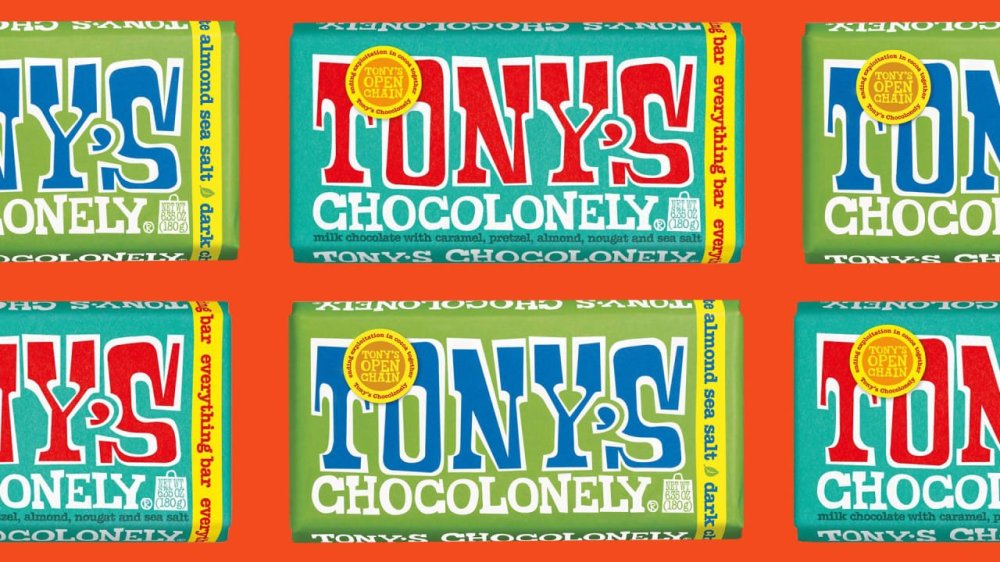
Another day, another recall: On Tuesday, popular chocolate brand Tony’s Chocolonely recalled two of its bars, Tony’s Dark Almond Sea Salt Bar (6.35oz) and Everything Bar (6.35oz), following 12 reports from consumers who found small stones “not filtered during third-party almond harvesting and the almond processing process.” The bars were distributed nationwide from February 7 to March 24, 2025 and sold in various retail stores, as well as at Tony’s online store. “We are extremely sorry to have to issue this recall, and for the inconvenience that this will cause,” a company spokesperson told Fast Company. “Whilst the probability of a product being affected is low, we always put the safety and satisfaction of our consumers first.” The company added that all complaints occurred outside of the United States and Canada, and no injuries or illnesses have been reported. Tony’s issued this voluntary recall in consultation with the Food and Drug Administration (FDA) as a precautionary measure. How can I tell if I purchased one of the recalled chocolate bars? The recall applies to seven lot codes, listed below: 6.35-oz. of of “Tony’s Chocolonely Everything Bar” with lot code 4327, UPC 850011828564, and use by date Nov. 22, 2025 6.35-oz. of of “Tony’s Chocolonely Everything Bar” with lot code 4330, UPC 850011828564, and use by date Nov. 25, 2025 6.35-oz. of of “Tony’s Chocolonely Everything Bar” with lot code 4331, UPC 850032676441, and use by date Nov. 26, 2025 6.35-oz. of of “Tony’s Chocolonely Everything Bar” with lot code M4331, UPC 850011828564, and use by date Nov. 26, 2025 6.35-oz. of of “Tony’s Chocolonely Dark Chocolate Almond Sea Salt” with lot code 163094, UPC 858010005641, and use by date April 2, 2026 6.35-oz. of of “Tony’s Chocolonely Dark Chocolate Almond Sea Salt” with lot code 162634, UPC 858010005641, and use by date Feb. 28, 2026 6.35-oz. of of “Tony’s Chocolonely Dark Chocolate Almond Sea Salt” with lot code M162634, UPC 850011828908, and use by date Feb. 28, 2026 No other Tony’s products are affected. What should I do if I have a recalled Tony’s chocolate bar? If you purchased one of the affected products with the specified lot codes, it is recommended to return it to the store of purchase for a refund, or throw it away. For more information, or to claim a refund or replacement, visit the company’s website here. View the full article
-
As someone who's planning to buy the Nintendo Switch 2, I've had my eye on the accessories I'd need to get with the console. Since Super Mario Party Jamboree, which is getting some new mini-games in its Switch 2 port, is one of the games I'm very interested in, the Switch 2 Camera accessory caught my eye. After all, who doesn't want to make dramatic faces while playing with their friends? You can even use it for chat, too. However, I'm not sure I can justify spending $50 on an accessory that'll probably gather dust after I'm done with Mario Party. Fortunately, it looks like the Switch 2 Camera is not the only way to play camera-based games or video chat with your friends on the Nintendo Switch 2. How to check if the Nintendo Switch 2 supports your USB-C camera Credit: Nintendo A quick look at Nintendo's Switch 2 Camera webpage reveals that you can use third-party USB-C cameras with the console, even ones that aren't made with it in mind. Like me, if you already have a USB-C camera lying around, you can plug it into the Switch 2 and the console will tell you if it's compatible. Whenever you end up getting the Switch 2, just go to the console's settings and navigate to the Controllers & Accessories section. Once the camera is connected to the Switch 2, select Test USB Camera and the console will let you know if the camera is compatible with the system. Why you might want to consider an alternative USB cameraI don't want to discourage people from buying Nintendo's Switch 2 Camera right away, since I haven't tried it yet. But I won't be buying it immediately, because it's too expensive for me. Yes, you get guaranteed compatibility and a useful stand that lets you place it on any flat surface, but that doesn't necessarily justify its price. At the time of writing, you can buy good USB-C webcams for as little as $20 each. These cameras ship with a privacy cover and adjustable stands that can be mounted on top of a TV or placed on a flat surface, and there's a good chance you already own one. If you can use one for the Switch 2 instead, it might be worth opting for that instead of spending extra cash. View the full article
-
Influencing has a major pay gap, and it’s not what you might expect. A new report from Collabstr, based on over 15,000 influencer collaborations using first-party data, reveals a surprising disparity: male creators earn 40% more per collaboration than female creators—$291 compared to $208 on average. This gap persists despite women making up the majority of the content creator space. In 2024, 72% of influencers are women, up from 70% in 2023. These two facts are connected. The report, which focused predominantly on nano and micro-influencers, suggests that female creators are paid less largely due to the sheer number of women in the industry. Oversaturation drives down rates and weakens their bargaining power compared to male counterparts. Notably, the report found that the higher the follower count, the smaller the pay gap. “While female dominated niches like fashion, beauty, lifestyle receive a lot of influencer spend, there is a lot of saturation especially at the nano and micro-influencer stage, and as a result the brands have more options and are able to price collaborations lower because there is essentially unlimited supply in these niches,” Collabstr cofounder Kyle Dulay tells Fast Company. Perception also plays a role in the gender pay gap. According to the report, women are more often labeled as “influencers,” while men are referred to as “content creators.” This distinction isn’t just semantic—it has real consequences. The label “influencer” can diminish and undervalue women’s work, framing them as product-pushers, while men are positioned as creative professionals and innovators. Dulay suggests that one way for female creators in saturated niches to command higher rates is by narrowing their focus. “Instead of being a ‘beauty’ influencer, see how you can narrow that down further, perhaps into skincare particularly or highlighting your journey with acne,” he explains. “By doing this, you’re no longer competing with every other female in the beauty space, and you retain the power to price your services accordingly, rather than having prices dictated by brands.” That niche doesn’t have to be permanent. “As you grow, naturally the ratio of female to male influencers drops, and you can begin widening your niche while retaining your pricing power,” he adds. The creator economy is booming. The user-generated content (UGC) market hit $7.62 billion in 2024 and is projected to climb to $35.44 billion by 2030. More creators are seizing the opportunity—66% now offer UGC services, up from just 26% in last year’s report. For female creators especially: know your worth, and don’t be afraid to claim it. View the full article

-
It's not difficult to delete an app off your iPhone. In fact, it only takes a few taps at most. If you're so inclined, you can even remove purchases from your Apple Account entirely. So it might come as a bit of a surprise if you see that app randomly reappear. As it happens, some users are seeing just that. MacRumors spotted multiple threads across both Reddit and Apple's Community Support site, all featuring the same complaint: users noticing apps they did not choose to download appearing on their iPhones. Some of these affected users had previously deleted these apps months or years ago, and didn't understand why they were back. Others, however, had no memory of ever downloading the app in question in the first place. The account Someandroiduser started a Community Support thread, claiming a previously deleted app "Last War Survival" ended up on their iPhone again. Redditor dURDENN7 posted the same, without naming the app in question. It's worth noting some of the commenters on that thread said their iPhones had downloaded "Last War Survival" as well, including one who said they had never downloaded the app before. Reddit user illyyas posted that they had discovered the game "Ingress" installed on their iPhone, despite the fact they don't play games at all on their phone. Another commenter said their iPhone downloaded "Cooking Mama" to their Home screen, even though the App Store still showed the option to "Get" the app—implying the user had never actually installed the app before. Another user shared a similar story with the game "Bit City." Is iOS 18.4 responsible?While it isn't totally clear what is behind these app downloads, one through line does appear to be iOS 18.4. The update officially dropped on Monday, adding new features and security patches for compatible iPhones. Unfortunately, Apple might've missed a bug in beta testing, since many of these user complaints note these apps mysteriously appeared after installing the latest iOS update. MacRumors notes that Automatic Downloads—the feature that installs previously downloaded apps on other connected Apple devices—doesn't seem to be at fault here, since many of the affected users only have iPhones. In addition, the outlet identified that these devices were not jailbroken and were not using a third-party app marketplace. To Apple's credit, this hasn't been my experience with the newest update. I installed iOS 18.4 on my iPhone, and, as far as I can tell, no new or previously downloaded apps found their way into my App Library. However, it is a problem: You shouldn't expect to see apps you previously deleted reappear on your device, and you definitely shouldn't see apps you never downloaded to begin with. Apple has not made a public statement about this issue, nor is there really much you can do to prevent it. If you happen to notice an app you previously deleted—or never actually downloaded in the first place—your best bet is to simple delete it, and hope it doesn't show up again. View the full article