Newsletter
Want to keep up to date with all our latest news and information?


ResidentialBusiness
Administrators
-
Joined
-
Last visited
Everything posted by ResidentialBusiness
-
Maker of Birkin bags reports slower growth than expected as sector braces for impact of trade war View the full article
-
Visit comes after US clamps down on chipmaker’s sales to ChinaView the full article
-
First-in-queue negotiations closely watched for signs of US strategy View the full article
-
Amid tariff whiplash and the rejuggling of global trade, GE Vernova’s CEO Scott Strazik is finding a way to stay “relentlessly optimistic.” Strazik returns to the Rapid Response podcast to share how the company plans to continue its success as one of Wall Street’s top-performing stocks, despite looming supply chain disruption and market unpredictability. This is an abridged transcript of an interview from Rapid Response, hosted by the former editor-in-chief of Fast Company Bob Safian. From the team behind the Masters of Scale podcast, Rapid Response features candid conversations with today’s top business leaders navigating real-time challenges. Subscribe to Rapid Response wherever you get your podcasts to ensure you never miss an episode. GE Vernova is now one year into life as an independent public company, much to celebrate—your revenue rose to $35 billion. In 2024, GE Vernova was the year’s fourth best performing stock. Again, a lot to celebrate. But in 2025, the external environment hasn’t been as friendly. The The President tariffs have everyone scrambling. How do you think about this moment? How do you think about it compared to a year ago at this time? Well, our end markets really haven’t changed very much, Bob. I would start there. I mean, we continue to see very strong end markets in our larger core businesses and gas power, in our electrification and grid businesses. So, frankly, there’s going to be moments of dislocation between the stock market and our end markets. It doesn’t mean that depending on where the tariffs go, that doesn’t create an opportunity for us to prove out our nimbleness and managing our global supply chain, and we’re going to have to do that. But I think it’s frankly an opportunity for us to demonstrate how much we’ve grown in our first year as a public company to be able to operate in this kind of environment. How do the tariffs practically impact your business? I mean, you’re a global business, so changes in global relationships and reputation, all of that requires some adjustment. Yeah, I think even if you take a step back and think about some of the stuff I’ve talked to our investors about on where we want to make investments, we want to invest in our business where we can improve the durability or the resiliency of our supply chain, and that’s simply because we have a lot of organic growth that’s coming in our businesses, irrespective of any policy changes. Now, policies are going to change, they’re going to evolve. This is going to force us to relook at where we source certain things. It’ll force us to revisit our terms with some of our suppliers in different locations, but we know how to do that. So, we don’t want to be too fast to respond as we’re kind of trying to make sense of everything. But I’d also rather be a company that is quick on its feet. In this environment, President The President announced the tariffs on a Wednesday afternoon after the market closed. Rest assured by Friday afternoon, our teams were actively working evaluation plans of what our alternatives are. Now, it doesn’t mean within 40 hours you pull the trigger in a dynamic period of time. So, we’re working it pretty hard right now to figure out what our alternatives are, and with a growing backlog, to the extent our backlog is growing so substantially, that also puts us in a privileged position with our supply base to come and say, “Listen, this is what it’s going to take to keep serving GE Vernova.” It’s almost like there’s been a pullback around the very idea of globalization that maybe it’s not good to be a global organization. Do you think about that? Well, when I think about my first four months of the year. I mean, my first trip of the year was to Singapore and Japan, the first week of January. I had a great trip in the Middle East in February visiting Saudi, Qatar, Dubai, Abu Dhabi. These are all important markets for us. I think we’ve got opportunities to serve these markets throughout, and we’re going to work really hard to earn those opportunities. At the same time, long before announcements with tariffs, the reality is there has been an evolving shift with globalization. There’s certainly been a lot of strategic moves towards concepts of decoupling from the Chinese supply chain explicitly. So, we’ve been working that over a long period of time. Now, the last week certainly has been broader than any one country, and with it, it forces you to really revisit it in an even more intimate way, what you do and where you do it, but we can do that. We’re capable of taking that on, and I’m highly confident we can use this moment to make ourselves a better company for the long term. You have announced investing $600 million in U.S. factories yourself creating over 1,500 jobs. Yes. How much does GE Vernova need to be an American company? I would say more we need to be a local company for our local markets. I think in your bigger markets, you’re going to have a local supply chain to serve that market, local teams to serve that market. We’re a global company where, at this moment, one of our most important local markets certainly is the U.S., and that’s why we’re investing into that market. But we’re not going to not invest in some of these other countries that are attractive and markets too to be local there. There’s been some speculation that the speed with which U.S. manufacturing can ramp up to replace things that might have come from abroad, that that’s going to take a while and there’s going to be disruption. Is that something for your business that you see that you worry about, or is that part of the nimbleness, I guess, that you’re talking about on the part of your team? We do have a fair amount of industrial footprint in the U.S. that allows us to build on existing assets. So, the $600 million investment is reinvesting in existing assets, 1,500 jobs to locations that already have the concrete poured. They already have the cranes. They already have the logistics with the railroad adjacent to the factory. So, we can move reasonably quickly. Now, to the extent the policy environment drives us towards greenfield investments to reindustrialize parts of our supply chain, that would take longer, truth be told. And that’s a multiyear journey that, at this point, we aren’t necessarily evaluating, but we will keep looking in that regard. But first and foremost, we’re going to keep trying to eliminate waste in our existing processes and build upon the assets we have, and we feel like that can carry us for a period of time. Now, where we don’t have it, as an example, we announced and closed an acquisition of a supply chain footprint from Woodward. That was a vertical supply chain integration of a small part of Woodward’s business, but for our gas business, an important part of our supply chain where we thought it made more sense to just have that internal. How much do you tune your long-term decision-making when there’s noise and change and pressure in the near term? We need to scrutinize how long the status quo is, for sure. And that can be hard to do in a volatile moment that we’re in. But if nothing else, it gives us a chance to really challenge ourselves on what we have been doing, whether there’s a different way to do it. And that’s the way we talk about it internally is: “This is an opportunity for us to really revisit past assumptions and think about how we can be better.” Now, in some cases, we may gain conviction with exactly the play we’ve been running. In others, there may be a better alternative. I mean, do you have, sort of, I don’t know, leadership principles or lessons that you use as a touchstone when things do get volatile? Well, we’re not going to suck our thumbs and cry on our beer as things kind of change. We want to use change as an opportunity to improve. In that regard, this moment when we’re just reaching our one-year anniversary as a public company is a moment when I feel pretty confident we’ve got our feet on the ground, and we can play into this and use this moment of change to play offense on not just how we want 2025 to go, because we won’t change 2025 in any material way certainly from a supply chain strategy, but we can use 2025 to challenge ourselves for the next decade, and that’s very much what we’re doing. View the full article

-
Clear regional differences appeared in the average tax amounts owed across the U.S., with residents of one state seeing five-figure sums, Attom said. View the full article

-
FN Herstal’s small arms are back in demand. But the Belgian gunmaker can only move as fast as its artisanal labourView the full article
-
Experts view sharp rises in share price and turnover of Unusual Machines and Dominari as ‘clearly unusual’View the full article
-
Swiss lender’s market capitalisation has been hit harder by US tariffs than Spanish rivalView the full article
-
Tariff conflict arises out of the collision course between two very different political mindsetsView the full article
-
Donald The President’s trade war is forcing investors to confront the possibility that the dominance of the US currency might fade — or even endView the full article
-
The assault on America’s most venerable university is at the centre of the White House’s culture war View the full article
-
Key Takeaways Evolving Landscape: Small businesses must adapt to rapid changes in technology, consumer preferences, and global challenges to thrive by 2030.Technological Integration: Embracing artificial intelligence and digital marketing tools can streamline operations and enhance customer engagement, helping businesses to adjust effectively.Sustainability Matters: Prioritizing eco-friendly practices is crucial, as consumers increasingly favor brands that demonstrate environmental responsibility.E-Commerce Growth: Building a strong online presence is essential for reaching broader markets, with e-commerce projected to continue expanding significantly.Navigating Challenges: Small businesses face financial pressures and regulatory changes, making proactive planning and adaptability critical for sustained success.Leveraging Niche Markets: Identifying and targeting niche markets, along with forming collaborations and networks, can provide competitive advantages and foster growth. As we approach 2030, the landscape for small businesses is evolving at a rapid pace. Technology, consumer preferences, and global challenges shape how you operate and thrive in this competitive environment. Understanding these shifts is crucial for your success and sustainability. Imagine harnessing the power of artificial intelligence, embracing sustainability, and adapting to a remote workforce. These trends aren’t just buzzwords; they’re the future of how small businesses will function. By staying informed and agile, you can position your business to not only survive but flourish in the years to come. Let’s dive into what the future holds and how you can prepare for the exciting opportunities ahead. Overview of Small Business Trends Small businesses face a rapidly changing environment as we approach 2030. Understanding emerging trends is crucial for staying competitive and achieving success. Technological Advancements Technological advancements influence small businesses significantly. Integration of artificial intelligence can streamline operations and enhance customer experiences. Utilizing digital marketing tools, like SEO and email marketing, allows you to reach your target audience more effectively. E-commerce platforms offer expanded sales channels, enabling direct consumer access. Adapting to these changes often means rethinking your business model and prioritizing innovation. Sustainable Practices Sustainable practices are increasingly important for small businesses. Consumers prefer companies that prioritize environmental responsibility, impacting your brand image and customer acquisition. Implementing eco-friendly processes not only meets customer demand but can also reduce operational costs over time. You might consider exploring partnerships for sustainable sourcing or investing in green technologies. Developing a business plan that emphasizes sustainability can strengthen your growth strategy as you position your small business for future success. The Role of Digital Transformation Digital transformation plays a significant role in securing success for small businesses as you approach 2030. Embracing digital technology not only enhances operational efficiency but also aligns your offerings with evolving customer expectations. E-Commerce Growth E-commerce growth offers a powerful opportunity for small businesses. By developing an online business presence, you can expand your market reach beyond local customers. Statistics show that global e-commerce sales are projected to exceed $6 trillion by 2023. Leveraging platforms like Shopify or WooCommerce can help you establish a robust sales channel and improve customer acquisition. Implementing a clear growth strategy with effective SEO and email marketing can enhance visibility and drive conversions. Utilize analytics tools to understand your target audience’s preferences, helping refine your product development and marketing tactics. Social Media Marketing Strategies Social media marketing strategies are crucial for engaging with your audience and building brand loyalty. Platforms like Facebook, Instagram, and LinkedIn enable you to connect with customers authentically. Use tailored content marketing to showcase your products and services while promoting brand values. Regularly posting and interacting with your followers enhances customer service and fosters community engagement. Creating a consistent brand voice across platforms strengthens your business model and increases the likelihood of referrals. Utilize analytics tools to track performance and refine strategies based on customer interactions, ensuring a scalable approach as your business grows. Challenges Facing Small Businesses by 2030 Small businesses face significant challenges as we approach 2030, particularly in economic factors and regulatory changes. Understanding these issues is vital for entrepreneurs paving their way in an evolving marketplace. Economic Factors Financial Challenges: Approximately 66% of small businesses encounter financial challenges, primarily covering operating expenses. High employee turnover rates affect about 40% of businesses, resulting in costly training and workflow disruptions. Inflation remains a pressing concern, with over half of small businesses ranking it as their top issue. Increased costs add financial pressure, emphasizing the importance of effective budgeting and cash flow management for sustainable growth. Access to Capital: High interest rates limit your access to capital. If borrowing becomes more expensive, consider exploring alternative funding options like crowdfunding or angel investors. The impending expiration of tax cuts and an expansion of tariffs contribute to economic uncertainty, especially for firms reliant on global supply chains. Staying informed about market trends and adjusting your business model can enhance resilience in this environment. Regulatory Changes Compliance Requirements: Regulatory changes can impact operational costs and business registration processes. Keeping abreast of new compliance requirements and potential legal structures, such as LLCs or S Corps, is crucial for maintaining legitimacy in your market. Businesses often must navigate changing tax codes and legal obligations, which requires sound legal advice and mentorship for successful adaptation. Employment Regulations: Evolving employment regulations can affect your hiring practices and employee benefits structure. Staying compliant with labor laws and understanding your requirements regarding human resources minimizes risks related to payroll and employee relations. Seminars and workshops offered by business incubators may provide insight into effective leadership and team building strategies. By addressing these challenges with proactive planning and a solid business plan, you position your small business for success in the next decade. Opportunities for Growth Small businesses hold significant opportunities for growth as we approach 2030. Understanding these can fuel your success. Niche Markets Finding niche markets can give you a competitive edge. By targeting a specific audience, you can tailor your products and services to meet unique needs. Market research reveals that small businesses focusing on sustainability or clean energy show strong growth. According to data, 28% of U.S. small businesses are already engaged in the clean energy sector. This trend indicates an emerging demand for eco-friendly products and services. Identifying your specific niche helps craft a robust business model and strategy that attracts potential customers. Collaboration and Networking Building partnerships and networks enhances your growth potential. Collaboration with other small businesses can open doors for shared resources, mentorship, and access to similar target audiences. Establish connections through local business incubators or networking events in your industry. Engaging with fellow entrepreneurs can refine your ideas and approaches. Utilizing platforms like social media makes it easier to establish your online presence, engage customers, and promote your brand values. Strong networking can also lead to potential funding options through angel investors or crowdfunding initiatives, crucial for expanding your operations and increasing scalability. Future Predictions for Small Business 2030 The landscape of small businesses is evolving rapidly, particularly with advancements in technology and shifting consumer preferences. Understanding these changes is essential for your success in the next decade. Impact of Artificial Intelligence Artificial intelligence (AI) is set to transform small businesses significantly. By 2030, you can expect to see AI integrated into various operational aspects. Here are key applications: Customer Service: AI-powered chatbots can handle inquiries, reducing your response time and improving customer satisfaction. Marketing Automation: AI tools can analyze data to enhance your digital marketing strategies, ensuring you engage your target audience effectively. Operational Efficiency: AI enhances schedule management and inventory control, optimizing your workflow and minimizing overhead costs. Investing in AI technology can elevate your business model, making your enterprise competitive against larger firms. It’s crucial to remain informed about AI solutions tailored to your industry. Shift in Consumer Behavior Consumer behavior continues to shift, driven by technological advancements and a growing emphasis on sustainability. Key trends include: Preference for Personalization: Today’s consumers favor tailored shopping experiences, prompting you to adopt marketing strategies that resonate with individual customer needs. Eco-Friendly Choices: With 28% of U.S. small businesses engaging in the clean energy sector, incorporating sustainable practices can meet consumer demands and position your brand positively. Increased Online Shopping: E-commerce sales are projected to exceed $6 trillion globally. Developing a strong online presence through a well-optimized website and effective digital marketing strategies is vital. Understanding these trends allows you to adjust your growth strategy and product development approaches to align with what consumers value. Staying agile helps you navigate market changes, ensuring your business remains relevant and profitable. Conclusion As you look toward 2030 it’s clear that the landscape for small businesses will be shaped by technology and consumer expectations. Embracing innovation and sustainability will be key to not just surviving but thriving in this evolving market. Staying informed about trends like digital transformation and the rise of e-commerce can help you seize new opportunities. By prioritizing eco-friendly practices and leveraging social media for engagement you’ll build a brand that resonates with today’s conscious consumers. Navigating the challenges ahead requires adaptability and a proactive approach. With the right strategies in place your small business can not only meet the demands of the future but also stand out in a competitive environment. Frequently Asked Questions What are the key trends affecting small businesses as we approach 2030? The key trends impacting small businesses include technological advancements like artificial intelligence, the growing emphasis on sustainability, and the rise of remote work. These trends shape operations and consumer preferences, requiring businesses to adapt to thrive in a competitive landscape. Why is digital transformation important for small businesses? Digital transformation enhances operational efficiency and aligns offerings with changing customer expectations. Embracing digital tools, like e-commerce platforms and social media marketing, helps small businesses engage audiences and tap into new sales channels for sustainable growth. How can small businesses leverage artificial intelligence? Small businesses can utilize artificial intelligence to streamline operations, improve customer service with chatbots, and enhance marketing efforts through automation. By integrating AI, businesses can offer personalized experiences and respond effectively to consumer demands. Why should businesses adopt sustainable practices? Adopting sustainable practices can attract environmentally-conscious consumers and reduce operational costs. As consumers increasingly prefer eco-friendly companies, incorporating sustainability into business operations can provide a competitive advantage and align with market demands. What challenges will small businesses face by 2030? Small businesses may encounter financial challenges, high employee turnover, inflation, and regulatory changes by 2030. Staying informed about legal obligations and proactively addressing funding limitations is crucial for navigating these potential obstacles. How can small businesses find growth opportunities in niche markets? Identifying niche markets allows small businesses to tailor products and services to specific consumer needs. This focus can provide a competitive edge and cater to unique demands, especially as trends in clean energy and sustainability gain momentum. Why is networking important for small businesses? Networking is vital for small businesses to access resources, mentorship, and potential funding opportunities. Connecting with fellow entrepreneurs can enhance brand visibility and provide support for growth initiatives and collaboration in the market. What role does social media play in small business marketing? Social media is essential for engaging with audiences, building brand loyalty, and promoting products. Utilizing platforms like Facebook, Instagram, and LinkedIn allows businesses to connect authentically, showcase their values, and strengthen relationships with customers. How should small businesses approach their business strategy for the future? Small businesses should prioritize innovation, sustainability, and digital marketing in their business strategy. Developing a robust plan that addresses emerging trends and consumer expectations will position them for success and resilience in the evolving market landscape. Image Via Envato This article, "Future-Proofing Your Small Business for Success in a Changing World" was first published on Small Business Trends View the full article
-
New markets could be opening up — even if they are 124 light years awayView the full article
-
Lawmakers say the Chinese AI group is a ‘profound threat’ to national securityView the full article
-
Distant planet is covered with an ocean that may be teeming with microbial activityView the full article
-
More companies are reducing ad budgets than increasing them, trade body finds View the full article
-
‘RapidDestroyer’ uses a high-power radio frequency to fry systems at a distance View the full article
-
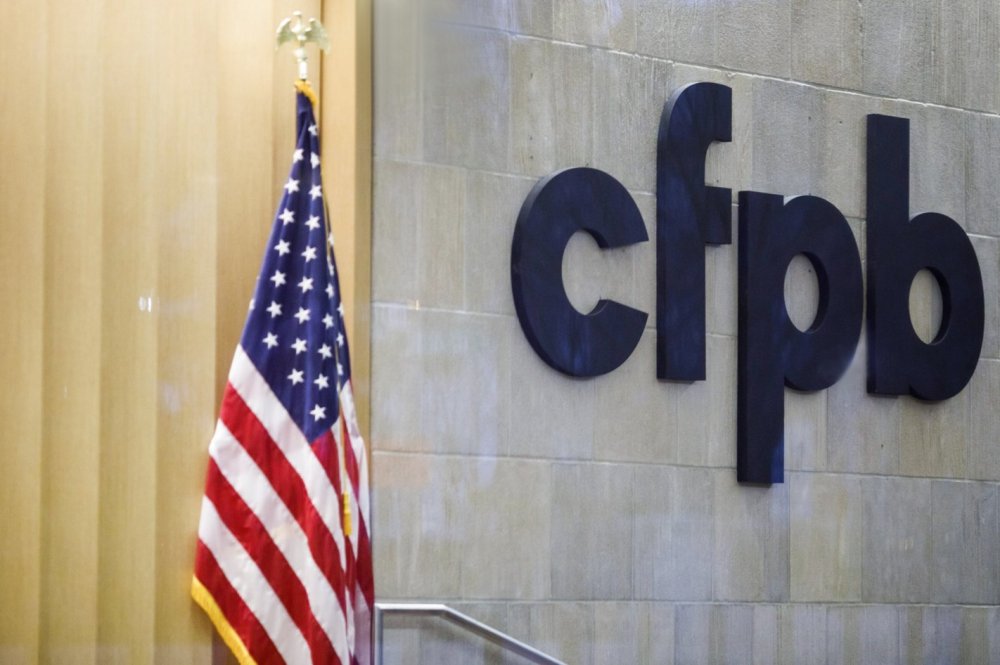
The Consumer Financial Protection Bureau and Townstone Financial, a Chicago mortgage lender that it sued in 2020, jointly asked a federal court to vacate a settlement, saying the case should never have been filed. View the full article
-
OpenAI has named labor leader Dolores Huerta and three others to a temporary advisory board that will help guide the artificial intelligence company’s philanthropy as it attempts to shift itself into a for-profit business. Huerta, who turned 95 last week, formed the first farmworkers union with Cesar Chavez in the early 1960s and will now have a say on the direction of philanthropic initiatives that OpenAI says will consider “both the promise and risks of AI.” The group will have just 90 days to make their suggestions. “She recognizes the significance of AI in today’s world and anybody who’s been paying attention for the last 50 years knows she will be a force in this conversation,” said Daniel Zingale, the convener of OpenAI’s new nonprofit commission and a former adviser to three California governors. Huerta’s advice won’t be binding but the presence of a social activist icon could be influential as OpenAI CEO Sam Altman attempts a costly restructuring of the San Francisco company’s corporate governance, which requires the approval of California’s attorney general and others. Another coalition of labor leaders and nonprofits recently petitioned state Attorney General Rob Bonta, a Democrat, to investigate OpenAI, halt the proposed conversion and “protect billions of dollars that are under threat as profit-driven hunger for power yields conflicts of interest.” OpenAI, the maker of ChatGPT, started out in 2015 as a nonprofit research laboratory dedicated to safely building better-than-human AI that benefits humanity. It later formed a for-profit arm and shifted most of its staff there, but is still controlled by a nonprofit board of directors. It is now trying to convert itself more fully into a for-profit corporation but faces a number of hurdles, including getting the approval of California and Delaware attorneys general, potentially buying out the nonprofit’s pricy assets and fighting a lawsuit from co-founder and early investor Elon Musk. Backed by Japanese tech giant SoftBank, OpenAI last month said it’s working to raise $40 billion in funding, putting its value at $300 billion. Huerta will be joined on the new advisory commission by former Spanish-language media executive Monica Lozano; Robert Ross, the recently retired president of The California Endowment; and Jack Oliver, an attorney and longtime Republican campaign fundraiser. Zingale, the group’s convener, is a former aide to California governors including Democrat Gavin Newsom and Republican Arnold Schwarzenegger. “We’re interested in how you put the power of AI in the hands of everyday people and the community organizations that serve them,” Zingale said in an interview Wednesday. “Because, if AI is going to bring a renaissance, or a dark age, these are the people you want to tip the scale in favor of humanity.” The Associated Press and OpenAI have a licensing and technology agreement that allows OpenAI access to part of AP’s text archives. —Matt O’Brien, AP technology writer View the full article

-
Given all the recent bad news on the world stage, from tariffs wars to the war in Ukraine, it is no wonder Swedes are tuning in, for a moment of zen, to watch a livestream of “The Great Moose Migration” (loosely translated from the Swedish, “Den stora älgvandringen“). The 24-hour event, which runs for 20 days straight, kicked off on Tuesday. It has been providing soothing entertainment for millions of Swedes each year, around this time, since it first aired in 2019. That first year, nearly one million Swedes tuned in to literally watch moose walk through forests and swim across the Ångerman River, all captured by remote cameras and drones, per the Associated Press. By last year, the sleeper hit had a following of a whopping 9 million viewers, who watched along on Sweden’s national public television’s streaming platform, SVT Play. This year, the livestream started airing a week early, when the moose got an earlier-than-normal start due to warmer weather. From now until May 4, viewers can watch dozens of moose migrate to their favorite pastures located about 187 miles northwest of the country’s capital, Stockholm, per the AP. Sure, there’s not much happening, but that’s why so many people find it relaxing. So much so, that over 78,000 Swedes have joined a Facebook group with fans sharing photos of their TV screens when moose appear, according to NBC News. In fact, “The Great Moose Migration” is part of a larger global trend of relaxing, nature-oriented livestreams with not too much going on, which began in 2009 when NRK, Norway’s public broadcaster, aired a seven-hour train trip across the southern part of the country. That trend has even extended to the U.S., where thousands of captivated viewers have tuned in to watch two birds, Jackie and Shadow, via their bald eagle nest cam in California. View the full article

-
The Federal Housing Administration has accelerated the timeline and will make the wait time for repeat home retention requests longer than originally planned. View the full article

-
Key Takeaways Understand Your Audience: Gaining insights into customer behavior, market trends, and competitive strategies is vital for enhancing online sales. Optimize the Sales Funnel: Focus on the stages of Awareness, Interest, Desire, and Action to effectively guide customers toward purchasing. Utilize Effective SEO Techniques: Optimize website content and structure to increase visibility and attract targeted traffic, thereby boosting potential sales. Leverage Social Media Marketing: Engage with audiences through compelling content and targeted advertising to drive conversions and enhance brand visibility. Enhance Customer Experience: Streamline the checkout process and employ personalized marketing strategies to improve customer satisfaction and reduce cart abandonment. Analyze and Adjust Strategies: Regularly monitor sales metrics and implement A/B testing to identify areas for improvement and refine your sales approach accordingly. In today’s digital landscape, increasing online sales is more crucial than ever. With countless options at your fingertips, standing out from the competition can feel overwhelming. But don’t worry; there are proven strategies that can elevate your e-commerce game and turn casual visitors into loyal customers. By understanding your audience and optimizing your online presence, you can create a shopping experience that resonates. Whether it’s enhancing your website’s design or leveraging social media, small changes can lead to significant results. Let’s dive into actionable tips that’ll help you boost your online sales and achieve your business goals. Understanding Online Sales Dynamics Understanding online sales dynamics is crucial for small businesses aiming to enhance their sales performance. You must grasp the factors influencing customer behavior, market trends, and competitive strategies. Sales Funnel Stages The sales funnel comprises several stages: Awareness: Capture attention through targeted marketing and effective messaging. Interest: Engage potential customers by offering valuable content and insights. Desire: Create a strong connection between your product and customer needs through persuasive sales pitches. Action: Encourage customers to complete a purchase with clear calls to action. Customer Acquisition Strategies Focus on customer acquisition through proven techniques. Lead generation methods, such as content marketing and social media outreach, help attract interested prospects. Ensure your sales strategy includes: Follow-up: Regular follow-ups can convert leads into sales. Lead nurturing: Build relationships through personalized communication and timely offers. Networking: Attend events to build relationships while generating referral sales. Sales Performance Metrics Monitor sales performance to identify areas for improvement. Key metrics include: Metric Definition Sales conversion rate The percentage of leads that convert to sales Average deal size The average value of closed sales Sales cycle length The duration it takes to close a sale Using these metrics allows you to adjust your sales tactics and streamline the sales process. Customer Engagement Prioritize customer engagement to enhance repeat business. You can achieve this by: Personalized communication: Tailor interactions based on previous purchases and preferences. Upselling and cross-selling: Recommend complementary products to increase the average sale. Exceptional customer service: Address queries and objections promptly to foster trust. Understanding these dynamics helps small businesses create an effective sales process. Engaging with customers and monitoring performance translates into increased revenue and sustained growth. Key Strategies to Increase Online Sales Increasing online sales involves implementing effective strategies to enhance every aspect of your business operations. Focus on optimizing your website for conversions and utilizing effective SEO techniques. Optimize Your Website for Conversions Optimizing your website makes it easier for visitors to complete purchases. Display trust signals, such as money-back guarantees and customer reviews, to build credibility. These trust elements reassure customers about the security of their transactions. Ensure intuitive navigation using main menus and search functions. Provide easy access to product information, which reduces friction in the buying process. Streamline the checkout process by incorporating features like guest checkout or auto-fill options. These improvements help convert visitors into customers and enhance your sales conversion rates. Utilize Effective SEO Techniques Effective SEO techniques attract targeted traffic to your website. Focus on keyword optimization to capture search interest relevant to your products or services. Engage in on-page SEO by optimizing your product descriptions, blog content, and meta tags to meet customer needs. Utilize valuable backlinks to develop authority and improve your rankings on search engine results pages. Invest in local SEO strategies, such as optimizing your Google My Business listing, to reach customers in your area. Higher visibility in search results leads to increased sales leads, enhancing your sales pipeline. By focusing on website optimization and strategic SEO, small businesses can significantly boost online sales and foster long-term customer relationships. Leverage Social Media Marketing Leveraging social media marketing significantly boosts online sales for small businesses. Creating a solid presence across platforms like Instagram, Facebook, and TikTok connects you with your audience, enhances brand visibility, and drives conversions. Engaging Content Creation Creating engaging content is key to capturing attention and retaining customers. Focus on producing high-quality posts, eye-catching graphics, and captivating videos. Utilize storytelling as a sales tactic to humanize your brand and establish a connection with your audience. Share customer testimonials or product demonstrations to showcase how your offerings meet customer needs. For instance, you might showcase before-and-after scenarios to illustrate the impact of your products. Moreover, emphasize responding to comments and messages promptly, fostering customer engagement and trust. Targeted Advertising Strategies Implementing targeted advertising strategies amplifies your reach and boosts sales. Use social media ads to hone in on specific demographics aligned with your sales goals. Set clear sales targets and create ads designed to fulfill those goals, whether you aim for lead generation, increasing website traffic, or boosting sales conversion rates. Utilize remarketing techniques to re-engage potential customers who have interacted with your brand. By analyzing sales performance metrics from your campaigns, you can refine your approach and maximize your return on investment. Investing in smart advertising opportunities allows you to connect meaningfully with your audience and effectively drive your sales pipeline forward. Enhance Customer Experience Enhancing the customer experience is vital for increasing online sales. By focusing on trust, website design, and personalized marketing, small businesses maximize customer satisfaction and loyalty. Streamlined Checkout Process A streamlined checkout process reduces cart abandonment and improves sales conversion rates. Implement one-page checkouts to minimize friction. Offer multiple payment options, including credit cards and digital wallets, to cater to customer preferences. Display clear shipping details and costs upfront to avoid surprises. Send follow-up emails to remind customers of their abandoned carts, prompting them to complete their purchases. These steps directly enhance the sales pipeline by making transactions smoother for your customers. Personalized Email Marketing Personalized email marketing engages customers based on their behavior and preferences. Send tailored recommendations based on past purchases, enhancing customer relationship management (CRM) efforts. Use segmentation to target specific customer groups with unique sales pitches and promotions. Automate follow-up emails for special occasions, such as birthdays or anniversaries, to build stronger connections. Consistent and relevant communication keeps your brand top-of-mind and can increase repeat business, thus boosting your overall revenue. Analyze and Adjust To effectively increase your online sales, analyze your current strategies and adjust based on customer behavior and metrics. Tracking Sales Metrics Tracking sales metrics is crucial for understanding performance. Focus on key indicators like sales conversion rates, average order value, and customer acquisition costs. Utilize tools like Google Analytics and your customer relationship management (CRM) system to gather insights. Regularly review this data to identify trends, spot weaknesses, and adjust your sales strategy accordingly. For example, if your sales conversion rates are low, investigate bottlenecks in your sales funnel and optimize accordingly. A/B Testing for Improvement A/B testing provides a reliable method for optimizing your online sales approach. Test different variables such as website layouts, call-to-action buttons, or promotional offers. For instance, create two versions of a landing page: one with a straightforward sales pitch and another with enhanced visuals and different messaging. Track conversion rates on both pages to determine which resonates more with your audience. Continuously refine your sales process based on the results of these tests, ensuring you align your value proposition with customer needs. This iterative process supports continuous improvement and helps reach your sales goals efficiently. Conclusion Boosting your online sales is all about understanding your customers and refining your strategies. By focusing on customer engagement and optimizing your website for conversions you can create a seamless shopping experience that encourages purchases. Keep track of your sales performance metrics and don’t hesitate to adjust your approach based on data insights. Testing different strategies through A/B testing can reveal what truly resonates with your audience. Remember that building trust and ensuring exceptional customer service are key to fostering loyalty. By implementing these strategies you’ll not only increase sales but also cultivate lasting relationships with your customers. Your commitment to continuous improvement will set you apart in the competitive e-commerce landscape. Frequently Asked Questions Why is increasing online sales important for businesses? Enhancing online sales is crucial for businesses to thrive in a competitive digital market. It boosts revenue, helps build a loyal customer base, and improves brand visibility. With effective strategies, businesses can better meet customer needs, optimize their sales funnel, and achieve sustained growth. What are the stages of the sales funnel? The stages of the sales funnel include Awareness, Interest, Desire, and Action. Understanding each stage helps businesses tailor their marketing efforts to attract potential customers, nurture leads, and ultimately convert them into sales. How can content marketing improve online sales? Content marketing builds customer trust and engagement by providing valuable information. It helps attract and educate potential customers, guiding them through the sales funnel. By addressing customer needs and preferences, businesses can enhance interest and drive conversions. What metrics should be monitored to improve sales performance? Key metrics include sales conversion rate, average deal size, and sales cycle length. Monitoring these indicators helps identify areas for improvement and informs strategies to optimize sales efforts, ensuring better overall performance. How can businesses enhance customer engagement? To boost customer engagement, businesses should focus on personalized communication, upselling, and providing exceptional customer service. Engaging with customers through tailored messages and offers can lead to repeat business and increased brand loyalty. What role does website design play in increasing online sales? A well-designed website enhances user experience by providing intuitive navigation and streamlined checkout processes. Effective website design helps reduce cart abandonment and encourages conversions, making it essential for e-commerce success. How does SEO impact online sales? SEO improves search engine visibility, driving targeted traffic to your website. By optimizing for relevant keywords and employing effective on-page techniques, businesses can attract potential customers who are more likely to convert, thereby increasing online sales. What are trust signals, and why are they important? Trust signals, such as customer reviews, secure payment options, and recognized certifications, help establish credibility. They reassure potential customers, encouraging them to make purchases and improving conversion rates by reducing hesitation. How can abandoned cart follow-ups increase sales? Following up on abandoned carts with reminder emails can prompt customers to complete their purchases. By offering incentives or simply reminding them, businesses can recover lost sales opportunities and improve their overall conversion rates. What is A/B testing, and how can it help online sales? A/B testing involves comparing two versions of a webpage or marketing strategy to see which performs better. This process allows businesses to refine their approaches based on real customer responses, leading to optimized online sales tactics that resonate with their audience. Image Via Envato This article, "Proven Strategies on How to Increase Online Sales and Boost Your E-Commerce Success" was first published on Small Business Trends View the full article
-
The Associated Press says that a new White House media policy violates a court order by giving the administration sole discretion over who gets to question President Donald The President, and the news agency asked a federal judge on Wednesday to enforce that order. The swift move was in response to a policy issued late Tuesday by the White House, which suffered a courtroom loss last week over The Associated Press’ ability to cover The President. The plans, the latest attempt by the new administration to control coverage of its activities, sharply curtail the access of three news agencies that serve billions of readers around the world. The AP filed Wednesday’s motion with U.S. District Judge Trevor N. McFadden, asking for relief “given defendant’s refusal to obey” his order last week. McFadden said the White House had violated the AP’s free speech by banning it from certain presidential events because The President disagreed with the outlet’s decision not to rename the Gulf of Mexico. White House press secretary Karoline Leavitt did not immediately return a message seeking comment on Wednesday. Leavitt is a defendant in the AP’s lawsuit, along with White House chief of staff Susan Wiles and her deputy, Taylor Budowich. The AP’s lawsuit claimed that its First Amendment rights were violated by the White House blocking its reporters and photographers from covering The President. McFadden ordered the administration to treat the AP as it does other news organizations. Reframing who gets access to the president for questions For many years, the independent White House Correspondents Association has run the pool for the limited space events, and each time it has included reporters from the wire services AP, Reuters and Bloomberg. One print reporter was also allowed, selected on a rotating basis from more than 30 news outlets. The White House now says it will lump the three wire services with print reporters for two slots — meaning roughly three dozen reporters will rotate for two regular slots. Wire services typically report and write stories that are used by different media outlets around the world. Even with the rotation, the White House said The President’s press secretary “shall retain day-to-day discretion to determine composition of the pool.” The new policy says reporters will also be allowed in “irrespective of the substantive viewpoint expressed by an outlet.” Seeing their own access cut back along with the AP’s, representatives from Bloomberg and Thomson Reuters also protested the new policy. “For decades, the daily presence of the wire services in the press pool has ensured that investors and voters across the United States and around the world can rely on accurate real-time reporting on what the president says and does,” said Bloomberg Editor-in-Chief John Micklethwait. “We deeply regret the decision to remove that permanent level of scrutiny and accountability.” In a statement, the AP’s Lauren Easton said the outlet was deeply disappointed that rather than restore the AP’s access, the White House instead chose restrictions over all of the wire services. “The wire services represent thousands of news organizations across the U.S. and the world over,” said Easton, an AP spokeswoman. “Our coverage is used by local newspapers and television stations in all 50 states to inform their communities. “The administration’s actions continue to disregard the fundamental American freedom to speak without government control or retaliation,” Easton said Tuesday night. The WHCA said the administration’s insistence on retaining control over who covers the president shows that it is unwilling to guarantee that it would not continue viewpoint discrimination. “The government should not be able to control the independent media that covers it,” said Eugene Daniels, the association’s president. More access for The President-friendly media Under Leavitt, the White House has given greater access to news outlets friendly to The President. That was visible Tuesday, when the first reporter Leavitt addressed during a briefing asked two questions while also praising The President policy. At Monday’s Oval Office meeting, The President bristled at questions from CNN’s Kaitlan Collins about a man deported to an El Salvador prison, at one point accusing CNN of “hating our country.” He made it a point to contrast her questions with a non-pointed one from another reporter. Despite the occasional fireworks, The President has made himself accessible to the media more than his predecessor, former President Joe Biden. Cramped-quarters events, particularly in the Oval Office, are some of his favorite places to talk — rendering the new access policy all the more impactful. The new policy advanced on Tuesday did not address access for photographers. At an earlier court hearing about the AP’s case, the outlet’s chief White House photographer, Evan Vucci, and correspondent Zeke Miller testified about how the ban has hurt the business of a news agency built to quickly get news and images to its customers. The dispute stems from AP’s decision not to follow the president’s executive order to rename the Gulf of Mexico, although AP style does cite The President’s wish that it be called the Gulf of America. McFadden agreed with AP’s argument that the government cannot punish the news organization for what it says — for exercising its right to free speech. The White House has argued that press access to the president is a privilege, not a right, that it should control — much like it decides to whom The President gives one-on-one interviews. In court papers filed last weekend, his lawyers signaled that even with McFadden’s decision, the AP’s days of unchallenged access to open presidential events were over. “No other news organization in the United States receives the level of guaranteed access previously bestowed upon the AP,” the administration argued. “The AP may have grown accustomed to its favored status, but the Constitution does not require that such status endure in perpetuity.” The administration has appealed McFadden’s ruling, and is scheduled to be in an appeals court on Thursday to argue that ruling should be put on hold until the merits of the case are fully decided, perhaps by the U.S. Supreme Court. The administration has not curtailed AP access to Leavitt’s briefings over the past two months. It has blocked access to events in the East Room to White House-credentialed AP reporters — until Tuesday, when one was allowed into an event that involved the Navy football team. —DAVID BAUDER AP Media Writer View the full article