Newsletter
Want to keep up to date with all our latest news and information?


ResidentialBusiness
Administrators
-
Joined
-
Last visited
Everything posted by ResidentialBusiness
-
Chinese retailers’ retreat threatens Big Tech advertising revenues View the full article
-
YouTube has announced its support for the NO FAKES Act of 2025, a bipartisan legislative proposal aimed at addressing the misuse of AI-generated content that simulates an individual’s likeness or voice. Introduced by Senators Chris Coons (D-DE) and Marsha Blackburn (R-TN), the legislation is intended to provide legal tools to prevent deceptive or unauthorized digital replicas that can mislead audiences or harm reputations. According to YouTube, the NO FAKES Act complements the platform’s broader commitment to responsible AI development and content protection. The company describes the legislation as a clear legal framework to safeguard individuals’ rights, echoing its support for related initiatives like the TAKE IT DOWN Act. “For nearly two decades, YouTube has been at the forefront of handling rights management at scale, and we understand the importance of collaborating with partners to tackle these issues proactively,” said Leslie Miller, Vice President of Public Policy at YouTube. “Now, we’re applying that expertise and dedication to partnership to ensure the responsible deployment of innovative AI tools. We thank Senators Coons and Blackburn, and Representatives Salazar and Dean, for their leadership on the NO FAKES Act, which is consistent with our ongoing efforts to protect creators and viewers, and reflects our commitment to shaping a future where AI is used responsibly.” Collaborative Advocacy for Responsible AI YouTube has worked closely with lawmakers and industry partners, including the Recording Industry Association of America (RIAA) and the Motion Picture Association (MPA), to support a unified legislative response to the growing concerns around synthetic media. The company points to its long-standing initiatives such as Content ID as foundational efforts in managing rights at scale, which it is now extending to challenges posed by AI technologies. The platform is also developing new tools to help users detect and control how their likeness is used on YouTube. Among these efforts are likeness management tools and a pilot program launched with figures in the creative industry to offer early access to technology that can identify and manage AI-generated depictions. YouTube has also revised its privacy process to allow individuals to submit takedown requests for AI-generated or altered content that mimics their face or voice. The company emphasizes that these steps are part of its broader strategy to prevent misuse and promote trust in the age of AI. Support from the Creative Industry The RIAA also expressed its support for the NO FAKES Act and YouTube’s leadership in the area of responsible AI deployment. “America was built on strong individual protections and liberties, and the bipartisan NO FAKES Act reintroduced today is part of that unbreakable tradition,” said Morna Willens, RIAA Chief Policy Officer. “By establishing responsible, clear guardrails for digital replicas, the legislation will help both creators and innovators thrive. RIAA thanks YouTube for their collaboration and support of this approach, including their leadership rolling out new policies and protections without waiting for new law.” Willens also applauded the bipartisan leadership behind the bill, stating, “We applaud Senators Blackburn (R-TN) and Coons (D-CT) as well as Representatives Salazar (R-FL) and Dean (D-PA) and their many cosponsors for prioritizing this balanced legislation, and encourage Congress to pass the NO FAKES Act this year.” YouTube stated that the notification process outlined in the bill is key to helping platforms differentiate between authorized content and harmful AI-generated replicas. “Without it, platforms simply can’t make informed decisions,” the company noted. The platform reiterated its call for Congress to pass the NO FAKES Act, framing it as essential to protecting creators and viewers while ensuring AI is used to empower—not exploit—the digital ecosystem. This article, "YouTube Backs Bipartisan NO FAKES Act to Combat Harmful AI-Generated Replicas" was first published on Small Business Trends View the full article
-
YouTube has announced its support for the NO FAKES Act of 2025, a bipartisan legislative proposal aimed at addressing the misuse of AI-generated content that simulates an individual’s likeness or voice. Introduced by Senators Chris Coons (D-DE) and Marsha Blackburn (R-TN), the legislation is intended to provide legal tools to prevent deceptive or unauthorized digital replicas that can mislead audiences or harm reputations. According to YouTube, the NO FAKES Act complements the platform’s broader commitment to responsible AI development and content protection. The company describes the legislation as a clear legal framework to safeguard individuals’ rights, echoing its support for related initiatives like the TAKE IT DOWN Act. “For nearly two decades, YouTube has been at the forefront of handling rights management at scale, and we understand the importance of collaborating with partners to tackle these issues proactively,” said Leslie Miller, Vice President of Public Policy at YouTube. “Now, we’re applying that expertise and dedication to partnership to ensure the responsible deployment of innovative AI tools. We thank Senators Coons and Blackburn, and Representatives Salazar and Dean, for their leadership on the NO FAKES Act, which is consistent with our ongoing efforts to protect creators and viewers, and reflects our commitment to shaping a future where AI is used responsibly.” Collaborative Advocacy for Responsible AI YouTube has worked closely with lawmakers and industry partners, including the Recording Industry Association of America (RIAA) and the Motion Picture Association (MPA), to support a unified legislative response to the growing concerns around synthetic media. The company points to its long-standing initiatives such as Content ID as foundational efforts in managing rights at scale, which it is now extending to challenges posed by AI technologies. The platform is also developing new tools to help users detect and control how their likeness is used on YouTube. Among these efforts are likeness management tools and a pilot program launched with figures in the creative industry to offer early access to technology that can identify and manage AI-generated depictions. YouTube has also revised its privacy process to allow individuals to submit takedown requests for AI-generated or altered content that mimics their face or voice. The company emphasizes that these steps are part of its broader strategy to prevent misuse and promote trust in the age of AI. Support from the Creative Industry The RIAA also expressed its support for the NO FAKES Act and YouTube’s leadership in the area of responsible AI deployment. “America was built on strong individual protections and liberties, and the bipartisan NO FAKES Act reintroduced today is part of that unbreakable tradition,” said Morna Willens, RIAA Chief Policy Officer. “By establishing responsible, clear guardrails for digital replicas, the legislation will help both creators and innovators thrive. RIAA thanks YouTube for their collaboration and support of this approach, including their leadership rolling out new policies and protections without waiting for new law.” Willens also applauded the bipartisan leadership behind the bill, stating, “We applaud Senators Blackburn (R-TN) and Coons (D-CT) as well as Representatives Salazar (R-FL) and Dean (D-PA) and their many cosponsors for prioritizing this balanced legislation, and encourage Congress to pass the NO FAKES Act this year.” YouTube stated that the notification process outlined in the bill is key to helping platforms differentiate between authorized content and harmful AI-generated replicas. “Without it, platforms simply can’t make informed decisions,” the company noted. The platform reiterated its call for Congress to pass the NO FAKES Act, framing it as essential to protecting creators and viewers while ensuring AI is used to empower—not exploit—the digital ecosystem. This article, "YouTube Backs Bipartisan NO FAKES Act to Combat Harmful AI-Generated Replicas" was first published on Small Business Trends View the full article
-
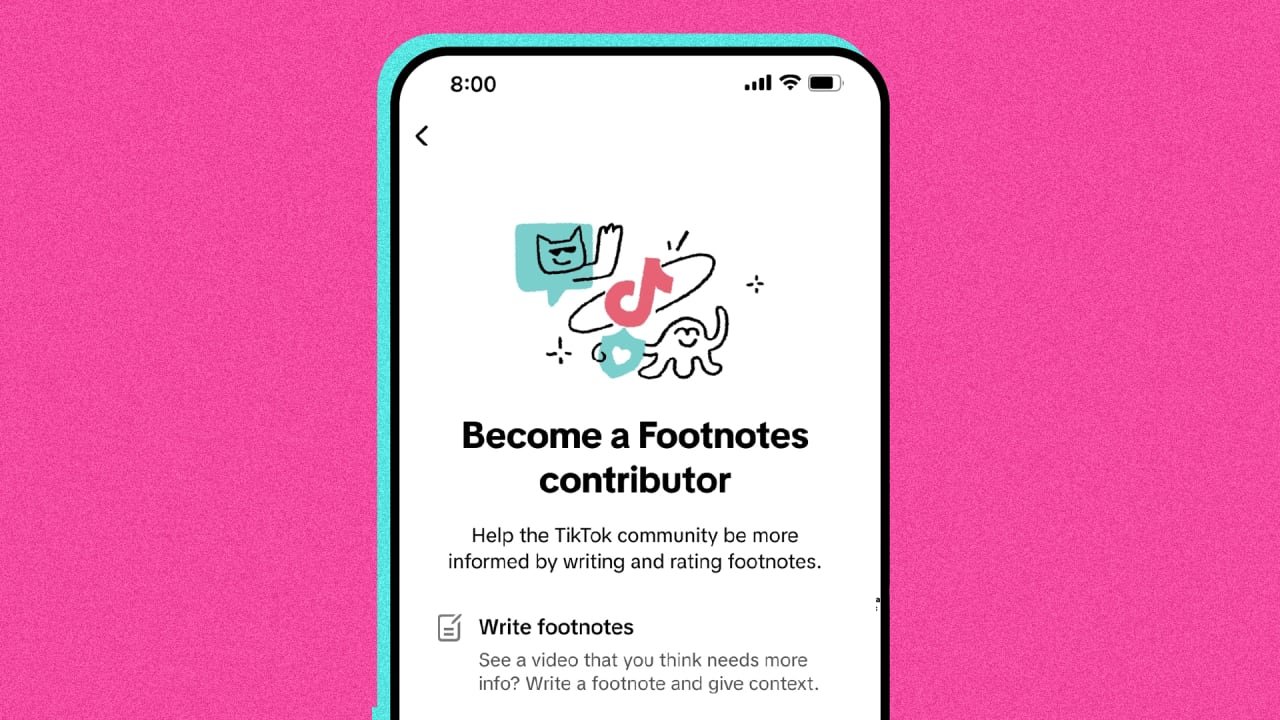
TikTok is launching its own version of community notes on the platform, called “Footnotes.” The crowd-sourced approach to moderation, where users add additional context to posts, has become increasingly popular on social media networks after X (then called Twitter) first launched it in 2021. “Footnotes offers a new opportunity for people to share their expertise and add an additional layer of context to the discussion using a consensus-driven approach,” the company wrote in a blog post. TikTok said it will open access to start contributing footnotes in the coming months. U.S. users can apply to be a contributor as of today. They’ll have to meet the eligibility requirements of having been on the platform for more than 6 months, are 18 years old or older, and have no recent history of violating TikTok’s community guidelines. View the full article
-
In Texas, a Republican senator just introduced a bill that would require wastewater treatment facilities to do some extra testing—essentially making guidelines more stringent than those currently federally mandated. While that might sound like an uncharacteristically environmentally forward cause for a Texas Republican, what the senator wants to test for may give you even greater pause: It’s the abortion medication mifepristone. On Monday, Senator Bryan Hughes of Texas’s first district introduced bill SB1976, which would require testing for a number of “urinary metabolites in the form of gluconates,” including hormones like testosterone; ethinyl estradiol (which is common in birth control pills); and mifepristone, aka the abortion pill. While introducing the bill, Hughes told committee members that there is a particular concern around “endocrine-disrupting chemicals, such as those found in birth control,” not being removed during treatment that may reenter the water supply. He pointed to “abnormalities in pregnant women and children” as a result of those contaminants and said “a lot of research has been done on this.” The interest in chemicals in wastewater makes sense. Experts agree that endocrine-disrupting chemicals (EDCs) are concerning for humans and wildlife for a number of reasons. They may cause certain cancers or metabolic disorders, and last year, research from the Endocrine Society pointed to the possibility that girls may be starting puberty earlier due to EDCs. And, worse, they’re essentially everywhere. They show up in personal care products, plastic, pesticides, industrial waste, and therefore, wastewater. Medications are excreted from humans into wastewater, not to mention from patients flushing leftover pills down the toilet. Some compounds are exceptionally tough to break down, too. Per the EPA’s 2009 Health Services Industry study, ‘‘synthetic compounds, such as pharmaceuticals, are often manufactured to be resistant to metabolic transformation. As a result, some pharmaceutical compounds that are present in the influent to POTWs (treatment facilities) may pass through treatment systems at conventional POTWs and discharge to receiving waters.’’ But if endocrine-disrupting chemicals are everywhere, where does the interest in mifepristone come from? Fast Company reached out to Senator Hughes to find out what evidence has been found to indicate that public safety depends on testing for mifepristone, or the chemical in birth control, but did not hear back by the time of publication. However, environmental experts are not convinced that bills like this make sense. Dr. Kimberly Garrett, PhD, MHP, an environmental toxicologist and postdoctoral researcher with Northeastern University’s Social Science Environmental Health Research Institute PFAS Project Lab, reviewed bill SB1976 and told Fast Company in a statement that it is “unscientific” and even called it “a form of weaponized environmentalism.” Garrett explained that while it may make sense to test for industrial chemicals—given that the main source of EDC pollution is from industrial and agricultural emissions—she doesn’t believe that is the bill’s goal. “Texas legislature is misappropriating environmental concerns about endocrine disrupting chemicals (EDCs) to limit the reproductive health and choices of its residents,” she said. Further, Garrett explained that the method proposed in the bill won’t address the problem of EDCs in wastewater. “Notably, the bill targets urinary metabolites rather than the chemicals themselves. Urinary metabolites are waste products excreted after chemicals (including endogenous hormones) travel through the liver. Effectively, metabolite monitoring as proposed in this bill targets only an individual and their liver as an indicator of personal behavior.” Abortion-rights advocates raise concerns While it’s unclear what the real environmental goal for the bill is, there is another group with a specific interest in mifepristone and birth control chemicals in wastewater, which may have spurred the recent political interest. Students for Life, an anti-abortion group that advocates staunchly against the use of mifepristone, has been fighting for bills that target the drug. The group has long attacked the drug, alleging that it is unsafe and harmful to women, but the environmental argument is fairly new. In 2024, Students for Life sent a letter to the Environmental Protection Agency (EPA) calling on the organization to begin tracking mifepristone in addition to PFAS in wastewater on the basis that it presents a public health concern. The group has been succeeding in its efforts, too. According to Jessica Valenti, an abortion reporter who writes the Abortion, Every Day newsletter, in addition to the new Texas bill, legislation that calls for testing wastewater for mifepristone has been introduced in Oklahoma, Montana, Wyoming, Arizona, Maine, Idaho, and West Virginia. Valenti asserts that Students for Life has clear motives that have to do more with painting abortion medication as “toxic” rather than out of any real concern for the environment. “SFL has been lobbying the FDA to force women to bag up their blood and return it to a doctor as medical waste,” Valenti wrote. “One of the reasons conservatives hate abortion medication so much is that it robs them of the ability to harass patients outside of clinics.” Fast Company reached out to Students for Life for comment. Valenti also pressed that the bill may seek to target gender-affirming care, too, given that the list of hormones it wants to test for includes testosterone and estrone. “These are naturally occurring hormones, but conservatives could argue that an increase in either is proof that more people are getting gender-affirming treatment—or that the hormones are harming the environment,” Valenti wrote. During the Texas Senate committee’s meeting on Monday, the bill appeared to have some support, though Senator Nathan Johnson, a democrat, spoke out against it. After questioning experts about the scientific reasoning for the bill, Johnson gave a one-liner that mimicked both Valenti’s and Garrett’s concerns. He said that the legislation is more about “hunting for women who are using mifepristone,” rather than public health. View the full article

-
The highly volatile interest rate environment will actually result in higher refinance mortgage volume than previous forecast for 2025 and 2026. View the full article

-
Key Takeaways Personalized Engagement: Custom stories create unique narratives that capture customer interests and experiences, fostering deeper emotional connections and loyalty. Enhanced Marketing Strategy: Incorporating custom stories into marketing efforts can significantly boost customer acquisition and retention by showcasing relatable narratives and testimonials. Diverse Applications: Custom stories can be utilized across various sectors, including gaming, education, and employee training, to captivate audiences and improve outcomes. Technological Integration: Utilizing AI, data analysis tools, and collaboration software streamlines the process of creating and distributing custom stories, enhancing operational efficiency. Cultural Adaptability: Custom stories can be tailored in different languages and themes to resonate with diverse audiences, broadening reach and impact. Competitive Advantage: Businesses that adopt custom storytelling strategies can differentiate themselves in a crowded market, driving growth and fostering brand loyalty. Imagine a world where every story is uniquely yours. Custom stories offer you the chance to dive into narratives crafted specifically to reflect your interests, preferences, and experiences. Whether you’re looking for a personalized gift, an engaging way to teach a lesson, or simply a fun escape, custom stories bring imagination to life in a way that generic tales can’t. In today’s fast-paced digital age, the demand for personalized content has skyrocketed. Custom stories not only entertain but also create lasting memories, making them perfect for any occasion. With the ability to tailor characters, settings, and plots, you can transform ordinary storytelling into an extraordinary adventure that resonates with your heart and soul. Get ready to explore the magic of custom stories and discover how they can enrich your life. Overview of Custom Stories Custom stories enable small businesses to craft unique narratives that resonate with customers. These personalized tales cater to individual interests and experiences, making them an effective tool for enhancing customer engagement. As businesses strive to differentiate themselves in a crowded market, the ability to tailor content gives you a competitive edge. Creating custom stories involves customizing characters, settings, and plots that align with your brand’s mission and values. This process not only fosters emotional connections with your audience but also enhances customer retention. When customers see themselves represented in the stories you tell, they are more likely to form a lasting relationship with your business. In today’s digital landscape, personalized content experiences play a crucial role in business growth. Custom stories can serve as powerful marketing strategies, helping you attract and retain clients by building brand loyalty. By integrating these narratives into your marketing campaigns, you effectively communicate your unique offerings and elevate customer service. Utilizing technology solutions and software tools can streamline the creation of custom stories. Employing data analysis helps you understand your audience’s preferences and tailor narratives accordingly. This strategic approach to content development enhances operational efficiency and aligns with your business goals. Incorporating custom stories into your marketing efforts can also drive sales and improve overall performance. Engaging narratives will capture attention, encourage sharing, and bolster your brand’s visibility, ultimately contributing to your business expansion and long-term success. Benefits of Custom Stories Custom stories offer numerous advantages that can significantly enhance your small business’s engagement and customer retention strategies. Personalization and Uniqueness Personalization stands at the core of custom stories, allowing you to create narratives that reflect your customer’s identity and experiences. When you incorporate elements relevant to your audience, such as their names or interests, you foster a deeper emotional connection. This unique representation boosts customers’ self-esteem and loyalty, ultimately leading to improved customer retention. Personalized stories resonate with your audience, instilling a sense of belonging that generic marketing rarely achieves. Enhanced Engagement Enhanced engagement through custom stories transforms how you interact with your customers. Personalized narratives capture attention effectively, motivating customers to participate actively with your brand. When they see themselves as the main characters in your storytelling, their interest in your products or services increases. You can leverage this strategy in marketing campaigns, maximizing the potential to boost customer acquisition. Engaging stories create memorable experiences, allowing your small business to stand out in a competitive market, elevating your overall business development efforts. Creating Custom Stories Custom stories enable small businesses to tailor narratives that resonate with customers. These personalized tales enhance engagement and create lasting connections, ultimately driving customer retention and business growth. Key Elements to Consider Personalization: Custom stories incorporate personal details, like the customer’s name, interests, and experiences. Personalization fosters a strong sense of connection and relevance, making your audience feel understood and valued. Language and Cultural Adaptation: Custom stories can be crafted in multiple languages, ensuring the tone and moral lessons translate effectively across cultures. This adaptability broadens your reach, allowing you to connect with diverse customer bases and enhance employee training efforts. Themes and Lessons: Selecting specific moral lessons or themes related to your audience’s life or interests strengthens the emotional impact of your narratives. Consider integrating lessons that align with your brand’s values and mission, enhancing your marketing strategy. Tools and Platforms Utilizing technology solutions and software tools streamlines the creation of custom stories. Here’s a list of effective resources: AI Content Generators: Leverage AI-powered platforms that assist in crafting stories based on input elements, optimizing workflow and saving time in the content creation process. Collaboration Tools: Use project management software to coordinate content development among team members. Tools like Trello or Asana improve team management and ensure deadlines are met. Data Analysis Tools: Incorporate business analytics tools to analyze customer feedback and engagement. Understanding your audience’s preferences supports informed decision-making and refines your storytelling approach. Marketing Automation: Implement marketing automation platforms to effectively distribute your custom stories. Automating campaigns enhances customer acquisition efforts while strengthening brand management. Adapting these elements ensures your custom stories resonate with your audience, driving engagement and fostering brand loyalty. Examples of Custom Stories Custom stories play a significant role in diverse settings, allowing you to craft tailored narratives that resonate with your audience. Here are a few notable examples: Custom Stories in Video Games Many small businesses in the gaming industry utilize custom stories to enhance player engagement. For instance, games like Amnesia: The Dark Descent allow users to design their narratives. To create a custom story, follow these steps: Set up a new folder within the game’s custom stories directory. Create a custom_story_settings.cfg file with the necessary configuration details. Design and save map files using the level editor. Optionally, add custom assets such as background images and scripts. This adaptability boosts customer retention and encourages a loyal player base. Custom Stories for English Language Learning You can leverage custom stories for educational purposes, especially in English language learning. Services like Really Learn English provide tailored stories focusing on specific grammar topics. This personalized approach enhances student engagement and aids learning. By aligning stories with learners’ interests, you improve participation and retention of concepts. Custom Stories in Marketing Campaigns Small businesses can adopt custom stories in their marketing strategies. By sharing narratives that reflect customer experiences or values, you can establish emotional connections. For example, highlight customer testimonials that tell unique stories of product use. This not only enhances brand loyalty but also supports customer acquisition efforts. Incorporating such narratives can boost your marketing effectiveness and differentiate your brand in a competitive market. Custom Stories in Employee Training Custom stories enhance employee training programs. By creating scenarios that address specific challenges within your business processes, you can simulate real-life situations. For instance, a story depicting a customer service interaction helps prepare employees for real-world encounters. This method fosters problem-solving skills and improves decision-making capabilities in your team, ultimately leading to better customer service. Utilizing these examples provides a clear pathway for your small business to implement custom stories effectively, driving engagement and supporting growth. Conclusion Embracing custom stories can transform how you connect with your audience. By personalizing narratives that reflect individual experiences, you create memorable moments that resonate deeply. This approach not only enhances engagement but also fosters loyalty among customers who see themselves in your stories. As you explore the potential of custom storytelling, remember the tools and strategies available to streamline the process. Whether you’re a small business owner or a content creator, leveraging these narratives can set you apart in a crowded market. Dive into the world of custom stories and unlock new avenues for connection, engagement, and growth. Frequently Asked Questions What are custom stories? Custom stories are personalized narratives created to align with individual interests and experiences. They allow readers to choose characters, settings, and plots, transforming traditional storytelling into a unique adventure that resonates deeply. Why are custom stories important for businesses? Custom stories help businesses stand out by fostering emotional connections with customers. They enhance engagement, improve customer retention, and strengthen brand loyalty in a crowded market. How can technology assist in creating custom stories? Technology, including AI content generators and data analysis tools, aids in streamlining the creation of custom stories. It ensures the narratives align with audience preferences and business objectives effectively. What are the benefits of using custom stories for customer engagement? Custom stories enhance customer engagement by reflecting their identities and experiences. This personalized approach fosters emotional connections, motivating active participation and increasing interest in products or services. In what settings can custom stories be used effectively? Custom stories can be utilized in various settings, such as video games, language learning, marketing campaigns, and employee training. They help improve engagement and create memorable experiences within these contexts. Image Via Envato This article, "Unleashing the Power of Custom Stories for Unique Engagement and Brand Loyalty" was first published on Small Business Trends View the full article
-
Key Takeaways Personalized Engagement: Custom stories create unique narratives that capture customer interests and experiences, fostering deeper emotional connections and loyalty. Enhanced Marketing Strategy: Incorporating custom stories into marketing efforts can significantly boost customer acquisition and retention by showcasing relatable narratives and testimonials. Diverse Applications: Custom stories can be utilized across various sectors, including gaming, education, and employee training, to captivate audiences and improve outcomes. Technological Integration: Utilizing AI, data analysis tools, and collaboration software streamlines the process of creating and distributing custom stories, enhancing operational efficiency. Cultural Adaptability: Custom stories can be tailored in different languages and themes to resonate with diverse audiences, broadening reach and impact. Competitive Advantage: Businesses that adopt custom storytelling strategies can differentiate themselves in a crowded market, driving growth and fostering brand loyalty. Imagine a world where every story is uniquely yours. Custom stories offer you the chance to dive into narratives crafted specifically to reflect your interests, preferences, and experiences. Whether you’re looking for a personalized gift, an engaging way to teach a lesson, or simply a fun escape, custom stories bring imagination to life in a way that generic tales can’t. In today’s fast-paced digital age, the demand for personalized content has skyrocketed. Custom stories not only entertain but also create lasting memories, making them perfect for any occasion. With the ability to tailor characters, settings, and plots, you can transform ordinary storytelling into an extraordinary adventure that resonates with your heart and soul. Get ready to explore the magic of custom stories and discover how they can enrich your life. Overview of Custom Stories Custom stories enable small businesses to craft unique narratives that resonate with customers. These personalized tales cater to individual interests and experiences, making them an effective tool for enhancing customer engagement. As businesses strive to differentiate themselves in a crowded market, the ability to tailor content gives you a competitive edge. Creating custom stories involves customizing characters, settings, and plots that align with your brand’s mission and values. This process not only fosters emotional connections with your audience but also enhances customer retention. When customers see themselves represented in the stories you tell, they are more likely to form a lasting relationship with your business. In today’s digital landscape, personalized content experiences play a crucial role in business growth. Custom stories can serve as powerful marketing strategies, helping you attract and retain clients by building brand loyalty. By integrating these narratives into your marketing campaigns, you effectively communicate your unique offerings and elevate customer service. Utilizing technology solutions and software tools can streamline the creation of custom stories. Employing data analysis helps you understand your audience’s preferences and tailor narratives accordingly. This strategic approach to content development enhances operational efficiency and aligns with your business goals. Incorporating custom stories into your marketing efforts can also drive sales and improve overall performance. Engaging narratives will capture attention, encourage sharing, and bolster your brand’s visibility, ultimately contributing to your business expansion and long-term success. Benefits of Custom Stories Custom stories offer numerous advantages that can significantly enhance your small business’s engagement and customer retention strategies. Personalization and Uniqueness Personalization stands at the core of custom stories, allowing you to create narratives that reflect your customer’s identity and experiences. When you incorporate elements relevant to your audience, such as their names or interests, you foster a deeper emotional connection. This unique representation boosts customers’ self-esteem and loyalty, ultimately leading to improved customer retention. Personalized stories resonate with your audience, instilling a sense of belonging that generic marketing rarely achieves. Enhanced Engagement Enhanced engagement through custom stories transforms how you interact with your customers. Personalized narratives capture attention effectively, motivating customers to participate actively with your brand. When they see themselves as the main characters in your storytelling, their interest in your products or services increases. You can leverage this strategy in marketing campaigns, maximizing the potential to boost customer acquisition. Engaging stories create memorable experiences, allowing your small business to stand out in a competitive market, elevating your overall business development efforts. Creating Custom Stories Custom stories enable small businesses to tailor narratives that resonate with customers. These personalized tales enhance engagement and create lasting connections, ultimately driving customer retention and business growth. Key Elements to Consider Personalization: Custom stories incorporate personal details, like the customer’s name, interests, and experiences. Personalization fosters a strong sense of connection and relevance, making your audience feel understood and valued. Language and Cultural Adaptation: Custom stories can be crafted in multiple languages, ensuring the tone and moral lessons translate effectively across cultures. This adaptability broadens your reach, allowing you to connect with diverse customer bases and enhance employee training efforts. Themes and Lessons: Selecting specific moral lessons or themes related to your audience’s life or interests strengthens the emotional impact of your narratives. Consider integrating lessons that align with your brand’s values and mission, enhancing your marketing strategy. Tools and Platforms Utilizing technology solutions and software tools streamlines the creation of custom stories. Here’s a list of effective resources: AI Content Generators: Leverage AI-powered platforms that assist in crafting stories based on input elements, optimizing workflow and saving time in the content creation process. Collaboration Tools: Use project management software to coordinate content development among team members. Tools like Trello or Asana improve team management and ensure deadlines are met. Data Analysis Tools: Incorporate business analytics tools to analyze customer feedback and engagement. Understanding your audience’s preferences supports informed decision-making and refines your storytelling approach. Marketing Automation: Implement marketing automation platforms to effectively distribute your custom stories. Automating campaigns enhances customer acquisition efforts while strengthening brand management. Adapting these elements ensures your custom stories resonate with your audience, driving engagement and fostering brand loyalty. Examples of Custom Stories Custom stories play a significant role in diverse settings, allowing you to craft tailored narratives that resonate with your audience. Here are a few notable examples: Custom Stories in Video Games Many small businesses in the gaming industry utilize custom stories to enhance player engagement. For instance, games like Amnesia: The Dark Descent allow users to design their narratives. To create a custom story, follow these steps: Set up a new folder within the game’s custom stories directory. Create a custom_story_settings.cfg file with the necessary configuration details. Design and save map files using the level editor. Optionally, add custom assets such as background images and scripts. This adaptability boosts customer retention and encourages a loyal player base. Custom Stories for English Language Learning You can leverage custom stories for educational purposes, especially in English language learning. Services like Really Learn English provide tailored stories focusing on specific grammar topics. This personalized approach enhances student engagement and aids learning. By aligning stories with learners’ interests, you improve participation and retention of concepts. Custom Stories in Marketing Campaigns Small businesses can adopt custom stories in their marketing strategies. By sharing narratives that reflect customer experiences or values, you can establish emotional connections. For example, highlight customer testimonials that tell unique stories of product use. This not only enhances brand loyalty but also supports customer acquisition efforts. Incorporating such narratives can boost your marketing effectiveness and differentiate your brand in a competitive market. Custom Stories in Employee Training Custom stories enhance employee training programs. By creating scenarios that address specific challenges within your business processes, you can simulate real-life situations. For instance, a story depicting a customer service interaction helps prepare employees for real-world encounters. This method fosters problem-solving skills and improves decision-making capabilities in your team, ultimately leading to better customer service. Utilizing these examples provides a clear pathway for your small business to implement custom stories effectively, driving engagement and supporting growth. Conclusion Embracing custom stories can transform how you connect with your audience. By personalizing narratives that reflect individual experiences, you create memorable moments that resonate deeply. This approach not only enhances engagement but also fosters loyalty among customers who see themselves in your stories. As you explore the potential of custom storytelling, remember the tools and strategies available to streamline the process. Whether you’re a small business owner or a content creator, leveraging these narratives can set you apart in a crowded market. Dive into the world of custom stories and unlock new avenues for connection, engagement, and growth. Frequently Asked Questions What are custom stories? Custom stories are personalized narratives created to align with individual interests and experiences. They allow readers to choose characters, settings, and plots, transforming traditional storytelling into a unique adventure that resonates deeply. Why are custom stories important for businesses? Custom stories help businesses stand out by fostering emotional connections with customers. They enhance engagement, improve customer retention, and strengthen brand loyalty in a crowded market. How can technology assist in creating custom stories? Technology, including AI content generators and data analysis tools, aids in streamlining the creation of custom stories. It ensures the narratives align with audience preferences and business objectives effectively. What are the benefits of using custom stories for customer engagement? Custom stories enhance customer engagement by reflecting their identities and experiences. This personalized approach fosters emotional connections, motivating active participation and increasing interest in products or services. In what settings can custom stories be used effectively? Custom stories can be utilized in various settings, such as video games, language learning, marketing campaigns, and employee training. They help improve engagement and create memorable experiences within these contexts. Image Via Envato This article, "Unleashing the Power of Custom Stories for Unique Engagement and Brand Loyalty" was first published on Small Business Trends View the full article
-
Central bank chair says ‘without price stability, we cannot achieve long periods of strong labour market conditions’View the full article
-
We may earn a commission from links on this page. Deal pricing and availability subject to change after time of publication. A new version of the Kindle Scribe, an upgraded version of the classic e-reader designed for note-taking, came out this past December, with some nice upgrades that make the device more pleasant to use. Those upgrades don't come cheap, with prices on the new Kindle Scribe starting at $399.99. Right now, though, the 16GB version is discounted to $324.99, the 32GB version is going for $339.99 (originally $419.99), and the 64GB version is $364.99 (originally $449.99). Dimensions: 9.0 by 7.7 by 0.22 inches, Weight: 15.3 oz, Screen Size: 10.2 inches, Storage: 16 GB Amazon Kindle Scribe (16 GB) $324.99 at Amazon /images/amazon-prime.svg $399.99 Save $75.00 Get Deal Get Deal $324.99 at Amazon /images/amazon-prime.svg $399.99 Save $75.00 Dimensions: 9.0 by 7.7 by 0.22 inches, Weight: 15.3 oz, Screen Size: 10.2 inches, Storage: 32 GB Amazon Kindle Scribe (32 GB) $339.99 at Amazon /images/amazon-prime.svg $419.99 Save $80.00 Get Deal Get Deal $339.99 at Amazon /images/amazon-prime.svg $419.99 Save $80.00 Dimensions: 9.0 by 7.7 by 0.22 inches, Weight: 15.3 oz, Screen Size: 10.2 inches, Storage: 64 GB Amazon Kindle Scribe (64 GB) $364.99 at Amazon /images/amazon-prime.svg $449.99 Save $85.00 Get Deal Get Deal $364.99 at Amazon /images/amazon-prime.svg $449.99 Save $85.00 SEE 0 MORE The original Kindle Scribe first came out in 2022; that first version is currently $339.99 for the 16GB model, which puts how good of a deal this is in perspective. If you already have the 2022 version, there really is no reason to upgrade. The main difference is the 2024 version comes with the Premium Pen instead of the Basic Pen stylus. The tablet itself is shorter, narrower, and slimmer, but not by much (you can even still use the same case). The new screen also has texture, which will add more resistance when you're writing on it for a more natural feel, and the gap between the screen and the outer casing is smaller. But that's where the differences end, at least according to PCMag's 3.5-star review. Otherwise, you'll get the same book format compatibility, the same 15.3 oz weight, the same glare-free 300 ppi front-lit display screen, and the same 12-week battery life. Both tablets run the same software. Still, if you don't own a Scribe at all and are considering getting one, the newer version is the better option, especially since it is currently cheaper than the older version. View the full article
-
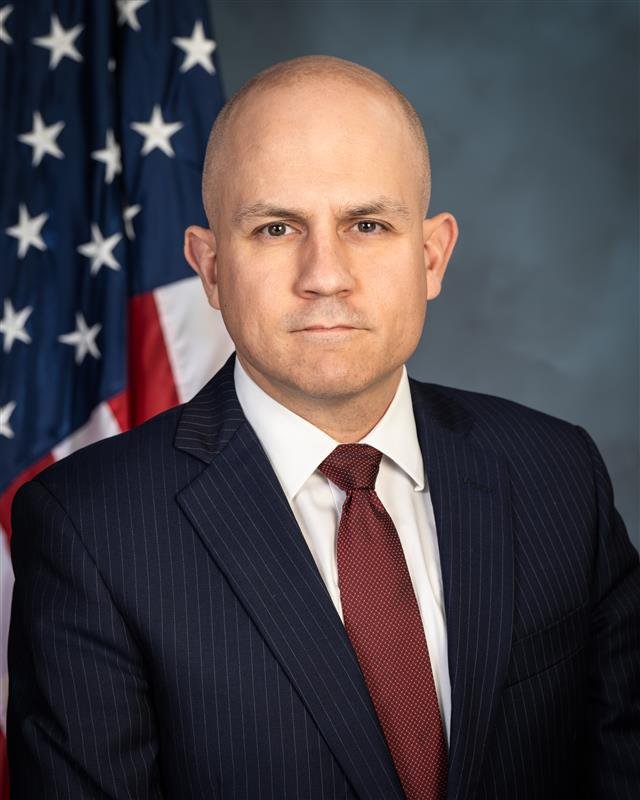
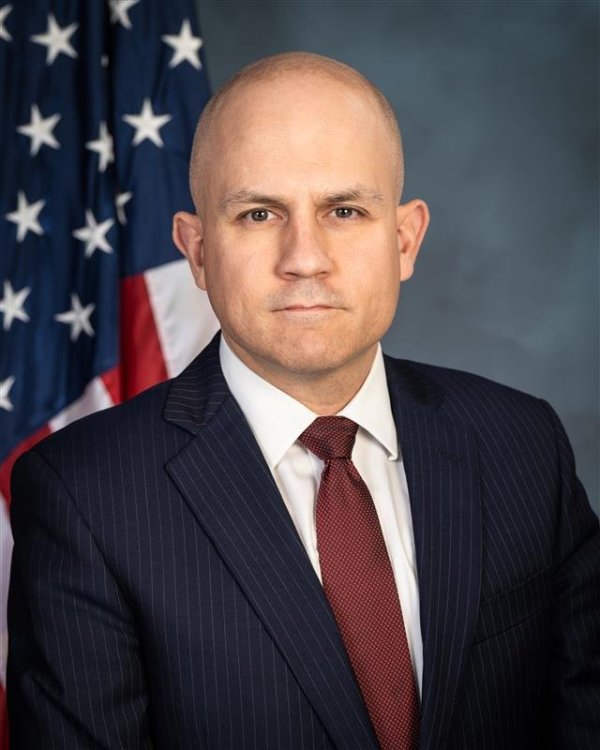
Chief Operating Officer Joseph Gormley's appointment fills out a thin executive team at the government corporation, which plays a key role in funding mortgages. View the full article
-
When preparing for homemade pizza, it’s easy to hit the grocery store with mozzarella on your list. But what kind of mozzarella is best? Fresh, shredded, string? And is that really the best cheese for the pizza you’re craving? I sit here typing away when I should be nursing the burnt roof of my mouth because great pizza discoveries have been made in my kitchen today—my cheese-scorched mouth can wait. Similar to why there are good and bad cheese options for the best grilled cheese sandwich, pizza requires one with good melting properties (a fatty cheese), with a good balance of water, and not an overload of protein (which can resist melting). There are some surprises here, including cheeses you’d normally find at the sandwich counter and cheeses you’ve probably seen on pizza before. Here are the best cheeses to try on your next pizza, and unexpected ones to avoid. Muenster cheese (and fatty cheeses)For the longest time, I thought shredded cheese was the only cheese for my homemade slice, but I auditioned sandwich slices of Muenster cheese and was blown away. Muenster is a semi-soft cheese that doesn't break into oily pockets after cooking. I tore up a slice of muenster and scattered the irregular flats around my sauced pie. After 15 minutes or so in the oven, I removed a pizza that could stand up to even the most bougie Brooklyn pizzeria. Fatty sandwich slices of cheese—the same ones you use for grilled cheese—make great melting cheeses for high oven temperatures. They don’t become greasy after they melt, and they reward you with a lovely gooey cheese pull after slicing. Since they really melt out far and wide, don’t load up the pie too much. You can leave some space between each island and still have a nice balance of cheese to sauce. Other fatty cheeses like muenster: havarti, gouda, taleggio, and fontina. Some mozzarella Mozzarella is the pizza cheese. There’s no question that the flavor and stretchy consistency make for both the perfect centerpiece and a great canvas for toppings. However, there are a couple mozzarellas out there, and not all of them can stand up to the heat. The fresh mozzarella starts to squeeze out water which is puddling in the middle of the pie. Credit: Allie Chanthorn Reinmann Fresh mozzarella and the like. Fresh mozzarella, burrata, and buffalo mozzarella are these gorgeous, moist orbs of creamy white cheese. They’re usually wrapped with some moisture in the packaging or submerged and floating in liquid. While you might think these cheeses would be insanely creamy and wonderful on pizza, stay your eager cheese hand. When fresh mozzarella cooks, especially at high temperatures like 350°F to 450°F, the protein network in the cheese begins to denature and tighten up, squeezing out the moisture that used to live in the network. Fresh mozzarella has a lot of moisture to give and it’ll end up on the surface of your pizza as a watery puddle. Besides the sadness of a floppy, wet pizza crust, you also have globs of rubbery cheese that pull off in one bite. There is a way to avoid this unfortunate result: During my tests, after about five minutes, the fresh mozzarella was lovely and melted. But after 10 minutes in my 450°F oven, the water started to puddle up as the cheese began to take on some color. Pizza takes at least 15 minutes to cook in a screaming hot oven. If you must use fresh mozzarella, my advice is to add it to the pizza during the last five minutes of the cooking time. Low-moisture mozzarella. Fresh mozzarella, burrata, and buffalo mozzarella are expensive and decadent. I’d hate for you to ruin them by cooking them for too long on your pizza. Instead, rely on trusty low-moisture mozzarella. This cheese is produced with way less moisture captured and you won’t risk it ending up on your pizza. You can buy it shredded, in slices, or in big bricks. You can enjoy all the flavor and meltability of fresh mozzarella in a more pizza-friendly. Parmesan (and hard cheeses) Credit: Allie Chanthorn Reinmann Parmesan and other aged, hard cheeses exhibit strong, bold flavors that are lovely on pizza. However, when cheeses age, they lose moisture, and that’s when they can become broken and greasy on a pizza. Cheeses melt best when they have a balance of fat, water, and protein, so when you have a hard cheese under a high temperature, it doesn’t do much except squeeze out fats and become even harder. I added shredded parmesan to cover one of my pizzas, and when I took the pie out of the oven, the cheese stayed put in its shredded form, not really melting out but instead becoming rather translucent. It almost looked like I barely added cheese at all. That said, the flavor was bangin’. Parmesan has a presence; it’s not a mild cheese like mozzarella. I would recommend shredded parmesan if you prefer flavor over cheese pull. It’s important to note that parmesan actually might be better on the bottom of your pizza. It makes a crispy, cheesy frico crust if you make a cast iron skillet pizza. Check out the recipe here. Flavor-packed hard cheeses like parmesan: Asiago, manchego, aged swiss, aged cheddars. The winner is a mixtureIt may not come as a surprise, but the best homemade pizza cheese will always be a mixture of cheeses. Each cheese has its strong suit, so don’t deprive yourself. Low-moisture mozzarella is stretchy but mild, so add some shredded asiago for a sharp touch of flavor. Love a good melty cheese pie? Skip the asiago and opt for something like fontina to mix in with your mozzarella. My favorite mixture so far has been mozzarella with pepper jack and a bit of muenster. The opportunities are only limited by your grocery store's cheese section, so grab some sandwich slices and get experimenting. Once you've selected your cheese combo, you're ready for more of my tips for making the best homemade pizza every time; to start with, you should ferment your dough. View the full article
-
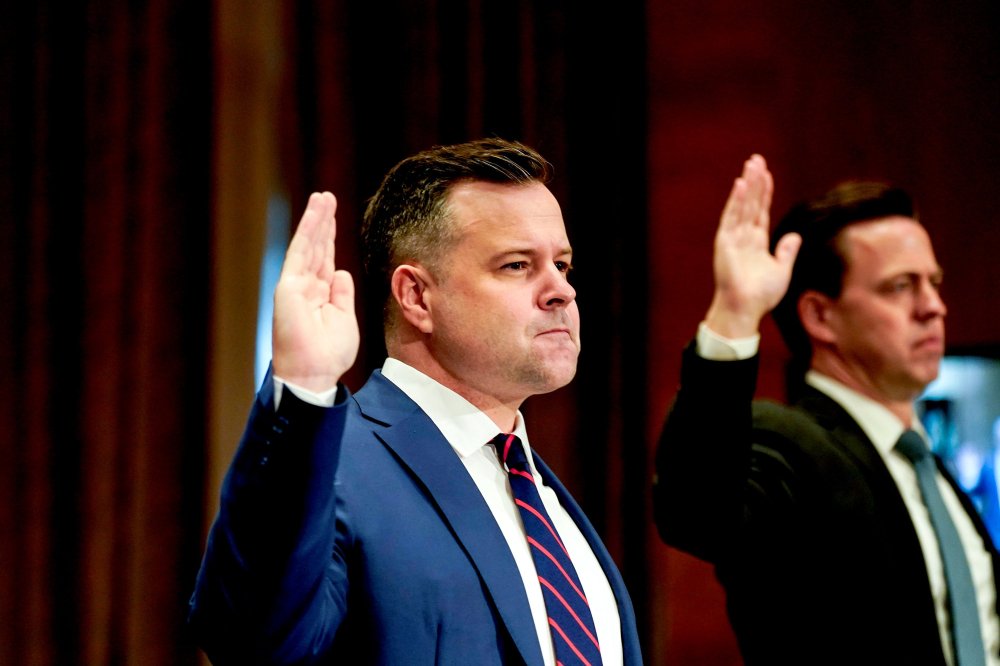
Senators want to investigate the rapid changes to Fannie Mae and Freddie Mac's boards of directors, and seek more clarity about reported layoffs. View the full article
-
Most companies operate like one-sided cubes—what the world sees is curated and polished, but the rest remains hidden, even to the people inside. Strategy becomes surface-level. Teams chase goals without grounding. Leaders lead without alignment. In a world growing more complex and emotionally disoriented, that’s not just unsustainable—it’s dangerous. It’s time for a Strategy Renaissance. We need to move beyond sterile planning cycles and rediscover the human heart of strategy. In this new era of work, meaning isn’t a bonus feature—it’s your sharpest edge. The Great Divide Between Strategy and Meaning We have long treated strategy as the realm of numbers and logic, while purpose was relegated to the marketing department or buried in mission statements no one remembers. This divide has created companies that appear aligned on paper, but feel disjointed in practice. Metrics without meaning drive burnout. Planning without purpose breeds disengagement. And when disruption inevitably hits, strategies built only on spreadsheets crumble. What endures? Shared purpose, collective clarity, and meaningful momentum. Illuminate the Whole Strategy Cube Imagine your organization as a cube. Each face represents a facet of identity: values, operations, leadership, culture, customers, and employees. Most companies only illuminate one or two sides—the brand and the performance dashboard. The rest remains in the shadows. And when strategy reflects only the visible parts, it becomes hollow. The companies that are thriving today are the ones brave enough to illuminate the whole cube. That means surfacing the hidden brilliance within teams, reclaiming the narratives that shape culture, and embracing the messy, multidimensional nature of real human work. I advised a global biotech company whose strategy had become siloed, driven by financial targets but disconnected from employee experience. Through facilitated dialogue sessions, we helped the executive team rediscover their collective purpose. Within months, they restructured their planning process around a set of guiding principles, resulting in a 22% improvement in employee engagement scores and a renewed sense of cohesion across departments. When you bring every side of the cube into the light, strategy becomes not just aligned—but alive. Dialogue Before Direction: The Campfire as a Strategic Tool Strategy doesn’t start with a spreadsheet. It begins with a story. Before defining your next bold move, gather your people around a campfire—not a literal fire (though that helps), but a space of intentional dialogue where people can share pivotal moments, hopes, fears, and what really matters. When I run campfire sessions with leadership teams, something powerful happens: People stop performing and start connecting. The surface melts, and what emerges is a collective clarity that no off-site whiteboard session can replicate. Great strategy isn’t declared—it’s cocreated. It emerges from shared stories and is strengthened by mutual meaning. Meaning Is Your Talent Magnet Today’s workforce isn’t just looking for a paycheck. They’re looking for alignment—especially Gen Z and millennial talent. They want to know what you stand for, how decisions are made, and whether your values are actually lived. A McKinsey study found that 70% of employees believe their sense of purpose is defined by their work; however, only 15% feel their company’s purpose is well-activated in their day-to-day roles. That gap isn’t just cultural—it’s costly. Meaning is no longer a perk. It’s your recruitment strategy. Your innovation strategy. Your long-game success strategy. The Rise of the Multidimensional Strategist This Strategy Renaissance demands a new kind of thinking, which I call multidimensional strategy. In a world that rewards specialization, it’s time to embrace integration: blending creativity with analysis, intuition with logic, and personal story with business direction. We need leaders who don’t just see the road ahead—they see the people walking it. They know that strategy isn’t just about what to do next. It’s about who we are, why it matters, and how we move forward—together. How to Begin Your Strategy Renaissance If you want to move from hollow plans to meaningful progress, here’s a simple framework to “LIGHT” your way—five ways to reclaim strategy as a human-centered practice: L – Listen Beneath the Metrics. Before examining KPIs, ask: “What isn’t being said? Who’s feeling unseen or unheard?” Strategy begins by tuning into the underlying current. I – Illuminate the Whole Cube. Map the six sides: customers, employees, culture, operations, values, and leadership. Which sides are well-lit? Which are neglected? Make the invisible visible. G – Gather Around the Campfire. Create regular spaces for storytelling and reflection—not just reporting. Ask: “What has challenged us? What has changed us?” Connection breeds clarity. H – Harness Your Hidden Brilliance. Invite diverse voices into strategic conversations, especially those of outliers, creatives, and skeptics. Often, the perspective you most need is the one least consulted. T – Translate Purpose Into Practice. Move from statements to systems. How is your purpose reflected in hiring, decision-making, and how people spend their time? Don’t think of this as a checklist; think of it as a shift in perspective, from a performative strategy to a purposeful design. The Renaissance was a reawakening of human potential. What we need now is no different. Let this be the moment your organization stops performing purpose—and starts living it. Allow this to be the season when strategy becomes more than a plan. Let it become a story that your people want to tell—a movement they want to lead. When you illuminate the full spectrum of who you are as an organization, strategy becomes not just compelling but unforgettable. View the full article

-
US chipmaker reveals $5.5bn impairment, while full hit to China revenues could surpass $10bnView the full article
-
If your Windows computer is crashing unexpectedly and showing you a blue screen error, there's now a fix for that. As BleepingComputer reports, Windows updates pushed in March and April are triggering a secure kernel fatal error, causing devices running Windows 11 version 24H2 to crash and display a blue screen exception with error code 0x18B, indicating a SECURE_KERNEL_ERROR. To address this issue, Microsoft has released a Known Issue Rollback (KIR), which is a quick, targeted fix for non-security bugs. It's a temporary solution since it rolls back earlier updates, while the company works on a new update to patch the problem. Here's how to apply it to your device. What Windows users need to doIf you have a personal or non-managed work computer running Windows 11, the resolution will automatically be pushed to your device from Windows Update and Microsoft Update in the next day or so. According to Microsoft's support page, restarting may help the fix apply faster. As such, make sure you reboot your PC in order for this latest update to take effect as soon as possible. For enterprise devices managed by IT departments, the issue will resolve once your network admin installs and configures the Windows 11 24H2 and Windows Server 2025 KB5053656 250412_03103 Known Issue Rollback Group Policy. The Group Policy can be found under Computer Configuration > Administrative Templates > . You will also need to restart any affected devices to apply the group policy settings. The blue screen bug follows Microsoft's big Patch Tuesday update, which fixed 134 security vulnerabilities in Windows—including one actively-exploited zero-day flaw. It also comes as Microsoft is testing out a new blue screen design altogether. Soon enough, future crashes like this will look different, though the company's procedural response will likely remained unchanged. View the full article
-
US homebuilder confidence barely rose this month on a pickup in current sales, though demand expectations stumbled to a more than one-year low and prices of construction materials are climbing on the heels of higher tariffs. View the full article

-
Vehicle sales jump in March before implementation of steep leviesView the full article
-
Meta CEO Mark Zuckerberg once considered separating Instagram from its parent company due to worries about antitrust litigation, according to an email shown Tuesday on the second day of an antitrust trial alleging Meta illegally monopolized the social media market. In the 2018 email, Zuckerberg wrote that he was beginning to wonder if “spinning Instagram out” would be the only way to accomplish important goals, as big-tech companies grow. He also noted “there is a non-trivial chance” Meta could be forced to spin out Instagram and perhaps WhatsApp in five to 10 years anyway. He wrote that while most companies resist breakups, “the corporate history is that most companies actually perform better after they’ve been split up.” Asked Tuesday by attorney Daniel Matheson, who is leading the antitrust case for the Federal Trade Commission, which incidence in corporate history he had in mind, Zuckerberg responded: “I’m not sure what I had in mind then.” Zuckerberg, who was the first witness, testified for more than seven hours over two days in the trial that could force Meta to break off Instagram and WhatsApp, startups the tech giant bought more than a decade ago that have since grown into social media powerhouses. While questioning Zuckerberg on Tuesday morning, Matheson noted that he had referred to Instagram as being a “rapidly growing, threatening, network.” The attorney also pointed out Zuckerberg’s referring to trying to neutralize a competitor by buying the company. But Zuckerberg said while Matheson was able to show documents in court that indicated his concern about Instagram’s growth, he also had many conversations about how excited his company was to acquire Instagram to make a better product. Zuckerberg also said Facebook was in the process of building a camera app for sharing on mobile phones, and he thought Instagram was better at that, “so I wanted to buy them.” Zuckerberg also pushed back against Matheson’s contention that the reason for buying the company was to neutralize a threat. “I think that that mischaracterizes what the email was,” Zuckerberg said. In his questioning of Zuckerberg, Matheson repeatedly brought up emails—many of them more than a decade old—written by Zuckerberg and his associates before and after the acquisition of Instagram. While acknowledging the documents, Zuckerberg has often sought to downplay the contents, saying he wrote them in the early stages of considering the acquisition and that what he wrote at the time didn’t capture the full scope of his interest in the company. Matheson also brought up a February 2012 message in which Zuckerberg wrote to the former chief financial officer of Facebook that Instagram and Path, a social networking app, already had created meaningful networks that could be “very disruptive to us.” Zuckerberg testified that the message was written in the context of a broad discussion about whether they should buy companies to accelerate their own developments. Zuckerberg also testified that buying the company, taking it off the market, and building their own version of it was “a reasonable thing to do.” Later Tuesday, Mark Hansen, an attorney for Meta, began his questioning of Zuckerberg. Hansen, in his opening statements Monday, emphasized that Meta’s services are free and that the company, far from holding a monopoly, actually has a lot of competition. He made a point of bringing up those issues in just over an hour of questioning Zuckerberg, with more expected to come Wednesday. “It’s very competitive,” Zuckerberg said, noting that charging for using services like Facebook would likely drive users away, since similar services are widely available elsewhere. The trial is one of the first big tests of President Donald The President’s FTC’s ability to challenge Big Tech. The lawsuit was filed against Meta—then called Facebook—in 2020, during The President’s first term. It claims the company bought Instagram and WhatsApp to squash competition and establish an illegal monopoly in the social media market. Facebook bought Instagram—which was a photo-sharing app with no ads—for $1 billion in 2012. Instagram was the first company Facebook bought and kept running as a separate app. Until then, Facebook was known for smaller “acqui-hires”—a popular Silicon Valley deal in which a company purchases a startup as a way to hire its talented workers, then shuts the acquired company down. Two years later, it did it again with the messaging app WhatsApp, which it purchased for $22 billion. WhatsApp and Instagram helped Facebook move its business from desktop computers to mobile devices, and to remain popular with younger generations as rivals like Snapchat (which it also tried, but failed, to buy) and TikTok emerged. However, the FTC has a narrow definition of Meta’s competitive market, excluding companies like TikTok, YouTube, and Apple’s messaging service from being considered rivals to Instagram and WhatsApp. U.S. District Judge James Boasberg is presiding over the case. Late last year, he denied Meta’s request for a summary judgment and ruled that the case must go to trial. —Brian Witte, Associated Press View the full article

-
In early April, Ikea unveiled the latest edition of its iconic Stockholm 2025 collection, marking 40 years since the original collection was released in 1985. The 96-item lineup includes a range of pieces, like bold statement sofas, side tables, and elegant chandeliers. The designs are keeping with the brand’s signature Scandi aesthetic, but with a twist: inspiration from the natural world. The collection is now available in stores and on the Ikea website. At the core of the collection is a thoughtful focus on materials. Solid wood is paired with tactile surfaces and natural fibers like mouth-blown glass and rattan to create a variety of pieces, such as wooden furniture, handwoven rugs, and chandeliers, says the Ikea team. The designers selected these materials not just for their beauty, but for how they age and interact over time. “The purpose of the Stockholm collections has always been to prove that high quality doesn’t need to come at an intimidating cost,” says Karin Gustavsson, creative leader for Stockholm, in a press release. “We have worked to create a no-compromise kind of collection where every piece tells a story. Craftsmanship is at the heart of this project, where traditional techniques and hands-on methods have resulted in durable and beautiful design pieces that stands the test of time.” Swedish designers Ola Wihlborg, Nike Karlsson, and Paulin Machado developed the collection, which was deeply rooted in its namesake city of Stockholm, according to the press release. Two noticeably different sofas serve as the foundational centerpieces of Ikea’s Stockholm 2025 collection. One of them is a wide modular sofa that was designed by Wihlborg and is available in four colors, including a striking turquoise velvet. His frustration with sofas that constantly require cushion fluffing sparked the design concept, says the designer. “I wanted to create a high-quality sofa that maintains its shape and looks the same even after you stand up from sitting in it. Something that prioritizes comfort without needing extra pillows,” he explains. After developing more than 30 prototypes to refine the balance between structure and softness, the final product is a sleek, boldly scaled sofa. Its modular design allows each piece to stand alone or be connected to fit a variety of spaces and lifestyles. Karlsson took a different route with his creation. His sofa, constructed with a solid pine wood frame and soft white cushions, embraces a foam-free design made entirely from natural materials, including woven fabric, natural latex, and coconut fiber, describes the designer. Nature was the main source of inspiration for textile designer Paulin Machado’s pieces. The collection’s lampshades have delicate leaf and mushroom motifs, and color palettes drawn from the shifting tones of Scandinavian seasons. The handwoven wool rugs in earthy greens or minimalist black-and-white echo birch tree patterns. “Nature is the best designer—every colour matches beautifully in the natural world,” Machado says. With its latest collection, the Swedish furniture maker brings the outdoors in. View the full article

-
Maker of ‘teaspressos’ and ‘teapuccinos’ could be second-biggest Chinese listing in US in more than three yearsView the full article
-
Chipmaker leads declines as Wall Street sell-off reignitesView the full article
-
At first, the bar association for immigration attorneys began receiving inquiries from a couple students a day. These were foreigners studying in the U.S., and they’d discovered in early April their legal status had been terminated with little notice. To their knowledge, none of the students had committed a deportable offense. In recent days, the calls have begun flooding in. Hundreds of students have been calling to say they have lost legal status, seeking advice on what to do next. “We thought it was going to be something that was unusual,” said Matthew Maiona, a Boston-based immigration attorney who is getting about six calls a day from panicked international students. “But it seems now like it’s coming pretty fast and furious.” The speed and scope of the federal government’s efforts to terminate the legal status of international students have stunned colleges across the country. Few corners of higher education have been untouched, as schools ranging from prestigious private universities, large public research institutions, and tiny liberal arts colleges discover status terminations one after another among their students. At least 790 students at more than 120 colleges and universities have had their visas revoked or their legal status terminated in recent weeks, according to an Associated Press review of university statements and correspondence with school officials. Advocacy groups collecting reports from colleges say hundreds more students could be caught up in the crackdown. Students apparently targeted over minor infractions Around 1.1 million international students were in the United States last year—a source of essential revenue for tuition-driven colleges. International students are not eligible for federal financial aid, and their ability to pay tuition often factors into whether they will be admitted to American schools. Often, they pay full price. Many of the students losing their legal status are from India and China, which together account for more than half the international students at American colleges. But the terminations have not been limited to those from any one part of the world, lawyers said. Four students from two Michigan universities are suing The President administration officials after their F-1 student status was terminated last week. Their attorney with the American Civil Liberties Union, Ramis Wadood, said the students never received a clear reason why. “We don’t know, and that’s the scary part,” he said. The students were informed of the status terminations by their universities via email, which came as a shock, Wadood said. The reason given was that there was a “criminal records check and/or that their visa was revoked,” Wadood said, but none of them were charged or convicted of crimes. Some had either speeding or parking tickets, but one didn’t have any, he said. Only one of the students had known their entry visa was revoked, Wadood said. Last month, Secretary of State Marco Rubio said the State Department was revoking visas held by visitors who were acting counter to national interests, including some who protested Israel’s war in Gaza and those who face criminal charges. But many students say they don’t fall under those categories. Students have filed lawsuits in several states, arguing they were denied due process. In New Hampshire, a federal judge last week granted a temporary restraining order to restore the status of a Ph.D. student at Dartmouth College, Xiaotian Liu. On Tuesday, a federal judge in Wisconsin issued a similar order, ruling the government could not take steps to detain or revoke the visa of a University of Wisconsin-Madison gradate student. In a break from past, feds cancel students’ status directly At many colleges, officials learned the legal immigration status of some international students had been terminated when staff checked a database managed by the Department of Homeland Security. In the past, college officials say, legal statuses typically were updated after colleges told the government the students were no longer studying at the school. The system to track enrollment and movements of international students came under the control of Immigration and Customs Enforcement after 9/11, said Fanta Aw, CEO of NAFSA, an association of international educators. She said recent developments have left students fearful of how quickly they can be on the wrong side of enforcement. “You don’t need more than a small number to create fear,” Aw said. “There’s no clarity of what are the reasons and how far the reach of this is.” Her group says as many as 1,300 students have lost visas or had their status terminated, based on reports from colleges. The Department of Homeland Security and State Department did not respond to messages seeking comment. Foreigners who are subject to removal proceedings are usually sent a notice to appear in immigration court on a certain date, but lawyers say affected students have not received any notices, leaving them unsure of next steps to take. Some schools have told students to leave the country to avoid the risk of being detained or deported. But some students have appealed the terminations and stayed in the United States while those are processed. Still others caught in legal limbo aren’t students at all. They had remained in the U.S. post-graduation on “optional practical training,” a one-year period—or up to three for science and technology graduates—that allows employment in the U.S. after completing an academic degree. During that time, a graduate works in their field and waits to receive their H-1B or other employment visas if they wish to keep working in the U.S. Around 242,000 foreigners in the U.S. are employed through this “optional practical training.” About 500,000 are pursuing graduate degrees, and another 342,000 are undergraduate students. Among the students who have filed lawsuits is a Georgia Tech Ph.D. student who is supposed to graduate on May 5, with a job offer to join the faculty. His attorney Charles Kuck said the student was likely targeted for termination because of an unpaid traffic fine from when the student lent his car to a friend. Ultimately, the violation was dismissed. “We have case after case after case exactly like that, where there is no underlying crime,” said Kuck, who is representing 17 students in the federal lawsuit. He said his law firm has heard from hundreds of students. “These are kids who now, under the The President administration, realize their position is fragile,” he said. “They’ve preyed on a very vulnerable population. These kids aren’t hiding. They’re in school.” Some international students have been adapting their daily routines. A Ph.D. student from China at University of North Carolina at Chapel Hill said she has begun carrying around her passport and immigration paperwork at the advice of the university’s international student office. The student, who spoke on condition of anonymity for fear of being targeted by authorities, said she has been distressed to see the terminations even for students like her without criminal records. “That is the most scary part because you don’t know whether you’re going to be the next person,” she said. __ Seminera reported from Raleigh, N.C., and Keller reported from Albuquerque, N.M. The Associated Press’ education coverage receives financial support from multiple private foundations. AP is solely responsible for all content. Find AP’s standards for working with philanthropies, a list of supporters and funded coverage areas at AP.org. —Annie Ma, Makiya Seminera and Christopher L. Keller, Associated Press View the full article

-
Key Takeaways Brand Consistency is Crucial: Ensuring all franchise units maintain the same brand identity is essential for customer trust and brand loyalty. Effective Communication with Franchisors: Managing the relationship with your franchisor through clear communication can prevent conflicts and enhance operational support. Market Adaptation is Necessary: Staying alert to market fluctuations and consumer behavior ensures your franchise remains competitive and relevant. Financial Management Matters: Understanding and managing initial investments, ongoing fees, and operational costs is key to a franchise’s long-term success. Legal Compliance is Mandatory: Adhering to franchise agreements and local regulations is critical to avoid legal issues that could negatively impact your franchise operations. Embrace Technology: Leveraging technological advancements can enhance operational efficiency and improve customer engagement, making your franchise more appealing in a digital age. Franchising can be an exciting venture, offering the chance to tap into established brands and proven business models. However, it’s not all smooth sailing. As a franchise owner, you’ll encounter unique challenges that can impact your success and growth. Understanding these hurdles is crucial for navigating the franchise landscape effectively. From maintaining brand consistency to managing relationships with franchisors, the road can be bumpy. You’ll need to balance your entrepreneurial spirit with the demands of following established protocols. Additionally, market fluctuations and competition can pose significant threats. By recognizing and addressing these challenges early on, you can position yourself for a thriving franchise experience. Overview of Challenges Faced by Franchises Franchises encounter several distinct challenges that can impact their success. Understanding these obstacles is crucial for you as a franchisee or franchisor. Brand Consistency Maintaining brand consistency across all units presents a significant challenge in franchising. You must ensure that products, services, and customer experiences reflect the established brand identity. Deviations can damage brand recognition and erode customer trust. Managing Franchisor Relationships Navigating the relationship with your franchisor requires clear communication and mutual understanding. You depend on the franchisor for support and resources, yet conflicts can arise over franchise agreements, operational standards, and fees. Addressing issues promptly can prevent escalation. Market Fluctuations Market fluctuations pose risks to franchise stability. Economic shifts can impact consumer behavior and spending. You should conduct regular location analysis to adapt your franchise marketing strategy and respond effectively to changing market conditions. Competition and Differentiation Facing competition from other franchise units and independent businesses is inevitable. You’ll need to develop a strong franchise marketing plan that emphasizes unique selling points. Understanding your local market can guide your franchise recruitment efforts to attract customers effectively. Financial Management Managing financial aspects such as royalty fees, initial investments, and franchise fees is essential. Ensuring adequate franchise financing helps maintain operations during downturns. Regular review of franchise metrics can help you evaluate your franchise profit and plan for growth. Compliance with Franchise Laws Adhering to franchise regulations often presents a challenge. Compliance with laws governing franchise operations, advertising, and sales is critical. Staying informed about franchising trends and working with franchise consultants can help you navigate legal complexities. Training and Support Franchise training and support from your franchisor directly affect operational efficiency. Yet, the adequacy of these resources can vary among franchising opportunities. Engaging with fellow franchisees in the franchise network can provide valuable insights and best practices. By recognizing and addressing these challenges, you can position your franchise for greater success and longevity in the franchise industry. Financial Concerns Franchisees face several financial concerns that impact their business operations. Recognizing these factors is crucial for sustained success within the franchise system. Initial Investment and Royalties You must consider the substantial initial investment needed to start a franchise. This investment usually includes the franchise fee, build-out costs, equipment expenses, initial inventory and supplies, and training expenses. For established brands, these costs can range from $1.3 million to $2.3 million or more, with the precise amount varying by brand and industry. In addition to this upfront investment, ongoing royalty fees add to your financial obligations. These royalties typically take between 4.6% to 12.5% of your gross sales, continuing regardless of your revenue performance. Understanding the details in the franchise disclosure document is vital for evaluating the financial landscape of your franchise opportunity. Ongoing Operational Costs You must also manage ongoing operational costs to ensure a profitable franchise business. These costs can include royalties, marketing fees, employee salaries, and general overhead. It’s essential to maintain proper cash flow to support these expenses, especially during downturns when revenues may dip. Regularly reviewing your franchise operations manual can help streamline costs and improve efficiency. Adopting a solid franchise marketing strategy can enhance brand recognition and drive customer traffic, further supporting your financial health in the competitive franchise industry. Being aware of these financial challenges allows you to prepare adequately, ensuring long-term stability and growth within your franchise network. Regulatory and Compliance Issues Franchises face significant regulatory and compliance challenges that can affect your business operations and profitability. Franchise Agreements Franchise agreements serve as the backbone of your franchise relationship with the franchisor. These legal contracts outline the terms, obligations, and rights of both parties. Key elements include the initial investment, royalty fees, and territory definitions. Understanding these agreements fully helps you avoid pitfalls and ensures that you’re aligned with the franchise model expectations, protecting your franchise opportunity for growth. Local and Federal Regulations Local and federal regulations impose additional layers of complexity on franchise operations. You must adhere to the Federal Trade Commission’s (FTC) Amended Franchise Rule, which mandates that franchisors provide the Franchise Disclosure Document (FDD) at least 14 days before any financial exchange. This document contains 23 critical points of information, including initial fees and franchisee obligations. State-specific regulations can differ widely, adding to the administrative burden. For instance, California and Illinois impose different compliance requirements, which necessitates thorough franchise research to understand your obligations. Negotiating these local franchise laws and regulations effectively mitigates risks and positions your franchise business for long-term stability. Competition in the Market Franchises face intense competition that is critical for their survival in today’s economy. Understanding that both internal and external competition impacts your franchise success is essential. Brand Recognition Brand recognition is vital for franchisees in a competitive market. A well-established brand provides immediate trust and loyalty from customers, which can lead to increased sales. Your franchise marketing strategy should emphasize brand strengths and create a consistent message across all locations. Investing in effective franchise training for staff ensures everyone represents the brand positively, enhancing its presence in the market. Market Saturation Market saturation occurs when too many similar franchises exist in a given area, making it challenging to differentiate your business. You might find it necessary to conduct location analysis before starting a franchise. Evaluating territorial boundaries and securing an exclusive territory can prevent oversaturation and protect your customer base. A robust franchise marketing plan designed specifically for your local context can help attract customers, even in a saturated marketplace. Managing Franchisee Relationships Managing relationships between franchisors and franchisees forms a crucial part of successful franchise operations. It enhances brand consistency and fosters a healthy franchise network. Communication and Support Effective communication serves as the backbone of any franchise business. You need ongoing support from your franchisor to understand operational guidelines and marketing strategies. Establish regular check-ins and utilize various communication channels like emails, calls, and franchise webinars. Access to franchise training resources ensures you remain updated on protocols and brand standards. This support allows you to adapt your strategies to meet local market demands while adhering to the franchise system. Conflict Resolution Conflicts may arise in any business model, and franchising is no exception. Having a clear conflict resolution process documented in your franchise operations manual can preempt misunderstandings. Begin by addressing issues promptly with open discussions. Make sure to refer to your franchise agreement to clarify rights and obligations. If disputes persist, consider mediation or consultation with franchise consultants to facilitate resolution. By prioritizing conflict management, you enhance potential franchise growth and maintain a harmonious relationship that benefits both parties. Adapting to Market Changes Adapting to market changes poses distinct challenges for franchisees. Understanding shifts in consumer behavior and keeping pace with technological advancements ensures franchise success. Consumer Behavior Shifts Consumer preferences frequently change, requiring franchisees to stay attentive. To maintain brand recognition, adapt marketing strategies based on customer feedback and market trends. Special promotions, like five-dollar meal deals, enhance customer attraction but can impact profitability. Franchisees often face pressure from price-conscious consumers while managing rising operational costs. Regular analysis of customer purchasing patterns helps you adjust your franchise marketing plan effectively. Technological Advancements Technological innovations reshape the franchise landscape. Implementing modern point-of-sale systems, mobile ordering apps, or loyalty programs can enhance customer experiences. Embracing these advancements aids in streamlining operations and attracting a tech-savvy audience. Franchise training on new technologies lets you leverage tools that enhance efficiency. Effective use of digital marketing strategies also connects you with consumers, driving franchise growth. Regular updates to your franchise operations manual ensure your team adapts to ongoing technological changes, promoting compliance with updated franchise standards. Conclusion Navigating the world of franchising comes with its share of challenges. By recognizing these hurdles early on, you can take proactive steps to address them effectively. Maintaining brand consistency and fostering strong relationships with your franchisor are vital for success. Staying adaptable to market changes and understanding consumer behavior can give you a competitive edge. Remember to manage your finances wisely and ensure compliance with regulations to safeguard your investment. By prioritizing these aspects, you’ll be better equipped to thrive in the franchise landscape, paving the way for long-term growth and stability. Embrace the journey and leverage the support available to you as a franchisee. Frequently Asked Questions What are the benefits of franchising? Franchising allows business owners to tap into established brands, providing a proven business model, marketing support, and increased customer trust. It reduces startup risk by leveraging the success of the franchisor while allowing owners to operate independently. What challenges do franchise owners face? Franchise owners must maintain brand consistency, manage relationships with franchisors, navigate market fluctuations, and deal with competition. These challenges are crucial to understand and address for a successful franchise experience. How important is communication with franchisors? Effective communication with franchisors is vital to prevent conflicts and ensure adherence to operational standards. Maintaining a clear dialogue helps franchisees manage relationships and align with brand expectations. What financial considerations should franchisees keep in mind? Franchisees face significant initial investments, ranging from $1.3 million to $2.3 million, alongside ongoing royalty fees of 4.6% to 12.5% of gross sales. Managing operational costs and cash flow is essential for profitability. Why is compliance with franchise laws important? Compliance with franchise laws ensures that franchisees protect their interests and adhere to regulations. Understanding franchise agreements and the FTC’s Amended Franchise Rule helps franchisees operate legally and responsibly. How can franchisees stand out in a saturated market? Franchisees can gain an edge by conducting location analysis, securing exclusive territories, and implementing tailored marketing strategies. Emphasizing unique selling points can attract customers even in competitive environments. How can franchisees adapt to market changes? Franchisees should stay informed about shifts in consumer behavior and technological advancements. Regularly updating marketing strategies and embracing new tools can enhance customer experience and improve operational efficiency. What role do relationships play in franchise success? Strong relationships between franchisees and franchisors are crucial for brand consistency and operational success. Clear communication and conflict resolution strategies help foster cooperation and benefit both parties. How can franchisees manage operational costs effectively? To streamline costs, franchisees should maintain proper cash flow, review the franchise operations manual regularly, and monitor expenses such as royalties and employee salaries to ensure efficiency and profitability. Image Via Envato This article, "Navigating the Challenges Faced by Franchises for Business Success" was first published on Small Business Trends View the full article
-
Key Takeaways Brand Consistency is Crucial: Ensuring all franchise units maintain the same brand identity is essential for customer trust and brand loyalty. Effective Communication with Franchisors: Managing the relationship with your franchisor through clear communication can prevent conflicts and enhance operational support. Market Adaptation is Necessary: Staying alert to market fluctuations and consumer behavior ensures your franchise remains competitive and relevant. Financial Management Matters: Understanding and managing initial investments, ongoing fees, and operational costs is key to a franchise’s long-term success. Legal Compliance is Mandatory: Adhering to franchise agreements and local regulations is critical to avoid legal issues that could negatively impact your franchise operations. Embrace Technology: Leveraging technological advancements can enhance operational efficiency and improve customer engagement, making your franchise more appealing in a digital age. Franchising can be an exciting venture, offering the chance to tap into established brands and proven business models. However, it’s not all smooth sailing. As a franchise owner, you’ll encounter unique challenges that can impact your success and growth. Understanding these hurdles is crucial for navigating the franchise landscape effectively. From maintaining brand consistency to managing relationships with franchisors, the road can be bumpy. You’ll need to balance your entrepreneurial spirit with the demands of following established protocols. Additionally, market fluctuations and competition can pose significant threats. By recognizing and addressing these challenges early on, you can position yourself for a thriving franchise experience. Overview of Challenges Faced by Franchises Franchises encounter several distinct challenges that can impact their success. Understanding these obstacles is crucial for you as a franchisee or franchisor. Brand Consistency Maintaining brand consistency across all units presents a significant challenge in franchising. You must ensure that products, services, and customer experiences reflect the established brand identity. Deviations can damage brand recognition and erode customer trust. Managing Franchisor Relationships Navigating the relationship with your franchisor requires clear communication and mutual understanding. You depend on the franchisor for support and resources, yet conflicts can arise over franchise agreements, operational standards, and fees. Addressing issues promptly can prevent escalation. Market Fluctuations Market fluctuations pose risks to franchise stability. Economic shifts can impact consumer behavior and spending. You should conduct regular location analysis to adapt your franchise marketing strategy and respond effectively to changing market conditions. Competition and Differentiation Facing competition from other franchise units and independent businesses is inevitable. You’ll need to develop a strong franchise marketing plan that emphasizes unique selling points. Understanding your local market can guide your franchise recruitment efforts to attract customers effectively. Financial Management Managing financial aspects such as royalty fees, initial investments, and franchise fees is essential. Ensuring adequate franchise financing helps maintain operations during downturns. Regular review of franchise metrics can help you evaluate your franchise profit and plan for growth. Compliance with Franchise Laws Adhering to franchise regulations often presents a challenge. Compliance with laws governing franchise operations, advertising, and sales is critical. Staying informed about franchising trends and working with franchise consultants can help you navigate legal complexities. Training and Support Franchise training and support from your franchisor directly affect operational efficiency. Yet, the adequacy of these resources can vary among franchising opportunities. Engaging with fellow franchisees in the franchise network can provide valuable insights and best practices. By recognizing and addressing these challenges, you can position your franchise for greater success and longevity in the franchise industry. Financial Concerns Franchisees face several financial concerns that impact their business operations. Recognizing these factors is crucial for sustained success within the franchise system. Initial Investment and Royalties You must consider the substantial initial investment needed to start a franchise. This investment usually includes the franchise fee, build-out costs, equipment expenses, initial inventory and supplies, and training expenses. For established brands, these costs can range from $1.3 million to $2.3 million or more, with the precise amount varying by brand and industry. In addition to this upfront investment, ongoing royalty fees add to your financial obligations. These royalties typically take between 4.6% to 12.5% of your gross sales, continuing regardless of your revenue performance. Understanding the details in the franchise disclosure document is vital for evaluating the financial landscape of your franchise opportunity. Ongoing Operational Costs You must also manage ongoing operational costs to ensure a profitable franchise business. These costs can include royalties, marketing fees, employee salaries, and general overhead. It’s essential to maintain proper cash flow to support these expenses, especially during downturns when revenues may dip. Regularly reviewing your franchise operations manual can help streamline costs and improve efficiency. Adopting a solid franchise marketing strategy can enhance brand recognition and drive customer traffic, further supporting your financial health in the competitive franchise industry. Being aware of these financial challenges allows you to prepare adequately, ensuring long-term stability and growth within your franchise network. Regulatory and Compliance Issues Franchises face significant regulatory and compliance challenges that can affect your business operations and profitability. Franchise Agreements Franchise agreements serve as the backbone of your franchise relationship with the franchisor. These legal contracts outline the terms, obligations, and rights of both parties. Key elements include the initial investment, royalty fees, and territory definitions. Understanding these agreements fully helps you avoid pitfalls and ensures that you’re aligned with the franchise model expectations, protecting your franchise opportunity for growth. Local and Federal Regulations Local and federal regulations impose additional layers of complexity on franchise operations. You must adhere to the Federal Trade Commission’s (FTC) Amended Franchise Rule, which mandates that franchisors provide the Franchise Disclosure Document (FDD) at least 14 days before any financial exchange. This document contains 23 critical points of information, including initial fees and franchisee obligations. State-specific regulations can differ widely, adding to the administrative burden. For instance, California and Illinois impose different compliance requirements, which necessitates thorough franchise research to understand your obligations. Negotiating these local franchise laws and regulations effectively mitigates risks and positions your franchise business for long-term stability. Competition in the Market Franchises face intense competition that is critical for their survival in today’s economy. Understanding that both internal and external competition impacts your franchise success is essential. Brand Recognition Brand recognition is vital for franchisees in a competitive market. A well-established brand provides immediate trust and loyalty from customers, which can lead to increased sales. Your franchise marketing strategy should emphasize brand strengths and create a consistent message across all locations. Investing in effective franchise training for staff ensures everyone represents the brand positively, enhancing its presence in the market. Market Saturation Market saturation occurs when too many similar franchises exist in a given area, making it challenging to differentiate your business. You might find it necessary to conduct location analysis before starting a franchise. Evaluating territorial boundaries and securing an exclusive territory can prevent oversaturation and protect your customer base. A robust franchise marketing plan designed specifically for your local context can help attract customers, even in a saturated marketplace. Managing Franchisee Relationships Managing relationships between franchisors and franchisees forms a crucial part of successful franchise operations. It enhances brand consistency and fosters a healthy franchise network. Communication and Support Effective communication serves as the backbone of any franchise business. You need ongoing support from your franchisor to understand operational guidelines and marketing strategies. Establish regular check-ins and utilize various communication channels like emails, calls, and franchise webinars. Access to franchise training resources ensures you remain updated on protocols and brand standards. This support allows you to adapt your strategies to meet local market demands while adhering to the franchise system. Conflict Resolution Conflicts may arise in any business model, and franchising is no exception. Having a clear conflict resolution process documented in your franchise operations manual can preempt misunderstandings. Begin by addressing issues promptly with open discussions. Make sure to refer to your franchise agreement to clarify rights and obligations. If disputes persist, consider mediation or consultation with franchise consultants to facilitate resolution. By prioritizing conflict management, you enhance potential franchise growth and maintain a harmonious relationship that benefits both parties. Adapting to Market Changes Adapting to market changes poses distinct challenges for franchisees. Understanding shifts in consumer behavior and keeping pace with technological advancements ensures franchise success. Consumer Behavior Shifts Consumer preferences frequently change, requiring franchisees to stay attentive. To maintain brand recognition, adapt marketing strategies based on customer feedback and market trends. Special promotions, like five-dollar meal deals, enhance customer attraction but can impact profitability. Franchisees often face pressure from price-conscious consumers while managing rising operational costs. Regular analysis of customer purchasing patterns helps you adjust your franchise marketing plan effectively. Technological Advancements Technological innovations reshape the franchise landscape. Implementing modern point-of-sale systems, mobile ordering apps, or loyalty programs can enhance customer experiences. Embracing these advancements aids in streamlining operations and attracting a tech-savvy audience. Franchise training on new technologies lets you leverage tools that enhance efficiency. Effective use of digital marketing strategies also connects you with consumers, driving franchise growth. Regular updates to your franchise operations manual ensure your team adapts to ongoing technological changes, promoting compliance with updated franchise standards. Conclusion Navigating the world of franchising comes with its share of challenges. By recognizing these hurdles early on, you can take proactive steps to address them effectively. Maintaining brand consistency and fostering strong relationships with your franchisor are vital for success. Staying adaptable to market changes and understanding consumer behavior can give you a competitive edge. Remember to manage your finances wisely and ensure compliance with regulations to safeguard your investment. By prioritizing these aspects, you’ll be better equipped to thrive in the franchise landscape, paving the way for long-term growth and stability. Embrace the journey and leverage the support available to you as a franchisee. Frequently Asked Questions What are the benefits of franchising? Franchising allows business owners to tap into established brands, providing a proven business model, marketing support, and increased customer trust. It reduces startup risk by leveraging the success of the franchisor while allowing owners to operate independently. What challenges do franchise owners face? Franchise owners must maintain brand consistency, manage relationships with franchisors, navigate market fluctuations, and deal with competition. These challenges are crucial to understand and address for a successful franchise experience. How important is communication with franchisors? Effective communication with franchisors is vital to prevent conflicts and ensure adherence to operational standards. Maintaining a clear dialogue helps franchisees manage relationships and align with brand expectations. What financial considerations should franchisees keep in mind? Franchisees face significant initial investments, ranging from $1.3 million to $2.3 million, alongside ongoing royalty fees of 4.6% to 12.5% of gross sales. Managing operational costs and cash flow is essential for profitability. Why is compliance with franchise laws important? Compliance with franchise laws ensures that franchisees protect their interests and adhere to regulations. Understanding franchise agreements and the FTC’s Amended Franchise Rule helps franchisees operate legally and responsibly. How can franchisees stand out in a saturated market? Franchisees can gain an edge by conducting location analysis, securing exclusive territories, and implementing tailored marketing strategies. Emphasizing unique selling points can attract customers even in competitive environments. How can franchisees adapt to market changes? Franchisees should stay informed about shifts in consumer behavior and technological advancements. Regularly updating marketing strategies and embracing new tools can enhance customer experience and improve operational efficiency. What role do relationships play in franchise success? Strong relationships between franchisees and franchisors are crucial for brand consistency and operational success. Clear communication and conflict resolution strategies help foster cooperation and benefit both parties. How can franchisees manage operational costs effectively? To streamline costs, franchisees should maintain proper cash flow, review the franchise operations manual regularly, and monitor expenses such as royalties and employee salaries to ensure efficiency and profitability. Image Via Envato This article, "Navigating the Challenges Faced by Franchises for Business Success" was first published on Small Business Trends View the full article