Newsletter
Want to keep up to date with all our latest news and information?


ResidentialBusiness
Administrators
-
Joined
-
Last visited
Everything posted by ResidentialBusiness
-
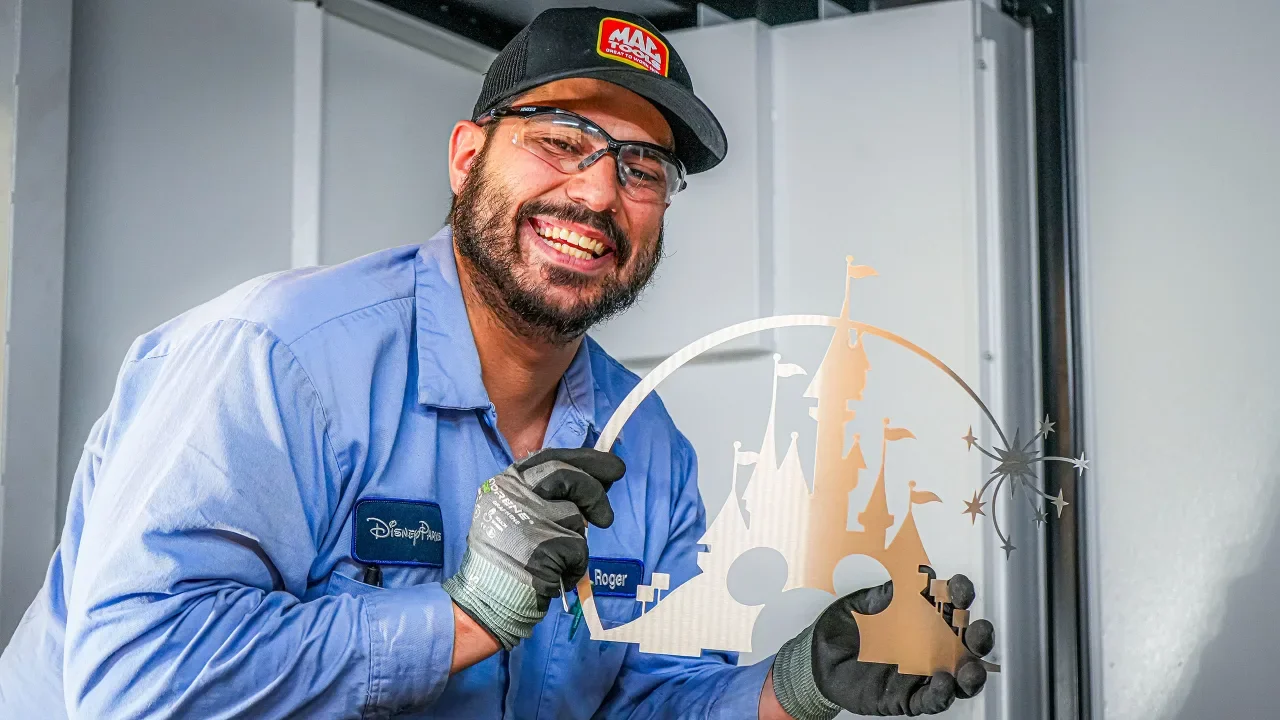
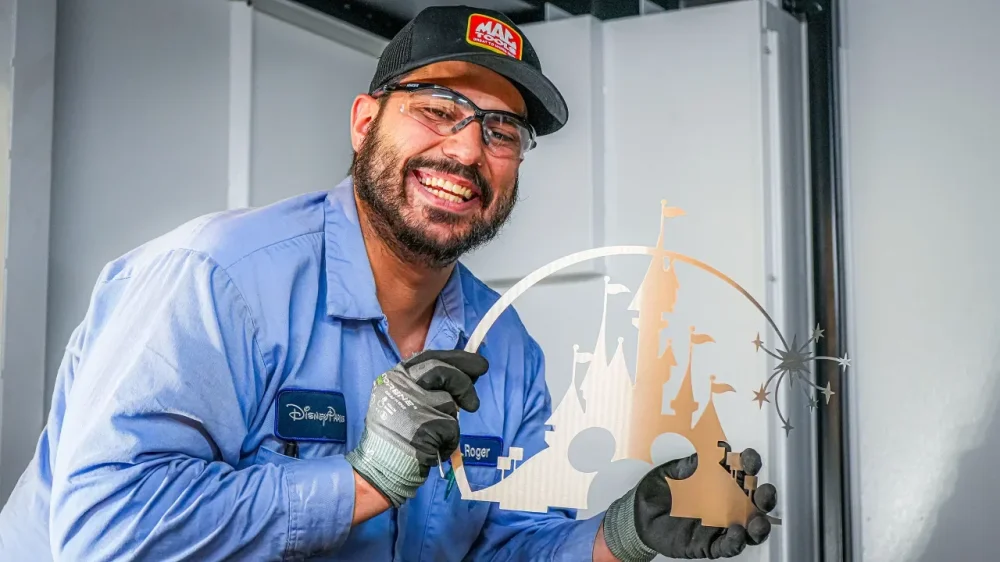
Roughly half a mile behind the Seven Dwarfs Mine Train and Ariel’s Grotto in Walt Disney World sits a nondescript cement warehouse with the words “the can-do people” written on the outside. Should tourists somehow get lost in that corner, located just outside the Magic Kingdom, it’s a place they would never pay attention to. What they might never imagine, however, is that generic building is the lynchpin of the Disney experience. Welcome to Central Shops, a rarely spoken part of Disney that’s off-limits to visitors and most of the company’s cast members (Disney’s term for its employees). It’s ground zero for Disney World’s ride safety and an essential part of park operations around the world. With 417 employees spanning 15 trades, from electricians to carpenters to painters, Central Shops is where every ride in the four Orlando theme parks is regularly inspected to ensure they’re safe to ride. At the same time, it’s also the corner of Disney where character heads for in-park meet-and-greets and parades in all global parks are manufactured. (Put another way, every Goofy, Mickey, Minnie, and Donald you see at the parks had their noggins made here.) Ripping apart Disney World rides Ride inspection is, arguably, the most important job of Central Shops. Every ride vehicle in the four Orlando theme parks ends up here on a recurring basis for inspection—and it’s far from a quick one. Ride vehicles are torn apart, down to their components. Every panel, bolt, etc. is inspected individually, a process that generally takes between 12 and 18 weeks from start to finish, says Fred Cox, director of manufacturing. For dark rides, like a Haunted Mansion Doom Buggy, a log flume from Tiana’s Bayou Adventure, or a horse on Prince Charming’s Carousel, that’s done on a calendar basis, scheduled breaks when select cars are taken out of commission and inspected. For thrill rides, like Space Mountain, it’s meter-based, meaning vehicles are taken off the line after they’ve been ridden a predetermined number of times. On a recent press trip through Central Shops, we saw a number of rides in various states of inspection. A collection of parts on one side was barely identifiable as a ride car from Guardians of the Galaxy: Cosmic Rewind. A few steps away, a honey pot from The Many Adventure of Winnie the Pooh gleamed, following a touch-up to its fiberglass. Sitting off to the side was a disassembled teacup from the Mad Tea Party. And scattered throughout the shop were parts of Astro Orbiter, a ride that has been completely (and temporarily) removed from the Magic Kingdom. Every 10 years, explained Rich Votava, manager of manufacturing, the bearing at the bottom of the ride (which sits atop the People Mover in Tomorrowland) needs to be replaced. Imagineers remove it completely, giving Central Shops a chance to inspect all the ride elements, from the boom arms on the decorative planets on the ride to the ride cars. (The Disney World ride is expected to be back in the park this summer, likely in May or June.) After ride cars are dismantled, each part is carefully inspected, some under X-ray to look for microscopic cracks in the metal. Once each part has been examined and refurbished (if needed), the components of vehicles are put back together, while the shells are repainted or refreshed. Once they are reassembled, cars are then returned to the park, where they run without riders for another two weeks to ensure everything is working properly. After that, visitors begin to pile in once again. (The maintenance schedule of most ride vehicles is staggered so that rides aren’t forced to close completely, like Astro Orbiter has.) “We break it down to the blueprints,” says Votava. Safety inspections go beyond ride vehicles, of course. Workers from Central Shops are in the parks nightly once visitors leave to make any necessary repairs and safety inspections for rides. Sometimes, that’s done with drones, which inspect areas humans can’t easily reach—such as atop Spaceship Earth in Epcot or under the water at one of the resort’s boat piers. And a tool called the Resistograph is used to check the density of wood throughout the park to alert Imagineers if there’s rot inside and a piece needs to be replaced. More than machines While there’s a lot of engineering work that goes on at Central Shops, there’s also a surprising amount of detail touch-up. In addition to creating character heads (in a top-secret room that Disney did not allow members of our press tour to view), the facility also handles repairs to character costumes at the Florida parks. Shoes get scuffed and details torn as Mickey and Buzz Lightyear interact with visitors. The stormtroopers are also getting a glow-up as Star Wars Day (May 4) approaches. Costumes are bought here, where they’re refurbished (a process that can take a week or two). Meanwhile, horses on the Magic Kingdom’s carousel are getting a touch-up. They have a lot of sentimental value, as they were purchased by Walt Disney himself, so the hand-carved maple stallions are treated with an especially delicate touch, with touch-ups done by artists and old layers of paint carefully sanded off so as to not hurt the detail of the carving. Some small elements that guests might not even notice are handled in Central Shops as well, such as adding details like the small trunk hairs on a baby elephant from The Jungle Cruise, which have to be inserted one at a time by hand. It’s detail-oriented work that’s done well out of view, so guests can stay in the Disney bubble. But with more than 115 attractions at the parks (along with more than 50 character experiences), Central Shops is essential to keeping the rides running smoothly and maintaining the parks’ reputation as the so-called “happiest place on earth.” View the full article
-
British foreign secretary says treatment of Yuan Yang and Abtisam Mohamed is ‘unacceptable and counter-productive’View the full article
-
If you’re finding yourself contemplating whether you can get an extension on this year’s tax return, you’re not alone. Forty percent of Americans still haven’t filed. There’s something almost perverse about the IRS placing tax day smack-dab in the middle of the loveliest month of the year. Want to enjoy the warm weather, cherry blossoms, and the sunshine reflecting off the pasty white skin of everyone venturing outside for the first time since last fall? Too bad! You have to excavate all of your financial decisions from the previous year while simultaneously trying to remember your math skills—or risk the wrath of an IRS agent named Spike. That’s why it’s something of a relief that every American taxpayer can get an automatic six-month extension on filing their federal income taxes. But, since this is the IRS we’re dealing with, there is a catch: You still have to pay what you owe by Tax Day. If filing your 2024 taxes has crept up on you this year (when did it get to be April already?), here’s what you need to know about getting an extension while staying on Spike the Auditor’s good side. File for an extension with Form 4868 While all taxpayers are eligible for an automatic tax return extension, you still need to request one. That’s where Form 4868, Application for Automatic Extension of Time to File U.S. Individual Income Tax Return comes in. Anyone who fills out and turns in Form 4868 (which can be filed electronically using IRS Free File) by the tax filing deadline of April 15, 2025, automatically receives a six-month extension for filing their 2024 taxes. This pushes the tax filing deadline back to October 15, 2025. Unlike your 1040 and other required tax forms, Form 4868 does not require a great deal of information from you. All you need to provide on this form is the following Your name Current address Social Security number Estimated tax liability for 2024 Amount of 2024 tax you have already paid The form also asks you to subtract your total 2024 payments from your estimated liability to calculate your balance due. Once you have completed and filed the form, you will automatically receive the filing extension. Just remember that you’ve only extended the deadline for filing your tax paperwork. You still have to hand over your estimated tax liability by April 15. Estimate your tax liability If you, like me, have never once figured out your tax liability (or overpayment, in the years you get a return) without actually filing your taxes, you might be wondering how you’re supposed to calculate your estimated tax liability for Form 4868. It doesn’t help that the IRS offers this not-at-all ominous warning on Form 4868: Make your estimate as accurate as you can with the information you have. If we later find that the estimate wasn’t reasonable, the extension will be null and void. Just in case you weren’t already stressed about tax season. Thankfully for those seeking a tax return extension, there are some guidelines for making a reasonable estimate of your tax liability. Knowing what’s “reasonable” Since one taxpayer’s “reasonable” is another’s “gross negligence,” the IRS helpfully defines a reasonable estimate as being 90% of the total tax you owe. If your estimate is at least 90% of the real number, and if you pay the remaining 10% or less balance when you file your tax return by the end of the six-month extension period, the IRS considers you all good. W-2 employees Traditionally employed taxpayers will typically have the easiest time estimating their liability. If you remained in the same job in 2023 and 2024 and your income didn’t change a great deal, you’ll just need to look back at your total tax liability for 2023. Go back to your 2023 tax return and check line 24, labeled your total tax. When you’ve found your 2023 total tax number, subtract the following from it: Any taxes you have already paid in 2024, includingmoney withheld from your paychecks by your employer any estimated tax payments you made Any 2024 tax credits you qualify for, includingthe child tax creditthe child and dependent care credit the earned income tax credit Taking your 2023 total tax liability and subtracting any 2024 taxes paid and 2024 tax credits from it should give you a reasonable approximation of your current liability. Self-employed taxpayers Freelancers, gig workers, entrepreneurs, and small business owners seeking a tax return extension have a tougher task ahead of them when estimating their tax liability. Instead of a handy-dandy W-2, these taxpayers have to rely on their own records to know their income and estimate their taxes. For these taxpayers, start with your total profits and losses from 2024 to get a back-of-the-envelope estimate of your income for the year. Plug that income estimate into a marginal tax rate calculator like this one from Bankrate to calculate your tax liability. Once you have that number, you can subtract any quarterly estimated taxes you paid in 2024, as well as any tax credits you qualify for. This should give you a reasonable estimate of your liability. Job-hopping taxpayers If you had more than one job in 2024, had an extreme change in your income, or otherwise had kind of a weird year money-wise, it’s probably best to calculate your tax liability with the IRS 1040-ES Estimated Tax Worksheet. This is a 12-page form, which means it will take more work than filling out Form 4868. (It may even be the IRS’s Machiavellian scheme to encourage procrastinating taxpayers to just file their taxes already, since this requires almost as much work). But using the 1040-ES will give you the most accurate method of calculating your tax liability if you need to file for the extension. Pay what you owe–or else pay even more If you don’t cough up the taxes you owe by April 15, there will be consequences—of the financial variety. The first consequence is a late payment penalty. This penalty charges you 0.5% of the unpaid taxes per month or partial month that the taxes remain unpaid. For example, let’s you owe Uncle Sam $5,000 for your 2024 taxes. Instead of making the $5,000 on April 15, you wait to pay until you file your tax return on October 15. You will face a 3.0% penalty or $150 because you made your payment six months after the April 15 deadline. The second penalty you’ll face will be interest charged on your unpaid taxes, which can really be a pain in your bank account. The IRS sets its interest rate at the federal short-term rate, plus 3%, and it changes the rate on a quarterly basis. As of April 2025, the IRS currently charges an interest rate of 7% per year, compounded daily, for underpayment of individual taxes. That means waiting until October 15 to pay your $5,000 in taxes would mean owing $178 in interest (provided the rate does not change). And that interest will continue to accrue until you pay what you owe. Don’t forget about state taxes If you live in a state with income tax, you probably need an extension for your state tax filing deadline, too. The good news is that many states automatically grant an extension for state taxes when you apply for a federal tax extension. But that’s not true of all states—some require a separate form to receive a state-level extension. You can find out what your state requires here. Just remember that you also have to pay your state income tax by the spring tax deadline, even when you apply for a state-level extension. There’s no avoiding the spring tax payment. Give yourself some breathing room If tax season snuck up on you, an automatic extension can give you more time to file your taxes. Just remember that Uncle Sam still expects the money you owe him on April 15. View the full article

-
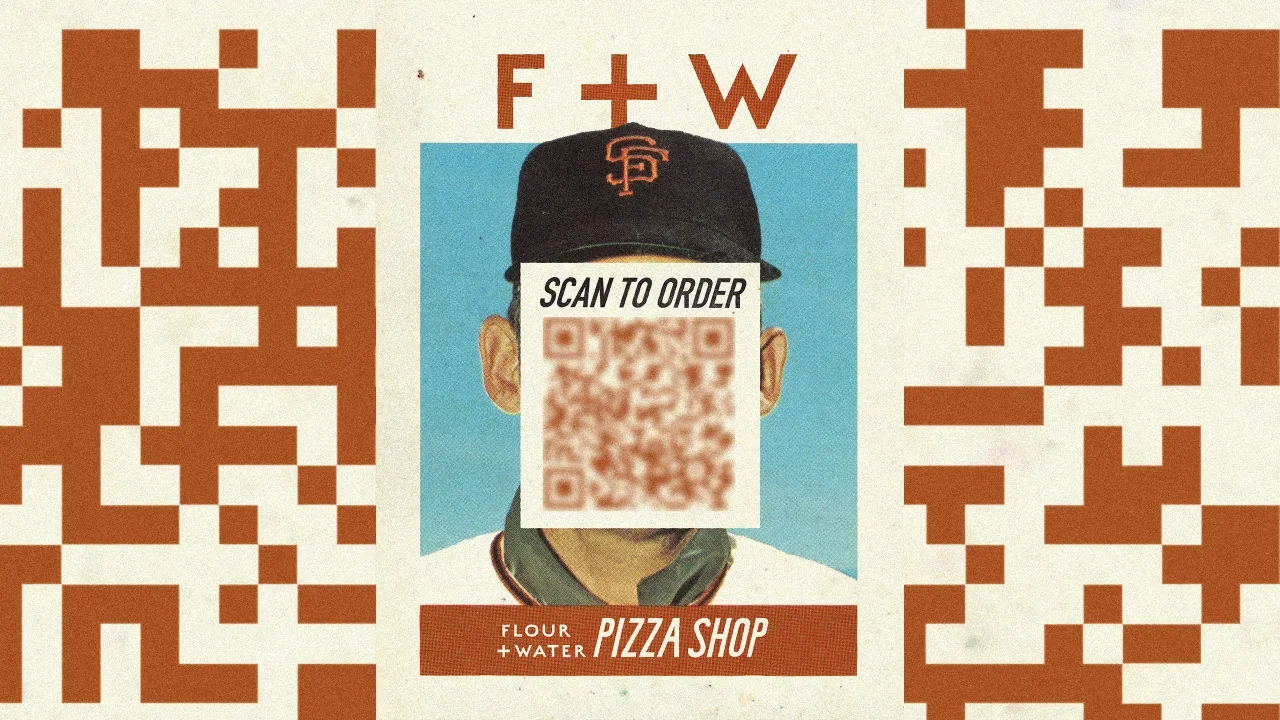
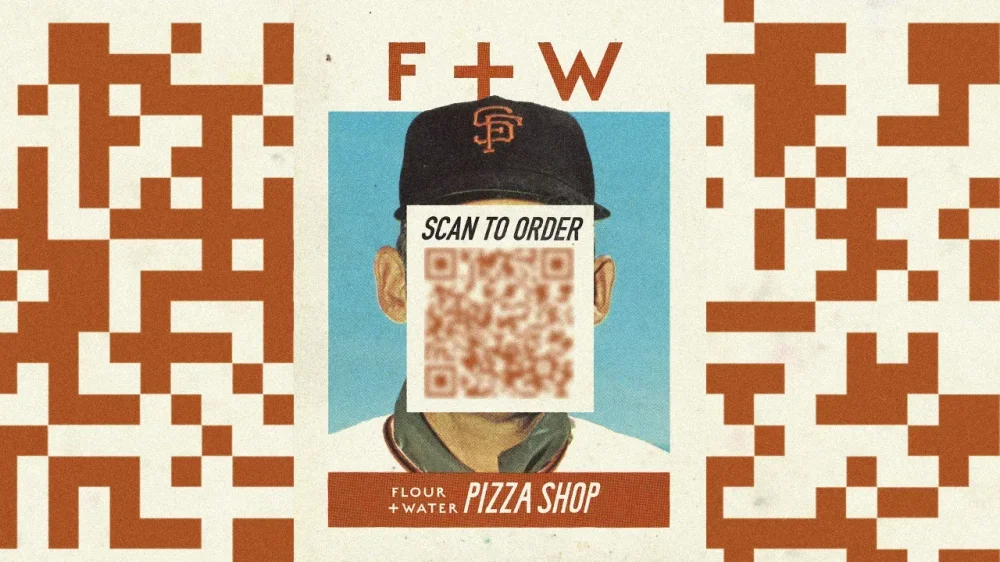
To San Francisco chef and restaurateur Thomas McNaughton, QR codes are an efficient way to serve a crowd. Sure, the codes—and restaurants that use them—have endured much loathing. And, yes, people still love to criticize them. But at the newest location of McNaughton’s Flour + Water Pizzeria, set to open later this month, QR codes are the star. There’s good reason. The 1,800-square-foot restaurant sits a few blocks from Oracle Park, where the San Francisco Giants just opened the baseball season. It needs to handle serious spikes in business from game-day crowds and pump out pizzas fast. “We envision a scenario where, for two hours, it’s completely gangbusters before the game. How can we help manage those crowds?” McNaughton says. The team, with the help of a local design agency, got creative. Inside the restaurant, guests can’t miss the large, stylized poster featuring a Giants player with a QR code for a face. Scan to place a takeout order, it reads, & pick up around the corner. The restaurant also printed baseball-style “trading cards” with the same image, for fast QR ordering (for pickup or delivery) from afar. Smaller codes dot a handful of tables. If you’re lucky enough to snag one, orders placed digitally are delivered right to your seat. Research from the National Restaurant Association shows that about half of diners are keen to order via QR code at a quick-service restaurant like this one—but you might not know it based on very loud grumblings everywhere you look. “The QR backlash has won,” declared a headline in the Wall Street Journal last year. A year earlier, I was quoted as an industry expert in a New York Times piece titled, “The QR-code menu is being shown the door.” About twice a month, someone sends me an Instagram post where a celeb or influencer or random stranger complains—still—about using the tech. For all the whining, the codes are . . . really useful. When deployed thoughtfully, they’re downright hospitable. The skepticism, McNaughton thinks, has to do with negative emotions associated with the moment that QR codes rocketed to restaurant infamy during the earliest days of the pandemic. “I think the pushback that you heard was partly because everything was so different,” he says. “Every restaurant was just trying to stay afloat and trying to be accessible while still being safe.” It’s true. Clunky QR-code menus promised to keep shared surfaces touch-free, an almost quaint, if completely misguided effort from a challenging time. Since then, the codes have evolved with utility in mind. Major restaurant technology companies like point-of-sale and payments giant Toast built QR ordering into their products. Now, customer orders go straight into the system, bypassing human servers and their potential human mistakes. Digital orders also shorten the distance between diner and kitchen, McNaughton explains, a shortcut that allows the pizzeria to pump out orders much faster and keep crowds happier. (People placing digital orders get to skip the presumably long line.) It’s a model specific to this location, which McNaughton calls “a fast-casual offshoot” of his restaurant group’s original, much larger pizzeria. Plenty of fast-casual and fast-food restaurants (or “quick service,” in restaurant lingo) are chasing digital orders. Last month, Taco Bell parent company Yum Brands tapped AI powerhouse Nvidia to coax more orders online, in an effort to one day digitize every order. Flour + Water Pizzeria isn’t planning to push all of its orders online; it employs humans who can take orders on countertop tablets, or, if necessary, flip them over to become self-service touch-screen ordering kiosks. The guest chooses based on how, and how fast, they want to get their order. “You can talk to somebody, you can use a kiosk, or you can just skip that line completely,” McNaughton says. “It’s about efficiency.” View the full article
-
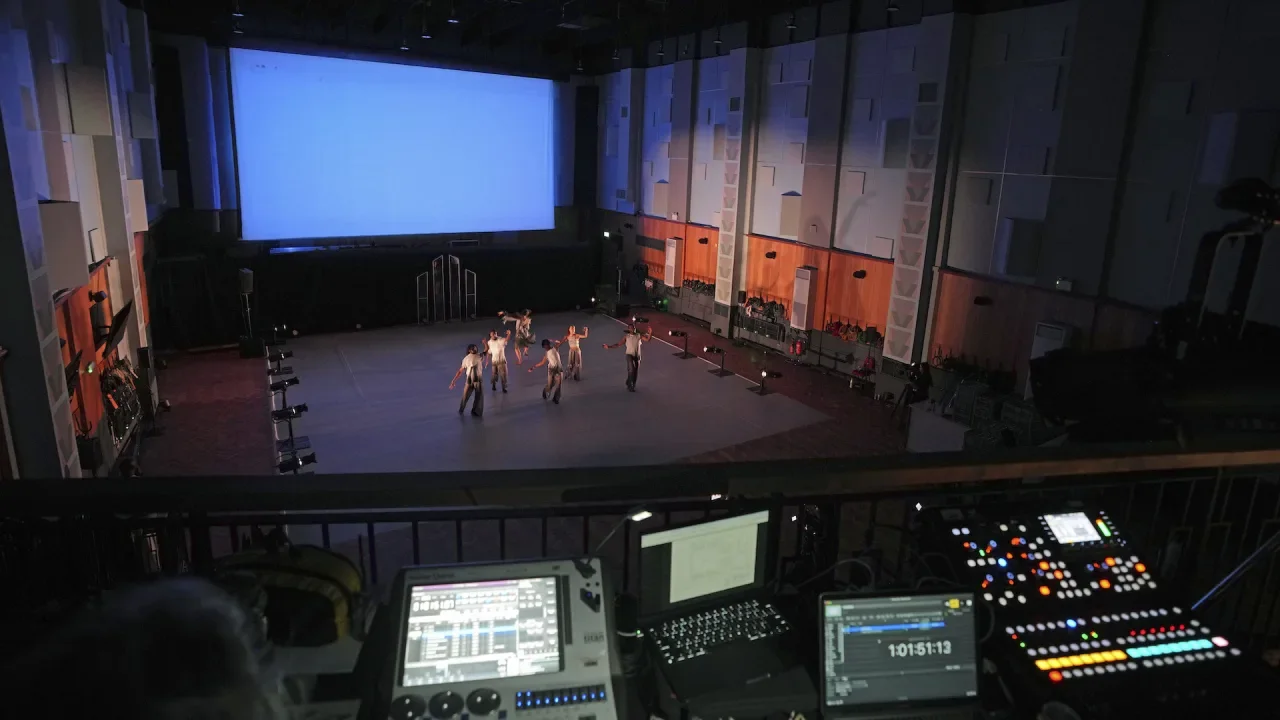
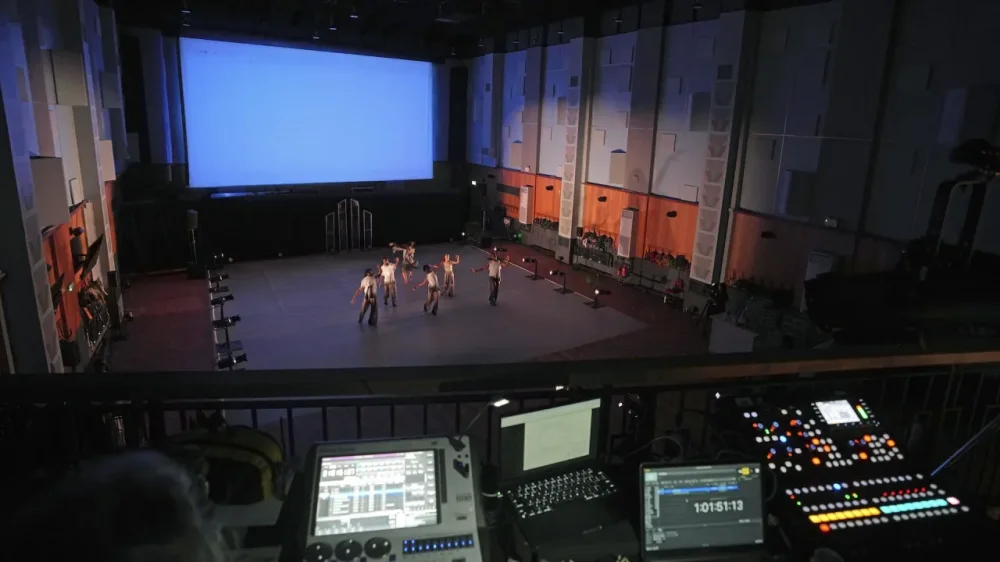
In Abbey Road’s Studio One, even a lick of paint could ruin everything. Famous for hosting Adele, Harry Styles, and U2, it’s where the scores of Star Wars, Harry Potter, and Wicked were recorded, as well as the soundtracks of blockbuster games like Call of Duty, Halo, and Final Fantasy. It’s also where Ryan Gosling delivered his memorable “I’m Just Ken” for Barbie. Nearly a century after its opening, Studio One underwent a six-month, multimillion-pound refurbishment, with the main priority being the preservation of one very important thing: the sound. “What we don’t want to do is change the acoustics, so every minute detail in the room has been conserved and preserved, so the sound doesn’t shift,” said Sally Davies, managing director of Abbey Road Studios. The reverb of the 4,844-square-foot room has been maintained at 2.3 seconds, the same as it was in the 1970s. There’s been no redecorating or style makeover, leaving the original art deco wall panels untouched. “We have simply washed down the walls to preserve that sound,” said Davies, adding that the floor was re-sanded and oiled, but not varnished. Most of the upgrades, she explained, are technological upgrades in the control room. “This room is just about preserving that magic.” A pilgrimage for music fans Opened in 1931, this hallowed hall—once a nine-bedroom house on a grand suburban street in London’s St. John’s Wood neighborhood—became the world’s first recording studio. It’s where stereo was invented and it’s visited every day by music fans from around the world, who are happy just to stand on the street outside. Davies says that more than a million people a year make a pilgrimage to the crossing outside, many to recreate the cover of the Beatles’ Abbey Road album—and that number could increase after Sam Mendes’s upcoming biopics starring Paul Mescal, Barry Keoghan, Harris Dickinson, and Joseph Quinn as the Fab Four. And while John Lennon, Paul McCartney, George Harrison, and Ringo Starr are famously known for using Studio Two, they also made history in the larger Studio One, which they used for the world’s first global live performance, a rendition of “All You Need Is Love” beamed to television sets around the world in 1967. Before the Beatles, Studio One had already cemented its place in music history, when it was opened by British composer Sir Edward Elgar, who recorded his “Land of Hope and Glory” with the London Symphony Orchestra. It’s also hosted other music greats like Maria Callas, Igor Stravinsky, Daniel Barenboim, Fats Waller, and Glenn Miller. Due to its huge size, more than double Studio Two, it can fit a 100-piece orchestra and 100-member choir at the same time—which is perfect for recording film soundtracks, and explains why 6 to 7 out of every 10 Hollywood films are scored at Abbey Road, according to the studio. History being made Standing on the balcony, overlooking the 40-foot-high room, Davies points out the original screen that was used to show Raiders of the Lost Ark (1981) while musicians played along to record the soundtrack. Since then, everything from The Lord of the Rings trilogy to Marvel’s Black Panther and Guardians of the Galaxy to Barbie were scored in Studio One. For the last, all the musicians came in with something pink, whether a pink instrument or piece of clothing. Oscar-nominated composer Daniel Pemberton has been recording in Studio One since 2009 and calls his “creative home” a “spectacular space.” “Outside, it just looks like a normal house. And then you come in and you find this space in it that’s like almost the size of a football pitch. In fact, I have played football in there once,” he laughs. Pemberton is known for scoring Spider-Man: Across the Spider Verse, Ferrari, and The Trial of the Chicago 7, and creating the Slow Horses theme song and “Strange Game,” with Mick Jagger. “What’s so exciting about a room like Studio One is what happens on the day is what happens for the rest of time,” he says. “It’s like history is being made, whether it’s good history or bad history or whatever, you’re making a moment then.” Pemberton notes the stories, whether personal or musical, that have unfolded within the walls of Studio One. “The ghosts are insane in there,” he said. Davies agrees that the history adds to the enchantment. “You walk into this room and you can feel it. . . . There is a magic in the sound. It sounds phenomenal. There is a spirituality in who has been here, who has performed here,” she says. “So when we see artists come through, you know that immediate reaction of, ‘Oh my gosh. I’m in Studio One.’” To celebrate the reopening this week, Abbey Road Studios showcased an unusual art form for the space: dance, which incorporated Pemberton’s scores, remixed by resident artist Jordan Rakei and choreographed by Joseph Toonga. “It kind of like threw me back a bit like, wow, it really is big,” said Toonga of the first time he saw the studio. He then incorporated that feeling into a dance which spanned hip-hop, krumping, and ballet. Up next, the first client to record in Studio One since the refurbishment is a hush-hush Hollywood franchise. But there are lots of secrets at Abbey Road. One of them is Pemberton’s plan to record the unique rattling sound of the new railings for a movie soundtrack. There was concern that the hollow, art deco-style bars would upset the acoustics of the room, and a backup plan was made to fill them with sand if they messed with the reverb. Luckily, the empty bars were allowed to stay because Pemberton is delighted by the noise they make when you run past them with keys—it’s another dramatic sound that can only be created in Studio One and will make its way into theaters around the world, via a film score. —By Hilary Fox, Associated Press View the full article
-
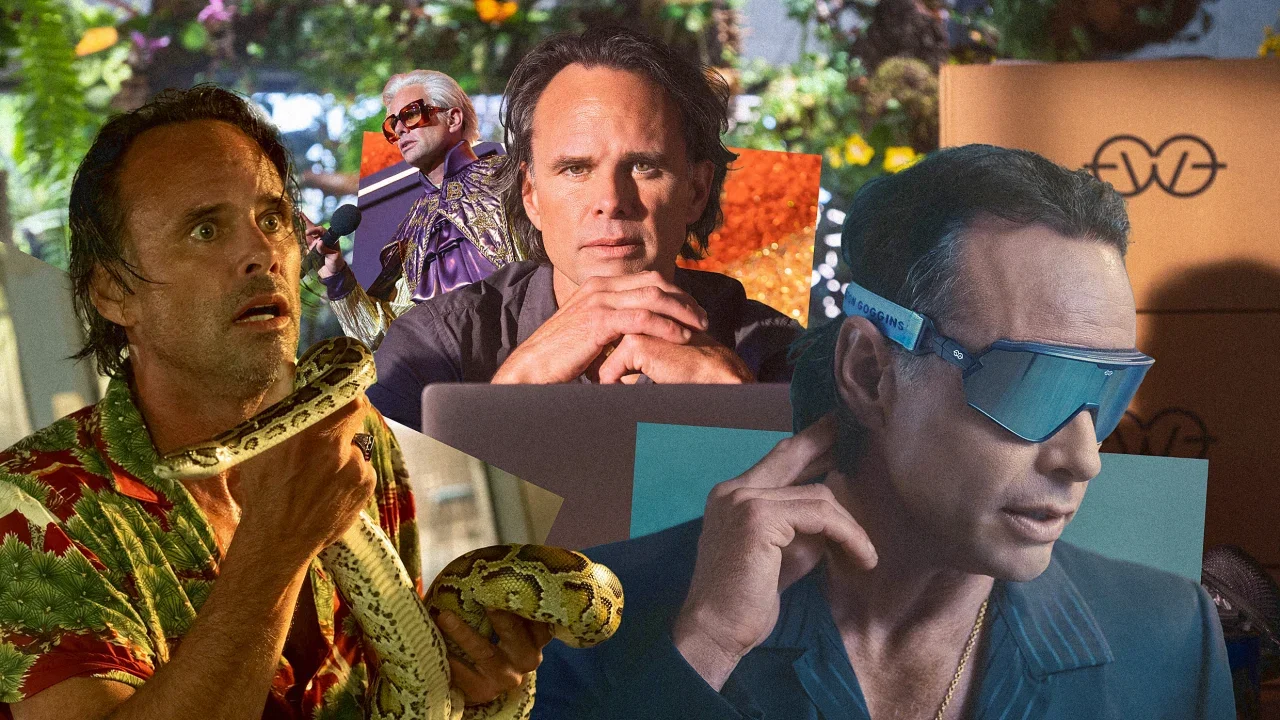
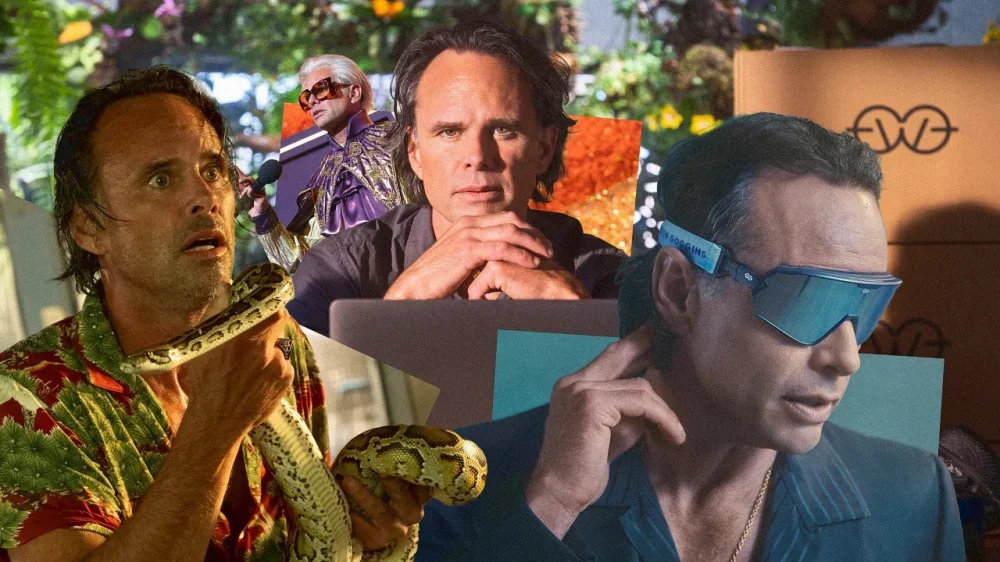
Walton Goggins has had an incredible run recently. Last year, he anchored Amazon’s Fallout TV show and this year is starring in Season 3 of The White Lotus and the 4th and final season of The Righteous Gemstones. These roles are feathers in the cap of the character actor who’s had star turns in The Shield, Justified, and Vice Principals. But he’s not just an actor—he’s also a small business owner. As part of his partnership with GoDaddy, he’s teamed up with the company to use its suite of AI tools to design the website for and manage his new venture—Walton Goggins Goggle Glasses. He worked with GoDaddy to create the line of glasses that resemble ski goggles and retail for $150 each, and he starred in the company’s Super Bowl ad in February. The spot highlights Airo—GoDaddy’s suite of AI-powered tools that help small business owners with everything from website creation and copywriting to inventory management. In the latest episode of the Most Innovative Companies podcast, Goggins and GoDaddy CEO Aman Bhutani talked with host Yasmin Gagne about how the company helps small businesses use AI to grow. And after a bit of prodding, Goggins offered some hints about the last episode of The White Lotus Sunday night. In 2020, you said to Garden and Gun, speaking about your whiskey brand, Mulholland Distilling: “Well, I’m not going to sell toothpaste. I’m not really good at selling anything.” I would argue you’re pretty good at selling things. Why partner with GoDaddy? Walton Goggins: I’m a big believer in small business owners and what they do for their families and for communities. The opportunity arose when GoDaddy was looking to promote its product GoDaddy Airo. They approached me about starting a business, asking me if there’s something that I really wanted to do. I wanted to work with this company, which I’ve been a fan of for a very long time. In the past, they hosted a website for Mulholland Distilling. Part of our portfolio was already in GoDaddy when we started, so when the opportunity arose to work, I just jumped at it. Why did you decide to partner with Walton for the Super Bowl ad? Aman Bhutani: Our mission is to make opportunity more inclusive for all, and we want somebody who feels it themselves and who cares. And Walton, from the first moment we met him, cared. The glasses are awesome. What is the brand identity you’re trying to build for GoDaddy? I remember some pretty sexual ads back in the day. AB: When people think about small business, they’re sometimes talking about people that have 50 employees or 30 employees. If you go through GoDaddy’s over-20-million customer base, you’ll start with companies that have one employee. By the time you get to 10, you will have traversed 90% of our customers. They want to connect with somebody like Walton who is doing what they are doing. He’s starting a business, and it doesn’t matter how big a celebrity he is or how successful he is, it’s still hard for him to start a business. Every person watching the Super Bowl ad feels like an imposter when they start their business. The ad makes people see themselves in him. Walton, tell me about the concept of the glasses and how you built the business with GoDaddy. WG: I wear the most fashion-forward accessory you can put on the body. I’ve been collecting sunglasses for a very long time, for upwards of 28 years. I bought my first pair of sunglasses that were of real value when I was 22 years old. I saved up my money with tips. I had a valet parking business because I refused to wait tables—I was not the kind of guy that would ever get someone a glass of iced tea. I saved up my tips to buy this pair of Oliver Peoples sunglasses. They cost $250 in 1993. It was a lot of money to me. I still own that pair of sunglasses. There was a time when I was sitting in this new place where I moved with my family. We have a little ski resort not too far from our home. I was sitting around a fire, having a beer, and with ski goggles on, thinking, “I don’t want to take these off!” I made that mental note, and this just stayed in the back of my mind. No one’s really done this in a functional way that also brought fashion into the conversation. I pitched GoDaddy this idea. GoDaddy Airo does the things I don’t know how to do—to build a website, to procure all of these domain names, to regulate your inventory. Once they began to show me this product, I was blown away thinking, had this existed when I was 19 years old and I had my first business, I probably wouldn’t be an actor right now. What was your first business when you were 19? WG: The first thing I did was valet parking. The second thing I did was become a personal trainer. That’s how you got the abs. WG: Yeah, that’s exactly right. But if I’d had a website then, I would’ve had more clients. However, it did allow me to sustain myself as an artist and work only 10 or 15 hours a week. Then I started a whiskey spirits brand, Mulholland Distilling, and now, Walton Goggins Goggle Glasses. The name, Goggins Goggle Glasses: Is that a play on your character, Uncle Baby Billy, from The Righteous Gemstones and his show, Baby Billy’s Bible Bonkers? WG: Of course. It just kind of makes sense. And it was already out in the public. It just rolls off the tongue. How does Airo work with small businesses? AB: Many micro business owners or small business owners are good at what they know, but they’re not good at technology, building websites, or purchasing domain names. Instead of needing to know the domain name you want, you just describe your business, and Airo looks at millions and millions of available domains and gives five or 10 that people would remember. As soon as you buy that domain, it builds out a one-page website for you. You don’t have to pay anything for that. You can customize it a little bit. So within a few minutes, you’ve got a presence online. People can find you, you can post it to social media, and people now know who you are. You have branding; Airo can create a logo for you in a few seconds. Airo can create a social calendar for you, create posts, and upload them. Once they have a website, once [they have] inventory online and they start to use the tools, their reach increases exponentially. At what point did Generative AI change things for you? AB: Airo uses the power of Generative AI to create content. Airo does three big things: It automates a lot of tasks so our customer doesn’t have to do it. It generates content using Generative AI. Our customer might say, “How do I respond to my customer?” Well, Airo will generate a message for them, and then they just have to say, “Yes, send it.” What portion of the GoDaddy business is Airo leading? AB: We’re a decent-size business and we talk to [Wall Street] about Airo all the time. But I’m always talking about why Airo is first and foremost about discovery and engagement. The monetization should come over time. We’ve had Airo for about 14 months. The first cohort of customers are just finishing their first year, and we’re seeing high retention rates because the customer is discovering and engaging with multiple products. Walton, what’s been the most useful feature for your business? WG: I’ve used them all, right? I like writing copy. I like writing texts and emails. But when it comes to communicating with an audience that you’re trying to reach for a product, it’s hard to formulate those thoughts in a vacuum. There’s also an element to this experience that allows you to capture some images and then repurpose those images. All of a sudden, that social pressure of producing things that are outside of your product is taken off the table for you. You don’t have to think about it. How did you all come up with the concept for the Super Bowl ad? AB: GoDaddy hadn’t been in the Super Bowl for eight years. We really wanted to come back and remind the world that GoDaddy is so much more than what they might remember; so many folks remember GoDaddy as a domains company, but we do so much more. What was your creative input in that ad? WG: We talked about different scenarios and what’s the best way to explain the fact that many small business owners can feel like imposters and how can we mine comedy but then land it someplace that is real and that can move you. Can you tell us what happens in The White Lotus finale? WG: I’ll give you a fake ending. Everyone on The White Lotus dies, everyone. Including the staff. It’s food poisoning. Not from the Four Seasons, mind you. It’s nothing to do with our corporate sponsors. It’s from a delivery, an off-site delivery. Somebody ordered some bad pizza. How did you prepare for the Super Bowl commercial? WG: I eat one meal a day, and I may augment that with a couple boiled eggs for lunch or something like that. I like being lean, not just lean physically, but mentally. I like being a little hungry. I feel more creative when I have an appetite. And we’ve seen you in so many shirtless photo shoots lately. I can’t believe you didn’t take your shirt off in this GoDaddy ad. WG: Yes. There’s more to come, I’m afraid. I’m so sorry. My apologies now. View the full article
-
Over the past few years, experts have been sounding the alarm over how much time Americans spend alone. Statistics show that we’re choosing to be solitary for more of our waking hours than ever before, tucked away at home rather than mingling in public. Increasing numbers of us are dining alone and traveling solo, and rates of living alone have nearly doubled in the past 50 years. These trends coincided with the surgeon general’s 2023 declaration of a loneliness epidemic, leading to recent claims that the U.S. is living in an “anti-social century.” Loneliness and isolation are indeed social problems that warrant serious attention, especially since chronic states of loneliness are linked with poor outcomes such as depression and a shortened life span. But there is another side to this story, one that deserves a closer look. For some people, the shift toward aloneness represents a desire for what researchers call “positive solitude,” a state that is associated with well-being, not loneliness. As a psychologist, I’ve spent the past decade researching why people like to be alone—and spending a fair amount of time there myself—so I’m deeply familiar with the joys of solitude. My findings join a host of others that have documented a long list of benefits gained when we choose to spend time by ourselves, ranging from opportunities to recharge our batteries and experience personal growth to making time to connect with our emotions and our creativity. So it makes sense to me why people live alone as soon as their financial circumstances allow, and when asked why they prefer to dine solo, people say simply, “I want more me time.” It’s also why I’m not surprised that a 2024 national survey found that 56% of Americans considered alone time essential for their mental health. Or that Costco is now selling “solitude sheds” where for around $2,000 you can buy yourself some peace and quiet. It’s clear there is a desire, and a market, for solitude right now in American culture. But why does this side of the story often get lost amid the warnings about social isolation? I suspect it has to do with a collective anxiety about being alone. The stigma of solitude This anxiety stems in large part from our culture’s deficit view of solitude. In this type of thinking, the desire to be alone is seen as unnatural and unhealthy, something to be pitied or feared rather than valued or encouraged. This isn’t just my own observation. A study published in February 2025 found that U.S. news headlines are 10 times more likely to frame being alone negatively than positively. This type of bias shapes people’s beliefs, with studies showing that adults and children alike have clear judgments about when it is—and, importantly, when it is not—acceptable for their peers to be alone. This makes sense given that American culture holds up extroversion as the ideal, indeed as the basis for what’s normal. The hallmarks of extraversion include being sociable and assertive, as well as expressing more positive emotions and seeking more stimulation than the opposite personality—the more reserved and risk-averse introverts. Even though not all Americans are extroverts, most of us have been conditioned to cultivate that trait, and those who do reap social and professional rewards. In this cultural milieu, preferring to be alone carries stigma. But the desire for solitude is not pathological, and it’s not just for introverts. Nor does it automatically spell social isolation and a lonely life. In fact, the data doesn’t fully support current fears of a loneliness epidemic, something scholars and journalists have recently acknowledged. In other words, although Americans are indeed spending more time alone than previous generations did, it’s not clear that we are actually getting lonelier. And despite our fears for the eldest members of our society, research shows that older adults are happier in solitude than the loneliness narrative would lead us to believe. Social media disrupts our solitude However, solitude’s benefits don’t automatically appear whenever we take a break from the social world. They arrive when we are truly alone—when we intentionally carve out the time and space to connect with ourselves—not when we are alone on our devices. My research has found that solitude’s positive effects on well-being are far less likely to materialize if the majority of our alone time is spent staring at our screens, especially when we’re passively scrolling social media. This is where I believe the collective anxiety is well placed, especially the focus on young adults who are increasingly forgoing face-to-face social interaction in favor of a virtual life, and who may face significant distress as a result. Social media is by definition social. It’s in the name. We cannot be truly alone when we’re on it. What’s more, it’s not the type of nourishing “me time” I suspect many people are longing for. True solitude turns attention inward. It’s a time to slow down and reflect. A time to do as we please, not to please anyone else. A time to be emotionally available to ourselves, rather than to others. When we spend our solitude in these ways, the benefits accrue: We feel rested and rejuvenated, we gain clarity and emotional balance, we feel freer and more connected to ourselves. But if we’re addicted to being busy, it can be hard to slow down. If we’re used to looking at a screen, it can be scary to look inside. And if we don’t have the skills to validate being alone as a normal and healthy human need, then we waste our alone time feeling guilty, weird, or selfish. The importance of reframing solitude Americans choosing to spend more time alone is indeed a challenge to the cultural script, and the stigmatization of solitude can be difficult to change. Nevertheless, a small but growing body of research indicates that it is possible, and effective, to reframe the way we think about solitude. For example, viewing solitude as a beneficial experience rather than a lonely one has been shown to help alleviate negative feelings about being alone, even for the participants who were severely lonely. People who perceive their time alone as “full” rather than “empty” are more likely to experience their alone time as meaningful, using it for growth-oriented purposes such as self-reflection or spiritual connection. Even something as simple as a linguistic shift—replacing “isolation” with “me time”—causes people to view their alone time more positively and likely affects how their friends and family view it as well. It is true that if we don’t have a community of close relationships to return to after being alone, solitude can lead to social isolation. But it’s also true that too much social interaction is taxing, and such overload negatively affects the quality of our relationships. The country’s recent gravitational pull toward more alone time may partially reflect a desire for more balance in a life that is too busy, too scheduled, and, yes, too social. Just as connection with others is essential for our well-being, so is connection with ourselves. Virginia Thomas is an assistant professor of psychology at Middlebury. This article is republished from The Conversation under a Creative Commons license. Read the original article. View the full article

-
Smartphone cameras are still getting bigger and better by the year, particularly if you look at high-end phones coming out of China with huge sensors and protruding bumps to match. These phones can deliver awesome results, and I’m happy to use them in several situations where I would previously have had to rely on a dedicated camera. Just this week I used the Xiaomi 15 Ultra to shoot a Formula One event in Tokyo. But for all the advances that have been made, the laws of physics remain undefeated, and you’re still going to get better results from a camera setup that’s able to make use of larger lenses and sensors. Phones do need to be able to fit into our pockets, after all, so there’s a limit to what can be achieved in that regard. At Mobile World Congress this year, some concept announcements showed that companies are thinking about this reality, coming up with ideas to move mobile photography beyond the constraints of the phone. The question is whether peripheral camera products can ever really be more than a niche curiosity. Xiaomi’s concept is called the Modular Optical System, and it involves self-contained camera modules that magnetically and wirelessly attach to your phone. While the company doesn’t have concrete plans to sell them commercially, working models do exist — I used one. The demonstration unit had a Micro Four Thirds-size sensor with a 17.5mm f/1.4 lens, which comes out to 35mm-equivalent when accounting for the sensor’s crop factor. It could attach to a Xiaomi 15 phone that had been outfitted with magnets and a window for laser data transfer but otherwise looked normal. The connection felt very secure, and there wasn’t any need to fiddle with Bluetooth pairing or any special software — once connected, the feed from the camera simply appears in the regular camera app. You can focus the lens by turning its ring or tapping the phone’s screen. Because the camera mounts to the middle of the phone, the resulting combination feels well-balanced and similar to a regular mirrorless camera. It did make me wish the phone had a dedicated shutter button on the edge, though; using the touchscreen with your hands in that position takes some getting used to. The results, at least as far as I could tell on the phone screen, were excellent. Micro Four Thirds is one of the smaller mirrorless formats, but it’s still a huge leap over even the 1-inch sensors found in the highest end phone cameras, and pairing one with a fast 35mm-equivalent lens makes for a really useful combination. I was taking pictures of friends in a dark restaurant that clearly could not have been captured on a phone. Realme, a sister brand to Oppo, took another approach. Its “Ultra” concept phone has a couple of traditional smartphone cameras as well as a third 1-inch sensor that’s exposed behind the glass; you can attach a Leica M-mount adapter and a lens of your choice to use with that sensor. This feels somewhat less useful in practice. There’s no electrical connection between the lens and the phone, so adjusting the aperture ring isn’t going to be reflected in software; the experience is more like adapting a manual lens to a digital camera. M-mount lenses are all manual focus, however, so there isn’t a need for anything like the touchscreen AF solution like Xiaomi came up with. But the sensor’s 2.7x crop factor means that actual Leica M lenses will have a zoomed-in field of view — even a wide-angle 28mm becomes a 75mm-equivalent portrait lens. These aren’t necessarily new ideas. Realme’s is very similar to a Leica M-mount concept Xiaomi put out a few years ago, while Xiaomi’s own idea of wireless camera modules has been tried before. And Sony made a go of it in 2013 with the quirky QX line, a range of all-in-one cameras that connected over Wi-Fi and clipped onto the back of your phone; one model even featured an APS-C sensor and could work with any E-mount mirrorless lens. Olympus tried something similar in 2014 with the Air A01, a wireless Micro Four Thirds sensor and mount. There have been two big problems with these kinds of products in the past. The first was that they were a hassle to use, forcing you to deal with attachment mechanisms, wireless pairing, and slow connectivity. The appeal of mobile photography is its convenience, and these detracted from that. The second, arguably bigger hurdle is simply that they were separate devices that you had to carry alongside your phone. That’s a big ask for most people. Sony’s QX100 had the same sensor and lens as its excellent RX100 compact camera, but it cost almost as much — why not just carry the actual camera instead? Sony discontinued the QX line pretty quickly, suggesting it didn’t take off with consumers. Things could be different today — Xiaomi’s magnetic mount solution is certainly more convenient — but it’s still hard to see the idea becoming mainstream. Personally, I would be interested in buying something like the Xiaomi concept I used. I’d still have several questions, like how much it’d cost and how long the magnetic mount would be supported on future handsets, but even in prototype form the idea worked well enough that I could see the extra lens being worth tossing into a tote bag. But for most people, my sense is that it will still be worth paying more attention to built-in phone camera quality for the foreseeable future. That’s the camera you’ll actually find yourself using. View the full article

-
Firms that helped fight high-profile battles targeted by White House executive ordersView the full article
-
Corporate credit is ‘the canary in the coal mine’ for a faltering economy, analysts warnView the full article
-
The commitment to reaching decisions by consensus has led to paralysisView the full article
-
US president’s 1980s book ‘Art of the Deal’ describes a negotiating style that has some positives but many pitfallsView the full article
-
Past periods of protectionism suggest it is easier to start trade wars than end themView the full article
-
Nike, Adidas and Puma shifted production to Vietnam for its cheap labour but will now be hit by 46% levyView the full article
-
Skycus Capital founder Liu Tianran is the son of former vice-premier Liu HeView the full article
-
Scrutiny of business ventures has led to allegations of conflicts of interestView the full article
-
Some Europeans are looking to the next geoeconomic contestView the full article
-
The Kansas Department of Commerce has introduced a new grant program aimed at enhancing the appearance and economic appeal of downtown districts across the state. The Supporting Innovative Growth through New Signage (SIGNS) grant, launched today, will provide $250,000 in total funding to support high-quality, creative signage projects for retail and commercial businesses. The SIGNS grant is open to a wide range of applicants, including businesses, building owners, municipalities, Main Street organizations, economic development groups, chambers of commerce, foundations, tribal organizations, and other nonprofit community entities. Funding awards will range from $1,000 to $50,000, with a cash match required based on the size of the community: Communities with populations between 2,500 and 50,000 must provide a 50% match. Communities with fewer than 2,500 residents must provide a 25% match. To maintain the historic charm of Kansas downtowns, projects must follow the Kansas Commerce Sign Guidelines. Priority will be given to proposals featuring three-dimensional signage and those that use Kansas-based businesses for design and installation. Grant funds can be used for various aspects of signage projects, including design, purchase, lighting, and installation. To qualify, applications must propose improvements for a minimum of three signs, ideally supporting multiple buildings or businesses within a downtown area. Projects must comply with all state and local regulations, and signage must be completed within six months of grant approval. Applications will be accepted and reviewed on a monthly, first-come, first-served basis until all funds are allocated. For more information about the SIGNS grant, applicants are encouraged to contact Quality Places Manager Sara Bloom at Sara.Bloom@ks.gov or (785) 506-9278. Image: Canva This article, "Kansas Launches SIGNS Grant to Revitalize Downtown Business Districts" was first published on Small Business Trends View the full article
-
The Kansas Department of Commerce has introduced a new grant program aimed at enhancing the appearance and economic appeal of downtown districts across the state. The Supporting Innovative Growth through New Signage (SIGNS) grant, launched today, will provide $250,000 in total funding to support high-quality, creative signage projects for retail and commercial businesses. The SIGNS grant is open to a wide range of applicants, including businesses, building owners, municipalities, Main Street organizations, economic development groups, chambers of commerce, foundations, tribal organizations, and other nonprofit community entities. Funding awards will range from $1,000 to $50,000, with a cash match required based on the size of the community: Communities with populations between 2,500 and 50,000 must provide a 50% match. Communities with fewer than 2,500 residents must provide a 25% match. To maintain the historic charm of Kansas downtowns, projects must follow the Kansas Commerce Sign Guidelines. Priority will be given to proposals featuring three-dimensional signage and those that use Kansas-based businesses for design and installation. Grant funds can be used for various aspects of signage projects, including design, purchase, lighting, and installation. To qualify, applications must propose improvements for a minimum of three signs, ideally supporting multiple buildings or businesses within a downtown area. Projects must comply with all state and local regulations, and signage must be completed within six months of grant approval. Applications will be accepted and reviewed on a monthly, first-come, first-served basis until all funds are allocated. For more information about the SIGNS grant, applicants are encouraged to contact Quality Places Manager Sara Bloom at Sara.Bloom@ks.gov or (785) 506-9278. Image: Canva This article, "Kansas Launches SIGNS Grant to Revitalize Downtown Business Districts" was first published on Small Business Trends View the full article
-
The City of Raleigh has opened the fourth and final application window for its 2024–2025 Building Up-fit Grant program. The current cycle began on Thursday, April 3, and runs through Sunday, April 27. Award notifications are expected by Friday, May 16. The Building Up-fit Grant is a matching reimbursement initiative that assists small business owners with interior improvements to commercial properties within Raleigh city limits. Designed to promote job creation, economic development, and the revitalization of underused spaces, the grant matches up to 50 percent of qualified construction costs. Projects must include capital improvements and a change in use to qualify. Applicants must be small business owners with 49 or fewer employees and must occupy the space being upgraded, either through ownership or a lease agreement of at least three years. Franchises, residential properties, and businesses located outside Raleigh are not eligible. Eligibility and Application Process To begin the process, potential applicants must first complete a preliminary form to determine eligibility. City staff will contact eligible applicants via email to provide a formal application. Only applications submitted during the active grant window will be considered. Projects that qualify for funding include upgrades to HVAC, electrical systems, lighting, plumbing, interior construction, restrooms, flooring, and structural modifications. Accessibility improvements, energy efficiency upgrades, and other work that meets code requirements may also be eligible. Grant funds are awarded after project completion and require submission of paid invoices and receipts. All projects must require permits and must not begin prior to grant approval. Certain types of work do not qualify, including like-for-like equipment replacements, simple redecorating, signage, exterior improvements, and the purchase of personal or retail items not tied to the construction project. Ineligible projects also include work that does not constitute a change of use or add significant value to the property. Examples of eligible changes include converting vacant buildings into active office spaces, transforming old warehouses into restaurants, or modifying empty retail space for specialty manufacturing. Projects that activate adjacent vacant areas or expand a current commercial use to include higher-value activities may also qualify. Grant Limits and Restrictions Only two grants are permitted per commercial property within a single calendar year. Business owners may receive only one grant within a three-year period. Business owners who were previously denied funding are eligible to reapply in future cycles. The program prioritizes projects within designated Priority Areas for Economic Development. Businesses in these zones may qualify for enhanced funding terms and amounts. For businesses seeking additional exterior upgrades, Raleigh offers a separate Facade Rehabilitation Grant that can sometimes be paired with the Building Up-fit Grant, depending on the project and location. More Information Full eligibility requirements, program brochures, and FAQs are available through the City of Raleigh’s website. Interested applicants are strongly encouraged to review these resources before applying. This article, "Raleigh Opens Application Window for Building Up-fit Grant Program" was first published on Small Business Trends View the full article
-
The City of Raleigh has opened the fourth and final application window for its 2024–2025 Building Up-fit Grant program. The current cycle began on Thursday, April 3, and runs through Sunday, April 27. Award notifications are expected by Friday, May 16. The Building Up-fit Grant is a matching reimbursement initiative that assists small business owners with interior improvements to commercial properties within Raleigh city limits. Designed to promote job creation, economic development, and the revitalization of underused spaces, the grant matches up to 50 percent of qualified construction costs. Projects must include capital improvements and a change in use to qualify. Applicants must be small business owners with 49 or fewer employees and must occupy the space being upgraded, either through ownership or a lease agreement of at least three years. Franchises, residential properties, and businesses located outside Raleigh are not eligible. Eligibility and Application Process To begin the process, potential applicants must first complete a preliminary form to determine eligibility. City staff will contact eligible applicants via email to provide a formal application. Only applications submitted during the active grant window will be considered. Projects that qualify for funding include upgrades to HVAC, electrical systems, lighting, plumbing, interior construction, restrooms, flooring, and structural modifications. Accessibility improvements, energy efficiency upgrades, and other work that meets code requirements may also be eligible. Grant funds are awarded after project completion and require submission of paid invoices and receipts. All projects must require permits and must not begin prior to grant approval. Certain types of work do not qualify, including like-for-like equipment replacements, simple redecorating, signage, exterior improvements, and the purchase of personal or retail items not tied to the construction project. Ineligible projects also include work that does not constitute a change of use or add significant value to the property. Examples of eligible changes include converting vacant buildings into active office spaces, transforming old warehouses into restaurants, or modifying empty retail space for specialty manufacturing. Projects that activate adjacent vacant areas or expand a current commercial use to include higher-value activities may also qualify. Grant Limits and Restrictions Only two grants are permitted per commercial property within a single calendar year. Business owners may receive only one grant within a three-year period. Business owners who were previously denied funding are eligible to reapply in future cycles. The program prioritizes projects within designated Priority Areas for Economic Development. Businesses in these zones may qualify for enhanced funding terms and amounts. For businesses seeking additional exterior upgrades, Raleigh offers a separate Facade Rehabilitation Grant that can sometimes be paired with the Building Up-fit Grant, depending on the project and location. More Information Full eligibility requirements, program brochures, and FAQs are available through the City of Raleigh’s website. Interested applicants are strongly encouraged to review these resources before applying. This article, "Raleigh Opens Application Window for Building Up-fit Grant Program" was first published on Small Business Trends View the full article
-
Dan Norris, who is also the West of England mayor, has been suspended from the partyView the full article
-
Demonstrations mark the first big display of public resistance to president’s frenetic second termView the full article
-
Of all the modern parenting paradoxes, navigating screen time usage might be one of the most complex—and divisive. Critics of screen time claim it can negatively impact social skills, behavior, and sleep. Proponents say it can help kids learn about living in a digital world, improve cultural awareness, and serve as a means of communication. Parents say sometimes they just need a break. The truth, of course, lies somewhere in the messy middle of it all; like so many aspects of parenting, it’s all about finding the balance that’s right for you and your child(ren). Screen time is just one of many topics explored in Poems of Parenting, a new collection of poetry out April 8 from author and artist Loryn Brantz, a consulting creative director for the beloved kids’ educational program Ms. Rachel who has won two Emmy Awards for her work on Sesame Street. The mom of two children (one of whom has a disability) offers short, snappy, honest, and often irreverent reflections on everything from trimming tiny fingernails to watching war and famine play out on TV. It’s exactly the type of content moms need in today’s world. So what about screen time? Here, Brantz shares some insight behind her poem on it—plus, an important and powerful reminder that applies to many aspects of parenthood. This conversation has been edited and condensed for clarity. You’ve worked on two beloved kids’ shows and you’ve struggled with navigating screen time for your own kids. What insights can you offer parents trying to find the right balance? It comes down to what works best for your family. I would never say, “This or that is the ‘right’ thing to do,” because it never accounts for kids with disabilities who may rely more on screen time than others for various reasons. That said, I believe there is such a thing as quality screen time, and I would encourage people to be cognizant of what they put on. Also, when possible, co-watching together, asking questions, or interacting while watching the show is ideal. In our household, there was a lot of pressure to pack in as much early intervention therapy as we could during the first years of my daughter’s life because of all her developmental delays, so we were very strict with screen time. She was only allowed an hour or so per day in tandem with physical therapy, or as much as needed to distract from medical treatments. It was as stressful as it sounds. Now she’s older (and doing amazingly), and her neurotypical little-potato brother watches with her, and we’re not worried about it at all. Sometimes, after a long day of work and school, spending time on the couch cuddling and watching a movie can be the best thing for everyone. I often think, Wow, I can’t believe I popped these sweet little people out of my body, and now they’re watching TV with me! Life is pretty magical, isn’t it? Every kid is different, and every kid’s needs are different. How has your work in kids’ educational programming influenced your own parenting style and strategies? When I was working on Sesame Street at the Jim Henson Co., it was well before I had my own children and I was mostly tapping into my own inner child as far as things I enjoy including The Muppets, Disney World, and picture books. I was making what I enjoy. I figured that’s also what a kid would enjoy, too. Nowadays, with my work for Ms. Rachel, I have learned an extraordinary amount about childhood development, not only from the show but through my own experience with early intervention (EI) for my daughter. EI works best when the parent takes on what they learn during sessions and incorporates it into their children’s day-to-day lives. I more or less became a full-time speech, occupational, physical, and special-instruction therapist for the first three years of her life. So now, my work comes from not only a place of genuinely enjoying children’s media, but also thinking about what I would want my own children—and really, all children—to be watching. Children’s media is so important and needs to be treated as such. You’ve said you feel like you’ve been working toward Poems of Parenting your whole life. It’s been quite a journey. This will essentially be my 12th book. So many things set it apart. For one, it’s the first book that feels like it has a real energy behind it from readers. When I started writing these poems, I immediately began getting messages like, “When is the book coming out?” or “Will you be making a book?” And I was just blown away because no one had ever asked me for a book before. It’s just a dream come true. . . . After over a decade of pushing and pushing to get books made and in front of people, having people come to me asking for a book is a real pinch-me moment. After starting this book, I also decided it was finally time to take the leap to being a full-time artist and writer, primarily for my own projects—which has been a lifelong goal. Read more with Loryn Brantz on Two Truths. View the full article

-
Executives unsure how far to go in re-engineering their businesses and hope they can lobby US president to ease policiesView the full article