Newsletter
Want to keep up to date with all our latest news and information?


ResidentialBusiness
Administrators
-
Joined
-
Last visited
Everything posted by ResidentialBusiness
-
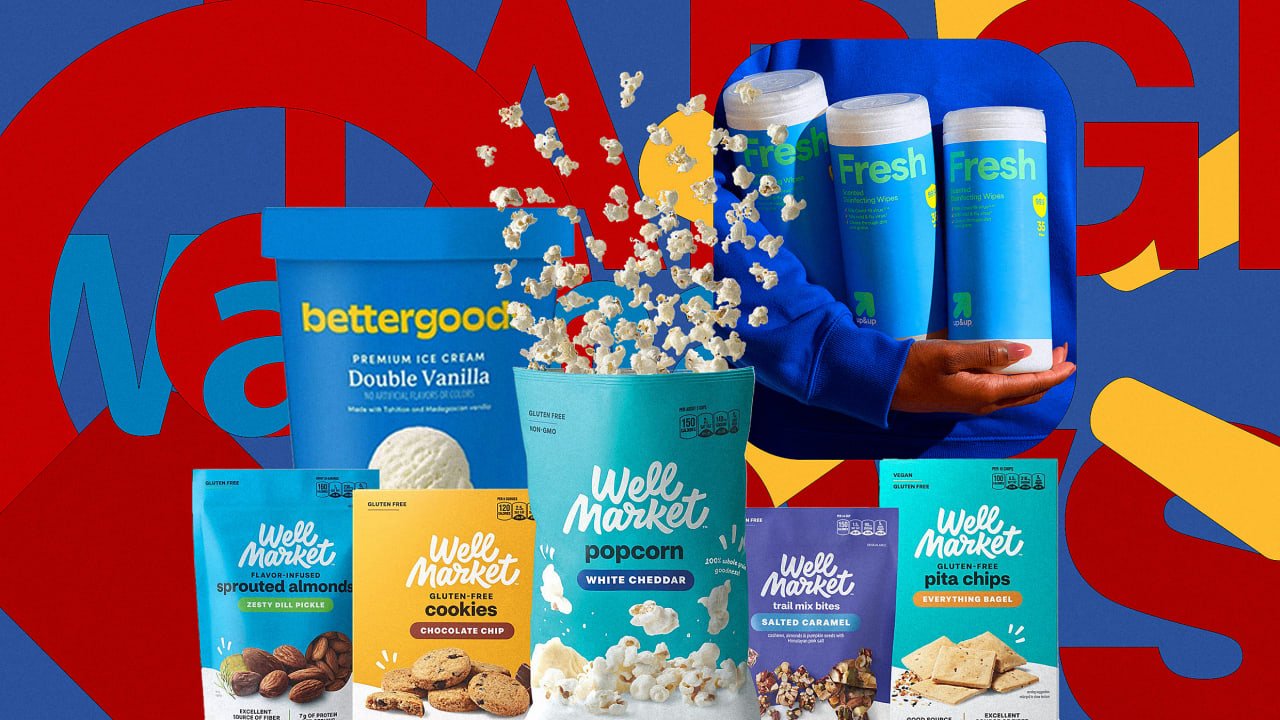
As shoppers have turned to cheaper alternatives to beat inflation, retailers from CVS to Target and Walmart have invested heavily in their private-label brands over the past year, wrapping store-branded products in new design-forward packaging. A new report finds that retailers’ efforts have paid off. Private-label goods accounted for one in every four food and nonfood grocery products purchased in the U.S. last year, according to a report from the Private Label Manufacturers Association (PLMA), which also found that sales of private-label products in the U.S. topped $270 billion in 2024, a record. Once purposefully packaged with no frills to convey their low price, retailers’ private-label products have gone from generic discount off-brands to colorfully packaged, beloved brands in their own right designed to appeal to a wider consumer base and higher-income shoppers. [Photo: Target] Target, a leader in the private-label space, recently updated its Up&Up brand to more colorful packaging courtesy of the design agency Collins. “It’s a brand that’s been around for a long time, has lots and lots of items, but it needed a refresh,” Rick Gomez, Target’s chief commercial officer, said on the company’s most recent earnings call. “And so we went in and invested in the brand, redesigned all the packaging graphics, took about 40% of the line and did product improvements, new fragrances, more sustainable packaging.” To Gomez, it was a no-brainer. “That’s what we think you need to do to keep brands contemporary and relevant,” he said. [Image: Walmart] Competitors have taken notice. Late last year Walmart introduced Bettergoods, a private-label brand with bright, color-on-color packaging; product offerings include plant-based, organic, and gluten-free food meant to appeal to the high-income shoppers who’ve increasingly turned to Walmart since inflation spiked. Walmart said last year that high-income shoppers represented the majority of its share gains, telling Fast Company that the Bettergoods brand had a high repurchase rate. CVS’s private-label brand, Well Market, also launched last year and showed the trend extends to pharmacies too. [Image: CVS] While national brands accounted for more sales overall in 2024—$1.3 trillion compared to more than $270 billion sold in store-brand products, according to the PLMA report—the growth of private-label products has proven key for retailers aiming to lure customers into their stores. Sales of store-brand products in the U.S. rose nearly 4% from 2023 to 2024, while sales of national brands grew just 1% in the same time period, according to the report. Once viewed as cheap knockoffs, private-label brands have become mainstays for consumers and retailers alike. View the full article
-
Online applications usually include an optional field where you can upload a cover letter. Think “optional” means you don’t have to include one? Think again. According to a recent survey of recruiters from the career services platform Zety, 89% expect a cover letter, and 87% say it’s a key factor when deciding whom to interview. “Job applications are super complicated today,” says Jasmine Escalera, Zety’s career expert. “You have to tailor your résumé to the job, and there are often so many moving parts to just submit one application. I understand when job seekers think, Does the cover letter actually add any value? Sometimes it can be equally as important as résumés when a recruiter is looking for a specific kind of individual to work within their company.” In other words, cover letters matter. More than 80% of recruiters have rejected applicants based solely on their cover letters, according to Zety. Here are four cover letter mistakes to avoid: 1. Repeating Your Résumé Your résumé is a keyword-rich document that lists your job experience, skills, and accomplishments. When writing a cover letter, candidates are often tempted to underscore their strengths by repeating them. Don’t, says Escalera. Zety’s survey found that the most important focus of the cover letter is to connect the dots between your experience and the demands of the role. “The cover letter is the place where you can talk about why this company or this position is the right fit for you, either now or moving forward in your career,” Escalera says. “It’s the place to inject some personality, some passion.” For example, if you’re applying to a nonprofit organization that has a mission that is close to your heart, explain why. If you’re applying for a leadership position, use the cover letter to share some additional information about your leadership style or philosophy, showcasing something that doesn’t come through on your résumé. If you’re making a career pivot or transition, use your cover letter to explain why the new industry or role is enticing to you. Or if you have a career gap because you got laid off or were a caretaker, address that in your cover letter. “The cover letter should complement and not regurgitate your résumé,” Escalera says. 2. Being Too Long When it comes to the letter’s length, Escalera says brief is better. Per Zety’s survey, 49% of recruiters think half a page is the right length, 26% prefer a full page, and 25% say a few sentences are sufficient. “We are in the age of the scroll,” says Escalera. “Recruiters want to hear how you’re connected to the role, and they want you to address questions or concerns the résumé might show. They don’t want your life story.” Make your letter easy to skim by not getting into too many details. “Give something high level that entices someone to say, ‘I want to get to know this person because they look like a great fit,’ or ‘Okay, I understand why they’re making this transition,’” Escalera says. 3. Addressing it ‘To Whom It May Concern’ Job ads rarely provide a hiring manager’s name, but that doesn’t mean you should send your letter without one. Escalera recommends addressing your letter to a real person instead of “To Whom It May Concern.” “It shows that you’re going the extra mile,” she says. “Personal touches make so much of a difference because, essentially, what you’re showcasing is, ‘I already know you. I know my potential manager. I’ve done my research.’” To find the information, Escalera says you need to do your homework. Sometimes the job description will give a title that the position reports to. For example, if you’re applying for a job as a project manager, it might say that you will report to the director of project management. “Do a little bit of digging,” Escalera advises. “Check out the company’s website. Do a Google search. Check LinkedIn to find out who that individual is.” Another way to find the right person is to see whether the job has been posted on LinkedIn by the recruiter or hiring manager. Or Escalera recommends finding the name of the company’s director of HR on LinkedIn and addressing your letter to that person. 4. Lacking Energy A lot of candidates apply for a role simply because they need a job. Even so, the position must have attracted you in some way, and your cover letter should convey that spark. “Maybe it fits your skill set,” Escalera says. “Maybe it fits with your career trajectory. Or maybe there is something special about the company that intrigues you. Inject your ‘why’ into the cover letter and share your enthusiasm.” Energy will come off the cover letter and provide some clue as to what kind of an employee you might be once you’re hired. Among the top things recruiters look for in the cover letter, according to Zety’s survey, are personality and communication skills. “Start your first sentence with, ‘I am excited to apply for this job,’” says Escalera. “Then restate your enthusiasm at the end of the letter, this time with a call to action. For example, ‘I am excited to learn more about this company,’ ‘I’m eager to hear about next steps,’ or ‘I am eager to discuss my experience in an interview.’ Putting energy and enthusiasm on the page can be really helpful.” Applicant tracking systems may scan your résumé for keywords, but your cover letter is often read by a real person. Take advantage of this extra chance to stand out by tailoring yours for the company and the job. View the full article

-
Innovation doesn’t happen in environments bogged down by rigid rules, excessive oversight, or unnecessary bureaucracy. The most transformative ideas actually emerge when employees have the freedom to experiment, take risks, and truly own their work. As a former executive at Oracle and the current CEO of the software company Incorta, I’ve seen firsthand that traditional leadership structures often do more to stifle innovation than foster it. Instead of relying on rigid processes, leaders should focus on creating an environment where employees feel empowered to challenge the status quo. Here are four ways to cultivate that kind of workplace. 1. Hire for Capability—Then Focus on Outcomes Too many leaders mistake constant oversight—like ensuring employees sit at their desks from 8 a.m. to 7 p.m.—for productivity. In reality, great innovation comes from hiring smart, capable people and giving them room to solve problems in their own way. But hiring the right people is only part of the equation. Leaders must also focus on outcomes rather than rigid processes. At many companies, leadership unintentionally slows progress by overcomplicating decision-making. Rather than trusting their employees, they create layers of approvals and bureaucratic processes that drain time and enthusiasm. When leaders micromanage, they create a culture of hesitation, and employees become afraid to make decisions, innovation slows, and morale suffers. To build a culture of innovation, leaders must hire for capability and alignment with the company’s vision, then trust their employees to make the right choices. Instead of dictating every step, set clear objectives and let talented professionals determine the best way forward. When employees feel ownership, they take more initiative, leading to increased creativity and efficiency. Shifting the focus from rigid rules to impact-driven work fosters an environment where people feel trusted and motivated to find the best solutions. 2. Give Interns the Hardest Problems One of the most surprising lessons I’ve learned is that our interns often come up with the most creative solutions. They’re not burdened by outdated industry norms or ingrained ways of thinking, so they approach challenges with fresh perspectives. We put this philosophy into practice at Incorta by assigning interns some of our toughest projects—like refining AI models with advanced tools and building interactive data visualizations to enhance our marketplace. Time and again, they’ve exceeded expectations, offering insights that even senior team members might overlook. The key? Giving them the freedom to explore unconventional solutions. In contrast, companies that limit interns to low-stakes, mundane tasks miss out on a valuable source of innovation and enthusiasm. 3. Encourage ‘Lazy’ Thinking to Challenge Inefficiencies Some of the best innovations come from questioning the way things have always been done—and sometimes, from those looking for the easiest, most efficient way to get things done. I personally hate unnecessary steps. I don’t want to stop at gas stations or sit in traffic for hours. So, I plan my day to eliminate inefficiencies, like living close to work, planning direct routes, and canceling unnecessary meetings. Small choices like these add up to more time for what really matters in my life, like engaging with customers and spending more time with my family. The same thinking applies to business. Many organizations rely on outdated workflows that require extra steps, redundant approvals, and time-consuming processes. Some of the best problem-solvers are those who find ways to work smarter, not harder. I encourage my team to rethink how work gets done, whether it’s streamlining data processes, cutting out unnecessary steps, or automating tedious tasks. This fosters a culture of continuous improvement. Leaders should empower employees to identify bottlenecks and experiment with better approaches. Creating space for employees to rethink work ultimately leads to better decision-making, greater efficiency, and stronger business outcomes. 4. Embrace Controlled Chaos True innovation doesn’t happen in perfectly controlled environments. In fact, too much structure can kill creativity. Some leaders shy away from chaos, but I believe in structured freedom—providing clear goals without imposing unnecessary constraints. Creativity thrives in environments that allow for experimentation, play, and improvisation. Companies like Apple have long embraced this ethos, recognizing that some of the best ideas emerge when people are given the space to explore without fear of failure. Apple’s longstanding iterative design process, for example, allows for constant tinkering and refining, which has led to some of the most iconic products in tech history. A great way to foster this kind of culture is to take a page from improv comedy. The “yes, and” principle—where participants build on each other’s ideas rather than shutting them down—creates an environment where creativity flows freely. Play-based work environments lead to higher engagement and breakthrough thinking. Some of the most innovative teams operate with a sandbox mentality, where new ideas are tested, refined, and evolved without judgment. Instead of fearing chaos, leaders should create an open forum for ideas, where employees feel free to test, iterate, and push boundaries without constant oversight. With clear goals and a culture that embraces exploration, teams will feel more confident taking bold steps toward meaningful innovation. The Freedom to Innovate At the end of the day, the companies that thrive are the ones that encourage curiosity, creativity, and calculated risk-taking. By giving employees more freedom, leaders tap into hidden potential and drive innovation in ways they never expected. The world doesn’t move forward by following the status quo. It moves forward because people are willing to challenge it. So, if you want to create a truly innovative workplace, start by loosening the reins and letting your people do what they do best—think, explore, and create. View the full article

-
Istanbul mayor Ekrem İmamoğlu was expected to be confirmed as main opposition challenger to presidentView the full article
-
US president is failing in his vow to end conflicts in Ukraine and the Middle East View the full article
-
Many on Wall Street regard John Waldron as heir apparent to David Solomon. But a coronation may lead to an exodus of talentView the full article
-
University of Michigan survey shows American households’ outlook for price growth is at its highest since the early 1990sView the full article
-
London mayor willing to take the ‘flak’ from locals who want to block pedestrianisation View the full article
-
Adobe has announced new enhancements to Adobe Firefly Services and Firefly Custom Models, aimed at helping businesses meet the rising demand for personalized content across multiple digital platforms. The announcement was made at Adobe Summit, the company’s flagship digital experience conference. Firefly Services, a suite of generative AI tools for enterprises, now supports video and 3D content, broadening its capabilities in multimedia production. The introduction of Firefly Creative Production provides a no-code interface that automates repetitive content production tasks, streamlining workflows for marketing and creative teams. Additionally, Custom Models now integrate with Adobe GenStudio for Performance Marketing, allowing marketers to scale on-brand content seamlessly. AI-Powered Tools for Businesses Adobe states that its innovations are powered by its AI Platform, which brings together AI agents, first-party data insights, commercially safe Firefly models, and secure third-party models. These advancements are designed to unify marketing and creativity, delivering personalized experiences efficiently. Leading companies, including Accenture, Dentsu, Henkel, IPG Health, Tapestry, Monks, PepsiCo/Gatorade, Publicis, Stagwell, and The Estée Lauder Companies, are already using Adobe Firefly Services and Custom Models to optimize marketing campaigns, accelerate content production, and enhance creative output. According to Adobe, a Forrester Total Economic Impact Study found that Firefly offerings help enterprises scale asset variant production by 70% to 80%, while reducing the time spent on reviewing and fixing assets by up to 75% over three years. “Businesses are seeing incredible results by leveraging Adobe Firefly Services and Custom Models to drive a more efficient content supply chain,” said Varun Parmar, general manager, Adobe GenStudio and Firefly Enterprise Solutions. “Generative AI increases the capacity of marketers and creatives, enabling them to focus on what matters most, their craft.” New Adobe Firefly Services APIs Adobe also introduced several new APIs designed to improve content creation and management: Translate and Lip Sync API (Generally Available): Enables instant translation of spoken dialogue into different languages while maintaining the speaker’s original voice with synchronized lip movement. Reframe API (Generally Available): Allows teams to resize videos efficiently for different platforms while ensuring accurate scene edits and seamless logo or image overlays. Custom Models API (Generally Available): Integrates custom AI models directly into production workflows to maintain brand consistency in newly created assets. Substance 3D API (In Beta): Helps brands generate thousands of product image variations by combining 3D objects with Firefly-generated backgrounds, enhancing e-commerce and digital marketing efforts. In addition to these API updates, Adobe introduced Firefly Creative Production, a no-code solution that allows marketing teams to automate asset cropping and content personalization, reducing production time and enhancing efficiency. Custom Models Integration with GenStudio for Performance Marketing Adobe’s GenStudio for Performance Marketing is now integrated with Custom Models, enabling marketers to access pre-trained models directly within the application. Currently in beta, this feature is designed to streamline the creation of high-quality, on-brand images for paid social ads, banners, emails, and other marketing materials. Image: Adobe This article, "Adobe Expands Firefly Services and Custom Models for Scalable Content Production" was first published on Small Business Trends View the full article
-
Ice cream brand alleges parent is ‘dismantling’ merger agreement that protected its ‘progressive values’View the full article
-
NordVPN’s identity theft protection solution, NordProtect, is now available as a stand-alone service in the United States, allowing users to access identity theft protection without purchasing a NordVPN Prime plan. In addition to this change, NordProtect now includes online fraud coverage, providing financial compensation for victims of various online scams and fraudulent activities. Expanded Protection Against Online Scams NordProtect’s new online fraud coverage offers support for users affected by scams such as romance fraud, marketplace fraud, QR code scams, and fraudulent credit card charges. These protections aim to mitigate financial losses caused by cybercriminals employing increasingly sophisticated tactics. “Criminals are constantly finding new ways to extort money from people, and our mission is to provide relevant and reliable tools to protect internet users. Online fraud is rapidly growing, with numerous variations leading to significant financial losses. To address this, we’ve expanded our existing services, which now include better monitoring of personally identifiable information as well as reimbursement for certain online fraud incidents, ensuring our customers receive support when they need it most,” said Tomas Sinicki, managing director of NordProtect. NordProtect customers may be eligible for reimbursement of up to $10,000 for financial losses related to online fraud, excluding investment scams. Comprehensive Identity Theft and Cyber Extortion Protection Beyond online fraud coverage, NordProtect provides a full suite of identity theft protection and recovery services. Customers who fall victim to identity theft can receive up to $1 million in reimbursement for expenses related to identity restoration, including legal costs and lost wages. Additionally, NordProtect assigns victims an identity restoration case manager to assist in the recovery process. NordProtect also includes cyber extortion protection, offering up to $50,000 for expert assistance and payments in response to cyber threats. This coverage applies to cases where criminals threaten to delete or release personal information or restrict access to data and smart devices. Advanced Monitoring and Alerts NordProtect includes credit monitoring services, ensuring customers receive monthly credit score updates and alerts for suspicious credit activity. The service also features 24/7 dark web monitoring, which notifies users if their personal data—such as email addresses, phone numbers, or Social Security numbers—has been exposed online. Availability and Regional Variations Currently, NordProtect is available exclusively to users in the United States. However, NordVPN continues to offer cyber insurance benefits in select countries, including the United Kingdom, Netherlands, France, Sweden, Germany, and Italy. In these regions, service bundles include scam loss recovery and online shopping fraud recovery. This article, "NordProtect Becomes Stand-Alone Service, Adds Online Fraud Coverage" was first published on Small Business Trends View the full article
-
In an era where trust is currency and sustainability is a non-negotiable, shoppers are demanding more than just green labels and vague promises. They want proof. Enter digital product passports (DPPs), a game-changing tool that gives consumers instant access to a product’s entire journey, from materials sourcing to sustainability credentials. That means, whether they’re buying a pair of running shoes or the latest smartphone, DPPs are making it easier to for them to shop smarter, cut through greenwashing, and support brands that truly walk the talk. The future of shopping is transparent Consumers often wonder where their clothes were made, how much carbon their new shoes emitted during production, or whether that “eco-friendly” label actually means anything. These passports help consumers answer those traceability questions in seconds. By simply scanning a QR code, consumers can unlock a product’s full story, from materials, to manufacturing processes, to certifications. DPPs can also be used by brands wanting to go the extra mile by sharing product impact, such as its unique carbon footprint, plus use phase care instructions and even repair or recycling options, helping shoppers take control of their own habits to lower their unique footprint. This isn’t just a marketing gimmick. The European Union’s new regulations, like the Ecodesign for Sustainable Products Regulation (ESPR), will soon require brands to disclose detailed impact data. That means transparency is shifting from a nice-to-have to a must-have, and the brands that embrace it now will be ahead of the curve. How digital product passports will help consumers shop smarter Instead of relying on vague sustainability claims, shoppers can view and verify a product’s impact. Plus, using climate data in marketing is already tried and tested, benefitting both consumers and brands. After an entire career dedicated to sustainability, this is the point I try to drive home most often: Consumers can determine if a product is designed with longevity in mind (think durable, repairable, and end-of-life options like 100% recyclable). Lastly, in an overcrowded market where fast fashion remains dominant, consumers can choose to back brands that are genuinely working to reduce their footprint. Instead of falling for greenwashing tactics or supporting companies that overlook sustainability altogether, consumers can reward those making real progress toward a lower-impact future. Why brands are paying attention For many companies, DPPs aren’t just about compliance. They’re about consumer trust and finding a competitive edge. With shoppers becoming more conscious, brands that offer full transparency win loyalty. Instead of empty promises, they can showcase real data about their impact. To power this level of transparency, brands need serious data. By automating carbon calculations across thousands of products, companies like ours help brands seamlessly integrate real-time impact data into digital product passports. Luxury resale platforms are beginning to use DPPs to help consumers make informed second-hand purchases. Sportswear brands will be integrating them to help shoppers compare different material choices. Even electronics companies are adopting them to offer innovative repair and recycling pathways, moving to a more circular economy. We’re partnering with forward-thinking companies like British jewelry brand Missoma and global lingerie brand Triumph to share product-level impact data through dedicated passports, ahead of ESPR regulations. These regulations will require DPPs but won’t fully mandate them for at least another year. Triumph’s first digital product passports are now available to e-commerce customers, says Vera Galarza, Triumph’s global head of sustainability. “At Triumph, it’s crucial that the data is completely accurate,” she says, as customers want reliable and trustworthy information. For consumers, this means easy-to-understand environmental facts at their fingertips. For businesses, it means more accountability, better design choices, and deeper engagement with sustainability-minded customers. “At Missoma, we’ve always believed in pushing boundaries when it comes to sustainability and transparency, says Marisa Hordern, founder and creative director at Missoma. “This technology gives our customers a deeper connection to their jewelry, allowing them to trace every step of its journey, from ethically sourced gemstones to the final handcrafted piece.” Missoma plans to expand use of DPPs across more of its collections, to help set a new traceability standard for the jewelry industry. “We will also continue to empower our community to make more informed and conscious choices,” she says. Shopping in the age of accountability For consumers, digital product passports mean more power, better choices and fewer regrets in the buying process. DPPs are not just a trend. They’re becoming a legal requirement and will be part of your brand’s future. Soon, checking a product’s impact will be as normal as checking its price tag. That’s why it’s exciting that the brands leading the way today aren’t just ticking regulatory boxes—they’re reshaping the shopping experience. The Fast Company Impact Council is a private membership community of influential leaders, experts, executives, and entrepreneurs who share their insights with our audience. Members pay annual membership dues for access to peer learning and thought leadership opportunities, events and more. View the full article

-
The climate tech sector is at a crossroads. We have the tools we need to fight climate change, but the real challenge is scaling and deploying them. This is where “climate-curious” outsiders play a crucial role. At Epic Cleantec, a company I cofounded to tackle water scarcity through innovative reuse technology, none of us came from an environmental background. That outside perspective turned out to be a huge advantage. When I began this journey, I didn’t know much about water. I wasn’t a trained environmental or civil engineer, which meant I never even learned about how things were traditionally done. This lack of traditional expertise freed us from being tied down by how things were “supposed” to work, allowing us to find fresh solutions to persistent problems. My path to climate tech was anything but linear. I had flirted with a wide range of disparate career paths spanning veterinarian, chef, club promoter, historian, political lobbyist, and lawyer. I even briefly entertained becoming a rabbi, until my own rabbi convinced me not to take that path. Unsurprisingly, I often faced skepticism at conferences and industry events, where our company’s unconventional approach was met with doubt. But here’s the key takeaway: Solving the climate crisis isn’t just about creating new technology. It’s about turning these innovations into practical, widespread solutions. That’s where operational know-how comes in—something outsiders often bring to the table. People who’ve run businesses, managed complex regulations, and scaled global operations have the experience to make climate solutions a reality. Why climate tech needs outsiders The climate tech industry has largely been driven by environmental scientists and policymakers. But solving the climate crisis calls for more than just scientific advances—it requires major business transformation. To truly deploy climate solutions on a global scale, we need the same expertise that turned industries like fintech, e-commerce, and cloud computing into giants. Investors get it. BlackRock CEO Larry Fink predicts the next wave of unicorns will come from climate tech. But to build these companies, we need more than passion. We need professionals who understand scaling—product managers who can push out software, operations experts who can optimize supply chains, and strategists who know how to drive rapid market adoption. The idea that climate tech needs deep environmental knowledge is a misconception. What’s truly needed are professionals who know how to turn great ideas into sustainable, scalable businesses, all while navigating complex regulations. The future of climate impact depends on commercial success. The solutions are ready, they just need deployment A lot of the technology needed to curb emissions and build climate resilience is already here. From energy storage to electrification, water reuse to regenerative agriculture, many solutions are ready to go. So, the challenge isn’t really about innovation; it’s about implementation. Just look at how SaaS and fintech industries scaled quickly by leveraging automation, networks, and efficient capital use. If we applied those same strategies to climate tech, we could meet our climate goals much faster. Imagine applying the lessons learned during the rapid growth of ride-sharing or cloud services to solar energy, battery tech, or industrial decarbonization. Climate tech isn’t just about better tech; it’s about changing systems. It requires navigating complex regulations, aligning with ever-changing corporate sustainability goals, and getting entrenched industries on board. Outsiders who have scaled companies in heavily regulated fields like healthcare, finance, and transportation are particularly equipped to drive this change. A crucial moment for climate tech Climate tech isn’t a niche anymore—it’s becoming one of the most exciting frontiers of innovation. As more professionals from traditional tech and business sectors seek out purpose-driven careers, climate tech offers a unique blend of meaning and market opportunity. The influx of outsiders isn’t just helpful, it’s essential. For climate tech to thrive, we need to embrace professionals with diverse and wide-reaching expertise. Industry leaders must actively recruit people with transferable skills, and investors must see the value in teams that blend technical knowledge with business acumen. Solving the climate crisis isn’t just about inventing new technologies—it’s about getting them into the world at scale, fast. The opportunity is huge, but the urgency is even greater. To meet global climate goals, we must think outside the box and bring in the people who are ready to challenge the norms. For those “climate-curious,” there’s never been a better time to dive in because climate tech isn’t just the future of innovation, it’s the future of business. The Fast Company Impact Council is a private membership community of influential leaders, experts, executives, and entrepreneurs who share their insights with our audience. Members pay annual membership dues for access to peer learning and thought leadership opportunities, events and more. View the full article

-
Payouts for 250 senior staff reduced as lender strains to boost returns and improve compliance function View the full article
-
vcita, a technology platform serving small businesses and the organizations that support them, has announced an advanced upgrade to its BizAI product, introducing agentic AI capabilities designed specifically for SMBs. The latest version of BizAI aims to blend automation with human oversight, allowing businesses to streamline essential operations while maintaining control. According to vcita, the updated BizAI can assist with key tasks such as responding to clients, booking appointments, generating estimates, and providing data-driven insights. “With this advanced upgrade of BizAI, we’re closing the gap between enterprise-grade AI and the realities of running a small business,” said Itzik Levy, CEO and Founder of vcita. “SMBs have a lot to gain by using AI: save time, uncover valuable insights, and unlock untapped revenue potential. But we also know they have much to protect, including their hard-earned reputations and client relationships. That’s why our next-gen BizAI balances automation with control, allowing businesses to adopt AI at their own pace while staying in the driver’s seat.” The upgraded BizAI employs a semi-automated framework, allowing SMBs to ease into AI-driven automation while maintaining full oversight. Rather than executing tasks immediately, BizAI first identifies, prepares, and validates actions, seeking user confirmation before proceeding. This ensures that businesses can gradually integrate AI into their operations while adjusting the level of automation over time. Through an intuitive interface, SMB users can provide feedback, set specific guidelines, and tailor BizAI’s actions to align with their business needs. Over time, the system continuously learns and adapts, offering a personalized AI experience that evolves based on user preferences. vcita’s new agentic AI capabilities shift BizAI from a generative AI model to one that acts proactively. Unlike traditional AI tools that require user prompts, BizAI autonomously identifies areas for optimization and suggests or executes tasks accordingly, ensuring seamless integration into SMB workflows. The system operates within the business’s management platform, delivering insights based on internal data, best practices, and benchmarks gathered from over 150,000 SMBs using vcita. Unlike standalone AI tools, BizAI is embedded directly within vcita’s business management system, ensuring that automation aligns with existing workflows rather than disrupting them. By working within an SMB’s daily environment, BizAI provides actionable insights derived from real-world business data, helping users make informed decisions without additional complexity. The upgraded BizAI with agentic AI capabilities is now available to SMBs using vcita. As a partner-first company, vcita is also extending BizAI’s functionality to partners through its APIs, allowing them to develop their own agentic AI solutions on the inTandem platform. Image: vcita This article, "vcita Launches Upgraded BizAI with Agentic AI for SMBs" was first published on Small Business Trends View the full article
-
Think back to the shifting tech landscape of 2015. “Uptown Funk” was blaring on digital music outlets, Snapchat filters were laid over every selfie, and hoverboards were all the rage. At the same time, marketing teams were facing an uphill battle to prove ROI as new digital marketing opportunities, like the rise of video content marketing and the shift towards mobile, led to changing tactics, and budgets came under more scrutiny. Now, a decade later, human resources teams are facing similar circumstances. Just like marketing leaders had to establish their digital campaigns’ values, HR pros now need to demonstrate how their tech-forward people programs drive business results. The good news? Marketing teams have already nailed this shift and their journey can offer a blueprint for HR leaders facing the same pressures. The rise to power Going back to 2010, digital marketing was the latest innovation and became the fastest path to rapid growth for companies. Later, the advent of new marketing tactics and an increased focus on social channels thrust marketers into the spotlight in a way they hadn’t been before. These new channels gave marketers new access to real-time data, requiring more resources to be successful and leading to increased scrutiny of how they were using those resources. And the results mattered more than ever. Along with the pressure, that limelight also brought opportunity. In 2009, when I worked at Gap’s newly formed digital division, the finance team set benchmarks for success in e-commerce. There were a lot of conversations around the right metrics to track, which gave us a say in how to measure our results. This was crucial at the time. Asking marketing about metrics versus handing down an answer that didn’t match expected outcomes meant we could better align our goals with actual business priorities. In recent years, HR has faced a similar opportunity. In 2020, when COVID hit, people became the scarcest resource for many companies, and HR became the most powerful function overnight. For the first time, HR had a real seat at the table. All of a sudden, employee safety, well-being, and retention at all costs were part of HR’s already heavy workload. Now, in 2025, the impact of AI’s rapid advancement and employee skills gaps due to demographic shifts have put HR leaders front and center once again to drive workforce transformation for their businesses. As with the rise of marketing a decade earlier, leaders should be asking how they can most effectively track success. The measurement reckoning 2015 marked the year of ROI as a key determining factor of success for marketing leaders. This was when delivering on goals no longer felt like a “nice to have,” but a career make-or-break. Marketing overhauled how the organization viewed them. With increasing numbers of data and channels, there were limitless ways to target customers, and lots of wrong answers. The C-suite started expecting quantitative results from campaigns that they couldn’t do before. Today, HR teams are taking on more: driving workforce transformation, keeping pace with AI, employee wellness, and a general imperative to do more with less. Similar to its marketing predecessor, HR now needs to report results tied to business objectives in concrete ways that were previously unquantifiable. Increased scrutiny over cost efficiency is putting HR pros under the microscope, and results are no longer only about a “vibe check” and building company culture. When HR leaders think about the outcomes they’re driving for the business, they should think of stakeholders as paying customers that matter to their organization’s bottom line. Employees are as important as customers in this regard, and need the KPI treatment in today’s era. In 2025, the employers who align their people investments with business objectives are the ones who will stay competitive and build future-proof talent pipelines needed to evolve and advance their organization. The rebalancing Today, successful marketing programs require a blend of coordinated strategies for maximum impact. Brand building efforts, technology solutions—including AI—and targeted campaigns must work in tandem to influence growth. Tomorrow, HR leaders will need to employ a similar symphony of tools, measurements, and experiences to create the cocktail of appropriate conditions for their people to thrive and maximize their potential. Just as marketing evolved from simple advertising to a sophisticated, data-driven industry, HR is transforming from personnel management to truly owning its C-suite seat. The future demands an integrated approach where technology augments teams capabilities, where analytics inform but don’t make decisions, and where employee experience is crafted with the same intention as customer experience. Luckily, smart business leaders now realize that it takes a mix of art and science to get it right. Striking the perfect balance will generate strong business results, and be the element that separates thriving companies from surviving companies. Throughout my career, I’ve learned that growing a business isn’t about one magic solution—it’s about mixing different marketing approaches that work together, a true portfolio approach. By learning from marketing’s journey and combining data-driven insights with human-centered approaches, HR leaders can build the foundation for organizations to thrive. The Fast Company Impact Council is a private membership community of influential leaders, experts, executives, and entrepreneurs who share their insights with our audience. Members pay annual membership dues for access to peer learning and thought leadership opportunities, events and more. View the full article

-
In March, women are at the forefront of the cultural conversation. Recently, on March 8th, International Women’s Day was recognized—a moment that originally sprung from a movement to fight against child labor and sweatshop working conditions. This year’s theme was accelerating action, and I feel fortunate in my role as chief philanthropy officer at UNICEF USA, that I can support girls around the world—our future leaders, scientists, engineers, mothers, entrepreneurs, and more. What are the barriers standing in their way? And how do we accelerate action? Right now, it’s estimated that we won’t see full gender parity until 2158. I don’t want to wait for my great-great-great grandchild to live in a world where girls have a fair shot at life. As a mother of three girls, this is also personal. We need the next generation of girls and women everywhere to be catalysts for lasting change. Female genital mutilation still occurs Last month, I traveled to Senegal to see UNICEF’s work firsthand. I visited a program that provides emergency assistance to young victims of violence and abuse, I met with a women’s teachers’ network that champions education for girls, and I visited programs equipping girls and young women with skills in leadership, communication, and entrepreneurship. At an adolescent training center in Kolda, we met Khadidiatou D. “Khadi,” who performed a slam poem about female genital mutilation (FGM), a dangerous procedure she underwent as a child. Khadi uses what she’s learned at the center to advocate with local leaders and parents to prevent other girls from experiencing the mental and physical suffering due to FGM. We also spoke with Sally S., who learned skills to support herself and her family. She makes and sells dyed cloth, sanitary napkins, and soap from local plants like moringa, lemon, and aloe vera. In addition to running her own small business, Sally pays it forward by training girls in Kolda who have disabilities like her. Sally’s disability is the result of FGM, which over 2 million girls and women in Senegal have experienced. Before joining the adolescent center, Sally was hesitant to even leave her house because of the stigma of her disability, which she thought would prevent her from joining the center. When the head of the center asked her to join, she was surprised to be invited—much less encouraged—to join. Address root causes of exclusion My time in Senegal reminded me that championing gender equality requires us to address root causes of exclusion. Violence like Khadi and Sally endured—as well as child marriage, lack of menstrual hygiene, and teenage pregnancy—are some of the barriers girls and women around the world face. Sobering data from other regions illustrate the prevalence of gender-based violence. For example, our new report shows that 221 rape cases in Sudan against children have been recorded since 2024 began. Total cases are likely higher, as survivors and their families often don’t come forward due to challenges accessing services or out of fear of retribution. But there is hope. A recent report issued by UNICEF, Plan International, and UN Women indicates that FGM is declining. Nations like Burkina Faso and Liberia are cutting the share of girls subjected to the practice over the last 30 years by half. This progress is promising, but we need to go 27 times faster to entirely meet our 2030 target FGM eradication goal entirely. Education is vital We must protect girls. But protection is not enough. They need opportunities to learn and pursue their goals. An estimated 129 million girls are not in school, globally. In some cultures, families favor sons over daughters when investing in their children’s education. In Afghanistan, girls are barred from high school and college classrooms due to national restrictions. Around the world, girls aged 10-14 are twice as likely to spend excessive hours on household chores than boys of the same age; often fetching water from faraway sources because of poor water and sanitation systems. Unpaid work all too often falls to girls and women, pushing education farther out of their reach. Despite challenges, we are making progress in Senegal and all over the world. In Senegal, the government increased resourcing for FGM elimination in 2023 by 50%. Further, FGM in Senegal hit its lowest point in 2023. And progress is possible when it comes to education as well—today, 50 million more girls are in school globally compared to a decade ago and completion rates have ticked up too. These encouraging results, and what I saw in Senegal, gave me not only hope but the energy to continue to advocate and steward support for programs that will truly change the lives of girls and young people who simply want a chance at living a life they dream about. Milestones like International Women’s Day allow us to take a moment to stop and see how far we’ve come, and remind us how far we still have to go. Philanthropy exists to advance pathways to opportunity. Progress is possible; but a future of possibility for girls like Khadi and Sally exists only if we remain steadfast in doing our part to break down barriers and accelerate action. Michele Walsh is executive vice president and chief philanthropy officer of UNICEF USA. The Fast Company Impact Council is a private membership community of influential leaders, experts, executives, and entrepreneurs who share their insights with our audience. Members pay annual membership dues for access to peer learning and thought leadership opportunities, events and more. View the full article

-
We may earn a commission from links on this page. Hopefully, you're done paying off your credit card bill from October Prime Day, but regardless, Amazon is ready for another round—a Spring sale is around the corner. Here is everything you need to know about Amazon's Big Spring Sale if you're looking for some deals. What is Amazon's Big Spring Sale?Amazon's Big Spring Sale is the spring version of Prime Day, although it lasts longer and features less impressive deals. It's a seven-day sale with deals focusing on seasonal items from winter- and spring-like apparel, travel, sports, furniture, gardening, lawn, grilling, storage, and bedding supplies. And, of course, tech. This is only the second time Amazon has run this spring sale, with the first one running in 2024 from Wednesday, March 20 through Monday, March 25. When is Amazon's Big Spring Sale?Amazon announced that their Big Spring Sale will run for a ful week from March 25 through March 31, 2025. Do you need to be a Prime Member to shop for Amazon's Big Spring Sale?You do not need to be a Prime Member to shop Amazon's Big Spring Sale, however, Prime Members will get more and better deals, according to Amazon. Prime membership starts at $14.99 per month. You can calculate whether a yearly Prime membership is worth it for you, but remember you can always cancel your Prime membership once the sale is over. Keep in mind that Amazon offers free 30-day trials, so you can shop the whole week of the event and cancel before making a subscription payment. You can read about how to sign up for a Prime account here. What can you expect for Amazon's Big Spring Sale?Because the Big Spring Sale happens in the spring, you're going to see end-of-season deals from Amazon outlet stores on winter items, but also on upcoming spring products. The deals seem to tap at 40% off. Here is an idea of what you can expect: Up to 40% off select outdoor furniture and gardening supplies Up to 35% off select lawn and grilling equipment Up to 35% off select home storage and bedding Up to 40% off select apparel and beauty Up to 40% off select sports and travel essentials There will be "daily themes" for each day of the sale, and whatever the theme is for that day is where you can expect to find the best deals. We'll also be publishing the best deals we find, so make sure to keep tabs on our deals page throughout the week. Early Amazon's Big Spring Sale deals are already liveAs is usually the case, Amazon kicks off their sales with some early deals that lead up to the main event. Keep in mind these aren't technically Big Spring Sale deals, though. You'll know they are by the "Prime Spring Deal" badge on the product page once the sale officially starts. Some tips for Amazon's Big Spring SaleIf this will be your first time shopping an Amazon sale, there are some basic things you need to know; you can share your Prime membership with family members even if they don't live with you; you can set price alerts for products you want and your Alexa devices can notify you when they go on sale; and there are tools you can use to see if the deal you're looking at is good or not. But if you only take one bit of advice for shopping on Amazon's Big Spring Sale, let it be this one: Don't buy anything you weren't going to buy anyway. A good way to make sure you do this is by making a list of the products you do want ahead of time, and focus on those. View the full article
-
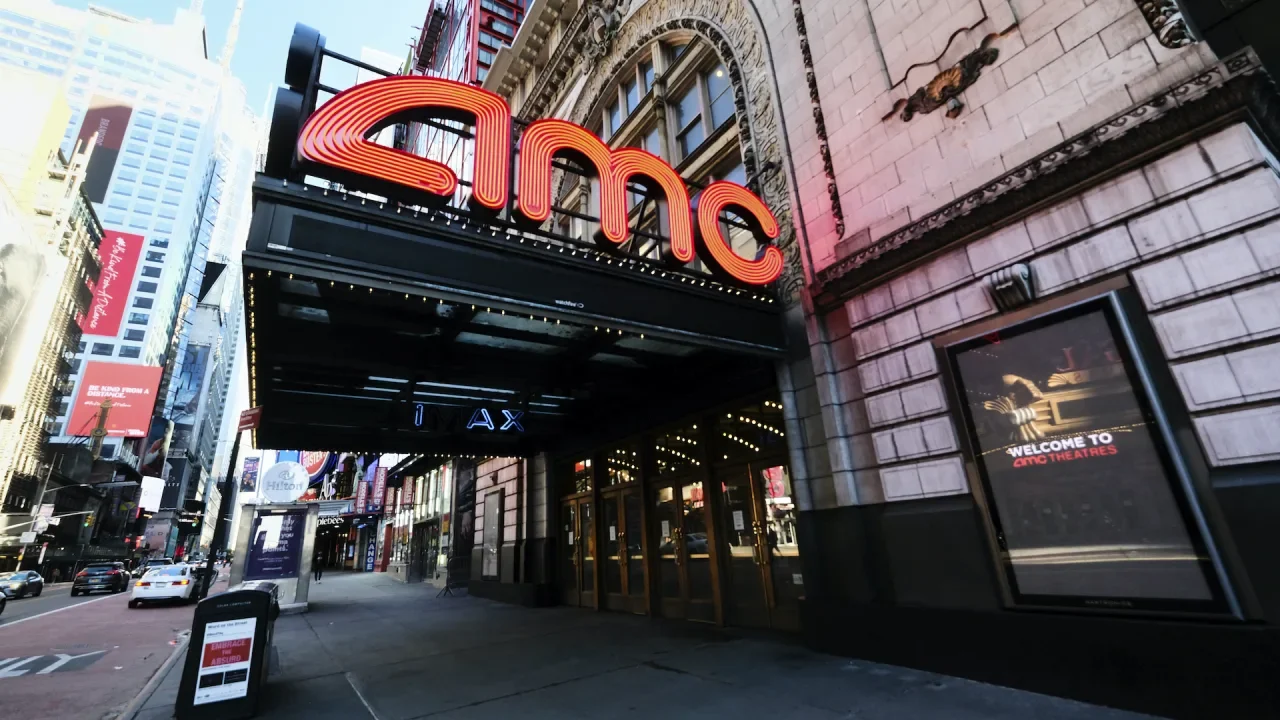
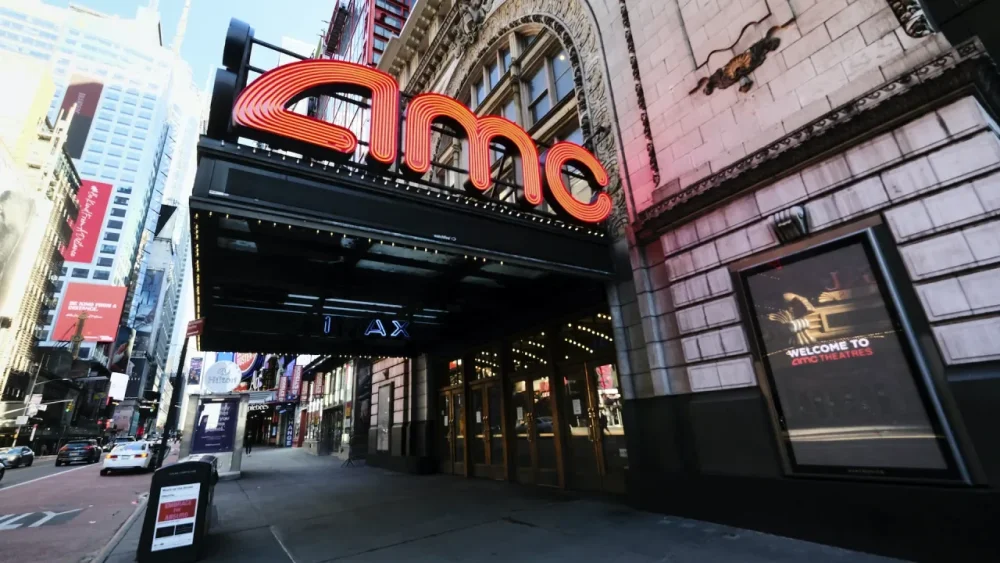
In hindsight, NATO was an unnecessarily confusing acronym for a trade organization representing movie theater owners. For 60 years, the National Association of Theatre Owners has promoted interests of movie theaters, from the biggest chains to the one-screen mom and pop shops. They’ve also regularly gotten mail and phone calls intended for the other NATO, the North Atlantic Treaty Organization. But the theater owner’s organization is looking to the future, with a new name and a refocused mission. The group will now be known as Cinema United, president and CEO Michael O’Leary told The Associated Press Tuesday. “It can be a little complicated having the same name as a multinational military alliance,” O’Leary said. “We felt that it was time to look at our name and do a rebrand.” They wanted the new name to reflect the “passion and energy of the people that run theaters,” O’Leary said, and to put the focus back on the exhibitors and movie theaters. Cinema United represents more than 32,000 movie screens in the U.S. and more than 30,000 screens in 88 countries. Their job, O’Leary explained, is to promote and support theatrical exhibition. Moviegoing, the new tagline reads, is their mission. “We’ve had a challenging four or five years. But with each passing day, we put those challenges in the rearview mirror a little bit more. Our focus right now is on the future,” O’Leary said. “I think that we stand on the precipice of the next great era of cinema.” An Oscars rallying cry for moviegoing Just a few weeks ago, “Anora” filmmaker Sean Baker made his own case for theaters on the national stage. In accepting his best director Oscar, he used his time at the podium to make a “battle cry” for the theatrical experience – for filmmakers to keep making movies for the big screen and for studios to keep releasing them there. “People were ecstatic about it,” O’Leary said. “He has earned the unyielding allegiance of theater owners all around the world for his strong support over the years, and certainly at the Oscars.” Movie theaters big and small were hit hard by the pandemic – many closed and never re-opened. Last year, they also faced a depleted release calendar due to the Hollywood strikes. It’s all resulted in a depleted domestic box office that has yet to reach pre-pandemic levels. In 2024, the industry finished just over $8.7 billion, down 3.3% from 2023 and 23.5% from 2019. A fuller release schedule is expected this year, but currently the box-office total is down about 5% from where the industry was last year at this time. “It’s really important that we not put too much emphasis on a single year like 2025. We need to constantly be building and growing and moving forward,” O’Leary said. Despite challenges, it remains an all-ages and affordable entertainment pasttime. A recent study from the National Research Group said 76% of the American population ages 12 to 74 attended at least one movie in 2024. Highlighting movie theater upgrades And though theater closures often make headlines, like the E Street Cinema in Washington D.C., where Cinema United is headquartered, there’s also been a spate of investment and refurbishment in theaters around the country, some spearheaded by famous filmmakers and actors. Jason Reitman along with more than 30 directors including Steven Spielberg, Christopher Nolan and Bradley Cooper last February acquired Westwood’s Village Theater in Los Angeles, which dates back to 1931. Patrick Wilson also purchased and helped restore an historic theater in New Canaan, CT, joining big screen disciples like Francis Ford Coppola, Martin Scorsese and Quentin Tarantino who have all invested in movie theaters. Last fall, the eight biggest theater chains in the U.S. and Canada announced that they planned to invest more than $2.2 billion to modernize 21,000 movie theater screens over the next three years. This includes anything from projectors, lighting and sound to features in the concessions area. But upgrades in theaters are nothing new, O’Leary said, they’re just helping to draw attention to it. “The entire membership reinvests in their theaters on a regular basis,” O’Leary said. “Part of the reason we made that announcement was because I don’t think it’s obvious to people that theater owners are constantly in the process of reinventing themselves and reinvesting.” Gearing up for 2025’s summer movie season The announcement comes just over a week before some 6,000 movie theater employees from around the world convene in Las Vegas for the annual CinemaCon conference, which Cinema United hosts. All the major Hollywood studios, including The Walt Disney Studios, Warner Bros. Pictures, Universal Pictures and even Amazon/MGM will be making big, starry presentations on the main stage at Caesar’s Palace — where executives and stars will show off new footage and trailers to make the case that they have the goods to get audiences in the theaters. Showcasing that many theaters are small businesses NATO was coined in 1965, a merger of the nation’s largest movie theater trade organizations: The Theater Owners of America, itself a product of a merger dating back to 1948, and the Allied States Association of Motion Picture Exhibitors, which goes back to the 1920s. Those at Cinema United like to say that “we’re not a Hollywood industry. We’re a Main Street industry.” “At the end of the day, the vast majority of our members are small businesses, so they feel the same pushes and pulls that other small businesses feel throughout the United States and around the world, O’Leary said. “The headquarters of our biggest members are not in Los Angeles or New York. They’re in Knoxville, Dallas and Kansas.” —Lindsey Bahr, AP film writer View the full article
-
Social media site was valued at less than $10bn in SeptemberView the full article
-
Ads are an unavoidable part of modern life. They support both free and discounted services, for better or for worse, and unless you pay for premium services like YouTube Premium or expensive Netflix tiers, it's likely you'll run into these commercials one way or another. But just because ads are deeply entwined in our digital devices, that doesn't mean they get a free pass in all situations. As reported by Ars Technica, it appears Roku is pushing the boundaries of what is acceptable here, experimenting with placing ads when you first boot up your streaming device. Moana 2 ads are rolling on Rokus at launchOne Reddit user noticed the change when they turned on their Roku and was forced to watch a commercial for a movie before they could simply access the Roku home screen. This wasn't an ad placed before another movie or show: Roku simply wouldn't let the user access the device they paid for without sitting through an ad first. The user posted about their experience on the r/Roku subreddit, where frustrated Roku owners confirmed the same was happening on their devices, as well. Multiple users received a Moana ad after turning on their Roku devices, and some threatened to ditch their Rokus over the situation. One went so far as to say, "my Roku devices will be in the trash" if the company keeps this up. The sentiment was the same in another thread, where users threatened to chuck their Rokus or switch brands for their streaming purposes. Someone even wrote: "I was indifferent to Moana. But now I will go out of my way to hate on that movie." (Disney might want to reconsidering its marketing strategy.) According to Ars Technica, the ads are supposed to have a close button, though some users don't seem to see it when it pops up on their end. The outlet reached out to Roku, who confirmed the ads are intentional, but aren't yet official: Roku OS won't have permanent ads at start for the moment. It seems this is simply an experiment. If so, they're certainly receiving some valuable feedback from customers. I understand why Roku users are angry. It's one thing to show static ads on the home screen—even that feels wrong on a device you paid for. But to stop you from being able to actually use your streaming device until you watch a commercial? The future isn't looking so bright. Your Roku is designed for adsWhile this experiment is pretty anti-consumer, it isn't all that surprising coming from Roku. The company, like many others, collects your data as you use its devices, and uses that data to, you guessed it, serve you ads. Roku is very focused on ads as a business model, exploring ways to not only place as many ads on the home screen as possible, but potentially show you ads when you've paused content on a non-Roku device that is connected to your Roku TV. Yikes. You expect ads in exchange for free content, but we've longed moved past this business model. Now, ads and data scraping subsidize devices and services. Your Roku Express only costs $30 (or less, depending on the deal), not because that's what the hardware is inherently worth, but because Roku is banking on you earning the company more money with your data and ad exposure. You pay less for the product, because you are the product. Now, sit tight, and watch an ad for Moana 2 before choosing to watch something else filled with ads. Can you stop ads from appearing when starting up your Roku?There's no official solution to this situation yet, and not all users will even see these ads when booting up their Roku devices. If you do, there might be something you can do about it, but it's complicated. Roku has had static on-screen ads long before this current situation. While far less obtrusive than start ads, some users want to block all ads on their Roku devices. Since Roku, unlike a computer, doesn't have a native ad-blocker to install, many turn to Pi-hole, a service that can block ads on many sites across devices. The issue is, setting up Pi-hole can be a bit technical. The company has a thorough walkthrough on its site to get set up, so if you're interested, go ahead and give it a scan. When properly configured, Pi-hole says it can block most ads across your devices, so you might notice a lack of ads across everything you use to access the internet—not just your Roku. View the full article
-
Billions of pounds of savings sought from Whitehall budgets to fill a hole in the public finances View the full article