ResidentialBusiness
Administrators
-
Joined
-
Last visited
Everything posted by ResidentialBusiness
-
 Last month we reported that Google News Publisher Center changes are coming, well those changes should have happened and been fully completed by today. Google updated its help document on the topic to say "Google News is fully transitioning to automatically generated publication pages in late March 2025."View the full article
 -
Google confirmed it is fixing a bug where old, fake and previously removed reviews are resurfacing in your Google Business Profiles. It is unclear how many Business Profiles are impacted by this, but if you see more reviews pop up that were not previously there, this may be why.View the full article
-
Google Business Profile edits may have a bug or some sort of glitch. A number of local SEOs are reporting seeing the message, "Your edit was not approved" when trying to make simple edits to Business Profiles.View the full article
-
If you want to share scroll-stopping content on your social media profiles, you need eye-catching images that display well in the feed. Awkwardly cropped photos and pixelated images are a sure way to put potential followers off. But figuring out image sizes for each social network is tricky, especially considering how many different image options each platform offers. Which is where this guide comes in. Keep this handy, and you won’t have to store all those fiddly numbers in your brain — or google “what’s the best image size for [insert platform here]” with every post. In this article, you’ll find the ideal social media image sizes for nine popular platforms, focusing on the images you share with your updates, cover photos, and profile pictures. Social media image size basicsThere are two terms you’ll see frequently in this post — aspect ratio and pixels. Aspect ratio means the ratio of the width and height of the photo, written as width:height. This means: 1:1 is a square image, where both the width and the height have the same dimensions9:16 is a rectangular, vertically oriented image that often covers the whole phone screen16:9 is a rectangular, horizontally oriented imageYou don’t need to memorize the different recommended aspect ratios, but it’s good to understand how to read them so you know what images should be square, and what should be vertical or horizontal. Pixels measure image resolution or the level of detail in an image, written as width x height. An image that has dimensions of 1080 x 1350 pixels will be vertical — 1080 pixels wide by 1350 pixels tall. A good rule of thumb is that the higher the number, the higher the level of detail — a square image with 1080 x 1080 pixels will be clearer than one that is 200 x 200 pixels. JPG or PNG files are the most common file types for uploading images on the different social media platforms. Some platforms also support animated GIF files. Jump to a section: Facebook image sizes Instagram image sizes X/Twitter image sizes LinkedIn image sizes Threads image sizes Pinterest image sizes YouTube image sizes TikTok image sizes Bluesky image sizes Here's a quick look at the recommended image sizes for each social media platform. Profile photo Cover photo Post images Stories Thumbnails Link image Facebook image sizes 320 x 320 pixels Profiles and Pages: 851 x 315 pixels Groups: 1640 x 856 pixels Events: 1920 x 1005 pixels Square: 1080 x 1080 pixels Vertical: 1080 x 1350 pixels 1080 x 1920 pixels - 1200 x 630 pixels Instagram image sizes 320 x 320 pixels - Square: 1080 x 1080 pixels Vertical:1080 x 1350 pixels Horizontal: 1080 x 566 pixels 1080 x 1920 pixels Reels: 1080 x 1920 pixels - X/Twitter image sizes 400 x 400 pixels 1500 x 500 pixels Square: 1080 x 1080 pixels Vertical: 1080 x 1350 pixels Horizontal: 1600 x 900 pixels - - 1200 x 630 pixels LinkedIn image sizes 400 x 400 pixels Profiles: 1584 x 396 pixels Company pages: 1128 x 191 pixels Vertical: 1080 x 1350 pixels Horizontal: 1080 x 360 pixels - - 1200 x 627 pixels Threads image sizes 320 x 320 pixels - Any dimensions - - 1200 x 600 pixels Pinterest image sizes 165 x 165 pixels 800 x 450 pixels Vertical: 1000 x 1500 pixels pixels - - - YouTube image sizes 800 x 800 pixels 2560 x 1440 pixels - - 1280 x 720 pixels - TikTok image sizes 200 x 200 pixels - Vertical: 1080 x 1920 pixels 1080 x 1920 pixels - - Bluesky image sizes 400 x 400 pixels 1500 x 500 pixels Any dimensions - - 1200 x 627 pixels Facebook image sizesProfile photo: 320 x 320 pixelsCover photo: Profiles and Pages: 851 x 315 pixels (2.7:1 aspect ratio)Groups: 1640 x 856 pixels (1.92:1 aspect ratio)Events: 1920 x 1005 pixels (1.91:1 aspect ratio)Post images: Square: 1080 x 1080 pixelsVertical: 1080 x 1350 pixelsFacebook Stories: 1080 x 1920 pixelsLink image: 1200 x 630 pixelsFacebook profile picture size Facebook recommends a profile picture size of at least 320 x 320 pixels for the best quality. Your image can be larger, but it shouldn’t be smaller than this, or it’ll appear pixelated. Keep in mind that your Facebook profile picture will be cropped into a circle, so don’t keep any important information near the corners. Facebook cover photo sizeThe ideal size for a cover photo for Facebook profiles and pages is 851 x 315 pixels. According to Facebook, your profile cover photo should be at least 720 pixels wide. Your cover photo will look slightly different on mobile — Facebook shows your cover photo at 640 pixels wide by 360 pixels tall. Your Facebook profile picture overlaps the bottom left of the cover photo for profiles and pages, so try not to include any important information there as it’ll get obscured. Facebook cover photos for profiles and pages have different dimensions and aspect ratios from those for groups and events. For groups, the recommended cover image size is 1640 x 856 pixels. For events, the recommended cover image size is 1920 x 1005 pixels. There’s no profile photo overlapping the cover images for groups and events. Facebook post image sizeThe recommended size for Facebook image posts is 1080 x 1350 pixels for vertical images and 1080 x 1080 pixels for square images. Facebook Stories image sizeBecause Facebook Stories take up the entire mobile screen, the recommended Facebook Story image size is 1080 x 1920 pixels. Your profile photo, page or profile name, play/pause button, mute/unmute button, and settings menu icon will appear at the top of your Stories, so be sure to leave space for those when designing your images. Facebook image size when shared with a linkNow this one is a little more technical, but really important if you’re sharing a link on Facebook. When you share a link to Facebook, people will see an accompanying image in the link preview. Facebook looks at the Open Graph tags for this link image — specifically the og:image tag, which specifies which image Facebook should use when sharing in the News Feed. You can add the og:image tag manually into the <head> section on every page of your website, or you can try out a plugin like Yoast SEO for WordPress, which handles the code and implementation for you. Facebook recommends using images at 1200 x 630 pixels to display well on high-resolution devices, with a maximum file size of 8MB. Instagram image sizesProfile photo: 320 x 320 pixelsPost images: Square: 1080 x 1080 pixels (1:1 aspect ratio)Vertical: 1080 x 1350 pixels (4:5 aspect ratio)Horizontal: 1080 x 566 pixels (1.91:1 aspect ratio)Instagram Stories: 1080 x 1920 pixelsReels thumbnails: 1080 x 1920 pixelsInstagram profile picture sizeInstagram profile images are displayed at 110 x 110 pixels, but the app stores the image files at 320 x 320 pixels, so we recommend uploading an image with these dimensions or larger. Similar to Facebook, your profile picture will be cropped into a circle. Instagram post image sizeThe recommended image aspect ratio for Instagram feed posts is between 1.91:1 for horizontal images and 4:5 for vertical images. With these aspect ratios in mind, square photos (1:1) should be 1080 x 1080 pixels in size, horizontal (1.91:1) should be 1080 x 566 pixels, and vertical (4:5) should be 1080 x 1350 pixels. The Instagram profile grid — how all your posted images appear in your profile — used to display square thumbnails automatically from images and reels. As of January 2025, Instagram has started rolling out a “tall grid” with a 3:4 aspect ratio, since most people are sharing vertical images and videos. Instagram is designed for visual content, so if your Instagram strategy involves both individual posts and a carefully curated grid, this new grid might be worth keeping in mind when sharing posts. Instagram Stories image sizeSince Instagram Stories take up the full phone screen, the ideal image size is 1080 x 1920 pixels (aspect ratio of 9:16). When designing your Instagram Stories, remember to keep 310 pixels each from the top and bottom of the image free of text and logos, because that's where your profile photo, name, and Instagram buttons will be. Instagram Reels thumbnail sizeInstagram Reels are videos when they appear in users’ feeds, and you can choose a frame from the reel or add a custom thumbnail to display in your grid. We recommend adding a thumbnail that’s 1080 x 1920 pixels. Make sure you keep 480 pixels each from the top and bottom free of any text and logos so it displays well in the new 3:4 grid. 💡Looking for more Instagram sizes and dimensions? Check our complete guide to Instagram image sizes here.X/Twitter image sizesProfile picture: 400 x 400 pixelsCover photo: 1500 x 500 pixelsPost image: Vertical: 1080 x 1350 pixelsHorizontal: 1600 x 900 pixelsLink image: 1200 x 630 pixelsX/Twitter profile photo sizeThe recommended profile image size for X/Twitter is 400 x 400 pixels, and the maximum file size is 2MB. Profile photos for people and most brand or business accounts will be cropped into a circle. For vVerified oOrganizations that have the gold check mark, profile photos will display as square images. X/Twitter cover photo sizeX/Twitter recommends that your header photo size be 1500 x 500 pixels — much wider than it is tall, especially when compared to most cover images. It'll be great to use an image that is wide enough to prevent X/Twitter from stretching the image and making it blurry. X/Twitter post image sizeThe ideal X/Twitter image sizes are 1080 x 1080 pixels for square images, 1080 x 1350 pixels for vertical images, and 1600 x 900 pixels for horizontal images. The minimum required width is 600 pixels, but larger images will look better when your followers click to expand the image. Since May 2021, tweets containing images with 2:1 and 3:4 aspect ratios will show in full within a timeline. In October 2022, X/Twitter rolled out a feature where you can add up to four photos, videos, and GIFs in a single tweet. They don’t need to have the same dimensions — you can add both horizontal images and vertical images in the same tweet. The display will automatically be stacked to show all images in the tweet on timelines, but people will be able to see the full images when they click on them. X/Twitter image size when shared with a linkFor images that preview when you share a link (also known as website image cards), the ideal card image size is 1200 x 631 pixels. The card shows a photo, headline, and link when you share a URL from a site that contains the appropriate X/Twitter Cards code. All this information is pulled via HTML tags, often the same ones that are used by Facebook to display links. You can use the Yoast SEO WordPress plugin to add images to X/Twitter cards. If you run a Squarespace Commerce website, it’s automatically optimized for X/Twitter cards. LinkedIn image sizesProfile photo: 400 x 400 pixelsCover photo: Profiles: 1584 x 396 pixels Company Pages: 1128 x 191 pixelsPost images: Vertical: 1080 x 1350 pixelsHorizontal: 1080 x 360 pixelsLink image: 1200 x 627 pixelsLinkedIn profile photo sizeThe recommended image size for LinkedIn profile photos is 400 x 400 pixels, which will be cropped into a circle on personal profiles. LinkedIn profiles images — for your brand’s or business’s logo — on LinkedIn Company Pages are square. The maximum file size for LinkedIn profile photos on personal profiles is 8MB. For company pages, the maximum file size for logos is 3MB. LinkedIn personal profile cover photo sizeLinkedIn profile header photos are displayed at a 4:1 aspect ratio. LinkedIn recommends using photos with dimensions of 1584 x 396 pixels. The maximum file size for LinkedIn cover photos on personal profiles is 8MB. LinkedIn Company Page cover photo sizeWhile LinkedIn recommends dimensions of 1128 x 191 pixels for company page cover photos, the profile photo or logo covers a small section on the left, so it might be best to keep the important aspects of your photo to the middle of the image if possible. The maximum file size for LinkedIn cover photos on company pages is 3MB. LinkedIn post image sizeImages shared with LinkedIn posts can have an aspect ratio between 3:1 and 4:5. LinkedIn recommends a minimum width of 1080 pixels, meaning horizontal images should be at least 1080 x 360 pixels and vertical images should be at least 1080 x 1350 pixels. LinkedIn automatically crops and centers photos that go beyond the recommended aspect ratios, but LinkedIn is more vague about how that cropping happens. We've found that as long as your text is centered, many different image sizes will display well in the LinkedIn feed. LinkedIn image size when shared with a linkIf you're sharing a link that has an image preview, the recommended image size is 1200 x 627 pixels. Threads image sizesProfile photo: 320 x 320 pixelsPost images: Any size and combination of imagesLink image: 1200 x 600 pixelsThreads profile photo sizeThreads profile photos are the same as Instagram at 320 x 320 pixels. You can sync your Threads profile photo with your Instagram profile photo so you don't have to upload a new image. Threads post image sizeSo far, Threads hasn’t added any restrictions for photo resolutions or aspect ratios. Even when sharing multiple images of different sizes, the preview doesn’t crop any of the images, and keeps the original dimensions. You can share up to 20 photos, videos, or a combination in a single thread. Threads has a unique feature on its mobile apps that lets people “pinch” two adjacent photos together to join them. You can slice panoramas into multiple images and upload them in a single thread. When the separate images are pinched together, they’ll join to look like one panoramic image. Threads image size when shared with a linkThreads hasn’t specified an image size for photos that preview with links shared on posts. We recommend using an image with at least 1200 pixels width, which is the same minimum width that Facebook, X/Twitter, and LinkedIn use. Images that preview along with links shared on Threads use a 2:1 aspect ratio, which would make the image size 1200 x 600 pixels. Pinterest image sizesProfile photo: 165 x 165 pixelsCover photo: 800 x 450 pixels Post or pins images: 1000 x 1500 pixelsPinterest profile photo sizeThe recommended Pinterest profile photo size is 165 x 165 pixels. Like the other social media platforms we’ve seen so far, the profile image will be cropped into a circle when displayed on your Pinterest profile. Pinterest cover photo sizePinterest requires your cover photo to have a minimum size of 800 x 450 pixels. They recommend that you use a horizontal image with a 16:9 aspect ratio. Pinterest pins image sizePinterest is unique in that it heavily favors long, vertical images and recommends 1000 x 1500 pixels, which is a 2:3 aspect ratio. Staying within the 2:3 aspect ratio is key. Pinterest told Buffer that the Pinterest algorithm will limit distribution for both low-resolution images and images longer than 1500 pixels. YouTube image sizesProfile photo: 800 x 800 pixelsCover photo: 2560 x 1440 pixels Video thumbnail: 1280 x 720 pixels YouTube profile photo sizeIt's recommended to use an image that is 800 x 800 pixels for your YouTube profile image. The display size for your profile photo is 98 x 98 pixels, and it will be cropped into a circle on your YouTube channel. The maximum file size for YouTube profile pictures is 15MB. YouTube banner image sizeThe minimum size for YouTube banner images — what other social media platforms call cover photos — is 2048 x 1152 pixels. YouTube videos can be viewed on a desktop, mobile, and even TV, and YouTube recommends uploading an image that is 2560 x 1440 pixels (16:9 aspect ratio) so that it looks good on larger screens. YouTube banner images will be displayed differently on different devices, and the sides of the image may be cropped depending on where you’re viewing the channel. When designing your banner image, keep a safe area of 1546 x 423 pixels towards the center of the image to place text and logos. The maximum file size for YouTube banner images is 6MB. YouTube video thumbnail sizeYouTube thumbnails should be 1280 x 720 pixels, but keep in mind there is a 2MB maximum file size limit, and you want the thumbnail to be high-quality so it grabs people's attention. For YouTube podcasts, the maximum file size for thumbnails is 10MB. TikTok image sizesProfile photo: 200 x 200 pixelsPost images: 1080 x 1920 pixels (though a 4:5 ratio will work)TikTok Stories: 1080 x 1920 pixelsTikTok profile photo sizeThe minimum image size for TikTok profile photos is tiny — 20 x 20 pixels. We recommend using an image that’s at least 200 x 200 pixels so that it looks sharp on larger screens. TikTok post image sizeTikTok is mostly a video platform, but you can post photos as well. Vertical photos work best on TikTok, with an image size of 1080 x 1920 pixels. That said, images in a 4:5 aspect ratio will also work. You can create carousels with up to 35 photos in a single TikTok post. TikTok Stories image sizeLike Facebook and Instagram Stories, TikTok Stories are available for 24 hours before they disappear from your profile. We recommend using the TikTok video size for stories as well — 1080 x 1920 pixels. Bluesky image sizesProfile image: 400 x 400 pixelsCover photo: 1500 x 500 pixelsPost images: Any size and combination of imagesLink image: 1200 x 627 pixelsBluesky profile photo sizeThere’s no official documentation for Bluesky images. Since the photo displays as a circle, we recommend using a 1:1 aspect ratio and image size of 400 x 400 pixels. Bluesky cover photo sizeCover photos on Bluesky use a 3:1 aspect ratio on desktop devices, and we recommend using an image size of 1500 x 500 pixels. The header photo gets cropped on mobile devices to a 4:1 aspect ratio, so make sure there’s no important information on the left or right of the image. Bluesky post image sizeSo far, Bluesky has not added any restrictions for image sizes. Individual photos you post will appear in their original dimensions in timelines and your profile. This means that your square photos of 1080 x 1080 pixels and vertical images of 1080 x 1920 pixels will appear uncropped if they’re the only image in a post. If you’re sharing multiple images — of the same size or different sizes — the image preview is cropped in timelines and your profile. Users can see the full image in its original resolution if they click on it to expand. You can share up to four images in a single post on Bluesky. Bluesky image size when shared with a linkLinks shared on Bluesky use a 1.91:1 aspect ratio for the accompanying image preview, which is the same as LinkedIn. We recommend using an image size of 1200 x 627 pixels for Bluesky as well. Why do social media image sizes matter?You only get a second to grab people's attention on social media, and creating eye-catching visual content in the proper size for each platform can make all the difference with your social media marketing. After all, what's the point of making and sharing a nice image if it shows up cropped or pixelated in people's feeds? You can use these image size guidelines to create perfect posts, then crosspost easily across all networks with Buffer. Get started with Buffer for free today View the full article
-
If your projects are feeling disjointed and disorganized, project integration management can help you corral resources, budget, equipment, and anything else you need to complete complex projects successfully. Here's how to do it. The post What Is Project Integration Management? Complete Guide appeared first on The Digital Project Manager. View the full article
-
Professors flee elite US institutions in the face of what many characterise as a direct assault on education and scienceView the full article
-
Amir Syed, mortgage coach and social media powerhouse, worked at Lower for a little over a year helping to build out and nurture the mortgage lender's origination team. View the full article

-
The top five banks had a combined loan volume of more than $1 trillion held in portfolio at the end of Q4 2024. View the full article
-
Ad hijacking occurs when dishonest affiliates create ads almost identical to a brand’s official ads. They copy headlines, text, and display URLs so potential customers assume these ads are legitimate. In reality, these affiliates, often involved in affiliate hijacking and other affiliate program scams, send clicks through their own tracking links to earn commissions they haven’t really earned. When this happens inside an affiliate program, it’s called affiliate ad hijacking. Many hijackers use an affiliate link cloaker to hide the final redirect, preventing brands or ad platforms from seeing the trick. If someone clicks on one of these fake ads, they land on the brand’s site with a hidden affiliate tag, causing the brand to pay a commission for a visitor who would have likely arrived directly or through a proper paid search ad. How affiliate hijacking hurts your brand If ad hijacking and other affiliate scams aren’t stopped, they can damage your business and reputation: Affiliate hijacking makes brands pay extra commissions on sales they would’ve made anyway. By running ads on a brand’s keywords, hijackers compete with, or even outrank, the official ads, leading to higher cost-per-click (CPC). Affiliate ad hijacking also distorts performance data by boosting affiliate sales numbers and cutting into your direct or organic traffic. Over time, you might make bad decisions, like raising affiliate commissions, based on inflated sales reports. If the hijacker uses an affiliate link cloaker, it becomes even harder to figure out where these sales are coming from. Spotting ad hijacking Recognizing ad hijacking can be tricky since the fake ads often look exactly like yours. However, these signs might help: Imitation ads: Be cautious of ads that copy your official wording, style, or domain but don’t show up in your ad account. Sometimes the displayed URL is identical except for a small punctuation change or extra keyword. Sudden sales spikes: If a single affiliate sees a big jump in sales without any new promotion or change in commission, it could be affiliate ad hijacking. Redirect clues: An affiliate link cloaker may hide the path users take, but you might spot unusual tracking codes in your analytics or strange referral tags appearing at odd times or in certain locations. Why manual checks often fail Many brands do a quick check, typing their name into a search engine, to spot suspicious ads. But dishonest affiliates can be sneaky: they might only run these ads late at night or in small cities far from your headquarters. They may also use cloaking, which sends brand monitors or bots to the real site, hiding any wrongdoing. This means you need continuous monitoring in multiple places, plus advanced detection methods, simple, random checks won’t catch everything. The Adidas example: Over 100 incidents in 40 days A clear example is Adidas. Over 40 days, Bluepear uncovered repeated ad hijacking and online ad fraud targeting Adidas’s branded search results. More than 100 cases of affiliate hijacking were found, with some ads appearing above the official ones. Bluepear also saw at least 245 variations of these ads, all designed to stay hidden. This shows why brands can struggle to catch affiliate ad hijacking on their own. Scammers often place ads in overlooked regions or at off-peak times. A quick check at the main office might not show any problems, while they’re actively abusing your brand name elsewhere. Some fraudsters see this deception as standard practice, creating new ad variations until they’re exposed. How Bluepear helps Bluepear takes several steps to fight ad hijacking: 24/7 global monitoring: It tracks different locations and time zones, so if an affiliate starts bidding on your keyword at 3 AM in a small city, Bluepear will see it. Detailed evidence: Every instance of affiliate hijacking gets recorded with clear proof. Affiliate identification: You can see exactly which affiliate is responsible. Ads and landing pages: The system stores both the ad and the final landing page, making it easy to show proof if there’s a dispute. Screenshots: You get actual images of the search engine results page, showing where the fake ad appeared. Easy violation reporting: Send a summary of the offense (with timestamps and URLs) straight to the affiliate through Bluepear. In Adidas’s case, Bluepear identified over 100 infringing ads in just 40 days, proof that some affiliates consider trickery a “hijack industry standard.” Because Bluepear constantly checks search engines around the world, it sets a higher bar for compliance. Some scammers even use multiple affiliate link cloakers or rotate domains to hide. Bluepear’s continuous scanning and data comparisons make it tough for them to stay hidden. It also simplifies your process – no more struggling with spreadsheets or piecing together incomplete ad reports. Conclusion Ad hijacking seriously threatens brands that value their online reputation and affiliate partnerships. Bluepear’s continuous global checks, advanced cloaking and click-fraud detection, and in-depth reporting features allowed Adidas to uncover more than 100 affiliate hijacking incidents in 40 days, highlighting how common these schemes can be. By monitoring your branded keywords and using strong tools like Bluepear, you can protect valuable traffic, keep trust in your affiliate program, and guard against needless spending on fraudulent commissions. View the full article
-
Fighting for democracy can be a lonely and dangerous businessView the full article
-
Britain pushes for carve-out ahead of ‘liberation day’ on WednesdayView the full article
-
Even the president’s supporters are sceptical of new levies to be imposed on trading partners on April 2View the full article
-
BlackRock boss tells shareholders people are more anxious about the economy than at any time in recent memoryView the full article
-
Find out how local business partnerships can boost your authority, making it easier to connect with local customers effectively. The post Using Local Business Partnerships And Collaborations To Build Authority And Visibility appeared first on Search Engine Journal. View the full article
-
A New York-based AI startup called Hebbia says it’s developed techniques that let AI answer questions about massive amounts of data without merely regurgitating what it’s read or, worse, making up information. To help generative AI tools answer questions beyond the information in their training data, AI companies have recently used a technique called retrieval-augmented generation, or RAG. When users ask a question, RAG-powered AI typically uses a search-engine-style system to locate relevant information it has access to, whether that’s on the web or in a private database. Then, that information is fed to the underlying AI model along with the user’s query and any other instructions, so it can use it to formulate a response. The problem, says Hebbia CEO George Sivulka, is that RAG can get too bogged down in keyword matches to focus on answering a user’s actual question. For instance, if an investor asks a RAG-powered system whether a particular company looks like a good investment, the search process might surface parts of the business’s financial filings using that kind of language, like favorable quotes from the CEO, rather than conducting an in-depth analysis based on criteria for picking a stock. “Traditional RAG is good at answering questions that are in the data, but it fails for questions that are about the data,” Sivulka says. It’s a problem that surfaces in general-purpose AI-powered search engines, which can confidently regurgitate satire, misinformation, or off-topic information that matches a query, as well as special-purpose tools. One recent test of a legal AI tool, where the system was asked to find notable opinions by a made-up judge, found it highlighted a case involving a party with a similar name. And, according to Hebbia, questions that require an analysis of a big data set that goes beyond finding relevant documents often can’t be answered by RAG alone. Hebbia, says Sivulka, has approached the problem with a technique the company calls iterative source decomposition. That method identifies relevant portions of a data set or collection of documents using an actual AI model rather than mere keyword or textual similarity matching, feeding what it finds into a nested network of AI models that can analyze portions of the data and intermediate results together. Then, the system can ultimately come up with a comprehensive answer to a question. “Technically, what it’s doing is running a LLM over every token that matters and then using that to feed that into another model, that feeds it into another model, and so it recurses all the way up to the top,” Sivulka says. Hebbia’s nested processing techniques also help overcome limitations with AI context windows, which limit the amount of information that can be provided to a language model in one query, he says. Hebbia announced a $130 million Series A funding round in July and claims clients like the U.S. Air Force, law firm Gunderson Dettmer, and private equity firms Charlesbank and Cinven. Sivulka says various clients harness the company’s technology to answer complex questions about financial data for potential investments or to search for valuable information buried deep in voluminous legal discovery data sets, among numerous other use cases. The tool can also be configured to notify users when new data enables it to draw new conclusions, such as when new financial filings by a particular company appear online, Sivulka says. Demand is high enough that Hebbia, which uses models from big providers like OpenAI and Anthopic, has developed its own software to maximize the number of queries it can send to different models. Its system even takes into account varying rate limits for, say, access to GPT offered by Microsoft and by OpenAI directly. And, says Sivulka, demand continues to increase, as customers use Hebbia’s software to consider larger data sets than previously would have been possible in making decisions. The company says it’s handled 250 million queries from users so far this year, compared to 100 million last year. “If you’re an investor and you’re building a case to invest or not to invest, you can look at—and corroborate your assumptions with—way more data,” Sivulka says. View the full article
-
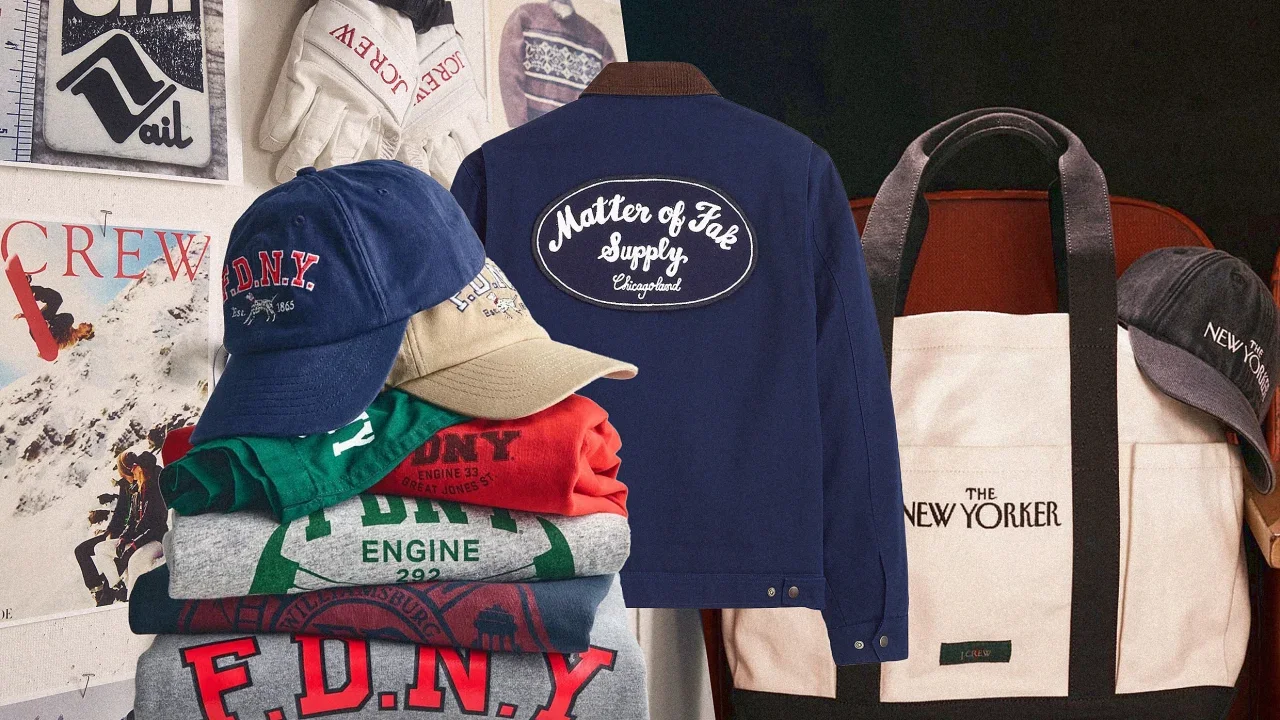
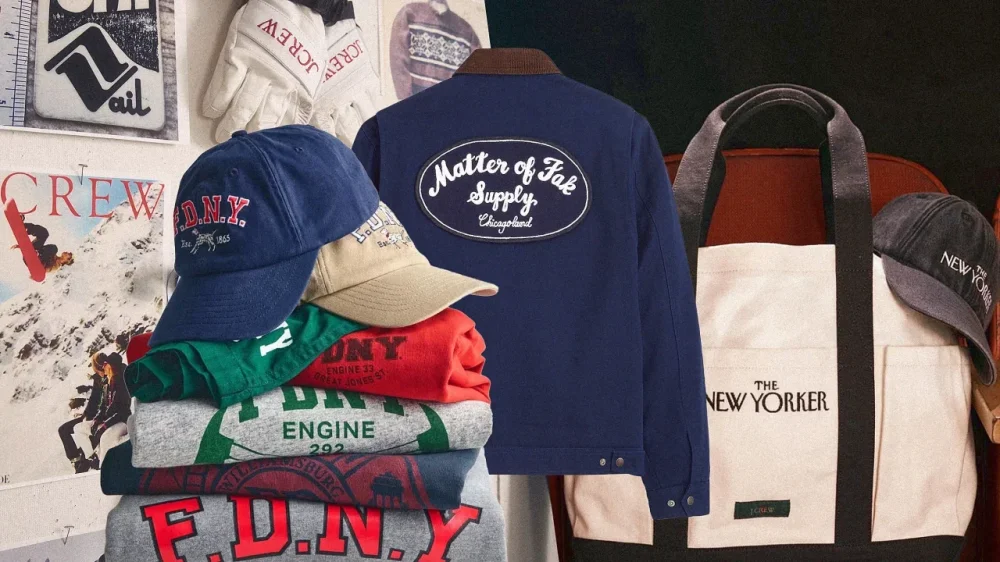
Over the course of its 40-year history, J.Crew has explored all kinds of design collaborations. Last year, for instance, it partnered with the designers Christopher John Rogers and Maryam Nassir Zadeh. But if you walk into a store, you might also come across slightly more unexpected collaborations. On a recent visit to J.Crew’s Columbus Circle store in New York, I found a collection of kids’ clothes emblazoned with the logo of the Fire Department of New York. In February, to celebrate The New Yorker magazine’s centennial anniversary, J.Crew created a special line of sweaters, rugby shirts, and baseball caps featuring the magazine’s logo. And last summer, it dropped work jackets and sweatshirts made in collaboration with the FX show The Bear, which was heading into its third season. Last week, J.Crew announced that it had launched a three-year partnership with the U.S. Ski and Snowboard association to create a lifestyle collection that will land in the lead-up to the 2026 Winter Olympics in Italy. The thread that ties all of these collaborations together is that they focus on beloved organizations with a loyal following, rather than designers. J.Crew is trying to make a comeback after it filed for bankruptcy in May 2020. In November of that year, the company named Libby Wadle, a 20-year veteran of the company, CEO. Through these collaborations, we’re getting a glimpse into Wadle’s vision for trying to make J.Crew relevant again. Wadle says that the U.S. Ski and Snowboard collab is likely to generate a lot of revenue. But some of the smaller, niche collabs aren’t necessarily about making a lot of money. Instead, they’re an effort to stretch our imagination about what J.Crew represents—and it’s about trying to ensure that the brand is part of the broader conversation. “We’re looking to partners who can help put us at the center of culture,” she says. “We do some partnerships that are not just about revenue. They just feel culturally relevant and feel great from a creative perspective.” Expanding What J.Crew Stands For When Wadle first stepped into the CEO position, her goal was to go back to the brand’s aesthetic roots, which are grounded in preppy, vintage Ivy League style. Brendon Babenzien and Olympia Gayot, the menswear and womenswear designers respectively, created updated versions of iconic J.Crew pieces, like its roll-neck sweater and barn jacket. She also brought back the print catalog, which was designed to serve as another storytelling device and a way to reintroduce the brand to consumers who may have lost interest. “It’s a way to get back in front of people who maybe don’t know us or who used to know us,” she says. With these collaborations, Wadle is trying to expand what J.Crew can be. For instance, most people think of it as a coastal New England brand, particularly when you think of all of the catalogs of the past featuring beachy scenes, with models in swimsuits and boat shoes. But Wadle points out that the brand is also connected to New York City. “Our headquarters are here, and New York means a lot to us,“ she says. Wadle has been eager to highlight this connection. Last fall, J.Crew hosted a dinner party at the New York Public Library to celebrate the relaunch of the catalog; the year before, it celebrated its 40th anniversary with a concert featuring The Strokes at New York Fashion Week. Its collabs with The New Yorker and FDNY were meant to deepen this connection with the city. But Wadle says that J.Crew designers also happened to be drawn to the branding around these organizations. “Brendon (the menswear creative director) loved the FDNY logo, and the old firehouses around the city,” Wadle says. “So he was passionate about bringing the collaboration to life.” The pieces from these New York–focused collaborations are fairly simple. The design team took J.Crew staples, like fleece sweatshirts, baseball caps, and vintage-washed T-shirts. They then incorporated the brand’s logos and mascots. The FDNY collection features the iconic spotty dog associated with New York firemen; The New Yorker collab included T-shirts with custom cartoons. The capsule collection for The Bear was also something the creative team was personally passionate about. Babenzien happened to have a relationship with Matty Matheson, who plays the handyman Neil Fak on the show, and also happens to have his own clothing line. So they decided to create a few key pieces, such as a work jacket and a trucker hat, with the character’s fictional company, “Matter of Fak Supply,” on it. Wadle says the brand doesn’t expect these niche collabs to be a cash grab; instead, they’re more of a marketing play, to get in front of fans of The Bear, or The New Yorker, or the FDNY. “It’s not always a big revenue-driving opportunity,” she says. “It’s about brand integrity and to create authentic, culturally relevant moments.” Sports Partnerships Wadle also wants J.Crew to be part of major sporting events. Last summer, the brand partnered with USA Swimming in advance of the Paris summer Olympics. The collaboration was unconventional because J.Crew wasn’t an official sponsor of the games, nor did it have the technical expertise to create swimsuits for Olympians. Instead, it created a collection of lifestyle pieces, from hoodies to shorts, that reflected J.Crew’s preppy aesthetic, but also featured the USA Swimming logo. The collection was a huge hit. Within the first day the products were released, 80% were snatched up. And Wadle says that the collaboration was responsible for a 10% spike in new customers in the first week of the release, compared to the year before. It quickly added a second collection to meet the demand. “The energy around swimming and the families participating by cheering on swimmers surprised us,” Wadle says. Now, Wadle wants to create similar magic with the collaboration with this new partnership with U.S. Ski and Snowboard. In this case it will create pieces that lean into the lifestyle around skiing, including après ski fashion. J.Crew will tap into U.S. Ski archives along with its own archive of winter catalogs to create vintage looks in line with its preppy heritage. Much like the New York–based collaborations, these sports partnership are a way to highlight different aspects of J.Crew’s brand that they might not be familiar with. Wadle points out that both swim and ski culture are part of J.Crew’s heritage. But now, these aspects will be at the forefront of consumers’ minds. “We believe this partnership will be big,” says Wadle. “We believe we have the ability to tap into a platform that is bigger than competitive athletes. It’s about tapping into a sport that many people love.” View the full article
-
Those of us living in the harsher climates can all commiserate about what felt like a really long winter. It was cold! And windy! Perfect weather for staying inside, inert, and keeping warm with dense carbs and saturated fats. Well, the party’s over. As the chill of winter melts away and spring begins to bloom, it’s time to shed those extra layers—both figuratively and literally. So whether you’re counting calories, trying new workouts, or simply trying to move a little more, these free tools are here to help you reach your goals. MyFitnessPal MyFitnessPal (iOS, Android) is a do-it-all weight loss tool that helps you monitor your daily food intake, exercise, and weight progress. With an extensive food database, barcode scanner, and macro-tracking features, this app is perfect for anyone looking to stay accountable with their diet. You can also connect with friends for some added motivation. The free version offers basic calorie and exercise tracking, while the paid version includes advanced features like meal plans, macronutrient goals by gram, and an ad-free experience. Nike Training Club No gym membership, no problem. The Nike Training Club app (iOS, Android) offers a variety of free workouts ranging from yoga to high-intensity interval training (HIIT). With expert coaching and curated plans tailored to your fitness level, it’s like having a personal trainer in your pocket—except this one doesn’t yell at you like a drill sergeant. While there used to be a premium version, Nike Training Club is now completely free, offering all previously premium content at no cost, including guided programs and wellness tips. Fitbit Even if you don’t own a Fitbit device, the Fitbit app (iOS, Android) is a solid, straightforward way to track your daily steps, activity, and sleep. Use it to set challenges for yourself or compete with friends if you need a little extra motivation. The free version tracks basic metrics like steps and sleep, while the paid version offers deeper insights, guided programs, and wellness reports. 7 Minute Workout If you’re short on time, the 7 Minute Workout app (iOS, Android) is a lifesaver. It provides short, efficient routines designed to get your heart rate up and your muscles working. These science-backed exercises are perfect for squeezing in a workout during a busy day. The free version includes the basic seven-minute workout, while the paid version unlocks additional workout variations and personalized plans. Darebee Darebee (Web, Android) is a unique fitness resource offering a positively enormous collection of workouts, challenges, and programs—all completely free. Designed to be accessible to everyone, Darebee provides visual guides for exercises that require little to no equipment, making it perfect for home workouts. Feel guilty about using this app without paying anything? Users can support the project via donations to keep the site up and running. View the full article
-
Fast Company is extending its application deadline for Best Workplaces for Innovators 2025 to Friday, April 4, at 11:59 p.m. Pacific Time. This marks the seventh year Fast Company will be recognizing companies and organizations from around the world that most effectively empower employees at all levels to improve processes, create new products, or invent whole new ways of doing business. In addition to honoring the world’s 100 Best Workplaces for Innovators, we will recognize companies in more than a dozen different categories. What differentiates Best Workplaces for Innovators from existing best-places-to-work lists is that it goes beyond benefits, competitive compensation, and collegiality (mere table stakes in today’s competitive talent marketplace) to identify which companies are actively creating and sustaining the kinds of innovative cultures that many top employees value even more than money. With Best Workplaces for Innovators, Fast Company aims to identify companies where employees can do the best work of their careers and improve the lives of hundreds, thousands, even millions of people around the world. For more than a decade, Fast Company has been recognizing outstanding achievement in business innovation with its annual awards programs. In addition to Best Workplaces for Innovators, Fast Company’s Most Innovative Companies, Innovation by Design, World Changing Ideas, Brands That Matter, and the Next Big Thing in Tech lists have celebrated thousands of organizations transforming industries and shaping society through paradigm-shifting products, insights, or services. For more information on applying, see the FAQs. The final deadline to apply is now April 4 at 11:59 p.m. PT. View the full article

-
Biggest US airlines have already reported a slowdown in domestic demandView the full article
-
The tactics are broadly applicable, but how you apply them will depend on your business model. A local firm might focus on community-driven content and local SEO, while a digital-first platform might lean into educational resources and national visibility. To…Read more ›View the full article
-
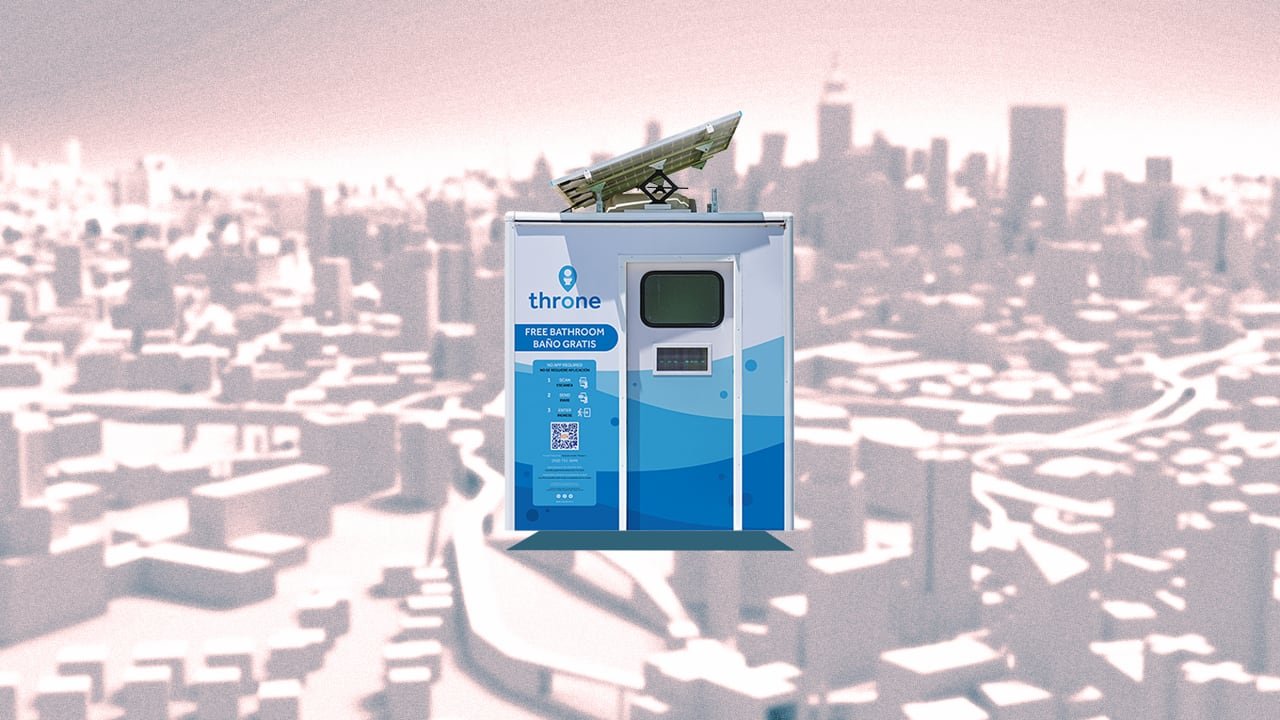
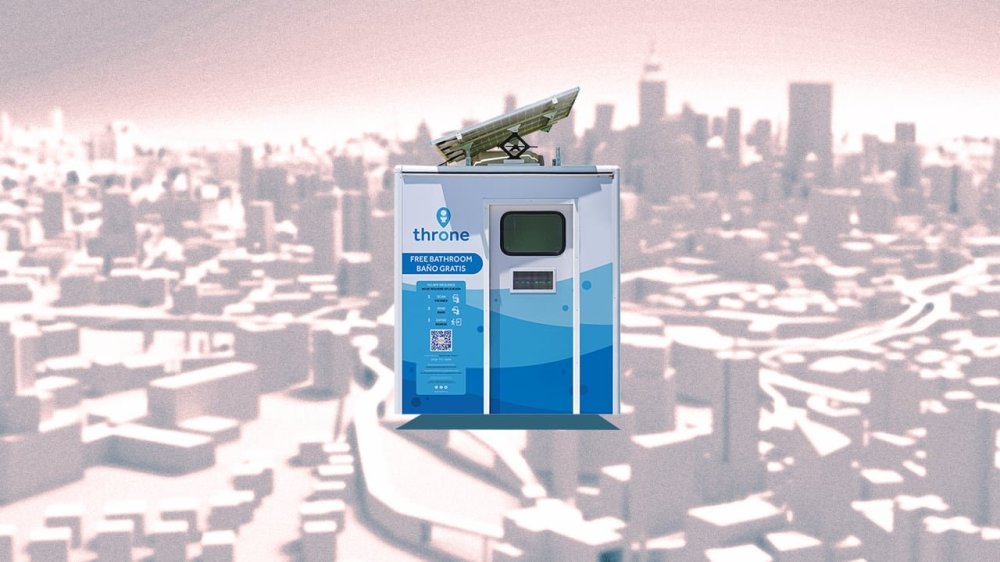
Gerardo Valerio had been looking for a bathroom in Los Angeles’ Little Tokyo neighborhood for 20 minutes when he stumbled across a blue and white trailer with “FREE BATHROOM” at the top. At first, he was hesitant to enter the bathroom, which had been installed by the Washington, D.C.-based portable toilet startup Throne. To get in, he had to scan a QR code which pre-loaded a text onto his phone. After sending the text, the door would automatically slide open. “What do I text, ‘I need to pee’?” he jokes. All in all, he says, it was a positive experience: “It was pretty to look at but it definitely has a smell to it. It needs to be maintained a bit more. But overall, nice.” In Little Tokyo, there are almost no public restrooms—in most of the restaurants and shops, you have to buy something first. “There should be more,” Valerio says. After years of complaints from riders, LA Metro is rolling out more free public Throne bathrooms this year at transit stations across L.A. County. The portable, touchless trailers are self-contained, requiring no water or electric hookup. This allows the company to rapidly deploy restrooms wherever needed—like a busy train station. The new location at Little Tokyo station has been particularly popular, with 120 to 150 uses per day during the weekend. Thrones have also been deployed in the D.C. area, Ann Arbor, Michigan; Beverly Hills; and in the Bay area at two Caltrain stations. Built on accountability Throne says its “smart” bathrooms use accountability to solve the age-old problem of unwanted bathroom activity. Accessing a Throne requires a unique user ID, usually a cell phone number. For those without access to a phone, Throne also distributes key cards through local service providers. “[It’s] just behavioral science,” explains Throne cofounder and COO Jessica Heinzelman. “If somebody knows that they’ve used their phone to get into a bathroom, they’re treating it a little bit nicer, kind of the same mentality of if you have somebody in line behind you in a regular bathroom.” Every user is asked to rate the cleanliness of the Throne and can report any issues via text. Throne uses this feedback to optimize the cleaning schedule— which relies on gig labor—and rapidly respond to any issues. As of March 1, there have been 425,900 uses nationally, with 168,600 in L.A., and a rating of 4.07 out of five stars. The biggest issue facing public bathrooms in Metro stations has been preventing inappropriate behavior, says Stephen Tu, deputy executive officer of station experience at Metro. Throne bathrooms are cheaper to clean and maintain because problem users can be banned from the system. So far, only 375 people out of 37,144 unique users across the national Throne network have been access-restricted, according to Heinzelman. Last year, after a six-month pilot at four locations, Metro approved a $22 million four-year contract with Throne to provide up to 64 bathrooms. Currently, there are 14 Thrones in the Metro system, with four more set to roll out in April. Tapping the gig workforce Some Throne features might be high-tech, but the bathrooms are still cleaned the old-fashioned way: by people, specifically gig workers who sign up to clean specific locations at specific times through an app. “It allows us to respond really quickly, while also providing people flexible income opportunities,” says Heinzelman. “If we had a W-2 workforce, we would probably be able to accomplish a quarter of the cleans in twice the time.” Correna T., a public transportation advocate with the L.A. chapter of the Democratic Socialists of America, believes that the bathrooms should be staffed by unionized Metro employees, not gig workers. “We would much rather see those jobs go to union employees who have protections and benefits and are staffed publicly,” she says. In July of last year, DSA-LA successfully mobilized to push LA Metro to conduct a feasibility study on bringing cleaning staff in-house. Over seven months later, the report is still not out. Next City reached out to Metro for a status update on the report but did not receive a response. Throne declined to provide details about how much a member of the cleaning network is paid per clean, but according to Throne’s website, each clean is priced “dynamically.” “There are all sorts of variables to how we are setting clean tasks including when we have two Thrones co-located next to each other (no transit time or transit cost) [plus] the ability to get bonuses for rapid response,” says Heinzelman in an email. Workers can receive an extra $15 for “extra tough jobs” after submitting before-and-after photos that are then confirmed by the company. Throne’s top earners are making up to $1,800 per week, says Heinzelman. “Having bathrooms is an enormous social service support and health and safety strategy that we wholeheartedly support,” says Alfonso Directo, Jr., advocacy director for the Alliance for Community Transit, a coalition of transportation and housing organizations. But ACT-LA would rather see Metro provide stable employment for local residents. “Metro, as a public agency with public dollars, could be using those dollars to develop the infrastructure themselves,” he says. A temporary fix? Correna T. was initially excited about the Throne bathroom program, but thinks it doesn’t go far enough in providing a permanent solution. The bathrooms are portable, not permanent, she points out. Metro doesn’t own them—Throne does. The contract only extends to 2028—the year that L.A. is hosting the summer Olympic games. To DSA-LA, this shows that the Throne partnership is primarily meant to serve tourists during the Olympics. “If they don’t expand this program past the Olympics, Throne could literally just come in and take them away, and they would no longer be an amenity for the city,” she adds. Tu doesn’t see the restrooms as “necessarily temporary” and says the agency has the option to renew the contract at the end of four years. “The beauty of its portability allows us to scale very quickly, because to be able to do this with a more traditional approach would take many years to be able to get this at up to 64 locations,” he says. LA Metro riders have been requesting bathrooms for decades with little success. The system has only three stations with permanent bathrooms in a system with 107 rail stations and about 12,000 bus stops (the city of Los Angeles has four bathrooms at Metro stations that it maintains separately). Tu says that the challenge with building and maintaining public bathrooms has been not just the capital costs of adding new bathrooms, but also the amount of money needed to staff them and keep them clean. During the pilot, Metro saw a 50% reduction in public urination and defecation incidents at locations where Thrones were deployed. When Next City asked if Metro could use the money saved on maintenance to build permanent bathrooms, Tu repeated that the partnership with Throne allows the agency to roll out multiple bathrooms in a short period of time. He stresses the high rating that Throne has received from users as evidence of the program’s success, though he states that Metro is not opposed to exploring other options in the future. “The only solution we see in the market right now is the Throne solution,” he says. This story was originally published by Next City, a nonprofit news outlet covering solutions for equitable cities. Sign up for Next City’s newsletter for their latest articles and events. View the full article
-
Judges will rule later on Monday on whether to ban far-right leader from standing for officeView the full article
-
Google's John Mueller said that EEAT isn't something that SEOs can add to websites The post Google Confirms You Can’t Add EEAT To Your Web Pages appeared first on Search Engine Journal. View the full article
-
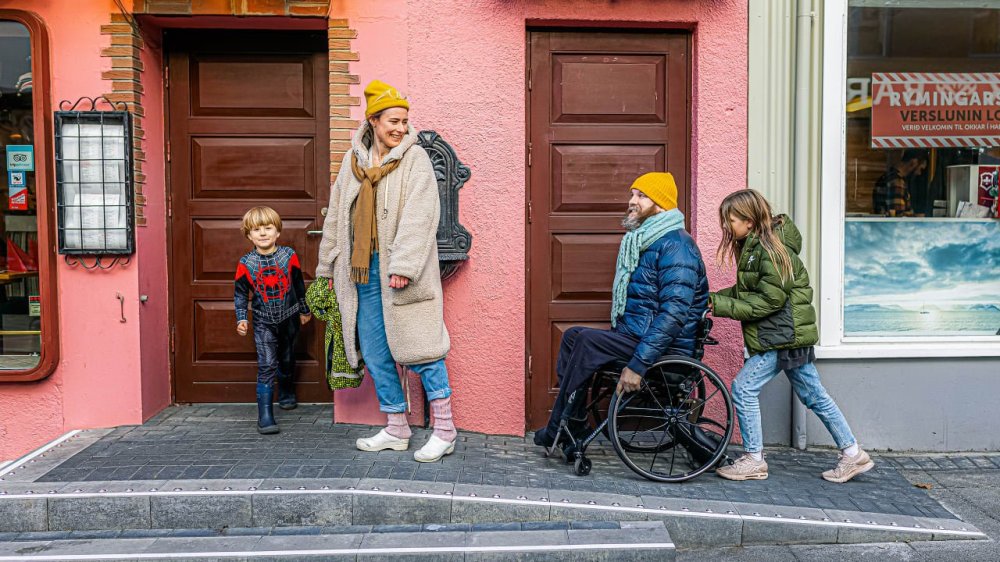
After making his mark in Silicon Valley, Icelandic designer and tech mogul Haraldur “Halli” Thorleifsson is now solving a far more analog problem: the inaccessibility of local storefronts. As a wheelchair user, Thorleifsson knows firsthand how exclusion can be built into a city. “If you don’t see anyone using a wheelchair,” he says, “it’s not because they don’t exist—it’s because they have nowhere to go.” Thorleifsson has experienced such access barriers to public spaces throughout his life, but the turning point came on a late-night walk with his family in downtown Reykjavík, when he couldn’t join his son in a corner store because of a single step at the entrance. “As I was sitting outside, I kept looking at that one step,” he recalls. “Over the years, steps like that had stopped me from being able to go cafés to meet friends, from going to the barber, or going Christmas shopping with my family. That one step was the main obstacle between me and fully participating in society. And, not just me; anyone who uses a mobility device to get around. I decided that this had to change and since nobody else seemed to be doing anything, I figured it was up to me.” So in 2021, Thorleifsson launched Ramp Up Reykjavík to fund the installation of 100 ramps in places with the most foot traffic across Iceland’s capital—cafés, restaurants, and shops. Four years later, the project has delivered far more ramps than initially promised and well beyond Reykjavík to additional Icelandic cities, garnering a fitting name change to Ramp Up Iceland. On March 14, Thorleifsson celebrated the completion of Ramp Up Iceland with a ribbon-cutting ceremony and the support of the mayor, prime minister, president, and other leaders of the municipal governments across Iceland. Now, the team plans to expand the initiative to Paris and Lviv, Ukraine. An age-old accessibility problem Creating accessibility in any urban environment is often met with logistical and bureaucratic challenges. But in cities with historic buildings that predate modern accessibility standards by decades or even centuries, those challenges are even further amplified. In downtown Reykjavík, most buildings date back to the 18th century with storefronts that sit slightly elevated above street level, making one or two steps a recurring access barrier across most of the city’s core business district. And this isn’t just an Icelandic issue. In a recent study, 70% of disabled people surveyed said they’ve shown up to a building only to realize they couldn’t get inside. More than half of them (60%) reported that they had to leave without completing their task because the building wasn’t accessible. This study was conducted in the United States, where we have the Americans with Disabilities Act (ADA), a law intended to protect the rights of disabled people and ensure accessible infrastructure. Yet, even with the ADA, there are still massive access inequities in our urban environments. Buildings, sidewalks, and transportation systems often remain out of compliance or are poorly maintained, and legal protections such as the ADA aren’t universal. In many older cities around the world, accessibility standards are inconsistent, and the push to retrofit historic areas is often delayed or deprioritized in favor of architectural preservation. Thorleifsson’s work is beginning to change this. The goal of Ramp Up Reykjavík was to install 100 ramps within a year; the project finished it in half the time and under budget. Following the success of the trial project, Thorleifsson expanded the initiative to cities across Iceland, with a new target goal of building 1,000 ramps in five years. They ended up building more than 1,700 ramps and again came in under budget. Building a better ramp Each ramp is built for the location, and is integrated into the environment with designers working with the city and municipalities to try and match existing materials when possible. In many cases, passersby wouldn’t even notice modifications to the historic buildings because the ramps are intentional design choices built into the urban environment. “The role of a designer is to make something simple and beautiful to use, for as many people as possible,” says Thorleifsson. “So when I look at how some things are made, I can’t help but wonder how easy it would have been, with small tweaks, to make it usable by more people without losing any of the beauty.” “The biggest challenge in the beginning was making people believe that this was possible,” Thorleifsson says. “These problems have been discussed for decades, often with very little progress. So the approach was really to give people no excuses. We fund, design, build, and get all the permits; it’s all free for the shop owner or the person who owns the building. Once people start seeing success, where before there was none, all the arguments go away and doors open.” Thorleifsson initially funded the project with dividends made through the sale of his digital design agency Ueno to Twitter in 2021. He joined the company as a senior director of product design but was abruptly terminated in 2022 along with some 200 others when Elon Musk took over Twitter—which led to a Twitter exchange with Musk that made international headlines. The sale of Thorleifsson’s company helped get the Ramp Up Reykjavík initiative off the ground, but the project has been a collaborative venture between Thorleifsson and local businesses, government agencies, and city officials. “I had some money, and I was able to quickly raise more. Once the snowball was rolling, everyone jumped on board very quickly,” he says. Now he is looking to make quick improvements at the international level. “Ukraine has a lot of people coming back from the war that need access. So the urgency is there,” Thorleifsson explains of where the initiative will head next. “I’m not a very patient person. I don’t think there is any excuse to move slowly on fixing a human rights issue. So I sometimes have to push hard for change to happen.” When asked what lessons he’s learned that other cities should consider when trying to improve accessibility, Thorleifsson says, “It’s easy. It’s cheap. There’s no excuse. Just do it. We can help. Call me.” View the full article
-
Celebrity assistants have a demanding job. The role requires being on call outside of normal working hours, working proactively to anticipate the needs of their boss, and protecting their boss’s schedule and privacy. It takes someone who is engaged, professional, and a team player—and searching for the right person to fill the role takes skill. “I might as well be a scientist instead of a recruiter, because I’m putting people under a microscope,” says Susan Levine, founder and CEO of Career Group Companies, which has placed assistants with celebrities including Kevin Costner, Maria Shriver, and the Kardashian-Jenners. “I need to be a very good listener with the client first and equally a good listener with the candidate. I make sure that everything that the candidate wants fits what the actor wants, and vice versa.” In any profession, there are overarching qualities that help you perform well in your job. The key to a long-lasting hire, however, is focusing on the person behind the skills, says Monique Helstrom, an executive assistant recruiter and former assistant to author and speaker Simon Sinek. “Ultimately the relationship is human,” she says. “Human connection is something you have to search for.” Bonnie Low-Kramen, author of Staff Matters: People-Focused Solutions for the Ultimate New Workplace, says a strong working relationship comes down to chemistry. “If an executive or a celebrity is choosing between two candidates, they’re going to choose who they feel they’ll be most compatible with,” she says. As a result, hiring can be an exercise in matchmaking. While not every manager is going to be a high-profile individual, hiring managers can learn some tips from celebrity assistant recruiters on how they go about finding the right candidates: Start with the Boss An important tool for finding the right person is a well-written job description, says Helstrom. “You need to be blunt,” she says. “I interview the executive quite thoroughly. I also interview people that they know and love. Some pieces will connect to their values, and some pieces will look for slightly opposite skills. I describe both sides thoroughly, so that I can attempt to weed out those that don’t fit the bill.” For example, the manager may value honesty and need someone who is not afraid to speak up. Or the manager may be a high-energy person. Finding someone who has a calmer demeanor could bring better balance to their relationship. Levine likes to find out what an executive’s Achilles’ heel is. “Like any relationship in life, in order for there to be compatibility and synergy, you need to know what makes someone tick,” she says. “If they didn’t care for the last assistant they had and are replacing them, what was it about that person that annoyed them?” Find Matching Values Having a good understanding of the person behind the management role can help guide the interview. Helstrom asks questions that reveal if their values are in alignment. She likes to ask “What do you value in a personal and professional experience? And give me some examples of the last time you lived one of those values.” If one of their values is living with integrity, for example, Helstrom wants to hear a story about a time when they didn’t drop the ball, even though there were things against them that could have stopped them from doing their job. “Did they take ownership of the project?” she asks. ““I want to see if the behavior is what the executive wants, but I also look at their body language. Does what they’re saying match how they’re acting?” Assess Their Engagement Some candidates want a job, and some want this job. To determine how important the role you need to fill is to the candidate, Low-Kramen, who was the personal assistant to actress Olympia Dukakis for 25 years, likes to check if they’ve done their homework. “Not just homework, but deep homework,” she says. “What do they know about the organization, and what do they know about the people involved, even the recruiter. You will be able to tell very quickly if they’ve done their homework or if they ask questions that could have easily been found on Google.” During the interview, Helstrom assesses engagement by making sure the person is prepared. “I’ve had people come to the interview and say, ‘What interview is this for?’ or ‘What job is this for?’” she says. “I ask them ‘Why do you want this job?’” Measure Professionalism Personality is what’s going to get you the job, but you need a high level of professionalism, says Levine. “[Your boss] is not going to be your friend over the years; you might develop a relationship, but it’s a job,” she says. Different roles will measure professionalism in different ways. For a celebrity assistant, confidentiality is an important value. Helstrom says one of her favorite ways to discern the candidate’s ability to maintain the employer’s privacy is asking them questions about their former executive. “I’ll say, ‘Tell me about your last executive,’ or ‘Tell me about the worst executive you’ve ever had,’” she says. “I want to see if they start getting personal. If they dish to me, they’re dishing to other people.” Another way to get insights on someone’s level of professionalism is by checking references. In addition to talking to previous employers, Low-Kramen looks at candidates’ social media platforms for clues. “[Posts are] evidence of discretion and what is appropriate to be putting out publicly,” she says. “I don’t think it’s a big reach that an executive or hiring manager might think, ‘If she or he is presenting themselves like this on social media, that may be what they’ll do with me.’ Your private life is your private life except when it impacts your professional life. It speaks to their professionalism and dedication to the career. I know of assistants who have not been offered jobs because of what’s on social media.” Finally, Low-Kramen looks for common courtesies that might indicate how someone behaves in a professional setting. For example, does the candidate stand when the interviewer enters the room? Do they look you in the eye? Did they silence their phone? If you meet them for a meal in a restaurant, how do they treat the waitstaff? “All of this shows respect and deference to the situation,” she explains. “They should make it intentional that the most important person they’re talking with right now is you.” View the full article