ResidentialBusiness
Administrators
-
Joined
-
Last visited
Everything posted by ResidentialBusiness
-
 Google has announced an expansion of Deep Research and Gems within the Gemini app, making the features available to additional Google Workspace customers. As of March 13, 2025, these AI-powered tools are now accessible to users in Business Starter, Enterprise Starter, Education Fundamentals, Standard, and Plus, as well as Frontline Starter and Standard, Essentials, Enterprise Essentials, Enterprise Essentials Plus, and Nonprofits. Enhanced AI Capabilities for More Users Deep Research and Gems are designed to streamline workflows and enhance productivity by leveraging AI-driven capabilities. According to Google, Gems function as customizable AI assistants that help users achieve specific goals and tasks. Users can personalize Gems across various topics and workflows, reducing the need for repetitive prompting. Additionally, Gems can be linked to Google Docs and Google Sheets via Google Drive, allowing for more relevant responses. Pre-made Gems are also available for quick deployment, including options like “Sales pitch ideator” for creating compelling pitch materials, “Copy creator” for drafting marketing copy, “Learning coach” for guided study sessions, and “Sentiment analyzer” for analyzing customer feedback and identifying trends. Deep Research enables users to generate comprehensive research reports in real-time by browsing the web and analyzing information efficiently. The tool is particularly useful for businesses looking to understand industry trends and competitors, as well as for educators and students 18 and older who require assistance with grant writing, lesson planning, and class projects. Access and Limitations While Deep Research and Gems are now available to a broader range of Google Workspace customers, certain limitations apply. Deep Research usage is capped at five reports per user per 30-day period for the newly added Google Workspace editions. Google recommends upgrading to a plan with access to Gemini Advanced for unlimited use. Currently, some Gems features are only available in a limited set of languages. Additionally, Deep Research and Gems are currently restricted to the Gemini web app (gemini.google.com) for business and education users aged 18 and older, with plans to support the Gemini mobile app at a later date. Deployment and Availability Deep Research and Gems are available by default in the Gemini app, with no admin controls required. However, file uploads from Google Drive in Gems require Workspace extensions to be enabled by administrators. Google has begun the full rollout of these features for Rapid Release and Scheduled Release domains, with visibility expected within one to three days from March 13, 2025. The expansion makes Deep Research and Gems available across various Google Workspace plans, including Business Starter, Enterprise Starter, Education Fundamentals, Standard, and Plus, Frontline Starter and Standard, Essentials, Enterprise Essentials, Enterprise Essentials Plus, and Nonprofits. This article, "Google Expands Availability of Deep Research and Gems in Gemini App" was first published on Small Business Trends View the full article
 -
Google has announced an expansion of Deep Research and Gems within the Gemini app, making the features available to additional Google Workspace customers. As of March 13, 2025, these AI-powered tools are now accessible to users in Business Starter, Enterprise Starter, Education Fundamentals, Standard, and Plus, as well as Frontline Starter and Standard, Essentials, Enterprise Essentials, Enterprise Essentials Plus, and Nonprofits. Enhanced AI Capabilities for More Users Deep Research and Gems are designed to streamline workflows and enhance productivity by leveraging AI-driven capabilities. According to Google, Gems function as customizable AI assistants that help users achieve specific goals and tasks. Users can personalize Gems across various topics and workflows, reducing the need for repetitive prompting. Additionally, Gems can be linked to Google Docs and Google Sheets via Google Drive, allowing for more relevant responses. Pre-made Gems are also available for quick deployment, including options like “Sales pitch ideator” for creating compelling pitch materials, “Copy creator” for drafting marketing copy, “Learning coach” for guided study sessions, and “Sentiment analyzer” for analyzing customer feedback and identifying trends. Deep Research enables users to generate comprehensive research reports in real-time by browsing the web and analyzing information efficiently. The tool is particularly useful for businesses looking to understand industry trends and competitors, as well as for educators and students 18 and older who require assistance with grant writing, lesson planning, and class projects. Access and Limitations While Deep Research and Gems are now available to a broader range of Google Workspace customers, certain limitations apply. Deep Research usage is capped at five reports per user per 30-day period for the newly added Google Workspace editions. Google recommends upgrading to a plan with access to Gemini Advanced for unlimited use. Currently, some Gems features are only available in a limited set of languages. Additionally, Deep Research and Gems are currently restricted to the Gemini web app (gemini.google.com) for business and education users aged 18 and older, with plans to support the Gemini mobile app at a later date. Deployment and Availability Deep Research and Gems are available by default in the Gemini app, with no admin controls required. However, file uploads from Google Drive in Gems require Workspace extensions to be enabled by administrators. Google has begun the full rollout of these features for Rapid Release and Scheduled Release domains, with visibility expected within one to three days from March 13, 2025. The expansion makes Deep Research and Gems available across various Google Workspace plans, including Business Starter, Enterprise Starter, Education Fundamentals, Standard, and Plus, Frontline Starter and Standard, Essentials, Enterprise Essentials, Enterprise Essentials Plus, and Nonprofits. This article, "Google Expands Availability of Deep Research and Gems in Gemini App" was first published on Small Business Trends View the full article
-
The average size of purchase applications fell below the $400,000 mark, reflecting first-time home buyer interest, the Mortgage Bankers Association said. View the full article

-
Three Democratic senators joined Republican colleagues to confirm the businessman, who previously voiced his support for easing government regulations. View the full article

-
Ruling is latest setback for Elon Musk’s cost-cutting driveView the full article
-
We may earn a commission from links on this page. Deal pricing and availability subject to change after time of publication. Anker has been on a roll slashing prices off their portable projectors, with the powerful Mars 3 Air reaching its lowest price earlier this month, the mid-size Nebula Capsule 3 still at its lowest price, and now their smallest portable projector, the Nebula Capsule Air down to $269.99 (originally $399.99) after a $100 discount and a 10% on-page coupon on Amazon. This is the lowest price this portable projector has been, according to price-tracking tools. Nebula Capsule Air Projector $269.99 at Amazon $399.99 Save $130.00 Get Deal Get Deal $269.99 at Amazon $399.99 Save $130.00 Portable projectors, obviously, must work independently of an outlet and be easy to cart around. The Nebula Capsule Air can do both, measuring just 5.5 by 2.7 by 2.7 inches (HWD)—that's slightly bigger than a regular soda can. The battery isn't great, but considering the size, two hours is fine (you'll be able to watch most movies in one shot). Where this projector falls short is on the brightness, reaching a mere 150 ANSI lumens. That means you need to get your space dark if you want to see a good image. If you have ambient light outdoors and you're hoping to use this projector, it might be washed out. The native resolution is also just 720p, although it supports 1080p input in HDR. PCMag gave this projector an "excellent" rating on their review, pointing out how the HDR makes shadows look much better, gave it props for the Google TV OS (which is my favorite since it lets you seamlessly cast your phone to the projector), and praising the twist-on stand that allows you to position the image easily on your screen or wall. Portable projectors need good keystone, since by their very nature, they will be moved a lot and the image will be constantly out of focus. The Nebula Capsule Air has an excellent keystone, with autofocus and automatic horizontal and vertical adjustments. If you're looking for the smallest reliable projector at a great price, the Nebula Capsule Air projector is a great choice. View the full article
-
If you’ve got a smartphone, you probably spend too much time on it — checking Instagram, watching silly TikTok videos, messaging on WhatsApp or doomscrolling on X. It can be hard to curb excessive use of smartphones and social media, which are addictive by design. Reducing your screen time is often more than just a matter of willpower, especially for younger people whose brains and impulse control are still developing. If you’re a phone addict who wants to cut down on the hours a day spent looking at your device, here are some techniques you can try to free up more IRL time: Delete apps An easy first step is getting rid of any apps you’ve been wasting time on. Over the past year, I’ve deleted Facebook, Instagram and Twitter from my phone because I wanted to use them less. Now and then I’ll have to go the app store and reinstall one because I need to do something like post a photo I took on my phone. (Sometimes I’ll transfer the photo to my laptop and then post it to the web from there, but usually, it’s too much hassle.) The danger with this approach is that if you do reinstall the app, you won’t bother deleting it again. Use built-in controls Both iPhones and Android devices have onboard controls to help regulate screen time. They can also be used by parents to regulate children’s phone usage. Apple’s Screen Time controls are found in the iPhone’s settings menu. Users can set overall Downtime, which shuts off all phone activity during a set period. If you want a phone-free evening, then you could set it to kick in from, say, 7 p.m. until 7 a.m. The controls also let users put a blanket restriction on certain categories of apps, such as social, games or entertainment or zero in on a specific app, by limiting the time that can be spent on it. Too distracted by Instagram? Then set it so that you can only use it for a daily total of 20 minutes. The downside is that the limits aren’t hard to get around. It’s more of a nudge than a red line that you can’t cross. If you try to open an app with a limit, you’ll get a screen menu offering one more minute, a reminder after 15 minutes, or to completely ignore it. Android users can use turn to their Digital Wellbeing settings, which include widgets to remind users how much screen time they’ve had. There’s also the option to create separate work and personal profiles, so you can hide your social media apps and their notifications when you’re at the office. Don’t be distracted There are other little tricks to make your phone less distracting. I use the Focus mode on my iPhone to silence notifications. For example, If I’m in a meeting somewhere, I mute it until I leave that location. Android also has a Focus mode to pause distracting apps. Change your phone display to grayscale from color so that it doesn’t look so exciting. On iPhones, adjust the color filter in your settings. For Android, turn on Bedtime Mode, or tweak the color correction setting. Android phones can also nag users not to look at their phones while walking, by activating the Heads Up feature in Digital Wellbeing. Block those apps If the built-in controls aren’t enough, there are many third-party apps, like Jomo, Opal, Forest, Roots and LockMeOut that are designed to cut down screen time. Many of these apps have both free and premium versions with more features, and strongly push you toward signing up for a subscription by minimizing the option to “skip for now” on the payment screen. I tested out a few on my iPhone for this story. To try out Opal, I reinstalled Facebook so I could block it. Whenever I tapped the Facebook icon, Opal intervened to give me various inspirational messages, like “Gain Wisdom, Lose Facebook,” and tallied how many times I tried to open it. To get around the block, I had to open Opal and wait through a six-second timeout before requesting up to 15 minutes to look at Facebook. There’s an option to up the difficulty by increasing the delay before you can look again. Jomo, which I used to restrict my phone’s Reddit app, worked in a similar way: tap the Unlock button, which took me to the Jomo app, where I had to wait 20 seconds before I could tap the button to unlock Reddit for up to 10 minutes. The OneSec app takes a different approach by reminding users to first take a pause. The installation, which involves setting up an automation on the iPhone’s Shortcuts, can be confusing. When I eventually installed it for my Bluesky app, it gave me a prompt to run a shortcut that wiped my screen with a soothing purple-blue and reminded me to take a deep breath before letting me choose to open the app — but in practice it was too easy to just skip the prompt. The Android-only LockMeOut can freeze you out of designated apps based on criteria like your location, how many times you’ve opened an app, or how long you’ve used it. The obvious way to defeat these apps is simply to delete them, although some advise users to follow the proper uninstall procedure or else apps could remain blocked. Use external hardware Digital blockers might not be for everyone. Some startups, figuring that people might prefer a tangible barrier, offer hardware solutions that introduce physical friction between you and an app. Unpluq is a yellow tag that you have to hold up to your phone in order to access blocked apps. Brick and Blok are two different products that work along the same lines — they’re squarish pieces of plastic that you have to tap or scan with your phone to unlock an app. The makers of these devices say that software solutions are too easy to bypass, but a physical object that you can put somewhere out of reach or leave behind if you’re going somewhere is a more effective way to get rid of distractions. What about stashing the phone away entirely? There are various phone lockboxes and cases available, some of them designed so parents can lock up their teenagers’ phones when they’re supposed to be sleeping. Yondr, which makes portable phone locking pouches used at concerts or in schools, also sells a home phone box. See a therapist Perhaps there are deeper reasons for your smartphone compulsion. Maybe it’s a symptom of underlying problems like anxiety, stress, loneliness, depression or low self-esteem. If you think that’s the case, it could be worth exploring therapy that is becoming more widely available. One London hospital treats “technology addiction” with a plan that includes dealing with “discomfort in face-to-face time” with other people, and exploring your relationship with technology. Another clinic boasts that its social media addiction treatment also includes working on a patient’s technology management skills, such as “setting boundaries for device usage, finding alternative activities to fill the void of reduced online interaction, and learning how to engage more with the physical world.” Downgrade your phone Why not trade your smartphone for a more basic one? It’s an extreme option but there’s a thriving subculture of cellphones with only basic features, catering to both retro enthusiasts and people, including parents, worried about screen time. They range from cheap old-school brick-and-flip phones by faded brands like Nokia to stylish but pricier devices from boutique manufacturers like Punkt. The tradeoff, of course, is that you’ll also have to do without essential apps like Google Maps or your bank. —Kelvin Chan, AP business writer View the full article

-
This post is part of our Home Remedy Handbook, a tour of the landscape of home remedies from the iffy to the doctor-approved. Read more here. Children under 4 years old shouldn’t use over-the-counter cough and cold medicines, the FDA has warned. So what do you do instead? Try home remedies, which “may work better than medicines” for young children, the American Academy of Pediatrics says. The AAP also notes that you don’t have to treat a child’s symptoms just because they have a cold. If your kid is acting normally and the cough or runny nose don’t seem to bother them, no action is needed. This includes fevers: While you should call the doctor for a fever over 102 (or, for infants under 2 months, 100.4), fevers under that cutoff tend not to bother the child and don’t need specific treatment. When to avoid cold medicines for kidsFirst of all, let’s look at the recommended age limits for over-the-counter cough and cold medicines. Under 4 years old, the AAP and FDA agree these medicines should not be used at all. Between 4 and 6 years, the AAP says you may use them, but to check with your pediatrician first. After age 6, these medicines are “safe to use,” but double check that your child is taking the appropriate dose. That means measuring with a syringe or a measuring spoon, not a kitchen spoon (your “teaspoon” could be more or less than a standard teaspoon), and paying attention to the active ingredients in different products. If you give your kid Tylenol and then measure out a cough syrup that includes acetaminophen, you may not realize you’ve doubled up on the same medication. Some homeopathic products are labeled as being appropriate for young children, but these products are not FDA approved and may be useless or even dangerous. The FDA allows them to stay on the market, but is “not aware of any proven benefits for these products and urges you not to give homeopathic cough and cold medicine to children younger than 4.” (The italics are theirs.) Cold medicines may not always help, even when they are legit medicines that are given appropriately. Home remedies like the ones we describe here are often more useful. Get rid of the snotIf your kid is old enough to blow their nose, have them do that. Little ones can often figure it out, if you hold the tissue and ask them to blow. But until they’re old enough, a bulb syringe is your friend. Use this device to suck the snot out (in our house, we called it the “snot sucker”). They’ll fuss as you’re doing it, but then they get instant relief. If the mucus is crusty, soften it with saline drops, or with warm water before trying to remove it. You can buy saline drops at the drugstore, or make your own with this simple recipe from AAP: Add ½ teaspoon of non-iodized salt and ¼ teaspoon of baking soda to 1 cup (8 oz) of warm water. Stir to dissolve the salt and baking soda. You should use sterile, distilled or previously boiled water for nasal washes. Help them to stop coughingHoney works at least as well as cough syrup, and some studies have found it actually works better. The AAP recommends giving children 2 to 5 milliliters of honey (so, a teaspoon or a bit less) as needed to thin the mucus and reduce coughing. A spoonful of honey before bed may help with nighttime coughing. The exception, as you may have guessed, is that infants under 1 year of age should not have honey. Not in food, and not as a cough syrup. There is a risk of botulism from spores in the honey. From toddler age on up, our immune systems can handle the spores, but the risk is higher for babies. Keep the fluids flowingFluids help because when we are well-hydrated, mucus is thinner and easier for the body to get rid of. This means giving kids water, chicken soup, or whatever other liquids they will gladly slurp down. Babies who breastfeed should continue to do so. If they have trouble feeding because of a stuffy nose, use that bulb syringe first. You can also consider giving them breastmilk or formula in a cup or a bottle. If the air in your home is dry, a humidifier can help to keep mucus membranes (like those in the nose) from drying out. If you’re using a device, try a cool mist humidifier filled with filtered or distilled water. Or get some humid air for free by having your child sit in the bathroom when somebody is running the shower. When to go to the doctorVery young babies (2 months or younger) should be seen anytime they have a fever over 100.4, the FDA says. Call the doctor for any child if their fever is above 102, if they have stopped eating and drinking and may be dehydrated, if they have a persistent headache or persistent ear pain, or if they seem to be getting worse and not better. And make sure your child gets seen right away if you see signs that they are having trouble breathing. These could include blue lips, labored breathing, wheezing, fast breathing, or the ribs showing with each breath. View the full article
-
At least 112 North American bird species have lost more than half their populations in the past 50 years, according to a new report published Thursday. Among the birds showing the steepest declines are Allen’s hummingbirds, Florida scrub jays, golden-cheeked warblers, tricolored blackbirds and yellow-billed magpies. “These are the very real consequences if we are unable to conserve and protect the crucial habitats that birds need,” said study co-author Mike Brasher, a senior scientist at the nonprofit Ducks Unlimited. For several decades, waterfowl stood out as a conservation bright spot with duck populations growing nationwide even as many other groups of birds declined in the U.S. But that trend has reversed, the new data shows. The total number of dabbling and diving ducks is down about 30% from 2017, said Brasher. Loss of grasslands habitat and a prolonged drought affecting the wetlands of the Great Plains’ prairie pothole region have taken a toll. Among all waterfowl, numbers are down 20% since 2014, the report found. The latest report is a collaboration between several groups including Cornell University, Ducks Unlimited, American Bird Conservancy, National Audubon Society and the American Ornithological Society. The work draws on survey data from the U.S. Geological Survey, U.S. Fish and Wildlife Service and citizen projects such as Cornell’s eBird. There are some 2,000 bird species in North America. A third of the species examined are rated as high or moderate concern for conservation due to declining numbers, habitat loss or other threats. These birds “need urgent conservation attention,” said Amanda Rodewald, a study co-author from Cornell, adding that bird survey trends also reveal the health of their habitats. The report focuses on birds that must breed and feed in specific habitats such as forests, grasslands and coastal regions. Grassland birds including the Bobolink are most at risk. “For each species that we’re in danger of losing, it’s like pulling an individual thread out of the complex tapestry of life,” said Georgetown University biologist Peter Marra, who was not involved in the new report. Marra pointed to key past conservation successes in the U.S. – such as the comebacks of bald eagles, egrets and osprey. “We know that we can bend the curve back with targeted conservation plans. But we can’t just close our eyes and hope,” he said. The Associated Press Health and Science Department receives support from the Howard Hughes Medical Institute’s Science and Educational Media Group and the Robert Wood Johnson Foundation. The AP is solely responsible for all content. —Christina Larson, AP science writer View the full article

-
New York Attorney General Letitia James announced new state legislation to ban unfair and abusive business practices, giving state regulators broader authority to crack down on consumer abuses. View the full article

-
It may be winter and there may be a biting chill in the air, but the dozen men and women who have packed this small sauna room in east London are happily sweating away in their swimwear. It’s more than 90 degrees Celcius (194 Fahrenheit) in here — and it’s about to get even hotter. As ice blocks infused with lavender oil melt over sizzling hot stones, releasing fragrant steam, “sauna master” Oliver Beryl turns on some ambient music and starts to vigorously wave a towel in a circular motion above his head to spread overpowering waves of dry heat around the room. “Now try finding someone and sit back to back with them,” Beryl suggests. “Or, if you want, maintain eye contact with the person sitting next to you.” A brief hesitation, but most gamely oblige for a few minutes. Sauna-bathing has taken London and the rest of the U.K. by storm, particularly among trendy 20- and 30-somethings interested in trying a new pastime that’s healthier than nights out in pubs and bars. Sweating it out in communal spaces for relaxation, physical or mental therapy and socializing has long been a staple of many cultures around the world, from Scandinavia’s saunas and Native American sweat lodges to Japan’s onsens and Turkish baths. But the most popular saunas now are those that emphasize community and “connectedness,” or offer something novel alongside sitting in a heated box. Think sauna club nights featuring DJs, saunas combined with a poetry workshop, or “aufguss” (meaning “infusion” in German) rituals like the one hosted by Beryl — an intense session blending heat therapy, music and scent. Many sites also offer open-air ice baths next to the saunas so people can cycle between hot and cold. ‘It’s exhilarating’ “I loved the feeling of losing yourself. It’s a 15-minute detachment from normal life,” said Jess Carmichael as she emerged from her first “aufguss” at Community Sauna Baths in Stratford, east London. She likened the exhilaration she felt to the experience of running into the freezing sea with hundreds of others on New Year’s Day. “I think people need this right now — this warmth coming from the outside and feeling that you’re sharing an experience with others,” she added. Charlie Duckworth, a co-founder of Community Sauna Baths, said it all started in 2022 when he and fellow “sauna nutters” installed two small saunas — including one in a horse box — in a disused parking lot in the trendy neighborhood of Hackney. The not-for-profit social enterprise proved so popular that it has since expanded to four sites across the capital, with two more opening soon. A large part of the appeal for many fans is that saunas serve as “a place of communion,” much like a pub or a church, Duckworth said. “Sauna lowers inhibitions and also gives you a feeling of mild euphoria,” not unlike the effects of social drinking, he said. “I think it’s an excellent place to socialize.” Around the U.K., the number of public sauna sites has jumped from 45 in 2023 to 147 so far this year, according to the British Sauna Society. ‘Have a bit more fun with it’ Compared to countries where the practice is steeped in tradition, one benefit of the U.K.’s sauna culture being so new is that providers can “have a bit more fun with it and be more creative,” Duckworth said. At Peckham Sauna Social in south London, weekends feature relaxed ambient sauna nights with resident DJs and a non-alcoholic cocktail bar. One of its most popular monthly sessions is the “creative writing sauna”: a short poetry reading followed by a chai tea and writing workshop afterward in the lounge. “Reading in the sauna was something I’d never done before — just being hot and sweaty and dripping onto the page was challenging at first,” said Caroline Druitt, a writer who leads the workshops. Something about sharing a chat with other semi-clothed strangers in the sauna seemed to encourage participants to be more open about sharing their ideas and writings, Druitt said. “Besides, I know that many of my best ideas have come out of the bath,” she added. Reported health benefits Besides reducing stress and getting ideas flowing, some swear by saunas and cold plunges for soothing joint inflammation and improving heart health and sleep. Some studies go further, with one suggesting a link between going to the sauna at least four times a week and a reduction in the risk of psychosis among middle-aged Finnish men. “Authentic sauna done well should be as regular as the gym, and doing it regularly is what offers the reported health benefits,” said Gabrielle Reason, secretary at the British Sauna Society. While those health benefits aren’t yet well established — and those with high blood pressure or heart conditions should check with their doctors before going to a sauna and ice bath — many converts return regularly for the mood boost. “It just resets your brain in a really lovely way,” said Callum Heinrich, submerged in a barrel of frigid water, his skin still steaming from the sauna. He says he attends twice a week when he can. “For your mental health, it is the best thing in the world.” —Sylvia Hui, Associated Press View the full article

-
Elon Musk’s electric-car maker says levies could make it costlier to produce vehicles in the USView the full article
-
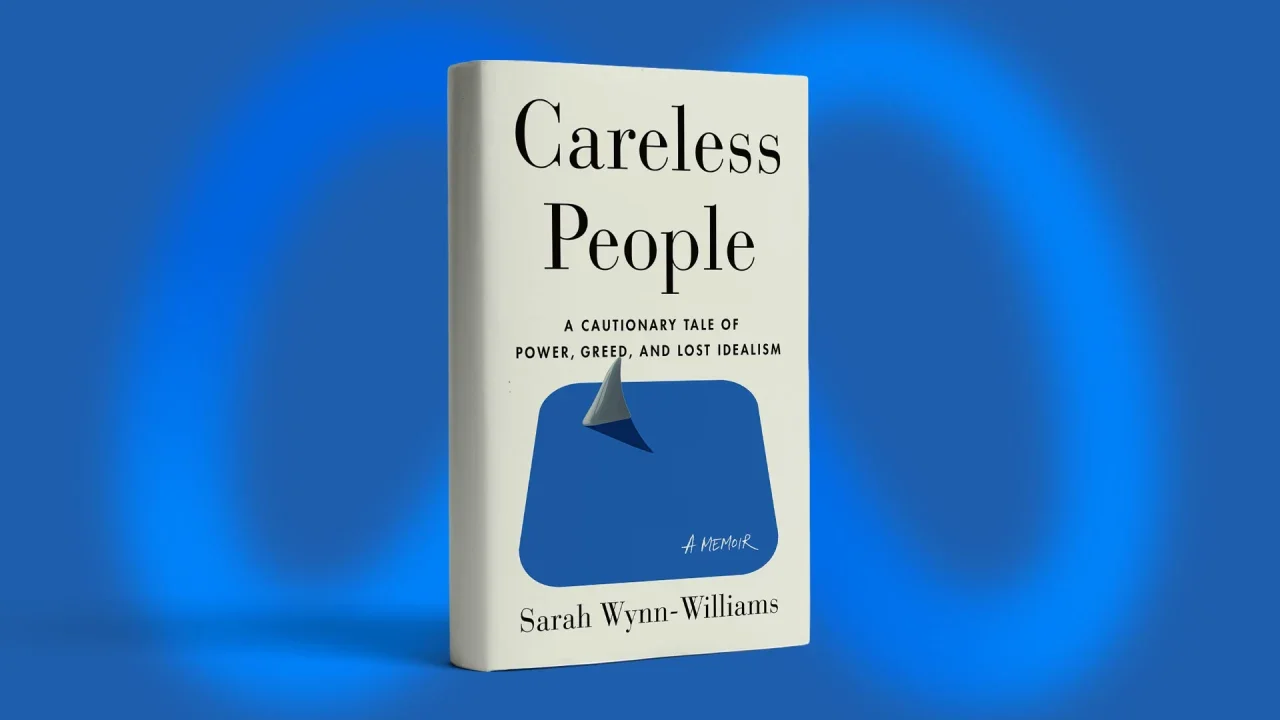
A new memoir that paints Facebook’s parent company and its executives in a negative light is rising on Amazon’s Best Sellers rankings faster than you can ask a Meta AI assistant to define “Streisand effect.” Careless People, written by former Meta employee Sarah Wynn-Williams, was the No. 5 best-selling book on Amazon as of early Thursday afternoon, one day after an arbitrator ordered the author to temporarily stop promoting the book. Meta spokesperson Andy Stone applauded the emergency ruling yesterday on Threads, saying it affirmed that the “false and defamatory book should never have been published.” However, the legal fight appears to have drawn increased attention to Careless People, which was ranked around No. 81 shortly after Stone’s post—meaning it rose more than 75 places since then. Amazon’s sales rankings are based on recent activity around a product and tend to fluctuate frequently, but getting into the top five in the books category on any given day is an enviable position for an author. Additionally, the book is No. 1 in three subcategories: scientist biographies, politics and social sciences, and industries. What is Careless People about? Wynn-Williams worked as the global director of public policy for Meta when it was still called Facebook. She was fired in 2017 for what Meta describes as “poor performance and toxic behavior.” Careless People details her time at the social media giant and apparently contains unflattering portrayals of CEO Mark Zuckerberg and former COO Sheryl Sandberg. One claim in the book that has been making the rounds in media circles involves Zuckerberg’s attempts to enter China, which included supposed anti-censorship tools to appease the Communist government. Meta has said these details were reported years ago. What happens next? The arbitration order essentially prevents Wynn-Williams from saying anything critical about Meta, presumably until the two sides can privately arbitrate the matter. Reached for comment by Fast Company, a Meta spokesperson continued to cast aspersions on the author and pointed to the emergency arbitration ruling as a victory. “This urgent legal action was made necessary by Williams, who more than eight years after being terminated by the company, deliberately concealed the existence of her book project and avoided the industry’s standard fact-checking process in order to rush it to shelves after waiting for eight years,” the company said. However, a spokesperson for Flatiron Books, the Macmillan imprint that published Careless People, didn’t seem ready to back down. “The arbitration order has no impact on Macmillan,” Flatiron spokesperson Marlena Bittner told Fast Company. “However, we are appalled by Meta’s tactics to silence our author through the use of a non-disparagement clause in a severance agreement . . . The book went through a thorough editing and vetting process, and we remain committed to publishing important books such as this. We will absolutely continue to support and promote it.” View the full article

-
On Thursday, Google rolled out a number of previously-paywalled Gemini features to free users. You can now use Gemini custom chatbots, which the company calls "Gems"; Deep Research, which runs AI models that "think" through each step of a problem; and upload files to Gemini 2.0 Flash Thinking, whether you pay for Google's AI services or not. But that's not all: The company also introduced new experimental feature for Gemini—Gemini with personalization. This feature, which runs on Google's Gemini 2.0 Flash Thinking model, connects Gemini to your Google apps and services, with the goal of offering you a more personal AI assistant. The idea is, by connecting your Google Account's information to Gemini, it'll know more about you and will be able to deliver more informed results tailored to your personal tastes. It's certainly a step in the direction that big tech companies are advertising AI to be. But in order to work, you need to connect your search history to Gemini. That's a lot of trust to put into Google's AI service, and I imagine a tricky decision for anyone who is concerned about the amount of data we're feeding these AI tools. What can Gemini's Personalization model do? Google offers a few examples of how this new service might improve your experience with Gemini. You might ask the bot where you should go on vacation, and rather than pull from a series of sources about where other people like to go on vacation, the bot could, theoretically, use your past search queries to focus on a trip it thinks you would like. Maybe you've put together a bit of a vision board about heading to the Bahamas or Saint Lucia, and the bot would gather searches related to tropical vacations. Or maybe you'd ask the bot for suggestions for a new hobby and see results based on the types of things you searched for in the past. I understand the vision Google's going for here: Rather than have a bot that answers queries the same for everyone, why not have each user's bot provide answers tailored to their likes and dislikes? That said, it does make me wonder: If the user is already searching for things like vacation spots and new hobbies, wouldn't they be able to choose for themselves where they'd like to go, or what activity they'd like to take up? If I'm searching a lot about jogging, and I ask the bot what hobbies I should take up, I'm not going to be surprised when Gemini returns results for On sneakers and a local running club. For Google's part, this isn't necessarily some sneaky tactic. In order for you to use the feature, you'll need to opt in to connecting your search history to Gemini. That's actually surprising to me, and mildly refreshing. At least Google isn't making opt-out the default here. Because the model is a "thinking" model, you'll see the entire train of thought as part of the results. As such, Google says you'll be able to see the personal information Gemini used to generate its answer, including saved info, past conversations, or your search history. In addition, Gemini won't look at your search history unless you're specifically using this experimental personalization feature. (You also need to have Google's Web & App Activity setting turned on.) All that to say, it's not like using this feature means Gemini will scan your search history every time you use it. If you use the standard Gemini 2.0 Flash model, it won't pull from this personal data with its answer—only if you switch back to "Personalization." Should you connect your search history to Gemini?Here's what I'll say: I'm not connecting my search history to Gemini—not yet, anyway. At this time, the feature is experimental, so it isn't the complete vision that Google has in store for it. (The company has plans to connect Photos and YouTube data in the future, for example.) But even if the feature was fully realized, I'm just not comfortable with connecting my personal search history to Google's AI. Don't get me wrong: I know Google already has access to my search history (though disabling Web & App Activity should mitigate some of that data leaking). It's not really about that. To me, I don't feel the need to train Google's AI on my search history, which is what is happening here. It's a neat idea to give users more personalized results from AI bots, but by opting into this feature, I'm providing Google free training for Gemini using my personal information. In fact, by requiring Web & App Activity to be enabled, Google is asking for you to share this data with both Gemini and Google as a whole. Google might have the best of privacy intentions here for all we know, but even still, I'm living by another AI tenant with this decision: don't share private information with AI. If you wouldn't want a human reviewer at Google seeing what you're sharing with Gemini, you probably shouldn't share it in the first place. Traditionally, I've referenced this rule for things like proprietary company information or deeply personal information, but search history can also be deeply private. Do you really need Gemini (or a human reviewer) seeing everything you searched for, just to attempt to make your Gemini results a bit more personal? Those results might be totally inaccurate, anyway. How to use Gemini's Personalization modelIf you think those tradeoffs are worth the potential benefits of Gemini's Personalization model, here's how to give it a try. Open up Gemini, then choose "Personalization (Experimental)" from the drop down. Here, Google will present you with a pop-up, where you'll need to connect your search history to Gemini. If you're good with that, choose Connect now. Credit: Google View the full article
-
IDEAS shared have the power to expand perspectives, change thinking, and move lives. Here are two ideas for the curious mind to engage with: I. Chris Deaver and Ian Clawson on leading together: “The dark truth of success is that if we make it all about ourselves, our own egos, our individual performance, it eventually breaks down. It won’t have staying power. Most of us have experienced the reality of bosses or corporate cultures that go it alone, pushing agendas on us rather than building with us. Startups know this feeling. People running full speed toward their dreams know this feeling. But it’s fleeting. It doesn’t last if it’s not built with others, co-created.” Source: Brave Together: Lead by Design, Spark Creativity, and Shape the Future with the Power of Co-Creation II. Joel Kurtzman on leadership: “The leader is not separate from the group he or she leads. Rather, the leader is the organization’s glue—the force that binds it together, sets its direction, and makes certain that the group functions as one. Good leaders are not outsiders who cheer on a group. They are part of that group, integrated deeply into its fabric and emotional life. Connecting with the group you lead means demonstrating you are part of the group, understand its challenges, can do its jobs, and can stand the pressure and the heat.” Source: Common Purpose: How Great Leaders Get Organizations to Achieve the Extraordinary * * * Look for these ideas every Thursday on the Leading Blog. Find more ideas on the LeadingThoughts index. * * * Follow us on Instagram and X for additional leadership and personal development ideas. View the full article
-
YouTube is rolling out new features that make it easier for creators and brands to connect their collaborative content with advertising campaigns. This comes after their introduction last year of tools to help brands better leverage creator content and its fast-growing Shorts format to drive measurable business outcomes The details. The platform has introduced two improvements: Creator-initiated linking: Eligible creators can now directly send linking requests to brands for sponsored videos they’ve already published. Video linking API: Brands working with multiple creators can automate the connection process through a new API integration. Why we care. The creator economy continues to mature, but administrative friction has been a persistent obstacle in scaling partnerships between brands and content creators. YouTube’s new linking could significantly streamline the process of turning creator partnerships into measurable campaigns. The creator-initiated linking feature reduces administrative back-and-forth, while the API automation saves substantial time for brands managing multiple creator relationships simultaneously. The big picture. Consumer trust in creator recommendations continues to outpace traditional advertising. YouTube is positioned as the most efficient ecosystem for formalizing and measuring these relationships. What’s next. YouTube will likely continue expanding its BrandConnect toolkit. View the full article
-
Projects reach a successful completion by planning, but a plan alone isn’t enough to deliver on time and within budget. Costs, resources and performance must be tracked to ensure the actual effort aligns with the project plan. An S-curve is one tool that can help do that. To understand why, let’s first define an S-curve graph in project management. Then we’ll explain why it’s used and how to make one. To save readers time, we’ll also link to a free downloadable S-curve template for Excel, followed by an example to show how it’s used in real-life projects. /wp-content/uploads/2025/03/S-curve-template-featured-image.jpg Get your free S Curve Template Use this free S Curve Template for Excel to manage your projects better. Download Excel File What Is an S-Curve? An S-curve is a graphical representation of a project’s progress over time, typically used in project management to track costs, resources or work performance. The curve gets its name from its S-like shape, which reflects the natural lifecycle of a project—starting slow, accelerating in the middle and tapering off as the project nears completion. S-curves are commonly used for performance analysis, forecasting and resource management. They help project managers compare actual progress against planned progress, identify deviations and make data-driven decisions to keep the project on track. While an S-curve is useful for tracking progress, scheduling that work requires project management software. ProjectManager is award-winning project and portfolio management software with robust Gantt charts to schedule and forecast project tasks, resources and costs. To ensure the project progresses as planned, link all four types of task dependencies, filter for the critical path and set a baseline set to track the project in real time. Get started with ProjectManager today for free. /wp-content/uploads/2025/03/Gantt-CTA-2025.jpgProjectManager’s Gantt charts help forecast and schedule projects. Learn more Why Use an S-Curve in Project Management? An S-curve is a valuable tool in project management for monitoring and analyzing a project’s progress, resource allocation, costs and risks over time. By visually representing project performance, it helps teams make informed decisions, stay on schedule and ensure resources are used efficiently. Below are key reasons to use an S-curve in project management. Progress Tracking: The S-curve allows project managers to track progress over time by plotting actual work completed against the planned schedule. The horizontal (X-axis) of the graph represents time, while the vertical (Y-axis) represents key metrics such as cost, work hours or tasks completed. This helps teams identify delays or deviations from the original project plan. Resource Management: By analyzing an S-curve, project managers can assess whether resources—such as labor, materials and equipment—are being allocated efficiently. If the curve shows a steep incline, it may indicate a high demand for resources, helping teams anticipate and manage workload distribution more effectively. Cost Control: S-curves help track project expenditures over time, allowing managers to compare planned vs. actual costs. By monitoring cost trends, teams can detect budget overruns early and take corrective action before financial risks escalate. This ensures the project remains financially viable. Schedule Management: An S-curve graph provides insights into whether a project is on schedule, ahead or falling behind. If the actual progress curve lags behind the planned curve, it signals delays, prompting the need for schedule adjustments. This visibility helps teams stay aligned with deadlines and project milestones. Risk Management: By comparing planned and actual performance, S-curves help identify potential risks, such as unexpected slowdowns in work progress or resource shortages. Early detection of these risks enables project teams to implement mitigation strategies, reducing the likelihood of major disruptions. How to Make an S-Curve Graph An S-curve graph is a powerful tool in project management for tracking progress, costs or other key performance metrics over time. It visually represents the natural growth of a project, starting slow, accelerating in the middle and leveling off toward completion. Below are the key steps to create an S-curve graph. 1. Establish a Timeline for the S-Curve The first step is to define the project timeline, which will be plotted on the horizontal (X-axis) of the graph. This timeline should cover the entire project duration, from initiation to completion, with specific milestones or phases marked along the way. A well-defined timeline ensures accurate tracking and analysis of project performance. 2. Determine What Project Area Will Be Measured Next, decide what key metric the S-curve will track. It could measure progress (tasks completed), costs (budget spent), resource allocation or other performance indicators. This data will be represented on the vertical (Y-axis) of the graph. Choosing the right metric ensures the S-curve provides valuable insights for monitoring and decision-making. 3. Plot the S-Curve Graph Once the timeline and key metric are defined, plot the S-curve by graphing actual project data against planned data. The curve typically starts with slow progress, then rises steeply as work accelerates, and finally flattens as the project nears completion. Comparing planned vs. actual curves helps identify trends, delays or budget overruns, allowing teams to adjust as needed. S-Curve Graph Example Let’s explore a real-life example to understand the practical application of using an s-curve. In the one we’ve sketched below, a construction company is building a bridge for vehicle traffic. Read how using an s-curve graph helps the construction firm keep track of its progress. The infrastructure construction project commenced in January 2025, with an initial one percent actual progress, slightly ahead of the estimated 0 percent. The project steadily gained momentum throughout the early months, closely aligning with the projected timeline. By March 2025, actual progress was at seven percent, slightly trailing the estimated 8 percent, but recovered by April 2025, surpassing projections (12 percent actual vs. 10 percent estimated). /wp-content/uploads/2025/03/S-Curve-Template.png From May to August 2025, the project experienced a strong acceleration phase, with actual progress significantly exceeding estimates. By August 2025, 60 percent of the work was completed, compared to the forecasted 50 percent, indicating an efficient resource allocation and smooth execution. By the end of September 2025, the project had reached 75 percent completion, maintaining a lead over the planned 70 percent. The trend continued into November and December, when the project exceeded estimates (96 percent actual vs. 85 percent estimated in December 2025). As the project entered 2026, the final stages saw a controlled approach, ensuring quality checks and finishing tasks were properly executed. By March 2026, the project was successfully completed at 100 percent, precisely matching the estimated progress. S-Curve Template for Excel Pictured above is our free S-curve template for Excel to visualize project progress over time. Download this template to compare planned performance against the actual performance. The s-curve graph helps keep projects on track. Our free template is a fully customizable document. We’ve formatted it with a chart on the left to capture the project timeline and actual and estimated progress. On the right is the c-curve graph, which automatically populates once the graph has been filled out. Benefits of Using an S-Curve in Project Management Project management professionals wouldn’t use an s-curve if there weren’t ample benefits to the tool. Here are a handful of those advantages. Helps compare actual project results against projections and estimates By plotting costs, risks, progress or other key project management areas, an s-curve graph helps identify project variances as they occur Can be used as a visual resource to document lessons learned Helps set realistic stakeholder expectations by showing the normal progression of projects, which in most cases isn’t depicted by a straight line Allows project management teams to decide when to reallocate resources to get projects back on track Disadvantages of Using an S-Curve in Project Management While S-curves help track project progress and performance, they also have limitations. Below are key disadvantages to consider when using an S-curve in project management. S-curves rely on historical data and may not accurately reflect sudden changes or disruptions in a project Analyzing S-curve trends can be challenging, especially for those unfamiliar with data visualization techniques The curve provides an overview of progress but does not break down specific task-level details or bottlenecks Any errors or inconsistencies in data collection can lead to misleading conclusions and poor decision-making S-curves work best for long-term projects with measurable trends, making them less useful for short, fast-paced initiatives Related Project Management Templates An s-curve template is only one of the over 100 free project management templates for Excel and Word that are available for immediate download on our site. They cover all aspects of managing a project across multiple industries. Here are just a few that can help monitor project metrics. Project Dashboard Template A project dashboard offers a high-level overview of project metrics. This free project dashboard template for Excel is set up to track tasks, workload, costs and more. The colorful graphs and charts help keep projects on track. Budget Dashboard There are also dashboards that are focused on specific metrics, such as cost. Download this free budget dashboard for Excel to view graphs and charts on total costs, planned vs. actual costs, direct material, direct labor, direct equipment and overhead costs. Task Tracker Dashboard Use this free task tracker dashboard for Excel to monitor, organize and track the progress of tasks or projects. It provides an overview of all tasks, their status, deadlines, priorities and other important project information. Why ProjectManager Is Better Than an S-Curve for Managing Projects An S-curve graph or any template is not what a project manager and their team want to plan, manage and track projects. These are static documents that have to be manually updated and are poor collaborative tools. Projects are dynamic and need project management software to provide everyone involved with the features they need to deliver the project successfully. ProjectManager is award-winning project and portfolio management software that has Gantt charts to schedule work, kanban boards and task lists to execute it and a calendar view to get a monthly overview of the project. Manage Resources and Keep Teams Productive Resource management begins on the Gantt chart, where human and nonhuman resources are scheduled. When onboarding teams, project managers can set their availability, which makes it easier to assign tasks to the right person at the right time for the right job. Resource allocation across all projects can be viewed on the color-coded workload chart which makes it easy to see who’s overallocated or underutilized. The team’s workload can then be balanced without having to leave the chart. There’s even a team page that shows daily and weekly team activity, which can be filtered by progress, priority and more. /wp-content/uploads/2023/01/Team-Light-2554x1372-1.png Monitor Project Metrics on Real-Time Dashboards and Reports To get a high-level overview of the project’s metrics with a template, you’re going to have to add the data to see the graphs and charts. Our real-time project or portfolio dashboards automatically collect live data from one or multiple projects and display those metrics on time, cost, workload and more without having to set up the tool. Customizable reports go deeper into the details and can be filtered to show specific data points or a more general summary that can then be shared with stakeholders to keep them updated. Even our secure timesheets help by tracking labor costs to keep the project on budget. /wp-content/uploads/2022/07/Dashboard-light-mode.jpg Related Project Management Content Using an S-curve to help manage projects is only a small slice of the larger project management pie. For those who want to read more, below are a handful of links to recently published articles that go into various aspects of managing a project. Best Project Management Charts for Project Planning How to Create a Milestone Chart with Project Management Software Free Project Templates for Excel and Word Project Controls: A Quick Guide 22 Project Management Tools & Techniques for Project Managers ProjectManager is online project and portfolio management software that connects teams whether they’re in the office or out in the field. They can share files, comment at the task level and stay updated with email and in-app notifications. Join teams at Avis, Nestle and Siemens who use our software to deliver successful projects. Get started with ProjectManager today for free. The post How to Use an S-Curve in Project Management appeared first on ProjectManager. View the full article
-
We may earn a commission from links on this page. Deal pricing and availability subject to change after time of publication. There have been many earbuds with great active noise canceling (ANC) over the years, but none have reached the standard set in 2023 by the Bose QuietComfort Ultra. They are still the best ANC earbuds you can get in 2025. Right now, you can get them for $219 (originally $299) on Amazon, the lowest price they've ever been, according to price-tracking tools. Bose QuietComfort Ultra Bluetooth Earbuds Brand: Bose, Color: Black, Ear Placement: In Ear, Noise Control: Active Noise Cancellation $219.00 at Amazon $299.00 Save $80.00 Get Deal Get Deal $219.00 at Amazon $299.00 Save $80.00 The Bose QuietComfort Ultra Bluetooth earbuds received an "outstanding" review from PCMag, not just for their best-in-class ANC, but also for their great audio, Active Aware feature, Spatial audio support, and diverse codec Bluetooth support with AAC and AptX, which makes it great for Android and Apple users alike. However, they're not perfect. They lack multipoint connectivity, which other high-end earbuds at this price point offer, and there is no wireless charging for the case (if you care about that). The features are what sets these earbuds apart. They have a CustomTune feature that measures your ear's canal's shape to tune the sound and establishes your best ANC profile. You can adapt changes in the companion app as well. Bose calls its spatial audio feature "Immersive Audio," which is a feature that mimics hearing your surroundings similarly to what it would feel to wear open-ear headphones. You can also mess around with the settings to mix and match outside noise and ANC within the Immersive Audio setting on the app. You'll get about four to six hours of battery life and another 12 to 18 with the battery case. The earbuds aren't waterproof, but they are water resistant with an IPX4 rating, so you can wear them in the gym. View the full article
-
The PM job market is growing, but competition is tougher than ever. We asked experts how project managers can stand out in 2025. From job search strategy to personal branding, here’s how to land interviews and secure your next role. The post Project Managers Reveal 8 Tips for Getting Hired in a Competitive Job Market appeared first on The Digital Project Manager. View the full article
-
CC BY-ND Five years after the COVID-19 pandemic disrupted office life, American workplaces are settling into a new rhythm. Employees in remote-friendly jobs now spend an average of 2.3 days each week working from home, a research team that tracks remote employment has found. And when you look at all workers – and not just those in remote-friendly positions – they’re working remotely 1.4 days a week, or 28% of the time. That’s a huge change from 2019, when remote work accounted for only 7% of the nation’s paid workdays, even if it’s down from the height of the pandemic in 2020, when 61.5% of all work was remote. And it’s a giant leap from 1965, the dawn of telework. At that time, fewer than 0.5% of all paid workdays were out of the office, according to the Bureau of Labor Statistics. As management professors who study remote work and collaboration, we’ve learned a lot about remote work’s challenges and its often underappreciated advantages. In analyzing the latest data, we’ve observed that employers and employees are still trying to strike the balance between working from home and at the office. That’s why employers’ requirements for in-person work don’t always align with their employees’ preferences. Hybrid work is on the rise Employers swiftly made the jump to remote work in 2020. Zoom, along with other previously unfamiliar collaboration software companies, became commonplace overnight. Five years later, many employers, including JPMorgan, TikTok, Amazon and the federal government, are rejecting remote work, demanding that employees return to the office full time. But these examples are not the norm. According to Flex Index, which tracks the workplace strategies of over 10,000 U.S. companies quarterly, fully in-office work is on the decline. At the start of 2023, 49% of employers insisted that their staff report to the office daily. That percentage fell to 32% at the end of 2024. Companies are also retreating from remote-only work. While 31% of employers were fully remote in 2023, only 25% had remained fully remote at the end of 2024. Instead, companies are increasingly turning to hybrid arrangements, in which employees spend a part of their week at the office. About 20% of professional workplaces were hybrid at the start of 2023. Just two years later, hybrid’s share had risen to 43%. Some industries are more remote than others The story of remote work is more complicated than general trends indicate. Its prevalence varies widely by industry, location and employer size. The technology, insurance, telecommunications, professional services, and media and entertainment industries are among the biggest adopters of long-term remote and hybrid arrangements. The states where remote and hybrid work are the most popular are Massachusetts, Washington, Oregon, Colorado and California. The states where it’s the least popular are Kentucky, Louisiana, Nevada, Nebraska and Alaska. In part, some of these regional differences are due to where remote-friendly industries like technology and insurance are concentrated. Businesses with 500 or fewer employees are the most likely to embrace remote work. Staying connected and coordinating with your colleagues is easiest with smaller teams, we’ve observed. Midsize employers, with 500 to 25,000 employees, are equally split across fully in-office, remote and hybrid strategies. Very large employers, which have 25,000 employees or more, are the most likely to adopt hybrid work. These patterns show that remote work tends to be more popular among small employers, and in remote-friendly industries and states, whereas hybrid work has found a home in large companies. What employees prefer The remote work story is complicated also because employees have developed different preferences for in-office work, hybrid work and remote work over the course of the pandemic and since it subsided. In 2024, roughly 25% of professional employees preferred office work, 35% preferred remote work, and 40% preferred hybrid work, according to research by Zoom. Even recent college graduates express a range of preferences: 15% prefer to work at an office, 20% prefer remote work, and 65% would rather have a hybrid schedule. However, the ideal balance of office and remote work remains a point of contention. While employees favor three days at home and two in the office, employers prefer the opposite: three days in the office and two working remotely, the Zoom survey found. Generally, the future of work looks hybrid. But the remote work of the lockdown days – what’s now known as “fully remote” – is also here to stay. This is good news for those who prefer fully remote work. These employees are often parents or are caring for adults in need of assistance. They may live in rural communities or reside too far from their offices to regularly commute. Many LGBTQ+ employees and people of color have expressed a preference for remote work as a way to limit the microaggressions they experience on the job. On the fifth anniversary of the COVID-19 lockdown, there’s no one-size-fits-all workplace. And we believe that’s a good thing. Radostina Purvanova is a professor of management and organizational leadership at Drake University. Alanah Mitchell is a professor of information management and business analytics at Drake University. This article is republished from The Conversation under a Creative Commons license. Read the original article. View the full article

-
We may earn a commission from links on this page. Whoop, the screenless watchband-like wearable that beat out Oura in my non-watch fitness tracker showdown, has just added a VO2 max feature to its app. Now, just like Garmin, Apple Watch, and others, it can put a number on your cardio fitness and tell you how it changes over time. WHOOP 4.0 with 12 Month Subscription – Wearable Health, Fitness & Activity Tracker $239.00 at Amazon /images/amazon-prime.svg Get Deal Get Deal $239.00 at Amazon /images/amazon-prime.svg What is VO2 max again? VO2 max is a measure of cardiovascular (or aerobic) fitness. There are other types of measurements that can give you a sense of how fit you are, but VO2 max is one of the simpler metrics to follow. It’s a two-digit number, and the higher it is, the fitter you are. A sedentary person might have a VO2 max around 20; an athlete might have one over 50. The technical definition is that it’s the maximum amount of oxygen your body can use per minute while exercising, divided by your body weight. The higher that number, the better your heart and lungs are at getting oxygen to your muscles, and the better your muscles are at using energy for exercise. How is VO2 max measured? To get a true VO2 max reading, you need to take a test in an exercise lab with a max that measures the amount of oxygen you’re breathing. Obviously, a wearable can’t provide that on its own. But wearables like Whoop, Garmin watches, and Apple Watches can estimate your cardio fitness through other means. Most commonly, they’ll compare your heart rate to how quickly you can run or walk. If you can jog along at a pretty fast clip while your heart rate is low, you’re probably pretty fit and have a high VO2 max. On the other hand, if your heart rate soars when you’re just trying to go out for an easy walk, you probably have low cardio fitness and thus a low VO2 max. That’s the general idea, anyway—the exact calculation will vary from one device to another. How Whoop uses VO2 maxI expected Whoop to use the same walking/running-based type of calculation as the other wearables I’m familiar with, but the company’s description makes it sound like something more complicated (and harder to verify) is going on. “Whoop estimates your VO2 Max using a proprietary algorithm trained on gold-standard laboratory data from a diverse set of Whoop members,” it says. That’s not very helpful. It continues: “To calculate your score, the algorithm factors your continuous physiological data (including resting heart rate and heart rate variability), your exercise patterns, and GPS-tracked performance metrics (when enabled). It also accounts for how VO2 Max naturally changes with age and incorporates physical factors that influence oxygen utilization, like height, weight, and biological sex.” So GPS-tracked activities can be included in the calculation, but apparently aren’t necessary. This makes me wonder what the Whoop band is actually measuring to determine your VO2 max—or is it just doing some kind of AI-powered guess at what people with your metrics tend to have as their VO2 max? I’ve reached out to the company and will update if it is able to give me more information. I don’t have a VO2 max in my Whoop app at the moment, since it requires 14 recoveries (nights of sleep, basically) to give you that information, and I haven’t been wearing my Whoop lately. Where to find your VO2 max in the Whoop appAccording to Whoop support, you can find this feature on the Strain tab. By tapping “VO2 max” you can view monthly or six-month trends. Users on Reddit have reported that it’s been rolling out over the past few days, and that Whoop has told them everybody should have it by March 13 (today). View the full article
-
Former UK City minister implicated in Dhaka corruption inquiryView the full article
-
Authorities should release more evidence of why Călin Georgescu has been blockedView the full article
-
Match Group’s new CEO Spencer Rascoff sent a letter to employees Thursday outlining his vision for the company, while also acknowledging the dating giant has fallen flat when it comes to public sentiment. Rascoff, who cofounded Zillow and served as chief executive for a decade, was appointed Match Group CEO in early February to shake up the beleaguered parent company of Tinder, Hinge, and OkCupid. Rascoff isn’t entirely a newcomer to the dating economy: He joined Match Group’s board in 2024. “To reach our full potential, we must confront a hard truth: we haven’t always met the high standards we set for the user experience,” Rascoff said in the letter, which was shared exclusively with Fast Company. “Too often, our apps have felt like a numbers game rather than a place to build real connections, leaving people with the false impression that we prioritize metrics over experience. That needs to change.” Some users have become dismayed with dating apps, taking to social media to complain about their experiences. They often share tips about “hacking” the algorithm, under the unproven belief that apps like Hinge and Tinder aren’t showing them all of the matches they’d be interested in. Rascoff said that going forward, users need to be at the core of every choice. “Every product decision, policy, and innovation must be guided by their experience and outcomes,” he said. “Trust is the foundation of real connections, and we are committed to rebuilding it with urgency, accountability, and an unwavering focus on the user.” Rascoff outlined his priorities for the company, believing the five points will drive its transformation. They include “users first,” “innovate quickly,” “details matter,” “prioritizing transparency, safety and authenticity” and the idea that “human connection is the highest calling.” Users First. Every decision should be guided by the people who participate on our platforms in service of creating innovative products that genuinely enhance human connection. Innovate Quickly. Speed is a competitive advantage. We must move quickly, test bold ideas, and scale innovations efficiently, allowing us to stay ahead while maintaining excellence and reliability. Details Matter. Small improvements make a big difference. Every pixel counts. That means prioritizing design and usability, improving algorithms to surface better matches, reducing friction in conversations, and making every step of the experience intuitive and meaningful. Prioritizing Transparency, Safety & Authenticity. Trust must be at the core of the experience. This is an ethical imperative, but also a business imperative. We will be clear about the changes we’re making and ensure users and employees always know where we stand. Human Connection is the Highest Calling. Helping people find love, friendship, and community is one of the most meaningful missions in tech. We take that responsibility and privilege seriously.” Match Group excelled during the COVID-19 pandemic, with millions of users stuck at home and looking for connection. At the time, the company invested in things like audio and video chatting features. But as the world returned to normal, users began to tire of dating apps (Tinder, in particular, faced challenges) and opted for in-person connections. Rising prices also pushed many to stop paying for pricey subscriptions as they tightened their wallets. That shift back to the old school dating scene has spooked Wall Street. Shares have fallen more than 9% from the same time a year ago, trading above $30.10. That’s down more than 82% from its peak in October 2021. Some activist investors have also pushed for changes in the past year. Rascoff didn’t touch on Wall Street in his letter to employees, but the focus on revitalizing users is ultimately what likely would reposition the health of the company. “We know that listening to users isn’t enough—we need to move with urgency and increased accountability,” Rascoff said. “I’ll be working with leaders across the organization to streamline operations, drive efficiency, make faster decisions, act more nimbly, and invest in growth areas—ensuring that every effort is aligned with delivering better connections, deeper authenticity, and real value.” As part of this, Rascoff is “increasing expectations” on being in office. The company declined to comment on what that will look like or what current office guidelines are. Match is also creating a confidential channel named “DM Me If…” for employees to offer feedback and share product ideas. “When our apps work, they create love stories, lifelong partnerships, and real human connections. When they don’t, they lead to frustration, distrust, and disengagement,” Rascoff said. View the full article

-
Chromecast as a brand has been going through it. Second-gen Chromecast and Chromecast Audio have been plagued with a strange glitch that essentially leaves these devices unusable. Users are not happy. Google, for their part, has advised not to factory reset the devices as a workaround, saying that the company is working on an official fix. In the meantime, Google rolled out an unrelated update for Chromecast with Google TV. The company no longer sells this device, but even still, issued a long-awaited Android 14 update for Chromecast with Google TV. The release notes say, with this update, “The Google TV Streamer Voice Remote supports Find My Remote and Customizable Button,” which should be welcome additions to users of this remote. In addition, Chromecast with Google TV users now have security patch updates up through January of this year, as well as various system stability and improvements. On the surface, this update appears minor, but genuinely useful, so it'd only make sense to install it right away. However, Google might have been a bit overconfident with its claim of "stability and improvements" here. Chromecast with Google TV users are complaining that this update is breaking critical features on their devices. On the 9to5Google news post about this update, one commenter says this update broke their local media implementation, saying the device was utilizing too little power, even though their setup should provide plenty of input and worked with Android 12 without issue. Other users say it broke their USB drive detection: No matter what they do, their drives are identified as "safely ejected," but won't be read. One user explicitly says they'll avoid this update, because of the other commenters' experiences. A post about the update on r/AndroidTV reveals other complaints, as well. Some users' devices crash when scrolling through the "Display and Sound" settings. Another user can't cast on from Chrome on their desktop machine following the update. It's a tricky situation for Chromecast with Google TV users: On the one hand, they now have access to an extra couple months of security updates, which is always important to install when available. On the other, however, the update breaks key features you might frequently use your Chromecast with Google TV device for, including casting, USB drives, and running media locally. The update is still quite new, so there might even be more bugs yet to be discovered. If you have to updateAs it stands, you might be better off waiting to install this update until Google can address these issues. If you feel you should update, or you're reading this at a time when Google has issued a new update, you'll find the option from Settings > System > About > System. View the full article