ResidentialBusiness
Administrators
-
Joined
-
Last visited
Everything posted by ResidentialBusiness
-
 A few years ago, I chronicled the journey I went on to manually merge two Apple ID accounts into one. I was attempting to rectify a problem that I and many other long-time Apple users had been stuck with: Our data—emails, contacts, movie and app purchases, photos, logins, and more—was spread across two different Apple accounts. This segregation made accessing this data on our various devices a chore. Imagine opening your closet to look for a specific shirt, only to realize it’s hanging instead in the closet at your old house across town. The process took me days. At the time, Apple provided no automated way for users to merge two Apple IDs. Yet, this week that finally changed—well, kinda. Apple has now developed an official way for users to automatically migrate some Apple account data from one account to another. Here’s what you need to know about the new process. The two Apple ID problem If you’ve only ever had one Apple ID, the login you use for all your Apple services—iCloud, App Store purchases, music streaming, Apple Pay, Apple Card, or anything else that falls under Apple’s ecosystem—you’re probably a bit confused as to why someone would have this data spread across two different accounts. The explanation, in my case, goes back 20 or so years. Before iCloud was introduced, in 2011, Apple offered various other email accounts, including dotMac and MobileMe, the former of which had served as my Apple ID—the login associated with my iTunes music store account, where I bought songs and digital movies. But then, in 2011, like many others, I signed up for a new iCloud account, mainly so I could get a different email address (one I liked better). However, this now left me with two Apple IDs: one for my media purchases and the other for my email and other online Apple services. At first, this wasn’t a problem, but over time as Apple’s services offering grew both more robust and more integrated, having data segregated across two Apple IDs led to an increasingly poor user experience. For example, if you wanted to access your documents in iCloud on your Mac, you would need to sign into one Apple ID, but then if you wanted to access your movie purchases as well, you’d need to sign into another. Soon, it wasn’t uncommon to forget which Apple ID held which data. To say that these challenges annoyed longtime Apple users like me is an understatement. The two Apple ID problem was a rare flaw in Apple’s tightly-knit “it just works” ecosystem. But now, it’s a flaw that Apple has finally taken a step to fix. How to migrate digital purchases from two Apple accounts into one This week, Apple surprised everyone by posting a support document revealing that it now provided a (pretty) straightforward way to merge two Apple accounts—to a degree. (Note: As of iOS 18, Apple has renamed the “Apple ID” to “Apple Account,” but the terms remain relatively interchangeable.) However, Apple’s solution is not perfect. It only lets a user migrate their digital purchases—including apps, music, movies, TV shows, and books—from one Apple Account to another. You still cannot migrate other associated Apple Account data such as iCloud emails, contacts, passes, and Apple Pay cards using the tool. Yet, by allowing the migration of digital purchases, Apple has negated one of the biggest pain points of manually merging two Apple IDs into one. Previously there was no way to move digital purchases from one Apple ID to another. That meant if you wanted to ditch one Apple Account for good, you’d also need to ditch the software and media you purchased with that account. But no more. Apple’s new tool means you no longer have to accept this loss of your digital assets. Its method of migrating digital purchases from one Apple Account to another is also pretty easy—once you have the initial prep out of the way, such as making sure your software is up to date, you know your passwords for both accounts, and you have your payment details for both accounts. If you want to go through the merger process, you can find Apple’s full instructions and requirements here. It’s also a good idea to read this additional support document that dives deeper into the migration process. Apple’s new account migration tool is promising—but it needs to go further People with hundreds or thousands of dollars invested in movies, books, apps, and other digital content they purchased from Apple across two different Apple IDs are sure to love the company’s new migration offering. No doubt about it—it’s a great first step. However, it still doesn’t address all the other problems that arise for those who are still stuck with two Apple IDs. Not only can you still not automatically merge iCloud data (your emails, documents, bookmarks, and more) between two different Apple Accounts, but you also still cannot automatically migrate other critical data, such as your Apple Pay cards, Wallet passes, Sign in with Apple logins, Hide My Email addresses, or passwords. Hopefully, Apple will address these limitations with a future update to its new tool. Until it does, those who want to merge every aspect of two Apple IDs into one are still on their own. View the full article
-
Israel due to release more than 350 Palestinian prisoners under the terms of the dealView the full article
-
James Chappel is an associate professor of history at Duke University and a senior fellow at the Duke Aging Center. He is the author of Catholic Modern, and his writing has appeared in The New York Times, The Nation, and The New Republic. What’s the big idea? Aging in America is becoming one of our country’s most important policy arenas. With more old citizens than young ones, the relevance of elder members in society has never been greater. Despite great progress in the quality of old age over the past century, there is much need for growth in terms of practical policy and cultural perceptions. Below, Chappel shares five key insights from his new book, Golden Years: How Americans Invented and Reinvented Old Age. Listen to the audio version—read by Chappel himself—in the Next Big Idea App. 1. Population aging is one of the biggest historical transformations of our time. We think about population aging as an issue for medicine and finance, but we don’t usually think about it historically. From the broadest perspective, population aging is one of the biggest changes that has happened to American society in the past century. Many people think of politics, iPhones, or AI when considering dramatic societal change, but those things matter less than major demographic changes. Human life is not what it was a century ago—it’s twice as long!—and that deserves much more attention. 2. We’ve only been seriously contemplating population aging for a century. Most of the major things we deal with as a society (education, politics, health, war, gender) are topics we have publicly debated for centuries. We have reflected long and hard on many subjects, but no one really paid attention to population aging until about the 1930s. Even people thinking very hard about social reform and progress, like Karl Marx, weren’t thinking about aging at all. So, aging is an issue that has a pretty short history. What to do with old age and how to pay for old age are areas of reflection with a lot of space open for creativity. It’s an exciting, vibrant, fresh avenue for collective contemplation. 3. There have been many different approaches to aging. We often think of aging as something nonideological. Education is ideological, and the military is ideological, so we have robust public debate about the meaning of these things. But old age is kind of like, well, you get Social Security and Medicare, and we don’t want to think about it too much beyond that. Old age is in a moment of ideological stasis. But for most of the past century, there’s been much debate about what it means to age well: socially, politically, and justly. There has been socialist aging, conservative aging, green or eco-conscious aging, etc. One tradition I look at is critical race theory. From that perspective, the history of aging looks quite different. There actually was a robust tradition of Black thought about aging. A lot of inspiring Black leaders said, essentially, that racism and prejudice follow Americans through the whole course of life. Older Black Americans have all kinds of negative outcomes, and Black activists suggested specific reforms to bring the insights of the Civil Rights Movement into old age politics and policy. We need to reinvigorate and repoliticize old age. We should remember how political and divisive it was (and therefore, how exciting it was) to debate old age just a few decades ago. 4. 20th-century solutions to old age are very good. Historians are often quite down on American history. They tend to focus on the persistence of inequality, violence, or disenfranchisement. But when it comes to old age, the situation is much better than it was a century ago. A century ago, older people often lived in squalor, in one-room shacks with dirt floors. There were only a few elders because public health was so bad. Now, older people are quite economically privileged, and they have access to the best poverty reduction program in the country, which is social security. They’re the only age bracket with something like socialized medicine through Medicare. There’s a lot to be grateful for as aging Americans, but there’s also a lot left to be done. There are failures in old-age policy, especially for people over 80, the old old. Issues of frailty, nursing home care, and things like that. Many American middle-aged couples, especially women, are financially or emotionally devastated by caring for older relatives. This is a result of a policy decision that could have been approached differently. There were approaches on the table that would have lessened the burden on unpaid caretakers, and it is not too late. When we think historically about old age, it’s important that we tell an optimistic story. I’m excited to get old. There will be way more social programs for me when I’m 65 than I have available to me now. But there’s also room for growth, especially in dealing with policy for the old old. Nursing homes and extended care will be the most important policy arenas in the near future. 5. Getting old is an adventure. Old age in America can be very good. It can be very fun. You have access to so much when it comes to opportunities for leisure and health. But what I mean by the adventure of old age is a bit different. As Americans, we tend to believe that we make our biggest contributions as citizens when we’re young, that politics is a young person’s game: green energy, Black Lives Matter, and other movements are for younger people, and old people can step back. I think that is absolutely not true. That is a completely outdated way to think about American politics. I think the age of youth has eclipsed. There are more older people in America than younger ones. The decisions we make about how to age and think about old age policy will matter now more than ever. Being provocative, I might even say that decisions about aging are going to matter more than decisions about youth because I think the age of the youth is over. There’s been a major demographic transition in this country and many others. As we age, we should not think of ourselves as becoming less relevant. We should think of ourselves as becoming more relevant. This article originally appeared in Next Big Idea Club magazine and is reprinted with permission. View the full article

-
His attack on government is not ideologically coherent but it can be traced to an engineering mindset that values radical ideasView the full article
-
Hedge fund boss speaks ahead of right-leaning Arc conference in London next week View the full article
-
Reform says claims brought by former workers — who say they were dismissed after the election — are ‘fraudulent’ View the full article
-
The more information there is in the world, the more people crave guidanceView the full article
-
Caught between an aggressive Russia and a disengaging America, the continent’s western democracies must now rearm — or pay the priceView the full article
-
This post was written by Alison Green and published on Ask a Manager. the “terrified of humans” pair … curled up in my lap This comment section is open for any non-work-related discussion you’d like to have with other readers, by popular demand. Here are the rules for the weekend posts. Book recommendation of the week: Piglet, by Lottie Hazell. After her fiance confesses a betrayal two weeks before their wedding, a woman becomes inexplicably ravenous. (Amazon, Bookshop) * I earn a commission if you use those links. View the full article
-
ASUS has announced the availability of the ZenScreen Duo OLED MQ149CD, a portable monitor featuring dual 14-inch OLED screens, offering users expanded screen real estate in a compact design. With 1920 x 1200 resolution and a 16:10 aspect ratio, the device provides an onscreen area equivalent to a 20-inch monitor. The OLED panels deliver vibrant colors, deep blacks, and exceptional clarity, ensuring an optimal visual experience. Compact, Innovative Design The ZenScreen Duo OLED MQ149CD weighs 1.07 kg and folds into a 14-inch form factor, making it highly portable. When unfolded, its dual-screen design supports various display modes, including Split, Extended, Independent, and Mirror modes, catering to different productivity needs. The 360° hinge and integrated fold-out kickstand allow for flexible workstation setups, including Tent mode, which enables back-to-back presentations. Exceptional Visual Performance The OLED panels provide 100% DCI-P3 gamut and Delta E <2 color accuracy, ensuring cinema-grade visuals suitable for both professional and entertainment use. With HDR technology and a 100,000:1 contrast ratio, the monitor delivers high perceptual brightness and DisplayHDR True Black 400 certification, enhancing clarity and detail even in dark environments. Advanced Multitasking and Customization The ZenScreen Duo OLED MQ149CD introduces multiple display modes tailored to varied workflow requirements: Extend Mode: Enables seamless multitasking across both screens. Split Mode: Displays content in a continuous waterfall layout, ideal for coding or document review. Independent Mode: Assigns each screen to different sources, allowing multitasking across multiple devices. Mirror Mode: Duplicates content across both screens for effortless sharing. Additionally, ASUS DisplayWidget Center software enables auto rotation, as well as quick adjustments to brightness, contrast, and color temperature for a personalized viewing experience. Seamless Connectivity The MQ149CD simplifies connectivity with a single USB-C connection, allowing for both power and video signal transmission. It includes two USB-C ports and a Mini HDMI port, ensuring compatibility with a wide range of devices. Ergonomic and Eco-Friendly Features Designed for adaptable workspaces, the monitor features a built-in ¼-inch screw thread socket, allowing for tripod mounting and adjustable viewing angles. The device is ENERGY STAR®-certified, supporting sustainable practices with FSC Mix-certified packaging that minimizes shipping volume for improved efficiency. Availability The ASUS ZenScreen Duo OLED MQ149CD is now available for purchase. With its portable dual-screen design, high-quality OLED visuals, and advanced connectivity, ASUS aims to provide a versatile, productivity-enhancing display solution for professionals and mobile users alike. Image: Asus This article, "ASUS Unveils ZenScreen Duo OLED MQ149CD, a Dual-Screen Portable Monitor for Versatile Workspaces" was first published on Small Business Trends View the full article
-
ASUS has announced the availability of the ZenScreen Duo OLED MQ149CD, a portable monitor featuring dual 14-inch OLED screens, offering users expanded screen real estate in a compact design. With 1920 x 1200 resolution and a 16:10 aspect ratio, the device provides an onscreen area equivalent to a 20-inch monitor. The OLED panels deliver vibrant colors, deep blacks, and exceptional clarity, ensuring an optimal visual experience. Compact, Innovative Design The ZenScreen Duo OLED MQ149CD weighs 1.07 kg and folds into a 14-inch form factor, making it highly portable. When unfolded, its dual-screen design supports various display modes, including Split, Extended, Independent, and Mirror modes, catering to different productivity needs. The 360° hinge and integrated fold-out kickstand allow for flexible workstation setups, including Tent mode, which enables back-to-back presentations. Exceptional Visual Performance The OLED panels provide 100% DCI-P3 gamut and Delta E <2 color accuracy, ensuring cinema-grade visuals suitable for both professional and entertainment use. With HDR technology and a 100,000:1 contrast ratio, the monitor delivers high perceptual brightness and DisplayHDR True Black 400 certification, enhancing clarity and detail even in dark environments. Advanced Multitasking and Customization The ZenScreen Duo OLED MQ149CD introduces multiple display modes tailored to varied workflow requirements: Extend Mode: Enables seamless multitasking across both screens. Split Mode: Displays content in a continuous waterfall layout, ideal for coding or document review. Independent Mode: Assigns each screen to different sources, allowing multitasking across multiple devices. Mirror Mode: Duplicates content across both screens for effortless sharing. Additionally, ASUS DisplayWidget Center software enables auto rotation, as well as quick adjustments to brightness, contrast, and color temperature for a personalized viewing experience. Seamless Connectivity The MQ149CD simplifies connectivity with a single USB-C connection, allowing for both power and video signal transmission. It includes two USB-C ports and a Mini HDMI port, ensuring compatibility with a wide range of devices. Ergonomic and Eco-Friendly Features Designed for adaptable workspaces, the monitor features a built-in ¼-inch screw thread socket, allowing for tripod mounting and adjustable viewing angles. The device is ENERGY STAR®-certified, supporting sustainable practices with FSC Mix-certified packaging that minimizes shipping volume for improved efficiency. Availability The ASUS ZenScreen Duo OLED MQ149CD is now available for purchase. With its portable dual-screen design, high-quality OLED visuals, and advanced connectivity, ASUS aims to provide a versatile, productivity-enhancing display solution for professionals and mobile users alike. Image: Asus This article, "ASUS Unveils ZenScreen Duo OLED MQ149CD, a Dual-Screen Portable Monitor for Versatile Workspaces" was first published on Small Business Trends View the full article
-
Decision to offload the business comes as private equity groups look to capitalise on a flurry of takeover activityView the full article
-
TechSmith Corporation has released the latest versions of Snagit and Camtasia, integrating AI and Screentelligence-powered features designed to enhance content creation workflows. The 2025 updates focus on improving efficiency for users creating training materials, documentation, and workplace communications, marking the final annual release before TechSmith transitions to a continuous delivery model through its subscription offerings. AI and Screentelligence Transform Content Creation Snagit 2025 and Camtasia 2025 leverage AI to automate and refine editing processes, reducing effort and enhancing professional polish. Snagit simplifies step-by-step guide creation and protects sensitive information, while Camtasia introduces AI avatars and advanced cursor effects for clearer instructional videos. “We’ve enhanced Snagit and Camtasia with new AI and Screentelligence features to make it faster and easier for users to achieve their creative goals,” said Tony Lambert, CTO of TechSmith. “User feedback heavily inspired these improvements, helping us simplify and streamline our most popular workflows and features so users can create content with less effort and improve visual communication within teams and organizations.” Snagit 2025: Streamlining Visual Content Creation Snagit’s latest version introduces AI-assisted features aimed at optimizing workflow efficiency and enhancing content quality. New features include: Step Capture: Automatically organizes screenshots into structured guides for process documentation. Smart Redact: Detects and removes sensitive information like phone numbers and mailing addresses. Background Noise Removal: Filters out unwanted noise in user-generated videos. Customizable Share Link (Enterprise exclusive): Enables seamless integration with corporate platforms like OneDrive and Google Drive. Virtual Background Capabilities (Mac exclusive): Allows blurring or changing of webcam backgrounds during recordings. Corner Rounding: Provides a modern aesthetic for screen captures. Instant Asset Access: One-click retrieval of Snagit’s Asset Library. Camtasia 2025: Advancing Professional Video Creation Camtasia 2025 enhances video editing with AI-driven improvements, delivering greater precision and engagement. Key updates include: Background Noise Removal: Instantly filters out noise for clearer audio. Dynamic Caption Editing: Allows manual adjustments to automated captions. Smarter Cursor Movements: Introduces motion blur and enhanced directionality to improve clarity. Kinetic Cursor: Directs viewer attention by dynamically pointing toward the next interaction. Cursor Elevation: Ensures the cursor remains visible above all annotations and effects. AI Avatars (Camtasia Pro exclusive): Enables the use of human avatars to deliver localized training content. Subscription Transition and Availability With this release, TechSmith shifts from an annual release model to continuous updates through subscription plans. Pricing and licensing details for Snagit 2025 can be found at TechSmith Snagit Store, while information on Camtasia 2025 Essentials, Create, and Pro plans is available at TechSmith Camtasia Store. This article, "Snagit and Camtasia 2025 Introduce AI-Powered Workflows to Streamline Content Creation" was first published on Small Business Trends View the full article
-
TechSmith Corporation has released the latest versions of Snagit and Camtasia, integrating AI and Screentelligence-powered features designed to enhance content creation workflows. The 2025 updates focus on improving efficiency for users creating training materials, documentation, and workplace communications, marking the final annual release before TechSmith transitions to a continuous delivery model through its subscription offerings. AI and Screentelligence Transform Content Creation Snagit 2025 and Camtasia 2025 leverage AI to automate and refine editing processes, reducing effort and enhancing professional polish. Snagit simplifies step-by-step guide creation and protects sensitive information, while Camtasia introduces AI avatars and advanced cursor effects for clearer instructional videos. “We’ve enhanced Snagit and Camtasia with new AI and Screentelligence features to make it faster and easier for users to achieve their creative goals,” said Tony Lambert, CTO of TechSmith. “User feedback heavily inspired these improvements, helping us simplify and streamline our most popular workflows and features so users can create content with less effort and improve visual communication within teams and organizations.” Snagit 2025: Streamlining Visual Content Creation Snagit’s latest version introduces AI-assisted features aimed at optimizing workflow efficiency and enhancing content quality. New features include: Step Capture: Automatically organizes screenshots into structured guides for process documentation. Smart Redact: Detects and removes sensitive information like phone numbers and mailing addresses. Background Noise Removal: Filters out unwanted noise in user-generated videos. Customizable Share Link (Enterprise exclusive): Enables seamless integration with corporate platforms like OneDrive and Google Drive. Virtual Background Capabilities (Mac exclusive): Allows blurring or changing of webcam backgrounds during recordings. Corner Rounding: Provides a modern aesthetic for screen captures. Instant Asset Access: One-click retrieval of Snagit’s Asset Library. Camtasia 2025: Advancing Professional Video Creation Camtasia 2025 enhances video editing with AI-driven improvements, delivering greater precision and engagement. Key updates include: Background Noise Removal: Instantly filters out noise for clearer audio. Dynamic Caption Editing: Allows manual adjustments to automated captions. Smarter Cursor Movements: Introduces motion blur and enhanced directionality to improve clarity. Kinetic Cursor: Directs viewer attention by dynamically pointing toward the next interaction. Cursor Elevation: Ensures the cursor remains visible above all annotations and effects. AI Avatars (Camtasia Pro exclusive): Enables the use of human avatars to deliver localized training content. Subscription Transition and Availability With this release, TechSmith shifts from an annual release model to continuous updates through subscription plans. Pricing and licensing details for Snagit 2025 can be found at TechSmith Snagit Store, while information on Camtasia 2025 Essentials, Create, and Pro plans is available at TechSmith Camtasia Store. This article, "Snagit and Camtasia 2025 Introduce AI-Powered Workflows to Streamline Content Creation" was first published on Small Business Trends View the full article
-
A popular “true crime” YouTube channel has been pulling in millions of views with videos about gruesome murders. As it turns out, None of them are real. One of those videos, titled “Husband’s Secret Gay Love Affair with Step Son Ends in Grisly Murder,” claimed to detail a gruesome crime in Littleton, Colorado. After it amassed nearly two million views, viewers reached out to local reporter Elizabeth Hernandez. But there was no record of the crime—because it never happened. The murder was entirely fabricated by a YouTube channel called True Crime Case Files that used ChatGPT and AI-generated imagery. According to 404 Media’s Henry Larson, over 150 similar videos had been uploaded to the channel in the past year, each racking up tens of thousands of views. Other videos carried titles like “Wife Secret Affair with Neighbor’s Teenage Daughter Ends in Grisly Murder” and “Coach Gives Cheerleader HIV after Secret Affair, Leading to Pregnancy.” Hernandez contacted the police about the fake crime videos and the channel was deactivated earlier this year. Paul (a pseudonym created by 404 Media to protect his identity) told Larson that he created the fake “true” crime news to make viewers question why they were so interested in such salacious acts. While his methods are dubious at best, the question itself stands. More than half of all Americans say they consume some form of true crime, with Crime Junkie and Dateline NBC (the original inspiration behind Paul’s videos) both among Apple’s 10 most popular podcasts of 2024. “I’m trying to overdose the viewer on luridness, to try to confront them with the fact that they seem to be so invested in the luridness of it all,” Paul told Larson, defending his AI-generated work. “People’s secret lives, their secret affairs that are really taboo.” The videos were popular and lucrative enough that Paul was able to work on them full time. Before his account was made unavailable, he would create up to two videos a week, each taking around 2.5 hours to finish. A YouTube spokesperson told 404 Media, “We terminated the channel in question for multiple violations of our Community Guidelines, including our policies covering child safety that prohibit the sexualization of minors.” However, Paul still defends his videos. “True crime […] at the end of the day, it’s a form of entertainment. Viewers are watching this not to be informed about things that will affect them personally,” he told Larson. “They’re really just there to be entertained and to have a thrilling mystery with some lurid elements.” View the full article

-
We may earn a commission from links on this page. Deal pricing and availability subject to change after time of publication. The MacBook Air is a staple portable productivity laptop that people seem to love, and as such, many companies try to make their own versions of it. Samsung's take is the Galaxy Book Pro, and after the recent released of Galaxy Book5 Pro, last year's Galaxy Book4 Pro has dropped to $699.99 (originally $1,349.99) for the i5 Ultra Processor, a new record-low price according to price-tracking tools. The model with an i7 Processor starts at $899.99 (originally $1,449.99), also its lowest price. RAM: 16GB, Storage: 512GB SSD, Processor: Intel Core Ultra 5, Size: 14-inch. Samsung Galaxy Book4 Pro, i5 Ultra Processor $699.99 at Amazon /images/amazon-prime.svg $1,349.99 Save $650.00 Get Deal Get Deal $699.99 at Amazon /images/amazon-prime.svg $1,349.99 Save $650.00 RAM: 16GB, Storage: 512GB SSD, Processor: Intel Core Ultra 7 155H, Size: 14-inch. Samsung Galaxy Book4 Pro, i7 Ultra Processor $899.99 at Amazon /images/amazon-prime.svg $1,449.99 Save $550.00 Get Deal Get Deal $899.99 at Amazon /images/amazon-prime.svg $1,449.99 Save $550.00 SEE -1 MORE Regardless of which one you choose, 16GB of RAM is fantastic. If you're doing anything else other than browsing the internet, I would suggest going for the i7 Ultra Processor. It will expand the life of your laptop and make your work much smoother. The 14-inch model is perfect for those looking for a portable laptop that can easily fit in a backpack. You get a print-digit reader to open your laptop, an AMOLED anti-reflective touchscreen with 2880 x 1800 (3K) resolution, and a 1080p webcam. It has two Thunderbolt 4 USB-C ports, an HDMI 2.1, a USB-A 3.2, a MicroSD, and a 3.5mm headphone jack. With an AMOLED screen, you get a beautiful contrast with deep blacks and colors that pop off, making it great for streaming. The 120Hz means action scenes or video games will look very smooth. Just keep in mind the speakers aren't good, so make sure you have a decent pair of headphones. You'll get an average of 14 hours of battery life with this laptop when watching videos, which is great compared to the competition. If you're doing light work, expect more than a day of battery life. If you're looking for a Windows equivalent of the MacBook Air with great battery life for a killer price, this laptop is for you. View the full article
-
Sean Desmond, the new CEO of nCino, hinted at some of the products under development in an interview with American Banker. View the full article

-
Conglomerate has stepped up effort to cut holdings in US lenders in recent monthsView the full article
-
UK government switches strategy on AI regulation in hope of better ties with new US administration View the full article
-
This week Google added Veo 2 to YouTube Shorts and—wow, this article is already gibberish. Let me back up. YouTube Shorts is YouTube's TikTok knockoff competitor. Veo2 is Google's AI tool for generating videos. As of this week, you can use that AI to make clips for YouTube Shorts. This innovative and revolutionary change will forever alter the vertical videos most people scroll past so they can find the thing they actually wanted to watch. According to a confusingly worded announcement post, you can now create clips to add to your Shorts simply by typing a sentence. Anyone can create a Short right in the YouTube mobile app either by combining footage already saved to their phone or by recording directly. Now there's a third option: generating horrifying footage using AI. "Need a specific scene but don't have the right footage?" the post asks. "Simply use a text prompt to generate a video clip that fits perfectly into your narrative, or create a whole new world of content." I can't think of any place less appealing than a "whole new world of content." The very phrase conjures up mental images of a digital purgatory, an endless void of placeholder content where the unworthy are sent to after a life lived passively consuming. So naturally I wanted to try this out. I fired up the YouTube application on my phone found that the feature is a little buried. To generate a clip, you need to click the Add button in the bottom-left corner and then—instead of clicking one of the photos or videos on your phone—tap the Create button at the top of the screen. After that, you can type your prompt and tap Create. I hope this is how it all ends to be honest. Credit: Justin Pot You'll see four thumbnails—tap one and the AI will generate a clip for you. This will be added to your timeline, meaning you can edit it into the rest of the Short however you like. I played around with this a few times, mostly with cats eating planets (I wanted to see it). The results were not particularly convincing from a feline or astronomical perspective—I'd say it resembled the feeling of a fading memory of a dream more than actual video footage—but I certainly ended up with a video that included the elements I described. There's one more way you can use these videos—as an animated background for your Shorts. To do this, tap the down arrow on the toolbar to expand it, tap the Green Screen option, then tap the AI sparkle instead of one of your photos. As before, you will be given four thumbnails to choose from—the one you choose will become a video. You can then record yourself talking as the video loops in the background. Honestly, this seems like a decent use for AI—a quick and disposable visual flare for a video that is also quick and disposable. For what's it's worth, we have an article about how to hide YouTube Shorts from your feed, as does seemingly every other website on the internet. I wonder why that is. View the full article
-
Fannie Mae set aside $752 million for credit losses in its apartment complex lending business in part because of fraud or suspected fraud, denting profits amid an industrywide scrutiny of borrowers. View the full article

-
The Community Home Lenders of America wants streamlined regulations for smaller independent mortgage bankers from the Bureau, including on compensation. View the full article

-
At the same time builders and lenders report contracting credit on offer, sentiment in the residential construction industry improved in the latter half of 2024. View the full article

-
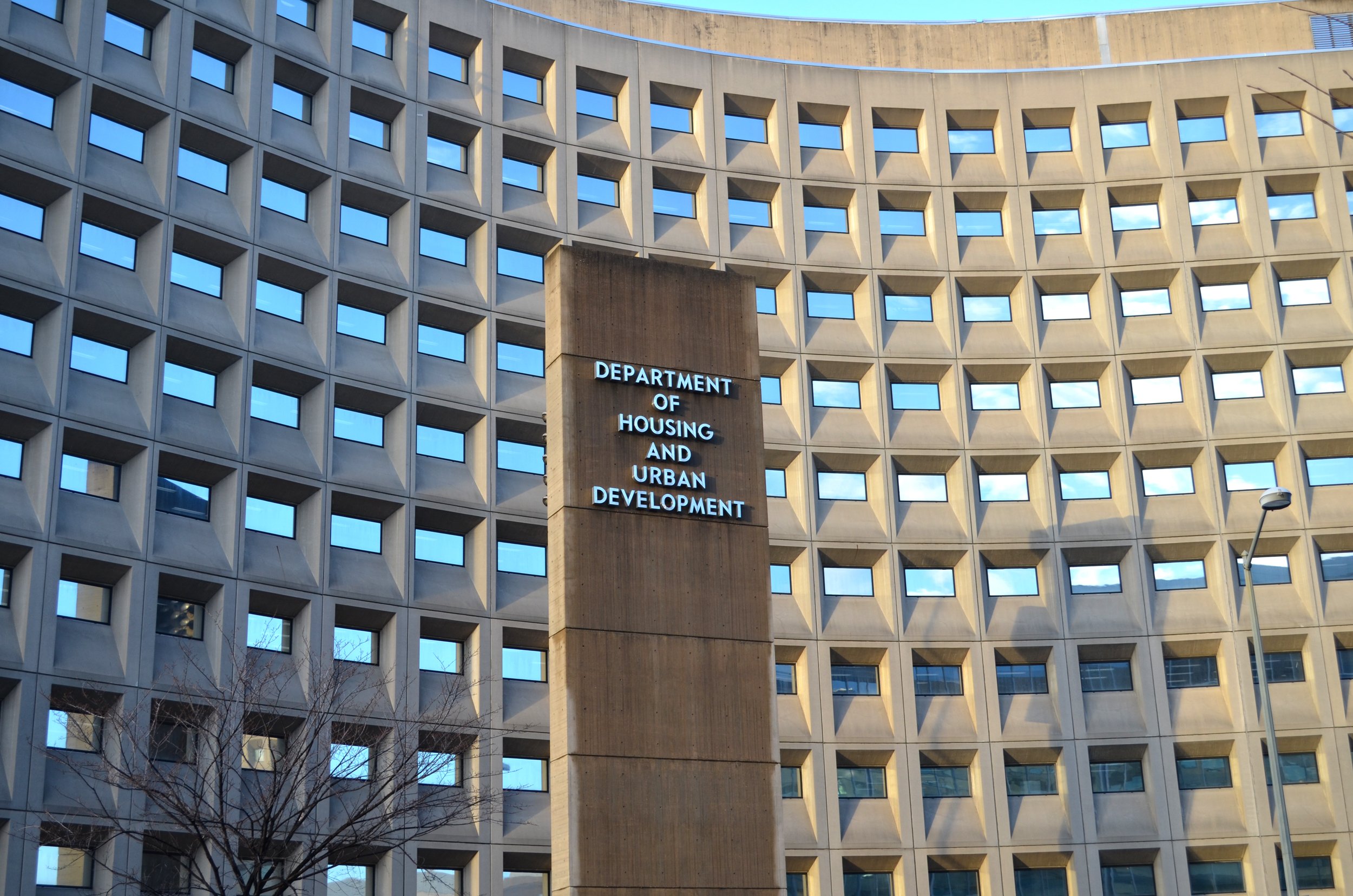
The president of the union for department employees claims 50% of HUD's workforce will be cut, and government contracts were being scrutinized. View the full article

-
Project management charts greatly help project managers plan, schedule and track progress on projects of all sizes. There are many types of project management charts and there’s one for each stage of the project life cycle such as project initiation or project closing charts, for example. There are also planning charts, diagrams and matrices for each of the key 10 project management areas such as cost, schedule, resource or stakeholder management. Luckily for project managers, there are many alternatives when it comes to choosing a project management chart to facilitate project planning efforts. In fact, using those charts is often a need for project managers. You’ll need to use a Gantt chart or a work breakdown structure to build your project plan, which is the foundation of your project. What Are Project Management Charts? Project management charts are visual representations of data that turn difficult project management concepts into easily digestible assets. They’re mostly used for project planning and take many shapes such as flowcharts, network diagrams or bar charts. Gantt charts, PERT charts, CPM diagrams and WBS diagrams are great examples. Project management charts are especially useful when you’re communicating complex project planning information. They visualize data and turn complex concepts such as your project schedule or scope into digestible data for the project management team and stakeholders. Data from project planning charts are even more useful when it’s tied to real-time project management software like ProjectManager. The software can take a static chart and turn it into a dynamic tool for planning, execution and reporting. Get started with ProjectManager today for free. /wp-content/uploads/2022/07/construction-gantt-resources-costs-150-CTA-BUTTON-1.jpgThe Gantt chart is an essential project management chart. Learn more Top 12 Project Management Charts Before considering which project management chart is best for you, it’s important that you first decide which project management methodology you’ll use as there are differences between waterfall and agile project planning. It’s also important to note that you’ll need a variety of project management charts as each serves different project planning purposes such as creating a project timeline, allocating project resources, planning project work and more. Below, we’ve selected the best project management charts for project planning so you can decide which are best for your project. 1. Gantt Charts Experienced project managers are familiar with the Gantt chart. It’s a dynamic bar chart that shows the project schedule on a timeline. Although Gantt charts started out as a basic tool, they’ve matured and include enticing features such as task dependencies that note when one task is related to another. Gantt charts are essential for modern project planning and scheduling because they allow project managers to visualize all of the activities that make up the project on a timeline. They’re also useful to monitor progress once the execution phase begins. /wp-content/uploads/2020/09/Gantt-Chart-Screenshot.jpgFree Gantt chart template Download now With new computing power, Gantt charts evolved from a basic bar chart to an essential project management tool that allows project managers to identify the critical path, assign tasks, establish task dependencies, generate a project timeline and much more. This is why most modern project planning software now includes Gantt charts. One of the biggest advantages of using Gantt charts is that it also allows to create roadmaps to visualize the timelines of multiple projects in a program or project portfolio. Online Gantt Charts for More Flexibility All Gantt charts aren’t equal; other project management software programs have Gantt charts, but they’re basic in functionality. ProjectManager offers Gantt chart features that the competition hasn’t yet considered. To start, ProjectManager can import your task list and schedule from a static spreadsheet. If your plan was developed in Microsoft Project but you want to move that plan online to share with your team, know that ProjectManager facilitates the import of Microsoft Project files. Once you have your project plan in ProjectManager, our online Gantt chart is a project management chart on steroids. You can link task dependencies to prevent team members from getting blocked. You can also assign tasks directly from the Gantt view which is an interactive project timeline that you can adjust in real time. Comment at the task level and all status updates are instantly reflected on the Gantt chart, which feeds into a real-time dashboard with project metrics that can be filtered and shared. 2. Work Breakdown Structure (WBS) Diagram One aspect of project planning is organizing project activities, deliverables and timelines. That’s where a work breakdown structure (WBS) comes in handy. It’s a way to take the tasks a team must accomplish and split them into manageable sections. The WBS is a deliverable-oriented hierarchical decomposition of the work to be executed by the project team. In other words, it’s a great way to visualize the tasks that need to be done in order to complete the project. It acts as a slightly higher-level view than a Gantt chart, which is useful for complex projects. A WBS can be represented as a list, a tree diagram, a spreadsheet or a column on a Gantt chart. /wp-content/uploads/2020/09/WES-Screenshot.jpgFree workbreakdown structure template Download now Once you have that information collected in our WBS diagram template, if you want a more dynamic tool that has more options, connect it to ProjectManager’s work breakdown structure software. Upon moving the WBS diagram to ProjectManager, content is reflected over the different views in the software including the Gantt, task list and kanban board, a visual workflow tool. The online Gantt chart turns the WBS diagram into a powerhouse for project planning. 3. Flow Chart Flow charts are another tool project managers should have in their toolbox when project planning. These charts help visualize processes as a way to improve project efficiency. The flow chart is a graphic display of the project’s objective and helps create a logical order of the work required to reach that goal. Planning a project is all about control, and a flow chart gives a project manager a tool to exercise control over tasks, resources and time. This means all processes, including planning and monitoring, refer to the flow chart to increase efficiency. This flowchart template has the basic symbols you need to represent a process. An oval means the start or finish of the process A rectangle represents an activity, or step in the process An arrow represents the direction from one step to another A diamond represents a decision The example below shows the process of creating a project plan, and getting it approved. /wp-content/uploads/2023/11/flowchart-template-screenshot-600x618.pngFree flowchart template Download now 4. Critical Path Diagram (CPM) Another visual planning tool is the critical path diagram (based on the critical path method, or CPM). It’s used to show the activities that are required to complete the project. The diagram illustrates the duration of each activity and the preceding activity, how the two are related and lag (the amount of time between two activities). A critical path diagram helps project managers break down a more extensive project into necessary activities in order to deliver a successful project. These activities are represented on the diagram as boxes. Between these activities or boxes are lines that represent the flow to show how each activity is connected and interconnected. /wp-content/uploads/2024/05/critical-path-method-screenshot.pngFree critical path template Download now The purpose of using a critical path diagram is to allow project managers to calculate the total duration of a project. The critical path is made up of critical activities but non-critical activities are also shown. Non-critical activities allow for more flexibility as they don’t have a major impact on the project. 5. RACI Matrix RACI is an acronym that stands for responsible, accountable, consulted and informed. A RACI matrix is a chart that helps assign responsibilities in project management. This table helps project managers identify stakeholders in their projects and gauge each level of involvement. This is done by noting next to each the initial R, A, C or I to categorize engagement. For example, a responsible stakeholder means they’re directly responsible for the task. Accountable defines someone who delegates and reviews the work. Consulted means you’ll want this person’s input and feedback on the work being done, and informed are individuals who need to be updated on the progress of the work. /wp-content/uploads/2020/05/RACI-Matrix-Screenshot.jpgFree RACI matrix template Download now This is useful for assigning the responsibilities of team members on a project. But it can also be used to manage stakeholders. The RACI matrix helps a project manager to figure out which stakeholders need to know what and the frequency by which they should be updated on the progress of the project. 6. PERT Chart This visual project management tool is great when you’re mapping out tasks and project timelines. PERT is another acronym that stands for project (or program) evaluation and review technique. It provides a graphical view of the project’s tasks, schedule and timelines. A PERT chart is not a Gantt chart, though similar. Gantt charts are bar graphs while a PERT is freeform. PERT charts are made of nodes, boxes or circles that represent milestones. Connecting arrows show what must be completed between nodes and they represent the duration of each task. /wp-content/uploads/2024/05/pert-chart-template-screenshot.pngFree PERT chart template Download now Some Gantt charts don’t show task dependencies, but all PERT charts do. They use directional, concurrent arrows to indicate a series of tasks that must be completed in a specific sequence. Diverging arrows indicate work that can be done in parallel. 7. Workflow Diagram Workflow diagrams visually show the layout of a process, project or job. This is done as a flow chart. Workflow diagrams are commonly used to show the full business process and information flows, help employees understand their roles and responsibilities, expose redundancies and bottlenecks and avoid risks. This project management chart can be made with software or drawn manually. Whichever route you take, you’ll get significant value from the workflow diagram. They help with operations and create greater efficiency by streamlining work. They also provide documentation for legal, compliance and audit requirements. They’re a great tool for clear communication across the organization. Visual tools are often easier to digest no matter which department is looking at them. The workflow diagram is also a way to strengthen security. Workflow diagrams track information securely and make sure your organization is on top of any security gaps. 8. Risk Matrix Risks can be good and bad, and project managers want to either take advantage of these unexpected opportunities or mitigate the impact of problems on the project. A risk matrix is used in project planning to identify and resolve risks as they arise as issues in a project. The risk matrix lists risks that could occur based on experience and historical data. The matrix represents the likelihood of the risk appearing in the project and the impact it will have if it does show up. Risks are categorized based on probability and severity. /wp-content/uploads/2021/09/Risk-Matrix-Screenshot.jpgFree risk matrix template Download now This tool helps project managers with their risk management on a project. It also communicates the risks that might become issues in the project to the project team and stakeholders. This allows teams to quickly capture these issues and resolve them. 9. Milestone Chart The milestone chart is a visual timeline that helps project managers plan for significant events in their project schedule. Milestones are important events in a project, such as delivering the project plan or the end of one project phase and the beginning of the next one. Each vertical line of the milestone chart shows one milestone. There’s a description of the milestone on the left-hand side of the milestone and a horizontal time scale that charts the entire project. The milestone chart helps keep your team, stakeholders and customers updated on major project events. Making milestones in your schedule and tracking them throughout the project is one way to stay on schedule. Sharing the milestone chart communicates the major events in the project and ensures that everyone is aware of them. It’s like having advance notice for big deadlines that must be met. Because a milestone chart is a simplified version of a project schedule, they’re commonly used to report on the progress of multiple projects in a program or project portfolio to stakeholders such as executives who need a high-level view project status report. 10. Burndown Chart In agile project management, a burndown chart is used to visually represent how quickly the project team is going through the customer’s user stories and it shows the description of the features being worked on. These descriptions are from the perspective of the end-user. The burndown chart shows the team’s effort against the full sprint. The work that’s still to be done is shown on a vertical axis. The time passed from the beginning of the project is shown horizontally. This presents both the past and the future so everyone can see where they are. The burndown chart is updated regularly to make sure it’s accurate. There are two types of burndown charts: one is used for sprints, or short iterations when their agile team works on user stories, while the other is a product burndown chart. The latter shows the work that remains for the entire project, while the former is only what’s left to accomplish. 11. Decision Matrix A decision matrix is a project management chart that helps project managers evaluate different choices by assigning a numeric value to them based on a set of decision-making criteria. Let’s imagine a construction project manager is using a decision matrix to decide what’s the best type of flooring for a residential project. He has three alternatives to choose from, hardwood, cement or carpet. To make the best decision, he should consider criteria, such as the quality, cost, value to the customer and safety that each of these options offer. Depending on how each alternative is scored, the decision matrix helps the construction project manager to logically determine which is the best choice. /wp-content/uploads/2023/10/decision-matrix-screenshot.pngFree decision matrix template Download now The image below shows how the decision matrix would look for this particular scenario. Download our free decision matrix template for Excel to create one for your projects. 12. Eisenhower Matrix An Eisenhower matrix is a table with four quadrants that are used to prioritize projects or tasks by their level of importance and urgency. To understand how this project management chart works, it’s necessary to define what importance and urgency mean when creating one. In an Eisenhower matrix, importance refers to how impactful a task is for the success of a project, while its urgency defines how soon it should be completed. By placing tasks in the four quadrants of the Eisenhower matrix, project managers can understand the relationship between these two variables. Depending on how important and urgent a task is, there are four possible courses of action, which are completing the task immediately, delaying its completion, delegating or eliminating it. An Eisenhower matrix can also be used as a project prioritization tool by project management offices (PMO) that need to decide which projects or programs should be executed first. 13. Kanban Board A kanban board is an essential project management chart that visually maps various phases that a task travels through. Tasks are represented by cards that are placed in the “to do” column and as progress is made, they move through various stages that the project manager defines. One main benefit of using a kanban board is that it allows for easy adjustments to priorities and workflows. /wp-content/uploads/2023/03/kanban-board-excel-template-1600x538.jpgFree kanban board template Download now The goal of a kanban board is to maximize efficiency and limit work-in-progress. They offer a shared understanding of the project’s status to help facilitate communication and teamwork. They’re used in a variety of settings from software development to project management to personal task management. They’re a simple yet powerful tool to help boost productivity and achieve goals. 14. Decision Flowchart A decision flowchart is an example of a project management diagram that helps map out a series of decisions and their potential outcomes. Think of it as a roadmap for the decision-making process as it offers insights through different paths based on the choices that are made. This flowchart includes key elements like start/end symbols, decision diamonds, process boxes and arrows. /wp-content/uploads/2024/12/Decision-flowchart-template-ProjectManager-e1734979252659-600x529.pngFree decision flowchart template Download now Some benefits of using a decision flowchart include that it clarifies complex decisions into smaller and more manageable steps, improves decision making and helps visually communicate the decision-making process to others. 15. SIPOC Diagram SIPOC stands for suppliers, inputs, process, outputs and customers. Similar to other project management charts, this is a visual tool that helps document and understand a process, usually before starting on improvement efforts. The main goal of a SIPOC diagram is to offer a high-level overview of a process and its boundaries. It helps define the project scope, focus on the customer, identify improvement opportunities and gain a shared understanding of how the process works. /wp-content/uploads/2024/05/sipoc-template-image-1600x745.pngFree SIPOC template Download now Ideally, SIPOC diagrams are used at the beginning of a process improvement process, typically when using methodologies like Six Sigma or lean project management. 16. Requirements Traceability Matrix A requirements traceability matrix (RTM) helps map and trace project requirements throughout the project life cycle. It’s similar to a table that links requirements to different elements like test cases, design documents and risks. Typically, it includes requirements, design documents, risks and test cases. It acts like a roadmap that shows how each requirement is connected to everything else in the project. /wp-content/uploads/2025/01/Requirements-traceability-matrix-template.pngFree requirements traceability matrix template Download now An RTM is important because it helps manage scope creep by linking requirements to other elements and ensures that all requirements are addressed in the project deliverables. It also helps testers understand what needs to be tested and ensures a shared understanding of requirements and their relationships. 17. RAID Log RAID stands for risks, assumptions, issues and decisions. Like other project diagrams we have discussed, it acts as a central repository for information throughout the project life cycle, specifically focusing on risks, assumptions, issues and decisions. It’s created during the planning phase and updated regularly as the project progresses. /wp-content/uploads/2023/08/raid-log-template-1.jpgFree raid log template Download now Primarily, RAID logs are used to help proactively manage risks by identifying and documenting them early. This allows teams to develop risk mitigation strategies and contingency plans. It also acts as a communication tool to keep stakeholders informed about potential risks, ongoing issues and key decisions. ProjectManager vs. Project Management Charts Project management charts are great visual aids and are helpful tools to set up the procedures for your project, but static documents can only do so much. When you start to plan and execute the project, you need project management software to connect teams and streamline work. ProjectManager is project management software that automatically updates with real-time data to help you better manage your project. Track Time and Costs with Real-Time Dashboards With static documents, you have to input the data and manually update your project management charts, but our software does that busywork for you. Real-time dashboards automatically collect live data from the project, crunch the numbers and display the results in project charts. These six project metrics include time, cost, workload and more, all updated in real time to give you an overview of your project whenever you want it. There’s no setup involved, either. /wp-content/uploads/2022/03/Dashboard_Construction_Wide_Zoom-150.jpg Use Kanban Boards for Task Management Once you’re executing the project, you need a window into the process and a tool that gives your team the autonomy to manage their work. Our kanban boards visualize workflow, allowing project managers to see where their teams are in terms of production and catch any potential roadblocks. Then they can reallocate resources to keep teams working at capacity. Meanwhile, teams can manage their backlog and collaborate when planning sprints. /wp-content/uploads/2022/05/Kanban_Marketing_Wide_Zoom-175_Moving-task-to-different-status.jpg Unlike project management charts, our software is flexible enough to give you the tools you want to use. Our multiple project views mean managers can plan on Gantt charts, teams can use list views to check off their tasks, stakeholders can view calendars to make sure milestones are met and all views share the same real-time data. There’s one source of truth that keeps everyone working better together, collaborating, sharing files and commenting at the task level. Related Content Check out our guides, blogs and templates where you can get in-depth information on more project planning charts and diagrams, so you can use them in all of your projects for better results. What Is SIPOC? How to Use a SIPOC Diagram Project Prioritization Matrix Template How to Make a Responsibility Assignment Matrix How to Make a Project Network Diagram An Intro to Precedence Diagrams Arrow Diagrams for Projects Gantt vs. PERT vs. Network Diagram PERT and CPM: Their Differences and How to Use Them Together Planning can make or break a project, so you want to have the best tools at your disposal when going through the process. ProjectManager is online project management software that helps you plan, execute, monitor and report on all of your projects. It works seamlessly with the project planning charts described above and has a robust set of project management tools to manage resources, time and cost. See how it can help you plan your project by taking this free 30-day trial today. The post 17 Best Project Management Charts for Project Planning appeared first on ProjectManager. View the full article