ResidentialBusiness
Administrators
-
Joined
-
Last visited
Everything posted by ResidentialBusiness
-
 Fiverr (NYSE: FVRR) has introduced new subscription plans for Fiverr Pro and launched a Team Account feature, marking a significant step in its upmarket expansion. The updates, part of Fiverr’s 2025 Winter Product Release, are designed to provide businesses and freelancers with greater flexibility, efficiency, and scalability. Fiverr’s new subscription-based Pro plans are structured to reward businesses as their order volume increases. These plans provide growing companies with enhanced tools and dedicated support to optimize their freelance hiring process. Fiverr Pro Essential – Tailored for businesses spending $1,000 or more annually, this plan offers vetted talent, hands-on hiring support, and team collaboration tools at no cost. Users receive benefits such as a satisfaction guarantee, free shortlisting, and a 25% discount on Fiverr’s expert sourcing service. Fiverr Pro Advanced – Designed for larger enterprises, this plan builds on Essential features and introduces seamless contract signing, worker classification audits, and background checks to ensure compliance. Subscribers also gain dedicated support and strategic consultation from a Business Success Manager. Team Account Enhances Freelancer and Business Collaboration Fiverr’s Team Account is a highly requested feature aimed at streamlining project management for businesses and independent professionals. The tool allows freelancers and agencies to collaborate under a unified account, helping them manage workloads, expand bandwidth, and communicate efficiently with clients. “The Fiverr we know today is a culmination of years of understanding what businesses and freelancers need to thrive,” said Micha Kaufman, CEO and Founder of Fiverr. “Over the years, Fiverr has become more than a marketplace for small digital services and is now the platform that the world’s largest companies use for complex projects. With new changes across the general marketplace and with Fiverr Pro, we’re excited to have designed a solution that not only encourages companies to scale and succeed with the best talent on the market but also gives more control to the freelancers and agencies looking to grow their business on the platform.” With the Fiverr Pro subscriptions and Team Account now available, businesses and professionals can leverage these tools to streamline workflows, enhance productivity, and maximize growth opportunities on the platform. This article, "Fiverr Expands Upmarket with New Subscription Plans and Team Collaboration Features" was first published on Small Business Trends View the full article
 -
Gas prices in the U.S. are rising as refineries begin their seasonal switch to summer blend fuel, pushing the national average to $3.16 per gallon, according to AAA. Routine maintenance and an offline refinery in Northern California are further tightening supply, contributing to the price increase. The shift to summer blend fuel, a routine adjustment designed to reduce emissions in warmer weather, historically results in higher fuel costs. In addition to this transition, gasoline demand increased from 8.32 million barrels per day (b/d) to 8.57 million b/d over the past week, while total domestic gasoline supply declined from 251.1 million barrels to 248.1 million barrels, according to data from the Energy Information Administration (EIA). Meanwhile, gasoline production rose slightly, averaging 9.3 million b/d last week. The national average gas price of $3.16 per gallon is up 10 cents from a month ago, though it remains 6 cents lower than a year ago. Electricity costs at public EV charging stations remain stable at 34 cents per kilowatt hour (kWh) nationwide. Crude oil prices have fluctuated amid changing market conditions. At the close of trading on Wednesday, West Texas Intermediate (WTI) crude fell $1.95, settling at $71.37 per barrel. Crude oil inventories increased by 4.1 million barrels from the previous week, bringing total U.S. stockpiles to 427.9 million barrels, approximately 4% below the five-year average for this time of year. Most and Least Expensive Gas Markets California leads the nation with the highest gas prices at $4.79 per gallon, followed by Hawaii ($4.55), Washington ($4.10), and Nevada ($3.85). The lowest prices are found in Mississippi ($2.68), Texas ($2.74), and Oklahoma ($2.75). Public EV Charging Costs Hawaii remains the most expensive state for public EV charging at 55 cents per kWh, followed by West Virginia (47 cents) and Montana (44 cents). The lowest charging costs are in Kansas (22 cents per kWh), Nebraska (24 cents), and Maryland (25 cents). With refineries undergoing seasonal maintenance and supply tightening, gas prices are expected to continue rising as spring approaches. Consumers should anticipate fluctuating fuel costs in the coming weeks, particularly in high-demand regions. This article, "Gas Prices Climb as Refineries Transition to Summer Blend Fuel" was first published on Small Business Trends View the full article
-
Gas prices in the U.S. are rising as refineries begin their seasonal switch to summer blend fuel, pushing the national average to $3.16 per gallon, according to AAA. Routine maintenance and an offline refinery in Northern California are further tightening supply, contributing to the price increase. The shift to summer blend fuel, a routine adjustment designed to reduce emissions in warmer weather, historically results in higher fuel costs. In addition to this transition, gasoline demand increased from 8.32 million barrels per day (b/d) to 8.57 million b/d over the past week, while total domestic gasoline supply declined from 251.1 million barrels to 248.1 million barrels, according to data from the Energy Information Administration (EIA). Meanwhile, gasoline production rose slightly, averaging 9.3 million b/d last week. The national average gas price of $3.16 per gallon is up 10 cents from a month ago, though it remains 6 cents lower than a year ago. Electricity costs at public EV charging stations remain stable at 34 cents per kilowatt hour (kWh) nationwide. Crude oil prices have fluctuated amid changing market conditions. At the close of trading on Wednesday, West Texas Intermediate (WTI) crude fell $1.95, settling at $71.37 per barrel. Crude oil inventories increased by 4.1 million barrels from the previous week, bringing total U.S. stockpiles to 427.9 million barrels, approximately 4% below the five-year average for this time of year. Most and Least Expensive Gas Markets California leads the nation with the highest gas prices at $4.79 per gallon, followed by Hawaii ($4.55), Washington ($4.10), and Nevada ($3.85). The lowest prices are found in Mississippi ($2.68), Texas ($2.74), and Oklahoma ($2.75). Public EV Charging Costs Hawaii remains the most expensive state for public EV charging at 55 cents per kWh, followed by West Virginia (47 cents) and Montana (44 cents). The lowest charging costs are in Kansas (22 cents per kWh), Nebraska (24 cents), and Maryland (25 cents). With refineries undergoing seasonal maintenance and supply tightening, gas prices are expected to continue rising as spring approaches. Consumers should anticipate fluctuating fuel costs in the coming weeks, particularly in high-demand regions. This article, "Gas Prices Climb as Refineries Transition to Summer Blend Fuel" was first published on Small Business Trends View the full article
-
Brazil, India, Japan, Canada and the EU at risk, White House officials warnView the full article
-
It sucks finding brown leaf-tips on your little plant babies: You know it’s your fault, but you’re not sure what you’ve done wrong, and it’s not like your plant can tell you. It will take some botanical detective work to get to the root of the matter and find out why your plant looks like it has seen better days, but once you do, it’s often an easy-to-solve problem. Here are some potential problems (and their solutions). You're watering it too much (or too little)Brown leaf-tips can indicate you aren't watering your plant enough, or you're watering it too much, or you're not watering it at the right time. Study up, and get to know your plant’s needs. There’s no one-size-fits all approach—some plants like it extra dry, some extra wet—but for most plants, it's somewhere in the middle. You can tell whether a plant needs water by checking the soil. Bone dry soil means add water. Damp soil means you’re good. But too much water is bad too: Brown leaves and leaf-tips can also be caused by overwatering. You can quickly diagnose whether you’re giving your plant too much or too little water by noting the overall condition of its leaves. Overwatered plants tend to have limp leaves, while under-watered ones feel dry or crispy. Even if you’re watering just the right amount, brown-tipped leaves can be caused by the kind of water you’re using. If you’re using softened water, add a little salt every time you break out the watering can, or try switching to distilled or filtered water. It's too dry in your houseDried-out tips on your houseplant’s leaves can also be caused by too little humidity in your home. Maybe the air in your house is dry due to how you’re heating it, or the area where you live may be experiencing a dry spell. Either way, you gotta add a little moisture to your plant’s environment. One way to do this is to group it together with other plants, so as one plant is “exhaling” moisture, the others are taking it in. Another solution is to put your plant on a tray, plate, or saucer filled with pebbles and some water. As the water evaporates, it will provide a little localized moisture pocket for your plant to thrive in. You're using the fertilizer wrongIf your plants’ leaf-tips look burned, dark green, or reddish purple, they might not be getting enough phosphorus. Yellow or brown along the edges of older leaves, yellowing between veins, spotting, and curling leaves can all indicate a potassium deficiency. Either means you have a fertilizer problem. Adding a slow-release fertilizer when you’re potting is a good solution, but you might need to add a little fertilizer boost occasionally. Before you just throw in a bunch of fertilizer and hope for the best, know that brown, burned, or discolored leaf-tips can also be caused by too much fertilizer (make up your mind, plant!). Some kinds of fertilizers add salt that builds up in the soil over time, resulting in tip-burn. If you notice a white crust on the soil, saucers, or on the side of your pot, it could be salt build-up. Flush the soil by putting the pot in the sink and watering it until the soil is fully soaked and the water runs through (repeat this a few times). Or you could hit the reset button and repot with fresh soil, which you should be doing every 12 to 18 months for most plants anyway. It's OK to cut off the brown leavesOnce you’ve diagnosed the cause of your plant’s discolored leaves, it’s time to put this unpleasantness behind you and cut away the brown parts. Using sharp scissors, cut along the leaf’s natural shape, leaving a thin brown area around the cut. Once the new healthy leaves grow, it should look as if it was never brown to begin with. Or just grow something elseIf you simply can’t fix your plants’ leaf problems, maybe your reach has exceeded your grasp with this species, and you should grow something easier. Consider one of these unkillable plants as you level-up your home-gardening kills. View the full article
-
The Fast Company Impact Council is a private membership community of influential leaders, experts, executives, and entrepreneurs who share their insights with our audience. Members pay annual membership dues for access to peer learning and thought leadership opportunities, events and more. Los Angeles is our home and living laboratory. For four decades at RIOS, we’ve pioneered design that confronts complexity, believing that every urban challenge carries profound opportunities for transformation. The recent catastrophic fires aren’t just a crisis, but a critical inflection point for reimagining resilience. Our landscape practice, led by Katherine Harvey, has always understood that urban design is an act of collective imagination. This moment demands we move beyond survival to radical reinvention—a challenge that resonates deeply with our founding ethos of designing for dynamic, adaptive futures. Katherine’s background in landscape architecture, academic research, and residency in downtown Los Angeles provide her with valuable insights into the city’s future. She offers thoughtful perspectives during this moment of sorrow and hope for the city we cherish. The following reflection from Katherine emerges from our commitment to Los Angeles, a city we’ve helped shape and continue to believe in, even—and especially—in its most vulnerable moments. Los Angeles 2025 This year arrived with unimaginable devastation for the Los Angeles region. The catastrophic fires present a test for how we will address our city’s future and the generational challenges and opportunities we have before us. As we move from shock to recovery, the debates have already begun on how, what, and where we rebuild. Immediate momentum addresses the human impacts, which will continue to unfold in the coming months. How we sustain that momentum and act deliberately toward our future is more uncertain. This recovery will be a massive work of city remaking and reenvisioning. This unanticipated moment grants us a window to address Los Angeles’s past and present challenges as we confront our global climate reality. Territory, governance, and collective recovery Most major acts of city-making have denied the complexity of existing communities, history, or environment in the service of narrow motivations and achievements. Los Angeles, on the other hand, has historically been plagued by the incremental and individual motivations of capital, resulting in a dispersed and decentralized city. Can we learn from these historic dichotomies of singular grand plans versus incremental individualism and define a collective recovery urbanism? One where we build back a city that reduces further harm to our residents and environment. One where we do not accept the inevitable results of extreme weather ending in disaster, but instead lay out ambitious plans for adaptation to build back more brilliantly. Many have speculated that our distributed jurisdictions and centers of power have held us back from a collective vision for the basin. Even the city’s Mayor Bass has acknowledged our lack of comprehensive planning and “fragmented governance” as recently as October, when tackling street improvement initiatives. Could this event induce enhanced cooperation between disparate places: Altadena and Pacific Palisades, county and city, mayor and supervisor? With the appointment of a chief recovery officer for the city, Steve Soboroff, we now wait to hear if the county and city will find a method for shared cooperation. What may be needed is an agency that collates across these governances to address the kindred struggles and the unique geographies. Despite our snarled infrastructure, our LA Metro public transit system has been a remarkable model for what is possible when we remove the friction of inter-urban territories and support cross-agency planning. Design a collective vision There are many who will continue to say these events were inevitable, in the face of a warming climate. Yet we have a chance to change the next inevitability. As a landscape architect and creative director at a global design collective I am part of a design community where envisioning the future is integral to our daily work. This event has opened questions for us that would have gone unasked without this disaster. Can we rebuild our neighborhoods as places that will evolve from serving our immediate resheltering needs to more robust buildings? Can these new buildings be fire-hardened and passively coexist with the environment? Can we address equity and ongoing displacement more aggressively, in what will no doubt be an aggravated housing and affordability crisis? Can we amplify and restore the wildland urban interface and bring back our former basin ecologies, grasslands, and coastal sage scrub, as ecological buffers from intense weather? A wealth of ideas, research, and plans have been brought together under the Governor’s Wildfire and Forest Resilience Task Force. Yet this work needs to become actionable and translated to our region and the urban context of these fires. For the design community, the translation of this expertise to scalable solutions for communities, neighborhoods, and buildings will be essential next steps. Allowing ourselves to dream in this moment of collective pain and trauma is imagining ourselves in a place beyond catastrophe. If we can do that, we can sort out the steps to get there. It will require invention and retooling, no different than what has already been initiated in hundreds of California’s climate initiatives to mitigate our projected climate future. It is the work our generation needs to do anyway. This is our moment to decide whether we will play a major role in defining that trajectory towards reduced vulnerability and increased resilience for future extreme weather as a city and region. Pacing ourselves It will not be an easy time to choose a collective vision over the instrumentality of executive orders or the facility of individual decisions. As of writing this on January 28 it is clear there will be a larger resistance to such a path from both a dismissive federal perspective and those that see the climate crisis as a fate we cannot change. Yet there are many more voices, from community members to experts, that will contribute to these questions and optimism about our future if we commit to this generational shift in city-making. Institutions, universities, community members, and storytellers will need to be engaged and empowered to move us imaginatively toward our future. Ultimately, a collective vision will need an engaged citizenry to imagine a different future that is invested in enhancing our regions’ livability and vitality. In this process we will revive the waning histories of these places, in combination with the nascent futures that were just beginning and are now emerging after this event. If we choose this as a generation, then the process we design will be as vital as the outcome. Jessamyn Davis is co-CEO and Katherine Harvey is creative director and landscape architect at RIOS. View the full article

-
The Fast Company Impact Council is a private membership community of influential leaders, experts, executives, and entrepreneurs who share their insights with our audience. Members pay annual membership dues for access to peer learning and thought leadership opportunities, events and more. Well, this year was a wild ride. As we turn the page to 2025, it’s time to set intentions and make our own agency New Year’s resolutions. If your company is anything like ours, you’ve already met with your internal teams to determine what steps you will take to level up this year. This isn’t one-size-fits-all. Your approach may look entirely different, depending on your: Niche and target market Unique goals Resources Team structure This new year is all about progress, and we’re ready to raise the bar. Here are five ways we’re leveling up our game in the new year. 1. EMPOWER OUR TEAMS WITH AI TRAINING If you haven’t already implemented AI training, you’re missing out on a major opportunity to amplify. For us, 2025 is all about ensuring every team member knows how to leverage AI tools effectively and responsibly. We are prioritizing hands-on training programs, including our “Thursd-AI” workshops. Adopting AI isn’t just about saving time; it’s about giving our teams the tools to push boundaries and feel empowered in their work. The teams that are curious and exploring AI are the ones leading change, and we’re making sure we’re right there at the forefront. 2. STRENGTHEN OUR COLLABORATION AND FLEXIBILITY We’ve always been a remote agency that values collaboration and flexibility. Flexibility is the future of work, and we’re leaning into that by enhancing how our team collaborates—no matter where they’re working from. We’re creating new ways for our remote team to connect, whether planning event space layouts in the Meta Wooorld app or playing a round of mini golf in apps like Walkabout. 3. REFRESH OUR MARKETING AND SALES MATERIALS It’s been a busy year. Like most agencies, our internal marketing projects often take a backseat to client projects and tight deadlines. But we’re changing that in 2025. We’re refreshing everything, from our capabilities deck, to our one-pager, and everything in between. Our team is continuously evolving, and our materials need to keep up. What’s more, our marketing should reflect the same creativity, innovation, and strategic thinking that we deliver each day for our clients. By getting this task off the back burner, we’ll have stronger tools to win over new clients and showcase our value. 4. DOUBLE DOWN ON EMERGING PLATFORMS AND TRENDS This past year, we experimented A LOT with immersive virtual reality (VR), augmented reality (AR), and mixed reality (MR) environments. We don’t take this lightly. The digital marketing world is expanding beyond traditional platforms, and if you’re not actively trying to get ahead, you’re falling behind. At the start of 2024, we gifted all of our employees a VR headset to experiment with. As we look back at the year, we’ve managed to incorporate VR into our creative workflows in such incredible ways! This past month, one designer even created an immersive experience to excite team members about our upcoming 2025 company retreat. This mindset and hands-on approach opened up new opportunities and allows us to now build similar campaigns for our clients. 5. MAINTAIN A CULTURE OF CONTINUOUS INNOVATION Innovation isn’t just a buzzword at Quantious—it’s the foundation of our company and culture. In 2025, we’re continuing to foster this through regular team workshops, think tanks, and collaborations with other creatives. This culture extends to how we approach client work, surpassing limits and introducing innovative strategies in our campaigns. This focus is what will keep our work—and our clients—on the cutting edge of what’s possible. We know that the future of marketing will be as exciting as it is challenging. That’s why our goal is to not just adapt to change, but to drive change! The year ahead is full of opportunities for agencies—and companies of all types—to push limits, surprise clients/customers, and show what’s possible in marketing. For your New Year’s resolution, vow to level up and deliver your best work yet. Lisa Larson-Kelley is founder and CEO of Quantious. View the full article

-
Halifax data points to impact of easing borrowing costs akthough affordability challenges remain View the full article
-
New chief executive has started wide-ranging shake-up of Europe’s biggest bankView the full article
-
French President tells Financial Times that continent should ‘muscle up’ and secure its own futureView the full article
-
WordPress Foundation faces setback in attempt to trademark "Hosted WordPress" and "Managed WordPress" The post WordPress Foundation Suffers Setback In Trademark Application appeared first on Search Engine Journal. View the full article
-
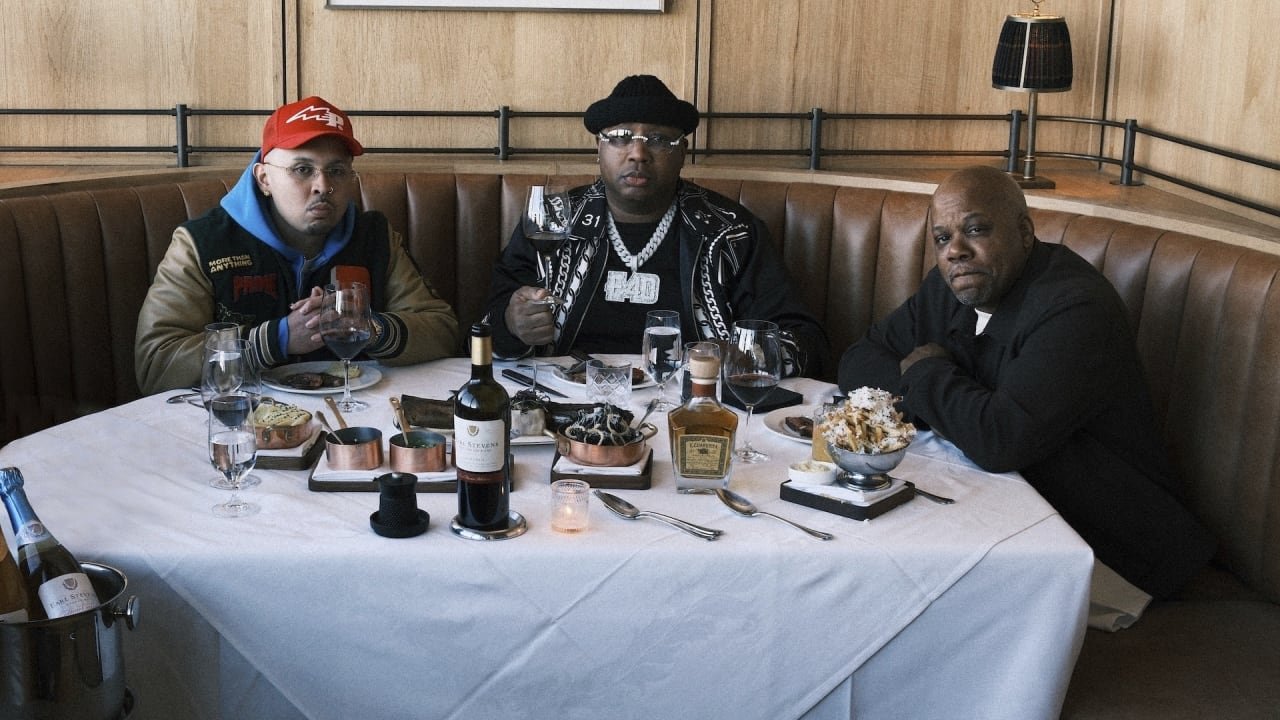
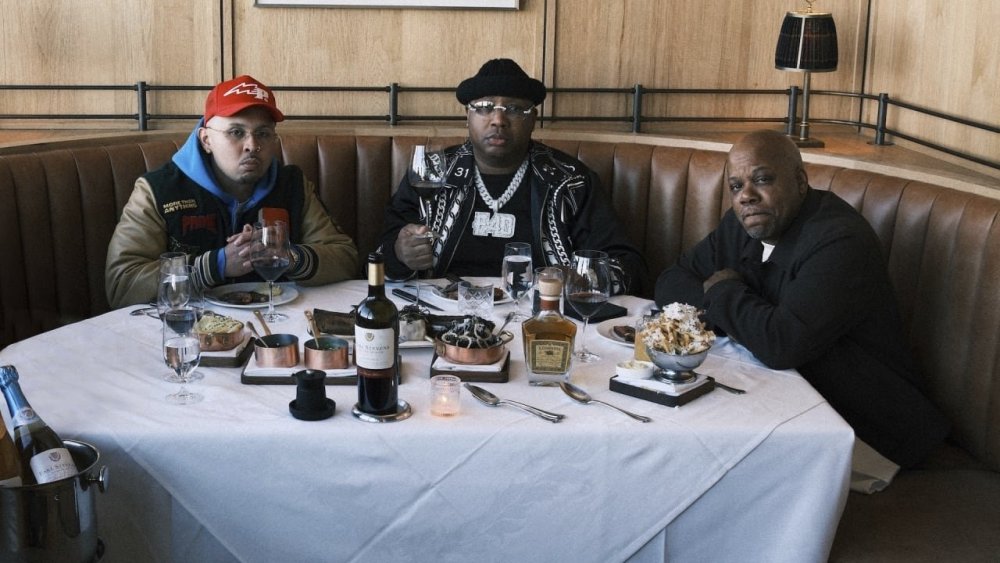
The Golden State Warriors are known for their electrifying plays and superstar Stephen Curry, but now the team is pioneering a fresh gameplan: blending sports and entertainment in a way no NBA franchise has before. As the first and only NBA team with its own record label, Golden State Entertainment, the Warriors are expanding their reach with “For the Soil,” a new album released this week. The project featuring the Bay Area’s top music artists — from E-40, Too Short, Saweetie, G-Eazy, Goapele, LaRussell and Larry June — arrives just in time for the league’s All-Star Game weekend in San Francisco. “A basketball team with a record label is unheard of until now, which is a testament to the Warriors and the Bay,” said P-Lo, a Filipino-American rapper who produced “For the Soil,” a collaborative release between Golden State Entertainment and EMPIRE, a distribution and publishing company. He will perform live during an NBA All-Star tipoff party on Thursday at Thrive City, a 11-acre community gathering space surrounding the Chase Center. “This is about innovation, bringing a new idea to the table,” said P-Lo, a lifelong Warriors fan who has worked with artists such as Yo Gotti, Saweetie and Kehlani. He’s no stranger to the franchise, riding his convertible car as part of the Warriors championship parade, celebrating the team’s title in 2022. “We’re here to break barriers while I’m trying to process it all,” he added. “I’m grateful for this opportunity.” Warriors guard Gary Payton II said he plans on listening to the album. “For me, to be the first team to have a music company, or production company, it’s kinda cool,” Payton said. “P-Lo is running it, and getting it done. I know there’s a lot of talented Bay Area artists behind it, so it’s something to look forward to and be excited about.” P-Lo played a key role in bringing together the Bay Area’s top artists, contributing to all nine tracks on the album. He began the process late last summer, collaborating with local talent to craft a well-rounded project. “P-Lo can produce, rap and bring all these artists who are like family to him,” said David Kelly, an executive with the Warriors. He spearheaded the launch of Golden State Entertainment in 2022 before the team won the championship that year. Several NBA teams have partnered with artists over the years: Drake as the Toronto Raptors’ global ambassador, Jay-Z as a former minority owner of the Brooklyn Nets, and the Miami Heat collaborating with DJ Khaled, who performed at games. The Atlanta Hawks have also embraced their city’s rap scene, working with T.I., 2 Chainz, and Quavo. But an NBA team with its own record label and entertainment division? That’s where Kelly saw an opportunity for the Warriors to break new ground. He said creating a label, intersecting hip-hop and basketball made sense. “It’s just kind of authentic and natural to the culture,” said Kelly, who joined the organization in 2011 and currently is the chief business officer of Golden State Entertainment. “It seems like a lot of times people try to force them apart or mesh them together that don’t make sense. But if you grew up a part of both, they naturally intertwine.” Kelly first pitched the idea of the Warriors having a record label to then-president Rick Welts before bringing it to the team’s owner, Joe Lacob, and co-executive chairman Peter Guber. He said the Warriors’ leadership embraced his vision, and he hopes more pro teams will follow suit. “It’s seeing the culture being presented in a way that’s true and reflective on a grand international scale,” said Kelly, a former Chicago-based rapper, whose stage name was Capital D. “Hopefully this is the first of many for Golden State and the culture.” —Jonathan Landrum Jr., AP entertainment writer AP Sports Writer Schuyler Dixon contributed to this report in Dallas. View the full article
-
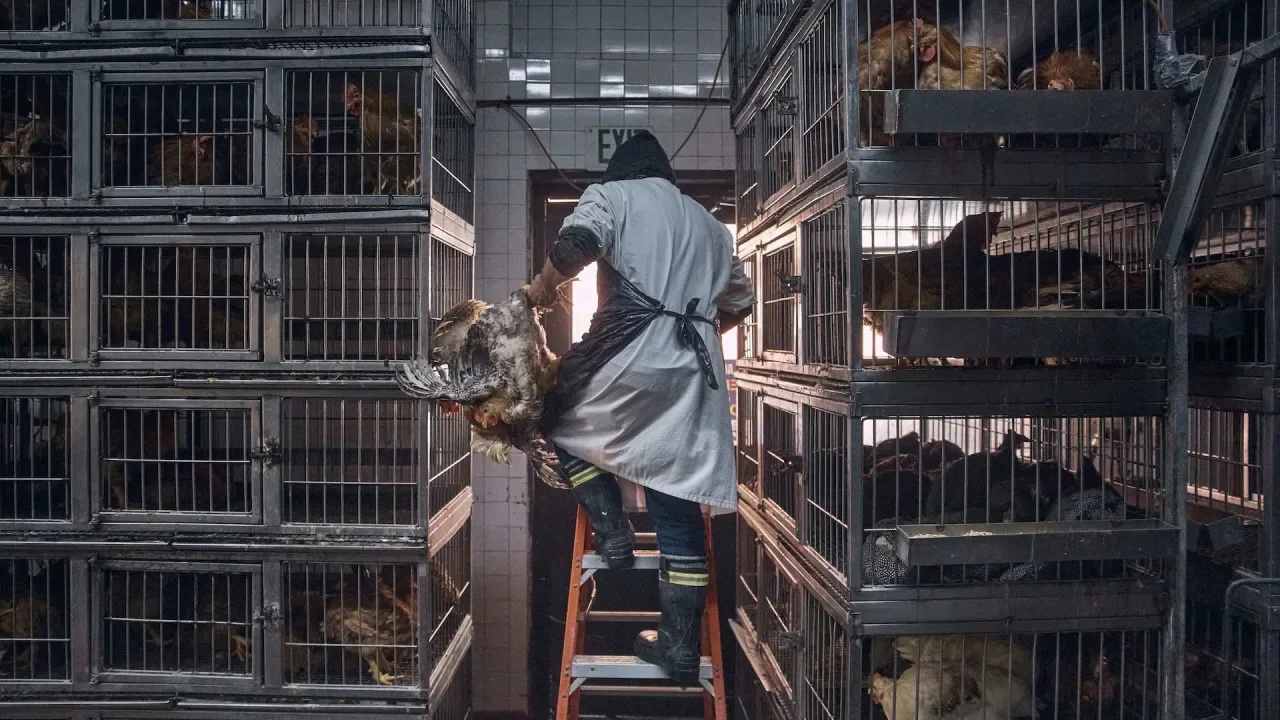
It’s a chicken-and-egg problem: Restaurants are struggling with record-high U.S. egg prices, but their omelets, scrambles and huevos rancheros may be part of the problem. Breakfast is booming at U.S. eateries. First Watch, a restaurant chain that serves breakfast, brunch and lunch, nearly quadrupled its locations over the past decade to 570. Eggs Up Grill has 90 restaurants in nine southern states, up from 26 in 2018. Florida-based Another Broken Egg Café celebrated its 100th restaurant last year. Fast-food chains are also adding more breakfast items. Starbucks, which launched egg bites in 2017, now has a breakfast menu with 12 separate items containing eggs. Wendy’s reintroduced breakfast in 2020 and offers 10 items with eggs. Reviews website Yelp said 6,421 breakfast and brunch businesses opened in the United States last year, 23% more than in 2019. In normal times, producers could meet the demand for all those eggs. But an ongoing bird flu outbreak, which so far has forced farms to slaughter nearly 159 million chickens, turkeys and other birds — including nearly 47 million since the start of December — is making supplies scarcer and pushing up prices. In January, the average price of eggs in the U.S. hit a record $4.95 per dozen. The percentage of eggs that go to U.S. restaurants versus other places, like grocery stores or food manufacturers, is not publicly available. U.S. Foods, a restaurant supplier, and Cal-Maine Foods, the largest U.S. producer of shell eggs, did not respond to The Associated Press’ requests for comment. But demand from restaurants is almost certainly growing. Foot traffic at U.S. restaurants has grown the most since 2019 for morning meals, 2019, according to market research firm Circana. Pre-lunchtime hours accounted for 21% of total restaurant visits in 2024. Breakfast sandwiches are the most popular order during morning visits, Circana said, and 70% of the breakfast sandwiches on U.S. menus include eggs. Eggs Up Grill CEO Ricky Richardson said breakfast restaurants took off after the COVID pandemic because people longed for comfort and connection. As inflation made food more expensive, customers saw breakfast and lunch as more affordable options for eating out, he said. The growth in restaurant demand reverses a pattern that emerged during the pandemic, when consumers tried to stock up on eggs for home use but restaurants needed fewer of them because many of them had to close for a time, according to Brian Earnest, a lead economist for animal proteins at CoBank. Changing preferences since then have caused further market strain. Americans are increasingly looking for protein with few added ingredients, and eggs fit that bill. “Consumers think eggs are really fresh, so if you’re making something with eggs, you know it’s fresh,” Earnest said. To address animal rights concerns, McDonald’s and some other companies have switched to 100% cage-free eggs, which limits the sources they will buy from. Ten states, including California and Colorado, have passed laws restricting egg sales to products from cage-free environments. “It makes the market much more complicated than it was 20 years ago,” Earnest said. The higher prices are hitting restaurants hard. Wholesale egg prices hit a national average of $7.34 per dozen last week, according to the U.S. Department of Agriculture. That was 51% higher than at the beginning of the year. Wholesale costs may be higher than retail prices since grocers use eggs as a loss leader to get customers in the door. Some chains, like Waffle House, have added a surcharge to help offset the cost of eggs. Others may turn to egg substitutes like tapioca starch for some recipes or cut egg dishes from the menu, said Phil Kafarakis, the president and CEO of the International Foodservice Manufacturers Association. First Watch President and CEO Chris Tomasso said eggs are critical for the chain’s brand and are found in the majority of its offerings, whether at the center of the plate or as an ingredient in batters. So far, he said, the company has been able to obtain the eggs it needs and isn’t charging extra for them. First Watch is also increasing portion sizes for non-egg items like meat and potatoes, Tomasso said. Richardson, of Eggs Up Grill, said he recently met with franchisees to discuss adding a surcharge but they decided against it. “Eggs have always been and will continue to be an important part of American diets,” Richardson said. —Dee-Ann Durbin, AP business writer View the full article

-
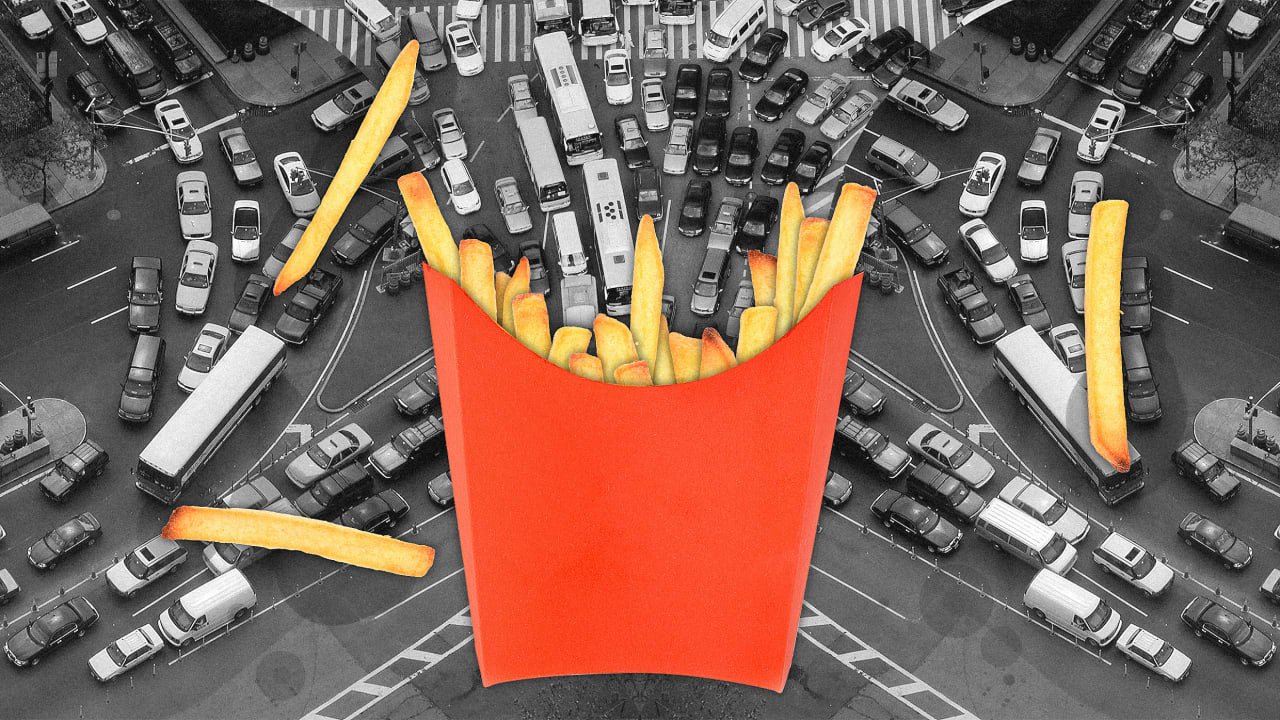
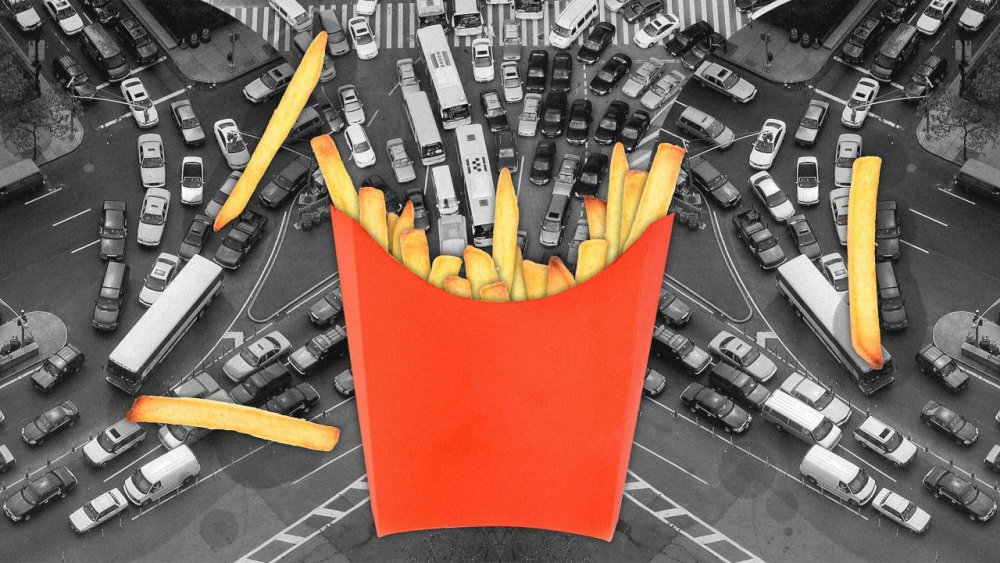
Road congestion is a persistent thorn in the side of our car-centric society. It’s loud, stressful, dangerous, and worsens air quality. It’s been linked to all kinds of adverse health effects, including lower birth weights, memory and attention problems in school kids, higher mortality in elderly adults, and even crime. But traffic might also affect our eating habits—and not in a good way. A new study from the University of Illinois Urbana-Champaign, published in the Journal of Urban Economics, examined weekday traffic data from Los Angeles County highways between 2017 and 2019 and compared it with cellphone GPS data tracking customer visits to fast food restaurants in the same county during the same years. They found that when traffic was worse due to unexpected slowdowns, visits to fast food restaurants went up. This effect was especially strong if the traffic delays occurred around evening mealtimes, when drivers were leaving work and probably starting to feel some predinner hunger pangs. The results showed that for every 30-second increase in traffic delay per mile traveled, there was a 1% increase in visits to fast food restaurants. While that may not seem like a lot, the researchers estimate that over a year, it amounts to about 1.2 million more fast food meals in Los Angeles. “We’ve been saying that our results are modest but meaningful,” says Becca Taylor, assistant professor in the university’s Department of Agricultural and Consumer Economics, and coauthor on the study. Indeed, this relationship has implications for health and wellness. Fast food tends to be high in ultra-processed ingredients, saturated or trans fats, sugar, and sodium, all of which can increase one’s risk of developing a number of diseases and ailments, including obesity, heart disease, high blood pressure, high cholesterol, diabetes, and even depression. Some researchers go so far as to say processed foods and fast foods are responsible for more premature deaths than cigarettes. Meals prepared at home are by far the healthier option. People who eat home-cooked meals more often have a better mix of fruits and vegetables in their diets, and are exposed to fewer harmful chemicals, including so-called forever chemicals. We also are more likely to overeat at restaurants than we would at home. So it’s troubling that gridlock may be nudging hungry people toward McDonald’s for dinner when they might have otherwise eaten a more balanced meal at home. Los Angeles is a city infamous for its snarled highways, but the authors say these findings can be applied elsewhere. “There are other cities in the U.S. that are equally congested and have these big swings in traffic congestion,” Taylor says, listing off New York, Chicago, and Washington, D.C. She hopes the research can help make the case for prioritizing traffic solutions, like better public transportation or congestion charges, such as the one recently introduced in New York. “We see this as another thing policymakers could have in their arsenal for why it’s important for them to spend political capital working on congestion,” Taylor says. While this study might seem on the surface to be just about traffic, look a bit deeper and you’ll realize it’s really about time, or lack of it. We have a limited number of waking hours during which we can get things done, and most of them are consumed by work. Ideally we can spend what little time we have leftover doing things we find nourishing and fulfilling like, say, sitting down for a meal with our family. But we don’t have a lot of wiggle room, and any delay, including an unexpected traffic slowdown, can force us to make an unhealthy trade-off. This is all quite troubling when you consider that the American workday is getting longer, traffic in the U.S. is getting worse, and fast food restaurants keep multiplying. It’s a bad combination. While infrastructure improvements are important, maybe it would be easier to just give Americans more free time. Taylor and her colleagues say allowing people to work from home, or reducing the number of days they’re required to be in the office, might be able to help here. “Time scarcity is one of the strongest correlates of fast food consumption,” the authors write. “Policies aimed at loosening time constraints would help battle unhealthy eating habits.” View the full article
-
Pentagon’s Indo-Pacific chief says American military must step up preparations for conflict in region View the full article
-
YouTube upgrades Dream Screen with Google's Veo 2 video generation model, enabling faster AI-generated backgrounds and standalone clips. The post Google Rolls Out ‘Veo 2’ Video Generation For YouTube Shorts appeared first on Search Engine Journal. View the full article
-
Every part of life has its lingo, and the gym is no exception. We’ve collected a list of the lifting-related words that most often confuse beginners, so read on to learn what you might be missing. EquipmentBarbellsA barbell is the bar that you load the plates on, either empty (the “empty bar”) or loaded (for example, “a 225 pound barbell”). A standard Olympic-sized barbell is 20 kilograms, or in many American gyms, 45 pounds. (20 kilos is 44 pounds, so it doesn’t really matter which is which.) There are a variety of other barbells that exist, including Olympic women’s bars that weigh 15 kilos, EZ-curl bars with an ergonomic curve to them, and more. We have a guide to all of these here. Cable machineA cable machine has a thin rope, or cable, that connects the weights to a handle through one or more pulleys. Typically you can choose the attachment you'd like to use as a handle, and you may also have the option of moving the pulley to your desired height. Pulldowns, pushdowns, cable flyes, and cable crossovers are a few exercises you can do on a cable machine. Here is a list of even more. Clips or collarsWhen you load weights onto a barbell (or an adjustable dumbbell), it’s handy to have something to hold the weights on there so they don’t slide around. This may be a spring clip, which looks like a clothespin, or a round collar with a latch on it. DumbbellsDumbbells are the smaller hand weights around the gym. They typically come in pairs, and cannot be taken apart. (You can buy adjustable dumbbells for home gyms, though, which have their own teensy little plates on each end.) They are so named because some of the weights historically used for strength training were in the shape of bells (think of a kettlebell, but more...bell-shaped) and since they didn’t make noise, they were silent, or “dumb.” Dumbbells are usually "fixed," with each dumbbell weighing a certain amount, but there are also adjustable dumbbells, popular for home gyms, that let you adjust the weight on the fly. Free weightsFree weights are the barbells and dumbbells in a gym, as opposed to the machines. They are “free” weights because they aren’t attached to anything; you can pick them up and do whatever you want. KettlebellsThese are the round weights with a handle on top. You can use them for most of the same lifts you'd do with a dumbbell (like rows, or overhead presses) but you can also swing them or do more advanced moves like kettlebell snatches. MachinesThe opposite of a free weight would be a machine. There are cable machines, where you hold a handle that is connected via a cable and pulley to a stack of weights; there are other types of selectorized machines, where you put a pin in a stack of weights and then do the exercise in whatever way is indicated on the instructions (for example, you may push or pull a set of handles, or move a pad with your legs). And there are plate-loaded machines, where you take a plate off a rack somewhere in the gym and place it onto the machine yourself. PlatesWeight plates are the heavy, round discs that typically load onto the ends of a barbell. In American gyms, the largest ones are typically 45 pounds. You can brag about your lifts by saying how many full-sized plates are on each end of the bar. One hundred and thirty-five pounds (45 pounds per side, on a 45 pound bar) is a “one plate” lift. Two hundred and twenty-five is “two plates.” Three hundred and fifteen is “three plates,” and so on. Weight lifting basicsCircuitA circuit, sometimes called a giant set, is when you do several exercises (usually three to six) by doing one set of each, then return to the beginning of the list and start over. (It's called a "circuit" or "rounds" because you keep going through the list in a circular fashion. While these can save time, the goal of circuit training is often to keep your heart rate high, so that you’re getting a bit of a cardio stimulus even though the main focus is weight training. Compound liftA compound lift is one that uses many muscles at the same time. In a squat, for example, your quads (on the front of your thighs) are getting the most work, but your glutes, adductors, hamstrings, and core all do their part. This is in contrast to an isolation lift. FailureIf you do a lift "to failure," that means you cannot physically do another rep. You might do 10 bicep curls, 11, 12, thir—nope, that's it, can't finish the thirteenth rep. You "went to failure" on that exercise. It's not necessary to go to failure, but it's a good way to make sure you're really squeezing as much work as you can out of each set. It's also common to stop a few reps before failure—in our example, stopping at 10 reps would have still given you a good workout. Stopping at five would not have been very productive. In bigger lifts, like a squat, you may not want to go to actual, physical failure very often. So you might go until technical failure—in other words, for as many reps as you can while you can maintain good form. Isolation liftAn isolation lift is meant to isolate just one muscle or muscle group. While a squat is a compound lift that works your quads and several other muscles, an example of an isolation lift for the quadriceps would be a leg extension machine. PercentagesSometimes lifting programs tell you to do a set at, say, 80% of your max. This instruction assumes that you know what your maximum, or 1RM, is. So, if you can bench press 100 pounds once, you might be asked to do a set of five reps at 80%, which is 80 pounds. RepsWe don’t usually lift a weight just once; we pick it up and set it down multiple times. Each of those individual lifts is a repetition, or a “rep” for short. You might do eight reps at a time, or 12, or five. Even if you only do one, you might still call it "a rep," because when you’re in the gym for an hour your brain starts to melt a little. “That was a good rep,” you might say after a heavy single. We all know what you mean. RestIf your program asks you to rest between sets, that means you sit down and do nothing. Really. Depending on the exercise, you may rest anywhere from 30 seconds to five minutes. Read my explainer here on how long to rest and why. RPERating of perceived exertion, on a 1-10 scale. A 10 means an all-out lift, you couldn’t have done any more. (If you went to failure, that's a 10.) Nine means you could have done one more rep, but you stopped there. Eight means you could have done two more reps, and so on. For compound lifts like squats, sets are often done at a seven or eight RPE. Nobody bothers to track RPE below a six or so. SetsA group of reps is a set. You might do five sets of three reps, for example. This is usually written as 5x3 (sets x reps), although a few people out there will flip the numbers around. If you’re not sure, ask. SupersetYou can superset two exercises by doing a set of each before resting. This can save time in the gym. Most often, a superset involves two lifts done with opposite or unrelated muscles: you can superset a bench press with a barbell row, or even a squat with an overhead press. Usually you’ll rest for a short time after you do both, and then do them again. WeightliftingWeightlifting doesn't just mean lifting weights—it's the name of a sport contested in the Olympics, where people explosively raise a barbell from the floor to overhead. They'll do it in one movement, called a snatch, or in a two-step process called the clean and jerk. To avoid confusion, this is sometimes called "Olympic weightlifting" or, if you're a Crossfitter, "oly lifting." Weightlifters commonly drop their barbells from overhead (intentional or not) and thus need rubbery bumper plates and plenty of space on a platform. Ways of lifting weights1RM, 3RM, 5RMThese are a one rep max, a three rep max, and a five rep max, respectively. (You can substitute any number. Want to find a 6RM? Go for it.) In other words, a 1RM is the maximum weight that you can move for one rep. When somebody asks “how much ya bench?” they are asking for your 1RM. This weight might also be called your “max” or your “best,” as in, “my best bench press is 150 pounds.” The others are “rep maxes.” Maybe you know that you can deadlift 225 pounds for five reps, but that’s it, you know you couldn’t get a sixth at that weight. (Maybe you tried for a sixth and failed.) That’s a 5RM. AMRAPAs many reps as possible. Or, if you’re doing a workout with multiple lifts, it may mean as many rounds (of the whole circuit) as possible. Sometimes either of these may be written AMAP (as many as possible). If you're going to technical failure rather than true failure, I've seen that called "AMAP (as many as pretty)." Drop setsWhen you do a set of reps to failure, your muscles haven’t totally given out; they just can’t lift any more of that particular weight. So bodybuilders will sometimes employ drop sets, “dropping” some of the weight to do the exercise again with something lighter. You might use 25-pound dumbbells, then put them back and do a few more reps with 20-pound dumbbells, then grab the 15-pounders, and so on. EMOMEvery minute, on the minute. For a 10-minute EMOM, you’ll start your stopwatch, do the exercise (say, 10 kettlebell swings), and then rest for the remainder of the minute. The quicker you get the lifts done, the more time you have to rest. (If you're doing an exercise every two minutes, that's sometimes written E2MOM.) Forced repsThis is another strategy to keep lifting past failure. Instead of grabbing another weight, ask a spotter to help you lift the last few reps of your set. Let’s say you do as many reps of bench press as you can manage; then your spotter will put their hands on the bar and help you squeeze out a few more reps with their help. Those last few are “forced” reps. NegativesA negative rep of an exercise is where you just do the lowering-down, or eccentric, portion, while using assistance (often a spotter) to reset to the top of the rep. Negative pull-ups (jumping up to the top of the bar, then lowering yourself down) are a good way to build strength to be able to do even more pull-ups. SpottingTo spot somebody on a lift is to stand by, ready to assist if they fail. On bench press, you spot by standing at the head end of the person’s bench. You keep your hands nearby (but not on) the bar. If they can’t complete a rep, you grab the bar and help them safely place it back on the rack. Some lifts, like bench and squats, are commonly spotted. Others, like deadlifts and Olympic lifts, cannot be. Spotting is mainly for safety, but can also be used for forced reps (more on those below). SubmaximalSubmaximal training is work that does not go to failure. Your program might ask you to lift a certain weight until you feel like you have two reps “in the tank.” That means you’d pick a weight you could lift 10 times if you had to, but to follow the instructions you’ll only lift it eight times. Submaximal training can be less fatiguing than taking your lifts to failure. View the full article
-
Wall Street rivals were given heftier pay packages View the full article
-
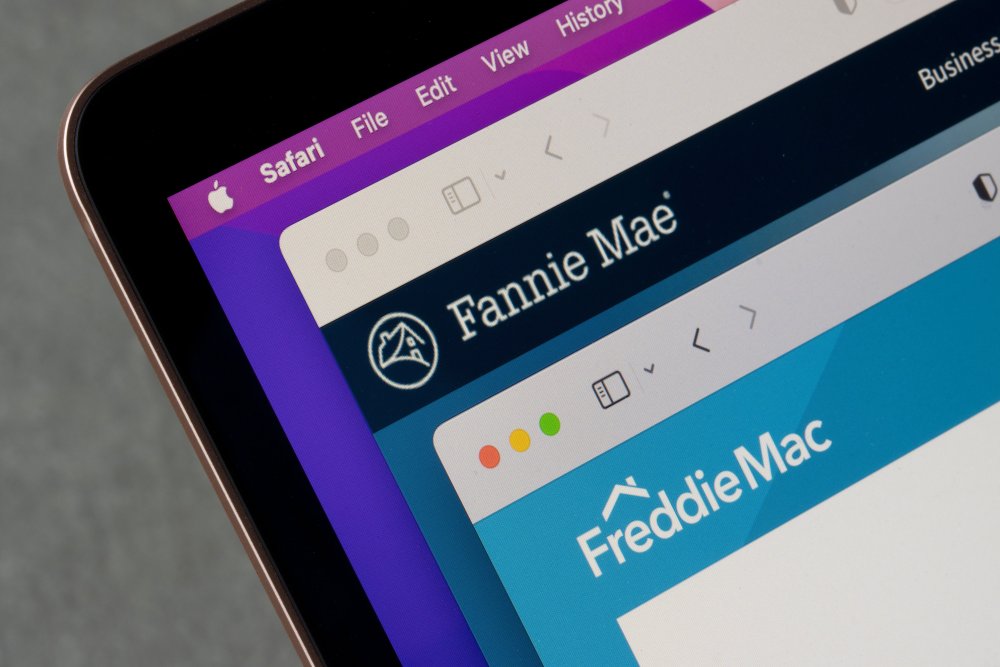
If the government were to end the Fannie Mae and Freddie Mac conservatorships, the new status could constrain CRT deal ratings, as they are counterparties. View the full article
-
After a rough start to 2025 due to the devastating Eaton and Palisades fires, awards season in Hollywood is officially back in the swing of things. The fires, which broke out right after the Golden Globes, even caused some to question awards shows’ relevance in this time of crisis. Despite several delays, however, the Critics Choice Awards was held at Barker Hangar in Santa Monica on February 7. The following day, the Producers Guild of America Awards (PGA) was held at the Fairmont Century Plaza in Los Angeles and the Directors Guild of America Awards (DGA) was presented at the Beverly Hilton in Beverly Hills. The results from these three prestigious awards shows could give you an edge in your office Oscars bets as many of the same people involved are also voting members of the Academy of Motion Picture Arts and Sciences. Let’s recap what happened and what it could mean for the Academy Awards. The Critics Choice Awards The fires were acknowledged at every event. Critics Choice Awards host, comedian Chelsea Handler, opened the show by saying, “We’ve been through a lot lately” before cracking a Justin Baldoni-Blake Lively joke to lighten the mood. It set the tone for a self-aware celebration. Voters made up of entertainment journalists and critics spread the love among many films this year. Conclave took home Best Acting Ensemble, which does not have an Oscars equivalent but shows support for the film in general. Kieran Culkin was awarded Best Supporting Actor for his work in A Real Pain while Zoe Saldaña won Best Supporting Actress for her work in Emilia Pérez, making them both front-runners for an Oscar. Riding their Golden Globe momentum, Demi Moore took home the honors for Best Actress for the horror film The Substance and Adrien Brody won Best Actor for his work in The Brutalist. And while he might not have been nominated for an Oscar or a DGA Award, that didn’t stop Jon M. Chu from winning Best Director for his work on Wicked: Part One—or for saying in his acceptance speech, “I’m going to win that Oscar!” before quietly acknowledging, “I’m not nominated.” For the first time ever, Best Picture went to a film that won no other awards: Sean Baker’s Anora. It would turn out to be a big weekend for this indie film. The DGA Awards Judd Apatow served as host and brought the funny, but DGA president Lesli Linka Glatter opened the event by expressing gratitude to first responders and urged production companies to bring filming back to the United States so the city could continue to heal. The Oscars link is strong, with only two films in history ever winning Best Picture without first being recognized here. Anora continued its winning streak, taking home top honors for Outstanding Directorial Achievement in a Theatrical Feature Film. It is also important to note that RaMell Ross took home the Michael Apted First Time Directorial Feature Award for his work on Nickel Boys, which is also up for a Best Picture Oscar. The PGA Awards According to the Hollywood Reporter, PGA presidents Stephanie Allain and Donald De Linehe started the evening by sharing that the organization started a fire fund to support those who were impacted by the disaster. It had already raised $450,000 and attendees were encouraged to keep donating throughout the evening. Like its name suggests, the Producers Guild of America celebrates, well, producers—not individual performers or designers or specialized creators. Membership is about the same size as the Academy, and both organizations utilize a weighted preferential ballot. The big Oscars award precursor here is the Darryl F. Zanuck Award for Outstanding Producer of Theatrical Motion Pictures. The 10 nominees are almost identical to the Academy’s choices. In the past 15 years, 12 Best Picture winners first took home this prize, including last year’s champion, Oppenheimer. Just hours after it took home the DGA honors, PGA presenter Jodie Foster announced that Anora would also be the winner here. Where does this leave us in the Oscars race? After this weekend, Anora is the new Best Picture front-runner. The dramedy dethroned Emilia Pérez, which was already losing ground after several controversies, including actress Karla Sofía Gascón’s offensive tweets. This musical was once on top with 13 nominations, the highest number this year. Wicked, the other musical in the running, saw a glimmer of hope this weekend with its wins and glowing reception at the Critics Choice Awards, but it might not get Oscars glory until part 2 is released late this year. Anora could not have peaked at a better time. Final Oscars voting begins on February 11 and goes until the 18th; so the movie, the acceptance speeches, and buzz will be top of mind for Academy members. A possible weakness in this film’s ascent to the top is its lack of below-the-line support. Beyond producers, directors, and critics, the Academy is also made up of cinematographers, editors, and other designers who will also need to champion the project, and its lack of nominations in those categories could be telling. Other precursor awards to keep an eye on are the BAFTA Awards, essentially the British Oscars, and the Screen Actors Guild (SAG) Awards. The BAFTAs take place on February 16 in London, and the SAG Awards are set for February 23 in L.A. If Anora takes home the top prize in either of those ceremonies, it will almost certainly cement its future Oscars win. View the full article

-
We may earn a commission from links on this page. Welcome to “Cookbook of the Week.” This is a series where I highlight cookbooks that are unique, easy to use, or just special to me. While finding a particular recipe online serves a quick purpose, flipping through a truly excellent cookbook has a magic all its own. When I look around for cookbooks to feature for this column, I prefer to go to a real bookstore. I like to flip through the book and see what the purpose is, if it’s easy to use or complex, and if it’ll be useful to you all—this takes some browsing. But there is the rare cookbook that I almost immediately tuck under my arm because I know in my bones that it’s coming home with me. This week’s cookbook is The Simple Art of Rice. It only took a few page-flips for me to think fondly of my home and family, and a few more to pique my hunger. A cookbook that appreciates this grain as much as I do belongs in my kitchen, and probably in yours too. A bit about the bookThe Simple Art of Rice, written by chef JJ Johnson along with graphic novelist Danica Novgorodoff, was published in 2023. The cookbook starts off with a bit of history and housekeeping—basic rice cooking techniques, how to store rice, and information on common types of rice—before diving into about 100 rice-centric recipes complemented by beautiful illustrations. The cover of the cookbook says “Recipes from around the world for the heart of your table,” and it’s easy to see that intention displayed in each section of this cookbook. Each chapter contains a variety of rice dishes from different countries and cultures, like Filipino garlic rice Sinangág, Ghanaian Waakye, or Cuban Black Beans and Rice, and often a dish named after a beloved family member who clearly makes that heart-warming dish better than anyone else, like Great-auntie Lane’s Curry Rice. This is more than a collection of rice recipes. It’s a thoughtful, loving ode to rice, and its role in nourishing communities throughout human history. Further, it’s a personal account where rice is a conduit for love and care. A great cookbook for a broad palateI have trouble not being obvious sometimes, so I had to stop myself before I wrote “a good cookbook for rice lovers.” I do think it’s important that this book get into the hands of rice lovers, however if that person does not enjoy a wide variety of flavors then they might only flip through to the “Cooking a basic pot of rice” section and history parts. (Those are really great sections too.) JJ Johnson will have you cooking your rice with coconut milk, lime juice, tomatoes, crabs, chicken livers, and raisins, so it certainly helps if you welcome new flavor combinations. This cookbook is something I’ll continuously come back to because there are so many dishes from other cultures that I’m not familiar with and excited to try. While I have a pretty good idea about what Johnson has in store with the Thai curry dishes with jasmine rice, there are a number of rice dishes that I’ve never tried, like those from the Gullah Geechee, Persian, and Israeli cultures. Get this book for the person who would be as excited to make Lebanese basmati rice as they would be to make rice crêpes with Nutella. The recipes you can expectWhile having a broad palate might feel intimidating, making these recipes requires no specialized skill set. Johnson has managed to keep the recipes simple enough and the ingredient lists accessible enough where I think the average home cook would be successful meal after meal. Of course rice is often your main ingredient, so if you have that then you’re well on your way to victory. In fact, some of the recipes are one-pot wonders or can be completely made in the rice cooker—as in, throw all the ingredients into the rice cooker and press “start,” like the Geelrys recipe. As a reader, I love this because if one recipe is beyond my skill set, taste preference, or attention span, I know that there are other recipes in this book that can work for me. The dish I made this weekI’ve been craving herb-y mixtures this week. I blame the bleak weather making me miss the greenery of summer. The Herbed Shrimp with Cilantro Lime Rice sounded like the perfect remedy for my winter woes. At first, I was put off by the lengthy ingredient list, but soon realized that there were repeated ingredients. The first section was for the shrimp marinade and the cilantro lime rice simply reflects those flavors. (Lesson: always read the full recipe before giving up or plowing full steam ahead.) This recipe was one that Johnson modeled after the boxed cilantro lime rice his mom would make for him. Though I’ve never had that boxed rice, I would take this version any day. The shrimp marinade was a simple mixture of chopped herbs, olive oil, lime zest and juice, and the rice gets a light toast in butter before you add the cooking water. After 20 minutes, the rice was finished and I pan-fried the shrimp for barely a minute before serving. It felt like a rather glamorous lunch for how quick and easy it was to make, and I look forward to more recipes like it. How to buy itThe hardcover of The Simple Art of Rice is available online, but if you're like me, then go have a good old-fashioned bookstore browse. If your local bookstore doesn't have it on their shelves, see if they can order it to their location. I'm sure they'll be happy to help. The Simple Art of Rice: Recipes from Around the World for the Heart of Your Table $21.49 at Amazon /images/amazon-prime.svg $34.99 Save $13.50 Shop Now Shop Now $21.49 at Amazon /images/amazon-prime.svg $34.99 Save $13.50 View the full article
-
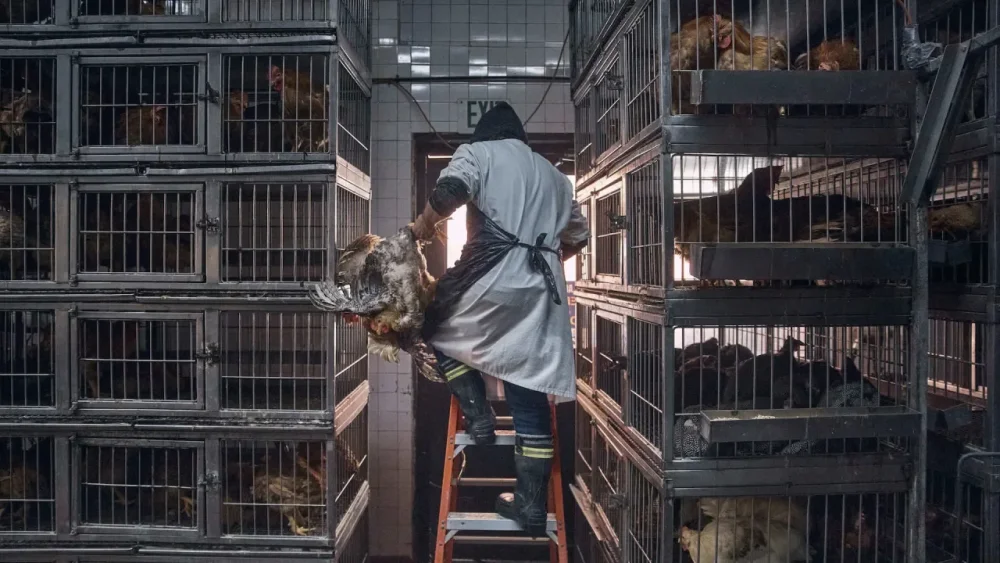
A new study shows that bird flu has silently spread from animals to some veterinarians. The study published Thursday by the Centers for Disease Control and Prevention echoes two smaller ones that detected evidence of infection in previously undiagnosed farmworkers. In those studies, several of the infected workers remembered having symptoms of H5N1 bird flu, while none of the veterinarians in the new paper recalled any such symptoms. The new study is more evidence that the official U.S. tally of confirmed human bird flu infections — 68 in the last year — is likely a significant undercount, said Dr. Gregory Gray, an infectious disease researcher at the University of Texas Medical Branch in Galveston. “This means that people are being infected, likely due to their occupational exposures, and not developing signs of illness and therefore not seeking medical care,” Gray said. He said it shows that officials cannot fully understand bird flu transmission by only tracking people who go to medical clinics with symptoms. Study suggests bird flu cases are undercounted CDC researchers went to an American Association of Bovine Practitioners veterinary conference in September 2024 in Columbus, Ohio. They recruited 150 vets from 46 states to fill out a questionnaire and agree to have their blood drawn. None said they had suffered red eyes or other symptoms associated with bird flu. Testing found three of the vets, or 2%, had evidence of antibodies to H5N1 infection. All three worked with dairy cattle, as well as other animals. None said they’d worked with a herd that was known to be infected, although one had worked with a flock of infected poultry. Gray and some colleagues did a study last year of 14 dairy farmworkers and found two, or 14%, had evidence of past infections. Both had experienced symptoms but were never diagnosed. Another study published last year by the CDC checked 115 dairy workers. The researchers found that eight of them, or 7%, had evidence in their blood of recent infection. Half recalled feeling ill. The studies were far too small to use as a basis to provide a solid estimate of how many undiagnosed human infections are out there, Gray said. But even just a very small percentage could translate to hundreds or thousands of Americans who were infected while working with animals, he noted. That’s not necessarily a reason to be alarmed, said Jacqueline Nolting, an Ohio State University researcher who helped CDC with the latest study. Available studies suggest people who are infected mount antibody responses and may develop natural immunity, which is “good news,” she said. However, if the virus changes or mutates to start making people very sick, or to start spreading easily from person to person, that would be “a completely different story,” Nolting said. Experts urge caution around animals The H5N1 bird flu has been spreading widely among wild birds, poultry, cows and other animals. Its escalating presence in the environment increases the chances people will be exposed, and potentially catch it, officials have said. Right now the risk to the general public is low, the CDC says. But officials continue to urge people who have contact with sick or dead birds to take precautions, including wearing respiratory and eye protection and gloves when handling poultry. “No one’s really questioning that the virus has been moving around the country more than has been reported,” said Keith Poulsen, director of the Wisconsin Veterinary Diagnostic Laboratory. He said he expected to see stepped-up information reminding veterinarians across the country to protect themselves with gloves, masks and other equipment to halt infection. The Associated Press Health and Science Department receives support from the Howard Hughes Medical Institute’s Science and Educational Media Group and the Robert Wood Johnson Foundation. The AP is solely responsible for all content. —Mike Stobbe, Associated Press Associated Press writer JoNel Aleccia contributed to this report. View the full article
-
IDEAS shared have the power to expand perspectives, change thinking, and move lives. Here are two ideas for the curious mind to engage with: I. Michael Doctoroff on conflict: “Conflicts, when properly controlled and resolved, can be a powerful tool for developing creative business plans and objectives. Without conflict, the organization would remain in a happy state of inactivity. In a way, business is built on conflict. Conflict, you might say, is the mother of change. You see a problem and do something to remove it. After it has been eliminated, conditions are no longer the same. Through change, the organization strengthens itself and restores harmony within itself and with its environment. We need to make sure that we have mechanisms for resolving such conflicts in a fruitful way. This can only be achieved by improving communications throughout the organization.” Source: Synergistic Management: Creating the Climate for Superior Performance II. Robert Shaw on blindspots: “Blindspots are not simply problems to be identified and fixed. Managing blindspots is learning to accept them as inevitable and, in some respects, positive because they force you to remain vigilant. Your weaknesses and the threats you face are ever-present, and the greatest risk is believing otherwise. That is, knowing you have blindspots forces you to look more carefully and deeply at your own behavior and situation. In this regard, they both threaten and protect.” Source: Leadership Blindspots: How Successful Leaders Identify and Overcome the Weaknesses That Matter * * * Look for these ideas every Thursday on the Leading Blog. Find more ideas on the LeadingThoughts index. * * * Follow us on Instagram and X for additional leadership and personal development ideas. View the full article
-
Igloo is recalling more than 1 million of its coolers sold across the U.S., Mexico and Canada due to a handle hazard that has resulted in a handful of fingertip injuries, including some amputations. The now-recalled “Igloo 90 Qt. Flip & Tow Rolling Coolers” have a tow handle can pinch users’ fingertips against the product — posing potential amputation and other crushing risks, according to a Thursday recall notice from the U.S. Consumer Product Safety Commission. Igloo has received 12 injury reports in the U.S., the CPSC notes, which include fingertip amputations, bone fractures, and lacerations. There are no known injuries in Canada or Mexico. Consumers in possession of the coolers are urged to stop using them immediately — and contact Igloo for a free replacement handle. The now-recalled coolers were sold at major retailers like Costco, Target, Dick’s and Amazon between 2019 and January 2025 for between $80 and $140. About 1.06 million were purchased in the U.S., in addition to 47,000 in Canada and another 23,000 in Mexico. The affected products can be identified by model number and description. They were sold in multiple colors with the word “IGLOO” printed on the side and manufactured in the U.S. prior to January 2024. Consumers can register for the recall online or contact Katy, Texas-based Igloo at 888-943-5182 or igloo90qt@sedgwick.com to request a handle replacement. In a statement, Igloo said that it was recalling these rolling coolers and providing free replacement handles “with consumer safety as our top priority.” The company added that, “through rigorous testing and proactive steps, we are constantly improving our products to meet the highest safety standards.” Additional information can be found on the websites for the CPSC, Health Canada and the OECD’s global recall portal. View the full article

-
https://www.shutterstock.com/image-photo/assam-india-june-25-2021-google-1999771961 Face it: with the competition spending hundreds of millions of dollars on it, Google's recent foray into AI isn't going to stop anytime soon. While you can hide Google Workspace's Gemini buttons and prompts for now, you can't actually stop the company from continuing to build its apps around a technology that revolves around getting its hands on as much data as possible. I rely on Google Docs for collaboration, but the company's AI push has got me looking for alternatives, even if Google currently denies using your data to train its models. On that note, these are the best AI-free, encrypted alternatives to Google Docs. Proton Docs Credit: Proton If you're looking for a seamless switch from Google Docs to an AI-free encrypted writing app, then Proton Docs is what you want. It's part of the Proton Drive cloud storage service , which has a generous free tier for you to get started, so trying it out is easy. Proton Docs lets you store up to 5GB of files for free, which is good enough to work on hundreds of documents, and its collaborative features are also good enough for most people. You can create documents and give others viewer or editor access easily, and when others are editing, you can see a cursor with their names on the screen to see who's working on what. You also get end-to-end encryption by default, which means that your documents are secure and cannot be read by the company. In my experience, Proton Docs is fast and reliable. The Proton Drive app is also able to load documents quickly, and you can even open shared documents in mobile web browsers, which is a big plus. The only major downside is that this service lacks any apps to handle spreadsheets or presentations, which may be a dealbreaker for some. Cryptpad Credit: Pranay Parab Cryptpad offers an encrypted office suite that competes with the likes of Google Docs, Sheets, and Slides. The servers are hosted in France, and Cryptpad's differentiating feature is that it has a lot of apps, all of which are end-to-end encrypted. You can create documents, spreadsheets, forms, presentations, kanban boards, and more. That means you get an alternative to nearly every Google office product, and even other services such as Trello or Airtable. You can use Cryptpad without signing up if you wish, but it'll delete your documents within 90 days if you do. If you create an account, which doesn't require an email address, you'll get access to 1GB of encrypted cloud storage and your documents won't be automatically deleted. However, for security's sake, Cryptpad lets you set an automatic deletion date for new documents as you create them. Once set up, your document will automatically be destroyed once its time arrives. There's a lot to like about Cryptpad, but it's a bit slow and janky. The UI isn't as polished as that of Google Docs or Proton Docs, and you'll see this when you use it. Above your documents, there's a big banner that just has the file name and a couple of buttons. The toolbars and other elements are below this, and the cursor appears nearly halfway down the screen. This wastes too much screen space, unlike Google Docs or Proton Docs, where the toolbars are minimal and the focus is more on the actual document. I also wouldn't recommend Cryptpad to anyone who needs mobile access to their work. Some of my friends weren't able to load shared documents on their phones while I tested it, which limits how much of a Google Workspace replacement this app can be. OnlyOffice Credit: Pranay Parab OnlyOffice is a fully-featured office suite for those who want a service that lets you use desktop apps instead of web-based ones. The desktop apps work well and you can actually use a self-hosted server for cloud syncing and collaboration. This allows you to decide the degree of privacy and security you'd like, and if that sounds too complicated, you're free to use multiple supported cloud storage providers for this purpose, including OneDrive and others. However, I was a little shocked to discover that OnlyOffice's desktop apps don't have autosave. It's a bit sad to see this in 2025, to be honest. The company's website also lists a lot of products, and it's a bit hard to know what they all do. As an example, although OnlyOffice has mobile apps, you can only edit files in them if you're on the paid tiers. The UI in OnlyOffice's desktop apps looks a bit like Microsoft Office did before its Microsoft 365 rebrand. That's not a bad thing, since it'll feel familiar to anyone who's used Microsoft Word or other Office apps. When you create new documents, it opens them in new tabs, which makes it easier to switch between multiple files. Once the initial setup is done, OnlyOffice is easy to use and won't scare off anyone looking for a Google Docs alternative, but the process of setting up and using OnlyOffice isn't straightforward. You'll need to select a cloud storage provider, get other people onboard with using it, and so on before you can have it running smoothly. Having said that, it's a solid free alternative to Google Docs that focuses on apps over the web, and its AI shenanigans are limited to the "hosted version," which is targeted at businesses and not at home users. Other private alternatives to Google DocsIf privacy is the first thing on your mind, there are a few more Google Docs alternatives to consider, but they can take some work to use. For instance, the following options require you to host them on a server before running them. This increases the complexity of the task for most people, but if you're so inclined, they might suit your needs. Hedgedoc: This is a collaborative text editor that runs in your browser. It's lightweight, fast, and supports real-time collaboration. Collabora Online: LibreOffice is one of the best open source alternatives to Microsoft Office, but it doesn't ship with realtime collaboration. Collabora Online lets you use LibreOffice apps on the cloud and includes collaboration features. There are apps for mobile devices, too, which is good to see. The service is free for home use and students. Etherpad: Etherpad is a customizable online text editor, and it includes a chat window to quickly text people you're collaborating with. It hasn't received major updates in a few years, unfortunately. View the full article