ResidentialBusiness
Administrators
-
Joined
-
Last visited
Everything posted by ResidentialBusiness
-
 This post was written by Alison Green and published on Ask a Manager. Just sharing this tweet from Washington Post reporter Jeff Stein for federal government workers about Elon Musk’s “deferred resignation” offer. (Don’t take it! It’s still a trap.) Also, if you remember the letter-writer who worked at Twitter when Elon Musk took over, that same person has sent in this note: I just wanted to thank you for posting about what federal workers who are currently under attack can do. The former Twitter employees I know have all spent the past couple of weeks reliving the Twitter takeover from 2 years ago but on a much more widespread and terrible scale. I want to say this is all beyond belief but .. we saw this happen and how it played out, and now I’m just left feeling so angry that we couldn’t have stopped this somehow. I don’t know what I could have done differently or better, but I feel the burden of watching this happen the first time around and not being able to stop it. Seeing the news about how Elon locked government workers out of their systems, how they’re moving beds into OPM’s headquarters … It feels like the Twilight Zone. I would not at all be surprised if he held a public auction in the next couple weeks to sell off real estate, office equipment … all the way down to artwork on the walls and plants on employee desks. I’m still thinking about how I can help push back on and resist what we’re seeing happen all around us, and I wanted to say that if you ever do another post on this issue, please let the federal workers know that a whole bunch of former Twitter employees know what they’re going through, and we support them, and we’re so so sorry they’re experiencing this. View the full article
 -
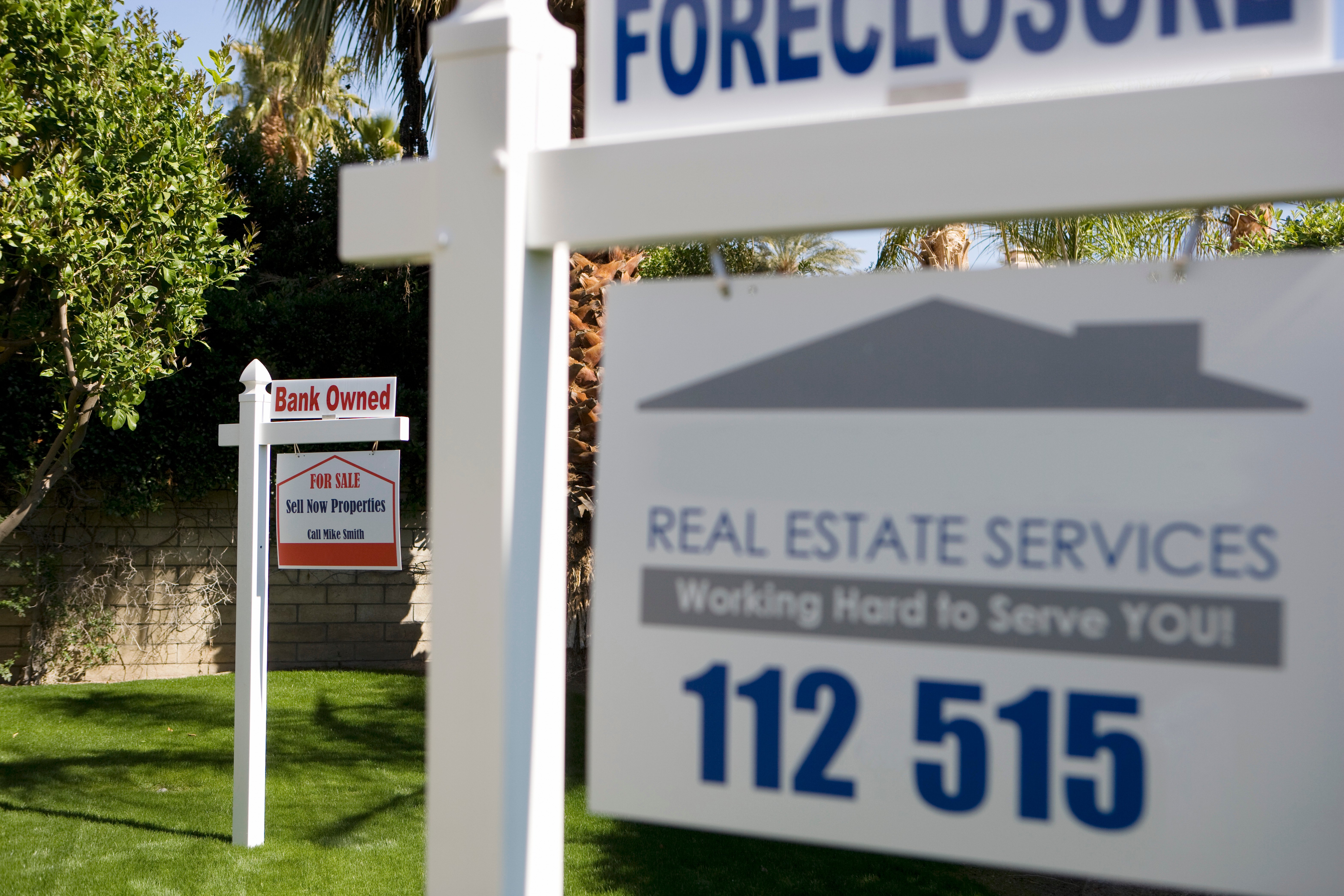
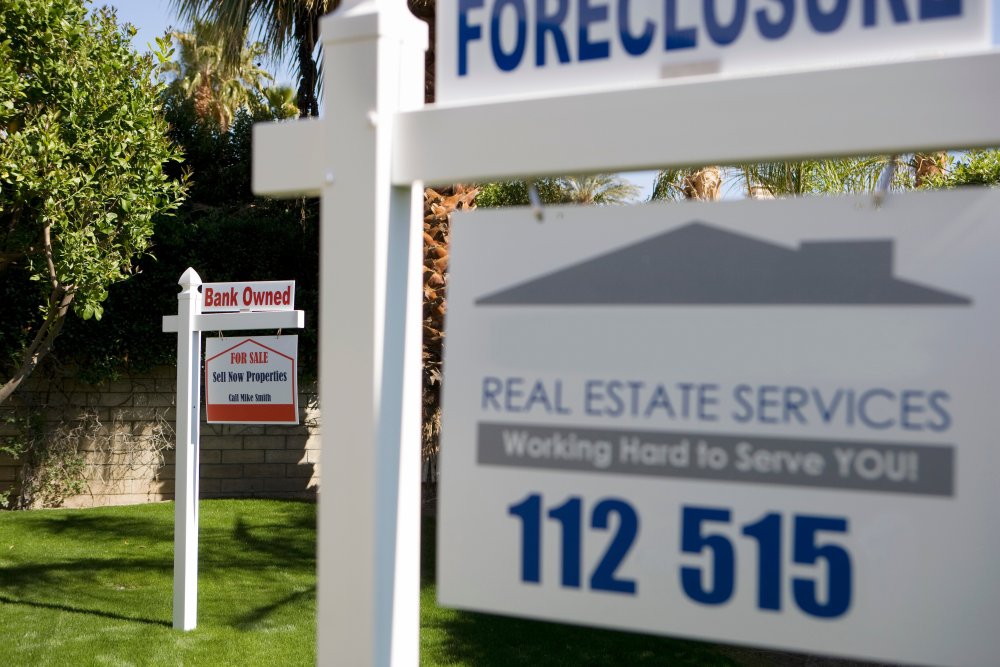
Completed foreclosure auctions should be 8% lower this year, but if home value and unemployment expectations change, all bets are off, Auction.com said. View the full article
-
Buy Now, Pay Later (BNPL) loans have become increasingly popular in recent years—originations grew tenfold between 2019 and 2021, for instance. Last year, roughly 20% of American consumers used one to make a purchase. Despite their increasing usage, BNPL loans are still not used to calculate credit scores—which may have effects for lenders, and could be costing some consumers with good credit habits some valuable points. FICO—the creator of the FICO Score which is used by 90% of U.S.-based lending institutions to make lending decisions—recently published an analysis in tandem with the BNPL company Affirm to get a sense of what the results would be if those loans were used to calculate FICO scores. The results? Mostly good for both consumers and lenders. The analysis looked at data from a 12-month period and compared the FICO scores of more than 500,000 people who used Affirm to open a BNPL loan against those who had not. FICO then simulated the inclusion of the BNPL data into its model and found that most people saw an increase or no change in their credit scores. “Affirm gave us data that would be the same data they would furnish to a credit bureau,” says Julie May, vice president and general manager of B2B scores at FICO. “With the simulated study, we would see positive benefits for approximately two-thirds of consumers, particularly for those with utilization of five or more BNPL loans,” she says. In all, incorporating BNPL loan data into credit scoring models would “benefit consumers, and the lenders who use the FICO score to make lending decisions,” she says. In all, the analysis found that using the BNPL data to generate a FICO score was “generally consistent with the opening of a new account,” with a slight (plus or minus 10 points) change in their score for 85% of the individuals analyzed. For those who have better credit habits—such as making on-time payments, and keeping their overall credit utilization low—the BNPL data helps increase scores to a degree. With the simulation complete, May says that FICO will be looking to roll out a new FICO scoring model in the future that will incorporate BNPL data, effectively the first model to do so. “We know what the actual solution would be; we’re in final discussions with stakeholders in terms of how that would roll out,” she says. There’s no hard date yet, but May adds that when it does ultimately happen, FICO is excited to “introduce the proprietary technique to the marketplace.” View the full article
-
The construction process is how projects in that field are broken into more manageable parts. Creating a building, bridge, warehouse or any structure is daunting when starting with nothing and having to create something complex. That’s where the building construction process comes in by working in stages that focus on specifics. These construction process steps make overwhelming projects possible. Let’s define those construction process stages and explain how to manage them. What Is the Construction Process? The construction process is the entire sequence of activities involved in creating a built structure, such as a building, bridge, road or infrastructure project. It encompasses all phases, from the initial concept and design to the completion and handover to the owner. The building construction process involves numerous stakeholders, including architects, engineers, contractors, suppliers and regulatory authorities, each contributing their expertise to make sure the project is completed efficiently, safely and to the specified requirements. Defining the construction process stages is only the start. General contractors know that to manage those phases they require project management software. ProjectManager is award-winning project and portfolio management software that construction managers prefer. Let’s see why. First, our software has robust Gantt charts that schedule tasks, resources and costs. But unlike other Gantt charts, we can link all four types of task dependencies to avoid delays and cost overruns so you can keep your profit margins. It’s easy to filter for the critical path and a baseline can be set to track progress in real time. These plans can be shared across different project views. Subcontractors can execute their work on powerful task lists that have unlimited storage to attach as many files and photos as needed, and they can add tags, show progress and much more. Or they can use kanban boards to visualize workflow. Stakeholders can stay updated on the calendar view for a monthly project view. Get started with ProjectManager today for free. /wp-content/uploads/2024/04/critical-path-light-mode-gantt-construction-CTA.pngProjectManager has Gantt charts and other project views to plan and schedule projects. Learn more Steps in the Construction Process The construction process is typically divided into several key phases, each of which plays a critical role in delivering a functional and compliant structure. Let’s review each of these stages. 1. Pre-Construction Phase This phase includes the project initiation, which defines goals, budget and timeline. Architects and engineers design plans, while permits are pulled from government agencies and the project ensures it complies with regulations. There’s also a site analysis during this stage. Surveys are conducted, soil tested and environmental assessments are made. 2. Site Analysis and Preparation At this point, the construction crew is clearing the site of any vegetation, debris and existing structures. There is also excavation and grading to level the site and prepare it for the construction of the foundation. 3. Foundation Construction Now comes the digging of the footings, which is excavating areas for slabs on which the foundation will stand. This lays the groundwork to lay the foundation, which is done by pouring concrete or masonry for a solid base. 4. Structural Framing Once the foundation has been laid, it’s time to erect the framework for the structure. This entails building walls, floors and roofs using steel, wood or concrete. Supports are also installed by adding beams, columns and trusses for structural integrity. 5. Enclosure At this time, the construction crew is ready to add roofing. Roofing materials are installed to waterproof the structure. Exterior walls are also built. Crews add cladding, insulation and windows. 6. Systems Installation Subcontractors for these specific trades will then install the heating, ventilation and air conditioning (HVAC) systems, electricians will lay wiring, outlets and paneling, while plumbers set up pipes, fixtures and water systems. 7. Interior Work At this point in the construction process, drywall and insulation can be installed on the interior walls and ceilings. Flooring is also done, such as laying tiles, carpets and hardwood. Lastly, painting and finishes are applied, including trim work. 8. Post-Construction Once the build is done, the construction process is not yet complete. It has to go through a post-construction phase, which commonly includes activities such as inspections to ensure the project complies with all building codes and regulations. There’s also a punch list that identifies and fixes minor issues or incomplete tasks. A final cleanup will prepare the site for presentation or use and occupancy permits are secured for legal approval for the building to be used. Finally, there’s the handover. This is the transfer of the completed project to the owner or client, along with any relevant documentation, such as warranties, maintenance schedules and as-built drawings. How to Manage the Construction Process Managing the construction process is necessary to ensure projects are completed on time, within budget and to the required quality standards. Managing the construction process steps requires planning and executing several key components. They are explained as follows. Define the Scope of Work The scope of work (SOW) outlines the specific tasks, deliverables and objectives of the construction project. To define the scope of work, begin by identifying and detailing the project deliverables, outline exclusions and set milestones and deadlines. Be sure to collaborate with stakeholders. Forecast Resource Requirements Resource forecasting involves predicting the materials, equipment, labor and other resources needed for the project. In construction, the material takeoff (a detailed list that outlines the exact quantities and types of materials needed to construct a project) and a bill of quantities (a list of all materials and labor needed to complete the project) are essential. Estimate Costs and Make a Construction Budget Creating a construction budget involves estimating the total project cost, including all materials, labor, equipment and overhead. To do this, start by itemizing costs, using historical data to help with accuracy and considering contingencies. Don’t forget to factor in inflation and track ongoing costs. /wp-content/uploads/2024/02/Construction-budget-template.jpg Get your free Construction Budget Template Use this free Construction Budget Template for Excel to manage your projects better. Download Excel File Make a Construction Schedule A construction schedule outlines when each task or milestone is expected to be completed during the project. It is critical for tracking and delivering the project on time. To build a schedule, identify all tasks, determine task durations, establish dependencies and set milestones. Be sure to allocate buffer time and use a scheduling tool, such as Gantt charts, critical path method and construction project management software. Create a Risk Management Plan A risk management plan identifies potential risks that could negatively impact the project and outlines strategies to mitigate them. It begins by identifying risks, assessing the likelihood and impact of their occurrence and developing mitigation strategies. It’s also important to monitor risks and document them in a risk log. Establish Quality Assurance and Control Guidelines Quality assurance and control make sure that the construction project meets all design specifications and regulatory standards. First, define quality standards, then implement inspections and testing, defining the acceptance criteria. Be sure to train workers and use checklists to ensure quality standards are being met. Define a Change Management Process Changes to the scope, schedule or costs are inevitable, but managing those changes effectively is critical to the project’s success. Therefore, establish a formal process, assess the impact of changes and document all of them. Track how changes affect project progress and adjust schedules and budgets as necessary. Create Daily Construction Logs Daily construction logs are used to document the project’s progress on a day-by-day basis and track important activities. They also track weather conditions, document safety incidents, log work hours, monitor progress against the schedule and communicate with stakeholders. Who Participates in the Construction Process? The building construction process involves a wide range of professionals and stakeholders, each contributing specialized knowledge and expertise to ensure the project is completed successfully. Here’s a brief overview of those key participants in the process of construction. Project owner or client: Individuals or organizations that finance and commission the construction project. They define the project’s objectives, budget, timeline and overall scope. Architects: They’re responsible for the project’s design, creating architectural plans and making sure the design meets both the functional needs of the client and regulatory standards. Engineers: Depending on the project, there can be one or all of these types of engineers. A civil engineer ensures the building is safe; civil engineers focus on planning, design and construction of infrastructure; and a site engineer manages the technical aspects of the construction project. Job site supervisor: Oversees the daily operations of a construction site, ensuring that work is completed on time, within budget and in compliance with safety regulations by managing the workforce, coordinating materials and monitoring progress. General contractor: An entity or individual responsible for overseeing the entire construction process, including hiring and managing subcontractors, coordinating work and delivering the project as contracted. Subcontractors: These are specialized contractors hired by the general contractor to complete specific tasks, such as electrical work, plumbing, HVAC, masonry, roofing, drywall, painting and landscaping. Construction workers: The people who perform the physical labor to build and maintain infrastructure, such as roads, buildings and power plants. Quality control inspector: These professionals are responsible for verifying that all construction work being done adheres to the project’s specifications, blueprints and quality standards by regularly inspecting materials, workmanship and the building process. Surveyors: Uses specialized equipment to precisely measure and mark the location of different property features to make sure that buildings and structures are built in the correct position and according to the design plans. /wp-content/uploads/2025/01/2025-construction-ebook-banner-ad.jpg How ProjectManager Helps Manage the Construction Process The building construction process is straightforward, but managing all those moving pieces to deliver the project to meet the client’s expectations and keep the general contractor’s profit margin intact is complicated. Construction project management software is designed to make that work more efficient and effective. ProjectManager is award-winning project and portfolio management software that helps manage one or multiple projects. Multiple project views allow general contractors to schedule on powerful Gantt charts, while teams execute on task lists and kanban boards, and stakeholders can stay updated on progress with the calendar view. Robust Resource Management and Cost Tracking Features When onboarding teams, managers can set their availability, including PTO, vacation and global holidays, as well as skill sets, which makes it easier to assign tasks. Then visit the color-coded workload chart to get an overview of resource allocation. If some are overallocated or underutilized, balance the team’s workload from that page to keep everyone working at capacity without threatening burnout. There’s also a team page that provides a summary of everyone’s activities, daily or weekly, which can be filtered to show priority, progress and more. Secure timesheets streamline payroll but also provide a window into labor costs to keep to budgets. /wp-content/uploads/2024/05/timesheet-lightmode-good-version-lots-of-tasks.png Monitor the Construction Process With Real-Time Dashboards General contractors need to track more than just resources to deliver projects on time and within budget. For a high-level overview, they can toggle to the real-time project or portfolio management dashboard. There, colorful, easy-to-read graphs and charts display metrics like time, cost, workload and more. To get deeper into the data, managers can use customizable reports on status, portfolio, workload, timesheets, variance and more. Filter the reports for greater detail or summarize progress and share with stakeholders to keep them informed. /wp-content/uploads/2022/07/Dashboard-light-mode.jpg Related Construction Project Management Content The construction process is part of the larger construction project management. For those who want to learn more about this larger subject, below are a handful of recently published articles on construction phases, documents, contracts and more. Construction Phases: Documentation, Templates & Steps Construction Documents (Templates Included) Types of Construction Contracts: Pros, Cons & Best Practices Key Construction Job Titles: Overview & Salary Why Use a Gantt Chart in Construction Project Management ProjectManager is online construction project and portfolio management software that connects teams whether they’re in the office or on the job site. They can share files, comment at the task level and stay updated with email and in-app notifications. Get started with ProjectManager today for free. The post The Construction Process Explained Step-by-Step appeared first on ProjectManager. View the full article
-
We may earn a commission from links on this page. If you tend to get overwhelmed by the prospect of cleaning your house, here’s some good news: One of the best cleaning methods out there is designed for people like you. Called the 20/10 rule, it’s been around for a few years, but has really withstood the test of time because of its simplicity and how effective it is. What is the 20/10 method of cleaning?The 20/10 method comes from Rachel Hoffman’s 2017 book, Unf*ck Your Habitat: You’re Better Than Your Mess. The title is at once bracing and comforting, just what you need as motivation to clean your place and keep it clean. While the book goes into a lot of detail about all the methods you can use to do that, like taking progress pictures and tidying up spaces in a certain order, its first tip—the 20/10 method—is key here. At its most basic, the method calls for you to spend 20 minutes cleaning and 10 minutes chilling. That’s it, essentially. It’s similar to other productivity techniques, like the Pomodoro method, but gives you less work time and more break time than those do. For maximum efficiency, devote each 20-minute block to a certain surface or area, like a messy desk or a pile of laundry. Chunk by chunk, the task will get done. What makes 20/10 one of the best cleaning methodsThe importance of taking breaks in between bursts of hard work is well-documented. If you work too much, too hard, for too long, you’ll burn out and give up. When you’re using a work-and-rest technique to study or work, you have to think deeply during your “on” times; cleaning, on the other hand, can be slightly more mindless, which is a good thing. You don’t need 25 minutes, as the Pomodoro technique calls for, but you should devote 20. The breaks are super important, so don’t skimp on them. Try to use them to enjoy the space you just cleaned. If you cleaned a desk, sit at it for your 10 minutes, relishing the experience of using it while it’s tidy. If you folded all the laundry piled on a chair, you should sit in that chair, by God. Giving yourself a full 10 minutes to relax and enjoy the fruits of your labor gives you immediate gratification and time to recharge before getting back at it. How to adapt this method to fit your needsIf you want to try out the 20/10 method, I recommend slotting it into your cleaning schedule for a week or two, but keep track of how it goes. Take notes on whether you feel rested enough after the 10 minutes of break time, or whether you find it hard to sink into a groove in just 20 minutes of effort. After all, these are just guidelines, not rules set in stone. Even the vaunted Pomodoro method has seen adaptations like "animedoro" crop up that make it work better for some people. Feel free to tinker with the 10/20 timing to suit your own needs, provided you are still prioritizing that all-important break. View the full article
-
You no longer need to login or create an account to use ChatGPT Search from OpenAI. You can now just use ChatGPT without an account. The announcement. OpenAI announced this on X, saying: ChatGPT search is now available to everyone on http://chatgpt.com — no sign up required. ChatGPT search is now available to everyone on https://t.co/nYW5KO1aIg — no sign up required. pic.twitter.com/VElT7cxxjZ — OpenAI (@OpenAI) February 5, 2025 More details. OpenAI launched ChatGPT Search in October 2024 and then made it free for all users in mid-December. Now, you don’t even need an account to use ChatGPT Search. How it works. According to OpenAI: “The search model is a fine-tuned version of GPT-4o, post-trained using novel synthetic data generation techniques, including distilling outputs from OpenAI o1-preview. ChatGPT search leverages third-party search providers, as well as content provided directly by our partners, to provide the information users are looking for.” One of those third-party search providers is Microsoft Bing. Based on its ChatGPT search help document, OpenAI is sharing search query and location data with Microsoft. Why we care. Now that you no longer need an account to search the web with ChatGPT, it might pose more of a challenge for Google and other search engines. As we said before, referal traffic from ChatGPT continues to grow every month. ChatGPT search won’t dethrone Google’s search monopoly anytime soon. However, if ChatGPT search adoption accelerates, as it likely will now that it’s open to all ChatGPT users, it could soon find itself owning 1% of the search market share. Brands, businesses and creators better be ready for this shift. View the full article
-
Google’s Gemini AI could eventually become an advertising platform, with CEO Sundar Pichai hinting at “native ad concepts” during the company’s earnings call. The big picture: Gemini currently offers a free tier and paid subscription options Pichai signaled potential future advertising integration The company plans $75 billion in capital expenditures this year to advance AI capabilities What they are saying. “We always want to lead with the user experience and we do have very good ideas for native ad concepts,” Pichai told investors. Why we care. Gemini represents a massive potential new ad platform with sophisticated targeting capabilities. Google’s $75 billion AI investment and hints of “native ad concepts” signal a strategic opportunity for early positioning in an emerging advertising ecosystem with billions of potential users. Between the lines. While ads won’t appear in Gemini this year, Google’s ad-driven business model suggests monetization is likely inevitable. The company has already introduced ads in AI Overviews, indicating a potential roadmap for Gemini. Bottom line. Google is treading carefully, prioritizing user experience while quietly exploring advertising opportunities in its AI offerings. View the full article
-
Mortgage and housing industry groups cheered the U.S. Senate vote, which found only two Democrats crossing over to support Scott Turner's nomination. View the full article

-
Austan Goolsbee warns it is ‘dangerous’ to ignore potential supply shocks triggered by trade warView the full article
-
We may earn a commission from links on this page. Once mold starts taking over your bathroom, it’s not easy to get rid of. If the growth is alarming, paying to have it cleaned can cost hundreds of dollars, but it’s often worth it because getting rid of mold can be challenging (and exhausting). Your best move is to prevent mold from taking root in the first place, which usually involves reducing dampness and being vigilant with cleaning. A better approach might be to design a mold-free bathroom from the get-go. If you’re considering renovating your bathroom, you can choose materials and make design decisions that will make it a lot harder for mold to take up residence. Go groutlessMold loves grout because it’s porous and absorbs moisture—and its porous nature means mold can penetrate under its surface, which makes it even harder to clean. The more grout you have, the more potential breeding ground you have, so consider eliminating it: Wall panels. Acrylic wall panels are continuous sheets, meaning there are no grout lines to deal with. You can purchase panels that mimic the look of tile, but they come in a wide range of colors and designs, giving you a lot of design flexibility without the grout—or the potential for mold. Vinyl or laminate flooring. Kkip the grout on your floor by avoiding traditional tile and opting for vinyl planks or laminate. Similar to the wall panels, you can find vinyl flooring that resembles tile or stone so you can get the look you want. Shower pan. Instead of a tiled or stone shower floor, installing an acrylic shower pan eliminates all that grout and makes it a lot easier to clean and a lot harder for mold to take root. Go freestandingMold and mildew loves to colonize caulk, which can get so unsightly as a result that you wind up just tearing it out and re-caulking. Anything that sits flush with or attached to your walls in a damp area has to be caulked, so you can reduce the amount of caulk (and with it, the amount of mold) by choosing freestanding items, like a freestanding tub or vanity. Go metalIf you want storage in your shower for soaps, bottles, and everything else, a traditional tiled niche is an invitation to mold, especially if the pitch isn’t quite right and water ponds in there. Opting for a metal insert instead (like this stainless steel shower niche) eliminates that problem. Go resistantPainted walls and ceilings in bathrooms are prime targets for mold and mildew because moisture condenses on those surfaces. Steam rising from the shower often results in those tell-tale brown dots on the ceiling above, and over time, even walls outside the shower area can become stained with mold. Using antimicrobial primer and paint is one key to eliminating mold from your bathroom, and it’s one thing you can do even if you’re not ready to renovate. Cleaning the walls and ceiling thoroughly, sealing them with a mold-resistant primer and painting them with a mold-resistant paint can greatly reduce the chances you’ll be scrubbing mold out of your bathroom in the near future. VentilationFinally, when transforming your bathroom, don’t forget the less exciting but crucial aspect of mold resistance: ventilation. Make sure you determine the correct size of exhaust fan necessary for the space, and consider installing a model that has a humidity sensor. Also think about other ways to boost airflow in there, like adding a window (or a larger window) or a dedicated dehumidifier. View the full article
-
Advanced Micro Devices (AMD) stock (NASDAQ: AMD) fell 9% before the bell on Wednesday after the company fell short on sales for its data centers, despite reporting better-than-expected fourth-quarter earnings. (The stock is down 7% as of midday Wednesday.) That’s because the chipmaker’s core business is selling data center chips for graphics processing units used to power AI. It’s currently going head-to-head with Nvidia for market share of the lucrative, high-powered AI chip market. Shares in Nvidia (NVDA), meanwhile, were up 4% in midday trading Wednesday after Google’s parent company, Alphabet, announced it will spend $75 billion in expected capital expenditures in 2025, a majority of which will go into building data centers and servers in an effort to help Google increase its AI capabilities. On Tuesday, AMD reported Q4 revenue that came in at $7.66 billion, beating estimates of $7.54 billion, and an adjusted earnings per share (EPS) of $1.09. Looking ahead to the first quarter of 2025, the chipmaker forecast revenue coming in between $6.8 billion and $7.4 billion. On its earnings call with investors, CEO Lisa T. Su told investors the company sees “strong double-digit percentage revenue and EPS growth” for 2025, calling 2024 “a transformative year for AMD . . . [when we] successfully established our multibillion-dollar data center AI franchise, launched a broad set of leadership products, and gained significant server and PC market share.” Also on Wednesday, Truist Securities analyst William Stein reduced the company’s price target to $130 a share, down from $145. At the time of this writing, AMD stock was trading at $109.58, near its 52-week low. View the full article

-
Deal will allow lenders to exit one of toughest merger-finance transactions in recent yearsView the full article
-
Danish company attempts to recover from botched US expansion and restore struggling share price View the full article
-
PM backs development of the Jackdaw and Rosebank projects, despite some Labour MPs’ concernsView the full article
-
The Walt Disney Company posted first-quarter earnings Wednesday that beat on the top and bottom lines, but it also revealed the start of predicted streaming subscriber losses at its Disney+ service. The service lost 700,000 subscribers over the final three months of 2024, which is the first quarter of Disney’s fiscal year 2025. The media and entertainment giant had warned during its fiscal fourth-quarter report in November that it expected a “modest decline” in core subscribers during the first quarter of 2025. Hulu picks up the streaming slack Total paid Disney+ subscriptions currently rest at 124.6 million, compared with 125.3 million at the end of the fiscal fourth quarter. ESPN+ also saw a loss of 700,000 subscribers, currently at 24.9 million, compared with 25.6 million at the end of last quarter. Though Disney saw losses at Disney+ and ESPN+, total Hulu subscriptions rose to 53.6 million, compared with 52 million at the end of the fiscal fourth quarter. The decrease in subscribers came as a result of an increase in prices that Disney announced in August of 2024. The price rose to $9.99 with ads and $15.99 with no ads, following its announcement of continuous playlists and growing offerings. “Disney’s earnings beat underscores the success of its cost-cutting initiatives and resilient performance in parks and studios, offsetting headwinds in streaming,” Jesse Cohen, a senior analyst at Investing.com, said in an emailed statement. “However, the surprising loss of Disney+ subscribers—the first decline since its 2019 launch—raises red flags about saturation in a crowded market and the trade-offs of its pricing strategy.” Disney’s stock was down around 1.5% Wednesday in afternoon trading. Theme parks hampered by extreme weather Disney’s domestic parks and experiences business saw a decline of 5% in operating income due to hurricanes and cruise pre-opening expenses. However, it did see operating income increase 28% for international parks. Although Disney lost subscribers for Disney+ and saw a decline in domestic park attendance, net income increased nearly 23% to $2.64 billion, compared to $2.15 billion during the same quarter last year. Revenue increased 4.8% to $24.69 billion, compared to $23.55 billion from last year. “Our results this quarter demonstrate Disney’s creative and financial strength as we advanced the strategic initiatives set in motion over the past two years,” said CEO Robert Iger in a statement. The company’s success was thanks in part to box office performance from its studios, which had the three top movies in 2024: Inside Out 2, Deadpool & Wolverine, and Moana 2. Moana 2, released during Q1, grossed more than $1 billion, which was a driving factor behind the improvement in operating results. In its sports content segment, Disney saw a 13% operating income growth. The increase came as a result of college sports and one additional NFL game, as well as Disney’s exit from the Venu Sports, the planned sports-focused streaming service that Disney and other media giants discontinued earlier this year. The company also plans to launch its own direct-to-customer streaming app for ESPN this fall, company executives said on a conference call Wednesday. Disney’s streaming business may continue to face headwinds in a crowded marketplace, particularly among price-conscious viewers. “While profitability in streaming improved, the subscriber dip suggests price hikes or content gaps may be driving churn, particularly as rivals like Netflix and Amazon Prime retain momentum,” Cohen said. Disney told investors on Wednesday that it expects another decline in subscribers during the second quarter. View the full article

-
This post was written by Alison Green and published on Ask a Manager. Last week we talked about out-of-touch executives. Here are 12 of the most outrageous stories you shared. (Also, if you’ve never wanted to eat the rich before, warning that you might after reading these stories.) 1. The renovation The head of the org I work for has been complaining about his home renovations for months. I get it, he had to move out of his house and … (checks notes) into the *other* property he owns. This has been happening while several employees are dealing with being illegally ousted from their rentals due to landlords not legally following the lead abatement process. But yes, your kitchen renovation that you chose to do, and temporary move into your own home is also clearly traumatic too. 2. The photo I worked at a company once where every year the owners would throw a party right before Christmas. To be fair, it was nice. It was a two-hour catered lunch in outside tents, and they honored all the employees who hit milestones. However, where they were a bit out of touch was with their gifts for the milestones. Mostly it was branded stuff, but I remember one year for the person who had been with the company 20 years, the owners praised the employee and then started talking about how they, the owners, always go on vacation to beautiful locations and how they wished they could share that with everyone. At this point, my friend is convinced this lucky employee is about to get tickets for a trip or a cruise or similar. But nope! What the employee got for their 20-year anniversary with the company was a framed photo collage of the owner’s vacation, complete with the owners in shot. 3. Calling in “cold” We got a very stern lecture about the importance of coming into the office and mandatory in-person attendance from an exec who was herself calling in remotely (to the mandatory, in-person meeting) because it was “too cold.” 4. The luxury cabin In 2020 I was working at a place with a VERY unpopular leader, who decided to pass the pandemic by renting a luxurious cabin in the mountains for her family (she had college aged kids who were normally away). Every all staff meeting she would dial in with the giant stone fireplace in the background and talk about how wonderful it was to spend this precious time with her family and luxuriating in nature. You can imagine how well this went over with the rest of the staff, many of whom were separated from their family and friends, had sick loved ones, etc. Most of us did NOT have the resources to relocate to a luxury vacation rental! 5. The recommendation During his first all staff meeting, the COO said he had taken the last two years off before this job and that he highly recommended we all do it. 6. The car delivery Large local employer was failing, pretty spectacularly. My spouse was still working there and I had left about a year earlier. Many, many people in the community had purchased stock (and were watching the stock prices tumble). During the week of another round of layoffs, the relatively new CEO had her brand-new luxury vehicle delivered to the main office (which was nearly all windows). It was unloaded right out front in the fire lane while employees watched. My spouse was not certain, but felt it was utter cluelessness, rather than dickishness. 7. The Christmas card For Christmas 2008, when the Great Recession was kicking into high gear, our CEO had a Christmas card made that was a cut-out hanging mobile of the places around the world he and his family had visited in 2008, with illustrations of cities and airplanes and his family. That went over well. 8. The trivia game The CEO of our division just had an all-hands meeting, where we had to play trivia about her. Vote on where she was born, how many coffees she drank per day, and which netflix shows she binged. Twenty minutes of that, with thousands of employees. One of the most tone deaf and expensive meetings I’ve ever been too, especially since there was nothing about our business strategy or results. 9. The “opportunity” VP said in a staff meeting that another VP’s recent death was an opportunity to reorganize. 10. The tip During Covid, my country was in extended lockdown. We had an all-hands meeting intended to be a check-in on our welfare, where a senior staff member shared their tips on managing working remotely. Their tip was to keep their work items like their headset in a little bag, so whichever room in the house they were working from, they could take the bag and be sure they had everything they needed with them. We had junior staff living in shared houses, working standing up over an ironing board because they didn’t have any private space other than their own tiny room, which was too small to even fit a table. Leaving work items in other rooms of our large homes was not something that was a cause for concern for most of us. 11. The women’s talk The CEO gave a talk to our women’s professional group. So: the audience was his female employees. When asked about women that had helped shape his career, he couldn’t name any and said something along the lines of “all the women i’ve ever worked with got pregnant and stopped working.” 12. The rock star I used to work at a place where the CEO would come into an all-hands meeting with flashing lights and loud music playing (Rocky theme song maybe? I forget) and all the employees were supposed to applaud and cheer. View the full article
-
Proposals underline the US president’s irresponsible approach to foreign policyView the full article
-
As the Federal Reserve's overnight reverse repurchase agreement program nears zero, pressure could mount on the central bank to slow or stop its asset runoff as it fights inflation. View the full article

-
Major changes are afoot behind-the-scenes at Walmart. The retailer is cutting hundreds of jobs and shuttering its North Carolina office. Employees from certain locations are also being asked to move to its newly opened headquarters in Bentonville, Arkansas, and other central hubs. News of the shake up was first reported by Fox Business after Walmart Chief People Officer Donna Morris sent a memo detailing the cuts and other changes to employees. “We are making these changes to put key capabilities together, encouraging speed and shared understanding,” the memo, viewed by Fox read. “Through this review process, we have eliminated some roles as we streamline how we work.” According to the memo, Walmart is also opening offices in Sunnyvale, California, Bellevue, Washington, and expanding offices in Hoboken, New Jersey and New York City. The cuts aren’t the first to hit Walmart, which is both the world’s largest employer and the world’s largest retailer. In May, the company cut hundreds of jobs and asked Dallas, Atlanta, and Toronto workers to relocate to central hubs, too. At the time, it also asked that all remote employees come back to the office full time. That move came shortly after the company said it would shut down its virtual health care service, and close its 51 in-store health centers. Some experts believe that Walmart’s efforts to streamline operations, including continued cuts and relocating employees to headquarters, are about staying competitive with the world’s largest online retailer: Amazon. “I think this is the year where Walmart’s assault on Amazon gains serious momentum,” Fox Business market analyst Keith Fitz-Gerald said per Newsweek in January. “I think the stock is going to radically outperform it, and we’re going to see a renewed customer confidence in that particular brand.” Walmart is not alone in its 2025 layoffs. Salesforce, a cloud-based software company, announced this week that it would cut 1,000 roles at the company. Amazon, Meta, Microsoft, have each had their own rounds of major layoffs already this year, too. And when it comes to retailers, 2025 is likely to be another big year for store closures. According to a January report from Coresight Research, as many as 15,000 U.S. retail locations could shutter this year. Party City, Big Lots, and Macy’s are among the brands that have already announced closures this year. News of the latest cuts comes shortly after the Walmart faced blowback for rolling back its diversity, equity and inclusion (DEI) program just months ago. After the brand announced it would end the initiative, 30 investors sent a letter to CEO Doug McMillian, voicing their collective disdain for the move. “Walmart has sent a clear signal to all underrepresented and marginalized groups that Walmart will not fight to protect their rights,” the letter stated. Walmart didn’t provide details on how many employees would lose their jobs, or how many it’s asking to relocate. But it did specify that employees would have a month to let Walmart know if they will move in order to keep their job with the company. View the full article

-
Your clothing and accessories can either clog up your closet for free or go out there, get a job, and earn its keep: I recently found an app that helps you to rent out your clothes and accessories (and borrow other people's), and maybe even help you declutter in the long run. Let me explain why I love Pickle. What does Pickle do?As I have explained, I have a low threshold when it comes to what will inspire me to download an app. Typically, I see an ad, tap on the App Store link, and install on sight. The other day, I saw an ad for one called Pickle, which is a peer-to-peer clothing and accessory rental service—like DoorDash for fashion. I attempted to download it only to discover it was already on my phone from what must have been a previous run-in with the ad that I never followed up on. Incredible! (Be advised, though, that it's only available for iOS right now.) Over the last year, I've gotten into selling my clothes via app, but it's been limiting because I own a lot of pieces I don't really want to get rid of—yet. But I can't wear them all at the same time, now, can I? So they're just sitting in my closet, waiting for their turn to shine. Pickle, it seemed, could give me a chance to put them to work. I listed a bunch of stuff, checked what others on the app were charging for a week's rental of similar items, and priced my goods competitively. Then, I waited—but not for long. I got a rental request the next day. The app functions just like resale platforms like Poshmark or Vestiaire Collective: You take a picture of your shoes, bag, dress, or whatever, fill in details about it like size and brand, and set a price. Here, though, the price is what you want to charge for a week's rental. You also indicate, via drop-down menu, whether you're willing to have someone show up at your place to pick it up, send it off with a courier, or even mail it somewhere. That last option really broadens your horizons, since Pickle mostly operates in New York City (where I live) and Los Angeles. While it's a lot easier to link up with a local and hand off your piece, the postal option expands your money-making capabilities to a much wider base of potential consumers. My "closet" and how it looks to edit a listing. Credit: Lindsey Ellefson When someone rents a piece from you, they first send a request outlining the way they'd like to receive it and how long they want to have it. From there, you can enter a chat with them to hammer out details or just accept their request. I accepted the offer sent to me and selected the day and time I would be home to hand my parcel off to a courier. This morning, the courier showed up, took it, and brought it to the borrower, with whom I had arranged for a four-day rental. I listed the piece for $30/week, Pickle took 20%, and I earned $24 despite the fact that it won't be gone for the full week. The process was seamless and remarkably easy and I got detailed notifications throughout the entire event. The app guides you every step of the way. Credit: Lindsey Ellefson Why I like this app as a route to declutteringThere are obvious benefits to using a closet-rental app. First, you can put your extra stuff to work for you and make a little money off of it. Second, you can rent clothes and accessories for special occasions at a major discount without adding to any consumerist clutter you may have going on—but that leads me to the hidden benefit I identified here. I consider Pickle similar to a "purgatory" box, which is a method for decluttering that doesn't require you to make instant decisions about what stays and what goes. Most decluttering techniques are pretty harsh. They call on you to go through a space in your home and make fast choices about what you keep, what you toss, what you donate, and what you sell. Doing that enough times builds a habit and you learn to be less sentimental; but it's still hard. Personally, I'm terrible at doing it with clothing and accessories because I can trick myself into believing I might need anything for a certain outfit in the future. It's not true, of course; I never really miss anything once I've sold it. But it's still difficult to push myself to get rid of items, so they sit there in my closet. With Pickle, I can send them out for days or weeks at a time, which mirrors the experience with the purgatory box that holds your stuff for a month so you can see what it's like not to have access to it. Conversely, Pickle can also help you declutter by providing you with a fallback plan when you do decide to get rid of something. Consider the 20/20 decluttering rule, which asks you to consider if you could replace something for under $20 and in less than 20 minutes if you got rid of it, then encourages you to do away with it if the answers are yes. Clearly, if you choose to sell or donate, say, a black purse that's just sitting in your closet, you won't get a similar one off Pickle in under 20 minutes or, probably, for under $20—but it's nice to know that if you did get rid of something you ended up needing for a particular occasion, you could rent a replacement without re-cluttering your space. View the full article
-
The partnership with homebuilder Onx Homes, the company's ninth joint venture, gives Loandepot more solid footing in the South. View the full article

-
Starting your own construction business? You’ll need a variety of construction tools to properly establish your operations. Fortunately, unlike in ancient times, obtaining these tools is no longer a difficult task when launching a construction project. Considerations When Choosing Tools for Construction As a small business owner, you have to consider several factors before you start collecting your construction tools. Let’s take a look at some of the key considerations to keep in mind. Rent or buy: Every business is different, and every business owner has a different budget to consider. That’s why, in many cases, it may make sense to rent your materials rather than make a direct purchase. The bare minimum: When you begin creating your list, you’ll quickly discover that there are numerous tools to think about. However, in the early stages of your business, do you truly require all these materials? Probably not. By starting with just the essential construction tools, you can keep your budget in check and expand your inventory as your financial situation improves. Quality of the tools: Quality is a key parameter when you buy or rent any construction tool. In some cases, investing in high-quality materials is a good idea, especially when you’re not too familiar with them. Ease of use: A fancy tool with several cool features is not useful when it’s too complicated to handle. That’s why it’s important to make sure the tool you’re considering is easy to use. Type of projects: You don’t need to undertake all types of projects when you set up your business. If you’re focused on repairs, you’re not going to need many tools for the more heavy-duty projects. List of Construction Tools to Use at Construction Sites Regardless of your specialty in building construction, you’ll require certain tools to begin your work. To assist you in selecting the appropriate ones, we’ve compiled a list of essential construction tools. Power Tools On top of your list, you must include some power tools. These construction tools are needed in most projects – both big and small. Which power tools should you focus on for your business? Let’s take a quick look. 1. Circular saw These tools use a rotary motion for cutting. These are mostly used for cutting plastic, masonry, and wood. 2. Power drill Whether it’s buffing or sanding, power drills always come in handy. You can opt for a cordless drill that comes with a charger and battery. 3. Angle grinder An angle grinder is used for grinding and polishing. It’s a handheld tool that helps remove excess material from a certain piece. 4. Brad Nailer Brad nailers are generally used to add decorative moldings to plain panels. These are popular with model makers and crafters. 5. Heat gun If you’re working on remodeling projects that involve stripping old wallpapers and upholstering, you’re most likely going to need a heat gun. 6. Miter saw For cutting materials at various angles, professionals utilize miter saws. These powerful construction tools are capable of making precise cross-cuts and are available in several sizes. Hand Tools Among other essentials, your toolbox must contain a selection of hand tools. These tools are particularly crucial for applying the finishing touches to your work. Let’s review the list for further details. 7. Chisel Chisels used for concrete bumps and surfaces are used quite frequently in building projects. These chisels tend to have a handle and a strong edge blade to cut through concrete. 8. Tile cutter Tile cutters are used to cut tiles in different shapes and sizes. 9. Surface earth rammer Earth rammers play a significant role in large construction projects. These construction tools are designed to compress or compact soil effectively. 10. Hand saw If you’re working with wood materials, you are going to need a hand saw. Also known as panel saws, these tools help cut pieces of wood into different shapes. 11. Float A float is used to smooth a wooden surface that’s applied on freshly laid mortar and concrete. 12. Putty knives In simple terms, putty knives are designed for applying and spreading materials. They come in various widths; narrow blades are generally used for filling small nail holes, while wide blades are suitable for covering larger surfaces. 13. Caulking gun Caulk is used to seal cracks and gaps. A caulking gun allows people to use caulks efficiently. Organizers & Accessories For any construction work, you are going to need more than just hand and power tools. You are also going to use a number of accessories. These tools will make your life easier in many different ways. Let’s take a quick look. 14. 5-gallon bucket A durable 5-gallon bucket is essential when you are working with water and paint. 15. Ladder To reach difficult to access corners, you’re going to need a ladder. 16. Step-stool Step stools are essential from a practical standpoint. These are useful when you need a little extra height to reach corners safely. 17. Extension cords (25′ and 100′) While these are essential, especially when electrical work is in progress, extension cords need to be handled with caution. Equipment Since your work will involve materials such as cement, it’s important to invest in suitable equipment that can come in handy. Let’s take a quick look at some of these tools. 18. Plumb bob Plumb bobs are useful for establishing vertical walls in construction projects or doorjambs while hanging a door. 19. Plumb rule A narrow board with a plumb line and bob, a plumb rule, is used mainly in carpentry projects. 20. Concrete mixer As the name suggests, a concrete mixer combines cement, water, and aggregates such as gravel or sand to create concrete. 21. Polisher Using a polisher allows you to contour to uneven flooring, resulting in a more balanced operation. 22. Measuring box A measuring box is used to measure construction materials such as dust, cement and sand. 23. Head pan The head pan helps you lift the excavated soil or concrete with ease. 24. Air compressors Air compressors provide energy for power tools such as grinders, drills and nail guns, among others. Essential Supplies 25. Circular saw blades To achieve fast, straight, cold cutting in metal, you will need circular saw blades. 26. Slab panels A variety of slab panels are utilized in construction projects. Based on your requirements, you can select from several options, including flat slabs, hardy slabs, and sunken slabs, among others. Safety Equipment For obvious reasons, the construction industry is considered one of the most hazardous segments in the country. That’s why it’s even more important to keep a stock of safety equipment including gloves and glasses. Let’s take a look at some of the essential safety equipment you are going to need for your business. 27. Safety glasses For your own safety, invest in safety glasses that can protect you from hazardous objects. 28. Earplugs Construction professionals work in extremely noisy environments that pose a serious risk to hearing. Hearing protection gear such as earplugs is therefore important to prevent any damage. 29. Kneepads Kneepads provide cushioning support when kneeling, which is quite common in construction work. Specialized Tools Alongside the essential tools and equipment required for construction work, there are specialized construction tools that assist in completing specific tasks. Let’s take a look. 30. Air hammer Air hammers are used in both construction and demolition jobs. These pneumatic tools can remove tiles, break down concrete surfaces and chisel through metal such as steel. 31. Torque wrenches An efficient tool, torque wrenches are used to apply a specific torque to a fastener such as a nut or a bolt. Where Do You Dispose of Waste Like Excess Concrete? To dispose of waste like excess concrete, you have some process options to consider. You may choose to rent a dumpster, take it to the landfill yourself, contact a junk hauling company or donate to your local community for future projects. Which Tool Is Used the Most by Construction Workers? Among all other construction tools, hammers are possibly the most commonly used ones in the construction industry. What Does an Initial Investment in Construction Tools Look Like? To get hold of the basic tools you’re going to need, you can get started with $2,000. Final Thoughts As with any other business, you should start by making a list of tools you truly need to set up things. Remember, you can always rent out tools that cost more and are not going to be used frequently. The more prepared you are, the greater your chances to succeed. YOU MIGHT ALSO LIKE: How to Start a Construction Company Best Work Boots for Men Ultimate Guide to the Best Work Boots for Women Best Work Gloves for Women The Best Work Pants for Women Image: Envato Elements This article, "Construction Tools – Your List for Starting a Business" was first published on Small Business Trends View the full article
-
Starting your own construction business? You’ll need a variety of construction tools to properly establish your operations. Fortunately, unlike in ancient times, obtaining these tools is no longer a difficult task when launching a construction project. Considerations When Choosing Tools for Construction As a small business owner, you have to consider several factors before you start collecting your construction tools. Let’s take a look at some of the key considerations to keep in mind. Rent or buy: Every business is different, and every business owner has a different budget to consider. That’s why, in many cases, it may make sense to rent your materials rather than make a direct purchase. The bare minimum: When you begin creating your list, you’ll quickly discover that there are numerous tools to think about. However, in the early stages of your business, do you truly require all these materials? Probably not. By starting with just the essential construction tools, you can keep your budget in check and expand your inventory as your financial situation improves. Quality of the tools: Quality is a key parameter when you buy or rent any construction tool. In some cases, investing in high-quality materials is a good idea, especially when you’re not too familiar with them. Ease of use: A fancy tool with several cool features is not useful when it’s too complicated to handle. That’s why it’s important to make sure the tool you’re considering is easy to use. Type of projects: You don’t need to undertake all types of projects when you set up your business. If you’re focused on repairs, you’re not going to need many tools for the more heavy-duty projects. List of Construction Tools to Use at Construction Sites Regardless of your specialty in building construction, you’ll require certain tools to begin your work. To assist you in selecting the appropriate ones, we’ve compiled a list of essential construction tools. Power Tools On top of your list, you must include some power tools. These construction tools are needed in most projects – both big and small. Which power tools should you focus on for your business? Let’s take a quick look. 1. Circular saw These tools use a rotary motion for cutting. These are mostly used for cutting plastic, masonry, and wood. 2. Power drill Whether it’s buffing or sanding, power drills always come in handy. You can opt for a cordless drill that comes with a charger and battery. 3. Angle grinder An angle grinder is used for grinding and polishing. It’s a handheld tool that helps remove excess material from a certain piece. 4. Brad Nailer Brad nailers are generally used to add decorative moldings to plain panels. These are popular with model makers and crafters. 5. Heat gun If you’re working on remodeling projects that involve stripping old wallpapers and upholstering, you’re most likely going to need a heat gun. 6. Miter saw For cutting materials at various angles, professionals utilize miter saws. These powerful construction tools are capable of making precise cross-cuts and are available in several sizes. Hand Tools Among other essentials, your toolbox must contain a selection of hand tools. These tools are particularly crucial for applying the finishing touches to your work. Let’s review the list for further details. 7. Chisel Chisels used for concrete bumps and surfaces are used quite frequently in building projects. These chisels tend to have a handle and a strong edge blade to cut through concrete. 8. Tile cutter Tile cutters are used to cut tiles in different shapes and sizes. 9. Surface earth rammer Earth rammers play a significant role in large construction projects. These construction tools are designed to compress or compact soil effectively. 10. Hand saw If you’re working with wood materials, you are going to need a hand saw. Also known as panel saws, these tools help cut pieces of wood into different shapes. 11. Float A float is used to smooth a wooden surface that’s applied on freshly laid mortar and concrete. 12. Putty knives In simple terms, putty knives are designed for applying and spreading materials. They come in various widths; narrow blades are generally used for filling small nail holes, while wide blades are suitable for covering larger surfaces. 13. Caulking gun Caulk is used to seal cracks and gaps. A caulking gun allows people to use caulks efficiently. Organizers & Accessories For any construction work, you are going to need more than just hand and power tools. You are also going to use a number of accessories. These tools will make your life easier in many different ways. Let’s take a quick look. 14. 5-gallon bucket A durable 5-gallon bucket is essential when you are working with water and paint. 15. Ladder To reach difficult to access corners, you’re going to need a ladder. 16. Step-stool Step stools are essential from a practical standpoint. These are useful when you need a little extra height to reach corners safely. 17. Extension cords (25′ and 100′) While these are essential, especially when electrical work is in progress, extension cords need to be handled with caution. Equipment Since your work will involve materials such as cement, it’s important to invest in suitable equipment that can come in handy. Let’s take a quick look at some of these tools. 18. Plumb bob Plumb bobs are useful for establishing vertical walls in construction projects or doorjambs while hanging a door. 19. Plumb rule A narrow board with a plumb line and bob, a plumb rule, is used mainly in carpentry projects. 20. Concrete mixer As the name suggests, a concrete mixer combines cement, water, and aggregates such as gravel or sand to create concrete. 21. Polisher Using a polisher allows you to contour to uneven flooring, resulting in a more balanced operation. 22. Measuring box A measuring box is used to measure construction materials such as dust, cement and sand. 23. Head pan The head pan helps you lift the excavated soil or concrete with ease. 24. Air compressors Air compressors provide energy for power tools such as grinders, drills and nail guns, among others. Essential Supplies 25. Circular saw blades To achieve fast, straight, cold cutting in metal, you will need circular saw blades. 26. Slab panels A variety of slab panels are utilized in construction projects. Based on your requirements, you can select from several options, including flat slabs, hardy slabs, and sunken slabs, among others. Safety Equipment For obvious reasons, the construction industry is considered one of the most hazardous segments in the country. That’s why it’s even more important to keep a stock of safety equipment including gloves and glasses. Let’s take a look at some of the essential safety equipment you are going to need for your business. 27. Safety glasses For your own safety, invest in safety glasses that can protect you from hazardous objects. 28. Earplugs Construction professionals work in extremely noisy environments that pose a serious risk to hearing. Hearing protection gear such as earplugs is therefore important to prevent any damage. 29. Kneepads Kneepads provide cushioning support when kneeling, which is quite common in construction work. Specialized Tools Alongside the essential tools and equipment required for construction work, there are specialized construction tools that assist in completing specific tasks. Let’s take a look. 30. Air hammer Air hammers are used in both construction and demolition jobs. These pneumatic tools can remove tiles, break down concrete surfaces and chisel through metal such as steel. 31. Torque wrenches An efficient tool, torque wrenches are used to apply a specific torque to a fastener such as a nut or a bolt. Where Do You Dispose of Waste Like Excess Concrete? To dispose of waste like excess concrete, you have some process options to consider. You may choose to rent a dumpster, take it to the landfill yourself, contact a junk hauling company or donate to your local community for future projects. Which Tool Is Used the Most by Construction Workers? Among all other construction tools, hammers are possibly the most commonly used ones in the construction industry. What Does an Initial Investment in Construction Tools Look Like? To get hold of the basic tools you’re going to need, you can get started with $2,000. Final Thoughts As with any other business, you should start by making a list of tools you truly need to set up things. Remember, you can always rent out tools that cost more and are not going to be used frequently. The more prepared you are, the greater your chances to succeed. YOU MIGHT ALSO LIKE: How to Start a Construction Company Best Work Boots for Men Ultimate Guide to the Best Work Boots for Women Best Work Gloves for Women The Best Work Pants for Women Image: Envato Elements This article, "Construction Tools – Your List for Starting a Business" was first published on Small Business Trends View the full article
-
Hedge fund manager suggested healthcare group could be inflating its profitsView the full article
-
Before a wildfire ravaged their street in northwest Altadena, Louise Hamlin and Chris Wilson lived next door to each other in nearly identical houses. “I chose an old home in an old neighborhood because it has soul,” said Hamlin, a 51-year-old single mom with a teenage boy, who bought her 1,500-square-foot home 10 years ago. Today, gone are their charming English-style cottages built in 1925 with the welcoming porches and Palladian windows. Amid the rubble and ash, little is left of their historic neighborhood. In the weeks since the Eaton wildfire took their homes, Hamlin and Wilson have been stumbling through the layers of business, bureaucracy and emotional trauma of surviving a natural disaster, with their sights firmly set on rebuilding. How they’ll navigate rebuilding is a story of contrasting fortunes and unequal recovery that reveals the nation’s growing home insurance crisis. Her insurance has already paid out nearly a million dollars and she is searching for contractors. He is contemplating loans, lawsuits and moving his family out of California. “It changes the whole trajectory to your life,” said Wilson, 44, who bought his house five years ago with his wife, who is six months pregnant with their first child. ‘The Unfair Plan’ Hamlin’s home was privately covered by Mercury Insurance, but Wilson was forced onto the California Fair Access to Insurance Requirements Plan — the state’s bare-bones insurance program — when SafeCo declined to renew his policy last May. The FAIR Plan insures people who can’t get private coverage but need insurance as a condition of their mortgage. As wildfires, hurricanes and other natural disasters become more frequent due to climate change, many property owners find themselves struggling to find or afford private insurance. The issue is particularly acute in California, where some major insurance companies have stopped writing new policies altogether or are refusing to renew existing ones. State officials recently started rolling out new regulations to entice insurers to stay in California, with the hope of getting as many homeowners as possible off the FAIR Plan. FAIR, with its high premiums and basic coverage, was designed as a temporary safety net until policyholders find a more permanent option. Yet the number of FAIR Plan residential policies more than doubled from 2020 to 2024, reaching nearly 452,000 policies last year. For Wilson and Hamlin, their parallel rebuilding journeys serve as a cautionary tale. Wilson paid nearly 60% more in premiums related to the fire than Hamlin, for less than half the coverage. “That’s why a lot of people call it ‘The Unfair Plan.’” said Amy Bach, executive director of the consumer advocacy group United Policyholders. SafeCo’s parent company Liberty Mutual said in a statement that it couldn’t comment on any individual policies but acknowledged “difficult but purposeful business decisions” in California. Mercury didn’t respond to requests for comment. Janet Ruiz, spokesperson for the Insurance Information Institute, which represents many major insurance companies, said California is fortunate to have the FAIR Plan, which is required to accept everyone. Ruiz said outcomes would be even worse if homeowners had no coverage at all. Insurance Commissioner Ricardo Lara said California is working to make sure all claims are paid. He said in a statement that his office is working to get homeowners off the FAIR Plan and back to traditional more comprehensive insurance coverage. A FAIR Plan spokesperson declined to comment on Wilson’s case, and noted that it’s difficult to compare policies and coverage. 31,000 wildfire claims Thousands of people lost their homes in the Eaton and nearby Palisades fires, which were among the most destructive in California history. The FAIR Plan said it expanded staffing to meet the surging demand and has a funding mechanism in place to pay all covered claims. State data shows more than 31,000 wildfire-related claims had been filed as of last week, including roughly 4,400 claims under the FAIR Plan. Hamlin had standard comprehensive home insurance, with an annual policy premium of $1,264 at the time of the fire. She can receive up to $1.5 million to replace her home, other structures and personal property, including up to $303,000 for living expenses while displaced. Her policy further entitles her to coverage that could add more than $200,000 to help her rebuild. Wilson, meanwhile, pays a $2,000 premium for the FAIR Plan that sets his maximum payout at $686,000, including $100,000 for living expenses while displaced. Wilson also had to buy “wrap-around insurance” for $1,500 a year for issues the FAIR Plan doesn’t cover, such as burst pipes or falling objects. That supplemental plan doesn’t cover fire damage. Hamlin said Mercury’s support has been exceptional, immediately sending her money and helping with next steps such as finding housing and getting contractor quotes. Within days, the company wired her tens of thousands of dollars to get started while the process fell into place. “Being able to rest at night and wake up and deal with everything else is really important,” Hamlin said. Meanwhile, Wilson has struggled to even talk to a FAIR Plan representative. There was zero communication in the first two weeks, contact information was listed incorrectly, phone numbers had no voicemail and emails bounced back. “Half the time, I feel like I’m doing something wrong,” Wilson said. After The Associated Press reached out for comment, Insurance Department spokesperson Michael Soller said a representative would contact Wilson directly. ‘It’s just luck, really’ Wilson said he feels haunted by his choices. He thought he had bought property in a low-risk area, and had avoided looking for homes in another neighborhood further north after hearing that people there had been dropped by their insurers. Hamlin, too, was aware of the fire risks when she moved in. She previously lived in Pasadena and was surprised that State Farm, her then-insurance company, would not offer her coverage in Altadena. She chose Mercury because it was the cheapest option, and was considering pursuing even more robust coverage. “I could have been dropped when Chris was dropped. Any of us could be at any time. It’s just luck, really. It’s nothing I did or didn’t do,” Hamlin said, stunned by the comparison. “I had the same risk factors as everyone else.” Stephen Collier, a professor of urban planning at University of California, Berkeley, said the seemingly random nature of who gets dropped and when has much to do with insurance companies’ complicated risk models. “They’re all trying to manage their exposure,” Collier said. “If you think about wildfires, you don’t want concentrated exposure.” Wilson said SafeCo requested an inspection of his property before deciding not to renew his policy. Panicked, he tried unsuccessfully to negotiate with them, offering to clear brushes, trim trees near the roof, and other wildfire mitigation efforts. Wilson shopped around aggressively with his insurance agent but to no avail, and resigned himself to the FAIR Plan, assuming he would eventually find private insurance again. There was another catch: Wilson said he couldn’t get comprehensive replacement cost coverage on the FAIR Plan because his roof was too old. Instead, he ended up with what is known as “actual cash value” coverage, which greatly limits the payout based on the physical depreciation of what was lost. “We’re talking hundreds of thousands of dollars and that’s very, very painful,” said Bach of United Policyholders. An uninsurable future Citing rising fire risks and other problems, seven of the top 12 insurance companies either paused or restricted new business in California in 2023. State regulations give insurers more latitude to raise premiums in exchange for issuing policies in high-risk areas, including consideration of climate change in premiums and passing the costs of reinsurance to consumers. But those are only short-term solutions, said Dave Jones, California’s insurance commissioner from 2011 to 2018. He pointed to Florida, where officials have “done everything the insurers asked California to do” but yielded little success. “We’re marching steadily towards an uninsurable future in the United States because we’re not doing enough fast enough to address the underlying cause, which is climate change,” Jones said. Unless governments take on the financial burden of serious mitigation efforts, the price of California’s fire risk will remain unequal and left to the homeowners, Collier of UC Berkeley said. That could be the underinsured — like Wilson — swallowing their personal losses, or all California homeowners collectively saddled with increased premiums, or both. State Farm, California’s largest insurance company, this week urged the state to approve an emergency rate hike of 22% for homeowner policies starting in May after processing nearly 8,700 claims and paying out more than $1 billion to policyholders for the LA fires. “There’s a huge amount of risk in the system and there’s a big question of who is going to pay for this,” Collier said. Wilson expects he’ll have to take out loans to rebuild. He’s considering joining a lawsuit against Southern California Edison that alleges the utility’s equipment sparked the blaze, in hopes of receiving settlement money. But with a baby on the way, Wilson said he can’t fathom living in limbo on the FAIR Plan forever, and he’s thinking about leaving California if private insurance remains out of reach. “I don’t want to have to be prepared to maybe lose everything again,” Wilson said. “Stuck paying for an insurance that doesn’t cover anything. You don’t want to live in a risky area. You don’t have the safety net.” —Sally Ho and Trân Nguyễn, Associated Press Associated Press data journalist Aaron Kessler contributed to this report. View the full article