ResidentialBusiness
Administrators
-
Joined
-
Last visited
Everything posted by ResidentialBusiness
-
 If you’ve ever felt like you were duped by overpaying for something that was advertised as a “great deal,” you’re in the right place. It’s easy to get caught up in frenzied online shopping holidays like Black Friday or Prime Day, especially when retailers are known for sneaking price hikes before major “sales” or deceiving shoppers with tricks to spend more than you intended to. Figuring out the best time to buy something requires constant watch over ever-fluctuating online prices and some knowledge of how prices have changed in the past. As a shopping and deal writer, that is what I do for a living, and I know how time-consuming it can be. Luckily, you don’t have to figure it all out yourself: Here are the best websites and extensions I've been using for years to check price history and track prices so that you can be sure you’re getting the best deal possible. The best Amazon price tracker: Camelcamelcamel Credit: Camelcamelcamel.com CamelCamelCamel is among the best ways to track prices on Amazon products. You can install the browser extension (on Chrome, Firefox, Microsoft Edge, Opera, and Safari) to get access to the site’s features without leaving Amazon, or you can just copy and paste an Amazon link or product name to the website’s search bar. CamelCamelCamel shows you how the price of the item has gone up or down over time, how prices have changed through Amazon directly, and the fluctuations from third-party Amazon sellers who list new and used items. If you sign up for a free account, you can set up alerts so the site can notify you by email when the price of an item drops below a certain amount, if you can get it used for a given price, or if it’s at an all-time low and now is a good time to buy. You can even see previous historic highs and lows and try to map out the best time to strike. The best price tracker for most online retailers and to compare prices: Honey Credit: Honey.com You've probably already heard of the Honey influencer scam that blew up in December of 2024. Essentially, Honey hijacked affiliate links from influencers who were sponsoring them. Also, in many instances, they deliberately chose not to give the best coupons to users who used the extension (going completely against their business model). Honey is not alone in this behavior. Many coupon aggregator companies hijack affiliate links; Honey just happens to be in the spotlight because they're the biggest one. Use your own judgment if you choose to use any of their services. The bad news for those looking for a price-tracking tool that can be used for most online retailers is that Honey is the only option. The good news is that Honey's price-tracking tool can't scam you or give you subpar coupons. The Honey browser extension compares prices from a whole bunch of retailers, not just Amazon. You can create a Droplist, which notifies you if the prices drop for an item on your list if you’re willing to wait for a deal. Here is what creating a Droplist can do for you: First, it’ll keep the items you want to keep tabs on organized and easily accessible. Second, it’ll track the prices of those products and alert you when they go on sale at any major retailer. You can see how much those prices cost leading up to the sale to see if they are, in fact, good deals or a trick from retailers to take advantage of you, and even compare them with other major retailers to see who has the best deal. You can see how to set up your droplist here. As long as you don't buy the products using a Honey link, you won't be giving money to the service. You can still use their tool to your advantage without giving them any of the affiliate revenue. Until there's a better alternative, Honey is the only option that can instantly pull up price histories and track prices for multiple retailers with a browser extension (for now). The best tool to compare prices: Capital One Shopping Credit: Amazon.com Capital One Shopping, previously known as Wikibuy, compares prices from other sellers when you shop on Amazon. The browser extension will notify you if a product you are looking at is cheaper somewhere else, and offers a summary of pricing history, estimated delivery time, and total price, including tax and shipping. If you can apply a coupon, it’ll add that as well. When the price drops for a product you’ve viewed, Capital One Shopping will notify you. When you shop, you can earn credits for your purchases at some websites, like Walmart and eBay, that Capital One Shopping has partnered with. You can trade that credit for gift cards or put it toward purchases through Capital One Shopping’s site. The extension is available for Chrome, Firefox, Edge, and Safari, and an iOS app allows you to scan barcodes and search products to do price comparisons from your phone. The best price tracker tool for gamers: CheapShark Credit: CheapShark.com While most of the others in the roundup focus on products like electronics, apparel, household goods, and appliances, CheapShark is a great option for those looking to save money on video games. CheapShark combines all of the great places to get discounts on games in one place, one easily searchable directory and database of current prices from sites including Steam, GoG, Green Man Gaming, GameStop, Amazon, and more. Of course, it’s limited to video games, but you can search a game name not just to see how much it’ll cost you to buy, but even if you can buy it at all—and which retailer has it available. If you want, you can even filter by games currently on sale at their selected stores. When you search for a specific game, CheapShark tells you what the cheapest-ever price was, when it hit that price, and gives you the choice to either go ahead and buy it from your choice of retailer or to sign up for a price notification if it drops again. Honorable mentionsSlickDeals: Great for finding deals and checking pricesSlickDeals is known for bringing you up-to-the-minute discounts, coupons, and other deals from around the web, but its web-based price tracker is also great for watching prices on just about any item on Amazon and on a ton of other popular shopping sites, like Newegg, Gamestop, Chewy, Home Depot, and others. Credit: SlickDeals The service doesn’t give you a detailed price history like some of the others in the roundup—it only shows a “deal history” under the “price intelligence” section for a few popular products. However, it will track the price of your item from when you create an alert and send you an email if the price drops below a threshold that you set. You can also return to the price tracker at any time, log in to your account, and see all of your tracked items on the same screen. Keepa: Great price-tracking tool for Amazon and eBay Credit: Amazon.com using the Keepa browser extension Keepa works very similarly to Camelcamelcamel, but instead of clicking on the extension to see the price history, it'll be automatically displayed below the image of the product. This helps if clicking on the extension or installing is one click too much for you. Keepa also lets you track specific products and sends you notifications when they go below a specific price that you set. It also works on eBay. You can download the extension for Firefox, Chrome, Opera, Edge, and Safari. View the full article
 -
Other issues have overshadowed closing costs of late but they're still a homeownership hurdle. Part five of five in a series: Automation and expenses View the full article

-
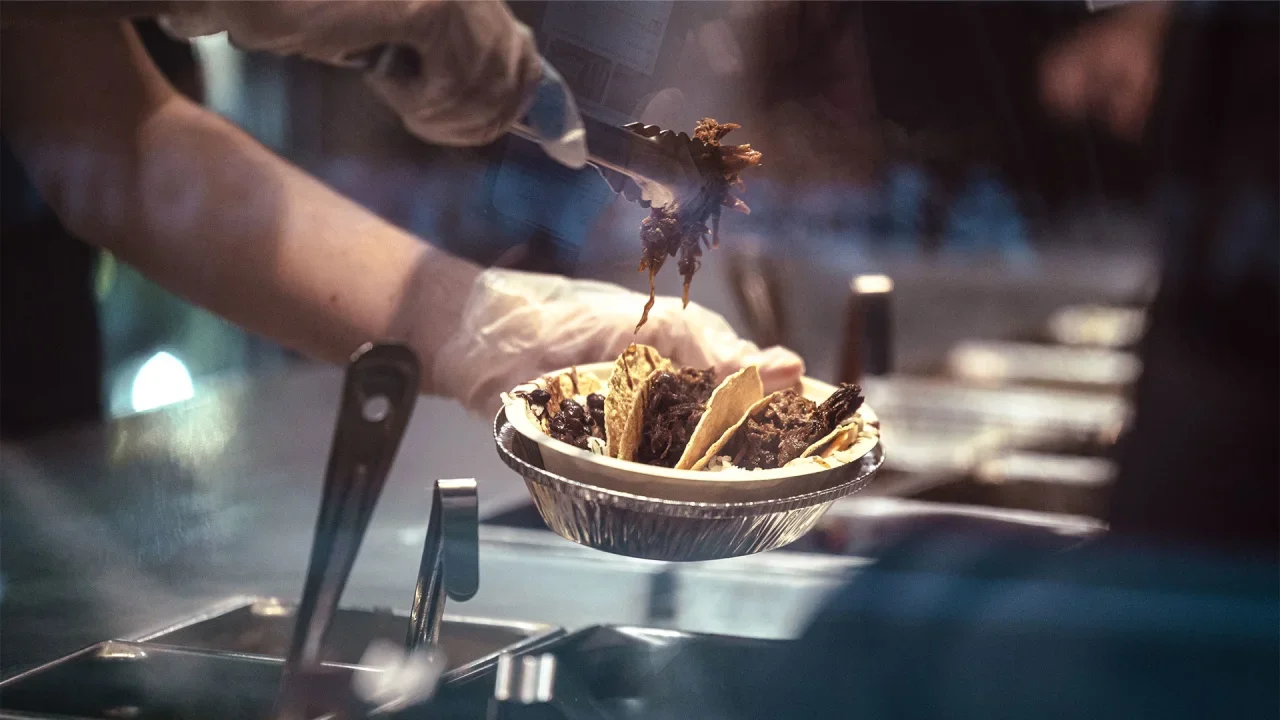
Chipotle—one of the original and most influential fast-casual spots in the country—just hit a major milestone. In 2024, they opened 304 new restaurants, marking the highest number of openings in a single year in their franchise history, according to a Tuesday earnings call. For a bit of context, they opened 271 locations in 2023, and in the two years before that, they were hovering just above 200 each year. And the growth isn’t slowing down—they’re planning to open between 315 and 345 new restaurants in 2025. The fast-casual juggernaut also reported a total revenue of $11.3 billion—an increase of 14.6% from last year’s $9.9 billion. The chain’s operating margin and diluted earnings per share also increased. “Chipotle had another outstanding year,” CEO Scott Boatwright said during the call. “I want to make sure that as we continue to scale Chipotle, everything we do is in service of our guests or those who serve our guests.” While Chipotle excelled in 2024, many fast-casual competitors struggled to stay afloat, with many beloved chains shutting down or filing for bankruptcy in the past year. The majority of Wahlburgers locations shut down in January after its partnership with midwestern grocery store Hy-Vee ended. Roti, a chain that pioneered mediterranean-style fast casual, filed for Chapter 11 bankruptcy protection in August. Red Lobster and Buca di Beppo—both former giants of their field—also filed for bankruptcy last year. But other competitors like Cava and Sweetgreen have experienced record highs similar to Chipotle. Overall, “comparable” restaurant sales still increased by 7.4%, a little more than half of Chipotle’s growth. And Chipotle’s expansion comes at a time of reinvention for the restaurant that transformed “fast-casual” from a concept to a cultural zeitgeist with its fully customizable Mexican-style entrees. After Chipotle dealt with an onslaught of food safety scares from 2015–2018, CEO Brian Niccols stepped in—doubling the brand’s revenue over five years. He added loyalty programs, drive-throughs, delivery options, and even robot chefs to the chain’s repertoire of enticing customer-facing features. But Niccols abruptly left the position in September to run Starbucks, leaving former COO Boatwright as his successor. Since Boatwright’s ascension, the company raised menu prices, drawing consumer outrage, after promising to increase portions. The company has also struggled with adjusting wages to inflation. Boatwight said on the earnings call that long-term goals for the company include reaching 7,000 total restaurants in North America (there are currently 3,700 worldwide) and “becoming a global iconic brand.” View the full article
-
Gen Z consumers use Instagram and TikTok more often to discover products than Google. That’s according to a new survey from GRIN, a creator management platform. By the numbers. Asked where they most often discover new products, 18- to 27-year-old consumers said: Instagram: 30.4% TikTok: 23.2% Google: 18.8% YouTube: 14.5% However, Google isn’t going away anytime soon. Millennials (42.45), Gen X (41.1%), and Boomers (55.9%) and still rely on Google Search first. Why we care. Younger consumers search differently. They have more widely adopted social search than classic search compared to other generations. Social platforms have become hubs of information discovery. SEO continues to be a valuable channel – but it’s also part of a wider, integrated strategy that’s all about reaching and influencing consumers, wherever they are in the buyer journey. About the data. The findings are based on a survey of more than 1,000 U.S. consumers, age 18 to 65+. The report. The Power of Infuence (registration required). View the full article
-
Prime minister fends off his first no-confidence vote and pushes through delayed spending plansView the full article
-
Whether it's because of dietary restrictions, because you accidentally left them off the grocery list, or—I don't know—the price tag got too high, eggless desserts are a great thing to have in your baking arsenal. While you can try and replicate puddings, cakes, custards, and meringues with vegan ingredients, they can sometimes come up short when compared to the original. Luckily, there are many desserts that don’t call for any eggs to begin with. Never did. Here are my favorite egg-free desserts that are sure to satisfy every sweet tooth at your table. Strawberry shortcake Credit: Allie Chanthorn Reinmann I’ll never turn away a strawberry shortcake. (If “I” do, that’s a clone, save me.) Any single component can stand well enough on its own, but together, they transform into magnificence. Make a soft, oversized (naturally eggless) buttermilk biscuit for the cake, like these funfetti-style ones, or these tender oat flour biscuits. Split it, and pile on the strawberries and whipped cream. BrigadeirosChewy, chocolatey, and made with just a few ingredients, the brigadeiro is a gift from Brazil. Grab a can of sweetened condensed milk, cocoa powder, and a little butter. Stir them together in a pot for 10-15 minutes, and you’re nearly done. Roll them into bite-sized balls and press ‘em into sprinkles, chopped nuts, or coconut. A batch of these makes a lovely Valentine’s day gift for your beloved, or a nice anytime treat for yourself. Nutella-banana lava cake Credit: Allie Chanthorn Reinmann Pastries, puddings, and pies are fabulous, but sometimes there’s no substitute for cake. To make a cake that doesn’t require the lifting or binding power of eggs, try this Nutella-banana lava cake. The flavor combination of chocolate, hazelnut, and banana is a crowd-pleaser, but the banana acts as a stealth binding agent, eliminating the need for eggs. Drop in a spoonful of Nutella in the center and you’ve got a gooey “lava” that doesn’t require the specific timing of other lava cake recipes. Coconut peanut mochiMochi is made with sweet glutinous rice flour to create a chewy, slightly sticky delight that can be used in a number of ways. You may have seen it in the freezer section of your grocery store surrounding little balls of ice cream, but the center can be stuffed with a wide variety of fillings. One of my favorites is coconut peanut mochi. Make the chewy mochi dough, fill the center with a sugary, peanut powder, and press the edges shut to form a tiny ball. Roll the entire morsel in shredded coconut and enjoy. Panna cottaFor a dessert that’s not too sweet, plenty creamy, and simple yet impressive, look no further than the Italian panna cotta. There are hundreds of variations on this simple dessert of gelatin-set sweetened cream because the base flavors are flexible, and it’s easy to make. With little more than five base ingredients, panna cotta comes together in about 10 minutes. Allow it to set in the fridge for a few hours and enjoy it as-is, or top it with fresh fruit, caramel sauce, coconut shavings, or fruit compote. For a creative spin on the classic, try this cookie dough panna cotta. Chocolate peanut butter pudding pie Credit: Allie Chanthorn Reinmann I grew up eating tofu, and I love it sweet, savory, silken, or firm. Anyone who hasn’t jumped aboard the tofu train should try a chocolate peanut butter tofu pudding pie. The tofu is completely undetectable among the chocolate and peanut butter, and you're left with a fudgey, sweet indulgence. The whole dessert comes together in a blender to make a deeply chocolatey, cool, and silky smooth pudding worthy of date night. Serve in a graham cracker crust as a pie, or simply dollop the mixture into fancy pudding glasses with a swirl of whipped cream, or chocolate shavings. Fruit piesFruit pies are simple delights that require no eggs at all. (Besides a purely aesthetic, completely optional egg wash on top that you can easily forgo, or use mayo instead.) Press a flaky butter or shortening crust into a pie plate and load it up with a seasonal cooked fruit filling (no one likes watery pie). The only thing you’ll need is a fork, and a heavy hand for the whipped cream. Breton cakeThe Breton cake is the party-sized version of the single-serving, crispy, caramelized kouign amann pastry. It’s composed of tender layers of dough, butter, and sugar, and baked in a 9-inch circular cake pan. While baking, its outside sugar crust caramelizes against the metal pan, and creates a palmier-style crunch, while inside, the butter melts into the dough layers. When served fresh, each bite is fluffy, rich, tender, and encased in the most delicately crisp caramel crust. Like many pastries, the recipe will suggest browning the top with a light coat of egg wash, but it’s not necessary if you’re backing off of eggs (and again, mayo works pretty well). I promise you, a final flourish of sugar will take care of the aesthetic. No-bake desserts Credit: Allie Chanthorn Reinmann One of the primary reasons you bake a dessert is to cook raw ingredients. When no eggs are involved, baking becomes a lot easier to avoid. Fudgy, dense, eggless desserts are usually a good place to start. Try a no-bake cheesecake trifle that sets up in the fridge, or a no-bake panna colada pie (see what I did there). Chocolate trufflesThe chocolate truffle is a highly concentrated dose of fudgy chocolate. Whisk a roughly 2:1 ratio of dark chocolate pieces with hot heavy cream to create a thick chocolate ganache. That alone will send you into a chocolate delirium, but let it cool, and you can roll up spoonfuls of the stuff into balls of silky chocolate contentment. At this point, you can cram them into your mouth, or roll them in chopped nuts, coconut, cocoa powder, or powdered sugar to keep them from sticking together and add a bit of extra flavor. Kaju katliSome occasions call for a dessert that’s simple and dainty. Kaju katli, also called kaju barfi, is just the thing. Made from a cooked sugar syrup, floral aromatics, and ground cashews, this Indian dessert is satisfying and packed with flavor. You can decorate the top with a coating of edible silver leaf, or keep it simple with a sprinkle of crushed nuts. Pizza dough cinnamon rolls Credit: Allie Chanthorn Reinmann Rather than cracking into your egg supply to make an enriched dough, you can use a bag of store-bought, refrigerated pizza dough to make a cinnamon roll that’s way better than anything that comes out of a can. (Use this recipe to roll up a batch of your own.) Keep an eye on them as they finish baking so they don't overcook, and you’ll be rewarded with tender rolls packed with buttery, cinnamon flavor. Sorbet, frozen yogurt, and granitaMaking your own frozen desserts can be a lot of fun, especially if you have some children who need something to do. Making ice cream requires egg yolks or whole eggs, so make a sorbet, frozen yogurt, or granita instead. Sorbets and granitas are closely related, so it’s more a question of what texture you’re seeking. Both usually involve blending fruit with a sugar syrup. Granita is frozen and grated with a fork intermittently while freezing to make a shaved ice, while sorbet is aerated with a blender or ice cream maker for a softer, smoother texture. Frozen yogurt is just as simple, but churned with a dairy base, and the consistency of the yogurt smooths things out without the need for egg yolks. Shortbread cookiesPerfect in its simplicity, the shortbread cookie is made with three pantry staples: butter, sugar, and flour. The lack of a strong binder, like eggs, allows this biscuit to crumble and melt in your mouth. Mix up the dough with softened butter and shape into balls, squares, or press it into a tart shell. Honey apple puffs Credit: Allie Chanthorn Reinmann Store-bought frozen puff pastry makes this elegant treat easier than it looks. Simply cut out rounds of the thawed dough and top each circle with a slice of apple. I should mention that it's not just a boring ol' raw apple. The slices get sautéed in a puddle of butter first, preventing dry, leathery slices and imbuing them with rich flavor. Top the baked rounds with a drizzle of honey and a sprinkle of cinnamon before serving. Millionaire shortbread tartDid someone say shortbread tart shell? I know the perfect thing to fill it with: a soft, slightly chewy caramel. Top it off with a rich layer of dark chocolate, and you’ve got a millionaire shortbread tart. Millionaire shortbread is normally cut into bars, but there’s no law against slicing it into pie-like wedges. Eggless key lime pieIt may be 25°F outside, but you can bite into a summertime treat nonetheless. This three-ingredient key lime pie uses sweetened condensed milk as the clutch base ingredient to provide sweetness and body. For a vegan version with sweetened condensed coconut milk, try this recipe. Other recipes for chill-and-serve key lime pies use cream cheese or whipped cream to create a fluffier base. Before settling on a recipe, decide if you want something dense and silky or light and fluffy, then choose your base accordingly. Whichever you choose, make sure to let it set in the fridge before slicing. Fried dough Credit: Claire Lower There’s fancy food, and then there’s comfort food. Fried dough, in all of its global iterations, is the most comforting. Take the pressure off of yourself and pick up a bag of premade pizza dough from the fridge or freezer section, and turn it into your favorite deep-fried county fair treat. Fry the pieces and toss them in powdered sugar for a simple batch of zeppoles, or try your hand at fried Oreos. Wrap the dough around a cookie, secure the seam well, and fry. Eggless tres leches cakeTres leches is a single layer cake with an open crumb, perfect for soaking up a sweet mixture of three different milks. Evaporated milk, whole milk, and sweetened condensed milk are blended together and poured over a layer of cake. The open crumb soaks up the liquids over the course of several hours, and the whole thing is finished with a whipped topping. The cake layer is usually the component that requires eggs, but luckily there are recipes that don't. If you’d like to stick with the original dairy-based soak, mix genres and bake up the vegan cake, then soak it with the three classic milks. ConfectionsMost confections rely on the structure of melted sugar or melted chocolate, and don’t even bother with eggs. Try your hand at making honeycomb on the stovetop, or melt some chocolate and gather your inclusions to make a gorgeous chocolate bark. Stir peanuts into hot, buttery caramel and cool it in a thin sheet for a delicious peanut brittle. Snap these confections into large or small fragments, and store them in airtight containers to keep out the humidity. View the full article
-
This post was written by Alison Green and published on Ask a Manager. A reader asks: I work for a small company of 25 employees. We still call ourselves a start-up (with all of the cultural elements that brings), but we’ve been around almost 10 years now. The founder believes “titles don’t matter” and it’s more important to focus on the responsibilities each person has. So most people have their official title as basically the department they work for (business development, software engineering, etc), although the management team does have official titles. Do job titles matter? Am I wrong to feel that I want my growth recognized through a new title? I answer this question over at Inc. today, where I’m revisiting letters that have been buried in the archives here from years ago (and sometimes updating/expanding my answers to them). You can read it here. View the full article
-
Someone operating a business through eBay will need to be aware of the return policy, as a dissatisfied customer happens to every seller at some point. This complete guide contains everything a business owner needs to know about the eBay return policy and how to issue a refund. What is the eBay Refund Policy? The eBay return policy is very straightforward and follows three simple steps as you can see below. The reasons for returning the item will determine the options of the seller, and these will be examined in detail further below. The eBay process to issue a refund works as follows: Buyers open a return application via the website after changing their minds. Enter reasons for returning the order. Send the order back. Receive a full refund, partial refund, or replacement item. Sellers operating an eBay shop have a three-day window to respond to a return request after it has been submitted. Once the return is approved, the customer will either receive a return shipping label or will be asked to pay for return shipping, depending on the reason for the buyer’s change of heart regarding the purchase. Additionally, eBay offers a money-back guarantee that applies to most transactions, ensuring that buyers receive a refund if their order fails to arrive, is defective or damaged, or does not match the listing. If you’re wondering how to refund a buyer on eBay, this guarantee is a key aspect to consider. Why the Buyer May Want to Return an Item There are four reasons why an honest buyer changes their mind about a purchase: Item doesn’t match the information in the listing description. Delivery of the wrong item. Damaged or defective item. Item arrived too late / no longer needed. How to Issue a Refund via eBay: Simple Steps The refund process from a seller’s point of view is obviously more complicated than it is for the buyer, so here we will run through the steps necessary to perform a refund through eBay. Check your Returns Policy A business owner should always check their returns policy before issuing a requested refund, as there may be a ‘no returns’ rule for certain items. Check or edit your policy via the Sell option after clicking on the My eBay tool at the top of any eBay page. Accept or Decline the Refund Request There is a Returns dashboard on your seller’s homepage where you can accept or decline refund requests. You must respond within 3 business days to each request, though you have the right to dispute the refund claim if you believe it is unwarranted. Select ‘Send Refund’ from the Drop Down Menu in the Seller Hub To issue a full refund, select View Return Details on your dashboard and select Send Refund. You will need to add or edit some extra details before finalizing the refund. Select a Reason for the Refund You have the option to add reasons for the refund for future reference. These can simply be the reasons provided by the buyer or more detailed reasons with extra insight from the seller. Select the Amount to Be Refunded Full refunds will automatically prompt you to refund the total paid for the item by the buyer along with the shipping cost of the problem item, but you can edit the partial refund cost. Decide How the Item will be Sent and Who Pays Shipping Costs The shipping fees of the problem order will be covered by whichever party is responsible for the return. If the problem is the order articles arrived damaged or faulty, then it is the responsibility of the seller to cover the return shipping costs. If the seller is covering the shipping for their part, then they must choose the most suitable carrier for the article from the shipping options available. Send the Refund and Confirm Once you have edited or confirmed the additional details, click Continue. The next page will display the amount to be refunded. Finally, choose the option to Refund the Buyer. What Happens Next? Once the return has been accepted and the refund process outlined above is completed, eBay will inform the buyer of the deadline for returning the items. This timeframe is typically 15 days, although it can extend to 35 days in certain situations. If the seller is responsible for shipping the item, they must supply a shipping label to the buyer. Keep in mind that your transactions with customers contribute to eBay statistics, so it’s important to treat your customers well whenever possible. How to Give a Refund on eBay via Paypal As eBay uses PayPal to process its payments, sellers have the option to issue refunds directly through the online payment method. It has the advantage of allowing the seller to get the transaction fee back via Paypal, minus a processing charge, while many customers like using their email address account for this payment method. The refund via PayPal process is as follows: 1. Click the Activity link on your PayPal account page. 2. Locate the transaction to be refunded. 3. Click the Refund This Payment button. 4. Enter the amount to be refunded and confirm. What is a Partial Refund on eBay? A partial refund occurs when the business owner returns a portion of the total payment. Companies frequently provide partial refunds for issues with an item that do not justify a full return. Situations that may warrant a partial refund include: Minor blemishes. Wrong color product. Wrong logo words. Inexpensive product. How to Issue a Partial Refund on eBay Open your Returns dashboard to offer a partial refund. Select View Return Details beside the item. Click on Offer a Partial Refund and then Continue. Enter the amount of the partial refund. Add words such as comments or questions for the buyer regarding the partial refund. Select Send Offer to propose a partial refund to the buyer. What are the Issues with Partial Refunds? Partial refunds can cause issues if the buyer is not satisfied when the seller wants to offer a partial refund. The customer may challenge with answers insisting on a larger amount of the sale price for reasons such as: Dissatisfaction with service. Different case or holder than advertised (main item fine). Poorer quality item than the customer understood it to be. Things to Note About a Refunded Item When it comes to eBay refunds, whether they are full or partial, sellers should be aware of some additional details. These include: Automatic Relisting – Items that are returned are automatically relisted, so the business owner will need to manually unlist any damaged or faulty items. Final Value Amount Crediting – eBay may credit the final value amount of the item once the return or the issue refund request has been fully resolved. How do I refund a buyer on the eBay app? To initiate the refund process, choose ‘Start Refund’ from the dropdown menu in the Seller Hub. Next, select a reason for the refund, enter the refund amount, and click the ‘Send Refund’ button to finalize the transaction. How do I refund an eBay-managed payment? Managed payments are a good way to sell and get paid in the same place, with buyers able to use a wide variety of eBay-protected ways to pay, including by credit card. To refund via managed payments, follow these steps: Select Send Refund from the dropdown menu in the My eBay Sold tab. Select a reason for the refund. Enter the refund amount at the item or order level. Confirm the refund amount and select Send Refund. Does an eBay seller have to accept returns? All eBay sellers are required to clearly communicate their returns policy in their shop listings. Private sellers have the option to implement a no-returns policy, but they still must comply with eBay’s Money Back Guarantee. In contrast, business sellers are legally obligated to accept returns and must inform customers through their policy that they can initiate a return within 14 days. Will I get my final value fee back from eBay after a return? Sellers are not automatically given the money paid in transaction fees relating to the articles sold. If eligible, sellers can request their final value fee by opening a case in eBay’s Resolution Center. Can I decline an eBay return request after 30 days? Sellers can decline a return request if 30 days have passed because the money-back guarantee has expired. A buyer can still open a request to discuss the order details, but there is no longer an obligation on the seller to accept it for any reason. Can I refuse to give a refund on eBay? Technically, yes, you can refuse a request, but the buyer has ways to open an account case with eBay, who will make the final decision. If they decide the request is reasonable, then they will process the request and transfer the money from the company’s funds to the buyer. Image: Depositphotos This article, "How to Refund a Buyer on eBay" was first published on Small Business Trends View the full article
-
Someone operating a business through eBay will need to be aware of the return policy, as a dissatisfied customer happens to every seller at some point. This complete guide contains everything a business owner needs to know about the eBay return policy and how to issue a refund. What is the eBay Refund Policy? The eBay return policy is very straightforward and follows three simple steps as you can see below. The reasons for returning the item will determine the options of the seller, and these will be examined in detail further below. The eBay process to issue a refund works as follows: Buyers open a return application via the website after changing their minds. Enter reasons for returning the order. Send the order back. Receive a full refund, partial refund, or replacement item. Sellers operating an eBay shop have a three-day window to respond to a return request after it has been submitted. Once the return is approved, the customer will either receive a return shipping label or will be asked to pay for return shipping, depending on the reason for the buyer’s change of heart regarding the purchase. Additionally, eBay offers a money-back guarantee that applies to most transactions, ensuring that buyers receive a refund if their order fails to arrive, is defective or damaged, or does not match the listing. If you’re wondering how to refund a buyer on eBay, this guarantee is a key aspect to consider. Why the Buyer May Want to Return an Item There are four reasons why an honest buyer changes their mind about a purchase: Item doesn’t match the information in the listing description. Delivery of the wrong item. Damaged or defective item. Item arrived too late / no longer needed. How to Issue a Refund via eBay: Simple Steps The refund process from a seller’s point of view is obviously more complicated than it is for the buyer, so here we will run through the steps necessary to perform a refund through eBay. Check your Returns Policy A business owner should always check their returns policy before issuing a requested refund, as there may be a ‘no returns’ rule for certain items. Check or edit your policy via the Sell option after clicking on the My eBay tool at the top of any eBay page. Accept or Decline the Refund Request There is a Returns dashboard on your seller’s homepage where you can accept or decline refund requests. You must respond within 3 business days to each request, though you have the right to dispute the refund claim if you believe it is unwarranted. Select ‘Send Refund’ from the Drop Down Menu in the Seller Hub To issue a full refund, select View Return Details on your dashboard and select Send Refund. You will need to add or edit some extra details before finalizing the refund. Select a Reason for the Refund You have the option to add reasons for the refund for future reference. These can simply be the reasons provided by the buyer or more detailed reasons with extra insight from the seller. Select the Amount to Be Refunded Full refunds will automatically prompt you to refund the total paid for the item by the buyer along with the shipping cost of the problem item, but you can edit the partial refund cost. Decide How the Item will be Sent and Who Pays Shipping Costs The shipping fees of the problem order will be covered by whichever party is responsible for the return. If the problem is the order articles arrived damaged or faulty, then it is the responsibility of the seller to cover the return shipping costs. If the seller is covering the shipping for their part, then they must choose the most suitable carrier for the article from the shipping options available. Send the Refund and Confirm Once you have edited or confirmed the additional details, click Continue. The next page will display the amount to be refunded. Finally, choose the option to Refund the Buyer. What Happens Next? Once the return has been accepted and the refund process outlined above is completed, eBay will inform the buyer of the deadline for returning the items. This timeframe is typically 15 days, although it can extend to 35 days in certain situations. If the seller is responsible for shipping the item, they must supply a shipping label to the buyer. Keep in mind that your transactions with customers contribute to eBay statistics, so it’s important to treat your customers well whenever possible. How to Give a Refund on eBay via Paypal As eBay uses PayPal to process its payments, sellers have the option to issue refunds directly through the online payment method. It has the advantage of allowing the seller to get the transaction fee back via Paypal, minus a processing charge, while many customers like using their email address account for this payment method. The refund via PayPal process is as follows: 1. Click the Activity link on your PayPal account page. 2. Locate the transaction to be refunded. 3. Click the Refund This Payment button. 4. Enter the amount to be refunded and confirm. What is a Partial Refund on eBay? A partial refund occurs when the business owner returns a portion of the total payment. Companies frequently provide partial refunds for issues with an item that do not justify a full return. Situations that may warrant a partial refund include: Minor blemishes. Wrong color product. Wrong logo words. Inexpensive product. How to Issue a Partial Refund on eBay Open your Returns dashboard to offer a partial refund. Select View Return Details beside the item. Click on Offer a Partial Refund and then Continue. Enter the amount of the partial refund. Add words such as comments or questions for the buyer regarding the partial refund. Select Send Offer to propose a partial refund to the buyer. What are the Issues with Partial Refunds? Partial refunds can cause issues if the buyer is not satisfied when the seller wants to offer a partial refund. The customer may challenge with answers insisting on a larger amount of the sale price for reasons such as: Dissatisfaction with service. Different case or holder than advertised (main item fine). Poorer quality item than the customer understood it to be. Things to Note About a Refunded Item When it comes to eBay refunds, whether they are full or partial, sellers should be aware of some additional details. These include: Automatic Relisting – Items that are returned are automatically relisted, so the business owner will need to manually unlist any damaged or faulty items. Final Value Amount Crediting – eBay may credit the final value amount of the item once the return or the issue refund request has been fully resolved. How do I refund a buyer on the eBay app? To initiate the refund process, choose ‘Start Refund’ from the dropdown menu in the Seller Hub. Next, select a reason for the refund, enter the refund amount, and click the ‘Send Refund’ button to finalize the transaction. How do I refund an eBay-managed payment? Managed payments are a good way to sell and get paid in the same place, with buyers able to use a wide variety of eBay-protected ways to pay, including by credit card. To refund via managed payments, follow these steps: Select Send Refund from the dropdown menu in the My eBay Sold tab. Select a reason for the refund. Enter the refund amount at the item or order level. Confirm the refund amount and select Send Refund. Does an eBay seller have to accept returns? All eBay sellers are required to clearly communicate their returns policy in their shop listings. Private sellers have the option to implement a no-returns policy, but they still must comply with eBay’s Money Back Guarantee. In contrast, business sellers are legally obligated to accept returns and must inform customers through their policy that they can initiate a return within 14 days. Will I get my final value fee back from eBay after a return? Sellers are not automatically given the money paid in transaction fees relating to the articles sold. If eligible, sellers can request their final value fee by opening a case in eBay’s Resolution Center. Can I decline an eBay return request after 30 days? Sellers can decline a return request if 30 days have passed because the money-back guarantee has expired. A buyer can still open a request to discuss the order details, but there is no longer an obligation on the seller to accept it for any reason. Can I refuse to give a refund on eBay? Technically, yes, you can refuse a request, but the buyer has ways to open an account case with eBay, who will make the final decision. If they decide the request is reasonable, then they will process the request and transfer the money from the company’s funds to the buyer. Image: Depositphotos This article, "How to Refund a Buyer on eBay" was first published on Small Business Trends View the full article
-
A commercial steam table is an indispensable piece of equipment in the food service industry. Used primarily in buffet-style dining settings and commercial kitchens, these tables use steam or heated water to keep cooked food at the optimal serving temperature. Commercial Steam Tables Commercial steam tables, or buffet steam tables, are designed to keep prepared food at safe serving temperatures for extended periods. Using either electric heat or gas, they heat water to produce steam surrounding the food pans, keeping food warm without further cooking. They are most commonly found in establishments that need to maintain food temperature over a period, such as in buffet lines, cafeterias, and catering events. These tables consist of wells where water is heated to create steam. Above these wells, food pans containing the prepared food are placed. The steam that rises from the wells envelops the food pans, maintaining the temperature of the food. The benefit of this method is that it prevents food from drying out, which can occur with dry heat methods. Steam tables are available in various sizes and designs, with some having two or more compartments to simultaneously hold different types of food. Some models also include storage bins underneath for added convenience, enabling the efficient organization of supplies. Whether serving lasagna or stir-fried vegetables, commercial steam tables ensure that your food remains at the ideal temperature and texture. The primary purpose of commercial steam tables is to keep food warm while preserving its quality. Unlike other methods that continue to cook food while keeping it warm, steam tables eliminate this problem, ensuring that the food remains at the correct serving temperature without becoming overcooked. This makes them an ideal choice for commercial food-serving establishments. Best Commercial Steam Table Picks for Your Business Keep the foods you serve at your place of business warm with these commercial steam tables, now available on Amazon. FeatureTop Pick: Worcest 6 Pan Commercial Steam Table Food WarmerRunner Up: Leblett Commercial Countertop Steam Table with Temperature ControlBest Value: VEVOR Commercial Electric 4-Pot Steam Table Food Warmer BrandWorcestLeblettVEVOR ColorStainless SteelStainless Steel and GlassAll Stainless Steel MaterialStainless Steel201 Stainless Steel304 Stainless Steel Voltage110 Volts110V/ 60Hz110V/60Hz Wattage1500 watts1.2kW2000 W Number of Food Pans664 Capacity16 Qt/15LTotal Capacity: 36L/ 38QtEach Pan Capacity: 22L/5.8 gals Temperature Range86-185℉/30-85℃30-85℃/ 86-185℉0-100℃/0-212℉ Anti-Dry-Boll Button DesignYesYes- Safety FeaturesETL, CE ROHS certifiedPrevents dry burning- Adjustable TemperatureYesYesYes Worcest 6 Pan Commercial Steam Table Food Warmer Key Features: High Capacity: With 6 compartments and included lids, this food warmer provides a total capacity of 16 Qt/15L, accommodating all your food heating requirements. Thermostatic Adjustment Design: The adjustable knob allows you to easily control the temperature within the range of 86-185°F/30-85°C. This thermostatic temperature control guarantees a consistent temperature throughout the unit, helping to save energy while keeping your food warm. Anti-Dry-Boll Button Design: The food heater includes an anti-dry button that automatically stops dry-boiling when the water is depleted. Simply add water and press the button to restart the heating process. Cleaning is also convenient, with a built-in faucet for easy water drainage. Food-Grade Safety Stainless Steel: Crafted from food-grade 304 stainless steel, this steam table is resistant to rust and corrosion. The thickened wall adds sturdiness and durability, ensuring long-lasting performance. The product is certified ETL, CE, and ROHS for supreme quality and safe use. Wide Applications: Ideal for restaurants, canteens, catering services, and other high-demand food establishments, this electric food warmer is a versatile choice for keeping and heating food efficiently. Worcest 6 Pan Commercial Steam Table Food Warmer Buy on Amazon Leblett Commercial Countertop Steam Table with Temperature Control Key Features: Maintain Optimal Taste: This steam table efficiently heats food with hot water, retaining heat and freshness for longer durations compared to traditional alcohol-heated warmers. Enjoy your food at the perfect temperature, preserving its taste and quality. High Safety: Preventing dry burning, the steam table automatically shuts off power when water levels are insufficient, ensuring safe and worry-free operation. Large Capacity: With six 6L/6.3Qt pans, this commercial steam table provides ample space for holding significant quantities of food, effectively meeting your customers’ needs. Temperature Adjustable: Easily adjust the temperature with the control knob, offering a range of 30-85?/86-185? to suit different food requirements. Constant Temperature Function: The commercial steam table features an automatic constant temperature function that stops heating once the desired temperature is achieved and resumes as necessary, ensuring food remains at a consistent temperature. High Efficiency: Featuring a 1.2kW power output and a U-shaped heating element, this commercial steam table quickly and uniformly heats food, guaranteeing effective food preparation. Easy to Use: Add water to the bottom of the food warmer, load your food, and plug in the electricity to start using—no complicated processes or setup required. Customer Service: We are committed to providing quality products and excellent service. If you encounter any issues, please get in touch with us, and we will promptly assist you. Leblett Commercial Countertop Steam Table with Temperature Control Buy on Amazon VEVOR Commercial Electric 4-Pot Steam Table Food Warmer Key Features: All Stainless Steel Construction: The heavy-duty stainless steel structure ensures robust sturdiness and longevity, with all parts in contact with food made of food-grade material for added safety and hygiene. Four Full-Size Pans: This steam table can accommodate four 1/1-size, 6″ deep food pans, allowing you to separate different foods and maintain their original flavors. Adjustable Temperature: Easily set the temperature between 0-100°(0-212?) using the rotary knob, ensuring your food is kept at the ideal temperature. Please note that this steam table is intended for dry use. Fast Heating: The well-designed thickened heating tube provides rapid and even heating, maximizing efficiency and ensuring quick heat transfer for your food. 2 Lockable Wheels: Equipped with 360-degree rotation lockable wheels and a side handle, the steam table offers easy movement and secure placement, allowing you to position it conveniently in your kitchen. Cutting Side Table & Under Shelf: The included poly cutting board provides an extra workspace for ingredient preparation, while the practical under-shelf offers storage space for utensils, food pans, and other essentials. VEVOR Commercial Electric 4-Pot Steam Table Food Warmer Buy on Amazon ROVSUN 42.3QT 4-Pan Electric Commercial Steam Table Key Features: Premium Quality: Constructed with high-grade stainless steel for durability, corrosion resistance, and food safety. Large Capacity: Features a 42.3QT capacity with four compartments and lids, providing ample space for various food items. Humanized Design: Equipped with a convenient faucet for easy operation and cleaning. Long-term insulation preserves the delicious taste of the food. Adjustable Temperature: Easily adjust the temperature from 86-185?/30-85? to quickly heat up your food and keep it at the ideal temperature. Versatile Applications: Suitable for nacho cheese, chicken wings, stews, eggs, porridge, soup, chili beans, milk, and more. Ideal for restaurants, catering, parties, cafeterias, and other events. ROVSUN 42.3QT 4-Pan Electric Commercial Steam Table Buy on Amazon SYBO Commercial Grade Stainless Steel Food Warmer Steam Table Key Features: Large capacity pan with compartments and lid included Durable food-grade 304 stainless steel construction Interchangeable design for easy replacement ETL, CE, and ROHS certified for commercial use Automatic shut-off and keep-warm function for convenience 2-year new replacement warranty for peace of mind SYBO Commercial Grade Stainless Steel Food Warmer Steam Table Buy on Amazon VBENLEM Commercial Electric Food Warmer 3 Pot Steam Table Key Features: High-quality food-grade stainless steel construction Three-well pans with lids for holding full-size food pans Individual temperature control for each well Foldable cutting board for extra workspace Practical under shelf for storage of utensils and food pans Wide application in restaurants, canteens, fast food establishments, and more Fast heating with efficient heat transfer Foldable side table for additional workspace VBENLEM Commercial Electric Food Warmer 3 Pot Steam Table Buy on Amazon TAIMIKO Food Warmer Buffet Steam Table Key Features: Large capacity pan with six compartments and lid included Durable stainless steel construction for easy cleaning and long-lasting performance Adjustable temperature control for personalized warming Fast heating stainless steel U-shaped heating tube for efficient heat transfer Suitable for various occasions, including family gatherings, parties, and commercial use Easy-to-clean design with a drain tap for effortless maintenance TAIMIKO Food Warmer Buffet Steam Table Buy on Amazon Cadco WTBS-2RT Countertop Buffet Warmer Key Features: 2 half-size steam pans: Allows you to serve a variety of dishes simultaneously. Variable heat control: Temperature range of 155°F – 205°F for precise heat adjustment. Removable pans and pan holders: Easy to clean and customize according to your serving needs. Warming shelf base: Provides additional space for warming or serving. Cool-touch handles: Ensures safe handling during operation. Stainless steel construction: Offers durability and a sleek appearance. Non-skid feet: Ensures stability and prevents slipping on countertops. Cadco WTBS-2RT Countertop Buffet Warmer Buy on Amazon Sabary Electric Commercial Stainless Steel Food Warmer Key Features: 32 Qt Large Capacity with 6 Compartments: Ideal for keeping a variety of dishes warm and ready to serve. Solid and Rustproof Stainless Steel Construction: Ensures durability and reliability, keeping your food warm for a long time. Temperature Control with Anti-Dry Burning System: Provides even heating and automatically stops heating when the water level is low. Easy to Clean: Features a tap for draining excess liquid, making cleaning effortless. Widely Applicable: Suitable for office cafeterias, school cafeterias, birthday parties, restaurants, and more. Sabary Electric Commercial Stainless Steel Food Warmer Buy on Amazon TECHTONGDA Propane Gas Steam Heater Key Features: Uniform Heating & Durability: Made of stainless steel 304, this food warmer ensures uniform heating and offers a long service life. Propane Gas Operation: Easily control the temperature with the gas regulator valve and adjust the inlet flow. Note that the machine cannot be used on flammable material. Large Capacity: With 8 wells and a generous size of 13″10.5″4″ (32.5cm26.5cm10cm) for each container, you can conveniently pack a variety of dishes, including soups. Simple Operation: The easy-to-use button and clear indicator light make operation hassle-free. Package & Content: The wooden box and foam packaging provide additional safety, and the package includes a heating tank and matching lid. TECHTONGDA Propane Gas Steam Heater Buy on Amazon Importance and Applications of Commercial Steam Tables Commercial steam tables are essential for businesses that need to maintain the temperature of prepared food for long periods. From buffets and cafeterias to banquet halls and catering companies, these units enable large quantities of food to be kept warm and ready to serve. They are designed to be robust and durable, capable of withstanding the rigors of a busy commercial kitchen. In addition to their primary function of keeping food warm, steam tables also contribute to an efficient workflow in the kitchen. Some models come equipped with storage bins underneath, allowing for the convenient storage of additional food pans, utensils, or other necessary supplies. This feature can significantly improve the organization and efficiency of a commercial kitchen, making the service process smoother and faster. Furthermore, commercial steam tables also play an important role in ensuring food safety. By maintaining food at a temperature above the “danger zone” (between 40°F and 140°F, where bacteria grow most rapidly), steam tables help to prevent foodborne illnesses. This is especially critical in buffet settings, where food is exposed for extended periods. From a customer’s perspective, steam tables also improve the dining experience. Food kept at the right temperature tastes better and has a more appealing texture. Whether in a restaurant, a catered event, or a school cafeteria, a commercial steam table ensures that the food served is not just safe but also delicious and enjoyable. Different Types of Commercial Steam Tables Several types of commercial steam tables are available in the market, each designed to meet specific needs. The most common types are gas steam tables and electric steam tables. As their names suggest, gas steam tables use propane or natural gas as a heat source, while electric steam tables use electricity. Gas steam tables are often preferred for their high heat output and quick recovery times. They are ideal for use in environments where access to electricity may be limited or in establishments that already utilize gas for other tasks. Structure and Design of Commercial Steam Tables The structure and design of commercial steam tables differ based on the specific requirements of an establishment. Nevertheless, there are several standard components that constitute these units. This section will cover the essential components, the materials utilized in their construction, and the variations in design depending on the manufacturer and model. Key Components of a Commercial Steam Table A commercial steam table comprises heating elements, wells or compartments, a water pan, and food pans. The heating elements, powered by gas or electricity, heat the water in the well or compartment to produce steam. This steam then envelops the food pans placed above, keeping the food warm. The compartments or wells in a steam table are designed to hold water and create a steam environment for the food pans. They are typically lined with spillage pans, which collect any food or liquid that may drip or spill from the food pans, ensuring that it doesn’t contaminate the water or other foods. The food pans are shallow, rectangular trays that sit above the steam wells and hold the food items. They are designed to transfer heat evenly across their surface, ensuring uniform food heating. Some steam tables also feature a sneeze guard or protective shield to protect food from airborne contaminants. Finally, some steam tables have storage bins underneath the wells. These bins provide additional storage space for spare food pans, utensils, or other supplies, adding to the efficiency and convenience of the steam table setup. How Commercial Steam Tables Work Commercial steam tables utilize steam heat to maintain the temperature of cooked food for extended periods. This section will examine the heating process, the variations in heating techniques, and how steam tables ensure food stays safe and of high quality. The Heating Process Commercial steam tables keep food warm by using water to create steam that heats the food pans from below. Here’s how it works: the steam table wells are filled with water, then the heating elements, either electric or gas, heat the water until it turns into steam—the steam envelopes the food pans, warming the food evenly and efficiently. The efficiency of heating food using steam comes from the fact that steam transfers heat better than dry air. This results in the food maintaining its temperature without becoming dry or overcooked, as can happen with other warming methods. The moisture also helps to preserve the food’s flavor and texture. It’s important to note that steam tables are designed to keep already cooked food warm and are not meant for cooking food. This is because they operate at a consistent temperature optimal for maintaining food warmth, not cooking. Variations in Heating Techniques Two main heating methods are employed in commercial steam tables: electric heating and gas heating. Electric steam tables utilize heating elements to warm the water in the wells. This approach provides precise temperature control and is often preferred in environments where gas access may be limited. On the other hand, gas steam tables use a natural gas or propane burner to heat the water. This method provides powerful and efficient heating and is often preferred in high-volume food service operations. However, it requires proper ventilation and access to a gas supply. Some models of steam tables use exposed elements to heat the water directly, while others use sealed elements that heat the water indirectly. Each method has its advantages, with the direct heating method providing fast heating times and the indirect method offering more even heating. Ensuring Food Safety and Quality Commercial steam tables play a significant role in maintaining food safety. They keep food at temperatures above 140 degrees Fahrenheit, the point at which harmful bacteria can start to multiply rapidly. This ensures the food remains safe for consumption for longer periods. In terms of quality, steam tables help maintain the food’s texture, moisture, and flavor. Unlike dry heat methods, which can cause food to dry out or become overcooked, steam heat provides gentle, even heat that helps food retain its original quality. This is particularly beneficial for delicate dishes that can easily become tough or rubbery if exposed to dry heat. Commercial steam tables offer an effective and efficient solution for keeping food warm, safe, and tasty, making them an invaluable tool in any food service operation. Choosing the Right Commercial Steam Table When selecting a commercial steam table for your food service business, various options can feel overwhelming. Your choice will significantly affect your kitchen’s operational flow and efficiency. In selecting commercial steam tables for our recommendations, we meticulously assess a series of key factors to ensure that we present options that are efficient, durable, and cater to the varied needs of food service establishments. Here’s how we evaluate them, complete with an importance scale for each criterion: Capacity and Size: Importance: 9/10 The size and number of compartments are essential. The commercial steam table must be capable of holding the amount of food that is usually served, ensuring it fits appropriately within the available kitchen or serving area. Temperature Control and Consistency: Importance: 9/10 Precise and consistent temperature control is vital for keeping food at safe and optimal serving temperatures. Build Quality and Material: Importance: 9/10 Durability is key in a commercial setting. Stainless steel construction is preferred for its longevity and ease of cleaning. Energy Efficiency: Importance: 8/10 Considering the extended operating hours, energy-efficient models can significantly reduce operating costs. Ease of Cleaning and Maintenance: Importance: 8/10 The unit should be designed for easy cleaning and simple maintenance to ensure hygiene and extend its lifespan. Versatility and Adaptability: Importance: 7/10 A steam table that can accommodate various pan sizes and types offers more flexibility for different menu items. Safety Features: Importance: 8/10 Safety aspects, such as cool-to-touch areas and splash guards, are important for protecting staff and customers. Drainage and Moisture Control: Importance: 7/10 Good drainage systems help manage moisture and make cleaning easier, maintaining the quality of food. Cost and Budget Considerations: Importance: 7/10 We aim to balance the price with the features and benefits offered, seeking options that provide long-term value. Aesthetics and Design: Importance: 6/10 The appearance should be professional and suitable for front-of-house use if applicable. Warranty and Manufacturer Support: Importance: 7/10 Reliable customer support and a solid warranty are important for peace of mind and assurance of quality. FAQs What are the benefits of using a commercial steam table in a restaurant setting? Commercial steam tables provide numerous advantages in a restaurant environment. They keep food at safe temperatures for extended durations, ensuring that it remains hot and fresh without the risk of drying out or overcooking. This is particularly useful in buffet-style restaurants or catering events where food must be served for long periods. Furthermore, they enhance kitchen efficiency by incorporating storage bins underneath for supplies and additional food pans. How does a commercial steam table ensure food is kept at safe temperatures? A commercial steam table ensures food is kept at safe temperatures by using heated water to generate steam. This steam surrounds the food pans, creating a consistent temperature environment. Most steam tables also feature thermostatic controls, allowing operators to adjust the temperature as needed to meet food safety regulations, which typically mandate holding hot food above 140°F. What types of food are best suited for a commercial steam table? A variety of food types are suitable for a commercial steam table, especially those that benefit from moist heat to maintain quality over time. These include stews, soups, casseroles, and sauces. However, it’s also good for non-liquid items such as rice, pasta, and vegetables. It’s not recommended for crispy foods as the steam can make them soggy. What is the energy consumption of a commercial steam table compared to other warming equipment? Commercial steam tables can be more energy-efficient than other types of warming equipment. This is because they use steam to heat the food, which requires less energy than dry heat methods. However, actual energy consumption can vary based on the model, size, usage, and whether the steam table is electric or gas-powered. How should I clean and maintain my commercial steam table to ensure it remains efficient? To ensure efficiency, a commercial steam table needs to be cleaned daily to prevent the accumulation of food particles and bacteria. This process includes emptying and sanitizing the water pans, wiping down all surfaces, and cleaning the heating elements according to the manufacturer’s guidelines. Additionally, regular maintenance should involve inspecting and replacing any worn components, such as seals or heating elements, to guarantee the steam table operates efficiently. What safety measures should be taken when operating a commercial steam table? When operating a commercial steam table, it’s important to use heat-resistant gloves to prevent burns. Always check water levels to prevent the unit from running dry and overheating, which can be a fire hazard. When cleaning or performing maintenance, ensure the unit is turned off and cooled down to avoid burns or electric shock. YOU MIGHT ALSO LIKE: Best Countertop Refrigerators for Your Business What’s the Best Commercial Refrigerator for Your Business? Best Commercial Margarita Machine for Your Business Commercial Hand Dryer: Our Top Picks For Your Business Image: Amazon This article, "Commercial Steam Table: Best Picks for Your Business" was first published on Small Business Trends View the full article
-
A commercial steam table is an indispensable piece of equipment in the food service industry. Used primarily in buffet-style dining settings and commercial kitchens, these tables use steam or heated water to keep cooked food at the optimal serving temperature. Commercial Steam Tables Commercial steam tables, or buffet steam tables, are designed to keep prepared food at safe serving temperatures for extended periods. Using either electric heat or gas, they heat water to produce steam surrounding the food pans, keeping food warm without further cooking. They are most commonly found in establishments that need to maintain food temperature over a period, such as in buffet lines, cafeterias, and catering events. These tables consist of wells where water is heated to create steam. Above these wells, food pans containing the prepared food are placed. The steam that rises from the wells envelops the food pans, maintaining the temperature of the food. The benefit of this method is that it prevents food from drying out, which can occur with dry heat methods. Steam tables are available in various sizes and designs, with some having two or more compartments to simultaneously hold different types of food. Some models also include storage bins underneath for added convenience, enabling the efficient organization of supplies. Whether serving lasagna or stir-fried vegetables, commercial steam tables ensure that your food remains at the ideal temperature and texture. The primary purpose of commercial steam tables is to keep food warm while preserving its quality. Unlike other methods that continue to cook food while keeping it warm, steam tables eliminate this problem, ensuring that the food remains at the correct serving temperature without becoming overcooked. This makes them an ideal choice for commercial food-serving establishments. Best Commercial Steam Table Picks for Your Business Keep the foods you serve at your place of business warm with these commercial steam tables, now available on Amazon. FeatureTop Pick: Worcest 6 Pan Commercial Steam Table Food WarmerRunner Up: Leblett Commercial Countertop Steam Table with Temperature ControlBest Value: VEVOR Commercial Electric 4-Pot Steam Table Food Warmer BrandWorcestLeblettVEVOR ColorStainless SteelStainless Steel and GlassAll Stainless Steel MaterialStainless Steel201 Stainless Steel304 Stainless Steel Voltage110 Volts110V/ 60Hz110V/60Hz Wattage1500 watts1.2kW2000 W Number of Food Pans664 Capacity16 Qt/15LTotal Capacity: 36L/ 38QtEach Pan Capacity: 22L/5.8 gals Temperature Range86-185℉/30-85℃30-85℃/ 86-185℉0-100℃/0-212℉ Anti-Dry-Boll Button DesignYesYes- Safety FeaturesETL, CE ROHS certifiedPrevents dry burning- Adjustable TemperatureYesYesYes Worcest 6 Pan Commercial Steam Table Food Warmer Key Features: High Capacity: With 6 compartments and included lids, this food warmer provides a total capacity of 16 Qt/15L, accommodating all your food heating requirements. Thermostatic Adjustment Design: The adjustable knob allows you to easily control the temperature within the range of 86-185°F/30-85°C. This thermostatic temperature control guarantees a consistent temperature throughout the unit, helping to save energy while keeping your food warm. Anti-Dry-Boll Button Design: The food heater includes an anti-dry button that automatically stops dry-boiling when the water is depleted. Simply add water and press the button to restart the heating process. Cleaning is also convenient, with a built-in faucet for easy water drainage. Food-Grade Safety Stainless Steel: Crafted from food-grade 304 stainless steel, this steam table is resistant to rust and corrosion. The thickened wall adds sturdiness and durability, ensuring long-lasting performance. The product is certified ETL, CE, and ROHS for supreme quality and safe use. Wide Applications: Ideal for restaurants, canteens, catering services, and other high-demand food establishments, this electric food warmer is a versatile choice for keeping and heating food efficiently. Worcest 6 Pan Commercial Steam Table Food Warmer Buy on Amazon Leblett Commercial Countertop Steam Table with Temperature Control Key Features: Maintain Optimal Taste: This steam table efficiently heats food with hot water, retaining heat and freshness for longer durations compared to traditional alcohol-heated warmers. Enjoy your food at the perfect temperature, preserving its taste and quality. High Safety: Preventing dry burning, the steam table automatically shuts off power when water levels are insufficient, ensuring safe and worry-free operation. Large Capacity: With six 6L/6.3Qt pans, this commercial steam table provides ample space for holding significant quantities of food, effectively meeting your customers’ needs. Temperature Adjustable: Easily adjust the temperature with the control knob, offering a range of 30-85?/86-185? to suit different food requirements. Constant Temperature Function: The commercial steam table features an automatic constant temperature function that stops heating once the desired temperature is achieved and resumes as necessary, ensuring food remains at a consistent temperature. High Efficiency: Featuring a 1.2kW power output and a U-shaped heating element, this commercial steam table quickly and uniformly heats food, guaranteeing effective food preparation. Easy to Use: Add water to the bottom of the food warmer, load your food, and plug in the electricity to start using—no complicated processes or setup required. Customer Service: We are committed to providing quality products and excellent service. If you encounter any issues, please get in touch with us, and we will promptly assist you. Leblett Commercial Countertop Steam Table with Temperature Control Buy on Amazon VEVOR Commercial Electric 4-Pot Steam Table Food Warmer Key Features: All Stainless Steel Construction: The heavy-duty stainless steel structure ensures robust sturdiness and longevity, with all parts in contact with food made of food-grade material for added safety and hygiene. Four Full-Size Pans: This steam table can accommodate four 1/1-size, 6″ deep food pans, allowing you to separate different foods and maintain their original flavors. Adjustable Temperature: Easily set the temperature between 0-100°(0-212?) using the rotary knob, ensuring your food is kept at the ideal temperature. Please note that this steam table is intended for dry use. Fast Heating: The well-designed thickened heating tube provides rapid and even heating, maximizing efficiency and ensuring quick heat transfer for your food. 2 Lockable Wheels: Equipped with 360-degree rotation lockable wheels and a side handle, the steam table offers easy movement and secure placement, allowing you to position it conveniently in your kitchen. Cutting Side Table & Under Shelf: The included poly cutting board provides an extra workspace for ingredient preparation, while the practical under-shelf offers storage space for utensils, food pans, and other essentials. VEVOR Commercial Electric 4-Pot Steam Table Food Warmer Buy on Amazon ROVSUN 42.3QT 4-Pan Electric Commercial Steam Table Key Features: Premium Quality: Constructed with high-grade stainless steel for durability, corrosion resistance, and food safety. Large Capacity: Features a 42.3QT capacity with four compartments and lids, providing ample space for various food items. Humanized Design: Equipped with a convenient faucet for easy operation and cleaning. Long-term insulation preserves the delicious taste of the food. Adjustable Temperature: Easily adjust the temperature from 86-185?/30-85? to quickly heat up your food and keep it at the ideal temperature. Versatile Applications: Suitable for nacho cheese, chicken wings, stews, eggs, porridge, soup, chili beans, milk, and more. Ideal for restaurants, catering, parties, cafeterias, and other events. ROVSUN 42.3QT 4-Pan Electric Commercial Steam Table Buy on Amazon SYBO Commercial Grade Stainless Steel Food Warmer Steam Table Key Features: Large capacity pan with compartments and lid included Durable food-grade 304 stainless steel construction Interchangeable design for easy replacement ETL, CE, and ROHS certified for commercial use Automatic shut-off and keep-warm function for convenience 2-year new replacement warranty for peace of mind SYBO Commercial Grade Stainless Steel Food Warmer Steam Table Buy on Amazon VBENLEM Commercial Electric Food Warmer 3 Pot Steam Table Key Features: High-quality food-grade stainless steel construction Three-well pans with lids for holding full-size food pans Individual temperature control for each well Foldable cutting board for extra workspace Practical under shelf for storage of utensils and food pans Wide application in restaurants, canteens, fast food establishments, and more Fast heating with efficient heat transfer Foldable side table for additional workspace VBENLEM Commercial Electric Food Warmer 3 Pot Steam Table Buy on Amazon TAIMIKO Food Warmer Buffet Steam Table Key Features: Large capacity pan with six compartments and lid included Durable stainless steel construction for easy cleaning and long-lasting performance Adjustable temperature control for personalized warming Fast heating stainless steel U-shaped heating tube for efficient heat transfer Suitable for various occasions, including family gatherings, parties, and commercial use Easy-to-clean design with a drain tap for effortless maintenance TAIMIKO Food Warmer Buffet Steam Table Buy on Amazon Cadco WTBS-2RT Countertop Buffet Warmer Key Features: 2 half-size steam pans: Allows you to serve a variety of dishes simultaneously. Variable heat control: Temperature range of 155°F – 205°F for precise heat adjustment. Removable pans and pan holders: Easy to clean and customize according to your serving needs. Warming shelf base: Provides additional space for warming or serving. Cool-touch handles: Ensures safe handling during operation. Stainless steel construction: Offers durability and a sleek appearance. Non-skid feet: Ensures stability and prevents slipping on countertops. Cadco WTBS-2RT Countertop Buffet Warmer Buy on Amazon Sabary Electric Commercial Stainless Steel Food Warmer Key Features: 32 Qt Large Capacity with 6 Compartments: Ideal for keeping a variety of dishes warm and ready to serve. Solid and Rustproof Stainless Steel Construction: Ensures durability and reliability, keeping your food warm for a long time. Temperature Control with Anti-Dry Burning System: Provides even heating and automatically stops heating when the water level is low. Easy to Clean: Features a tap for draining excess liquid, making cleaning effortless. Widely Applicable: Suitable for office cafeterias, school cafeterias, birthday parties, restaurants, and more. Sabary Electric Commercial Stainless Steel Food Warmer Buy on Amazon TECHTONGDA Propane Gas Steam Heater Key Features: Uniform Heating & Durability: Made of stainless steel 304, this food warmer ensures uniform heating and offers a long service life. Propane Gas Operation: Easily control the temperature with the gas regulator valve and adjust the inlet flow. Note that the machine cannot be used on flammable material. Large Capacity: With 8 wells and a generous size of 13″10.5″4″ (32.5cm26.5cm10cm) for each container, you can conveniently pack a variety of dishes, including soups. Simple Operation: The easy-to-use button and clear indicator light make operation hassle-free. Package & Content: The wooden box and foam packaging provide additional safety, and the package includes a heating tank and matching lid. TECHTONGDA Propane Gas Steam Heater Buy on Amazon Importance and Applications of Commercial Steam Tables Commercial steam tables are essential for businesses that need to maintain the temperature of prepared food for long periods. From buffets and cafeterias to banquet halls and catering companies, these units enable large quantities of food to be kept warm and ready to serve. They are designed to be robust and durable, capable of withstanding the rigors of a busy commercial kitchen. In addition to their primary function of keeping food warm, steam tables also contribute to an efficient workflow in the kitchen. Some models come equipped with storage bins underneath, allowing for the convenient storage of additional food pans, utensils, or other necessary supplies. This feature can significantly improve the organization and efficiency of a commercial kitchen, making the service process smoother and faster. Furthermore, commercial steam tables also play an important role in ensuring food safety. By maintaining food at a temperature above the “danger zone” (between 40°F and 140°F, where bacteria grow most rapidly), steam tables help to prevent foodborne illnesses. This is especially critical in buffet settings, where food is exposed for extended periods. From a customer’s perspective, steam tables also improve the dining experience. Food kept at the right temperature tastes better and has a more appealing texture. Whether in a restaurant, a catered event, or a school cafeteria, a commercial steam table ensures that the food served is not just safe but also delicious and enjoyable. Different Types of Commercial Steam Tables Several types of commercial steam tables are available in the market, each designed to meet specific needs. The most common types are gas steam tables and electric steam tables. As their names suggest, gas steam tables use propane or natural gas as a heat source, while electric steam tables use electricity. Gas steam tables are often preferred for their high heat output and quick recovery times. They are ideal for use in environments where access to electricity may be limited or in establishments that already utilize gas for other tasks. Structure and Design of Commercial Steam Tables The structure and design of commercial steam tables differ based on the specific requirements of an establishment. Nevertheless, there are several standard components that constitute these units. This section will cover the essential components, the materials utilized in their construction, and the variations in design depending on the manufacturer and model. Key Components of a Commercial Steam Table A commercial steam table comprises heating elements, wells or compartments, a water pan, and food pans. The heating elements, powered by gas or electricity, heat the water in the well or compartment to produce steam. This steam then envelops the food pans placed above, keeping the food warm. The compartments or wells in a steam table are designed to hold water and create a steam environment for the food pans. They are typically lined with spillage pans, which collect any food or liquid that may drip or spill from the food pans, ensuring that it doesn’t contaminate the water or other foods. The food pans are shallow, rectangular trays that sit above the steam wells and hold the food items. They are designed to transfer heat evenly across their surface, ensuring uniform food heating. Some steam tables also feature a sneeze guard or protective shield to protect food from airborne contaminants. Finally, some steam tables have storage bins underneath the wells. These bins provide additional storage space for spare food pans, utensils, or other supplies, adding to the efficiency and convenience of the steam table setup. How Commercial Steam Tables Work Commercial steam tables utilize steam heat to maintain the temperature of cooked food for extended periods. This section will examine the heating process, the variations in heating techniques, and how steam tables ensure food stays safe and of high quality. The Heating Process Commercial steam tables keep food warm by using water to create steam that heats the food pans from below. Here’s how it works: the steam table wells are filled with water, then the heating elements, either electric or gas, heat the water until it turns into steam—the steam envelopes the food pans, warming the food evenly and efficiently. The efficiency of heating food using steam comes from the fact that steam transfers heat better than dry air. This results in the food maintaining its temperature without becoming dry or overcooked, as can happen with other warming methods. The moisture also helps to preserve the food’s flavor and texture. It’s important to note that steam tables are designed to keep already cooked food warm and are not meant for cooking food. This is because they operate at a consistent temperature optimal for maintaining food warmth, not cooking. Variations in Heating Techniques Two main heating methods are employed in commercial steam tables: electric heating and gas heating. Electric steam tables utilize heating elements to warm the water in the wells. This approach provides precise temperature control and is often preferred in environments where gas access may be limited. On the other hand, gas steam tables use a natural gas or propane burner to heat the water. This method provides powerful and efficient heating and is often preferred in high-volume food service operations. However, it requires proper ventilation and access to a gas supply. Some models of steam tables use exposed elements to heat the water directly, while others use sealed elements that heat the water indirectly. Each method has its advantages, with the direct heating method providing fast heating times and the indirect method offering more even heating. Ensuring Food Safety and Quality Commercial steam tables play a significant role in maintaining food safety. They keep food at temperatures above 140 degrees Fahrenheit, the point at which harmful bacteria can start to multiply rapidly. This ensures the food remains safe for consumption for longer periods. In terms of quality, steam tables help maintain the food’s texture, moisture, and flavor. Unlike dry heat methods, which can cause food to dry out or become overcooked, steam heat provides gentle, even heat that helps food retain its original quality. This is particularly beneficial for delicate dishes that can easily become tough or rubbery if exposed to dry heat. Commercial steam tables offer an effective and efficient solution for keeping food warm, safe, and tasty, making them an invaluable tool in any food service operation. Choosing the Right Commercial Steam Table When selecting a commercial steam table for your food service business, various options can feel overwhelming. Your choice will significantly affect your kitchen’s operational flow and efficiency. In selecting commercial steam tables for our recommendations, we meticulously assess a series of key factors to ensure that we present options that are efficient, durable, and cater to the varied needs of food service establishments. Here’s how we evaluate them, complete with an importance scale for each criterion: Capacity and Size: Importance: 9/10 The size and number of compartments are essential. The commercial steam table must be capable of holding the amount of food that is usually served, ensuring it fits appropriately within the available kitchen or serving area. Temperature Control and Consistency: Importance: 9/10 Precise and consistent temperature control is vital for keeping food at safe and optimal serving temperatures. Build Quality and Material: Importance: 9/10 Durability is key in a commercial setting. Stainless steel construction is preferred for its longevity and ease of cleaning. Energy Efficiency: Importance: 8/10 Considering the extended operating hours, energy-efficient models can significantly reduce operating costs. Ease of Cleaning and Maintenance: Importance: 8/10 The unit should be designed for easy cleaning and simple maintenance to ensure hygiene and extend its lifespan. Versatility and Adaptability: Importance: 7/10 A steam table that can accommodate various pan sizes and types offers more flexibility for different menu items. Safety Features: Importance: 8/10 Safety aspects, such as cool-to-touch areas and splash guards, are important for protecting staff and customers. Drainage and Moisture Control: Importance: 7/10 Good drainage systems help manage moisture and make cleaning easier, maintaining the quality of food. Cost and Budget Considerations: Importance: 7/10 We aim to balance the price with the features and benefits offered, seeking options that provide long-term value. Aesthetics and Design: Importance: 6/10 The appearance should be professional and suitable for front-of-house use if applicable. Warranty and Manufacturer Support: Importance: 7/10 Reliable customer support and a solid warranty are important for peace of mind and assurance of quality. FAQs What are the benefits of using a commercial steam table in a restaurant setting? Commercial steam tables provide numerous advantages in a restaurant environment. They keep food at safe temperatures for extended durations, ensuring that it remains hot and fresh without the risk of drying out or overcooking. This is particularly useful in buffet-style restaurants or catering events where food must be served for long periods. Furthermore, they enhance kitchen efficiency by incorporating storage bins underneath for supplies and additional food pans. How does a commercial steam table ensure food is kept at safe temperatures? A commercial steam table ensures food is kept at safe temperatures by using heated water to generate steam. This steam surrounds the food pans, creating a consistent temperature environment. Most steam tables also feature thermostatic controls, allowing operators to adjust the temperature as needed to meet food safety regulations, which typically mandate holding hot food above 140°F. What types of food are best suited for a commercial steam table? A variety of food types are suitable for a commercial steam table, especially those that benefit from moist heat to maintain quality over time. These include stews, soups, casseroles, and sauces. However, it’s also good for non-liquid items such as rice, pasta, and vegetables. It’s not recommended for crispy foods as the steam can make them soggy. What is the energy consumption of a commercial steam table compared to other warming equipment? Commercial steam tables can be more energy-efficient than other types of warming equipment. This is because they use steam to heat the food, which requires less energy than dry heat methods. However, actual energy consumption can vary based on the model, size, usage, and whether the steam table is electric or gas-powered. How should I clean and maintain my commercial steam table to ensure it remains efficient? To ensure efficiency, a commercial steam table needs to be cleaned daily to prevent the accumulation of food particles and bacteria. This process includes emptying and sanitizing the water pans, wiping down all surfaces, and cleaning the heating elements according to the manufacturer’s guidelines. Additionally, regular maintenance should involve inspecting and replacing any worn components, such as seals or heating elements, to guarantee the steam table operates efficiently. What safety measures should be taken when operating a commercial steam table? When operating a commercial steam table, it’s important to use heat-resistant gloves to prevent burns. Always check water levels to prevent the unit from running dry and overheating, which can be a fire hazard. When cleaning or performing maintenance, ensure the unit is turned off and cooled down to avoid burns or electric shock. YOU MIGHT ALSO LIKE: Best Countertop Refrigerators for Your Business What’s the Best Commercial Refrigerator for Your Business? Best Commercial Margarita Machine for Your Business Commercial Hand Dryer: Our Top Picks For Your Business Image: Amazon This article, "Commercial Steam Table: Best Picks for Your Business" was first published on Small Business Trends View the full article
-
Back in December, OpenAI rolled out a new way to chat with ChatGPT: You can reach out to the generative AI by calling 1-800-CHATGPT (no, really)—or, if you have WhatsApp, you can text that same number to share what's on your mind. While many of ChatGPT's distinct features were missing, the core of the experience was still present. You text or ask ChatGPT something out loud, and the bot responds in kind. For WhatsApp users, that largely feels like texting a friend—only, that friend happens to respond right away with a detailed response generated entirely by AI. (We all have one of those friends, right?) Now, less than two months after rolling out this new way to contact ChatGPT, OpenAI is expanding its features on WhatsApp. There are two key updates here: One, you can now upload and send images when chatting with ChatGPT, which means you can request that the bot analyzes a photo, or provide an image as added context to a greater query. Second, you can share voice messages to ChatGPT. If there are times when you can't call ChatGPT and talk for extended periods of time, but you don't want to type out your full question, you can simply send a voice message instead. OpenAI also shared that the company is working on a way for users to link their ChatGPT accounts (whether free, Plus, or Pro) to WhatsApp, but that feature isn't live yet. This Tweet is currently unavailable. It might be loading or has been removed. While these updates should make it a bit easier for WhatsApp users to use ChatGPT through the messaging app, the entire experience is still quite limited: OpenAI gives all U.S. numbers 15 minutes of call time per month, with a "daily limit" on WhatsApp messages. In addition, this experience has a knowledge cut off of October of 2023, so don't expect this version of ChatGPT to know anything that's happened in the past year and a half. If you like ChatGPT, you should probably just download the ChatGPT app. However, if you only want to interact with the bot once in a blue moon, and don't want to clutter your phone up with yet another app (another AI app, at that), sure—send ChatGPT all the images and voice messages you want (or, more accurately, can). View the full article
-
It’s almost become cliche for employers to express concern about Gen Z’s lack of training in the social skills necessary for life in the office. Employers want new recruits with a certain level of professionalism—the ability to casually converse with office higher-ups, or negotiate with their own managers—that they just haven’t had the ability to practice, especially after coming of age during pandemic restrictions and widespread remote work, says Tigran Sloyan, CEO of worker assessment and learning platform CodeSignal. “When you’ve just come out of college, you’ve never really worked anywhere, so it’s very hard,” he says. To help fill that gap, CodeSignal on Wednesday launched an AI-powered addition to its platform that will let users practice skills involving business conversation on their own and confer with an AI assistant and coach called Cosmo. CodeSignal already let users practice technical skills like writing code in a simulated development environment, but the new addition will let them similarly practice skills like negotiations, giving feedback, and holding sales calls. Universities have also participated in beta testing, letting students applying for jobs practice talking with simulated recruiters. Employers can customize practice scenarios based on employee needs, like letting budding salespeople pitch their companies’ own specialized products, and AI conversational partners can become tougher to handle as workers level up their skills, Sloyan says. “It will get more and more and more difficult as you progress through your skills,” he says. CodeSignal is one of a number of companies that have rolled out AI systems to let employees develop skills that previously could only be practiced by roleplaying with other humans, find other educational opportunities, and demonstrate their aptitude for particular roles. They’re not just for entry-level employees. People taking on new positions, like those entering management, can also benefit, as can anyone looking to brush up on particular skills they’re already using, AI developers say. After all, some studies have suggested the majority of managers received no formal training for their jobs after moving up from other roles. “We’ve all been managed by bad managers,” says Sloyan. “And it’s for a good reason—because they never get the training.” AI technology, which can help assess worker experience and adapt lessons to individual needs, is also helping drive a shift to hiring and training employees based on very particular social and technical skills they need for their roles, whether that’s making sure managers know how to have difficult conversations with underperforming employees or coders know how to efficiently work with databases. “I think the beauty of it is its ability to create learning content at scale and speed,” says Ravin Jesuthasan, global transformation leader at consulting firm Mercer. Skills-based hiring is often seen as a way to get access to a broader talent pool than traditional indicators of aptitude like a college degree, and skill-focused training can let employees keep up to date even as their positions evolve due to technological and societal changes like the rise of AI and hybrid work. AI can help measure what skills employees already have, then create or locate highly targeted course material to fill in any gaps. “Instead of you sitting in a class with everyone else going through two months of training, you’re maybe spending three days or something because you’ve got a lot of those technical skills,” Jesuthasan says. In the past, while employers might have offered access to training materials like videos, written materials, and podcast-style audio, workers could feel overwhelmed by the possibilities and unsure how to fit learning in between work tasks, says Kian Katanforoosh, CEO and founder of skills assessment company Workera. In September, the company unveiled an AI mentor called Sage that can give employees quick and (ideally) fun skill assessments using a variety of interfaces. Those include a virtual coding workpad, a voice interface, and an on-screen whiteboard for presenting ways to connect ideas and concepts. The results can help route staff to particular projects or to personalized training options. Those can include some instruction from Sage itself, though Workera generally connects users to coursework from across a variety of learning platforms, matched to individual needs, Katanforoosh says. “Some providers have really good metadata which allow us to have the transcripts of every course and understand videos at a transcript level, and be able to say this is a good video or not for the user,” he says. And when AI itself provides interactive training, it has the advantage of being available on demand around the clock to tirelessly generate practice material for different skills and scenarios. A company called Alelo works with employers and training firms to create AI-powered educational material, where workers can practice skills interacting with digital avatars, then receive feedback generated by another specialized AI model. Healthcare training is a common use case, with nurses and others in the field practicing patient interactions, says Lewis Johnson, the company’s president and CEO. Scenarios, which can include short sessions where health providers demonstrate their ability to express empathy for a patient in pain or longer interactions that simulate an entire patient interaction, are meant to be repeated. Typically, users are intended to practice a particular training at least five times, then repeat them as needed later on to keep skills fresh, Johnson says. [Screenshot: Alelo] “Part of the goal here is to encourage learners to practice as much as they need in order to gain proficiency,” he says. “Each run may be somewhat different, so this really encourages people to keep practicing until they’re comfortable and able to fully meet the training objectives.” Employers or training organizations get access to dashboards that let them see at a glance how employees are advancing through the training. In general, AI instructional tech can help save time for employers by automating training, assessment, and development of learning plans for staff. In October, learning platform Udemy announced a new AI assistant to guide learners to relevant material, and a Skills Mapping system that can help identify employee skills needing an upgrade within an organization. The AI then provides a custom “learning path” of instructional material to get workers trained. “Skills Mapping has significantly reduced the median time needed to create a public learning path, slashing it by more than 80%,” writes Eren Bali, Udemy’s cofounder and CTO, in an email. “Notably, over one-third of paths created by organizations since the launch have been AI-powered paths, indicating Skills Mapping’s impact on efficiency and performance.” Still, AI training likely won’t eliminate traditional mentoring and instruction any time soon. Training company Mursion, known for its avatar-based training experiences powered by human actors, recently introduced a fully AI-powered alternative. It lets workers practice skills at any time, without Mursion needing to ensure its own staff are available, which is especially important for clients training employees in environments like restaurants or warehouses where downtime may be unpredictable, says CEO Mark Atkinson. “It’s just impossible to build a staffing model that knows that we need to be ready at that moment,” he says. [Photo: Mursion] The company’s simulations can help train service workers in techniques like conflict de-escalation and dealing with challenging customers, Atkinson says, and Mursion also helps employees in management, healthcare fields, and sales practice techniques relevant to their work. Avatar-based simulation in general can help employees practice types of uncomfortable scenarios that could feel too awkward or embarrassing for traditional in-person role play, he says, and generative AI has proven adept at consistently simulating particular behaviors for employees to practice responding to. It’s also beginning to play a role in Mursion’s human-directed simulations, automatically and consistently scoring participant performance. That, in turn, lets Mursion’s human simulation leaders focus on playing their roles rather than evaluating responses. They’ll keep playing those roles for the foreseeable future, Atkinson says, since they can offer a level of narrative variety and adaptability that AI can’t currently easily match. “I’m not saying it won’t ever happen, but the way I see it is the AI is pushing us to be better at the human [side], while delivering an incredibly valuable, on-demand experience for those who want that,” he says. But as the workplace continues to evolve, and new generations of workers continue to graduate and seek employment, then move into management or other new roles, AI seems likely to also be on hand to guide and, sometimes, even conduct their training. After all, while Gen Z is currently being called out for a lack of workplace savvy, it wasn’t too long ago that employers said similar things about millennials starting their first full-time jobs. “These are skills that we somehow expect that the younger generation would just come out of school knowing but they don’t, because they’ve never really had the chance to practice,” Sloyan says. View the full article

-
US president’s proposal to expel millions of Palestinians follows years of interventions favouring the Israeli rightwingView the full article
-
Spend a few minutes imagining a clean slate. By Ed Mendlowitz Tax Season Opportunity Guide Go PRO for members-only access to more Edward Mendlowitz. View the full article
-
Spend a few minutes imagining a clean slate. By Ed Mendlowitz Tax Season Opportunity Guide Go PRO for members-only access to more Edward Mendlowitz. View the full article
-
We may earn a commission from links on this page. Deal pricing and availability subject to change after time of publication. The Sonos Era 100 is an improved version of the Sonos One, with much more powerful bass and other upgrades that make it one of the best multi-room smart speakers you can buy. It's currently at its lowest price ever—$199 (originally $249) after a $50 discount—according to price-tracking tools. Most of the other Sonos speakers are also seeing their lowest prices right now. Sonos Era 100 Black - Wireless, Alexa Enabled Smart Speaker $199.00 at Amazon $249.00 Save $50.00 Get Deal Get Deal $199.00 at Amazon $249.00 Save $50.00 The Sonos Era 100 came out in early 2023 and received an "excellent" review from PCMag for its ability to create stereo audio with a single device (it has a dual tweeter setup); its balanced audio; the useful companion app that allows you to adjust the EQ; its ability to connect with Bluetooth and wifi; Alexa and Sonos voice integration; and compatibility with most major music streaming services. As it is still a single speaker, the stereo effect won't match a true stereo setup, but it's a good approximation and an improvement over previous Sonos speakers. The real point of differentiation for the Sonos Era 100 (and most Sonos speakers, for that matter) is the ability to seamlessly group with other Sonos speakers that you own. Sonos makes it easy to handle multi-room pairing (lets you play your music in multiple Sonos speakers in different rooms) without needing to connect to your wifi over and over again. Back when the speaker first launched, it only supported Apple Music, Amazon Music, Deezer, and Pandora—with Spotify a notable omission. However, Spotify and other music services are now available. The Sonos voice assistant is still limited in capability, with no Google Assistant or Google Cast integration, and the speaker also doesn't support Dolby Atmos, which is disappointing for a device at this price level. Caveats aside, if you're looking for a stationary smart speaker with great audio that can easily connect with other Sonos speakers you own or might add in the future (they also work as rear speakers with a Sonos soundbar), the Sonos Era 100 is a great choice—especially at 20% off. View the full article
-
Analysts bombard executives of listed companies with questions on coping with trade warsView the full article
-
Starting a shrimp farm can be rewarding for those interested in aquaculture. With the increasing demand for shrimp globally, establishing a successful farm requires careful planning and implementation. In this article, we’ll explore how to start a business in shrimp farming. Let’s dive in! What is a Shrimp Farm? A shrimp farm, or shrimp aquaculture, is the practice of cultivating shrimp in controlled environments. It involves the breeding and rearing of shrimp species, such as the Pacific white shrimp, in specially designed ponds or tanks. Responsible shrimp farming practices aim to ensure sustainable production, focusing on factors like water quality, disease prevention, and ecological impact. Shrimp farms play a significant role in meeting the global demand for shrimp. How to Start an Indoor Shrimp Farming Business: Simple Steps Begin your journey to create an indoor shrimp farm business by following these simple steps. From setting up the infrastructure to managing water quality, follow these guidelines for a successful venture. Dive into the details on how to start a farm with shrimp below: Determine Your Business Plan Formulate a comprehensive farm business plan outlining your goals, target market, and financial projections. Assess feasibility and market demand to ensure a solid indoor shrimp farming venture foundation. Set Up the Ideal Infrastructure Create a suitable environment for shrimp farming, including tanks or ponds, filtration systems, and temperature control. Ensure optimal conditions for growth and reproduction while maintaining a sustainable and efficient operation. Select the Right Shrimp Species Choose the appropriate shrimp species based on market demand, compatibility with your infrastructure, and your farming objectives. Consider factors such as growth rate, disease resistance, and market value. Acquire Healthy Shrimp Stock Source healthy shrimp postlarvae from reputable hatcheries. Ensure proper transportation, acclimation, and quarantine procedures to prevent diseases and maintain the quality of your shrimp stock. Implement Feeding and Management Protocols Establish a feeding schedule and provide balanced nutrition for your shrimp. Monitor water quality parameters regularly, manage disease prevention measures, and implement best practices for optimal growth and health. Harvest and Market Your Shrimp Plan and execute a systematic harvesting process, ensuring the shrimp reach the desired marketable size. Develop marketing strategies to promote your sustainably farmed shrimp and secure profitable sales channels. The Shrimp Farming Industry Today The global shrimp farming industry is poised for significant expansion, with the market anticipated to achieve $69.35 billion in the near future. Demand for frozen shrimp, driven by its popularity in the food, pharmaceutical, healthcare, and cosmetic sectors, contributes to the industry’s prospects. However, shrimp production poses environmental risks, as the United Nations Food and Agriculture Organization (FAO) notes. Why You Should Consider Becoming a Shrimp Farmer Becoming a shrimp farmer could be a viable option if you’re seeking a rewarding and profitable venture. Here are five compelling reasons to consider starting a shrimp seafood farming business: High demand: The global appetite for shrimp is growing steadily, providing a lucrative market for shrimp farmers. Sustainable practice: Shrimp farming can be conducted using responsible and sustainable methods, minimizing environmental impact. Profit potential: Shrimp farming has the potential for significant profits due to high market prices and efficient production techniques. Versatile market: Shrimp is a versatile product with a wide range of uses, catering to various industries such as food, pharmaceuticals, and cosmetics. Ease of entry: With the right planning and support, launching a shrimp farm can be quite simple, making it an attainable venture for aspiring entrepreneurs. U.S. Shrimp Species When it comes to shrimp species, the United States boasts a diverse range found naturally or farmed. Here are some prominent shrimp species in the U.S., each with distinct characteristics and considerations for farming: Marine Shrimp: Commonly known as “white shrimp” or “pink shrimp,” this species is abundant in coastal regions and is known for its delicate flavor and versatile culinary applications. Giant Tiger Prawn: Also called “black tiger shrimp,” these large, impressive creatures are native to Asian waters but are now farmed in the U.S. Known for their size and distinctive tiger-like stripes, they offer a sweet and succulent taste. Freshwater Prawns: Native to freshwater habitats, these prawns are larger than typical shrimp. With a firm texture and slightly sweet taste, they’re popular for their versatility in various dishes. Blue Shrimp: Native to the Gulf of Mexico, blue shrimp display vibrant blue coloration and a mild, slightly sweet flavor, making them a sought-after delicacy. Brown Shrimp: Found along the Atlantic and Gulf coasts, brown shrimp have a robust flavor and firm texture, making them ideal for various cooking methods. Pink Shrimp: Residing primarily in the Gulf of Mexico, pink shrimp boast a delicate flavor and tender texture, often favored for their versatility in recipes. Rock Shrimp: With a rock-hard shell, rock shrimp are prized for their sweet taste and firm, lobster-like meat, commonly harvested off the southeastern coast of the U.S. Spot Prawn: Native to the Pacific Northwest, spot prawns offer a subtly sweet flavor, firm texture, and a distinctive white spot on their tail, hence their name. Royal Red Shrimp: Deep-sea dwellers found off the coast of the southeastern U.S. Royal red shrimp have a unique taste, described as sweet, succulent, and comparable to lobster. White Shrimp: Widely distributed along the Atlantic and Gulf coasts, white shrimp have a mild, slightly sweet flavor, making them a popular choice for various dishes. Shrimp SpeciesCharacteristics and Culinary Traits Marine ShrimpAbundant in coastal regions, delicate flavor, versatile cooking. Giant Tiger PrawnNative to Asia, farmed in U.S., large size, sweet and succulent. Freshwater PrawnsLarger than shrimp, firm texture, slightly sweet, versatile. Blue ShrimpGulf of Mexico native, vibrant blue color, mild and sweet. Brown ShrimpAtlantic and Gulf coasts, robust flavor, firm texture. Pink ShrimpGulf of Mexico inhabitant, delicate flavor, tender texture. Rock ShrimpRock-hard shell, sweet taste, lobster-like meat, southeastern U.S. Spot PrawnPacific Northwest native, subtly sweet, distinctive white spot. Royal Red ShrimpDeep-sea dwellers, sweet and succulent, similar to lobster. White ShrimpAtlantic and Gulf coasts, mild and slightly sweet flavor. Shrimp Production Methods In shrimp production, different methods are utilized to satisfy the increasing demand for this beloved seafood. Each shrimp production method has its own advantages and considerations, influencing factors such as production scale, environmental sustainability, and water management practices. Here are some of the main shrimp production methods used in the US: Pond Culture: The most common method is that shrimp are grown in large ponds, utilizing natural or controlled environments to support their growth and reproduction. Raceway Systems: Shrimp are raised in narrow, flowing channels called raceways, allowing for controlled water flow and efficient waste removal. Biofloc Technology: This method promotes the growth of beneficial microorganisms in shrimp ponds, creating a biofloc system that helps maintain water quality and provides supplemental nutrition. Recirculating Aquaculture Systems: Shrimp are raised in closed-loop systems, where water is continuously filtered and recirculated, optimizing water usage and minimizing environmental impact. Integrated Multi-Trophic Aquaculture: This method combines shrimp farming with other species, such as fish or algae, creating a symbiotic ecosystem where waste from one species is used as nutrients by others. Choosing a Shrimp Farm Location When choosing a shrimp farm location, several factors should be considered. First and foremost, water quality plays a vital role in fish farms, as shrimp require clean and well-oxygenated water to thrive. Proximity to markets is also important for efficient distribution and reduced transportation costs. The availability of suitable land and access to necessary infrastructure, such as electricity and freshwater sources, must be assessed. Climate conditions, including temperature and rainfall patterns, should also be taken into account to ensure optimal growth and disease prevention. Essential Shrimp Farm Equipment To establish a successful shrimp farm, specific equipment is essential. Let’s explore the necessary tools and machinery vital for shrimp farming operations, covering pond management, water quality control, and shrimp handling. Pond Aeration System: A reliable aeration system is crucial to maintaining proper oxygen levels in shrimp ponds, promoting healthy growth and minimizing the risk of diseases. Water Pump: An efficient water pump ensures optimal circulation, maintaining water quality and facilitating the removal of waste materials from the ponds. Shrimp Net: A specialized net designed for capturing and handling shrimp enables efficient harvest and transfer of shrimp between ponds or containers. Water Testing Kit: Regular water testing using a comprehensive kit allows farmers to monitor and adjust crucial water parameters, ensuring an ideal environment for shrimp growth. Feeding Equipment: Automatic feeders or feeding trays are essential for the accurate and timely distribution of shrimp feed, optimizing nutrition intake, and reducing wastage. Shrimp Grading Tools: Tools such as grading sieves or trays are employed to separate shrimp based on size, ensuring uniformity in growth and facilitating market grading. Water Filtration System: A reliable filtration system helps to remove impurities, sediment, and excessive nutrients from the water, maintaining favorable water conditions for shrimp. Shrimp Tanks or Ponds: The primary infrastructure for shrimp farming, tanks or ponds provide a suitable habitat for shrimp, allowing them to grow and reproduce under controlled conditions. Water Heating or Cooling System: Depending on the geographical location and climate, a heating or cooling system may be necessary to maintain optimal water temperature for shrimp growth. Shrimp Disease Prevention Tools: These include disinfection products, probiotics, and medications that assist in preventing and controlling common shrimp diseases, ensuring healthier stocks. Developing a Sustainable Shrimp Farming Strategy There are many environmentally friendly techniques that can be utilized in shrimp farming. Use organic feeds, avoid harmful chemicals, and implement energy-efficient systems to minimize ecological impacts. Sustainable practices not only benefit the environment but also contribute to the health and well-being of the shrimp. Effective Water Management: Water quality is critical in shrimp farming. Regular testing, efficient filtration, and water conservation techniques are essential. Effective water management supports healthy shrimp growth and reduces the environmental footprint of the farm. Marketing and Selling Your Shrimp In the dynamic world of shrimp farming, having a top-notch product is just part of the equation. The other critical component is effectively marketing and selling your shrimp. This involves not only identifying who your customers are but also how to reach them, engage them, and ultimately convert them into loyal patrons of your products. Identifying Target Markets Local vs. Global Markets: Assess the potential of local markets versus global markets. Explore selling to local restaurants and markets for fresh shrimp or consider international markets for frozen or processed products. Specialty Niches: Identify niche markets that value specific shrimp qualities, such as organic or sustainably farmed shrimp. This could include health-conscious consumers or high-end culinary establishments. Market Research: Conduct thorough market research to understand the preferences and buying patterns of your target audience. This can involve surveys, focus groups, or studying market trends. Developing Effective Marketing Strategies Branding: Develop a strong brand identity for your shrimp farm. This includes creating a memorable logo, a compelling brand story, and consistent messaging that reflects your farm’s values and the quality of your shrimp. Digital Marketing: Utilize digital marketing tools such as a professional website, social media platforms, and email marketing. Share engaging content like behind-the-scenes farm tours, customer testimonials, and educational pieces about the benefits of your shrimp. Collaborations and Partnerships: Forge partnerships with local chefs, food bloggers, or influencers who can showcase your shrimp in their recipes or dining experiences. This can provide authentic endorsements and widen your reach. Sales Channels and Distribution Direct Sales: Explore direct-to-consumer sales strategies such as subscription boxes, online orders, or farm stand sales. These approaches can enhance profit margins and foster a direct relationship with your customers. Wholesale Distribution: Collaborate with wholesalers or distributors to expand your market reach. Negotiate advantageous terms and make sure they are in line with your brand’s values and quality standards. Diversification of Products: Beyond selling raw shrimp, explore value-added products like marinated shrimp, ready-to-cook meals, or shrimp-based snacks. This can attract different customer segments and increase revenue streams. Promotion and Customer Engagement Promotional Offers: Create promotional campaigns such as discounts, seasonal offers, or referral programs to attract new customers and retain existing ones. Customer Engagement: Engage with your customers through regular updates, newsletters, or social media interactions. Encourage feedback and use it to improve your products and services. Community Involvement: Participate in community events, sponsor local activities or host farm visits. This helps in building a loyal local customer base and enhances your brand’s community presence. Maintaining and Expanding Your Shrimp Farm Routine maintenance is essential for a successful shrimp farm. Regular cleaning of ponds, upkeep of equipment, and health monitoring are critical components. A properly maintained shrimp farm not only produces high-quality shrimp but also reduces the risk of diseases and minimizes losses. Plan for the growth of your shrimp farming operation. This might include increasing pond sizes, diversifying shrimp species, or integrating other aquaculture types. Consider the financial and logistical implications of expansion and aim for sustainable growth. FAQs How much does it cost to start a shrimp farm business? The initial investment needed to set up a shrimp farm business can differ greatly, usually falling between $10,000 and $200,000, depending on factors like the scale and level of production. How long does it take to grow farmed shrimp? The growth timeline of farmed shrimp depends on various factors, such as species, water temperature, feeding practices, and desired size at harvest. Generally, it takes around 4 to 6 months for shrimp to reach marketable sizes, but this can vary. Where are the best places in the U.S. for shrimp farms? The Gulf Coast region is popular for shrimp farming. Specifically, the best states to start a farm with shrimp include Texas, Louisiana, Mississippi, and Alabama, which are known for their favorable climate and abundant water resources, making them ideal for shrimp farming. Other potential regions include parts of Florida, South Carolina, and Hawaii. How much money do shrimp farmers make? Shrimp farm owners can earn annual salaries ranging from $35,000 to well over $150,000, with the amount dependent on the size and scale of their operation. Some shrimp farms even invest in additional revenue streams. For example, you may look into how to start catfish farming to add even more profitability. Is shrimp farming a profitable business? Shrimp farming proves to be a lucrative business, offering significant profitability. With meticulous management and streamlined operations, you’ll unlock tremendous financial gains and pave the way for long-term success in this lucrative industry. Image: Envato Elements This article, "How to Start a Shrimp Farm" was first published on Small Business Trends View the full article
-
Starting a shrimp farm can be rewarding for those interested in aquaculture. With the increasing demand for shrimp globally, establishing a successful farm requires careful planning and implementation. In this article, we’ll explore how to start a business in shrimp farming. Let’s dive in! What is a Shrimp Farm? A shrimp farm, or shrimp aquaculture, is the practice of cultivating shrimp in controlled environments. It involves the breeding and rearing of shrimp species, such as the Pacific white shrimp, in specially designed ponds or tanks. Responsible shrimp farming practices aim to ensure sustainable production, focusing on factors like water quality, disease prevention, and ecological impact. Shrimp farms play a significant role in meeting the global demand for shrimp. How to Start an Indoor Shrimp Farming Business: Simple Steps Begin your journey to create an indoor shrimp farm business by following these simple steps. From setting up the infrastructure to managing water quality, follow these guidelines for a successful venture. Dive into the details on how to start a farm with shrimp below: Determine Your Business Plan Formulate a comprehensive farm business plan outlining your goals, target market, and financial projections. Assess feasibility and market demand to ensure a solid indoor shrimp farming venture foundation. Set Up the Ideal Infrastructure Create a suitable environment for shrimp farming, including tanks or ponds, filtration systems, and temperature control. Ensure optimal conditions for growth and reproduction while maintaining a sustainable and efficient operation. Select the Right Shrimp Species Choose the appropriate shrimp species based on market demand, compatibility with your infrastructure, and your farming objectives. Consider factors such as growth rate, disease resistance, and market value. Acquire Healthy Shrimp Stock Source healthy shrimp postlarvae from reputable hatcheries. Ensure proper transportation, acclimation, and quarantine procedures to prevent diseases and maintain the quality of your shrimp stock. Implement Feeding and Management Protocols Establish a feeding schedule and provide balanced nutrition for your shrimp. Monitor water quality parameters regularly, manage disease prevention measures, and implement best practices for optimal growth and health. Harvest and Market Your Shrimp Plan and execute a systematic harvesting process, ensuring the shrimp reach the desired marketable size. Develop marketing strategies to promote your sustainably farmed shrimp and secure profitable sales channels. The Shrimp Farming Industry Today The global shrimp farming industry is poised for significant expansion, with the market anticipated to achieve $69.35 billion in the near future. Demand for frozen shrimp, driven by its popularity in the food, pharmaceutical, healthcare, and cosmetic sectors, contributes to the industry’s prospects. However, shrimp production poses environmental risks, as the United Nations Food and Agriculture Organization (FAO) notes. Why You Should Consider Becoming a Shrimp Farmer Becoming a shrimp farmer could be a viable option if you’re seeking a rewarding and profitable venture. Here are five compelling reasons to consider starting a shrimp seafood farming business: High demand: The global appetite for shrimp is growing steadily, providing a lucrative market for shrimp farmers. Sustainable practice: Shrimp farming can be conducted using responsible and sustainable methods, minimizing environmental impact. Profit potential: Shrimp farming has the potential for significant profits due to high market prices and efficient production techniques. Versatile market: Shrimp is a versatile product with a wide range of uses, catering to various industries such as food, pharmaceuticals, and cosmetics. Ease of entry: With the right planning and support, launching a shrimp farm can be quite simple, making it an attainable venture for aspiring entrepreneurs. U.S. Shrimp Species When it comes to shrimp species, the United States boasts a diverse range found naturally or farmed. Here are some prominent shrimp species in the U.S., each with distinct characteristics and considerations for farming: Marine Shrimp: Commonly known as “white shrimp” or “pink shrimp,” this species is abundant in coastal regions and is known for its delicate flavor and versatile culinary applications. Giant Tiger Prawn: Also called “black tiger shrimp,” these large, impressive creatures are native to Asian waters but are now farmed in the U.S. Known for their size and distinctive tiger-like stripes, they offer a sweet and succulent taste. Freshwater Prawns: Native to freshwater habitats, these prawns are larger than typical shrimp. With a firm texture and slightly sweet taste, they’re popular for their versatility in various dishes. Blue Shrimp: Native to the Gulf of Mexico, blue shrimp display vibrant blue coloration and a mild, slightly sweet flavor, making them a sought-after delicacy. Brown Shrimp: Found along the Atlantic and Gulf coasts, brown shrimp have a robust flavor and firm texture, making them ideal for various cooking methods. Pink Shrimp: Residing primarily in the Gulf of Mexico, pink shrimp boast a delicate flavor and tender texture, often favored for their versatility in recipes. Rock Shrimp: With a rock-hard shell, rock shrimp are prized for their sweet taste and firm, lobster-like meat, commonly harvested off the southeastern coast of the U.S. Spot Prawn: Native to the Pacific Northwest, spot prawns offer a subtly sweet flavor, firm texture, and a distinctive white spot on their tail, hence their name. Royal Red Shrimp: Deep-sea dwellers found off the coast of the southeastern U.S. Royal red shrimp have a unique taste, described as sweet, succulent, and comparable to lobster. White Shrimp: Widely distributed along the Atlantic and Gulf coasts, white shrimp have a mild, slightly sweet flavor, making them a popular choice for various dishes. Shrimp SpeciesCharacteristics and Culinary Traits Marine ShrimpAbundant in coastal regions, delicate flavor, versatile cooking. Giant Tiger PrawnNative to Asia, farmed in U.S., large size, sweet and succulent. Freshwater PrawnsLarger than shrimp, firm texture, slightly sweet, versatile. Blue ShrimpGulf of Mexico native, vibrant blue color, mild and sweet. Brown ShrimpAtlantic and Gulf coasts, robust flavor, firm texture. Pink ShrimpGulf of Mexico inhabitant, delicate flavor, tender texture. Rock ShrimpRock-hard shell, sweet taste, lobster-like meat, southeastern U.S. Spot PrawnPacific Northwest native, subtly sweet, distinctive white spot. Royal Red ShrimpDeep-sea dwellers, sweet and succulent, similar to lobster. White ShrimpAtlantic and Gulf coasts, mild and slightly sweet flavor. Shrimp Production Methods In shrimp production, different methods are utilized to satisfy the increasing demand for this beloved seafood. Each shrimp production method has its own advantages and considerations, influencing factors such as production scale, environmental sustainability, and water management practices. Here are some of the main shrimp production methods used in the US: Pond Culture: The most common method is that shrimp are grown in large ponds, utilizing natural or controlled environments to support their growth and reproduction. Raceway Systems: Shrimp are raised in narrow, flowing channels called raceways, allowing for controlled water flow and efficient waste removal. Biofloc Technology: This method promotes the growth of beneficial microorganisms in shrimp ponds, creating a biofloc system that helps maintain water quality and provides supplemental nutrition. Recirculating Aquaculture Systems: Shrimp are raised in closed-loop systems, where water is continuously filtered and recirculated, optimizing water usage and minimizing environmental impact. Integrated Multi-Trophic Aquaculture: This method combines shrimp farming with other species, such as fish or algae, creating a symbiotic ecosystem where waste from one species is used as nutrients by others. Choosing a Shrimp Farm Location When choosing a shrimp farm location, several factors should be considered. First and foremost, water quality plays a vital role in fish farms, as shrimp require clean and well-oxygenated water to thrive. Proximity to markets is also important for efficient distribution and reduced transportation costs. The availability of suitable land and access to necessary infrastructure, such as electricity and freshwater sources, must be assessed. Climate conditions, including temperature and rainfall patterns, should also be taken into account to ensure optimal growth and disease prevention. Essential Shrimp Farm Equipment To establish a successful shrimp farm, specific equipment is essential. Let’s explore the necessary tools and machinery vital for shrimp farming operations, covering pond management, water quality control, and shrimp handling. Pond Aeration System: A reliable aeration system is crucial to maintaining proper oxygen levels in shrimp ponds, promoting healthy growth and minimizing the risk of diseases. Water Pump: An efficient water pump ensures optimal circulation, maintaining water quality and facilitating the removal of waste materials from the ponds. Shrimp Net: A specialized net designed for capturing and handling shrimp enables efficient harvest and transfer of shrimp between ponds or containers. Water Testing Kit: Regular water testing using a comprehensive kit allows farmers to monitor and adjust crucial water parameters, ensuring an ideal environment for shrimp growth. Feeding Equipment: Automatic feeders or feeding trays are essential for the accurate and timely distribution of shrimp feed, optimizing nutrition intake, and reducing wastage. Shrimp Grading Tools: Tools such as grading sieves or trays are employed to separate shrimp based on size, ensuring uniformity in growth and facilitating market grading. Water Filtration System: A reliable filtration system helps to remove impurities, sediment, and excessive nutrients from the water, maintaining favorable water conditions for shrimp. Shrimp Tanks or Ponds: The primary infrastructure for shrimp farming, tanks or ponds provide a suitable habitat for shrimp, allowing them to grow and reproduce under controlled conditions. Water Heating or Cooling System: Depending on the geographical location and climate, a heating or cooling system may be necessary to maintain optimal water temperature for shrimp growth. Shrimp Disease Prevention Tools: These include disinfection products, probiotics, and medications that assist in preventing and controlling common shrimp diseases, ensuring healthier stocks. Developing a Sustainable Shrimp Farming Strategy There are many environmentally friendly techniques that can be utilized in shrimp farming. Use organic feeds, avoid harmful chemicals, and implement energy-efficient systems to minimize ecological impacts. Sustainable practices not only benefit the environment but also contribute to the health and well-being of the shrimp. Effective Water Management: Water quality is critical in shrimp farming. Regular testing, efficient filtration, and water conservation techniques are essential. Effective water management supports healthy shrimp growth and reduces the environmental footprint of the farm. Marketing and Selling Your Shrimp In the dynamic world of shrimp farming, having a top-notch product is just part of the equation. The other critical component is effectively marketing and selling your shrimp. This involves not only identifying who your customers are but also how to reach them, engage them, and ultimately convert them into loyal patrons of your products. Identifying Target Markets Local vs. Global Markets: Assess the potential of local markets versus global markets. Explore selling to local restaurants and markets for fresh shrimp or consider international markets for frozen or processed products. Specialty Niches: Identify niche markets that value specific shrimp qualities, such as organic or sustainably farmed shrimp. This could include health-conscious consumers or high-end culinary establishments. Market Research: Conduct thorough market research to understand the preferences and buying patterns of your target audience. This can involve surveys, focus groups, or studying market trends. Developing Effective Marketing Strategies Branding: Develop a strong brand identity for your shrimp farm. This includes creating a memorable logo, a compelling brand story, and consistent messaging that reflects your farm’s values and the quality of your shrimp. Digital Marketing: Utilize digital marketing tools such as a professional website, social media platforms, and email marketing. Share engaging content like behind-the-scenes farm tours, customer testimonials, and educational pieces about the benefits of your shrimp. Collaborations and Partnerships: Forge partnerships with local chefs, food bloggers, or influencers who can showcase your shrimp in their recipes or dining experiences. This can provide authentic endorsements and widen your reach. Sales Channels and Distribution Direct Sales: Explore direct-to-consumer sales strategies such as subscription boxes, online orders, or farm stand sales. These approaches can enhance profit margins and foster a direct relationship with your customers. Wholesale Distribution: Collaborate with wholesalers or distributors to expand your market reach. Negotiate advantageous terms and make sure they are in line with your brand’s values and quality standards. Diversification of Products: Beyond selling raw shrimp, explore value-added products like marinated shrimp, ready-to-cook meals, or shrimp-based snacks. This can attract different customer segments and increase revenue streams. Promotion and Customer Engagement Promotional Offers: Create promotional campaigns such as discounts, seasonal offers, or referral programs to attract new customers and retain existing ones. Customer Engagement: Engage with your customers through regular updates, newsletters, or social media interactions. Encourage feedback and use it to improve your products and services. Community Involvement: Participate in community events, sponsor local activities or host farm visits. This helps in building a loyal local customer base and enhances your brand’s community presence. Maintaining and Expanding Your Shrimp Farm Routine maintenance is essential for a successful shrimp farm. Regular cleaning of ponds, upkeep of equipment, and health monitoring are critical components. A properly maintained shrimp farm not only produces high-quality shrimp but also reduces the risk of diseases and minimizes losses. Plan for the growth of your shrimp farming operation. This might include increasing pond sizes, diversifying shrimp species, or integrating other aquaculture types. Consider the financial and logistical implications of expansion and aim for sustainable growth. FAQs How much does it cost to start a shrimp farm business? The initial investment needed to set up a shrimp farm business can differ greatly, usually falling between $10,000 and $200,000, depending on factors like the scale and level of production. How long does it take to grow farmed shrimp? The growth timeline of farmed shrimp depends on various factors, such as species, water temperature, feeding practices, and desired size at harvest. Generally, it takes around 4 to 6 months for shrimp to reach marketable sizes, but this can vary. Where are the best places in the U.S. for shrimp farms? The Gulf Coast region is popular for shrimp farming. Specifically, the best states to start a farm with shrimp include Texas, Louisiana, Mississippi, and Alabama, which are known for their favorable climate and abundant water resources, making them ideal for shrimp farming. Other potential regions include parts of Florida, South Carolina, and Hawaii. How much money do shrimp farmers make? Shrimp farm owners can earn annual salaries ranging from $35,000 to well over $150,000, with the amount dependent on the size and scale of their operation. Some shrimp farms even invest in additional revenue streams. For example, you may look into how to start catfish farming to add even more profitability. Is shrimp farming a profitable business? Shrimp farming proves to be a lucrative business, offering significant profitability. With meticulous management and streamlined operations, you’ll unlock tremendous financial gains and pave the way for long-term success in this lucrative industry. Image: Envato Elements This article, "How to Start a Shrimp Farm" was first published on Small Business Trends View the full article
-
Organic and paid click-through rates (CTRs) are down – and Google AI Overviews are partially to blame. However, paid CTR declined regardless of whether AI Overviews were present. The new analysis of ~10,000 informational intent keywords ranking in the top 20 positions was conducted by digital marketing agency Seer Interactive. Organic CTR drop. For queries where AI Overviews appeared, organic CTR fell sharply – from 1.41% to 0.64% – year over year. But when AI Overviews were not present, organic CTR actually increased: Paid CTR drop. Paid CTR was down year over year regardless of whether AI Overviews were present: But. Paid and organic CTR actually increased when a brand appeared in AI Overviews: Paid: 7.89% to 11% Organic: 0.74% to 1.02% Why we care. Google’s AI Overviews are clearly impacting visibility, engagement, and traffic – as we knew would be the case when Google launched its precursor, Search Generative Experience (SGE). Though Google continues to say AI Overviews drive higher search satisfaction (as recently as yesterday on Alphabet’s Q4 2024 earnings call) – AI Overviews clearly aren’t driving as many clicks to websites year over year. Analyzing your own keywords will be important to understand whether you can be competitive in terms of earning visibility and clicks. About the data. Seer pulled data from Google Ads, Google Search Console, and ZipTie.dev and merged it all together for its analysis, slicing and dicing it to identify changes from January 2024 to January 2025. The report. Google AIO Impact – SEO & PPC CTRs at all time low View the full article
-
Read insights from marketing agencies, explore strategies for success in 2025, and provide actionable takeaways to help your agency thrive. The post Up-To-Date Trends, AI-Driven Workflows, and Smarter Data Strategies for Q2 appeared first on Search Engine Journal. View the full article
-
The average purchase loan size hit a four-month high of $447,500 as fewer home shoppers are applying for government-backed mortgage products. View the full article

-
This post was written by Alison Green and published on Ask a Manager. A reader writes: I work for a small-ish (100 people) British nonprofit. The work we do is similar to helping disabled people find homes and jobs, coaching them in social and life skills. We have developed a network of connections with local businesses who help us make this all happen. All good so far. I love my job, my coworkers and my boss. The work we do is valuable and I’m proud of it. We have plans for growth in our city so we can help more people. Again all good. But … the CEO recently brought in a consultant to work on the growth project. Next thing we know, that network of local connections is being expanded beyond businesses. All of us staff members are being asked to systematically share our own personal contacts. A series of meetings is planned over the next few weeks where small groups of us will each talk about where in the city we live and map out our connections. (It sounds like there will be some kind of actual map involved.) For me, this would look like giving details of my book group and the cafe where we meet, my local church and related discussion group, my yoga classes, art group, and so on. Then once all that information has been collected, we’re expected to go along to each location with a coworker and encourage our own private social contacts to get involved in the work we do, which might mean asking for money or seeking people with the skills we need to volunteer or work for us. This sounds a lot like the equivalent of a MLM scheme. Also, my friends are my friends, and I don’t want to mix those boundaries with my paid employment. But I’m much more introverted than most of my coworkers, and I’m hearing a lot of enthusiasm for this scheme from those who are more social. The level of fervor from the CEO and consultant in particular is beginning to sound almost cult-ish. Although my work is well thought of, I’m concerned that refusing this madness will affect my prospects. My boss is away for a couple of weeks. I think he’ll be sympathetic but he’s two levels below the CEO (who is pretty autocratic). Any ideas on how to handle this? Maybe I just need to pretend I have no friends. Yeah, one option is that it turns out that you’re a hermit! You don’t know many people locally — maybe most of your friends and family are long-distance — and perhaps that one group people know you’re involved with has an explicit rule against any sort of business solicitation among members. That said, I’d be inclined instead to just decide that of course this request is not “open up your entire life to us to exploit,” but instead is “let us know of any parts of your network that you think would be amenable to this and which you would be comfortable approaching.” Take it as a given that that’s what’s being asked of you and proceed accordingly. That might mean your answer is, “There’s really no one in my local network who fits this, but I’ll keep thinking about it.” Feel free to add, “The groups I’m in have rules against any kind of solicitations.” By the way, the idea that you’re supposed to physically show up in these places with a coworker is really odd. It would be one thing to say to you, “Hey, if you think people would be interested, could you mention us at your next art class?” But you’re supposed to show up at all these physical locations with a colleague who no one knows and just flagrantly go into business pitch mode? That’s super weird — so you also might be able to say, “They would react really poorly to that approach and we would definitely not succeed that way, so instead I will feel out their interest one-on-one.” (And then maybe “feel out their interest one-on-one” ends up meaning “in my head, after which I’ll conclude they’re not going to be interested.”) However, the best option of all is to push back more honestly if you feel you safely can. It’s not unusual in nonprofit work for staff to be asked who in their networks might be interested in supporting the organization’s work, but pressuring people to feel like they have to turn over their personal contacts is not okay. That said, it’s also possible this won’t turn out to be as high-pressure as you currently fear. Maybe when you sit down to do it, it will end up being more in the vein of “anyone who you’d be comfortable approaching, if anyone.” Which is another reason to go into it assuming that of course we’re all being reasonable about this … while simultaneously being prepared with a plan in case they’re not. View the full article
-
The program Better Forever rewards returning mortgage customers by discounting the fee charged on their future refinance or purchase loans. View the full article