ResidentialBusiness
Administrators
-
Joined
-
Last visited
Everything posted by ResidentialBusiness
-
 We may earn a commission from links on this page. Deal pricing and availability subject to change after time of publication. If you’re dreaming of ditching a multi-monitor gaming setup without sacrificing too much screen space, the Samsung 49-inch ViewFinity S95UC monitor delivers that idea in a single curved panel. A versatile option for both multi-tasking at work and casual gaming, it’s currently 33% off at $799 (originally $1,199). Samsung 49-inch ViewFinity S95UC Monitor $799.00 at Amazon $1,199.00 Save $400.00 Get Deal Get Deal $799.00 at Amazon $1,199.00 Save $400.00 This entry-level gaming monitor is ultra-wide (32:9) with a Dual QHD display (5,120 x 1,440) with HDR400 support, a height-adjustable stand, and built-in speakers, which maximize your desk space even more. While its giant display with tons of usable space is the main draw, its 120Hz refresh rate offers smooth visuals and fast reactions, but may not suffice for pro-gamers who need an ultra-fast 240Hz-plus performance for competitive play. VESA DisplayHDR 400 gives you solid color accuracy and brightness, though it can’t match the contrast of an OLED panel, and users may experience a slight gamma shift at the edges of this panel due to its width. USB-C with up to 90 W charging and a KVM Switch, which allows users to connect and control two sources to the display at the same time from a single keyboard and mouse, makes it an effective dock-style hub for laptops and desktops. If you’re looking more screen real estate in a single monitor, smoother visuals than a basic office monitor, and an option that you can toggle between both during work and after hours for your gaming needs, the Samsung 49-inch ViewFinity S95UC monitor may not be the fastest or HDR-impressive compared to higher-end OLED models. But at around $800, this ultra-wide display is a capable, all-in-one alternative to a dual-monitor setup that also helps you reclaim more desk space. Our Best Editor-Vetted Tech Deals Right Now Apple AirPods 4 Active Noise Cancelling Wireless Earbuds — $148.99 (List Price $179.00) Apple Watch Series 11 [GPS 46mm] Smartwatch with Jet Black Aluminum Case with Black Sport Band - M/L. Sleep Score, Fitness Tracker, Health Monitoring, Always-On Display, Water Resistant — $407.47 (List Price $429.00) Amazon Fire TV Stick 4K Plus — (List Price $24.99 With Code "FTV4K25") Samsung Galaxy Watch 8 — $279.99 (List Price $349.99) Samsung Galaxy Tab A9+ 10.9" 64GB Wi-Fi Tablet (Graphite) — $149.99 (List Price $219.99) Deals are selected by our commerce team View the full article
 -
Social media companies have revoked access to about 4.7 million accounts identified as belonging to children in Australia since the country banned use of the platforms by those under 16, officials said. “We stared down everybody who said it couldn’t be done, some of the most powerful and rich companies in the world and their supporters,” communications minister Anika Wells told reporters on Friday. “Now Australian parents can be confident that their kids can have their childhoods back.” The figures, reported to Australia’s government by 10 social media platforms, were the first to show the scale of the landmark ban since it was enacted in December over fears about the effects of harmful online environments on young people. The law provoked fraught debates in Australia about technology use, privacy, child safety and mental health and has prompted other countries to consider similar measures. Officials said the figure was encouraging Under Australian law, Facebook, Instagram, Kick, Reddit, Snapchat, Threads, TikTok, X, YouTube, and Twitch face fines of up to 49.5 million Australian dollars ($33.2 million) if they fail to take reasonable steps to remove the accounts of Australian children younger than 16. Messaging services such as WhatsApp and Facebook Messenger are exempt. To verify age, platforms can either request copies of identification documents, use a third party to apply age estimation technology to an account holder’s face, or make inferences from data already available, such as how long an account has been held. About 2.5 million Australians are aged between 8 and 15, said the country’s eSafety Commissioner Julie Inman Grant, and past estimates suggested 84% of 8- to 12-year-olds held social media accounts. It was not known how many accounts were held across the 10 platforms but Inman Grant said the figure of 4.7 million “deactivated or restricted” was encouraging. “We’re preventing predatory social media companies from accessing our children,” Inman Grant said. The 10 biggest companies covered by the ban were compliant with it and had reported removal figures to Australia’s regulator on time, the commissioner said. She added that social media companies were expected to shift their efforts from enforcing the ban to preventing children from creating new accounts or otherwise circumventing the prohibition. Meta removed 550,000 accounts Australian officials didn’t break the figures down by platform. But Meta, which owns Facebook, Instagram and Threads, said this week that by the day after the ban came into effect it had removed nearly 550,000 accounts belonging to users understood to be under 16. In the blog post divulging the figures, Meta criticized the ban and said smaller platforms where the ban doesn’t apply might not prioritize safety. The company also noted browsing platforms would still present content to children based on algorithms — a concern that led to the ban’s enactment. The law was widely popular among parents and child safety campaigners. Online privacy advocates and some groups representing teenagers opposed it, with the latter citing the support found in online spaces by vulnerable young people or those geographically isolated in Australia’s sprawling rural areas. Some said they had managed to fool age assessing technologies or were helped by parents or older siblings to circumvent the ban. Other countries might follow Since Australia began debating the measures in 2024, other countries have considered following suit. Denmark’s government is among them, saying in November that it had planned to implement a social media ban for children under 15. “The fact that in spite of some skepticism out there, it’s working and being replicated now around the world, is something that is a source of Australian pride,” Prime Minister Anthony Albanese said Friday. Opposition lawmakers have suggested that young people have circumvented the ban easily or are migrating to other apps that are less scrutinized than the largest platforms. Inman Grant said Friday that data seen by her office showed a spike in downloads of alternative apps when the ban was enacted but not a spike in usage. “There is no real long-term trends yet that we can say but we’re engaging,” she said. Meanwhile, she said, the regulator she heads planned to introduce “world-leading AI companion and chatbot restrictions in March.” She didn’t disclose further details. —Charlotte Graham-McLay, Associated Press View the full article

-
Google Ads is running a limited test that allows some advertisers to A/B test different product titles and images within Shopping Ads. The feature appears as “product data experiments” and promises results within three to four weeks. Who gets it. The test is currently live for a small number of merchants, according to Google Ads Liaison Ginny Marvin. Broader availability is expected later. Why we care. Product titles and images can make or break Shopping ad performance, but advertisers have had limited ways to test changes without risking live results. This update could bring much-needed experimentation to product feeds. What it does. Advertisers can compare variations of product titles and images to see which combinations drive more sales, without fully committing changes across their entire feed. Context. The feature was teased at Google Marketing Live last year and follows recent tests that allow A/B experiments in some Performance Max campaigns — signaling a broader push toward experimentation across automated formats. Big picture. As Google Ads leans further into automation, controlled testing tools like this help advertisers regain insight into what actually drives performance, especially in Shopping and feed-based campaigns. Credit. Founder of Take Some Risks Duane Brown shared a screenshot he saw in a Slack group he is a member of on LinkedIn. What to watch. If rolled out widely, product data experiments could become a core optimization lever for Shopping Ads — and a long-requested upgrade for advertisers focused on feed performance. View the full article
-
The notes are expected to pay coupons of 4.94% on notes in the A1FCF tranche, rated AAA from KBRA and Fitch Ratings, to 6.78% on the B1 notes. View the full article

-
Almost 1 million Frigidaire minifridges are being recalled because they pose the potential to catch fire, according to a notice from the U.S. Consumer Product Safety Commission (CPSC) released on Thursday. The notice expands an earlier recall from 2024. Canada-based Curtis International is recalling another 330,000 minifridges, on top of the 634,000 minifridges it recalled back in July of 2024. The company has received at least six reports of the model EFMIS121 minifridges catching fire, with property damages, per the CPSC notice. The minfridges were sold exclusively at Target stores nationwide and online at Target.com from January 2020 through October 2023, for around $30. What is the reason for the Frigidaire recall? The minifridges’ internal electrical components can short circuit and ignite the surrounding plastic housing, posing fire and burn hazards. What are the product details? This recall covers Curtis International 6-can Frigidaire-brand Minifridges, model EFMIS121, with limited serial numbers, in addition to certain minifridges with model numbers EFMIS129, EFMIS137, EFMIS149 and EFMIS175 that were previously recalled. “Frigidaire” is printed on the front of the units. The model and serial numbers are on a label on the back of the minifridge. This recall includes only the serial numbers identified below. The minifridges were sold in the color red at Target stores. Brand and product name: Frigidaire-brand Minifridges, model EFMIS121 (plus EFMIS129, EFMIS137, EFMIS149 and EFMIS175 from a previous recall) Units: About 330,000 Manufacturer(s): ShangYu North Electron Manufacture Co. Ltd., of China Importer(s): Curtis International Ltd., of Canada Manufactured in: China Recall number: 26-199 Recall Date: January 15, 2026 What to do if you own one of the minifridges Consumers should immediately stop using the recalled minifridges and follow the instructions to register for a refund at www.recallrtr.com/minifridge. Consumers should unplug and cut the power cord and write “Recall” using a permanent marker on the front door of the unit. Consumers should dispose of the recalled minifridges in accordance with local and state regulations. View the full article

-
US president redoubles demands for Danish territory two days after Washington agreed to be part of high-level working groupView the full article
-
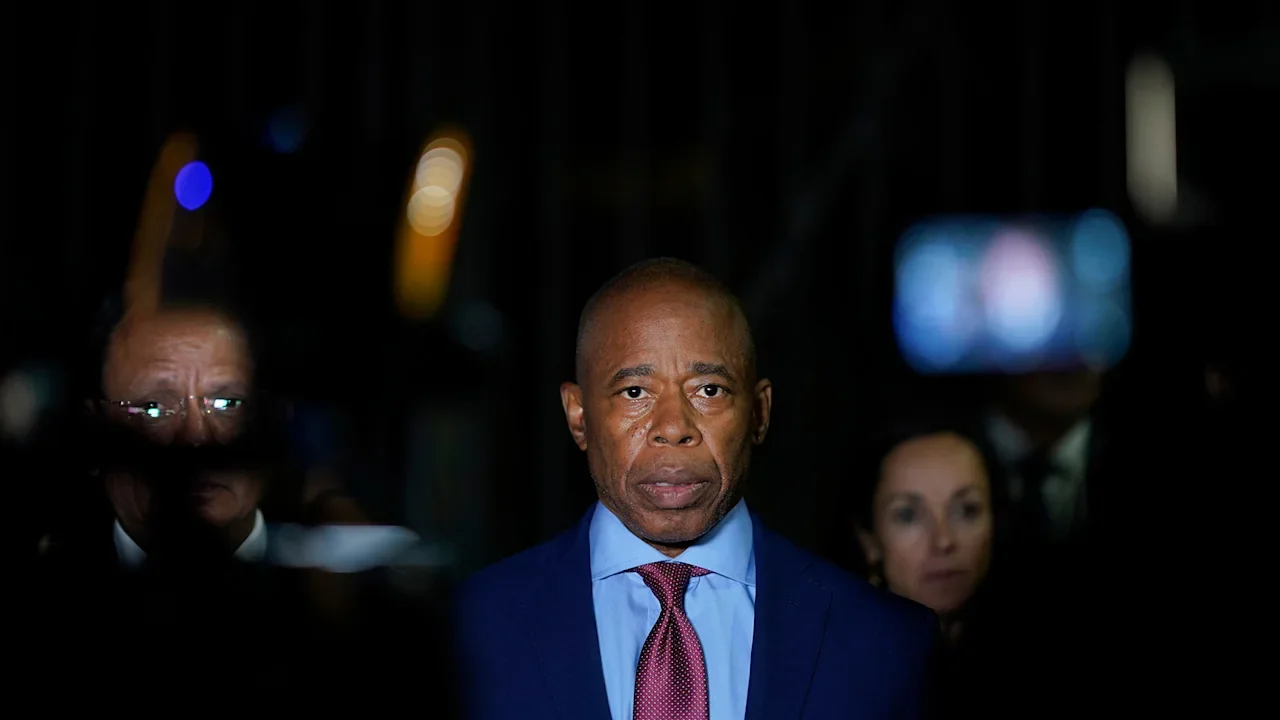
For a moment, Eric Adams was riding high. Fresh off trips to Dubai and the Democratic Republic of Congo, the now jobless ex-mayor of New York City was back in Times Square on Monday to announce his first initiative as a private citizen: a new cryptocurrency coin that would also serve to beat back antisemitism and “anti-Americanism.” “We’re about to change the game,” he promised, without describing how, exactly, the digital asset would support those lofty ambitions. “This thing is going to take off like crazy.” But after surging to a nearly $600 million valuation within minutes of its launch, the new coin, dubbed NYC Token, went into free fall, losing nearly 75% of its value by that evening. The drop came after an account linked to the token’s creation withdrew $2.5 million worth of coins, according to the crypto-analytics firm Bubblemaps. Around $1.5 million was later returned, the firm said, though by then investor confidence had collapsed. To some cryptocurrency experts, the rollout had all the hallmarks of a “rug pull.” The scheme — prevalent among celebrity-linked meme coins — involves insiders hyping an asset then quickly dumping their stakes, saddling amateur investors with deep losses. Others have suggested that Adams and his inexperienced team were themselves duped by savvier investors, who took advantage of a sloppy launch. The debate has found Adams back in a mode of damage control that defined so much of his one-term mayoralty: denying misconduct, attacking the press and facing scrutiny about the competence of his inner circle of loyalists. Through a former campaign spokesperson, Adams has released multiple statements in recent days clarifying that he had not profited off the token and had not moved investor funds, calling reports otherwise “false and unsupported by evidence.” “Like many newly launched digital assets, the NYC Token experienced market volatility,” the spokesperson, Todd Shapiro, said Wednesday. “Mr. Adams has consistently emphasized transparency, accountability, and responsible innovation.” A machine lawyer and an Israeli hotelier Despite claims of transparency, Adams has so far declined to reveal his partners in the token. But two people close to the project confirmed that Frank Carone, Adams’ former chief adviser and one-time lawyer for the Brooklyn Democratic Party, was closely involved in the launch. The two people spoke to The Associated Press on condition of anonymity because they had been asked not to disclose the identities of people involved in the token’s creation. One of Carone’s former clients, Yosef Sefi Zvieli, a real estate investor linked to several Israeli hotels, was also part of its creation, Shapiro confirmed to The Associated Press. Zvieli, whose involvement was first reported by Business Insider, previously owned a college dorm in Brooklyn, which drew complaints from students of filthy conditions and neglect. After defaulting on his mortgage, Zvieli hired Carone as his attorney and was able to turn the troubled property into a city-financed homeless shelter. Their exact role in the token launch was not immediately clear, though at least part of Zvieli’s job involved reaching out to influencers ahead of the debut. Neither he nor Carone appeared to have direct experience in cryptocurrency. Messages left with the two men were not returned. As questions around the launch swirled this week, Adams sought guidance from Brock Pierce, the billionaire crypto investor, and former “Mighty Ducks” child actor, whose private jet he sometimes used as mayor. After looking into the project, Pierce said he was confident that “no one has run off with anyone’s money.” Though he described himself as Adams’ “crypto adviser,” Pierce said he was only made aware of the project after its launch. “Had I been consulted, I would’ve put together a team of more qualified people who knew what they’re doing,” he added. Political-coin instability Even within the largely unregulated world of meme coins, experts say projects promoted by politicians are especially prone to unsavory trading practices. The president of Argentina, Javier Milei, has faced fraud allegations for his own crypto promotion, which drew thousands of investors before swiftly collapsing. Coins launched by President Donald The President and his wife, Melania The President, also saw significant price fluctuations upon release. The number of accounts that invested in NYC Token were far less than those ventures, totaling just over 4,000 as of Thursday, according to Nicolas Vaiman, the founder of Bubblemaps, which conducted an analysis of publicly available trade records. Roughly 80% of those accounts had bought in during a 20-minute period before Adams had announced the coin but after it was made available for purchase, the analysis found. The window, Vaiman said, provided an advantage to insiders involved in the launch and other traders who pay close attention to new tokens. “Political coins are driven purely by attention, and the crypto community is aware that attention peaks right after the launch,” Vaiman said. “People know you don’t want to stick around, especially for such a vague prospect, like fighting anti-Americanism or antisemitism. What does it even mean? How are you going to achieve that in a token?” The website for the coin says a “portion of the proceeds” will be divided evenly among three causes: antisemitism and anti-Americanism “awareness campaigns,” crypto education for the city’s youth and a scholarship initiative. It does not detail which organizations will be supported, or what percentage of the proceeds will go toward charitable causes. Uncertain fate Adams has disputed that any money had been pulled by the token’s creators. He has said the appearance of withdrawals were the result of adjustments made by the designated market maker, an entity that buys and sells orders of a new token to ensure traders can make purchases without major price shifts. The market makers include FalconX, a well known digital asset broker. The company declined to respond to inquiries on the record. As of Wednesday, a majority of accounts that invested in the coin had lost money, according to the Bubblemaps analysis. Fifteen traders were down at least $100,000, while 10 had netted $100,000. Pierce said he was still hoping the project could be salvaged, adding that “the fate and outcome of this project will be determined in the coming days.” But some in the crypto world had their doubts. “It could be a legitimate project with just a really bad rollout,” said Benjamin Cowen, the founder of another crypto research analytics firm, Into the Cryptoverse. “But the way it was launched didn’t instill a lot of confidence. It’s hard to regain trust in the crypto community.” —Jake Offenhartz, Associated Press View the full article
-
If you’re looking to improve your social media marketing strategy, there are several innovative ideas that can make a significant impact. From using engaging infographics to simplify complex topics, to leveraging Instagram Reels for broader brand exposure, each tactic serves a unique purpose. Furthermore, incorporating user-generated content and hosting contests can build trust and community. Comprehending how to implement these strategies effectively can transform your online presence, so let’s explore each idea in detail. Key Takeaways Utilize infographics to simplify complex information and significantly boost engagement rates on platforms like Instagram. Leverage Instagram Reels to enhance organic reach and capitalize on trending audio for greater shareability. Host engaging contests and giveaways with clear instructions to increase participation and visibility among your audience. Encourage user-generated content by promoting branded hashtags, which can enhance authenticity and consumer trust. Incorporate live video sessions to foster connection, engage viewers, and drive immediate sales through real-time product demonstrations. Maximize Engagement With Infographics for Instagram How can you effectively capture your audience’s attention on Instagram? One strong method is using infographics. These visually appealing formats simplify complex information, making it easier for your audience to digest and remember key messages. Posts featuring infographics are shared three times more than text-based posts, greatly enhancing engagement and reach. To create professional-looking infographics without extensive design skills, utilize user-friendly tools like Canva, Venngage, or Piktochart. Incorporate your brand colors and fonts to maintain consistency and reinforce brand recognition. Host Engaging Contests and Giveaways Engaging contests and giveaways can greatly boost your brand’s visibility and interactions on social media platforms. These campaigns can lead to a 34% increase in engagement, making them influential social media ideas for marketing agencies. To maximize participation, keep entry methods simple—ask followers to like, comment, or tag friends. Relevant prizes are essential; 63% of consumers are more likely to enter if the reward aligns with their interests. Make sure your entry instructions are clear, as 70% of participants abandon contests because of confusion. Finally, announce winners engagingly, such as through live reveals or follow-up posts, to maintain interest in your brand even after the contest concludes. This approach nurtures ongoing interactions, benefiting your social media strategy. Leverage Instagram Reels for Instant Brand Exposure To effectively leverage Instagram Reels for instant brand exposure, it’s essential to understand how this short-form video format works within the platform’s algorithm. Reels are favored, leading to increased organic reach and visibility. To maximize your results, consider the following strategies: Engage Quickly: Capture attention within the first few seconds to boost your chances of going viral and reaching new audiences. Use Trending Audio: Incorporate popular music and sounds to resonate with viewers, making your content more shareable. Add Interactive Elements: Include challenges or behind-the-scenes glimpses to encourage a deeper connection with your audience. Share User-Generated Content (UGC) to Build Trust Building on the momentum of engaging content like Instagram Reels, sharing user-generated content (UGC) can greatly improve your brand’s credibility and cultivate trust among potential customers. UGC greatly influences purchasing decisions, with 79% of consumers stating it impacts their choices. By showcasing authentic customer experiences, you can boost brand perception and build credibility. Incorporating UGC in your marketing campaigns leads to a 28% higher engagement rate compared to traditional content, amplifying your reach. Encouraging customers to share their experiences using a branded hashtag nurtures community, as 86% of consumers prefer seeing content created by peers over brand promotions. Not only does UGC save on content creation costs, but it additionally encourages brand loyalty by recognizing customer contributions. Go Behind the Scenes: Humanize Your Brand Behind-the-scenes content offers a unique opportunity to humanize your brand by revealing the people, processes, and culture that drive your business. This type of content encourages authenticity and relatability among your followers. Here are three ways to effectively utilize behind-the-scenes content: Share Team Stories: Highlight the individuals behind your brand, showcasing their roles and contributions to create emotional connections. Show Daily Operations: Give followers a glimpse into your everyday workings, demystifying your processes and enhancing trust. Highlight Brand Values: Communicate your core values and practices transparently, as 70% of consumers feel more loyal to brands that align with their beliefs. Utilize Polls and Questions for Audience Interaction Engaging your audience directly through polls and questions can greatly improve interaction on social media platforms. These tools not only make participation quick and easy but additionally help you gather valuable insights about your audience’s preferences, which can inform your content strategy. Engage Audience Directly When you utilize polls and questions on social media platforms like Instagram Stories and Twitter, you create a direct line of communication with your audience. This interaction not only boosts engagement rates but likewise nurtures a sense of community. Here are three ways to effectively engage your audience: Gather Feedback: Use polls to ask about customer preferences, which can guide your product development and content strategies. Encourage Conversations: Pose direct questions to encourage dialogue, making your audience feel valued and heard, and thereby enhancing brand loyalty. Share Results: After conducting polls, share the results to demonstrate transparency, which encourages further participation in future interactions. Gather Insights Effectively How can you effectively gather insights from your audience using social media? Utilizing polls and questions is a straightforward way to engage your followers as you gather valuable feedback. Platforms like Instagram Stories and Twitter offer built-in features that make it easy to conduct these interactions. By posing relevant questions, you can spark conversations and improve community connections. Sharing the results of your polls not only informs your audience but likewise builds trust and transparency with your brand. Tool Purpose Benefit Polls Gauge preferences Tailor products and strategies Questions Encourage conversations Increase engagement rates Results Share insights promote brand transparency Stories Quick engagement improve audience connection Feedback Direct audience interaction Build trust with followers Implement Live Streaming for Real-Time Engagement Implementing live streaming can greatly improve your brand’s real-time engagement with your audience. By offering exclusive content opportunities, like Q&A sessions or behind-the-scenes looks, you create an environment that nurtures community connections and encourages immediate interaction. This strategy not just boosts viewer participation but likewise builds loyalty, as followers feel more involved in your brand’s path. Immediate Audience Interaction Why should you consider live streaming as a key element of your social media marketing strategy? Live streaming encourages immediate interaction with your audience, enhancing connection and trust. Here are three compelling reasons to implement it: Real-Time Engagement: You can respond to comments and questions instantly, making followers feel valued and involved. Increased Urgency: Live events create a sense of urgency, encouraging viewers to tune in for Q&A sessions, product launches, or behind-the-scenes tours. Enhanced Brand Authenticity: Regular streams showcase authentic moments that resonate with your audience, helping humanize your brand and build community loyalty. Exclusive Content Opportunities As brands seek to stand out in a crowded digital environment, live streaming presents exclusive content opportunities that can greatly enhance your social media marketing efforts. Utilizing platforms like Instagram Live and Facebook Live allows you to connect directly with your audience, creating a sense of urgency and exclusivity. Research shows that 80% of consumers prefer live video for brand interactions, making it a robust tool. Engaging in live Q&A sessions can boost audience retention rates by 50% compared to pre-recorded content. Moreover, 67% of viewers are more likely to make a purchase after watching a live demonstration. Incorporating interactive elements like polls and comments can further uplift viewer engagement, making your audience feel involved in the experience. Building Community Connections Live streaming offers brands a potent way to build community connections through real-time engagement with their audience. By utilizing live video, you can create immediate interaction opportunities that resonate with your followers. Consider these strategies: Host Live Q&A Sessions: Engage directly with your audience, answering their questions on the spot and nurturing a sense of community. Launch Products Live: Create excitement and urgency around new offerings, encouraging your followers to tune in and be part of the experience. Share Behind-the-Scenes Content: Showcase your brand’s values and culture, making followers feel more connected and invested. Frequently Asked Questions What Is the 5 5 5 Rule on Social Media? The 5-5-5 rule on social media suggests that for every 15 posts, 10 should be informative or entertaining, whereas only 5 should be promotional. This strategy helps you maintain audience interest by ensuring the majority of your content provides value rather than focusing solely on sales. What Is the 50 30 20 Rule for Social Media? The 50-30-20 rule for social media suggests you should allocate 50% of your posts to engagement-focused content, 30% to promotional material, and 20% to personal or behind-the-scenes insights. This balance encourages audience interaction while avoiding excessive self-promotion. What Are the 7 C’s of Social Media? The 7 C’s of social media are crucial for effective strategy development. Content involves sharing engaging information customized to your audience’s interests. Community focuses on building relationships with your followers to cultivate loyalty. Collaboration encourages partnerships with influencers or brands to broaden your reach. Conversation promotes interaction with your audience, whereas Creativity inspires unique content. Consistency guarantees reliable messaging and posting, and Context keeps your content relevant to current trends and preferences. What Is the 70/20/10 Rule for Social Media? The 70/20/10 rule for social media marketing suggests dividing your content strategy into three categories. Seventy percent should focus on providing valuable, engaging content to your audience, helping you build trust. Twenty percent should be shared content from other creators, nurturing community and collaboration. Finally, ten percent should be promotional, highlighting your brand or products. This balanced approach improves engagement, credibility, and ultimately drives conversions without overwhelming your audience with sales pitches. Conclusion By implementing these seven innovative strategies, you can greatly improve your social media marketing efforts. Utilizing infographics simplifies complex information, whereas contests and giveaways can boost your visibility. Instagram Reels offer an effective way to reach new audiences, and sharing user-generated content builds trust with your followers. Humanizing your brand through behind-the-scenes content, engaging your audience with polls, and utilizing live streaming for real-time interaction will cultivate a stronger community and enhance overall engagement. Image via Google Gemini This article, "7 Innovative Ideas for Elevating Your Social Media Marketing" was first published on Small Business Trends View the full article
-
If you’re looking to improve your social media marketing strategy, there are several innovative ideas that can make a significant impact. From using engaging infographics to simplify complex topics, to leveraging Instagram Reels for broader brand exposure, each tactic serves a unique purpose. Furthermore, incorporating user-generated content and hosting contests can build trust and community. Comprehending how to implement these strategies effectively can transform your online presence, so let’s explore each idea in detail. Key Takeaways Utilize infographics to simplify complex information and significantly boost engagement rates on platforms like Instagram. Leverage Instagram Reels to enhance organic reach and capitalize on trending audio for greater shareability. Host engaging contests and giveaways with clear instructions to increase participation and visibility among your audience. Encourage user-generated content by promoting branded hashtags, which can enhance authenticity and consumer trust. Incorporate live video sessions to foster connection, engage viewers, and drive immediate sales through real-time product demonstrations. Maximize Engagement With Infographics for Instagram How can you effectively capture your audience’s attention on Instagram? One strong method is using infographics. These visually appealing formats simplify complex information, making it easier for your audience to digest and remember key messages. Posts featuring infographics are shared three times more than text-based posts, greatly enhancing engagement and reach. To create professional-looking infographics without extensive design skills, utilize user-friendly tools like Canva, Venngage, or Piktochart. Incorporate your brand colors and fonts to maintain consistency and reinforce brand recognition. Host Engaging Contests and Giveaways Engaging contests and giveaways can greatly boost your brand’s visibility and interactions on social media platforms. These campaigns can lead to a 34% increase in engagement, making them influential social media ideas for marketing agencies. To maximize participation, keep entry methods simple—ask followers to like, comment, or tag friends. Relevant prizes are essential; 63% of consumers are more likely to enter if the reward aligns with their interests. Make sure your entry instructions are clear, as 70% of participants abandon contests because of confusion. Finally, announce winners engagingly, such as through live reveals or follow-up posts, to maintain interest in your brand even after the contest concludes. This approach nurtures ongoing interactions, benefiting your social media strategy. Leverage Instagram Reels for Instant Brand Exposure To effectively leverage Instagram Reels for instant brand exposure, it’s essential to understand how this short-form video format works within the platform’s algorithm. Reels are favored, leading to increased organic reach and visibility. To maximize your results, consider the following strategies: Engage Quickly: Capture attention within the first few seconds to boost your chances of going viral and reaching new audiences. Use Trending Audio: Incorporate popular music and sounds to resonate with viewers, making your content more shareable. Add Interactive Elements: Include challenges or behind-the-scenes glimpses to encourage a deeper connection with your audience. Share User-Generated Content (UGC) to Build Trust Building on the momentum of engaging content like Instagram Reels, sharing user-generated content (UGC) can greatly improve your brand’s credibility and cultivate trust among potential customers. UGC greatly influences purchasing decisions, with 79% of consumers stating it impacts their choices. By showcasing authentic customer experiences, you can boost brand perception and build credibility. Incorporating UGC in your marketing campaigns leads to a 28% higher engagement rate compared to traditional content, amplifying your reach. Encouraging customers to share their experiences using a branded hashtag nurtures community, as 86% of consumers prefer seeing content created by peers over brand promotions. Not only does UGC save on content creation costs, but it additionally encourages brand loyalty by recognizing customer contributions. Go Behind the Scenes: Humanize Your Brand Behind-the-scenes content offers a unique opportunity to humanize your brand by revealing the people, processes, and culture that drive your business. This type of content encourages authenticity and relatability among your followers. Here are three ways to effectively utilize behind-the-scenes content: Share Team Stories: Highlight the individuals behind your brand, showcasing their roles and contributions to create emotional connections. Show Daily Operations: Give followers a glimpse into your everyday workings, demystifying your processes and enhancing trust. Highlight Brand Values: Communicate your core values and practices transparently, as 70% of consumers feel more loyal to brands that align with their beliefs. Utilize Polls and Questions for Audience Interaction Engaging your audience directly through polls and questions can greatly improve interaction on social media platforms. These tools not only make participation quick and easy but additionally help you gather valuable insights about your audience’s preferences, which can inform your content strategy. Engage Audience Directly When you utilize polls and questions on social media platforms like Instagram Stories and Twitter, you create a direct line of communication with your audience. This interaction not only boosts engagement rates but likewise nurtures a sense of community. Here are three ways to effectively engage your audience: Gather Feedback: Use polls to ask about customer preferences, which can guide your product development and content strategies. Encourage Conversations: Pose direct questions to encourage dialogue, making your audience feel valued and heard, and thereby enhancing brand loyalty. Share Results: After conducting polls, share the results to demonstrate transparency, which encourages further participation in future interactions. Gather Insights Effectively How can you effectively gather insights from your audience using social media? Utilizing polls and questions is a straightforward way to engage your followers as you gather valuable feedback. Platforms like Instagram Stories and Twitter offer built-in features that make it easy to conduct these interactions. By posing relevant questions, you can spark conversations and improve community connections. Sharing the results of your polls not only informs your audience but likewise builds trust and transparency with your brand. Tool Purpose Benefit Polls Gauge preferences Tailor products and strategies Questions Encourage conversations Increase engagement rates Results Share insights promote brand transparency Stories Quick engagement improve audience connection Feedback Direct audience interaction Build trust with followers Implement Live Streaming for Real-Time Engagement Implementing live streaming can greatly improve your brand’s real-time engagement with your audience. By offering exclusive content opportunities, like Q&A sessions or behind-the-scenes looks, you create an environment that nurtures community connections and encourages immediate interaction. This strategy not just boosts viewer participation but likewise builds loyalty, as followers feel more involved in your brand’s path. Immediate Audience Interaction Why should you consider live streaming as a key element of your social media marketing strategy? Live streaming encourages immediate interaction with your audience, enhancing connection and trust. Here are three compelling reasons to implement it: Real-Time Engagement: You can respond to comments and questions instantly, making followers feel valued and involved. Increased Urgency: Live events create a sense of urgency, encouraging viewers to tune in for Q&A sessions, product launches, or behind-the-scenes tours. Enhanced Brand Authenticity: Regular streams showcase authentic moments that resonate with your audience, helping humanize your brand and build community loyalty. Exclusive Content Opportunities As brands seek to stand out in a crowded digital environment, live streaming presents exclusive content opportunities that can greatly enhance your social media marketing efforts. Utilizing platforms like Instagram Live and Facebook Live allows you to connect directly with your audience, creating a sense of urgency and exclusivity. Research shows that 80% of consumers prefer live video for brand interactions, making it a robust tool. Engaging in live Q&A sessions can boost audience retention rates by 50% compared to pre-recorded content. Moreover, 67% of viewers are more likely to make a purchase after watching a live demonstration. Incorporating interactive elements like polls and comments can further uplift viewer engagement, making your audience feel involved in the experience. Building Community Connections Live streaming offers brands a potent way to build community connections through real-time engagement with their audience. By utilizing live video, you can create immediate interaction opportunities that resonate with your followers. Consider these strategies: Host Live Q&A Sessions: Engage directly with your audience, answering their questions on the spot and nurturing a sense of community. Launch Products Live: Create excitement and urgency around new offerings, encouraging your followers to tune in and be part of the experience. Share Behind-the-Scenes Content: Showcase your brand’s values and culture, making followers feel more connected and invested. Frequently Asked Questions What Is the 5 5 5 Rule on Social Media? The 5-5-5 rule on social media suggests that for every 15 posts, 10 should be informative or entertaining, whereas only 5 should be promotional. This strategy helps you maintain audience interest by ensuring the majority of your content provides value rather than focusing solely on sales. What Is the 50 30 20 Rule for Social Media? The 50-30-20 rule for social media suggests you should allocate 50% of your posts to engagement-focused content, 30% to promotional material, and 20% to personal or behind-the-scenes insights. This balance encourages audience interaction while avoiding excessive self-promotion. What Are the 7 C’s of Social Media? The 7 C’s of social media are crucial for effective strategy development. Content involves sharing engaging information customized to your audience’s interests. Community focuses on building relationships with your followers to cultivate loyalty. Collaboration encourages partnerships with influencers or brands to broaden your reach. Conversation promotes interaction with your audience, whereas Creativity inspires unique content. Consistency guarantees reliable messaging and posting, and Context keeps your content relevant to current trends and preferences. What Is the 70/20/10 Rule for Social Media? The 70/20/10 rule for social media marketing suggests dividing your content strategy into three categories. Seventy percent should focus on providing valuable, engaging content to your audience, helping you build trust. Twenty percent should be shared content from other creators, nurturing community and collaboration. Finally, ten percent should be promotional, highlighting your brand or products. This balanced approach improves engagement, credibility, and ultimately drives conversions without overwhelming your audience with sales pitches. Conclusion By implementing these seven innovative strategies, you can greatly improve your social media marketing efforts. Utilizing infographics simplifies complex information, whereas contests and giveaways can boost your visibility. Instagram Reels offer an effective way to reach new audiences, and sharing user-generated content builds trust with your followers. Humanizing your brand through behind-the-scenes content, engaging your audience with polls, and utilizing live streaming for real-time interaction will cultivate a stronger community and enhance overall engagement. Image via Google Gemini This article, "7 Innovative Ideas for Elevating Your Social Media Marketing" was first published on Small Business Trends View the full article
-
Rumors are circulating of potential strike action next month from CorePower Yoga instructors, who say they are paid less per hour than the cost of a single class drop-in fee. CorePower Yoga has a cult following online, particularly for their Hot Sculpt classes, and currently has more than 200 locations across the US. But in the r/Corepower subreddit, a recent post urges members to pause or quit their membership to show support for instructors, who are fighting for fair wages and cleaner studios. “If you can stomach it to pause or quit your membership, it will benefit you as a consumer as well as the instructors who are paid on average $16/hour to teach and who are NOT paid for instruction preparation, playlist curation, and cue perfection,” the post reads. “CPY instructors deserve better conditions and better pay to provide for you, the high-paying consumer. You deserve to get what you pay for. At ~$200/month, you deserve a pristine studio with well-compensated instructors.” The subreddit is now full of members questioning if their local studio is striking, or claiming they’ve paused their membership in support of instructors. While details of the strike action remain unclear, in a separate subreddit dedicated to CorePower Yoga teachers, a graphic posted last month claims the striking staff are demanding $30/hour compensation for CorePower instructors, $20/hour for cleaners, and studios to be deep cleaned a minimum of four times a year, suggesting they currently aren’t (alleged incidents of cockroaches, ringworm and black mold have also plagued the subreddit). One CorePower member brought the conversation to TikTok, where the video quickly gained over 170,000 views in just two days. “Actually I’ve been wanting to talk about this for a while,” TikTok creator Carter Martin said in the clip. “I go to CorePower. I’ve gone on and off for years. My best friend used to be an instructor, and I always thought it was insane that she got $20 to teach the yoga class.” She continued: “You’re not just working the desk. You are literally teaching a specialized class based on specialized training that you’ve done and paid for through CorePower to be an instructor.” CorePower teachers are 200-hour certified or are certified through CorePower Yoga’s Intensive Yoga Sculpt program, according to the company’s website. This training can run prospective teachers anywhere from $1,400 up to $4,000. Once qualified, instructors online have reported making anywhere from $15 to $20 an hour. (The company provided instructor pay details and rates in an interview with The Cut.) Fast Company has reached out to CorePower Yoga for comment. Meanwhile, to attend a class, drop-in rates run $40 in major cities like New York, while unlimited studio memberships are currently $259 per month. “This is something that we as instructors talk about all the time,” another former instructor, Annie Williams, weighed in online. She goes on to detail how instructors are responsible for creating unique sequences for their classes, changed fortnightly, as well as the playlist. They are also required to arrive 30 minutes before class and stay 30 minutes after it finishes, she explained. “All of that work to get paid $20 to teach a class,” Williams said in the video. “It would just drive me insane when someone would come in and they had to pay $40 to take it.” She added: “I’m literally teaching 30 people.” For context, an instructor at a similarly buzzy fitness studio like Solidcore can reportedly make $100 per hour, when factoring in revenue share for a full class. Pay for class instructors at upscale gyms like Equinox, meanwhile, rumoredly starts from around $60-80 per class. Some blame private equity for the studio’s decline. In April of 2019, CorePower Yoga was sold to private equity firm TSG Consumer Partners for an undisclosed sum. One month after that, over 1500 instructors joined a class action lawsuit alleging substantial underpayment of wages under the Fair Labor Standards Act. Later that year, CorePower Yoga agreed to pay $1,492,500 to settle allegations. “Price goes up, quality goes down,” Martin concluded in her video. “Another victim of private equity.” View the full article

-
As protests in Iran intensify, satellite technology has become one of the only ways for people in the country to circumvent a total internet blackout and heavy restrictions on phone service. Now, as a number of people in the country turn to SpaceX—the company now providing free access to Starlink—there are growing calls for Apple to get involved, too. At least one member of Congress has now reached out to Apple urging the company to turn on satellite texting in Iran. The office of Rep. Buddy Carter, a Republican from Georgia, confirmed to Fast Company that they’d been in touch with Apple about opening up satellite messaging—which lets iPhone users send messages even when there is no wifi or cellular service—in the country, though they didn’t say what response, if any, they might have received from the company. That outreach comes after, on Wednesday, Carter called on the company to do so publicly. “Apple, the leading phone brand in the world, must enable satellite messaging for Iran so they can message family and report atrocities being committed by the Iranian regime,” said Carter in a social media post. Some activists have called for Apple to turn on satellite-based messaging, a service that the company is quickly rolling out. One of these calls, which as of Thursday night racked up nearly half a million views on X, reads: “During this nationwide blackout, the brutal killing of civilians has started in the past 24 hours. We urgently call on Apple to enable Satellite Messaging for users inside Iran, or confirm whether the service is already active and functioning without interference.” “Communication is a lifeline. Lives depend on it,” the person added. It isn’t immediately clear if this is something Apple can do, or what Apple might have already turned on in Iran. Apple did not respond to multiple requests for comment. Globalstar, the satellite telecommunications company that supports Apple’s satellite-based texting service, did not respond to a request for comment by publication time. They’re expensive, but iPhones are used throughout Iran, and the government recently lifted restrictions on newer models. Still, Apple’s website says that the satellite-based texting feature is currently only available to people in the United States, Canada, Mexico, and Japan, assuming they’re using an iPhone 14 or a newer model. Apple also offers another satellite-based service, called Emergency SOS, for texting emergency services, though, again, Iran isn’t one of the countries where it’s available. When asked about SpaceX and Starlink, a spokesperson for the State Department Fast Company on Wednesday, the administration “is committed to helping to preserve and protect the free flow of information by the most effective means to the people of Iran in the face of the Iranian regime’s brutal repression.” But the spokesperson did not address Fast Company’s follow up questions about outreach to Apple, specifically. Neither did Florida Senator Rick Scott, who commended SpaceX for making Starlink available in Iran earlier this week. “I would welcome anything — anything from any company, any government— that can help people to send even one byte of data,” Amir Rashidi, who focused on internet security and digital rights at the Miaan Group, which has been tracking the communications blackout in Iran, to Fast Company earlier this week. View the full article

-
A major fast food franchisee has filed for Chapter 11 bankruptcy protection. The franchisee, Sailormen Inc., operates 130 Popeyes Louisiana Kitchen locations in Florida, and like the franchisees of other big-name fast food chains in recent years, has faced numerous economic headwinds. Here’s what you need to know. What’s happened? On January 15, Popeyes Louisiana Kitchen franchisee Sailormen Inc. filed for Chapter 11 bankruptcy protection in the United States Bankruptcy Court for the Southern District of Florida. Sailormen has been a Popeyes franchisee since the 1980s, and it currently operates 130 locations of the popular fried chicken chain. The conditions leading to the company’s bankruptcy filing centered on increased debt burdens, driven by several factors. “Those factors include, among others, the national impact of the COVID-19 pandemic on restaurant operations, consumer choice, high inflation, increased borrowing rates, and an increasingly limited qualified labor force,” the company said in its filing. As reported by Restaurant Business, in 2023, Sailormen parent company, Interfoods of America, had a deal to sell 16 Sailormen-owned locations to another company, but that deal fell through, leaving Sailormen liable for the lease payments on those stores, significantly contributing to the company’s financial woes. According to court documents, Sailormen Inc. owes around $130 million to various lenders, some of whom are suing the company. How does this bankruptcy affect Popeyes Louisiana Kitchen? It’s important to note that the bankruptcy does not involve Popeyes Louisiana Kitchen or its owner, Restaurant Brands International (RBI). Sailormen Inc. is a separate legal entity from RBI and only franchises Popeyes stores. However, the bankruptcy filing of a large franchisee is sure to worry other franchise owners about the health of the Popeyes brand. To address those concerns, the president of Popeyes in the U.S. and Canada, Peter Perdue, reportedly sent out a note to relevant parties addressing the bankruptcy. According to the note, which was obtained by Restaurant Business, Perdue told other franchisees that Sailormen’s bankruptcy announcement “does not reflect the healthy unit economics that you are experiencing in your restaurants.” Of the four major fast food brands owned by RBI—Burger King, Tim Hortons, Popeyes Louisiana Kitchen, and Firehouse Subs— Popeyes ranks third in number of locations. Burger King is by far the largest RBI chain, with nearly 20,000 locations, followed by Tim Hortons with around 6,000 locations. Popeyes has around 5,000 locations worldwide, and Firehouse Subs has fewer than 1,500. In its most recent quarterly report, for the third quarter 2025, RBI reported net sales of $2.45 billion, an increase of 6.9%. However, much of that gain came from sales increases at its Tim Hortons and Burger King stores, noted CNBC. During the quarter, Popeyes saw same-store sales decline 2.4%. Fast Company reached out to Sailormen and RBI for comment. Will Popeyes store close? In Sailormen’s bankruptcy filings, it made no mention of the possibility of store closures, though no closures are by any means certain. In the memo sent to franchise owners regarding Sailormen’s bankruptcy filing, Popeyes president Peter Perdue reportedly addressed possible closures. “While no one wants to find themselves in a process like this, we certainly believe that a large majority of their restaurants will continue to operate in the Popeyes system,” he wrote. Sailormen is by far the first major quick service restaurant (QSR) franchisee to seek Chapter 11 protection. In recent years, a number of major fast food franchise owners have filed for bankruptcy. This includes the November 2023 bankruptcy filings for Wendy’s franchisee Starboard Group and Burger King franchisee Premier Kings. And last April, another major Burger King franchisee, Consolidated Burger Holdings, also filed for Chapter 11. Many of these franchisees have reported the same struggles as Sailormen’s, including foot traffic that never recovered after the Covid-19 pandemic as well as inflationary pressures. View the full article

-
OpenAI will begin testing ads in ChatGPT in the U.S. in the coming weeks. Ads will appear at the bottom of chatbot responses, be clearly labeled, and will only show when there’s a relevant sponsored product or service tied to the conversation. Who will see ads: Logged-in adult users on the free tier Users on ChatGPT Go, OpenAI’s $8/month low-cost subscription Pro, Business, and Enterprise plans will remain ad-free Users under 18 will not see ads Why we care. Ads inside ChatGPT open a new, high-intent placement where users are actively asking questions and making decisions. Unlike traditional search or social ads, these placements appear directly within relevant conversations, offering context-driven exposure with clear user controls. If scaled, this could become an entirely new performance and discovery channel — especially for brands focused on intent, education, or consideration-stage marketing. The bigger goal. OpenAI says ads are part of a broader push to make powerful AI accessible to more people. ChatGPT Go, which launched in 171 countries last year, is now available in the U.S., offering expanded features like image generation, file uploads, and memory at a lower price point. Ads are intended to help reduce usage limits for free users and keep costs down. What won’t change. OpenAI emphasizes that ads will not influence ChatGPT’s answers and that user conversations will never be sold to advertisers. Ads won’t appear near sensitive or regulated topics such as politics, health, or mental health. OpenAI’s ad principles. The company says its approach is guided by mission alignment, answer independence, conversation privacy, and user control. Users will be able to see why they’re shown an ad, dismiss it, turn off personalization, or clear ad-related data at any time. Big picture. With more than $1.4 trillion in infrastructure commitments and a reported $20 billion annualized revenue run rate, OpenAI is under pressure to find scalable revenue streams. Advertising — long a cash engine for companies like Google and Meta — could help offset those costs while keeping AI broadly available. Between the lines. CEO Sam Altman has previously warned that ads could erode trust, but OpenAI is positioning this test as cautious and user-first, stressing it won’t optimize for time spent or revenue at the expense of experience. What’s next. Ads aren’t live yet, but testing will begin soon. OpenAI says it will refine how ads appear based on user feedback as it experiments with monetizing its flagship product. View the full article
-
The public has lost faith in the political system and in the people operating itView the full article
-
Chain sought to be the ultimate retailer in the sector but its collapse suggests plenty of shoppers never wanted it at allView the full article
-
Put down Wordle. New brain-exercise-for-the-day just dropped. “Can you read 900 words per minute?” a viral post that has been doing the rounds on X, challenges. “Try it.” If you made it to 600 words per minute, that’s more than twice the speed of the average reader. If you made it to 900, congratulations—according to some back-of-the-napkin math, that makes you 278% faster than the national average (which is 238 words per minute). By that same logic, it could take you around 40 seconds to read this 600ish word article. But should it? As one X user pointed out, “this is like brainrot for reading.” Or as Jane Ollis, medical biochemist and founder at AI-powered neurotech company Sona, told Fast Company, “It’s the cognitive equivalent of watching Netflix on fast-forward.” The challenge uses a technique called rapid sequential visual presentation, or RSVP. The effect is bizarre, almost meditative, as your eyes passively absorb huge quantities of words at a rapid-fire pace. “Eye movements shorten, the inner voice gets kicked out of the room, and the brain starts guessing what comes next,” explains Ollis. There’s another factor to consider when we read really fast. “It’s neural autocomplete,” says Ollis. “Very efficient. Not always accurate.” Research backs this up. Getting rid of sub-vocalizations—or “hearing” words in your mind—may increase “reading” speed, but has been shown to reduce comprehension of what is being read. And doing away with those extra eye movements, by placing words one on top of another rather than along a sentence (like in the X post), has also been found to have a similar effect on comprehension. “You know roughly what happened, but you wouldn’t bet your reputation on the details. And neuroscience tells us that the good stuff—insight, memory, and learning—happens when the brain slows down enough to actually chew the information,” explains Ollis. “When people try to read at extreme speed, the brain doesn’t suddenly get smarter. It gets lazier in a clever way.” For the deluge of text we consume on a daily basis (more than at any other time in history) this skill isn’t unhelpful. From checking emails to scanning work documents to perusing social feeds, these are all effective use-cases for this kind of speed reading approach. (It’s also a pretty fun challenge, to be honest.) But the best way to read faster, without reducing comprehension, is simply to read more. “In a world obsessed with speed,” Ollis says, “attention might be the most rebellious skill we have.” View the full article

-
If you're an Android owner who uses wireless headphones or earbuds, remove them for a second and listen up: As first reported by WIRED, millions of audio devices from reputable brands like Sony, JBL, Anker, Sonos, and even Google itself are now facing a major security vulnerability that could allow hackers to eavesdrop on your conversations or track your location. There are ways to plug the hole, but you'll need to jump through a few hoops to do it. How the "WhisperPair" attack worksThe vulnerability was first discovered by Belgium's KU Leuven University Computer Security and Industrial Cryptography Group, and is being dubbed "WhisperPair." It takes advantage of Android's Fast Pair feature, which allows for convenient, one-tap connections to nearby Bluetooth devices, similar to what might pop up on your iPhone screen if you open an AirPods case near it. Unfortunately, according to the researchers, they've discovered that it's possible for a malicious actor to essentially hijack the pairing process, giving them a hidden window into your audio device while still letting it connect to your phone or tablet, leaving you none the wiser. "You’re walking down the street with your headphones on, you're listening to some music. In less than 15 seconds, we can hijack your device," KU Leuven researcher Sayon Duttagupta told WIRED. OK, so a hacker can listen in on your headphones. Big whoop. But yes, actually. Big whoop indeed. How this puts you at riskOnce a hacker pairs with your audio device, they can use it to eavesdrop on your microphones, listen in on any private conversations that might be coming through your speakers, play their own audio at whatever volume they want, and, if your device has Google Find Hub support, possibly even track your location. That last vulnerability is the most concerning to me, although it's also the hardest for hackers to pull off. Right now, it's only been documented in the Google Pixel Buds Pro 2 and five Sony products, and requires you to have not previously connected them to an Android device or paired them with a Google account. Still, even without location tracking, it's certainly not ideal for a hacker to essentially have access to a microphone in your house at all times. How to protect yourselfThe researchers reached out to Google, which has come up with a series of recommended fixes—but here's where the problems come in: These fixes need to be implemented by the accessory makers on an individual basis, and you'll likely need to install them manually. What that will look like differs based on what device you have. JBL, for instance, told WIRED that it has started pushing out over-the-air updates to plug the vulnerability, while Logitech said it has "integrated a firmware patch for upcoming production units." Lifehacker is reaching out to other companies with affected products, and I will update this post when we hear back. To ensure you get your device's fixes when they roll out to you, the researcher who discovered WhisperPair suggests downloading its corresponding app—something most audio devices offer these days. “If you don't have the [Sony app], then you'll never know that there's a software update for your Sony headphones,” KU Leuven researcher Seppe Wyns told WIRED. On the plus side, if you happen to own an affected Google audio device, you should be in the clear—the company says it has already sent out fixes for them. Unfortunately, Google isn't magic. The company also said it tried to update Find Hub to block the location tracking vulnerability for all devices, whether their manufacturer has updated them or not. Unfortunately, the KU Leuven researchers said they were able to bypass that one-size-fits-all fix within a few hours. Unfortunately, Fast Pair can't be disabled, so until your device's manufacturer rolls out its own update, it will be vulnerable. There is a panic button you can hit if you notice unusual behavior in the meantime, as the researchers say that factory resetting your audio device will clear it of any hackers who have already paired to it. Unfortunately, that still leaves it vulnerable for new hackers going forward. The risk is real but mostly theoretical for nowOn the bright side, while the concerns here are quite real, Google says you don't need to worry too much yet. The company told WIRED it has, "not seen any evidence of any exploitation outside of this report's lab setting." That means the researchers in question might be the first people to discover WhisperPair, although the researchers themselves are being a bit more cautious, as they question Google's ability to observe audio hijacking for devices from other companies. On that note, if you're a smug iPhone user reading this, you shouldn't feel too comfortable: WhisperPair could affect you too. While the vulnerability can't originate on an Apple device, if you happen to connect a device that has already been hacked on an Android to your iPhone or iPad, then you're in the same boat. How to know if you're at riskI wish I could offer a simple solution that would instantly beef up the security on all of your devices, but unfortunately, staying safe from WhisperPair will take some vigilance on your part—in particular, looking out for an update from your device's manufacturer. To check whether the WhisperPair vulnerability affects you, visit the researchers' website and search for your device. It'll tell you the manufacturer, whether it's vulnerable, and what steps you can take to plug the vulnerability. Note that the short list that first pops up under the search bar doesn't include every vulnerable device, so don't assume you're safe just because you don't see yours there—search for it first. View the full article
-
When you think of tools for studying substance use and addiction, a social media site like Reddit, TikTok, or YouTube probably isn’t the first thing that comes to mind. Yet the stories shared on social media platforms are offering unprecedented insights into the world of substance use. In the past, researchers studying peoples’ experiences with addiction relied mostly on clinical observations and self-reported surveys. But only about 5% of people diagnosed with a substance use disorder seek formal treatment. They are only a small sliver of the population who have a substance use disorder—and until recently, there has been no straightforward way to capture the experiences of the other 95%. Today, millions of people openly discuss their experiences with drugs online, creating a vast collection of raw narratives about drug use. As a doctoral student in information science with a background in public health, I use this material to better understand how people who use drugs describe their lives and make sense of their experiences, especially when it comes to stigma. These online conversations are reshaping how researchers think about substance use, addiction, and recovery. Advances in artificial intelligence are helping make sense of these conversations at a scale that wasn’t possible before. The hidden population The vast majority of people diagnosed with a substance use disorder address the issue informally—seeking support from their community, friends, or family, self-medicating or doing nothing at all. But some choose to post about their drug use in dedicated online communities, such as group forums, often with a level of candor that would be difficult to capture in clinical interviews. Their social media posts offer a window into real-time, unscripted conversations about substance use. For example, Reddit, which is comprised of topical communities called subreddits, contains over 150 interconnected communities dedicated to various aspects of substance use. In 2024, my colleagues and I analyzed how participants in drug-related forums on Reddit connect and interact. We found that they focused on the chemistry and pharmacology of substances, support for drug users, recreational experiences such as festivals and book clubs, recovery help, and harm reduction strategies. We then selected a few of the most active communities to develop a system for categorizing different types of personal disclosures by labeling 500 Reddit posts. Policymakers and public health experts have expressed concerns that social media encourages risky drug use. Our work did not assess that issue, but it did support the notion that platforms such as Reddit and TikTok often serve as a lifeline for people seeking just-in-time support when they need it most. When we used machine learning to analyze an additional 1,000 posts, we found that most users in the forums we focused on were seeking practical safety information. Posters often posed questions such as how much of a substance is safe to take, what interactions to avoid and how to recognize signs of trouble. We observed that these forums function as informal harm reduction spaces. People share not just experiences but warnings, safety protocols and genuine care for each other’s well-being. When community members are lost to overdose, the responses reveal deep grief and renewed commitments to keeping others safe. This is the everyday reality of how people navigate substance use outside medical settings—with far more nuance and mutual support than critics might expect. We also explored TikTok, analyzing more than 350 videos from substance-related communities. Recovery advocacy content was the most common, depicted in 33.9% of the videos we analyzed. Just 6.5% of the videos showed active drug use. On Reddit, we frequently saw people emphasizing safety and care. Why AI is a game-changer Platforms like Reddit, TikTok, and YouTube host millions of posts, videos, and comments, many filled with slang, sarcasm, regional language, or emotionally charged stories. Analyzing this content manually is time-consuming, inconsistent, and virtually impossible to do at scale. That’s where AI comes in. Traditional machine learning approaches often rely on fixed word lists or keyword matching, which can miss important contextual cues. In contrast, newer models—especially large language models like OpenAI’s GPT-5—are capable of understanding nuance, tone, and even the underlying intent of a message. This makes them especially useful for studying complex issues like drug use or stigma, where people often communicate through implication, coded language, or emotional nuance rather than direct statements. These models can identify patterns across thousands of posts and flag emerging trends. For example, researchers used them to detect shifts in how Canadians on X, the social media site formerly called Twitter, discussed cannabis as legalization approached—capturing shifts in public attitudes that traditional surveys might have missed. In another study, researchers found that monitoring Reddit discussions can help predict opioid-related overdose rates. Official government data, like that from the Centers for Disease Control and Prevention, typically lags by at least six months. But adding near-real-time Reddit data to forecasting models significantly improved their ability to predict overdose deaths—potentially helping public health officials respond faster to emerging crises. The role that stigma plays in substance use disorder is difficult to capture in traditional surveys and interviews. Bringing stigma into focus One of the most difficult aspects of substance use to study—and to address—is the stigma. It’s deeply personal, often invisible and shaped by a person’s identity, relationships, and environment. Researchers have long recognized that stigma, especially when internalized, can erode self-worth, worsen mental health, and prevent people from seeking help. But it’s notoriously hard to capture using traditional research methods. Most clinical studies rely on surveys or interviews conducted at regular intervals. While useful, these snapshots can miss how stigma unfolds in everyday life. Stigma scholars have emphasized that understanding its full impact requires paying attention to how people talk about themselves and their experiences over time. On social media platforms, people often discuss stigma organically, in their own words and in the context of their lived experiences. They might describe being judged by a health care provider, express shame about their own substance use or reflect on how stigma shapes their relationships. Even when posts aren’t directly naming the experience as stigma, they still reveal how stigma is internalized, challenged or reinforced. Using large language models, researchers can begin to track these patterns at scale, identifying linguistic signals like shame, guilt or expressions of hopelessness. In recent work, my colleagues and I showed that stigma expressed on Reddit aligns closely with long-standing stigma theory—suggesting that what people share on social media reflects recognizable stigma processes, not something fundamentally new or separate from what researchers have long studied. That matters because stigma is one of the most significant barriers to treatment for people with substance use disorder. Understanding how people who use drugs talk about stigma, harm, recovery, and survival, in their own words, can complement surveys and clinical studies and help inform better public health responses. By taking these everyday expressions seriously, researchers, clinicians and policymakers can begin to respond to substance use as it is actually lived — messy, evolving and deeply human. Layla Bouzoubaa is a doctoral student in information science at Drexel University. This article is republished from The Conversation under a Creative Commons license. Read the original article. View the full article

-
Big city or small town? Tourist trap or undiscovered sights? Following an itinerary or spontaneous exploring? Travel has become a trend as generations raised on social media catch flights, not feelings. But Gen Z and millennials may also be redefining travel—all in the search of a more authentic adventure. Hidden-gem locations and no-stress getaways are top of the list for young travelers. It’s a shift from the kinds of bucket-list destinations that have saturated Instagram and TikTok and fueled an overtourism crisis in recent years. As traveler-favorite towns are combatting high influxes of visitors, some travelers are looking to new horizons. They’re also looking to AI to help plan trips. Rather than ask friends or scroll the social media feed, young travelers are turning to the technology for destination suggestions and deals. Travel search engine company Kayak looked into the vacation trends of the future as younger generations jet set. Here are some of the top findings. Hidden gems The days of TikTok-planned itineraries may be waning, as posts with the #hiddengem hashtag increased by at least 50%. Sixty-nine percent of Gen Z and 66% of millennials say they want to visit places they’ve never seen before, according to Kayak’s 2026 WTF What the Future report. Young travelers are searching for hidden gems (and the ability to claim they discovered them first). Influencers and travel gurus are quick to offer suggestions of their favorite underground vacation spots. So where are young travelers headed? Check out some of the emerging destinations, as highlighted in Kayak’s report: Cork, Ireland Fez, Morocco Sofia, Bulgaria Praia, Cape Verde Baku, Azerbaijan Chongqing, China Asunción, Paraguay Barranquilla, Colombia Halifax, Canada Norfolk, VA Slow travel Beyond just looking for the next undiscovered dream vacation spot, younger travelers are increasingly looking for ways to actually unwind on holiday. Where trips used to be about seeing every sight imaginable, TikTok creators are now promoting so-called slow travel. Sixty-six precent of travelers say relaxation and mental reset are their top priorities on a trip, according to Kayak’s report. So what does slow travel entail? It might encapsulate a few trends: shorter trips, looser itineraries, and focusing on wellness. Younger generations are certainly exercising their wanderlust, but they’re doing it at their speed—and in a dream location they might be gatekeeping. View the full article

-
Google Ads simplified access to Manual CPC during campaign setup. Instead of navigating through the “Select a bid strategy directly (not recommended)” option, advertisers now see “Manually set bids” directly under the Conversions goal. The change: Manual CPC is surfaced within Google’s primary bidding flow. Advertisers no longer need to bypass Google’s recommended strategies to access it. The update is visible in campaign bidding settings across the UI. Why we care. Manual CPC remains a go-to bidding strategy for advertisers who want hands-on control, but Google’s setup flow has increasingly nudged users toward automated bidding. This update lowers the friction for those who still prefer manual control. Big picture. While Google continues to push Smart Bidding, this change acknowledges that manual bidding still plays an important role — especially for experienced advertisers, niche campaigns, or situations where automation isn’t the best fit. Credit. The update was shared by Hana Kobzová founder of PPC News Feed View the full article
-
Most of the health advice summarized in Google’s AI Overviews relies on non-medical sources, a new analysis shows. This follows fresh concerns about users receiving misleading or unsafe guidance on sensitive health topics. What’s happening. The Guardian recently reported that Google’s AI Overviews sometimes surface incorrect or dangerous health advice. The reporting drew on reviews by medical charities and experts. Examples included flawed guidance on pancreatic cancer diets and misleading explanations of liver blood test results. Google disputed the findings. The company said the examples were taken out of context and argued that most AI Overviews are accurate and link to reputable sources. The bigger issue. SE Ranking examined where AI Overviews actually get their information. The study reviewed 50,807 health-related searches in Germany. The big finding: Nearly two-thirds of Google AI Overview citations come from sources without strong medical or evidence-based safeguards. By the numbers. YouTube was the single most cited source for health-related AI Overviews. It accounted for 4.43% of all citations, far more than “more reliable” medical sources (e.g., hospitals and clinics, health insurance providers, health associations). Other findings: 34.45% of citations overall came from more reliable medical sources. Academic journals and government health institutions together accounted for about 1% of all AI Overview citations. AI Overviews heavily favored video content. YouTube ranked first in AI citations but only 11th in traditional organic search results. Source alignment was weak. Only 36% of AI-cited pages appeared in Google’s top 10 organic search results. Why we care. Google’s AI Overviews act as a primary layer of health information, especially for Your Money or Your Life topics. With more than 82% of health queries triggering AI Overviews, the quality of AI-generated answers is a public safety issue. Google should be held to the same standard it has long imposed on others: meeting the strict requirements it demands of YMYL publishers. The study. Health-related AI Overviews turn to YouTube 2–3x more than trusted medical sites View the full article
-
If a City is going to operate a multimodal transportation system, then it helps to understand the motivations of people who continue to choose personal cars for their short trips. Bicycle advocates often talk about this in terms of “bike trips not taken” because of a lack of quality infrastructure. Survey after survey shows that many people opt out of cycling because of gaps in the bike lane network, busy intersections to cross, or other real or perceived pain points. And case study after case study shows that when cities create comfortable and convenient bike infrastructure, more people choose to ride bikes. There’s a similar issue with public transportation that urbanists seem afraid to talk about: If people feel unsafe using the subway or local bus, they’ll find another way to reach their destination. The feeling might come from witnessing violence on the subway, from knowing their city has decriminalized shoplifting, or from trying to explain to their kids why a person on the bus is yelling at strangers. If people don’t feel safe and secure on public transit, they’re going to do what they can to opt out. Safe systems There’s no easy answer to this issue, but it doesn’t help anyone to pretend like perceived safety is exaggerated. Or worse, to act like these fears are just part of some kind of suburban conspiracy against city living. A safe systems approach to transportation involves enforcement, and that makes some urbanists and city planners uncomfortable post-2020. I get it—you don’t want the boys in blue dragging someone into a squad car for not paying a $2 fare. But the average American is aware of stories much more disturbing than a teenager hopping a subway turnstile. According to the U.S. Department of Transportation, transit system homicides increased 50% from 2020–2024 compared with the previous five-year period (2015–2019), along with an 80% rise in assaults. In August 2025, Iryna Zarutska was murdered while riding the light rail in Charlotte, North Carolina. Ridership on the light rail and the local bus has been down since. The thing is, a multimodal transportation system is much safer than one that prioritizes automobile trips at the expense of other modes. But most people don’t know that because the news doesn’t broadcast the 100+ people who lose their lives in preventable traffic crashes every single day. Case study In New York City, 2025 marked a turning point for subway safety. Governor Kathy Hochul announced that subway crime was on track to reach its lowest levels in 16 years (excluding the pandemic era). Accounting for surging ridership, the rate of major crimes per million riders fell to 30% lower than in 2021 and comparable to pre-pandemic lows. Felony assaults dropped sharply in the second half of the year (down 16% from 2024 overall). MTA rider surveys showed perceived safety climbing dramatically—from 57% of customers feeling safe in January 2025 to a record-high 71% by November 2025. This improved sense of security helped drive post-pandemic ridership records, with subway usage up nearly 8% for the year. Safer than cars Public transit remains far safer than the alternative most people default to: driving personal cars. Transit trips are about 10 times safer per passenger-mile than car trips, with far lower rates of traffic fatalities and injuries. Transit-oriented communities also see about one-fifth the per-capita crash risk overall, thanks to reduced vehicle miles traveled and safer speeds. The sooner we talk openly about the real and perceived issues surrounding public transit, the better. The worst thing to do is downplay the topic out of fear that people might start sharing stories about perceived safety and crime. Do you want more people to take the bus? Use the subway? Share rides with strangers? Then ask people who drive everywhere about “transit trips not taken” and take lots of notes. View the full article

-
Comprehending the importance of leadership and team-building activities can greatly influence your organization’s success. Implementing structured exercises, like the Leadership Race and the Blindfolded Obstacle Course, nurtures vital skills among team members. These activities not merely improve communication and problem-solving abilities but also promote cohesion within diverse teams. As you consider these vital activities, think about how they can be customized to meet your team’s specific needs and objectives. What challenges could your team overcome through these strategies? Key Takeaways Engage in the Leadership Race to enhance teamwork and communication while identifying individual leadership styles among team members. Utilize the Build a Tower Challenge to promote collaboration and creative problem-solving in a fun, interactive setting. Implement the Active Listening Challenge to improve critical listening skills and effective instruction-giving among participants. Organize a Blindfolded Obstacle Course to foster trust and improve teamwork through reliance on clear communication. Conduct structured feedback sessions post-activities to encourage reflection and continuous improvement in leadership skills. Importance of Leadership Games for Team Development Leadership games play a crucial role in team development, as they not just improve critical thinking and effective communication but furthermore encourage collaboration among team members. Engaging in these leadership activities for college students reveals individual leadership qualities and styles, helping organizations identify potential leaders within their teams. These activities simulate real-world scenarios, allowing you to gain experiential learning that improves your practical problem-solving abilities. Types of Leadership Activities to Enhance Skills To improve leadership skills effectively, it’s essential to engage in a variety of structured activities designed to target specific competencies. Leadership training activities can be categorized into physical challenges, mental challenges, role-playing simulations, communication exercises, and problem-solving scenarios. For instance, activities like the Leadership Race or Build a Tower Challenge promote teamwork and communication, while simultaneously revealing individual leadership styles in a fun atmosphere. Similarly, the Active Listening Challenge and Blindfolded Obstacle Course focus on critical listening and instruction-giving skills, imperative for building emotional intelligence and trust within teams. Creative problem-solving tasks, such as the Shipwreck Challenge, encourage innovative thinking and collaboration, enhancing adaptive capabilities. Furthermore, incorporating structured feedback sessions post-activity allows you to reflect on experiences, identify strengths and weaknesses, and set goals for continuous leadership development. Engaging in these activities lays the foundation for effective leadership. Benefits of Leadership Activities in the Workplace Engaging in leadership activities in the workplace offers numerous benefits that extend beyond individual skill development. These activities improve communication skills, which are essential since poor communication can cause a 25% decrease in employee productivity. By participating in leadership games and challenges, you can build trust among team members, addressing the fact that 50% of employees leave because of bad leadership. Moreover, such activities help identify and cultivate potential leaders, as only 10% of individuals are natural-born leaders whereas 20% have basic qualities that can be developed. Leadership training activities also enhance problem-solving skills, critical for reducing costly mistakes. In addition, regular leadership activities contribute to a positive corporate culture, with 70% of employees believing that a strong culture boosts job satisfaction and retention rates. Implementing effective leadership development ideas can therefore greatly transform your workplace environment and team dynamics. Elements of a Good Leadership Activity A good leadership activity typically contains five significant elements that enhance its effectiveness and impact. First, clear objectives aligned with leadership development goals help focus the activity, making it measurable and promoting targeted skill improvement. Next, interactive and engaging formats maintain participant interest, guaranteeing the learning experience is enjoyable and effective, which is critical for retention. Furthermore, providing opportunities for feedback and reflection post-activity allows participants to evaluate their experiences, cultivating self-awareness and continuous improvement. In addition, including diverse challenges caters to various skills, guaranteeing all participants can contribute and learn, maximizing the group’s overall potential. Finally, creating a safe environment encourages participants to practice and learn, promoting risk-taking and experimentation necessary for personal and professional growth in leadership skills. When considering leadership activities examples, look for these elements to guarantee success. Common Pitfalls to Avoid When Running Leadership Games When running leadership games, it’s important to avoid common pitfalls that can undermine their effectiveness. Here are three significant mistakes to steer clear of: Lack of Clear Objectives: Without well-defined goals, participants may feel confused and disengaged, preventing leadership exercises for adults from achieving their intended outcomes. Neglecting a Safe Environment: Failing to create an inclusive atmosphere can discourage participants from fully engaging, limiting their opportunities to practice and develop new leadership skills. Ignoring Feedback and Reflection: Overlooking post-activity discussions means missing valuable insights into each participant’s strengths and areas for improvement, which are crucial for long-term growth. Creating Inclusive Leadership Games for Diverse Teams Creating inclusive leadership games for diverse teams is vital for nurturing an environment where every participant feels valued and heard. To achieve this, consider incorporating diverse perspectives by encouraging participation from all members, which can improve team cohesion and creativity. Leadership activities for students, such as role-playing simulations, allow team members to experience different viewpoints, cultivating empathy and comprehension. Activities that emphasize active listening, like the Active Listening Challenge, effectively promote inclusivity and improve communication within diverse teams. Post-activity feedback mechanisms are important for reflecting on the inclusiveness of the games, helping to identify areas for improvement in team dynamics. Tailoring leadership games to include cultural elements and various leadership styles can boost relevance and engagement, ensuring that all participants connect with the experience. Measuring the Effectiveness of Leadership Games Comprehending the effectiveness of leadership games can considerably improve their impact on team dynamics and individual development. To measure this effectiveness, you should focus on several key areas: Participant Feedback: Collect reflections from participants after leadership games. Their insights can highlight what worked and what didn’t. Behavioral Observations: Look for changes in communication and collaboration skills. This can indicate the games’ impact on leadership abilities. Goal Tracking: Assess progress in relation to specific leadership development goals established before the activities. This helps quantify the benefits of leadership exercises for students. Frequently Asked Questions What Are the 5 C’s of Team Building? The five C’s of team building are communication, collaboration, commitment, competence, and cohesion. Communication guarantees everyone understands goals and tasks. Collaboration encourages team members to share their skills and ideas. Commitment nurtures responsibility and accountability among team members. Competence assures that individuals have the necessary skills to perform effectively. Finally, cohesion builds a strong team spirit, helping members work together in the direction of shared objectives, especially during challenges. These elements are essential for a successful team. What Are the Three Main Team Leadership Activities? To improve team leadership, focus on three main activities: problem-solving tasks, trust-building exercises, and structured workshops. Problem-solving tasks, like obstacle courses, encourage collaboration and highlight individual strengths. Trust-building exercises, such as the Human Knot, cultivate reliance among team members, vital for effective teamwork. Finally, workshops offer structured learning opportunities, addressing specific leadership challenges and developing critical skills like conflict resolution and decision-making, ultimately improving team dynamics and productivity. What Are the 5 C’s of Leadership Development? The 5 C’s of leadership development are Communication, Collaboration, Commitment, Competence, and Confidence. Effective Communication nurtures clear dialogue among team members, enhancing comprehension. Collaboration leverages individual strengths to achieve common goals. Commitment encourages accountability, motivating team members to fully engage in their tasks. Competence guarantees leaders have the necessary skills for decision-making. Finally, Confidence builds trust, allowing team members to share ideas and take initiative without fear of judgment. What Are the Fun Activities for Team Building? You can engage your team with various fun activities that improve collaboration and communication. The Leadership Race assesses leadership qualities in a competitive format. The Build a Tower Challenge encourages teamwork using office supplies. The Human Knot exercise promotes problem-solving through physical collaboration. The Shipwreck Challenge nurtures creativity during survival simulations. Finally, the Virtual Escape Room provides an interactive platform for remote teams to solve puzzles together, strengthening both teamwork and problem-solving skills. Conclusion Incorporating leadership activities into team development can considerably improve skills and promote cohesion among team members. By selecting the right activities, such as the Leadership Race or Blindfolded Obstacle Course, you can cultivate potential leaders whilst encouraging communication and problem-solving abilities. Nonetheless, it is crucial to avoid common pitfalls and create inclusive environments for diverse teams. By measuring the effectiveness of these games, you can guarantee they contribute meaningfully to your organization’s growth and leadership development. Image via Google Gemini and ArtSmart This article, "7 Essential Activities for Leadership and Team Building Success" was first published on Small Business Trends View the full article
-
Comprehending the importance of leadership and team-building activities can greatly influence your organization’s success. Implementing structured exercises, like the Leadership Race and the Blindfolded Obstacle Course, nurtures vital skills among team members. These activities not merely improve communication and problem-solving abilities but also promote cohesion within diverse teams. As you consider these vital activities, think about how they can be customized to meet your team’s specific needs and objectives. What challenges could your team overcome through these strategies? Key Takeaways Engage in the Leadership Race to enhance teamwork and communication while identifying individual leadership styles among team members. Utilize the Build a Tower Challenge to promote collaboration and creative problem-solving in a fun, interactive setting. Implement the Active Listening Challenge to improve critical listening skills and effective instruction-giving among participants. Organize a Blindfolded Obstacle Course to foster trust and improve teamwork through reliance on clear communication. Conduct structured feedback sessions post-activities to encourage reflection and continuous improvement in leadership skills. Importance of Leadership Games for Team Development Leadership games play a crucial role in team development, as they not just improve critical thinking and effective communication but furthermore encourage collaboration among team members. Engaging in these leadership activities for college students reveals individual leadership qualities and styles, helping organizations identify potential leaders within their teams. These activities simulate real-world scenarios, allowing you to gain experiential learning that improves your practical problem-solving abilities. Types of Leadership Activities to Enhance Skills To improve leadership skills effectively, it’s essential to engage in a variety of structured activities designed to target specific competencies. Leadership training activities can be categorized into physical challenges, mental challenges, role-playing simulations, communication exercises, and problem-solving scenarios. For instance, activities like the Leadership Race or Build a Tower Challenge promote teamwork and communication, while simultaneously revealing individual leadership styles in a fun atmosphere. Similarly, the Active Listening Challenge and Blindfolded Obstacle Course focus on critical listening and instruction-giving skills, imperative for building emotional intelligence and trust within teams. Creative problem-solving tasks, such as the Shipwreck Challenge, encourage innovative thinking and collaboration, enhancing adaptive capabilities. Furthermore, incorporating structured feedback sessions post-activity allows you to reflect on experiences, identify strengths and weaknesses, and set goals for continuous leadership development. Engaging in these activities lays the foundation for effective leadership. Benefits of Leadership Activities in the Workplace Engaging in leadership activities in the workplace offers numerous benefits that extend beyond individual skill development. These activities improve communication skills, which are essential since poor communication can cause a 25% decrease in employee productivity. By participating in leadership games and challenges, you can build trust among team members, addressing the fact that 50% of employees leave because of bad leadership. Moreover, such activities help identify and cultivate potential leaders, as only 10% of individuals are natural-born leaders whereas 20% have basic qualities that can be developed. Leadership training activities also enhance problem-solving skills, critical for reducing costly mistakes. In addition, regular leadership activities contribute to a positive corporate culture, with 70% of employees believing that a strong culture boosts job satisfaction and retention rates. Implementing effective leadership development ideas can therefore greatly transform your workplace environment and team dynamics. Elements of a Good Leadership Activity A good leadership activity typically contains five significant elements that enhance its effectiveness and impact. First, clear objectives aligned with leadership development goals help focus the activity, making it measurable and promoting targeted skill improvement. Next, interactive and engaging formats maintain participant interest, guaranteeing the learning experience is enjoyable and effective, which is critical for retention. Furthermore, providing opportunities for feedback and reflection post-activity allows participants to evaluate their experiences, cultivating self-awareness and continuous improvement. In addition, including diverse challenges caters to various skills, guaranteeing all participants can contribute and learn, maximizing the group’s overall potential. Finally, creating a safe environment encourages participants to practice and learn, promoting risk-taking and experimentation necessary for personal and professional growth in leadership skills. When considering leadership activities examples, look for these elements to guarantee success. Common Pitfalls to Avoid When Running Leadership Games When running leadership games, it’s important to avoid common pitfalls that can undermine their effectiveness. Here are three significant mistakes to steer clear of: Lack of Clear Objectives: Without well-defined goals, participants may feel confused and disengaged, preventing leadership exercises for adults from achieving their intended outcomes. Neglecting a Safe Environment: Failing to create an inclusive atmosphere can discourage participants from fully engaging, limiting their opportunities to practice and develop new leadership skills. Ignoring Feedback and Reflection: Overlooking post-activity discussions means missing valuable insights into each participant’s strengths and areas for improvement, which are crucial for long-term growth. Creating Inclusive Leadership Games for Diverse Teams Creating inclusive leadership games for diverse teams is vital for nurturing an environment where every participant feels valued and heard. To achieve this, consider incorporating diverse perspectives by encouraging participation from all members, which can improve team cohesion and creativity. Leadership activities for students, such as role-playing simulations, allow team members to experience different viewpoints, cultivating empathy and comprehension. Activities that emphasize active listening, like the Active Listening Challenge, effectively promote inclusivity and improve communication within diverse teams. Post-activity feedback mechanisms are important for reflecting on the inclusiveness of the games, helping to identify areas for improvement in team dynamics. Tailoring leadership games to include cultural elements and various leadership styles can boost relevance and engagement, ensuring that all participants connect with the experience. Measuring the Effectiveness of Leadership Games Comprehending the effectiveness of leadership games can considerably improve their impact on team dynamics and individual development. To measure this effectiveness, you should focus on several key areas: Participant Feedback: Collect reflections from participants after leadership games. Their insights can highlight what worked and what didn’t. Behavioral Observations: Look for changes in communication and collaboration skills. This can indicate the games’ impact on leadership abilities. Goal Tracking: Assess progress in relation to specific leadership development goals established before the activities. This helps quantify the benefits of leadership exercises for students. Frequently Asked Questions What Are the 5 C’s of Team Building? The five C’s of team building are communication, collaboration, commitment, competence, and cohesion. Communication guarantees everyone understands goals and tasks. Collaboration encourages team members to share their skills and ideas. Commitment nurtures responsibility and accountability among team members. Competence assures that individuals have the necessary skills to perform effectively. Finally, cohesion builds a strong team spirit, helping members work together in the direction of shared objectives, especially during challenges. These elements are essential for a successful team. What Are the Three Main Team Leadership Activities? To improve team leadership, focus on three main activities: problem-solving tasks, trust-building exercises, and structured workshops. Problem-solving tasks, like obstacle courses, encourage collaboration and highlight individual strengths. Trust-building exercises, such as the Human Knot, cultivate reliance among team members, vital for effective teamwork. Finally, workshops offer structured learning opportunities, addressing specific leadership challenges and developing critical skills like conflict resolution and decision-making, ultimately improving team dynamics and productivity. What Are the 5 C’s of Leadership Development? The 5 C’s of leadership development are Communication, Collaboration, Commitment, Competence, and Confidence. Effective Communication nurtures clear dialogue among team members, enhancing comprehension. Collaboration leverages individual strengths to achieve common goals. Commitment encourages accountability, motivating team members to fully engage in their tasks. Competence guarantees leaders have the necessary skills for decision-making. Finally, Confidence builds trust, allowing team members to share ideas and take initiative without fear of judgment. What Are the Fun Activities for Team Building? You can engage your team with various fun activities that improve collaboration and communication. The Leadership Race assesses leadership qualities in a competitive format. The Build a Tower Challenge encourages teamwork using office supplies. The Human Knot exercise promotes problem-solving through physical collaboration. The Shipwreck Challenge nurtures creativity during survival simulations. Finally, the Virtual Escape Room provides an interactive platform for remote teams to solve puzzles together, strengthening both teamwork and problem-solving skills. Conclusion Incorporating leadership activities into team development can considerably improve skills and promote cohesion among team members. By selecting the right activities, such as the Leadership Race or Blindfolded Obstacle Course, you can cultivate potential leaders whilst encouraging communication and problem-solving abilities. Nonetheless, it is crucial to avoid common pitfalls and create inclusive environments for diverse teams. By measuring the effectiveness of these games, you can guarantee they contribute meaningfully to your organization’s growth and leadership development. Image via Google Gemini and ArtSmart This article, "7 Essential Activities for Leadership and Team Building Success" was first published on Small Business Trends View the full article
-
If you’re planning to hit up a movie over the long weekend, you’re in luck. Going to the theater will be a bit cheaper for two days, as long as you believe popcorn is a must-have movie accessory. That’s because Cinemark, in partnership with Lowes, is celebrating National Popcorn Day, which falls on Mon. Jan. 19, with a reprise of last year’s Bring Your Own Bucket (BYOB) event. To celebrate, select Cinemark theaters will let you bring a bucket (any bucket) to fill to the brim on the 18th and 19th for just five bucks. And yes, they really mean any bucket. Per the announcement, Cinemark says, “Get creative with it—any container can be a bucket, including a Lowe’s 5-gallon blue bucket. And just for bringing in your Lowe’s bucket, you’ll get a FREE medium popcorn when you buy any medium fountain drink.” That’s up to 400 ounces of delicious buttery popcorn for a total steal. According to some social media users, they were able to snag the deal last year without even seeing a movie. One TikTok user, @BanesaSilva, posted a video last year for National Popcorn Day. In it, she brings a massive pot and the theater fills it with popcorn without question. “Let’s go home! Movie night!” she says, joyfully, at the end of the clip. Other users on TikTok proved that, when you’re asking Cinemark, “bucket” is a highly flexible term. One user showed up with a rolling cooler, which the theater happily filled. Others showed up with large shopping backs and storage containers to hold mounds of the salty snack. Needless to say, when Cinemark says “get creative” with your bucket, they really seem to mean it. So, don’t hold back. Anything can be a bucket with a little imagination (and a big appetite). Still, bringing a Lowe’s blue 5-gallon might be the ticket to the ultimate reward. Those who do will be exempt from the 400-ounce limit. So, if your appetite (or your family’s) is endless when it comes to popcorn, that may be the most desirable route to go. Plus, customers who bring in the Lowe’s buckets will be gifted popcorn coupons (valid from Feb. 1 to Feb. 26). Of course, the event wouldn’t be complete without movie-goers sharing their wild and wonderful buckets online for all to see. Therefore, the theater chain is asking everyone to tag @Cinemark in their BYOB posts. View the full article