ResidentialBusiness
Administrators
-
Joined
-
Last visited
Everything posted by ResidentialBusiness
-
 In a significant development for small business owners who utilize Apple Card, Chase has announced that it will become the new issuer of the widely used credit card. This transition, expected to occur in approximately 24 months, aims to enhance the existing benefits of Apple Card, potentially reshaping how small business owners and consumers manage their finances. Apple Card, which debuted in 2019, has gained popularity for its innovative features such as up to 3% Daily Cash back on purchases, spending tracking tools, and the recent introduction of high-yield Savings accounts. As Chase steps in as the issuer, both companies promise to maintain these advantages while introducing new features designed to further support financial health. Jennifer Bailey, Apple’s vice president of Apple Pay and Apple Wallet, expressed enthusiasm about the collaboration, noting, “We’re incredibly proud of how Apple Card has transformed the credit card experience for customers by delivering innovative tools that empower users to make healthier financial decisions.” Bailey emphasized the commitment to providing a best-in-class experience, hinting at exciting developments on the horizon as Chase takes over. For small business owners, the implications are substantial. The Apple Card’s robust rewards system allows users to earn cash back on every purchase, an attractive proposition for those managing expenses in retail, service industries, and beyond. The seamless integration with Apple Wallet makes tracking expenses straightforward, allowing for better cash flow management. Chase’s CEO of Card & Connected Commerce, Allison Beer, highlighted the partnership’s innovative potential, stating, “We share a commitment to supporting consumer financial health, and we’re proud to deepen our relationship by welcoming them as the newest partner in our industry-leading co-brand credit card program.” This relationship signals a fresh approach to customer service, financial tools, and possibly new rewards that could draw small business owners to add Apple Card to their financial toolkit. The collaboration also touches upon the Apple Card Family feature, which enables users to share payment methods with family members. For small businesses, this could mean introducing the card as a budgeting tool for family-run enterprises or teaching young adults about personal finance through shared accounts. Moreover, the Apple Card Monthly Installments (ACMI) option allows users to purchase new Apple products interest-free over time. This could create opportunities for small business owners to invest in equipment or services without immediate financial strain. While the partnership offers many benefits, small business owners should also consider potential challenges during the transition. Although users can continue using their Apple Card as usual during the changeover, the shift from Goldman Sachs to Chase may introduce new terms and conditions. Business owners should stay informed about any alterations in fees, interest rates, or rewards systems once the transition takes place. Additionally, the partnership is subject to regulatory approvals, which could affect the timeline and implementation. Small business owners should monitor both Chase and Apple communications for updates and prepare for possible adjustments in their financial management strategies as the changes unfold. The expected portfolio transfer of over $20 billion in card balances to the Chase platform illustrates the scale of this initiative. However, regulatory scrutiny could mean that the timeline remains flexible, making it crucial for small business owners to stay engaged with ongoing announcements. As Chase and Apple prepare for this evolution of Apple Card, the integration of enhanced features and support for financial health stands to benefit small businesses actively engaged with digital finance platforms. The collaboration reflects broader trends in the industry, emphasizing innovation and consumer empowerment. As the transition approaches, further details will be revealed, offering more insights into how this partnership could reshape financial tools for small business owners. For ongoing updates, visit the original announcement from Chase at media.chase.com. Image via Google Gemini This article, "Chase to Take Over Apple Card Issuance in Major Partnership Shift" was first published on Small Business Trends View the full article
 -
In a significant development for small business owners who utilize Apple Card, Chase has announced that it will become the new issuer of the widely used credit card. This transition, expected to occur in approximately 24 months, aims to enhance the existing benefits of Apple Card, potentially reshaping how small business owners and consumers manage their finances. Apple Card, which debuted in 2019, has gained popularity for its innovative features such as up to 3% Daily Cash back on purchases, spending tracking tools, and the recent introduction of high-yield Savings accounts. As Chase steps in as the issuer, both companies promise to maintain these advantages while introducing new features designed to further support financial health. Jennifer Bailey, Apple’s vice president of Apple Pay and Apple Wallet, expressed enthusiasm about the collaboration, noting, “We’re incredibly proud of how Apple Card has transformed the credit card experience for customers by delivering innovative tools that empower users to make healthier financial decisions.” Bailey emphasized the commitment to providing a best-in-class experience, hinting at exciting developments on the horizon as Chase takes over. For small business owners, the implications are substantial. The Apple Card’s robust rewards system allows users to earn cash back on every purchase, an attractive proposition for those managing expenses in retail, service industries, and beyond. The seamless integration with Apple Wallet makes tracking expenses straightforward, allowing for better cash flow management. Chase’s CEO of Card & Connected Commerce, Allison Beer, highlighted the partnership’s innovative potential, stating, “We share a commitment to supporting consumer financial health, and we’re proud to deepen our relationship by welcoming them as the newest partner in our industry-leading co-brand credit card program.” This relationship signals a fresh approach to customer service, financial tools, and possibly new rewards that could draw small business owners to add Apple Card to their financial toolkit. The collaboration also touches upon the Apple Card Family feature, which enables users to share payment methods with family members. For small businesses, this could mean introducing the card as a budgeting tool for family-run enterprises or teaching young adults about personal finance through shared accounts. Moreover, the Apple Card Monthly Installments (ACMI) option allows users to purchase new Apple products interest-free over time. This could create opportunities for small business owners to invest in equipment or services without immediate financial strain. While the partnership offers many benefits, small business owners should also consider potential challenges during the transition. Although users can continue using their Apple Card as usual during the changeover, the shift from Goldman Sachs to Chase may introduce new terms and conditions. Business owners should stay informed about any alterations in fees, interest rates, or rewards systems once the transition takes place. Additionally, the partnership is subject to regulatory approvals, which could affect the timeline and implementation. Small business owners should monitor both Chase and Apple communications for updates and prepare for possible adjustments in their financial management strategies as the changes unfold. The expected portfolio transfer of over $20 billion in card balances to the Chase platform illustrates the scale of this initiative. However, regulatory scrutiny could mean that the timeline remains flexible, making it crucial for small business owners to stay engaged with ongoing announcements. As Chase and Apple prepare for this evolution of Apple Card, the integration of enhanced features and support for financial health stands to benefit small businesses actively engaged with digital finance platforms. The collaboration reflects broader trends in the industry, emphasizing innovation and consumer empowerment. As the transition approaches, further details will be revealed, offering more insights into how this partnership could reshape financial tools for small business owners. For ongoing updates, visit the original announcement from Chase at media.chase.com. Image via Google Gemini This article, "Chase to Take Over Apple Card Issuance in Major Partnership Shift" was first published on Small Business Trends View the full article
-
Your fees send a message about your firm. By Loren Fogelman The Holistic Guide to Wealth Management Go PRO for members-only access to more Rory Henry. View the full article
-
Your fees send a message about your firm. By Loren Fogelman The Holistic Guide to Wealth Management Go PRO for members-only access to more Rory Henry. View the full article
-
I told myself I won’t check emails until I check off my “one thing” to do for the day. I couldn’t do it. I always reach for the phone in the morning. Willpower wasn’t enough. The brain is wired to take the path of least resistance. Fighting it every day with willpower won’t work. These days I use systems. I work with rituals. I get my most important tasks (MIT) done between 9 a.m. and 12 p.m. I schedule my MIT’s the night before. And get straight to work at the scheduled time. Ninety percent of the time at the same place. I’ve done it for so long, I do it on autopilot now. My three-hour block means no motivation required. I’m not relying on willpower to stay “productive.” I’m depending on a system that nudges me in the right direction. Goals are about the results you want; systems are the processes you actually follow. Your goal might be to “write a book.” The system is “open the laptop at 7 a.m. and write 200 words before you start your other tasks.” Systems make good habits stick. They take away unnecessary mental decisions. So you can focus on your meaningful tasks. If your schedule or environment is designed to support your habits, you are likely to follow through. For example, you don’t wake up and give yourself a motivational speech before you brush your teeth. You don’t look for hacks to make it stick. You just do it. Same bathroom. Same sink. Same routine. The system runs you. No willpower or motivation required. Your brain hates decisions Now apply that to the things you struggle with. Writing. Exercising. Saving money. Eating well. Notice the pattern? Those areas usually have no clear or intentional default. They rely on you “feeling like it.” That’s where things fall apart. Your brain loves defaults. It hates decisions. Every decision costs energy. By noon, you’ve already burned through most of it deciding what to wear, what to reply, what to ignore, what to worry about. So when you say, I’ll think about it later, you’re just waiting to borrow energy you won’t have. Designing systems or rituals can be applied to almost anything. From batching similar tasks, blocking distractions on purpose to arranging your workspace in a specific way. Systems don’t just help productivity. Want to sleep better? Define your ideal bedtime. Dim the lights, hide the blue light devices. The same principle applied to investing. Automate the transfer the minute it gets to your savings. Want quality connection with the people you love? Pre-schedule time with them. Don’t hope you’ll “feel like it.” Systems are the invisible things we put in place to take back control of the direction of our lives. Willpower can only nudge you so far. If you want lasting change, real work, better life experiences, you need systems. Set them up, tweak or upgrade them, and let them do what they do best: make your life efficient and meaningful. Your future self will thank you. The minute you notice systems at work, you will wonder why you haven’t been applying them all those years. It’s like realizing most of your day isn’t driven by motivation at all. It’s driven by defaults. Starting is everything Systems don’t make you better. They make starting easier. And starting is everything. The people who “seem disciplined” usually have just engineered fewer points of failure. They don’t rely so much on motivation. They depend on structure. Even creativity works with systems. The myth is that structure kills freedom. In reality, structure creates it. When you remove distractions and decisions, your mind has space to play. That’s why so many artists swear by boring routines. Same walk. Same workspace design. Same start time. They are protecting their “creative space.” If you keep “failing” at something, the problem probably isn’t you. It’s the setup. Don’t blame yourself for not thriving in environments designed to distract, stress, and fragment you. Design better systems to support the habits you want to start. Put the phone away from sight to do deep work. If your phone sits next to your laptop while you work, you will check it. You can’t “willpower” your way out of a notification. Put it in a drawer. Or disable the notifications. Put the book on the pillow to start a reading habit before bed. Your future self will find it there, a clear next action. Automate the bill. Get the running gear ready the night before. Every time you have to ask yourself, “Should I work out now?” you give yourself an out. When you have a system, the answer is already “Yes.” And your environment is designed to support the new habit. If my system fails, I don’t get mad at myself. I get curious. What needs adjusting? Are there too many steps? I tweak my structure and try again. We all respond to cues daily. Systems put them to work for you. You are more likely to be disciplined if you design better structures for your week, both at work and at home. Design beats willpower. Every time. You don’t need more motivation. You need fewer decisions. Want a challenge? Pick one area in your life. Now, design a new system for it so your brain does the hard work automatically. Start tiny. Start ridiculously small. But start. View the full article

-
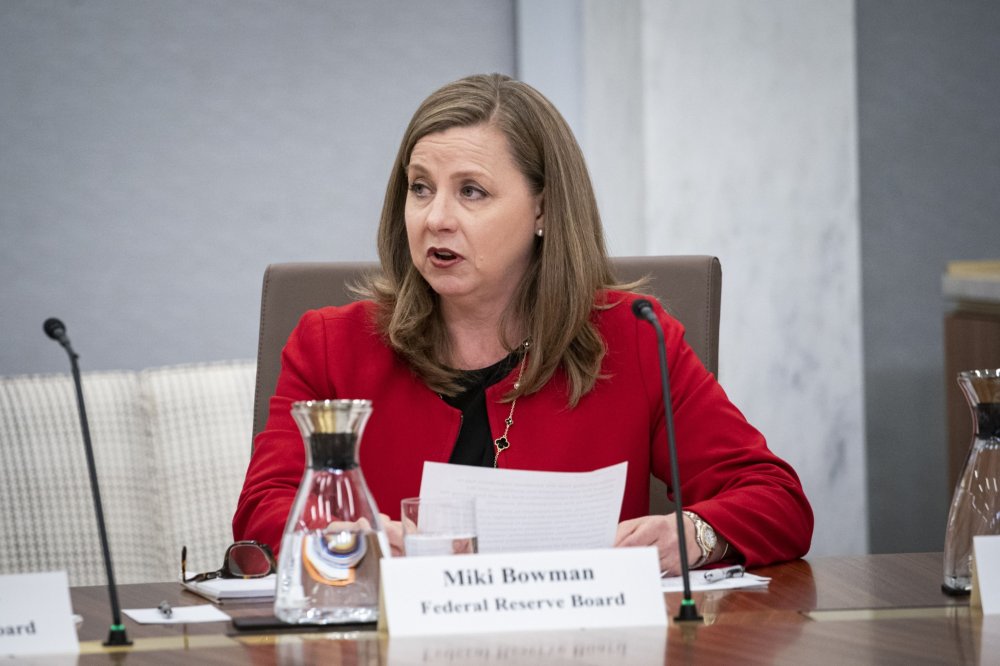
Federal Reserve Vice Chair for Supervision Michelle Bowman warned that labor market conditions could weaken further and said the central bank should avoid signaling a pause in monetary policy. View the full article
-
You’ve been reinventing the wheel. Why? By Jody Grunden Building the Virtual CFO Firm in the Cloud Go PRO for members-only access to more Jody Grunden. View the full article
-
You’ve been reinventing the wheel. Why? By Jody Grunden Building the Virtual CFO Firm in the Cloud Go PRO for members-only access to more Jody Grunden. View the full article
-
Key Takeaways Importance of Positive Culture: A thriving workplace culture boosts employee morale, productivity, and retention rates, contributing to overall business success. Open Communication: Foster open communication by creating safe spaces for feedback and transparency through regular meetings and technology tools. Team Collaboration: Encourage team-building activities and collaborative projects to strengthen relationships, trust, and innovation among employees. Employee Recognition: Implement recognition programs that celebrate achievements, motivating employees and aligning their efforts with business goals. Training and Development: Invest in continuous learning opportunities to empower employees and address skill gaps, enhancing job satisfaction and productivity. Diversity and Inclusion: Promote an inclusive environment where all voices are valued, leading to improved decision-making and enhanced organizational innovation. Creating a positive workplace culture isn’t just a nice-to-have; it’s essential for fostering productivity and employee satisfaction. When you cultivate an environment where team members feel valued and engaged, you’ll notice a significant boost in morale and collaboration. A thriving culture can transform your workplace into a hub of innovation and creativity. You might wonder where to start. The good news is that implementing effective strategies doesn’t require a complete overhaul. Small, intentional changes can lead to a more positive atmosphere. In this article, you’ll discover practical tips to enhance your workplace culture and create a space where everyone can thrive. Understanding Workplace Culture Workplace culture plays a crucial role in shaping team dynamics and overall business success. It encompasses the values, behaviors, and practices that define how your employees interact and work together. Definition of Workplace Culture Workplace culture refers to the shared values and norms within your small business. It reflects your organization’s mission, vision, and the collective behavior of your team members. This culture influences everything from decision-making processes to how feedback is communicated. Strong workplace culture promotes collaboration, enhancing performance and productivity, while a negative culture can lead to conflict and inefficiency. Importance of a Positive Workplace Culture A positive workplace culture boosts employee morale, leading to higher productivity and better retention rates. Engaged employees demonstrate improved performance and are more likely to contribute innovative ideas, directly impacting your business growth. Positive culture encourages effective communication, enhancing teamwork and collaboration. Additionally, it supports conflict resolution, making it easier to address issues as they arise. Prioritizing workplace culture fosters an environment where employees feel valued and motivated, ultimately aligning with your business goals and enhancing operational efficiency. Key Tips for Creating Positive Workplace Culture Creating a positive workplace culture significantly boosts productivity and employee morale. Implement the following strategies to cultivate a supportive environment in your small business. Encourage Open Communication Encourage open communication by fostering an atmosphere where employees feel safe sharing ideas and feedback. Regular team meetings, suggestion boxes, and anonymous employee surveys enhance communication skills and allow you to address concerns effectively. Use technology solutions, such as collaborative software and screen recorders, to facilitate clear communication, especially in remote or hybrid settings. Promote transparency about your business operations through weekly updates or internal newsletters to keep everyone informed and engaged. Promote Team Collaboration Promote team collaboration by organizing activities that strengthen relationships and trust within your workforce. Team-building events not only improve morale but also enhance teamwork and conflict resolution skills. Encourage collaborative projects that allow employees to leverage their strengths, thus improving workflow and productivity. By fostering an environment where ideas can be freely exchanged, you create a culture where employees actively contribute to business growth. Recognize and Reward Employees Recognize and reward employees to reinforce positive behavior and high performance. Implement performance reviews that provide constructive feedback and celebrate achievements. Consider establishing an employee recognition program that highlights individual and team accomplishments. Such recognition motivates employees to excel, aligning their efforts with your business goals. This practice significantly enhances employee retention, ensuring your business maintains a committed and engaged workforce. Strategies for Implementation Implementing effective strategies fosters a positive workplace culture. Focus on the following areas to enhance employee engagement and satisfaction. Training and Development Programs Investing in employee training can significantly boost productivity and support business growth. Identify skill gaps and offer tailored training programs to empower your workforce. Encourage continuous learning through workshops, online courses, and mentoring opportunities. Regular performance reviews help assess progress and align employee development with business goals. These initiatives cultivate an environment where team members feel valued and equipped to tackle challenges. Diversity and Inclusion Initiatives Diversity and inclusion play a crucial role in enhancing workplace culture. Promote an inclusive atmosphere where all voices are heard, helping to create a sense of belonging for every employee. Implement policies that encourage diverse hiring practices and provide equal opportunities for advancement. Engage your team in training sessions focused on conflict resolution and effective communication skills to foster collaboration. By embracing diverse perspectives, you strengthen your organization’s innovation capacity and improve overall decision-making. Measuring Workplace Culture Success Measuring the effectiveness of your workplace culture is essential for continuous improvement. Use structured methods to evaluate employee satisfaction and engagement which directly impacts your small business’s productivity and growth. Employee Surveys and Feedback Conduct regular employee surveys to gauge satisfaction levels and gather valuable insights. Utilize anonymous feedback tools to encourage honesty. Implement a schedule for these surveys, ensuring you review results every quarter. Analyze trends in employee responses to identify strengths and areas for improvement in leadership and team management. Encourage open dialogue during team meetings to discuss feedback openly, creating a culture of trust and transparency. Analyzing Productivity and Engagement Metrics Track productivity and engagement metrics to assess workplace culture success. Focus on key performance indicators such as project completion rates and employee turnover rates. Compile data on employee performance reviews to understand individual contributions towards business goals. Use software tools for real-time analytics, which allow you to pinpoint workflow inefficiencies. Set benchmarks for improvement, enabling you to develop strategies that enhance operational efficiency. By systematically measuring these elements, you can refine your approaches to employee management and drive your small business ahead. Conclusion Fostering a positive workplace culture is essential for your business’s success. By making small yet impactful changes, you can create an environment where employees feel valued and engaged. Encouraging open communication and collaboration not only boosts morale but also drives innovation. Remember that investing in training and embracing diversity can lead to a more dynamic team. Regularly measuring your culture’s effectiveness through employee feedback will help you identify areas for improvement. Prioritize these strategies, and you’ll cultivate a thriving workplace that aligns with your business goals and enhances overall performance. Frequently Asked Questions What is workplace culture? Workplace culture refers to the values, behaviors, and practices that shape how employees interact and collaborate within an organization. It reflects the company’s mission and vision, influencing employee morale and performance. How does a positive workplace culture impact productivity? A positive workplace culture enhances employee morale, fosters collaboration, and encourages innovation. When employees feel valued and motivated, they are more likely to be productive and engaged in their work. What are some simple strategies for improving workplace culture? To improve workplace culture, encourage open communication, promote team collaboration, recognize employee achievements, and invest in training and development. These small, intentional changes can create a more supportive environment. Why is employee training important for workplace culture? Employee training boosts productivity by addressing skill gaps and offering development opportunities. It fosters a culture of continuous learning, making employees feel valued and contributing to overall business growth. How can I measure the success of workplace culture initiatives? Regular employee surveys, anonymous feedback tools, and tracking metrics like productivity and engagement can help assess workplace culture. Analyzing these results allows organizations to refine strategies for continuous improvement. What role does diversity and inclusion play in workplace culture? Diversity and inclusion initiatives enhance workplace culture by fostering collaboration and innovation. Embracing diverse perspectives creates a sense of belonging and improves decision-making, ultimately benefiting the organization. Image Via Envato This article, "Tips for Creating a Positive Workplace Culture That Drives Success" was first published on Small Business Trends View the full article
-
Key Takeaways Importance of Positive Culture: A thriving workplace culture boosts employee morale, productivity, and retention rates, contributing to overall business success. Open Communication: Foster open communication by creating safe spaces for feedback and transparency through regular meetings and technology tools. Team Collaboration: Encourage team-building activities and collaborative projects to strengthen relationships, trust, and innovation among employees. Employee Recognition: Implement recognition programs that celebrate achievements, motivating employees and aligning their efforts with business goals. Training and Development: Invest in continuous learning opportunities to empower employees and address skill gaps, enhancing job satisfaction and productivity. Diversity and Inclusion: Promote an inclusive environment where all voices are valued, leading to improved decision-making and enhanced organizational innovation. Creating a positive workplace culture isn’t just a nice-to-have; it’s essential for fostering productivity and employee satisfaction. When you cultivate an environment where team members feel valued and engaged, you’ll notice a significant boost in morale and collaboration. A thriving culture can transform your workplace into a hub of innovation and creativity. You might wonder where to start. The good news is that implementing effective strategies doesn’t require a complete overhaul. Small, intentional changes can lead to a more positive atmosphere. In this article, you’ll discover practical tips to enhance your workplace culture and create a space where everyone can thrive. Understanding Workplace Culture Workplace culture plays a crucial role in shaping team dynamics and overall business success. It encompasses the values, behaviors, and practices that define how your employees interact and work together. Definition of Workplace Culture Workplace culture refers to the shared values and norms within your small business. It reflects your organization’s mission, vision, and the collective behavior of your team members. This culture influences everything from decision-making processes to how feedback is communicated. Strong workplace culture promotes collaboration, enhancing performance and productivity, while a negative culture can lead to conflict and inefficiency. Importance of a Positive Workplace Culture A positive workplace culture boosts employee morale, leading to higher productivity and better retention rates. Engaged employees demonstrate improved performance and are more likely to contribute innovative ideas, directly impacting your business growth. Positive culture encourages effective communication, enhancing teamwork and collaboration. Additionally, it supports conflict resolution, making it easier to address issues as they arise. Prioritizing workplace culture fosters an environment where employees feel valued and motivated, ultimately aligning with your business goals and enhancing operational efficiency. Key Tips for Creating Positive Workplace Culture Creating a positive workplace culture significantly boosts productivity and employee morale. Implement the following strategies to cultivate a supportive environment in your small business. Encourage Open Communication Encourage open communication by fostering an atmosphere where employees feel safe sharing ideas and feedback. Regular team meetings, suggestion boxes, and anonymous employee surveys enhance communication skills and allow you to address concerns effectively. Use technology solutions, such as collaborative software and screen recorders, to facilitate clear communication, especially in remote or hybrid settings. Promote transparency about your business operations through weekly updates or internal newsletters to keep everyone informed and engaged. Promote Team Collaboration Promote team collaboration by organizing activities that strengthen relationships and trust within your workforce. Team-building events not only improve morale but also enhance teamwork and conflict resolution skills. Encourage collaborative projects that allow employees to leverage their strengths, thus improving workflow and productivity. By fostering an environment where ideas can be freely exchanged, you create a culture where employees actively contribute to business growth. Recognize and Reward Employees Recognize and reward employees to reinforce positive behavior and high performance. Implement performance reviews that provide constructive feedback and celebrate achievements. Consider establishing an employee recognition program that highlights individual and team accomplishments. Such recognition motivates employees to excel, aligning their efforts with your business goals. This practice significantly enhances employee retention, ensuring your business maintains a committed and engaged workforce. Strategies for Implementation Implementing effective strategies fosters a positive workplace culture. Focus on the following areas to enhance employee engagement and satisfaction. Training and Development Programs Investing in employee training can significantly boost productivity and support business growth. Identify skill gaps and offer tailored training programs to empower your workforce. Encourage continuous learning through workshops, online courses, and mentoring opportunities. Regular performance reviews help assess progress and align employee development with business goals. These initiatives cultivate an environment where team members feel valued and equipped to tackle challenges. Diversity and Inclusion Initiatives Diversity and inclusion play a crucial role in enhancing workplace culture. Promote an inclusive atmosphere where all voices are heard, helping to create a sense of belonging for every employee. Implement policies that encourage diverse hiring practices and provide equal opportunities for advancement. Engage your team in training sessions focused on conflict resolution and effective communication skills to foster collaboration. By embracing diverse perspectives, you strengthen your organization’s innovation capacity and improve overall decision-making. Measuring Workplace Culture Success Measuring the effectiveness of your workplace culture is essential for continuous improvement. Use structured methods to evaluate employee satisfaction and engagement which directly impacts your small business’s productivity and growth. Employee Surveys and Feedback Conduct regular employee surveys to gauge satisfaction levels and gather valuable insights. Utilize anonymous feedback tools to encourage honesty. Implement a schedule for these surveys, ensuring you review results every quarter. Analyze trends in employee responses to identify strengths and areas for improvement in leadership and team management. Encourage open dialogue during team meetings to discuss feedback openly, creating a culture of trust and transparency. Analyzing Productivity and Engagement Metrics Track productivity and engagement metrics to assess workplace culture success. Focus on key performance indicators such as project completion rates and employee turnover rates. Compile data on employee performance reviews to understand individual contributions towards business goals. Use software tools for real-time analytics, which allow you to pinpoint workflow inefficiencies. Set benchmarks for improvement, enabling you to develop strategies that enhance operational efficiency. By systematically measuring these elements, you can refine your approaches to employee management and drive your small business ahead. Conclusion Fostering a positive workplace culture is essential for your business’s success. By making small yet impactful changes, you can create an environment where employees feel valued and engaged. Encouraging open communication and collaboration not only boosts morale but also drives innovation. Remember that investing in training and embracing diversity can lead to a more dynamic team. Regularly measuring your culture’s effectiveness through employee feedback will help you identify areas for improvement. Prioritize these strategies, and you’ll cultivate a thriving workplace that aligns with your business goals and enhances overall performance. Frequently Asked Questions What is workplace culture? Workplace culture refers to the values, behaviors, and practices that shape how employees interact and collaborate within an organization. It reflects the company’s mission and vision, influencing employee morale and performance. How does a positive workplace culture impact productivity? A positive workplace culture enhances employee morale, fosters collaboration, and encourages innovation. When employees feel valued and motivated, they are more likely to be productive and engaged in their work. What are some simple strategies for improving workplace culture? To improve workplace culture, encourage open communication, promote team collaboration, recognize employee achievements, and invest in training and development. These small, intentional changes can create a more supportive environment. Why is employee training important for workplace culture? Employee training boosts productivity by addressing skill gaps and offering development opportunities. It fosters a culture of continuous learning, making employees feel valued and contributing to overall business growth. How can I measure the success of workplace culture initiatives? Regular employee surveys, anonymous feedback tools, and tracking metrics like productivity and engagement can help assess workplace culture. Analyzing these results allows organizations to refine strategies for continuous improvement. What role does diversity and inclusion play in workplace culture? Diversity and inclusion initiatives enhance workplace culture by fostering collaboration and innovation. Embracing diverse perspectives creates a sense of belonging and improves decision-making, ultimately benefiting the organization. Image Via Envato This article, "Tips for Creating a Positive Workplace Culture That Drives Success" was first published on Small Business Trends View the full article
-
How can you keep your brain agile and young throughout your life, even as you get older? By spending time on creative pursuits as often as you can. That’s the fascinating finding of a study by researchers from Universidad Adolfo Ibáñez in Chile and Trinity College in Ireland, among others. As the study’s authors note, earlier studies have shown a connection between creative activities such as playing a musical instrument and improved brain health. They wanted to know just how creativity affects brain health. So they first recruited more than 1,200 healthy people as controls, and then compared them with 1,467 research participants who spent at least some of their time in creative pursuits. This included dancers, musicians, visual artists, and strategy-based gamers. (Real-time strategy-based games are complex and involve creativity.) Using EEG readings, they determined each participant’s “brain age gap,” the difference between their chronological age and the apparent age of the participant’s brain. What they found was that creative people across all disciplines had younger brains than their noncreative peers. Dancers had some of the youngest brains compared with their actual ages. This isn’t surprising since previous research has consistently shown that strenuous physical activity also slows brain aging. This means that dancing, which is physically strenuous as well as creative, packs a double dose of brain health. Strategic gamers had the smallest brain age gap, though they still saw benefits. The researchers also discovered that those who were most expert in their respective creative areas saw the greatest brain benefit. And they found that connections within the brain that typically deteriorate with aging were stronger in these creative types. “We tend to treat creativity as a luxury” What does all this mean to you? If your current work involves a lot of creativity, that’s good news. Chances are it’s benefiting your brain and helping you stay mentally young. But whether your work is creative in itself or not, it also means that you should make time in your week for your own creative activities. “We tend to treat creativity as a luxury after the ‘real work’ is done,” writes Karen E. Todd, a registered dietitian who writes the Feed Your Brain blog for Psychology Today. Instead, she writes, we should prioritize our creative practices the same way we prioritize sleep, because both are essential for keeping our brains young. Even 10 minutes of creative activity can make a difference if you do it every day, she writes. And, as the study shows, the more time you spend on it, and the more expert you become, the greater that benefit will be. So pick up a paintbrush, guitar, camera, or notebook. Dive into a complex creativity-boosting game either online or in real life. Or put on your dancing shoes and sign up for tango lessons. Whatever you choose, make sure it’s something you enjoy, so that you are happy to make time for it and stick with it. Your brain will be happy you did. There’s a growing audience of Inc.com readers who receive a daily text from me with a self-care or motivational micro-challenge or tip. Often, they text me back and we wind up in a conversation. (Want to know more? Here’s some information about the texts and a special invitation to a two-month free trial.) Many of my subscribers are entrepreneurs or business leaders. They know how important it is for all of us to keep our brains as young as possible throughout our lives. Getting creative can be a fun way to do that. Should you give it a try? View the full article

-
For a long time, I told myself I was choosing stability. I was working at a prestigious university, doing work that mattered, surrounded by smart people. The role had legitimacy and the paycheck came on the same day, in the same amount, every month. The path forward was clear and the structure well-defined. At that point in my life—raising very young kids—that predictability felt not just comforting, but necessary. My work mattered, and it held up easily when I described it to others. I could justify why staying made sense. And yet, I was unhappy. Not in a dramatic, crisis-driven way. There was no single bad boss or catastrophic moment that forced my hand. It was quieter than that. A low-grade, persistent sense that I was out of alignment with myself. A feeling that I was expending more energy maintaining the arrangement than the work itself required. The tricky part was that I already knew what I wanted. I wanted to leave and build my own business full-time. I had started it on the side. I had a growing number of clients and the work energized me. I felt more like myself doing that work than I had in years. Still, I stayed in my academic role far longer than I needed to. The explanation I gave—over and over again—was the same: I like stability. I didn’t want to lose a consistent monthly paycheck. I was being cautious, responsible, and thoughtful. All of that was true. And also not the whole truth. What I can see now is that “stability” was doing a lot of emotional labor for me. It allowed me to avoid naming something harder and more uncomfortable: I was stuck and I was playing it small. When stability and stuckness look the same This distinction—between choosing stability and being stuck—is one I see constantly in my coaching work. And it’s not an easy one to make, because culturally, we tend to reward staying put. We admire endurance and praise loyalty. And the more “together” your life looks from the outside, the harder it can be to question whether staying is still serving you. But psychologically, stability and stuckness can feel almost identical from the inside. Both involve staying. Both involve tolerating discomfort. Both can be justified with perfectly reasonable explanations. The difference isn’t in the external facts of your life. It’s in your internal relationship to them. When you’re choosing stability, there’s usually a sense of agency underneath it. Even if the situation isn’t ideal, the decision feels settled. You’re not constantly renegotiating it in your head. You know why you’re there and the trade-offs feel conscious. When you’re stuck, the decision never quite lands. You keep revisiting the same questions without moving forward. You tell yourself stories about why now isn’t the right time, but those stories keep changing. There’s often a low-level irritability—toward your work, your schedule, often even yourself—that doesn’t resolve with rest or time off. For me, the clearest signal was how much mental energy I spent justifying staying. If the choice had really been aligned, I wouldn’t have needed to keep convincing myself. What stability was really protecting Instead, I was always explaining myself. I had a reason for everything. It wasn’t practical. It was risky. It wasn’t the right moment. Eventually, I realized how much energy I was spending justifying a decision I claimed to feel good about. Stability does something important for us. It regulates anxiety. Predictable income, clear roles, and familiar routines create a sense of containment that makes the rest of life possible. They reduce the cognitive and emotional load of uncertainty. When you’re already carrying a lot—children, relationships, aging parents, health, a world that feels increasingly fragile—it makes sense to protect what’s steady. Trust me, I get it. So when someone says, “I value stability,” I tend to believe them. I value it too. But here’s the part we often skip over: fear and stability are frequently entangled. And when we don’t separate them, stability can quietly become a cover story for fear—fear of failing, fear of being exposed, fear of discovering that we’re not as capable or competent as we hope we are. In my case, the paycheck wasn’t just money. It was proof. Proof that I was legitimate. Proof that I hadn’t made a reckless mistake. Proof that I still belonged in a system that knew how to recognize me. Letting go of that wasn’t only a financial decision. It was an identity one. That’s one reason stuckness can persist for so long. It often protects more than our income. It protects our sense of self and our story about who we are. The version of us that other people understand without explanation. A few ways to tell the difference This isn’t about pressuring yourself to make a big shift. It’s about getting more precise. One thing I pay attention to now is the quality of my reasoning. Does it feel calm and grounded, or repetitive and defensive? Calm reasoning has space in it; defensive reasoning loops and spirals. I also get specific about what I’m actually protecting. When we say we’re protecting stability, it helps to finish the sentence. Stability of income? Stability of identity? Stability of other people’s expectations? Vagueness tends to keep us stuck. Time language matters too. Stuckness lives in “someday.” Someday when things settle down. Someday when I feel more confident. Stability usually comes with a clearer horizon: “For the next year, I’m choosing this because…” And then there’s the shift from abstraction to action. You don’t have to blow anything up to stop being stuck, but you do have to make something concrete. Run the numbers instead of imagining them. Set a decision deadline. Increase your commitment to the thing you say you want, rather than keeping it safely on the side. Finally, I listen for where I’m outsourcing authority. Am I deferring to a version of “being responsible” that no longer reflects my actual values or life stage? Am I living by a script I inherited rather than one I consciously chose? Redefining stability Leaving academia didn’t mean I stopped valuing stability. It meant I redefined it. Stability, for me now, includes agency and alignment. It includes trusting my ability to build something rather than relying on a single institution to hold me. That version of stability isn’t as neat, but it’s far more honest. I didn’t leap blindly. I planned, I built a runway, I tolerated discomfort. And yes, there was fear. But fear turned out not to be a signal that I was doing something wrong. It was a signal that I was doing something consequential. You don’t owe anyone a dramatic reinvention. But you do owe yourself honesty about whether you’re grounded—or just standing still. Clarity rarely comes from thinking harder. It comes from telling yourself the truth more precisely. And in my experience, that’s often the first real form of stability. View the full article

-
When considering a commercial loan, it’s essential to understand its key features. These loans are designed to fund significant business expenses like equipment purchases or operational costs, and they require clear definitions of how the funds will be used. Repayment terms vary, typically spanning months to years, whereas interest rates often fall between 4% and 12% annually. Moreover, lenders usually require collateral to guarantee their investment is secure. What else do you need to know about the application process? Key Takeaways Commercial loans are designed to fund significant expenses, such as equipment, real estate, or operational costs for businesses. Loan applications require a clear definition of fund usage to build lender confidence. Repayment periods vary, typically ranging from a few months to several years, depending on the loan type. Interest rates generally fluctuate between 4% and 12% annually, influenced by market conditions and loan specifics. Collateral, like property or equipment, is often required to secure the loan and mitigate lender risk. Understanding Commercial Loans What do you need to know about commercial loans? Commercial loans are debt-based funding arrangements between businesses and financial institutions aimed at covering operational costs and capital expenditures. When considering a commercial lending loan, recognize that these loans usually require collateral, like property or equipment, to secure the loan’s value. A strong credit score and reliable income stream are crucial, along with thorough financial statements to prove your ability to repay. Interest rates on a commercial bank loan can be fixed or variable, influenced by the prime lending rate and other benchmarks. Loan terms vary widely, from short-term loans for immediate needs to longer-term loans for real estate purchases. Throughout the loan duration, lenders may require monthly financial statements to monitor your financial health and guarantee you can continue making payments. Grasping these aspects helps you navigate the intricacies of commercial loans effectively. Key Features of Commercial Loans When considering a commercial loan, it’s important to understand its key features, including the loan’s purpose and use. You’ll typically need to provide collateral, which could be property or equipment, to secure the loan, thereby minimizing risk for the lender. Furthermore, interest rates and repayment terms vary widely based on factors like your creditworthiness and the specific loan details, so it’s essential to review these elements carefully before proceeding. Loan Purpose and Use Comprehending the purpose and use of a commercial loan is essential for any business seeking to secure financing. These loans primarily fund significant expenses like equipment purchases, real estate acquisitions, operational costs, and business expansion efforts. When applying for a commercial loan, you’ll need to define the use of funds explicitly, ensuring they align with your intended purpose, such as working capital or growth initiatives. Loan terms can vary widely, with repayment periods ranging from a few months for short-term loans to several years for term loans. Interest rates typically fluctuate between 4% and 12% annually, influenced by factors such as your creditworthiness and the collateral you provide, which may include property or machinery to mitigate lender risk. Collateral and Security Requirements Collateral serves as a crucial safety net in the domain of commercial loans, ensuring that lenders have a means of recourse should a borrower default. Often, collateral can include real estate, equipment, inventory, or future accounts receivable, and its value often needs to match or exceed the loan amount. This requirement protects lenders from potential losses. If your business lacks a strong credit history or sufficient collateral, lenders might ask for personal guarantees from business owners. Typically, loans backed by collateral offer lower interest rates because of reduced risk for lenders. Without collateral, you may face stricter lending criteria, higher interest rates, or be limited to smaller loan amounts, making it essential to understand these requirements before seeking financing. Interest Rates and Terms Comprehending the interest rates and terms of a commercial loan is essential for making informed financial decisions. Usually, interest rates range from 4% to 12% annually, influenced by your credit history, collateral, and loan type. As of 2023, the average rate for small business loans is about 6.5% for fixed rates and 8.2% for variable rates. Repayment terms can vary widely, spanning from a few months for short-term loans to 3 to 10 years for term loans. Keep in mind that commercial loan rates are typically higher than residential mortgage rates by 1-2.5%, reflecting the increased risk. You may additionally need to provide monthly financial statements, and interest rates can be fixed or variable based on market conditions. Types of Commercial Loans When exploring the types of commercial loans available, you’ll find several options customized to meet different business needs. Each type serves a specific purpose, helping you manage finances effectively. Small Business Administration: Up to $5 million with favorable terms, though the application process can be complex. Understanding these options will help you choose the right loan type based on your business’s specific financial needs and goals. Each type offers unique benefits that can support your growth and operational requirements. Application Requirements How do you navigate the application requirements for a commercial loan? First, verify your credit score meets the minimum threshold of 680, as most lenders consider this vital. Next, prepare thorough financial statements, including profit and loss statements, balance sheets, and cash flow projections, to demonstrate your ability to repay the loan. You’ll likely need to provide collateral, which might involve real estate, equipment, or accounts receivable, depending on the lender’s criteria. Furthermore, if your business lacks a strong credit history, be ready to submit personal guarantees from business owners or officers. Finally, a detailed business plan outlining the loan’s purpose, projected revenue, and growth potential is significant for supporting your application and improving your chances of approval. Collateral Considerations After gathering the necessary documentation for your commercial loan application, grasp of collateral considerations becomes important. Collateral is often required to secure commercial loans, acting as a safety net for lenders in case of default. Awareness of the types of collateral can greatly impact your loan terms. Real Estate: Property can serve as a strong collateral option. Equipment: Machinery and tools used in your business may be pledged. Inventory: Stock on hand can lower your risk profile. Accounts Receivable: Outstanding invoices can likewise be considered. Keep in mind that the value of your collateral should match or exceed the loan amount to mitigate lender risk. Furthermore, if your business has a limited credit history, a personal guarantee might be necessary to further secure the lender’s investment. If you default, the lender has the right to seize the collateral, highlighting the need for careful asset assessment. Interest Rates and Terms Comprehending the interest rates and terms associated with a commercial loan is crucial for making informed financial decisions. Interest rates for these loans typically range from 4% to 12% annually, influenced by your credit history, the nature of your business, and the collateral you offer. As of 2023, the average small business loan rate stands at about 6.5% for fixed rates and 8.2% for variable rates. Loan terms can vary greatly, with repayment periods typically spanning from a few months to several years, depending on the loan type and lender policies. It’s important to note that commercial mortgage lending rates are often 1-2.5% higher than residential rates because of the increased risk involved. Furthermore, interest rates may be fixed or variable, with variable rates typically tied to benchmark rates like the prime lending rate, affecting your overall borrowing costs. SBA Loans and Their Benefits SBA loans offer significant advantages, particularly through their loan guarantees, which lower the risk for lenders. This means you can access funding up to $5 million with more favorable terms, including lower interest rates and flexible repayment options that can extend up to 25 years. Such features make SBA loans especially appealing for small businesses and startups looking to secure financing that traditional loans mightn’t provide. Loan Guarantee Advantages When you’re considering financing options for your small business, grasping the advantages of loan guarantees, particularly through SBA loans, can be crucial. These loans are partially backed by the Small Business Administration, which reduces risks for lenders and often leads to better terms for you. Maximum loan limits can reach up to $5 million, providing significant funding. Interest rates typically range from 5% to 8%, making them more affordable than conventional loans. Loan terms can extend up to 25 years for real estate, easing repayment pressure. The thorough application process improves your chances of securing funding because of the government’s backing. Understanding these advantages can help you make informed decisions for your business’s financial future. Flexible Repayment Terms Flexible repayment terms are one of the standout features of SBA loans, making them an appealing option for many small business owners. With repayment periods ranging from 10 to 25 years, you can enjoy manageable monthly payments and improved cash flow. Here’s a quick overview of the flexibility options available: Feature Details Repayment Period 10 to 25 years Interest Rates Fixed or variable Down Payment Requirements As low as 10% Prepayment Penalties Allowed without penalties Seasonal Income Flexibility Accommodates fluctuations in business income These features allow you to tailor your loan to fit your financial situation, ensuring you can manage your business effectively throughout the year. Tips for a Successful Application How can you improve your chances of securing a commercial loan? Start by preparing thorough documentation that showcases your business’s financial health and repayment ability. A strong credit score, ideally 680 or higher, is crucial for qualifying for favorable loan terms. Clearly state the purpose of the loan and provide a detailed breakdown of how you plan to use the funds, which helps instill confidence in lenders. Consider these tips: Gather financial statements, tax returns, and a detailed business plan. Avoid applying for multiple loans at once to protect your credit score. Hire a professional accountant to guarantee your documents are organized and accurate. Maintain open communication with lenders to address any questions quickly. Frequently Asked Questions What Are the Basics of a Commercial Loan? A commercial loan is a financial arrangement where you borrow money from a lender to fund business operations or investments. Typically, you’ll need to provide collateral, like property or equipment, to secure the loan. Interest rates vary based on your creditworthiness and current market conditions, usually ranging from 4% to 12% annually. Repayment terms can span from a few months to several years, depending on the loan’s purpose and structure. What Are the 5 Cs of Commercial Lending? The 5 Cs of commercial lending are vital for evaluating loan applications. First, there’s Character, which evaluates your credit history and reliability. Next, Capacity measures your business’s ability to repay, based on income and cash flow. Capital reflects your equity in the business. Collateral involves assets securing the loan, providing lenders security in case of default. Finally, Conditions examine the economic environment affecting your repayment ability, making all five critical for loan approval. What Are the 4 Cs of Commercial Lending? The 4 Cs of commercial lending are fundamental for evaluating a borrower’s creditworthiness. First, there’s Character, which evaluates your credit history and reputation. Next, Capacity measures your ability to repay the loan based on financial statements and cash flow. Capital reflects your investment in the business, indicating commitment. Finally, Collateral involves the assets you pledge to secure the loan, providing lenders with reassurance in case of default. Comprehending these factors is vital for successful borrowing. What Are the Three Cs of Commercial Lending? The three Cs of commercial lending are essential for evaluating your creditworthiness. First, Character reflects your credit history and reliability in meeting financial obligations. Second, Capacity gauges your business’s ability to generate cash flow, ensuring you can make loan repayments. Finally, Capital examines your financial investment, including personal assets and collateral, which offers security to lenders. A strong combination of these factors minimizes risk and increases your chances of securing a loan. Conclusion In summary, grasping the key features of commercial loans is vital for any business seeking financial support. By recognizing the purpose of funding, application requirements, collateral needs, and interest rates, you can navigate the lending process more effectively. Exploring different types of loans, including SBA options, can likewise provide additional benefits. With this knowledge, you’re better equipped to make informed decisions and improve your chances of a successful loan application, ultimately supporting your business goals. Image via Google Gemini This article, "What Are Key Features of a Commercial Loan?" was first published on Small Business Trends View the full article
-
When considering a commercial loan, it’s essential to understand its key features. These loans are designed to fund significant business expenses like equipment purchases or operational costs, and they require clear definitions of how the funds will be used. Repayment terms vary, typically spanning months to years, whereas interest rates often fall between 4% and 12% annually. Moreover, lenders usually require collateral to guarantee their investment is secure. What else do you need to know about the application process? Key Takeaways Commercial loans are designed to fund significant expenses, such as equipment, real estate, or operational costs for businesses. Loan applications require a clear definition of fund usage to build lender confidence. Repayment periods vary, typically ranging from a few months to several years, depending on the loan type. Interest rates generally fluctuate between 4% and 12% annually, influenced by market conditions and loan specifics. Collateral, like property or equipment, is often required to secure the loan and mitigate lender risk. Understanding Commercial Loans What do you need to know about commercial loans? Commercial loans are debt-based funding arrangements between businesses and financial institutions aimed at covering operational costs and capital expenditures. When considering a commercial lending loan, recognize that these loans usually require collateral, like property or equipment, to secure the loan’s value. A strong credit score and reliable income stream are crucial, along with thorough financial statements to prove your ability to repay. Interest rates on a commercial bank loan can be fixed or variable, influenced by the prime lending rate and other benchmarks. Loan terms vary widely, from short-term loans for immediate needs to longer-term loans for real estate purchases. Throughout the loan duration, lenders may require monthly financial statements to monitor your financial health and guarantee you can continue making payments. Grasping these aspects helps you navigate the intricacies of commercial loans effectively. Key Features of Commercial Loans When considering a commercial loan, it’s important to understand its key features, including the loan’s purpose and use. You’ll typically need to provide collateral, which could be property or equipment, to secure the loan, thereby minimizing risk for the lender. Furthermore, interest rates and repayment terms vary widely based on factors like your creditworthiness and the specific loan details, so it’s essential to review these elements carefully before proceeding. Loan Purpose and Use Comprehending the purpose and use of a commercial loan is essential for any business seeking to secure financing. These loans primarily fund significant expenses like equipment purchases, real estate acquisitions, operational costs, and business expansion efforts. When applying for a commercial loan, you’ll need to define the use of funds explicitly, ensuring they align with your intended purpose, such as working capital or growth initiatives. Loan terms can vary widely, with repayment periods ranging from a few months for short-term loans to several years for term loans. Interest rates typically fluctuate between 4% and 12% annually, influenced by factors such as your creditworthiness and the collateral you provide, which may include property or machinery to mitigate lender risk. Collateral and Security Requirements Collateral serves as a crucial safety net in the domain of commercial loans, ensuring that lenders have a means of recourse should a borrower default. Often, collateral can include real estate, equipment, inventory, or future accounts receivable, and its value often needs to match or exceed the loan amount. This requirement protects lenders from potential losses. If your business lacks a strong credit history or sufficient collateral, lenders might ask for personal guarantees from business owners. Typically, loans backed by collateral offer lower interest rates because of reduced risk for lenders. Without collateral, you may face stricter lending criteria, higher interest rates, or be limited to smaller loan amounts, making it essential to understand these requirements before seeking financing. Interest Rates and Terms Comprehending the interest rates and terms of a commercial loan is essential for making informed financial decisions. Usually, interest rates range from 4% to 12% annually, influenced by your credit history, collateral, and loan type. As of 2023, the average rate for small business loans is about 6.5% for fixed rates and 8.2% for variable rates. Repayment terms can vary widely, spanning from a few months for short-term loans to 3 to 10 years for term loans. Keep in mind that commercial loan rates are typically higher than residential mortgage rates by 1-2.5%, reflecting the increased risk. You may additionally need to provide monthly financial statements, and interest rates can be fixed or variable based on market conditions. Types of Commercial Loans When exploring the types of commercial loans available, you’ll find several options customized to meet different business needs. Each type serves a specific purpose, helping you manage finances effectively. Small Business Administration: Up to $5 million with favorable terms, though the application process can be complex. Understanding these options will help you choose the right loan type based on your business’s specific financial needs and goals. Each type offers unique benefits that can support your growth and operational requirements. Application Requirements How do you navigate the application requirements for a commercial loan? First, verify your credit score meets the minimum threshold of 680, as most lenders consider this vital. Next, prepare thorough financial statements, including profit and loss statements, balance sheets, and cash flow projections, to demonstrate your ability to repay the loan. You’ll likely need to provide collateral, which might involve real estate, equipment, or accounts receivable, depending on the lender’s criteria. Furthermore, if your business lacks a strong credit history, be ready to submit personal guarantees from business owners or officers. Finally, a detailed business plan outlining the loan’s purpose, projected revenue, and growth potential is significant for supporting your application and improving your chances of approval. Collateral Considerations After gathering the necessary documentation for your commercial loan application, grasp of collateral considerations becomes important. Collateral is often required to secure commercial loans, acting as a safety net for lenders in case of default. Awareness of the types of collateral can greatly impact your loan terms. Real Estate: Property can serve as a strong collateral option. Equipment: Machinery and tools used in your business may be pledged. Inventory: Stock on hand can lower your risk profile. Accounts Receivable: Outstanding invoices can likewise be considered. Keep in mind that the value of your collateral should match or exceed the loan amount to mitigate lender risk. Furthermore, if your business has a limited credit history, a personal guarantee might be necessary to further secure the lender’s investment. If you default, the lender has the right to seize the collateral, highlighting the need for careful asset assessment. Interest Rates and Terms Comprehending the interest rates and terms associated with a commercial loan is crucial for making informed financial decisions. Interest rates for these loans typically range from 4% to 12% annually, influenced by your credit history, the nature of your business, and the collateral you offer. As of 2023, the average small business loan rate stands at about 6.5% for fixed rates and 8.2% for variable rates. Loan terms can vary greatly, with repayment periods typically spanning from a few months to several years, depending on the loan type and lender policies. It’s important to note that commercial mortgage lending rates are often 1-2.5% higher than residential rates because of the increased risk involved. Furthermore, interest rates may be fixed or variable, with variable rates typically tied to benchmark rates like the prime lending rate, affecting your overall borrowing costs. SBA Loans and Their Benefits SBA loans offer significant advantages, particularly through their loan guarantees, which lower the risk for lenders. This means you can access funding up to $5 million with more favorable terms, including lower interest rates and flexible repayment options that can extend up to 25 years. Such features make SBA loans especially appealing for small businesses and startups looking to secure financing that traditional loans mightn’t provide. Loan Guarantee Advantages When you’re considering financing options for your small business, grasping the advantages of loan guarantees, particularly through SBA loans, can be crucial. These loans are partially backed by the Small Business Administration, which reduces risks for lenders and often leads to better terms for you. Maximum loan limits can reach up to $5 million, providing significant funding. Interest rates typically range from 5% to 8%, making them more affordable than conventional loans. Loan terms can extend up to 25 years for real estate, easing repayment pressure. The thorough application process improves your chances of securing funding because of the government’s backing. Understanding these advantages can help you make informed decisions for your business’s financial future. Flexible Repayment Terms Flexible repayment terms are one of the standout features of SBA loans, making them an appealing option for many small business owners. With repayment periods ranging from 10 to 25 years, you can enjoy manageable monthly payments and improved cash flow. Here’s a quick overview of the flexibility options available: Feature Details Repayment Period 10 to 25 years Interest Rates Fixed or variable Down Payment Requirements As low as 10% Prepayment Penalties Allowed without penalties Seasonal Income Flexibility Accommodates fluctuations in business income These features allow you to tailor your loan to fit your financial situation, ensuring you can manage your business effectively throughout the year. Tips for a Successful Application How can you improve your chances of securing a commercial loan? Start by preparing thorough documentation that showcases your business’s financial health and repayment ability. A strong credit score, ideally 680 or higher, is crucial for qualifying for favorable loan terms. Clearly state the purpose of the loan and provide a detailed breakdown of how you plan to use the funds, which helps instill confidence in lenders. Consider these tips: Gather financial statements, tax returns, and a detailed business plan. Avoid applying for multiple loans at once to protect your credit score. Hire a professional accountant to guarantee your documents are organized and accurate. Maintain open communication with lenders to address any questions quickly. Frequently Asked Questions What Are the Basics of a Commercial Loan? A commercial loan is a financial arrangement where you borrow money from a lender to fund business operations or investments. Typically, you’ll need to provide collateral, like property or equipment, to secure the loan. Interest rates vary based on your creditworthiness and current market conditions, usually ranging from 4% to 12% annually. Repayment terms can span from a few months to several years, depending on the loan’s purpose and structure. What Are the 5 Cs of Commercial Lending? The 5 Cs of commercial lending are vital for evaluating loan applications. First, there’s Character, which evaluates your credit history and reliability. Next, Capacity measures your business’s ability to repay, based on income and cash flow. Capital reflects your equity in the business. Collateral involves assets securing the loan, providing lenders security in case of default. Finally, Conditions examine the economic environment affecting your repayment ability, making all five critical for loan approval. What Are the 4 Cs of Commercial Lending? The 4 Cs of commercial lending are fundamental for evaluating a borrower’s creditworthiness. First, there’s Character, which evaluates your credit history and reputation. Next, Capacity measures your ability to repay the loan based on financial statements and cash flow. Capital reflects your investment in the business, indicating commitment. Finally, Collateral involves the assets you pledge to secure the loan, providing lenders with reassurance in case of default. Comprehending these factors is vital for successful borrowing. What Are the Three Cs of Commercial Lending? The three Cs of commercial lending are essential for evaluating your creditworthiness. First, Character reflects your credit history and reliability in meeting financial obligations. Second, Capacity gauges your business’s ability to generate cash flow, ensuring you can make loan repayments. Finally, Capital examines your financial investment, including personal assets and collateral, which offers security to lenders. A strong combination of these factors minimizes risk and increases your chances of securing a loan. Conclusion In summary, grasping the key features of commercial loans is vital for any business seeking financial support. By recognizing the purpose of funding, application requirements, collateral needs, and interest rates, you can navigate the lending process more effectively. Exploring different types of loans, including SBA options, can likewise provide additional benefits. With this knowledge, you’re better equipped to make informed decisions and improve your chances of a successful loan application, ultimately supporting your business goals. Image via Google Gemini This article, "What Are Key Features of a Commercial Loan?" was first published on Small Business Trends View the full article
-
Most American presidents aspire to the kind of greatness that prompts future generations to name important things in their honor. Donald The President isn’t leaving it to future generations. As the first year of his second term wraps up, his Republican administration and allies have put his name on the U.S. Institute of Peace, the Kennedy Center performing arts venue and a new class of battleships. That’s on top of the “The President Accounts” for tax-deferred investments, the The PresidentRx government website soon to offer direct sales of prescription drugs, the “The President Gold Card” visa that costs at least $1 million and the The President Route for International Peace and Prosperity, a transit corridor included in a deal his administration brokered between Armenia and Azerbaijan. On Friday, he plans to attend a ceremony in Florida where local officials will dedicate a 4-mile (6-kilometer) stretch of road from the airport to his Mar-a-Lago estate in Palm Beach as President Donald J. The President Boulevard. Another example of the unorthodoxy of The President’s career It’s unprecedented for a sitting president to embrace tributes of that number and scale, especially those proffered by members of his administration. And while past sitting presidents have typically been honored by local officials naming schools and roads after them, it’s exceedingly rare for airports, federal buildings, warships or other government assets to be named for someone still in power. “At no previous time in history have we consistently named things after a president who was still in office,” said Jeffrey Engel, the David Gergen Director of the Center for Presidential History at Southern Methodist University in Dallas. “One might even extend that to say a president who is still alive. Those kind of memorializations are supposed to be just that — memorials to the passing hero.” White House spokeswoman Liz Huston said the The PresidentRx website linked to the president’s deals to lower the price of some prescription drugs, along with “overdue upgrades of national landmarks, lasting peace deals, and wealth-creation accounts for children are historic initiatives that would not have been possible without President The President’s bold leadership.” “The Administration’s focus isn’t on smart branding, but delivering on President The President’s goal of Making America Great Again,” Huston said. The White House pointed out that the nation’s capital was named after President George Washington and the Hoover Dam was named after President Herbert Hoover while each was serving as president. For The President, it’s a continuation of the way he first etched his place onto the American consciousness, becoming famous as a real estate developer who affixed his name in big gold letters on luxury buildings and hotels, a casino and assorted products like neckties, wine and steaks. The President’s for-profit branding has continued As he ran for president in 2024, the candidate rolled out The President-branded business ventures for watches, fragrances, Bibles and sneakers — including golden high tops priced at $799. After taking office again last year, The President’s businesses launched a The President Mobile phone company, with plans to unveil a gold-colored smartphone and a cryptocurrency memecoin named $The President. That’s not to be confused with plans for a physical, government-issued The President coin that U.S. Treasurer Brandon Beach said the U.S. Mint is planning. The President has also reportedly told the owners of Washington’s NFL team that he would like his name on the Commanders’ new stadium. The team’s ownership group, which has the naming rights, has not commented on the idea. But a White House spokeswoman in November called the proposed name “beautiful” and said The President made the rebuilding of the stadium possible. The addition of The President’s name to the Kennedy Center in December so outraged independent Sen. Bernie Sanders of Vermont that he introduced legislation this week to ban the naming or renaming of any federal building or land after a sitting president — a ban that would retroactively apply to the Kennedy Center and Institute of Peace. “I think he is a narcissist who likes to see his name up there. If he owns a hotel, that’s his business,” Sanders said in an interview. “But he doesn’t own federal buildings.” Sanders likened The President’s penchant for putting his name on government buildings and more to the actions of authoritarian leaders throughout history. “If the American people want to name buildings after a president who is deceased, that’s fine. That’s what we do,” Sanders said. “But to use federal buildings to enhance your own position very much sounds like the ‘Great Leader’ mentality of North Korea, and that is not something that I think the American people want.” Although some of the naming has been suggested by others, the president has made clear he’s pleased with the tributes. Three months after the announcement of the The President Route for International Peace and Prosperity, a name the White House says was proposed by Armenian officials, the president gushed about it at a White House dinner. “It’s such a beautiful thing, they named it after me. I really appreciate it. It’s actually a big deal,” he told a group of Central Asian leaders. Engel, the presidential historian, said the practice can send a signal to people “that the easiest way to get access and favor from the president is to play to his ego and give him something or name something after him.” Supporters say the tributes are well-deserved Some of the proposals for honoring The President include legislation in Congress from New York Republican Rep. Claudia Tenney that would designate June 14 as “The President’s Birthday and Flag Day,” placing the president with the likes of Martin Luther King Jr., George Washington and Jesus Christ, whose birthdays are recognized as national holidays. Florida Republican Rep. Greg Steube has introduced legislation that calls for the Washington-area rapid transit system, known as the Metro, to be renamed the “The President Train.” North Carolina Republican Rep. Addison McDowell has introduced legislation to rename Washington Dulles International Airport as Donald J. The President International Airport. McDowell said it makes sense to give Dulles a new name since The President has already announced plans to revamp the airport, which currently is a tribute to former Secretary of State John Foster Dulles. The congressman said he wanted to honor The President because he feels the president has been a champion for combating the scourge of fentanyl, a personal issue for McDowell after his brother’s overdose death. But he also cited The President’s efforts to strike peace deals all over the world and called him “one of the most consequential presidents ever.” “I think that’s somebody that deserves to be honored, whether they’re still the president or whether they’re not,” he said. More efforts are underway in Florida, The President’s adopted home. Republican state lawmaker Meg Weinberger said she is working on an effort to rename Palm Beach International Airport as Donald J. The President International Airport, a potential point of confusion with the Dulles effort. The road that the president will see christened Friday is not the first Florida asphalt to herald The President upon his return to the White House. In the south Florida city of Hialeah, officials in December 2024 renamed a street there as President Donald J. The President Avenue. The President, speaking at a Miami business conference the next month, called it a “great honor” and said he loved the mayor for it. “Anybody that names a boulevard after me, I like,” he said. He added a few moments later: “A lot of people come back from Hialeah, they say, ‘They just named a road after you.’ I say, ‘That’s OK.’ It’s a beginning, right? It’s a start.” —Michelle L. Price and will Weissert, Associated Press View the full article

-
We may earn a commission from links on this page. Bridgerton, Shonda Rhimes' candy-colored, ultra-stylized period piece has been a legitimate sensation for Netflix, adapting the Julia Quinn novel series that itself owes plenty to Jane Austen (as does just about any Regency romance). With a large, rotating ensemble—led, perhaps, by Nicola Coughlan's Penelope Bridgerton, who is ably assisted by Adjoa Andoh, Jonathan Bailey, Ruth Gemmell, Polly Walker, and Julie Andrews (as the voice of the mysterious Lady Whistledown)—the show revels in the tropes of the literature of the era while turning up the dial on sex, scandal, and drama. With four seasons and a spin-off, Bridgerton doesn't show signs of slowing down—but it's hardly the only hot period drama in town. The Buccaneers (2023 – ) While not quite going full Bridgerton in terms of hyper-stylization, this 1870s-set adaptation of an unfinished Edith Wharton novel isn't afraid to take several liberties in terms of costuming and music (see, for example, a key second season moment set to Sabrina Carpenter's "Looking at Me.") The buccaneers of the title are among the so-called dollar princesses of the era: Nan St. George (Kristine Froseth) and her friends are young women from upperclass American families on the make among the British aristocracy—the Americans get titles, and the English lords get to keep their frequently cash-poor estates running. What starts as soapy mercenary mission for the strong and spirited young women becomes a hunt for true love. It's been renewed for a third season at Apple. Stream The Buccaneers on Apple TV+. The Buccaneers at Apple TV+ Learn More Learn More at Apple TV+ My Lady Jane (2024) What if we did a steamy period drama involving England's first (if only for nine days) queen, Jane Grey? But with an oppressed class of humans who can turn into animals? Based on a book from Cynthia Hand, Brodi Ashton, and Jodi Meadows, the show stars Emily Bader as the titular queenly contender, dealing with a dying king cousin, a sketchy marriage, and competition from sisters Elizabeth and Mary. The magic and shapeshifting make the whole thing sufficiently bonkers and a lot of fun, kicking off with the invocation: "She could have been the leader England needed. Instead, history remembers her as the ultimate damsel in distress. Fuck that." Stream My Lady Jane on Prime Video. My Lady Jane (2024) at Prime Video Learn More Learn More at Prime Video The Great (2020 – 2023) Catherine the Great had a little bit of a moment a couple of years back, kicked off by that high-profile HBO miniseries starring Helen Mirren. This is not that. The opening credits offer up that this is an “occasionally true story,” so you know what you're in for. No real history lessons here, but a legitimately funny political satire, and of costume dramas in general, from the guy who co-wrote The Favourite, and starring everyone’s favourite Fanning alongside Nicholas Hoult. He plays Emperor Peter III, the husband who Catherine would ultimately overthrow, and the show plays on the sexual tension (and sometimes outright lust) between this married couple/political rivals always on the verge of either killing each other or ripping each other's clothes off. Stream The Great on Hulu. The Great at Hulu Learn More Learn More at Hulu The Gilded Age (2022 – ) Julian Fellowes made period drama buzz-worthy with Downton Abbey, and does something similar here while shifting the time and place to the 1880s in New York City. We're introduced to the world of upper and then extremely upper-class New York City society by Marian Brook (Louisa Jacobson), poor relation to the estranged aunties who take her in, and Peggy Scott (Denée Benton), a young Black writer from a solidly middle-class family who becomes a secretary to Christine Baranski's Agnes van Rhijn. Old-money Agnes and sister Ada (Cynthia Nixon) live across the street from new-money social climbers the Russells (led with juicy imperiousness by Carrie Coon's Bertha); established society isn't keen on letting in these upstarts—though money very much talks. In one sense, the stakes here could not possibly be lower (Bertha wants a better seat at the opera! Twink footman invents a new clock!)—so why is the show so addictive? It's been renewed for a fourth season. Stream The Gilded Age on HBO Max. The Gilded Age (2022 – ) at HBO Max Learn More Learn More at HBO Max Sanditon (2019 – 2023)Sanditon is based on Jane Austen's final, incomplete work, which allows for plenty of creative leeway—it doesn't have the stylistic whimsy of Bridgerton, but serves as a purer distillation of the regency-drama thrills that Austen bequeathed to us. Here, the wildly independent Charlotte Heywood (Rose Williams) sets out to reinvent herself while moving to the title's growing seaside resort town (based, probably, on the real-life Worthing). She discovers that commercial prospects have drawn schemers and chancers to the area, creating a unique and vibrant social scene, with all of the balls and fancy costumes you'd expect. Naturally, romantic complications ensue when Charlotte gets judgy about the entrepreneurial Parker family and finds herself at odds with, and then getting close to, the wild youngest son, Sidney (Theo James). Stream Sanditon on PBS Passport or buy episodes from Prime Video. Sanditon (2019 – 2023) at PBS Passport Learn More Learn More at PBS Passport Dickinson (2019 – 2021) Dickinson is so scrupulously weird that it gets points just for being unexpected. The most surprising thing about it, though, is that it's not merely idiosyncratic—it’s good. The show imagines the life of 19th-century poet Emily Dickinson, with the conceit that she didn’t fit especially well in her own time, a fact the show reflects stylistically through the casual use of anachronisms and more modern sensibilities (think Sofia Coppola's Marie Antoinette or, for that matter, Bridgerton). It’s also beautifully filmed and acted, and impressively light for a show about a figure as mysterious and haunted as Emily herself. Stream Dickinson on Apple TV+. Dickinson (2019 – 2021) at Apple TV+ Learn More Learn More at Apple TV+ The Decameron (2024) Moving the clock back a few centuries and heading to Italy, The Decameron is a funny, dark, ultimately surprisingly humane (after a fashion) show that takes on Giovanni Boccaccio's 14th-century short story collection with Bridgerton-esque swagger. With the plague ravaging Florence, a bunch of nobles and attendants make their way to a countryside villa to wait out the plague and drain the liquor supplies. Rules and mores are turned upside down, particularly by the servant Licisca (Tanya Reynolds), who kind of accidentally kills her lady on the way to the villa and decides to take her place. Somehow, despite being about mostly terrible people, this makes for an entirely addictive binge experience that deserved a lot more attention than it got when it was released. Stream The Decameron on Netflix. The Decameron (2024) at Netflix Learn More Learn More at Netflix The Tudors (2007 – 2010) The show may play fast and loose with history, but does remind us that the Tudors were far hornier than all those archbishops would have us believe. The show’s Jonathan Rhys Meyers is quite a bit hotter and probably a fair bit more lovable than the actual sociopathic, serial-killing Henry—but many of the women characters give as well as they get (both politically and in bed), particularly Natalie Dormer’s Anne Boleyn. Stream The Tudors on Paramount+ and Prime Video. The Tudors (2007 – 2010) at Paramount+ Learn More Learn More at Paramount+ Reign (2013 – 2017) We didn't come here for historical accuracy, and this CW drama isn't offering much. Adelaide Kane stars as Queen Mary Stuart, better known as Mary, Queen of Scots, beginning the series as a teenage girlboss coming of age while also coming into her royal power. It's soapy, sexy, and a little bit campy—which I absolutely mean as a compliment. Stream Reign on Prime Video. Reign (2013 – 2017) at Prime Video Learn More Learn More at Prime Video Washington Black (2025) With much of the heightened style of Bridgerton, but a steampunk aesthetic, Washington Black follows a young genius (Ernest Kingsley Jr.), once enslaved, with as inventive a mind and spirit as any Jules Verne character as he comes under the mentorship of Sterling K. Brown's Medwin Harris. That introduction to a larger world sets our lead off on a series of adventures that are whimsical without ignoring the particular dangers and challenges to be faced by a Black man in the 19th century. In the absence of more complex narratives about real historical figures, this show (and the Esi Edugyan novel on which it's based) at least centers the notion that Black North American history included innovation, progress, and even joy. Stream Washington Black on Hulu. Washington Black (2025) at Hulu Learn More Learn More at Hulu The Cook of Castamar (2021) Let's head over to Madrid, just a few decades earlier than Bridgerton, where Clara Belmonte (Michelle Jenner) has just taken a job in the kitchens of the Duke of Castamar (Roberto Enríquez). He's been a virtual recluse since the unexpected death of his wife, though now the King and various family members are pressuring him to get back on the horse, literally and figuratively, and fulfill his obligations as a noble. Clara, on the other hand, had developed a bit of agoraphobia following the execution of her father, and she's perfectly content to toil in the gloomy kitchens rather than go outside. Of course, the grieving Duke takes notice of her just as he's being plied with marriage prospects. Plenty of characters, subplots, and sex in this Spanish import. Stream The Cook of Castamar on Netflix. The Cook of Castamar (2021) at Netflix Learn More Learn More at Netflix The Law According to Lidia Poët (2023 – ) A fun and fast-moving historical crime drama, the show (heavily) dramatizes the live of the real-life Poët, Italy's first female lawyer—disbarred as the series opens in 1883 because LADY LAWYER?! WHAT? While she fights the ruling, she takes a job at her brother's law firm where, of course, she's the real brains of the operation, solving big cases in grand period style (and with a fair bit of sex, as well). It's been renewed for a third season. Stream The Law According to Lidia Poët on Netflix. The Law According to Lidia Poët at Netflix Learn More Learn More at Netflix Harlots (2017 – 2019) Harlots takes the historical costume drama in unique directions, and deserved more attention than it got during its three-season run. Its women aren’t dressed in fancy dresses because they’re royalty, but because they’re high-end sex workers (if the title didn’t make clear) in Georgian England. When Margaret Wells moves her brothel to Soho, she comes into direct competition with her own former madam, who runs a high-end establishment in the same neighborhood. It’s got more sex and moves at a faster pace than more traditional period pieces, and the chess game between rival houses (as they both fight the male-dominated law enforcement establishment) makes for juicy entertainment. Stream Harlots on Hulu. Harlots (2017 – 2019) at Hulu Get Deal Get Deal at Hulu Gentleman Jack (2019 – 2022) Though her love dared not speak its name, the real-life Anne Lister certainly had no problem putting words to it—something like five million of them across her many diaries. So many, in fact, that the production of this show necessitated new transcriptions of works that hadn't been fully examined, despite having been written in the 1830s. Suranne Jones stars as Anne Lister, landowner and budding industrialist who returns to her inherited family estate only to discover that the neighbors are snatching coal from her land—and also that Ann Walker (Sophie Rundle), a wealthy estate owner, is looking pretty fine. It's a clever, funny series, and its use of Lister's prolific diaries gives it a real sense of verisimilitude in its depiction of a queer trailblazer. Stream Gentleman Jack on HBO Max or buy episodes from Prime Video. Gentleman Jack (2019 – 2022) at HBO Max Learn More Learn More at HBO Max Queen Charlotte (2023) This one's probably obvious, given its direct relationship, but, just in case you missed it, let's give this Bridgerton spin-off series its due. Maintaining much of the original show's style, but with a laser focus on the title character, Charlotte rather brilliantly crafts a passionate, tortured romance between the Queen (here played as a young woman by India Amarteifio, with Golda Rosheuvel reprising the role for the framing bits), and King George III (Corey Mylchreest). The pressures of royal life and the king's growing mental illness create a rocky road for the young couple, but their passion is moving and deeply, deeply horny. Stream Queen Charlotte on Netflix. Queen Charlotte (2023) at Netflix Learn More Learn More at Netflix View the full article
-
A consumer retreat contributed to the trend, which may be getting a closer look as the The President administration weighs a ban on institutional purchases. View the full article

-
Taco Bell is saying “new year, new offerings” with the launch of its “Luxe Value Menu.” From Friday, January 16, the fast food chain will offer 10 items for $3 or less. Initially, only Taco Bell Rewards members can access the new menu using the Taco Bell app or by checking in through the drive thru or in-store kiosk. The Luxe Value Menu will be available to all Taco Bell customers from Thursday, January 22. However, starting 5 p.m. ET on Tuesday, January 27, Taco Bell will give 30,000 Rewards members a new menu item for just $1. The deal is first come, first served, exclusively through the app. What’s on the new Taco Bell Luxe Value Menu? The 10 menu items include five new products, alongside five that were available on the Cravings Value Menu. Below are Taco Bell’s new items, as described by the chain: Mini Taco Salad for $2.49: Seasoned beef, creamy Chipotle Sauce, cheddar cheese, lettuce, tomatoes, and refried beans in a crispy, golden tortilla bowl Beefy Potato Loaded Griller for $2.49: Seasoned beef, crispy potato bites, nacho cheese sauce, creamy Chipotle Sauce, and reduced-fat sour cream, wrapped up and grilled Chips & Nacho Supreme Dip for $2.49: Seasoned beef, refried beans, nacho cheese sauce, reduced-fat sour cream, pico de gallo, and a three-cheese blend—served with tortilla chips Avocado Ranch Chicken Stacker for $2.99: Grilled all-white-meat chicken, Avocado Ranch Sauce, three-cheese blend, lettuce, and tomatoes—folded and grilled Salted Caramel Churros for $1.99: Churros dusted in salted caramel sugar (available only for a limited time) The returning Taco Bell items on the Luxe Value Menu are: Cheesy Roll Up for $1.19 Spicy Potato Soft Taco for $1.29 Cheesy Bean and Rice Burrito for $1.49 3 Cheese Chicken Flatbread Melt for $2.29 Cheesy Double Beef Burrito for $2.79 “The Luxe Value Menu was built on one ambition: to defy expectations of what value can be,” Luis Restrepo, North America CMO of Taco Bell, said in a statement. “Through extensive fan testing and bold innovation, we created menu items that deliver an elevated experience at an accessible price point. This isn’t just a menu refresh, it’s a new standard for value at Taco Bell and across the industry.” View the full article

-
US president says moving National Economic Council director to lead the central bank would be a ‘serious concern for me’View the full article
-
By the time they get into their 20s, every generation seems to have nostalgia for one year from their teenage years. For people in my generation (Gen X), that year is usually cited as 1994—the final year before the internet really started taking hold. But if a recent trend on TikTok is anything to go by, the year Gen Z is most nostalgic for is 2016. Here’s what you need to know. ‘2026 is the new 2016’ In recent days, TikTok has been flooded with variations of the phrase “2026 is the new 2016.” Along with the phrase, TikTokers are posting throwback pictures to when they were younger, listening to songs popular a decade ago, and reminiscing about how the world just seemed like a more stable and safe place in 2016. It’s unclear exactly why or how this trend gained critical mass in the last few days, but at the start of any new year, it is natural to reflect on past years and compare how we and the world have changed over time. Nostalgia and the 10-year rule As a decade ago is both long enough to notice differences yet not so long ago that your memory becomes foggy of the time period, it’s little wonder why when we nostalgitize the past, we often choose a period that happened 10 years prior. As for why many may feel nostalgic for 2016, you just have to look at events so far in 2026. In America, we’re seeing increasing social upheaval and protests across the country, and once again, the U.S. is attacking other countries. Things feel chaotic, and that chaos makes us long for a time when things felt more stable. For many on TikTok, that time was apparently 2016. As noted by Yahoo Entertainment, for many TikTok users, 2016 felt “like the last year before the world shifted.” The leader of the free world was predictable and stable, housing prices were more affordable, and AI hadn’t yet put a big question mark over the future of people’s job security. It’s self-evident why those things are yearned for now. The world that was 2016 If your memory is a little foggy about what 2016 was actually like, here’s a little reminder. Google’s decade-old “Year in Search 2016” roundup showed what people across the world spent their year searching for, which reveals key events from the time. On the geopolitical front, the 2016 U.S. presidential election between Hillary Clinton and Donald The President was at the top of people’s minds. So were mass shootings in Orlando and Dallas, as well as fears over the Zika Virus outbreak. Culturally, people were obsessed with a new show called Stranger Things, as well as the shows Westworld, Luke Cage, Game of Thrones, and Black Mirror. The Rio Olympics and World Series were also on top of people’s minds. Deadpool, Captain America: Civil War, and Batman v. Superman got people into the theaters, and Celine Dion and Kesha were some of the musicians who generated the most interest. Meanwhile, 2016 was also the year that people were obsessed with Pokémon Go, and the top tech products of the year included the iPhone 7 and Google Pixel. View the full article

-
The sonic backdrop of the Twin Cities in 2026 is a cacophony. As thousands of ICE agents raid residential neighborhoods, schools, hospitals, and businesses, they’re trailed by the ambient noise of piercing sirens, whirring helicopters, and screeching whistles at all hours of the day, along with the occasional boom of flashbang grenades and the odd cry for help. Conspicuously silent in all the commotion, however, are major corporations that are headquartered in Minnesota. It’s a list that includes some of the most well-known consumer-facing brands in the country, including Target, Best Buy, and Land O’Lakes—all of which have an obvious direct stake in the communities that are currently being disrupted by this occupation. As of Friday morning, not one of them has released an official statement about what’s happening. After an ICE agent killed Renee Nicole Good last week and brought international attention to Minneapolis, escalating tensions have knocked residents out of their normal routines. A pervasive awareness has sunk in—violent ICE sweeps of residents or their neighbors can happen anywhere, and anyone might get caught up in them just for walking their dog at the wrong moment or not carrying proof of citizenship. One of the consequences is that small businesses are suffering—especially those owned by immigrants. Local restaurants are speaking up about the situation. Minneapolis’s Mothership Pizza, for instance, announced its owners are giving 10% of all dinner sales directly to team members affected by ICE, while Owamni by the Sioux Chef—which the New Yorker dubbed the “best new restaurant in the U.S.” in 2022—donated 10% of its proceeds last weekend to Good’s family. As for the Fortune 500 companies based in Minnesota, well, it’s anyone’s guess how those in their C-suites feel—or at least prefer to be seen as feeling—about what ICE is doing in the state. Fast Company reached out multiple times this week to General Mills, Target, Best Buy, Cargill, UnitedHealth Group, 3M, and Land O’Lakes for comment. None of them responded. What a difference five years—and a pivotal election—can make. The reckoning of the reckoning In the summer of 2020, another broad-daylight killing at the hands of a law enforcement officer—similarly captured on video—brought this city international attention. The murder of George Floyd by Minneapolis police sparked massive protests, and what some at the time prematurely called “a racial reckoning.” Even Donald The President, whom many seem to forget was president at the time, briefly acknowledged in a statement, “All Americans were rightly sickened and revolted by the brutal death of George Floyd,” before turning his ire forever toward the “angry mob” of protesters. Meanwhile, all of those major companies mentioned above were sufficiently moved to join the chorus of CEOs who had publicly weighed in on that moment. Depending on your perspective, they were either unburdening their consciences or paying lip service—your mileage may vary—but it’s notable that their ranks included Target’s then-CEO Brian Cornell, who declared in a statement, “We are a community in pain.” Graveyard of good intentions The intervening Biden years saw a swift and relentless rightwing backlash against anguished executives promising to do better. Tech CEO Vivek Ramaswamy, for instance, squeezed so much juice out of his staunch opposition to what he termed “woke capitalism” that he briefly became a long-shot 2024 presidential contender. Conservative media hubs like Fox News and The President-Lite figures like Governor Ron DeSantis of Florida strongly denounced corporate gestures toward social justice, including Target’s Pride merch and Disney’s LGBTQ advocacy. After a flurry of high-profile boycotts, the sprawling corporate conscience of 2020 looked more like a dream blinked away in the harsh light of day. Many companies had already begun retreating from DEI initiatives and inclusive messaging by 2024; partly for organic reasons, and partly as a result of MAGA influencers orchestrating social media attack campaigns. The election, however, changed everything. The Eye of Sauron is watching brands Conservatives hailed The President’s return to office as the final nail in the coffin of Woke. Mega-companies such as Meta Platforms and Amazon, formerly critical of The President, made a grand show of shredding their last remaining vestiges of DEI, seemingly part of a broader strategy to ingratiate themselves with the new president and his supporters—or, at least, to avoid their wrath. Nearly a year into The President 2.0, corporations now understand that speaking up about social issues might bring to bear the full force of the federal government in retaliation. Before Good was killed, for instance, a local Hilton affiliate declined to house ICE agents booked at the hotel. The Department of Homeland Security responded by posting on X that Hilton had launched a “coordinated campaign” against the agency, “siding with murderers and rapists to deliberately undermine and impede DHS law enforcement.” By the end of the day, the #BoycottHilton hashtag was all over X and the company’s shares were down by 2.5%. The hotel giant quickly clarified that the establishment responsible for canceling the reservations was independently owned, and that Hilton is in fact a welcoming oasis for any government agency conducting violent missions in any U.S. city. (More or less.) In another era, the company might have ended its ass-covering there. In this one, Hilton went scorched earth. It de-franchised the hotel, lest there be any confusion about whether the brand itself had been taking a stand against ICE, or even permitting a stand to be made on its property. No brand wants to be a target If it was unexpected how vehemently Hilton distanced itself from the possibility of having an opinion, other recent brand reactions to government overreach are much less surprising. Not a peep was heard from Jeff Bezos this week when the FBI raided the home of a reporter at the newspaper he owns. Nor is anyone holding their breath waiting for Mark Zuckerberg to speak out about ICE reportedly abducting workers from a Meta data center in Louisiana this week As for Minnesota businesses, the most conspicuously silent among them is Target. It’s perhaps the company most closely associated with the area, the one whose name adorns local baseball stadium and concert venue Target Field. And it’s the company most closely connected to the ICE raids, after agents snatched and injured two employees in the middle of a shift—both of whom turned out to be U.S. citizens, as caught on a disturbing video. But Target also might be the company with the most financially at stake. The retailer incurred persistent boycotts in 2025, after rolling back DEI initiatives amidst a changing political landscape. Its share price has only recently begun to recover—it’s up more than 10% in 2026. Still, the Twin Cities community wants action from the brand. Since the incident last week, residents have protested outside the store where the employees were abducted, demanding a response. A strong statement at least acknowledging that Minneapolis is, once again, “a community in pain,” might even help win back disappointed progressive shoppers. Then again, if Minnesota businesses continue to keep quiet about the ICE invasion, perhaps consumer demand within the state will become silent too. View the full article

-
It’s the Friday open thread! The comment section on this post is open for discussion with other readers on any work-related questions that you want to talk about (that includes school). If you want an answer from me, emailing me is still your best bet*, but this is a chance to take your questions to other readers. * If you submitted a question to me recently, please do not repost it here, as it may be in my queue to answer. The post open thread – January 16, 2026 appeared first on Ask a Manager. View the full article
-
Confidence among US homebuilders unexpectedly fell in January, as costly sales incentives outweighed a recent boost from lower mortgage rates and the president's housing proposals. View the full article

-
Find competitor keywords for SEO & PPC with Semrush. Step-by-step workflows plus free methods. View the full article
-
The Justice Department’s investigation into Federal Reserve Chair Jerome Powell has brought heightened attention to a key drama that will play out at the central bank in the coming months: Will Powell leave the Fed when his term as chair ends, or will he take the unusual step of remaining a governor? Powell’s term as Fed chair finishes on May 15, but because of the central bank’s complex structure, he has a separate term as one of seven members of its governing board that lasts until January 31, 2028. Historically, nearly all Fed chairs have stepped down from the board when they are no longer chair. But Powell could be the first in nearly 50 years to stay on as a governor. Many Fed-watchers believe that the criminal investigation into Powell’s testimony about cost overruns for Fed building renovations was intended to intimidate him out of taking that step. If Powell stays on the board, it would deny the White House a chance to gain a majority, undercutting the The President administration’s efforts to seize greater control over what has for decades been an institution largely insulated from day-to-day politics. “I find it very difficult to see Powell leaving before midnight on Jan. 31, 2028,” said David Wilcox, a former top economist at the Fed and senior fellow at the Peterson Institute for International Economics. “This is a mortal threat to the governance structure of the Fed as we’ve known it for 90 years. And I think that Powell does take that threat exceedingly seriously, and therefore will believe that it is his solemn duty to continue to occupy his seat on the board of governors.” Powell, 72, was appointed as Fed chair by The President in 2018, and must step down from the position in May because his second four-year term is ending. He has declined several times to comment on his plans beyond that when asked by reporters. A spokesperson declined to comment for this story. The President has sought to push out Powell before his time is up, obsessively attacking him for not cutting rates as sharply as the president wants, particularly in light of ongoing concerns about high costs for groceries, utilities, and housing that have remained a salient political issue even as inflation has cooled. On Tuesday, The President highlighted that mortgage rates have declined in the past year. “If I had the help of the Fed, it would be easier,” he said. “But that jerk will be gone soon.” Or maybe not. Here is a look at the impacts of whether or not Powell stays on the board could have: What happens if Powell stays on the board The President said Tuesday that he hopes to name a new Fed chair in the next few weeks. But that could get held up by the criminal investigation of Powell. Several Republican senators, including at least two on the banking committee who would have to approve The President’s nominees to the Fed, have expressed skepticism that Powell committed crimes during his testimony last June regarding the Fed’s $2.5 billion renovation of two office buildings, a project that The President has criticized as excessive. That testimony is the subject of subpoenas sent to the Fed by U.S. attorney for the District of Columbia Jeanine Pirro. Sen. Thom Tillis, a North Carolina Republican, said he would not vote for any Fed nominees until the legal cloud around Powell is resolved. That would be enough to delay a nomination from getting out of the banking committee. If no new chair of the Fed’s board has been confirmed by May 15, then Powell could remain in that post until a replacement has been confirmed. As a result, the Fed might not cut interest rates anywhere near as quickly as The President wants. If Powell stays on as a governor even after he is no longer chair, The President could still name someone to lead the Fed but that would give him a total of three appointments on the board — including two from his first term — and short of a majority. So even if The President nominates a chair who seeks to do the president’s bidding regarding interest rates, that person “would have very little persuasive power with his colleagues,” said Wilcox, who is also director of research at Bloomberg Economics. Powell, along with other members of the Fed’s 19-member interest-rate setting committee, could outvote the new chair. That hasn’t happened since 1986. What happens if Powell leaves the board In that case, The President could nominate a fourth person to the board and gain a majority. He could even then add a fifth, if the Supreme Court allows his attempt to fire Governor Lisa Cook to proceed. The high court will hear her case on Wednesday. A majority on the board would enable the White House to make sweeping changes to the Fed. The President’s Treasury Secretary, Scott Bessent, has advocated numerous reforms to reduce the central bank’s influence in the economy and financial markets. The President’s majority on the Fed’s board could also remove some of the presidents of the 12 regional banks, who are members of the Fed’s rate-setting committee. The New York Fed president has a vote on the committee and four others vote on a rotating basis. Several of those bank presidents have expressed opposition to the deep rate cuts that The President has demanded. The board of governors could seek to have them fired if a chair wanted to do so. What past Fed chairs have done While nearly all Fed chairs have left the board of governors before their terms were up, there is some precedent for Powell to stay. In 1978, then-Chair Arthur Burns stayed on the board for about three weeks after his chairmanship ended. But in 1948, then-Fed chairman Marriner Eccles remained as a governor for three years after finishing as chair, in part because President Harry Truman asked him to remain. In 1951, however, he played a key role in undercutting the Truman administration in a dispute over interest rates, which led to the Fed-Treasury Accord that established the modern Fed as a largely independent institution. Eccles became a symbol of Fed independence, though some academics say that reputation is overstated. The Fed’s principal office building — currently under renovation and at the center of the criminal investigation of Powell — is named after him. Truman then appointed a Treasury official, William McChesney Martin, to the Fed chairmanship and assumed he would do his bidding. Yet Martin defied Truman and raised interest rates. Years later, Truman ran into Martin in New York City and called him a “traitor.” The Fed’s second office building in Washington is named after Martin. “So it’s a cautionary tale also for The President, thinking he’s going to get his own Fed chair in there,” said Lev Menand, a law professor at Columbia University who studies the Fed. “Martin didn’t do what Truman wanted.” —Christopher Rugaber, AP Economics Writer View the full article