ResidentialBusiness
Administrators
-
Joined
-
Last visited
Everything posted by ResidentialBusiness
-
 Google announced it is adding social channels within the Google Search Console Insights report. This "lets you review Search performance of social channels associated with your website directly within Search Console," Google wrote.View the full article
 -
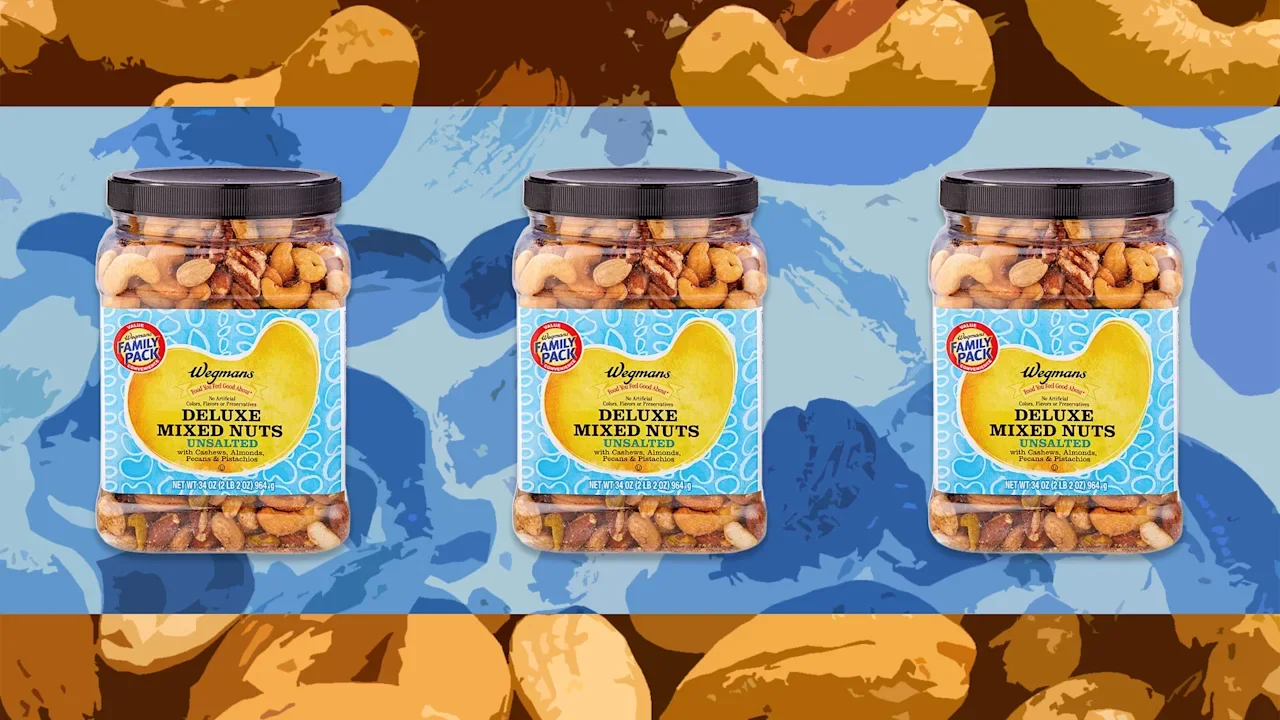
Mixed nuts are a common staple in many houses around the Christmas holidays. Their saltiness is a nice contrast to all the sweet festive treats that our kitchens fill up with at this time of year. But now the Food and Drug Administration (FDA) has warned that two mixed nut products have the potential to make you very sick. Here’s what you need to know. FDA announced mixed nuts recall On December 5, the Food and Drug Administration posted a notice announcing the recall of two mixed nuts products. The nuts were sold under the Wegmans brand. Wegmans is a popular chain of grocery stores in the eastern United States. The nuts were manufactured by Mellace Family Brands California, Inc. of Warren, Ohio, which initiated the voluntary recall. According to the notice, testing found that some raw pistachios used in the mixed nuts products had the possibility of being contaminated with Salmonella, a potentially deadly bacterium. Wegmans has also posted a recall notice for the products on its website. What mixed nuts products are being recalled? Two mixed nuts products are currently listed as being part of the recall, according to the notice posted on the FDA’s website. Those nut products are: Wegmans Deluxe Mixed Nuts Unsalted 34 oz (964 grams) packaged in a plastic tub UPC 077890421314 Lot code: 58041 BEST BY: JUL 28, 2026 Wegmans Deluxe Mixed Nuts Unsalted 11.5 oz (326 grams) packaged in a plastic bag UPC 077890421352 Lot code: 58171 BEST BY: AUG 10, 2026 Photographs of the recalled nuts’ packaging can be found here. When were the recalled nuts sold? The recalled nuts were sold between November 3 and December 1, 2025. Where were the recalled nuts sold? The recalled nuts were sold at Wegmans stores in the following locations: Connecticut Delaware Maryland Massachusetts North Carolina New Jersey New York Pennsylvania Virginia Washington, D.C. What is Salmonella? Salmonella is a bacterium that can cause severe and possibly life-threatening illness in people who consume contaminated products. In an otherwise healthy individual, Salmonella often causes abdominal pain, diarrhea, fever, nausea, and vomiting. However, individuals who are elderly, very young, frail, or have weakened immune systems can sometimes develop infections that are deadly. In rare cases, a Salmonella infection can cause arterial infections, arthritis, and endocarditis. Has anyone been harmed by the recalled nuts? As of the time of the FDA notice’s posting, no individuals are known to have been made sick in association with the recalled nuts. What should I do if I have the recalled nuts? Check your house to see if you have the recalled nuts. The nuts have long expiration dates, with one of the recalled products good until July 2026 and the other until August 2026. If you have the recalled products, you should return it to the service desk for a full refund. Complete information about the recall can be found in the notice posted on the FDA’s website here. View the full article
-
Strong international PPC strategy starts with precise control over location targeting, bidding, and conversion tracking so campaigns match how each market actually searches and buys. The post 13 Google Ads Settings To Check When Running International PPC Campaigns appeared first on Search Engine Journal. View the full article
-
Not every productivity method works for every person. That's why there are so many out there, and it's also why you need to spend time figuring out which ones might work for you, even if you have to alter or adapt them a little bit. When you're facing down an unusually big or overwhelming task, the traditional methods that you usually rely on may not be helpful. Why not try a one-two punch, combining two I like a lot to make it easier? The "one bite" techniqueFirst, let's try the one-bite technique. This takes a little pre-planning, but can help you out when a task feels daunting. Grab a piece of paper (or use a digital document) and write down your task. Let's say it's leading a quarterly meeting at work. Next, break it down into the smaller tasks that make it up, which could be coordinating the attendees, setting an agenda, making sure the tech and meeting space are order, and keeping track of what is said during the meeting. From there, keep breaking it all down. Coordinating attendees means not only sending out calendar invites, but determining who should get one and staying on top of the lists of who accepted and declined, as well as sending out or scheduling meeting reminders for everyone. Determining the agenda means checking in with presenters and managers on what they're able to present as well as simply writing down a list of topics to go over and allotting the right amount of time to each. Checking on the tech and meeting space mean coordinating with IT, renting the meeting room, checking that your digital meeting space subscription is paid up, and ensuring you'll have enough seats for all attendees. Keeping track of what is said involves designating a note-taker, making sure the AI transcription service is paid for and functioning, setting up a recording system, and creating a timeline and work flow to make sure minutes are distributed to necessary parties in a timely, efficient way when the meeting ends. Obviously, when you take on the responsibility of setting up a meeting, you know these are all the things you'll need to do, but if you look at the task as one big thing—"run the meeting"—instead of consciously breaking it down into smaller duties, you're more likely to get overwhelmed. This is true for everything, from planning a vacation to cleaning the house. Training yourself to break tasks down into smaller "bites" instead of just launching into work on the larger product will not only help you keep everything running smoothly, but will motivate you, too: As you see smaller tasks getting done, you'll feel accomplished and prepared to keep going. This is similar to the "one more" trick, which asks you to consider whether you can do "one more" thing every time you mark off a small accomplishment. I use "one more" when I'm cleaning now that I have consistently failed for years to follow a stricter cleaning schedule—and it works fabulously. Acquainting yourself with the various ways tasks can be broken down and approached can help you in your personal, professional, academic, and social lives. Below is another way you can do that if you're focusing on "bites" and need a touch of structure for your next steps. The "reverse Pomodoro" techniqueBreaking down the "bites" of your task isn't enough. You do have to actually complete the bites. When there's a lot to do, it can be hard to make yourself do it or know where to start. You have to start by determining the order in which you'll tackle your bites. There are a few easy ways to do this with the easiest being the ABCDE method (where you assign subjective grades to each duty quickly, then start working), and a more complex, but objective, option being the Eisenhower matrix. Pick one and just get it done because you have to get started on the bites. If you were using a traditional productivity technique, like the Pomodoro method, you'd start off by working for 25 minutes straight and then taking a five-minute break. That can be daunting, though. Frankly, 25 minutes is a lot of time when you're stressed, even if you've figured out a loose gameplan with one of the prioritization techniques above. Instead, try the "reverse Pomodoro" method, which is just like its namesake, except switched around. Instead of working for 25 minutes and getting a tiny break, you work for five, then get a big break. It might seem counterproductive since working for five minutes and relaxing for 20 or 25 means you have a lot of downtime, but it's helpful if you're truly having a hard time getting into the flow of working. People who've tried this method praise it for helping them take the anxiety out of working on a big project because even though there's a lot of chilling out, work is getting done in those five minutes. Eventually, once you have a few tasks completed, you'll be feeling better about the project overall. Don't be surprised if you suddenly feel like you can slog it out for longer than five minutes at a time and slowly move into a more traditional Pomodoro framework to finish up the task. To be honest with you, it's a bit of a mental trick and is similar to the "one more" rule mentioned above. Whenever I tell myself I'll just do one thing, then chill, I always end up doing much more just because I feel more accomplished after the first few minutes. If you have to bamboozle your brain a little, so be it. You can reap maximum benefits here by first breaking down your task into those small bites, then completing one bite per reverse-Pomodoro work slot. It's five minutes to email the meeting invitation, then a break. Five minutes to have IT check out the tech connections in the meeting room, then a break. Five minutes to draw up a schedule and pass it around, then a break. It's not cheating to focus on your downtime, especially if you're not being productive enough when you try to work for 25 minutes straight. In fact, breaks and downtime are essential to productivity overall. It's better to get something done than nothing and once you start racking up those somethings, you'll feel motivated to sprint to the finish line. View the full article
-
SMX Advanced – the premier conference for senior-level search marketers – returns to Boston June 3 to 5, 2026 at the Westin Boston Seaport. We want to bring the most advanced strategies in SEO, PPC, and AI to our community – and we need your help to make it happen. Search is changing faster than ever. SEOs are scrambling to master AI SEO, navigate a SERP now dominated by AI Overviews, and make sense of Google volatility and algorithm updates. For PPC advertisers, making smart, data-driven decisions is getting harder. And on top of that, you’re expected to adopt new AI tools while still applying the right human touch. SMX Advanced is looking for speakers who can offer real insight into these tough challenges. If you have high-level, proven strategies for today’s environment, now’s the time to submit your session idea. Even if you’ve never spoken at SMX – in person or online – we encourage you to pitch. We’re always looking for new speakers with diverse perspectives. The deadline for SMX Advanced pitches is Jan. 30. The sooner you submit, the better – spots fill up fast. Here are a few tips for submitting a strong session proposal: Make sure it is a truly advanced topic geared toward intermediate to advanced search marketing professionals. Present an original idea and/or unique session format. Include a case study or specific examples. Be realistic about what you can present in 20 minutes. Provide tangible takeaways and a plan of action. Include what an attendee will be able to do better as a result of attending your session. Read our guide to speaking at SMX for more details on how to submit a session idea. When you’re ready, create your profile and send us your session pitch. If you have questions, feel free to reach out to me at kathy.bushman@semrush.com. I’m looking forward to reading your proposals! View the full article
-
Evolution Capital Management must pay Robert Gagliardi $5.4mn plus interest after High Court judgment View the full article
-
Google is testing integrating Search Live (Gemini Live - voice search as you talk) in AI Mode. Plus, this version shows citation cards as part of the answer, as you are having a conversational search with AI Mode.View the full article
-
Five years ago, an algorithm decided whether your résumé ever reached a recruiter. Now, it might be the one asking you the questions. It can feel unsettling to imagine a machine assessing not just what you say, but how you say it: tone, cadence, word choice, even microexpressions. These patterns feed models that generate a “fit” score, determining whether you ever reach a human being. Agentic AI allows what appears to be a genuine two-way conversation, simulating a first-round interview more realistically than the one-way video prompts of the past. Companies are drawn to it for clear reasons: speed, consistency, and scale. But that efficiency comes with tradeoffs. Human interviewers rely on intuition, while AI systems are built on structure. They detect clarity, confidence, and organization, which are valuable traits, but they sometimes miss creativity, empathy, or cultural fit. The challenge for candidates is to make those traits visible within a digital format. How to adapt The good news is that with a little preparation, AI interviews can feel no more anxiety-inducing than the average first round interview. Here’s how to adapt: Get comfortable talking to machines. The best preparation is practice with AI itself. Many candidates stumble because the experience feels unnatural. Practice with AI tools like ChatGPT or Claude so you can get used to speaking without visual feedback. The goal is not to trick the system but to sound confident and conversational when responding to something that doesn’t nod, smile, or say “good question.” Match the language of the role. AI interviewers often compare your responses to the job description. Study it carefully and mirror the company’s phrasing and values, much like tailoring your resume to the applicant tracking system (ATS). Use measurable results to back up your claims. Structured storytelling, such as the STAR format (situation, task, action, result), performs especially well with AI models. Refine your delivery. AI evaluates cadence, pauses, and confidence, so training your delivery can improve your score as much as refining content. Slow down, maintain steady energy, and vary your tone. It’s tempting to read off a screen, but even algorithms can detect when speech sounds too rehearsed. Small variations in tone and inflection help you come across as natural. Control your environment. Lighting, background, and camera angle can affect facial recognition metrics. Choose a well-lit, neutral setting and look directly into the camera. Slightly modulate your energy and smile when appropriate. These small cues help the system read you as attentive and engaged. Use AI as your coach. The same technology interviewing you can help you prepare. Upload a job description into an AI assistant, simulate an interview, and request feedback on your clarity and delivery. Candidates who practice with AI tend to improve their confidence and pacing significantly. The future of hiring AI-led interviews are not replacing humans, but they are changing the hiring process. For companies, they create structure and scalability. For candidates, they can level the playing field if used thoughtfully. Don’t discount a company just because they use AI in the process. The best organizations combine human judgment with AI’s analytical precision. The future of hiring will rely on both. If your next interviewer happens to be an AI, treat it as a new kind of audience. Preparation, clarity, and authenticity are what stand out. The candidates who succeed will be those who can bridge both worlds, showing not only what they know, but who they are. View the full article

-
It was a heated weekend, the Google Search ranking volatility was pretty heated and there was a lot of chatter within the SEO industry. Not all the tools are showing big swings but many are. And everyone is asking, what happened with Google confirming core updates - is that over?View the full article
-
Business Insider posted a disclaimer about a new AI pilot where it will use "a custom GPT to help publish quick news stories." This custom GPT was trained on the style of how Business Insider journalists write and will all be edited by an editor at Business Insider.View the full article
-
New evidence shows how LLM interfaces convert publisher authority into in-answer influence rather than measurable traffic. The post Inside ChatGPT’s Confidential Report Visibility Metrics [Part 1] appeared first on Search Engine Journal. View the full article
-
Google is testing an animation, where an image asset slides into the sponsored results listing. So it turns a pure search text ad into a text ad with an image that slides in from the right side of the screen.View the full article
-
Microsoft is testing expanding the favicons in the Bing Search results interface when you hover your mouse cursor over the search result listing and/or ad.View the full article
-
The White House sees mass immigration as a bigger threat than Russia — and it is pressuring Europe to agreeView the full article
-
‘Explosive’ price gains show similarities with previous asset price bubbles, report saysView the full article
-
Hello and welcome to Modern CEO! I’m Stephanie Mehta, CEO and chief content officer of Mansueto Ventures. Each week this newsletter explores inclusive approaches to leadership drawn from conversations with executives and entrepreneurs, and from the pages of Inc. and Fast Company. If you received this newsletter from a friend, you can sign up to get it yourself every Monday morning. Baiju Shah is constantly bridging different worlds. His formative years were shaped by observing his mother, who trained as a commercial artist, and his father, who was an engineer. As global CEO of agency AKQA, he leads an organization that deploys creativity and technology on behalf of clients such as Nestlé, Nike, and Montblanc. And he teaches graduate students pursuing dual degrees in engineering and business administration at Northwestern University. Rather than seeing art and science as distinct specialties, Shah argues that companies and brands must take an interdisciplinary approach, especially in the age of artificial intelligence (AI). “Technology without craft is a path to efficient mediocrity,” he tells Modern CEO in his first extended interview since joining AKQA in July. Exploring the new frontier Shah believes marrying imagination and technology will not only yield better results but that the union is key to AKQA’s success. He’s positioning the business as a “frontier agency,” which helps clients develop new products and experiences through imagination and advanced AI applications. AKQA is hardly the only company promising to blend creativity and tech. Shah joined the agency from Accenture Song, which calls itself a “tech-powered creative business.” Nearly all large consultancies and advertising companies also boast agencies that sit at the intersection of digital and design. Shah’s effort to promote AKQA as a frontier agency comes amid consolidation and turmoil in the advertising world. Earlier this month, Omnicom said it would lay off 4,000 employees and shutter some agencies following its acquisition of rival Interpublic. This year, AKQA parent WPP shuttled creative agency Grey from AKQA to sister agency Ogilvy. As a result of the move, AKQA shrank from 5,500 employees in 2024 to about 2,400 today. AKQA doesn’t disclose its revenue; WPP last year reported revenue of £14.7 billion (about $18.6 billion)—roughly flat from a year earlier. Preparing for a new playing field The moves come as the industry grapples with how AI is changing the way advertising is made and distributed. Shah believes AKQA is well placed to leverage AI—to serve its clients and help WPP build new business models—rather than be disrupted by it. The agency recently launched Nestlé Goodness, an AI-powered service that acts like a personal chef and dietitian for families, helping them plan meals while balancing time, cost, and nutrition. AKQA has developed “generative stores” on Google’s AI platform that clients can use to create real-time personalized storefronts based on individual intent and preferences. And AKQA harnessed AI to build a cultural intelligence engine that uses dozens of AI agents and computer visioning to analyze millions of pieces of content globally, uncovering cultural signals in real time. AKQA is making the engine available for all the agencies in the WPP network to use. Early in his career, Shah personally witnessed the importance of wedding creativity with technology. While working as a manager at Accenture Labs in the early 2000s, he and a team of developers used advanced analytics to design a system that predicted oil rig failures with extraordinary precision. The technology was superior to existing solutions, but the client’s engineers rejected it. “Technology by itself, while it’s the most powerful force out there, is incomplete to actually drive innovation and drive change,” Shah says. Accenture Labs supplemented the technical work with a strategist and designers who could build empathy with the users. He says: “That was the only way we could drive the innovation forward. For me that was an unlock.” The experience prompted him to get an MBA from Northwestern, where he’s now an adjunct professor in a program that awards students with a master’s in design innovation and an MBA. And while his students are opting into the kind of multidisciplinary degree that feels future-proofed, Shah believes that they’ll need to be open to a variety of professional experiences. “The future is not going to be defined by rigid job titles,” he says. He encourages students to think of careers as a series of steps, each lasting three years—time enough to really dig in, learn something deeply, and make a meaningful contribution. He also urges adaptability, noting that the teams of the future will likely feature a mix of creatives, technologists, and systems thinkers, and some of them may be AI agents instead of humans. But Shah maintains that human creativity is what will help AI bloom into something more potent than a tool for efficiency. “With every wave of technology, the instinct is always to automate what exists,” he says. “I believe that the brands that grow are not the ones that are just automating yesterday’s thinking. They’re the ones that imagine and are creating what matters next.” World changing ideas Is your company or team developing creative or innovative solutions to pressing challenges? Consider applying for Fast Company’s annual World Changing Ideas Awards, which recognizes groundbreaking concepts and projects across industries and company sizes. The final deadline is December 12. Read more: future-focused brands Accenture says elevating creatives gave it a competitive edge 121 Brands That Matter in 2025 Six strategies that turn brands into cultural forces View the full article

-
If you’ve ever dreamed of sitting behind the wheel of a giant hot dog, then you’re in luck. Oscar Mayer’s Wienermobile is in need of Gen Z drivers known as “Hotdoggers,” as the company opens its applications. The iconic vehicle is about to roll into its 90th year. The job is truly unique and, if you’re a hot dog enthusiast with a keen sense of adventure, could be an absolute thrill, especially if you’re looking to avoid a nine-to-five desk job and love to travel. The Hotdogger Program has been around since 1988 and according to Oscar Mayer is likely to be a fit for recent college graduates who are hoping to make a “positive impact” on the communities the Wienerdog cruises through. Molle Twing, a former Hotdogger who now runs the program, tells Fast Company that what sets the job apart from mainstream gigs is “just how unexpected it is.” Twing says, “Instead of easing into the workforce behind a desk, an exclusive group of passionate people get to kick off their career, sparking smiles across the country while driving a 27-foot-long hot dog on wheels.” Basically, it’s the perfect antidote to the modern hustle and bustle. It’s freedom in hot dog form. That might be especially true because, according to Twing, the role also ensures that all-important work-life balance that Gen Z values more than just about anything. “While Hotdoggers are on the move throughout their one-year assignment, the role offers structure and time to recharge with friends and family,” Twing explains. Not only do employees receive regular days off each week, as well as a “competitive vacation package,” Twing says that there are all kinds of incentives Hotdoggers take part in, like a “spontaneous hot air balloon ride to discovering historical monuments” and so much more. Twing adds, “each market offers something new and exciting for the Hotdoggers and the opportunity to recharge before the next event.” Being a Hotdogger might sound like a quirky gig, but frankly, it’s actually a relished profession for recent college graduates with lots of personality who don’t mind having their 15-minutes of fame. The Wienermobile is an iconic vehicle and its Hotdoggers are sought after, too. As the face of the brand, they make TV appearances, are popular online, and are cheered for wherever they go. They’ve even officiated weddings because, well, nothing says “forever” like a good old glizzy. Interested applicants should check out the posting on the Kraft Heinz Career Page to apply, and hurry, as thousands of applications are expected and only 12 talented Hotdoggers will be chosen for 2026. View the full article

-
Crafting compelling social media copy isn’t just about being creative; it requires a strategic approach. You’ll need to understand your audience’s demographics and their specific pain points to create targeted content that resonates. By employing attention-grabbing hooks and clearly highlighting the value of your message, you can effectively engage users. Yet, there’s more to reflect upon. What other factors can enhance your social media presence? Key Takeaways Understand your audience by segmenting demographics and addressing their pain points to enhance engagement and connection. Craft attention-grabbing hooks with provocative questions and strong adjectives to evoke emotions and capture interest. Clearly highlight the value proposition, focusing on audience benefits and creating urgency with limited-time offers. Foster authenticity by sharing personal stories and engaging in two-way communication to build trust and loyalty. Regularly analyze performance metrics and adjust strategies based on audience insights and current trends to ensure relevance. Understand Your Audience Comprehending your audience is vital for crafting effective social media copy, as it enables you to create targeted messages that resonate with their specific needs. Start by segmenting your audience based on demographics, interests, and pain points, which will help you tailor your social media copywriting. Research shows that addressing these pain points can greatly boost engagement and connection. Creating empathy maps is a useful method to identify your ideal customer’s needs and motivations, leading to more relatable content. Regularly analyzing user behavior guarantees your messaging remains relevant, adapting to shifts in interests over time. Moreover, engaging with audience feedback provides valuable insights, allowing you to refine your social media copy and make it more impactful and responsive to their needs. Craft Attention-Grabbing Hooks To craft attention-grabbing hooks, start with a provocative question that makes your audience think or a bold statement that captures their interest right away. Using strong adjectives and intriguing scenarios can evoke curiosity, driving engagement and shares. Start With a Question How can you make your social media posts more engaging? Starting with a question can greatly boost engagement rates—by up to 100%. Open-ended questions invite readers to think and respond, encouraging conversation. Relating questions to your audience’s experiences or pain points creates emotional connections, increasing shares. Type of Question Example Purpose Open-ended What are your thoughts on this? Encourages dialogue Personal experience Have you ever faced this challenge? Builds connection Provocative What if you could change one thing? Sparks curiosity Hypothetical What would you do in this situation? Promotes engagement Reflective How has this impacted your life? Deepens conversation Use these strategies to improve your social media engagement effectively. Use Strong Adjectives Incorporating strong adjectives into your social media posts can greatly boost their effectiveness. These influential words evoke emotions and create vivid imagery, making your hooks memorable and engaging. Research shows that posts with descriptive language can increase engagement rates by up to 40%. To improve your content, use sensory adjectives that appeal to sight, sound, taste, touch, and smell, providing a more immersive experience for your audience. Moreover, action-oriented adjectives like “limited,” “exclusive,” or “essential” can compel readers to act. Don’t forget to experiment with varying degrees of intensity—try “incredible” versus “amazing”—to determine which resonate best with your audience, eventually driving higher engagement and interest in your posts. Create Intriguing Scenarios Crafting attention-grabbing hooks is essential for attracting your audience’s interest on social media, especially when you present relatable scenarios that resonate with their everyday experiences. Start with a thought-provoking question, like, “Have you ever felt overwhelmed by deadlines?” This can evoke curiosity and increase engagement. Utilize storytelling by showcasing a common problem, making your audience enthusiastic for solutions. Hook Type Example Thought-Provoking “What if you could save 10 hours a week?” Surprising Fact “Did you know 80% of people feel stressed?” Urgent Scenario “Only 24 hours left to join our challenge!” Incorporating these elements not only improves credibility but also encourages quicker interactions. Highlight the Value Highlighting the value of your products or services is essential for effective social media copy, as it directly addresses the needs and desires of your audience. Clearly communicate your value proposition by showcasing how your offerings solve specific problems or improve their lives. Use persuasive language that highlights the positive impacts, and include relevant testimonials or data to build credibility. Frame your messages around the audience’s perspective, answering the “What’s in it for me?” question. Create urgency by promoting limited-time offers or exclusive benefits, encouraging immediate action. Finally, quantify value through statistics or case studies that illustrate the transformations customers can expect, reinforcing trust and authenticity in your messaging, ultimately boosting engagement and purchase intent. Foster Authenticity Nurturing authenticity in your social media copy is vital for building strong connections with your audience. When you’re transparent and relatable, you cultivate trust, which is significant for brand loyalty. Consider these strategies to improve authenticity: Share personal stories: Behind-the-scenes content helps humanize your brand, making it relatable. Engage in two-way communication: Responding to comments shows you value your audience’s input, strengthening community connection. Demonstrate vulnerability: Sharing challenges alongside successes makes your brand more relatable, as many consumers prefer brands that are real. Integrate Engaging Visuals Effective social media copy isn’t just about the words; integrating engaging visuals is vital for maximizing your reach and impact. Incorporating visuals can boost engagement by up to 650% compared to text-only posts. High-quality images and videos that reflect your brand improve your message and attract more clicks, shares, and comments. Infographics convey complex information quickly, increasing audience retention by 70%. Always optimize visuals for each platform’s requirements to guarantee clarity. Utilize tools like Canva to create eye-catching graphics that complement your copy. Visual Type Benefits High-Quality Images Attracts more engagement Videos Increases shares and comments Infographics Improves information retention Optimized Graphics Guarantees clarity across platforms Canva Tools Simplifies graphic creation Use Clear Calls to Action When you’re crafting social media posts, using clear calls to action (CTAs) is essential since they guide users on their next steps and boost engagement. Effective CTAs improve conversion rates by directing users to desired actions. Here are some tips to implement clear CTAs: Use action-oriented language: Phrases like “Download Now” or “Join Us Today” create urgency. Design for visibility: Use contrasting colors and prominent placement to make CTAs stand out in your posts. Incorporate limited-time offers: Exclusive deals can compel users to act quickly to avoid missing out. Analyze and Adapt Your Strategy Evaluating and refining your social media strategy is crucial for ongoing success. Regularly review performance metrics, like engagement rates and conversion statistics, to assess your copy’s effectiveness and pinpoint areas needing improvement. A/B testing different copy variations helps you discover which messages resonate best with your audience, allowing you to optimize your content accordingly. Furthermore, analyze competitor performance to benchmark your strategies against industry standards, revealing new opportunities to improve your presence. Use analytics tools to track audience behavior and engagement patterns, making data-driven adjustments to align with evolving preferences. Continuously refine your copywriting by experimenting with various formats, tones, and styles based on audience feedback and performance analysis, ensuring your content remains relevant and effective. Frequently Asked Questions What Is a Key Element of Crafting Compelling Social Media Copy? A key element of crafting compelling social media copy is starting with an engaging hook. This initial phrase grabs attention and encourages users to read further. You should likewise include clear calls to action, guiding followers toward specific actions. Furthermore, tailor your content to each platform’s audience and character limits for better clarity. Highlighting the value and benefits of what you’re offering resonates more with users, enhancing overall engagement and effectiveness. What Is the 5 5 5 Rule on Social Media? The 5-5-5 rule on social media suggests that your posts should have no more than five words in the headline, five lines of text, and five hashtags. This approach caters to users’ short attention spans, making your content more digestible and engaging. Research shows that concise messaging often leads to higher interaction rates. What Are the 7 C’s of Social Media? The 7 C’s of social media are crucial for effective communication. They include Clear, which guarantees your message is easily understood; Concise, emphasizing brevity; Compelling, capturing attention and driving action; Credible, building trust with accurate information; Consistent, maintaining a recognizable brand voice; Conversational, engaging your audience in dialogue; and Customer-focused, prioritizing the needs and interests of your audience. Utilizing these principles can improve your social media strategy and elevate audience engagement considerably. What Is the 50/30/20 Rule for Social Media? The 50/30/20 rule for social media content suggests you allocate your posts into three categories: 50% should engage and entertain your audience, 30% must provide valuable information or education, and 20% can be promotional. This strategy helps you create a balanced content mix, preventing overwhelming followers with constant promotions. Conclusion In conclusion, crafting compelling social media copy involves comprehending your audience, using attention-grabbing hooks, and highlighting the value of your message. Cultivate authenticity by sharing personal stories and integrating engaging visuals to improve your content. Incorporate clear calls to action to guide your audience and regularly analyze performance metrics to refine your approach. By adapting your strategy to current trends, you can create relevant and effective social media content that resonates and engages your audience effectively. Image via Google Gemini This article, "7 Essential Tips for Crafting Compelling Social Media Copy" was first published on Small Business Trends View the full article
-
Crafting compelling social media copy isn’t just about being creative; it requires a strategic approach. You’ll need to understand your audience’s demographics and their specific pain points to create targeted content that resonates. By employing attention-grabbing hooks and clearly highlighting the value of your message, you can effectively engage users. Yet, there’s more to reflect upon. What other factors can enhance your social media presence? Key Takeaways Understand your audience by segmenting demographics and addressing their pain points to enhance engagement and connection. Craft attention-grabbing hooks with provocative questions and strong adjectives to evoke emotions and capture interest. Clearly highlight the value proposition, focusing on audience benefits and creating urgency with limited-time offers. Foster authenticity by sharing personal stories and engaging in two-way communication to build trust and loyalty. Regularly analyze performance metrics and adjust strategies based on audience insights and current trends to ensure relevance. Understand Your Audience Comprehending your audience is vital for crafting effective social media copy, as it enables you to create targeted messages that resonate with their specific needs. Start by segmenting your audience based on demographics, interests, and pain points, which will help you tailor your social media copywriting. Research shows that addressing these pain points can greatly boost engagement and connection. Creating empathy maps is a useful method to identify your ideal customer’s needs and motivations, leading to more relatable content. Regularly analyzing user behavior guarantees your messaging remains relevant, adapting to shifts in interests over time. Moreover, engaging with audience feedback provides valuable insights, allowing you to refine your social media copy and make it more impactful and responsive to their needs. Craft Attention-Grabbing Hooks To craft attention-grabbing hooks, start with a provocative question that makes your audience think or a bold statement that captures their interest right away. Using strong adjectives and intriguing scenarios can evoke curiosity, driving engagement and shares. Start With a Question How can you make your social media posts more engaging? Starting with a question can greatly boost engagement rates—by up to 100%. Open-ended questions invite readers to think and respond, encouraging conversation. Relating questions to your audience’s experiences or pain points creates emotional connections, increasing shares. Type of Question Example Purpose Open-ended What are your thoughts on this? Encourages dialogue Personal experience Have you ever faced this challenge? Builds connection Provocative What if you could change one thing? Sparks curiosity Hypothetical What would you do in this situation? Promotes engagement Reflective How has this impacted your life? Deepens conversation Use these strategies to improve your social media engagement effectively. Use Strong Adjectives Incorporating strong adjectives into your social media posts can greatly boost their effectiveness. These influential words evoke emotions and create vivid imagery, making your hooks memorable and engaging. Research shows that posts with descriptive language can increase engagement rates by up to 40%. To improve your content, use sensory adjectives that appeal to sight, sound, taste, touch, and smell, providing a more immersive experience for your audience. Moreover, action-oriented adjectives like “limited,” “exclusive,” or “essential” can compel readers to act. Don’t forget to experiment with varying degrees of intensity—try “incredible” versus “amazing”—to determine which resonate best with your audience, eventually driving higher engagement and interest in your posts. Create Intriguing Scenarios Crafting attention-grabbing hooks is essential for attracting your audience’s interest on social media, especially when you present relatable scenarios that resonate with their everyday experiences. Start with a thought-provoking question, like, “Have you ever felt overwhelmed by deadlines?” This can evoke curiosity and increase engagement. Utilize storytelling by showcasing a common problem, making your audience enthusiastic for solutions. Hook Type Example Thought-Provoking “What if you could save 10 hours a week?” Surprising Fact “Did you know 80% of people feel stressed?” Urgent Scenario “Only 24 hours left to join our challenge!” Incorporating these elements not only improves credibility but also encourages quicker interactions. Highlight the Value Highlighting the value of your products or services is essential for effective social media copy, as it directly addresses the needs and desires of your audience. Clearly communicate your value proposition by showcasing how your offerings solve specific problems or improve their lives. Use persuasive language that highlights the positive impacts, and include relevant testimonials or data to build credibility. Frame your messages around the audience’s perspective, answering the “What’s in it for me?” question. Create urgency by promoting limited-time offers or exclusive benefits, encouraging immediate action. Finally, quantify value through statistics or case studies that illustrate the transformations customers can expect, reinforcing trust and authenticity in your messaging, ultimately boosting engagement and purchase intent. Foster Authenticity Nurturing authenticity in your social media copy is vital for building strong connections with your audience. When you’re transparent and relatable, you cultivate trust, which is significant for brand loyalty. Consider these strategies to improve authenticity: Share personal stories: Behind-the-scenes content helps humanize your brand, making it relatable. Engage in two-way communication: Responding to comments shows you value your audience’s input, strengthening community connection. Demonstrate vulnerability: Sharing challenges alongside successes makes your brand more relatable, as many consumers prefer brands that are real. Integrate Engaging Visuals Effective social media copy isn’t just about the words; integrating engaging visuals is vital for maximizing your reach and impact. Incorporating visuals can boost engagement by up to 650% compared to text-only posts. High-quality images and videos that reflect your brand improve your message and attract more clicks, shares, and comments. Infographics convey complex information quickly, increasing audience retention by 70%. Always optimize visuals for each platform’s requirements to guarantee clarity. Utilize tools like Canva to create eye-catching graphics that complement your copy. Visual Type Benefits High-Quality Images Attracts more engagement Videos Increases shares and comments Infographics Improves information retention Optimized Graphics Guarantees clarity across platforms Canva Tools Simplifies graphic creation Use Clear Calls to Action When you’re crafting social media posts, using clear calls to action (CTAs) is essential since they guide users on their next steps and boost engagement. Effective CTAs improve conversion rates by directing users to desired actions. Here are some tips to implement clear CTAs: Use action-oriented language: Phrases like “Download Now” or “Join Us Today” create urgency. Design for visibility: Use contrasting colors and prominent placement to make CTAs stand out in your posts. Incorporate limited-time offers: Exclusive deals can compel users to act quickly to avoid missing out. Analyze and Adapt Your Strategy Evaluating and refining your social media strategy is crucial for ongoing success. Regularly review performance metrics, like engagement rates and conversion statistics, to assess your copy’s effectiveness and pinpoint areas needing improvement. A/B testing different copy variations helps you discover which messages resonate best with your audience, allowing you to optimize your content accordingly. Furthermore, analyze competitor performance to benchmark your strategies against industry standards, revealing new opportunities to improve your presence. Use analytics tools to track audience behavior and engagement patterns, making data-driven adjustments to align with evolving preferences. Continuously refine your copywriting by experimenting with various formats, tones, and styles based on audience feedback and performance analysis, ensuring your content remains relevant and effective. Frequently Asked Questions What Is a Key Element of Crafting Compelling Social Media Copy? A key element of crafting compelling social media copy is starting with an engaging hook. This initial phrase grabs attention and encourages users to read further. You should likewise include clear calls to action, guiding followers toward specific actions. Furthermore, tailor your content to each platform’s audience and character limits for better clarity. Highlighting the value and benefits of what you’re offering resonates more with users, enhancing overall engagement and effectiveness. What Is the 5 5 5 Rule on Social Media? The 5-5-5 rule on social media suggests that your posts should have no more than five words in the headline, five lines of text, and five hashtags. This approach caters to users’ short attention spans, making your content more digestible and engaging. Research shows that concise messaging often leads to higher interaction rates. What Are the 7 C’s of Social Media? The 7 C’s of social media are crucial for effective communication. They include Clear, which guarantees your message is easily understood; Concise, emphasizing brevity; Compelling, capturing attention and driving action; Credible, building trust with accurate information; Consistent, maintaining a recognizable brand voice; Conversational, engaging your audience in dialogue; and Customer-focused, prioritizing the needs and interests of your audience. Utilizing these principles can improve your social media strategy and elevate audience engagement considerably. What Is the 50/30/20 Rule for Social Media? The 50/30/20 rule for social media content suggests you allocate your posts into three categories: 50% should engage and entertain your audience, 30% must provide valuable information or education, and 20% can be promotional. This strategy helps you create a balanced content mix, preventing overwhelming followers with constant promotions. Conclusion In conclusion, crafting compelling social media copy involves comprehending your audience, using attention-grabbing hooks, and highlighting the value of your message. Cultivate authenticity by sharing personal stories and integrating engaging visuals to improve your content. Incorporate clear calls to action to guide your audience and regularly analyze performance metrics to refine your approach. By adapting your strategy to current trends, you can create relevant and effective social media content that resonates and engages your audience effectively. Image via Google Gemini This article, "7 Essential Tips for Crafting Compelling Social Media Copy" was first published on Small Business Trends View the full article
-
Warren Buffett announces leadership shake-up at conglomerateView the full article
-
Google CEO Sundar Pichai explained why understanding AI starts with seeing the bigger picture around it. The post Google CEO Sundar Pichai Says Information Ecosystem Is Richer Than AI appeared first on Search Engine Journal. View the full article
-
New company from star partner at Bernstein Litowitz poaches nearly all of corporate governance practiceView the full article
-
The class action suit doubles down on accusations that the homebuilder and its lending arm are deceiving borrowers about their monthly mortgage payments. View the full article

-
In Apple’s new holiday ad, “A Critter Carol,” a group of woodland puppets frolic in a wintery forest to a wildlife-themed parody of the Flight of the Conchords’s song Friends. Every element, from the puppets to the set and even the ad’s typography, was rendered using practical effects. The ad was directed by TBWA\Media Arts Lab (MAL)—a bespoke global agency that partners only with Apple—and shot on an iPhone 17 Pro. It appears to be building on a larger marketing theme for Apple. Just this November, MAL worked with the company to create a new visual identity for Apple TV using real glass props and colorful lighting. This kind of work stands out in a marketing landscape that’s become saturated with CGI and AI-generated content. Coca-Cola, for example, has now released not one but two AI-generated holiday ads, both of which have been met with considerable backlash. As consumers are inundated with AI slop across their social media feeds, it’s becoming less and less common to encounter an ad that makes anyone stop and think, Huh—I wonder how they made that? Apple’s “A Critter Carol” signals that a new marker of quality in marketing will be the ability to show real evidence of the creative work that made it possible—not just the final product. A Tactile Process For MAL, creating “A Critter Carol” was a tactile process from beginning to end. It started with conceptualizing the cast of raccoons, foxes, birds, bears, moles, rats, and others who populate the ad’s fantastical forest. Every animal on camera was designed and built by a dedicated team of artists. Each puppet needed to be both expressive enough for emotional close-ups and durable enough for manipulation by multiple puppeteers behind the scenes. That meant an intense focus on every possible detail. The puppets were constructed using a combination of internal armatures, foam bodies, synthetic furs, hand-painted surfaces, and carefully crafted glass or resin eyes. Internal mechanisms were added to give each character its unique personality. Before the shoot, a puppet stylist was on hand to tweak body shapes, fur, coloring, and allover shading to give the animals a “lived-in” look. The final result is a ragtag crew of friendly faces who look like they’ve lived in the forest all their lives. On top of handcrafting the puppets, MAL also made the forest setting using practical effects almost exclusively. The team created a tactile, miniature woodland world 3 feet off the ground that the puppeteers could physically inhabit beneath the set. Handmade trees, snow, and ground textures were built at a scale, allowing the puppets to interact naturally with their environment, while the set was configured in layers to help puppeteers navigate through it while remaining hidden. In the end, digital effects were used only to remove the puppeteers when the shot couldn’t conceal them, and to extend some backgrounds. As a final detail, even the typography that appears on-screen at the end of the ad was created by hand specifically for this project. It’s called SF Wood, and it’s a mishmash of various sizes and weights of Apple’s official font, SF Pro. The name SF Wood comes from the fact that this font was hand-printed using custom woodcuts, then scanned and touched up in post. Irregularities in the ink density and wood texture are preserved in the finished version. The entire ad is an ode to what’s possible when artists commit their time and energy to a single project. It hits all the right emotional notes of the season—not because it’s purposefully tugging on viewers’ heartstrings, but because it feels so deeply human. Why practical effects might get an AI-induced comeback For ad agencies and film studios, there’s no doubt that generative AI tools are poised to become integral elements of the creative process. But it’s possible that these shifts may also make practical effects more sought-after among viewers experiencing digital effect fatigue. Aside from Apple’s recent ads, other projects have also brought practical effects back into popular consciousness. In James Gunn’s Superman film released over the summer, the ice fortress was painstakingly built using real props rather than CGI. And the highly acclaimed 2024 film The Substance relied almost entirely on practical effects despite its surrealist concept. As AI begins to make polished final products more easily attainable, it stands to reason that the gritty, hands-on, behind-the-scenes details of creation will become more valuable to viewers. Apple seems, at least on some level, to understand that growing interest in process. Alongside “A Critter Carol,” it also published a behind-the-scenes video that allows viewers to watch the puppeteers gearing up, production designers arranging the set, and actors cracking up onstage. “Puppeteers dressed like blueberries. Individually placed whiskers. An entire forest built 3 feet off the ground. And so much more,” the video’s caption reads. “Take a look behind the scenes of our new holiday film to see how we handcrafted a cast of woodland puppets and brought them to life on iPhone 17 Pro.” There are plenty of downsides to AI’s encroachment on the creative sphere, but one positive might just be that the value of the human touch becomes more clear—and for advertisers, the behind-the-scenes process becomes part of the spectacle. View the full article

-
At first glance, Clove’s collaboration strategy may seem a little wacky. Why, you might ask, is a startup that makes sneakers for healthcare workers partnering with Land O’Lakes butter, Levain cookies, and Olipop prebiotic sodas? It’s a good question, but there’s method to the madness. Clove’s team members spend their days studying the lives of doctors and nurses, and they’ve discovered that food is a rare source of pleasure and joy in a very stressful workplace. “I watch nurses get ready with me videos as a form of ethnographic research,” says Jordyn Amoroso, Clove’s co-founder and chief brand officer. “You see nurses pack their lunches with a baked good, or a healthy soda, because it might be the only happy moment in a difficult shift.” Clove’s partnerships offer a fascinating glimpse into the wild world of food collabs that have exploded over the last three years. They’ve ranged from blockbusters like Rhode makeup’s partnership with Krispy Kreme to the absurd, like Arby’s collaboration with Old Spice. Still, brands say that smart food collaborations are now an important tool to standing out in the increasingly competitive grocery aisle and becoming lifestyle brands. Tapping into collaborations is a radical move for a company in healthcare—an industry that isn’t known for being fashion-forward or trendy—helping it stand out from more established players like Nurse Mates and Alegria. Earlier this year, Clove dropped a butter-yellow sneaker in partnership with Land O’Lakes in a collaboration that went viral in the healthcare community, with more than 100 million impressions and thousands of butter-colored sneaker sold. And today, Clove is dropping a new collab with Olipop for socks that are emblazoned with the soda’s iconic fruit symbols. A Fashionable Healthcare Brand Joe Ammon founded Clove as a love letter to his wife, a nurse who spent 12-hour shifts in the ugly, uncomfortable shoes. Healthcare workers are required to wear special shoes that are slip-resistant and waterproof because they’re exposed to bodily fluids; many hospitals also have a dress code requiring them to be black or white. Ammon felt that nursing shoe companies weren’t putting much care into how shoes looked or felt. In 2019, he launched Clove with a line of shoes that met all the functional requirements, but also had a much cushier insole and also looked more like a cool sneaker. The concept was a hit: The brand has now sold more than a million pairs. Amoroso believes that Clove’s success comes, in part, by tuning into the worlds of doctors and nurses. For instance, the brand’s name does not refer to the spice, but is rather a play on medical lingo: Doctors use a line over the letter “c” as a shorthand for the word “with” so the brand’s name means “with love.” Each pair of shoes comes with a pen that says “for borrowing only,” since people notoriously steal nurse’s pens. As Amoroso has spent time with healthcare workers, she’s seen that they care just as much about fashion and trends as other people, but the industry doesn’t treat them like other consumers. On social media, she’s seen nurses and doctors get excited about say, Rhode’s partnership with Krispy Kreme donuts or Studs’ partnership with Van Leeuwan ice cream. “Food collabs are everywhere now, and some are really cool,” she says. “Why shouldn’t healthcare workers get things that are fun and trendy? The industry seems to assume they are content with boring products.” Clove’s first big food collab launched in September, when it partnered with Land O’ Lakes butter to launch a butter themed sneaker. Earlier in the year, another butter brand, Kerrygold, had gone viral on TikTok after it had taken influencers to Ireland, where they created swoony-worthy content of landscapes and food. Land O’ Lakes and Clove attempted to create an equally fun moment by delivering influencers enormous yellow boxes that looked like sticks of butter, filled with everything from butter hair clips and tote bags, to butter yellow sneakers and socks, and cooler bags filled with butter. In some cases, they sent a butter butler to nurse’s homes to deliver sneakers on a silver tray. The collab was a success, generating upwards of 100 million impressions, and selling thousands of butter yellow sneakers. Another collab with Levain came out of an insight that cookies were often a go-to treat after a long shift. “In a 12-hour shift, a nurse has seen people be born and die,” says Paula Belatti, Clove’s co-founder and COO. “Sharing a cookie with a co-worker is a brief moment of self-care.” Clove partnered with Levain bakeries near hospitals in Boston and Philadelphia to give healthcare workers coffee, cookies, and compression socks when they left their shift. And today, just in time for the holiday season, Clove is launching its next big food partnership with Olipop, a brand that is well known for its viral marketing, from creating immersive hotel rooms inspired by its flavors to collaborating with a swimwear brand Kulani Kinis on soda-inspired bikinis. Clove customers will be able to buy a set of three socks for $40 that feature fruit icons. “They’re very nostalgic,” says Amoroso. “They’re inspired by ‘day-of-the-week’ underwear and socks millennials had when we were growing up in the 90s.” Why Are Food Brands Obsessed with Collabs Over the past three years, food brands have gone all in on collabs. Some have made sense, like when olive oil brand Graza partnered with Areaware to launch a ‘drizzle and drip’ serving set, or when the buzzy food brands Fishwife and Fly By Jing created cans of spicy smoked salmon. Others created buzz and cute products, like when Studs created ice-cream inspired earring charms with Van Leeuwen. Steven Vigilante, Olipop’s director of strategic partnerships, says that collaborations have been a feature of the fashion industry for more than 15 years, when brands realized they had a powerful opportunity to tap into each others’ audiences, especially as the cost of marketing on social media has gone up. But over the past five years, as the food industry has been flooded with new players, brands have needed to get more creative. “It’s not enough to focus on the food itself,” Vigilante says. “We want to become a lifestyle brand. Collaborations allow us to partner with likeminded brands to create an emotional connection with customers, so they choose us over the competition.” But as food collabs became commonplace, some brands have needed get more bizarre and extreme in order to get any media attention. There was the time when luxury brands like Balenciaga partnered with Lay’s on a clutch that looked like a bag of chips or Kate Spade partnered with Heinz on ketchup themed accessories. Crocs created a clog that looked like a KFC bucket that came with an accessory that smelled like fried chicken. Arby’s created an deodorant with Old Spice supposedly designed tackle the sweats diners get after a meat-heavy meal. E.l.f. cosmetics dropped an eyeshadow palette inspired by Chipotle ingredients. “In some cases, the partnerships don’t seem to make any sense,” Vigilante says. “They’re just kind of a cash grab, and it might put off the customer.” Brands appear to be pulling back from the more absurd collabs, and focusing instead on partnerships that are authentic and logical. Olipop for instance, positions itself as a better-for-you soda, with low sugar and prebiotics, and it has been working to make inroads with hospitals. “Hospital kitchens and cafeteria offer regular soda, which doctors actively dissuade patients from drinking,” says Vigilante. “We’re offering a healthier alternative.” Land O’Lakes, for its part, tends to attract older customers who have been using the product for years, but the brand has been trying to win over younger consumers. The Clove partnership made sense because the brand skews younger, and butter-colored products were having a viral moment on social media. “This collab was an opportunity to put ourselves in front of a new generation, and tell a story about how we’re not just their grandmother’s butter,” says Catherine Fox, Land O’Lakes’ VP of central marketing. Clove and Olipop both have a pipeline of other collabs in the works for 2026, and they believe partnerships are a valuable tool in the arsenal for building a modern brand. “Collaborations don’t need to be surprising or outlandish to work,” says Vigilante. “It’s about giving your customers something fun to look forward to and telling a story about what your brand stands for.” View the full article