ResidentialBusiness
Administrators
-
Joined
-
Last visited
Everything posted by ResidentialBusiness
-
 Leaving EU ‘badly damaged our economy’, says deputy prime ministerView the full article
 -
Breaking news: Cloudflare is experiencing another major service disruption, causing widespread 5xx errors and connectivity issues for websites and services globally. The post Cloudflare Outage Returns, Triggering Fresh Wave Of 5xx Errors appeared first on Search Engine Journal. View the full article
-
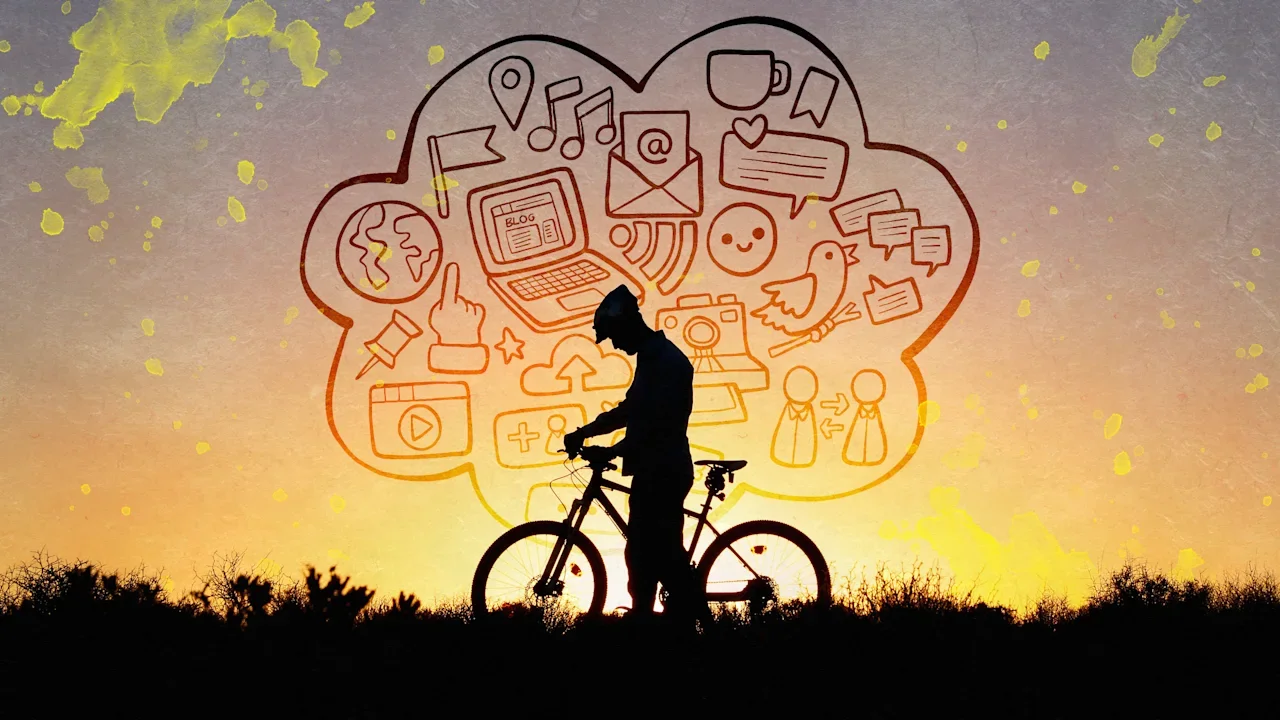
When I was cycling across the country on my bike, I spent anywhere from six to nine hours a day in the saddle—for almost three solid months. It made a lot of people wonder: What did you listen to all day long? “Was it mostly music, or more like audiobooks, podcasts?” asked a friend of mine when we went for a drink at a bar after I got back home. “What was on your playlist?” “Nothing,” I said. She frowned slightly, as if she’d misheard me. “What do you mean, ‘nothing?’” “I mean, nothing. I don’t listen to anything when I ride,” I replied. “I don’t even wear earbuds.” You could see the wheels of her mind grind to a standstill. “What the hell. You . . . you just ride along in . . . in what? In total silence?” “More or less,” I said, laughing. “Allll dayyy longgg??” “Yeah.” She was gobsmacked. “I would go completely out of my mind.” And my friend wasn’t alone in her astonishment. Nearly everyone, upon learning that I’d rawdogged a 4,150-mile cross-country cycling trip, looked utterly dumbstruck—bereft, almost. I began to realize that while most people think it’s pretty daunting to cycle the entire U.S.A., they can vaguely imagine what it would be like as a physical challenge: Daunting, sure, but you just put your butt in the saddle and keep going, and you’ll get there. They don’t want to do that epic, exhausting ride, but they can comprehend it. But the idea of avoiding all media, all day long? They have no mental equipment to imagine that. It completely breaks their model of how the world works. Except here’s the thing: It’s kind of awesome. Silence is golden Now the thing is, I am not some sort of anti-technology, anti-screens guy. I don’t avoid media on principle, like one of our modern wild-eyed destroy-your-phone desert prophets. Quite the opposite. Even when I’m on a road cycling trip, I use my phone a ton—to navigate, to check the weather (tornado alert apps are particularly useful in Kansas, let me tell you), or just to dork around on social media. But during the act of cycling itself? Silence, it turns out, is golden. Part of why I don’t wear earbuds while riding is safety. I’m often riding along smaller county roads with SUVs and 16-wheelers hooshing past, barely a few feet away. I want to sense when they’re coming up behind me. I want to be able to hear the dopplering thrum of an approaching engine. I once tried some earbuds that let the outside sound bleed through, which kind of worked. Still, I worried I might get too absorbed in the music, and stop being vigilant about the traffic. So I ditched them. But I found that I didn’t miss it. It turns out that, when I turn off media for seven hours on end, my cycling brain goes to some really interesting places. One of the things about cycling is that your mind is simultaneously busy and free. Cycling requires you to make a lot of constant, tiny decisions: Avoid that pothole, watch out for that pedestrian, swerve around that constellation of broken glass near the curb. You need to be vigilant. The psychologist Nick Moore writes about how navigating traffic on a bike requires a “minutely focused state.” The world contracts to “a space just a few inches wide and a million miles long, outside which nothing exists.” But these decisions aren’t hard to make, and they’re over quickly, so I don’t wind up being mentally exhausted by them. A feast for the senses Meanwhile, there’s a ton of stimulation. Cycling cross-country is a feast for the senses. While arriving in a city, I’d pass by ornate graffiti inside railway underpasses and marvel at the often-corroded architecture on the outskirts of town. Downtown, I’d hear things—snatches of overheard conversation from people I passed by, or bits of Bhangra music blasting from a fast-food joint. Out in the deep countryside of the Great Plains, I’d pass by sprawling crop-watering machinery—splayed across fields like a massive stick insect—and watch it come alive in the dawn, puffing clouds of mist over the green wheat and corn. I saw road signs dented with bullet holes, a swollen river that had swallowed an SUV during a storm swell, and a massive longhorn that stared closely at me as I nervously rode past. In the Rocky Mountains, I came across a 16-wheeler hauling a single blade for a wind turbine so massive that it was the length of a city block. Your senses feel like they’re constantly engaged in a non-stressed fashion—like your body is constantly taking notes on the world around you. It’s a neat interplay of forces: Cycling occupies your forebrain with a welter of tiny decisions, while also feeding your mind with the chill and gorgeous spectacle of the world at large. Together, it seems to loosen up my hindbrain—shifting it into a new and meditative gear. Pondering ideas Often, I’d find myself pondering ideas triggered by the world around me. While cruising through Trenton, New Jersey, I passed a crumbly little strip mall with a tae kwon do joint next to a hot yoga salon, and it started me marveling at how America has phagocytosed so many of the world’s historic physical/mental/spiritual-fitness cultures and absorbed them, Borg-like, into the Puritan quest of bettering our fallen, lazy gnostic selves. I’ll also discover that, almost without noticing it, I’m meditating on a bigger life issue—some challenge at work, some memory of my late mother, some friend I’ve been meaning to call, a passage in a book I’d forgotten but that now intrigues the hell out of me. I often suspect those deep, arc-of-life thoughts rise up precisely because of the curious, tripartite mental state of cycling. The top layer of vigilance keeps me focused, the stimulus of the world inspires ideas, while the deep ocean of my latent mind churns quietly—until, suddenly, some “aha” moment pierces the surface, like a cresting dolphin. Now, I don’t want to oversell the mental state of cycling in silence! This is not about experiencing soul-shattering Eat-Pray-Love breakthroughs out there in the saddle. I haven’t had any Einstein-level insights. It’s more like it creates a useful atmosphere in the mind. I come back less jittery, more prepared to handle the everyday thinking of life. Would listening to music or podcasts or audiobooks break that spell? Would it block that sense of flow? I suspect so. In my daily life, I’m not about to stop listening to music or stop scrolling around on my phone. I’m a nerd; I love marinating in news and essays about science and technology and culture. But on the road, I need silence. View the full article

-
Before becoming a coach for neurodiverse individuals with ADHD, Justine Capelle Collis had a successful advertising career. She worked in Australia and the UK, and also across the US and Canadian markets. Her clients have included Fortune 500 companies and government agencies. And she achieved all this without realizing that she has ADHD. That realization came when she became a mother. Both of her sons were diagnosed with ADHD, and she started asking questions. “How do I advocate” and get “the system to bend” for them, rather than having them “fit into the system and then break?” she asked. She then went on a personal journey to retrain. Collis enrolled in post-graduate study, and went through a specialist coach training in neurodivergent coaching. But along the way, she received her own ADHD diagnosis. Being a mother of two sons with ADHD required “a different way of parenting,” she says. It also highlighted the feeling that something was off. “I couldn’t make sense of it,” Collis recalls. “I can have a successful career, I can achieve all of these incredible things. Why am I failing at this thing that I’m biologically wired to do: which is to have kids?” A conversation with a coach friend of hers, who was also practicing to be a neurodiversity coach, revealed some ‘penny-dropping’ moments. The reason she was able to succeed in her professional career, she explained, was that she had freedom and agency to design her working life in a way that aligned and worked for her. Unfortunately, that’s not always the case with other neurodiverse employees, who are often forced to survive in a world that is not designed or conducive to them doing their best. But some companies are turning to coaching in an attempt to address this. The growing awareness of neurodiversity Like Collis, Dr. George Sachs also built a career while having ADHD. Sachs cofounded an app called Inflow with Levi Epstein and Seb Isaacs after 20 years of working as a clinical psychologist. The app provides support with adults with ADHD through various tools, including coaching. And while their customers are primarily individuals, they do work with organizations and universities that offer Inflow to their employees. Sachs believes that social media has contributed to the rise of awareness in neurodiversity at work. Companies like EYand Microsoft for example, have a range of policies to support neurodiverse individuals. They do that through work arrangements, modified workspaces, and educational resources. Thanks to social media, says Sachs, people have become more aware of diagnostic criteria for various neurodiversity conditions. “At the same time, the concept of ‘disorder’ is changing,” he says. Rather than seeing their conditions as a disorder, he explains, “you’re seeing this movement towards acceptance of difference.” The value of neurodiversity-specific coaching Neurodiversity exists on a spectrum, and even those with similar diagnoses often have unique struggles and challenges. And as a result, companies can’t rely on one-size-fits-all benefits, says Gijo Matthew, Chief Product Officer at Spring Health. The mental health platform launched a neurodiversity hub earlier this year. “We decided to invest in neurodiversity because traditional mental health benefits often fall short for this community, leaving many employees without the resources they need to be successful,” Matthew says. It’s that particular specificity that can make coaching a valuable tool for neurodiverse individuals. Jill Johnson, a coach who works with executive leaders, women, parents, and individuals with ADHD, describes coaching as a ‘partnership.’ The coach might have a particular expertise, Johnson says, but “it’s also the lived experience of the client, who brings an equally important role to figuring out how to help—and taking ownership of how they can be successful in life, or in the workplace.” How coaching helps neurodiverse individuals Roman Peskin, CEO and co-founder of ed-tech startup ELVTR, also didn’t receive a diagnosis until later in his life. He describes trying a series of ‘normal’ jobs in his twenties that he was subsequently fired from, first as a travel agent, then later running a travel website. “Both times I got fired for the same reason,” he says: “not incompetence, but procrastination and inconsistency. I’d do great work in bursts, then mentally disappear.” This is something that Collis is familiar with. “The single biggest thing for brains like ours,” she explains, “is they fire up on interests, not based on external urgency, or what someone else or some external source says it should be. Even though we might know we need to do this thing first, we’re wired that way. So we have to function in a way that harnesses that capability, rather than forcing it into a box.” For Peskin, that’s the value that coaching can potentially bring, though he stresses that the coach needs to understand what it’s like to have a “high-octane brain.” It won’t work if you have “neurotypical productivity guru pushing a GTD masterclass down your throat,” he says. “A good coach could start by naming what’s going on so you stop thinking ‘I’m broken.’ Then help install realistic framework: sprints instead of marathons, accountability, focus blocks, external structure,” Peskin continues. Because neurodiversity encompasses a wide range of conditions, a level of personalization is also necessary. A 2025 University of Reading study that looked at the inclusivity of a neurodiversity coaching program found that some neurodivergent individuals, for example, do better with text-based or audio-only coaching rather than via video conferences. Coaches also need to be flexible and responsive in how they communicate. The study cited that some autistic individuals, for example, may face difficulty with open-ended questions. This means that coaches need to be able to adjust their method in a way that works for the employee. The importance of organizational culture, support, and education Peskin stresses that companies cannot rely on coaching to be the be-all and end-all. “I think of coaching as software,” he says. “Most companies still need to fix the hardware.” “You can’t coach your way out of a toxic system,” says Collis. “So if the culture in a workplace is fundamentally broken, or not safe from a psychological perspective, then those issues need to be addressed first.” For neurodiverse individuals, that support starts with education. There are a lot of misconceptions and stereotypes about neurodiverse individuals, says Sachs. For example, like the idea that those with ADHD might struggle to get their work done, or that everyone on the autism spectrum is blunt and introverted. A coach may be able to help a neurodiverse individual with time management or emotional regulation at work. However, the onus is also on the organization to provide a supportive and flexible environment so they can actually do those things. This starts from the top. As a 2022 study published in AIB Insights concluded, any neurodiverse-inclusive initiative needs to have buy-in from leadership go have any chance of success. It’s also about ensuring that the neurodiverse employee is employed in a role that actually allows them to use their strengths. “If your job is repetitive admin in an open-plan office with Slack on fire all day, no amount of coaching will turn that into a good fit for an ADHD brain,” says Peskin. Coaching is also not a substitute for competent management, Peskin says. “If you bolt coaching onto a culture of constant interruption, vague expectations, and busyness show-offs, it just becomes an expensive Band-Aid on a system that’s causing the wound.” Many neurodiverse employees also struggle with sensory distractions, as a 2025 Ernst and Young study found. For a workplace to be truly inclusive, it needs to facilitate flexible working arrangements or a physical space where neurodiverse employees can work without interruptions. Ultimately, Peskin wants to see an attitude shift that sees neurodivergent talent as a strategic asset. As the 2022 study found, when organizations provide neurodiverse individuals the opportunity to play to their strengths, they’re more likely to make meaningful contributions to the company. In the abstract, the authors wrote, “the actions taken to accommodate neurodivergent employees often spill over to the benefit of all employees.” Peskin says, “Neurodivergent talent is a competitive advantage, not a DEI show off. We don’t need “fixing.” We need the rules of the game adjusted so our strengths actually count.” View the full article

-
It’s the end of the year and the pressure is on, demands are high, and you’re probably close to the end of your rope as you try to wrap up your remaining projects before the holidays start. If that’s you, you’re not alone. Holiday stress is very common: In a survey by LifeStance Health, 57% of respondents said they experience stress over the season. But it’s possible to maintain your energy and momentum and not only get things done but stay engaged and finish strong. Fortunately, there are a few pragmatic strategies to maintain your energy and momentum through the end of the year. 1. Maintain control You’re likely to start feeling out of control. This is because of all the work you must accomplish before the end of the year, all the events you must attend, and all the responsibilities to families and friends for the holidays. Feeling like your work-life balance is out of control can sap your energy and create a barrier to getting things done. This can turn into a vicious circle. You’re out of control, can’t get things done, and then feel even more out of control, and the cycle continues. On the other hand, when you feel greater levels of choice and control, you’re better able to stay clearheaded, get more accomplished, and feel more satisfied as a result. So how can you feel more in control? First, decide what you must do this year and put off the things that don’t need your attention until after the holidays. Be intentional to get things done that will relieve your mind and keep responsibilities from hanging over your head. At the same time, plan for what can be done later on. Additional tactics to take control are deceptively simple. Make lists of what you need to accomplish. Keep a calendar handy so you know what’s coming up. When you accomplish things, check them off your list so you feel a sense of completion and progress, or mark the calendar counting the days you’ve tackled. With all of these, take the approach that works best for you. For some people, it’s an analog and always-visible to-do list. For others it’s an app or the use of your system’s calendar or planning software. Don’t spend a lot of time deciding which to use, just leverage what you’re accustomed to and dig in to take control and maintain your momentum for the year. 2. Prioritize With so much coming at you, it can be tough to find the time and energy for everything. The project is due at work, you have to buy a “secret Santa” gift, and you must figure out what to give your child’s teacher for the holidays. Surprisingly, when you remind yourself that you can’t do it all, you’ll actually enhance your well-being. It’s a mindset that we can do it all that often leads to burnout and emotional upheaval. By giving yourself permission to choose, rather than having to do everything, you liberate yourself to focus on what’s most important. In order to choose well, clarify your values and focus on what’s most important to you. For example, completing the project at work is aligned with your value of excellence or standout performance. Contributing to your child’s party at school is important to your role as an involved and committed parent. But you might choose to forgo the committee meeting this month or miss the neighborhood cookie exchange because these aren’t as important to your identity or your priorities. In fact, the LifeStance Health data found that 64% of people would like to skip at least a few of their holiday gatherings. So while many of the meetings or events still matter, some may not rank as highly when you consider that you can’t do it all. Do what you can and preserve your energy for the activities that are most important to you. 3. Spend meaningful time with others When things get busy, you may feel like everyone is pulling you in different directions, but our community and relationships are among the most important drivers of well-being. You’ll want to maintain connections to maintain your energy. Research shows that strong community and relationships have significant impact on mental, physical, and cognitive well-being. And yet the holidays can be a lonely time. According to LifeStance Health, 51% of people surveyed said they experience loneliness during the holiday season. Reframe the demands you face as opportunities to share meaningful time with others. If you’re under pressure to finish the project before the holiday break, appreciate the bonding opportunity with colleagues as you push forward together. If you’re holiday shopping with your sister-in-law, appreciate the moments to deepen your relationship. Strive to be fully present with others, no matter what you’re doing together. You can also reduce the responsibilities that come with getting together with others. Instead of reading your usual book with your book group this month, get together for conversation without actually reading a book. Or if your singles group normally meets at someone’s house, get together at a restaurant this month so no one has to host. The bottom line: Adjust your patterns during this time so it’s less about the demands and more about the connections. 4. Manage your habits Another way to maintain your energy is to manage the small habits that make a big difference in your physical and emotional energy. Get enough sleep. Stay hydrated. Eat healthfully. Move as much as you can. All of these are proven ways to ensure you’ll be at your best. Also spend as much time as possible in nature, even if the weather is colder. Significant research demonstrates that by spending more time outside, you’re able to maintain perspective and rejuvenate for all the responsibilities you face. In fact, nature is a source of micro joy. Part of the reason that nature is so powerfully positive is that it engages your diffuse attention. You’re generally aware of the light, the breeze, or the brisk air. This is in contrast to the focused attention that work or personal commitments require. Research published in Environment and Behavior found that a shift to a more diffuse focus contributes to well-being and renews you for tasks that require more concentration or intensity. At the same time, avoid habits that detract from your well-being. For example, steer clear of doomscrolling or spending too much time online. These activities can have an especially negative impact because of the overwhelm caused from too much bad news; the urgency of most news sources, which creates a sense of worry; and the comparisons we naturally make to others. Instead, put your device aside or set a timer on your system to limit your time on social media platforms or news outlets. This will free you to spend more time with people or in nature. 5. Focus on gratitude Finally, focus on gratitude. When you’re consciously grateful, you contribute to your well-being and ensure you can keep going through it all. You have a lot of responsibilities at work, which is a signal that others value your contributions and rely on you. You have gifts to wrap, which is a reflection of all the loved ones you’re able to provide for. You have gatherings to attend, which is an indication of how you’re connected to your community. It’s also powerful to remind yourself that you’re not alone. When you’re under a lot of pressure, it can be natural to lose a broader perspective or feel like a victim of too much, too fast, all-at-once circumstances. But research experiments have shown that when people remind themselves that others are also going through hard times or similar challenges, they feel greater levels of happiness and well-being and less isolation, according to a study published in the Journal of Happiness Studies. To embrace gratitude, think of two experiences you’re grateful for before you go to bed or consider one relationship you’re thankful for as you approach each new day. Also remind yourself that you’re not alone, and that while you face a ton of demands, others have similar experiences. Focusing here will help you maintain your energy. You can do it Remember: Just do what you can. You don’t have to be perfect, and you’ll certainly miss things or drop the ball sometimes. Be flexible and optimistic with yourself and others, leaving room for things to go well enough, even if they don’t meet your ideal. Reduce the pressure on yourself and you’ll not only get through such a busy time with your energy stores intact, you’ll also maintain greater joy in the process. View the full article

-
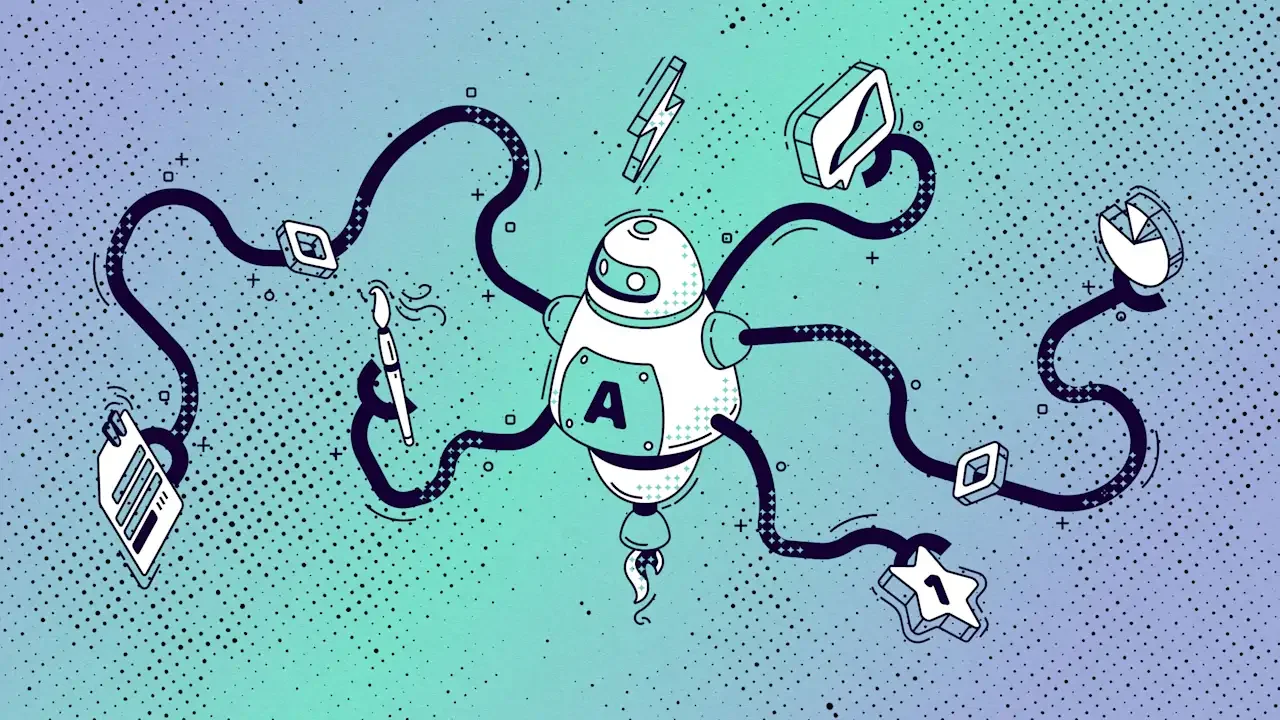
For a while now, we’ve been hearing warnings about AI eliminating jobs. First, it was only at the fringes. But now it’s starting to bite into roles once thought untouchable. It isn’t just administrative work, copywriting, or design anymore; even advisory roles, data analytics, and coding are being reshaped by automation. But history teaches us that technological disruption doesn’t eliminate work, it reshapes it. The industrial revolution, for example, didn’t end human contribution, it simply redefined the places where humans bring the most value. AI is doing the same thing today. While it does, in fact, take (or reduce the need for) some jobs, it can, and will, pave new paths in the form of entrepreneurial opportunities. The rise of no-code tools, automated workflows, and AI-powered tools to support business creation means people can turn ideas into companies faster than ever before. The real challenge now lies in ensuring that the accessibility and utilization of these resources match the level of AI-induced displacement. While employment rates remain relatively stable, the numbers mask deeper shifts in how work gets done. Automation has been advancing for years—accelerated by AI—with many firms quietly cutting labor not through layoffs but by trimming hours, automating tasks, or relying on smaller teams to sustain productivity. This obscured drop in main hours, dubbed “shadow layoffs, paints a far more complex picture of employment health than the headlines and numbers suggest. AI makes independence not just possible, but practical With roughly 80% of U.S. businesses already operating as nonemployer firms (meaning the owner is the only employee), self-driven enterprises have gained popularity since the 1990s. This massive trend is undervalued, and AI’s unique ability to fuel entrepreneurial endeavors will signal a cultural and economic shift toward independence, flexibility, and self-determination. These characteristics are uniquely American, one of the reasons the country has long been the poster child for rags-to-riches capitalism. AI makes the traditional employment model even less reliable and familiar roles less secure, but the benefits of AI-driven entrepreneurship could reshape the workforce in the near future. For individuals, AI removes many of the barriers that once made the process of building a business challenging. AI’s assistance negates, for example, costly and time-consuming marketing campaigns and the difficulties of providing customer support and training materials that drain budgets and slow down the path to business ownership. Launching a brand, opening an online clothing store, or offering a niche service can now happen in days, not months, with tools that streamline product development, go-to-market, and scaling from day one. For example, a laid-off marketing manager can launch a single-person consultancy powered by AI tools and handle everything from accounting and content creation to client management as a one-person show. This is something that in the past would have demanded at least three additional employees. While the technology is proven, individual grit alone isn’t enough. Without proper support systems to close the gap between displaced workers and AI-enabled bootstrapping, an accessible path to entrepreneurship will remain out of reach for most. For future classes of AI entrepreneurs to thrive, they’ll need an ecosystem designed to absorb and launch them forward. Turning disruption into design: Why public-private collaboration matters The ultimate goal for turning AI displacement into entrepreneurial opportunities should be a healthy society and a resilient economy. The key to maximizing these circumstances lies in empowering those who combine a unique vision with AI fluency. Investing in regional AI boot camps, small-business accelerators, or micro-grant programs for displaced workers will provide resources to help them reinvent themselves. Timely support is key: Upskilling workshops, business literacy, and AI fluency need to be accessible before layoffs happen, not after. If laid-off workers can pivot faster, the economic and social repercussions will be minimal. The most effective recipe for success in this regard is when the private and public sectors work in a complementary manner. Public-private entrepreneurial hubs could close this gap. Governments can ensure equitable access, while private companies focus on relevance and innovation. Through upskilling and educational initiatives and incentivized collaborations, the two can turn layoffs into small-business launchpads. In New York, the Department of Labor enacted an initiative to provide free access to Coursera and professional certifications from leading tech companies, including Google. While primarily for reskilling, these certifications and courses specifically support self-employment in the digital economy. If replicated nationwide, this could actually start moving the needle on digital self-employment. The key to kick-starting like-minded programs is through building awareness. They should focus on steering economic and social stability by providing laid-off workers with the necessary tools. If key private-sector leaders and government officials can align around shared goals, AI could redefine the American dream instead of disrupting it. While AI destabilized the traditional employer-employee model, it also opened new doors for the next wave of entrepreneurs. These entrepreneurs won’t necessarily have an Ivy League degree or access to VCs, but they will be those who embrace AI’s powerful capabilities and monetize those skills in original ways. AI will continue to change the paradigm on how and where people earn a living, but the outcome depends on how society responds. With the right infrastructure in place, this wave of automation could become one of the largest drivers of entrepreneurship since the internet’s onset. Without it, expect to see deeper inequality and economic stagnation. Disruption is unavoidable, but reinvention is a worker’s choice. Those who pair their expertise with AI’s capabilities won’t just survive this transition; they’ll be the ones who embrace entrepreneurship, turning passion projects into real businesses faster than ever. The barrier to entry is no longer a team or a budget. It’s a mindset and a small monthly subscription. In this shift, the winners won’t be the ones who fear AI; they’ll be the ones who take one good idea and build. View the full article
-
Paramount and Comcast have also offered diverging paths for media behemothView the full article
-
Fiscal stimulus vs inflation View the full article
-
Payments group will lease 300,000 sq ft at One Canada Square after move from PaddingtonView the full article
-
When Jon LaMantia, a Long Island-based business reporter, was in journalism school, his professor drilled one rule into his students: you get two exclamation points a year and no more. “So if you use them in January,” LaMantia recalls being told, “you better hope there’s nothing to exclaim for the rest of the year.” The rule stuck. LaMantia still thinks about that rigid quota today. “I use exclamation points all the time in texts and emails. If you don’t, the message sounds more stern,” he says. “But I can’t remember the last time I used one in a business article.” Strong feelings about the exclamation point aren’t uncommon. People tend to either love it or loathe it; lean on it constantly, or avoid it religiously. “Personally, I use multiple, but at work I’ll only use one,” says a woman who works in HR at an investment bank in New York City, who wasn’t cleared to speak publicly but said she couldn’t resist chiming in on this topic. “People say I’m bubbly and high-energy, so I use them to let my style come through in email—when appropriate.” A consultant in Ohio, who also asked not to be named, tells me he uses them “to lighten the tone of written communication or reduce formality.” Others tread more cautiously. “I use way too many and then feel embarrassed later on,” admits an artist from Brooklyn. A Boston-based consultant says he’s begun actively “metering” his usage to “set the right tone.” In short, exclamation points matter. They spark surprisingly strong feelings about tone, intention, and even etiquette. But according to new research, they also shape much more than just mood. Warmer, But Less Analytical A recent study published in the Journal of Experimental Social Psychology, titled “Nice to meet you. (!) Gendered norms in punctuation usage,” found that women not only use exclamation points more frequently than men, but that this difference carries real consequences—both for those writing and for those reading. Across several experiments, participants judged writers who used exclamation points differently across measures that included perceived warmth, power, analytical ability, and competence. Heavy users—a group that overwhelmingly skews female—were seen as warmer and more enthusiastic, but also as less analytical. The study also showed that women were more likely to think about their punctuation choices, whether to end a sentence with a period or an exclamation point, for example, underscoring the invisible cognitive labor that often shapes women’s communication. All of it illustrates how something as small as punctuation can reinforce the subtle forces still underpinning stubborn gender norms and divides both at work, and beyond. Unequal Cognitive Load Cheryl Wakslak, associate professor of Management and Organization at Marshall School of Business at the University of Southern California and one of the authors of the study, says she was particularly struck by how much mental energy women devote to these decisions. “Women are putting a lot of thought into this,” she says. On one hand, intentional communication is valuable, she adds, “but it’s also a lot of cognitive energy that men are simply not spending.” Women, she explains, are constantly navigating what she describes as a “warmth–competence tightrope.” “They’re worried about not seeming warm, so they use exclamation points to appear warmer. But they’re also worried about not being seen as competent or powerful, and they may worry that exclamation marks undermine that.” Men, the research shows, largely don’t think about any of that. Another finding that surprised her: the trade-offs of using exclamation points. Heavy users were perceived as more appealing collaborators and more enthusiastic, but also less powerful and less analytical. “For me, the most interesting finding, though, was about competence,” says Wakslak. “We didn’t see a clear effect in either direction. That matters to me because, when I’m walking that tightrope, I’m mostly worried about the competence trade-off,” she adds. “I don’t need to seem powerful in every context, but I do want to seem competent.” Still, she acknowledges that in some work environments, being perceived as analytical is crucial. “In those situations, based on these findings, a woman might want to avoid using exclamation marks.” ‘Perpetuating Stereotypes’ Asked about the exclamation point research, Elaine Lin Hering, author of Unlearning Silence, a book about verbal and nonverbal communication, says she’s not surprised. “[The findings] illustrate the downside of the conditioning women have long received and the contorting women do to try to meet expectations. It is simply one of many examples of the double standards women are held to and the tension that women navigate every day,” she adds. It’s akin, Hering says, to women being told to “smile more” in order to “appear warmer” and more “approachable”—and then finding themselves being taken less seriously because they smile too much. And the issue extends beyond punctuation. “Workplace communication norms are typically defined by the groups with the dominant identity. Not just that everyone should ‘talk like a man,’ but that how people communicate should fit into the stereotypes that the dominant groups have of that other identity,” she says. “Social norms exacerbate inequality by perpetuating existing stereotypes that the dominant group holds,” she explains, “like that ‘women are too emotional’ or ‘Asians are good workers but not leaders’ or that ‘Gen Z is lazy’.” So what can be done? As ever, when the problem is rooted in social conditioning, there’s no easy fix. But Hering says that, especially in workplace settings, systems can be put in place to help control for biases like the ones that creep in when we read something someone’s written. “We can challenge the social norms and exacerbated inequalities by having clear and consistent criteria for evaluating performance,” she says. Research published in 2022, shows that women—because of systemic bias—are often assessed in workplaces based on their actual performance, while men are assessed based on their future potential creating what the academics dub a “gender promotion gap.” Having more rigid criteria for assessment can offset that divergence. A wide awareness of the existence of these biases and this conditioning is also—of course—critical to making workplaces fairer. And Cheryl Wakslak’s coauthor Gil Appel is the first to admit that. Appel, Assistant Professor of Marketing at the GW School of Business at George Washington University, says that spending time researching gender and communication has made him “much more of a feminist.” “There are some things that men just don’t have to think about at all, and women have to think about all the time,” he says. “Whether that’s to ensure their safety, or whether it’s to make sure they’re coming across as competent,” he adds. “They just always have to be thinking.” And beyond becoming more feminist, there’s one other thing that’s changed for Appel since working on the research: “I have to admit,” he says, “I definitely use more exclamation marks now.” View the full article

-
I’m on vacation. Here are some past letters that I’m making new again, rather than leaving them to wilt in the archives. 1. My office has a wall of shame with the names of people who are late or out sick My workplace has recently instituted a “wall of shame,” where the names of everyone who called in sick or was tardy are posted above the computer where employees clock in. The rumor mill has it that this is supposed to help us with our “accountability,” although no announcement has been made on the matter – it just appeared one day. My managers have some problems, but are generally pretty reasonable people when I approach them. How can I suggest this public shaming is a Really Stupid Idea without coming across like a whiner? (If it makes a difference in your answer, I’m never late myself. Also, perhaps shockingly, this isn’t a call center!) A wall of shame is a stupid idea on its own, but including people who call in sick? What exactly are they being shamed for? Being sick? (This is even more outrageous if they’re using company-provided sick time, since people shouldn’t be shamed for using a benefit that’s part of their compensation package.) Since no one has announced or explained it, why not ask about it? As in, “Can you explain what this list is about?” And then if it is indeed what it sounds like, ask, “Why are people being listed there for being sick?” … which should lead you to, “Is it possible to rethink whether this is the right approach? It signals that every unplanned absence or lateness is an incident of wrongdoing, when that’s not the case.. If someone has reliability problems, I’d hope it would be taken up with them directly, rather than everyone feeling that any instance is considered a problem.” – 2014 2. Shirt sizes for conferences I’m being positioned as something of a thought leader in our teapot supplier’s niche market — speaking at conferences, consulting for their clients, etc. This is good experience for me, and good business for my company. The problem? At an annual conference, we were provided shirts by the vendor to identify ourselves as teapot experts. I am a size 0, and despite providing my size in advance, I was given a men’s small. I looked like a kid who had borrowed dad’s clothes, particularly since I am young (in my mid-twenties) anyway. I don’t want to make a mountain out of a molehill, and had planned to simply emphasize my need for a smaller size when asked for my size next year. However, it came up recently that I am expected to wear my current shirt at a teapot event next week. I appreciate the teapot vendor’s desire for branding, but I also want to look professional when meeting peers and prospective clients. I would prefer it if I could stick with my normal business casual clothing that fits properly. Is there a way to handle this? Should I just show up dressed normally as if I forgot? Address it directly? Suck it up and wear the shirt? The vast majority of teapot experts are men, so I get why it’s easier to just order one sizing line, but I still feel self-conscious when wearing it. “I’d love to wear it, but I was swimming in the one I was given because it was men’s-sized. If you can get me a women’s small before the event, I’d be glad to wear it.” If they push back and you to wear the ill-fitting one, you say pleasantly, “Oh, I really need one sized for a woman or it just doesn’t look professional. I can wear normal business clothes though if it’s not doable by then.” And yeah, it’s annoying when they default to men’s sizes, which aren’t just larger but are also cut differently. – 2015 3. My coworker gets angry when we chew I have a coworker who has undiagnosed misophonia. She has never been formally diagnosed, and as I understand it, has never even mentioned it to her family doctor. But she hates chewing sounds so much that she actually had a verbal altercation with another coworker over his eating an apple. Since that altercation (several years ago), everyone is on alert about eating at their desks. Some of us occasionally eat at our desks because of operational needs (teleconferences over lunch, temporarily heavy workloads, etc.), but now we are hyper-aware that nothing we eat should make crunching sounds. It’s so bad that if she even mentions to management that a new employee’s chewing is bothering her, that new employee will get moved to a different desk (to the inconvenience of the new employee, as well as IT, who has to move everything). If we chew audibly around her, she complains to our managers and we’re asked to stop. Most people will take their crunchy foods to a meeting room and eat there, but it’s not always easy to find an open room. While I understand how maddening chewing sounds can be to her, there are things she can do to lessen her reaction to them — exposure therapy, talk therapy, white noise machines, medication, ear plugs, noise cancelling earphones, listening to music. Our workplace is all for accommodations when prescribed (and we do have policies around accommodations), but again, this is an undiagnosed condition, and she is not being asked to do anything to help alleviate her reactions. Am I wrong to think everyone else should not be inconvenienced for one person’s sensitivities? If scents gave her migraines, I could understand requiring a scent-free workplace (which we also have). But for sounds? Is management handling this correctly, or are there other avenues they should/could be taking? I’ve made my stance known to management, but I still try to accommodate when I can in the spirit of team harmony. I think it’s pretty unreasonable. I’m curious why they haven’t just moved your coworker to a more private area, rather than banning everyone around her from eating. And yes, she has options to alleviate the impact too, like headphones, as you pointed out. If she hasn’t even spoken with a doctor yet, finding herself in a verbal altercation with someone over eating an apple should have nudged her to do that. I suspect that if you and a group of your coworkers pushed back more firmly — the as a group part is key here — and said, “We’ve tried to be accommodating, but this isn’t reasonable, we’re not able to eat when we need to, it’s not workable for us, and there are other solutions that would significantly lessen the impact of this,” you might make some headway. (You might also point out that “no one eats around the person” isn’t one of the accommodations that the Misophonia Institute or the Job Accommodation Network suggest workplaces use.) – 2019 4. My former boss is still trying to manage me I am a manager at an organization; I’ve been there almost 10 years. Back when I was at an assistant level, I reported to Fergus for about a year and a half. We we had an okay working relationship back then, but he had weird ways of asserting his authority (i.e., whenever he approved a day off, he’d also include a list of all the things I’d be missing while I was out — things that my teammates could cover, so it seemed he was trying to make me feel bad.) I was promoted to another department five years ago, and while we still worked near each other, we haven’t been working closely. He recently changed jobs and now is in my department. He chose to make the switch, but he is no longer a manager. His job is different from mine, but he seems to think he is managing my work again. He’s making recommendations on projects I manage without being asked. Recently he offered to help with something our CEO asked me to work on. The way he asked was, “Have you done this yet? (It’s been a few days.)” While the help is appreciated, the way he offered was by pointing out that it had been a few days since she made the request. The day after she made the request, there was a death in my family and I’ve been out of the office. I saw his note as I’m looking through my emails to prep to go back to work. How do I tell him I’m happy to work together on this project, but the CEO will come to me if she has a problem with my timeline, and it’s not his job to subtly point out my shortcomings? If he asks you “have you done this yet?” about something that he doesn’t have standing to manage at all, respond with, “Why do you ask?” You can say this perfectly pleasantly and in a tone of genuine curiosity, but train him to see that you’re not going to respond to his requests the way you would a manager’s. If he makes unsolicited recommendations for how you approach a project, say, “Thanks, I’ll think about it.” If he offers help that you don’t want, say, “Thanks, I’ll let you know if that looks like it would be useful” or “Oh, I’ve got this, but thanks.” If you’d actually appreciate his help, accept it in a way that makes it clear you’re choosing to accept it — like, “Sure. I’m fine on X and Y, but I’d be happy to have you help with Z. Thanks for offering it.” And if he makes subtle remarks about your timeline seeming insufficient to him, either ignore it (because his opinion doesn’t matter) or dryly say, “Jane’s in the loop on the timeline” or “I’ve got it covered, thanks.” If you do this stuff, it’s likely that he’ll get the hint and you won’t have to have a big You Are Not My Manager conversation with him. But if you do this for a few weeks and he’s not backing off, you may need to do that. In that case, you could say something like, “Hey, I’m glad to be working with you again. I’ve noticed you’ve been critiquing my work and checking in on my progress. I’m happy to have any suggestions you feel are worthwhile, but ultimately I’m leading this area and don’t want either of us to inadvertently go back to the dynamic we had when I was reporting to you.” – 2017 The post my office has a wall of shame, coworker gets angry when we chew, and more appeared first on Ask a Manager. View the full article
-
Football’s governing body to hand out first such award at glitzy World Cup draw event featuring Village People View the full article
-
German chancellor has been driving force behind EU plans for reparations loan to KyivView the full article
-
Releases of drug traffickers and fraudsters puzzle allies and send shockwaves through legal circles View the full article
-
Bullish forecasts come despite recent investor jitters over tech spending and potential bubble in AI sectorView the full article
-
Car-sharing group’s exit from Britain overshadows London’s efforts to reduce vehicle use and congestion in the cityView the full article
-
Old assumptions about expectations and targets can no longer be relied uponView the full article
-
Who are the people who shaped the world this year?View the full article
-
Social media marketing is more complicated than ever. You need a proper strategy, content creation skills, copywriting formulas in your back pocket, and a knack for tying it all together. It doesn’t hurt to borrow the hard-earned lessons of industry experts who’ve come before you. Here are the top 12 courses to improve your social media marketing skills. Some of these courses are free. But even the paid courses are worth every penny, I promise. There are two types of courses on this list: Cohort-based courses: These courses have a fixed start and end date. You’ll work through the material in real time with other students and your instructor(s). These courses are excellent for accountability and networking, although they aren’t as accommodating to your schedule.Self-paced courses: These courses usually have pre-recorded content that you can download and learn at your own pace. These courses are much more flexible than cohort-based courses, but there’s little to no accountability or community learning present.There’s no one “better” type of course. Cohort courses are best when you want a structured and communal learning experience. Self-paced courses are a better choice when you have a busy schedule and want to learn independently. Jump to a section: 5 free social media marketing courses (by social media platforms) 5 courses on building a social media marketing strategy 1: Meta’s social media marketing course 2: Impactful social writing 3: HubSpot’s social media marketing course 4: The creator project collective 5: Social media united 3 courses on writing social media captions and ads 1: Hooked on writing hooks 2: High impact writing 3. 10x Facebook ads 1 course on creating visuals for social media 1: Premiere pro 🎁 5 free social media marketing courses (by social media platforms)Before we begin to learn social media marketing as a whole, it’s critical to acknowledge that every social media platform has its own playbook. Almost all social platforms create courses designed to ace its algorithms and learn more about all its features. Here are all of them: TikTok academy: to learn everything that TikTok can do for small businesses.Growing your business with LinkedIn pages: for learning how to use LinkedIn for business.Instagram’s creator best practices: for learning the basics of the platform, understanding how to create Instagram Reels, and ways to earn.Meta Blueprint: for learning about the basics of digital marketing, Facebook, Instagram, and ads.Pinterest Academy: for learning the ins and outs of Pinterest advertising.5 courses on building a social media marketing strategyThis section is dedicated to courses that help you build a social media marketing strategy from scratch. Many of them also contain directions for creating content, writing A+ captions, and more. 1: Meta’s social media marketing courseBest course for beginners seeking to receive professional training Price: Free. Instructor(s): Anke Audenaert, Daniel Kob. Length: The course lasts five months and requires 10 hours/week. You can learn at your own pace. What you’ll learn: How to build a strong social media presenceAnalyzing your social media performanceThe ins and outs of Meta ads manager Meta’s social media marketing course is one of the best free courses to learn the basics of social media marketing directly from the horse’s mouth. It’s a pretty popular course with over 17,000 raving reviews. It’s designed for beginners. You might not get the highest return-on-investment (ROI) from this course if you’ve already been at the social media marketing thing for a while. But if you’re at the beginner level or someone who’s just got their foot in social media from another career, Meta’s course is the perfect place to begin. It also offers a completion certificate, so it’s a good choice if you want to stamp a social media certification on your resume. 2: Impactful social writingBest course for becoming a thought leader in your niche Price: To be confirmed when the next cohort starts. Previously $127. Instructor(s): Erica Schneider, Kasey Jones Length: Not publicly available. There are five modules of content. What you’ll learn: How to build your personal brandHow to stay consistent on social mediaHow to generate social media post ideas that your audience would actually want to readImpactful social writing is taught by industry pros Erica Schneider and Kasey Jones. They’ve built successful businesses via their own social media channels, and this course helps you learn the principles they followed via frameworks and real-world examples. It’s not a free online course, but I’d argue it’s a better choice for someone who wants to build a personal brand, hone in on their target audience, and find their unique voice on social media. If you want to become a thought leader in your niche, there’s no better choice. Don’t believe me? The course offers a 14-day money back guarantee if you don’t think the social media marketing course is worth your investment. ⚡Note: Erica and Kasey not only provide valuable insights on social media marketing, they also support parity purchasing power in their marketing course. This means the course can become more affordable if you aren’t a US resident.⚡Note 2: If you want a cohort-based course instead of a self-paced one, check out Unignorable, run by buyer psychology expert Katelyn Bourgoin. It’s a similar A+ course to help you build your personal brand. The catch? Unignorable also has an unignorable cost. The course costs a whopping $1,000. But I’d say the social media strategies taught in this course are unlike any other.3: HubSpot’s social media marketing courseBest course for small business owners seeking to learn the fundamentals Price: Free. Instructor(s): Crystal King, Jason Hsaio Length: There are nine lessons that you can complete at your own pace within five hours. What you’ll learn: How to develop a social media marketing strategy as a small business ownerHow to drive inbound traffic that’ll help you grow your revenueBasics of social media advertisingHubSpot academy isn’t an unfamiliar name in the social media marketing world. This free course by the company is a good start for any small business owner looking to kickstart their social media marketing efforts. Meta’s course might be more geared towards its own networks, so HubSpot is a good choice if you want a well-rounded free course. The module includes basic knowledge about social media marketing for marketing professionals for all social media platforms. Like Meta, it also offers social media certification if you need it. 4: The creator project collectiveBest course for creators who want to build an audience and earn an income Price: There are three pricing tiers. The cheapest one is priced at $197/quarter. Instructor(s): Jade Beason. Length: Not publicly available, but there’s a library of over 50 masterclasses. What you’ll learn: How to get brand partnershipsHow to grow your following on any social media platformHow to earn an income via your social media marketing effortsJade Beason started earning six figures soon after she uploaded her first YouTube video. How? Because of her 8+ years of business and marketing experience. Through her creator collective community, she’s teaching other digital marketers how to do the same. The best part is that Jade has designed her entire course to include a community and run on a subscription model. This means you can keep learning from her and the experts she invites on the go, live, as you progress in your own social media marketing efforts. There’s a whole mobile app dedicated to this community. This course is perfect for you if you want to grow your following and develop a social media marketing plan to earn a sustainable income as a full-time creator. 5: Social media unitedBest course for aspiring social media managers Price: Free. Instructor(s): Rachel Pederson. Length: There are over 42 lessons. What you’ll learn: How to become an excellent social media managerHow to find, manage, and retain various freelance clientsThe basics of running a Facebook page, Instagram, X, LinkedIn, YouTube, Quora, and PinterestRachel Pederson runs her own social media marketing agency and teaches how to be an excellent social media marketing manager using her course, social media united. The course used to cost $69/month earlier, but is now completely free. Rachel’s course content is a great step-by-step guide for anyone who wants to learn how to freelance as a social media manager or sharpen their in-house social media marketing skills. If you’re looking to get handy templates, community support, and learn client management, Pederson’s course is top-notch. ⚡Pro-tip: Latasha James also has a similar course — social media management accelerator — with raving reviews. The course is paid and currently on waitlist, but bookmark it in case you’d like an upgrade in the future.3 courses on writing social media captions and adsWriting well is one of the most coveted digital marketing skills. Learning to write irresistible captions and ad copy (if you invest in advertising) should be a non-negotiable part of your social media strategy. Here are some courses on writing social copy: 1: Hooked on writing hooksBest course for learning how to write hooks Price: Doors are currently closed, but we're holding out for the next edition. Instructor(s): Erica Schnieder, Rob Lennon. Length: Unknown (it’s a text-based resource). What you’ll learn: How to write engaging hooks that reel in the reader inHow to fix bad openings of your social media postsHow to use AI to generate hooksErica Schnieder is a professional editor and marketer. She created hooked on writing hooks to help creators, entrepreneurs, and small business owners capture their audience’s attention on social media using authentic (and not clickbaity) hooks. I’ve purchased this course and found immense value in it. You’ll get a goldmine of what goes into writing a great hook, a library you can use anytime, and the opportunity to explore new AI capabilities. ⚡Note: Wallet opening words might be a better fit for you if you’re specifically looking to learn copywriting techniques and how to sell using social media marketing. The instructors are buyer psychology expert, Katelyn Bourgoin and Buffer’s very own growth marketer, Phil Agnew. The playbook contains 26.5 copywriting techniques, copy-testing cheatsheets, and an AI copywriting bot.2: High impact writingBest course for learning how to write persuasively Price: $397. Instructor(s): Kieran Drew. Length: There are four modules. Most lessons are less than five minutes long. There’s also an option to choose a written version of the course, if you prefer to learn via reading rather than watching. What you’ll learn: How to write short-form and long-form content on social mediaHow to build an audience using Kieran’s “magnetic writing” approachHow to improve your writing and develop a system to write consistentlyKieran was a burned out dentist. Then, he made $500,00/year in less than four years after starting his online writing business. His course, high impact writing, teaches you the valuable skills he’s learned. The learning material is quite digestible and Kieran teaches you how you can make money by writing on social media. His approach is to teach you storytelling that works across social media platforms to cut through the noise and help you resonate with your audience on a deep, emotional level. 3: 10x Facebook adsBest course for learning ad copywriting Price: $497. Instructor(s): Wahida Lakhani. Length: There are 10 modules that’ll take roughly five hours to complete. What you’ll learn: The fundamentals and advanced concepts of ad copywritingHow to choose the right images and videos for your adsConversion principles to write effective ad copyFacebook ads are constantly changing. There's a new upgrade to the platform, updates to the algorithm, and whatnot. The 10x Facebook ads course is designed to withstand it all by laying a solid foundation of copywriting. It won’t teach you the latest trends, but it’ll work on tightening the persuasive psychology that works on all the different channels of internet marketing. Wahida has earned multi-millions in revenue for clients, and she shares those lessons with you in this course. It has real-world applications that can endure all the changes Zuck brings to your ad account. This course is the perfect choice if you’re running ads on any social media platform. 1 course on creating visuals for social media1: Premiere pro Best course for learning Premiere pro Price: $13.99 for lifetime access. Instructor(s): Stephen Koel Soren. Length: Four hours and 30 minutes of on-demand video. What you’ll learn: How to earn money using video editing (basics)Beginner to advanced concepts of using Adobe Premiere proHow to use motion graphics, visual effects, and transitionsCreating video content has become non-negotiable in almost all social strategies. Video editing has become a desirable skill. When you’re ready to upgrade from native app editing tools within social media apps, CapCut, and InShot, use this course. Stephen goes in-depth on how to use Premiere pro for video editing and creating an impact using video. Note that you will learn video editing in a silo. This course isn’t designed specifically keeping social media in mind. Because it’s on Udemy, you also get fancy professional certifications. ⚡Note: If you use Canva instead of Premiere pro, no issues! Check out this course on Skillshare by Maggie Stara to learn social media content creation in Canva.Remember: Courses aren’t a magic pillThere are plenty of social media courses out there. But ultimately, the real test is how you implement what you learn in the real, ever-changing world of social media marketing. Many of these social media courses also lack up-to-date information because the digital world is always changing. This is why I’d always recommend taking a course that teaches you evergreen foundational knowledge — like finding your target audience, learning to read social analytics, how to reach your marketing goals, etc. that can last even as the platforms change. And if you’re wondering whether you should just stick to free social media marketing courses or upgrade to paid ones, I’d recommend sticking to free courses until you feel they have nothing more left to offer you. Once you feel you need to learn more, invest in paid ones to learn advanced topics. View the full article
-
Conservative justices hand win to Donald The President ahead of midterm congressional votesView the full article
-
YouTube expands title A/B testing globally to all creators with advanced features. Test up to three titles or title-thumbnail combinations per video. The post YouTube Title A/B Testing Rolls Out Globally To Creators appeared first on Search Engine Journal. View the full article
-
It’s been a tumultuous year for the legacy retailer, shaped by new tariffs, shifting consumer habits, and the constant flip between “wartime” and “peacetime” leadership. Tony Spring, Macy’s Inc. chairman and CEO, shares why his team is now on “version 27 of the plan,” and what it really means to court the next generation of shoppers. This is an abridged transcript of an interview from Rapid Response, hosted by the former Fast Company editor-in-chief Robert Safian. From the team behind the Masters of Scale podcast, Rapid Response features candid conversations with today’s top business leaders navigating real-time challenges. Subscribe to Rapid Response wherever you get your podcasts to ensure you never miss an episode. The Thanksgiving Day Parade, the sprint to Christmas, it’s like your Super Bowl. What’s waw distinctive about 2025? I mean, the economic and shopping environment has been pretty chaotic. I think the news certainly makes things more complicated. I think people are confused. We had a terrific second quarter. We talked about the back-to-school business being pretty healthy, and yet we all see potential storm clouds on the horizon. So we’re trying to be cautiously optimistic… You could stay up all night worrying… But in reality, our job is to make sure we create a better shopping experience for the customer. There’s plenty of things that are out of our control that we could obsess about, but it really doesn’t satisfy anything or make you feel any better. And for the parade, how do you keep it fresh? Making sure every year the parade has, again, newness: We have partnerships with Disney, Pokemon, Pop Mart, Labubus… We want to make sure that whatever is popular and whatever’s interesting weaves its way, not only into our merchandise strategy, but also into an iconic event like the Thanksgiving Day Parade. 32 million people approximately are going to watch it on TV, and we have several million more that come live in person in New York City on that day. Macy’s has an iconic place in American culture, although obviously it hasn’t been immune to the challenges in retail. You launched what you call a bold new chapter after becoming CEO in 2024. It’s showing traction in your financial results, but you’re still sort of in the midst of it. What’s working, what’s not? Well, let me break it into the three parts: The first was strengthening and reimagining Macy’s, and that included closing underproductive stores and betting on our future state stores, so putting more colleagues into the stores, putting new merchandise into the stores. We also improved our digital platform and doubled down on our luxury businesses, which include Bloomingdale’s and Blue Mercury. And then the final part of the strategy is end-to-end operations, and that’s making sure we’re utilizing automation and robotics and AI, and making sure the complexity that might exist in our business doesn’t affect the consumer. Your stores face pressure from everywhere, fast fashion and e-commerce and social shopping and live shopping. How do you think about in-person, human interaction, versus digital commerce? I talk to our team all the time about the word ‘balance’, and I don’t think the word gets enough volume or credit… There’s some reports out now that the next generation is longing for socialization, and in-person shopping is a big part of what they’re doing together. There is a place, I think, for all these types of businesses, as long as we pay attention to what the consumer wants. Almost 70% of our business still remains in physical retail, which is very consistent with the industry averages. That doesn’t mean we don’t love our digital business. If we were selling paper towels, who wants to go shopping for paper towels? I’d like to have those delivered to my house right before I run out of them. But I think there are other things that are fun to do in person. And by the way, when we have a DJ on a Saturday, when we do bottle engraving, when we, people show how to do flower arranging, you can get people to turn out to the stores because it becomes an extension of what they want to do for the weekend. I think a big part of our bold new chapter is stepping up to the fact that a good retail experience, people are looking for. A bad or mediocre retail experience. People, people can do digital. They don’t need to exhaust themselves with that experience. I want to ask you about planning and decision-making in 2025. One CEO I talked to recently told me that things change so fast that he’s been forced to update his plans as often as weekly. You get new data constantly. I’m curious what you look at and how fluid you have to be with your plans? You have to be very fluid. I mean, to be candid, in the age of tariffs and in the uncertainty of supply chains, plans are the guardrails, and the longer the plan, the less accurate it is. So you do deal with a rolling operating forecast, which is something that we update on a weekly and monthly basis, and that kind of gives us a greater visibility into how to allocate inventory, how to plan our staffing, how to change our marketing, so that we’re doing it in real time, not based on some plan that we developed three or six months ago, which may at this point be somewhat outdated. I think we’re on version number 27 of our forecast and plan, because of the interesting environment that we’re operating in 2025. There’s an analogy that people sometimes use, that sometimes you need a wartime leader and sometimes you need a peacetime leader, and there’s a different strategy for each one of them. And I’m curious whether you feel like for Macy’s, is today wartime or peacetime? And how would you cast yourself in that? I’d like to say it depends on the day of the week you ask me, and I think the challenge for our business is, on Tuesdays, I might have to be a peacetime leader, and on the first day of November, you may need to be a wartime leader. And in the environment we’re operating with, with unexpected tariffs by the middle of the year that didn’t exist at the beginning of the year, there is a lot of wartime philosophy. The same time, we are in a business for the long term. We are not trying to just have a great third quarter. We’re trying to have a great business that lasts decades, if not more. What matters tomorrow is going to be different than what mattered yesterday. I use a phrase, ‘graciousness and kindness… don’t cost money’. So, how do we make sure that we imbue and express those things on a regular basis? What’s your role when it comes to the Thanksgiving Day Parade itself? Stay out of the way. View the full article

-
The European Commission is asking industry players to weigh in on Google’s proposal to resolve sweeping antitrust charges tied to its advertising technology business — a case that has already triggered nearly €3 billion ($3.5B) in fines. What’s happening. The Commission is circulating a non-confidential version of Google’s proposal to roughly 200 industry stakeholders, including publishers, advertisers, and ad tech rivals. Officials say the feedback will inform the final assessment of whether Google’s commitments restore fair competition in the EU’s digital ad market. The backstory. Google was fined €2.95B and ordered to stop favoring its own ad tech services. In a blog post last month, Google offered to: Let publishers set different minimum bid prices inside Google Ad Manager. Increase interoperability between its tools and rival ad tech systems. Expand choice and flexibility for advertisers and publishers. Why we care. The move launches a “market test” that could determine whether Brussels accepts Google’s offer and closes one of its most consequential tech-competition cases. If approved, the changes could lead to fairer auctions, potentially better ROI, and fewer built-in advantages for Google’s own ad tech. Overall, the EU push signals a shift toward a more open, regulated ad market that could give advertisers greater control and choice. Between the lines. If the market test goes smoothly, the EU could move toward closing its case — easing years of regulatory headwinds for Google’s ad business. But Thursday also underscored the Commission’s broader push to rein in Big Tech, even as U.S. President Donald The President’s administration continues pressuring Brussels to ease up. Meanwhile: Meta in the crosshairs. The EU also opened a fresh investigation into Meta’s AI features inside WhatsApp, probing whether they distort competition. Penalties for antitrust violations can hit 10% of global revenue, though fines that high are rare. Meta must now propose remedies; WhatsApp said the concerns are “baseless.” View the full article
-
The central African nations ink deals giving US companies access to Kinshasa’s minerals and seeking to end 30 years of conflictView the full article
-
Twenty years ago, not too long after Youtube itself launched, Ian Hecox and Anthony Padilla started uploading videos to the platform. What started as two teenagers trying to make each other laugh turned into the biggest channel on YouTube. It was the first ever to reach 10 million subscribers. Eventually Smosh was acquired by a company called Defy Media. The company would expand rapidly–more videos, more cast members, even a movie–but then came turmoil and uncertainty for Smosh. Padilla left the company in 2017, largely due to creative differences with Smosh’s parent company. He returned to the business in 2023, when he and Hecox purchased Smosh from YouTuber-led media company Mythical (which acquired the brand in 2019 following Defy Media’s abrupt collapse). Ian HecoxAnthony PadillaAle Catanese Alongside the purchase, Hecox and Padilla hired Alessandra Catanese—an executive with over a decade’s experience in digital media—as CEO. In the ensuing two years, the company has steadily expanded its content offering while picking up new subscribers across five YouTube channels. With more content in development than ever, and more than twice as many employees as it had in 2023, Smosh is moving into a 32,000-sq.-ft. Los Angeles studio that’s roughly twice the size of its current headquarters. Hecox, Padilla and Catanese joined me on the Most Innovative Companies podcast to talk about the company’s growth, its new space, and how they approached designing a space for the next generation of the company. This interview has been edited and condensed. Smosh is making a big move in 2026. Can you tell me why now is the right time to expand? Alessandra Catanese: We physically just could not launch another show or take on a new project, no matter how much we loved it. So in this new building, it’s both going to allow us to expand what we’re doing, and more appropriately house the employees that we have and create a little bit more of a structured environment. It’s really important to us to balance the structure with the startup vibe that we still feel we have today. We don’t feel this need to elevate ourselves to this corporate structure where there’s a lot more red tape and there’s a lot more rules. We do have a lot of guidelines, but we love that a lot of the things we have and processes we have in place here are very fluid. They have a sandbox in which they play in. And on the business side, I stay out of the creative decisions they do know to bring me things. So yeah, so we want to honor that. And then this building allows us to create more space and communal areas where we can celebrate what we do, but also be professional and feel a little bit more polished. What will the new space help achieve for Smosh? Ian Hecox: I think one of the major focuses for this is just working out a better flow for production and talent, getting talent to the stages, production knowing exactly where the talent is. I mean, we love our cast, but sometimes it is herding cats. Creating a space for them to feel comfortable in and to congregate in I think was really important. And then we have, we’ll have a private room. If there’s maybe a celebrity coming in that wants a little more privacy, we can have a room specifically for– AC: A proper green room with a closing door. Anthony Padilla: Not a weird little makeshift curtain. We wanted to level up the space and bring a level of professionality, but also we want it to feel fun and embody that element of creativity and working together as a team. Right now, a lot of our lights are big, fluorescent overhead lights and we wanted a lot more soft lighting and stuff that feels more comfortable. You’re hanging out with your friends, not at someone’s house, but you’re hanging out with your friends in a professional environment. Since the pandemic,office design has been moving towards a more living room, or lounge, feel. It sounds like you are embracing that as well. IH: I think we want it to be somewhere comfortable, but I also don’t want people falling asleep because I’ve seen some of these production companies and everything looks very calm. So I think it was striking a balance between comfortable, but also you’re going to stay awake, but also not hitting people with Nickelodeon greens. AC: We want it to feel grown up and mature, but in a way that still honors the comedy, the internet of it all. So I think we brought color in very intentionally. And Studio Keya obviously did an excellent job. It’s amazing to be able to intentionally design a space for where you are now. It’s been two and a half years since buying back Smosh, does this move feel like a completion of that transition or like you are officially making a home in the newest iteration of the company? IH: I don’t think we would’ve expected to be here this quickly. I think this was more of a five-year plan or a 10-year plan. We feel very grateful. We’re still doing this within our scope. We don’t have a giant backer. We’re trying to do everything in a sustainable way. AP: I think it’s really about continuing to hone in on what we do best. The “comedy rooted in friendship” element. You’ll probably start to see more faces on camera. There’ll be more people working behind the scenes. Really, we want to create an environment where people either in front of camera or behind camera get to live out some of those dreams that Ian and I got to experience in the early days. View the full article