ResidentialBusiness
Administrators
-
Joined
-
Last visited
Everything posted by ResidentialBusiness
-
 It’s the Friday open thread! The comment section on this post is open for discussion with other readers on any work-related questions that you want to talk about (that includes school). If you want an answer from me, emailing me is still your best bet*, but this is a chance to take your questions to other readers. * If you submitted a question to me recently, please do not repost it here, as it may be in my queue to answer. The post open thread – November 28, 2025 appeared first on Ask a Manager. View the full article
 -
We may earn a commission from links on this page. Deal pricing and availability subject to change after time of publication. Black Friday sales officially start Friday, November 28, and run through Cyber Monday, December 1, and Lifehacker is sharing the best sales based on product reviews, comparisons, and price-tracking tools before it's over. Follow our live blog to stay up-to-date on the best sales we find. Browse our editors’ picks for a curated list of our favorite sales on laptops, fitness tech, appliances, and more. Subscribe to our shopping newsletter, Add to Cart, for the best sales sent to your inbox. Sales are accurate at the time of publication, but prices and inventory are always subject to change. Black Friday sales are in full swing, and if you've been dreaming of building or upgrading your home gym, now is the perfect time to invest in quality strength training equipment. "Quality" being the key word here, since plenty of gadgets on sale are more trendy than they are useful. Whether you're a seasoned lifter or just starting your fitness journey, here are some of the best Black Friday deals on strength training equipment to help you make the most of your budget. These adjustable dumbbells are $110 offI've tested plenty of pairs of adjustable dumbbells, and no matter which brand you ultimately choose, I highly recommend investing in a set. The math alone makes it a no-brainer: Buying individual pairs of dumbbells from five to 80 pounds in five-pound increments would cost well over $1,500 and eat up valuable floor space. Adjustable dumbbells deliver the same versatility for a fraction of that price. Right now, the PowerBlock Elite EXP Adjustable Dumbbells are on sale for $339.51 on Amazon, down from their usual $449 price tag. That's a solid $110 savings on these PowerBlocks, which regularly feature at the top of pretty much every "best home dumbbells" list. If you aren't ready to give up the familiarity of traditional free weights, you could go for this CAP barbell rubber coated dumbbell weight set with a vertical rack (normally $189.99, currently on sale for $139.99). POWERBLOCK Elite EXP Adjustable Dumbbell (2020 Model) $339.14 at Amazon $449.00 Save $109.86 Get Deal Get Deal $339.14 at Amazon $449.00 Save $109.86 These kettlebells are discounted, tooIf you don't yet own a kettlebell, definitely check out this guide from Lifehacker's own Beth Skwarecki. Even if you do own one, you probably need another: a heavy kettlebell for swings, and a light one for presses and snatches. Here are some solid kettlebell deals I've seen for Black Friday: Yes4All Powder Coated Kettlebell: $24.01 (normally $30.01) Fitvids Wide Grip 3-Piece or 4-Piece Kettlebells: $44.99 (normally $59.99) BowFlex SelectTech 840 Adjustable Kettlebell: $125.98 (normally $149.99) Bowflex SelectTech 840 Adjustable Kettlebell (8-40lbs) $125.98 at Amazon $149.99 Save $24.01 Get Deal Get Deal $125.98 at Amazon $149.99 Save $24.01 Beef up your home gym with a squat rackFor anyone ready to invest in a complete home gym setup, all-in-one systems are a savvy move. So, if you're trying to upgrade your home gym setup to more than a set of dumbbells in the garage, you can snag the Major Fitness Drone3 Squat Rack on sale for $465.49 (normally $659.99). While my colleague Beth Skwarecki and I typically approach Amazon's house brands with healthy skepticism, the Drone3 has earned genuine credibility where it counts most: among actual users. The r/homegym community—notoriously discerning when it comes to fitness equipment—has consistently vouched for Major Fitness as a brand that delivers on its promises. You could also spring for this all-in-one Drone3 Smith Machine for $1,215.80, 28% off its normal price of $1,679.99. With this sort of system, you get a power cage, cable crossover, squat rack, and pull-up station—meaning you can do well over 100 exercises from your own home gym. Drone3 Smith Machine $1,215.80 at Amazon $1,679.99 Save $464.19 Get Deal Get Deal $1,215.80 at Amazon $1,679.99 Save $464.19 Get a weight bench to go with those new free weightsA good bench is a must-have for strength training at home. This highly-rated Flybird bench is currently on sale for $109.99 (normally $162.48). Flybird Weight Bench $109.99 at Amazon $162.48 Save $52.49 Get Deal Get Deal $109.99 at Amazon $162.48 Save $52.49 Holiday sales are also a great time to stock up on lifting accessories like belts, straps, wraps, and resistance bands. For more deals on home gym equipment like Pelotons, rowing machines, and treadmills, check out our favorite deals here. Remember that while discounts are important, the best equipment for you is what you'll actually use consistently. Focus less on temporary sales, and more on finding versatile, durable pieces that work with your available space. How long do Black Friday deals really last?Black Friday sales officially begin Friday, November 28, 2025, and run throughout “Cyber Week,” the five-day period that runs from Thanksgiving through Cyber Monday, December 1, 2025. But Black Friday and Cyber Monday dates have expanded as retailers compete for customers. You can get the same Black Friday sales early, and we expect sales to wind down by December 3, 2025. Are Black Friday deals worth it?In short, yes, Black Friday still offers discounts that can be rare throughout the rest of the year. If there’s something you want to buy, or you’re shopping for gifts, it’s a good time to look for discounts on what you need, especially tech sales, home improvement supplies, and fitness tech. Of course, if you need to save money, the best way to save is to not buy anything. Are Cyber Monday deals better than Black Friday?Black Friday used to be bigger for major retailers and more expensive tech and appliances, while Cyber Monday was for cheaper tech and gave smaller businesses a chance to compete online. Nowadays, though, distinction is almost meaningless. Every major retailer will offer sales on both days, and the smart move is to know what you want, use price trackers or refer to guides like our live blog that use price trackers for you, and don’t stress over finding the perfect timing. Our Best Editor-Vetted Early Black Friday Deals Right Now Apple AirPods Pro 3 Noise Cancelling Heart Rate Wireless Earbuds — $219.99 (List Price $249.00) Apple iPad 11" 128GB A16 WiFi Tablet (Blue, 2025) — $274.00 (List Price $349.00) Amazon Fire HD 10 (2023) — $69.99 (List Price $139.99) Sony WH-1000XM5 — $248.00 (List Price $399.99) Blink Outdoor 4 1080p Wireless Security Camera (5-Pack) — $159.99 (List Price $399.99) Amazon Fire TV Stick 4K Plus — $24.99 (List Price $49.99) Shark AI Ultra Matrix Clean Mapping Voice Control Robot Vacuum with XL Self-Empty Base — $249.99 (List Price $599.00) Apple Watch Series 11 (GPS, 42mm, S/M Black Sport Band) — $339.00 (List Price $399.00) WD 6TB My Passport USB 3.0 Portable External Hard Drive — $138.65 (List Price $179.99) Dell 14 Premium DA14250 (Intel Core Ultra 7 255H, 512GB SSD, 16GB RAM, 2K Display) — $999.99 (List Price $1,549.99) Deals are selected by our commerce team View the full article
-
A DBA business license, or “Doing Business As” license, allows you to operate under a name that’s different from your legal business name. This registration is essential for sole proprietors and partnerships, helping you build your brand and gain consumer trust. Nonetheless, it’s crucial to recognize that a DBA doesn’t grant exclusive rights to that name. Comprehending the filing process and the regulations involved can notably impact your business operations. What steps should you take next? Key Takeaways A DBA (Doing Business As) allows businesses to operate under a name different from their legal name. It does not provide exclusive ownership rights or trademark protection. Registering a DBA is essential for compliance with local laws and building consumer trust. A DBA is necessary for opening business bank accounts and legitimizing operations. Filing requirements vary by state, so it’s important to check local regulations. Understanding the Concept of a DBA A DBA, or “doing business as,” is a crucial concept for many entrepreneurs and business owners. It allows you to operate under a name different from your legal name, giving you branding and marketing flexibility. For instance, if you want to establish a memorable brand in California, a DBA can help. Registering a DBA is typically required for sole proprietors, partnerships, and entities like LLCs and corporations when they choose a public name that differs from their registered name. While a DBA enables business operation under an assumed name, it doesn’t grant exclusive ownership rights or trademark protection, which requires separate registration. The Importance of Registering a DBA Registering a DBA is essential for ensuring your business complies with local laws and regulations, protecting you from potential legal issues. It not only legitimizes your operation under an assumed name but furthermore improves your branding and marketing efforts by establishing credibility with customers. Legal Compliance Necessity When you operate a business under a name that differs from your legal entity name, registering a DBA (Doing Business As) becomes vital for legal compliance. This process, including the dba application California, guarantees that your business is transparent and accountable. Here are some reasons why registering a DBA is important: It’s legally required in many states. Failure to register can lead to fines or misdemeanor charges. It builds consumer trust by clarifying business ownership. Banks and clients often need proof of DBA registration for accounts or contracts. A DBA registration doesn’t provide trademark protection; consider registering for that separately. Branding and Marketing Benefits Having a distinctive business name can greatly improve your branding and marketing efforts, especially when you register a DBA. A DBA business license allows you to operate under a unique name that resonates with your target audience, helping you stand out from competitors. It additionally enables you to create distinct identities for various products or services, which facilitates targeted marketing strategies and boosts customer recognition. By presenting a professional image, a registered DBA strengthens your credibility, particularly for sole proprietorships. Moreover, you can leverage your DBA as a domain name, improving your online presence. Many banks require a DBA registration to open a business bank account, essential for managing finances and presenting a legitimate business facade to customers. Benefits of Using a DBA Name Utilizing a DBA name offers several strategic advantages for businesses, particularly in establishing a recognizable brand identity. Here are some key benefits: Enhanced Marketing: A DBA can create a more memorable and distinctive identity for your business, improving customer recognition. Professional Image: Registering a DBA strengthens the credibility of sole proprietorships and partnerships, distinguishing them from the owner’s legal name. Operational Flexibility: You can operate under multiple names without forming separate legal entities, allowing for diverse branding. Banking Requirements: A registered DBA is often necessary for opening a business bank account. Transparency: A DBA provides public notification of your business name, revealing true ownership and protecting consumers. These DBA examples show how a DBA can be crucial for your business’s growth and professional standing. How to File for a DBA To file for a DBA, start by conducting a name availability search to confirm your chosen name isn’t already taken. Once you’ve verified its availability, obtain and accurately complete the DBA registration form from your state or local authority. Finally, submit your application to the appropriate office, along with any required fees, to officially register your DBA. Name Availability Search How can you guarantee that your chosen business name isn’t already taken? Conducting a name availability search is vital before filing for a DBA, especially if you’re considering a fictitious business name in California. Here are some significant steps to follow: Check your state’s business database for existing names. Use local county records to uncover regional conflicts. Look for variations of your name to avoid trademark issues. Utilize online tools like Incfile’s Business Name Search Tool. Confirm availability with the Texas Comptroller’s Name Database if you’re in Texas. Once you’ve verified that your desired name is available, you can confidently proceed to obtain the necessary DBA forms to complete your registration process. Submission Process Steps Filing for a DBA involves several key steps that guarantee your business name is officially recognized. Start by conducting a name availability search to verify your desired name isn’t already in use. Next, obtain the appropriate DBA form, known as the Assumed Name Certificate, from either the Texas Secretary of State website or your local county clerk’s office, depending on your business structure. After that, complete the form accurately, including your new assumed name and business details. Submit it to the relevant office along with the required filing fee, typically around $25. For California DBA filing, verify you check state-specific requirements. Finally, keep records of your DBA registration for banking and legal compliance in the future. Key Considerations for Successful DBA Registration When you’re ready to register a DBA, or Doing Business As, several key considerations can considerably impact your success. Keep these points in mind as you navigate the process, especially if you’re doing business as in California: Conduct a name availability search to verify your desired DBA isn’t already in use. Familiarize yourself with the filing process and necessary forms for your business structure. Prepare to pay the filing fee, which can vary by state. Keep accurate records of all DBA filings and any changes for legal compliance. Recall that DBAs may require renewal, so mark your calendar to file before expiration. Managing Your DBA: Renewals and Changes Managing a DBA effectively involves comprehending the importance of renewals and making necessary changes as your business evolves. In Texas, your DBA registration must be renewed every ten years, so it’s vital to file for renewal before the expiration date. This helps you avoid lapses in your DBA status, which could lead to legal complications. If you need to change your DBA name, business structure, or ownership, you’ll need to file amendments or new registrations with the appropriate authority, depending on the situation. Should your business cease operations or stop using the assumed name, remember to formally withdraw your DBA. Keeping accurate records of all DBA-related documents, including renewals and amendments, is imperative for maintaining compliance. Common Misconceptions About DBAs Many people mistakenly believe that a DBA (Doing Business As) registration offers more protections and benefits than it actually does. Here are some common misconceptions you should know: A DBA isn’t a business license; it simply allows you to operate under a trade name. Registering a DBA doesn’t give you exclusive rights to that name; others can use the same DBA except it’s trademarked. A DBA doesn’t provide liability protection; for that, consider forming an LLC or corporation. Filing a DBA usually requires submission to local or state authorities, and some areas may need you to publish your fictitious name statement California. Although a DBA can improve your branding, it doesn’t replace other necessary licenses for your business operations. Resources for DBA Filing and Compliance Steering through the process of DBA filing and compliance can seem intimidating, but comprehending the resources available makes it manageable. To register DBA in California, you can start by visiting the California Secretary of State‘s website, which provides guidelines and necessary forms. Similar to Texas, verify you conduct a name availability search to confirm your desired DBA isn’t already taken. Many states, including Texas, require periodic renewal of your DBA registration, typically every ten years. Keep accurate records of your filings and renewal dates to avoid penalties. Local county clerks likewise offer assistance and resources for sole proprietorships and partnerships. Utilizing these resources will help you stay compliant and focused on your business growth. Frequently Asked Questions What Is the Purpose of Getting a DBA? The purpose of getting a DBA is to allow your business to operate under a name different from your legal name, enhancing branding and market presence. It informs the public about the business’s true owner, helping prevent fraud. A DBA can likewise boost credibility, making your business appear more professional to customers and banks. This registration allows you to create distinct identities for various products, facilitating targeted marketing strategies for your offerings. Do You Need a License to Have a DBA? Yes, you typically need a license to operate with a DBA. Although registering a DBA lets you use a different name for your business, it doesn’t replace the requirement for a business license. Most states require businesses to obtain this license to guarantee compliance with local regulations. Since requirements vary by location, make certain you check your specific state and local laws to avoid any legal issues or operational disruptions. What’s the Difference Between a DBA and an LLC? A DBA, or Doing Business As, allows you to operate under a different name without creating a separate legal entity. Conversely, an LLC, or Limited Liability Company, is a formal structure that protects your personal assets from business liabilities. During a DBA registration is straightforward, requiring only local filing. Forming an LLC involves state-level documentation and fees. Furthermore, an LLC requires ongoing compliance, whereas a DBA typically involves less regulation and simpler maintenance. What Is an Example of a DBA Business? An example of a DBA is “Bella’s Coffee Shop,” which a sole proprietor named Bella might use to market her business. By registering this DBA, she can create a recognizable brand that resonates with customers, distinguishing her coffee shop from competitors. Similarly, a corporation like Global Tech could operate a division under a DBA called “Smart Gadgets,” allowing it to market its products more effectively without changing its legal name. Conclusion In conclusion, a DBA business license is vital for operating under a name different from your legal business name. It improves your brand visibility and builds consumer trust, but it doesn’t grant trademark protection. To guarantee compliance, comprehending the registration process, including filing and renewals, is critical. By effectively managing your DBA, you can create a strong business presence during avoiding potential legal pitfalls. Always stay informed about local regulations to maintain your business’s legitimacy. Image via Google Gemini This article, "What Is a DBA Business License?" was first published on Small Business Trends View the full article
-
A DBA business license, or “Doing Business As” license, allows you to operate under a name that’s different from your legal business name. This registration is essential for sole proprietors and partnerships, helping you build your brand and gain consumer trust. Nonetheless, it’s crucial to recognize that a DBA doesn’t grant exclusive rights to that name. Comprehending the filing process and the regulations involved can notably impact your business operations. What steps should you take next? Key Takeaways A DBA (Doing Business As) allows businesses to operate under a name different from their legal name. It does not provide exclusive ownership rights or trademark protection. Registering a DBA is essential for compliance with local laws and building consumer trust. A DBA is necessary for opening business bank accounts and legitimizing operations. Filing requirements vary by state, so it’s important to check local regulations. Understanding the Concept of a DBA A DBA, or “doing business as,” is a crucial concept for many entrepreneurs and business owners. It allows you to operate under a name different from your legal name, giving you branding and marketing flexibility. For instance, if you want to establish a memorable brand in California, a DBA can help. Registering a DBA is typically required for sole proprietors, partnerships, and entities like LLCs and corporations when they choose a public name that differs from their registered name. While a DBA enables business operation under an assumed name, it doesn’t grant exclusive ownership rights or trademark protection, which requires separate registration. The Importance of Registering a DBA Registering a DBA is essential for ensuring your business complies with local laws and regulations, protecting you from potential legal issues. It not only legitimizes your operation under an assumed name but furthermore improves your branding and marketing efforts by establishing credibility with customers. Legal Compliance Necessity When you operate a business under a name that differs from your legal entity name, registering a DBA (Doing Business As) becomes vital for legal compliance. This process, including the dba application California, guarantees that your business is transparent and accountable. Here are some reasons why registering a DBA is important: It’s legally required in many states. Failure to register can lead to fines or misdemeanor charges. It builds consumer trust by clarifying business ownership. Banks and clients often need proof of DBA registration for accounts or contracts. A DBA registration doesn’t provide trademark protection; consider registering for that separately. Branding and Marketing Benefits Having a distinctive business name can greatly improve your branding and marketing efforts, especially when you register a DBA. A DBA business license allows you to operate under a unique name that resonates with your target audience, helping you stand out from competitors. It additionally enables you to create distinct identities for various products or services, which facilitates targeted marketing strategies and boosts customer recognition. By presenting a professional image, a registered DBA strengthens your credibility, particularly for sole proprietorships. Moreover, you can leverage your DBA as a domain name, improving your online presence. Many banks require a DBA registration to open a business bank account, essential for managing finances and presenting a legitimate business facade to customers. Benefits of Using a DBA Name Utilizing a DBA name offers several strategic advantages for businesses, particularly in establishing a recognizable brand identity. Here are some key benefits: Enhanced Marketing: A DBA can create a more memorable and distinctive identity for your business, improving customer recognition. Professional Image: Registering a DBA strengthens the credibility of sole proprietorships and partnerships, distinguishing them from the owner’s legal name. Operational Flexibility: You can operate under multiple names without forming separate legal entities, allowing for diverse branding. Banking Requirements: A registered DBA is often necessary for opening a business bank account. Transparency: A DBA provides public notification of your business name, revealing true ownership and protecting consumers. These DBA examples show how a DBA can be crucial for your business’s growth and professional standing. How to File for a DBA To file for a DBA, start by conducting a name availability search to confirm your chosen name isn’t already taken. Once you’ve verified its availability, obtain and accurately complete the DBA registration form from your state or local authority. Finally, submit your application to the appropriate office, along with any required fees, to officially register your DBA. Name Availability Search How can you guarantee that your chosen business name isn’t already taken? Conducting a name availability search is vital before filing for a DBA, especially if you’re considering a fictitious business name in California. Here are some significant steps to follow: Check your state’s business database for existing names. Use local county records to uncover regional conflicts. Look for variations of your name to avoid trademark issues. Utilize online tools like Incfile’s Business Name Search Tool. Confirm availability with the Texas Comptroller’s Name Database if you’re in Texas. Once you’ve verified that your desired name is available, you can confidently proceed to obtain the necessary DBA forms to complete your registration process. Submission Process Steps Filing for a DBA involves several key steps that guarantee your business name is officially recognized. Start by conducting a name availability search to verify your desired name isn’t already in use. Next, obtain the appropriate DBA form, known as the Assumed Name Certificate, from either the Texas Secretary of State website or your local county clerk’s office, depending on your business structure. After that, complete the form accurately, including your new assumed name and business details. Submit it to the relevant office along with the required filing fee, typically around $25. For California DBA filing, verify you check state-specific requirements. Finally, keep records of your DBA registration for banking and legal compliance in the future. Key Considerations for Successful DBA Registration When you’re ready to register a DBA, or Doing Business As, several key considerations can considerably impact your success. Keep these points in mind as you navigate the process, especially if you’re doing business as in California: Conduct a name availability search to verify your desired DBA isn’t already in use. Familiarize yourself with the filing process and necessary forms for your business structure. Prepare to pay the filing fee, which can vary by state. Keep accurate records of all DBA filings and any changes for legal compliance. Recall that DBAs may require renewal, so mark your calendar to file before expiration. Managing Your DBA: Renewals and Changes Managing a DBA effectively involves comprehending the importance of renewals and making necessary changes as your business evolves. In Texas, your DBA registration must be renewed every ten years, so it’s vital to file for renewal before the expiration date. This helps you avoid lapses in your DBA status, which could lead to legal complications. If you need to change your DBA name, business structure, or ownership, you’ll need to file amendments or new registrations with the appropriate authority, depending on the situation. Should your business cease operations or stop using the assumed name, remember to formally withdraw your DBA. Keeping accurate records of all DBA-related documents, including renewals and amendments, is imperative for maintaining compliance. Common Misconceptions About DBAs Many people mistakenly believe that a DBA (Doing Business As) registration offers more protections and benefits than it actually does. Here are some common misconceptions you should know: A DBA isn’t a business license; it simply allows you to operate under a trade name. Registering a DBA doesn’t give you exclusive rights to that name; others can use the same DBA except it’s trademarked. A DBA doesn’t provide liability protection; for that, consider forming an LLC or corporation. Filing a DBA usually requires submission to local or state authorities, and some areas may need you to publish your fictitious name statement California. Although a DBA can improve your branding, it doesn’t replace other necessary licenses for your business operations. Resources for DBA Filing and Compliance Steering through the process of DBA filing and compliance can seem intimidating, but comprehending the resources available makes it manageable. To register DBA in California, you can start by visiting the California Secretary of State‘s website, which provides guidelines and necessary forms. Similar to Texas, verify you conduct a name availability search to confirm your desired DBA isn’t already taken. Many states, including Texas, require periodic renewal of your DBA registration, typically every ten years. Keep accurate records of your filings and renewal dates to avoid penalties. Local county clerks likewise offer assistance and resources for sole proprietorships and partnerships. Utilizing these resources will help you stay compliant and focused on your business growth. Frequently Asked Questions What Is the Purpose of Getting a DBA? The purpose of getting a DBA is to allow your business to operate under a name different from your legal name, enhancing branding and market presence. It informs the public about the business’s true owner, helping prevent fraud. A DBA can likewise boost credibility, making your business appear more professional to customers and banks. This registration allows you to create distinct identities for various products, facilitating targeted marketing strategies for your offerings. Do You Need a License to Have a DBA? Yes, you typically need a license to operate with a DBA. Although registering a DBA lets you use a different name for your business, it doesn’t replace the requirement for a business license. Most states require businesses to obtain this license to guarantee compliance with local regulations. Since requirements vary by location, make certain you check your specific state and local laws to avoid any legal issues or operational disruptions. What’s the Difference Between a DBA and an LLC? A DBA, or Doing Business As, allows you to operate under a different name without creating a separate legal entity. Conversely, an LLC, or Limited Liability Company, is a formal structure that protects your personal assets from business liabilities. During a DBA registration is straightforward, requiring only local filing. Forming an LLC involves state-level documentation and fees. Furthermore, an LLC requires ongoing compliance, whereas a DBA typically involves less regulation and simpler maintenance. What Is an Example of a DBA Business? An example of a DBA is “Bella’s Coffee Shop,” which a sole proprietor named Bella might use to market her business. By registering this DBA, she can create a recognizable brand that resonates with customers, distinguishing her coffee shop from competitors. Similarly, a corporation like Global Tech could operate a division under a DBA called “Smart Gadgets,” allowing it to market its products more effectively without changing its legal name. Conclusion In conclusion, a DBA business license is vital for operating under a name different from your legal business name. It improves your brand visibility and builds consumer trust, but it doesn’t grant trademark protection. To guarantee compliance, comprehending the registration process, including filing and renewals, is critical. By effectively managing your DBA, you can create a strong business presence during avoiding potential legal pitfalls. Always stay informed about local regulations to maintain your business’s legitimacy. Image via Google Gemini This article, "What Is a DBA Business License?" was first published on Small Business Trends View the full article
-
Process will struggle to complete before surcharge is introduced in 2028View the full article
-
We are seeing volatility in the Google search results this week, Thanksgiving week. Google Ads accounts are being hijacked and it is super concerning. Gemini 3 now powers Google AI Mode for more complex queries...View the full article
-
Ad scheduling becomes a performance multiplier when campaigns align with regional time zones, local behavior, and data-driven delivery windows. The post Paid Ad Scheduling Across Time Zones That Actually Works appeared first on Search Engine Journal. View the full article
-
UK government has cut the pandemic-era discount on levy for small companies View the full article
-
OpenAI is reportedly scaling up its crawling infrastructure for the holiday shopping season. The folks at Vercel noticed OpenAI adding a lot of new IP ranges for its bots and crawlers.View the full article
-
Google traffic is slowly declining. Learn how to future-proof your business in the AI era. View the full article
-
The CEO of Google, Sundar Pichai, said he spends time on X on launch days to monitor how real people are using, interacting, and experiencing new Google product releases. He said he is "pretty active on launch day trying to understand what's working."View the full article
-
Ukraine’s bondholders are betting they can avoid taking further losses to fund the war effortView the full article
-
I know Google said on November 18th that Gemini 3 was "shipping in Search on day one." But no, it shipped on November 26th instead. Nick Fox, SVP at Google, said on X, "We've just shipped intelligent automatic model routing to Gemini 3 Pro for your toughest questions in AI Mode."View the full article
-
Hello once again, and welcome back to Fast Company’s Plugged In. I didn’t buy a new phone this year. Or a new laptop, tablet, or smartwatch. That hasn’t been a hardship. I’ve just been perfectly content with the gear I already own—both a satisfying feeling and a boon to my pocketbook. Instead of being splashy budget busters, the new products that made me happiest in 2025 have been relatively inexpensive items that bring clever twists to seemingly mundane categories. This week, I’m going to tell you about three I’ve found especially rewarding. (I’m citing their list prices, but—this being Black Friday week—all are widely available at steep discounts as I write this.) The mother of all power banks. Most of the innumerable external batteries I’ve owned have been thoroughly unmemorable. Not Anker’s $119 Laptop Power Bank, a recent gift from my wife, who bought it off TikTok. As its name indicates, the Laptop Power Bank’s massive 25,000mAh capacity is enough to charge a computer. It can also handle a tablet, such as my iPad Pro. Or a smartphone. Or other gadgets such as a digital camera. Or how about all of them at the same time? Even if you do charge four devices at once, you won’t need to lug four USB cables. Along with two ports—one USB-C, one full-size USB-A—the Anker has a built-in cable that retracts into its case, and another that doubles as a wrist strap. Most power banks use LEDs to give you, at best, a vague sense of how much juice is left; this one has a fancy color display with a gauge that indicates precisely how much power remains, a battery health indicator, and other useful stats. Now the Laptop Power Bank is decidedly chonky—more of a briefcase or backpack accessory than something you’d slip in a pocket. If all you’re looking to do is occasionally top off your phone, it’s way more battery than you need. But by providing enough power to last through the busiest of workdays, it’s liberated me from hunting for wall outlets at conferences and running my fingers along the undersides of airplane seats in hopes of finding a power jack there. I get a little thrill every time I use it. The best smartphone wallet I’ve owned. I used to carry a wallet so hopelessly overstuffed that George Costanza himself might have pointed and laughed. That was until I managed to downsize to one of those magnetic wallets that stick to the back of a phone. I carry my driver’s license, one credit card, an ATM card, the badge that gets me into my office building, and maybe a $20 bill or two, and that’s about it. It’s the one place in my life where I feel like a preternaturally organized person. But I haven’t been wild about most of the phone wallets I’ve used. Some were too tight: Only two to three cards fit in, and they were almost impossible to extract. Others were too loose, so cards went flying whenever I dropped my phone. And they were all made of leather that tended to end up looking battered and disreputable. Peak Design’s $50 Mobile Wallet is unlike any other phone wallet I’ve tried—and much, much better. Made of sturdy cloth, it handles as many cards as I ever carry, and protects them from accidental exits with a magnetic flap. Most ingeniously, tugging on the flap causes the cards to travel slightly out of the wallet, where it’s easy to pluck the one I want. It’s like having it delivered by a butler. The Mobile Wallet pairs with Peak’s Everyday Case, which also sells for about $50 and is equally worth it. Wrapped in a similar fabric-y material, it’s easy to get on and off my iPhone and remains in mint condition after months of use. The case features Peak’s SlimLink, a mounting technology that secures the case to a variety of accessories—including a mount I installed on my e-bike to let my iPhone double as a GoPro-style action camera. A book light I actually use. Early this year, I pledged to read more dead-tree books—especially the ones piled in a Jenga-like stack on my nightstand. I’m still behind, in part because I like to read in bed after my wife has dozed off. Ink and paper do not mix well with utter darkness. This problem was theoretically solved decades ago by tiny clip-on book lights. But they’ve always struck me as plasticky, fragile, and inelegant. The fact that they use AAA batteries doesn’t make them any more appealing. Not long ago, however, a new generation of snakelike, USB-C-rechargable book lights came to my attention. Instead of clipping one onto a tome, you drape it around your neck, then bend it to direct beams of light from both ends at the pages you’re reading. The one I bought, Kikkerland’s Hands-Free Book Light, lists for $35. Other options exist, including ones from a company called Glocusent. If there’s a downside to wearing a book light twisted around your neck, it’s that it looks pretty goofy, as my wife has helpfully pointed out several times. But she’s the only person who’s seen me using mine. Did I mention that she’s usually asleep when I have it on? You’ve been reading Plugged In, Fast Company’s weekly tech newsletter from me, global technology editor Harry McCracken. If a friend or colleague forwarded this edition to you—or if you’re reading it on fastcompany.com—you can check out previous issues and sign up to get it yourself every Friday morning. I love hearing from you: Ping me at hmccracken@fastcompany.com with your feedback and ideas for future newsletters. I’m also on Bluesky, Mastodon, and Threads, and you can follow Plugged In on Flipboard. [A note on last week’s newsletter, which discussed my experiences with Google’s Gemini 3 Pro LLM: A couple of the issues I cited involved the earlier Gemini 2.5 Flash model, which still powers the Gemini chatbot’s Fast mode. I’ve updated the version of the newsletter on FastCompany.com to clarify this.] More top tech stories from Fast Company Inside the The President administration’s dicey play to block states from regulating AI The controversial state-level preemption could be The President’s payment to the tech industry for helping bring him back to power in 2024. Read More → It’s not your job. Your social media feed is ruining your workday New research suggests your feed may be shaping your mood, productivity, and interactions at work far more than you realize. Read More → Jeffrey Epstein’s emails, now in a searchable, Gmail-style interface ‘You are logged in as Jeffrey Epstein, jeevacation@gmail.com.’ Read More → This project is using AI and satellite data to create the first definitive map of the entire continent of Africa Most African countries lack accurate local base maps, stalling all sorts of government and business decisions. A new project aims to create this vital resource. Read More → With new Opus 4.5 model, Anthropic’s Claude could remain the best AI coding tool Claude Code is already widely used by developers—and with a new brain, it may fend off Google’s new Antigravity tool. Read More → How to introduce AI to a skeptical workplace For AI to provide the benefits that it can bring, you need your whole team’s buy-in. Read More → View the full article

-
Find out how to get more google reviews with nine different techniques real-world businesses are using. View the full article
-
Helsing, Stark and Arx invest in UK factories View the full article
-
Estate agents say ‘bunching’ practice likely to pick up pace ahead of start of surcharge in April 2028View the full article
-
Google has updated how it shows events within AI Overviews. It can now show the direct display of events, instead of an event summary. It is also a bit buggy, but here is how it looks.View the full article
-
Google rolled out Ads Advisor, its AI-based chatbot for Google Ads, a couple of weeks ago. But some are noticing that if you have an MCC account, where you manage multiple advertisers under one account, the Ads Advisor responses can mix advice from one chat you had about one client account, to a new chat on a totally different client's account.View the full article
-
Google's John Mueller said that rewriting AI content by a human won't change the site's ranking in Google by default. Instead, he said, you need to rethink your whole content strategy and the purpose of the site.View the full article
-
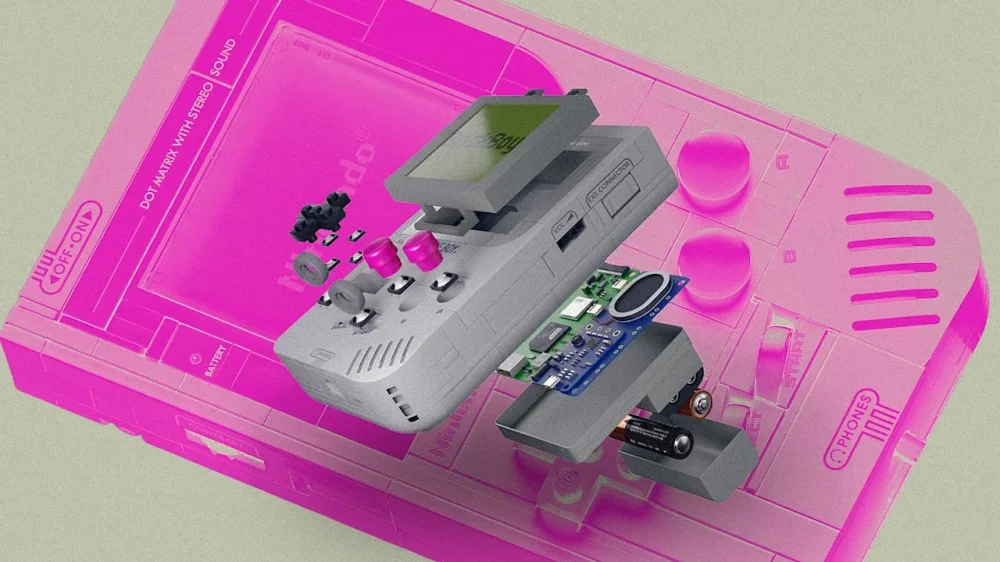
If you loved the Lego Game Boy but couldn’t get yourself to buy it because it was only a display piece that couldn’t play actual Game Boy games, I’ve got great news for you: It’s no longer merely a clever block of bricks. Substance Labs, a merry band of Lego and gaming lovers based in Switzerland, have created a kit that retrofits the official brick-perfect Lego set into an unofficial pixel-perfect playable Game Boy. The name of this wündertronics is BrickBoy. Yes, it’s a Kickstarter project, so the usual “may not deliver” caveats apply. Substance Labs calls itself “a team of creators and engineers who grew up building with Lego and gaming on the classics [who have] spent the last years working across hardware, software, and product design, from open-source projects to custom electronics.” I need to believe they will deliver on their promise because I need to believe that dreams do come true sometimes. And apparently, given the more than $500,000 that they have collected so far from project supporters, many other people feel the same way. Substance Labs says the prototypes are built and tested. “We have shipped a ‘naked kit’ to early testers, creators, and magazines,” the company says. “Now we are ready to move into the next phase together with you.” The technical implementation of the BrickBoy kit is modular, allowing users to install the electronic core into the Lego chassis in under 10 minutes without soldering or coding. The hardware fits directly inside the assembled model, activating a functional display and speaker system that runs freeware, home-brew titles, and legally obtained ROMs. While the base unit relies on digital files, an optional third-party cartridge reader add-on allows the system to interface with physical Game Boy, Game Boy Color, and Game Boy Advance cartridges. Kits start at $115 for the “essential” edition, which will make your Lego model play original Game Boy games. A $196 “collector’s kit” model plays every Game Boy title, including Classic, Color, and Advance, without any limitations. The Substance Labs designers say it has accelerable gameplay for faster sessions (so you can pace through long Pokémon games), a customizable backlight, Bluetooth audio, wireless game loading, and system updates. They have other versions, like the Gamer and Collector editions, which have additional features like Bluetooth audio and an “Exposition Mode” that keeps the unit powered and lit for display purposes. I don’t care much about the display purposes myself. My home might be the closest thing to the Lego House—complete with a Lego brick minefield all over the floor, thanks to my son—so I welcome the idea of turning all these Lego nostalgia sets into functional gear. The Danish company has been milking the ’80s and ’90s with sets like Lego Atari and Lego Pac-Man, which are cool and all, but do nothing but sit on a shelf gathering dust. The BrickBoy is a perfect example of how Lego could perhaps think of a way to make its sets actually usable objects. Not all of them would be possible to turn into a real thing, but models like the Game Boy, with its spot-on dimensions and proportions, are ideal. I get it, though. There’s probably not enough business to justify the engineering effort to mass-produce something like this. So Lego will leave it to the obsessives. Now Substance Labs better Miyamoto the hell out of this thing and hurry up with the deliveries, because I really need to get it for my son this holiday season. He’s already a Mario junkie, and he will become a Tetris addict too, just like his dad. View the full article
-
I’ve worked for myself for nearly a decade, and in all but one of those years I’ve earned more than the U.K. average salary. Some years it’s been a little more. I’m naturally frugal, and even during the rockiest stretches, there’s always been enough to cover the basics—plus a safety net if I ever truly needed it. Yet I worry about money constantly, gnawed by the sense that I’m only one missed invoice from financial collapse. Although I’m generally wary of self-diagnosis, the term “money dysmorphia”—a disconnect between how we feel about our finances and the reality—fits me like a glove. From the rise of HENRYs (“high earners, not rich yet”) to the boom in “income stacking,” today’s workplace trends illustrate just how messed up our relationship with finances has become. While money dysmorphia isn’t a clinical term, it’s a shorthand that many workers now recognize. Credit Karma reports that 29% of Americans experience it, especially millennials and Gen Z, so I’m in good company. But could the nature of solopreneurship—the feast-or-famine cycles, the autonomy, the pressure to slay in your own lane—make us even more prone? “It’s absolutely heightened for solopreneurs, freelancers, and anyone with an unstable income,” says Alex King, founder of financial education platform Generation Money. “Without a fixed monthly salary, they normalize volatility and uncertainty, which can create a sense of inadequacy or inflated confidence in their finances.” The numbers paint an intriguing picture. Advice site Freelancing Support reported that 41% of freelancers struggled with poor financial well-being in 2024, and a 2025 study found that three in four U.S. solopreneurs have less than six months’ worth of savings—or no safety net at all. Plenty of people have good reasons to be anxious. But a surprising portion are on solid ground: The number of six-figure solopreneurs has almost doubled since 2020, and research from the Minneapolis Fed shows that self-employed workers earn significantly more over their careers than those in traditional jobs. “Everyone’s always thriving, innovating, scaling” Kim Berndt, cofounder of the fashion tech collaboration lab We.art studio in Cologne, Germany, has been a solopreneur since 2017. After three years of not paying herself a salary, her numbers finally look stable. Emotionally, though, she feels anything but. Social media plays a significant role in warping her sense of financial reality. “It’s the biggest scam, because it creates the illusion that everyone is always thriving, innovating, scaling,” she says. “The two industries I straddle—tech and fashion—glorify speed and visibility, yet they’re the Wild West when it comes to pay.” Berndt has accepted that she may never feel stable, especially in an emerging field that many still don’t understand and that offers little clarity around value. “I chose self-employment, so I have to find ways to cope,” she says. I identify with Berndt’s me-against-the-world mentality, so I was curious to hear what financial therapist Elana Feinsmith had to say about this predicament. I told her about the ripple effects of my own money dysmorphia: oscillating between avoiding my bank balance and obsessively checking it, hesitating to charge fairly, and feeling guilt and shame over basic spending. “Finances are like an iceberg,” she says. “The numbers sit above the waterline, but below is where the dark, murky feelings live.” She encourages me to examine not just the volatility of my work but also the “money scripts” I learned earlier in life. It doesn’t take her long to extract that being the eldest daughter (surprise!) has something to do with it. “Figure out the amount that would calm your nervous system, then project a few years down the line to see the real picture,” she tells me. A panic alarm sounds in my head—if only it were that simple. Feinsmith says that reaction is typical of money dysmorphia. It makes long-term planning seem impossible, and she sees clients grapple with it at every income level. Addressing the iceberg There are now 72.9 million independent workers in the U.S., and almost everyone wants to leave corporate jobs to start their own businesses, amid the fifth year of persistent inflation. King warns that these conditions are likely to breed more widespread money dysmorphia. But it doesn’t have to define the solopreneur experience. Small structural changes can help close the gap between perception and reality. “Have separate accounts for personal and business finances,” King advises. “Combining them distorts whether you feel rich one month and poor the next. Avoid months of paying yourself nothing, and don’t overpay yourself when things go well.” Ideally, work toward a baseline salary or a fixed minimum to cover costs. As the end of the year approaches, I’m particularly beguiled by other freelancers’ 2025 roundups, where they highlight their wins, earnings, and learnings. I’m all for championing the wins, but after ingesting a few, I fall into catastrophizing my own balance sheet. King points out that many of these “updates” confuse revenue with profit. “They’re not saying ‘I made X amount, but then had to deduct what I spent on outreach, subscriptions, and training,’ because that’s not sexy,” he says. This year, I’ll be approaching the freelance wrap-up posts with caution. And after consulting the experts, I’m more convinced that there’s no quick fix for financial dysmorphia. Yet just the idea of taking a pickax to my financial iceberg makes me feel calmer. Perhaps that’s the best economic stability a solopreneur can ask for: not perfect peace of mind, but the confidence to keep moving anyway. View the full article

-
As the midterm election primaries inch closer, some candidates are focusing their campaigns on how they’ll regulate artificial intelligence. On the right, populist Republicans are warning that the AI industry stands to undermine the Make America Great Again movement. On the left, there’s worry about the sector’s growing political and social power. Across the spectrum, there’s near-universal concern about what the technology might be doing to children. The donor class is now getting involved: A super PAC called Leading the Future backed by OpenAI executive Greg Brockman and Andreessen Horowitz plans to spend as much as $100 million in the midterms to support its preferred candidates. Another bipartisan super PAC, focused on pushing for a national framework on regulating AI, formed earlier this week. These fights come as the The President administration pushes to limit the ability of states to regulate the technology. Alex Bores, who authored legislation on AI in New York state and is running to represent its 12th district, has become an early target for Leading the Future’s political spending during the midterms. “It’s a badge of honor,” he says, comparing the effort to an F rating from the National Rifle Association. “This is not tech versus everyone else,” he tells Fast Company. “This is one small subset of the tech ecosystem that, instead of engaging in collaborative discussions on bills and how we can work for all, has decided they want to drown out the voices of anyone who isn’t them by spending hundreds of millions.” Fast Company chatted with Bores about AI in politics, his time working at Palantir, and what it might take to modernize the government. This interview has been edited for length and clarity. One of the things the draft executive order talks about is creating a federal approach to regulating AI by the The President administration. How seriously do you take that? It’s a cliché in D.C. that when you want something to not get done, make a commission to study it. And so making a proposal to study a thing—to maybe put a policy forward—is silly. I want to be clear, the correct answer to these questions is a federal standard. The only reason the states have been acting is because the federal government hasn’t. If they want to actually work on a federal standard, they will find partners across the aisle. What they are prioritizing is stopping any state from taking action, not actually solving problems. We’re in a moment when there’s a lot of criticism and debate about what the future of the Democratic Party should look like. In New York, a liberal stronghold, I’m curious about where conversations about how we should handle emerging technologies and AI might sit in the remaking of the Democratic Party—and the push to focus on issues that speak to younger voters and disaffected voters who haven’t been so into what the Democrats have been offering. We should always be human first and human focused. The specific ways that plays out in AI policy are ones that speak to younger people. The biggest impact of AI on the job market right now is on entry-level jobs, and you’re seeing a rise in unemployment of people in that cohort looking for their first job. One of the most popular things we did in New York this year was phone-free schools and making it so that we could actually change how tech is used in the classroom and make sure that it’s been used for education and not for screening or scrolling on social media. [Earlier this year, the state instituted new rules on electronic devices during school hours.] We shouldn’t shoot for one big grand bargain on AI, as if it’s a static issue. It is something that infuses everything we do, and we need to continually be updating our protections as the technology grows. Can you talk a little bit more about what you did at Palantir and your decision to leave? I was at Palantir for four and a half years. I spent the vast majority of that time on the federal civilian team, and so it was working with the government to better serve the American people. I worked with the Department of Justice to go after the opioid epidemic. . . . I worked with the Department of Veterans Affairs on better staffing their hospitals and better serving veterans. I worked with the CDC [Centers for Disease Control and Prevention] on understanding epidemics. I’m really proud of the work that I did there, because it was all about actually making government work better. Separate from tech, I think that’s the thing that the Democratic party and the country as a whole needs to see more of, is people who are willing to push through the obstacles and make sure that government is actually a force for good and serving people, and not just the political mudslinging that is most of what they see on TV. I left in 2019 when Palantir renewed—or soon after—Palantir renewed their contract with ICE. Palantir had a contract with Homeland Security Investigations to help with fighting cross-border drug trafficking and human trafficking. During the first The President administration, they started using that software for Enforcement and Removal Operations—for what most people think of as deportation. That’s a different department within ICE. . . . That wasn’t something that was foreseen when the contract was signed in the Obama administration. And when Palantir renewed that contract, without cutting off that work or putting in protections that would step up in the future, that motivated me to leave. What do you make of the conversation surrounding Palantir right now? The company has insisted that it’s worked through multiple administrations, but the work with ICE, as well as with Israel, has sparked major criticisms of the company. I haven’t been there for six years, so I don’t have more detail on how they currently operate than anyone reading the news, but I’m proud of the work that I did there and very public with the reasons why I left. How hard is it to buy technology in government to make things faster, more efficient? Government modernization—updating government software and providing better customer service—continues to be a big challenge. No one asks about government acquisition. This is amazing. It’s horribly inefficient, and that hurts the American people. It takes the government far too long to be able to sign a contract, so the cost—therefore what the American people end up paying—rises. It then benefits sort of the insiders who know how to do contracting more than the people who can deliver useful services, so then the American people don’t get the benefits from startups and others that might have cheaper, faster ways of solving problems. It is a problem at every level of government. One of the first bills I passed in New York, as an Assembly member, was making it easier for the government to actually use cloud computing instead of buying servers and always running on hardware, which slowed down getting services to New Yorkers. . . . A program called FedRAMP was supposed to make it easier to get tech to the government: You would do one security screening, be certified, and then be able to sell to each [federal] department, so they didn’t have to do their own [screening]. But it has become an incredibly onerous process that just makes it much more difficult to actually work with the federal government. Should politicians be using generative AI in advertisements? I haven’t done it. But I have written the laws in New York that regulate it, and what we came to was it has to be disclosed. And if you use it to make deepfakes of a candidate, the candidate has the right to sue for injunctive relief with expedited review to pull that ad down if it’s going to deceive the public into something that actually happened. The problem of deepfakes is one that has a technical solution, and policymakers just haven’t kept up. Historically, we’re told it’s . . . just going to be a cat and mouse game where you have better detectors of deepfakes and then better AI generators [or that] we’ll never win that battle. But the industry has created a free, open-source metadata standards of data called C2PA that can be attached to any standard audio, video, or image file type that cryptographically proves whether that piece of content was taken from an actual device, was generated by AI, and/or how it’s been edited throughout the process. If you got to a place where 90%, 95% of people were using that standard, we’ve solved the problem of deepfakes, because anytime you don’t see that credential, you would immediately be suspicious of what’s being shown. View the full article

-
Discussions failed after UK refused to pay billions of euros in feesView the full article
-
After Thanksgiving, brands will bombard you with Black Friday and Cyber Monday promotions. It can be overwhelming to know what to buy. After all, some deals aren’t actually all that good. And besides, you don’t want to make impulse buys that you’ll regret later and that will end up in a landfill in the near future. To help cut through the noise, we’ve picked out the best deals from design-forward brands. They create beautiful products that are thoughtfully designed to last for years. We’ve even picked out some of our favorite classic products that you will enjoy using for a long time. All the prices below are before discounts. MoMA Design Store 20% off site-wide Might we suggest these quirky espresso mugs ($50) or these toasty Jeffrey Gibson-designed slippers ($85) or this gorgeous color-saturated Japanese toolbox ($145)? Boll & Branch 25% off site-wide, with up to 50% off select styles Boll & Branch has some of the most beautiful bedding on the market. But more impressively, each product is fully traceable—so you know that neither workers nor the planet were harmed in creating them. Their soft blankets are worth the investment. We recommend the signature hand-stitched quilt (from $498) and the new woven icon ($699). Brightland 25% off site-wide It’s not just olive oil; it’s olive oil in an elegant bottle adorned with art. The Artist Series ($170) features labels featuring exclusive art from independent artists that Brightland commissioned. There’s also a Classic Minis gift set ($89) that serves as a sampler. The boxes are packaged so beautifully that you don’t need wrapping paper. Terra Kaffe Between $250 and $400 off If you’re in the market for a new coffee maker, this beautifully designed, high-tech automatic espresso machine by Terra Kaffe could be your answer. It doesn’t require any pods (just beans), which saves plastic. The Wi-Fi-enabled, fully loaded machine goes for $1,995 (now $400 off), and the compact Demi goes for $795 (now $250 off). Everlane Up to 50% off everything Skip the impulse buys and shop for classic, minimalist pieces, which are Everlane’s specialty. You can’t go wrong with a wool rollneck sweater ($228) or a pair of classic leather booties ($298) or the brand’s new fully recyclable jacket, the Everpuff ($348—now at half price). Baggu 25% off site-wide It’s time to stock up on some of the best-designed reusable bags on the market. The Duck Bag ($42) is an icon. Don’t sleep on the limited-edition three-packs of standard Baggus ($42), which now come in Miffy and Western designs. The Citizenry 25% off site-wide We recommend the brand’s architectural vases that are handcrafted by artisans in India and Mexico, like the Vati ($79) or the Terranova ($429). The home decor company is also famous for its Mercado baskets, which start at $105. Larroudé 50% off site-wide (exclusions apply) Larroudé is known for making comfortable shoes designed by the former fashion director at Barneys. They are high quality and manufactured in the brand’s own factories in Brazil. Now is the time to pick classics you will wear for years to come, like the block-heel Ricky Boot ($550), the party-ready Ari Pump ($395), or the Verona Ballet Flat ($315). The brand’s new sneaker, the Stella ($250), has been a bestseller this year. Clare V. Special deals across the site The brand’s iconic designs include the Moyen Messenger ($485), the Simple Tote ($575), and the Remi Backpack ($485). Alessi Up to 50% off everything, plus an additional 10% for Black Friday The Italian housewares brand Alessi is very popular among design nerds for good reason. Over the years, it has collaborated with industrial designers and architects to make thoughtful products for everyday life—from a flyswatter designed by Philippe Starck ($30 now 25% off) to iconic kettles in the shape of a cone, originally designed by Aldo Rossi ($435 now 25% off). View the full article