ResidentialBusiness
Administrators
-
Joined
-
Last visited
Everything posted by ResidentialBusiness
-
 State media celebrate turnaround but experts warn it will not reverse demographic declineView the full article
 -
On episode 331 of PPC Live The Podcast, I speak to Dale Olorenshaw, Head of Paid Media and Search at StrategiQ, who shares a painful but valuable experience involving a high-budget test campaign and a critical oversight. The costly PPC mistake The story centers on a test campaign with a £15,000 budget. Despite strong clicks and engagement, the campaign delivered almost no conversions. After a month, the client emailed to point out that traffic had been sent to the wrong landing page. The dedicated test page they built had never been used. What went wrong internally The error happened for several reasons. Dale bypassed the internal QA process because he managed the campaign alone. He ignored early instincts that something felt off. And because top-line metrics looked normal, he didn’t dig deeper into the conversion issue. The biggest blow was realizing the client found the mistake first. How Dale handled the fallout Although panic set in immediately, Dale avoided sending a rushed, emotional response. He replied with a simple acknowledgment saying he would investigate, stepped away to reset, and waited until he had all the facts. The next morning, he informed his account director with full honesty: “I’ve messed up.” The recovery plan StrategiQ supported Dale fully and focused on solutions. The agency reconciled part of the wasted budget, delivered additional work at no extra cost, and offered reduced fees for the next project phase. The test was relaunched correctly, and the client relationship ultimately remained strong. What Dale learned This experience changed how Dale works today. He always follows QA processes, even as a department head. He trusts his instincts when numbers look unusual. And he encourages team accountability by asking for second opinions and double-checks, demonstrating that seniority doesn’t eliminate human error. A common PPC mistake Dale still sees Beyond his own error, Dale highlights a frequent PPC issue: overcrowded Responsive Search Ads. Google encourages advertisers to add many headlines and descriptions, but with small budgets, this creates thousands of ad combinations that never receive enough data to learn from. His recommendation is to reduce the number of assets and focus on clarity and quality. Why talking about mistakes matters Dale believes the PPC community needs more honest discussions about failure. Newcomers often only see success stories online and assume mistakes indicate incompetence. Sharing real experiences helps normalize errors, reduce pressure, and show that most growth comes from finding solutions. Building a supportive culture Dale closes with leadership advice: create a team environment where mistakes don’t feel career-ending. Encourage honesty, remove blame, and make it clear that challenges are addressed together—not left to individuals to carry alone. Dale’s Final Message If there’s one lesson to take away, it’s this: Don’t be rash, be honest, and treat client money like your own. View the full article
-
This comment section is open for any non-work-related discussion you’d like to have with other readers, by popular demand. Here are the rules for the weekend posts. Book recommendation of the week: Wreck, by Catherine Newman. A woman in middle age has a delightful family, a mysterious rash, and a preoccupation with a local train accident. The family is the same one from Newman’s earlier novel, Sandwich, but this book is 10 times funnier, and you don’t need to have read the first one to enjoy this one. (Amazon, Bookshop) * I earn a commission if you use those links. The post weekend open thread – November 22-23, 2025 appeared first on Ask a Manager. View the full article
-
President’s latest peacemaking effort in Ukraine involves another quest for a payoutView the full article
-
Hardline message over US-Russia plan at volatile meeting in Kyiv sparks alarm among European allies View the full article
-
The gap between the release of the movie musicals Wicked: Part I and Wicked: For Good feels like the longest intermission ever. Eager fans had to wait a year before seeing the story’s conclusion, which premieres November 21. The creative team behind Wicked claims to have tried to condense the plot down to just one film, but an overabundance of material led to the decision to split it into two. Financial considerations also likely came into play as two films will make more money than one. As fans celebrate Wicked: For Good’s release week, let’s get you up to speed on everything you need to know, including projected box-office figures. Who’s in the movie? Since Part I and For Good were shot back-to-back, many actors are reprising their roles. Cynthia Erivo and Ariana Grande lead the way as former besties Elphaba and Glinda. “Sexiest Man Alive” Jonathan Bailey smolders as Prince Fiyero. Jeff Goldblum, Michelle Yeoh, Marissa Bode, and Ethan Slater all return as the Wizard, Madame Morrible, Nessarose, and Boq, respectively. There are some new additions to the movie as well. Young Glinda is played by Scarlett Spears. Colman Domingo lends his voice to the Cowardly Lion. Bethany Weaver rocks the iconic blue gingham dress as Dorothy. What new songs have been added? Expanding the musical into two movies gave composer Stephen Schwartz the opportunity to write new music. Both Glinda and Elphaba have solo songs that were not featured in the original stage production. Glinda sings “The Girl in the Bubble” while Elphaba performs “No Place Like Home.” Several other songs, such as “Wonderful,” have been expanded. Do you need to see ‘Wicked: Part One’? The blunt answer is yes. Wicked: Part I is the first half of the stage musical. It would be hard to follow if you have never seen the beginning of the story. Plus, the first installment received 10 Academy Award nominations and two Oscar trophies—for Best Costume Design and Best Production Design. Director Jon M. Chu was snubbed in the Best Director category last time around. If you need to get up to speed quickly, YouTube has plenty of recaps. What are critics saying? While award season is not yet upon us, critics have given the film mixed reviews leaning toward the positive. As of publication, the film received a Tomatometer score of 72% and a Popcornmeter of 97% on Rotten Tomatoes. Vulture’s Bilge Ebiri liked the second film better than the first. He argued that the conclusion “was more somber, more focused, more human than the first film. And it brings the Wicked cycle to a surprisingly satisfying conclusion, at least for now.” The BBC’s Caryn James agreed wholeheartedly. “This latest installment is more captivating than the last and enjoyable to watch throughout.” David Rooney of The Hollywood Reporter was particularly moved by Grande’s performance of the new song. “Grande floods it with so much feeling that it humanizes and enriches the character and, by extension, the whole movie,” he mused. Not everyone was so enthusiastic. William Bibbiani from TheWrap called it “quite bad” because of the plot holes failing to explain its Wizard of Oz origins. The AP’s Jake Coyle said the film just “doesn’t delight.” Even though both Bibbiani and Coyle did not enjoy the film as a whole, they agreed that the actors gave amazing performances. What are the box-office predictions? Expectations are high for Wicked: For Good. The first film grossed more than $758 million worldwide, according to Box Office Mojo. Its debut weekend alone brought in more than $112 million and set the record for the best opening ever for a movie based on a Broadway musical. Deadline predicts that the global opening weekend for Wicked: For Good will exceed its predecessor and bring in around $200 million. Comcast-owned Universal Pictures, which is releasing the film, is projecting a more conservative estimate of $125 million, Variety reports. According to Variety, the movie cost around $150 million to make before advertising costs. The long interlude has allowed audiences to anticipate the film. Time will tell whether they follow the yellow brick road back to movie theaters this holiday season. View the full article

-
Judge Leonie Brinkema said a ‘dramatic’ forced sale may not be ‘easily enforceable’View the full article
-
Billionaire investor seeking to take investment group public as early as the first quarter of next yearView the full article
-
The Consumer Financial Protection Bureau said the new oath was necessary because prior leadership engaged in what it describes as "thuggery" during exams. Former CFPB officials rejected the agency's characterization of past actions. View the full article

-
A federal judge in Pennsylvania ruled the debtor could not prove she was injured by any alleged conduct by Nationstar or other defendants WSFS and A&D. View the full article

-
Saul Van Beurden, Wells Fargo's consumer banking CEO and former head of technology, will lead the way on harnessing artificial intelligence. View the full article

-
The average premium increase is 64% or $600 a year more, and in some states the rate would go up by more than $1,000, the comparison shopping platform found. View the full article

-
We may earn a commission from links on this page. Deal pricing and availability subject to change after time of publication. Black Friday sales officially start Friday, November 28, and run through Cyber Monday, December 1, and Lifehacker is sharing the best sales based on product reviews, comparisons, and price-tracking tools before it's over. Follow our live blog to stay up-to-date on the best sales we find. Browse our editors’ picks for a curated list of our favorite sales on laptops, fitness tech, appliances, and more. Subscribe to our shopping newsletter, Add to Cart, for the best sales sent to your inbox. Sales are accurate at the time of publication, but prices and inventory are always subject to change. Black Friday deals aren't just on physical products. While you can find discounts on everything from fitness trackers to Kindles, subscriptions also have Black Friday sales, too. Case in point: Apple TV—not Apple TV+ anymore, mind you. Apple's own subscription service typically costs a relatively expensive $12.99 per month. But as of today, Nov. 21, new and returning Apple TV customers can snag a six-month subscription to Apple TV for $5.99 per month. That amounts to more than a 50% discount on each month (53.89%, to be precise). You have some time to claim this price cut. This is a Black Friday deal, after all, so you'll be able to sign up now through Dec. 1 at 8 p.m. PT (Cyber Monday). Once you do, you'll be set for six months, but just make sure to keep an eye on the calendar: Once those six months are up, Apple will go back to charging you the full $12.99. You'll also need to subscribe through a method where Apple bills you directly. You won't be able to take advantage of the discount if you sign up for Apple TV through a third party. Finally, you won't be eligible if your account qualifies for a free trial. If you haven't been tuned in to Apple TV, now's a great time to check it out. The platform has surprisingly great catalogue, including popular shows like Severance, Ted Lasso, and Shrinking. Plus, there are a number of shows airing new episodes right now, like Pluribus, The Morning Show, and The Last Frontier. You can redeem the offer from any device that bills directly to Apple, or from Apple TV's official site. Does Apple do Black Friday?Yes, Apple participates in Black Friday, though you may want to compare its sales with other retailers like Best Buy and Walmart. Apple is offering an exclusive $250 gift card for eligible purchases, but so far, the best Black Friday sale on an Apple product is the M4 MacBook on sale for cheaper than ever. Are Black Friday deals worth it?In short, yes, Black Friday still offers discounts that can be rare throughout the rest of the year. If there’s something you want to buy, or you’re shopping for gifts, it’s a good time to look for discounts on what you need, especially tech sales, home improvement supplies, and fitness tech. Of course, if you need to save money, the best way to save is to not buy anything. Are Cyber Monday deals better than Black Friday?Black Friday used to be bigger for major retailers and more expensive tech and appliances, while Cyber Monday was for cheaper tech and gave smaller businesses a chance to compete online. Nowadays, though, distinction is almost meaningless. Every major retailer will offer sales on both days, and the smart move is to know what you want, use price trackers or refer to guides like our live blog that use price trackers for you, and don’t stress over finding the perfect timing. Our Best Editor-Vetted Early Black Friday Deals Right Now Apple AirPods Pro 3 Noise Cancelling Heart Rate Wireless Earbuds — $219.99 (List Price $249.00) Apple iPad 11" 128GB A16 WiFi Tablet (Blue, 2025) — $279.00 (List Price $349.00) Amazon Fire HD 10 (2023) — $69.99 (List Price $139.99) Sony WH-1000XM5 — $248.00 (List Price $399.99) Blink Outdoor 4 1080p Wireless Security Camera (5-Pack) — $159.99 (List Price $399.99) Amazon Fire TV Stick 4K Plus — $24.99 (List Price $49.99) NEW Bose Quiet Comfort Ultra Wireless Noise Cancelling Headphones — $298.00 (List Price $429.00) Shark AI Ultra Matrix Clean Mapping Voice Control Robot Vacuum with XL Self-Empty Base — $249.99 (List Price $599.00) Apple Watch Series 11 (GPS, 42mm, S/M Black Sport Band) — $349.99 (List Price $399.00) Western Digital 14TB Elements Desktop External Hard Drive — $169.99 (List Price $279.99) Deals are selected by our commerce team View the full article
-
Want to block ads on your Mac, iPhone, or iPad? wBlock is quickly becoming my favorite solution: it's free, open source, fast, and customizable. Ad blocking is in a weird place. Google, the company that makes more money from advertising than any other on Earth, is actively working to make ad blockers worse on Chrome while it also makes it harder to block ads on YouTube. Basically, it's a good time to not use Chrome. So it's nice that Apple users have another choice: Safari. And, as luck would have it, Safari has an extremely efficient API for ad blocking built right in. The ad blocker wBlock uses this, and the result is ads are blocked in a way that doesn't slow down your browsing. I wrote a few months ago about uBlock Origin for Safari, which doesn't use Apple's native blocking feature. I enjoyed how effective that application was at blocking ads, but over time I've found it does impact the performance of my browser a little. After setting up wBlock, everything feels snappy. You can install wBlock from the App Store on your Mac, iPhone, or iPad. After doing so, you can choose which filter lists you want to use. Several are offered, or you can just stick with the defaults. Credit: Justin Pot You will also be asked if you want to enable any userscripts. The ones offered bring back YouTube's old interface and bypass paywalls. You can also install custom userscripts, if you want, meaning you won't need a separate application for that functionality. After that, you'll need to open Safari, head to the settings, and turn on all the wBlock entries you see on the extensions page. Do that and you should be able to browse the web without any ads. If you're curious about how this extension works and how it compares to other Safari ad blockers, I recommend checking out the documentation on Github—it goes over how this tool works and how it differs from other applications. I also encourage you to think about the pros and cons of blocking ads overall. View the full article
-
Expected move by chancellor Rachel Reeves next week faces strong pushback from businessesView the full article
-
Pew’s data shows YouTube and Facebook lead U.S. social media use, while TikTok, Instagram, WhatsApp and Reddit grow and newer platforms remain niche. The post Pew: 84% Of Adults Use YouTube As Platform Growth Continues appeared first on Search Engine Journal. View the full article
-
If you've spent years curating playlists in Apple Music or another streaming service, you can now easily transfer your playlist to your Spotify library without needing to start from scratch or pay for a third-party service. Playlist transfers are now built into Spotify thanks to a new integration with TuneMyMusic, which facilitates music syncing, sharing, transfers, and backups across platforms. To initiate a playlist transfer from Apple Music or another streaming service (YouTube Music, Amazon Music, SoundCloud, etc.), open the Spotify mobile app and tap Your Library. Scroll to the bottom of the page, tap Import your music > Get Started, and follow the on-screen prompts to connect with TuneMyMusic. You can choose which platform to transfer music from, and your playlists will populate in Spotify. Your playlists will remain on the original platform, as they are simply being copied into Spotify. (This feature is currently rolling out to users, so you may need to update your Spotify app.) Data portability across music streamers has been very limited, but it's getting better: TuneMyMusic was already compatible with Spotify, but users had to sign up for a free trial with the service and were capped at just 500 songs before needing to upgrade to a paid plan. (Other third-party playlist transfer tools include FreeYourMusic and Soundiiz.) Apple Music has a music transfer feature built into its iOS and iPadOS (under Settings > Apps > Music) as well as the Apple Music app for Android and via the web. YouTube Music supports playlist imports and exports but requires a third-party service for platforms that don't permit direct transfers. View the full article
-
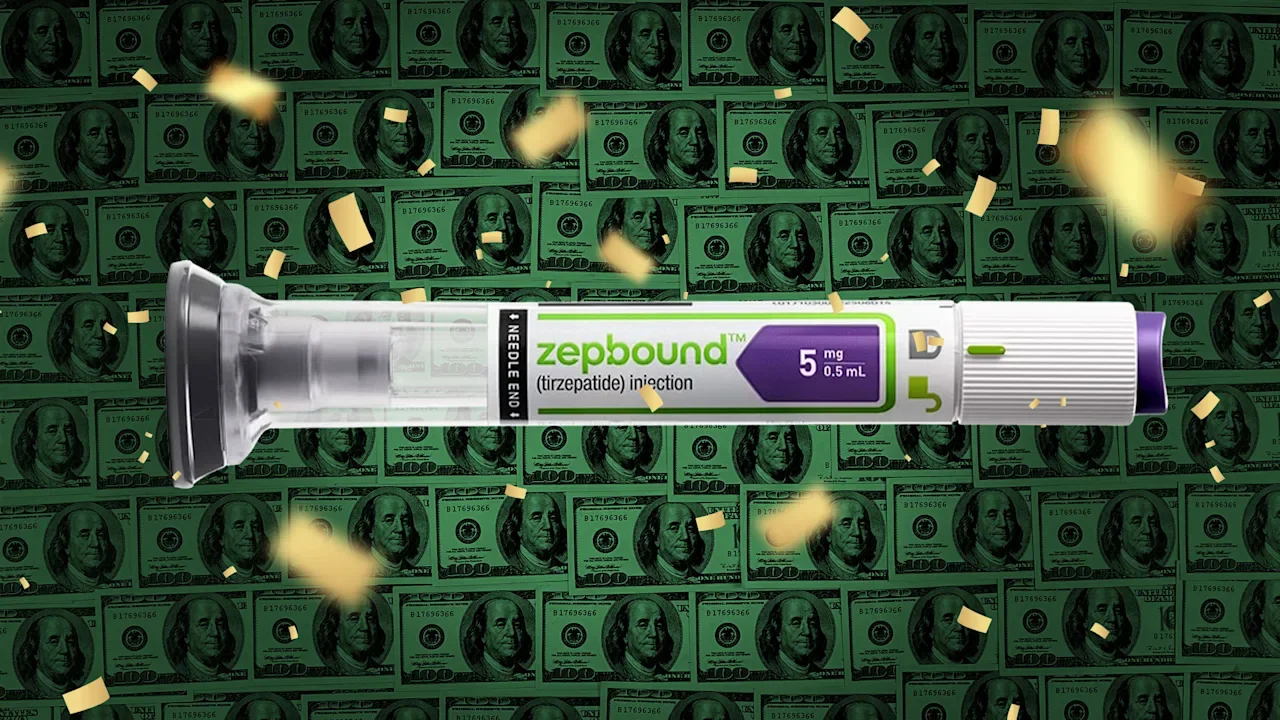
Silicon Valley’s giants crowd the list of the world’s most valuable companies, but drugmaker Eli Lilly is hot on their heels. The company topped a market capitalization of one trillion dollars on Friday, becoming the first business in the health industry to hit that milestone. Lilly’s achievement comes during a tense week for stock watchers. AI chipmaker Nvidia, which itself became the first $5 trillion company less than a month ago, beat expectations with its latest quarterly earnings. But with AI overrepresented among the world’s top businesses and massive AI investments making headlines every day, investors remain skittish that excitement over the tech might be overblown. While Lilly still sits just outside the global top ten most valuable companies, its rise demonstrates that non-tech businesses can still chart a path to the stock market’s upper echelons. In Lilly’s case, that rise was powered by spiking interest in weight loss drugs – a trend that has nothing to do with the white hot world of AI. Rise of GLP-1s The Indianapolis-based drugmaker enjoyed a massive 35% boost in its stock price this year, tapping into the rise of weight loss drugs with its own offering, tirzepatide. Lilly’s star drugs, Mounjaro and Zepbound, both package tirzepatide, with the former approved to treat Type 2 diabetes and the latter prescribed for weight loss or sleep apnea. Tirzepatide works by simulating two naturally-occurring gut hormones that influence digestion, appetite and help the body regulate blood sugar. Lilly’s two hot weight loss drugs earned the company more than $10 billion in the third quarter of the year, accounting for more than half of its $17.6 billion in sales during the same period. By the end of October, Mounjaro and Zepbound had already made the company $25 billion – more than the drugmaker’s total revenue in 2020. Keeping its growth going after such a landmark year poses a challenge, but Lilly is already deep into the development of a new weight loss drug in pill form that offers a convenient alternative to regular injections. That drug, orforglipron, is a candidate for early FDA approval, a process that could put it on the market very quickly. Eli Lilly bests the competition As Lilly races to release its weight loss pill, rival drugmaker Novo Nordisk is doing the same. Novo Nordisk is also currently awaiting FDA approval for its own oral weight loss drug under the agency’s new expedited process. Both drugmakers are also slashing the price of their injectable weight loss drugs after the The President administration called on them to lower prices. “I’m thrilled to announce that the two world’s largest pharmaceutical manufacturers, Eli Lilly and Novo Nordisk, have agreed to offer their most popular GLP-1 weight-loss drug—I call it the fat drug, remember—at drastic discounts,” The President said. While Eli Lilly is riding high on the weight loss craze this year, Novo Nordisk isn’t enjoying the same confidence from investors. Novo Nordisk’s value more than quintupled heading into last year, but the company’s shares fell sharply in 2025 as its first-mover advantage in the weight loss market dissolved and compounding pharmacies took a bite out of its business. Eli Lilly wasn’t first to market, but it made up ground quickly, securing FDA approval for diabetes drug Mounjaro and its weight-management counterpart Zepbound. Eli Lilly shares have soared since those drugs started hitting the market, showing no sign of flagging. “We’ve spent 150 years going after some of the hardest-to-treat disease states—like [developing] lifesaving insulin [for diabetes], eradicating polio, revolutionizing depression with Prozac—and we’re still laser-focused on innovation,” Eli Lilly’s Global Chief Customer Officer Jennifer Oleksiw told Fast Company recently. “But the game has changed. It’s not delivering medicine; it’s taking that medicine and adding the right solutions, services and content, and making it personalized, accessible and scalable.” View the full article
-
Someone stealing your credit card information is the absolute worst. Opening your statement to see expensive charges you didn't make is stressful, and canceling your card—and dealing with all of your attached subscriptions—is a nightmare. So if you get a call about an unauthorized charge for a brand new iPhone, you're probably going to want to get to the bottom of it. Here's the thing: It's likely a scam. I speak from experience: My wife keeps getting calls from unknown numbers, all of which leave voicemails about charges for iPhones. The voicemail starts off with what sounds like standard holding music. Suddenly, a voice pops in, saying something to the affect of: "This is Amazon. This call is to authorize the payment of $999 for the recent order of Apple iPhone 16 Pro on your account. If you do not authorize this payment, please press "one" to speak to our customer support representative." Your call may also be about, "the payment of $1,099 for the recent order of Apple iPhone 17 Pro on your account." We are inundated with the calls, and besides the payment amount and the specific iPhone model, the rest of the message is identical. As you might expect, no such charges are actually present on either our Amazon account or in our credit card history. That's because no one bought an iPhone in our name, or by using our financial information: This was simply a scam. Had we answered the phone and pressed "one" to speak with a "customer support representative," or called the number back after listening to the voicemail, this is what would have likely happened: The "representative" would have assured us that they would be able to dispute the charge, but of course they'd need some information from us first. Perhaps they would have needed us to confirm the credit card information, and would ask us to read our digits out loud. Maybe they'd need to make sure we actually owned the Amazon account in question, and would ask for our two-factor authentication code to "confirm our identity." No matter what the case, the scammers would have been praying on our concern about the charge to extract some type of sensitive information from us, all for their own financial gain. Had we called back and complied, we would have almost assuredly handed the scammers the money we thought they were helping us get back. What to do if you get this voicemailIf you get a voicemail like this, don't call them back. If you pick up the phone, and you get this message, don't press "one;" just hang up. You are definitely being scammed, and there's no risk in simply ignoring the caller completely. If you'd like to verify their claims, don't involve the caller at all. Instead, head to your Amazon account, and check your order history. You'll be able to see if any such iPhones were ordered under your account—and, if they were, you can cancel the order here. Similarly, check your credit card history: If you don't see a charge for an iPhone, there wasn't one. If you do see one, reach out to the credit card company directly through their official contact information. Scammers rely on pressure tactics that stress you out, and make you feel like time is of the essence. It rarely ever is. While it might seem common practice for companies like Amazon to call customers about large charges, it really isn't. If you ever receive unsolicited communications from someone claiming to represent a company you belong to, you can always end the conversation, and reach out directly yourself. If you contact Amazon's official customer support, or the company that issues your credit card, they'll be able to confirm or deny the claim for you. While you can block the number, it might not do much good. Each time we've received a call, it's been from a different number, so my guess is they're not reusing numbers when calling you back. Instead, you should strongly consider using one of Apple's built-in anti-spam tools. If you're running iOS 26, you can choose to have your iPhone screen calls from unknown numbers, and ask for information before sending the call your way. No matter which version of iOS you have, you can also choose to silence unknown callers en masse, so you're never interrupted by any caller that isn't in your contacts. View the full article
-
I think back to freshman year, when my friends and I would cram onto a lumpy dorm-issue twin bed and huddle around one phone, collectively cringing as we swiped through Hinge. That was my first foray into dating apps. It took me a week—and a handful of dead-end chats—before I deleted it. As it turns out, I’m far from alone. According to mobile app analytics company AppsFlyer, 65% of dating apps downloaded in 2024 were deleted within a month. This year, that number has climbed to 69%, AppsFlyer told Fast Company. During the pandemic, dating apps were a lifeline. Gen Z spent much of their formative years—high school, early college—on Zoom, and online dating was a natural extension of a life in lockdown. Now, many young people want their love lives off-screen again. Dr. Wendy Walsh, in-house dating and relationship expert for DatingAdvice.com and psychology professor at California State University Channel Islands, explains that this generation lost at least two years of social learning during COVID. They’re often terrified of talking on the phone or meeting in person, and dating apps—designed to connect strangers—essentially translate to their worst fear. Yet younger adults continue to lead the way in online dating. According to Pew Research data from 2023, 53% of those under 30 have used a dating site or app, compared with 37% of adults ages 30 to 49, 20% of those 50 to 64, and 13% of adults 65 and older. Digital natives are swiping left on dating apps Last week, I conducted an informal poll of six Syracuse University students in their 20s who requested anonymity—largely because, as I noticed, they seemed embarrassed to be on dating apps in the first place. When I asked them about their experiences more broadly, disappointment came through. One pointed out that conversations on the apps rarely progressed beyond the texting stage. Another said they preferred meeting people in person and mostly used the apps for casual flings. Dating coach Grace Lee explained that college students often feel self-conscious about these platforms. “If you have any kind of social life, you’re ‘not supposed’ to need one,” she says, adding that college life comes with high expectations to be “out and about,” which dilates the feeling that there’s something “wrong” with you if you rely on a dating app. Most students I talked to seemed reluctant to discuss how often they engaged with the apps, while those who admitted to regular use did so with visible mortification. This frustration is far from isolated. A 2024 Forbes Health survey found that 79% of Gen Z users experience some degree of fatigue with dating apps like Hinge, Tinder, and Bumble—they’re investing tons of time without finding genuine connections. Walsh says the burnout comes from the “paradox of choice.” Too many options lead the brain to value each one less. People swipe endlessly, believing something better is always one swipe away, which leaves them stuck in an algorithmic loophole. And the numbers back it up: A nationwide Kinsey Institute and DatingAdvice.com survey found that most Gen Zers would rather meet someone offline, with 90.24% of respondents saying they prefer social gatherings, bookstores, classes, and clubs. With a focus on self-care and authenticity, this generation feels that apps just don’t deliver the kind of natural, low-effort spark they’re looking for. It’s a flop era for online dating Dating app burnout isn’t just a Gen Z thing—the “swiping fatigue” is hitting the whole online dating scene. Match Group’s recent financial results underline the shift. The parent company of Tinder, Hinge, Match.com, OkCupid, and Plenty of Fish posted a fourth-quarter revenue forecast below expectations, signaling trouble converting casual users into paid subscribers. The company’s latest quarterly numbers show revenue at $914.3 million, up 2% compared to the same period last year, while “payers” declined by 5%. Match Group stock (Nasdaq: MTCH) has struggled this year. As of Friday, it’s down roughly 1.11% year to date, compared to the Nasdaq Composite’s growth of more than 15% during the same period. Tinder, once the company’s crown jewel, is wobbling: Revenue slid 3% year-over-year, and paying users dropped 7% to 9.3 million. Half of Tinder’s monthly active users are Gen Z, but with subscribers declining, the company is scrambling to find new ways to keep younger users engaged. Students I spoke with had similar thoughts on Tinder: “[It’s more for] hookup culture—fine for freshman year, but now I’m looking for something more serious.” Match Group’s competitor Bumble isn’t faring any better, reporting a 10% revenue decline and laying off 30% of its staff earlier this year. And yet, against all odds, Hinge is holding on tight. Gen Z accounts for 56% of its user base, and the app reported a 17% increase in paying users. Strong prompts and a focus on intentional dating seem to be working. As Match Group COO Spencer Rascoff echoed at the Goldman Sachs conference, “There’s this misconception that Gen Z doesn’t use dating apps. They do. Just look at Hinge.” Is betting on AI the right move? New non-automated modes, like Tinder’s Double Date and College Mode, are resonating—especially with younger users. Double Date has taken off: 92% of its users are under 30, and women who pair up are three times more likely to send a Like and four times more likely to match than when swiping solo, while College Mode is now used by one in four eligible student users. Dating companies are now betting that AI features will lure Gen Z back—but there’s a catch: Gen Z is actually more uncomfortable with AI than older generations. Several students I spoke with expressed discomfort with AI, noting that when it’s imposed in platforms, it feels unnatural and undermines the sense of authenticity. Dr. Justin Lehmiller, senior research fellow at the Kinsey Institute, told Fast Company that his research shows most single adults don’t want AI anywhere near their intimate lives. “That’s the potential pitfall for some apps,” Lehmiller says. “[If] they’re incorporating more of this technology that a lot of people don’t really trust, is that going to draw more folks in or is it just going to keep pushing them away?” A Bloomberg survey mirrors this sentiment, revealing that Gen Z is hesitant about AI-generated bios or messages and favors authenticity. How the big players are trying to win over Gen Z Tinder appears to recognize the tension surrounding high-tech features. In a statement to Fast Company, the company said it’s shifting toward “low-pressure, authentic experiences,” moving away from “transactional” connections. The app uses AI for security, photo selection, and safety prompts—without turning conversations into “my bot texting your bot,” as Match Group leaders emphasize. Similarly, Bumble CTO Vivek Sagi stated, “We want to harness the power of AI”, adding that, “Our goal is not to replace love or dating with technology, it’s to make human connection better and more compatible.” Hinge is also leaning into AI, focusing on tools that help users without impersonating them. This includes features like prompt feedback, or a built-in AI tool called “Top Photo,” and the “Are You Sure?” message filter. And the subtlety seems to be working: The students I spoke with didn’t even realize AI was involved in their daily swiping, and when I pointed it out, one gasped, “I didn’t put two and two together!” Hinge CEO Justin McLeod recently explained that generative AI is meant to support—not replace—people. “Authenticity deeply matters,” he said. And Gen Z seems to agree. View the full article

-
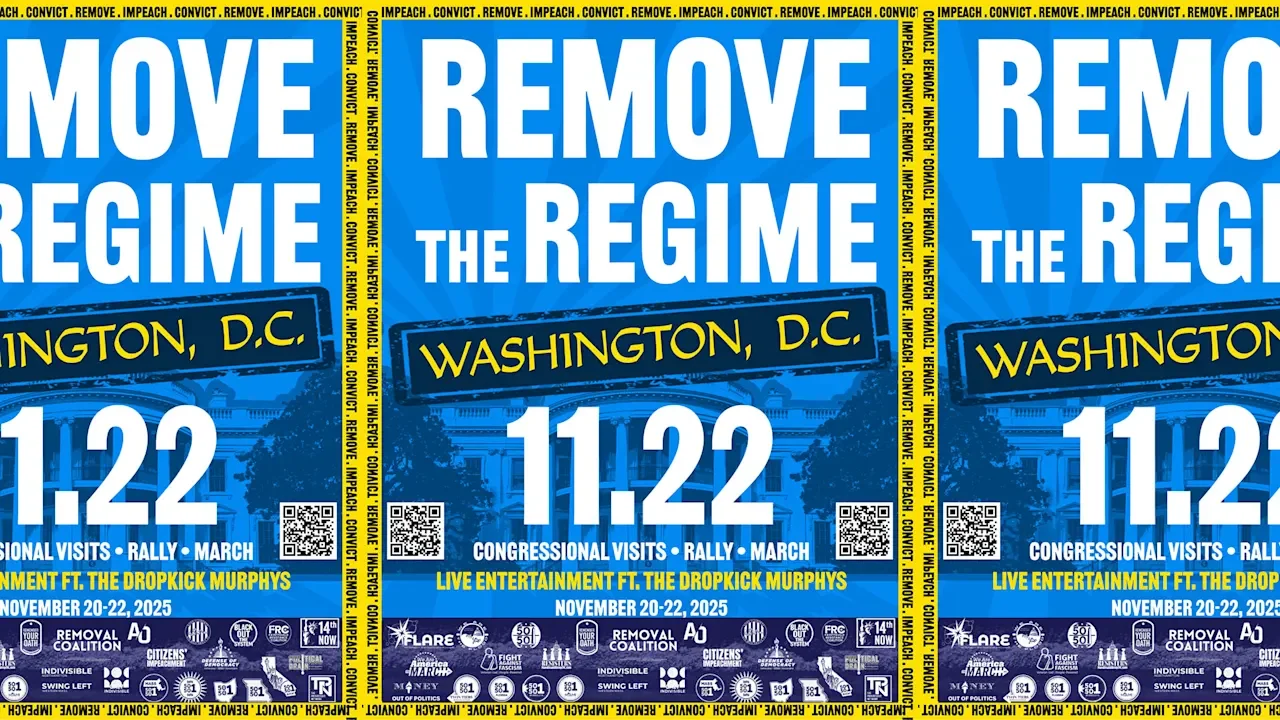
This weekend, “Remove the Regime” protests in the capital are demanding an end to the The President administration’s deployment of National Guard troops in Washington, D.C., as well as President Donald The President’s impeachment, calling the deployment an overreach of presidential powers and politically motivated. A federal judge ruled Thursday that the troops’ deployment in D.C. is “unlawful.” This follows a similar ruling from a Tennessee state judge. The President has also deployed National Guard troops to a number of other American cities, including: Portland, Oregon; Los Angeles; Memphis, Tennessee; Washington, D.C.; and Chicago—all cities run by Democrats, under the pretense of crime reduction. Here’s what to know about the protests. What, where and when is the ‘Remove the Regime’ protest? On Saturday, November 22, organizers will hold a peaceful protest in Washington, D.C. calling for an end to this administration, including The President’s impeachment and removal from office. The main rally and march takes place starts at the Lincoln Memorial at noon with speakers, and a musical performance from The Dropkick Murphys. A ticketed fundraiser “One Cause, Four Bands” at 7:00 p.m. will wrap up the event with a concert from musicians Earth to Eve, Gwen Levey & the Breakdown, Allstrike & Freedom Futures Collective. The day before, on Friday, November 21, the group is also holding a Veterans’ Rally at 2:00 p.m. and a “Comedy Church” standup-comedy fundraiser at 7:30 p.m. “We will have fun, but this is not for fun,” the “Remove the Regime” website says. “We intend to change the trajectory in this country and the conversation around the world.” Saturday’s protest, follows the last No Kings protests, which drew an estimated 7 million people in all 50 states, as well as a number of other nationwide protests this year, including “Hands Off” and May Day gatherings in which Americans across red and blue states gathered to voice their concerns with the current state of U.S. democracy. Unlike those previous protests, “Remove the Regime” is only taking place in Washington, D.C. and focuses on what’s happening in The President’s own backyard. Who are the organizers behind the ‘Remove the Regime’ protest? The Removal Coalition is made up of nearly two dozen organizations, including: Indivisible, 50501, Citizen’s Impeachment, Gaslit Nation, Flare, Remember Your Oath, and Fourteenth Now. View the full article
-
When considering how to improve customer satisfaction, it’s crucial to implement effective CSAT questions in your surveys. These questions can range from overall satisfaction ratings to specific inquiries about your products, services, and customer support experiences. By focusing on key areas like onboarding and checkout processes, you can gather valuable insights. Comprehending what to ask helps pinpoint areas needing improvement. Next, you’ll learn about the fundamental questions you should incorporate into your surveys. Key Takeaways Utilize Likert scale questions to assess overall satisfaction, allowing customers to express varying levels of contentment effectively. Include open-ended questions to gather qualitative feedback, encouraging customers to describe specific experiences and suggestions for improvement. Ask about the onboarding experience to identify areas for enhancement that can boost customer confidence and retention rates. Measure customer support satisfaction by querying response times and effectiveness, which are crucial for fostering loyalty and satisfaction. Incorporate checkout process questions to uncover pain points that may lead to cart abandonment, enabling streamlined improvements for better user experience. What Is a CSAT Survey? A Customer Satisfaction (CSAT) survey serves as a crucial tool for businesses seeking to gauge customer contentment with their products, services, or experiences. This survey typically uses a straightforward rating scale from 1 to 5, allowing you to express your satisfaction level easily. Many CSAT questions incorporate emoticons that represent feelings ranging from ‘Very unsatisfied’ to ‘Very satisfied,’ making interpretation simple. CSAT software can help streamline this process, enabling businesses to collect and analyze responses efficiently. To quantify satisfaction, the CSAT score is calculated using the formula: (Number of satisfied customers / Number of survey responses) x 100. Follow-up questions in these surveys further improve comprehension by prompting you to elaborate on your ratings, providing valuable, actionable feedback. Importance of Measuring CSAT Score Measuring the CSAT score is essential for comprehending how well your business meets customer expectations. This score serves as a clear indicator of customer satisfaction, allowing you to assess your performance effectively. Typically, it’s calculated using the formula: (Number of satisfied customers / Number of survey responses) x 100, which simplifies tracking satisfaction over time. High CSAT scores often correlate with increased customer retention; for instance, a mere 5% improvement in satisfaction can boost profits by 25% to 95%. Regular measurement helps identify trends in feedback, so you can address areas needing improvement proactively. Moreover, utilizing software tools for real-time reporting improves your analysis, providing actionable insights that inform your strategic business decisions. Types of Customer Satisfaction Survey Questions Comprehending the types of customer satisfaction survey questions is crucial for gathering meaningful feedback that can inform your business strategies. Different question types serve various purposes, helping you understand customer sentiments more deeply: Likert scale questions: Measure satisfaction from “very satisfied” to “very dissatisfied,” providing nuanced feedback. Rating questions: Typically use a 1-5 scale for quick assessments, making them the most common in CSAT surveys. Open-ended questions: Allow customers to express their thoughts in their own words, offering valuable insights not captured by quantitative questions. Multiple-choice questions: Let customers select from predefined answers, streamlining responses and enabling efficient analysis. Combining these types in your surveys improves the depth of insights gathered, balancing quantitative data with qualitative feedback. Key Rating Questions to Ask How can you effectively gauge customer satisfaction through rating questions? Key rating questions in CSAT surveys typically use a scale from 1 to 5, allowing customers to express their satisfaction levels. For example, you might ask, “How satisfied are you with our customer service?” This question provides a direct measure of customer sentiment. Consistency in asking the same rating question over time helps you track changes in satisfaction and identify trends related to specific products or services. Furthermore, pairing rating questions with open-ended follow-ups can improve insights, such as asking, “What could we improve to enhance your experience?” Effective Follow-up Questions for Insight After gathering initial ratings from customers, it’s important to follow up with questions that encourage them to elaborate on their experiences. Effective follow-up questions can provide deeper insights into what drives satisfaction or dissatisfaction, leading to actionable improvements. Consider asking: “What specific aspects contributed to your satisfaction or dissatisfaction?” “How can we improve your experience during the onboarding process?” “Can you describe a memorable interaction with our customer support team?” “What changes would make our product more valuable to you?” These open-ended questions not only reveal valuable insights but also help categorize responses into themes. This structured approach can identify recurring issues, enabling you to make informed business decisions that improve overall customer satisfaction. Assessing Customer Support Satisfaction When you assess customer support satisfaction, focusing on timely responses is key, as delays can negatively impact a customer’s experience. Evaluating representative performance helps you identify strengths and weaknesses in your team, ensuring they meet customer expectations effectively. Furthermore, pinpointing areas for improvement allows you to refine your processes and training, ultimately enhancing overall service quality. Importance of Timely Responses Timely responses in customer support are crucial for enhancing customer satisfaction and nurturing loyalty. When you address customer complaints without delay, you greatly increase the chances of retaining them. Here are some key points to reflect on: 70% of consumers are more likely to stay loyal if their issues are resolved quickly. 62% of customers believe brands should prioritize speedy service, highlighting the demand for responsiveness. Quick resolutions lead to higher CSAT scores, as customers feel valued when their concerns are swiftly addressed. Implementing a structured follow-up process can improve perceptions of care and boost retention rates. Evaluating Representative Performance Evaluating representative performance in customer support is essential for maintaining high levels of customer satisfaction, as it directly impacts brand loyalty. To assess support effectiveness, ask customers questions like, “How would you rate the support you received?” This question helps you gather insights on individual representatives. Moreover, feedback regarding hold times and resolution efficiency can shape perceptions of representative performance, influencing overall satisfaction. Regularly analyzing customer feedback allows you to identify strengths and weaknesses, guiding targeted training efforts. In addition, monitoring customer satisfaction scores after support interactions can inform resource allocation. Identifying Improvement Areas To effectively assess customer support satisfaction, identifying areas for improvement is crucial. By pinpointing specific issues, you can improve the overall customer experience. Consider these strategies: Ask direct questions like “How would you rate the support you received?” to gauge immediate reactions. Include follow-up inquiries such as “What specific issues were resolved during your interaction?” to uncover process inefficiencies. Monitor CSAT scores, recognizing that 70% of consumers are more likely to return when complaints are effectively managed. Analyze feedback patterns to identify recurring problems, like long hold times or insufficient product knowledge. Regular assessments help refine training programs for support staff, ensuring quality service and nurturing customer loyalty. Evaluating Pre-Purchase Information Satisfaction How can businesses guarantee customers feel fully informed before making a purchase? Evaluating pre-purchase information satisfaction is vital for identifying gaps in product descriptions, pricing, and availability. You might consider asking, “How satisfied are you with the information you received before purchase?” This question can yield valuable insights into your marketing materials’ effectiveness. Customer feedback is fundamental; 60% of consumers indicated they’d purchase more if they felt better informed. Timing is also significant; surveying customers immediately after they interact with product information provides the most accurate feedback. Understanding Onboarding Process Satisfaction A smooth onboarding process is essential for ensuring that customers feel confident and supported as they begin using a new product or service. This experience directly impacts customer retention and loyalty, with studies showing a potential 50% increase in retention rates. To gauge satisfaction, businesses should collect feedback immediately after onboarding, identifying areas for improvement in training materials or support resources. Consider these key points: Effective onboarding sets positive first impressions. Customer feedback can reveal gaps and improve processes. Timely surveys help refine onboarding strategies. Questions like, “How satisfied are you with our onboarding process?” provide actionable insights. Measuring Checkout Process Satisfaction Measuring checkout process satisfaction is crucial for creating a seamless shopping experience that encourages customers to complete their purchases. By identifying pain points, such as confusing payment options or slow page load times, you can improve the user experience and reduce cart abandonment. Implementing feedback from satisfaction surveys can lead to a more streamlined checkout process, in the end boosting your conversion rates. Importance of Streamlined Checkout Even though many factors contribute to e-commerce success, a streamlined checkout process stands out as one of the most crucial elements for retaining customers. A smooth checkout experience is vital, as nearly 70% of online shoppers abandon their carts because of complicated procedures. When you focus on measuring checkout satisfaction, you can improve user experience and potentially elevate conversion rates. 27% of customers feel a seamless checkout boosts their satisfaction. Feedback from checkout surveys can increase completed purchases by up to 50%. 88% of consumers are less likely to return after a bad checkout experience. Optimizing the process helps reduce cart abandonment rates considerably. Streamlining your checkout is key to building customer loyalty and driving sales. Identifying Pain Points How can you effectively pinpoint the pain points in your checkout process to improve customer satisfaction? Start by asking, “How satisfied are you with our checkout process?” This question gives you a direct gauge of the customer experience. Next, follow up with open-ended inquiries like, “What challenges did you face during the checkout process?” These questions reveal specific issues that may be causing frustration. Analyzing your CSAT scores related to the checkout can uncover trends over time, indicating whether changes have improved or detracted from customer satisfaction. Enhancing User Experience Comprehending customer satisfaction in the checkout process is vital for improving user experience and reducing cart abandonment. With 69.57% of online shoppers leaving their carts, measuring satisfaction through CSAT surveys is imperative. A focused question like “How satisfied are you with our checkout process?” can reveal specific pain points. Streamlining the experience based on feedback can boost conversion rates considerably. Identify areas needing improvement Improve clarity and accessibility for customers Cultivate loyalty and encourage repeat purchases Track improvements over time using CSAT scores Gathering General Customer Experience Feedback Why is gathering general customer experience feedback so crucial for businesses? It helps you identify areas for improvement, enhancing overall customer satisfaction and loyalty. A well-crafted customer satisfaction survey should assess various aspects of the customer experience, including service quality and product satisfaction. Using a Likert scale allows you to quantify satisfaction levels, ranging from ‘very unsatisfied’ to ‘very satisfied,’ providing valuable data. Furthermore, open-ended follow-up questions enable customers to elaborate on their ratings, offering qualitative insights that guide your improvements. Timing surveys to coincide with specific interactions, like post-purchase or after customer support sessions, guarantees you receive accurate and relevant feedback, making it easier to analyze and implement changes effectively for a better customer experience. Frequently Asked Questions What Are the Best Questions for CSAT Survey? To create effective CSAT survey questions, focus on specific customer interactions. Ask about satisfaction with support received or the ease of the purchasing process. Use a Likert scale for responses, allowing customers to rate their experience from “Very unsatisfied” to “Very satisfied.” Incorporate open-ended follow-up questions to gather detailed feedback, such as “What could we improve?” Tailor questions to different stages of the customer experience for the best insights. Regularly update these questions to stay relevant. What Are the 5 Basic Questions for Surveys? When creating a survey, five basic questions can improve the quality of your feedback. You might start with, “How satisfied are you with our product/service?” followed by a scale. Next, ask, “What specific aspect did you like most?” This helps identify strengths. Then, inquire, “What could we improve?” to find areas needing development. Furthermore, include, “How likely are you to recommend us?” and finish with an open-ended question for further comments. What Are 10 Good Survey Questions? To create effective surveys, consider these ten good questions: How satisfied are you with our service? What can we do to improve your experience? Which feature do you value the most? Would you recommend our service to others? Please rate our customer support on a scale from 1 to 5. What additional services would you like to see? How often do you use our product? What’s your primary reason for using us? What challenges have you faced? What Are Some Good Customer Service Questions to Ask? To improve your customer service, consider asking focused questions. For instance, inquire, “How satisfied are you with our response time?” This helps gauge efficiency. You might likewise ask, “What could we do to improve your experience?” to gather detailed feedback. Using a Likert scale, ask, “How likely are you to recommend our service?” Furthermore, follow up with, “What specific issue did you encounter?” to identify areas needing improvement and address customer concerns effectively. Conclusion In summary, utilizing these 10 crucial CSAT questions can greatly improve your comprehension of customer satisfaction. By addressing various aspects such as customer support, onboarding, and the checkout process, you can gather valuable insights that pinpoint areas for improvement. Regularly evaluating these factors not just helps track trends over time but additionally cultivates a better overall customer experience. Implementing well-crafted surveys guarantees you remain attuned to your customers’ needs and expectations, ultimately driving business success. Image via Google Gemini This article, "10 Essential CSAT Questions to Practice" was first published on Small Business Trends View the full article
-
When considering how to improve customer satisfaction, it’s crucial to implement effective CSAT questions in your surveys. These questions can range from overall satisfaction ratings to specific inquiries about your products, services, and customer support experiences. By focusing on key areas like onboarding and checkout processes, you can gather valuable insights. Comprehending what to ask helps pinpoint areas needing improvement. Next, you’ll learn about the fundamental questions you should incorporate into your surveys. Key Takeaways Utilize Likert scale questions to assess overall satisfaction, allowing customers to express varying levels of contentment effectively. Include open-ended questions to gather qualitative feedback, encouraging customers to describe specific experiences and suggestions for improvement. Ask about the onboarding experience to identify areas for enhancement that can boost customer confidence and retention rates. Measure customer support satisfaction by querying response times and effectiveness, which are crucial for fostering loyalty and satisfaction. Incorporate checkout process questions to uncover pain points that may lead to cart abandonment, enabling streamlined improvements for better user experience. What Is a CSAT Survey? A Customer Satisfaction (CSAT) survey serves as a crucial tool for businesses seeking to gauge customer contentment with their products, services, or experiences. This survey typically uses a straightforward rating scale from 1 to 5, allowing you to express your satisfaction level easily. Many CSAT questions incorporate emoticons that represent feelings ranging from ‘Very unsatisfied’ to ‘Very satisfied,’ making interpretation simple. CSAT software can help streamline this process, enabling businesses to collect and analyze responses efficiently. To quantify satisfaction, the CSAT score is calculated using the formula: (Number of satisfied customers / Number of survey responses) x 100. Follow-up questions in these surveys further improve comprehension by prompting you to elaborate on your ratings, providing valuable, actionable feedback. Importance of Measuring CSAT Score Measuring the CSAT score is essential for comprehending how well your business meets customer expectations. This score serves as a clear indicator of customer satisfaction, allowing you to assess your performance effectively. Typically, it’s calculated using the formula: (Number of satisfied customers / Number of survey responses) x 100, which simplifies tracking satisfaction over time. High CSAT scores often correlate with increased customer retention; for instance, a mere 5% improvement in satisfaction can boost profits by 25% to 95%. Regular measurement helps identify trends in feedback, so you can address areas needing improvement proactively. Moreover, utilizing software tools for real-time reporting improves your analysis, providing actionable insights that inform your strategic business decisions. Types of Customer Satisfaction Survey Questions Comprehending the types of customer satisfaction survey questions is crucial for gathering meaningful feedback that can inform your business strategies. Different question types serve various purposes, helping you understand customer sentiments more deeply: Likert scale questions: Measure satisfaction from “very satisfied” to “very dissatisfied,” providing nuanced feedback. Rating questions: Typically use a 1-5 scale for quick assessments, making them the most common in CSAT surveys. Open-ended questions: Allow customers to express their thoughts in their own words, offering valuable insights not captured by quantitative questions. Multiple-choice questions: Let customers select from predefined answers, streamlining responses and enabling efficient analysis. Combining these types in your surveys improves the depth of insights gathered, balancing quantitative data with qualitative feedback. Key Rating Questions to Ask How can you effectively gauge customer satisfaction through rating questions? Key rating questions in CSAT surveys typically use a scale from 1 to 5, allowing customers to express their satisfaction levels. For example, you might ask, “How satisfied are you with our customer service?” This question provides a direct measure of customer sentiment. Consistency in asking the same rating question over time helps you track changes in satisfaction and identify trends related to specific products or services. Furthermore, pairing rating questions with open-ended follow-ups can improve insights, such as asking, “What could we improve to enhance your experience?” Effective Follow-up Questions for Insight After gathering initial ratings from customers, it’s important to follow up with questions that encourage them to elaborate on their experiences. Effective follow-up questions can provide deeper insights into what drives satisfaction or dissatisfaction, leading to actionable improvements. Consider asking: “What specific aspects contributed to your satisfaction or dissatisfaction?” “How can we improve your experience during the onboarding process?” “Can you describe a memorable interaction with our customer support team?” “What changes would make our product more valuable to you?” These open-ended questions not only reveal valuable insights but also help categorize responses into themes. This structured approach can identify recurring issues, enabling you to make informed business decisions that improve overall customer satisfaction. Assessing Customer Support Satisfaction When you assess customer support satisfaction, focusing on timely responses is key, as delays can negatively impact a customer’s experience. Evaluating representative performance helps you identify strengths and weaknesses in your team, ensuring they meet customer expectations effectively. Furthermore, pinpointing areas for improvement allows you to refine your processes and training, ultimately enhancing overall service quality. Importance of Timely Responses Timely responses in customer support are crucial for enhancing customer satisfaction and nurturing loyalty. When you address customer complaints without delay, you greatly increase the chances of retaining them. Here are some key points to reflect on: 70% of consumers are more likely to stay loyal if their issues are resolved quickly. 62% of customers believe brands should prioritize speedy service, highlighting the demand for responsiveness. Quick resolutions lead to higher CSAT scores, as customers feel valued when their concerns are swiftly addressed. Implementing a structured follow-up process can improve perceptions of care and boost retention rates. Evaluating Representative Performance Evaluating representative performance in customer support is essential for maintaining high levels of customer satisfaction, as it directly impacts brand loyalty. To assess support effectiveness, ask customers questions like, “How would you rate the support you received?” This question helps you gather insights on individual representatives. Moreover, feedback regarding hold times and resolution efficiency can shape perceptions of representative performance, influencing overall satisfaction. Regularly analyzing customer feedback allows you to identify strengths and weaknesses, guiding targeted training efforts. In addition, monitoring customer satisfaction scores after support interactions can inform resource allocation. Identifying Improvement Areas To effectively assess customer support satisfaction, identifying areas for improvement is crucial. By pinpointing specific issues, you can improve the overall customer experience. Consider these strategies: Ask direct questions like “How would you rate the support you received?” to gauge immediate reactions. Include follow-up inquiries such as “What specific issues were resolved during your interaction?” to uncover process inefficiencies. Monitor CSAT scores, recognizing that 70% of consumers are more likely to return when complaints are effectively managed. Analyze feedback patterns to identify recurring problems, like long hold times or insufficient product knowledge. Regular assessments help refine training programs for support staff, ensuring quality service and nurturing customer loyalty. Evaluating Pre-Purchase Information Satisfaction How can businesses guarantee customers feel fully informed before making a purchase? Evaluating pre-purchase information satisfaction is vital for identifying gaps in product descriptions, pricing, and availability. You might consider asking, “How satisfied are you with the information you received before purchase?” This question can yield valuable insights into your marketing materials’ effectiveness. Customer feedback is fundamental; 60% of consumers indicated they’d purchase more if they felt better informed. Timing is also significant; surveying customers immediately after they interact with product information provides the most accurate feedback. Understanding Onboarding Process Satisfaction A smooth onboarding process is essential for ensuring that customers feel confident and supported as they begin using a new product or service. This experience directly impacts customer retention and loyalty, with studies showing a potential 50% increase in retention rates. To gauge satisfaction, businesses should collect feedback immediately after onboarding, identifying areas for improvement in training materials or support resources. Consider these key points: Effective onboarding sets positive first impressions. Customer feedback can reveal gaps and improve processes. Timely surveys help refine onboarding strategies. Questions like, “How satisfied are you with our onboarding process?” provide actionable insights. Measuring Checkout Process Satisfaction Measuring checkout process satisfaction is crucial for creating a seamless shopping experience that encourages customers to complete their purchases. By identifying pain points, such as confusing payment options or slow page load times, you can improve the user experience and reduce cart abandonment. Implementing feedback from satisfaction surveys can lead to a more streamlined checkout process, in the end boosting your conversion rates. Importance of Streamlined Checkout Even though many factors contribute to e-commerce success, a streamlined checkout process stands out as one of the most crucial elements for retaining customers. A smooth checkout experience is vital, as nearly 70% of online shoppers abandon their carts because of complicated procedures. When you focus on measuring checkout satisfaction, you can improve user experience and potentially elevate conversion rates. 27% of customers feel a seamless checkout boosts their satisfaction. Feedback from checkout surveys can increase completed purchases by up to 50%. 88% of consumers are less likely to return after a bad checkout experience. Optimizing the process helps reduce cart abandonment rates considerably. Streamlining your checkout is key to building customer loyalty and driving sales. Identifying Pain Points How can you effectively pinpoint the pain points in your checkout process to improve customer satisfaction? Start by asking, “How satisfied are you with our checkout process?” This question gives you a direct gauge of the customer experience. Next, follow up with open-ended inquiries like, “What challenges did you face during the checkout process?” These questions reveal specific issues that may be causing frustration. Analyzing your CSAT scores related to the checkout can uncover trends over time, indicating whether changes have improved or detracted from customer satisfaction. Enhancing User Experience Comprehending customer satisfaction in the checkout process is vital for improving user experience and reducing cart abandonment. With 69.57% of online shoppers leaving their carts, measuring satisfaction through CSAT surveys is imperative. A focused question like “How satisfied are you with our checkout process?” can reveal specific pain points. Streamlining the experience based on feedback can boost conversion rates considerably. Identify areas needing improvement Improve clarity and accessibility for customers Cultivate loyalty and encourage repeat purchases Track improvements over time using CSAT scores Gathering General Customer Experience Feedback Why is gathering general customer experience feedback so crucial for businesses? It helps you identify areas for improvement, enhancing overall customer satisfaction and loyalty. A well-crafted customer satisfaction survey should assess various aspects of the customer experience, including service quality and product satisfaction. Using a Likert scale allows you to quantify satisfaction levels, ranging from ‘very unsatisfied’ to ‘very satisfied,’ providing valuable data. Furthermore, open-ended follow-up questions enable customers to elaborate on their ratings, offering qualitative insights that guide your improvements. Timing surveys to coincide with specific interactions, like post-purchase or after customer support sessions, guarantees you receive accurate and relevant feedback, making it easier to analyze and implement changes effectively for a better customer experience. Frequently Asked Questions What Are the Best Questions for CSAT Survey? To create effective CSAT survey questions, focus on specific customer interactions. Ask about satisfaction with support received or the ease of the purchasing process. Use a Likert scale for responses, allowing customers to rate their experience from “Very unsatisfied” to “Very satisfied.” Incorporate open-ended follow-up questions to gather detailed feedback, such as “What could we improve?” Tailor questions to different stages of the customer experience for the best insights. Regularly update these questions to stay relevant. What Are the 5 Basic Questions for Surveys? When creating a survey, five basic questions can improve the quality of your feedback. You might start with, “How satisfied are you with our product/service?” followed by a scale. Next, ask, “What specific aspect did you like most?” This helps identify strengths. Then, inquire, “What could we improve?” to find areas needing development. Furthermore, include, “How likely are you to recommend us?” and finish with an open-ended question for further comments. What Are 10 Good Survey Questions? To create effective surveys, consider these ten good questions: How satisfied are you with our service? What can we do to improve your experience? Which feature do you value the most? Would you recommend our service to others? Please rate our customer support on a scale from 1 to 5. What additional services would you like to see? How often do you use our product? What’s your primary reason for using us? What challenges have you faced? What Are Some Good Customer Service Questions to Ask? To improve your customer service, consider asking focused questions. For instance, inquire, “How satisfied are you with our response time?” This helps gauge efficiency. You might likewise ask, “What could we do to improve your experience?” to gather detailed feedback. Using a Likert scale, ask, “How likely are you to recommend our service?” Furthermore, follow up with, “What specific issue did you encounter?” to identify areas needing improvement and address customer concerns effectively. Conclusion In summary, utilizing these 10 crucial CSAT questions can greatly improve your comprehension of customer satisfaction. By addressing various aspects such as customer support, onboarding, and the checkout process, you can gather valuable insights that pinpoint areas for improvement. Regularly evaluating these factors not just helps track trends over time but additionally cultivates a better overall customer experience. Implementing well-crafted surveys guarantees you remain attuned to your customers’ needs and expectations, ultimately driving business success. Image via Google Gemini This article, "10 Essential CSAT Questions to Practice" was first published on Small Business Trends View the full article
-
Reeves and colleagues aim to reassure investors, business leaders and MPs they are laying the foundations for prosperityView the full article
-
We may earn a commission from links on this page. Deal pricing and availability subject to change after time of publication. Black Friday sales officially start Friday, November 28, and run through Cyber Monday, December 1, and Lifehacker is sharing the best sales based on product reviews, comparisons, and price-tracking tools before it's over. Follow our live blog to stay up-to-date on the best sales we find. Browse our editors’ picks for a curated list of our favorite sales on laptops, fitness tech, appliances, and more. Subscribe to our shopping newsletter, Add to Cart, for the best sales sent to your inbox. Sales are accurate at the time of publication, but prices and inventory are always subject to change. When it comes to how I live, there are a few basic facts: I dwell in a small apartment and I am constantly "working on it." Sometimes, this involves overhauling my entire organizational system. Other times, I'm overcome with the sudden desire to wallpaper the kitchen. I am constantly in a state of decorating, cleaning, rearranging, and generally improving. Lately, that's involved a lot of tech and appliance upgrades to make my environment better and more serviceable, not just nice to look at. One of the best things I've gotten my hands on is the Shark TurboBlade Cool + Heat, which is both a heater and a fan. I'm picky about both because I always want to be warmer and need a heater, but I also like the noise of a fan at night to fall asleep (while I'm safe from the cool air under my blanket). Having both in one has been awesome and, now that the device is $150 off ahead of Black Friday, you should consider getting one, too. Shark TurboBlade Cool + Heat $249.99 at Amazon $399.99 Save $150.00 Get Deal Get Deal $249.99 at Amazon $399.99 Save $150.00 The Shark TurboBlade dealFirst of all, I always want to be upfront when I've been given something by a company so I can review it. That's what happened here. I don't write a nice review if something stinks, though, so here I am, saying this thing is extremely useful. Typically, the TurboBlade Cool + Heat is $400. That's a lot, although it makes economic sense if you don't want to spend a bunch of money on a good fan and a good heater separately. It also makes sense for someone like me in a little apartment. It's frustrating to have to store two large devices when I could just have one. Still, the discount, which puts this at $250 for the shopping holiday, is much appreciated. The fanThe TurboBlade Cool + Heat is bladeless and modern-looking, which I like. It's also powerful. You can adjust it up to 10 levels of air-blasting, so you can get just a touch or a whole wind storm. I opt for a level-10 wind storm because I am especially interested in white noise at bedtime, but it comes with a convenient little remote so if it gets too loud or too airy, I don't have to get up to adjust it. The heat option, which is easy to toggle on, has three modes. There's a filter at the bottom that looks easy to clean, but I haven't had to do that yet. Credit: SharkNinja/Lindsey Ellefson You can turn the vents horizontally or vertically, plus it can tilt and oscillate on its own. If you're going to pay a few hundred bucks for something, it should do a few cool tricks, and this does. You can also dim the control panel, which I do because I like to sleep in pitch darkness. Some tech specs: It has 1,400 watts, its air flow capacity is 1,180 cubic feet per minute, and its top speed is 10 RPM. It has a 120 voltage and weighs a little over 21 pounds. I am a simple person, so I don't pay attention to any of those things except the weight. It doesn't come put-together, so I foolishly assembled it in the middle of my entryway (which was perfectly easy to do and took me maybe five minutes), then had to haul it around, assembled and heavy, to place it where I wanted it. Is 21 pounds a ton of weight? No, but it was tricky for me to push it up the ladder into my lofted bedroom and I do wish I had assembled it in the room where I planned to use it. Just a word of advice. What stores have the best sales on Black Friday? Nowadays, both large retailers and small businesses compete for Black Friday shoppers, so you can expect practically every store to run sales through Monday, December 1, 2025. The “best” sales depend on your needs, but in general, the biggest discounts tend to come from larger retailers who can afford lower prices: think places like Amazon, Walmart, Target, Best Buy, and Home Depot. You can find all the best sales from major retailers on our live blog. Are Black Friday deals worth it? In short, yes, Black Friday still offers discounts that can be rare throughout the rest of the year. If there’s something you want to buy, or you’re shopping for gifts, it’s a good time to look for discounts on what you need, especially tech sales, home improvement supplies, and fitness tech. Of course, if you need to save money, the best way to save is to not buy anything. Are Cyber Monday deals better than Black Friday? Black Friday used to be bigger for major retailers and more expensive tech and appliances, while Cyber Monday was for cheaper tech and gave smaller businesses a chance to compete online. Nowadays, though, distinction is almost meaningless. Every major retailer will offer sales on both days, and the smart move is to know what you want, use price trackers or refer to guides like our live blog that use price trackers for you, and don’t stress over finding the perfect timing. Our Best Editor-Vetted Early Black Friday Deals Right Now Apple AirPods Pro 3 Noise Cancelling Heart Rate Wireless Earbuds — $219.99 (List Price $249.00) Apple iPad 11" 128GB A16 WiFi Tablet (Blue, 2025) — $279.00 (List Price $349.00) Amazon Fire HD 10 (2023) — $69.99 (List Price $139.99) Sony WH-1000XM5 — $248.00 (List Price $399.99) Blink Outdoor 4 1080p Wireless Security Camera (5-Pack) — $159.99 (List Price $399.99) Amazon Fire TV Stick 4K Plus — $24.99 (List Price $49.99) NEW Bose Quiet Comfort Ultra Wireless Noise Cancelling Headphones — $298.00 (List Price $429.00) Shark AI Ultra Matrix Clean Mapping Voice Control Robot Vacuum with XL Self-Empty Base — $249.99 (List Price $599.00) Apple Watch Series 11 (GPS, 42mm, S/M Black Sport Band) — $349.99 (List Price $399.00) Western Digital 14TB Elements Desktop External Hard Drive — $169.99 (List Price $279.99) Deals are selected by our commerce team View the full article