ResidentialBusiness
Administrators
-
Joined
-
Last visited
Everything posted by ResidentialBusiness
-
 We may earn a commission from links on this page. Did you know you can customize Google to filter out garbage? Take these steps for better search results, including adding my work at Lifehacker as a preferred source. Despite some strong language I've used in the past, I don't believe that weight loss apps are inherently evil. At the same time, you're putting a whole lot of trust into this kind of app, and that can go poorly. You're depending on it to tell you how many calories you need, to accurately tell you how many calories you're eating and burning, to calculate how many calories you need in the first place, and to effectively motivate you toward healthy goals so you can see healthy results. You're trusting an app to be a calculator, a coach, and a confidante. So, how do you decide which weight loss app is the right one for you? Both Noom and MyFitnessPal are heavyweights in the fitness tracking arena. I've used both over the years to various results, and I can confidently report firsthand the pros and cons of each. Here's what to know to decide which app deserves a place on your home screen, depending on how exactly you want to reach your goals. Different weight loss philosophiesMyFitnessPal is the household name of calorie-counting apps, and it's certainly designed to have mass appeal. It's essentially a sophisticated food diary that helps you stay within your calorie budget through pretty straightforward tracking. There's no hand-holding or psychological deep dives—just data, goals, and accountability through numbers. Noom, on the other hand, positions itself as a psychology-based weight loss program that aims to change your relationship with food through behavioral science, daily lessons, and cognitive strategies. The idea here is to be less about restriction and more about understanding why you eat what you eat. If you’re someone who has always struggled with an overly simplistic “calories in, calories out” approach to weight loss, then Noom's philosophy is a blessing. Then again, how “anti-diet” can a diet app really be? Let’s keep digging in. PricingIf your deciding factor is less about your philosophy and more about your wallet, here’s what to know. MyFitnessPal offers a genuinely functional free version that includes basic food tracking, exercise logging, and access to its massive food database. If you're willing to live without some bells and whistles, you can use MyFitnessPal indefinitely without paying a dime. The Premium version costs $79.99 per year or $19.99 per month, which gets you features like barcode scanning, meal scanning, custom macros, intermittent fasting tracking, and an ad-free experience. There’s another tier, Premium+, for $99.99 per year or $24.99 per month, where you get everything in Premium plus a meal planner. Noom takes a subscription-only approach with no free version beyond a 14-day trial period. Pricing varies based on commitment length, typically starting around $42-70 per month for shorter subscriptions, with the 12-month plan bringing the monthly cost down to approximately $17.42 per month. The most common entry point is a four-month subscription at $169 (about $42.25/month). Winner: MyFitnessPal for budget-conscious users; Noom's lowest monthly rate requires a long-term commitment. User interfaceMyFitnessPal features a clean, straightforward interface focused on data entry. The home screen displays your calorie budget, macronutrients, and a simple diary for logging meals and exercise. It's efficient and no-nonsense—perfect if you want to log your lunch and move on with your day. However, I can see why some users find it clinical and uninspiring, to say the least. Noom offers a more colorful, engaging interface with multiple sections including food logging, lessons, group chat, and progress tracking. The app uses its signature color-coding system (green, yellow, red) to categorize foods based on calorie density. While this makes the app feel more interactive, and perhaps even game-like, it also means more screen time. Noom acknowledges you'll spend about 15 minutes per day in the app, and there are plenty of animations to keep you around. Some users might find this engaging; I find it insidious. Remember, Noom doesn’t actually transcend the classic “calories = bad” formula here. It just color-codes it. Here’s a screenshot of MyFitnessPal on the left and Noom on the right; you can pretty quickly see which one is more straightforward calorie-tracking, and which one is more about “psychology.” Credit: Meredith Dietz Winner: MyFitnessPal for quick loggers; Noom for those who want an engaging daily experience. Food database and logging accuracyMyFitnessPal has an extensive food database, with a huge caveat. This database is largely user-generated, which is both a blessing and a curse—you can find virtually anything, but accuracy can vary wildly. Premium users get barcode scanning and meal scanning features for faster logging. Noom claims a database of 3.7+ million food items, though users frequently report accuracy issues. The app focuses more on its color-coding system than precise nutritional breakdowns. While you can scan barcodes and log food, the database isn't as robust or reliable as MyFitnessPal's according to user reports. Winner: MyFitnessPal. Recipe logging and meal planningMyFitnessPal allows you to create custom recipes and save your favorite meals for quick logging. You can input all ingredients, specify servings, and the app calculates nutritional information per serving. It's a beloved feature for home cooks. The Premium version offers curated meal plans. Noom allows recipe creation, but the feature isn't as refined or user-friendly as MyFitnessPal's. Again, Noom focuses less on meal planning specifics and more on teaching you to make better choices instinctively through educational content. Winner: MyFitnessPal. Education and behavior changeMyFitnessPal is the world's default calorie tracker. It provides basic nutritional insights and tracks your progress over time, but it doesn't offer structured education or behavioral coaching. You're expected to know what to do with the data you're collecting. This is where Noom differentiates itself with claims of being more than just a diet app. It's built around daily psychology-based lessons that teach you about nutrition, habit formation, emotional eating, and cognitive behavioral techniques. You'll complete a 10-minute quiz at the start to personalize your program, then receive articles and interactive content daily. It might not be for me, but I personally know many users find this educational approach more sustainable than simple calorie counting. Depending on your subscription, you may also get access to a personal coach and group support. Winner: Noom. Exercise tracking and integrationMyFitnessPal easily syncs with fitness apps and wearables (Fitbit, Apple Health, Garmin, Strava, etc.) and adjusts your calorie budget based on activity. You can manually log workouts or let your devices do the work. Noom includes basic exercise tracking and syncs with some popular apps and devices, but it's not the app's primary focus. Noom encourages physical activity but emphasizes that weight loss is primarily driven by food choices. Winner: MyFitnessPal. Community and supportMyFitnessPal offers community forums where users can connect, share tips, and support each other. It's a helpful resource, but feels somewhat disconnected from the core app experience. Noom integrates community support directly into the app through group chats where you can interact with others on similar timelines. Higher-tier subscriptions include one-on-one coaching, which can provide personalized guidance and accountability. Winner: Noom for integrated support; MyFitnessPal for self-directed community seekers. The bottom lineThere's no universal winner here—it depends entirely on your needs, budget, and learning style. Choose MyFitnessPal if you want a free or budget-friendly option, already understand nutrition basics, and prefer straightforward calorie tracking. It's perfect for people who are self-motivated, enjoy analyzing data, and want freedom without forced education. Choose Noom if you're seeking more than just a food diary—if you want to understand the psychology behind your eating habits and build lasting behavior change. Yes, it's significantly more expensive, but if you haven't had success with traditional calorie counting, you're paying for structured education, coaching options, and a comprehensive program rather than just a tracking tool. For many people, the decision comes down to this: Do you need someone to teach you how to fish, or do you already know how and just need a good fishing rod? MyFitnessPal is the rod. Noom is the fishing instructor who'll teach you techniques and check in on your progress. View the full article
 -
Did you know you can customize Google to filter out garbage? Take these steps for better search results, including adding my work at Lifehacker as a preferred source. It's the end of an era: TiVo no longer manufactures or sells the DVRs that made the company a household name. If you still have one, the company will continue to support it, but don't go looking for one: TiVo as we know it is effectively over. TiVo didn't make a big deal about this discontinuation, however. As it happens, Luke Bouma of Cord Cutter News was the first to spot the development. Earlier this month, Bouma reported that TiVo Corporation had silently ended its DVR line, removing all references to the devices on its website. Following Bouma's reporting, TiVo's parent company, Xperi, confirmed the news. In a statement to PCMag, an Xperi spokesperson said: "I can confirmed that as of [Oct.] 1, 2025, TiVo stopped selling physical DVR products, including hardware and accessories, both online and through agents...TiVo no longer manufacturers hardware, and our remaining inventory is now depleted, though we will continue to offer support for the products going forward." TiVo isn't gone entirely. The brand now develops both TiVo OS, a smart TV operating system similar to Roku OS or Fire OS, as well as DTS AutoStage Video Service, an entertainment service developed for cars. But it is no longer a DVR manufacturer or seller, which might shock a time traveler from the early 2000s. The TiVo effectTech comes and goes, but if you weren't watching TV in the late '90s and early 2000s, you might not know how monumental TiVo really was. The company launched its first DVRs in 1999 and introduced the market to features like one-touch simple recording, a hard drive to save multiple recordings at once, and, perhaps most notably, the ability to "pause" live TV and fast forward through commercials. The DVR offered viewers so much more than a simple VCR could, which only allowed for linear recording to single cassettes. TiVo could record live video from any input, including analog, cable, or satellite, which offered users flexibility in the content they recorded. Before TiVo, if you missed the start of a show, you simply had to deal with it and try to jump in as best as you could—assuming you didn't set a VCR to record it, of course. If you had a TiVo, however, you could simply rewind to the start of the program, and, when you reached a commercial break, skip ahead back to the show—until you caught up with the live broadcast. TiVo disrupted the way consumers watched TV, and we're likely seeing the ramifications of that today. The market adapted, and cable companies started offering their own DVRs with cloud-based recording as opposed to hard drive recording. Streaming services built on that momentum: Viewers were already getting used to watching shows whenever it suited them, so why not get ahead of the game, and offer all shows on-demand at any time? There's no need to choose which programs to record: Everything is available at any time. Like other early technology pioneers that fell behind with time, TiVo struggled through the streaming age it arguably helped create. The company hasn't released a DVR since 2019, when it launched the TiVo Edge. That DVR had support for modern features, like 4K Dolby Vision HDR, Dolby Atmos sound, and access to major streaming apps, in addition to recording live TV. It then tried to break into the streaming device market with the TiVo Stream 4K, but the competition was too fierce to make an impact. In a twist of irony, as TiVo discontinues its DVRs, streaming services are turning to ad-supported plans with increasing frequency. TiVo changed the game by letting us skip ads, and streaming originally omitted the ads entirely. But more and more customers are comfortable paying less to deal with commercials. We've come full circle in a way. TiVo's time might be at an end, but its impact lives on. What Skype did for video calls, TiVo did for TV. I'll be thinking about that the next time I boot up something to watch on Netflix or Hulu. View the full article
-
Hedge fund billionaire in last-ditch effort to stop democratic socialist frontrunner in race for city hallView the full article
-
More than 4,000 federal workers received notices Friday that their last day will be Dec. 9. View the full article

-
The hybrid work model is no longer an experiment; it’s the default. However, as the workplace evolves, so do the challenges that plague meeting culture. While a few years ago the focus was on simply getting the tech to work, 2025 introduces a complex set of problems rooted in flexibility, stress, and the integration of artificial intelligence (AI). View the full article
-
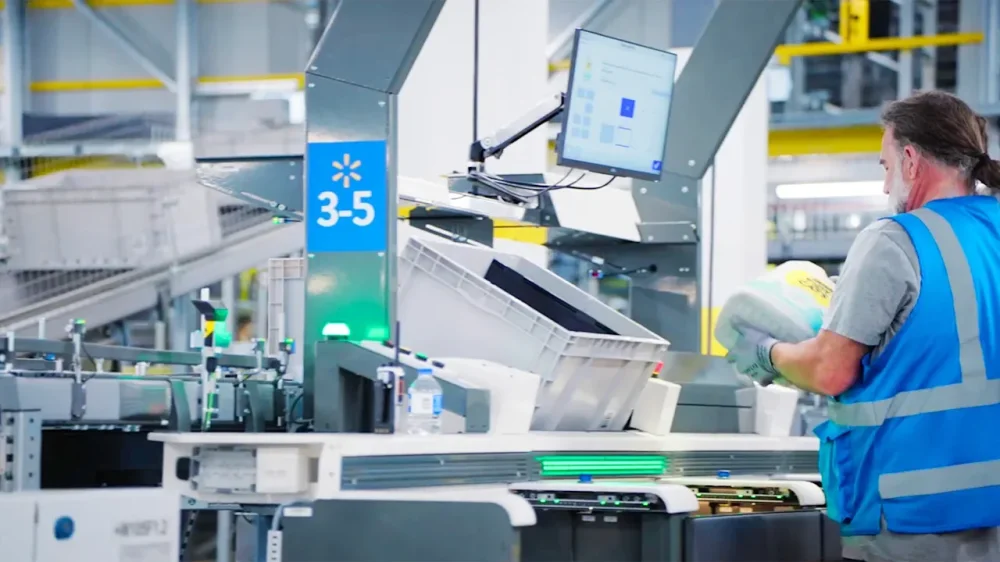
Walmart will be putting millions of sensors on its pallets across its supply chain chain, in a move that technology partner Wiliot is calling “the first large-scale deployment of ambient Internet of Things (IoT)” sensors in the retail industry. The technology is currently deployed in 500 Walmart locations, and the retail giant plans to expand nationwide in 2026. The ambient IoT sensors are battery-free and operate by harvesting energy from sources such as radio waves, light, motion, and heat, according to CNBC. The wide rollout will cover 4,600 Walmart Supercenters, Neighborhood Markets, and over 40 distribution centers, generating high-resolution supply chain data that feeds into Walmart’s AI systems. The retail giant has one of the biggest supply chain networks in the U.S. “We’re not only optimizing our supply chain to make faster, smarter inventory decisions, but we’re also tackling one of the hardest problems in retail—knowing exactly what we own and where it is at any given moment,” Greg Cathey, Walmart senior vice president of transformation and innovation, said in a statement. “This enhanced visibility helps us deliver the consistent value, quality, and experience our customers expect.” With this move, the Bentonville, Arkansas-based retail giant is aiming to improve its supply chain efficiency, accuracy about its inventory, and cold chain compliance, with real-time insights on what merchandise is owned and where it is at any moment. Walmart financials Shares of Walmart (WMT) were up over 1% by the close of the market on Wednesday. The retail giant’s fiscal second quarter earnings report for 2026 included $116.9 billion in revenue, an increase of $2.7 billion, or 2.3%, over last year. Consolidated net income was $4.1 billion, up 1.3%, and diluted earnings per share (EPS) was $1.24, a 5.1% increase compared to $1.18 last year. View the full article
-
Did you know you can customize Google to filter out garbage? Take these steps for better search results, including adding my work at Lifehacker as a preferred source. It's 2025, so every piece of tech needs to have some kind of AI integration—even Roku, apparently. On Wednesday, Roku announced a number of new features and changes coming to its many streaming devices, but headlines zeroed in on one announcement in particular: the company's new AI assistant. The assistant, which will be a part of the existing Roku Voice feature, lets you ask the streaming device questions about shows and movies, including the characters and actors that are in them. You could ask the assistant whether a particular movie is appropriate for kids, or recommendations for other movies that feature the actor starring in the one you're watching. The company says Roku Voice is powered by both "in-house and commercial generative AI and LLM technology." That seems to indicate that some of the processing here is designed by Roku's own AI tech, while the rest is outsourced to at least one other company. As such, you should assume your AI requests are not private, and may be fed through both Roku and third-party servers. When CNET reached out for clarification around user privacy, a spokesperson for the company simply said "We follow Roku's published privacy policy and viewer settings." The policy has not been updated yet to reflect the AI technology, however. Maybe Roku's assistant will turn out to be a useful tool, but even as someone without a Roku device, it's not something I'd be interested in. If I want to know whether a piece of content is appropriate for kids, I wouldn't trust an AI summary to tell me—especially given the frequency for AI models to just make things up. Personally, I'd watch the content myself first—or, at the very least, do my own research. The internet is right there, after all. It's about as fast to look up an actor's IMDB page to see other movies they've starred in, complete with user reviews, synopsis, and—wouldn't you know—even parental recommendations, as it is to ask an AI assistant the same questions. Roku has other interesting updatesThe thing is, the AI assistant is the least interesting update the company has for customers going forward. Scanning the news, the thing that stood out to me most was the expansion of support for Bluetooth headphones for more devices. Now, Streaming Stick and Streaming Stick Plus users can connect their wireless headphones directly to their Roku devices, rather than pairing through the app. This was something previously exclusive to larger Roku devices as Roku TVs. Whether you live with other people, and want to watch your content without disturbing them, or prefer the experience of watching shows and movies through your headphones as opposed to relying on your TV's speakers, having the option to connect to Bluetooth headphones for streaming is such a plus. There are other changes coming as well. When you watch trailers on a Roku device, you'll see a new "What to watch" option, which can take you to different apps and services that host the show or movie. The search bar is also coming to What to Watch and Live TV Zone, while Live TV Channel Guide will get the search bar sometime in the near future. Even the mobile app is getting a refresh. Now, when you swipe up, you'll see options for Find My Remote, closed captions, the sleep timer, and trivia. In addition, you'll be able to rate content with either like or dislike options. Finally, Roku is adding support for live sport scores that pop up on title cards for each game. You can also set reminders to alert you when certain sports matches are starting. View the full article
-
Bing now supports the data-nosnippet HTML attribute, letting websites exclude specific page sections from search snippets and AI-generated answers in Bing. The post Bing Supports data-nosnippet For Search Snippets & AI Answers appeared first on Search Engine Journal. View the full article
-
An investor group including BlackRock, Microsoft, and Nvidia is buying one of the world’s biggest data center operators with nearly 80 facilities in a deal worth $40 billion to secure coveted computing capacity for artificial intelligence. The purchase of U.S.-based Aligned Data Centers from Australian Macquarie Asset Management on Wednesday is the first deal for the AI Infrastructure Partnership formed last year which includes Abu Dhabi-based fund MGX and Elon Musk’s startup xAI among its backers. “With this investment in Aligned Data Centers, we further our goal of delivering the infrastructure necessary to power the future of AI,” said BlackRock CEO Larry Fink, who also serves as the chairman of the AI Infrastructure Partnership. Deals to snap up chips and infrastructure The acquisition is the latest in a series of big-ticket deals involving Big Tech and Silicon Valley startups that have been fueled by the boom in AI. Major tech companies including Alphabet, Amazon.com, Meta, Microsoft, and CoreWeave, are on track to spend $400 billion on AI infrastructure this year, Morgan Stanley estimates. OpenAI, the startup at the heart of the AI boom, struck deals in recent weeks with chipmakers Nvidia, Advanced Micro Devices, and Broadcom that may cost over $1 trillion to secure about 26 gigawatts of computing capacity, enough to power roughly 20 million U.S. homes. Meta Platforms is building several multi-gigawatt AI data centers, including one called Prometheus due to come online in 2026 and another, Hyperion, that can scale up to 5 gigawatts. Privately-held Aligned Data Centers currently has over 5 gigawatts of operational and planned capacity located across 50 campuses in the U.S. and Latin America. Joe Tigay, portfolio manager at Nvidia shareholder Equity Armor Investments, said the acquisition highlights the growing value of data center assets for investors. “They’re looking at rapid expansion to meet AI demand and optimize for it.” Spending surge as interest booms Founded in 2013, Aligned has been a big winner of the AI infrastructure spending boom, raising $12 billion in equity and debt earlier this year in one of the largest private capital injections into a data center company. Its customers include cloud-computing platform Nutanix and IT services provider Datto, according to its website. The company also has a land portfolio with access to significant near-term power capacity in key markets, said Macquarie, which first invested in the company in 2018. Shares of its publicly listed rivals, such as Applied Digital, have soared more than four-fold this year. Applied Digital shares jumped 5% on Wednesday. The investment group buying Aligned, which also includes Kuwait Investment Authority and Singapore state-owned investor Temasek as backers, has an initial target of deploying $30 billion of equity capital, with the potential of reaching $100 billion including debt. It has not disclosed how much each partner has contributed to the group nor the equity value of Wednesday’s deal. Nvidia and Aligned declined to comment, while the investors did not immediately respond to requests seeking more details on the deal. “All the major parties in that consortium, they are showing the strength of the AI ecosystem,” said Hendi Susanto, portfolio manager at Nvidia investor Gabelli Funds. Aligned will remain headquartered in Dallas, Texas, under CEO Andrew Schaap when the deal closes in the first half of 2026, the investor group said in its statement. —Arsheeya Bajwa and Aditya Soni, Reuters View the full article

-
With every passing day of the government shutdown, hundreds of thousands of federal employees furloughed or working without pay face mounting financial strain. And now they are confronting new uncertainty with the The President administration’s promised layoffs. Little progress has been made to end the shutdown as it enters its third week, with Republicans and Democrats digging in and convinced their messaging is resonating with voters. The fate of the federal workers is among several pressure points that could eventually push the sides to agree to resolve the stalemate. “Luckily, I was able to pay rent this month,” said Peter Farruggia, a furloughed federal worker. “But for sure I am going to have bills that are going to go unpaid this month, and I really don’t have many options.” The shutdown has a familiar feel for many federal employees who endured past stalemates — including during President Donald The President’s first term — but this time, the stakes are higher. The Republican White House is leveraging federal workers’ jobs to pressure Democrats to soften their demands. The shutdown began on Oct. 1 after Democrats rejected a short-term funding fix and demanded that the bill include an extension of federal subsidies for health insurance under the Affordable Care Act. The President and other Republican leaders have said the government must reopen before they will negotiate with Democrats on the health subsidies. The President administration launches wave of layoffs Farruggia is the executive committee chair of the American Federation of Government Employees Local 2883, representing employees at the Centers for Disease Control and Prevention, an agency that faced a wave of layoffs over the weekend. Like 8,000 other CDC employees who have been furloughed from the agency, he was already living paycheck to paycheck, and the partial pay that arrived Friday was his last until the government comes back online. With the agency’s leadership in turmoil and still rattled from a shooting, the shutdown and new firings mean “people are scared, nervous, anxious, but also really just exasperated,” Farruggia said. After Russ Vought, the director of the Office of Management and Budget, said last week on social media that the “RIFs have begun,” referring to reduction-in-force plans aimed at reducing the size of the federal government, Vice President JD Vance doubled down on the threat Sunday, saying “the longer this goes on, the deeper the cuts are going to be.” The layoffs have begun across federal agencies. Labor unions have already filed a lawsuit to stop the move by The President’s budget office. In a court filing on Friday, the Office of Management and Budget said well over 4,000 federal employees from eight departments and agencies would be fired in conjunction with the shutdown. Jessica Sweet, an Albany, New York, Social Security claims specialist who is a union steward of AFGE Local 3343 in New York, said, “I, myself, have a backup plan” in case she is fired during the shutdown, “but I know most people don’t.” She says the Social Security Administration is already so short-staffed from layoffs earlier this year brought on by the Department of Government Efficiency, she doesn’t fear a massive layoff during the shutdown. “The one thing this administration has taught me is that nothing is ever for certain, even if it’s codified into law,” she said. Having received a partial payment in her last paycheck, Sweet has begun reaching out to her local power companies to request that she not get charged late fees, since “my bills won’t wait for me to eventually get paid.” Shutdown drags on, and frustration grows For some federal workers, this isn’t their first shutdown — the last one, during The President’s first term in 2019, stretched a record 34 days. But this time, federal employees are being used more directly as leverage in the political fight over government funding. The Republican administration last week warned that there would be no guaranteed back pay for federal workers during a shutdown—a reversal of long-standing policy affecting roughly 750,000 furloughed employees, according to a White House memo. The move, which The President later backtracked on, was widely seen as a strong-arm tactic. Adam Pelletier, a National Labor Relations Board field examiner whose agency furloughed nearly all of its workforce on Oct. 1, going from roughly 1,100 workers to fewer than a dozen people, said he wouldn’t mind if the shutdown continued if it meant meaningful progress toward gaining health care protections for Americans across the country — a key demand by Democrats for ending the stalemate. Pelletier, a union leader for NLRB local 3, said, “Right now, nothing is being investigated at the NLRB. There’s no elections for unions or elections for decertifications. Basically, nothing is happening.” As for the financial strain on workers, he said workers can’t even find alternate employment to weather the shutdown because “the ethics office that would approve of those requests is not staffed now.” Workers used as ‘political pawns’ National Treasury Employees Union President Doreen Greenwald, which represents workers across dozens of federal agencies, said several of the union’s members had been laid off as of Friday. The Treasury Department would lose 1,446 workers, according to the filing. Greenwald said it was unfortunate that the The President administration was using “federal employees as political pawns by furloughing and proposing to fire them all to try to cause pressure in a political game of chicken.” “This isn’t about one party or the other. It’s about real people,” said Everett Kelley, president of the American Federation of Government Employees. “The correction officer worrying about his next paycheck. The TSA officer who still shows up to work because he or she loves their country, even though they’re not getting paid. No American should ever have to choose between serving their country and feeding their family,” Kelley said. Kelley and other major federal worker union leaders gathered blocks from the Capitol last week, urging congressional leaders to find a solution and put “people over politics.” The event grew emotional at times, with union heads outlining the difficulties facing their members and the stakes growing daily. Randy Erwin, president of the National Federation of Federal Employees, which represents 110,000 workers nationwide, called on both sides of Congress to find a resolution. He said The President appeared to aim to “degrade, frighten, antagonize hardworking federal employees.” Chris Bartley, political program coordinator for the International Association of Fire Fighters, said thousands of firefighters were showing up for work without pay out of a sense of devotion but stressed that could have broader consequences. “Families go without income,” Bartley said. “Morale and retention suffer. Public safety is compromised.” —Fatima Hussein, Joey Cappelletti, Jesse Bedayn, and Safiyah Riddle, Associated Press View the full article

-
The two groups are the latest financial institutions to be accused of benefiting from deceased financier’s sex trafficking View the full article
-
America's second-largest bank revised its net interest income target upward after what analysts called a "clean" third quarter. View the full article
-
A brand positioning template is an important tool for defining how your brand stands out in a crowded market. It helps clarify your unique value proposition and target audience, ensuring your messaging is consistent across all channels. By comprehending your brand’s position relative to competitors, you can make informed decisions that improve recognition and loyalty. As you consider implementing this template, it’s vital to know the key components and steps involved in the process. Key Takeaways A brand positioning template defines consumer perception of a brand relative to competitors, ensuring clarity in messaging. It includes essential elements like target audience, unique value proposition, and key competitors for strategic alignment. Utilizing a template helps streamline brand differentiation, enhancing recognition and loyalty in competitive markets. Regular monitoring and refinement of the template are crucial for adapting to market changes and maintaining relevance. Clear articulation of unique selling points builds trust and resonates with the specific target audience. Understanding Brand Positioning Brand positioning is a crucial aspect of marketing that defines how consumers perceive your brand compared to competitors. To effectively position your brand, you need a clear brand positioning statement template. This template should include four key elements: first, identify your target audience; second, detail the product or service you’re offering; third, explain your brand’s unique value proposition; and fourth, clarify how your offering meets consumer needs differently than competitors. A strong brand positioning statement acts as a guiding framework for your marketing strategies and communication efforts. It guarantees consistency across all channels. The Importance of a Brand Positioning Template Having a clear brand positioning template is vital for any business aiming to stand out in a competitive market. This structured framework helps you articulate your unique value proposition and differentiate from competitors. It streamlines defining target audiences, competitive terrains, and brand attributes, ensuring clarity in messaging. Internally, it aligns teams across marketing, sales, and product development around a unified strategy. A well-crafted brand positioning template can improve brand recognition and loyalty by clearly conveying how your brand meets consumer needs. Regular updates to the template as well permit you to adapt to market changes, ensuring you maintain relevance and a competitive edge. Benefits Impact Clear Value Proposition Differentiation from Competitors Streamlined Messaging Team Alignment Improved Brand Recognition Enhanced Loyalty Adaptability Market Relevance Consistency Trust Building Key Components of a Brand Positioning Template A well-structured brand positioning template is essential for defining your market presence. It helps clarify how you present your brand to consumers. Key components of this template include: Target Market: Identify who your ideal customers are. Unique Value Proposition: Outline what sets your brand apart. Key Competitors: Analyze who you’re up against in the market. Unique Selling Points (USPs): Articulate the benefits that make your brand compelling. Brand Positioning Map: Visualize where your brand stands in relation to competitors. Identifying Your Target Audience How can you effectively identify your target audience? Start by segmenting the market based on demographics, psychographics, and behavioral traits. Grasping your audience’s needs, preferences, and pain points will improve the relevance of your brand positioning. Utilize tools like customer personas and market research surveys to create a thorough profile of your ideal customers. This approach guides your messaging and product offerings. Incorporating a positioning map template can help visualize where your brand fits in the market, making it easier to tailor your strategies. Research shows brands with a defined target audience experience up to 30% more engagement. Personalized marketing campaigns lead to enhanced customer loyalty and higher conversion rates, so focus on identifying your audience effectively. Analyzing Your Competition To effectively analyze your competition, start by identifying the key players in your market segment, as comprehending their strengths and weaknesses can provide valuable insights. Here are some steps to guide you: Create a competitive positioning chart to visualize where your brand stands. Conduct a SWOT analysis on your competitors to identify their strengths, weaknesses, opportunities, and threats. Gather consumer insights through surveys and social media to understand how customers perceive your competition. Utilize perceptual maps to compare your brand against competitors based on important attributes. Regularly monitor competitor actions and marketing strategies to stay responsive to changes. Articulating Unique Differentiators To articulate your brand’s unique differentiators, start by identifying your strengths and what sets you apart from the competition. Look closely at your competitive advantages, focusing on the specific benefits that appeal to your target audience. This clear comprehension won’t merely help you communicate your brand’s value effectively but additionally guide your marketing strategies moving forward. Identifying Brand Strengths What sets your brand apart in a crowded marketplace? Identifying your brand strengths is essential for effective positioning. A brand positioning template can help articulate these unique differentiators clearly. By using this template, you can uncover your brand’s distinct advantages, such as: Superior quality that meets or exceeds expectations Innovative features that stand out from competitors Exceptional customer service that builds loyalty Strong brand values that resonate with your audience Unique experiences that engage and attract customers Competitive Advantage Analysis Competitive advantage analysis is a crucial step in articulating your brand’s unique differentiators. By using a brand positioning chart, you can identify how your brand stands out against competitors. Start by evaluating your competitors’ strengths and weaknesses, then pinpoint gaps in the market. Focus on what makes your brand special—whether it’s superior quality, exceptional customer service, or innovative solutions. This structured approach helps you communicate these unique attributes clearly, ensuring all stakeholders understand your brand’s value. A well-defined brand positioning statement derived from this analysis can improve brand loyalty and justify pricing strategies, effectively conveying why consumers should choose your brand over others. Crafting Your Brand Positioning Statement Crafting your brand positioning statement is essential for clearly defining your brand’s identity in a crowded marketplace. Using a brand positioning map template can streamline this process, guaranteeing clarity and focus. Here are key components to reflect on: Target audience: Identify who you’re speaking to. Competitive set: Analyze your competitors and their positioning. Unique value claim: Define what sets you apart from others. Reasons to believe: Provide evidence supporting your claim. Consistent messaging: Make sure all communications reflect your position. Regularly revisiting and updating your brand positioning template helps maintain relevance. This way, your brand resonates with evolving consumer needs and market trends. Effective statements improve recall and loyalty, eventually increasing perceived value. Real-World Examples of Brand Positioning Templates To understand brand positioning templates in action, look at successful companies like Nike, Starbucks, and Apple. Each of these brands effectively uses a template to communicate their unique value, whether it’s through empowering slogans or a focus on customer experience. Successful Brand Examples When examining successful brand positioning, it’s essential to recognize how various companies effectively utilize their unique templates to connect with consumers. These brands illustrate the influence of a strong brand positioning graph: Coca-Cola: Emphasizes happiness and sharing, appealing to emotions. Tesla: Positions itself as a leader in luxury electric vehicles, focusing on sustainability. Airbnb: Promotes belonging and unique travel experiences, differentiating from traditional hotels. Nike: Centers on inspiration and empowerment, resonating with athletes and everyday consumers. Amazon: Focuses on convenience and customer-centric service, making shopping efficient. Understanding these examples can guide your own brand positioning efforts, ensuring you connect meaningfully with your target audience. Template Implementation Strategies Implementing a brand positioning template can greatly improve your marketing strategy by providing a clear framework for defining your brand’s unique identity. Start by creating a brand map that outlines your target market, key differentiators, and unique value proposition. This map helps you visualize your brand’s place in the competitive environment. Companies like Nike and Apple exemplify this approach, using templates to maintain consistent messaging. Be sure to include sections for reasons to believe, which reinforce your brand’s claims. Regularly revisit and refine your template based on market feedback and evolving consumer preferences. This adaptability not only streamlines your marketing efforts but also nurtures long-term success by keeping your brand relevant and engaging. Benefits of Using a Brand Positioning Template Using a brand positioning template can greatly boost your business’s ability to communicate its unique value. This structured framework helps you articulate what sets your brand apart and improves clarity in messaging. Here are some benefits of utilizing a brand positioning template: Provides a clear, consistent message across all communications Streamlines the process of defining target audiences and competitors Encourages collaboration among team members in developing key statements Strengthens emotional connections with customers, boosting loyalty Aids in ongoing evaluation of your brand strategy, adapting to market changes Common Mistakes to Avoid When crafting your brand positioning, it’s essential to maintain clarity in your message. Overcomplicating your statement with jargon can confuse your audience, making it harder for them to understand what you stand for. Stay focused and straightforward, ensuring your message resonates and connects with customers effectively. Lack of Clarity A brand positioning statement lacking clarity can create confusion, making it difficult for consumers to grasp your brand’s unique value proposition. To avoid this, keep these common mistakes in mind: Use straightforward language; avoid jargon that dilutes your message. Identify your specific target audience to guarantee your statement resonates. Clearly articulate the reasons behind your unique claims to build trust. Align your positioning statement with your overall brand strategy for consistency. Create a positioning map to visualize your market identity and differentiate from competitors. Overcomplicating the Message Overcomplicating your brand positioning message can greatly hinder its effectiveness. A clear and concise statement is crucial, as consumers struggle to grasp your core value proposition when faced with jargon or excessive detail. Research shows that straightforward messaging resonates 40% more with your target audience. To maintain consistency across your marketing channels, focus on the fundamentals: target audience, unique value claim, and reasons to believe. Here’s a quick comparison of effective and ineffective messaging: Effective Messaging Ineffective Messaging Clear and concise Jargon-heavy Focused on core values Overly detailed Direct communication Confusing language Easily understood Requires interpretation Matches market positioning map Disconnected from audience Simplifying your message can improve brand recognition and trust. Steps to Implement Your Brand Positioning Statement To successfully implement your brand positioning statement, start by identifying your target audience and comprehending their specific needs. This insight will guide your statement formulation. Next, conduct a competitive analysis to understand the market environment and identify your unique differentiators. Use your brand positioning template to draft a clear positioning statement, and keep it concise. Follow this structure: For [target market], Our brand is the only one among all [competitive set] That [unique value claim] As [reasons to believe]. Lastly, regularly review and refine your brand positioning statement to guarantee it stays relevant. A product positioning map can help visualize your brand’s place within the competitive environment, making adjustments easier. Evolving Your Brand Positioning Over Time As market dynamics and consumer preferences shift, it’s vital to evolve your brand positioning to maintain relevance and competitive advantage. You can start by regularly evaluating consumer feedback and market trends, which will guide necessary adjustments. Using a positioning map example can help you visualize your brand’s position relative to competitors, allowing for informed strategic decisions. Track key performance indicators like brand recall and customer satisfaction to measure the effectiveness of your evolved strategies. Frequently Asked Questions What Is Brand Positioning and Why Is It Important? Brand positioning is the process of defining how your brand stands out in the marketplace. It’s important as it helps potential customers understand your unique value and why they should choose you over competitors. Effective brand positioning improves recognition and builds loyalty. It shapes your marketing strategies and communication, ensuring consistency in your messaging. What Is a Positioning Template? A positioning template is a structured tool that helps you clarify your brand’s unique value. It includes key elements such as your target audience, product category, and unique selling proposition. By using this template, you can concisely define what sets your brand apart from competitors. This clarity allows your team to align on messaging and strategy, ensuring consistent communication across marketing channels. In the end, a positioning template guides your brand’s efforts effectively and efficiently. What Are the 4 Components of Brand Positioning? The four components of brand positioning are crucial for establishing your brand effectively. First, identify your target consumer by analyzing demographics and preferences. Next, define your product or service, clarifying its features and benefits. Then, articulate your brand’s motivation, explaining the purpose behind its actions. Finally, clarify how your offering meets consumer needs differently than competitors, highlighting your unique value claims. Together, these elements help differentiate your brand in the marketplace. What Are the 4 C’s of Brand Positioning? The 4 C’s of brand positioning are Customers, Competitors, Company, and Context. Start with Customers, focusing on their needs and preferences to tailor your messaging. Next, analyze your Competitors to understand their strengths and weaknesses, which helps you stand out. Then, define your Company’s unique attributes and values that resonate with your audience. Finally, consider the Context, including market trends and cultural influences, which can shape your brand’s perception and positioning strategy. Conclusion In summary, a brand positioning template is crucial for defining your brand’s unique place in the market. By clearly identifying your target audience and analyzing your competition, you can craft a compelling value proposition. This strategic tool not only improves brand recognition but likewise drives customer loyalty and engagement. Implementing your brand positioning statement effectively can help you adapt to changes in the market. Regularly revisiting and evolving your positioning guarantees your brand remains relevant and competitive. Image Via Envato This article, "What Is a Brand Positioning Template and Why You Need One?" was first published on Small Business Trends View the full article
-
A brand positioning template is an important tool for defining how your brand stands out in a crowded market. It helps clarify your unique value proposition and target audience, ensuring your messaging is consistent across all channels. By comprehending your brand’s position relative to competitors, you can make informed decisions that improve recognition and loyalty. As you consider implementing this template, it’s vital to know the key components and steps involved in the process. Key Takeaways A brand positioning template defines consumer perception of a brand relative to competitors, ensuring clarity in messaging. It includes essential elements like target audience, unique value proposition, and key competitors for strategic alignment. Utilizing a template helps streamline brand differentiation, enhancing recognition and loyalty in competitive markets. Regular monitoring and refinement of the template are crucial for adapting to market changes and maintaining relevance. Clear articulation of unique selling points builds trust and resonates with the specific target audience. Understanding Brand Positioning Brand positioning is a crucial aspect of marketing that defines how consumers perceive your brand compared to competitors. To effectively position your brand, you need a clear brand positioning statement template. This template should include four key elements: first, identify your target audience; second, detail the product or service you’re offering; third, explain your brand’s unique value proposition; and fourth, clarify how your offering meets consumer needs differently than competitors. A strong brand positioning statement acts as a guiding framework for your marketing strategies and communication efforts. It guarantees consistency across all channels. The Importance of a Brand Positioning Template Having a clear brand positioning template is vital for any business aiming to stand out in a competitive market. This structured framework helps you articulate your unique value proposition and differentiate from competitors. It streamlines defining target audiences, competitive terrains, and brand attributes, ensuring clarity in messaging. Internally, it aligns teams across marketing, sales, and product development around a unified strategy. A well-crafted brand positioning template can improve brand recognition and loyalty by clearly conveying how your brand meets consumer needs. Regular updates to the template as well permit you to adapt to market changes, ensuring you maintain relevance and a competitive edge. Benefits Impact Clear Value Proposition Differentiation from Competitors Streamlined Messaging Team Alignment Improved Brand Recognition Enhanced Loyalty Adaptability Market Relevance Consistency Trust Building Key Components of a Brand Positioning Template A well-structured brand positioning template is essential for defining your market presence. It helps clarify how you present your brand to consumers. Key components of this template include: Target Market: Identify who your ideal customers are. Unique Value Proposition: Outline what sets your brand apart. Key Competitors: Analyze who you’re up against in the market. Unique Selling Points (USPs): Articulate the benefits that make your brand compelling. Brand Positioning Map: Visualize where your brand stands in relation to competitors. Identifying Your Target Audience How can you effectively identify your target audience? Start by segmenting the market based on demographics, psychographics, and behavioral traits. Grasping your audience’s needs, preferences, and pain points will improve the relevance of your brand positioning. Utilize tools like customer personas and market research surveys to create a thorough profile of your ideal customers. This approach guides your messaging and product offerings. Incorporating a positioning map template can help visualize where your brand fits in the market, making it easier to tailor your strategies. Research shows brands with a defined target audience experience up to 30% more engagement. Personalized marketing campaigns lead to enhanced customer loyalty and higher conversion rates, so focus on identifying your audience effectively. Analyzing Your Competition To effectively analyze your competition, start by identifying the key players in your market segment, as comprehending their strengths and weaknesses can provide valuable insights. Here are some steps to guide you: Create a competitive positioning chart to visualize where your brand stands. Conduct a SWOT analysis on your competitors to identify their strengths, weaknesses, opportunities, and threats. Gather consumer insights through surveys and social media to understand how customers perceive your competition. Utilize perceptual maps to compare your brand against competitors based on important attributes. Regularly monitor competitor actions and marketing strategies to stay responsive to changes. Articulating Unique Differentiators To articulate your brand’s unique differentiators, start by identifying your strengths and what sets you apart from the competition. Look closely at your competitive advantages, focusing on the specific benefits that appeal to your target audience. This clear comprehension won’t merely help you communicate your brand’s value effectively but additionally guide your marketing strategies moving forward. Identifying Brand Strengths What sets your brand apart in a crowded marketplace? Identifying your brand strengths is essential for effective positioning. A brand positioning template can help articulate these unique differentiators clearly. By using this template, you can uncover your brand’s distinct advantages, such as: Superior quality that meets or exceeds expectations Innovative features that stand out from competitors Exceptional customer service that builds loyalty Strong brand values that resonate with your audience Unique experiences that engage and attract customers Competitive Advantage Analysis Competitive advantage analysis is a crucial step in articulating your brand’s unique differentiators. By using a brand positioning chart, you can identify how your brand stands out against competitors. Start by evaluating your competitors’ strengths and weaknesses, then pinpoint gaps in the market. Focus on what makes your brand special—whether it’s superior quality, exceptional customer service, or innovative solutions. This structured approach helps you communicate these unique attributes clearly, ensuring all stakeholders understand your brand’s value. A well-defined brand positioning statement derived from this analysis can improve brand loyalty and justify pricing strategies, effectively conveying why consumers should choose your brand over others. Crafting Your Brand Positioning Statement Crafting your brand positioning statement is essential for clearly defining your brand’s identity in a crowded marketplace. Using a brand positioning map template can streamline this process, guaranteeing clarity and focus. Here are key components to reflect on: Target audience: Identify who you’re speaking to. Competitive set: Analyze your competitors and their positioning. Unique value claim: Define what sets you apart from others. Reasons to believe: Provide evidence supporting your claim. Consistent messaging: Make sure all communications reflect your position. Regularly revisiting and updating your brand positioning template helps maintain relevance. This way, your brand resonates with evolving consumer needs and market trends. Effective statements improve recall and loyalty, eventually increasing perceived value. Real-World Examples of Brand Positioning Templates To understand brand positioning templates in action, look at successful companies like Nike, Starbucks, and Apple. Each of these brands effectively uses a template to communicate their unique value, whether it’s through empowering slogans or a focus on customer experience. Successful Brand Examples When examining successful brand positioning, it’s essential to recognize how various companies effectively utilize their unique templates to connect with consumers. These brands illustrate the influence of a strong brand positioning graph: Coca-Cola: Emphasizes happiness and sharing, appealing to emotions. Tesla: Positions itself as a leader in luxury electric vehicles, focusing on sustainability. Airbnb: Promotes belonging and unique travel experiences, differentiating from traditional hotels. Nike: Centers on inspiration and empowerment, resonating with athletes and everyday consumers. Amazon: Focuses on convenience and customer-centric service, making shopping efficient. Understanding these examples can guide your own brand positioning efforts, ensuring you connect meaningfully with your target audience. Template Implementation Strategies Implementing a brand positioning template can greatly improve your marketing strategy by providing a clear framework for defining your brand’s unique identity. Start by creating a brand map that outlines your target market, key differentiators, and unique value proposition. This map helps you visualize your brand’s place in the competitive environment. Companies like Nike and Apple exemplify this approach, using templates to maintain consistent messaging. Be sure to include sections for reasons to believe, which reinforce your brand’s claims. Regularly revisit and refine your template based on market feedback and evolving consumer preferences. This adaptability not only streamlines your marketing efforts but also nurtures long-term success by keeping your brand relevant and engaging. Benefits of Using a Brand Positioning Template Using a brand positioning template can greatly boost your business’s ability to communicate its unique value. This structured framework helps you articulate what sets your brand apart and improves clarity in messaging. Here are some benefits of utilizing a brand positioning template: Provides a clear, consistent message across all communications Streamlines the process of defining target audiences and competitors Encourages collaboration among team members in developing key statements Strengthens emotional connections with customers, boosting loyalty Aids in ongoing evaluation of your brand strategy, adapting to market changes Common Mistakes to Avoid When crafting your brand positioning, it’s essential to maintain clarity in your message. Overcomplicating your statement with jargon can confuse your audience, making it harder for them to understand what you stand for. Stay focused and straightforward, ensuring your message resonates and connects with customers effectively. Lack of Clarity A brand positioning statement lacking clarity can create confusion, making it difficult for consumers to grasp your brand’s unique value proposition. To avoid this, keep these common mistakes in mind: Use straightforward language; avoid jargon that dilutes your message. Identify your specific target audience to guarantee your statement resonates. Clearly articulate the reasons behind your unique claims to build trust. Align your positioning statement with your overall brand strategy for consistency. Create a positioning map to visualize your market identity and differentiate from competitors. Overcomplicating the Message Overcomplicating your brand positioning message can greatly hinder its effectiveness. A clear and concise statement is crucial, as consumers struggle to grasp your core value proposition when faced with jargon or excessive detail. Research shows that straightforward messaging resonates 40% more with your target audience. To maintain consistency across your marketing channels, focus on the fundamentals: target audience, unique value claim, and reasons to believe. Here’s a quick comparison of effective and ineffective messaging: Effective Messaging Ineffective Messaging Clear and concise Jargon-heavy Focused on core values Overly detailed Direct communication Confusing language Easily understood Requires interpretation Matches market positioning map Disconnected from audience Simplifying your message can improve brand recognition and trust. Steps to Implement Your Brand Positioning Statement To successfully implement your brand positioning statement, start by identifying your target audience and comprehending their specific needs. This insight will guide your statement formulation. Next, conduct a competitive analysis to understand the market environment and identify your unique differentiators. Use your brand positioning template to draft a clear positioning statement, and keep it concise. Follow this structure: For [target market], Our brand is the only one among all [competitive set] That [unique value claim] As [reasons to believe]. Lastly, regularly review and refine your brand positioning statement to guarantee it stays relevant. A product positioning map can help visualize your brand’s place within the competitive environment, making adjustments easier. Evolving Your Brand Positioning Over Time As market dynamics and consumer preferences shift, it’s vital to evolve your brand positioning to maintain relevance and competitive advantage. You can start by regularly evaluating consumer feedback and market trends, which will guide necessary adjustments. Using a positioning map example can help you visualize your brand’s position relative to competitors, allowing for informed strategic decisions. Track key performance indicators like brand recall and customer satisfaction to measure the effectiveness of your evolved strategies. Frequently Asked Questions What Is Brand Positioning and Why Is It Important? Brand positioning is the process of defining how your brand stands out in the marketplace. It’s important as it helps potential customers understand your unique value and why they should choose you over competitors. Effective brand positioning improves recognition and builds loyalty. It shapes your marketing strategies and communication, ensuring consistency in your messaging. What Is a Positioning Template? A positioning template is a structured tool that helps you clarify your brand’s unique value. It includes key elements such as your target audience, product category, and unique selling proposition. By using this template, you can concisely define what sets your brand apart from competitors. This clarity allows your team to align on messaging and strategy, ensuring consistent communication across marketing channels. In the end, a positioning template guides your brand’s efforts effectively and efficiently. What Are the 4 Components of Brand Positioning? The four components of brand positioning are crucial for establishing your brand effectively. First, identify your target consumer by analyzing demographics and preferences. Next, define your product or service, clarifying its features and benefits. Then, articulate your brand’s motivation, explaining the purpose behind its actions. Finally, clarify how your offering meets consumer needs differently than competitors, highlighting your unique value claims. Together, these elements help differentiate your brand in the marketplace. What Are the 4 C’s of Brand Positioning? The 4 C’s of brand positioning are Customers, Competitors, Company, and Context. Start with Customers, focusing on their needs and preferences to tailor your messaging. Next, analyze your Competitors to understand their strengths and weaknesses, which helps you stand out. Then, define your Company’s unique attributes and values that resonate with your audience. Finally, consider the Context, including market trends and cultural influences, which can shape your brand’s perception and positioning strategy. Conclusion In summary, a brand positioning template is crucial for defining your brand’s unique place in the market. By clearly identifying your target audience and analyzing your competition, you can craft a compelling value proposition. This strategic tool not only improves brand recognition but likewise drives customer loyalty and engagement. Implementing your brand positioning statement effectively can help you adapt to changes in the market. Regularly revisiting and evolving your positioning guarantees your brand remains relevant and competitive. Image Via Envato This article, "What Is a Brand Positioning Template and Why You Need One?" was first published on Small Business Trends View the full article
-
A federal judge in San Francisco ordered a temporary halt to reduction in force orders issued by the Office of Management and Budget during the government shutdown, while OMB Director Russell Vought has said he expects to lay off more than 10,000 federal workers. View the full article

-
When you type a question into an AI search engine like ChatGPT or Google AI Mode and it comes up with an answer, that information comes from somewhere. Scouring the web for content that’s contextually relevant to the asker, it typically assembles an answer based on several different sources, interpreted through the lens of its training data and system prompt. The fight over being one of those sources is the new game of online discovery that’s replacing SEO. Typically called GEO or AEO for generative/answer engine optimization, the field is nascent, and the rules, best practices, and even the benefits aren’t entirely clear. There’s one thing everyone agrees on, though: It’s growing rapidly. Growth markets are opportunities, so even if the rewards of appearing in AI search haven’t been fully established, both media companies and marketers want to understand GEO and potentially crack the code on being “the answer,” or at least fuel for the answer. The precise methods—how content optimization differs from SEO, how to leverage social and PR to improve your chances of appearing, how to build a system for understanding AI queries—are promising, but still being worked out. Also being worked out? What to do when you win. The AI search rewards system The rewards for winning at search were clear. Earning a high rank in search results means people click to your site, interact with your content, and either give you ad impressions or “convert” into some kind of paying customer. As I’ve written before, being cited in AI answers is more akin to advertising your brand than a viable business strategy. A win in GEO means successful reputation management. This of course is why many publishers prefer to block AI crawlers from indexing their sites at all. They may want to understand GEO, but they’re not interested in having their content serving as raw material for an AI layer they feel they have no stake in (licensing deals notwithstanding). For sites that do appear in AI search, willingly or unwillingly, a win means readers perceive your publication to be more authoritative. So what happens when you lose—say, your competition gets cited instead of you? For both media and marketers, it’s a missed opportunity for your brand to appear in front of someone interested in your area of expertise. What is the value of that? It’s easy to point at ChatGPT’s 800+ million users and think it’s a lot, and it might be, but remember: queries aren’t the same as search terms. They’re much more specific, and the tools for analyzing them are in the very early stages. It’s difficult to understand if you’re optimizing for an audience of one or one million. When the answer is wrong There’s another kind of loss that brands are finding intolerable: incorrect or damaging information in AI answers. This is becoming a more serious problem than when it happens in traditional search because it’s difficult to fix. An AI answer is amalgamated from several different sources, so the precise ranking of those sources—ranking is a huge deal in SEO—doesn’t matter as much as the bad information simply being present. Worse, that information may be on Wikipedia or Reddit, two sites that are based on user-generated content, have byzantine systems for how content is created and promoted, and are newly influential in the age of AI. Since they are both huge repositories of human-created text on myriad topics, they’re extremely valuable to data-hungry large language models, and the big AI companies have awarded them a kind of favored status. Reddit, notably, has used this as leverage to negotiate deals with Google and OpenAI worth tens of millions every year. All of which is to say that dealing with a reputational problem in AI search is a new kind of difficult-to-crack crisis. At the recent MarCom Summit in Washington, D.C., marketers who specialize in dealing with problematic content on Wikipedia or Reddit told me they’re newly busy this past year. Who will benefit from ads in AI search? So at least one kind of business is making money from GEO. For everyone else, they’ll likely have to wait until AI answers begin to incorporate ads in a meaningful way. This is inevitable—ChatGPT may have almost a billion users, but most aren’t paying a dime. That’s a massive untapped revenue stream. Perplexity has been experimenting with ads in answers for a year, and Google is slowly stapling ads into its AI experiences, too. Skeptics roll their eyes at AI answers adopting an advertising business model, criticizing the companies for being less interested in solving societal problems than making money from user attention—the same old Silicon Valley playbook. However, there’s another perspective: You know how AI summaries provide links to sources? That same attribution can be used to apportion the revenue from any ads in the summary to those same sources. The AI media tech startup Dappier is building such a system, splitting revenue from ads in the answer with everyone who contributed to it. So while I understand the cynicism about advertising coming to AI engines, I can’t help but be a little bit hopeful about it. Yes, ads are certainly coming to AI search, but the search engines might not necessarily hog all the rewards. Will there be enough money to go around? Not yet. But like I said, it’s a growth market. View the full article

-
As a small business owner, finding the right scheduling software can greatly affect your efficiency and productivity. Various options like Connecteam and Homebase offer features such as automatic scheduling and employee self-service, which streamline operations. Each platform has unique capabilities customized to different needs. Comprehending these features and how they benefit your business is essential. In the following sections, you’ll discover the top picks for 2025 and how to choose the best fit for your specific requirements. Key Takeaways Connecteam offers a robust free plan for small teams, with features like automatic scheduling and time tracking to enhance productivity. Sling provides a user-friendly drag-and-drop interface, essential labor cost tracking, and employee self-service options, making it affordable for small businesses. Deputy utilizes AI for efficient scheduling, analyzing labor demand and employee availability, while facilitating time-off management and real-time notifications. Homebase includes auto-scheduling capabilities and a free plan, optimizing staff coverage and minimizing scheduling conflicts for small businesses. Findmyshift features an Excel-like interface and real-time reporting, enhancing ease of use and scheduling efficiency for small business owners. The Importance of Scheduling Software for Small Businesses As small businesses attempt to operate efficiently and meet customer demands, scheduling software becomes an essential tool for enhancing productivity. This software automates scheduling processes, reducing conflicts that often occur with traditional methods like Excel or pen and paper. With employee self-service features, team members can manage their availability and trade shifts, which increases engagement. Real-time notifications and automatic conflict detection help prevent scheduling errors, ensuring adequate coverage without downtime. Many options, including installation scheduling software and free legal calendaring software, offer mobile app accessibility, so managers and remote employees can stay connected. Moreover, integrating the best scheduling software for small business with payroll systems streamlines time tracking, minimizing errors and saving valuable administrative time. Key Features to Look for in Scheduling Software When choosing scheduling software, look for a user-friendly interface that allows you to create and manage schedules quickly, guaranteeing that all employees can navigate it without difficulty. Automatic scheduling features can help identify and resolve conflicts, whereas mobile accessibility options guarantee that both field and remote workers can stay updated on their schedules. These key elements not just streamline operations but additionally improve communication within your team. User-Friendly Interface How can a user-friendly interface transform the scheduling process for small businesses? A well-designed interface simplifies schedule management, allowing you to create and adjust employee schedules with ease. Look for drag-and-drop functionality, which lets you rearrange shifts quickly. Self-service features empower employees to manage their availability and trade shifts, enhancing the user experience. Real-time notifications keep everyone in the loop regarding schedule changes, minimizing confusion. Moreover, accessing scheduling software via a mobile app enables you and your team to manage schedules on-the-go. Whether you opt for a free legal calendaring tool, conference booking software, or open source scheduling software, a user-friendly interface can greatly boost efficiency and streamline operations for your small business. Automatic Scheduling Features A user-friendly interface sets the stage for advanced features like automatic scheduling, which can greatly improve how small businesses manage their workforce. https://www.youtube.com/watch?v=rQFLL2u_QvA These features streamline shift creation and elevate overall efficiency. Here are three key benefits to ponder: Efficient Shift Allocation: Algorithms automatically assign shifts based on employee availability and labor demand, simplifying the process for managers. Conflict Detection: Scheduling software can flag potential errors, reducing the risk of double-booking or staffing shortages, ensuring smoother operations. Real-Time Adjustments: With advanced tools, you can modify schedules instantly and notify employees through integrated communication systems, keeping everyone informed. Mobile Accessibility Options Mobile accessibility options in scheduling software are vital for modern small businesses looking to improve workforce management. These features allow employees to view schedules, request time off, and manage availability on-the-go, enhancing flexibility and communication. Many scheduling apps provide dedicated mobile applications, ensuring you can access important tools like shift trading and notifications directly from your smartphone. GPS time tracking capabilities accurately monitor employee hours, reducing clocking-in errors at unauthorized locations. Real-time notifications keep everyone informed of schedule changes, minimizing confusion. Furthermore, user-friendly interfaces enable quick scheduling adjustments, allowing managers to respond swiftly to staffing needs from anywhere. Investing in mobile accessibility helps create a more efficient and connected workforce. How Scheduling Software Benefits Small Businesses Even though managing a small business can be challenging, scheduling software offers significant benefits that streamline operations and improve overall efficiency. Here are three key advantages: Automated Scheduling: The software automates shift creation and tracks employee hours, minimizing scheduling conflicts and enhancing staffing accuracy. Improved Communication: Features like employee self-service for shift trading and real-time notifications encourage better communication, leading to increased employee satisfaction. Cost and Compliance Management: Scheduling tools help track time-off requests, manage labor costs, and guarantee adherence to labor laws, reducing the risk of legal issues related to overtime and breaks. Top Picks for Scheduling Software in 2025 As you explore the top scheduling software picks for 2025, consider the best free options available to small businesses. Connecteam and Homebase offer robust features without cost, whereas Sling provides a user-friendly interface that simplifies the scheduling process. Best Free Options Finding the right scheduling software can greatly streamline your small business operations, particularly when you can do it for free. Here are three top free options worth considering: Connecteam: This platform offers a robust free plan for up to 10 employees, featuring auto-scheduling, employee time tracking, and payroll integrations, making it an all-in-one solution for small businesses. Sling: With its free plan, Sling provides basic scheduling functionalities, including manual scheduling with drag-and-drop capabilities and labor cost tracking tools to manage workforce expenses effectively. Homebase: Homebase includes a free plan that features auto-scheduling based on labor targets, along with budget forecasting tools, catering particularly to small businesses aiming to optimize their scheduling processes. These options can help you manage your workforce without incurring additional costs. Key Features Comparison When selecting scheduling software for your small business in 2025, it’s essential to understand the key features that differentiate the top options available. Connecteam stands out with its free plan for up to 10 employees, offering auto-scheduling, time tracking, and payroll integrations, making it a strong all-in-one choice. Sling’s free plan includes basic scheduling, whereas its paid options add drag-and-drop scheduling and labor cost tracking. Deputy utilizes AI for auto-scheduling and labor demand forecasting, even if it lacks a free plan. Homebase likewise features a free plan with auto-scheduling based on labor targets and budget forecasting tools. Finally, Findmyshift offers an Excel-like interface with multi-cell editing and real-time reporting, appealing to spreadsheet-savvy users. User-Friendly Interfaces Selecting scheduling software that features a user-friendly interface can greatly improve your small business’s efficiency and ease of use. Here are some top picks for 2025: Connecteam: This all-in-one solution offers an intuitive interface, auto-scheduling, and time tracking, with a free plan for up to 10 employees. Sling: With its drag-and-drop functionality, Sling simplifies manual scheduling and provides basic features for small teams at no cost. Homebase: Known for its clear navigation, Homebase allows automatic scheduling based on labor targets and additionally offers a free plan for small businesses. These options not just improve usability but also streamline your scheduling processes, allowing you to focus on what matters most—growing your business. Connecteam: Best All-in-One Scheduling Solution Connecteam stands out as a top-tier all-in-one scheduling solution customized for small businesses, offering an array of features designed to simplify workforce management. With a free plan for up to 10 employees, it’s an affordable choice for small teams. You’ll appreciate the automatic scheduling, employee time tracking, and payroll integrations that help streamline operations and reduce errors. Its user-friendly interface makes it easy for managers to create and manage schedules, whereas employees can trade shifts and manage their availability seamlessly. Real-time notifications keep everyone informed about schedule updates, enhancing communication and minimizing confusion. Plus, the mobile app guarantees that field and remote employees stay connected and updated on their schedules from anywhere, so you can manage your workforce effectively. Sling: Affordable Scheduling With Essential Features Sling offers an affordable solution for small businesses seeking vital scheduling features without the hefty price tag. With its free plan, you can access fundamental tools that fit even limited budgets. Here are some key features that make Sling a practical choice: User-Friendly Interface: The drag-and-drop scheduling makes it easy for managers to create and adjust shifts quickly. Labor Cost Tracking: You can monitor labor expenses effectively, ensuring your business stays within budget. Employee Self-Service: Staff can manage their availability and trade shifts directly, reducing the administrative burden on you. For businesses needing more advanced tools, Sling additionally provides paid plans that improve scheduling capabilities, making it adaptable as your business grows. Deputy: AI-Powered Scheduling for Growing Businesses For businesses that are growing and need a more sophisticated scheduling solution, Deputy presents an innovative approach with its AI-powered scheduling features. This platform analyzes labor demand and employee availability to create ideal schedules, making it easier for you to manage your workforce. Crucial tools like time-off management, shift swapping, and real-time notifications improve communication and efficiency. Feature Description AI-Powered Scheduling Creates ideal schedules based on demand Mobile App Accessibility Allows employees to manage schedules on-the-go Payroll Integration Streamlines payroll processing and time tracking Though Deputy doesn’t offer a free plan, its user-friendly interface simplifies manual scheduling, making it a solid choice for growing businesses. Homebase: Free Plan With Auto-Scheduling Capabilities When you’re managing a small business, having the right tools can make all the difference in streamlining operations. Homebase offers a free plan that includes robust auto-scheduling capabilities, helping you create efficient schedules without manual effort. Here are some key features: Time-off management: Employees can easily request time off, ensuring you have visibility into their availability. Optimized staff coverage: The auto-scheduling feature reduces conflicts and errors, allowing you to meet labor targets effectively. Mobile app access: Employees can view and manage their schedules on-the-go, promoting better communication. Additionally, Homebase seamlessly integrates with payroll systems, ensuring accurate syncing of hours worked, which minimizes potential payroll errors. This makes it an excellent choice for small businesses seeking efficiency. Findmyshift: Excel-Like Interface for Ease of Use Findmyshift stands out with its Excel-like scheduling interface, making it an ideal choice for small businesses that prefer a familiar format. This intuitive design allows you to create and manage employee schedules effortlessly, leveraging spreadsheet layouts. You can make bulk changes quickly with multi-cell editing, saving you valuable time. The platform likewise features real-time reporting, which helps you track labor costs and manage staffing expenses effectively. Moreover, the drag-and-drop functionality enables you to easily customize and adjust schedules, minimizing the hassle of manual tasks. Overall, Findmyshift’s user-friendly design caters particularly to small businesses, ensuring less confusion and improved time management in your scheduling operations, allowing you to focus more on running your business efficiently. Pricing Plans and Options for Small Business Scheduling Software How can small businesses find the right scheduling software without breaking the bank? There are several affordable options with free plans that can meet your needs. Here are three significant choices: Connecteam: Offers a free plan for up to 10 employees, with paid plans starting at competitive rates, providing additional features as your business grows. Sling: Features a free plan with basic scheduling tools, whereas its paid plans include advanced options like labor cost tracking, perfect for managing budgets. Homebase: Includes a free plan with auto-scheduling based on labor targets, making it ideal for cost-conscious businesses looking to streamline operations. These options can help you maintain efficient scheduling without straining your budget. How to Choose the Right Scheduling Software for Your Business Selecting the right scheduling software for your business involves careful consideration of various factors that align with your specific needs and budget. Start by evaluating affordability through different pricing models, including free trials and paid options. Confirm the interface is user-friendly to facilitate quick schedule management without extensive training. Prioritize fundamental features like automatic scheduling and time-off management, which boost efficiency. Scalability is vital, so choose software that can grow with your business. Finally, look for real-time notifications and integration capabilities with tools like payroll systems to improve communication and minimize errors. Feature Importance Example Pricing Models Budget-friendly Free and paid plans User Interface Ease of use Drag-and-drop functionality Integration Capabilities Streamlined processes Sync with payroll systems Frequently Asked Questions Is Calendly Actually Free? Yes, Calendly offers a free plan that includes unlimited meetings, allowing you to schedule appointments without any cost. This free version provides basic features like a personalized booking page and integration with Google, Outlook, or Office 365 calendars. Nevertheless, you can only create one active event type. If you need more advanced functionalities, such as multiple event types or team scheduling, you can opt for paid plans starting at $10 per seat per month. What Is the Most Popular Scheduling Software? The most popular scheduling software often includes options like Calendly, Acuity Scheduling, and Doodle. Calendly’s user-friendly interface and integration capabilities make it a top choice. Acuity Scheduling stands out for its customization and ease of use, especially for small businesses. Doodle thrives in group scheduling, enabling users to find suitable times for meetings through polling. Each tool caters to specific needs, so consider your requirements when choosing the best option for you. Is Square Appointments Really Free? Yes, Square Appointments offers a free plan for single-location businesses. This plan includes basic scheduling features, allowing you to manage unlimited appointments without monthly fees. Nonetheless, be aware that transaction processing fees apply when you accept payments through the system. With the free plan, you can likewise send automated reminders and receive customer confirmations, making it a practical option for small businesses looking to simplify appointment management without incurring upfront costs. Is Calendly Good for Small Businesses? Calendly is a solid option for small businesses looking to streamline their scheduling process. Its user-friendly interface allows clients to book appointments easily via personalized links. With unlimited meetings on all plans, you won’t face extra costs for frequent interactions. Integrations with tools like HubSpot and automated reminders help improve communication and reduce no-shows. Plus, the free plan lets you start without any upfront investment, making it accessible for budget-conscious entrepreneurs. Conclusion In summary, selecting the right scheduling software is essential for small businesses aiming to improve efficiency and communication. Solutions like Connecteam and Homebase offer customized features that simplify scheduling and employee management. By investing in these tools, you can streamline operations, reduce scheduling conflicts, and guarantee compliance with labor laws. Assess your specific needs, explore the available options, and choose software that aligns with your business goals to maximize productivity and employee satisfaction. Image Via Envato This article, "Best Scheduling Software for Small Businesses" was first published on Small Business Trends View the full article
-
As a small business owner, finding the right scheduling software can greatly affect your efficiency and productivity. Various options like Connecteam and Homebase offer features such as automatic scheduling and employee self-service, which streamline operations. Each platform has unique capabilities customized to different needs. Comprehending these features and how they benefit your business is essential. In the following sections, you’ll discover the top picks for 2025 and how to choose the best fit for your specific requirements. Key Takeaways Connecteam offers a robust free plan for small teams, with features like automatic scheduling and time tracking to enhance productivity. Sling provides a user-friendly drag-and-drop interface, essential labor cost tracking, and employee self-service options, making it affordable for small businesses. Deputy utilizes AI for efficient scheduling, analyzing labor demand and employee availability, while facilitating time-off management and real-time notifications. Homebase includes auto-scheduling capabilities and a free plan, optimizing staff coverage and minimizing scheduling conflicts for small businesses. Findmyshift features an Excel-like interface and real-time reporting, enhancing ease of use and scheduling efficiency for small business owners. The Importance of Scheduling Software for Small Businesses As small businesses attempt to operate efficiently and meet customer demands, scheduling software becomes an essential tool for enhancing productivity. This software automates scheduling processes, reducing conflicts that often occur with traditional methods like Excel or pen and paper. With employee self-service features, team members can manage their availability and trade shifts, which increases engagement. Real-time notifications and automatic conflict detection help prevent scheduling errors, ensuring adequate coverage without downtime. Many options, including installation scheduling software and free legal calendaring software, offer mobile app accessibility, so managers and remote employees can stay connected. Moreover, integrating the best scheduling software for small business with payroll systems streamlines time tracking, minimizing errors and saving valuable administrative time. Key Features to Look for in Scheduling Software When choosing scheduling software, look for a user-friendly interface that allows you to create and manage schedules quickly, guaranteeing that all employees can navigate it without difficulty. Automatic scheduling features can help identify and resolve conflicts, whereas mobile accessibility options guarantee that both field and remote workers can stay updated on their schedules. These key elements not just streamline operations but additionally improve communication within your team. User-Friendly Interface How can a user-friendly interface transform the scheduling process for small businesses? A well-designed interface simplifies schedule management, allowing you to create and adjust employee schedules with ease. Look for drag-and-drop functionality, which lets you rearrange shifts quickly. Self-service features empower employees to manage their availability and trade shifts, enhancing the user experience. Real-time notifications keep everyone in the loop regarding schedule changes, minimizing confusion. Moreover, accessing scheduling software via a mobile app enables you and your team to manage schedules on-the-go. Whether you opt for a free legal calendaring tool, conference booking software, or open source scheduling software, a user-friendly interface can greatly boost efficiency and streamline operations for your small business. Automatic Scheduling Features A user-friendly interface sets the stage for advanced features like automatic scheduling, which can greatly improve how small businesses manage their workforce. https://www.youtube.com/watch?v=rQFLL2u_QvA These features streamline shift creation and elevate overall efficiency. Here are three key benefits to ponder: Efficient Shift Allocation: Algorithms automatically assign shifts based on employee availability and labor demand, simplifying the process for managers. Conflict Detection: Scheduling software can flag potential errors, reducing the risk of double-booking or staffing shortages, ensuring smoother operations. Real-Time Adjustments: With advanced tools, you can modify schedules instantly and notify employees through integrated communication systems, keeping everyone informed. Mobile Accessibility Options Mobile accessibility options in scheduling software are vital for modern small businesses looking to improve workforce management. These features allow employees to view schedules, request time off, and manage availability on-the-go, enhancing flexibility and communication. Many scheduling apps provide dedicated mobile applications, ensuring you can access important tools like shift trading and notifications directly from your smartphone. GPS time tracking capabilities accurately monitor employee hours, reducing clocking-in errors at unauthorized locations. Real-time notifications keep everyone informed of schedule changes, minimizing confusion. Furthermore, user-friendly interfaces enable quick scheduling adjustments, allowing managers to respond swiftly to staffing needs from anywhere. Investing in mobile accessibility helps create a more efficient and connected workforce. How Scheduling Software Benefits Small Businesses Even though managing a small business can be challenging, scheduling software offers significant benefits that streamline operations and improve overall efficiency. Here are three key advantages: Automated Scheduling: The software automates shift creation and tracks employee hours, minimizing scheduling conflicts and enhancing staffing accuracy. Improved Communication: Features like employee self-service for shift trading and real-time notifications encourage better communication, leading to increased employee satisfaction. Cost and Compliance Management: Scheduling tools help track time-off requests, manage labor costs, and guarantee adherence to labor laws, reducing the risk of legal issues related to overtime and breaks. Top Picks for Scheduling Software in 2025 As you explore the top scheduling software picks for 2025, consider the best free options available to small businesses. Connecteam and Homebase offer robust features without cost, whereas Sling provides a user-friendly interface that simplifies the scheduling process. Best Free Options Finding the right scheduling software can greatly streamline your small business operations, particularly when you can do it for free. Here are three top free options worth considering: Connecteam: This platform offers a robust free plan for up to 10 employees, featuring auto-scheduling, employee time tracking, and payroll integrations, making it an all-in-one solution for small businesses. Sling: With its free plan, Sling provides basic scheduling functionalities, including manual scheduling with drag-and-drop capabilities and labor cost tracking tools to manage workforce expenses effectively. Homebase: Homebase includes a free plan that features auto-scheduling based on labor targets, along with budget forecasting tools, catering particularly to small businesses aiming to optimize their scheduling processes. These options can help you manage your workforce without incurring additional costs. Key Features Comparison When selecting scheduling software for your small business in 2025, it’s essential to understand the key features that differentiate the top options available. Connecteam stands out with its free plan for up to 10 employees, offering auto-scheduling, time tracking, and payroll integrations, making it a strong all-in-one choice. Sling’s free plan includes basic scheduling, whereas its paid options add drag-and-drop scheduling and labor cost tracking. Deputy utilizes AI for auto-scheduling and labor demand forecasting, even if it lacks a free plan. Homebase likewise features a free plan with auto-scheduling based on labor targets and budget forecasting tools. Finally, Findmyshift offers an Excel-like interface with multi-cell editing and real-time reporting, appealing to spreadsheet-savvy users. User-Friendly Interfaces Selecting scheduling software that features a user-friendly interface can greatly improve your small business’s efficiency and ease of use. Here are some top picks for 2025: Connecteam: This all-in-one solution offers an intuitive interface, auto-scheduling, and time tracking, with a free plan for up to 10 employees. Sling: With its drag-and-drop functionality, Sling simplifies manual scheduling and provides basic features for small teams at no cost. Homebase: Known for its clear navigation, Homebase allows automatic scheduling based on labor targets and additionally offers a free plan for small businesses. These options not just improve usability but also streamline your scheduling processes, allowing you to focus on what matters most—growing your business. Connecteam: Best All-in-One Scheduling Solution Connecteam stands out as a top-tier all-in-one scheduling solution customized for small businesses, offering an array of features designed to simplify workforce management. With a free plan for up to 10 employees, it’s an affordable choice for small teams. You’ll appreciate the automatic scheduling, employee time tracking, and payroll integrations that help streamline operations and reduce errors. Its user-friendly interface makes it easy for managers to create and manage schedules, whereas employees can trade shifts and manage their availability seamlessly. Real-time notifications keep everyone informed about schedule updates, enhancing communication and minimizing confusion. Plus, the mobile app guarantees that field and remote employees stay connected and updated on their schedules from anywhere, so you can manage your workforce effectively. Sling: Affordable Scheduling With Essential Features Sling offers an affordable solution for small businesses seeking vital scheduling features without the hefty price tag. With its free plan, you can access fundamental tools that fit even limited budgets. Here are some key features that make Sling a practical choice: User-Friendly Interface: The drag-and-drop scheduling makes it easy for managers to create and adjust shifts quickly. Labor Cost Tracking: You can monitor labor expenses effectively, ensuring your business stays within budget. Employee Self-Service: Staff can manage their availability and trade shifts directly, reducing the administrative burden on you. For businesses needing more advanced tools, Sling additionally provides paid plans that improve scheduling capabilities, making it adaptable as your business grows. Deputy: AI-Powered Scheduling for Growing Businesses For businesses that are growing and need a more sophisticated scheduling solution, Deputy presents an innovative approach with its AI-powered scheduling features. This platform analyzes labor demand and employee availability to create ideal schedules, making it easier for you to manage your workforce. Crucial tools like time-off management, shift swapping, and real-time notifications improve communication and efficiency. Feature Description AI-Powered Scheduling Creates ideal schedules based on demand Mobile App Accessibility Allows employees to manage schedules on-the-go Payroll Integration Streamlines payroll processing and time tracking Though Deputy doesn’t offer a free plan, its user-friendly interface simplifies manual scheduling, making it a solid choice for growing businesses. Homebase: Free Plan With Auto-Scheduling Capabilities When you’re managing a small business, having the right tools can make all the difference in streamlining operations. Homebase offers a free plan that includes robust auto-scheduling capabilities, helping you create efficient schedules without manual effort. Here are some key features: Time-off management: Employees can easily request time off, ensuring you have visibility into their availability. Optimized staff coverage: The auto-scheduling feature reduces conflicts and errors, allowing you to meet labor targets effectively. Mobile app access: Employees can view and manage their schedules on-the-go, promoting better communication. Additionally, Homebase seamlessly integrates with payroll systems, ensuring accurate syncing of hours worked, which minimizes potential payroll errors. This makes it an excellent choice for small businesses seeking efficiency. Findmyshift: Excel-Like Interface for Ease of Use Findmyshift stands out with its Excel-like scheduling interface, making it an ideal choice for small businesses that prefer a familiar format. This intuitive design allows you to create and manage employee schedules effortlessly, leveraging spreadsheet layouts. You can make bulk changes quickly with multi-cell editing, saving you valuable time. The platform likewise features real-time reporting, which helps you track labor costs and manage staffing expenses effectively. Moreover, the drag-and-drop functionality enables you to easily customize and adjust schedules, minimizing the hassle of manual tasks. Overall, Findmyshift’s user-friendly design caters particularly to small businesses, ensuring less confusion and improved time management in your scheduling operations, allowing you to focus more on running your business efficiently. Pricing Plans and Options for Small Business Scheduling Software How can small businesses find the right scheduling software without breaking the bank? There are several affordable options with free plans that can meet your needs. Here are three significant choices: Connecteam: Offers a free plan for up to 10 employees, with paid plans starting at competitive rates, providing additional features as your business grows. Sling: Features a free plan with basic scheduling tools, whereas its paid plans include advanced options like labor cost tracking, perfect for managing budgets. Homebase: Includes a free plan with auto-scheduling based on labor targets, making it ideal for cost-conscious businesses looking to streamline operations. These options can help you maintain efficient scheduling without straining your budget. How to Choose the Right Scheduling Software for Your Business Selecting the right scheduling software for your business involves careful consideration of various factors that align with your specific needs and budget. Start by evaluating affordability through different pricing models, including free trials and paid options. Confirm the interface is user-friendly to facilitate quick schedule management without extensive training. Prioritize fundamental features like automatic scheduling and time-off management, which boost efficiency. Scalability is vital, so choose software that can grow with your business. Finally, look for real-time notifications and integration capabilities with tools like payroll systems to improve communication and minimize errors. Feature Importance Example Pricing Models Budget-friendly Free and paid plans User Interface Ease of use Drag-and-drop functionality Integration Capabilities Streamlined processes Sync with payroll systems Frequently Asked Questions Is Calendly Actually Free? Yes, Calendly offers a free plan that includes unlimited meetings, allowing you to schedule appointments without any cost. This free version provides basic features like a personalized booking page and integration with Google, Outlook, or Office 365 calendars. Nevertheless, you can only create one active event type. If you need more advanced functionalities, such as multiple event types or team scheduling, you can opt for paid plans starting at $10 per seat per month. What Is the Most Popular Scheduling Software? The most popular scheduling software often includes options like Calendly, Acuity Scheduling, and Doodle. Calendly’s user-friendly interface and integration capabilities make it a top choice. Acuity Scheduling stands out for its customization and ease of use, especially for small businesses. Doodle thrives in group scheduling, enabling users to find suitable times for meetings through polling. Each tool caters to specific needs, so consider your requirements when choosing the best option for you. Is Square Appointments Really Free? Yes, Square Appointments offers a free plan for single-location businesses. This plan includes basic scheduling features, allowing you to manage unlimited appointments without monthly fees. Nonetheless, be aware that transaction processing fees apply when you accept payments through the system. With the free plan, you can likewise send automated reminders and receive customer confirmations, making it a practical option for small businesses looking to simplify appointment management without incurring upfront costs. Is Calendly Good for Small Businesses? Calendly is a solid option for small businesses looking to streamline their scheduling process. Its user-friendly interface allows clients to book appointments easily via personalized links. With unlimited meetings on all plans, you won’t face extra costs for frequent interactions. Integrations with tools like HubSpot and automated reminders help improve communication and reduce no-shows. Plus, the free plan lets you start without any upfront investment, making it accessible for budget-conscious entrepreneurs. Conclusion In summary, selecting the right scheduling software is essential for small businesses aiming to improve efficiency and communication. Solutions like Connecteam and Homebase offer customized features that simplify scheduling and employee management. By investing in these tools, you can streamline operations, reduce scheduling conflicts, and guarantee compliance with labor laws. Assess your specific needs, explore the available options, and choose software that aligns with your business goals to maximize productivity and employee satisfaction. Image Via Envato This article, "Best Scheduling Software for Small Businesses" was first published on Small Business Trends View the full article
-
The The President administration escalated its campaign to fire federal workers during the government shutdown, seizing the opportunity to further slash the already diminished CDC. On Tuesday, the union that represents workers at the CDC said that the agency’s workforce has already been reduced by a quarter since the beginning of the year. During the shutdown, the public health agency, which steered U.S. health policy through the pandemic, has found itself in the crosshairs of the The President administration once again. Over the weekend, around 1,300 CDC employees received layoff notices. By Saturday, the agency rescinded roughly 700 of the planned terminations, saying that the additional unintended layoffs were due to a “coding error.” The CDC layoffs are part of a new round of mass layoffs that have reduced core parts of the federal government, including the Treasury Department, the Education Department, and Health and Human Services (HHS), which houses the CDC. In August, CDC Director Susan Monarez was fired after refusing to “rubber-stamp unscientific, reckless directives” or fire health experts on her team, according to her legal team. Many of the CDC’s top leaders followed her departure, resigning in protest and deepening the chaos roiling the nation’s public health agency. Life and death stakes Dismantling the CDC is clearly a top priority during The President’s second term, but the risks are huge. The agency, which was largely regarded as uncontroversial and essential until the COVID-19 pandemic, is tasked with protecting Americans from infectious diseases and other public health threats both domestic and global. CDC employees involved in the response to the domestic measles outbreaks and an Ebola outbreak in central Africa were among those who were fired during the shutdown but had their layoff notices reversed. Other CDC workers weren’t so lucky, including analysts working to monitor biological and chemical threats and members of the Administration for Strategic Preparedness and Response who work with U.S. intelligence agencies on “biodefense issues such as pandemics and weaponized pathogens,” the Washington Post reported. Other employees in the same department ran biodefense drills and monitored natural disasters, infectious disease outbreaks and cyberattacks on health facilities. HHS spokesperson Andrew Nixon said late last week that all fired CDC employees were designated as non-essential, defending the decision to further diminish the agency. “HHS continues to close wasteful and duplicative entities, including those that are at odds with the The President administration’s Make America Healthy Again agenda,” Nixon said. In a joint letter from the Infectious Diseases Society of America and other organizations focused on epidemiology, public health experts condemned the firings as “a completely reckless act that may compromise the health of all Americans.” “For nearly eight decades, CDC has worked around the clock to protect Americans from a growing range of health threats from rabies to food safety to Ebola,” the organizations wrote. “The agency’s support of state and local health departments and health care professionals is the backbone of our nation’s public health response.” Fighting the layoffs Two unions representing federal workers, the AFGE and AFSCME, filed a lawsuit to halt the layoffs and will await a San Francisco district judge’s decision after preliminary arguments on Wednesday. The unions argue that the The President administration is “using federal employees as pawns” to put political pressure on its political opposition and asked for a temporary pause on the most recent firings. In previous government shutdowns, employees faced furloughs but were never fired en masse. “These illegal firings of our union members during a federal government shutdown is a callous attack on hard working Americans and puts the livelihoods, health, and safety of our members and communities at great risk” Local AFGE 2883 President Yolanda Jacobs said in a call with reporters. Over the weekend, Vice President JD Vance defended the mass firings on NBC’s “Meet the Press and blamed Democrats for the layoffs and the government shutdown. Vance misleadingly characterized the layoffs as necessary to keep other parts of the government funded and running, but many federal workers aren’t being paid during the shutdown. “We have to lay off some federal workers in the midst of this shutdown to preserve the essential benefits for the American people that the government does provide,” Vance said. That story conflicts with The President’s own. The president has hailed the shutdown as a golden opportunity to slash departments and programs that he doesn’t agree with. “We’re ending some programs that we don’t want,” The President told reporters over the weekend. “They happen to be Democrat-sponsored programs, but we’re ending some programs that we never wanted and we’re probably not going to allow them to come back.” View the full article

-
In a WSJ interview, Google’s VP of Search Liz Reid says ranking has been adjusted to surface more short-form video, forums, and UGC. The post Google Says It Surfaces More Video, Forums, And UGC appeared first on Search Engine Journal. View the full article
-
Owning a home sounds like a dream, sure, but a majority of Gen Z Americans feel discouraged about whether they can make this sort of lifetime goal a reality. To blame? Housing just isn’t affordable. While two-thirds of Americans between the ages of 18 and 27 say that homeownership is a lifetime goal, 82% of people in this generation believe that actually buying a home is more difficult for them than older generations, according to a new survey of 1,000 Gen Z adults released today by Realtor.com. Things are so bad, in fact, that 16% of Gen Zers rate housing affordability as one of their top life concerns. And it’s not just a feeling: Younger generations have been largely locked out of the housing market in recent years because of the affordability issue that’s made worse by a few influencing factors, according to Hannah Jones, senior economic research analyst at Realtor.com. In addition to a lack of new housing inventory, the elevated home prices for existing homes and high mortgage rates mean that homeownership really is out of reach for many would-be buyers, she says. “It’s really, really challenging to be a first-time homebuyer in this market,” Jones tells Fast Company. “But there are definitely ways to go about it, and creative ways to approach homeownership.” 33% OF GEN Z SAVING FOR A DOWN PAYMENT That’s because the survey results, while largely showing how discouraged Gen Z feels, did reveal something that Jones finds encouraging: Nearly three-quarters of respondents have already started saving for a down payment. While respondents predict they’ll need about $54,500 for a down payment, which is far less than the $85,000 necessary for a 20% down payment on a home with the national median listing price of $425,000, it’s nearly double the most-recent average down payment of $30,250. By proactively saving, even if they worry about affordability, this underscores just how much of a priority owning a home is for younger people and that they’re still optimistic it’s possible, provided they save enough money, Jones says. “Even though Gen Z views homeownership as unattainable, they’re thinking about it and saving for it.” Respondents said they’re interested in dependable ways to grow their wealth or cut costs to save for a down payment rather than betting on the potential for making money from riskier bets on stocks or cryptocurrencies. And they’ll make some sacrifices—like going back home to live with their parents, living with roommates, buying homes with friends if they’re unmarried—so they can overcome that affordability hurdle, Jones says. MARKET SOLUTIONS NEEDED But some solutions that will help this generation are far beyond their control: More new homes need to come on the market, including the construction of more starter homes and multi-family homes that are available at different sizes and price points for generations that aren’t yet earning a lot, Jones says. And while much has been made of the so-called great wealth transfer, in which trillions of dollars will be transferred from older generations to younger generations, would-be homebuyers will benefit more immediately from a dip in mortgage rates. About 80% of home owners with outstanding mortgages are locked in at rates below 6%, so that will serve as an “important psychological boundary” that may help unlock some housing inventory, Jones says. The national average rate for a 30-year fixed-rate mortgage is currently 6.19%, according to Nerdwallet. Realtor.com hasn’t yet forecasted mortgage rates for 2026, when it’s possible that they’ll dip below 6%, but that’s coming in the relatively near future and once it does, it will bring a wave of people who are ready to move and will bring more housing inventory to the market. “Lower mortgage rates will unlock a lot of housing so it can boost housing affordability,” Jones says. View the full article

-
The megalender is accusing a nearby brokerage of skirting labor laws and avoiding significant overhead costs in misclassifying hundreds of employees. View the full article

-
The Free Application for Federal Student Aid for the 2026-27 school year has officially opened. Despite the U.S. government shutdown, the Education Department will continue to process the FAFSA. If you plan to attend college next year, Jill Desjean, director of policy analysis at The National Association of Student Financial Aid Administrators, recommends that you fill it out as soon as you can. If it’s your first time applying, here’s what you need to know: How does the FAFSA work? The FAFSA is a free government application that uses students’ and their families’ financial information to determine whether they can get financial aid from the federal government to pay for college. The application will send a student’s financial information to the schools they are interested in attending. The amount of financial aid a student receives depends on each institution. The application is also used to determine eligibility for other federal student aid programs, like work-study and loans, as well as state and school aid. Sometimes, private, merit-based scholarships also require FAFSA information to determine if a student qualifies. What is the deadline to fill out the FAFSA? The 2026-2027 FAFSA application must be submitted by June 30, 2027. However, each state has different deadlines for financial aid. For example, California has a March 2, 2026, deadline and Kansas has an April 15, 2026, deadline for state financial aid programs. You can check your state’s deadline here. This year’s application rolled out Sept. 24, a week ahead of the anticipated Oct. 1 launch. “This is a really welcomed change and hopefully it will be a turning point where we can expect to see a FAFSA every year by or even before October 1st,” Desjean said. How can I prepare to fill out the FAFSA form? The first step in the process is to create a studentaid.gov account and gather the following documents: — Social Security number — Driver’s license number — Alien registration number, if you are not a U.S. citizen — Federal income tax returns, W-2s and other records of money earned — Bank statements and records of investments — Records of untaxed income Who should fill out the FAFSA? Anyone planning to attend college next year should fill out the form. Both first-time college students and returning students can apply. “Even if you think you won’t qualify, the worst thing that can happen is that you might get finance aid you didn’t know you qualified for,” Desjean said. Students and parents can use the federal student aid estimator to get an early approximation of their financial package. What information do I need from my parents? If you are filing as a dependent student, you’ll need to provide the financial information of at least one parent. Parents need to create their own FSA IDs. When your parents fill out the application, they can manually input their tax return information or use the IRS Data Retrieval Tool. —— The Associated Press receives support from Charles Schwab Foundation for educational and explanatory reporting to improve financial literacy. The independent foundation is separate from Charles Schwab and Co. Inc. The AP is solely responsible for its journalism. —Adriana Morga, Associated Press View the full article

-
When the corroded pipeline burst in 2015, inky crude spread along the Southern California coast, becoming the state’s worst oil spill in decades. More than 140,000 gallons (3,300 barrels) of oil gushed out, blackening beaches for 150 miles (240 kilometers) from Santa Barbara to Los Angeles, polluting a biologically rich habitat for endangered whales and sea turtles, killing scores of pelicans, seals, and dolphins, and decimating the fishing industry. Plains All American Pipeline in 2022 agreed to a $230 million settlement with fishers and coastal property owners without admitting liability. Federal inspectors found that the Houston-based company failed to quickly detect the rupture and responded too slowly. It faced an uphill battle to build a new pipeline. Three decades-old drilling platforms were subsequently shuttered, but another Texas-based fossil fuel company supported by the The President administration purchased the operation and is intent on pumping oil through the pipeline again. Sable Offshore Corp., headquartered in Houston, is facing a slew of legal challenges but is determined to restart production, even if that means confining it to federal waters, where state regulators have virtually no say. California controls the 3 miles (5 kilometers) nearest to shore. The platforms are 5 to 9 miles (8 to 14 kilometers) offshore. The The President administration has hailed Sable’s plans as the kind of project the president wants to increase U.S. energy production as the federal government removes regulatory barriers. President Donald The President has directed Interior Secretary Doug Burgum to undo his predecessor’s ban on future offshore oil drilling on the East and West coasts. Environmentalists sue to stop the project “This project risks another environmental disaster in California at a time when demand for oil is going down and the climate crisis is escalating,” said Alex Katz, executive director of Environmental Defense Center, the Santa Barbara group formed in response to a massive spill in 1969. The environmental organization is among several suing Sable. “Our concern is that there is no way to make this pipeline safe and that this company has proven that it cannot be trusted to operate safely, responsibly or even legally,” he said. Actor and activist Julia Louis-Dreyfus, who lives in the area, has implored officials to stop Sable, saying at a March protest: “I can smell a rat. And this project is a rat.” The California Coastal Commission fined Sable a record $18 million for ignoring cease-and-desist orders over repair work it says was done without permits. Sable said it has permits from the previous owner, Exxon Mobil, and sued the commission while work continued on the pipeline. In June, a state judge ordered it to stop while the case proceeds through the court. The commission and Sable are due back in court Wednesday. “This fly-by-night oil company has repeatedly abused the public’s trust, racking up millions of dollars in fines and causing environmental damage along the treasured Gaviota Coast,” a state park south of Santa Barbara, said Joshua Smith, the commission’s spokesman. Sable keeps moving forward So far, Sable is undeterred. The California Attorney General’s office sued Sable this month, saying it illegally discharged waste into waterways, and disregarded state law requiring permits before work along the pipeline route that crosses sensitive wildlife habitat. “Sable placed profits over environmental protection in its rush to get oil on the market,” the agency said in its lawsuit. Last month, the Santa Barbara District Attorney filed felony criminal charges against Sable, also accusing it of polluting waterways and harming wildlife. Sable said it has fully cooperated with local and state agencies, including the California Department of Fish and Wildlife, and called the district attorney’s allegation “inflammatory and extremely misleading.” It said a biologist and state fire marshal officials oversaw the work, and no wildlife was harmed. The company is seeking $347 million for the delays, and says if the state blocks it from restarting the onshore pipeline system, it will use a floating facility that would keep its entire operation in federal waters and use tankers to transport the oil to markets outside California. In a filing with the U.S. Securities and Exchange Commission on Thursday, the company updated its plan to include the option. Fulfilling the president’s energy promise The U.S. Interior Department’s Bureau of Safety and Environmental Enforcement said in July it was working with Sable to bring a second rig online. “President The President made it clear that American energy should come from American resources,” the agency’s deputy director Kenny Stevens said in a statement then, heralding the “comeback story for Pacific production.” The agency said there are an estimated 190 million barrels (6 billion gallons) of recoverable oil reserves in the area, nearly 80% of residual Pacific reserves. It noted advancements in preventing and preparing for oil spills and said the failed pipeline has been rigorously tested. “Continuous monitoring and improved technology significantly reduce the risk of a similar incident occurring in the future,” the agency said. CEO says project could lower gas prices On May 19 — the 10th anniversary of the disaster — CEO Jim Flores announced that Sable “is proud to have safely and responsibly achieved first production at the Santa Ynez Unit” — which includes three rigs in federal waters, offshore and onshore pipelines, and the Las Flores Canyon Processing Facility. State officials countered that the company had only conducted testing and not commercial production. Sable’s stock price dropped and some investors sued, alleging they were misled. Sable purchased the Santa Ynez Unit from Exxon Mobil in 2024 for nearly $650 million primarily with a loan from Exxon. Exxon sold the shuttered operation after losing a court battle in 2023 to truck the crude through central California while the pipeline system was rebuilt or repaired. Flores said well tests at the Platform Harmony rig indicate there is much oil to be extracted and that it will relieve California’s gas prices — among the nation’s highest — by stabilizing supplies. “Sable is very concerned about the crumbling energy complex in California,” Flores said in a statement to The Associated Press. “With the exit of two refineries last year and more shuttering soon, California’s economy cannot survive without the strong energy infrastructure it enjoyed for the last 150 years.” California has been reducing the state’s production of fossil fuels in favor of clean energy for years. The movement has been spearheaded partly by Santa Barbara County, where elected officials voted in May to begin taking steps to phase out onshore oil and gas operations. —Julie Watson, Associated Press Associated Press writer Matthew Brown contributed to this report. View the full article

-
We may earn a commission from links on this page. Deal pricing and availability subject to change after time of publication. Did you know you can customize Google to filter out garbage? Take these steps for better search results, including adding Lifehacker as a preferred source for tech news. Right now, you can get a like-new, factory-reconditioned 77-inch Samsung S95D OLED 4K TV (2024) from Woot for $1,969.99. If you’re in the market for a large-screen TV with dazzling color, OLED brightness, and tons of features, this is a smart option to upgrade to. Woot only ships to the 48 contiguous states in the U.S. If you have Amazon Prime, you get free shipping; otherwise, it’ll be $6 to ship. Factory-Reconditioned 77-Inch Samsung S95D OLED 4K TV (2024) I $1,969.99 at Woot Get Deal Get Deal $1,969.99 at Woot Low brightness is a common issue with OLED TVs, but Samsung has mastered this, making the S95D one of the best OLEDs available. It combines impressive, fantastic color, contrast, and deep, detailed shadows with the light output that high-end LED models are known for. This puts it at the top of its class and earned it an Editors’ Choice award from PCMag. The TV has an anti-glare coating and an elegant, ultra-thin design that gives it a minimalist look while helping to maximize space. It has 1090 nits of brightness, a 144 HZ refresh rate, four HDMI ports, and sub-millisecond input lag in Game Mode, making it a great choice for both fast gaming and watching movies. Plus, 4K AI upscaling upgrades sharpens content, improving picture quality. The S95D supports HDR, and while the speaker system is compatible with Dolby Atmos audio, it still doesn’t have Dolby Vision. It also uses Wi-Fi 5 instead of Wi-Fi 6 or 6E, so you may not get the best streaming experience possible. The PCMag reviewer also noted that the interface can be clunky, with minor frustrations when adjusting picture settings or switching inputs. Still, this stunning OLED TV, with its AI-powered processor, standout brightness level, low input lag, and excellent color accuracy, is worth the investment. Given that it comes with a 90 Day Samsung Warranty, this 77-inch Samsung S95D OLED 4K TV is a strong pick for a large-screen TV, especially for those who want to watch in bright rooms without compromising quality. Our Best Editor-Vetted Tech Deals Right Now Apple AirPods Pro 2 Noise Cancelling Wireless Earbuds — $197.00 (List Price $249.00) Samsung Galaxy S25 Edge 256GB Unlocked AI Phone (Titanium JetBlack) — $819.99 (List Price $1,099.99) Apple iPad 11" 128GB A16 WiFi Tablet (Blue, 2025) — $319.00 (List Price $349.00) Blink Mini 2 1080p Indoor Security Camera (2-Pack, White) — $34.99 (List Price $69.99) Ring Battery Doorbell Plus — $149.99 (List Price $149.99) Blink Video Doorbell Wireless (Newest Model) + Sync Module Core — $34.99 (List Price $69.99) Ring Indoor Cam (2nd Gen, 2-pack, White) — $79.99 (List Price $99.98) Amazon Fire TV Stick 4K (2nd Gen, 2023) — $29.99 (List Price $49.99) Shark AV2501S AI Ultra Robot Vacuum with HEPA Self-Empty Base — $359.89 (List Price $549.99) Amazon Fire HD 10 (2023) — (List Price $139.99) Deals are selected by our commerce team View the full article