ResidentialBusiness
Administrators
-
Joined
-
Last visited
Everything posted by ResidentialBusiness
-
 If you are one of the millions of Americans who filed for an extension on your federal tax return back in April, you might be wondering if you still need to pay your taxes by October 15 because the government is currently shut down. The simple answer is yes—for most filers. (Two exceptions, though, are if you were affected by a federally declared disaster, or if you were living out of the country on the due date.) This year, many people are wondering if the Internal Revenue Service (IRS) deadline still stands, given the The President administration has furloughed 34,400 of some 74,300 employees, according to agency. That’s over half the current workforce. “Due to the government shutdown the American people lost access to many vital services provided by the IRS when the agency furloughed thousands of employees,” the National Treasury Employees Union said. “Expect increased wait times, backlogs and delays implementing tax law changes as the shutdown continues. Taxpayers around the country will now have a much harder time getting the assistance they need.” “There is no furlough in the filing deadline,” Tom O’Saben, director of tax content and government relations for the National Association of Tax Professionals, told The Detroit Free Press. The IRS is still required to continue to collect any taxes due, the paper noted. Some 20 million people filed for a six-month extension back in April, according to the IRS, and the agency expects that number to remain about the same, with 19.8 million people next tax year, CNBC reported. Should I file electronically or by mail? If you’re anticipating a tax refund, you may want to file your return electronically, instead of by mail, to get your money back sooner, according to Nerd Wallet. What happens if I miss the October 15 tax extension deadine? Despite all that, if you are still thinking of dragging your feet, one thing to note is it will cost you. If you miss this deadline, then the IRS will consider your return late and you will be subject to these penalties, Nerd Wallet confirmed. View the full article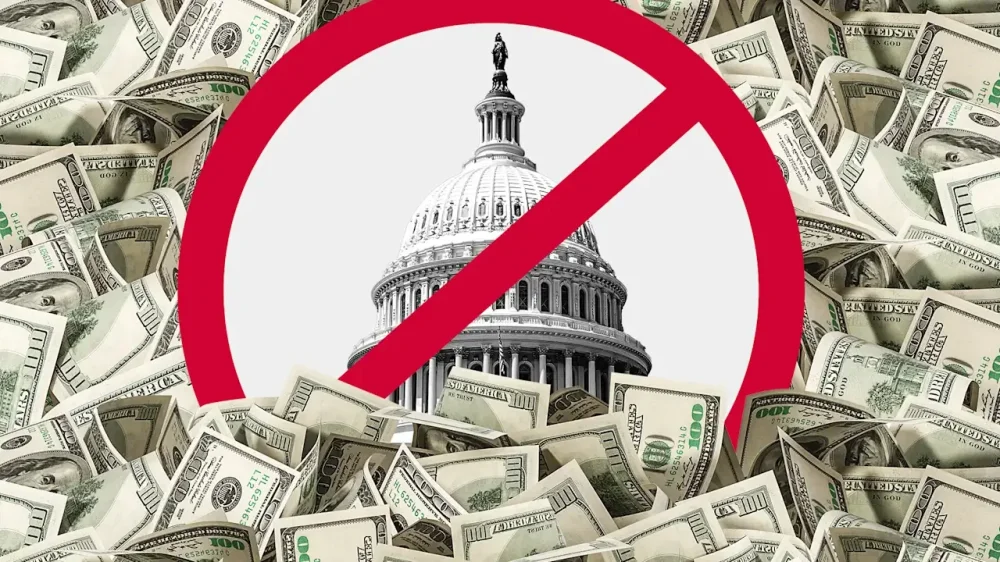
-
JPMorgan Chase will directly invest up to $10 billion in U.S. companies with crucial ties to national security. The investment plan revealed Monday will focus on four areas: supply chain and advanced manufacturing in critical minerals, pharmaceutical precursors, and robotics; defense and aerospace; energy independence, with investments in battery storage and grid resilience; and strategic technologies, including artificial intelligence, cybersecurity, and quantum computing. The investment is part of the bank’s Security and Resiliency Initiative, a $1.5 trillion, 10-year plan to facilitate, finance, and invest in industries critical to national security. “It has become painfully clear that the United States has allowed itself to become too reliant on unreliable sources of critical minerals, products, and manufacturing—all of which are essential for our national security,” Chairman and CEO Jamie Dimon said in a statement. “Our security is predicated on the strength and resiliency of America’s economy. America needs more speed and investment.” This summer, JPMorgan helped put together a deal under which the Defense Department agreed to invest $400 million in U.S. rare earth company MP Materials. The bank is also providing financing for MP Materials’ second magnet-producing factory in the U.S. The nation’s largest bank plans to finance approximately $1 trillion over the next decade in support of clients in these industries. JPMorgan Chase is looking to increase this amount by up to $500 billion, or a 50% increase, with additional resources and capital. “America needs more speed and investment,” Dimon said. “It also needs to remove obstacles that stand in the way: excessive regulations, bureaucratic delay, partisan gridlock and an education system not aligned to the skills we need.” JPMorgan says that it serves 34,000 mid-sized companies and more than 90% of the Fortune 500. It plans to hire more bankers, investment professionals and other experts to help address its investment plan. It will also create an external advisory council that includes leaders from the public and private sectors to help guide the long-term strategy. —Michelle Chapman, AP business writer View the full article

-
We may earn a commission from links on this page. Did you know you can customize Google to filter out garbage? Take these steps for better search results, including adding my work at Lifehacker as a preferred source. When I first unboxed the Hydrow Arc Rowing Machine, I was cautiously optimistic. While rowing machines always sounded great in theory—an efficient, low-impact, full-body workout!—when I tried them in the past, I felt like reality fell far short of the hype, but my initial impressions were promising, and the machine itself is really nice. And now, after 30 days of consistent rowing, I can confidently say that my legs do indeed feel stronger than ever. Moreover, I've yet to get tired of this workout. Here's how my last month of workouts went, and how I'm feeling now. Hydrow Arc Rower $2,295.00 at Hydrow Shop Now Shop Now $2,295.00 at Hydrow Week one: Getting acquainted with rowingTo be honest, my first few sessions with this machine were humbling. Despite having rowed before, those first 20-minute workouts reminded me that rowing is much more challenging than it looks. Your quads burn, your hamstrings engage in ways you forgot were possible, and your glutes? They're doing work. The Arc's electromagnetic resistance (or "drag setting") feels incredibly smooth, and that fluid motion meant I could focus on form without the jarring stops and starts of cheaper machines I'm used to at the gym. But that also meant being able to truly focus on the burn. When it comes to the machine itself, the Hydrow's 24-inch pivoting HD touchscreen immediately became my favorite feature. It's the company's largest display yet, and when you're mid-workout, staring at an instructor rowing through scenic waterways in Croatia or the Charles River, that immersive quality actually matters. It helped pull me in enough that I was able to forget I was suffering through the last two minutes of a power interval. Weeks two and three: Starting to build strengthI was already familiar with the benefits and challenges of running and lifting, but just weeks into my rowing regimen, I felt a unique and surprising strength starting to build—not just bulk, but functional power that translated to everyday movement. The HydroMetrics system (Hydrow's proprietary tracking feature) became oddly addictive during this phase. It measures your performance across three key areas: Precision (how consistent your stroke is), Endurance (how well you maintain output), and Power (how much force you generate). Watching those scores improve gave me concrete proof that I wasn't just feeling stronger—I was getting stronger. As my 30-day HydroMetrics Index climbed, that gamification kept me coming back. The Arc's workout library is massive—you can choose from thousands of classes, ranging from 10-minute quick sessions to 45-minute endurance challenges. I found myself gravitating toward the 30-minute scenic rows in the morning and shorter, high-intensity sessions in the evening. The variety meant I never got bored, and the on-demand format meant I could work out at 6 a.m. or 10 p.m. without planning around a studio schedule. The machine's quiet operation also meant I didn't have to plan around my roommate's sleeping schedule. Week four: Feeling the full-body differenceRowing is often referred to as a full-body workout, and after a month, I certainly understand why. If you haven't committed to it, you might assume rowing is more of an upper body workout. But one of the first things I learned with my Arc is that I needed to be driving power way more from my legs than I previously realized. After a month, my core felt more stable, my posture had improved (from all that engagement during the drive phase), and my arms—while not the primary focus—definitely were more toned. Beyond the physical gains—which can really only be anecdotal after just a monthlong trial like this—I noticed a mental benefit I hadn't anticipated: The personalized workout recommendations made it feel less like I was forcing myself to exercise and more like the machine knew what was needed to motivate me. Some days it suggested endurance rows; other days, it served up power intervals. That intelligent guidance removed the decision fatigue that often kills my workout streaks. The bottom lineAfter 30 days with the Hydrow Arc rower, my legs feel stronger than ever—not in a "I can't walk up stairs" way, but in a "I feel powerful and capable" way. The machine delivered on the promise of building what Hydrow cutely refers to as "Fluid Strength": that sort of full-body, functional fitness that makes everyday life easier. Is the Arc a perfect workout solution? Well, it's a high-quality machine with a large footprint and a premium price tag, so it's not for everyone. But if you're serious about building strength efficiently, want a low-impact workout that actually challenges you, and appreciate smart technology that adapts to your progress, it's worth considering, despite the substantial investment necessary. After 30 days, I'm not just stronger—I'm hooked on rowing. View the full article
-
Israel frees more than 1,900 Palestinian prisoners in significant foreign policy success for Donald The PresidentView the full article
-
KPop Demon Hunters took over Netflix when it debuted in August. Next, it’s coming for Halloween. That’s according to Google’s annual Frightgeist report, which uses Google Trends search data to predict the year’s top Halloween costumes across a number of categories. This year’s report, published on October 9, shows that characters from the hit animated movie musical KPop Demon Hunters have snagged all five of the list’s top spots. KPop Demon Hunters centers on Huntr/x, a K-pop superstar trio who double as demon hunters. The members—Rumi, Mira, and Zoey—must protect their fans while facing down a rival boy band made up of demons in disguise, led by the singer Jinu. Since the movie premiered on Netflix, it’s become the streamer’s most-watched film of all time; secured Netflix’s first-ever No. 1 box office title when it was shown in theaters; had four simultaneous top ten hits on the Billboard Hot 100; and achieved Platinum status with its soundtrack. In short, the film is a cultural phenomenon complete with a bevy of catchy, endlessly replayable songs—and it’s going to be totally unavoidable on Halloween. Which characters made the list? Google Frightgeist found that the top five overall costumes of the year are, in order of popularity: Rumi, Zoey, Mira, Jinu, and Baby Saja (a minor antagonist and rapper in the K-pop group Saja Boys). Derpy the Tiger, a supernatural blue feline from the film, is also eighth on this year’s list. Fast-fashion brands including Shein and Aliexpress have anticipated the trend with their own versions of KPop Demon Hunters fashion. Seasonal retailer Spirit Halloween is also offering officially licensed costumes of the show’s main characters, available in both kid and adult sizes—but it appears to be struggling to keep up with demand. As of this writing, every adult costume is sold out in every size, and kids’ costumes seem to be available exclusively in stores. Spirit Halloween did not immediately respond to Fast Company’s request for comment on the costumes’ popularity. For businesses, there’s a lot at stake. According to a September survey from the National Retail Federation (NRF), Halloween spending, which includes stocking up on candy and pumpkins in addition to spending on costumes, is expected to reach a record $13.1 billion this year. Amidst the sea of K-pop costumes that will dominate streets this year, trick-or-treaters can expect to see another familiar face in the crowd. Labubus, the collectible monster plush toys that are known for teetering on the line between ugly and cute, are the top costume search for dogs and the second-hottest costume search for kids. View the full article

-
Failed hospital operator’s administrators seeking about £2bn damages from accounting firm in trial over missed ‘red flags’View the full article
-
I’m off today, so here’s an older post from the archives. This was originally published in 2014. A reader writes: I was in the awesome position of interviewing for two roles through recruitment agencies and receiving offers for both. Both roles were aware that I had another strong offer on the table, and negotiations started between myself and the two agencies. As I was available immediately, both roles wanted me to start ASAP and had suggested start dates that were within a working week of the initial offer. Within a few days, I made my decision and I outlined my choice in an email to the recruiter of the role I was turning down. The recruiter wanted to discuss the matter further and I declined. He indicated by email he was upset that I was turning down the role so close to the start date. A month later, I received an invoice from the accounting team of the recruitment team – no other communication – just an invoice made out to me for $50 for a background check they had completed. I responded to the accounts team saying that I believed this cost was for their client, and as I had no relationship with them, it wasn’t an invoice for me personally (assuming it had been mistakenly sent to me as the subject of the background check). The next day, I received an email from the recruiter directly, who informed me that as I had behaved unprofessionally and without integrity, as an act of good faith I should pay this “insignificant amount” rather than ask the (very large international) agency to absorb it. I wanted to write a strongly worded response about my ideas of professionalism, but I am going to sit on it for a day or two. Ironically, if he had emailed me and outlined his point of view earlier – without attacking me – I probably would have paid the invoice out of feelings of guilt/good faith. So am I obliged to pay this? And if I’m not obliged, should I pay it to save face professionally? What the flying F? Um, no, you should not pay this. Just like they should not pay for your interview suit or your time spent interviewing or the Xanax I will use to calm my slightly crazed laughter after reading this letter. Background checks are a normal cost of doing business for recruiters. There are a few industries where applicants are expected to pay for their own (teaching can be one), but those are (a) rare and (b) disclosed ahead of time. That second part is the real tell here — you don’t spring costs on people after the fact that they never agreed to. That’s not how this stuff works. People have to agree to it up-front; you can’t decide to charge them later because you’re bitter. This dude sent you an invoice in a weirdly misguided attempt to penalize you for turning down an offer (and losing him his commission). That’s unprofessional, hostile, and out of touch with what’s okay to do. There’s nothing unprofessional about turning down an offer — and that goes double when you were totally up-front with him throughout your deliberations. You’re under no obligation to accept an offer (just like they were under no obligation to make you an offer). He sucks, you have no obligation to pay this, and you certainly shouldn’t pay out of guilt or to save face. In fact, that would be the opposite of saving face — it would be agreeing that you’d done something wrong, when you haven’t. Ignore the invoice, ignore his letter, and never work with this agency again. As for sending a letter back to him, I’d skip that entirely … but if you must send a response, send it to someone above him; there’s no need to engage with someone who has already demonstrated that he’s hostile and irrational. Read an update to this letter here. The post I turned down a job offer and now the recruiter is invoicing me appeared first on Ask a Manager. View the full article
-
Crypto is here to stay—and you can take that to the bank. Citibank, perhaps. On Monday morning, CNBC reported that Citi is looking to launch crypto custody services next year. Biswarup Chatterjee, the global head of partnerships and innovation in the services business at Citi, told CNBC that the company is “hoping that in the next few quarters, we can come to market with a credible custody solution that we can offer to our asset managers and other clients.” While banks have, traditionally, kept cryptocurrency at arm’s length, primarily concerned about regulatory changes, the The President administration’s embrace of crypto—exemplified by the passage of new laws like the GENIUS Act—has companies like Citi and others changing their tune. The GENIUS Act, signed into law earlier this year, created a federal regulatory system for stablecoins, among other things. Accordingly, banks are looking to launch crypto-related products and services, such as crypto or digital asset custody services, which, similar to a typical checking or savings account, would enable the bank to hold assets for clients. Notably, leaders from other banks, such as JPMorgan Chase, have said that they will not offer such services, though they will conduct crypto transactions. U.S. Bank, on the other hand, is offering custody services as of last month, though it originally launched the service in 2021 and put it on hold. PNC Bank is also offering custody and trading services through a partnership with Coinbase. In addition to custody services, Citi and others are also looking to launch their own stablecoins, or at least get in on the burgeoning action within the stablecoin subset of the larger crypto space. Stablecoins are digital assets that are pegged to another asset—such as the U.S. dollar or a commodity—that helps it maintain a relatively stable value. Last week, Citi Ventures announced an investment in BVNK, a global infrastructure platform for stablecoins, as the company prepares to push into the space. “Stablecoins are seeing increased interest in use for settlement of on-chain and crypto asset transactions,” said Arvind Purushotham, head of Citi Ventures, in a statement. That announcement, along with the news that Citi is looking to launch custody accounts, makes it clear that crypto is, finally, sliding into the world of mainstream finance. View the full article

-
And back up goes Wall Street. U.S. stocks are rallying Monday after President Donald The President said “ it will all be fine,” just days after he sent the market reeling by threatening much higher tariffs on China. The S&P 500 jumped 1.3% to recover nearly half its drop from Friday, which was its worst since April. The Dow Jones Industrial Average was up 483 points, or 1.1%, as of 10:45 a.m. Eastern time, and the Nasdaq composite was 1.8% higher. “Don’t worry about China,” The President said on his social media platform Sunday. He also said that China’s leader, Xi Jinping, “doesn’t want Depression for his country, and neither do I. The U.S.A. wants to help China, not hurt it!!!” It was a sharp turnaround from the anger The President displayed on Friday, when he accused China of “a moral disgrace in dealing with other Nations.” He pointed to “an extremely hostile letter” from China describing curbs to exports of rare earths, which are materials used in the manufacturing of everything from personal electronics to jet engines. The President said at the time that he may place an additional 100% tax on imports from China starting on Nov. 1. For its part, China urged the United States to resolve differences through negotiations instead of threats. “We do not want a tariff war but we are not afraid of one,” the Commerce Ministry said in a statement posted online. Hours later, The President posted his less confrontational talk about China on Truth Social. The backtrack in anger, which also came before trading began on Wall Street, raised hopes that the world’s two largest economies could find a working relationship that allows global trade to continue. The big moves for the market bracketing the weekend echo its manic swings in April. That’s when The President shocked investors with his “Liberation Day” announcement of worldwide tariffs, only to eventually relent on many to give time to negotiate trade deals with other countries. If this time ends up similarly, potentially even after a sharp drop for stock prices, subsiding trade tensions and uncertainty could allow for a rolling recovery to continue into 2026, according to Morgan Stanley strategists led by Michael Wilson. To be sure, the U.S. stock market may have been primed for a drop and was perhaps just looking for a potential trigger. It was already facing criticism that prices had shot too high following a nearly relentless 35% run for the S&P 500 from a low in April. The index, which dictates the movements for many 401(k) accounts, is still near its all-time high set last week. Not only did The President’s backdown from tariffs help launch stock prices since April, so did expectations for several cuts to interest rates by the Federal Reserve to help the economy. Critics say the market looks too expensive now after prices rose much faster than corporate profits. Worries are particularly high about companies in the artificial-intelligence industry, where pessimists hear echoes of the 2000 dot-com bubble that imploded. Broadcom jumped 10.2% for Monday’s biggest gain in the S&P 500 after announcing a collaboration with OpenAI. The maker of ChatGPT will design custom AI accelerators, and Broadcom will help develop and deploy them. For stocks broadly to look less expensive, either prices need to fall, or companies’ profits need to rise. That’s raising the stakes for the upcoming earnings reporting season, with big U.S. companies lining up to say how much profit they made during the summer. JPMorgan Chase, Johnson & Johnson, and United Airlines are some of the big names on the calendar this upcoming week. Fastenal tumbled 6.4% after the maker of fasteners and safety supplies reported a profit for the latest quarter that was slightly weaker than analysts expected. At Bank of America, strategist Savita Subramanian is optimistic that companies across the S&P 500 can deliver a bigger overall profit than analysts expected. Besides reports showing a resilient U.S. economy, she also pointed in a BofA Global Research report to how the U.S. dollar’s weakening against other currencies boosts the value of sales made abroad by big U.S. companies. In stock markets abroad, indexes were mixed in Europe following losses in Asia, which had their first opportunity to react to The President’s threat from Friday of additional tariffs on China. Stocks fell 1.5% in Hong Kong and 0.2% in Shanghai. China reported its global exports rose 8.3% in September from a year earlier, the strongest growth in six months and further evidence that its manufacturers are shifting sales from the United States to other markets. —Stan Choe, AP business writer AP Business Writers Matt Ott and Elaine Kurtenbach contributed. View the full article

-
Google Lens now supports the Nano Banana, the image generation feature from the Gemini app, within Google Search. Google said, “we’re bringing Nano Banana to Google Search.” Open the Google Lens feature in the Google app for Android or iOS. Then you can tap on Create mode to make an image. You can then transform an image into your ideas directly from Google Lens. What it looks like. Here is a video of it in action: Here are some screenshots: Why we care. AI search features are moving fast and these fun and creative features might help win over consumer loyalty. OpenAI, Microsoft, Perplexity and other are all trying to compete with AI and Search. Who will win in the future is yet to be determined. View the full article
-
When planning your marketing campaigns, using fundamental strategy templates can streamline your efforts and boost outcomes. These templates provide structured frameworks to align your initiatives with business goals. By incorporating tools like the Go-to-Market Strategy and Target Audience Template, you can clarify objectives and identify key segments. Comprehending these templates will improve your approach, but knowing which ones to implement and how to use them effectively is vital for success. Key Takeaways Marketing strategy templates provide a structured approach to align objectives with overall business goals, enhancing campaign effectiveness. Go-to-market strategy templates serve as roadmaps for launching products, ensuring targeted messaging and competitive differentiation. Audience engagement templates, like buyer personas, help tailor marketing messages to resonate with specific audience segments for better conversion rates. Competitor analysis templates identify key competitors, evaluate their strengths and weaknesses, and reveal market opportunities to inform strategic planning. Marketing campaign templates define clear goals, target audience profiles, and establish KPIs for tracking campaign success and optimizing performance. Understanding Marketing Strategy Templates Understanding marketing strategy templates is vital for creating effective marketing plans. These templates provide a structured approach to defining your marketing objectives and initiatives, ensuring alignment with your overall business goals. By utilizing a marketing strategy template, you can include important components like target market analysis and competitive insights, which facilitate thorough planning. This structure improves clarity and communication among team members, allowing for better collaboration. Additionally, a well-designed marketing plan template streamlines the process of tracking progress, enabling data-driven adjustments when necessary. Overall, these templates serve as a blueprint, guiding your marketing actions and ensuring consistency and effectiveness in reaching your target audiences. Embrace them to improve your marketing strategies. Key Components of Effective Marketing Templates To create effective marketing templates, you need clear objective setting and structured data organization. Clearly defined goals align with your business objectives, which boosts your campaign success. Furthermore, organizing your data systematically helps you track progress and make informed decisions throughout your marketing efforts. Clear Objective Setting When crafting effective marketing templates, it’s essential to incorporate clear objective setting that aligns with your overall business goals. Start by defining specific marketing objectives examples that are measurable and time-bound. This helps guarantee your marketing plan objectives examples fit within your larger strategy. Use a marketing strategy format that outlines key performance indicators (KPIs) to track your progress and evaluate campaign effectiveness. Incorporating audience insights will tailor your approach to specific demographics, enhancing message relevance. Furthermore, integrating a SWOT analysis can highlight strengths and market opportunities. This structured approach not only promotes alignment with business goals but likewise supports informed decision-making throughout your marketing initiatives. Structured Data Organization Structured data organization plays a pivotal role in creating effective marketing templates. A well-structured marketing campaign template guarantees you clearly define goals that align with your business objectives. Incorporate sections for identifying target audiences, detailing demographics and behaviors, to tailor your messaging effectively. Use a marketing plan format that includes a detailed budget component, allowing for strategic allocation of resources. Moreover, outline key performance indicators (KPIs) to track progress and evaluate campaign effectiveness. A timeline with milestones in your marketing strategy template PPT helps keep your campaigns on track. Go-to-Market Strategy Template A go-to-market strategy template serves as an vital roadmap for successfully launching a product or service. This template outlines the key steps to align your marketing, sales, and distribution teams. Start by identifying your target customer segments and tailoring your messaging accordingly. It’s important to conduct a competitive analysis, helping you differentiate your offerings in the market. You can find a go to market strategy template free online to simplify this process. Moreover, include a marketing plan objectives sample to clarify your goals. Finally, consider creating a marketing strategy PowerPoint presentation to communicate your plan effectively to stakeholders. Target Audience Template When defining your target audience, it’s essential to identify distinct audience segments based on demographics, psychographics, and behaviors. This clarity allows you to tailor your marketing messages effectively, ensuring they resonate with each specific group. Defining Audience Segments Defining your audience segments is crucial for crafting effective marketing strategies that resonate with your potential customers. The target audience template helps you identify key characteristics of your audience, including demographics, psychographics, and buying behaviors. By capturing geographic, demographic, and behavioral traits, you can assess market opportunities and segment your audience effectively. Creating distinct audience segments allows your marketing campaign plan template to target specific groups, enhancing the performance of your efforts. Regularly updating this template based on market research guarantees your strategies remain relevant. This way, you’ll not just estimate market size and growth potential but likewise prioritize resources effectively. In the end, well-defined audience segments lead to more successful marketing initiatives. Tailoring Marketing Messages Customizing marketing messages to resonate with your audience segments is vital for effective communication and engagement. Using a target audience template helps you define demographics, behaviors, and preferences. This clarity improves your marketing objectives and strategies, allowing for more personalized communication that boosts engagement rates. Here’s a simple breakdown of how to use the template: Key Characteristics Audience Insights Marketing Actions Demographics Age, Gender, Income Customize offers Behaviors Purchase Patterns Targeted ads Preferences Content Type, Channels Customized content strategy Utilizing this content marketing strategy plan template, you can refine messages based on audience insights, ensuring relevance and effectiveness in your campaigns. Marketing Funnel Template A Marketing Funnel Template serves as a valuable tool for visualizing the stages of the customer pathway, from initial awareness to final conversion. This template helps you identify drop-off points, allowing for optimization at each stage to improve lead engagement. By mapping out key touchpoints, you can establish nurturing strategies that guide potential customers toward making a purchase decision. The marketing funnel template likewise serves as a framework for tracking user engagement and measuring the effectiveness of your marketing tactics with specific KPIs. In addition, it aligns your marketing efforts with sales strategies, clarifying the customer experience and necessary actions for both teams. Implementing this strategic marketing template can eventually lead to improved conversion rates and targeted campaigns. SWOT Analysis Template When you use a SWOT Analysis Template, you can clearly assess your business’s strengths and weaknesses, which are crucial for comprehending your current position. Identifying opportunities and threats in the market helps you prepare for external challenges as well as capitalizing on potential growth areas. This structured approach not merely improves strategic planning but additionally enables you to make informed decisions that align with your business goals. Strengths and Weaknesses Analysis Conducting a Strengths and Weaknesses Analysis, commonly known as a SWOT analysis, provides valuable insights into your business’s strategic position. Using a marketing plan template, you can clearly outline your strengths, such as unique resources or capabilities that give you a competitive edge. Identifying these strengths helps you leverage them effectively in your strategic marketing plan format. Conversely, the weaknesses section allows you to pinpoint areas needing improvement, addressing vulnerabilities that could hinder performance. By incorporating this analysis into your marketing action plan template, you can create focused initiatives that align with your business goals, ultimately enhancing your overall marketing strategy. This structured approach promotes clarity and facilitates informed decision-making for sustainable growth. Opportunities and Threats Identification Identifying opportunities and threats is crucial for developing an extensive marketing strategy, as it allows you to assess the external factors that could impact your business. Using a SWOT analysis template can guide this process effectively. Here are four key points to evaluate: Identify Market Trends: Stay updated on industry shifts that could present opportunities. Analyze Competitors: Understand what competitors are doing well and where they fall short. Monitor External Risks: Recognize potential threats, such as economic downturns or regulatory changes. Collaborate with Teams: Use the SWOT analysis template to gather insights from various departments. Incorporating this analysis into your marketing plan template example improves strategic planning, ensuring your marketing strategy aligns with current conditions and competitive positioning. Marketing Campaign Template A Marketing Campaign Template serves as an important tool for organizing all key components of your campaign, guaranteeing that you’re well-prepared for effective execution. This structured framework helps you define clear campaign goals aligned with your business objectives as you detail your target audience profiles. By selecting appropriate marketing channels and establishing key performance indicators (KPIs), you can track your campaign’s success. Using a marketing campaign template can boost your chances of success considerably, streamlining your planning process. Regularly updating your advertising campaign template with performance data is critical for adapting strategies. Buyer Personas Template When creating effective marketing strategies, comprehension of your target audience is crucial, and a Buyer Personas Template can help you achieve that. This template guides you in developing detailed profiles of your ideal customers, including critical information that shapes your marketing efforts. Here’s how to use it: Outline demographics, interests, and purchasing behaviors. Identify customer pain points and decision-making processes. Specify preferred communication channels for effective outreach. Regularly update personas based on market research and feedback. Using a buyer personas template improves your marketing plan template and promotion plan template, ultimately enhancing engagement and conversion rates. Competitor Analysis Template Grasping your competitors is just as important as knowing your customers. A Competitor Analysis Template helps you visualize the competitive terrain by identifying key competitors and evaluating their strengths and weaknesses. It typically includes sections for ranking competitors based on market share, product features, pricing strategies, and customer feedback. By using this template, you can pinpoint market opportunities and threats, leading to more informed strategic decisions. Incorporating a SWOT analysis within your marketing plan template can further improve your comprehension of both the competitive environment and your internal capabilities. Regularly updating this strategic marketing plan template guarantees your strategies remain relevant and responsive to changes, ultimately improving your overall campaign effectiveness. Budgeting and Resource Allocation Template To effectively manage your marketing campaigns, using a budgeting and resource allocation template can be invaluable. This template helps you outline your financial resources and allocate funds efficiently across various campaign components. Here are four key aspects to evaluate: Estimated Costs: List all expected expenses for each part of your marketing project plan template. Actual Spending: Track what you actually spend against your estimates to identify variances. Personnel Assignments: Detail who’s responsible for each task to guarantee accountability. Time Estimates: Include timelines for each initiative to monitor progress. Frequently Asked Questions What Are the 7 Ps of Marketing Used in Marketing Planning and Essential Strategy to Promote the Target Market Effectively? The 7 Ps of marketing—Product, Price, Place, Promotion, People, Process, and Physical Evidence—are essential for effective marketing planning. First, clearly define your product and its value. Next, establish a pricing strategy that reflects this value. Then, choose the right distribution channels (Place) to reach your audience. Utilize effective communication methods (Promotion) to engage them. Consider the role of your team (People), streamline processes, and guarantee physical evidence supports your brand. What Are the 5 P’s of Marketing Strategy? The 5 P’s of marketing strategy consist of Product, Price, Place, Promotion, and People. First, define your Product, focusing on its features and benefits. Next, set your Price to reflect its perceived value. Then, consider Place, ensuring your product is available where customers shop. Promotion involves communicating effectively through various channels to reach your audience. Finally, understand People, which includes your target market and how they interact with your product. How to Develop a Marketing Campaign Template? To develop a marketing campaign template, start by defining your campaign’s goals and target audience. Outline the core message to guarantee alignment with your objectives. Next, detail the marketing strategies, including the channels you’ll use and key performance indicators (KPIs) for success measurement. Incorporate a timeline with milestones to keep the campaign on track. Finally, create a budget to allocate resources effectively, assuring all elements work cohesively in the direction of your campaign’s success. What Are the 5 P’s of Strategic Marketing? The 5 P’s of strategic marketing are Product, Price, Place, Promotion, and People. You need to define your product clearly, focusing on its features and benefits. Determine a pricing strategy that reflects its value as well as remaining competitive. Choose effective distribution channels to guarantee your product reaches the target market. Use various promotional tactics to raise awareness and engage customers. Finally, consider the people involved, including your team and target audience, for successful implementation. Conclusion By utilizing these crucial marketing strategy templates, you can streamline your campaigns and align them with your business objectives. Each template serves a specific purpose, whether it’s identifying your target audience or analyzing competitors. Implementing these structured frameworks nurtures consistency and improves collaboration within your team. Remember, effective marketing requires careful planning, so make these templates a key part of your strategy to drive successful outcomes and achieve your marketing goals efficiently. Image Via Envato This article, "10 Essential Marketing Strategy Templates to Enhance Campaigns" was first published on Small Business Trends View the full article
-
When planning your marketing campaigns, using fundamental strategy templates can streamline your efforts and boost outcomes. These templates provide structured frameworks to align your initiatives with business goals. By incorporating tools like the Go-to-Market Strategy and Target Audience Template, you can clarify objectives and identify key segments. Comprehending these templates will improve your approach, but knowing which ones to implement and how to use them effectively is vital for success. Key Takeaways Marketing strategy templates provide a structured approach to align objectives with overall business goals, enhancing campaign effectiveness. Go-to-market strategy templates serve as roadmaps for launching products, ensuring targeted messaging and competitive differentiation. Audience engagement templates, like buyer personas, help tailor marketing messages to resonate with specific audience segments for better conversion rates. Competitor analysis templates identify key competitors, evaluate their strengths and weaknesses, and reveal market opportunities to inform strategic planning. Marketing campaign templates define clear goals, target audience profiles, and establish KPIs for tracking campaign success and optimizing performance. Understanding Marketing Strategy Templates Understanding marketing strategy templates is vital for creating effective marketing plans. These templates provide a structured approach to defining your marketing objectives and initiatives, ensuring alignment with your overall business goals. By utilizing a marketing strategy template, you can include important components like target market analysis and competitive insights, which facilitate thorough planning. This structure improves clarity and communication among team members, allowing for better collaboration. Additionally, a well-designed marketing plan template streamlines the process of tracking progress, enabling data-driven adjustments when necessary. Overall, these templates serve as a blueprint, guiding your marketing actions and ensuring consistency and effectiveness in reaching your target audiences. Embrace them to improve your marketing strategies. Key Components of Effective Marketing Templates To create effective marketing templates, you need clear objective setting and structured data organization. Clearly defined goals align with your business objectives, which boosts your campaign success. Furthermore, organizing your data systematically helps you track progress and make informed decisions throughout your marketing efforts. Clear Objective Setting When crafting effective marketing templates, it’s essential to incorporate clear objective setting that aligns with your overall business goals. Start by defining specific marketing objectives examples that are measurable and time-bound. This helps guarantee your marketing plan objectives examples fit within your larger strategy. Use a marketing strategy format that outlines key performance indicators (KPIs) to track your progress and evaluate campaign effectiveness. Incorporating audience insights will tailor your approach to specific demographics, enhancing message relevance. Furthermore, integrating a SWOT analysis can highlight strengths and market opportunities. This structured approach not only promotes alignment with business goals but likewise supports informed decision-making throughout your marketing initiatives. Structured Data Organization Structured data organization plays a pivotal role in creating effective marketing templates. A well-structured marketing campaign template guarantees you clearly define goals that align with your business objectives. Incorporate sections for identifying target audiences, detailing demographics and behaviors, to tailor your messaging effectively. Use a marketing plan format that includes a detailed budget component, allowing for strategic allocation of resources. Moreover, outline key performance indicators (KPIs) to track progress and evaluate campaign effectiveness. A timeline with milestones in your marketing strategy template PPT helps keep your campaigns on track. Go-to-Market Strategy Template A go-to-market strategy template serves as an vital roadmap for successfully launching a product or service. This template outlines the key steps to align your marketing, sales, and distribution teams. Start by identifying your target customer segments and tailoring your messaging accordingly. It’s important to conduct a competitive analysis, helping you differentiate your offerings in the market. You can find a go to market strategy template free online to simplify this process. Moreover, include a marketing plan objectives sample to clarify your goals. Finally, consider creating a marketing strategy PowerPoint presentation to communicate your plan effectively to stakeholders. Target Audience Template When defining your target audience, it’s essential to identify distinct audience segments based on demographics, psychographics, and behaviors. This clarity allows you to tailor your marketing messages effectively, ensuring they resonate with each specific group. Defining Audience Segments Defining your audience segments is crucial for crafting effective marketing strategies that resonate with your potential customers. The target audience template helps you identify key characteristics of your audience, including demographics, psychographics, and buying behaviors. By capturing geographic, demographic, and behavioral traits, you can assess market opportunities and segment your audience effectively. Creating distinct audience segments allows your marketing campaign plan template to target specific groups, enhancing the performance of your efforts. Regularly updating this template based on market research guarantees your strategies remain relevant. This way, you’ll not just estimate market size and growth potential but likewise prioritize resources effectively. In the end, well-defined audience segments lead to more successful marketing initiatives. Tailoring Marketing Messages Customizing marketing messages to resonate with your audience segments is vital for effective communication and engagement. Using a target audience template helps you define demographics, behaviors, and preferences. This clarity improves your marketing objectives and strategies, allowing for more personalized communication that boosts engagement rates. Here’s a simple breakdown of how to use the template: Key Characteristics Audience Insights Marketing Actions Demographics Age, Gender, Income Customize offers Behaviors Purchase Patterns Targeted ads Preferences Content Type, Channels Customized content strategy Utilizing this content marketing strategy plan template, you can refine messages based on audience insights, ensuring relevance and effectiveness in your campaigns. Marketing Funnel Template A Marketing Funnel Template serves as a valuable tool for visualizing the stages of the customer pathway, from initial awareness to final conversion. This template helps you identify drop-off points, allowing for optimization at each stage to improve lead engagement. By mapping out key touchpoints, you can establish nurturing strategies that guide potential customers toward making a purchase decision. The marketing funnel template likewise serves as a framework for tracking user engagement and measuring the effectiveness of your marketing tactics with specific KPIs. In addition, it aligns your marketing efforts with sales strategies, clarifying the customer experience and necessary actions for both teams. Implementing this strategic marketing template can eventually lead to improved conversion rates and targeted campaigns. SWOT Analysis Template When you use a SWOT Analysis Template, you can clearly assess your business’s strengths and weaknesses, which are crucial for comprehending your current position. Identifying opportunities and threats in the market helps you prepare for external challenges as well as capitalizing on potential growth areas. This structured approach not merely improves strategic planning but additionally enables you to make informed decisions that align with your business goals. Strengths and Weaknesses Analysis Conducting a Strengths and Weaknesses Analysis, commonly known as a SWOT analysis, provides valuable insights into your business’s strategic position. Using a marketing plan template, you can clearly outline your strengths, such as unique resources or capabilities that give you a competitive edge. Identifying these strengths helps you leverage them effectively in your strategic marketing plan format. Conversely, the weaknesses section allows you to pinpoint areas needing improvement, addressing vulnerabilities that could hinder performance. By incorporating this analysis into your marketing action plan template, you can create focused initiatives that align with your business goals, ultimately enhancing your overall marketing strategy. This structured approach promotes clarity and facilitates informed decision-making for sustainable growth. Opportunities and Threats Identification Identifying opportunities and threats is crucial for developing an extensive marketing strategy, as it allows you to assess the external factors that could impact your business. Using a SWOT analysis template can guide this process effectively. Here are four key points to evaluate: Identify Market Trends: Stay updated on industry shifts that could present opportunities. Analyze Competitors: Understand what competitors are doing well and where they fall short. Monitor External Risks: Recognize potential threats, such as economic downturns or regulatory changes. Collaborate with Teams: Use the SWOT analysis template to gather insights from various departments. Incorporating this analysis into your marketing plan template example improves strategic planning, ensuring your marketing strategy aligns with current conditions and competitive positioning. Marketing Campaign Template A Marketing Campaign Template serves as an important tool for organizing all key components of your campaign, guaranteeing that you’re well-prepared for effective execution. This structured framework helps you define clear campaign goals aligned with your business objectives as you detail your target audience profiles. By selecting appropriate marketing channels and establishing key performance indicators (KPIs), you can track your campaign’s success. Using a marketing campaign template can boost your chances of success considerably, streamlining your planning process. Regularly updating your advertising campaign template with performance data is critical for adapting strategies. Buyer Personas Template When creating effective marketing strategies, comprehension of your target audience is crucial, and a Buyer Personas Template can help you achieve that. This template guides you in developing detailed profiles of your ideal customers, including critical information that shapes your marketing efforts. Here’s how to use it: Outline demographics, interests, and purchasing behaviors. Identify customer pain points and decision-making processes. Specify preferred communication channels for effective outreach. Regularly update personas based on market research and feedback. Using a buyer personas template improves your marketing plan template and promotion plan template, ultimately enhancing engagement and conversion rates. Competitor Analysis Template Grasping your competitors is just as important as knowing your customers. A Competitor Analysis Template helps you visualize the competitive terrain by identifying key competitors and evaluating their strengths and weaknesses. It typically includes sections for ranking competitors based on market share, product features, pricing strategies, and customer feedback. By using this template, you can pinpoint market opportunities and threats, leading to more informed strategic decisions. Incorporating a SWOT analysis within your marketing plan template can further improve your comprehension of both the competitive environment and your internal capabilities. Regularly updating this strategic marketing plan template guarantees your strategies remain relevant and responsive to changes, ultimately improving your overall campaign effectiveness. Budgeting and Resource Allocation Template To effectively manage your marketing campaigns, using a budgeting and resource allocation template can be invaluable. This template helps you outline your financial resources and allocate funds efficiently across various campaign components. Here are four key aspects to evaluate: Estimated Costs: List all expected expenses for each part of your marketing project plan template. Actual Spending: Track what you actually spend against your estimates to identify variances. Personnel Assignments: Detail who’s responsible for each task to guarantee accountability. Time Estimates: Include timelines for each initiative to monitor progress. Frequently Asked Questions What Are the 7 Ps of Marketing Used in Marketing Planning and Essential Strategy to Promote the Target Market Effectively? The 7 Ps of marketing—Product, Price, Place, Promotion, People, Process, and Physical Evidence—are essential for effective marketing planning. First, clearly define your product and its value. Next, establish a pricing strategy that reflects this value. Then, choose the right distribution channels (Place) to reach your audience. Utilize effective communication methods (Promotion) to engage them. Consider the role of your team (People), streamline processes, and guarantee physical evidence supports your brand. What Are the 5 P’s of Marketing Strategy? The 5 P’s of marketing strategy consist of Product, Price, Place, Promotion, and People. First, define your Product, focusing on its features and benefits. Next, set your Price to reflect its perceived value. Then, consider Place, ensuring your product is available where customers shop. Promotion involves communicating effectively through various channels to reach your audience. Finally, understand People, which includes your target market and how they interact with your product. How to Develop a Marketing Campaign Template? To develop a marketing campaign template, start by defining your campaign’s goals and target audience. Outline the core message to guarantee alignment with your objectives. Next, detail the marketing strategies, including the channels you’ll use and key performance indicators (KPIs) for success measurement. Incorporate a timeline with milestones to keep the campaign on track. Finally, create a budget to allocate resources effectively, assuring all elements work cohesively in the direction of your campaign’s success. What Are the 5 P’s of Strategic Marketing? The 5 P’s of strategic marketing are Product, Price, Place, Promotion, and People. You need to define your product clearly, focusing on its features and benefits. Determine a pricing strategy that reflects its value as well as remaining competitive. Choose effective distribution channels to guarantee your product reaches the target market. Use various promotional tactics to raise awareness and engage customers. Finally, consider the people involved, including your team and target audience, for successful implementation. Conclusion By utilizing these crucial marketing strategy templates, you can streamline your campaigns and align them with your business objectives. Each template serves a specific purpose, whether it’s identifying your target audience or analyzing competitors. Implementing these structured frameworks nurtures consistency and improves collaboration within your team. Remember, effective marketing requires careful planning, so make these templates a key part of your strategy to drive successful outcomes and achieve your marketing goals efficiently. Image Via Envato This article, "10 Essential Marketing Strategy Templates to Enhance Campaigns" was first published on Small Business Trends View the full article
-
After two years of pain for the country, tears and joy mark moment of collective releaseView the full article
-
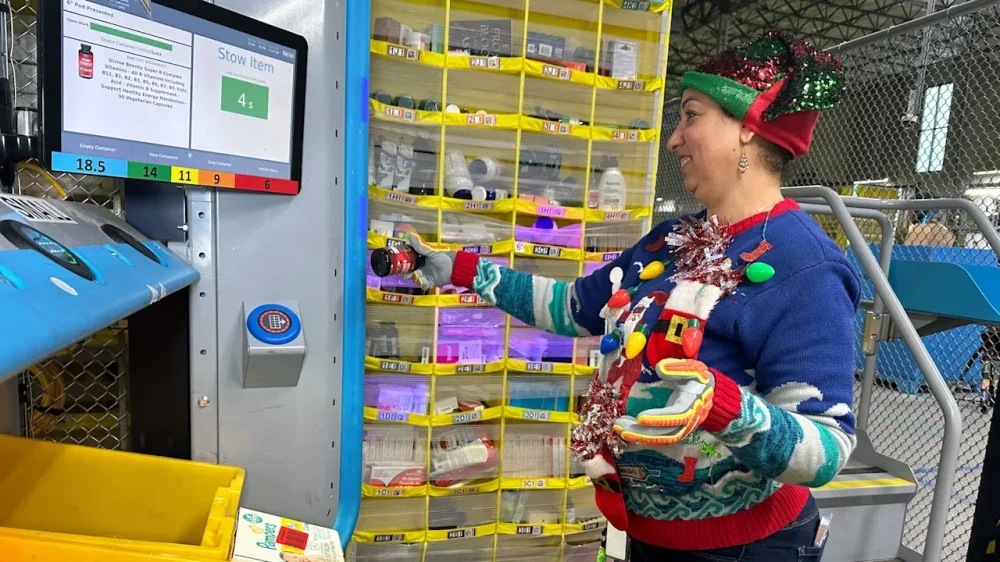
Uncertainty over the economy and tariffs is forcing retailers to pull back or delay plans to hire seasonal workers who pack orders at distribution centers, serve shoppers at stores and build holiday displays during the most important selling season of the year. American Christmas LLC, which creates elaborate holiday installations for commercial properties such as New York’s Rockefeller Center and Radio City Music Hall, plans to hire 220 temporary workers and is ramping up recruitment nearly two months later than usual, CEO Dan Casterella said. Last year, the company took on 300 people during its busy period. The main reason? The company wants to offset its tariff bill, which Casterella expects to be as big as $1.5 million this year, more than double last year’s $600,000. “The issue is if you overstaff and then you underperform, it’s too late,” Casterella said. ”I think everyone’s more mindful now than ever. ” Holiday hiring could fall to the lowest level since 2009 Job placement firm Challenger, Gray & Christmas forecasts hiring for the last three months of the year will likely fall under 500,000 positions. That’s fewer than last year’s 543,000 level and also marks the smallest seasonal gain in 16 years when retailers hired 495,800 temporary workers, the firm said. The average seasonal gain since 2005 has been 653,363 workers, the firm said. Among other companies cutting holiday payrolls: Radial, an e-commerce company that powers deliveries for roughly 120 companies like Lands’ End and Cole Haan and operates 20 fulfillment sites. It plans to hire 6,500 workers, fewer than last year’s 7,000, and is waiting to the last minute to ramp up hiring for some of its clients, chief human resources officer Sabrina Wnorowski said. Bath & Body Works, based in Reynoldsburg, Ohio, said it plans to hire 32,000 workers, lower than the 32,700 a year ago. Among the bright spots: Online behemoth Amazon Inc. said Monday it intends to hire 250,000 full-, part-time and seasonal workers for the crucial shopping period, the same level as a year ago. “We saw real strong signals that there’s been a cooling in the labor market, even beyond what our expectations were in the first nine months of the year,” Challenger’s senior vice president Andy Challenger said. “We are having lots of regular conversations with companies about pending layoffs and changes they’re making to their workforce.” In addition to overall economic uncertainty, Challenger noted companies are using artificial intelligence bots to replace some workers, particularly those working in call centers. And he’s also seeing companies hiring workers closer to when they need them. Meanwhile, the list of companies staying mum about their specific holiday hiring goals keeps growing. Target Corp., UPS, and Macy’s are declining to offer figures, a departure from the past. UPS had hired 125,000 seasonal hires last year, while Target announced last year it planned to hire 100,000 workers. Macy’s last year said it would hire 31,500 seasonal workers. Holiday hiring: the first clues to what’s in store for spending Retailers’ hiring plans mark the first clues to what’s in store for the U.S. holiday shopping season and come as the U.S. job market has lost momentum this year, partly because The President’s trade wars have created uncertainty that’s paralyzing managers trying to make hiring decisions. The Labor Department reported in early September that U.S. employers — companies, government agencies, and nonprofits — added just 22,000 jobs in August, down from 79,000 in July and well below the 80,000 that economists had expected. The government shutdown, which started Oct. 1 and has delayed the release of economic reports, could worsen the job picture. In an attempt to exert more pressure on Democratic lawmakers as the government shutdown continues, the White House budget office said Friday that mass firings of federal workers have started. The firings are happening as hundreds of thousands are already furloughed and still others are being required to report to duty without pay. Analysts will be closely monitoring the shutdown’s impact on spending. For now, many retailers say that consumers, while resilient, are choosy about what they buying. Analysts will also be closely watching how shoppers will react as retailers push through price increases as a result of high tariff costs in the next few months, experts said. Given an economic slowdown, holiday spending growth is expected to be smaller than a year ago, according to several forecasts. Mastercard SpendingPulse, which tracks spending across all payment methods including cash, predicts that holiday sales will be up 3.6% from Nov. 1 through Dec. 24. That compares with a 4.1% increase during the year-ago period. Deloitte Services LP forecasts holiday retail sales to be up between 2.9% to 3.4% from Nov. 1 through Jan. 31. That’s compared to the same year-ago period when retail sales increased 4.2% from the year before. Adobe expects U.S. online sales to hit $253.4 billion this holiday season from Nov. 1 to Dec. 31, representing a 5.3% growth. That’s smaller than last year’s 8.7% growth. A more flexible approach Given the uncertainty, companies increasingly want to hire workers closer to when they need them, experts said. “In today’s environment, brands are really looking for us to be agile,” Radial’s Wnorowski said. “Radial is meeting that need of the customer and the consumer with a more flexible and disciplined approach to hiring.” So for some of its clients, Radial will now be hiring two weeks before Thanksgiving weekend, the traditional start for the holiday shopping season, instead of four weeks before the kickoff, she said. Radial is also speeding up training of holiday hires due to new technology that’s simplifying their tasks. It used to take a couple of days to train a worker, but now it only takes a couple of hours, she said. Meanwhile, Target said it’s again embracing a three-prong approach. It starts first by offering current workers additional hours and then taps into a separate pool of workers— 43,000— who pick up shifts that work for their schedules. The Minneapolis-based company also hires seasonal workers across its nearly 2,000 stores and more than 60 distribution facilities to meet demand, it said. For the past few years, Walmart, the nation’s largest retailer and the largest private employer, has been offering the extra hours available during the holidays to its workers, a Walmart spokesperson said, noting it’s worked well and the feedback from customers and workers has been “overwhelmingly positive.” The Bentonville, Arkansas-based retailer said there may be some seasonal hiring on a store-by-store basis, but the majority of stores will dole out those hours to current workers. Late start plus no economic data could create challenges Waiting until the last minute to hire workers could mean a mad scramble to find talent, but companies say that due to the slowing economy, they don’t anticipate having a hard time finding the needed pool. Meanwhile, the temporary halting of the release of economic reports leaves retailers in the dark about forecasting sales and the workers they need to meet the demand. “Certainly, for our customers not having access to data will put more of a challenge on their ability to forecast,” Wnorowski of Radial said. “But we’ll stay very close to them as we go into peak and we’ll adjust as soon we see things changing.” —Anne D’Innocenzio, AP retail writer View the full article
-
There’s an ear-piercing war brewing at the mall. Claire’s, the biggest player in the market, has hit hard times, leaving room for upstarts to impinge on its territory. For 60 years, Claire’s has billed itself as a place for kids and teens to get their first piercings. The company says it has pierced more than 100 million ears since 1978. But after declaring bankruptcy in August (its second bankruptcy in seven years), Claire’s was acquired by the holding company Ames Watson for $140 million. These new owners have plans to turn the business around, including drastically shrinking its retail footprint which had ballooned to more than 1,000 stores. It recently announced it is shuttering upwards of 290 locations across the country. And Rowan, an ear-piercing startup, has told Fast Company that it is planning to start taking over some of these locations starting with a store in New Hampshire and outside of Boston. Building a piercing empire Claire’s continues to be a large player in the ear-piercing world. Last year it generated upwards of $2 billion in revenue, but it has also accumulated $500 million in debt from a leveraged buyout. It has struggled to pay off this debt because its profits have declined due to slowing foot traffic at mall and increased tariffs. But more broadly, while many millennials still remember Claire’s fondly from their own teenage years, the retailer has not evolved to meet the needs of today’s consumers. The stores feel like a warehouse, crammed with cheap trinkets. The ear-piercing experience doesn’t feel particularly luxurious, as retail staff perform the procedure while also manning the checkout. As Claire’s has declined, many other alternatives have popped up, including Louvisa, a Claire’s-like brand from Australia; Studs, a startup focused on older teens and adults; and Banter, a piercing-focused brand owned by the jewelry giant Signet. Rowan, which was founded in 2017, is trying to unseat Claire’s as the go-to destination for a person’s first piercing. Louisa Schneider, Rowan’s founder and CEO, has worked hard to create an in-store experience that is clean and comfortable, particularly for children and their parents. It’s unique in the market for employing licensed nurses to perform the piercing, and it is able to pierce the ears of babies, which is an important rite of passage in many cultures. The startup, which generated $70 million in revenue last year, sees an opportunity in Claire’s downfall. It raised a $20 million series B in 2021, bringing its total funding to $25 million, and is working to expand its retail footprint. Now, it is quietly moving into many of Claire’s former locations. By the end of the year, Rowan expects to operate more than 100 ear-piercing studios and employ more than 800 people, more than half of which will be nurses. A better experience While Rowan and Claire’s overlap in some ways, the two businesses are also quite different. Claire’s is a retailer that specializes in selling cheap jewelry and knickknacks that are particularly appealing to the tween set. Ear-piercing is not its primary business, but for decades, the service has been a way to get customers through the door. Many millennials, who fondly remember getting their ears pierced at Claire’s, now bring their own kids to get their ears pierced for the first time. Louisa Schneider In contrast, Rowan’s entire business is focused on ear-piercing, which is the main source of the brand’s revenue. Schneider launched the business because she found a lot to be desired in the traditional mall ear-piercing experience. “When it came to my own daughter, I wanted the piercing to be the most important function of the person performing it, rather than an afterthought,” says Schneider. “But in many stores, overworked retail staff were being asked to perform a piercing, which is really a medical procedure. And they’re oftentimes dealing with a very young person.” At Rowan, Schneider has hired a team of licensed nurses who perform the piercings with either a needle or a device. It has small format stores that serve as piercing studios, with comfortable chairs where the procedure happens. The company also sells a wide range of earrings, most of which have a higher price point than those sold by Claire’s. Rowan spends a lot of time making sure that its products are hypoallergenic, to prevent irritation on newly pierced ears. Rowan also has an high-end line of 14k gold earrings, some of which are embedded with diamonds. But the majority of its revenue comes from the piercing service, which costs $35 for one ear and $50 for two ears, plus the cost of the jewelry. “We test all of our earrings to ensure they contain minimal nickel, brass, and other metals that are allergy inducing,” says Schneider. “We’re not a fashion jewelry store. Our focus is entirely on protecting newly pierced ears.” A growing market Until recently, piercing tended to be a service tacked on to jewelry stores, but over the past decade, it’s become clear that there is a market for ear-piercing as a stand-alone service. Studs, another startup, has also built a business around ear-piercing, but it only performs the service on people who are 13 and older. Rowan, on the other hand, tends to attract younger clients. “To have multiple piercings is now very common, even compared to 10 years ago,” says Schneider. “We’re seeing the demand for safe piercings go up.” Rowan is expanding its store footprint rapidly. Unlike some of its competitors, it’s a service that must happen in person, so it is imperative for the company to have brick-and-mortar stores. Schneider says that it has been able to take over many former Claire’s locations. While Claire’s has stores of many sizes, and in many locations, Schneider is rather selective with Rowan’s locations. It seeks out small-format stores, and also locations in the more premium parts of the mall, close to high-end brands. “Many Claire’s locations are near food courts,” Schneider says. “You’ll usually find Rowan close to the Apple store or Lululemon.” But while Rowan aspires to impinge on Claire’s territory, it is still much smaller than Claire’s. It generated $70 million last year, which is a small fraction of Claire’s $2 billion. But Claire’s has an uphill battle ahead to become profitable. It’s new owners have said that while the Claire’s brand is strong, it’s business model is “broken” and needs to be reimagined. Meanwhile, Schneider wants to stay laser focused on catering to the needs of its customers. “There are so many products you can get online now, but the reason you go to a store is because of the customer service,” she says. “That’s where we want to stand out.” View the full article

-
Google will roll out ads within AI Overviews beyond the U.S. to select English-speaking markets by the end of 2025, the company confirmed during its Google Access event last week. Why we care. As AI-generated answers become a central part of Search, this expansion could reshape how advertisers reach users – with ads appearing directly alongside AI summaries rather than traditional text results. Catch up. Ads in AI Overviews were first unveiled at Google Marketing Live 2025, allowing brands to appear within generative responses when users ask complex, multi-part queries. What’s next. Google’s gradual rollout will give advertisers and users time to adapt to new ad placements and formats – and could provide early insights into how generative AI changes ad visibility, performance, and measurement across Search. Bottom line. For advertisers, AI Overviews represent both an opportunity and a challenge – blending paid placements into AI-generated answers could drive richer engagement but may also require rethinking how to optimize for discovery and intent in a more conversational search environment. First seen. This update was shared on LinkedIn by CEO of Profitmetrics.io Frederik Boysen, after hearing it announced Google Access meeting he attended last week. View the full article
-
Google has officially launched the new grouped sponsored label in the search results. This is where Google groups multiple ads under one larger sponsored label, and then places a "hide" button at the end of the sponsored results.View the full article
-
The NATO Cooperative Cyber Defence Centre of Excellence (CCDCOE) has recently collaborated with Oracle and Druid Software to enhance battlefield connectivity through the implementation of secure private 5G networks. While this initiative is primarily aimed at fortifying NATO’s cyber defenses, small business owners can glean important insights about the implications of advanced technology in their own operations. Oracle’s 5G Security Edge Protection Proxy (SEPP) will play a vital role in enabling seamless, secure communications across NATO networks. “Safeguarding mission-critical and sensitive information over communications networks is paramount to national and global security,” stated Andrew Morawski, Oracle’s executive vice president. This commitment to data security resonates with small businesses, as the need for robust cybersecurity can’t be understated in a world increasingly reliant on digital communication. The CCDCOE, based in Estonia, supports NATO through interdisciplinary expertise in cyber defense strategy, training, and operations. The center’s exploration of secure, portable 5G networks provides a model that small businesses can look toward for ensuring operational efficiency. “Advanced 5G networks must deliver uncompromising data security to protect mission-critical communications,” commented Liam Kenny, CEO of Druid Software, reinforcing the critical nature of security measures that can easily translate into the small business landscape. As small businesses often operate with limited resources, leveraging new technologies like 5G can seem daunting. However, this initiative serves as a reminder of the potential advantages such technology can confer. Enhanced connectivity enables faster, more reliable data sharing, which is essential in today’s fast-paced business environment. The successful pilot program for Oracle’s SEPP established it as a trusted solution for securing communications via 5G roaming across member nations. This is particularly relevant for small businesses that rely on secure communications for sensitive transactions or confidential partnerships. The added layer of security not only promotes data integrity but can also provide a competitive edge in the market, as customers seek businesses that take their data privacy seriously. For businesses considering transitioning to 5G, understanding the implications of moving to a more advanced network is crucial. While Oracle and Druid offer strong solutions, small business owners need to evaluate their own infrastructure and capabilities. Implementation of such technology may require upfront investment and training, which could be challenging for smaller companies already grappling with tight budgets. The benefits of adopting 5G technology are also evident in operations beyond communications. For instance, small businesses in manufacturing or logistics can benefit from real-time data analytics, enhanced automation, and improved supply chain management, all enabled by faster and more secure networks. While the move towards advanced technology can be fraught with challenges, the potential for improved operations is significant. Small business owners should weigh the immediate costs against long-term benefits, consider partnerships with technology providers, and engage in continuous education to stay ahead. Oracle’s latest development illustrates not just advancements in military cyber defense, but also the broader implications for organizations of all sizes—including small businesses. “By bolstering 5G data security across roaming networks, Oracle technologies will help NATO forces gain operational advantages in high-stakes scenario planning and testing,” Morawski said. As the landscape of technology evolves, it remains imperative for small business leaders to stay informed and take proactive steps toward adopting innovations that enhance their security and operational capabilities. Engaging with cutting-edge technologies like 5G can ultimately lead to operational superiority in various sectors, driving growth and resilience in an increasingly digital world. For further details, you can view the original post here. Image via Envato This article, "NATO Partners with Oracle to Enhance 5G Security for Cyber Defence" was first published on Small Business Trends View the full article
-
The NATO Cooperative Cyber Defence Centre of Excellence (CCDCOE) has recently collaborated with Oracle and Druid Software to enhance battlefield connectivity through the implementation of secure private 5G networks. While this initiative is primarily aimed at fortifying NATO’s cyber defenses, small business owners can glean important insights about the implications of advanced technology in their own operations. Oracle’s 5G Security Edge Protection Proxy (SEPP) will play a vital role in enabling seamless, secure communications across NATO networks. “Safeguarding mission-critical and sensitive information over communications networks is paramount to national and global security,” stated Andrew Morawski, Oracle’s executive vice president. This commitment to data security resonates with small businesses, as the need for robust cybersecurity can’t be understated in a world increasingly reliant on digital communication. The CCDCOE, based in Estonia, supports NATO through interdisciplinary expertise in cyber defense strategy, training, and operations. The center’s exploration of secure, portable 5G networks provides a model that small businesses can look toward for ensuring operational efficiency. “Advanced 5G networks must deliver uncompromising data security to protect mission-critical communications,” commented Liam Kenny, CEO of Druid Software, reinforcing the critical nature of security measures that can easily translate into the small business landscape. As small businesses often operate with limited resources, leveraging new technologies like 5G can seem daunting. However, this initiative serves as a reminder of the potential advantages such technology can confer. Enhanced connectivity enables faster, more reliable data sharing, which is essential in today’s fast-paced business environment. The successful pilot program for Oracle’s SEPP established it as a trusted solution for securing communications via 5G roaming across member nations. This is particularly relevant for small businesses that rely on secure communications for sensitive transactions or confidential partnerships. The added layer of security not only promotes data integrity but can also provide a competitive edge in the market, as customers seek businesses that take their data privacy seriously. For businesses considering transitioning to 5G, understanding the implications of moving to a more advanced network is crucial. While Oracle and Druid offer strong solutions, small business owners need to evaluate their own infrastructure and capabilities. Implementation of such technology may require upfront investment and training, which could be challenging for smaller companies already grappling with tight budgets. The benefits of adopting 5G technology are also evident in operations beyond communications. For instance, small businesses in manufacturing or logistics can benefit from real-time data analytics, enhanced automation, and improved supply chain management, all enabled by faster and more secure networks. While the move towards advanced technology can be fraught with challenges, the potential for improved operations is significant. Small business owners should weigh the immediate costs against long-term benefits, consider partnerships with technology providers, and engage in continuous education to stay ahead. Oracle’s latest development illustrates not just advancements in military cyber defense, but also the broader implications for organizations of all sizes—including small businesses. “By bolstering 5G data security across roaming networks, Oracle technologies will help NATO forces gain operational advantages in high-stakes scenario planning and testing,” Morawski said. As the landscape of technology evolves, it remains imperative for small business leaders to stay informed and take proactive steps toward adopting innovations that enhance their security and operational capabilities. Engaging with cutting-edge technologies like 5G can ultimately lead to operational superiority in various sectors, driving growth and resilience in an increasingly digital world. For further details, you can view the original post here. Image via Envato This article, "NATO Partners with Oracle to Enhance 5G Security for Cyber Defence" was first published on Small Business Trends View the full article
-
Expansion gives way to strategic adaptation. By CPA Trendlines Research The Rosenberg Survey Go PRO for members-only access to more CPA Trendlines Research. View the full article
-
Expansion gives way to strategic adaptation. By CPA Trendlines Research The Rosenberg Survey Go PRO for members-only access to more CPA Trendlines Research. View the full article
-
Most American cities have street networks that are engineered for us to comfortably drive much too fast for our surroundings. Even our old, pre-automobile cities have been “upgraded” to make dangerous driving habits easy. Transportation professionals are allowed to use good judgment when deciding how to design city streets, but they often need to be reminded, especially in cities where the state department of transportation has authority. It’s not enough for you as a good urbanist to tell an engineer to make better choices. After all, they’re not a malicious bunch trying to wreck society. They’re conforming to the long-established rules of the industry. The AASHTO Green Book is the go-to excuse that professionals use for street design that prioritizes vehicle speed and throughput at the expense of safety. (It costs a fortune, so find a library copy.) The costs of speed AASHTO says what many experts avoid admitting: Speed reduces the visual field, restricts peripheral vision, and limits the time available for drivers to receive and process information. The faster you drive, the less you see. And when you finally do see someone headed into your path, it’s too late to stop in time. The “go with the flow” justification for driving 40 mph around schools, homes, and storefronts causes preventable crashes, injuries, and fatalities. Engineers who read the Green Book will find this reminder about using judgment that goes beyond tables or graphs (emphasis mine): Design speed is a selected speed used to determine the various geometric design features of the roadway. The selected design speed should be a logical one with respect to the anticipated operating speed, topography, the adjacent land use, and the functional classification of the highway. In selection of design speed, every effort should be made to attain a desired combination of safety, mobility, and efficiency within the constraints of environmental quality, economics, aesthetics, and social or political impacts. It’s still a highway-minded narrative, but there’s flexibility in the language. So when professional engineers blame AASHTO for not implementing traffic calming measures, you know better. AASHTO expects licensed professionals to be conscientious problem solvers, not automated copy/pasters. A smarter approach Here’s a two-step suggestion for having more productive conversations with the planners and engineers responsible for your area’s street design: (1) Use plain language to talk about context, and (2) Share specific engineering methods that are approved by the status quo. Talking about context A house limits your ability to run. You walk from the bedroom to the kitchen. Guests visit, and they walk around and sit down. An open field gives you space to go as fast as your body motor allows. Friends and strangers can run with you, or in different directions. Some streets need to be engineered for slow driving. Some parts of the neighborhood are intended to be a living room, not an open field. Offering industry-approved options It’s worth having some basic understanding of traffic calming techniques that are considered acceptable by status quo design guides, such as the AASHTO Green Book. Here are some notes to help get you started. Narrow lanes. 10-ft instead of 12-ft, even on the busy streets. Restriping is cheap and effective. Fewer lanes (road diet). Safer for people behind the wheel and people walking. Wide sidewalks. Most standard sidewalks aren’t even wide enough for two people to comfortably pass each other. Textured stripes / rumble strips. Used to transition from high-speed to low-speed areas. Textured pavement. Cobblestones aren’t your only option in the 21st century. Diverters. Popular on bike boulevards to prevent drivers from going straight across an intersection. Midblock crossings. Break up “super blocks” with flashing beacons for pedestrians. On-street parking. But it better be replacing car storage, not adding more! Chicanes. The S-curve feel that makes driving slightly uncomfortable. Trees. Along the sides and in the center of traffic circles and roundabouts. Roundabouts. Or traffic circles, depending on the type of intersection. Bumpouts / chokers. They’ll show tire marks from all the rubs, but that’s progress. Use at intersections or midblock. Tight corners. 90 degrees if you please. No swooping curves. Street furniture. Benches, lights, trash cans, restaurant signs, bike racks, etc. Raised intersection. Pricey but effective way to put pedestrians on a pedestal. Raised crosswalk. Like a speed hump wide enough for people to walk across. If you’re interested in going deeper, here are a few transportation resources to get you familiar with traffic calming. FHWA AASHTO ITE NACTO Global Designing Cities Initiative The bottom line: slower is safer. View the full article

-
Google is globally launching a new “Sponsored results” label across desktop and mobile, grouping text and Shopping ads under a clearer header. The update marks one of Google’s most visible ad labeling changes in years. It allows users to hide groups of ads directly on the search results page. How it works. Text ads will now appear under a larger Sponsored results header. The same label will apply to other formats, like Shopping ads. Users can choose to hide entire groups of sponsored results for a more personalized browsing experience. Why we care. Clearer ad labeling and the option for users to hide sponsored results could influence ad visibility and click-through rates – meaning brands will need to focus even more on ad relevance and creative quality to attract engaged users who actively choose to view their content. The big picture. The change aims to make ad placements easier to identify while streamlining navigation, part of Google’s ongoing effort to balance user trust and advertiser visibility in Search. Bottom line. For advertisers, clearer labeling could mean higher-quality clicks from users who better understand when they’re engaging with paid results. View the full article
-
I first tried the Norwegian 4x4 workout a year ago, and since then, it has become a staple of my fitness routine. I don't do it every week (some folks do), but it's a workout I keep returning to whenever I want a hard, cardio-boosting routine that only takes about 40 minutes. It's simple and effective. The Norwegian 4x4 is constantly being discussed on social media and especially in biohacking and longevity spaces. That's because the 4x4 has been well researched as a way to boost your VO2max. People who have a high VO2max—one measure of cardio fitness—tend to be healthier as they age, and may be able to expect a longer lifespan. With that in mind, some longevity influencers have been singing the praises of the “Norwegian 4x4” workout, which is targeted to improve your VO2max. So how do you do it? And is it really a magic bullet for fitness and longevity? Let's get into it. What kind of workout is the Norwegian 4x4? I’ll give a step-by-step further down, but basically it’s a cardio workout (usually done while running or cycling) that features four-minute-long intervals. You do four of these hard four-minute intervals, hence the name 4x4. There is also a warmup at the beginning of the workout, a cooldown at the end, and a three-minute rest period between each interval. If you’re a runner, you’ll recognize this as a classic VO2max interval workout. Typically, VO2max intervals are done for three to five minutes, with a recovery time similar to, or slightly less than, the work time. Couldn’t I just do any old VO2max interval workout? you might be asking. Yes, you can. The Norwegian 4x4 is a good example of a VO2max interval workout, but it’s not the only one. Also, intervals like these that target your VO2max pace are not the only way to improve your VO2max. So the 4x4 isn’t unique or special, it’s just a simple protocol that’s easy to remember and has been tested on a wide variety of people, including elderly people with heart conditions. What benefits can I expect from the Norwegian 4x4 workout?According to the experts, after doing this workout regularly (say, twice a week) for several weeks to months, you can expect an increase in your cardio fitness, including metrics like the “cardio fitness” or “VO2max” readings on your smartwatch. If you like to run races, you’ll notice you can run them a bit faster. It will be harder for you to get winded if you go for a hike or run around in the backyard with your kids. Your heart health will likely improve; this exercise fits right in with the exercise recommendations for heart health and general health. Cardio exercise in general, including intervals like these, tends to reduce people’s risk of heart disease, improves mental health, and more. Again: you can get similar results from other exercise, too. But 4x4 is one good option among many. I'd like to throw in my personal experience. Like I said above, I don't do the 4x4 as my main workout, so I can't tell you how that feels. But I do keep it in the rotation for anytime I want to do a hard workout. When I do it, my Garmin tends to tell me I'm being "productive." (Garmins are notoriously stingy with their praise.) Having the 4x4 as a workout option has made it so much easier to get VO2max intervals done. I don't need to design a specific workout, choosing the interval lengths myself. If I'm on a training plan, the might tell me what interval workouts to do, but that means I'm on my own when I'm not following a plan. But the 4x4 is always there for me, saved on my watch just waiting for me to press "start." How to do the Norwegian 4x4 WorkoutThe 4x4 gets its name because you are doing four repeats of a four-minute-long hard intervals. The authoritative source on this is the Cardiac Exercise Research Group at the Norwegian University of Science and Technology (NTNU), which has a video with researcher Anja Bye explaining how it works. Refer to that source for your follow-up questions, not podcasters or influencers who try to translate it into zones or modify the repeats or rest times. If you want to do the 4x4, do it right. (Then experiment with it on your own, if you choose.) The 4x4 was originally designed to be done while running, but the researchers say it’s OK to do it with other activities like “swimming, biking, or skiing.” (Forgive me if I don’t have skis at the ready.) Here’s the protocol: Warm up with 10 minutes of moderate intensity jogging or brisk walking. First interval: 4 minutes at a hard pace. It may take 1-2 minutes for your heart rate to reach the target (85-95% of your tested max HR), and that’s OK. If you don’t have a heart rate monitor or you don’t know your true max, aim to work hard enough that you can’t talk in full sentences. Bye says “the intensity of the last minute should be high, but not so exhausting that you cannot complete it.” Recovery: 3 minutes at a moderate pace, jogging or brisk walking. Aim to get back to 60-70% of your max heart rate. Repeat the intervals until you have done four of them, in total. Cooldown: 5 minutes of moderate intensity again. In total, that’s 40 minutes: 10 minute warmup 4 minute hard interval 3 minute recovery 4 minute hard interval 3 minute recovery 4 minute hard interval 3 minute recovery 4 minute hard interval 5 minute cooldown Note that it’s three minutes of recovery between hard intervals, not four. (People tend to misremember this part.) Also: don’t skip the warmup. It helps get your heart rate up so you’re ready to hit the required numbers during the first interval. How often should I do the Norwegian 4x4 workout? The NTNU recommends doing it twice each week, plus one longer cardio session where you exercise at a moderate pace only. They also recommend that if you’re exercising four times or more each week, that your interval sessions be half or less of your total training. That would generally still mean two 4x4 sessions per week, since you would be doing two to four sessions of some other type of exercise. What heart rate zones should I be in? Trick question! This is not a zone-based workout. If you use a heart rate tracker, you have numeric targets: 85-95% of your tested max during the final 2-3 minutes of the 4 minute intervals 60-70% during the warmup, recovery, and cooldown periods. That 85-95% range includes parts of zone 4 and 5, in most of the five-zone systems. The recovery heart rate may put you in zones 1 and/or 2, again, depending on how your watch sets it up. (As I keep saying, the zone boundaries vary by device.) If you’re using heart rate as a target, make sure you know your actual max heart rate. Don’t trust your device to calculate it; people are different and the default formula can easily be off by 10 beats or more. NTNU recommends using a modified version of the 4x4 to test your max. Begin the workout as above, but when you get to the third interval, run it all-out. The highest number you see on your watch during this test is the number you should use as your max. Is this a zone 5 workout? You’ll probably reach zone 5 at some point during the intervals, so in that sense, yes. But the point is not to hit zone 5, the point is to follow the protocol. Is this a VO2max workout? Yes, this is a pretty classic set of VO2max intervals. That said, it’s not the only way to improve your VO2max! Good cardio fitness comes from training in a variety of ranges, including longer, slower workouts, and intervals of various lengths and intensities. All of this will ultimately improve your VO2max, and better yet, your cardio fitness in general. The idea of a VO2max workout comes from athletic training, where coaches will consider the different aspects of running performance and will program different types of workouts throughout the season to help their athletes improve their strong points and shore up weak points. “VO2max” intervals are part of that process. In a separate thread of logic, researchers who study heart health and longevity have found that VO2max is an aspect of fitness they can test in a consistent, repeatable way. People with better cardio fitness tend to be healthier and live longer, so you can correctly say that a VO2max is associated with health. But that’s not because you need to improve your VO2max relative to other aspects of fitness; it’s because improving your fitness will improve your health, and your VO2max will go up as a side effect. Am I doing it right? I keep seeing Reddit posts from fans of various biohacking podcasts, asking whether they did their 4x4 workout right. Here’s a checklist: Did you look up the protocol from its actual source on NTNU? Because some influencers don’t explain it correctly, or they mention it alongside other exercise protocols and it’s easy to get confused about what the protocol actually is. Did you do the warmup and cooldown? The warmup sets you up for a good first interval. If you start from complete rest, you’re wasting a lot of that first interval just on getting your heart up to speed. Did you do three-minute rests? Not four minutes. Three minutes. (Not that four-minute rests would be bad, but it’s not the 4x4 protocol.) Were you at 85-95% of your max heart rate during the last two minutes of each interval? It takes time for your heart rate to ramp up, but you should be hitting the target for at least the last half of each interval. Were you at 70% or less during most of the recovery intervals? It takes time for your heart rate to come back down, but you’re aiming for 70% since that’s the intensity of exercise where your body can clear lactate most efficiently (to be ready to go again). Did you finish the workout feeling like you could have done at least one more round? You’re not trying to completely exhaust yourself, just give yourself a challenging workout. If you didn't do the workout properly, don't beat yourself up—just take note of where you can improve next time. Any kind of cardio is good for you, and gives you a foundation to build on. View the full article
-
Last week, Disney briefed the press on how it’s bringing the entire Hulu catalog into its Disney+ app, with a dedicated tab for accessing Hulu’s more adult-oriented fare. But despite all the headlines you might’ve seen about the Hulu app shutting down, Disney says it’s not happening anytime soon, if at all. According to Disney, the company has no timeline for getting rid of the dedicated Hulu app, and will continue to sell stand-alone Hulu subscriptions. The company still sees Hulu as an important part of its streaming strategy, serving as a catchall for content that doesn’t fall under tentpole Disney brands such as Star Wars and Marvel. Outside of the United States, Disney is even ditching the Star brand that it used for this type of content as it tries to make Hulu a recognizable brand globally. Jason Wong, Disney’s senior vice president of product management, tells Fast Company that Disney does want to shift Hulu subscribers over to its unified app. Both services are still growing and have a combined 183 million subscribers. A decision to wind down the stand-alone Hulu app, though, will depend on how customers respond to the Disney+ push. “Our strategy is to build up the Disney+ application and make it a great place for both Disney+ and Hulu users. If you want to consume Hulu on the stand-alone Hulu app, you can continue to do that,” Wong says. Hulu plus Disney+ Hulu launched in 2007 as a joint venture between NBC and Fox, with a focus on streaming network TV shows. Disney became Hulu’s majority owner after acquiring 21st Century Fox in 2019, and it bought out the remaining 33% stake from Comcast (which owns NBCUniversal) for $438.7 million in June. This gave Disney full ownership of a service with more than 55.5 million subscribers. (Disney+ has 57.8 million subscribers in the U.S. and Canada, and 127.8 million globally.) Disney is now positioning Hulu as its brand for general entertainment, in contrast to the more family-friendly properties—Disney, Pixar, Marvel, Star Wars, National Geographic—that fall under the Disney+ banner. That covers originals from Hulu and FX, next-day network shows from ABC and Fox, and licensed content from other networks. Still, Disney CEO Bob Iger has been talked up the value of having both services in a single app, and last week the company previewed what that app will look like. In the coming weeks, some Disney+ users will start seeing distinct Disney+, Hulu, and ESPN tabs at the top of the app, along with a “For You” tab with recommendations spanning all three. This helps serve Disney’s goal of getting customers to pay for more than just one of its three services. Wong says customers will see tabs even for the services they’re not paying for, and the app will offer samplings of content from each. “It’s to give people a bit of a taste as to what the breadth of our catalog offers, and encourages you to upsell into a bundle that makes sense for you,” he says. The new tabs aren’t just about upselling, though. Wong says Disney’s also been refining its recommendation algorithms in the For You tab and wants to emphasize them more. This will help Disney make “bolder” recommendations knowing that users can always click into the offerings from each service individually. “Now, if you know you’re in the mood for general entertainment or sports, it’s just one click up, two clicks over to Hulu, or three clicks over to ESPN, and it’s really fast,” he says. What happens to Hulu from here? Regardless of which app people use to access Hulu, Disney is adamant that it’s not going away as a distinct brand. If anything, it’s becoming more prominent. Last week, Disney ditched its Star brand for general entertainment outside of the United States. Its replacement? Hulu. Disney had launched Star as its international entertainment brand in 2021, two years after taking over Star India and Fox’s Asia Pacific operations as part of its 21st Century Fox acquisition. It may be less attached to the brand after selling its majority stake in Star India for less than it expected as part of a plan to merge the business with Reliance-backed Viacom18. The brand shift will require plenty of customer education from Disney. But Wong says this solves the problem of having fragmented marketing in different parts of the world. “It’s going to strengthen and make it easier for us to talk about a unified app experience when we’re not talking about Disney+ and Star in some countries, and Disney+ and Hulu in the U.S,” he says. As for Hulu in the United States, Wong acknowledges that having a single application may be more efficient for Disney in the long run, both from a technical and marketing standpoint. Still, it’s a long way from making that happen. For one thing, Disney acknowledges that its work on tying Hulu and ESPN into the Disney+ app is incomplete. It has not yet demonstrated how it’ll integrate Hulu + Live TV, its $83 per month cable replacement service with features like DVR and a grid-based channel guide, though Wong says all of that will be coming to the Disney+ app eventually. The company also plans to iterate on its initial redesign based early customer feedback. “What you see today is definitely not what all of us will be seeing even three or four months from now,” Wong says. As it builds more features into the Disney+ app and starts nudging people to switch, it will start looking at how much time people spend in the app, how easily they can find what they want, and whether they continue to dip into the stand-alone Hulu app. The goal is for Hulu subscribers to prefer using the Disney+ app, but Wong says data from users will determine when that might happen. “If, ultimately, our products make it hard for someone who just loves Hulu to get to Hulu content, we’ve failed,” he says. View the full article