ResidentialBusiness
Administrators
-
Joined
-
Last visited
Everything posted by ResidentialBusiness
-
 Warren Buffett is likely the best-known, most successful investor in the world today. The philanthropist and CEO of Berkshire Hathaway has an estimated net worth of $158 billion and is known as the Oracle of Omaha for his ability to pick long-term investments. He’s also dedicated to sharing his wisdom with everyday investors, including beginners. Here are Buffett’s top three tips: Principle No. 1: Invest Only in What You Understand Buffett has famously advised, “Never invest in a business you cannot understand.” In a letter to Berkshire Hathaway’s shareholders in 1996, Buffett explained the concept of a “circle of competence”: Basically, these are the fields that you truly understand and are knowledgeable enough to evaluate. “You don’t have to be an expert on every company, or even many,” Buffett said. “You only have to be able to evaluate companies within your circle of competence. The size of that circle is not very important; knowing its boundaries, however, is vital.” For example, Buffett famously stayed out of tech stocks early on because he felt he couldn’t truly evaluate the investment opportunities himself. At a 2019 stockholders’ meeting, Buffett advised investors to try and learn as much as they can about as many businesses as possible and then figure out which ones they truly understand and have knowledge on. That, he said, would put them ahead of most other investors. If you’re an investor who’d like to build your own portfolio, sticking to what you know is vital. You’ll be able to evaluate each business for yourself and understand the true relevance of new developments over time. Meanwhile, if you’re investing in something just because someone else says it’s a good idea, you’re entirely dependent on their judgment, which may not be as sound as they claim or believe it is. If you don’t have the time or inclination to study individual businesses thoroughly enough to make these judgments for yourself, Buffett recommends investing in an S&P 500 index fund as the best option for most investors. Principle No. 2: Avoid Unnecessary Activity “You don’t get paid for activity, you only get paid for being right,” Buffett said in 1998. Especially as a beginning investor, you’ll likely get the urge to react to news about the market or your individual investments immediately. It’s easy to panic when an earnings announcement sends the value of your equity down 5% or more in a day. But Buffett preaches patience: If you’ve done your due diligence and you’re investing only in stocks you have strong reason to believe will pay off in the long run, a little market noise along the way shouldn’t scare you off. “Inactivity strikes us as intelligent behavior,” he said in his 1996 letter. If you’re sure you’re investing only in strong, well-managed businesses, then you need to trade only when those qualities aren’t true anymore. Stocks and the market tend to grow in value over time. By trading too frequently, you may find yourself reinvesting in stocks at higher prices than you originally bought them at—losing out on gains, dividend payments, and any trading fees in the process—or losing out on higher long-term profits. Principle No. 3: Make Every Investment Decision Count In a speech at the USC Marshall School of Business in 1994, Charlie Munger, cofounder of Berkshire Hathaway, said that Buffett believes most investors would be better off in the long run if he could give each one “a ticket with only 20 slots . . . representing all the investments that you got to make in a lifetime.” The root of this advice is the same as Buffett’s other investing principles: A limit of 20 investments forces you to carefully consider every move, to be patient, and to not invest in businesses you don’t understand. You’d also ensure you’re confident enough about each investment that it’s worth missing out on another investment in the future. Think about it: If you were buying a house or a car, would you buy it sight unseen, without an inspection, or on the word of some random person online? Probably not. Your investments deserve nearly as much deliberation. Buffett said in 1996 that every investor’s goal should simply be to purchase stocks in businesses that they are virtually certain will be earning more money in 5, 10, or 20 years. This diligence and patience has made Buffett one of the richest men in the world and could help your portfolio as well. View the full article
-
Boss of UK’s biggest investment platform will depart following £5.4bn private equity takeover View the full article
-
As the founder of a high-growth SaaS business, Evan was the quintessential entrepreneur. Ideas and innovation were his strength, and they led to his success in attracting investors and inspiring his early hires. With the infusion of investment capital, the company entered a new stage of growth. To scale successfully, the business needed to standardize operations and develop repeatable processes to reliably deliver services to its customers. But these were not Evan’s strengths. With a near-constant flow of ideas and a desire to resource them, he soon earned a new nickname among his team: “chief distraction officer.” Eventually, investors grew tired of Evan’s lack of focus and replaced him with a seasoned operator who had the operational capabilities necessary to grow. The skills that make founders successful often become liabilities as a business builds. As executive coach Marshall Goldsmith says, “What got you here won’t get you there.” Here are five leadership behaviors that break at scale—and where the fixes lie. 1. Creativity over Discipline Evan was a perfect example of someone whose creativity and passion were a perfect fit for a founder. As his business progressed to the next stage of growth, the primary skill required was the ability to build out processes, to “systematize” the product so that it would be delivered to clients consistently every time. But highly entrepreneurial leaders often find it draining to limit their focus to only the one or two proven products. What’s the solution for the mismatch of a founder’s talents to this later stage of growth? The most successful ones recognize new skills are needed, have the humility to accept their own limitations, find a great COO, and get out of that person’s way. 2. High Appetite for Risk When starting out, it’s important to take risks, try new things, learn from your mistakes, and try again. As companies scale, though, the focus should turn to building stability and predictability. Sudden shifts in strategy and focus cause uncertainty and inconsistency, which erode the trust and confidence of customers, employees, and investors. How do leaders balance the need for continuous innovation with stability and predictability? Former Google executives Eric Schmidt and Jonathan Rosenberg offer a great framework for continuing to innovate as you scale: the 70/20/10 rule. The idea calls for allocating 70% of capital to the core business, 20% to emerging products and services, and 10% to the cutting-edge, higher-risk ideas. This framework ensures that innovation is always happening—but not at the expense of the core business. 3. Command-and-Control Leadership Founders are notorious for having their hands in every decision, from product development and pricing to the paint color of the office. As the company scales, this level of involvement is no longer possible. Founders have to bring on new leaders to mobilize, motivate, and manage a larger number of employees. But bringing in leaders is the easy part: Moving to distributed leadership, where the company is truly led by a team instead of an individual, is harder. Distributed leadership calls for founder CEOs to step out of the day-to-day operational decisions, delegate, trust, and empower those on their team to drive results. Allowing others to share the management responsibilities pays enormous dividends. Beside the obvious—having others to lean on for their knowledge and expertise—it also helps to ensure the stability and continuity of the business. Only by distributing leadership will CEOs be able to elevate their role to focus more on leading strategy. 4. Open-Door Communication Early-stage leaders enjoy the close proximity of their team and the ability to communicate in real time. It can be really challenging for CEOs to break the habit of communicating informally and directly with everyone at the company. To scale successfully, a CEO needs to shift to more measured and intentional communication. As Google was growing rapidly in the early 2000s, founders Larry Page and Sergey Brin faced the challenge of shifting from being player-coaches who shared an office with fellow software engineers to becoming key executives of a publicly traded company. To help them—and their employees—enforce new and necessary boundaries, the two hired a key executive assistant. That new hire served as a filter for their email and a bouncer for their office, with their role empowered to moderate the flow of people in and out so the executives could be more disciplined with their time and focus. 5. Valuing Relationships over Accountability A key ingredient to building a successful company is a high-performing team—and most startups don’t begin with one. Founder CEOs often describe their initial team as a “family” who have bonded with each other through the intense challenges of the startup experience. Sometimes, early employees are actual family—siblings, spouses, and children are often part of the act, bringing all of their relationship dynamics with them. High-performing teams, by contrast, run on accountability. Those who are not able to deliver the required results won’t make it, regardless of their relationship to the founder. Adding accountability structures like job descriptions, goal-setting, and performance management helps to ensure the team is on track to execute. These processes also help to shine a light on anyone who is unable to adapt to the new demands of the larger and more complex organization. Inevitably, founders will be forced to make some difficult decisions regarding some of the early team members to make way for new talent who can drive results and take the business to the next level. Building a sustainable, stable growth engine with double-digit year-over-year growth is hard. Each new stage of growth brings new challenges that require a different set of skills. The most successful leaders are those who understand the need to adapt their behaviors to meet the next stage—and what it demands. View the full article

-
Have you heard of “Maycember”? According to social media, it’s a term that describes the hectic nature and mounting expenses families face around May, particularly parents with children, due to the increased cost of everything from graduation gifts to summer camps and family vacations, which combined with inflation (and tariffs), have made May feel extra expensive, just like the winter holiday season. That’s as total spending for college and graduation gifts is expected to reach a record $6.8 billion in 2025, up from $6.1 billion in 2024, according to the National Retail Federation. And U.S. consumer spending was up in May 2024, even as prices remained stable; the personal consumption expenditures (PCE) price index was unchanged last May but still marked a 2.6% year-over-year rise, according to financial news site Finimize. (On the consumer side, spending increased by 0.2%, maintaining momentum from April’s 0.1% rise, aided by a 0.5% bump in personal income.) “May often feels like a second December because so many expenses pile up at once,” Isabel Barrow, executive director of financial planning at Edelman Financial Engines, told CNBC. Some of those expenses include graduation, Mother’s Day, camp, summer travel, and weddings. Some families might also have higher grocery bills when children come home from college to visit for July 4, or throughout summer until Labor Day weekend. And the end of spring brings a flurry of activities that mark the end of the school year and the beginning of summer, which can often require paying up for tickets, gear, or other related expenses, including school events like dance or music recitals, kids’ sports tournaments, field trips, and end-of-year projects. But just where exactly did the term “Maycember” come from, anyway? The word got out after the Holderness family, popular on social media, posted a funny YouTube video that went viral, garnering 270,000-plus views. The family has since posted another Maycember parody. Meanwhile, a number of parents have also taken to social media to post and commiserate about Maycember; a recent Instagram post from Scary Mommy got more than 23,000 likes and even more shares. View the full article

-
Twice a year, New Yorkers and visitors are treated to a phenomenon known as Manhattanhenge, when the setting sun aligns with the Manhattan street grid and sinks below the horizon framed in a canyon of skyscrapers. The event is a favorite of photographers and often brings people out onto sidewalks on spring and summer evenings to watch this unique sunset. The first Manhattanhenge of the year takes place Wednesday at 8:13 p.m., with a slight variation happening again Thursday at 8:12 p.m. It will occur again on July 11 and 12. Some background on the phenomenon: Where does the name Manhattanhenge come from? Astrophysicist Neil deGrasse Tyson coined the term in a 1997 article in the magazine Natural History. Tyson, the director of the Hayden Planetarium at New York’s American Museum of Natural History, said he was inspired by a visit to Stonehenge as a teenager. The future host of TV shows such as PBS’s Nova ScienceNow was part of an expedition led by Gerald Hawkins, the scientist who first theorized that Stonehenge’s mysterious megaliths were an ancient astronomical observatory. It struck Tyson, a native New Yorker, that the setting sun framed by Manhattan’s high-rises could be compared to the sun’s rays striking the center of the Stonehenge circle on the solstice. Unlike the Neolithic Stonehenge builders, the planners who laid out Manhattan did not mean to channel the sun. It just worked out that way. When is Manhattanhenge? Manhattanhenge does not take place on the summer solstice itself, which is June 20 this year. Instead, it happens about three weeks before and after the solstice. That’s when the sun aligns itself perfectly with the Manhattan grid’s east-west streets. Viewers get two different versions of the phenomenon to choose from. On May 28 and July 12, half the sun will be above the horizon and half below it at the moment of alignment with Manhattan’s streets, according to the Hayden Planetarium. On May 29 and July 11, the whole sun will appear to hover between buildings just before sinking into the New Jersey horizon across the Hudson River. Where can you see Manhattanhenge? The traditional viewing spots are along the city’s broad east-west thoroughfares: 14th Street, 23rd Street, 34th Street, 42nd Street, and 57th Street. The farther east you go, the more dramatic the vista as the sun’s rays hit building facades on either side. It is also possible to see Manhattanhenge across the East River in the Long Island City section of Queens. Is Manhattanhenge an organized event? Manhattanhenge viewing parties are not unknown, but it is mostly a DIY affair. People gather on east-west streets a half-hour or so before sunset and snap photo after photo as dusk approaches. That’s if the weather is fine. There’s no visible Manhattanhenge on rainy or cloudy days, and both are unfortunately in the forecast this week. Do other cities have “henges”? Similar effects occur in other cities with uniform street grids. Chicagohenge and Baltimorehenge happen when the setting sun lines up with the grid systems in those cities in March and September, around the spring and fall equinoxes. Torontohenge occurs in February and October. But Manhattanhenge is particularly striking because of the height of the buildings and the unobstructed path to the Hudson. View the full article

-
Fat gross margin gives the chipmaker plenty of firepower to compete on priceView the full article
-
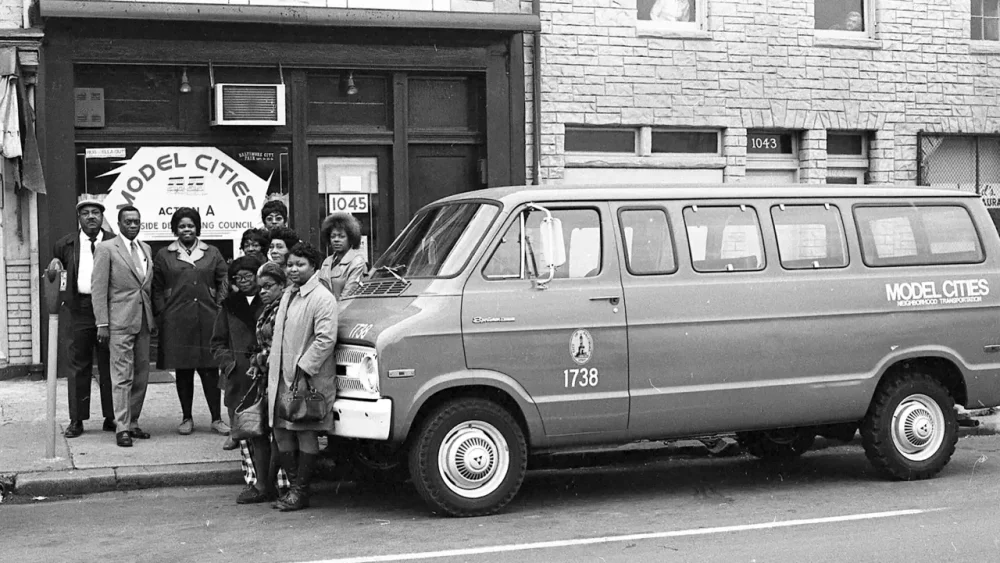
In cities across the U.S., the housing crisis has reached a breaking point. Rents are skyrocketing, homelessness is rising and working-class neighborhoods are threatened by displacement. These challenges might feel unprecedented. But they echo a moment more than half a century ago. In the 1950s and 1960s, housing and urban inequality were at the center of national politics. American cities were grappling with rapid urban decline, segregated and substandard housing, and the fallout of highway construction and urban renewal projects that displaced hundreds of thousands of disproportionately low-income and Black residents. The federal government decided to try to do something about it. President Lyndon B. Johnson launched one of the most ambitious experiments in urban policy: the Model Cities Program. As a scholar of housing justice and urban planning, I’ve studied how this short-lived initiative aimed to move beyond patchwork fixes to poverty and instead tackle its structural causes by empowering communities to shape their own futures. Building a great society The Model Cities Program emerged in 1966 as part of Johnson’s Great Society agenda, a sweeping effort to eliminate poverty, reduce racial injustice and expand social welfare programs in the United States. Earlier urban renewal programs had been roundly criticized for displacing communities of color. Much of this displacement occurred through federally funded highway and slum clearance projects that demolished entire neighborhoods and often left residents without decent options for new housing. So the Johnson administration sought a more holistic approach. The Demonstration Cities and Metropolitan Development Act established a federal framework for cities to coordinate housing, education, employment, health care and social services at the neighborhood level. To qualify for the program, cities had to apply for planning grants by submitting a detailed proposal that included an analysis of neighborhood conditions, long-term goals and strategies for addressing problems. The City of New York, Community Development Program: A Progress Report, December 1968 Federal funds went directly to city governments, which then distributed them to local agencies and community organizations through contracts. These funds were relatively flexible but had to be tied to locally tailored plans. For example, Kansas City, Missouri, used Model Cities funding to support a loan program that expanded access to capital for local small businesses, helping them secure financing that might otherwise have been out of reach. Unlike previous programs, Model Cities emphasized what Johnson described as “comprehensive” and “concentrated” efforts. It wasn’t just about rebuilding streets or erecting public housing. It was about creating new ways for government to work in partnership with the people most affected by poverty and racism. A revolutionary approach to poverty What made Model Cities unique wasn’t just its scale but its philosophy. At the heart of the program was an insistence on “widespread citizen participation,” which required cities that received funding to include residents in the planning and oversight of local programs. The program also drew inspiration from civil rights leaders. One of its early architects, Whitney M. Young Jr., had called for a “Domestic Marshall Plan” – a reference to the federal government’s efforts to rebuild Europe after World War II – to redress centuries of racial inequality. Young’s vision helped shape the Model Cities framework, which proposed targeted systemic investments in housing, health, education, employment and civic leadership in minority communities. In Atlanta, for example, the Model Cities Program helped fund neighborhood health clinics and job training programs. But the program also funded leadership councils that for the first time gave local low-income residents a direct voice in how city funds were spent. In other words, neighborhood residents weren’t just beneficiaries. They were planners, advisers and, in some cases, staffers. This commitment to community participation gave rise to a new kind of public servant – what sociologists Martin and Carolyn Needleman famously called “guerrillas in the bureaucracy.” These were radical planners—often young, idealistic and deeply embedded in the neighborhoods they served. Many were recruited and hired through new Model Cities funding that allowed local governments to expand their staff with community workers aligned with the program’s goals. Working from within city agencies, these new planners used their positions to challenge top-down decision-making and push for community-driven planning. Their work was revolutionary not because they dismantled institutions but because they reimagined how institutions could function, prioritizing the voices of residents long excluded from power. Strengthening community ties In cities across the country, planners fought to redirect public resources toward locally defined priorities. In some cities, such as Tucson, the program funded education initiatives such as bilingual cultural programming and college scholarships for local students. In Baltimore, it funded mobile health services and youth sports programs. Robert Breck Chapman Collection, Langsdale Library Special Collections, University of Baltimore In New York City, the program supported new kinds of housing projects called vest-pocket developments, which got their name from their smaller scale: midsize buildings or complexes built on vacant lots or underutilized land. New housing such as the Betances Houses in the South Bronx were designed to add density without major redevelopment taking place—a direct response to midcentury urban renewal projects, which had destroyed and displaced entire neighborhoods populated by the city’s poorest residents. Meanwhile, cities such as Seattle used the funds to renovate older apartment buildings instead of tearing them down, which helped preserve the character of local neighborhoods. The goal was to create affordable housing while keeping communities intact. Georgia State University Special Collections What went wrong? Despite its ambitious vision, Model Cities faced resistance almost from the start. The program was underfunded and politically fragile. While some officials had hoped for US$2 billion in annual funding, the actual allocation was closer to $500 million to $600 million, spread across more than 60 cities. Then the political winds shifted. Though designed during the optimism of the mid-1960s, the program started being implemented under President Richard Nixon in 1969. His administration pivoted away from “people programs” and toward capital investment and physical development. Requirements for resident participation were weakened, and local officials often maintained control over the process, effectively marginalizing the everyday citizens the program was meant to empower. In cities such as San Francisco and Chicago, residents clashed with bureaucrats over control, transparency and decision-making. In some places, participation was reduced to token advisory roles. In others, internal conflict and political pressure made sustained community governance nearly impossible. Critics, including Black community workers and civil rights activists, warned that the program risked becoming a new form of “neocolonialism,” one that used the language of empowerment while concentrating control in the hands of white elected officials and federal administrators. A legacy worth revisiting Although the program was phased out by 1974, its legacy lived on. In cities across the country, Model Cities trained a generation of Black and brown civic leaders in what community development leaders and policy advocates John A. Sasso and Priscilla Foley called “a little noticed revolution.” In their book of the same name, they describe how those involved in the program went on to serve in local government, start nonprofits and advocate for community development. It also left an imprint on later policies. Efforts such as participatory budgeting, community land trusts and neighborhood planning initiatives owe a debt to Model Cities’ insistence that residents should help shape the future of their communities. And even as some criticized the program for failing to meet its lofty goals, others saw its value in creating space for democratic experimentation. Robert Breck Chapman Collection, Langsdale Library Special Collections, University of Baltimore Today’s housing crisis demands structural solutions to structural problems. The affordable housing crisis is deeply connected to other intersecting crises, such as climate change, environmental injustice and health disparities, creating compounding risks for the most vulnerable communities. Addressing these issues through a fragmented social safety net—whether through housing vouchers or narrowly targeted benefit programs—has proven ineffective. Today, as policymakers once again debate how to respond to deepening inequality and a lack of affordable housing, the lost promise of Model Cities offers vital lessons. Model Cities was far from perfect. But it offered a vision of how democratic, local planning could promote health, security and community. Deyanira Nevárez Martínez is an assistant professor of urban and regional planning at Michigan State University. This article is republished from The Conversation under a Creative Commons license. Read the original article. View the full article
-
It’s five answers to five questions. Here we go… 1. My office is infested with mice, and no one will do anything There is an active mouse issue at my work, and I am having trouble finding a way to tell my boss how done I am with this situation. About eight months ago, our building was taken over by new management. My work space is located in the basement and, with seasons changing, mice have moved in. This was not an issue with the previous bulding management company. They have installed traps, but the problem has gotten worse, not better. At this point there have been mice running across my desk while I am working, right next to my feet, and in sight of clients. I have escalated this to my boss, who is the end of the line unless I want to escalate to the CEO of an international company. (I am in a weird situation where I should be lower on the ladder, but two layers of middle management were let go and not replaced.) His solution was to keep emailing every instance to the management company in the hopes that the squeaky wheel get the grease. How do I communicate to him that I am truly at my limit, as it seems what I am currently doing isn’t clear enough? Am I completely off the mark on how much this is bothering me? My coworkers don’t seem to be as bothered. I work from home one day a week, and there is nothing but office politics that mean I have to work from the office. I have a work laptop and if they insist I continue to work from the office, our company is spread over four floors. I am not willing to leave the job over this or risk being let go, this job has been great for me up until now. You’re not off the mark in how bothered you are by this! You have mice running over your desk and by your feet! You are not overreacting; it’s ridiculous that it isn’t being dealt with more effectively. Can you say this to your boss: “The mice problem is getting worse, not better. They are running around by my feet and over my desk while I’m working, and clients have seen them. At this point, it doesn’t feel tenable to continue working from this desk, at least not until they’ve resolved it. I need to find another space in the building to work from — what’s the fastest way to do that?” In other words, give him a different problem to solve; it’s no longer the mice, it’s helping you find a different desk. Alternately, if there’s an obvious place for you to move, replace that last sentence with, “My plan is to start working from room 102 since it’s been empty for a while and seems to be mouse-free, but I’m of course happy to move back once the mice are gone if you want me to.” 2. My coworker won’t stop contacting me while I’m on maternity leave The person covering for me while I’m on maternity leave has been contacting me with questions almost weekly and won’t accept my response to connect with literally anyone else who is in a position to answer these questions. I’m at a loss for what to do, and I feel that this has somewhat sullied my maternity leave. I’ve alerted my boss and am waiting to see what (if anything) they’ll do to rectify the situation. I honestly don’t know what to do otherwise. I’m really disappointed as I felt that this job was a pretty supportive and caring community. Are you on FMLA? Is so, what this person is doing is what’s known legally as FLMA interference; it’s illegal, and it can get your company in trouble. (It basically means your employer, which includes your coworkers, needs to respect your leave and not keep pestering you. The law does allow very minor, infrequent questions like “what’s the password to the X file?” but it can’t be a frequent thing.) If your boss hasn’t handled this in the next few days, contact them again and say, “I think we’re in FMLA interference territory, so I’m formally requesting that the company put a stop to this.” Meanwhile — and whether or not FMLA isn’t in play — you should message your coworker one final time and say, “I am on leave and not available for any additional questions until (date) so I won’t be able to respond to anything further” and then block her number and her email for the remainder of your leave so you don’t continue to feel harangued. You’re not obligated to engage with her just because she’s contacting you, and you’re well within your rights to simply block her from reaching you, particularly once you’ve told her you won’t be available further and have looped in your boss about what’s going on. 3. What does “wow, okay” convey in an email to your boss? The other day, I sent an email to my newest manager with a simple question that only needed a brief reply. However, she sent back an extremely long email that took quite a while to read. I thought we had a pretty good relationship but when I replied “wow, okay” she got upset and stated that I was unprofessional and rude. Many times your advice includes saying “wow” when talking to people. What do you think that her interpretation of “wow, okay” means? In reality it is used to express surprise, amazement, or admiration but clearly the manager took it the opposite way. I think it’s Carolyn Hax more than me who has suggested “wow” — but as a response to people saying something inappropriate, which doesn’t sound like your intent. In a quick search of my own responses, I’ve mostly suggesting it in the context of “wow, great job” (and similar) or with a similar Hax-ish implication of “wow, what an inappropriate question/comment.” If I sent someone someone I managed a lengthy email and they replied “wow, okay,” I’d likely read that as conveying, at a minimum, “something is weird about what you wrote to me” … and likely kind of rude! The exception is if the context made it clear that they meant it in the “amazement/admiration” category — like if my email was telling them they would be in charge of escorting Pedro Pascal around at an upcoming gala or something. But if you say “wow, okay” in response to your boss taking the time to write out lengthy instructions or an explanation or just providing more info than you needed/wanted … yeah, in a lot of contexts that’s going to read as dismissive or rude. 4. Should I ask to be reassigned to a different boss? I have had ongoing issues with a manager: 1) who screamed at me in public for not working eight-hour days while I was on intermittent FMLA during treatment for cancer, 2) who I did not tell about said cancer because she is known to proselytize to her reports when they are in crisis, 3) who promised me I’d get assistance since last November only to reassign the help we hired to herself. HR is aware of the issues and have indicated to me that she is struggling and underqualified for the role. She was promoted when I pioneered a new revenue stream for the company a few years ago, but has been unwilling to get the same credentials I have for the role. I feel like she has been taking it out on me ever since, and I am exhausted by navigating her drama. Given that we are a small company and I would still have to see her every day, is it even worth considering asking for reassignment to a different manager? (The only likely candidate would be her boss.) Or should I focus on finding a new job? Her attacks are starting to feel extremely personal, especially since she’s recently been weaponizing my requests for guidance to be about my deficiencies rather than how we can work together for an outcome that suits us all. There’s a huge difference between having someone like this as your boss and just having to see them every day! If being moved to a different manager is a possibility, you absolutely should ask for it — and you might be able to use that FMLA interference or retaliation (point #1 in your list) as leverage to get it, because that’s a legal liability for your employer. That doesn’t mean you shouldn’t also be looking for another job — maybe you should (it depends on how happy you are with your job and your company otherwise) — but just the fact that you’d still have to see her every day shouldn’t keep you from trying for a different manager. 5. How do I talk about my newly transitioned partner at work? My partner of 7+ years has recently begun a gender transition and is now going by a different name and pronouns. I work in a pretty small office environment (~15 people) and my coworkers have all met my partner pre-transition and under [deadname] and they will frequently ask after my partner. So far I have been avoiding telling my coworkers that she’s using a different name / pronouns and answering questions like “oh yeah, they’re doing great.” But I am getting tired of artfully dodging and would love to use her desired name and pronouns. Additionally, we frequently have work events where people bring their partners (think customer entertainment) and I would like to bring her along without her having to pretend to be someone she isn’t. What’s a good way to bring this up in a work setting? My coworkers fall pretty evenly along political leanings and reactions will be mixed but likely not downright hostile. Be matter-of-fact about it, just like you would if she had changed her name for any other reason. “Actually, she’s going by Jane now, and using she/her. She’s doing great — we’re planning a trip to Greece in the fall.” If you’re bringing her up yourself and not in response to someone asking you about her, you could refer to her as, “Jane — same spouse you’ve heard me talk about before, just going by Jane and she now.” The post my office is infested with mice, my coworker won’t stop contacting me while I’m on maternity leave, and more appeared first on Ask a Manager. View the full article
-
Donald The President’s election helped revive loans that once threatened to hit banks with big lossesView the full article
-
Business secretary Jonathan Reynolds set to hold talks with US counterpartView the full article
-
He may have survived a bruising encounter with Donald The President, but the veteran ANC politician is facing forbidding challenges at home and abroadView the full article
-
The US president is a crypto booster — and the faithful went to America’s gambling capital to celebrateView the full article
-
About 50,000 Whitehall posts set to be cut in ‘brutal’ public spending review, officials sayView the full article
-
In a number of key markets, investors are losing patience with governments still wanting to borrow like there’s no tomorrow View the full article
-
By raising fees imprudently in recent years, the independent sector has deprived a tier of parents of financial wriggle roomView the full article
-
Jackie Sinclair has launched Jackie Sinclair & Co., a new content repurposing agency designed to help small business owners maximize their visibility through AI-enhanced strategies. Based in Palm Springs, California, the agency aims to simplify the content creation process by transforming a single piece of content into a wide-reaching digital presence. According to a release from the company, Jackie Sinclair & Co. uses The Social Cycle, a trademarked system developed by Sinclair, which has been used by dozens of clients over the past five years. The system is designed to repurpose blogs, videos, and podcasts into newsletters, social posts, SEO articles, and video scripts to expand a business’s digital footprint. “Your blog post shouldn’t just sit there. It should spin off, stretch out, and multiply into an entire content ecosystem—fueling your visibility across every platform,” the release states. Sinclair positions her agency as a tool for business owners who “want to do less, but show up more.” The agency incorporates AI into its services, but emphasizes it as a tool for empowerment rather than replacement. Sinclair, who also co-manages multiple business ventures with her husband and homeschools their children, is described as an advocate for entrepreneurs seeking sustainable growth. She provides support through mentoring, practical guidance, and strategic content services. Jackie Sinclair & Co. offers three main repurposing packages aimed at simplifying the content production process without the need for a full-time marketing team. According to the release, these services allow clients to “look like you have a team (even if you don’t).” The available packages include: Social Spark – Converts written content such as blogs and articles into a network of digital content. Social Symphony – Builds content from video or podcast material, including transcripts and YouTube-ready copy. Social Catalyst – Offers topic-driven builds that incorporate SEO keyword research and optimized content assets. Packages start at $300, according to the company, and are intended to offer affordable and accessible options for small business owners who want consistent visibility online. In addition to running her agency, Sinclair is a featured host on The American Dream TV, a program streaming on Amazon Prime, Tubi, and YouTube TV. The show covers stories of lifestyle, business, and real estate in Southern California. A link to one of her appearances was provided in the press release: Watch here. Sinclair has also presented to national and international audiences both in-person and virtually, focusing on helping small business owners embrace AI, streamline their content processes, and build long-term visibility. Image: Jackie Sinclair & Co. This article, "Jackie Sinclair Launches Content Repurposing Agency Tailored for the AI Era" was first published on Small Business Trends View the full article
-
Jackie Sinclair has launched Jackie Sinclair & Co., a new content repurposing agency designed to help small business owners maximize their visibility through AI-enhanced strategies. Based in Palm Springs, California, the agency aims to simplify the content creation process by transforming a single piece of content into a wide-reaching digital presence. According to a release from the company, Jackie Sinclair & Co. uses The Social Cycle, a trademarked system developed by Sinclair, which has been used by dozens of clients over the past five years. The system is designed to repurpose blogs, videos, and podcasts into newsletters, social posts, SEO articles, and video scripts to expand a business’s digital footprint. “Your blog post shouldn’t just sit there. It should spin off, stretch out, and multiply into an entire content ecosystem—fueling your visibility across every platform,” the release states. Sinclair positions her agency as a tool for business owners who “want to do less, but show up more.” The agency incorporates AI into its services, but emphasizes it as a tool for empowerment rather than replacement. Sinclair, who also co-manages multiple business ventures with her husband and homeschools their children, is described as an advocate for entrepreneurs seeking sustainable growth. She provides support through mentoring, practical guidance, and strategic content services. Jackie Sinclair & Co. offers three main repurposing packages aimed at simplifying the content production process without the need for a full-time marketing team. According to the release, these services allow clients to “look like you have a team (even if you don’t).” The available packages include: Social Spark – Converts written content such as blogs and articles into a network of digital content. Social Symphony – Builds content from video or podcast material, including transcripts and YouTube-ready copy. Social Catalyst – Offers topic-driven builds that incorporate SEO keyword research and optimized content assets. Packages start at $300, according to the company, and are intended to offer affordable and accessible options for small business owners who want consistent visibility online. In addition to running her agency, Sinclair is a featured host on The American Dream TV, a program streaming on Amazon Prime, Tubi, and YouTube TV. The show covers stories of lifestyle, business, and real estate in Southern California. A link to one of her appearances was provided in the press release: Watch here. Sinclair has also presented to national and international audiences both in-person and virtually, focusing on helping small business owners embrace AI, streamline their content processes, and build long-term visibility. Image: Jackie Sinclair & Co. This article, "Jackie Sinclair Launches Content Repurposing Agency Tailored for the AI Era" was first published on Small Business Trends View the full article
-
Bluevine has announced the launch of new Invoicing and Payment Links features, allowing small businesses to create and share professional invoices and secure payment links directly through its digital banking platform. The offering, made possible through a partnership with Stripe, aims to streamline payments and simplify financial operations for business owners. The new tools enable Bluevine customers to send invoices and payment requests via email, text, custom links, or social media. These features are available at no additional cost beyond standard processing fees. Customers can receive payments directly into their Bluevine accounts through various methods, including credit and debit cards, digital wallets, and ACH direct debit. Bluevine said the integration with Stripe brings enterprise-level security, speed, and reliability to its platform. “Small business owners want to get paid fast but they don’t like spending time on invoicing and chasing down customer payments,” said Eyal Lifshitz, co-founder and CEO of Bluevine. “By streamlining and simplifying how business owners accept payments and integrating accounts receivable tools directly into their Bluevine checking account, we’re giving them back valuable time to focus on running their business. This is a foundational step in building the all-in-one financial operating system they deserve.” With these additions, Bluevine positions itself as a comprehensive financial platform for small and medium-sized businesses (SMBs), offering banking, accounts payable, accounts receivable, and financing services in one centralized location. The goal is to eliminate the need for SMBs to manage multiple platforms, thereby reducing operational complexity and time spent on financial administration. The company said its invoicing and payment tools are suitable for a wide range of small businesses, including accounting and consulting firms, contractors, tradespeople, and medical practices. According to Bluevine, these tools are designed to reduce the friction of chasing payments, which remains a pain point for many entrepreneurs. Key features of the new offerings include: Free professional invoicing: Users can create, send, and track an unlimited number of branded, itemized invoices from their Bluevine dashboard. Funds received may begin earning APY as soon as they hit the account. Easy, secure payment links: Business owners can send secure links to customers via text, email, social media, or as part of an invoice. Multiple payment options: Customers can pay using card, digital wallet, or ACH direct debit, with funds deposited directly into Bluevine Business Checking accounts or sub-accounts. The company emphasized that the launch of these features represents a significant step in Bluevine’s mission to support small businesses by centralizing critical financial tools in one place. This article, "Bluevine Launches Invoicing and Payment Links Through Stripe to Simplify Small Business Payments" was first published on Small Business Trends View the full article
-
Bluevine has announced the launch of new Invoicing and Payment Links features, allowing small businesses to create and share professional invoices and secure payment links directly through its digital banking platform. The offering, made possible through a partnership with Stripe, aims to streamline payments and simplify financial operations for business owners. The new tools enable Bluevine customers to send invoices and payment requests via email, text, custom links, or social media. These features are available at no additional cost beyond standard processing fees. Customers can receive payments directly into their Bluevine accounts through various methods, including credit and debit cards, digital wallets, and ACH direct debit. Bluevine said the integration with Stripe brings enterprise-level security, speed, and reliability to its platform. “Small business owners want to get paid fast but they don’t like spending time on invoicing and chasing down customer payments,” said Eyal Lifshitz, co-founder and CEO of Bluevine. “By streamlining and simplifying how business owners accept payments and integrating accounts receivable tools directly into their Bluevine checking account, we’re giving them back valuable time to focus on running their business. This is a foundational step in building the all-in-one financial operating system they deserve.” With these additions, Bluevine positions itself as a comprehensive financial platform for small and medium-sized businesses (SMBs), offering banking, accounts payable, accounts receivable, and financing services in one centralized location. The goal is to eliminate the need for SMBs to manage multiple platforms, thereby reducing operational complexity and time spent on financial administration. The company said its invoicing and payment tools are suitable for a wide range of small businesses, including accounting and consulting firms, contractors, tradespeople, and medical practices. According to Bluevine, these tools are designed to reduce the friction of chasing payments, which remains a pain point for many entrepreneurs. Key features of the new offerings include: Free professional invoicing: Users can create, send, and track an unlimited number of branded, itemized invoices from their Bluevine dashboard. Funds received may begin earning APY as soon as they hit the account. Easy, secure payment links: Business owners can send secure links to customers via text, email, social media, or as part of an invoice. Multiple payment options: Customers can pay using card, digital wallet, or ACH direct debit, with funds deposited directly into Bluevine Business Checking accounts or sub-accounts. The company emphasized that the launch of these features represents a significant step in Bluevine’s mission to support small businesses by centralizing critical financial tools in one place. This article, "Bluevine Launches Invoicing and Payment Links Through Stripe to Simplify Small Business Payments" was first published on Small Business Trends View the full article
-
The EU must stand up to the US president’s bullying for the sake of the world trading systemView the full article
-
World’s richest man says he is leaving role at so-called Department of Government EfficiencyView the full article
-
Key Takeaways Understanding Niche Industries: Specialized sectors cater to specific consumer needs often overlooked by mainstream businesses, opening doors for targeted marketing and significant growth potential. Advantages of Niche Markets: Focusing on niche industries results in reduced competition, allowing for better profit margins, stronger brand loyalty, and opportunities for product innovation. Types of Niche Industries: Popular examples include pet products, health and wellness, eco-friendly goods, artisanal crafts, gaming, and emerging markets like remote work solutions and online education. Challenges Faced: Niche industries encounter unique challenges, such as mental health stressors, workforce turnover, and limitations in market size, which require strategic planning to navigate effectively. Effective Marketing Strategies: Tailored marketing efforts leveraging digital tools and content marketing are essential for enhancing customer engagement and differentiation within niche markets. Growth Opportunities: Identifying and exploring niche industries can unlock untapped market potential, emphasizing the importance of thorough market research and innovative solutions. In a world filled with mainstream markets, niche industries offer unique opportunities that often go unnoticed. These specialized sectors cater to specific needs and interests, allowing businesses to thrive by focusing on a targeted audience. If you’re looking to explore untapped potential or find your place in the market, understanding niche industries could be your key to success. From eco-friendly products to artisanal crafts, niche markets are growing rapidly. They not only provide entrepreneurs with a chance to stand out but also allow consumers to discover products and services tailored just for them. By diving into these specialized areas, you can uncover innovative ideas and strategies that set you apart in a competitive landscape. Understanding Niche Industries Niche industries focus on specific market segments, catering to unique consumer needs that mainstream businesses often overlook. Understanding these sectors helps entrepreneurs identify opportunities for differentiation and targeted marketing strategies. Definition of Niche Industries Niche industries refer to specialized segments within larger markets. These industries offer unique products or services tailored to particular audiences. For instance, organic skincare is a niche industry within the broader beauty market. Entrepreneurs should conduct market research to validate their business idea and ensure there’s a viable target audience. Importance of Niche Industries Niche industries present several advantages for small businesses: Target Audience Focus: You can concentrate on a well-defined customer base, enhancing your marketing efforts and creating stronger brand loyalty. Reduced Competition: Operating in a specialized market means facing less competition compared to mainstream industries, allowing for better profit margins. Innovative Solutions: Focusing on niches fosters innovation. You can develop unique product offerings that address specific problems, making your business stand out. Scalability Opportunities: Many niche markets have growth potential. By implementing effective growth strategies, you can expand your offerings or explore related niches. Funding Access: Investors often seek niche businesses due to their potential for high returns. Exploring options like venture capital or crowdfunding might provide needed funding. Understanding niche industries positions you to create a solid business plan that aligns with your goals, target audience, and growth strategy. Types of Niche Industries Niche industries encompass specialized sectors that meet specific consumer needs. You’ll discover various categories within these industries, each defined by distinct characteristics and preferences. Examples of Popular Niche Industries Pet Products: Focus on pet owners with tailored offerings such as organic pet food, eco-friendly toys, and pet grooming services. Health and Wellness: Target health-conscious individuals through niches like organic skincare, nutritional supplements, and fitness coaching. Eco-Friendly Goods: Cater to conscious consumers by providing sustainable alternatives, including reusable products and zero-waste packaging options. Artisanal Crafts: Offer unique handmade goods that appeal to collectors and enthusiasts, such as custom artwork, handmade jewelry, and specialty foods. Gaming: Develop products and services for gamers, including specialized gear, streaming software, and gaming events. Emerging Niche Industries Remote Work Solutions: Focus on the growing number of remote workers by providing specialized tools and resources, such as home office equipment and productivity software. Subscription Services: Capture the market with curated subscription boxes catering to specific interests, including gourmet foods, beauty products, and hobby supplies. Elderly Care Products: Address the needs of an aging population with products designed for elder care, like mobility aids, health monitoring devices, and companionship services. Plant-Based Foods: Support the rising interest in vegan and vegetarian diets by creating plant-based alternatives, ranging from snacks to full meals. Online Education: Target learners by offering niche courses on platforms, focusing on specific skills, hobbies, or professional development. Understanding these niche categories can provide insight as you refine your business model and create a focused growth strategy that resonates with your target audience. Consider conducting market research to evaluate potential demand and explore innovative ideas that align with current consumer trends. Benefits of Targeting Niche Industries Targeting niche industries offers small businesses unique advantages. You can leverage focused strategies to thrive in specialized markets. Reduced Competition Focusing on niche industries significantly reduces competition. By narrowing your market segment, you distance your business from larger competitors that appeal to broader audiences. This approach provides opportunities to establish your brand as a preferred supplier within your niche. For example, if you specialize in eco-friendly products, you won’t compete against major retailers like Amazon. Reduced competition leads to easier customer acquisition and can boost brand loyalty, allowing your business to capture more market share. Tailored Customer Experience Niche industries enable you to deliver a tailored customer experience. Understanding the unique needs of your target audience allows for personalized marketing and product development. By offering specialized solutions, you enhance customer satisfaction and build stronger relationships. For instance, an entrepreneur in the pet industry can develop products specifically designed for niche pets like reptiles or exotic birds, addressing customer needs that larger companies overlook. A tailored approach not only improves customer retention but also increases referrals, which is vital for growth strategies in small businesses. Challenges in Niche Industries Niche industries face distinct challenges that can affect growth and sustainability. Understanding these challenges is essential for you as a small business owner in a specialized market. Mental Health Challenges and High-Stress Decisions Niche industries, especially those driven by rapid innovation, often create high-stress environments. Stress can lead to mental health challenges like burnout or anxiety. If you operate in an industry without clear success benchmarks, the pressure increases. Proactively addressing mental health by providing resources, such as counseling or promoting work-life balance, keeps your workforce healthy and productive. Workforce Turnover Rapid growth combined with unpredictable contractions can lead to job insecurity in niche industries. High workforce turnover disrupts operations, hampers innovation, and raises recruitment costs. Short-term project delays can also result from this instability. A solid business plan that includes employee engagement strategies will help retain talent, ensuring continuity in your operations. Market Size Limitations Market size can be a limiting factor in niche industries. Often, niche markets have smaller target audiences, which can restrict growth opportunities. Conducting thorough market research is vital. This practice helps you understand your audience’s needs and challenges, enabling you to refine your business model and develop effective growth strategies. Marketing Strategies Effective marketing is crucial for small businesses in niche industries. Customized marketing strategies that resonate with your target audience can enhance customer acquisition. Using digital marketing tools like social media and SEO will increase brand visibility. Implementing content marketing and email marketing campaigns can further engage potential customers, driving sales and improving your profit margin. Focus on building a strong brand presence to differentiate yourself from competitors. Adjusting to these challenges requires careful planning and strategic execution. Leveraging the right resources, such as mentorship and networking, can provide additional support while you navigate the complexities of your niche industry. Conclusion Niche industries offer you unique opportunities to carve out your space in a crowded market. By focusing on specific needs and preferences, you can build strong connections with your audience and foster brand loyalty. The tailored approach not only enhances customer satisfaction but also positions you as an expert in your field. While challenges exist, such as high competition and potential burnout, strategic planning and innovative marketing can help you overcome these hurdles. Embracing the growth potential within niche markets can lead to sustainable success. As you explore these specialized sectors, remember that understanding your audience and delivering exceptional experiences is key to thriving in your niche. Frequently Asked Questions What are niche industries? Niche industries focus on specific segments of the market that often go overlooked by mainstream businesses. These specialized sectors cater to particular consumer needs, providing tailored products or services that enhance customer satisfaction. Why are niche markets growing? Niche markets are growing rapidly due to increasing consumer demand for specialized products like eco-friendly goods and artisanal crafts. Entrepreneurs can differentiate themselves by targeting specific audiences, meeting unique needs that larger competitors often ignore. What are the advantages of targeting niche markets? Targeting niche markets allows small businesses to reduce competition, access concentrated target audiences, and innovate. This focused approach increases customer satisfaction and builds brand loyalty, ultimately leading to better growth opportunities. Can niche industries be scalable? Yes, niche industries can be scalable. As businesses refine their offerings and build a loyal customer base, they can expand their market reach or introduce new products that align with their established niche. What are some examples of niche industries? Examples of niche industries include pet products, health and wellness, eco-friendly goods, artisanal crafts, and gaming. Emerging niches like remote work solutions, subscription services, and plant-based foods are also gaining popularity. What challenges do niche businesses face? Niche businesses can encounter high-stress environments leading to burnout and workforce turnover. Additionally, the limited market size may restrict growth opportunities if not carefully managed and strategized. How important is market research for niche industries? Market research is crucial for niche industries as it helps entrepreneurs evaluate demand and identify innovative ideas that align with current consumer trends. Thorough research supports effective business planning and growth strategies. How can niche businesses improve customer experience? Niche businesses can enhance customer experience by deeply understanding their target audience’s unique needs. Tailored marketing and personalized product offerings create a compelling customer journey and foster long-term loyalty. Image Via Envato This article, "Unlocking Success in Niche Industries: Thriving Beyond the Mainstream Market" was first published on Small Business Trends View the full article
-
Key Takeaways Understanding Niche Industries: Specialized sectors cater to specific consumer needs often overlooked by mainstream businesses, opening doors for targeted marketing and significant growth potential. Advantages of Niche Markets: Focusing on niche industries results in reduced competition, allowing for better profit margins, stronger brand loyalty, and opportunities for product innovation. Types of Niche Industries: Popular examples include pet products, health and wellness, eco-friendly goods, artisanal crafts, gaming, and emerging markets like remote work solutions and online education. Challenges Faced: Niche industries encounter unique challenges, such as mental health stressors, workforce turnover, and limitations in market size, which require strategic planning to navigate effectively. Effective Marketing Strategies: Tailored marketing efforts leveraging digital tools and content marketing are essential for enhancing customer engagement and differentiation within niche markets. Growth Opportunities: Identifying and exploring niche industries can unlock untapped market potential, emphasizing the importance of thorough market research and innovative solutions. In a world filled with mainstream markets, niche industries offer unique opportunities that often go unnoticed. These specialized sectors cater to specific needs and interests, allowing businesses to thrive by focusing on a targeted audience. If you’re looking to explore untapped potential or find your place in the market, understanding niche industries could be your key to success. From eco-friendly products to artisanal crafts, niche markets are growing rapidly. They not only provide entrepreneurs with a chance to stand out but also allow consumers to discover products and services tailored just for them. By diving into these specialized areas, you can uncover innovative ideas and strategies that set you apart in a competitive landscape. Understanding Niche Industries Niche industries focus on specific market segments, catering to unique consumer needs that mainstream businesses often overlook. Understanding these sectors helps entrepreneurs identify opportunities for differentiation and targeted marketing strategies. Definition of Niche Industries Niche industries refer to specialized segments within larger markets. These industries offer unique products or services tailored to particular audiences. For instance, organic skincare is a niche industry within the broader beauty market. Entrepreneurs should conduct market research to validate their business idea and ensure there’s a viable target audience. Importance of Niche Industries Niche industries present several advantages for small businesses: Target Audience Focus: You can concentrate on a well-defined customer base, enhancing your marketing efforts and creating stronger brand loyalty. Reduced Competition: Operating in a specialized market means facing less competition compared to mainstream industries, allowing for better profit margins. Innovative Solutions: Focusing on niches fosters innovation. You can develop unique product offerings that address specific problems, making your business stand out. Scalability Opportunities: Many niche markets have growth potential. By implementing effective growth strategies, you can expand your offerings or explore related niches. Funding Access: Investors often seek niche businesses due to their potential for high returns. Exploring options like venture capital or crowdfunding might provide needed funding. Understanding niche industries positions you to create a solid business plan that aligns with your goals, target audience, and growth strategy. Types of Niche Industries Niche industries encompass specialized sectors that meet specific consumer needs. You’ll discover various categories within these industries, each defined by distinct characteristics and preferences. Examples of Popular Niche Industries Pet Products: Focus on pet owners with tailored offerings such as organic pet food, eco-friendly toys, and pet grooming services. Health and Wellness: Target health-conscious individuals through niches like organic skincare, nutritional supplements, and fitness coaching. Eco-Friendly Goods: Cater to conscious consumers by providing sustainable alternatives, including reusable products and zero-waste packaging options. Artisanal Crafts: Offer unique handmade goods that appeal to collectors and enthusiasts, such as custom artwork, handmade jewelry, and specialty foods. Gaming: Develop products and services for gamers, including specialized gear, streaming software, and gaming events. Emerging Niche Industries Remote Work Solutions: Focus on the growing number of remote workers by providing specialized tools and resources, such as home office equipment and productivity software. Subscription Services: Capture the market with curated subscription boxes catering to specific interests, including gourmet foods, beauty products, and hobby supplies. Elderly Care Products: Address the needs of an aging population with products designed for elder care, like mobility aids, health monitoring devices, and companionship services. Plant-Based Foods: Support the rising interest in vegan and vegetarian diets by creating plant-based alternatives, ranging from snacks to full meals. Online Education: Target learners by offering niche courses on platforms, focusing on specific skills, hobbies, or professional development. Understanding these niche categories can provide insight as you refine your business model and create a focused growth strategy that resonates with your target audience. Consider conducting market research to evaluate potential demand and explore innovative ideas that align with current consumer trends. Benefits of Targeting Niche Industries Targeting niche industries offers small businesses unique advantages. You can leverage focused strategies to thrive in specialized markets. Reduced Competition Focusing on niche industries significantly reduces competition. By narrowing your market segment, you distance your business from larger competitors that appeal to broader audiences. This approach provides opportunities to establish your brand as a preferred supplier within your niche. For example, if you specialize in eco-friendly products, you won’t compete against major retailers like Amazon. Reduced competition leads to easier customer acquisition and can boost brand loyalty, allowing your business to capture more market share. Tailored Customer Experience Niche industries enable you to deliver a tailored customer experience. Understanding the unique needs of your target audience allows for personalized marketing and product development. By offering specialized solutions, you enhance customer satisfaction and build stronger relationships. For instance, an entrepreneur in the pet industry can develop products specifically designed for niche pets like reptiles or exotic birds, addressing customer needs that larger companies overlook. A tailored approach not only improves customer retention but also increases referrals, which is vital for growth strategies in small businesses. Challenges in Niche Industries Niche industries face distinct challenges that can affect growth and sustainability. Understanding these challenges is essential for you as a small business owner in a specialized market. Mental Health Challenges and High-Stress Decisions Niche industries, especially those driven by rapid innovation, often create high-stress environments. Stress can lead to mental health challenges like burnout or anxiety. If you operate in an industry without clear success benchmarks, the pressure increases. Proactively addressing mental health by providing resources, such as counseling or promoting work-life balance, keeps your workforce healthy and productive. Workforce Turnover Rapid growth combined with unpredictable contractions can lead to job insecurity in niche industries. High workforce turnover disrupts operations, hampers innovation, and raises recruitment costs. Short-term project delays can also result from this instability. A solid business plan that includes employee engagement strategies will help retain talent, ensuring continuity in your operations. Market Size Limitations Market size can be a limiting factor in niche industries. Often, niche markets have smaller target audiences, which can restrict growth opportunities. Conducting thorough market research is vital. This practice helps you understand your audience’s needs and challenges, enabling you to refine your business model and develop effective growth strategies. Marketing Strategies Effective marketing is crucial for small businesses in niche industries. Customized marketing strategies that resonate with your target audience can enhance customer acquisition. Using digital marketing tools like social media and SEO will increase brand visibility. Implementing content marketing and email marketing campaigns can further engage potential customers, driving sales and improving your profit margin. Focus on building a strong brand presence to differentiate yourself from competitors. Adjusting to these challenges requires careful planning and strategic execution. Leveraging the right resources, such as mentorship and networking, can provide additional support while you navigate the complexities of your niche industry. Conclusion Niche industries offer you unique opportunities to carve out your space in a crowded market. By focusing on specific needs and preferences, you can build strong connections with your audience and foster brand loyalty. The tailored approach not only enhances customer satisfaction but also positions you as an expert in your field. While challenges exist, such as high competition and potential burnout, strategic planning and innovative marketing can help you overcome these hurdles. Embracing the growth potential within niche markets can lead to sustainable success. As you explore these specialized sectors, remember that understanding your audience and delivering exceptional experiences is key to thriving in your niche. Frequently Asked Questions What are niche industries? Niche industries focus on specific segments of the market that often go overlooked by mainstream businesses. These specialized sectors cater to particular consumer needs, providing tailored products or services that enhance customer satisfaction. Why are niche markets growing? Niche markets are growing rapidly due to increasing consumer demand for specialized products like eco-friendly goods and artisanal crafts. Entrepreneurs can differentiate themselves by targeting specific audiences, meeting unique needs that larger competitors often ignore. What are the advantages of targeting niche markets? Targeting niche markets allows small businesses to reduce competition, access concentrated target audiences, and innovate. This focused approach increases customer satisfaction and builds brand loyalty, ultimately leading to better growth opportunities. Can niche industries be scalable? Yes, niche industries can be scalable. As businesses refine their offerings and build a loyal customer base, they can expand their market reach or introduce new products that align with their established niche. What are some examples of niche industries? Examples of niche industries include pet products, health and wellness, eco-friendly goods, artisanal crafts, and gaming. Emerging niches like remote work solutions, subscription services, and plant-based foods are also gaining popularity. What challenges do niche businesses face? Niche businesses can encounter high-stress environments leading to burnout and workforce turnover. Additionally, the limited market size may restrict growth opportunities if not carefully managed and strategized. How important is market research for niche industries? Market research is crucial for niche industries as it helps entrepreneurs evaluate demand and identify innovative ideas that align with current consumer trends. Thorough research supports effective business planning and growth strategies. How can niche businesses improve customer experience? Niche businesses can enhance customer experience by deeply understanding their target audience’s unique needs. Tailored marketing and personalized product offerings create a compelling customer journey and foster long-term loyalty. Image Via Envato This article, "Unlocking Success in Niche Industries: Thriving Beyond the Mainstream Market" was first published on Small Business Trends View the full article
-
Group keywords by search behavior using Google’s own SERPs. A hands-on Python approach for scalable, intent-based clustering. The post How To Automate SEO Keyword Clustering By Search Intent With Python appeared first on Search Engine Journal. View the full article
-
Panel of judges finds president did not have the power to introduce levies using the legislation he cited View the full article