ResidentialBusiness
Administrators
-
Joined
-
Last visited
Everything posted by ResidentialBusiness
-
 Chris Rogers, Instacart’s current chief business officer, is taking over as the delivery giant’s next CEO, the company announced on Wednesday. Rogers, who has worked at Instacart since 2019, will take the helm from Fidji Simo on August 15. Simo, who ushered the company through a successful market debut (stock prices are up 53% since its 2023 IPO) after taking the top spot in 2021, will become CEO of applications at OpenAI. “We chose Chris because the company needs a leader who understands all our partners deeply, has immense operational experience, and can mobilize teams around our vision,” Simo wrote in a note to employees. “Chris knows this company. He helped shape it. And I know Chris will carry our mission forward with conviction, care, and ambition.” Simo previously told employees the top role would be filled by a member of Instacart’s management team. In his current role, Instacart said Rogers “oversees all aspects of the company’s commercial operations—including retailer relationships and expansions, ad sales and R&D, partnerships, mergers and acquisitions, Instacart Business, and Instacart Health—with a focus on driving growth at the intersection of brands, retailers, and technology.” Prior to joining Instacart, Rogers spent nearly 11 years at Apple as the managing director for Apple Canada. He also led Apple’s carrier channel business and the consumer retail business in Canada. Rogers will be tasked with continuing to grow orders despite ongoing macroeconomic concerns. The company reported first quarter financial results earlier this month, posting strong order growth and total revenue. However, its burgeoning advertising segment where food companies pay for placement in the app could see problems as new tariffs and regulations impact the ad spend. Rogers said in a blog post that the company’s strategy and vision wouldn’t change. “Our opportunity is massive, and I’m excited to lead this team as we build on our momentum and take Instacart forward,” Rogers said. View the full article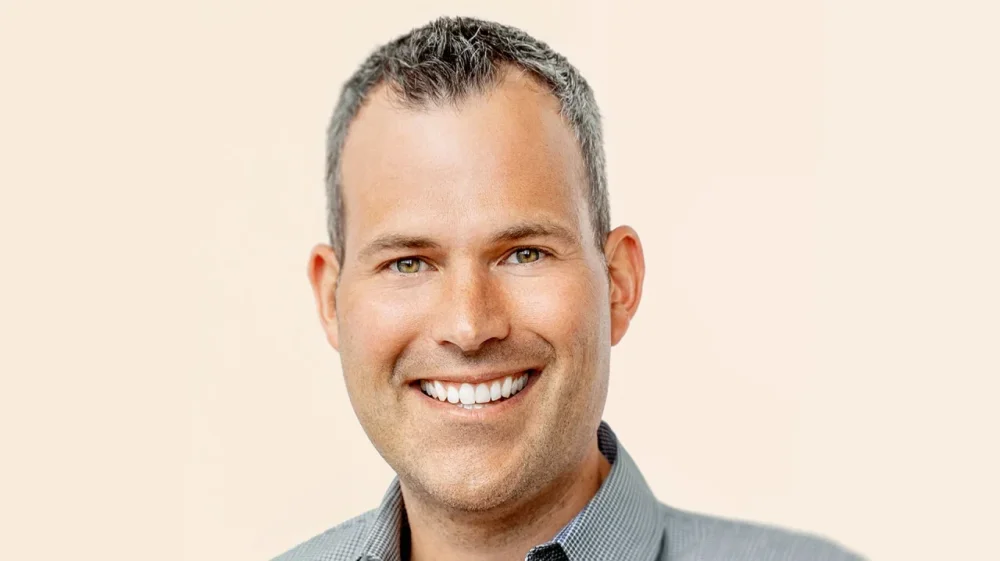
-
Thomas Woldbye expresses ‘deep regret’ at being uncontactable, leaving his deputy to take decisions View the full article
-
After back-to-back explosions, SpaceX launched its mega rocket Starship again on Tuesday evening, but fell short of the main objectives when the spacecraft tumbled out of control and broke apart. The 403-foot (123-meter) rocket blasted off on its ninth demo from Starbase, SpaceX’s launch site at the southern tip of Texas. Residents voted this month to organize as an official city. CEO Elon Musk’s SpaceX hoped to release a series of mock satellites following liftoff, but that got nixed because the door failed to open all the way. Then the spacecraft began spinning as it skimmed space toward an uncontrolled landing in the Indian Ocean. SpaceX later confirmed that the spacecraft experienced “a rapid unscheduled disassembly,” or burst apart. “Teams will continue to review data and work toward our next flight test,” the company said in an online statement. Musk noted in a post on X it was a “big improvement” from the two previous demos, which ended in flaming debris over the Atlantic. Despite the latest setback, he promised a faster launch pace moving forward, with a Starship soaring every three to four weeks for the next three flights. It was the first time one of Musk’s Starships — intended for moon and Mars travel — flew with a recycled booster. There were no plans to catch the booster with giant chopsticks back at the launch pad, with the company instead pushing it to its limits. Contact with the booster was lost at one point, and it slammed into the Gulf of Mexico in pieces as the spacecraft continued toward the Indian Ocean. Then the spacecraft went out of control, apparently due to fuel leaks. “Not looking great with a lot of our on-orbit objectives for today,” said SpaceX flight commentator Dan Huot. The company had been looking to test the spacecraft’s heat shield during a controlled reentry. Communication ceased before the spacecraft came down, and SpaceX ended its webcast soon afterward. The previous two Starships never made it past the Caribbean. The demos earlier this year ended just minutes after liftoff, raining wreckage into the ocean. No injuries or serious damage were reported, although airline travel was disrupted. The Federal Aviation Administration last week cleared Starship for another flight, expanding the hazard area and pushing the liftoff outside peak air travel times. Besides taking corrective action and making upgrades, SpaceX modified the latest spacecraft’s thermal tiles and installed special catch fittings. This one was meant to sink in the Indian Ocean, but the company wanted to test the add-ons for capturing future versions back at the pad, just like the boosters. NASA needs SpaceX to make major strides over the next year with Starship — the biggest and most powerful rocket ever built — in order to land astronauts back on the moon. Next year’s moonshot with four astronauts will fly around the moon, but will not land. That will happen in 2027 at the earliest and require a Starship to get two astronauts from lunar orbit to the surface and back off again. The Associated Press Health and Science Department receives support from the Howard Hughes Medical Institute’s Science and Educational Media Group and the Robert Wood Johnson Foundation. The AP is solely responsible for all content. —Marcia Dunn, AP Aerospace Writer View the full article

-
Today, like most days, I made a trip to the post office to ship out my Poshmark sales. But what I'm shipping out looks a little different than it might have a few months ago. Of the seven packages I'm handing off, only one contains an item I'd consider "nice." Alongside that Fendi top are six pieces from fast-fashion brands—ultra cheap stuff I ordered from Chinese retailers like Shein and Temu that, until recently, I never expected to actually sell, given that someone could buy the same item new at, well, Shein and Temu prices. But since the United States' new tariff structure went into effect (primarily the elimination of the de minimus exemption), consumers have been forced to adjust to a reality in which they can't easily source everything from toothbrush holders to micro-trendy outfits from an low price Chinese retail giant, to say nothing of concerns over how much more they could be paying for pricier items like autos and appliances made with foreign parts or manufactured overseas. In this period of uncertainty, resale apps may be filling the void. My own Poshmark sales are up compared to the month before the tariffs went into effect, with a notable rise in sales of basic, cheap stuff. Curious, I talked to a few experts to see if my experiences were indicative of a broader trend—one that could mean good things (well, relatively speaking) for resale buyers and sellers alike. The vibe on the resale apps in the wake of tariffsThe rollout of the tariffs has been confusing and disjointed. It was (and still is) hard to predict when consumers will see price increases on foreign-made electronics, cars, and other goods, or on products assembled in the U.S. but made with imported parts. But from the start, it has been obvious that goods from China in particular were about to cost a whole lot more—including the volumes of stuff shipped directly to consumers from the likes of Temu and Shein, the latter of which is famous for uploading 10,000 new styles to its site every day (and for charging unbelievably low prices for all of them). Months ago, when the tariffs were first announced, people started wondering if they should start stocking up (and on what), whether they were importing cheap clothes from Shein or bracing for higher prices on more substantial goods like smartphones. I've bought more than my share of junk from Shein, though I know it is not exactly a sustainable or environmentally friendly choice. To make myself feel better about that, I've always listed the clothes on resale apps once I'm done with them. To be clear, these are cheaply made garments—you don't buy your capsule wardrobe on Shein; Shein is where you shop for micro-trends (styles that are currently all over your Instagram and Pinterest feed, but which won't be in two months) or basics like tank tops that you can use and abuse. Prior to the tariffs rolling out, it was inconceivable that anyone would pay me $9 (plus shipping) for a pre-worn, cheaply-made dress or workout set that I had only paid $15 for in the first place—but that's what started happening. In the past month, I've still sold clothing and accessories made by Adidas, Gucci, Skims, Ralph Lauren, Marc Jacobs, Reebok, and Givenchy, but those tend to be one-off sales. My Shein resales for the last four weeks absolutely dwarf them. I also sold a few electronics items—an Apple Watch and facial micro-current device—I had listed in my Poshmark shop months earlier. Could I chalk up all of these sales to tariffs, and to anxiety about impending price increases on electronics? My Shein sales this month vs. everything else Credit: Lindsey Ellefson Certainly I'm not alone in noticing it this trend. A Poshmark spokesperson tells me, "We’ve seen an increase in sales of internationally-made items, especially from brands that have announced price hikes due to high tariffs. Despite rising prices, demand for fast fashion remains strong as consumers seek trendy, affordable styles. Buying those pieces secondhand lets them stay on-trend while keeping clothing in circulation." In addition to Shein and Temu, higher-priced brands that publicly announced tariff-related price increases have also seen resale spikes, with sales of Columbia button-down shirts surging by 61% month over month, and sales of Hermès sandals up 27%. Buying used Hermès sandals is one thing—not all of us have $840 laying around to spend on designer slides to ring in the summer. But a Columbia button-down? That's the kind of item I'm used to finding at Marshall's for maybe $30—but people now seem to be flocking to buy them used, worried that even cheap shirts will become relatively priceier due to tariffs. Meanwhile, Poshmark reports sales on consumer electronics have increased as well: The week of April 27, resales of Sony products were up 22% month over month, and Apple products were up 21%. The times seem to be changing, and they're doing it in a hurry. What tariffs means for resale shoppersI am not only a resale seller, but a resale shopper, and the uncertainty around tariffs has made me a lot more discerning with what I'm buying new. Part of this is just that I'm now paying more attention. I love the leisure and athletic wear made by SET Active. I own a lot of it, and I have never before considered selling any of it because it lasts so long and maintains its shape so well. Until recently, I have also never paid much attention to where it is made: While SET Active designs its products in California, its active fabrics are all made in China. Prices haven't gone up on the official website yet, but in preparation for a time when they might, I've already started shopping the brand on Poshmark and Depop. It's not the worst thing in the world; buying used is both cheaper and more sustainable. I've always been an avid purchaser of resale goods—I've just never had to do it so strategically before. (I've found it easier to give up Shein altogether—I can manage fine without the $4 tank tops I've been putting through absolute hell the past few summers—but my Poshmark customers have proven more reluctant to resist the allure of fast fashion, even used.) I'm not alone in being more strategic with my resale purchases. Financial experts are noticing the same thing. "In the wake of the announcement and implementation of the tariffs, people have been looking for cheaper alternatives to the more expensive imported goods," says Aaron Razon, a personal finance expert at Couponsnake, "especially as many domestic products not only fall short in meeting the demand for certain products, but lack the variety and style that imported goods offer. [Domestic products] are also not exactly the cost-effective option consumers are looking for, and this is one of the major reasons interest in resale platforms [has] been on the increase." Bill London, an international business attorney, points out that in addition to causing prices to rise, tariffs have resulted in potential shipping delays, a fact that has also contributed to, "a surge in second-hand fast fashion interest." Six months ago, if you needed a certain kind of dress for, say, a themed bachelorette party, you could order it from Shein for $20, safe in the knowledge that you'd probably never wear it again. Today, its price could be closer to $30 or $40, and you might face delays in receiving it. The appeal of fast fashion was always in the low cost and convenience, provided you had 10 to 14 days to wait for the thing to arrive from China. Now, it just makes more sense to buy that dress from someone in the U.S. who likewise didn't see themselves rewearing it, —and now, they're selling it for roughly the same $20 they originally paid. For the buyer, it's still a relative deal, and it'll even arrive sooner. It's not just fast fashionBrands beyond Shein and Temu are seeing a lift. As the Poshmark rep pointed out, resales on select high-end brands are up, too. Buying used luxury goods has always been a smart financial decision (certainly it's a practice I've been dedicated to for a long time), but with manufacturing and importation costs an ever-murkier question, it's more sensible than ever. A spokesperson for Vestiaire Collective, a designer resale platform, tells me that U.S. buyers are increasingly able to see the duties applied to their purchases from Europe and Asia at checkout, and that the company has been working to beef up its American foothold for years. That effort is now paying off in a big way thanks to tariffs: In 2022, VC acquired Tradesey to increase its selection of pre-owned fashion offering for U.S. buyers, and it ramped up associated brand marketing the following year. VC also curates a list of goods that are ready to ship from New York City, making it easier for American buyers to identify items that can easily come to them domestically, no tariffs or duties required. Consequently, the brand rep says VC has, "seen a shift of more U.S. buyers buying from U.S. sellers" lately. Personally, I've noticed people buying from me lately, in particular, is workout attire. With the cost of everything going up, it might seem more of a stretch to pop into Lululemon to buy a new pair of leggings for over $100. Meanwhile, the trusty Shein alternative is now more money than its worth. It's this class of in-between necessities—things you don't need to survive, but may be a nice-to-have for your particular interests or lifestyle—that is a source of personal economic woe, and where resale can fill the gap. Whether you need new workout gear, a one-time wear outfit, a few basic pieces, or even a designer handbag, the reality of the post-tariff world is that you're almost certainly better off looking on resale apps before even considering buying new. (You certainly have options—I've assembled a rundown of my own favorite resale apps, including the goods you're most likely to find on each.) What this trend means for resellersI remain shocked that people who presumably would have once ordered their workout sets and summer shorts off Shein are filling the fast-fashion void by purchasing mine, but take it from me: If you have ever considered selling your old clothes or housewares, but figured what you have to offer is too basic, cheap, or plentiful to make the effort worth it, this is your moment. I used to have cheap goods and fast fashion listed on my resale accounts only because it helped keep my number of available listings up, which contributed to my profiles' reputation and lured in buyers for the pricier objects I actually expected to sell. Now, though, it's the cheap stuff that is really moving, and making me money. I've started reevaluating my closet and reconsidering what meets my threshold for "worth it" to list. Post-tariffs, everything is worth it to list. As London puts it, "The tariffs have altered the way in which people do their shopping." It's still pretty early into the great American tariff experiment, but some brands commissioned surveys early on this year to see how people were planning to deal with cost increases and found that a major chunk of consumers indeed expected to rely more on resale. ThredUp, another online resale platform, found that 59% of consumers reported that if apparel got more expensive, they'd look to more affordable options, like secondhand buying, and consumers planned to spend 34% of their apparel budget on secondhand items this year. And those figures are a lot higher for Millennials and Gen Z buyers: They reported planning to spend almost half their clothing budget on resale. Data from Smartly, an online shopping rewards app, also shows that 50% of survey respondents planned to consider resale goods in the face of rising costs. This means that even for casual resellers or those new to the concept entirely, there are a lot of new prospective buyers, which can translate directly to quick sales. At a time when the cost of necessary goods is rising right alongside those in-between necessities, you can make extra cash by selling what you already have. In general, my sales are way up month over month since tariffs went into effect in early May Credit: Lindsey Ellefson Will the resale spike last?I've been buying and selling on resale apps for years and have always had success finding cool stuff to buy as fast as I could get rid of my old clothing, accessories, and electronics. While I've definitely noticed a spike in my sales lately, that's not to say there wasn't demand before the tariffs were announced. If you're new to buying or selling on an app, don't worry that the bubble will burst and you'll have invested a bunch of time in listing your wares for nothing—even if and when the moment passes, reselling can still be a reliable way to make a little extra cash. (In the meantime, if you have a lot to sell and want to maximize your profits, download a cross-lister like Vendoo, which helps you easily list the same product across multiple marketplaces.) Some experts do expect that things could cool down in the nearer term. "Whether the trend persists depends on a number of things, such as how long the tariffs are in effect and how buyers respond to costs," London says. "The resale market for the products is likely to continue expanding if the tariffs are maintained. The demand might plateau or divert towards quality goods or eco-friendly goods when buyers adapt." Razon, meanwhile, thinks resale apps will continue to thrive, but that the interest in procuring cheaply-made things, like fast fashion, may wane. "Resale platforms have been on the good end of the recent tariff increases, especially with consumers looking for cheaper alternatives to imported goods," he says. "The truth is—though it may take consumers time to realize it—they will eventually come to appreciate better-quality goods. There is a great chance that consumers' interest in these lesser-quality goods will wear off as soon as they begin to adjust to the new economic reality." That is to say, list your Shein, Temu, and Aliexpress stuff now while people are still mourning its loss, but also consider those more familiar brands that may also soon see price hikes. Take stock of your closet and do a bit of research to see where all your potential stock is made. Just like I'm worried my beloved SET Active attire is going to go up in price because it's made in China, consumers may soon find themselves wanting to source cheaper stuff from Nike, Adidas, Lululemon, Levi's, and more, as all of those companies manufacture a lot of their clothing overseas. The resale platforms themselves are already anticipating that their digital products are going to get more valuable and stay valuable through (and beyond) the tariff era. Manish Chandra, Poshmark's founder and CEO, says, "As the landscape of tariffs and imports evolves, we believe the secondhand marketplace will become an increasingly valuable and cost-effective resource for American consumers. By shopping from Poshmark closets or starting their own, consumers are supporting sustainability and helping strengthen the American economy." In other words, buying resale is another way of buying American, even if everything you're buying was made in India or China. View the full article
-
Two romantasy authors have publicly defended their use of artificial intelligence after being caught with AI-generated prompts left in their published works. While their readers are far from impressed, the writers insist that it does not take away from their craft. Excerpts from novels published by K.C. Crowne and Lena McDonald have been spreading across Reddit, Goodreads, and Bluesky, after readers discovered revision notes that read like ChatGPT and cues that reference the style of other authors embedded in the copy. “I’ve rewritten the passage to align more with J. Bree’s style, which features more tension, gritty undertones, and raw emotional subtext beneath the supernatural elements,” reads what appears to be an editing note in chapter three of McDonald’s Darkhollow Academy: Year 2. (J Bree is also an author of romance and fantasy novels.) McDonald has since addressed the incident on the “About the author” section of her Amazon book page. “The truth is, I used AI to help edit and shape parts of the book,” she wrote in a recent note. “As a full-time teacher and mom, I simply can’t afford a professional editor, and I turned to AI as a tool to help refine my writing,” adding, “my goal was always to entertain, not to mislead.” Harmless brainstorming or active deception? McDonald is not the only author who has been caught using AI prompts in recent months. A top-ranked author on Amazon who writes under the name K.C. Crowne published a book called Dark Obsession in January, one of many dozens of titles under the author’s byline. However, it wasn’t long before screenshots from the mafia-romance novel began spreading with what appeared to be an AI prompt in the middle of the page. “Certainly! Here’s an enhanced version of your passage, making Elena more relatable and injecting additional humor while providing a brief, sexy description of Grigori,” the passage reads, according to a screenshot posted on Reddit. Crowne has seemingly responded to the accusations via her personal assistant’s Facebook account. “I’ve recently started the practice of using AI to make very minor edits,” Crowne clarified according to a screenshot of a Facebook thread. Crowne also wrote in an email to Futurism: “Earlier this year, I made an honest mistake. I accidentally uploaded the wrong draft file, which included an AI prompt. That error was entirely my responsibility, and that’s why I made the tough decision to address it publicly.” She explained that she occasionally uses AI to “brainstorm” or to tackle “writer’s block” but that “every story I publish is fundamentally my own.” She also added, “I only use AI-assisted tools in ways that help me improve my craft while fully complying with the terms of service of publishing platforms, to the best of my ability.” Fast Company has reached out to Crowne for comment. We could not find a contactable email address or public social media account for McDonald. New territory and fresh questions in an old industry These incidents add fuel to the fire that has been raging about AI’s infiltration of creative fields. When it comes to the major players in publishing, their position on AI is tentative. Penguin Random House’s AI approach champions human creativity and advocates for intellectual property, but adds “we will use generative AI tools selectively and responsibly, where we see a clear case that they can advance our goals.” Meanwhile, Hachette UK opposes “machine creativity” but encourages “responsible experimentation with AI for operational uses” and recognises “the benefits of remaining curious and embracing technology.” In this new murky territory, if authors are turning to these AI tools for brainstorming, editing, or even drafting, is it their duty to disclose this to unsuspecting readers? Or is an author’s final seal of approval enough to claim the work as their own? That’s provided they have proofread the work and deleted any giveaways. View the full article

-
Love or hate them, leaf blowers are undeniably effective: They have have transformed the chore of clearing leaves off your property from a back-straining misery into a (very noisy) stroll across it. And while it’s true that old-school gas-powered leaf blowers have been maligned as loud, polluting scourges, these days you can get a clean, battery-powered model that won’t ruin your relationship with your neighbors while actively destroying the climate. And you might have good reason to. While leaf blowers are seemingly simple, single-use tools (you know, blowing leaves into piles), they’re a lot more versatile than that. By my count, my leaf blower is actually at least six tools in one. Gutter cleanerYour home's gutters protect your property by directing rainwater away from your foundation and walls. But to keep doing that, gutters need maintenance and regular cleaning to ensure they’re not filled with leaves, birds’ nests, and other debris. Cleaning gutters can be a dangerous and dirty chore—or you can buy yourself a gutter cleaning kit that attaches to your leaf blower. Using your leaf blower in this way allows you to stay firmly on the ground, keeps you far away from the mulch-y, damp stuff collecting in your gutters, and makes the job much faster, because you don’t have to keep resetting a ladder every five minutes. Snow shovelClearing snow from your sidewalk, driveway, and other areas of your property can cause back strain, heart attacks, and a generally grim view of the world in general. But if you have a leaf blower, you don’t need a shovel. Leaf blowers are surprisingly effective at clearing away snow as long that's relatively dry and powdery—admittedly, if the snow is dense and wet you’re probably still going to need a shovel to clear it. But if you’re looking at a lot of fresh, light snow, that leaf blower will make short work of it. A portable air dryerLeaf blowers aren’t complex—they blow air out one end, and that’s it. This means yours can act as a portable air dryer. Just washed your car and don’t want to spend the next half hour drying it off by hand? A leaf blower will gently dry it for you. Having guests over and your patio furniture is damp? Leaf blower to the rescue. In fact, just about anything and anyplace where water beads up can be quickly dried with a leaf blower. Filter cleanerHave a vacuum, furnace, or other filter that's dirt-clogged to the point of unsuitability? Cleaning it will make the machine it fits into run better, but it's a chore: Shaking it out isn’t very thorough, and rinsing it with water means you have to build in time for it to dry before you put it back in place. So use a leaf blower to blow out that filter in seconds and put it right back to work. Caution: Some suggest using your leaf blower to clear out your dryer vent. While this may appear to work, it’s also a bad idea: The leaf blower can compact lint inside the vent, making its performance worse and increasing the chance of a fire greater. Stick with cleaning out those filters via another method. Seed spreaderGot a lawn to seed but short on time? Pick up a seed spreader attachment for your leaf blower (this is a real thing I am not making up). It works really well at spraying seeds (or herbicides, or muck pellets, or anything else you want to spread over a large area) quickly and efficiently. (You can even make your own with a drill, saw, a plastic bottle or funnel, and some tape.) Wire threaderIf you’ve ever tried to thread a wire through a conduit, you know there’s a certain amount of black magic involved—even the most straightforward conduit can have you feeling like it leads through an alternate dimension where the laws of physics don’t apply. But with your trusty leaf blower and a plastic bag, you can run that wire through the conduit in seconds: Attach the wire to a standard lightweight plastic bag, drop it in one end of the conduit, and let your leaf blower blow that bag straight through to the other end. View the full article
-
In my twenties, I was the kind of employee managers loved and therapists worried about. I worked late without being asked. I answered emails during vacation and treated 11 p.m. messages like asteroid-headed-for-Earth emergencies. My identity was stitched to my output, and I wore burnout like a badge of honor. Somewhere along the way, many of us signed this invisible contract stating that success demands sacrifice. For us, time, health, and relationships were all fair game in the pursuit of professional validation. But now, more people are realizing it’s a contract they want to break: According to Gallup’s most recent global report, employee engagement is down two percentage points to just 21%, and manager engagement saw an even more dramatic drop. An alternative to quiet quitting For me, becoming a parent made me realize that “powering through” was not just hard, but unsustainable. My time was no longer mine to give away so freely. I started making small changes like declining late meetings, muting notifications after 6 p.m., and blocking Friday afternoons for deep work so I could log off fully over the weekend. Each change felt like a micro-rebellion against my internalized idea of what defines a great professional. Many employees today just make these shifts subtly—somewhere between 20% and 40% of the workforce are quiet quitters, according to data from McKinsey and the Understanding Society—and part of me was tempted to just pull back quietly, too. Instead, I decided to swing the other way. I got louder about what I needed. I told colleagues when I was logging off, and then actually logged off. I pushed back on two-day timelines and offered alternatives that protected both the quality of my work and my sanity. Most importantly, I stopped padding my newly found boundaries with apologies. This approach—what I’ve come to call loud living—isn’t about doing less. It’s about showing up better, with focus and clarity. It isn’t about less ambition, but ambition that doesn’t cost you everything else. Here’s how anyone can move from burnout-fueled achievement to sustainable success, without even having to be quiet about it. 1. Redefine Success for Yourself First Traditional success metrics like promotions, title bumps, and glowing performance reviews are easy to chase because they’re visible and externally validating. But I realized that those wins don’t mean a lot if they come with a side of chronic exhaustion and missing important things in my personal life. I started redefining success on my own terms: Did I get the important work done and make it to storytime? Did I show up fully without sacrificing my health, sleep, or relationships? Measuring success this way didn’t make me less ambitious—it made me more intentional. And it gave me a reason to protect my time as fiercely as I used to chase someone else’s version of achievement. 2. Tag Your Calendar Transparently I used to write “busy” as a default time block, thinking it made me look like I wasn’t slacking but having things other than my “job responsibilities” on my calendar. But “busy” doesn’t communicate priorities. Swapping it for things like “deep work,” “school pickup,” or “thinking time” not only made my day more manageable, but gave colleagues insight into how I work best. It signaled that all time—not just meetings—is valuable, and that caregiving or creative work deserve just as much space as Zoom calls. Transparency in your calendar builds trust. And when people see you respecting your own time, they’re more likely to respect it, too. 3. Clearly Communicate Personal Nonnegotiables It still feels moderately uncomfortable telling my team, “I’m not available before 9 a.m. because that’s school drop-off.” I expected eye rolls or assumptions that I was less committed. Naming nonnegotiables doesn’t mean you’re rigid. It means you’re clear on what keeps you grounded, and you’re modeling a healthier way to mesh life and work without hiding behind vague time blocks and secret stress. 4. Put Up Your OOO Message, Even If You’re Not on Vacation Out of office replies used to feel like something reserved for work travel and time off. But I think we can all agree that life doesn’t wait for vacation. When I started using OOO messages for moments like caring for a sick kid and going offline to reset, I noticed something powerful: people responded with understanding, not judgment. By expanding what’s worthy of an OOO message, we start the process to normalize that time away is not always tied to beaches and life milestones like weddings. Sometimes it’s about boundaries, bandwidth, and being human. 5. Ask Your Team (and Yourself) the Tough Questions Work–life alignment starts with curiosity, not just policies. What does someone really need to feel present at work and at home? What’s the thing they never want to miss, or the time of day when they’re truly in flow? These aren’t just nice-to-know details, but critical inputs to help teams collaborate effectively and do their best work. By asking these questions not just as a manager, but as a teammate, and answering them for ourselves we start treating each person as a whole human, not just a job title. This kind of clarity reduces burnout, builds empathy, and makes it easier to plan work that honors priorities and the people. Normalize having honest conversations around personal priorities and boundaries. Managers and teammates alike can ask: What are your personal nonnegotiables? What time of day do you work best? What’s one thing you want to protect weekly? What do you never want to miss? 6. Practice Saying No Without Apologizing If you were raised in hustle culture, saying “no” can feel like a big ol’ failure or make you seem weak. For years, I padded every boundary with “I’m so sorry” followed by justifications. But over time, I realized that being clear about my limits wasn’t disrespectful. It was actually responsible, both for myself and my team. Saying, “I can’t take this on right now, but here’s when I can revisit based on what’s on my plate,” is honest and professional. The Boundary-Filled Future of Work Work–life balance may not be a universal reality. But work–life alignment—a career that adapts to your life, not erases it—is worth building toward. Is this realistic for everyone? Not always. Some roles require reactivity, and others rely on client schedules, shift work, or global time zones. But even in those cases, we can normalize transparency over perfection. Being clear about bandwidth, boundaries, and priorities helps teams operate more effectively and with more empathy. And, we could all use a bit more empathy. Parents and non-parents alike. We need to start treating boundaries as a performance tool, not a privilege. View the full article

-
Nilay Patel of The Verge had a great one-on-one conversation with Sundar Pichai, Google's CEO. Nilay did put on the pressure around how the changes with AI Overviews and AI Mode in Google Search are impacting publishers in a very negative way, but Sundar seemed unconvinced that web publishing is dead.View the full article
-
From South Africa to Europe, the movement is absolutely obsessed with foreign countriesView the full article
-
Google added a new type of data point to the Google Business Profiles performance reports named Chat Clicks. Chat clicks show you how many people are clicking over from your chat conversations in the local and maps results within Google Search and Maps.View the full article
-
With Google rolling out AI Mode in the US and calling it the future of Google Search, many SEOs are worried about how organic search will lead traffic and conversions for their business and their clients. Well, a small poll showed that most SEO are scared about AI Mode being the future of Google Search.View the full article
-
We may earn a commission from links on this page. Deal pricing and availability subject to change after time of publication. There’s something to be said for a one-time payment that actually sticks. This bundle on StackSocial pairs Microsoft Office Professional 2021 with Windows 11 Pro for just $54.97 (down from nearly $419), and it’s the kind of deal that makes sense if you’re setting up a new PC or finally updating an old one. The Office license is for life—no subscription, no annual fees, and it covers all the essentials, including Word, Excel, PowerPoint, Outlook, OneNote, Publisher, Access, and the free version of Teams. Everything installs locally on one Windows PC, so there’s no hopping between browser tabs or worrying about renewing in 12 months. The Windows 11 Pro license, also included, is the full upgrade, not just cosmetic tweaks but real functionality gains. It’s got advanced tools like BitLocker encryption, Hyper-V virtualization, and Windows Sandbox for anyone dealing with professional-level tasks or sensitive data. If you’re switching from Windows 10 Home, you’ll notice productivity bumps too: snap layouts, tabbed File Explorer, and Copilot baked into the OS. That last one is Microsoft’s AI helper that lives on your taskbar. You can press the Windows key + C to launch it and ask it to summarize web pages, open apps, or adjust settings—all with plain English. There are a few caveats. Note that you’ll need at least 4GB of RAM and 64GB of storage to run it, plus TPM 2.0 and UEFI support, so older PCs may be out. You can only use Office on one PC, and the license is tied to that device, not your Microsoft account, so it doesn’t travel with you if you upgrade to a new computer later. The Windows 11 Pro key gives you a bit more flexibility (it can be activated on up to two devices). And while it’s not compatible with virtual machines or Parallels, the deal still offers solid value for most everyday or professional users looking to avoid recurring costs. Just be sure to activate it within 30 days of buying. View the full article
-
Google Search now lets you see the pricing history and pricing details, including more store details of a specific product, directly from the search results. When you click on the three dots in the product secondary overlay, you get this third-level overlay with those details.View the full article
-
Google needs even more queries, the 10% growth isn't enough, so Google AI Overviews is testing query expansion tabs at the top of the AI Overviews. We've seen variations of this within the AI Overviews, but now they are testing them at the top of the AI Overviews.View the full article
-
Google is testing a new design for the crawl stats section in Google Search Console. Instead of the more list view section below the main chart at the top, this new interface is much more visual with numerous charts.View the full article
-
Welcome to Pressing Questions, Fast Company’s workplace advice column. Every week, deputy editor Kathleen Davis, host of The New Way We Work podcast, will answer your biggest and most pressing workplace questions. Q: What should I do if I think my coworkers are gossiping about me? A: In past columns I’ve said that much of office life can feel like high school, and this is the ultimate example. This is a situation that feels awful but that you have little control over. So while you can’t control other people, you can control your own actions and reactions. Here are a few things you can do: Don’t engage in negative gossip yourself “Gossip is an important part of human communication,” says Jason Morgan, vice president of behavioral intelligence at Aware. It’s a way that people build relationships, feel more connected, and help soothe their anxiety. In other words, we are social animals that need to talk to each other and, often, about each other. But that doesn’t mean that the content of our gossip has to be vicious or hurtful. You don’t need to bring someone down to bring yourself up. If you think your coworkers are talking negatively about you, your first step should be to evaluate your own gossiping tendencies. You’re never going to stop people from talking, but the more negativity you put out into the world, the more that’s likely to come back to you. Use gossip as a force for good Good gossip is beneficial to everyone’s well being. Fast Company contributor and behavioral scientist Art Markman points out that gossip can bring people together or it can create factions. Lead by example and start the kind of gossip that makes people feel better. “When we celebrate other people’s successes and positive life events, we are bringing our community together,” Markman explains. “When we let team members know about a sad experience in the life of a colleague, it can create outpourings of sympathy and attempts to help. These are quite positive uses of gossip that can improve the overall sense of community.” Deal with it directly If trying to use office gossip as a force for good isn’t working and your coworkers are still saying negative things about you, you need to decide if it’s worth intervening. If the gossip is annoying but ignorable, then do your best to turn the other cheek. If it’s impacting your daily well-being, you have a few choices: 1. Confront it with humor. Sometimes taking a lighter approach might be more effective than an awkward conversation. For example if you overhear two colleagues whispering about how you are a know-it-all, you can say something like, “oh, tell me about it—that Kate, she’s a real pill!” That will shame them enough to either stop their gossip, or at least be more discreet. 2. Take it as feedback. You can take a more mature approach and view the content of their gossip as feedback and consider some behavior changes. (Maybe you do interrupt too much?) 3. Have an uncomfortable conversation. If you’re feeling brave enough you can confront the gossip directly. After all, we aren’t in high school anymore and hopefully in the years since you’ve gained some self-assuredness. You can start it off with something like “I’ve heard you and Dan talking about me and I just want to let you know that I’d love to hear your feedback directly.” 4. Talk to your boss. This is generally the type of problem you can handle yourself, but if it rises to the level of creating a toxic work environment, you can get your boss involved. Just make sure you’ve already tried to take some steps to mitigate it yourself. Want more about office gossip? Here you go: Three steps to end office gossip How work gossip has changed in the age of hybrid work How to make office gossip your ally This is when gossip can be healthy in the workplace View the full article

-
Google announced it will be removing the notifications and email archive section from Google Merchant Center into Google Merchant Center Next on June 25, 2025. After June 25th, Google Merchant Center will no longer have your email notifications archived there.View the full article
-
Search engines now surface answers, not just links. This article covers how to structure your WordPress site for better visibility and authority. The post Future-Proofing WordPress SEO: How To Optimize For AI-Driven Search Features appeared first on Search Engine Journal. View the full article
-
Want more housing market stories from Lance Lambert’s ResiClub in your inbox? Subscribe to the ResiClub newsletter. Last month, in an address to investors, D.R. Horton CEO Paul Romanowski said the spring 2025 selling season is getting off to a slower-than-usual start for the nation’s largest homebuilder. “This year’s spring selling season started slower than expected as potential homebuyers have been more cautious due to continued affordability constraints and declining consumer confidence,” Romanowski said on the company’s earnings call. It isn’t just D.R. Horton. “Demand at the start of this spring’s selling season was more muted than what we have seen historically, despite a healthy level of traffic in our communities,” wrote Jeffrey Mezger, CEO of KB Home, in the company’s Q1 2025 earnings report. “In mid-February, we took steps to reposition our communities to offer the most compelling value, and buyers responded favorably to these adjustments.” Last quarter, Lennar spent the equivalent of 13% of home sales on buyer incentives—up from 1.5% in Q2 2022 at the height of the pandemic housing boom. A 13% incentive on a $400,000 home translates to $52,000 in incentives. This softer housing demand is causing unsold inventory to tick up. Indeed, since the pandemic housing boom fizzled out, the number of unsold completed U.S. new single-family homes has been rising: April 2018: 61,000 April 2019: 77,000 April 2020: 78,000 April 2021: 33,000 April 2022: 34,000 April 2023: 69,000 April 2024: 89,000 April 2025: 117,000 The April figure (117,000 unsold completed new homes) published last week is the highest level since July 2009 (126,000). Let’s take a closer look at the data to better understand what this could mean. ResiClub’s Finished Homes Supply Index puts the number of unsold completed new single-family homes into historic context. The index is one simple calculation: The number of unsold completed U.S. new single-family homes divided by the annualized rate of U.S. single-family housing starts. A higher index score indicates a softer national new construction market with greater supply slack, while a lower index score signifies a tighter new construction market with less supply slack. If you look at unsold completed single-family new builds as a share of single-family housing starts (see chart below), it still shows we’ve gained slack; however, it puts us closer to pre-pandemic 2019 levels than the 2007 to 2009 financial crisis. While the U.S. Census Bureau doesn’t give us a greater market-by-market breakdown on these unsold new builds, we have a good idea where they are based on where total active inventory homes for sale (including existing) has spiked above pre-pandemic 2019 levels. Most of those areas are in the Sun Belt around the Gulf. Some builders are experiencing pricing pressure, particularly in major housing markets like Florida and Texas, where resale inventory remains significantly higher than pre-pandemic levels. Big picture: There’s greater slack in the new-construction market now than a few years ago, giving buyers some leverage in certain markets to negotiate better deals with homebuilders. View the full article

-
A few months ago, I created an Instagram Reel that (I thought) looked great when I was making it. I uploaded, hit post, and tapped on it to fill the screen — only to find a sliver of the text got cut off at the edge. It’s a tiny detail that can have a big impact, especially for brands and creators with a high bar for quality. There’s a small kind of joy in seeing your post appear exactly the way you imagined it, and that comes from getting your Instagram image sizes exactly right. If you're pouring your energy into creating standout visuals for Instagram, you'll want them to look their absolute best when they go live. No strange cropping, no weird blur — just a clean, sharp visual that fits perfectly into its space. Instagram gives you plenty of ways to show up — feed images, carousels, reels, and stories — each with its own ideal dimensions. When your visuals match Instagram’s recommendations, you give your posts the best chance of standing out and getting that all-important social media engagement. Whatever type of photo or video you’re sharing, here’s how to make sure your Instagram posts always look ready for their close-up. 📚Just getting started with Instagram? This Instagram 101 guide covers all the basics from setting up an account to connecting with your audience.How Instagram image sizes workIf you look up “best Instagram post sizes,” you’ll usually come across two terms: aspect ratios and pixels. They sound technical, but they’re easy to grasp. Aspect ratio refers to the shape of your image or video — whether it’s vertical, horizontal, or square. It refers to the ratio between its width and height, and it’s written as width:height. A square visual has a 1:1 aspect ratio because the width and height are the same.A 16:9 aspect ratio is wider than it is tall, so it’s a horizontal post (also known as landscape orientation).A 4:5 aspect ratio is taller than it is wide, so it’s a vertical post (also known as portrait orientation).Pixels (often written as px) refer to the image’s resolution or quality. The technical definition is that pixels are the tiny dots that make up a digital image. The more pixels an image has, the sharper and clearer it will look. To keep your Instagram posts looking crisp, you'll want to use the platform’s recommended pixel dimensions as a baseline. Instagram supports a few different file formats, depending on what you’re posting: For photos: PNG, JPG, BMP, and non-animated GIF filesFor videos: MOV and MP4 filesBecause Instagram has multiple post options, there's no one-size-fits-all image size you need to post. Instead, each format has its own ideal dimensions. Here's a breakdown of what to use for each. Visual type Aspect ratio Minimum resolution Profile photo 1:1 320 x 320 px Square feed post 1:1 1080 x 1080 px Vertical feed post 4:5 1080 x 1350 px Horizontal feed post 1.91:1 1080 x 566 px Stories 9:16 1080 x 1920 px Reels cover/thumbnail 9:16 1080 x 1920 px [CALLOUT] 💡For a quick and easy approach, tools like Canva have templates set for Instagram image sizes — no need to fuss over resizing. Instagram feed post sizeInstagram may have started with a grid full of squares, but it’s been nearly a decade since the social network began supporting more flexible image sizes. Today, you can upload feed posts in three dimensions, each with its own recommended size: Square posts work best at 1080 x 1080 pixels (1:1 aspect ratio)Portrait posts are vertical at 1080 x 1350 pixels (4:5 aspect ratio)Landscape posts are horizontal at 1080 x 566 pixels (16:9 aspect ratio)Square posts are still a solid go-to. They’re great for centered compositions, symmetrical layouts, graphics, or product photos that don’t need extra framing. But sometimes, your image tells a better story with a bit more height or width. Portrait orientation gives you plenty of flexibility. It works well for subjects that fill the frame — like tall buildings or portraits (as the name suggests) — and also for shots where you want to zoom out to show the scale of a scene. Instagram user @thefacetpixel’s slice of the Chicago cityscape is a great example of using portrait photos to show a dramatic vertical view. Landscape orientation is made for sweeping views and wide angles. @lifetreecollection uses this format to highlight the scenic vistas in their photography, capturing the full breadth of the moment. Whichever format you choose, there’s one thing to keep in mind: your Instagram profile grid displays everything in 3:4 aspect dimensions. Make sure the key part of your visual is centered within this aspect ratio to keep it visible on the grid. If you’d like to see how a post will look on your Instagram grid before you hit publish, you can preview this in Buffer’s scheduling tools. Upload your image, tap the schedule button, and then head over to the Grid tab within Buffer to see what your latest post will look like on the grid. Instagram carousel post sizeCarousels contain a series of photos and videos in one post, and you’ve got a few different ways to control how they appear. The platform takes its sizing cues from the first photo in your carousel. You can choose whether all images: follow the dimensions of the first carousel imagedisplay in their original, mixed dimensionsconvert to squaresIf you select the “square” option or want all images to match the orientation of your first photo (portrait or landscape), Instagram automatically crops the rest. Selecting the “mixed” option allows for variety, but it comes with some formatting quirks. Instagram adds white bands above and below landscape and square photos while displaying portrait images at 4:5 aspect ratio. If you upload videos to a carousel, Instagram switches everything to portrait dimensions — even if your first post is a landscape or square photo. It’s worth noting that if Instagram auto-crops your carousel images, you can’t adjust that crop within the app either during or after upload. If you’re working with different image sizes, you’ll get better results if you crop them yourself before uploading. That way, you stay in control of how each visual in the carousel looks, instead of leaving it up to Instagram. Instagram Story sizeInstagram Stories are built for full-screen, vertical viewing, which makes vertical images and videos the best way to make the most of the space. The ideal size for stories is 1080 x 1920 pixels (9:16 aspect ratio). These dimensions help your story fill the screen without awkward borders or cropping. If you’re working with a square or horizontal visual, there are still ways to make it look great. Tools like Unfold or Canva let you drop your image or video into a 1080 x 1920 template, which helps the visual feel more intentional and polished than a raw upload. Think of the extra space around the image as an opportunity — you can use it to add text, stickers, GIFs, or emojis to make the story more interactive. When creating Instagram Stories, remember that the app layers your profile info and buttons at the top and bottom of every story, so it’s a good idea to keep those areas clear. Leave about 310 pixels of space free when placing text or logos. You can also add custom thumbnails for story highlights. These live on your profile indefinitely and show up as circular icons. Instagram hasn’t shared specifics for these, but a 320 x 320 pixel image (the same dimensions and size as your profile photo) works well. You can update covers for existing highlights or upload them when you create new ones. The Absalon Hotel uses story highlights well, using icons that make it easy to understand, at a glance, what these pinned stories are. Instagram Reels sizeAll video posts on Instagram are now displayed as reels — the platform officially retired IGTV from the mobile app back in 2022. Reels follow the same full-screen vertical format as stories, looking their best at 1080 x 1920 pixels with a 9:16 aspect ratio. Viewers see the full vertical video when they tap on it or come across it in the explore page or reels tab. On your profile grid, Instagram displays them as thumbnails in the 3:4 dimensions when viewed alongside photos on the grid. Under the reels tab on a profile, thumbnails are displayed at the full 9:16 ratio. That’s why reels cover images work best at 1080 x 1920 pixels — the same size as the video itself. You’ve got two options for this thumbnail or reels cover photo: pick a frame from the video itselfupload your own cover imageWhen you’re creating a new reel, tap Edit cover on the final upload screen. You can scroll through the video to select a frame or add a custom cover photo from your camera roll. To preview how it’ll look on the grid, switch to the Profile grid tab. You can adjust the crop here if you’d like. Either way, you're not locked in — you can update a reel’s cover image at any time, even after the reel is live. Just tap on the menu on the top right corner of the reel, select Edit, and then tap Cover to either choose a new frame from the reel or upload a new image from your camera roll. You can go back and give older reels a grid-worthy thumbnail if you’re refreshing your profile aesthetic. The reels cover photo only appears on your grid, and it’s worth paying attention to if you’re curating an aesthetic Instagram grid, as @ioanapuiuofficial has done below. Instagram profile photo sizeYour Instagram profile picture appears in a lot of places on the app — your profile page, a user' stories tray, on the feed when you post, and in your DMs. To keep it looking sharp, use an image that’s 320 x 320 pixels with a 1:1 aspect ratio. That’s a neat square, but remember that Instagram displays your picture as a circle everywhere on the app. Anything that’s too close to the corners will get cropped out. Try to keep your subject centered and leave some space around the edges to keep the important things visible. Instagram ads sizesInstagram ads come in a few different shapes and sizes, whether you’re promoting a single image, a carousel, a reel, or running stories ads. You can either boost an existing post or create a new ad from scratch. Boosted posts have already been published to your profile so they keep their original dimensions. If you’re creating a new ad specifically for a campaign, it’s designed just for your ad audience and won’t show up on your main grid. This is where Instagram ads sizes come into play. Instagram recommends higher resolutions for ads in some instances than it does for regular posts. For example, Instagram Stories ads that are a single image or video should be 1440 x 2560 pixels. On the other hand, stories carousel ads — between two and 10 stories in one ad — requires the same 1080 x 1920 pixel minimum as a regular Instagram Story. Each Instagram ad type comes with its own aspect ratio and resolution requirements. Meta has shared helpful guidance on file types, file sizes, and recommended dimensions for all types of Instagram ads. You can find these in Meta’s own ads guide. Ad creative can be uploaded in a variety of formats and sizes, but you’ll get the best results by sticking with Instagram’s recommendations for image and video dimensions to keep your ads looking professional and polished. 💡Want to learn more about running ads on Instagram? This guide walks you through the process from start to finish.Are you using a variety of Instagram post types?The Instagram algorithm learns from what each person interacts with and tailors their feed to show more of the same. For example, if someone often engages with Instagram Reels, they’ll see more reels than other post types as they scroll. Using a mix of all the various post types — images, carousels, stories, and reels — helps your content reach more people in more places on Instagram. Matching each format with the right image size takes it one step further. It keeps your content looking clean, clear, and easy to engage with — whether it’s filling the screen in a story or sitting neatly in your grid. That extra care in sizing helps your content land more smoothly in someone’s scroll. 📸Did you know you can schedule Instagram posts, reels, and stories with Buffer? Get started with Buffer for free and take control of your Instagram marketing.View the full article
-
Debt includes £1bn syndicated loan guaranteed by UK Export Finance to support Sunderland plantView the full article
-
There’s nothing spooky about ghostworking, apart from how popular it may be right now. The newly coined term describes a set of behaviors meant to create a façade of productivity at the office, like walking around carrying a notebook as a prop or typing random words just to generate the sound of a clacking keyboard. (Some might call this Costanza-ing, after Jason Alexander’s example on a memorable episode of Seinfeld.) Pretending to be busy at the office is not something workers recently invented, of course, but it appears to be reaching critical mass. According to a new survey, more than half of all U.S. employees now admit to regularly ghostworking. That statistic doesn’t necessarily mean, however, that the American workforce is mired in permanent purgatory. Conducted by top resume-building service Resume Now, the report is based on a survey of 1,127 U.S. workers this past February. The results show that 58% of employees admit to regularly pretending to work, while another 34% claim they merely do so from time to time. What might be most striking about the report’s findings, though, are some of the elaborate methods workers use to perform productivity. Apparently, 15% of U.S. employees have faked a phone call for a supervisor’s benefit, while 12% have scheduled fake meetings to pad out their calendars, and 22% have used their computer keyboards as pianos to make the music of office ambiance. As for what these employees are actually doing while pretending to crush deliverables, in many cases it’s hunting for other jobs. The survey shows that 92% of employees have job-searched in some way while on the clock, with 55% admitting they do so regularly. In fact, some of those fake calls employees have made while walking around the office may have been on the way to making real calls to recruiters, since 20% of those surveyed have taken such calls at work. While ghostworking may overlap in some ways with the quiet quitting trend that emerged in 2023, there’s a clear distinction between them. It hinges on the definition of the word “perform.” “Someone who is quiet quitting has essentially checked out of their job mentally and is performing the bare minimum of work necessary,” says Keith Spencer, a career expert at Resume Now. “They are flying under the radar and operating in a way that avoids any attention. Ghostworking, on the other hand, is a performance. It involves actively projecting an appearance of busyness without actually engaging in meaningful work.” If quiet quitting was a response to pandemic-era burnout and an abrupt surge in return to office mandates, ghostworking appears to be a response to, well, everything that has happened since. Even before the newly created DOGE began decimating some government and contractor offices around the country in late-January, the waves of layoffs starting in 2023 have continued to gain momentum in the tech world and beyond. Unemployment is still fairly low at 4.2%, not counting those workers who are “functionally unemployed,” but workers everywhere are worried about a recession. Meanwhile, the drive to incorporate AI into workflow at most companies has created a palpable sense of uncertainty around exactly how to perform jobs in the present, and whether those jobs will even exist in the future. It’s no wonder a recent LinkedIn Workforce Confidence Survey found that U.S. workers’ faith in their job security and ability to find new work has plummeted to its lowest level since April 2020, during the onset of the pandemic. Adding to this decline in morale and engagement is a recent decrease in clarity of expectations. According to a Gallup poll from January, just 46% of employees clearly know what’s expected of them at work these days, down 10 points from a high of 56% in March 2020. Many workers now live with the tacit understanding that they will have to work harder than ever to avoid getting caught in an impending cull, but without quite being aligned with management on what that work entails. It’s in this kind of office environment that ghostworking seems to thrive. “The workforce is currently under immense pressure to appear productive, even when it’s counterintuitive to actual productivity,” Spencer says. “These behaviors point to a deeper disconnect between how productivity is perceived and how it’s actually delivered. In many cases, the appearance of working has become just as important as the work itself.” The Resume Now survey indicates that 69% of employees believe they’d be more productive if their manager monitored their screen time. However, this invasive approach to task visibility seems destined to backfire. A 2023 report from analytics firm Visier found that employees faced with surveillance tools were “more than twice (and in some cases three times) as likely to commit the most egregious performative behaviors, like keeping a laptop screen awake while not working, asking someone to do a task for them, and exaggerating when giving a status update.” Even if surveillance did prove effective against ghostworking, it would be an attack on its symptoms, rather than the root causes. The ongoing return to office resurgence has left many employees feeling like they’re working inside of a fishbowl, right as other external factors have made their jobs more challenging and less stable. Some data shows that workers are just as productive while working from home as at the office, while other studies find workers are even more productive at home. Still, for some leaders, a full office humming with deskside chats that could possibly be brainstorming sessions is the only productivity metric that matters. Employees sensing a greater need to broadcast that they’re getting work done than to actually do the work at hand suggests managers may be rewarding performative work. Whatever the solution to the ghostworking trend might be for any individual company, it will likely have to come from those managers shifting their thinking. As Spencer notes, “When managers offer more trust, flexibility, and space to do meaningful work—instead of focusing on constant visibility—teams are more likely to stay engaged and actually deliver.” View the full article

-
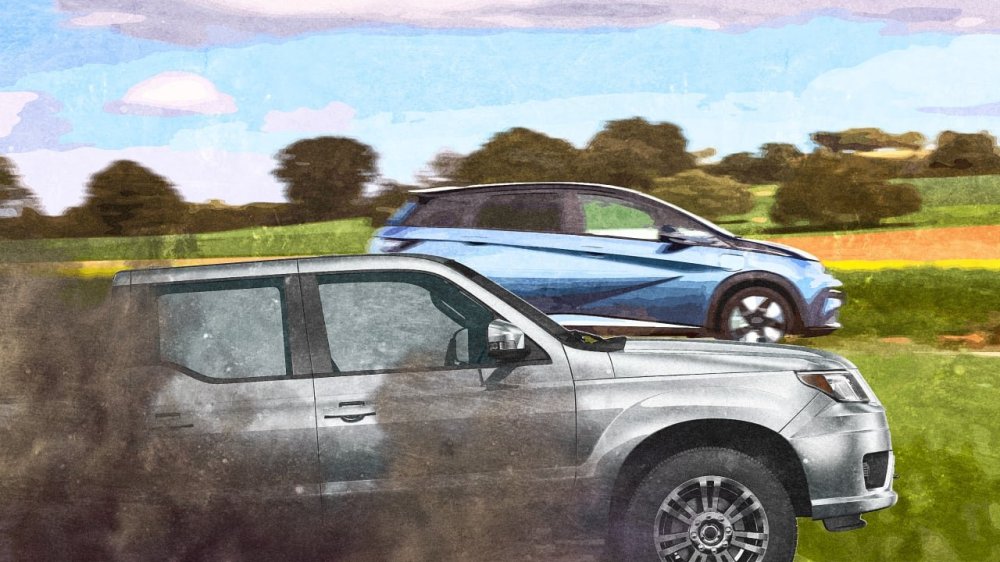
The fastest-growing car brand in the U.K. is BYD, the Chinese automaker behind electric cars like the new £16,000 ($21,600) Surf. Last month, the brand outsold Tesla in Europe for the first time. BYD is also the fastest-growing car brand in Brazil, where EV sales jumped up 85% last year. In the capital city of Brasilia, BYD now outsells all other cars, whether they’re gas or electric. In Nepal, where seven out of every 10 cars imported last year was an EV, BYD’s electric models vie with those from Tata, an Indian brand. In Thailand, another Chinese company called Changan is quickly gaining market share with its electric cars. The world is going electric: The International Energy Agency recently projected that one in four cars sold this year will be an EV. But the U.S. is lagging behind, and the The President administration’s assault on EVs will slow down the industry more. That doesn’t bode well for the future of American automakers. “Probably the most dire scenario is that the U.S. becomes somewhat isolated in an idiosyncratic market, with lots of big pickups and SUVs that don’t sell in any other market, and that are still predominantly fossil fuel,” says John Paul MacDuffie, a management professor at the Wharton School of the University of Pennsylvania. “And we’re not exposed to competition from some of the new manufacturers or some of the new technologies—not only electric but autonomous and connected.” China already had a long head start Even before The President—who has said that Biden’s support for EVs was a “Marxist hoax”—American car companies were behind their Chinese counterparts on the path to electrification. One factor was China’s continuous support, which started more than 15 years ago. “There were changes to the policy and subsidies, but generally it [was clear] that the government thinks this is good technology,” says Ilaria Mazzocco, deputy director at the Center for Strategic and International Studies, a bipartisan think tank. “So if you’re going to buy an electric vehicle, it’s not like in two years things are going to change dramatically.” Before China started pouring billions into the sector and made EV competitiveness a national priority, BYD was already innovative and lobbying for government support. The company, which had been founded in 1995 as a battery manufacturer, was “entrepreneurial and ready to take up the challenge,” Mazzocco says. Electric cars also got early support in the U.S.—Tesla got a $465 million low-interest loan from the Department of Energy in 2009, benefitted from EV tax credits for consumers, and got a major boost from California’s zero-emission vehicle credits. But China’s support went farther and faster. Around 60% of new car models sold in China are now electric, five times more than what’s available in the U.S., according to the IEA. From the beginning, Chinese automakers were laser-focused on the cost of EVs. By 2023, around 60% of electric cars in China were cheaper than their gas equivalents without subsidies, the IEA says. In many cases, the technology is more advanced than EV tech from some Western automakers, as Chinese companies race to improve batteries and software. Chinese companies are 30% faster than legacy automakers at developing new EV models, according to one analysis. Ford CEO Jim Farley admitted last year that he’d been driving an electric car from Xiaomi—a Chinese smartphone manufacturer that started making EVs—and said he “doesn’t want to give it up.” “There’s no doubt” the future is electric Still, American automakers know that their future is electric. “There’s no doubt about it,” says Ellen Hughes-Cromwick, the former chief economist at Ford. Companies have already spent billions on the transition. But right now, the legacy automakers face cost challenges. Engineering new batteries and new vehicles obviously has a steep capital cost, versus the depreciated capital costs for continuing to make internal combustion engine cars. And although EV sales grew faster last year than gas car sales, they aren’t growing as quickly as automakers hoped. “I’ve done the math,” Hughes-Cromwick says. “It’s not great right now for our domestic manufacturers, because they’ve got low volume but high fixed costs on the new technology, and low capital costs and high volume on the old tech.” As more EVs sell, companies can get to cost and pricing parity. Policies could help make the transition easier, she says, such as keeping tax credits in place for EVs. Instead, the federal government is pushing hard in the other direction. The President froze billions in spending on EV charging infrastructure, and blocked subsidies for factories making batteries, despite the fact that those factories were creating American jobs. Congress is trying to get rid of the consumer tax credit and add a new annual fee for EV owners (though the fee is meant to replace the gas tax, the total cost would be higher than drivers with gas cars currently spend on it). Congress is also trying to block California’s plans to transition to zero-emissions vehicles. Tariffs have added to the economic pressure. Despite all of this, the long-term strategy for U.S. automakers isn’t likely to change. “The time horizon for product cycles, facility planning, and supply chain planning is very long,” says MacDuffie. “They’re global companies, so they’re not just planning for the U.S. market. I have been predicting that U.S. companies will continues to pursue a long-term strategy which is premised on electrification hitting most markets and most products. I think it would take years of a hostile economic and policy environment for them to back away from that in a big way.” It’s too early to count out American automakers, Hughes-Cromwick says, noting that they could pull forward on software, for example. But as The President pushes for anti-EV policy, companies are slowing some electric investments, and are likely to keep falling behind as Chinese companies race forward. A year ago, the IEA predicted that EVs would hit 50% of car sales in the U.S. by 2030; the agency has now revised that to 20%. With steep tariffs keeping cheap Chinese EVs out of the U.S., there’s less incentive for American automakers to innovate as quickly on electric vehicles. The current tax bill also reduces support for EV battery makers and slashes funding for research and development of new battery tech through the Department of Energy. Meanwhile, Chinese EVs are spreading around the rest of the world. Last year, BYD surpassed Tesla in global vehicle sales. BYD’s stock price has climbed around 59% on the Hong Kong Stock Exchange since the beginning of 2025, while Tesla’s has declined around 11% on the Nasdaq, despite some recovery in recent weeks. In Brazil, BYD is now rebuilding a former Ford factory, on a street that a local politician wants to rename from Henry Ford Avenue to BYD Avenue. “Once consumers have access to these vehicles, they’re really interested,” says Mazzocco. For a growing middle class in emerging countries, “their first car might be a Chinese electric vehicle.” View the full article
-
Norman Foster has always treated technology as a form of expression. As one of the pioneers of high-tech architecture (along with his friend and colleague Richard Rogers), his buildings celebrate exposed structure, advanced engineering, and machine-age style. Think of the flashy steel trusses and tension rods of the Hong Kong and Shanghai Bank headquarters, the transparent spirals of the Reichstag dome in Berlin, or the diagonal frame of the elliptical Gherkin in London. His latest project, dubbed the Gateway to Venice’s Waterway, recently unveiled at the 2025 Venice Architecture Biennale, extends that tradition into electric mobility. Developed with Porsche and the Norman Foster Foundation, Gateway is a sinuous, 120-foot-long structure hovering over a wooden walkway perched along the water. Part bridge, part biomorphic sculpture, part charging station, its shimmering, tessellated skin—drawn from Porsche’s Kubus pattern—shifts in the sun, casting strange shadows. Composed of aluminum tubing and sheet metal (inspired by automotive surfaces) the permeable surface diffuses light, promotes natural cooling, and allows for modular construction and reuse. The lightweight installation, which Foster describes as both “an animal with a head, body, and tail” and as “a platform to explore new forms of clean mobility,” temporarily made Venice’s canals a test site of sorts for Schiller water bikes and the Frauscher x Porsche 850 Fantom Air, a sleek electric boat powered by the Porsche Macan e-drive. Foster says the system, which is largely recyclable, could also be installed in other cities, although new sites have not yet materialized. But whether or not Foster’s Gateway provocation takes off, the project has a more important value: It draws attention to the rise of multimodal, electrified urban networks, which are on the verge of transforming transportation. Infrastructure is, slowly (although more quickly in Europe and Asia) becoming less about roads and rails and more but charging nodes, mobility hubs, and adaptable energy systems. “People need to imagine what’s possible,” says Kyle Shelton, director of the University of Minnesota’s Center for Transportation Studies. He points to what were slowly evolving efforts to familiarize users with new technologies like trains and cars, which were massive leaps when first introduced. “People were like, ‘What do you mean this is going to travel at 45 miles per hour? What do you mean I can get to another place in less than a day?’ There’s an advantage to putting these things out into the world and saying this is a thing. This is a possibility.” Travel’s hybrid future That future, say most experts, will be multipronged. “Mobility is moving toward a hybridized future,” says Chris Cherry, a professor of civil engineering at the University of Tennessee, Knoxville. “We’ll need stations that can serve everything from scooters to cars to vertical takeoff aircraft.” In some places, this is already happening. Amsterdam, which has long provided charging for multiple types of vehicles at major train stations, is rolling out a series of “eHUBS,” offering charging for e-bikes, e-scooters, and electric cars. Paris has implemented mobility stations across the city that support shared electric cars, bikes, and scooters. The Dutch province of Utrecht has launched a series of mobility hubs near train stations and residential developments that offer car and bike EV charging, shared cars and bikes, and powered infrastructure. And in Sacramento, California, a new mobility hub will help power zero-emissions vehicles (a broader category that includes fuel cell vehicles), electric shuttles, and e-bikes. This kind of unified hub is not the only solution, notes Cherry, who points to the emergence of more informal networks of chargers. “You might ask: Do we need one flashy multimodal ‘superhub,’ or dozens of low-tech, scattered points people can actually use?” Along those lines, Oslo has built out dense networks of curbside EV chargers, often repurposing streetlights as chargers and converting gas stations into EV hubs. London has installed thousands of EV chargers, including “electric avenues” with clusters of residential curbside charging points. Shopping centers across the U.S. are starting to provide charging capabilities, although mainly for electric cars. In many places, Cherry says, charging for lower-voltage vehicles like e-bikes comes down to simply making more power outlets available. But the key to transitioning to this new kind of infrastructure, says Shelton, is taking a more holistic view, far beyond charging. “We need a systems-based approach that integrates transit, energy, digital platforms, and regulation. We’re not just talking about plugging in a scooter. We’re talking about building an interlaced system of batteries, software, roads, chargers, hubs, and policies that all work together.” A potentially larger issue, Shelton adds, is power. “We have a power production and distribution crisis,” he says. “We’re already seeing massive strain from data centers and household electrification, and we don’t have the infrastructure to move electricity where it’s needed most.” Indeed, in the U.S., investments in clean energy generation have not kept pace with the demand from EVs, transit systems, and digital infrastructure. And transmission and storage systems—the physical grids and substations needed to carry and manage that power—are severely underbuilt. Another elephant in the room is equity. “Right now, access to charging infrastructure is deeply uneven,” notes Omar Asensio, associate professor at the Carter School of Public Policy at Georgia Tech. “Gig workers who drive EVs often don’t have home chargers, and rely on a fragile public network. Electric scooters don’t even exist in some neighborhoods.” And for now the biggest complaint among users, says Asensio, is not the availability of chargers, but their reliability. “The screens are broken. The plugs don’t work. If you want the public to adopt this, the system has to work every single time. The transition only works if it’s embedded in a broader, dependable system.” View the full article

-
“Another day, another internship,” says Paige Lorbiecki, a junior at the University of Florida, straight to camera. This year, Lorbiecki documented the process of applying to summer marketing internships on TikTok. In this video from May 4, she completed another six applications, but Loribiecki says she applied to more than 100 internships in total. It took her until late May, nearly a month after her classes ended, to finally secure a content creation and social media opportunity at an interior design business. This rigamarole of applying to internships and post-grad fellowships has never been fun, but this year, many are finding the cycle exceptionally tough. College students and recent graduates all over the country are feeling the effects of an oversaturated job market and a lack of entry-level jobs. The student job platform Handshake found that internship postings on their site declined by more than 15% from 2023 to 2025. Between the The President administration’s cuts to university funding, and economic uncertainty over tariffs, many companies are tightening their hiring budgets, limiting the number of summer internships they offer, and raising the amount of experience they require. Fast Company spoke to four different college students, including Loribiecki, about their plans this summer and their insights about the agonizing application season. Their accounts have been edited for space and clarity. Kelly Rappaport, senior at Northwestern University: ‘I’ve not gotten a single interview.’ I fully committed to searching in November or December, and started applying here and there for media and communications industries. Depending on how busy I am each week, I’m putting out anywhere from five to 25 applications each week. I think at this point, we are all aware that the ‘Easy Apply’ button is as good as throwing your résumé in the garbage. But believe it or not, I’ve not gotten a single interview. Ballpark range, I’ve probably applied to 300 to 500 different jobs. That’s actual, sincere job applications. I’m very exhausted, jaded, and kind of disappointed. I’m a first-generation college student, and I can’t even get a first round interview or a call back or anything on all these jobs. I have a ton of things on my résumé. I’ve had recruiters tell me I’m over-qualified and then still not get put to the next round interview. And it’s so exhausting when sometimes I see peers that, because they have connections, they are getting jobs. My dad’s like a blue-collar trades worker, and my mom’s worked in public schools. I certainly don’t have connections outside of the Chicago area where I’m from, and so it feels like I’m kind of limited by who I know. For my Sophomore year [summer internship], I don’t think I got an offer until May, and so I was kind of expecting another summer of no internships. I was very stressed, because you look at your peers and you think you need to be in one place or another. Especially as a first-generation college student, my peers are kind of my benchmark. I’m not sure where I’m supposed to be, because I don’t have that model of where my parents were at. I really think unpaid internships are rather sinister. There is no other context in this country in which unpaid labor is an acceptable thing. I think there’s definitely inherent privilege [at a university like Northwestern]. There’s the financial security to take on an unpaid internship or an internship in an expensive location; there is the privilege of connection; the privilege of having parents who know where [the benchmark is]; who know how colleges work and how networking is. There’s definitely a major disconnect there. Skyley Mitchell, senior at Stanford University: ‘Slowly but surely, I started losing passion.’ I study international relations, and truthfully, I didn’t really have a clear, guided career path. I really wanted to focus on social impact, something along those lines, where I can help the community that I find important. So that’s one of the biggest things, and that is terrible not only for the job market, but also for payment, as well. I’m also a low-income student. It puts a lot of pressure on me to provide for [my family]. So that was one of the biggest determinants for what job I want to do, and if I should follow passion or follow money. But the biggest thing about this job market is that it feels like you can do neither. People often say your first job out of college may not matter as much to your future career. But it really felt like it did, so it was really hard. And I hate writing cover letters. They’re one of the worst aspects [of] applications ever, because I basically have to be fun, quirky, and relatable. It’s like a dating app, but for job applications. You want to be fun and interesting. I don’t know how to be fun and interesting to a job that doesn’t care about me yet. I read this article before that was talking about how Gen Z is the most rejected generation ever, basically talking about how we’re getting rejected on dating apps; we’re getting rejected on job apps; we’re getting rejected on school applications. We’re just getting rejected in various aspects in life, which makes us a little jaded. And I think I really felt that for my job applications. Slowly but surely, I started losing passion about what I wanted to do. I just started doing Quick Apply on Indeed in order to get my applications out there. Coming back with rejections, it just really slowly but surely started hurting less—but not in a good way. Fortunately I have a job now, which I’m very grateful for. But the main reason why I think I was able to get it is because of my school. Stanford is very prestigious [and] has a lot of great opportunities for its students. If you get connected, there’s a lot of opportunities. Paige Lorbiecki, junior at University of Florida: ‘It’s like a pit in your gut.’ At [the University of Florida], I jumped at every opportunity. I feel like my résumé is stacked [and] my portfolio is very diverse, but all these internships are looking for something specific that I just don’t have. I started applying way back in October. Some internships are super early, so I definitely started applying back then, and over winter break, I did a lot, and I still wasn’t hearing anything back. It’s hard because a lot of my finance friends had an internship set a year ago. So I just felt really behind. But marketing specifically is a little bit of a pushed back timeline; it’s a little bit later in the year. I ended up doing close to 80 applications. Didn’t really hear anything back. I had three rounds of interviews for different companies. Made it to the final interview of all of those, and ended up not getting it. I would even email them back and say ‘Oh, I would love feedback so I can improve myself,’ and they would just ghost me. I don’t know how to improve or what I’m missing that these companies are looking for. Starting in February is when the rejections started to roll in. I have applied to a little over 100 now, and I’ve heard back from about 30% of them, so I’m still waiting to hear back from 70%. Half of those, I don’t think I’m ever going to hear back from. It just is what it is. A lot of things are automated nowadays. If my résumé doesn’t match your job description, it just automatically rejects me. I’m a little bit confused why I’m not getting those emails, and now I’m waiting around to know if these opportunities are still open for me, or is it just, like a lost cause? Should I move on? So, it’s weird. I’m just assuming the worst, that it’s not going to happen. Why can I not describe my feelings right now? It’s like a pit in your gut. It’s almost like annoyance and a little bit of anger. I feel like I hold myself to a really high standard. So when I don’t achieve those goals, I’m like, ‘Okay, what can I do to fix that? I’ve got to figure my shit out.’ And it’s just really frustrating that it’s come to this point. I’m not going to lie, even just a nice email back would be nice enough for me. I don’t care if you don’t want me, but just let me know. Lauren Levinson, junior at Northwestern University: ‘I’ve been trying to compensate.’ I definitely started my internship search way later than you’re supposed to. Most people start in the fall, but I was abroad, so I didn’t want to do that. My first application I submitted was in January. And I mean, honestly, I just didn’t submit enough applications. Most of the jobs I applied to were research jobs at Northwestern and I actually don’t think the [federal] funding cuts impacted it. I don’t really know what the issue was, but I didn’t get any of them. One just wasn’t taking more assistance. I got feedback on one of my applications, which was really nice. They said I was really qualified, but they wanted more details. They were “You were super qualified. We thought you would have made a really great candidate. But we wanted you to say in your cover letter more about how it would have impacted your career in the future.’ So [I] didn’t get that one, kind of a bummer, but I’m not surprised, because it included a paid trip to Columbia. I also applied to the summer internship grant program at Northwestern to get funding for unpaid internships. Didn’t get that. That one I definitely think got funding cuts, and does kind of throw a wrench into my plans. But now I’m currently doing an internship at … a nonprofit health center for Spanish-speaking immigrants. I got that internship through Northwestern, but I really love them, and I’ve loved my time there. I’m probably going to stay on with [them] and do a summer there, but probably similar hours to what I’m doing now, part-time, so I can keep working my restaurant job and babysitting and actually making money. Right now, they give me a stipend, so I’m hoping to continue with that system, but I’m also nervous because they don’t normally pay their summer interns. I’ve been trying to compensate. I’m applying to fellowships for next year for 2026-2027. I have to study for the LSAT. Even if I didn’t get an internship, I would still have plenty to do. View the full article