ResidentialBusiness
Administrators
-
Joined
-
Last visited
Everything posted by ResidentialBusiness
-
 As a millennial, I’m not ashamed to be a Facebook fan, and it turns out that I’m not alone. About 69% of my generational cohort is still active on the platform. Although only 37% of Gen Z are active users, Facebook still boasts a solid presence among older generations, with 6.6% of users aged 65 and up. In total, approximately 3.07 billion people log on to the little blue app every month. Facebook’s size alone makes it hard to ignore. But it’s not just about numbers. With its mix of generations, built-in community features, and powerful tools for targeting and content, Facebook is still a key player for brands and creators. Thanks to new updates in AI, video, and even e-commerce, it keeps evolving with the times, which means there are still plenty of opportunities if you know how to tap into them. All this considered, it’s no surprise that creators and marketers want to know: How do I get more followers on Facebook? The good news: You don’t need viral hacks or a massive ad budget to grow your Facebook following — just consistent, strategic habits and the right tools. That’s exactly what we’ll work through in this guide: 10 practical tips for creators and marketers on how to grow Facebook followers (without ads) in 2025. Jump to a section: Jump to a section: 1. Set up your Facebook Page or professional mode 2. Share authentic content that starts conversations 3. Keep showing up 4. Explore images and video 5. Have fun with Facebook features 6. Post at the best time 7. Keep your audience engaged and coming back for more 8. Follow Facebook rules and guidelines 9. Partner with other creators and brands 10. Keep a close eye on the numbers Growing on Facebook is a marathon, not a sprint Facebook growth FAQ More Facebook resources 💡Growing your followers across multiple social media accounts? Here’s how to get your first 1,000 followers across other social media platforms.1. Set up your Facebook Page or professional mode A new padel court just opened in my area. Next thing, I see a ‘People you may know profile’ for the business. It’s an easy mistake to make, but this is a crucial first step: If you want to get more Facebook followers, don’t make a personal profile for your business — you need to create a Facebook Page. If you have a personal profile, Facebook users will only be able to add you as a friend, and they won’t see a ‘follow’ button. To get more followers on Facebook, you have two options: Create a Facebook Page for your business, organization, or brand. Switch to professional mode. Here’s how: Which option is best? In most cases, I’d recommend a Facebook Page, which gives you access to more advanced tools like Facebook Ads Manager. Once you’ve set up your Facebook Page or profile, be sure to complete every field available so that your followers and potential followers know you’re legit. Here’s a quick checklist of the basics: Featured posts to draw attention to important or top content.Phone number and business hours (if applicable).Action button (you can choose from options like ‘Book now,’ ‘Sign up,’ or ‘View Shop.’).Link to your website.Page category that helps Facebook show your page to the right audience.Bio or About section that contains keywords about your business, brand, or niche.High-quality profile photo and cover photo.💡Want to set your Facebook presence up for success? Here’s your cheat sheet of recommended Facebook image sizes. 2. Share authentic content that starts conversationsWith so many creators and brands active on Facebook, the bar for quality content is high, but don’t let that intimidate you. Facebook is pretty clear about what works well in the newsfeed. According to Meta, “The goal of Facebook is to connect people to content that’s meaningful or informative to them. We are not focused on picking which issues the world should read about, but we are in the business of connecting people with content they find most meaningful. Publishers should ideally focus on what they do best — making content that is interesting to their audience.” In other words, the content that grows your Facebook follower base is: the content that matters to your audience,and the stuff that you know a lot about, presented in a way that your audience wants to consume it. Here’s how to do that: Understand your audience: Take the time to learn what they care about, what questions they have, and what kind of content they engage with most.Create high-quality, original content: Share your perspective, your expertise, and your story. Originality builds credibility and helps you stand out.Encourage interaction: Ask thoughtful questions, invite feedback, or spark conversations in the comments.Incorporate eye-catching images or video: Visuals stop the scroll. Use photos, graphics, or short videos to bring your message to life.Build trust through accurate, well-sourced information: Whether you're sharing stats, tips, or breaking news, double-check your facts and cite your sources when needed.Post consistently, but not excessively: Find a rhythm that works for you and your audience. Quality always beats quantity.Test and tweak: Try different post formats, topics, and times of day. Then check your analytics and adjust based on what’s working.In a nutshell: You don’t need to go viral to grow — just focus on creating content that’s useful, true to your voice, and designed with your audience in mind. 💡Learn more about how content is ranked on the newsfeed: Here’s everything we know about how the Facebook algorithm works and how to get your content in front of as many eyes as possible.3. Keep showing up Want more Facebook followers? You’re going to need to show up on their feeds and continue providing value. I don’t know about you, but when I look at a business page on Facebook and see that it hasn’t been updated in months (or even years), I start to question whether they’re still in business. It goes without saying that all social networks benefit from users actively creating valuable content there, and they reward people for doing so. Whether you’re looking to grow on Instagram, build a personal brand on LinkedIn, or increase your following on TikTok, consistency might be the closest thing you have to a magic bullet for growing your audience. How often should you post? That depends on your target audience. Finding the sweet spot for your audience and growth will take time and experimentation, but my best advice is to post as often as you're able to keep up with — whether that’s daily or once a week. The reality is that creating content takes work, and the last thing you want to do is burn out before you start to see results. 3 top tips to help you stay consistent and get more Facebook followers If you're trying to build an audience on Facebook, you don’t have to be online 24/7. These three simple tips can help you stay on track and keep your content flowing, even on your busiest days: 1. Create a social media content calendar One of the easiest ways to stay consistent is by planning ahead. That’s where a content calendar comes in. Instead of scrambling for ideas at the last minute, you can map out your posts in advance and always have something ready to go. A good calendar helps you spot gaps, stay balanced with your content themes, and avoid that “what should I post today?” feeling. Here’s a guide to building your calendar from scratch (and yes, there’s a handy template included). Pro tip: Buffers’ Ideas dashboard helps you create, import, and organize your content so you can access everything at a glance and stay on top of your content planning. 2. Repurpose your best content Not every post needs to start from scratch. Take content that performed well on other platforms (or even earlier posts on Facebook) and give it new life. Turn a blog post into a quote graphic, or break a video into bite-sized clips. Your audience isn’t seeing everything you post, so repurposing is a smart way to stretch your efforts and reach more people. Pro tip: Use Buffer’s AI assistant to do your content repurposing for you. In just a few clicks, you can turn a single post into multiple formats and styles tailored to each social media platform. 3. Use Buffer to stay on schedule Using Buffer has honestly been a game-changer for me. Being able to batch content and schedule it in advance means I’m not stuck posting in real time. Features like scheduling, streaks, and posting goals help keep me on track (and motivated), especially during busy weeks when social media would otherwise fall off the radar. ⚡We’re building Buffer to be the most flexible social media management tool on the block. Save your ideas, organize them, get help from our AI assistant, and schedule your content in one single dashboard. Here’s how. →4. Explore images and photos After analyzing millions of social media posts sent through Buffer, we discovered that images are the best-performing content on Facebook when it comes to engagement. Posts with a photo or image attached tend to get more Facebook likes, comments, and shares than any other type of content. Posts with photos tend to get 34.7% more engagement than text-based posts and 43.8% more engagement than video posts. This engagement tells the Facebook algorithm that the post is valuable, making it more likely to appear in other news feeds. And if your post is showing up in more newsfeeds, that means you may attract the attention of more Facebook followers. That said, Facebook Reels shouldn't be skipped, if you're comfortable creating video, as they can help new followers find you. Like Instagram’s Reels feed and TikTok’s For You page, the reels feed (right next to the Home button in the app) consists almost entirely of recommended content based on what the user likes and engages with. I clicked on the reels button on Facebook and was served this Saturday Night Live sketch, even though I don’t follow Peacock TV (yet). I enjoy comedy, and I have a baby. Coincidence? I think not. Need help and inspiration to create video and other content? Check out these best-practice resources (from creators themselves) 💡Want to find out more about different types of social media content and what will work best for your brand? Check out our comprehensive guide. Bonus: it also has 30+ ideas for your next post. 5. Have fun with Facebook featuresSure, video and reels get a lot of attention, but Facebook is packed with features that can help you show off your brand’s personality and reach new people. I also find that experimenting with different features makes content creation feel less like a chore and more like a conversation. The more fun you’re having with it, the more that energy comes through, and hopefully, more Facebook followers will find you. Here are some ideas to get started: Stories are a great place to get real. They’re temporary, low-pressure, and a great way to stay top-of-mind without overthinking it. Story ideas: Behind-the-scenes momentsQuick updatesUser-generated contentA glimpse of your workspaceBonus: You can schedule your stories with Buffer. Facebook Live is your go-to for instant connection. It’s interactive, unfiltered, and perfect for building trust. Host a Q&AWalk your followers through a how-toBring them along for a day in the lifeShare how your product is made or shippedBonus: Facebook often boosts Lives in the algorithm, so you're getting a chance to reach more potential followers organically. If you host any events, virtual or IRL, you’d be remiss not to promote them with a Facebook Event — these will often be recommended to non-followers interested in similar events and are a brilliant way to reach new people. Whether you’re planning a webinar, a product launch, or your monthly “just because” community hangout, Facebook Events make it super easy for people to discover what you’re up to Bonus: Facebook even recommends events to people outside your follower list based on their interests. Free promotion? Yes, please. And don’t forget the little things: Add a GIFUse fun backgroundsExperiment with post formatsToss in a hashtag or two (strategically, of course)Facebook gives you a ton of tools, so treat them like a buffet. The more engaging and eye-catching your posts are, the more likely they are to attract new followers organically. Pro tip: Trying out different tools and seeing what your audience responds to will help you figure out what form of content your audience finds the most engaging. 6. Post at the best time According to Buffer’s analysis of millions of social media posts, the best time to post on Facebook is… drumroll: 🥁 5 a.m. on Monday. We pinpointed other hotspot times on Tuesday at 5 a.m. and Thursday at 7 a.m., which rank in second and third place in our best time to post list, respectively. Note that this doesn't necessarily mean 5 a.m. is when people are seeing your Facebook posts. It's likely the content needs time to percolate on the news feed, and your fans and followers will find it there when they log on to the platform at a more reasonable hour. So, as a rule of thumb, early morning on weekdays is usually the best time to post on Facebook for engagement. That said, the best time to post on Facebook (or any social media platform, for that matter) always depends on your audience. In my own Facebook Group, for example, I’m reaching people across different time zones, so I need to hit a sweet spot that works for cross-continental working hours. 7. Keep your audience engaged and coming back for moreNo matter the platform, engagement is one of the best routes to social media success. But you can’t expect your audience to keep commenting if you’re posting and ghosting. Replying to comments and messages is, at this point, table stakes. Whether you’re an influencer, creator, or brand, fostering meaningful connections with your Facebook followers will help you build relationships and grow your audience. Here are some quick tips for engagement 2.0: Reply to comments like a human, not a robot.Get to know your most engaged followers through their interactions.Build trust by answering their questions and considering their suggestions.Show followers that you value their engagement by sharing user-generated content (UGC).If they share something about your product or service, amplify it by sharing it yourself (with their permission). If they tag you in a post of their own, repost it. For creators, here are three quick tips for more engagement from Rylee Jenkins: Pro tip: You can see all of your comments, stay on top of important interactions, and turn your audience into loyal followers with Buffer’s engagement dashboard. 💡Stop shouting into the void. Here are nine ways to boost your social media engagement and grow a loyal follower base. 8. Follow Facebook rules and guidelinesOK, rules aren’t exactly the most exciting part of growing your Facebook presence. But ignoring them can tank your reach (or worse, get your account restricted), so it’s worth giving Facebook’s Community Standards a quick read. Most of the rules are common sense — no violence, hate speech, nudity, or anything that makes the internet a less kind place. A few extra red flags to keep in mind: Fake news or misleading claims: Sharing unverified or false info, even unintentionally, can hurt your credibility and visibility.Clickbait: That “You won’t BELIEVE what happened next 😱” energy? Facebook sees right through it.Engagement bait: Posts that beg for likes, comments, or shares can be penalized by the algorithm.And even if the algorithm doesn’t catch it, Facebook users can (and do) report posts that feel spammy or off. I’ve done this multiple times, especially as an admin of my group. No “Earn $10K every minute working from home” posts welcome, thank you. Bottom line: Keep things honest, thoughtful, and aligned with Facebook’s guidelines. (I’m willing to bet that if you’re reading this post, you’re the kind of person who will do this anyway.) 9. Partner with other creators and brands Teaming up with another creator or brand is one of the most effective (and fun) ways to reach new people on Facebook. Look for someone whose Facebook audience complements yours, then get creative with how you collaborate. For example, lifestyle creators Alix Earle and Monet McMichael frequently film content together: But you don’t both need millions of followers to create an effective collab. Here are a few ideas to get you started: Run a joint giveaway or contest: Pick a prize both audiences will love and ask folks to follow both accounts to enter.Cross-post each other’s content: Share a relevant post from your partner, and have them do the same. Create a reel together: Hop on a trend, do a mini interview, or share tips.Host a joint Facebook Live: Think co-branded Q&A, workshop, or casual chat. Swap guest posts or feature each other in stories: Shout each other out in your content, whether it’s a story takeover or a guest quote in your next caption.Co-create a mini campaign: Team up for a themed week or month of Facebook posts on a shared topic. Add custom hashtags to tie everything together.No matter the format, the goal is the same: bring value to both audiences and help each other grow. The best collabs feel like a win-win — because they are. 10. Keep a close eye on the numbersIf you want to know what’s helping you gain new Facebook followers (and what’s not), keeping tabs on your metrics is a non-negotiable in 2025. Start with Facebook Insights, which gives you a breakdown of how your posts, Facebook Page, and audience are performing. You’ll find Facebook Insights right in your Facebook dashboard. Head to Meta Business SuiteClick on Facebook InsightsBoom: reach, engagement, audience demographics, and more at your fingertips:Source: FacebookTo take things a step further — and make your life a whole lot easier — you’ll want to try Buffer’s Facebook analytics: It’s all-in-one: View your Facebook performance AND schedule content, crosspost across platforms, and even get AI help writing your captions from one (very tidy) tab.You can filter and compare with ease: Want to see how your Facebook content stacks up against your Instagram or LinkedIn posts? Need to sort by campaign, post type, or timeframe? You can do all that (and more) in Buffer’s dashboard.In my opinion, it’s way easier to use than Meta’s native tools: Buffer is clean, intuitive, and built for busy creators and marketers.You can analyze campaigns separately: Running a giveaway or product launch? Buffer lets you group Facebook posts into campaigns and measure their results on their own.Buffer gives you the must-haves like: ImpressionsReachLink clicksFollower growthIt also helps you quickly answer the questions that actually move the needle: What type of content is getting the most engagement?When’s the best time for me to post on Facebook?How often should I be posting to keep my momentum?What are my audience’s demographics?How do my organic posts compare to paid ones?Try it for $0 today. 💡Want to take a deep dive into the numbers? Here are the 7 best social media monitoring tools in 2025.Growing on Facebook is a marathon, not a sprintThere’s no magic formula for building a massive Facebook following overnight — but with a little creativity, consistency, and a focus on what your audience values most, growth will come. Keep testing new ideas, stay curious about what’s working (and why), and don’t be discouraged if progress feels slow at times. Every post is a step forward. Tools like Buffer can make the journey a whole lot smoother by helping you plan your content, repurpose high-performing posts, and track what resonates. With the right system in place, growing your Facebook following becomes a lot more manageable, and even fun. You’ve got this. Facebook Growth FAQHow to get more organic followers on a Facebook business Page Wondering how to grow a Facebook Page in 2025? Start by fully setting up your page with a complete bio, high-quality visuals, contact info, and a strong call-to-action. Then post consistently, engage with your audience, and use features like reels, stories, and lives to boost reach. Cross-promote your Facebook Page on other platforms and partner with creators or brands to tap into new audiences. How to get more followers on Facebook in professional mode Optimize your profile with a clear niche, strong bio, and engaging content. Use reels and lives to show up in newsfeeds, engage with comments to build trust, and post consistently using a content calendar. Bonus tip: repurpose content from other platforms to keep your feed fresh with less effort. How do I grow Facebook followers without ads?Organic growth on Facebook starts with valuable, consistent content. Focus on what your audience cares about, post regularly, participate actively, and spark real conversations in comments and DMs. Use Facebook features to increase visibility, and don’t sleep on collaborations with creators or other brands. How to get organic followers on Facebook Create content that’s helpful, entertaining, inspiring, and tailored to your ideal follower. Post consistently (a social media calendar helps), respond to comments, and make the most of features like reels and stories. Share behind-the-scenes content, celebrate milestones, and repurpose what works. More Facebook resourcesFacebook Ad Specs + Image Sizes — Fully Updated for 2025How to Run Facebook Ads: Beginner's Guide to Advertising on FacebookBest Time to Post on Facebook: We Analyzed 1 Million PostsMeta Ad Library 101: 7 Ways to Use the Facebook Ad Library to Improve Your AdsThe Ideal Facebook Cover Photo Size and How To Make Yours Stand Out (+ 11 Ideas and Examples)How to Schedule Facebook Posts in 3 Easy Ways (+ Save Hours Every Week)Inside the Facebook Algorithm in 2025: All the Updates You Need to KnowView the full article
 -
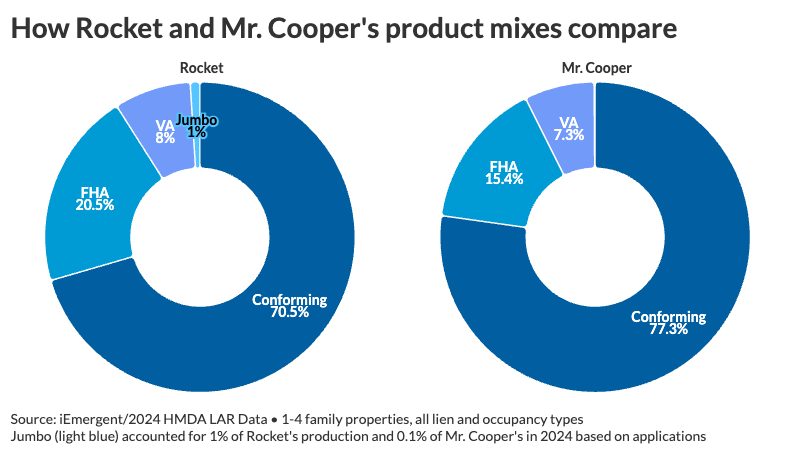
The numbers suggest Rocket Mortgage's acquisition of Mr. Cooper won't add enough dollar volume to outpace its closest competitor but they also show the deal has other benefits. View the full article
-
Key Takeaways Cost Components: Building storage units involves various costs including land acquisition, construction materials, labor, site preparation, and utility installations, which all significantly impact the overall investment. Location Matters: The geographical location affects the cost of land and construction, with urban areas typically incurring higher expenses but potentially offering greater demand for storage units. Size and Design Impact Costs: The size and complexity of your storage facility influence pricing, with larger and more intricate designs resulting in increased construction and material costs. Permits and Legal Fees: Always budget for permits and legal fees, which can add thousands to your total costs and vary based on local regulations. Financing Options: Explore various financing methods, including traditional loans, private equity, crowdfunding, and partnerships, to effectively manage construction costs and ensure financial flexibility. Long-Term Planning: Accurate budgeting and understanding of factors influencing costs are essential for maximizing returns in the storage unit business, allowing for informed decision-making before construction begins. Thinking about diving into the storage unit business? Understanding the costs involved is crucial for making informed decisions. From land acquisition to construction materials and operational expenses, several factors play a role in determining your overall investment. Storage units can be a lucrative venture, but the initial outlay can vary significantly based on location, size, and design. Whether you’re considering a small facility or a large complex, knowing the financial landscape will help you plan effectively and maximize your returns. Let’s explore the key components that influence the cost of building storage units and what you need to consider before taking the plunge. Overview of Storage Unit Construction Costs Understanding storage unit construction costs is crucial for small business owners entering this industry. Costs typically vary based on multiple factors that influence the overall investment. Key Components of Costs Component Estimated Cost Range Land Acquisition $1 to $5 per square foot Site Preparation $1,000 to $20,000 Building Materials $10,000 to $100,000+ Labor Costs $30 to $50 per hour Utilities Installation $5,000 to $15,000 Factors Affecting Costs Location: Urban areas often present higher land prices but may lead to increased demand for storage units. Size: Larger facilities incur more construction costs but can house more units, potentially increasing revenue. Design: Complex designs can elevate expenses, while standard layouts may reduce costs. Zoning: Local zoning laws may dictate construction requirements and costs. Accessibility: Sites with better access may require less investment in road construction and utility setups. Budgeting for these expenses allows you to calculate return on investment accurately. Understanding these components enhances your plan, ensuring you approach storage unit construction with informed financial expectations. Factors Influencing Storage Unit Costs Understanding the factors influencing storage unit costs is crucial for small business owners. Each element significantly impacts your overall investment. Location and Land Costs Location plays a vital role in determining your construction expenses. Urban areas usually come with higher land prices and labor costs compared to rural locations. Local building regulations and zoning laws can also raise your costs, depending on the community’s requirements. Consider site accessibility and necessary improvements to the land; these factors can substantially affect your budget. Size and Design Considerations The size and design of your storage facility directly influence construction costs. Average estimates for traditional storage units range from $25 to $70 per square foot. Larger facilities typically incur higher overall costs. Complex designs or added features, such as security systems and climate control, push costs even higher. Climate-controlled units can cost between $50 and $100 per square foot, mainly due to HVAC systems and specialized insulation. Construction Materials and Labor The choice of construction materials significantly impacts your expenditures. Steel buildings are common because of their durability and reduced maintenance needs, often leading to lower long-term costs. However, initial costs vary based on material quality. Labor costs fluctuate based on your region and the complexity of the project. Additionally, the quality of finishes for walls, roofs, and doors further influences overall pricing. Every small business owner must evaluate these factors carefully when planning for a storage unit construction project. Doing so enables accurate budgeting and prepares you for a successful venture. Cost Breakdown for Building Storage Units Understanding the costs of building storage units is essential for small business owners. These expenses can vary significantly, impacting your overall budget and financial planning. Permits and Legal Fees Permits and legal fees can vary widely based on your location and local regulations. Typically, these costs are part of the overall construction budget but can add several thousand dollars to your total expenses. It’s crucial to research these costs early to avoid surprises during the development process. Site Preparation Costs Site preparation costs are significant in building storage units. For a facility housing 100 storage units, site development expenses can range from $59,500 to $112,000. Additional costs include: Concrete Roads: Approximately $50,000 Electrical Installation: About $15,000 Security Cameras: Ranging from $5,000 to $15,000, depending on existing equipment. Careful planning of these expenses can enhance the effectiveness and appeal of your storage facility. Construction and Material Expenses Construction and material costs are major components of your overall investment. Construction Costs: For a single-story facility, expect to spend approximately $50 to $65 per square foot. For 100 units (assuming 10’x10′ units), the total construction cost ranges between $500,000 and $650,000. Material Costs: Budget around $85,000 to $140,000 for materials necessary for the same 100 units. Total Cost: Overall, building 100 storage units typically costs between $756,500 and $1,252,000. For larger facilities, total costs can range from $1.25 million to $3.5 million. These detailed breakdowns help small business owners like you optimize budgeting and investment strategies when entering the storage unit market. Financing Options for Storage Unit Construction Financing options play a crucial role in constructing storage units. Understanding these options can help you manage upfront costs effectively. Traditional Loans Traditional loans serve as reliable funding sources for construction projects. These loans offer fixed interest rates and predictable repayment terms. You can access these loans through banks or credit unions. Secure a loan based on your credit history and business plan, which usually includes projected revenues from the storage facility. Leverage this stability for long-term investments that can enhance your small business portfolio. Alternative Financing Methods Alternative financing methods can diversify your funding approach. Consider these options: Private Equity: Investors provide capital in exchange for a share of ownership. This option can offer substantial funding without immediate loan repayment pressures. Crowdfunding: Utilize online platforms to raise money from multiple contributors. This method enables you to connect with individuals interested in your project, making it a viable option for small businesses seeking initial investment. Partnerships: Collaborate with other investors to share costs and risks associated with building expenses, which can lead to greater financial flexibility. Mezzanine Financing: Combine debt and equity financing, creating a larger investment pool. This mixed approach helps you secure the necessary funds without significant upfront costs. These diverse financing options ensure you have the resources required to build your storage units while effectively managing the financial aspects of your small business venture. Conclusion Building storage units is a significant investment that requires careful planning and budgeting. By understanding the various costs involved and the factors that influence them, you can make informed decisions that maximize your potential returns. Consider the importance of location and design while keeping an eye on operational expenses. With the right financing options and a clear financial strategy, you can navigate the complexities of construction and set your storage unit business up for success. Taking these steps will help ensure that your investment pays off in the long run. Frequently Asked Questions What are the major costs of starting a storage unit business? Building a storage unit business involves several major costs, including land acquisition, construction materials, labor, permits, and utilities. Depending on the location and design, these costs can range significantly, making it important for investors to plan their budgets carefully. How do location and size affect storage unit costs? Location plays a vital role in determining costs; urban areas generally have higher land prices than rural locations. Similarly, the size of the facility directly impacts construction expenses, with larger units incurring higher overall costs due to increased materials and labor requirements. What are the average construction costs per square foot? For traditional storage units, average construction costs range from $25 to $70 per square foot. Climate-controlled options tend to be pricier, as they require additional materials and technology to maintain temperature and humidity levels. What financing options are available for building storage units? Investors have various financing options, including traditional loans, private equity, crowdfunding, partnerships, and mezzanine financing. Each option provides different benefits, making it crucial to consider multiple sources for funding. How can I maximize my return on investment in this business? To maximize returns, investors should conduct thorough market research and detailed budgeting. Understanding local demand, controlling construction costs, and strategically choosing facility design can significantly impact profitability in the storage unit business. Are there specific permits required for construction? Yes, obtaining the necessary permits is essential for construction. This may include zoning approvals and building permits, which can add to overall expenses. Checking local regulations beforehand helps in understanding the requirements and associated costs. Image Via Envato This article, "How Much Does It Cost to Build Storage Units? Essential Guide for Investors" was first published on Small Business Trends View the full article
-
Key Takeaways Cost Components: Building storage units involves various costs including land acquisition, construction materials, labor, site preparation, and utility installations, which all significantly impact the overall investment. Location Matters: The geographical location affects the cost of land and construction, with urban areas typically incurring higher expenses but potentially offering greater demand for storage units. Size and Design Impact Costs: The size and complexity of your storage facility influence pricing, with larger and more intricate designs resulting in increased construction and material costs. Permits and Legal Fees: Always budget for permits and legal fees, which can add thousands to your total costs and vary based on local regulations. Financing Options: Explore various financing methods, including traditional loans, private equity, crowdfunding, and partnerships, to effectively manage construction costs and ensure financial flexibility. Long-Term Planning: Accurate budgeting and understanding of factors influencing costs are essential for maximizing returns in the storage unit business, allowing for informed decision-making before construction begins. Thinking about diving into the storage unit business? Understanding the costs involved is crucial for making informed decisions. From land acquisition to construction materials and operational expenses, several factors play a role in determining your overall investment. Storage units can be a lucrative venture, but the initial outlay can vary significantly based on location, size, and design. Whether you’re considering a small facility or a large complex, knowing the financial landscape will help you plan effectively and maximize your returns. Let’s explore the key components that influence the cost of building storage units and what you need to consider before taking the plunge. Overview of Storage Unit Construction Costs Understanding storage unit construction costs is crucial for small business owners entering this industry. Costs typically vary based on multiple factors that influence the overall investment. Key Components of Costs Component Estimated Cost Range Land Acquisition $1 to $5 per square foot Site Preparation $1,000 to $20,000 Building Materials $10,000 to $100,000+ Labor Costs $30 to $50 per hour Utilities Installation $5,000 to $15,000 Factors Affecting Costs Location: Urban areas often present higher land prices but may lead to increased demand for storage units. Size: Larger facilities incur more construction costs but can house more units, potentially increasing revenue. Design: Complex designs can elevate expenses, while standard layouts may reduce costs. Zoning: Local zoning laws may dictate construction requirements and costs. Accessibility: Sites with better access may require less investment in road construction and utility setups. Budgeting for these expenses allows you to calculate return on investment accurately. Understanding these components enhances your plan, ensuring you approach storage unit construction with informed financial expectations. Factors Influencing Storage Unit Costs Understanding the factors influencing storage unit costs is crucial for small business owners. Each element significantly impacts your overall investment. Location and Land Costs Location plays a vital role in determining your construction expenses. Urban areas usually come with higher land prices and labor costs compared to rural locations. Local building regulations and zoning laws can also raise your costs, depending on the community’s requirements. Consider site accessibility and necessary improvements to the land; these factors can substantially affect your budget. Size and Design Considerations The size and design of your storage facility directly influence construction costs. Average estimates for traditional storage units range from $25 to $70 per square foot. Larger facilities typically incur higher overall costs. Complex designs or added features, such as security systems and climate control, push costs even higher. Climate-controlled units can cost between $50 and $100 per square foot, mainly due to HVAC systems and specialized insulation. Construction Materials and Labor The choice of construction materials significantly impacts your expenditures. Steel buildings are common because of their durability and reduced maintenance needs, often leading to lower long-term costs. However, initial costs vary based on material quality. Labor costs fluctuate based on your region and the complexity of the project. Additionally, the quality of finishes for walls, roofs, and doors further influences overall pricing. Every small business owner must evaluate these factors carefully when planning for a storage unit construction project. Doing so enables accurate budgeting and prepares you for a successful venture. Cost Breakdown for Building Storage Units Understanding the costs of building storage units is essential for small business owners. These expenses can vary significantly, impacting your overall budget and financial planning. Permits and Legal Fees Permits and legal fees can vary widely based on your location and local regulations. Typically, these costs are part of the overall construction budget but can add several thousand dollars to your total expenses. It’s crucial to research these costs early to avoid surprises during the development process. Site Preparation Costs Site preparation costs are significant in building storage units. For a facility housing 100 storage units, site development expenses can range from $59,500 to $112,000. Additional costs include: Concrete Roads: Approximately $50,000 Electrical Installation: About $15,000 Security Cameras: Ranging from $5,000 to $15,000, depending on existing equipment. Careful planning of these expenses can enhance the effectiveness and appeal of your storage facility. Construction and Material Expenses Construction and material costs are major components of your overall investment. Construction Costs: For a single-story facility, expect to spend approximately $50 to $65 per square foot. For 100 units (assuming 10’x10′ units), the total construction cost ranges between $500,000 and $650,000. Material Costs: Budget around $85,000 to $140,000 for materials necessary for the same 100 units. Total Cost: Overall, building 100 storage units typically costs between $756,500 and $1,252,000. For larger facilities, total costs can range from $1.25 million to $3.5 million. These detailed breakdowns help small business owners like you optimize budgeting and investment strategies when entering the storage unit market. Financing Options for Storage Unit Construction Financing options play a crucial role in constructing storage units. Understanding these options can help you manage upfront costs effectively. Traditional Loans Traditional loans serve as reliable funding sources for construction projects. These loans offer fixed interest rates and predictable repayment terms. You can access these loans through banks or credit unions. Secure a loan based on your credit history and business plan, which usually includes projected revenues from the storage facility. Leverage this stability for long-term investments that can enhance your small business portfolio. Alternative Financing Methods Alternative financing methods can diversify your funding approach. Consider these options: Private Equity: Investors provide capital in exchange for a share of ownership. This option can offer substantial funding without immediate loan repayment pressures. Crowdfunding: Utilize online platforms to raise money from multiple contributors. This method enables you to connect with individuals interested in your project, making it a viable option for small businesses seeking initial investment. Partnerships: Collaborate with other investors to share costs and risks associated with building expenses, which can lead to greater financial flexibility. Mezzanine Financing: Combine debt and equity financing, creating a larger investment pool. This mixed approach helps you secure the necessary funds without significant upfront costs. These diverse financing options ensure you have the resources required to build your storage units while effectively managing the financial aspects of your small business venture. Conclusion Building storage units is a significant investment that requires careful planning and budgeting. By understanding the various costs involved and the factors that influence them, you can make informed decisions that maximize your potential returns. Consider the importance of location and design while keeping an eye on operational expenses. With the right financing options and a clear financial strategy, you can navigate the complexities of construction and set your storage unit business up for success. Taking these steps will help ensure that your investment pays off in the long run. Frequently Asked Questions What are the major costs of starting a storage unit business? Building a storage unit business involves several major costs, including land acquisition, construction materials, labor, permits, and utilities. Depending on the location and design, these costs can range significantly, making it important for investors to plan their budgets carefully. How do location and size affect storage unit costs? Location plays a vital role in determining costs; urban areas generally have higher land prices than rural locations. Similarly, the size of the facility directly impacts construction expenses, with larger units incurring higher overall costs due to increased materials and labor requirements. What are the average construction costs per square foot? For traditional storage units, average construction costs range from $25 to $70 per square foot. Climate-controlled options tend to be pricier, as they require additional materials and technology to maintain temperature and humidity levels. What financing options are available for building storage units? Investors have various financing options, including traditional loans, private equity, crowdfunding, partnerships, and mezzanine financing. Each option provides different benefits, making it crucial to consider multiple sources for funding. How can I maximize my return on investment in this business? To maximize returns, investors should conduct thorough market research and detailed budgeting. Understanding local demand, controlling construction costs, and strategically choosing facility design can significantly impact profitability in the storage unit business. Are there specific permits required for construction? Yes, obtaining the necessary permits is essential for construction. This may include zoning approvals and building permits, which can add to overall expenses. Checking local regulations beforehand helps in understanding the requirements and associated costs. Image Via Envato This article, "How Much Does It Cost to Build Storage Units? Essential Guide for Investors" was first published on Small Business Trends View the full article
-
Lending to buyout firms and private credit groups is up 20% in a year to $1.2tnView the full article
-
In traditional Ahrefs fashion, I wanted to do the largest data study ever done on AIOs to see what we could learn and share with the marketing community. For a twist on most studies, I’ve shown how they compare to…Read more ›View the full article
-
To Deb Cloutier, president and founder of the sustainability firm RE Tech Advisors, the news that the The President administration is planning to get rid of Energy Star simply didn’t make sense. The President’s claims that he wants to reduce Americans’ energy bills is “completely at odds with this move to scrap the program that certifies energy efficient appliances. And she sees no viable way for private companies or nonprofits to fill this gap. She would know what it takes: Cloutier is one of the original designers of the program. Energy Star officially launched in 1992, under President George H. Bush. Cloutier helped shape the program’s focus on building efficiency, and then worked as a consultant every year since its launch. In the past 30 years, Energy Star has “exceeded all expectations,” Cloutier says: It saves consumers more than $40 billion every year on their bills, and helps certified buildings use 35% less energy, which means lower operating costs. Energy Star is voluntary, not mandatory Energy Star was specifically intended to be a voluntary, nonregulatory way of getting businesses to adopt and understand energy efficiency. The program doesn’t force businesses or building owners to participate. And yet more than 16,000 companies and organizations do—from appliance manufacturers to school districts. “Dozens of voluntary programs exist today, but Energy Star was the seminal first program that proved that businesses working in concert with government in a collaborative fashion could learn from one another, and develop resources that would not be brought to market by the businesses on their own,” Cloutier says. It has been a model for other public-private partnerships since, some even directly taking Energy Star’s tools: Canada uses Energy Star’s buildings portfolio manager for how it rates and ranks its own buildings. Businesses don’t often want to be the first to adopt something new like energy efficiency metrics; it’s a risk, and not always clear how the market will respond. But Energy Star was able to convene industry leaders together so multiple businesses could adopt these standards at once. Then, it started recognizing the top 25% most efficient products, buildings, and manufacturers. “It really helped spark that competitive nature of businesses to try and set goals to have X percent of their portfolio that has energy Star certification,” Cloutier says. An impartial agency, and a recognizable symbol Because Energy Star is a government program, it provides an impartial scoring metric for efficiency, based on rigorous scientific research. Energy Star’s iconic blue label is also easily recognizable by consumers: According to the program, nearly 90% of American households recognize the symbol. Without one symbol from a trusted, third-party source, manufacturers or retailers may put their own efficiency labels on products, which would make for a confusing and crowded landscape for consumers. It also wouldn’t be clear if those labels are consistent in what they measure or reward, or who’s verifying those claims. And if a nonprofit were to take over Energy Star’s role, it’s unlikely that it could cover the same array of industries—retail, manufacturing, residential, schools, and state and local governments—that the federal government does. “It would be a tall order to find something that replicates the federal government’s impartiality and breadth,” Cloutier says. Energy Star simplifies the efficiency process The federal government is in a unique position to have the national energy data, the research from national laboratories, and the industry expertise that underpin Energy Star’s tools and standards. The program draws from other government agencies like the Energy Information Administration, and it incorporates state and local regulations around emissions caps and what information buildings must disclose around their energy consumption. “If you own and operate buildings in more than one state or multinational jurisdictions, it’s already a very complex compliant landscape,” Cloutier says. But Energy Star helps simplify the process through things like its portfolio manager software tool, which allows entities to enter their buildings’ energy consumption and receive a score between 1 and 100, and to track their improvement over time. The private sector not only would struggle to access all the national energy data and laboratory research crucial for Energy Star, it would also face challenges from businesses themselves. “I think most entities would be hesitant to give what they would consider to be confidential business information around energy usage to a third party,” Cloutier says. Private businesses likely couldn’t carry out Energy Star at a large scale either. Its portfolio manager is used by more than 280,000 properties. For a private business to fund such an expansive, far-reaching tool, it would likely have to charge for it, Cloutier says—which would burden American businesses, buildings, and families directly. As a government program, Energy Star is incredibly cost-effective: For every federal dollar invested, it delivers a return of $350. “When you look at the very small budget to run Energy Star, I would say it’s sort of the little engine that could in terms of its results,” she says. The program supports more than 750,000 U.S. jobs, and Americans purchase 300 million Energy Star-certified products a year, worth $100 billion in market value. Energy efficiency benefits everyone Energy Star has long had bipartisan support, and for good reason. Making products and buildings more efficient helps the entire country—not only by lowering people’s energy bills, but by putting less pressure on the national energy grid. That means less blackouts and brownouts, too. “The more we can help drive down the amount of energy used to live, work, and play in buildings, that helps produce more bandwidth on the grid,” Cloutier says. U.S. energy demand is only growing, especially with more data centers to support AI and cloud services, which will also likely raise energy prices for consumers. Without Energy Star, Americans might be more likely to choose the cheapest option at the appliance store, not realizing that doing so will actually increase their energy bills over time. It’s not easy, without a third-party label like Energy Star, to translate that trade-off in purchase price versus long-term savings. But by having the Energy Star product, consumers know that item inherently saves energy; Energy Star also details the annual energy use of a product—and how much that use compares to the federal standard. Consumers can even search for items like dishwashers and the Energy Star website will sort them by energy use. Losing Energy Star also means buildings might lag on efficiency, in part because the process to meet efficiency standards and implement energy-saving tools will be a more difficult undertaking. Building operators may then pass those increased utility costs on to residents, in the case of apartment buildings, or customers, in the case of hotels. Cloutier has seen numerous examples of how aligning with Energy Star standards has helped building operators save money; thousands of school districts, she says, have saved on operating costs that can then make more resources available for teachers. And Energy Star is authorized by Congress, which means it can’t legally be ended in this fiscal year. What happens after that isn’t clear, but Energy Star’s benefits are. During his first term, The President tried to end the program but faced strong opposition, and Energy Star survived. “I am highly encouraging our clients and peers in the industry,” Cloutier says, “. . . to defend the value of Energy Star again.” View the full article
-
In recent months, the New York City subway system has seen a string of shocking and deadly incidents of violence, including several passengers who have been shoved from the platform into the paths of moving trains. A recent report finds that misdemeanor and felony assaults within the subway system have tripled since 2009. For everyday riders and visitors alike, there is now a lurking fear that their next trip on the subway could be dangerous. Many, including the governor of New York, are seeking solutions, which range from adding more police presence to increasing surveillance to installing more lighting to combatting fare evasion. But there’s another approach that could go a long way to improving security and safety in the subway system. Through specific and targeted design interventions, the subway system itself could be retrofitted to reduce violent crime. This is one of the conclusions of What To Do (and Not To Do) About Subway Safety, a new set of policy recommendations from the urban policy journal Vital City. Based on input and research from criminologists, behavioral scientists, transit experts, and policy wonks, the recommendations include focusing on mental health and substance abuse among users of the system, increasing access to social workers, and using police forces more strategically. Claire Weisz, cofounder of the architecture and design studio WXY, contributed to the report with ideas for design interventions that could increase a sense of security and comfort for subway riders. These design ideas include improving sight lines within the system’s underground stations, increasing visibility between passengers, and reducing dead ends and other areas that can isolate people. Rather than calling for a wide scale and expensive investment in safety infrastructure like Japanese-style platform barriers, the design ideas proposed here are lower lift interventions. The standout design idea from Weisz and WXY is the addition of highly reflective surfaces throughout subway stations. Lining ceilings, walls, and even the areas right above the edge of the platform, these shiny surfaces passively increase visibility, spatial awareness, and navigation within the sometimes circuitous underground world of a subway station. “Mirrors or mirror-like surfaces, which could be stainless steel, in the right places can actually help people see around columns, see down hallways, see around corners, but also get a sense that I’m getting closer towards an exit, or I’m getting farther away, or here’s where a platform is,” Weisz says. “Right now, there isn’t kind of intuitive wayfinding.” Reflective surfaces can also increase a sense of security. Directly influenced by the violent shoving incidents that have been happening in recent months, the subway design interventions feature a curved reflective surface just overhead of the tracks, called a soffit. This gives people standing and waiting for trains the ability to catch glimpses of their surroundings without having to look behind their backs. “When you’re standing and waiting for the subway, you can see other people,” Weisz says. The soffit also visually tightens the station interior, making it feel more compact. “It closes down the space between the platform and the third rail on the tracks, so that you’re not as open to the whole track.” The idea behind these reflective surfaces comes from the world of hotel design, Weisz says. Hotel hallways and elevators are commonly outfitted with mirrors that let people see themselves but also, perhaps subconsciously, understand that they are also going to be seen by others in this public place. It’s a bit of social engineering informed by behavioral science that encourages more self-awareness and courteous behavior. The surfaces become like eyes on the platform. Adding these reflective surfaces could be a form of tactical design, improving conditions in subway stations without the need for a drastic and expensive redesign. But for a transit system with nearly 500 subway stations—and almost every one having a unique design—making widespread improvements will not be easy. “Everything’s expensive, but I do think a couple of pilots in stations that are complex would go a long way,” Weisz says. “My hope is some of these discussions are going to bring money forth from philanthropy or from academia to do a couple of pilots that really get monitored and recorded to find out if this is changing how people feel in these spaces as they move through the subway.” Weisz acknowledges that while the shoving attacks that have been reported in the subway system are rare, they’ve created outsized impacts on riders’ perceptions of safety within subway stations. To maintain the system’s essential role in the functioning of the city, she argues, those perceptions of safety must be improved. “Good design allows people to behave in a way that optimizes the use of public space in the system,” she says. View the full article

-
Google's AIO rewrites articles without adding unique analysis or insights, essentially meeting the definition of low-value content. The post Does Google’s AI Overviews Violate Its Own Spam Policies? appeared first on Search Engine Journal. View the full article
-
We’ve been told that the future of work is all about freedom. Companies offer unlimited PTO, flexible hours, and asynchronous communication channels that we can access anytime. The promise is that fewer constraints will make us more empowered, more creative, and more connected. Sounds great in theory, but in practice, that kind of freedom without structure often leads to chaos. Without clear boundaries, work becomes a blur. Expectations go unspoken, resentment builds, and ultimately, trust erodes. And the very flexibility meant to liberate us begins to wear us down. The healthiest organizations aren’t boundaryless; they’re boundary-wise. Why Boundaries Matter More Than Ever In today’s workplace, where hybrid schedules, digital fatigue, and high emotional load are the norm, boundaries aren’t just a personal preference; they’re the cultural infrastructure. Consider this: 47% of employees say they feel burned out at work, and one of the top drivers is unclear or constantly shifting expectations. Meanwhile, 76% of remote workers report difficulty disconnecting from work. A workplace without boundaries doesn’t create engagement; it creates exhaustion. Boundaries aren’t about protecting hours but about safeguarding capacity in all its forms: the energy, focus, and attention we need to do meaningful work. Many people resist the idea of boundaries because they sound rigid or limiting. But boundaries don’t actually constrain our power—they clarify it. Boundaries reinforce trust by setting expectations, expressing what we truly value, and defining where we end and others begin. As workplace author Greg McKeown puts it: “Constraints don’t block progress, they shape it. A deadline forces a start. A boundary protects your attention.” We need to stop thinking of boundaries as barriers and start seeing them as containers—the structures that give freedom its form. Boundaries don’t prevent flow; instead, they create the conditions for it. A Moment When “Yes” Was the Problem I once worked with the leaders of an innovative climate tech company that was scaling fast. Responsiveness was a badge of honor, Slack was always on, meetings were rarely unscheduled and often urgent, and everything was an immediate “yes.” But beneath the surface, there was extreme fatigue, frustration, and blurred priorities. The culture looked high-performing on paper, but felt hollow in practice. In a facilitated session, one team member admitted, “I never know when I’m allowed to shut off. And I’m afraid that setting limits will make me look like I don’t care.” That moment shifted everything. What followed wasn’t a productivity fix—it was a shared reset. The team introduced core hours for collaboration, quiet blocks for focused work, and “Focus Fridays” without meetings or Slack messages. Within weeks, their energy felt reinvigorated. A sense of clarity returned, morale improved, and creativity reemerged. The team didn’t slow down; it just aligned itself using boundaries. When you stop trying to do everything, you make space for what matters most. How to Build Healthy Boundaries at Work Boundaries aren’t about shutting others out but about showing up with intention. Here’s a simple framework I use with leaders and teams: Be clear about your nonnegotiables. Before you can communicate boundaries to others, you need to define them for yourself. What lines can’t be crossed—whether that’s after-hours communication, personal ethics, or feedback norms? Clarity starts within, then becomes a shared agreement. Articulate your boundaries early. Don’t assume others know. Share them out loud, and revisit them when your context shifts. Setting boundaries isn’t a one-time conversation—it’s a leadership habit that evolves alongside your role and relationships. Leave room for a buffer. Not every line is absolute. Build a “pause zone” for conversation and recalibration—this could mean committing to a 30-minute delay before responding to nonurgent messages or setting up clear blocks in the week for focused work versus collaborative time. A pause zone creates space to respond with intention rather than react on autopilot. Align with your values. A boundary that protects your time but violates your purpose won’t hold. Make sure your boundaries serve your bigger “why.” The most sustainable boundaries are those that feel not only practical but deeply principled. Notice your signals. Resentment, anxiety, and exhaustion are often signs that a boundary has been breached or needs reinforcement. Your emotional patterns are data—listen to them before they become burnout. Communicate with care and clarity. Boundaries are an act of mutual respect, not a rejection. Consideration doesn’t require an apology. You can be both direct and generous—and that’s often when boundaries land best. Evaluate and evolve. What worked last year may not work now. Boundaries should shift with your life, your leadership, and your team. Revisit them regularly and treat them as a living part of how you work, not a fixed set of rules. Boundaries as a Cultural Practice Boundaries aren’t just personal; they’re also cultural. When leaders model them, teams follow. And when teams build them together, the results are measurable. Focus sharpens, collaboration becomes more intentional, burnout decreases, trust deepens, and innovation increases, not because people hustle harder, but because they’re working from a place of clarity and care. Boundaries don’t diminish connection. They deepen it—because they make it safe to be fully present. Start by asking yourself and your team these questions: Where in our work are we overextended, unclear, or always on? What’s one boundary you need to set, or revisit? Where is so-called “freedom” creating confusion or drift? In work cultures without boundaries, people don’t thrive. They scatter and self-protect, and eventually, they burn out. But when leaders and teams get clear on their edges—on what’s okay and what’s not—they build something far more powerful: trust, clarity, creative energy, and a deeper sense of shared purpose. Boundaries aren’t a sign of disconnection, but a practice of alignment. They don’t hold us back; they keep us together. View the full article

-
I don’t know about you, but I usually cringe when I get my weekly Screen Time Report. Did I really spend that much time online? Turns out, I’m pretty average. According to DataReportal’s 2025 Global Overview Report, adults worldwide clock in about six hours and 38 minutes on digital devices each day. While being average is comforting, I know I could benefit from more time unplugged. Yet, the thought of a full digital detox feels scary. “It’s very hard to completely disconnect yourself,” says Cristiano Winckler, director of digital marketing for Somebody Digital, a digital marketing agency. “But anything in excess is going to have negative consequences. The question is, how can we still be present online, but not in a way that is going to cause anxiety?” Worries about being offline are common, and Winckler analyzed the most common perceived career risks according to Google Trend search data. He found three of the biggest concerns—and why we shouldn’t stress over them so much. Being Inaccessible People who work remotely often fear that a digital detox may portray them as inaccessible or out of the loop, says Winckler. “For example, in our organization we have lots of different ways of communicating with each other,” he says. “We have emails, WhatsApp, and Slack. Some clients like to use Microsoft Teams. If you’re managing three to five clients, you have to communicate with them, plus your team members. People are afraid of being inaccessible.” Instead of being tethered to message apps all day, get ahead of other people’s expectations. For example, let your team members know when you’ll be offline or are doing focused work. Winckler adds that organizations should implement policies that help their employees feel more confident placing boundaries around their time. “You don’t have to be 100% available all the time,” he says. “People will feel more comfortable having conversations, and they will become more efficient in dealing with certain tasks than before.” Missing Networking Opportunities Social media, such as LinkedIn, can be a valuable networking tool, and another common worry is that a digital detox could cost opportunities if they don’t act quickly enough. But that’s not the case, says Winckler. “People need to understand they do not control how their posts are going to be presented,” he says. “I sometimes get comments from people on posts that I published several weeks ago because LinkedIn and other social media platforms don’t necessarily show that post to everybody on my network at the same time. They usually pace out the exposure.”’ Instead, Winckler recommends time-blocking an hour per week to go through your social media channels and interact and reply. “You can still keep that networking element, which is quite important, while still keeping a good balance,” he says. Lagging Industry Awareness In addition to networking opportunities, social media can serve as a real-time feed for industry trends and news. Implementing a digital detox may cause you to worry that you’ll fall behind on emerging practices and competitor updates. “If you completely disconnect yourself from important channels, you will definitely miss market trends,” says Winckler. “Everything happens superfast in the digital world, and I would not recommend that you disconnect completely.” Instead, utilize tools to curate content for you so you can spend less time staying current. For example, Winckler recommends using news alerts and filters. Or subscribe to channels and newsletters that package relevant information and events that happened last week in your field. “In the digital marketing world, for example, there are amazing channels on LinkedIn and other social media platforms that will summarize everything for you and will give you a snapshot of what you need to know,” he says. “You can consume what is relevant to you and spend more time on the topics that will have a direct impact on your career. It’s using technology in your favor.” Finding Balance You don’t need to go offline for long stretches of time to improve your relationship with the digital world. While it’s natural to be concerned about being inaccessible, missing network opportunities, and industry awareness, it’s also possible to create balance with boundaries, leveraging technology as a tool and not let it take over your life and habits, says Winckler. “That’s a true digital detox,” he says. “The benefits outweigh the concerns of not always being available by quite a margin. It can take time to establish, but you will see a positive impact. The goal is to be present online, but not in a way that is going to cause anxiety.” View the full article

-
Step inside a newly built apartment complex in almost any American city and you’re likely to find people congregating in an unexpected place. They’re not in the pool or the game rooms or the gym. The people are gathering in the mailroom. Through an unusual collision of building codes, postal regulations, shopping habits, and a global pandemic, mailrooms have become a new kind of social space in apartment buildings. And designers are finding new ways of taking what has long been a utilitarian peripheral space and turning it into a central square where residents can dwell and interact. Julia Lauve is an interior designer in Dallas and her firm Workshop Studio designed the mailroom for a recently completed 213-unit apartment building in suburban Lewisville, Texas. Instead of presenting a simple row of metal mailboxes, the mailroom appears to be more of a lounge, with a large U-shaped sofa in the middle, dark paneled walls, soft lighting, and wide carpeted floor. There are tables where residents can sit and open their mail or pull out a laptop, and doors to the street turn it into a waiting room for visitors or rideshare services. “It pulls you in with some soft seating and invites you to stay there for a little while instead of just opening your mailbox, getting your three or four pieces of junk mail, tossing them in the trash, and leaving,” Lauve says. The English Den The mailroom is also front and center in the building, rather than hidden in some back room. “It is an extension of the lobby and the community spaces within this property, instead of it being an afterthought and tucked away,” says Lauve. She’s created several other similar mailroom designs for apartment complexes in Texas, and there are residential projects from Arizona to Virginia where mailrooms are considered just as much of a resident amenity as a pool or a gym. The English Den Why mailrooms are such a desired perk The mailroom’s sudden rebirth may seem random, but it has come about through a perfect storm of outside influences. “A lot of it is driven by code,” says Sheena Brittingham, managing partner of Vida Design, an interior design firm based in Portland that has multiple mailroom design projects in its portfolio. Recent revisions to the Americans with Disabilities Act (ADA) require large apartment buildings to have at least some mailboxes within a “reach range” between 15 and 48 inches from the ground, and many local jurisdictions require all mailboxes to fall within that range, adding more linear footage to the overall mailroom size. Building codes that once required turning radii in hallways and common areas to be at least 60 inches have increased the minimum to 67 inches, adding additional space between rows of mailboxes. “[Mailrooms are] just getting larger and larger and taking up more space,” says Brittingham. “On most of our projects we’ve approached it like, let’s make this a beautiful experience and make it a place people actually want to come.” That means putting more design touches into a real estate footprint that has swollen in size. Lauve’s project in Lewisville, Texas, for example, has about 8,700 square feet of amenity space on two floors, including a clubhouse, a gym, and a business center. Almost 1,000 square feet of that is dedicated to the mailroom. “It’s a lot of space,” she says. The English Den The main courier of mail—the United State Postal Service itself—has also influenced this trend. Mail receptacle standards revised in 2020 now require that multifamily residential buildings locate their mailrooms “reasonably close” to the nearest place where a mail carrier can park their delivery vehicle, which many local postmasters have interpreted as a 100-foot rule of thumb. That’s brought mailrooms out of the dark corners and much closer to the front of the building, blurring the edges between mail infrastructure and the lounge-like lobbies and sleekly designed common areas many of these developments include. Brittingham says her firm used this new condition to influence its design concept for a mailroom in a recent project in San Diego, which sets aside some of the mailroom’s counterspace for a typewriter that nudges people to contribute to a public journal of sorts. “It’s trying to engage the residents a little bit more in an analog way,” she says. “Mail is such an analog experience that it’s kind of nostalgic.” Redesigning mailrooms for the work-from-home era With the rise of e-commerce, dedicating more space to mail has become a modern necessity. “Anything that you could possibly need can be delivered to your door,” says Lauve. “People are now receiving all of this stuff from mail services, delivery services. So it’s become this behemoth amount of space that a developer needs to consider to make everybody happy.” Parcel rooms and delivery lockers are now also part of the mailroom landscape, with an increasingly sophisticated array of hardware capable of handling the daily onslaught of deliveries too big to fit in a typical mailbox. Brittingham says some of her firm’s projects have invested in space and technology to make this process as smooth as possible for residents, including secure rooms with key-coded doors, video surveillance, and elegant lighting. “We want to really elevate that experience because everybody is going here almost every day to pick up their packages,” she says. “We don’t want it to feel like you’re going down some creepy corridor to get your stuff.” Increased rates of package delivery is one side effect of the pandemic. Another is the growth of flexible work, which has turned many spaces—intentionally or not—into places where people can do their jobs. “We’re seeing a lot of overlap in any amenity space for cowork,” says Brittingham. “Any space or any surface where you give people an outlet and Wi-Fi, it gets utilized.” Her firm’s mailroom design projects have built this reality into its designs, adding extra seating and tables to allow for people to linger or even decamp from their usual workspace. In post-occupancy studies of projects, Brittingham says the shared spaces within mailrooms are used regularly. “We see a lot of people coming down during the day and just sitting on their laptop or being on their phone in a public space and just wanting to be together in any common area,” she says. Building managers are also claiming these spaces for themselves. Brittingham says the loungelike atmosphere of the mailroom has become an informal area for a building’s leasing manager to meet with prospective tenants, closer to the ebb and flow of residential life, showing a glimpse of the social potential of living in a big apartment building. The reemergence of mailrooms is partly happenstance, but this space is becoming the heart of multifamily residential projects. It may be a more critical third place than the other conventional amenity spaces within these buildings. “We’ve done arcade rooms. We’ve done golf simulators. We’ve done coffee shops that are attached as part of a multifamily property. So there is this chase for what is the most sought after amenity,” says Lauve. “What we have really found through our experience is it’s not the amenity, it’s community.” View the full article

-
Cultural planning has shape-shifted throughout its history, encompassing beautification initiatives, placemaking (and placekeeping) projects, and preservation work. But in the past decade, the field has accelerated significantly, according to Rana Amirtahmasebi and Jason Schupbach, the editors of The Routledge Handbook of Urban Cultural Planning, a new manual that compiles the most innovative programs, policies, and approaches to the discipline that have recently emerged. A throughline? That creative wellness is essential to cities, and that everything from the climate crisis to displacement, tourism, public space, and infrastructure can benefit by centering culture and the people responsible for it. It’s a provocative angle, considering how efficiency and technocracy—the opposite of the difficult to quantify nature of culture—still dominate urban planning. As Amirtahmasebi and Schupbach write in the book’s introduction, cultural planning “should be seen as a critical tool in the toolbox of building equitable communities” and no longer as a siloed topic on the fringes of city policy. The new manual, which clocks in at over 500 pages, features case studies from around the world on how arts and culture are entering urban planning in new ways. While the usual suspects of public art, museums, and cultural districts appear in the book, they’re joined by less expected approaches. For example, an essay describes how the Los Angeles Department of Transportation’s first resident artist helped pedestrian safety come across more urgently by centering real people and their stories instead of statistics in Vision Zero presentations. Meanwhile, a chapter on land trusts explores how new ownership models are combatting real estate speculation in Oakland, California. We spoke with Amirtahmasebi, an urban planner and cultural strategist, and Schupbach, Dean of the Westphal College of Media Arts and Design at Drexel University, about their new book and what it means for the future of cities. This interview has been edited and condensed for clarity. Congratulations on the book! What sparked it? Rana Amirtahmasebi: The field of cultural planning and policy has come a long way, but there was really no book about its intersection with other sectors and challenges like housing, gentrification, environment, economic development, public health, and disaster risk management. Jason Schupbach: We’re way beyond the just put a mural on a wall type of beautification project—although there’s an excellent article on murals in the book. Ideas are much more advanced today, but there hadn’t been a survey in almost 10 years, and there has been a massive explosion of thinking and networks and people in urban cultural planning. We thought, let’s get together all the people who are sophisticated about bringing cultural planning in conversation with other fields so that the handbook can be of actual use to people. Tell us about some of those new ways of thinking. I was drawn to a quote in the book from Dr. Maria Rosario Jackson, the former head of the National Endowment for the Arts, who argued that creative wellness is part of how we understand a good quality of life and that planners should take note. Amirtahmasebi: What we missed as urban planners and policymakers is that we looked at the city as a bunch of sectors, like housing and transportation and we really didn’t really think about how to bring all of them together. But the city is also a cultural construct. How do you make this into a place where people can live, thrive, and be happy? In one essay, Dr. David O. Fakunle and his coauthors write about the creative process of storytelling and how it’s a powerful tool to address disinvested communities, loneliness, and public mental health. So arts and culture can cultivate opportunities for human-centered approaches to individual and collective healing, growth, and empowerment. What are some of the new policies that represent a more integrated approach to cultural planning and cities? Schupbach: Cultural land trusts are a big one. We’re so challenged by land prices in many places, and culture is one of the things that will get priced out first. How do you hold on? There’s an interesting article by Dr. Angie Kim about community ownership in Oakland, California. There, the East Bay Permanent Real Estate Cooperative is exploring new financing models to buy land that might otherwise go to real estate speculators. And Erika Hennebury, a cultural affairs officer in the City of Toronto, offers a survey of cultural land trusts in Toronto, Vancouver, London, and San Francisco. Night mayors are another growing trend. Laia Gasch Caslas writes about how London implemented this policy, and there’s so much practical stuff in there. When the area around the Ministry of Sound, the legendary electronic music club, began to gentrify, the city required new development to have triple-pane windows and soundproof walls. A housing development person might not have been concerned about something like that, but a person in the city government paying attention to culture at night was. Guaranteed income for artists through programs that fund them to do work in communities is a new trend, too—like the Mellon Foundation’s $125 million Creatives Rebuild New York COVID-19 relief initiative. There have been some real interesting innovations, and it’s always in a place you might least expect where culture might intersect with city making. Equity and justice are strong currents throughout the book. To rewind a bit, the conversation in the aughts around urban cultural planning revolved around orienting cities toward “Creative Class” in service of economic growth, which contributed to gentrification and displacement. You argue that just framing cultural planning from an economic perspective is limiting. Why is that an important distinction? Schupbach: Cities are very complex things and you need every tool in your tool kit to try to make it better for all of the citizens. There are cultural tools, so why wouldn’t you use them? In the aughts, there was a strong economic argument that kind of rode a wave across cities around the world because of Richard Florida’s The Rise of the Creative Class book. It opened a lot of doors for mayors and cities to start a conversation about urban cultural planning. So I’m grateful for that. What Florida was talking about still matters, but we have a deeper level of sophistication about all the places that culture can help, and also how to build equity and justice. This work has come way beyond the creative economy. It intersects with transportation, as Katherine Dirga’s chapter on artists and transit planning explains. One chapter describes how a law lab at Northeastern University is working with community groups fighting housing instability. Amirtahmasebi: In a lot of contexts, when we talk about culture, we have to assign value. There’s no other way. In some places, there are grants available to develop theater or music or create a mural. But in a lot of parts of the world, when that money is not available, you have to make a case. So I think that’s why the creative class argument was very appealing to a lot of my colleagues and myself at the time. When you go talk to a mayor of a secondary city in Asia or Africa, how can you say let’s build a theater when you don’t have sanitation or housing? It’s extremely difficult to quantify qualities like social cohesion and social capital. Dr. Jackson says in the book that if you want to destroy a society, you kill the culture. It’s also true that if you want to build a society, you build their culture. It should be obvious, right? We shouldn’t have to make an economic case for it. Recognizing where value lies is another theme. You argue that “culture bearers” are important to center in planning and that expanding the field’s understanding of who these figures are is critical. Can you share a bit more about this? Schupbach: This concept of “culture bearers” is so important. It’s an inside urban cultural planning term, but it really is about who holds the culture in a place, and who passes it down. Everybody kind of knows who that is in their neighborhood probably, right? It’s not just about the formally trained artist. For example, altar makers in Los Angeles may not call themselves artists, but they are truly holders of the culture. There’s an article in the book on cultural asset mapping. It’s not just the number of artists and theaters; it’s really about digging deeper into what makes a place a place. Where would you like to see urban cultural planning go next? Amirtahmasebi: The next step is not thinking of culture as something that is completely separate from other sectors in the city. I would like cultural plans to be one chapter of the city’s overall plan. A lot of times, cultural plans don’t speak to what is happening with planning departments in other parts of the city. Schupbach: There’s huge potential in the under-explored public health space. Dr. Fakunle saw the power of storytelling in the loneliness crisis, as we talked about. Well, there are a lot of health crises. There’s a lot of stuff about art therapy, but how does it intersect with place in a smart way? And how does that connect to disaster? We’re in a moment of creative destruction right now in the United States. A lot of stuff is being torn down. I’m not so interested in the daily panic about the tear down; I’m really interested in what do we build on the other side? What are the new policy ideas? What are the new structures we can build? Things are changing. A lot of things for a lot of people weren’t working before. Let’s actually try to build something better. What do you see as the ultimate outcome of cultural planning applied to the fullest degree? Amirtahmasebi: The well-being of humans and being able to thrive, especially with intangible cultural heritage. To be the source of social and psychological resilience, especially in these times of hardship, everywhere in the world Schupbach: Hard same. The Routledge Handbook to Urban Cultural Planning is available from routledge.com. View the full article

-
In a new bag from Freitag, every part—from the fabric to the zipper, straps, buckles, and the thread that holds everything together—is made from a single material. The product is the latest example of a “monomaterial” design approach that some brands are beginning to use for a simple reason: It means that the products can actually be recycled when they eventually wear out. Right now, a typical backpack or bag has components made from multiple different materials. Dismantling everything at the end of its life is too time-consuming and expensive to be feasible. But using one material makes it essentially as simple as recycling a plastic water bottle. “You can basically put that entire product into a shredder instead of taking things apart first,” says Elisabeth Isenegger, who leads international communications at the Switzerland-based, 32-year-old company. Then the material can be melted down and made into pellets to make something new. The company chose a material called polyamide 6, which is commonly used in everything from textiles to toothbrush handles. Because it’s ubiquitous, there’s a market for recycling it. But it was a challenge to find sources for every component that they needed. Freitag also had to find a way to avoid a water-repellent coating that would normally be used on the fabric, but would have made the fabric unrecyclable. To do this, the company worked with one of its suppliers to develop a version of the fabric with three layers, laminated together, that was water repellent on its own. A backpack using the approach came out last year, followed by the smaller new bag, the Musette, that just launched. If something breaks on the bag, consumers can bring it to a Freitag store and then the bag will go to one of the brand’s 10 global repair centers. (The team set up a new repair kit for the backpack and bag, since repairs can also only be made with the same material.) When the bag eventually wears out, consumers can bring it back, and Freitag will work with partners to recycle it; it’s not handled in typical municipal recycling centers. Before launching the first backpack, the company worked with the Switzerland-based Institute for Materials Technology and Plastics Processing to validate the process. Ultimately, Freitag aims to become fully circular in everything that it makes. The brand’s best-known product, messenger bags made from old truck tarps, are already a form of recycling. But the company is now also working with trucking companies to test a new type of tarp material that can also be fully recycled after it’s made into a bag. View the full article

-
Key Takeaways Effective Management Practices: Focus on tenant management, inventory maintenance, security measures, and customer service to optimize storage unit property management and enhance tenant satisfaction. Technology Utilization: Implement property management software to automate tasks, streamline operations, and improve tenant interactions for greater efficiency. Financial Considerations: Conduct market research for competitive pricing strategies and maintain comprehensive budgets to manage operating expenses and ensure positive cash flow. Challenges and Solutions: Identify common challenges such as rising costs and customer retention difficulties, and adopt strategies like dynamic pricing, robust marketing, and improved customer service to address them. Regular Maintenance: Develop a maintenance schedule and perform consistent cleaning and equipment checks to uphold facility standards and tenant satisfaction. In today’s fast-paced world, managing a storage unit property effectively can make all the difference in maximizing profits and ensuring tenant satisfaction. Whether you’re a seasoned property manager or just starting out, understanding the nuances of storage unit management is crucial. You’ll find that a well-organized approach not only enhances operational efficiency but also attracts and retains customers. From maintaining inventory to implementing security measures, every aspect of storage unit property management plays a vital role in your success. By focusing on best practices and leveraging technology, you can streamline operations and create a seamless experience for your tenants. Dive into the essentials of storage unit property management and discover how you can elevate your facility to new heights. Overview Of Storage Unit Property Management Effective storage unit property management plays a vital role in maximizing profits and enhancing tenant satisfaction for your small business. Understanding this management’s core concepts equips you with the tools needed for success. Definition And Importance Storage unit property management involves overseeing and maintaining storage facilities, including managing tenants, handling reservations, and ensuring security. It’s essential for small businesses to focus on this aspect to drive increased occupancy rates, improve customer service, and reduce operational costs. Proper management fosters tenant loyalty, leading to higher retention rates and steady revenue streams. Key Components Several key components contribute to effective storage unit property management: Tenant Management: Establish clear communication with tenants. Use digital tools for leasing agreements and timely notifications. Inventory Maintenance: Regularly assess and manage inventory levels. Keep track of available units to avoid overbooking and ensure efficient space utilization. Security Measures: Implement robust security protocols. Install surveillance cameras, secure access gates, and adequate lighting to protect both the facility and tenant belongings. Marketing Strategies: Develop targeted marketing campaigns. Use online platforms and local advertisements to reach potential customers effectively. Technology Utilization: Adopt property management software. Streamline operations with tools that automate billing, manage reservations, and handle maintenance requests. Customer Service: Prioritize excellent service. Respond quickly to inquiries and concerns to create a positive experience for tenants. By managing these components efficiently, your small business can create a well-run storage facility that attracts and retains tenants while maximizing profitability. Best Practices For Effective Management Effective management in storage unit properties is vital for small businesses aiming to increase profitability and enhance tenant satisfaction. Implementing best practices can streamline operations and create a welcoming environment for tenants. Regular Maintenance Scheduling: Create a detailed maintenance schedule that incorporates essential tasks like cleaning, pest control, equipment checks, and property inspections. Consistent maintenance prevents issues and ensures a well-kept facility. Cleaning: Clean storage units promptly after move-outs to eliminate dust and grime buildup, creating a safe and appealing environment for new tenants. Regular cleaning contributes to tenant retention and satisfaction. Equipment Checks: Inspect and maintain equipment regularly to avoid breakdowns and ensure operational efficiency. Regular checks keep your operations smooth and minimize disruptions that could affect tenant experiences. Customer Service Strategies Personalized Service: Prioritize personalized customer service to build trust and satisfaction. A hands-on management approach fosters positive interactions, encouraging tenants to return and recommend your facility to others. Feedback: Pay attention to customer feedback. Regularly solicit and evaluate tenant opinions to identify areas for improvement. Addressing concerns promptly enhances operational effectiveness and tenant loyalty. Zeroing in on Customer Needs: Focus on understanding and addressing tenant needs efficiently. By responding quickly and effectively, you improve overall satisfaction and encourage long-term relationships, which are crucial for small business success. Technology In Storage Unit Management In storage unit property management, technology significantly enhances operations and improves tenant interactions. Small businesses can leverage various tools to streamline processes and ensure efficient management. Software Solutions Tenant and Unit Management: Using software like Storable Edge and Sitelink by Storable, you can effectively manage tenant records and unit inventory. These tools simplify tracking rent status and managing gate codes, allowing you to focus on enhancing tenant satisfaction. Automated Processes: Platforms like Self Storage Manager and Easy Storage Solutions automate tasks such as online rentals and payment collection. By reducing manual errors, these systems increase efficiency, enabling you to allocate resources better and improve service delivery. Reporting and Insights: Software solutions provide detailed reporting and analytics. With insights into business performance and market demand, you can make informed decisions that align with your small business goals. Automated Systems Online Rental Platforms: Automated systems allow tenants to rent units and make payments online. This convenience not only enhances customer experience but also reduces staffing needs, allowing you to focus on other critical areas of your small business. Access Control Systems: Automated gate control systems help secure access to facilities. With gate codes and security measures in place, you can protect your inventory and enhance trust with your tenants. Notification Systems: Automated notifications for rent reminders, lease renewals, and other vital events maintain smooth operations. Implementing these systems reduces the chance of missed communications, reinforcing tenant relationships and supporting retention efforts in your business. Financial Considerations Managing a storage unit property involves several financial factors that significantly influence your small business’s success. Attention to initial costs, operating expenses, and effective pricing strategies ensures your facility remains profitable. Pricing Strategies Setting competitive prices for your storage units impacts occupancy rates and revenue. Market Research: Analyze local demand and competitors to set optimal pricing without undermining your profitability. Dynamic Pricing: Adjust prices based on demand fluctuations, seasonality, and unit size to enhance revenue. Discounts and Promotions: Offer introductory rates, long-term rental discounts, or first-month specials to attract new tenants and minimize vacancy. Budgeting and Expense Management Budgeting is vital to maintain operational efficiency and profitability within your small business. Comprehensive Budgeting: Create detailed budgets encompassing development, pre-opening, and ongoing operational costs, including staffing, maintenance, and marketing. Expense Monitoring: Regularly review expenses such as utilities, maintenance, and management fees to uncover cost-saving opportunities. Cash Flow Management: Track rental income and expenses to ensure a positive cash flow that meets your financial commitments. Financial Analysis and Forecasting: Conduct feasibility studies and financial stress tests to prepare for market changes and potential investment risks. Focusing on these financial considerations enhances your small business’s resilience and positions you for long-term success in the storage unit management industry. Challenges In Storage Unit Property Management Storage unit property management presents various challenges that small business owners must navigate to optimize operations. Understanding these challenges helps in developing effective strategies. Common Issues Faced Rising Property and Maintenance Costs: Property owners experience increasing expenses related to rent, utilities, and upkeep. In particular, maintenance costs can significantly impact profitability. Difficulty in Attracting and Retaining Customers: Small businesses often struggle with marketing and delivering superior customer service, essential for tenant retention. A focused approach in these areas can improve tenant satisfaction and loyalty. Compliance with Environmental Regulations: You face challenges in adhering to regulations regarding waste disposal and hazardous material storage, which can strain resources and require ongoing staff training. Strategies To Overcome Challenges Adopt Technology: Leverage real-time data analytics to inform pricing strategies and streamline processes. Utilizing online rental platforms can enhance tenant interactions and ease operations. Dynamic Pricing: Implement dynamic pricing techniques based on demand and competitor analysis. Adjusting rental rates can attract more tenants while maintaining profitability. Strong Marketing and Customer Service: Focus on robust marketing strategies, such as targeted advertising and promotions. Foster excellent customer service to build strong relationships with tenants, enhancing retention. Cost Management: Identify cost-saving measures to improve operational efficiency. Regularly review expenses to find opportunities for reducing overhead without sacrificing service quality. Security Upgrades: Invest in advanced security systems to protect your assets and mitigate liability risks. Enhanced security measures can improve tenant confidence and contribute to higher occupancy rates. Conclusion Effective storage unit property management is key to achieving long-term success. By prioritizing tenant satisfaction and operational efficiency you can create a thriving business that attracts and retains customers. Implementing best practices in maintenance technology and customer service will not only enhance tenant experiences but also boost your profitability. Navigating challenges like rising costs and market competition requires a proactive approach. By leveraging data analytics and adopting dynamic pricing strategies you can stay ahead of the curve. Ultimately your commitment to excellence in management will pave the way for a sustainable and successful storage facility. Frequently Asked Questions What is storage unit property management? Storage unit property management refers to the oversight and maintenance of storage facilities, including managing tenants, reservations, and ensuring security. Effective management is essential to maximize occupancy rates, enhance customer service, and reduce operational costs. Why is effective management important for storage facilities? Effective management is crucial for maximizing profits and tenant satisfaction. It helps streamline operations, improve customer service, and reduce costs. A well-managed facility attracts and retains tenants, ensuring steady revenue streams. What are the key components of effective storage management? Key components include tenant management, inventory maintenance, security measures, marketing strategies, technology utilization, and customer service. Addressing these areas helps create a well-run facility that meets tenant needs and maximizes profitability. How can technology aid in storage unit management? Technology enhances operations through software solutions for tenant records, online rentals, and payment automation. Automated systems improve efficiency, security, and tenant interactions, making management processes smoother and more effective. What best practices should be adopted in storage management? Best practices include regular maintenance of units, prompt cleaning after move-outs, and customer service strategies like personalized service and feedback solicitation. These practices improve tenant satisfaction and foster long-term relationships. What financial aspects are crucial in storage unit management? Key financial aspects include initial costs, operating expenses, and effective pricing strategies. Conducting market research and implementing dynamic pricing can help attract tenants while budgeting and expense management enhance operational efficiency. What challenges do storage unit property managers face? Challenges include rising costs, attracting and retaining tenants, and compliance with regulations. To overcome these issues, adopting technology, implementing dynamic pricing, and focusing on strong marketing and customer service are recommended strategies. How can property managers increase tenant retention? Enhancing tenant retention can be achieved through excellent customer service, maintaining a clean and secure environment, and implementing effective communication strategies like rent reminders and lease renewals to reinforce relationships. Image Via Envato This article, "Effective Strategies for Storage Unit Property Management Success" was first published on Small Business Trends View the full article
-
Key Takeaways Effective Management Practices: Focus on tenant management, inventory maintenance, security measures, and customer service to optimize storage unit property management and enhance tenant satisfaction. Technology Utilization: Implement property management software to automate tasks, streamline operations, and improve tenant interactions for greater efficiency. Financial Considerations: Conduct market research for competitive pricing strategies and maintain comprehensive budgets to manage operating expenses and ensure positive cash flow. Challenges and Solutions: Identify common challenges such as rising costs and customer retention difficulties, and adopt strategies like dynamic pricing, robust marketing, and improved customer service to address them. Regular Maintenance: Develop a maintenance schedule and perform consistent cleaning and equipment checks to uphold facility standards and tenant satisfaction. In today’s fast-paced world, managing a storage unit property effectively can make all the difference in maximizing profits and ensuring tenant satisfaction. Whether you’re a seasoned property manager or just starting out, understanding the nuances of storage unit management is crucial. You’ll find that a well-organized approach not only enhances operational efficiency but also attracts and retains customers. From maintaining inventory to implementing security measures, every aspect of storage unit property management plays a vital role in your success. By focusing on best practices and leveraging technology, you can streamline operations and create a seamless experience for your tenants. Dive into the essentials of storage unit property management and discover how you can elevate your facility to new heights. Overview Of Storage Unit Property Management Effective storage unit property management plays a vital role in maximizing profits and enhancing tenant satisfaction for your small business. Understanding this management’s core concepts equips you with the tools needed for success. Definition And Importance Storage unit property management involves overseeing and maintaining storage facilities, including managing tenants, handling reservations, and ensuring security. It’s essential for small businesses to focus on this aspect to drive increased occupancy rates, improve customer service, and reduce operational costs. Proper management fosters tenant loyalty, leading to higher retention rates and steady revenue streams. Key Components Several key components contribute to effective storage unit property management: Tenant Management: Establish clear communication with tenants. Use digital tools for leasing agreements and timely notifications. Inventory Maintenance: Regularly assess and manage inventory levels. Keep track of available units to avoid overbooking and ensure efficient space utilization. Security Measures: Implement robust security protocols. Install surveillance cameras, secure access gates, and adequate lighting to protect both the facility and tenant belongings. Marketing Strategies: Develop targeted marketing campaigns. Use online platforms and local advertisements to reach potential customers effectively. Technology Utilization: Adopt property management software. Streamline operations with tools that automate billing, manage reservations, and handle maintenance requests. Customer Service: Prioritize excellent service. Respond quickly to inquiries and concerns to create a positive experience for tenants. By managing these components efficiently, your small business can create a well-run storage facility that attracts and retains tenants while maximizing profitability. Best Practices For Effective Management Effective management in storage unit properties is vital for small businesses aiming to increase profitability and enhance tenant satisfaction. Implementing best practices can streamline operations and create a welcoming environment for tenants. Regular Maintenance Scheduling: Create a detailed maintenance schedule that incorporates essential tasks like cleaning, pest control, equipment checks, and property inspections. Consistent maintenance prevents issues and ensures a well-kept facility. Cleaning: Clean storage units promptly after move-outs to eliminate dust and grime buildup, creating a safe and appealing environment for new tenants. Regular cleaning contributes to tenant retention and satisfaction. Equipment Checks: Inspect and maintain equipment regularly to avoid breakdowns and ensure operational efficiency. Regular checks keep your operations smooth and minimize disruptions that could affect tenant experiences. Customer Service Strategies Personalized Service: Prioritize personalized customer service to build trust and satisfaction. A hands-on management approach fosters positive interactions, encouraging tenants to return and recommend your facility to others. Feedback: Pay attention to customer feedback. Regularly solicit and evaluate tenant opinions to identify areas for improvement. Addressing concerns promptly enhances operational effectiveness and tenant loyalty. Zeroing in on Customer Needs: Focus on understanding and addressing tenant needs efficiently. By responding quickly and effectively, you improve overall satisfaction and encourage long-term relationships, which are crucial for small business success. Technology In Storage Unit Management In storage unit property management, technology significantly enhances operations and improves tenant interactions. Small businesses can leverage various tools to streamline processes and ensure efficient management. Software Solutions Tenant and Unit Management: Using software like Storable Edge and Sitelink by Storable, you can effectively manage tenant records and unit inventory. These tools simplify tracking rent status and managing gate codes, allowing you to focus on enhancing tenant satisfaction. Automated Processes: Platforms like Self Storage Manager and Easy Storage Solutions automate tasks such as online rentals and payment collection. By reducing manual errors, these systems increase efficiency, enabling you to allocate resources better and improve service delivery. Reporting and Insights: Software solutions provide detailed reporting and analytics. With insights into business performance and market demand, you can make informed decisions that align with your small business goals. Automated Systems Online Rental Platforms: Automated systems allow tenants to rent units and make payments online. This convenience not only enhances customer experience but also reduces staffing needs, allowing you to focus on other critical areas of your small business. Access Control Systems: Automated gate control systems help secure access to facilities. With gate codes and security measures in place, you can protect your inventory and enhance trust with your tenants. Notification Systems: Automated notifications for rent reminders, lease renewals, and other vital events maintain smooth operations. Implementing these systems reduces the chance of missed communications, reinforcing tenant relationships and supporting retention efforts in your business. Financial Considerations Managing a storage unit property involves several financial factors that significantly influence your small business’s success. Attention to initial costs, operating expenses, and effective pricing strategies ensures your facility remains profitable. Pricing Strategies Setting competitive prices for your storage units impacts occupancy rates and revenue. Market Research: Analyze local demand and competitors to set optimal pricing without undermining your profitability. Dynamic Pricing: Adjust prices based on demand fluctuations, seasonality, and unit size to enhance revenue. Discounts and Promotions: Offer introductory rates, long-term rental discounts, or first-month specials to attract new tenants and minimize vacancy. Budgeting and Expense Management Budgeting is vital to maintain operational efficiency and profitability within your small business. Comprehensive Budgeting: Create detailed budgets encompassing development, pre-opening, and ongoing operational costs, including staffing, maintenance, and marketing. Expense Monitoring: Regularly review expenses such as utilities, maintenance, and management fees to uncover cost-saving opportunities. Cash Flow Management: Track rental income and expenses to ensure a positive cash flow that meets your financial commitments. Financial Analysis and Forecasting: Conduct feasibility studies and financial stress tests to prepare for market changes and potential investment risks. Focusing on these financial considerations enhances your small business’s resilience and positions you for long-term success in the storage unit management industry. Challenges In Storage Unit Property Management Storage unit property management presents various challenges that small business owners must navigate to optimize operations. Understanding these challenges helps in developing effective strategies. Common Issues Faced Rising Property and Maintenance Costs: Property owners experience increasing expenses related to rent, utilities, and upkeep. In particular, maintenance costs can significantly impact profitability. Difficulty in Attracting and Retaining Customers: Small businesses often struggle with marketing and delivering superior customer service, essential for tenant retention. A focused approach in these areas can improve tenant satisfaction and loyalty. Compliance with Environmental Regulations: You face challenges in adhering to regulations regarding waste disposal and hazardous material storage, which can strain resources and require ongoing staff training. Strategies To Overcome Challenges Adopt Technology: Leverage real-time data analytics to inform pricing strategies and streamline processes. Utilizing online rental platforms can enhance tenant interactions and ease operations. Dynamic Pricing: Implement dynamic pricing techniques based on demand and competitor analysis. Adjusting rental rates can attract more tenants while maintaining profitability. Strong Marketing and Customer Service: Focus on robust marketing strategies, such as targeted advertising and promotions. Foster excellent customer service to build strong relationships with tenants, enhancing retention. Cost Management: Identify cost-saving measures to improve operational efficiency. Regularly review expenses to find opportunities for reducing overhead without sacrificing service quality. Security Upgrades: Invest in advanced security systems to protect your assets and mitigate liability risks. Enhanced security measures can improve tenant confidence and contribute to higher occupancy rates. Conclusion Effective storage unit property management is key to achieving long-term success. By prioritizing tenant satisfaction and operational efficiency you can create a thriving business that attracts and retains customers. Implementing best practices in maintenance technology and customer service will not only enhance tenant experiences but also boost your profitability. Navigating challenges like rising costs and market competition requires a proactive approach. By leveraging data analytics and adopting dynamic pricing strategies you can stay ahead of the curve. Ultimately your commitment to excellence in management will pave the way for a sustainable and successful storage facility. Frequently Asked Questions What is storage unit property management? Storage unit property management refers to the oversight and maintenance of storage facilities, including managing tenants, reservations, and ensuring security. Effective management is essential to maximize occupancy rates, enhance customer service, and reduce operational costs. Why is effective management important for storage facilities? Effective management is crucial for maximizing profits and tenant satisfaction. It helps streamline operations, improve customer service, and reduce costs. A well-managed facility attracts and retains tenants, ensuring steady revenue streams. What are the key components of effective storage management? Key components include tenant management, inventory maintenance, security measures, marketing strategies, technology utilization, and customer service. Addressing these areas helps create a well-run facility that meets tenant needs and maximizes profitability. How can technology aid in storage unit management? Technology enhances operations through software solutions for tenant records, online rentals, and payment automation. Automated systems improve efficiency, security, and tenant interactions, making management processes smoother and more effective. What best practices should be adopted in storage management? Best practices include regular maintenance of units, prompt cleaning after move-outs, and customer service strategies like personalized service and feedback solicitation. These practices improve tenant satisfaction and foster long-term relationships. What financial aspects are crucial in storage unit management? Key financial aspects include initial costs, operating expenses, and effective pricing strategies. Conducting market research and implementing dynamic pricing can help attract tenants while budgeting and expense management enhance operational efficiency. What challenges do storage unit property managers face? Challenges include rising costs, attracting and retaining tenants, and compliance with regulations. To overcome these issues, adopting technology, implementing dynamic pricing, and focusing on strong marketing and customer service are recommended strategies. How can property managers increase tenant retention? Enhancing tenant retention can be achieved through excellent customer service, maintaining a clean and secure environment, and implementing effective communication strategies like rent reminders and lease renewals to reinforce relationships. Image Via Envato This article, "Effective Strategies for Storage Unit Property Management Success" was first published on Small Business Trends View the full article
-
This article is republished with permission from Wonder Tools, a newsletter that helps you discover the most useful sites and apps. Subscribe here. The AI search landscape is transforming at breakneck speed. New “Deep Research” tools from ChatGPT, Gemini and Perplexity autonomously search and gather information from dozens—even hundreds—of sites, then analyze and synthesize it to produce comprehensive reports. While a human might take days or weeks to produce these 30-page citation-backed reports, AI Deep Research reports are ready in minutes. Traditional AI queries deliver isolated answers to specific questions, while Deep Research tools conduct sophisticated investigations with dozens of interconnected searches. It’s like the difference between a quick reference check and a thorough research expedition. Nine Practical Ways to Use AI for Deep Research AI research tools shine when you need comprehensive information on complex topics. Here are specific use cases where they excel: 1. Craft Custom Itineraries Create detailed, personalized travel plans by specifying your destination, dates, activity preferences, budget, cultural interests, and whatever else is important to you. These AI-generated itineraries often surface unexpected gems. When planning a family trip recently, my wife and I discovered a fantastic farm stay in Pennsylvania through a Perplexity query. We wouldn’t have found it otherwise. Use the results as a starting point to identify interesting possibilities, then follow up with targeted research. Specify dietary preferences, accessibility needs, and your taste in accommodations, restaurants, and entertainment, for more tailored recommendations. I’ve saved a block of text about this to reuse. Use follow-up queries to get more specifics on attractions or activities that appeal to you, or to compare and contrast potential itineraries. Example: Deep Research itinerary for a family vacation in Brookline, MA. Compare results from ChatGPT, Gemini, Perplexity, and Copilot. 2. Compile Organization Reports Get comprehensive backgrounders on companies, non-profits, or any organization in minutes rather than clicking through dozens of search results. Compare similar organizations or competitors Specify format. Maybe you’d like a case study format, a topical report, a chronological history, or an industry context analysis. Specify metrics of interest like funding history, revenue growth patterns, leadership changes, media coverage trends, law suits, or anything else you care about. For closely-held private organizations data may be scarce, so read results skeptically. Advanced tip: Copy excerpts from Deep Research reports into Claude to transform them into visual dashboards—including charts and interactive elements—using Claude Artifacts. You can share those with colleagues. Watch: Grace Leung’s helpful video illustrates how and why to try this. Example: Deep Research report on Trader Joe’s. 3. Research Notable People Explore backgrounds of news figures, historical personalities, or even fictional characters. Request specific information like podcast appearances, YouTube videos, or published works to build a well-rounded understanding of the individual. Ask about connections between the person and influential contemporaries Ask for lesser-known background details or contributions often overlooked Specify time periods to focus on particular life phases or epochs Example: Deep Research on Michel de Montaigne. 4. Explore Complex Concepts Learn about complex topics in any field—from botany to venture capital—with AI-structured explanations tailored to your knowledge level. Ask for real-world examples, analogies, anecdotes, quotes, common misconceptions, and step-by-step explanations. Ask for quiz or discussion questions to test your understanding. After reading the report, generate an AI tutor with a Custom GPT, Gemini Gem, or Poe bot to further strengthen your understanding. Example: Applications for AI in medical diagnosis via Gemini & Perplexity. 5. Discover Places in Depth Investigate a place’s historical significance, cultural development, architecture, art, music, literature, or economic, social, or political history. I find this richer, personalized context can feel more resonant than a more generic travel guide. Ask about little-known local events, hidden gems, or notable personalities Specify your interest in fashion, architecture, history, sports, or whatever else Products too: Get a backgrounder on a new type of oven you’re considering, or pianos that might suit your home. Example: Help me learn about Coolidge Corner in Brookline, Massachusetts. 6. Analyze Debates and Controversies Explore complex controversies from multiple perspectives. Examine international conflicts, ethical debates, or local issues. Deep Research reports can present multiple viewpoints with examples and evidence to deepen your understanding of nuances. You can also ask for notable quotes and an annotated reading list. Ask how the debate has evolved over time and who has been involved Specify that you want evidence-based arguments from multiple disciplines Ask for areas of common ground between opposing viewpoints Example: Is generative art revolutionizing creativity—or devaluing it? 7. Decode Cultural Works Gain insights into books, paintings, music, or other creative works by exploring critical analyses, historical context, and expert interpretations. This works particularly well when you’re in the middle of reading a book or have just encountered an intriguing piece of art. At the Metropolitan Museum of Art last week, I saw Tang Dynasty zodiac figurines and asked AI to help me learn about them. (More info & a generated image). Caveat: as a non-expert learning about something new, I’m not always in a strong position to assess the merits of AI analysis. When in doubt, it’s helpful to have cited sources for gauging the quality of the information. Request info about a work’s influence on subsequent artists or movements Ask for analysis of technical innovations or stylistic elements Compare interpretations of the book, play, poem, art, or piece of music from different time periods or cultural contexts Example: Help me deepen my appreciation of Mozart’s 5th Violin Concerto. 8. Explore Evolving Trends Investigate linguistic, political, fashion, sports, arts, business, or cultural trends in a particular place or time period, or compare trends across cultures. Ask for predictive insights about how the trend might evolve Include in your prompt questions about counter-trends or critics Request data visualizations if the trend has quantitative aspects, e.g. the Beanie Baby craze Example: What are top AI training programs for journalists around the world? 9. Examine Historical Context Explore historical events through multiple lenses – political, economic, social, and cultural. Direct your AI research assistant to focus on specific date ranges, if relevant. Ask it draw from diverse sources across countries and perspectives. Request primary source recommendations Ask for comparisons across countries, regions or time periods Specify your prior knowledge so the report is tailored for your context Example: Help me learn more about the history of the Dozier School for Boys. When Deep Research isn’t your best option Use other tools when you’re not looking for a comprehensive research report, but instead want something quick, or for: Simple factual questions like award winners or sports results are better addressed with basic Google or Perplexity searches. Breaking news where online info is limited. Multimedia searches may work better with specialized search engines, like Listen Notes for finding someone’s podcast appearances. Paywalls If the open Web lacks relevant info, don’t expect miracles. Further Caveats The bottom line: Check the source list before diving into a report. When you know of high quality sources, reference them in your prompt. This Claude thread helped me include high-quality sources for my Trader Joe’s inquiry. Keep an eye out for errors. Verify info in these reports. The presence of citations doesn’t guarantee accuracy. For example, some sources may publish estimates that get treated by an AI search agent as definitive data. Research is only as good as its sources. Some subjects lack extensive source material. AI research reports may, in such cases, rely heavily on publishers with flimsy fact-checking or an axe to grind. How to strengthen Deep Research queries The quality of your prompt significantly impacts your results: Be detailed about your topic, reasons for interest, and how you’ll use the information Unlike standard Google searches where you only provide keywords, deep research queries benefit from detailed direction. Guide your AI research assistant on specific areas of focus, recommended sourcing, prior context, and formatting: how best to present its findings. Specify your preferred tone & format —tables, lists, pros/cons, bullets Request tables for comparing options, pro/con lists for debates, or categorized lists for resources like podcasts, videos, and books. You can even customize language complexity—graduate-level analysis vs beginner-friendly simplicity. Provide context about your existing knowledge and audience Mention what you already know. If you’ll be sharing a report with colleagues, clarify that specific audience’s context. If you want something brief, say so. Be patient. Quality research isn’t instant. While Gemini and Perplexity typically deliver results within a few minutes, ChatGPT’s deeper analysis can take a half hour. The thoroughness of these results justifies the wait vs. instant but shallower search results. This article is republished with permission from Wonder Tools, a newsletter that helps you discover the most useful sites and apps. Subscribe here. View the full article

-
In my decades of working in cybersecurity, I have never seen a threat quite like the one we face today. Anyone’s image, likeness, and voice can be replicated on a photorealistic level cheaply and quickly. Malicious actors are using this novel technology to weaponize our personhood in attacks against our own organizations, livelihoods, and loved ones. As generative AI technology advances and the line between real and synthetic content blurs even further, so does the potential risk for companies, governments, and everyday people. Businesses are especially vulnerable to the rise of applicant fraud—interviewing or hiring a phony candidate with the intent of breaching an organization for financial gain or even nation-state espionage. Gartner predicts that by 2028, 25% of job candidates globally will be fake, driven largely by AI-generated profiles. Recruiters already encounter this mounting threat by noticing unnatural movements when speaking with candidates via videoconferencing. For many companies, the proverbial front door is wide open to these attacks without adequate protection from deepfake candidates or “look-alike” candidate swaps in the HR interview process. It’s no longer enough to just protect against the vulnerabilities in our tech stacks and internal infrastructures. We must take security a step further to address today’s uncharted AI-driven threat landscape, protecting our people and organizations from fraud and extortion before trust erodes and can no longer be restored. Fraud isn’t new, but it is taking a new form Here’s the thing: Synthetic identity fraud happens in the real world every day, and has for years. Think of the financial industry, where stolen Social Security numbers and other government identifiers allow fraudsters to open and close accounts in other people’s names and ransack savings and retirement funds. The difference now is that hackers no longer have to lurk in the shadows. Instead, a synthetically generated person shows up to a videoconferencing meeting and speaks to you live, and 80% of the time, people will perceive the AI-generated voice as its real counterpart. How do you protect against that? Interview impersonations are not new within HR. There have been cases where an employee’s family member interviews with a company, and a different person shows up on that first day of work. But as it becomes increasingly easier to create deepfakes (taking only about 10 minutes and a web browser), it becomes increasingly more difficult to differentiate between what’s real and what’s fake across applicants’ LinkedIn profiles, résumés, and the actual candidates themselves. Preparing our HR departments for a new attack landscape Unfortunately, HR teams—often understaffed and using outdated tech—are frequently perceived as the weakest part of the organization by hackers and fraudsters given their lack of security focus (other than perhaps background checks). That makes the HR department the ideal entry point for an adversary. Coming through the front door via the hiring process is often far easier and more fruitful for malicious actors than the back door (i.e., taking advantage of infrastructure vulnerabilities). Further, adversaries could even capture recordings of executives during the interview process for future impersonation attacks or gain access to product road maps or other strategic information that could compromise the company down the road. HR leaders must be aware that fraud at the hiring level can take many different forms, but they can’t be the only ones. The C-suite must also recognize these potential dangers to better equip HR teams to combat deepfake and impersonation fraud on the frontlines. For example, real-time deepfake video technology can be used to impersonate someone during virtual interviews, matching facial expressions and lip-syncing. Fraudsters will also use sophisticated voice cloning to simulate accents, intonations, or entire voices. Tools that most people use every day, like ChatGPT and Claude, are being used to fabricate résumés and cover letters, and even code samples or portfolio materials tailored to specific job postings. Information gleaned at any part of the interview process can be weaponized, including an organization’s competitive strengths and weaknesses. The individuals who commit applicant fraud can repurpose information to solicit personal or confidential company information that can be used later for more severe extortion. We have already seen nation-states like North Korea leverage these techniques to infiltrate enterprises through their human resources departments. It’s time we reassess security at every level and within every process to protect against these threats that show no signs of slowing down. Proper policies and procedures must be in place to navigate and respond to these attacks in real time. From an HR perspective, this involves awareness training on deepfakes, policy development, and implementing solution deployment services throughout to prevent an attack. With sophisticated tools, such as advanced audio and video content authentication and verification platforms that provide alerts if a threat of a deepfake is detected, we can also better detect and mitigate deepfakes, helping our teams understand exactly which aspects of a file are synthetic or manipulated. It’s no longer enough to authenticate who is accessing a system from the outside. As we increasingly rely on images, audio, and video for critical decision-making, we now have a vested interest in verifying that every piece of digital content we consume is deemed trustworthy and accurate. If we don’t, we’re putting everyone—colleagues, executives, and ourselves—at risk. View the full article

-
Member countries can borrow from Brussels and spend on weapons systems and platforms through joint procurementView the full article
-
Ever wondered what it's really like to transition from full-time employment to remote freelancing in a competitive digital field? Nienke Nina talks with Jake Madoff, a full stack growth marketer who made the leap to freelance during COVID and never looked back. They cut through the romanticized narratives of entrepreneurship to reveal the real challenges, surprising joys, and economic realities of building a sustainable remote career in digital marketing. If you've ever considered freelancing or been tempted by those "I made $10K in my first day" social media posts, this episode strips away the filters to show what sustainable success actually requires. Support the show 💛 💛 💛 RECOURSES & LINKS 💛 💛 💛 🥰 REVIEW THE PODCAST 🥰 and get instant access to Nienke Nina's Aligned Freedom Business: GROWTH BOOSTER FRAMEWORK for free! (VALUE €1347) 🔗 visit www.digitalnomadsdaily.com/review Loving our Freedom Lifestyle content? 🥹 Get the Freedom Lifestyle Booster Unfiltered Newsletter (100% free)! Enjoy support, freedom strategies & tactics, special tips to build your aligned freedom business & real talk ✅ 🔗 Get our newsletter via www.digitalnomadsdaily.com/newsletter
-
Ever wondered what it's really like to transition from full-time employment to remote freelancing in a competitive digital field? Nienke Nina talks with Jake Madoff, a full stack growth marketer who made the leap to freelance during COVID and never looked back. They cut through the romanticized narratives of entrepreneurship to reveal the real challenges, surprising joys, and economic realities of building a sustainable remote career in digital marketing. If you've ever considered freelancing or been tempted by those "I made $10K in my first day" social media posts, this episode strips away the filters to show what sustainable success actually requires. Support the show 💛 💛 💛 RECOURSES & LINKS 💛 💛 💛 🥰 REVIEW THE PODCAST 🥰 and get instant access to Nienke Nina's Aligned Freedom Business: GROWTH BOOSTER FRAMEWORK for free! (VALUE €1347) 🔗 visit www.digitalnomadsdaily.com/review Loving our Freedom Lifestyle content? 🥹 Get the Freedom Lifestyle Booster Unfiltered Newsletter (100% free)! Enjoy support, freedom strategies & tactics, special tips to build your aligned freedom business & real talk ✅ 🔗 Get our newsletter via www.digitalnomadsdaily.com/newsletter
-
Ever wondered what it's really like to transition from full-time employment to remote freelancing in a competitive digital field? Nienke Nina talks with Jake Madoff, a full stack growth marketer who made the leap to freelance during COVID and never looked back. They cut through the romanticized narratives of entrepreneurship to reveal the real challenges, surprising joys, and economic realities of building a sustainable remote career in digital marketing. If you've ever considered freelancing or been tempted by those "I made $10K in my first day" social media posts, this episode strips away the filters to show what sustainable success actually requires. Support the show 💛 💛 💛 RECOURSES & LINKS 💛 💛 💛 🥰 REVIEW THE PODCAST 🥰 and get instant access to Nienke Nina's Aligned Freedom Business: GROWTH BOOSTER FRAMEWORK for free! (VALUE €1347) 🔗 visit www.digitalnomadsdaily.com/review Loving our Freedom Lifestyle content? 🥹 Get the Freedom Lifestyle Booster Unfiltered Newsletter (100% free)! Enjoy support, freedom strategies & tactics, special tips to build your aligned freedom business & real talk ✅ 🔗 Get our newsletter via www.digitalnomadsdaily.com/newsletter
-
Chief Michael O’Leary closes in on €100mn share options award View the full article
-
Deals reached on fisheries and agriculture after late-night haggling ahead of summit in LondonView the full article
-
Debt sell-off follows passage of budget bill late on Sunday and Moody’s downgrade last weekView the full article