ResidentialBusiness
Administrators
-
Joined
-
Last visited
Everything posted by ResidentialBusiness
-
 All of those surveyed by Wolters Kluwer for its May Blue Chip Economic Indicators report ruled out the possibility the Fed could raise short-term rates. View the full article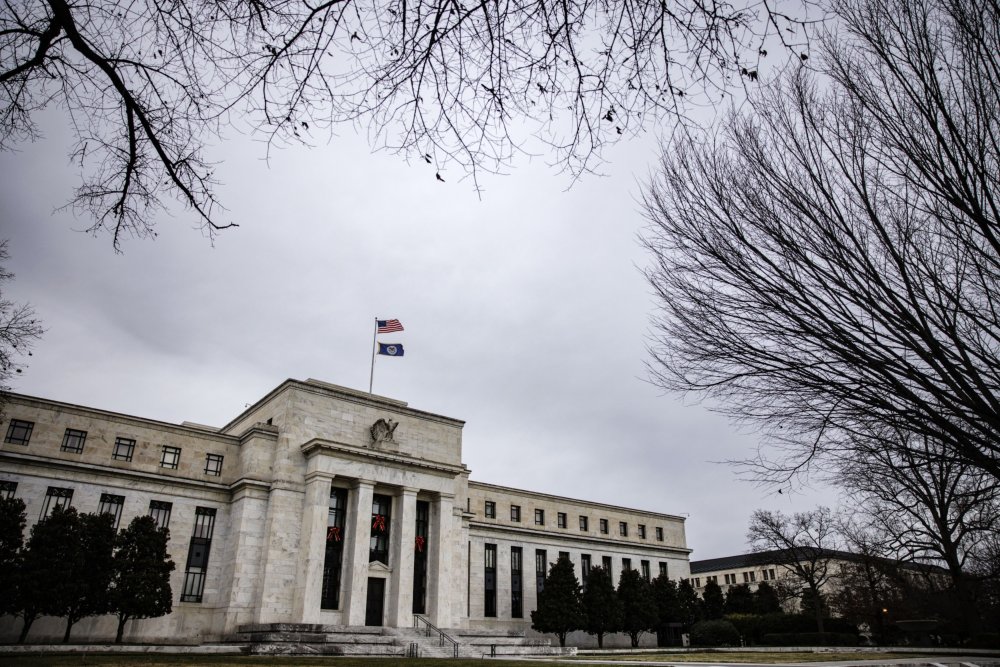
-
Nintendo didn't make preordering the Switch 2 particularly easy—especially with its back and forth decisions in the face of tariffs. But even if you manage to get your hands on a Switch 2 for launch day, be careful, because Nintendo is ready to brick any Switch device you own should you break its rules—and I'm not talking about cheating at Mario Party. Rather, Nintendo is particularly concerned about Switch users who hack their systems, use emulators, or engage in piracy using Nintendo hardware. These players are the targets of the company's newfound bloodlust, and they're not messing around: steal our games, and lose the right to use your console. Stephen Totilo of Game File spotted the new philosophy on Thursday, when Nintendo sent out an email with the subject line: "Updates to Nintendo Account User Agreement and Nintendo Privacy Policy." Totilo counted over 100 edits to the Nintendo Account User Agreement, but the major change was to how the company handles modifications and piracy. The original agreement statement that you weren't allowed to "lease, rent, sublicense, publish, copy, modify, adapt, translate, reverse engineer, decompile or disassemble all or any portion of the Nintendo Account Services," unless you got the OK from Nintendo or the law permitted. Seems reasonable. However, the modified agreement is quite different, and outlines a stark new reality for users who might consider going against Nintendo's wishes: Without limitation, you agree that you may not (a) publish, copy, modify, reverse engineer, lease, rent, decompile, disassemble, distribute, offer for sale, or create derivative works of any portion of the Nintendo Account Services; (b) bypass, modify, decrypt, defeat, tamper with, or otherwise circumvent any of the functions or protections of the Nintendo Account Services, including through the use of any hardware or software that would cause the Nintendo Account Services to operate other than in accordance with its documentation and intended use; (c) obtain, install or use any unauthorized copies of Nintendo Account Services; or (d) exploit the Nintendo Account Services in any manner other than to use them in accordance with the applicable documentation and intended use, in each case, without Nintendo’s written consent or express authorization, or unless otherwise expressly permitted by applicable law. You acknowledge that if you fail to comply with the foregoing restrictions Nintendo may render the Nintendo Account Services and/or the applicable Nintendo device permanently unusable in whole or in part. "Unusable" doesn't necessarily spell out how Nintendo plans to act when they find a player that has broken these rules, but it doesn't bode well for them—or their Switch.It would seem Nintendo has a back-end capability to block Switches from running properly if there's evidence of such misconduct. While harsh, this isn't too surprising. Nintendo certainly hasn't looked the other way when it comes to piracy in the past. The company was more than happy to ban you from online play if they found you playing games illegally, for example—a risk some players took to hack their Switches, even if they weren't trying to steal their games. (Maybe they just wanted to boost the performance of Tears of the Kingdom before Nintendo offered an official solution?) View the full article
-
Learn how to compare websites to gain key insights, identify gaps, and find new opportunities. View the full article
-
Key Takeaways Understanding Consumer Alerts: Yelp’s consumer alerts help users identify potential fake reviews and suspicious activity, enhancing decision-making when choosing local businesses. Benefits for Consumers: These alerts protect consumers by highlighting issues, allowing them to avoid misleading information and make informed choices in finding dependable services. Impact on Businesses: By addressing flagged reviews, businesses can enhance their credibility and transparency, ultimately attracting more customers and fostering community support. Types and Triggers: Yelp employs different alerts for fraudulent reviews, suspicious activities, and business integrity, triggered by patterns in review activity and user behavior. Encouraging Feedback: User engagement with alerts leads to increased community feedback, improving overall review quality and accountability for businesses. Potential Misinterpretation: Alerts can sometimes be misinterpreted, which may harm businesses unfairly; thus, clear communication and varied reviews are essential for a balanced understanding. In today’s digital age, consumer reviews can make or break a business. When it comes to finding trustworthy establishments, Yelp plays a crucial role, and its consumer alerts feature is designed to protect you from misleading practices. With the rise of fake reviews and deceptive marketing tactics, knowing how to navigate these alerts can empower you to make informed decisions. Yelp’s consumer alerts are more than just warnings; they serve as a valuable tool in your quest for authentic experiences. Whether you’re searching for a new restaurant or a reliable service provider, understanding what these alerts mean can save you time and money. Dive in to learn how to leverage Yelp’s consumer alerts and enhance your decision-making process. Overview Of Yelp Consumer Alerts Yelp’s consumer alerts serve a crucial role in protecting both consumers and small businesses. These alerts notify users about potential issues with business reviews, ensuring transparency and accountability. By offering insights into possible fake reviews or inconsistencies, Yelp helps you maintain an informed perspective when evaluating small businesses, retail options, or storefronts. Businesses can also benefit from these alerts. Understanding the alerts can enhance your credibility and build trust with potential customers. If a consumer notices something suspicious, they might investigate further, leading to a more informed decision-making process. Using Yelp effectively enhances visibility and attracts genuine customers to your small business, ultimately fostering community support and loyalty. Importance Of Yelp Consumer Alerts Yelp consumer alerts play a crucial role in ensuring trust and transparency for both consumers and businesses. By actively monitoring and addressing fake reviews and misleading marketing practices, Yelp enhances the overall experience for users searching for local small businesses. Protecting Consumers Yelp consumer alerts act as a protective measure for consumers navigating online reviews. These alerts highlight flagged businesses or suspicious activity, helping you identify potential red flags. By utilizing these alerts, you can avoid misleading information and make informed decisions when choosing restaurants or service providers. This protection ultimately saves time and money, ensuring a positive experience with local small businesses. https://www.youtube.com/watch?v=c5smSSi7FZk Impact On Businesses Yelp consumer alerts not only safeguard consumers but also positively impact small businesses. When flagged for fraudulent reviews, small businesses receive opportunities to address and rectify issues, fostering accountability. This proactive approach enhances credibility and promotes transparency within the retail space. As your business gains trust from consumers, you attract more customers to your storefront and build a loyal community base that values integrity and authentic experiences. How Yelp Consumer Alerts Work Yelp’s consumer alerts enhance user experience while fostering integrity within the marketplace. By addressing the challenges of fake reviews, these alerts guide you toward reliable businesses. Types Of Alerts Yelp employs various types of alerts to protect users, including: Fraudulent Reviews Alerts: These alerts indicate potential fake reviews that may mislead consumers. Suspicious Activity Alerts: These notifications flag unusual patterns, suggesting ongoing manipulation of ratings or reviews. Business Integrity Alerts: These alerts inform users about businesses with multiple flagged reviews, signaling a need for caution. These alerts empower you to identify trustworthy small businesses and retail storefronts while avoiding misleading information. Trigger Mechanisms Yelp’s algorithms activate alerts based on specific trigger mechanisms, such as: Review Patterns: Sudden spikes in review submissions or changes in review content can prompt alerts. User Behavior: Unusual activity, like repetitive reviews from the same user or identical wording across multiple reviews, can trigger alerts. Business Practices: Engaging in practices that violate Yelp’s guidelines, like soliciting fake reviews, leads to alert generation. These mechanisms ensure that you receive timely warnings about businesses, helping you choose reliable options for your needs. Effectiveness Of Yelp Consumer Alerts Yelp consumer alerts significantly enhance transparency and trust within the marketplace. These alerts empower consumers to make informed choices, especially when looking for small businesses with storefronts or retail services. User Engagement User engagement with Yelp consumer alerts promotes active participation in community feedback. When consumers encounter alerts about fraudulent reviews or suspicious activity, they gain insight into businesses’ reputations. Engaged users often leave detailed feedback, helping others navigate their choices. Yelp’s alert system encourages more reviews from users who recognize the importance of authenticity. This proactive approach enhances the overall quality of reviews, leading to well-informed decisions for consumers and better accountability for businesses. Business Responses Small businesses that receive alerts have unique opportunities to address concerns head-on. Responding to Yelp consumer alerts allows businesses to clarify misunderstandings and rectify issues related to reviews. Quick and transparent responses can improve your business’s credibility, fostering trust with potential customers. By actively engaging with reviews or alerts, businesses signal their commitment to integrity. This responsiveness not only mitigates the impact of fraudulent reviews but also builds a loyal customer base that appreciates accountability in an increasingly competitive retail landscape. Challenges And Criticisms Yelp’s consumer alerts, while beneficial, face certain challenges that affect how businesses and consumers perceive them. Misinterpretation Of Alerts Misinterpretation of alerts occurs when consumers misunderstand the intent behind them. Alerts may signal a business’s integrity issues, yet not all flagged businesses engage in fraudulent practices. Some alerts stem from common retail issues, such as high turnover rates or legitimate customer complaints. For small businesses, this misinterpretation can lead to unwarranted damage to their reputation. To mitigate this effect, businesses should actively respond to alerts and clarify any misunderstandings with transparent communication. Over-reliance On Reviews Over-reliance on reviews can skew customer perceptions and decisions. While Yelp’s consumer alerts enhance trust, consumers sometimes depend solely on these alerts without considering their context. This can disproportionately affect small businesses that may have fewer reviews or are less established. Reliance on a handful of reviews or alerts can omit the nuanced realities of a storefront’s service and offerings. Businesses must encourage a diverse range of reviews to foster a more balanced understanding among potential customers. Conclusion Yelp’s consumer alerts are invaluable tools for navigating the complex world of online reviews. By staying informed about potential red flags in business practices you can make choices that protect your interests. These alerts not only safeguard your decisions but also encourage businesses to maintain transparency and integrity. As you engage with Yelp’s features, remember to consider the context of alerts and the importance of diverse reviews. This balanced approach will enhance your understanding and foster a more trustworthy marketplace. Embrace Yelp’s consumer alerts to empower your decision-making and support businesses that prioritize authenticity and accountability. Frequently Asked Questions What are consumer reviews and why are they important? Consumer reviews are feedback provided by customers about their experiences with a business. They are crucial because they help potential customers make informed choices, enhance business credibility, and promote transparency in the marketplace. How does Yelp protect users from fake reviews? Yelp uses consumer alerts to notify users about suspicious activities and fraudulent reviews. These alerts highlight potentially misleading information, allowing users to make safer choices when selecting businesses. What are Yelp’s consumer alerts? Yelp’s consumer alerts are notifications that inform users about concerns regarding a business, such as Fraudulent Reviews Alerts, Suspicious Activity Alerts, and Business Integrity Alerts. They guide users toward trustworthy businesses. How do consumer alerts benefit small businesses? Consumer alerts help small businesses by promoting transparency and accountability. They provide an opportunity for businesses to clarify misunderstandings and improve their reputation, attracting more customers in the process. What triggers Yelp’s consumer alerts? Yelp’s consumer alerts are triggered by patterns in reviews, user behavior, and business practices that violate Yelp’s guidelines. These mechanisms ensure timely warnings about potentially unreliable businesses. How can businesses respond to consumer alerts? Businesses can respond to consumer alerts by addressing concerns raised in the alerts, clarifying any misunderstandings, and encouraging diverse reviews to provide a balanced view to potential customers. What challenges do Yelp’s consumer alerts face? Challenges include the potential for misinterpretation of alerts by consumers, which could negatively impact the reputation of businesses that aren’t actually engaging in fraudulent practices. Over-reliance on reviews may also skew perceptions. How can consumers leverage Yelp’s consumer alerts effectively? Consumers can leverage Yelp’s consumer alerts by paying attention to notifications, researching flagged businesses, and reading a variety of reviews to ensure a well-rounded understanding before making a decision. Image Via Envato This article, "Maximize Trust and Transparency with Yelp Consumer Alerts for Smarter Choices" was first published on Small Business Trends View the full article
-
Key Takeaways Understanding Consumer Alerts: Yelp’s consumer alerts help users identify potential fake reviews and suspicious activity, enhancing decision-making when choosing local businesses. Benefits for Consumers: These alerts protect consumers by highlighting issues, allowing them to avoid misleading information and make informed choices in finding dependable services. Impact on Businesses: By addressing flagged reviews, businesses can enhance their credibility and transparency, ultimately attracting more customers and fostering community support. Types and Triggers: Yelp employs different alerts for fraudulent reviews, suspicious activities, and business integrity, triggered by patterns in review activity and user behavior. Encouraging Feedback: User engagement with alerts leads to increased community feedback, improving overall review quality and accountability for businesses. Potential Misinterpretation: Alerts can sometimes be misinterpreted, which may harm businesses unfairly; thus, clear communication and varied reviews are essential for a balanced understanding. In today’s digital age, consumer reviews can make or break a business. When it comes to finding trustworthy establishments, Yelp plays a crucial role, and its consumer alerts feature is designed to protect you from misleading practices. With the rise of fake reviews and deceptive marketing tactics, knowing how to navigate these alerts can empower you to make informed decisions. Yelp’s consumer alerts are more than just warnings; they serve as a valuable tool in your quest for authentic experiences. Whether you’re searching for a new restaurant or a reliable service provider, understanding what these alerts mean can save you time and money. Dive in to learn how to leverage Yelp’s consumer alerts and enhance your decision-making process. Overview Of Yelp Consumer Alerts Yelp’s consumer alerts serve a crucial role in protecting both consumers and small businesses. These alerts notify users about potential issues with business reviews, ensuring transparency and accountability. By offering insights into possible fake reviews or inconsistencies, Yelp helps you maintain an informed perspective when evaluating small businesses, retail options, or storefronts. Businesses can also benefit from these alerts. Understanding the alerts can enhance your credibility and build trust with potential customers. If a consumer notices something suspicious, they might investigate further, leading to a more informed decision-making process. Using Yelp effectively enhances visibility and attracts genuine customers to your small business, ultimately fostering community support and loyalty. Importance Of Yelp Consumer Alerts Yelp consumer alerts play a crucial role in ensuring trust and transparency for both consumers and businesses. By actively monitoring and addressing fake reviews and misleading marketing practices, Yelp enhances the overall experience for users searching for local small businesses. Protecting Consumers Yelp consumer alerts act as a protective measure for consumers navigating online reviews. These alerts highlight flagged businesses or suspicious activity, helping you identify potential red flags. By utilizing these alerts, you can avoid misleading information and make informed decisions when choosing restaurants or service providers. This protection ultimately saves time and money, ensuring a positive experience with local small businesses. https://www.youtube.com/watch?v=c5smSSi7FZk Impact On Businesses Yelp consumer alerts not only safeguard consumers but also positively impact small businesses. When flagged for fraudulent reviews, small businesses receive opportunities to address and rectify issues, fostering accountability. This proactive approach enhances credibility and promotes transparency within the retail space. As your business gains trust from consumers, you attract more customers to your storefront and build a loyal community base that values integrity and authentic experiences. How Yelp Consumer Alerts Work Yelp’s consumer alerts enhance user experience while fostering integrity within the marketplace. By addressing the challenges of fake reviews, these alerts guide you toward reliable businesses. Types Of Alerts Yelp employs various types of alerts to protect users, including: Fraudulent Reviews Alerts: These alerts indicate potential fake reviews that may mislead consumers. Suspicious Activity Alerts: These notifications flag unusual patterns, suggesting ongoing manipulation of ratings or reviews. Business Integrity Alerts: These alerts inform users about businesses with multiple flagged reviews, signaling a need for caution. These alerts empower you to identify trustworthy small businesses and retail storefronts while avoiding misleading information. Trigger Mechanisms Yelp’s algorithms activate alerts based on specific trigger mechanisms, such as: Review Patterns: Sudden spikes in review submissions or changes in review content can prompt alerts. User Behavior: Unusual activity, like repetitive reviews from the same user or identical wording across multiple reviews, can trigger alerts. Business Practices: Engaging in practices that violate Yelp’s guidelines, like soliciting fake reviews, leads to alert generation. These mechanisms ensure that you receive timely warnings about businesses, helping you choose reliable options for your needs. Effectiveness Of Yelp Consumer Alerts Yelp consumer alerts significantly enhance transparency and trust within the marketplace. These alerts empower consumers to make informed choices, especially when looking for small businesses with storefronts or retail services. User Engagement User engagement with Yelp consumer alerts promotes active participation in community feedback. When consumers encounter alerts about fraudulent reviews or suspicious activity, they gain insight into businesses’ reputations. Engaged users often leave detailed feedback, helping others navigate their choices. Yelp’s alert system encourages more reviews from users who recognize the importance of authenticity. This proactive approach enhances the overall quality of reviews, leading to well-informed decisions for consumers and better accountability for businesses. Business Responses Small businesses that receive alerts have unique opportunities to address concerns head-on. Responding to Yelp consumer alerts allows businesses to clarify misunderstandings and rectify issues related to reviews. Quick and transparent responses can improve your business’s credibility, fostering trust with potential customers. By actively engaging with reviews or alerts, businesses signal their commitment to integrity. This responsiveness not only mitigates the impact of fraudulent reviews but also builds a loyal customer base that appreciates accountability in an increasingly competitive retail landscape. Challenges And Criticisms Yelp’s consumer alerts, while beneficial, face certain challenges that affect how businesses and consumers perceive them. Misinterpretation Of Alerts Misinterpretation of alerts occurs when consumers misunderstand the intent behind them. Alerts may signal a business’s integrity issues, yet not all flagged businesses engage in fraudulent practices. Some alerts stem from common retail issues, such as high turnover rates or legitimate customer complaints. For small businesses, this misinterpretation can lead to unwarranted damage to their reputation. To mitigate this effect, businesses should actively respond to alerts and clarify any misunderstandings with transparent communication. Over-reliance On Reviews Over-reliance on reviews can skew customer perceptions and decisions. While Yelp’s consumer alerts enhance trust, consumers sometimes depend solely on these alerts without considering their context. This can disproportionately affect small businesses that may have fewer reviews or are less established. Reliance on a handful of reviews or alerts can omit the nuanced realities of a storefront’s service and offerings. Businesses must encourage a diverse range of reviews to foster a more balanced understanding among potential customers. Conclusion Yelp’s consumer alerts are invaluable tools for navigating the complex world of online reviews. By staying informed about potential red flags in business practices you can make choices that protect your interests. These alerts not only safeguard your decisions but also encourage businesses to maintain transparency and integrity. As you engage with Yelp’s features, remember to consider the context of alerts and the importance of diverse reviews. This balanced approach will enhance your understanding and foster a more trustworthy marketplace. Embrace Yelp’s consumer alerts to empower your decision-making and support businesses that prioritize authenticity and accountability. Frequently Asked Questions What are consumer reviews and why are they important? Consumer reviews are feedback provided by customers about their experiences with a business. They are crucial because they help potential customers make informed choices, enhance business credibility, and promote transparency in the marketplace. How does Yelp protect users from fake reviews? Yelp uses consumer alerts to notify users about suspicious activities and fraudulent reviews. These alerts highlight potentially misleading information, allowing users to make safer choices when selecting businesses. What are Yelp’s consumer alerts? Yelp’s consumer alerts are notifications that inform users about concerns regarding a business, such as Fraudulent Reviews Alerts, Suspicious Activity Alerts, and Business Integrity Alerts. They guide users toward trustworthy businesses. How do consumer alerts benefit small businesses? Consumer alerts help small businesses by promoting transparency and accountability. They provide an opportunity for businesses to clarify misunderstandings and improve their reputation, attracting more customers in the process. What triggers Yelp’s consumer alerts? Yelp’s consumer alerts are triggered by patterns in reviews, user behavior, and business practices that violate Yelp’s guidelines. These mechanisms ensure timely warnings about potentially unreliable businesses. How can businesses respond to consumer alerts? Businesses can respond to consumer alerts by addressing concerns raised in the alerts, clarifying any misunderstandings, and encouraging diverse reviews to provide a balanced view to potential customers. What challenges do Yelp’s consumer alerts face? Challenges include the potential for misinterpretation of alerts by consumers, which could negatively impact the reputation of businesses that aren’t actually engaging in fraudulent practices. Over-reliance on reviews may also skew perceptions. How can consumers leverage Yelp’s consumer alerts effectively? Consumers can leverage Yelp’s consumer alerts by paying attention to notifications, researching flagged businesses, and reading a variety of reviews to ensure a well-rounded understanding before making a decision. Image Via Envato This article, "Maximize Trust and Transparency with Yelp Consumer Alerts for Smarter Choices" was first published on Small Business Trends View the full article
-
Optimism from investors that deal between Washington and Beijing will de-escalate Donald The President’s trade warView the full article
-
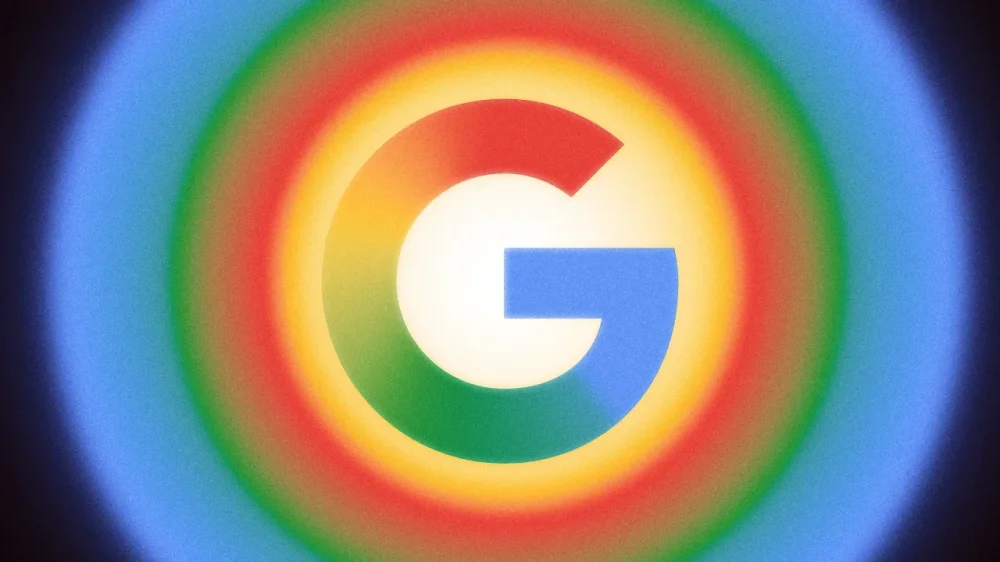
Google’s logo just got a little bit blurrier. In a new logo quietly rolled out across iOS and Pixel, the search giant ditches its color blocked “G” for gradients. Google’s new logo keeps the same letterform, as well as the bright red-yellow-green-blue color sequence, but now those colors blur into each other. The new “G” is Google’s biggest update to its visual identity since retiring serfs for its current sans-serif font, Product Sans, in 2015. Why a gradient? In 2013, Google was among the first tech companies to move from skeuomorphic, dimensional lettering to a flat logo design. It arguably ushered in the “blanding” era—a moment when companies embraced simpler, sans-serif logos. This was both an aesthetic and utilitarian choice: simple, flat design conveyed the sense of efficient functionality that underpins modern technology. It also made it easier for companies to show up across the many screens and media required in the current media landscape. Google’s “G” took this idea even further, reducing the company’s famous wordmark down to a single letter icon in 2015. That first “G” was playful enough with is color blocking. But a decade on, it’s easy to see how it feels representative of a different moment on the internet. A gradient is a safe choice for the new “G.” Tech has long been a fan of using gradients in its logos, apps, and branding, with platforms like Instagram and Apple Music tapping into the effect a decade ago. Still today, gradients remain popular, owing to their middle-ground approach to design. They’re safe but visually interesting; soft but defined. They basically go with anything thanks to their color wheel aesthetic. Other Google-owned products have already embraced gradients. YouTube is now using a new red-to-magenta gradient in its UI, and Gemini, Google’s AI tool, also uses them. Now it’s bringing the design element to its flagship Google app. The change to Google’s logo is so subtle some users might not immediately notice the difference in a small size on their phones, and the effect hasn’t shown up in other applications like Gmail or Google Maps, where it will be more identifiable. Still, it’s not a small change for a behemoth of a company. We’ll never knows how many meetings, iterations, and deliberations went into making that little blur effect, but we can safely guess it was many. View the full article
-
Billy Evans, the partner of Theranos founder Elizabeth Holmes, is currently in the process of raising money for his own startup. It’s a blood-testing company. According to reports from NPR and The New York Times, both of which spoke with anonymous sources close to the venture, 33-year-old Evans has already raised several million dollars for a new “stealth” startup focusing on diagnostics and health testing. Prior to this news, Evans first came into the public eye back in 2018 when he began dating Holmes, who is currently serving out an 11-year federal prison sentence for committing fraud through her infamous blood-testing company Theranos. Over the weekend, Evans’s startup Haemanthus spoke out on X to reassure investors and potential future customers that it’s not “Theranos 2.0.” The company has no apparent contact information, and the direct messages on its X account are closed. Fast Company was unable to reach the company for further comment. Here’s everything we know about the company so far. What is Haemanthus? Based on information provided to NPR, Haemanthus is a diagnostics company that’s planning to build a tool that can scan biological material like blood, sweat, and urine to identify potential diseases. The name “Haemanthus” itself appears to be an allusion to a flower of the same name, colloquially termed the “blood lily.” To many readers, that whole premise might sound strikingly similar to the story behind Theranos, which promised to dole out accurate diagnoses using a single drop of blood, before it ultimately started falling apart. However, Haemanthus took to X this Sunday to clarify that its tech is not an extension of Theranos. The post starts by acknowledging Evans’s relationship with Holmes and adding that “Skepticism is rational,” before categorically denying any connection to Holmes’s failed blood-testing company. “This is not Theranos 2.0,” the post reads. “Theranos attempted to miniaturize existing tests. Our approach is fundamentally different. We use light to read the complete molecular story in biological fluids, seeing patterns current tests can’t detect. Not an improvement. A different paradigm.” What kind of tech is the company developing? Sources told NPR that Haemanthus is currently in the early stages of “using light detection technology that can essentially guide AI sensors to conduct medical tests.” The company is specifically focusing on Raman spectroscopy, a form of chemical analysis that’s been used to diagnose amyotrophic lateral sclerosis (ALS) and some forms of cancer. Based on a notice published in late January, the company has already received a patent for its Raman spectroscopy system. A photo provided to potential investors and obtained by The New York Times reportedly indicates that Haemanthus plans to build a small rectangular device to contain the tech, which will include a door and a digital display screen. Sources told the publication that Haemanthus plans to roll out its tech for veterinary purposes first, before ultimately developing a stamp-size, wearable device for humans. This trajectory was confirmed in part in Haemanthus’s X thread. “We’re starting with veterinary medicine. Not because it’s easier, but because it’s practical and meaningful. It validates our technology, helps animals who can’t describe symptoms, and builds the foundation for human applications,” the post reads. Who is working for the company? Sources told both NPR and The New York Times that the startup currently has between 10 and 12 employees, most of whom worked with Evans previously at the lidar tech company Luminar Technologies. Haemanthus reportedly told investors that it had around two dozen advisers, including veterinarians and diagnosticians, though specific names were not provided. How much money has been raised? So far, The New York Times reported, the company has raised $3.5 million through family and friends and is currently seeking another $15 million from investors in the Austin and Say Francisco Bay areas. Materials reviewed by the publication reportedly suggest that the company has an ultimate goal of raising more than $50 million. Is Elizabeth Holmes involved? In February, Holmes told People magazine that she plans to return to her career in healthcare technology after her release, and that she’s continuing to write patents for new inventions while serving her sentence. And in its exclusive initial coverage of Haemanthus, NPR cited sources who claimed that Holmes has been providing advice to Evans on his new venture from behind bars. On X, however, Haemanthus strongly refuted that claim. “Setting the record straight,” the company wrote. “Elizabeth Holmes has zero involvement in Haemanthus. We’ve learned from her company’s mistakes, but she has no role, now or future. NYT and NPR implied otherwise. We’ve stayed quiet to build real tech, not conceal. Demonstrating, not promising.” View the full article

-
Calling it “inevitable,” Google executives expect Search to lose traffic to Gemini or rival AI answer engine ChatGPT, according to an internal document from October. Why we care. Google generated nearly $200 billion in revenue from Search in 2024. However, Google launched many new AI features and products (e.g., AI Overviews, AI Mode, Gemini) in the past two years that have radically changed search as we’ve known it for more than two decades. Now it’s confirmed that Google executives think it’s “inevitable” that Google will lose search traffic due to AI. ChatGPT’s impact. An internal summary of takeaways from a meeting with top execs – including Liz Reid, Vidhya Srinivasan, and Nick Fox – included this key point from Fox: “We have 3 options: (1) Search doesn’t erode, (2) we lose Search traffic to Gemini, (3) we lose Search traffic to ChatGPT. (1) is preferred but the worst case is (3) so we should support (2)” ‘Writing is on the wall.’ Although Google wasn’t losing any Search or Ad traffic at this time, Srinivasan felt that it was an inevitability, so Google should “prepare for Gemini’s success.” She apparently used the phrase “writing is on the wall” about Search losing traffic to Gemini. Srinivasan wanted to “accelerate monetizing Gemini with Ads ASAP.” (Sure enough, during Alphabet’s Q1 earnigns call, we heard about the potential of Gemini as an ad platform.) Srinivasan and others discussed the creation of a “connected strategy” for “when Gemini should kick back to Search” and building out “Shopping solutions.” The document. Google document: Notes_follow-ups on 25-Oct Ads Stats (Oct. 25, 2024) View the full article
-
Artificial intelligence might be the future of the workplace, but companies that are trying to get a head start on that future are running into all sorts of problems. Klarna and Duloingo have been some of the poster children for the “AI-first” workplace. Two years ago, Klarna CEO Sebastian Siemiatkowski announced he wanted his company to be the “favorite guinea pig” of OpenAI, instituting a hiring freeze and replacing as many workers as possible with AI systems. Last month, Duolingo announced an AI-first shift, saying it would stop using contractors to do work AI can handle and only increase headcount when teams have maximized all possible automation. Klarna, though, is reversing course these days. And Duolingo is finding itself under attack on social media for its decision. Klarna CEO Siemiatkowski tells Bloomberg the fintech company is about to go on a hiring spree, in order to ensure customers will always have the option to speak to a live representative. The company did not say how many people it plans to add, but Siemiatkowski indicated Klarna would look at students and rural areas to boost its workforce. It’s an admission by the company that it might have been too ambitious with its AI goals. Last year, Klarna, in an announcement, said AI was doing the work of 700 customer service agents. Now, it’s once again focusing on human connections. “As cost unfortunately seems to have been a too predominant evaluation factor when organizing this, what you end up having is lower quality,” Siemiatkowski said. “Really investing in the quality of the human support is the way of the future for us.” Duolingo’s AI-first push is much newer, and there have been no policy reversals on its part as yet. But the company is facing a tsunami of pushback from the general public on social media after announcing the move, particularly on TikTok. The top comments on virtually every recent post have nothing to do with the video or the company – and everything to do with the company’s embrace of AI. For example, a Duolingo TikTok video jumping on board the “Mama may I have a cookie” trend saw replies like “mama may I have real people running the company 💔” (with 69,000 likes) and, “How about NO ai, keep your employees.” Another video that tied into the How to Train Your Dragon character Hiccup brought comments like “Was firing all your employees and replacing them with AI also a hiccup?” Other comments are more serious: “Using AI is disgusting,” wrote one user. “Language learning should be pioneered by PEOPLE. By making this decision duolingo is actively harming the environment, their customers, and employees when it hurts the most.” Another wrote, “What kind of audience do you think you’ve built that it’s okay to go ‘AI first’. we don’t want AI, we want real people doing good work. Goodbye Duo, if this is the way you’re going you wont be missed.” Others claimed to have deleted the app: “Deleted Duolingo last week. A 650+ day streak never felt so meaningless once I saw the news.” Companies, in general, remain excited about the potential cost savings of AI, sometimes for good reason. Duolingo’s stock is at an all time high and the company recently raised its sales forecast for 2025. A study by the World Economic Forum (WEF) found that 40% of employers expect to reduce their workforce and hand over automated tasks to the technology. As bullish as executives might be, however, that excitement has not made its way into the consumer space. Almost half of the Generation Z job hunters told the WEF they believed AI has reduced the value of their college education. And researchers at Harvard University say the technology is still threatening to people. “From early on in life humans strive to manage their surroundings to achieve their goals. So they’re naturally reluctant to adopt innovations that seem to reduce their control over a situation,” wrote Julian De Freitas, an assistant professor in the marketing unit at Harvard Business School. “The possibility that AI tools might completely take over tasks previously handled by humans, rather than just assist with them, stirs up deep concerns and worries.” View the full article

-
We may earn a commission from links on this page. With dietary differences and grocery budgeting, eggless dessert recipes are more sought after than they used to be. Of course, eggs play an important role in the structure of your batter, so you can’t just leave it out. (Well, sometimes you can.) You’re better off knowing what sorts of egg replacements you can use for different types of baking. Here’s a list of the best egg replacement you can lean on during lean times. By the way, if you find yourself modifying recipes a lot, I highly suggest you buy The Elements of Baking. It can give you the tools (and ratios) you need to modify almost any recipe for different diets; you can read my full review of the cookbook here. What do eggs do in baking, anyway?Eggs are an emulsifier, and they provide moisture, structure, color, and aeration to baked goods. One single egg can do all this, so finding a replacement can be tall order. The following ingredients have a range of capabilities—offering all of those egg features above, or maybe just one or two. But a replacement doesn’t really have to do it all. Depending on what you’re making, sometimes moisture or aeration is all you need. AquafabaDespite its humble beginnings as the liquid byproduct of your canned chickpeas, aquafaba is an effective egg replacement. It works well for binding in cookies and cakes due to its starch content, adding moisture due to its water content, and can even be whipped to leaven cakes or suffice as a suitable meringue replacement (featuring a delightful nutty note). Use three tablespoons of aquafaba per every whole egg being replaced. Oh, and freeze any extra aquafaba that you didn't use for next time. BananasBananas do a top-notch job at providing moisture and structure to baked goods. Yes, they’ll provide a lovely banana flavor, but more importantly when replacing eggs, they deliver a springy hydration to cakes and cookies. Keep in mind that the moisture is unflagging, kind of like adding pumpkin puree to a recipe—you’ll never get a crisp cookie if you use bananas. Use a scant quarter-cup of mashed banana for each whole egg in a recipe. Tapioca and baking powder and other powdered blendsInstead of relying on a single ingredient to try and replicate the many functions of eggs, why not target its attributes with a blend of ingredients? There may be packaged store bought mixtures readily available in the baking aisle you can grab. I’ve used Bob’s Red Mill Gluten Free Egg Replacer in cakes with great success. It’s made of potato starch, tapioca flour, baking soda, and psyllium husk to duplicate the leavening and binding of an egg. You can also make your own simplified blend with tapioca flour and baking powder. Stir together one tablespoon of tapioca flour with one tablespoon of water and add a quarter-teaspoon of baking powder before adding it to your recipe. The starches absorb the moisture in the batter (of which you added a bit extra to account for this), they gelatinize and bind the batter upon heating in the oven (no need to pre-cook the mixture to activate them), and the baking powder provides that subtle bit of lift like an egg would. SodaThat’s right. Fanta. Diet Coke. Root beer. Good old fashioned cola. With the help of a carbonated drink, you can add hydration and noticeable lift to your boxed cake mix without the eggs. You probably caught that—boxed cake mix. While I wouldn’t suggest using sodas as the sole ingredient for replacing eggs in cookies, cakes, or brownies you’re making from scratch, they make a surprisingly effective replacement in boxed cake mixes. Sour cream egg washWhile sour cream is delicious in cake batter or cookie dough, I’m pivoting slightly from replacing eggs in doughs, to replacing eggs on doughs. When you can’t spare an extra egg to make an egg wash for your pies, tarts, and biscuits, grab a tub of sour cream. Despite my predictions during testing, this fermented dairy product produces excellent browning and shine, even better than a regular egg wash. View the full article
-
The newly released Dotdigital Global Benchmark Report 2025 reveals a surprising trend: email volumes rose 23.9% year-over-year, and engagement metrics improved alongside them. Click-through rates doubled. Click-to-open rates jumped by 50%. Unsubscribes remained low at just 0.13%. The report analyzes billions of cross-channel interactions across industries, offering marketing teams rare insight into how leading brands are outperforming. With smarter segmentation, deeper personalization, and multi-channel orchestration, the data suggests that more can indeed mean better—when it’s done right. Why It Matters For digital marketers, ops leads, and marketing directors under pressure to prove ROI, these benchmarks offer both a performance yardstick and a strategic lens. Whether optimizing campaigns or advocating for budget, the report provides critical data to support smarter decisions. Download the Global Benchmark Report here. View the full article
-
The allegations against New York's attorney general involve transactions that occurred over decades, but James called the charges political retaliation. View the full article

-
A 90-day pause on reciprocal tariffs between the U.S. and China boosted the near-term economic outlook for banks, but tensions and uncertainty around trade barriers remain high. View the full article

-
Google is facing a potential €2.97 billion ($3.3 billion) antitrust lawsuit in Italy, accusing the tech giant of stifling competition through anticompetitive practices. The lawsuit, filed by Moltiply Group, claims Google used its dominance in the search engine market to undermine the growth of its rival price comparison platform, Trovaprezzi.it, operated by Moltiply subsidiary 7Pixel. Key allegations. Moltiply argues that between 2010 and 2017, Google prioritized its own Google Shopping service over competitors, suppressing other comparison websites’ visibility. The lawsuit leans on a significant 2017 ruling by the European Court of Justice, which fined Google $2.7 billion (€2.42 billion) for similar practices, a ruling that was upheld by an EU court in 2024. Google’s defense. In response, Google has strongly contested the lawsuit, arguing that the changes made following the 2017 ruling have been effective and are in line with European regulatory expectations. A Google spokesperson said they “disagree strongly with these exorbitant private damages claims,” emphasizing the success of the comparison shopping industry since the changes were implemented. The bigger picture. This lawsuit (subscription required) comes amid heightened scrutiny on Google’s market behavior in Europe, where regulators have taken a firm stance against monopolistic practices. The case could add fuel to ongoing debates about the power of Big Tech and the need for stricter antitrust enforcement across the globe. While this particular lawsuit focuses on Google’s handling of price comparison services, it aligns with broader concerns about the tech giant’s influence across various industries. Texas lawsuit. In another legal development, Google agreed to pay nearly $1.4 billion to Texas to settle allegations surrounding data privacy violations, marking a significant settlement over concerns about user data tracking and privacy infringements. This settlement, while unrelated, underscores the increasing legal challenges the tech giant faces on multiple fronts. Why we care. These lawsuits highlight growing regulatory scrutiny on how Google operates its platforms – especially around product visibility and user data. If courts force changes to how Google ranks shopping results or uses consumer data, it could significantly impact ad performance, targeting precision, and cost efficiency. These legal challenges may also signal broader shifts in the digital advertising landscape, where transparency and fairness are becoming regulatory priorities. View the full article
-
Coming across a light website in dark mode feel like shining a light bulb directly into your eyes. Noir is an extension for Safari that automatically adds a dark mode to websites that are otherwise bright. Modern operating systems, including Apple devices, offer some kind of system wide dark mode that puts light text on dark backgrounds instead of the more-traditional black-on-white. Basically all applications respect the system wide setting at this point, but many websites do not. Noir helps by modifying websites you browse so that they offer light text on a dark background, effectively forcing them to support dark mode. I've been testing it for a few days and it works really well, even on web applications like Google Docs. Noir is tied to your system settings by default. This means it only applies dark mode to websites when your device is set to dark mode, which is ideal if you switch between the the two regularly, or if your device automatically switches to dark mode. To get started, you need to purchase and install the application—it costs $2.99 for iOS and $3.99 for Mac (it's a one-time purchase—there's no subscription). The application guides you through opening the settings in Safari and enabling the extension on all websites, which is necessary in order for it to function. After that, when dark mode is enabled, you'll get dark versions of all websites you visit. For the most part, you can just stop thinking about the application at this point—it will just do its thing in the background. If you want to configure things a little, or if a particular website isn't working well with the change, you can click the Noir icon to change the settings. You can decide whether to disable the extension for the current site. You can also choose a custom theme for the current site. There are four themes offered—Black, the darkest of the four; Dark, the default; Gray, a lighter option with less contract; and Sepia, the lightest theme offered. Credit: Justin Pot It's nice to have a few options, particularly if the default doesn't look great on a particular site. And you can change a few system-wide options by opening the application itself. You can choose any of the four themes as the default, which is nice if you end up preferring one of them. Credit: Justin Pot There's also support for keyboard shortcuts, if you're using a Mac, allowing you to enable and disable the dark theme for the website you're looking at right now or even toggle between themes. It's a simple application, granted, but it delivers on what it promises. It's easily worth a few bucks if you're a dedicated dark mode user who can't stand bright websites. View the full article
-
Despite a strong start to the year, traffic at U.S. quick service restaurants (QSR), which has been steadily declining month by month, was down 1.7% year-over-year compared to last April, signaling growing consumer caution or shifts in dining behaviors, according to Revenue Management Solutions (RMS), a company that analyzes data and provides insights about the restaurant industry. At the same time, RMS found on average, fast food prices increased in April by +2.0% year-over-year, steady with inflation trends. In case you’re not familiar with restaurant industry lingo, a quick service restaurant (QSR) describes establishments that prioritize speed and convenience, sometimes used interchangeably with the term “fast food”—which brings to mind McDonald’s, Wendy’s, and Burger King, but also includes a wider variety of restaurant chains such as Dunkin’ Donuts, Chipotle, Domino’s, and Boston Market. Many fast food and fast casual chains are seeing slower growth and declining sales fueled by high prices, inflation, and fears that President The President’s tariffs will cause a recession, which have prompted fewer Americans to eat out. For example, for the first quarter of 2025, Chipotle not only missed revenue estimates but said same-store sales dropped for the first time since 2020. And McDonald’s, which reported earnings on May 1, said sales dropped in the beginning of the year, marking its second consecutive quarter of declines. The chain’s same-store sales dropped 3.6% in the U.S.— the worst drop since 2020 during the COVID-19 pandemic, according to CNN. RMS’s Q1 consumer survey also found 40% of American diners said they’re spending less of their disposable income on restaurants, with 1 in 4 U.S. consumers reporting instead that they’re shopping at grocery stores, citing better value. As Fast Company previously reported, rising menu prices in 2024 at McDonald’s, Taco Bell, Wendy’s, KFC, and other fast food chains caused a consumer backlash as price-conscious customers decided the food wasn’t worth the cost. This lead to sales declines and the closure of some underperforming chain locations, including for Wendy’s and Shake Shack. A closer look at RMS’s April numbers, which compare fast food performance trends YOY (April 2025 to April 2024), shows that while average prices increase 2.0% YOY, net sales also increased 0.5% YOY, with the average check price rising 2.1% YOY. Broken down by meal time, the numbers show breakfast traffic decreased the most by some -9.1% YOY, and lunch was down 3.1% compared to April of 2024, but customers for dinner were up 1.2% YOY, highlighting that Americans were still going out for dinner. View the full article

-
April was a mixed bag for title companies, executives said on earnings calls, but some are expecting a stronger market the rest of the year. View the full article

-
Secret meeting in IMF basement paved way for tariff deal seen on both sides as a victoryView the full article
-
Google has released a detailed Q&A for advertisers to clarify how its new AI Max tool works, addressing key questions around performance, control, and automation in search advertising. With the rollout of AI Max, a suite of ad tools powered by generative AI and search intelligence, the company is pitching it as the future of automated, performance-driven search advertising. What it does AI Max uses Google AI to: Match your ads with more relevant searches – even ones you aren’t bidding on. Customize ad copy dynamically based on user intent. Send users to your most relevant landing pages automatically. Questions asked by advertisers, answered by Google Who should use AI Max? Advertisers running Search campaigns and haven’t switched fully to Performance Max. Should you turn on all three functionalities? Not necessarily, but best performance is promised with all three toggles turned on. How does A/B testing work with AI Max? You can compare campaigns with and without AI Max features using drafts and experiments. How does AI Max prevent wasted spend? AI Max uses real-time signals to expand to traffic expected to perform based on your goals. What impacts the creation of AI-generated assets? AI Max pulls from your existing ads, website content, and landing pages. Will AI Max replace keyword targeting? Not entirely. Instead of replacing keywords, it expands and complements them. What is keywordless technology? It’s Google’s way of using context and intent, rather than explicit keywords, to match your ads to relevant queries. Why we care. Google has attempted to clarify what control and visibility you retain when using Google’s most advanced automation tools. These answers address key concerns like wasted spend, creative control, and keyword relevance, helping you make informed decisions about adopting AI Max for better performance without sacrificing brand safety. View the full article
-
We may earn a commission from links on this page. Deal pricing and availability subject to change after time of publication. Most of Beats by Dr. Dre's lineup of headphones and earbuds are on sale right now. The brand has been slow to release new products since the acquisition by Apple back in 2014, but the good news is that even its newest product (the Beats Powerbeats Pro 2) are included in the sale. At the moment, you can get the Beats Studio Pro, Beats Solo 4, Beats Studio Buds, Beats Powerbeats Pro 2, and the Beats Studio Buds+ for up to 51% off. Most of these options are at or matching their lowest prices ever, according to price-tracking tools. Beats Studio Pros are 51% off Beats Studio Pro Wireless Bluetooth Noise Cancelling Headphones - Personalized Spatial Audio, USB-C Lossless Audio. $169.95 at Amazon /images/amazon-prime.svg $349.99 Save $180.04 Get Deal Get Deal $169.95 at Amazon /images/amazon-prime.svg $349.99 Save $180.04 You can get the Beats Studio Pro for $169.95 (originally $349.99) after a $180 discount. This is the second-lowest price it has ever been, according to price-checking tools. The Studio Pros have been around since the summer of 2023 and are the brand's most high-end headphones, offering active noise canceling (ANC), spatial audio with head tracking, hands-free Siri access, one-touch pairing on iOS and Android devices, and a transparency mode. You can also get the Kim Kardashian version (the only difference is the color) for the same price. You can read more about them from PCMag's review. Beats Fit Pros are $30 off Beats Fit Pro Sweat Resistant Earphones, Compatible with Apple & Android, Class 1 Bluetooth®, Built-in Microphone. $169.95 at Amazon /images/amazon-prime.svg $199.95 Save $30.00 Get Deal Get Deal $169.95 at Amazon /images/amazon-prime.svg $199.95 Save $30.00 The Beats Fit Pro can be a great alternative for Apple users who don't like Airpods since they have Apple's H1 Headphone Chip and have one-touch pairing with iOS devices. Right now, they're on sale for $169.95 (originally $199.95)—not the best discount, historically speaking, but better than nothing. Android users can also take advantage of some features that many Apple users enjoy (as long as you download the Beats app), like the ear fit test, listening mode controls, and firmware updates. You just won't have support for Spatial Audio with head tracking, hands-free Siri, Find My compatibility, audio sharing, and automatic switching between paired sound sources, according to PCMag. Beats Studio Buds are 47% off Beats Studio Buds True Wireless Noise Cancelling Earbuds - Compatible with Apple & Android, Built-in Microphone, IPX4. $99.95 at Amazon $149.95 Save $50.00 Get Deal Get Deal $99.95 at Amazon $149.95 Save $50.00 Beats Studio Buds are on sale for $99.95 (originally $149.95), the second-lowest price they have been. Like the Fit Pros, the Studio Buds have ANC, Spatial Audio on certain Apple Music tracks, and one-touch pairing for both iOS and Android devices. You can read more about them in PCMag's review. Beats Studio Buds + are $40 off Beats Studio Buds + True Wireless Noise Cancelling Earbuds, Enhanced Apple & Android Compatibility, Built-in Microphone. $99.95 at Amazon /images/amazon-prime.svg $169.95 Save $70.00 Get Deal Get Deal $99.95 at Amazon /images/amazon-prime.svg $169.95 Save $70.00 The Beats Studio Buds + are very similar to the Beats Studio Buds, but there are some differences. The Studio Buds + have an extra small ear tip size, an extra hour of battery life (total of nine hours), 12 more hours from the charging case (total of 36 hours), and perhaps more importantly, they have better ANC and better features for Android users, which you can read more about on PCMag's review. You can get them for $99.95 (originally $169.95), matching the lowest price they have ever been, according to price-tracking tools. Beats Solo 4 are 50% off Beats Solo 4 Wireless Bluetooth On-Ear Headphones, Apple & Android Compatible, Up to 50 Hours of Battery Life. $99.95 at Amazon /images/amazon-prime.svg $199.95 Save $100.00 Get Deal Get Deal $99.95 at Amazon /images/amazon-prime.svg $199.95 Save $100.00 The Beats Solo 4 are the latest headphones from Beats; they came out last summer and are 50% off. You can get them for $99.99 (originally $199.95), the lowest price they have ever been, according to price-tracking tools. They have the ability to talk to Siri without using your hands and have personalized spatial audio to your ear shape, giving you "3D audio" that follows the movement of your iPhone (as long as that media supports spatial audio), as well as 50 hours of run time. You can read more about them in PCMag's review. The Beats Powerbeats Pro 2 are $50 off Beats Powerbeats Pro 2 Noise Cancelling, Heart Rate Monitor, IPX4, Up to 45H Battery & Charging Case, Apple & Android. $199.95 at Amazon /images/amazon-prime.svg $249.99 Save $50.04 Get Deal Get Deal $199.95 at Amazon /images/amazon-prime.svg $249.99 Save $50.04 The Beats Powerbeats Pro 2 are the newest earbuds from Beats, and the second generation of the original Powerbeats Pro. Although they're only $20 apart in price, don't let that fool you. This new iteration offers a lot more in quality than the original ones, which you can read more about in Senior Health Editor Beth Skwarecki's review. While your attention might go to its new heart-rate monitoring feature, it's actually a flop. However, they're still great workout earbuds with better flexible and durable ear hooks, ANC, audio quality, battery, case, and the newer H2 chip which you also see in the AirPods Pro 2. View the full article
-
Shares of many companies that source at least some of their goods from China are surging on Monday as U.S. and Chinese officials announced that they had reached a deal to roll back most of their recent tariffs and called a 90-day truce in their trade war to allow for more talks on resolving their trade disputes. U.S. Trade Representative Jamieson Greer said the U.S. agreed to drop its 145% tariff rate on Chinese goods by 115 percentage points to 30%, while China agreed to lower its rate on U.S. goods by the same amount to 10%. There’s still big challenges remaining in the negotiations between China and the United States, but the mood nevertheless was ebullient across Wall Street on Monday, and gains were widespread. Here’s a look at some of the sectors impacted by the U.S.-China tariff announcement. Footwear and athletic gear Many of these companies have some of their production in China and elsewhere in Asia. About 97% of the clothes and shoes purchased in the U.S. are imported, predominantly from Asia, the American Apparel & Footwear Association said last month, citing its most recent data. Nike, up 6.7% Foot Locker, up 10.1% Dick’s Sporting Goods, up 11.4% Under Armour, up 6.9% Apparel companies Similar to footwear companies, many clothing companies make at least some of their items in China and other parts of Asia. In March companies like Abercrombie & Fitch began to caution about their full-year sales potential as American shoppers began to pull back on their spending. Lululemon Athletica, up 7.7% Gap, up 7.7% Ralph Lauren, up 5.2% Abercrombie & Fitch, up 5.8% Retail Retailers that sell a variety of goods are feeling some market relief because the announced trade deal means these companies won’t have to pass on high costs caused by tariffs to their own customers. Before the agreement was announced, many consumers were fearful of the potential additional costs. Amazon even came out and said that it was not planning to display added tariff costs next to product prices on its site. And Target cautioned in March that there would be “meaningful pressure” on its profits to start the year because of tariffs on Mexico, Canada and China and other costs. Best Buy, up 5.7% Amazon, up 7.2% Target, up 2.9% Travel companies Shares of travel companies are climbing on hopes that lower tariffs will encourage more customers to fly and feel comfortable enough to spend on trips. Prior to the U.S.-China tariff announcement, major U.S. airlines were reducing their flight schedules and revising or withdrawing their profit outlooks for the year due to less domestic travel demand as sentiment about the national and global economies soured. Carnival, up 8.3% Norwegian Cruise Line, up 6.6% Royal Caribbean Cruises, up 3.4% American Airlines Group, up 5.4% Delta Air Lines, up 6% —Michelle Chapman, AP business writer View the full article

-
Clickstream data opens up a world of possibilities when it comes to understanding and outpacing your competitors. In this article, we explore what Clickstream data is, how Semrush uses it, and what insights it can offer to help you improve your marketing strategy. View the full article
-
Artificial intelligence search start-up backed by Accel in $500mn roundView the full article
-
Thousands of passengers affected as several train lines were delayed or suspended on Monday afternoonView the full article