ResidentialBusiness
Administrators
-
Joined
-
Last visited
Everything posted by ResidentialBusiness
-
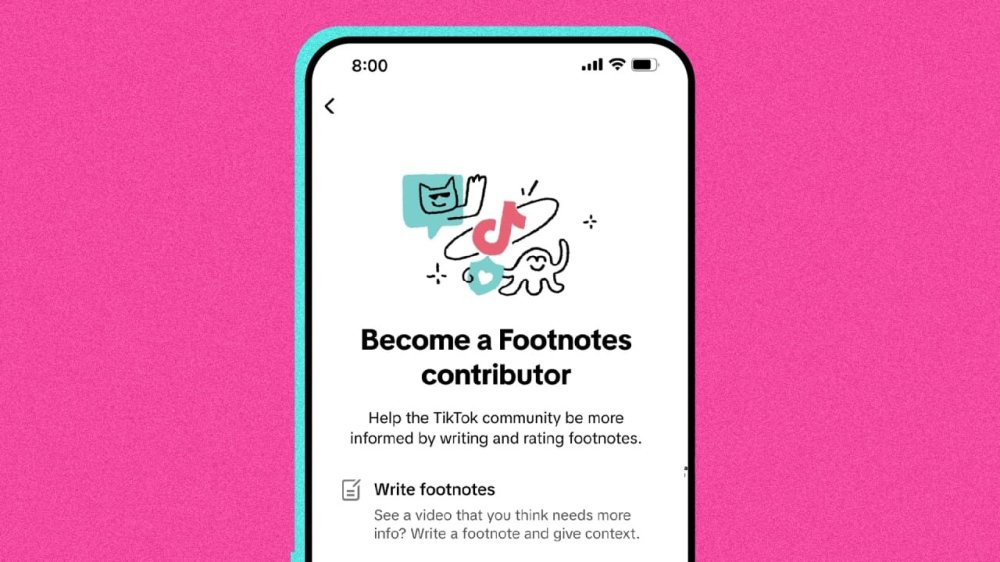
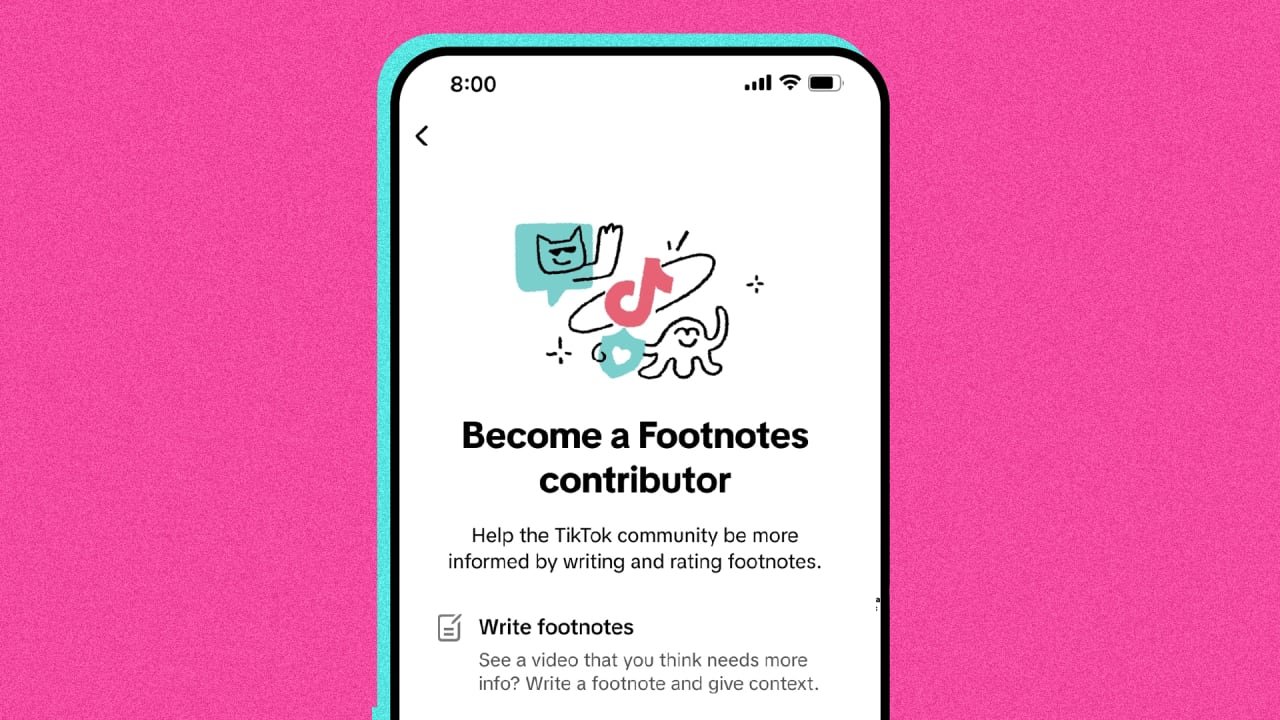
 TikTok Footnotes lets users add fact-checking context to videos. This move is part of a broader shift in social media content moderation. The post TikTok Launches Footnotes: Its Answer To X’s Community Notes appeared first on Search Engine Journal. View the full article
 -
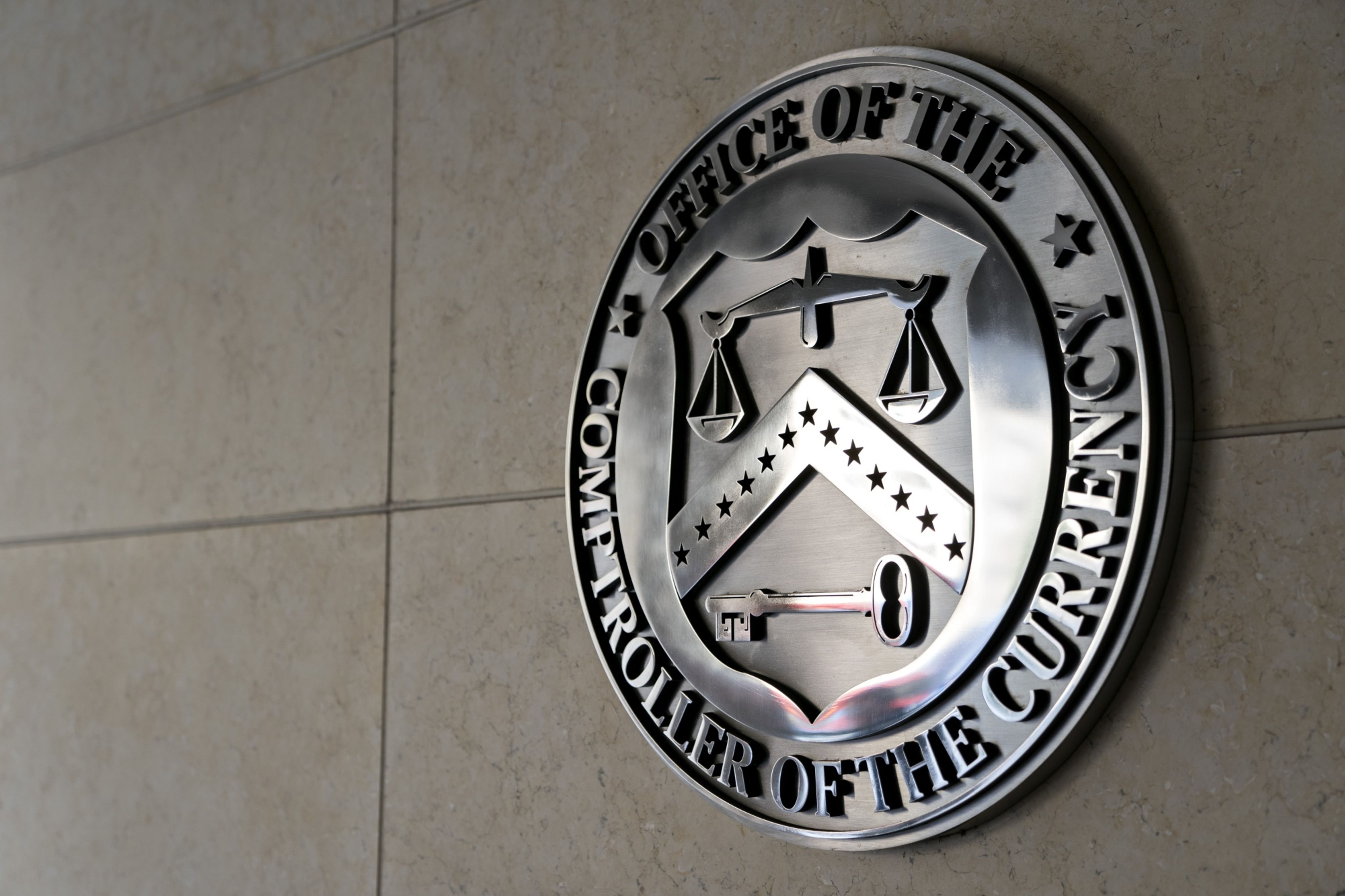
In internal shakeup, the Office of the Comptroller of the Currency will unify supervision divisions, revive the Chief National Bank Examiner office, and elevate IT oversight as part of a broader streamlining push. View the full article

-
Key Takeaways Boost Sales and Loyalty: Small business gift cards serve as an effective tool for increasing revenue and enhancing customer loyalty through repeat visits.Different Types Available: Choose between digital and physical gift cards to cater to varying customer preferences, each type offering unique advantages.Immediate Cash Flow: Selling gift cards generates instant revenue, assisting in cash flow management for small businesses.Marketing Opportunities: Utilize online promotions, email marketing, and in-store displays to effectively promote gift cards and attract new customers.Personalization Enhances Appeal: Customizable gift card designs and messages make them more thoughtful gifts, appealing to customers seeking unique options.Support Local Community: Highlighting gift card options showcases a commitment to supporting local efforts, attracting community-oriented customers. In today’s fast-paced world, small business gift cards have become a powerful tool for boosting sales and enhancing customer loyalty. They offer a convenient way for customers to support their favorite local shops while giving friends and family the perfect gift. With the holiday season and special occasions around the corner, now’s the time to explore how gift cards can elevate your business. Gift cards not only drive immediate revenue but also encourage repeat visits. When customers redeem their cards, they often spend more than the card’s value, creating an opportunity for you to showcase your products or services. By implementing a gift card program, you can tap into new customer bases and strengthen your community ties, making it a win-win for everyone involved. Overview Of Small Business Gift Cards Small business gift cards serve as an effective marketing tool, enabling you to boost sales and engage customers. They offer a versatile gifting option, benefiting both your retail operations and the customers who support your storefront. Definition And Purpose Small business gift cards are prepaid cards that customers can purchase and redeem at your store. Their primary purpose is to provide a convenient gifting solution for occasions such as birthdays, holidays, and special events. Gift cards encourage customers to explore your offerings, helping increase foot traffic and enhance overall sales. Benefits For Small Businesses Immediate Revenue: Gift cards generate instant cash flow when sold, aiding in cash management. Increased Customer Loyalty: Customers who receive gift cards often become repeat buyers, creating lasting relationships. Higher Transaction Values: Gift card users frequently spend beyond the card’s value, benefiting your bottom line. Attracting New Customers: You can reach new clientele as current customers gift cards to friends and family. Community Support: Promoting your gift cards strengthens ties within the local community, showcasing your commitment to supporting local efforts. Incorporating small business gift cards into your marketing strategy enhances customer engagement while driving sustainable growth for your storefront. Types Of Small Business Gift Cards Small business gift cards come in various forms, each offering unique advantages for both customers and retailers. Understanding these types can help you choose the best fit for your business strategy. Digital Vs. Physical Gift Cards Digital gift cards offer convenience for customers seeking instant gifting options. They can be purchased and sent online, making them ideal for last-minute shoppers. You can easily integrate them into your e-commerce platform, expanding your reach beyond your storefront. Physical gift cards, on the other hand, add a tangible element that many customers appreciate. They can be available at your retail location for on-the-spot purchases, providing a classic gift option that allows shoppers to support your business while promoting foot traffic to your store. Customization Options Customization options enhance the appeal of gift cards. You can personalize physical gift cards with seasonal designs or brand colors, aligning with your business identity. For digital cards, consider offering customizable messages, enabling customers to tailor their gifts for specific occasions. Adding value can further increase attractiveness; for instance, you could provide bonus amounts when customers purchase gift cards above a certain value. These strategies promote your brand while offering customers a thoughtful gifting solution, ultimately benefiting your small business. How To Implement Small Business Gift Cards Implementing a gift card program enhances your retail strategy and provides customers with convenient gifting options. This process involves a few key steps, ensuring that you maximize the potential benefits for your storefront. Setting Up A Gift Card Program Choose a Gift Card Type: Select between digital and physical gift cards. Digital cards suit online sales, while physical cards attract foot traffic to your storefront. Select a Platform: Use an established service provider to facilitate gift card transactions. Many platforms integrate with existing POS systems, streamlining sales and redemptions. Determine Pricing and Load Options: Set fixed amounts for gift cards or allow customers to choose their values, enhancing flexibility and appeal. Consider adding bonuses for higher-value purchases to encourage larger sales. Design the Cards: Create eye-catching designs that reflect your brand identity. Incorporate customizable messages to elevate the personal touch, making the gift cards suitable for various occasions. Train Your Staff: Ensure all employees understand how the gift card program works. Training includes processing sales, redeeming cards, and addressing customer inquiries. Marketing Your Gift Cards Promote Online: Share your gift card offerings on your website and social media platforms. Use engaging visuals and messages to highlight their benefits during special occasions. Utilize Email Marketing: Send targeted emails to your customer list. Inform recipients about gift card availability, special promotions, and seasonal campaigns, ensuring timely reminders during peak gifting seasons. In-Store Promotion: Display gift cards prominently within your storefront. Use signs, displays, or bundles with related products to encourage shoppers to purchase gift cards while browsing. Leverage Community Connections: Partner with other local businesses to cross-promote gift cards. Collaborative marketing can attract new clientele and reinforce community ties. Offer Limited-Time Promotions: Create urgency by introducing limited-time offers. Discounts or bonus amounts on gift cards encourage customers to act quickly, increasing sales during high-shopping periods. Implementing a gift card program effectively positions your small business to enhance customer experiences while driving revenue growth. Customer Perspective On Gift Cards Customers value gift cards for their convenience and flexibility. Gift cards serve as a practical option for gifting, especially during holidays and special occasions, allowing recipients to choose what they want while supporting local small businesses. Reasons Customers Choose Gift Cards Convenience: Customers appreciate the simplicity of purchasing gift cards. Whether buying in-store or online, gift cards offer an easy solution for those pressed for time. Personalization: Customers can select specific denominations, tailoring gift cards to fit budgets and preferences. Customizable designs add a unique touch, making them more thoughtful gifts. Variety: Gift cards allow recipients to explore various offerings at your small business, from apparel to decor, enticing them to visit your storefront. No Impulse Buying Pressure: Gift cards eliminate the pressure to choose items on the spot, giving recipients the freedom to think through their purchases. Trends In Gift Card Usage Digital Surge: With the rise of e-commerce, digital gift cards have become increasingly popular. Many customers prefer immediate delivery, especially for last-minute gifts, making them a staple for online retail. Higher Transaction Values: Research indicates that customers often spend more than the value of the gift card, boosting average transaction amounts when they visit your small business. Increased Gifting Occasions: Gift cards are gaining traction not just during holidays but also for milestones like birthdays, graduations, and thank-you gifts, creating more frequent customer interactions with your business. Community Support: Customers are inclined to purchase gift cards from local storefronts, viewing them as a way to contribute to their community. This trend highlights the importance of positioning your small business as an integral part of the local economy. Conclusion Embracing small business gift cards can be a game-changer for your enterprise. They not only drive immediate revenue but also create lasting relationships with your customers. By offering a versatile gifting solution you enhance customer experiences and encourage repeat visits. Implementing a thoughtful gift card program allows you to tap into new markets while reinforcing your community ties. Whether you choose digital or physical cards the right strategy can elevate your brand and boost sales. As you consider your marketing efforts think about how gift cards can fit into your overall strategy. They’re more than just a product; they’re a way to connect with your customers and foster loyalty that benefits your business in the long run. Frequently Asked Questions What are small business gift cards? Small business gift cards are prepaid cards that customers can purchase and redeem at local stores. They serve as versatile gifting solutions for various occasions, allowing customers to support local businesses while giving a convenient gift. How do gift cards benefit small businesses? Gift cards provide immediate revenue, foster customer loyalty, and encourage customers to spend beyond the card’s value. They also attract new clientele and reinforce community ties, enhancing the overall business presence and customer engagement. What types of gift cards are available? There are primarily two types: digital and physical gift cards. Digital cards offer instant gifting convenience and can be integrated into online platforms, while physical cards provide a tangible option that drives foot traffic to stores. How can small businesses implement a gift card program? To implement a gift card program, businesses should choose between digital and physical cards, select a transaction platform, determine pricing, design appealing cards, and train staff on the program’s operations. What marketing strategies can promote gift cards? Effective marketing strategies include online promotions, email marketing, in-store displays, community partnerships, and limited-time offers. These tactics can enhance visibility and drive sales for the gift card program. Why do customers prefer gift cards? Customers appreciate the convenience, flexibility, and personalization options that gift cards offer. They enjoy the simplicity of purchasing them and the opportunity to give recipients a chance to explore different products. What trends are shaping gift card usage? Current trends include a rising preference for digital gift cards due to e-commerce growth, the tendency for customers to exceed the card’s value when purchasing, and an increase in gifting occasions beyond traditional holidays. Image Via Envato This article, "Unlocking the Power of Small Business Gift Cards for Sales and Customer Loyalty" was first published on Small Business Trends View the full article
-
Key Takeaways Boost Sales and Loyalty: Small business gift cards serve as an effective tool for increasing revenue and enhancing customer loyalty through repeat visits.Different Types Available: Choose between digital and physical gift cards to cater to varying customer preferences, each type offering unique advantages.Immediate Cash Flow: Selling gift cards generates instant revenue, assisting in cash flow management for small businesses.Marketing Opportunities: Utilize online promotions, email marketing, and in-store displays to effectively promote gift cards and attract new customers.Personalization Enhances Appeal: Customizable gift card designs and messages make them more thoughtful gifts, appealing to customers seeking unique options.Support Local Community: Highlighting gift card options showcases a commitment to supporting local efforts, attracting community-oriented customers. In today’s fast-paced world, small business gift cards have become a powerful tool for boosting sales and enhancing customer loyalty. They offer a convenient way for customers to support their favorite local shops while giving friends and family the perfect gift. With the holiday season and special occasions around the corner, now’s the time to explore how gift cards can elevate your business. Gift cards not only drive immediate revenue but also encourage repeat visits. When customers redeem their cards, they often spend more than the card’s value, creating an opportunity for you to showcase your products or services. By implementing a gift card program, you can tap into new customer bases and strengthen your community ties, making it a win-win for everyone involved. Overview Of Small Business Gift Cards Small business gift cards serve as an effective marketing tool, enabling you to boost sales and engage customers. They offer a versatile gifting option, benefiting both your retail operations and the customers who support your storefront. Definition And Purpose Small business gift cards are prepaid cards that customers can purchase and redeem at your store. Their primary purpose is to provide a convenient gifting solution for occasions such as birthdays, holidays, and special events. Gift cards encourage customers to explore your offerings, helping increase foot traffic and enhance overall sales. Benefits For Small Businesses Immediate Revenue: Gift cards generate instant cash flow when sold, aiding in cash management. Increased Customer Loyalty: Customers who receive gift cards often become repeat buyers, creating lasting relationships. Higher Transaction Values: Gift card users frequently spend beyond the card’s value, benefiting your bottom line. Attracting New Customers: You can reach new clientele as current customers gift cards to friends and family. Community Support: Promoting your gift cards strengthens ties within the local community, showcasing your commitment to supporting local efforts. Incorporating small business gift cards into your marketing strategy enhances customer engagement while driving sustainable growth for your storefront. Types Of Small Business Gift Cards Small business gift cards come in various forms, each offering unique advantages for both customers and retailers. Understanding these types can help you choose the best fit for your business strategy. Digital Vs. Physical Gift Cards Digital gift cards offer convenience for customers seeking instant gifting options. They can be purchased and sent online, making them ideal for last-minute shoppers. You can easily integrate them into your e-commerce platform, expanding your reach beyond your storefront. Physical gift cards, on the other hand, add a tangible element that many customers appreciate. They can be available at your retail location for on-the-spot purchases, providing a classic gift option that allows shoppers to support your business while promoting foot traffic to your store. Customization Options Customization options enhance the appeal of gift cards. You can personalize physical gift cards with seasonal designs or brand colors, aligning with your business identity. For digital cards, consider offering customizable messages, enabling customers to tailor their gifts for specific occasions. Adding value can further increase attractiveness; for instance, you could provide bonus amounts when customers purchase gift cards above a certain value. These strategies promote your brand while offering customers a thoughtful gifting solution, ultimately benefiting your small business. How To Implement Small Business Gift Cards Implementing a gift card program enhances your retail strategy and provides customers with convenient gifting options. This process involves a few key steps, ensuring that you maximize the potential benefits for your storefront. Setting Up A Gift Card Program Choose a Gift Card Type: Select between digital and physical gift cards. Digital cards suit online sales, while physical cards attract foot traffic to your storefront. Select a Platform: Use an established service provider to facilitate gift card transactions. Many platforms integrate with existing POS systems, streamlining sales and redemptions. Determine Pricing and Load Options: Set fixed amounts for gift cards or allow customers to choose their values, enhancing flexibility and appeal. Consider adding bonuses for higher-value purchases to encourage larger sales. Design the Cards: Create eye-catching designs that reflect your brand identity. Incorporate customizable messages to elevate the personal touch, making the gift cards suitable for various occasions. Train Your Staff: Ensure all employees understand how the gift card program works. Training includes processing sales, redeeming cards, and addressing customer inquiries. Marketing Your Gift Cards Promote Online: Share your gift card offerings on your website and social media platforms. Use engaging visuals and messages to highlight their benefits during special occasions. Utilize Email Marketing: Send targeted emails to your customer list. Inform recipients about gift card availability, special promotions, and seasonal campaigns, ensuring timely reminders during peak gifting seasons. In-Store Promotion: Display gift cards prominently within your storefront. Use signs, displays, or bundles with related products to encourage shoppers to purchase gift cards while browsing. Leverage Community Connections: Partner with other local businesses to cross-promote gift cards. Collaborative marketing can attract new clientele and reinforce community ties. Offer Limited-Time Promotions: Create urgency by introducing limited-time offers. Discounts or bonus amounts on gift cards encourage customers to act quickly, increasing sales during high-shopping periods. Implementing a gift card program effectively positions your small business to enhance customer experiences while driving revenue growth. Customer Perspective On Gift Cards Customers value gift cards for their convenience and flexibility. Gift cards serve as a practical option for gifting, especially during holidays and special occasions, allowing recipients to choose what they want while supporting local small businesses. Reasons Customers Choose Gift Cards Convenience: Customers appreciate the simplicity of purchasing gift cards. Whether buying in-store or online, gift cards offer an easy solution for those pressed for time. Personalization: Customers can select specific denominations, tailoring gift cards to fit budgets and preferences. Customizable designs add a unique touch, making them more thoughtful gifts. Variety: Gift cards allow recipients to explore various offerings at your small business, from apparel to decor, enticing them to visit your storefront. No Impulse Buying Pressure: Gift cards eliminate the pressure to choose items on the spot, giving recipients the freedom to think through their purchases. Trends In Gift Card Usage Digital Surge: With the rise of e-commerce, digital gift cards have become increasingly popular. Many customers prefer immediate delivery, especially for last-minute gifts, making them a staple for online retail. Higher Transaction Values: Research indicates that customers often spend more than the value of the gift card, boosting average transaction amounts when they visit your small business. Increased Gifting Occasions: Gift cards are gaining traction not just during holidays but also for milestones like birthdays, graduations, and thank-you gifts, creating more frequent customer interactions with your business. Community Support: Customers are inclined to purchase gift cards from local storefronts, viewing them as a way to contribute to their community. This trend highlights the importance of positioning your small business as an integral part of the local economy. Conclusion Embracing small business gift cards can be a game-changer for your enterprise. They not only drive immediate revenue but also create lasting relationships with your customers. By offering a versatile gifting solution you enhance customer experiences and encourage repeat visits. Implementing a thoughtful gift card program allows you to tap into new markets while reinforcing your community ties. Whether you choose digital or physical cards the right strategy can elevate your brand and boost sales. As you consider your marketing efforts think about how gift cards can fit into your overall strategy. They’re more than just a product; they’re a way to connect with your customers and foster loyalty that benefits your business in the long run. Frequently Asked Questions What are small business gift cards? Small business gift cards are prepaid cards that customers can purchase and redeem at local stores. They serve as versatile gifting solutions for various occasions, allowing customers to support local businesses while giving a convenient gift. How do gift cards benefit small businesses? Gift cards provide immediate revenue, foster customer loyalty, and encourage customers to spend beyond the card’s value. They also attract new clientele and reinforce community ties, enhancing the overall business presence and customer engagement. What types of gift cards are available? There are primarily two types: digital and physical gift cards. Digital cards offer instant gifting convenience and can be integrated into online platforms, while physical cards provide a tangible option that drives foot traffic to stores. How can small businesses implement a gift card program? To implement a gift card program, businesses should choose between digital and physical cards, select a transaction platform, determine pricing, design appealing cards, and train staff on the program’s operations. What marketing strategies can promote gift cards? Effective marketing strategies include online promotions, email marketing, in-store displays, community partnerships, and limited-time offers. These tactics can enhance visibility and drive sales for the gift card program. Why do customers prefer gift cards? Customers appreciate the convenience, flexibility, and personalization options that gift cards offer. They enjoy the simplicity of purchasing them and the opportunity to give recipients a chance to explore different products. What trends are shaping gift card usage? Current trends include a rising preference for digital gift cards due to e-commerce growth, the tendency for customers to exceed the card’s value when purchasing, and an increase in gifting occasions beyond traditional holidays. Image Via Envato This article, "Unlocking the Power of Small Business Gift Cards for Sales and Customer Loyalty" was first published on Small Business Trends View the full article
-
Tesla‘s electric-vehicle registrations in California dropped 15.1% during the first quarter, industry data showed, signaling an accelerated decline and growing challenges for the Elon Musk-led automaker in its biggest U.S. market. In California, often viewed as a bellwether for EV trends, Tesla’s share has fallen to 43.9% from 55.5% a year earlier, while brands such as Honda, Ford and GM’s Chevrolet have grown their footprint, according to the California New Car Dealers Association (CNCDA). Overall zero-emission vehicle sales in the state also rose 7.3% during the same period. “An aging product lineup and backlash against Musk’s political initiatives are likely key factors for the decline in Tesla BEV market share,” the industry body said. The company reported earlier this month its first-quarter sales globally fell 13% to the lowest in nearly three years, hurt by pushback against Musk, rising competition and as customers wait for a refresh of its bestselling Model Y. The billionaire’s leadership of the The President administration’s Department of Government Efficiency has sparked widespread protests across the United States, with activists demonstrating against his role in federal workforce cuts and the cancellation of contracts funding global humanitarian programs. Musk’s popularity has been declining among liberal voters, who have traditionally been more inclined to purchase electric vehicles, particularly in environmentally conscious markets such as California. California accounts for nearly a third of Tesla’s sales in the U.S., according to Reuters calculations based on data from Cox Automotive and the California New Car Dealers Association. The CNCDA also expects new vehicle registrations in the state to fall 2.3% from last year due to U.S. trade policies. Model Y snags While the Model Y remained the best-selling EV in the state, its sales plummeted about 30% in the first quarter, compared with a year earlier. Tesla said earlier this month that retooling production lines for the refreshed Model Y at four of its factories resulted in several weeks of lost production during the first quarter. Meanwhile, analysts attributed some of the drop in overall sales in the January-March period to customers waiting for cheaper versions of the refreshed Model Y crossover. Investors will be closely watching Tesla’s earnings report on Tuesday for indications of whether the company will maintain its annual growth forecast despite the challenging quarter. —Akash Sriram, Reuters View the full article

-
Federal Reserve Chair Jerome Powell warned that actions that undermine the apparent stability of the U.S. economy could have lasting effects on its status as a global safe haven. View the full article

-
TikTok is joining the ranks of social networks with Community Notes programs, which allow users to add context, corrections, and additional information to posts on the platform. The new feature is called Footnotes, and it will be rolled out first on short-form videos in the U.S. TikTok is just the latest app to add user-generated notes for existing content, though it has yet to drop formal fact-checking and other content moderation entirely. In February, Meta announced plans for a Community Notes beta to replace fact-checking on Facebook, Instagram, and Threads and is now admitting contributors from the program's waitlist. YouTube and X both have active Community Notes programs as well (X's Community Notes, formerly known as Birdwatch, replaced the option to report misleading content). According to TikTok's page explaining the program, Footnotes can only be added to public posts but will remain visible if those posts are made private. Creators can add footnotes to and rate footnotes on their own content if they are enrolled contributors. Footnotes must meet a threshold for "helpful" as rated by contributors before they become visible to all users (who can then vote on them as well). TikTok will still partner with IFCN-accredited fact-checking organizations to assess the accuracy of content on the platform. How to sign up to write TikTok FootnotesUsers in the U.S. can apply to write Footnotes starting today if they are at least 18 years old, have been on TikTok for six months or more, have a valid email address or U.S. phone number, and have no history of violating the platform's community guidelines within the last six months. TikTok may also notify users who meet these eligibility requirements, and those approved for the program can begin contributing "over the coming months." View the full article
-
With stock market charts resembling the contours of a roller-coaster ride in recent days, many Americans could be forgiven for eyeing their 401(k)s with a little concern Retirement savings are crucial to the financial well-being of millions of especially older people in the U.S., so the concern is understandable. But just how worried should people be by market fluctuations? And just how big a hit do 401(k)s take when markets fall? The Conversation turned to Western Governors University’s Ronald Premuroso, an expert in this area, for answers. What is a 401(k)? Simply put, a 401(k) is an employer-sponsored retirement savings plan in which employees contribute a portion of their compensation on a tax-deferred basis. The employee is eligible at any age to contribute to a 401(k) plan and has the option to pay into these plans throughout their employment. Many employers match some or all of an employee’s contributions, making the plan even more attractive. What about withdrawals? Under Internal Revenue Service rules, someone with a 401(k) is required to start making monetary withdrawals from their plan when they reach age 73. Some people start withdrawing at an earlier age. Someone with a 401(k) can withdraw funds from the plan early, and at any time. But the money amounts withdrawn will typically be deemed taxable income. In addition, those age 59 and a half and under will likely face a 10% penalty on the withdrawal, unless the employer’s plan allows for hardship distributions, early withdrawals or loans from your plan account. The IRS has specific rules for these early withdrawals; if you find yourself in this situation, you should get help from a tax professional. All withdrawals starting at age 73, which tax professionals call “RMDs,” are then taxable in retirement – presumably at a lower tax rate than the employee was subject to while employed and working. So these withdrawals starting at age 73 can be a very tax-efficient way of financial planning, including personal income tax planning, for later in life, especially in one’s retirement years. Again, it’s important to get help from a tax professional to make sure you meet the IRS’ RMD dollar withdrawal requirements once you start withdrawing. In calendar-year 2025, the most that an employee can contribute to a tax-deferred 401(k) plan annually is US$23,500, including the employer’s match. “Super catch-up contributions are allowed for employees over the age of 50 to their employer’s 401(k) plan each year indexed to inflation. In 2025, super catch-up contributions allow individuals age 50 and older to contribute an additional $7,500 beyond the standard limit, bringing their total annual contribution to $31,000. For those turning age 60, 61, 62 or 63 in 2025, the SECURE Act 2.0 allows a higher catch-up contribution limit of $11,250, resulting in a total allowable contribution of $34,750 in 2025. When and why did 401(k)s become popular? Before 1978, retirement savings options were limited. In 1935, Congress created the Social Security Retirement Plan. This was followed by the Employee Retirement Income Security Act of 1974, which created individual retirement accounts, or IRAs, as a way for employees to save tax-deferred money for their retirement. 401(k) plans became popular with the passage of the Revenue Act of 1978 by Congress. Congress saw 401(k) plans at that time as an alternative way to supplement Social Security benefits that all eligible Americans are entitled to receive upon retirement. In 1981, the IRS issued new rules and regulations allowing employees to fund their 401(k)s through payroll deductions. This significantly increased the number of employees contributing to their employers’ 401(k) plans. As of September 2024, Americans held $8.9 trillion in 401(k) plans, according to the Investment Company Institute. A study published by the Pension Rights Center toward the end of 2023 using data provided by the Bureau of Labor Statistics concluded that 56% of all workers – including private sector and state and local government workers – participate in a workplace retirement plan. That equates to 145 million full- and part-time workers. How are 401(k) plans affected by market rises and falls? Contributions to a 401(k) are typically invested in a variety of financial instruments, including in the stock market. Most 401(k) plans offer investment options with varying levels of risk, allowing employees to choose based on their personal comfort levels and financial goals. Employers typically outsource the management of these 401(k) plans to third parties. Some of the largest companies managing 401(k) funds on behalf of employers and employees include Fidelity Investments, T. Rowe Price and Charles Schwab, to name just a few. Because many of these investments are tied to the stock market, 401(k) balances can rise or fall with market fluctuations. Should I be worried about the stock market tanking my 401(k)? It depends – on when you started making contributions, when you plan to retire and when you expect to start making withdrawals. Employees with 401(k) accounts should only be worried about falling stocks if they need the money right now – either for retirement living expenses or for other emergency reasons. If you don’t need to take money out soon, there’s usually no reason to panic. History has shown that markets can rebound quickly; short-term drops often don’t signal long-term trends. Over time, the stock market has experienced many periods of falling stock prices: the bursting of the internet bubble of 2000; the period after the events of 9/11; and the U.S. and global banking crisis of 2007-2010, to name but three. But overall, over time, stock market returns have averaged 9% from 1994 to 2024, and this includes the periods of falling stock prices mentioned above. So even if you are a baby boomer heading for retirement and your 401(k) has taken a hit in recent weeks, don’t panic. Bear in mind the truism that stock markets can always go down as well as up. History suggests that in the long run, depending upon your plans and timing for retirement, working together with a trusted financial adviser strategically with regard to your 401(k) retirement savings is a good approach, especially during periods like we have seen in recent weeks in the stock market. This article is for informational purposes and does not constitute financial advice. Consult with a qualified financial adviser before making financial decisions. Ronald Premuroso is an accounting instructor at the Western Governors University School of Business. This article is republished from The Conversation under a Creative Commons license. Read the original article. View the full article

-
Some common business models can be described as B2C and B2B, which are “business-to-consumer,” and “business-to-business,” respectively. But now, get ready for “B2AI,” or “business-to-AI.” That’s one of the potential disruptions on the horizon, identified in a new report from Visa and the Institute for the Future. The report digs into the numerous ways that AI will transform commerce, and to some degree personal finance, including how consumers will likely lasso AI for their own means—and how businesses will, in turn, develop AI agents to communicate and correspond with consumers’ AIs. While many people likely haven’t adopted “personal” AI tools yet, they’re on the market. And similar to how businesses adopted search engine optimization (or SEO) strategies to attract customers, the next technological wave will see those same businesses deploying similar strategies to appeal to AIs. “It’ll be the new SEO—instead of optimizing for Google, you’re optimizing for the perception of what AI agents are suggesting,” says Dylan Hendricks, director of the ten-year forecast program for the Institute for the Future. “A lot of companies and organizations have teams that are looking at AI and thinking about creating bots, but they’re not thinking about how everybody’s going to have bots. And as people encounter an onslaught of AI bots trying to talk to them, they’ll need their own bots to work to shield them, and act as a vetting system.” Basically, there’ll be so much AI information being pushed toward consumers, that they’ll need discerning AIs to tell them what’s actually relevant. That will birth new “B2AI” strategies. And yes, it’ll be weird at first. But there was also a time when search engines were weird, and strategies to game them were seen as strange, too. All of it is commonplace today, as we’ve grown accustomed to the technology and the strategies around them have been normalized. And some are saying we’ll likely have a similar, albeit faster-developing relationship with AI. That fast pace is surprising even to the experts, says Rajat Taneja, Visa’s president of technology, who says that Visa’s been working with AI in some capacity for more than three decades. “The speed at which this has developed is something we couldn’t have predicted,” he says, adding also that “despite all these advancements, we’re still in the ‘hunt-and-peck’ part” of the AI tech cycle—“it’s not as seamless as we’d like it to be.” Taneja predicts that personal AI assistants will likely be ubiquitous within a handful of years as the technology improves and becomes more obviously useful, and more people grow accustomed to using it. That, in turn, will spur companies and organizations to adjust their strategies, appealing not only to human consumers, but those AI assistants as well. Hendricks says that the transition won’t be seamless, but in a few years, it’ll be hard to imagine our lives without AI. “It’s like discovering fire,” he says. “There’s a period where people are just burning down their houses until they learn to use it to cook and heat their homes.” Hendricks thinks that we’re still in the “burn down our houses” phase of learning to use AI assistants, but it’s only a matter of time before the upsides become obvious to most people. View the full article

-
Banks ceded their market share of home finance following the Great Recession. Will the current regulatory environment make them more involved players? View the full article

-
The postal service for Hong Kong will cease handling packages containing goods to be delivered to the U.S. The announcement came Wednesday via a press release from the Government of the Hong Kong Special Administrative Region. Per the announcement, Hong Kong’s Postal Service, the Hongkong Post, will stop receiving small packages carrying goods by land and sea to be delivered to the U.S., effective immediately. Mail that contains only documents won’t be impacted, it said. Starting April 27, it will stop accepting packages delivered by aircraft, as well. “Hongkong Post will definitely not collect any so-called tariffs on behalf of the U.S. and will suspend the acceptance of postal items containing goods destined to the U.S.,” the statement explained. The statement noted that the change is a retaliatory move over the The President administration’s recent announcement that it would end a customs exception, “the duty-free de minimis treatment.” The exception allowed the U.S. to accept small-value parcels from Hong Kong, tax-free. The The President administration also said it would increase the tariffs for postal items containing goods to the U.S. Hong Kong’s statement also referred to the The President administration’s actions as “unreasonable, bullying” and said it was “imposing tariffs abusively.” The retaliatory response comes amid high tensions between China and the U.S. surrounding The President’s introduction of imposing tariffs on Chinese imports, which Hong Kong appears caught in the middle of. Last week, The President increased tariffs on Chinese goods, bringing the total to 145%. While Beijing hit back, imposing a 125% tariff on American imports, Hong Kong did not. Still, the massive tariff’s will impact Hong Kong, as a special administration region of China. The President has frequently changed his mind on which countries and industries will be subject to tariffs. On Monday, The President suggested that he may pause tariffs on the auto industry. “I’m looking at something to help some of the car companies with it,” The President told reporters in the Oval Office. “And they need a little bit of time because they’re going to make them here, but they need a little bit of time. So I’m talking about things like that.” After The President increased import taxes on China to 145%, he announced he would exempt electronics from some of those tariffs. “I don’t change my mind, but I’m flexible,” The President said Monday. View the full article

-
Imagine nearly every seat in Philadelphia’s Wells Fargo Center − over 20,000 seats − are empty. That’s the scale of Pennsylvania’s projected shortfall of registered nurses by 2026, according to the Hospital and Healthsystem Association of Pennsylvania. Hospitals in the state report an average 14% vacancy rate for registered nurses. In rural areas it is much higher. This shortage, of course, is not just in hospitals. It also affects long-term care facilities, outpatient clinics and home health agencies, which compete with hospitals for a limited pool of registered nurses, licensed nursing professionals and nursing support staff. We are a senior associate dean of nursing and clinical professor of nursing at Drexel University’s College of Nursing and Health Professions in Philadelphia, and a dean and professor of nursing at Duquesne University’s School of Nursing in Pittsburgh. We know that the nursing shortage in Pennsylvania, while not the worst in the U.S., is severe and jeopardizes the health care that patients receive. What caused the shortage? Pennsylvania’s nursing shortage is the result of long-standing issues in education, workforce retention and health care delivery. Education bottlenecks: Nursing schools in Pennsylvania and nationwide turn away thousands of qualified applicants each year due to faculty shortages, limited classroom space and scarce clinical placements. More than 65,000 qualified applications were turned away from U.S. nursing programs in 2023 alone, according to a report from the American Association of Colleges of Nursing. A key issue is the lack of preceptors. Preceptors are experienced nurses who teach students in real-world settings. A shortage of preceptors directly limits how many students can complete their education. Aging workforce: More than a third of Pennsylvania’s registered nurses are 55 or older. This demographic reality means many are nearing retirement. Burnout and attrition: The COVID-19 pandemic worsened already high levels of stress, burnout and mental health strain for nurses. Many left the profession early due to emotional exhaustion, family and personal health concerns, unsafe staffing ratios, moral injury and lack of institutional support. Uneven distribution: While Pennsylvania may have a sufficient number of licensed nurses on paper, those nurses don’t all still work in the profession. And among those that do, they are not evenly spread across roles or locations. Rural hospitals, long-term care centers, behavioral health settings and maternal-child health units are experiencing acute shortages. Cost to patients For patients and their families, the consequences of the nursing shortage are delayed care, fewer interactions with providers and less time for compassionate, personalized support. Overextended nurses face increased workloads, raising the likelihood of delayed interventions, medication errors and inadequate patient education. These factors undermine quality of care. Limited access to nursing care can increase hospital deaths, infections and readmissions, reduce early detection of health issues, and slow the response to life-threatening conditions such as stroke, sepsis and cardiac arrest. In Pennsylvania, patients may experience longer emergency room wait times, delayed discharges or transfers to nursing homes or rehabilitation centers, and service disruptions in rural and underserved areas. Effect on nurses Over 600,000 registered nurses across the U.S. plan to leave the workforce by 2027, according to a 2023 analysis by the National Council of State Boards of Nursing. Many cite stress as their reason for leaving the profession. New graduates often leave within their first two years, feeling unprepared for the emotional and operational realities of practice. In Pennsylvania, the shortage has created a feedback loop. Understaffing increases pressure on those who remain. A 2023 National Council of State Boards of Nursing survey found that 41% of nurses under age 35 reported feeling emotionally drained. Meanwhile, some experienced nurses choose to retire early or shift into nonclinical roles for better schedules, slower pace and improved quality of life. This turnover erodes institutional knowledge, increases costs for onboarding and overtime, and limits the capacity to mentor incoming staff. What’s being done To help address the problem, Pennsylvania Gov. Josh Shapiro in March 2025 proposed a US$5 million Nurse Shortage Assistance Program. If approved by the General Assembly, the program would cover tuition costs for nursing students who commit to working in Pennsylvania hospitals for three years after graduation. HB 390 is also currently under review in the Pennsylvania General Assembly. It aims to establish a $1,000 tax deduction for licensed nurses who serve as clinical preceptors. To meet the growing demand for nurses, Pennsylvania hospitals are partnering with colleges and universities to expand clinical training capacity, streamline pathways into nursing and develop innovative education models such as hybrid and accelerated programs. Hospitals statewide are also offering substantial sign-on bonuses, loan forgiveness programs, housing stipends and flexible scheduling to attract nurses. To improve nurse retention, health care organizations have introduced structured residency programs, mentorship networks and clear career advancement pathways designed to reduce burnout and enhance professional satisfaction. They are also increasingly using virtual nursing, telehealth services and AI-driven administrative tools to reduce nurses’ workloads, enhance patient interactions and address staffing gaps. And some Philadelphia and Pennsylvania colleges offer refresher and license reactivation programs for retired or inactive nurses who want to rejoin the workforce. Duquesne offers a nurse faculty residency to increase the number of high-quality nursing faculty. What more could be done? Continuing Title VIII Nursing Workforce Development Programs are another solution. These federal grants, reauthorized under the March 2020 CARES Act, help fund nursing pathways and the availability of high-quality nursing care for patients nationwide. On April 1, 2025, the The President administration announced plans to restructure the U.S. Department of Health and Human Services, and the future status of these programs is not yet known. Research consistently demonstrates that care provided by nurses who have earned a bachelor’s degree or higher directly leads to better patient outcomes, improved safety and overall health. A commitment to shoring up the nurse pipeline in Pennsylvania is a commitment to improving the well-being of individuals and communities across the state. Kymberlee Montgomery is a senior associate dean of nursing at Drexel University. Mary Ellen Smith Glasgow is a professor of nursing at Duquesne University. This article is republished from The Conversation under a Creative Commons license. Read the original article. View the full article

-
Plan would reduce stake of Abu Dhabi-based IMI to overcome objections of British government on grounds of foreign controlView the full article
-
Apple is officially dropping the “Search” from Search Ads to better represent its expanding ad placements across the App Store. The rebrand reflects Apple’s growing ad footprint beyond App Store search results — a signal that the iPhone maker is eyeing a more aggressive play in the broader digital ad market. What’s changed: The original Search Ads product, launched in 2016, showed promoted apps at the top of App Store search results. Ads now appear in the Today tab and in app listings under “You Might Also Like.” The rebrand aligns with Apple’s naming convention (think Apple Music, Apple TV+) and sets the stage for future ad expansion. Between the lines. Apple says the change is about clarity. But it also hints at deeper ambitions, like inserting ads into other Apple services. Apple Maps has been floated as a possible next frontier, raising concerns about how far the company will go in monetizing its ecosystem. The move echoes broader industry trends, with rivals like Netflix introducing ad-supported tiers to capture new revenue. Why we care. Apple Ads now offers more touchpoints to reach users beyond search, including premium real estate like the Today tab and app product pages. This expanded inventory increases visibility and targeting opportunities within Apple’s high-intent ecosystem. Plus, the rebrand signals Apple’s long-term commitment to growing its ads business, which could mean more placements, tools, and data-driven options in the near future. What they’re saying. In an email (with the subject line “Apple Search Ads is now Apple Ads.”), Apple said: “When Apple Search Ads launched in 2016, we offered a single ad placement at the top of search results. Today, advertisers can run ads in multiple placements across the App Store, so we’ve decided to change our name.” The big picture. Apple has long positioned itself as a privacy-first alternative to platforms like Meta and Google. But as hardware sales flatten, services – including ads – are becoming a critical growth area. Apple’s ad business, while still small compared to competitors, is growing fast. In 2023, it reportedly tested AI-driven tools to optimize campaigns and made key hires in TV ad sales. What to watch: Apple’s next move – whether it expands ads into services like Maps, News, or even Podcasts could reshape how users interact with the ecosystem – and how advertisers reach them. View the full article
-
Alexandra Shaker, PhD, is a licensed clinical psychologist with a background across inpatient and outpatient treatment settings. She has experience in research, teaching, and clinical practice. Dr. Shaker’s writing is an interdisciplinary exploration of the human condition: she integrates psychology, literature, history, anthropology, and language to speak to the meaning and vitality we find in the stories we tell one another and ourselves. Dr. Shaker received her PhD in clinical psychology from The New School for Social Research and conducted her doctoral research at the Brief Psychotherapy Research Program at Mount Sinai Beth Israel. She completed her clinical training at Columbia University Medical Center, and a postdoctoral fellowship in perinatal mental health at The Motherhood Center of New York, where she held a position as a clinical psychologist and is now a clinical consultant. What’s the big idea? Clinical psychologist Dr. Alexandra Shaker explores the deep connection between anxiety and the body, blending psychology, neuroscience, history, and literature. The Narrowing reveals how anxiety shapes not just our thoughts but our physical well-being—and how understanding this relationship can help transform fear into resilience. Through a journey from brain to gut, Dr. Shaker uncovers what our bodies can teach us about anxiety and why, despite scientific advancements, we still struggle with it. The Narrowing offers a fresh perspective on embracing anxiety as a natural part of being human—and using it to grow. Below, Alexandra shares five key insights from her new book, The Narrowing: A Journey Through Anxiety and the Body. Listen to the audio version—read by Alexandra herself—in the Next Big Idea App. 1. Anxiety cannot be hacked. When we are uncomfortable or in pain, it is natural to look for an escape route. In these moments, we want, more than anything, to change how we feel, through whatever means may appear quickest. When I recall moments in my life when I’ve felt particularly anxious, I recall, too, my overwhelming wish to flee the anxiety and all of its accompanying thoughts and physical sensations—the fear of having made a wrong decision, the blood rising to my face, and the sinking feeling in my gut. In these vulnerable states, we can easily fall prey to claims of quick fixes—of, say, a diet that will (somehow) eliminate panic attacks, or a wearable device that will induce calm throughout the nervous system with the press of a button. We are living in a time when these so-called “cures” abound—most of all, on social media—and they are often difficult to resist. Their omnipresence is evidence of just how pervasive and troubling anxiety is. But the truth is, anxiety cannot be hacked. Depending on quick fixes inevitably ends in frustration and disappointment because, quite simply, they are not enough. So, instead of looking for hacks to eliminate anxiety, we can instead think about approaching anxiety at two levels. We can learn to use strategies to manage anxiety initially, when it feels particularly overwhelming (like, for instance, breathing techniques and physical exercise), and then we can begin to look deeper. Treating anxiety in a meaningful, lasting way requires an appreciation for its depth—that is, for where it is coming from and for what it is trying to tell us. When we try to “hack” our way out of our distress, we miss an opportunity to learn from it. 2. Anxiety is a problem of attention. Our attention is in constant demand, from the perpetual news cycle to workplace requirements to the seductive nature of social media platforms. Today, in a time of political upheaval, natural disasters, and devastating wars, our attention is newly stretched, even contorted. Despite our best intentions, many of us find ourselves struggling to harness our minds. Our time and energy seem in short supply, our focus is unwieldy, and we are anxious. Anxiety and attention are intertwined aspects of our lives because anxiety is, in many ways, shaped by the movement of our attention. What is it that we pay attention to? Where do our minds linger or become stuck? We might find our minds drawn in many directions at once, or we might think about the same concern repeatedly. And then, what aren’t we paying attention to? This isn’t only a matter of staying on task or getting things done; it’s more profound. Our attention is finite, so when our minds are stuck in one place, it’s not just that we’re miserable, it’s that we miss out on paying attention to all sorts of other things—things about which we may feel curious or that might bring us joy. “Although we can’t always control the movement of our attention, we can learn to have some sway over it.” Research shows that anxiety is associated with heightened attention to threat. When we are anxious, we are particularly aware of potential threats in our environments (Bar-Haim et al., 2007). But we are not powerless. Research shows, too, that attention is a crucial aspect of our capacity for emotional regulation (Tan et al., 2023; Thayer & Lane, 2000; Wadlinger & Isaacowitz, 2011). So, the more we learn to modulate our attention, the more we can regulate our emotional states, especially the uncomfortable and even painful ones. Although we can’t always control the movement of our attention, we can learn to have some sway over it. The most widely known (and studied) method for developing greater control over one’s attention is consistent engagement in mindfulness practices. Imagine how you might use your attention if you weren’t constantly moving between your work email and your phone and the news, or if you weren’t fixated on a conversation you had last week or a family matter about which you have no control. And then, imagine how you might feel as a result. Calmer, perhaps, more focused, and better able to appreciate the present moment. By learning to understand and shape the movement of our attention, we can make meaningful changes to our mental health. 3. Anxiety can be a powerful source of information. Despite the reality that anxiety can be a source of frustration at best and suffering at worst, it is also a powerful source of information. Most of us have learned, in one way or another, to attempt to ignore our anxieties because they are a source of discomfort. But actually, anxiety can warn us of trouble ahead or compel us to look more closely at a situation we’re unsure of. And anxiety can teach us about ourselves and how we operate in the world and relate to others. Many people live with chronic anxiety that manifests as thoughts and physical sensations without understanding its cause. When we notice anxious thoughts creeping in or the physical sensations of anxiety emerging—the sweaty palms, tightness in the jaw, and racing heart—instead of trying to distract ourselves from these uncomfortable sensations, we can ask ourselves what they might have to tell us. Perhaps there is a difficult family dynamic at play or an issue at work that seems to evoke anxiety every time. We can tune into our anxiety to learn from it instead of ignoring it. Our anxiety can teach us about what we are afraid of. By learning what our anxiety has to teach us, by seeing it as a source of information, we no longer have to live by it. We can observe patterns in our thoughts and behaviors, and in doing so, we can gain greater control over our decisions instead of being ruled by feelings we haven’t made sense of. In this way, anxiety can become a teacher and a force for good. 4. We should all strive to widen our windows of tolerance. We all have different responses to intense emotions and different levels of tolerance for distress. Over the course of our lives, these responses are etched into us, seemingly a facet of who we are. For some people, a period of, for example, deep anger or exceptional stress seems to take over every thought and every action until it is resolved, whereas for others, these feelings can exist alongside other parts of life. Daniel Siegel, a psychiatrist who is also an expert on mindfulness, developed the term “window of tolerance.” He explains: “Each of us has a ‘window of tolerance’ in which various intensities of emotional arousal can be processed without disrupting the functioning of the system” (Siegel, 2020) That is, the wider our “window of tolerance,” the more we can experience intense emotions without feeling utterly consumed by them. “When we learn to tolerate distress more effectively, we also become less susceptible to anxiety.” The principle of the “window of tolerance” is often used in the context of research on and treatment for trauma, but it can also be applied to a range of other emotional experiences, including anxiety. Research has found that higher levels of distress tolerance are associated with lower levels of anxiety, and conversely, higher levels of anxiety are associated with lower levels of distress tolerance (Keough et al., 2010; Laposa et al., 2015). So, when we learn to tolerate distress more effectively, we also become less susceptible to anxiety. Widening one’s window of tolerance isn’t a matter of feigning positivity or sweeping feelings under the rug. Instead, it requires acknowledging your emotional state, anxious or otherwise, and learning, over time, to tolerate the accompanying thoughts and sensations, even when they are uncomfortable. Thankfully, our window of tolerance isn’t fixed; we aren’t simply born with a wide window of tolerance or not. We can increase or “widen” our tolerance with practices including mindfulness and other forms of distress tolerance that can be learned in psychotherapy and elsewhere. We can learn, over time, to better tolerate intense, often uncomfortable feelings (like anxiety) without being so thrown off. A stressor that may, in the past, have consumed your day might become a challenging but manageable part of it in the future. In this way, a wider window of tolerance can make our lives newly open to possibility. 5. Curiosity is a way through anxiety. Anxiety narrows our minds. It creates tunnel vision, and it limits what we see. We know that anxiety is, in many ways, a problem of attention. So, when our attention feels overly fixed or rigid, or when we feel stuck in worry or doubt, we can tap into our curiosity as a way to move forward. I find that curiosity, whether about our own experiences or the experiences of others, allows for gentle questioning rather than interrogation. Instead of berating ourselves with questions about, say, why we are anxious or ruminating about the same issue for hours, we can generate curiosity about how we feel and what is driving our feelings. We can wonder about our experience from an open perspective. “Anxiety narrows our minds.” Curiosity can open doors to new depths of understanding. We can see the power of curiosity in our relationship—for instance, how curiosity about other people’s perspectives can deepen our relationships. This holds true in the ways that we relate to ourselves, too. We can see the importance of curiosity at play in a concept introduced by neuroscientist Lisa Feldman Barrett called “emotional granularity.” Emotional granularity refers to the degree of specificity with which we describe our feelings (Feldman Barrett, 2017). Even for the most of introspective people, it can be difficult to pin down our emotions with precision. We might say that we feel “anxious,” a nebulous term that reflects a wide range of experiences, and leave it at that, even in the privacy of our own thoughts. In these moments, we seem to hide in our words. We allow our emotional vocabulary to remain broad and general, as if in doing so, we won’t feel our pain so acutely. But in fact, it’s quite the opposite. When we are curious, we can find relief in clarity. Imagine if, rather than telling yourself that what you feel is simply “anxious,” you homed in on something closer to its essence—that you feel stuck in a cycle of rumination, irritable, and hypervigilant. Through curiosity, there is potential for profound understanding. When we are curious, we become open to new explanations and understandings, whether about our own internal life or the world around us. In this way, curiosity makes the world bigger rather than narrowing it down. This article originally appeared in Next Big Idea Club magazine and is reprinted with permission. View the full article

-
Before project management software, there were manual methods and traditional tools to plan, track and manage projects. This added time and effort, which exponentially grew with the size and complexity of the project. Paper-based planning, physical communication and manual resource management feel as if from another time. That’s because it is. While technology has pros and cons, few project managers and project teams dispute the improvements that project management software provides. Let’s explore how this project management tool is used, its features and the variety of commodities available and those that rise to the top of the list of preferred products. What Is Project Management Software? Project management software is a specialized tool designed to help individuals and teams plan, execute and monitor projects efficiently. It provides a centralized platform for managing tasks, schedules, resources, budgets and communication, to help projects be completed on time and within scope. By automating many aspects of project management, these tools reduce manual effort and improve collaboration across teams. At its core, project management software typically includes features like task management, Gantt charts, kanban boards and resource allocation tools. Teams can create project timelines, assign tasks to team members, set deadlines and track progress in real-time. Many platforms also offer built-in collaboration features, including chat functions, file sharing and commenting systems, making it easier for team members to communicate and stay aligned. Advanced project management software often incorporates reporting and analytics capabilities, providing detailed insights into project performance. Project managers can generate reports to assess productivity, track budgets and identify potential bottlenecks. Additionally, integration with other tools such as accounting software, customer relationship management (CRM) platforms and time-tracking apps further enhances functionality, streamlining workflows across an organization. However, not all project management software applications are created equal. Elevate Your Projects with ProjectManager ProjectManager is award-winning project and portfolio management software with multiple project views flexible enough to support any methodology. These features are anchored by a powerful Gantt chart, the preferred tool for more structured projects. Use the Gantt to schedule tasks, resources and costs to track plans in real time Manage projects across other views, including sheet, board, list, calendar Keep stakeholders informed on updates with free guest licenses. Try it free /wp-content/uploads/2025/03/Gantt-CTA-2025.jpgLearn more What Is Project Management Software Used for? Project management software is a centralized platform that simplifies the complexities of managing projects. It ensures teams stay organized, aligned and productive by offering tools that cover every aspect of project execution. From assigning tasks to tracking progress and managing resources, it provides real-time visibility and control, helping projects reach successful completion. Here’s how project management software is used. Task Management: Organizes tasks by breaking down projects into manageable steps. Teams can set priorities, assign responsibilities and monitor progress to ensure deadlines are met. Resource Allocation: Efficiently assigns team members, equipment and materials to tasks. It helps prevent resource conflicts and ensures that workloads are evenly distributed. Time Tracking: Records time spent on tasks and projects, providing valuable data for productivity analysis, project planning and accurate invoicing. Budgeting and Cost Tracking: Monitors expenses, tracks budgets in real time and alerts managers to potential overspending. It ensures financial accountability throughout the project lifecycle. Project Scheduling: Creates clear timelines with milestones and dependencies using visual tools like Gantt charts. This helps teams stay on track and adjust plans as needed. Project Reporting: Generates real-time reports and dashboards that provide insights into project performance, highlighting areas that need attention. Stakeholders can make informed decisions based on up-to-date data. Workload Balancing: Helps managers distribute tasks evenly across team members, avoiding burnout and maximizing productivity. It ensures no one is overburdened while maintaining steady project progress. What Features Does Project Management Software Typically Include? Project management software offers a comprehensive set of features designed to streamline every project phase. These tools provide visibility into progress, ensure resources are used efficiently and keep teams aligned on goals. From visual planning to detailed reporting, project management software helps teams stay organized and productive. These are key features to look for. Gantt Charts Gantt charts are visual timelines that illustrate the start and end dates of tasks within a project. They display task dependencies, milestones and progress in a clear, linear format. Project managers can easily adjust schedules, identify bottlenecks and ensure that timelines are met. Gantt charts are especially useful for complex projects with multiple overlapping tasks. /wp-content/uploads/2024/03/Manufacturing-gantt-chart-light-mode-costs-exposed-.png Kanban Boards Kanban boards provide a flexible, visual representation of project tasks using columns and cards. Each column represents a stage of the workflow, such as “To Do,” “In Progress” and “Completed.” Team members move task cards through these columns as work progresses. This system enhances collaboration, improves transparency and quickly highlights any stalled tasks. /wp-content/uploads/2024/03/operations-implementation-kanban-150.png Timesheets Timesheets allow team members to log the time they spend on specific tasks or projects. This data is invaluable for tracking productivity, managing labor costs and ensuring accurate client billing. Many project management platforms integrate timesheets with resource management and payroll systems, making time tracking seamless and efficient. /wp-content/uploads/2024/05/timesheet-lightmode-good-version-lots-of-tasks.png Workload Management Charts Workload management charts provide an overview of team members’ assignments and availability. Managers can see who is overburdened or underutilized, making it easier to balance workloads effectively. By redistributing tasks as needed, managers prevent burnout and ensure projects remain on schedule. /wp-content/uploads/2024/05/workload-page-resource-management-lightmode.png Project Management Dashboards Dashboards offer a centralized, real-time view of project data. They typically display key performance indicators (KPIs), progress updates, budget summaries and task statuses. Customizable dashboards allow stakeholders to monitor project health at a glance and make data-driven decisions quickly. With interactive visuals and automated updates, dashboards provide transparency and enhance overall project visibility. /wp-content/uploads/2024/05/portfolio-dashboard-screenshot-lightmode.png What Types of Project Management Software Are There? Project management software comes in various forms, each designed to address specific project needs. Whether managing tasks, tracking resources or overseeing large portfolios, the right software helps teams stay organized and meet their goals. Understanding the different types can help businesses choose the most effective tool for their projects. Gantt Chart Software Gantt chart software visualizes project timelines using horizontal bars to represent tasks and their durations. It’s ideal for planning, scheduling and managing complex projects with multiple dependencies and milestones. Task Management Software This software focuses on organizing and tracking tasks throughout a project’s lifecycle. It provides tools for assigning responsibilities, setting deadlines and monitoring progress, making it perfect for smaller teams and simpler projects. Project Portfolio Management Software Designed for organizations managing multiple projects at once, project portfolio management software provides a high-level view of all projects. It helps with resource allocation, risk management and performance tracking to ensure alignment with business objectives. Risk Management Software Risk management software identifies, assesses and mitigates potential risks in a project. It helps teams develop contingency plans, monitor risk factors and reduce project uncertainties. Project Resource Management Software This type of software tracks and manages resources like personnel, equipment and materials. It ensures resources are used efficiently, preventing overallocation or underutilization. Project Time Management Software Time management software helps track the time spent on tasks and projects. It provides insights into productivity, assists with payroll and billing and supports accurate project planning. Kanban Software Kanban software uses visual boards to manage workflows, displaying tasks as cards that move through columns representing different stages. It’s especially useful for agile teams that prioritize flexibility and continuous progress. /wp-content/uploads/2025/02/PM-101-eBook-banner-ad.jpg Popular Project Management Software If you’re looking to upgrade to project management software but you’re not sure where to begin, explore the list of some popular options below. Microsoft Project: One of the oldest names in the industry, best known for managing traditional projects. Smartsheet: Project management software built around spreadsheet functionality. Jira: Ideal for agile project management, specializes in sprint planning and kanban boards. Monday.com: A work management platform known for streamlined task management and collaboration. Wrike: Customizable project management software known to help teams in niche industries. What Differentiates ProjectManager From Other Project Management Software? While there are many project management software products to choose from, many are expensive and complicated to use (we’re looking at you, Microsoft Project) and others are solely focused on one specific feature (kanban in the case of Trello). Those looking for a reasonably priced, versatile, user-friendly tool with a full set of features tailored to teams and projects of all sizes end up with ProjectManager, an award-winning project and portfolio management software. Every feature we’ve defined can be found on our software, including some we haven’t, such as workflow automation, task approval settings, version control, unlimited file storage and global search. But it’s not just the breadth of tools available on our project management software, but what they do that sets us apart from the rest. Manage Resources and Stay Productive Resource management is key to delivering successful projects. That starts with scheduling resources, both human and nonhuman on the Gantt chart. But our software goes further, setting team availability, including PTO, vacation and global holidays, to assign the right resource to the right task at the right time. To view resource allocation for one or multiple projects, go to the workload chart. It’s color-coded, making it easy to see who is overallocated or underutilized. Balance the team’s workload without leaving the chart to ensure everyone is working at capacity and not threatening burnout. There’s even a team page for a daily or weekly summary of their activities. It can be filtered by progress or priority and tasks can be updated from that page. /wp-content/uploads/2023/01/Team-Light-2554x1372-1.png Track Progress, Costs and More on Real-Time Dashboards and Reports Other project management software applications require users to set up dashboards. This is often difficult and always time-consuming. Why waste valuable time on something that can be done for you? Our real-time dashboards are ready when you are. Just toggle over the dashboard to view KPIs, such as time, cost, workload and more, all displayed on easy-to-read graphs and charts. Unlike other products, we have dynamic dashboards for the project and portfolio levels. Customizable reports on status, variance, timesheets, workload and more keep project managers and stakeholders updated. They can be filtered to show the data they want to see. Other tools don’t have timesheets, let alone secure ones like ours. But these timesheets also track labor costs to help projects stay on budget. /wp-content/uploads/2024/04/Portfolio-Summary-Dashboard-Home-Screen-Light-Mode.png Related Project Management Software Content For readers still looking to learn about project management software, including Gantt charts, resource tracking and more, below are some recent blogs we’ve posted on the subject. Best Gantt Chart Software (Free & Paid) How to Use Resource Tracking Software for Projects How to Manage Your Project Pipeline with Software Manage a Project Budget with Project Budgeting Software 10 Top Microsoft Project Management Software ProjectManager is online project and portfolio management software that connects teams whether they’re in the office or out in the field. They can share files, comment at the task level and stay updated with email and in-app notifications. Join teams at Avis, Nestle and Siemens who use our software to deliver successful projects. Get started with ProjectManager today for free. The post What Is Project Management Software? A Quick Guide appeared first on ProjectManager. View the full article
-
As someone whose job involves testing and writing about Mac apps, a crowded menu bar is an occupational hazard. Until its ownership change last year, my go-to recommendation for tidying up your menu bar was Bartender. But once it became clear that we don't really know who owns Bartender now, I tried a few alternatives, and none of them had all the features I was looking for. So, I abandoned menu bar managers until recently, when the apps in my menu bar began extending more than halfway into my screen and I was finding it hard to even locate which app I was looking for. That's when I discovered Barbee, a powerful menu bar manager for Mac. It can do everything from hiding unnecessary menu bar icons to customizing the shape of your menu bar and even the look of the Apple logo in the top-left corner of your screen. The app is a free download and comes with a three-day free trial for you to try all its features. Note that you won't even get charged automatically at the end of the trial. You'll simply lose access to the app's features, and you can then either pay $7 for a one-time unlock or choose the annual subscription fee of $3. This allows you to try Barbee with no pressure to see if it works for you. Barbee requires accessibility and screen recording permissions to allow you to use all its features. These permissions allow the app to show different menu bar layouts and let you set up and run automations, which is an invaluable feature for me. However, if you're worried, know that the app is sandboxed, so it is limited in how much of its data it can access through those permissions. Changing menu bar layouts in Barbee Credit: Pranay Parab The Menu Bar Layout settings page is your best to place to get started in Barbee, since that's where you'll actually arrange which of your menu bar icons are hidden. Here, you can pick which apps you'd like to always see, such as calendar or performance monitoring apps, while moving the rest to the hidden section. There's also an "Always Hidden" section, which is great for apps that can't run if they're not in the menu bar. In my case, one of these is Unclack, which mutes the Mac's mic when I'm typing. I need to run this app all the time but I never actually want to see its menu bar icon. The difference? You can temporarily reveal hidden icons when needed, but not Always Hidden ones. This app also has a lot of tweaks available in its settings menu, and I highly recommend going through them all to make the most of it. Under Barbee Settings > General > Mode, for instance, you can choose between Normal Mode and Enhanced Mode. In normal mode, when you reveal hidden icons, the app displays them within the menu bar, right next to the visible icons. But enhanced mode displays them in a small floating menu instead. For those who have a lot of menu bar icons (pretty much the entire target audience for this kind of an app), that is a great feature. You can also customize the menu bar's look and feel in the Menu Bar Appearance section. This lets you change the shape of the menu bar, and you can choose if you want it to have rounded corners, a different tint, and even if you want to use a separated layout where app menus appear in a separate menu bar on the left. I prefer a more unified look, so that's not for me, but I couldn't resist changing the Apple logo to the classic rainbow variant, which is maybe one of my favorite Barbee features. Automation and other options Credit: Pranay Parab Barbee also has an automation section that allows you to show or hide certain menu bar icons based on triggers. The simplest example is the battery widget, which I only really want to see when the battery is low. So, I went to Barbee Settings > Automation and quickly added a new automation to make that happen. You can set up similar triggers with pretty much every menu bar icon, so feel free to set it up according to your needs. I also added a custom keyboard shortcut to see hidden menu items, which speeds up my workflow quite a bit. You can do this by going to the Shortcuts section in the app's settings. The General settings page has many other useful options, too. Be sure to enable Launch at login to make the app fire up each time you use your Mac, and also the Extend battery life option to ensure that Barbee doesn't consume an inordinate amount of power. There are also niche, but useful features on this page, such as the ability to show all menu bar icons when you're using an external display. This is nice to have, because my MacBook Air's screen has limited real estate, but when I plug it in to my ultrawide monitor, I don't need to hide any menu bar icons. View the full article
-
Key Takeaways Understanding Bad Behavior: Recognize that bad behavior, including gossip, negativity, and disrespect, disrupts team dynamics and productivity, leading to a toxic work environment. Identifying Common Types: Familiarize yourself with common misconduct such as poor communication, failure to collaborate, and not meeting deadlines to proactively address these issues. Impacts on the Organization: Acknowledge the negative effects of bad behavior on employee morale, work-life balance, interpersonal conflicts, employee retention, brand reputation, and overall operational efficiency. Effective Management Strategies: Implement strategies such as documenting behavior, focusing on actions rather than individuals, and identifying root causes to effectively address and resolve misconduct. Creating a Positive Environment: Foster a supportive workplace culture through open communication, team collaboration activities, employee training, and recognition of positive behavior to enhance productivity and morale. Prevention Through Policies: Establish clear workplace policies and conduct regular training to set behavior expectations, promote ethical conduct, and prevent future misconduct. In today’s fast-paced work environment, bad behavior can quickly derail productivity and team morale. Whether it’s gossiping, constant negativity, or outright disrespect, these actions not only affect the individuals involved but can also create a toxic atmosphere that spreads like wildfire. Understanding the roots of these behaviors is crucial for fostering a healthier workplace. You might be wondering how to identify and address these issues effectively. By recognizing the signs of bad behavior early on, you can take proactive steps to mitigate its impact. This article will explore common types of workplace misconduct, their consequences, and practical strategies for promoting a more positive and respectful work culture. Understanding Bad Behavior At Work Bad behavior in the workplace disrupts business operations, affects team dynamics, and undermines productivity. Recognizing and addressing these behaviors is crucial for fostering a positive work environment. Definition of Bad Behavior Bad behavior at work encompasses actions that hinder collaboration, respect, and productivity. This includes negative attitudes, gossip, and disrespect towards colleagues. Such behaviors impede communication and can lead to a toxic culture, ultimately affecting your small business’s growth and employee retention. Common Types of Bad Behavior Gossiping: Spreading rumors can damage relationships and diminish trust among team members. Negativity: Persistent negativity affects morale and can lead to disengagement. Disrespect: Disregarding coworkers’ contributions or time fosters resentment and conflict. Poor Communication: Lack of clarity in communication can lead to misunderstandings and mistakes. Failure to Collaborate: Avoiding teamwork undermines project management and hinders operational efficiency. Failure to Meet Deadlines: Inconsistent adherence to deadlines disrupts workflow and affects productivity. Identifying and addressing these common behaviors is vital for maintaining a healthy work environment that aligns with your business goals. Impact of Bad Behavior At Work Bad behavior at work significantly affects both individual employees and the organization. Understanding these impacts can help small business leaders create a healthier work environment. Effects on Team Dynamics Morale and Productivity: Bad behavior leads to low morale and decreased productivity. Gossiping and negativity distract employees, fostering mistrust and undermining teamwork. Disengaged employees can’t meet deadlines or participate effectively in projects, ultimately stalling business operations. Work-Life Balance and Burnout: Toxic behavior creates an unhealthy work-life balance. Employees can feel overwhelmed by additional responsibilities due to absenteeism or poor performance from colleagues. This stress can drive burnout and reduce overall employee management effectiveness. Interpersonal Conflict: Disrespectful actions, like bullying or insubordination, create hostility within teams. This environment makes collaboration challenging, highlighting the need for effective conflict resolution strategies. Teams unable to work together may struggle, impacting their overall performance and ability to meet business goals. Long-term Consequences for Organizations Employee Retention: Prolonged exposure to bad behavior prompts talented employees to leave. High turnover disrupts team management, increases recruitment costs, and hinders business growth. Brand Reputation: Bad behavior outside the office affects customer service and brand management. Disenchanted employees may share negative experiences, damaging your business’s reputation and customer acquisition efforts. Operational Efficiency: Inefficiencies arise from a toxic work environment, hindering effective workflows. Poor communication and low morale stifle employee productivity, leading to missed deadlines and inconsistent quality control. Recognizing these impacts allows you to address bad behavior promptly. Prioritizing a positive workplace culture promotes collaboration, enhances team dynamics, and drives overall business success. Addressing Bad Behavior At Work Addressing bad behavior is vital for small businesses aiming to maintain a productive and positive atmosphere. Unchecked misconduct can disrupt workflows and affect team morale. Strategies for Management Implementing effective strategies for management can significantly improve workplace dynamics. Here are key tactics: Identify and Document Behavior: Keep records of specific behaviors that disrupt the workplace. Note occurrences, witnesses, and impacts on productivity or team dynamics. This documentation aids in understanding patterns and addressing issues directly. Focus on Behavior, Not the Person: Approach conversations constructively. Instead of labeling an employee, target the problematic behavior. For example, communicate, “Your frequent interruptions during meetings hinder collaboration,” rather than personalizing the issue. Identify the Root Cause: Analyze the underlying reasons behind the behavior. It helps in tailoring interventions that lead to meaningful change. Engaging in open dialogue can uncover stressors or miscommunications fueling the behavior. Creating a Positive Work Environment A positive work environment fosters collaboration and enhances productivity. Consider these approaches to cultivate a supportive atmosphere: Encourage Open Communication: Establish channels for employees to express concerns. Regularly scheduled check-ins can help identify issues early, allowing for proactive conflict resolution. Promote Team Collaboration: Initiate team-building activities that enhance relationships among employees. Stronger connections lead to better teamwork and reduced misunderstandings. Provide Employee Training: Invest in employee management training to improve conflict resolution skills. Offering training in communication skills and team dynamics can equip your workforce with the tools needed to navigate issues effectively. Recognize and Reward Good Behavior: Acknowledging positive contributions reinforces desired behavior. Implement systems for employee recognition to boost morale and motivate others to follow suit. Maintaining focus on these strategies and creating a positive environment enhances operational efficiency, aligns with business goals, and fosters long-term employee retention and satisfaction. Prevention of Bad Behavior At Work Preventing bad behavior at work is essential for maintaining a positive environment in small businesses. The right strategies can significantly enhance team management and overall productivity. Importance of Workplace Policies Workplace policies establish clear expectations for employee behavior. A comprehensive code of conduct is vital. This code outlines acceptable practices, defines consequences for misconduct, and provides guidance on maintaining professionalism. Effective policies can directly impact collaboration and respect among team members. Clear regulations also simplify decision-making processes, helping your business achieve its operational goals. Role of Training and Development Training and development are crucial for promoting ethical conduct. Regular employee training sessions ensure that staff understands the values and behaviors expected in your business environment. Incorporate refresher courses and workshops on problem-solving and communication skills to enhance employee engagement. Implementing specialized training can empower employees to address bad behavior effectively while supporting professional growth. Developing these skills fosters a culture of respect and accountability, ultimately leading to improved business performance and employee retention. Conclusion Addressing bad behavior in the workplace is essential for cultivating a positive environment. By recognizing the signs and understanding the root causes, you can take proactive steps to mitigate its impact. Implementing clear policies and encouraging open communication fosters a culture of respect and accountability. Investing in training and development not only empowers your team but also reinforces the values you want to uphold. Ultimately, prioritizing a healthy work culture enhances productivity and employee satisfaction, leading to long-term success for your organization. Remember that every action counts in shaping a thriving workplace. Frequently Asked Questions What constitutes bad behavior in the workplace? Bad behavior in the workplace includes actions that disrupt collaboration, respect, and productivity. Common examples are gossiping, negativity, disrespect towards colleagues, poor communication, failure to collaborate, and not meeting deadlines. How does bad behavior affect productivity? Bad behavior can significantly lower productivity as it creates distractions, fosters mistrust, and undermines teamwork. Employees dealing with misconduct may struggle to focus, leading to missed deadlines and reduced work quality. What are the long-term consequences of bad behavior? Long-term consequences include high employee turnover, increased recruitment costs, and a damaged brand reputation. Additionally, it can create an unhealthy work-life balance, resulting in burnout and increased stress among employees. Why is addressing bad behavior important for small businesses? Addressing bad behavior is crucial for small businesses because unchecked misconduct can disrupt workflows, harm team morale, and lead to high turnover. This makes effective management strategies essential for maintaining a productive workplace. How can organizations prevent bad behavior? Organizations can prevent bad behavior by establishing clear workplace policies that outline acceptable conduct. Regular training and development can also promote a culture of respect and accountability, helping to minimize misconduct. What strategies can improve workplace culture? To enhance workplace culture, strategies include promoting open communication, encouraging team collaboration, recognizing good behavior, and providing employee training. Fostering a positive environment helps mitigate bad behavior and supports employee growth. What role does training play in addressing bad behavior? Training plays a critical role by empowering employees with the skills needed to recognize and address bad behavior effectively. Regular training sessions can reinforce expectations and promote ethical conduct within the workplace. Image Via Envato This article, "Combating Bad Behavior at Work: Strategies for a Positive Workplace Culture" was first published on Small Business Trends View the full article
-
Key Takeaways Understanding Bad Behavior: Recognize that bad behavior, including gossip, negativity, and disrespect, disrupts team dynamics and productivity, leading to a toxic work environment. Identifying Common Types: Familiarize yourself with common misconduct such as poor communication, failure to collaborate, and not meeting deadlines to proactively address these issues. Impacts on the Organization: Acknowledge the negative effects of bad behavior on employee morale, work-life balance, interpersonal conflicts, employee retention, brand reputation, and overall operational efficiency. Effective Management Strategies: Implement strategies such as documenting behavior, focusing on actions rather than individuals, and identifying root causes to effectively address and resolve misconduct. Creating a Positive Environment: Foster a supportive workplace culture through open communication, team collaboration activities, employee training, and recognition of positive behavior to enhance productivity and morale. Prevention Through Policies: Establish clear workplace policies and conduct regular training to set behavior expectations, promote ethical conduct, and prevent future misconduct. In today’s fast-paced work environment, bad behavior can quickly derail productivity and team morale. Whether it’s gossiping, constant negativity, or outright disrespect, these actions not only affect the individuals involved but can also create a toxic atmosphere that spreads like wildfire. Understanding the roots of these behaviors is crucial for fostering a healthier workplace. You might be wondering how to identify and address these issues effectively. By recognizing the signs of bad behavior early on, you can take proactive steps to mitigate its impact. This article will explore common types of workplace misconduct, their consequences, and practical strategies for promoting a more positive and respectful work culture. Understanding Bad Behavior At Work Bad behavior in the workplace disrupts business operations, affects team dynamics, and undermines productivity. Recognizing and addressing these behaviors is crucial for fostering a positive work environment. Definition of Bad Behavior Bad behavior at work encompasses actions that hinder collaboration, respect, and productivity. This includes negative attitudes, gossip, and disrespect towards colleagues. Such behaviors impede communication and can lead to a toxic culture, ultimately affecting your small business’s growth and employee retention. Common Types of Bad Behavior Gossiping: Spreading rumors can damage relationships and diminish trust among team members. Negativity: Persistent negativity affects morale and can lead to disengagement. Disrespect: Disregarding coworkers’ contributions or time fosters resentment and conflict. Poor Communication: Lack of clarity in communication can lead to misunderstandings and mistakes. Failure to Collaborate: Avoiding teamwork undermines project management and hinders operational efficiency. Failure to Meet Deadlines: Inconsistent adherence to deadlines disrupts workflow and affects productivity. Identifying and addressing these common behaviors is vital for maintaining a healthy work environment that aligns with your business goals. Impact of Bad Behavior At Work Bad behavior at work significantly affects both individual employees and the organization. Understanding these impacts can help small business leaders create a healthier work environment. Effects on Team Dynamics Morale and Productivity: Bad behavior leads to low morale and decreased productivity. Gossiping and negativity distract employees, fostering mistrust and undermining teamwork. Disengaged employees can’t meet deadlines or participate effectively in projects, ultimately stalling business operations. Work-Life Balance and Burnout: Toxic behavior creates an unhealthy work-life balance. Employees can feel overwhelmed by additional responsibilities due to absenteeism or poor performance from colleagues. This stress can drive burnout and reduce overall employee management effectiveness. Interpersonal Conflict: Disrespectful actions, like bullying or insubordination, create hostility within teams. This environment makes collaboration challenging, highlighting the need for effective conflict resolution strategies. Teams unable to work together may struggle, impacting their overall performance and ability to meet business goals. Long-term Consequences for Organizations Employee Retention: Prolonged exposure to bad behavior prompts talented employees to leave. High turnover disrupts team management, increases recruitment costs, and hinders business growth. Brand Reputation: Bad behavior outside the office affects customer service and brand management. Disenchanted employees may share negative experiences, damaging your business’s reputation and customer acquisition efforts. Operational Efficiency: Inefficiencies arise from a toxic work environment, hindering effective workflows. Poor communication and low morale stifle employee productivity, leading to missed deadlines and inconsistent quality control. Recognizing these impacts allows you to address bad behavior promptly. Prioritizing a positive workplace culture promotes collaboration, enhances team dynamics, and drives overall business success. Addressing Bad Behavior At Work Addressing bad behavior is vital for small businesses aiming to maintain a productive and positive atmosphere. Unchecked misconduct can disrupt workflows and affect team morale. Strategies for Management Implementing effective strategies for management can significantly improve workplace dynamics. Here are key tactics: Identify and Document Behavior: Keep records of specific behaviors that disrupt the workplace. Note occurrences, witnesses, and impacts on productivity or team dynamics. This documentation aids in understanding patterns and addressing issues directly. Focus on Behavior, Not the Person: Approach conversations constructively. Instead of labeling an employee, target the problematic behavior. For example, communicate, “Your frequent interruptions during meetings hinder collaboration,” rather than personalizing the issue. Identify the Root Cause: Analyze the underlying reasons behind the behavior. It helps in tailoring interventions that lead to meaningful change. Engaging in open dialogue can uncover stressors or miscommunications fueling the behavior. Creating a Positive Work Environment A positive work environment fosters collaboration and enhances productivity. Consider these approaches to cultivate a supportive atmosphere: Encourage Open Communication: Establish channels for employees to express concerns. Regularly scheduled check-ins can help identify issues early, allowing for proactive conflict resolution. Promote Team Collaboration: Initiate team-building activities that enhance relationships among employees. Stronger connections lead to better teamwork and reduced misunderstandings. Provide Employee Training: Invest in employee management training to improve conflict resolution skills. Offering training in communication skills and team dynamics can equip your workforce with the tools needed to navigate issues effectively. Recognize and Reward Good Behavior: Acknowledging positive contributions reinforces desired behavior. Implement systems for employee recognition to boost morale and motivate others to follow suit. Maintaining focus on these strategies and creating a positive environment enhances operational efficiency, aligns with business goals, and fosters long-term employee retention and satisfaction. Prevention of Bad Behavior At Work Preventing bad behavior at work is essential for maintaining a positive environment in small businesses. The right strategies can significantly enhance team management and overall productivity. Importance of Workplace Policies Workplace policies establish clear expectations for employee behavior. A comprehensive code of conduct is vital. This code outlines acceptable practices, defines consequences for misconduct, and provides guidance on maintaining professionalism. Effective policies can directly impact collaboration and respect among team members. Clear regulations also simplify decision-making processes, helping your business achieve its operational goals. Role of Training and Development Training and development are crucial for promoting ethical conduct. Regular employee training sessions ensure that staff understands the values and behaviors expected in your business environment. Incorporate refresher courses and workshops on problem-solving and communication skills to enhance employee engagement. Implementing specialized training can empower employees to address bad behavior effectively while supporting professional growth. Developing these skills fosters a culture of respect and accountability, ultimately leading to improved business performance and employee retention. Conclusion Addressing bad behavior in the workplace is essential for cultivating a positive environment. By recognizing the signs and understanding the root causes, you can take proactive steps to mitigate its impact. Implementing clear policies and encouraging open communication fosters a culture of respect and accountability. Investing in training and development not only empowers your team but also reinforces the values you want to uphold. Ultimately, prioritizing a healthy work culture enhances productivity and employee satisfaction, leading to long-term success for your organization. Remember that every action counts in shaping a thriving workplace. Frequently Asked Questions What constitutes bad behavior in the workplace? Bad behavior in the workplace includes actions that disrupt collaboration, respect, and productivity. Common examples are gossiping, negativity, disrespect towards colleagues, poor communication, failure to collaborate, and not meeting deadlines. How does bad behavior affect productivity? Bad behavior can significantly lower productivity as it creates distractions, fosters mistrust, and undermines teamwork. Employees dealing with misconduct may struggle to focus, leading to missed deadlines and reduced work quality. What are the long-term consequences of bad behavior? Long-term consequences include high employee turnover, increased recruitment costs, and a damaged brand reputation. Additionally, it can create an unhealthy work-life balance, resulting in burnout and increased stress among employees. Why is addressing bad behavior important for small businesses? Addressing bad behavior is crucial for small businesses because unchecked misconduct can disrupt workflows, harm team morale, and lead to high turnover. This makes effective management strategies essential for maintaining a productive workplace. How can organizations prevent bad behavior? Organizations can prevent bad behavior by establishing clear workplace policies that outline acceptable conduct. Regular training and development can also promote a culture of respect and accountability, helping to minimize misconduct. What strategies can improve workplace culture? To enhance workplace culture, strategies include promoting open communication, encouraging team collaboration, recognizing good behavior, and providing employee training. Fostering a positive environment helps mitigate bad behavior and supports employee growth. What role does training play in addressing bad behavior? Training plays a critical role by empowering employees with the skills needed to recognize and address bad behavior effectively. Regular training sessions can reinforce expectations and promote ethical conduct within the workplace. Image Via Envato This article, "Combating Bad Behavior at Work: Strategies for a Positive Workplace Culture" was first published on Small Business Trends View the full article
-
Like many AI chatbots, ChatGPT has offered image generation for some time now. You might be well acquainted with it, seeing as its latest image generation tools have recently gone viral. Putting both the ethics of AI art as well as its errors, quirks, and inconsistencies aside for a moment, you may have noticed some issues with ChatGPT's image generation, especially if you've been using a lot. Since each image is contained to the ChatGPT conversation in which it was generated, it's quite difficult to keep tabs on all your images, unless you're exporting and cataloging them somewhere else manually. OpenAI might not be able to solve the other issues with AI art yet, but it can offer a solution to the last point. Introducing ChatGPT's Image Library On Tuesday, OpenAI announced Image Library, a new section of ChatGPT. The Image Library automatically stores all images you generate with ChatGPT's 4o model across your various discussions. That way, you don't have to scroll through past threads in search of a particular image you made. It sort of acts like the default image library on your smartphone: Any photos you take or save throughout the day end up in one centralized database. This Tweet is currently unavailable. It might be loading or has been removed. All ChatGPT account types now have access to Image Library—including Free, Plus, and Pro—and you can access it from both the app as well as the web app. You'll find the option, "Library," in the side panel on the left, under "Explore GPTs." (While the web app should update on its own, you may need to update your ChatGPT app before the option appears, however.) The Library itself is relatively straightforward. When you open it, you'll see your previous image generations. It might not be all of your images, however: I was a bit confused to see two of my most recent generations, knowing I had definitely generated far more with ChatGPT in the past. However, OpenAI says legacy DALL-E images will not appear here. Only images generated with 4o are added to the library, so don't expect your entire generation history to pop up. That said, OpenAI says it is currently backfilling all images for the new Library feature, so more of your older images may appear in your Library over the next couple days. When you select one of your images in your Library, ChatGPT presents you with a series of options: Edit, Select, Save, and Share. You can choose "Edit" to launch a new chat along with the image, so you can prompt ChatGPT with the edits you want it to make. Similarly, "Select" lets you highlight a portion of the image you want to edit, so ChatGPT will only change that selection. You can choose "Save" to add the image to your device's personal library, while "Share" lets you export the image to any destination you want. I don't use ChatGPT for much, especially image generation, so I can only imagine this feature will be a convenience for those that do. However, one pain point I see is the lack of a "delete" option. If you want to remove an image from your ChatGPT Library, you have to find the thread you generated it in and delete it from there. While Library lets you open the thread where that image was generated, you won't be able to delete the image or the thread from here. Instead, you need to locate the thread from the conversation title in your sidebar, then delete the entire conversation to delete the image or images within. It's pretty complicated, and I'm not sure why OpenAI does it this way, so here's hoping it adds a simple "delete" button to each image in the Library sooner or later. View the full article
-
MrBeast has again defended his philanthropy‑as‑content, clapping back at critics who say he is “only in it for the views.” On April 13, in a post on X, Jimmy Donaldson—better known as MrBeast—rebutted accusations of virtue‑signalling for profit, pointing out that his two worst‑performing videos this year are the charitable ones. He shared a screenshot of his “Top Recent Videos” and noted that, of the ten most recent uploads, “I Helped 2,000 People Walk Again” and “Watch This Video To Feed 1 Person In Need” had the lowest view counts in their first 22 ½ hours online (24.3 million and 21.3 million views, respectively). By contrast, the top performers—“Beat Ronaldo, Win $1,000,000” (49 million views) and “I Spent 100 Hours Inside The Pyramids” (47.5 million views)—were overtly entertainment‑focused. He wrote on X: “Just thought I’d share this because some people think I just do it for views but I would get way more views if I didn’t help thousands of people walk and give away a million meals. People would also hate me less lol.” Despite the backlash, he added that he will keep producing charitable content “because I’m the most subscribed YouTube channel in the world and I believe using my platform to inspire people to do good is important,” and—simply—because he enjoys it. With 385 million subscribers at the time of writing, MrBeast’s empire is built on this quasi‑philanthropic model. Through his Beast Philanthropy channel, he has in just the last six months rescued enslaved children in Africa, donated $1 million worth of brand‑new teeth, and funded a gym for adaptive athletes. Praise for these efforts is often matched by criticism. Many question the 26‑year‑old creator’s motives for filming and uploading each act of generosity to millions. “Then why do you post, if you don’t care about views?” one X user asked. “The #1 guy on YouTube saying he doesn’t do YouTube for the views lol,” another added. Given the volume of negativity online, some observers argue it is shortsighted to concentrate on criticizing someone who uses his influence and wealth to help others. Still, his model of giving is not without flaws. Australian Broadcasting Corporation journalist Matthew Wade recently described such videos as “inspiration porn,” a term coined by the late Stella Young: “The term refers to instances where persons with disabilities are reduced to caricatures, paraded either for their resilience in ‘overcoming’ their differences or as passive subjects waiting for cashed‑up abled folk to ‘cure’ them and save the day,” Wade wrote. Whether MrBeast is a benevolent millionaire redistributing wealth or a self‑serving virtue signaller exploiting suffering for profit depends on whom you ask—but the debate shows no sign of slowing down. View the full article

-
Chinese retailers’ retreat threatens Big Tech advertising revenues View the full article
-
YouTube has announced its support for the NO FAKES Act of 2025, a bipartisan legislative proposal aimed at addressing the misuse of AI-generated content that simulates an individual’s likeness or voice. Introduced by Senators Chris Coons (D-DE) and Marsha Blackburn (R-TN), the legislation is intended to provide legal tools to prevent deceptive or unauthorized digital replicas that can mislead audiences or harm reputations. According to YouTube, the NO FAKES Act complements the platform’s broader commitment to responsible AI development and content protection. The company describes the legislation as a clear legal framework to safeguard individuals’ rights, echoing its support for related initiatives like the TAKE IT DOWN Act. “For nearly two decades, YouTube has been at the forefront of handling rights management at scale, and we understand the importance of collaborating with partners to tackle these issues proactively,” said Leslie Miller, Vice President of Public Policy at YouTube. “Now, we’re applying that expertise and dedication to partnership to ensure the responsible deployment of innovative AI tools. We thank Senators Coons and Blackburn, and Representatives Salazar and Dean, for their leadership on the NO FAKES Act, which is consistent with our ongoing efforts to protect creators and viewers, and reflects our commitment to shaping a future where AI is used responsibly.” Collaborative Advocacy for Responsible AI YouTube has worked closely with lawmakers and industry partners, including the Recording Industry Association of America (RIAA) and the Motion Picture Association (MPA), to support a unified legislative response to the growing concerns around synthetic media. The company points to its long-standing initiatives such as Content ID as foundational efforts in managing rights at scale, which it is now extending to challenges posed by AI technologies. The platform is also developing new tools to help users detect and control how their likeness is used on YouTube. Among these efforts are likeness management tools and a pilot program launched with figures in the creative industry to offer early access to technology that can identify and manage AI-generated depictions. YouTube has also revised its privacy process to allow individuals to submit takedown requests for AI-generated or altered content that mimics their face or voice. The company emphasizes that these steps are part of its broader strategy to prevent misuse and promote trust in the age of AI. Support from the Creative Industry The RIAA also expressed its support for the NO FAKES Act and YouTube’s leadership in the area of responsible AI deployment. “America was built on strong individual protections and liberties, and the bipartisan NO FAKES Act reintroduced today is part of that unbreakable tradition,” said Morna Willens, RIAA Chief Policy Officer. “By establishing responsible, clear guardrails for digital replicas, the legislation will help both creators and innovators thrive. RIAA thanks YouTube for their collaboration and support of this approach, including their leadership rolling out new policies and protections without waiting for new law.” Willens also applauded the bipartisan leadership behind the bill, stating, “We applaud Senators Blackburn (R-TN) and Coons (D-CT) as well as Representatives Salazar (R-FL) and Dean (D-PA) and their many cosponsors for prioritizing this balanced legislation, and encourage Congress to pass the NO FAKES Act this year.” YouTube stated that the notification process outlined in the bill is key to helping platforms differentiate between authorized content and harmful AI-generated replicas. “Without it, platforms simply can’t make informed decisions,” the company noted. The platform reiterated its call for Congress to pass the NO FAKES Act, framing it as essential to protecting creators and viewers while ensuring AI is used to empower—not exploit—the digital ecosystem. This article, "YouTube Backs Bipartisan NO FAKES Act to Combat Harmful AI-Generated Replicas" was first published on Small Business Trends View the full article
-
YouTube has announced its support for the NO FAKES Act of 2025, a bipartisan legislative proposal aimed at addressing the misuse of AI-generated content that simulates an individual’s likeness or voice. Introduced by Senators Chris Coons (D-DE) and Marsha Blackburn (R-TN), the legislation is intended to provide legal tools to prevent deceptive or unauthorized digital replicas that can mislead audiences or harm reputations. According to YouTube, the NO FAKES Act complements the platform’s broader commitment to responsible AI development and content protection. The company describes the legislation as a clear legal framework to safeguard individuals’ rights, echoing its support for related initiatives like the TAKE IT DOWN Act. “For nearly two decades, YouTube has been at the forefront of handling rights management at scale, and we understand the importance of collaborating with partners to tackle these issues proactively,” said Leslie Miller, Vice President of Public Policy at YouTube. “Now, we’re applying that expertise and dedication to partnership to ensure the responsible deployment of innovative AI tools. We thank Senators Coons and Blackburn, and Representatives Salazar and Dean, for their leadership on the NO FAKES Act, which is consistent with our ongoing efforts to protect creators and viewers, and reflects our commitment to shaping a future where AI is used responsibly.” Collaborative Advocacy for Responsible AI YouTube has worked closely with lawmakers and industry partners, including the Recording Industry Association of America (RIAA) and the Motion Picture Association (MPA), to support a unified legislative response to the growing concerns around synthetic media. The company points to its long-standing initiatives such as Content ID as foundational efforts in managing rights at scale, which it is now extending to challenges posed by AI technologies. The platform is also developing new tools to help users detect and control how their likeness is used on YouTube. Among these efforts are likeness management tools and a pilot program launched with figures in the creative industry to offer early access to technology that can identify and manage AI-generated depictions. YouTube has also revised its privacy process to allow individuals to submit takedown requests for AI-generated or altered content that mimics their face or voice. The company emphasizes that these steps are part of its broader strategy to prevent misuse and promote trust in the age of AI. Support from the Creative Industry The RIAA also expressed its support for the NO FAKES Act and YouTube’s leadership in the area of responsible AI deployment. “America was built on strong individual protections and liberties, and the bipartisan NO FAKES Act reintroduced today is part of that unbreakable tradition,” said Morna Willens, RIAA Chief Policy Officer. “By establishing responsible, clear guardrails for digital replicas, the legislation will help both creators and innovators thrive. RIAA thanks YouTube for their collaboration and support of this approach, including their leadership rolling out new policies and protections without waiting for new law.” Willens also applauded the bipartisan leadership behind the bill, stating, “We applaud Senators Blackburn (R-TN) and Coons (D-CT) as well as Representatives Salazar (R-FL) and Dean (D-PA) and their many cosponsors for prioritizing this balanced legislation, and encourage Congress to pass the NO FAKES Act this year.” YouTube stated that the notification process outlined in the bill is key to helping platforms differentiate between authorized content and harmful AI-generated replicas. “Without it, platforms simply can’t make informed decisions,” the company noted. The platform reiterated its call for Congress to pass the NO FAKES Act, framing it as essential to protecting creators and viewers while ensuring AI is used to empower—not exploit—the digital ecosystem. This article, "YouTube Backs Bipartisan NO FAKES Act to Combat Harmful AI-Generated Replicas" was first published on Small Business Trends View the full article
-
TikTok is launching its own version of community notes on the platform, called “Footnotes.” The crowd-sourced approach to moderation, where users add additional context to posts, has become increasingly popular on social media networks after X (then called Twitter) first launched it in 2021. “Footnotes offers a new opportunity for people to share their expertise and add an additional layer of context to the discussion using a consensus-driven approach,” the company wrote in a blog post. TikTok said it will open access to start contributing footnotes in the coming months. U.S. users can apply to be a contributor as of today. They’ll have to meet the eligibility requirements of having been on the platform for more than 6 months, are 18 years old or older, and have no recent history of violating TikTok’s community guidelines. View the full article