ResidentialBusiness
Administrators
-
Joined
-
Last visited
Everything posted by ResidentialBusiness
-
 Need to know how to plan an event? If you’re planning a big event like a conference, we can help you successfully create, structure and lay out your event plan. This blog will cover everything you need to consider when planning an event, including event planning steps, tips and an easy-to-use event checklist. What Is Event Planning? Event planning is the process of putting on and managing a variety of events, from something as small as a meeting to as big as a convention and everything in between. When event planning you’ll be taking into account every aspect of that event, whether it’s a birthday party or a networking event. That means you’ll be estimating budgets, creating timelines to schedule the event, reserving the site and any panels or speakers involved, getting necessary permits, food, transportation and more. If the event has a theme, you’ll develop that, too. Plus, you’ll be in charge of securing the needed resources to make the event a success. /wp-content/uploads/2023/10/Event-Plan-Template-Excel-image.png Get your free Event Plan Template Use this free Event Plan Template for Excel to manage your projects better. Download Excel File What Is an Event Plan? An event plan defines how an event will be executed. It addresses all the components of an event such as the start and end dates, budget, venue, marketing, attendees and more. The scope and complexity of the event plan vary depending on the size of the event, but the fundamental challenges remain the same. Organizing all those disparate parts, especially for larger events, requires powerful project management software. ProjectManager is award-winning project management software that lets you plan, manage and track your event to ensure it’s a success. Our powerful Gantt charts help you list all your tasks and the associated resources and costs, assign them to your team and set milestones to track your progress. The whole plan is visible on a project timeline and can be saved by setting a baseline. Now you can track the planned progress against your actual progress to make sure you’re on schedule. Get started with ProjectManager today for free. /wp-content/uploads/2023/04/event-plan-gantt-chart-light-mode-CTA.jpgLearn more. Who Makes and Manages an Event Plan? Various event professionals are typically responsible for creating and managing an event. The event planner or coordinator will create the event plan, working with the client or organizing body to understand the event’s goals, target audience, budget and desired outcome. From there, the event manager will take over and help execute the event plan. They oversee the on-the-ground logistics of the event and ensure it goes according to plan. Depending on the event’s size and complexity, there may be a dedicated event team to create and manage the plan. They can help with logistics, sponsorship, fundraising, marketing, registration, etc. Some key stakeholders may be involved in the event plan, such as community leaders, sponsors or speakers. They can provide input during the planning process and must be kept informed about the plan. Event Plan Example Most of us have some experience planning an event, be it at home, work or in our community. For this article, let’s focus on large events. A conference is a common type of large event, so for our event management purposes, let’s talk about a TEDx conference that we were involved in to illustrate how to plan an event. This example is a good scenario to explain the structure and challenges of planning a big event, along with the benefits of planning an event with project management software. Let’s break down the other components of setting up an event. They’re summarized below: Event timeline: First, establish a timeline for your event. This timeline should include pre-event planning, event execution and post-event activities. Budget: Estimate your event costs and create a budget. Your available budget will influence many event management decisions such as your venue, the marketing and advertising methods, etc. Venue: The event has to take place somewhere, and that involves logistics management, food and beverages as well as the décor. Marketing: Once you’ve selected a venue, you need to start drawing people to it through a marketing program that can include a website, social campaign, email and print work. Advertising: Hand in glove with marketing is advertising. That can include radio, TV, newspaper and magazine advertisements. Volunteers: A big event needs a big crew of people to get it off the ground and run smoothly. That means volunteers, which means writing contracts, defining their roles, setting up meetings and determining schedules. Speakers: You must have a keynote speaker or a group of speakers to attract an audience. This involves contracts, curators to select the talent, a program, bios and rehearsals. Sponsors: All of this costs money, and a big event’s budget is supplied by its sponsors. This again involves contracts, marketing and logistics. Production: The production involves creating contracts as you work on creating an audio-visual recording of the proceedings, as well as a sound and video broadcast during the event. Stage: The event takes place at a specific venue and on that venue is a stage on which the event proper will be presented. That usually incorporates a projector, screen, microphones, internet connection, batteries, cables and more. Attendees: Don’t forget about the people attending the event! You’ll need communications to inform them of event information, payment processes to collect fees, emails to stay in touch, directions, badges and access points. The Event Planning Process: Event Planning Steps We covered a lot on event planning, so let’s break down those tips into concrete steps. These event planning steps will guide you toward success. Let’s continue with our conference example. 1. Determine Event Goals and Objectives For the TEDx conference, what do you want the goals and objectives to be? This will help define how to measure the event’s success. Why is the event happening? What problem are you trying to solve? What message do you want to convey? Consider the overarching organizational goals and how the event aligns with the broader mission, values and strategic objectives. When possible, make these goals under the SMART criteria (specific, measurable, achievable, relevant and time-bound). For this particular event, the goals may be to spread brand awareness, raise a target number of funds or generate a certain number of qualified leads. 2. Assemble the Team Now that the goals and objectives are clear, next comes assembling the team. What core roles are needed to run the TEDx conference? Common roles include the event manager, planner, logistics coordinator, communications manager, finance manager or creative lead. If needed, hire external professionals outside of the organization to ensure the event runs smoothly or tap into the skills of internal team members based on their strengths and expertise. 3. Establish an Event Budget Next, determine what the conference’s budget will be. This will be based on the goals and objectives of the event. Consider expense categories such as the venue, catering, beverage, marketing, promotions, speaker fees, staffing, labor, technology and transportation. In the case of this event, a large portion of the budget may be going to the speaker, as they are the main attraction of the event. 4. Choose a Date & Venue Find a date that works for not only your company but also for the main parties involved. Ideally, you’ll provide more than one option for them in case a backup plan is needed. Before selecting a venue, do research and get various quotes that fit your event size and style. These may include event spaces, hotels, cultural institutions or even outdoor venues, weather permitting. 5. Select the Speakers By this point, you likely have an idea of who you want the speaker or speakers to be at the event. Reach out to them and get a quote on how much it will cost to hire them. If needed, make adjustments to the budget or have a backup in mind in case it doesn’t work well with your budget. 6. Event Marketing & Advertising Now that the details of the event are in place, it’s time to promote it. Ideally, there should be a dedicated event website or landing page that includes all event details. Outline the agenda, speakers, location, etc. Social media is also a great way to promote the conference, such as teasers, speaker spotlights or behind-the-scenes footage. Email marketing, video marketing, and search engine optimization (SEO) marketing are beneficial to utilize as well. 7. Execute the Event In this last step of the event planning process, it’s time to enjoy your hard work and see the event come to life. As the event is taking place, take notes on what is going well and what isn’t going to plan. These details can help avoid similar mistakes in the future or act as a guideline for success. When you break down the scope of your event plan into manageable steps, the process seems a lot less daunting. Free Event Plan Template This free event plan template for Excel is a great tool to start assembling the information you need to create an event plan. It can be customized to add your event details. /wp-content/uploads/2021/02/Event-Plan-Template.jpg Related: 12 Free Event Planning Templates for Excel & Word Event Planning Roles As you might expect, there are many different roles that work together to bring an event to life. It’s easy to get confused. Are you an event manager or an event planner? Is there any difference between the two? Let’s take a look at some of the more common event-planning roles and define them. Event Manager The event manager is often mistaken for the event planner, but they are two distinct roles. Most simply, the event manager is responsible for event management activities, which involve coordinating and implementing the event. They take care of setting up the event, including its design, and make sure the vision of the event planner is realized. /wp-content/uploads/2023/09/Event-budget-template-screenshot-450x361.jpgDownload now Event Planner An event planner organizes, coordinates and executes the event. They’re in charge of coming up with the idea, overseeing the setup and breakdown of the event. They’ll select the venue, create the budget and ensure everything is taken care of. What sets them apart is they design the strategy for the event to the smallest detail. /wp-content/uploads/2020/09/Gantt-Chart-Screenshot-600x243.jpgDownload now Event Producer The event producer fleshes out the strategic plan of the event planner. They are the one who takes the idea and turns it into a living event. They will take charge of the technical aspects of the event, such as audio/visual, stage design, etc. They work with the event planner to schedule the event, but the event producer uses their skills and expertise in producing events to deliver the event that’ll impress both attendees and the client. /wp-content/uploads/2021/02/Action-Items-Screenshot-600x175.jpgDownload now Event Planning Tips Unfortunately, there are always going to be variables out of your control that’ll affect the event planning process, such as the weather, delivery delays, technical difficulties and other potential mix-ups. As stated earlier, you can’t change the date of your event, so you’ll want to be as prepared as possible for any risks or issues that may pop up on the day of your event. Do a Post-Event Review A post-event review or a post-mortem as they’re often called, is very valuable. By looking back at the past event and seeing what worked and what didn’t work, you can better plan your next event. There are always lessons to be learned and applying them to the next project will avoid previous mistakes and increase your chances of a better outcome. Use Event Planning Templates Having an event planning template is a great way to make sure you’re not missing any important pieces of the larger event. It’ll help you organize your tasks and resources, costs and more. Use our free event plan template to get started on the right foot. Use Event Planning Tools A template is fine, but limited. You have to manually update everything and it’s not very collaborative. Event planning tools, such as Gantt charts, kanban boards, task lists and calendars, help you plan and implement the event plan. They also allow you to track the work to make sure it’s following the plan, which leads to a more successful event. Prepare a Plan B As important as your plan is, there can be issues with it. There might be acts of god, such as weather, which negatively impact the event. Whatever the cause, you’ll need a backup. That’s why developing a plan B is so critical to the success of the event. You might never have to use it, but in case you do, you’re prepared. Use an Event Planning Checklist Another tip is to have a checklist made up. That way you can collect all the things you have to do and why you’re doing it in one place. Using a checklist for event planning can be done in conjunction with project planning tools. The more safeguards, the better. Also, there are few things more satisfying than crossing something off your list. Event Planning Checklist There’s a lot to manage when planning an event, so it’s important to have a list of everything you need to include in your event management plan. The following is a general event planning checklist to help you get started. The more questions you ask, the better your event checklist. Feel free to add your own unique responsibilities and tasks. Goals and Objectives What’s your event’s reason for existing? What are the goals this event is expected to achieve? What are the revenue objectives? What is your target audience? How many people will attend? Is there a cost associated with ticketing and what is it? Where is the event being held? Create an event schedule. Event Budget Figure out what the costs will be If you held similar events, use and adjust an old budget for a baseline What ticketing and registration software will be used? Finalize sponsor contributions Set ticket price Date & Venue When will the event take place? Have a backup date in case issues arise Is there the best location for the event? Is the venue appropriate for your expected number of attendees? Decide on needed infrastructure: wifi, capacity, bathrooms, near shopping & restaurants, etc. Hire a caterer Secure what equipment you’ll need What are your security needs? Do you need permits, licenses or insurance? Create event signage and communication plans for attendees Speakers Research potential speakers Create a list of relevant speakers Create a pitch for speakers Pitch speakers Finalize speaker selection, get bios and headshots and arrange travel and accommodations Sponsors Develop a list of sponsors and what you can offer them. See if there are sponsors who have partnered with similar events. Reach out to potential sponsors. Website Design signoff. Update the site or build a unique one. Make sure the site can handle expected traffic. Have a mobile-friendly site. Event Marketing & Advertising What’s your messaging? Coordinate with digital tools and social platforms Add the event to online calendars Market the event with blog posts and other promotions like videos and online ads Send reminders to all parties a month or two before the event date Finalizing the Last Steps Schedule Caterer Speakers and scripts Venue Equipment Decorations Contracts Pro tip: That’s a lot to coordinate and plan, which is why there’s a need for project management software that has the right features for event management. It provides a common portal, where you can track costs and tasks with automated alerts. It also offers both a communication and a collaborative platform that reduces the need for unnecessary emails. Software collects all your files in one place and makes team reporting simpler by adding efficiencies and reducing stress. ProjectManager Offers Robust Event Planning Tools ProjectManager is online software that’s suited for event planning. We have event project management tools to keep all the parts of your events, from managing vendors to promotions, organized. Our planning software helps you keep track of all the elements that make up your event plan. Keep Stakeholders Updated With Event Calendars Our multiple project views mean that event planners and managers can use project calendars, Gantt charts and there are task lists and kanban boards for teams. While reports can keep stakeholders informed, they might want to have access to the project. Share the calendar view with your stakeholders, which allows them to see start and end dates for all the tasks as well as milestones. This manages their expectations. /wp-content/uploads/2022/03/Calendar_Wide_Zoom-150.jpg Zoom Into Event Activities With Kanban Boards Use ProjectManager’s kanban board to manage the daily activities that need to be executed to plan, schedule and track your event plan. Move tasks from column to column as you collaborate on work with your team, and it’s easy to spot bottlenecks and get everything over the line in time for the event. /wp-content/uploads/2021/05/Event-Planning-Kanban.jpg Track Event Labor Costs With Timesheets & Real-Time Dashboards Plus, timesheets make invoicing easy for all your events. They can be submitted and approved with a keystroke. Our software also offers a variety of views, from a list to a calendar and even a kanban board that helps you visualize the workflow to keep on task. /wp-content/uploads/2023/04/Project-timesheets.webp More About Planning an Event Event planning can be complex. There’s a lot of balls to keep in the air. If the above is too much to digest immediately, you could start with our event plan template and watch one of our planning experts. Jennifer Bridges, PMP, has years of experience and uses it to teach you the fundamentals of event planning in this short video. Related Event Planning Content Gantt Chart Template for Event Planning Free Event Proposal Template Event Management: A Quick Guide How to Plan a Virtual Event: Virtual Event Planning Checklist How to Plan a Webinar: Webinar Planning Steps Event Project Management Software ProjectManager is award-winning project management software that helps you plan and monitor your event details. From powerful planning tools to real-time reports and dashboards that capture all of your event details, you can use our software to stay on schedule and stick to your planned budget. Try our software today with a free 30-day trial. The post How to Plan an Event: Event Planning Steps, Tips & Checklist appeared first on ProjectManager. View the full article
 -
Do you know your turnaround time? By Frank Stitely The Relentless CPA Go PRO for members-only access to more Frank Stitely. View the full article
-
Do you know your turnaround time? By Frank Stitely The Relentless CPA Go PRO for members-only access to more Frank Stitely. View the full article
-
The internet is always open. What if it were closed sometimes? That's the central question of Seven39, an experimental social network that's only open for three hours a day, starting at 7:39pm Eastern. I logged in to the service last night and found a small, mostly friendly collection of people excited to try something new. We're a few decades into an experiment where everyone on Earth uses the same couple of social networks for everything. It's ... not perfect. That might be why more and more alternatives to Instagram, X, and Facebook keep popping up, all with some sort of hook. Some, like Mastodon and Bluesky, make decentralization their central promise. Seven39's hook is about time: You've got three hours to use the site every day—and that's it. Given the central mission of every other social network—basically, to take up as much of your time as possible—this is radical. "No endless scrolling. No FOMO. Just three hours of fun every evening," the website promises. Credit: Justin Pot I logged in last night and was charmed by the early 2000s design. There's a box you can use to browse posts above a timeline with everything posted on the network. Right now you can easily keep up with that, but there's also a "Top Posts" section you can use if you only want to see the posts with the most likes. You can also follow users directly, ase on other social networks, and see only those posts in the "Following" section. There is no ability to boost or retweet—just likes and replies. Post are mostly text but you can also add images or 60-second videos. All of these features add up to the internet equivalent of a small town. Conversations ranged in topics—there were a few meta-threads about the network itself (Europeans, it turns out, wish they didn't have to log in during the middle of the night to use the service). For the most part, though, people are talking about their lives, TV shows, and the like. I saw very little political content and nothing resembling influencer culture—just people casually chatting. And, honestly, that's what the internet needs more of: people casually chatting. This service isn't going to replace Facebook or Twitter and it isn't trying to. It's better for it. View the full article
-
Plus seven things you should NOT do. By Martin Bissett Passport to Partnership Go PRO for members-only access to more Martin Bissett. View the full article
-
Plus seven things you should NOT do. By Martin Bissett Passport to Partnership Go PRO for members-only access to more Martin Bissett. View the full article
-
The trade deficits will remain roughly unchanged — the globe will just end up poorerView the full article
-
This is a recipe for mediocrity. Competitors don’t always know what they’re doing. Their campaigns might be underperforming, and blindly following them could land you in the same hole. You also don’t want to get into a copying war and…Read more ›View the full article
-
The leading lender says its underwriters have already used Google's technology to improve from six loans a day to 14. View the full article
-
We may earn a commission from links on this page. Deal pricing and availability subject to change after time of publication. The Garmin Forerunner 255 is on sale right now for $229.99, its lowest price ever. That’s about half the price of the Forerunner 265 ($449.99), which is the current generation (and my personal favorite running watch). The two watches have nearly identical features—I’ll explain the differences below—making the 255 an incredible bargain. Garmin Forerunner 255 GPS Running Smartwatch (Gray) $229.99 at Amazon /images/amazon-prime.svg $349.99 Save $120.00 Get Deal Get Deal $229.99 at Amazon /images/amazon-prime.svg $349.99 Save $120.00 The differences between the Forerunner 255 and the 265 Left: 265S (the smaller, newer model). Right: 255 (the larger one with the MIP screen that's currently on sale). Credit: Beth Skwarecki The numbered models can get confusing, but I promise you’ll be able to follow along. Just remember that the 255 is the slightly older one that’s on a big sale right now, and the 265 is the newer version. The newer 265 is my favorite running watch. You can read my review here: it has a ton of great features for runners. Some are concrete and functional: physical buttons, lots of options for data screens, and a dual-band GPS for extra location accuracy. Others are more software-y but still arguably useful: training status, daily suggested workouts. The battery also lasts between one and two weeks, depending on how many workouts you do. The 255 has all of these same features. The only features that are meaningfully different between the 255 and 265 are: The 255 has the older, always-on MIP screen, while the 265 has a smartphone-style AMOLED screen. The 255 doesn’t have a touchscreen. You’ll use the UP and DOWN buttons on the left side to scroll through options. The 255 can’t store music, unless you buy the 255 Music version. The 255 doesn’t have Training Readiness, but it does have Training Status. (Personally, I never use Training Readiness, so this isn’t much of a loss. You can always look at your HRV trend, which the watch also reports, if you want a sense of how recovered you are each morning.) For the detailed list of every minor feature that’s different between the two, you can check out this comparison page on Garmin’s site. Which Forerunner 255 version you should getThere are four versions of this watch, compared to two versions of the 265. Three of them are on sale. The regular Forerunner 255 is the larger size (45.6 mm) and does not have music storage. The Forerunner 255S is the smaller size (41 mm) and also does not have music storage. The Forerunner 255 Music is the larger size (45.6 mm) and does have music storage, so you can play tunes from the watch while leaving your phone at home. The Forerunner 255S Music is the smaller size (41 mm) with music storage. I’m not seeing any discounts on this one, so it still costs $100 more than its non-music counterpart—enough that you may want to look at the Forerunner 265S instead. Personally, I always have my phone with me when I run, so I’ve never found the standalone music feature very helpful. If you think you might use it, though, it’s normally a $50 upgrade, but currently only a $20 upgrade on the larger size of the watch. To help you decide, the photo above shows the difference in screens between the AMOLED 265S (left) and MIP 255 (right). It also shows the size difference between the smaller and larger models; the 265S on the left is 41.7 mm, very close to the 255S at 41 mm. How old is the 255, anyway? The 255 is only one year older than the 265. They were released in 2022 and 2023, respectively. Before that, Forerunner releases tended to be three to four years apart. The quick turnaround between the 255 and 265 makes sense when you realize they’re basically the same watch with a different display. So I wouldn’t expect a 255 to feel outdated anytime soon. The main question you need to ask yourself is: How do I feel about an MIP screen? I’ve written more about the difference between MIP and AMOLED here. MIP screens don’t light up, although they have a backlight that can come on automatically when you raise your wrist. At rest, they are “always on,” in the sense that they’re always displaying something, so you’ll never look down at a blank screen. They’re also brightly reflective in sunlight. AMOLED screens are more like a smartphone screen, with glowing pixels, and watches typically turn off the display when you’re not using it to save energy. (You can enable an always-on setting, but it eats battery.) That said, the overall battery life on both watches is similar on default settings—14 days not counting activities for the 255, and 13 days for the 265. Some people prefer the MIP screens, and if that includes you, this is a no-brainer: snag the 255. You can even get a refurbished version for $179.99, which makes this one of the cheapest Garmin watches in any line. View the full article
-
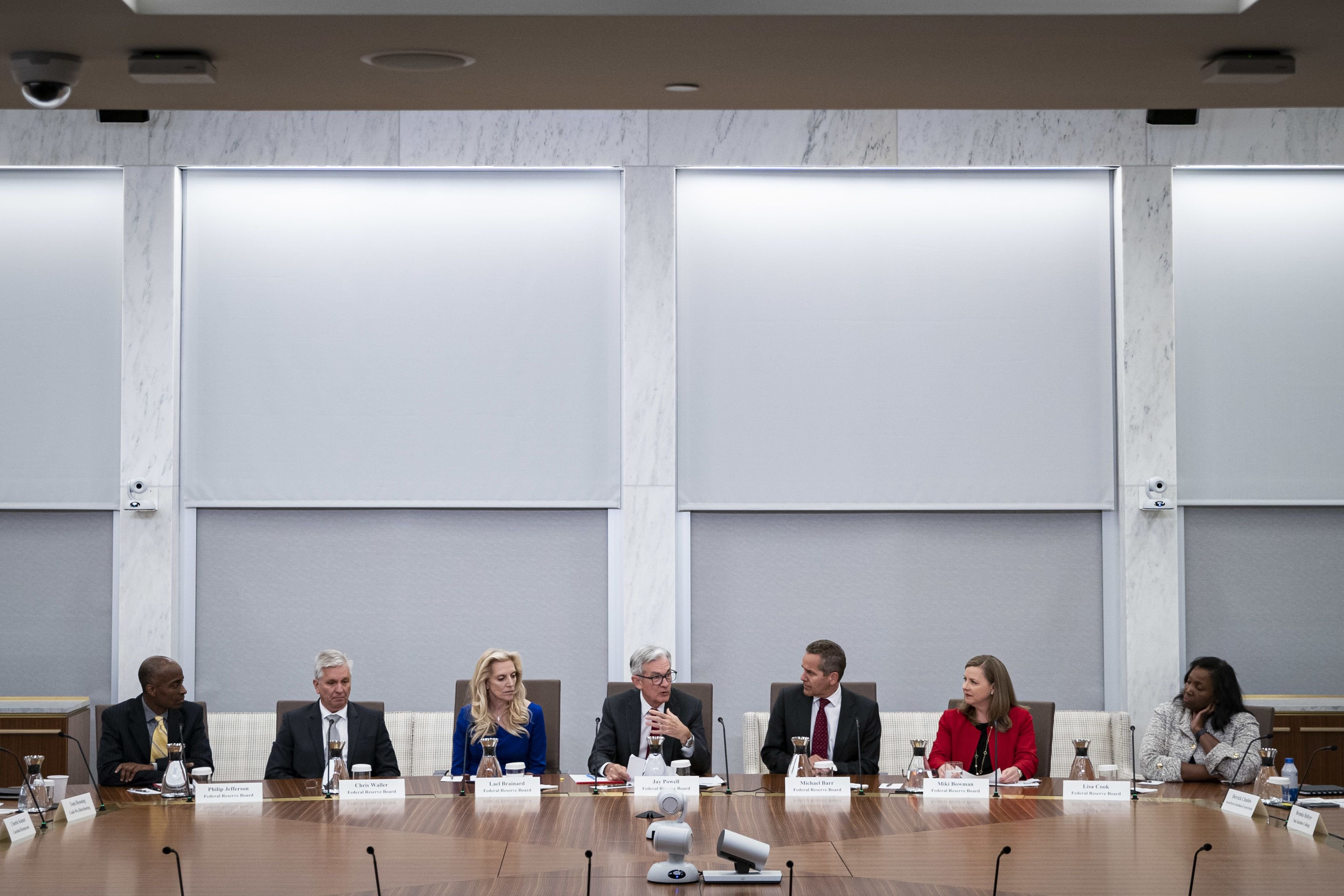
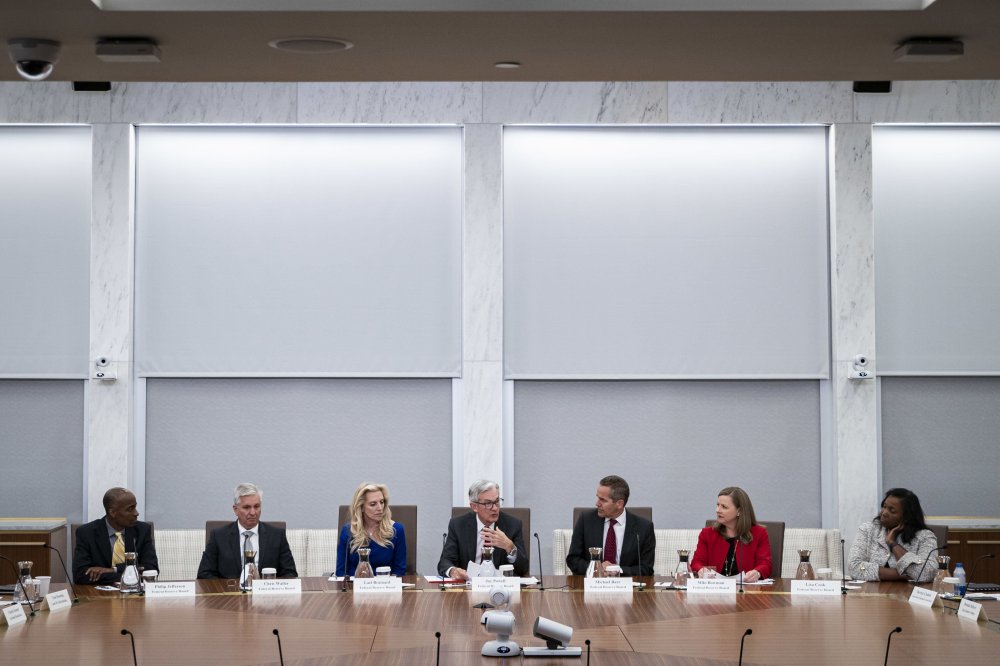
Federal Reserve officials want to see how exactly new trade policies impact the U.S. economy before adjusting interest rates. Markets and monetarists have different ideas about what that might look like. View the full article
-
This post was written by Alison Green and published on Ask a Manager. It’s hard to get real-world information about what jobs pay. Online salary websites are often inaccurate, and people can get weird when you ask them directly. So to take some of the mystery out of salaries, it’s the annual Ask a Manager salary survey. Fill out the form below to anonymously share your salary and other relevant info. (Do not leave your info in the comments section! If you can’t see the survey questions, try this link instead.) When you’re done, you can view all the responses in a sortable spreadsheet. Loading… View the full article
-
Defining the project scope is a critical part of the project planning process. That’s because the project scope defines the boundaries of what will and won’t be part of the project work, which is essential when making the project budget and schedule. Naturally, scope management is an important area of project management and there’s a lot to learn about it. But before we jump into that, let’s start with the definition of project scope. What Is Project Scope? The project scope is the total amount of work that needs to be done to complete a project. To define it, project managers must break down the project into the tasks and deliverables that’ll be executed to meet goals and stakeholder requirements and deliver the project successfully. Defining the project scope is an integral part of the project planning process because based on the scope, project managers will assemble their teams, estimate what project resources are needed and determine what the project plan, schedule and budget will be. /wp-content/uploads/2021/08/Project-Scope-Template-1.png Get your free Project Scope Template Use this free Project Scope Template for Word to manage your projects better. Download Word File Who Is Responsible for the Project Scope? The project manager has the main responsibility for defining, managing and controlling the project scope. While defining the scope, they often work with key stakeholders and the project team who provide input on what the project will and won’t include. The project manager will also manage the scope throughout the project lifecycle and inform stakeholders of any updates. The project sponsor initiates the project and provides high-level requirements and business needs that drive the project scope. They also formally approve the project scope statement or major changes. Also involved at a higher, more strategic level than the project manager may be portfolio managers or PMOs, as they work to ensure that all projects and programs within the portfolio align with the organization’s strategic goals and objectives. The project team or subject matter experts may contribute to defining the scope by offering insights into the tasks, resources and deliverables needed for their areas of work. What Is Project Scope Management? Project scope management is the process of tracking the scope of a project once it starts to ensure it doesn’t grow beyond control. It’s important that no extra work or extra costs are added to the project scope without the supervision of a project manager; if the scope of a project changes during the project execution phase, the project plan, schedule and budget that were initially defined won’t match the scope, causing project delays and overspending. This is known as scope creep and might cause projects to fail. However, the scope of a project can safely expand when stakeholders or project team members use a formal change request which is agreed upon by both parties. This allows project managers to ask for more time and resources and adjust the project schedule and budget accordingly. To control project scope, project managers create two main project scope management documents: a scope statement and a scope management plan. These documents define the scope during the planning phase and establish the rules and guidelines for tracking it. We’ll explore these documents in more depth in the section below. But before doing so, let’s hear some expert advice. In the video below, Jennifer Bridges, professional project manager (PMP) explains what the scope of a project is and why it is so important to control it. Now that we’ve defined what project scope management is, let’s focus on each of the scope management steps to better understand this process. Project Scope Management Steps Managing scope means from the start that you and the stakeholders have a clear line of communication. You must know their vision to know what they’re expecting in a project. That way, when change happens you can direct it to meet the project’s goals while keeping the project on track. But that’s just the beginning. To manage the scope of the project, you have to do five things: 1. Define the Project Scope Defining the scope of a project consists of identifying the work that’ll be performed. To do so, you must first outline the main goals and objectives of the project and think about the activities required to achieve them. Then, once you have an idea of what your project should accomplish, you can use a work breakdown structure to break down the project into a set of tasks. A work breakdown structure (WBS) is a planning tool that helps project managers visualize the tasks required to complete a project, prioritize them and identify deliverables and dependencies. Once the scope of a project has been determined, it needs to be managed through a process known as project scope management. Project management software helps you manage scope. ProjectManager, award-winning project management software that has robust Gantt charts, helps you to create a project plan, where all of your scoped tasks are scheduled with assignees and deadlines. Plus, our Gantt charts feature progress bars that update in real time as team members complete their tasks, so you have utmost transparency. You can also set a baseline to track your planned effort against your actual effort in real time to avoid scope creep. Get started with ProjectManager today for free. /wp-content/uploads/2025/03/Gantt-CTA-2025.jpgLearn more Once you’ve defined the project tasks that’ll be executed, you should consider what won’t be included in your project scope, which is known as project exclusions. Determining that is just as important as defining the scope. That will help you avoid any misunderstandings with project stakeholders when submitting a project proposal. It’s also important to note any important constraints such as costs that might affect the project scope. Related: Project Proposal Template 2. Write a Project Scope Statement Once you’ve defined your project scope, you can write a project scope statement, also known as a project scope document, which describes the following elements: Project goals & objectives: The project requirements or acceptance criteria. Project deliverables: The outcomes of project tasks. Project exclusions & constraints: As a project manager you need to explain what can’t be done and why. Project assumptions: Some initial assumptions that the project management team has before executing the work. Project milestones: These mark important moments in your project life cycle, such as the end of a phase. Scope baseline: Your original scope as you planned it. The scope baseline allows you to compare actual results against what it’s in your scope statement. The scope statement is also a guideline for the project manager. It helps them make decisions about change requests throughout the project life cycle. Change is an inevitable part of any project, no matter how thorough your project plan is, so you want to include the likelihood of change in your scope statement to better manage it later. 3. Create a Scope Management Plan The scope management plan is a document that describes the guidelines and procedures on how the scope will be defined, tracked and adjusted. The scope management plan is an important component of the overall project plan. While there’s not a one-size-fits-all method to create a scope management plan, it should: Include the scope statement Show the work breakdown structure that was used to define the project scope Describe the scope baseline Explain who are the team members and what their roles and responsibilities are Establish acceptance criteria for project deliverables Describe what are the major milestones and project phases Explain what change control procedures will be used to change the project scope 4. Define a Scope Baseline to Control the Scope A scope baseline describes the project scope that was approved by both the project stakeholders and the project management team. It’s used during the project execution phase to ensure the project scope is executed as planned. 5. Monitor and Control your Project Scope During the Project Life Cycle Besides creating project documents, most project managers use project management software tools like Gantt charts, kanban boards and project dashboards to keep track of their project scope. For example, ProjectManager’s Gantt charts allow you to create a visual project schedule where you can add tasks, link their dependencies and set due dates. /wp-content/uploads/2023/05/Manufacturing_GanttChart-CLOSEUP-CAR.jpg Then, ProjectManager’s real-time project dashboard lets you monitor the status of your project and check whether tasks have been completed on time and under budget. We even have portfolio dashboards that allow you to track data across all of your projects. Project Scope Template Defining the scope of a project can be challenging for both new and experienced project managers alike. For this reason, we’ve created a free project scope template for Word to facilitate this process. Download it for free now to get started quickly. /wp-content/uploads/2021/08/Project-Scope-Screenshot-600x443.jpg Why Is Project Scope Important? Scope management is one of the most critical areas of project management because managing the project scope also helps manage its schedule and budget. That’s because scope management consists in achieving the goals of the project within the timeline and costs approved by the stakeholders. An effective scope management process can help project managers achieve the following goals. Creating realistic project plans Avoid issues like cost overrun and scope creep Set clear expectations for project stakeholders Hire team members with the right skills and qualifications for the project Meet project deadlines Produce high-quality deliverables Establish change management procedures How to Prevent Scope Creep in Project Management Scope creep can happen in any project, resulting in delays, budget overruns and even decreased team morale. Here are five ways to avoid it. Define and Document the Project Scope from the Beginning Establishing project boundaries from the beginning can go a long way in managing expectations early. Define what is included and excluded during the planning process and document any assumptions made during planning. Visual representations of the project scope are helpful as well, including a work breakdown structure (WBS) to ensure everyone has a shared understanding. Establish a Formal Change Control Process Outline the steps for requesting, evaluating and approving changes to the project scope. All formal requests should be submitted in writing and there should be an impact analysis of the proposed change on the budget, resources, schedule and overall project objectives. Consistently adhere to this process and don’t make any exceptions. Maintain Consistent, Proactive Communication with Stakeholders Stakeholders should be informed about project progress and any scope-related discussions. Be proactive in communicating and addressing misunderstandings as quickly as possible. If stakeholders have feedback or concerns, pay attention to what they have to say. However, always refer back to the documented scope. Implement Scope Verification and Validation Conduct periodic reviews of project deliverables with stakeholders to ensure they approve of the defined scope and acceptance criteria. If needed, get formal sign-off on key deliverables and project phases to ensure the work meets the agreed-upon requirements. This way, stakeholders can’t later request additional features or changes. Foster a Culture of Scope Awareness within the Project Team The team should be aware of the project scope and how their responsibilities contribute to it. Do they fully understand how important it is to adhere to the project scope? If they notice any requests or tasks that seem to fall outside the scope, encourage them to flag them. Should there be any perceived scope changes, the team should understand and follow the established change control process. Project Scope Management Tips Here are some of the best project scope management tips for project managers. Start by Defining Project Goals & Objectives Project goals and project objectives aren’t the same things. Goals are higher-level than objectives, which are more specific. They must be set before you can define the scope. Collect Project Requirements Stakeholders have quality, financial, and other types of project requirements. Those requirements will help you define what can and can’t be included in your scope. Make a Resource Management Plan Based on your project scope, you should create a resource management plan which will guide how resources will be acquired, allocated and leveled throughout the project. This includes team members, equipment and materials. Estimate the costs related to these project resources and add them to your project budget. This is key to ensuring the execution of your project scope goes as planned. Establish a Change Control Process The project scope can be negatively impacted when changes such as new project requirements go unnoticed. That’s because they create extra work which isn’t accounted for. To avoid that, you need to change control procedures such as change requests so that the project team can adjust the scope management plan. How to Manage Project Scope With ProjectManager ProjectManager has a bevy of tools to help managers track their project scope. Our online software gives you real-time data to make more insightful decisions and fosters collaboration by allowing teams to share files, comment and much more. Task Management Features for Doing the Work ProjectManager comes with different views for working on tasks: Gantt charts, kanban boards and task lists. All three views can be used to work on the same project, which means team members can work on the project tasks in their own way. This flexibility improves productivity across the team, making sure that you avoid the dreaded scope creep. /wp-content/uploads/2022/06/Manufacturing-overlay-LIST-ZOOM-task.jpg Project Dashboards for Better Tracking Dashboards are your best friend when you’re trying to spot scope creep. Our real-time project dashboard gives you a live look at critical metrics across your project. This live data lets you spot bottlenecks and issues faster than you would have thought possible. Plus, it’s all displayed in simple graphs that can easily be shared with stakeholders or team members. /wp-content/uploads/2022/03/Dashboard_Construction_Wide_Zoom-150.jpg Related Content There’s a lot to learn in project management before you can plan, schedule, execute and deliver projects successfully. For this reason, we’ve created dozens of blogs, templates, ebooks and videos on the most important topics in project management. Here are some of them. 20+ Project Management Tools & Techniques Best Project Management Certifications Project Management Basics: Definitions, Methods and Tools 100+ Project Management Terms: PM Terminology PMBOK: The Project Management Body of Knowledge Explained Top 15 Project Management Methodologies: An Overview Best Project Management Charts for Project Planning ¿Qué es la Metodología de un Proyecto? 15 Tipos de Metodologías The best way to manage the scope of a project is to have an online project management tool that gives you real-time data so you can act when issues arise and before they become problems. ProjectManager is online, so when your team updates their status, from wherever they are and at whatever time, that information is immediately updated and you can monitor the progress of your project more accurately. See for yourself by taking this free 30-day trial. The post What Is Project Scope? Scope Management Steps, Tips & Tools appeared first on ProjectManager. View the full article
-
It would seem unlikely for clothing designers get their wheels turning by thinking about what happens to garments when people are through with them. But that’s exactly the sort of backward thinking that led to Under Armour’s new “regenerative sportswear collection,” created in collaboration with Portland, Oregon-based Unless Collective. The collection, which is making its debut in Italy this week during Milan Design Week, comprises footwear and clothing made entirely from plants and plant-based materials. That means they’re biodegradable and compostable. “All of our products make good dirt,” says Eric Liedtke, Unless co-founder & Under Armour EVP of brand strategy, who spoke with Fast Company from Milan. Unless was acquired by Baltimore-based Under Armour last summer, and Liedtke says that it’s allowed Unless to tap into Under Armour’s large base of resources and partnerships to expand its offerings and development operations—the new “regenerative” collection is the result. “We’re here to introduce the idea of regenerative fashion,” he says. “What we mean is that things come from plants and minerals, natural materials, and then go back to being natural materials . . . When you’re ‘regenerative,’ you add value back to the ecosystem, rather than being destructive.” Liedtke says that 70% of clothing is created from “petroleum-based feedstock,” mostly various types of plastics, which never completely vanish or go away—they break down into microplastics and end up in the food and water supply. But his new clothing line does break down and go away; once you’re through with one of Unless’s garments, for instance, you can bury it in your backyard garden, and it’ll compost away. In an industrial composter, an Unless tee shirt will decompose within weeks. The new collection features shoes, jackets, vests, shirts, and more that are made from a variety of plant materials. For instance, shoe liners and soles are made from coconut husks and natural rubber latex, buttons are made from corozo nuts, Kapok cotton is used for insulation in vests and jackets, while cotton remains a staple for shirts and other garments. Liedtke says that the garments are built to last, too, and could be compared to products from companies like Russell, Champion, Carhartt, or Dickies. And for those worried about their clothes decomposing while they sit in a dresser, he says not to worry: It takes very specific conditions to initiate the composting process—conditions hopefully not present in the typical closet or bedroom. The collection is meant to be provocative, in some ways, and bring attention to the pollution that modern fashion and clothing manufacturing produces. In that way, it’s not too different from how companies like Beyond Meat and Impossible Meat disrupted the meat industry, or how EVs have shaken up the auto market in recent years. Liedtke hopes that at least some clothing manufacturers will follow suit and start using more natural materials, rather than plastics, to cut down on waste and pollution. “The future is regenerative,” he says. “The question now is scaling it, and telling people about it.” View the full article

-
There are many project risks that can affect your project and, as a project manager, you’re responsible for the risk analysis process. Risk analysis, or risk assessment is essential because it allows project managers to classify project risks and determine which of them should be tracked closely. What Is Project Risk Analysis? Risk analysis consists of using tools and techniques to determine the likelihood and impact of project risks that have been previously identified. Therefore, risk analysis helps project managers decipher the uncertainty of potential risks and how they would impact the project in terms of schedule, quality and costs if, in fact, they were to show up. Risk analysis isn’t exclusive to project management and it’s used in other disciplines such as business administration, construction or manufacturing. No matter what industry you’re in, you’ll always have projects and so, you should use project management software for risk analysis. ProjectManager, for instance, has risk management tools that let you track risks in real time. Keep track of individual risk events and mark their impact, likelihood and overall risk level with a risk matrix. Then assign that risk to a team member and use project dashboards to monitor. Get started with ProjectManager today for free. /wp-content/uploads/2024/01/risk-image-cta-2024-1.pngLearn more Who Is Responsible for Risk Analysis? Several roles, including the project manager and the project team, are typically responsible for risk analysis. The project manager takes on the main responsibility as they oversee the process, helping to document risks in a risk register. They are typically in charge of facilitating risk identification and analysis sessions with the team and stakeholders. They will prioritize the risks based on their likelihood and impact, usually using tools such as a risk matrix. Project team members are also responsible for identifying potential risks related to their areas of expertise. They offer insights into the likelihood of and potential impact of identified risks. Project sponsors may also be involved, defining the overall risk tolerance for the project and approving major risk responses. How to Analyze Project Risks At a basic level, there are three things you should consider when assessing project risks: risk probability, risk impact and risk exposure. These three things can be estimated through qualitative and quantitative risk analysis. Risk Probability All risks have a certain probability of occurrence, which means they might or might not happen. Estimating risk probability isn’t an exact science, but there are several techniques you can use, such as examining data from past projects. By analyzing similar projects from the past, you can better determine whether there’s a high or low chance of project risk. Risk Impact Consider the type of risk and its potential impact on the project. Some risks will bring financial stress, while others might involve resource management issues or delays to the project schedule. To make things simple, you can simply assign levels of impact for your project risks, such as low, medium or high depending on how critical they are. Risk Exposure Risk exposure combines risk probability and risk impact in one formula that’s used by businesses to determine whether they’re ready to assume a potential risk or not. This technique can only be used when you can measure the potential losses associated with risk. The risk exposure formula is: Risk Exposure = Risk impact * Risk probability So, if a given risk had an impact of $1 million and the probability of that risk was 50%, your risk exposure would equal $500,000. Why Does Project Risk Analysis Matter? Project risk analysis is largely important as it can help improve the chances of project success. It encourages a forward-thinking approach, prompting the project team to identify potential problems and challenges before they occur. Risk analysis also allows for more informed decisions, helping project managers weigh potential rewards against the possible downsides. Once risks are identified, they can be prioritized based on their likelihood and impact. As a result, the team can focus its attention and resources on the most critical threats and opportunities. From there, they can develop mitigation strategies to minimize the potential damage to the project’s objectives. This can be facilitated through both qualitative and quantitative risk analysis. Types of Risk Analysis There are two main types of risk analysis: qualitative and quantitative risk analysis. Let’s learn about these two approaches. Qualitative Risk Analysis The qualitative risk analysis is a risk assessment done by experts on the project teams who use data from past projects and their expertise to estimate the impact and probability value for each risk on a scale or a risk matrix. The scale used is commonly ranked from zero to one. That is, if the likelihood of the risk happening in your project is .5, then there is a 50 percent chance it’ll occur. There is also an impact scale, which is measured from one to fine, with five being the most impact on the project. The risk will then be categorized as either source- or effect-based. Once risks are identified and analyzed, a project team member is designated as a risk owner for each risk. They’re responsible for planning a risk response and implementing it. Qualitative risk analysis is the base for quantitative risk analysis and reduces project uncertainty while focusing on high-impact risks. This allows you to assign a risk owner and plan out an appropriate risk response. Get started with qualitative risk analysis with our free risk assessment template. Quantitative Risk Analysis By contrast, quantitative risk analysis is a statistical analysis of the effect of those identified risks on the overall project. This helps project managers and team leaders to make decisions with reduced uncertainty and supports the process of controlling risks. Quantitative risk analysis counts the possible outcomes for the project and figures out the probability of still meeting project objectives. This helps with decision-making, especially when there is uncertainty during the project planning phase. It helps project managers create cost, schedule or scope targets that are realistic. The Monte Carlo simulation is an example of a quantitative risk analysis tool. It’s a probability technique that uses a computerized method to estimate the likelihood of a risk. It’s used as input for project management decision-making. 11 Project Risk Analysis Methods & Techniques There are several risk analysis methods and tools that help managers through the analysis and decision-making process. Some of these involve the use of risk analysis tools such as project management charts and documents. Let’s dive into these risk analysis methods and how they can help you. 1. Team Brainstorming Sessions Estimating risk probability and impact is a huge part of risk analysis. As stated, this can be done subjectively, which might lead to error, especially if you do it by yourself as the project manager. To avoid this, you can involve all the team members you consider relevant to get their input on risk likelihood and potential negative consequences. 2. Delphi Technique The Delphi technique involves a panel of experts on topics that are critical to your project risk. It could be financial experts, lawyers, project management consultants or any other type of professional. This risk analysis method consists of promoting a debate among these experts who ultimately need to reach a consensus on a particular topic, such as estimating the business impact of a risk. 3. Risk Interviews and Surveys These can help gather information, perspectives and insights from stakeholders and team members about potential risks. They’re structured or semi-structured conversations using open-ended questions to encourage interviewees to share their concerns, past experience and potential future issues. This risk analysis tool allows for a deeper understanding of individual perspectives and reasoning behind their risk assessments. The questions can also be tailored to the specific role and expertise of the interviewee. /wp-content/uploads/2024/11/Risk-assessment-template-screenshot-600x212.pngDownload now 4. SWOT Analysis SWOT analysis allows managers to understand the current situation of their business or project by looking at its strengths, weaknesses, opportunities and threats. As a risk analysis tool, it lets you note which of your weaknesses might be exploited by others and which external threats might affect your projects, such as economic conditions or the threat of new competitors. /wp-content/uploads/2022/03/Swot-analysis-template-screenshot-600x513.jpgDownload now. 5. Risk Analysis Matrix The risk analysis matrix assesses the likelihood and the severity of risks, classifying them by order of importance. It’s main purpose is to help managers prioritize risks and create a risk management plan that has the right resources and strategies to properly mitigate risks. Risk likelihood is measured on a relative scale, not a statistical one, which makes it a qualitative risk analysis tool. This tool is also called the probability/consequence matrix by some project managers. /wp-content/uploads/2021/09/Risk-Matrix-Screenshot-600x584.jpgDownload now. 6. Risk Register A risk register is a crucial project management tool to document project risks. It’s a document that lists all the potential risks that could occur during the project execution phase, as well as critical information about them. It’s meant to be used as input for the risk management plan, which describes who’s responsible for those risks, the risk mitigation strategies and the resources needed. Creating a risk register usually involves several reliable information sources such as the project team, subject matter experts and historical data. /wp-content/uploads/2023/05/risk-register-example.pngDownload now. 7. Decision Tree Analysis A decision tree analysis consists of mapping out the potential outcomes that might occur after a decision is made. This is a great method to analyze risks in new projects. Create decision trees as you go through your project planning process so you can identify potential risks and their probability and impact along the way. /wp-content/uploads/2025/03/Decision-Tree-Template-image-600x364.pngDownload now 8. Root Cause Analysis A root cause analysis (RCA) dives deeper into risks to understand what underlying causes might be contributing to them occurring in the first place. For example, while traditional risk analysis might identify “supplier delays” as a risk, RCA would go further, asking “why might suppliers be delayed?” This allows teams to develop more targeted and effective risk response strategies. 9. Bow Tie Analysis This qualitative risk analysis method is used to identify causes and consequences for all potential project risks. The project management team must first identify risks that might affect the project and then think about causes, consequences and more importantly, a risk mitigation strategy for them. It’s a versatile method that can be used in any industry. 10. SWIFT Analysis SWIFT stands for Structured What If Technique. It’s a risk analysis method that focuses on identifying potential risks associated with changes made to a project plan. As its name suggests, team members have to come up with any “what if” questions they can to find out all the potential risks that could arise. 11. Contingency Planning This is another risk analysis tool that involves developing pre-defined actions or strategies to implement if an identified risk occurs. It’s sometimes seen as the “plan B” for when things don’t go as planned. Once a risk is identified, it is analyzed to understand its likelihood and potential impact. Contingency planning directly relates to developing a risk response plan, as it outlines the steps to take if the risk occurs. If a risk materializes, having a pre-prepared plan helps develop a swift, organized response. Benefits of Risk Analysis There are many benefits to using risk analysis in your projects. Here are some of the most common ones. Avoid potential litigation Address regulatory issues Comply with new legislation Reduce exposure Minimize impact Risk analysis is an important input for decision-making during all the stages of the project life cycle. Project managers who have some experience with risk management are a great resource. We culled some advice from them, such as: There’s no lack of information on risk Much of that information is complex Most industries have best practices Many companies have risk management framework Project Risk Analysis Templates There are several quantitative and qualitative risk analysis methods. There are several tools that can be used for different purposes. To help, we’ve prepared some free risk analysis templates to help you through the risk analysis process. Risk Register Template This risk register template has everything you need to keep track of the potential risks that might affect your project as well as their probability, impact, status and more. Risk Analysis Matrix Template This risk matrix template lets you visualize your project risks in one color-coded graph to classify them by likelihood and severity. This allows you to better understand the most critical risks for your project. Risk Analysis In Project Management Risk analysis is a fundamental step in the project risk management process, which consists of four main stages. Risk identification: First, identify your potential project risks and list them using a risk register. Risk analysis: Now, estimate the impact, likelihood and exposure for each risk and assign a priority level based on this information. The higher the priority level, the more resources are allocated to mitigate the risk. Create a risk management plan: Create risk mitigation strategies, or contingency plans to alleviate the impact of each project risk you’ve previously analyzed. These details are usually included in a risk management plan. Track risks until project completion: Implementing your risk management plan is as important as creating one. Set up project controls to keep track of risk at all times. Risk Analysis Video If we’ve caught your attention when it comes to discussing risk analysis on a project, don’t worry. Watch project management guru Jennifer Bridges, PMP, as she helps visualize how to analyze risks on your project. Here’s a shot of the whiteboard for your reference! Thanks for watching! How ProjectManager Helps Your Risk Analysis ProjectManager is online work and project management software that allows you to manage risks alongside your project. Activate the Risk View to create a running list of all of your project risks. Then add descriptions, mark likelihood, impact and level with an embedded risk matrix. Work towards resolutions with your team and add comments along the way. /wp-content/uploads/2024/01/risk-image-lightmode.png Project Tracking You Can Trust It’s hard to recognize risk without a proper project tracking system in place. Across all of ProjectManager’s views, you can monitor progress and communicate with your team as you work together. But, to take it even further, leverage our built-in dashboards and project reports to stay on top of all aspects of your projects, so you’re ready to identify risks as soon as they appear. /wp-content/uploads/2022/11/project-management-dashboard.webp Analyzing and resolving risk is a team effort and our software is collaborative to the core. Teams can comment, share files and get updates from email notifications and in-app alerts. There’s one source of truth and you’re always getting real-time data so everyone is on the same page. Get started with ProjectManager today for free. The post Project Risk Analysis: Tools, Templates & Techniques appeared first on ProjectManager. View the full article
-
Insurers had already doled out more than $12 billion to pay for wildfire damages as of early March, according to California state officials. View the full article

-
Tax Day (April 15, 2025) is just days away. Are you still scrambling to gather tax documents and get your return filed? If you just can’t complete your return accurately, you may be better off simply filing an extension with the IRS. Doing so allows you to have a six-month grace period to get your taxes filed without having the failure to file penalty assessed. However, you must still pay any taxes you owe (make an estimate and pay on or before April 15, 2025) to avoid late payment penalties and interest. Filing an extension can help reduce the stress of trying to meet the deadline and reduce your tax penalty burden if you already have one to contend with. Many taxpayers, freelancers included, are not clear about what an extension on their taxes really means, and how to handle it. To help cut through the confusion, here are some facts about what an extension on your freelance taxes means, and how you can navigate it effectively for your personal and freelance taxes. An extension is simply an agreement between you and the IRS that as long as you file on or before the 6-month mark after the original deadline, you will not be subject to failure-to-file penalties. To file an extension, use IRS Form 4868. In reality, an extension is not an extension on the tax payment you owed at the April original filing deadline. Your 2024 tax liability is due, in full, on April 15, 2025. Keep in mind that: If you don’t file an extension and you owe taxes, you will have a failure to file penalty of 5% per month and interest. If you file an extension and you owe taxes, you will then also owe interest on the payment (currently 7%) and a 0.5% penalty for any partial month balance that is owed. For example, you would pay 0.5% in April and May if you did not pay your tax bill during these months. The maximum late-filing penalty is 25% and the late-payment penalty maximum is 25%.In addition to the federal penalties stated above, individual states also charge penalties and interest if you owe after the April 15 deadline, so be sure to check in the states you do business in for any late-filing and late-payment penalties. Make sure your tax records are complete, current, and secure.If you are missing information or need updated or corrected forms in order to file your taxes, it is imperative to use the next few weeks to get the information you need (the tips below can help) so you can make the tax return extension deadline on October 15, 2025. All records must be kept for a minimum of three years after filing your taxes, these include but are not limited to: W-2s or Form 1099s, be sure to contact the issuing organization and request the missing documents. This also applies if you received an incorrect W-2 or Form 1099. If you do not receive the missing or corrected form in time to file your tax return, you can estimate the wages or payments made to you as well as any taxes withheld. If you receive the missing or corrected Form W-2 or Form 1099-R after filing your return and the information differs from your previous estimate, you must file Form 1040-X, Amended U.S. Individual Income Tax Return.If you receive an incorrect Form 1099-G for unemployment benefits, you should contact the issuing state agency to request a revised Form 1099-G. If you aren’t sure of an amount or are still waiting for documents, remember, you have three years from the due date or the date you filed to amend your tax return, if you have a refund due. If you have no refund due, you have more than three years to file an amended tax return, Form 1040X, however, you will be subject to interest and penalties on the outstanding balance. If you have any previous freelance tax issues or unfiled returns, you can also take care of those as you use the extra extension time to take care of tax issues. If you need help, you can also work with a tax professional after the April 15 deadline and get all of your freelance tax obligations on the right track. Did your state experience a natural disaster this year? You may have an automatic extension.Another potentially unexpected filing extension may be valid for your freelance tax situation if you are in a federally declared disaster zone. If this is the case (you can look to see if your state has any federal disaster zones identified, you may be eligible for this extension. The Federal Emergency Management Administration has a listing of this information at Disasters and Other Declarations | FEMA.gov. Failure to file your tax return extension may impact your passport.The IRS is serious about delinquent tax filers! If you have significant unpaid federal tax debt (including assessed penalties and interest on your extended taxes) totaling more than $62,000 (adjusted yearly for inflation) from obligations including U.S. individual income taxes, trust fund recovery penalties, business taxes for which taxpayers are personally liable for and other civil penalties, you may be at risk for losing your passport, too. The IRS clearly states that if you have this type of serious tax debt, they want you to stay close to the United States and will take extreme measures such as garnishing your passport. Take action now and take care of your extended freelance tax return!With Tax Day just a few weeks away, do not delay getting your extended freelance taxes filed now. The time you spend today taking care of this will allow you to reduce your financial burden and deadline stress related to taxes so you can focus on finishing your taxes well before October 15, 2025 and keeping your freelance business strong to avoid any additional penalties or interest. View the full article
-
Tax Day (April 15, 2025) is just days away. Are you still scrambling to gather tax documents and get your return filed? If you just can’t complete your return accurately, you may be better off simply filing an extension with the IRS. Doing so allows you to have a six-month grace period to get your taxes filed without having the failure to file penalty assessed. However, you must still pay any taxes you owe (make an estimate and pay on or before April 15, 2025) to avoid late payment penalties and interest. Filing an extension can help reduce the stress of trying to meet the deadline and reduce your tax penalty burden if you already have one to contend with. Many taxpayers, freelancers included, are not clear about what an extension on their taxes really means, and how to handle it. To help cut through the confusion, here are some facts about what an extension on your freelance taxes means, and how you can navigate it effectively for your personal and freelance taxes. An extension is simply an agreement between you and the IRS that as long as you file on or before the 6-month mark after the original deadline, you will not be subject to failure-to-file penalties. To file an extension, use IRS Form 4868. In reality, an extension is not an extension on the tax payment you owed at the April original filing deadline. Your 2024 tax liability is due, in full, on April 15, 2025. Keep in mind that: If you don’t file an extension and you owe taxes, you will have a failure to file penalty of 5% per month and interest. If you file an extension and you owe taxes, you will then also owe interest on the payment (currently 7%) and a 0.5% penalty for any partial month balance that is owed. For example, you would pay 0.5% in April and May if you did not pay your tax bill during these months. The maximum late-filing penalty is 25% and the late-payment penalty maximum is 25%.In addition to the federal penalties stated above, individual states also charge penalties and interest if you owe after the April 15 deadline, so be sure to check in the states you do business in for any late-filing and late-payment penalties. Make sure your tax records are complete, current, and secure.If you are missing information or need updated or corrected forms in order to file your taxes, it is imperative to use the next few weeks to get the information you need (the tips below can help) so you can make the tax return extension deadline on October 15, 2025. All records must be kept for a minimum of three years after filing your taxes, these include but are not limited to: W-2s or Form 1099s, be sure to contact the issuing organization and request the missing documents. This also applies if you received an incorrect W-2 or Form 1099. If you do not receive the missing or corrected form in time to file your tax return, you can estimate the wages or payments made to you as well as any taxes withheld. If you receive the missing or corrected Form W-2 or Form 1099-R after filing your return and the information differs from your previous estimate, you must file Form 1040-X, Amended U.S. Individual Income Tax Return.If you receive an incorrect Form 1099-G for unemployment benefits, you should contact the issuing state agency to request a revised Form 1099-G. If you aren’t sure of an amount or are still waiting for documents, remember, you have three years from the due date or the date you filed to amend your tax return, if you have a refund due. If you have no refund due, you have more than three years to file an amended tax return, Form 1040X, however, you will be subject to interest and penalties on the outstanding balance. If you have any previous freelance tax issues or unfiled returns, you can also take care of those as you use the extra extension time to take care of tax issues. If you need help, you can also work with a tax professional after the April 15 deadline and get all of your freelance tax obligations on the right track. Did your state experience a natural disaster this year? You may have an automatic extension.Another potentially unexpected filing extension may be valid for your freelance tax situation if you are in a federally declared disaster zone. If this is the case (you can look to see if your state has any federal disaster zones identified, you may be eligible for this extension. The Federal Emergency Management Administration has a listing of this information at Disasters and Other Declarations | FEMA.gov. Failure to file your tax return extension may impact your passport.The IRS is serious about delinquent tax filers! If you have significant unpaid federal tax debt (including assessed penalties and interest on your extended taxes) totaling more than $62,000 (adjusted yearly for inflation) from obligations including U.S. individual income taxes, trust fund recovery penalties, business taxes for which taxpayers are personally liable for and other civil penalties, you may be at risk for losing your passport, too. The IRS clearly states that if you have this type of serious tax debt, they want you to stay close to the United States and will take extreme measures such as garnishing your passport. Take action now and take care of your extended freelance tax return!With Tax Day just a few weeks away, do not delay getting your extended freelance taxes filed now. The time you spend today taking care of this will allow you to reduce your financial burden and deadline stress related to taxes so you can focus on finishing your taxes well before October 15, 2025 and keeping your freelance business strong to avoid any additional penalties or interest. View the full article
-
What does the future of computing look like? Is it voice chat? Floating holographic displays? A generative AI fever dream with no escape? At Salone de Mobile—the annual design fair in Milan—Google is suggesting something less literal: It’s light that’s as pliable as fabric. Since first attending in 2018, Google has become a staple of Milan’s annual design festival, where the installations draw long lines and buzz. The company has measured how different rooms make you feel, demonstrated that water informs their design, and explored the ties of color and emotion through immersive spectacles. This year, Google’s project is called Making the Invisible Visible, on display at Garage 21 in Milan from April 7 to 13. It’s a series of what I might only describe as a series of light showers that stand six feet in diameter. Laser light rains down from a halo above, and by running your hands through the beams, they react in a dynamic animation that falls somewhere between a draping textile and the strings of a harp. The architectural approach was inspired by conversations Ivy Ross, chief design officer of consumer devices at Google, and artist Lachlan Turczan had around the role of technology in our lives. Turczan explores the intersection of light and the environment, with surreal works placed in nature that blend the wild and the technological. Squint and you can almost see a vision of ambient computing. Over several conversations, Ross and Turczan spoke about how Humanity shapes technology, and technology shapes humanity back. Turczan has been developing these sculptures, dubbed Lucida, out of those conversations. “At this moment in time, we’re questioning what role does technology have? What does it mean to be human?” says Ross. “We have to come to that place where we’re not competing [with technology], but we are interacting together, moving modern life forward.” The light showers in Making the Invisible Visible are meant to explore that theme, not necessarily literally, but as a more generalized ethos. Then through the rest of the installation, Google goes on to articulate how it’s made the invisible visible within their own products. That includes the Pixel Buds which required laser scans from 3,200 ears to get its one-size-fits-all geometries, along with the new Nest thermostat, which sits quietly until it senses your approach, and displays its user interface. Then in the final room, Google designers share some of the actual objects that have inspired their approach to products—like river rocks for an earbud case, and a macron for a speaker. (The design team is given a budget to acquire bits of inspiration in their travels around the world, which they deposit inside their design studio’s private library.) While the installation is built for the public, Ross sees the benefits this annual practice brings to her own team. “It’s giving them an opportunity to work at a different scale with a different set of challenges, which I think is really good to feed their creative muscle,” says Ross. “And [the other benefit] is the joy they get from manning these exhibits. Because we don’t usually get to interact with the public about what we do.” View the full article

-
The real value of accounting isn’t in the numbers but in the conversations we’re not having. The Disruptors With Liz Farr Go PRO for members-only access to more Liz Farr. View the full article
-
The real value of accounting isn’t in the numbers but in the conversations we’re not having. The Disruptors With Liz Farr Go PRO for members-only access to more Liz Farr. View the full article
-
Here is a recap of what happened in the search forums today, through the eyes of the Search Engine Roundtable and other search forums on the web. Google AI Mode now supports images as part of your questions...View the full article
-
The modern workplace is increasingly flexible, collaborative, and reliant on advanced technology to bridge the gap between remote and in-office teams. In this work-form-home (WFA) era, a hyper-collaborative mindset has become the norm and expectation. Some might think that remote work puts up a barrier between team members looking to continue collaborating from a distance, but thanks to the abundance of collaborative tech tools available to remote workers today, it has never been easier to collaborate from anywhere. Collaboration across time zones and employee schedules is crucial to any team’s success. With more workers having at least one weekly online or hybrid meeting (86%) than in-person one (83%), according to our 2024 State of Hybrid Work Report, leveraging the right communication tools is essential. As companies embrace hybrid and remote models, they must support both synchronous and asynchronous work by adapting policies, office spaces, and project management tools—an approach that can boost productivity by 1.4 extra days a month per employee and ensure seamless teamwork across all working styles. View the full article
-
Ukrainian president demands explanation and accuses Beijing of actively participating in Moscow’s warView the full article
-
AI tools can get you started, but they can’t finish strong. Here's how to shape AI-generated drafts into meaningful, effective content. The post Humans Are Better At Writing Than AI In These Tasks appeared first on Search Engine Journal. View the full article