ResidentialBusiness
Administrators
-
Joined
-
Last visited
Everything posted by ResidentialBusiness
-
 Milestone caps a 40% rally for German software giant over the past year View the full article
 -
The bible tells us to “love your enemies,” and major sports teams seem to be taking that doctrine seriously. Or at least their stadium concession stands are. Fans come to stadiums for the game, but they almost always indulge in the food, too—which typically reflects the cuisine of their home team’s city. But now, baseball and football stadiums have begun offering some local bites of their opponents’ teams in a bid to sell more concessions. On March 27, Major League Baseball’s Opening Day, stadium food for the Washington Nationals will offer a new signature concession item: a platter of loaded nachos dubbed the “Stolen Plate Special.” The toppings on those cheesy chips will change throughout the season to incorporate the “famous flavors of the opposing team’s city,” according to Levy, the hospitality group behind sports and entertainment arenas. This means more opportunity to satisfy visiting fans, increase sales, and even encourage some “culinary” competition. [Photo: Levy] “As chefs, we’re constantly looking at the world around us for inspiration,” says Adam Carter, regional executive chef at Levy who oversees food options at Nationals Park. “Local connection is important, but we also find opportunities to incorporate flavors from other cities or regions, especially if we can represent the visiting team during a big series.” Counter concessions Baseball isn’t the only sport where opposing fans share greasy stadium food. Last year, the NFL’s Buffalo Bills unveiled the “Battle Boat”: a two-foot-long boat of waffle fries that featured one half representing Buffalo fare and the other that of the visiting team. In a a stadium food review video, content creator Cameron Guzzo called the taste “phenomenal.” Buffalo’s massive fry boat changed its toppings with every new opponent that visited the stadium. The Nationals will follow a similar formula to offer fans a taste of the visiting flavors. Sports concessions should be comforting, familiar, and nostalgic, Carter says—even for visiting fans. The first iteration of the Nats’ nacho platter will be cheesesteak nachos for their three-game series against the Philadelphia Phillies. Of course, the dish is an homage to Philadelphia’s famous delicacy. Future Stolen Plate Specials will continue to incorporate different cities’ famous foods. During the Nationals’s series against the New York Mets, the nachos will be topped with everything-bagel chips, pastrami, and swiss cheese sauce to reflect NYC’s famous foods. And during the team’s series against the Arizona Diamondbacks, hatch chile-braised chicken, chicharrons, and a spicy queso will load the nachos to represent the Dbacks. “Fans are prideful when it comes to food, just like they are about their favorite team,” says Carter. “So we like to tap into that passion in a fun way.” View the full article

-
As consumers, we are accustomed to rating almost all the products and services we pay for. From toilet paper and tacos, to vacation rentals and online courses, a star rating is the status quo for reviewing pretty much any customer experience. But for platform-based gig workers who work to provide all kinds of everyday services, these ratings are nightmare fuel. Taking consumers mere seconds to dole out, anything below the full five out of five stars can completely upend a gig worker’s income and access to work. Academics from around the world have found that negative reviews often serve as disciplinary tools that can reduce a worker’s pay, can generate an “inexplicable” shortage of gigs, or prompt a sudden and unjustifiable suspension or deactivation from the platform. Throw in the many subtle and overt racial biases that influence a user’s approach to ratings, and it’s no wonder gig workers, who make up somewhere between 10% and 38% of the U.S. workforce, are plagued by paranoia and insecurity. At the will of ever-changing, inequitable user review processes, performance metrics and opaque algorithms, one thing is clear: Workers are grappling with invisible digital overlords, just to make enough to scrape by. A new study published in the scientific journal Nature finally offers proof that these star ratings are trash—and suggests that gig workers could get a better shot at fair work with a straightforward design tweak. A small gap with huge consequences Existing research has shown that when customers submit evaluations, individual workers from ethnic minority groups are more likely to be negatively evaluated, even if their performance and quality is the same. Less is known, however, about how to eradicate, or redress these biases, especially in the gig economy landscape. However, Tristan L. Botelho, Katherine DeCelles, Demetrius Humes, and Sora Jun, all academics at North American universities, had a hypothesis that by switching to a binary rating scale (think: thumbs up/thumbs down) these biases could be reduced. An avenue to test this presented itself to the team because the gig economy platform they were collaborating with, which matches North American homeowners with small business entrepreneurs for domestic repairs, decided to simplify its customer ratings from the common five-star system to a straightforward up versus down vote scale. It was a snap decision, with no prior warning to customers or workers. Ratings were conditional on having a job completed, so any customers who held more explicit racist attitudes may have already cancelled. When examining approximately 70,000 customer ratings, collected before and after the sudden change, a distinct pattern emerged. Under the five-star scale, workers of color received slightly lower ratings on average (4.72 stars) than white workers (4.79 stars). But this small gap had huge consequences. Since ratings determined pay, workers of color earned just 91 cents for every dollar white workers made—for the same work. After the switch to a thumbs up versus thumbs down scale, the rating gap and therefore the income gap disappeared. “Any deviation from five stars is problematic as platforms rely so heavily on these ratings, but this was the first time I saw it linked to an outcome for workers, and despite the decades I’ve spent studying inequality in evaluation processes, it shocked me,” says Tristan L. Botelho, coauthor of the paper and Associate Professor of Organizational Behavior at the Yale School of Management. “If you leave a four-star book review, you’re not telling someone to read 80% of the book, yet many platforms allow for the evaluator to create their own rubric for what it means,” explains Botelho. “Your four is different from my four, and with all this noise, switching the focus onto good versus bad offers less room for subtle biases to creep in.” Toward a more level playing field The shift isn’t about letting customers off the hook. More fairly designed systems could, in theory, mitigate racial, gender, and language biases (among others) and the negative effect they have on workers, leading to more accurate evaluations. Star ratings also make it hard to identify and address bad experiences, creating more barriers than solutions. In contrast, upvote/downvote ratings directly ask if the service met customer standards. If not, platforms could follow up to improve. A redesigned rating system could offer a route to supporting worker security, and making platforms seem more responsive and fair. Many evidence-based solutions require training, investment, and expertise. But implementing a simple binary system would be easy for most firms—even starting with small tests in certain markets. “At the end of the day, the many platforms I’ve talked to are interested in making their evaluation processes fair and accurate.” And since the paper’s publication in February, multiple organizations have expressed interest in learning more. “We often take for granted how apps are designed,” says Botelho. “I’d encourage platforms and companies to step back and ask: What is the goal of this evaluation process? Is it actually helping us gather useful information?” Moving away from star ratings won’t solve every problem faced by gig economy workers—only more robust regulation will do that—but it’s certainly a step towards taming those cruel digital gods. View the full article

-
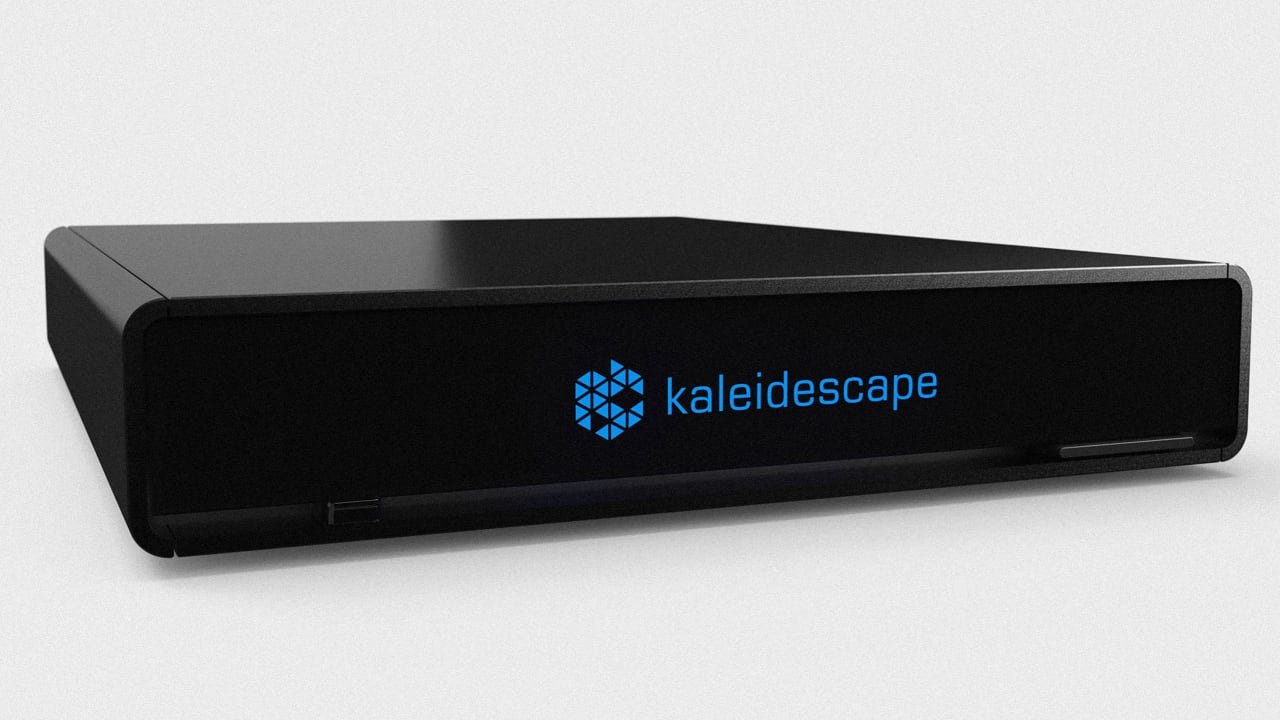
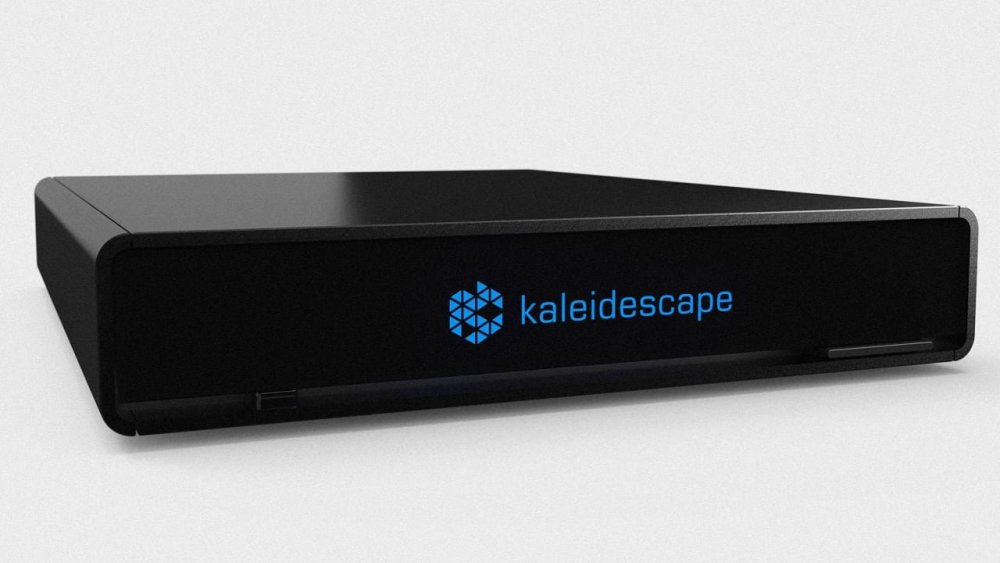
Let’s say you were spending tens of thousands of dollars to build yourself a fancy home theater. How would you go about actually watching movies in it? While you could always set up a Roku or Apple TV box to stream on, they’re not going to feel all that theatrical. Most streaming devices are too bogged down with banner ads and obnoxious upsells, and the streaming services themselves compromise on audiovisual quality for the sake of smoother streaming. Maybe what you actually need is a device that explicitly caters to videophiles with obsessively-manicured home theater setups. That’s what Kaleidescape has been trying to accomplish for the past two decades. This small company—with roughly 54 employees across its Mountain View headquarters and engineering offices in Waterloo—has made a name for itself among A/V diehards with its eye-poppingly expensive video players, which combine the convenience of digital delivery with Blu-ray quality. Just as notable, though, is its unfussy movie player software, which clears away all the cruft of modern streaming platforms to focus on the films themselves. “What we’re aiming at is trying to get you to an experience that is as close to the director’s intent as you possibly can get,” says Tayloe Stansbury, Kaleidescape’s CEO and chairman. Tayloe Stansbury [Photo: Kaleidescape] The cost of near-cinema quality doesn’t come cheap, at $4,000 for Kaleidescape’s entry-level Strato V Movie Player. But believe it or not, this is the start of Kaleidescape’s attempt to move down-market, having previously charged upwards of $10,000 for its hardware (plus the cost to purchase movies at about $20 apiece). Stansbury, a former Intuit CTO who took the helm at Kaleidescape after getting hooked on the system himself, says he’s on a mission to revitalize the company and reach new audiences after years of stagnant product development. But if that’s the goal, Kaleidescape may eventually need to reckon with the streaming business models it’s spent all these years rejecting. [Photo: Kaleidescape] Hi-fi movies Unlike most TV boxes you can buy today, Kaleidescape does not work with any streaming services or come with a free catalog of ad-supported content. After setting up the Strato V, you are presented with a sparse menu system for downloading movies—either for purchase or rental—and watching them. And “downloading” is the correct term, as Kaleidescape does not believe in the vagaries of streaming. Each film takes about 10 minutes to acquire over a gigabit wired ethernet connection—no Wi-Fi allowed—at which point it will play back even if the system’s offline. No other streaming platform supports that unless you’re on a mobile device. “When you play it, it’s perfect every single time,” Stansbury says. But the main differentiator is the quality of the content itself. While Kaleidescape gets the same source files from studios as every other digital movie store, it’s not in the business of seeing how much compression it can get away with. The company encodes video files at an average 65 Mbps, versus 12 Mbps to 30 Mbps for other services according to FlatpanelsHD, and it delivers lossless audio at 6 Mbps, matching or exceeding the quality of 4K Blu-ray discs with Dolby Vision and Dolby Atmos. Kaleidescape is also obsessive about finding issues in its video files through human review, and will either request updates from the studio or apply its own transcoding coding changes to address them. (Stansbury says the company’s record number of revisions for a single film is 92.) “It doesn’t matter if you’re on an inexpensive TV with no soundbar, or you’re in a million dollar theater, it will look and sound better when you feed it with high fidelity content,” he says. The result is sort of like listening to a CD instead of a lossy MP3 file: There are folks who will insist the difference is night and day, others who will never notice, and a third group that feels better on some gut level about having a pristine version either way. I probably fall into the third category. Kaleidescape loaned a Strato V to review for this story, and I made my eyes numb looking for barely-perceptible differences between Kaleidescape’s films and their 4K HDR streaming counterparts. On my Samsung QD-OLED TV, the colors in Mad Max: Fury Road seemed more natural than the on-demand version from Amazon, and maybe the audio was a little clearer, but was I just fooling myself? Hard to say. There was, however, one obvious improvement: Kaleidescape does a better job with subtitles. Its version of Parasite, for instance, used a much nicer font with no black background like Netflix’s version, and certain translated phrases made more sense (like “check WhatsApp” instead of “check the messenger”). Even more noticeable, at least to me as a longtime reviewer of streaming players, was the straightforward nature of Kaleidescape’s interface, which in a way it scratches the same simplistic itch as an iPod for music. There’s a row of recommended movie purchases at the top, a row of downloaded movies underneath, additional rows for movies-in-progress and favorites, and that’s it. The absence of distraction stands in sharp contrast to every modern streaming platform. Sometimes the sparseness can be vexing. There’s no voice search—at least not without dictating into Kaleidescape’s smartphone remote app—and the infrared remote requires line-of-sight to the box. But the system has some niceties as well, like the collection of popular scenes you can jump to in each film and the integration with Lutron, which allows for home automation in response to certain video queues, such as raising the lights when the credits start rolling. Those kinds of experiences have made Kaleidescape a favorite among A/V installers, says John Sciacca, who covered Kaleidescape extensively as a contributing editor for Sound & Vision and works as a partner at an installer in South Carolina. “Everybody wants it,” Sciacca says. “You might not want to pay for it, but you would love to own it. And there’s not too many things out there that deliver that kind of an experience.” Cheating death Kaleidescape didn’t start off in the movie download business. Its first product, which launched in 2003, was a $30,000 video server that made digital copies of users’ DVDs and played them all through single menu system. Bloggers mocked the concept. (“If that’s not worth selling a kidney, we don’t know what is,” Engadget‘s Paul Miller wrote in 2006.) But Kaleidescape won over home theater enthusiasts, who marveled at how it made sense of their DVD collections. It even skipped the FBI warnings and other annoyances that DVD viewers had to sit through. “The experience was just better,” says Josh Goldman, a longtime owner who runs the independent Kaleidescape Owners Forum. “You could instantly sort and find other movies you wanted. You could find related movies to the one you just liked. You couldn’t really do that with a rack of DVDs in their cases.” But there was a problem: The DVD Copy Control Association took issue with Kaleidescape’s digital copies, which had no way of ensuring that users still owned their original DVDs and weren’t sharing them. The group sued Kaleidescape in 2005 and eventually prevailed after seven years of court battles. A settlement in 2014 allowed existing customers to keep using their systems, but barred Kaleidescape from selling any new systems with DVD ripping capabilities. The lawsuit took its toll on Kaleidescape, which also ran into manufacturing problems developing a new Blu-ray-based product around the same time. In 2016, the company almost shut down, with then-CEO Cheena Srinivasan blaming the lawsuit for “millions of dollars in legal fees and years of lost focus” before it secured an equity funding round to stay alive. Sciacca says the company’s brush with death helped accelerate its pivot toward digital distribution, which had began several years earlier. With new funding and no more legal clouds, it was able to make more deals with movie studios. “Kaleidescape was founded on disc-based importing,” he says. “The lawsuit paved the way for Kaleidescape 2.0, but also kind of put an end to Kaleidescape 1.0.” [Photo: Kaleidescape] Making moves Stansbury wound up in control of Kaleidescape for somewhat selfish reasons. He acquired his first system in 2011, on the recommendation of an A/V dealer who was overhauling his home theater. Although he fell in love with the product, he wound up getting frustrated with some gaps in the movie catalog and had some ideas on how to revamp the product line. He reached out to Kaleidescape, offering to make introductions with his contacts in Hollywood, which led to him becoming an investor in the company before taking the helm outright in 2020. “I was annoyed with some decisions that were made about product roadmaps, and I called them up to grump about those,” he says. “And eventually that developed into meeting the chairman and being asked to take over leadership of the company.” Stansbury points to a few things Kaleidescape has done since then. Beyond shipping the Strato V, the company has released new server products with higher storage capacities, and it’s made a foray into B2B with a server product for movie theaters. The idea is that exhibitors can use Kaleidescape for quick, flexible access to back-catalog films at high quality instead of arranging for delivery from studios. “What we’ve done is cranked out a whole new bunch of products,” Stansbury says. “We’ve got a whole bunch of new products I won’t talk to you about that are in the pipeline for the future, and we’ve also been steadily growing revenue and improving the financial picture for the company as well.” Sciacca, who was close with former CEO Cheena Srinivasan, says that while Srinivasan was more engineering-focused, Stansbury brings more of a business sensibility. “Tayloe, the new CEO, I think he came in with different business ideas, and infusion of capital, and, you know, ‘Fortune 500-think’ on how to run a company,” he says. (Kaleidescape declined to make its former leadership available for interviews.) Sticking to the past Back in 2016, when Kaleidescape narrowly avoided shutting down, Sciacca wrote a story for Sound & Vision wondering if home media server products could survive in the streaming age. Kaleidescape had outlasted a wave of competitors—Xperinet MIRV, Sunfire Theater Grand Media Player, Leviton LEAPS, among others—but could never truly compete with streaming’s convenience. He’s more optimistic now, but believes the price needs to come down further. “At the end of the day, if you if you want to buy and watch movies, there’s a lot of cheaper ways to do it,” he says. But going further down-market won’t be easy. Kaleidescape’s movie prices—$25 for new-release films, $8 for a typical rental—is not much higher than other streaming platforms. Stansbury says Kaleidescape customers are surprisingly sensitive about movie prices, so it builds the cost of its ongoing engineering work into the hardware. He’s unsure whether Kaleidescape could adopt a subscription model that brings in ongoing revenue. “Financially, I’d love that, but that doesn’t seem to be where our customers’ heads are at,” he says. “They tend to be more of an ownership mindset.” Even so, Josh Goldman, who runs the Kaleidescape Owner’s Forum, believes the company should move to a cloud-based system. The Strato V can only store 10 movies at a time, so customers have to either constantly re-download films or tack on another server, starting at $5,000. While his forum is more active now than it once was, he believes the number of people willing to install expensive server systems in their home is shrinking, and home internet speeds are now fast enough to keep up with Kaleidescape’s bitrates. “That’s got to be the ultimate survival plan for the company to maintain and deliver the best movie shopping, delivery, and playback experience,” he says. “It can’t be about storage in the home. It’s obviously got to go away.” Beyond just chasing lower prices, Kaleidescape faces a more existential challenge: Increasingly the content people want to watch at home can’t be bought on digital video stores. If you want to watch Severance, you need Apple TV+. If you want to watch Squid Game, you need Netflix. Those shows aren’t available on Kaleidescape at all. Stansbury says he’s had conversations with streamers about potentially selling high-fidelity versions of their streaming exclusives. And in some cases, that content is co-developed with a traditional studio, in which case it does eventually become available to purchase a year or two after release. But he also points out that Kaleidescape’s focus on movies is becoming a bigger advantage as the DVD and Blu-ray business dry up. Best Buy, Walmart, and Target have all stopped selling physical media, and fewer movies are coming out on disc in the first place. Major streaming platforms, meanwhile, don’t even offer Blu-ray quality as an option. “The only way to get that is through Kaleidescape, so it does put us in an increasingly unique position,” Stansbury says. So maybe Kaleidescape doesn’t need to adapt to the streaming world, because it’s survived this long playing a different game entirely. Whatever happens next, enthusiasts like Goldman aren’t betting against it. “Our laser disc player is gone, our VCRs are gone, even our TiVo is gone,” he says. “Everything has changed, but Kaleidescape, remarkably, has been a consistent part of our home video watching for 20 years, which really is amazing.” View the full article
-
When people talk about work-life balance, they often mean that they have some engagement with activities outside of work—not just filling the hours of the day when they’re not working. That engagement might involve taking care of family members, engaging as a volunteer, or participating in a hobby. If you’re fortunate enough to have the time to spend on a hobby, does it matter what you do? Perhaps any activity you engage in outside of work is likely to lift your spirits. But research suggests that different activities affect your overall happiness in different ways. The power of movement In particular, hobbies that enable you to be active make you happier than those that involve less movement. So, participating in sports or physical activity (even relatively mild activity) makes you happier, as does engaging in activities that involve some travel (like visiting significant buildings) or engaging in active creative pursuits like dancing or singing. In contrast, more sedate activities like going to the movies or theater or reading a book have no strong influence on happiness overall. What is going on here? For one thing, physical activity helps to keep you healthy. The more you move and stay fit, the more you are likely to continue to stay healthy and fit later in life. So, the activities themselves are enjoyable, and they have a positive impact on factors like health that have a positive effect on well-being. Moreover, many of these activities are actively social. A lot of sports require engaging with other people. In addition, a lot of active creative pursuits and travel are done in social groups. Humans are a social species, and so our motivational system and our emotional state thrive when we are around at least a small number of other people. Finding the right hobby for you The hobbies that don’t have much impact on well-being are those that are primarily done while seated and are not particularly social. Reading is typically done alone, though you might ultimately talk about a book with friends. You might go to a theater with friends to see a play or watch a movie, but you actually participate in that activity sitting quietly in the dark. Of course, there are lots of reasons to engage in hobbies. You might want a diversion from your work. You might want to do something relaxing. However, the data suggest that if your goal for taking up a hobby is to be happier and feel more satisfied with life, then staying physically and socially active is likely to be your best bet. View the full article

-
When companies advertise job openings, they often use buzzwords like ambitious and self-reliant to describe their ideal candidate. These traits sound appealing—what hiring manager wouldn’t want a driven employee? But there’s a catch. In my latest study, published in the journal Management Science with coauthors Scott Jackson and Nick Seybert, I found that these terms may attract job applicants with more narcissistic tendencies. As behavioral researchers in accounting, we are interested in executives who bend the rules. We decided to study job postings after noticing that the language used to describe an “ideal candidate” often included traits linked to narcissism. For example, narcissists tend to see themselves as highly creative and persuasive. Prior research also shows that narcissistic employees are more innovative and willing to take risks to get the success and admiration they crave, even if it means bending the rules. Based on these observations, we compiled two sets of terms commonly used in job postings. We call the two sets “rule-follower” and “rule-bender” language. Some examples of rule-bender language include “develops creative and innovative solutions to problems,” “communicates in a tactical and persuasive manner” and “thinks outside the box.” In contrast, the rule-follower language includes terms like “relies on time-tested solutions to problems,” “communicates in a straightforward and accurate manner” and “thinks methodically.” Through a series of experiments, we found that rule-bender language attracts individuals with higher levels of narcissism for accounting-specific jobs, as well as other industries. To measure narcissism, we used a personality assessment that asks people to choose whether they identify more with more narcissistic statements like, “I always know what I am doing,” or less narcissistic statements like “Sometimes I am not sure of what I am doing.” We also found that recruiters are more likely to use rule-bender terms when hiring for highly innovative, high-growth companies. For accounting positions, recruiters are more likely to use such terms when aggressive financial reporting could benefit the firm. Why it matters Companies write job postings carefully in hopes of attracting the ideal candidate. However, they may unknowingly attract and select narcissistic candidates whose goals and ethics might not align with a company’s values or long-term success. Research shows that narcissistic employees are more likely to behave unethically, potentially leading to legal consequences. While narcissistic traits can lead to negative outcomes, we aren’t saying that companies should avoid attracting narcissistic applicants altogether. Consider a company hiring a salesperson. A firm can benefit from a salesperson who is persuasive, who “thinks outside the box” and who is “results-oriented.” In contrast, a company hiring an accountant or compliance officer would likely benefit from someone who “thinks methodically” and “communicates in a straightforward and accurate manner.” Bending the rules is of particular concern in accounting. A significant amount of research examines how accounting managers sometimes bend rules or massage the numbers to achieve earnings targets. This “earnings management” can misrepresent the company’s true financial position. In fact, my coauthor Nick Seybert is currently working on a paper whose data suggests rule-bender language in accounting job postings predicts rule-bending in financial reporting. Our current findings shed light on the importance of carefully crafting job posting language. Recruiting professionals may instinctively use rule-bender language to try to attract someone who seems like a good fit. If companies are concerned about hiring narcissists, they may want to clearly communicate their ethical values and needs while crafting a job posting, or avoid rule-bender language entirely. What still isn’t known While we find that professional recruiters are using language that attracts narcissists, it is unclear whether this is intentional. Additionally, we are unsure what really drives rule-bending in a company. Rule-bending could happen due to attracting and hiring more narcissistic candidates, or it could be because of a company’s culture—or a combination of both. The Research Brief is a short take on interesting academic work. Jonathan Gay is an assistant professor of accountancy at the University of Mississippi. This article is republished from The Conversation under a Creative Commons license. Read the original article. View the full article

-
Picture this: You’re demonstrating your products or services at a kiosk — its benefits, use cases, social proof, all that jazz. You know your offer is A+, but no one seems to notice. They’re just passing you by like you’re invisible. What are you doing wrong? How can you get your audience’s attention? This is precisely what social media feels like without engagement — like you’re shouting into a void. After all, engagement makes social media “social” in the first place. You want to reach the right people, spark conversations, and help each other. Which is why a social media engagement strategy can be incredibly helpful for achieving your social media goals. But with so many social media channels and a never-ending stream of fleeting trends, it’s difficult to understand how to measure, improve, and maintain your social media engagement. In this article, I’ll share proven techniques to help you understand what social media engagement is and how to improve it. What is social media engagement?Theoretically, engagement rate is measured by collating all your audience interactions — including (but not limited to) likes, comments, shares, saves, and replies. Social media engagement constitutes both: 1. How your audience interacts with you (likes, shares, comments, etc.) 2. How you interact with your audience (responding to comments, messages, etc.) While these numbers certainly indicate a successful social media engagement strategy, it’s crucial to remember that engagement is much more than these metrics alone. Because social media engagement isn’t just about performance. It’s about building a community. It doesn’t matter if your engagement rate is high if you’re swimming in negative audience behavior (like constructively criticizing comments). When you think of social media engagement, first think of the human connection and authenticity you’ve built using your social media strategy — how many positive direct messages (DMs) you received, how many customer support queries you resolved, how much you acted on your audience’s constructive criticism, and how much you actually listened to what your followers want. And as I touched on above — this goes both ways. I always like to use my favorite creator Aishwarya Kandpal as an example: She responds to as many comments and DMs as possible and always creates authentic, true-to-her-values content. I know I can trust her recommendations in a heartbeat. Her authenticity in engaging with her audience has made me a loyal follower who will stick around and interact with every piece of content she creates. My favorite example? When she not only responded to almost all comments for an influencer partnership but also went against recommending the same product for specific skin types. Talk about authenticity. I’m not saying that numbers aren’t important, but they aren’t everything. Meaningful social media engagement encompasses how much your content resonates with your audience, how many meaningful relationships you build, and how much value you provide to your community. In this article, we’ll primarily focus on how to boost your social media engagement by helping your audience discover and interact with your content (although we’ll also touch on how you should interact with your audience, too). How to boost your social media engagementHere are nine actionable tips for you to boost social media engagement: 1. Dissect your social media analyticsYour social media analytics are the place to get the most actionable insights to improve social media engagement. Set aside time every week to evaluate your social media performance. Here are some helpful questions to ask as you dig in: Did a social media campaign lead to more DMs than usual?Did certain content topics get more engagement than others?Did a few content formats (like text or video content) perform better than the rest?Your social media analytics offer important clues that could help you understand how you can boost engagement. If you use Buffer, you can get these insights at your fingertips — it will calculate the best time to post, your best-performing content formats, and your ideal posting frequency. Use these insights to improve your engagement without doing the math yourself. ⚡Pro-tip: Don’t dissect the quantitative metrics alone. Do a sentiment analysis of your comments and DMs to increase social media engagement.For example, are a majority of your comments and messages about a common issue with your product or services? Or do certain topics spark more insightful conversations and comments? All of these are signals to dig deeper — your audience is telling you what they need from your brand. 2. Understand social media algorithmsYour social media efforts need to be tailored to the social media platform to increase engagement. Doesn’t each network have some overlapping key elements in their engagement rate (such as likes, comments, and shares)? Sure they do. But the algorithm for each social media platform determines how your content will perform on each channel. For example, the Threads algorithm pushes value-driven content that sparks a conversation. Threads features like tags are designed to help people with similar interests find and interact with each other. Over at Bluesky, too, active participation is critical for boosting visibility and getting more engagement. But the YouTube algorithm works a little differently: It recommends content based on what users have already watched, searched for, and expressed interest in. It doesn’t focus a lot on ensuring you start or participate in a discussion — you don’t need to actively engage with other people’s content to get engagement on your profile. Why does the algorithm matter? Because social media posts that align with a platform’s algorithmic preferences get pushed more by the platform. It ranks on top for people that follow you and shows up more often in the ‘for you’ feeds. Thus, you get more engagement than you would if you hadn’t cared about the algorithm. A successful social media strategy will require you to fulfill unique requirements for each social media platform. Spend time navigating, studying, and absorbing each network’s culture and algorithmic preferences. 3. Lean into trendsTrending content is usually a topic or theme people are interested in. When you tap into trends, you’re creating content that’s relevant and thus sparks interactions. All social media algorithms also love trending content and provide it increased visibility. There are two kinds of trends that should influence your social media presence: a) Industry trends These are trends and conversations that are popular in your specific social media niche. For example, “glass skin” is a trend in the skincare industry. b) Platform trends Each social media platform has trends (that often sweep into each other). These could be specific memes, trending audios, challenges, or content formats. You can use platform trends and tailor them for your own niche. A great example is, the “I met younger me for coffee” poem trend, which popped up across social media channels in early 2025. Trends often perform better than evergreen posts in the short-term and can boost engagement. Why? Social media platforms push content that uses trends; thus, your posts get more visibility. But remember it’s best to mix trends with evergreen content for meaningful engagement in the long haul. 4. Set aside time to respond to comments and DMsSocial media is a two-way street. Yet, many creators and brands opt for the post-and-ghost route. You might get a decent engagement rate by just posting, but you won’t have any meaningful conversations to catapult you into creating even better content. Meaningful interactions with your audience are a direct line for getting valuable insights about your content and products — why wouldn’t you want to use it? Pay attention to your audience’s comments and messages and respond to as many as possible. This will not only help you create content that resonates with your followers, but also foster customer loyalty. The best part? You can get tons of excellent content ideas by engaging with your audience. In Buffer, you can respond to Facebook Page and Instagram comments directly and also get smart alerts about questions, negative comments, or comments about a purchase. Using engagement tools like Buffer helps you respond to your customers quickly from the same tab where you manage all your social media efforts. Convenience and efficiency at its finest. 5. Create content based on audience feedbackWhen you have insightful conversations with your audience, you also collate valuable feedback about the content your audience wants. Many social media platforms — like Instagram and TikTok — also allow you to reply to a comment with another post. Here’s an example from Emily McDonald. When you create content that directly responds to audience feedback or questions, you show your audience you care and that you’re listening to them. It’s the best way to boost engagement because you aren’t creating something on a whim — it’s rooted in what your audience literally asked for. 6. Share user-generated contentCertain types of posts get more engagement than standard posts. If you’re a brand or a creator selling products, user-generated content (UGC) is one of those posts. Why? UGC shows how other people are using your products — acting as a proxy for customer testimonialsUGC is more authentic than any branded content or content you create about your product yourselfTake this post by Lili Origin. They collaborated with a customer/influencer, Nishtha Sharma to show her picks from their collection. This post has over 800 likes and 21 comments — a much higher social media engagement rate than the business’ non-UGC posts. Keep an eye on your tags and mentions to spot when any customer or influencer posts about you. Reshare their posts (with permission) on your own account to boost engagement. 7. Start a content seriesContent series are ‘episodes’ in your social strategy about a particular topic. Take Tiffany Yu's ‘The Anti-Ableism Series’ series as an example. This series catapulted Tiffany into a compounding growth trajectory. Not only did it amass over 5 million views, it also led her literary agent to discover her amazing content and offer a book deal. Content series are great for social engagement because they keep your audience coming back for more. Your audience will start expecting to see the next episode of your series and get engaged with the narrative. The best part? You have to come up with fewer fresh content topics because you don’t have to begin from scratch for a series. You can incorporate an episode of these content series every week or fortnight in your content calendar. 8. Practice social listeningSocial listening is one of the core ways to know the ins and outs of your audience. It is one step above sentiment analysis of your own DMs and comments: You venture out into the larger world of the Internet and see what your audience is saying about your brand and their problems (that you can help solve). It’s literally listening to your audience. What are their pain points? What are they struggling with? How can you help? To begin social listening, start by being an active member in niche communities. For example, if you sell hair care products, go on Reddit and see what people are struggling with in subreddits like r/Haircare. You can also use advanced search filters in platforms like X to see what people are talking about in your niche. There are also plenty of social listening tools out there that can help you do the job much faster. When your ears are always to the ground, you know not just the trends but the evergreen pain points of your audience. Social listening allows you to create valuable content that your audience truly needs. Instead of posting about you, you, you, you shift the spotlight to your audience and post about them. 9. Incorporate more interactive content into your content strategyInteractive content is anything that encourages your audience to post and engage with your content. It could be a simple call to action asking them, ‘What do you think?’ or interactive elements like Q&A or polls. Create content that prompts your audience to speak, share their opinion, or ask their queries. This will not only boost social engagement but also allow you to communicate with your audience and understand their needs better. How to measure your social media engagementEngagement metrics are a part of every social media platform. But every social media platform weighs engagement metrics (likes, comments, shares, saves, etc.) differently to provide a conclusive engagement rate. You can view your social media engagement post-by-post or evaluate your overall engagement over a fixed timeline. A high engagement rate signals that your target audience is enjoying your social media content and the algorithms are pushing it to similar people for increased visibility. To view your engagement metrics for a single post, check how many likes, comments, shares, and saves it has. Some of the social media engagement is public. For example, everyone can see that this Threads post by Buffer's Mike Eckstein has over 1.8K likes, 228 comments, and 11 reposts (go Mike!). Other insights are exclusive to you. For example, on Instagram, you can check how many followers vs. non-followers interacted with your post. This engagement metric is not visible to everyone. To view your overall social media engagement rate, go to the social media analytics on your chosen social media platform. In Facebook insights, for example, you can find a dashboard detailing your social media engagement in the last 28 days — interactions, messages, audience demographics, reach, etc. If your social media presence spans multiple social media sites, tracking and evaluating engagement metrics for all of them individually and collectively can be difficult. Engagement tools like Buffer can help you connect multiple social media accounts and track engagement for all of them under one roof. Real time insights without the fuss. While measuring your social media engagement, don’t forget to consider factors that can’t be encompassed in numbers. For example: Did you notice a pattern of positive or negative comments about a specific topic?Did one of your posts spark a lot more meaningful conversations in DMs and comments?Did one of your Instagram Stories pop off and garner more-than-expected messages and reactions?Social media engagement is about evaluating how your audience interacts with you, not just the engagement rate. These qualitative insights are crucial to inform your social media marketing strategy. Why is social media engagement important?With so many social media metrics available (like reach, follower count, etc.), is social media engagement even important anymore? Yes. And it’ll always be. Social media engagement is one of the core success metrics of your social media marketing efforts. Your target audience and social media channels both want you to prioritize social media engagement. The Twitter (now X) algorithm gives “conversations” one of the highest weights in ranking social media posts. If someone replies to your post and you reply back, X sees it favorably. The Facebook algorithm also prioritizes content with meaningful interactions. Social media sites like Threads and Mastodon put community-building front and center to grow on the platform. In Threads, replies even count for half of the views. A study by McKinsey found that customers spend 20-40% more with companies that respond to customer service requests on social media. If this weren't enough, social media engagement metrics can also help you understand what’s working and what needs tweaking in your social media strategy. With engagement metrics, you’ll be able to understand the kind of content that resonates with your audience and double down on it. Influencer marketers also look for a high engagement rate when partnering with creators. Lastly, social media engagement will help you build meaningful relationships with your audience. When you truly engage with your community, you’ll have a better understanding of their pain points and how you can help. Social media engagement comes down to meeting your audience’s needsIt’s easy to overcomplicate social engagement and try various ‘tactics’ to artificially increase it (like hosting giveaways for no other reason than to boost your ‘average’ engagement rates for reporting purposes). But in the end, engagement on social media comes down to knowing your audience deeply and truly caring about solving their pain points using your content, product, and services. To make listening and tracking social engagement easier, use a social media engagement tool like Buffer. You can respond to comments, understand social media analytics, dissect engagement rates for various platforms, and get notified of negative comments — all under one roof! View the full article
-
There’s a strange thing that happens when someone says, “Only three left in stock,” or when a sale ends at midnight, or when a product is labeled “limited edition.” Or when we hear the phrase, “But don’t wait—these are moving fast.” Even if the item wasn’t on your shopping list a moment ago, all of a sudden, the item starts to feel important—urgent, even. There’s a name for this: The Scarcity Effect. This experience is, of course, not unique. You knew exactly the scenarios I mentioned in the first paragraph because you’ve heard them countless times before. Even more, not only is the phrasing recognizable, most of us have felt the internal nudge that we should buy something now, simply because it might not be available later. We’ve bought things we didn’t need—not because we truly valued them—but because we feared missing out. And it’s influencing more decisions than we realize. What is the Scarcity Effect? The Scarcity Effect is a psychological principle that occurs when people place a higher value on something that is limited in availability. The less available something becomes (or appears to become), the more we desire it—whether we actually need it or not. On some level, it makes sense. Diamonds are more valuable than rocks because diamonds are not as abundant and more scarce. But these perceptions can result in irregular or even unhealthy decision-making when the scarcity is entirely manufactured. The principle has been studied for decades. A classic experiment from 1975 by researchers Worchel, Lee, and Adewole involved two jars of cookies. One jar held ten cookies, while the other held only two. Participants were asked to rate the cookies—and overwhelmingly, the cookies from the nearly empty jar were rated as more desirable and valuable, even though they were exactly the same. Scarcity increases perceived value, even if the value is no different. Marketers and retailers know this well. They create scarcity intentionally—limited-time offers, countdown timers, flash sales, exclusive collections, seasonal releases. No doubt, you’ve seen them all over the Internet and in brick-and-mortar stores. All of these tactics are designed to trigger the internal fear that if we don’t act now, we’ll miss out. Here’s an entire article offering marketers “innovative ideas” to create scarcity and urgency, encouraging people to take quick action on an item for sale. And so often, we act—often without thinking clearly about whether we actually need the item or not. Or whether the scarcity is true or manufactured. The Scarcity Effect pushes us to buy things out of fear, not purpose. It clouds our judgment and convinces us that a possession is more important than it really is—just because it might not be available later. And in doing so, it creates negative effects on our lives: it empties our wallets and often fills our homes with items we never truly needed in the first place. Not only do the items we buy clutter our physical space, they also take up our time, energy, and attention—precisely the things minimalism helps us reclaim. How to Overcome the Scarcity Effect It’s one thing to be aware of the Scarcity Effect. It’s another to overcome it—not just once, but as a lifestyle. But we can do both. Here are some helpful ways to resist this all-too-common temptation: 1. Pause before purchasing. When scarcity is used to create urgency, one of the most effective responses is simply to pause. Rarely is a purchase as urgent as the marketing claims it to be. If something is truly needed, it will still be needed tomorrow. Take 24 hours before making a decision. If the desire fades, so did the illusion of need. “But what about the deadline?” you might ask. My mom summed it up really well when I was young. “If a salesman is pressuring you that there’s a deadline on a purchase, it’s almost never a good deal.” 2. Ask: “Would I want this if it wasn’t limited?” Strip away the scarcity messaging and ask honestly: “Would I still want this item if it were always available at this price?” Or you can try, “Would I still want this if there were thousands of them still available?” That question might help reveal whether the desire is genuine or artificially inflated. 3. Recognize fear-based marketing for what it is. Most scarcity-based tactics are not there to help us, they are there to manipulate us. The more we recognize phrases like “only two left” or “before it’s gone forever” as psychological tricks, the easier they are to ignore. Additionally, the more we recognize them around us almost everywhere we look, the easier it becomes to decipher which are entirely manufactured to manipulate us. 4. Focus on long-term value, not short-term emotion. The Scarcity Effect thrives on impulse. Minimalism, on the other hand, thrives on intentionality. Long-term value should always outweigh short-term emotion. One of the best questions to ask is, “How will this item improve my life one year from now?” Or, “Will this item help me accomplish my purpose in life? Or just distract me from it?” If the answer is unclear, it’s probably not worth owning. 5. Remember: scarcity doesn’t create worth—purpose does. It’s easy to believe that something is valuable just because it’s rare. But minimalism invites us to rethink the perceived value of almost everything. Purpose is what brings value and fulfillment into our homes and lives—not scarcity, status, deadlines, or hype. And an unneeded tool left on the shelf is more valuable than a trendy gadget collecting dust. The Scarcity Effect is a cognitive bias that often influences our behavior—both in the pursuit and accumulation of physical things. But once we recognize it, we can begin to overcome it. And the more we overcome it, the more intentional our lives become. The post The Scarcity Effect: Why We Buy More Than We Need appeared first on Becoming Minimalist. View the full article
-
An ambitious plan aims to double the size of the city and make it a hub for growth and innovation. But will its infrastructure cope?View the full article
-
Financial regulator also aims to increase trust in markets by clamping down on fraudView the full article
-
Stock market falls and policy uncertainty from president’s administration have held back longed-for revivalView the full article
-
It has been building, and is likely to be unravelling, for a long timeView the full article
-
The health benefits could be so extreme that it upends the annuity market, hitting retirement incomes and insurersView the full article
-
Washington extended an atomic umbrella over its allies. Now some fear it may be time to seek their own weaponsView the full article
-
Katsunobu Kato’s assessment echoes concern that higher prices must be driven more by rising wages and demandView the full article
-
Majority of Labour voters believe protecting welfare is more important than boosting UK defence budgetView the full article
-
This post was written by Alison Green and published on Ask a Manager. It’s five answers to five questions. Here we go… 1. I found weird “detox” propaganda in the office kitchen I work at a small nonprofit of under 30 employees and we share one small kitchen. Articles relevant to our field or other interesting items are often left in the center of the table for us to read. I walked into the kitchen the other day and found a seven-page printout about “superhuman brain shakes.” I looked into the group that published it and the doctor behind it, and what I found did not sit well with me. The guy talks about “detoxification” and peddles supplements, all while vilifying prescription drugs and doctors. As someone who takes a prescription drug every day for my mental health, I don’t feel comfortable with something like this in the work kitchen. Would whoever put this information in the kitchen be appalled or look down on me because I take a prescription drug (which is needed in part due to the job, but that’s another story for another day)? On top of this gross pamphlet, we generally have a problem with people vilifying sugar, fatty foods, carbs, etc. I know these topics are pretty common but these beliefs are starting to feel endemic. Obviously this isn’t formal-HR-complaint level, but is it out of line for me to say something to the person who serves an HR function in our office? Or do I just conveniently hide this somewhere in the kitchen when no one is looking? I would love to just toss it right in the bin, but I know that’s not the way. Tossing it in the trash is the way. Someone left something gross in the kitchen, and putting it in the trash is appropriate. It sounds like the bigger issue in your office is the culture of moralizing about food, but that’s much, much harder to address. (You can still try, though! Advice on how is here.) But this one pamphlet? Trash it and be done with it. If you start finding more materials left for general reading that push a particular agenda, at that point it would be reasonable to suggest to your HR person that they put a stop to that, since common areas shouldn’t be used that way (and if they don’t stop it at diet moralizing, it’s very quickly going to spread to other topics as well). 2. I made a huge political mistake at work I’ve done something worthy of a Corporate Idiot of the Year award, and I’m mortified about my spectacular misstep with my new boss. I’m a team lead (no HR responsibility) who was recently told I’d be focusing on one shiny new initiative while giving up a current team. The colleague inheriting my team already juggles two teams and, to put it diplomatically, isn’t a strong team lead. Instead of gracefully accepting fate, I launched a one-woman crusade for “better alternatives” – suggesting other names, directly approaching my colleague (who was predictably uninterested), and escalating to both my boss and his boss. When communication about these changes moved at glacial pace, I prodded about timelines in a group chat, accidentally triggering a premature announcement from a Scrum Master rather than leadership. Brilliant move! This morning, my boss (who has only recently joined the company) pulled me aside and essentially lectured me about inappropriate meddling and how influence works in large organizations. He’s right, of course, and I sat there wondering if my keyboard shortcuts included “undo career damage.” I’ve scheduled a meeting with him to address my corporate mutiny, but I’m so ashamed and genuinely concerned about lasting damage. Is this relationship salvageable, or should I start looking for a new job? What specific steps would you recommend to repair trust while still eventually establishing myself as someone with valuable input? I’m going to take your word for it that this was really as bad as you say, but I think it’s worth considering that your boss sees this less as Devastating Mistake That Should Haunt You Forever and more as just a misstep that required some coaching. But if it’s really as bad as you think, then it’s worth reflecting on how you got there: do you have a pattern of overstepping your role or was this a one-off? If it’s a pattern, what is it stemming from and how can you manage those impulses differently in the future? Did any of this stem from legitimate frustrations with how your organization or team runs and, if so, are there conclusions you should draw from that (which could be anything from “if I’m going to stay here, I need to accept X” to “X is so messed up that it’s ruining my professional norms and I need to get out”)? Do you need better mentors to bounce things off and, if so, is that something you can put energy into cultivating? Have you had bad role models for how to handle this kind of situation and that played out here? There are a zillion interesting questions that could stem from this, all of which have the potential to turn this into something pretty useful for you! Assuming you do that, I see no reason why this wouldn’t be salvageable. Tell your boss you heard him loud and clear, you see where you misjudged, and you appreciate him pointing it out to you so candidly. When someone messes up, those are the things a halfway decent manager is listening to hear, and hearing them without prodding can be extremely reassuring. These may help too: how to rebuild your credibility after messing up at work how should you decide which battles to pick at work? 3. My coworker got an expensive baby gift and I got nothing I am part of a work group with two offices in different cities. Our group is around 10 people and we have the same boss who works in my office. We do some work with the other group and hold monthly Zooms together, but around 75% of the work my office does is independent of the other office. I am well-respected in my organization and love my job and like my team a lot. I had a baby about 10 months ago, and a colleague at the same level as me in the other office just returned from maternity leave. I found out during our latest monthly Zoom that before her leave, her team had collected money and given her a several hundred dollar gift. I don’t know for sure, but because of the cost, I suspect that people she manages gave money toward the gift. Knowing the team, I doubt they felt pressure to donate, but as I learned from you, it’s still not appropriate and gifts should not go up! I did not get a gift when my baby was born and I can’t help but feel a little hurt by finding out about my colleague’s gift. Small gifts aren’t completely unprecedented in my office so I figured at most, I might get a branded onesie, but didn’t really care when I didn’t. I would not have wanted my team, especially my reports, to give their own money for a gift for me. But considering the price of her gift and my experience buying *a lot* of expensive shit for my baby over the past year (why do so many things I can only use for a couple of months cost an arm and a leg!?), plus finding out about the gift during a call with our entire team, it just kinda stings. I’ve been considering raising my feelings with one of my trusted superiors/mentors, but I can’t figure out what I’d say without sounding greedy and hurt and I don’t even know what, if anything, I’d want them to do about it. I know with certainty that my bosses wouldn’t have deliberately decided to give one person a gift and exclude me. Honestly, they may not even know/remember that I got nothing since it’s been almost a year at this point! So I figure maybe it’s worth a reminder about being fair with gift-giving within our team? What do you think? Do I leave this alone and just get over it? Or is it worth bringing up and if so, what the heck do I say? The difference is almost certainly just because you’re in two completely separate offices. Different offices have different customs and norms; one might have bagels in the kitchen every Tuesday and a cherished costume contest every Halloween, while another has no weekly bagels but provides ice cream sandwiches every Friday in the summer and a “talking shrimp” at every meeting. Gift practices differ from office to office too, and that’s almost certainly all you’re seeing. The best thing to do is to chalk it up to that and leave it alone. 4. How do I brag about myself to my boss? I am in upper management at a smallish (~80 employees) company. I recently was featured in a vendor’s quarterly publication about successful folks in our industry. My bosses know I was asked, but now that I have the completed article back, I’m freezing on what to say when I share it with them! But I do want them to see it because, well, I want to be valued, and it would be silly not to! What’s my script? And can I ask that it not be shared company-wide? I cringe at the thought of staff reading it, even though I make several references to our staff and their feedback being a source of success. I can’t help but compare it to “manager wins the prize raffle at the holiday party” snafus (even though this publication came with no monetary reward). I just don’t want anyone to think I’m shouting “look at how great I am!” (Except maybe my bosses who sign my paychecks.) Forward it to your managers with a note saying something like, “Wanted to share this with you!” You’re allowed to be excited about it, they’ll likely to be happy to see it too (it reflects well on them as well as on you!), and it won’t look self-absorbed to simply send it along in a matter-of-fact way. But I would not ask that it not be shared company-wide unless you can point to some specific reason for that (like there’s currently tension over something you talked about in the interview or it reveals some specific detail about your private life that you’d prefer not to be circulated). This isn’t anything like managers claiming the best prizes in company raffles! You didn’t elbow other employees out of the way in order to get coverage for yourself (I assume). It wouldn’t be cringey for your company to share the article internally, and it’s normal for companies to share employees’ successes. That said, if you’re really uncomfortable with the idea of it, you could say, “I feel awkward about sharing this more broadly but wanted you two to see it.” 5. When should I tell prospective employers I’ve been laid off? Until two weeks ago, I worked for a federal contractor. All of the contracts I worked on were DOGEd at the beginning of February, and I was laid off, along with hundreds of other employees, about a month later. Between the contracts being terminated and my being laid off, I applied for a number of positions with my former position listed as current since it was current at the time. When should I tell prospective employers that I have been laid off? I am assuming it is unnecessary to send an email if I haven’t heard anything from the employer, but should I tell them during the interview? I don’t want to be misleading. You don’t need to proactively announce it, but you shouldn’t talk about the job in the present tense in interviews or otherwise imply you’re still there. If it comes up, you’ll just matter-of-factly explain what happened. You don’t need to go out of your way to hide it or to make sure they’re aware of it. View the full article
-
This week, our Small Biz Breakdown crew is flying without a net, per se. There’s no agenda – not as if they’re always following the one they sometimes have – and the conversation could go anywhere. Like most weeks, however, the discussion always seems to focus on the latest in AI. And this week is no different. Zeroing in on news this week from Verizon, the Small Biz Breakdown crew discusses at length agentic AI. Is this just the next Metaverse, as one panelist suggests it could be? Or is there more to this emerging trend? Check out what everyone’s got to say on this hot topic in the latest episode of Small Biz Breakdown. Check out the latest small business news headlines from Small Business Trends below … Small Business News Roundup – March 23, 2025 Verizon Business Launches GenAI Assistant for Small Businesses Verizon Business has introduced Verizon Business Assistant, a generative AI-powered text messaging solution designed to help small businesses automate customer interactions. This tool provides instant responses to frequently asked questions, learns from interactions, and connects customers to live employees when needed. Wix Launches Wix Functions to Enhance Business Customization Wix has introduced Wix Functions, a no-code solution that allows users to create customized business flows, automate pricing and checkout rules, and tailor app behavior. This new tool provides businesses with greater flexibility to adapt operations to their specific needs without requiring technical expertise. Adobe Introduces AI Agents to Experience Cloud for Enhanced Customer Engagement Adobe (Nasdaq: ADBE) has announced new AI-driven capabilities in Adobe Experience Cloud aimed at helping businesses deliver highly personalized and seamless customer experiences across multiple channels. The announcement was made at Adobe Summit, the company’s flagship digital experience conference. Paychex Survey Finds AI Adoption Gaining Traction Among Small Businesses A new survey from Paychex reveals that small businesses across the U.S. are increasingly adopting artificial intelligence (AI) to enhance productivity, revenue, and workforce development. Adobe Expands Firefly Services and Custom Models for Scalable Content Production Adobe has announced new enhancements to Adobe Firefly Services and Firefly Custom Models, aimed at helping businesses meet the rising demand for personalized content across multiple digital platforms. The announcement was made at Adobe Summit, the company’s flagship digital experience conference. NordProtect Becomes Stand-Alone Service, Adds Online Fraud Coverage NordVPN’s identity theft protection solution, NordProtect, is now available as a stand-alone service in the United States, allowing users to access identity theft protection without purchasing a NordVPN Prime plan. vcita Launches Upgraded BizAI with Agentic AI for SMBs vcita, a technology platform serving small businesses and the organizations that support them, has announced an advanced upgrade to its BizAI product, introducing agentic AI capabilities designed specifically for SMBs. The latest version of BizAI aims to blend automation with human oversight, allowing businesses to streamline essential operations while maintaining control. SBA Announces 2025 National Small Business Week Award Winners The U.S. Small Business Administration (SBA) has announced the national program and specialty award winners for the 2025 National Small Business Week, which will take place from May 4-10. The awards recognize businesses and resource partners for their contributions in government contracting, disaster recovery, and key areas such as exporting, small business investment, and surety bonding. Famous Amos Launches 2025 Ingredients for Success Initiative and ‘Famously You’ Campaign Ferrero North America has launched the 2025 Famous Amos Ingredients for Success (IFS) Entrepreneurs Initiative in partnership with the U.S. Black Chambers, Inc. Now in its fifth year, the program provides financial support and resources to early-stage Black business owners. Hostinger Launches AI-Powered No-Code Web App Solution, Hostinger Horizons Hostinger has announced the global launch of Hostinger Horizons, an AI-powered no-code web app solution designed to help businesses and individuals create fully functional web apps without coding skills. The platform enables users to develop, publish, and host web apps without relying on third-party integrations. Small Biz Breakdown: New from OpenAI and the Latest Economic Indicators This week, our Small Biz Breakdown crew is back and talking about some of the biggest stories that matter most to small business owners and entrepreneurs right now. American Express Study Finds Businesses Prioritizing Payments Automation in 2025 A new study from American Express reveals that the majority of businesses are looking to improve their payments processes in 2025, with automation emerging as a key focus. The Amex Trendex: B2B Payments Edition survey, which polled 1,000 U.S. business decision-makers, highlights the role of streamlined payments in business growth, supplier relationships, and operational efficiency. Zendesk to Acquire Local Measure, Expanding AI-Powered Voice Capabilities Zendesk has announced that it has signed a definitive agreement to acquire Local Measure, a provider of Contact Center as a Service (CCaaS) and advanced voice solutions. This article, "Small Biz Breakdown: What’s With All the Hype Over Agentic AI?" was first published on Small Business Trends View the full article
-
This week, our Small Biz Breakdown crew is flying without a net, per se. There’s no agenda – not as if they’re always following the one they sometimes have – and the conversation could go anywhere. Like most weeks, however, the discussion always seems to focus on the latest in AI. And this week is no different. Zeroing in on news this week from Verizon, the Small Biz Breakdown crew discusses at length agentic AI. Is this just the next Metaverse, as one panelist suggests it could be? Or is there more to this emerging trend? Check out what everyone’s got to say on this hot topic in the latest episode of Small Biz Breakdown. Check out the latest small business news headlines from Small Business Trends below … Small Business News Roundup – March 23, 2025 Verizon Business Launches GenAI Assistant for Small Businesses Verizon Business has introduced Verizon Business Assistant, a generative AI-powered text messaging solution designed to help small businesses automate customer interactions. This tool provides instant responses to frequently asked questions, learns from interactions, and connects customers to live employees when needed. Wix Launches Wix Functions to Enhance Business Customization Wix has introduced Wix Functions, a no-code solution that allows users to create customized business flows, automate pricing and checkout rules, and tailor app behavior. This new tool provides businesses with greater flexibility to adapt operations to their specific needs without requiring technical expertise. Adobe Introduces AI Agents to Experience Cloud for Enhanced Customer Engagement Adobe (Nasdaq: ADBE) has announced new AI-driven capabilities in Adobe Experience Cloud aimed at helping businesses deliver highly personalized and seamless customer experiences across multiple channels. The announcement was made at Adobe Summit, the company’s flagship digital experience conference. Paychex Survey Finds AI Adoption Gaining Traction Among Small Businesses A new survey from Paychex reveals that small businesses across the U.S. are increasingly adopting artificial intelligence (AI) to enhance productivity, revenue, and workforce development. Adobe Expands Firefly Services and Custom Models for Scalable Content Production Adobe has announced new enhancements to Adobe Firefly Services and Firefly Custom Models, aimed at helping businesses meet the rising demand for personalized content across multiple digital platforms. The announcement was made at Adobe Summit, the company’s flagship digital experience conference. NordProtect Becomes Stand-Alone Service, Adds Online Fraud Coverage NordVPN’s identity theft protection solution, NordProtect, is now available as a stand-alone service in the United States, allowing users to access identity theft protection without purchasing a NordVPN Prime plan. vcita Launches Upgraded BizAI with Agentic AI for SMBs vcita, a technology platform serving small businesses and the organizations that support them, has announced an advanced upgrade to its BizAI product, introducing agentic AI capabilities designed specifically for SMBs. The latest version of BizAI aims to blend automation with human oversight, allowing businesses to streamline essential operations while maintaining control. SBA Announces 2025 National Small Business Week Award Winners The U.S. Small Business Administration (SBA) has announced the national program and specialty award winners for the 2025 National Small Business Week, which will take place from May 4-10. The awards recognize businesses and resource partners for their contributions in government contracting, disaster recovery, and key areas such as exporting, small business investment, and surety bonding. Famous Amos Launches 2025 Ingredients for Success Initiative and ‘Famously You’ Campaign Ferrero North America has launched the 2025 Famous Amos Ingredients for Success (IFS) Entrepreneurs Initiative in partnership with the U.S. Black Chambers, Inc. Now in its fifth year, the program provides financial support and resources to early-stage Black business owners. Hostinger Launches AI-Powered No-Code Web App Solution, Hostinger Horizons Hostinger has announced the global launch of Hostinger Horizons, an AI-powered no-code web app solution designed to help businesses and individuals create fully functional web apps without coding skills. The platform enables users to develop, publish, and host web apps without relying on third-party integrations. Small Biz Breakdown: New from OpenAI and the Latest Economic Indicators This week, our Small Biz Breakdown crew is back and talking about some of the biggest stories that matter most to small business owners and entrepreneurs right now. American Express Study Finds Businesses Prioritizing Payments Automation in 2025 A new study from American Express reveals that the majority of businesses are looking to improve their payments processes in 2025, with automation emerging as a key focus. The Amex Trendex: B2B Payments Edition survey, which polled 1,000 U.S. business decision-makers, highlights the role of streamlined payments in business growth, supplier relationships, and operational efficiency. Zendesk to Acquire Local Measure, Expanding AI-Powered Voice Capabilities Zendesk has announced that it has signed a definitive agreement to acquire Local Measure, a provider of Contact Center as a Service (CCaaS) and advanced voice solutions. This article, "Small Biz Breakdown: What’s With All the Hype Over Agentic AI?" was first published on Small Business Trends View the full article
-
Number of new Bentley, Ferrari, Jaguar and Rolls-Royce models sold in city-state drop by as much as three-quartersView the full article
-
Digital Insurance spoke with Jonathan Collura, president and CEO of Specialty Risk RE, about how reinsurers could stabilize the home insurance market in areas affected by natural disasters. View the full article

-
Meta announced it will begin testing its new Community Notes feature across Facebook, Instagram, and Threads in the United States starting March 18. This marks the beginning of Meta’s transition away from its third-party fact-checking program, which the company revealed in January it would discontinue in favor of a crowd-sourced model. Community Notes is designed to allow users to add context to posts, similar to the existing system used by X (formerly Twitter). Meta said, “We expect Community Notes to be less biased than the third party fact checking program it replaces because it allows more people with more perspectives to add context to posts.” Initially, notes written by contributors will not appear publicly. Meta plans to gradually and randomly admit participants from a pool of roughly 200,000 people who have signed up across the three platforms. The system will be tested internally to ensure its functionality before any public deployment. Meta emphasized that it is taking a deliberate and measured approach. “We’re going to take time to do this right,” the company said. Contributors must meet eligibility criteria, including being over 18 years old, having an account in good standing that’s over six months old, and either a verified phone number or enrollment in two-factor authentication. Notes will be limited to 500 characters and must include a source link. Initially, contributors will remain anonymous, with author names withheld to encourage unbiased evaluations of the context provided. The feature will launch in six languages commonly used in the United States: English, Spanish, Chinese, Vietnamese, French, and Portuguese. According to Meta, contributors will not be permitted to submit notes on advertisements but will be allowed to annotate posts by Meta, public figures, and political accounts. The system will also be inaccessible for content moderation penalties; unlike previous fact checks, Community Notes will not reduce a post’s distribution or visibility. Meta said, “This isn’t majority rules. No matter how many contributors agree on a note, it won’t be published unless people who normally disagree decide that it provides helpful context.” To build the rating system, Meta is adopting X’s open-source algorithm as a foundation. This algorithm will help assess agreement across different viewpoints by evaluating contributors’ historical ratings and identifying those who typically disagree. Meta plans to refine the system over time based on real-world testing and contributor feedback. “We’re building this in the open while learning from contributors and seeing how it works in practice in our products,” the company stated. Meta acknowledged that the process will not be perfect and committed to ongoing improvements. Once Meta is confident in the effectiveness of the system, Community Notes will fully replace third-party fact-checking in the United States. At that point, no new third-party fact check labels will be applied, though former fact-checkers will be welcome to participate as contributors. “Our intention is ultimately to roll out this new approach to our users all over the world, but we won’t be doing that immediately,” Meta said. Until then, the existing third-party fact-checking program will continue operating outside the United States. Image: Meta This article, "Meta Begins Testing Community Notes on Facebook, Instagram, and Threads" was first published on Small Business Trends View the full article
-
Meta announced it will begin testing its new Community Notes feature across Facebook, Instagram, and Threads in the United States starting March 18. This marks the beginning of Meta’s transition away from its third-party fact-checking program, which the company revealed in January it would discontinue in favor of a crowd-sourced model. Community Notes is designed to allow users to add context to posts, similar to the existing system used by X (formerly Twitter). Meta said, “We expect Community Notes to be less biased than the third party fact checking program it replaces because it allows more people with more perspectives to add context to posts.” Initially, notes written by contributors will not appear publicly. Meta plans to gradually and randomly admit participants from a pool of roughly 200,000 people who have signed up across the three platforms. The system will be tested internally to ensure its functionality before any public deployment. Meta emphasized that it is taking a deliberate and measured approach. “We’re going to take time to do this right,” the company said. Contributors must meet eligibility criteria, including being over 18 years old, having an account in good standing that’s over six months old, and either a verified phone number or enrollment in two-factor authentication. Notes will be limited to 500 characters and must include a source link. Initially, contributors will remain anonymous, with author names withheld to encourage unbiased evaluations of the context provided. The feature will launch in six languages commonly used in the United States: English, Spanish, Chinese, Vietnamese, French, and Portuguese. According to Meta, contributors will not be permitted to submit notes on advertisements but will be allowed to annotate posts by Meta, public figures, and political accounts. The system will also be inaccessible for content moderation penalties; unlike previous fact checks, Community Notes will not reduce a post’s distribution or visibility. Meta said, “This isn’t majority rules. No matter how many contributors agree on a note, it won’t be published unless people who normally disagree decide that it provides helpful context.” To build the rating system, Meta is adopting X’s open-source algorithm as a foundation. This algorithm will help assess agreement across different viewpoints by evaluating contributors’ historical ratings and identifying those who typically disagree. Meta plans to refine the system over time based on real-world testing and contributor feedback. “We’re building this in the open while learning from contributors and seeing how it works in practice in our products,” the company stated. Meta acknowledged that the process will not be perfect and committed to ongoing improvements. Once Meta is confident in the effectiveness of the system, Community Notes will fully replace third-party fact-checking in the United States. At that point, no new third-party fact check labels will be applied, though former fact-checkers will be welcome to participate as contributors. “Our intention is ultimately to roll out this new approach to our users all over the world, but we won’t be doing that immediately,” Meta said. Until then, the existing third-party fact-checking program will continue operating outside the United States. Image: Meta This article, "Meta Begins Testing Community Notes on Facebook, Instagram, and Threads" was first published on Small Business Trends View the full article
-
Get all the details from Cambium Networks' Bruce Miller in this interview. The post Interview: Cambium Network’s ‘market apps’ simplify MDU Wi-Fi management, installation, & more appeared first on Wi-Fi NOW Global. View the full article
-
NetAlly believes their value is much more pronounced when viewed as a part of a wider quality and efficiency strategy for MSPs and ISPs, the company says. The post NetAlly’s new strategy touts Wi-Fi quality & operational efficiency as USPs – while preparing IT departments for NIS2 appeared first on Wi-Fi NOW Global. View the full article