ResidentialBusiness
Administrators
-
Joined
-
Last visited
Everything posted by ResidentialBusiness
-
 Figure meets expectations but experts warn of distorted data due to recent government shutdownView the full article
 -
Inflation likely remained elevated last month as the cost of electricity, groceries, and clothing may have jumped and continued to pressure consumers’ wallets. The Labor Department is expected to report that consumer prices rose 2.6% in December compared with a year earlier, according to economists’ estimates compiled by data provider FactSet. The yearly rate would be down from 2.7% in November. Monthly prices, however, are expected to rise 0.3% in December, faster than is consistent with the Federal Reserve’s 2% inflation goal. The figures are harder to predict this month, however, because the six-week government shutdown last fall suspended the collection of price data used to compile the inflation rate. Some economists expect the December figures will show a bigger jump in inflation as the data collection process gets back to normal. Core prices, which exclude the volatile food and energy categories, are also expected to rise 0.3% in December from the previous month, and 2.7% from a year earlier. The yearly core figure would be an increase from 2.6% in November. In November, annual inflation fell from 3% in September to 2.7%, in part because of quirks in November’s data. (The government never calculated a yearly figure for October). Most prices were collected in the second half of November, after the government reopened, when holiday discounts kicked in, which may have biased November inflation lower. And since rental prices weren’t fully collected in October, the agency that prepares the inflation reports used placeholder estimates that may have biased prices lower, economists said. Inflation has come down significantly from the four-decade peak of 9.1% that it reached in June 2022, but it has been stubbornly close to 3% since late 2023. The cost of necessities such as groceries is about 25% higher than it was before the pandemic, and other necessities such as rent and clothing have also gotten more expensive, fueling dissatisfaction with the economy that both President Donald The President and former President Joe Biden have sought to address, though with limited success. The Federal Reserve has struggled to balance its goal of fighting inflation by keeping borrowing costs high, while also supporting hiring by cutting interest rates when unemployment worsens. As long as inflation remains above its target of 2%, the Fed will likely be reluctant to cut rates much more. The Fed reduced its key rate by a quarter-point in December, but Chair Jerome Powell, at a press conference explaining its decision, said the Fed would probably hold off on further cuts to see how the economy evolves. The 19 members of the Fed’s interest-rate setting committee have been sharply divided for months over whether to cut its rate further, or keep it at its curent level of about 3.6% to combat inflation. The President, meanwhile, has harshly criticized the Fed for not cutting its key short-term rate more sharply, a move he has said would reduce mortgage rates and the government’s borrowing costs for its huge debt pile. Yet the Fed doesn’t directly control mortgage rates, which are set by financial markets. In a move that cast a shadow over the ability of the Fed to fight inflation in the future, the Department of Justice served the central bank last Friday with subpoenas related to Powell’s congressional testimony in June about a $2.5 billion renovation of two Fed office buildings. The President administration officials have suggested that Powell either lied about changes to the building or altered plans in ways that are inconsistent with those approved by planning commissions. In a blunt response, Powell said Sunday those claims were “pretexts” for an effort by the White House to assert more control over the Fed. “The threat of criminal charges is a consequence of the Federal Reserve setting interest rates based on our best assessment of what will serve the public, rather than following the preferences of the President,” Powell said. “This is about whether the Fed will be able to continue to set interest rates based on evidence and economic conditions—or whether instead monetary policy will be directed by political pressure or intimidation.” —Christopher Rugaber, AP Economics Writer View the full article
-
We may earn a commission from links on this page. Deal pricing and availability subject to change after time of publication. A comfortable, good-looking pair of headphones with bass-forward sound and deep Apple integration doesn’t usually dip below the $100 mark, but this one just did. The Beats Studio Pro headphones in factory-reconditioned condition are down to $94.99 on Woot. Beats Studio Pro headphones $94.99 at Woot $349.99 Save $255.00 Get Deal Get Deal $94.99 at Woot $349.99 Save $255.00 For comparison, the same model listed as “refurbished: excellent” costs $135 on Amazon, while a brand-new pair is currently $199.99 (marked down from $349.99). This deal runs for two days or until it sells out, and Prime members get free standard shipping (while everyone else pays a $6 shipping fee). Note that shipping isn’t available to Alaska, Hawaii, PO boxes, or APO addresses. The Beats Studio Pro are a premium-feeling set of noise-canceling headphones that lean heavily into comfort and polish. The build feels sturdy, the padding is generous, and they’re easy to wear for long stretches without pressure fatigue. Sound quality sticks to the familiar Beats formula: pronounced bass with crisp, slightly elevated highs. It’s not the most neutral tuning—listeners who prefer a flatter, studio-style sound may find it colored—but it works well for pop, hip-hop, and electronic playlists. Plugging in via USB-C unlocks hi-res audio and three preset EQ modes, which noticeably improve clarity. The downside is that those EQ presets aren’t available over Bluetooth, and there’s no manual EQ option at all. Codec support is another limitation. Wireless audio tops out at SBC and AAC, meaning Android users miss out on higher-quality options like AptX or LDAC. As for its ANC, it is competent but unremarkable. It does a decent job with low-frequency noise but struggles more in crowded or high-pitched environments, and you can hear a faint hiss when ANC is enabled, notes this PCMag review. Battery life, however, holds up well: Expect around 24 hours with ANC on, or up to 40 hours without it. The Studio Pro won’t dethrone Sony or Bose if noise cancellation or deep audio customization is your top priority. But for casual listeners who value comfort, long battery life, and smooth Apple device integration, this price makes the trade-offs much easier to accept. Our Best Editor-Vetted Tech Deals Right Now Apple AirPods 4 Active Noise Cancelling Wireless Earbuds — $149.00 (List Price $179.00) Apple Watch Series 11 [GPS 46mm] Smartwatch with Jet Black Aluminum Case with Black Sport Band - M/L. Sleep Score, Fitness Tracker, Health Monitoring, Always-On Display, Water Resistant — $407.47 (List Price $429.00) Amazon Fire TV Stick 4K Plus — (List Price $24.99 With Code "FTV4K25") Samsung Galaxy Watch 8 — $279.99 (List Price $349.99) Samsung Galaxy Tab A9+ 10.9" 64GB Wi-Fi Tablet (Graphite) — $149.99 (List Price $219.99) Deals are selected by our commerce team View the full article
-
If there’s one takeaway as we look toward SEO in 2026, it’s that visibility is no longer just about ranking pages, but about being understood by increasingly selective AI-driven systems. In 2025, SEO proved it was not disappearing, but evolving, as search engines leaned more heavily on structure, authority, and trust to interpret content beyond the click. In this article, we share SEO predictions for 2026 from Yoast SEO experts, Alex Moss and Carolyn Shelby, highlighting the shifts that will shape how brands earn visibility across search and AI-powered discovery experiences. Key takeaways In 2026, SEO focuses on visibility defined by clarity, authority, and trust rather than just page rankings Structured data becomes essential for eligibility in AI-driven search and shopping experiences Editorial quality must meet machine readability standards, as AI evaluates content based on structure and clarity Rankings remain important as indicators of authority, but visibility now also includes citations and brand sentiment Brands should align their SEO strategies with social presence and aim for consistency across all platforms to enhance visibility Table of contents A brief recap of SEO in 2025: what actually changed? 2026 SEO predictions by Yoast experts Prediction 1: Structured data shifts from ranking enhancer to retrieval qualifier Prediction 2: Agentic commerce becomes a visibility battleground, not a checkout feature Prediction 3: Editorial quality becomes a machine readability requirement Prediction 4: Rankings still matter, but as training signals, not endpoints Prediction 5: Brand sentiment becomes a core visibility signal Prediction 6: Multimodal optimization becomes baseline, not optional Prediction 7: Social platforms become secondary search indexes Prediction 8: Email reasserts itself as the most controllable growth channel Prediction 9: Authority outweighs freshness for most non-news queries Prediction 10: SEO teams evolve into visibility and narrative stewards What SEO is no longer about in 2026 (misconceptions to discard) Looking ahead: what will shape SEO in 2026 A brief recap of SEO in 2025: what actually changed? 2025 marked a clear shift in how SEO works. Visibility stopped being defined purely by pages and rankings and began to be shaped by how well search engines and AI systems could interpret content, brands, and intent across multiple surfaces. AI-generated summaries, richer SERP features, and alternative discovery experiences made it harder to rely solely on traditional metrics, while signals such as authority, trust, and structure played a larger role in determining what was surfaced and reused. As we outlined in our SEO in 2025 wrap-up, the brands that performed best were those with strong foundations: clear content, credible signals, and structured information that search systems could confidently understand. That shift set the direction for what was to come next. By the end of 2025, it was clear that SEO had entered a new phase, one shaped by interpretation rather than isolated optimizations. The SEO predictions for 2026 from Yoast experts build directly on this evolution. 2026 SEO predictions by Yoast experts The SEO predictions for 2026 shared here come from our very own Principal SEOs at Yoast, Alex Moss and Carolyn Shelby. Built on the lessons SEO revealed in 2025, these predictions focus less on reacting to individual updates and more on how search and AI systems are evolving at a foundational level, and what that means for sustainable visibility going forward. TL;DR SEO in 2026 is about understanding how signals such as structure, authority, clarity, and trust are now interpreted across search engines, AI-powered experiences, and discovery platforms. Each prediction below explains what is changing, why it matters, and how brands can practically adapt in the coming year. Prediction 1: Structured data shifts from ranking enhancer to retrieval qualifier In 2026, structured data will no longer be a competitive advantage; it will become a baseline requirement. Search engines and AI systems increasingly rely on structured data as a layer of eligibility to determine whether content, products, and entities can be confidently retrieved, compared, or surfaced in AI-powered experiences. For ecommerce brands, this shift is especially significant. Product information such as pricing, availability, shipping details, and merchant data is now critical for visibility in AI-driven shopping agents and comparison interfaces. At the enterprise level, the move toward canonical identifiers reflects a growing need to avoid misattribution and data decay across systems that reuse information at scale. What this means in practice: Brands without clean, comprehensive entity and product data will not rank lower. They will simply not appear in AI-driven shopping and comparison flows at all. Also read: Optimizing ecommerce product variations for SEO and conversions How to act on this: Treat structured data as part of your SEO foundation, not an enhancement. Tools like Yoast SEO help standardize the implementation of structured data. The plugin’s structured data features make it easier to generate rich, meaningful schema markup, helping search engines better understand your site and take control of how your content is described. A smarter analysis in Yoast SEO PremiumYoast SEO Premium has a smart content analysis that helps you take your content to the next level! Get Yoast SEO Premium »Only $118.80 / year (ex VAT) Prediction 2: Agentic commerce becomes a visibility battleground, not a checkout feature Agentic commerce marks a shift in how users discover and choose brands. Instead of browsing, comparing, and transacting manually, users increasingly rely on AI-driven agents to recommend, reorder, or select products and services on their behalf. In this environment, visibility is established before a checkout ever happens, often without a traditional search query. This shift is becoming more concrete as search and commerce platforms move toward standardised ways for agents to understand and transact with merchants. Recent developments around agentic commerce protocols and Universal Commerce Protocol (UCP) highlight how AI systems are being designed to access product, pricing, availability, and merchant information more directly. As a result, platforms such as Shopify, Stripe, and WooCommerce are no longer just infrastructure. They increasingly act as distribution layers, where agent compatibility influences which brands are surfaced, recommended, or selected. What this means in practice: In 2026, SEO teams will be accountable for agent readiness in much the same way they were once accountable for mobile-first readiness. If agents cannot consistently interpret your brand, product data, or availability, they are more likely to default to competitors that they can understand with greater confidence. How to act on this: Focus on making your brand legible to automated decision systems. Ensure product information, pricing, availability, and supporting metadata are clear, structured, and consistent across your site and feeds. This is not about optimising for a single platform or protocol, but about reducing ambiguity so AI agents can accurately interpret and act on your information across emerging agent-driven discovery and commerce experiences. Prediction 3: Editorial quality becomes a machine readability requirement In 2026, editorial quality is no longer judged only by human readers. AI systems increasingly evaluate content based on how efficiently it can be parsed, summarized, cited, and reused. Verbosity, fluff, and circular explanations do not fail editorially. They fail functionally. Content that is concise, clearly structured, and well-attributed has higher chances of performing well. Headings, lists, definitions, and tables directly influence how information is chunked and reused across AI-generated summaries and search experiences. Must read: Why is summarizing essential for modern content? What this means in practice: “Helpful content” is being held to higher editorial standards. Content that cannot be summarized cleanly without losing meaning becomes less useful to AI systems, even if it remains readable to human audiences. How to act on this: Make editorial quality measurable and machine actionable. Utilize tools that assist you in aligning content with modern discoverability requirements. Yoast SEO Premium’s AI features, AI Generate, AI Optimize, and AI Summarize, help you assess and improve how content is structured and optimized, supporting both search engines and AI systems in understanding your intent. Prediction 4: Rankings still matter, but as training signals, not endpoints Despite ongoing speculation, rankings do not disappear in 2026. Instead, their role changes. AI agents and search systems continue to rely on top-ranked, trusted pages to understand authority, relevance, and consensus within a topic. While rankings are no longer the final KPI, abandoning them entirely creates blind spots in understanding why certain brands are included or ignored in AI-driven experiences. What this means in practice: Teams that stop tracking rankings altogether risk losing insight into how authority is established and reinforced across search and AI systems. How to act on this: Continue to use rankings as diagnostic signals, but don’t treat them as the sole indicator of success in 2026. Alongside traditional performance metrics for SEO in 2026, look at how often your brand is mentioned, cited, or summarized in AI-generated answers and recommendations. Tools like Yoast AI Brand Insights, available as part of Yoast SEO AI+, help surface these broader visibility signals by showing how your brand appears across AI platforms, including sentiment, citation patterns, and competitive context. See how visible your brand is in AI searchTrack mentions, sentiment, and AI visibility. With AI Brand Insights and Yoast SEO AI+, you can start monitoring and improving your performance. Prediction 5: Brand sentiment becomes a core visibility signal Brand sentiment increasingly influences how search engines and AI systems assess credibility and trust. Mentions, whether linked or unlinked, contribute to a broader understanding of how a brand is perceived across the web. AI systems synthesize signals from reviews, forums, social platforms, media coverage, and knowledge bases to form a composite view of legitimacy and expertise. What makes this shift more impactful is amplification. Inconsistent messaging or negative sentiment is not smoothed out over time. Instead, it becomes more apparent when systems attempt to summarize, compare, or recommend brands across search and AI-driven experiences. What this means in practice: SEO, brand, PR, and social teams increasingly influence the same visibility signals. When these efforts are misaligned, credibility weakens. When they reinforce one another, trust becomes easier for systems to establish and maintain. How to act on this: Focus on consistency across owned, earned, and shared channels. Pay attention not only to where your brand ranks, but also to how it is discussed, described, and contextualized across various platforms. As discovery expands beyond traditional search results, reputation and narrative coherence become essential inputs into how brands are surfaced and understood. Prediction 6: Multimodal optimization becomes baseline, not optional Search behavior is no longer text-first. Images, video, audio, and transcripts now function as retrievable knowledge objects that feed both traditional search and AI-powered experiences. In particular, video platforms continue to influence how expertise and authority are understood at scale. Platforms like YouTube function not only as discovery engines, but also as training corpora for AI systems learning how to interpret topics, brands, and creators. What this means in practice: Brands with strong written content but weak visual or video assets may appear incomplete or “thin” to AI systems, even if their articles are well-optimized. How to act on this: Treat multimodal content as part of your SEO foundation. Support written content with relevant visuals, video, and transcripts. Clear structure and readability remain essential, and tools like Yoast SEO help ensure your core content remains accessible and well-organized as it is reused across formats. Prediction 7: Social platforms become secondary search indexes Discovery will increasingly happen outside traditional search engines. Platforms such as TikTok, LinkedIn, Reddit, and niche communities now act as secondary search indexes where users validate expertise and intent. AI systems reference these platforms to verify whether a brand’s claims, expertise, and messaging are substantiated in public discourse. What this means in practice: Presence alone is not enough. Inconsistent or unclear messaging across platforms weakens trust signals, while focused, repeatable narratives reinforce authority. How to act on this: Align your SEO strategy with social and community visibility to enhance your online presence. Ensure that your expertise, terminology, and positioning remain consistent across all discussions about your brand. Must read: When AI gets your brand wrong: Real examples and how to fix it Prediction 8: Email reasserts itself as the most controllable growth channel As discovery fragments and platforms increasingly gate access to audiences, email regains importance as a high-signal, low-distortion channel. Unlike search or social platforms, email offers direct access to users without algorithmic mediation. In 2026, email plays a supporting role in reinforcing authority, engagement, and intent signals, especially as AI systems evaluate how audiences interact with trusted sources over time. What this means in practice: Brands that underinvest in email become overly dependent on platforms they do not control, which increases volatility and reduces long-term resilience. How to act on this: Focus on relevance over volume. Segment audiences, align content with intent, and use email to reinforce expertise and trust, not just drive clicks. Prediction 9: Authority outweighs freshness for most non-news queries For non-news content, AI systems increasingly prioritize credible, historically consistent sources over frequent updates or constant publishing. Freshness still matters, but only when it meaningfully improves accuracy or relevance. Long-standing domains with coherent narratives and well-maintained content benefit, provided their foundations remain clean and trustworthy. What this means in practice: Scaled/programmatic content strategies lose effectiveness. Publishing frequently without maintaining quality or consistency introduces noise rather than value. How to act on this: Invest in maintaining and improving existing content. Update thoughtfully, reinforce expertise, and ensure that your most important pages remain accurate, structured, and authoritative. Prediction 10: SEO teams evolve into visibility and narrative stewards In 2026, SEO will extend far beyond search engines. SEO teams are increasingly influencing how brands are perceived by both humans and machines across search, AI-generated answers, and discovery platforms. Success is measured not only by traffic alone, but also by inclusion, citation, and trust. SEO becomes a strategic function that shapes how a brand is represented and understood. What this means in practice: SEO teams that focus solely on production or technical fixes risk losing influence as visibility becomes a cross-channel concern. How to act on this: Shift focus toward clarity, consistency, and long-term trust. The most effective teams help define how a brand is understood, not just how it ranks. What SEO is no longer about in 2026 (misconceptions to discard) As SEO evolves in 2026, many long-standing assumptions no longer reflect how search engines and AI-driven systems actually determine visibility. The table below contrasts common SEO myths with the realities shaped by recent changes and expert insights from Yoast. Diminishing relevanceWhat actually matters in 2026SEO is mainly about ranking pagesRankings still matter, but they serve as signals for authority and relevance, rather than the final measure of visibility Structured data is optional or a ranking boostStructured data is now a baseline requirement for eligibility in AI-driven search, shopping, and comparison experiencesPublishing more content leads to better performanceAuthority, clarity, and maintenance of fewer strong assets outperform high-volume publishingEditorial quality is subjectiveContent quality is increasingly evaluated by machines based on structure, clarity, and reusabilityBrand reputation is a PR concern, not an SEO oneBrand sentiment directly influences how AI systems interpret, trust, and recommend brandsSearch is still primarily text-basedImages, video, audio, and transcripts are now core retrievable knowledge objectsSEO can be measured only through trafficVisibility spans AI answers, social platforms, agents, and citations, requiring broader performance signals Looking ahead: what will shape SEO in 2026 The focus is no longer on isolated tactics or short-term wins, but on building visibility systems that search engines and AI platforms can reliably understand, trust, and reuse. Clarity and interpretability matter more than clever optimization. Content, products, and brand narratives need to be easy for machines to interpret without ambiguity. Structured data has become foundational, not optional, determining whether brands are eligible to appear in AI-powered shopping, comparison, and answer-driven experiences. Authority is built over time, not manufactured at scale. Search and AI systems increasingly favor sources with consistent, well-maintained narratives over those chasing volume. Visibility also extends beyond the SERP, spanning AI-generated answers, citations, recommendations, and cross-platform mentions, making it essential to look beyond traffic as the sole measure of success. Finally, SEO in 2026 demands alignment. Brand, content, product, and platform signals all contribute to how systems interpret trust and relevance. The post SEO in 2026: Key predictions from Yoast experts appeared first on Yoast. View the full article
-
Learn why automation without strategic interpretation creates an insight gap, and how marketing leaders can close it. The post Search Marketing’s Insight Gap: When Automation Replaces Understanding appeared first on Search Engine Journal. View the full article
-
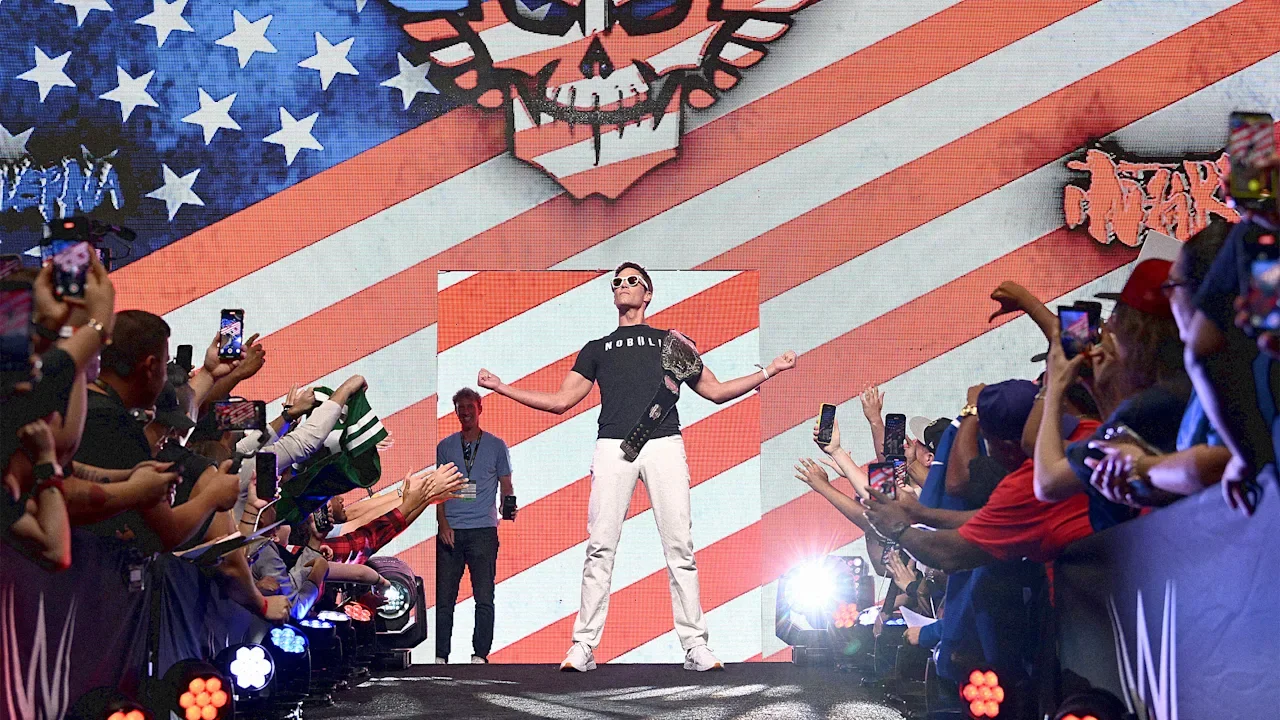
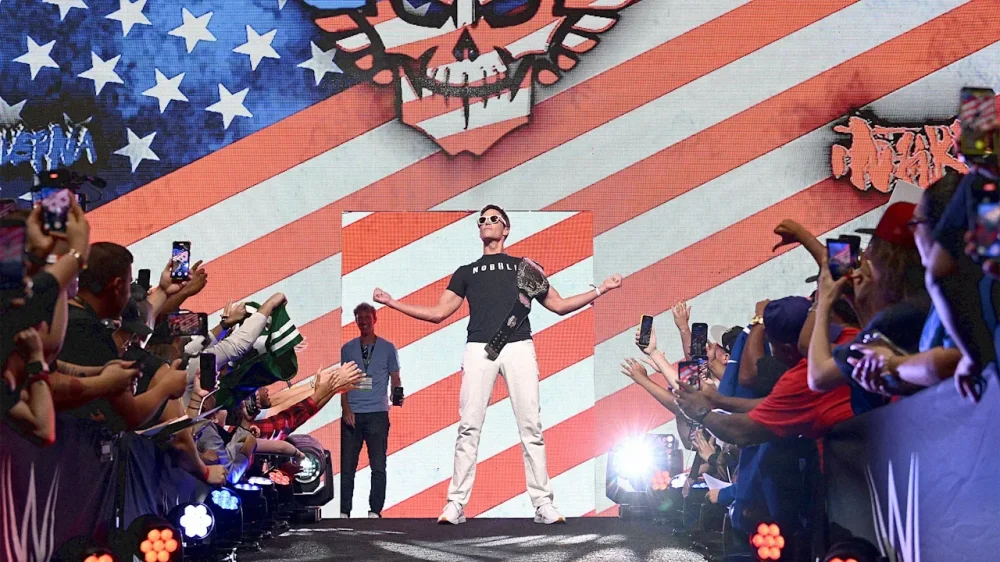
The convergence of brand work and entertainment is set to be making significant leaps and bounds this year as a result in a flurry of activity in 2025. Large brands of consequence have made serious investment in in-house entertainment studios over the past few years—LVMH, AB InBev, Nike, and Dick’s Sporting Goods, among them. Now, sports retail and gaming giant Fanatics is partnering with OBB Media to launch Fanatics Studios. The new division will be led by Michael D. Ratner, founder and CEO of OBB Media, and will operate as another pillar of Fanatics’ overall business, alongside retail, collectibles, and gaming. The goal is to independently create, finance, produce, and distribute content at the intersection of sports and culture. This isn’t Fanatics’ first foray into content. Back in 2023, the company launched Fanatics Live, a QVC-style digital content platform for its sports collectibles business featuring trading card breaks (like unboxing), and limited product drops. OBB Media and Fanatics originally began business together as part of a 10-year deal to produce Fanatics Fest, the company’s annual sports fan event and conference in New York City. “This new content business is a great connective tissue that can sit across (Fanatics’) larger platform and really pull fans closer than ever into their favorite players, leagues, teams and events,” Ratner tells Fast Company. “This venture is going to uncover so many new opportunities to create deeper connections across sports and culture and share stories that have yet to be told.” At launch, the new entity has a slate spanning films and documentaries, unscripted and scripted originals, live event specials, and digital series. It’s now the official content partner for all WWE digital shows, as well as leading content production for the LA28 Olympic Games. A deal with ESPN covers a one-hour special on Fanatics Fest, as well as producing the 2026 ESPYs awards show. Its deal with Major League Baseball is for an official global partnership to produce original content, like a 2026 World Baseball Classic docuseries, produced alongside Box To Box Films. And with NFL legend Tom Brady, Fanatics Studios is producing the Fanatics Flag Football Classic, first-of-its-kind round robin tournament featuring three teams of current and retired football players and athletes, including Brady coming out of retirement to make his flag football debut, broadcast live on Fox in March from Riyadh, Saudi Arabia. There’s also a doc series called One More Drive, following Brady’s preparation for that flag football tournament, and potentially competing for a roster spot on Team USA’s inaugural Olympic flag football team at LA28. Ratner says Fanatics Studios revenue will come from ancillary businesses from the IP, premiums from distributors, and production company fees. “We will also leverage the entire vertically-integrated Fanatics ecosystem, to expand these IP franchises across ancillary businesses — merchandising, collectibles, and beyond,” he says. “All of these projects are both revenue generating on their own, and fuel growth across each of our core businesses.” Ratner will be the CEO of Fanatics Studios while still leading OBB Media’s separate businesses. Prior projects from OBB Sports that predate the venture and will remain separate include Cold as Balls with Kevin Hart, Speed Goes Pro with IShowSpeed, and a recently announced Kevin Durant docuseries for Netflix. View the full article
-
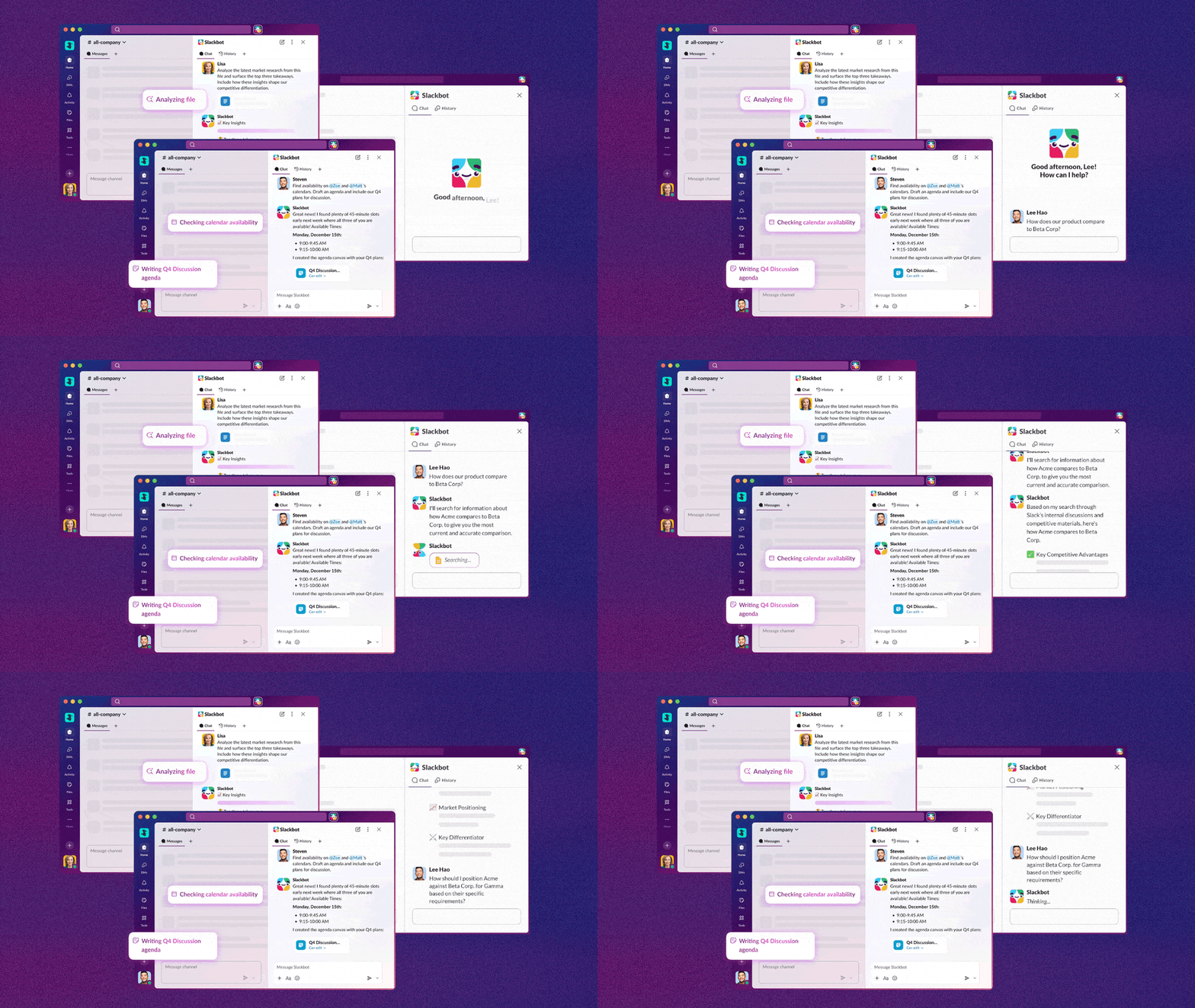
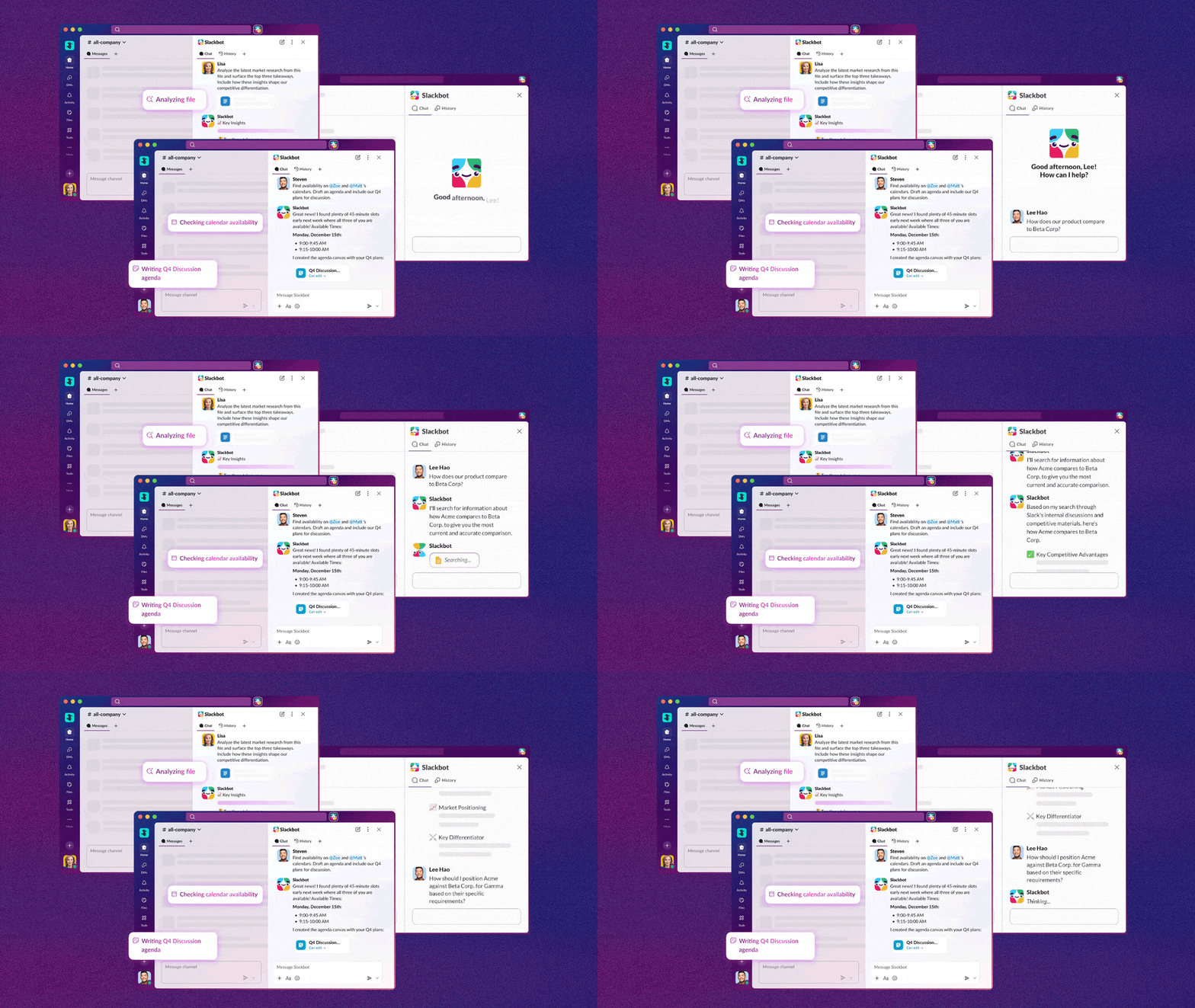
If you’re a Slack user, you’re probably familiar with Slackbot as a good-natured—if annoying—assistant that delivers notifications, reminders, and keyword-based automatic responses within the workplace chat app. But for organizations with paid Slack plans that have AI features enabled, Slackbot is receiving a bit of a brain transplant. The company has rebuilt the humble bot as an AI agent that can help bring you up to speed on workplace discussions and priorities, pull in data from other software your organization has integrated with Slack, help draft reports and Slack canvas documents, and even help schedule meetings with your colleagues. It’s part of a push by Salesforce-owned Slack to move from being simply a tool for chatting with colleagues to a hub for coordinating with both humans and bots. Slack already supports more than 2,600 third-party apps, and the new Slackbot is expected to increasingly integrate with specialized AI agents and software tools. “The way that we think about Slack today is as the conversational interface, if you will, for what we call the agentic enterprise, where humans and agents are all working fluidly and seamlessly together to get work done,” says Rob Seaman, Slack’s chief product officer and interim CEO. Already, Slack has offered AI tools to help craft canvases, the app’s freeform collaborative document format, and search through data in connected software like Google Drive, Box, Microsoft Teams and, of course, Salesforce. And now, users will be able to send plain language requests to Slackbot, similar to the kinds of inquiries handled by general purpose AI tools like ChatGPT or Google Gemini. Slack isn’t the only company giving its chat-powered tools a dose of AI smarts. Amazon has developed a generative AI version of Alexa, Apple has announced plans for a supercharged Siri, and AI providers like OpenAI and Anthropic regularly update their bots with upgraded language models. And office suits from companies like Microsoft and Google have also integrated chat-powered AI tools. But a powerful advantage of using Slackbot, says Seaman, is that it can harness retrieval-augmented generation—the technique of giving AI contextual information to help it answer specific questions—to act as a personal agent based on information already stored in Slack or linked apps. “We think that that deep organizational context is really what makes us immensely powerful,” Seaman says. Another advantage is simply that the bot is accessible through Slack, meaning users won’t have to toggle between apps as they chat with coworkers and with the bot. Still, talking to the bot will be a bit different from querying a colleague: Slackbot is designed for users to interact with it one-on-one through a dedicated app panel rather than inside Slack channels or multi-person conversations, though users can collaboratively edit bot-generated materials like canvases. Already, the tool has found widespread use at Slack and Salesforce, along with around 50 other organizations who’ve been given early access. Seaman says Slack product managers have used the new Slackbot to synthesize information from Slack channels gathering feedback on product features and ultimately turn that information into drafts of documents like sprint planning materials or meeting agendas. The bot can also create documents in the style of an individual user, though Seaman says it’s sometimes helpful to prompt it to use, say, a more formal tone than what the bot can model after informal Slack discussions. Like Slack’s other AI tools, Slackbot only has access to what a particular user already has permission to access in Slack and connected apps, which means companies shouldn’t have to rethink privacy settings when the bot comes online. The software will begin with access to a limited set of external tools, including some calendar integrations, though more are likely to be added soon, including support for scheduling calendar events. It also doesn’t have the ability to search the web, though Seaman says that’s also in the works for the near future. And for organizations with old school Slackbot customizations, whether those are weekly reminders to clean out the office fridge or keyword-triggered reminders of the guest Wi-Fi password, those will remain available, Seaman says, though they’ll be sequestered from the new Slackbot in Slack’s interface. “We’re going to move those notifications over into Activity and out of Slackbot, and then that way, Slackbot becomes this dedicated, personal agent,” Seaman says. At Salesforce, the majority of employees are already regularly using the new Slackbot, says Ruth Hickin, VP of workplace innovation. Salespeople can save hours every week using the tool to quickly pull data for calls, rather than manually rooting around in documents, and other employees have been able to work with Slackbot to generate project retrospectives and future plans, she says. Salesforce staffers are regularly coming up with new use cases for the bot and, naturally, sharing them on Slack. “We have 80% of employees using it, and they are coming up with use cases and sharing them internally,” she says. “And really with any new genAI tool, we do not know all of the impacts, so we can’t possibly know all of the great use cases.“ Salesforce workers have even started using the bot to help draft their annual employee self-evaluations, since it has ready access to information about what they’ve accomplished over the past year, says Ryan Gavin, chief marketing officer for Slack. View the full article
-
It is now official, Google confirmed it has entered "into a multi-year collaboration" with Apple to power Apple Intelligence features and Siri with Google's Gemini models and cloud technology.View the full article
-
Microsoft Advertising has expanded the number of search themes it allows to 50 search themes for Performance Max campaigns. This should be live now but Microsoft will announce it sometime this week.View the full article
-
I am seeing signs of a possible Google search ranking update or volatility around January 12, 2026. This is weird in that most of the tools, not all, are mostly calm, but the chatter has picked up and many SEOs are noticing ranking fluctuations. View the full article
-
The administration’s war on the Federal Reserve illustrates the threat of fiscal dominanceView the full article
-
Google Shopping is updating its promotions policy to now allow for promotions on subscription fees and abbreviations. This was updated as of this month, January 2026.View the full article
-
Google seems to have a bug that prevents searchers from leaving hotel reviews directly in the Google Search desktop interface. It works fine within Google Maps and Hotel search interfaces but not in the web search interface.View the full article
-
Remember when a handful of links from sites in your niche could drive steady organic traffic? That era is over. Today, Google’s AI Overviews and the rise of answer engines like ChatGPT raise the bar. You have to do more to stay visible. Hiring an experienced link building agency is one efficient way to meet that challenge. It’s also one of the most important investments you’ll make. The right partner doesn’t just build links. They position your brand as a trusted, cited source in the AI era. So how do you choose the right agency for your company? While the interface has changed, the core ranking signals remain largely the same. What’s changed is their priority. LLMs need credible sources to ground their answers. That makes authoritative link building more important than ever. This article shows you how to vet and choose a link building agency that understands these new priorities and can help your brand win trust in the AI-driven SEO landscape. How link building and SEO are changing Gartner predicted search engine volume to drop by 25% as AI takes over more answers. That makes working with an agency that understands AI SEO essential. But how do you know which agencies actually do? The real indicators are holistic authority and AI visibility. Only one in five links cited in Google’s AI Overviews matched a top-10 organic result, according to an Authoritas study. Even more telling, 62.1% of cited links or domains didn’t rank in the top 10 at all. The takeaway is simple. AI systems and search engines don’t evaluate websites the same way. We’re no longer building links just for Google’s crawler. Link equity alone isn’t enough. Sites need topical authority, brand mentions, and real market presence. The goal is to build a footprint that AI models recognize and can’t ignore. The new criteria: Evaluating a link building agency for AI SEO Choosing the right link building agency comes down to how well they prioritize the factors that matter now. This section shows you what to look for. Prioritizing quality, relevance, and traffic I see this mistake all the time. A marketing director evaluates link quality based only on Domain Rating (DR). High DR matters, but at uSERP, we know it’s not the finish line. You should also look for: Relevance: A link from a DR 60, niche-specific site in your industry often beats a DR 80 general news site that covers everything from crypto to keto. Minimum traffic standards: If a site doesn’t rank for keywords or attract real traffic, its links won’t help you rank. That’s why strict traffic minimums matter. When vetting an agency, ask for contractual site-traffic guarantees. A confident agency won’t hesitate to sign a Statement of Work that guarantees every link comes from a site with a minimum traffic threshold, such as 5,000+ monthly organic visitors. If they won’t put traffic minimums in writing, they’re likely planning to place links on “ghost town” sites. These domains appear strong, but they lack a real audience, which protects their margins rather than supporting your growth. Look for a content-driven approach and digital PR Links don’t exist in a vacuum. The strongest ones come from being part of a real conversation. The best agencies no longer operate like traditional link builders. They act more like content marketing and digital PR teams. Instead of asking for links, the best agencies create linkable assets — data studies, expert commentary, and in-depth guides that journalists and publishers want to cite – because they understand: Google’s algorithms and AI models are continually getting better at identifying paid placements. A content-led approach keeps links natural, editorial, and valuable to readers. Guest posting in the AI SEO era isn’t about a disposable 500-word article. It’s about thought leadership that positions your CEO as a credible expert. At uSERP, for example, we created — and continuously update — our State of Backlinks for SEO report. image source Red flags: Recognizing outdated or dangerous tactics Choosing the wrong partner doesn’t just waste your budget. It puts your brand reputation — and potentially your company’s future — at risk. Here are the biggest red flags to avoid when hiring an agency: Guaranteed rankings No one can guarantee a number-one ranking on Google. Any agency that promises specific keyword positions on a fixed timeline is likely doing one of two things: Using risky, short-term tactics to force a temporary spike. Selling you snake oil. These agencies often rely on private blog networks (PBNs) or aggressive anchor text manipulation to manufacture fast results. You might see an early jump, but the crash that follows—and the risk of a penalty when Google’s spam systems catch up—is never worth it. Lack of transparency If an agency won’t explain how they earn links or where placements will come from before you pay, walk away. Reputable agencies are transparent. They’ll show real examples of past placements and share relevant case studies from your industry. Agencies that hide their inventory usually do it for a reason. Those sites are often part of a low-quality network or link farm. Self-serve link portfolios If you’re a marketer or SEO on LinkedIn, chances are you’ve received a message like this: This is a common tactic among low-quality link builders: reselling backlinks from a shared inventory. I understand the appeal. Strategic link acquisition is hard. Buying and flipping links is easy. The problem — for you — is the footprint. If an agency can secure a link by filling out a form, anyone can. That includes casino affiliates, gambling sites, adult content, and outright scammers. That’s not a natural link profile. Google has almost certainly already identified and burned those domains. In the best case, you pay for a link that passes zero authority. In the worst case, Google flags your site as part of a link scheme. Dirt-cheap packages SEO and link building deliver incredible ROI, but they aren’t cheap. You can’t buy a high-quality article with a real, earned link from an authoritative site for $50. Speaking as someone who runs an AI SEO agency, the true cost of quality content, editing, outreach, and relationship building is at least an order of magnitude higher. That’s why cheap packages that promise multiple high-authority links are a major red flag. They almost always rely on: Fully AI-generated, barely edited content. Low-value link farms or resold inventory. Toxic backlinks. None of those will help you show up on AI search engines or Google. Partnering with a link building agency for a sustainable market presence Link building in the AI era is a long-term investment. It’s about building a durable market presence, not chasing quick wins. The right partner sees themselves as an extension of your team. They care about: Your backlink gap compared to competitors. Your brand mentions across LLMs. Your overall search and AI visibility. They help you navigate content syndication, backlink audits, content marketing, and modern link building strategies with a unified approach. If you’re ready to move past vanity metrics and start building authority that drives revenue and AI citations, it’s time to be selective about who you trust with your domain. The right link building agency is out there. You just need to know how to spot them. View the full article
-
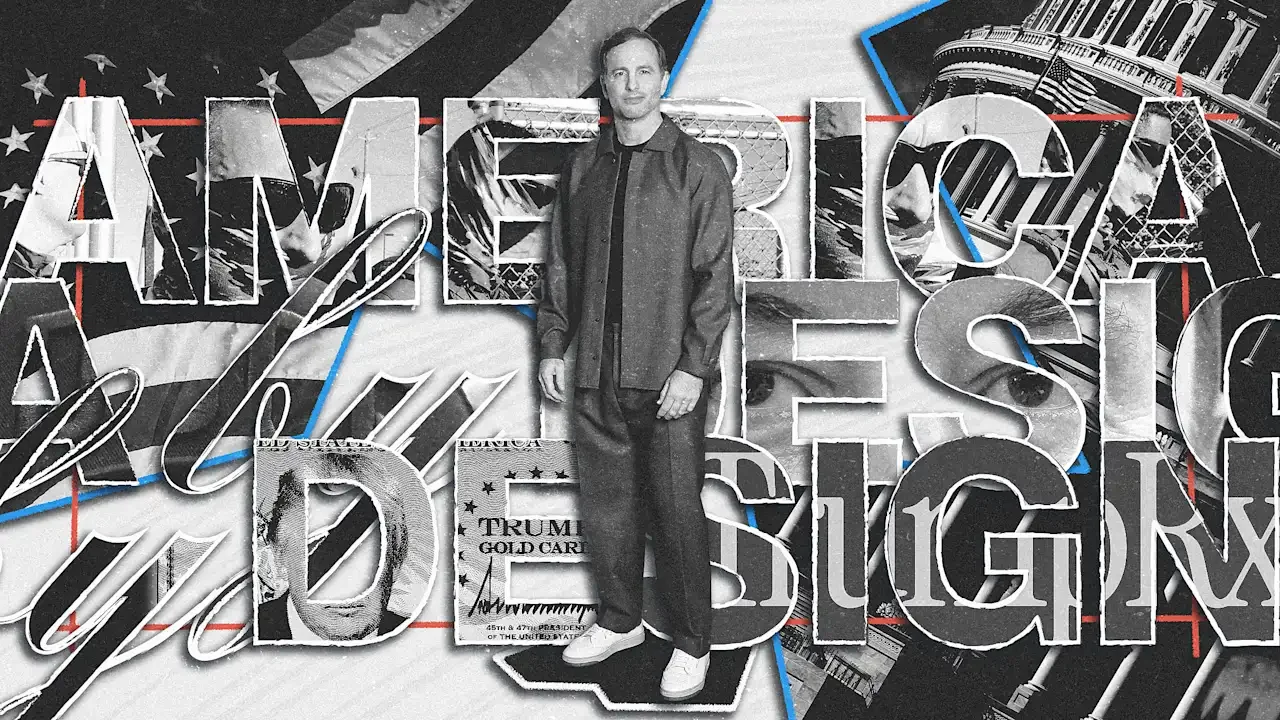
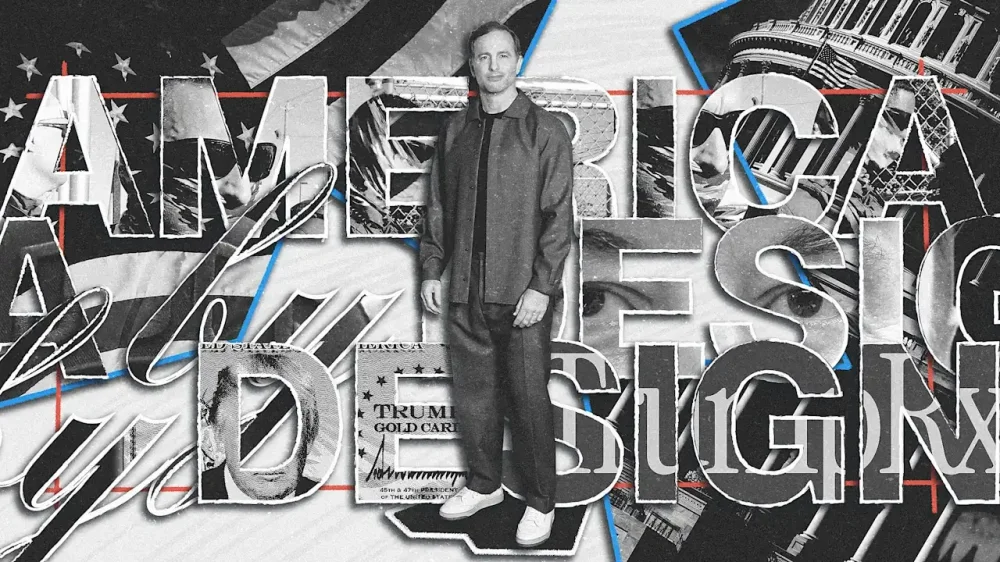
During President Donald The President’s first administration, he left hundreds of government designers, across half a dozen or more agencies, to do their jobs. But that changed the second time around, in January 2025, when a reelected The President wasted no time turning the official White House website into his personal blog, deleting resources for topics ranging from reproductive rights to the contributions of Navajo code talkers in World War II. Then in February, The President took a sledgehammer to the digital infrastructure of the U.S. when he enlisted Elon Musk to lead the Department of Government Efficiency (DOGE). In a vast cost-cutting initiative, DOGE destroyed half a dozen of the government’s digital design agencies. Hundreds of talented people recruited over decades lost their jobs, according to the best estimates of former government designers. The teams who launched everything from healthcare.gov to that handy site for ordering free COVID-19 tests were decimated. Now the design of America has been entrusted to one person overseeing the skeleton crews that remain. In August, The President appointed Joe Gebbia as the country’s first chief design officer. Joe Gebbia Gebbia is in charge of the America by Design initiative, and under The President’s order has opened the National Design Studio “to improve how Americans experience their government—online, in person, and the spaces in between.” “We’ll be guided by the best user experience,” Gebbia tells Fast Company. “It doesn’t matter who you voted for or what side of the spectrum you associate with or believe in. Everyone can agree that government websites are underwhelming, and they would enjoy a better design, better user experience, and faster page load times.” It’s an attractive promise, made by a man who, in many ways, appears to be a great fit for the job. Gebbia is the billionaire design cofounder of Airbnb. He graduated from the prestigious Rhode Island School of Design. He’s a fast-moving, private-sector creator of one of the most popular digital services of the past 20 years. His CV is exactly right for America by Design’s mission, which is to make chores like applying for your citizenship or filing taxes “something you actually look forward to.” It’s a Silicon Valley mantra that’s overused and overly optimistic, but it’s also fundamentally hard to argue with. Yet in speaking to a dozen government designers and experts for this piece—serving across the Obama, The President, and Biden administrations—it’s clear that Gebbia’s biggest challenge isn’t making the drudgery of navigating government services delightful or even easy. It’s navigating the inherent tension of doing so in an administration that’s actively undermining basic human rights. “You can’t talk about people losing their Medicare and have a slick website,” says Paula Scher, partner at the celebrated graphic design firm Pentagram. “It just doesn’t go.” Gebbia, who promised his fortune to the Giving Pledge in 2016, has recently positioned himself as a MAGA Republican who challenges vaccinations and has promoted the idea on X that immigrants should lose their green cards. Still, his ideologically opposed peers continue to believe that the power of design triumphs over all. That includes his Airbnb cofounder Brian Chesky, who defends Gebbia’s position and the good he can do as a pure digital practitioner. “As you think about it, the way that most people interface the U.S. government is through an app or a website,” says Chesky. “If those apps or websites were easier, so you could visit a national park, pay your taxes, get your benefits or Veterans Affairs stuff, that’s a good thing. It’s not inherently political.” But the work has been political. Months into his appointment, Gebbia’s promise to fix the UX of American services is far from realized. Instead, the The President administration has traded several flawed but human-centered government design agencies for a red-pilled web 2.0 propaganda czar. In his time as chief design officer, Gebbia has launched half a dozen websites that don’t so much repair the online experience of the U.S. government as promote The President’s projects like Kickstarter campaigns reskinned in vintage Apple typefaces. The high-gloss websites for The President Accounts and the Genesis Mission might give the appearance of an Apple Store-like experience, but Gebbia’s designs have also gone live with hundreds of accessibility violations. At best, the work has been cringe (have you seen the The President gold card?). At worst, it has distracted from an erasure of human rights, as trans resources and even practical words like disability have been purged from government websites this year. Still, many of the people I spoke with exhibited a certain envy for the position Gebbia finds himself in. It’s an unprecedented moment in which design has been elevated to the top of the country, backed by an executive order to get things done. With the assistance of Musk, The President razed America’s design services as we know them, leaving nothing in Gebbia’s way to build anew. “He’s inheriting the blank check kind of environment . . . [so] according to the laws of physics, he should be able to get a lot done,” says Mikey Dickerson, founding administrator of the United States Digital Service (USDS). “But if the things that he’s allowed to do, or the things that he wants to do, are harmful, then he’ll be able to do a lot of harm in a really short amount of time.” Redesigning the government In January 2025, Josh Kim was working for the State Department through a private contract agency, building the department’s updated digital accessibility standards. A dashboard tracked all the pages the government needed to modernize, from passport applications to adoption pages, to ensure everyone could access them. Following The President’s reelection, the administration sent out a memorandum to end DEIA (diversity, equity, inclusion, and accessibility) projects—with a mandate to cancel all related private contracts. Kim says he was told by management to erase every mention of “disability” and “accessibility” from his work immediately, before his firm was audited or asked to do so. “There was definitely this wave of fear that the consultancies were kind of like, ‘Oh shit, they’re going to cancel our contracts if we mentioned any of these things,’” Kim says. His experience was far from isolated. In the early days of the The President administration, similar erasure happened across government design agencies—with much of the work documented on GitHub. It wasn’t just words that were lost in this purge. One week after the memorandum, the Veteran’s Affairs site relabeled “Accessibility at the VA”—a webpage that allows disabled veterans to flag interface issues—to “508 Compliance (accessibility).” The code refers to the law for IT accessibility, but sounds like a plot twist from Stranger Things. While the page still exists, it’s the kind of update that obfuscates information to many of the people who need it. A third of veterans rely on the VA for disability benefits, and the update fundamentally damages the feedback loop between the government and the people it serves. It’s but one example of how government design services readied themselves for an invasion, and an invasion they got. In February 2025, Musk’s DOGE team arrived in D.C. and began cleaning house. By March, hundreds of government designers were gone as the most powerful design agencies inside the government were functionally dismantled. The (sometimes necessary) pangs of democracy Modernizing UX has been a big initiative of the government since President Barack Obama launched the Office of Digital Strategy in 2009 to connect the White House to digital channels. He then established a Presidential Fellows program in 2012 to recruit a new wave of technologists to public service. To date, 250 people have joined for 12- to 24-month tours of duty, including product leads on the Nest thermostat, Nike+ FuelBand, and talents who had worked at Disney. Even with this added technological firepower, government services still needed more day-to-day design support. That arrived in 2014, when two critical internal agencies—the USDS and 18F—were created out of one of the biggest digital failures in U.S. history, the botched launch of healthcare.gov. On the day healthcare.gov launched in 2013, 250,000 people tried to purchase health insurance, only to find a website that was unusable, with dozens of problems ranging from account registration failure to frequent crashes. It was so bad that only six people were able to sign up for healthcare coverage on the day of launch. Mikey Dickerson recalls arriving from Google to found what would become USDS. His first job of fixing healthcare.gov was done in just two months, from October to December 2013. “I mean, that was approximately a miracle, honestly,” he says, noting that entrenched government employees got a wake-up call from a disgraced Obama administration. “This was a very rare case where doing nothing was going to have consequences, because doing nothing meant that this very visible policy failure wiped out all of their careers.” Both the USDS and 18F doubled down on longer-term, private-sector recruiting. These two organizations alone recruited 18 people from Google, along with talents from Amazon, Facebook, Twitter, and the popular Silicon Valley incubator Y Combinator. Nikki Lee, a former product manager at 18F, created the stylus interaction used by Windows 10 and 11. The recruiting effort was enough to catch the attention of OpenAI cofounder Sam Altman in 2015, who called the talent grab “on par with the best Silicon Valley startups.” It’s a recent history that Gebbia has entirely ignored when promising to build a “dream team” of the “best talent of our era—the best designers, the best software engineers”—as if that’s a new concept for the government. (A government initiative called Tech Force launched in December 2025 to address the government’s loss of talent under DOGE.) When I ask Gebbia about his thoughts on the USDS and 18F—and whether he thought these groups were overrated and needed to be rebuilt—he shrugs off the topic as before his time. “Without knowing too much about the groups you mentioned, I do know that the air cover and the urgency around design is in a place it’s [never] been before,” he says. Whether Gebbia acknowledges them or not, USDS and 18F offer precedent for America by Design. The agencies were designed to work across different parts of government. USDS was a crisis agency focused on triage. 18F was an internal design consultancy built for longer-term digital solutions. Combined, they had an approximately 350 head count at their peak with a combined budget of around $40 million (though the USDS received a $200 million grant in 2022 to invest in tasks like modernizing Social Security IT and getting low-income Americans online). It’s easy to frame the progress across a constellation of government design services as too slow, too bureaucratic, and, most of all, too unusable. No one recognized these issues more than the government designers working to address them. “It is not like a corporate setting. It is not like a nonprofit setting. It is not like higher ed,” says Rachael Dietkus, the first social worker hired at USDS, who describes her first two years of working for the government as very difficult. “The learning curve is absolutely massive. It can be very confusing. There is a lot of hierarchy.” These agencies weren’t perfect, but they represented progress. Yes, they still had to operate around entrenched government employees who weren’t always motivated to move fast. But the bigger obstacle was often legislation the government had already decided upon. “Sixty percent of why the design of things sucks is because the policy sucks,” Dickerson says. “If you wanted a SNAP [Supplemental Nutrition Assistance Program] application to be really simple, like, you could absolutely do it. You could do it the same way we did the [free] COVID test.” When the government sent out free COVID-19 tests in 2021, policymakers decided that they could be available to anyone who requested them. “We’re not going to go around checking whether you have the money. If you wanted to do that exact same program but you want to do it means tested, where I have to prove that I can’t afford my own COVID tests? Well, guess what? Now you’ve got an application process that is nine months long. And we’ll have an appeal, and an appeal to the appeals,” Dickerson says. Her point mirrors what I heard from many government designers: You cannot have simplicity in government services in the face of eligibility verification, legal due process, and the ability to apply for services without a computer. That’s ultimately why many digital services aren’t as simple as the public would like. Clare Martorana, who was appointed chief information officer under President Joe Biden, left the role alongside that administration. She updated legacy systems that had been infiltrated by China and Russia, launched IRS direct file with 18F and others to sidestep the TurboTax ecosystem, and responded to the pandemic with the aforementioned COVID-19 test site (developed alongside the U.S. Postal Service by a handful of designers) that simply made tests appear at your door, no questions asked. But a lot of Martorana’s job was simply keeping projects moving, and to circumvent old, dated policies that perpetually impeded her work. “I received numerous emails from [managers] asking me, ‘There’s a guy here in our team that won’t move forward with this thing because of this 1995 e-government [policy]. And can you please write me back so I can share that, from your vantage, sitting under the president, your interpretation is that this is no longer the primary regulatory thing that someone should focus on?”’ she recalls. “But you know, we over-indexed in adding new rules and regulations and never did the housework of cleaning our closets.” As an optimist who began in the private sector, she believed DOGE could do a lot of good in removing this “calcified bureaucracy.” Instead of hyperfocusing on trying to run these inefficient structures more efficiently by cutting head count, she believed Musk would bring in “blue sky thinking.” Instead of fixing broken systems, Musk’s team could have simply built a better, cheaper version of things that existed. These systems could have duplicated old public services—albeit through modern technology that proved out its own benefits and cost savings—without breaking anything. Elon MuskPolitico “That’s what I thought Elon Musk was going to bring to the party,” Martorana laments. “I don’t think he built SpaceX by mimicking NASA.” No doubt, government design systems were too bureaucratic and needed a shake-up to move faster. But DOGE’s approach did nothing to build resilience or retain the government’s design progress of the last decade. “I’m not ashamed to say, like, ‘Yes, I absolutely covet the blank check that they were handed.’ If I had that in 2014, I could have gotten a lot of shit done,” says Dickerson. “But if Donald The President’s administration were to say, ‘You can be the new Elon Musk,’ I’d still pass on that job. Because what they’re trying to do is destroy everything.” Lobbying for the job Of course, one designer wanted that job. And he lobbied hard for it. Gebbia joined DOGE in February 2025, two months before Musk’s departure from the organization. His government work under that team began with his takeover of a multiyear initiative to digitize the paper-based retirement system of the Office of Personnel Management (OPM). He claims that in six months, his team evaluated the work, threw out all the code, and launched a new system that’s operational more than a year ahead of schedule. Ashleigh Axios, founder of the consultancy Public Servants, served as creative director and digital strategist under Obama and later worked on OPM digitization under her former firm, Coforma. She cautions, “As with many long-running federal modernization efforts, it’s common for new administrations to spotlight progress that began under earlier contracts.” In any case, those efforts garnered the attention of several The President Cabinet members: Interior Secretary Doug Burgum, Attorney General Pam Bondi, Health and Human Services Secretary Robert F. Kennedy Jr., Secretary of State Marco Rubio, and Kelly Loeffler of the Small Business Administration. Gebbia met with them to discuss the work. “It was really these conversations across the government where I started to dream a little bit,” he says. “I started to think, Wow, there is actually a real demand here for this. I started to think . . . The government’s kind of like a design desert, and everyone’s reaching out asking for a glass of water. I know how to find . . . a cold glass of water for them.” But Gebbia says he wasn’t simply offered a job. Rather, the entire pitch process was more like fundraising in his Silicon Valley days. In May, he began a three-month lobbying campaign to create the National Design Studio. He started with a traditional Keynote presentation, before learning that the government preferred big foam-core boards. He ended up carrying 20 of them at a time. “I remember the first day, going to a Secret Service checkpoint, and I put [the pile] through the X-ray machine. And the whole thing was a mess. And I’m like, Oh man, I gotta make a case for these things,” he recalls. “I custom built this foam-core case—just this big white case. I’m kind of walking around D.C., walking around the White House compound.” After meeting with enough agencies and Cabinet members, honing his pitch along the way, he eventually got an audience with The President’s chief of staff, Susie Wiles. Gebbia calls that meeting “one of the best pitches of my life.” A week later, he had the ear of the president, who greenlit the vision. As of August, Gebbia was operating as chief design officer, reporting directly to Wiles. “It [had] to be a presidential initiative for this to work at scale. And that was really one of the only ways that I was going to stick around to do this,” Gebbia says. “The whole architecture of this . . . was done in such a way that we’re one foot away from the president.” Gebbia wastes his blank slate When Gebbia first took the job, he connected with Scher of Pentagram and discussed the position, noting his excitement for the possibilities to get a lot done. “[The President’s] an autocrat. That’s the best corporate client you can have,” says Scher. “Just one opinion, and you’ve sold the damn thing.” The problem is that Gebbia’s governmental work thus far has been shallow at best, and fundamentally hypocritical at worst. While he’s promised to improve usability to core government services that serve a majority of Americans, his most visible projects have been little more than advertising campaigns for the The President administration. These efforts include sites like The Presidentrx.com, The Presidentaccounts.gov, and The Presidentcard.gov. “The gold card’s embarrassing. The typeface is hackneyed. If I were judging a design show, that’s what I’d say about it,” Scher says, examining the websites before offering a more nuanced criticism. “But it isn’t terrible. . . . There’s nothing wrong with it particularly as a piece of design except I think it’s incredibly inappropriate.” Should Americans be excited about a 12 Days of Design advent calendar, published as their healthcare premiums have quadrupled from The President’s elimination of Obamacare subsidies? Should the Americans who’ve lost food security—as the The President administration refused to release earmarked funds to provide food stamps during the government shutdown in 2025—be excited about the new food pyramid telling them how to eat? These projects read as promotion of Gebbia’s glossy vision for government design, rather than an American government resource, with little to no actual service attached to it. “[The President] wants to make it look like a business. It’s not a business,” Scher says. “The government is a place that creates laws and programs for society—it’s not selling shit.” Silicon Valley sells innovation by default. Overzealous promises and jokey 404 errors are just part of the vibe of move fast, break things culture. But designers who worked at design agencies across the government call out how that sort of easy breezy Valley perspective misses the point of public service—that you are often supporting people in the worst moments of their lives, and there’s a level of decorum you need to exhibit in consolation. “My grandfather passed away a couple years back. We filed VA forms to have him buried in a VA facility. That’s a whole process,” says Axios. “I don’t expect that to be delightful. I’m grieving.” Gebbia’s Valley-inspired work is evident in other sites, too. His design for genesis.energy.gov—a new federal AI research initiative—borrows the sans serifs and black backdrops of modern Apple ads. Viewed in full, it lands as any stereotypical technology site, full of servers and glowy sci-fi nonsense (though the presentation was enough for Reddit cofounder Alexis Ohanian to proclaim “this is awesome”). Perhaps if the The President administration hadn’t gutted America’s university system, reduced National Institutes of Health research grants, and ostracized its pipeline of overseas talent that’s driven a century of innovation in our country, a government AI program might feel like progress. Instead, let’s call this what it is: not much more than a Squarespace page glossing over an unprecedented rollback of federal funding for scientific research across the U.S. But Gebbia’s page for the National Design Studio is the most unintentionally apropos. The logo features a black-and-white flag with three stripes and no stars: an attempt at modernism that lands closer to looking like a country in mourning. These criticisms are largely superficial. But so is the work. Gebbia has referenced solving real UX pain points for Americans. We’ve yet to see him do more with front-end design than posting bold mission statements and offering a few data collection forms. When I flag these early projects as simple, Gebbia offers a fair retort. “Are we going to reimagine a hardcore corner of the government in eight weeks with a brand-new team?” he asks. “[Or] are we going to pick some quick wins and learn how to work together and ship some things so that we understand what’s involved with deploying great code?” Still, these randomly branded, stand-alone sites further bifurcate an already confused system of government services. Critics I spoke to point out that even with pared-back designs, they feature sloppy code, large download sizes, and fail reasonable accessibility standards. (Gebbia claims accessibility has been addressed. Anna Cook, an accessibility expert and designer at Microsoft, notes some fixes have been made, but “most of the core issues identified earlier remain unchanged.”) These sites also introduce more risk of malicious parties spoofing government resources. Most of all, they are inherently more concerned with how America looks than how it works. When I point out that much of his work seems to prioritize storytelling over functionality, Gebbia replies with a touch of exasperation. “I don’t know, should it be boring? I guess it’s sort of the bar at the moment,” he says. “You go to a government website, you kind of feel like you’re on a government website. I don’t know, can it be a little more magic? Because Americans deserve more than that.” Veneer, however, is easy for any designer. It’s untangling government services that’s hard. “Unless you’re actually delivering services to the public, you’re [not] simplifying the digital experience,” says Martorana. Before leaving with Biden, Martorana wanted to simplify the cacophony of digital services with a visual system that would unite all government websites under USA.gov. While the project ended with the Biden administration, the proposed brand featured a logo from Pentagram, with a stoic U and A, but a stylish, energetic S in the middle. Its simple brilliance was that it could then be paired with every seal used across the government, coalescing many government services into a more ideal entity. And it didn’t simply ignore the existing network of 450 agencies that provide ongoing services to the American public. Martorana laments the feature creep in which the government added more and more websites, even before Gebbia, when in fact the top nine government websites represent 160 million visits every month. Those sites should be getting the most immediate attention, she argues. And getting people to the right one, faster, could be the best thing we can do immediately. Gebbia shares that his team is, indeed, currently charting out a strategy for updating some of the largest government websites, and is entering the research phase now. That work could hold significant promise, and any single one of those projects would dwarf the National Design Studio’s efforts thus far. But he’s choosing to keep the work secretive, in what appears to be the setup for a larger, more dramatic reveal than we typically see in publicly funded government projects. “What you’ve seen so far are short stories, and we started on the novels,” Gebbia says. “Let’s just say that.” The great undoing Gebbia believes deeply in the power of design to better the life of everyone. He has promised to fund the teachings of his design idols Ray and Charles Eames in perpetuity, the midcentury designers who first inspired him to take up design, and brought good taste to America through mass-produced furniture. Yet he does not share their ideals. According to Eames biographer Pat Kirkham, the Eames “definitely had liberal politics” as Democratic donors who quietly backed many of their Hollywood friends during McCarthy’s Red Scare. Ray Eames went so far as to buy corsages for children whose parents had been jailed for their leftist beliefs. The duo did contribute to the Federal Design Improvement Program under President Richard Nixon—an initiative that Gebbia has cited as a precedent for America by Design. But if The President had asked the Eames to help the government today, or take on a chief design officer role for his administration? “My sense is that the Eames might have said, ‘No thanks,’” Kirkham says. “I just think that [The President’s politics] would have appalled them, really.” Gebbia remains an excellent storyteller who has mastered the art of the promise. But when asked questions on specifics—for example, could his own hypothetical Gebbia version of the VA site use the word disability instead of “section 508”—he dismisses the point. “I haven’t been involved in this. I can’t speak to it,” he says. Or when asked if he’d rebuild IRS.gov after the The President administration pulled the working platform from 25 states, he replies, “Before my time.” Gebbia says his unwillingness to engage in the politics of design is in service of design itself. “I think that at the end of the day, our focus is just [to] make the best user experience,” he says. Yet this is one of the most dangerous narratives coming from Gebbia and some of his Silicon Valley peers. These new government technologists believe that the politics at play right now do not really matter, and that a strong design sense—a core understanding of UX—can repair the loss of government resources. “It makes me very proud of our country for a moment. . . . Having this role, and it being an executive order, that the president has ID’d as important is probably the best way to signal to all people [working on] these experiences there should be intentionality,” says Katie Dill, who led experience design in the early days of Airbnb and is currently head of design at Stripe. “At its core, design is intentionality.” If design is the manifestation of intent, then good design can be born only from good intent. Gebbia’s intent as a designer is directly tied to that of the administration for which he works—one that has been systematically dismantling the rights of the people it is meant to serve. Given the administration’s current priorities, it seems unlikely for Gebbia to execute positive design on a wide scale. For now, many designers are eyeing Gebbia’s position with a mix of fear, envy, and patience, waiting for the political tables to turn so they can continue their work again. “Silicon Valley’s really getting trend-based. Everyone’s swinging to The President. But there’s a greater than 50% chance that the next president will be a Democrat. That’s just how it goes,” says Chesky. “I do think the country has needed the chief design officer. I think it’s a good post. And I hope when a Democrat is president—whenever that is—they keep the position.” View the full article
-
There is no precedent of a dominant power abandoning its primacy, as The President is doingView the full article
-
Government will reveal much-delayed plans for major new and upgraded rail links in north of EnglandView the full article
-
US’s biggest bank says economy remains ‘resilient’ even as labour market weakensView the full article
-
At first glance, the most striking part of the SunRise, a recently redeveloped residential tower in Edmonton, Alberta, is the boldly colored facade, with strips of primary color and a lively mural. Called The Land We Share, the vibrant landscape sketch has sparkled on the skyline since its unveiling this past summer. But the mural is far more than a pretty picture. Covered on all sides in a kind of colored solar panel called BIPV made by Canadian firm Mitrex, the mural and the rest of the structure generate roughly 267 kilowatt hours, enough to cut the building’s carbon emissions in half. Typically, high-rises generate solar power primarily via their rooftops. But that’s limiting, says Mitrex founder and CEO Danial Hadizadeh. “High-rises are exposed to the sunlight, and we can infuse them with panels at a minimal cost, so why not?” he says. A smaller part of the cladding company Clarify, Mitrex (named after the Iranian god of the sun) launched five years ago, after solving some of the unique technical challenges around making these colorful panels work. The panels are safe and easy to hang and can be colored in numerous shades in addition to the standard bluish tint. They have been reformulated to be noncombustible and now are cost competitive with other facade choices. Hadizadeh says that next year the company will introduce a new model that’s cost competitive with aluminum cladding, and he hopes to see larger real estate portfolios start coating multiple buildings in the panels to reduce their energy costs. “Increasing efficiency, lowering cost, and implementation on all elevations and every aspect of the building, that’s where we are going,” Hadizadeh says. While it is true that, say, a 10-square-foot section of a vertical array on the side of a skyscraper will generate less energy than a similar-size section on a rooftop panel, due to the latter’s ability to capture more direct sunlight, it’s still generating considerably more than an un-panelized facade. There might be some difficulty getting every side of a building to provide adequate generation in a super-dense collection of skyscrapers such as in Midtown Manhattan, but that’s a relatively small part of the market. In the case of SunRise, the building’s owner, Avenue Living Asset Management, needed the building upgrade to meet certain carbon emission reduction targets to qualify for retrofit funding, and the Mitrex panel made the project pencil out. In fact, Mitrex panels hang atop what’s called the rainscreen, a waterproofing and insulating layer on the facade of the building; not only does this approach create power, but it also improves the building’s overall energy efficiency at the same time. Mitrex projects slated to open next year include a medical center on the University of Toronto campus and a series of high-end residential towers in Dubai. View the full article

-
“How often should I post on social media?” is a question that has plagued marketers and creators since the invention of social media marketing. So, what’s the right number? In this guide, I’ll share data-backed tips on how often you should post on the most popular social media platforms. Jump to a section: At a glance: How often you should post on every social media platform How often should you post on Facebook? How often should you post on Instagram? How often should you post on TikTok? How often should you post on X (formerly Twitter)? How often should you post on LinkedIn? How often should you post on Pinterest? A note: The rules look different for small business content calendars Ideal posting frequency is only a piece of the social media puzzle FAQ about the best posting frequency More social media insights At a glance: How often you should post on every social media platformFacebook: 1–2 posts/dayInstagram: 3–5 posts/weekTikTok: 2–5 posts/weekTwitter (now X): 3–4 posts/dayLinkedIn: 2–5 posts/weekPinterest: 15–25 pins/dayYouTube: 1 video/weekYouTube Shorts: 1–3 videos/week👑Consistency is king: Our analysis of more than 100,000 Buffer users found that regular posting means 5x more engagement. How often should you post on Facebook?You should post on Facebook once a day. According to a HubSpot study of over 13,500 Facebook users, the ideal frequency for Facebook posts is one to two posts a day. 💡Related: How to Create the Perfect Facebook Business Page to Promote Your Small BusinessNote: The above numbers are for your Facebook Page (where you primarily post high-quality content about your products and services) and not your Facebook Group (where you build a community and interact with your followers). How often should you post on Instagram?You should share three to five Instagram posts weekly. When it comes to in-feed Instagram posts, like carousels, reels, and single-image posts, our data on how often you should post on Instagram shows that posting three to five times per week is likely the sweet spot. We analyzed median reach per post, and found that accounts that post more tend to get more views on every piece of content. Compared to posting just 1–2 times per week: Posting 3–5 posts/week = ~12% more reach per postPosting 6–9 posts/week = ~18% more reach per postPosting 10+ posts/week = ~24% more reach per postThis also has a powerful impact on follower growth. We found a similar pattern when increasing weekly posting frequency there: 1–2 posts per week: +0.12% follower growth rate3–5 posts per week: +0.26% follower growth rate6–9 posts per week: +0.44% follower growth rate10+ posts per week: +0.66% follower growth rateSo if more posts = more reach and more follower growth, why are we not recommending that? Well, data savvy folks will likely notice that in both those analyses, the returns are diminishing. In other words, the lift in both reach and follower growth rate is slightly lower with each jump. You'll get the most bang for your buck when you shift from posting once weekly to 3-5 times. And, perhaps most importantly: at that cadence, you can keep your content quality high — and you run far less risk of burning out. To get the most out of the Instagram algorithm, experiment with various types of posts for different kinds of content and see which performs the best for you. 💡Learn more: The Complete Guide to Use IG Stories to Boost Engagement for Your BrandHow often should you post on TikTok?You should post on TikTok two to five times a week. Our data on how often to post on TikTok shows that going from posting just once to two to five times per week on TikTok can offer the most meaningful lift in views. Buffer’s data shows that moving from one post a week to this range delivers the biggest bang for your buck, with up to 17% more views per post. Posting even more can help, but the gains taper off: 6–10 posts can lift views by around 29%, and 11+ posts by about 34% — which is a lot to juggle if you have a day job. The real win isn’t that every post performs better. Median views stay pretty flat. Instead, posting more simply gives you more chances for a breakout hit. So if you’re looking for the most sustainable, high-impact cadence, bumping up from one post to a few each week is where the effort really pays off. Remember that while the recommendation of posting frequency is high for TikTok, the TikTok algorithm prioritizes engagement and user interaction. If you want to get more followers on TikTok, it’s crucial to post high-quality, relevant, and engaging content for your audience. Pro tip: Start by posting twice a week and increase your cadence by cross-posting and repurposing existing content from other platforms. 💡Related: How to Grow a Brand Account on TikTok, From Someone Who Did ItHow often should you post on X (formerly Twitter)?You should post on X three to four times every day. A study of 30 top X accounts by EverywhereMarketer showed that the frequency of posting on X varies widely, with some posting multiple times a day and others only a few times per month. On X, posting more often really works in your favor because the timeline is fast-moving and strongly influenced by recency. The X algorithm prioritizes newer posts it thinks people are likely to engage with, which means tweeting once a day can disappear pretty quickly. A solid, sustainable sweet spot is around three to five posts per day, spread out over time. This gives your content more chances to show up in different timelines and grow your following on X. Think of it less as “posting more to game the algorithm” and more as staying present in the conversation — a mix of original posts, replies, and reshares keeps your account visible, relevant, and human. How often should you post on LinkedIn?You should post on LinkedIn two to five times per week. Buffer’s data on how often to post on LinkedIn shows that moving from 1 post to 2–5 posts per week is the real turning point, where LinkedIn starts distributing your content more widely and rewarding you with stronger performance per post. This cadence is the most sustainable sweet spot for most people, delivering meaningful lifts in reach and engagement without overwhelming your schedule. Posting more often can amplify results even further: 6–10 posts per week push reach and engagement higher, and 11+ posts unlock the biggest gains of all — nearly triple the engagements per post compared to once a week. LinkedIn’s posts have a longer shelf life than other social media platforms. This means your LinkedIn posts can appear in your audience’s feed for weeks after you’ve shared them. Thus, investing time in creating an intentional LinkedIn strategy where every piece of content is well thought-out becomes essential. Pro tip: Posting more consistently helps every post travel further, no matter your audience size, so the best cadence is the one you can maintain while still showing up with quality content. 💡Learn more about how the LinkedIn algorithm works.How often should you post on Pinterest?You should post on Pinterest 15–20 times a day, or at least once a week, Pinterest recommends. The platform highlights that they value quality over quantity, so focus more on creating high-quality, useful content than boosting your post frequency for your Pinterest marketing strategy. You aren't alone if once a week seems too little for you. Initially, you might need to post more fresh Pins to grow faster. Tailwind found its most successful users pin around 15 – 25 Pins per day. They also found the upper limit: Pinning more than 50 times a day can hurt your distribution on Pinterest. Like with any other social network, Pinterest prioritizes new content over old content. The same Tailwind article also recommends creating fresh pins rather than duplicate ones to achieve traffic and engagement and multiply your Pinterest audience. How often should you post on YouTube?A good rule of thumb is to post on YouTube once a week. Dexxter Clark ran an experiment and found daily posts are the best YouTube growth strategy. If that’s impossible for you, share a video once a week. In his study, posting three times a week or five times a day didn’t significantly increase engagement compared to once weekly. It’s important to note that the YouTube algorithm values audience satisfaction — so it’s beneficial to focus on growing an engaged audience rather than tallying up an empty subscribers list. Even the YouTube Creators channel advises uploading as much as realistically possible. The key is sticking to a schedule and maintaining consistency for a long period of time. A note: The rules look different for small business content calendars“How often to post on social media” and “How often small businesses should post on social media” are two different questions. That’s because small businesses aren’t often equipped with the resources, time, and budget needed to win over the ideal posting frequency of social media algorithms. So, the “right” number is the number you can stick to. If the platform recommends posting social media content all days of the week, but you can only post every weekday, it’s A-OK. Accommodate a sustainable number of posts in your social media strategy — a number you can meet comfortably without shaking hands with creator burnout. That’s your sweet spot. Not to mention: There’s no universal “right number” for any social media platform, just like there’s no worldwide best time to post on social media. The optimal number of social media posts depends on your industry, audience, follower size, and the admin load you can handle. When you read the ideal posting frequency in the following sections, remember they’re a rule of thumb, not social media commandments set in stone. Ideal posting frequency is only a piece of the social media puzzleIn the social media world, meeting the ideal number of posts is only one piece of the pie. There are several other factors affecting your social media growth, such as: If you’re on the right social channels (where your target demographic is)If you’re engaging with your audience (responding to comments and DMs)If you’re posting content that’s relevant, helpful, and engaging for your audienceIf you’re sharing interactive content that keeps followers hookedIf you’re posting at the right time on social platforms (when your target audience is online)💡If you’re looking for the best time to post on social media platforms, here’s our guide for Facebook, Instagram, TikTok, Twitter, LinkedIn, Pinterest, and YouTube.That’s a lot to figure out. Ideally, you’d create a social media calendar (steal our content calendar template!), batch-create content, and stick to a posting schedule that works for you. This is where scheduling tools like Buffer come in: You can connect your social channels, schedule content in advance, and it’ll publish at your selected time automatically. The best part is that Buffer is an all-in-one social media management tool that can not only schedule posts for you across platforms but also help you determine the best time you should post, your best-performing content, and give in-depth analytics of your social media posts. Try Buffer free todayFAQ about the best posting frequencyHow often should you post on social media?The ideal posting frequency depends on the social media platform, your target audience, and what you can sustain long term. As a rule of thumb, consistent posting beats perfect volume. Is it better to post daily or focus on quality?Quality content always wins over just volume. Posting frequently helps with visibility, but high-quality, engaging content is what earns saves, shares, and community engagement. What’s the best posting frequency for businesses?For most business profiles, the best posting frequency is one you can maintain without burnout. A consistent posting schedule — even if it’s fewer posts per week — performs better than posting daily and disappearing. How often should small businesses post on social media?Small businesses should aim for a sustainable social media posting frequency that fits their resources. Posting 2–5 times per week on key social channels is often enough to maintain consistent visibility and social media growth. Does posting more increase engagement?Posting more often increases your chances of reach and engagement, but it doesn’t guarantee every post will perform better. The biggest gains usually come from moving from very low posting frequency to a consistent cadence. How do I choose the optimal posting frequency for each platform?Each social network rewards different behaviors — for example, Instagram Stories and X (formerly Twitter) favor frequent posts, while LinkedIn posts have a longer shelf life. Use platform-specific benchmarks, then adjust based on your content mix and audience response. Is there an industry average for social media posting frequency?Yes, but it varies widely by platform and industry. Treat industry averages as a starting point, not a rule — your ideal posting frequency should reflect your goals, audience, and content quality. Can scheduling tools help with consistent posting?Absolutely. Scheduling tools make it easier to plan ahead, batch content, and stick to a consistent posting frequency across social media platforms without posting manually every day. Do I need a social media calendar?A social media calendar helps you plan posting content in advance, maintain consistent posting, and balance different formats like static posts, short-form videos, and behind-the-scenes content. What matters more than how often you post?Posting frequency is just one part of a strong social media strategy. Engaging content, audience interaction, posting at the right time, and sharing relevant industry insights are what truly drive the most engagement over time. More social media insights TikTok Analytics for Creators and Brands: The Metrics That Actually Matter12 Social Media Metrics You Should Be Tracking (And Why)Social Media Dashboard: Why You Need One and How to Create ItFacebook Insights 101: A Beginner’s Guide to Analyzing Facebook Performance10 Content Marketing Metrics to Track (+5 Experts on the Ones that Matter to Them)More Data, Better Results: Introducing LinkedIn Analytics and MoreView the full article
-
Financial markets took a tumble Monday morning after Federal Reserve Chair Jerome Powell announced that he was the subject of a Justice Department inquiry concerning the central bank's headquarters renovation. Lawmakers and former Fed officials decried the move as political intimidation. View the full article

-
A cozy, neutral sameness defines our era of interior design. Velvet sofas. Bouclé armchairs. All-white living rooms. Beds layered with fluffy faux-fur blankets. Calming sage green kitchen cabinets. You see it in furniture catalogs, social media feeds, perhaps even your own home. And we’ve got algorithms to thank. A decade ago, social platforms shifted from chronological feeds to algorithmic ones, optimized to show users what they were most likely to engage with. As many cultural critics have pointed out, those systems reward what is broadly appealing and shareable. In interiors, that has meant rooms that are soothing and inoffensive—but largely devoid of personality. “Algorithms are a mathematical equation based on the statistical middle,” says Christiane Robbins, a founding partner of architectural firm MAP Studio, who has studied algorithms’ influence on design. “Over time, the middle becomes what everybody thinks they want.” Over time, algorithmic aesthetics begin to feel familiar, then comfortable, then indistinguishable from your own taste. “It’s subtle,” says Sara Sugarman, founder and CEO of Lulu and Georgia, a furniture brand that she launched in 2012, just before algorithms reshaped the internet. “Your personal style is influenced by these trends whether you realize it or not. You might decide you like a shade of gray without realizing it’s because you’ve seen it hundreds of times.” But experts like Katherine Lambert, Robbins’ business partner, believe that change is coming. Consumers are getting tired of the visual sameness all around them. Home brands are realizing that they no longer have a distinct point of view that sets them apart from competitors. “We’re seeing a ‘design resistance’ emerging,” says Lambert. “Designers are rebelling against the algorithm.” Sugarman considers herself a member of this resistance. At Lulu and Georgia, she’s pushing back against algorithm-inspired design across her business. Instead, she’s empowering designers who have a strong point of view to create idiosyncratic pieces that draw the customer in. The majority of the brand’s revenue comes from products that it designs and manufactures itself, allowing it to create an aesthetic that stands out from other brands. This strategy has been good for Lulu and Georgia’s bottom line. The company, which is self-funded and profitable, has been growing at a rate of 30% year over year for the past few years. And customers tend to be loyal, with a repeat rate of more than 50%, which is roughly double the industry standard. Lulu and Georgia offers a glimpse into how the world of mass-market interior design might be changing, as consumers want to break free from AI-generated sameness. The Democratization of Design Sugarman grew up immersed in design. Her grandfather, Louis Sugarman, founded Decorative Carpets in West Hollywood in 1955, catering to elite interior designers. As a child, she spent time in the showroom watching designers create custom pieces for wealthy clients. It was a closed system, where professionals controlled access and defined taste. That began to change in the 2000s, as the internet and social media gave a broader audience access to design inspiration. Mass retailers like Target, Ikea, and Wayfair made it possible to recreate high-end looks at lower prices. Sugarman didn’t see this shift as a threat. “It was incredible,” she says. “Design became more accessible, and it helped the industry overall.” She launched Lulu and Georgia as a digitally native rug brand before expanding into furniture and decor. But as platforms like Instagram, Pinterest, and later TikTok came to dominate visual culture, Sugarman noticed customers arriving with increasingly fixed ideas of what they wanted—labels like “modern,” “coastal,” or “traditional” that all pointed toward the same neutral, minimalist end point. For Robbins, this convergence makes sense. The rise of algorithmic feeds coincided with years of global upheaval—from the pandemic to political instability. “In uncertain times, people gravitate toward what feels familiar,” she says. “Sameness offers a subliminal sense of security.” Algorithmic Design is Good for Business For home brands, flattened taste is operationally convenient. When consumers want the same sofas, colors, and textures, demand becomes easier to forecast and inventory risk shrinks. Searches for white sofas and bouclé furniture have steadily increased over the past decade, making those products reliable bets. “If your business depends on scale and predictability, algorithmic sameness is incredibly efficient,” Robbins says. “You can optimize your supply chain, minimize risk, and flood the zone with products.” But Lambert is seeing signs of fatigue in her conversations with designers and clients. “People sense that something is off, even if they can’t articulate it yet,” she says. “Especially in [hotels and restaurants], everything looks interchangeable. There’s a global scroll now—where everything looks the same no matter where you are.” In response, Sugarman has deliberately pushed back against algorithmic design. Lulu and Georgia does not use any trend-forecasting firms and resists letting past sales data dictate future products. This sets it apart from other furniture retailers. The forecasting agency WGSN has a robust interior design division which many manufacturers and brands (like LG and Knoll) use to decide what to make. Target, for its part, has built its own generative AI-powered forecasting platform called Target Trend Brain. By contrast, Sugarman empowers designers with distinct points of view to create pieces that don’t yet exist in the market. Roughly 55% of the company’s revenue comes from products that it has designed and manufactured itself; the remaining 45% comes from products it has curated from other suppliers whose aesthetic fits in to Lulu and Georgia’s. The strategy is bearing fruit. Many of the designer collaborations sell out within days. Some of Lulu & Georgia’s bestsellers over the last few years look very different from the soft neutral styles that dominates our feeds: A red marble dining table with rounded leg, a wooden dining table with perforated holes on the base, dining chairs with unusual shapes cut out on the back. The brand collaborates with interdisciplinary designers including ceramicist Lalese Stamp, architect Ginny Macdonald, lighting designer Eny Lee Parker, textile designer Élan Byrd, and fashion designer Carly Cushnie, encouraging them to design what they genuinely want in their own homes—even if it means making a objects with no track record of selling. Products are often manufactured in small quantities to test demand. One example is a small wooden vanity chair designed by longtime collaborator Sarah Sherman Samuel. Sugarman initially doubted it would sell. “Most people don’t have vanities anymore,” she says. Still, they made a small run. The chair quickly sold out, with customers using it as a sculptural accent in living spaces. As with other furniture retailers, Lulu and Georgia also experiments with color through made-to-order pieces. A sofa designed by Macdonald is available in bold shades like mustard yellow and paprika red, produced only after a customer places an order. The approach allows the brand to test unconventional colors without overcommitting inventory. “Sometimes,” Sugarman says, “those experiments become massive hits.” For Robbins and Lambert, this strategy works because it is rooted in specificity. “Specificity is the secret sauce that throws off the algorithm,” Lambert says. “The more cultural, historical, and contextual knowledge you bring in, the harder it is for systems to flatten taste.” As algorithmic sameness reaches its limits, they believe consumers will increasingly seek out brands willing to take risks. “We’re seeing fatigue percolate,” Robbins says. “I think we’re approaching a cultural tipping point. Designers who resist the algorithm are going to win.” View the full article

-
Explore these tried and tested AI visibility tools that help you monitor, analyze, and improve your brand presence across AI search engines. View the full article
-
Governors from 11 institutions issue statement of support for embattled Fed chairView the full article
-
Broadcaster argues that ‘Panorama’ documentary at centre of president’s claim was not available in the USView the full article