ResidentialBusiness
Administrators
-
Joined
-
Last visited
Everything posted by ResidentialBusiness
-
 Returns to musicians and writers are dwindling fastView the full article
 -
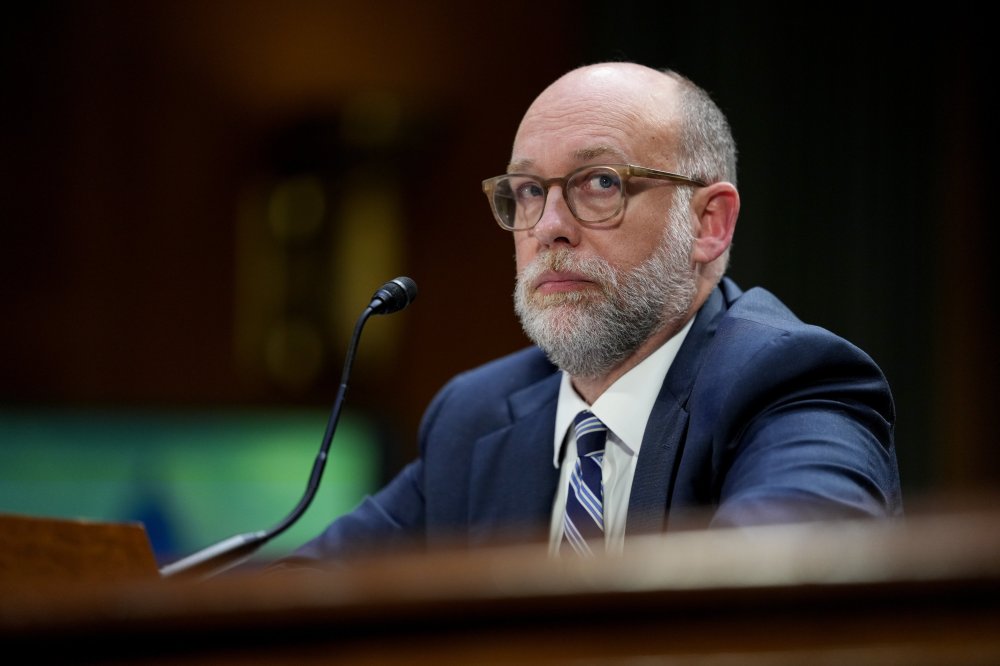
The Consumer Financial Protection Bureau's Acting Director Russell Vought has an obligation to request funding for the agency, five former Federal Reserve officials said. Plus, three nonprofits sue Vought and the CFPB. View the full article
-
At re:Invent 2025, Amazon Web Services (AWS) unveiled a groundbreaking partnership with 123RF, a leading royalty-free stock media platform. This collaboration introduces a new generative artificial intelligence (Gen AI) capability designed to enhance video comprehension and image retrieval. For small business owners who rely on high-quality media to market and illustrate their products, this development offers promising enhancements to operational efficiency and creative capacity. 123RF boasts an impressive catalog with over 230 million assets and serves more than 12.4 million users globally. By implementing Gen AI technology via AWS, the platform has achieved a remarkable increase in the accuracy of video descriptors and improved search relevance. Early testing on a sample of five million videos doubled the accuracy of content identification and streamlined the search process, enabling ecommerce clients to find and pair appropriate media with their products quickly. This directly improves the speed and volume of products they can list each day, enhancing sales opportunities. A significant benefit of this technology is its ability to deliver precise results even when traditional tagging methods fall short. For instance, when a user initiates a search for “green bag,” the AI comprehensively analyzes the visual content, returning only relevant results instead of unrelated content tagged with similar keywords. This improvement means that small business owners—including those managing ecommerce sites or digital marketing firms—can spend less time sifting through irrelevant images and videos and focus more on strategic activities that drive business growth. As Bernadine Michael, Chief Marketing Officer at 123RF, observed, the capabilities provided by AWS have transformed the company’s operations, allowing marketing teams to launch campaigns 35% faster. “The real breakthrough is how Gen AI on AWS democratizes creativity across our global subscriber base,” she remarked, emphasizing that designers and marketers can now locate the perfect assets in an instant, regardless of language or cultural context. However, the advantages extend to compliance and content verification as well. With increased scrutiny regarding copyright and licensing, 123RF employs AI to automatically detect trademarked logos and flag branded content effectively. This functionality helps small business owners ensure that the visuals they use are compliant with licensing requirements, reducing potential legal risks while streamlining their asset management workflows. Prior to implementing this AI technology, 123RF faced a significant bottleneck: a labor-intensive review process where 30-40 human reviewers evaluated around 3,000 images daily. After adopting Gen AI, the platform reduced content review times by a staggering 92%, allowing customers to find creative assets in 90% less time with improved accuracy. Phoebe Liew, Chief Technology Officer at 123RF, explained how the AI enhances content understanding: “Our AWS-powered AI technology now ‘sees’ images the way humans do.” This advanced system captures unique visual properties, allowing it to match similar images regardless of the descriptive language used. By analyzing actual visual elements rather than relying solely on keyword accuracy, small business owners benefit from a more streamlined content retrieval process that eliminates duplicates and better identifies potential copyright issues. While the potential benefits of adopting such AI capabilities are compelling, small business owners should also consider certain challenges. Implementing these advanced technologies requires upfront investment and may involve a learning curve. Furthermore, businesses must remain vigilant about evolving legal and ethical considerations surrounding AI-generated content. Moreover, small business owners must evaluate whether the existing digital infrastructure can support these new capabilities. Transitioning to an AI-powered platform may necessitate upgrades or additional training for staff to harness the full potential of these tools. AWS’s investment aligns with a broader trend of increasing AI adoption among startups. Their recent “Unlocking Ambitions” survey highlights that 48% of startups are implementing AI solutions, and nearly a third are developing entirely new AI-driven products. As noted by Hussein Mohd. Ali, AWS’s Country Manager for Malaysia, such advancements position the region as a growing hub for AI innovation, which can benefit small businesses looking to compete on a global stage. In light of these developments, small business owners should explore how integrating generative AI into their operations can enhance efficiency and foster creative growth. As the landscape continues to evolve, leveraging cloud computing and AI technologies can empower businesses to innovate, reduce operational bottlenecks, and adapt more swiftly to market demands. For further details on 123RF’s new capabilities and the technology behind it, visit the original press release here. Image via Google Gemini This article, "Amazon AI Transforms Video Search for 123RF, Boosts Creativity and Efficiency" was first published on Small Business Trends View the full article
-
At re:Invent 2025, Amazon Web Services (AWS) unveiled a groundbreaking partnership with 123RF, a leading royalty-free stock media platform. This collaboration introduces a new generative artificial intelligence (Gen AI) capability designed to enhance video comprehension and image retrieval. For small business owners who rely on high-quality media to market and illustrate their products, this development offers promising enhancements to operational efficiency and creative capacity. 123RF boasts an impressive catalog with over 230 million assets and serves more than 12.4 million users globally. By implementing Gen AI technology via AWS, the platform has achieved a remarkable increase in the accuracy of video descriptors and improved search relevance. Early testing on a sample of five million videos doubled the accuracy of content identification and streamlined the search process, enabling ecommerce clients to find and pair appropriate media with their products quickly. This directly improves the speed and volume of products they can list each day, enhancing sales opportunities. A significant benefit of this technology is its ability to deliver precise results even when traditional tagging methods fall short. For instance, when a user initiates a search for “green bag,” the AI comprehensively analyzes the visual content, returning only relevant results instead of unrelated content tagged with similar keywords. This improvement means that small business owners—including those managing ecommerce sites or digital marketing firms—can spend less time sifting through irrelevant images and videos and focus more on strategic activities that drive business growth. As Bernadine Michael, Chief Marketing Officer at 123RF, observed, the capabilities provided by AWS have transformed the company’s operations, allowing marketing teams to launch campaigns 35% faster. “The real breakthrough is how Gen AI on AWS democratizes creativity across our global subscriber base,” she remarked, emphasizing that designers and marketers can now locate the perfect assets in an instant, regardless of language or cultural context. However, the advantages extend to compliance and content verification as well. With increased scrutiny regarding copyright and licensing, 123RF employs AI to automatically detect trademarked logos and flag branded content effectively. This functionality helps small business owners ensure that the visuals they use are compliant with licensing requirements, reducing potential legal risks while streamlining their asset management workflows. Prior to implementing this AI technology, 123RF faced a significant bottleneck: a labor-intensive review process where 30-40 human reviewers evaluated around 3,000 images daily. After adopting Gen AI, the platform reduced content review times by a staggering 92%, allowing customers to find creative assets in 90% less time with improved accuracy. Phoebe Liew, Chief Technology Officer at 123RF, explained how the AI enhances content understanding: “Our AWS-powered AI technology now ‘sees’ images the way humans do.” This advanced system captures unique visual properties, allowing it to match similar images regardless of the descriptive language used. By analyzing actual visual elements rather than relying solely on keyword accuracy, small business owners benefit from a more streamlined content retrieval process that eliminates duplicates and better identifies potential copyright issues. While the potential benefits of adopting such AI capabilities are compelling, small business owners should also consider certain challenges. Implementing these advanced technologies requires upfront investment and may involve a learning curve. Furthermore, businesses must remain vigilant about evolving legal and ethical considerations surrounding AI-generated content. Moreover, small business owners must evaluate whether the existing digital infrastructure can support these new capabilities. Transitioning to an AI-powered platform may necessitate upgrades or additional training for staff to harness the full potential of these tools. AWS’s investment aligns with a broader trend of increasing AI adoption among startups. Their recent “Unlocking Ambitions” survey highlights that 48% of startups are implementing AI solutions, and nearly a third are developing entirely new AI-driven products. As noted by Hussein Mohd. Ali, AWS’s Country Manager for Malaysia, such advancements position the region as a growing hub for AI innovation, which can benefit small businesses looking to compete on a global stage. In light of these developments, small business owners should explore how integrating generative AI into their operations can enhance efficiency and foster creative growth. As the landscape continues to evolve, leveraging cloud computing and AI technologies can empower businesses to innovate, reduce operational bottlenecks, and adapt more swiftly to market demands. For further details on 123RF’s new capabilities and the technology behind it, visit the original press release here. Image via Google Gemini This article, "Amazon AI Transforms Video Search for 123RF, Boosts Creativity and Efficiency" was first published on Small Business Trends View the full article
-
President Donald The President on Sunday hosted the Kennedy Center Honors and praised Sylvester Stallone, Kiss, Gloria Gaynor, Michael Crawford, and George Strait, the slate of honorees he helped choose, as being “legendary in so many ways.” “Billions and billions of people have watched them over the years,” The President, the first president to command the stage, said to open the show. The Republican president said the artists, recognized with tribute performances during the show, are “among the greatest artists and actors, performers, musicians, singers, songwriters ever to walk the face of the Earth.” Since returning to office in January, The President has made the John F. Kennedy Center for the Performing Arts, which is named after a Democratic predecessor, a touchstone in a broader attack against what he has lambasted as “woke” anti-American culture. The President said Saturday that he was hosting “at the request of a certain television network.” He predicted the broadcast scheduled for Dec. 23 on CBS and Paramount+, would have its best ratings ever. Before The President, presidents watched the show alongside the honorees. The President skipped the honors altogether during his first term. Asked how he got ready for the gig, The President said as he moved along the red carpet with his wife, first lady Melania The President, that he “didn’t really prepare very much.” “I have a good memory, so I can remember things, which is very fortunate,” the president said. “But just, I wanted to just be myself. You have to be yourself.” Commerce Secretary Howard Lutnick, one of several Cabinet secretaries attending the ceremony, said his boss “is so relaxed in front of these cameras, as you know, and so funny, I can’t wait for tonight.” Lutnick arrived with his wife, a member of the Kennedy Center’s board. The President appeared on stage three times to open and close the show, and after intermission. He also talked up each artist in prerecorded videos that played before their tributes. The President was both gracious and critical in the comments he delivered from the stage, lavishing the honorees with effusive praise but at times showing a mean streak. After returning from intermission, he said he’d toured some of the construction projects he has launched to renovate the performing arts center. And he said it was a “fantastic” night. “Well, we’re really having a good time tonight,” The President said. “So many people I know in this audience. Some good. Some bad. Some I truly love and respect. Some I just hate.” Since 1978, the honors have recognized stars for their influence on American culture and the arts. Members of this year’s class are pop-culture standouts, including Stallone for his “Rocky” and “Rambo” movies, Gaynor for her “I Will Survive” feminist anthem and Kiss for its flashy, cartoonish makeup and onstage displays of smoke and pyrotechnics. Strait is a leader in the world of country music and Crawford, a Tony Award-winning actor, is best known for starring in “Phantom of the Opera,” the longest-running show in Broadway history. The President said persistence is a trait shared by the honorees, several of whom had humble beginnings. “Some of them have had legendary setbacks, setbacks that you have to read in the papers because of their level of fame,” he said from the stage. “But in the words of Rocky Balboa, they showed us that you keep moving forward, just keep moving forward.” He said many of the politicians, celebrities, and others in the audience shared the trait, too. “I know so many of you are persistent,” The President said in his opening. “Many of you are miserable, horrible people. You are persistent. You never give up. Sometimes I wish you’d give up, but you don’t.” The ceremony was expected to be emotional for the members of Kiss. The band’s original lead guitarist, Ace Frehley, died in October after he was injured during a fall. During the tribute to Kiss, a lone red guitar that emitted smoke was placed on stage in remembrance of Frehley, who was known for having a smoke bomb in his instrument. The program closed with a rousing performance by Cheap Trick of Kiss’ “Rock and Roll All Nite” that brought the audience to its feet. Stallone said receiving the honor was like being in the “eye of a hurricane.” “This is an amazing event,” he said on the red carpet. “But you’re caught up in the middle of it. It’s hard to take it in until the next day. ..: but I’m incredibly humbled by it.” Crawford also said it was “humbling, especially at the end of a career.” Gaynor said it “feels like a dream” to be honored. “To be recognized in this way is the pinnacle,” she said after arriving. Mike Farris, an award-winning gospel singer who performed for Gaynor, called her a dear friend. “She truly did survive,” Farris said. “What an iconic song.” The President has taken over the Kennedy Center The President upended decades of bipartisan support for the center by ousting its leadership and stacking the board of trustees with Republican supporters, who elected him chair. He has criticized the center’s programming and the building’s appearance — and has said, perhaps jokingly, that he would rename it as the “The President Kennedy Center.” He secured more than $250 million from Congress for renovations of the building. Asked Sunday night about a possible renaming, The President said it would be up to the board. Still, he joked at one point about the “The President Kennedy Center.” Presidents of each political party have at times found themselves face to face with artists of opposing political views. Republican Ronald Reagan was there for honoree Arthur Miller, a playwright who championed liberal causes. Democrat Bill Clinton, who had signed an assault weapons ban into law, marked the honors for Charlton Heston, an actor and gun rights advocate. During The President’s first term, multiple honorees were openly critical of the president. In 2017, The President’s first year in office, honors recipient and film producer Norman Lear threatened to boycott his own ceremony if The President attended. The President stayed away during that entire term. The President has said he was deeply involved in choosing the 2025 honorees and turned down some recommendations because they were “too woke.” He said Sunday that about 50 names were whittled down to five. While Stallone is one of The President’s Hollywood ”special ambassadors” and has likened The President to George Washington, the political views of Sunday’s other guests are less clear. Honorees’ views about The President Strait and Gaynor have said little about their politics, although Federal Election Commission records show that Gaynor has given money to Republican organizations in recent years. Simmons spoke favorably of The President when The President ran for president in 2016. But in 2022, Simmons told Spin magazine that The President was “out for himself” and criticized The President for encouraging conspiracy theories and public expressions of racism. Fellow Kiss member Paul Stanley denounced The President’s effort to overturn his 2020 election defeat to Democrat Joe Biden, and said The President supporters who stormed the Capitol on Jan. 6, 2021, were “terrorists.” But after The President won in 2024, Stanley urged unity. “If your candidate lost, it’s time to learn from it, accept it and try to understand why,” Stanley wrote on X. “If your candidate won, it’s time to understand that those who don’t share your views also believe they are right and love this country as much as you do.” —Darlene Superville and Hillel Italie, Associated Press View the full article

-
A practical look at Google Ads’ 2025 releases, key takeaways for PPC managers, and what’s likely to shape strategy in 2026. The post What Google’s 2025 Year in Review Tells Us About the Future of PPC appeared first on Search Engine Journal. View the full article
-
Eleven steps that will help them help you. By Ed Mendlowitz Tax Season Opportunity Guide Go PRO for members-only access to more Edward Mendlowitz. View the full article
-
Eleven steps that will help them help you. By Ed Mendlowitz Tax Season Opportunity Guide Go PRO for members-only access to more Edward Mendlowitz. View the full article
-
Seven services you can offer. By Domenick J. Esposito 8 Steps to Great Go PRO for members-only access to more Dom Esposito. View the full article
-
Seven services you can offer. By Domenick J. Esposito 8 Steps to Great Go PRO for members-only access to more Dom Esposito. View the full article
-
President Donald The President said Sunday that a deal struck by Netflix to buy Warner Bros. Discovery “could be a problem” because of the size of the combined market share. “There’s no question about it,” The President said, answering questions about the deal and various other topics as he walked the red carpet at the Kennedy Center Honors. The Republican president said he will be involved in the decision about whether the federal government should approve the $72 billion deal. If approved by regulators, the merger would put two of the world’s biggest streaming services under the same ownership and join Warner’s television and motion picture division, including DC Studios, with Netflix’s vast library and its production arm. The deal, which could reshape the entertainment industry, has to “go through a process and we’ll see what happens,” The President said. “Netflix is a great company. They’ve done a phenomenal job. Ted is a fantastic man,” he said of Netflix CEO Ted Sarandos, noting that they met in the Oval Office last week before the deal was announced Dec. 5. “I have a lot of respect for him but it’s a lot of market share, so we’ll have to see what happens.” Asked if Netflix should be allowed to buy the Hollywood giant behind “Harry Potter” and HBO Max, the president said, “Well that’s the question.” “They have a very big market share and when they have Warner Bros., you know, that share goes up a lot so, I don’t know,” he said. “I’ll be involved in that decision, too. But they have a very big market share” Sarandos made no guarantees at their meeting about the merger if it is approved, The President said, adding that the CEO is a “great person” who has “done one of the greatest jobs in the history of movies and other things.” He repeated that a merger would create a “big market share” for the company. “There’s no question about it. It could be a problem,” The President said. —Darlene Superville, Associated Press Associated Press writer John Carucci contributed to this report. View the full article

-
When you’re looking to finance a 100 percent business acquisition, it’s important to understand the key options available. You can consider debt financing, which involves securing loans from banks or lenders. On the other hand, equity financing allows you to raise capital through selling shares. Earnouts can tie part of the payment to future performance, whereas joint ventures enable shared financial responsibilities. Finally, seller financing lets you borrow directly from the seller. Each option has distinct advantages and risks that warrant careful consideration. Key Takeaways Debt Financing: Secure loans from banks or lenders, covering a significant portion of the purchase price, typically requiring a down payment of 10% to 30%. Equity Financing: Raise capital by selling shares in the company, reducing cash outlay but potentially diluting existing ownership. Earnouts: Structure payments based on future performance, linking part of the purchase price to financial goals to mitigate risk. Joint Ventures: Collaborate with partners to share financial responsibilities and resources, minimizing individual risk in the acquisition process. Seller Financing: Borrow directly from the seller, allowing for flexible negotiations and potentially lower down payments, but typically requires substantial upfront cash. Debt Financing: Leveraging Third-Party Loans Debt financing plays a crucial role in business acquisitions, allowing you to leverage third-party loans to fund your purchase. When seeking business acquisition financing, you’ll often secure loans from banks, credit unions, or online lenders with structured repayment terms. Typically, lenders require a down payment ranging from 10% to 30% of the total loan amount, favoring borrowers with strong financial backgrounds. Significantly, the Small Business Administration (SBA) offers loans covering up to 75% of the acquisition value, providing competitive interest rates and extended repayment terms. Moreover, asset-backed loans can use the business’s assets as collateral, whereas leveraged buyouts (LBOs) involve financing through the acquired assets, though they carry higher risks and necessitate thorough financial analysis. Equity Financing: Utilizing Company Shares Equity financing offers a compelling alternative for business acquisitions, enabling you to utilize company shares to raise capital during reducing the immediate cash outlay required for ownership. This approach attracts investor interest by offering them a stake in the business, enhancing its value through shared expertise. Although issuing new shares can dilute existing ownership, it avoids incurring debt obligations. A well-structured equity financing arrangement can align the interests of both buyer and seller, promoting collaboration for post-acquisition growth. Here’s a quick overview of key considerations: Pros Cons Considerations Reduces cash outlay Dilution of ownership Aligns buyer-seller interests Attracts investors Potential control issues Investor expertise benefits No debt obligations Possible loss of control Long-term growth focus Encourages collaboration Complexity in agreements Clear terms are essential Flexible payment options Market volatility impact Assess risk carefully Earnouts: Linking Payments to Future Performance When considering business acquisition financing, earnouts serve as a strategic option that links part of the purchase price to the future performance of the acquired company. These contingent payments can help you mitigate risk by connecting your acquisition loan to specific financial goals, such as revenue thresholds or profit margins. Earnouts often span one to three years, allowing sellers to remain involved and assist in achieving agreed-upon metrics. This structure can bridge valuation gaps, providing sellers with potential additional compensation if the business meets or exceeds performance targets. Nevertheless, earnouts can introduce challenges in the acquisition process, necessitating clear definitions and expectations to avoid disputes over performance measurement and guarantee a smooth transaction. Joint Ventures: Sharing Financial Responsibilities In the domain of business acquisition financing, joint ventures present a compelling alternative to earnouts by enabling two or more parties to collaborate and share financial responsibilities effectively. By pooling resources, partners can cover the full purchase price, which greatly reduces individual financial risk. The structure of a joint venture can be customized, allowing partners to agree on profit sharing, decision-making processes, and operational roles that leverage their strengths. This collaboration can likewise provide access to broader networks and expertise, enhancing the chances of successful integration and growth post-acquisition. It’s crucial to establish clear legal frameworks and agreements, outlining contributions and responsibilities, to minimize disputes and guarantee transparency, which business acquisition lenders often look for in financing proposals. Seller Financing: Directly Borrowing From the Seller Seller financing offers a unique opportunity for buyers looking to acquire a business without relying on traditional lenders. In this arrangement, you can borrow between 5% to 60% of the total asking price directly from the seller. Typically, you’ll need to make a sizeable down payment of at least one-third to demonstrate your commitment. Sellers may likewise request additional collateral, such as a personal guarantee, to mitigate their risk. This option allows for greater flexibility in negotiations, as you can discuss interest rates and repayment schedules directly with the seller. To guarantee favorable terms and navigate the intricacies of these agreements, it’s advisable to engage a financial advisor or business broker during the process of 100 percent business acquisition financing. Frequently Asked Questions What Are the 5 C’s of Finance? The 5 C’s of finance are crucial for evaluating a borrower’s creditworthiness. First, character reflects your credit history and reliability. Second, capacity assesses your ability to repay based on income and debt. Third, capital shows your investment in the business, often as a down payment. Fourth, collateral involves assets you can pledge for security. Finally, conditions consider external factors like economic trends that might impact your repayment ability. Comprehending these helps in securing financing. How to Finance the Acquisition of a Business? To finance the acquisition of a business, consider several options. You can explore business acquisition loans, which often require a down payment of 10% to 30%. Seller financing allows the seller to lend part of the purchase price, easing upfront costs. Private equity investments can provide funding without repayment but may require equity. Moreover, SBA loans offer favorable terms for qualified applicants. Utilizing personal savings or assistance from family can likewise help eliminate debt. What Is the 20% Rule for SBA? The 20% Rule for SBA loans requires you to provide an equity injection of 10% to 20% of the total project cost when acquiring a business. This down payment shows your commitment and financial stability, which lenders value. For certain acquisitions, like complete ownership changes, a 10% injection is acceptable, whereas others may require up to 20%. You can source this equity from cash, business assets, real estate, or seller financing. Is It Possible to Get 100% Financing? Yes, it’s possible to get 100% financing for a business acquisition, but it’s challenging. Most lenders typically require a down payment of 10% to 25% to reduce risk. You might explore seller financing, where the seller covers part of the purchase price, though this can likewise require a down payment. Furthermore, some online lenders offer loans with no down payment, but they often come with higher interest rates and stricter criteria. Conclusion In conclusion, when considering 100 percent business acquisition financing, you have five key options: debt financing, equity financing, earnouts, joint ventures, and seller financing. Each option carries distinct advantages and risks, so it’s crucial to evaluate your business’s specific needs and financial situation. By comprehending these financing methods, you can make informed decisions that align with your acquisition goals, ensuring a smoother transaction and better long-term outcomes for your investment. Image via Google Gemini This article, "5 Key Options for 100 Percent Business Acquisition Financing" was first published on Small Business Trends View the full article
-
When you’re looking to finance a 100 percent business acquisition, it’s important to understand the key options available. You can consider debt financing, which involves securing loans from banks or lenders. On the other hand, equity financing allows you to raise capital through selling shares. Earnouts can tie part of the payment to future performance, whereas joint ventures enable shared financial responsibilities. Finally, seller financing lets you borrow directly from the seller. Each option has distinct advantages and risks that warrant careful consideration. Key Takeaways Debt Financing: Secure loans from banks or lenders, covering a significant portion of the purchase price, typically requiring a down payment of 10% to 30%. Equity Financing: Raise capital by selling shares in the company, reducing cash outlay but potentially diluting existing ownership. Earnouts: Structure payments based on future performance, linking part of the purchase price to financial goals to mitigate risk. Joint Ventures: Collaborate with partners to share financial responsibilities and resources, minimizing individual risk in the acquisition process. Seller Financing: Borrow directly from the seller, allowing for flexible negotiations and potentially lower down payments, but typically requires substantial upfront cash. Debt Financing: Leveraging Third-Party Loans Debt financing plays a crucial role in business acquisitions, allowing you to leverage third-party loans to fund your purchase. When seeking business acquisition financing, you’ll often secure loans from banks, credit unions, or online lenders with structured repayment terms. Typically, lenders require a down payment ranging from 10% to 30% of the total loan amount, favoring borrowers with strong financial backgrounds. Significantly, the Small Business Administration (SBA) offers loans covering up to 75% of the acquisition value, providing competitive interest rates and extended repayment terms. Moreover, asset-backed loans can use the business’s assets as collateral, whereas leveraged buyouts (LBOs) involve financing through the acquired assets, though they carry higher risks and necessitate thorough financial analysis. Equity Financing: Utilizing Company Shares Equity financing offers a compelling alternative for business acquisitions, enabling you to utilize company shares to raise capital during reducing the immediate cash outlay required for ownership. This approach attracts investor interest by offering them a stake in the business, enhancing its value through shared expertise. Although issuing new shares can dilute existing ownership, it avoids incurring debt obligations. A well-structured equity financing arrangement can align the interests of both buyer and seller, promoting collaboration for post-acquisition growth. Here’s a quick overview of key considerations: Pros Cons Considerations Reduces cash outlay Dilution of ownership Aligns buyer-seller interests Attracts investors Potential control issues Investor expertise benefits No debt obligations Possible loss of control Long-term growth focus Encourages collaboration Complexity in agreements Clear terms are essential Flexible payment options Market volatility impact Assess risk carefully Earnouts: Linking Payments to Future Performance When considering business acquisition financing, earnouts serve as a strategic option that links part of the purchase price to the future performance of the acquired company. These contingent payments can help you mitigate risk by connecting your acquisition loan to specific financial goals, such as revenue thresholds or profit margins. Earnouts often span one to three years, allowing sellers to remain involved and assist in achieving agreed-upon metrics. This structure can bridge valuation gaps, providing sellers with potential additional compensation if the business meets or exceeds performance targets. Nevertheless, earnouts can introduce challenges in the acquisition process, necessitating clear definitions and expectations to avoid disputes over performance measurement and guarantee a smooth transaction. Joint Ventures: Sharing Financial Responsibilities In the domain of business acquisition financing, joint ventures present a compelling alternative to earnouts by enabling two or more parties to collaborate and share financial responsibilities effectively. By pooling resources, partners can cover the full purchase price, which greatly reduces individual financial risk. The structure of a joint venture can be customized, allowing partners to agree on profit sharing, decision-making processes, and operational roles that leverage their strengths. This collaboration can likewise provide access to broader networks and expertise, enhancing the chances of successful integration and growth post-acquisition. It’s crucial to establish clear legal frameworks and agreements, outlining contributions and responsibilities, to minimize disputes and guarantee transparency, which business acquisition lenders often look for in financing proposals. Seller Financing: Directly Borrowing From the Seller Seller financing offers a unique opportunity for buyers looking to acquire a business without relying on traditional lenders. In this arrangement, you can borrow between 5% to 60% of the total asking price directly from the seller. Typically, you’ll need to make a sizeable down payment of at least one-third to demonstrate your commitment. Sellers may likewise request additional collateral, such as a personal guarantee, to mitigate their risk. This option allows for greater flexibility in negotiations, as you can discuss interest rates and repayment schedules directly with the seller. To guarantee favorable terms and navigate the intricacies of these agreements, it’s advisable to engage a financial advisor or business broker during the process of 100 percent business acquisition financing. Frequently Asked Questions What Are the 5 C’s of Finance? The 5 C’s of finance are crucial for evaluating a borrower’s creditworthiness. First, character reflects your credit history and reliability. Second, capacity assesses your ability to repay based on income and debt. Third, capital shows your investment in the business, often as a down payment. Fourth, collateral involves assets you can pledge for security. Finally, conditions consider external factors like economic trends that might impact your repayment ability. Comprehending these helps in securing financing. How to Finance the Acquisition of a Business? To finance the acquisition of a business, consider several options. You can explore business acquisition loans, which often require a down payment of 10% to 30%. Seller financing allows the seller to lend part of the purchase price, easing upfront costs. Private equity investments can provide funding without repayment but may require equity. Moreover, SBA loans offer favorable terms for qualified applicants. Utilizing personal savings or assistance from family can likewise help eliminate debt. What Is the 20% Rule for SBA? The 20% Rule for SBA loans requires you to provide an equity injection of 10% to 20% of the total project cost when acquiring a business. This down payment shows your commitment and financial stability, which lenders value. For certain acquisitions, like complete ownership changes, a 10% injection is acceptable, whereas others may require up to 20%. You can source this equity from cash, business assets, real estate, or seller financing. Is It Possible to Get 100% Financing? Yes, it’s possible to get 100% financing for a business acquisition, but it’s challenging. Most lenders typically require a down payment of 10% to 25% to reduce risk. You might explore seller financing, where the seller covers part of the purchase price, though this can likewise require a down payment. Furthermore, some online lenders offer loans with no down payment, but they often come with higher interest rates and stricter criteria. Conclusion In conclusion, when considering 100 percent business acquisition financing, you have five key options: debt financing, equity financing, earnouts, joint ventures, and seller financing. Each option carries distinct advantages and risks, so it’s crucial to evaluate your business’s specific needs and financial situation. By comprehending these financing methods, you can make informed decisions that align with your acquisition goals, ensuring a smoother transaction and better long-term outcomes for your investment. Image via Google Gemini This article, "5 Key Options for 100 Percent Business Acquisition Financing" was first published on Small Business Trends View the full article
-
Former UK prime minister dropped from consideration after objections from some Arab and Muslim statesView the full article
-
Lecturers call for improved safeguards against Beijing’s influence on UK campusesView the full article
-
Below you’ll find 10 ChatGPT SEO tools; A collection of MCPs and custom GPTs that plug straight into your workflow, reduce the grunt work, and help you focus on making all-around better SEO decisions. Pricing: ChatGPT Plus/Team plan ($20+/mo) The…Read more ›View the full article
-
Bailout will help mitigate cost of the president’s trade policies to the sector View the full article
-
If you're getting bored with your Galaxy phone, there are changes on the horizon. Samsung announced One UI 8.5 on Monday, Dec. 8, the latest update for Galaxy devices. At present, this new update is only out in beta, but select Galaxy users can try it out right now. Here's what's new, according to Samsung. Proactive Quick ShareWith One UI 8.5, Quick Share can automatically identify people in photos. While that sounds a bit creepy, the idea is to proactively offer sharing recommendations to the people who are featured in any given photo. Say you hit Quick Share on a family photo you took over the weekend. Rather than manually enter all of the contacts you'd like to share that image with, the feature can identify each, and automatically suggest sending the image to those contacts. It should speed up sharing pictures with groups of people after you take them, but, again, a little unsettling. Photo Assist updates Credit: Samsung The Gallery app's Photo Assist feature is getting some upgrades in One UI 8.5. As of this version, Photo Assist now supports "uninterrupted editing." That means you can make your AI-generated edits without needing to save in between each change. Previously, each edit would produce an entirely new image, so this makes the feature a bit more like a traditional photo editor. In addition, you'll be able to view all of the AI images you made in your edit history, and choose the one you like the most. Side note: Samsung says Photo Assist's Generate Edit feature requires an internet connection as well as a Samsung Account login. The feature also places a watermark on the image, so other people will know it was manipulated or generated with AI. Audio Broadcast Credit: Samsung One UI 8.5 now supports sharing audio to other devices via Auracast, following Google's wider support for the standard back in September. If you have any LE Audio-supported devices, like headphones or speakers, you can use Audio Broadcast to share media from your Galaxy. This isn't limited to music, podcasts, or audio from videos, either, as Samsung says you can also broadcast your Galaxy's microphone to LE Audio devices, too. This feature is limited to Galaxy S25 devices, even after One UI 8.5 rolls out to other Galaxy phones. Storage Share Credit: Samsung If you have a number of Samsung Galaxy devices, you might find Storage Share useful. This One UI 8.5 feature lets you manage your files across other devices, including tablets, PCs and even TVs, in the My Files app on your smartphone. Enhanced Security ControlsSamsung is also expanding One UI's security features with this latest beta. The company is rolling out updates to Theft Protection with One UI 8.5, an existing feature that can lock your device if it's lost or stolen. That way, whoever picks it up won't have access to your data, or won't be able to erase the device and set it up as their own. In that same vein, Samsung is also launching Failed Authentication Lock, which locks the display after too many failed verification attempts. If a thief tries too many PIN combinations, or the fingerprint scanner fails too many times, your screen will lock them out. How to try the beta on your GalaxyWhile you can apply for the beta program today, first, consider the risks. Like all beta software, this version of One UI is currently in testing, which means there may be bugs and glitches that could interrupt your experience using your smartphone. If you understand these risks (and back up all important information ahead of time), here's what you need to know. First, this beta is only open for Galaxy S25 users in the U.S., Germany, India, Korea, Poland, and the UK. If you have an S24 or older, you'll need to wait for Samsung to roll out the One UI 8.5 beta more widely, or for the full release down the line. Next, you'll need to apply to join the beta from the Samsung Members app. If you don't have the app yet, download it from the Play Store, then follow the instructions to enroll in the beta. View the full article
-
It’s “where are you now?” month at Ask a Manager, and all December I’m running updates from people who had their letters here answered in the past. There will be more posts than usual this week, so keep checking back throughout the day. Remember the letter-writer whose coworker was making their friend break-up really weird? Here’s the update. I have a major update to my previous letter. Last week, this coworker (Mr. Collins) got fired. He had another extremely similar falling-out with another female coworker (let’s call her Jane) in June, and even more women started comparing notes. Jane started working with us around the time that Mr. Collins and I fell out and they struck up a friendship, so she and I had been avoiding each other because of Mr. Collins until we were at a social event with Kitty and Elizabeth (other coworkers I’m friends with who work in Jane’s department). It came up that Kitty, Elizabeth, and I had all had problems with Mr. Collins. Jane shared that she’d just ended her friendship with him, in almost the same way that I did and for almost the same reasons. Elizabeth left shortly afterwards for unrelated reasons, but spoke with her supervisor before she left about Mr. Collins, naming me and Kitty as also having issues and expressing concern about his pattern of behavior. Once Jane and I talked about our experiences with Mr. Collins, we started talking to each other at work, which Mr. Collins took as a betrayal. He approached Jane a few weeks ago saying he felt hurt that she started talking to me but also asked her if there was any way they could be friends again. She told him no. Two days later, he approached me and said he’d been afraid of me for a year because he thought I was trying to get him fired, but realized we’re professionals and wanted to know how we could move past this. I told him I wasn’t trying to get him fired, and I was trying my best to be professional but keeping my distance because of the flinching. He asked how I wanted him to interact with me, and I said, “Like a coworker.” It was like a switch flipped. He went from flinching when I walked past to sending me articles, trying to chit-chat over Teams, and using the phrase “awesome sauce” three times in one day. Meanwhile, he starts flinching when Jane walks past, greeting other coworkers by name while blatantly ignoring her, and asking me to take over tasks that would lead to him crossing paths with her. He’d also started asking me if it was okay to ask me things (usually things it was my job to help with), if he could ask me a question related to education he was doing for our field (I told him I’d rather keep things strictly work-related), and if it was okay to make jokes. This was the exact kind of thing that was frustrating and annoying to me a year ago that led to me ending the friendship. I updated my supervisor and department head about the change in his behavior towards me, but increasingly realized that they would need to know the extent of the behavior. The weekend before last, Elizabeth texted me, Kitty, and a couple other coworkers we had a group chat with that she’d asked Mr. Collins to stop texting her and not to ask us about her either. Another coworker in that group chat said she was going to tell her supervisor that Mr. Collins had made her uncomfortable. Between all these people, plus a couple more I was aware of, we were at a total of seven women who he’d made uncomfortable or had overwhelmed, to one degree or another. On Tuesday, I emailed my supervisor and department head letting them know that another coworker (Jane) had been through almost the same exact thing I had, while leaving out her name and the exact details, and also letting them know that several other people had dealt with his overwhelming and exhausting behavior. I said I was concerned that he might fixate on someone else, that some of our young part-time employees would have to deal with him and not say anything, and that his behavior was inhibiting having a safe and comfortable work environment. My supervisor and department head had already looped in the head of the organization before I sent the email and passed the email on as well, and they let him go the next day. Our org head told me that in 30 years he’d never seen an employee correction situation quite like this, where the behavior is obnoxious, overwhelming, annoying, and affecting so many people, but technically the individual actions themselves are not inappropriate. Initially I felt a little bit guilty for “getting him fired” when I had told him that I wasn’t doing that, but he really just had to face the consequences of his own actions. Mostly, it’s been a relief and I’m no longer dreading coming to work worrying about how I’m supposed to deal with him, and I’m really glad I can finally start putting this nonsense behind me. The post update: my coworker is making our friend break-up really weird appeared first on Ask a Manager. View the full article
-
Google Search Console is testing a feature that shows how linked social channels perform in Google Search, including clicks, impressions, and queries. The post Google Tests Social Channel Insights In Search Console appeared first on Search Engine Journal. View the full article
-
When considering a franchise opportunity, it is important to understand the key documents involved. The Franchise Disclosure Document (FDD) provides critical insights into the franchisor’s financial health and operations. You’ll likewise need to grasp the Franchise Agreement, which outlines your legal obligations. Furthermore, the Operations Manual lays out daily procedures you’ll follow. Each document plays an important role in your decision-making process, and knowing them can greatly impact your franchise success. What are the specific details you should look for in these documents? Key Takeaways The Franchise Disclosure Document (FDD) provides crucial information about the franchisor, including financial data and operational details. The Franchise Agreement outlines the contractual obligations, territory rights, and fees associated with operating the franchise. The Operations Manual serves as a comprehensive guide for maintaining operational consistency and quality across franchise locations. Franchise Registration Applications are necessary for compliance with state-specific filing requirements to legally operate a franchise. Financial Statements included in the FDD are vital for assessing the franchisor’s financial health and performance history. The Franchise Disclosure Document (FDD) The Franchise Disclosure Document (FDD) is a significant resource for anyone considering investing in a franchise. It contains 23 standard items that provide important information about the franchisor, including business history, fees, and litigation details. Before you complete the franchise application process, you’ll receive the FDD at least 14 days before signing any binding agreements or paying fees. This guarantees transparency and allows you to make an informed decision. The FDD is structured into five main groups: Who, How Much, What, How it Works, and Help. A detailed review of Items 20 and 21 is fundamental for comprehending the franchise system’s growth trends and financial health. Familiarizing yourself with these franchise documents is key to successful franchise registration. The Franchise Agreement The Franchise Agreement is an essential document that outlines your key contractual obligations and specific territory rights as a franchisee. It details how you’ll use the franchisor’s trademarks, the fees you’ll need to pay, and the standards you must follow to maintain brand integrity. Comprehending these elements is critical, as they govern your relationship with the franchisor and can greatly impact your business operations. Key Contractual Obligations Comprehending the key contractual obligations outlined in the Franchise Agreement is fundamental for anyone considering entering into a franchise relationship. These obligations define your responsibilities and rights, ensuring a successful partnership with the franchisor. Here are three vital elements to focus on: Use of Trademarks: You’ll gain the right to use the franchisor’s trademarks and business model, which is important for brand consistency. Ongoing Fees: You’ll need to understand the various fees involved, including royalties and marketing contributions. Compliance Standards: Adhering to the franchisor’s operational standards is imperative for maintaining your franchise rights. For those in Indiana, conducting an Indiana FDD search can help you review Franchise Agreements and understand these obligations more thoroughly. Territory and Rights When entering a franchise relationship, grasp of your territory and rights is fundamental, as these elements greatly influence your business operations. The Franchise Agreement grants you the right to operate under the franchisor’s trademarks and business model within a designated territory, ensuring exclusivity. This exclusivity means the franchisor can’t open further franchises or corporate units in your area. It’s vital to adhere to the obligations regarding compliance with the franchisor’s standards, as this maintains brand integrity. Furthermore, the agreement details conditions for termination, outlining how and when either party can end the partnership. You’ll likewise find information about your rights to renew or transfer ownership, including any required fees and approval processes. Comprehending these terms can profoundly impact your success. Operations Manual The Operations Manual is crucial for running your franchise effectively, as it outlines the procedures and standards you’ll need to follow. This document includes key components such as hours of operation, equipment requirements, and branding guidelines to guarantee consistency across locations. Comprehending its purpose and contents will help you maintain the brand’s integrity and keep your operations running smoothly. Purpose of Operations Manual Grasping the purpose of the Operations Manual is crucial for franchisees aiming to establish a successful business. This confidential document serves multiple key functions: Guidance: It outlines the necessary operational procedures to guarantee consistency and quality across franchises. Compliance: The manual acts as an extension of your franchise agreement, helping you adhere to the franchisor’s standards and maintain brand integrity. Updates: Regular revisions keep you informed about changes in business practices and regulations, vital for operational efficiency. While you won’t receive the full manual before purchasing, a Table of Contents in the Franchise Disclosure Document (FDD) will provide insight into its contents, making sure you’re prepared to manage your franchise effectively. Key Components Included Grasping the key components included in the Operations Manual is imperative for franchisees as it lays the foundation for successful business operations. This confidential document provides detailed instructions on business setup and operational procedures, ensuring consistency across your franchise network. During your purchasing process, you won’t receive the full manual, but a Table of Contents must be included in the Franchise Disclosure Document for transparency. The manual covers critical information like hours of operation, equipment specifications, approved suppliers, and branding standards, which are indispensable for maintaining brand integrity. It acts as an extension of your franchise agreement, guiding you on compliance with health and safety standards. Regular updates to the manual are significant, reflecting new business practices and improving operational efficiency. Franchise Registration Applications and Notices Steering through the terrain of franchise registration applications and notices is vital for anyone looking to offer or sell franchises in states that mandate such filings. Here’s what you need to know: Filing Requirements: Each state has specific requirements, so familiarize yourself with them using an interactive franchise registration map. Quick and Cost-Effective: The filing process is typically fast and inexpensive, helping you secure exemptions from local business opportunity laws. Compliance Importance: Properly completing and submitting applications is critical for state compliance; failure to do so can lead to legal penalties and hinder your ability to sell franchises. Financial Statements Comprehending financial statements is vital for anyone considering a franchise investment, as they reveal critical insights about the franchisor’s financial health. The Franchise Disclosure Document (FDD) includes these statements, which typically cover two to three years and consist of a Balance Sheet, Income Statement, and Profit & Loss Statement. Established franchises must provide audited financial statements, whereas new ones can submit an opening balance sheet owing to limited historical data. Found in Item 21 of the FDD, these documents help you assess the franchisor’s revenue sources, especially franchise royalties. A positive trend in equity on the Balance Sheet and consistent revenue growth in the Income Statement indicate a strong franchise system, fundamental for evaluating stability and profitability potential. Importance of Professional Guidance Grasping financial statements is only part of the equation when considering a franchise investment; professional guidance plays a significant role in traversing the intricacies of the franchise environment. Here are three key reasons why you should seek expert assistance: Legal Compliance: A franchise attorney guarantees you comply with FTC regulations, helping you avoid legal claims that could jeopardize your franchise relationship. Understanding FDD: Professional guidance helps you thoroughly understand the Franchise Disclosure Document (FDD), outlining the franchisor’s obligations and your franchise opportunity. Financial Insights: An experienced franchise consultant provides insights into financial statements needed in the FDD, enabling you to assess the franchisor’s financial health and performance history effectively. Investing in professional guidance is vital for successful franchise operations and ongoing compliance with regulations. Frequently Asked Questions What Special Paperwork Is Necessary to Start a Franchise? To start a franchise, you’ll need several key documents. First, prepare a Franchise Disclosure Document (FDD), which outlines critical information about the franchisor and opportunity. You must provide this to potential franchisees at least 14 days before any agreements are signed. Furthermore, you’ll need a Franchise Agreement that defines the legal relationship and obligations. An Operations Manual is likewise crucial for operational guidance, and some states may require registration documents to comply with local laws. What Are the 4 P’s of Franchising? The 4 P’s of franchising are essential for success. First, the Product refers to the goods or services you offer, ensuring they meet market demand. Next, Price involves setting competitive rates that reflect your product’s value during maintaining profitability. Place focuses on strategic locations and distribution channels to maximize reach. Finally, Promotion encompasses marketing strategies to build brand awareness and attract customers, supporting franchisees in driving sales effectively. What Are Three Essential Documents Involved in Purchasing a Franchise? When purchasing a franchise, three crucial documents you’ll encounter are the Franchise Disclosure Document (FDD), the Franchise Agreement, and the Operations Manual. The FDD details the franchisor’s background and obligations, whereas the Franchise Agreement grants you rights to operate under the brand. The Operations Manual provides guidelines on daily operations and training standards. Reviewing these documents thoroughly guarantees you understand your responsibilities, fees, and the overall business model before making a commitment. What Documents Are Needed to Open a Franchise? To open a franchise, you’ll need several key documents. First, review the Franchise Disclosure Document (FDD), which outlines the franchisor’s background, fees, and risks. Next, you’ll sign a Franchise Agreement that defines your legal relationship with the franchisor. It’s additionally crucial to obtain an Operations Manual, which guides you on operational standards. Finally, gather financial statements, including a Balance Sheet and Income Statement, to assess the franchisor’s financial health before proceeding. Conclusion Comprehending crucial franchise documents is important for your success as a franchisee. The FDD, Franchise Agreement, Operations Manual, and state-specific registration applications are key to traversing the franchise terrain. Regularly reviewing financial statements provides insight into the franchisor’s performance, whereas professional guidance can improve your decision-making and management skills. By familiarizing yourself with these documents, you can make informed choices that support your franchise expedition and help guarantee a successful partnership with your franchisor. Image via Google Gemini This article, "Essential Franchise Documents You Need to Know" was first published on Small Business Trends View the full article
-
When considering a franchise opportunity, it is important to understand the key documents involved. The Franchise Disclosure Document (FDD) provides critical insights into the franchisor’s financial health and operations. You’ll likewise need to grasp the Franchise Agreement, which outlines your legal obligations. Furthermore, the Operations Manual lays out daily procedures you’ll follow. Each document plays an important role in your decision-making process, and knowing them can greatly impact your franchise success. What are the specific details you should look for in these documents? Key Takeaways The Franchise Disclosure Document (FDD) provides crucial information about the franchisor, including financial data and operational details. The Franchise Agreement outlines the contractual obligations, territory rights, and fees associated with operating the franchise. The Operations Manual serves as a comprehensive guide for maintaining operational consistency and quality across franchise locations. Franchise Registration Applications are necessary for compliance with state-specific filing requirements to legally operate a franchise. Financial Statements included in the FDD are vital for assessing the franchisor’s financial health and performance history. The Franchise Disclosure Document (FDD) The Franchise Disclosure Document (FDD) is a significant resource for anyone considering investing in a franchise. It contains 23 standard items that provide important information about the franchisor, including business history, fees, and litigation details. Before you complete the franchise application process, you’ll receive the FDD at least 14 days before signing any binding agreements or paying fees. This guarantees transparency and allows you to make an informed decision. The FDD is structured into five main groups: Who, How Much, What, How it Works, and Help. A detailed review of Items 20 and 21 is fundamental for comprehending the franchise system’s growth trends and financial health. Familiarizing yourself with these franchise documents is key to successful franchise registration. The Franchise Agreement The Franchise Agreement is an essential document that outlines your key contractual obligations and specific territory rights as a franchisee. It details how you’ll use the franchisor’s trademarks, the fees you’ll need to pay, and the standards you must follow to maintain brand integrity. Comprehending these elements is critical, as they govern your relationship with the franchisor and can greatly impact your business operations. Key Contractual Obligations Comprehending the key contractual obligations outlined in the Franchise Agreement is fundamental for anyone considering entering into a franchise relationship. These obligations define your responsibilities and rights, ensuring a successful partnership with the franchisor. Here are three vital elements to focus on: Use of Trademarks: You’ll gain the right to use the franchisor’s trademarks and business model, which is important for brand consistency. Ongoing Fees: You’ll need to understand the various fees involved, including royalties and marketing contributions. Compliance Standards: Adhering to the franchisor’s operational standards is imperative for maintaining your franchise rights. For those in Indiana, conducting an Indiana FDD search can help you review Franchise Agreements and understand these obligations more thoroughly. Territory and Rights When entering a franchise relationship, grasp of your territory and rights is fundamental, as these elements greatly influence your business operations. The Franchise Agreement grants you the right to operate under the franchisor’s trademarks and business model within a designated territory, ensuring exclusivity. This exclusivity means the franchisor can’t open further franchises or corporate units in your area. It’s vital to adhere to the obligations regarding compliance with the franchisor’s standards, as this maintains brand integrity. Furthermore, the agreement details conditions for termination, outlining how and when either party can end the partnership. You’ll likewise find information about your rights to renew or transfer ownership, including any required fees and approval processes. Comprehending these terms can profoundly impact your success. Operations Manual The Operations Manual is crucial for running your franchise effectively, as it outlines the procedures and standards you’ll need to follow. This document includes key components such as hours of operation, equipment requirements, and branding guidelines to guarantee consistency across locations. Comprehending its purpose and contents will help you maintain the brand’s integrity and keep your operations running smoothly. Purpose of Operations Manual Grasping the purpose of the Operations Manual is crucial for franchisees aiming to establish a successful business. This confidential document serves multiple key functions: Guidance: It outlines the necessary operational procedures to guarantee consistency and quality across franchises. Compliance: The manual acts as an extension of your franchise agreement, helping you adhere to the franchisor’s standards and maintain brand integrity. Updates: Regular revisions keep you informed about changes in business practices and regulations, vital for operational efficiency. While you won’t receive the full manual before purchasing, a Table of Contents in the Franchise Disclosure Document (FDD) will provide insight into its contents, making sure you’re prepared to manage your franchise effectively. Key Components Included Grasping the key components included in the Operations Manual is imperative for franchisees as it lays the foundation for successful business operations. This confidential document provides detailed instructions on business setup and operational procedures, ensuring consistency across your franchise network. During your purchasing process, you won’t receive the full manual, but a Table of Contents must be included in the Franchise Disclosure Document for transparency. The manual covers critical information like hours of operation, equipment specifications, approved suppliers, and branding standards, which are indispensable for maintaining brand integrity. It acts as an extension of your franchise agreement, guiding you on compliance with health and safety standards. Regular updates to the manual are significant, reflecting new business practices and improving operational efficiency. Franchise Registration Applications and Notices Steering through the terrain of franchise registration applications and notices is vital for anyone looking to offer or sell franchises in states that mandate such filings. Here’s what you need to know: Filing Requirements: Each state has specific requirements, so familiarize yourself with them using an interactive franchise registration map. Quick and Cost-Effective: The filing process is typically fast and inexpensive, helping you secure exemptions from local business opportunity laws. Compliance Importance: Properly completing and submitting applications is critical for state compliance; failure to do so can lead to legal penalties and hinder your ability to sell franchises. Financial Statements Comprehending financial statements is vital for anyone considering a franchise investment, as they reveal critical insights about the franchisor’s financial health. The Franchise Disclosure Document (FDD) includes these statements, which typically cover two to three years and consist of a Balance Sheet, Income Statement, and Profit & Loss Statement. Established franchises must provide audited financial statements, whereas new ones can submit an opening balance sheet owing to limited historical data. Found in Item 21 of the FDD, these documents help you assess the franchisor’s revenue sources, especially franchise royalties. A positive trend in equity on the Balance Sheet and consistent revenue growth in the Income Statement indicate a strong franchise system, fundamental for evaluating stability and profitability potential. Importance of Professional Guidance Grasping financial statements is only part of the equation when considering a franchise investment; professional guidance plays a significant role in traversing the intricacies of the franchise environment. Here are three key reasons why you should seek expert assistance: Legal Compliance: A franchise attorney guarantees you comply with FTC regulations, helping you avoid legal claims that could jeopardize your franchise relationship. Understanding FDD: Professional guidance helps you thoroughly understand the Franchise Disclosure Document (FDD), outlining the franchisor’s obligations and your franchise opportunity. Financial Insights: An experienced franchise consultant provides insights into financial statements needed in the FDD, enabling you to assess the franchisor’s financial health and performance history effectively. Investing in professional guidance is vital for successful franchise operations and ongoing compliance with regulations. Frequently Asked Questions What Special Paperwork Is Necessary to Start a Franchise? To start a franchise, you’ll need several key documents. First, prepare a Franchise Disclosure Document (FDD), which outlines critical information about the franchisor and opportunity. You must provide this to potential franchisees at least 14 days before any agreements are signed. Furthermore, you’ll need a Franchise Agreement that defines the legal relationship and obligations. An Operations Manual is likewise crucial for operational guidance, and some states may require registration documents to comply with local laws. What Are the 4 P’s of Franchising? The 4 P’s of franchising are essential for success. First, the Product refers to the goods or services you offer, ensuring they meet market demand. Next, Price involves setting competitive rates that reflect your product’s value during maintaining profitability. Place focuses on strategic locations and distribution channels to maximize reach. Finally, Promotion encompasses marketing strategies to build brand awareness and attract customers, supporting franchisees in driving sales effectively. What Are Three Essential Documents Involved in Purchasing a Franchise? When purchasing a franchise, three crucial documents you’ll encounter are the Franchise Disclosure Document (FDD), the Franchise Agreement, and the Operations Manual. The FDD details the franchisor’s background and obligations, whereas the Franchise Agreement grants you rights to operate under the brand. The Operations Manual provides guidelines on daily operations and training standards. Reviewing these documents thoroughly guarantees you understand your responsibilities, fees, and the overall business model before making a commitment. What Documents Are Needed to Open a Franchise? To open a franchise, you’ll need several key documents. First, review the Franchise Disclosure Document (FDD), which outlines the franchisor’s background, fees, and risks. Next, you’ll sign a Franchise Agreement that defines your legal relationship with the franchisor. It’s additionally crucial to obtain an Operations Manual, which guides you on operational standards. Finally, gather financial statements, including a Balance Sheet and Income Statement, to assess the franchisor’s financial health before proceeding. Conclusion Comprehending crucial franchise documents is important for your success as a franchisee. The FDD, Franchise Agreement, Operations Manual, and state-specific registration applications are key to traversing the franchise terrain. Regularly reviewing financial statements provides insight into the franchisor’s performance, whereas professional guidance can improve your decision-making and management skills. By familiarizing yourself with these documents, you can make informed choices that support your franchise expedition and help guarantee a successful partnership with your franchisor. Image via Google Gemini This article, "Essential Franchise Documents You Need to Know" was first published on Small Business Trends View the full article
-
At the recent AWS re:Invent conference in Las Vegas, Amazon Web Services (AWS) announced a groundbreaking innovation in software development—three AI “frontier agents” designed to support small businesses in managing, securing, and operating their software infrastructure more efficiently. This announcement could potentially revolutionize how small businesses leverage technology to stay competitive. The new offerings include the Kiro autonomous agent, the AWS Security Agent, and the AWS DevOps Agent. Each of these agents operates autonomously, allowing them to function independently for extended periods—an attractive proposition for small business owners who often juggle multiple responsibilities. One of the most significant advantages the Kiro autonomous agent provides is its independence. “Kiro is your virtual developer that maintains context and learns over time while working independently,” AWS representatives stated. This means small business owners can delegate routine coding tasks to Kiro, freeing up time for strategic planning and other high-priority projects. For owners with limited technical resources, this agent could effectively expand their development team without the need for additional hires. Meanwhile, the AWS Security Agent acts as a virtual security engineer, performing crucial functions such as security consultancy during app design, conducting code reviews, and executing penetration testing. Security is often a major concern for smaller enterprises, and failing to adopt comprehensive security strategies can lead to costly breaches. The ability to have a dedicated, AI-driven resource focused on securing applications can not only provide peace of mind but also enhance the overall trustworthiness of a business’s software solutions. The availability of the AWS DevOps Agent further supports small businesses in maintaining their software’s reliability and performance. This agent can help resolve issues as they arise and proactively prevent incidents by utilizing continuous improvement techniques. “AWS DevOps Agent is your virtual operations team member,” noted AWS, emphasizing its role in boosting operational efficiency. However, co-opting AI agents into existing workflows may present some challenges for small business owners. While the technology boasts the ability to learn and improve, businesses must invest time in initial setup and integration with existing systems. Owners may find that navigating this integration process requires technical know-how or even outside consulting, which can carry additional costs. Moreover, while automation can alleviate many bottlenecks, it is essential for small businesses to remember the value of human oversight. Strategic decisions, creative problem solving, and customer relationship management still benefit hugely from human intuition and empathy. Small business owners may need to adjust their approach, considering how best to balance AI capabilities with human input. In addition, the initial investment in such technology could present a barrier for some small businesses. As they evaluate their budget and ROI, owners may need to weigh whether the long-term benefits of employing these agents outweigh the upfront costs. With this launch, AWS aims to democratize access to sophisticated technology in a way that is manageable for small businesses. As companies continue to navigate the digital landscape, the introduction of these frontier agents could help level the playing field. Overall, small business owners might find these AI agents compelling tools that offer improved efficiency and security in software development. By embracing these technologies, they could not only optimize their operations but also position themselves more favorably in an increasingly competitive market. To explore more about AWS’s new frontier agents, you can read the full press release here. Image via Google Gemini This article, "Amazon Unveils AI Frontier Agents to Transform Software Development and Security" was first published on Small Business Trends View the full article
-
At the recent AWS re:Invent conference in Las Vegas, Amazon Web Services (AWS) announced a groundbreaking innovation in software development—three AI “frontier agents” designed to support small businesses in managing, securing, and operating their software infrastructure more efficiently. This announcement could potentially revolutionize how small businesses leverage technology to stay competitive. The new offerings include the Kiro autonomous agent, the AWS Security Agent, and the AWS DevOps Agent. Each of these agents operates autonomously, allowing them to function independently for extended periods—an attractive proposition for small business owners who often juggle multiple responsibilities. One of the most significant advantages the Kiro autonomous agent provides is its independence. “Kiro is your virtual developer that maintains context and learns over time while working independently,” AWS representatives stated. This means small business owners can delegate routine coding tasks to Kiro, freeing up time for strategic planning and other high-priority projects. For owners with limited technical resources, this agent could effectively expand their development team without the need for additional hires. Meanwhile, the AWS Security Agent acts as a virtual security engineer, performing crucial functions such as security consultancy during app design, conducting code reviews, and executing penetration testing. Security is often a major concern for smaller enterprises, and failing to adopt comprehensive security strategies can lead to costly breaches. The ability to have a dedicated, AI-driven resource focused on securing applications can not only provide peace of mind but also enhance the overall trustworthiness of a business’s software solutions. The availability of the AWS DevOps Agent further supports small businesses in maintaining their software’s reliability and performance. This agent can help resolve issues as they arise and proactively prevent incidents by utilizing continuous improvement techniques. “AWS DevOps Agent is your virtual operations team member,” noted AWS, emphasizing its role in boosting operational efficiency. However, co-opting AI agents into existing workflows may present some challenges for small business owners. While the technology boasts the ability to learn and improve, businesses must invest time in initial setup and integration with existing systems. Owners may find that navigating this integration process requires technical know-how or even outside consulting, which can carry additional costs. Moreover, while automation can alleviate many bottlenecks, it is essential for small businesses to remember the value of human oversight. Strategic decisions, creative problem solving, and customer relationship management still benefit hugely from human intuition and empathy. Small business owners may need to adjust their approach, considering how best to balance AI capabilities with human input. In addition, the initial investment in such technology could present a barrier for some small businesses. As they evaluate their budget and ROI, owners may need to weigh whether the long-term benefits of employing these agents outweigh the upfront costs. With this launch, AWS aims to democratize access to sophisticated technology in a way that is manageable for small businesses. As companies continue to navigate the digital landscape, the introduction of these frontier agents could help level the playing field. Overall, small business owners might find these AI agents compelling tools that offer improved efficiency and security in software development. By embracing these technologies, they could not only optimize their operations but also position themselves more favorably in an increasingly competitive market. To explore more about AWS’s new frontier agents, you can read the full press release here. Image via Google Gemini This article, "Amazon Unveils AI Frontier Agents to Transform Software Development and Security" was first published on Small Business Trends View the full article
-
The bond market isn't buying President Donald The President's idea that faster rate cuts will send bond yields sliding down and, in turn, slash the rates on mortgages, credit cards and other types of loans. View the full article