ResidentialBusiness
Administrators
-
Joined
-
Last visited
Everything posted by ResidentialBusiness
-
 We may earn a commission from links on this page. Deal pricing and availability subject to change after time of publication. Black Friday sales officially start Friday, November 28, and run through Cyber Monday, December 1, and Lifehacker is sharing the best sales based on product reviews, comparisons, and price-tracking tools before it's over. Follow our live blog to stay up-to-date on the best sales we find. Browse our editors’ picks for a curated list of our favorite sales on laptops, fitness tech, appliances, and more. Subscribe to our shopping newsletter, Add to Cart, for the best sales sent to your inbox. Sales are accurate at the time of publication, but prices and inventory are always subject to change. If you’ve been curious about Whoop, this is a good time to try it out. You can only buy the iconic screenless band if it's bundled with a year-long subscription, and right now all four tiers of Whoop's one-year memberships are on sale with an included device. Prices start at $129, which is an all-time low. Note that this budget offering is the secret fourth tier of membership. Whoop will tell you they offer three tiers of membership: Life, Peak, and One. You can buy these either from their website or through retailers like Amazon. But there's a difference! While the middle and top tiers are the same wherever you buy them, the lowest tier—called One—comes with an updated 5.0 device if you buy it through a retailer, but an older 4.0 device if you order directly from Whoop. Opting for the older device saves you $50, and the prices for Black Friday deals drop even lower. Here are the offerings: Whoop One with the older 4.0 device: $129 (normally $149). This option is only available from Whoop.com. Whoop One with a 5.0 device: $179 (normally $199). This option is not available from Whoop.com but can be bought from retailers like Amazon and Best Buy. Whoop Peak with a 5.0 device: $199 (normally $239). If you're confused by all the options, this is the one that makes the most sense for most people. Whoop Life with an MG device: $299 (normally $359). Whoop Peak with 5.0 device $199.00 at Amazon $239.00 Save $40.00 Get Deal Get Deal $199.00 at Amazon $239.00 Save $40.00 What you're gettingIf you get the subscription with the 4.0 device, the main thing you're losing is battery life. The Whoop 4.0 has a five-day battery life, but you can charge it with a wireless power pack while you're wearing it. You can read my review of the Whoop 4.0 here, but note that Whoop only had one subscription option when I wrote that review. The One subscription does not support the health monitor, stress monitor, or the new Healthspan feature, but you still get Strain and Recovery scores and coaching on your sleep and exercise. The One membership with a 5.0 device is the same idea, but the 5.0 device can go over two weeks on a single charge. The One subscription only gives you a wired power pack, not the wireless one, so you'll have to take the device off to charge it. (That said, I prefer to take it off to charge anyway.) The Peak membership is the regular one, and likely Whoop's most popular. It's the one I would recommend to most people, and it comes with a 5.0 device, which I reviewed here. You get all the features the One subscription is missing, and the current price of $199 is a definite bargain. The Life membership with an MG device is Whoop's premium offering, and if I may offer an opinion: It's not worth it. For the extra $100/year (normally an extra $120/year) you only get a few things, none of them particularly useful. These include blood pressure estimates, which don't seem to be particularly reliable, and which the FDA has asked Whoop to remove because Whoop is not a medical device (even though they call it the "medical grade" model). Life also gives you ECG readings, which are a standard feature on much cheaper smartwatches and fitness trackers these days. And if you're outside the U.S., you can get irregular heart rhythm notifications. If you decide you like Whoop after trying the One membership and want to upgrade to the Peak membership, you can upgrade at any time, paying an extra fee to account for the difference in price between the two. You can read here what I thought of Whoop after using it for a while. The app is really thoughtfully designed, with analytics and insights that help you align your training and recovery with your goals—something that no other device or app really does quite as well. It’s a pricey subscription, but I totally get why it’s worth it to many people. How long do Black Friday deals really last?Black Friday sales officially begin Friday, November 28, 2025, and run throughout “Cyber Week,” the five-day period that runs from Thanksgiving through Cyber Monday, December 1, 2025. But Black Friday and Cyber Monday dates have expanded as retailers compete for customers. You can get the same Black Friday sales early, and we expect sales to wind down by December 3, 2025. Are Black Friday deals worth it?In short, yes, Black Friday still offers discounts that can be rare throughout the rest of the year. If there’s something you want to buy, or you’re shopping for gifts, it’s a good time to look for discounts on what you need, especially tech sales, home improvement supplies, and fitness tech. Of course, if you need to save money, the best way to save is to not buy anything. Are Cyber Monday deals better than Black Friday?Black Friday used to be bigger for major retailers and more expensive tech and appliances, while Cyber Monday was for cheaper tech and gave smaller businesses a chance to compete online. Nowadays, though, distinction is almost meaningless. Every major retailer will offer sales on both days, and the smart move is to know what you want, use price trackers or refer to guides like our live blog that use price trackers for you, and don’t stress over finding the perfect timing. Our Best Editor-Vetted Early Black Friday Deals Right Now Apple AirPods Pro 3 Noise Cancelling Heart Rate Wireless Earbuds — $219.99 (List Price $249.00) Apple iPad 11" 128GB A16 WiFi Tablet (Blue, 2025) — $274.00 (List Price $349.00) Amazon Fire HD 10 (2023) — $69.99 (List Price $139.99) Sony WH-1000XM5 — $248.00 (List Price $399.99) Blink Outdoor 4 1080p Wireless Security Camera (5-Pack) — $159.99 (List Price $399.99) Amazon Fire TV Stick 4K Plus — $24.99 (List Price $49.99) NEW Bose Quiet Comfort Ultra Wireless Noise Cancelling Headphones — $298.00 (List Price $429.00) Shark AI Ultra Matrix Clean Mapping Voice Control Robot Vacuum with XL Self-Empty Base — $249.99 (List Price $599.00) Apple Watch Series 11 (GPS, 42mm, S/M Black Sport Band) — $339.00 (List Price $399.00) WD 6TB My Passport USB 3.0 Portable External Hard Drive — $134.99 (List Price $179.99) Deals are selected by our commerce team View the full article
 -
Spurred to action by tech industry lobbyists and insiders, Republicans in the Senate appear to be planning to add language to the National Defense Authorization Act (NDAA) that would preempt states from passing laws regulating AI labs. Two sources with knowledge tell Fast Company that a small group of GOP lawmakers, staffers, and tech lobbyists worked through the weekend crafting the new language. Heading into Thanksgiving, much uncertainty hangs over the fate of the state-level moratorium – and a fair amount of secrecy about how the AI industry and its MAGA allies will try to tie the hands of states, and Congress, to regulate AI. Democrats and others may not be allowed to see the new language until the vote to pass or reject the NDAA, a so-called “must-pass” bill that funds the military. Senate Democrats also have no visibility on the scope of the moratorium language that will go in the NDAA. Could it, for example, prevent states from passing any and all kinds of AI laws, including those that focus on consumer protection issues or AI-related unemployment? “What big tech is trying to do here is an even larger giveaway than Section 230,” says Future of Life Institute’s head of U.S. policy Michael Kleinman. (Section 230 of the Communications Decency Act of 1996 exempted tech platforms from liability for user-generated content.) “You literally have big tech lobbyists meeting with a handful of senior Republicans trying over the course of a holiday weekend to craft legislation that will govern what state governments can do around AI for the future–it’s appalling.” Not long after Louisiana Republican Steve Scalise, the House Majority Leader, introduced the preemption measure last week, Massachusetts Democratic Senators Elizabeth Warren and Ed Markey quickly penned and sent a letter to their colleagues urging them to oppose adding the state moratorium — which they describe as a “poison pill” — to the NDAA, which will need 60 GOP votes to end a Democratic filibuster and advance to a final vote. Attorneys General representing 36 states sent a letter to Congressional leadership opposing the state moratorium language. Congress is not in session because of the Thanksgiving holiday. But Republicans plan to make another push to convince lawmakers to add the state preemption to the NDAA when they return December 1, sources say. Last week, the White House proposed a route that bypasses Congress, circulating a draft executive order (EO) that proposes pulling back congressionally approved broadband funding from any state enacting new AI laws. The EO also proposed creating a new Department of Justice task force to challenge existing state AI laws. The White House had reportedly planned to release the EO last Friday, but chose to delay it. Many of the people who would benefit from a state AI moratorium were present at a November 18 White House state dinner hosted by President Donald The President for Saudi Crown Prince Mohammed bin Salman. These include Elon Musk, Jeff Bezos, Nvidia CEO Jensen Huang, OpenAI’s Greg Brockman, AMD CEO Lisa Su, and Apple CEO Tim Cook. David Sacks, The President’s “AI and crypto czar” and venture capitalist, was also among the attendees. Given the import of stifling AI regulation whenever and wherever possible, it’s very likely that the state AI law moratorium was discussed while these people were in Washington for the event, one Washington source said. Texas Republican Senator Ted Cruz tried last summer to tuck the preemption into the so-called One Big Beautiful Bill Act (an appropriations measure) last summer, but senators voted 99-1 to remove it. The moratorium idea is unpopular with the public, survey data shows, and unpopular across the political spectrum in Washington DC. Despite broad opposition, tech industry insiders such as Marc Andreessen, Elon Musk, and Sacks have The President’s ear, and have helped keep the state preemption idea alive in the Capitol. Big tech’s big opportunity In a broad sense, the chance to keep government oversight away from what could be the most impactful technology in a generation may explain why tech moguls and opinion leaders threw their support behind Donald The President before the 2024 election and have continued to praise and appease him. While the The President administration rewards his tech industry allies by killing government inquiries and regulation, big U.S. tech companies and financiers are now sinking trillions into building the infrastructure needed to support a massive expansion of generative AI. The AI industry has been ramping up its lobbying spend over the past two years to stifle AI regulation at both the federal and state levels. It’s also expanding into electoral politics. This summer a group of AI companies and investors launched a super PAC worth $100 million called “Leading the Future” that will push “pro-AI” candidates and oppose pro-AI regulation candidates. Backers include a16z, OpenAI President Greg Brockman, Palantir co-founder Joe Lonsdale, Perplexity AI, and angel investor Ron Conway. On a legal level, some in the tech industry, including the venture capital firm Andreessen Horowitz, argue that state laws should focus on the application, not the development, of AI–such as to prevent or punish things like fraud or civil rights violations–while federal law should govern the “national AI market.” AI companies also fear being burdened by a “patchwork” of state AI regulations instead of a single set of federal rules. Tom Kemp, who directs the California Privacy Protection Agency, explains that in many tech policy issues there’s a debate over the boundary between issues covered by federal law and issues covered by state law. But Congress hasn’t come close to passing a broad AI safety and transparency law, and isn’t likely to. “The fundamental issue they have is that there’s no federal backstop,” Kemp says. “So the moratorium basically says you just can’t do any laws having to do with AI.” Innovation versus states’ rights Many state governors, including Florida Republican Ron DeSantis, and legislators, claim they have not just a right but a responsibility to enact AI laws to protect the public in the absence of a federal law. State lawmakers are very aware of the series of reports about AI chatbots exacerbating mental health problems in users, including younger ones. “There’s a big concern that state legislators cannot protect kids from some of the harms of AI,” Kemp says. On Monday, a bipartisan group of 280 state lawmakers from across the country sent a letter to lawmakers in the House and Senate opposing the state AI law preemption, saying it would hamstring their efforts to address the impacts of artificial intelligence. The tech lobby and its Republican allies frame the moratorium as critical to helping the U.S. maintain its lead in AI — technology that will be increasingly used in defense and national security. But even the top players in defense don’t seem convinced. “You need the four corners of the armed forces committees to be all approved,” says Kemp, who met with lawmakers last week in Washington to discuss the issue. In other words, the majority and minority leaders of both the House and Senate Armed Services Committees have to agree to insert state AI preemption language into the NDAA. Kemp believes that Alabama Republican Rep. Mike Rogers, the chairman of the House Committee on Armed Services, and Washington Democratic Rep. Adam Smith, the committee’s ranking member, are opposed, as is Senate Committee on Armed Services ranking member Jack Reed. Mississippi Republican Senator Roger Wicker, the chairman of the committee, has yet to announce his position. It’s possible that new language in the NDAA will go beyond a state-level pre-emption, and promote some form of broad, but weak, federal AI law that limits oversight by both federal and state regulators. On Monday the Leading the Future PAC launched a $10 million campaign to push Congress to craft a “national AI policy” that would override a patchwork of state laws, reports CNBC. “What we’re seeing, not just with preemption, but with these big tech super PACs is that big tech will go to any effort to undermine that overwhelming small-D democratic will,” Kleinman says. “All the polling that we have done and that others have done shows that consistently across the board strong majorities of both parties support AI regulation.” View the full article

-
An expanded data set based on the third quarter annual price changes is what U.S. Federal Housing uses to calculate next year's conforming loan limits. View the full article
-
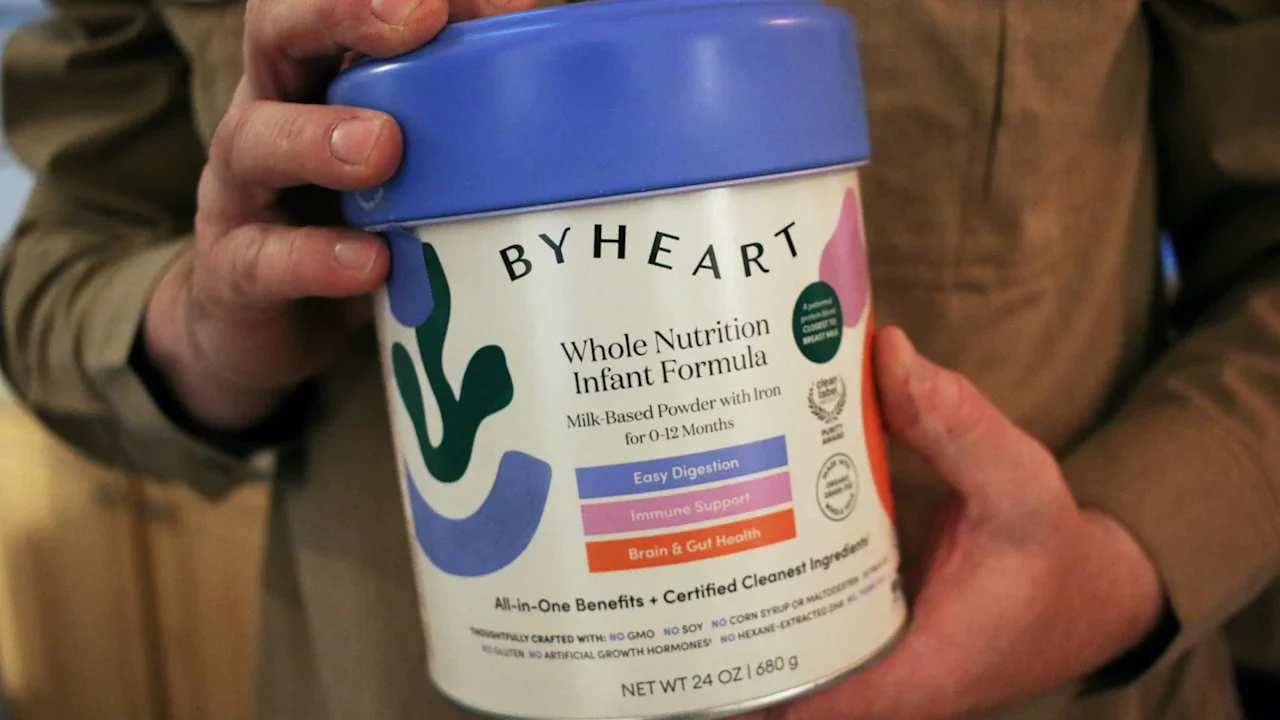
Tests of ByHeart infant formula tied to a botulism outbreak that has sickened dozens of babies showed that all of the company’s products may have been contaminated. Laboratory tests of 36 samples of formula from three different lots showed that five samples contained the type of bacteria that can lead to the rare and potentially deadly illness, the company said Monday on its website. “Based on these results, we cannot rule out the risk that all ByHeart formula across all product lots may have been contaminated,” the company wrote. At least 31 babies in 15 states who consumed ByHeart formula have been sickened in the outbreak that began in August, according to federal and state health officials. In addition, other infants who drank ByHeart formula were treated for botulism in earlier months, as far back as November 2024, although they are not counted in the outbreak, officials said. Clostridium botulinum type A, the type of bacteria detected, can be unevenly distributed in powdered formula. Not all babies who ingest it will become ill, though all infants under age 1 are at risk, medical experts said. ByHeart recalled all of its formula nationwide on Nov. 11. However, some products have remained on store shelves despite the recall, according to state officials and the U.S. Food and Drug Administration. Parents and caregivers should stop feeding the formula to babies immediately and monitor the children for symptoms, which can take up to 30 days to appear. Infant botulism occurs when babies ingest spores that germinate in their intestine and produce a toxin. Symptoms include constipation, difficulty sucking or feeding, drooping eyelids, flat facial expression, and weakness in the arms, legs, and head. The illness is a medical emergency and requires immediate treatment. At least 107 babies nationwide have been treated for botulism with an IV medication known as BabyBIG since Aug. 1, health officials said. In a typical year, less than 200 infants are treated for the illness. To report an illness tied to the outbreak, contact an FDA consumer complaint coordinator or fill out an online MedWatch form. Consumers who bought ByHeart on the company’s website on or after Aug. 1 can receive a full refund, an expansion of its previous policy, the company said. ___ The Associated Press Health and Science Department receives support from the Howard Hughes Medical Institute’s Department of Science Education and the Robert Wood Johnson Foundation. The AP is solely responsible for all content. —Jonel Aleccia, AP health writer View the full article

-
Chancellor takes steps to cushion the cost of living but is set to extend a ‘stealth tax’ by freezing personal tax thresholdsView the full article
-
If everything feels expensive this year, you’re not alone. The high cost of living is on many Americans’ minds heading into the tail end of the year – a period defined by ceaseless shopping, whether it’s for the Thanksgiving menu or a last minute gift for under the tree. Americans need to buy stuff (perhaps not so much stuff), but they’re also feeling the pinch of persistent inflation, chaotic tariffs and a frozen job market in 2025. How those forces will play out this holiday shopping season remains to be seen. According to a recent survey from consulting firm Deloitte, more people will be shopping this Black Friday through Cyber Monday, but they plan to spend less. Consumers said they plan to spend an average of $622 during the stretched out shopping holiday, down 4% from last year – the first decline in five years. Unsurprisingly, shoppers who planned to cut their spending pointed to higher living costs and financial constraints in the decision. Some generational differences emerged. Gen X shoppers and boomers reported plans to reduce their spending during the shopping holiday, but Gen Z and millennial shoppers said they would stay the course and keep their spending levels the same this year. With the explosion of online shopping, lining up at the mall before sunrise for doorbuster sales might seem like a relic of the past, but 72% of Gen Z shoppers actually said they plan to shop in person this year. “While most shoppers are showing restraint this season, the spending power of Gen Z is growing—they are responsible for about $20 of every $100 holiday dollar spent, compared to just $4 five years ago,” Deloitte Retail Strategy Leader Brian McCarthy said. “And we expect they are headed back to the stores on Black Friday to take part in the excitement of the day.” People from both higher and lower-income households said they planned to cut back on spending this year, but those in the range between $100,000 and $200,000 actually reported plans to spend 5% more this year. The National Retail Federation estimates that a record 186.9 million people plan to shop between Thanksgiving and Cyber Monday (the Monday following Black Friday) this year. That projection is up by 3 million shoppers compared to 2024. During that period, Black Friday is expected to reign supreme among deal-seekers, drawing an estimated 130.4 million people to shop the day after Thanksgiving. Saturday and Sunday aren’t full-blown shopping holidays of their own, but Cyber Monday – a relatively recent invention – will likely continue to gain ground, luring around half as many shoppers as Black Friday itself. Pushing back on Black Friday To draw attention to the cost of living crisis, a coalition of organizations is calling for shoppers to sit out this Black Friday. A grassroots movement known as the “Mass Blackout,” is urging Americans to boycott online and in-store shopping, including digital purchases, for one week, starting on Tuesday, November 25. While the Mass Blackout website calls out the The President administration’s coziness with corporations, it’s not explicitly a Democratic effort. “Big business is funding authoritarian candidates while walking back public commitments to civil rights, labor protections, diversity, and democracy,” the website states. “This isn’t about left vs. right. This is about people vs. power.” While the coalition wants Americans to spend less this holiday season, it still encourages participants to give their money to small businesses and local shops. Another major boycott is looking to hit the biggest names in retail where it hurts this holiday season. The “We Ain’t Buying It” movement, tied to progressive groups like Indivisible and the No Kings protests, is similarly calling for a shopping blackout over Thanksgiving weekend, specifically targeting Amazon, Target and Home Depot over their deference to the The President administration and their reversal of DEI policies. “We’ll send a clear message: until they cease collaborating with this administration’s harmful policies, our dollars will go elsewhere,” the campaign’s website states. View the full article

-
Sales at U.S. retailers and restaurants increased modestly in September as resilient consumers moderated their spending after splurging over the summer. Sales rose 0.2% in September from the previous month, the Commerce Department said Tuesday, in a report delayed more than a month because of the government shutdown. Sales jumped 0.6% in July and August and 1% in June. Numerous reports on inflation, employment, spending, and growth remain delayed and the government won’t likely be caught up until late December. The retail sales figures, which aren’t adjusted for inflation, suggest that Americans pulled back on spending in September as many households struggled with high prices for groceries, rent, and many imported goods hit by tariffs. The retail sales report covers about one-third of consumer spending, with the rest going to services such as travel, haircuts, and entertainment. Still, higher spending should lift the economy’s growth to a solid 3% annual rate in the July-September quarter, economists forecast, after a sluggish 1.6% expansion in the first half of the year. Much of the spending, however, was driven by rising prices at gas stations and grocery stores. Still, sales rose 0.7% in September at restaurants and bars, a healthy gain in discretionary spending. Sales at clothing, electronics, and sporting goods stores fell. Consumer spending could slow in the final three months of the year, economists warned. The government shutdown, weak hiring, and elevated inflation will likely cause more Americans to cut back. “The moribund labor market and ongoing drag on real incomes from tariff-induced price increases suggest that this slowdown is likely to be maintained,” Oliver Allen, an economist at Panthenon Macroeconomics, a consulting firm, said. Also on Tuesday, payroll processor ADP released its weekly measure of hiring, which found that companies cut an average of 13,500 jobs a week in the four weeks ending Nov. 8. The report is a sign hiring may have slowed since September, when the government said a solid 119,000 jobs were added. The disparity found in economic data shows how the economy remains in an uncertain state despite the solid growth in the third quarter. Hiring has generally been weak and the unemployment rate has ticked higher, which could drag down consumer spending and the broader economy if it worsens. Unemployment rose to 4.4% in September, the highest in nearly four years, from 4.3%, according to the delayed monthly jobs report released last week. Higher-income Americans are driving much of the gains, according to data from Bank of America and reports from retailers such as Walmart, as lower-income shoppers seek bargains and are more likely to spend more on necessities. Still, some retailers issued positive reports Tuesday, including electronics chair Best Buy and Dick’s Sporting Goods. Best Buy lifted its sales and profit forecasts for the year. Tuesday’s report comes before the crucial winter holiday season kicks off this weekend, when retailers earn as much as a fifth of their revenues. The National Retail Federation and other forecasters expect modest sales gains this year, compared with last year’s holiday, with the NRF projecting that sales will top $1 trillion for the first time. Separate figures from the Labor Department suggest that inflation remains elevated but isn’t accelerating, which could make it more likely that a closely-divided Federal Reserve cuts rates next month. Wholesale prices rose 0.3% in September from August, the Labor Department said Tuesday, and 2.7% compared with a year ago. The monthly gain in the producer price index was pushed higher by a sharp increase in gasoline costs. The yearly figure was unchanged from the previous month. Core prices, which exclude the volatile food and energy prices, rose just 0.1% in September and 2.6% from a year earlier. Those figures are less than expected and suggest inflation pressures are cooling, economists said. The retail sales figures land as many economic data are coming in mixed. Wage growth has slowed this year and is just modestly above inflation, a trend that is likely driving Americans’ concerns around affordability. Wages, on average, rose 3.8% in September from a year ago, the government said last week. That is only modestly above September’s annual inflation rate of 3%. But for many Americans, particularly those earning lower incomes or for older workers, wages are rising more slowly and are clearly trailing inflation. The Bank of America Institute estimates that for the poorest one-third of households, pay grew just 1% in October from a year earlier, while the highest one-third saw their wages rise 3.7%. The gap between higher- and lower-income households matches an August figure as the widest in nearly a decade, the bank said. Bank of America uses anonymous data from its customers to calculate the figures. And a separate report from JPMorganChase Institute showed that incomes for a typical household have retreated to levels last seen in the early 2010s, after the harsh 2008-2009 recession. “Households are going into the end of the year with weak income growth and bank balances that remain flat, after adjusting for inflation,” the report said. —Christopher Rugaber, AP economics writer AP Retail Writer Anne D’Innocenzio contributed to this report. View the full article

-
Food bloggers say this Thanksgiving is a breaking point. Google Search and AI Overviews, powered by Gemini 3, are rewriting recipes, stealing clicks, and in some cases serving dangerously wrong cooking instructions, Bloomberg reported. Why we care. For more than a decade, food bloggers could predict and rely on holiday traffic. Not this year. AI answers are replacing vetted recipes, cutting off creators’ main revenue streams, and confusing home cooks with stitched-together instructions that don’t always make sense. What’s happening. Google’s AI Overviews now surface blended cooking steps from multiple bloggers, often above the links/sources they draw from. Many food creators reported between 30% and 80% drops in Google traffic, with some calling this their worst holiday season yet. Meanwhile, AI-generated recipe slop is flooding Pinterest, Facebook, and Etsy, blurring the line between human-tested dishes and AI-invented food. Unhelpful slop. Google told Bloomberg that AI Overviews are “a helpful starting point” and that people still click through to real recipes. Bloggers said the opposite: 40% year-over-year decline: Eb Gargano’s recipe traffic cratered, replaced by AI summaries that even get basics wrong – like baking a 6-inch Christmas cake for 3 to 4 hours. “You’d end up with charcoal!” “Frankenstein recipes”: Adam Gallagher of Inspired Taste said Google mixes his ingredients with competitors’ instructions, even for brand-name searches. His cocktail click-through rate has decreased by 30%. AI stealing the show: Gemini 3’s new interactive recipe graphics remix creators’ photos, a move Gallagher said crosses into “plagiarized AI recipes.” What creators are seeing. AI Overviews are overtaking niche expertise. Sarah Leung of The Woks of Life said AI summaries dominate searches for Chinese ingredients, often pulling directly from their years of reference work while giving users little reason to click. Also: Scraped and republished content: Multiple bloggers found AI-run sites cloning their entire catalogs, rewriting instructions, tweaking photos, and even generating synthetic images of their families. Traffic implosion: Carrie Forrest of Clean Eating Kitchen said she lost 80% of her traffic and revenue in two years, forcing her to lay off her team. The big picture. This Thanksgiving, more people will trust AI with their menus, even when the results defy basic kitchen science. Meanwhile, the creators who built the modern recipe web say they’re becoming invisible inside the very tools powered by their work. According to creators: AI can’t replicate the core promise of a recipe: someone actually cooked it. Holiday traditions – from tamales to Christmas cakes – are being distorted by algorithmic remixing. If human creators quit, AI systems will end up training on AI-generated content. Pinch of Yum’s Bjork Ostrom called it the most “existential point for us as business owners,” not only in where content appears but how it is created. The Bloomberg story. AI Slop Recipes Are Taking Over the Internet — And Thanksgiving Dinner View the full article
-
We may earn a commission from links on this page. Deal pricing and availability subject to change after time of publication. Black Friday sales officially start Friday, November 28, and run through Cyber Monday, December 1, and Lifehacker is sharing the best sales based on product reviews, comparisons, and price-tracking tools before it's over. Follow our live blog to stay up-to-date on the best sales we find. Browse our editors’ picks for a curated list of our favorite sales on laptops, fitness tech, appliances, and more. Subscribe to our shopping newsletter, Add to Cart, for the best sales sent to your inbox. Sales are accurate at the time of publication, but prices and inventory are always subject to change. Unless you're planning to open a professional gym, there's no reason to drop thousands on a treadmill. The good news? You don't have to. Right now, the NordicTrack T Series 10 is on sale for $949 on Amazon—that's 27% off and a savings of $350 for Black Friday. My colleague Beth Skwarecki also recommends the T Series line as a top choice for home runners, and several models are discounted right now. If you're looking for something more compact or budget-friendly, the T Series 5 is 25% off at just $449. But with its 10" tilting HD touchscreen, the T10 offers the best value during this sale. NordicTrack T10 Treadmill $949.00 at Amazon $1,299.00 Save $350.00 Get Deal Get Deal $949.00 at Amazon $1,299.00 Save $350.00 Why the T Series 10 is a go-to optionWhat sets the T10 apart is its integration with the NordicTrack ecosystem. When you join, you get access to over 10,000 workouts through iFIT ($39/month or $396/year). This isn't just a library of on-demand classes—it's a full training experience with expert coaches guiding you through runs, hikes, strength sessions, yoga, and more. The other perk of iFIT is it should automatically adjust your treadmill's speed and incline to match whatever workout you're doing. No fumbling with buttons mid-stride or losing focus to manually change settings. The system handles it for you, so you can concentrate entirely on your form and effort. Perfect for data-driven runnersIf you're someone who tracks fitness across multiple platforms (guilty), iFIT syncs seamlessly with Strava, Garmin, and Apple Health. Your treadmill runs flow directly into your broader training data, making it easy to monitor progress and stay consistent with your goals. The foldable design is a must-have for anyone tight on space. When you're done, it tucks away without taking over your living room. If you've been waiting for the right moment to invest in a home treadmill, this is it. How long do Black Friday deals really last?Black Friday sales officially begin Friday, November 28, 2025, and run throughout “Cyber Week,” the five-day period that runs from Thanksgiving through Cyber Monday, December 1, 2025. But Black Friday and Cyber Monday dates have expanded as retailers compete for customers. You can get the same Black Friday sales early, and we expect sales to wind down by December 3, 2025. Are Black Friday deals worth it?In short, yes, Black Friday still offers discounts that can be rare throughout the rest of the year. If there’s something you want to buy, or you’re shopping for gifts, it’s a good time to look for discounts on what you need, especially tech sales, home improvement supplies, and fitness tech. Of course, if you need to save money, the best way to save is to not buy anything. Are Cyber Monday deals better than Black Friday?Black Friday used to be bigger for major retailers and more expensive tech and appliances, while Cyber Monday was for cheaper tech and gave smaller businesses a chance to compete online. Nowadays, though, distinction is almost meaningless. Every major retailer will offer sales on both days, and the smart move is to know what you want, use price trackers or refer to guides like our live blog that use price trackers for you, and don’t stress over finding the perfect timing. Our Best Editor-Vetted Early Black Friday Deals Right Now Apple AirPods Pro 3 Noise Cancelling Heart Rate Wireless Earbuds — $219.99 (List Price $249.00) Apple iPad 11" 128GB A16 WiFi Tablet (Blue, 2025) — $274.00 (List Price $349.00) Amazon Fire HD 10 (2023) — $69.99 (List Price $139.99) Sony WH-1000XM5 — $248.00 (List Price $399.99) Blink Outdoor 4 1080p Wireless Security Camera (5-Pack) — $159.99 (List Price $399.99) Amazon Fire TV Stick 4K Plus — $24.99 (List Price $49.99) NEW Bose Quiet Comfort Ultra Wireless Noise Cancelling Headphones — $298.00 (List Price $429.00) Shark AI Ultra Matrix Clean Mapping Voice Control Robot Vacuum with XL Self-Empty Base — $249.99 (List Price $599.00) Apple Watch Series 11 (GPS, 42mm, S/M Black Sport Band) — $339.00 (List Price $399.00) WD 6TB My Passport USB 3.0 Portable External Hard Drive — $134.99 (List Price $179.99) Deals are selected by our commerce team View the full article
-
As threat from ChatGPT recedes, users are searching more with the market leader and monetisation seems to be intactView the full article
-
Client satisfaction surveys are essential for comprehending your customers’ needs and improving your services. To maximize their effectiveness, you should consider five best practices. For instance, keeping your surveys concise with 5-7 focused questions can reduce fatigue and improve response rates. Furthermore, using clear language guarantees everyone interprets your questions correctly. These strategies set the foundation for meaningful feedback, but there’s more to explore regarding how to implement them effectively. Key Takeaways Keep surveys concise with 5-7 vital questions to enhance engagement and response rates. Use clear, unbiased language to ensure all respondents understand the questions easily. Incorporate open-ended questions at the end to gather detailed feedback and suggestions. Optimize surveys for mobile devices with responsive design and quick loading times. Follow up on feedback promptly to show customers their opinions are valued and to identify recurring issues. Keep Your Survey Concise To guarantee you gather meaningful insights from your client satisfaction surveys, it’s crucial to keep them concise. Aim for 5-7 vital questions, as this aligns with csat survey best practices and reduces survey fatigue. When surveys are brief, respondents are less overwhelmed and more inclined to provide thoughtful answers. Research shows that shorter surveys can boost response rates by 10-20%, so focusing on relevant questions is critical. Each question should have a clear purpose, eliminating unnecessary or redundant queries to maintain engagement. Furthermore, structuring your survey with a mix of question types during the process can improve the overall quality of feedback. Implementing these customer satisfaction survey best practices will lead to more actionable insights. Use Clear and Unbiased Language Using clear and unbiased language in client satisfaction surveys is essential for gathering accurate feedback. When you craft your questions, keep them straightforward to improve clarity. This guarantees respondents fully understand what you’re asking, reducing misinterpretation. Here are some best practices: Avoid jargon and technical terms; use commonly understood words to encourage engagement. Employ neutral wording to eliminate bias, allowing true feelings to shine through. Keep response options clear and distinct, using concrete phrases for each rating. Regularly review and update your survey questions to maintain this clarity and neutrality, adapting to evolving language and customer familiarity. Include Open-Ended Questions Strategically Including open-ended questions strategically in client satisfaction surveys can greatly boost the quality of feedback you receive. These questions allow customers to express detailed feedback in their own words, providing richer insights that numerical ratings often miss. By incorporating open-ended questions, you can uncover specific pain points and suggestions for improvement that structured questions may overlook. Moreover, surveys featuring these types of questions tend to yield higher engagement rates, as customers appreciate the chance to share their thoughts freely. It’s advisable to place open-ended questions toward the end of the survey, allowing respondents to reflect on their overall experience before offering detailed comments. Analyzing these responses can reveal common themes, helping you identify trends and prioritize areas for improvement. Optimize for Mobile Devices As more customers engage with businesses through their mobile devices, optimizing client satisfaction surveys for mobile use has become a priority. To guarantee higher participation rates, consider the following best practices: Use responsive design, so questions and response options are easily readable and clickable on smaller screens. Confirm surveys load quickly, as even a 1-second delay can reduce conversions by 7%, leading to higher abandonment rates. Incorporate larger touch targets for answer selections to improve user experience and prevent frustration. Additionally, keep surveys concise and limit open-ended questions, accommodating users who may be completing surveys on-the-go. Follow Up on Feedback Following up on customer feedback is essential for building strong relationships and nurturing loyalty. When you swiftly address negative feedback, you can appreciably boost customer retention; about 70% of consumers are more likely to return if their complaints are handled effectively. For those who share positive feedback, a personalized response or a handwritten note can strengthen your connection and promote loyalty. In addition, consistent follow-up helps identify recurring issues, enabling you to make informed improvements. Engaging with customers post-feedback shows you value their opinions, encouraging future participation in surveys. Moreover, informing them about actions taken based on their suggestions improves transparency and builds trust, in the end benefiting your brand and customer satisfaction. Frequently Asked Questions What Are the 3 C’s of Customer Satisfaction? The 3 C’s of customer satisfaction are Consistency, Communication, and Connection. Consistency means providing reliable experiences across all interactions, ensuring customers feel valued. Communication involves keeping customers informed about products, services, and any changes; this can enrich their experience. Connection refers to building emotional bonds with customers, which nurtures loyalty. What Are the Best Practices for Customer Surveys? To conduct effective customer surveys, keep your questions concise, limiting them to 5-7 crucial items. Use a clear 1-5 rating scale to simplify responses, making it easy for customers to provide feedback. Include open-ended questions to gather detailed insights. Send surveys swiftly after customer interactions to capture fresh impressions, and guarantee they’re optimized for mobile devices, as many customers prefer using their phones for quick completion. This approach improves response rates and quality of feedback. What Is the 5 Point Scale for Customer Satisfaction Survey? The 5-point scale for customer satisfaction surveys ranges from 1 to 5, where 1 indicates “Highly Unsatisfied” and 5 signifies “Highly Satisfied.” This scale simplifies feedback by providing distinct options for respondents, making it easier for them to express their opinions. It allows you to quantify customer satisfaction effectively, track changes over time, and identify trends. Most respondents prefer this straightforward format, ensuring higher participation and more actionable insights for your organization. What Are the Four-Four Customer Satisfaction Survey Processes? The Four-Four Customer Satisfaction Survey Process includes four key stages: planning, execution, analysis, and action. First, you define your objectives and target audience to create focused questions. Next, you distribute the survey at ideal times, like right after customer interactions, to gather immediate feedback. In the analysis phase, you evaluate the responses for trends, and finally, you implement changes based on feedback, showing customers their opinions matter. Conclusion Incorporating these five best practices into your client satisfaction surveys can greatly improve their effectiveness. By keeping surveys concise, using clear language, including strategic open-ended questions, optimizing for mobile, and quickly following up on feedback, you not only enhance response rates but likewise gather more meaningful insights. This approach demonstrates that you value client opinions, nurturing stronger relationships and finally increasing customer satisfaction. Implementing these strategies can lead to actionable improvements in your services or products. Image via Google Gemini This article, "5 Best Practices for Essential Client Satisfaction Surveys" was first published on Small Business Trends View the full article
-
Client satisfaction surveys are essential for comprehending your customers’ needs and improving your services. To maximize their effectiveness, you should consider five best practices. For instance, keeping your surveys concise with 5-7 focused questions can reduce fatigue and improve response rates. Furthermore, using clear language guarantees everyone interprets your questions correctly. These strategies set the foundation for meaningful feedback, but there’s more to explore regarding how to implement them effectively. Key Takeaways Keep surveys concise with 5-7 vital questions to enhance engagement and response rates. Use clear, unbiased language to ensure all respondents understand the questions easily. Incorporate open-ended questions at the end to gather detailed feedback and suggestions. Optimize surveys for mobile devices with responsive design and quick loading times. Follow up on feedback promptly to show customers their opinions are valued and to identify recurring issues. Keep Your Survey Concise To guarantee you gather meaningful insights from your client satisfaction surveys, it’s crucial to keep them concise. Aim for 5-7 vital questions, as this aligns with csat survey best practices and reduces survey fatigue. When surveys are brief, respondents are less overwhelmed and more inclined to provide thoughtful answers. Research shows that shorter surveys can boost response rates by 10-20%, so focusing on relevant questions is critical. Each question should have a clear purpose, eliminating unnecessary or redundant queries to maintain engagement. Furthermore, structuring your survey with a mix of question types during the process can improve the overall quality of feedback. Implementing these customer satisfaction survey best practices will lead to more actionable insights. Use Clear and Unbiased Language Using clear and unbiased language in client satisfaction surveys is essential for gathering accurate feedback. When you craft your questions, keep them straightforward to improve clarity. This guarantees respondents fully understand what you’re asking, reducing misinterpretation. Here are some best practices: Avoid jargon and technical terms; use commonly understood words to encourage engagement. Employ neutral wording to eliminate bias, allowing true feelings to shine through. Keep response options clear and distinct, using concrete phrases for each rating. Regularly review and update your survey questions to maintain this clarity and neutrality, adapting to evolving language and customer familiarity. Include Open-Ended Questions Strategically Including open-ended questions strategically in client satisfaction surveys can greatly boost the quality of feedback you receive. These questions allow customers to express detailed feedback in their own words, providing richer insights that numerical ratings often miss. By incorporating open-ended questions, you can uncover specific pain points and suggestions for improvement that structured questions may overlook. Moreover, surveys featuring these types of questions tend to yield higher engagement rates, as customers appreciate the chance to share their thoughts freely. It’s advisable to place open-ended questions toward the end of the survey, allowing respondents to reflect on their overall experience before offering detailed comments. Analyzing these responses can reveal common themes, helping you identify trends and prioritize areas for improvement. Optimize for Mobile Devices As more customers engage with businesses through their mobile devices, optimizing client satisfaction surveys for mobile use has become a priority. To guarantee higher participation rates, consider the following best practices: Use responsive design, so questions and response options are easily readable and clickable on smaller screens. Confirm surveys load quickly, as even a 1-second delay can reduce conversions by 7%, leading to higher abandonment rates. Incorporate larger touch targets for answer selections to improve user experience and prevent frustration. Additionally, keep surveys concise and limit open-ended questions, accommodating users who may be completing surveys on-the-go. Follow Up on Feedback Following up on customer feedback is essential for building strong relationships and nurturing loyalty. When you swiftly address negative feedback, you can appreciably boost customer retention; about 70% of consumers are more likely to return if their complaints are handled effectively. For those who share positive feedback, a personalized response or a handwritten note can strengthen your connection and promote loyalty. In addition, consistent follow-up helps identify recurring issues, enabling you to make informed improvements. Engaging with customers post-feedback shows you value their opinions, encouraging future participation in surveys. Moreover, informing them about actions taken based on their suggestions improves transparency and builds trust, in the end benefiting your brand and customer satisfaction. Frequently Asked Questions What Are the 3 C’s of Customer Satisfaction? The 3 C’s of customer satisfaction are Consistency, Communication, and Connection. Consistency means providing reliable experiences across all interactions, ensuring customers feel valued. Communication involves keeping customers informed about products, services, and any changes; this can enrich their experience. Connection refers to building emotional bonds with customers, which nurtures loyalty. What Are the Best Practices for Customer Surveys? To conduct effective customer surveys, keep your questions concise, limiting them to 5-7 crucial items. Use a clear 1-5 rating scale to simplify responses, making it easy for customers to provide feedback. Include open-ended questions to gather detailed insights. Send surveys swiftly after customer interactions to capture fresh impressions, and guarantee they’re optimized for mobile devices, as many customers prefer using their phones for quick completion. This approach improves response rates and quality of feedback. What Is the 5 Point Scale for Customer Satisfaction Survey? The 5-point scale for customer satisfaction surveys ranges from 1 to 5, where 1 indicates “Highly Unsatisfied” and 5 signifies “Highly Satisfied.” This scale simplifies feedback by providing distinct options for respondents, making it easier for them to express their opinions. It allows you to quantify customer satisfaction effectively, track changes over time, and identify trends. Most respondents prefer this straightforward format, ensuring higher participation and more actionable insights for your organization. What Are the Four-Four Customer Satisfaction Survey Processes? The Four-Four Customer Satisfaction Survey Process includes four key stages: planning, execution, analysis, and action. First, you define your objectives and target audience to create focused questions. Next, you distribute the survey at ideal times, like right after customer interactions, to gather immediate feedback. In the analysis phase, you evaluate the responses for trends, and finally, you implement changes based on feedback, showing customers their opinions matter. Conclusion Incorporating these five best practices into your client satisfaction surveys can greatly improve their effectiveness. By keeping surveys concise, using clear language, including strategic open-ended questions, optimizing for mobile, and quickly following up on feedback, you not only enhance response rates but likewise gather more meaningful insights. This approach demonstrates that you value client opinions, nurturing stronger relationships and finally increasing customer satisfaction. Implementing these strategies can lead to actionable improvements in your services or products. Image via Google Gemini This article, "5 Best Practices for Essential Client Satisfaction Surveys" was first published on Small Business Trends View the full article
-
Generative AI is changing the way we live and work in a multitude of ways, and that includes coding. The best AI bots of today can debug, refine, and create code, from a simple text prompt. You can put together a small app or website in the same way you can generate an image or write an essay with these tools. Many professional programmers are now leaning heavily on AI to help get their work done, but the door has also been opened for those without any coding experience to get involved. This is something that's been termed "vibe coding"—where you're coding on vibes, basically—and all you need to get started is an idea. But is it really as simple as simply typing out what you want and letting an AI bot do the coding on your behalf? According to a lot of AI enthusiasts I see on X, vibe coding means "it's over" (whatever "it" is), and people are "one-shotting" all kinds of projects (as in, using a single prompt to create something). To investigate further, I tried to create a little project of my own using ChatGPT and Gemini. Here's how it went. What is vibe coding?There's no official, fixed definition of vibe coding, but in general it refers to using natural language prompts to get an AI to code apps and websites. In the same way as you might ask ChatGPT for an image of a cabin in a wood, you can also ask it for a landing page for your company, or a tool to log and analyze income and expenditure. Usually, despite all the talk of one-shotting, the idea is not to try and get everything included in your very first prompt, but to start small and then use follow-up prompts to refine. There are several variables involved when it comes to building websites and apps, and so you're going to have to specify layouts, images, interactions, colors, fonts, and plenty more. You can always get the AI to make some of these decisions for you, but to really get something close to what you originally imagined you're going to want to be specific. AI bots are also able to debug code and fix problems for you—again, you just describe what's not working. It's a bit like having a conversation with an actual programmer. ChatGPT can produce masses of code from a single prompt. Credit: Lifehacker A common way that people get started with vibe coding is to build simple games, and you'll find plenty of examples of this on the web. You describe what you want to happen, and the AI writes something to match—then you chat through how you'd like the gameplay to flow, and how the visuals should appear on screen. All of the major AI chatbot tools now have coding components included in them, and will present you with both the raw code (which you can edit manually, if you want), and a preview of how the executed code works—your app will run or your website will be displayed right inside the chatbot interface. The AI can even select a coding language for you, if needed. Vibe coding has its limitations, not least because of the unpredictability of AI, and for larger, professional software programs and games these AI bots will just be one tool among many that coders use—there is the potential for disaster if AI is not used carefully. However, for fun, small projects, this is something now available to anyone with access to an AI with coding capabilities. Trying out vibe codingI decided to build a simple HTML-based elevator sim I could run in my browser—I've always been slightly confused about how elevators work, and it seemed like a suitable project for testing vibe coding. ChatGPT was the first AI bot I tried to get to help me, and I quickly realized that quite a lot of prompting is needed—more than you might think at first. I couldn't just say "build me an elevator sim": I had to specify the screen layout, the number of floors, the speed of the elevator, how the passengers should be displayed, and how to determine the floors they're heading to, just for starters. After a few minutes of the AI thinking, I had my sim. And it worked, up to a point. However, it didn't all work, all at the same time. Some of the issues the app had were freezing at certain floors, not picking people up in the right order, forgetting how many passengers were actually in the elevator, and generally not following elevator logic—each time I would point out the mistake, ChatGPT would apologize and try again. ChatGPT's elevator sim—which never properly worked. Credit: Lifehacker Most bugs could be fixed within a prompt or two, but then new issues would appear. One problem that was particularly difficult to solve was getting the elevator code to go back and pick people up when the cab was full the first time. Because I didn't understand the code, I couldn't really see where the problem was. With each revision the AI was apologetic, but didn't seem to grasp what was going on. At one point the elevator would zoom around the floors picking everyone up who called for a ride, without dropping off the existing passengers first. Then a weird graphical glitch developed on the passenger sprites. By this stage, even vibe coding was starting to feel like hard work: After about 45 minutes, and still without a fully working elevator sim, I decided my time and effort would be better spent elsewhere. I gave Gemini a go with this task too, and to Google's credit, it did do better. There were fewer issues, but there were still issues: Passengers still got picked up in the wrong order, and it didn't follow my instructions entirely. I spent less time on this with Gemini, but it got closer to what I wanted, even if it still had glitches I wasn't happy with. Gemini was better at the task, but it still wasn't perfect. Credit: Lifehacker Overall, vibe coding was a frustrating experience. Perhaps the issue is with AI understanding how an elevator works, rather than with its actual coding capabilities, but I was disappointed not to be able to get something that worked properly. Maybe when I'm over the annoyances that I had this time around I'll go back and try something different—without the logical complexities of an elevator system. My experience did highlight some of the limitations of vibe coding: You're often going to need a lot of prompting to get the AI to understand what you want, and there will be bugs to fix along the way, even if the chatbots are very accommodating and polite when it comes to fixing those bugs. There are also two recognizable hallmarks of generative AI here, too: An air of confidence and authority in responses, even when those responses are wrong, and unpredictability in the results. These AI models are designed to give varied answers to the same prompts, which is fine when you're churning out 10 AI pictures of a waterfall but not so helpful when you're trying to wrangle some code into shape. View the full article
-
If you ask New Yorkers on the street what they think about the giant, controversial print ad campaign in the NYC subway system, their initial response might be, “Which one?” In the past two months alone, not one, but two ad campaigns fitting that description have appeared on the subway. The first debuted in late September, when Friend, an AI company billed as a portable “companion,” ran a $1 million print campaign featuring a variety of servile messages like, “I’ll never leave dirty dishes in the sink.” The campaign received massive criticism, to the point that the MTA was forced to continuously remove Friend’s vandalized ads. In an interview with Fast Company, Friend CEO Avi Schiffman said he “expected that would happen,” and, in fact, he designed the ads with white space to invite graffiti. Now, another controversial print ad campaign has joined the fray. The new ads are paid for by Nucleus Genomics, a genetic health company specializing in genetic testing, IVF services, and embryo screening. The company’s ads include phrases like, “Height is 80% genetic,” “IQ is 50% genetic,” “Have your best baby,” and “These babies have great genes.” In emails to Fast Company, Nucleus said that its new campaign was inspired by yet another contentious ad from this year: Sydney Sweeney’s recent American Eagle partnership, which sparked backlash for what many people believed was a casual promotion of eugenics. Shock value marketing is as old as advertising itself. But Friend and Nucleus’s recent campaigns represent a novel kind of rage bait marketing that is primed for the current moment of political and technological divide. This new era of attention-seeking provocation, incubated on social media with companies like Cluely, has now made its way into the physical world where brands are looking to double down on turning backlash into opportunity. We spoke to leading experts about the rise of rage bait marketing and where it goes from here. Hear from: An NYU Stern School of Business professor on why the new crop of tech startups is perfectly primed for rage baiting. The head of strategy at The Martin Agency on the advantage provocative marketing campaigns give young companies—and what it might cost them. The cofounder of Joan Creative on what comes next after this initial wave of rage bait campaigns. What is Nucleus Genomics trying to do, exactly? Nucleus was launched in 2021 by the now-25-year-old Kian Sadeghi. According to Sadeghi, the company is dedicated to “helping parents have healthier children” through what he calls “genetic optimization.” In practice, Nucleus provides a few different services. Its first offering was a proprietary DNA testing kit that uses cheek swabs to, per its website, “uncover your genetic risk for 2000+ conditions.” This summer, Nucleus partnered with a company called Genomic Prediction to begin offering an embryo screening service that allows patients to look at their embryos’ statistically predicted traits—including the potential likelihood of developing conditions like autism or Alzheimer’s, alongside eye color, height, hair color, and IQ. Later, in August, the company bundled that service with a new full-service IVF program called IVF+. Nucleus isn’t the only company that’s started offering more advanced embryo screening services in recent years. Several others, like Orchid and Genomic Prediction, have emerged within the last decade. All of these companies are facing intense debate from the scientific community over the legitimacy of their prediction models, the morality of screening for certain traits, and the long-term repercussions of a future in which embryo optimization becomes commonplace. This discussion around the ethics of Nucleus’ core premise is actually what sets it up for a successful rage bait campaign, according to Joshua Lewis, an assistant professor of marketing at NYU’s Stern School of Business. For companies like Friend and Nucleus, he says, some level of polarization is intrinsic to the product itself. AI companions, for example, will inevitably have detractors who find the premise objectionable, as well as champions who believe in it wholeheartedly; the same goes for embryo screening companies. By employing “rage bait” tactics, Lewis says, these companies can start broader cultural dialogues and build affinity with their target audiences without losing too many potential customers. “To polarize intentionally can make some sense, because ultimately what you want in marketing is to have your target segments be loyal. Polarizing can be quite good, as long as your non-target segments are experiencing the rage, and your target segments are appreciating what the brand is doing,” Lewis says. Regardless of Nucleus’ actual intentions, he adds, “it doesn’t cost them much to upset people who weren’t going to be using their products anyway.” For companies in nascent fields, there’s an added advantage to aiming for shock value in campaigns, says Elizabeth Paul, chief strategy officer at the advertising company The Martin Agency. “If you’re in the business of genetically engineered babies or AI companions, controversy is baked into the product,” Paul says. “It seems to me like Nucleus Genomics and Friend AI decided to lean into that reality and make their backlash bug a feature. If anyone’s wondering, Why would you do that? I think their tension-filled campaigns better amplified mass awareness for what are very nascent categories.” Inside Nucleus’ latest campaign In an email to Fast Company, Nucleus’ PR firm described the subway campaign—which includes a full takeover of the Broadway Lafayette station, more than 1,000 subway car ads, and another 1,000 street ads—as “the first mainstream campaign to openly champion advanced embryo selection for specific traits.” Several of the ads call out physical attributes and IQ, and most direct viewers to Nucleus’ landing page, pickyourbaby.com. The Nucleus team says it was inspired by “the controversial ‘Good Jeans’ campaign featuring Sydney Sweeney.” In that campaign, a denim-clad Sweeney narrates, “Genes are passed down from parents to offspring, often determining traits like hair color, personality, and even eye color. My jeans are blue.” A male voice-over adds, “Sydney Sweeney has great jeans.” It almost immediately entered the sphere of marketing infamy for (likely inadvertently) promoting genetic ideals, given Sweeney’s blue eyes, blond hair, and white skin. When Sadeghi saw the reaction to the Sweeney ad, he noticed a lot of what he calls “DNA dissonance”—or what he considers a widespread misunderstanding of what DNA actually is, why genetics matter, and how far along genetic testing has come in the scientific community. He claims that Nucleus’s products are “just another tool parents are going to use to help give their child the best start in life,” and that the ads can help parents better understand how to achieve that advantage. While Sadeghi benignly frames the campaign as an educational tool, it doesn’t exactly line up with the actual ads. Much of the copy feels designed to generate a reaction—good or bad—to what Sadeghi refers to as the “sci-fi narrative” surrounding embryo optimization. The internet reacts On Threads, one post of an ad reads, “Every single day there’s a new dystopian subway ad.” On TikTok, a video with nearly 200,000 views critiquing the campaign is captioned, “We need to have some very serious conversations about eugenics cuz we’re losing ground here.” Another TikTok with more than 2.4 million views shows a camera panning around the Broadway Lafayette station with the overlaid text, “Uhhh sorry but what in the eugenics is this?” More than 8,000 other users have sounded off about the campaign in the comments. On the surface, rage baiting might seem counterproductive—who wants people to hate their product? But for companies like Friend and Nucleus, the numbers may speak for themselves. Nucleus says that since the campaign debuted, the company has seen an over 1,700% increase in sales, primarily driven by sign-ups to its IVF+ services. Across organic responses, it’s achieved almost five million impressions. Similarly, Friend’s earlier campaign sparked dozens of stories in the media and commentary across social media, causing Schiffman to deem it an “overwhelming success.” The vast majority of marketers are not going to want to test the adage “all press is good press” by courting controversy, Paul says. Still, most can probably understand the desire to break through the noise in an environment where consumers are bombarded with content on a daily basis. On social media, one algorithmically-backed way to achieve those ends is by eliciting fear or anger. “The reality is, according to Kantar, 85% of ads right now fail to meet the minimum threshold of attention for comprehension,” Paul says. “In other words, they are so bland and boring and invisible, people did not pay enough attention to even process what they said. In an environment like that, brand invisibility is a bigger threat than brand rejection.” “Companies are choosing to say the quiet part out loud” Risk and provocation in marketing is a tale as old as time. Paul points out that such tactics trace back as far as P.T. Barnum’s shock-value stunts for his circus events. But Jaime Robinson, cofounder of the agency Joan Creative, believes there is something entirely unique about Friend and Nucleus’ recent campaigns: the willingness to openly address, and even emphasize—intrinsically controversial elements of their products. Robinson recalls a 1974 ad in which a brand called Beautymist featured football player Joe Namath pictured with his legs smoothed by a pair of nylons. Lewis remembers a 2018 ad featuring Colin Kaepernick after he refused to take a knee during the National Anthem. Each of these examples, they told me in separate interviews, were made with the knowledge that there would be some backlash from the public. The difference with Friend AI and Nucleus, Robinson explains, is that pantyhose and sneakers are not inherently controversial, while AI companions and embryo screening are—and instead of hiding the elements of these products that consumers are most wary of, both companies are bringing them to the fore. “[Nucleus’] product is something where you can not just look out for potential diseases your embryos might have, but also pick out features like eye color and hair color. They’ve made a really provocative choice in their product and their use-case,” Robinson says. Last year, she adds, a company like Nucleus might have shied away from talking about those features, and instead emphasized “the health aspects” of the marketing. Now, they’re “putting it front-and-center.” “It’s about saying things that go against some of the most deeply held convictions of most of us and the things that we find most uncomfortable in the world: being replaced by robots; having babies being picked by their physical features and IQ,” Robinson says. “These are the things that we find the most abhorrent, just as human beings.” Robinson believes that part of this marketing strategy might be attributable to “a political climate in which authority figures are constantly testing the boundaries of what is acceptable to say.” Lewis noted that, in a sense, President The President often uses similar rage bait techniques in order to communicate his own personal branding. Now, we might be seeing that political tenor bleed into the marketing sphere. Both Robinson and Paul predict that, in the wake of Friend and Nucleus’ campaigns, we’re likely to see an uptick in “rage bait” marketing in the months to come. “What’s interesting now is how companies are choosing to say the quiet part out loud, and doing it fearlessly,” Robinson says. “It’s almost as if they’ve thrown away the dog whistle and traded it for a foghorn.” View the full article

-
For years, marketers measured digital success through impressions, backlinks and clicks. If you ranked high in search results and won the click, you had visibility and control of the funnel. But that landscape is already shifting. Large Language Models (LLMs) like ChatGPT, Claude, Gemini and Perplexity are rapidly becoming the first place decision-makers go for answers. These systems don’t return a page of links; they generate a synthesized response. Whether your brand is included, or ignored, in that answer increasingly determines your relevance in the buying journey. This changes the marketer’s playbook. Visibility is no longer only about ranking on Google. It’s about whether you’re present in AI-generated responses, how you’re framed, and what sources are credited. In this new paradigm, being mentioned is the new click. The challenge for marketers isn’t simply tracking this new set of KPIs. It’s knowing how to interpret the signals and translate them into action. Let’s look at four core AI KPIs: mentions, sentiment, competitive share of voice and sources. We will explore how each can directly shape strategy. Mentions: The visibility test The first KPI is the simplest: how often are you mentioned inside LLM responses? If you’re absent from common category or evaluation queries, things like “top SaaS tools for analytics” or “best project management platforms,” then you’re essentially erased from the conversation before it begins. But mentions are more than a vanity metric. They are a diagnostic tool. Patterns in where you appear, and where you don’t, can tell you which parts of your content strategy are resonating and which areas need reinforcement. Making mention usable: Break mentions down by type of query. Are you showing up in broad “what is” or “how to” questions, or only in head-to-head competitor comparisons? Are you included in trend discussions but missing from buying-decision queries? That breakdown highlights where to expand your authority. If mentions are low in early-stage educational queries, invest in thought-leadership content that positions you as a voice in defining the category. If mentions are absent in solution-oriented queries, build assets that explain your differentiators more clearly. Mentions are the first signal of where your brand is visible, and where it’s invisible. For marketers, mentions are the equivalent of oxygen. Without them, everything else is moot. With them, you can begin to shape how buyers see you. Sentiment: The market’s echo The second KPI is sentiment. Being mentioned is good, but how you’re described is what really sticks. LLMs add qualifiers to their responses based on available information: “fast,” “trusted,” “expensive,” “hard to use.” These adjectives reflect the narrative that exists in the data the model has absorbed. Making sentiment usable: Capture the language used around your brand. Track whether descriptors skew positive, neutral or negative. Note recurring themes — are you consistently framed as “enterprise-grade” but also “complex”? Are you praised for “innovation” but dinged for “cost?” Negative sentiment highlights messaging gaps to address. If you’re framed as costly, consider publishing ROI calculators, pricing comparisons or case studies that show value delivered. If you’re seen as complex, invest in content that simplifies onboarding stories or customer success examples. Positive sentiment, on the other hand, shows you what narratives to amplify. If you’re consistently described as “trusted,” weave that trust theme into campaigns, analyst briefings and customer storytelling. Sentiment analysis transforms LLM outputs into a real-time market perception barometer. For marketers, that’s invaluable. It gives you a constant read on how your positioning is landing without waiting for lagging indicators like surveys or analyst reports. Competitive Share: The benchmark that matters Mentions and sentiment don’t mean much without context. The real question is: how do you compare to your competitors? Competitive share of voice is about measuring your brand’s presence in LLM responses alongside peers in your space. If you’re mentioned in 30% of relevant queries, but your top competitor appears in 70%, you’re playing catch-up. If you both appear equally often but their sentiment is glowing while yours is flat, they’re winning the perception battle. Making competitive share usable: Track not only how often you appear relative to competitors, but also the nature of those appearances. Which types of queries favor them over you? Which attributes are assigned to them versus you? These insights turn into a battle map. If competitors are dominating certain categories of questions, that points to content and messaging investments you need to make. If their sentiment is consistently stronger, it suggests you need to double down on proof points or sharpen your differentiators. On the flip side, if you’re leading in areas they’re weak, that’s a narrative advantage you can emphasize in campaigns. For marketers, competitive share is a strategy guide. It shows where you need to defend, where you can attack, and where you’re already winning. Sources: Who the AI trusts The final KPI is sources. Mentions tell you if you’re in the story. Sentiment tells you how you’re framed. Competitive share tells you how you stack up. But sources reveal who the AI trusts to tell the story. When an LLM cites a competitor’s whitepaper or an industry analyst’s report rather than your own content, it’s a clear signal: you’re not seen as the authority. Conversely, if your blog post or research study is the cited source, you’ve secured a position as the trusted voice. Making source insights usable: Audit which domains and documents are being cited when your category is discussed. Are trade publications showing up more than your own site? Are competitors’ research reports being favored? This is where content engineering comes into play. If you want your sources to be cited, they must be comprehensive, structured and credible. Think FAQ-style pages, data-driven reports, or clearly attributed expert commentary. By publishing content that AI can recognize as authoritative, you shift from simply being mentioned to being the foundation of the answer. For marketers, this is the ultimate form of influence. When your resources are the citations behind the AI’s output, you control the conversation. From signals to strategy The temptation with any new metric is to build elaborate frameworks and dashboards. But the value of AI KPIs lies less in the infrastructure and more in the insights. Mentions highlight visibility gaps. Sentiment exposes how you’re really perceived. Competitive share shows you where rivals are winning ground. Sources reveal who has authority. Together, they form a compass. They help highlight performance and point you toward action: Fill gaps with new content. Reframe narratives with stronger proof. Defend share with sharper positioning. Earn trust by publishing resources built to be cited. Marketers who use AI KPIs this way will be able to get ahead in the AI era, and they’ll actively help shape it. Why acting now matters It may feel early. The tooling isn’t standardized, and there’s no polished dashboard that marketers can log into and get all this in one view. But that’s precisely why early movers have the advantage. Think back to the early 2000s, when SEO was still experimental. The brands that learned to optimize before the playbook was written ended up owning search visibility for years. We’re at the same moment now with AI KPIs. Waiting for the tools to catch up means letting competitors set the baseline while you play defense. The actions don’t have to be complex. Even a lightweight process like running a set of prompts, logging responses and looking at mentions, sentiment, share and sources over time yields intelligence that can shape marketing and content strategies right now. Conclusion: Mentions as strategy The rise of LLMs doesn’t eliminate the value of clicks, impressions or backlinks, but it does redefine what visibility means. Increasingly, your brand’s story is being told inside AI-generated responses long before a buyer reaches your website. That’s why these KPIs matter. Being mentioned is the new click. But the real advantage comes not from counting those mentions, but from using them to make smarter decisions, closing visibility gaps, reframing perception, benchmarking competitors, and owning citations. For marketers, this is about translating AI signals into strategy. The brands that learn to do this now will have a better chance to survive the shift to AI-driven search. At Brightspot, we’re helping organizations navigate that shift — turning AI insights into actionable strategy that keeps their brands visible, trusted and ahead of change. Learn more at brightspot.com. View the full article
-
U.S. consumers were much less confident in the economy in November in the aftermath of the government shutdown, weak hiring, and stubborn inflation. The Conference Board said Tuesday that its consumer confidence index dropped to 88.7 in November from an upwardly revised October reading of 95.5, the lowest reading since April, when President Donald The President announced sweeping tariffs that caused the stock market to plunge. The figures suggest that Americans are increasingly wary of high costs and sluggish job gains, with perceptions of the labor market worsening, the survey found. Declining confidence could pose political problems for The President and Republicans in Congress, as the dimmer views of the economy were seen among all political affiliations and were particularly sharp among independents, the Conference Board said. Earlier Tuesday, a government report showed that retail sales slowed in September after healthy readings over the summer. While economists forecast healthy growth for the July-September quarter, many expect a much weaker showing in the final three months of the year, largely because of the shutdown. Less-confident consumers may spend less, though the connection isn’t always clear. In recent years, consumer spending has held up even when the available data suggests they’ve grown more anxious. “We do not think that consumer spending is about to hit a cliff, as spending has decoupled from confidence, but risks to the downside are increasing,” Thomas Simons, chief U.S. economist at Jefferies, an investment bank, said. The proportion of consumers that said jobs are “plentiful” dropped to 27.6% in November, down from 28.6% in the previous month. It is down sharply from 37% in December. At the same time, 17.9% said jobs are “hard to get,” slightly below the 18.3% who said so in October. That figure is up from 15.2% in September. The figures on job availability are seen by economists as reliable predictors of hiring and the unemployment rate. Americans continue to worry about elevated costs, fueling the “affordability” concerns that were a key issue in elections earlier this month. “Consumers’ write-in responses pertaining to factors affecting the economy continued to be led by references to prices and inflation, tariffs and trade, and politics, with increased mentions of the federal government shutdown,” said Dana Peterson, chief economist at the Conference Board. The shutdown ended Nov. 12. The economy likely grew at a solid annual rate of about 3% in the July-September quarter, economists estimate. But growth is likely to slow in the final three months of the year, largely because of the shutdown, which cut off pay for federal workers, disrupted contracts, and interrupted air travel. The Conference Board survey ran through Nov. 18, about five days after the shutdown ended. —Christopher Rugaber, AP economics writer View the full article
-
In an era where mid-market businesses face increasing complexities and competition, Intuit Inc. has stepped up with a powerful new offering alongside Rehmann, a professional advisory firm. Their collaboration introduces the Intuit Enterprise Suite, aimed at enhancing growth for mid-market companies by leveraging artificial intelligence within a streamlined enterprise resource planning (ERP) platform. This partnership promises to tackle the challenges small- and medium-sized enterprises (SMEs) encounter with outdated ERP systems. Simon Williams, vice president of the accountant segment at Intuit, noted, “Like Intuit, Rehmann is obsessed with customer success. This partnership reflects our combined commitment to fuel business growth through innovative, adaptable, AI-native solutions that streamline workflows, help save time, and deliver data-driven insights that accelerate profitability.” For SMEs navigating through layers of accounting software and disparate applications, the introduction of Intuit Enterprise Suite may feel like a breath of fresh air. Many businesses today rely on up to 25 different applications, leading to fragmented tech stacks and data silos, which ultimately impair decision-making and growth strategies. Intuit aims to consolidate these functions into one intelligent platform, offering functionalities such as multi-entity financial management, business intelligence reporting, payroll, and marketing. The practical applications of this suite are expansive. For scaling businesses, it could mean automating routine accounting tasks and providing insights through advanced AI capabilities. The platform will also support clients transitioning from QuickBooks, enabling a seamless upgrade experience. This smooth migration might alleviate concerns about losing vital data or operational disruptions during the changeover. Sharon Berman, principal at Rehmann, expressed her enthusiasm about the partnership, stating, “We’re excited to partner with Intuit on this journey. This strategic move underscores our dedication to innovation and operational excellence. With Intuit Enterprise Suite, we’re positioning our firm to deliver enhanced financial clarity and agility, supporting smarter decision-making and long-term growth.” However, the integration of such advanced technology does not come without challenges. For small business owners, the initial investment in transitioning to a new ERP system could pose financial hurdles, especially if they are accustomed to more traditional systems. Additionally, the learning curve associated with adopting a more sophisticated platform may require staff training, which could temporarily divert resources from critical operations. Moreover, while Intuit’s AI-driven solutions promise automation and increased accuracy, small business owners must remain vigilant. Ensuring data integrity and adjusting to new workflows are essential for maximizing the benefits of the technology. A comprehensive implementation strategy will be critical in overcoming these hurdles, which entails not only financial investment but also time and personnel resources. Ultimately, Intuit’s partnership with Rehmann heralds a new era for mid-market businesses looking to streamline operations and harness the power of technology for better decision-making. The Intuit Enterprise Suite is tailored to meet the unique needs of these businesses, leveraging an extensive partner ecosystem to create a customized experience that fits industry-specific requirements. With the emphasis on agility and innovation, small business owners who adopt this platform may find themselves better positioned to navigate the complex landscape of today’s competitive market. As they seek tools that enable growth and efficiency, the offerings from Intuit and Rehmann could provide the comprehensive solutions they need. For more detailed information on this announcement, you can read the original press release here. Image via Google Gemini This article, "Intuit Partners with Rehmann to Empower Mid-Market Businesses with AI ERP Solutions" was first published on Small Business Trends View the full article
-
In an era where mid-market businesses face increasing complexities and competition, Intuit Inc. has stepped up with a powerful new offering alongside Rehmann, a professional advisory firm. Their collaboration introduces the Intuit Enterprise Suite, aimed at enhancing growth for mid-market companies by leveraging artificial intelligence within a streamlined enterprise resource planning (ERP) platform. This partnership promises to tackle the challenges small- and medium-sized enterprises (SMEs) encounter with outdated ERP systems. Simon Williams, vice president of the accountant segment at Intuit, noted, “Like Intuit, Rehmann is obsessed with customer success. This partnership reflects our combined commitment to fuel business growth through innovative, adaptable, AI-native solutions that streamline workflows, help save time, and deliver data-driven insights that accelerate profitability.” For SMEs navigating through layers of accounting software and disparate applications, the introduction of Intuit Enterprise Suite may feel like a breath of fresh air. Many businesses today rely on up to 25 different applications, leading to fragmented tech stacks and data silos, which ultimately impair decision-making and growth strategies. Intuit aims to consolidate these functions into one intelligent platform, offering functionalities such as multi-entity financial management, business intelligence reporting, payroll, and marketing. The practical applications of this suite are expansive. For scaling businesses, it could mean automating routine accounting tasks and providing insights through advanced AI capabilities. The platform will also support clients transitioning from QuickBooks, enabling a seamless upgrade experience. This smooth migration might alleviate concerns about losing vital data or operational disruptions during the changeover. Sharon Berman, principal at Rehmann, expressed her enthusiasm about the partnership, stating, “We’re excited to partner with Intuit on this journey. This strategic move underscores our dedication to innovation and operational excellence. With Intuit Enterprise Suite, we’re positioning our firm to deliver enhanced financial clarity and agility, supporting smarter decision-making and long-term growth.” However, the integration of such advanced technology does not come without challenges. For small business owners, the initial investment in transitioning to a new ERP system could pose financial hurdles, especially if they are accustomed to more traditional systems. Additionally, the learning curve associated with adopting a more sophisticated platform may require staff training, which could temporarily divert resources from critical operations. Moreover, while Intuit’s AI-driven solutions promise automation and increased accuracy, small business owners must remain vigilant. Ensuring data integrity and adjusting to new workflows are essential for maximizing the benefits of the technology. A comprehensive implementation strategy will be critical in overcoming these hurdles, which entails not only financial investment but also time and personnel resources. Ultimately, Intuit’s partnership with Rehmann heralds a new era for mid-market businesses looking to streamline operations and harness the power of technology for better decision-making. The Intuit Enterprise Suite is tailored to meet the unique needs of these businesses, leveraging an extensive partner ecosystem to create a customized experience that fits industry-specific requirements. With the emphasis on agility and innovation, small business owners who adopt this platform may find themselves better positioned to navigate the complex landscape of today’s competitive market. As they seek tools that enable growth and efficiency, the offerings from Intuit and Rehmann could provide the comprehensive solutions they need. For more detailed information on this announcement, you can read the original press release here. Image via Google Gemini This article, "Intuit Partners with Rehmann to Empower Mid-Market Businesses with AI ERP Solutions" was first published on Small Business Trends View the full article
-
Chancellor needs a lot to go right if she is to somehow reconcile interests of Labour MPs, markets, business and the publicView the full article
-
In the last 24 hours, ChatGPT and Perplexity have introduced new AI-driven shopping experiences that aim to deliver more personalized product discovery and guidance. Both experiences are meant to help users find, compare, and purchase products through conversational queries informed by preferences and past behavior. ChatGPT Shopping research. OpenAI introduced shopping research, a guided buying experience that turns ChatGPT into a personalized product researcher. Users describe what they need (e.g., “quiet cordless vacuum,” “compare these strollers,” “gift for my art-obsessed niece”). ChatGPT asks clarifying questions, pulls price/spec/review data from the open web, and produces a tailored buyer’s guide in minutes. It adapts based on your preferences and ChatGPT memory, and can refine picks in real time as users mark items “More like this” or “Not interested.” How it works. The feature runs on a specialized GPT-5 mini model optimized for shopping tasks, designed to pull reliable information from trusted sites and cite its sources. Rollout. Available now on free and paid ChatGPT plans on web and mobile, with “nearly unlimited” usage through the holidays. What’s next. Instant Checkout integrations will allow purchases directly inside ChatGPT for participating merchants. Perplexity New shopping experience. Perplexity launched a free U.S. shopping experience built around its core philosophy: AI assistants should scale a shopper, not replace them. Users search conversationally (e.g., “best winter jacket for San Francisco ferry commute”) and Perplexity keeps context as you pivot to related needs. It remembers preferences (e.g., mid-century modern style, minimalist running gear) and tailors future product cards accordingly. Instead of infinite scroll, it generates streamlined product cards with only the details tied to the user’s stated intent. Integrated checkout. A partnership with PayPal brings fast, in-flow purchases with retailers remaining merchant of record. That means merchants still get customer visibility, handle returns, and maintain the relationship. Why retailers may care. Perplexity said shoppers who go through a conversational funnel have higher purchase intent, and instant checkout reduces abandonment. Yes, but. Some early research indicates that “higher intent” (or higher quality clicks, as Google has called them) isn’t always true and LLM referrals convert worse than Google so far. Availability. The new shopping experience is live on desktop and the web now, with iOS and Android apps rolling out in the next few weeks. Why we care. AI assistants are an emerging channel for ecommerce. ChatGPT’s focus is deep research, while Perplexity’s is smooth discovery and built-in checkout. Both aim to become the starting point for shoppers’ buying journeys by making brand/product recommendations that appear personal and tailored to their preferences. The announcements: ChatGPT: Introducing shopping research in ChatGPT Perplexity: Shopping That Puts You First View the full article
-
The The President administration is hunting for ways to block the ability of states to regulate artificial intelligence. In response, dozens of state attorneys general have now sent a letter pressing Congressional leadership not to approve language that would preempt their governments’ freedom to propose their own legislation on the technology. “Broad preemption of state protections is particularly ill-advised because constantly evolving emerging technologies, like AI, require agile regulatory responses that can protect our citizens,” they write in a Tuesday memo. “This regulatory innovation is best left to the 50 states so we can all learn from what works and what does not. New applications for AI are regularly being found for healthcare, hiring, housing markets, customer service, law enforcement and public safety, transportation, banking, education, and social media.” The endeavor, which represents 36 states total, comes as Congress weighs language, packed in a new defense funding authorization bill, that would prevent states from enforcing their own rules about the technology. A previous measure, which failed, would have established a 10-year moratorium on states writing their own rules. A draft executive order leaked last week would, similarly, push the federal government to punish states for enacting or enforcing these rules. “If there were real cases to be brought up, they would have brought [them] already,” Alex Bores, the lawmaker who authored New York’s passed, but not-yet-signed AI legislation, the RAISE Act, told Fast Company last week. “The only reason you need an executive order to tell people to look for cases is when you just want to harass states into submission.” “Every state should be able to enact and enforce its own AI regulations to protect its residents,” New York Attorney General Letitia James, the lead author of the letter, said in a statement. “Certain AI chatbots have been shown to harm our children’s mental health and AI-generated deepfakes are making it easier for people to fall victim to scams. State governments are the best equipped to address the dangers associated with AI.” The letter comes after state lawmakers wrote to their federal peers not to strip states of their ability to regulate artificial intelligence. Thus far, the federal government has passed major legislation on ensuring model transparency use, AI cybersecurity and safety, or energy use. For state officials, the concern is that states will be banned from taking their own action on these fronts. Arati Prabhakar, a top tech adviser under the Biden administration, recently called this effort “ludicrous,” since Congress has yet to establish any regulatory regime for AI. The attorneys general emphasized the importance of defending children from inappropriate relationships with chatbots, including discussions of self-harm, and defending against deepfake-enabled scams. A “moratorium would put us behind by tying states’ hands and failing to keep up with the technology,” they write, arguing that pre-emption prevents states from remaining agile in responding to an emerging technology. View the full article

-
As we head into the holidays, we must solemnly reflect back on the stories shared here over the years about holidays at work. Here are some of my favorites. 1. The chili cook-off I worked for a nonprofit, and every year there was a few months long period where every department would do some kind of fundraiser for the nonprofit. My department was famous for a lunchtime chili cook-off that included, of course, voting for a winner. It was my first year there, and my boss kept talking about how popular the chili cook-off was. We were advised we needed to quadruple our normal recipe to have enough for everyone. One coworker launched in right away with BIG talk about her recipe. And the day of the cook-off, she kept going around and checking out the competition and making allusions to her to secret ingredients. When the judging was over, we learned that she won and she was ecstatic … but then it came out that she’d been buying votes all afternoon! When the accusations were revealed, she refused to give up the trophy. Oh, and remember the quadruple recipes. Turns out that was bananas, and since everybody ate only a couple spoonfuls of each chili, there was an exorbitant amount left over. Another coworker carried her crockpot of leftovers back to her car and spilled that triple recipe of chili all over it. (2024) 2. The bites During a potluck, someone (the office never discovered who!) went to the meeting room where the potluck had to be held and took a single bite out of every biteable thing. Scones, bread, fruits, pizza slices. Just one single bite. (2024) 3. The bourbon balls Many years ago, I worked at the corporate office of a regional retailer. I worked closely with the senior VP, and while he could be a pill at times, I genuinely liked the guy. One year, I found a recipe for bourbon balls that I decided to make up for the holidays. Knowing that the SVP had a giant sweet tooth and also that he was very fond of bourbon, I brought him a container of several dozen bourbon balls, thinking (foolishly) that he’d enjoy them over the course of several days. He did not spread them out over several days. He chomped through the entire container in a single afternoon, ingesting a significant amount of bourbon and a whole lot of chocolate in the process. As it happened, that day turned out to be the day the boss was going through the list of employees to decide how much each of us would get for a year-end bonus. And everyone was quite astounded that year at his unaccustomed generosity in deciding the bonus amounts. For some reason, every year after that, multiple co-workers would pull me aside in early December to urge me to make up another batch of bourbon balls for the SVP the week before Christmas. (2022) 4. The photos My dad was a firefighter. They throw wild parties. Not officially Fire Department parties, they just happen to have a raging house party that could rival any fraternity, and invite everyone from work. The story I was told is that at one of these parties, Fireman Bob — who was in a prank war with Fireman Steve — snuck off to Steve’s bedroom and took “boudoir” photos on his bed. He yanked his tighty-whities up between his cheeks and took about a dozen Polaroid photos, leaving them fanned out on Steve’s dresser. Steve said nothing the next shift. Steve never did say anything. He didn’t have to. The next year, Steve gave everyone in the department a photo calendar, featuring Bob’s fancy pictures. (2024) 5. The pizza oven At my last job, I invited a bunch of coworkers over for pizza from my wood-fired oven. It’s a serious piece of kit – it’s effortless to crank it up to 900 degrees, and it’ll put out a Neapolitan pizza in about a minute and a half. My coworkers brought a ton of beer, and I slung pie for hours while we all debated the merits of various IPAs. While drinking them. When everyone’s pizza urges were sated, I closed the oven door and let it start to burn itself out, which takes over a day. My wife and I know to never open the door once it’s time to let the oven wind down, but my coworker Bill didn’t know the rules. And Bill was very deep in his cups. So he bellowed, ‘Man, I wonder if it’s still hot in there?’ and grabbed the door. One of the interesting side-effects of flameless combustion in a low-oxygen environment is the buildup of pyrolytic gases in the oven. This is more than an academic point. PROTIP: when your drunkass opens the oven while your host screams NOOOOOOOOOO and tackles you, the inrushing draft of oxygen will result in explosively energetic resumption of combustion, firing a jet of howling flame across the patio and lighting several pots of decorative plants on fire. And that’s if you’re lucky enough to be Bill, and aren’t just lit on fire like a human road flare. Maybe just don’t. (2017) 6. Crockpot discrimination Years ago the floor manager banned crockpots from the work floor where teams would use an empty cubicle for team birthdays and celebrations due to ongoing issues. Fast forward a few months; a team brings in a crockpot for an event. An outraged employee approached me yelling that it wasn’t fair the other team could have crockpots and hers couldn’t. She looked me in the eye and completely seriously told me, ‘This is crockpot discrimination!” (2022) 7. The statue I was invited to my boss’s house for an employee holiday party. This small business was owned by a married couple who were also landlords, so they were pretty wealthy and had a huge house. I was walking around admiring their art when I came across a statue. A nude statue. A nude statue of my boss. (2021) 8. The safety’s committee’s mugs Our safety initiative committee gave us beautiful logo’d mugs, lovely huge ones – that had a shiny gold enamel on the outside. They were neither dishwasher nor microwave safe. About an hour later, they came and took them all back after someone microwaved one and caused major, massive sparking, panicking half a lunch room. (2022) 9. The first job Many, many years ago, at the start of a new job, I was put in charge of the holiday party for over 200 people. I was young and this was my first professional job in my chosen career field. My boss left on maternity leave with little direction. I got the caterer who did my wedding. My assistant was a party planning expert and she handled decorations, etc. based on previous parties. It was a fiasco. We ran out of food in about 45 minutes. Before she left, the boss got karaoke for the entertainment and nobody wanted to sing in front of basically a group of strangers with some coworkers thrown in. It was open bar, so everyone sat around and drank … and drank. We had one of our maintenance guys dressed as Santa with a sleigh and artificial snow. He drank too. The end result was not pretty. The next day, Santa had to be bailed out of jail for DUI, the rented Santa suit was a total loss, and the local leadership was scrambling to hide the entire fiasco from our corporate HQ. Yeah, the party the next year was quite different. I was still in charge, we still had liquor, but I learned so much. (2022) 10. The surprise In a previous life/career, I worked in a regional office in Texas supporting salespeople in seven southern/southwestern states. One year, our region had an in-person sales meeting that coincided with the holiday season, so our manager thought it would be a good idea for the salespeople (all from out of town/state) to mix and mingle with our office staff socially at a well-known Texas chain restaurant. Plus-ones were encouraged for our office staff, though of course our sales folks did not have their spouses or SOs with them. Of the five office staff, three of us brought our known significant others, one person came solo, and our office assistant, T., who I loved dearly and who was also a little rough around the edges, brought a person none of us had ever met and who looked like he had literally time traveled in from Lonesome Dove or was the long-lost brother of Sam Elliott, complete with cowboy hat and duster coat. He spoke zero words to anyone. An hour or two into the event, I found myself sitting with my spouse and a couple of our sales folks, all of us a few beverages in, and someone finally asked, ‘So, T, who’s this?’ because it was getting awkward that this one individual was such a mystery to us all, and there were only about 20 people there total! T calmly replied, “Oh him? he’s my f–kbuddy.” My spouse and I still quote this memorable gem of an introduction. (2023) 11. The poop Someone pooped in an attorney’s trash can one year during the office party. (2017) 12. The artificial trees Our admin was retiring. The admin had a habit of claiming things or just straight up taking them, and treating coworkers like trash. As a result, the Amin was not very popular. Before they left, they announced that two dusty old artificial trees in the lobby belonged to them, and they would be taking them. Cue the consternation of the entire office, who apparently couldn’t function without the trees. After ignoring all the bickering and wailing, the admin loaded up the trees and drove them a quarter mile to a thrift store and donated them. End of story right? Except the very same trees made a surprise appearance at the holiday white elephant a month later. Cue cheers and cut throat fights to win them. The eventual winner bequeathed the trees to the office in perpetuity. Turns out a coworker called the thrift store, claimed a confused relative donated the trees, and begged for their return. They then hid the trees until their triumphant reveal at the party. The office continues to reference the reinstated dusty old artificial trees and the story of their rescue with great fondness. 13. The hometown hero This is actually a heartwarming story that despite being more than 15 years ago still makes me really happy. So mid-2000s. I worked at a pediatric hospital. Anyone who is in-patient on Christmas day is SICK. There are no scheduled surgeries, everyone who can be safely discharged for a day generally is. It is rough for families who observe. This is when American Idol was THE thing. And a contestant from our city had done well the prior season — hadn’t won, but kind of ‘hometown hero.’ I didn’t watch the show so wasn’t super familiar, but I’d heard about him. We heard he was visiting with his family. Figured that they’d stop in a couple rooms, get some photos/PR, and go on home. Readers, I kid you not, this man, his brother, and their parents visited every single child in the hospital. They were there for hours and hours. They put on gowns, masks, and gloves and took them off again. They held babies. They sang carols with families and staff. The singer guy was, uhh, surprisingly handsome in person. He made the adults and teenagers blush with his charm – including me. I’ve never seen anything like it, before or since. It must have been so exhausting for him and his family — both physically hard, rough on their voices (so much singing!), and emotionally fraught — so much heartache and sadness. But the joy they brought to everyone, including this pessimistic Jewish woman who always works on Christmas cause it isn’t my holiday … well, it was certainly my most memorable Christmas. (2022) The post the chili cook-off vote buying, the boudoir photos, and other tales of holidays at work appeared first on Ask a Manager. View the full article
-
In a packed room at a library in downtown Boston, Rep. Ayanna Pressley posed a blunt question: Why are Black women, who have some of the highest labor force participation rates in the country, now seeing their unemployment rise faster than most other groups? The replies Monday from policymakers, academics, business owners, and community organizers laid out how economic headwinds facing Black women may indicate a troubling shift for the economy at large. The unemployment rate for Black women increased from 6.7% to 7.5% between August and September this year, the most recent month for available data because of the federal government shutdown. That compares with a 3.2% to 3.4% increase for white women over the same period. And it extended a year-long trend of the Black women’s unemployment rate increasing at a time of broad economic uncertainty. Many roundtable attendees view those numbers as both an affront and a warning about the uneven pressures on Black women. “Everyone is missing out when we’re pushed out of the workforce,” said Pressley, a progressive Democrat. “That is something that I worry about now, that you have all these women with specific expertise and specializations that we’re being deprived of.” And when Black women do have work, she said they tend to be “woefully underemployed.” Black women had the highest labor force participation rate of any female demographic in 2024, according to the Bureau of Labor Statistics, yet their unemployment rate remains higher than other demographics of women. Historically, their unemployment rate has trended slightly above the national average, widening during periods of slowed economic growth or recession. Black Americans are overrepresented in industries like retail, health and social services, and government administration, according to a 2024 Bureau of Labor Statistics Survey. “Black women are at the center of the Venn diagram that is our society,” said Anna Gifty Opoku-Agyeman, a PhD candidate in public policy and economics at the Harvard Kennedy School. She pointed to April as the month when Black women’s unemployment began to diverge more sharply from other groups. A policy agenda that ignores the causes, she said, could harm the broader economy. Roundtable participants cited many long-standing structural inequities but attributed most of the latest divergence to recent federal actions. They blamed the The President administration’s downsizing of the Minority Business Development Agency and the cancellation of some federal contracts with non-profits and small businesses, saying those actions disproportionately impacted Black women. Others said tariff policies and mass federal layoffs also contributed to the strain. The administration’s opposition to diversity, equity, and inclusion initiatives was repeatedly mentioned by participants as a cause for a more hostile environment for Black women to find employment, customers, or government contracting. There is no concrete data on how many Black federal workers were laid off, fired, or otherwise dismissed as part of President Donald The President’s sweeping cuts through the federal government. The attendees discussed a wide range of potential solutions to the unemployment rate for Black women, including using state budgets to bolster business development for Black women, expanding microloans to different communities, increasing government resources for contracting, requiring greater transparency on corporate hiring practices and encouraging state and federal officials to enforce anti-discrimination policies. “I feel like I was just at church,” said Ruthzee Louijeune, the Boston City Council president, as the meeting wrapped up. She encouraged attendees to keep up their efforts, and she defended DEI policies as essential to a healthy workforce and political system. Without broad-based efforts, the Democrat said, the country’s business and political leadership would be “abnormal” and weakened. “Any space that does not look like our country and like our cities is not normal,” she said, “and not the city or country we are trying to build.” —Matt Brown, Associated Press View the full article
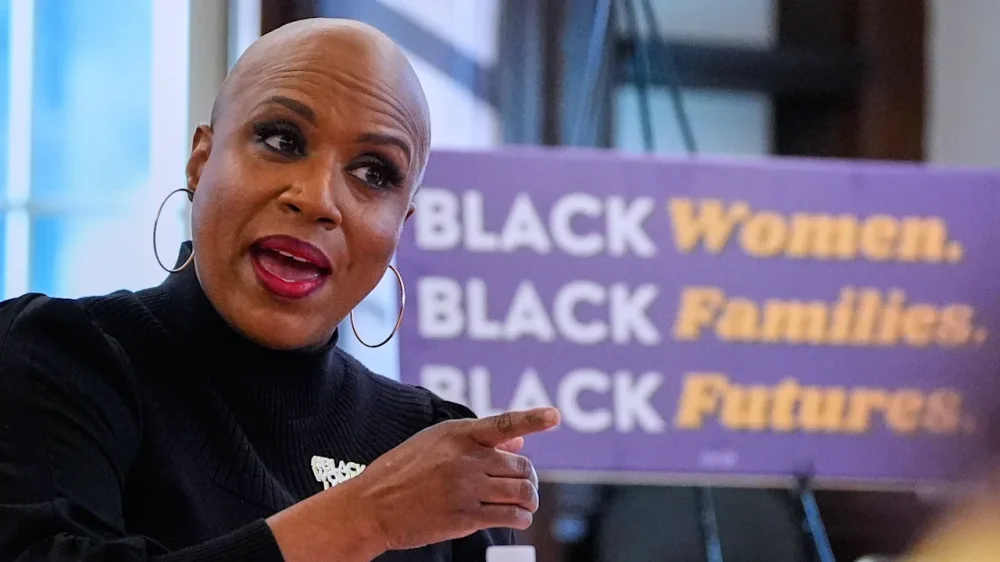
-
We may earn a commission from links on this page. Deal pricing and availability subject to change after time of publication. Black Friday sales officially start Friday, November 28, and run through Cyber Monday, December 1, and Lifehacker is sharing the best sales based on product reviews, comparisons, and price-tracking tools before it's over. Follow our live blog to stay up-to-date on the best sales we find. Browse our editors’ picks for a curated list of our favorite sales on laptops, fitness tech, appliances, and more. Subscribe to our shopping newsletter, Add to Cart, for the best sales sent to your inbox. Sales are accurate at the time of publication, but prices and inventory are always subject to change. I have a confession. In the 10 years I've owned my current car, I've never used the cigarette lighter port. The car came with a single USB-A port, so I've happily just used that to charge my phone instead. About a year ago, though, I got rid of all my USB-A cables, so now I don't have a way to charge my phone when I'm in my car. That's why I've been looking at finally putting that cigarette lighter port to good use, which is when I came across this excellent Black Friday deal on a Ugreen 130W car charger, which is currently going at 44% off. Ugreen 130W Car Charger $22.55 $40.00 Save $17.45 Get Deal Get Deal $22.55 $40.00 Save $17.45 I've owned and used a multi-port wall adapter by Ugreen for a couple of years, and it's been working great in my house. The brand has earned my trust, and the car charger listed here also has great reviews on Amazon. It has two USB-C ports and one USB-A, and it supports up to 100W of output on one of those USB-C ports. That's good enough to charge laptops, iPads, and of course, your phones. In case you're wondering about the charger's other two ports, the USB-A port supports 22.5W output and the second USB-C port supports up to 30W. This charger also gives you the option to let multiple people charge their devices quickly when needed. Ugreen has bundled a 3.3-ft USB-C charging cable in the box, which makes it easy for rear seat passengers to charge their devices, too. When you plug it in, the charger's blue LED ring lights up, which also makes it easy to locate the ports at night. The charger has cooling vents on the back to help improve heat dissipation, too. It's a good product at a great price, which is why I'm about to click that buy button. Does Amazon have Black Friday deals?Yes, Amazon has Black Friday sales, but prices aren’t always what they seem. Use a price tracker to make sure you’re getting the best deal, or refer to guides like our live blog that use price trackers for you. And if you have an Amazon Prime membership, make the most of it. What stores have the best sales on Black Friday?Nowadays, both large retailers and small businesses compete for Black Friday shoppers, so you can expect practically every store to run sales through Monday, December 1, 2025. The “best” sales depend on your needs, but in general, the biggest discounts tend to come from larger retailers who can afford lower prices: think places like Amazon, Walmart, Target, Best Buy, and Home Depot. You can find all the best sales from major retailers on our live blog. Are Black Friday deals worth it?In short, yes, Black Friday still offers discounts that can be rare throughout the rest of the year. If there’s something you want to buy, or you’re shopping for gifts, it’s a good time to look for discounts on what you need, especially tech sales, home improvement supplies, and fitness tech. Of course, if you need to save money, the best way to save is to not buy anything. Our Best Editor-Vetted Early Black Friday Deals Right Now Apple AirPods Pro 3 Noise Cancelling Heart Rate Wireless Earbuds — $219.99 (List Price $249.00) Apple iPad 11" 128GB A16 WiFi Tablet (Blue, 2025) — $274.00 (List Price $349.00) Amazon Fire HD 10 (2023) — $69.99 (List Price $139.99) Sony WH-1000XM5 — $248.00 (List Price $399.99) Blink Outdoor 4 1080p Wireless Security Camera (5-Pack) — $159.99 (List Price $399.99) Amazon Fire TV Stick 4K Plus — $24.99 (List Price $49.99) NEW Bose Quiet Comfort Ultra Wireless Noise Cancelling Headphones — $298.00 (List Price $429.00) Shark AI Ultra Matrix Clean Mapping Voice Control Robot Vacuum with XL Self-Empty Base — $249.99 (List Price $599.00) Apple Watch Series 11 (GPS, 42mm, S/M Black Sport Band) — $339.00 (List Price $399.00) WD 6TB My Passport USB 3.0 Portable External Hard Drive — $134.99 (List Price $179.99) Deals are selected by our commerce team View the full article
-
We may earn a commission from links on this page. Deal pricing and availability subject to change after time of publication. Black Friday sales officially start Friday, November 28, and run through Cyber Monday, December 1, and Lifehacker is sharing the best sales based on product reviews, comparisons, and price-tracking tools before it's over. Follow our live blog to stay up-to-date on the best sales we find. Browse our editors’ picks for a curated list of our favorite sales on laptops, fitness tech, appliances, and more. Subscribe to our shopping newsletter, Add to Cart, for the best sales sent to your inbox. Sales are accurate at the time of publication, but prices and inventory are always subject to change. As someone who takes post-workout recovery seriously, I've tested my fair share of massage guns and recovery gadgets over the years. It's no exaggeration to say these devices have genuinely changed my life as a runner. TheraBody is probably the most well-known name in massage guns, and right now, the TheraBody TheraGun Prime—normally priced at $319.99—is available for $199.99 on Amazon for Black Friday. If you've been thinking about investing in a quality massage gun, this is your moment. TheraGun Therabody Prime (5th Generation) $199.99 at Amazon $319.99 Save $120.00 Get Deal Get Deal $199.99 at Amazon $319.99 Save $120.00 Why the TheraGun Prime stands outWhat makes the Prime my go-to recovery tool? First, it's remarkably quiet. Anyone who's used a budget massage gun knows they often sound like you're drilling into drywall. Thanks to TheraGun's QuietForce Technology, the Prime operates at a low hum, so you can use it while watching TV without drowning out the dialogue or annoying everyone in your household. The triangular handle design is another favorite feature of mine. It gives you leverage to reach those stubborn knots in your back and shoulders without turning into a contortionist or begging someone for help. After a long run, being able to work out tension independently is invaluable. Features that actually matterThe battery lasts about two hours per charge, meaning you're not constantly scrambling for a charging cable. The Prime connects via Bluetooth to the Therabody app, which guides you through targeted routines and shows you exactly how to address specific sore spots—perfect if you're new to percussion therapy. With four speed settings ranging from 1,750 to 2,400 percussions per minute, you can customize intensity based on your needs. Use the lower settings for pre-run warmups or crank it up for deep tissue work after a tough training session. It's accessible enough for beginners while still delivering the power serious athletes need. If you've been on the fence about getting a massage gun, this Black Friday discount makes the TheraGun Prime an easy recommendation. Your muscles will thank you. How long do Black Friday deals really last?Black Friday sales officially begin Friday, November 28, 2025, and run throughout “Cyber Week,” the five-day period that runs from Thanksgiving through Cyber Monday, December 1, 2025. But Black Friday and Cyber Monday dates have expanded as retailers compete for customers. You can get the same Black Friday sales early, and we expect sales to wind down by December 3, 2025. Are Black Friday deals worth it?In short, yes, Black Friday still offers discounts that can be rare throughout the rest of the year. If there’s something you want to buy, or you’re shopping for gifts, it’s a good time to look for discounts on what you need, especially tech sales, home improvement supplies, and fitness tech. Of course, if you need to save money, the best way to save is to not buy anything. Are Cyber Monday deals better than Black Friday?Black Friday used to be bigger for major retailers and more expensive tech and appliances, while Cyber Monday was for cheaper tech and gave smaller businesses a chance to compete online. Nowadays, though, distinction is almost meaningless. Every major retailer will offer sales on both days, and the smart move is to know what you want, use price trackers or refer to guides like our live blog that use price trackers for you, and don’t stress over finding the perfect timing. Our Best Editor-Vetted Early Black Friday Deals Right Now Apple AirPods Pro 3 Noise Cancelling Heart Rate Wireless Earbuds — $219.99 (List Price $249.00) Apple iPad 11" 128GB A16 WiFi Tablet (Blue, 2025) — $274.00 (List Price $349.00) Amazon Fire HD 10 (2023) — $69.99 (List Price $139.99) Sony WH-1000XM5 — $248.00 (List Price $399.99) Blink Outdoor 4 1080p Wireless Security Camera (5-Pack) — $159.99 (List Price $399.99) Amazon Fire TV Stick 4K Plus — $24.99 (List Price $49.99) NEW Bose Quiet Comfort Ultra Wireless Noise Cancelling Headphones — $298.00 (List Price $429.00) Shark AI Ultra Matrix Clean Mapping Voice Control Robot Vacuum with XL Self-Empty Base — $249.99 (List Price $599.00) Apple Watch Series 11 (GPS, 42mm, S/M Black Sport Band) — $339.00 (List Price $399.00) WD 6TB My Passport USB 3.0 Portable External Hard Drive — $134.99 (List Price $179.99) Deals are selected by our commerce team View the full article