ResidentialBusiness
Administrators
-
Joined
-
Last visited
Everything posted by ResidentialBusiness
-
 Europe has nothing to offer and difficult decisions to makeView the full article
 -
If data proves accurate then decline in flow of funds into fixed assets will make growth targets harder to hitView the full article
-
International co-ordination, not technology, is the major barrier to Europe’s defence against unmanned aerial vehiclesView the full article
-
There is a crypto parallel in the aftermath of Europe’s 14th century bubonic plague View the full article
-
Warsaw moves to bolster security after an explosion on a rail line that it blamed on MoscowView the full article
-
‘Digital asset treasury’ craze sours amid $1tn rout in cryptocurrency marketView the full article
-
Keep calm and carry onView the full article
-
Decrease in take-up of early retirement and voluntary redundancy programmes since JuneView the full article
-
Use the FT’s interactive calculator to understand how a further freeze to income tax thresholds could affect youView the full article
-
The rise of leveraged hedge fund strategies means more trades conducted by phone or messagingView the full article
-
If you’re an aspiring nomad, expat, or FIRE follower who wants to find a good visa or residency option to live abroad long-term in your country of choice, the internet does not make it easy for you. You get listicles that confuse tourist visas with residency, half-translated government pages, and “ultimate guides” that quietly ignore ... Read moreView the full article
-
I feel it—the strain, the fractured attention. The constant tug to check, scroll, click. Everything we want is a tap away. Yet when we chase it all, something essential slips through our fingers. I see it clearly in my own world of conferences and events. These are spaces meant for connection, yet people often leave feeling overwhelmed and oddly under-connected. The truth is that genuine engagement is rare. According to Gallup, only 21% of employees are fully engaged. Most are simply going through the motions. It’s a similar story at large-scale events and webinars, where participation beyond passive listening has long been the exception, not the norm. That’s exactly why we need to get smarter about how we bring people in. The paradox of our time is this: We can be anywhere, tuned into everything, and still not truly show up. For business leaders, that’s a high-stakes dilemma. In a landscape full of options, you’re not just competing with the next brand, you’re competing for the attention of someone juggling hundreds of emails, dodging spam, and scrolling past a world in crisis. THE CHALLENGE TO SHOW UP None of this is breaking news. The battle for attention is well-documented. But what’s less discussed, and just as urgent, is that not all engagement is equal. True participation is more than clicking, liking, or even showing up. It means contributing, influencing, shaping. And it can be the difference between relevance and irrelevance for a brand. Over the years, I’ve sat through countless keynotes and meetings where success was measured in metrics that looked good on paper but meant little to those in the room. Still, many businesses chase the easy numbers: impressions, clicks, headcount. These are visible, measurable, and falsely reassuring. But they often track activity without meaning. And mistaking visibility for vitality is a dangerous error. The deeper challenge, and opportunity, is to create environments—digital or physical—where participation asks people to show up fully, as themselves. To risk being seen. To give shape to the thoughts and questions they’ve been carrying but haven’t had the space to voice. The problem is that much of what we call participation today is extractive. It looks active on the surface. People give their time, energy, and attention, but get little in return. Extractive participation puts people to work: in classrooms, meetings, projects, or jobs, but it leaves them drained. It’s not always intentional. Often, it stems from a legacy mindset, treating participation as a metric, not a meaningful exchange. Most places aren’t designed to make people feel seen, challenged, or changed. Participation is treated as performance. It’s become about optics, a signal of engagement, not the real thing. IT DOESN’T HAVE TO BE THIS WAY I’ve seen this in my own field. Many well-produced industry events make this mistake at scale. They spend millions to bring people together, flying them across countries or continents, yet fail to foster real participation. Attendees sit through polished keynotes and panels without speaking to the person beside them, someone who might be wrestling with the very same challenges they have. They leave with pages of notes, but no real connections nor any transformation. The best questions in the room go unasked or unanswered. The most valuable ideas stay buried, not for lack of brilliance, but because no one created the space for them to emerge. But it doesn’t have to be that way. The rooms we gather in—physical or virtual—can do more than host content. They can become engines of energy, curiosity, and exchange. In my own work, I’ve seen what’s possible when spaces are designed to welcome vulnerability and invite true dialogue. The energy shifts. The space transforms the people in it. That’s when participation changes, from extractive to generative. People begin asking better questions. They challenge each other more openly. And they stay engaged. GENERATIVE PARTICIPATION Generative participation creates mutual growth and it happens when three things are present: Reciprocity: People are not only consuming, they are also giving and receiving in equal measure. Amplification: Contributions build on one another, creating outcomes no single person could reach alone. Transformation: Participants leave different than they arrived, more connected, more capable, more inspired. In the right space, a single question can shift a strategy. A personal story can upend assumptions. A simple idea can spark a new product, a partnership, a path forward. People don’t leave drained but energized. They leave with notes scribbled in the margins, names to follow up with, and ideas they can’t wait to bring to life. The difference is simple, but it changes everything. Extractive spaces take more than they give. Generative spaces turn contribution into creation and connection, both with others and with oneself. That’s the difference between engagement that feels like a performance and connection that feels like a life force. The ability to contribute meaningfully isn’t a nice-to-have. It’s a strategic asset. The challenge is, it’s hard to measure. You can’t showcase it on a slide like attendance numbers or social impressions. But when it’s missing, you feel it: classrooms where students check out, communities that can’t mobilize, businesses full of talk but starved for clarity. And when it’s there, you feel that too: Teams move with purpose, networks grow stronger, and ideas don’t just echo, they spark action. GIVE UP SOME CONTROL True contribution thrives in environments that signal safety, openness, and curiosity. But creating that kind of space goes beyond making people feel comfortable. It means loosening your grip, letting go of control so others can step in, speak up, and shape what happens next. Because here’s another truth: Real participation involves giving up some control. We spend plenty of time and energy trying to “generate engagement,” a phrase that sounds like progress but often sidesteps the harder work of inviting real contribution. True participation is rarely tidy. Creating space for it means welcoming the unexpected. Because the unplanned and the unpolished often create the conditions for something more powerful to emerge. That’s where shared meaning, surprising insight, and the breakthroughs our organizations and our world need most begin to take shape. Christine Renaud is CEO of Braindate. View the full article

-
As a physician at Duke, I often saw how women, especially those juggling chronic illness, caregiving, and limited healthcare access, faced delays in getting the right care. What stood out wasn’t just the complexity of their conditions, but how predictable the barriers were. Women face unique challenges in getting timely access to the care they need. Many care options are simply inconvenient and often do not meet patients where they are. For example, forcing a busy working mom to take the day off work, driving 30 minutes for a routine screening can be a challenge if having to juggle a 9-5 and childcare too. Many women are caregivers for aging parents or children, compounding the challenge of taking care of oneself. To make health more equitable, women require convenient options to engage in their health and readily participate in research. Recently, a landmark 40-year study of beta-blockers, one of the most common medications prescribed, demonstrated that adverse effects on women, when taken after specific types of heart attacks. This flew in the face of what I was taught in medical school, though at that time there weren’t enough studies with women participants and the information just wasn’t available. For years, women have been prescribed these medications, based on study designs that didn’t adequately represent them. It’s not just that women are underdiagnosed or left out of research; it’s that we’remissing a massive opportunity to advance health by elevating options for women. Women are the most frequent healthcare decision makers, but also the longest consumers of healthcare (i.e. women live longer than men!) in the economy. While women account for 80% of healthcare decisions, they also make up 65% of the healthcare workforce. They experience more chronic disease, and spend more out-of-pocket, not including maternity costs. They use more prescriptions, attend more appointments, and shape family health behavior. If you’re building a product, launching a trial, or setting a research agenda, the reality is simple: You’re already in the business of women’shealth, whether you know it or not. WOMEN’S HEALTH IS MORE THAN BIKINI MEDICINE For too long, “women’s health” has been conventionally categorized by the body parts covered by a bikini—reproductive care, breast cancer screenings, and obstetrics related topics. This is instead of what it truly involves: the whole body. Several studies show women are consistently and disproportionately affected by stroke, cardiovascular disease, neurocognitive disorders such as dementia, and more. Women are the cornerstone of the entire healthcare market,whichcan boost the global economy $1 trillion annually by 2040. Bikini medicine has left care gaps in everything from heart disease to chronic pain. On the biopharma side, just 4% of R&D spending targets medical research specific to women. And yet in 2024, female-focused startups received only 8.5% of digital health funding, down from nearly 15% in 2020. This isn’t about a lack of innovation. It’s about a lack of prioritization. WHEN WOMEN ARE LEFT OUT, EVERYONE PAYS There are real costs when women are left out of the data: Clinical risk: Women are twice as likely to experience side effects and we aren’t sure why. Potentially, it’s because trials skew male. Economic drag: Women spend 25% more of their lives in poor health compared to men. That results in billions in lost productivity and missed potential. Reputational fallout: In a consumer-driven world, building products that don’t work well for half the population is a fast way to lose trust—and market share. Getting women into research is not a nice-to-have. It’s critical for safety, quality, and return on investment, and to develop therapies that work well for over half of the people they are prescribed to. CLOSING THE GAP COULD UNLOCK $1 TRILLION A YEAR McKinsey estimates that improving outcomes for women could add $1 trillion to the global economy annually, by 2040. That’s not wishful thinking. It’s rooted in simple interventions—better diagnosis, smarter data, faster access to care. Consider this: Half of all women in the U.S. Half of all women in the U.S. each year skip or delay care, often due to costs, scheduling issues, or a lack of trust in the system. Couple this with clinical research historically, and there is less substantial women’s data available to train AI models powering the future of care, even though women take more medications and manage more chronic conditions. This is where the opportunity lies. Build for the real world, and you build a better business. DESIGNING FOR WOMEN DOESN’T MEAN EXCLUDING OTHERS There’s a common fear that focusing on women somehow limits your market. But the opposite is true. Solutions that meet women’s needs—like care navigation, chronic disease support, and flexible benefits—solve for a broader population, too. What makes women’s health complex is also what makes it valuable. If your product or trial can work for women across life stages, it can be used to inspire solutions for anyone. WHAT SHOULD HAPPEN NEXT If we want to change the trajectory of women’s health, we need to: Make convenient options for women to improve access to resources and research participation. Fund more companies prioritizing women in their design and leadership. Follow the January 2025 FDA guidance for trials and datasets to reflect real-world populations, like menopausal status and menstrual cycles. Expand benefits that meet women’s needs beyond reproductive care. Build tools that understand female physiology and behavioral patterns. This isn’t just a moral imperative. It’s a competitive one. LET’S SHIFT THE CONVERSATION Equity in healthcare is an imperative focus of health innovation and personal to many of us, but there’s a business case that’s been hiding in plain sight. Women are the health economy’s chief consumers, workers, and unpaid labor force. Failing to invest in women is failing to invest in the market. Joy Bhosai, MD MPH is founder and CEO of Pluto Health. Jessica Federer, MPH is the managing director of the Women’s Health Fund, and an investor in Pluto Health View the full article

-
Leading the Exceptional Women Alliance gives me a front-row seat to how accomplished women lift each other through mentorship and growth. Joanna Dodd Massey is a corporate board director and Fortune 500 executive with expertise in risk, governance, and crisis leadership. She has a PhD in psychology and advises boards and executives navigating high-stakes challenges and organizational change. Q: Why do family conversations turn so tense during the holidays? Massey: Alcohol and forced family fun play a role, but underneath it all is our biology. Human beings are one of those species that can’t survive alone—we’re hardwired for connection because our survival depends on belonging to a tribe. When someone attacks our beliefs, the automatic part of our brain reacts as if we’re in danger. It doesn’t know the difference between a tiger in the wild and a relative on a rant. That reaction—what we call the “fight, flight, or freeze” response—shuts down the rational part of the brain that handles logic and self-control. It’s why calm people suddenly get intensely defensive—or disappear into the kitchen. Q: The minute someone mentions politics at dinner, most of us reach for the wine or change the subject. Is there a better way? Massey: Yes—I teach an easy three-step process: (1) honor yourself, (2) honor your neighbor, (3) share your story. Our country was founded on the idea that all people are created equal and endowed with unalienable rights, including freedom of thought and expression. When you stand in that liberty, you don’t need others to agree with you. If someone mocks or shames you, that’s just their opinion. These three steps are an easy way to remember that disagreement doesn’t exile you from humanity. In fact, having disagreements amicably shows that Americans can respect differences and still break bread together—just like we did at the first Thanksgiving. Q: Tell us about those three steps. How do they work? Massey: Step 1: Honor yourself is about keeping yourself grounded and your rational brain in the driver’s seat. First, notice what’s happening in your body before you open your mouth. If your heart rate spikes, your jaw tightens, or your shoulders creep toward your ears, that’s your survival system signaling that it’s about to take control—and once it does, there’s nothing you can do to stop it. When you notice those signs, take some deep breaths or use a breathing technique, like 4-square breathing. It distracts your mind and floods your cells with oxygen. With your rational brain still online, remind yourself there’s nothing to win—you aren’t changing them, just like they aren’t changing you. Step 2: Honor your neighbor is about helping the other person stay in their right mind. When we feel attacked, defenses go up. The moment you shift the conversation from condemning to curiosity, everything changes. We all have a story that has shaped us, so say to the other person: “That’s an interesting point that I hadn’t thought of. Can you tell me more about how you came to that understanding?” When people feel heard, their survival system doesn’t worry about being kicked out of the tribe. Step 3: Share your story is exactly what it says—you’re sharing your story, not your opinion. The automatic brain doesn’t care about facts, data, or statistics, so using them won’t change anyone’s mind. What can people here? Vulnerability. When you talk about your own experience, an argument turns into connection. Simply put, the answer to our differences is to humanize them, not politicize them. Q: So, we should just nod and agree with everyone? Massey: Not at all. These steps aren’t about agreeing—the goal is to have a conversation, not a confrontation. Think of it as dinner-table diplomacy. Q: That sounds nice in theory, but does it really work in practice? Massey: Yes—and there’s a great example from the pandemic. Former New Jersey governor Chris Christie, a respected conservative, joined a podcast where infectious disease experts debated anti-vaxxers, but no one was convinced. Then Christie told a personal story. He said he got vaccinated because his aunt and uncle died of COVID, and he’d had a severe case himself. He said he got the vaccine because he didn’t want to die—but also told them they didn’t have to, because this is America and that’s their right. What happened? He was calm and confident in his position (Step 1). He listened and respected their opinion (Step 2). He didn’t try to convince them; he shared a very personal story (Step 3). Q: What’s the biggest takeaway for people heading into holiday dinners this year? Massey: Remember that everyone at the table has an internal “Book of Life According to Me”—a lifetime of experiences that shaped their beliefs. You don’t have to agree, but you can honor the humanity behind those differences. Larraine Segil is founder, chair and CEO of The Exceptional Women Alliance. View the full article
-
Changing an organism’s genome is a profound act, and the tools you use to make the changes don’t alleviate the need for responsible regulation. Since bursting onto the scene in 2012, CRISPR technology has been used to modify dozens of species from bacteria to livestock to plants, and even human embryos. Many countries have put ethical guardrails in place to prohibit creating designer babies. However, in agriculture, gene-edited crops are largely exempt from regulatory oversight, creating a “Wild West” where anything goes and edited crops are free to enter the food supply. Unlike “traditional” genetically modified organisms (GMO)—used since the 1990s to create Roundup Ready seeds and many other widely used products—editing doesn’t involve inserting “transgenic” DNA from other organisms. Instead, it tweaks the genes that already exist. As such, proponents claim it’s a safer approach: no Frankenfoods, just selective breeding on steroids. Following a massive industry lobbying campaign, such arguments have gained traction around the world. In Europe, regulators are forging ahead with a two-tier regulatory system for modified crops. While traditional GMOs remain heavily regulated, gene-edited crops are being given a free pass, with no oversight or labeling required. (Some heavily edited crops will still undergo a degree of scrutiny, though far less than GMO crops.) GENE EDITING NEEDS OVERSIGHT In the U.S., the USDA’s SECURE Rule had, since 2020, similarly exempted most edited crops from regulatory oversight—until it was ruled “arbitrary and capricious” and struck down last December by a California judge. For now, the USDA has reverted to its pre-2020 rulebook—full of red tape, but at least even-handed in the burdens imposed on agtech innovators. The issue here isn’t that there’s anything wrong with gene editing. One of us (Randall) spent several years leading gene editing research at numerous companies, including Inari, Arcadia, and Monsanto (now Bayer), and we can tell you that CRISPR is an incredible tool. It’s already being used to create amazing new products—from bananas that won’t go brown to rice that’s resistant to destructive viruses. Researchers are also developing vitamin-packed tomatoes, carbon-sequestering strains of rice, and high-yield wheat. They should be applauded: We’ll need all these innovations, and more, to grow healthy, tasty, and affordable food for billions of people in a warming world. But while there isn’t anything uniquely dangerous about gene editing, there isn’t anything uniquely safe about it either. With both gene editing and transgenic methods, you’re rewriting the genome—and what matters is the impact of the new genetic content, not where the underlying DNA “letters” came from. Whatever methods are used, genetic engineering can deliver enormous benefits, but brings real risks—and requires proper oversight to ensure safety and maintain public confidence. THE GMO BACKLASH However, the current bifurcated approach that gives gene editing a pass creates a significant risk that regulators are sowing the seeds of a future backlash against genetic engineering. Paradoxically, GMO crops have one important benefit over gene-edited crops: Precisely because they contain transgenic genetic information, they can be easily detected using simple lab testing. Gene-edited crops, on the other hand, are typically indistinguishable from conventional crops, so if an edited crop were found to have harmful traits, it would be extremely difficult—and unimaginably expensive—to verifiably remove it from the global food chain. The approach also distorts the marketplace by creating incentives for gene editing at the expense of future innovations using proven GMO technologies that farmers and consumers already rely on. Unfortunately, by downplaying the need for meaningful oversight of edited crops, we risk playing into the hands of the least scrupulous market participants. In China, gene editing techniques have already been misused to unlawfully edit the genomes of unborn babies, and Chinese firms are racing to create gene-edited medical treatments in ways that have raised eyebrows among Western regulators. Now, China is actively promoting gene editing for crops and livestock, too, in a bid to end its reliance on U.S. soybeans and other farm exports. Want to place a bet that no corners will be cut along the way? We’re no Luddites, with Randall spending his career using genetic techniques to improve crops. Genetic engineering, encompassing both transgenic methods and gene editing, is the defining technological breakthrough of our time (sorry, ChatGPT). But it’s also among the most misunderstood, and certainly the most maligned, of modern technologies. Crop innovators, burned once by the demonization of GMOs, are understandably eager to avoid tarring gene editing methods with the same brush. A BACKDOOR APPROACH But in the rush to wave through gene editing technologies, we’re falling into the same trap. The industry’s arrogant dismissal of safety concerns turned an entire generation against GMOs. Now, instead of being forthright with consumers about the power and potential of gene editing, the industry is trying to sneak it in by the back door as simply an extension of selective breeding methods used since the dawn of agriculture. The reality is more nuanced. There’s no need to panic about gene editing methods. But there’s also no scientific basis for casting GMO crops as “bad” and edited crops as “good.” Both gene editing and genetic modification are incredibly powerful tools—and the novel plant traits they enable should be welcomed. But they should also be regulated, carefully and effectively—and regulated as products, based on their own unique attributes, regardless of the processes used to create them. It’s time to move away from process-oriented regulations and focus instead on creating a level playing field for both transgenic and gene-edited crops. We need an honest conversation and clear-eyed regulations of both technologies to protect the safety of the food chain—and ensure that vital new agtech breakthroughs continue to develop in safe, transparent, and sustainable ways. Shely Aronov is CEO and cofounder of Innerplant. Randell Schultz, PhD, is vice president of research and development at Innerplant. View the full article

-
We may earn a commission from links on this page. Deal pricing and availability subject to change after time of publication. Black Friday sales officially start Friday, November 28, and run through Cyber Monday, December 1, and Lifehacker is sharing the best sales based on product reviews, comparisons, and price-tracking tools before it's over. Follow our live blog to stay up-to-date on the best sales we find. Browse our editors’ picks for a curated list of our favorite sales on laptops, fitness tech, appliances, and more. Subscribe to our shopping newsletter, Add to Cart, for the best sales sent to your inbox. Sales are accurate at the time of publication, but prices and inventory are always subject to change. Black Friday is generally a great time to buy tech, and laptops are frequent highlight items during doorbuster sales. But there are so many deals (and "deals") right now that it can be hard to know which ones are worth buying and which might be a little misleading. Luckily, I review laptops for a living, and I've narrowed down my favorite Black Friday laptop deals for you, whether you're looking for a productivity machine, a gaming buddy, or just a cheap little clamshell to go online with. Best thin and light laptops M4 Apple MacBook Air $749.00 at Amazon $999.00 Save $250.00 Get Deal Get Deal $749.00 at Amazon $999.00 Save $250.00 M5 Apple MacBook Pro $1,399.99 at Amazon $1,599.00 Save $199.01 Get Deal Get Deal $1,399.99 at Amazon $1,599.00 Save $199.01 Microsoft Surface Laptop with Snapdragon X Plus (10-core) $749.99 at Amazon $1,199.99 Save $450.00 Get Deal Get Deal $749.99 at Amazon $1,199.99 Save $450.00 Dell 14 Plus Laptop $799.99 at Dell $1,249.00 Save $449.01 Get Deal Get Deal $799.99 at Dell $1,249.00 Save $449.01 SEE 1 MORE Productivity laptops are going to be some of the most common sales you'll see this Black Friday, especially if you're looking at premium, thin, and light devices. Apple laptopsAlmost every MacBook Air is on sale, for instance, starting at $749 for the most recent model, with the M4 chip. This deal will net you 16GB of RAM and 256GB of storage, which should be enough for light use. Or, you could bump up to the 24 GB RAM/512GB storage MacBook Air for $1,149. If you need more power and a built-in fan, the M5 MacBook Pro starts at $1,399 this Black Friday, which will net you 16GB of RAM and 512GB of storage. There are plenty of models of this laptop available, you could get the model with an M4 Max chip, 48GB of RAM, and 1TB of storage for $3,499. Don't worry—it's actually more powerful than the M5, even if it sounds weaker. It's just that Apple has yet to release an M5 Max chip. Windows laptopsIf Windows is more your thing, you could opt for Microsoft's take on the MacBook, with the Microsoft Surface Laptop. This starts at $750, although there are currently two models selling for that price point, the 2024 one and the 2025 one. My pick is actually the 2024 one, as it's mostly identical, but the CPU has slightly more cores. Speaking of, this laptop has a Snapdragon X Plus chip, a touchscreen, and comes with 16GB of RAM and 512GB of storage. That chip is actually somewhat unique against most other Windows laptops, as it's built on mobile architecture, which means it sacrifices a bit on program compatibility but makes up for it on battery life. Finally, if you need a more traditional Windows laptop, the Dell 14 Plus is a solid choice. By default, it's $799 and comes with a solid workhorse of a chip in the Intel Core Ultra 7 258V, and packs a generous 32GB of RAM and 1TB of storage. There are numerous configuration options as well, although discounts vary on each. Best gaming laptops Asus Tuf Gaming A16 with RTX 5070 $1,199.99 at Best Buy $1,699.99 Save $500.00 Get Deal Get Deal $1,199.99 at Best Buy $1,699.99 Save $500.00 Lenovo LOQ Gaming Laptop with RTX 5050 $649.99 at Best Buy $1,099.99 Save $450.00 Get Deal Get Deal $649.99 at Best Buy $1,099.99 Save $450.00 MSI Vector 16 HX AI 400 with RTX 5080 $1,899.99 at Best Buy $2,499.99 Save $600.00 Get Deal Get Deal $1,899.99 at Best Buy $2,499.99 Save $600.00 SEE 0 MORE Gaming laptop deals are a bit more rare on Black Friday, mostly because there are so many options out there that you can't necessarily expect the one you want to be on sale, or for those that are to come with the most attractive specs. However, I've found a few compelling options this Black Friday, across a number of price points. Starting on the low end of the spectrum, there's the Lenovo LOQ, which is on sale at Best Buy for $650. This comes with an entry level RTX 5050 graphics card, a strong enough Intel Core i5-13450HX chip, and the standard budget gaming loadout of 16GB of RAM and 512GB of storage. The screen is also a simply 1,920 x 1,080, but given that this is meant more for lightweight games, that shouldn't be an issue. It's a good choice if you mostly play smaller indie games, or competitive games like Fortnite, which tend to optimize for users with all types of machines. If you want a more middle-of-the-road option, try the Asus TUF Gaming A16, which is $1,200 at Best Buy. This will bump you up to an AMD Ryzen 9 chip, an RTX 5070 GPU, 32GB of RAM, 1TB of storage, and a 1,920 x 1,200 screen. It should be able to play most AAA titles, assuming you're willing to play with settings on some of the more demanding titles. Finally, if you want to splurge a bit, there's the MSI Vector 16 HX AI 400 for $1,900 at Best Buy. Mouthful of a name aside, this is actually one of the cheaper ways to get the high-end RTX 5080 laptop this Black Friday. It packs an Intel Core Ultra 9-275HX chip, an RTX 5080 GPU, 16GB of RAM, and a 1TB SSD. Yes, that amount of RAM is technically a little lower than on the TUF, but the screen is a higher resolution at 2,560 x 1,600, and 16GB should still be enough to run pretty much any game in combination with the rest of this machine's specs. Best budget laptops Acer Chromebook Plus 515 $299.99 at Amazon $429.99 Save $130.00 Get Deal Get Deal $299.99 at Amazon $429.99 Save $130.00 Lenovo IdeaPad Flex 3i Chromebook $282.16 at Amazon $350.50 Save $68.34 Get Deal Get Deal $282.16 at Amazon $350.50 Save $68.34 Dell Latitude 7410 (Refurbished) + Microsoft Office Pro 2021 $274.99 at StackSocial $1,019.98 Save $744.99 Get Deal Get Deal $274.99 at StackSocial $1,019.98 Save $744.99 SEE 0 MORE Finally, you can also find a good deal on a budget laptop if all you want is a reliable machine to use for light work and going online. While I've previously written about why you should be skeptical of cheap laptops during Black Friday, there are still budget machines out there worth buying. (Most of them are Chromebooks, but I do have at least one Windows option for you as well.) Starting off with a general option that should work well for just about everyone, there's the $300 Acer Chromebook Plus 515. This comes with an Intel Core i3-1305U chip, 8GB of RAM, and 256GB of storage. Those humble specs are enough to qualify it for Chromebook Plus verification, unlocking a few extra AI features, and should be enough for the web-based applications Chromebooks specialize in. If you want your Chromebook to be able to moonlight as a tablet, you could instead opt for the Lenovo IdeaPad Flex 3i, which is $282. You'll lose out on those minor Chromebook Plus AI bonuses, but you'll gain the ability to convert the screen between laptop mode and tablet mode. It's also a little weaker than the Chromebook Plus 515, with an Intel Pentium N6000 chip, but its 8GB of RAM and 128GB of storage mean it should still be up to web-based tasks. Finally, if you must get a budget Windows laptop, StackSocial's $275 Dell Latitude 7410 deal is surprisingly good. With an Intel Core i5-10310U chip, 16GB of RAM, and 512GB of storage, you'll get a decent amount of processing power for the price, even if that chip is a little old. Plus, you'll get a digital code for Microsoft Office Pro 2021 thrown in. The catch is that it's refurbished, but you can't do much better for a Windows machine below $300. Does Apple do Black Friday?Yes, Apple participates in Black Friday, though you may want to compare their sales with other retailers like Best Buy and Walmart. Apple is offering an exclusive $250 gift card for eligible purchases, but so far, the best Black Friday sale on an Apple product is the M4 MacBook on sale for cheaper than ever. Does Amazon have Black Friday deals?Yes, Amazon has Black Friday sales, but prices aren’t always what they seem. Use a price tracker to make sure you’re getting the best deal, or refer to guides like our live blog that use price trackers for you. And if you have an Amazon Prime membership, make the most of it. What stores have the best sales on Black Friday?Nowadays, both large retailers and small businesses compete for Black Friday shoppers, so you can expect practically every store to run sales through Monday, December 1, 2025. The “best” sales depend on your needs, but in general, the biggest discounts tend to come from larger retailers who can afford lower prices: think places like Amazon, Walmart, Target, Best Buy, and Home Depot. You can find all the best sales from major retailers on our live blog. Our Best Editor-Vetted Early Black Friday Deals Right Now Apple AirPods Pro 3 Noise Cancelling Heart Rate Wireless Earbuds — $219.99 (List Price $249.00) Apple iPad 11" 128GB A16 WiFi Tablet (Blue, 2025) — $274.00 (List Price $349.00) Amazon Fire HD 10 (2023) — $69.99 (List Price $139.99) Sony WH-1000XM5 — $248.00 (List Price $399.99) Blink Outdoor 4 1080p Wireless Security Camera (5-Pack) — $159.99 (List Price $399.99) Amazon Fire TV Stick 4K Plus — $24.99 (List Price $49.99) NEW Bose Quiet Comfort Ultra Wireless Noise Cancelling Headphones — $298.00 (List Price $429.00) Shark AI Ultra Matrix Clean Mapping Voice Control Robot Vacuum with XL Self-Empty Base — $249.99 (List Price $599.00) Apple Watch Series 11 (GPS, 42mm, S/M Black Sport Band) — $339.00 (List Price $399.00) WD 6TB My Passport USB 3.0 Portable External Hard Drive — $134.99 (List Price $179.99) Deals are selected by our commerce team View the full article
-
The shift to hybrid work has introduced a new challenge for organizations of all sizes: choosing the right meeting room hardware. With a host of devices available, from all-in-one cameras to complex ecosystem setups, selecting the perfect gear can be confusing, especially when company size, room dimensions, budget, and meeting purpose vary. Owl Labs, with its range of AI-powered video collaboration tools, offers a solution for every stage of growth. The start-up/small team solution (~2–10 employees) For burgeoning businesses and tight-knit teams, the focus is typically on affordability, portability, and plug-and-play simplicity. You likely operate in small huddle spaces and need reliable, high-quality hardware for daily stand-ups, client calls, and quick check-ins. View the full article
-
Coming soonView the full article
-
The New York Stock Exchange disclosed the news on Monday of the sudden passing of its head of International Capital Markets. View the full article

-
We may earn a commission from links on this page. Deal pricing and availability subject to change after time of publication. Black Friday sales officially start Friday, November 28, and run through Cyber Monday, December 1, and Lifehacker is sharing the best sales based on product reviews, comparisons, and price-tracking tools before it's over. Follow our live blog to stay up-to-date on the best sales we find. Browse our editors’ picks for a curated list of our favorite sales on laptops, fitness tech, appliances, and more. Subscribe to our shopping newsletter, Add to Cart, for the best sales sent to your inbox. Sales are accurate at the time of publication, but prices and inventory are always subject to change. I test a lot of wearables for Lifehacker, and for all the fancy fitness watches and smartwatches out there, I usually think entry-level models are the most useful option for the average runner or everyday person who only wants to track some exercise. There are plenty of great watches under $250, and with this week's Black Friday deals, some have dropped even lower. Here are the best deals on good fitness and running watches you can find right now in that price range. The best Black Friday deals on Garmin ForerunnersI think the Forerunner 255 is probably the best budget Garmin out there, but at this point it's an older model. It still does its job just fine, but prices can be unpredictable and many of the listings you'll find are for refurbished units. Nothing wrong with that—just make sure you understand what you're getting. There are two sizes, 41 and 46 millimeters, and each one can come with or without music storage. Note that the 255 has a MIP screen, an older technology that has its pros and cons. Garmin Forerunner 255 Music (46 mm), $229.99 refurbished Garmin Forerunner 255S (41 mm, no music storage) $249.99 refurbished The Forerunner 165 is another good entry level pick, and our resident marathoner loved the 165 Music. Like the 255, it comes in both a music and non-music version, but there is only one size. Both are on sale for Black Friday: Garmin Forerunner 165, $199.99 (normally $249.99) Garmin Forerunner 165 Music, $249.99 (normally $299.99) The next step up from there would be the Forerunner 265, which is on a great sale, but unfortunately it doesn't quite dip into our target price range—it's $299.99. The Forerunner 55, though, is down to $149.99. This is an older, barebones watch, but not a bad pick if you're looking for something basic. The best Black Friday deals on the Coros Pace 3 and 4Coros just launched the AMOLED Pace 4, and dropped the price on the MIP Pace 3. Aside from that difference in display type, they have similar functions and are both great entry-level watches. I reviewed the Pace 4, which has a great battery life and new voice features. The Pace 3 is a solid pick, too. You can read my comparison of the two here. These prices aren't necessarily Black Friday deals, but if you're looking for a bargain, they should definitely be on your list. Coros Pace 3: $199.99 (previously $229.99) Coros Pace 4: $249.99 (regular price) The best Black Friday deals on the Suunto RunSuunto makes some great, underrated fitness watches. I loved the Suunto Run when I tested it. It's on sale for $199.99, normally $249.99. The best Black Friday deals on the Garmin Vivoactive 5 and 6I mentioned Garmin's Forerunners above, but Garmin also makes some lifestyle watches. These don't have the running-specific focus, but they have great fitness features and would be great for any casual runner. The Vivoactive 6 is the newest in this line, making the Vivoactive 5 even more affordable. I've tested both and liked them; check out my review of the Vivoactive 6 for more on the differences between the two. Garmin Vivoactive 5: $184.99 (originally $299.99, but it's been $229.99 ever since the Vivoactive 6 launched) Garmin Vivoactive 6: $249.99 (normally $299.99) What stores have the best sales on Black Friday?Nowadays, both large retailers and small businesses compete for Black Friday shoppers, so you can expect practically every store to run sales through Monday, December 1, 2025. The “best” sales depend on your needs, but in general, the biggest discounts tend to come from larger retailers who can afford lower prices: think places like Amazon, Walmart, Target, Best Buy, and Home Depot. You can find all the best sales from major retailers on our live blog. Are Black Friday deals worth it?In short, yes, Black Friday still offers discounts that can be rare throughout the rest of the year. If there’s something you want to buy, or you’re shopping for gifts, it’s a good time to look for discounts on what you need, especially tech sales, home improvement supplies, and fitness tech. Of course, if you need to save money, the best way to save is to not buy anything. Are Cyber Monday deals better than Black Friday?Black Friday used to be bigger for major retailers and more expensive tech and appliances, while Cyber Monday was for cheaper tech and gave smaller businesses a chance to compete online. Nowadays, though, distinction is almost meaningless. Every major retailer will offer sales on both days, and the smart move is to know what you want, use price trackers or refer to guides like our live blog that use price trackers for you, and don’t stress over finding the perfect timing.\ Our Best Editor-Vetted Early Black Friday Deals Right Now Apple AirPods Pro 3 Noise Cancelling Heart Rate Wireless Earbuds — $219.99 (List Price $249.00) Apple iPad 11" 128GB A16 WiFi Tablet (Blue, 2025) — $274.00 (List Price $349.00) Amazon Fire HD 10 (2023) — $69.99 (List Price $139.99) Sony WH-1000XM5 — $248.00 (List Price $399.99) Blink Outdoor 4 1080p Wireless Security Camera (5-Pack) — $159.99 (List Price $399.99) Amazon Fire TV Stick 4K Plus — $24.99 (List Price $49.99) NEW Bose Quiet Comfort Ultra Wireless Noise Cancelling Headphones — $298.00 (List Price $429.00) Shark AI Ultra Matrix Clean Mapping Voice Control Robot Vacuum with XL Self-Empty Base — $249.99 (List Price $599.00) Apple Watch Series 11 (GPS, 42mm, S/M Black Sport Band) — $339.00 (List Price $399.00) WD 6TB My Passport USB 3.0 Portable External Hard Drive — $134.99 (List Price $179.99) Deals are selected by our commerce team View the full article
-
We may earn a commission from links on this page. Deal pricing and availability subject to change after time of publication. Black Friday sales officially start Friday, November 28, and run through Cyber Monday, December 1, and Lifehacker is sharing the best sales based on product reviews, comparisons, and price-tracking tools before it's over. Follow our live blog to stay up-to-date on the best sales we find. Browse our editors’ picks for a curated list of our favorite sales on laptops, fitness tech, appliances, and more. Subscribe to our shopping newsletter, Add to Cart, for the best sales sent to your inbox. Sales are accurate at the time of publication, but prices and inventory are always subject to change. Apple products are notoriously expensive. As such, you might have been waiting to buy a new MacBook or iPad until right about now, when there's a chance Black Friday and Cyber Monday sales will bring down those costs. And indeed, Apple is running a Black Friday promotion this year, valid with the purchase of a qualifying Apple device. But here's the thing: If you want the best price, you probably shouldn't buy any Apple products directly from Apple during either Black Friday or Cyber Monday. What is Apple's Black Friday deal?According to the official Apple Store Shopping Event site, the company's promotion starts on Black Friday (Nov. 28) and runs through Dec. 1 (Cyber Monday). During this time, no Apple products will actually be on sale: MacBook Airs will still start at $999, while AirPods Max will still run you a whopping $549. See, rather than cut prices, Apple is instead offering customers an Apple gift card with the purchase of an Apple device. How much that gift card is worth depends on the product you purchase: Apple advertises that you can receive a gift card up to $250, but that's only available to customers buying a new MacBook. If you buy an iPad Air, iPad A16, or iPad mini, you get $100. (iPad Pros are left out of the deal.) If you buy an iPhone 16 or iPhone 16e, you get $75. (There are no gift cards when purchasing an iPhone 17 device, either.) You can also get a $75 gift card when you buy AirPods Max, AirPods Pro 3, or AirPods 4. Apple Watch Series 11 or SE 3 customers get $50, as do those buying HomePod, Apple TV 4K, or any of the following Beats products: Beats Studio Pro, Powerbeats Pro 2, Beats Solo 4, Beats Studio Buds +, or Beats Pill. You can also get a $25 gift card with the purchase of a Magic Keyboard for iPad Air, Magic Keyboard Folio for iPad A16, or Apple Pencil Pro. An Apple gift card isn't necessarily a bad accompaniment to one of these purchases. If you had the choice between buying a $1,000 MacBook with a $250 gift card, or buying a $1,000 without a $250 gift card, I know what choice you'd make. But the issue isn't the gift card itself, it's the fact other stores are offering deals of a similar value in discounts. There are better ways to save money on Apple productsLet's consider that MacBook Air. For $999, you can pick up the base-model M4 MacBook Air from Apple, and snag a $250 gift card while you're at it. But take a look at that same MacBook Air on Amazon, and you'll find that the machine is currently $250 cheaper than it is at Apple. For $749, you can have a laptop Apple charges you $999 for. And while buying it from Apple from Nov. 28 through Dec. 1 nets you a $250 gift card, you can't retroactively use it on your MacBook Air. Instead, you'll need to use it on another purchase through Apple. Amazon gives you that amount off up front—and you'll pay less in sales tax. M4 MacBook Air $749.00 at Amazon $999.00 Save $250.00 Get Deal Get Deal $749.00 at Amazon $999.00 Save $250.00 Similarly, you can buy Apple's AirPods 4 with Active Noise Cancellation from Amazon for $99.99. That same pair will cost you $179 at Apple, which means you're saving more than the $75 Apple gift card you'd receive for your direct-from-Cupertino purchase. The same applies to the AirPods Max, which are $120 off at Amazon right now, also beating the $75 gift card. To be fair, not all Apple devices are experiencing the same level of discounts at other retailers. The AirPods Pro 3, for example, are $219.99 at most stores right now. That's a $30 discount, which isn't nothing, but you'd get a $75 gift card at Apple for the same product. You might prefer the latter in this scenario, provided you plan to spend more money at Apple. Here's another example of this split: The iPad Air is currently $150 off at Amazon, $50 more than the $100 gift card Apple would give you. But the iPad A16 is only $75 off, $25 less than that same $100 gift card. The Apple Watch SE 3 is exactly as discounted as its gift card price—$50—while the 46mm Series 11 is $60 off, a $10 advantage to Amazon. Now, maybe the gift card deal works well for you: Perhaps you have multiple Apple products on your wishlist, or you're buying a number of devices for people as gifts, or you want to give the gift card itself as a gift. If so, sure, these gift cards will certainly come in handy. But my advice is this: Take a careful look at what the product you want to buy is going for at various stores, and see which one is selling it the cheapest. My guess is, for the vast majority of Apple devices in this promotion, you'd be better off taking the discount over the gift card—especially if this is the only Apple purchase you're making any time soon. Does Amazon have Black Friday deals?Yes, Amazon has Black Friday sales, but prices aren’t always what they seem. Use a price tracker to make sure you’re getting the best deal, or refer to guides like our live blog that use price trackers for you. And if you have an Amazon Prime membership, make the most of it. What stores have the best sales on Black Friday?Nowadays, both large retailers and small businesses compete for Black Friday shoppers, so you can expect practically every store to run sales through Monday, December 1, 2025. The “best” sales depend on your needs, but in general, the biggest discounts tend to come from larger retailers who can afford lower prices: think places like Amazon, Walmart, Target, Best Buy, and Home Depot. You can find all the best sales from major retailers on our live blog. Are Black Friday deals worth it?In short, yes, Black Friday still offers discounts that can be rare throughout the rest of the year. If there’s something you want to buy, or you’re shopping for gifts, it’s a good time to look for discounts on what you need, especially tech sales, home improvement supplies, and fitness tech. Of course, if you need to save money, the best way to save is to not buy anything. Our Best Editor-Vetted Early Black Friday Deals Right Now Apple AirPods Pro 3 Noise Cancelling Heart Rate Wireless Earbuds — $219.99 (List Price $249.00) Apple iPad 11" 128GB A16 WiFi Tablet (Blue, 2025) — $274.00 (List Price $349.00) Amazon Fire HD 10 (2023) — $69.99 (List Price $139.99) Sony WH-1000XM5 — $248.00 (List Price $399.99) Blink Outdoor 4 1080p Wireless Security Camera (5-Pack) — $159.99 (List Price $399.99) Amazon Fire TV Stick 4K Plus — $24.99 (List Price $49.99) NEW Bose Quiet Comfort Ultra Wireless Noise Cancelling Headphones — $298.00 (List Price $429.00) Shark AI Ultra Matrix Clean Mapping Voice Control Robot Vacuum with XL Self-Empty Base — $249.99 (List Price $599.00) Apple Watch Series 11 (GPS, 42mm, S/M Black Sport Band) — $339.00 (List Price $399.00) WD 6TB My Passport USB 3.0 Portable External Hard Drive — $134.99 (List Price $179.99) Deals are selected by our commerce team View the full article
-
We may earn a commission from links on this page. Deal pricing and availability subject to change after time of publication. Black Friday sales officially start Friday, November 28, and run through Cyber Monday, December 1, and Lifehacker is sharing the best sales based on product reviews, comparisons, and price-tracking tools before it's over. Follow our live blog to stay up-to-date on the best sales we find. Browse our editors’ picks for a curated list of our favorite sales on laptops, fitness tech, appliances, and more. Subscribe to our shopping newsletter, Add to Cart, for the best sales sent to your inbox. Sales are accurate at the time of publication, but prices and inventory are always subject to change. I've tested plenty of pairs of adjustable dumbbells, and no matter which brand you ultimately choose, I highly recommend investing in a set. The math alone makes it a no-brainer: Buying individual pairs of dumbbells from five to 80 pounds in five-pound increments would cost well over $1,500 and eat up valuable floor space. Adjustable dumbbells deliver the same versatility for a fraction of that price—and with Black Friday deals happening now, there's never been a better time to buy. Right now, the PowerBlock Elite EXP Adjustable Dumbbells are on sale for $339.51 on Amazon, down from their usual $449 price tag. That's a solid $110 savings. POWERBLOCK Elite EXP Adjustable Dumbbell (2020 Model) $339.14 at Amazon $449.00 Save $109.86 Get Deal Get Deal $339.14 at Amazon $449.00 Save $109.86 Why PowerBlocks top the listYou'd be hard-pressed to find a "best home dumbbells" list without PowerBlocks near the top. Lifehacker senior health editor Beth Skwarecki ranks these her favorite adjustable dumbbell set, and for good reason. The futuristic cubic design isn't just for show. These dumbbells are incredibly compact, which is the whole point of going adjustable over a traditional rack of individual weights. They take up minimal space while offering maximum range for your home gym. What I personally love most is the pin system for weight adjustment. It's quick and intuitive, so you can change resistance mid-workout without breaking your flow. Just pull the pin, select your desired weight, and you're ready to go—no fiddling with collars or plates. One thing to considerThe only real drawback is the frame design: You have to place your hand inside the dumbbell's structure to grip it. This can feel slightly awkward at first, especially if you're wearing a nice big watch. It's not a dealbreaker, but worth noting if you're particular about grip comfort. If you prefer focusing on single-arm exercises or want to test the waters before committing to a full set, Walmart has a single adjustable dumbbell (up to 50 lbs) for just $199.99 right now. How long do Black Friday deals really last?Black Friday sales officially begin Friday, November 28, 2025, and run throughout “Cyber Week,” the five-day period that runs from Thanksgiving through Cyber Monday, December 1, 2025. But Black Friday and Cyber Monday dates have expanded as retailers compete for customers. You can get the same Black Friday sales early, and we expect sales to wind down by December 3, 2025. Are Black Friday deals worth it?In short, yes, Black Friday still offers discounts that can be rare throughout the rest of the year. If there’s something you want to buy, or you’re shopping for gifts, it’s a good time to look for discounts on what you need, especially tech sales, home improvement supplies, and fitness tech. Of course, if you need to save money, the best way to save is to not buy anything. Are Cyber Monday deals better than Black Friday?Black Friday used to be bigger for major retailers and more expensive tech and appliances, while Cyber Monday was for cheaper tech and gave smaller businesses a chance to compete online. Nowadays, though, distinction is almost meaningless. Every major retailer will offer sales on both days, and the smart move is to know what you want, use price trackers or refer to guides like our live blog that use price trackers for you, and don’t stress over finding the perfect timing. Our Best Editor-Vetted Early Black Friday Deals Right Now Apple AirPods Pro 3 Noise Cancelling Heart Rate Wireless Earbuds — $219.99 (List Price $249.00) Apple iPad 11" 128GB A16 WiFi Tablet (Blue, 2025) — $274.00 (List Price $349.00) Amazon Fire HD 10 (2023) — $69.99 (List Price $139.99) Sony WH-1000XM5 — $248.00 (List Price $399.99) Blink Outdoor 4 1080p Wireless Security Camera (5-Pack) — $159.99 (List Price $399.99) Amazon Fire TV Stick 4K Plus — $24.99 (List Price $49.99) NEW Bose Quiet Comfort Ultra Wireless Noise Cancelling Headphones — $298.00 (List Price $429.00) Shark AI Ultra Matrix Clean Mapping Voice Control Robot Vacuum with XL Self-Empty Base — $249.99 (List Price $599.00) Apple Watch Series 11 (GPS, 42mm, S/M Black Sport Band) — $339.00 (List Price $399.00) WD 6TB My Passport USB 3.0 Portable External Hard Drive — $134.99 (List Price $179.99) Deals are selected by our commerce team View the full article
-
Swalwell alleges Pulte obtained and used the lawmaker's personal mortgage records in violation of US privacy laws and constitutional protections for political expression. View the full article

-
We may earn a commission from links on this page. Deal pricing and availability subject to change after time of publication. Black Friday sales officially start Friday, November 28, and run through Cyber Monday, December 1, and Lifehacker is sharing the best sales based on product reviews, comparisons, and price-tracking tools before it's over. Follow our live blog to stay up-to-date on the best sales we find. Browse our editors’ picks for a curated list of our favorite sales on laptops, fitness tech, appliances, and more. Subscribe to our shopping newsletter, Add to Cart, for the best sales sent to your inbox. Sales are accurate at the time of publication, but prices and inventory are always subject to change. When Amazon launched its first Kindle all the way back in 2007, it set off a brand new e-reader business. But as the technology has progressed, now you can use E-Ink displays for way more than reading. There are now digital notebooks, too, but as you might expect, they tend to be a little larger and a lot more expensive than an e-reader. The Kindle digital notebook is 10.2 inches and usually goes for well over $400, for instance (although it's currently discounted for Black Friday). That's where the iFlyTek AiNote Air 2 comes in. This digital notebook is smaller, at 8.2 inches, and thanks to a Black Friday deal, is now $399 ($100 off its usual price). But, unlike the Scribe, it also comes with built-in ChatGPT access—no subscription required—for AI features like translation and speech-to-text notes. iFlyTek AiNote Air 2 $399.00 at Amazon $499.00 Save $100.00 Get Deal Get Deal $399.00 at Amazon $499.00 Save $100.00 That makes it a bit more like the Viwoods' AiPaper E Ink Notebook than the Scribe or other competitors like the Remarkable Paper Pro. And that's great news. Lifehacker editor Joel Cunningham gave the AiPaper 4/5 stars in his review, but it's still not for everyone, coming in at a large 10.65 inches and having an MSRP of $549 dollars (it's also slightly discounted for Black Friday, but stock is going fast). Lifehacker hasn't gone hands-on with the AiNote Air 2, but aside from being smaller and more affordable, it also introduces a 5MP camera, which could be useful when interacting with ChatGPT. It adds a speaker, too, so you won't need headphones to listen to audiobooks. It also comes with a stylus. Alongside the additions, though, there are a few compromises. Storage is capped at 32GB, and the battery is smaller than the AiPaper's, at 2,600mAh rather than 4,100mAh. The resolution is also a little less sharp, at 293PPI vs 300PPI, but this might be less noticeable on the smaller screen. It's definitely a more generic take on the product, but the core functionality is here, and it could be a suitable, more compact, and more affordable alternative to people who want to take AI-assisted digital notes on the go. It's also received praise over on Reddit, where one user called it "the closest experience to writing on a nice pad of paper with a smooth rolling pen I've ever experienced." How long do Black Friday deals really last?Black Friday sales officially begin Friday, November 28, 2025, and run throughout “Cyber Week,” the five-day period that runs from Thanksgiving through Cyber Monday, December 1, 2025. But Black Friday and Cyber Monday dates have expanded as retailers compete for customers. You can get the same Black Friday sales early, and we expect sales to wind down by December 3, 2025. Are Black Friday deals worth it?In short, yes, Black Friday still offers discounts that can be rare throughout the rest of the year. If there’s something you want to buy, or you’re shopping for gifts, it’s a good time to look for discounts on what you need, especially tech sales, home improvement supplies, and fitness tech. Of course, if you need to save money, the best way to save is to not buy anything. Are Cyber Monday deals better than Black Friday?Black Friday used to be bigger for major retailers and more expensive tech and appliances, while Cyber Monday was for cheaper tech and gave smaller businesses a chance to compete online. Nowadays, though, distinction is almost meaningless. Every major retailer will offer sales on both days, and the smart move is to know what you want, use price trackers or refer to guides like our live blog that use price trackers for you, and don’t stress over finding the perfect timing. Our Best Editor-Vetted Early Black Friday Deals Right Now Apple AirPods Pro 3 Noise Cancelling Heart Rate Wireless Earbuds — $219.99 (List Price $249.00) Apple iPad 11" 128GB A16 WiFi Tablet (Blue, 2025) — $274.00 (List Price $349.00) Amazon Fire HD 10 (2023) — $69.99 (List Price $139.99) Sony WH-1000XM5 — $248.00 (List Price $399.99) Blink Outdoor 4 1080p Wireless Security Camera (5-Pack) — $159.99 (List Price $399.99) Amazon Fire TV Stick 4K Plus — $24.99 (List Price $49.99) NEW Bose Quiet Comfort Ultra Wireless Noise Cancelling Headphones — $298.00 (List Price $429.00) Shark AI Ultra Matrix Clean Mapping Voice Control Robot Vacuum with XL Self-Empty Base — $249.99 (List Price $599.00) Apple Watch Series 11 (GPS, 42mm, S/M Black Sport Band) — $339.00 (List Price $399.00) WD 6TB My Passport USB 3.0 Portable External Hard Drive — $134.99 (List Price $179.99) Deals are selected by our commerce team View the full article
-
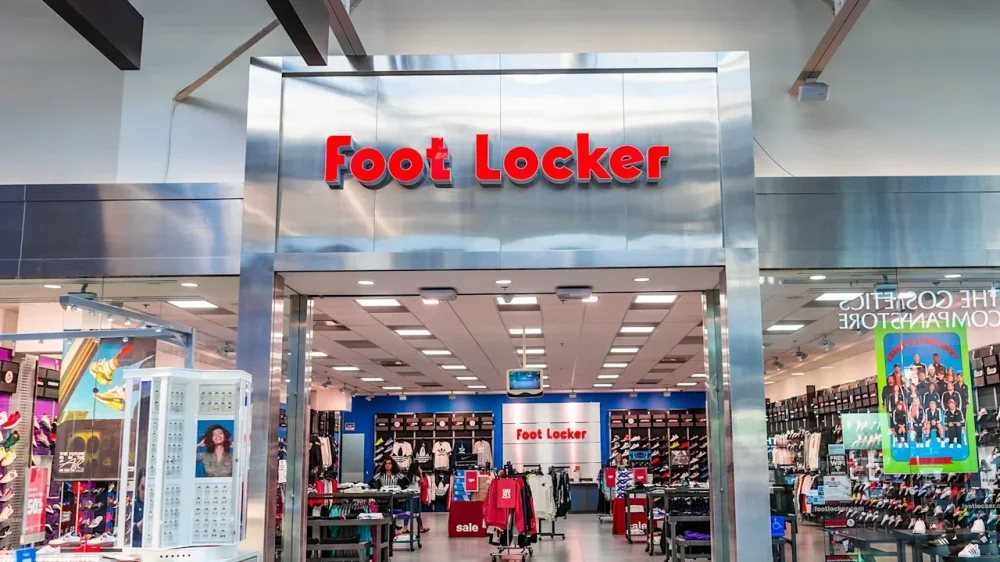
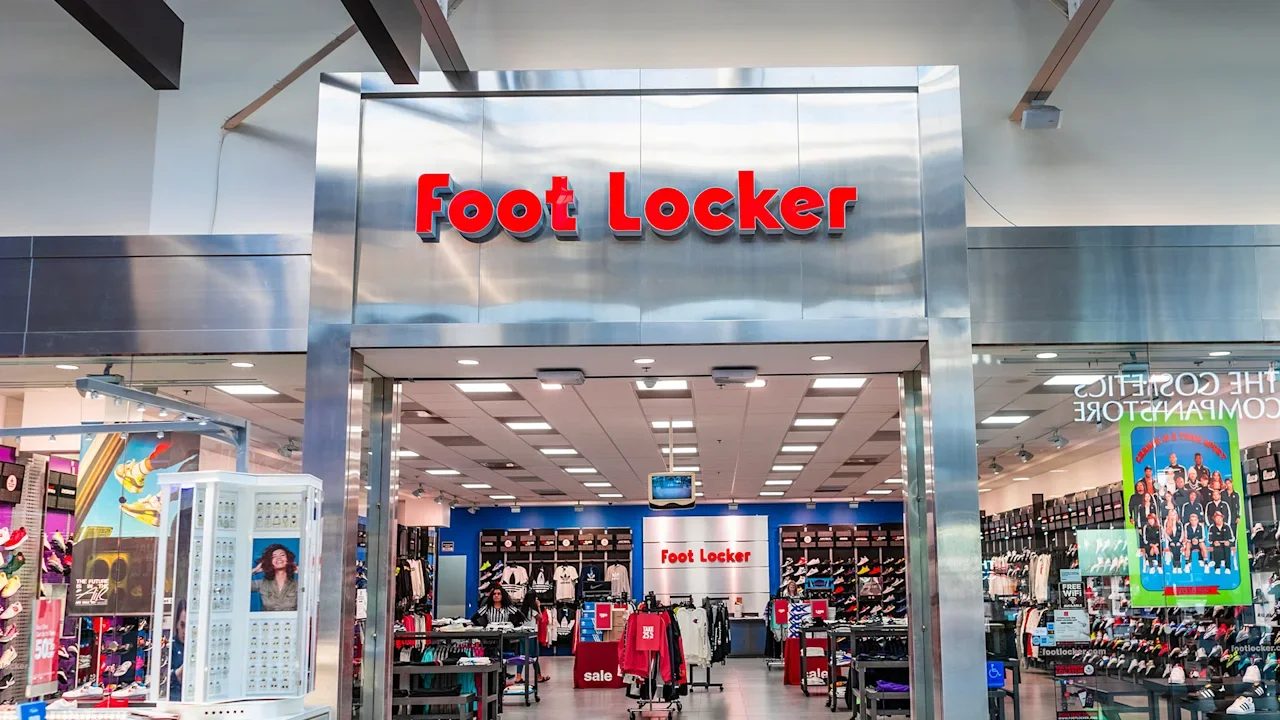
Dick’s Sporting Goods (NYSE: DKS) announced it will close select Foot Locker stores and raised its full-year year outlook, in its third quarter earnings report on Tuesday. While Dick’s has not disclosed how many locations it will shutter (Fast Company has reached out for confirmation), it is part of a larger restructuring effort, according to executive chairman Ed Stack who spoke with CNBC. Dick’s acquired leading footwear and apparel retailer Foot Locker for $2.5 billion back in September, according to its latest earnings release. As of November 1, the company was operating 3,230 store locations across the combined Dick’s and Foot Locker businesses globally. Shares in the Pittsburgh-based sports retailer were up about 1% at the time of this writing by late afternoon on Tuesday. “[Dick’s] is taking strategic actions to address unproductive assets, including the optimization of inventory and the closure of underperforming stores,” Dick’s said in its earnings release. “The company believes these actions will lay the groundwork for the success of the Foot Locker Business starting in 2026.” Once it optimizes inventory and shutters those underperforming stores, Dick’s said it expects Q4 2025 operating profit for Foot Locker to be just “slightly negative.” Dick’s third quarter revenue came in at $4.17 billion beating expectations of $3.59 billion; and reported earnings per share (EPS) of $2.78 adjusted versus $2.71. Dick’s is working to offset declining traffic, (Q3 foot traffic was down 2.6% year-over-year) by deepening digital engagement through its Game Changer app, (which had 7.4 million unique active users last quarter) expanding its House of Sport locations, and is betting on its recent Foot Locker acquisition to drive in-store growth, according to Placer.ai. View the full article