ResidentialBusiness
Administrators
-
Joined
-
Last visited
Everything posted by ResidentialBusiness
-
 Repealing the 2008 Climate Change Act would not spare Britain costs — it would only make adaptation and mitigation more expensiveView the full article
 -
Mita Mallick shares five key insights from her new book, The Devil Emails at Midnight: What Good Leaders Can Learn From Bad Bosses. Mallick is a corporate changemaker who, with an extensive career as a marketing and human resources executive, has advised Fortune 500 companies and startups alike. She is a LinkedIn Top Voice and was named to the 2025 Thinkers50 Radar list. She is a contributor to Harvard Business Review, Fast Company, Adweek, and Entrepreneur. What’s the big idea? The silver lining that comes from working for several bad bosses? You can learn what not to do as a leader. From every bad boss comes a valuable lesson about how to manage teams and contribute to a company’s success. 1. Stop normalizing emailing at midnight. I was so excited to meet my new boss. Apparently, the feeling wasn’t mutual. This was a former boss I nicknamed “the Devil.” She was the boss who never had any time for me during the day, but did have time to consistently send me emails between 10 p.m. and 2 a.m. I started responding to her emails in the early morning hours. I was so desperate to impress her. I would wait to bump into her at the office, trying to get a smile, a wave, hello, thank you, or anything to make me feel like she saw me and I was appreciated. I was like a golden retriever pacing around the Devil’s office. I even tried to chase her out of the building one evening, but she was too quick for me. Years later, the question I continue to ponder is, Why didn’t she have time for me? One of the biggest complaints we hear when it comes to relationships is “You never have time for me.” As a leader, if you can’t make time for your teams during the day to coach, guide, and teach them, you have to ask yourself, Why are you leading in the first place? I challenge everyone to treat calendars like decluttering a wardrobe: Focus on high-value meetings, remove meetings that are no longer needed, and delegate meetings to others. Find time to connect with your teams during the day. Let’s stop normalizing emailing at midnight. I’m not ashamed to say that on most evenings I’m asleep at midnight. It doesn’t mean there aren’t periods of my life when I’m working incredibly hard and constantly burning the midnight oil, but that isn’t sustainable. The foundation of good leadership is taking care of yourself by getting enough sleep, eating well, and exercising so that you can be in service to others and fend off bad boss behaviors. 2. Silence can fuel bullies. My full name is Madhumita Mallick. For most of my life, my name has evoked a swirl of emotions for me, including anxiety and joy. I started going by just “Mita” and stopped bothering trying to teach people how to say my full name. When I graduated from business school and rejoined corporate America, I attempted to reclaim my full name. I was used to having my name mispronounced, misspelled, or mistaken as the name of the only other brown woman on my team. I wanted to reclaim my name as a source of pride. My former boss, who I nicknamed “the Sheriff,” was popular and a bully. When it came to my name, the Sheriff decided to completely rename me because he didn’t want to learn how to pronounce it. He called me “Muhammad” because he could and wanted to. I’m embarrassed to admit that for many weeks, I responded to a name that was not my own. Years later, I still wonder why no one around us ever said anything. Microaggressions like the one I experienced repeatedly can become a manifestation of bullying. They deplete our energy, chip away at our confidence, and make us question our contributions. Our collective silence can fuel those bullies. The burden shouldn’t be placed on the target to speak out and stop this behavior. If you see someone being targeted in the workplace, intervene. First, you can give the bully a dose of their own medicine. In my case, someone could have said to the Sheriff, “Oh, I just thought of the best name for you. Do you want to hear it?” You can use this approach to be a mirror that shows them how they are behaving. Humor can also distract and deflect attention away from the person being targeted. Second, you can address them directly. You can let them know, calmly and firmly, that this behavior is not okay. They might say, “Oh, it’s just a joke.” In return, you can emphasize that it isn’t funny. This reinforces that you won’t allow them to discredit your response and reaction. Third, plan to intervene later. Power dynamics at work can impact our ability to speak up in the moment. We can be afraid of retaliation during or after an incident. Check in with the person being targeted. Help them document what has been happening and find someone else you trust to help with a plan of action. We spend too much time at work not to look out for each other. 3. Find the courage to help people move on. A former boss I called “the Napper” literally slept on the job. He dozed off in meetings—large or small. I presented our annual brand plan while watching him nap. I saw him doze off dozens of times during our quarterly town hall meetings. Once, he closed his eyes for several minutes at our VP’s monthly meeting, and she angrily shouted his name, then asked him a question. He was startled but not embarrassed. He mumbled a response that had nothing to do with the question and then started looking at his phone. The Napper came and went as he pleased, gossiped loudly, and enlisted others to talk about how much it sucked to work here. He even started interviewing for jobs in the cubicle next to mine, for all to hear. Years later, I still wonder why my former boss was allowed to repeatedly nap and be disengaged at work without any consequences. Disengagement can spread. It can become contagious, erode trust on the team, and negatively affect productivity. More of us need to intervene when we witness disengagement. Start by becoming a mirror. Take your team member to lunch or coffee. Remind them of their behavior. Focus on the facts and not your feelings. Next, allow space for the individual to reveal what’s going on. You may or may not agree with what is shared, and you don’t have to respond to everything. You can ask open-ended follow-up questions or simply thank them for sharing, letting them know that you’re processing the information and will get back to them. Finally, ask them what must change. Professor Michael Murphy of Harvard University offers this powerful question for us to ask: What could change at work for you to be excited again about working here? You likely won’t be able to change what they have revealed about the past, which may have led to their disengagement. But you can offer to help them move forward if they choose to recommit to their jobs. As leaders, we must have the courage to stop this downward spiral and help people move on to what they’re meant to do next. 4. Fear is a short-term motivator that leads to burnout in the long run. No one in my life had ever screamed at me—not my parents, my brother, my husband, or my friends—until I worked for “Medusa.” Medusa ruled with fear. You could hear her from her office, down the hall, across the floor, and sometimes through the elevators as you were coming up. She would tell us, to our faces, that we were stupid. She would scream, curse, and aggressively point her fingers at people during meetings. I had never heard a boss drop so many F-bombs. She even hurled one of her Chanel shoes at my colleague, though thankfully it missed her head. I watched people run into conference rooms, slide down in their chairs, or wait around corners to hide from her wrath. Leaders like Medusa drive strong results in the short term. Many of us will show up to work scared. According to one study, more than a third of leaders at U.S. companies lead through fear. Nearly 40% of fear-based leaders said they strongly believe that stress can be positively harnessed, and yet these fear-based leaders made two other observations: 90% witnessed declines in productivity, and 60% acknowledged their workers aren’t happy. Creating workplace cultures based on fear costs the economy approximately $36 billion each year in lost productivity. Showing up scared to work every day is exhausting. Fear kills communication, isolates team members, inhibits creativity and innovation, and leads to burnout. Creating a culture where everyone is treated with respect shouldn’t be a luxury. Workers don’t want another free meditation app, an endless supply of fancy snacks, happy hours, and definitely not another oversize hoodie. They want to be respected and valued. 5. Unwavering loyalty no longer exists in the workplace. One former boss, nicknamed “Tony Soprano,” expected loyalty at all costs. With one swift phone call, he could kill someone’s career. Tony found out someone on our team was interviewing externally. By that same afternoon, this team member’s role had been eliminated, he was escorted out by security, and that external offer had vanished because Tony got a hold of the hiring manager at the other company. Tony told me I was going to do a one-year assignment on his team and I’d be promoted at the end of that assignment. When the year mark was approaching, I started networking within the organization to figure out what I wanted to do next. When he found this out, he told me the assignment would actually last two to four years because I had not even begun to make an impact in this role. He told me that he decides when I can leave. Leaders like Tony believe they own our careers. They decide and dictate who gets to leave their team, when, and why. If you challenge their authority, they have serious doubts about your commitment to them and to the company. To them, your paycheck is the price in exchange for your loyalty, no questions asked. But unwavering loyalty no longer exists in our workplaces. Long gone are the days of pensions, guaranteed job security, and receiving a shiny gold Rolex after 30 years of service. The corporate social contract that employers once provided is now broken. We can no longer expect loyalty from our employees at all costs. We must redefine what loyalty looks like in our workplaces. As leaders, we must stop hoarding and holding on to talent. We must be honest and up front about career opportunities. We must communicate often and clearly about the changing needs and health of the business. Finally, when an employee wants to pursue a different opportunity, we let them go. We don’t throw a tantrum when they resign. We wish them well and hope to get to work with them again someday. Loyalty isn’t guaranteed, and it certainly is not built overnight. We can’t demand loyalty from our employees. Good leaders understand that loyalty must be earned over time. This article originally appeared in Next Big Idea Club magazine and is reprinted with permission. View the full article

-
A CEO’s canoodling with his company’s human resources chief—caught on the “kiss cam” at a Coldplay concert—made global headlines this summer. Beyond the memes and tabloid fodder, personal lives were shattered and a company was left in turmoil after its leader’s sudden exit. The case, involving the AI firm Astronomer, may be the most visible of recent CEO personal scandals—think sex affairs, drug abuse, or embarrassing behavior—but it’s not an isolated incident. Just weeks following the Coldplay “kiss cam” incident, the CEO of Nestlé was shown the door for similar behavior involving a relationship with a subordinate. Personal scandals have been the top cause of CEO terminations in recent years. How do these scandals stack up to other corporate indiscretions, such as financial fraud? As a management professor, I knew that there’s lots of research on CEOs’ financial crimes, but surprisingly little on personal misdeeds. So my colleagues and I examined nearly 400 CEO scandals involving either financial or personal misconduct. In this research, published in August 2025 in the journal Strategic Organization, we found that not all CEO scandals are treated equally: The type makes all the difference. Personal scandals are harder to survive For most people, personal indiscretions—such as having an extramarital affair or abusing drugs—are a private matter. But for CEOs, even scandals unrelated to business create doubt about their judgment, integrity, and leadership. The result is usually career-ending for the CEO, research shows, and can create lasting harm for the company. We found that CEOs overwhelmingly exit in the wake of personal scandals—five times as often as CEOs who commit financial misconduct do, in fact. And strong business performance doesn’t tend to offer protection. For example, Hewlett-Packard’s Mark Hurd, who’s widely credited with turning around HP in the mid-2000s, was ousted following a very visible personal misconduct scandal 15 years ago. The fallout was swift: The company’s stock fell nearly 10% immediately after the announcement, and with leadership in a tailspin, it dropped more than 40% within a year. Why bad numbers come with better odds Companies are also routinely accused of “cooking the books.” In recent months, several firms have been forced to restate their earnings after their financial statements did not add up. These scandals shake investor trust, trigger sharp drops in company stock, and often lead to the chief financial officer’s departure—with some CEOs following suit. However, while cooking the books is considered a severe form of corporate misconduct, our research suggests that it has fewer job-ending repercussions for CEOs than personal scandals do. Roughly half of all CEOs implicated in financial scandals survive, we found—because, unlike in personal scandals, CEOs can often shift blame. We also found that CEOs dismissed due to financial scandals tend to be replaced with outside candidates, which has been shown to stabilize a company’s stock price and lead to stronger long-term performance. It might be surprising to learn that a CEO’s personal misconduct can come at a greater cost—both to the business and the executive—than outright financial fraud. Is corporate America overestimating the importance of CEOs’ private behavior? Or is it underestimating the importance of cooking the books? While I don’t have answers to these questions, I think our findings show the need for more discussion—and more research. Michael Nalick is an assistant professor of management at the University of Denver. This article is republished from The Conversation under a Creative Commons license. Read the original article. View the full article

-
Heartwood Preserve doesn’t look like typical stormwater infrastructure. Instead of a primarily utilitarian design, this project in Omaha doubles as public art. Meyer Studio Land Architects created a series of 14 sculptural water retention basins across 500 acres of land that sit in a watershed at risk of flooding. The project is meant to be enjoyed by the public and even has features that educate about climate change. Heartwood Preserve is a winner of Fast Company’s 2025 Innovation by Design Awards. View the full article
-
Perplexity optimization tips include choosing high-performance topics and writing for user engagement. View the full article
-
Company set out plans to eventually list on stock marketView the full article
-
Whenever there’s economic uncertainty, it’s easy to worry that your position is at risk. But what if the worst has happened: Your company has done a big layoff—and you and your team weren’t on the list? Of course, you and your direct reports may both fear that more cuts are on the horizon. And yet, there’s work to be done. How do you support your team, keep them productive and also find the opportunities in the middle of such a big disruption, especially when you may face the need to ‘do more with less’? We work with executive clients—Alisa Cohn as an executive coach and Dorie Clark as a keynote speaker and consultant—and have seen this increasingly as layoffs stay stubbornly in the news. Here are five valuable things you can do in the near-term to maintain your focus in the wake of a major shakeup. 1. Identify why you got saved It’s helpful to discern why you weren’t included in the layoff. Analyze the situation dispassionately. What are the patterns you see in who was let go? Perhaps certain divisions were hit hard, indicating that their strategic importance has waned at your company. And it’s equally useful to identify what you bring to the table. Perhaps you work in an area the company has identified as valuable (a certain functional role, geography, or growth initiative). For example, one of Alisa’s clients on the risk team was retained when others were let go because she had deep industry expertise in the most strategic area for the company. Understanding your competitive advantage can help you leverage it further. This may be an area you’ll want to highlight by talking about your skills and experience more widely. For instance, as Dorie has pointed out, one of the most overlooked networking opportunities is how you choose to answer the question “What have you been up to lately?” because you can choose to talk about areas that matter to your company. If you know your company is prioritizing building its customer base in financial services, for example, you could talk about a recent conference you attended or article you’ve read about that industry. That will position you as someone focused on the most important things. 2. Reset expectations with your team In an environment where there have been big layoffs, teams are certainly being scrutinized. Your team is likely upset and may feel bitterness about what happened. You might be inclined to soothe them (“this won’t happen to us”) or commiserate (“I can’t believe those idiots did that.”) But the kindest thing you can do for them is to help them deliver. It’s a good moment to look at how you work together. In many companies, leaders often get in the habit of “playing down” a level and doing some of the work of their team. But after a layoff when you have more on your plate, you need everyone working at full capacity, and that means not doing their work for them. Push decision-making down wherever you can. Give high level guidance more clearly and more regularly so everyone is aligned on the most important things and can make smart decisions in the moment. Alisa experienced this with one of her clients, a vice president of product in a large tech company. The deadline for a big project was only three months away when two of her key peers and a good portion of their teams got laid off, leaving her with massive pressure to finish the project but a lot less support and resources. She directed her teams to own their domains like general managers and asked them to run with decisions that were reversible. They created a process to huddle and quickly resolve conflicts as a team. The project shipped on time and the team got a lot more capable during this period—in fact, many of them said they’d grown more in those three months than in the past three years. 3. Rethink your calendar If you’re like most managers, your day is filled up with meetings. Use this moment as an opportunity to look at all the group meetings and one-to-ones you’re doing and evaluate what can be cut (indeed, if you’re now being asked to manage more people, you may not physically have the capacity to take on any more meetings). Alisa created the the “4R Framework” to assess how useful meetings are. They might be warranted if you’re using them to: Review progress Resolve conflicts and problems Refine strategy or decisions Reinforce alignment and understanding But if your meetings aren’t meeting any of these objectives, they’re probably good candidates to omit. Once you have more room in your day, think carefully about high value activities you could do instead. These include getting more involved with high visibility strategic projects or spending more time with customers. 4. Stand out and find the opportunities Now that there are fewer managers or colleagues, the good news is that you’ll probably have more opportunities to shine. You’ll have more exposure to senior leaders and may be asked to join meetings with clients or other key stakeholders. Prepare for this by sharpening your presentation skills. It might be a good moment to get formal training, join a group like Toastmasters, or just practice more in small, low stakes environments. You should also consciously build your executive presence and bone up on your strategic thinking. See if there are key projects you can become part of, or volunteer to take over. 5. Don’t neglect your network The world of work is never certain and having a strong internal—and external—network helps you build more career security. Even though you may be busy dealing with the extra obligations this round of layoffs created, make sure you continue to nourish your network and build it more robustly so you’re prepared if the hammer comes for you. Examples could include hosting virtual one-to-ones or small group “coffees” with colleagues you haven’t seen in a while or making a point to attend conferences or industry meetings. One professional Dorie profiled in her book Reinventing You—who realized with concern that his network mostly consisted of other people employed by his longtime company—decided to start weekly breakfast meetings with people outside the company, leading both to a fresher network and ideas about new technologies and acquisitions his organization could make. One client Alisa worked with resolved to get back in touch with people she’d lost contact with, leading her to a board director position, as well as a new career opportunity. Layoffs are challenging for everyone, and it’s both emotionally and logistically difficult to lose a number of your coworkers. But by accepting reality and focusing on the things you can control, you’ll be able to move forward and keep your team focused, even in uncertain times. View the full article

-
Your company rolls out an AI agent to assign tasks, draft updates, and nudge overdue approvals. But within days, it’s flagging completed work, tagging the wrong people, and creating confusion instead of clarity. It’s a familiar outcome for companies that adopt agentic AI without the workflows, data, or systems to support it. New research from Wrike reinforces that disconnect: 74% of employees say their company treats data like gold, yet most don’t manage it well enough for AI to use it effectively. Even the smartest, most context-aware tools stall without strong foundations. And automation doesn’t fix broken operations—it magnifies them. To get agentic AI right, organizations need a phased approach that tightens processes, clarifies what’s worth automating, and ensures AI is set up to actually move work forward. What happens when AI meets a broken system The rush to adopt agentic AI has outpaced the work needed to make it effective. Many leaders assume their systems are ready—until AI is asked to act. That’s when the cracks show. AI can’t make informed decisions when workflows are improvised, institutional knowledge is undocumented, and escalation paths live in someone’s head. Approvals that happen ad hoc in Slack and inconsistent team processes leave no single source of truth for AI to follow. And when data is scattered across siloed platforms—the leading cause of lost institutional knowledge in the past year—even the most dynamic, context-aware models struggle to generate accurate insights or identify risks. AI is like a microphone: It doesn’t improve your voice, it just makes it louder. Without structured workflows that define ownership, execution order, and visibility, AI only amplifies dysfunction at scale. The building blocks of an AI-ready workflow To deliver value, AI needs to understand what’s happening, who’s doing it, and where work lives. That requires workflows built with: Clarity—Are project roles and steps clearly defined so AI can quickly grasp objectives? Accountability—Is ownership consistent and visible so AI can route tasks and escalate issues to the right people? Visibility—Can teams easily track progress and identify blockers before they derail timelines? Connectivity—Are systems integrated so AI can access information across tools, not just in silos? Consistency—Are workflows standardized enough for AI to detect patterns and recommend improvements? These elements give AI the context it needs to add value. But even well-designed workflows fall apart without reliable data. AI needs clean, organized inputs, which means enforcing naming standards, having good quality descriptions in place, surfacing the right files, and creating a single source of truth. Getting these fundamentals right reveals where work breaks down, making it easier to reflect and improve. It’s a chance to ask not just how to automate, but why. What’s slowing you down? Where’s the friction? What’s repetitive, frustrating, or pulling focus from higher-impact work? That’s where AI makes a real difference. 3 steps to get agentic AI right While perfect workflows aren’t a prerequisite for agentic AI, the adoption process will quickly surface what’s broken. A phased approach lets you experiment, close gaps, and build trust in AI tools as you go. Phase 1: Build AI fluency Before deploying AI into production, give teams visibility into how the system reasons, what actions it will take, and which data it draws from. This transparency builds trust by making AI behavior understandable. It also gives teams a chance to assess whether data and workflows are structured and dependable enough for automation. Phase 2: Test the waters with AI assistants Once teams trust how AI behaves and understand how it makes decisions, begin applying AI to real—but low-stakes—tasks. Assign AI assistants to repeatable work like drafting project updates or answering internal FAQs. This is where theory meets execution. You’ll quickly see which processes are truly repeatable, where AI struggles, and which workflows still need clarity. Think of it as a pressure test: By using AI in everyday operations, you can spot and fix problems before scaling further. Phase 3: Shift to agentic AI strategically With predictable workflows and a team ready to collaborate with AI, you can begin exploring more autonomous tools. Agentic AI offers compounded value, but it also raises the stakes. When AI begins taking action, it needs clean data, stable systems, and clear oversight. But even the best AI agents need humans in the loop to course correct, add real-world context, and keep AI aligned with actual business goals. The goal isn’t hands-off automation, but smarter collaboration between people and AI. This phased approach to agentic AI adoption reinforces your foundation at every step, giving you the structure and insights to improve as you go. That’s the difference between using AI and being ready for it. AI-ready teams don’t rush adoption. They ask sharper questions about what tools should do, what work matters most, where human judgment is critical, and what should never be automated in the first place. What AI needs from you Agentic AI can streamline work and free up your teams to focus on what matters most, but only if your operations are organized, your data is clean, and your systems are connected. Without that foundation, automation doesn’t solve problems. It just scales them. So while the future of work may be automated, success still depends on how well you define, connect, and manage the work itself. View the full article

-
And that is a worryView the full article
-
It’s five answers to five questions. Here we go… 1. I manage a married couple, and it’s causing problems I manage a married couple. I hired one of them first, and a few years later the spouse finished a degree that gave them the right expertise to also join my team. They don’t supervise each other or make any promotion or budget decisions about each other. At first things were good, but I’ve been noticing small things that are now bigger things in their communication patterns that need to be addressed. They are becoming really insular, not asking anyone for help except the other one, and not communicating issues or concerns outside the two of them, and recently they shared at a staff meeting that they have a lot of resentment about not getting the support they want (but have not asked for). I know I need to talk to them individually and I should describe some specifics of what I am seeing and then describe what I need to see from each of them moving forward. Right now my list includes telling them that they can’t fight each other’s battles at work or speak for each other, and they need to be mindful about communicating like coworkers, not spouses, at work. And that if they don’t ask for help no one knows they need help. That last one is maybe more of a second issue, rather than specific to them being spouses. Any advice or suggestions on how best to do this? Am I overlooking anything? Your instincts are right. Name what you’re seeing (not talking to anyone but each other, not communicating about issues or asking for help, speaking for the other, fighting the other’s battles, and needing to operate like coworkers, not spouses, when they’re at work) and describe what you need them to do differently. Give some concrete recent examples, and describe what you would have liked them to have done differently, so that it’s not just theoretical. I would also think about what you can do differently on your end to help break the patterns you’ve seen. Can you assign them to work more closely with other people or otherwise disrupt the rhythms they’e in? Can you check in with them more regularly to ask about problems and any support they might need? Meet with them each more regularly for a while so you’re able to spot issues faster and reinforce to them that this is something you’re taking seriously (both their concerns and your own)? It’s also a good idea to check in with others on your team about how things are going, because it’s possible the married couple’s dynamics are affecting people in additional ways you aren’t seeing firsthand. Related: why would an employer ban couples from working in the same department? 2. Employee refuses to wear our uniform I work on-site with about 350 employees, most of whom are hourly and in uniforms. Normally, we just have the occasional “hey, please zip your jacket” type of chat, but one employee has decided uniforms are their personal hill to die on. This person either refuses to wear the uniform at all (showing up in their own clothes) or wears it in a way that’s not appropriate for work (think fully unzipped, undergarments visible). We’ve had multiple documented conversations, but nothing changes. We finally issued written discipline, which they refused to sign while announcing they’ll “never wear the uniform, no matter what we do,” because it’s “too hot.” They’re the only one with this complaint, but they’re doubling down. Complicating matters: this person is not only a poor performer, but also the longest-standing union steward in our entire company. They grieve every single conversation or document, and it turns into endless back-and-forth meetings. We’re not trying to fire them, we don’t even want to be writing them up. We just need them to wear the uniform like literally everyone else. But it’s become less about uniforms and more about their crusade to “win” against management. If we keep documenting, it’ll be grieved as “petty,” and meanwhile they still show up out of uniform day after day. It also makes it nearly impossible to hold anyone else accountable when they can clearly see this person ignoring the rules with zero consequence. Per our CBA, we can’t skip straight to a final warning/termination because it’s not egregious enough on its own. This person was already terminated once before for a similar “hill to die on” type issue, but was reinstated following arbitration based on how silly the issue was to have had to fire someone over it! For context: we’ve checked if the uniform doesn’t fit, offered different sizes, more pieces, even said they could bring in medical paperwork if it’s truly a heat-related issue. Nothing works. Ordering a whole new style of uniform for hundreds of people is not financially (or logically) an option. And because this person works overnight, directly with customers in sensitive situations, the uniform isn’t just a “look” — it’s a safety requirement so customers know they’re dealing with an official employee, not some random person wandering in. So … what do we do here? We’ve tried being reasonable, but this employee is flat-out refusing. At this point, it feels like we’re stuck between playing endless grievance ping-pong or letting them win by showing up in street clothes. You deal with the grievances. You discipline them every time, pointing to what sounds like a clear policy violation. Otherwise, you don’t really have a uniform policy; you have a uniform “suggestion,” and other employees will notice. Also, you tackle the performance issues aggressively and head-on. Follow the requirements of your CBA, obviously, but you should tackle the performance issues to the full extent of the options available to you, even if that involves a ton of paperwork and aggravation. Otherwise it’ll be a year from now and you’ll be no better off than you are now. So play the grievance ping-pong and stand firm. All that said, if they’re genuinely too hot, are there things you can do about that? Is there a version of the uniform that won’t be as hot (or could there be)? Can you add additional cooling in their area? Etc. If they’re complaining in good faith, you should respond in good faith as well (although given the history, they may not be). Related: you can’t be held hostage to a bad employee 3. When leadership is absent, what should be communicated? I have a question about a situation from a few years ago. I work in a central office of a K-12 public school district in the U.S., where we’re constantly understaffed and under-resourced. Things move fast, and there’s not room for backup when key roles aren’t filled. A new director was hired to oversee student services — responsible for about 100 staff and 2,000 students. From the start, he was frequently absent and unresponsive: taking regular three-day weekends and long gaps of several days to a week, even during critical times in the school year. His absences led to unresolved student issues, unsupported staff, and avoidable problems we’re still dealing with. Staff were frustrated, morale suffered, and his reputation quickly deteriorated. After a year, he left for another district. Later, a colleague confided in me that the director had been undergoing cancer treatment during that time. While I fully support an individual’s right to privacy, I’ve been wrestling with this question: In cases where prolonged absence causes major operational impact, is it appropriate for leadership to offer no explanation at all? What’s the right balance between respecting privacy and maintaining transparency — especially in environments like ours, where there’s no capacity or budget to cover frequent or long-term absences? What would you advise for handling communication in a situation like this, both for the individual and for higher leadership? Yeah, part of leadership is communication and judging how much communication — and transparency — is necessary for any given situation. Part of leadership is also realizing when not communicating about something sufficiently is likely to have a significant effect on morale, and making decisions accordingly. I’d never want to say someone is obligated to disclose personal health information, but there’s a certain level of job that’s high enough — and where your actions and absences impact people in such significant ways — that part of good leadership is figuring out how to talk about what’s going on. That doesn’t mean you need to disclose everything, but you need to share something (for example, maybe just that it’s a health issue without getting into specifics). If your director had explained what was causing his absences and unresponsiveness, you still would have had a lot of the same logistical issues, but I bet you would have had far fewer of the morale issues that stemmed from people thinking he wasn’t around because he didn’t care, was slacking or checked out, etc. 4. When should I tell my manager that I’m leaving the country? My spouse has received an offer to transfer within their current company, for a higher level position located in an office halfway around the world from where we currently live. This is a longtime dream for my spouse and me, so they accepted the role and we’ll be moving in a little less than six months. I am 95% sure that this move will mean leaving my current job (mainly, I can’t imagine a way to continue in my current role with a 15+ hour time difference). My company also has an office in the new city we’d move to, but I’ve never seen a role appear that is open to internal candidates. The only way I could see staying at the company is if my manager or another senior level employee in that office could create a new position for me (I’ve seen this happen a small number of times, but it’s certainly not a common occurrence). I want to know if that could be possible, and I want to help facilitate a smooth transition in the event I quit wholesale. But, I also don’t want to spill the beans about my move too early and end up without a job earlier than expected! In any other circumstance, I’d give a few weeks notice and leave it at that. But it’s the small chance that there could be another job made for me that makes me want to bring it up earlier. If it’s not obvious, I don’t want to leave my job! I’m willing to leave to facilitate this great opportunity for my spouse, but I want to explore whatever options exist to maybe, somehow, stay working at my company. There are two ways to do this. One is to bring it up a few months before your move as something closer to a hypothetical — “There’s a chance that Jane may be offered a transfer to Sicily. If that happened, would there be any way for me to stay on with the company? I love working here and I know we have an office there.” Be more cautious about doing this if your company is struggling financially and you suspect they may be considering layoffs; you don’t want to do anything that makes it easier for them to decide you’d be an easy cut since you’re likely to leave anyway. The other way to do it is to give slightly more notice than you would otherwise — maybe three to four weeks rather than two — and as part of that conversation say that you’d love to stay on if working from the other office or remotely is a possibility. 5. Does my boss need to know I’m battling with our health insurance? Should I give my boss a heads-up that I’m pulling out all the stops on my health insurance company? Aetna denied my prosthesis, so I decided to ask our benefits people to connect me to central state contacts and potentially legal council for my second-level claim review board meeting. I was friendly and approachable to the benefits people (I appreciate their support, regardless of what they can provide!), but I wouldn’t be surprised if they escalate my request given the gravity of the situation. Should I cue my boss in to the situation discreetly? It isn’t inherently obvious that I have a prosthesis, and I don’t volunteer medical information at work, otherwise. You don’t need to loop in your boss. This is between you and your insurance. The post I manage a married couple, employee refuses to wear our uniform, and more appeared first on Ask a Manager. View the full article
-
As federal government services wind down Democrats and Republicans vie for voter supportView the full article
-
It took us a generation to get into the present council tax mess and would take another to emerge with minimal scarsView the full article
-
New OBR forecasts set to spark fierce dispute between Labour and Conservatives View the full article
-
Universal and Warner seek payment structure similar to streaming as more disruption loomsView the full article
-
Peter Kyle said he was willing to take on greater risk in approving the speedy financial support for carmakerView the full article
-
Kyiv’s interception rates fall as enemy strikes dodge US interceptors in final secondsView the full article
-
Dealmaker’s $55bn takeover of Electronic Arts follows a spree of high-stakes transactions from TikTok to EndeavorView the full article
-
Policy change expected in Budget after the sector said higher charges would push up food inflation for consumersView the full article
-
Transformation of city’s infrastructure creates a seafront neighbourhood for the ultra-rich on a single streetView the full article
-
Onboarding is essential for new hires’ success and satisfaction in a company. It’s not merely about paperwork; it involves several key components that create a supportive environment. Preboarding activities kick things off, followed by a thorough orientation that explains company culture. You’ll additionally need to establish clear role expectations and provide mentorship. But that’s just the beginning. Comprehending how ongoing feedback and relationship-building play significant roles can further improve the onboarding process. Key Takeaways Include preboarding activities to prepare new hires and create a sense of belonging before their first day. Conduct a comprehensive orientation that covers company culture, policies, and values to align new hires with organizational goals. Clearly define roles and performance expectations early to reduce ambiguity and boost job satisfaction. Implement mentorship and support systems to guide new hires and facilitate their integration into the workplace. Schedule regular feedback sessions and check-ins to enhance performance understanding and foster open communication. Importance of Onboarding Effective onboarding is vital for any organization aiming to retain talent and nurture a productive work environment. A well-structured onboarding agenda can greatly impact employee satisfaction and loyalty, helping to reduce turnover rates. Research shows that organizations with thorough onboarding programs experience a 69% higher retention rate over three years. You should prioritize creating a detailed onboarding schedule, as it allows new hires to acclimate fully to their roles and integrate into the company culture. An effective onboarding meeting agenda can provide clear expectations and promote engagement from day one. With one in three new employees quitting within the first 90 days, it’s important to focus on improving the onboarding process to minimize churn and boost overall employee engagement. Preboarding Activities Preboarding activities play an important role in easing new hires into their roles and the company culture before their official start date. A well-structured onboarding calendar can include several key activities that promote a welcoming environment. Activity Purpose Send informational materials Helps new hires prepare for their role Care packages Creates a sense of belonging Facility tour Reduces first-day anxiety Assign a buddy/mentor Establishes social connections Engaging in these preboarding activities allows new employees to review documentation early, preparing them for questions and easing their shift. By starting their onboarding experience positively, you set the stage for a successful experience, which is vital since only 12% of employees feel great about onboarding. Orientation Essentials During orientation, you’ll get a clear overview of the company’s culture, including its vision, mission, and values, which are essential for comprehending your role in the organization. You’ll additionally review important policies and procedures to guarantee you know what’s expected and how to comply with regulations. This foundational knowledge sets the stage for a successful onboarding experience, helping you feel connected and informed from day one. Company Culture Overview A strong company culture overview is essential for new hires as it introduces them to the organization’s mission, vision, and values. This foundational knowledge helps align new employees with the company’s overall goals. To improve this overview, consider these key elements: Company History and Structure: Share insights about the organization’s background and how teams interact, helping newcomers understand team dynamics and expected behaviors. Engaging Materials: Incorporate videos from leadership that reinforce the cultural narrative, making the onboarding experience more memorable. Practical Examples: Provide real-life instances of how the company culture is reflected in daily operations, encouraging a deeper commitment to organizational values. An effective culture overview can greatly enhance employee retention rates, creating a sense of belonging from the start. Policy and Procedure Review Grasping the organization’s policies and procedures is vital for new hires, as it lays the groundwork for their success and integration into the workplace. A thorough review during orientation helps you comprehend the rules and expectations, leading to smoother assimilation into the workplace culture. Clear communication regarding compliance and workplace behavior minimizes confusion, establishing a foundation for accountability. Employers should allocate time for you to review critical documents, such as the employee handbook and safety guidelines, reinforcing adherence to standards. Engaging presentations or discussions about policies improve retention of this vital information. Regularly updating and reviewing these policies guarantees you’re informed about the latest practices, aligning your comprehension with the organization’s evolving needs. Role Clarity and Expectations To guarantee a successful start, you need to clearly define job responsibilities for new hires right from the beginning. Setting performance goals early on helps establish expectations and allows employees to understand their roles within the team dynamics. Define Job Responsibilities Clearly Effective onboarding hinges on clearly defining job responsibilities, which plays a crucial role in setting new hires up for success. When you provide clarity around tasks, it encourages accountability and improves performance within the first months of employment. Here are three key points to reflect on: Reduce Ambiguity: Clearly outlined expectations lower anxiety and increase job satisfaction, allowing new employees to focus on their tasks. Enhance Integration: Employees who understand their roles can integrate more smoothly into the workplace culture, promoting teamwork and collaboration. Boost Retention: Organizations that communicate role expectations effectively see a 69% higher retention rate among new hires, demonstrating the importance of clarity during onboarding. Set Performance Goals Early Setting performance goals early not just clarifies expectations but also guarantees new hires understand their roles within the team. By establishing clear performance objectives from the start, you help new employees grasp their tasks and contributions, which can improve their performance by up to 25%. Engaging them in goal-setting discussions nurtures a sense of ownership and accountability, making them more committed to achieving those objectives. Furthermore, providing a framework for measuring success encourages new hires to seek feedback and adjust their approaches, resulting in improved productivity and job satisfaction. Aligning these goals with company values boosts their sense of belonging, positively impacting retention rates by up to 69% over three years, eventually benefiting the entire organization. Communicate Team Dynamics Effectively Although new hires may feel excited about joining your team, grasp of their role within the group is crucial for a smooth changeover. Clearly defined roles and responsibilities improve comprehension and facilitate integration. To communicate team dynamics effectively, consider these three key strategies: Provide Organizational Charts: Share visual representations of team relationships, helping new hires navigate interdependencies. Outline Expectations: Clearly state performance indicators and team objectives to align new employees with organizational goals. Regular Check-Ins: Schedule consistent meetings with managers to clarify role expectations and address uncertainties, ensuring new hires feel supported. Mentorship and Support Systems Mentorship and support systems play an essential role in the onboarding process, as they provide new employees with important guidance and resources to help them adjust to their roles and the company culture. Pairing new hires with experienced mentors improves job satisfaction and engagement, nurturing a sense of belonging that can reduce turnover rates. Structured support systems should include regular check-ins between mentors and mentees to improve communication and clarify job expectations. Implementing buddy systems, where new hires connect with peers, greatly boosts retention rates by facilitating team integration. Effective mentorship promotes skill development as it encourages new employees to share feedback, contributing to the continuous improvement of the onboarding process and ensuring a smoother shift into the organization. Ongoing Feedback and Evaluations Ongoing feedback and evaluations are crucial components of the onboarding process, complementing the support systems established through mentorship. By providing regular feedback, you help new hires understand their performance and areas for improvement, boosting their integration and productivity. Implementing structured evaluations at key milestones allows you to assess their adaptation to their roles and company culture. Moreover, gathering targeted feedback from new hires about their onboarding experience identifies gaps, enhancing the program’s effectiveness. Here are three key aspects to reflect on: Schedule consistent feedback sessions to guarantee new hires know what’s expected. Conduct evaluations at specific milestones to measure progress. Encourage new hires to share their onboarding experiences for continuous improvement. Building Relationships and Connections Building relationships and connections during onboarding is essential for new hires to feel integrated into the company culture. Establishing a sense of belonging can greatly reduce turnover rates, as structured programs lead to 69% higher retention over three years. Regular check-ins with managers help assess well-being and integration, cultivating an environment of open communication and trust. Furthermore, introducing new employees to colleagues outside their immediate teams expands their network, enhancing collaboration and engagement. Creating channels for sharing experiences encourages connections with peers, improving overall job satisfaction. Engaging new hires from the start by making them feel valued increases the likelihood of building strong relationships, ultimately leading to higher employee retention rates within the organization. Frequently Asked Questions What Are the Components of Effective Onboarding? Effective onboarding involves several key components. First, you need to provide crucial resources, like tools and software, to help new hires start strong. Clear communication of company policies guarantees they understand expectations. Defined roles with specific responsibilities guide them in their tasks. Building relationships through team activities encourages integration. Finally, offering continuous feedback reinforces their learning and promotes long-term success, making sure they feel supported throughout their shift into the organization. What Are the 5 C’s of Effective Onboarding? The 5 C’s of effective onboarding are Compliance, Clarification, Culture, Connection, and Checkback. Compliance guarantees you complete necessary paperwork and understand policies. Clarification defines your job role and performance expectations, reducing uncertainty. Culture introduces you to the organization’s values and mission, aligning you with its ethos. Connection nurtures relationships with colleagues, enhancing your workplace network. Finally, Checkback involves ongoing feedback to assess your integration and address any concerns as you settle in. What Are the 4 C’s of Effective Onboarding? The 4 C’s of effective onboarding are Compliance, Clarification, Culture, and Connection. Compliance guarantees you understand company policies and legal requirements, forming a foundation for your role. Clarification defines your job responsibilities and performance expectations, helping you work efficiently. Culture instills the organization’s values, aligning your goals with the company’s mission. Finally, Connection nurtures relationships with colleagues, enhancing your sense of belonging and improving retention, making your integration smoother and more effective. Which Are the Four Key Areas Essential to the Onboarding Process? The four key areas crucial to the onboarding process are Resources, Rules, Roles, and Relationships. You need to provide new hires with necessary tools and access to support, ensuring they can perform their tasks effectively. Establish clear policies to guide behavior and operations. Clearly define each employee’s responsibilities to help them understand their contributions. Finally, encourage building connections within the organization to improve integration and job satisfaction for new employees. Conclusion Incorporating these seven crucial components into your onboarding schedule can greatly improve the experience for new hires. By focusing on preboarding activities, thorough orientation, clear role expectations, mentorship, ongoing feedback, relationship-building opportunities, and continuous improvement, you create a supportive and engaging environment. This structured approach not merely reduces anxiety for new employees but also encourages retention and productivity, finally benefiting both the individual and the organization. Implementing these strategies is key to successful onboarding. Image Via Envato This article, "7 Essential Components of an Effective Onboarding Schedule" was first published on Small Business Trends View the full article
-
Onboarding is essential for new hires’ success and satisfaction in a company. It’s not merely about paperwork; it involves several key components that create a supportive environment. Preboarding activities kick things off, followed by a thorough orientation that explains company culture. You’ll additionally need to establish clear role expectations and provide mentorship. But that’s just the beginning. Comprehending how ongoing feedback and relationship-building play significant roles can further improve the onboarding process. Key Takeaways Include preboarding activities to prepare new hires and create a sense of belonging before their first day. Conduct a comprehensive orientation that covers company culture, policies, and values to align new hires with organizational goals. Clearly define roles and performance expectations early to reduce ambiguity and boost job satisfaction. Implement mentorship and support systems to guide new hires and facilitate their integration into the workplace. Schedule regular feedback sessions and check-ins to enhance performance understanding and foster open communication. Importance of Onboarding Effective onboarding is vital for any organization aiming to retain talent and nurture a productive work environment. A well-structured onboarding agenda can greatly impact employee satisfaction and loyalty, helping to reduce turnover rates. Research shows that organizations with thorough onboarding programs experience a 69% higher retention rate over three years. You should prioritize creating a detailed onboarding schedule, as it allows new hires to acclimate fully to their roles and integrate into the company culture. An effective onboarding meeting agenda can provide clear expectations and promote engagement from day one. With one in three new employees quitting within the first 90 days, it’s important to focus on improving the onboarding process to minimize churn and boost overall employee engagement. Preboarding Activities Preboarding activities play an important role in easing new hires into their roles and the company culture before their official start date. A well-structured onboarding calendar can include several key activities that promote a welcoming environment. Activity Purpose Send informational materials Helps new hires prepare for their role Care packages Creates a sense of belonging Facility tour Reduces first-day anxiety Assign a buddy/mentor Establishes social connections Engaging in these preboarding activities allows new employees to review documentation early, preparing them for questions and easing their shift. By starting their onboarding experience positively, you set the stage for a successful experience, which is vital since only 12% of employees feel great about onboarding. Orientation Essentials During orientation, you’ll get a clear overview of the company’s culture, including its vision, mission, and values, which are essential for comprehending your role in the organization. You’ll additionally review important policies and procedures to guarantee you know what’s expected and how to comply with regulations. This foundational knowledge sets the stage for a successful onboarding experience, helping you feel connected and informed from day one. Company Culture Overview A strong company culture overview is essential for new hires as it introduces them to the organization’s mission, vision, and values. This foundational knowledge helps align new employees with the company’s overall goals. To improve this overview, consider these key elements: Company History and Structure: Share insights about the organization’s background and how teams interact, helping newcomers understand team dynamics and expected behaviors. Engaging Materials: Incorporate videos from leadership that reinforce the cultural narrative, making the onboarding experience more memorable. Practical Examples: Provide real-life instances of how the company culture is reflected in daily operations, encouraging a deeper commitment to organizational values. An effective culture overview can greatly enhance employee retention rates, creating a sense of belonging from the start. Policy and Procedure Review Grasping the organization’s policies and procedures is vital for new hires, as it lays the groundwork for their success and integration into the workplace. A thorough review during orientation helps you comprehend the rules and expectations, leading to smoother assimilation into the workplace culture. Clear communication regarding compliance and workplace behavior minimizes confusion, establishing a foundation for accountability. Employers should allocate time for you to review critical documents, such as the employee handbook and safety guidelines, reinforcing adherence to standards. Engaging presentations or discussions about policies improve retention of this vital information. Regularly updating and reviewing these policies guarantees you’re informed about the latest practices, aligning your comprehension with the organization’s evolving needs. Role Clarity and Expectations To guarantee a successful start, you need to clearly define job responsibilities for new hires right from the beginning. Setting performance goals early on helps establish expectations and allows employees to understand their roles within the team dynamics. Define Job Responsibilities Clearly Effective onboarding hinges on clearly defining job responsibilities, which plays a crucial role in setting new hires up for success. When you provide clarity around tasks, it encourages accountability and improves performance within the first months of employment. Here are three key points to reflect on: Reduce Ambiguity: Clearly outlined expectations lower anxiety and increase job satisfaction, allowing new employees to focus on their tasks. Enhance Integration: Employees who understand their roles can integrate more smoothly into the workplace culture, promoting teamwork and collaboration. Boost Retention: Organizations that communicate role expectations effectively see a 69% higher retention rate among new hires, demonstrating the importance of clarity during onboarding. Set Performance Goals Early Setting performance goals early not just clarifies expectations but also guarantees new hires understand their roles within the team. By establishing clear performance objectives from the start, you help new employees grasp their tasks and contributions, which can improve their performance by up to 25%. Engaging them in goal-setting discussions nurtures a sense of ownership and accountability, making them more committed to achieving those objectives. Furthermore, providing a framework for measuring success encourages new hires to seek feedback and adjust their approaches, resulting in improved productivity and job satisfaction. Aligning these goals with company values boosts their sense of belonging, positively impacting retention rates by up to 69% over three years, eventually benefiting the entire organization. Communicate Team Dynamics Effectively Although new hires may feel excited about joining your team, grasp of their role within the group is crucial for a smooth changeover. Clearly defined roles and responsibilities improve comprehension and facilitate integration. To communicate team dynamics effectively, consider these three key strategies: Provide Organizational Charts: Share visual representations of team relationships, helping new hires navigate interdependencies. Outline Expectations: Clearly state performance indicators and team objectives to align new employees with organizational goals. Regular Check-Ins: Schedule consistent meetings with managers to clarify role expectations and address uncertainties, ensuring new hires feel supported. Mentorship and Support Systems Mentorship and support systems play an essential role in the onboarding process, as they provide new employees with important guidance and resources to help them adjust to their roles and the company culture. Pairing new hires with experienced mentors improves job satisfaction and engagement, nurturing a sense of belonging that can reduce turnover rates. Structured support systems should include regular check-ins between mentors and mentees to improve communication and clarify job expectations. Implementing buddy systems, where new hires connect with peers, greatly boosts retention rates by facilitating team integration. Effective mentorship promotes skill development as it encourages new employees to share feedback, contributing to the continuous improvement of the onboarding process and ensuring a smoother shift into the organization. Ongoing Feedback and Evaluations Ongoing feedback and evaluations are crucial components of the onboarding process, complementing the support systems established through mentorship. By providing regular feedback, you help new hires understand their performance and areas for improvement, boosting their integration and productivity. Implementing structured evaluations at key milestones allows you to assess their adaptation to their roles and company culture. Moreover, gathering targeted feedback from new hires about their onboarding experience identifies gaps, enhancing the program’s effectiveness. Here are three key aspects to reflect on: Schedule consistent feedback sessions to guarantee new hires know what’s expected. Conduct evaluations at specific milestones to measure progress. Encourage new hires to share their onboarding experiences for continuous improvement. Building Relationships and Connections Building relationships and connections during onboarding is essential for new hires to feel integrated into the company culture. Establishing a sense of belonging can greatly reduce turnover rates, as structured programs lead to 69% higher retention over three years. Regular check-ins with managers help assess well-being and integration, cultivating an environment of open communication and trust. Furthermore, introducing new employees to colleagues outside their immediate teams expands their network, enhancing collaboration and engagement. Creating channels for sharing experiences encourages connections with peers, improving overall job satisfaction. Engaging new hires from the start by making them feel valued increases the likelihood of building strong relationships, ultimately leading to higher employee retention rates within the organization. Frequently Asked Questions What Are the Components of Effective Onboarding? Effective onboarding involves several key components. First, you need to provide crucial resources, like tools and software, to help new hires start strong. Clear communication of company policies guarantees they understand expectations. Defined roles with specific responsibilities guide them in their tasks. Building relationships through team activities encourages integration. Finally, offering continuous feedback reinforces their learning and promotes long-term success, making sure they feel supported throughout their shift into the organization. What Are the 5 C’s of Effective Onboarding? The 5 C’s of effective onboarding are Compliance, Clarification, Culture, Connection, and Checkback. Compliance guarantees you complete necessary paperwork and understand policies. Clarification defines your job role and performance expectations, reducing uncertainty. Culture introduces you to the organization’s values and mission, aligning you with its ethos. Connection nurtures relationships with colleagues, enhancing your workplace network. Finally, Checkback involves ongoing feedback to assess your integration and address any concerns as you settle in. What Are the 4 C’s of Effective Onboarding? The 4 C’s of effective onboarding are Compliance, Clarification, Culture, and Connection. Compliance guarantees you understand company policies and legal requirements, forming a foundation for your role. Clarification defines your job responsibilities and performance expectations, helping you work efficiently. Culture instills the organization’s values, aligning your goals with the company’s mission. Finally, Connection nurtures relationships with colleagues, enhancing your sense of belonging and improving retention, making your integration smoother and more effective. Which Are the Four Key Areas Essential to the Onboarding Process? The four key areas crucial to the onboarding process are Resources, Rules, Roles, and Relationships. You need to provide new hires with necessary tools and access to support, ensuring they can perform their tasks effectively. Establish clear policies to guide behavior and operations. Clearly define each employee’s responsibilities to help them understand their contributions. Finally, encourage building connections within the organization to improve integration and job satisfaction for new employees. Conclusion Incorporating these seven crucial components into your onboarding schedule can greatly improve the experience for new hires. By focusing on preboarding activities, thorough orientation, clear role expectations, mentorship, ongoing feedback, relationship-building opportunities, and continuous improvement, you create a supportive and engaging environment. This structured approach not merely reduces anxiety for new employees but also encourages retention and productivity, finally benefiting both the individual and the organization. Implementing these strategies is key to successful onboarding. Image Via Envato This article, "7 Essential Components of an Effective Onboarding Schedule" was first published on Small Business Trends View the full article
-
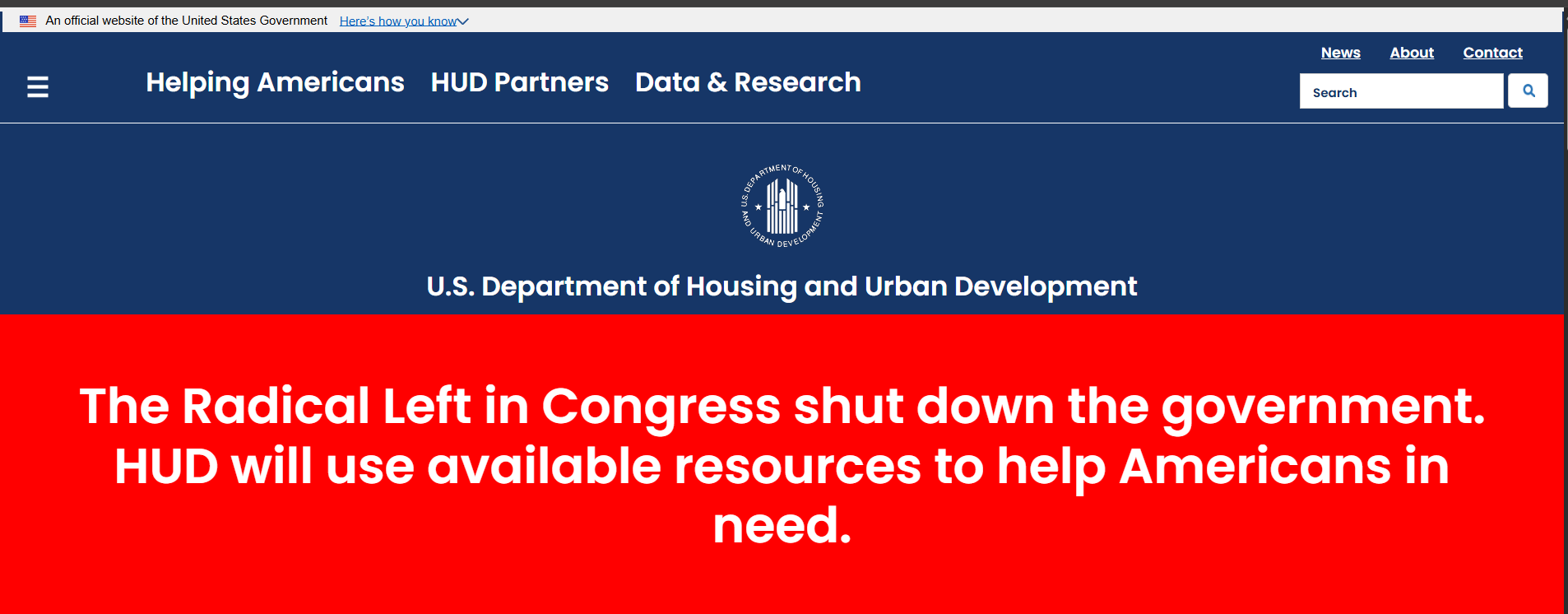
Department officials pushed back on criticism that a banner on its homepage violated a statute meant to curb partisanship in government operations. View the full article

-
In relation to managing inventory, comprehension of the different types of systems available is vital for your business. Manual systems are simple and low-cost, but they can lead to errors. Periodic systems require regular physical counts, which can be labor-intensive. Conversely, perpetual systems provide real-time tracking, fundamental for high-volume operations. Each type has its own benefits and drawbacks, influencing how you manage stock levels and fulfill customer demands. What might be the best fit for your needs? Key Takeaways Manual Inventory Management Systems use basic tracking methods like spreadsheets, suitable for small businesses but prone to errors and scalability issues. Periodic Inventory Management Systems involve regular physical counts, ideal for smaller operations, but can delay stock level insights and are labor-intensive. Perpetual Inventory Management Systems offer real-time tracking, essential for high-volume operations, and integrate with point-of-sale systems for enhanced efficiency. Advanced tracking systems, like barcodes and RFID, automate inventory logging, improving accuracy and efficiency by providing real-time visibility and reducing manual errors. Strategies such as Just-in-Time (JIT) and ABC Analysis help optimize inventory management by minimizing costs and categorizing items based on demand and value. Overview of Inventory Management Systems Inventory Management Systems (IMS) play a fundamental role in helping businesses efficiently manage their stock levels, orders, and fulfillment processes. Grasping the types of inventory management systems is vital for maximizing efficiency. There are three main types: manual, periodic, and perpetual. Manual systems rely on simple tracking methods, whereas periodic systems require regular physical counts, making them suitable for smaller operations. Conversely, perpetual inventory systems offer real-time data on stock levels, which is advantageous for businesses with fast-moving goods. Effective IMS centralize inventory data, enabling synchronization across multiple sales channels and locations. Key features like inventory monitoring, multichannel sales alignment, and thorough reporting improve decision-making, ensuring you can meet customer demands without stockouts or overselling, in the end boosting satisfaction. Manual Inventory Management Systems Manual inventory management systems often rely on basic tracking methods like spreadsheets and paper logs, which can be cost-effective for small businesses. Nevertheless, these methods come with significant limitations, such as a reliance on physical counting that can lead to human error and inefficiencies. As your business grows, you might find that these challenges hinder your ability to manage inventory effectively, making scalability a concern. Basic Tracking Methods When considering inventory management, you might find that basic tracking methods often rely on physical counts and manual records. In these systems, you’ll need to count stock levels periodically, which can lead to discrepancies between what’s recorded and what’s actually in stock. This method is usually cost-effective for small businesses or startups since it requires minimal investment in technology. Nevertheless, without real-time visibility, you might struggle to quickly address stock shortages or overages. As your business grows and inventory becomes more complex, these manual methods can hinder scalability and operational efficiency. Consequently, whereas basic tracking might work initially, it’s essential to assess its long-term viability as your inventory needs evolve. Cost-Effectiveness Considerations In the process of considering the cost-effectiveness of manual inventory management systems, it’s important to recognize that they often present an appealing option for small businesses or startups since they require minimal upfront investment. By relying on physical counting and recording, you can save on software costs, making these systems accessible to those with limited budgets. Nevertheless, although initial expenses may be low, you should be aware that manual systems can lead to higher labor costs over time owing to the time and effort needed for stocktaking and data entry. Furthermore, inaccuracies in inventory can result in lost sales or excess stock, so weigh the trade-offs between upfront savings and potential operational inefficiencies before deciding. Limitations and Challenges Though the appeal of low initial costs may attract businesses to manual inventory management systems, these approaches come with significant limitations and challenges that can hinder long-term success. Here are three key issues: Human Error: Relying on physical counts and paper records makes it easy to miscount or misrecord, leading to inaccuracies in stock tracking. Inefficiency: The time and labor needed to maintain manual systems can inflate operational costs and reduce overall efficiency, especially as your business grows. Lack of Real-Time Data: Without real-time data, stockouts or overstock can occur, negatively impacting customer satisfaction and cash flow. As your business expands, these challenges can become increasingly unmanageable, making manual systems unsustainable for effective inventory management. Periodic Inventory Management Systems Periodic inventory management systems are essential for businesses that prefer a straightforward approach to tracking stock levels. This system requires you to conduct physical counts of inventory at regular intervals, like weekly or monthly, to reconcile stock levels and maintain accurate records. It’s typically best for smaller businesses with lower sales volumes, as it involves less technology and is easier to manage without real-time data. Nevertheless, you might face delays in identifying stockouts or overstock situations, which could impact customer satisfaction. Furthermore, recording inventory levels at specific intervals means investing time in manual counting and reconciliation, which can be labor-intensive. Overall, periodic inventory systems can be a cost-effective solution for small retailers or startups with limited resources. Perpetual Inventory Management Systems A perpetual inventory management system offers businesses a dynamic approach to tracking stock levels, ensuring accurate data is available at all times. These systems continuously monitor inventory in real-time, which is essential for high-volume operations. Here are some key benefits you can expect: Automation: Inventory counts update automatically with each transaction, reducing the risk of discrepancies. Integration: By connecting with point-of-sale systems, you can effortlessly record sales, returns, and restocking, enhancing overall efficiency. Improved Decision-Making: With better visibility of stock trends, you can minimize stockouts, lower carrying costs, and ultimately enhance customer satisfaction. Utilizing a perpetual inventory system streamlines operations and provides valuable insights into your inventory management practices. Barcode Tracking Systems In today’s fast-paced retail and warehouse environments, implementing barcode tracking systems can greatly improve your inventory management processes. Each product gets a unique barcode, allowing for accurate identification. By scanning these barcodes, you can automate inventory logging and reconciliation, which reduces manual errors and boosts efficiency. This technology offers real-time visibility into stock levels and item locations, ensuring you always know what you have on hand. Furthermore, barcode tracking systems can integrate seamlessly with your inventory management software, providing extensive reporting and analytics that inform your purchasing and sales strategies. Even though initial investments might seem significant, the long-term savings from minimizing excess inventory and improving order fulfillment accuracy can be substantial. Radio Frequency Identification (RFID) Systems Radio Frequency Identification (RFID) systems are transforming how you manage inventory by using electromagnetic fields to track tagged items automatically. With passive and active tags available, these systems improve accuracy and efficiency, reducing discrepancies by up to 30%. Nevertheless, implementing RFID does come with challenges, such as initial costs and integration issues, which can be addressed with strategic planning and technology solutions. RFID Technology Overview Utilizing RFID technology transforms inventory management by enabling automatic identification and tracking of items through electromagnetic fields. This system’s efficiency stems from several key features: Real-Time Tracking: RFID tags, containing unique identifiers, allow for continuous monitoring of stock levels without needing line-of-sight scanning. Data Storage: Each tag can store additional information, enhancing visibility and accuracy compared to traditional barcode systems. Cost Efficiency: Passive RFID tags, which activate without batteries, are particularly cost-effective for high-volume applications, reducing labor costs associated with manual inventory counts. As the global market for RFID is projected to grow considerably, comprehending its functionality is crucial for streamlining operations and improving inventory management practices across various industries. Benefits of RFID Systems How can businesses benefit from implementing RFID systems in their inventory management processes? RFID systems improve inventory visibility and efficiency by using wireless technology to identify and track items through unique serial numbers on RFID Journal tags. Unlike traditional barcodes, RFID Journal tags can be read from a distance, speeding up processing and reducing manual labor. By automating data collection, you could see a reduction in labor costs by up to 30%, all the while minimizing human error. Additionally, RFID boosts security by providing real-time tracking and alerts for unauthorized movements. With RFID technology, you can achieve an impressive 99% accuracy rate in inventory counts, ensuring product availability and greatly improving operational efficiency, eventually leading to greater customer satisfaction. Implementation Challenges and Solutions Implementing RFID systems can present several challenges that businesses need to address for successful integration into their inventory management processes. Here are three key challenges and their solutions: 1. High Initial Costs: Small businesses may hesitate because of setup expenses. Consider phased rollouts to spread costs over time, allowing for gradual adoption. 2. Infrastructure Requirements: Integrating RFID with existing software can be complex. Invest in staff training to guarantee everyone understands the new system, facilitating smoother changes. 3. Environmental Interference: Factors like metal surfaces can disrupt performance. Use specialized tags or readers designed for your specific environment to maintain accuracy. Just-in-Time Inventory Management Just-in-Time (JIT) Inventory Management is a strategic approach that can transform how businesses handle their inventory by minimizing holding costs and reducing waste. By ordering stock only as needed, you can markedly cut storage and insurance expenses. This method relies on strong supplier relationships to guarantee timely deliveries, improving cash flow and operational efficiency. Nevertheless, it additionally exposes you to risks from supply chain disruptions and sudden demand spikes. Companies using JIT often implement inventory management systems to monitor stock levels and order statuses in real-time, boosting visibility. Successful JIT practices lead to reduced lead times and improved product quality, as efficiency and continuous improvement become central to your operations. Benefit Challenge Strategy Minimizes holding costs Vulnerability to disruptions Build strong supplier ties Reduces waste Risk of stockouts Implement real-time tracking Lowers storage costs Demand fluctuations Forecast demand accurately Improves cash flow Supply chain complexity Optimize logistics Improves product quality Requires precise timing Focus on continuous improvement ABC Analysis ABC Analysis is a significant inventory management technique that categorizes items into three distinct classes—A, B, and C—based on their demand and cost. This method helps you prioritize your focus on high-value items, ensuring better stock levels. Here’s how the categories break down: A items: These are the most valuable, typically accounting for 70-80% of total inventory value but only representing 10-20% of items. B items: These represent moderate value, falling in between A and C items regarding quantity and importance. C items: These are the least valuable, making up the bulk of inventory, yet they contribute minimally to overall value. Regularly reviewing these classifications is vital, as market changes can impact item importance. Dropshipping In today’s retail environment, dropshipping has emerged as a popular method for businesses looking to minimize inventory costs and streamline their operations. With dropshipping, you sell products without holding any inventory, as suppliers ship directly to your customers upon purchase. This model decreases upfront investment, reducing overhead costs and financial risk. You can additionally offer a wider array of products, making it easier to test new items without the burden of inventory management. Nevertheless, maintaining strong supplier relationships is vital for timely delivery and quality control. Profit margins can range from 10% to 30%, depending on your pricing strategy. Pros Cons Lower inventory costs Reliance on suppliers Broad product selection Potential quality issues Reduced financial risk Limited control over shipping Cross-Docking Cross-docking serves as an innovative logistics strategy that can greatly improve inventory management and supply chain efficiency. By transferring products directly from inbound to outbound transportation with minimal storage time, you can reduce handling costs and lead times. This practice is especially beneficial in industries demanding fast delivery, like perishable goods. Implementing cross-docking can yield several advantages: Increased Inventory Turnover: Products are shipped out almost immediately, aligning with Just-in-Time principles. Cost Savings: Companies can experience up to a 50% reduction in handling expenses compared to traditional warehousing. Enhanced Responsiveness: Streamlining the flow of goods helps you quickly adapt to market demands, minimizing inventory holding costs. Embracing cross-docking can transform your logistics operations. Material Requirements Planning (MRP) Systems Material Requirements Planning (MRP) systems play an essential role in managing your inventory by ensuring that materials are available when needed for production. They help you optimize stock levels, reduce carrying costs, and improve order accuracy, all of which can lead to better customer service. Nevertheless, implementing an MRP system likewise comes with challenges, such as the need for precise data input, which can greatly impact your operations if not managed correctly. MRP System Benefits Comprehending the benefits of MRP systems can considerably improve your manufacturing operations. By accurately calculating material needs based on forecasts and inventory levels, MRP systems guarantee timely availability of resources. This leads to: Reduced Inventory Costs: MRP systems help minimize excess inventory and stockouts, enhancing cash flow and lowering holding costs. Enhanced Supplier Communication: Providing suppliers with precise material requirements promotes efficient supply chain operations, guaranteeing smoother deliveries. Increased Production Efficiency: Better planning and coordination of resources through MRP systems result in a more responsive manufacturing environment, optimizing lead times and order quantities. MRP Implementation Challenges When implementing an MRP system, what challenges might you encounter that could hinder your manufacturing efficiency? One major issue is inaccurate demand forecasting, which can lead to overstocking or stockouts, disrupting production schedules and increasing costs. Furthermore, integrating your MRP system with existing software can be complex, often requiring significant time and resources to guarantee compatibility. Employee resistance to change is another common hurdle, as staff may prefer legacy systems and resist adopting new technologies. In addition, the accuracy of data entry is vital; errors can result in misguided planning and poor decision-making. Finally, ongoing training and support are important post-implementation to help your team adapt to new workflows and maximize the effectiveness of the MRP system. Frequently Asked Questions What Are the Four Types of Inventory Management Systems? The four types of inventory management systems are manual, periodic, perpetual, and advanced systems. Manual systems rely on physical counts and paper records, whereas periodic systems conduct inventory counts at set intervals. Perpetual systems use technology for real-time tracking, making them ideal for high sales volumes. Finally, advanced systems integrate with other business processes, utilizing technologies like RFID and barcoding to improve accuracy and optimize stock levels, reducing the risk of stockouts or overstock situations. What Are the Three Inventory Management Systems? There are three primary inventory management systems you can choose from: manual, periodic, and perpetual. In a manual system, you track inventory through physical counts, which is cost-effective but can lead to errors. A periodic system involves regular counts to align stock with records, suitable for lower sales volumes. The perpetual system continuously updates inventory levels in real-time, using technology like barcode scanning, making it ideal for high-volume businesses needing accurate data. What Are the Three Most Commonly Used Methods of Inventory Management? The three most commonly used methods of inventory management are manual, periodic, and perpetual systems. Manual systems involve counting inventory manually, often using spreadsheets, making them suitable for small businesses. Periodic systems require regular stock counts at set intervals, providing structured data without real-time updates. Conversely, perpetual systems utilize technology to continuously track inventory levels, making them ideal for larger businesses that need accurate, up-to-date information to manage high volumes effectively. What Are the Two Main Types of Inventory Systems? The two main types of inventory systems are the perpetual and periodic inventory systems. In a perpetual system, you track inventory levels continuously in real-time, which is ideal for high-volume sales and fast-moving products. Conversely, the periodic system requires physical counts at regular intervals, making it simpler and more labor-intensive, suitable for smaller businesses with less frequent sales. Choosing the right system depends on your business size and inventory management needs. Conclusion In summary, comprehending the different types of inventory management systems—manual, periodic, and perpetual—can help you choose the best fit for your business needs. Manual systems are cost-effective for small operations, whereas periodic systems suit those with lower sales volumes. For higher-volume businesses, perpetual systems provide real-time tracking, boosting efficiency. Furthermore, integrating methods like barcode tracking, ABC analysis, dropshipping, and cross-docking can further improve your inventory management strategy, leading to better decision-making and increased profitability. Image Via Envato This article, "Different Types of Inventory Management Systems" was first published on Small Business Trends View the full article
-
In relation to managing inventory, comprehension of the different types of systems available is vital for your business. Manual systems are simple and low-cost, but they can lead to errors. Periodic systems require regular physical counts, which can be labor-intensive. Conversely, perpetual systems provide real-time tracking, fundamental for high-volume operations. Each type has its own benefits and drawbacks, influencing how you manage stock levels and fulfill customer demands. What might be the best fit for your needs? Key Takeaways Manual Inventory Management Systems use basic tracking methods like spreadsheets, suitable for small businesses but prone to errors and scalability issues. Periodic Inventory Management Systems involve regular physical counts, ideal for smaller operations, but can delay stock level insights and are labor-intensive. Perpetual Inventory Management Systems offer real-time tracking, essential for high-volume operations, and integrate with point-of-sale systems for enhanced efficiency. Advanced tracking systems, like barcodes and RFID, automate inventory logging, improving accuracy and efficiency by providing real-time visibility and reducing manual errors. Strategies such as Just-in-Time (JIT) and ABC Analysis help optimize inventory management by minimizing costs and categorizing items based on demand and value. Overview of Inventory Management Systems Inventory Management Systems (IMS) play a fundamental role in helping businesses efficiently manage their stock levels, orders, and fulfillment processes. Grasping the types of inventory management systems is vital for maximizing efficiency. There are three main types: manual, periodic, and perpetual. Manual systems rely on simple tracking methods, whereas periodic systems require regular physical counts, making them suitable for smaller operations. Conversely, perpetual inventory systems offer real-time data on stock levels, which is advantageous for businesses with fast-moving goods. Effective IMS centralize inventory data, enabling synchronization across multiple sales channels and locations. Key features like inventory monitoring, multichannel sales alignment, and thorough reporting improve decision-making, ensuring you can meet customer demands without stockouts or overselling, in the end boosting satisfaction. Manual Inventory Management Systems Manual inventory management systems often rely on basic tracking methods like spreadsheets and paper logs, which can be cost-effective for small businesses. Nevertheless, these methods come with significant limitations, such as a reliance on physical counting that can lead to human error and inefficiencies. As your business grows, you might find that these challenges hinder your ability to manage inventory effectively, making scalability a concern. Basic Tracking Methods When considering inventory management, you might find that basic tracking methods often rely on physical counts and manual records. In these systems, you’ll need to count stock levels periodically, which can lead to discrepancies between what’s recorded and what’s actually in stock. This method is usually cost-effective for small businesses or startups since it requires minimal investment in technology. Nevertheless, without real-time visibility, you might struggle to quickly address stock shortages or overages. As your business grows and inventory becomes more complex, these manual methods can hinder scalability and operational efficiency. Consequently, whereas basic tracking might work initially, it’s essential to assess its long-term viability as your inventory needs evolve. Cost-Effectiveness Considerations In the process of considering the cost-effectiveness of manual inventory management systems, it’s important to recognize that they often present an appealing option for small businesses or startups since they require minimal upfront investment. By relying on physical counting and recording, you can save on software costs, making these systems accessible to those with limited budgets. Nevertheless, although initial expenses may be low, you should be aware that manual systems can lead to higher labor costs over time owing to the time and effort needed for stocktaking and data entry. Furthermore, inaccuracies in inventory can result in lost sales or excess stock, so weigh the trade-offs between upfront savings and potential operational inefficiencies before deciding. Limitations and Challenges Though the appeal of low initial costs may attract businesses to manual inventory management systems, these approaches come with significant limitations and challenges that can hinder long-term success. Here are three key issues: Human Error: Relying on physical counts and paper records makes it easy to miscount or misrecord, leading to inaccuracies in stock tracking. Inefficiency: The time and labor needed to maintain manual systems can inflate operational costs and reduce overall efficiency, especially as your business grows. Lack of Real-Time Data: Without real-time data, stockouts or overstock can occur, negatively impacting customer satisfaction and cash flow. As your business expands, these challenges can become increasingly unmanageable, making manual systems unsustainable for effective inventory management. Periodic Inventory Management Systems Periodic inventory management systems are essential for businesses that prefer a straightforward approach to tracking stock levels. This system requires you to conduct physical counts of inventory at regular intervals, like weekly or monthly, to reconcile stock levels and maintain accurate records. It’s typically best for smaller businesses with lower sales volumes, as it involves less technology and is easier to manage without real-time data. Nevertheless, you might face delays in identifying stockouts or overstock situations, which could impact customer satisfaction. Furthermore, recording inventory levels at specific intervals means investing time in manual counting and reconciliation, which can be labor-intensive. Overall, periodic inventory systems can be a cost-effective solution for small retailers or startups with limited resources. Perpetual Inventory Management Systems A perpetual inventory management system offers businesses a dynamic approach to tracking stock levels, ensuring accurate data is available at all times. These systems continuously monitor inventory in real-time, which is essential for high-volume operations. Here are some key benefits you can expect: Automation: Inventory counts update automatically with each transaction, reducing the risk of discrepancies. Integration: By connecting with point-of-sale systems, you can effortlessly record sales, returns, and restocking, enhancing overall efficiency. Improved Decision-Making: With better visibility of stock trends, you can minimize stockouts, lower carrying costs, and ultimately enhance customer satisfaction. Utilizing a perpetual inventory system streamlines operations and provides valuable insights into your inventory management practices. Barcode Tracking Systems In today’s fast-paced retail and warehouse environments, implementing barcode tracking systems can greatly improve your inventory management processes. Each product gets a unique barcode, allowing for accurate identification. By scanning these barcodes, you can automate inventory logging and reconciliation, which reduces manual errors and boosts efficiency. This technology offers real-time visibility into stock levels and item locations, ensuring you always know what you have on hand. Furthermore, barcode tracking systems can integrate seamlessly with your inventory management software, providing extensive reporting and analytics that inform your purchasing and sales strategies. Even though initial investments might seem significant, the long-term savings from minimizing excess inventory and improving order fulfillment accuracy can be substantial. Radio Frequency Identification (RFID) Systems Radio Frequency Identification (RFID) systems are transforming how you manage inventory by using electromagnetic fields to track tagged items automatically. With passive and active tags available, these systems improve accuracy and efficiency, reducing discrepancies by up to 30%. Nevertheless, implementing RFID does come with challenges, such as initial costs and integration issues, which can be addressed with strategic planning and technology solutions. RFID Technology Overview Utilizing RFID technology transforms inventory management by enabling automatic identification and tracking of items through electromagnetic fields. This system’s efficiency stems from several key features: Real-Time Tracking: RFID tags, containing unique identifiers, allow for continuous monitoring of stock levels without needing line-of-sight scanning. Data Storage: Each tag can store additional information, enhancing visibility and accuracy compared to traditional barcode systems. Cost Efficiency: Passive RFID tags, which activate without batteries, are particularly cost-effective for high-volume applications, reducing labor costs associated with manual inventory counts. As the global market for RFID is projected to grow considerably, comprehending its functionality is crucial for streamlining operations and improving inventory management practices across various industries. Benefits of RFID Systems How can businesses benefit from implementing RFID systems in their inventory management processes? RFID systems improve inventory visibility and efficiency by using wireless technology to identify and track items through unique serial numbers on RFID Journal tags. Unlike traditional barcodes, RFID Journal tags can be read from a distance, speeding up processing and reducing manual labor. By automating data collection, you could see a reduction in labor costs by up to 30%, all the while minimizing human error. Additionally, RFID boosts security by providing real-time tracking and alerts for unauthorized movements. With RFID technology, you can achieve an impressive 99% accuracy rate in inventory counts, ensuring product availability and greatly improving operational efficiency, eventually leading to greater customer satisfaction. Implementation Challenges and Solutions Implementing RFID systems can present several challenges that businesses need to address for successful integration into their inventory management processes. Here are three key challenges and their solutions: 1. High Initial Costs: Small businesses may hesitate because of setup expenses. Consider phased rollouts to spread costs over time, allowing for gradual adoption. 2. Infrastructure Requirements: Integrating RFID with existing software can be complex. Invest in staff training to guarantee everyone understands the new system, facilitating smoother changes. 3. Environmental Interference: Factors like metal surfaces can disrupt performance. Use specialized tags or readers designed for your specific environment to maintain accuracy. Just-in-Time Inventory Management Just-in-Time (JIT) Inventory Management is a strategic approach that can transform how businesses handle their inventory by minimizing holding costs and reducing waste. By ordering stock only as needed, you can markedly cut storage and insurance expenses. This method relies on strong supplier relationships to guarantee timely deliveries, improving cash flow and operational efficiency. Nevertheless, it additionally exposes you to risks from supply chain disruptions and sudden demand spikes. Companies using JIT often implement inventory management systems to monitor stock levels and order statuses in real-time, boosting visibility. Successful JIT practices lead to reduced lead times and improved product quality, as efficiency and continuous improvement become central to your operations. Benefit Challenge Strategy Minimizes holding costs Vulnerability to disruptions Build strong supplier ties Reduces waste Risk of stockouts Implement real-time tracking Lowers storage costs Demand fluctuations Forecast demand accurately Improves cash flow Supply chain complexity Optimize logistics Improves product quality Requires precise timing Focus on continuous improvement ABC Analysis ABC Analysis is a significant inventory management technique that categorizes items into three distinct classes—A, B, and C—based on their demand and cost. This method helps you prioritize your focus on high-value items, ensuring better stock levels. Here’s how the categories break down: A items: These are the most valuable, typically accounting for 70-80% of total inventory value but only representing 10-20% of items. B items: These represent moderate value, falling in between A and C items regarding quantity and importance. C items: These are the least valuable, making up the bulk of inventory, yet they contribute minimally to overall value. Regularly reviewing these classifications is vital, as market changes can impact item importance. Dropshipping In today’s retail environment, dropshipping has emerged as a popular method for businesses looking to minimize inventory costs and streamline their operations. With dropshipping, you sell products without holding any inventory, as suppliers ship directly to your customers upon purchase. This model decreases upfront investment, reducing overhead costs and financial risk. You can additionally offer a wider array of products, making it easier to test new items without the burden of inventory management. Nevertheless, maintaining strong supplier relationships is vital for timely delivery and quality control. Profit margins can range from 10% to 30%, depending on your pricing strategy. Pros Cons Lower inventory costs Reliance on suppliers Broad product selection Potential quality issues Reduced financial risk Limited control over shipping Cross-Docking Cross-docking serves as an innovative logistics strategy that can greatly improve inventory management and supply chain efficiency. By transferring products directly from inbound to outbound transportation with minimal storage time, you can reduce handling costs and lead times. This practice is especially beneficial in industries demanding fast delivery, like perishable goods. Implementing cross-docking can yield several advantages: Increased Inventory Turnover: Products are shipped out almost immediately, aligning with Just-in-Time principles. Cost Savings: Companies can experience up to a 50% reduction in handling expenses compared to traditional warehousing. Enhanced Responsiveness: Streamlining the flow of goods helps you quickly adapt to market demands, minimizing inventory holding costs. Embracing cross-docking can transform your logistics operations. Material Requirements Planning (MRP) Systems Material Requirements Planning (MRP) systems play an essential role in managing your inventory by ensuring that materials are available when needed for production. They help you optimize stock levels, reduce carrying costs, and improve order accuracy, all of which can lead to better customer service. Nevertheless, implementing an MRP system likewise comes with challenges, such as the need for precise data input, which can greatly impact your operations if not managed correctly. MRP System Benefits Comprehending the benefits of MRP systems can considerably improve your manufacturing operations. By accurately calculating material needs based on forecasts and inventory levels, MRP systems guarantee timely availability of resources. This leads to: Reduced Inventory Costs: MRP systems help minimize excess inventory and stockouts, enhancing cash flow and lowering holding costs. Enhanced Supplier Communication: Providing suppliers with precise material requirements promotes efficient supply chain operations, guaranteeing smoother deliveries. Increased Production Efficiency: Better planning and coordination of resources through MRP systems result in a more responsive manufacturing environment, optimizing lead times and order quantities. MRP Implementation Challenges When implementing an MRP system, what challenges might you encounter that could hinder your manufacturing efficiency? One major issue is inaccurate demand forecasting, which can lead to overstocking or stockouts, disrupting production schedules and increasing costs. Furthermore, integrating your MRP system with existing software can be complex, often requiring significant time and resources to guarantee compatibility. Employee resistance to change is another common hurdle, as staff may prefer legacy systems and resist adopting new technologies. In addition, the accuracy of data entry is vital; errors can result in misguided planning and poor decision-making. Finally, ongoing training and support are important post-implementation to help your team adapt to new workflows and maximize the effectiveness of the MRP system. Frequently Asked Questions What Are the Four Types of Inventory Management Systems? The four types of inventory management systems are manual, periodic, perpetual, and advanced systems. Manual systems rely on physical counts and paper records, whereas periodic systems conduct inventory counts at set intervals. Perpetual systems use technology for real-time tracking, making them ideal for high sales volumes. Finally, advanced systems integrate with other business processes, utilizing technologies like RFID and barcoding to improve accuracy and optimize stock levels, reducing the risk of stockouts or overstock situations. What Are the Three Inventory Management Systems? There are three primary inventory management systems you can choose from: manual, periodic, and perpetual. In a manual system, you track inventory through physical counts, which is cost-effective but can lead to errors. A periodic system involves regular counts to align stock with records, suitable for lower sales volumes. The perpetual system continuously updates inventory levels in real-time, using technology like barcode scanning, making it ideal for high-volume businesses needing accurate data. What Are the Three Most Commonly Used Methods of Inventory Management? The three most commonly used methods of inventory management are manual, periodic, and perpetual systems. Manual systems involve counting inventory manually, often using spreadsheets, making them suitable for small businesses. Periodic systems require regular stock counts at set intervals, providing structured data without real-time updates. Conversely, perpetual systems utilize technology to continuously track inventory levels, making them ideal for larger businesses that need accurate, up-to-date information to manage high volumes effectively. What Are the Two Main Types of Inventory Systems? The two main types of inventory systems are the perpetual and periodic inventory systems. In a perpetual system, you track inventory levels continuously in real-time, which is ideal for high-volume sales and fast-moving products. Conversely, the periodic system requires physical counts at regular intervals, making it simpler and more labor-intensive, suitable for smaller businesses with less frequent sales. Choosing the right system depends on your business size and inventory management needs. Conclusion In summary, comprehending the different types of inventory management systems—manual, periodic, and perpetual—can help you choose the best fit for your business needs. Manual systems are cost-effective for small operations, whereas periodic systems suit those with lower sales volumes. For higher-volume businesses, perpetual systems provide real-time tracking, boosting efficiency. Furthermore, integrating methods like barcode tracking, ABC analysis, dropshipping, and cross-docking can further improve your inventory management strategy, leading to better decision-making and increased profitability. Image Via Envato This article, "Different Types of Inventory Management Systems" was first published on Small Business Trends View the full article
-
Beijing’s national security drive hits European groups even as Huawei maintains its business on the continentView the full article