ResidentialBusiness
Administrators
-
Joined
-
Last visited
Everything posted by ResidentialBusiness
-
 In relation to creating a logo, choosing the right AI tool can greatly impact your brand’s identity. These tools vary in features, from user-friendly interfaces to broad customization options. Whether you need a quick design or an all-encompassing branding solution, there’s an option for you. Grasping the strengths of each tool can help you make an informed decision. Let’s explore some of the best AI tools available for crafting stunning logos. Key Takeaways Looka offers an intuitive interface for quick logo generation, allowing users to create designs without prior experience, with options starting at around $20. Designhill Logo Maker provides high-quality design options with flexible pricing plans, ensuring logos reflect brand identity and available for multiple file formats. LogoMakr features extensive customization options and a user-friendly drag-and-drop interface, making it a cost-effective choice for startups, priced at $29 for high-resolution downloads. Tailor Brands offers a subscription model with extensive branding services beyond logos, ideal for startups seeking cohesive brand identity at around $10 per month. Visual Electric caters to advanced designers with extensive customization tools and an “art direction” feature, available through a subscription starting at $20/month. Overview of AI Logo Generators AI logo generators have transformed the way you can create visual identities, making it easier than ever to design a logo that reflects your brand. These tools improve design accessibility and efficiency, allowing you to generate logos quickly without needing extensive design skills. As an online Canva company, you’ll appreciate the customization options many of these tools offer, enabling you to adjust colors, fonts, and layouts to fit your brand identity. With various pricing models available, from free trials to subscriptions, you can choose what suits your budget. Whereas AI-generated logos provide rapid iterations, consider seeking professional designer input for uniqueness and sophistication. Tools like Logo Joy are among the best AI to create logos, ensuring you have quality options at your fingertips. LogoMakr: Customization and Control LogoMakr stands out in the domain of logo creation tools by offering a high degree of customization and control for users. With an extensive selection of icons, fonts, and color palettes, you can create a unique logo that truly represents your brand. The user-friendly interface includes drag-and-drop functionality, making it easy to position design elements quickly. Although you can download a basic version of your logo for free, high-resolution downloads are available for a one-time fee of about $29, with no recurring costs. This makes it a cost-effective choice for startups and small businesses. Nonetheless, keep in mind that steering through the many options may present a learning curve, especially compared to simpler platforms like logojoy ai or loca logo. Looka: User-Friendly Experience Have you ever wondered how easy it could be to create a professional logo without any design experience? Looka simplifies the process with its intuitive interface, allowing you to generate stunning logos quickly. Here’s how it works: Input Your Details: Enter your brand name, industry, and color preferences to customize your logo. Preview Options: Instantly see various logo designs customized to your input, enabling you to choose the best fit for your brand. Visualize Your Logo: Preview your logo on merchandise and branding materials, helping you envision its real-world application. Best of all, you can start for free, with downloads available for around $20, making it an affordable choice for startups and small businesses. Plus, Looka’s customer support is ready to assist you. Designhill Logo Maker: Professional Quality When you use the Designhill Logo Maker, you get access to high-quality design options that cater to professional needs. The platform offers a user-friendly interface, making it easier for you to create a logo that reflects your brand identity. With flexible pricing plans starting at around $20, you can choose a solution that fits your budget as you ensure you receive a polished result. High-Quality Design Options If you’re looking for a tool that delivers high-quality logos customized to your business needs, Designhill Logo Maker stands out as a strong option. This platform produces professional-looking logos suitable for various styles and industries. You can take advantage of a free trial to explore its features before fully committing. Here are three key benefits of using Designhill: Customization: The tool offers extensive options, allowing you to adjust designs to fit your brand identity. File Formats: You can access logos in multiple formats, making them ideal for both digital and print use. Affordability: High-resolution logos start at approximately $20, providing excellent value for professional quality. These features make Designhill a practical choice for effective branding. User-Friendly Interface Designhill Logo Maker features a user-friendly interface that makes the logo creation process straightforward, even for those with limited design experience. You can easily navigate through the platform, choosing from various templates and customizing them to suit your brand. The drag-and-drop functionality allows you to add elements and adjust colors seamlessly, ensuring your logo reflects your vision. Moreover, the platform offers a free trial, so you can explore its features without any commitment. Once you create your logo, you can download it in multiple file formats, making it versatile for both digital and print applications. Although the interface is typically intuitive, some users may find certain features complex at first, but with practice, you’ll gain confidence in using the tool effectively. Flexible Pricing Plans A flexible pricing plan is essential for anyone looking to create a professional logo without breaking the bank. Designhill Logo Maker offers various pricing options that cater to different needs. Here are some key features of their pricing structure: Free Trial: Test the platform before committing to a paid plan, ensuring you find the right design for your brand. Affordable Logos: High-resolution logos start at approximately $20, making it accessible for startups and small businesses. Additional Packages: For those seeking extensive branding solutions, Designhill provides higher-priced branding packages that include more options. The transparent pricing structure means you pay a one-time fee for downloads with no hidden charges, allowing you to budget effectively for your logo design. Brandmark: Extensive Customization Options When you’re looking to create a logo that truly reflects your brand identity, Brandmark‘s extensive customization options can be incredibly beneficial. The platform allows you to choose from a wide range of design elements, ensuring that your logo aligns with your specific preferences and industry standards. You can select various styles and layouts, making it easy to personalize your design. Brandmark also provides useful guidelines to help you navigate your choices, which can improve your decision-making process during creation. Furthermore, if you need more assistance, you can collaborate closely with a design team for a more refined outcome. With prices starting at $25, Brandmark offers options for different budgets and needs, making it accessible for all. Tailor Brands: Comprehensive Branding Suite Tailor Brands offers a subscription model that provides more than just logo design; it’s an all-encompassing branding suite. You can choose from various logo styles, like wordmarks, monograms, or icons, as you have the flexibility to edit your designs and download them in multiple formats. This platform is particularly useful for startups looking to create a cohesive brand identity without breaking the bank, as it caters to different business needs and budgets. Subscription Model Overview For those seeking a robust branding solution, the subscription model offered by Tailor Brands presents an appealing option. Starting around $10 per month, this model grants you access to an extensive branding suite that goes beyond logo design. Here are three key benefits of subscribing: AI-Driven Logo Creation: Tailor Brands uses advanced algorithms to generate customized logos based on your preferences and needs. Variety of Branding Tools: Subscribers can edit logos, access multiple download formats, and utilize additional marketing materials. Flexible Pricing: The subscription costs vary based on the specific services you choose, allowing you to customize your branding experience. This model primarily caters to U.S.-based startups, offering diverse style options like wordmarks, monograms, or icons for logo creation. Unique Design Features The extensive branding suite from Tailor Brands includes unique design features that set it apart in the logo creation scenery. You’ll find an AI logo designer that customizes logos according to your brand’s name, industry, and preferred style. This customized approach allows you to choose from specific styles like wordmark, monogram, or icon, ensuring your design meets your branding needs. In addition, Tailor Brands offers logo editing capabilities, so you can easily make adjustments to perfect your design. You’ll also gain from multiple download formats, making it convenient for both digital and print uses. With flexible pricing based on the services you choose, Tailor Brands accommodates businesses seeking personalized branding solutions effectively. Comprehensive Branding Solutions When you’re looking to establish a strong brand identity, utilizing an all-encompassing branding suite can streamline the process considerably. Tailor Brands offers a user-friendly platform that simplifies logo creation and branding management, making it ideal for startups and small businesses. Here are three key features to evaluate: AI Logo Designer: Generate unique logos customized to your style, with options like wordmark, monogram, or icon. Comprehensive Resources: Access a variety of tools, including business cards and marketing materials, all for around $10 per month. Multiple Download Formats: Easily download your logos in various formats, ensuring compatibility across different channels. With Tailor Brands, you can effectively create and manage your brand identity without needing extensive design skills. Visual Electric: Advanced Features for Designers Often regarded as a game-changer for designers, Visual Electric offers a user-friendly interface that closely resembles tools like Figma and other infinite canvas applications. This familiarity enables you to navigate the platform easily. You’ll find extensive customization options, allowing you to fine-tune your logo designs more effectively than traditional AI generators. Nonetheless, keep in mind that Visual Electric operates on a subscription model starting at $20/month, which can feel overwhelming without a clear vision. The AI text rendering might present challenges, requiring you to iterate for the perfect look. Fortunately, the “Art direction” tool aids in refining your logos, enhancing your design process swiftly, typically within just ten minutes. This tool can be particularly valuable in achieving professional results efficiently. Recommendations for Effective Logo Creation Creating an effective logo requires a thoughtful approach, especially when using AI tools. To guarantee your logo meets your brand’s needs, follow these recommendations: Choose User-Friendly Tools: Utilize AI logo generators like Looka or Hatchful for quick, accessible designs that don’t require extensive skills. Customize for Uniqueness: Explore options in tools like LogoMakr or Designhill to reflect your brand’s identity and vision accurately. Understand Pricing Structures: Evaluate the pricing of each tool, noting that some, like Canva’s Dream Lab, may offer free usage up to a limit, whereas others may have subscription fees or one-time costs. Frequently Asked Questions Which AI Tool Creates the Most Realistic Images? When choosing an AI tool for creating realistic images, consider your specific needs. Tools like DALL-E and Midjourney excel in generating high-quality, lifelike visuals through advanced algorithms. They analyze input data carefully, providing stunning results. You should explore various options, as each tool offers unique features. Check out user reviews and sample outputs to find the best fit for your project. In the end, your choice will depend on the level of detail and style you prefer. Conclusion To summarize, choosing the right AI logo generator can greatly impact your brand’s identity. Consider tools like Looka and Designhill for user-friendly options, or Tailor Brands for an all-encompassing branding suite. For experienced designers, Visual Electric offers advanced features. Evaluate each platform based on your specific needs, such as customization and ease of use. By selecting the right tool, you can create a unique and professional logo that effectively represents your brand’s vision and values. Image Via Envato This article, "Best AI Tools to Create Stunning Logos" was first published on Small Business Trends View the full article
 -
City of London suffers fresh setback days after AstraZeneca said it would list its shares directly on the NYSEView the full article
-
Albert Manifold describes oil major’s global business as ‘overly complex’ in a letter to staffView the full article
-
Did you know you can customize Google to filter out garbage? Take these steps for better search results, including adding my work at Lifehacker as a preferred source. On Wednesday, Google officially announced a number of smart home initiatives. Alongside new devices—including Nest cameras, doorbells, and a new Google Home Speaker—the company rolled out a redesigned Google Home app. As you might expect in 2025, Google's new smart home strategy is powered by the company's AI, Gemini, with a new branding to boot: Gemini for Home. The company is making a lot of claims for how its next-generation tech will improve your smart home. We'll need to wait for the reviewers to put Gemini and the new Google Home app through their paces, not to mention all of Google's new devices, but until then, we can take a peek at the future Google is selling us on: Gemini for Home Credit: Google Google Assistant is nothing new, but even Google seems to think there's been room for improvement. The company says the experience was "functional, not intuitive or natural," which seems to be informing Google's newest smart home assistant: Gemini for Home. As you might expect, Gemini is replacing Google Assistant across all Google smart home products. The company's argument here is that the new experience is much more natural than before: Previously, you might have needed to ensure your commands were succinct and to the point for the assistant to understand them. Going forward, Google says you can take advantage of the AI's contextual awareness for more casual requests. If you're asking for help fixing your dishwasher, for example, you don't need to preface each request with the problem at hand. You can begin with a question like "Hey Google, my dishwasher is having trouble draining. Where should I start?" If it suggests you check the filter, you don't need to say "Hey Google, I'm trying to get my dishwasher to drain, but the filter seems fine. What's the next step?" Instead, you can simply follow up with "Hey Google, the filter seems fine. What's next?" Google says Gemini will understand the context, and continue to help. If you want to bypass the the constant "Hey Googles," you can say "Hey Google, let's chat." This kicks on Gemini Live, the AI's voice mode, which let's you have a back and forth with Gemini. The company says you can do the same when asking questions about things like songs and movies. If you want to look up a song from a movie, but you don't remember the name of either, you can share vague details about the movie and Gemini supposedly can put the pieces together. Perhaps most importantly for the smart home itself, Google says Gemini can handle more complex requests. For example, you can ask it to turn off all lights except for a specific room, or trust that the AI will understand the context of the room you're asking about, e.g., "Can you turn on the lights by the oven" will mean turning on the lights in the kitchen. My favorite of Google's promised features, however, is that you can ask Gemini to add items to your grocery lists from recipes, rather than individual items. You can simply request a shopping list for Pad Thai, and, according to Google, Gemini will add all the ingredients necessary to your shopping list. Gemini with smart cameras Credit: Google Google says Gemini for Home can also upgrade smart cameras connected to Google Home. The company argues that most smart camera alerts are "low context," pinging you with things like "motion detected" or "person detected," but leaving the rest on you to figure out what's really going on. With Gemini for Home, Google says it is using AI to make your smart camera experience more contextual. Alerts will offer a "full narrative of what's happening," so you can learn from the notification itself whether you have a USPS delivery, or simply a shadow moving in front of the camera. Gemini will also organize and summarize all of the day's video clips—you can choose whether to review all the videos taken, or simply scan the summary for any updates the AI thought important. Google says you can ask Gemini questions about your clips, as well. Speaking of which, you can ask Gemini to find specific video clips using natural language. Google says you can ask questions like "When did the kids get home," or "Did I leave the car door open today?" The new Google Home app Credit: Google Tying all these updates together is the overhauled Google Home app, which reportedly has over 100 new features and performance improvements. Google says there were three goals in mind with this particular update: "Make it faster, more reliable, and complete." To that first point, the app should perform quite well, if the company is to be believed. Google claims its new Home app is over 70% faster on some Android devices than before, with crashes down by almost 80%, while smart camera live views supposedly load 30% faster with 40% fewer playback failures. The new design comes with three main tabs: There's the Home tab, which is where you see all of the controls for your smart home devices. Within this tab, there are swipeable menus for things like Favorites and devices. Next, there's the Activity tab, which contains your home's activity history. You can see when a routine was started, when motion was detected on a camera, and when a light was turned off. Finally, there's the Automations tab: You can see which automations are coming up, access your entire automations collection, and create new automations as well. Google has also integrated "the best" of the Nest app into the new Home app. While the dedicated Nest app is still available, Google clearly intends for Nest functionality to live here long-term. That includes support for Nest Thermostats from 2015 on, as well as Nest Protect smoke and CO emergency alerts and Nest x Yale Lock passcode management. Google says the experience of controlling previous Nest devices is also enhanced in the new app, with higher frame rates and faster loading times. Finally, there's "Ask Home," a new Gemini-powered feature that aims to make it easy to find any element of your smart home. For example, Google says you can type things like "lights" or "living room" to find deices and automations related to those queries. You can look up clips from your smart cameras, stack multiple smart home commands together, or create an automation with natural language. Google says all of these changes are rolling out today, Wednesday, Oct. 1 around the globe. View the full article
-
A reader writes: I am a manager and I have a lot of empathy for people on my team. However, that empathy has taken a turn since I’ve now had employees twice threaten suicide after serious feedback conversations. In both cases I was told they were considering suicide because of the potential job loss, and we had to act accordingly — welfare checks, making sure their safety was secured. Clearly it wasn’t just my feedback that caused it, but it does seem like a catalyst for it. I did know before this happened that they were each struggling with their mental health, but nothing that would indicate this severity. In both situations, the people in question are safe, but I’m now struggling with being able to do anything regarding coaching my team. I am so terrified someone is going to be severely impacted by my words and I am almost paralyzed with anxiety. I know rationally that this is not my fault, and I have a therapist, but I’m really stuck about this part of my day-to-day management of my team. I answer this question over at Inc. today, where I’m revisiting letters that have been buried in the archives here from years ago (and sometimes updating/expanding my answers to them). You can read it here. The post I’m afraid to give feedback after 2 employees threatened self-harm appeared first on Ask a Manager. View the full article
-
TikTok is a one-stop-shop for recipe inspo, viral dance trends, tin-foil-hat conspiracies, and, increasingly, political commentary. Now, it’s also where one in five Americans are getting their news. That’s according to a Pew Research Center analysis published last week, which has tracked a dramatic uptick in news consumption on the platform, up from just 3% in 2020. “During that span, no social media platform we’ve studied has experienced faster growth in news consumption,” Pew noted. In Pew’s survey, 43% of adults under 30 said they regularly get their news on TikTok, up from 9% five years ago. But it’s not just younger people. A quarter of adults between the ages of 30 and 49 also regularly turn to TikTok as a news source, compared to just 2% in 2020. This analysis is based on Pew’s survey of 5,153 U.S. adults between August 18 and 24. While the researchers focused only on adult TikTok users, overall more than half of TikTok users (55%) now say they regularly get news on the platform, up from 22% in 2020. “TikTok is now on par with several other social media sites—including X (formerly Twitter), Facebook and Truth Social—in the share of its adult users who regularly get news there,” researchers wrote. The tide on TikTok has been turning for some time, with more and more media outlets and independent journalists adapting to reach new audiences and doubling down on vertical video. These days, snappy, shareable content, delivered in 30 seconds or less, is far more likely to hook audiences’ shrinking attention spans than long form reporting. The quality of this news content is another story. Since much of this content comes from individual creators, or newsfluencers, rather than established news organizations, fact and opinion can often be presented interchangeably, and misinformation can spread quickly. News delivered directly to the FYP, courtesy of a highly individualized algorithm, has the problem of sinking people further and further into echo chambers of their own creation. It then begs the question: What kind of news are we each consuming? View the full article

-
In a world increasingly driven by artificial intelligence, Stripe’s latest partnership with OpenAI is transforming the way small businesses can engage with consumers. With the launch of “Instant Checkout” within ChatGPT, users can now purchase products directly from popular platforms like Etsy and Shopify without leaving the chat interface. This innovation promises to streamline online shopping and create new revenue opportunities for small businesses. Starting today, ChatGPT users in the U.S. can shop for items from Etsy merchants, with Shopify integration following soon. This shift to AI-driven shopping interfaces means that merchants can now convert AI recommendations into sales with remarkable ease. As Stripe’s president of technology and business, Will Gaybrick, stated, “Stripe is building the economic infrastructure for AI. We’re working alongside the most ambitious companies to create new AI-powered commerce experiences for billions of people.” The Instant Checkout feature utilizes a new payment primitive known as the Shared Payment Token (SPT). This technology allows ChatGPT to initiate transactions without exposing the buyer’s payment credentials, thus enhancing security and streamlining the purchase process. When a user requests product recommendations, they can easily complete purchases using their preferred payment methods within the chat itself. This innovative flow not only simplifies the shopping process for consumers but also opens a new sales channel for small business owners. Merchants receive orders through the Agentic Commerce Protocol (ACP), which facilitates seamless transactions while maintaining their standard order management procedures. According to Fidji Simo, OpenAI’s CEO of Applications, “we’re making it possible for businesses of all sizes to meet people where they are—and for shoppers to complete purchases seamlessly in conversation.” While the advantages of this new commerce experience are clear, small business owners should also recognize the challenges it may present. The shift toward AI-led commerce requires businesses to adapt their products and checkout processes to be compatible with AI agents. Stripe emphasizes that businesses need to find ways to expose their offerings, pricing, and checkout details in a manner accessible to these agents while ensuring customer payment information remains secure. Kevin Miller, head of payments at Stripe, highlighted the need for a re-architected approach: “Because agents now sit between businesses and consumers, everything from payments and checkout to fraud checks must be re-architected.” For many small businesses, integrating with multiple AI agents can seem daunting. However, the ACP offers a solution by creating a standardized communication framework that enables merchants to sell through various AI agents without needing separate integrations. The Agentic Commerce Protocol is positioned as an open standard, meaning it can be adopted by businesses not currently using Stripe while still providing compatibility with their existing payment providers. This flexibility is critical, as it allows small businesses to seize the opportunities presented by AI commerce without requiring a complete overhaul of their payment systems. Stripe and OpenAI first partnered in 2023 when ChatGPT began utilizing Stripe’s various services, including fraud detection and fast checkout options. Now, with the introduction of Instant Checkout, they are paving the way for a new revenue model that small business owners can tap into, expanding their market reach in this era of agentic commerce. As the landscape of online shopping evolves, small businesses may find AI as both a challenge and an opportunity. Those willing to adapt their business models and embrace the advances offered by tools like Instant Checkout could find themselves better positioned for growth. To learn more about the Agentic Commerce Protocol and how it can benefit your business, visit Stripe’s website. For further details on this groundbreaking partnership, check out the original announcement here. Image via Stripe This article, "Stripe Launches Instant Checkout in ChatGPT for Seamless AI Commerce" was first published on Small Business Trends View the full article
-
In a world increasingly driven by artificial intelligence, Stripe’s latest partnership with OpenAI is transforming the way small businesses can engage with consumers. With the launch of “Instant Checkout” within ChatGPT, users can now purchase products directly from popular platforms like Etsy and Shopify without leaving the chat interface. This innovation promises to streamline online shopping and create new revenue opportunities for small businesses. Starting today, ChatGPT users in the U.S. can shop for items from Etsy merchants, with Shopify integration following soon. This shift to AI-driven shopping interfaces means that merchants can now convert AI recommendations into sales with remarkable ease. As Stripe’s president of technology and business, Will Gaybrick, stated, “Stripe is building the economic infrastructure for AI. We’re working alongside the most ambitious companies to create new AI-powered commerce experiences for billions of people.” The Instant Checkout feature utilizes a new payment primitive known as the Shared Payment Token (SPT). This technology allows ChatGPT to initiate transactions without exposing the buyer’s payment credentials, thus enhancing security and streamlining the purchase process. When a user requests product recommendations, they can easily complete purchases using their preferred payment methods within the chat itself. This innovative flow not only simplifies the shopping process for consumers but also opens a new sales channel for small business owners. Merchants receive orders through the Agentic Commerce Protocol (ACP), which facilitates seamless transactions while maintaining their standard order management procedures. According to Fidji Simo, OpenAI’s CEO of Applications, “we’re making it possible for businesses of all sizes to meet people where they are—and for shoppers to complete purchases seamlessly in conversation.” While the advantages of this new commerce experience are clear, small business owners should also recognize the challenges it may present. The shift toward AI-led commerce requires businesses to adapt their products and checkout processes to be compatible with AI agents. Stripe emphasizes that businesses need to find ways to expose their offerings, pricing, and checkout details in a manner accessible to these agents while ensuring customer payment information remains secure. Kevin Miller, head of payments at Stripe, highlighted the need for a re-architected approach: “Because agents now sit between businesses and consumers, everything from payments and checkout to fraud checks must be re-architected.” For many small businesses, integrating with multiple AI agents can seem daunting. However, the ACP offers a solution by creating a standardized communication framework that enables merchants to sell through various AI agents without needing separate integrations. The Agentic Commerce Protocol is positioned as an open standard, meaning it can be adopted by businesses not currently using Stripe while still providing compatibility with their existing payment providers. This flexibility is critical, as it allows small businesses to seize the opportunities presented by AI commerce without requiring a complete overhaul of their payment systems. Stripe and OpenAI first partnered in 2023 when ChatGPT began utilizing Stripe’s various services, including fraud detection and fast checkout options. Now, with the introduction of Instant Checkout, they are paving the way for a new revenue model that small business owners can tap into, expanding their market reach in this era of agentic commerce. As the landscape of online shopping evolves, small businesses may find AI as both a challenge and an opportunity. Those willing to adapt their business models and embrace the advances offered by tools like Instant Checkout could find themselves better positioned for growth. To learn more about the Agentic Commerce Protocol and how it can benefit your business, visit Stripe’s website. For further details on this groundbreaking partnership, check out the original announcement here. Image via Stripe This article, "Stripe Launches Instant Checkout in ChatGPT for Seamless AI Commerce" was first published on Small Business Trends View the full article
-
HERE'S A LOOK at some of the best leadership books to be released in October 2025 curated just for you. Be sure to check out the other great titles being offered this month. A CEO for All Seasons: Mastering the Cycles of Leadership by Carolyn Dewar, Scott Keller, Vikram Malhotra and Kurt Strovink In the high-stakes world of corporate leadership, becoming a Fortune 500 CEO is an Everest-like ascent—with only the savviest managing to avoid falling off the mountain. In A CEO for All Seasons,you’ll find an essential climbing route that will take you through every stage. Unique in applying a number of sophisticated metrics to isolate the world’s top 200 CEOs, reduce them to a representative sample, and then reap their wisdom, the McKinsey team, in A CEO for All Seasons, spotlights the specific stage-based hurdles that CEOs face. From preparing for the role to starting strong to sustaining momentum to ensuring a lasting legacy, the book leaves no segment of the journey unmapped. Along the way, it offers proven strategies for maintaining forward progress and, crucially, alerts readers to common blind spots that can sabotage success, as revealed by a detailed survey of thousands of executives. Don't Be Yourself: Why Authenticity Is Overrated (and What to Do Instead) by Tomas Chamorro-Premuzic "Just be yourself" might be the worst advice you've ever received. For years, we've been told that authenticity is the key to success—that we should be true to ourselves, tune out others' opinions, and lead with unwavering genuineness. This feel-good message has spawned countless self-help books, leadership seminars, and viral social media posts. There's just one problem: science says it's wrong. Drawing on decades of research, renowned psychologist Tomas Chamorro-Premuzic reveals an uncomfortable truth: our obsession with authenticity is backfiring. From Silicon Valley's authenticity worship to failed diversity programs, he exposes how our fixation on our "true selves" undermines both individual and organizational success. Team Intelligence: How Brilliant Leaders Unlock Collective Genius by Jon Levy Ever wonder why some of our most effective leaders aren’t known for the skills we’ve been told are essential for great leadership? Would you describe Elon Musk or Steve Jobs as having empathy or humility? Of course not, and yet they’ve led teams that achieved extraordinary results. So, what leadership attributes, habits, and skills do cause teams to become more than the sum of their parts? Why does a team made of up superstars often underperform? What causes teams to work together effectively and produce high team intelligence? Jon Levy unpacks the myths that hold leaders and their teams back and points out the paradox of success: focusing on creating teams that operate well is what makes an effective leader, but focusing purely on the leader does almost nothing for the team. Leadership Unblocked: Break Through the Beliefs That Limit Your Potential by Muriel M. Wilkins Your mindset may be the only thing standing between you and your potential. Break free from the beliefs that hold you back. As a leader, do you find yourself frustrated, wondering why employees don't meet expectations, peers are slow to act, or pressure from your boss falls unfairly on your shoulders? It's easy to point a finger at others and double down on getting results. But have you ever considered that the problem might not be them—that it might be you? In Leadership Unblocked, Wilkins reveals seven key beliefs that hold leaders back, from "I know I'm right" to "I need to be involved" to "I don't belong here." Combining illustrative and powerful coaching conversations and research from the fields of neuroscience, leadership, and adult development theory, Wilkins offers a self-coaching guide for identifying, unpacking, and breaking through these barriers. Delivering the Wow: Culture as Catalyst for Lasting Success byRichard Fain In Delivering the WOW, Fain shows how a culture united people around a mission, delighted guests, and unlocked extraordinary performance. Drawing on vivid stories from 33 years at the helm, Fain explains how a remarkable culture was forged and strengthened through: • Alignment: ensuring every employee understands the same clear mission, beyond hierarchy or titles • Intentionality: never losing sight of the ultimate goal and ensuring that every action, big or small, supports that objective • Continuous improvement: never being satisfied; always believing that there are ways to improve • Crisis response: deeply rooted culture as a stabilizing force during black swan events, including the global pandemic. Invaluable principles like these are woven into unforgettable stories which help explain how the company's profitability, guest capacity, and employee base all grew more than thirtyfold. Respect: How to Change the World One Interaction at a Time by Robert Dilenschneider Robert Dilenschneider delivers an insightful and original discussion of how to cultivate respectfulness in every facet of your life. You’ll learn how to embody and encourage respectful behavior and speech among work colleagues, family, friends, and others. You’ll learn about how respectfulness has life-changing consequences for all who practice it and why it’s within reach for us all. You’ll also discover why it’s so sorely needed in an increasingly fragmented society and how it can transform our interactions for the better. For bulk orders call 1-626-441-2024 * * * “You can't think well without writing well, and you can't write well without reading well. And I mean that last "well" in both senses. You have to be good at reading, and read good things.” — Paul Graham, Y Combinator co-founder * * * Follow us on Instagram and X for additional leadership and personal development ideas. View the full article
-
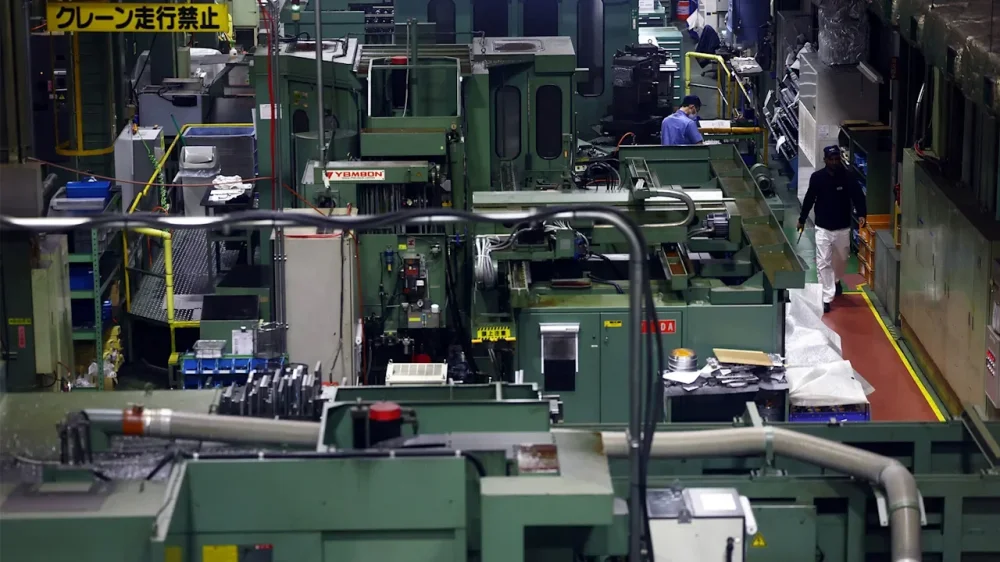
Factory activity shrank in much of the world last month, private surveys showed on Wednesday, as signs of a slowdown in U.S. growth and the anticipated impact of President Donald The President’s tariffs added to pressure from weak Chinese demand. Euro zone manufacturing slipped back into contraction as new orders fell at their fastest rate in six months, with export markets acting as a particular drag, signalling that the recovery in the region’s industrial sector was fragile. The HCOB Eurozone Manufacturing Purchasing Managers’ Index (PMI), compiled by S&P Global, fell to 49.8 in September from August’s 50.7, which was the first reading above the 50.0-point line denoting growth since mid-2022. “The drop in the PMI is showing up across the board, with respective figures for consumer goods, capital goods and intermediate goods all down on the month,” said Cyrus de la Rubia, chief economist at Hamburg Commercial Bank. Surveys revealed a split across the currency union with the Netherlands leading the expansion with activity at a 38-month high while growth continued in Greece, Ireland and Spain. Meanwhile, the bloc’s three largest economies — Germany, France and Italy — all registered contractions. In Britain, outside the European Union, activity shrank at the fastest pace in five months, reflecting subdued domestic demand and fewer export orders, painting a more downbeat picture than recent official data. In Asia, the stress on manufacturers highlights the challenge policymakers face in protecting their export-reliant region from higher U.S. levies, a key policy of the The President administration that has upended the global trade order and put the brakes on economic growth. Export powerhouse Japan and global tech hub Taiwan saw manufacturing activity shrink in September, the surveys showed, leaving businesses in Asia — heavily dependent on the U.S. market — on a fragile footing. Worryingly, China, a key engine of the global economy, also remained in the doldrums. An official survey released on Monday showed manufacturing activity in the world’s second-biggest economy contracted for a sixth month in September, dragged down by weak consumption and the squeeze from U.S. tariffs. The prolonged slump underlines the twin pressures on China’s economy: Domestic demand has failed to mount a durable recovery in the years since the coronavirus pandemic, while The President’s tariffs have squeezed Chinese factories as well as overseas firms that buy components. “The September PMI readings for most countries in Asia remained weak and we continue to expect manufacturing activity in the region to struggle in the near term,” said Shivaan Tandon, emerging markets economist at Capital Economics. “With growth set to soften and inflation likely to remain contained, we expect central banks in Asia to loosen policy further.” The S&P Global Japan Manufacturing PMI fell to 48.5 in September from 49.7 in August, staying below the 50.0 threshold. It shrank at the fastest pace in six months due to steep falls in output and new orders, the survey showed. Taiwan’s manufacturing PMI fell to 46.8 last month. Factory activity also shrank in the Philippines and Malaysia, the private surveys showed. By contrast, South Korea’s factory activity expanded for the first time in eight months underpinned by improving overseas demand. The manufacturing PMI in Asia’s fourth-largest economy, released by S&P Global, rose to 50.7 in September, moving above the 50-mark for the first time since January 2025. The outlook for South Korea’s exporters, however, hinges on negotiations to formalise a July deal aimed at reducing U.S. tariffs on Korean goods imports including automobiles to 15% from 25% in return for South Korea’s investment of $350 billion in the U.S. The talks have stalled due to Seoul’s concerns over foreign exchange implications. India’s manufacturing sector expansion lost some momentum and slipped to its weakest pace in four months, suggesting Washington’s punitive 50% tariffs on its goods could be starting to hurt Asia’s third-largest economy. —Jonathan Cable and Leika Kihara, Reuters View the full article
-
Your strategy changes as your firm does. By August Aquila MAX: Maximize Productivity, Profitability and Client Retention Go PRO for members-only access to more August J. Aquila. View the full article
-
Your strategy changes as your firm does. By August Aquila MAX: Maximize Productivity, Profitability and Client Retention Go PRO for members-only access to more August J. Aquila. View the full article
-
Discontent has surged across U.S. society, largely defined the last three presidential elections, and now appears set to challenge business owners in the workplace. The rising sense of grievance expressed across all demographic groups has reached new highs, according to a new survey, with both companies and their CEOs suffering some of the biggest drops in trust among respondents. The rising tide of acrimony and accusation recorded in the 25th Annual Edelman Trust Barometer shouldn’t be too surprising for anyone who followed the November election campaigns—or who just listens to conversations in the office and shop floor. Whether it was Democrats warning of a “fascist” threat to democracy or Republicans complaining about “woke” reverse discrimination, the expression of victimized resentment has grown ever louder within American discourse in recent years. And it doesn’t just apply to politics. Nearly 60 percent of U.S. respondents to the new Edelman poll reported their “sense of grievance against business, government, and the rich is moderate or higher than before, which is generating some worrying consequences. The U.S. figure is only slightly below the average 61% grievance expressed by the 33,000 people Edelman questioned in its global survey. The key drivers of that sentiment were perceptions that companies and governments make decisions that negatively affect most people while only serving a select few. That figured into the wider prevailing view that political and economic systems are structured to favor the rich—who were said to grow wealthier from those arrangements all the time. Not surprisingly, that resulting distrust of governments, businesses, and media was expressed in larger numbers by lower and modest-earning people than affluent participants. Meanwhile, nearly two-thirds of respondents said the threat of discrimination has increased since 2024, including 14% more whites in the U.S. expressing that view compared to last year—the largest increase the poll recorded. Fears of job losses were also higher in the 2025 survey, with 62% of global participants citing artificial intelligence (AI) and globalization as top threats. Only a third of worldwide participants thought the situation would be better for following generations, with just 20% believing the once prevalent belief that things would continue improving in the future. Those varied sources of disgruntlement—and feelings of injustice—were linked to the survey’s most disturbing finding. Fully 40% of people said they approved of “of hostile activism to drive change.” That included attacking people online, intentionally spreading disinformation, threatening or committing violence, and damaging public or private property” if that served to attain a desired outcome. That belief was highest among people aged 18 to 34 at 53%, with 41% of those in the 35-to-54-year bracket also agreeing. That represents a large percentage of society now thinking those means justify the ends they seek—a sentiment made clear following the murder last month of UnitedHealthcare CEO Brian Thompson. Much of that may sound characteristic of the domestic and international political conflicts that led to the 2021 storming of Congress or countless protests of the violence between Israel and Palestinians. But the wider atmosphere of rising grievance in which those occurred has now become a concern that business owners need to prepare for—and be able to respond to if it arises in their workplaces. Should that happen, it may make difficulties adjusting to the reportedly challenging attitudes of many Gen Z employees seem quaint. The reason: With both views of business competence and ethics plunging to below 50% between 2020 and 2025, the increasing groan of grievance may grow louder and more defiant over time, possibly aired directly at company managers and owners. That’s why leaders need to prepare for the eventuality. “(People) with a higher sense of grievance are more likely to believe that business is not doing enough to address societal issues,” the Edelman report said. “To navigate these expectations, understand where you have obligations, act on behalf of your stakeholders, and advocate for your organization.” That margin for companies to respond positively to what may outwardly seem to be social complaints is created by a contradiction in the survey’s findings. While it established that trust in business has continued to drop—while grievances significantly increase—that rising unhappiness also reflects expectations for companies do something to resolve the problems employees see as sources of discontent. For example, grievance levels were particularly high regarding companies “not going far enough to address” issues like climate change, cost of living affordability, discrimination, and retraining as jobs come under threat from AI and other tech. At the same time, while distrust in all CEOs increased, it was limited when participants were asked about their own bosses. Still, as Edelman CEO Richard Edelman points out, that rising volume of grievance is increasingly likely to be voiced in the workplace as it spreads. When it does, companies and managers will need to be ready to offer positive responses—awaiting the necessary remedial actions from other social, economic, and governmental institutions also being held responsible. “Business is facing backlash from those opposing its role as a catalyst for societal change,” said Edelman. “Moving back from a grievance-based society will require a cross-institution effort to address issues like information integrity, affordability, sustainability, and the future of AI.” According to the survey’s analysis, that can only come from business, government, media, and NGOs addressing the core causes behind rising grievances, with reactions that nurture broad-based “trust, growth, and prosperity.” — By Bruce Crumley This article originally appeared on Fast Company‘s sister publication, Inc. Inc. is the voice of the American entrepreneur. We inspire, inform, and document the most fascinating people in business: the risk-takers, the innovators, and the ultra-driven go-getters that represent the most dynamic force in the American economy. View the full article

-
Last week, two Andreessen Horowitz (a16z) LP decks leaked to Newcomer. As far as I (and Google and ChatGPT) can tell, this is only the second time ever that internal Andreessen Horowitz documents have leaked. The firm is notoriously secretive. I am much too humble and my fund is much too insignificant to seriously believe that my Substack from September 3—“Andreessen Horowitz is not a Venture Capital Fund”—and its subsequent republishing on Fast Company could possibly have annoyed the Sand Hill Road behemoth so much that it decided to leak its own LP deck for the first time in history. But you gotta love the timing. 😜 Regardless of why the decks were leaked or by whom, the data they contain is a rare look at how the firm has evolved. I spent some time yesterday afternoon trying to piece together a picture of a16z’s profits, based on what’s publicly known, and the new data that leaked. I hesitate to share them in full because any detailed conclusion requires too many assumptions to be useful. But I will tell you three indisputable takeaways from my analysis: Andreessen has made a lot of money for its investors. Andreessen has made a lot of money for itself—by my calculations, somewhere between a third and half of what it’s returned to all of its investors combined. A very sizable chunk of its revenue has been from management fees—at least 25%, likely a lot more. Which brings me back to the post I had been planning to share this week before the leak: The disruption of venture capital Three years ago, I wrote a piece titled, “A great disruption is coming for venture capital.” For context, after graduating business school, I worked with Clayton Christensen—the man who developed the theory of disruptive innovation, whom I also studied under while at Harvard. His body of work is among the most impactful in the history of management science, because it predicts why and how massively successful companies—the incumbents in an industry—can make all the right, rational strategy decisions, only to be disrupted by lower-cost, higher-access upstarts. As you might imagine, working for the guy shaped how I see the world to this day. Even before I started VC investing, I realized venture capital was on a predictable path to disruption. Looking at venture through Christensen’s lens, I saw big funds moving upmarket, leaving the door open to disruptors (in this case, smaller emerging funds) to eat the category from the bottom up. Key to the theory of disruptive innovation is the idea that incumbents are incentivized to focus on their most profitable customers, in order to capture more revenue and higher margins. In doing so, they leave their less profitable customers for the taking. Upstarts come in with a right-sized alternative, and get better over time, until all or most customers—even the biggest, most profitable ones—flock to them. This is how incumbents get disrupted. This is how I recently realized that one key part of my initial analysis was wrong. I wasn’t wrong at the headline level: Incumbent VC funds (aka megafunds) are absolutely getting disrupted. I was wrong about who their customer is. As an early stage VC, I believe the founder is my customer. If I do right by them, I’ll be massively successful in the long term. This is how I run my fund to this day, and it’s the lens through which I published the original “disruption of venture capital” essay. But after raising my own funds, I’ve come to realize that, when it comes to how VCs make money, the founder is not the customer—the limited partners (LP) or the people and institutions that invest in VC funds are. Which means that incumbent funds aren’t moving upmarket because they’re chasing their most profitable founders—they’re moving upmarket because they’re chasing their most profitable LPs. How Andreessen Horowitz makes money Let’s go back to the leaked decks. a16z’s most recently announced fund from earlier this year claimed $7.2 billion of assets under management. Assuming standard VC terms (2% fee, 1% stepped down fee, 10 year fund term), a16z would make $144 million per year in fees alone during the investment period, and half of that amount every year after that until the end of the fund cycle. If you add up the fees a16z is earning from every one of its reported funds, assuming the standard VC terms above, then this year it stands to make about $700 million in fees alone. Given the limitations of the data that leaked, it’s hard to tell how much it makes in carry (it’s mixed in with recycled capital in the slide). But, needless to say, it is a lot of money. Andreessen Horowitz is now reportedly raising a $20 billion fund. If successful, this new fund will net the firm another $400 million per year on fees alone during the investment period. In other words: The bigger the fund, the bigger the fees. As you raise more funds, the fees accumulate. It’s a sweet business model. I mean this honestly: Can you blame these guys for chasing the biggest LPs and pitching increasingly gigantic funds, considering how much they stand to make here? That’s why they keep inventing new strategies to absorb and deploy more and more capital. Because you can’t cost-effectively deploy $20 billion in small, high alpha, early stage rounds. It needs to deploy big numbers. So that it can raise even bigger funds. And this is exactly what “incumbents moving upmarket” looks like. Literally a textbook example. I wish Clay were still alive so I could talk to him about it. What Christensen would say happens next As incumbents move upmarket, they leave the bottom of the market ripe for disruption. Small funds, disciplined early stage investors, and emerging managers are the ones filling the gap. Because of our fund sizes, fees are tiny—this sector of the market makes money off the carry, not the fee, in perfect alignment with our LPs, which our LPs also love. The best of these disruptive managers are hungrier, more aligned, and structurally motivated to find alpha-rich founders and ideas—exactly what LPs want. Over time, more and more LPs will realize this, and will add a pocket for “new VC” to their portfolios. These upstart funds will thrive—historically, smaller and emerging funds return way more to their investors. And eventually, this emerging layer of investors will become the true, new venture capital industry. The megafunds will continue to make money, right up until the opportunity to deploy it profitably in gigantic pre-IPO megarounds disappears. They’ll be competing with large asset allocators, not only for deals, but more critically, for LP dollars. At that point, they’ll have a choice. They can fully morph into asset managers, more like banks and hedge funds; they can try to disrupt from within; or they can join the ranks of bygone incumbents of yore. Why this matters I wrote about this last time more at length, but it’s worth revisiting. As megafunds move upmarket, their deployment strategy doesn’t resemble venture capital anymore—they’re making large consensus bets and competing away the alpha. If you’re a non-consensus founder planning to pitch consensus funds, my advice is just to “know before you go,” and don’t be discouraged by the outcome. Find true VC funds—early, non-consensus, founder-first—and prioritize pitching there. And don’t take your eye off your traction. If you’re a VC investor, know your strategy and stick to it. Alpha is being eaten away by consensus firms. If you don’t have the assets under management (AUM) to compete at that level, discipline and focus are key. And finally, if you’re an LP—know what you’re investing in. If your VC portfolio is all consensus funds, I’d venture to say you no longer have true, alpha-seeking VC exposure. That’s why more and more LPs are starting to shape an emerging fund strategy—smaller allocations by design, just like their original VC portfolio from 20 to 30 years ago, before today’s incumbents morphed into megafunds. This article was originally published in Leslie Feinzaig’s Venture With Leslie newsletter. View the full article
-
What clients need to watch. By Ed Mendlowitz 77 Ways to Wow! Go PRO for members-only access to more Edward Mendlowitz. View the full article
-
What clients need to watch. By Ed Mendlowitz 77 Ways to Wow! Go PRO for members-only access to more Edward Mendlowitz. View the full article
-
Make this a formal process. By Jody Padar Radical Pricing – By The Radical CPA Go PRO for members-only access to more Jody Padar. View the full article
-
Make this a formal process. By Jody Padar Radical Pricing – By The Radical CPA Go PRO for members-only access to more Jody Padar. View the full article
-
The President deserves credit — but the obstacles to lasting peace remain significantView the full article
-
The shutdown started with a flight into treasury bonds, putting downward pressure on financing costs, but several other developments slowed mortgage activity. View the full article

-
Google sends publishers 831x more visitors than AI systems, according to TollBit’s State of the Bots Q2 2025 report. Even though AI referrals barely register next to Google’s, bots are hammering publisher sites — pushing costs higher, scraping more content, and often ignoring rules meant to limit them. Scraping up, referrals down. AI is scraping the web, but it still isn’t sending meaningful visitors back. Google referrals dropped from 90%+ of all external traffic in Q2 2024 to 84.1% in Q2 2025. AI apps sent just 0.102% of referrals. For every visitor from an AI system, Google delivered 831. Click-through rates from AI interfaces were weak – 91% lower than top-10 organic search CTRs. It took about 135 AI scrapes to produce a single human referral. Publishers with OpenAI licensing deals saw 88% more scraping and significantly stronger referral rates than those without. More bots up, less humans. AI bots are becoming a dominant force in web traffic, even as they deliver no value to publishers. Human visitors to TollBit-tracked sites fell 9.4% from Q1 to Q2 2025, while AI traffic rose. At the start of 2025, 1 in 200 visitors was an AI bot. By Q2, it was 1 in 50 – a 4x increase. AI bot traffic has now surpassed Bingbot, the world’s second-largest search crawler. Google’s AI Overviews expansion last October drove a 34.8% increase in Googlebot crawls, but the crawl-to-referral ratio worsened by 24.4%. Content demand shifts. AI tools are shifting consumer behavior, answering questions directly instead of sending users to publishers. B2B/professional content saw the highest scraping levels relative to human traffic. The fastest AI request growth was for parenting (333%) and deals/shopping (111%) content. National news got 5x more real-time RAG scrapes than training crawlers. APAC sites were hit the hardest, receiving 3x more requests than U.S. sites, while European sites saw 27% fewer AI requests. Bot wars escalate. Publishers are pushing back, but many AI bots are still breaking (or rewriting) the rules. Publisher blocking AI bots surged 336% YoY. TollBit’s Bot Paywall hits grew 360% between Q1 and Q2 2025. 13.26% of AI bot requests ignored robots.txt in Q2 2025, up from 3.3% versus Q4 2024. OpenAI’s 404 error rate jumped from 0.3% to 3.7%, often due to hallucinated URLs. Anthropic’s Claude error rate fell sharply after gaining live web access (from 55% in Q2 2024 to 4.8%). Why we care. The open web appears to be in trouble. Human visitors are declining, while AI bots are multiplying, scraping more content, and sending back almost no traffic (which is why we’ve seen Cloudflare’s pay-per-crawl and RSL initiatives). If this continues, publishers will likely face higher costs and fewer returns (e.g., less clicks, customers, and revenue), which threatens the web’s business model. Methodology. TollBit analyzed web traffic across its partner publisher network, tracking billions of requests to measure human visitors, AI bot activity, referral rates, and server responses from Q1–Q2 2025. The report. State of the Bots Q2 2025 (registration required) View the full article
-
We may earn a commission from links on this page. Deal pricing and availability subject to change after time of publication. Did you know you can customize Google to filter out garbage? Take these steps for better search results, including adding my work at Lifehacker as a preferred source. As we get closer to the big sales from Walmart, Target, and Best Buy that October Prime Day brings, early deals start popping up. Right now, you can find many early deals on Amazon and Amazon-owned brands, many of which are matching Prime Day prices (and you don't need to be a Prime Member to take advantage of them). The Active Noise Canceling (ANC) Amazon Echo Buds are one of the best earbud deals right now, currently $34.99 (originally $119.99) after a 71% discount, the lowest price it has ever been, according to price-tracking tools. (2021 release, 2nd gen) | Wired charging case | Black Amazon Echo Buds with Active Noise Cancellation $34.99 at Amazon $119.99 Save $85.00 Get Deal Get Deal $34.99 at Amazon $119.99 Save $85.00 SEE -2 MORE The best and most distinguishing feature of these ANC earbuds is the hands-free voice-assistant control. With Alexa, Siri, or Google Assistant on your phone, you'll be able to stream music, podcasts, or audiobooks hands-free by just asking your virtual assistant. You can also make calls, set reminders, skip songs, and do basically everything else you can do with a voice assistant. These Echo Buds also have a multipoint pairing feature that can connect to two devices at the same time and seamlessly transition to whichever is playing media. You'll get up to five hours of battery and an additional 15 hours from the case (whether it's wireless or not). They're also rated IPX4 for water resistance. You can read the full PCMag "excellent" review here to learn more about their specs and features. These earphones were eclipsed by the third-generation Echo Buds in 2023, which are a more budget-friendly version without ANC. Both are good headphones, but for just $10 more, it's worth getting the version with ANC, unless you're just trying to spend the least amount possible. Our Best Editor-Vetted Early Prime Day Deals Right Now Apple AirPods Pro 2 Noise Cancelling Wireless Earbuds — $199.00 (List Price $249.00) Samsung Galaxy Tab A9+ 10.9" 64GB Wi-Fi Tablet (Graphite) — $194.18 (List Price $219.99) Blink Mini 2 1080p Indoor Security Camera (2-Pack, White) — $34.99 (List Price $69.99) Blink Outdoor 4 XR + Mini 2 — Wireless and plug-in security cameras, motion detection, extended range. Sync Module XR included — 2 camera system + Mini 2 (Black) — $74.99 (List Price $219.98) Ring Battery Doorbell Plus — $79.99 (List Price $149.99) Ring Indoor Cam (2nd Gen, 2-pack, White) — $49.98 (List Price $79.99) Blink Video Doorbell Wireless (Newest Model) + Sync Module Core — $34.99 (List Price $69.99) Shark AV2501S AI Ultra Robot Vacuum with HEPA Self-Empty Base — $229.99 (List Price $549.99) Amazon Fire HD 10 (2023) — $69.99 (List Price $139.99) Kindle Essentials Bundle including Kindle (2024 release) - Black, Fabric Cover - Matcha, and Power Adapter — $117.97 (List Price $161.97) Deals are selected by our commerce team View the full article
-
Former Mr. Cooper CEO Jay Bray will become Rocket Mortgage's president and CEO as the $14.2 billion transaction closes in just six months after announcement. View the full article
-
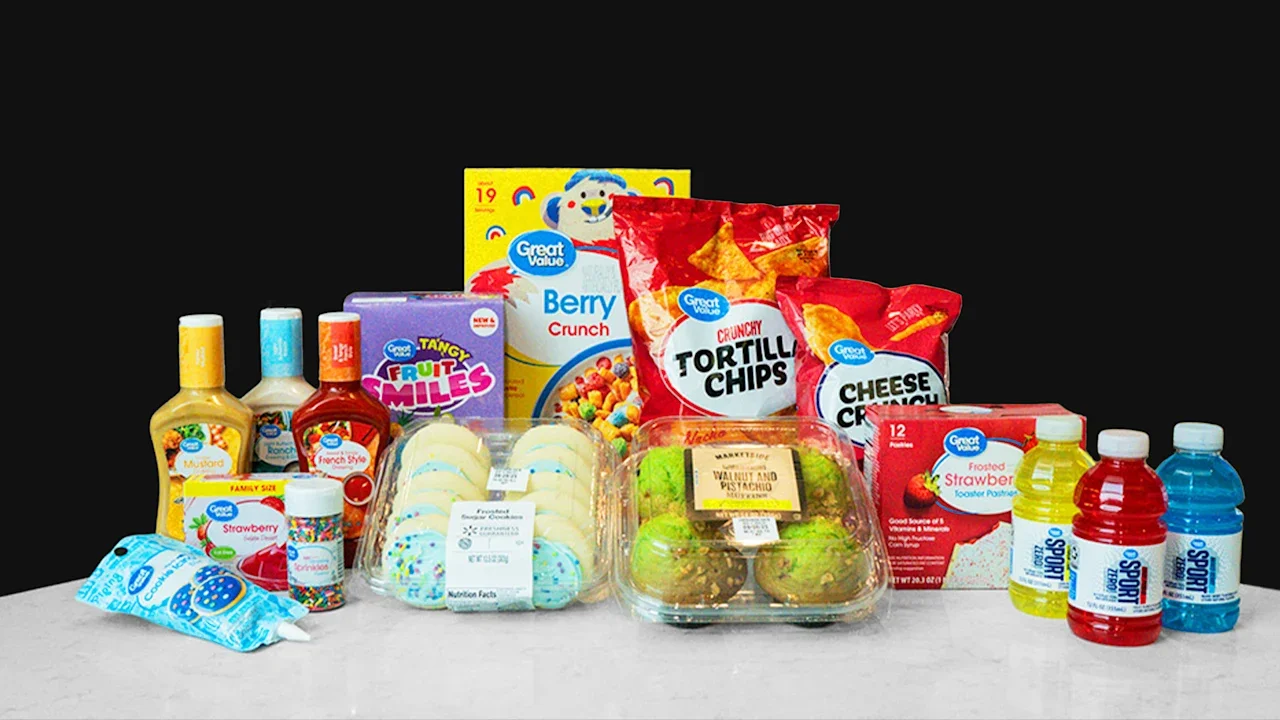
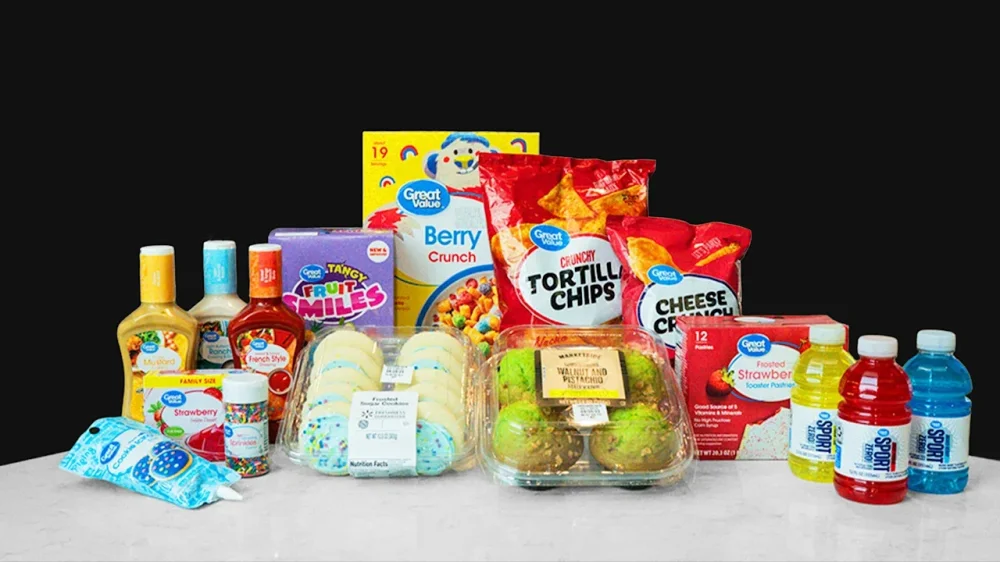
If you’ve ever flipped over a Walmart snack or frozen pizza to check the ingredients list, the company’s about to make that label a whole lot cleaner. The retail giant just announced it’s giving its U.S. private food brands a major makeover, cutting out synthetic dyes and dozens of other additives you probably can’t pronounce. Altogether, the retailer is removing synthetic dyes and 30 ingredients from store brands including Bettergoods, Freshness Guaranteed, Great Value, and Marketside. Artificial sweeteners, certain preservatives, and fat substitutes are among the ingredients being phased out. The full list of every synthetic dye and ingredient being removed is available in Walmart’s announcement. The company will start releasing reformulated products in the coming months and plans to completely remove the ingredients by January 2027. It states that it’s “working with private brand suppliers to adjust formulations and source alternative ingredients, while preserving the same great taste customers have come to expect.” According to Walmart, 90% of its U.S private food brand products are already synthetic dye free. As motivation, it points to a survey it conducted which found that 62% of customers want more transparency and 54% of customers read the ingredients list on their food. However, the news also follows a recent push by the U.S. Department of Health and Human Services (HHS) and Food and Drug Administration (FDA) for companies to voluntarily remove synthetic dyes by the end of 2026. Brands such as General Mills and Nestlé have announced plans to phase out dyes. In June, Walmart-owned Sam’s Club said it would get rid of over 40 ingredients, such as artificial dyes and sweeteners. View the full article
-
Hill, who has been serving as acting chair since January, has steered the agency toward deregulation and away from Biden-era priorities, with strong backing from big banks. View the full article