ResidentialBusiness
Administrators
-
Joined
-
Last visited
Everything posted by ResidentialBusiness
-
 Google's John Mueller once again told SEOs to stop using the Google Indexing API for unsupported content types. The Google Indexing API is supported for job postings and live stream content and nothing else, but yet many still try to use it for other types of content.View the full article
 -
Hello and welcome to Modern CEO! I’m Stephanie Mehta, CEO and chief content officer of Mansueto Ventures. Each week this newsletter explores inclusive approaches to leadership drawn from conversations with executives and entrepreneurs, and from the pages of Inc. and Fast Company. If you received this newsletter from a friend, you can sign up to get it yourself every Monday morning. Summer officially starts in a few weeks, but I’ve already ordered and preordered the books that will keep me company on airplanes and trips to the beach. The first Modern CEO reading list was heavy on buzzworthy titles. Last year’s edition was a bit more dutiful, highlighting three works that explored the complexities of capitalism. This year, I’m diving into the lives of the ultrarich, whose impact on culture, society, and policy continues to rise. The Haves and the Have-Yachts: Dispatches on the Ultrarich by Evan Osnos Thanks in part to social media, consumption—of luxury goods, five-star resorts, rare wines, and the like—is increasingly conspicuous. One place where the ultrarich can avoid prying eyes? Aboard their superyachts. As Evan Osnos, a staff writer and podcast host at The New Yorker, writes of such floating mansions: “These shrines to excess capital exist in a conditional state of visibility: they are meant to be unmistakable to a slender stratum of society—and all but unseen by everyone else.” Osnos’s collection of essays promises to shed light on the excesses but also on how the rich amass and keep their wealth and the power that it affords. Personal History: A Memoir by Katharine Graham and Buffett: The Making of an American Capitalist by Roger Lowenstein One of the biggest business stories of the year—Warren Buffett’s announcement that he will step down as CEO of Berkshire Hathaway—and the ongoing struggles of The Washington Post under Jeff Bezos (a superyacht owner), are prompting me to reread two great books on my bookshelf. Personal History is Graham’s candid memoir of the personal and professional hurdles she had to overcome en route to becoming CEO of The Washington Post Company and one of the most admired executives in media. Lowenstein’s masterful portrait of Buffett is part biography, part investing tutorial. Graham and Buffett were longtime friends, and Lowenstein seems to credit Graham with leavening some of Buffett’s thrifty instincts. Stories of Buffett’s frugality—his primary residence is a home he bought in Omaha in 1958 for $31,500—will surely be a good palate cleanser after the Osnos book. Empire of AI: Dreams and Nightmares in Sam Altman’s OpenAI by Karen Hao Hao, an Atlantic contributor, is one of the leading journalists covering artificial intelligence (AI), and her book promises to be an unflinching look at the potential and perils of OpenAI CEO Sam Altman’s ambitions for generative AI, which seem to mirror the “move fast and break things” ethos of many tech companies. Luckily for readers, Hao seems willing to explore the unintended consequences of unfettered AI expansion, including the environmental impacts of water- and energy-hungry data centers. So Far Gone by Jess Walter Walter’s latest book—my one fiction pick—has many of the things I love in novel: a road trip, multigenerational conflict, and a gruff former journalist as the protagonist. In So Far Gone, Rhys Kinnick sets off to rescue his daughter and grandchildren from a radical militia group. It’s a world Walter knows well: As a journalist for the Spokane, Washington Spokesman-Review, Walter covered the 1992 standoff at Ruby Ridge in Northern Idaho, which is credited with fueling the anti-government militia movement. Challenging stuff, but an early review from Ann Patchett confirms why I love Walter’s writing: “Jess Walter managed to build such a warm, funny, loving novel out of so many horrible parts.” What are you reading this summer? What’s on your summer reading list? Please send the name, author, and a sentence or two about why you’d recommend it to modern leaders to stephaniemehta@mansueto.com. I’ll publish a bonus newsletter with reader suggestions before the official start of summer. Read more: summer reading roundup 24 books to read this summer, according to The Atlantic The Economist’s latest “beach friendly” reads The 15 books USA Today says you should read this summer View the full article

-
Explore my curated selection of the best AI image generators in 2025, featuring top picks for designers, marketers, causal users, and more. View the full article
-
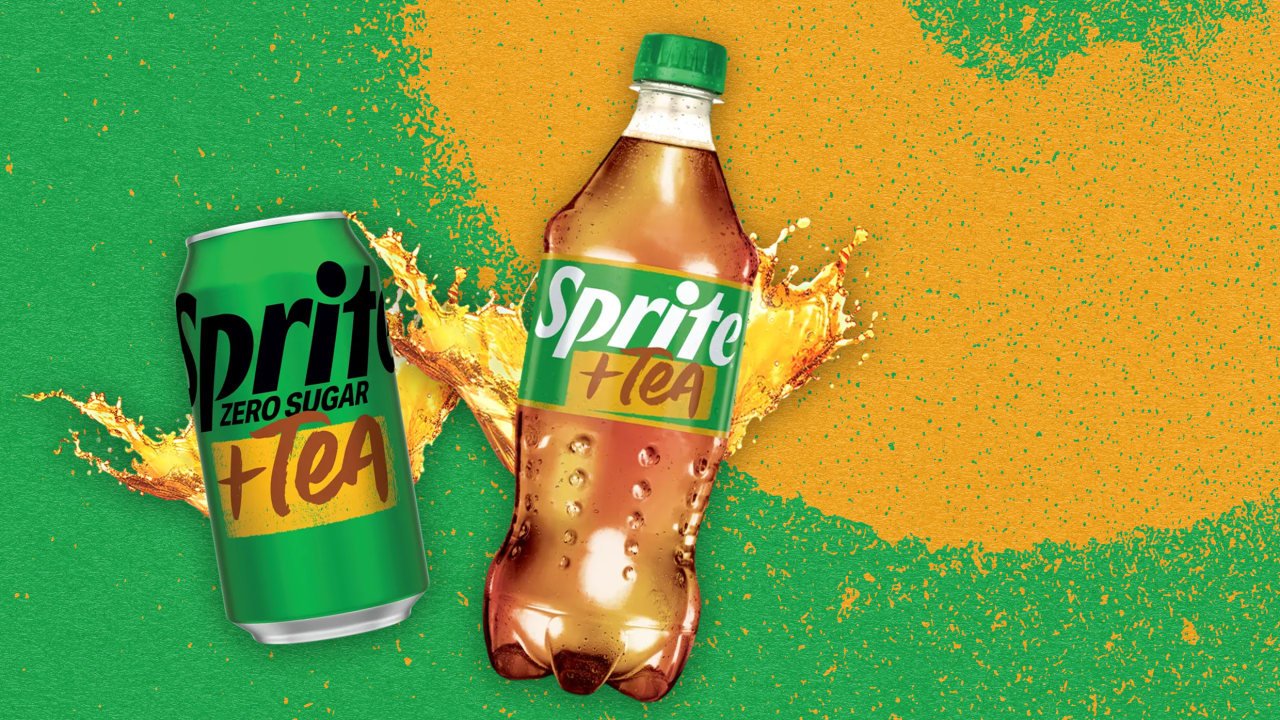
The Coca-Cola Co. just announced its newest limited-time soda, and it’s a combination of Sprite and tea that was initially floated by a team of interns six years ago. Sprite + Tea just hit shelves earlier across the U.S. and Canada, and is expected to remain on the market through October. The soda is available in both regular and zero-sugar varieties, and, according to a press release, it “blends the crisp, lemon-lime refreshment of Sprite with the classically refreshing flavor of tea.” The new product arrives just a month after Coca-Cola announced better-than-anticipated first-quarter 2025 financial results, logging a 2% year-over-year revenue decline but maintaining its growth forecasts for 2025, unlike rival PepsiCo. For years now, Coca-Cola has been experimenting with new, unexpected flavor combinations designed to attract younger consumers, ranging from Spiced Coke to last summer’s Sprite Chill and the ever-popular seasonal rerelease Sprite Winter Spiced Cranberry. Most recently, the company introduced Orange Cream Coke, citing “growing demand among millennials and Gen Z-ers for fun, unexpected tastes and sensory experiences” as the inspiration behind the nostalgic flavor. Unlike these other flavor plays from the company, Sprite + Tea might already be familiar to many fans. That’s because before it became an official product, the soda started as an idea floated by Coca-Cola interns that later became a viral DIY TikTok trend. TikTok saw it first In an interview with Ad Age, Coca-Cola Co. senior creative director A.P. Chaney explained that Sprite + Tea first landed on executives’ radars back in 2019, when a group of interns pitched a combination of the two beverages. “It was an R&D project, and interns were asked to come up with different innovations and marketing ideas for different brands, and Sprite + Tea was an ideation of that,” Chaney told Ad Age. From there, the idea seems to have sat on the back burner until summer 2023, when a DIY Sprite tea started popping up on TikTok. In an initial TikTok by Malaysian chef Hisham Raus, Raus is shown steeping Lipton tea bags in a regular bottle of Sprite and enjoying the concoction with a slice of lemon. The video, which has since racked up 19.8 million views and 1.3 million likes, has spawned dozens of copycat videos across platforms like YouTube Shorts and Instagram Reels. Food influencer @shophocho7798 re-created the concept in a YouTube video with 3.7 million views, calling the result “literally a carbonated Arnold Palmer.” In another YouTube short with 8.3 million views, creator Jordan Howlett declared the hack “delicious” and encouraged his 4.4 million subscribers to give it a try. “When [the trend] blew up on TikTok with millions of views, it was a gut check that we were on the right track,” Chaney said in the company’s press release. While it’s unlikely that Coca-Cola is actually using the tea bag hack to mass-produce Sprite + Tea, the release does note that Coca-Cola’s North American R&D team “completed several rounds of consumer testing to fine-tune the formula for the amber-colored sparkling beverage.” For Coca-Cola, Sprite seems to be a reliable base for flavor remixes: In 2024, the limited-time Sprite Chill became the company’s best-selling drink innovation, and Sprite Winter Spiced Cranberry has returned several times as a holiday fan favorite since 2013. Meanwhile, the recent Spiced Coke experiment was phased out after just six months when it failed to land with customers. TikTok is already flooded with videos of fans trying Sprite + Tea, with some reviews commending the drink’s “strong tea flavor,” while others recommend that viewers stick with the DIY version. View the full article

-
A recent deal involving a troubled Texas bank shows that even the most lopsided depository can find an exit. View the full article

-
Soon it won’t be a case of “Should I, or shouldn’t I optimize for AI Overviews?” If you want any chance of search visibility, you’ll need to understand how to rank in Google’s AI results. With this new reality in…Read more ›View the full article
-
See if RACI Matrix in Agile is useful or not to clarify roles, improve collaboration, and streamline decision-making for better project success. The post Raci Matrix in Agile Project Management appeared first on project-management.com. View the full article
-
A few years ago, a sales executive I worked with found himself in a difficult position. His company was under review for a potential buyout, and his director asked him to present a version of the company’s story that, while technically true, left out critical details. The omission would make the company look healthier than it was, protecting its valuation and the leadership team’s positions post-acquisition. He knew this wasn’t an outright lie, but it didn’t feel honest either. Was this just strategic messaging or something more ethically concerning? And how could he navigate this without jeopardizing his reputation or future at the company? A third path He chose a third path. Instead of outright refusal, which might have been career-limiting, he started by asking clarifying questions. What was the real outcome that the leadership team wanted? Was there a way to tell a fuller, more balanced story that acknowledged challenges while highlighting future opportunities? In the end, he was able to get leadership buy-in to reframe the story to focus on how the company had learned from its struggles and was taking steps to improve. It wasn’t a spin. It was honest, forward-looking, and hopeful. The CEO praised the approach, and the executive maintained his integrity without derailing his career. The Institute of Business Ethics found in a study that one in three employees felt pressured to compromise the business’s ethical standards. Many comply out of fear—worried they’ll face retaliation, be labeled “difficult,” or lose opportunities. But there are ways to push back without risking your career. UNDERSTAND BEFORE OBJECTING When confronted with a questionable request, most people respond in one of two ways: They comply out of fear or they push back immediately, putting their job security at risk. There’s a better first step: Push to understand. Not all uncomfortable requests are unethical. Some are simply poorly communicated or misaligned with your values. Clarify: Start by seeking to fully understand the request. You may find the issue is one of discomfort rather than unethical intent. Question: Explore the outcomes they want and whether the request achieves those goals in the best way. Asking thoughtful questions often makes leaders rethink their approach on their own. Redirect: If appropriate, propose a solution that meets the same business objectives without compromising integrity. For example, rather than omitting challenges, highlight how those challenges spurred innovation or improved future outcomes. These conversations can reveal that the person making the request is open to alternatives, they just hadn’t thought of them yet. UNETHICAL VERSUS ILLEGAL If you’ve clarified, questioned, and still feel uncomfortable, it’s important to assess whether the request is merely unethical or actually illegal. That distinction determines your next move. If the request is illegal, you will want to tread carefully. If you feel psychologically safe, it can be helpful to start communicating via email to keep a digital trail (although it is possible that your manager will cover their trail by refusing to engage on email). Further, if your company has an HR department, you can share the request with them along with expressing your discomfort. One friend who works in compliance found himself in this exact situation. His manager asked him to manipulate data, a clear violation of regulations. He responded by email, explicitly stating why the request was illegal and citing the relevant regulatory code. He was never asked to do it again. Sometimes, simply stating the facts is the most powerful shield you have. However, if the request is unethical but not necessarily illegal, your next move should be a personal decision that minimizes future regret. REGRET MINIMIZATION FRAMEWORK If you’re facing this kind of dilemma, it’s already a bad situation. There’s no playbook that guarantees success or protection. Sometimes, doing everything “right” still results in backlash or career limitations. This is why I recommend applying what’s called the “regret minimization framework. Ask yourself: If I look back on this 10 years from now, will I regret how I handled it? This is the core of the regret minimization framework, a decision-making tool made famous by Jeff Bezos. It doesn’t promise a perfect outcome. But it helps you act in a way that minimizes long-term regret, even if it leads to short-term discomfort. When you apply this framework, you’re not just considering whether you’ll keep your job next month. You’re asking which version of yourself—today’s self or your future self—you want to protect more. Do you want to be someone who went along to keep the peace? Or someone who held the line when it mattered? This doesn’t mean you have to become a whistleblower or burn bridges. It simply means choosing the actions that leave you at peace with yourself, knowing you did what you could with the power and information you had at the time. View the full article

-
The temperatures are heating up and school’s almost out for the summer. Before we fully dive into the warmer months and vacations, we get a mini-break in the form of Memorial Day weekend—a preview of coming attractions—but it requires some planning ahead because today (Monday May 26, 2025) is a federal holiday. Let’s take a look at a brief history of the day and what business and services will be closed to observe it. A brief history of Memorial Day Memorial Day has its roots in the aftermath of the Civil War. On May 30, 1868, John A. Logan, commander in chief of the Grand Army of the Republic, declared the first national observance of Declaration Day, Memorial Day’s predecessor, on which flowers were placed on Union soldiers’ graves. Even before this declaration, there were many similar Confederate customs. Many cities on both sides claim to be the originators of the holiday. As more battles were fought, the holiday evolved beyond a single conflict to honor and mourn all service members who lost their lives in the line of battle. It became an official federal holiday in 1971 after a 1968 law, the Uniform Monday Holiday Act, was enacted by Congress. This moved the holiday from May 30 to the last Monday in May, giving many traditional American workers a three-day weekend. Memorial Day vs. Veterans Day Many mix up or confuse Memorial Day and Veterans Day. The former celebrates service members who have died in the line of battle. The latter takes place in November and celebrates all American veterans. Are banks open on Memorial Day? No. Major money transactions that require going inside a bank are going to have to wait as these institutions are closed on federal holidays. Are ATMs open on Memorial Day? Yes. Luckily, for simpler deposits and withdrawals, automated teller machines located outside of the branch are available. Is the post office open on Memorial Day? No. You won’t be able to run into a post office on Memorial Day as the United States Postal Service (USPS) is not open for business. Buy stamps and send big packages ahead of time. Is mail delivered on Memorial Day? No. Bills and postcards will be delayed a day, as postal mail is not delivered on Memorial Day. Are FedEx and UPS operating on Memorial Day? According to the 2025 FedEx holiday schedule, only FedEx Custom Critical services will be available. FedEx Office will have a modified schedule while FedEx, FedEx Freight, and FedEx Logistics are closed. According to the 2025 UPS holiday schedule, only UPS Express Critical services are available. Limited UPS store locations will be open. UPS Forwarding, UPS Domestic Ground, Air, and International are all closed for the holiday. Is the stock market open on Memorial Day? No. You will have to buy and sell another day. The New York Stock Exchange (NYSE) and the Nasdaq exchange are closed. Are schools open on Memorial Day? No. Students and teachers typically get the day off for Memorial Day. That being said, it is a good practice to double check your own school’s calendar to verify this. Are restaurants open on Memorial Day? Yes. Most restaurants are open and hoping to take advantage of the three-day weekend revenue. This includes fast food chains such as McDonald’s and sit-down chains such as Applebee’s. For smaller mom-and-pop-type places, it’s best to double check that they didn’t take the day off. Are pharmacies open on Memorial Day? Typically, yes. Most Walgreens and CVS locations will be open, but they may have modified hours. Be sure to check your local location ahead of time, especially if you need your medication in a pinch. Moreover, independent pharmacies may be closed. Are stores and groceries open on Memorial Day? For the most part, yes. Big-box retailers like Walmart and Target are open on Memorial Day, according to a roundup from USA Today. If you need a last-minute bottle of ketchup or mustard for your hamburgers and hot dogs, you are covered. Trader Joe’s, Kroger, and many more have your back. The majority of large supermarket chains will be open for all your family barbecue needs. Costco, however, will be closed, so buy in bulk ahead of time. View the full article

-
The temperatures are heating up and school’s almost out for the summer. Before we fully dive into the warmer months and vacations, we get a mini-break in the form of Memorial Day weekend—a preview of coming attractions—but it requires some planning ahead because today (Monday May 26, 2025) is a federal holiday. Let’s take a look at a brief history of the day and what business and services will be closed to observe it. A brief history of Memorial Day Memorial Day has its roots in the aftermath of the Civil War. On May 30, 1868, John A. Logan, commander in chief of the Grand Army of the Republic, declared the first national observance of Declaration Day, Memorial Day’s predecessor, on which flowers were placed on Union soldiers’ graves. Even before this declaration, there were many similar Confederate customs. Many cities on both sides claim to be the originators of the holiday. As more battles were fought, the holiday evolved beyond a single conflict to honor and mourn all service members who lost their lives in the line of battle. It became an official federal holiday in 1971 after a 1968 law, the Uniform Monday Holiday Act, was enacted by Congress. This moved the holiday from May 30 to the last Monday in May, giving many traditional American workers a three-day weekend. Memorial Day vs. Veterans Day Many mix up or confuse Memorial Day and Veterans Day. The former celebrates service members who have died in the line of battle. The latter takes place in November and celebrates all American veterans. Are banks open on Memorial Day? No. Major money transactions that require going inside a bank are going to have to wait as these institutions are closed on federal holidays. Are ATMs open on Memorial Day? Yes. Luckily, for simpler deposits and withdrawals, automated teller machines located outside of the branch are available. Is the post office open on Memorial Day? No. You won’t be able to run into a post office on Memorial Day as the United States Postal Service (USPS) is not open for business. Buy stamps and send big packages ahead of time. Is mail delivered on Memorial Day? No. Bills and postcards will be delayed a day, as postal mail is not delivered on Memorial Day. Are FedEx and UPS operating on Memorial Day? According to the 2025 FedEx holiday schedule, only FedEx Custom Critical services will be available. FedEx Office will have a modified schedule while FedEx, FedEx Freight, and FedEx Logistics are closed. According to the 2025 UPS holiday schedule, only UPS Express Critical services are available. Limited UPS store locations will be open. UPS Forwarding, UPS Domestic Ground, Air, and International are all closed for the holiday. Is the stock market open on Memorial Day? No. You will have to buy and sell another day. The New York Stock Exchange (NYSE) and the Nasdaq exchange are closed. Are schools open on Memorial Day? No. Students and teachers typically get the day off for Memorial Day. That being said, it is a good practice to double check your own school’s calendar to verify this. Are restaurants open on Memorial Day? Yes. Most restaurants are open and hoping to take advantage of the three-day weekend revenue. This includes fast food chains such as McDonald’s and sit-down chains such as Applebee’s. For smaller mom-and-pop-type places, it’s best to double check that they didn’t take the day off. Are pharmacies open on Memorial Day? Typically, yes. Most Walgreens and CVS locations will be open, but they may have modified hours. Be sure to check your local location ahead of time, especially if you need your medication in a pinch. Moreover, independent pharmacies may be closed. Are stores and groceries open on Memorial Day? For the most part, yes. Big-box retailers like Walmart and Target are open on Memorial Day, according to a roundup from USA Today. If you need a last-minute bottle of ketchup or mustard for your hamburgers and hot dogs, you are covered. Trader Joe’s, Kroger, and many more have your back. The majority of large supermarket chains will be open for all your family barbecue needs. Costco, however, will be closed, so buy in bulk ahead of time. View the full article

-
Polaroid’s new collaboration with the Metropolitan Museum of Art (MoMA) is designed to make your retro photos look like colorful works of pop art—and it feels like a flashback to 2014. The partnership includes two exclusive items: an $130 Polaroid camera and a separate $22 set of eight custom film frames. The camera itself is an analog instant camera—specifically, Polaroid’s Now Generation 3 model—rendered in a bright blue housing, complete with the “MoMA” wordmark in a lighter blue across the front. Included with the device are three neon, MoMA branded wrist straps to customize the look. Where the collaboration really shines is with its custom Polaroid film frames. The MoMA and Polaroid teams have designed 12 unique frames, each in high-octane color combinations like turquoise and bright red or lemon yellow and blue. Six of the frames feature the MoMA logo, while the other six come pre-captioned with quotes from artists including Carmen Herrera, Betye Saar, Meret Oppenheim, and Milton Glaser. You might receive a quote like, “I am interested in restless ideas,” by An-My Lê, or “If one truly loves nature, one finds beauty everywhere,” by Vincent Van Gogh. It’s a cute, if corny, concept that feels like it would’ve gone instantly viral in Tumblr’s hey-day of quote posting and aesthetic collages. According to a press release, the collab is intended to “capture the ethos of those who dared to see the world differently and invite today’s creatives to do the same.” For anyone who’s interested in the camera but not the inspiring quotes, the device is also compatible with regular Polaroid i-Type film. This new collection is one of several recent collaborations that Polaroid has produced based on design and art icons, including an Eames-inspired Now Generation 2 camera and another Now Generation 2 that’s fully decked out in imagery from Jean-Michel Baquiat’s artwork Boy and Dog in a Johnypump. View the full article

-
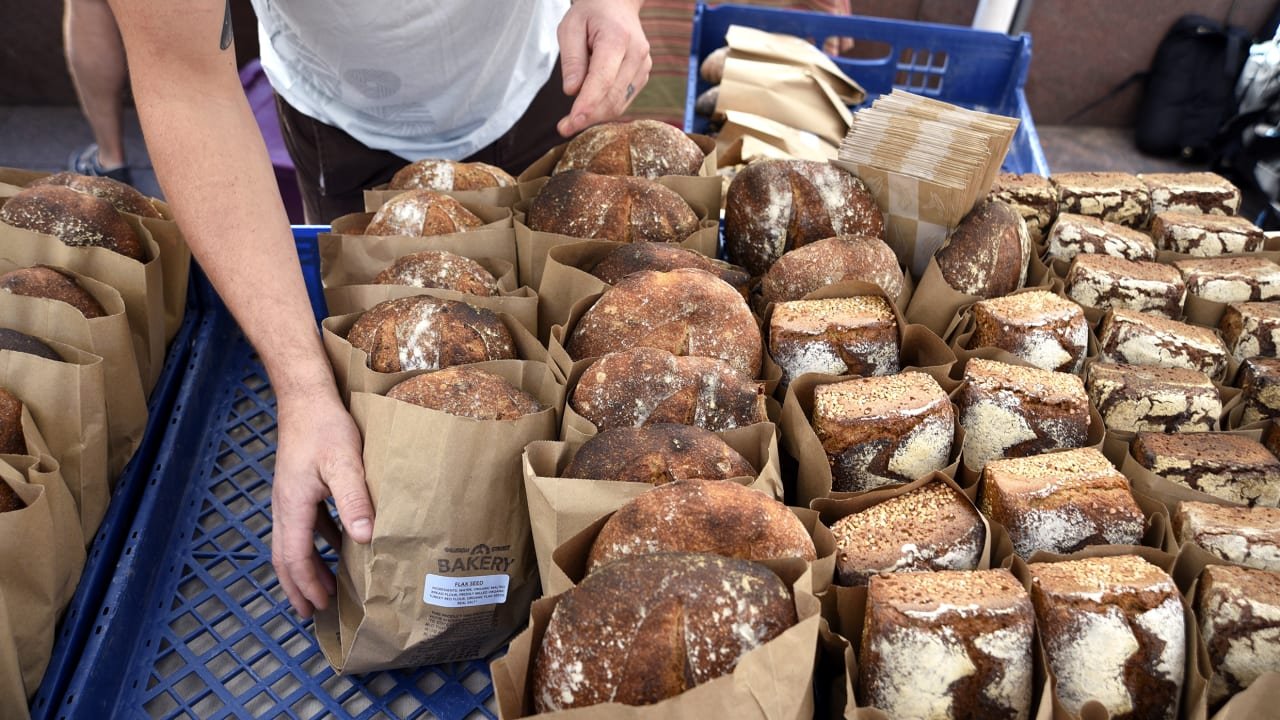
Visit just about any downtown on a weekend and you will likely happen upon a farmers market. Or, you might grab lunch from a food truck outside a local brewpub or winery. Very likely, there is a community-shared kitchen or food entrepreneur incubator initiative behind the scenes to support this growing foodie ecosystem. As rural America gains younger residents, and grows more diverse and increasingly digitally connected, these dynamics are driving a renaissance in craft foods. One food entrepreneur incubator, Hope & Main Kitchen, operates out of a school that sat vacant for over 10 years in the small Rhode Island town of Warren. Its business incubation program, with over 300 graduates to date, gives food and beverage entrepreneurs a way to test, scale and develop their products before investing in their own facilities. Its markets also give entrepreneurs a place to test their products on the public and buyers for stores, while providing the community with local goods. Food has been central to culture, community and social connections for millennia. But food channels, social media food influencers and craft brews have paved the way for a renaissance of regional beverage and food industry startups across America. In my work in agriculture economics, I see connections between this boom in food and agriculture innovation and the inflow of young residents who are helping revitalize rural America and reinvigorate its Main Streets. Why entrepreneurs are embracing rural life An analysis of 2023 U.S. Census Bureau data found that more people have been moving to small towns and rural counties in recent years, and that the bulk of that population growth is driven by 25- to 44-year-olds. This represents a stark contrast to the 2000s, when 90% of the growth for younger demographics was concentrated in the largest metro areas. The COVID-19 pandemic and the shift to remote work options it created, along with rising housing prices, were catalysts for the change, but other interesting dynamics may also be at play. One is social connectedness. Sociologists have long believed that the community fabric of rural America contributes to economic efficiency, productive business activity, growth of communities and population health. Maps show that rural areas of the U.S. with higher social capital – those with strong networks and relationships among residents – are some of the strongest draws for younger households today. Another important dynamic for both rural communities and their new young residents is entrepreneurship, including food entrepreneurship. Rural food startups may be leveraging the social capital aligned with the legacy of agriculture in rural America, resulting in a renewed interest in craft and local foods. This includes a renaissance in foods made with local ingredients or linked to regional cultures and tastes. According to data from the National Agricultural Statistics Service, U.S. local sales of edible farm products increased 33% from 2017 to 2022, reaching $14.2 billion. The new ‘AgriCulture’ A 2020 study I was involved in, led by agriculture economist Sarah Low, found a positive relationship between the availability of farm-based local and organic foods and complementary food startups. The study termed this new dynamic “AgriCulture.” We found a tendency for these dynamics to occur in areas with higher natural amenities, such as hiking trails and streams, along with transportation and broadband infrastructure attractive to digital natives. The same dynamic drawing young people to the outdoors offers digital natives a way to experience far-reaching regions of the country and, in some cases, move there. A thriving food and beverage scene can be a pull for those who want to live in a vibrant community, or the new settlers and their diverse tastes may be what get food entrepreneurs started. Many urban necessities, such as shopping, can be done online, but eating and food shopping are local daily necessities. Governments can help rural food havens thrive When my colleagues and I talk to community leaders interested in attracting new industries and young families, or who seek to build community through revitalized downtowns and public spaces, the topic of food commonly arises. We encourage them to think about ways they can help draw food entrepreneurs: Can they increase local growers’ and producers’ access to food markets? Would creating shared kitchens help support food trucks and small businesses? Does their area have a local advantage, such as a seashore, hiking trails or cultural heritage, that they can market in connection with local food? Several federal, state and local economic development programs are framing strategies to bolster any momentum occurring at the crossroads of rural, social connections, resiliency, food and entrepreneurship. For example, a recent study from a collaboration of shared kitchen experts found that there were over 600 shared-use food facilities across the U.S. in 2020, and over 20% were in rural areas. In a survey of owners, the report found that 50% of respondents identified assisting early-growth businesses as their primary goal. The USDA Regional Food Business Centers, one of which I am fortunate to co-lead, have been bolstering the networking and technical assistance to support these types of rural food economy efforts. Many rural counties are still facing shrinking workforces, commonly because of lagging legacy industries with declining employment, such as mining. However, recent data and studies suggest that in rural areas with strong social capital, community support and outdoor opportunities, younger populations are growing, and their food interests are helping boost rural economies. Dawn Thilmany is a professor of agricultural economics at Colorado State University. This article is republished from The Conversation under a Creative Commons license. Read the original article. View the full article
-
Conferences can be great for creating energy and fueling motivation. I recently attended a creative living workshop led by Elizabeth Gilbert at Canyon Ranch in Tucson, Arizona. I left feeling ready to take on the world. Unfortunately, that feeling can fade when you log off the computer, step off the plane, or simply reenter normal life. For me, my feeling of confidence towards more creative projects started to dwindle and imposter syndrome reentered my internal dialogue. “Inspirational environments trigger a dopamine response that temporarily alters our baseline state, creating what neuroscientists call a peak state,” says Andrew Hogue, co-CEO of the nervous system wellness app Neurofit. “But this physiological shift has evolved to be temporary. Your nervous system naturally regulates back to its usual set point once you return to everyday life.” While it’s natural for the excitement to wane, there are things you can do to relight the fire. Here are five ways to keep the energy going: Start Small Resist the urge to overhaul yourself with everything you just learned immediately, say Corry Frazier and Melissa Pepin, entrepreneur business coaches at The Business Reboot. Instead, give yourself time to sit with these fresh ideas and see what resonates. “What aligns best with you?” asks Frazier. “Think of it like waiting 24 hours before making a big purchase—if it still feels like the right move after some reflection, then it’s worth pursuing.” Darcy Eikenberg, author of Red Cape Rescue: Save Your Career Without Leaving Your Job, recommends reserving an extra day after the conference for reflection. “Too often we rush back into our daily lives, losing both the energy and the value of the new learning we’ve had,” she says. “Instead, think about this extra day as the way to make sure your investment in the conference pays off. … Review your goals and reassess where you are and where you want to go.” But Don’t Wait Too Long While you should be mindful of your next step, it’s also smart to take advantage of your heightened motivation before life takes over. Patrice Williams-Lindo, CEO of Career Nomad, a career strategist, recommends blocking one hour the week after to act on your biggest takeaway—the idea that “hit you like a lightning bolt.” “Capture that insight, then break it down into micro-actions,” she says. “Instead of ‘I need to build my personal brand,’ reframe it into three doable steps, such as ‘update my LinkedIn bio, post one thought leadership piece, reach out to a potential mentor.’” Share What You Learned One of the best ways to reinforce what you learned and remember how you felt is to share your experience publicly, such as posting on LinkedIn or another social media platform, says Eikenberg. “Writing about a conference also allows you to show appreciation for key speakers or even the organizers, all who value knowing how their event helped,” she says. Shanna Hocking, author of One Bold Move a Day: Meaningful Actions Women Can Take to Fulfill Their Leadership and Career Potential, recommends keeping the information fresh by bringing it back to your coworkers. “Teach what you learned to others, which extends the learning for you and your team,” she says. Measure Your Actions Results build momentum that can fuel excitement, says Pepin. “You won’t always feel the same high you did right after the retreat, and relying on a feeling to sustain is unrealistic,” she says. “Instead, commit to showing up consistently, again and again, because, in the end, discipline and persistence truly elevate your success. Williams-Lindo recommends creating a 90-day challenge. “Real transformation happens in the trenches, not just in the moment,” she explains. “Assign yourself a 90-day implementation goal—whether it’s launching that side hustle, refining your leadership style, or mastering AI tools for work.” Create Environmental Triggers Finally, consider your physical environment, which has a powerful influence on your physiology, says Hogue. To take advantage of this, choose one specific object from the conference and place it in your primary workspace. “[It] can help you remember the physiological feelings associated with your inspired state,” he says. “Additionally, if there were any specific scents, songs, or sounds associated with the event, these are also a very powerful way to access the associated memories.” Hocking also recommends keeping visual reminders of the retreat or conference nearby. “Display your notes, a quote, or a visual by your desk so your learning and commitment are front of mind,” she says. At the end of the Creative Living retreat, Gilbert asked us to review our notes and circle five sentences or phrases that held the greatest meaning. Then we combined them into a five-line piece of “motivational poetry.” This is now pinned to the bulletin board in my workspace. Sustainable motivation over time comes from working with your body, says Hogue. “By doing so, you can maintain your inspiration long after that latest conference or event has passed,” he says. View the full article

-
There are no definitive “growth hacks” for increasing the number of followers on your Instagram account — but there are still plenty of things you can do to build your Instagram growth strategy. Here are 13 steps you can take for organic Instagram growth in the order we recommended doing them. Before we dive in: If you’re just starting with Instagram for your business or as a creator, the first step is to tighten the nuts and bolts of your Instagram presence. Don't fall for the temptation to buy fake followers — it'll only hurt you in the long run. The first few tactics in this guide cover the basics and are particularly relevant to new creators or businesses. Even if you’re a seasoned Instagrammer, it’s worth making sure you have the essential boxes ticked before moving on. If you are, don't worry: there's plenty of guidance in this guide for intermediate and advanced creators, too. Let's get into them all. At a glance: 13 ways to get more Instagram followers 1. Add keywords to your username and name 2. Optimize your Instagram bio 3. Cross-promote your Instagram handle on other channels 4. Find your best times to post on Instagram 5.Build an Instagram marketing strategy 6. Write compelling captions 7. Use relevant hashtags and keywords 8. Understand your analytics 9. Collaborate with Instagram creators or other small businesses 10-Experiment with different types of Instagram posts 11. Talk to your audience in comments and stories 12. Avoid buying fake followers 13. Get verified on Instagram 1. Add keywords to your username and nameThe Instagram algorithm prioritizes search results containing keywords in the name and username. Your username is your Instagram handle (your profile’s @name): Keep this the same as your company’s name and/or consistent with your profile’s username on other social channels to be instantly identifiable.Your name is your or your company’s name (or anything you like): Add relevant keywords here that your target audience would search for to improve your visibility.For example, creator Hannah Hargrove has the keywords “Baby + Toddler Nutrition” on her Instagram account, right next to her name. Her username is also “tinyeatersnutrition” — these specifics instantly tell you what to expect from her Instagram account. Instagram users searching for “toddler nutrition” will also find her account pop up in search (that’s how I found her!) — helping her gain more Instagram followers. Adding relevant keywords is also an opportunity to tell who you are and what you sell to new followers at a glance — since it's the first thing someone sees when they land on your profile. 💡Remember: Don't stuff too many keywords within your Instagram nameplate. It'll come across as spammy and water down their purpose. Use just a few phrases that tell people what your Instagram account is about.2. Optimize your Instagram bioWhen you think of how to get more followers on Instagram, you might not think of the Instagram bio. But the bio is a crucial part of your Instagram feed — it tells other Instagram users who you are and what you do in a few sentences. There are four elements you need to nail to unlock the perfect Instagram bio: A straightforward description of what you do and/or what you sellA stroke of brand personalityA clear call to actionA linkYour Instagram bio is only 150 characters. But it’s what makes or breaks your first impression on potential followers and customers. The science behind Instagram bios is to make them clear, creative, and complete. Anyone reading it should instantly know what your company does, how it can help them, and where they can learn more. The skincare company, Kinship, is an excellent example of how to ace the Instagram bio. They use the right Instagram category for their account (health/beauty) to instantly establish their niche. Following this is one line about their brand mention, another about what they sell, and the last one of their strongest features. In the end, they’ve added multiple links for their Instagram followers to learn more. ✅Pro-tip: Track which calls to action drive the most clicks on Instagram. Crafting the perfect Instagram bio involves examining different iterations to see what ‘clicks’ (pun intended) with your new followers.The link in bio is your chance to redirect your Instagram followers to an external page. You can add your company’s website or keep updating it based on your recent Instagram posts. But if you want to go the extra mile, use link-in-bio tools like Buffer’s Start Page to combine all your URLs into one landing page — like photographer Ryan Johnson: You can customize this Start Page using Buffer as much as you like to make it more on-brand for your Instagram followers. There are in-depth statistics about link clicks for each URL, too. 3. Cross-promote your Instagram handle on other channelsRedirecting potential customers from other channels to your Instagram account is an easy way to gain more Instagram followers quickly — especially if you already have a strong presence on other social media platforms. For example, at Buffer, we add our Instagram link on our website footer. There are various ways to cross-promote to increase your follower count. Add your Instagram page’s link to: Your product packagingYour blogs (when relevant)Marketing and transactional emailsYour website’s footer and/or sidebarSocial media posts from team membersYour and your employees’ email signatureBios on other social media platforms like TikTok and YouTubeNetworking events and webinars (Use your profile’s Instagram QR code for in-person events)The best part? Cross-promotion will help you increase the probability of being in front of relevant users on Instagram. Existing followers from other social media platforms likely already know you and the kind of content you create — they’re quality followers; the ones who are most likely to enjoy and engage with your Instagram posts. 4. Find your best times to post on InstagramSharing your posts when your Instagram followers are online increases your chances of coming in front of new audiences and getting more reach on your Instagram posts, too. And when you gain additional reach, you also get more Instagram followers. According to our analysis of over two million Instagram posts, the best time to post on Instagram is generally between 3 p.m. to 6 p.m. on weekdays. If you want to dig deep into the numbers and how we arrived at this statistic, check out our YouTube video: But if you want to understand when your followers are online, Instagram insights can tell you that in four simple steps: 1. Open your Instagram app and navigate to insights using the hamburger menu (the three horizontal lines) on your account. If you’re on Instagram web, just click on “Dashboard.” 2. Click on “Total followers” if you’re on the Instagram app or select “Account” if you’re on the web. 3. Scroll down to the bottom of this page and look for “Most active times” to understand when your Instagram followers are the most active. You’ll be able to toggle between hours for every day of the week or look at specific days. Want to take it up a notch? Use Buffer’s analytics to determine the best times to post, the best types of posts, and the best post frequency — all in one tab. Buffer uses data from your previous posts and followers’ activity and organizes the numbers in a way that’s easy to understand. Along with the time, also consider when your Instagram posts would be more relevant logically. A step-by-step video recipe will perform better after working hours when people cook. On the other hand, coffee shop Instagram Stories might do better at the 2 p.m. afternoon slump. Experiment with posting times to determine when you reach new audiences (and gain new followers!). Now we’re moving on from the fundamental tips into intermediate territory. We recommend completing steps 1 through 5 before tackling the rest of this list. 5. Build an Instagram marketing strategyHaving a clear idea of where Instagram fits into your overall social media marketing strategy will not only help you gain more followers, but also help you get more relevant content ideas for Instagram. But how do you create an Instagram growth strategy? Step 1: Get clear on your goals Instead of learning how to get more followers on Instagram, step back and reflect on what you plan to do with your follower count. Do you want to build a personal brand? Or raise brand awareness about your company? Perhaps you want to drive website traffic. Maybe you want to collect more user-generated content. Whatever it is, define it clearly — with measurable milestones — to put intention behind your Instagram strategy. Clarifying your goal dictates the content you post, your call-to-actions, and keeps your Instagram feed on-brand. Step 2: Get a 360-view of your target audience Knowing the basic demographics is crucial. But also go beyond that and deeply understand what your audience struggles with and how you can help them resolve their challenges using your Instagram content strategy. This will allow you to create content that truly resonates with your community — helping you gain more Instagram followers. Natasha Pierre — creator and host of the Shine Online Podcast — says losing sight of your ideal follower in exchange for virality is the single biggest mistake creators make. “People often focus so much on going viral and reaching as many people as possible that they lose sight of the ideal follower they're trying to reach,” she says. “You could go viral today, and if you're reaching mostly the wrong people, chances are it won't result in them following you. [Even if they do], it would lead to Instagram followers who aren’t engaged.” “Taking the time to reflect on who your ideal follower is will help you create specific-to-them content which will not only result in better growth but quality new followers.” Step 3: Define your brand voice and aestheticEven if you’re a creator and not a company, it’s worth crafting a social media marketing voice that’s uniquely you, so Instagram users can identify your posts without seeing the username. Brand voice is hard to track or quantify, but it’s non-negotiable to be memorable. On Instagram, you can also define your aesthetic along with your brand voice. Use brand colors, stick to a consistent content theme, and have a personality. 💡Remember: If you’re a small business, remember that your social media marketing voice shouldn’t differ vastly from your general brand voice. Reflect your company values on and off the app.Step 4: Create content pillar themes and stick to them Decide on a niche for your Instagram account. Have a few overarching topics you’ll post about, and don’t deviate from them too much. This has many benefits: You don’t have to constantly reinvent the wheel for brainstorming great content ideasYour Instagram community starts recognizing you for the type of content you createYou don’t get distracted by the new, shiny thing, and keep revising your Instagram strategy✅Pro tip: Do the best ideas come to you while doing the dishes or walking the dog? Because, same. Use the Create space inside Buffer to store these thoughts whenever creativity sparks.Step 5: Create a content calendar and post consistentlyHere’s a not-so-surprising fact: The more you post on Instagram, the more you increase your chances of reaching more people, thereby gaining more Instagram followers. Buffer’s research also confirms this: posting consistently gets you five times ( 🫨) more engagement than inconsistent posting. Instagram recommends posting at least 10 reels per month. But take this number with a grain of salt: sharing more content doesn’t necessarily equate to Instagram growth, especially if you’re burning out or creating low-quality content to meet a specific frequency. Adam Mosseri, head of Instagram, says, “I have found that more important than frequency is having patterns or series. So, I don't have to think about what I am going to do,” he says. “I just know on Fridays, [my audience] can ask me anything on stories. I try to post at least one video a week about either a new feature or an explainer, or what I call a hidden gem.” So, if you can consistently share four reels per month, stick to that frequency rather than trying to share two reels a week and crashing three weeks later. Stick to a sustainable frequency for the long-haul. A smarter way to create more content sustainably is to repurpose your existing content. This doesn’t just mean repurposing content you’ve posted on previous channels (though that is a great option, if you’re not doing that already) but also within the same platform. Don’t be afraid of tweaking content that performed well and sharing it again. As creators or marketers, we often make the assumption that all of our followers have seen every single piece of content we create, but in reality, only a small portion of our audience will see a particular post. As long as you’re clever with your tweaks, content repurposing can save you loads of time and energy. Some examples could be to turn a series of Instagram stories into a reel or an insightful caption into a poignant video. Here’s a great example of the latter from @stanforcreators: Another smart way to stick to consistent posting (on any platform) is to create a content calendar — a document sharing exactly what you need to post and when. If you’ve created and scheduled posts to go out in advance, you aren’t relying on inspiration to stick to your posting schedule. Content batching is the method of creating social media posts in bulk so you can add them to your content calendar. What about trending content? Leave some gaps in your content calendar to mix both evergreen and trending content. This way, you have a healthy mix of both in your Instagram strategy. Instead of manually posting the posts in your content calendar, use Instagram scheduling tools like Buffer to automate the process. Using a software is better than using Instagram’s native scheduling feature because you can schedule posts on multiple platforms, respond to comments, and analyze your Instagram posts — all under one roof! Buffer’s visual content calendar also gives you a bird’s eye view of what you have coming up and spot the content gaps you need to fill. 6. Write compelling captionsIt’s enticing to skimp on Instagram captions when you’ve toiled to create the perfect carousel or video. But Instagram captions hold more weight than you think: They can either nudge someone to follow you or scroll past you without looking. Plus, the longer someone lingers on a post — particularly a reel — is a strong signal to the Instagram algorithm that your content holds value. So give folks something to read. For example, wellness brand Cosmix doesn’t simply write, “shop on our website!” on its Instagram posts. It explained the ingredients used, how their products help specific issues, and mentions the studies that back up their claims. Writing the perfect Instagram caption is about understanding your audience and the context of your post. If you’re writing an educational post, it makes sense to have a longer caption. But when you’re sharing an aesthetic product image, shorter is sweeter. Similarly, also think about captions based on content formats: Instagram Stories need a shorter caption (or text on media) because your followers view them quickly, but carousel posts might need more context. If coming up with cheeky captions isn’t your forte, try Buffer’s AI assistant to have a rough first draft in seconds. For example, if you’re a skincare brand and want to post about wearing sunscreen indoors, write it as a prompt for Buffer. ✅Pro-tip: Remember to make the first line count! You can only see one to two lines of the Instagram caption while scrolling your feed, so a headline that leaves a curiosity gap and stops the scroll is crucial.If you need more inspiration, Buffer also has a template library to help you scour through hundreds of ideas for your captions and posts. You can also filter them based on post type (hot take, opinion, promotion, etc.), goal, format, and creator type (individual vs. business). Whenever you’re in a creative slump about what to post and how to write a captivating caption, just go on to the template library and scroll until you find something interesting you can use! This feature is in beta, and we expect to roll it out more widely soon. If you want to access it sooner, here’s how to turn on beta features. 7. Use relevant hashtags and keywords People often search for relevant keywords and hashtags to find the type of content they’re looking for. If you rank for these searches, you expose your Instagram content to potential followers. Keywords: Use keywords related to your post (without stuffing them). Think of the phrases and words your audience might be using to search for the type of content you’re creating. Instagram picks up keywords from captions, visuals, and hashtags — so use the relevant keywords in all these places.Hashtags: How many hashtags should you use? Instagram recommends using three to five relevant hashtags with every post. Mix popular and niche hashtags to increase your chances of ranking on the Explore page when someone searches for the hashtags in your niche. This will allow you to make the most of Instagram hashtags without cluttering your posts.📚Related reading: How to Ace the Instagram SEO and Get Discovered in Instagram SearchHow to find keywords and hashtags? For keywords: run a search for the phrases you think your audience might use and see which keywords other brands are using. Instagram will also fill in related terms when you search for a broad keyword, just like on Google.For hashtags: you can search niche-related hashtags to find popular Instagram hashtags related to your posts. You can also use hashtags generators like Buffer’s free hashtag generator to find relevant hashtags. Simply share what your post is about, click on “Generate hashtags,” and Buffer will share a list of hashtags you can use.Buffer can also help you curate a list of hashtags and organize them into groups using the hashtag manager. For example, make a group of product-specific hashtags and another for niche or industry-specific hashtags. Select from your pre-saved groups on Buffer and add hashtags to your scheduled Instagram posts. ✅Pro-tip: Use branded hashtags to collate all user-generated content (UGC) about your small business in a single place. 8. Understand your analyticsRegularly checking your Instagram analytics is key to understanding what’s helping you get more followers on Instagram. You might find that your audience responds best to entertaining reels, but educational posts work best as carousels. Maybe you discover Instagram giveaways are best for engagement, but they don’t help you gain followers. Discovering trends guides your content creation strategy to get maximum return on investment from Instagram. Instagram has native analytics on its app, but they’re pretty limited. You can’t see your individual post’s performance in a single window to analyze them side by side neither can you handpick metrics important to you. It’s better to use a third-party tool like Buffer’s analytics to get all the data at a glance and even make custom reports for stakeholders. Which metric is the most important to track? It depends on your Instagram goals and strategy. For example, if you’re testing a new hashtag, knowing the number of new followers is more important than tracking likes from your current followers. But if you’re experimenting with posting times, keeping an eye on impressions is more important. Mosseri says reach is probably the most important metric to track on Instagram for growth. “If you're trying to understand why your reach is what it is, the things to look at most are likes per reach,” he says. “If a thousand people saw it, how many liked it?” “[Then comes] sends per reach. And if you're posting a video, average watch time. Those three metrics matter the most.” Mosseri has also previously highlighted the importance of sends per reach — he advises creators to choose content ideas that are DM-worthy. Instagram values and pushes reels that people find worth sharing. 9. Collaborate with Instagram creators or other small businessesCollaborating with other creators via influencer marketing or partnerships with small businesses is a win-win because it exposes both parties to potential Instagram followers. The critical bit is ensuring you partner with a company or creator who aligns with your values and whose followers’ demographics & interests overlap with your target audience. For example, the period tracker app, Flo, collaborated with Charity Ekezie and created a sarcastic, funny, paid Instagram post to highlight the social initiative by the company where premium features are available free of charge in several countries from Ethiopia to Haiti. These posts are shown on both accounts — meaning all followers of your creator partner will see the shared post (and, by extension, your Instagram profile and small business). If influencers with over a hundred thousand followers are out of your budget, run a micro-influencer campaign. Smaller creators often have a tightly-knit community who trusts their recommendations. How to find these influencers? You can go through a manual Google search or search using hashtags and keywords on Instagram. A smarter approach is to use influencer discovery tools like Modash to save time and find relevant creators. It’s not necessary to restrict yourself to partnering with individual creators. You can also form partnerships with other small businesses — like LinkedIn and Headspace collaborated to create a post about recovering from job loss. Instagram collab posts don’t necessarily have to be a shared post, either. You can also: Go live with a creatorDo an Instagram account takeoverRepost Instagram content from an influencer’s profile to your Instagram storiesPost videos created by them natively on your brand account (with permission!)10. Experiment with different types of Instagram postsInstagram is no longer just a photo app. The platform has introduced many formats, including short-form video content like reels, stories, and carousel posts. Which type of posts will help you boost engagement and gain more followers? Buffer’s analysis of over four million posts found Instagram reels get 36% more engagement than other post types. Mosseri has often come on his own account to confirm that Instagram reels get more reach: He’s also advised to avoid using watermarks/logos and reels longer than three minutes as they get less reach. But remember, reach isn’t the same as engagement. Our research — the same one that found reels get the most reach — also found that carousels get 12% more engagement than other content formats. It’s likely because carousels have more chances to show in users’ feeds. They might’ve swiped to three photos and left — so Instagram will show that post again to help them pick up where they left off. The bottom line: Experiment with all content formats of Instagram to check which post type is best for what kind of content. For instance, reels might be best for entertaining bite-sized content and to get more Instagram followers. Carousels might be best for in-depth educational content and keeping your existing followers engaged. ✅Pro-tip: Also experiment with different kinds of content, like reviving memes to fit your brand, hopping on trending audios, and talking in Reels. Use Instagram’s Trend Report and their creator account to keep a pulse on the Instagram algorithm and the new trends. Trial reels are the best way to experiment with your content and reach new audiences at the same time.11. Talk to your audience in comments and storiesSocial media is a two-way street. When you engage with your followers — whether that’s via interactive Instagram stories or responding to their comments — you build a stronger sense of community and improve your brand reputation. Remember: Getting more Instagram followers isn’t just about adding new followers, it’s also about maintaining your follower count. You don’t want to lose your existing community because you’re unresponsive and disengaged with your followers. The yogurt brand Chobani is a good example. They respond to almost every comment they receive. Responding to every comment might be unrealistic once you start receiving thousands of them (good problem to have!), but do your best to respond to as many queries as possible. Buffer’s engagement features make it easy to respond to all comments — and it even flags comments with negative sentiment so you never disappoint a potential customer. Stories also have plenty of interactive features — like question stickers, polls, countdowns, etc. — to help you interact with your IG followers and keep your audience engaged. For example, nutrition brand Bulletproof does a weekly Q&A on their stories to answer their audience’s most frequently asked questions about their products. The best part about stories? You can create a group of them and make Instagram Highlights — these remain in your profile forever instead of disappearing in 24 hours. Use them to create a go-to resource section answering all common customer queries to reduce the hindrance in selling your products on Instagram. 12. Avoid buying followersIt’s tempting to buy Instagram followers to inflate your follower number. But it’s worth remembering that fake followers aren’t going to interact with your Instagram profile. They’ll either be bots or fake accounts — not real Instagram followers (and definitely not relevant ones). So your followers might soar, but your engagement rate will plummet. Fake Instagram followers also hurt your credibility. Potential collaborators and your audience will sooner or later get suspicious of the mismatch between your number of followers and engagement rate. This can make your audience lose trust in you and harm your personal brand for the long-term. If that wasn’t enough, Instagram algorithm also pushes posts with authentic engagement. The platform might penalize you to disguise fake accounts as real followers. 13. Get verified on InstagramHaving the coveted blue checkmark next to your Instagram account is a badge of instant credibility. It helps you stand out in search results, avoids impersonation, and even get higher engagement rates. If your aim is to increase your Instagram growth rate, getting verified will undoubtedly help. But how do you get verified on Instagram? It’s simple: Buy a subscription through your Instagram profile — but there are certain eligibility requirements you have to meet, like adhering to Meta’s minimum activity requirements. Getting more followers on Instagram isn’t a one-time affairWith these 13 tips under your belt, you’re certainly more equipped to get more followers on Instagram. But it isn’t a one-and-done deal. Maintaining Instagram growth requires regularly publishing high-quality content and staying on top of your social media strategy. It’s time-consuming and laborious to manage the planning, posting, engaging, and tracking manually. Having an all-in-one tool — like Buffer — lets you do all of that under one roof. Don’t take just my word for it: Get started for free today and see for yourself. View the full article
-
Electric vehicle leader announces fresh round of price cuts for its modelsView the full article
-
GHF poised to displace the UN and other agencies as sole conduit for assistanceView the full article
-
In rare rebuke, US president says attempt to conquer all of Ukraine will lead to ‘downfall of Russia’View the full article
-
The US health secretary is defying the industry to improve America’s diet. Is he going about it the right way?View the full article
-
Deals struck recently with the US, EU and India will not make a significant difference to Britain’s parlous positionView the full article
-
Market turmoil adds strain to UK chancellor’s fiscal plans as fears over US debt increaseView the full article
-
Graduates, banks and private equity firms are locked in a tussle for talent that inflicts pain all roundView the full article
-
Sweeping consolidation expected to accelerate as Beijing tries to better equip institutions to weather crisisView the full article
-
Struggling service prepares for less generous funding boost than in October Budget View the full article
-
Flattery is only part of the story for a president who behaves like the star of his own movieView the full article
-
Bill to focus on goods as government says it cannot target services such as Airbnb rentalsView the full article