ResidentialBusiness
Administrators
-
Joined
-
Last visited
Everything posted by ResidentialBusiness
-
 Scammers and cyber attackers are always looking for new ways to steal your information, and even the most cautious among us can be at risk when using our mobile devices for everyday activities. Google is rolling out new security features for Android to help users protect against scams, fraud, and theft, and revealed a bunch of them during its mobile-focused event "The Android Show: I/O Edition," leading up to this year's Google I/O event starting May 20. Here's what's coming soon to your Android device. Expanded scam detection featuresGoogle recently rolled out real-time, AI-powered scam detection that alerts users to possible fraud when suspicious conversational patterns are found in Google Messages and Phone by Google. The feature, available for Pixel devices, will now cover a wider net of scams, including package delivery scams, job seeking scams, toll road and billing fee scams, crypto scams, financial impersonation scams, gift card and prize scams, and tech support scams. In-call scam protections are also expanding and will prevent users from taking actions that put their data at risk or open the door for malware. While on the phone with non-contacts, you won't be able to disable Google Play Protect, sideload new apps from web browsers or messaging apps, or grant accessibility permissions. You'll also get a notification to stop screen sharing at the end of a call. In-call protections for Google Play Protect are available for Android 6+, while sideloading and accessibility limits are available on Android 16. Finally, Google is piloting in-call protections for banking apps. To protect against impersonation scams that compromise financial account information, your device will warn you if you launch a participating banking app while screen sharing with an unknown contact with a one-tap "End call" button. Android 11+ users in the UK will have first access to the feature in the coming weeks. Improved theft protection featuresIn the last year, Google released a number of theft protection features to help secure your data if your device was lost or stolen. Remote Lock, which allows you to lock down your Android or wipe it remotely, will now have a security challenge question to prevent unauthorized access, and Factory Reset protections will be expanded. Identity Check—originally rolled out to Pixel and Samsung One UI 7 device—will be available on more supported devices that upgrade to Android 16. This feature requires biometric authentication to access certain resources when you're outside of trusted locations. Finally, Android 16 will hide one-time passwords on your lock screen when your device is not connected to wifi and hasn't been unlocked recently to prevent thieves from utilizing them to access your accounts. Key Verifier for Google MessagesGoogle Messages is getting a new feature to help you confirm that you're chatting with who you think you are (rather than a scammer impersonating someone you know). With Key Verifier, the person will have to confirm that your contact keys in the Google Contacts app match by scanning a QR code or comparing numbers, which will then mark them as verified. If their number is compromised in some way, such as in a SIM swap attack, the verification will disappear, letting you know that your conversation may not be secure. Key Verifier will be available sometime this summer for devices running Android 10+. Live threat detection for appsGoogle Play Protect, which runs safety checks on apps before they're installed on your device, is getting an upgrade. Live threat detection will run continuously on-device and in real time to quickly identify suspicious patterns or behavior that may indicate malware and alert you before apps are even installed. This update is available now for all Android users. Device-level Advanced ProtectionGoogle's Advanced Protection program adds extra security for users who carry sensitive data or have greater privacy concerns, such as journalists, activists, and executives. When enrolled, you're required to enter your passkey or security to access your account and may get more frequent alerts related to malware risks. Android 16 now has a device-level Advanced Protection security setting for anyone who prioritizes security in addition to account-level safeguards. View the full article
 -
US president expected to meet new ruler Ahmed al-Sharaa during visit to Saudi ArabiaView the full article
-
Close to 300 former employees could be eligible for the settlement once it is officially approved later this year. View the full article

-
Analyze competitors and keyword trends back to 2012 with Semrush historical data. View the full article
-
As you sift among the various options for your short-term investments, keep these key items on your dashboard: yield, guarantees, liquidity and your individual situation. The short-term investments that promise the highest yields often come with at least some risk and/or constraints on your daily access to funds. It may be that you’re just looking for the highest safe yield and don’t care that much about liquidity. Or maybe having ready access to your funds is the name of the game. Also think through whether you value an ironclad guarantee or are willing to go without in exchange for a potentially higher yield. Some cash instruments are fully FDIC-insured, while others are not. On the short list of FDIC-insured investments are checking and savings accounts, CDs, money market accounts (not to be confused with money market mutual funds), and online savings accounts. Certificates of deposit CDs will typically offer the most compelling yields of all cash instruments, and they’re also FDIC-insured. Yet there are a couple of caveats. One is that minimum deposits for the highest-yielding CDs might be $25,000 or even higher. There’s also a trade-off on the liquidity front: You’ll usually pay a penalty if you need to crack into your holdings before the maturity date. The longer the term of the CD, the bigger the penalty for cashing out early. Online savings accounts If you want daily liquidity, a decent yield, and FDIC protection, your best bet will tend to be a high-yield savings account through an online bank or a savings account through a credit union. The former offers FDIC protection, up to the limits, whereas credit union accounts are insured by another entity, the National Credit Union Administration. Money market mutual funds Money market mutual funds also offer daily liquidity and the convenience of having those funds live side by side with your long-term investments. But money market fund yields are still generally below those of online savings accounts today. Additionally, money market mutual funds aren’t FDIC-insured, though in practice most funds have done an excellent job of maintaining stable net asset values. Don’t confuse money market mutual funds with brokerage sweep accounts, though both are offered by investment providers. Interest rates on brokerage sweep accounts, which hold investors’ cash that hasn’t yet been invested, have ticked up a bit recently but are still well below other cash options. Stable-value funds Stable-value funds are another example of an investment that offers an often-decent yield in exchange for not checking the liquidity and guarantee boxes. Stable-value funds are only accessible inside of company retirement plans. They invest in bonds, so they’re not FDIC-insured; to protect investors’ principal, they employ insurance wrappers to help maintain a stable net asset value. Just bear in mind that stable-value funds carry drawbacks. Because you can only own such a fund within a 401(k), you’ll pay taxes and penalties to withdraw your money before retirement unless you meet certain criteria. So don’t think of a stable-value fund as an emergency fund unless you’re already retired or close to it. Honorable mention: I Bonds In contrast with the preceding investment types, I bonds are the only safe investment vehicles that will guarantee to make investors whole with respect to inflation. I bonds are Treasury bonds that pay a fixed rate of interest as well as another layer of interest that varies with the current inflation rate, as measured by the Consumer Price Index. As attractive as that is, it comes with a few asterisks. If you redeem an I bond within five years of buying it, you’ll forfeit three months’ worth of interest. Purchase constraints are another drawback for large investors. —Christine Benz, director of personal finance and retirement planning at Morningstar This article was provided to The Associated Press by Morningstar. View the full article

-
A reader writes: I started a new job abroad. It’s a small country, and I’m adjusting well. I lived as an expat for six years prior to this in a less developed country, working in a much smaller, less professional company, and I know how much worse things can be in terms of working conditions, pay, and general living standards. I’ve been treated 1,000% better by this company than I was by the last place I worked, and I try to tell them that, but they don’t listen. They seem convinced that it’s only a matter of weeks before I find out what it’s “really like” here and quit. To be fair, my first day was admittedly shaky. My boss, Jake, wasn’t there to provide any guidance and I essentially had to fill in for him with no training. Once he got here, things improved a lot. And yet I keep hearing “everyone hates it here” and “the last person in your position left after three months, we thought you’d be gone by now” and “Jake is only nice to you because he doesn’t want you to leave like the last person did.” Apparently the last person in my role “brought her dog for emotional support,” and I’m not sure why. It’s like they don’t understand that I’m a different person and, if I have to hear about that damn dog one more time … Another former colleague who worked at this company warned me the company was going to wait until I started and then pull a bait and switch on me. So far they haven’t. One of my colleagues (another long-time employee) quit within the first week, which has made our department understaffed and resulted in me doing less of the job I was hired for. This was unfortunate, but not the company’s fault. Jake has been nice to me. He’s a stickler in some ways, but I’ve found him generally easy to get along with. One colleague told me he pulled her aside and berated her for 20 minutes about a misplaced comma. This is not behavior I’ve personally observed, and I’ve been in numerous meetings with him at this point. Around me, he’s been extremely even keeled. The company does not have high turnover, and I think the last person in my job was just a bad fit. The people who complain the most are those who have been here for 20 years, and when I point that out, they respond, “Well, we have nowhere else to go so they can treat us however they want.” That’s true in a way, since they’re locals and this company is the only game in town in this industry. I find myself wondering if my standards are wildly askew and whether I should be waiting for the other shoe to drop. Is this a me problem or a them problem? You can read my answer to this letter at New York Magazine today — along with a second question from someone asking whether they should job search in this economy. Head over there to read them both. The post are there red flags I’m missing at my new job? appeared first on Ask a Manager. View the full article
-
Ukrainian president puts onus on Russian counterpart to engage in IstanbulView the full article
-
TikTok is launching a nationwide initiative in honor of Small Business Month, pledging $1 million in advertising credits to support small businesses across the United States. The platform, home to more than 170 million U.S. users, says over 7.5 million businesses are currently using TikTok to grow their reach and engage new audiences. According to the company, 74% of businesses on TikTok say the platform has helped them scale—whether by hiring more staff or expanding market reach. The new programs are aimed at accelerating that momentum through financial support, education, and mentorship. Key Initiatives for Small Business Month As part of its celebration of Small Business Month, TikTok is rolling out several initiatives to empower entrepreneurs: $1 Million Ad Credit Giveaway: U.S.-based small businesses will have the opportunity to win advertising credits to help them grow on the platform. Small Biz Fest TikTok Academy Webinars: Beginning May 15, TikTok will host a weekly webinar series that offers expert advice and strategies for creating successful ad campaigns. “100 Ways to Grow on TikTok” Video Podcast Series: This content series will share stories and insights from entrepreneurs using TikTok to build their brands. Small Biz Fest Roadshows: These in-person events in Los Angeles, New York City, and Austin will help small business owners optimize their TikTok presence. Entrepreneurs can access the campaign’s full offerings—including event registration and content—by visiting tiktoksmallbizfest.com. Spotlighting Small Business Success TikTok is using the campaign to highlight small business success stories that have gained momentum through the platform. Among them are: Cocoa Asante (@cocoaasante): Founder Ella Livingston scaled her luxury chocolate brand globally after a viral review by creator Keith Lee. Coastal Caviar (@shopcoastalcaviar): Kelly Bozigian launched her handmade charm necklace business and reached $1 million in revenue within six months. Growth Through TikTok Shop TikTok Shop continues to serve as a growth engine for small businesses. The platform cites multiple success stories: BossUp Cosmetics (@bossupcosmetics): Founder Aaliyah Arnold saw her business grow by 500% after launching a color-changing lip oil through TikTok Shop. She sold over 500,000 units and purchased her first home at age 20.* Final Boss Sour (@finalbosssour): The brand’s viral taste test videos and strong creator engagement led to consistent sell-outs and a dedicated following. From beauty products to unique snacks, TikTok Shop enables small businesses to turn casual viewers into loyal customers. During Small Business Month, users can explore standout small business products via a dedicated in-app banner and the Small Biz Fest tab from May 27–29. Additionally, TikTok will spotlight small businesses at state capitols in New York and Texas, where entrepreneurs will have the chance to meet with policymakers and discuss the platform’s economic impact on local businesses. This article, "TikTok Commits $1 Million in Ad Credits to Support U.S. Small Businesses" was first published on Small Business Trends View the full article
-
TikTok is launching a nationwide initiative in honor of Small Business Month, pledging $1 million in advertising credits to support small businesses across the United States. The platform, home to more than 170 million U.S. users, says over 7.5 million businesses are currently using TikTok to grow their reach and engage new audiences. According to the company, 74% of businesses on TikTok say the platform has helped them scale—whether by hiring more staff or expanding market reach. The new programs are aimed at accelerating that momentum through financial support, education, and mentorship. Key Initiatives for Small Business Month As part of its celebration of Small Business Month, TikTok is rolling out several initiatives to empower entrepreneurs: $1 Million Ad Credit Giveaway: U.S.-based small businesses will have the opportunity to win advertising credits to help them grow on the platform. Small Biz Fest TikTok Academy Webinars: Beginning May 15, TikTok will host a weekly webinar series that offers expert advice and strategies for creating successful ad campaigns. “100 Ways to Grow on TikTok” Video Podcast Series: This content series will share stories and insights from entrepreneurs using TikTok to build their brands. Small Biz Fest Roadshows: These in-person events in Los Angeles, New York City, and Austin will help small business owners optimize their TikTok presence. Entrepreneurs can access the campaign’s full offerings—including event registration and content—by visiting tiktoksmallbizfest.com. Spotlighting Small Business Success TikTok is using the campaign to highlight small business success stories that have gained momentum through the platform. Among them are: Cocoa Asante (@cocoaasante): Founder Ella Livingston scaled her luxury chocolate brand globally after a viral review by creator Keith Lee. Coastal Caviar (@shopcoastalcaviar): Kelly Bozigian launched her handmade charm necklace business and reached $1 million in revenue within six months. Growth Through TikTok Shop TikTok Shop continues to serve as a growth engine for small businesses. The platform cites multiple success stories: BossUp Cosmetics (@bossupcosmetics): Founder Aaliyah Arnold saw her business grow by 500% after launching a color-changing lip oil through TikTok Shop. She sold over 500,000 units and purchased her first home at age 20.* Final Boss Sour (@finalbosssour): The brand’s viral taste test videos and strong creator engagement led to consistent sell-outs and a dedicated following. From beauty products to unique snacks, TikTok Shop enables small businesses to turn casual viewers into loyal customers. During Small Business Month, users can explore standout small business products via a dedicated in-app banner and the Small Biz Fest tab from May 27–29. Additionally, TikTok will spotlight small businesses at state capitols in New York and Texas, where entrepreneurs will have the chance to meet with policymakers and discuss the platform’s economic impact on local businesses. This article, "TikTok Commits $1 Million in Ad Credits to Support U.S. Small Businesses" was first published on Small Business Trends View the full article
-
China is moving to strengthen its alliances with other countries as a counterweight to President Donald The President’s trade war, presenting a united front with Latin American leaders a day after China and the U.S. agreed to a 90-day truce in their tariffs stalemate. China’s leaders have positioned the world’s second-largest economy as a reliable trade and development partner, in contrast to the uncertainty and instability from The President’s tariff hikes and other policies. On Monday, Beijing and Washington announced their breakthrough on tariffs after weekend talks in Geneva, Switzerland, where they agreed to cut sky-high import duties on both sides for 90 days to allow for negotiations. Still, Beijing’s ire over the trade war remains apparent. Speaking to officials from China and Latin America on Tuesday, Chinese leader Xi Jinping reiterated Beijing’s stance that nobody wins a trade war and that “bullying or hegemonism only leads to self-isolation.” Having moved to defuse antagonisms with the U.S., Xi said China stands ready to “join hands” with Latin countries “in the face of seething undercurrents of pure political and bloc confrontation and the surging tide of unilateralism and protectionism.” “There are no winners in tariff wars or trade wars,” Xi said, reiterating a phrase China has used repeatedly when referring to The President’s policies. When The President began raising tariffs on Chinese products during his first term in office, China retaliated by diversifying its purchases of key farm products, such as soybeans and beef, away from U.S. suppliers. Brazil and other Latin American countries have benefited from that strategy. Also Tuesday, the head of the World Trade Organization appealed to Japan to fight disruptions to world commerce from The President’s fast-changing tariffs and other policies. “Trade is facing very challenging times right now and it is quite difficult,” Ngozi Okonjo-Iweala, director-general of the Geneva-based WTO, told Japanese Prime Minister Shigeru Ishiba while on a visit to Tokyo. Japan, as “a champion of the multilateral trading system” must help maintain, strengthen and reform the WTO, the Japanese Foreign Ministry cited her as saying. Japan is among many countries yet to reach a deal with the The President administration on hikes to U.S. tariffs, including those on autos, steel and aluminum. The WTO played a pivotal role in past decades as the U.S. and other major economies crusaded for the more open markets that facilitated the growth of global supply chains, many of which are anchored in China. By dismantling many protectionist barriers to trade, it has aided the ascent of Japan and China, and many other countries, as export manufacturing hubs. Since taking office for a second time, The President has prioritized higher tariffs to try to reduce U.S. imports and compel companies to locate factories in the United States, doubling down on a trade war that he launched during his first term. The realities of The President’s global trade offensive overshadowed an initial burst of optimism over the China-U.S. deal among investors, as rallies in stocks and oil prices faded on Tuesday. Speaking to the China-CELAC, or Community of Latin American and Caribbean States, Forum, Xi, the Chinese leader, announced plans to build closer ties with Latin America through political, economic, academic and security exchanges. He promised to boost imports from the region, to encourage Chinese companies to increase their investments, and said Beijing plans to expand cooperation in clean energy, 5G telecommunications and artificial intelligence. He also announced a new 66 billion yuan ($9.2 billion) credit line to support Latin American and Caribbean financing. China’s trade with the region has been growing rapidly, exceeding $500 billion for the first time last year, as it imported more farm products such as soybeans and beef, energy resources such as crude oil, iron ore, and critical minerals. Beijing’s investments in the region through Xi’s Belt and Road Initiative, or BRI, have included installing 5G networks and building ports and hydropower plants. Colombian President Gustavo Petro announced Monday that his country would formally join the BRI—in a vote of confidence after several Chinese projects in Latin America hit snags in recent months. In other pledges, Beijing plans to invite 300 members from Latin American political parties to China annually for the next three years and facilitate 3,500 government scholarships and various other types of exchanges. Five Latin American countries will receive visa exemptions for travel to China, with more to follow, Xi said. It was not immediately clear which countries would become visa exempt. Associated Press writer Mari Yamaguchi contributed from Tokyo. —Simina Mistreanu, Associated Press View the full article

-
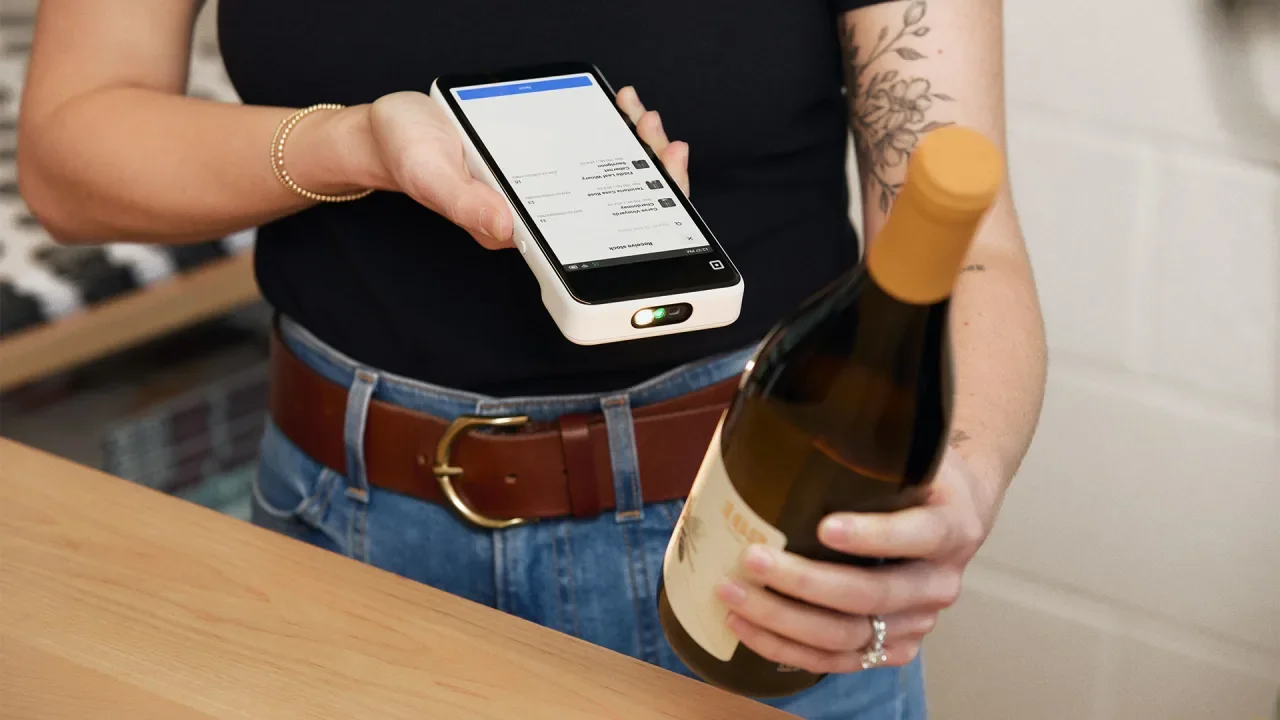
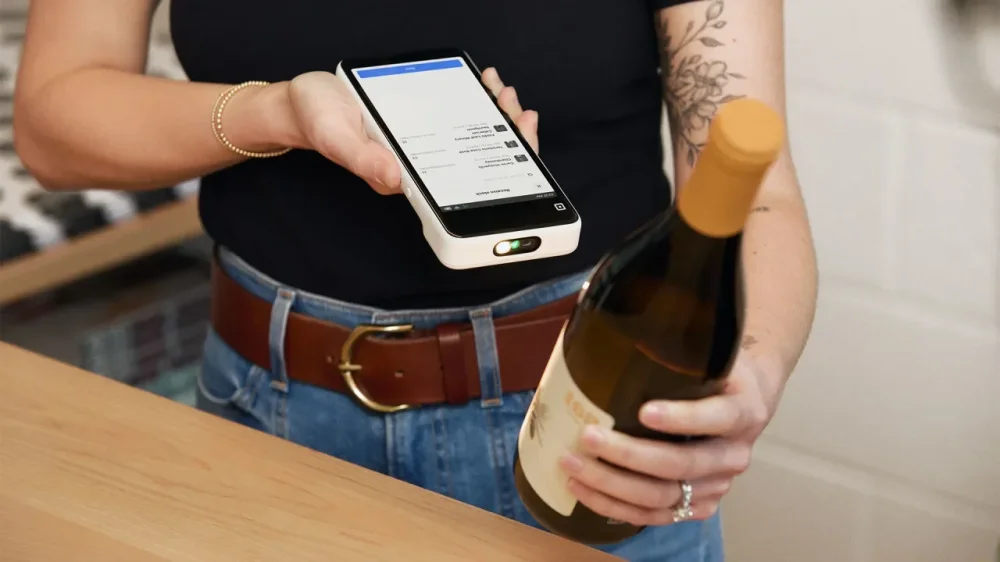
Square, the popular business technology platform known for its Point of Sale (POS) systems, has launched a new device designed to allow sellers to ring up various kinds of purchases and perform other tasks without carrying around the extra weight of bulkier hardware. The Square Handheld, with a screen that is slightly bigger than a cellphone, is less than an inch thick, thin enough to fit in your back pocket. Handheld card readers currently on the market are bulkier, requiring sellers to use lanyards or handstraps to carry them around. The Square Handheld frees up hands for a more seamless integration into the user’s workflows. The device supports a full range of payment options, includes a camera and barcode scanner, and is designed to last. The device is IP54-rated, meaning it can handle water splashes and dust. Users can further protect the device by purchasing a case, offered on the Square online shop and developed in partnership with Belkin. At a product event in New York City last week, businesses that have already trialed the Square Handheld discussed both the device’s functionality and the connection to customers that the device helps facilitate. Staff at Cisco Brewers, originally established in Nantucket, Massachusetts, use the Square Handheld’s barcode scanner to verify customers’ IDs. Other restaurant owners say the device makes placing orders easier. “It’s tremendously helpful to place orders instantly at each table instead of waiting at a counter and entering multiple tables’ orders at once,” said Trevor Ledergerber, owner of La Mediterranee, in Berkeley, California, via a press release. Sellers also say they appreciate the connection it creates between businesses and clientele. Maricia Du Plessis, owner of Polly’s Cafe in Brooklyn, says that the device operates as a conversation starter as well as being convenient. “It helps to be able to be superclose to our customers—quite literally—and connect more deeply with them and really understand who they are and what drives their behavior and how we can observe them over time,” Du Plessis said. The device is supported by Square’s Point of Sale app, which features seven different modes of functionality, including Bar mode, Quick Service mode, and Retail mode, with the option to expand and customize features as a business grows. The Square Handheld includes customer profiles that businesses have already made with Square, and according to a press release, it can fit into any in-store workflow and is especially suited to restaurants and retailers. “Square Handheld fuses Square’s industry-leading design with powerful commerce software to deliver a dynamic device that empowers sellers to keep pace with the breakneck speed of modern business,” said Thomas Templeton, head of hardware for Block, Square’s owner, in a press release. The device is currently available for $399 on Square’s online store, with the accompanying Belkin SheerForce cases available for $39. View the full article
-
Remember the three things you represent. By Martin Bissett Business Development on a Budget Go PRO for members-only access to more Martin Bissett. View the full article
-
Remember the three things you represent. By Martin Bissett Business Development on a Budget Go PRO for members-only access to more Martin Bissett. View the full article
-
In recent years, Khan Academy founder Sal Khan has been most visible promoting the organization’s AI learning assistant, Khanmigo. But a second nonprofit he founded, called Schoolhouse, focuses on connecting students with their peers for human-centered educational interactions. Since the height of the COVID-19 pandemic, Schoolhouse has connected students with trained and certified volunteer tutors, often around their own age, who help them understand a variety of academic subjects. Now, through a pilot with the College Board, these tutors also help students prepare for the SATs. “It was a very utopian idea that frankly a lot of people were very skeptical of—that you could attract volunteers, and vet them, and train them, and give high-quality tutoring at scale for free to other folks,” says Khan, who is also CEO of Schoolhouse. “But we built that first prototype, summer of 2020, right in the middle of the pandemic, and it worked.” As of Tuesday, Schoolhouse is publicly launching a new program called Dialogues, which connects students aged 14 to 18 via Zoom to respectfully discuss a variety of often-controversial cultural and political topics. Developed with experts in civil discourse, the program offers students discussion guides on subjects like immigration, gun control, climate change, universal basic income, and artificial intelligence. Ultimately, though, it relies on students to engage respectfully and learn from one another. “It’s not a debate,” Khan says. “You don’t have to convince the other person, but you do want to be able to give your point of view in a thoughtful way, and you want to be able to listen and be able to understand the other side’s point of view.” During sessions, students are identified only by their first names and last initials. While video is optional, Schoolhouse reports that about 75% of students in the pilot opted to keep their cameras on. After each conversation, students complete surveys reflecting on their experiences. Dialogues offer not only insights into differing perspectives but also teach students how to maintain respectful, productive conversations. “I often end up being the one who sort of leads the question, as in answers first,” says Claire, a participant in the program. (Schoolhouse requested that Fast Company only identify student participants by their first names, in keeping with Dialogues’ privacy practices.) “And I’ve learned how to do that in a way where I’m not running over the other people—where we really share our own different thoughts, and we dig a little bit deeper.” More than 600 students have participated in the pilot phase, holding over 2,000 Dialogue sessions. Participants can also start Dialogues clubs through Schoolhouse to help organize sessions. “It’s our dream that one day, Dialogue Clubs will be just as common as Debate Clubs,” Khan wrote in a blog post. Students can also receive official portfolios from Schoolhouse documenting their participation and peer feedback. By connecting students across geographic regions, Dialogues expose them to viewpoints and ideas they may not encounter in their everyday lives. “In my daily life, I really thought I met a lot of different people, and I was kind of tapped in with a bunch of different areas of the community,” says David, a participant. “But once you go into Dialogues, you realize that there’s a lot more breadth to the world around you.” Zoom offers a more intimate, one-on-one setting than typical internet message boards—without the cost and complexity of travel. “We had two American students talking to two Chinese students in China about free speech,” Khan says. “I don’t know how you pull that off in person without some super-expensive exchange program.” Several colleges—including the University of Chicago, Johns Hopkins University, MIT, Vanderbilt University, Columbia University, Colby College, Northwestern University, and Washington University in St. Louis—have said they will officially consider Dialogues portfolios as part of admissions applications. Students who volunteer to tutor through Schoolhouse can also build similar portfolios. Khan says his team has, with student permission, shared transcripts and recordings of Dialogues with school officials to help them understand the program, and the response has been positive. “Their consensus is, this is incredible,” he says. “Like, these are kids that we would want to accept.” View the full article

-
Letterboxd is the social media app of choice for many movie fans out there—and for good reason. The service has long been a platform for rating movies, sharing and viewing recommendations, and organizing your watch lists. Now, however, the company is gearing up for a new business model: on-demand video streaming. Letterboxd announced the news at the Cannes film festival on Tuesday. While the company's reveal is lacking many details, we do have some idea of what to expect. The new streaming service will be called the Letterboxd Video Store, and will host "shelves" of select titles. These movies are curated by Letterboxd, and are quite specific. According to the company, Letterboxd Video Store customers can expect to find movies in the film festival circuit, lesser-known movies, and films from around the world, as well as titles from new filmmakers. Letterboxd is making a point to offer movies that don't have a wide distribution yet, which means the service might offer a way for people to see a movie they otherwise never would have. You'll be able to rent these movies on-demand, similar to other services like Prime Video, Apple TV, or Google Play, or during specified windows of time. As of yet, however, there is no release date or specific timeline for the feature. Letterboxd says that details on which movies they'll release, which regions they will support, and launch dates will be announced in "the coming months." Hopefully, those months come sooner rather than later. This sounds like a great feature, and a complement to other non-traditional streaming services like Mubi. In the meantime, if you're looking for ways to get more out of your Letterboxd experience, Lifehacker contributor Eric Ravenscraft recently offered five tips to make the most of the app—especially if you're willing to pay for Letterboxd's premium subscription tiers. View the full article
-
Why it works ... and how it can fail. By Marc Rosenberg The Rosenberg Practice Management Library Go PRO for members-only access to more Marc Rosenberg. View the full article
-
Why it works ... and how it can fail. By Marc Rosenberg The Rosenberg Practice Management Library Go PRO for members-only access to more Marc Rosenberg. View the full article
-
A new paid internship program, set to begin this summer, will allow select college students to work on the reconstruction of Baltimore’s Francis Scott Key Bridge, which collapsed last year. The program, which was announced Monday, is the result of a partnership between The Maryland Transportation Authority (MDTA) and the Maryland Higher Education Commission (MHEC). Interns will be hired as temporary state employees and get hands-on experience in areas like project management, environmental and construction management, as well as community outreach activities for the historic project. Both undergraduate and graduate students are eligible. “The goal of the internship program is to strengthen collaboration skills among interns, foster community engagement, and help students build professional networks that will serve them well in their future careers,” Maryland Transportation Secretary and MDTA Chairman Paul J. Wiedefeld said in the announcement. The unique internship opportunity is fairly selective. More than 80 students from the University of Maryland College Park, Morgan State University, University of Maryland Baltimore County, and Johns Hopkins University applied for the inaugural session. Only 10 were selected. Those interns will work alongside engineers and other experts involved in the construction from June through August 2025. As the Key Bridge project develops, the MDTA and MHEC plan to continue bringing on more students to participate. Per the announcement, the internship program will run until construction is complete. The Maryland Department of Transportation, says the bridge could take four years to rebuild, and cost up to $1.9 billion. Baltimore’s Key Bridge collapsed in March 2024 after a cargo ship lost power and slammed into the structure. Six construction workers, who were making repairs on the bridge at the time, died in the incident. The bridge, which took five years to build, opened in 1977. Around 34,000 vehicles crossed it every day in the years leading up to its collapse. The new bridge will be taller than the original, to accommodate larger ships, and will have other structural improvements. The cable-stay design was released to the public in February. “Maryland’s first cable-stayed bridge will rise, not just replacing what we lost, but revealing what we have found—strength and unity—in this state,” Lt. Gov. Aruna Miller said of the new design at the time. “We stand here today united stronger than ever before, ready to rebuild, ready to show the nation what Maryland is made of. . . . This bridge will stand as a beacon of perseverance.” View the full article

-
Inflation data helps Wall Street benchmark rebound from 15 per cent fall sparked by Donald The President’s tariffsView the full article
-
This article explores what a market analysis is, why it‘s important, and how to conduct one for your business. View the full article
-
We now seem unable to turn the surplus in some countries into productive investment elsewhereView the full article
-
We may earn a commission from links on this page. The Peloton functional threshold power test (known most often as the FTP test) is a brutal 20-minute slog that is, well, uncomfortable to do. It's also important, especially if you want to start taking Power Zone classes on your Bike or Bike+. At the end of this miserable little ride, ideally, you'll feel accomplished. You'll also have some data about your general fitness level. Even though it's not fun—unless you are one of those people who finds a lot of fulfillment in hard work and/or suffering—it is useful, which is why I want to encourage you to finally do it if you never have or redo it if it's been a while. What is the FTP test for? The purpose of the much-feared FTP test is to gauge your general fitness level by figuring out a benchmark for your spinning sessions and customize what the company calls "power zones." Peloton will set power zones from one to seven for you if you choose to engage in those types of classes. (Read more about this specific class type here.) Even if you're not going to do Power Zone classes, knowing your functional threshold power and tracking it by repeating the test every four to six weeks can help you get a broader sense of how well you're doing with your training. During the test, you ride as hard as you can for 20 minutes. That's really it. Your FTP, as the instructor will explain to you, is 95% of your average power during that test—it's meant to represent what your average output would be if you were to actually go as hard as possible over the course of an hour. Honestly, be grateful it's not an hour. How to access the FTP test (and what to expect)It's actually a little tricky to find this devil. First, I found "Discover Your Power Zones" under the Programs tab on my bike's touchscreen, but once I had enrolled in a Power Zone course, it didn't even start with the test. That was to come after a few workouts—in that course, anyway—and the workouts only unlock week by week. I didn't want to wait weeks, so I tried a different method. I just navigated to Classes, then filtered search results to "Power Zone" and "Length: 20 minutes." A number of FTP tests came up. Really, these are just 20-minute rides in the standard class format. There is an instructor, a playlist, and an on-screen display letting you know your cadence and resistance. If you've taken a single class on a Peloton bike, it will be familiar to you. If you have not taken a class on the Peloton bike, please do that a few times first so you know how the machine works. There's also a meter across the bottom of the screen letting you know which power zone you're in at a given time, but if it's your first time taking the test, it's going to be more of an estimate of what the zones should be, since it hasn't really been customized to you and your fitness level yet. Let me explain a little more. The zones range between one and seven, with one being easiest and seven being hardest, and represent your output, which is a number that combines your resistance (how hard it is to pedal) with your cadence (how fast your legs are moving). If your resistance is up and you're pedaling fast, you'll scoot yourself into a higher zone. This is especially relevant when taking a Power Zone class after completing your FTP test, since the zones will be automatically calibrated to your own fitness level. That is to say, your "zone four"—when you're huffing and puffing but still able to operate just fine—might be a different output number from someone else's. Some unfortunate news: No matter which instructor you choose for your FTP test, they'll always encourage you to start in zone four and move up from there over the course of 20 minutes. This is why a warmup before the test is crucial, but we'll get to that. My first FTP experienceFirst of all, I want it on the record that this is a decently difficult endeavor. I am saying that as someone who teaches at least three cycling classes per week, has done so for four years, lifts about four times per week, and also rides the Peloton bike for at least 15 minutes every day (but usually more). I am not an exercise novice. Still, my first FTP test kicked my ass. After finding it among my filtered class search results, I approached my FTP test, led by Olivia Amato, with a very foolish mindset of, "How hard can it be?" It can be hard. You start in zone four and are instructed to increase your resistance periodically, moving through the zones at a rate of about one every five minutes until you're in zone seven, pushing as hard as you can. The FTP test I chose stuck with a cadence around 90, though I've checked out a few others using my Peloton app and noticed they vary. Christine D'Ercole's FTP test, for instance, starts at a cadence of about 80. Each class has user-generated difficulty ratings, so check those if you're unsure which instructor to choose. Denis Morton's FTP test scores a whopping 9.8 out of 10 on the difficulty scale while Amato's has a 9.2 and D'Ercole's has a 9.3. Keep in mind that you don't have to stay at the cadence they're suggesting. This is a test of your abilities, so perform to your abilities only. Credit: Lindsey Ellefson Over the 20 minutes, Amato said a lot of encouraging things. A few selections: "Today is one of those days where we get to work hard, where we get to show up for ourselves, so do it with everything that you have, everything that you are. That's what you deserve to give yourself." "Celebrate the fact that we get to do this together, that you're capable, that you're here, that you're alive, that we're breathing, that we're moving, that we get to work hard. Celebrate the fact that you showed up today." "I want you to really start to step into your potential. We already know it's there so let's start to bring it to life." It went on like this for the full 20 minutes. Amato, for sure, is good at her job because by the end of this test I was not interested in continuing, but her peppy little encouragements did make me (begrudgingly) keep at it. Of note, participants are encouraged not to come out of the saddle unless they really need a break. I challenged myself to not lower my resistance even once, but only raise it every few minutes, so that was really tough. In the end, my highest output over the course of 20 minutes was 394 watts. My best cadence was 124 rpm. Per my Apple Watch, my average heart rate was 144 bpm. Even if I didn't get a bunch of data out of this that enables me to track my progress—which I certainly love to do—this was a damn fine workout. You want me to reveal my ultimate FTP score, I know. I am not doing that. First of all, I'm not doing that because I scored lower than I expected to. (I partially attribute that to hubris and partially attribute that to first-time confusion and poor preparation. I'll get to my prep tips in a minute.) But also because, for as structured as this test is, it's also very subjective and is not a decisive or thorough overview of your health and fitness. This score is just one benchmark. It can be affected by so many things, from your age and experience level to how nutritious your breakfast was and how much sleep you got the night before. Don't take your score as anything more than a benchmark upon which you can build some training plans. Don't compare your score to mine (not that I'm allowing it) or to the hundreds of Peloton users who post theirs on Reddit. Only compare your score to the next score you get, and even then, do it with some grace for yourself. Like your weight or BMI, this is just a number in a big sea of numbers that, all together, still don't paint the full picture of your health and wellness, let alone do that individually. Preparing for your FTP testTo prepare for my FTP test—which I decided to do on the same day I even made up my mind to do it at all, which was my first mistake—I put on my all-time favorite workout set and drank a protein-powder smoothie while I relaxed for exactly 30 minutes, then drank some pre-workout mixed into a bottle of water and did a 15-minute warmup while I waited for it to kick in. That's about it! A few critical errors were made by me right off the bat: I slept badly the previous night and woke up before the sun to... lift and teach a spin class. My breakfast was a granola bar I found in my bag on the way to the gym and, by the time I started my FTP test, I had already banged out 90 minutes of strenuous exercise earlier in the day. The good news is that if I can do it in unideal circumstances, we can all do it in great ones. Here's what you should do: Because this is designed to be a test of your optimal output, do it on an optimal day! There's no rush. Sometimes, I like to hop on my bike on a day I'm feeling down because it perks me up, but this is not the time for an FTP test. Instead, pick a day when you're feeling good. Be well rested. Don't over-exert yourself beforehand and make sure you get sufficient sleep the night before. Eat something nutritious. It doesn't have to be right before you hop on the bike (and, for what it's worth, I'm not a big believer in eating too soon before cardio), but you should have some fuel in the tank to perform well. Hydrate before and during. It sounds obvious, but it's key. I don't love water so I find ways to trick myself into hydration. Right now, I'm obsessed with my Owala water bottle because it's comfy in the hand and easy to grab from the cup holder, plus the unique sipper-and-straw combo makes it easy to swig from even if I'm riding hard. I also keep some SaltStick FastChews—chewable electrolyte tablets—with me when I'm spinning because they're easier to gobble up and taste better than plain water. Whatever works for you and motivates you to stay hydrated, take advantage of it for this. Do a warmup. There are FTP-focused warmups available on Peloton. You'll see them when you filter your classes by "Power Zone" but before you filter for 20-minute rides, as they are either 10 or 15 minutes long. These are meant to ease you into the right physical and mental space since, again, the test starts in zone four. Do whatever self-talk you have to. I'm not a flowery person. I don't like inane platitudes and I never say corny motivational stuff when I'm teaching a class. We are trying to burn some calories and strengthen our cardiovascular systems here, not find nirvana or whatever. That said, this is the moment for some peppy self-motivation. Remind yourself, first of all, that you can do it, that you know you can do it, and that when, 16 minutes in, you want to stop, there's no reason you should. Have a little plan in place for what, precisely, you're going to say to yourself when you want to slow down or give up. Remember this isn't that serious. This is not the end-all, be-all final word on your overall health. I actually really like what D'Ercole said in Peloton's blog post about the FTP test: "Riders should not be afraid of the FTP test because it is not a judgment on one's fitness. It is simply about taking a moment to recognize where one is at that moment in time, on that particular day. Over time and retakes, it may go up and it may go down, either incrementally or dramatically. It is not a linear process. It is not a scale. It is not a compass. Understanding these things will help remove the fear from the experience." And don't forget you can take it again. In fact, I'm going to again today. I'm interested in seeing if there's any notable difference in my score when I better prepare. It's just as instructive for me to understand how—or if—my body and capacity change in the span of 24 hours as it is to finish up a tough ride and be shown an FTP score. Try taking the test at a few different points. Try different times of day or after eating certain things. At the completion of an FTP test, you're given the option to keep your score as your benchmark for Power Zone classes, but you don't have to, so you might as well play around and see what you can discover. View the full article
-
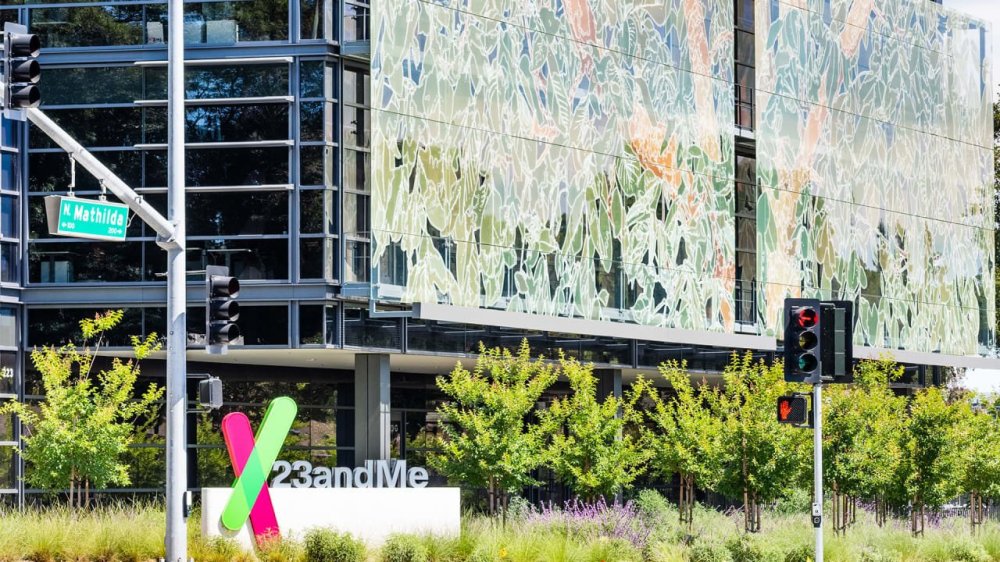
Some important news for million of 23andMe customers, past and present: the genetic testing company notified customers on Sunday, they now have until July 14 to file potential claims as the company navigates Chapter 11 bankruptcy, according to according to TechCrunch. The DNA testing firm, which filed for bankruptcy in March, along with 11 of its subsidiaries, must pay customers as part of its bankruptcy restructuring process. FastCompany has reached out to 23andMe for comment. 23andme, which provided DNA analysis to offer insights into ancestry, health traits, and genetic risks filed for Chapter 11 after it rejected acquisition offers and its market value plummeted in the wake of a massive data breach in 2023. That breach impacted nearly 7 million users by exposing their names, birth years, relationship labels, percentages of DNA shared with relatives, ancestry reports, and self-reported locations, according to TechCrunch. Multiple class action lawsuits followed, as did mass layoffs, staff in-fighting, while its market value plunged from its 2021 peak at $6 billion. How can I file a 23andMe claim? There are three ways 23andme customers can file a claim. If you were a 23andme customer between May 1 and October 1 2023 can file what is known as a Cyber Security Incident Claim if you were also notified by 23andMe that your personal information was compromised in a data breach that was discovered and disclosed by 23andMe in October 2023. Alternatively, customers who suffered financial or other damages due to that 2023 breach can submit a claim as part of the bankruptcy case. Finally, customers who have grievances about the DNA test results or the company’s telehealth services, that don’t directly pertain to the breach, can submit a claim using the General Bar Date Package. If you have more questions about 23andme’s Chapter 11 filing, data privacy, or the deadline to file a proof of claim, view 23andme’s customer support page. View the full article
-
Government has already cut $2.2bn in funding to university and US president threatened to scrap its tax-exempt statusView the full article
-
The Consumer Financial Protection Bureau is likely to scratch and rework its open banking rule, at a time when the agency's fate is in doubt. View the full article